

Architects: Jeff Garnett
Area: 1,000 ft²
Year: 2023
Photography: Costa Christ, Hannah Middleton, Jeff Garnett
Contractor: J Kellam Builder
Materials: Concrete, steel, white oak, shou sugi ban wood cladding, bronze mesh
City: Glen Rose, Texas
Country: United States
The 110 Walnut Street project transforms a narrow infill parcel within the historic town square of Glen Rose, Texas, into a compact studio and meeting space that supports ongoing downtown revitalization. Positioned between two existing masonry buildings, the design adopts a restrained architectural language that emphasizes contextual sensitivity over formal prominence. A key feature of the project is the integration of an existing rubble stone wall, which becomes central to the spatial experience. Through careful manipulation of scale, material, and light, the building establishes a dialogue between contemporary intervention and historic fabric while maintaining a quiet, cohesive presence along the streetscape.
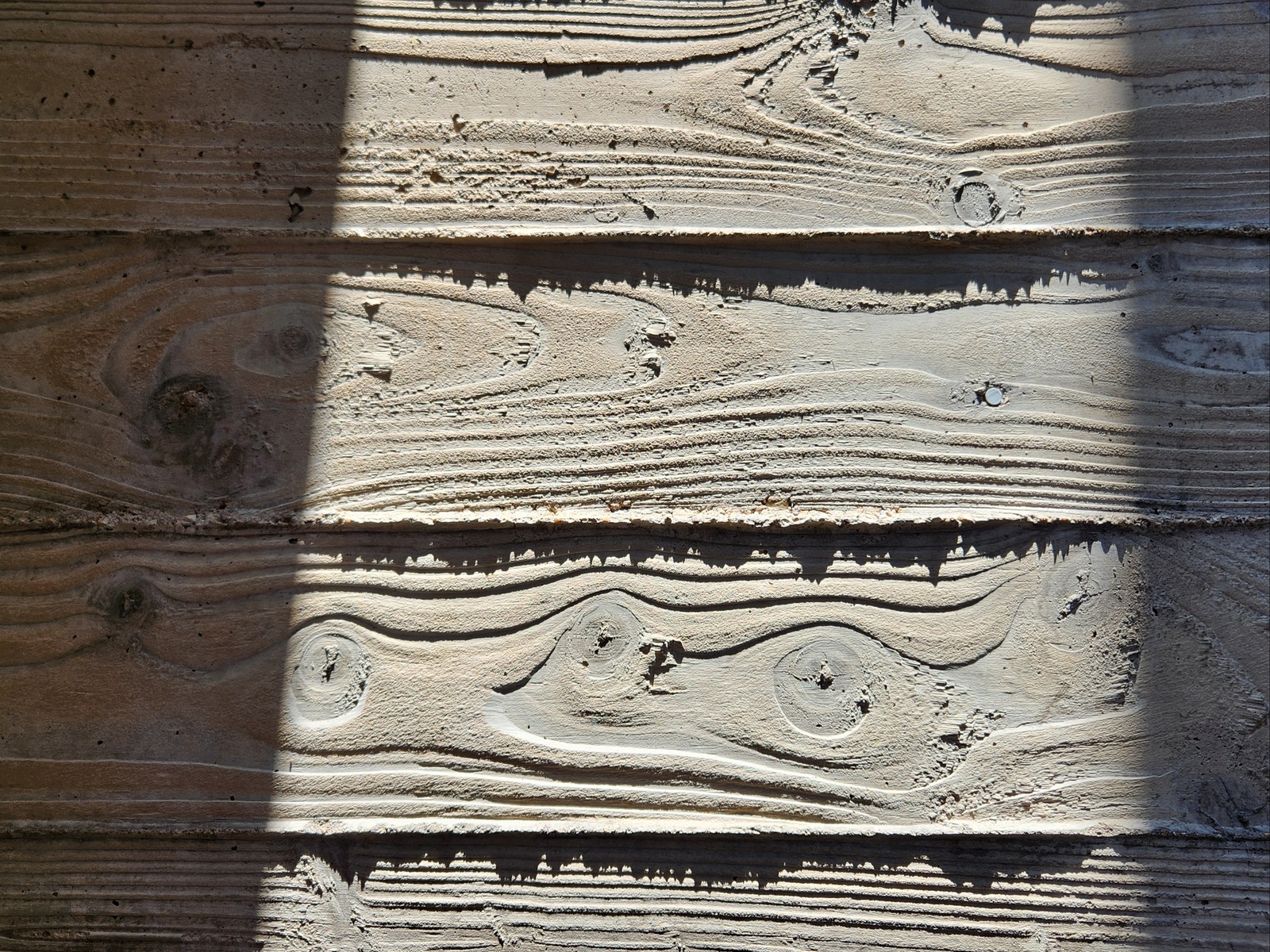
I gravitate toward materials that are honest, tactile, minimal, durable, and low-maintenance. I want materials to age well and require very little intervention over time, becoming richer through use rather than needing constant upkeep.
Interview with Jeff Garnett of Jeff Garnett Architect

The project distinguishes itself through a measured architectural approach that prioritizes alignment, proportion, and subtle spatial calibration. Rather than asserting a dominant identity, the building recedes slightly from the street, allowing neighboring historic structures to retain visual prominence. This restraint reinforces the continuity of the town square while introducing a contemporary layer that operates through precision rather than contrast.

Its presence reflects a broader strategy of incremental urban repair, where small-scale insertions contribute to the vitality of historic environments. By occupying a previously underutilized lot, the project reactivates a gap in the streetscape and reestablishes continuity within the urban fabric. The architecture engages its surroundings through careful observation rather than stylistic imitation.

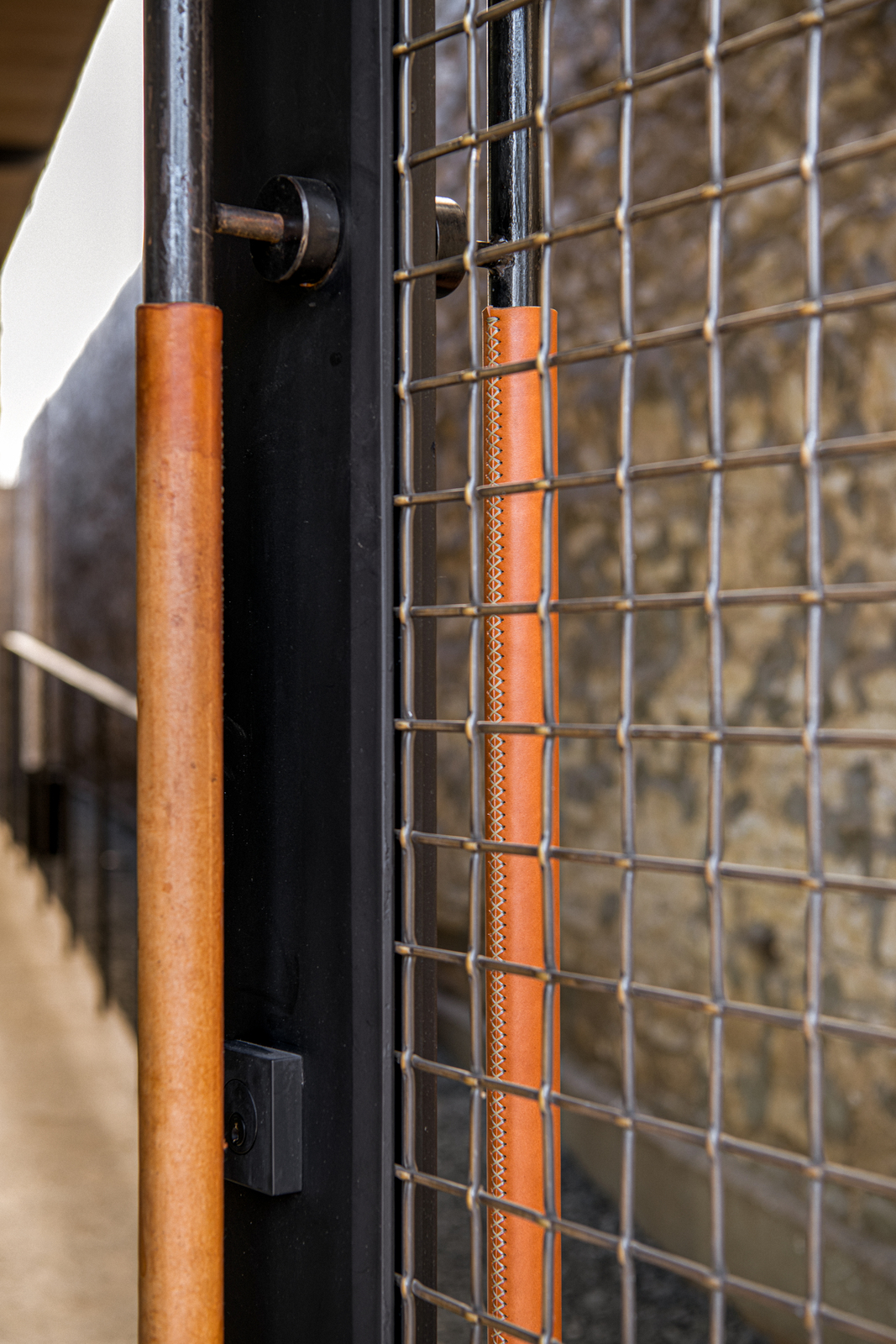
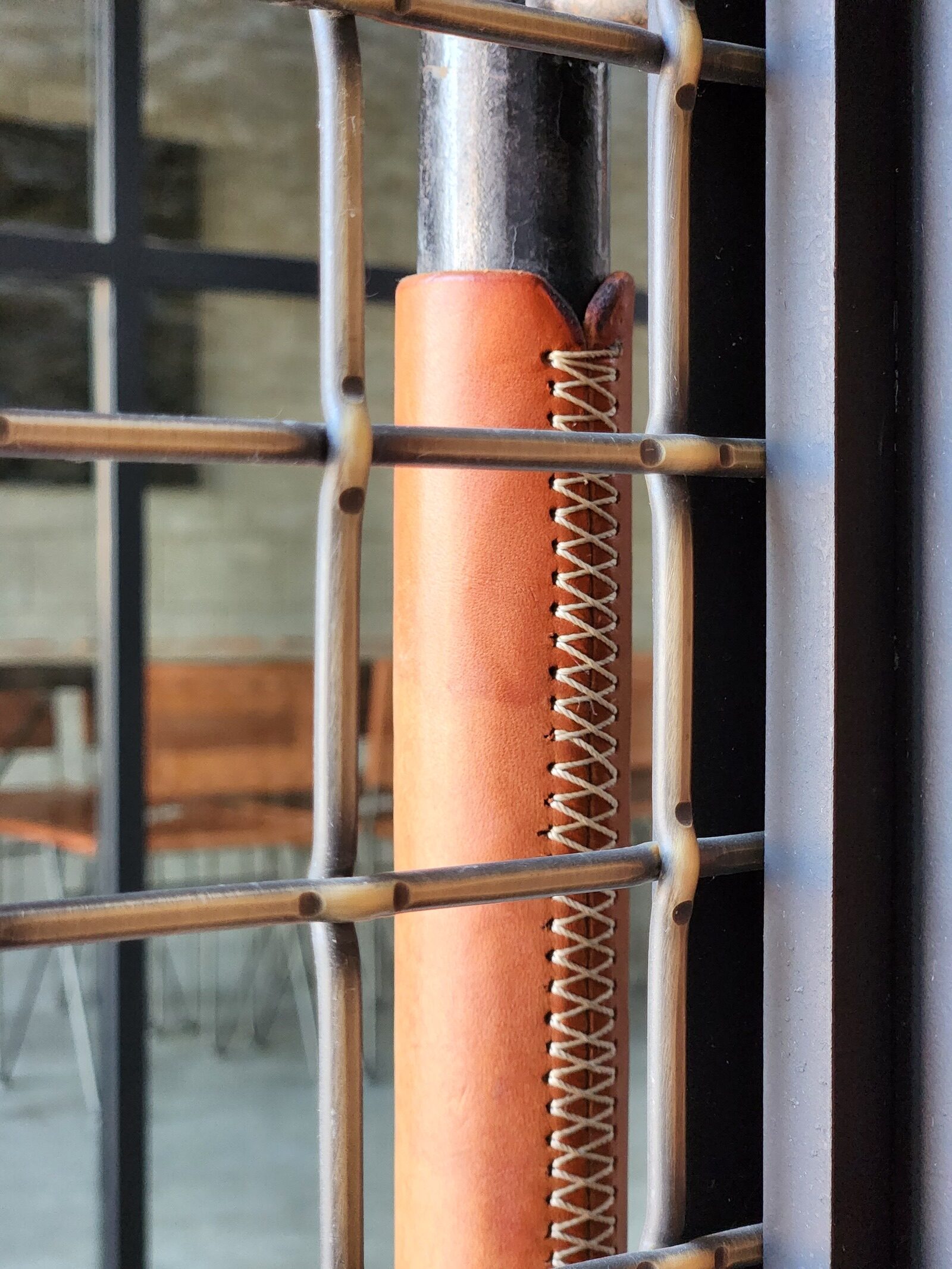
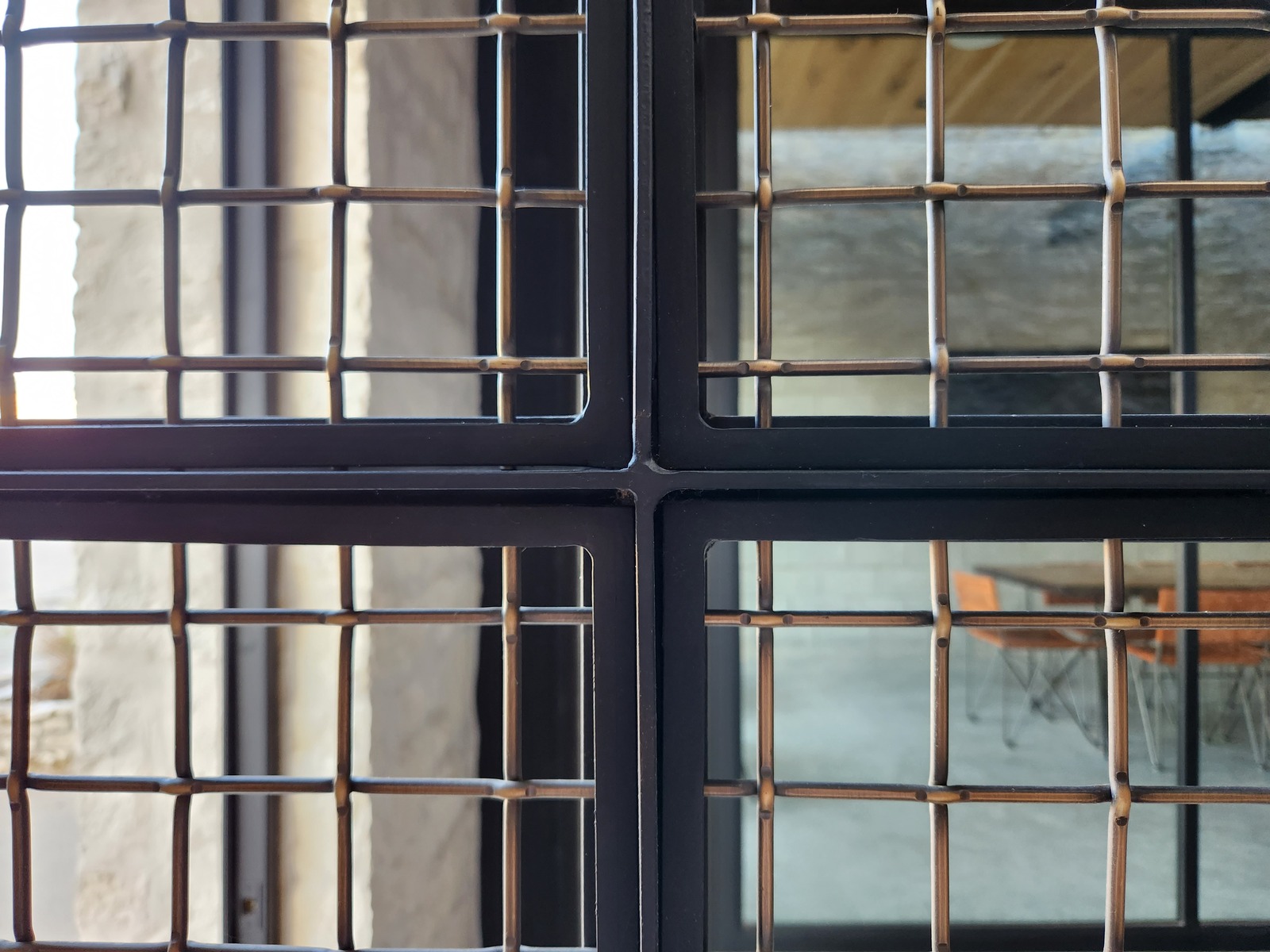
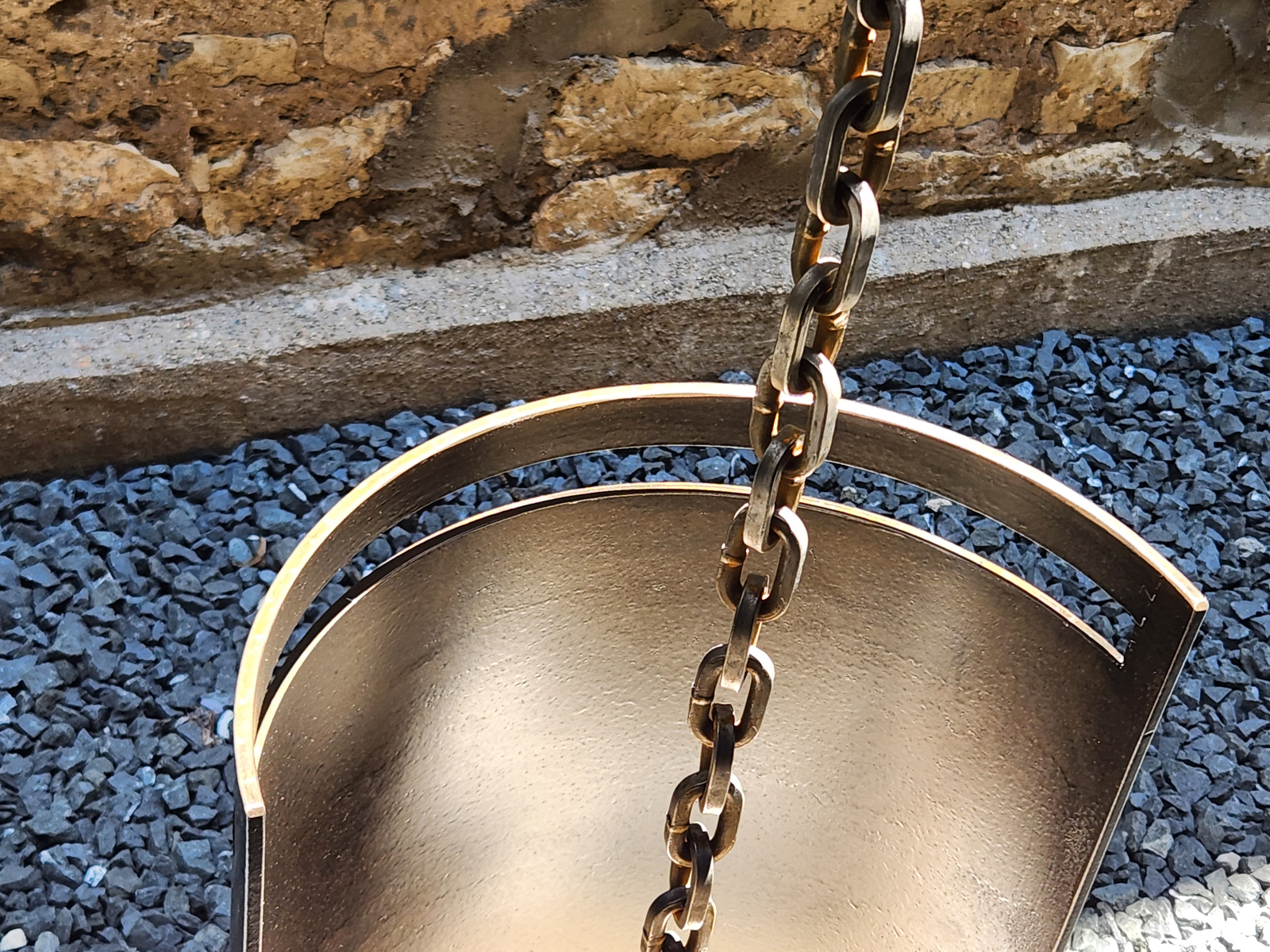
The entry sequence establishes a nuanced transition between public and private space. A custom steel gate with bronze mesh panels creates a semi-transparent threshold, offering glimpses into the interior while maintaining a sense of enclosure. The inclusion of a leather-wrapped steel pull introduces a tactile element that underscores the project’s emphasis on craftsmanship and material aging.
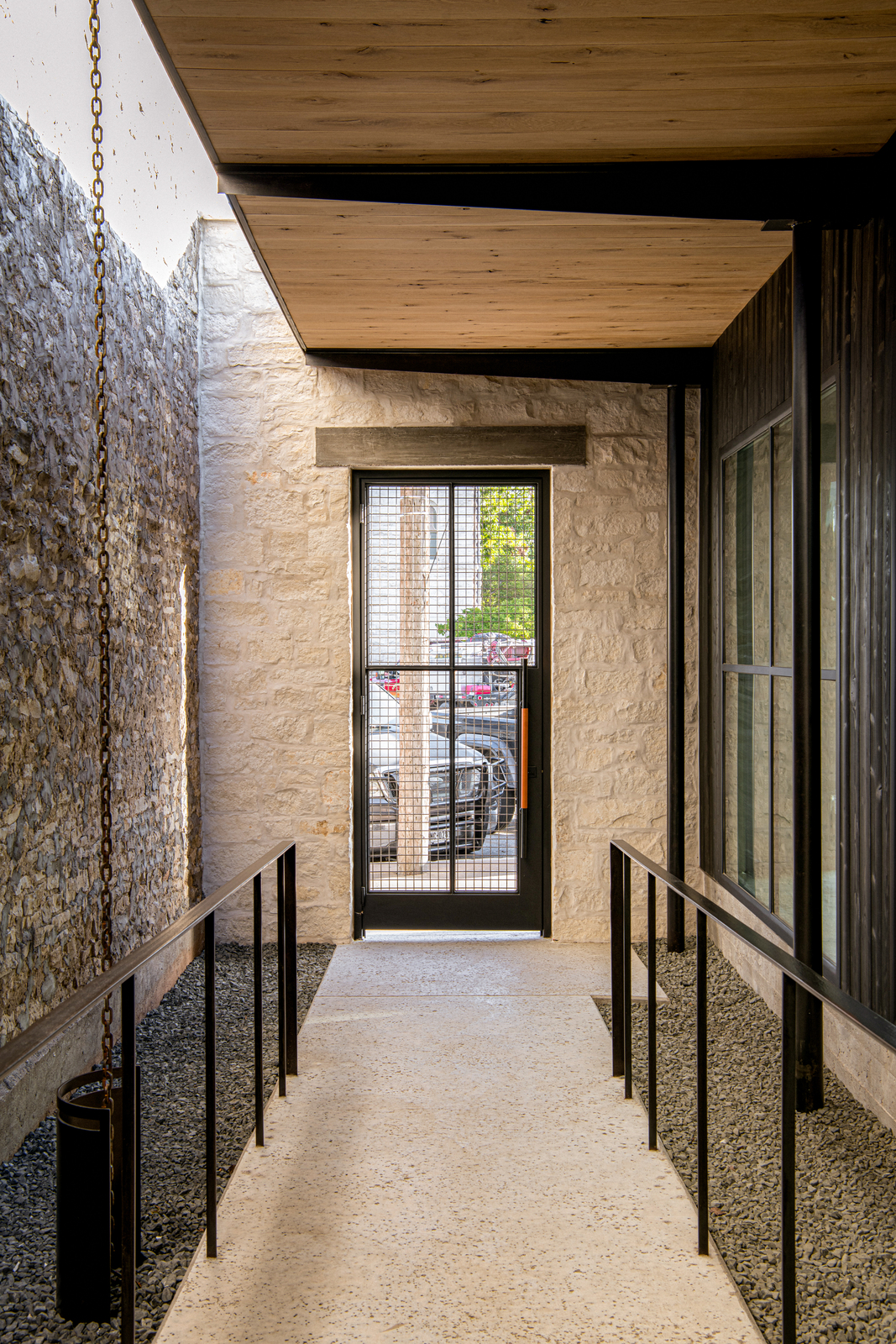
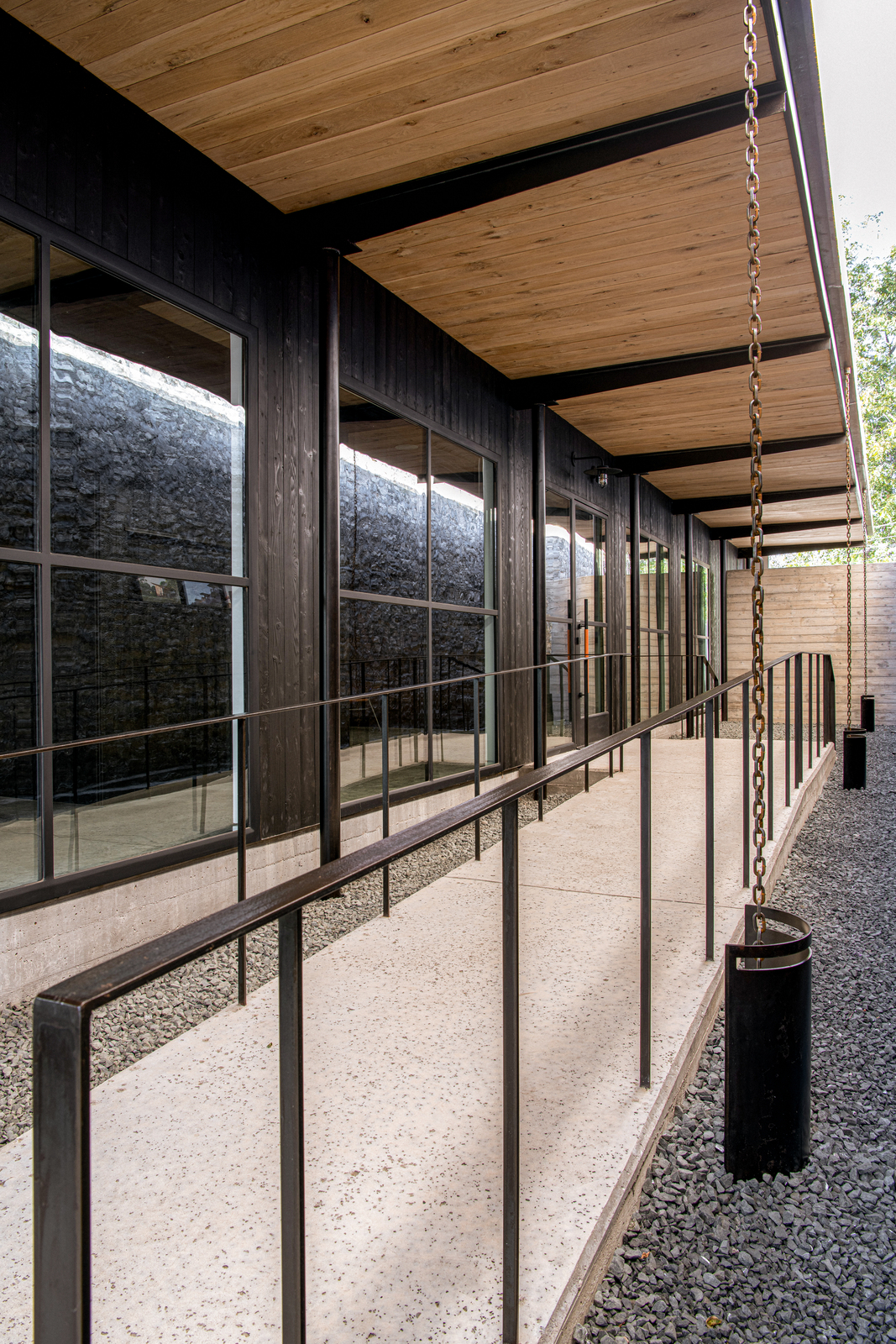
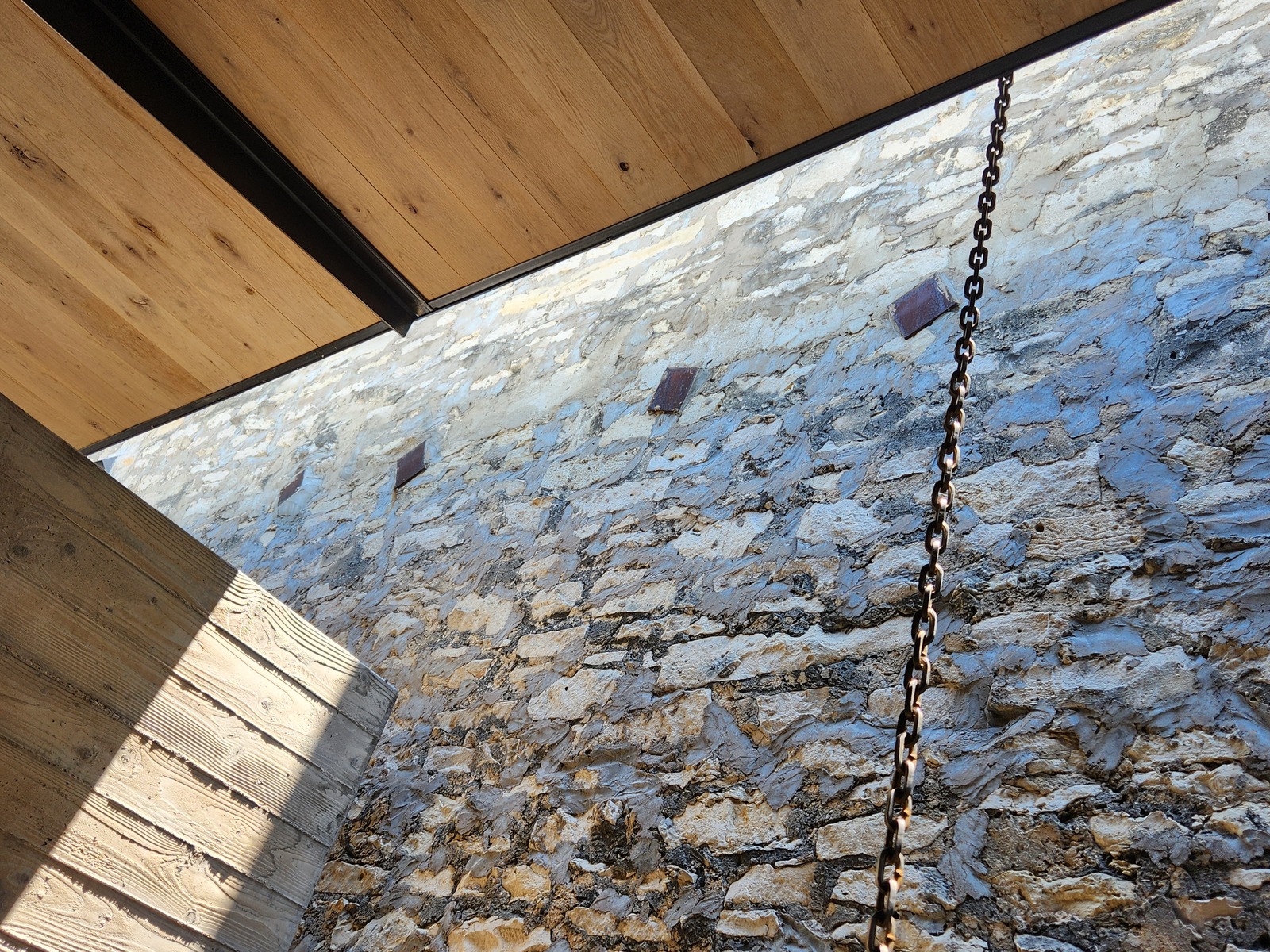
Beyond the gate, a covered walkway directs movement inward while maintaining a visual relationship with the adjacent rubble stone wall. The roof is deliberately offset from the wall, allowing daylight to penetrate the narrow space and accentuate the texture of the historic surface. This gesture transforms the wall into an active architectural feature rather than a residual condition.
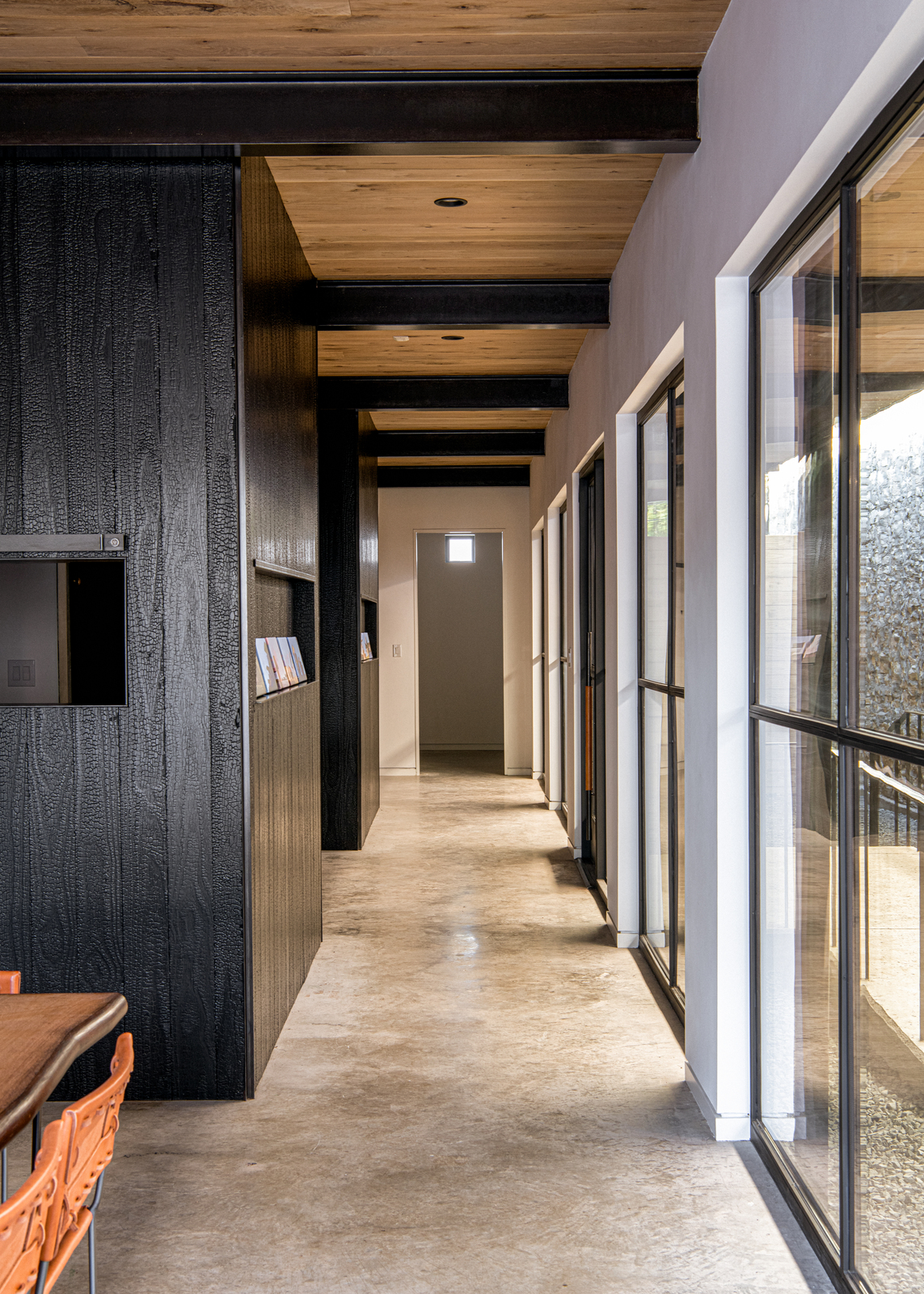
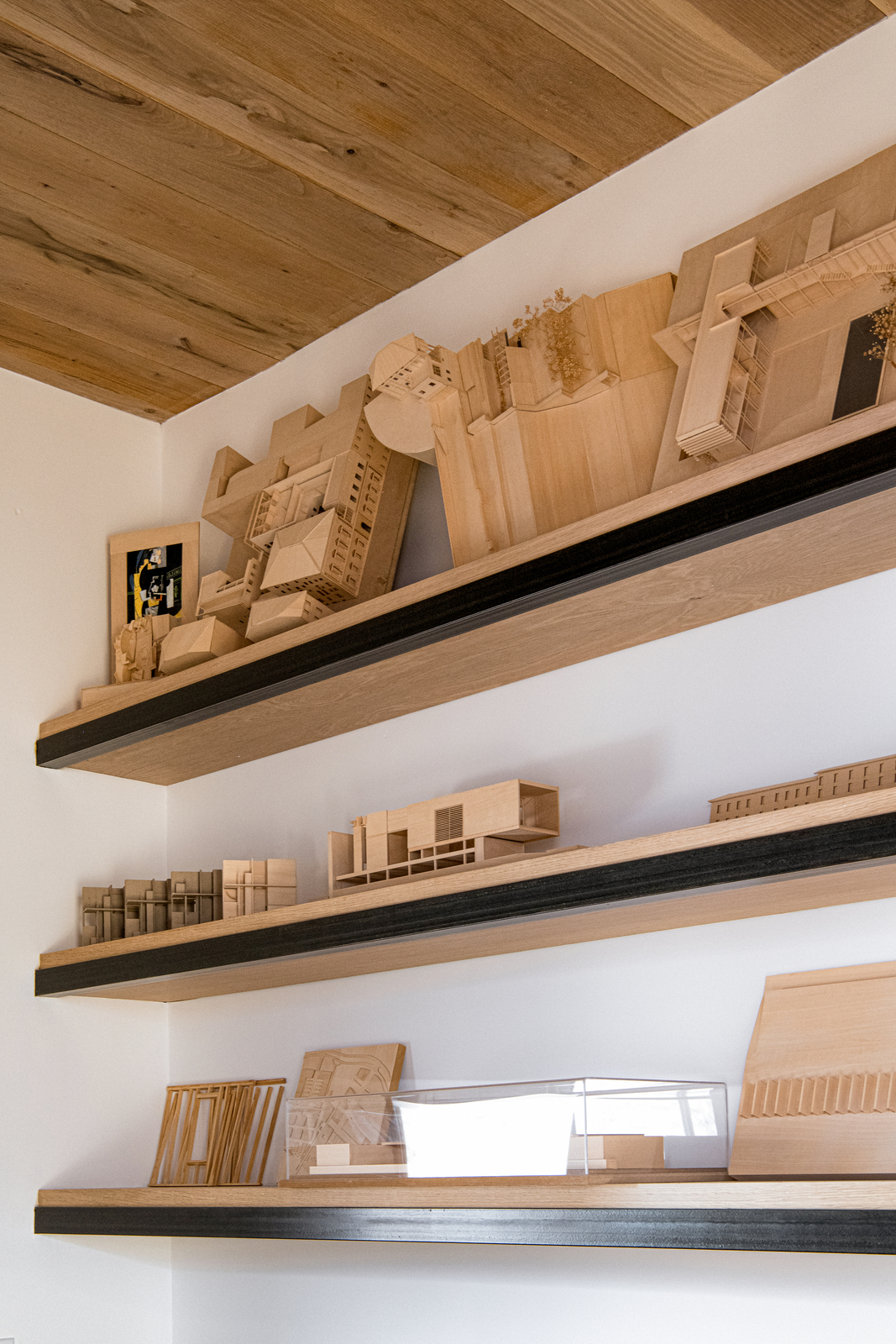
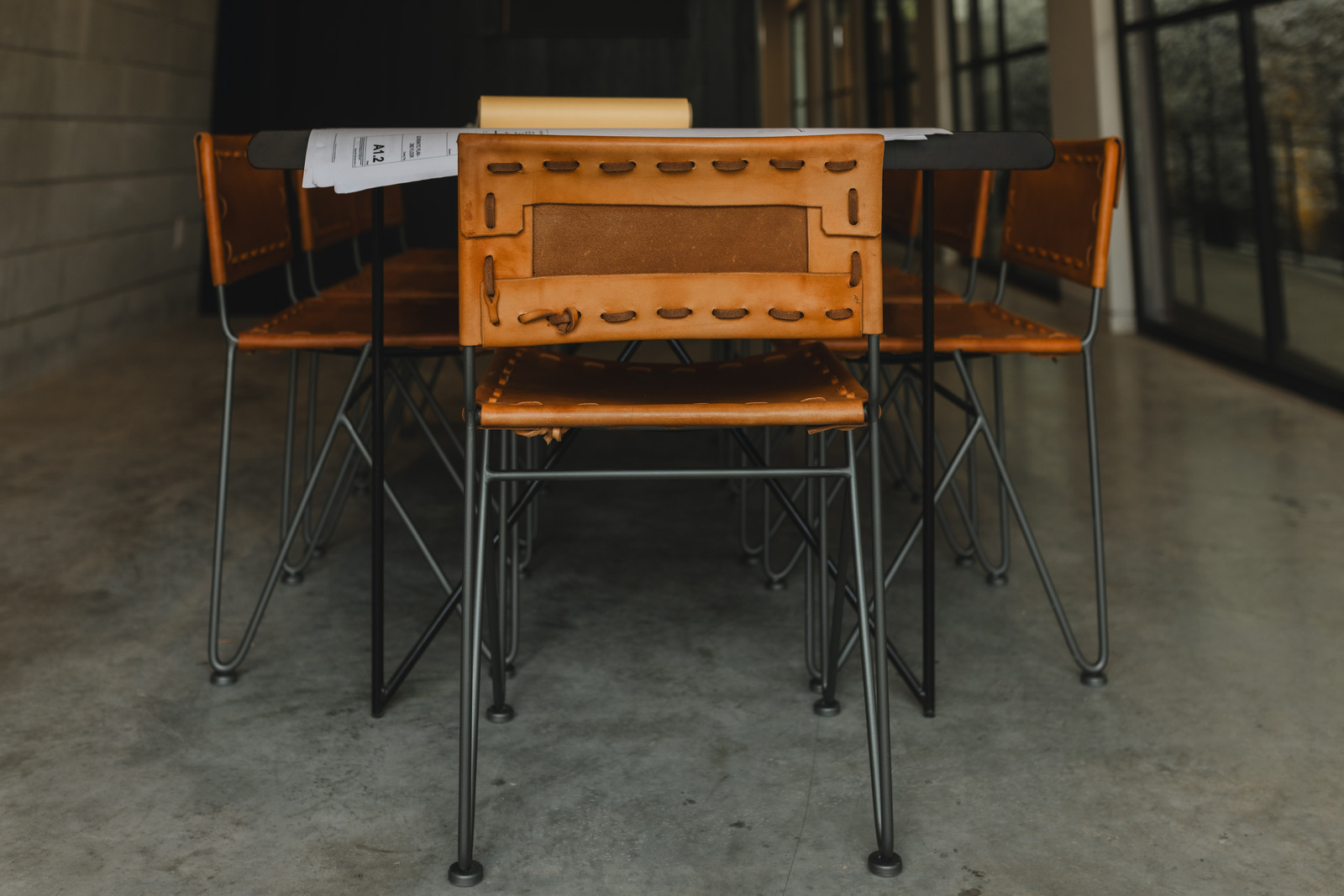
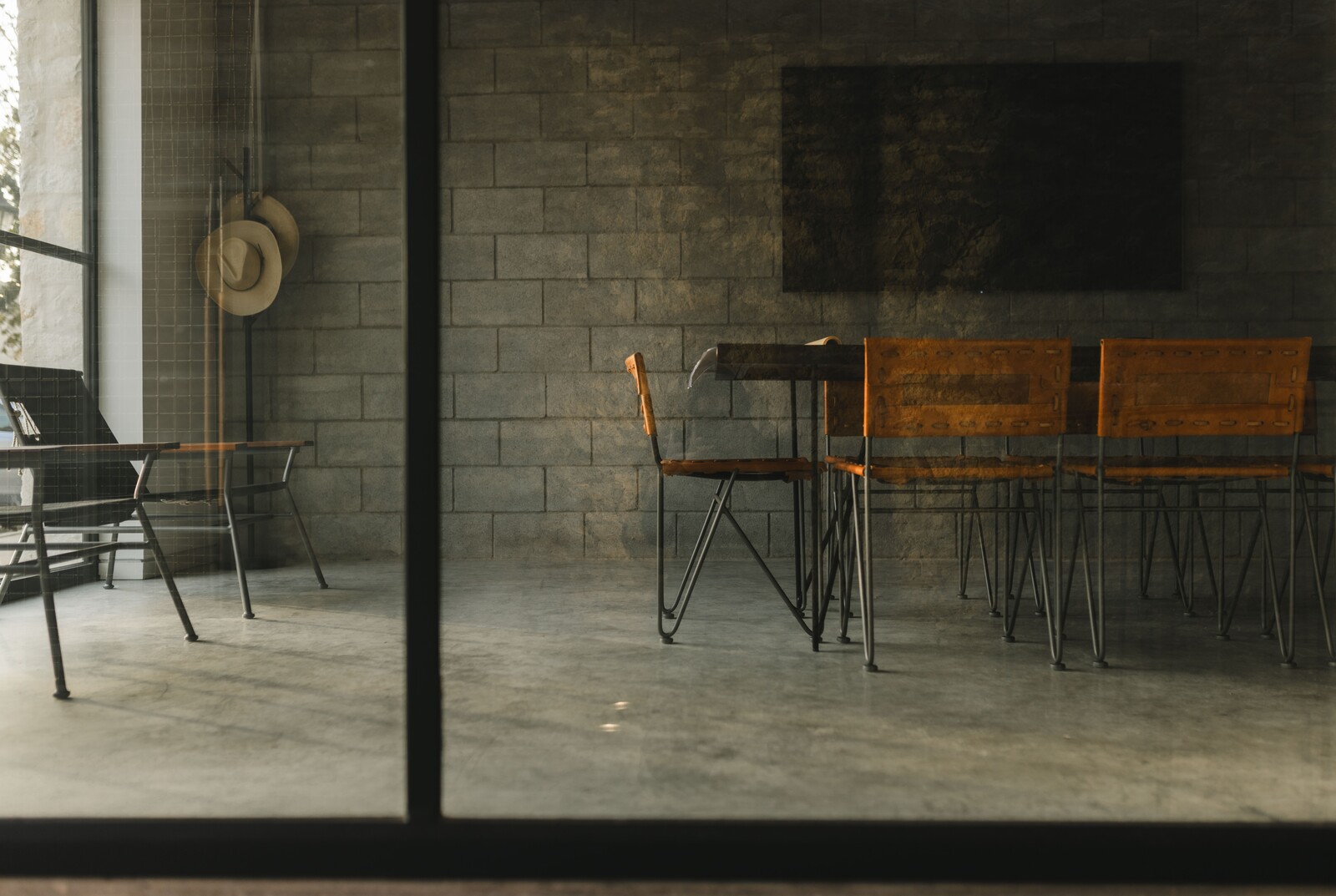
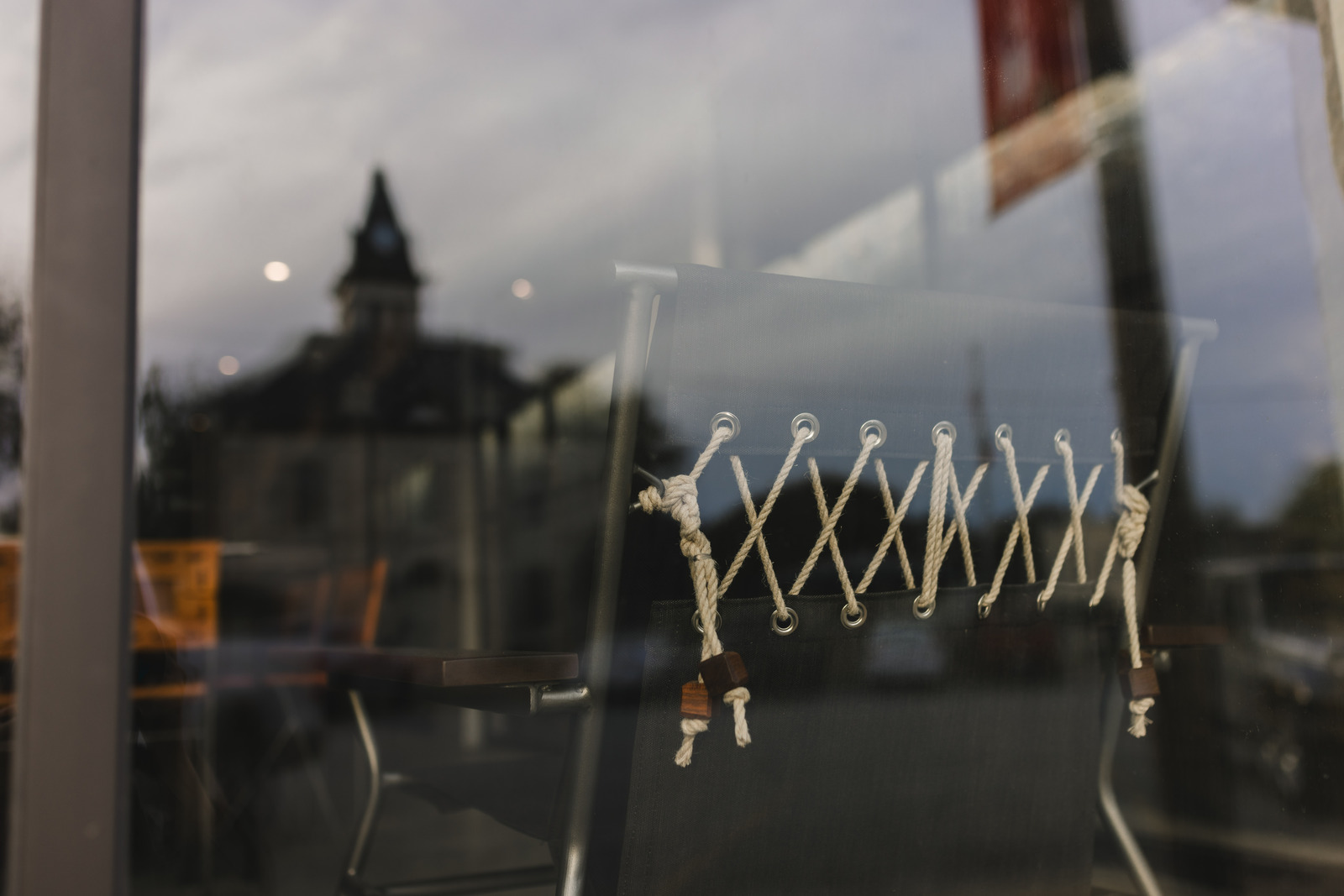
Internally, the building is organized around a compact and efficient plan that accommodates multiple functions. A central gathering space anchors the interior, supported by a kitchenette and a more private office pod. The primary meeting area faces the street, where large openings frame views toward the courthouse and extend the interior experience into the public realm.
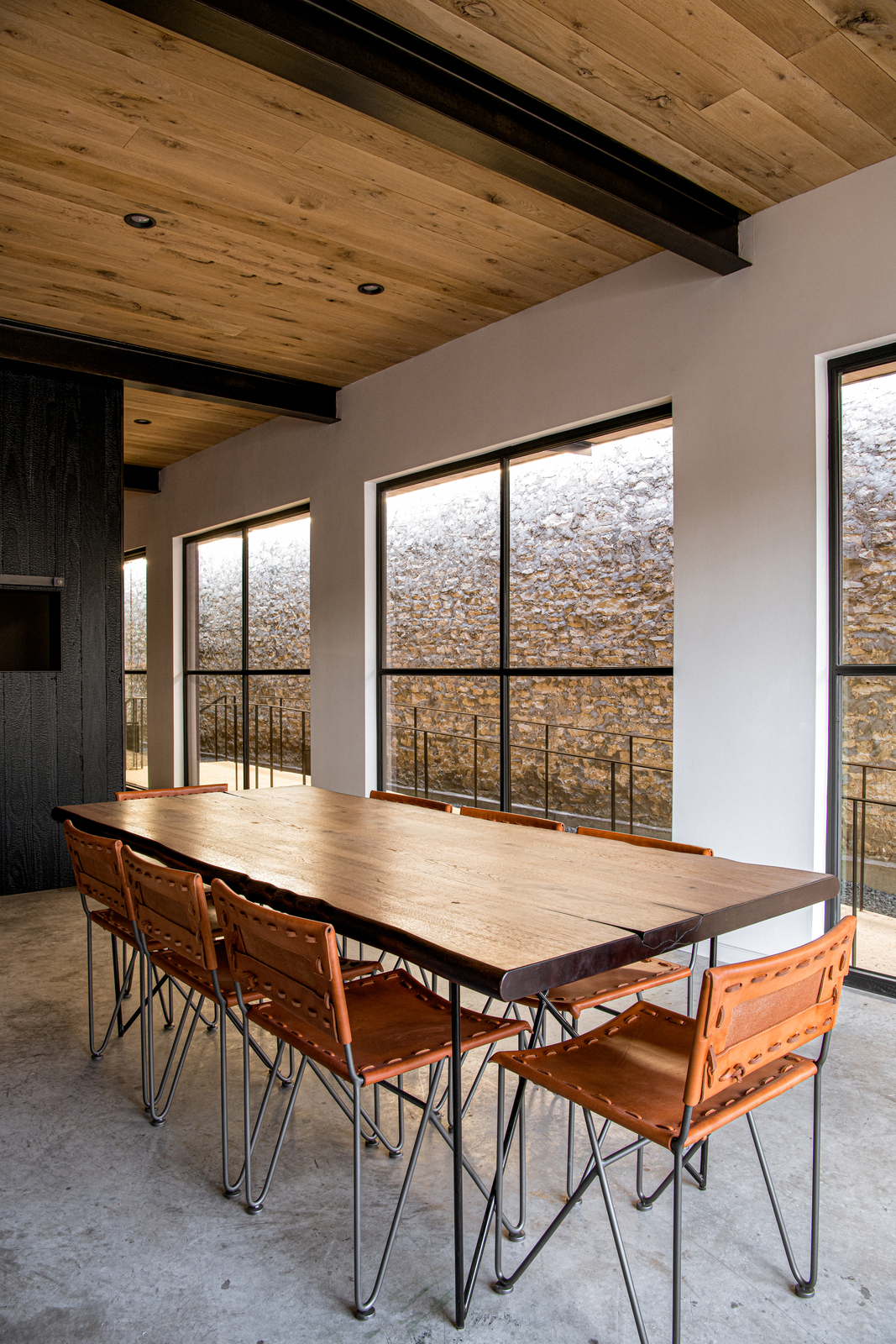
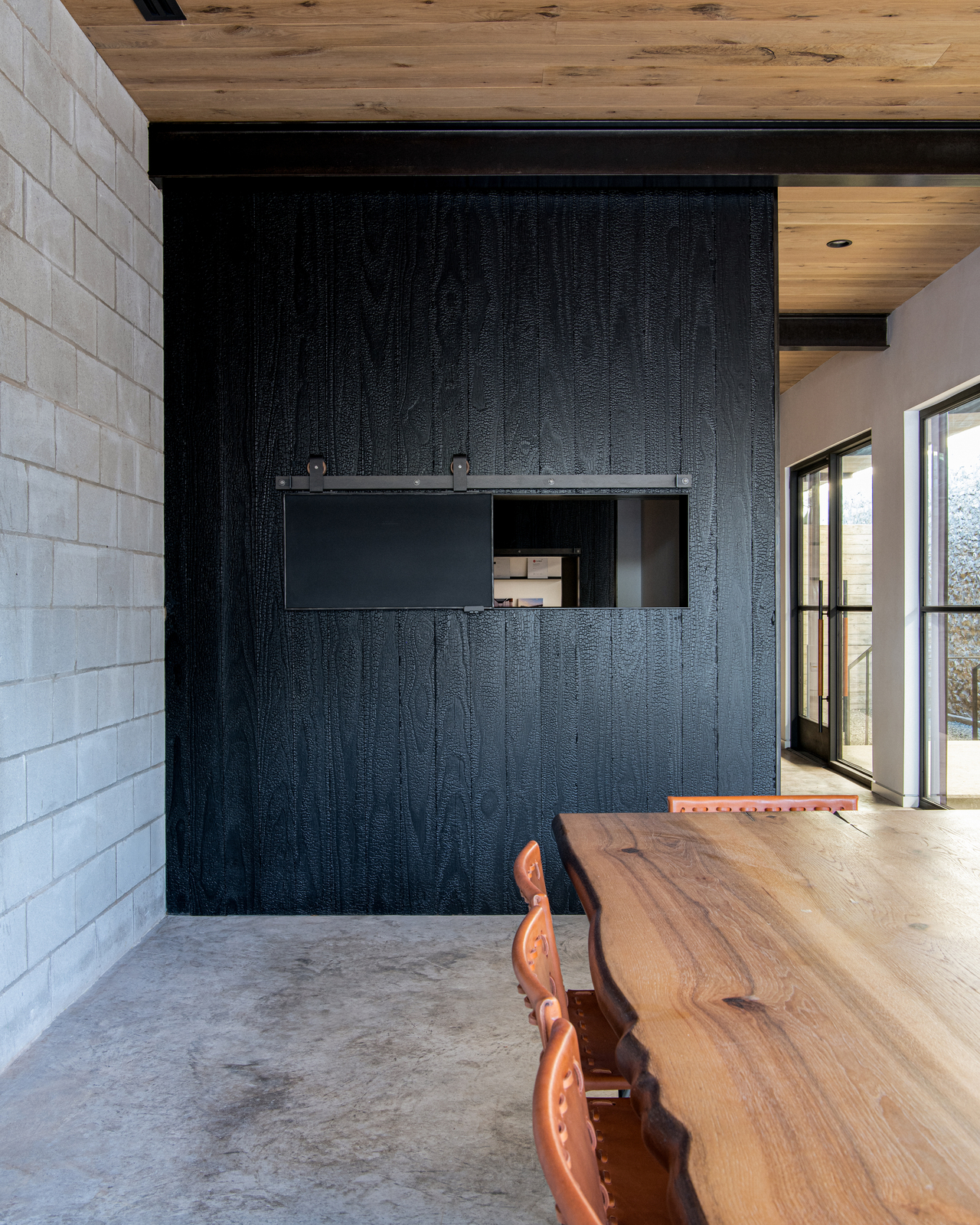
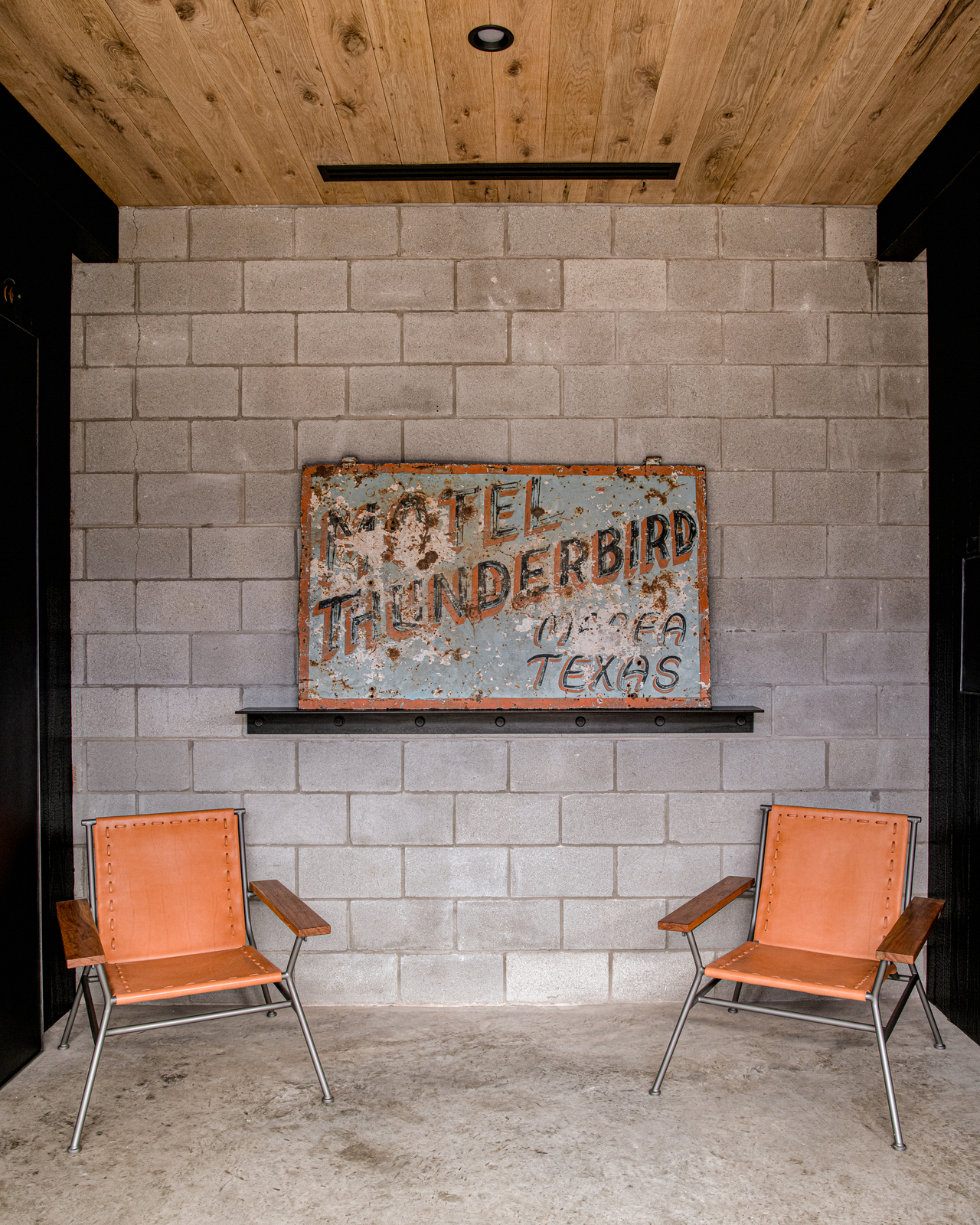
Material selection reinforces both durability and atmosphere. Concrete flooring provides a resilient foundation, while lime-washed walls introduce softness and reflectivity. The interplay between charred wood cladding and a white oak ceiling creates a balanced contrast of dark and light tones, complemented by exposed steel elements that articulate the building’s structural clarity.
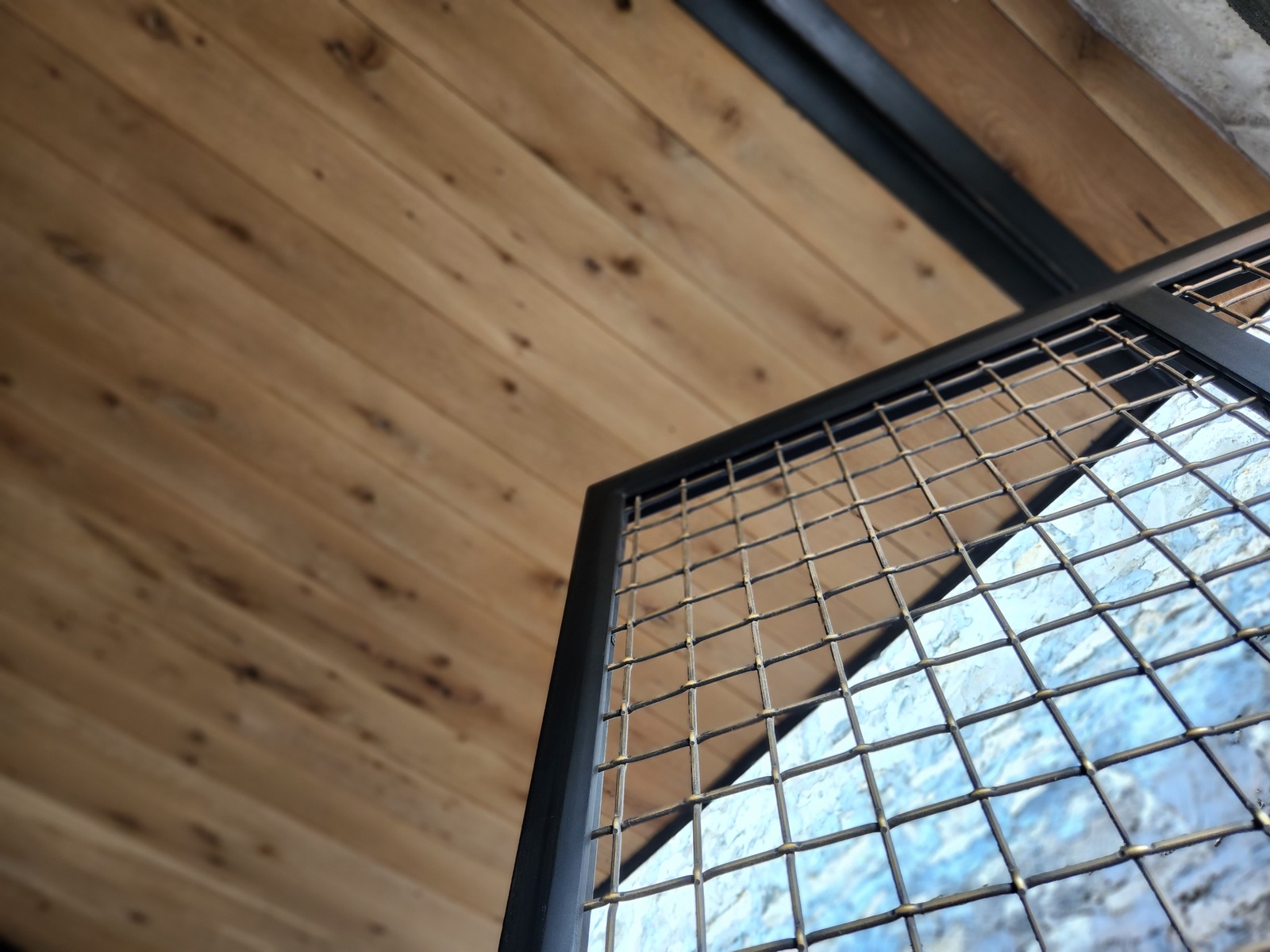
Environmental responsiveness is addressed through subtle yet effective strategies. The structure is elevated to accommodate floodplain conditions, integrating an accessible ramp into the entry sequence. Side-facing window bays bring in controlled natural light while preserving privacy, coordinated with rain management systems that protect adjacent historic fabric. Through its adaptability and precision, the project demonstrates how modest architecture can contribute meaningfully to the continuity and resilience of small-town urban environments.

Project Gallery

Project Location
Address: Glen Rose, Texas, United States
The location specified is intended for general reference and may denote a city or country, but it does not identify a precise address.

