

Architects: Behet Bondzio Lin Architekten
Area: 2620 m²
Year: 2018
Photography: Thomas Wrede, Reimund Braun
Manufacturers: DEPPE, DRAPILUX Schmitz-Werke, Hey-Sign, Rathscheck Schiefer, Strähle Raum-Systeme, VORWERK, YDOL
Landscaping: Tamkus landscape architecture
Project Management: agn Niederberghaus & Partner GmbH
Construction Management: Gantert + Wiemeler engineering planning
Structural Engineering: Gantert + Wiemeler engineering planning
Technical Building Equipment: Ingenieurbüro Nordhorn GmbH & Co. KG
City: Münster
Country: Germany
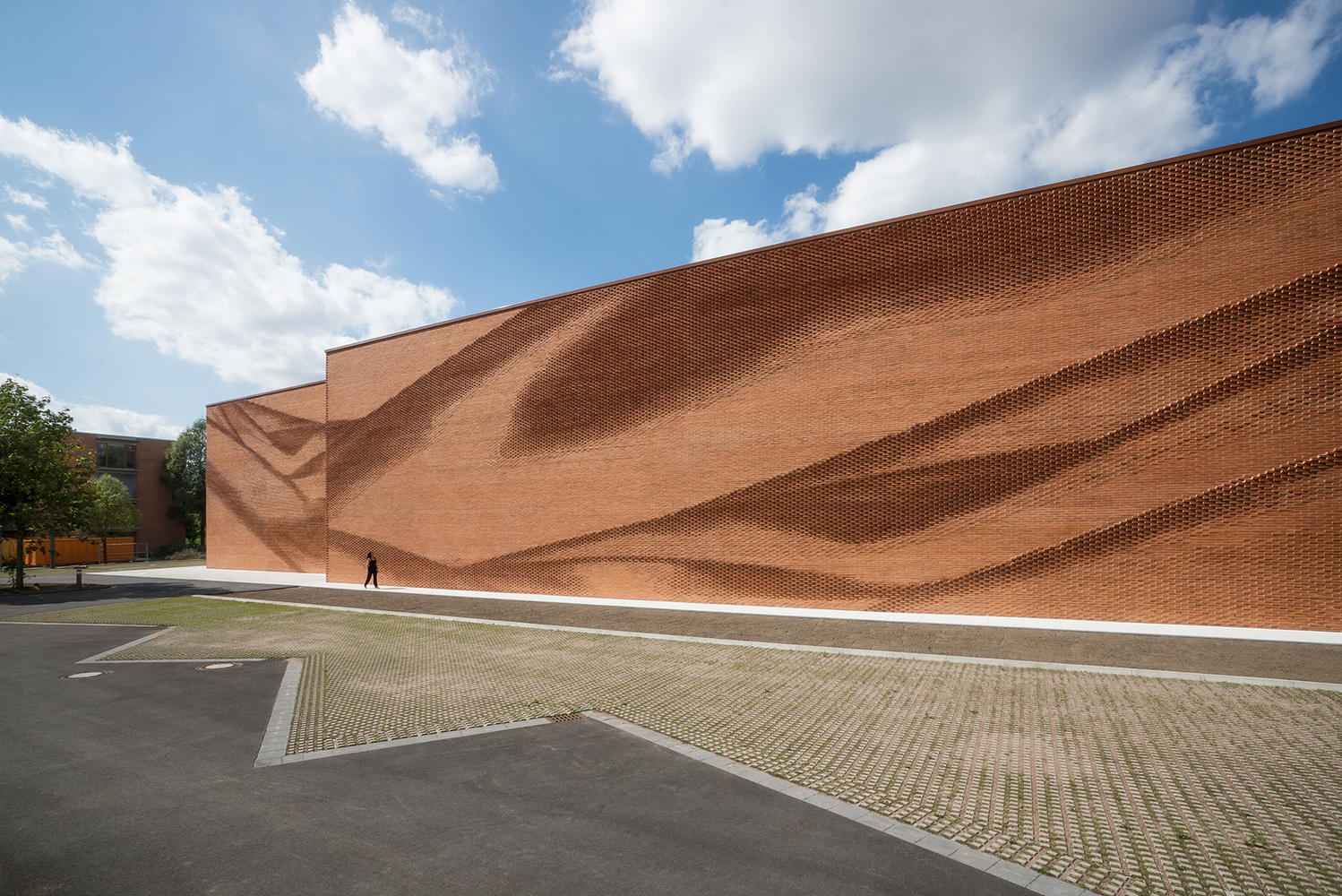
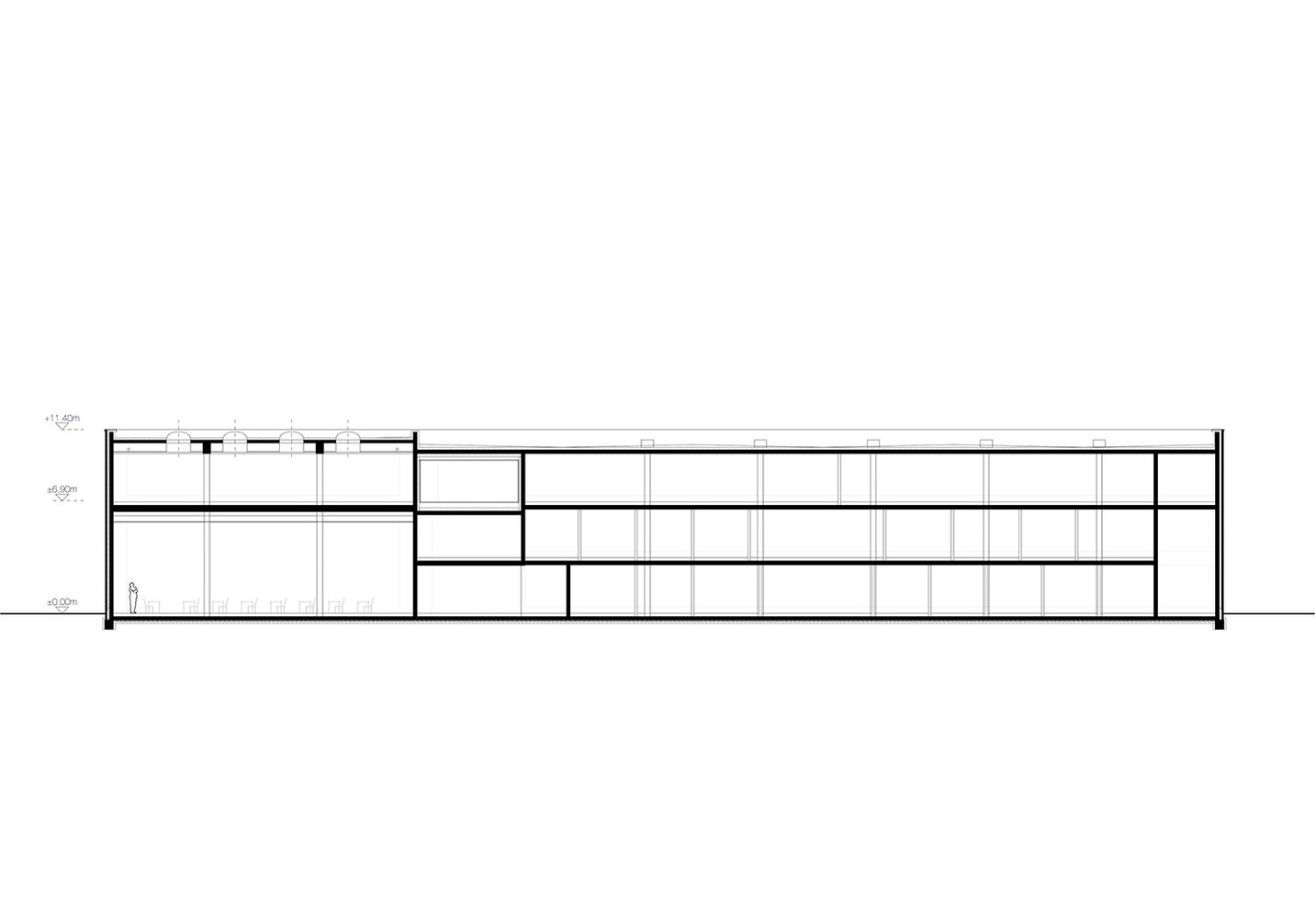
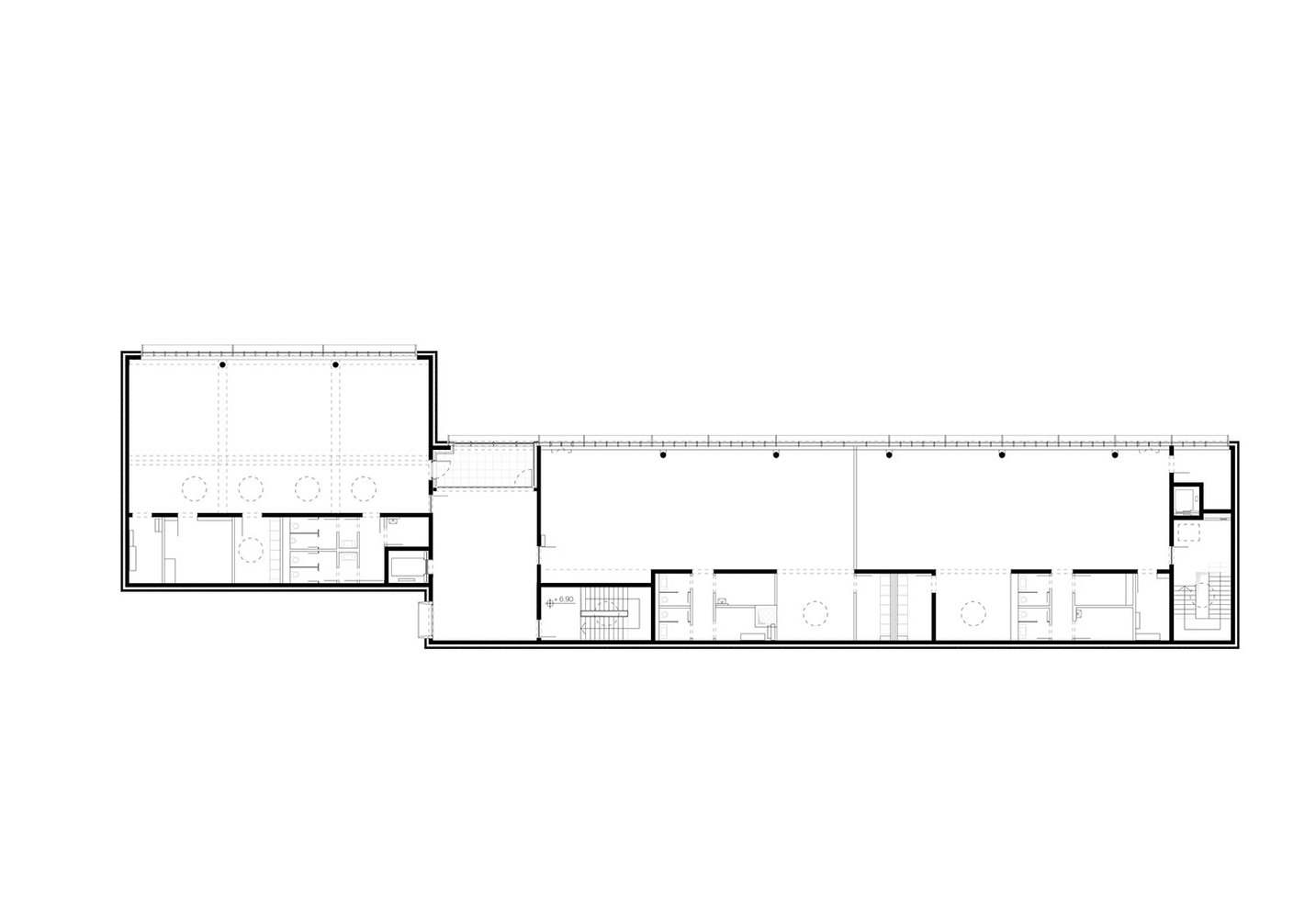
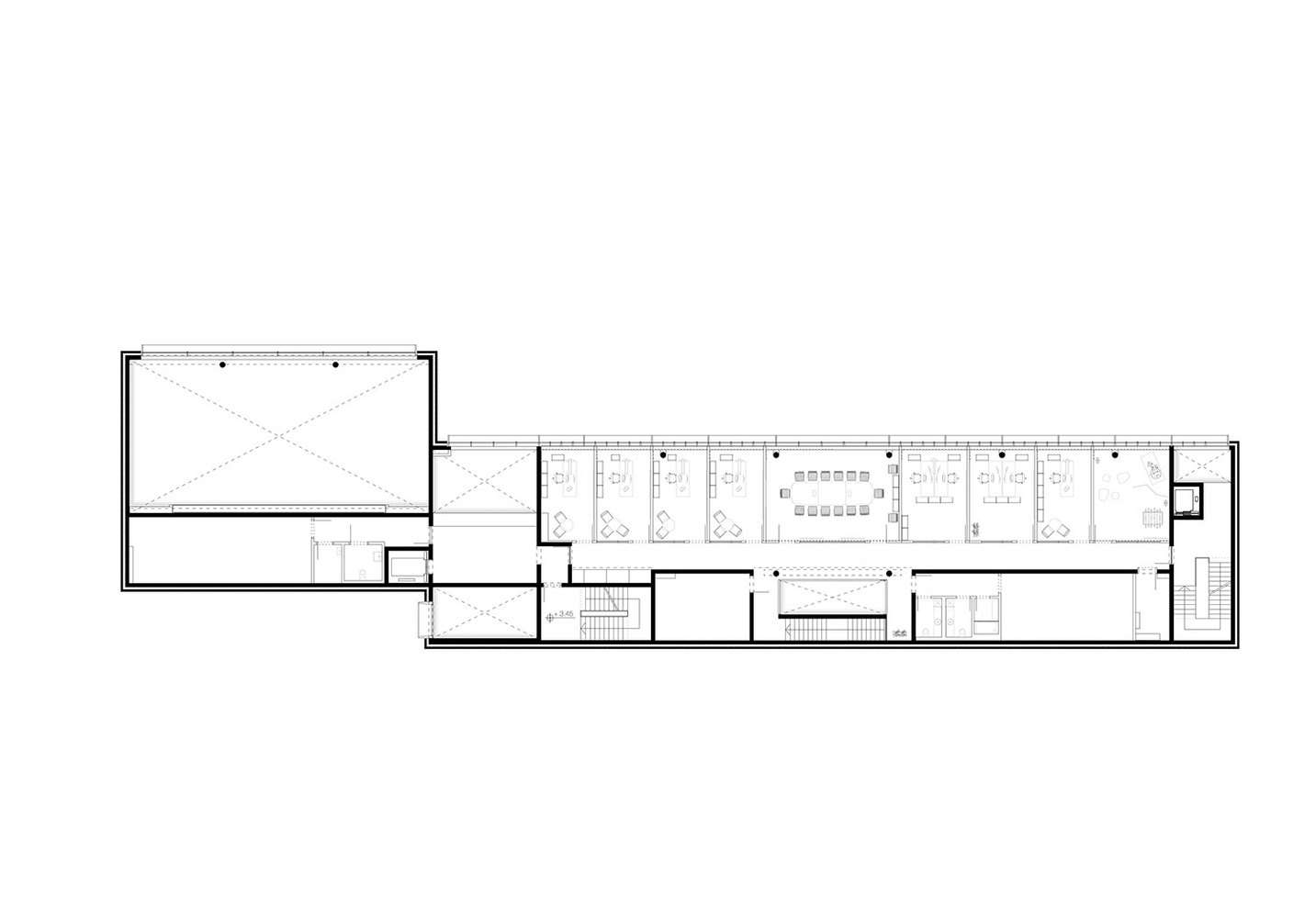
Completed in 2018 in Münster, Germany, the Administrative Building Textilverband by Behet Bondzio Lin Architekten serves as the headquarters for the Association of the Northwest German Textile and Garment Industry. Encompassing 2,620 square meters, the institutional building is conceived as an elongated volume that remains closed on three sides while opening fully to the north. This orientation allows all workspaces to benefit from consistent daylight and uninterrupted views of the surrounding landscape, eliminating the need for external sun protection. The masonry façade, composed of six specially developed brick types arranged in a gradient pattern, produces a dynamic interplay of light and shadow. Through its environmental responsiveness and carefully articulated material expression, the project establishes a contemporary workplace rooted in both contextual awareness and symbolic reference.
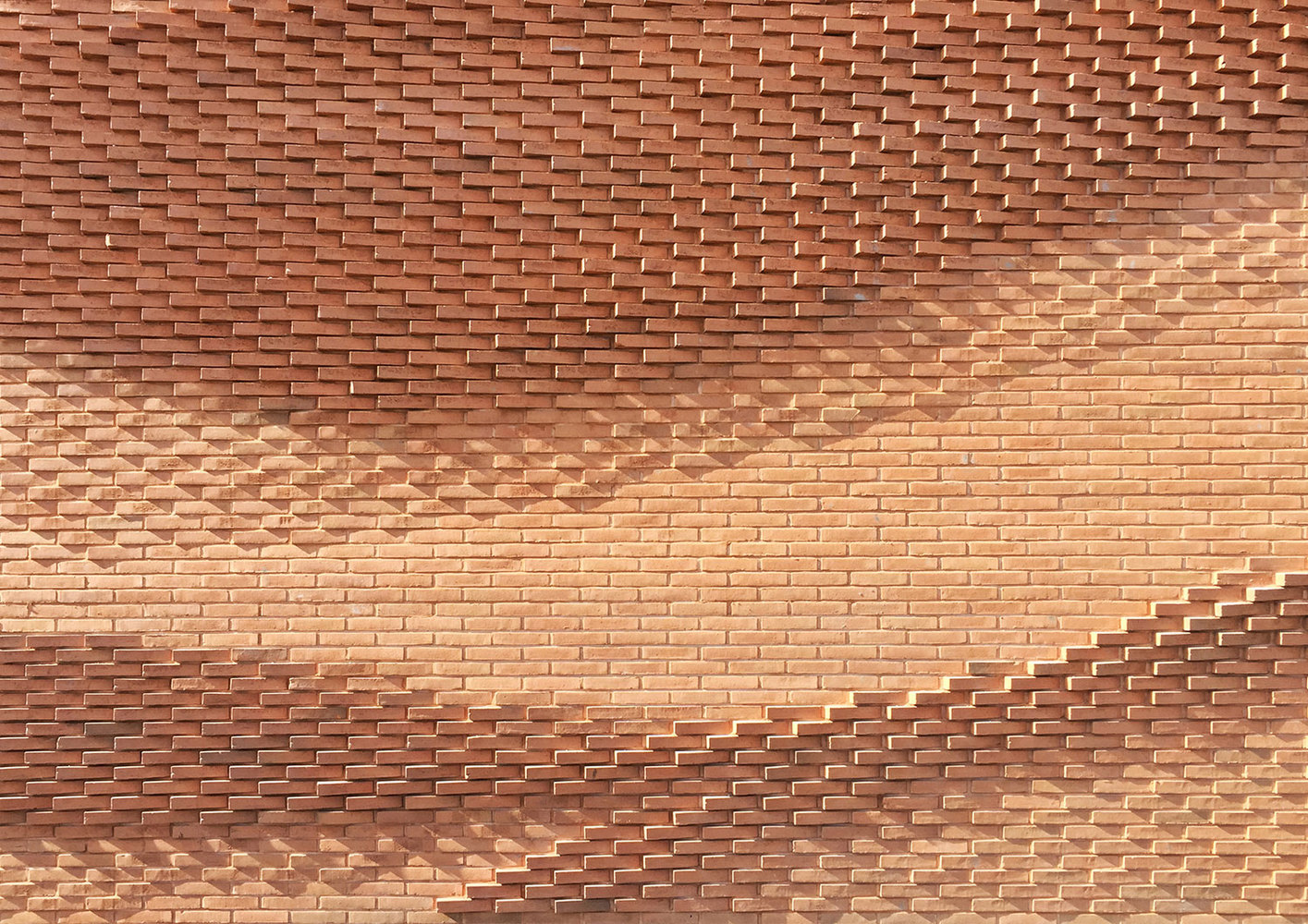
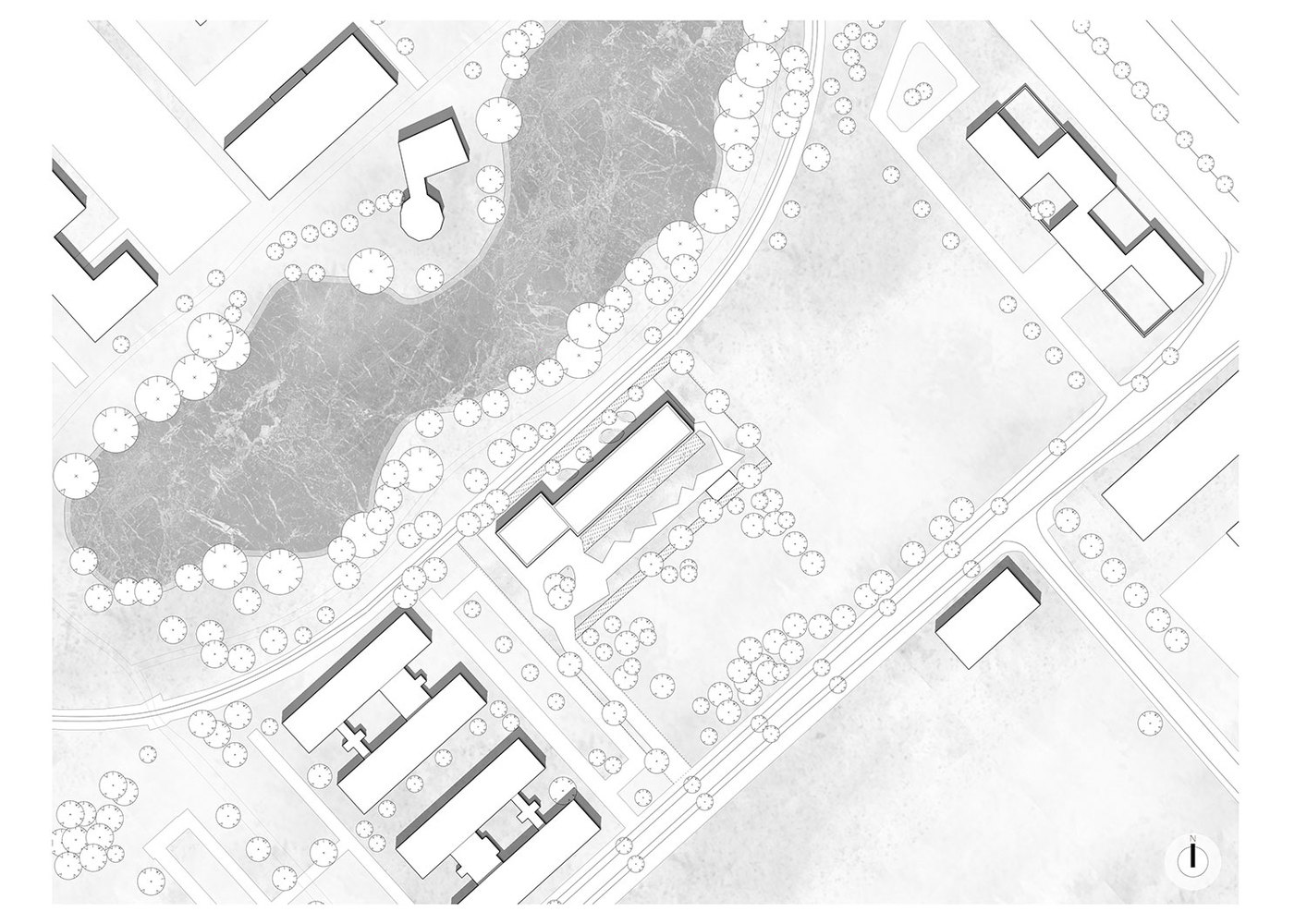
The building positions itself as both a protective edge and a transparent workplace, translating institutional identity into spatial and material form. Its elongated mass defines a clear boundary along the eastern, southern, and western sides, presenting a composed brick surface to approaching visitors. Subtle shifts in the volume generate a forecourt that mediates arrival, guiding movement toward the entrance and reinforcing the building’s civic presence within its setting.
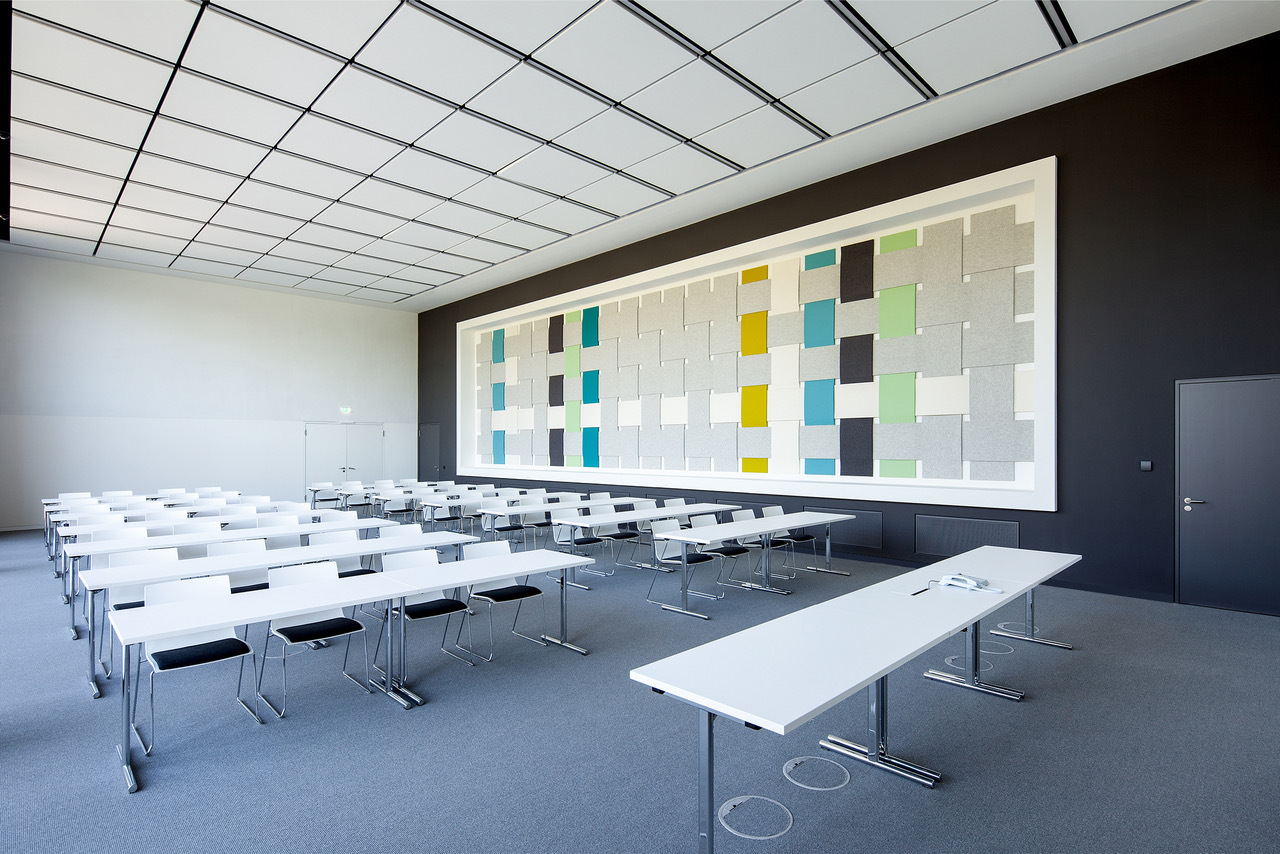
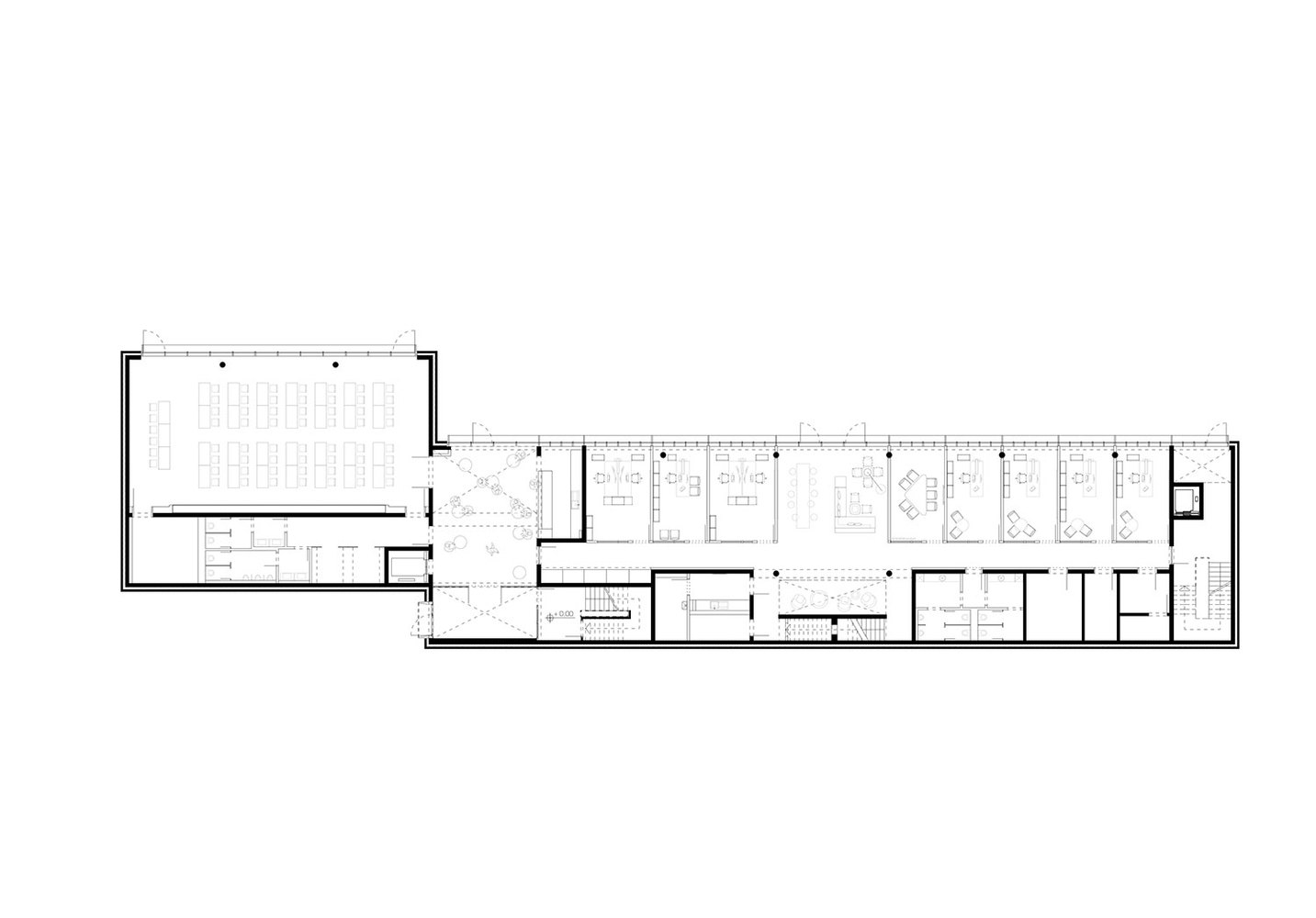
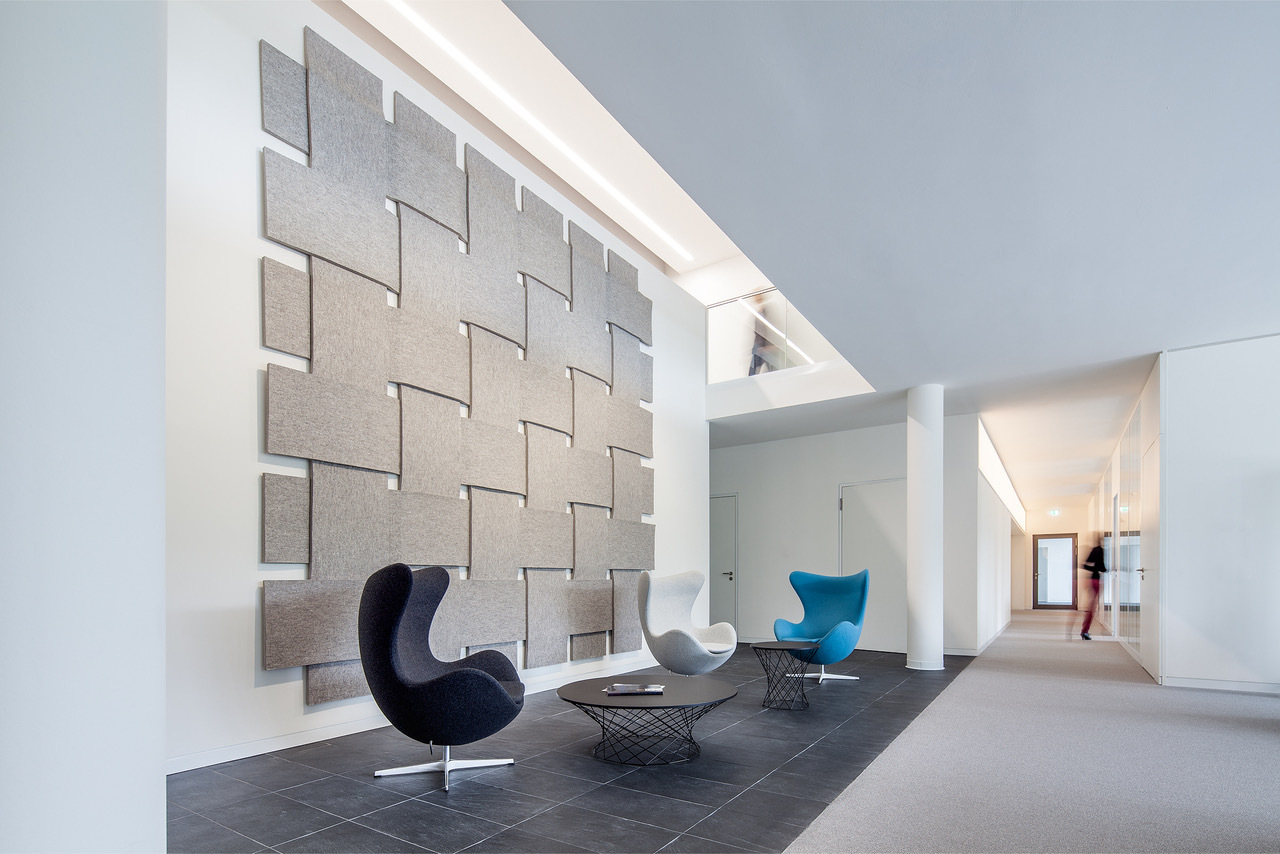
In contrast to its solid perimeter, the northern façade opens almost entirely through glazing, orienting the interior toward the landscape. This strategic configuration ensures that every workspace receives balanced daylight from the north, avoiding glare and excessive solar gain while maintaining unobstructed views throughout the year. The environmental concept is therefore inseparable from the spatial experience, as energy optimization and employee comfort are addressed through orientation rather than applied technology.
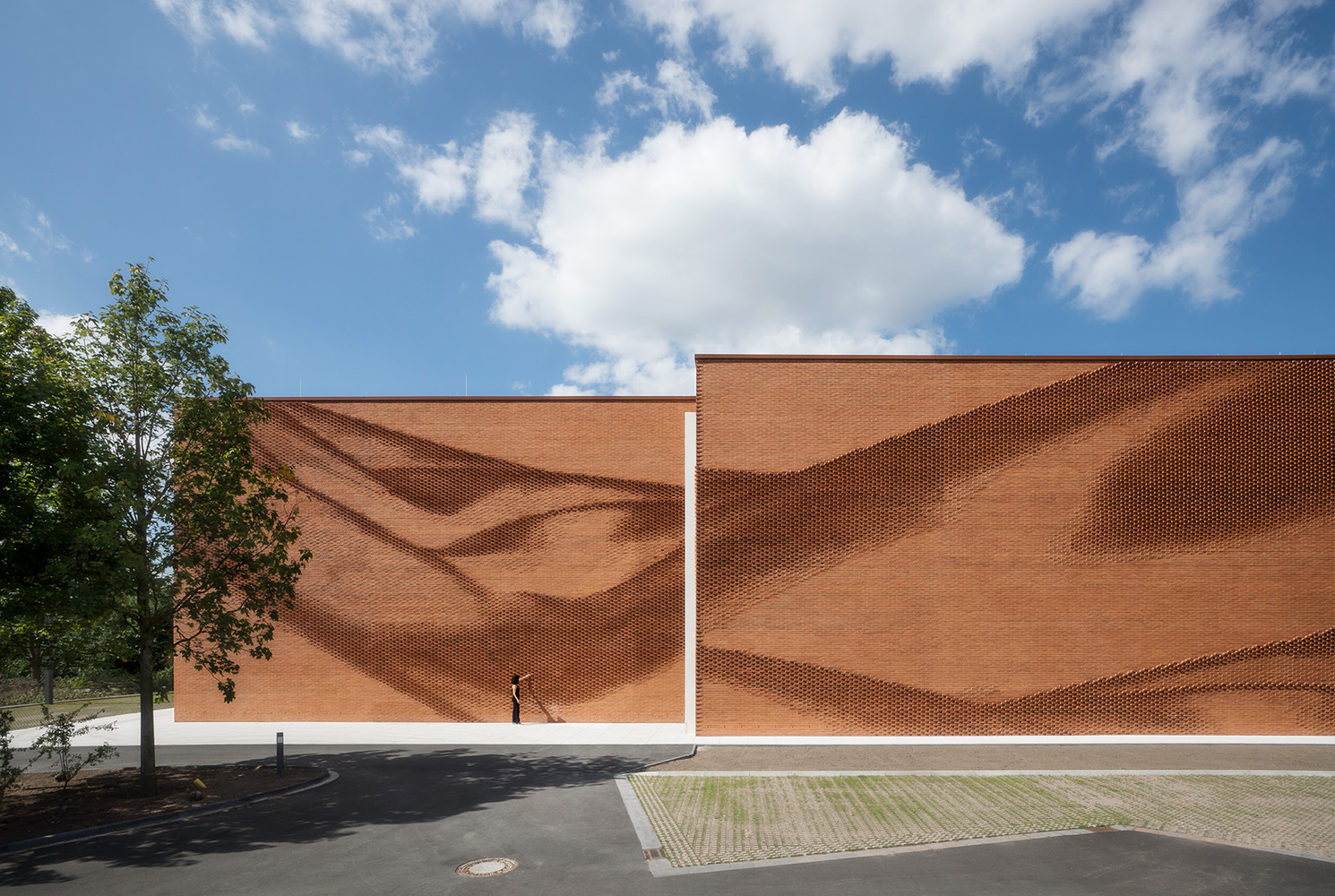
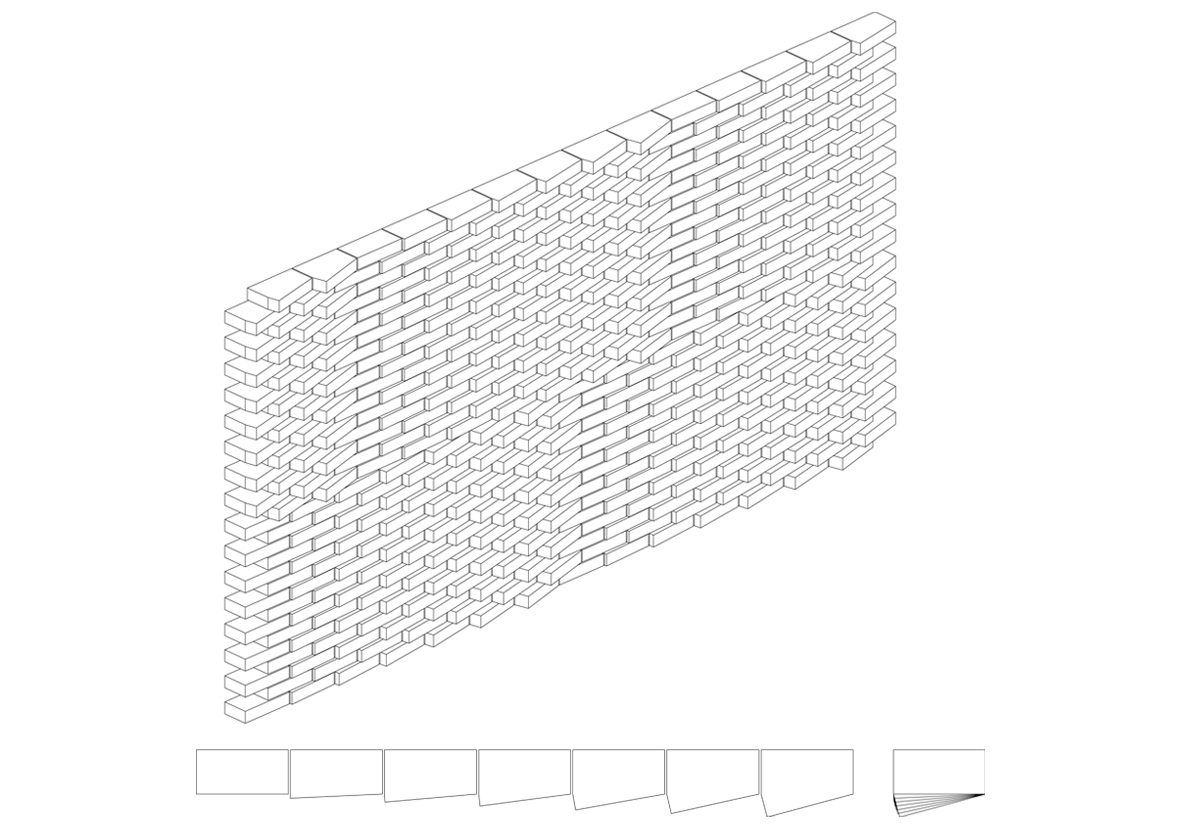
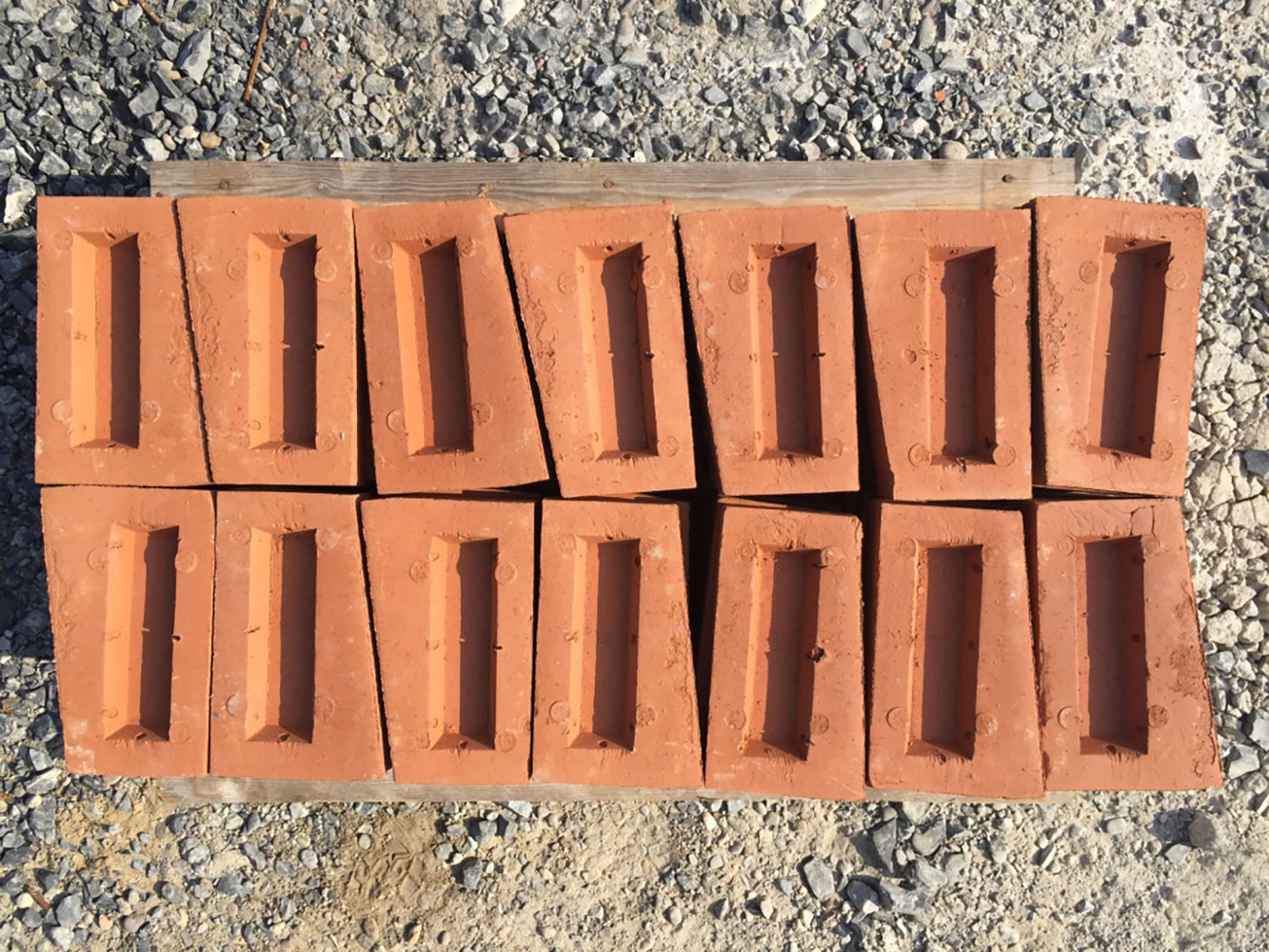
Material articulation further reinforces the building’s conceptual framework. Inspired by the sculptural drapery of Max Klinger’s Beethoven statue, the architects reinterpret the illusion of soft fabric in solid masonry. Six specially designed brick types are arranged in a graduated sequence, creating a façade that appears to shift and ripple under changing light conditions. The result is a restrained yet expressive institutional building that connects the permanence of brick construction with a subtle reference to the textile industry it represents, anchoring the organization within the landscape of Münster while projecting a distinct architectural identity.
Project Gallery
Project Location
Address: Münster, Germany
The location specified is intended for general reference and may denote a city or country, but it does not identify a precise address.

