

Amanda Levete, born in 1955 in Wales, is a British architect whose work uses futuristic forms and technology. She studied architecture at the Architectural Association in London and co-founded Future Systems in the late 1980s with Jan Kaplický. Levete’s style is characterized by curvaceous, computer-aided designs often referred to as blobitecture, which introduced new geometries into late-20th-century architecture. Over a four-decade career, Levete has shown that experimental ideas can become built works. Her projects include the Lord’s Media Centre in London, the Selfridges Building in Birmingham, the V&A Exhibition Road Quarter in London, the Museum of Art, Architecture and Technology in Lisbon, and Central Embassy in Bangkok. Some works initially prompted debate, but they are now known in their cities. Amanda Levete won the RIBA Stirling Prize in 1999, making her one of the first female architects to earn this honor. Levete founded AL_A (Amanda Levete Architects) in 2009. Levete advanced the use of new materials and digital fabrication in architecture and received a CBE honor for services to architecture. Levete designs large-scale cultural and commercial projects such as museums, pavilions, retail complexes, and bridges, unified by an approach to contemporary organic forms. Levete’s career includes collaboration with architects and designers in her studio, and her work reflects the use of technical methods in architectural practice.
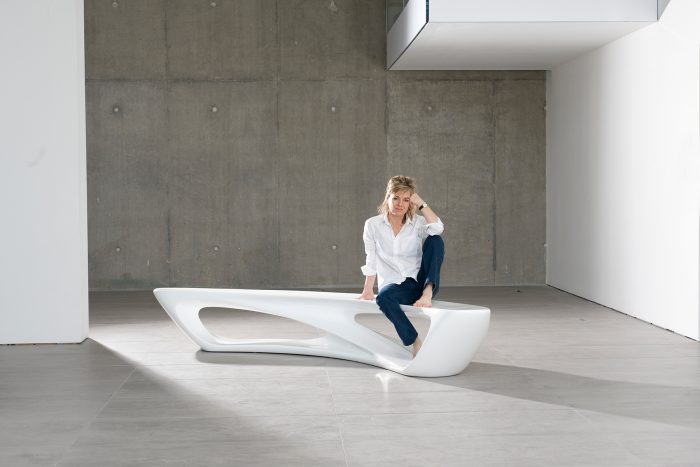
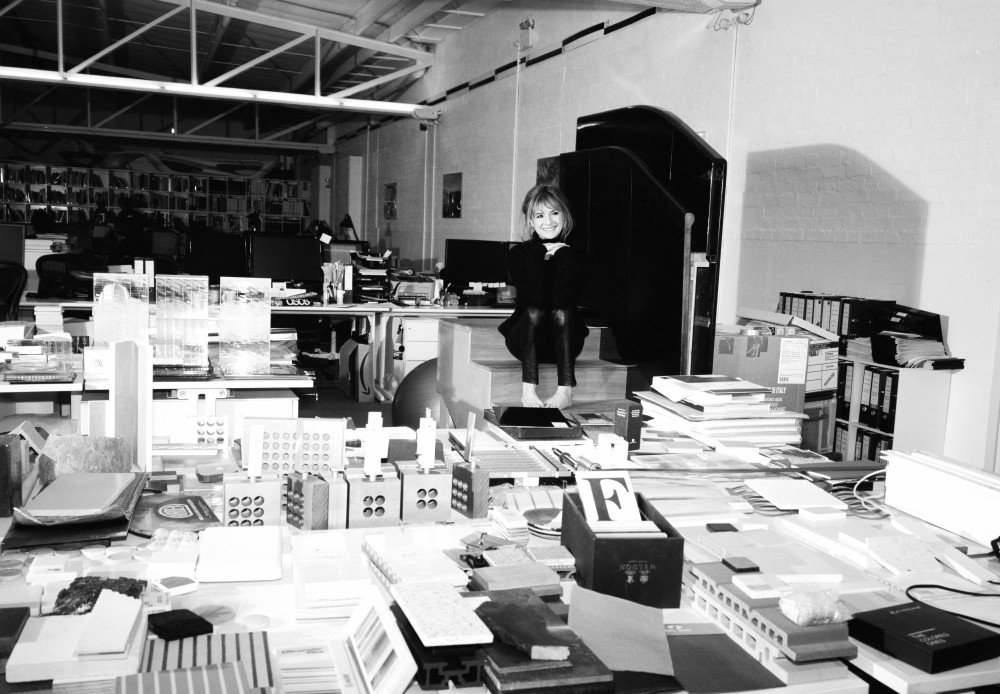
Amanda Levete with her book-filled studio in London. ©Mathilde Agius for PIN–UP.
Who is Amanda Levete?
Amanda Levete is a British architect born in 1955 who has become a figure in modern architecture. Levete grew up in London after being born in Bridgend, Wales, and developed an early interest in art and design. She studied architecture at the Architectural Association (AA) in London, graduating in the late 1970s with a grounding in experimental design thinking. Early in her career, Amanda Levete worked as a trainee with architect Will Alsop and then joined the Richard Rogers Partnership, where she gained practical experience under Richard Rogers. In 1989, Levete became a partner at Future Systems, the studio founded by Czech architect Jan Kaplický, whom she later married. Together, they led Future Systems through the 1990s. Over a career spanning more than forty years, Levete has designed projects across Europe, Asia, and other regions. She is the principal of AL_A, the London-based firm she founded in 2009 after her partnership at Future Systems ended. Today, Amanda Levete is known for her architectural works and her role as a female architect in practice. She has been honored with the title Commander of the Order of the British Empire (CBE) and holds positions such as Royal Academician, reflecting her contributions to the field.
What type of architecture does Amanda Levete represent?
Amanda Levete represents a contemporary architectural style that emphasizes organic forms, advanced technology, and experimentation. Throughout her work, Levete has been associated with the late-20th-century High-Tech and futuristic design movement, especially through the curvilinear, fluid structures developed at Future Systems. Her designs often feature smooth curves, aerodynamic shapes, and extensive use of materials like aluminum, steel, and glass. This approach has been nicknamed blobitecture, as her early projects introduced blob-like geometries made possible by computer-aided design. Levete’s architecture merges engineering with form: structural elements are expressed as part of the aesthetic, and fabrication techniques are employed to achieve silhouettes. At the same time, her buildings respond to their context, meeting functional requirements and public use.
What is Amanda Levete’s great accomplishment?
Amanda Levete’s great accomplishment is bringing futuristic design into mainstream architecture. She demonstrated that experimental forms and materials result in functional buildings. A defining moment was in 1999, when Levete, as co-director of Future Systems, won the RIBA Stirling Prize for the Media Centre at Lord’s Cricket Ground. This made Amanda Levete one of the first women to be associated with a Stirling Prize win. Levete’s career is characterized by turning ideas into built work. Her portfolio includes projects such as a blob-shaped retail store and a ceramic-tiled courtyard. By completing these projects, Levete demonstrated the application of experimental design. Her accomplishment lies in the impact of her work. Through leadership at Future Systems and at AL_A, Amanda Levete influenced architects and clients to consider design approaches used in her practice.

What are Amanda Levete’s most important works?
Amanda Levete’s most important works span cultural institutions, commercial buildings, and infrastructure. Her portfolio includes the Lord’s Cricket Ground Media Centre in London, an aluminum pod used in sports architecture; the Selfridges Building in Birmingham, a department store; the Victoria and Albert Museum’s Exhibition Road Quarter in London, a museum extension; the Museum of Art, Architecture and Technology (MAAT) in Lisbon, a cultural center with a tile-clad facade; and Central Embassy in Bangkok, a 37-story complex with a twisting geometry.
01. Lord’s Media Centre, London
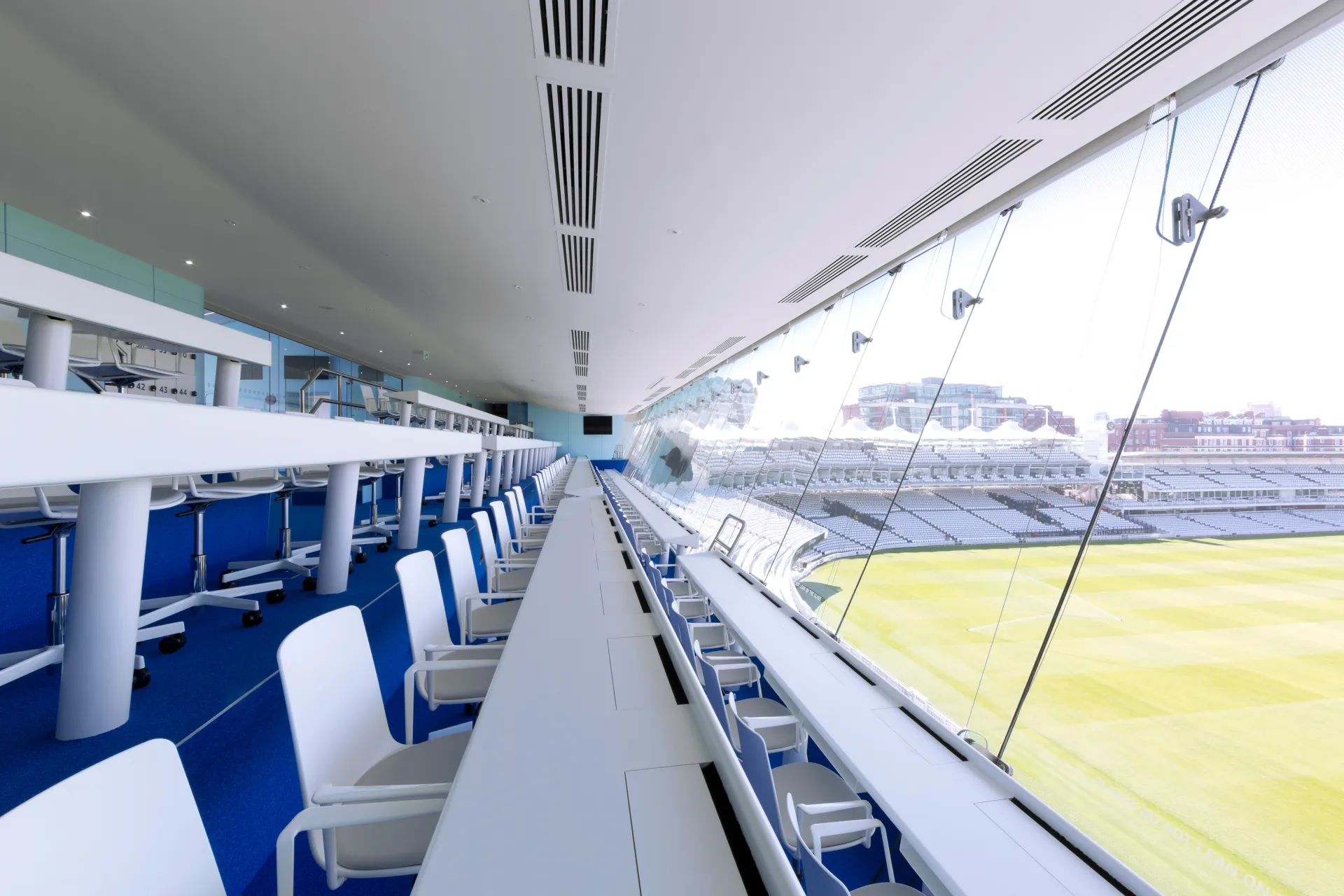
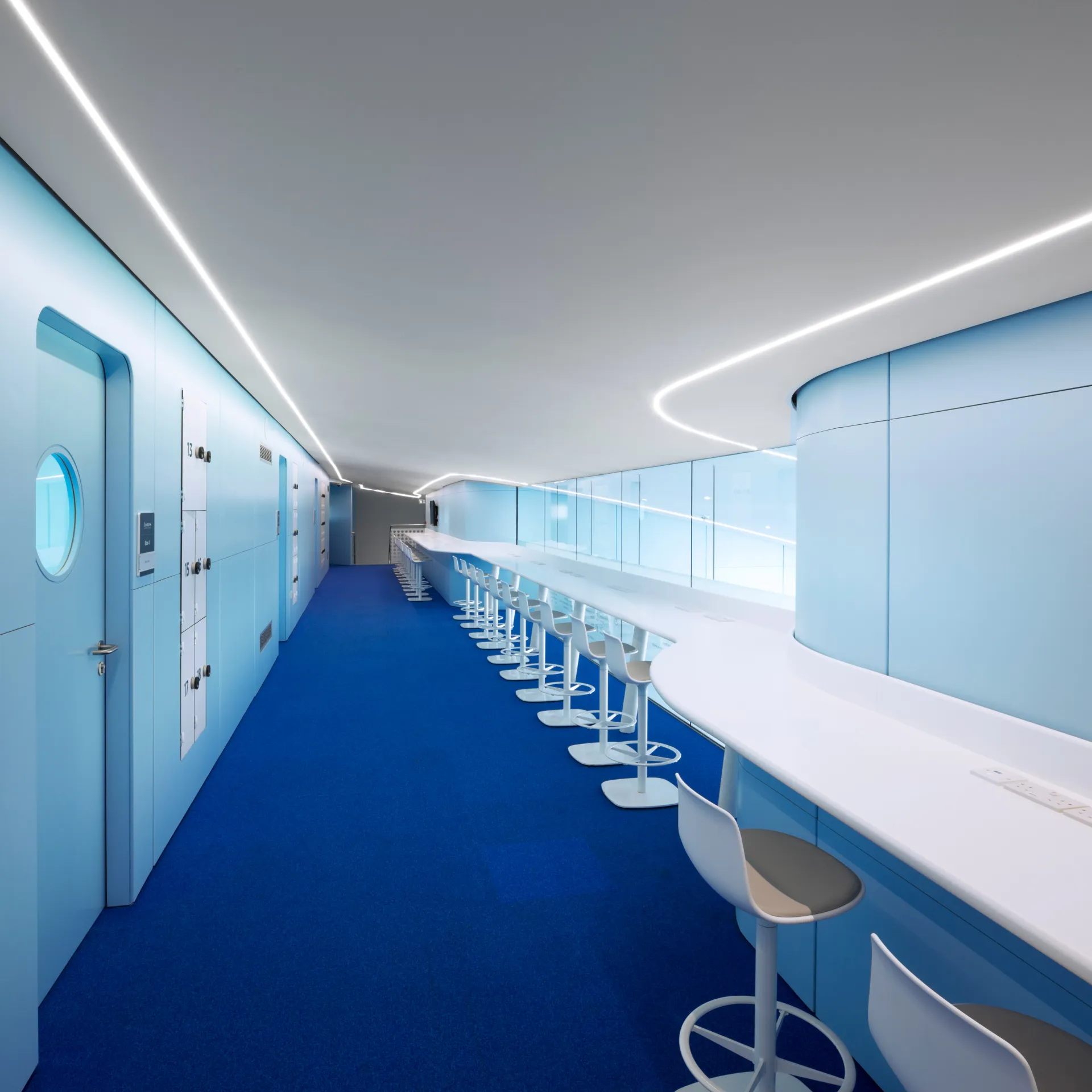
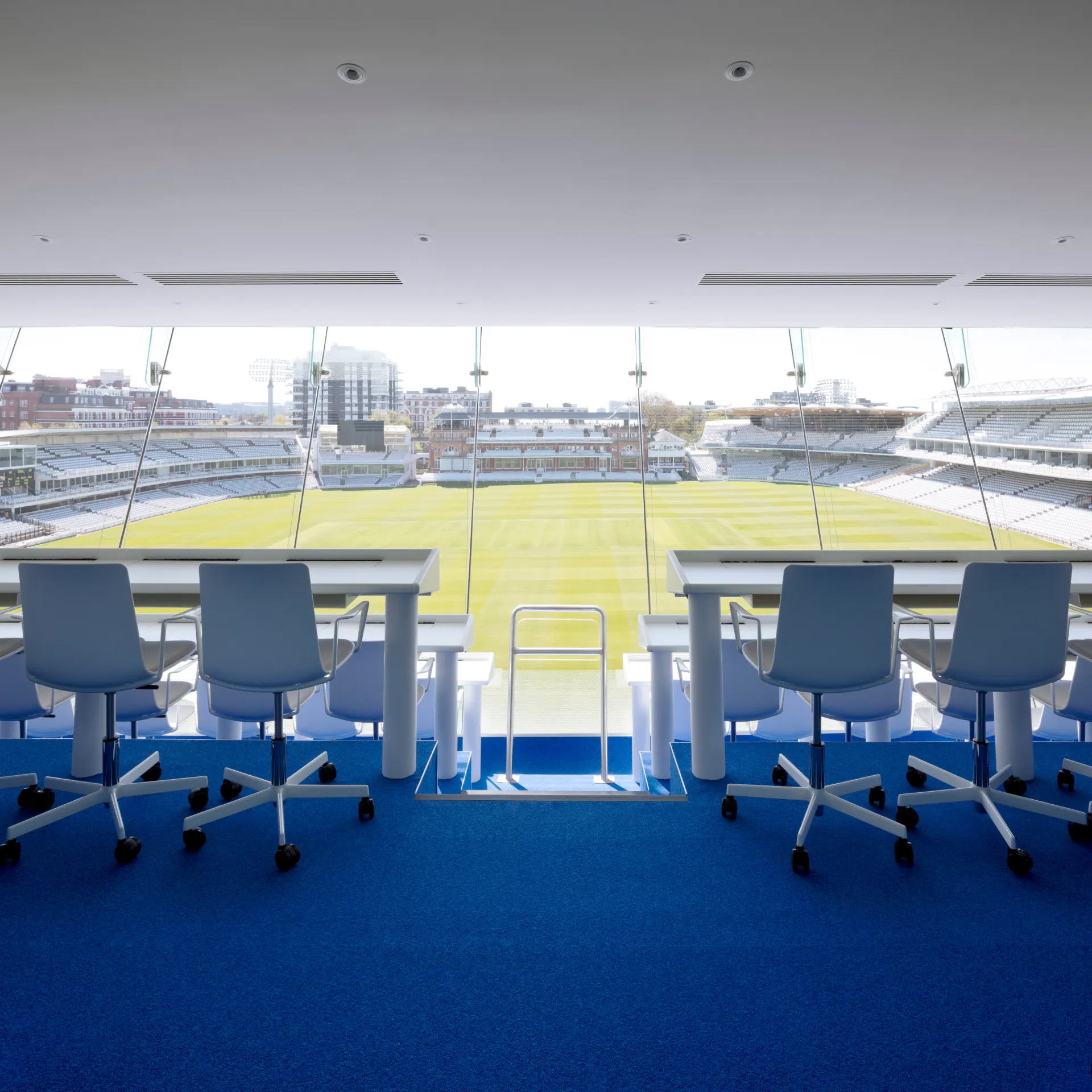
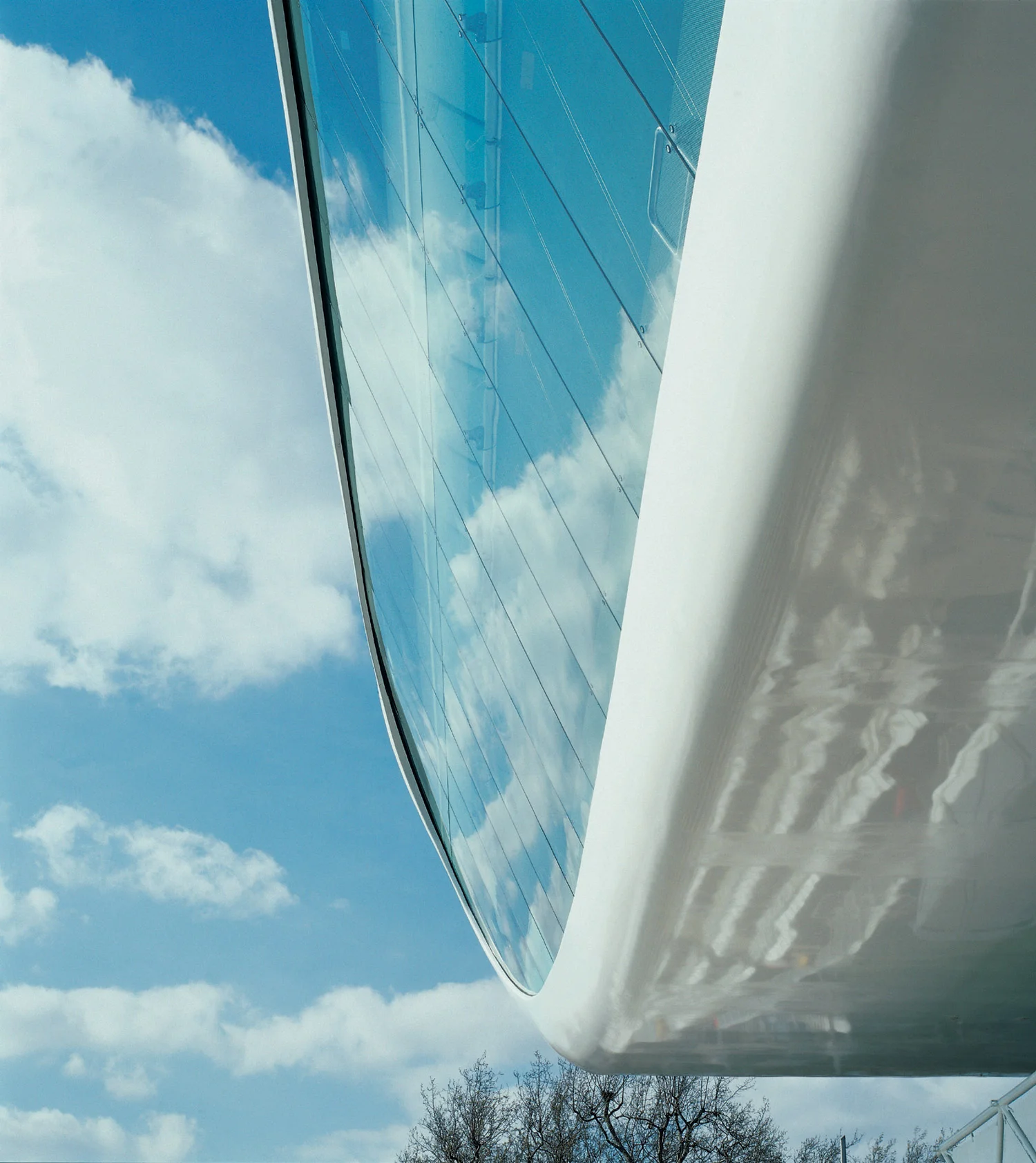
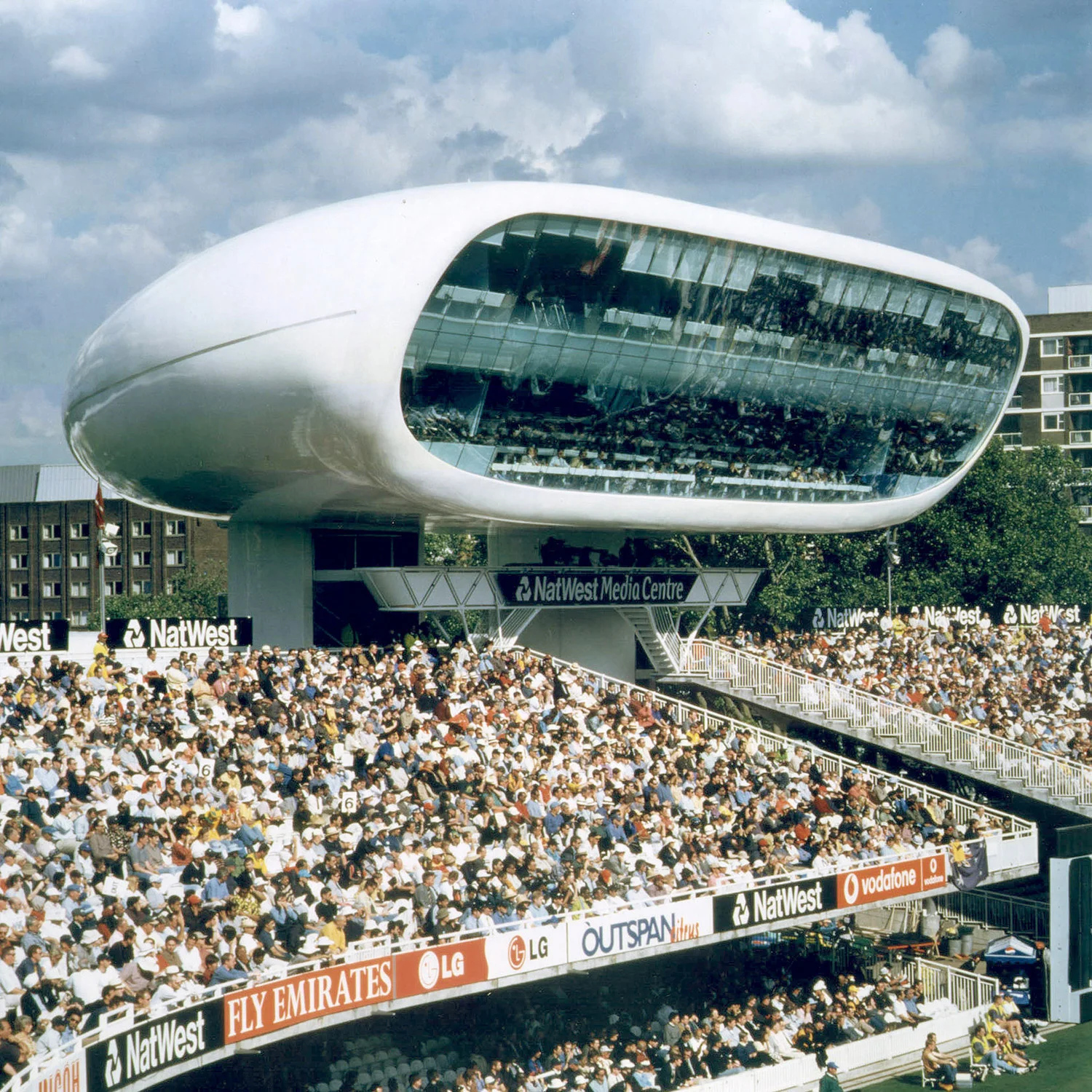
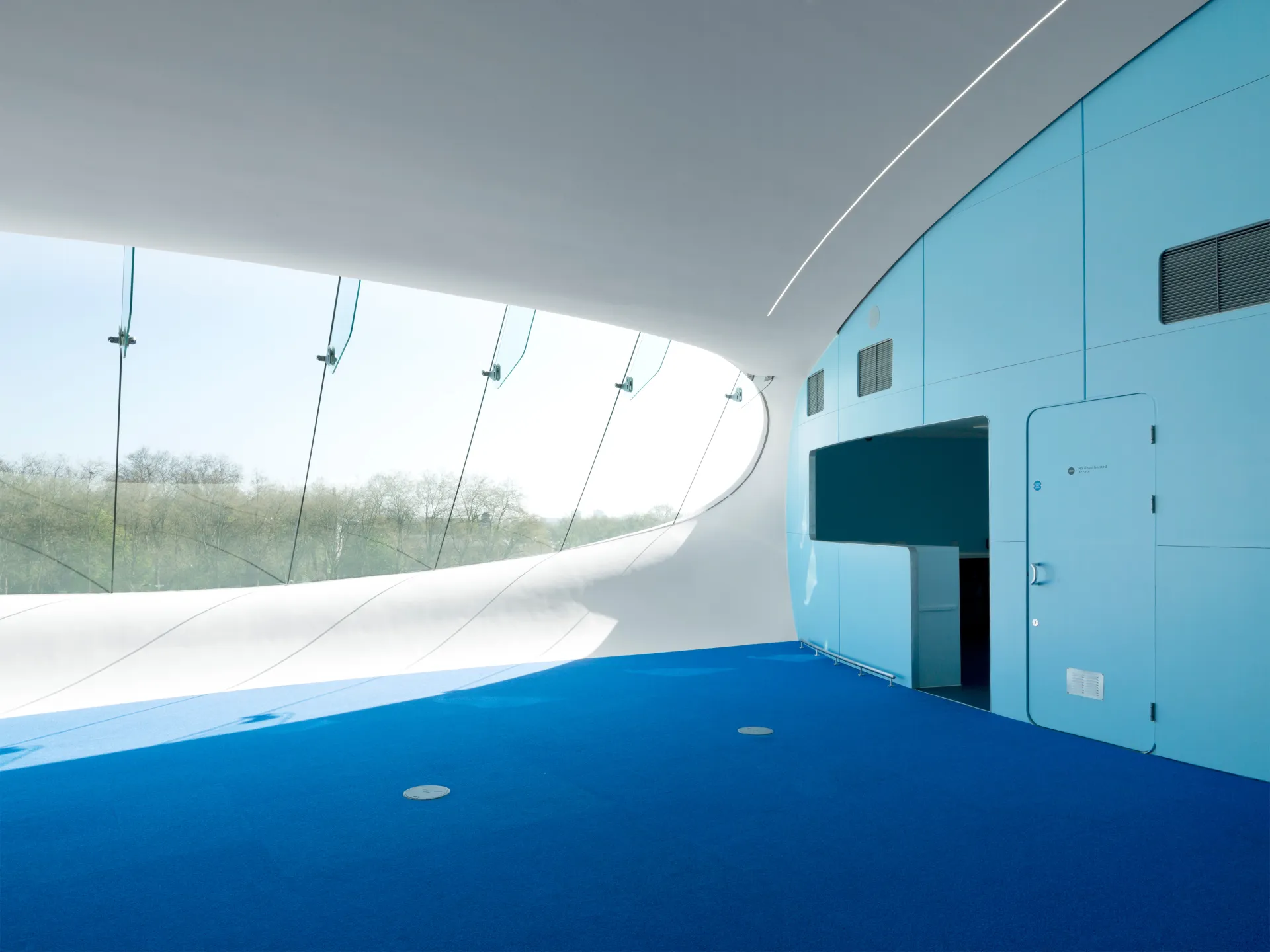
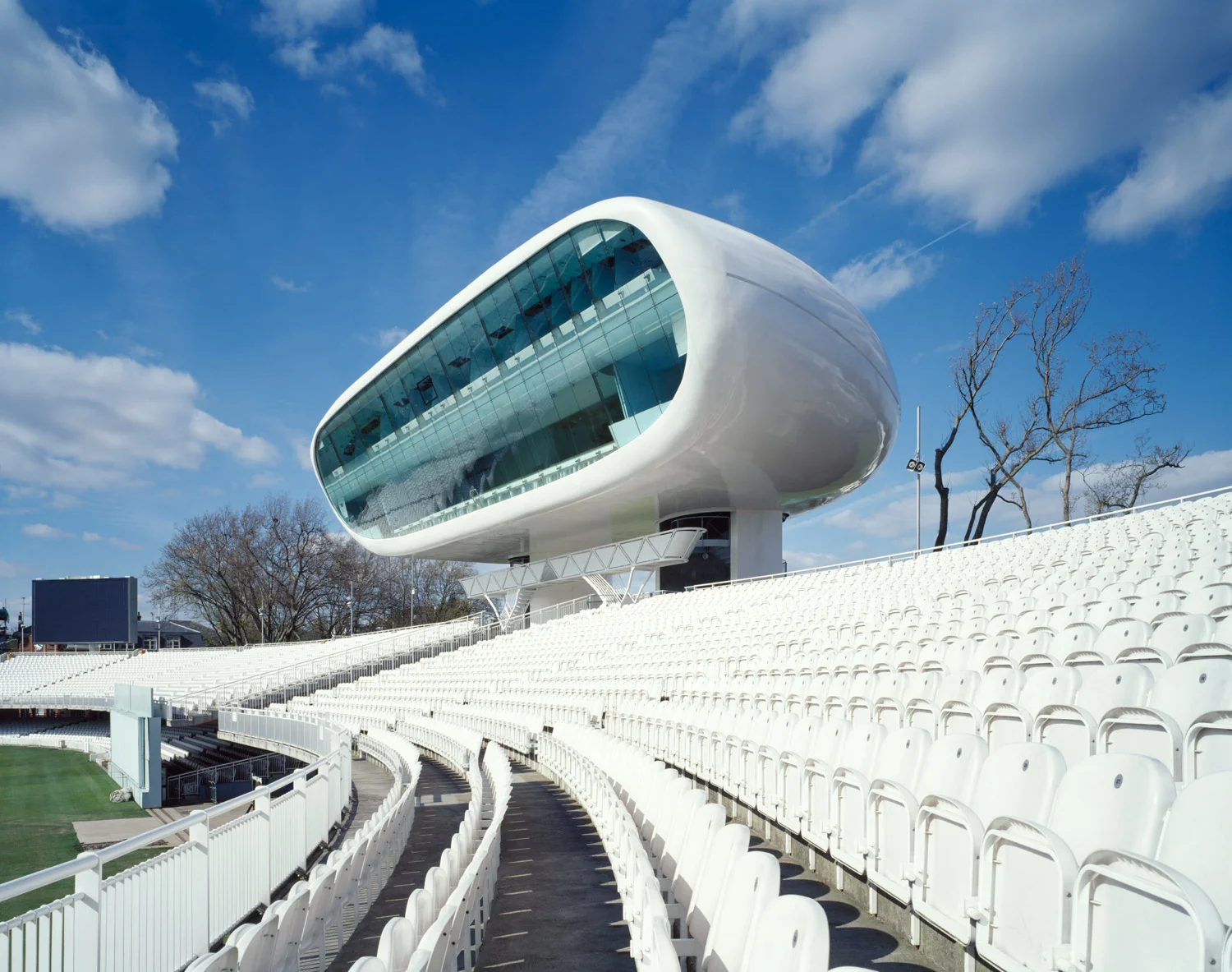
The Lord’s Media Centre is a press box at the Lord’s Cricket Ground in London, completed in 1999. Amanda Levete co-designed this building as part of Future Systems. The Media Centre serves as a media and broadcasting facility for journalists and commentators during cricket matches. Perched above the stadium’s stands, it differs from traditional sports pavilions. Structurally, the Media Centre is the world’s first all-aluminium, semi-monocoque building. This means the building has no conventional columns or beams; its shell-like form is constructed like an aircraft fuselage. Prefabricated aluminium panels were welded together to create a pod built by shipbuilders using boat-building technology. The front of the Media Centre features an inclined glass wall that provides a panoramic view of the cricket pitch. Internally, it accommodates journalists and media personnel, with television broadcast studios on the upper level. The building’s materials – marine-grade aluminium and glass – give it an appearance that contrasts with Lord’s historic grounds. Upon opening, the Media Centre won the 1999 Stirling Prize. This project is noted for its engineering and form, and for its role in introducing high-tech architecture into sports venues.
02. Selfridges Building, Birmingham
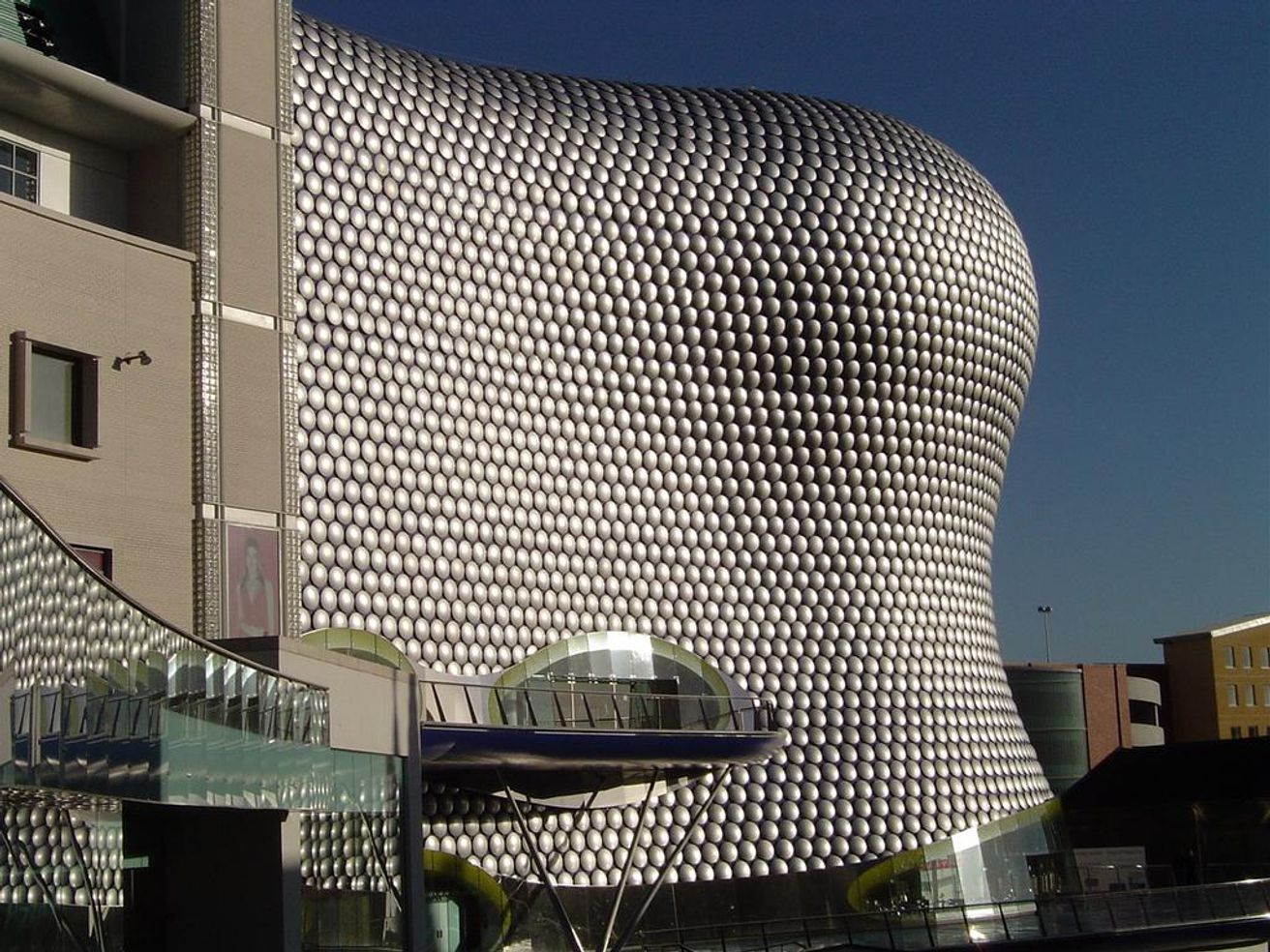
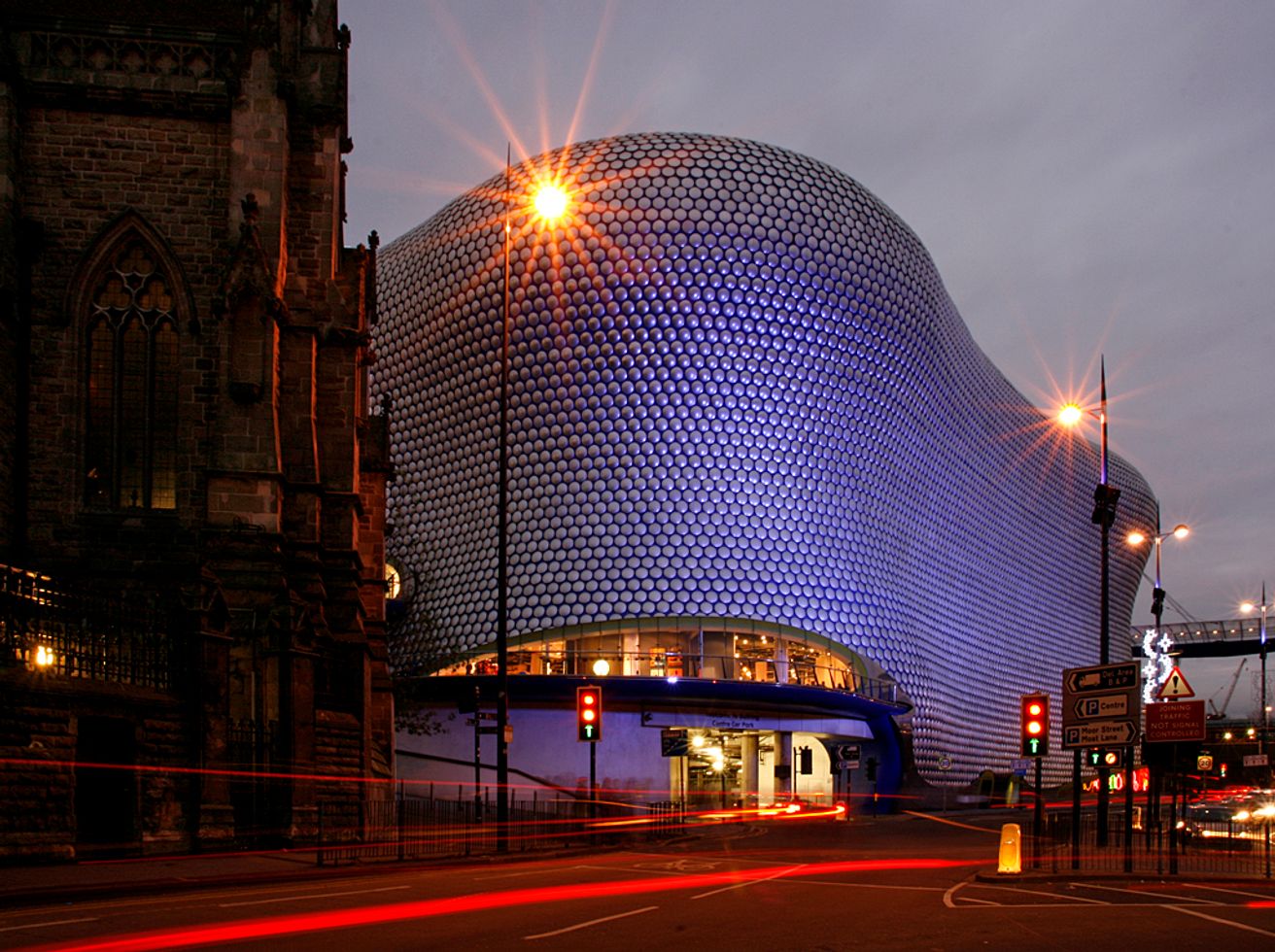
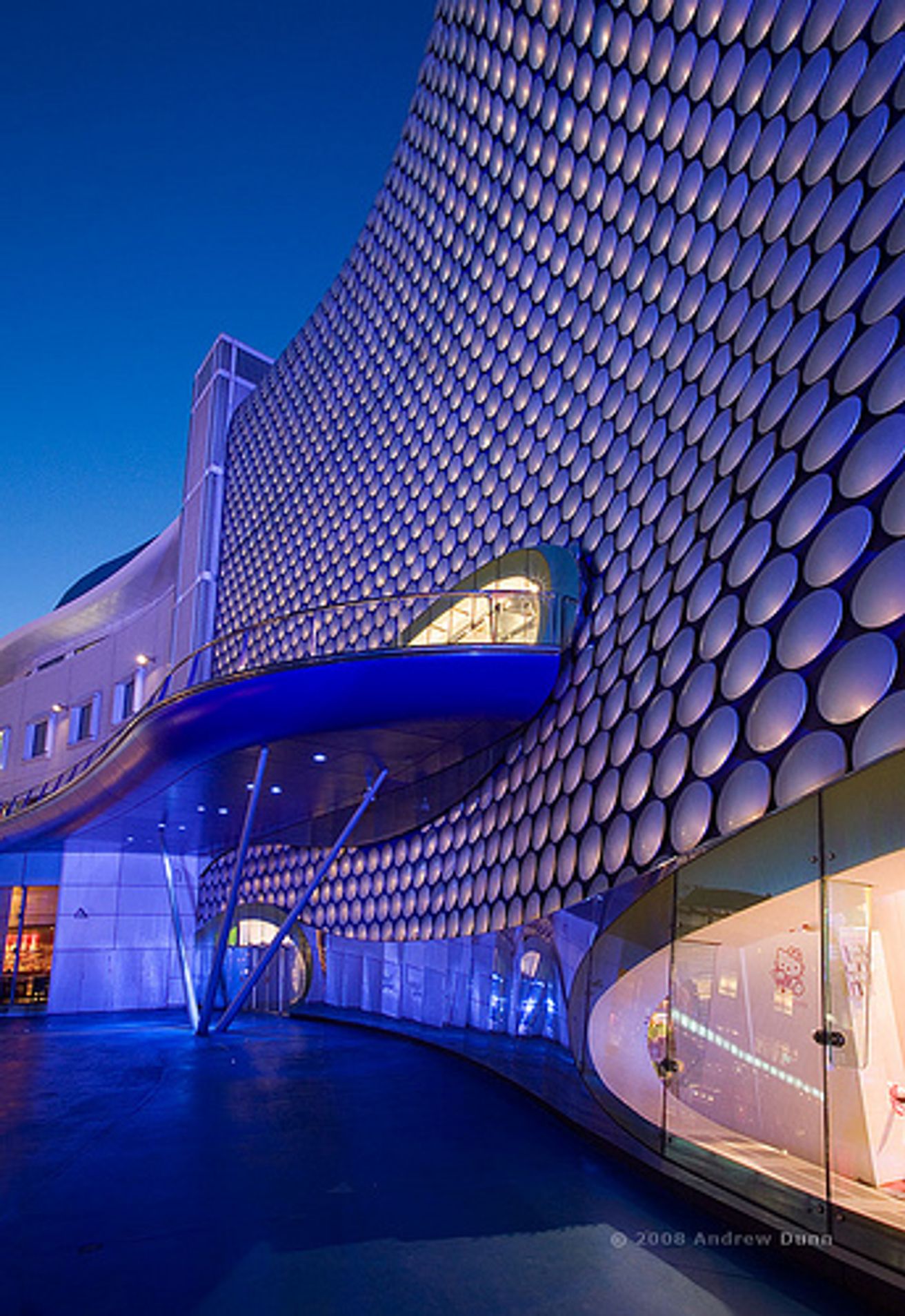
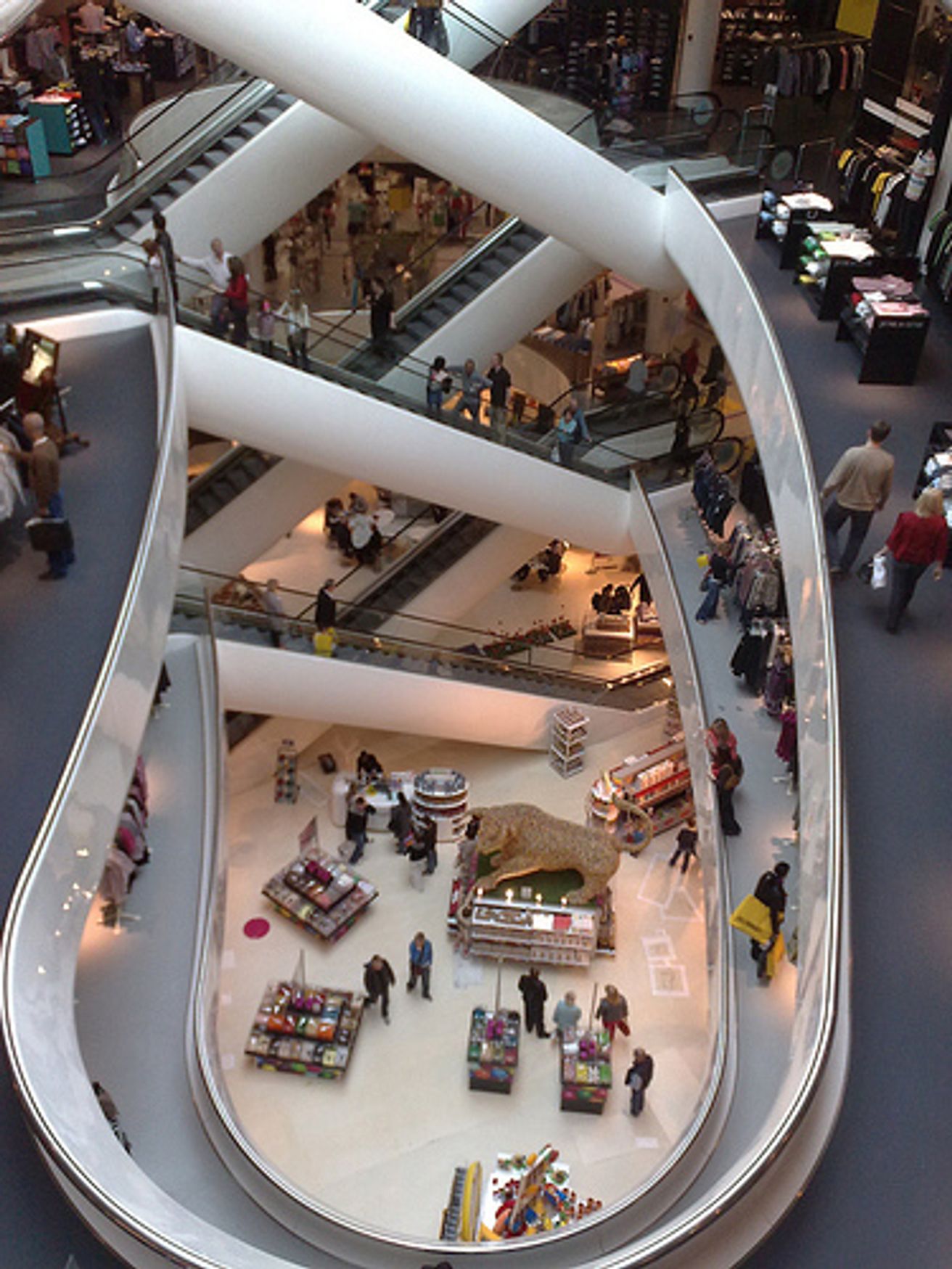
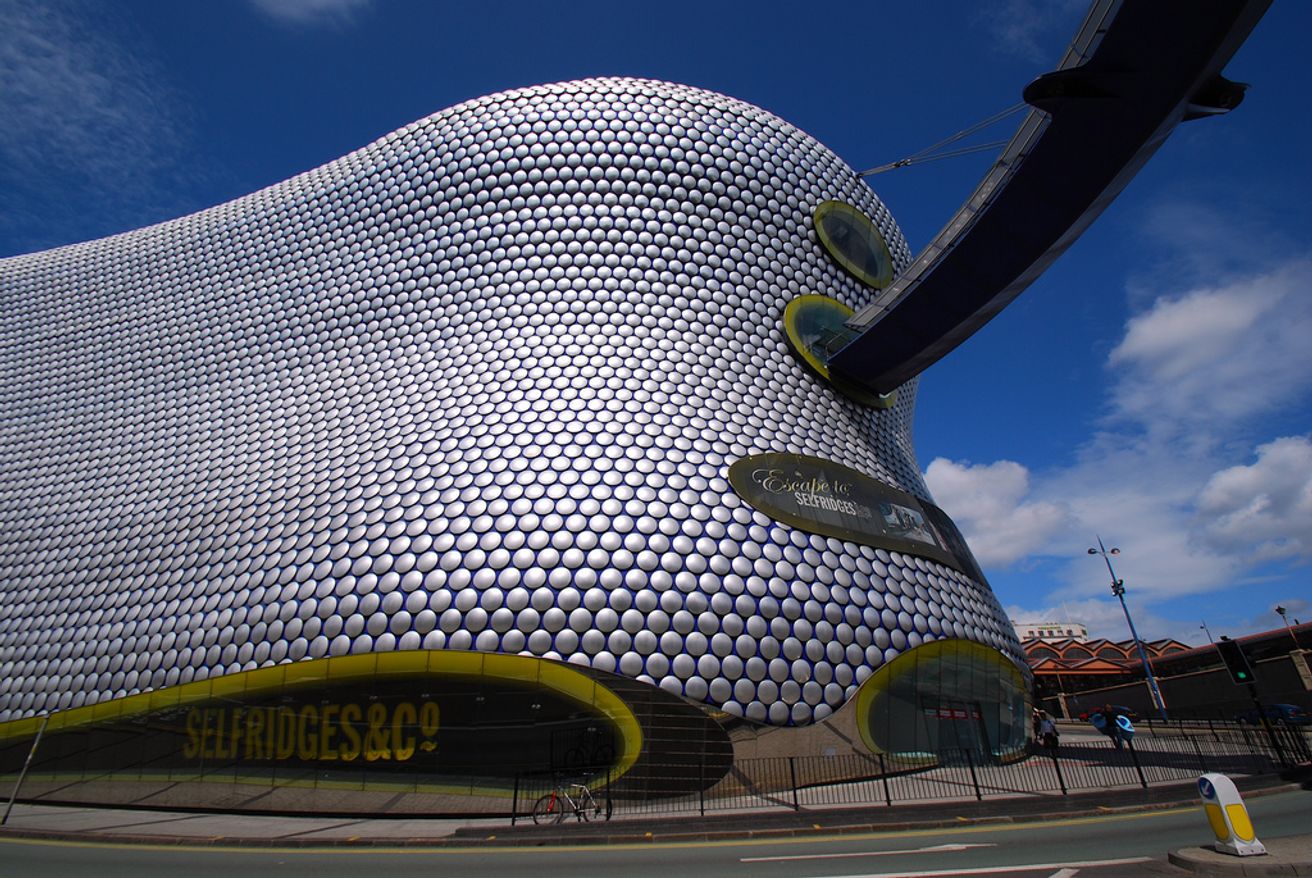
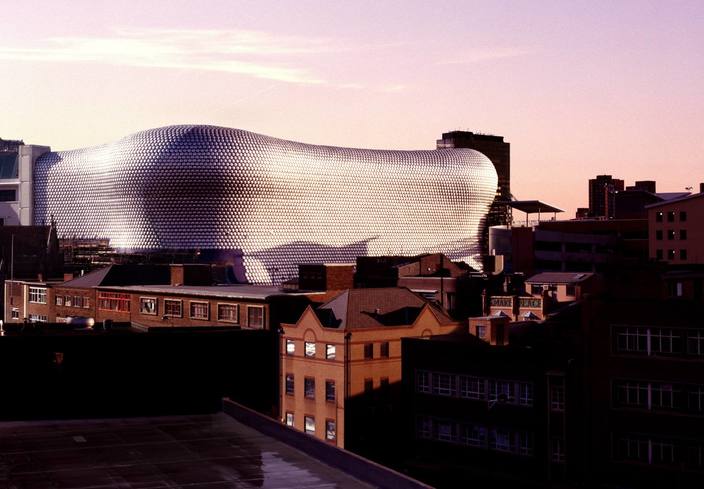
The Selfridges Building in Birmingham, completed in 2003, is a department store designed by Amanda Levete with Future Systems. It is part of the Bullring shopping complex but stands out due to its facade and organic shape. The Selfridges store is a curvaceous structure covered with approximately 15,000 anodized aluminium discs mounted on a blue-painted concrete surface. The design features a rounded form with no flat surfaces, exemplifying the blobitecture style. The building’s form follows the street corner. Structurally, Selfridges Birmingham uses a steel framework beneath its exterior. A sprayed concrete skin was applied to create the curves, onto which the metallic discs are fastened in a pattern. The design type is a commercial retail building, a multi-level department store. Inside, the store provides retail floors lit by ribbon windows at the edges of the facade. When it opened, the Selfridges Building was debated; its appearance differed from other buildings in the city at the time. Over the years, it has become a building known in Birmingham. This project showed an approach to design that resulted in a building associated with its location.
03. Victoria and Albert Museum Exhibition Road Quarter, London
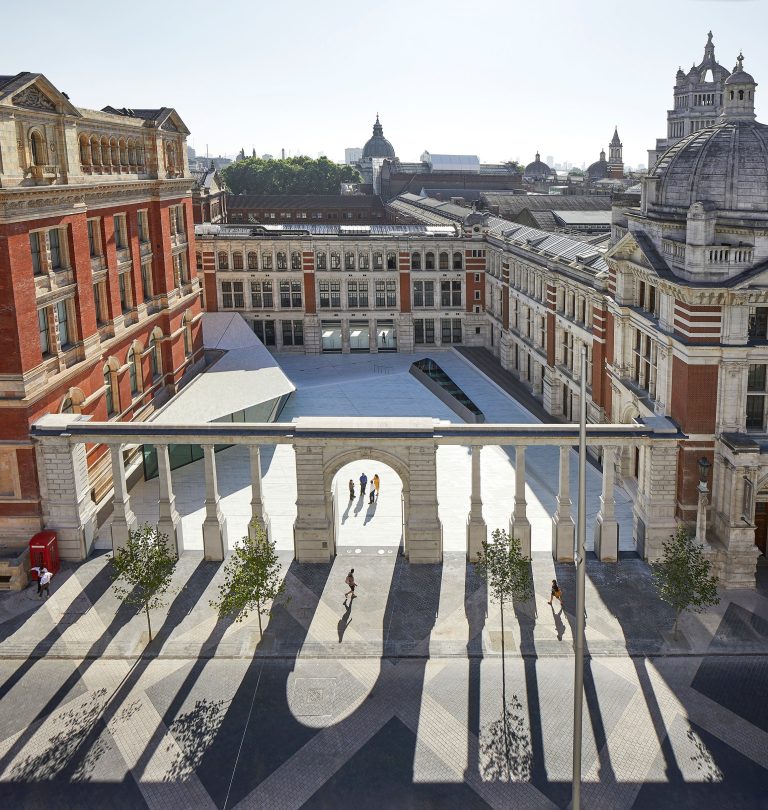
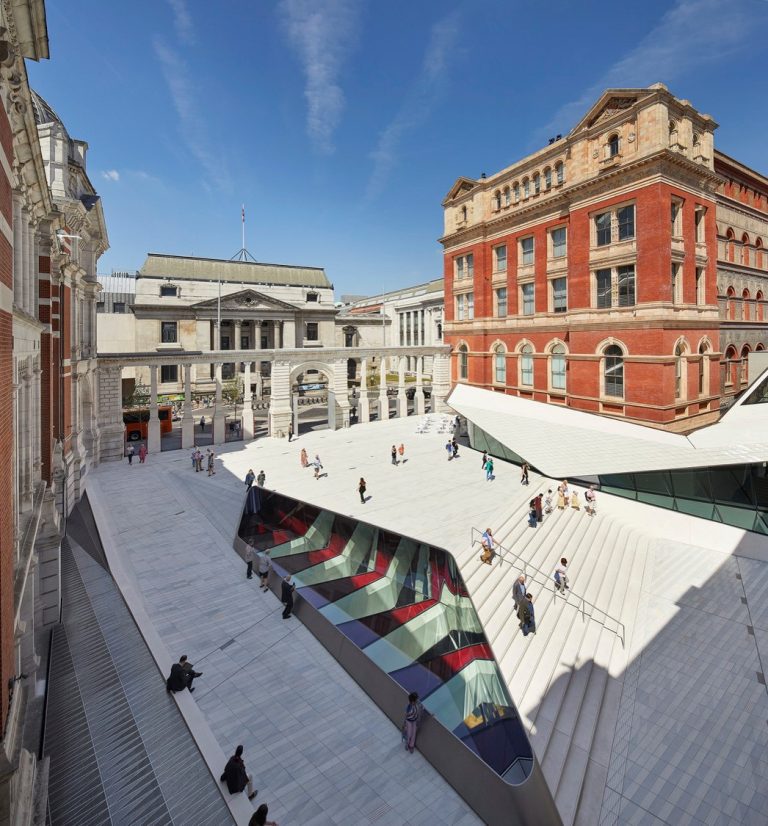
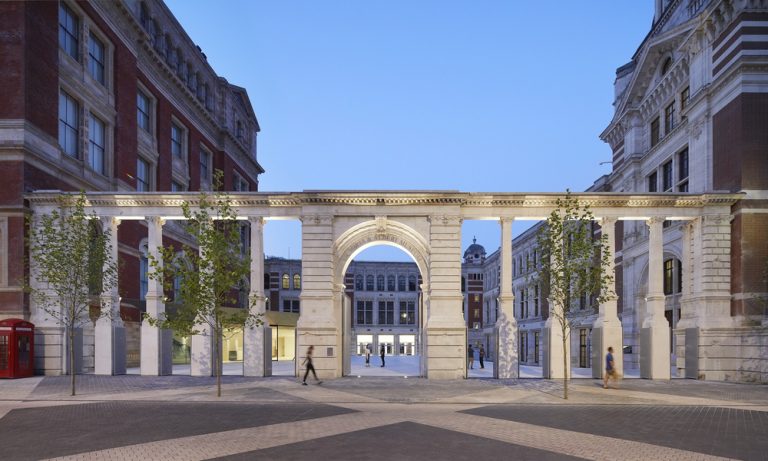
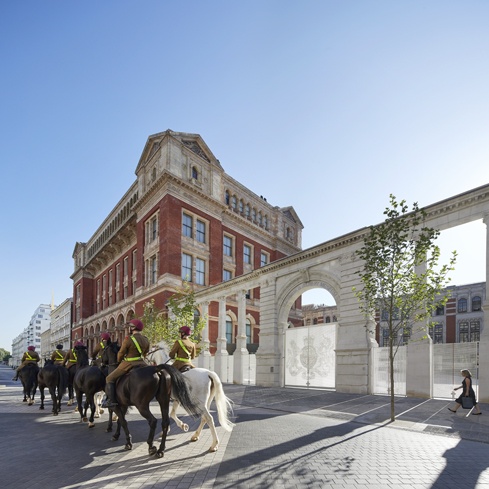
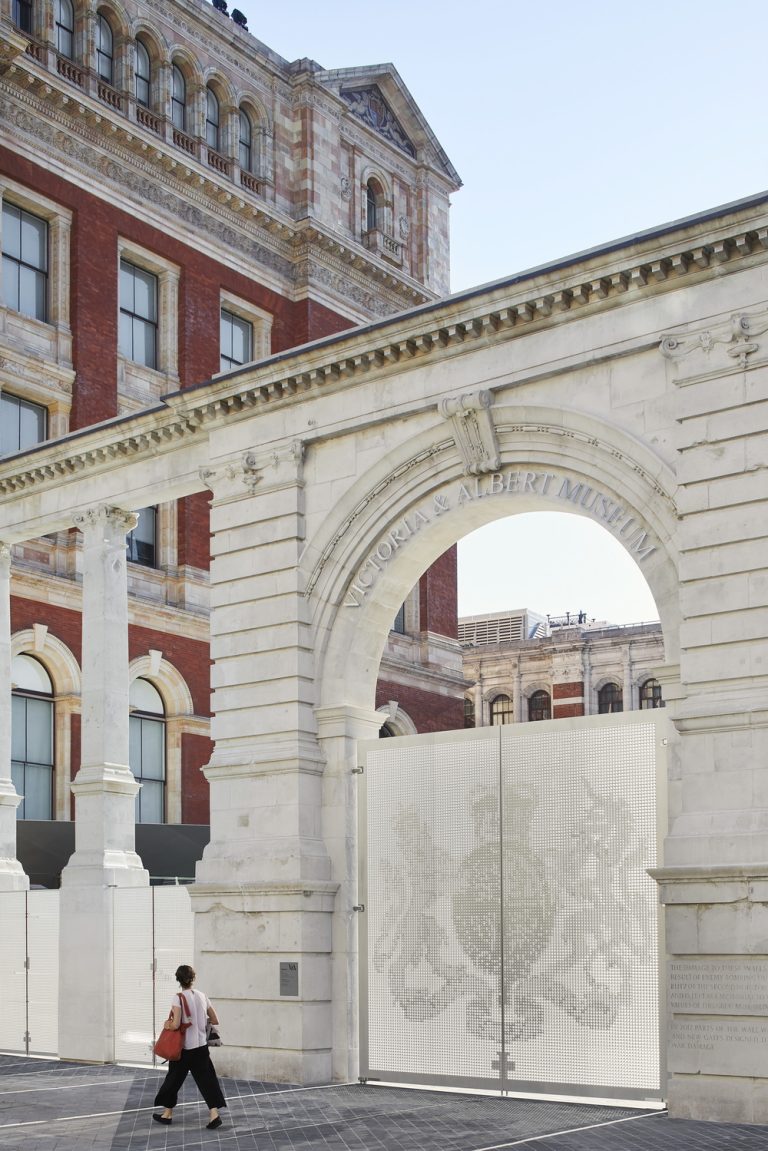
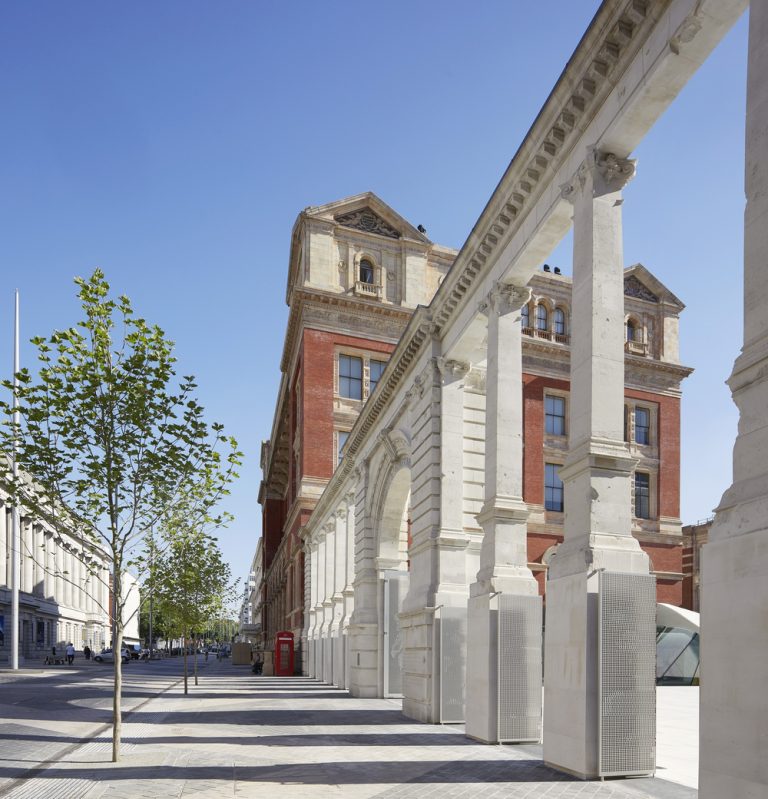
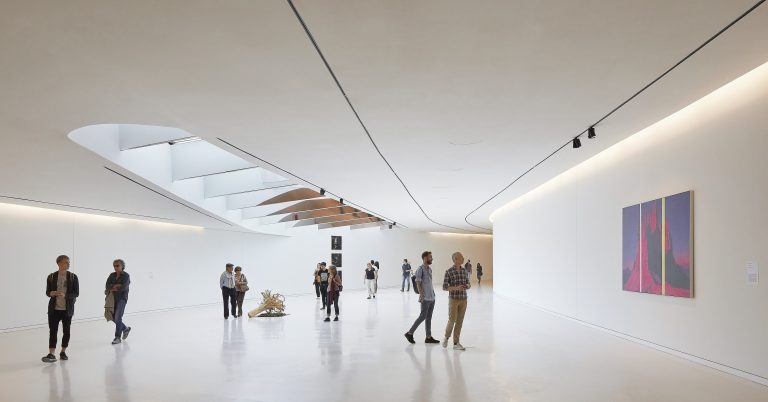
The Exhibition Road Quarter at the Victoria and Albert Museum in London is a museum extension designed by Amanda Levete’s firm AL_A and completed in 2017. This project was the V&A’s largest expansion in over a century, aimed at improving public access and gallery space. Levete’s design includes a public courtyard called the Sackler Courtyard, a subterranean exhibition hall called the Sainsbury Gallery, and a new entrance from Exhibition Road. The courtyard is the world’s first all-porcelain public courtyard. Paved with 11,000 porcelain tiles, the plaza provides outdoor space for museum visitors and events. The tiles are off-white and reference the V&A’s ceramics collection. The courtyard is framed by historical museum façades on three sides and a contemporary screen on the street side. Beneath the courtyard, Levete designed a column-free exhibition hall measuring about 1,100 square meters, achieved by engineering to support the weight of the courtyard and crowds above. The gallery below ground is illuminated by daylight from oculus skylights integrated into the courtyard and includes a staircase entry. The project combines modern design with Victorian heritage; the new elements use materials such as porcelain, concrete, and steel, and their scale and tone align with the museum. The design type is a cultural institution extension, combining landscape architecture with exhibition space. The Exhibition Road Quarter received awards such as the 2018 RIBA National Award. It shows an approach to adding contemporary functions while considering historical context.
04. Museum of Art, Architecture and Technology (MAAT), Lisbon
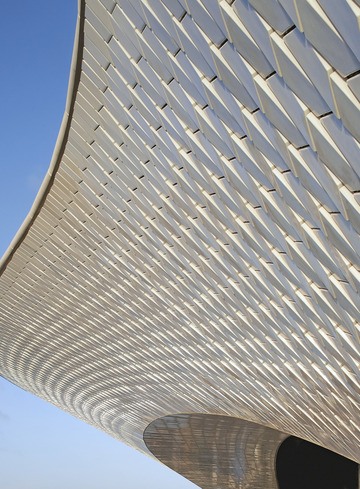
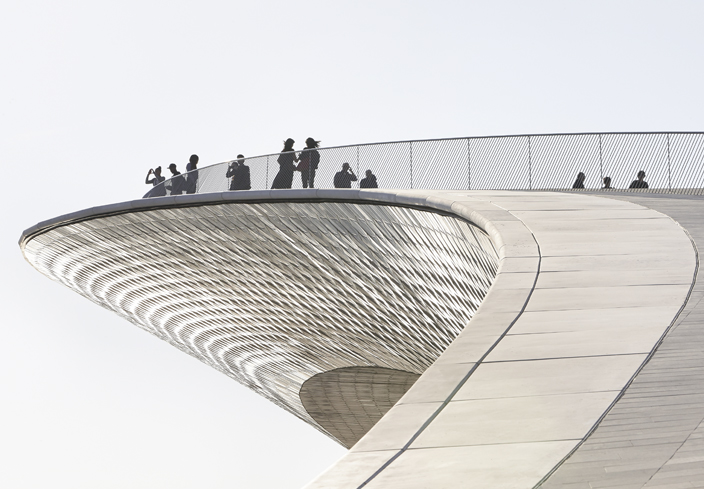
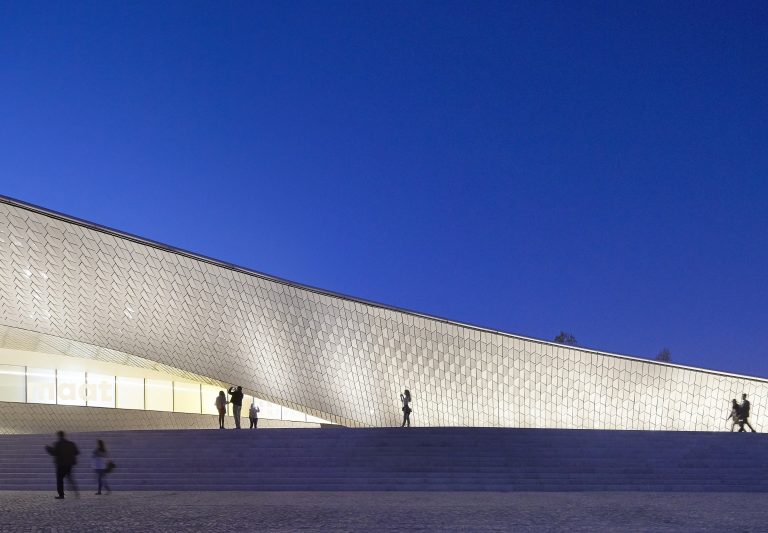
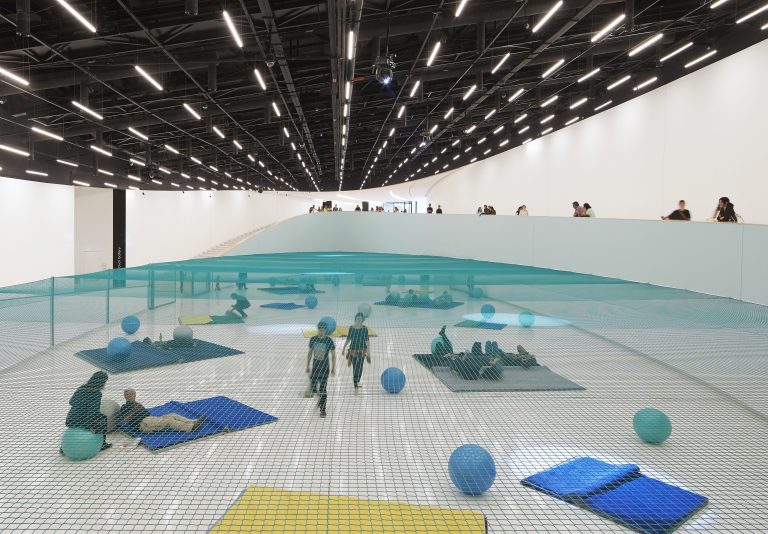
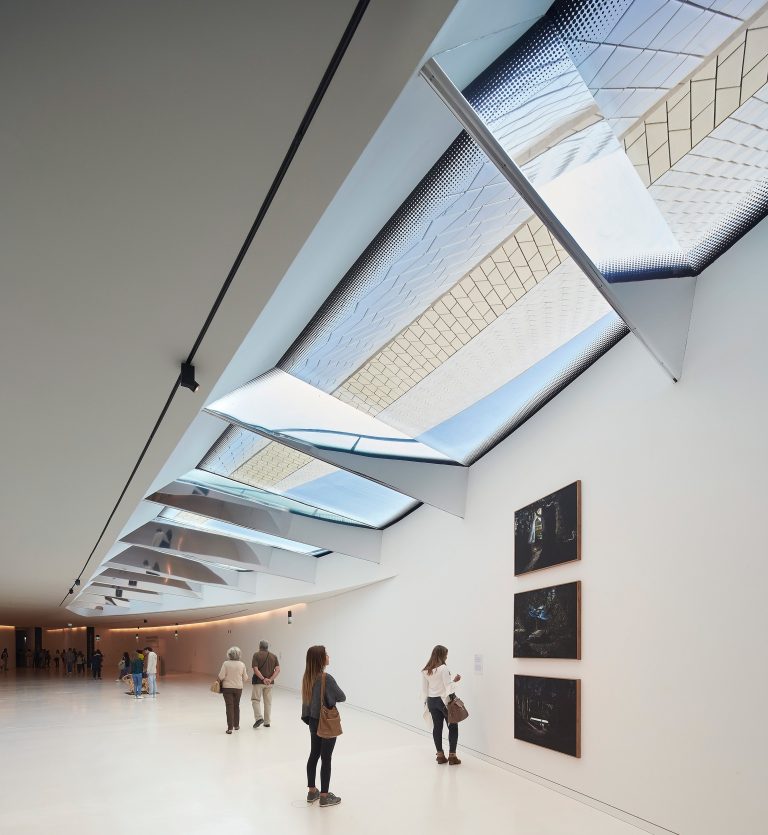
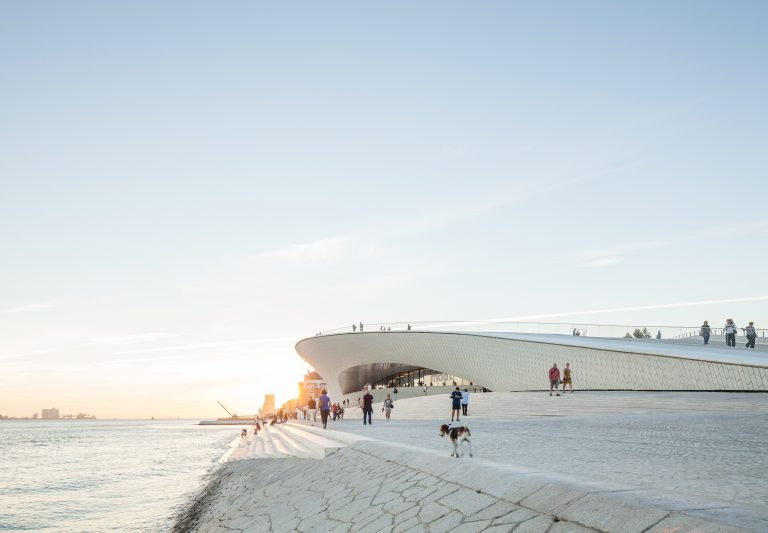
The MAAT in Lisbon is a museum designed by Amanda Levete (AL_A) and opened in 2016. MAAT is a cultural center dedicated to art, architecture, and technology on the banks of the River Tagus in the Belém district. The museum has a low-profile form that links the riverfront to the city. The building’s most recognizable feature is its roof, which visitors can walk on. This roof slopes up from ground level to form an overlook that provides views of the Tagus River. The facade of MAAT is clad in about 15,000 three-dimensional ceramic tiles in a white glaze. These tiles, produced in Portugal, reflect sunlight and water. The use of ceramic references Lisbon’s tile heritage, while the curvature of each tile and its arrangement are modern. The museum is partly built into the earth, with much of its gallery space located below the roofline. Inside, MAAT houses exhibition galleries in a column-free environment suitable for large installations and multimedia displays. The design type of MAAT is a cultural museum building, and it is part of a larger campus that includes a repurposed power station. Levete’s architectural approach was to create a building that relates to its riverside setting. Since opening, MAAT has been known as a museum associated with its integration of contemporary design with public space.
05. Central Embassy, Bangkok
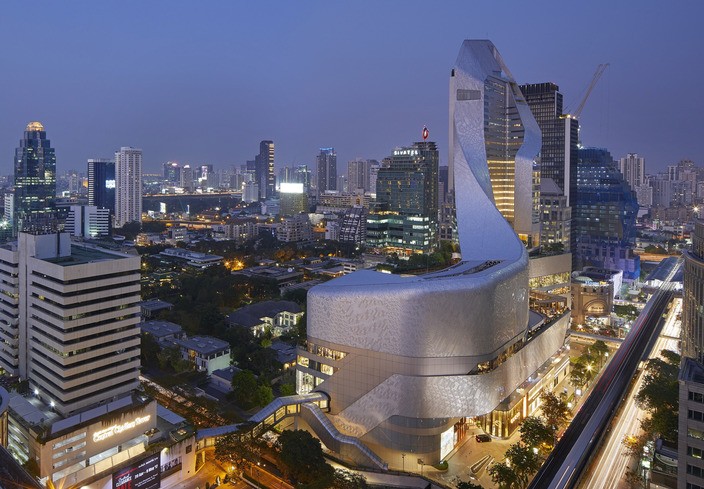
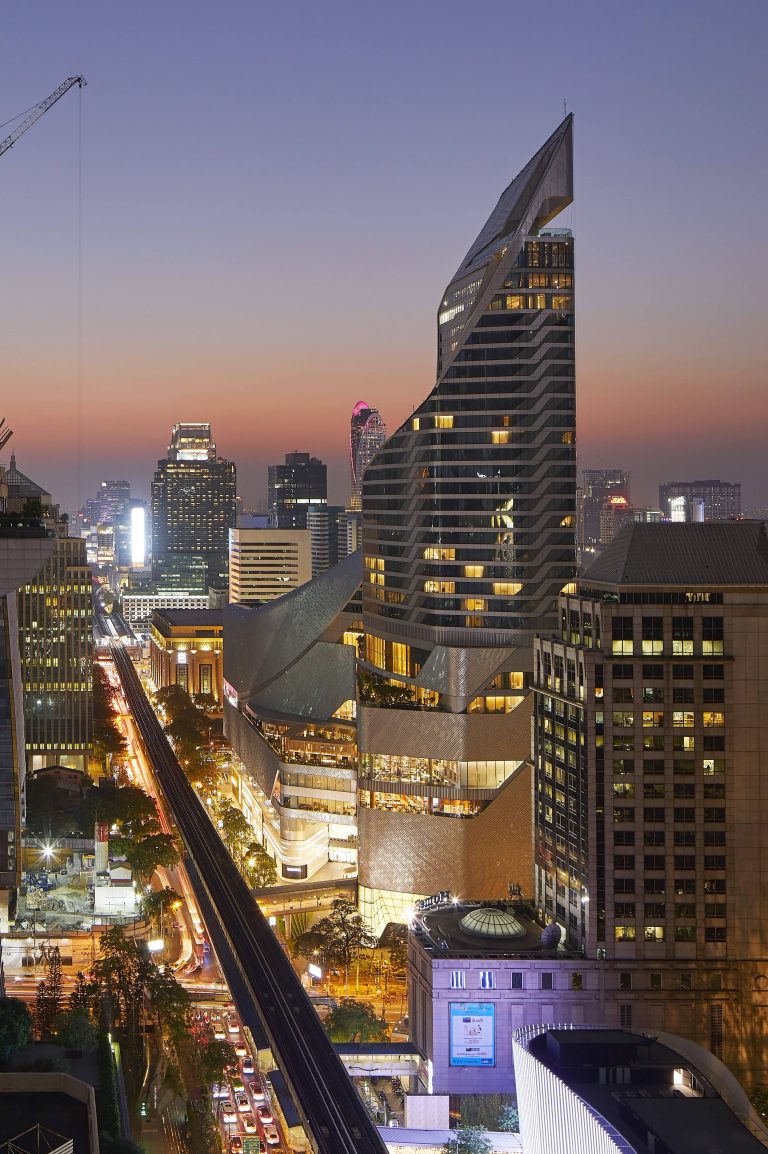
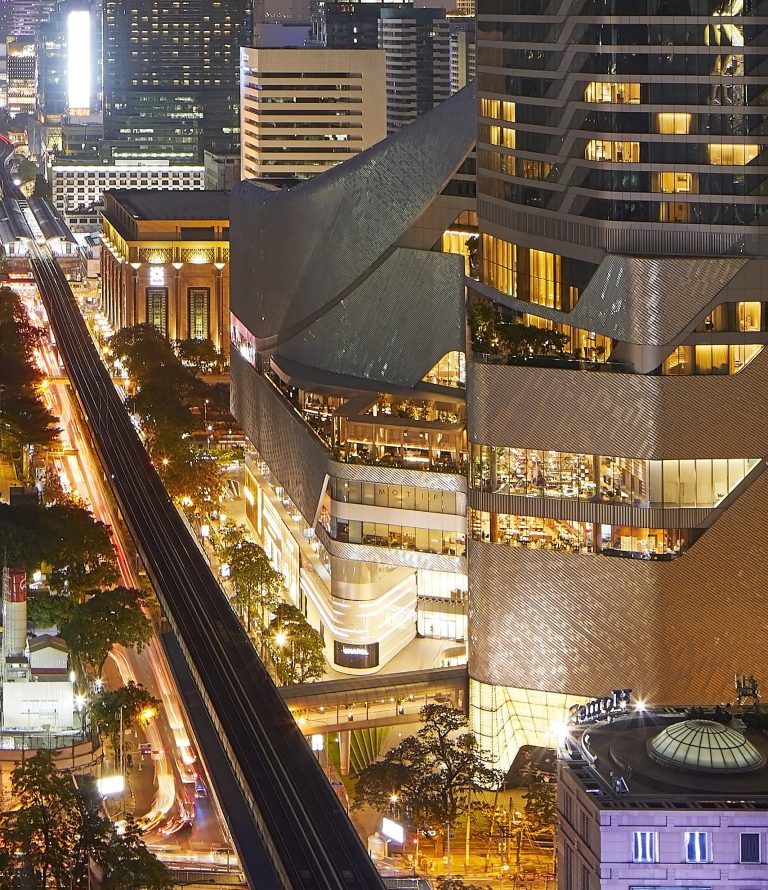
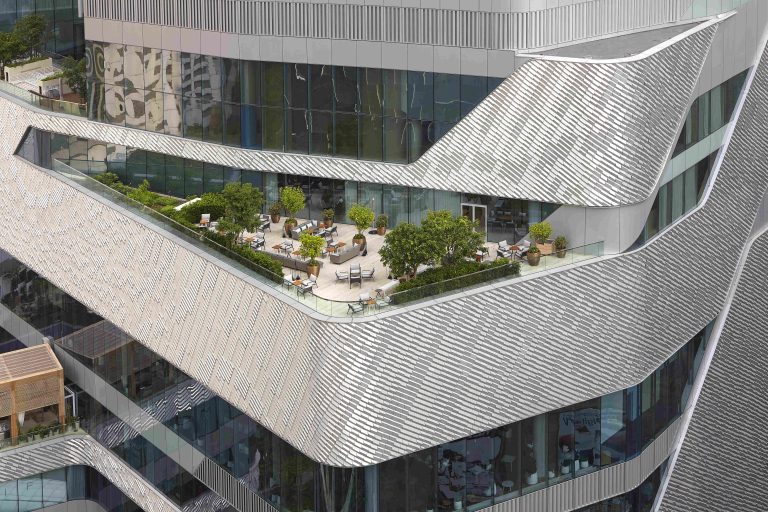
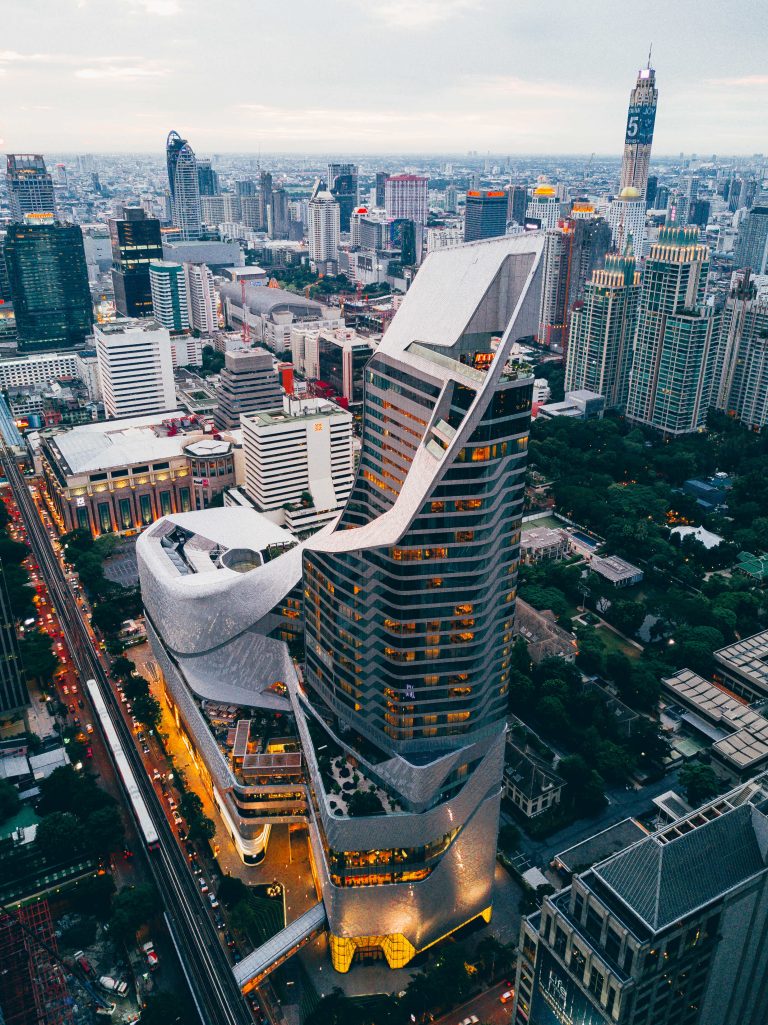
Central Embassy in Bangkok is a mixed-use skyscraper designed by Amanda Levete’s firm and completed in 2017. This project is a combination of a shopping mall in the podium and a hotel tower, located on the former site of the British embassy in central Bangkok. Central Embassy stands 37 floors tall and has a twisting form. Levete’s design merges the podium and tower through a continuous curvilinear facade. The retail center below and the tower above are unified by an envelope that wraps around the building. The facade is clad in aluminium tiles and glass, with approximately 300,000 metal tiles creating a scale-like surface. These tiles are arranged in a lattice pattern that reflects light. The design type of Central Embassy is a commercial mixed-use building with retail and hospitality. Inside, the retail podium features atrium spaces and curved sightlines. The tower houses the hotel with rooms that provide views of the city. One design aspect was to include Thai cultural motifs; Levete’s team incorporated references to Thai patterns in the facade detailing and ensured the building’s shape relates to Bangkok’s skyline. Central Embassy is a building known in Bangkok for its scale and complexity. It is an example of contemporary architecture used for commercial and hospitality functions.
How did Amanda Levete contribute to architecture?
Amanda Levete contributed to architecture by expanding the formal and technical possibilities of design in the late 20th and early 21st centuries. Throughout her career, Levete used digital design tools to create complex shapes. By executing projects such as the Lord’s Media Centre and Selfridges Birmingham, Levete showed that non-traditional architecture could be built. Her work introduced construction techniques; she brought aerospace and boat-building methods into building construction, as seen in the all-aluminium Lord’s Media Centre. Levete expanded the use of materials, from the aluminium disc cladding in Birmingham to the porcelain tiles at the V&A, integrating them in ways that combine aesthetics with function. Beyond her designs, Amanda Levete influenced architectural practice through her emphasis on collaboration. She leads multidisciplinary teams and works with engineers, artists, and fabricators early in the design process, an approach used in contemporary practice. As a female architect with an established career, Levete has contributed to discussions about inclusion in the profession; her work and recognition, including the Jane Drew Prize, have been noted by younger architects.
What awards and honors has Amanda Levete received?
Amanda Levete has received several awards and honors in recognition of her work. These include:
- RIBA Stirling Prize (1999) – Awarded by the Royal Institute of British Architects for the Lord’s Cricket Ground Media Centre.
- Commander of the Order of the British Empire (2017) – A CBE conferred for services to architecture in the United Kingdom.
- Jane Drew Prize (2018) – An award given by the Architects’ Journal and the Architectural Review for contributions to the visibility of women in architecture.
- Honorary Fellow of the American Institute of Architects (2019) – A recognition by the AIA for contributions to architecture.
- Royal Academician (2021) – Elected to the Royal Academy of Arts in London.
Amanda Levete’s other projects have received awards. The V&A Exhibition Road Quarter received a RIBA National Award in 2018 and international design awards in 2017. Her work with Future Systems, including the Selfridges Building in Birmingham, received awards for architecture and engineering.
Did Amanda Levete change the architecture industry?
Amanda Levete changed aspects of architectural practice related to form and technology. Her completion of projects such as the Lord’s Media Centre and Selfridges Birmingham showed that experimental architecture could be built. These projects demonstrated to clients and city planners that unconventional designs could meet functional requirements. Levete’s work included the use of digital tools for complex curves and structures. As these methods became common, the industry expanded its formal vocabulary beyond modernist geometries. Amanda Levete’s approach has included considerations of context, such as aligning the MAAT with its riverside setting or incorporating natural ventilation and light. Her practice shows how technology can support design. As a female architect leading an international office, Levete has contributed to discussions about diversity in architecture.
Was Amanda Levete ever controversial in any way?
Amanda Levete’s career has not been marked by major personal controversy, but some of her projects have prompted debate related to their design. As an architect who introduces contemporary structures into existing urban settings, Levete has at times faced public hesitation or critical scrutiny. When the Selfridges Building in Birmingham was first unveiled with its blob-like form and metallic cladding, it divided opinions. The Exhibition Road Quarter extension at the V&A Museum prompted discussion among those concerned with inserting contemporary architecture into a Victorian context. These discussions were focused on design, style, and context. Levete’s separation from Future Systems in 2008 was reported in the press as a professional development. Amanda Levete has not been associated with public scandals or ethical controversies.
Who are the most famous architects in modern history besides Amanda Levete?
Aside from Amanda Levete, Zaha Hadid, Frank Gehry, and Norman Foster are among those influential architects noted in discussions of modern architecture. Zaha Hadid (1950–2016) was an Iraqi-British architect and the first woman to win the Pritzker Architecture Prize. Her projects, including the Guangzhou Opera House in China and the London Aquatics Centre, use curves and geometries enabled by engineering and digital design tools. Frank Gehry (born 1929) is a Canadian-American architect associated with deconstructivist design. His buildings, such as the Guggenheim Museum in Bilbao and the Walt Disney Concert Hall in Los Angeles, use sculptural forms and varied materials; he received the Pritzker Prize in 1989. Norman Foster (born 1935) is a British architect associated with high-tech architecture. Foster’s works, including the HSBC Building in Hong Kong and 30 St Mary Axe in London, use steel and glass systems; he won the Pritzker Prize in 1999. Beyond these figures, Richard Rogers (British, 1933–2021), who co-designed the Centre Pompidou in Paris and later designed the Lloyd’s building in London, received the Pritzker Prize in 2007. Frank Lloyd Wright (American, 1867–1959) is an earlier figure whose works, including Fallingwater and the Guggenheim Museum in New York, influenced later architects. In contemporary British architecture, names such as David Adjaye (Ghanaian-British, born 1966), Thomas Heatherwick (British, born 1970), and Bjarke Ingels (Danish, born 1974) appear frequently in discussions of designers active in the field.
What did Amanda Levete mostly design?
Amanda Levete has designed large-scale buildings for cultural, commercial, and civic uses. Her work can be grouped into several categories:
- Cultural and Institutional Buildings: Levete has designed museums, galleries, and public installations. Examples include the MAAT in Lisbon and the V&A Exhibition Road Quarter in London. These projects place contemporary architecture within public or historic settings.
- Commercial Architecture (Retail and Office): Levete has designed commercial developments. The Selfridges Building in Birmingham and the Central Embassy building in Bangkok are examples. Through Future Systems and AL_A, she has worked on office and headquarters projects, including the planned News Corporation media campus in London.
- Infrastructure and Landmarks: Levete’s work includes bridges, pavilions, and transit structures. She designed the Spencer Dock Bridge in Dublin and collaborated on the Naples Subway Station (Monte Sant’Angelo) in Italy with Anish Kapoor. She designed temporary structures such as the 2015 MPavilion in Melbourne.
Across these categories, Amanda Levete’s work uses technologies and materials to produce contemporary forms. Her firm, AL_A, has completed projects in Europe, Asia, and other regions. Recent work includes university buildings in Oxford, research facilities, and cultural centres.
Where did Amanda Levete study?
Amanda Levete received her architectural education in England. She attended the Architectural Association School of Architecture (AA) in London. At the AA in the 1970s, Levete studied experimental design and theoretical approaches. Before the AA, she studied at the Hammersmith School of Art in London, focusing on architecture and art fundamentals. Her earlier schooling includes St Paul’s Girls’ School in London. After graduating, Amanda Levete continued her professional learning in practice. She worked in the studio of Richard Rogers in the early 1980s, where she was exposed to high-tech design methods and large-scale projects.
Did Amanda Levete have any famous teachers or students?
Amanda Levete did not have a single mentor, but she learned from several architects. At the Architectural Association in London, Levete studied during a period when architects and theorists were part of the faculty or lecture program. While no specific architect is recorded as her direct tutor, the AA exposed her to ideas associated with figures such as Rem Koolhaas and Zaha Hadid. After school, Richard Rogers contributed to her early professional development; at the Richard Rogers Partnership, she worked in an environment shaped by his high-tech design approach. Levete’s partnership with Jan Kaplický at Future Systems also shaped her practice. Kaplický was older and held a distinct design ethos, and Levete has stated that she learned from their collaboration. Amanda Levete has not taught in formal academic settings, but through her firm AL_A, she has mentored architects and designers. Some architects who worked at Future Systems or AL_A later established their own practices.
How can students learn from Amanda Levete’s work?
Students can learn from Amanda Levete’s work by studying her design process and completed projects. Examining Levete’s buildings shows how form and function are integrated. For example, the Lord’s Media Centre uses a shaped exterior while meeting the needs of a media facility, and the V&A courtyard functions as a public space and as a roof for an underground gallery. These cases show how technical requirements are addressed during design. Students can study Levete’s use of technology and materials. Her work includes the use of digital modeling and coordination with engineers and fabricators. Reviewing projects such as Selfridges, with its steel and concrete structure under a curved exterior, or MAAT, with its tile cladding system, can show how materials and fabrication methods influence design. Students can examine context and user experience in Levete’s projects. Observing how people use the MAAT roof or how the V&A extension provides access to museum space shows how design relates to movement and public use. Levete’s collaborative approach is another area of study. She works with engineers, artists, and fabricators. In the Naples subway project, she collaborated with an artist to combine architectural and artistic components. This shows how interdisciplinary work contributes to outcomes. As a female architect leading a practice, Levete’s career provides examples related to professional development. Reading interviews or case studies of her projects can show how she organizes her work and how design decisions are made.

