

Clorindo Testa (1923–2013) was an Italian-Argentine architect and artist who became a leading figure of modern architecture in Latin America. Born in Naples and raised in Buenos Aires, Clorindo Testa studied architecture at the University of Buenos Aires, graduating in 1948. He briefly pursued naval and civil engineering before switching to architecture, a background that gave him a strong technical foundation. Testa’s architectural style emerged as a fusion of Rationalist and Brutalist ideas; he pioneered bold exposed-concrete designs in Argentina while integrating his artistic sensibilities. His greatest accomplishment was establishing a new architectural language in Argentina through innovative public buildings that combined structural daring with cultural expression. Over a six-decade career, Clorindo Testa completed more than 100 projects – from banks and libraries to hospitals and civic plans – each marked by conceptual clarity and expressive form. Notable works like the Bank of London and South America in Buenos Aires and the National Library of Argentina demonstrate his impact and remain landmarks of 20th-century architecture. Testa’s contributions shaped Argentine modernism by proving that utilitarian structures are works of art. He received Argentina’s Konex Award three times, including the Platinum Konex in 1982, one of the country’s highest cultural honors. Some of his avant-garde designs in traditional urban settings sparked debate in their time but are now widely recognized. Clorindo Testa mostly designed large-scale public buildings such as government centers, cultural institutions, and commercial headquarters, often integrating urban planning considerations. He remained independent in practice, collaborating with firms on select projects, and did not serve as a long-term professor but mentored younger architects through his work. Architecture students can learn from Clorindo Testa’s legacy by studying how he integrated art and architecture, experimented with form and materials, and remained committed to creating culturally resonant modern spaces.
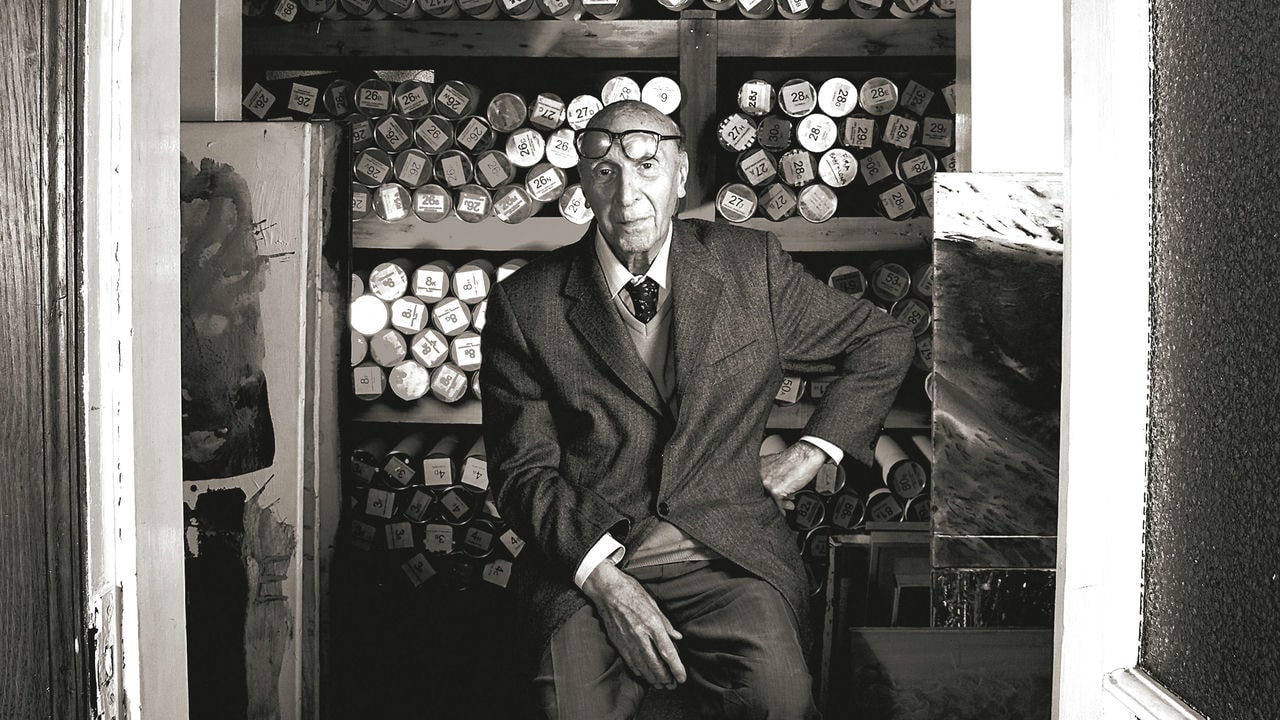
Who is Clorindo Testa?
Clorindo Testa was an Italian-Argentine architect known for his visionary designs and influence on 20th-century architecture in Argentina. He was born on December 10, 1923, in Naples, Italy, to an Italian father and Argentine mother, and moved as an infant to Buenos Aires, where he grew up. He developed an early interest in drawing and model building, initially studying naval engineering before turning to architecture. Testa studied architecture at the University of Buenos Aires and graduated in 1948 with high honors. In the 1950s, he traveled extensively in Europe, spending two years in Italy, France, and Spain, which exposed him to both historic and modern architectural ideas. After returning to Argentina, Clorindo Testa became a central figure in the national architectural scene. He co-founded an independent practice and entered design competitions that helped establish his reputation. Over time, he gained recognition as a modernist architect who maintained a parallel career as a painter and sculptor. He remained an Italian citizen and a naturalized Argentine, spending his life in Buenos Aires. His dual identity and artistic background enriched his architectural approach, allowing him to connect European modernism with the Latin American context. Clorindo Testa died on April 11, 2013, in Buenos Aires at the age of 89, leaving a legacy in both architecture and art.
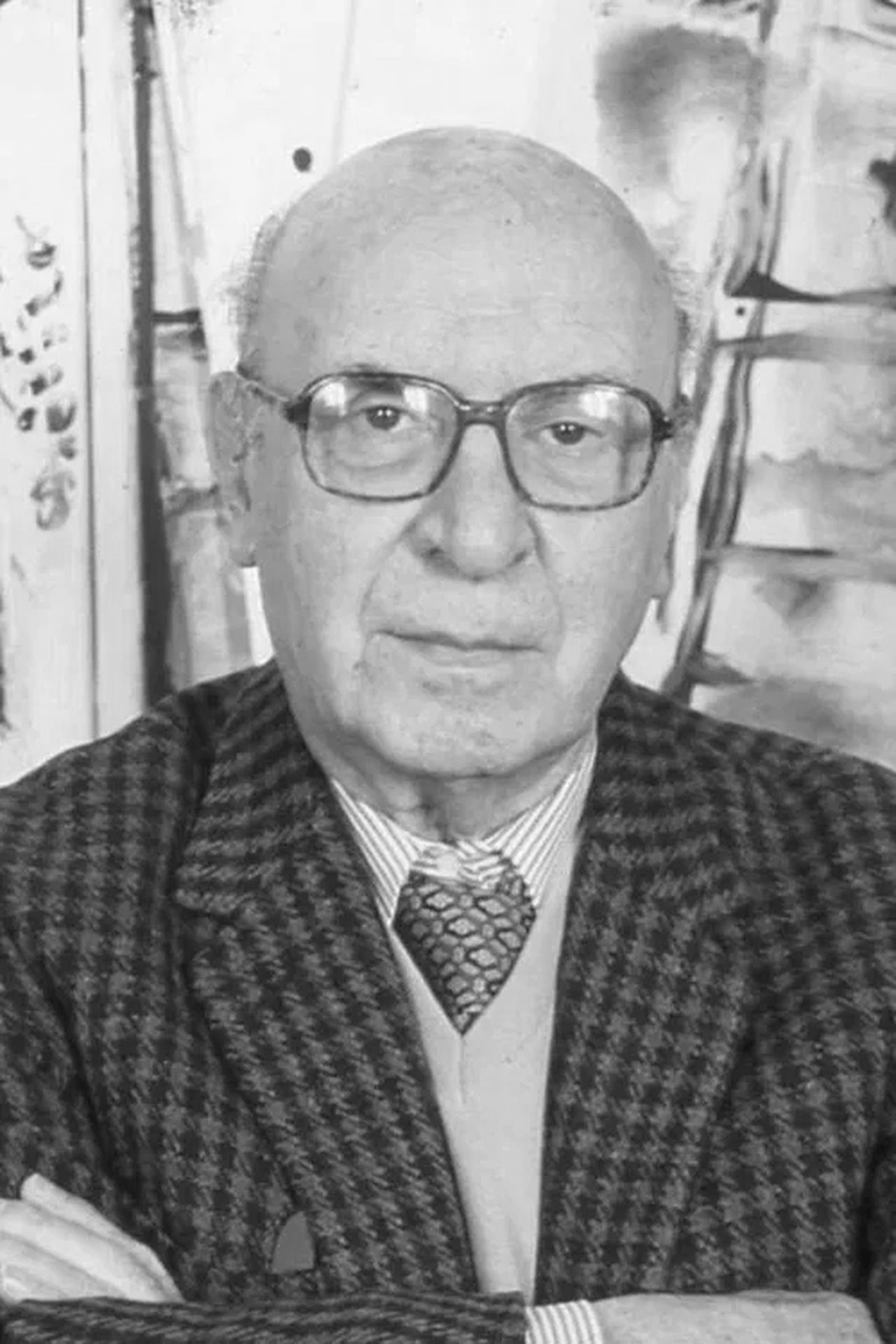
What type of architecture does Clorindo Testa represent?
Clorindo Testa represented a Brutalist and modernist architectural style shaped by Argentina’s mid-20th-century context. He was a leading figure in the Argentine Rationalist movement and a pioneer of Brutalist architecture in Latin America. His buildings often displayed raw concrete surfaces, bold geometric forms, and an honest expression of structure. Clorindo Testa’s style was defined by the exposure of materials and structural elements rather than decorative concealment. His designs frequently used reinforced concrete, cantilevered volumes, and geometric masses that produced a sculptural quality. This approach aligned with global Brutalism, yet Testa gave it a distinct regional character by incorporating complex spatial ideas and moments of color. He was strongly influenced by Le Corbusier, adopting principles such as open floor plans and functional clarity, but evolving them through his own inventive interpretation.
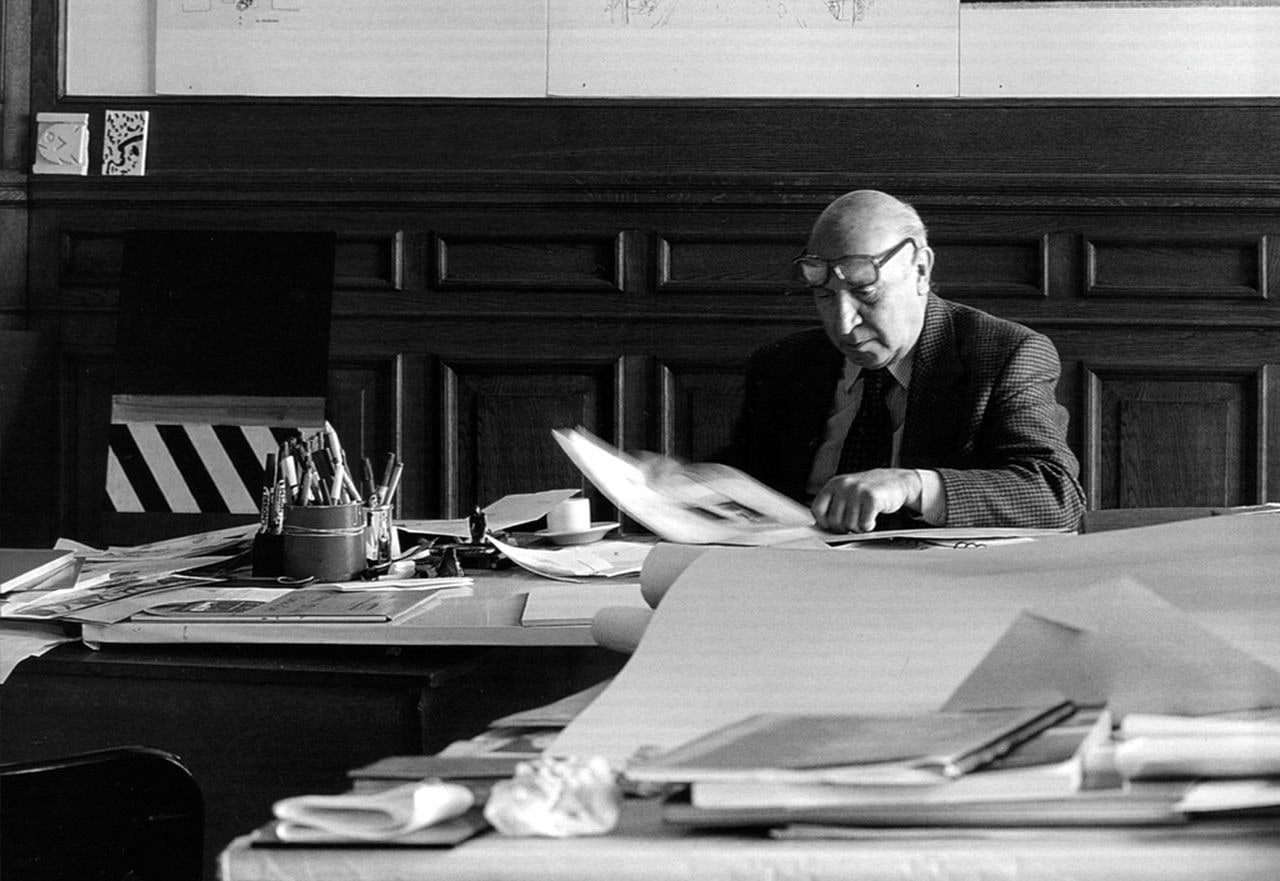
What is Clorindo Testa’s great accomplishment?
Clorindo Testa’s great accomplishment was transforming Argentine architecture through innovative modern designs that became national landmarks. He elevated Argentine architecture to international prominence with two major projects in Buenos Aires: the Bank of London and South America, completed in 1966, and the National Library of Argentina, designed in 1962 and completed in 1992. These buildings were unprecedented in Argentina for their bold forms and structural experimentation, establishing Testa’s reputation as a creative force in modern architecture. His legacy lies in the integration of architecture and art, resulting in public buildings that function efficiently while embodying cultural meaning. He developed a new architectural language for Argentina between the 1950s and 1970s, moving away from conservative styles and introducing avant-garde ideas. Internationally, Testa gained recognition as one of Latin America’s leading architects of the 20th century, maintaining his base in Buenos Aires throughout his career. His achievement extended beyond individual projects to a body of work that influenced generations of architects. Clorindo Testa demonstrated that modern Latin American architecture could achieve social purpose and artistic ambition simultaneously. His lasting impact on architectural thought and the urban identity of Buenos Aires remains his defining accomplishment.

What are Clorindo Testa’s most important works?
Clorindo Testa’s most important works are public buildings and urban projects that define Argentine modernism. His portfolio includes banks, libraries, civic centers, and cultural institutions, exemplified by the Bank of London and South America in Buenos Aires, whose concrete structure challenged conventional bank design; the Mariano Moreno National Library in Buenos Aires, a monumental Brutalist work elevated above the city’s landscape; the Civic Center of La Pampa in Santa Rosa, an early provincial government complex that introduced modern architecture to regional Argentina; the Buenos Aires Naval Hospital, a large healthcare facility based on functional modern design; and the Centro Cultural de Buenos Aires, also known as the Recoleta Cultural Center, a repurposed historic structure adapted with contemporary architectural interventions.
01. Bank of London and South America, Buenos Aires
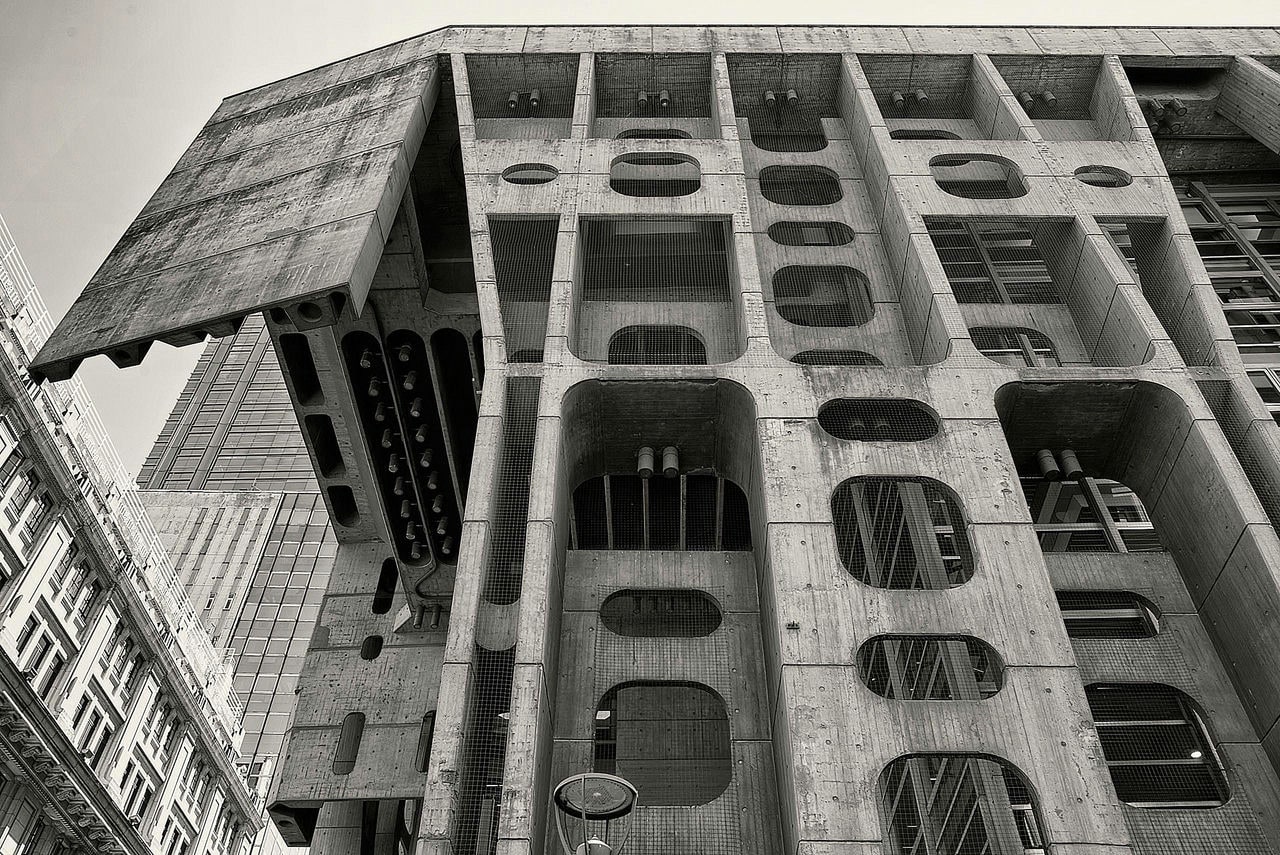
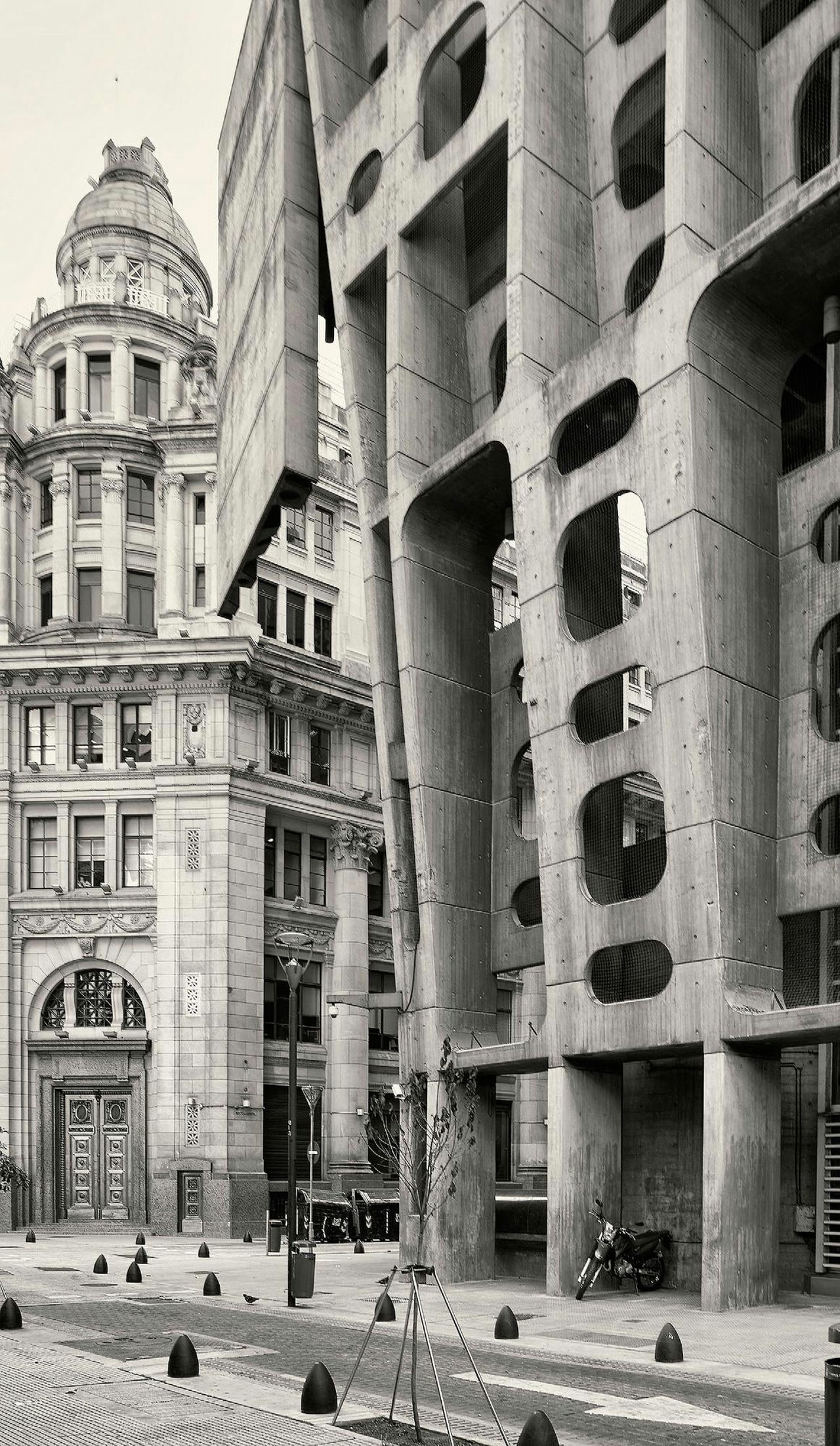
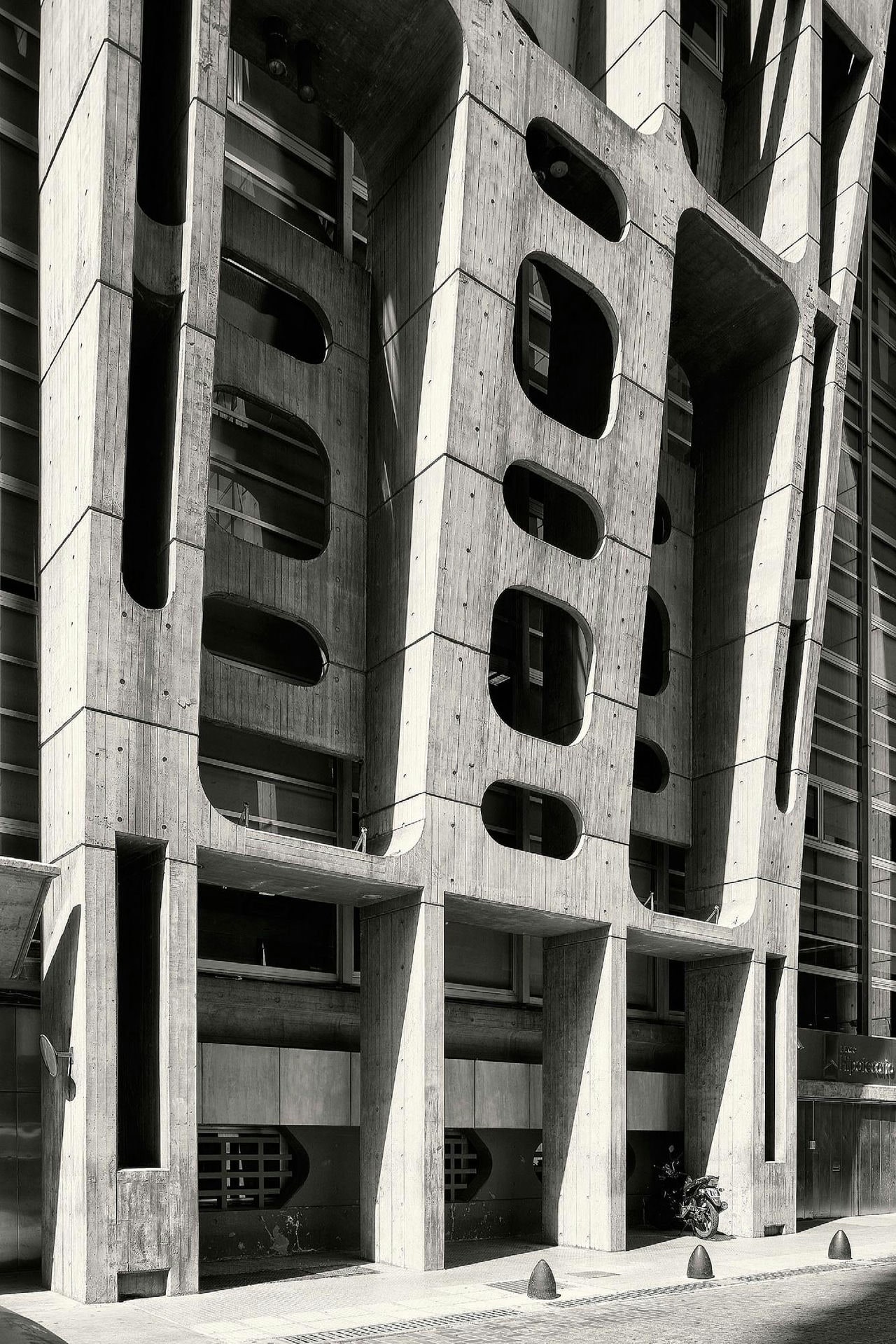
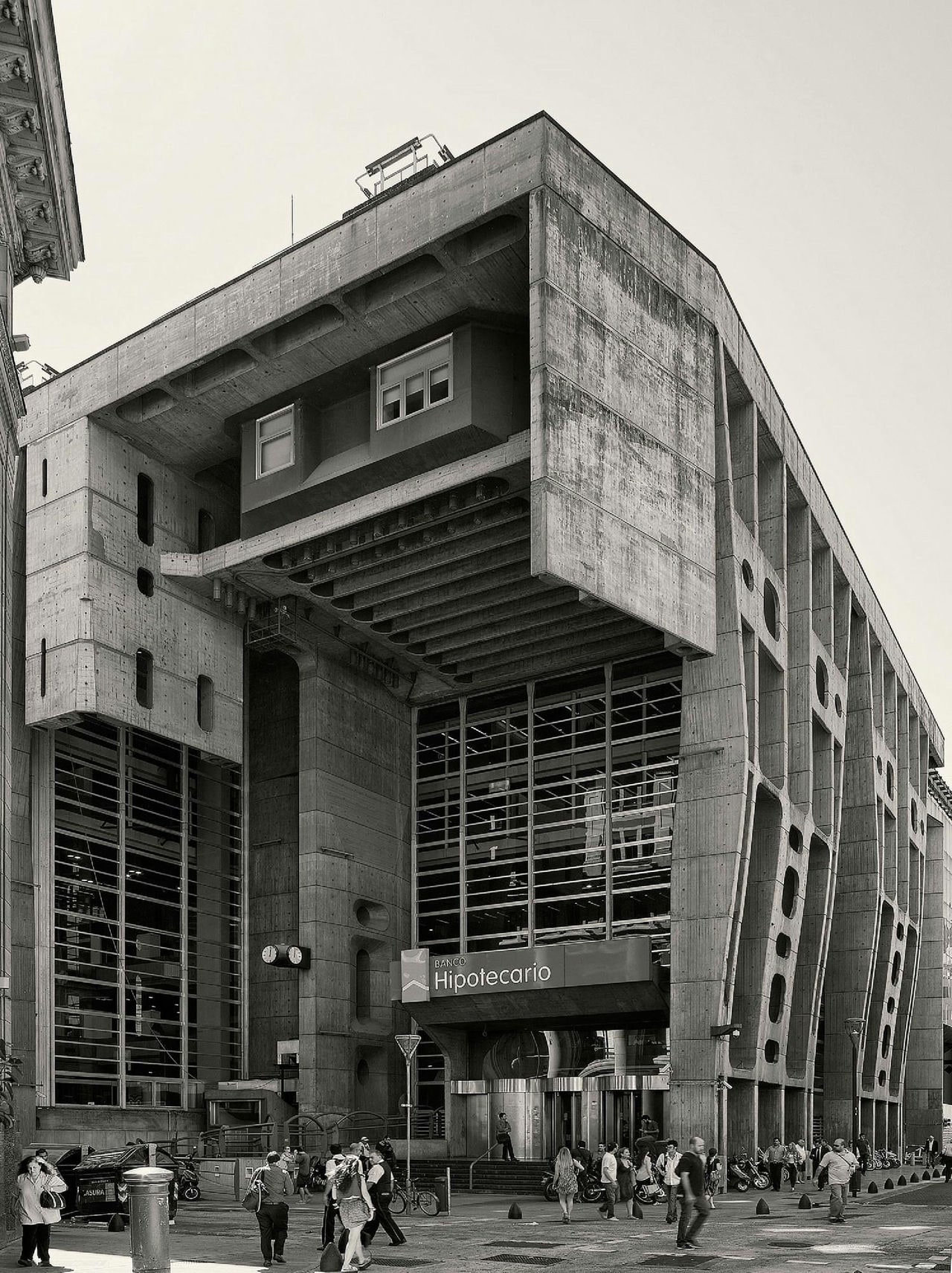
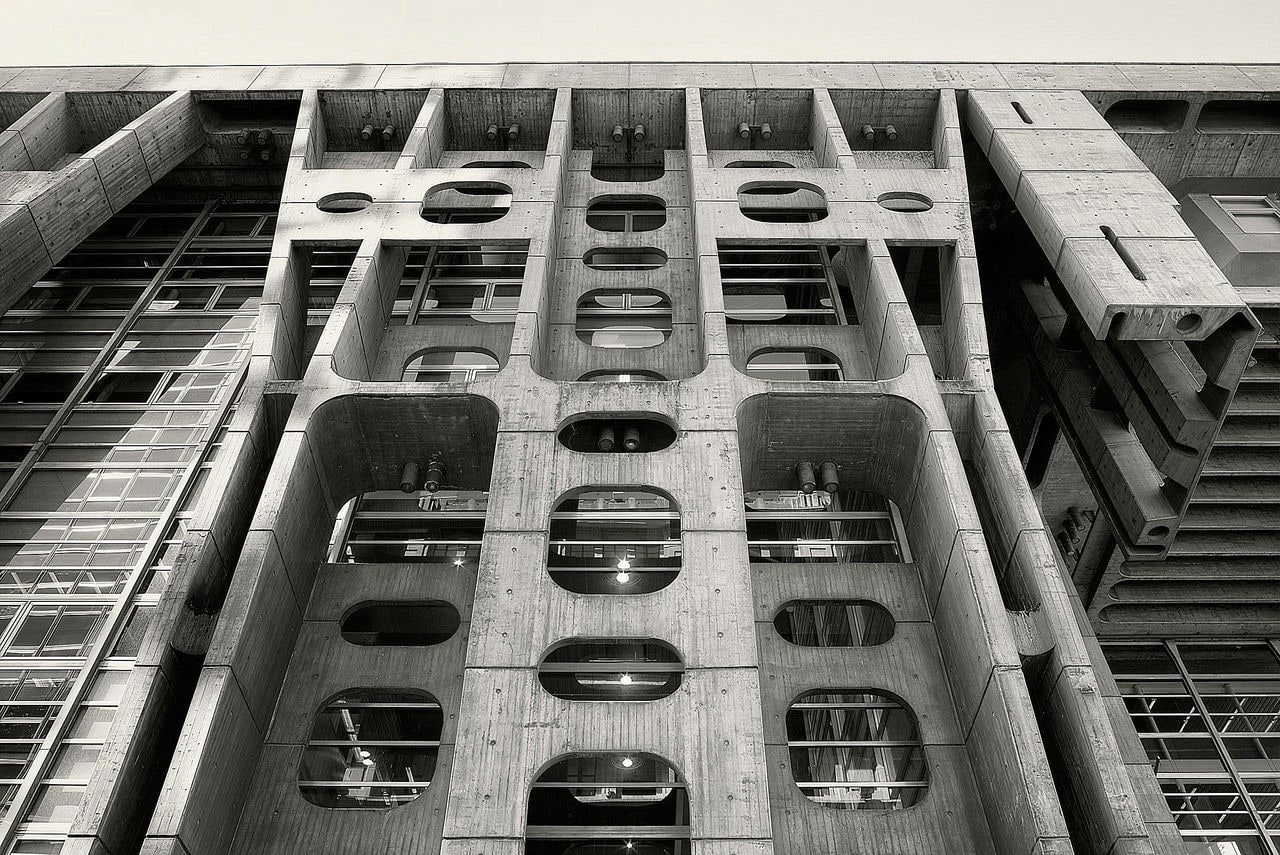
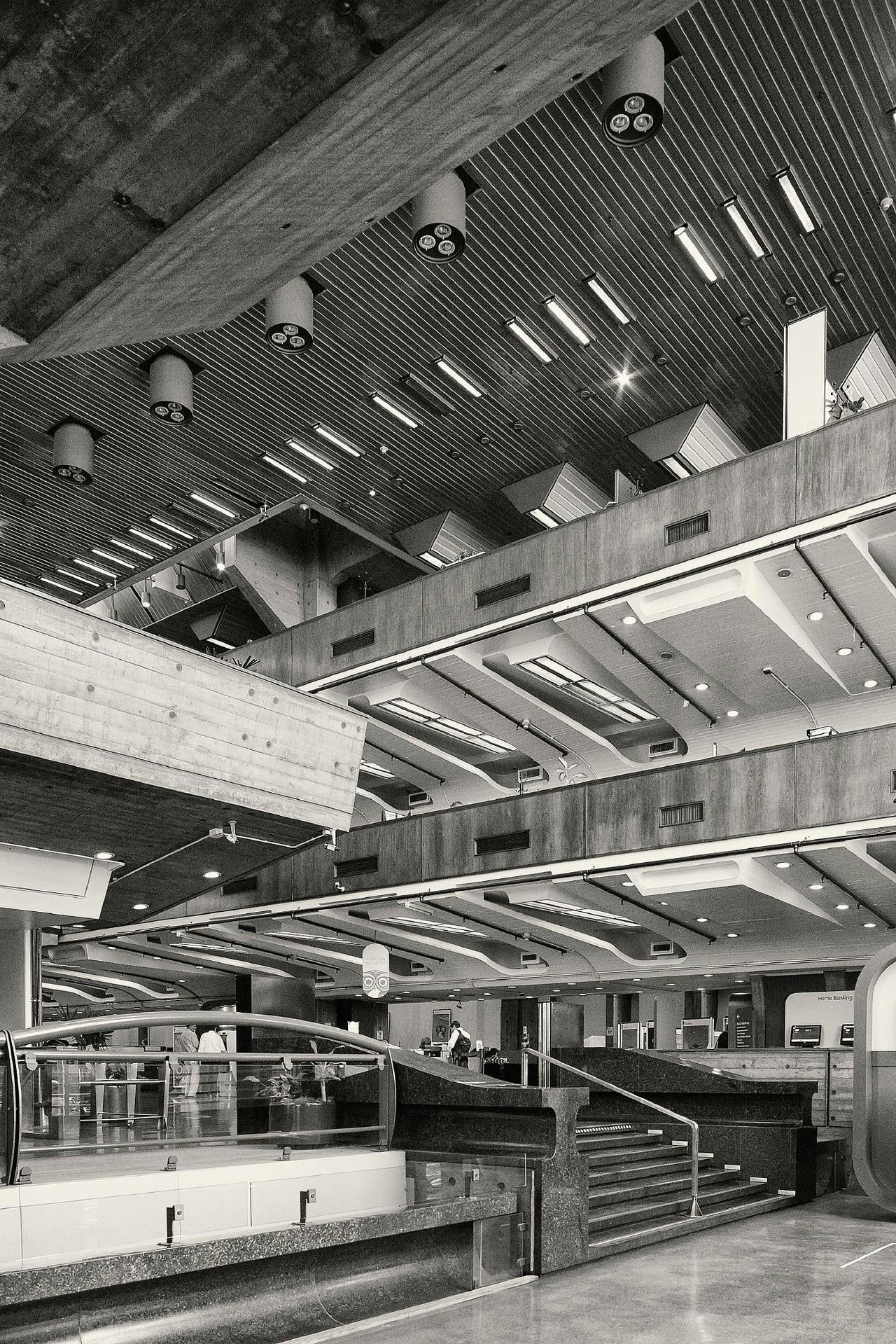
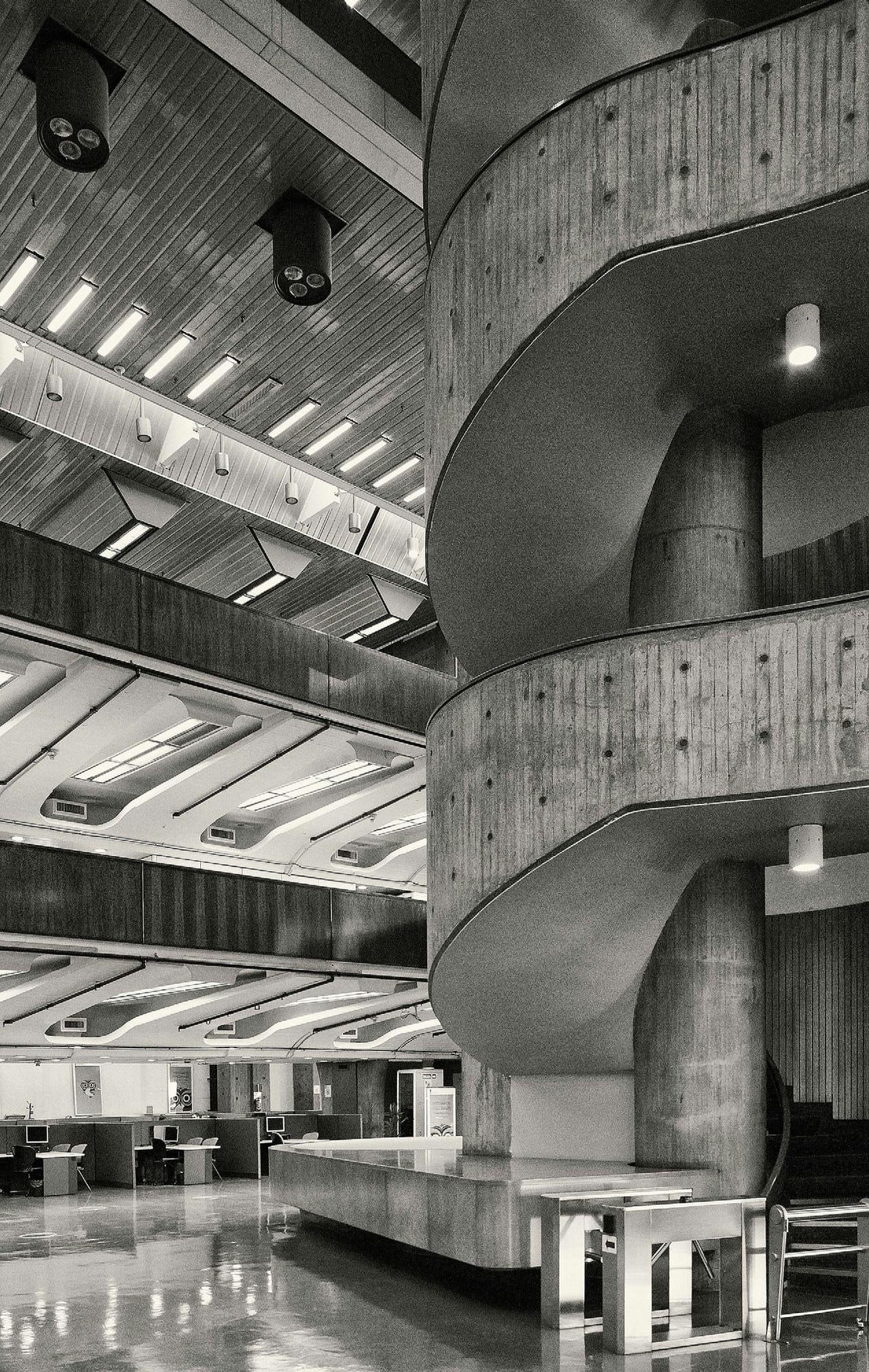
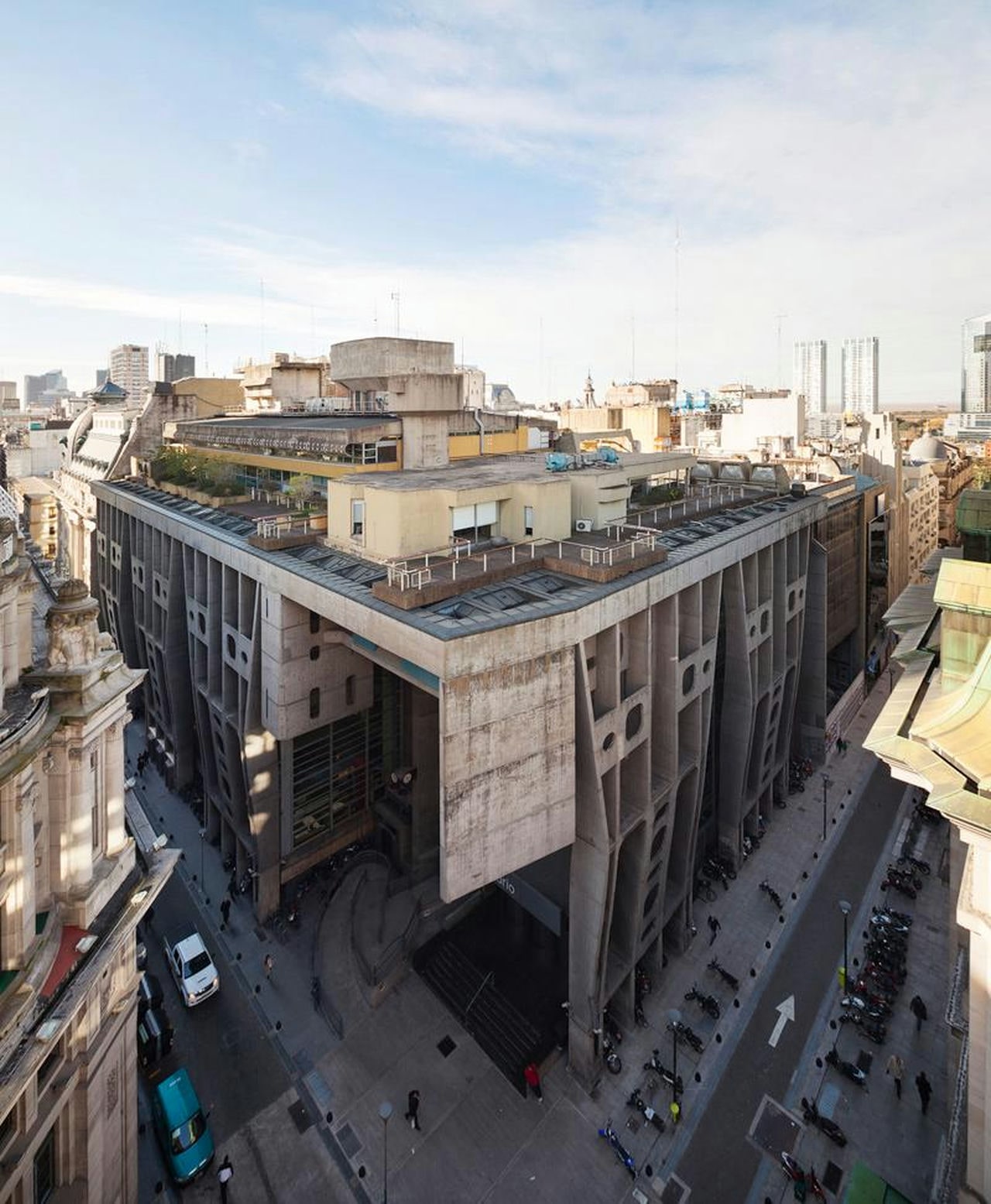
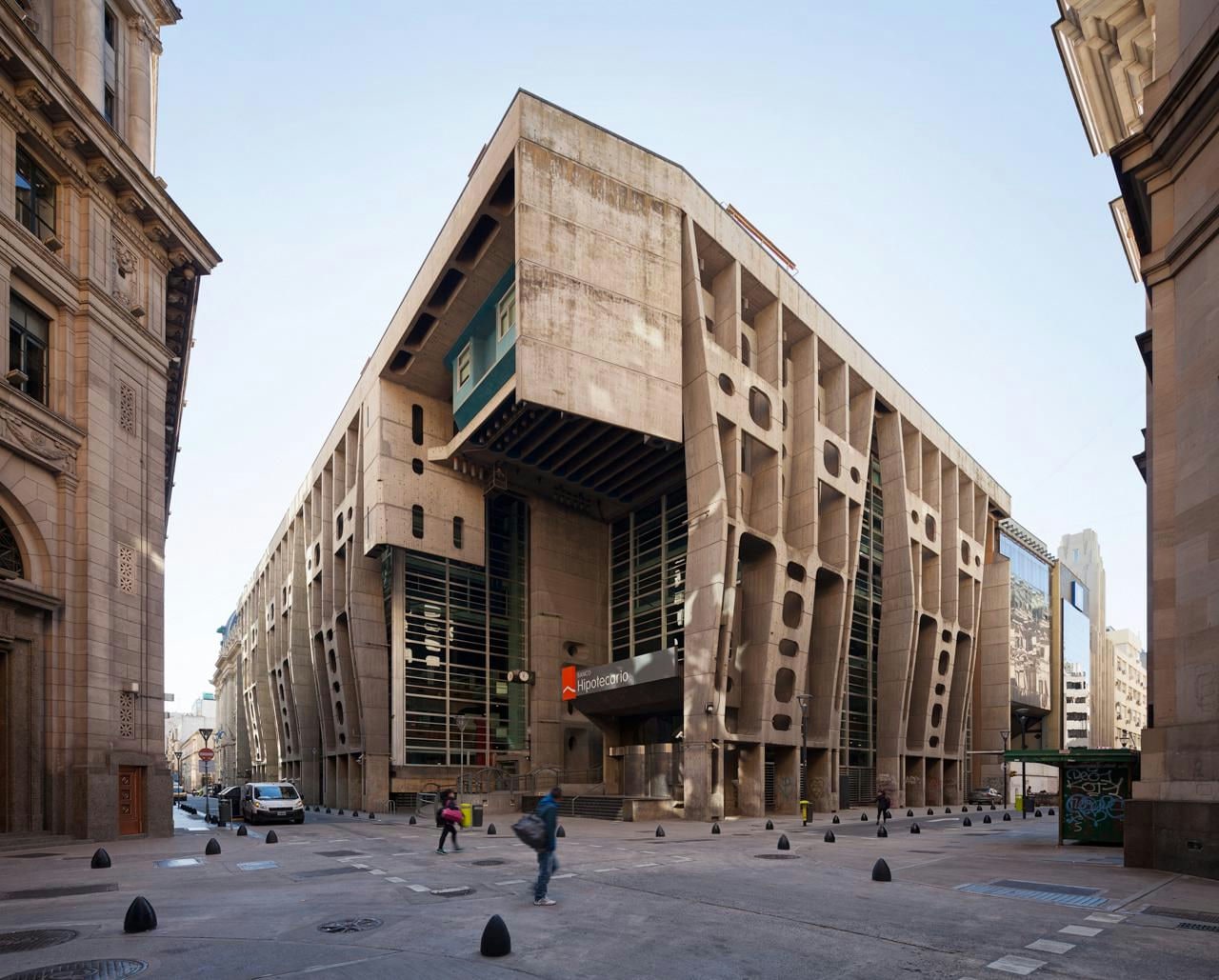
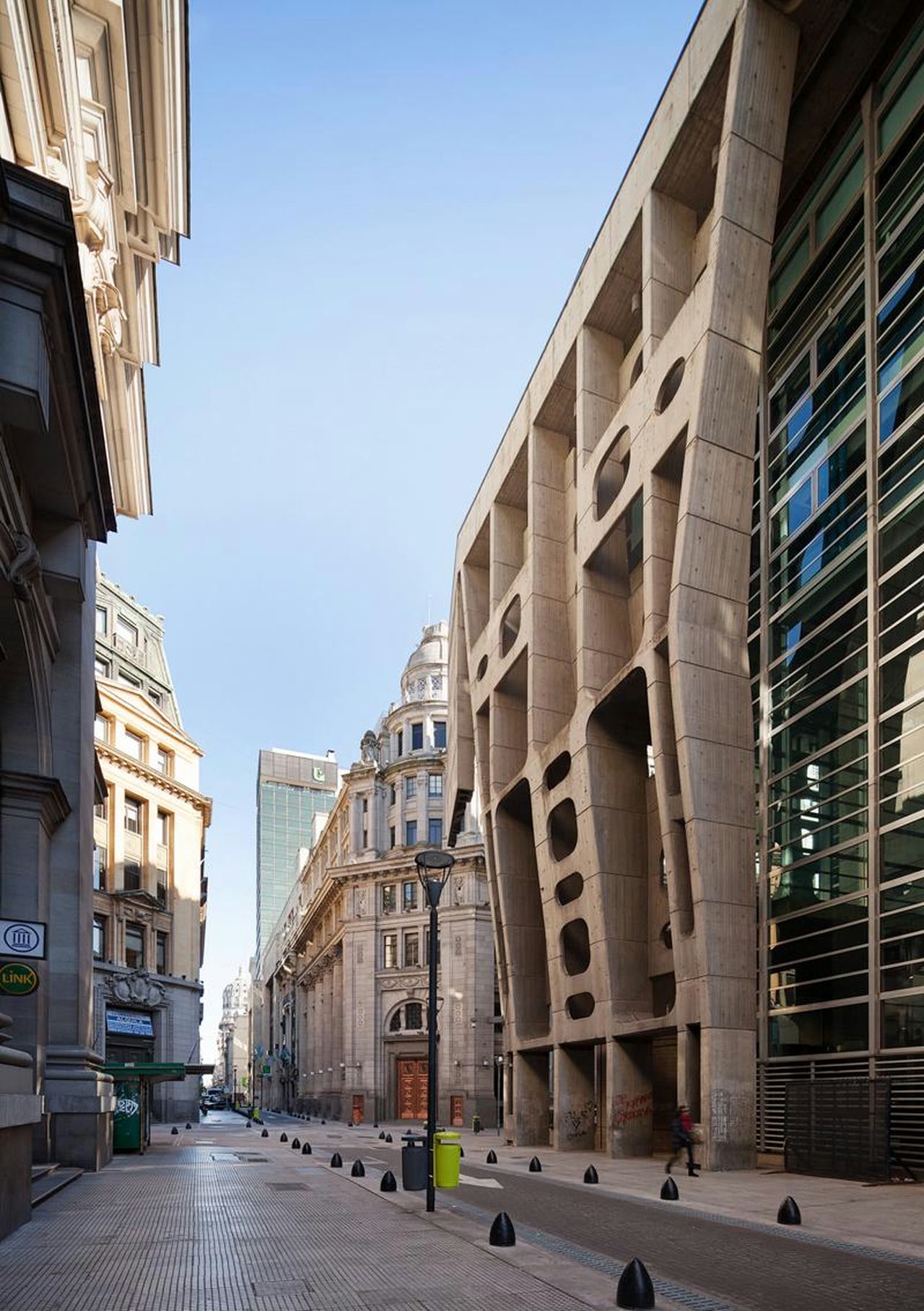
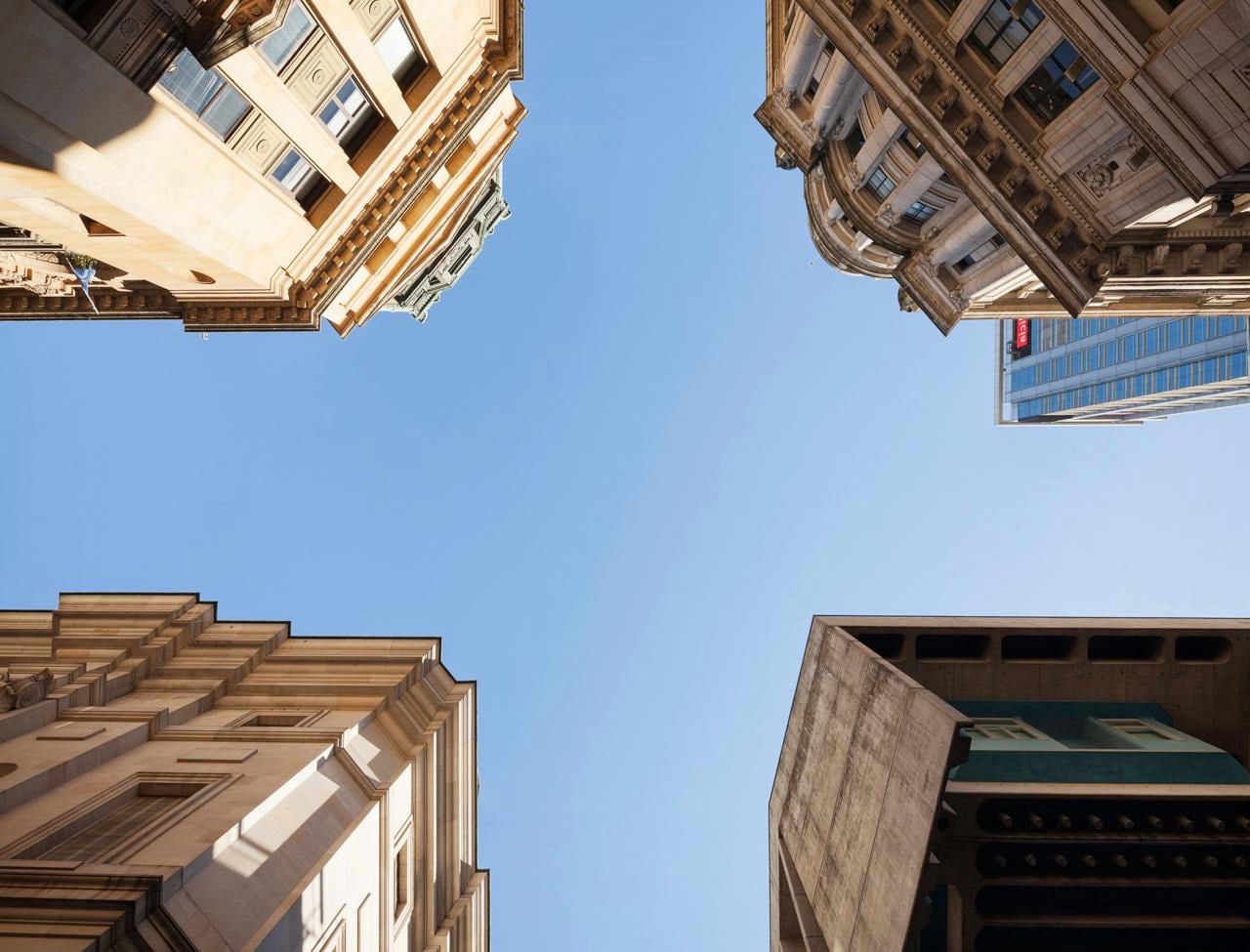
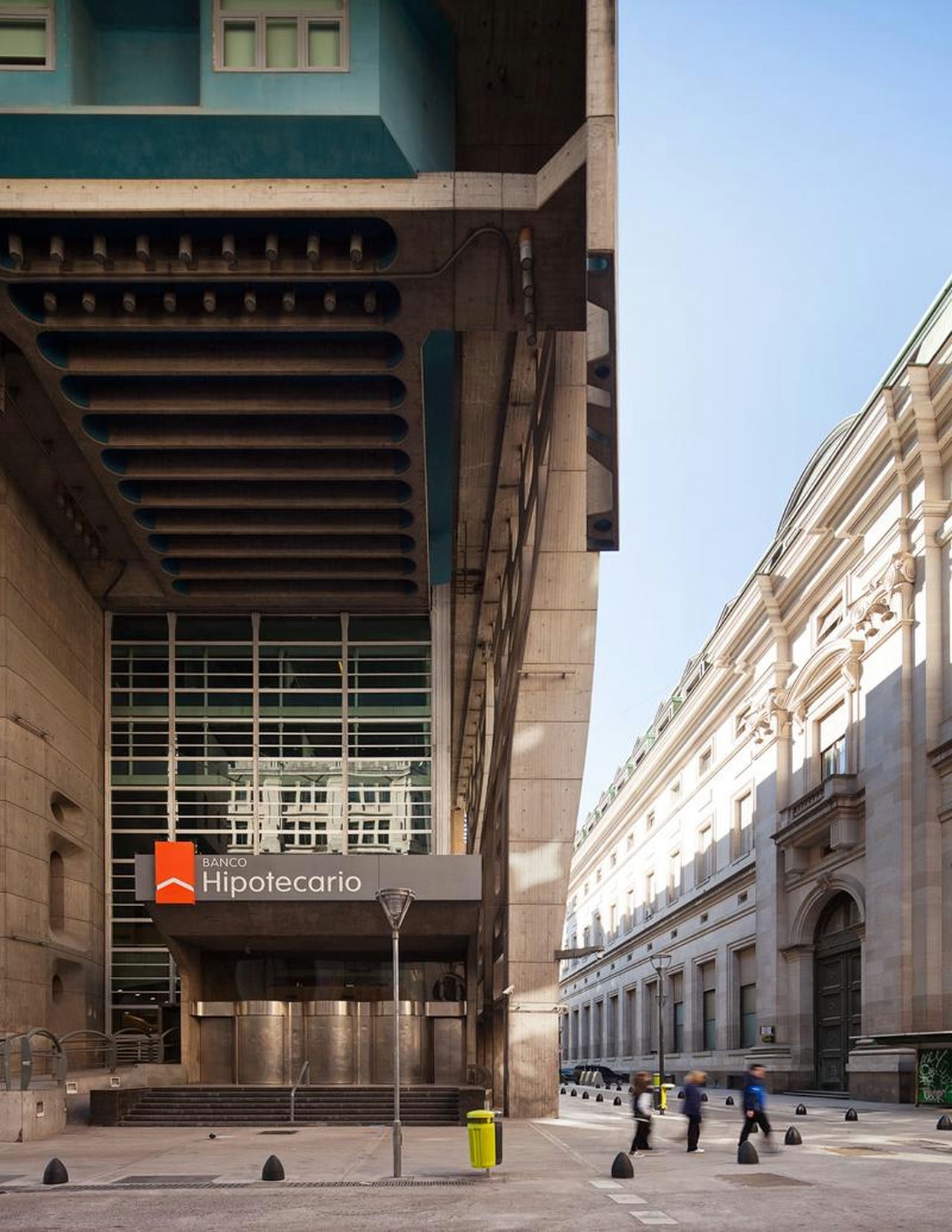
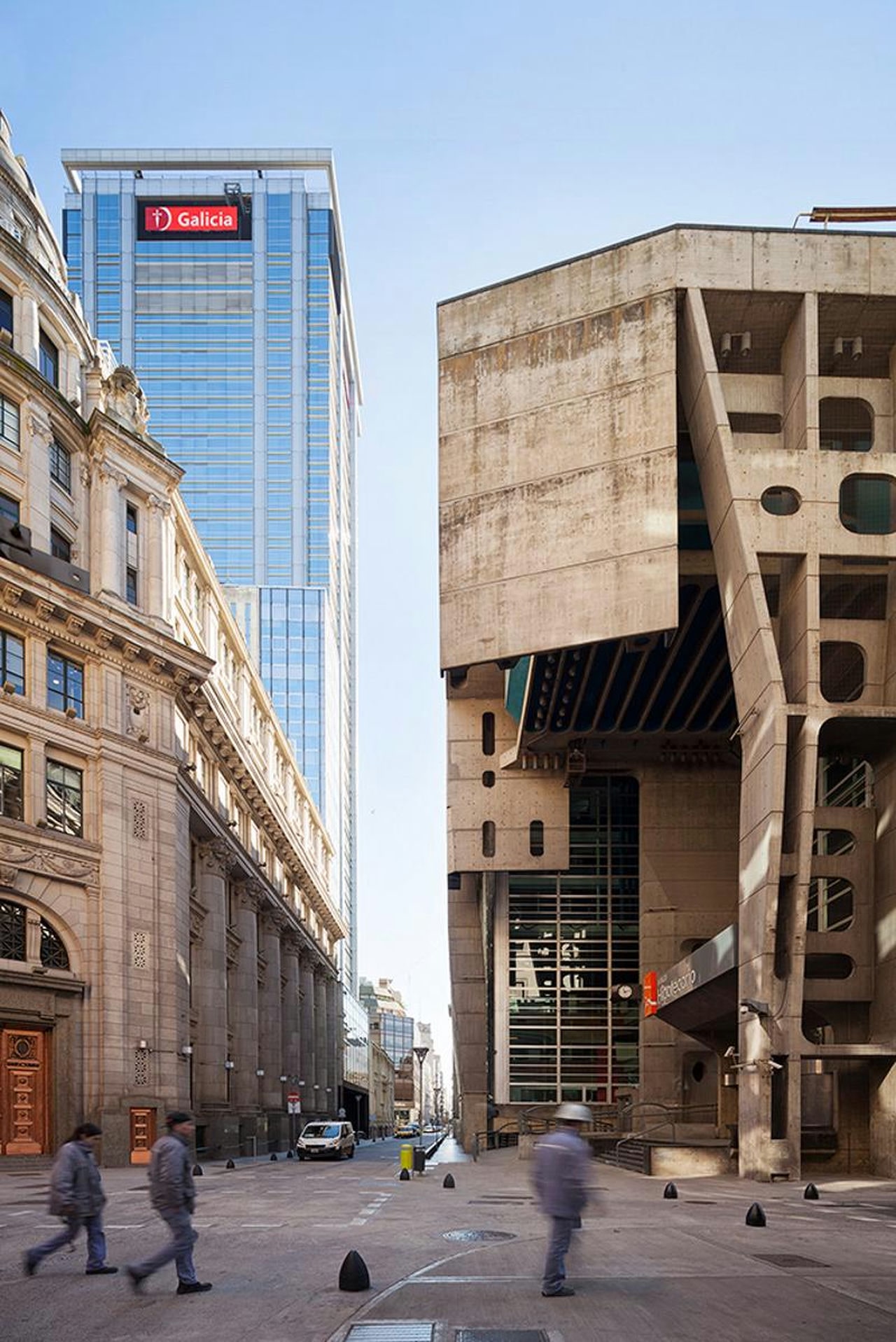
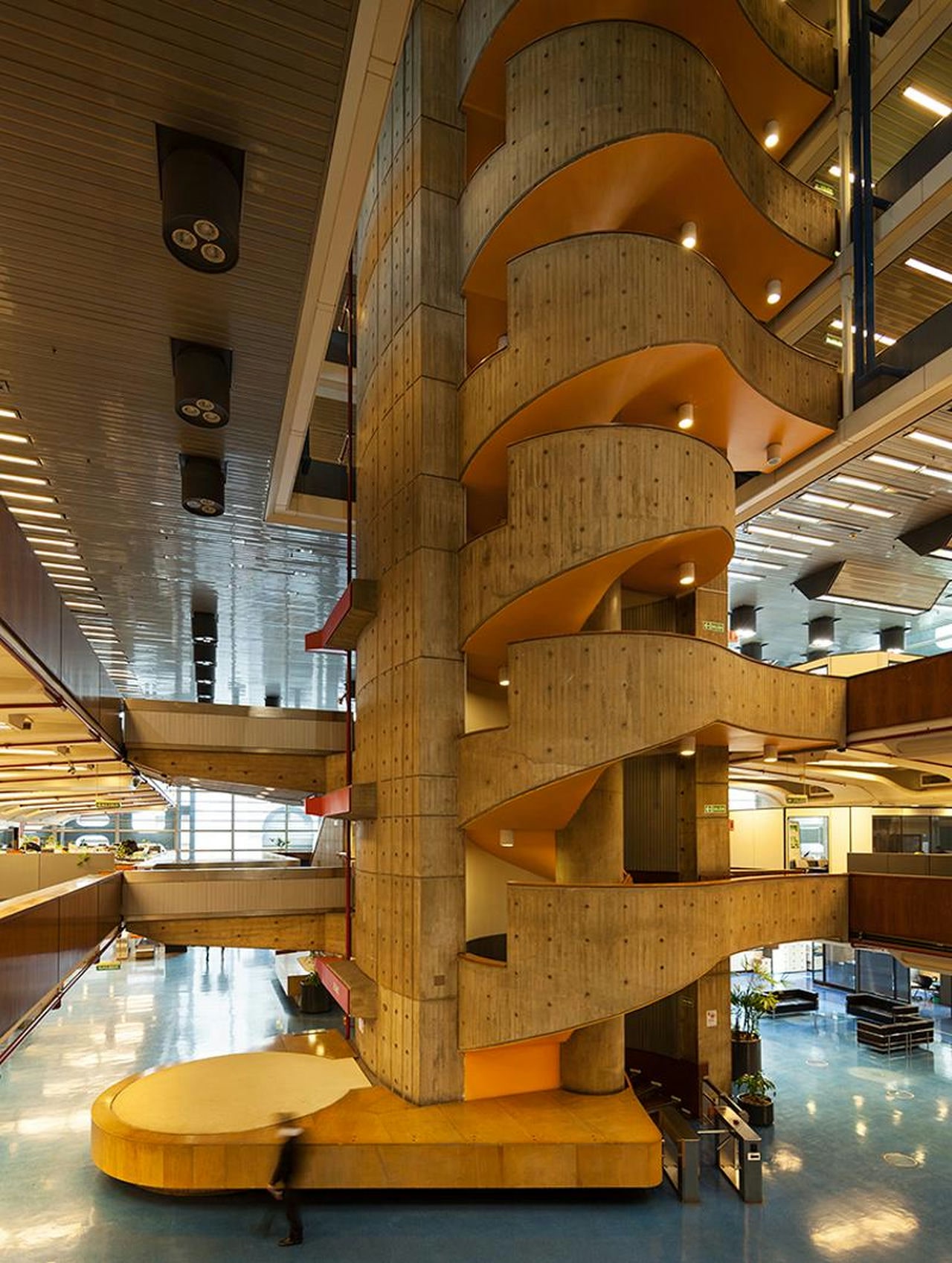
The Bank of London and South America in Buenos Aires is one of Clorindo Testa’s most acclaimed works and a landmark of Brutalist architecture from the 1960s. Designed in 1959 in collaboration with the local firm SEPRA, the building served as the bank’s headquarters and opened in 1966 to significant public attention, drawing an estimated 25,000 visitors during its inauguration. The bank occupies a narrow corner lot in the financial district of Buenos Aires, surrounded by traditional Beaux-Arts buildings. Clorindo Testa introduced a modern concrete structure that matched the scale of its neighbors while contrasting their classical language. The building is a commercial office bank distinguished by its structural composition: a large frame of exposed reinforced concrete forms the exterior, while the interior remains column-free. Instead of conventional floors supported by perimeter columns, Testa suspended floor trays from steel tension cables anchored to the roof structure. This engineering system produced open, adaptable interiors and a skylit central atrium. The façade is composed of rhythmic concrete frames and recessed glazing, giving the bank both a monumental and transparent character. Materials were used in their raw state—concrete, glass, and steel—consistent with Brutalist principles. The building’s radical appearance initially provoked criticism but later gained international recognition for its structural innovation and clarity of design. Today, the structure, now occupied by another bank, stands as a national landmark of modern Argentine architecture.
02. Mariano Moreno National Library, Buenos Aires
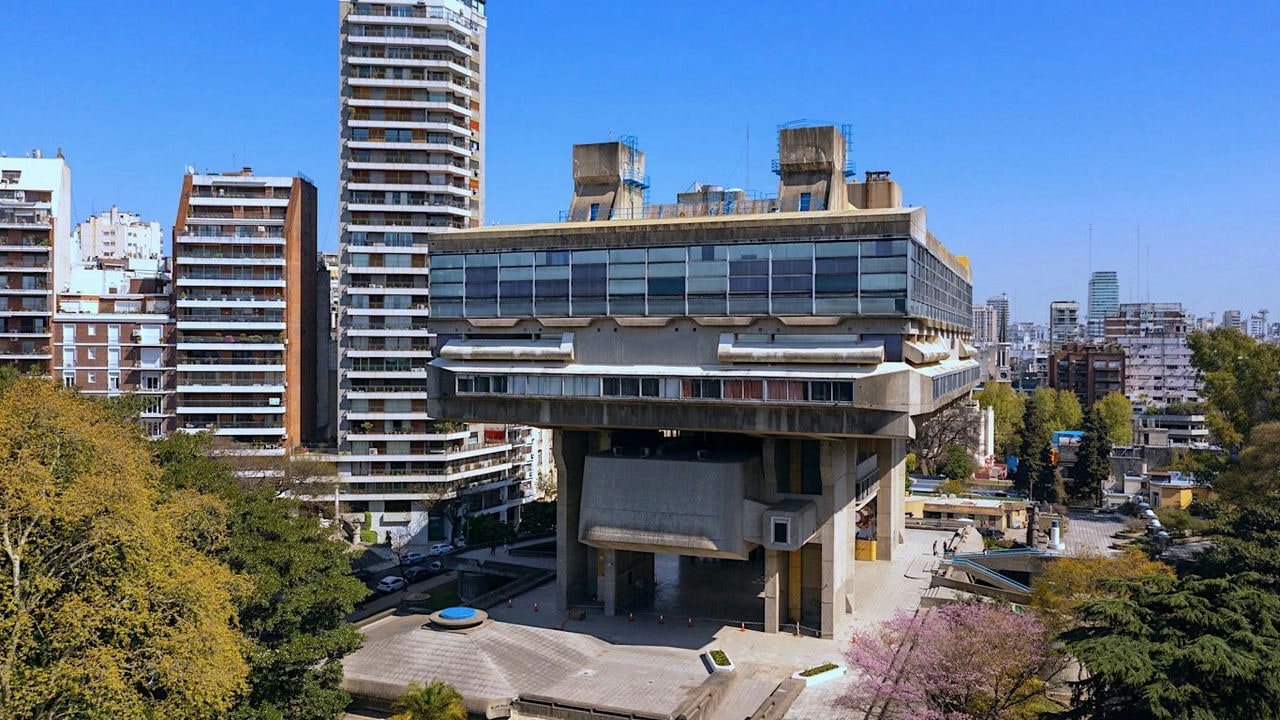
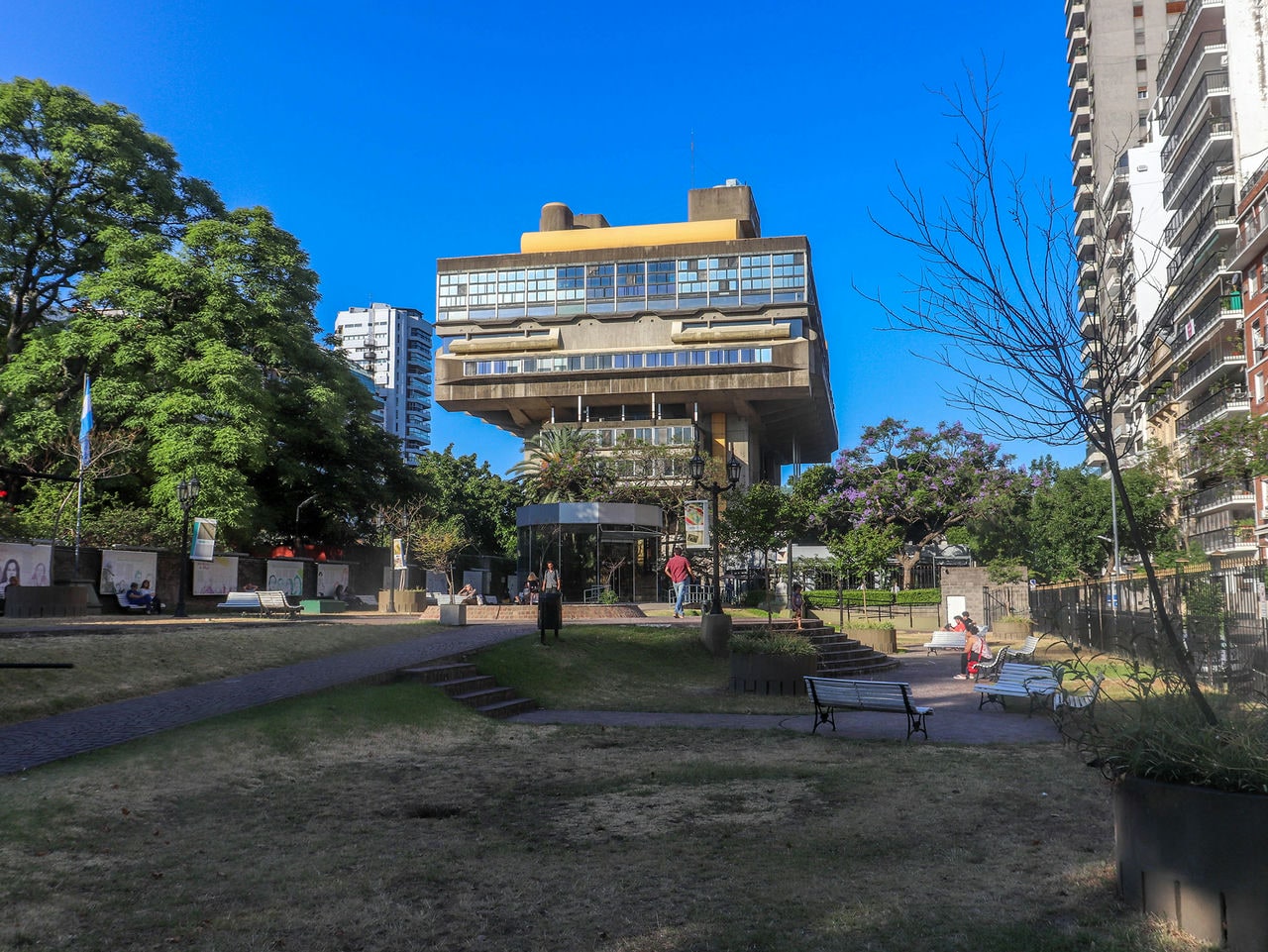
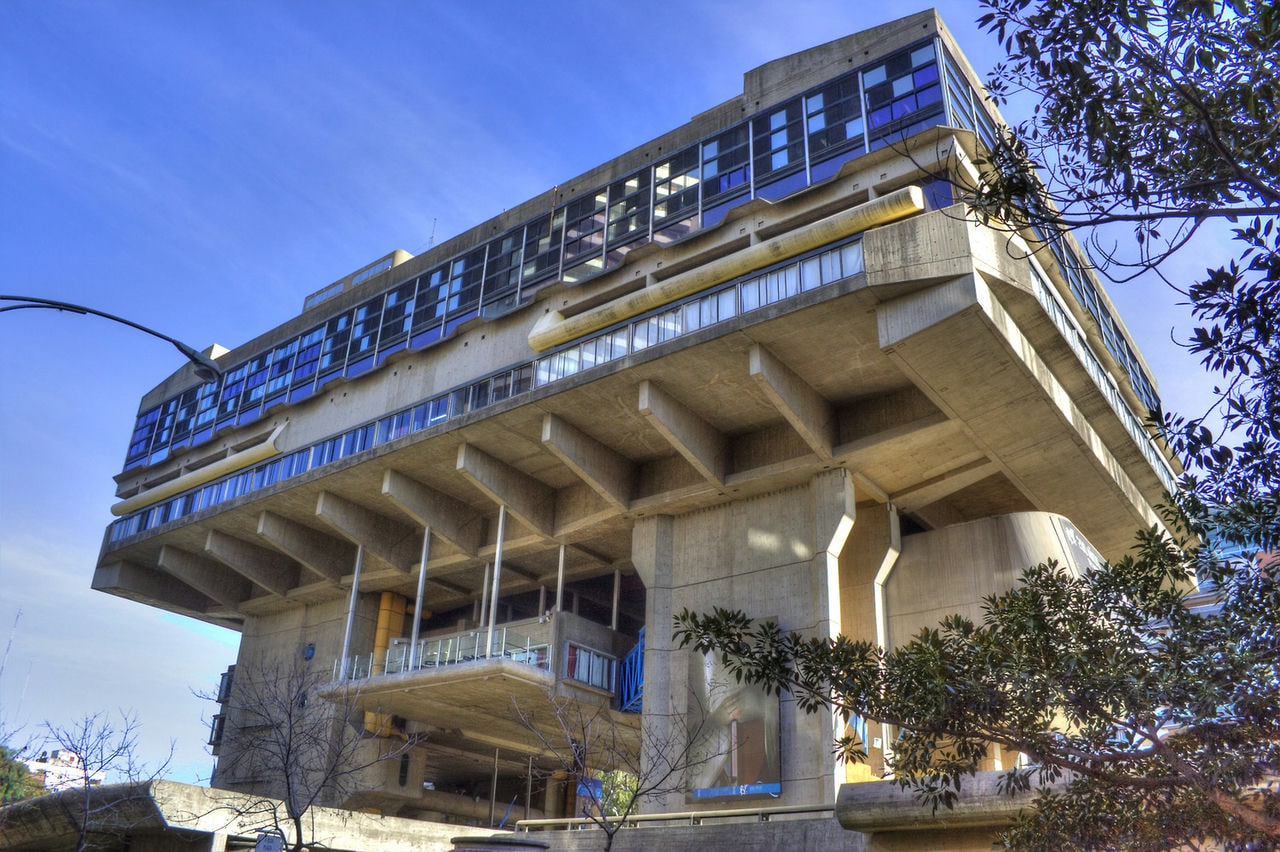
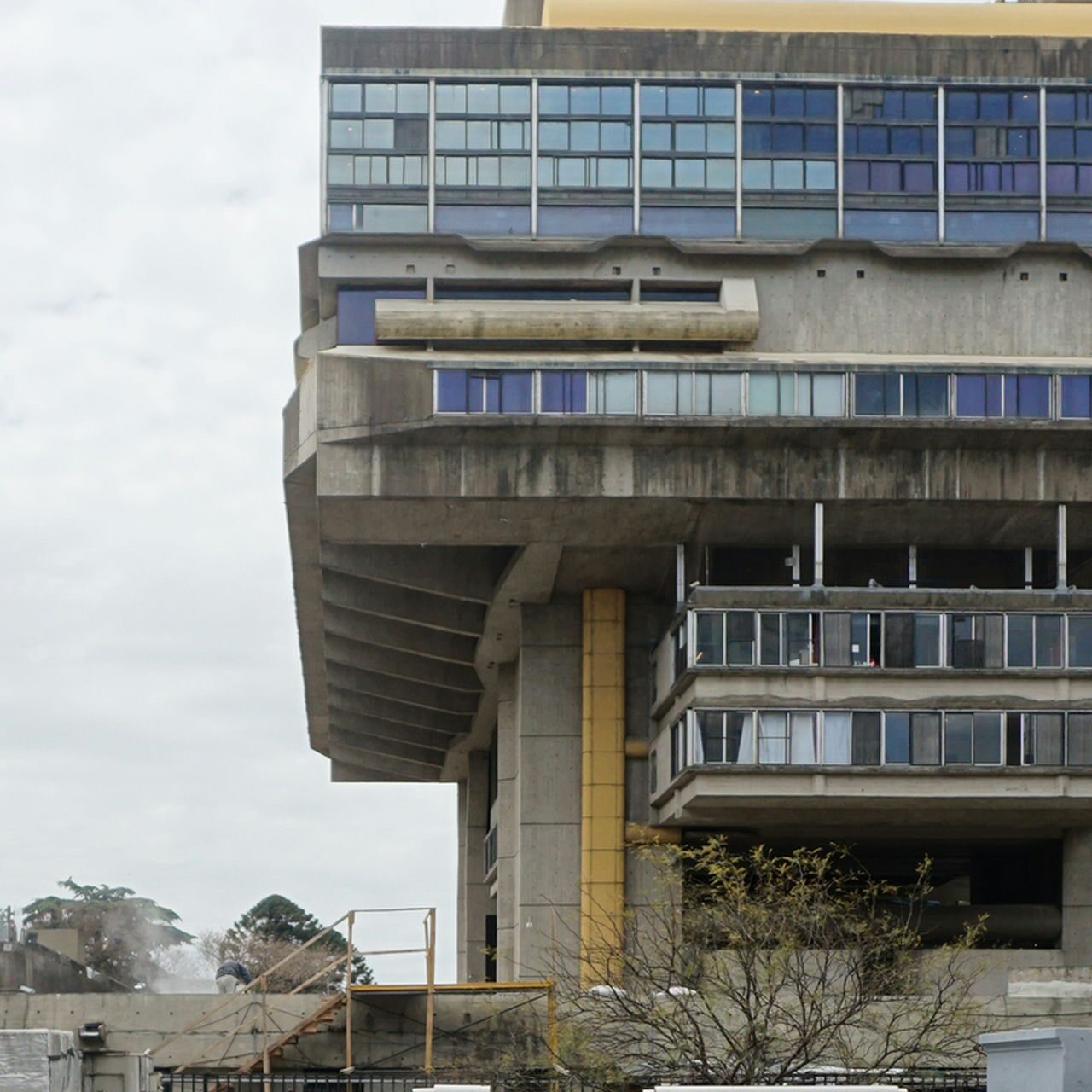
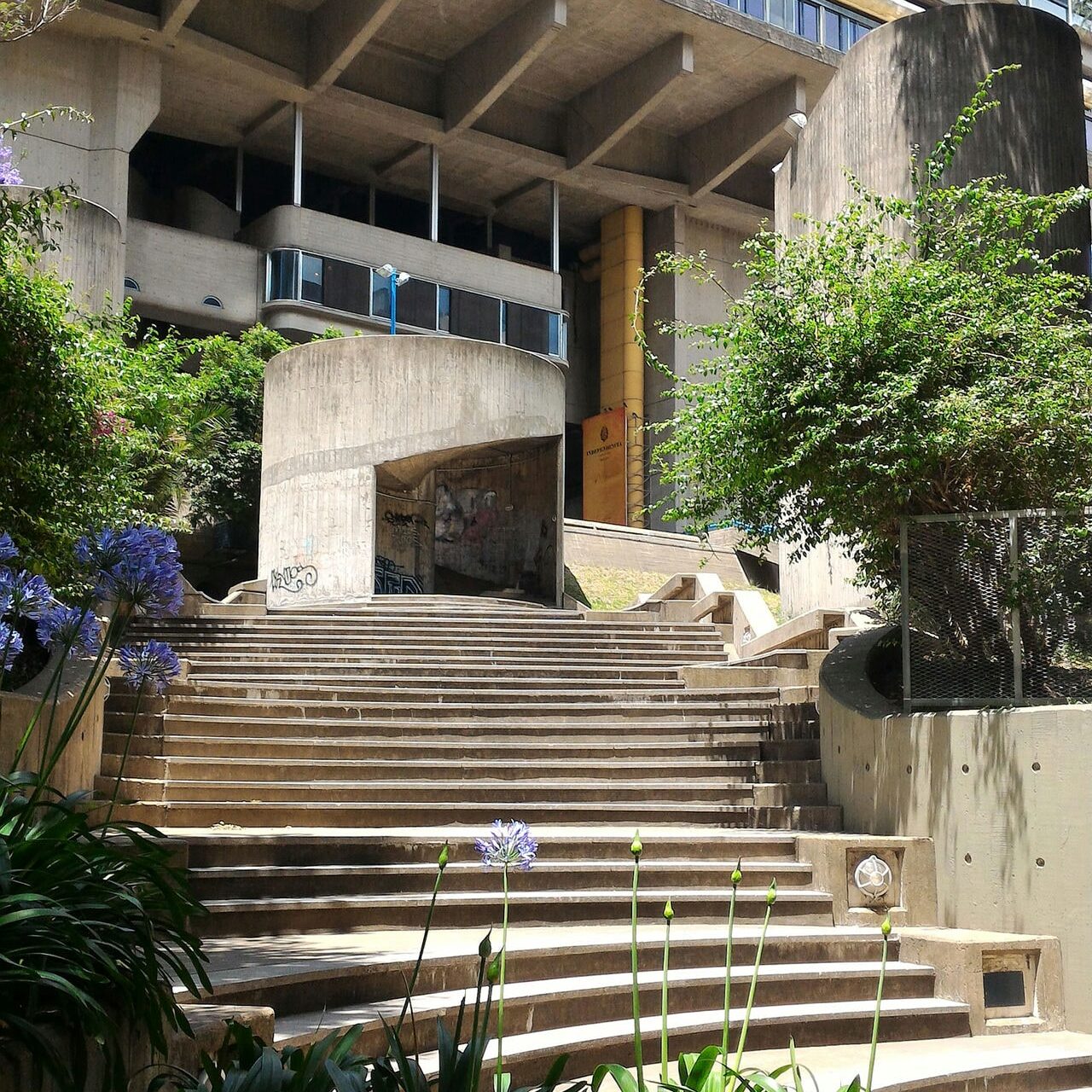
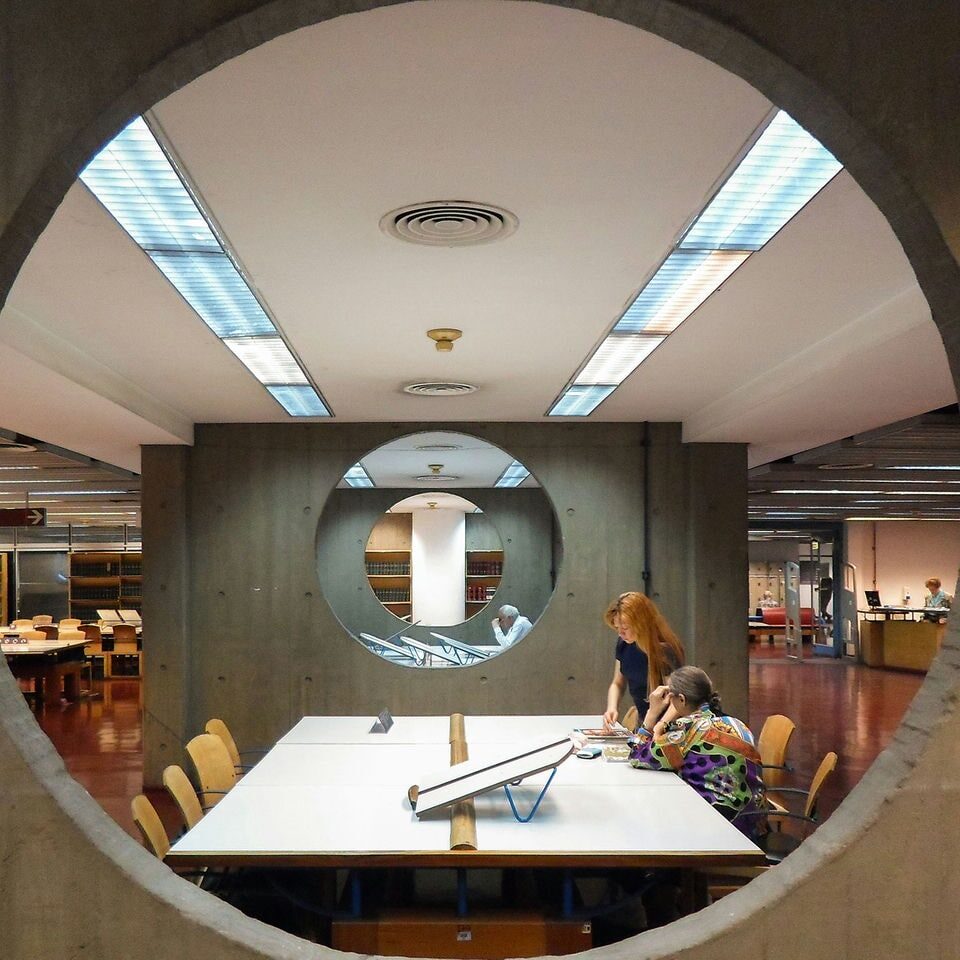
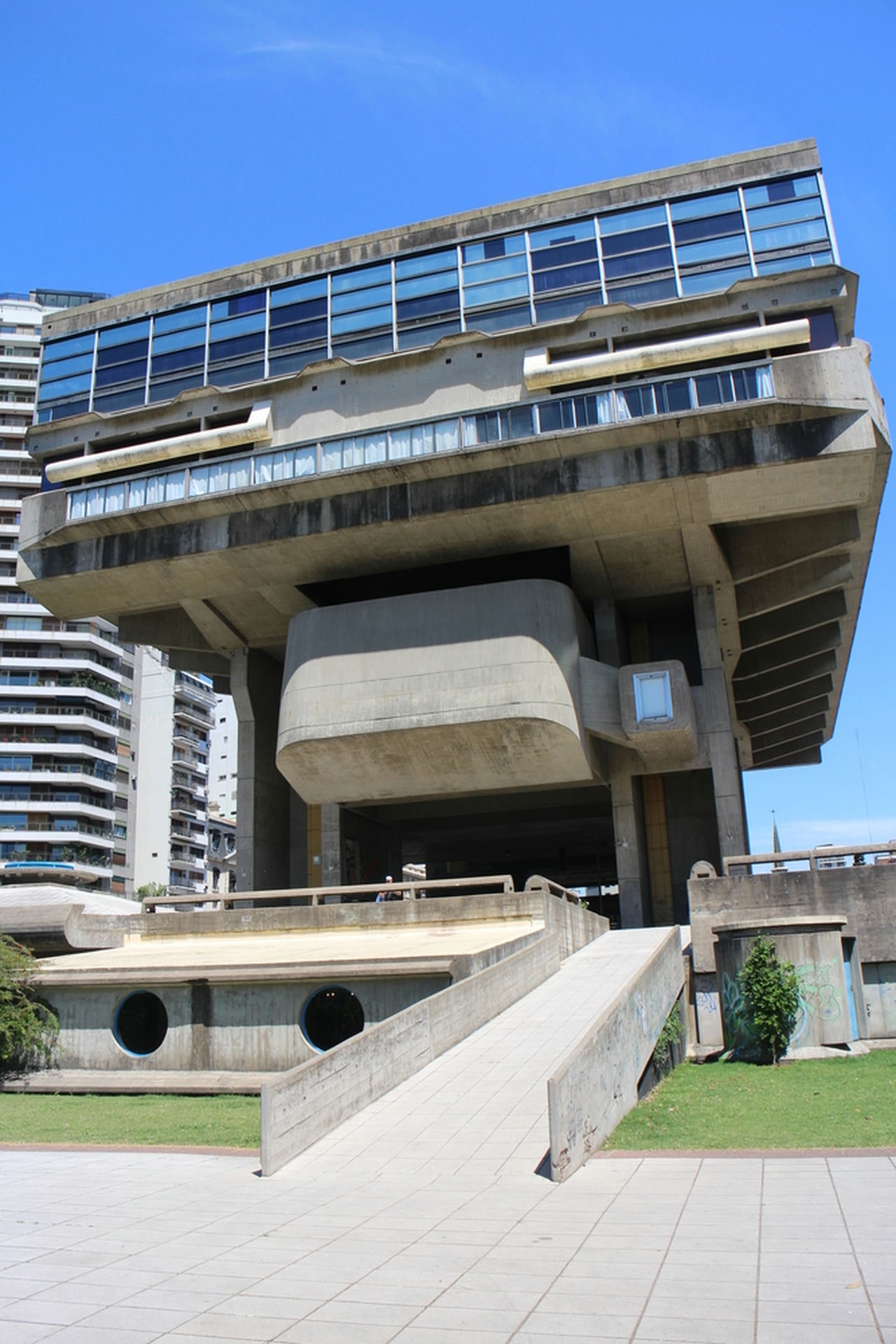
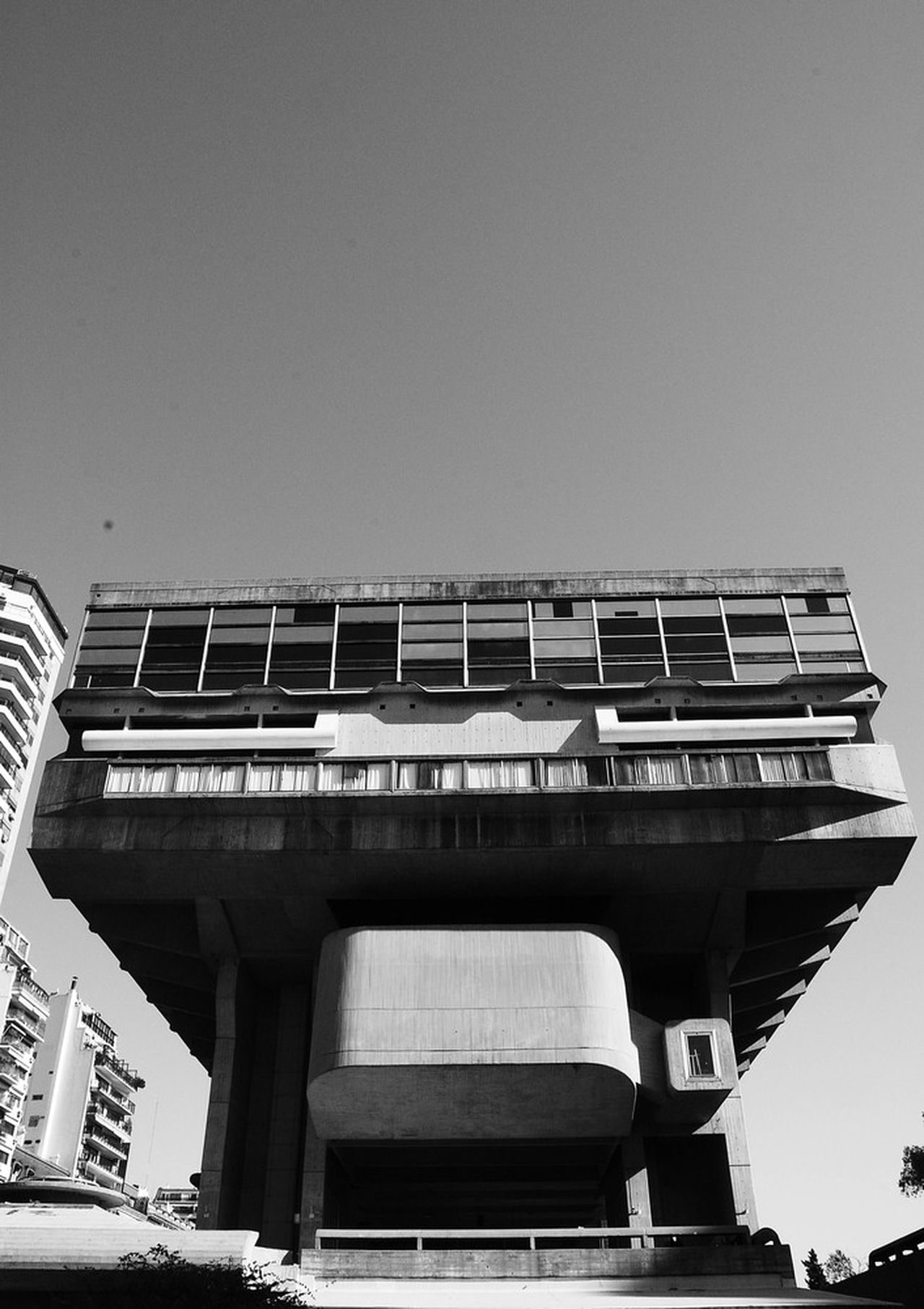
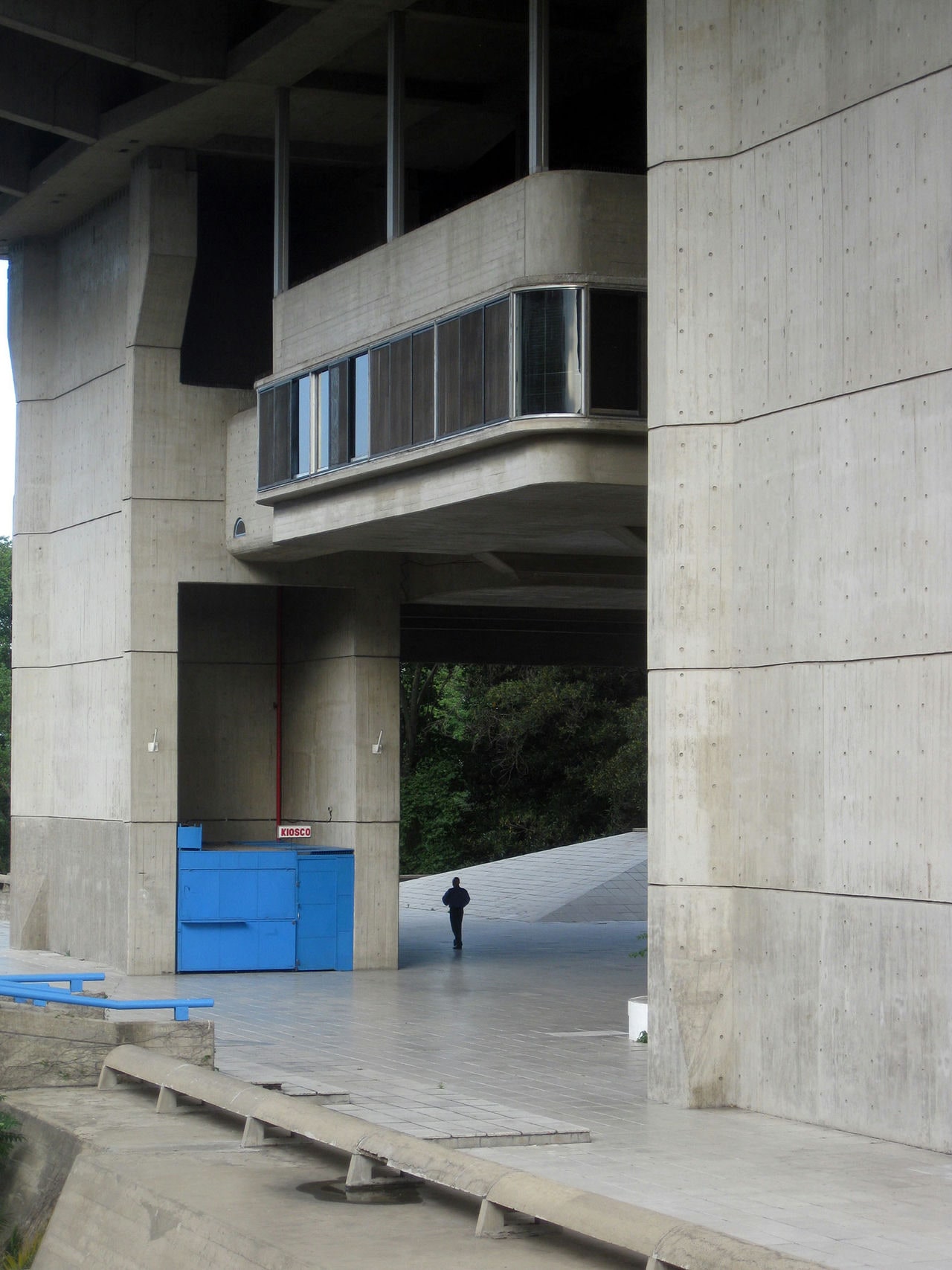
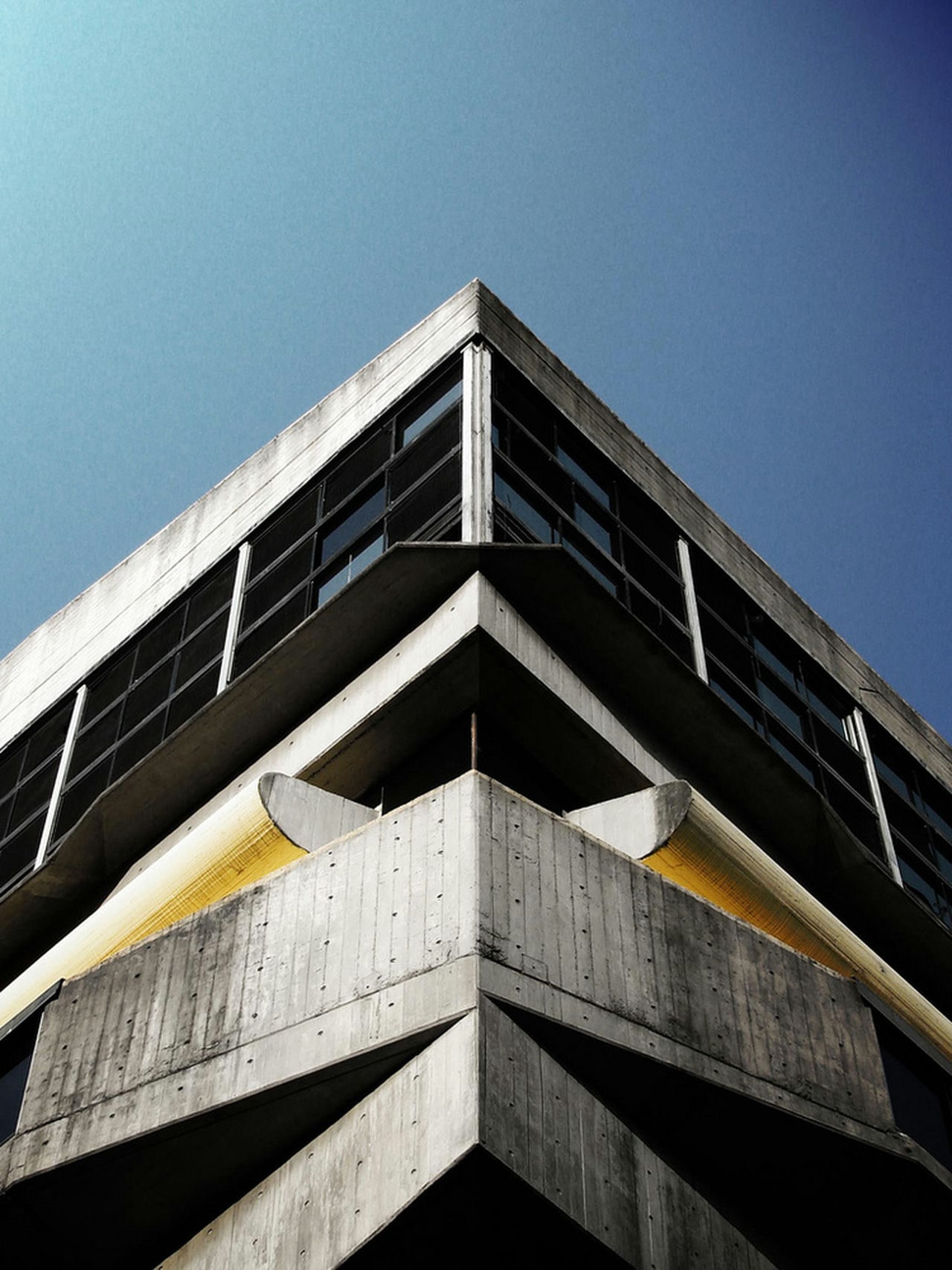
The National Library of the Argentine Republic, named after Mariano Moreno, is one of Clorindo Testa’s defining works and a key example of late modernist architecture. Located in the Recoleta district of Buenos Aires, the public library stands on a hillside park and draws attention through its distinctive elevated structure. Clorindo Testa, with architects Francisco Bullrich and Alicia Cazzaniga, won the design competition for the library in 1962. Construction was delayed by political and economic instability, taking place mainly in the 1970s, before its opening in 1992. The design is Brutalist, featuring exposed concrete and a bold, top-heavy composition. The reading rooms and main collections occupy a massive concrete volume supported by inverted Y-shaped pillars, leaving an open plaza beneath. This configuration preserves the park’s open space by lifting the main structure above the ground, giving the impression of a building on stilts. Inside, the library contains spacious reading halls and large windows offering panoramic views of Buenos Aires. The structure also carries symbolic references, with some interpretations likening its form to a tree canopy or a ship. Materials include board-formed concrete, glass, and metal detailing. The National Library became an icon of Argentine modernism; its cantilevered mass, once debated, later gained recognition and was declared a National Historic Monument in 2013.

03. Civic Center of La Pampa, Santa Rosa
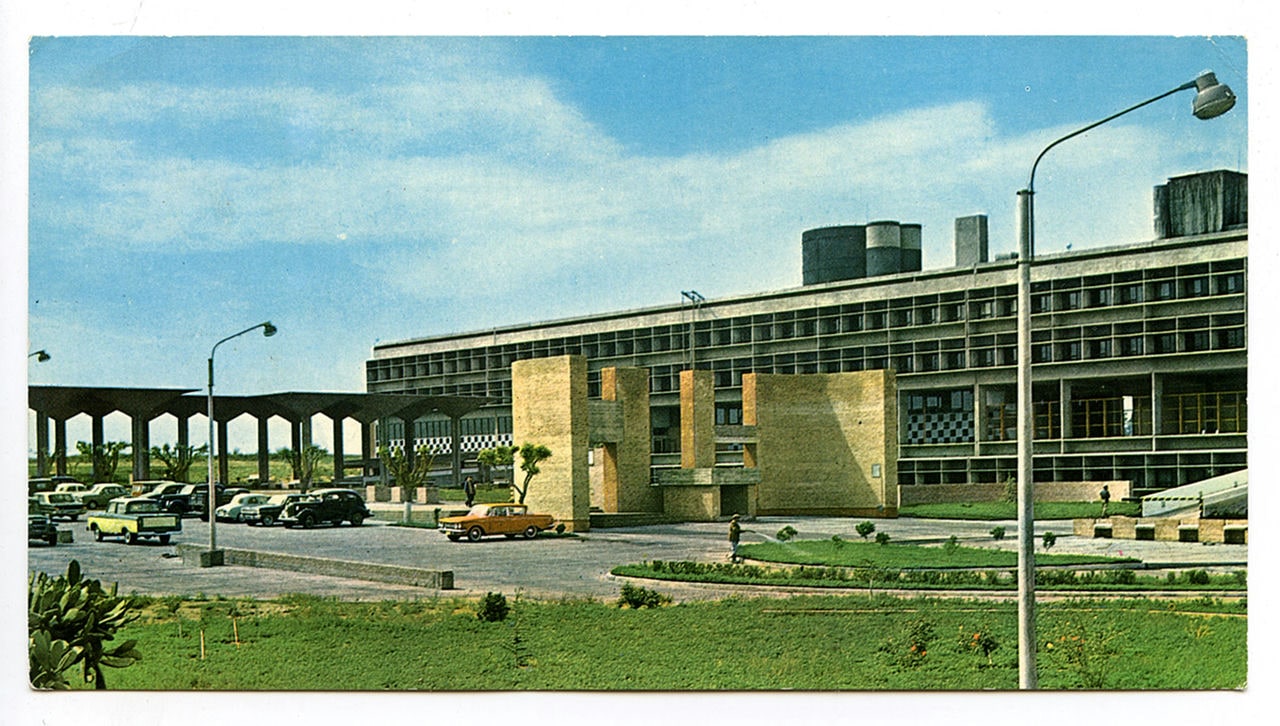
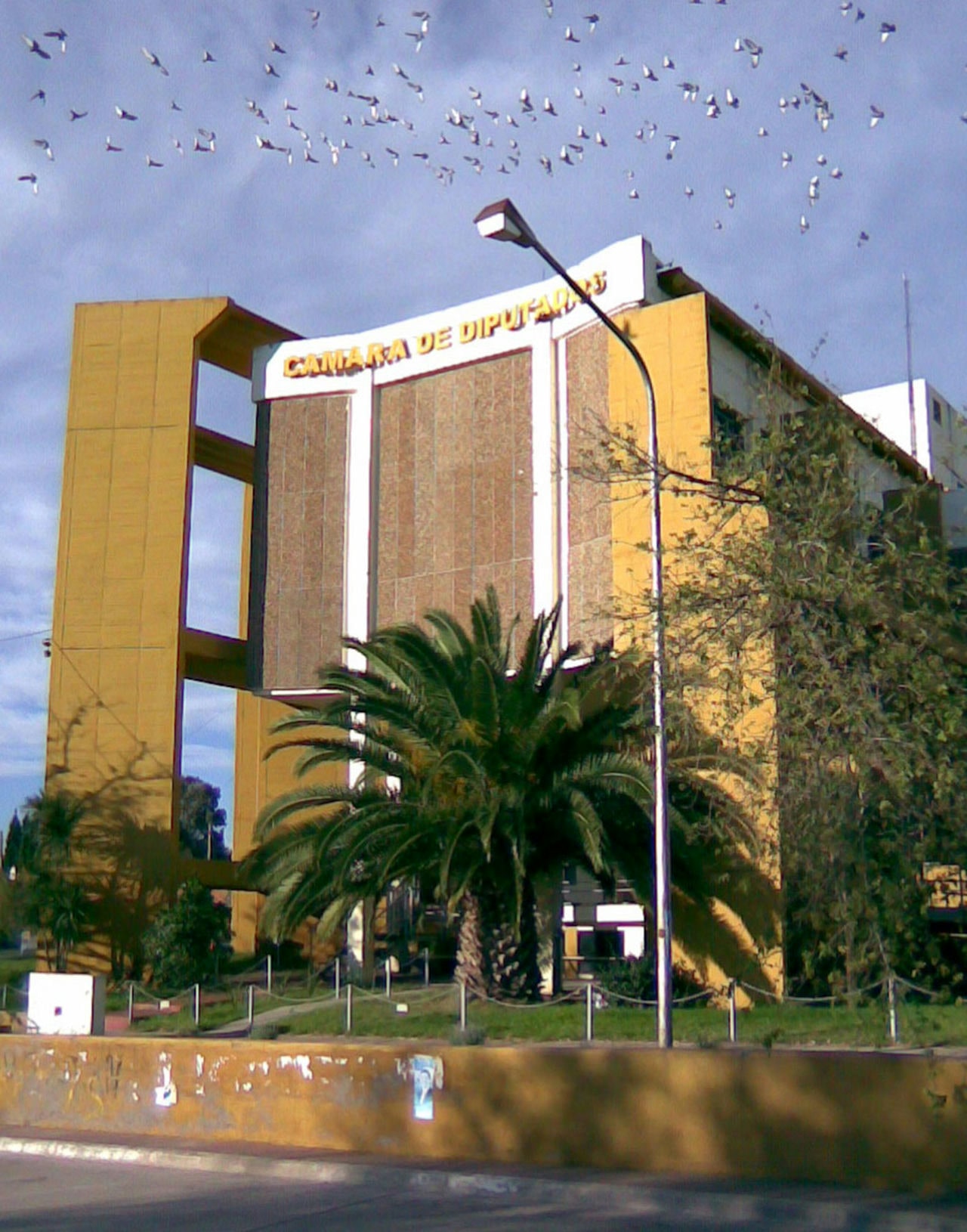
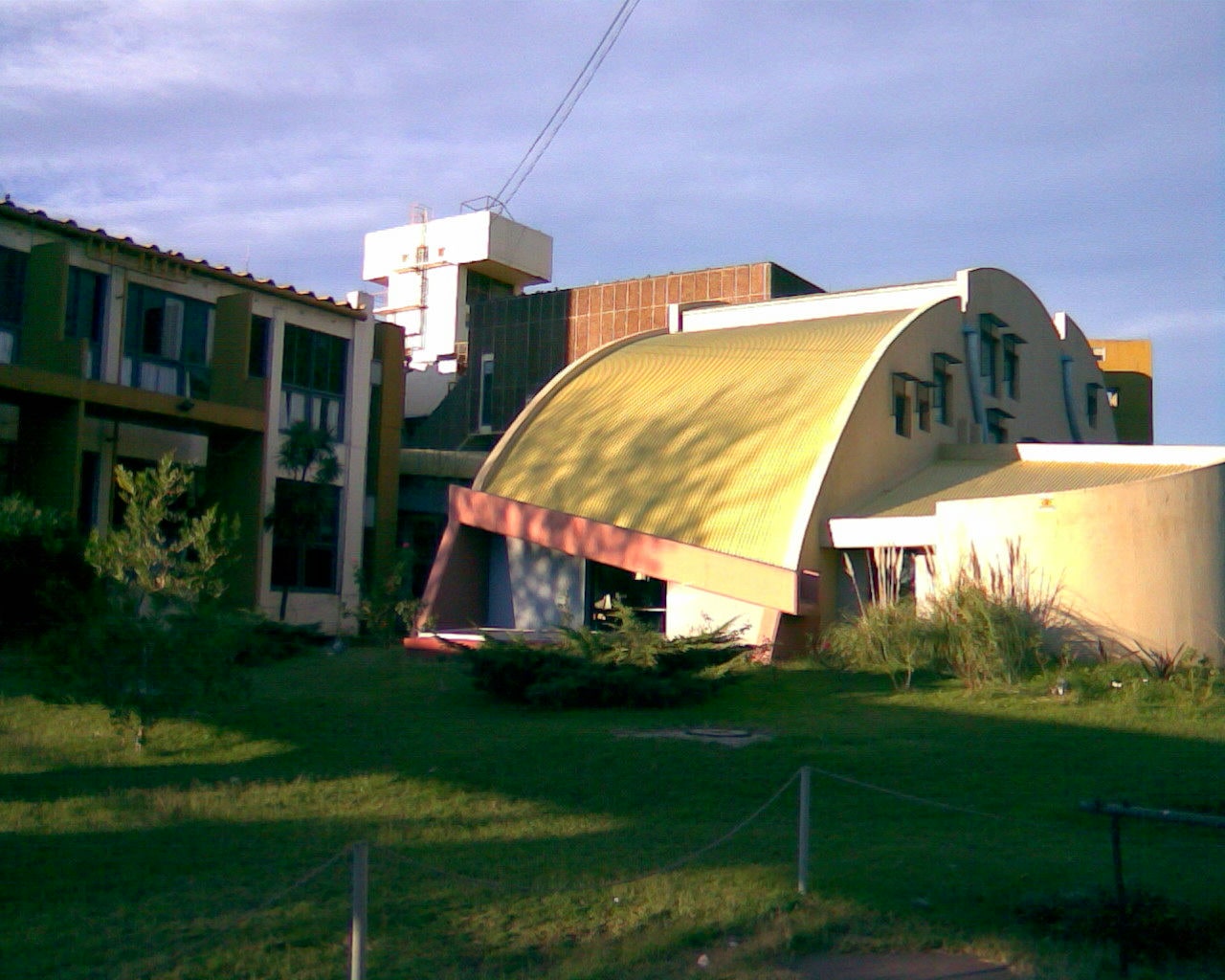
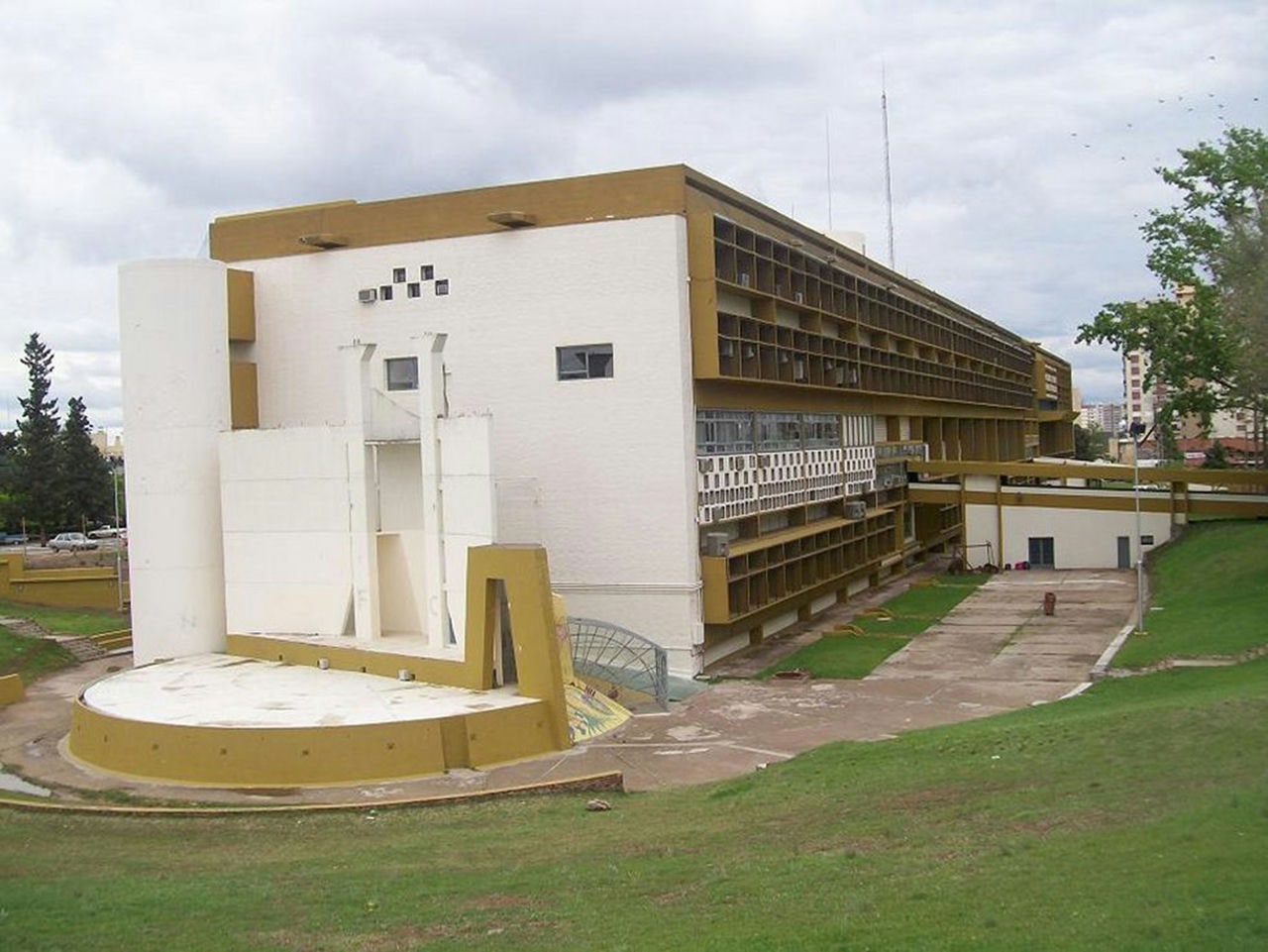
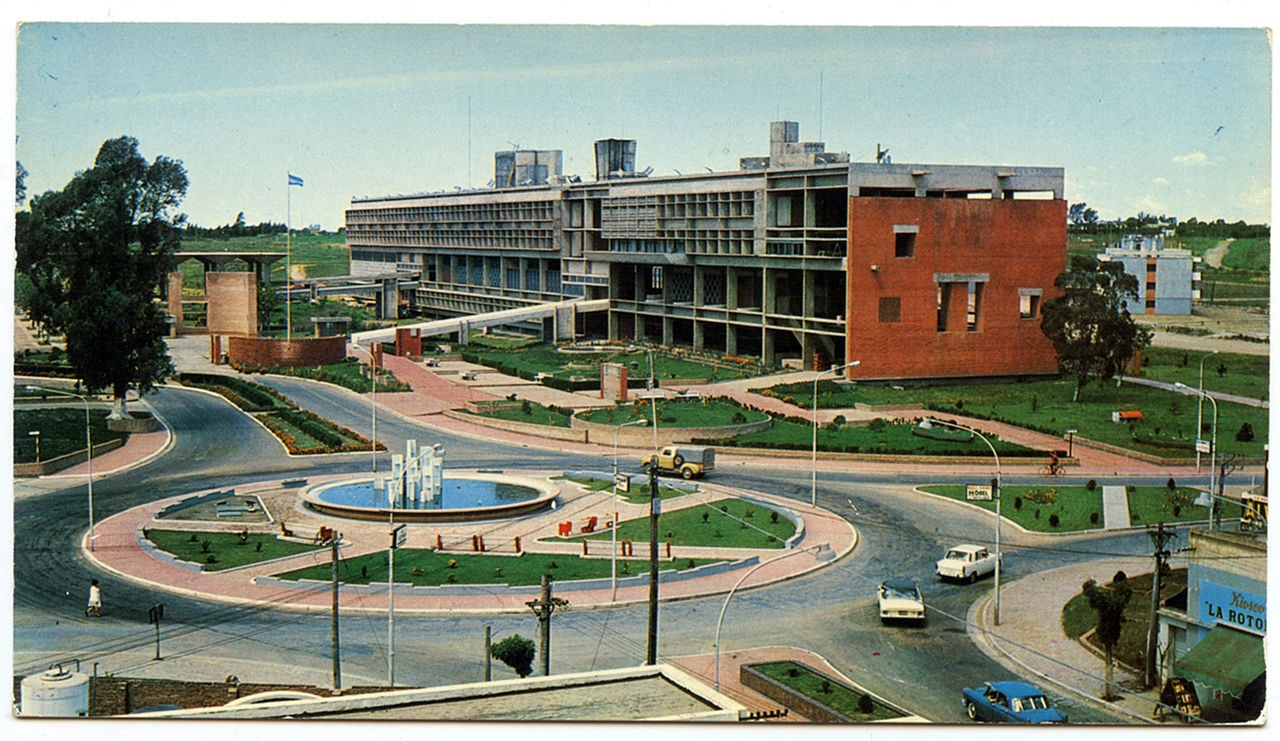
The Civic Center of La Pampa in Santa Rosa is an early work in Clorindo Testa’s career that introduced modern architecture to a provincial capital. In 1956, Testa, working with architects Carlos Dávano, Ernesto Katzenstein, and others, won the competition to design this government complex following Argentina’s return to democracy. The project was built in stages and largely completed by the early 1980s. The Civic Center functions as the administrative hub of La Pampa province, containing the Casa de Gobierno, legislative chambers, a cultural hall, and other civic buildings. Architecturally, Clorindo Testa applied modernist planning principles influenced by Le Corbusier’s civic designs. The buildings are arranged in a campus-like composition with open plazas and ramps that emphasize transparency and accessibility. The style evolved from Rationalism toward early Brutalism, with exposed concrete and brick surfaces and simple, block-like forms defined by functional detailing. A defining feature is the strong horizontal rooflines and deep canopies that provide shade in La Pampa’s climate. The Civic Center was Testa’s first major project and marked his introduction to Brutalist design. The complex signaled a shift from traditional provincial architecture toward a new modern aesthetic, demonstrating Clorindo Testa’s commitment to creating civic architecture that was both contemporary and adapted to its regional context.
04. Buenos Aires Naval Hospital
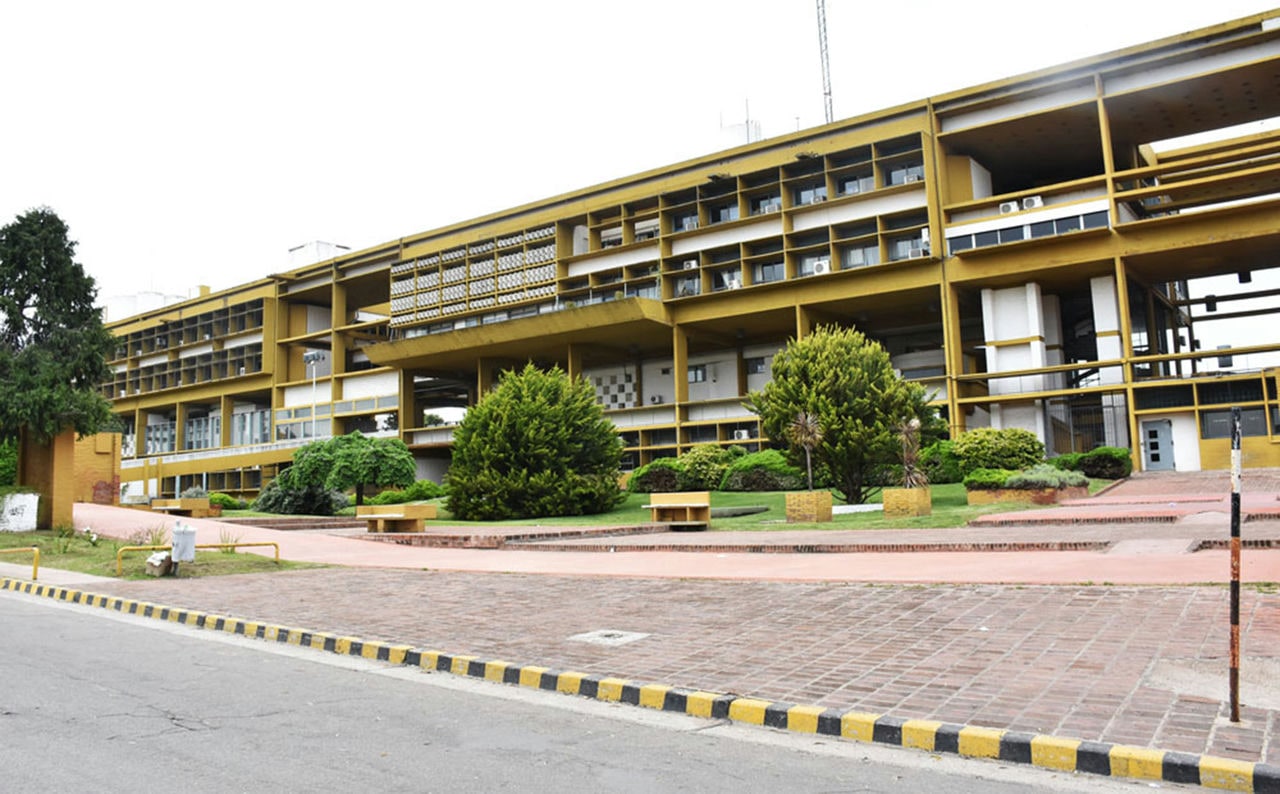
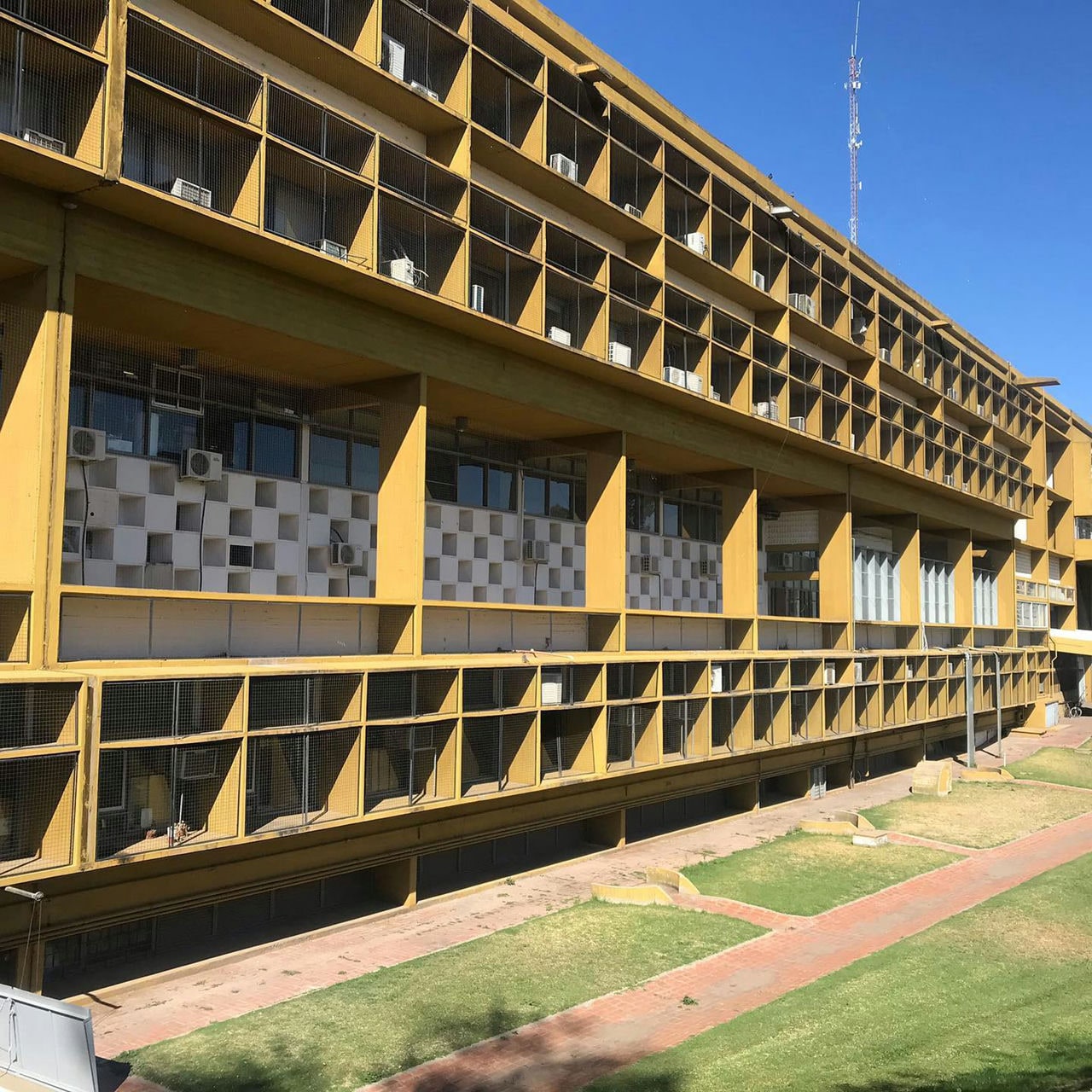
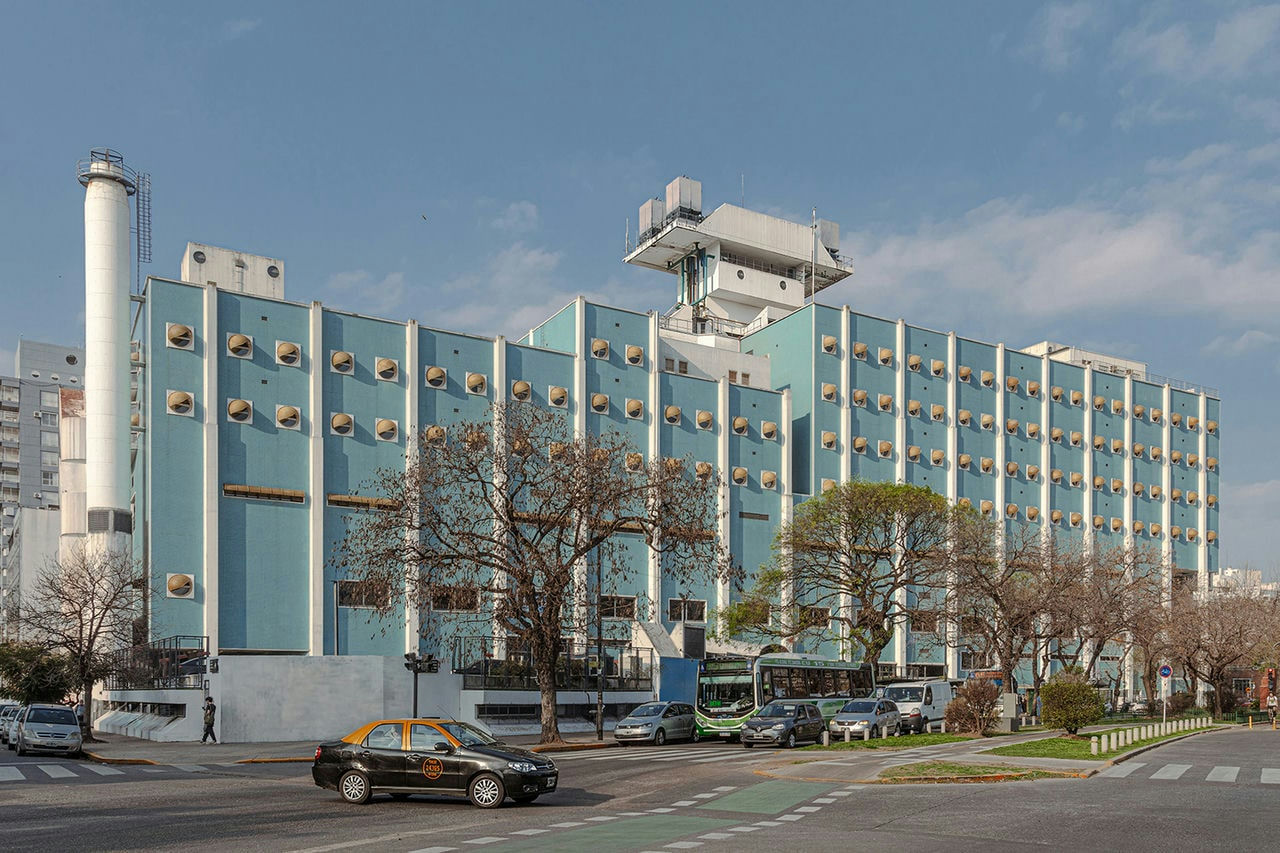
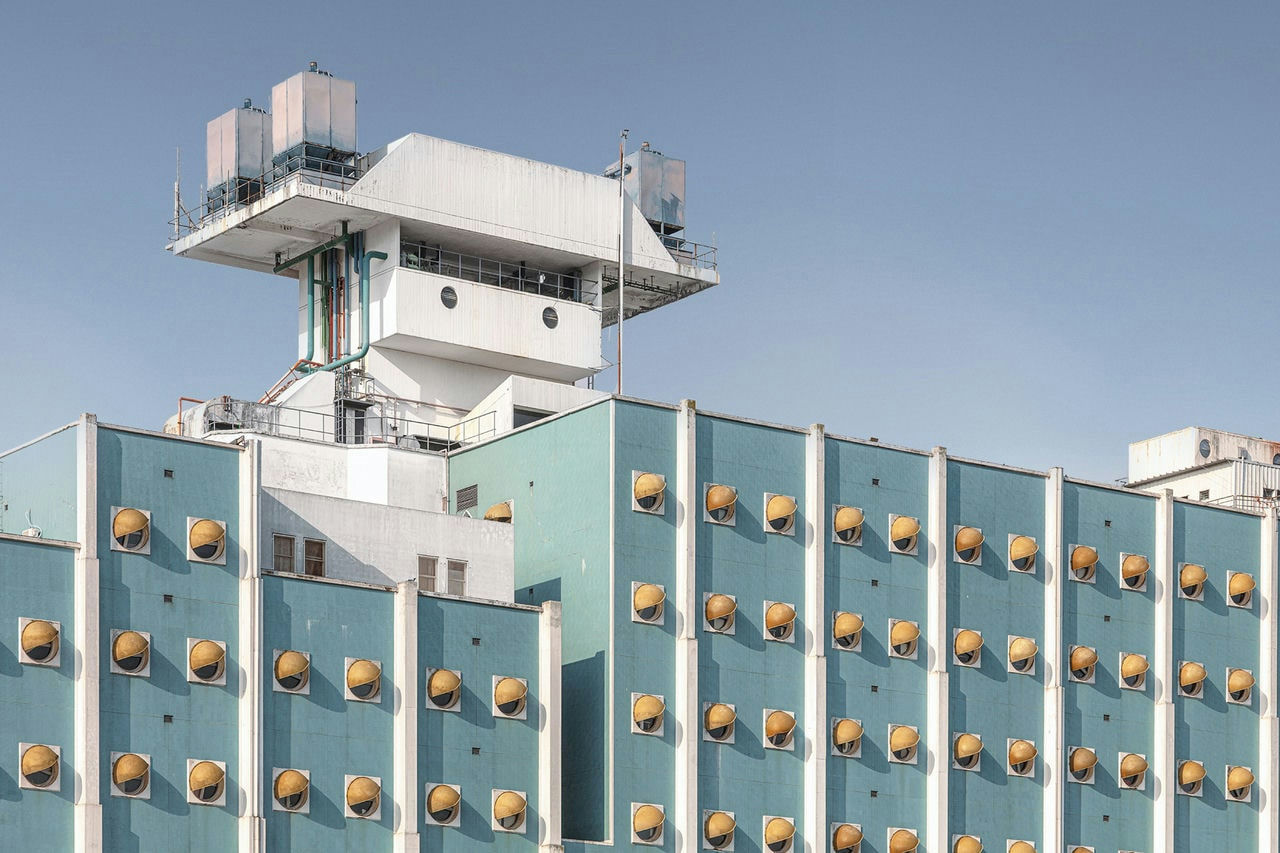
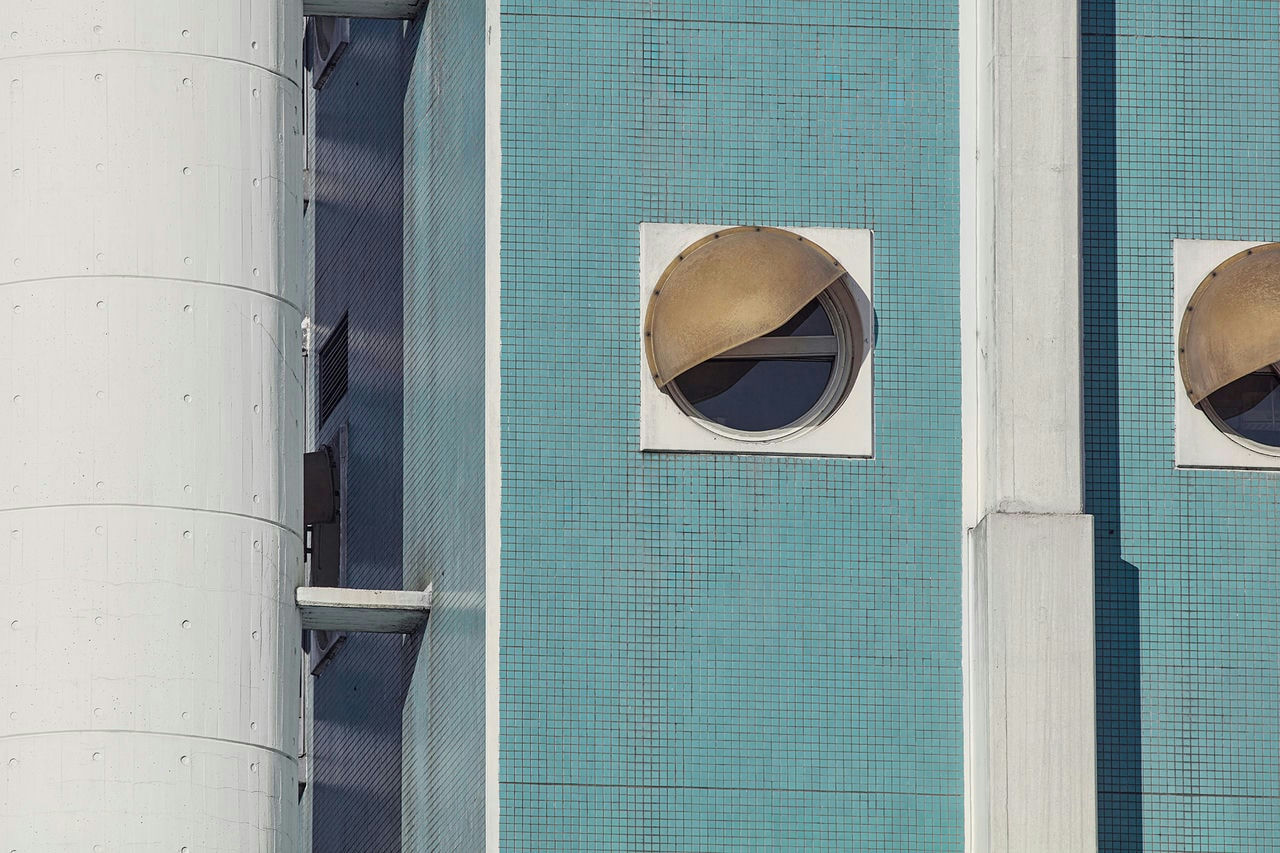
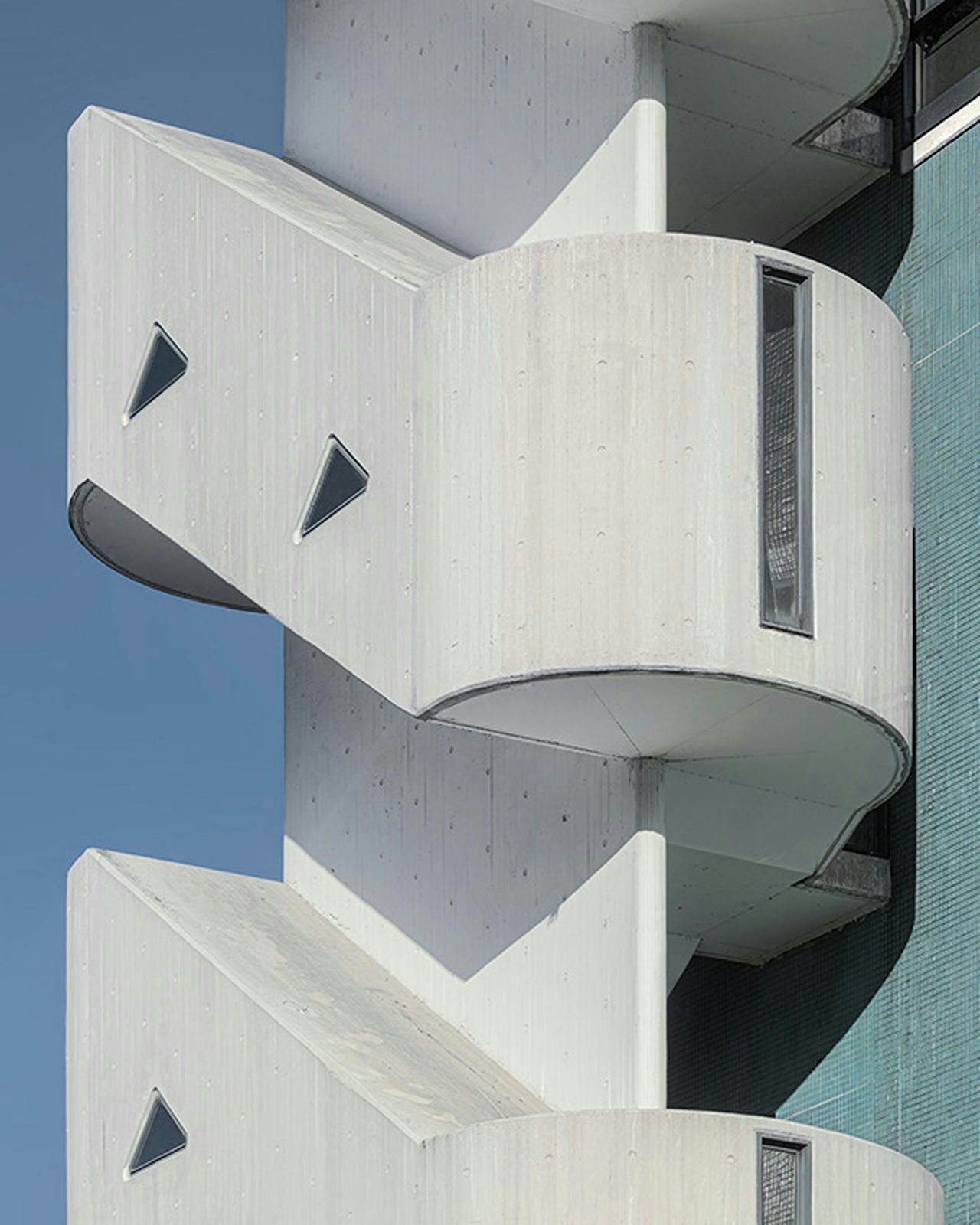
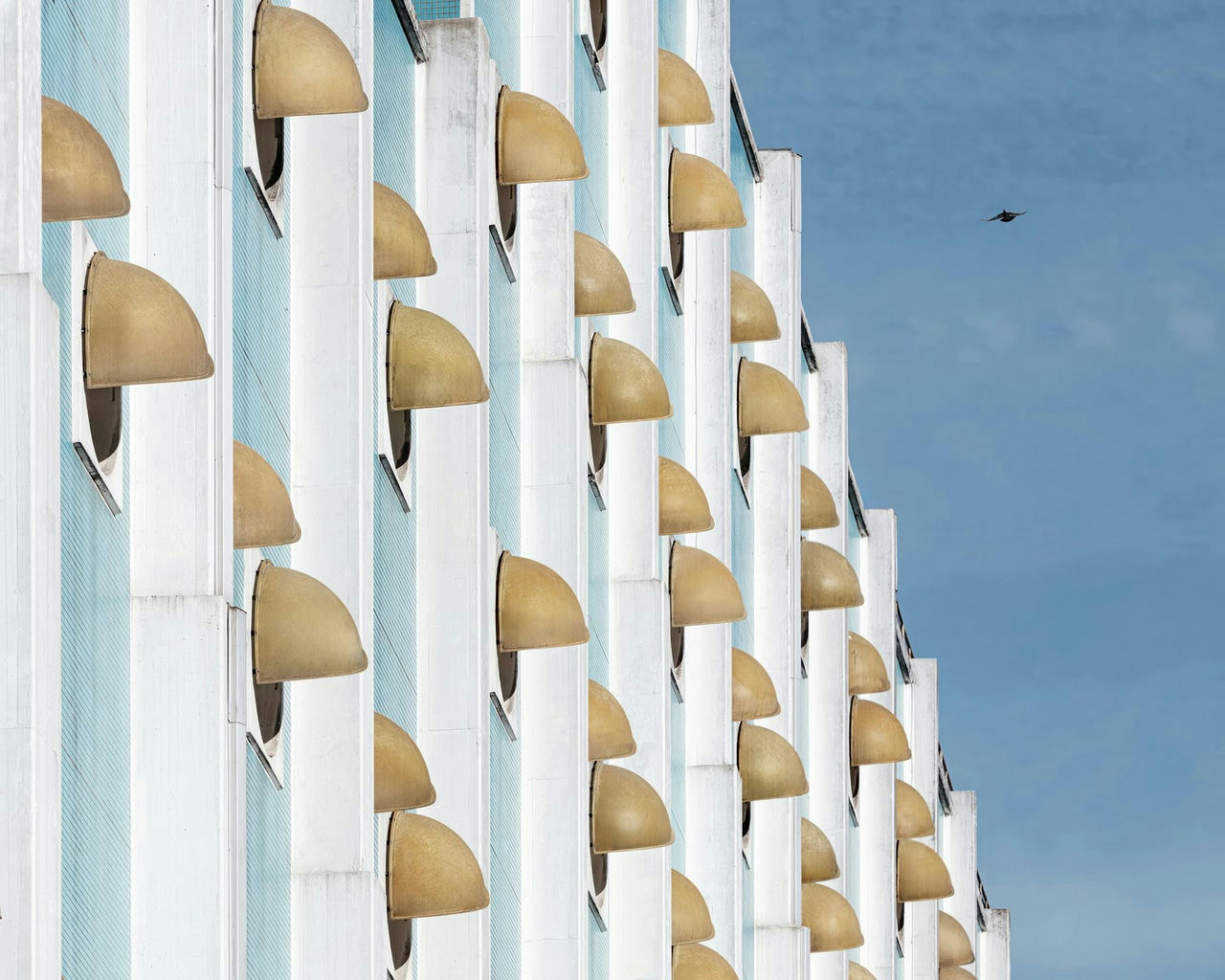
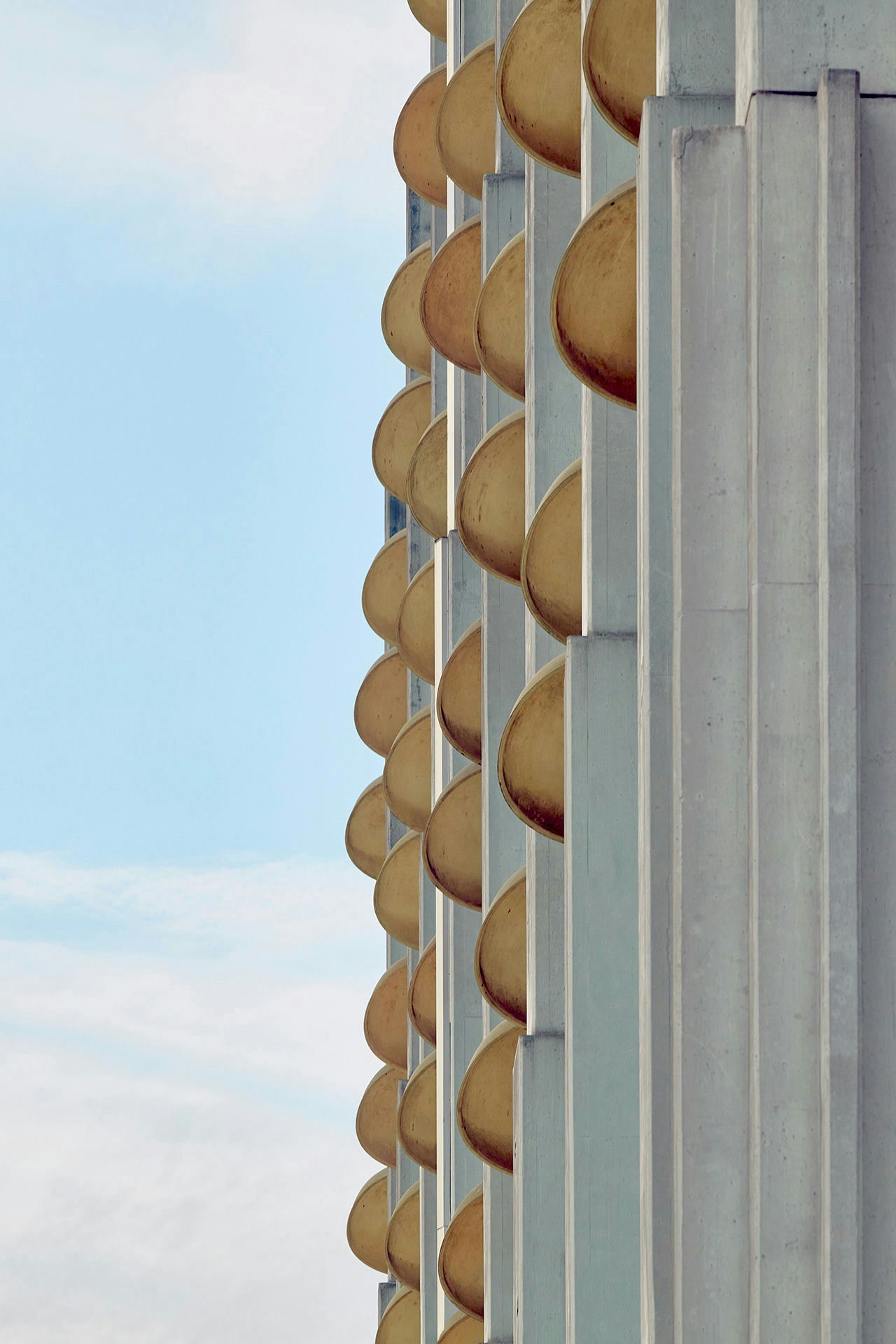
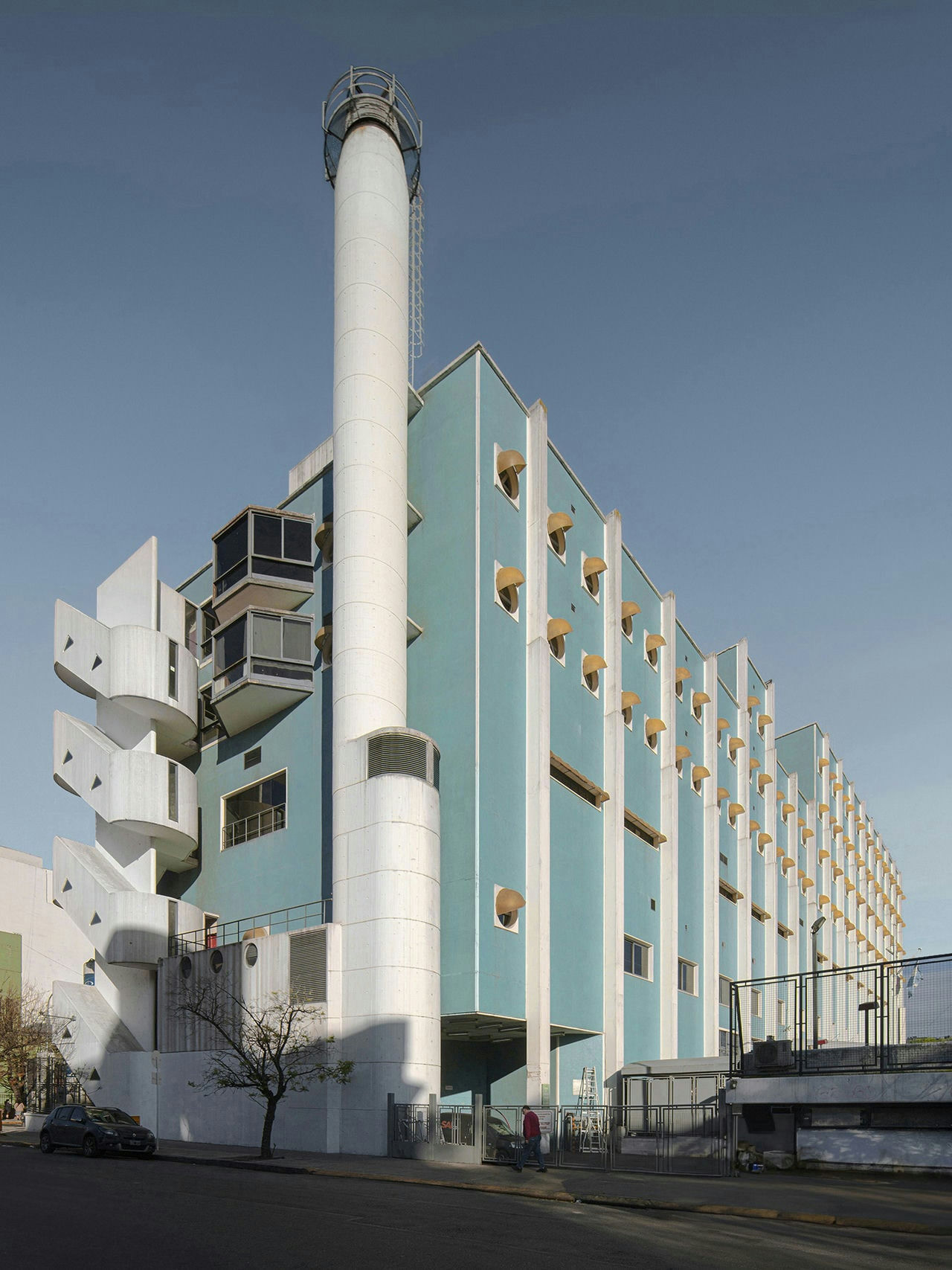
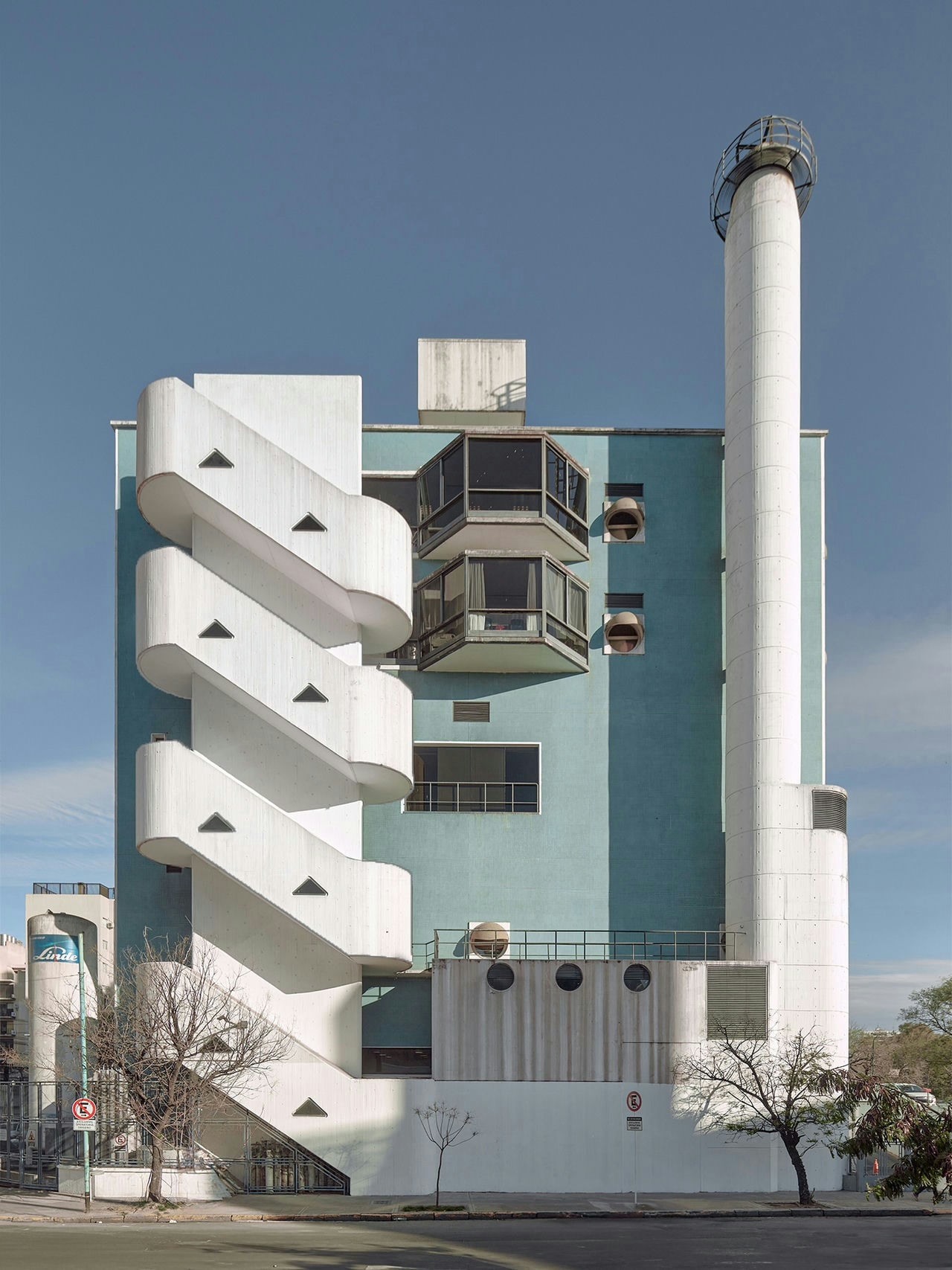
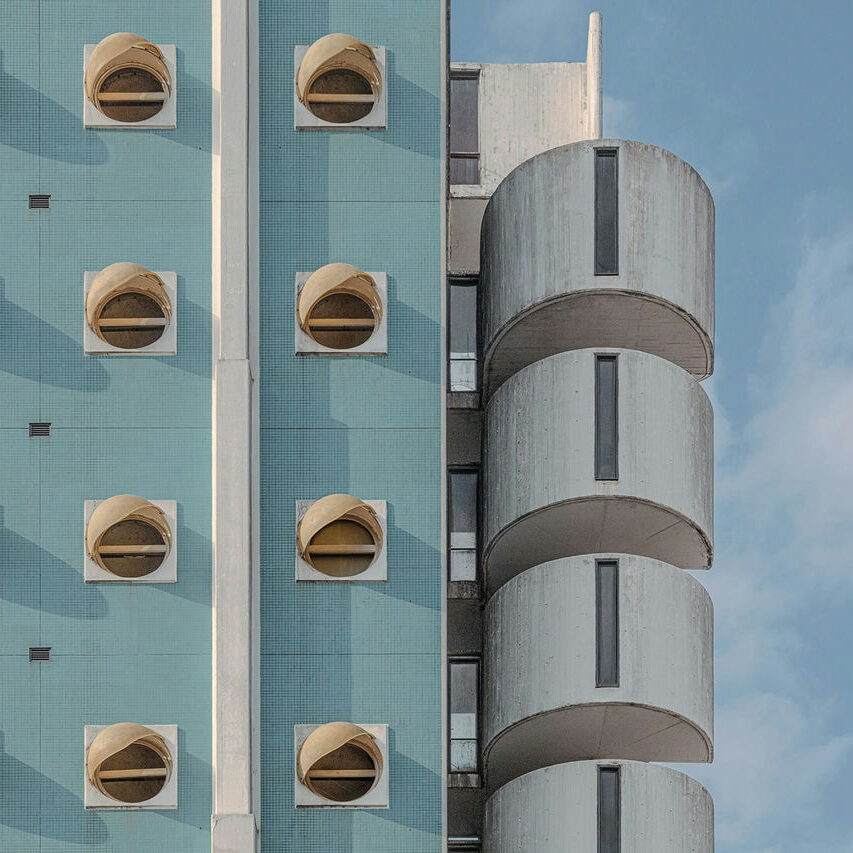
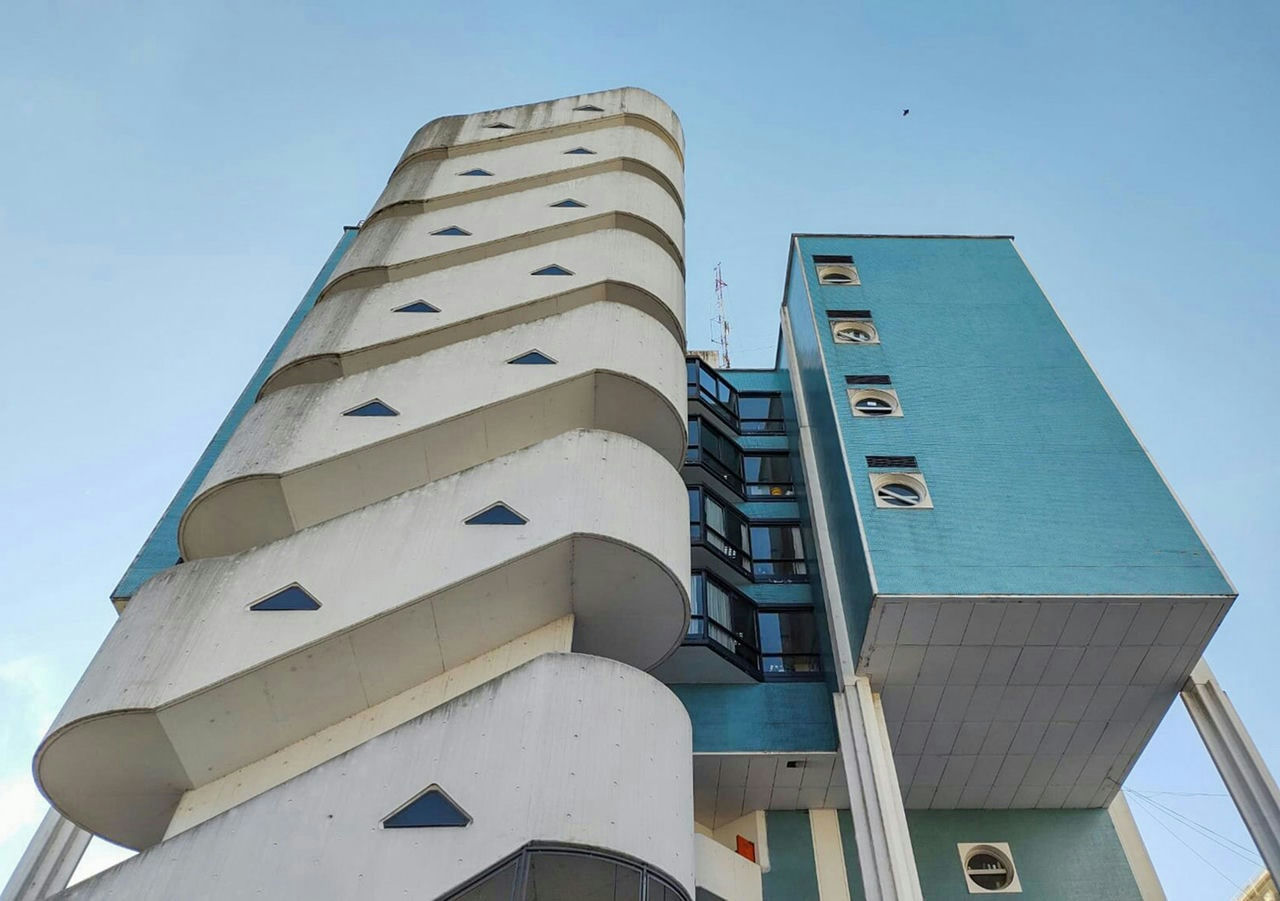
The Buenos Aires Naval Hospital (Hospital Naval Buenos Aires) is a major healthcare complex designed in part by Clorindo Testa, demonstrating his versatility beyond cultural and financial architecture. Completed around 1970, the hospital is located near Parque Centenario in Buenos Aires. Commissioned by the Argentine Navy, it was intended to serve as a large medical facility for both military and civilian patients. Clorindo Testa’s architectural approach was grounded in functionality and modern construction methods. The hospital consists of interconnected wings housing inpatient wards, surgical theaters, and administrative areas. Architecturally, it presents a stark modern composition: a long, slab-like main block rising several stories, with a façade defined by repetitive window bands and precast concrete panels. The design prioritizes efficiency through modular units and wide corridors, supporting hospital operations. Compared with Testa’s cultural projects, the Naval Hospital is visually restrained yet maintains features of late modernism. Its use of concrete and geometric simplicity aligns it with Brutalist design, while the site layout maximizes open areas for circulation and possible future extensions. Clorindo Testa’s contribution ensured that a utilitarian structure could achieve architectural quality through proportion, light, and spatial organization. The Buenos Aires Naval Hospital remains a significant example of Argentina’s modern healthcare architecture and illustrates Testa’s capacity to design at an urban and infrastructural scale.



05. Centro Cultural de Buenos Aires (Recoleta Cultural Center)
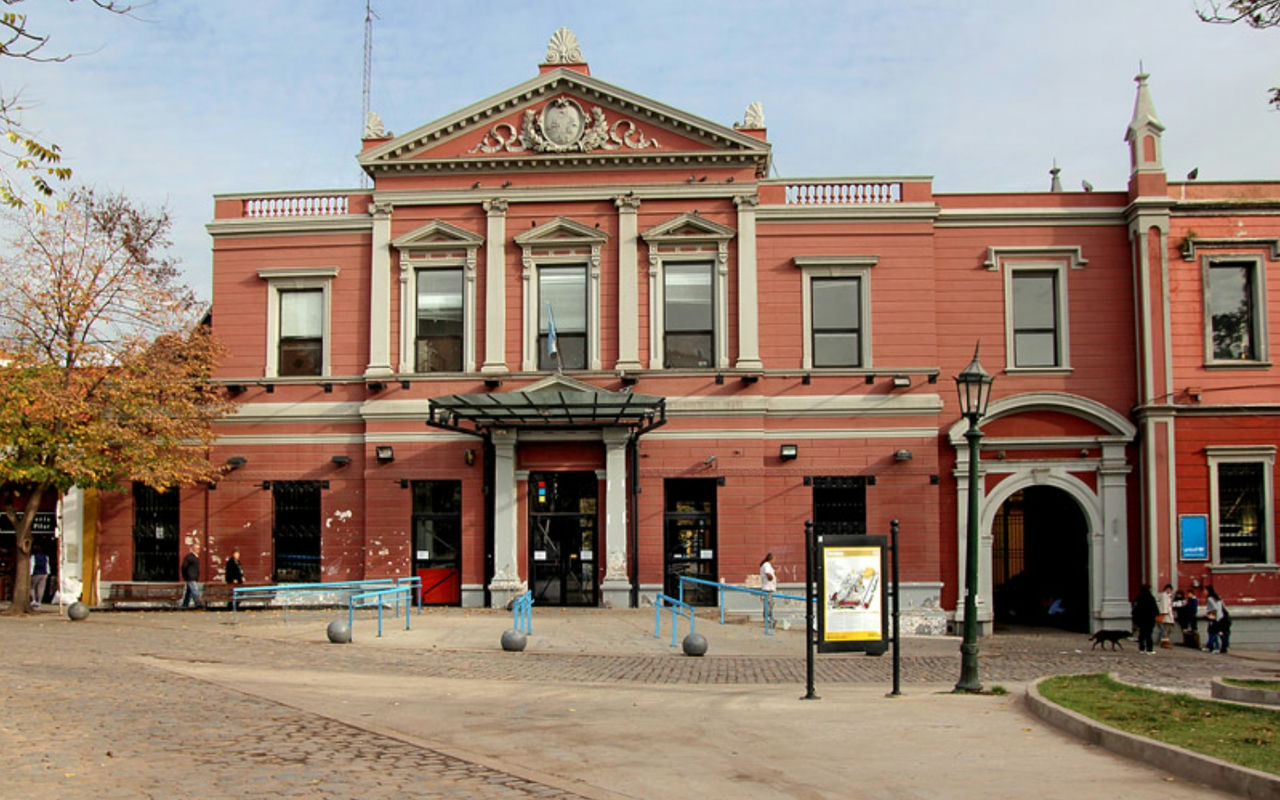
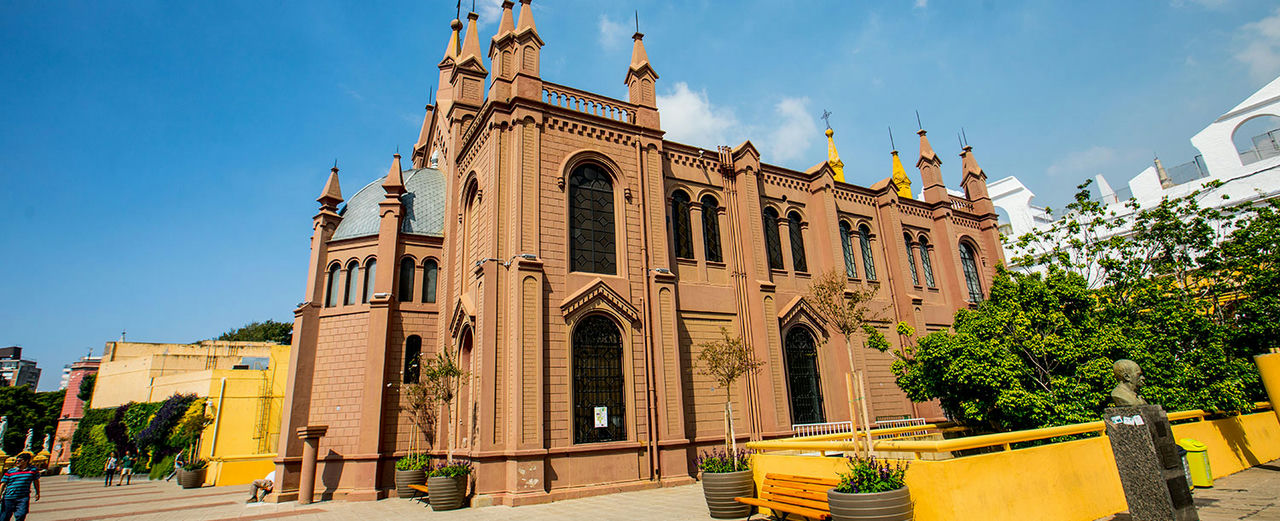
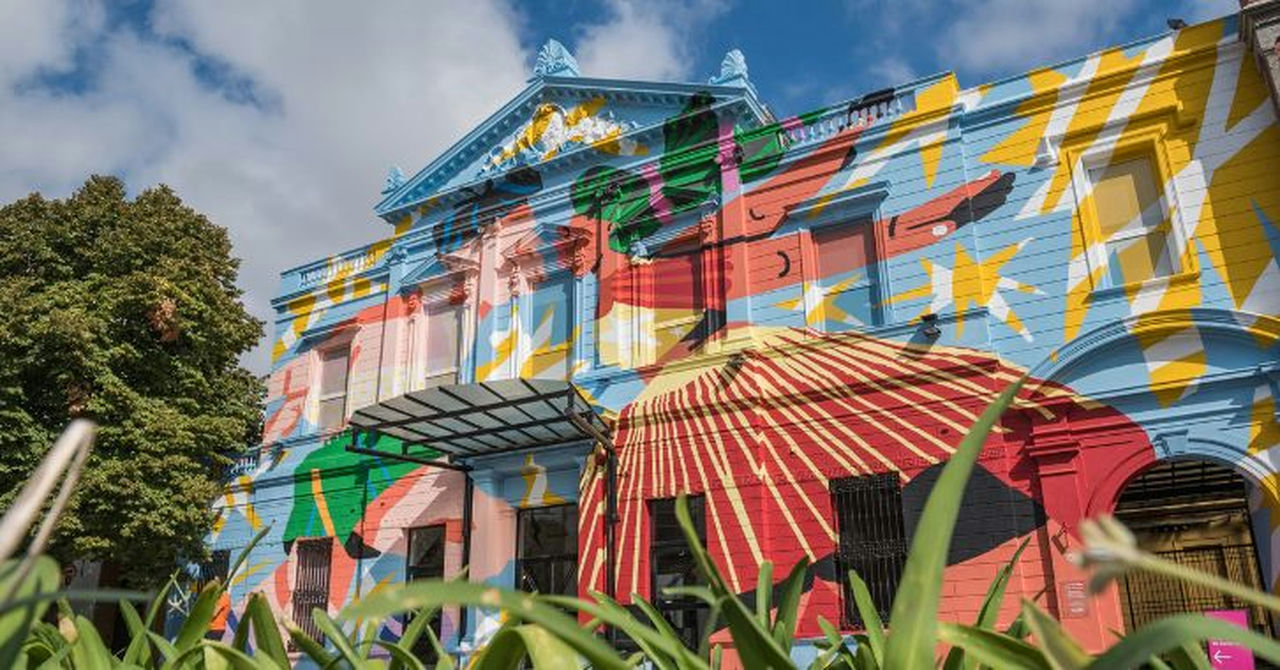
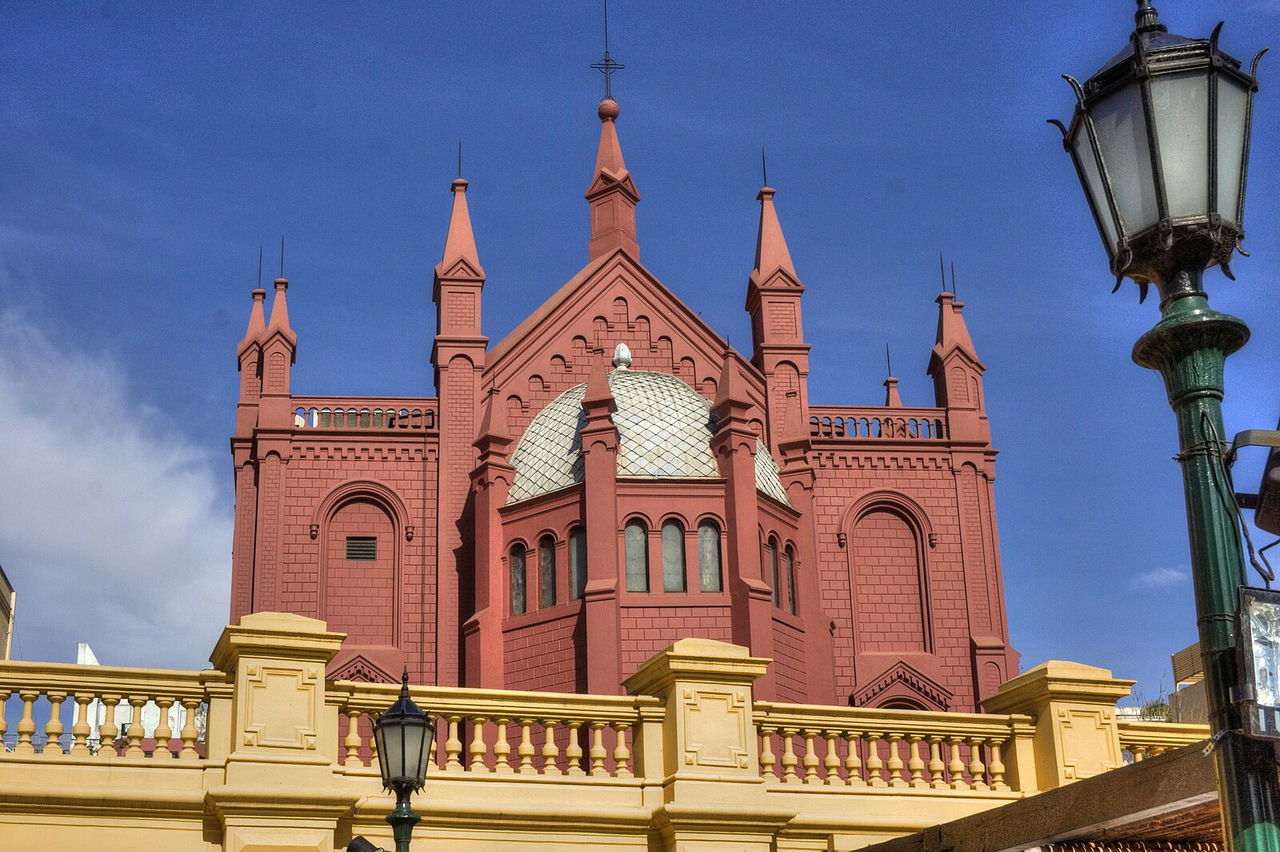
The Centro Cultural de la Ciudad de Buenos Aires, known as the Recoleta Cultural Center, reflects Clorindo Testa’s adaptive and artistic design approach during the later stage of his career. Completed between 1979 and 1980, the project involved the conversion and expansion of a historic building complex in the Recoleta neighborhood into a modern cultural center. The site originally contained a 19th-century convent and a former municipal poorhouse adjacent to the Recoleta Cemetery. Clorindo Testa, collaborating with architects Jacques Bedel and Luis Benedit, transformed the deteriorated complex into a public venue for art and community programs. The building functions as a cultural exhibition and community center, incorporating galleries, performance spaces, workshops, and courtyards. Testa preserved much of the original colonial structure while integrating new architectural elements within and around it. A defining intervention was the introduction of new entrances, ramps, and signage that established the building’s contemporary identity. Architecturally, the project moved away from strict Brutalism toward an eclectic, postmodern direction. Clorindo Testa used color, form, and sculptural insertions to reimagine the interior while maintaining exposed concrete and steel for new components such as stairways and roofs, often treated with painted finishes that reveal his painter’s sensibility. The Recoleta Cultural Center became one of Buenos Aires’ key cultural institutions, representing the city’s intersection of heritage and modernity.
How did Clorindo Testa contribute to architecture?
Clorindo Testa contributed to architecture by expanding the scope of design in Argentina and integrating artistic experimentation with architectural function. Throughout his career, he encouraged architects to move beyond conventional forms. Clorindo Testa advanced the use of Brutalist materials and structures in a region where they were still uncommon, demonstrating that concrete and geometric rigor could yield buildings of civic significance and visual strength. He introduced a concept-driven design method in which each project was guided by a central idea or metaphor, such as the National Library conceived as an elevated repository of knowledge or the Bank of London envisioned as an urban fortress. This process emphasized conceptual clarity as a foundation for design. Testa’s work also bridged architecture and visual art: as a painter, he incorporated color, murals, and sculptural components into architectural settings, providing a new interpretation of modernist space. His influence is visible in later generations of Argentine architects who adopted experimental forms and contextual awareness. Testa served as a mentor through his studio practice, collaborating with younger designers and promoting interdisciplinary dialogue. Through international competitions and built landmarks, he strengthened Argentina’s presence in global architectural discourse.
What awards and honors has Clorindo Testa received?
Clorindo Testa received awards and honors acknowledging his contributions to architecture and art, including:
- Konex Awards (1982, 1992, 2012) – Testa received Argentina’s Konex Award three times, including the Platinum Konex in 1982, granted to the most influential figures of the decade in architecture and visual arts. These awards recognized his sustained impact on Argentine culture over several decades.
- Architect of the Americas (1987) – He received the FAPA Triennial Award, known as the Architect of the Americas, in 1987. This honor from the Federación Panamericana de Asociaciones de Arquitectos acknowledged his influence on architecture across the Western Hemisphere.
- Vitruvio Award (1994) – At the Buenos Aires Architecture Biennial in 1994, Testa was awarded the Vitruvio Award, a lifetime achievement distinction celebrating excellence in architecture and his influence on Argentina’s built environment.
In addition to these awards, Clorindo Testa served on international juries, including the Opera Bastille design competition in Paris, and received recognition from institutions in Argentina and abroad. Several of his buildings, such as the National Library, were later declared cultural heritage sites.
Did Clorindo Testa change the architecture industry?
Clorindo Testa changed the architecture industry in Argentina and Latin America by establishing new standards for modern design. He redefined expectations for public and commercial buildings, encouraging clients and architects to pursue innovation. Before his emergence, Argentine architecture largely followed academic traditions or basic functionalism. Through projects such as the Bank of London, with its suspended floors, and the National Library, elevated above ground, Testa demonstrated that modern architecture could combine structural audacity with practicality. His success paved the way for experimental architecture across the region. Testa’s interdisciplinary approach, integrating art, architecture, and urban planning, influenced a shift toward holistic design methods. Many architects began collaborating with artists or considering the broader urban implications of their work, following his example. Internationally, Testa’s designs for the Bank of London and the National Library are recognized as significant Latin American contributions to modernism, influencing architects interested in Brutalism and adaptive design. By remaining in Argentina while achieving international recognition, he also challenged the notion that innovation must originate from established global centers, proving that architectural progress could emerge from regional contexts.
Was Clorindo Testa ever controversial in any way?
Clorindo Testa maintained a reputation as a thoughtful architect with little personal controversy, though several of his works provoked debate within architectural circles. His unconventional designs in conservative contexts often elicited mixed reactions. When the Bank of London and South America building was unveiled in Buenos Aires in the 1960s, its exposed concrete façade and futuristic form drew criticism from those accustomed to traditional bank architecture. Some observers questioned its suitability among the city’s historic buildings, and its assertive modernism was even viewed by some as politically charged during a turbulent period. These disputes were primarily architectural and diminished as the building gained recognition as a major work of modern design. The National Library, whose construction extended over decades, also faced public skepticism while incomplete; its bold geometry and unfinished state were often misunderstood. Once finished, it became an accepted and respected landmark in Buenos Aires. Clorindo Testa himself remained removed from personal scandal and was known for his modest and generous character. He avoided association with Argentina’s military regimes of the 1970s, a position that reinforced his professional independence and integrity.
Who are the most famous architects in modern history besides Clorindo Testa?
Aside from Clorindo Testa, Frank Lloyd Wright, Le Corbusier, and Zaha Hadid are among the most influential architects in shaping modern architecture. Frank Lloyd Wright, American, 1867–1959, developed the principles of organic architecture and designed works such as Fallingwater and the Guggenheim Museum, introducing ideas of spatial openness and integration with nature that redefined architectural practice. Le Corbusier, Swiss-French, 1887–1965, was a leading figure of International Style modernism; his innovations in concrete construction and pilotis appear in projects like Villa Savoye and the Unité d’Habitation, and his writings on urban planning transformed twentieth-century city design. Zaha Hadid, Iraqi-British, 1950–2016, reshaped contemporary architecture with fluid geometries and digital design methods, becoming the first woman to receive the Pritzker Prize. Her buildings, including the Guangzhou Opera House and the Heydar Aliyev Center, demonstrate the possibilities of computational design and new materials. Other notable figures include Ludwig Mies van der Rohe, German-American modernist behind the Barcelona Pavilion and the Seagram Building; Oscar Niemeyer, Brazilian architect of Brasília’s major buildings who introduced sculptural curves to modernism; and Frank Gehry, Canadian-American architect known for deconstructivist works such as the Guggenheim Bilbao. In recent decades, architects like Norman Foster, Rem Koolhaas, and Bjarke Ingels have continued to shape global architectural discourse.
What did Clorindo Testa mostly design?
Clorindo Testa mostly designed public and institutional buildings that reflected the social and civic ambitions of mid-20th-century Argentina. His portfolio can be organized into several main categories:
- Civic and Government Buildings: Testa led major public projects such as the Civic Center of La Pampa and various urban planning proposals in Buenos Aires. These included government offices, legislative halls, and civic complexes that introduced modern design principles to public administration.
- Cultural and Educational Institutions: A large part of Testa’s work focused on cultural infrastructure. He designed museums, libraries, and cultural centers, including the National Library in Buenos Aires and the Recoleta Cultural Center. Later in his career, he also developed academic facilities such as auditoriums and university buildings, often exploring formal experimentation within functional programs.
- Commercial and Financial Buildings: Testa became widely known for his commercial and banking architecture. The Bank of London and South America remains the most notable example, showcasing structural innovation and expressive form. He also created projects for other financial institutions, such as the National Development Bank in the 1970s, and office buildings that applied modernist design to corporate settings.
- Healthcare and Infrastructure: His versatility extended to healthcare and infrastructure projects, including the Buenos Aires Naval Hospital and several clinics. He also contributed to designs for airports and transport facilities, though these were secondary to his architectural practice.
Across these areas, Clorindo Testa’s work consistently emphasized structural clarity, geometric rigor, and contextual integration. Whether designing a library or a bank, he approached each commission as an opportunity to articulate architectural ideas through material and form. He built relatively few private residences, focusing instead on large-scale public works that engaged directly with urban life. Over his career, Testa completed dozens of significant projects, primarily in Argentina, helping shape the modern architectural identity of the country.
Where did Clorindo Testa study?
Clorindo Testa studied architecture at the Universidad de Buenos Aires in Argentina. After completing secondary school and a short period in engineering, he entered the School of Architecture at UBA around 1945 and graduated in 1948. He earned his diploma as part of a generation that embraced modernist ideas during a period of architectural expansion in Argentina. His education combined Beaux-Arts foundations with the emerging concepts of the International Style, providing both technical and artistic grounding. At UBA, Testa refined his drawing and design skills, which later became central to his dual identity as architect and artist. Although he did not pursue a formal degree abroad, Testa continued his education through extensive travel and self-directed study. In 1949, he received a fellowship that allowed him to travel across Europe for nearly two years. He visited Italy, France, and Spain, studying historic buildings, postwar modern architecture, and art collections. This experience served as an informal but decisive extension of his education, shaping the intellectual and creative direction of his future work.
Did Clorindo Testa have any famous teachers or students?
Clorindo Testa did not have formally recognized teachers in the way some architects had direct mentors, but he was strongly influenced by leading figures in modern architecture and later became an influential figure himself. During his studies in Buenos Aires in the 1940s, the curriculum at the Universidad de Buenos Aires was indirectly shaped by the ideas of modernist masters such as Le Corbusier and Mies van der Rohe, whose work professors at UBA often used as reference models. Clorindo Testa frequently cited Le Corbusier as his primary influence, stating that he studied Corbusier’s writings and buildings closely and gave little attention to other architects. In this sense, Le Corbusier served as a teacher-at-a-distance, guiding Testa’s understanding of form, structure, and urban composition. Another formative influence came during Testa’s European travels, where exposure to the art world—particularly the painters and sculptors of the postwar avant-garde—encouraged his experimental and cross-disciplinary approach to architecture. As for students, Clorindo Testa was not an academic professor, but he mentored younger architects through his studio practice. Many Argentine architects who worked with or around him considered him a source of inspiration. Figures such as Mario Roberto Álvarez and César Pelli, though contemporaries rather than students, were influenced by Testa’s independent and experimental attitude. He also guided emerging architects through competitions and juries, providing critique and professional insight. While he did not have a single renowned pupil in the traditional sense, his influence shaped an entire generation of Argentine designers, including Juan Fontana and others who extended his interpretation of Brutalism into the evolving modernist landscape of Buenos Aires.
How can students learn from Clorindo Testa’s work?
Students can learn from Clorindo Testa’s work by analyzing his design process, his use of materials, and his sensitivity to context. His projects serve as case studies in the relationship between art and architecture. Studying the Bank of London and the National Library reveals how Testa developed a central concept and sustained it through structural and spatial decisions. A key lesson is the importance of a guiding idea: each of his designs began with a clear conceptual premise, such as the building as an urban sculpture or an extension of the city grid. Another point of study is Testa’s treatment of materials. He used concrete in inventive ways, allowing its texture and structure to define the character of each project. Observing his buildings in person, or through detailed documentation, demonstrates how light, proportion, and structure generate spatial clarity. The National Library’s cantilevered form and the Bank of London’s open atrium exemplify how space can serve function while evoking presence. His approach to site integration—seen in the adaptation of the Recoleta Cultural Center and the placement of the National Library within its park—illustrates responsiveness to context. Clorindo Testa’s career also highlights the importance of interdisciplinary thinking. As a painter, he applied compositional and chromatic principles to architecture, showing how artistic practice can inform design. His professional evolution, including the adaptation of new ideas in the 1980s and 1990s, teaches the value of openness and innovation. Through his drawings, models, and built works, students can understand how architecture unites concept, material, and place into coherent, meaningful form.

