

John Hejduk (1929–2000) was an American architect, educator, and theorist whose work reshaped the relationship between imagination, narrative, and pedagogy in modern architecture. Born in New York City and raised in the Bronx, he studied at The Cooper Union, the University of Cincinnati, and Harvard University’s Graduate School of Design, where he was taught by Josep Lluís Sert and influenced by Walter Gropius’s Bauhaus legacy. After working briefly for I.M. Pei, he began teaching at Cooper Union in 1964 and became Dean in 1975, a role he held until his death. Hejduk represented a concept-driven late modernism that blurred the line between building and art. His early geometric explorations, such as the Diamond Houses, evolved into symbolic and narrative designs. Through drawings, models, and texts, he developed “paper architecture” that treated architecture as an expressive language. Major works include the Kreuzberg Tower and Wings in Berlin, Wall House II in Groningen, the House of the Suicide and House of the Mother of the Suicide in Prague, the House for Two Brothers in Berlin, and the House for a Musician. Each translated theoretical and emotional ideas into spatial and material form. As Dean of the Cooper Union School of Architecture, Hejduk redefined architectural education. He emphasized conceptual rigor, drawing, and philosophical inquiry, encouraging students to explore architecture as a discipline of meaning rather than production. Among his students were Daniel Libeskind, Shigeru Ban, Elizabeth Diller, and Ricardo Scofidio, all of whom carried forward his experimental ethos. His writings, including Mask of Medusa, Architectures in Love, and Education of an Architect, remain important references in architectural theory. Hejduk received the AIA/ACSA Topaz Medallion for Excellence in Architectural Education in 1988, recognizing his impact on architectural pedagogy. His legacy is reflected in the John Q. Hejduk Award, established by Cooper Union in 2003. Through his teaching, drawings, and built works, Hejduk advanced an architecture of intellect and imagination that continues to influence contemporary design.
Who is John Hejduk?
John Hejduk was an American architect known for his innovative and introspective contributions to modern architecture. Hejduk was born on July 19, 1929, in New York City and grew up in the Bronx. He attended the Cooper Union School of Art and Architecture starting in 1947 and later continued his education at the University of Cincinnati. In 1953, Hejduk earned a Master of Architecture degree from Harvard University’s Graduate School of Design. These formative years exposed him to modernist architectural thinking and emerging creative theories. After completing his studies, Hejduk worked briefly in New York architecture offices, including I. M. Pei’s firm, gaining practical experience alongside established masters. In 1965, he opened his own architectural practice in New York City. Hejduk began teaching at Cooper Union in 1964 and became Dean of the Cooper Union School of Architecture in 1975, a position he held until he died in 2000. Over a career spanning nearly four decades, Hejduk earned renown not through commercial projects but through his influence on architectural education and theory. He is sometimes called a “paper architect” because much of his work took the form of drawings, models, and poetic proposals rather than built structures. Hejduk was a central member of the New York Five, a group of modernist architects in the 1970s, including Peter Eisenman, Richard Meier, Michael Graves, and Charles Gwathmey, recognized for their geometric designs. He was also part of the “Texas Rangers,” a group of professors at the University of Texas in the 1950s–60s who challenged architectural pedagogy.
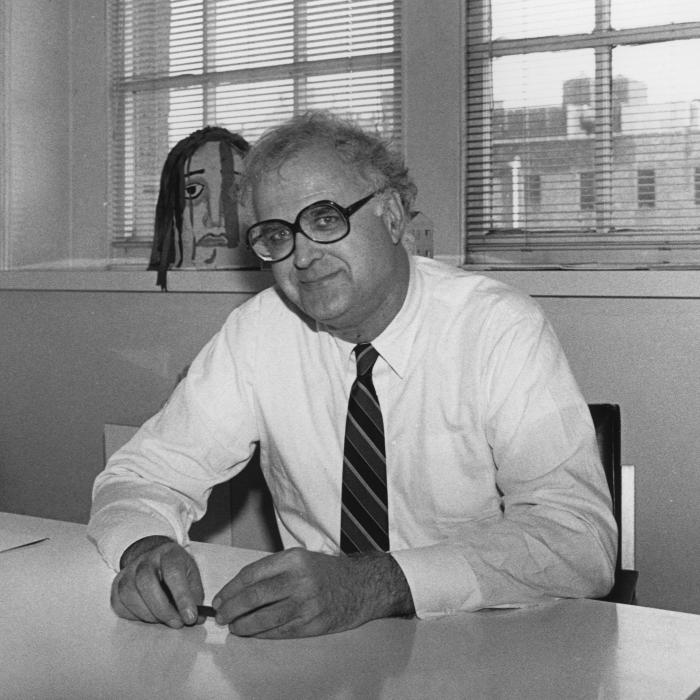
What type of architecture is John Hejduk representing?
John Hejduk represented a concept-driven modern architecture that blurred the line between building and art. His style is often associated with the late-modernist movement but occupies its own category. Early in his career, Hejduk embraced a Hardline Modernist approach, using pure geometric forms, grids, and flat planes in a manner reminiscent of Le Corbusier’s and Mies van der Rohe’s principles. Projects from this period, such as his Diamond House series of the 1960s, exhibit a clean, abstract aesthetic typical of the international style. Hejduk’s architecture later diverged from orthodox Modernism. He became known for “paper architecture,” an architectural exploration based on theoretical projects, drawings, and narrative structures. Instead of conventional architectural output, Hejduk developed conceptual works on paper that conveyed spatial and symbolic ideas. His drawings often carried poetic titles and recurring figures, including angels, devils, and mythological characters. In the 1980s and 1990s, as postmodern discourse expanded, Hejduk’s designs became more symbolic and experimental. They incorporated an artistic and non-aligned dimension, reflecting references to Cubism, Surrealism, and literature. Architectural historian K. Michael Hays described Hejduk’s work as an architecture of “encounter,” in which buildings appear animated and responsive to human presence.
What is John Hejduk’s great accomplishment?
John Hejduk’s great accomplishment was redefining the role of architectural imagination and education in the modern era. While many architects are known for their built works, Hejduk was recognized for the influence of his ideas and teaching. As Dean of the Cooper Union School of Architecture for 25 years, he introduced a pedagogy centered on creativity, individual expression, and conceptual rigor. Hejduk trained multiple generations of architects, and under his leadership, Cooper Union became a center for experimental design with broad curricular impact. Hejduk received several honors for his contributions to architectural education and theory. In 1988, he was awarded the AIA/ACSA Topaz Medallion for Excellence in Architectural Education. That same year, he received the AIA New York Chapter’s Medal of Honor. In 1986, he was awarded the Arnold W. Brunner Memorial Prize by the American Academy of Arts and Letters. These awards recognized the significance of his theoretical work and influence on the discipline. Hejduk’s legacy includes both a body of conceptual projects and a model of education that emphasized architecture’s engagement with emotion, history, and philosophy. His works, including the “Masque” series and the Jan Palach Memorial, contributed to new approaches to form and meaning in architectural discourse.
What are John Hejduk’s most important works?
John Hejduk’s most significant works include both conceptual projects and a small number of built structures that reflect his artistic approach to architecture. Hejduk produced numerous speculative proposals and a limited set of realized buildings that serve as case studies in architectural discourse. Key examples include the Kreuzberg Tower and Wings in Berlin, a built project that reflects his abstract spatial language; Wall House II in the Netherlands, a residence constructed posthumously that exemplifies his conceptual design logic; the House of the Suicide and House of the Mother of the Suicide in Prague, a commemorative installation honoring Jan Palach; the House for Two Brothers in Berlin-Tegel, designed for the IBA housing program; and experimental works such as the House for a Musician.
01. Kreuzberg Tower and Wings, Berlin (1988)
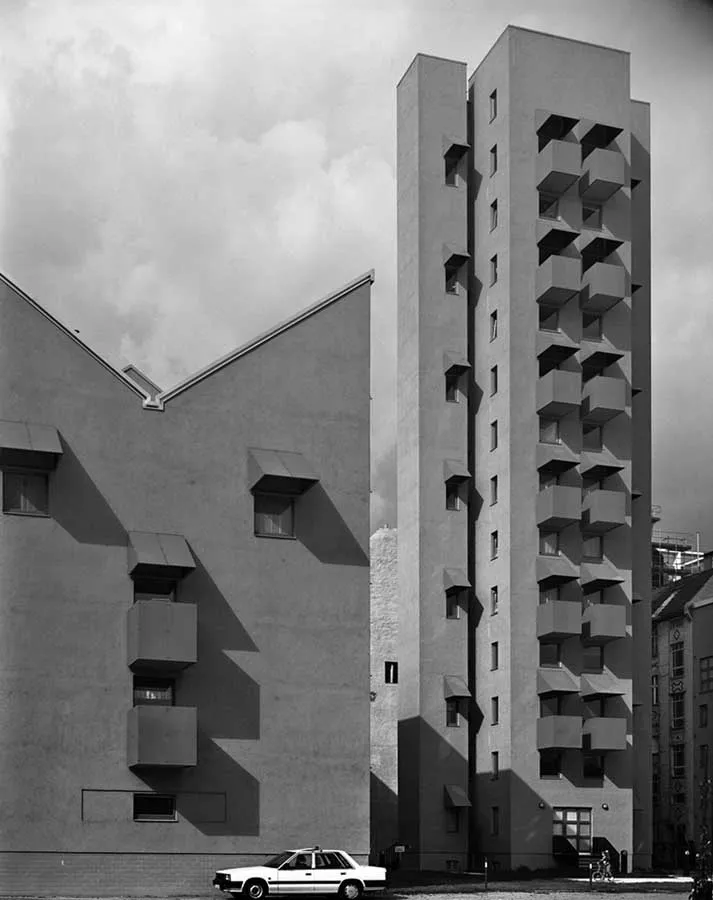
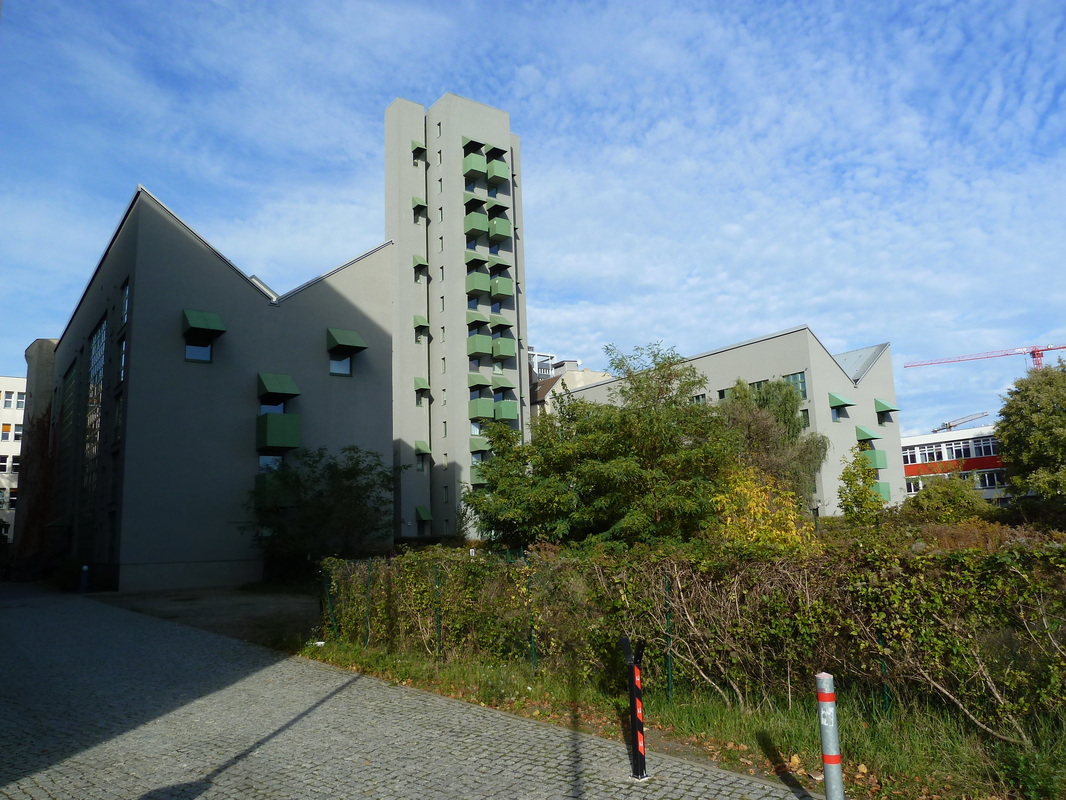
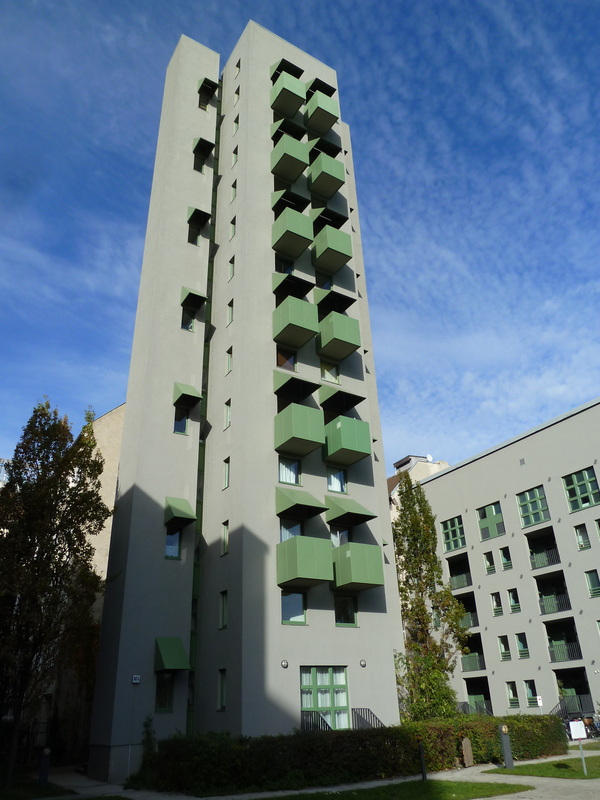
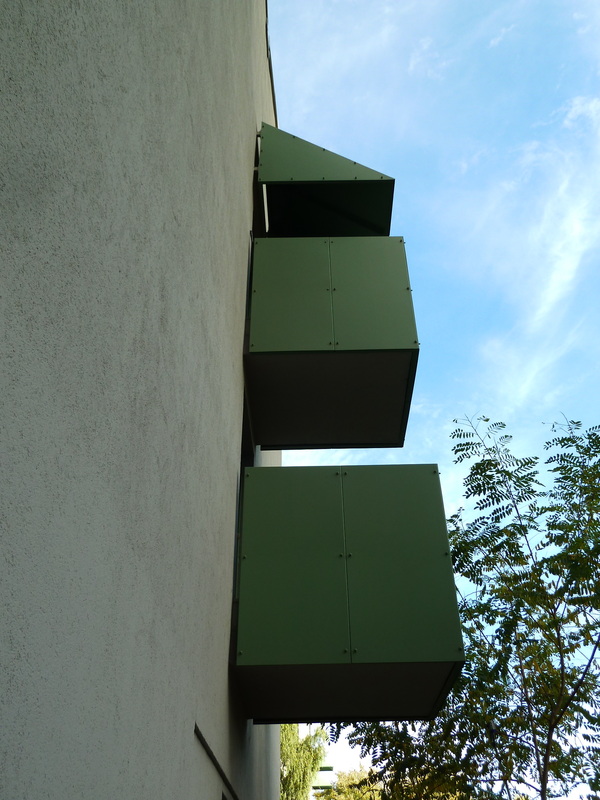
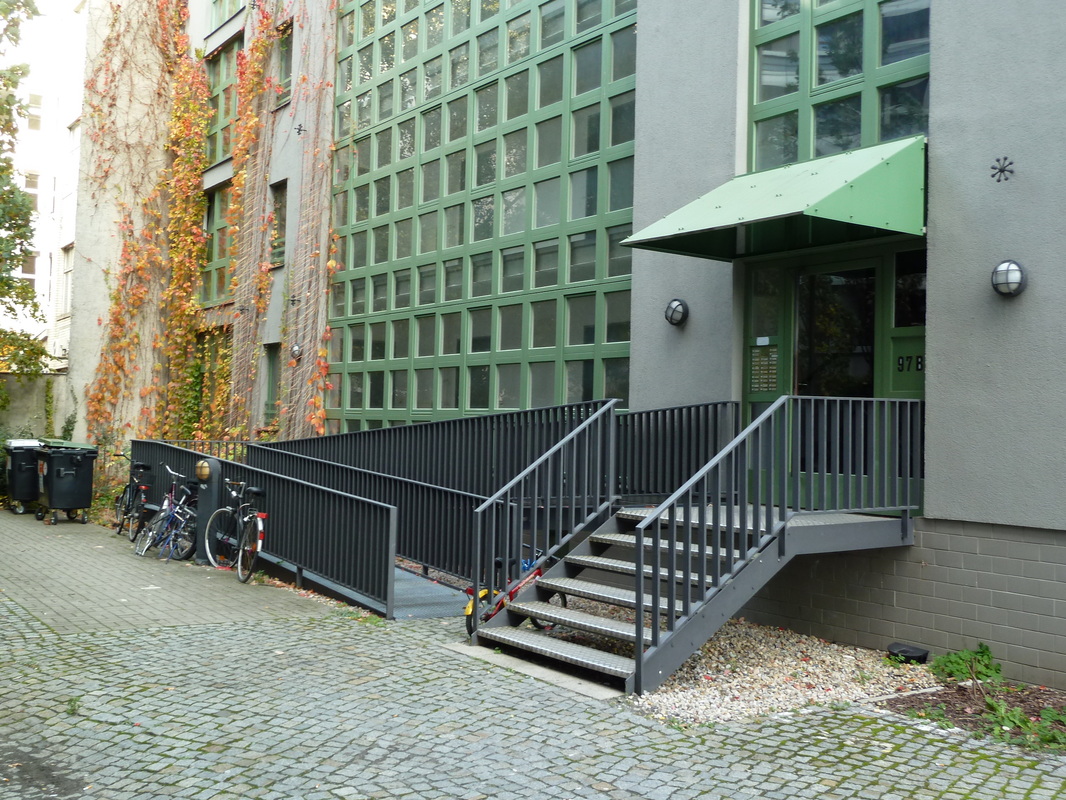
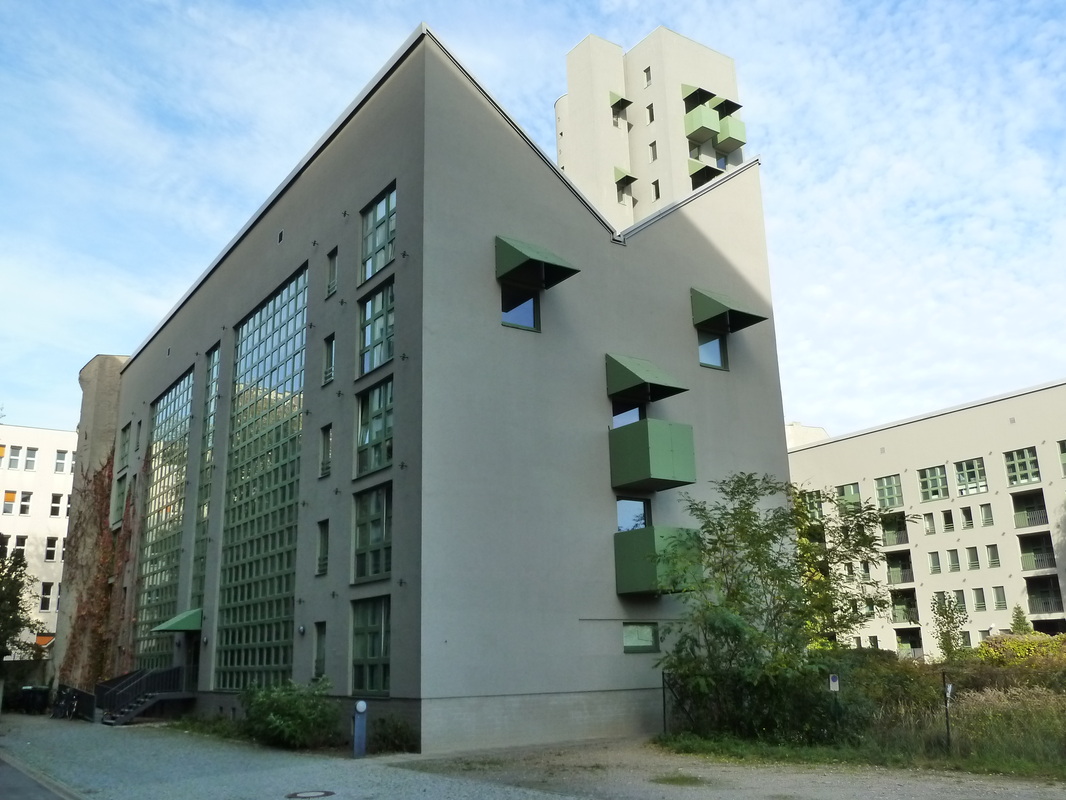
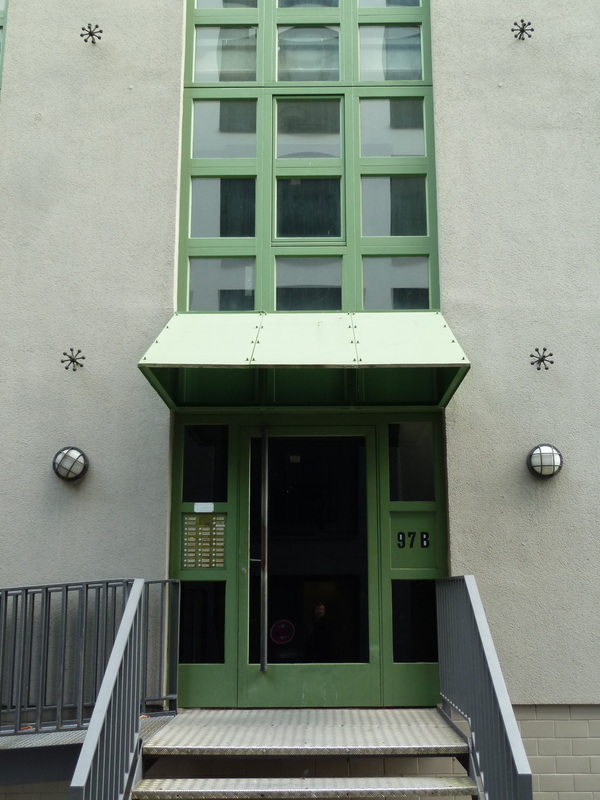
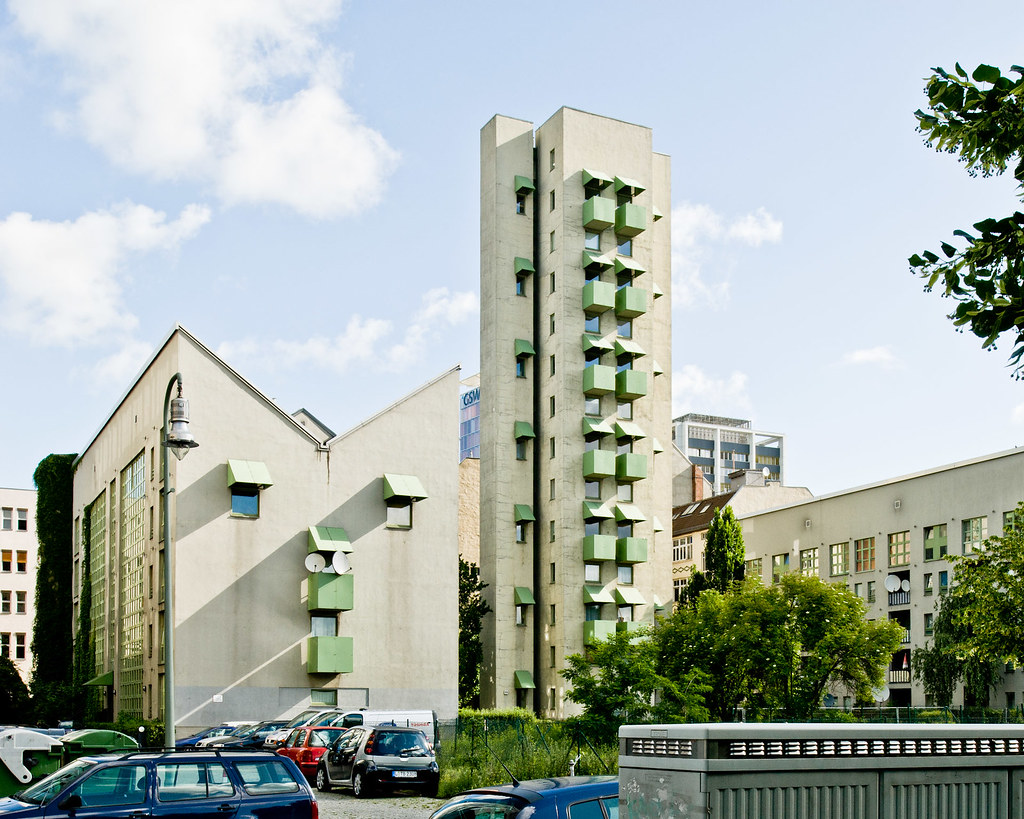
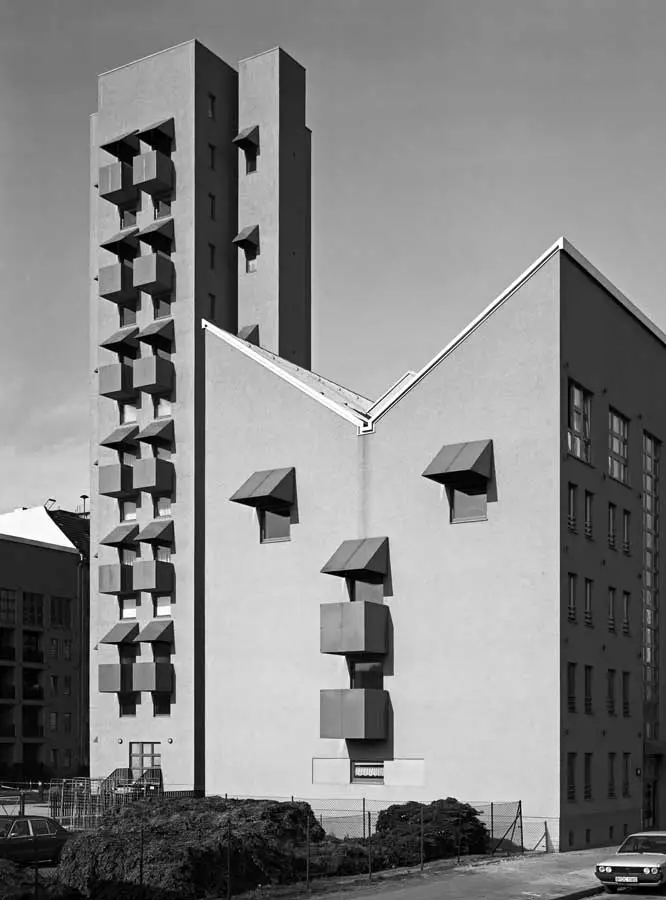
The Kreuzberg Tower and Wings in Berlin are among John Hejduk’s few realized architectural projects and a direct translation of his theoretical work into built form. Completed in 1988 as part of West Berlin’s International Building Exhibition (IBA), the complex comprises a tall residential tower and two lower wing buildings, containing a total of 55 apartment units. Located near Checkpoint Charlie in the Kreuzberg district, the site was part of a major urban renewal initiative during the 1980s. Originally intended to include an artist-in-residence component for the Berlin Artists Program, the structure ultimately served as standard housing. Hejduk treated the multi-family housing complex as a conceptual composition. The central tower and flanking wings form a sculptural ensemble organized around a courtyard. Each structure features distinct geometric configurations: the tower alternates circular and square floor plans, while the wings incorporate facade elements that evoke anthropomorphic forms. These abstract, mask-like surfaces contributed to the building’s reputation for personification. The project exemplifies High-Concept Modernism with symbolic and narrative elements. Architectural forms act as “characters” interacting in spatial dialogue, echoing influences from Cubism and theater. The color palette—muted grays, blacks, and greens—was selected to reinforce a contemplative atmosphere. Constructed using standard late-20th-century materials, the buildings feature a concrete structural frame, masonry infill, and stucco or painted finishes. Metalwork and colored facade panels introduce ornamental elements uncommon in social housing of the period. The Kreuzberg Tower became an emblematic work in Berlin’s architectural history. It demonstrated that affordable housing could incorporate conceptual depth and formal experimentation. Critics often refer to it as the moment when Hejduk, long regarded as a “paper architect,” realized his spatial vision in the physical world.
02. Wall House II, Groningen (1973 design; built 2001)
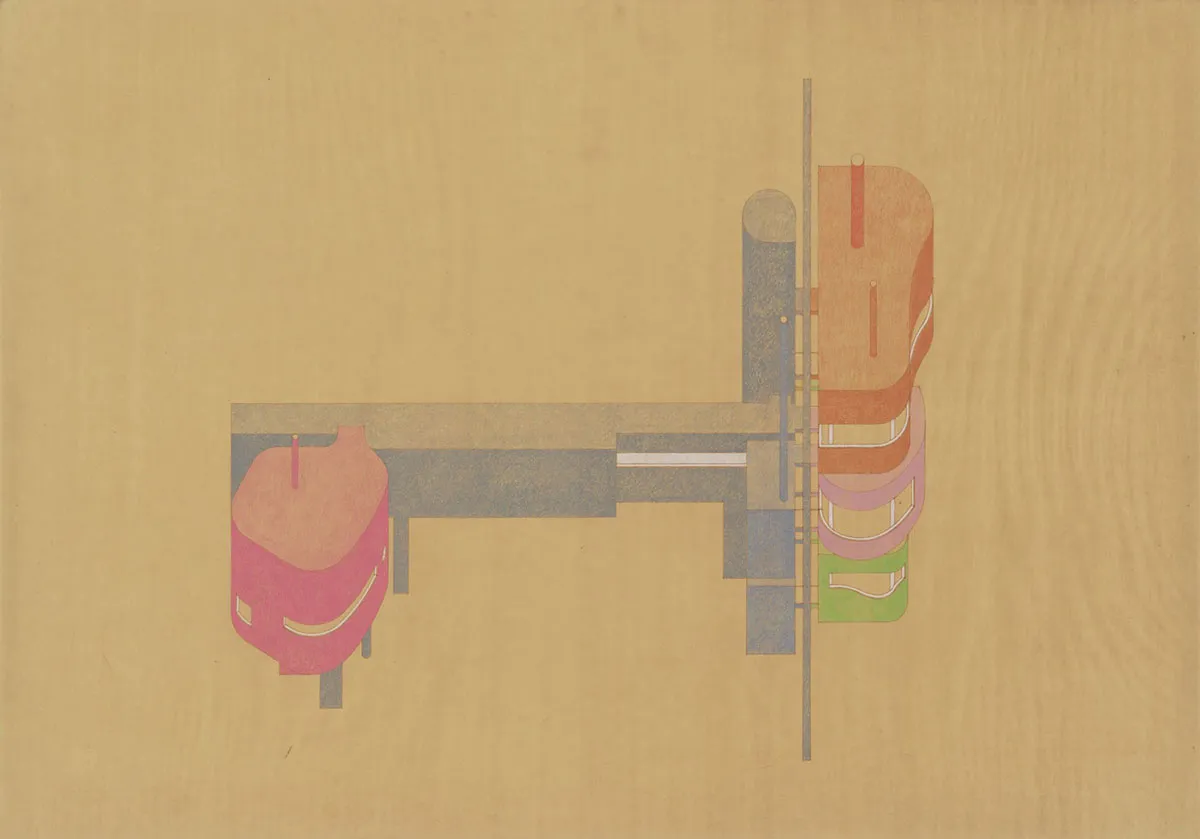
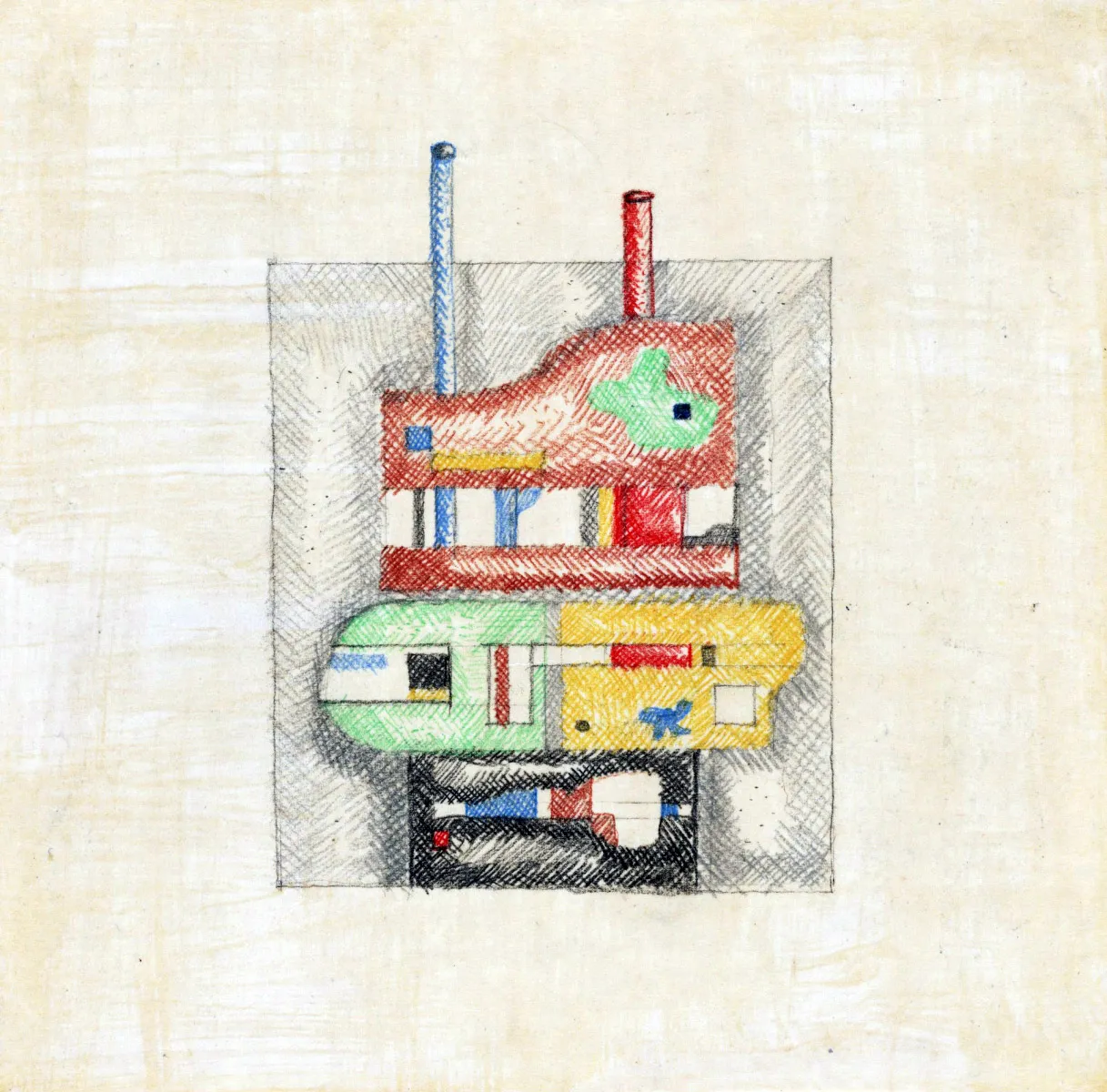
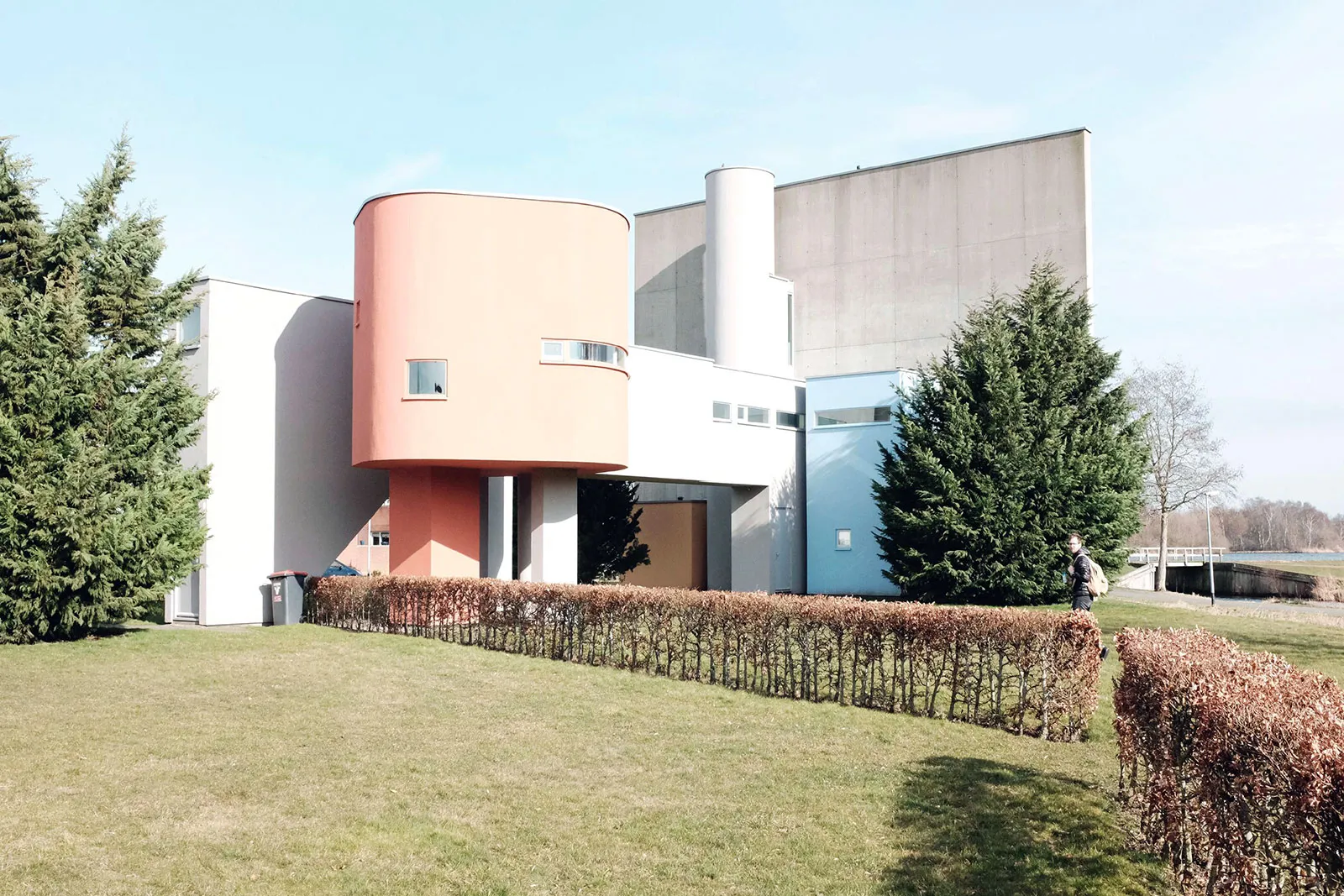
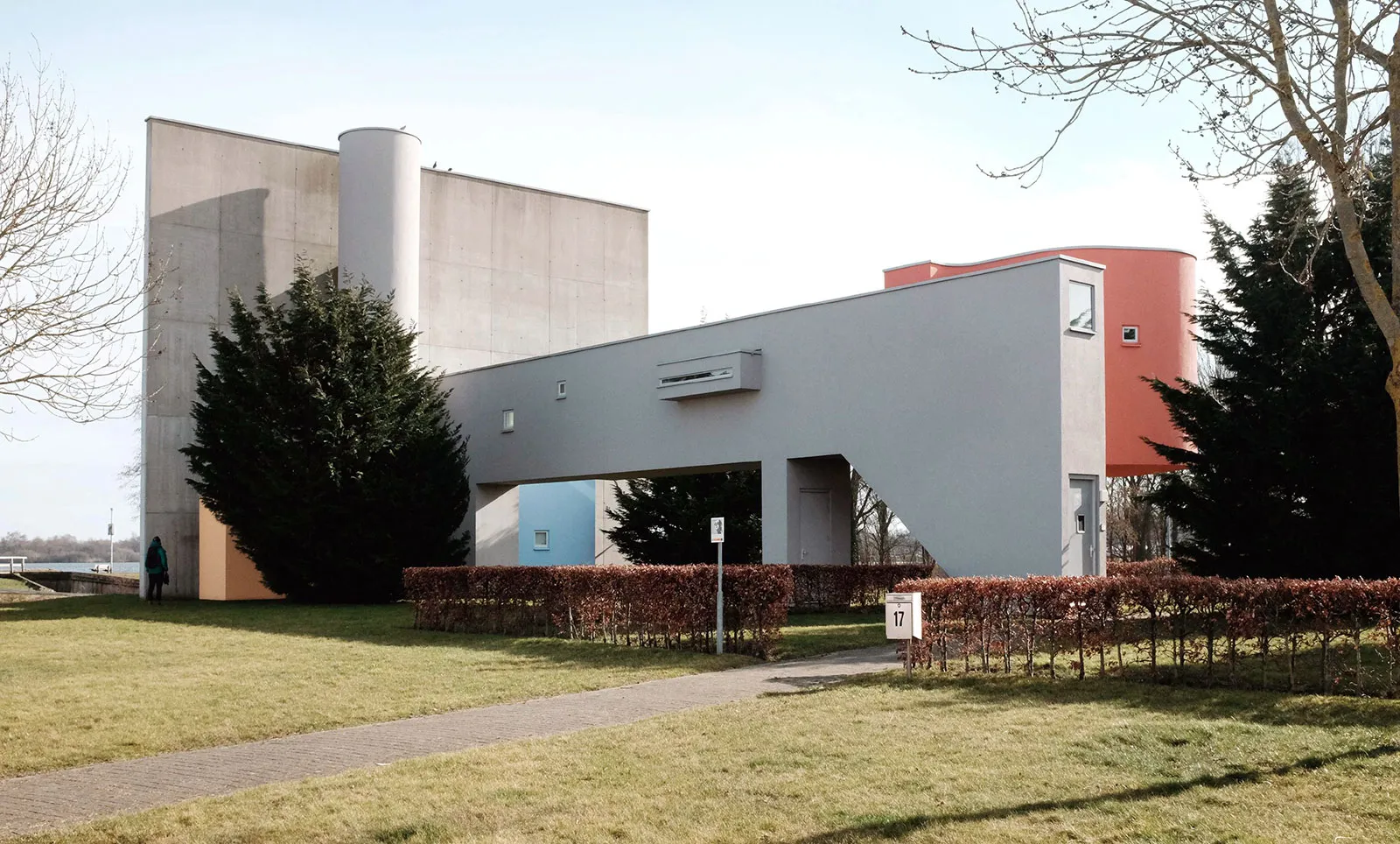
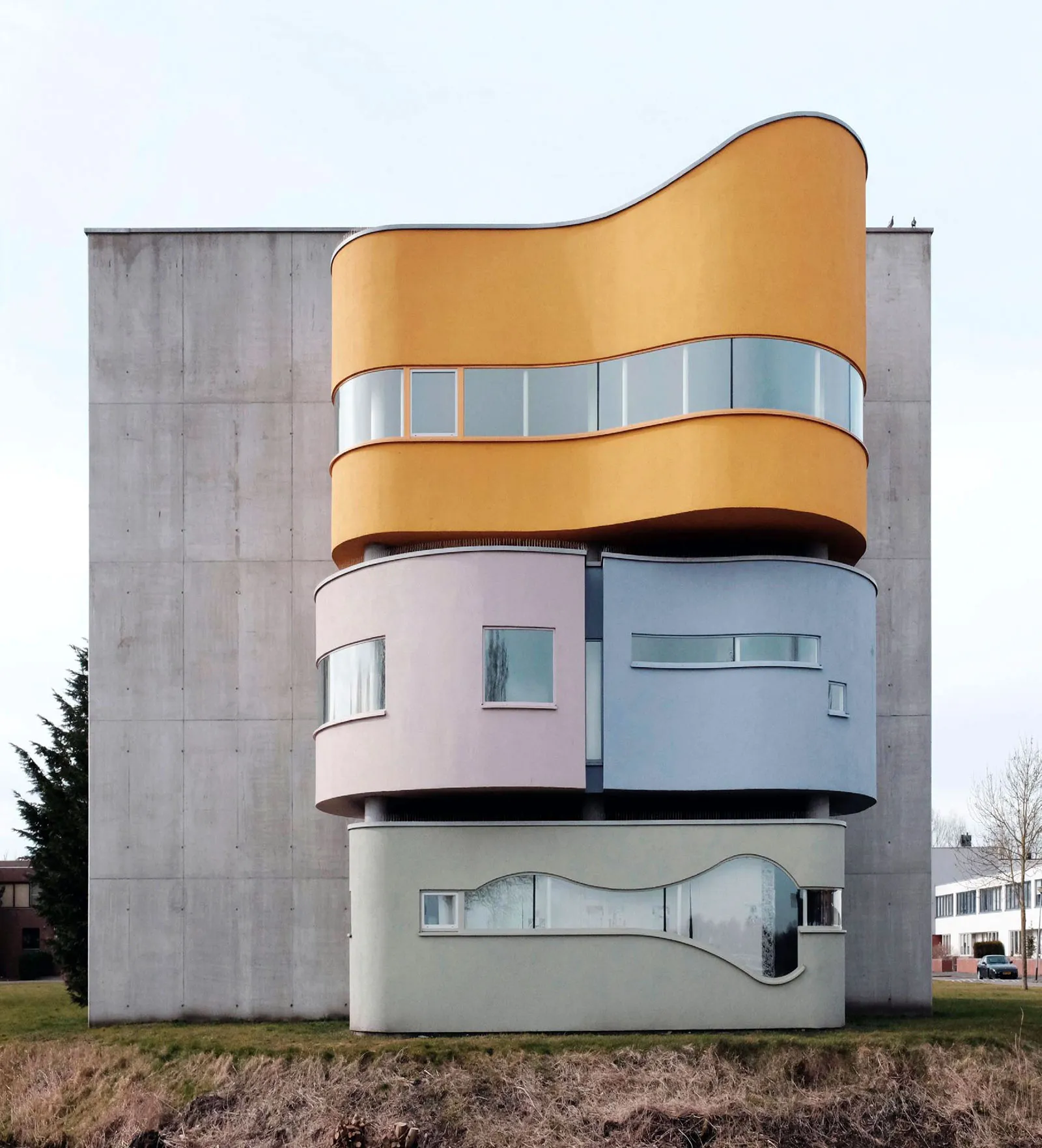
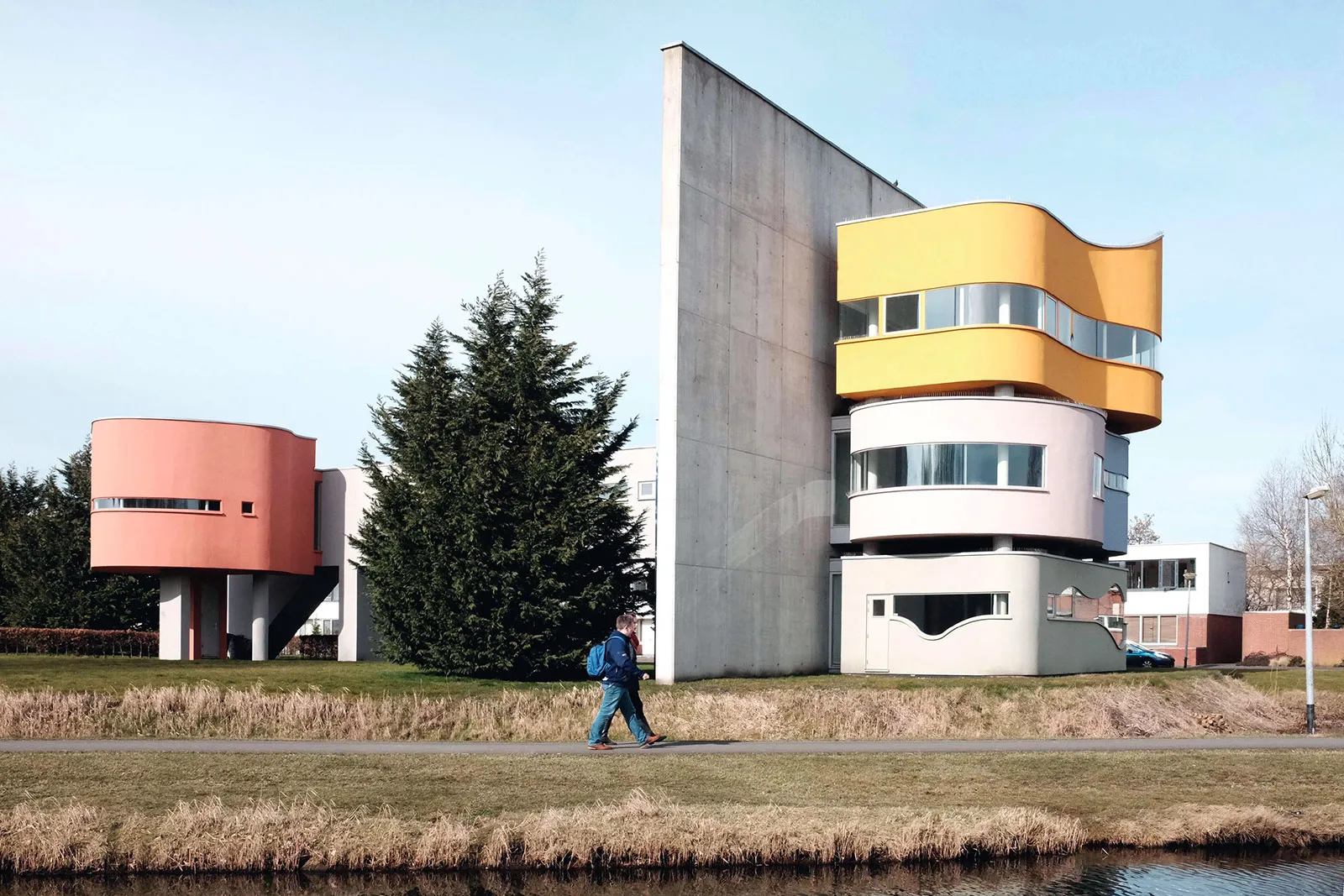
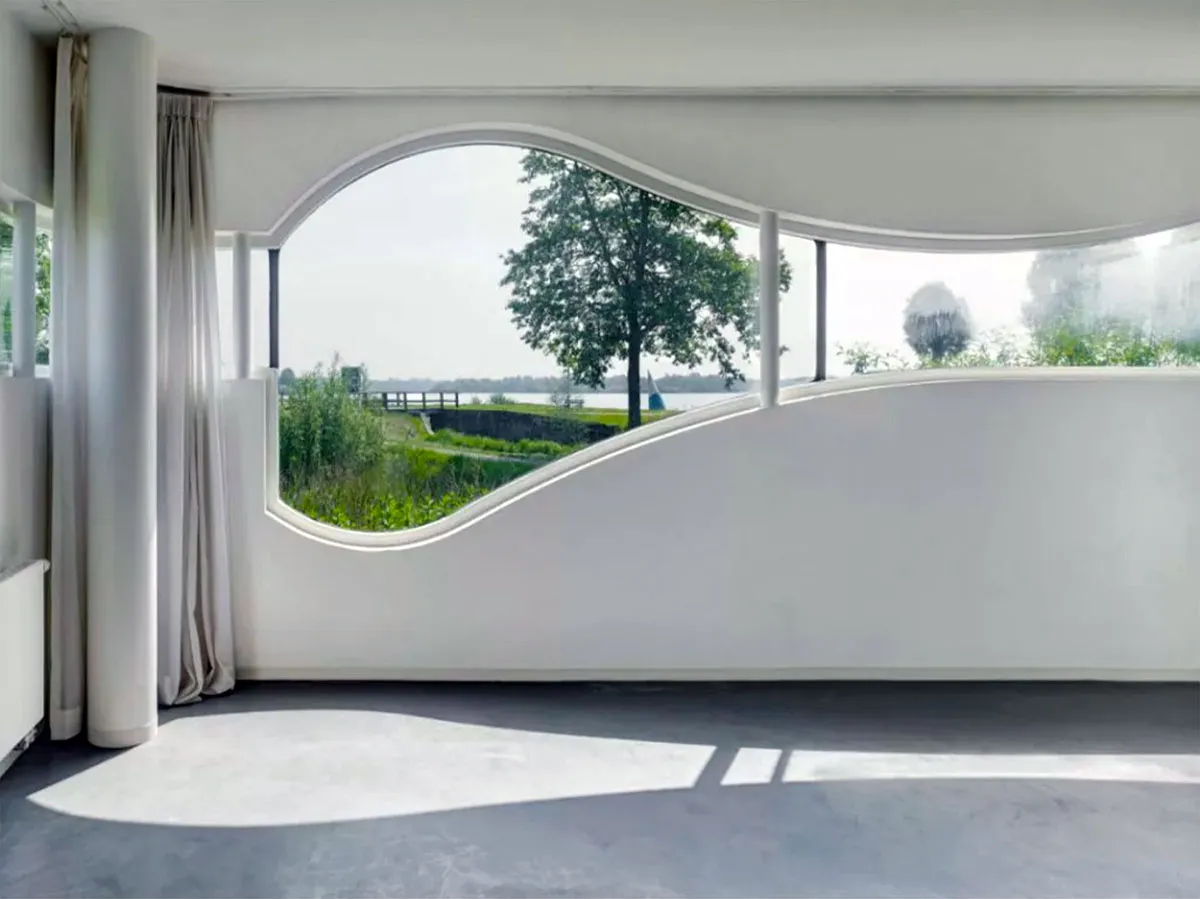
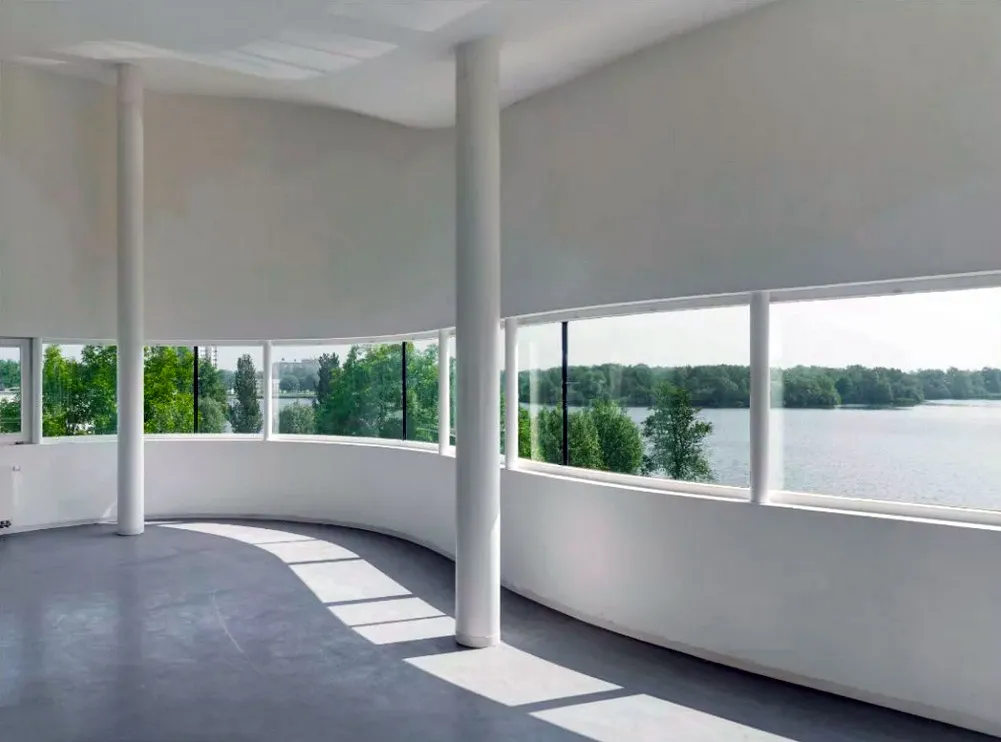
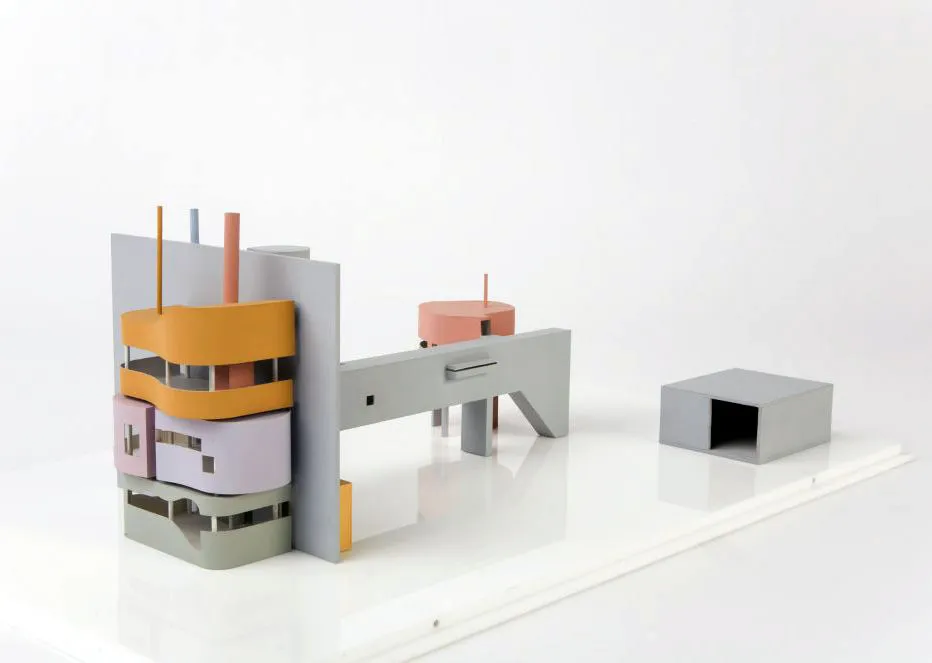
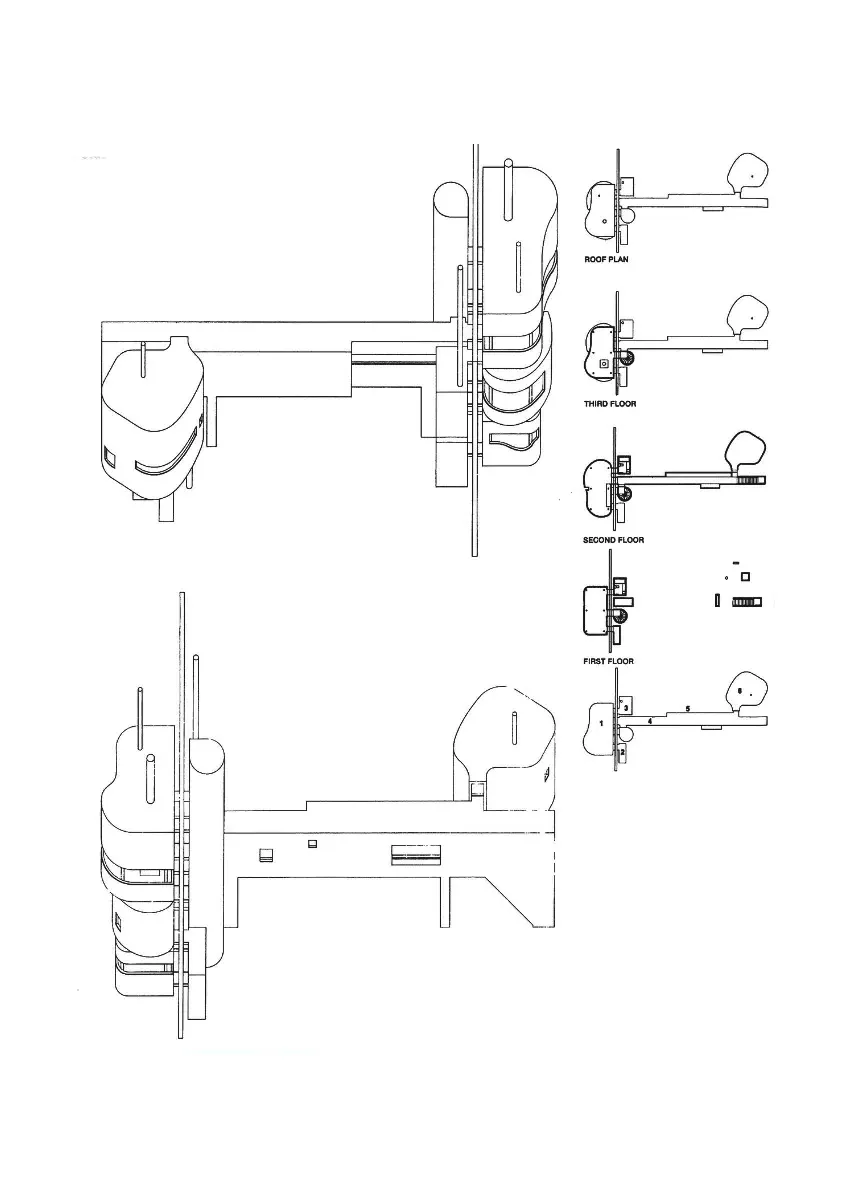
Wall House II, also known as the Bye House, is one of John Hejduk’s few realized designs and a direct translation of his conceptual architectural language. Originally conceived in the early 1970s, the building was constructed posthumously in 2001 in Groningen, Netherlands, as part of a local initiative to commission architecturally distinct homes on the city’s periphery. Situated near the Hoornse Meer, it serves as a single-family residence, though its structure and circulation are deliberately unconventional. The house consists of a monumental concrete wall that divides the building into two zones. On one side, curved and polygonal volumes project outward; on the other, a narrow corridor leads to a smaller cluster of rooms. The formal organization dramatizes themes of temporal passage, with the wall acting as a symbolic threshold. Hejduk designed the house to spatialize the act of transition: movement between living spaces and sleeping quarters involves physically crossing the wall, reinforcing his concept of architecture as narrative. The structure uses reinforced concrete for the central wall, while the projecting volumes are built with steel framing, timber, and stucco finishes. The rooms are rendered in subdued tones influenced by Le Corbusier’s later palettes rather than the primary colors of early Modernism. Large windows are strategically positioned for effect rather than symmetry, contributing to the sculptural quality of the forms. Wall House II is considered a significant work for its successful realization of Hejduk’s theoretical principles. The building has since been designated a protected architectural monument and is periodically opened to the public. It remains a key study in how abstract spatial theory can be rendered into habitable architecture.
03. House of the Suicide and the House of the Mother of the Suicide, Prague (installation 2016)
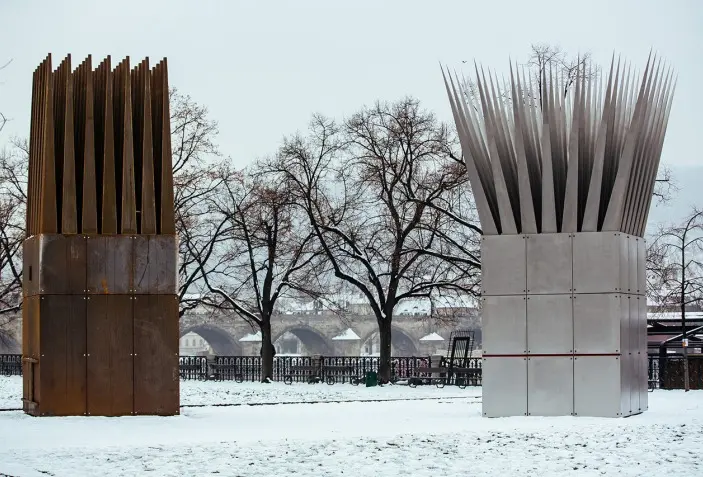
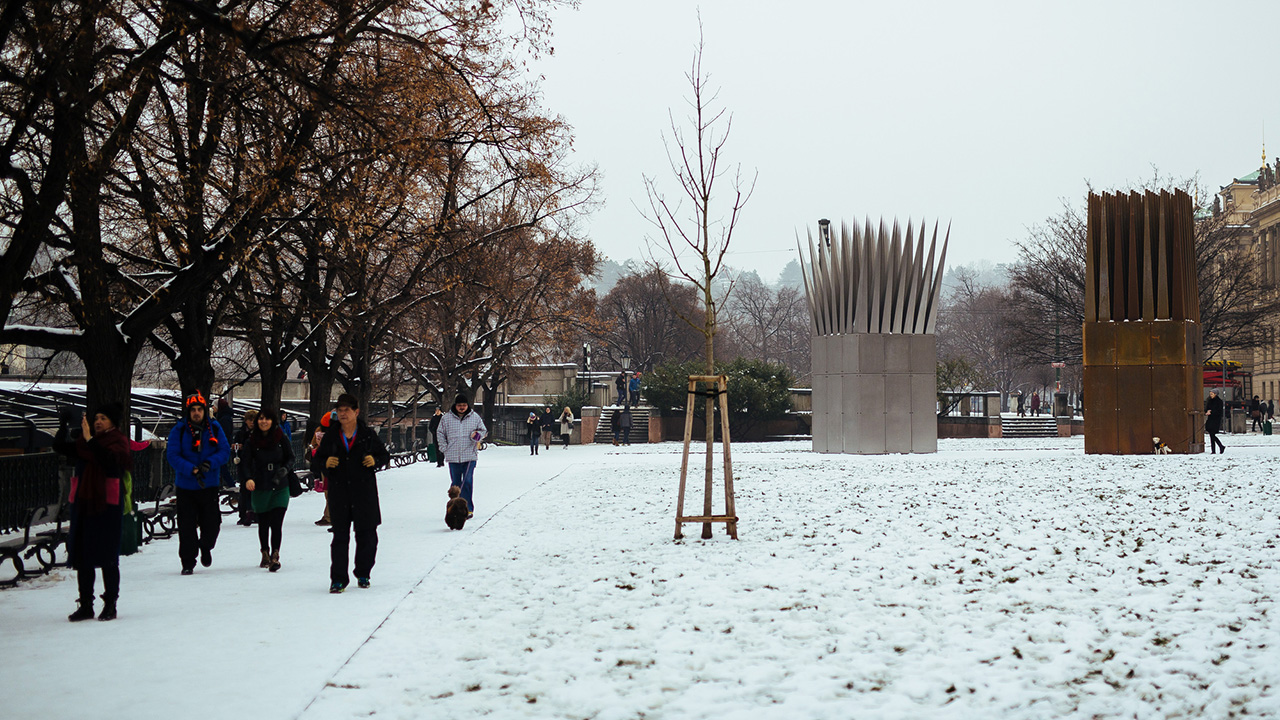
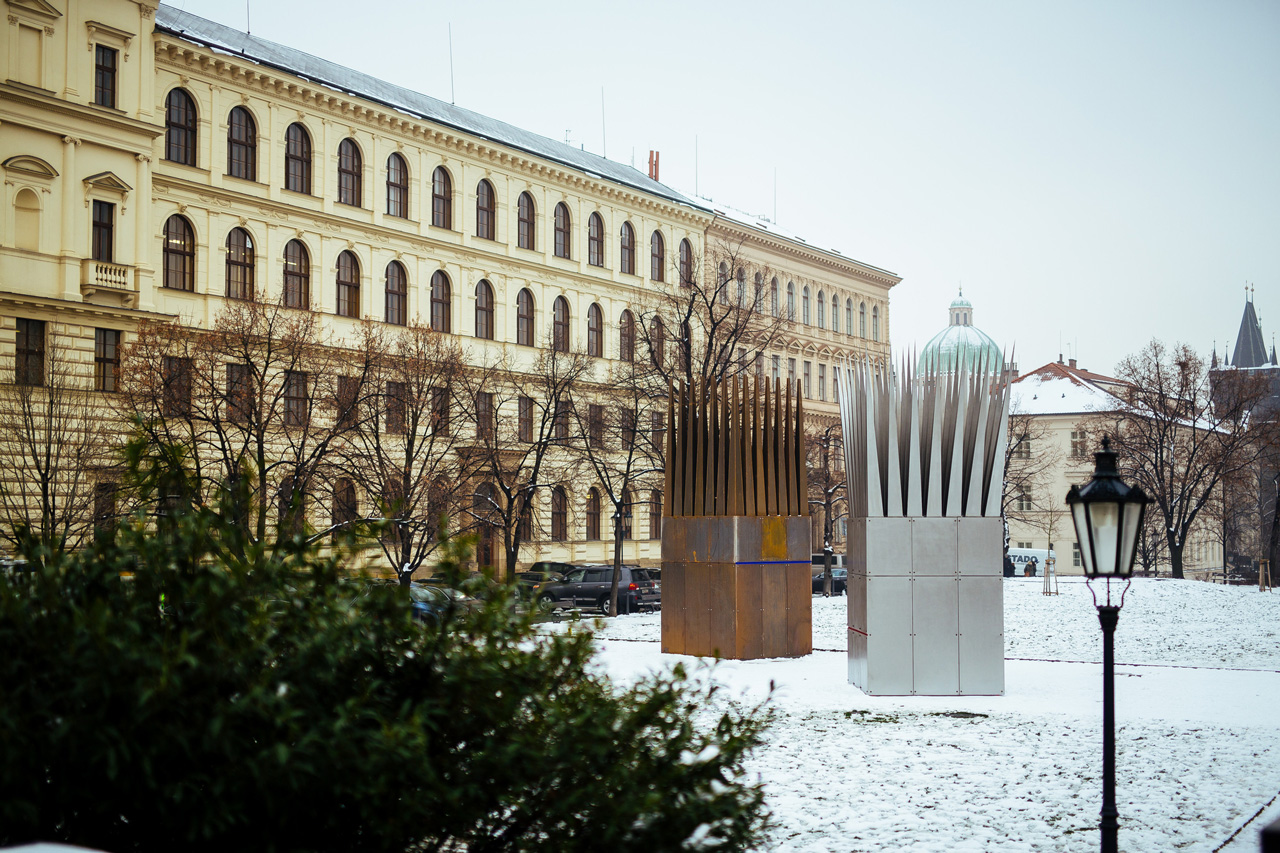
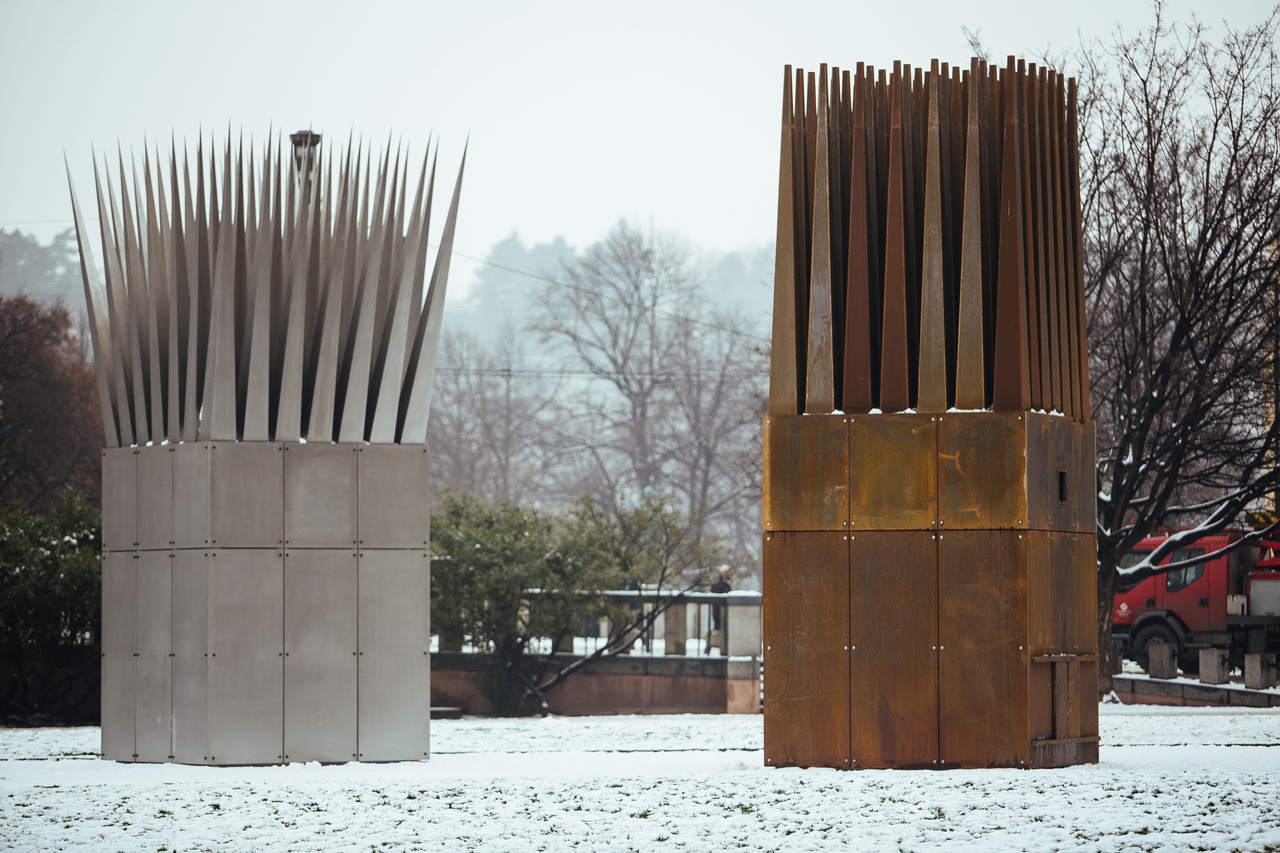
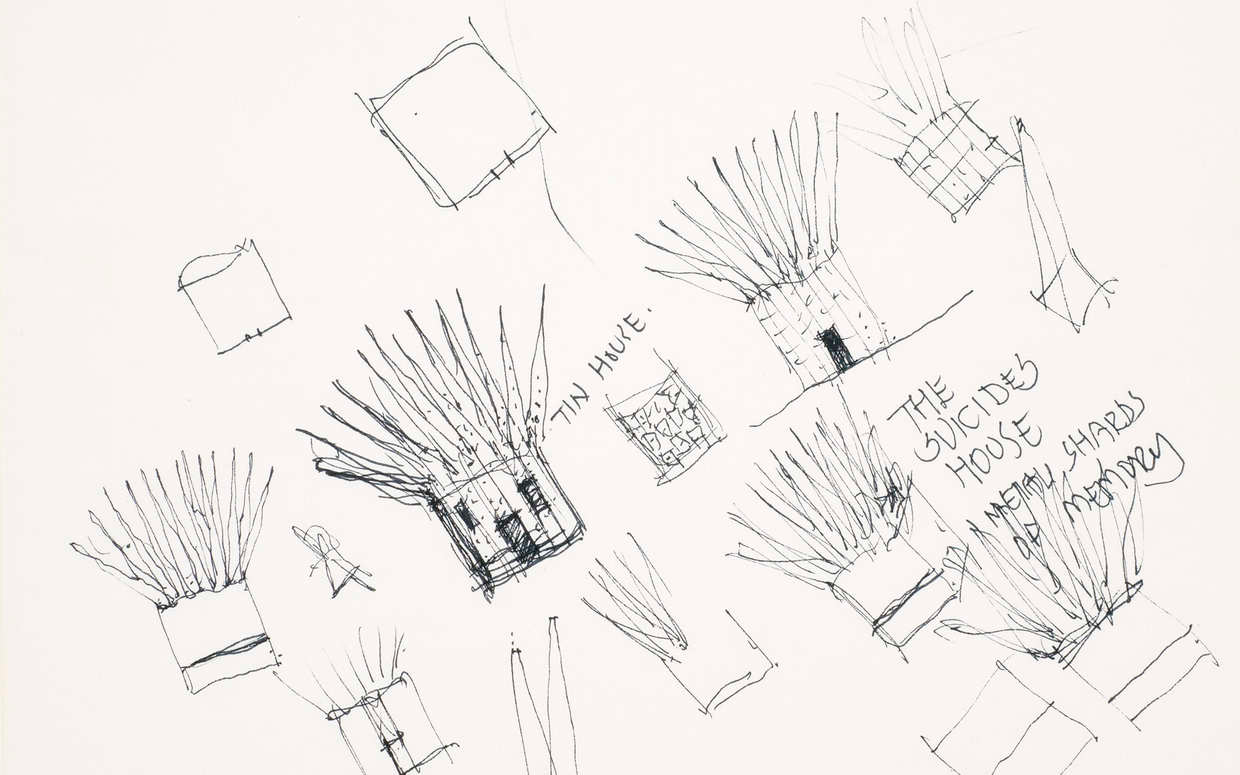
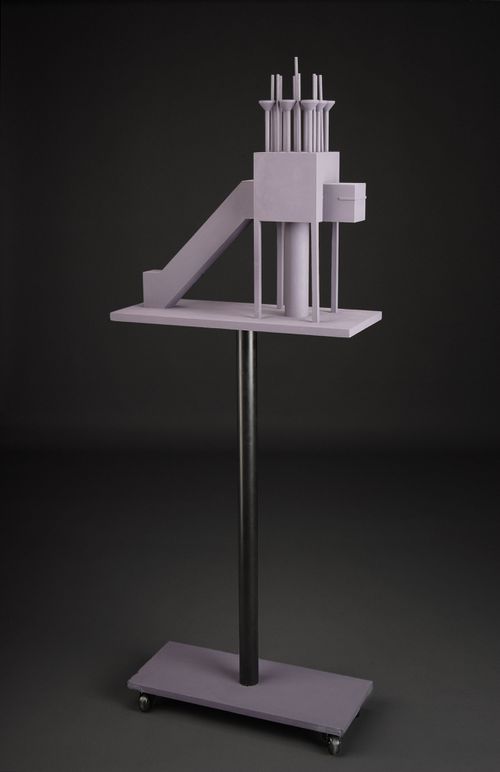
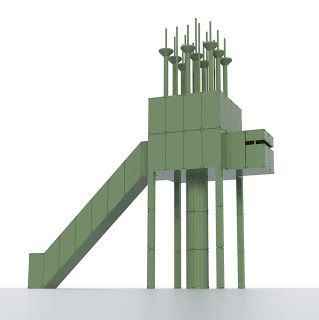
The House of the Suicide and the House of the Mother of the Suicide form a two-part memorial designed by John Hejduk to honor Jan Palach, the Czech student who self-immolated in 1969 in protest of the Soviet occupation. Rather than a conventional building, the work consists of two abstract sculptural pavilions. Hejduk first conceived the design in the early 1980s. Temporary versions were built by students in Atlanta in 1990 and in Prague in 1991. A permanent steel installation was erected in Prague’s Jan Palach Square in 2016, near the Vltava River, marking the site associated with Palach’s memory. The structures do not contain interior rooms or serve traditional functions; they are commemorative objects intended for public reflection. The House of the Suicide is a compact, elevated cube with angular legs and roof-mounted spikes, symbolizing pain and protest. The House of the Mother of the Suicide is broader and lower, shaped like a sheltering form with open sides and a voided top, interpreted as representing mourning. Hejduk developed the design in dialogue with David Shapiro’s poem The Funeral of Jan Palach, embedding narrative themes into the physical forms. The 2016 versions are constructed from matte black steel, fabricated by a Czech metalworking firm based on Hejduk’s original drawings. A bronze plaque at the base of the installation bears Shapiro’s poem, connecting the architecture directly to its literary source. Earlier temporary installations used wood and lighter materials that deteriorated over time, prompting the decision to rebuild the work in steel. This memorial is the first permanent public installation of a Hejduk project. It materializes his “masque” series in the urban landscape and demonstrates his commitment to architecture as a medium for symbolic and emotional communication.

04. House for Two Brothers, Berlin-Tegel (1988)
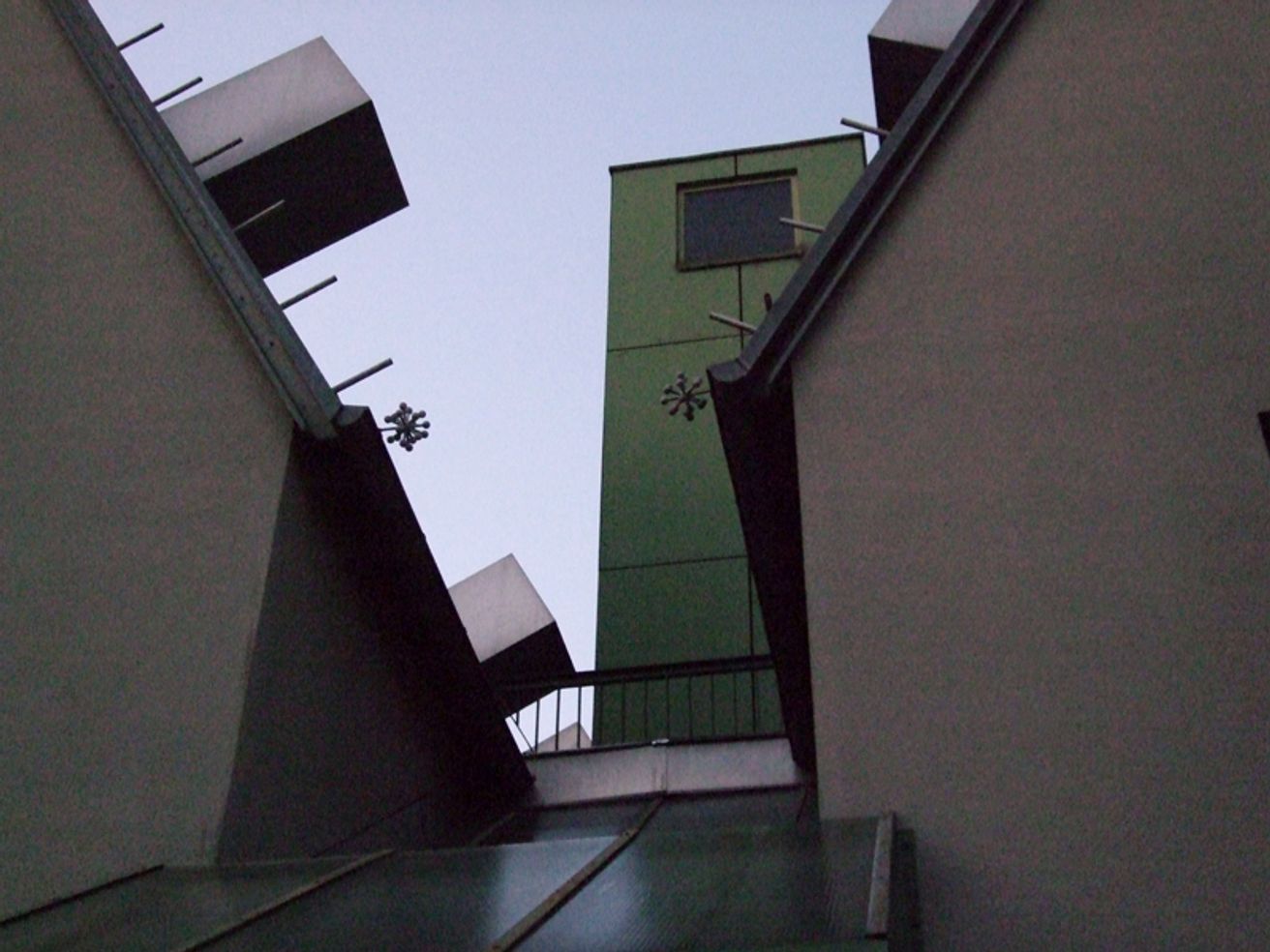
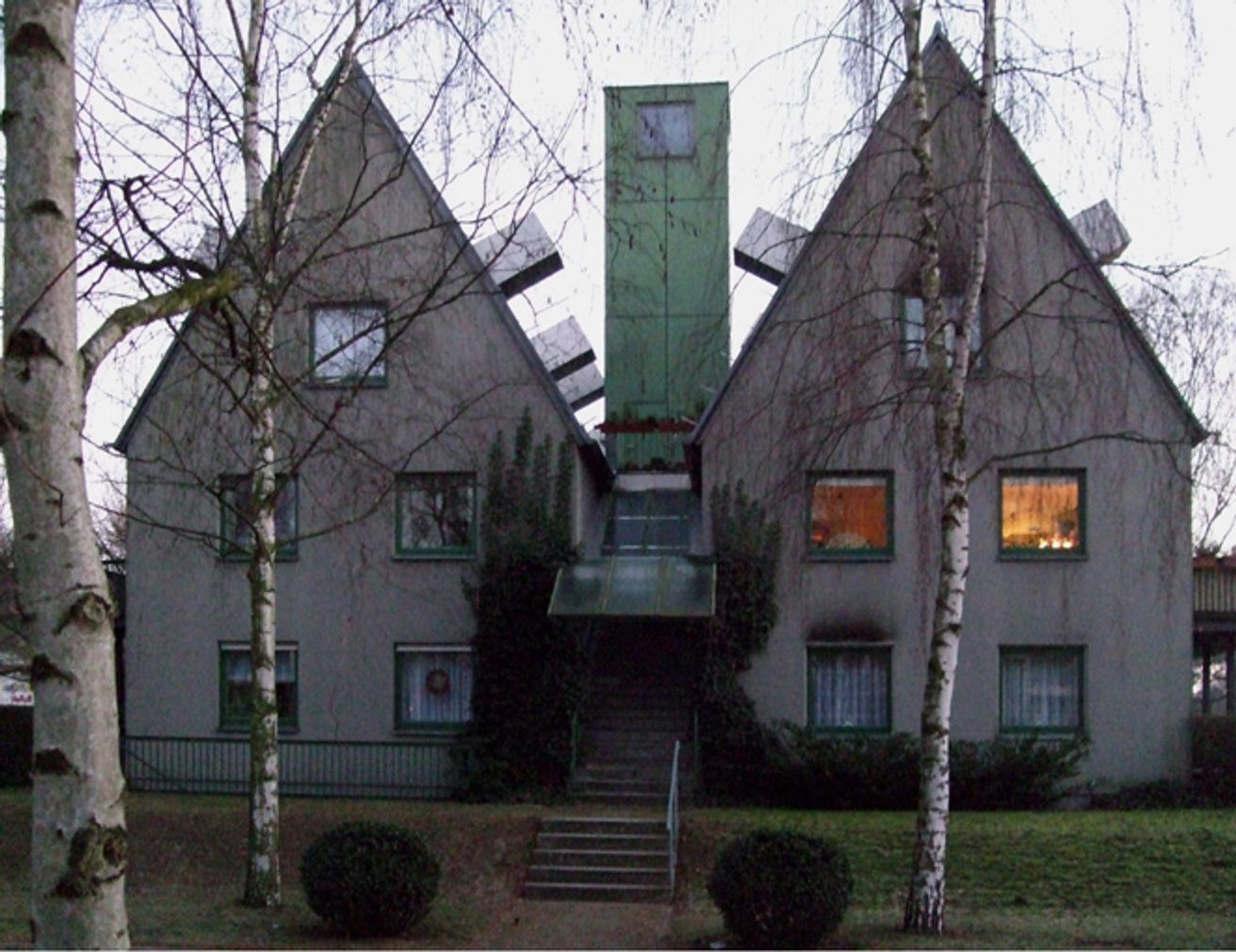
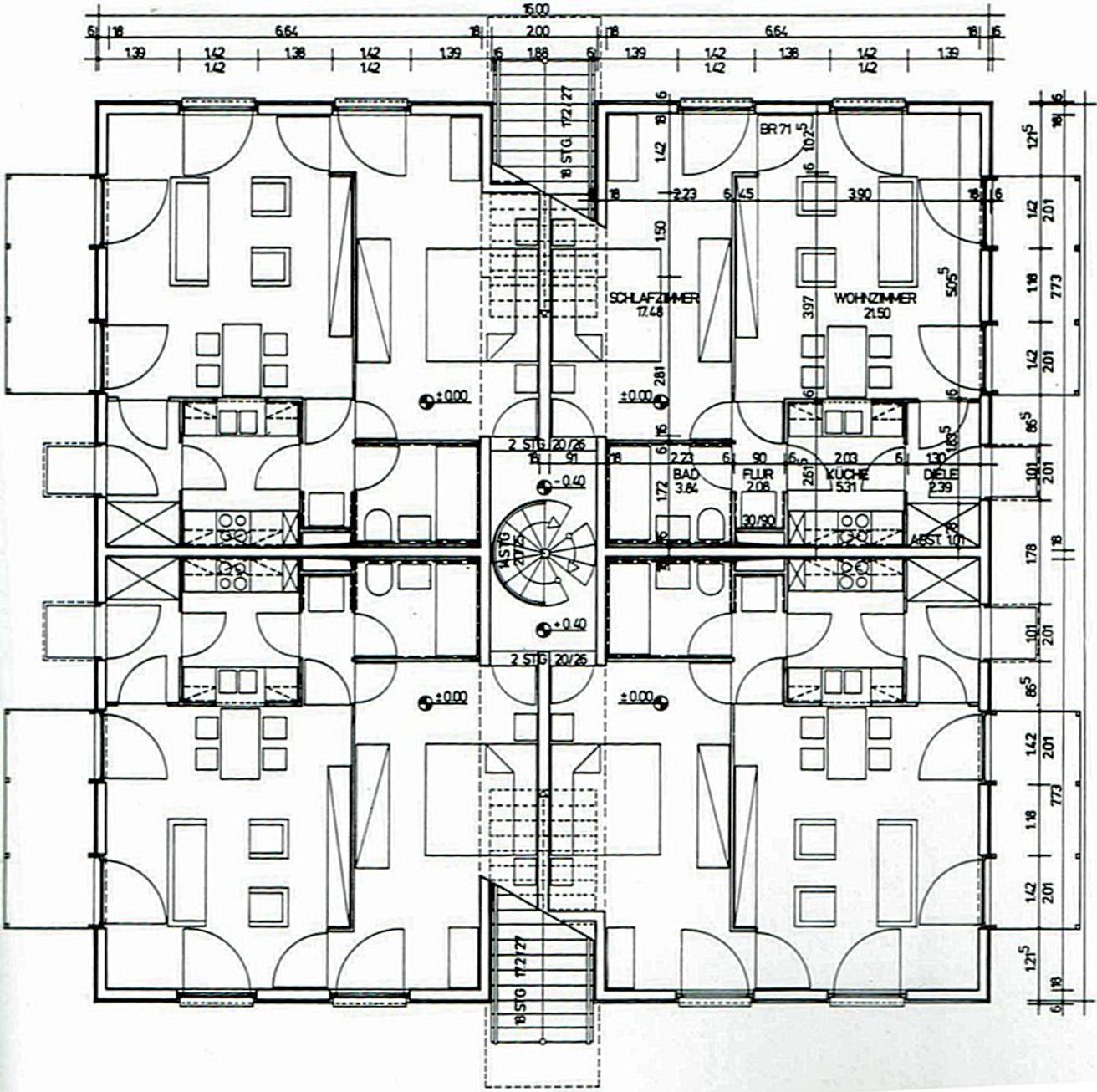
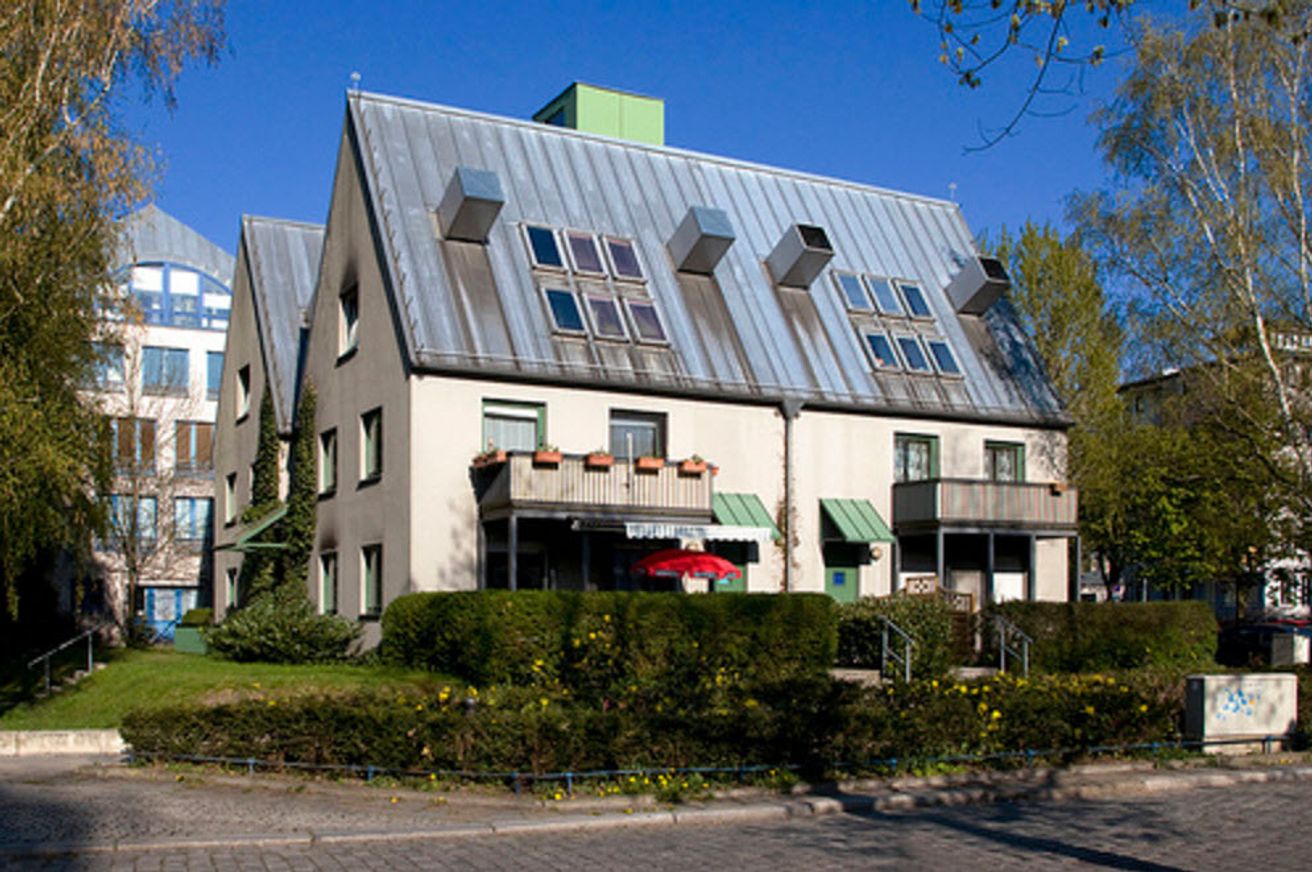
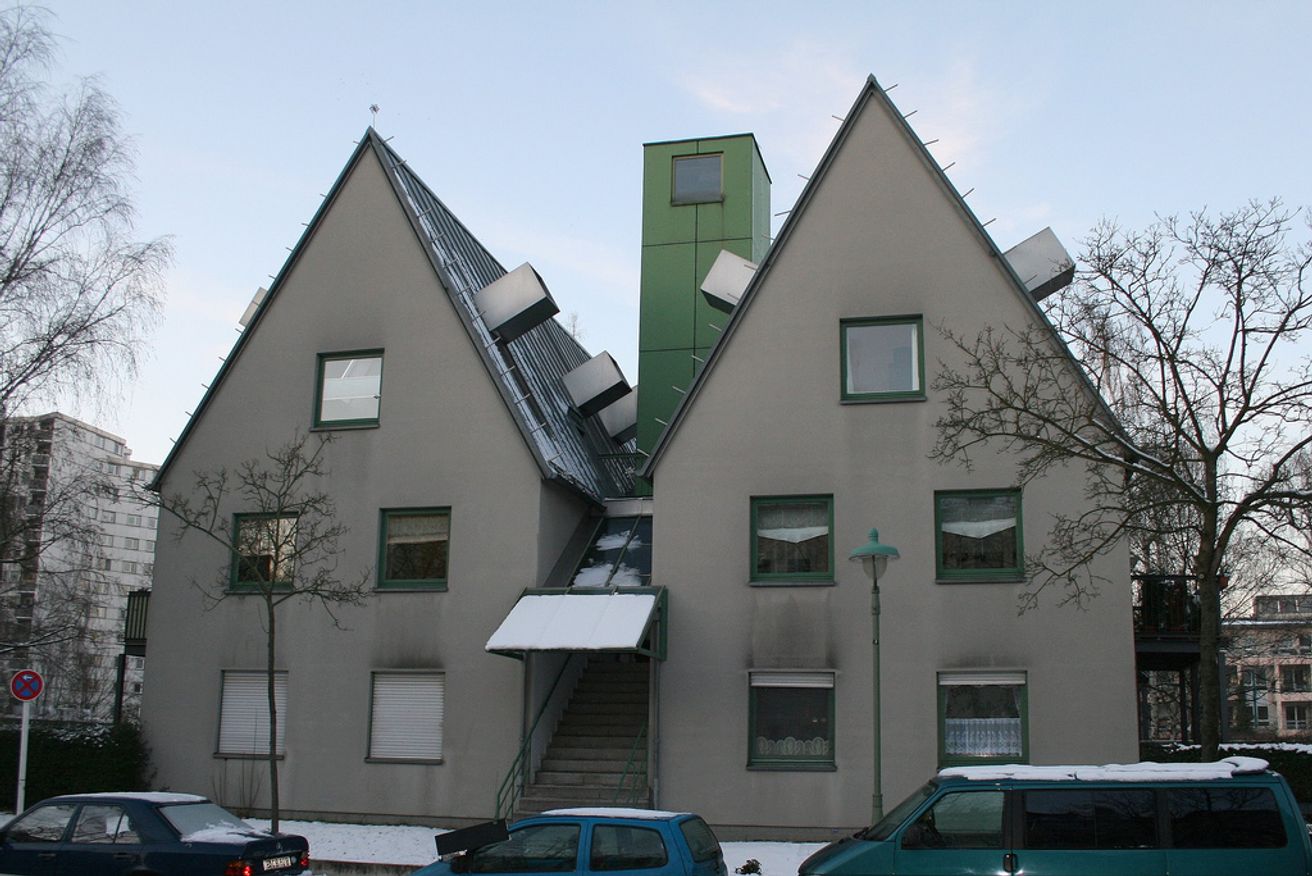
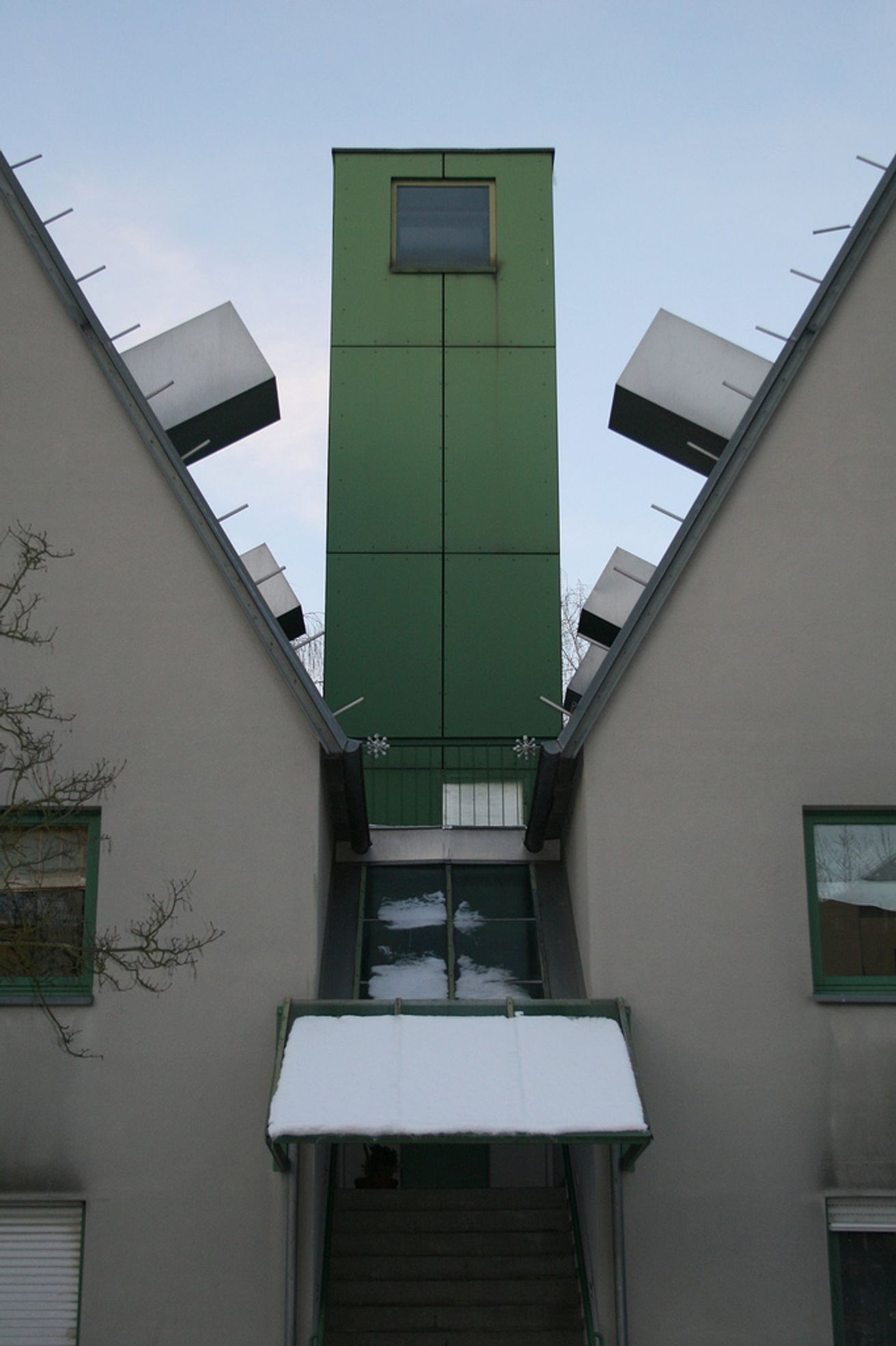
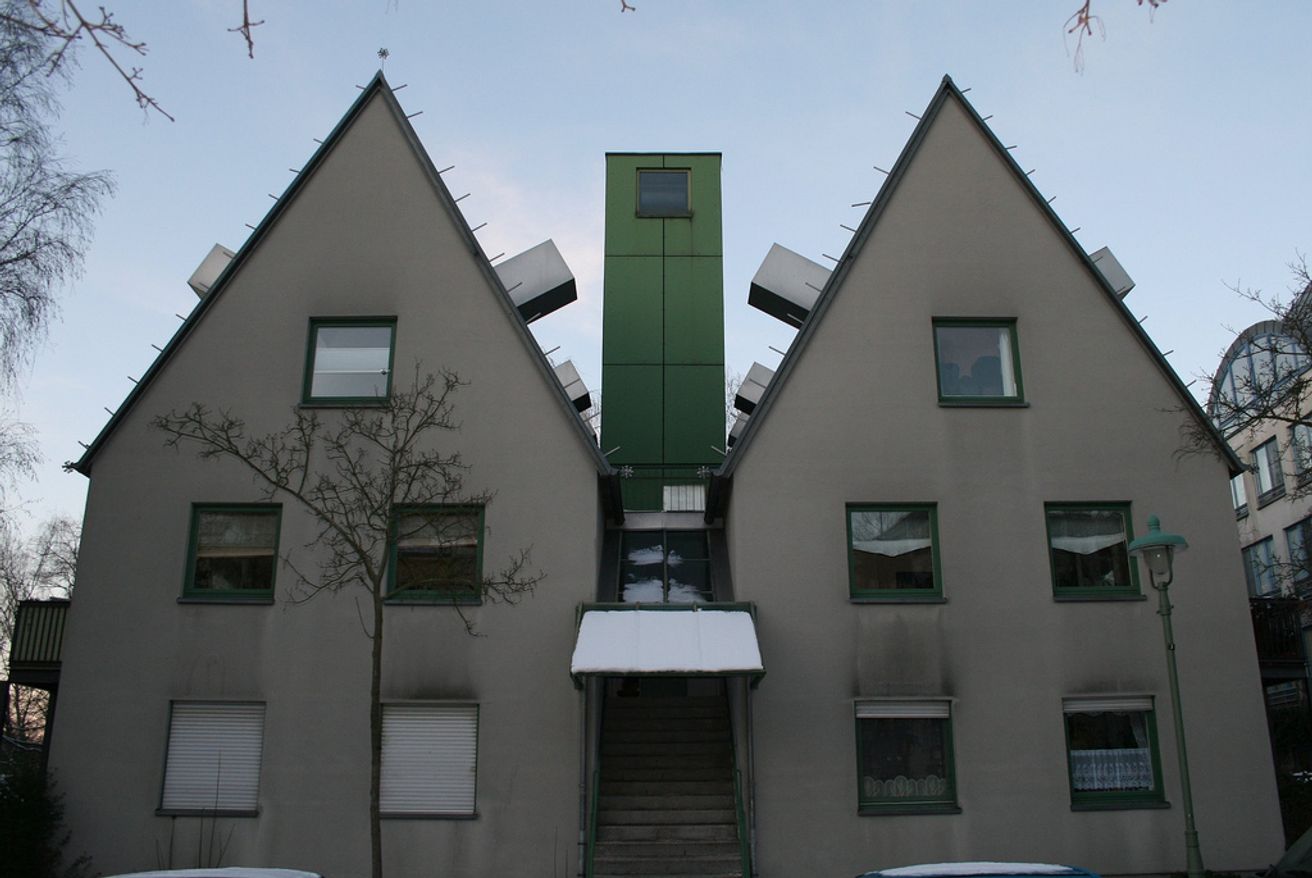
The House for Two Brothers, also known as the House of the Quadruplets, is a residential project designed by John Hejduk as part of the IBA 1987 program in Berlin. Completed in 1988, it is located in the Tegel district, on a harbor redevelopment site developed during the final phase of the International Building Exhibition. The structure is an experimental duplex intended to house two related families in separate but conjoined living units. Rather than a standard twin-house, Hejduk conceived the project as a conceptual exercise. The two units mirror and complement each other in plan and volume, forming a sculptural composition of cylinders, cubes, and pyramidal roofs. The houses are arranged around a shared courtyard, with interlocking layouts that reflect both connection and independence. Hejduk infused the design with symbolic meaning, assigning character and identity to each half through shape and color, in keeping with his personal architectural “mythology.” Constructed using conventional masonry and concrete, the exterior surfaces are plastered and painted in contrasting tones to emphasize the dual nature of the composition. Window and door placements follow an irregular rhythm that supports the artistic logic of the forms rather than conventional symmetry. Despite its abstract appearance, the project adhered to standard housing codes, demonstrating how Hejduk translated conceptual language into buildable form within institutional parameters. The House for Two Brothers is one of the few realized housing designs by Hejduk and exemplifies how narrative and allegory can shape residential space. It stands with the Kreuzberg Tower as a key example of how Hejduk’s drawing-based architectural language found expression in habitable construction.
05. House for a Musician (1983)
The House for a Musician is a conceptual architectural design by John Hejduk, created in 1983 as part of a series of small, character-driven house studies. Though unbuilt, it is often cited as a key example of Hejduk’s allegorical style in the early 1980s. The project was conceived as a dwelling and studio for a fictional musician, combining domestic spaces with areas for musical creation and reflection. Presented through drawings and models, the house is highly abstract and metaphorical. Forms suggest musical motifs—facade elements resembling grand staves, volumes that echo instruments, and figurative features such as mask-like or ear-shaped pavilions. Hejduk treated the composition like a musical score: spaces correspond to parts of the musician’s experience, such as rehearsal rooms, listening chambers, or performance zones. The building operates more as a narrative construct than a functional blueprint. The design is not tied to a specific geographic site, but its representations often include implied landscapes. While materials were never fixed, the drawings suggest a mixture of stucco or masonry for the main structure, with wood or metal elements referencing musical instruments. Color illustrations tend to use muted earth tones with select areas of vibrant contrast. Though theoretical, the House for a Musician holds a prominent place in Hejduk’s work. It exemplifies his interest in designing architecture around a fictional occupant’s inner life. Alongside works like the House of the Painter and House of the Poet, it explores how form and function can merge with identity and vocation.
How did John Hejduk contribute to architecture?
John Hejduk contributed to architecture by broadening the discipline’s scope and emphasizing its intellectual and artistic dimensions. One major contribution was his transformation of architectural education at Cooper Union, where he served as Dean. Hejduk introduced a curriculum centered on abstract thinking, philosophical inquiry, and representational craft. Rather than treating architecture as technical training, he approached it as a creative discipline rooted in theory and expression. His pedagogy influenced architecture programs globally, many of which began to incorporate conceptual thinking into their studio culture. Although Hejduk built a few projects, his conceptual works, exhibitions, and publications significantly shaped architectural discourse. He developed the “architectural masque,” a format in which a series of structures or drawings collectively explored narrative or symbolic themes. Projects such as Berlin Night and the Victims series addressed memory, identity, and loss, suggesting that architecture could serve as a medium for storytelling and reflection. Hejduk also championed interdisciplinary practice. Drawing from literature, visual art, and film, he encouraged architects to engage with other creative fields. This approach influenced peers and students to pursue architecture as a form of cross-disciplinary inquiry. Architects such as Daniel Libeskind, who integrate historical and musical references in their designs, reflect this legacy. Additionally, Hejduk emphasized the importance of drawing as both a representational and conceptual tool. At a time when architecture was shifting toward postmodern imagery and digital media, he insisted on hand-drafting as a central practice. His precise line drawings and annotated watercolors became widely recognized, helping to define a visual language that combined graphic clarity with poetic content.
What awards and honors has John Hejduk received?
John Hejduk received awards and honors in recognition of his contributions to architecture, particularly in education and theory:
- AIA/ACSA Topaz Medallion for Excellence in Architectural Education (1988) – Jointly awarded by the American Institute of Architects and the Association of Collegiate Schools of Architecture, this is among the highest honors for an architectural educator.
- AIA New York Chapter Medal of Honor (1988) – The New York Chapter of the American Institute of Architects awarded Hejduk its Medal of Honor, recognizing his work and influence in the architecture profession.
- Arnold W. Brunner Memorial Prize in Architecture (1986) – Presented by the American Academy of Arts and Letters, this prize honors architects for significant lifetime creative achievement. Hejduk received the Brunner Prize for the originality of his design work, much of which was theoretical.
- National Endowment for the Arts Design Fellowship (1983) – Hejduk received a Design Arts Fellowship from the NEA, a grant awarded to support talent in design fields. The fellowship recognized his experimental projects and supported further work.
- Fellow of the American Institute of Architects (1979) – Hejduk was made a Fellow of the AIA (FAIA), an honor granted to architects for contributions to architecture and society at the national level.
Additionally, John Hejduk received an honorary Doctor of Humane Letters from the University of Illinois at Chicago in 1989 and was an Honorary Member of the Association of Artists Mánes of the Czech Republic and the Bund Deutscher Architekten (BDA), the Federation of German Architects. The Cooper Union established the John Q. Hejduk Award in 2003, named in his honor and presented annually to a distinguished architecture alumnus whose work reflects the innovation and exploration that defined his career.
Did John Hejduk change the architecture industry?
Yes, John Hejduk changed the architecture industry by reshaping how architecture is taught, practiced, and understood. His impact came not from large-scale construction but from theory, education, and the way architects conceive of design itself. At Cooper Union, he introduced a pedagogical model that emphasized critical inquiry and personal expression over construction techniques and stylistic orthodoxy. His methods contributed to a global shift in architectural curricula toward concept-driven and interdisciplinary exploration. Many of his students and colleagues later led firms and institutions, extending his influence across the field. Hejduk also advocated for architecture as a medium for cultural and poetic expression. In contrast to an industry often focused on economics and function, he advanced narrative-driven and theoretical works. This created space for conceptually oriented designers, including Lebbeus Woods and early phases of OMA and Zaha Hadid Architects. His precedent helped normalize the inclusion of speculative projects and installations in architectural practice. Finally, Hejduk’s interdisciplinary collaborations with figures like poet David Shapiro modeled a mode of practice that integrated literature and art into architecture. This approach has since become more common in contemporary firms that work with a range of specialists to develop richer, more layered projects.
Was John Hejduk ever controversial in any way?
John Hejduk was not a controversial figure in terms of personal conduct, but some aspects of his career and work sparked debate within the architectural community. A recurring point of contention concerned his status as a “paper architect.” Since most of his output consisted of drawings, models, and theoretical proposals rather than constructed buildings, some critics questioned the practical relevance of his work. In a field that often values built contributions, Hejduk’s emphasis on imagination and speculation was seen by some as overly academic or esoteric. Others defended his approach, arguing that architectural ideas can be transformative even without physical realization. As an educator, Hejduk’s teaching methods also drew criticism. At Cooper Union, he prioritized abstract exercises and conceptual exploration, prompting concerns that students might graduate without sufficient exposure to professional practice and technical skills. Some viewed the curriculum as overly insular, though many of his students went on to succeed in both avant-garde and mainstream careers, suggesting that his methods were effective in fostering creative thinkers. Hejduk was also involved in theoretical debates about architectural style. In the 1970s, he was part of the New York Five—a group critiqued for its adherence to modernist purity at a time when postmodernism was gaining traction. Critics like Robert Venturi challenged the group’s minimalism and detachment from historical context. While Hejduk eventually shifted toward a more symbolic and poetic architectural language, these debates placed him in the midst of a key stylistic divide of the era. Hejduk’s few built projects occasionally drew mixed reactions. Proposals like the Victims Memorial, which consisted of a series of stark, abstract structures, were sometimes perceived as difficult or inaccessible by the public. Although these works were praised in academic circles, they did not always receive broad popular approval. Personally, Hejduk was known for his humility and reclusiveness. He avoided political controversy and remained focused on his work. Any controversy associated with him stemmed from intellectual disagreements rather than personal behavior. Over time, even early criticisms, such as the theoretical nature of his work, have come to be seen as defining features of his legacy.
Who are the most famous architects in modern history besides John Hejduk?
Aside from John Hejduk, Frank Lloyd Wright, Walter Gropius, Le Corbusier, Richard Rogers, Frank Gehry, and Zaha Hadid are key figures in the development of modern architecture. Frank Lloyd Wright (American, 1867–1959) pioneered organic architecture and designed works like Fallingwater and the Guggenheim Museum in New York. His philosophy that buildings should harmonize with their environment and inhabitants influenced generations. His early 20th-century works laid the groundwork for modern architectural thinking. Walter Gropius (German, 1883–1969), a founder of the Bauhaus School, was instrumental in modernist architecture. He promoted functional, minimalist design and integrated art, craft, and technology. Gropius taught at Harvard and designed the Fagus Factory and the Pan Am Building. He shaped modern architecture through the Bauhaus and rational design. Le Corbusier (Swiss-French, 1887–1965) was a pioneering architect and theorist. He formulated the “Five Points of Architecture” (pilotis, free plan, free facade, ribbon windows, roof garden) and designed Villa Savoye, the Unité d’Habitation, and Chandigarh. His ideas on open plans and concrete influenced urban development and 20th-century aesthetics. Richard Rogers (British, 1933–2021) was a leader in High-Tech architecture. With Renzo Piano, he co-designed the Centre Pompidou. His major works include the Lloyd’s Building and the Millennium Dome. He won the Pritzker Prize in 2007. Rogers emphasized modern engineering and urban public space. Frank Gehry (Canadian-American, born 1929) is known for sculptural, Deconstructivist buildings such as the Guggenheim Museum Bilbao, Walt Disney Concert Hall, and the Dancing House. His flowing forms and metal cladding broke from rigid modernism. Gehry won the Pritzker Prize in 1989 and remains one of the most recognized living architects. Zaha Hadid (Iraqi-British, 1950–2016) was the first woman to receive the Pritzker Prize (2004). Her futuristic, fluid forms appear in the London Aquatics Centre, Guangzhou Opera House, and Heydar Aliyev Center. Known for radical geometries, she used computational design to achieve formal originality and mentored many in the field. Other notable figures include Ludwig Mies van der Rohe (German-American), known for minimalist works such as the Barcelona Pavilion and the Seagram Building; Louis Kahn (American), known for spiritual modernism and designs like the Salk Institute; and Bjarke Ingels (Danish), known for blending sustainability with bold architectural forms.
What did John Hejduk mostly design?
John Hejduk mostly designed conceptual architectural works and a limited number of small-scale buildings. His output focused on carefully developed ideas rather than commercial projects or extensive construction. His work can be categorized as follows:
- Theoretical Projects and “Paper Architecture”: Hejduk is best known for his conceptual designs presented through drawings, models, and writings. These include the Victims series (67 symbolic structures on martyrdom and memory), the Texas Houses and Diamond Houses (geometric house studies), and City of Boullée. These works explored themes like time, persona, myth, and poetry in architecture. This “paper architecture” forms a major part of his legacy and influenced architectural theory and education.
- Houses and Small-Scale Buildings: Hejduk’s built work includes residences and small-scale projects. Examples include Wall House II, House of the Suicide and House of the Mother of the Suicide, and House for Two Brothers. He also redesigned studios in the Cooper Union Foundation Building. These projects feature experimental layouts and emotional forms, with a focus on domestic or communal space rather than large-scale buildings.
- Memorials and Installations: Hejduk designed symbolic memorials and temporary pavilions. Examples include the Jan Palach Memorial in Prague (House of the Suicide and House of the Mother), A Cathedral (a conceptual chapel), and Victims (a dispersed memorial concept). He also created exhibition installations like the Berlin Masque and Security. These works blend architecture, sculpture, and public art to convey narratives and provoke reflection.
- Educational and Institutional Concepts: Hejduk designed architectural curricula, studio exercises, and learning environments, especially at Cooper Union. He also developed speculative projects like hypothetical campuses and cities, and published educational frameworks in works like Education of an Architect. These intangible contributions shaped architectural pedagogy and studio culture.
John Hejduk’s architectural work avoided large-scale commercial projects. Instead, he focused on small-scale, conceptual designs where architectural language could be explored in expressive and poetic ways. His output includes drawings, symbolic monuments, experimental houses, and academic frameworks—each developed with clarity and rigor. This focused approach has earned lasting respect in the architectural field.
Where did John Hejduk study?
John Hejduk received his architectural education at several institutions, developing a broad academic background that shaped his approach to design. He began his studies at The Cooper Union for the Advancement of Science and Art in New York City in 1947, shortly after World War II, during a period when the school’s architecture program was gaining prominence. Cooper Union’s curriculum emphasized rigorous training in design, drawing, and structural principles. Although he did not complete a degree there, this period marked his first exposure to formal architectural education and introduced him to modernist ideas and the lingering influence of the Beaux-Arts tradition. Decades later, Hejduk returned to Cooper Union as a professor and eventually as dean, underscoring the formative role the institution played in his career. After Cooper Union, Hejduk continued his education at the University of Cincinnati, where he earned his Bachelor of Architecture degree around 1952. The University of Cincinnati’s cooperative education model provided opportunities to gain practical experience while studying, giving Hejduk exposure to professional practice and construction methods. The program’s focus on applied design and building technology complemented the theoretical foundation he developed in New York, offering a balance between experimentation and real-world application. This combination of New York’s avant-garde environment and Cincinnati’s technical rigor gave him a comprehensive architectural education. Hejduk then pursued graduate studies at Harvard University Graduate School of Design, enrolling in the Master of Architecture program and completing his degree in 1953 at the age of 24. At Harvard, he studied under leading modernist educators. The GSD at that time remained influenced by the Bauhaus legacy; though Walter Gropius had recently retired, the ethos of integrating design, structure, and technology persisted. Hejduk’s professors likely included Josep Lluís Sertt, who became dean in 1953, and he attended lectures by figures such as Marcel Breuer and others in the modernist circle. Harvard exposed him to international architectural discourse and rigorous methodological training, reinforcing his modernist orientation while introducing him to urban design and theoretical exploration. Following his studies, Hejduk expanded his learning through professional and travel experiences. After completing his degree at Harvard, he worked briefly in New York architectural offices, including that of I.M. Pei, where he gained firsthand experience in modernist practice. He also traveled in Europe, observing architectural traditions and contemporary projects that informed his evolving perspective. These combined experiences bridged academic and professional worlds, establishing the foundation for his later work as both educator and architect.
Did John Hejduk have any famous teachers or students?
Yes, John Hejduk had several influential teachers and later mentored many students who became leading figures in contemporary architecture. During his graduate studies at Harvard University in the early 1950s, he studied under leading figures of the Modern Movement. One of his most influential professors was Josep Lluís Sert, a Spanish-Catalan architect and then Dean of the Harvard Graduate School of Design. Sert, a former colleague of Le Corbusier, introduced Hejduk to modern urban design principles and contemporary architectural theory. Walter Gropius, though retired when Hejduk arrived, had established the Bauhaus-influenced curriculum that shaped his studies, emphasizing the integration of art, craft, and technology. Other significant figures in Hejduk’s academic environment included Marcel Breuer, who taught at Harvard, and historian Sigfried Giedion, whose writings on modernism informed Hejduk’s intellectual foundation. These experiences linked Hejduk directly to the European modernist lineage. After graduating, Hejduk worked in the office of I.M. Pei in New York during the mid-1950s, where he gained professional experience under Pei’s disciplined modernist practice. This period reinforced the precision and clarity that became hallmarks of Hejduk’s later architectural and pedagogical work. When he began teaching at the University of Texas at Austin in the late 1950s, Hejduk was recruited by Dean Harwell Hamilton Harris, who had studied under Frank Lloyd Wright and led a faculty known as the “Texas Rangers.” Among his colleagues was Colin Rowe, a leading architectural theorist whose ideas on form and history had a lasting impact on Hejduk’s thinking. Harris and Rowe provided an environment of intellectual exchange that broadened Hejduk’s perspective on architectural theory and education. As Dean of the Cooper Union School of Architecture, Hejduk mentored numerous students who went on to achieve distinction in the field. Among them were Daniel Libeskind, who studied at Cooper Union in the late 1960s and later designed the Jewish Museum Berlin and the World Trade Center master plan, and Shigeru Ban, who attended in the early 1980s and received the Pritzker Prize in 2014 for his humanitarian and material innovation. Other students influenced by Hejduk include Elizabeth Diller and Ricardo Scofidio of Diller Scofidio + Renfro, as well as Stan Allen, who later served as Dean of the Princeton School of Architecture. Each drew from Hejduk’s emphasis on conceptual rigor, drawing, and interdisciplinary engagement. His impact also extended beyond his own students through his writings and exhibitions, influencing architects such as Zaha Hadid, whose early theoretical drawings showed affinities with the abstract formalism of Hejduk and the New York Five.
How can students learn from John Hejduk’s work?
Students can learn from John Hejduk’s work by engaging with the ideas, methods, and creative processes that define his legacy. His drawings, writings, and teaching reveal how architecture can merge concept, craft, and emotion. Hejduk communicated through precise drawings, watercolors, and texts collected in publications such as Mask of Medusa, Architectures in Love, and Education of an Architect. Studying these works helps students understand how complex concepts can be expressed visually and how design reasoning can be articulated clearly. Each drawing demonstrates the discipline and intentionality that Hejduk saw as central to architectural thinking. Hejduk also encouraged conceptual exploration. His work invites students to think beyond function and constraint during the design process. In academic settings, this means beginning with narrative or abstract ideas—a building imagined as a character, or a space inspired by music or memory. Through such exercises, like those Hejduk assigned at Cooper Union, students learn to develop creativity through speculative projects that test the boundaries of architectural form and meaning. Another lesson from Hejduk’s work lies in his focus on human experience and emotional depth. Projects such as the House of the Suicide and Wall House II show how architecture can embody time, memory, and feeling. Students examining these works can see how spatial design translates intangible concepts into physical experience. By asking questions about emotion, story, and human response, students can learn to make architecture more expressive and resonant. Hejduk’s teaching philosophy further demonstrates the balance between rigor and experimentation. His pedagogy at Cooper Union emphasized debate, critique, and self-discovery. He combined strict attention to geometry and proportion with encouragement to challenge convention. For students today, this approach reinforces the value of both mastering fundamentals and pursuing innovation. Reading Education of an Architect offers insight into this model of learning and studio culture. Finally, direct engagement with Hejduk’s built works or detailed case studies deepens understanding of how his ideas materialized. Visiting projects like the Kreuzberg Tower in Berlin or Wall House II in Groningen reveals how abstract concepts can be made physical through material, scale, and structure. For students unable to visit in person, analyzing Hejduk’s buildings through drawings or models remains an instructive exercise in translating theory into architecture.

