

Josep Lluís Sert (1902–1983) was a Spanish architect and urban planner whose work linked European modernism with American urban design. Sert was born in Barcelona and trained at the Escola Tècnica Superior d’Arquitectura, where he absorbed modernist ideas before working in Le Corbusier’s Paris atelier in 1929–1930. In the 1930s, he co-founded GATCPAC, designed early modernist buildings in Barcelona, and co-authored urban proposals, gaining international attention with the Spanish Republic Pavilion at the 1937 Paris Exposition. Sert was exiled after the Spanish Civil War and settled in the United States, where he became Dean of the Harvard Graduate School of Design from 1953 to 1969 and introduced the first formal Urban Design program. His work ranged from the Havana Plan Piloto to the Fondation Maeght, the Fundació Joan Miró, the U.S. Embassy in Baghdad, and Harvard projects such as Peabody Terrace. Sert’s key accomplishment was establishing architecture and urban planning as a unified discipline through CIAM leadership from 1947 to 1956 and through academic reform at Harvard. The American Institute of Architects awarded him its Gold Medal in 1981. Sert designed urban master plans, cultural institutions, university complexes, and housing grounded in International Style principles adapted to climate, art, and community use. He was mentored by Le Corbusier and taught architects such as Fumihiko Maki while influencing practitioners, including Rafael Moneo. Students study Sert’s work to understand how modern architecture integrates planning, spatial organization, and interdisciplinary collaboration.
Who is Josep Lluís Sert?
Josep Lluís Sert was a Spanish (Catalan) architect and urban planner born in 1902, widely recognized for advancing modern architecture and city planning in the mid-20th century. Sert grew up in Barcelona, Spain, and developed an early commitment to modernist ideals. He studied architecture at the Escola Tècnica Superior d’Arquitectura in Barcelona, graduating in 1929. Shortly after, Josep Lluís Sert moved to Paris to work with Le Corbusier, an experience that influenced his approach. By the early 1930s, Sert had co-founded GATCPAC, an architects’ group in Catalonia dedicated to contemporary design and urban reform. During the 1930s in Barcelona, Sert built early modernist structures, such as a tuberculosis clinic and rationalist housing, and helped draft a plan for Barcelona’s redevelopment. In 1937, he gained international attention by co-designing the Spanish Republic Pavilion at the Paris World’s Fair, a project that displayed Picasso’s Guernica. After Spain’s Civil War and the rise of Franco’s regime, Sert went into exile in 1939. He settled in the United States, where he lived for decades and became a U.S. citizen in 1951. Over a career spanning five decades, Josep Lluís Sert designed buildings and city plans across Europe, the Americas, and the Middle East. He was also an educator as Dean of Harvard’s Graduate School of Design from 1953 to 1969 and collaborated with artists such as Joan Miró and Alexander Calder. Sert’s work and leadership established his role in modern architecture, linking European modernism with American urban design.
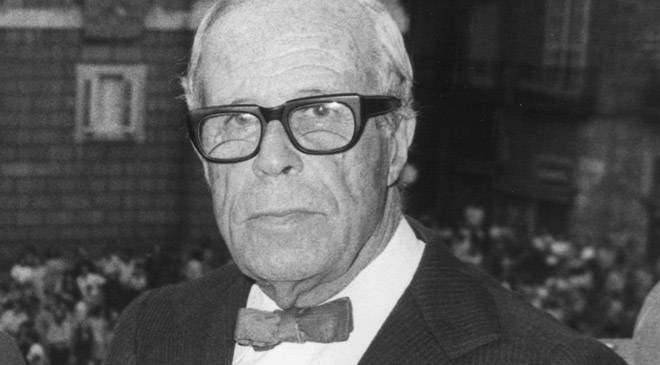
What type of architecture does Josep Lluís Sert represent?
Josep Lluís Sert represents the Modernist architectural style, particularly a strain of rationalist, functional design shaped by urbanistic and artistic aims. Sert’s architecture was rooted in International Style principles of the early 20th century, employing geometric forms, open plans, and materials such as concrete and glass, but he adapted these ideals to local contexts and human scale. As a young architect in the 1930s, Sert was influenced by Le Corbusier’s modernist doctrines, embracing concepts such as free façades, pilotis, and functional zoning. His designs often feature cubic volumes, flat roofs, and strip windows, combined with elements drawn from Mediterranean environments, including sun-shading louvers, patios, and terraces. Sert was an urban planner, and he integrated architecture with city planning; his style addressed how buildings relate to broader urban frameworks. In essence, Josep Lluís Sert’s style can be described as humanist modernism, upholding modern architecture’s emphasis on simplicity and technology while ensuring that spaces remained grounded in cultural and spatial conditions. Many of his buildings incorporate artwork, natural light, and courtyards, reflecting a belief that architecture engages with art and environment. Through projects such as the Spanish Pavilion and later his museums and housing complexes, Sert demonstrated a modern architecture oriented toward function and context.
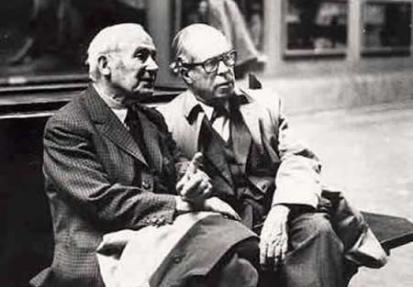
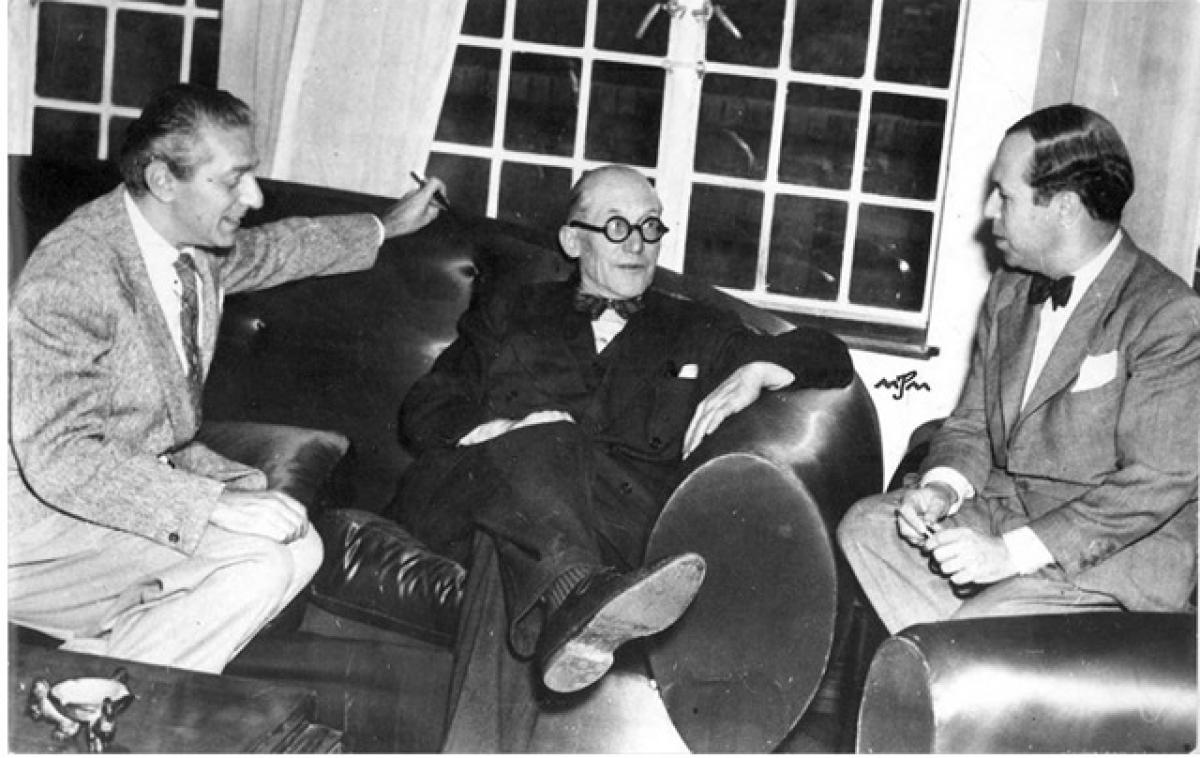
What is Josep Lluís Sert’s great accomplishment?
Josep Lluís Sert’s major accomplishment is pioneering the integration of modern architecture with urban planning on an international scale. He advanced modern design beyond individual buildings to the scale of cities and institutions. Sert received the American Institute of Architects Gold Medal in 1981, recognizing the impact of his work. He influenced architectural education and practice by establishing the first formal Urban Design program at Harvard in 1953, which changed how architects approached city development. Sert’s leadership of CIAM in the post-World War II years was a significant achievement; under his presidency, the organization shifted toward a more human-centered approach, as reflected in the “Heart of the City” conference of 1951, which he co-edited. In practical terms, Josep Lluís Sert’s legacy includes shaping cityscapes across multiple continents: he helped design master plans for capital cities in Latin America, oversaw urban renewal projects in Boston and Cambridge, and introduced European modernist principles into American campus architecture. One of his notable accomplishments was the Spanish Republic Pavilion of 1937, where Sert used architecture to present political and artistic material. Another was his influence as an educator, through which he transmitted modern architectural principles to architects internationally.
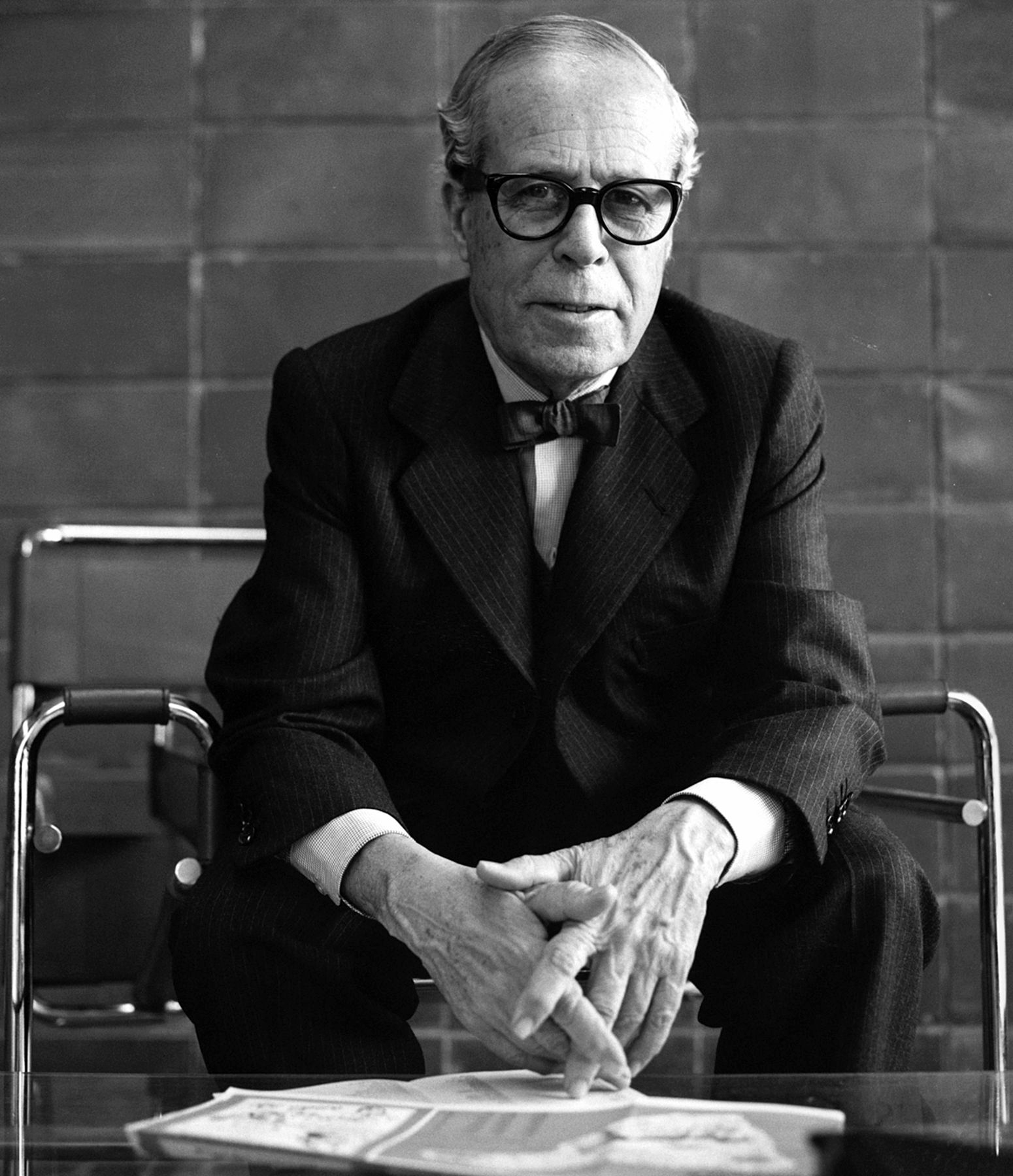
© Fundació Joan Miró / Arxiu Josep Lluís Sert.
What are Josep Lluís Sert’s most important works?
Josep Lluís Sert’s most important works span exhibition spaces, urban master plans, cultural institutions, academic complexes, and housing, including the 1937 Spanish Republic Pavilion in Paris; the Havana Plan Piloto, an urban design for Cuba’s capital that applied modern planning to tropical conditions; the Fondation Maeght in southern France, a museum that integrates contemporary art and architecture; the Fundació Joan Miró in Barcelona, a museum structured around Mediterranean modernist principles; and Peabody Terrace at Harvard University, a residential complex that applies high-density housing with organized community spaces.
© Maeght Foundation
01. Spanish Republic Pavilion (1937), Paris
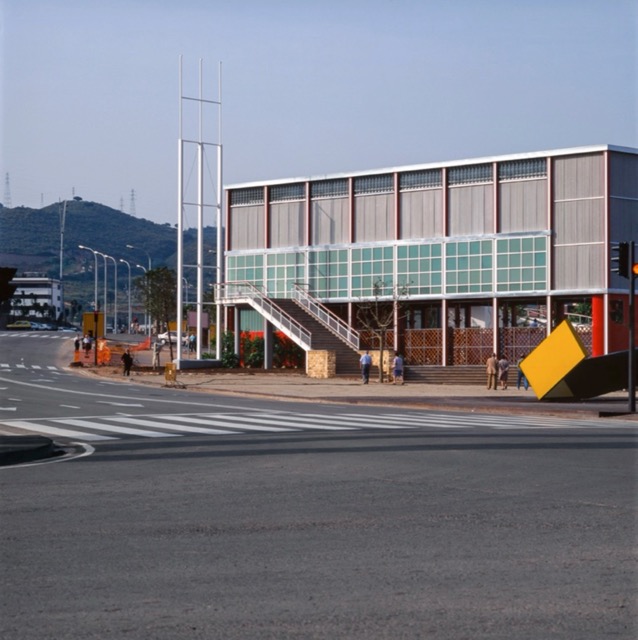
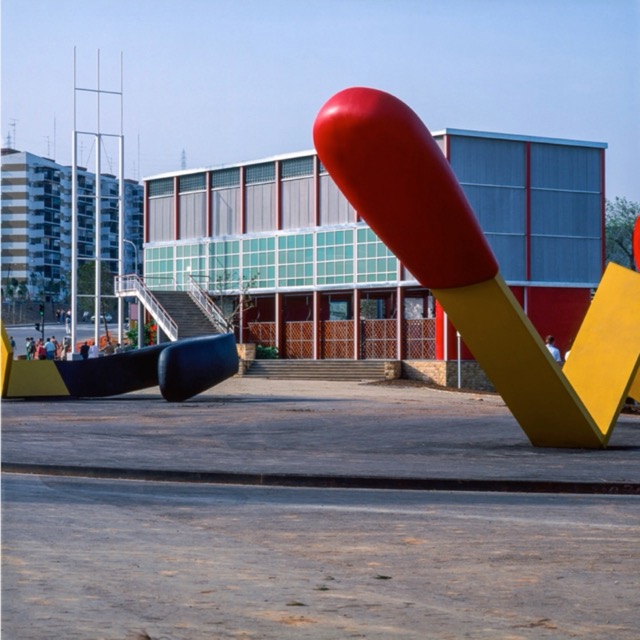
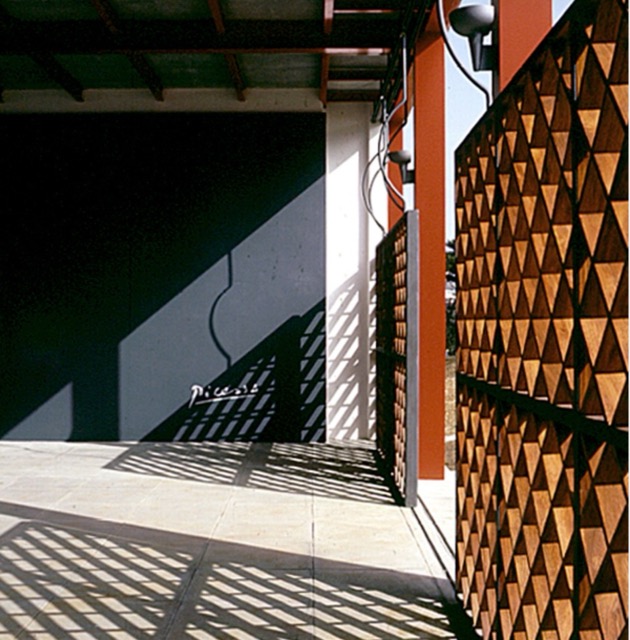
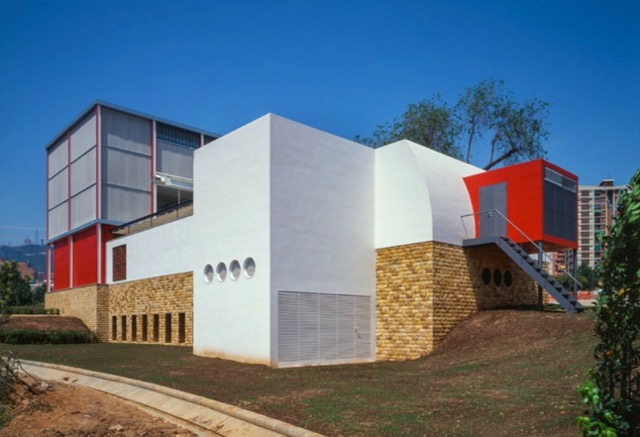
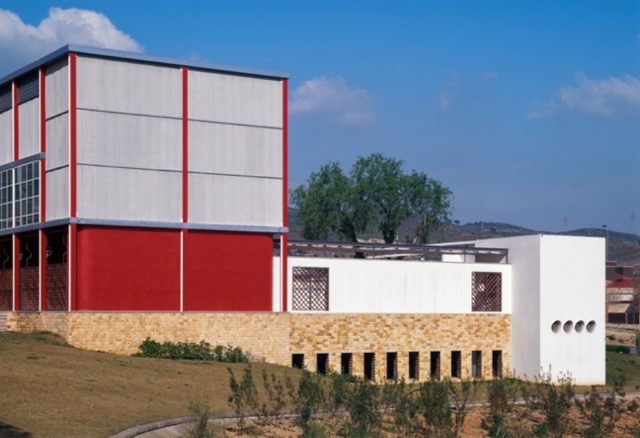
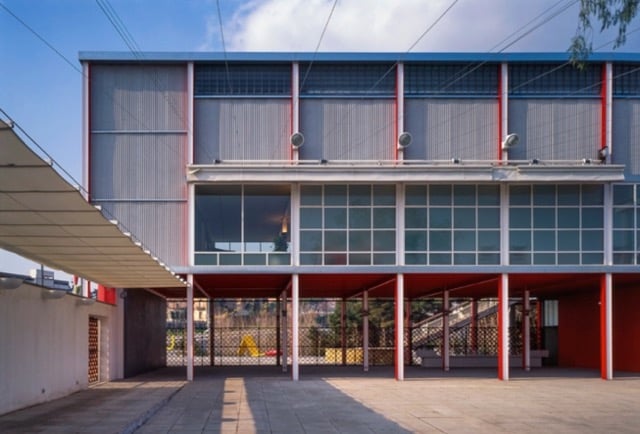
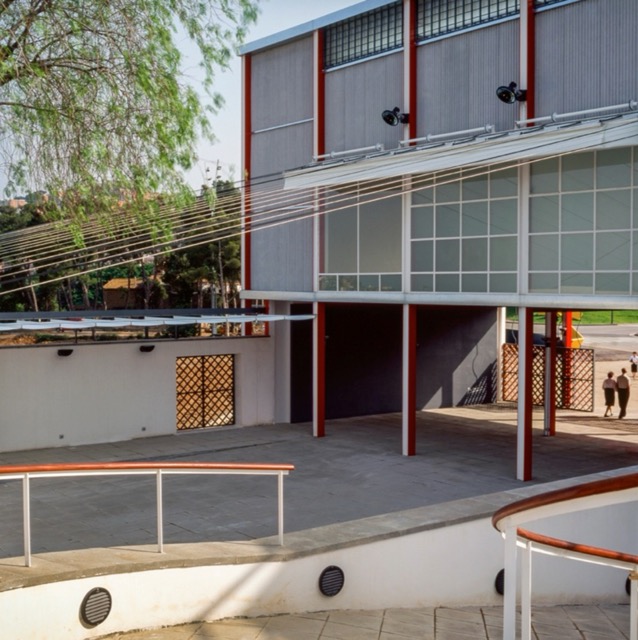
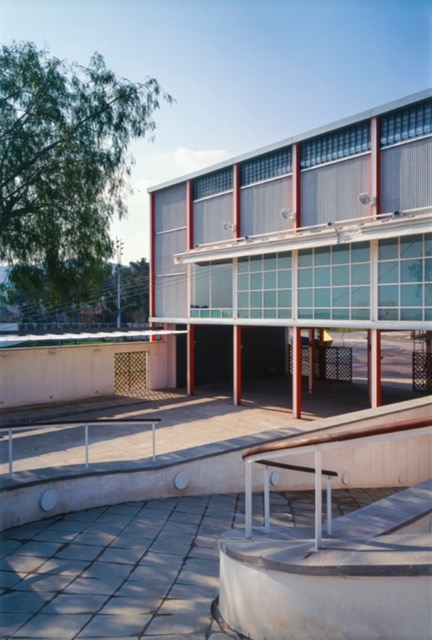
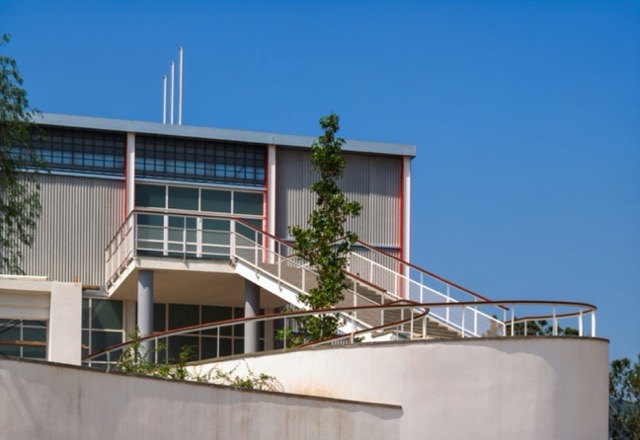
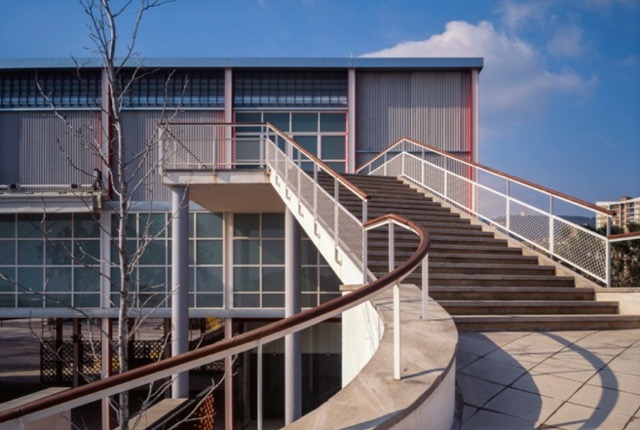
The Spanish Republic Pavilion was a temporary exhibition building designed by Josep Lluís Sert with architect Luis Lacasa for the 1937 Paris International Exposition. The pavilion was built in 1937 during the Spanish Civil War on the World’s Fair grounds in Paris. It was an exhibition hall, a two-story modern gallery created to represent Spain’s Republican government. The design was modernist and functional, a rectangular structure with linear forms, open volumes, and a central atrium. Sert worked with limited resources, so the pavilion was constructed using standardized materials, including a steel and wood frame with brick, glass, and fiberboard panels. The pavilion included an open-air courtyard at ground level and large windows and double-height spaces to accommodate artworks. Inside, Sert collaborated with artists; the pavilion displayed Pablo Picasso’s Guernica, murals by Joan Miró, and Alexander Calder’s Mercury Fountain in the courtyard. The building’s rational form served as a neutral setting for these works. Functionally, the pavilion was a container for exhibitions, and architecturally it expressed Sert’s rationalist aims through an efficient, light-oriented space. The Spanish Pavilion of 1937 is noted for its combination of architecture and art. A replica of the pavilion was built in Barcelona in 1992 as a memorial and library.
© VEGAP
© VEGAP
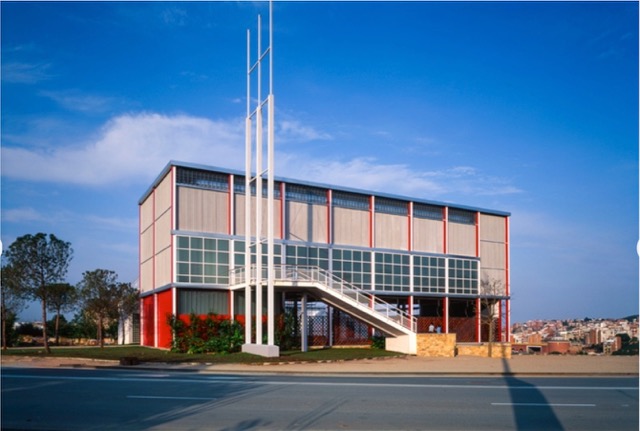
© VEGAP
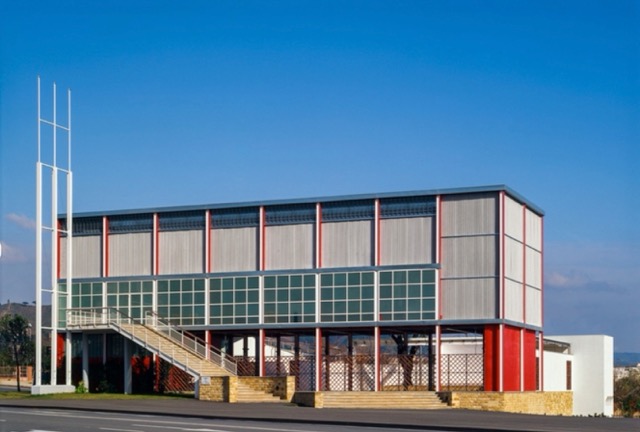
© VEGAP
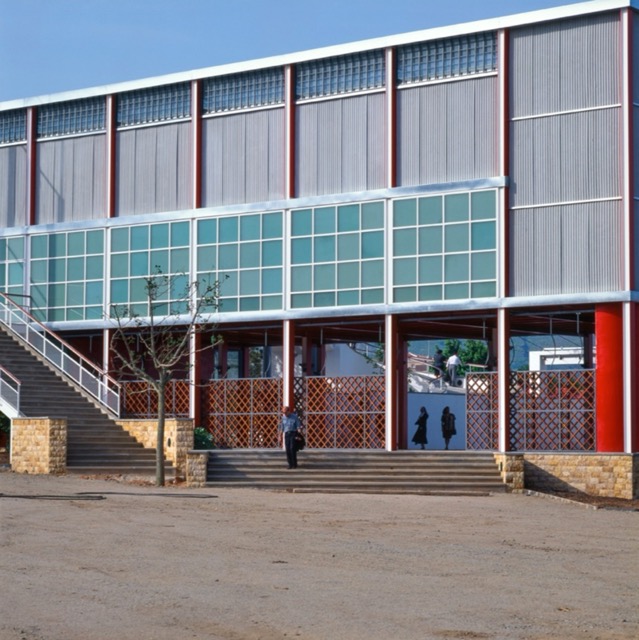
© VEGAP
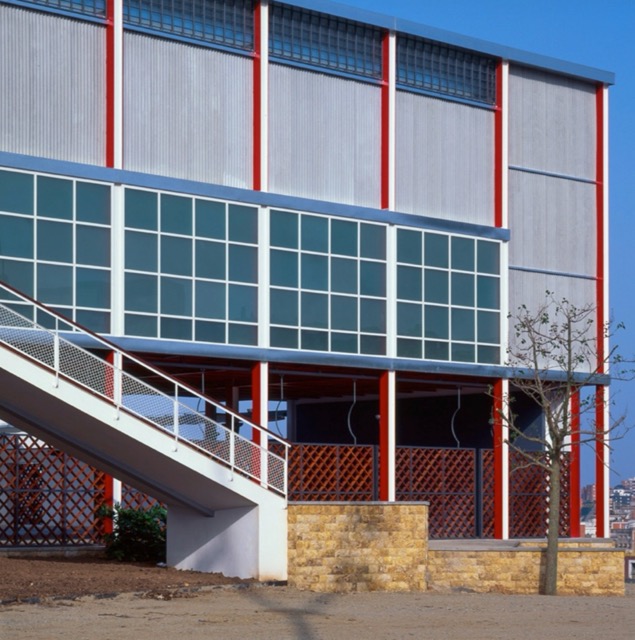
© VEGAP
© VEGAP
© VEGAP
© VEGAP
© VEGAP
© VEGAP
© VEGAP
© VEGAP
© VEGAP
02. Havana Plan Piloto (1955–1958), Havana
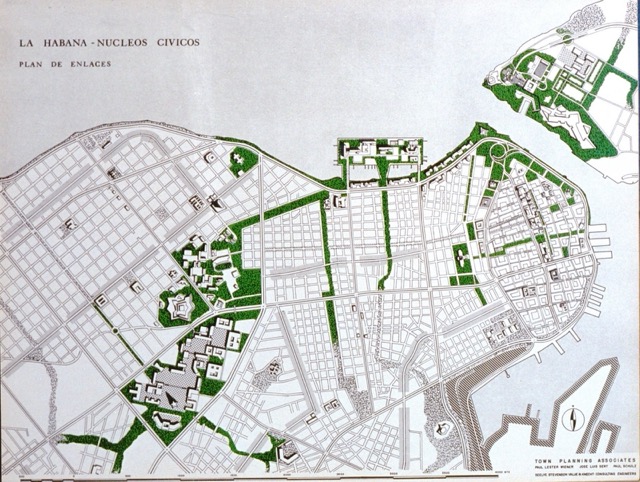
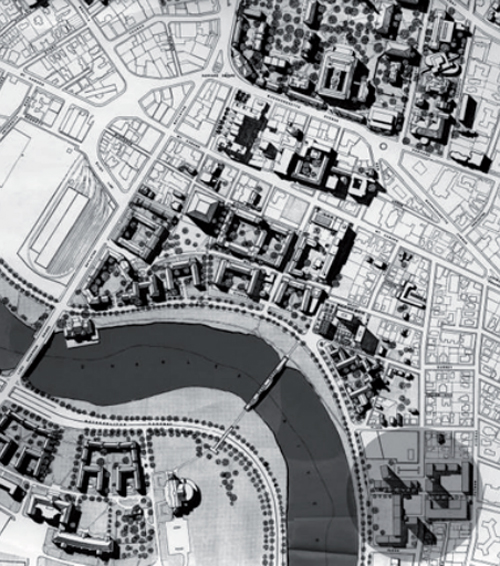
The Havana Plan Piloto was an urban master plan for the city of Havana, Cuba, developed by Josep Lluís Sert with planner Paul Lester Wiener. The project was conceived between 1955 and 1958 as a comprehensive design for reorganizing and modernizing Havana. Sert’s plan for Havana aimed to address urban growth while considering the city’s heritage and natural setting. The Plan Piloto was an urban design blueprint that proposed new residential neighborhoods, industrial zones, parks, and transportation networks for Havana. The design applied modernist planning principles, reflecting CIAM guidelines by organizing the city into functional zones and introducing infrastructure such as a waterfront highway and high-density housing blocks. A defining element was the integration of Havana’s natural landscape; the plan incorporated the bay and river estuaries into green space systems and positioned new development along the coastline. In contrast to earlier grid layouts, the Plan Piloto included curving superblocks, civic plazas, and a linear civic center extending westward from Old Havana. Materials were not directly applicable, since it was a planning document, but the proposals indicated contemporary construction methods for future buildings, including concrete high-rises for offices and housing. The Havana Plan Piloto was not implemented after the political change in 1959. The plan is recognized for applying modern planning at an urban scale and for balancing historic areas with new development. The Plan Piloto remains part of urban design history as an example of mid-20th-century planning that aligned modern urban approaches with local geography.
03. Fondation Maeght (1959–1964), Saint-Paul-de-Vence
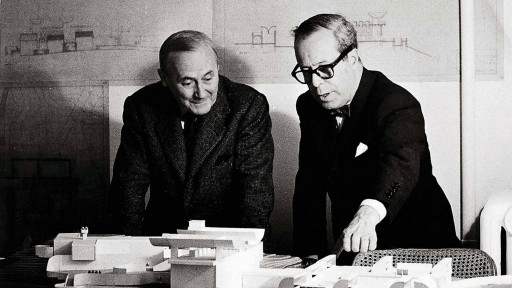
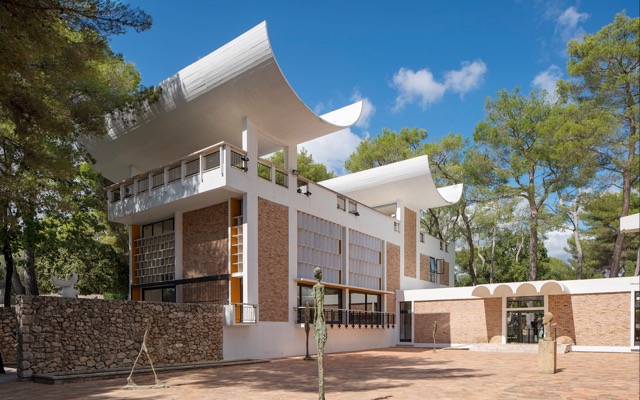
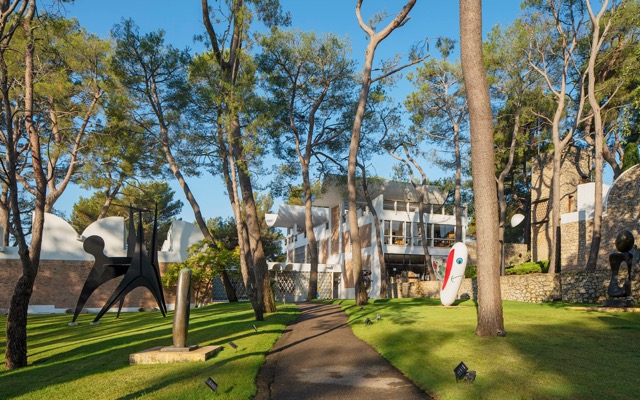
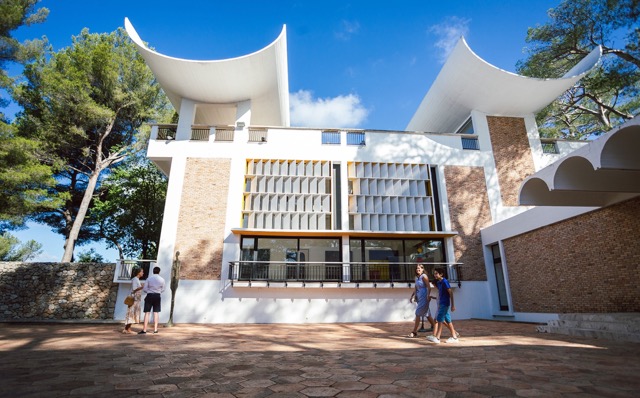
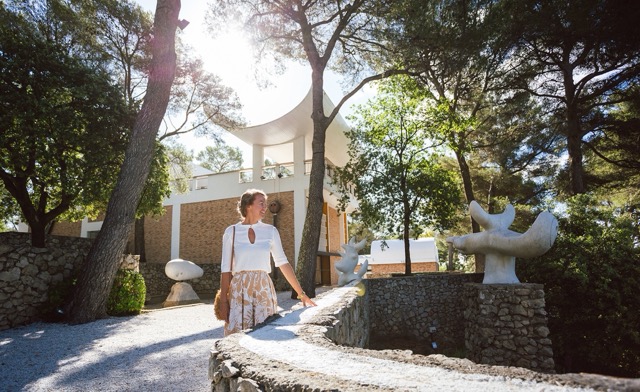
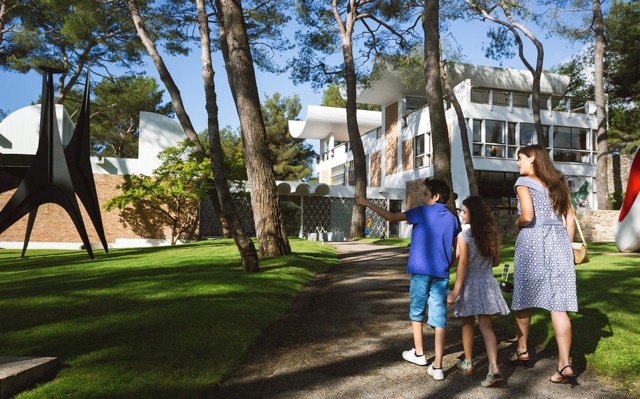
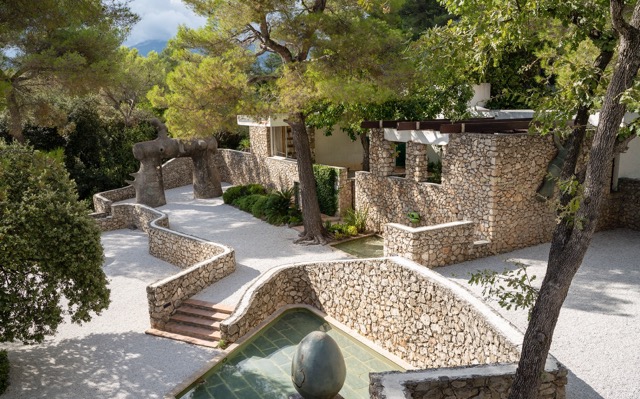
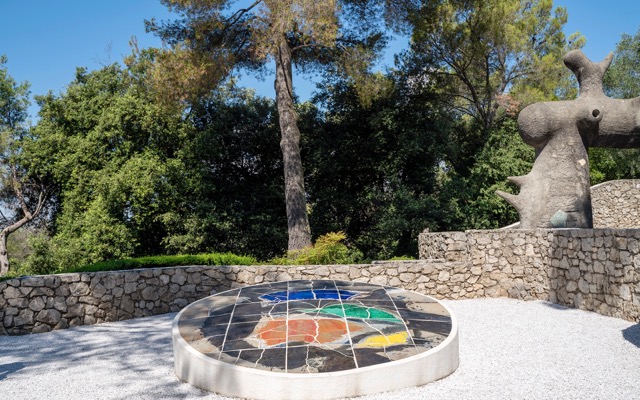
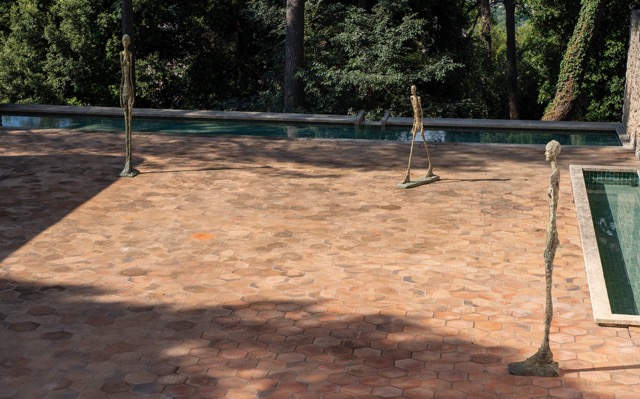
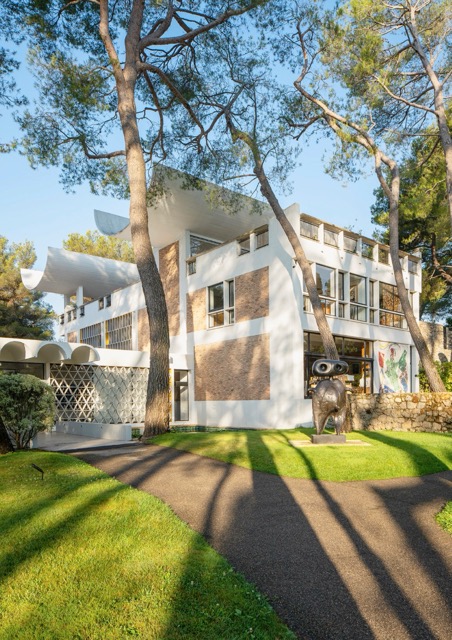
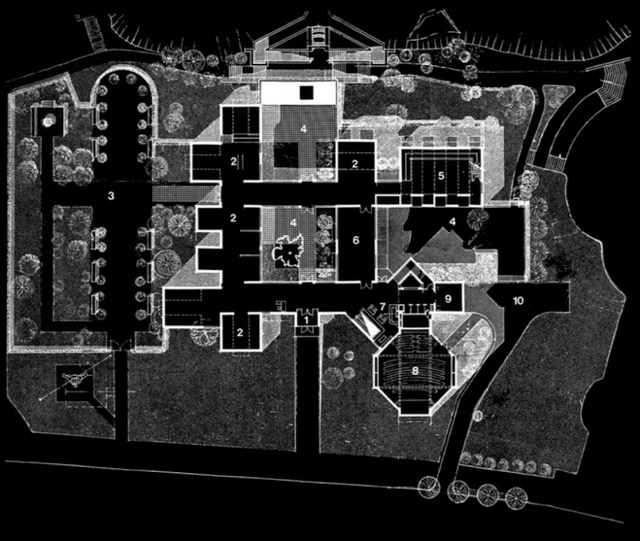
The Fondation Maeght is an art museum in Saint-Paul-de-Vence in the south of France, designed by Josep Lluís Sert and completed in 1964. The building is a cultural institution and a private museum for modern art. The museum is a one-story and multi-level complex set on a wooded hillside overlooking the French Riviera. The Maeght Foundation reflects Sert’s modernist architecture integrated with its environment. The design features interconnecting pavilions and courtyards arranged in a layout comparable to a Mediterranean village. Galleries open to gardens and terraces that display sculptures. Sert employed structural forms such as white concrete vaults and cantilevered roofs; the museum’s roof contains shallow arches that provide daylight and collect rainwater for reflecting pools. The materials include white reinforced concrete, local stone, red brick, and glass. Inside, natural light is controlled through skylights and clerestory windows to illuminate paintings and sculptures. The layout connects indoor and outdoor areas through patios and a central courtyard that accommodates installations such as Miró’s Labyrinth garden. The building is a museum designed to support art display and to structure movement between art, architecture, and the surrounding landscape. Sert collaborated with artists including Joan Miró and Georges Braque, and the design includes surfaces and walls intended for specific works. The Fondation Maeght’s architecture is noted for its integration of exhibition space, structural clarity, and outdoor circulation. The museum is regarded as an example of mid-20th-century museum design that reflects Sert’s approach to linking modern architecture with art and landscape.
04. Fundació Joan Miró (1975), Barcelona
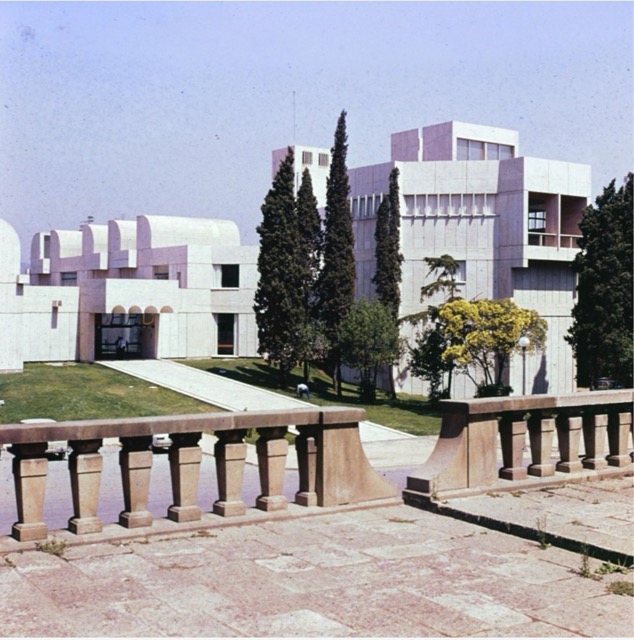
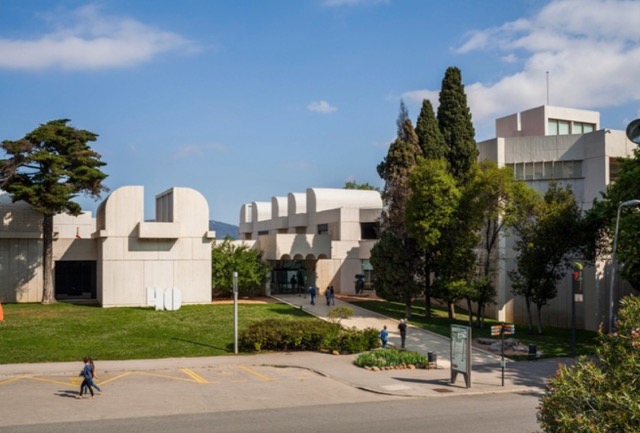
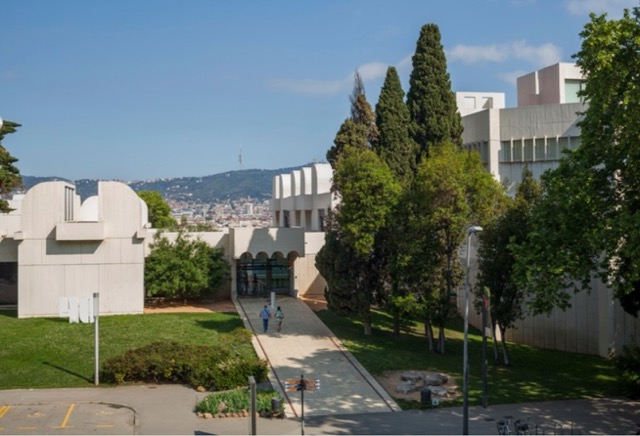
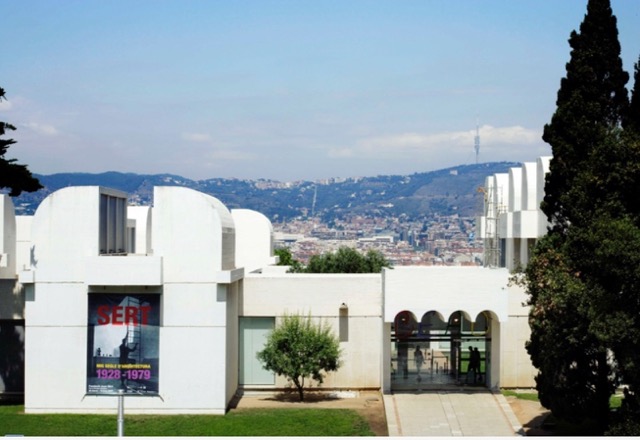
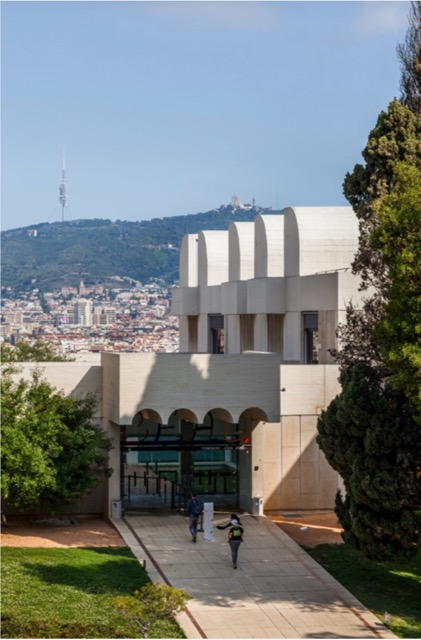
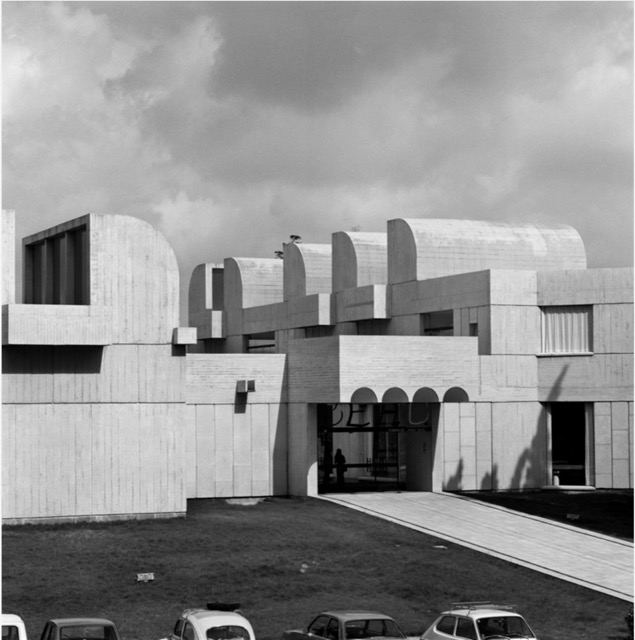
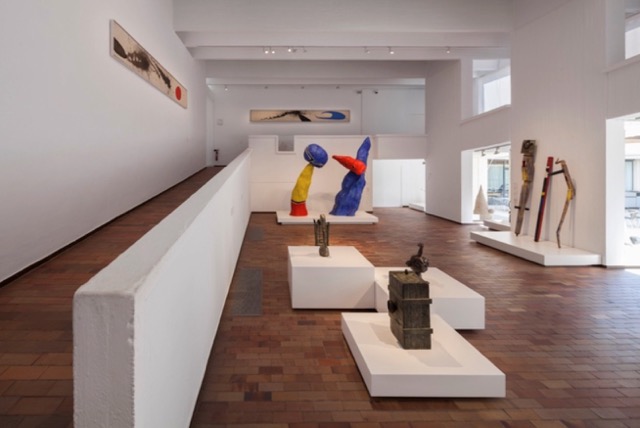
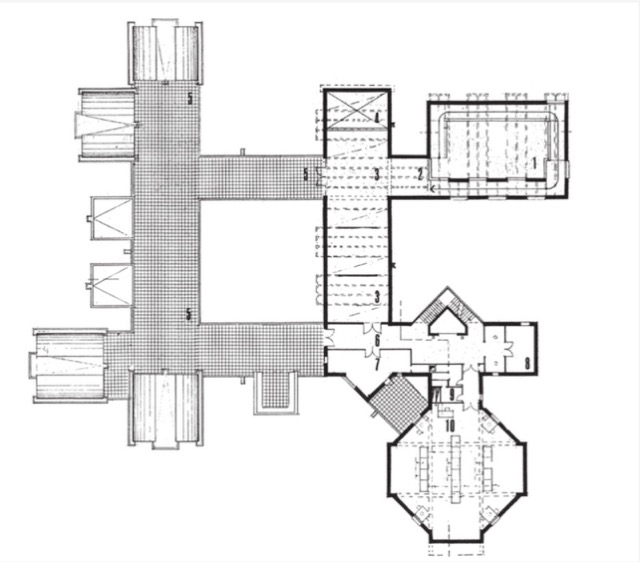
The Fundació Joan Miró is an art museum in Barcelona, Spain, designed by Josep Lluís Sert and inaugurated in 1975. The building is a museum and cultural center dedicated to the works of Joan Miró. The Miró Foundation represents an example of Sert’s late modernist approach adapted to Mediterranean conditions. The building sits on Montjuïc hill in Barcelona and overlooks the city. The structure is composed of white geometric volumes of one and two stories arranged around courtyards and terraces. The architecture uses smooth white concrete or stucco walls, flat roofs, and curved rooftop skylights that direct natural light into the galleries. These skylights function as light cannons that distribute daylight in the interior. The Fundació Miró’s layout consists of galleries connected by ramps and patios in a sequence comparable to a Mediterranean village. Materials include concrete, glass, and tile in light colors to manage heat and reflect light. Large windows and open-air atriums provide views of the surrounding sculpture garden and of Barcelona. The building is a purpose-built museum and cultural institution that incorporates exhibition halls, a library, and workshop spaces. The terraces and internal courtyard accommodate Miró’s sculptures, and the interior walls provide surfaces for paintings and tapestries. Open staircases and bridges inside the structure circulate through the galleries. The Fundació Joan Miró reflects elements of Catalan and Mediterranean architectural traditions, such as white surfaces, courtyards, and an emphasis on climate conditions, within a modern design framework. The museum is regarded as an example of Sert’s work, integrating architecture, spatial organization, and controlled light.
F. Català-Roca Photographic Archive / National Archive of Catalonia
© VEGAP
© VEGAP
© Historic Archive of the COAC
© VEGAP
F. Català-Roca Photographic Archive / National Archive of Catalonia
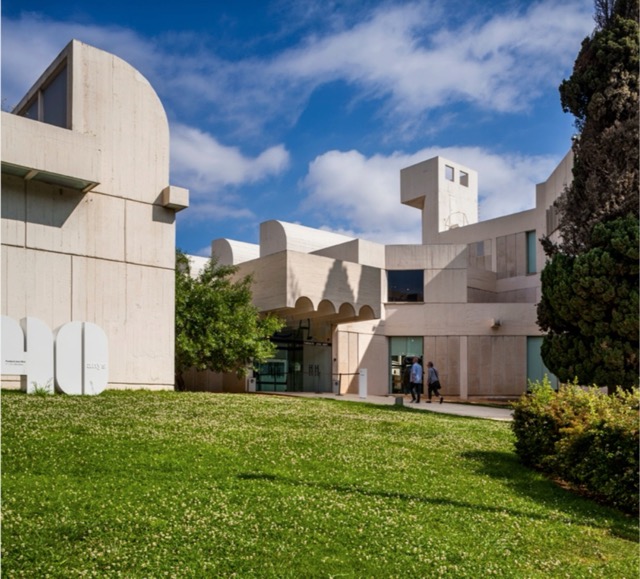
© VEGAP
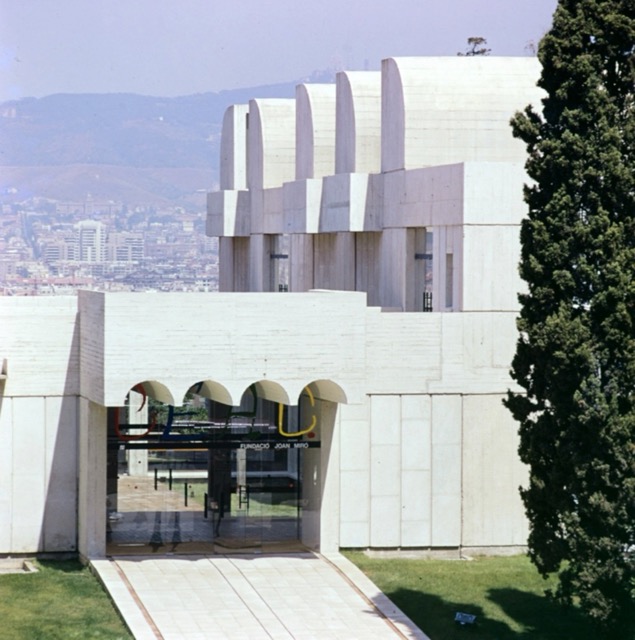
F. Català-Roca Photographic Archive / National Archive of Catalonia
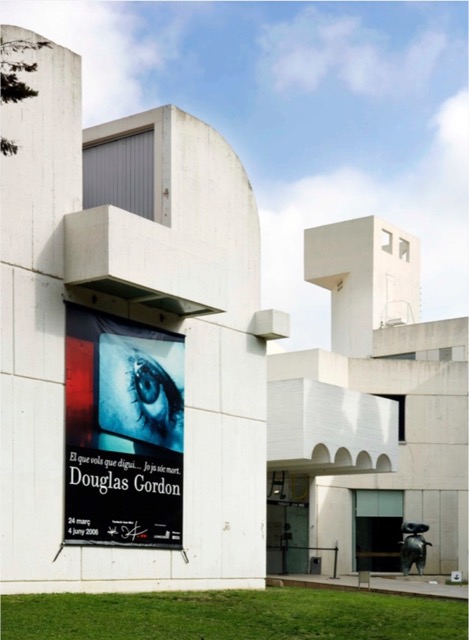
© Historic Archive of the COAC
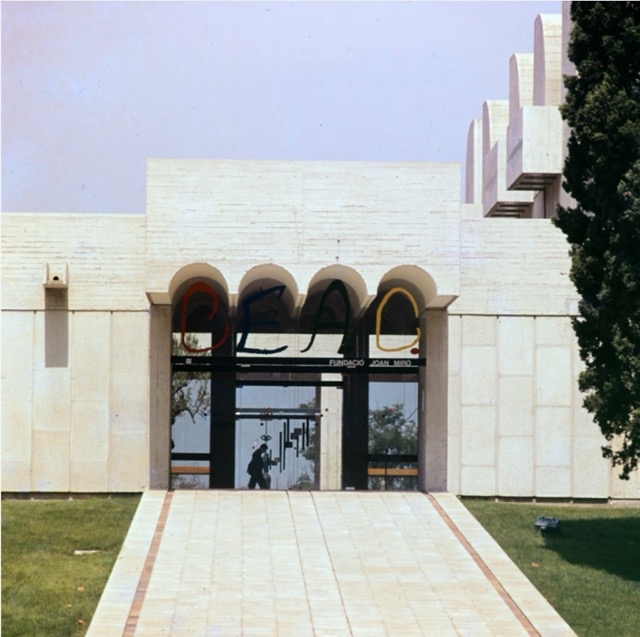
F. Català-Roca Photographic Archive / National Archive of Catalonia
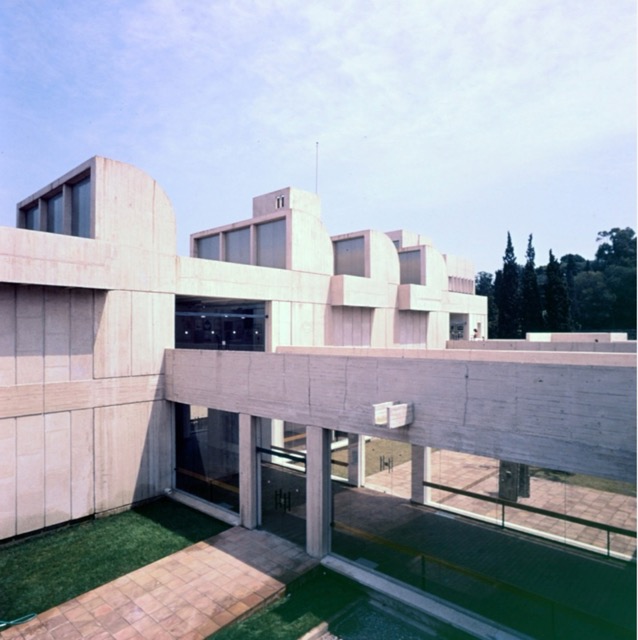
F. Català-Roca Photographic Archive / National Archive of Catalonia
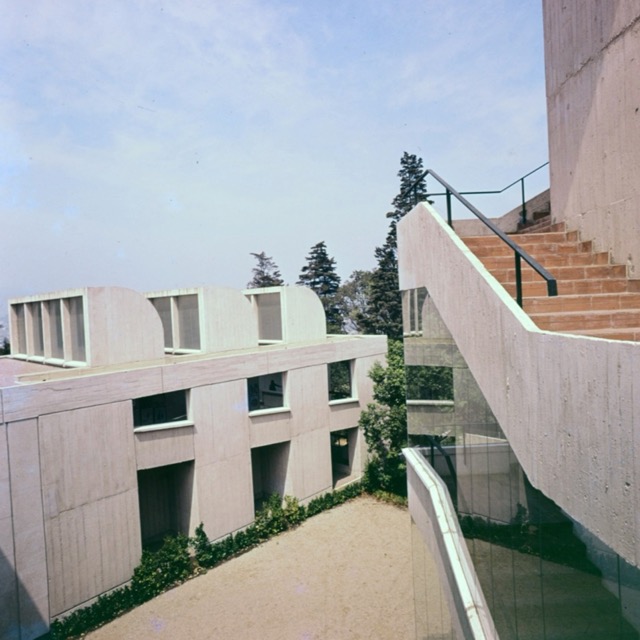
F. Català-Roca Photographic Archive / National Archive of Catalonia
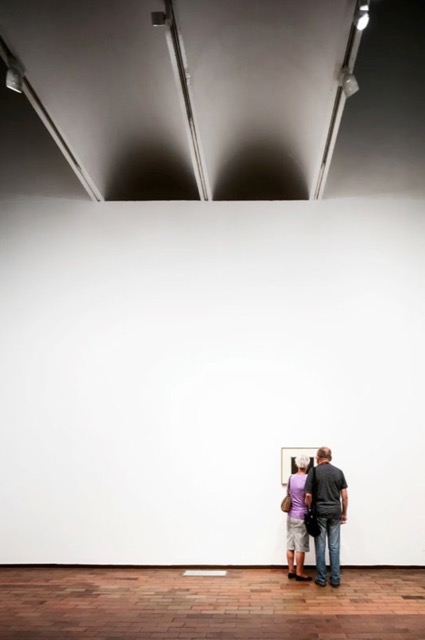
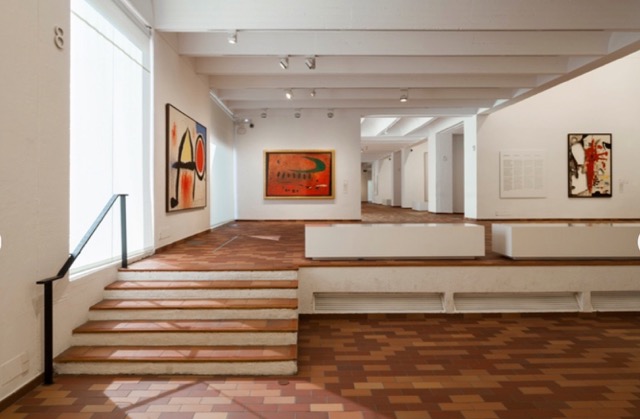
© VEGAP
© VEGAP
05. Peabody Terrace (1963–1965), Cambridge, Massachusetts
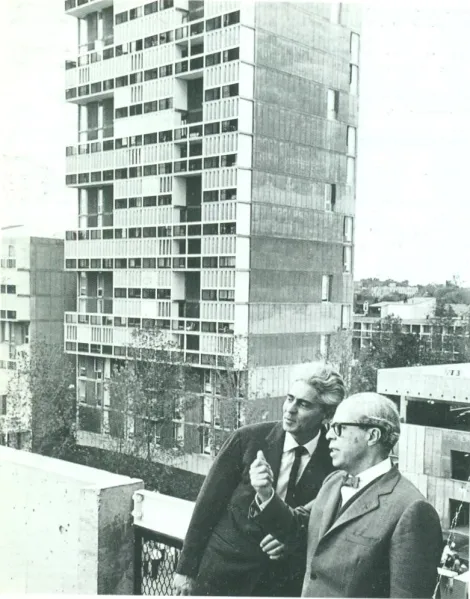
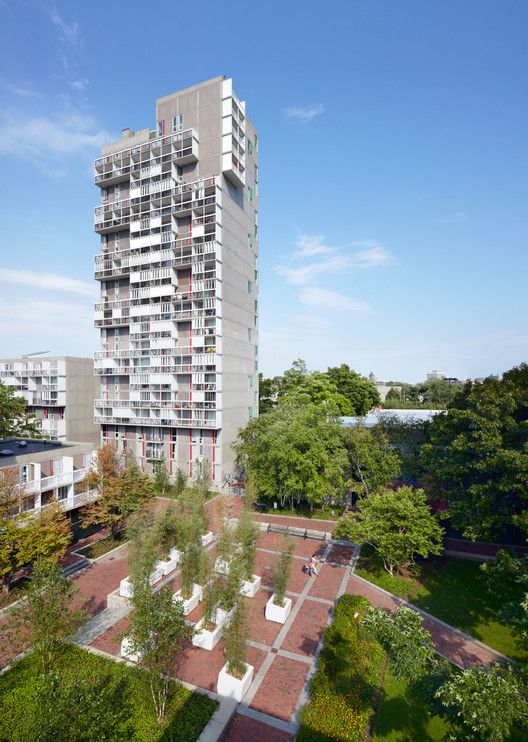
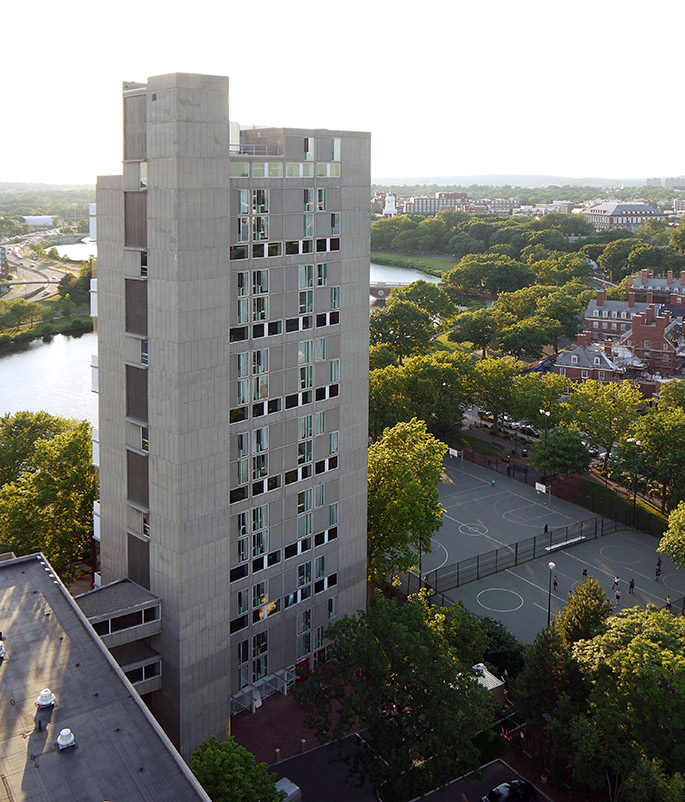
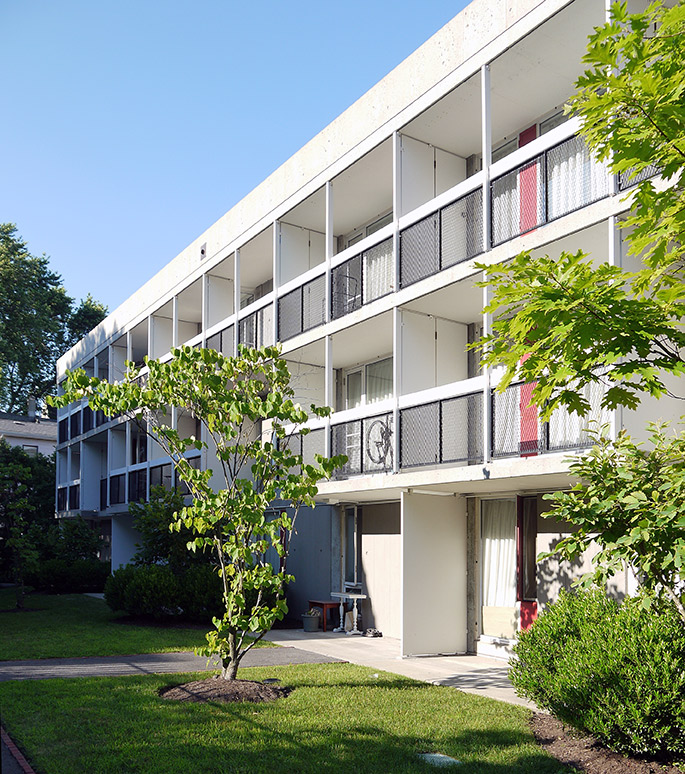
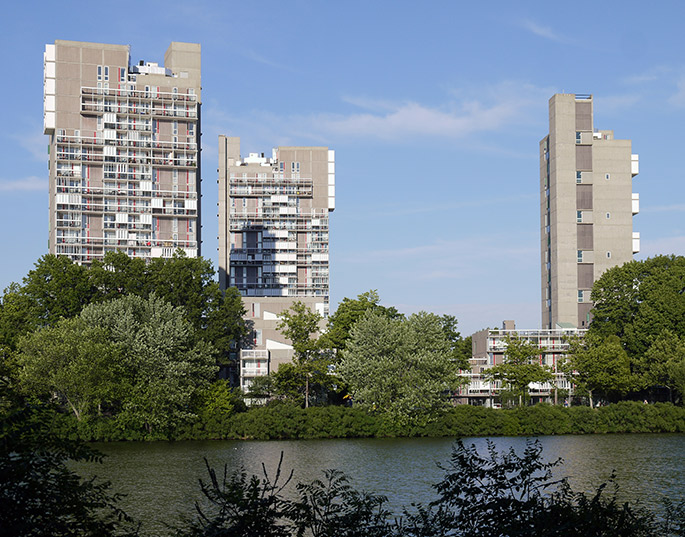
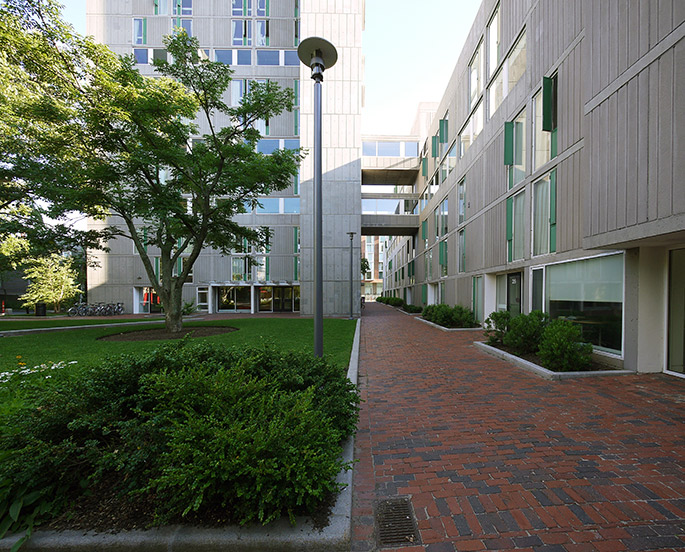
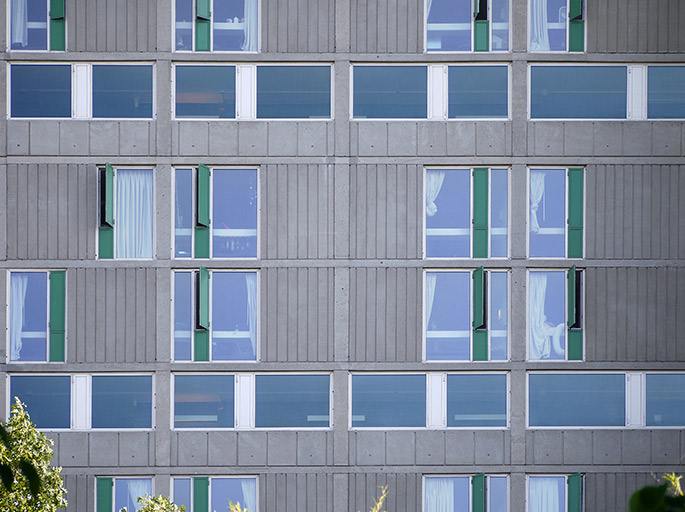
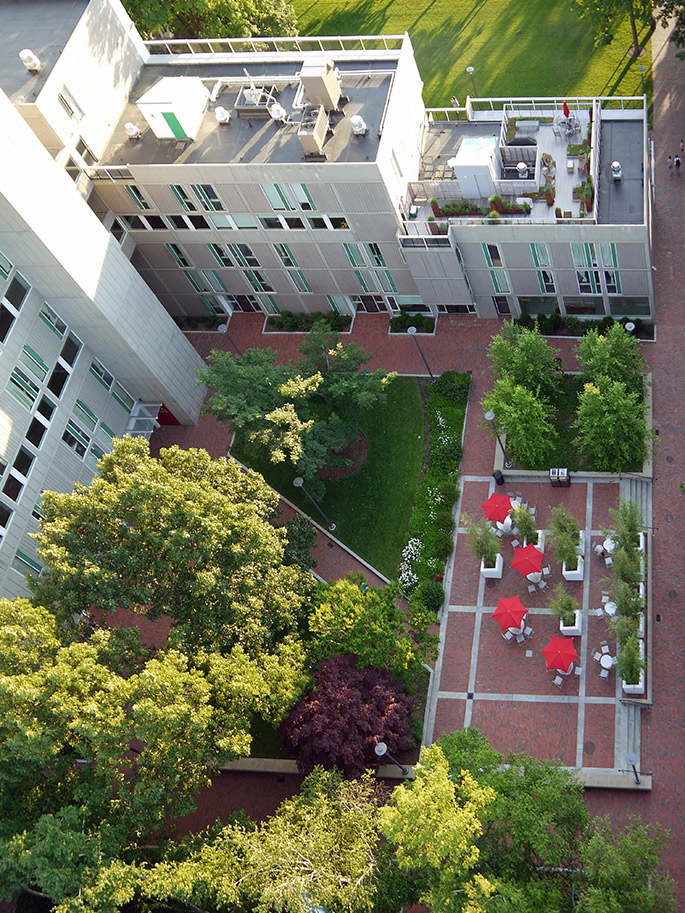
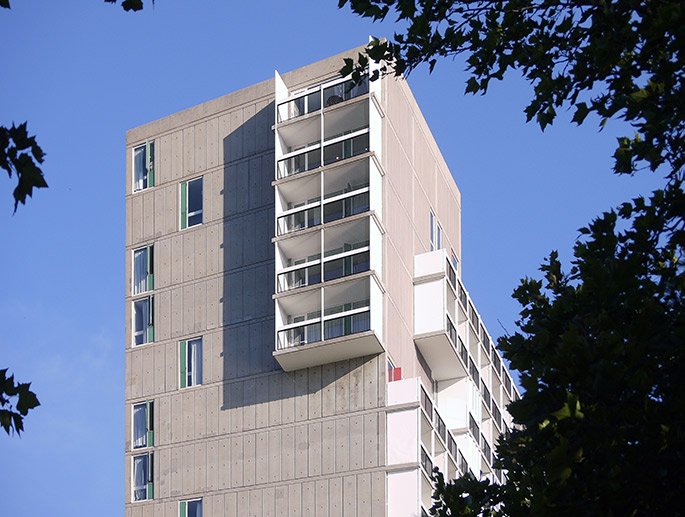
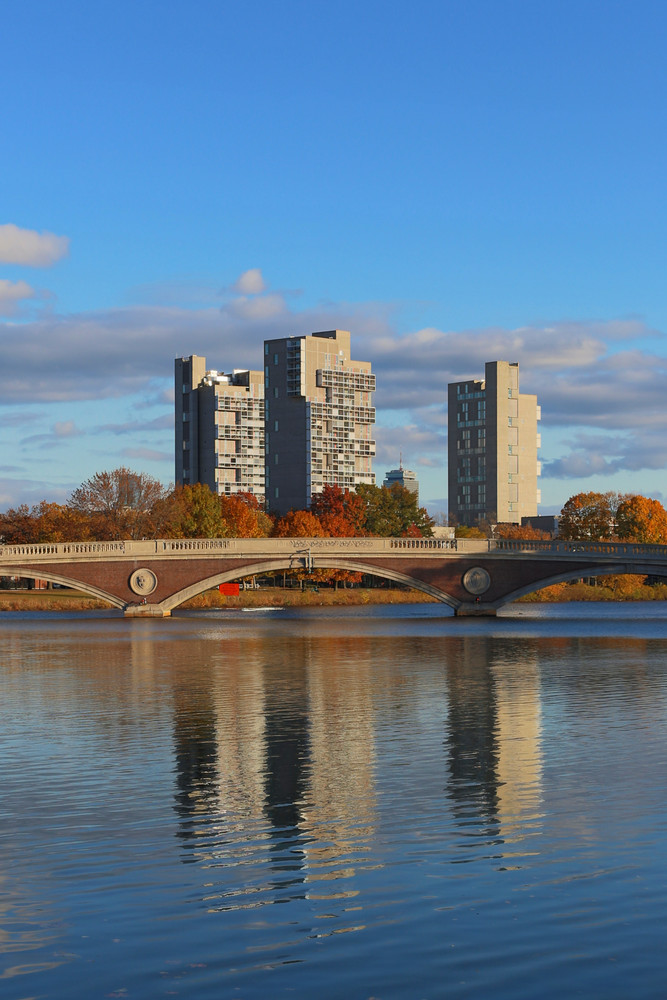
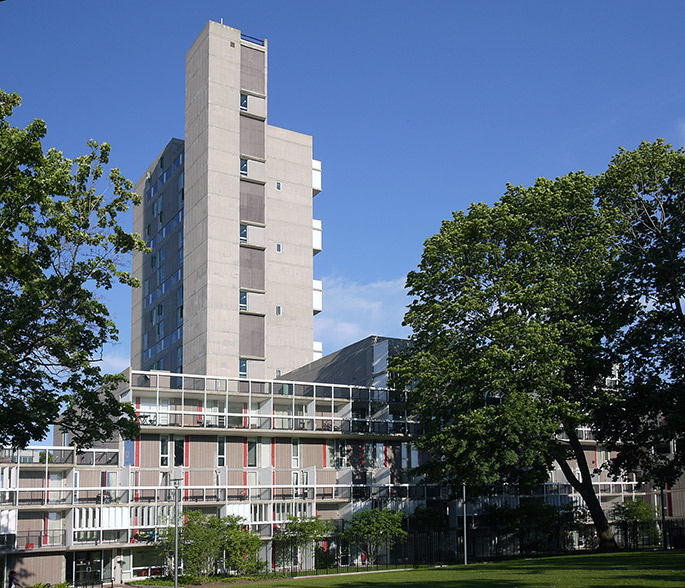
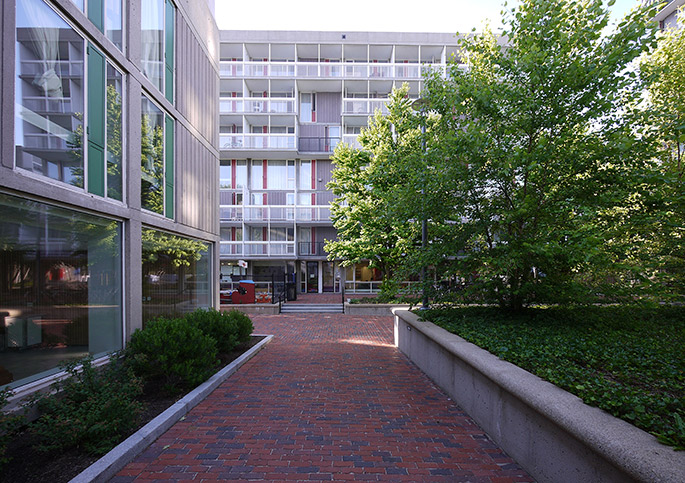
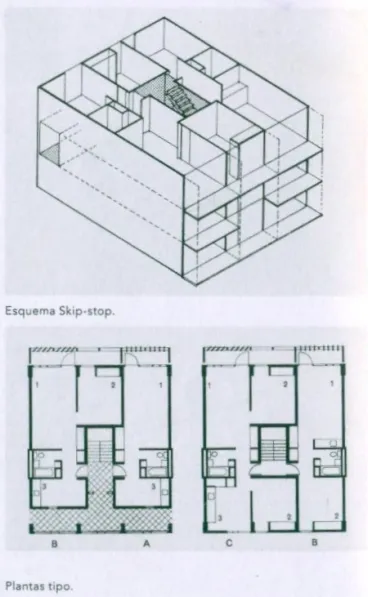
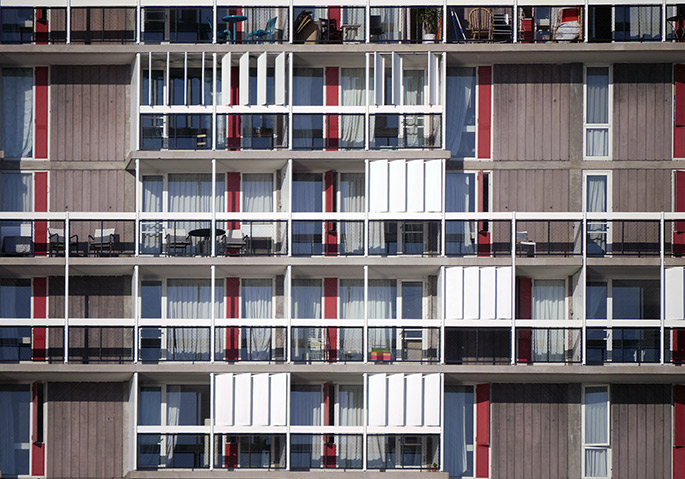
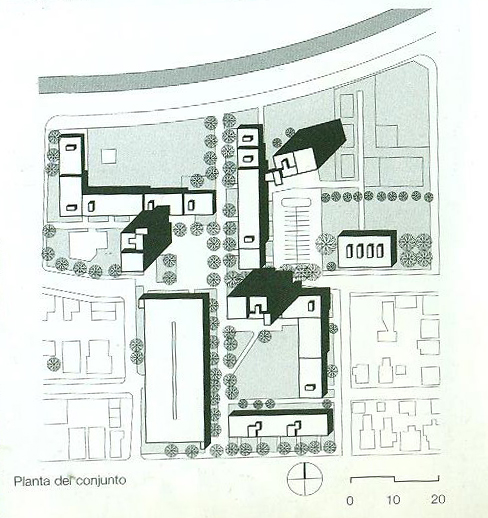
Peabody Terrace is a residential complex designed by Josep Lluís Sert for Harvard University and completed in 1965 in Cambridge, Massachusetts. The complex is a cluster of apartment buildings that serve as graduate student housing and reflect Sert’s approach to high-density urban living. Peabody Terrace consists of three high-rise towers of twenty-two stories and several low-rise buildings grouped along the Charles River near Harvard. The buildings were constructed between 1962 and 1965 and were occupied by married graduate students of the university. The project is a modernist housing complex that uses concrete as its primary material and applies a site plan that organizes towers and low buildings to maintain open space. The tall buildings are spaced to allow light and views, and the lower buildings define courtyards and play areas. The architecture follows a Brutalist approach that employs exposed reinforced concrete on façades. Sert added panels in red, blue, and yellow on balcony railings and window spandrels to introduce color on the exterior surfaces. The materials include concrete, glass, and painted metal panels. Peabody Terrace is residential housing, and Sert designed modular apartment units with large windows and private balconies to provide light and ventilation. The complex includes amenities such as a childcare center and parking at ground level. The site plan establishes shared courtyards and plazas between buildings to support communal use. Peabody Terrace received an AIA Honor Award in 1965 for its organization of high and low structures, and it was noted by some local observers for its scale and Brutalist presence within the Cambridge setting. The complex is recognized as an example of Sert’s work, combining functional housing and community-oriented planning, and it remains a reference in studies of mid-20th-century urban housing.
How did Josep Lluís Sert contribute to architecture?
Josep Lluís Sert contributed to architecture by expanding its scope to include urban planning, art, and education within the design process. Throughout his career, Sert promoted planning methods that extended architectural work beyond individual buildings to community and city formation. One contribution was his support for integrated planning; he maintained that architects should consider urban context, a position applied in projects ranging from Latin American master plans to university campuses. He promoted modern urban design principles such as green spaces, clustered housing, and mixed-use districts during a period of significant urban growth. In practice, Sert’s firm, Town Planning Associates, produced master plans for cities including Bogotá, Havana, and several Venezuelan locations, demonstrating that modern architecture addressed large-scale spatial and infrastructural conditions. Sert influenced architectural education and mentorship through his tenure as Dean of Harvard’s Graduate School of Design for sixteen years. He restructured the curriculum by establishing the first degree in Urban Design, integrating architecture with landscape and city planning. Through this work, Josep Lluís Sert instructed and mentored architects and planners who adopted interdisciplinary design methods. Architects such as Fumihiko Maki and other future practitioners studied or worked under Sert and absorbed his emphasis on collaboration among architects, planners, and artists. This educational role supported a shift toward a coordinated, team-based model of architectural practice. Another contribution of Sert was his integration of art into architecture. He maintained that buildings should incorporate visual art. In his projects, including museums and civic buildings, Sert collaborated with painters and sculptors and incorporated murals, sculptures, and mosaics into architectural settings. This approach connected architectural work with artistic production and established a model for later architects. Sert’s work also demonstrated approaches to moderating modern architecture through spatial and climatic considerations. While he used concrete, steel, and glass, he incorporated courtyards, color, and sunlight to structure living environments. His housing projects included communal courtyards and play areas, and his public buildings incorporated plazas and circulation areas to support social activity. Through these strategies, Josep Lluís Sert applied modern architecture in ways that addressed concerns about environmental scale and user experience.
What awards and honors has Josep Lluís Sert received?
Josep Lluís Sert received awards and honors in architecture, including:
- AIA Gold Medal (1981) – Awarded by the American Institute of Architects as its highest distinction for lifetime work.
- Grand Cross of the Order of Civil Merit (1983) – Granted by the Spanish state in recognition of Sert’s service to society through architecture.
- Gold Medal of Architecture (1981) – Awarded by the Consejo Superior de los Colegios de Arquitectos de España, with Sert among the first recipients of this national architectural distinction.
- Gold Medal of the Generalitat of Catalonia (1981) – Bestowed in acknowledgment of Sert’s cultural and professional work.
- Fellow of the American Academy of Arts and Sciences (1954) – Election recognizing Sert’s contributions to architecture and urban design in an academic context.
- Member of the American Academy of Arts and Letters – Induction acknowledging Sert’s work in architecture within the broader arts field.
- AIA Architectural Firm Award (1977) – Awarded to Sert, Jackson & Associates, recognizing the firm’s design work.
- AIA First Honor Award (1965) – Awarded by the American Institute of Architects to Peabody Terrace at Harvard University.
- AIA Twenty-five Year Award (2002) – Award given to the Fundació Joan Miró for enduring architectural significance.
Josep Lluís Sert received academic honors through honorary doctorates, including a Doctor of Humanities from Boston University in 1970 and a Doctor honoris causa from the Polytechnic University of Catalonia in 1981. The Harvard Graduate School of Design later established the Josep Lluís Sert Professorship of Architecture to acknowledge his work as Dean and architect.
Did Josep Lluís Sert change the architecture industry?
Josep Lluís Sert changed the architecture industry by expanding what architects do and how they think about design. He shifted the industry toward an interdisciplinary, planning-conscious approach. Before Sert’s influence, architecture and urban planning were often separate realms; Sert was instrumental in merging them. By advocating that architects engage in city-scale planning, he changed professional practice – today it is common for architecture firms to include urban design, a path Sert helped pioneer. His role in establishing urban design as an academic discipline at Harvard changed the industry by producing architects trained to address urban problems. This educational change influenced other universities, and the industry now considers context, zoning, and community needs as part of the design process. Sert pushed the industry toward collaborative design processes. At Harvard and in his firm, he worked in teams that included architects, landscape architects, engineers, and artists from the beginning of projects. This team-based approach, integrating multiple disciplines, has become a standard for complex projects. It changed how large architectural projects are executed, promoting a model where diverse expertise is part of the design process. Sert’s emphasis on integrating art into architecture influenced the industry’s approach to civic and cultural buildings. His collaborations with artists for his museums and pavilions established a model for projects that incorporate public art and architect-artist partnerships. Many civic and cultural buildings include art installations or are designed with artists, reflecting a practice Sert helped establish. In terms of design language, Sert promoted a human-scaled modernism that altered the industry’s direction. During a period when some modern architecture was considered too sterile, Sert’s work showed that modern buildings could be contextually aware. This influenced architects to consider climate, culture, and user experience within modernist design.
Was Josep Lluís Sert ever controversial in any way?
Josep Lluís Sert largely avoided personal controversy, but some aspects of his work sparked debate within the architectural community and the public. As a modernist, Sert introduced contemporary designs into traditional settings, which provoked criticism. For example, when Peabody Terrace and the Holyoke Center in Cambridge were built in the 1960s, some residents and critics reacted negatively to their Brutalist concrete architecture in historic neighborhoods. Some observers found these buildings stark or out of scale, leading to aesthetic controversy. Peabody Terrace was referred to as an “aesthetic controversy center” in the press, and the projects illustrated divided opinions on Sert’s modern approach. Some of these designs later gained appreciation, but at their introduction, they challenged prevailing expectations of architectural change. Another area of debate involved Sert’s urban renewal plans. In the mid-20th century, modernist planners, including Sert, advocated for replacing dense districts with new developments. Sert’s master plans for cities such as Havana and proposals for Boston followed the Athens Charter principles of zoning and high-rise housing. Later generations of urbanists and critics, influenced by figures such as Jane Jacobs, criticized these approaches for overlooking the complexity of historic cities. As president of CIAM, Sert faced internal disagreement when younger members challenged functionalist planning. This contributed to CIAM’s dissolution in 1959, with some critics suggesting that Sert’s adherence to earlier modernist doctrines had become outdated. Sert later acknowledged that early modern urbanism required greater attention to human considerations, and he incorporated those observations into his work. Beyond professional debate, Josep Lluís Sert was not involved in scandals or political trouble apart from his exile during the Spanish Civil War. He was respected by colleagues and students and was described as committed to his work. Controversy associated with Sert generally concerned architectural issues, such as whether a building’s form was appropriate for its setting, rather than personal misconduct.
Who are the most famous architects in modern history besides Josep Lluís Sert?
Aside from Josep Lluís Sert, Le Corbusier, Frank Lloyd Wright, and Ludwig Mies van der Rohe are among the influential architects who shaped modern architecture. Le Corbusier (Swiss-French, 1887–1965) was a modernist who advanced the International Style and functional city planning; he designed works such as the Villa Savoye, the Unité d’Habitation in Marseille, and the master plan for Chandigarh, and his ideas on open floor plans and machine-age aesthetics influenced 20th-century architecture. Frank Lloyd Wright (American, 1867–1959) developed the concept of organic design that integrated buildings with their surroundings, as seen in works such as Fallingwater and the Guggenheim Museum in New York. Wright’s career and his Prairie houses, with horizontal lines and open interiors, influenced architects in the United States. Ludwig Mies van der Rohe (German-American, 1886–1969), often known as Mies, worked with minimalist architecture and the Bauhaus and International Style movements; he designed buildings such as the Barcelona Pavilion (1929) and the Seagram Building in New York, using steel and glass to define a modern architectural vocabulary. Modern architectural history includes figures such as Walter Gropius (German-American, 1883–1969), Oscar Niemeyer (Brazilian, 1907–2012), and Zaha Hadid (Iraqi-British, 1950–2016), who expanded architectural approaches in their contexts.
What did Josep Lluís Sert mostly design?
Josep Lluís Sert mostly designed modern buildings and plans across a range of categories, reflecting his work as both architect and planner. His work can be grouped into several areas:
- Urban Master Plans and City Designs: Sert was involved in planning cities and large districts. He developed master plans for parts of Bogotá and other Latin American cities, the Havana Plan Piloto for Cuba, and proposals for urban renewal in Barcelona and Boston. These projects show that Sert’s design output extended beyond structures; he conceived urban layouts that included zoning, street networks, parks, and housing schemes, applying modern planning principles to city conditions.
- Cultural and Exhibition Buildings: Sert designed museums, galleries, and pavilions that combined art and architecture. Notable examples include the Spanish Republic Pavilion (1937), the Fondation Maeght in France, and the Fundació Joan Miró in Barcelona, as well as studios for artists such as Joan Miró and Alexander Calder. These works include flexible exhibition spaces, natural lighting solutions, and integration of artworks into architectural settings.
- Academic and Institutional Architecture: A portion of Sert’s portfolio consists of university and civic buildings. In the United States, he designed buildings for Harvard University, such as the Holyoke Center / Smith Campus Center, the Harvard Science Center, and the Center for the Study of World Religions, and he designed buildings for other institutions, such as Boston University. These buildings employ modern forms and address campus planning through plazas and communal areas. Sert also designed the U.S. Embassy in Baghdad (1955–1961), reflecting his international work, although that project was later unused.
- Housing and Residential Complexes: Sert worked on housing throughout his career. He designed multifamily residential projects in Spain, such as the rationalist GATCPAC-era Casa Bloc in Barcelona, and later large-scale developments in the United States. His most well-known housing work is Peabody Terrace in Cambridge, a cluster of high-rise and low-rise apartments for graduate housing. Sert’s housing work also included worker housing and neighborhood units in his urban plans, including prototypes in Latin America and the unfinished Cala d’en Serra housing project in Ibiza. These projects used modular layouts, communal courtyards, and attention to light and ventilation.
Across these categories, Josep Lluís Sert’s designs followed modernist principles combined with practical considerations. His portfolio includes private homes, such as his house in Cambridge and a residence for Georges Braque in France, civic centers, and furniture and exhibition designs. Sert, Jackson & Associates completed projects in multiple countries, reflecting his work across varied contexts. Sert mostly designed environments, whether a museum or a city district, to improve how people live, work, and experience art through architecture.
Where did Josep Lluís Sert study?
Josep Lluís Sert studied architecture at the Escola Tècnica Superior d’Arquitectura de Barcelona in Spain. He enrolled in the Barcelona School of Architecture in the 1920s and completed his architectural training there, graduating in 1929. At this institution, part of the Polytechnic University of Catalonia, Sert received instruction rooted in Beaux-Arts methods and emerging modernist ideas. As a student in Barcelona, Sert was introduced to new construction techniques and encountered the works of Antoni Gaudí and other Catalan modernistes, although he later moved toward a more functionalist style. After earning his degree, Josep Lluís Sert did not pursue another formal qualification, but he continued his education through practice and mentorship. In 1929, the year he graduated, Sert moved to Paris to work in the studio of Le Corbusier. Working under Le Corbusier served as an educational experience in which Sert observed modern design principles applied to projects. This apprenticeship influenced Sert’s development; he absorbed Le Corbusier’s approaches to proportion, urban planning, and the use of concrete, which he later applied in his own work.
Did Josep Lluís Sert have any famous teachers or students?
Josep Lluís Sert had a well-known mentor and taught and influenced many students who became notable architects. One of Sert’s most significant teachers was Le Corbusier, the Swiss-French architect. Although Le Corbusier was not Sert’s classroom professor, Sert worked in Le Corbusier’s Paris atelier in 1929–1930, effectively apprenticing under him. Le Corbusier’s guidance influenced Sert’s early work; Sert learned principles of modern design and urban planning directly through this apprenticeship. During his student years in Barcelona, Sert was taught by and interacted with figures in Catalan architecture, such as Josep Maria Jujol and others connected to Gaudí, although none had the international reach of Le Corbusier. Le Corbusier was Sert’s key mentor and shaped his development as a modernist architect. As a teacher, Josep Lluís Sert mentored students and young architects who later became established practitioners. Sert influenced many through his role as Dean at Harvard’s Graduate School of Design and through his architecture studio. One architect who can be regarded as a protégé is Fumihiko Maki of Japan. Maki studied under Sert at Harvard in the 1950s; he became a prominent architect and later a Pritzker Prize laureate, and he cited lessons in urban design learned during Sert’s tenure. Another example is Christopher Charles Benninger, an American architect who became active in India; he studied under Sert at Harvard and later worked in Sert’s studio. Sert’s Cambridge office also attracted architects from several countries; Dolf Schnebli from Switzerland and José Luis León from Venezuela worked with him before developing their own careers. Sert also influenced contemporaries and younger architects who were not direct students but worked alongside him. He collaborated with or advised architects such as Paul Lester Wiener, his partner in urban planning projects, and maintained collegial relationships with architects such as Luis Barragán and Rafael Moneo. Moneo, a Spanish architect, came to Harvard in the 1960s after Sert’s deanship and later held the Josep Lluís Sert Professorship of Architecture, reflecting Sert’s impact on academic circles.
How can students learn from Josep Lluís Sert’s work?
Students can learn from Josep Lluís Sert’s work by studying his design principles, his projects, and his writings to understand how architecture engages with social and urban issues. Sert’s work demonstrates how architecture and urban planning operate together, and students can examine projects such as the Havana Plan Piloto or his campus layouts to understand how he considered context, public space, and infrastructure. These studies help students understand how a building fits into a neighborhood or city and how functional relationships shape design. Sert’s projects also provide examples of human-centered modernism. By examining residential work such as Peabody Terrace or cultural buildings such as the Miró Foundation, students can observe his use of courtyards, walkable areas, and communal facilities. These features show how Sert addressed light, ventilation, and shared space to improve daily life. Students can use these observations to prioritize human experience when designing dense or complex environments. Students can learn from Sert’s collaborations with artists. His work with artists such as Picasso, Miró, and Calder demonstrates how architecture incorporates other creative fields. These collaborations show how murals, sculptures, and installations can be integrated into buildings. Students can explore similar approaches by coordinating with artists or landscape designers to understand how architecture benefits from interdisciplinary input. Sert’s writings and theoretical work provide additional instruction. Texts such as “Can Our Cities Survive?” (1942) and “The Heart of the City” (1952) outline his positions on housing, mobility, civic life, and the responsibilities of architects. These writings offer insight into Sert’s approach to urban challenges and illustrate how design responds to issues such as density, transportation, and public space. Students who study these texts gain perspective on how to address contemporary problems such as sustainability and housing. Students can also learn from direct engagement with Sert’s buildings or detailed case studies. Visiting the Fundació Joan Miró in Barcelona shows how natural light and spatial sequences function in practice, and walking through its courtyards and galleries provides lessons on circulation. Examining buildings such as the Holyoke Center or Boston University’s complex demonstrates how modern structures relate to older urban fabric. Students can study drawings, photographs, and plans to analyze Sert’s use of proportion, structural systems, and site placement. Students can consider Sert’s approach to innovation. Sert introduced new ideas and technologies to improve living and cultural conditions, and this provides a model for approaching design with clear intention. His career shows that architecture addresses real needs through design choices that respond to human and urban requirements. By engaging with Sert’s work as architect, planner, educator, and collaborator, students can see how a designer develops a balanced approach that connects vision with practical considerations. Sert’s work provides examples of how architectural practice addresses form, structure, context, and user experience.

