

Leon Krier (1946–2025) was a Luxembourgish architect, urban planner, and theorist who revived classical architecture and traditional urbanism in the late twentieth century. Born in Luxembourg City, he studied briefly at the University of Stuttgart before working in London under James Stirling, whose modernist practice shaped Krier’s critical view of postwar urban planning. Rejecting modernist functionalism and zoning, Krier promoted human-scale urban structure rooted in classical form, craftsmanship, and local tradition. His writings and master plans advanced compact, mixed-use neighborhoods organized around pedestrian streets and civic squares, forming a foundation for the New Urbanism movement. His key works include Poundbury, Ciudad Cayalá, Krier House, Windsor Village Hall, and the Jorge M. Pérez Architecture Center. He taught at Princeton, Yale, Virginia, and Notre Dame, influencing architects such as Andrés Duany and Elizabeth Plater-Zyberk. For his lifetime commitment to classical and human-centered architecture, Krier received the Driehaus Architecture Prize in 2003, the field’s highest honor for traditional design. His career united theory, urban planning, and teaching, establishing a coherent alternative to modernism and making him a major figure in contemporary architectural thought.
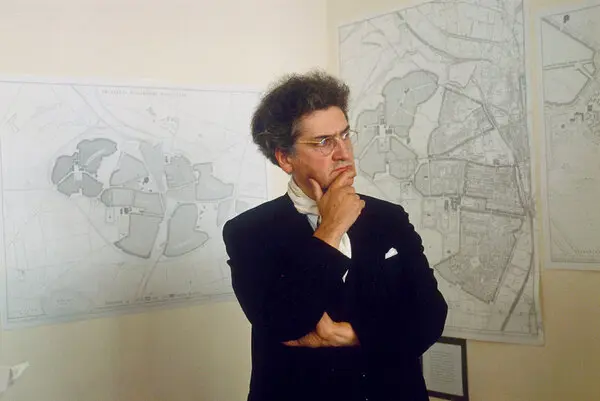
Who is Leon Krier?
Leon Krier was a European traditionalist architect and theorist born in Luxembourg City in 1946. He became a prominent critic of modernist architecture and a leading advocate of New Classical architecture and urban planning. Krier moved to London in 1968 after briefly studying in Germany, beginning his career under modernist James Stirling. He practiced and taught architecture in Britain and the United States, gaining recognition for his opposition to post-war urban planning. He lived mainly in Europe and later settled in Mallorca, Spain, where he died in 2025 at age 79. Leon Krier combined professional practice with writing and teaching, merging architectural theory with design to pursue more livable cities.
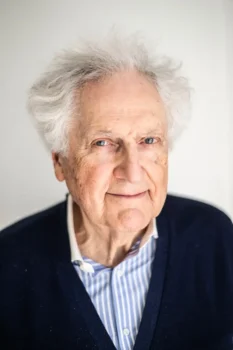
What type of architecture does Leon Krier represent?
Leon Krier represents New Classical architecture and traditional urbanism. His work rejects modernist minimalism in favor of enduring architectural forms. Krier’s design philosophy focuses on human-scale proportions, mixed-use neighborhoods, and building styles drawn from local heritage. He became a central figure in New Urbanism, a movement promoting walkable, traditionally planned communities as an alternative to car-oriented sprawl. In Krier’s view, architecture must return to classical principles, solid masonry construction, clear urban hierarchy, and ornamentation that conveys continuity. This approach contrasts with the glass-and-steel aesthetic of late modernism. Leon Krier’s style aligns with postmodern architecture’s reintroduction of historical elements, but he remained dedicated to classical design and city planning based on pre-20th-century models.
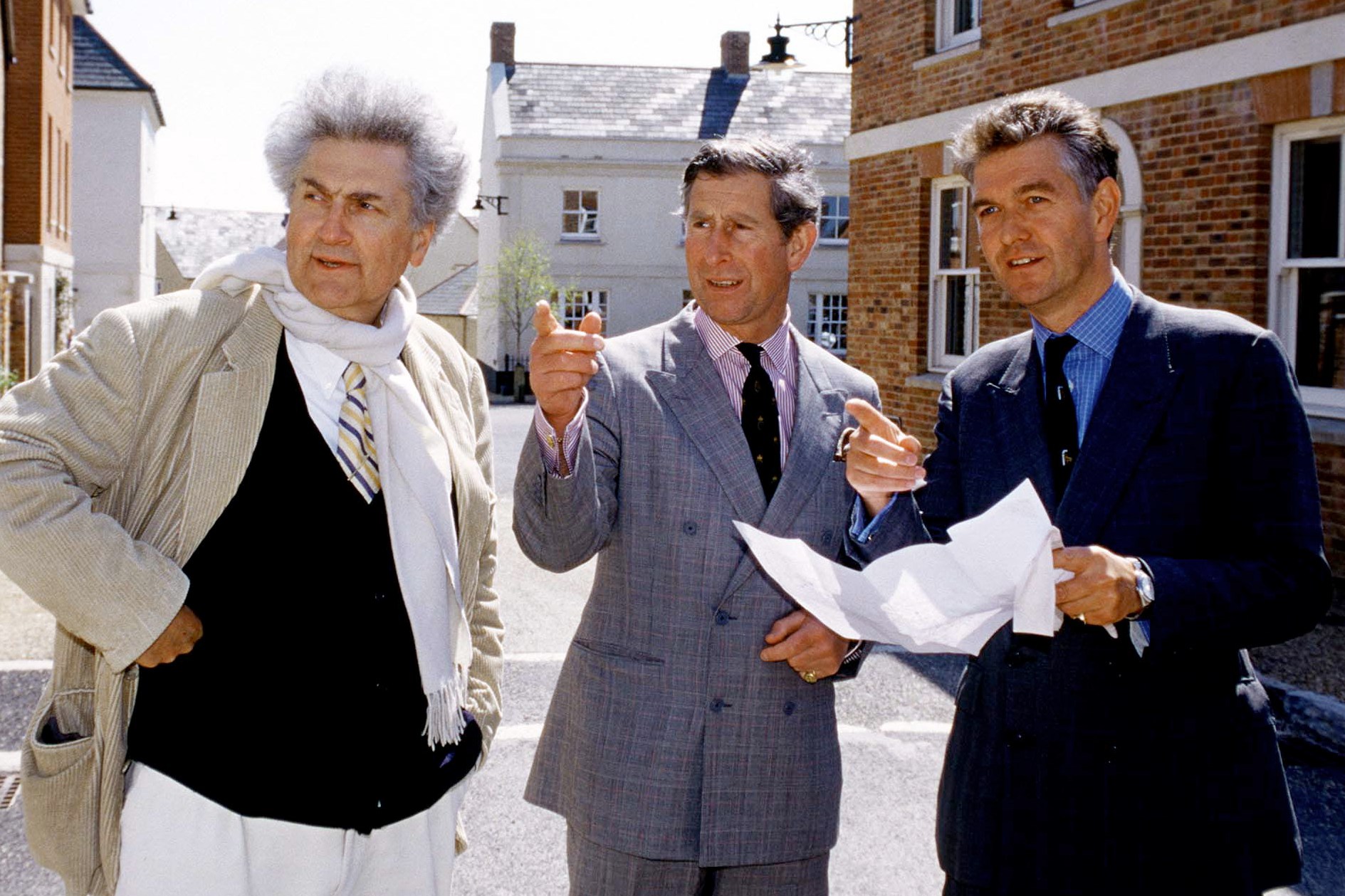
What is Leon Krier’s great accomplishment?
Leon Krier’s great accomplishment is to have led the revival of traditional town planning and to have influenced a global movement toward human-scale development. He redirected architectural discourse by demonstrating that classical principles and walkable urban forms remain viable in the modern era. Krier’s writings and lectures in the 1970s and 1980s established the intellectual foundation for New Urbanism, a movement that reshaped how planners and architects conceive communities. His most recognized achievement is the master plan for Poundbury in England, a model town that applied his theories at full scale. For his contribution to architecture, Leon Krier received the first Driehaus Architecture Prize in 2003, an award honoring his lifelong commitment to traditional design. Through both theory and practice, Krier reintroduced traditional urban design into mainstream architecture, providing a defined alternative to modernist practice.
What are Leon Krier’s most important works?
Leon Krier’s most important works include model towns, civic buildings, and academic projects. These are exemplified by the master plan for Poundbury in England, a traditional town extension emphasizing community and walkability; the town plan of Cayalá in Guatemala City, which applies New Urbanist principles in a contemporary Latin American setting; the Krier House in Seaside, Florida, a compact neo-traditional residence reflecting his human-scale design ideals; the Windsor Village Hall in Vero Beach, Florida, a classically composed community building; and the Jorge M. Pérez Architecture Center in Miami, an educational structure that integrates modern function with classical form.
01. Poundbury (Dorchester, England)
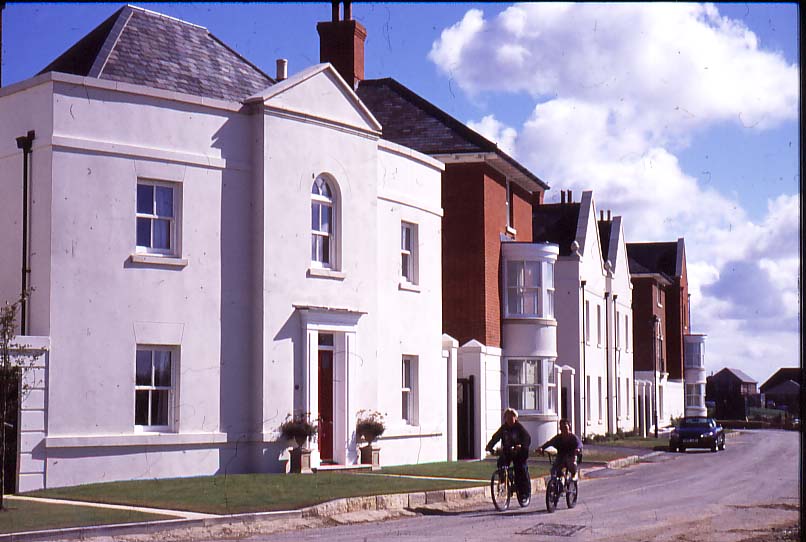
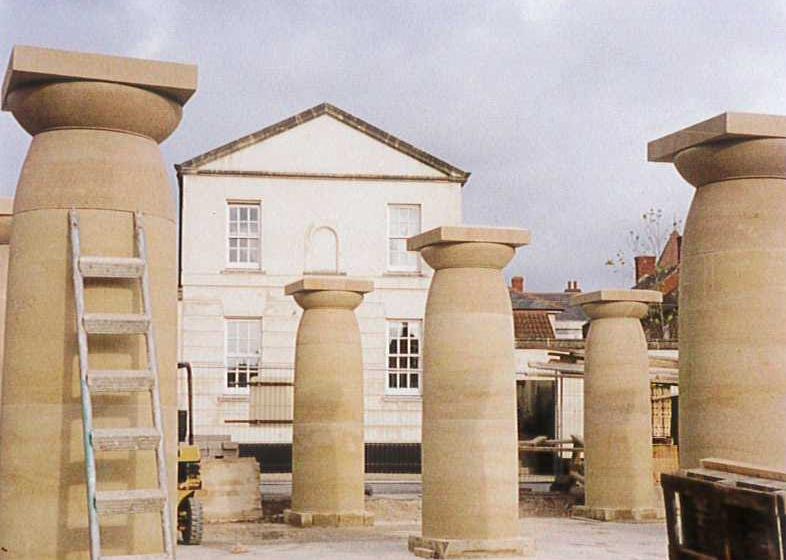
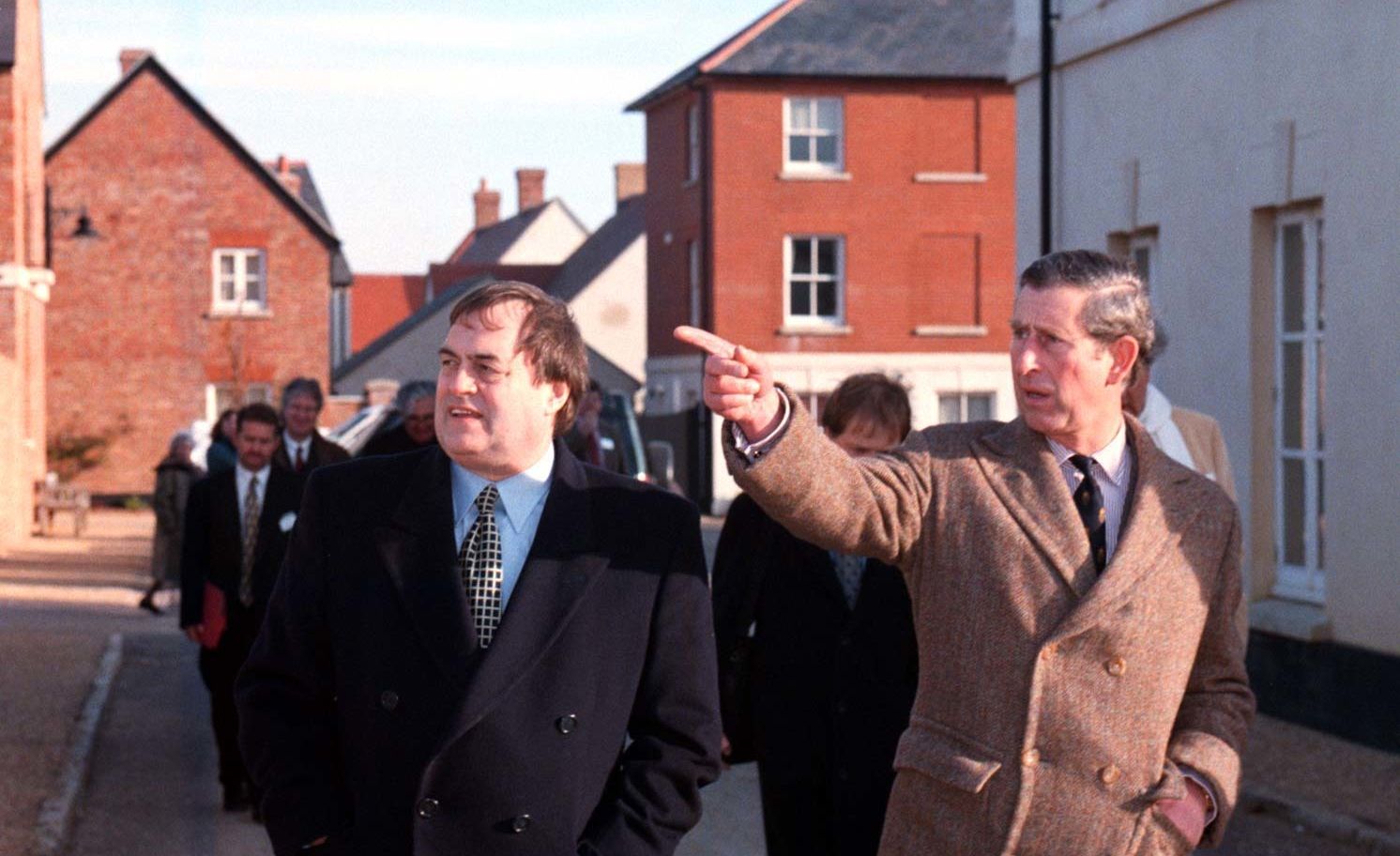
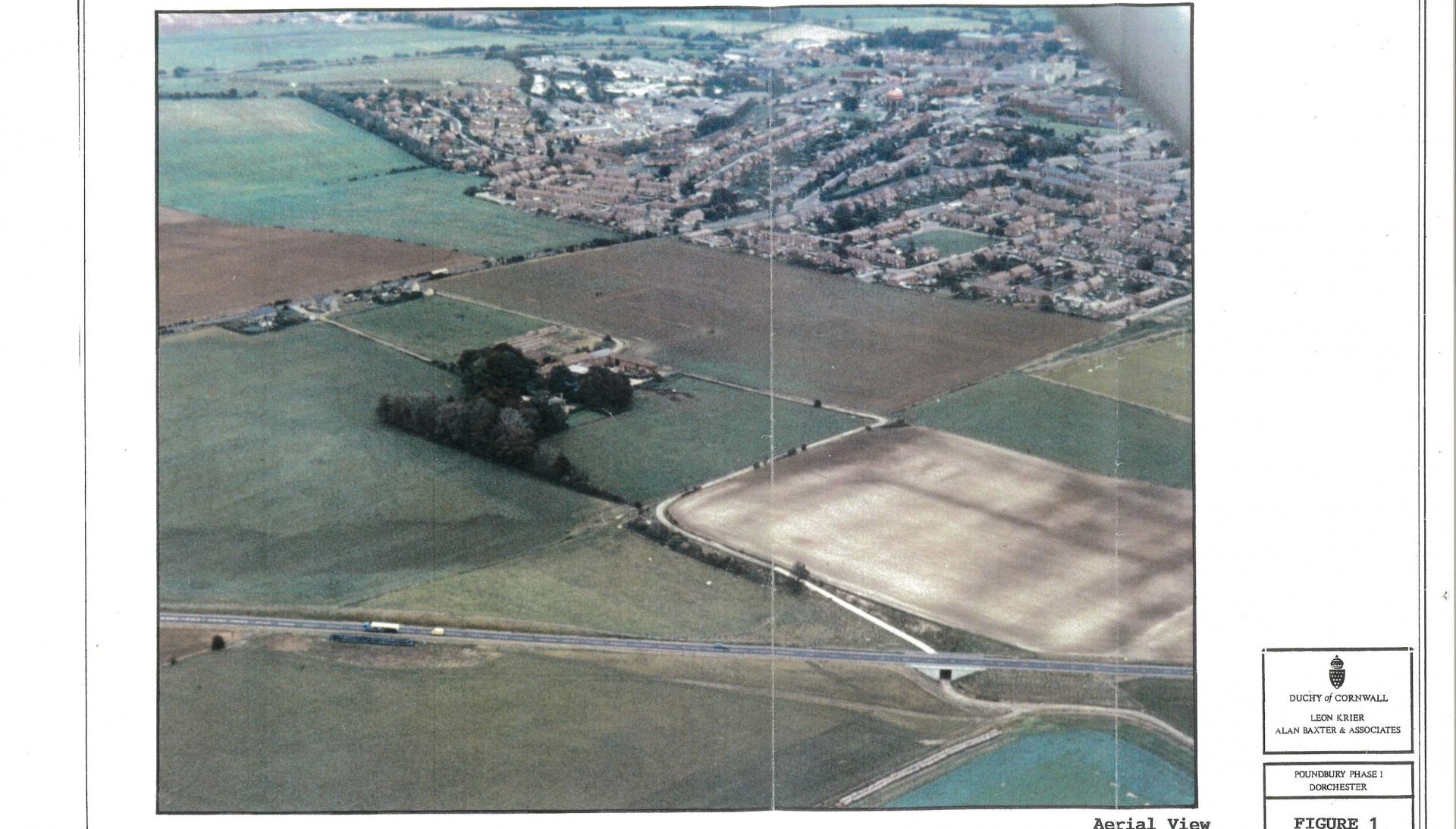
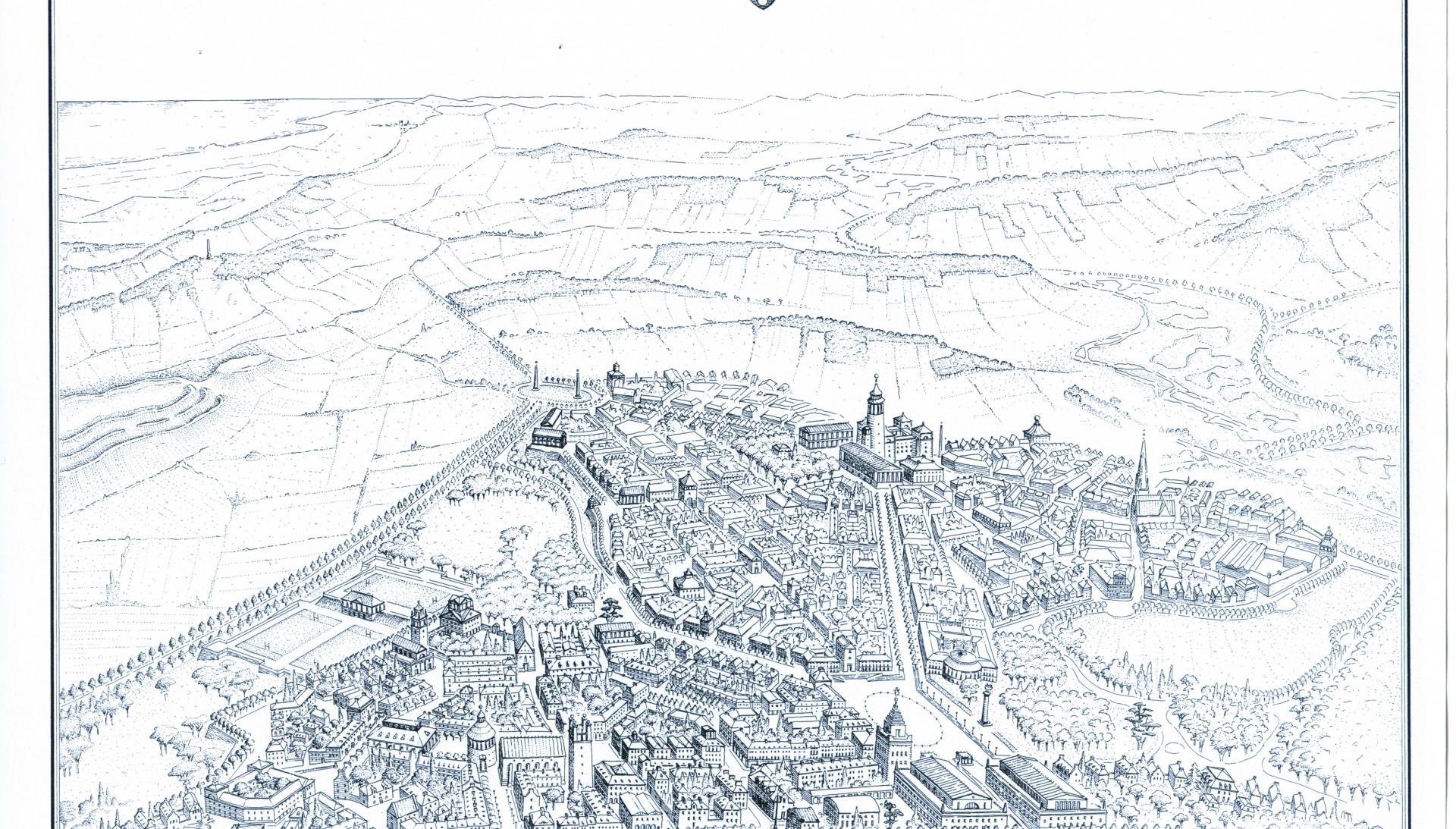
Poundbury is a new town in Dorset, England, planned by Leon Krier in collaboration with Prince Charles. Initiated in 1988 on the Duchy of Cornwall land, it serves as an urban extension of the historic town of Dorchester. Poundbury is not a single building but a comprehensive mixed-use development organized according to traditional English village principles. Krier’s plan features a network of walkable streets, public squares, and low-rise buildings in regional classical styles. The design rejects modernist zoning by integrating homes, shops, and workplaces to create a cohesive community. Construction employs local materials such as stone and brick, producing varied facades and a unified character. Development has continued since the 1990s, and Poundbury stands as a built demonstration of Krier’s urban philosophy—human-scaled, sustainable, and influential in global urban planning.
02. Cayalá (Guatemala City, Guatemala)
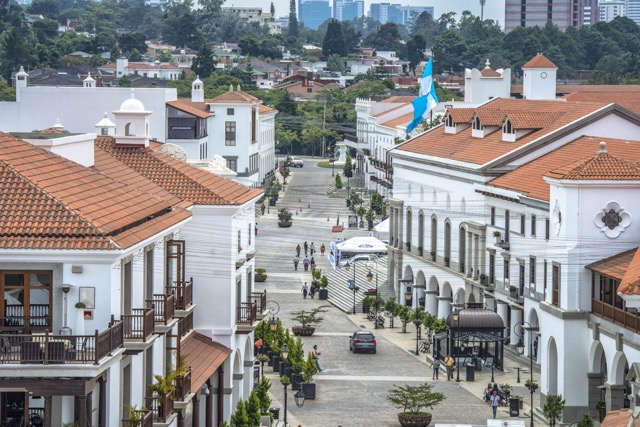
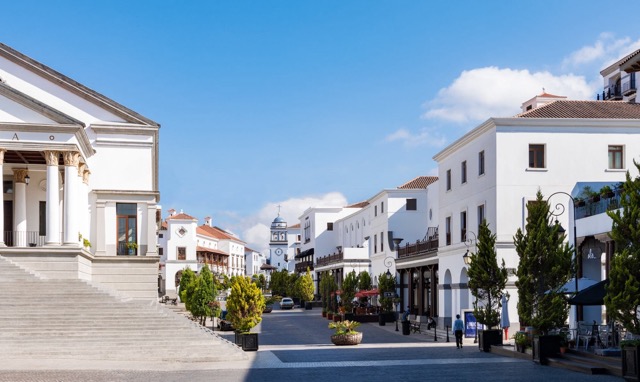
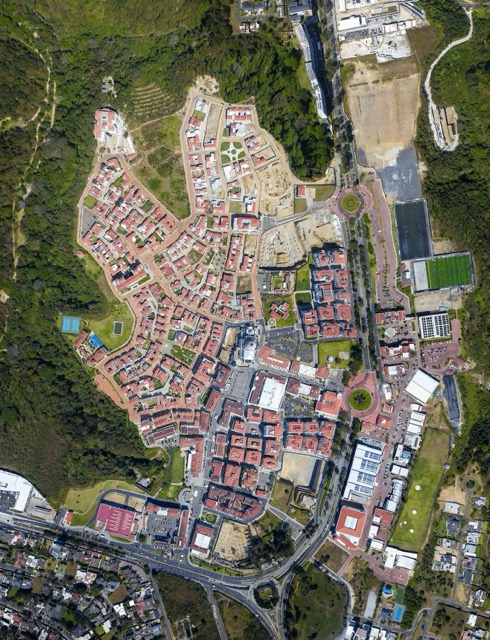
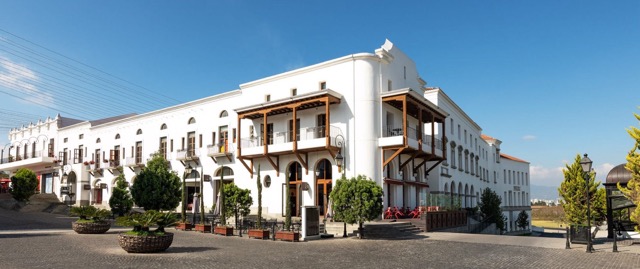
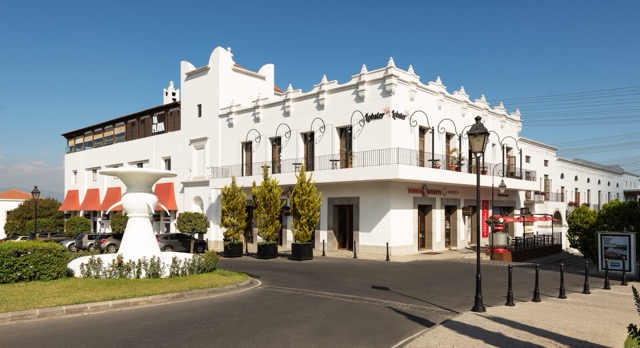
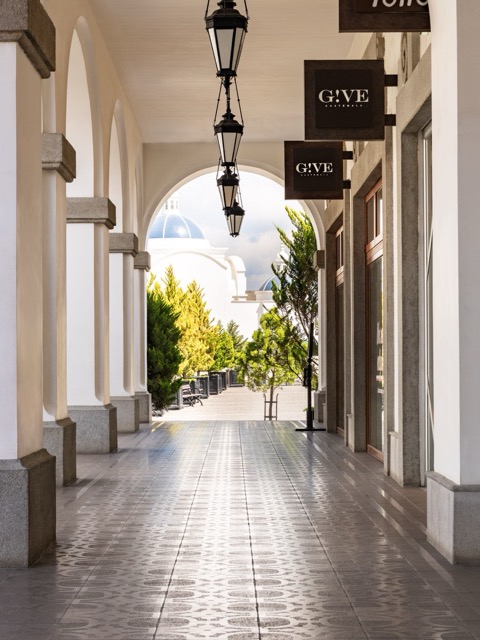
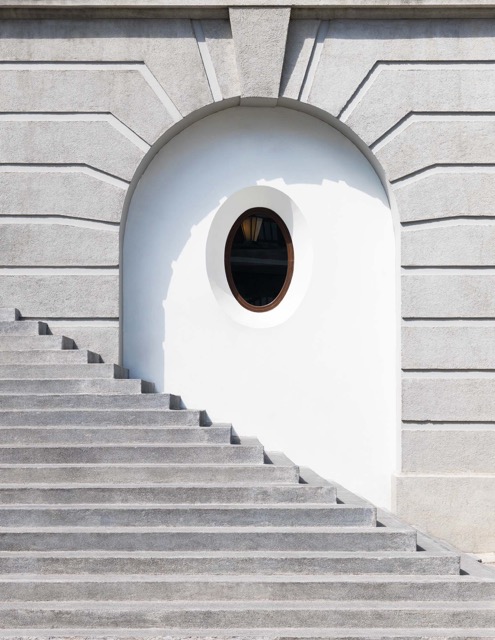
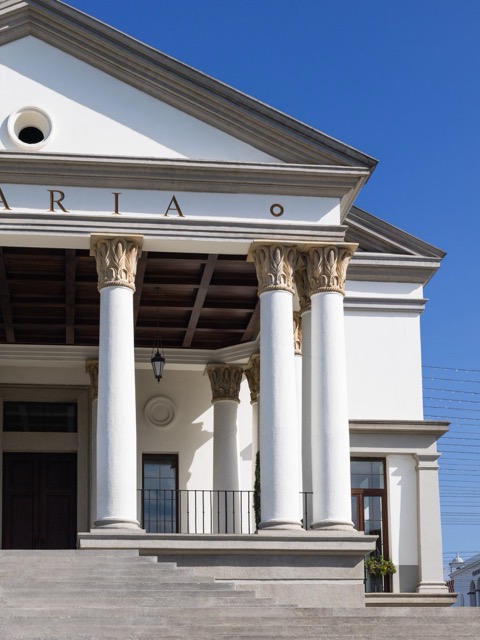
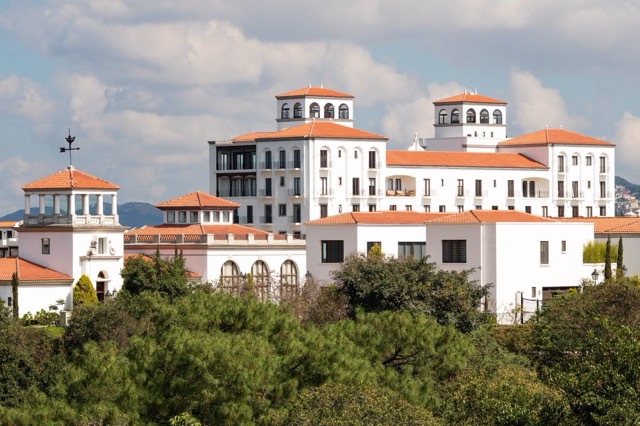
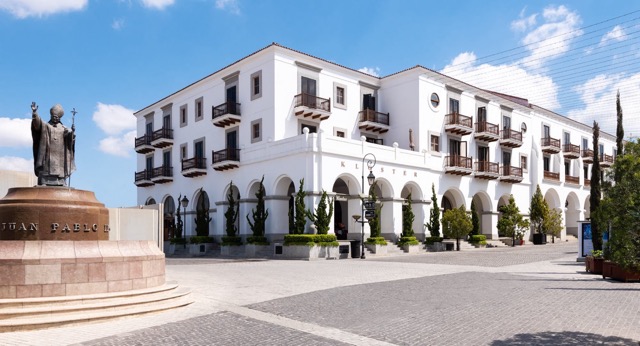
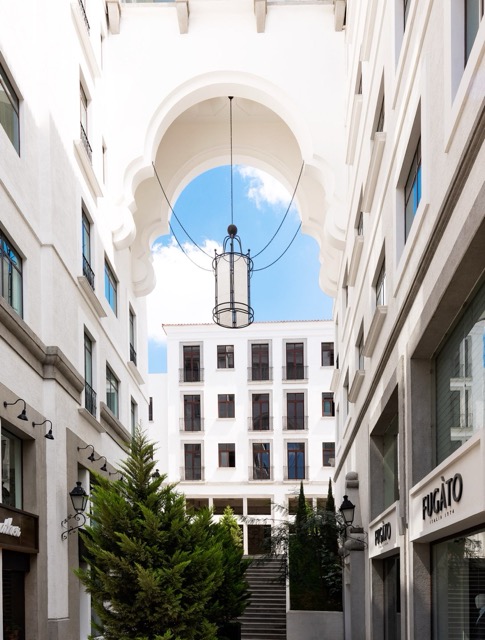
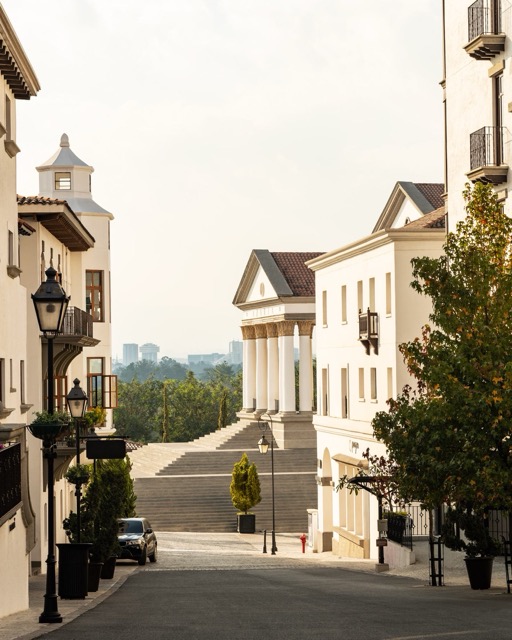
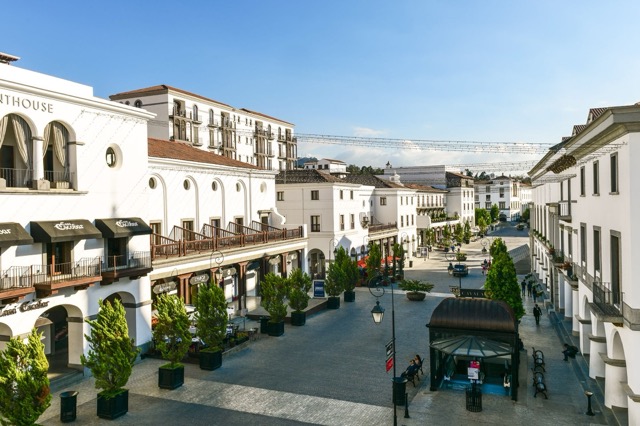
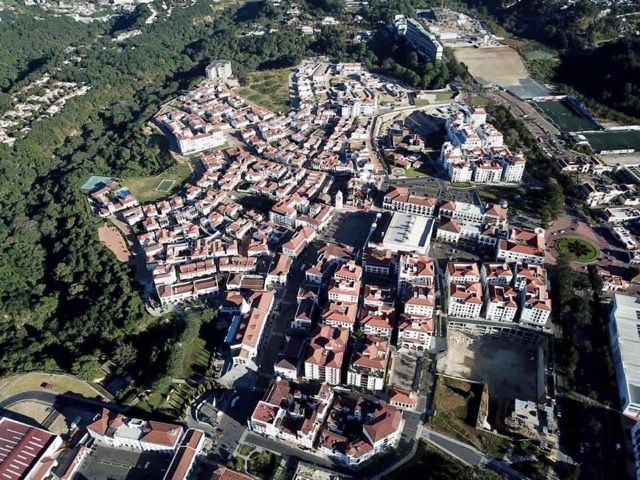
Ciudad Cayalá is a planned district on the outskirts of Guatemala City, where Leon Krier served as lead urban designer. Developed primarily in the 2010s, Cayalá is a New Urbanist town built from open land. Krier’s role focused on organizing the street network and civic spaces according to his principles of walkability and architectural order. The neighborhood consists of white-painted buildings with colonnades, courtyards, and colonial Latin American references, creating a cohesive classical appearance. Cayalá integrates residential blocks, shops, offices, and churches within short walking distances, following the same unified approach established in Poundbury. As an urban project, it shows how Krier’s ideas adapt to different cultural settings. The design type is an urban quarter or town center, and its success in attracting residents and visitors established Cayalá as a reference for neo-traditional development in Central America.

03. Krier House (Seaside, Florida, USA)
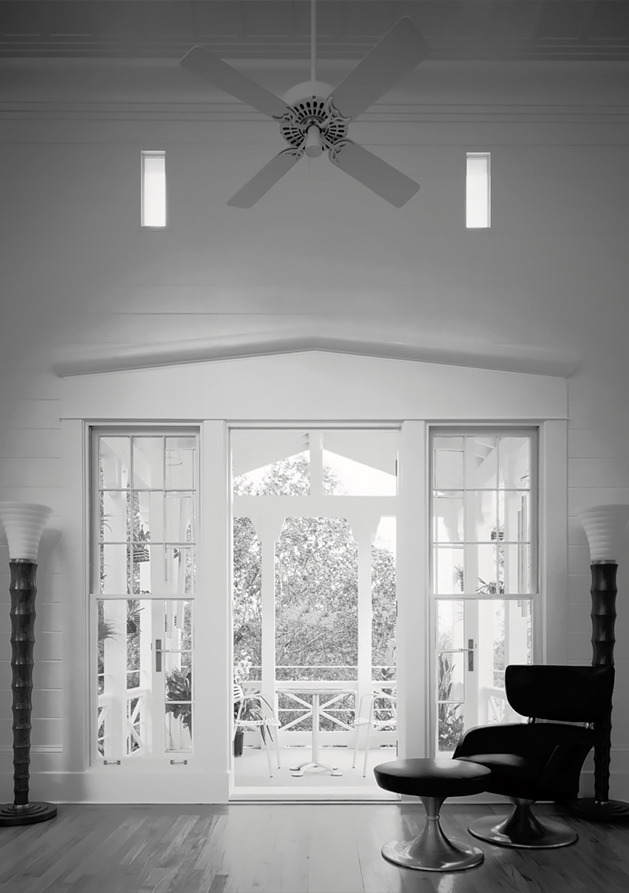
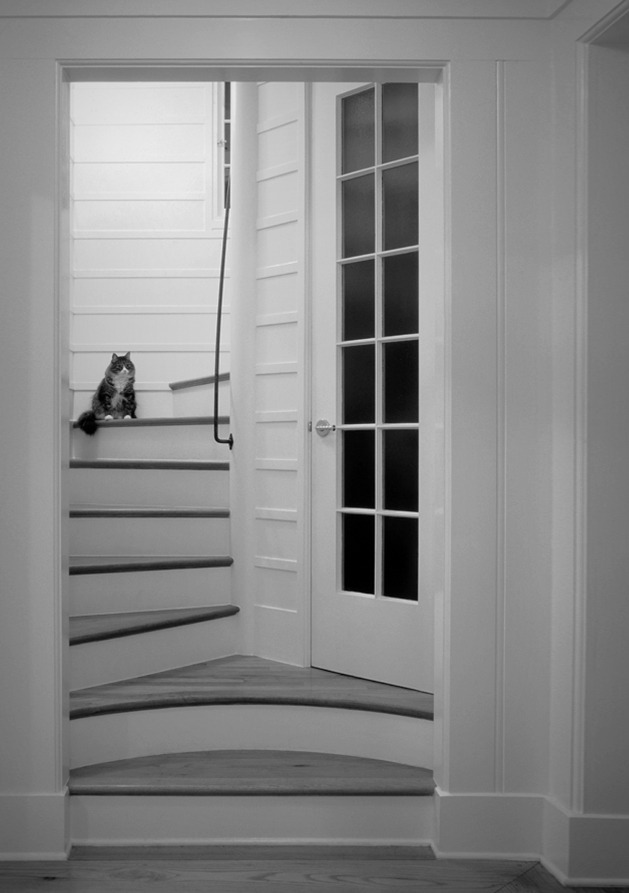
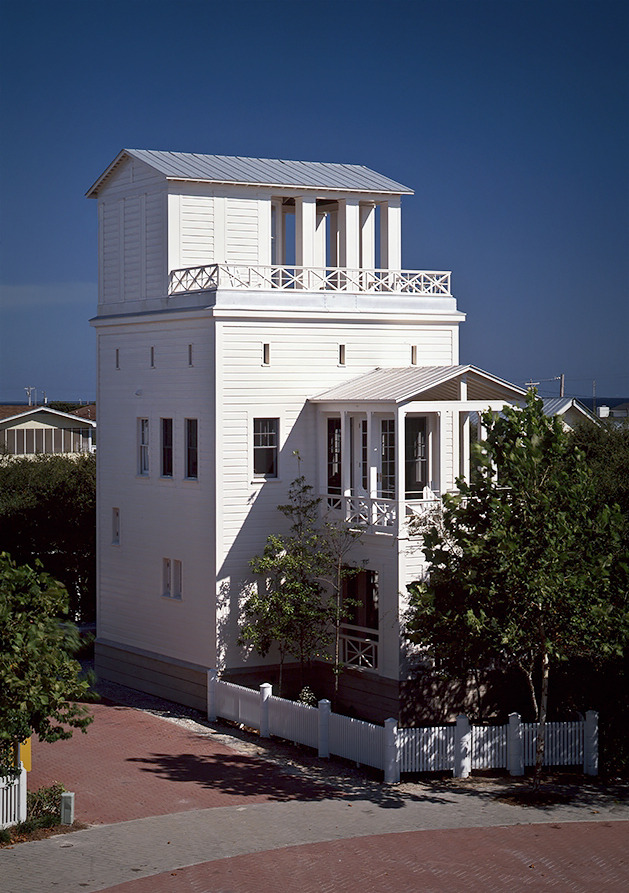
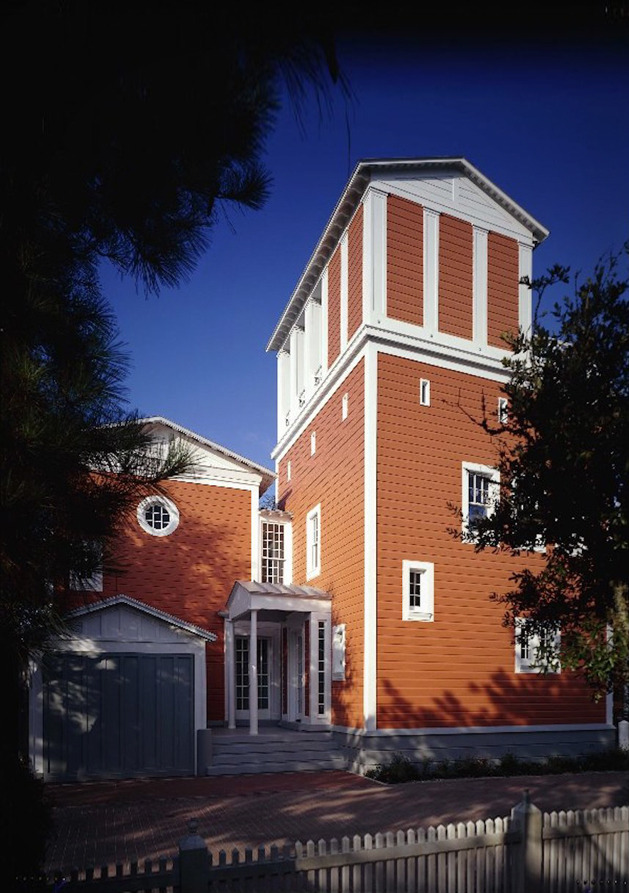
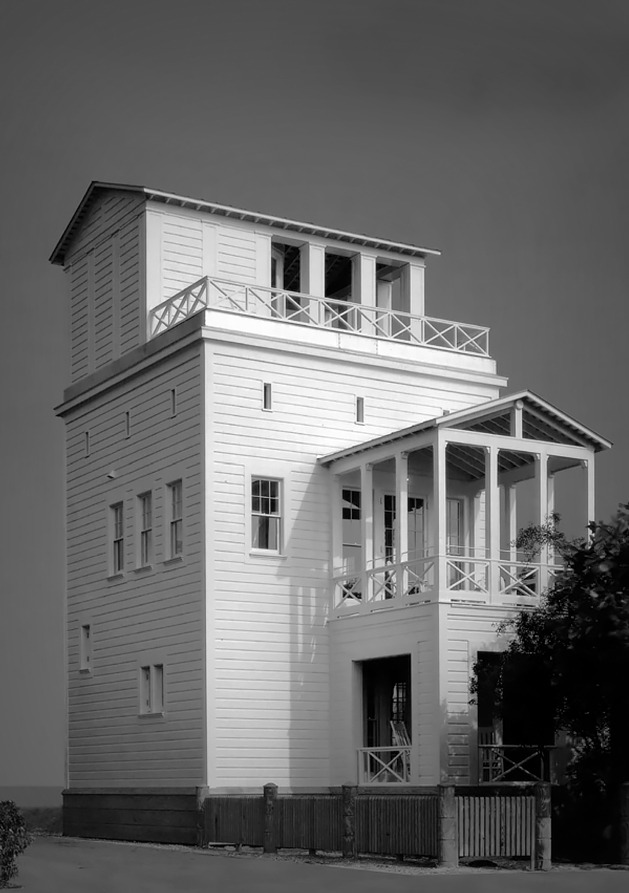
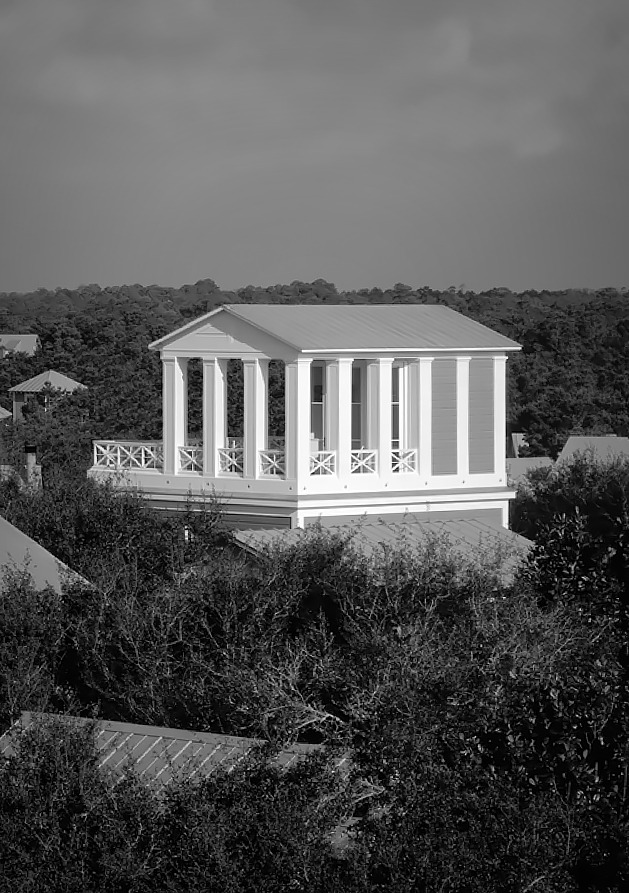
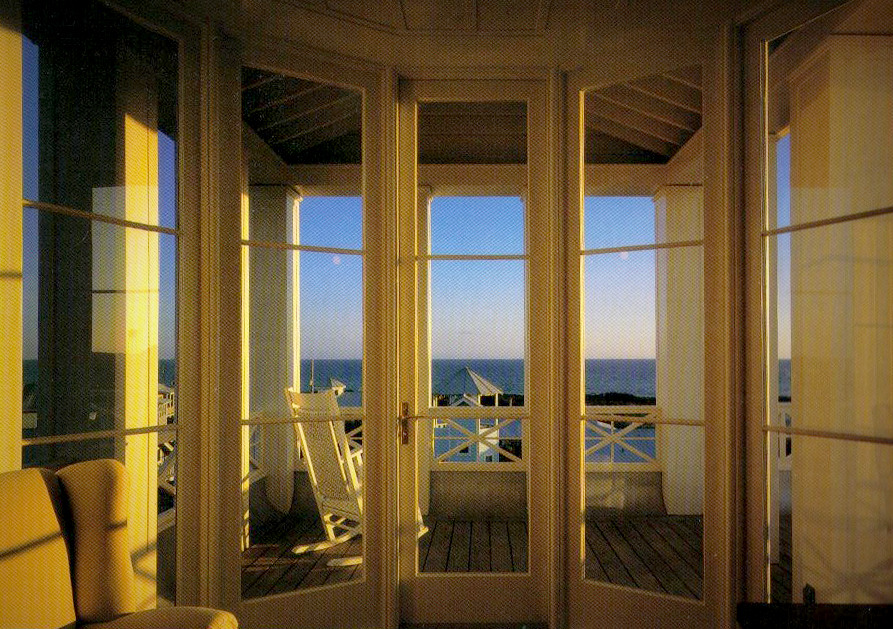
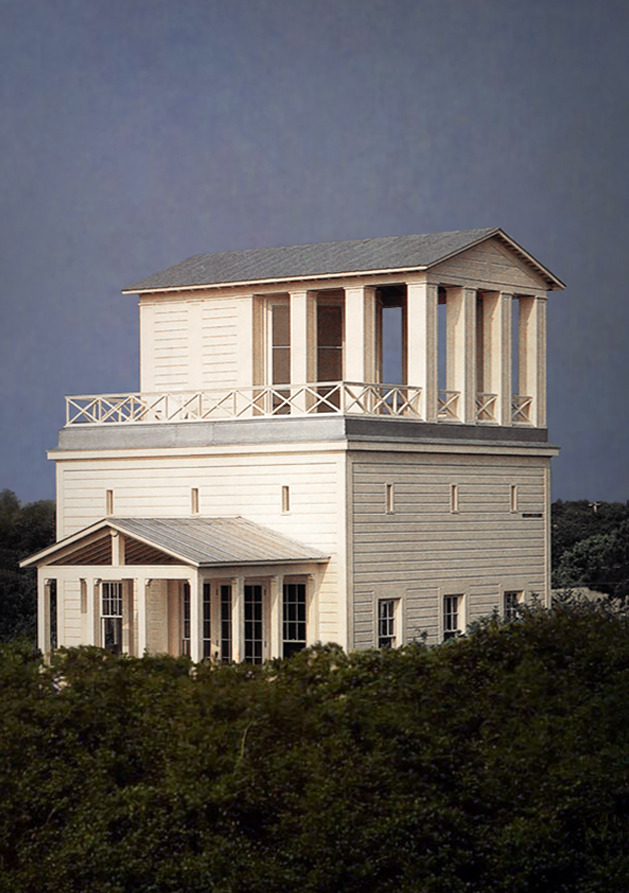
The Krier House in Seaside, Florida, is a compact project designed by Leon Krier as his personal residence. Completed in the late 1980s, the house stands within Seaside, a planned community on Florida’s Gulf Coast that became an early model for New Urbanism. The building is a modest residence expressing Krier’s commitment to vernacular architecture and town-making principles. It occupies a small lot along Seaside’s pedestrian-oriented streets, demonstrating how classical design functions at the domestic scale. The Krier House incorporates traditional Southern elements such as a raised porch, pitched roof, and wood siding, composed with classical proportions. Though small, it serves as a demonstration that architecture grounded in local tradition can support community life. Seaside’s master plan, developed by Krier’s colleagues Andrés Duany and Elizabeth Plater-Zyberk, followed similar ideals, and Krier’s house integrates seamlessly within this traditional urban fabric.
04. Windsor Village Hall (Vero Beach, Florida, USA)
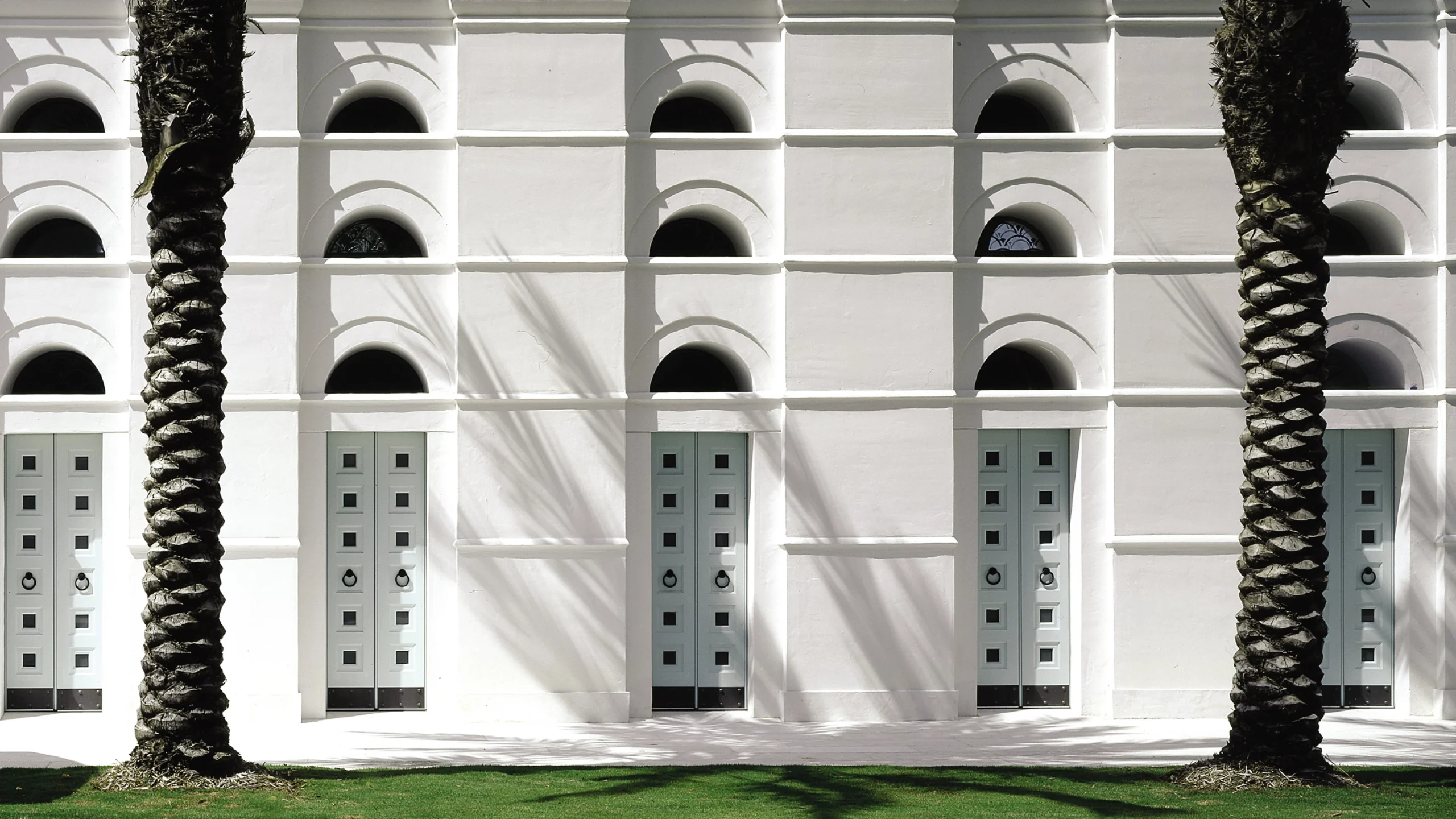
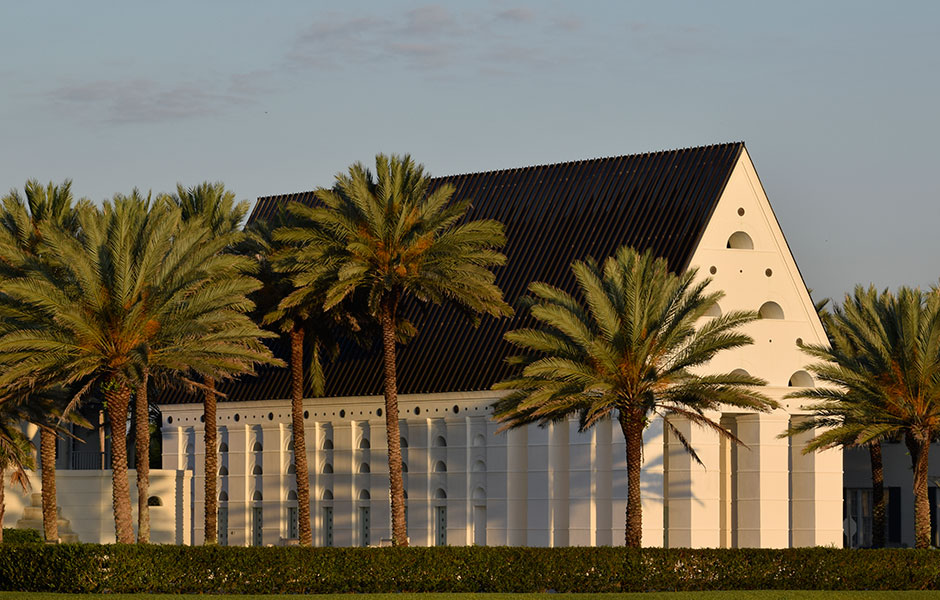
Windsor Village Hall is a civic building in the private community of Windsor near Vero Beach, Florida, designed by Leon Krier and completed in 1997. The building functions as the social and administrative center of Windsor, a New Urbanist development influenced by Anglo-Caribbean architectural forms. This community structure is designed in a classical idiom with a symmetrical façade, arched openings, and a loggia supported by columns. Constructed with stucco walls and concrete details, the Village Hall recalls the civic meeting halls and courthouses of earlier towns. It serves as a gathering place for residents, hosting events and meetings, reinforcing Krier’s emphasis on civic architecture as a community core. Windsor Village Hall demonstrates how Krier applied traditional design to contemporary needs, producing a modest landmark that defines the neighborhood’s civic identity. Though located within a private development, its human scale and restrained classical design express the inclusive intent of traditional town architecture.
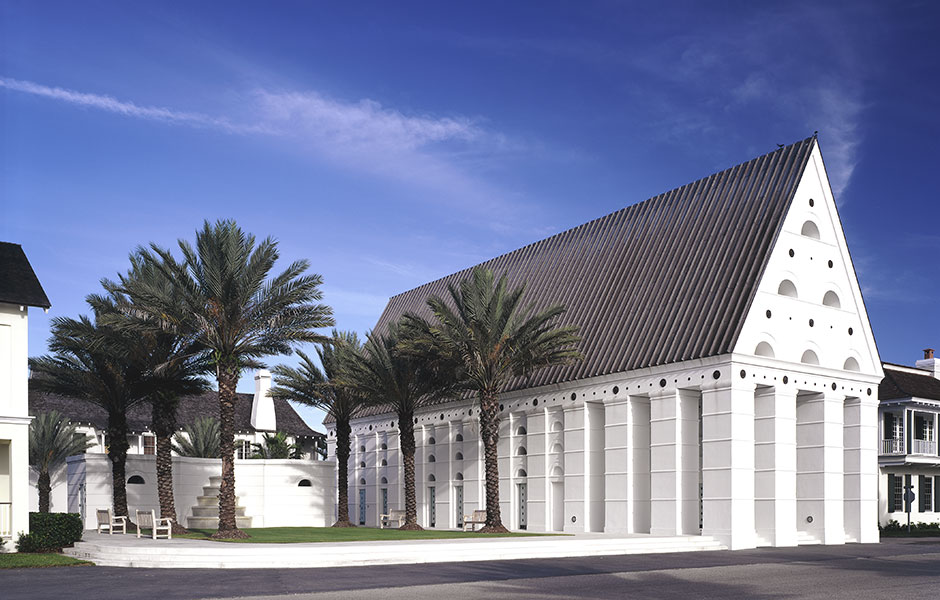
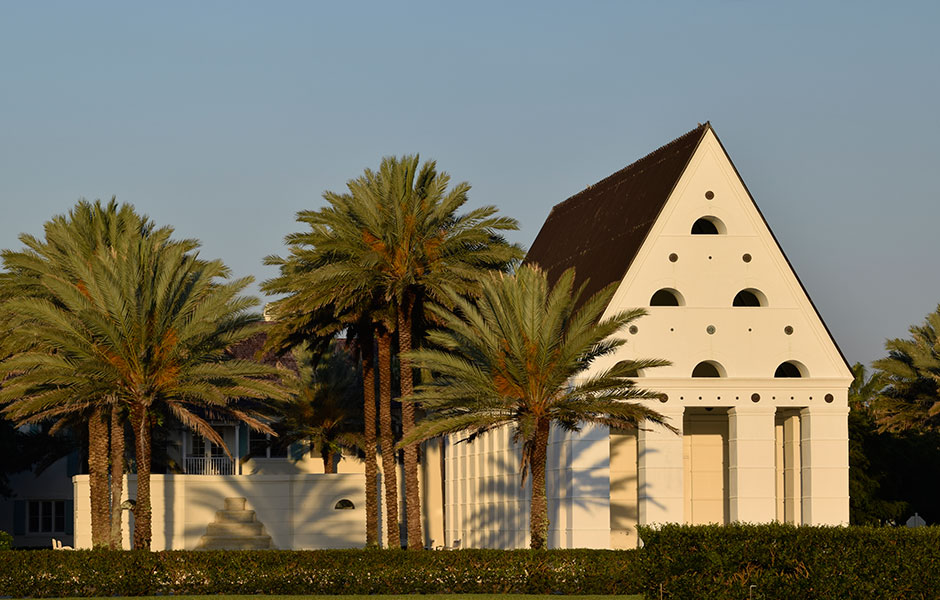
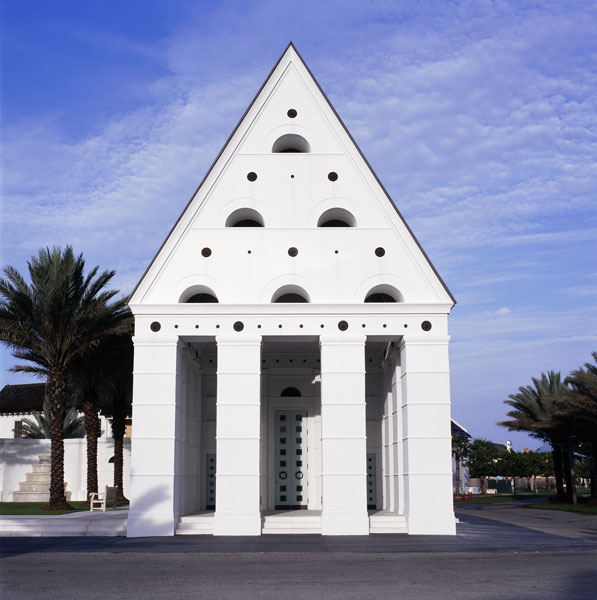
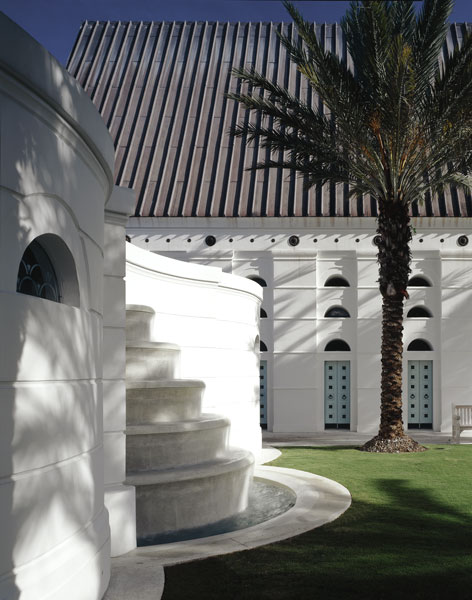
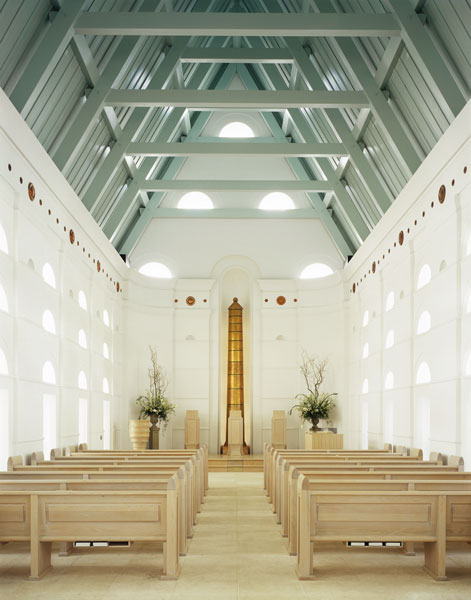
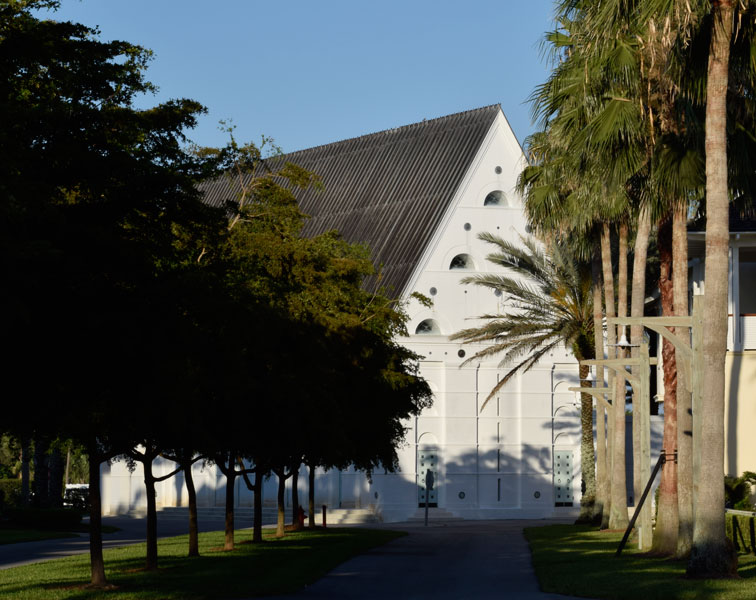
05. Jorge M. Pérez Architecture Center (Miami, Florida, USA)
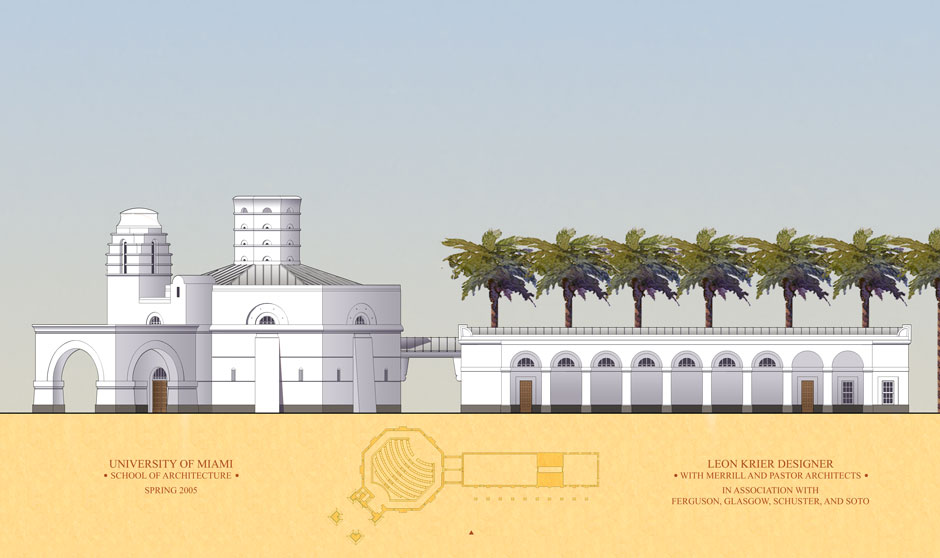
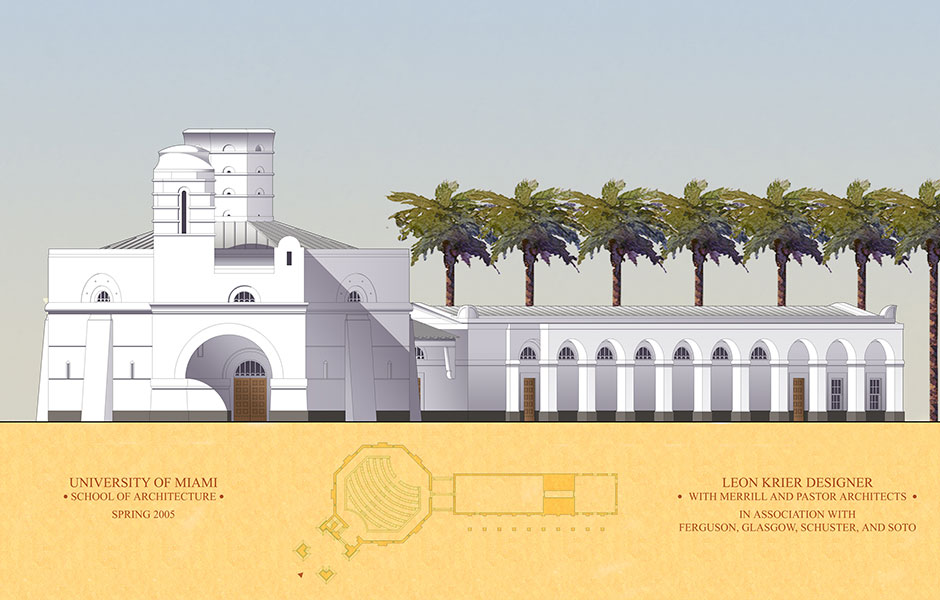
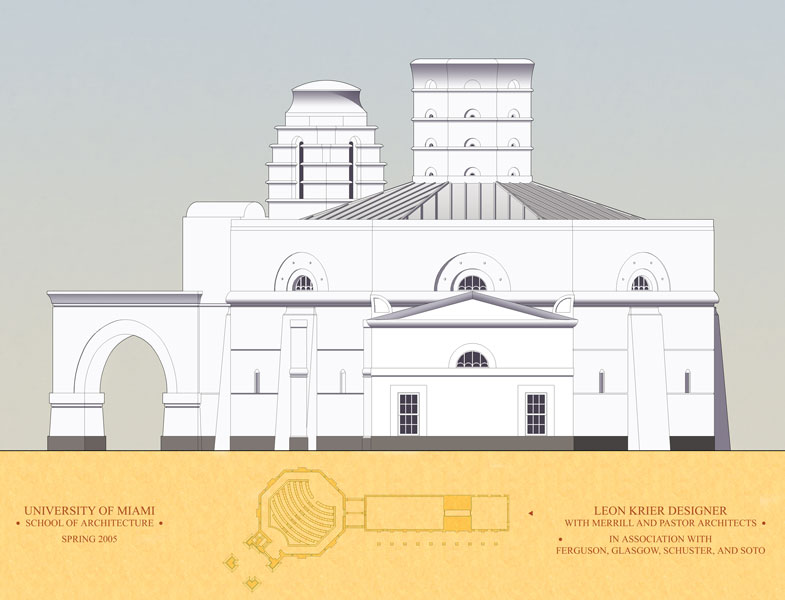
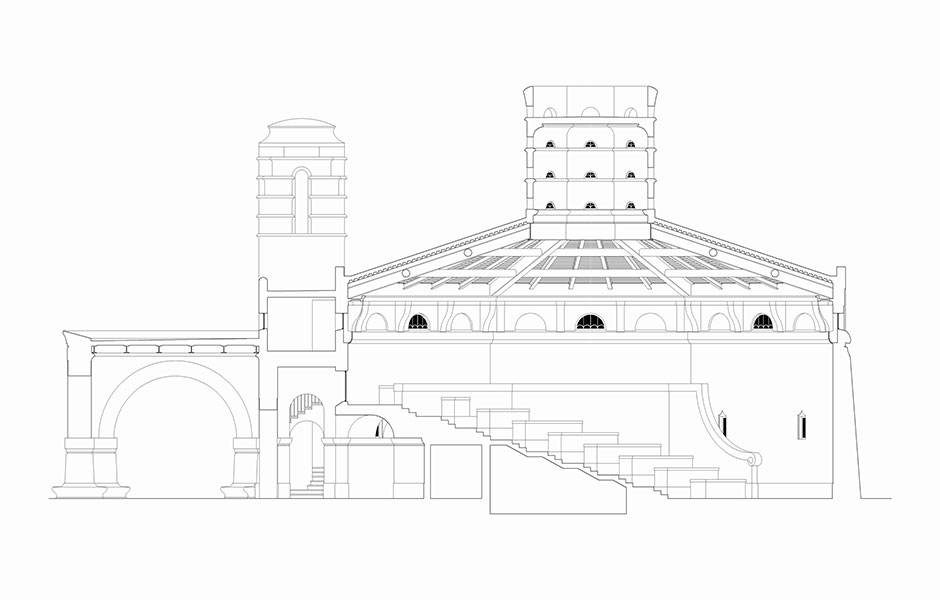
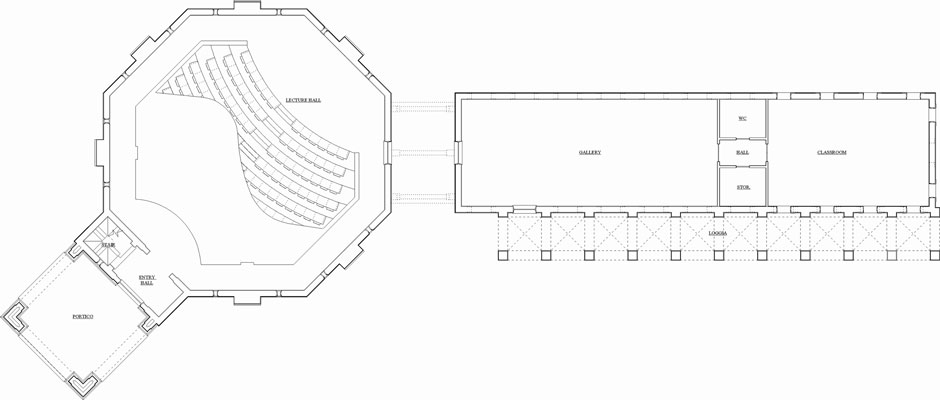
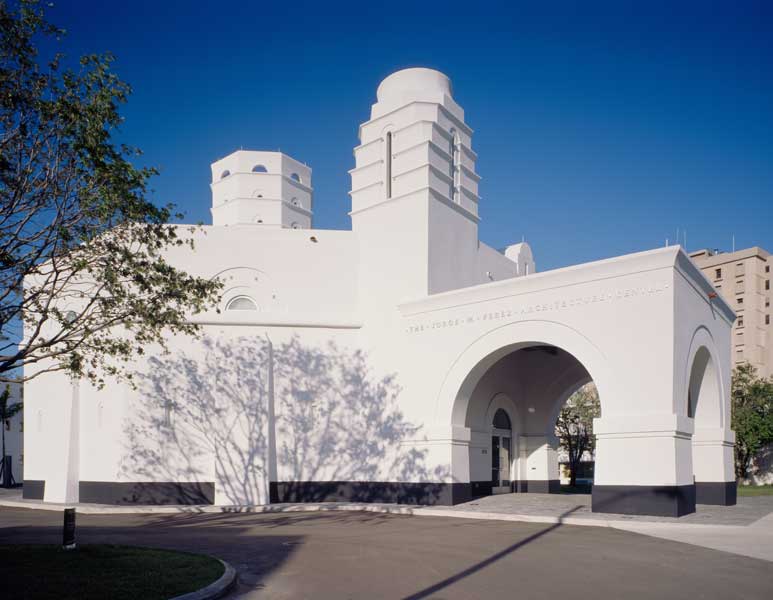
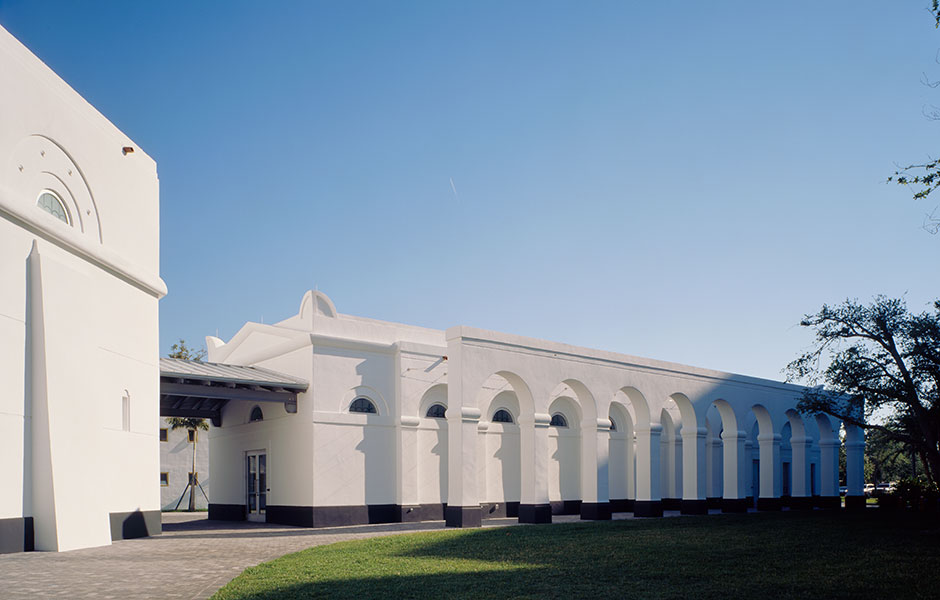
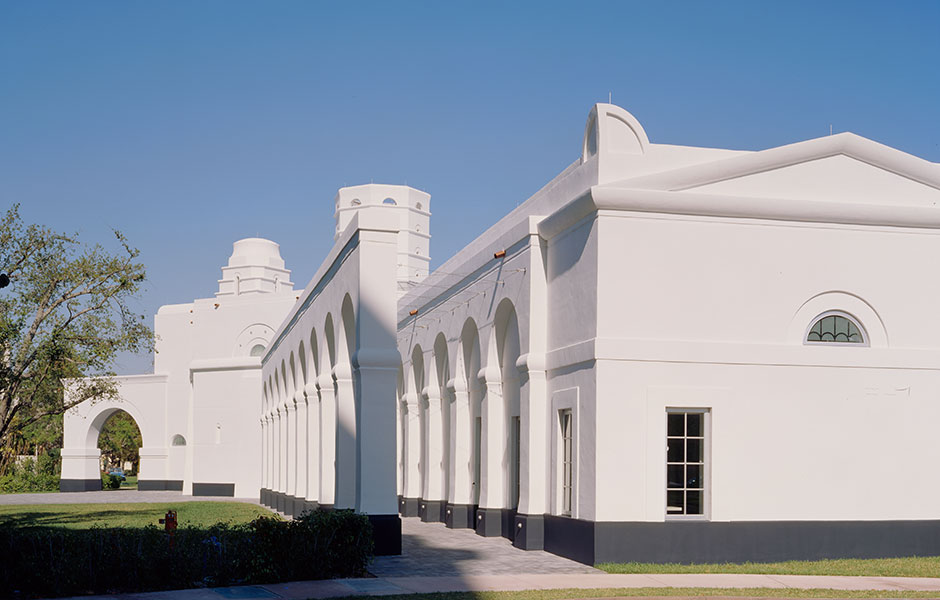
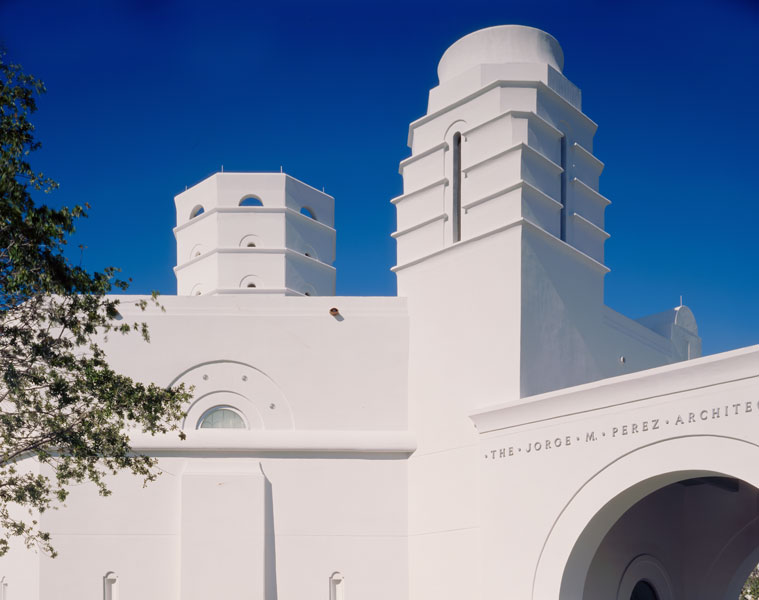
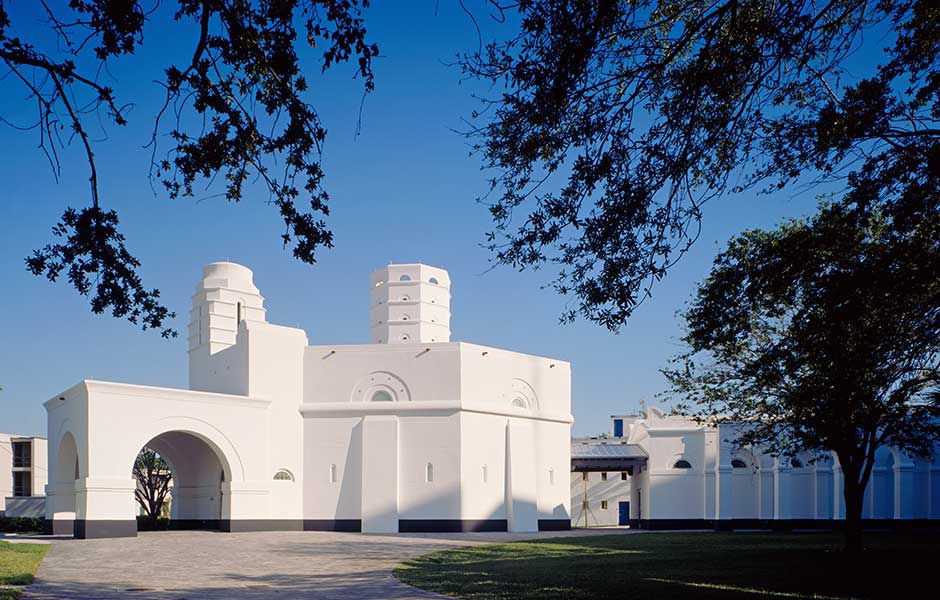
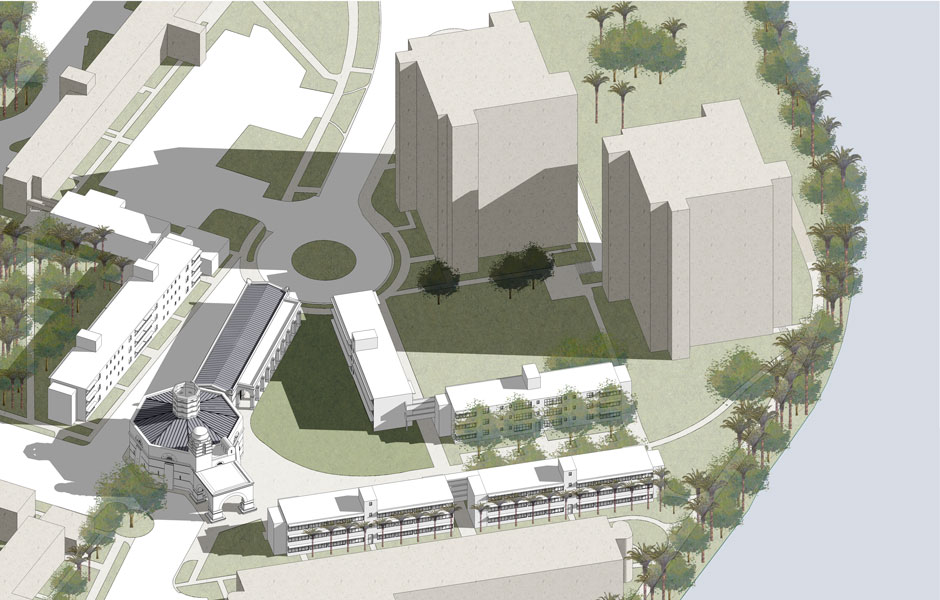
The Jorge M. Pérez Architecture Center at the University of Miami is an academic building designed by Leon Krier and opened in 2005. Located on the university’s Coral Gables campus, the facility contains the School of Architecture’s library, auditorium, and exhibition spaces. The structure represents an educational building that reflects Krier’s neo-traditional approach within a modern academic context. It is organized as a series of pavilions arranged around a courtyard, drawing from Mediterranean and Spanish Colonial forms common in South Florida. The building features arcaded walkways, clay tile roofs, and stucco finishes that align with the campus’s historic architecture. Internally, the spaces are contemporary and functional, while externally, Krier gave the complex a civic presence through classical composition and detail. The project demonstrates Krier’s capacity to address modern academic requirements while maintaining traditional design principles. The Pérez Architecture Center functions as a teaching tool, embodying the principles of contextual and enduring architecture that Krier promoted throughout his career.
How did Leon Krier contribute to architecture?
Leon Krier contributed to architecture by redefining the discussion on urban design and architectural practice. He reintroduced traditional urban principles at a time when they were largely disregarded. Through essays, lectures, and master plans, Krier demonstrated that walkable blocks, mixed-use neighborhoods, and classical architecture address modern urban issues such as sprawl and loss of identity. He promoted an integrated design process in which architecture, urban form, and community needs are conceived together from the outset. In practice, Krier’s projects illustrated how to move beyond the industrial model of city building, favoring pedestrian streets and balanced skylines over vehicular infrastructure. He also taught at institutions including Princeton, Yale, and Notre Dame, where he influenced younger architects and planners through his human-centered design philosophy.
What awards and honors has Leon Krier received?
Leon Krier received awards and honors recognizing his influence on architecture and urbanism, including:
- Driehaus Architecture Prize (2003) – Krier was the first recipient of this award, which acknowledges architects committed to traditional and classical design. It recognized his lifelong contribution to humane and enduring architecture.
- Athena Medal from CNU (2006) – The organization’s highest honor, presented for Krier’s foundational ideas that shaped the New Urbanism movement.
- Commander of the Royal Victorian Order (2017) – Granted by the British Crown as a Commander of the Royal Victorian Order (CVO) at the request of Prince Charles for Krier’s role in developing Poundbury and advancing traditional architecture in the United Kingdom.
- Jefferson Memorial Gold Medal (1985) – Awarded for Krier’s impact on classical architecture in the United States.
- Berlin Prize for Architecture (1977) – Granted for his contribution to the European discourse on urban design.
He also received the Chicago American Institute of Architects (AIA) Award in 1987 and the European Culture Prize in 1995, which recognized his influence on architectural culture beyond academic and institutional circles.
Did Leon Krier change the architecture industry?
Yes, Leon Krier changed the architecture industry by challenging its trajectory and presenting a defined alternative. During a period when high-rise glass towers and suburban expansion dominated, his critiques reintroduced legitimacy to traditional architecture and urban planning. Krier shifted professional perspectives by asserting that long-established urban forms—city squares, classical façades, and mixed-use neighborhoods—remain essential for social and environmental balance. His influence is evident in the rise of New Urbanism, where architects and developers adopted pedestrian-oriented design inspired by his principles. Through projects such as Poundbury, Krier demonstrated that non-modernist design can achieve both cultural and commercial success, broadening what contemporary architecture regards as viable. The field’s growing focus on sustainable, human-centered design owes much to the groundwork Krier established. While not all architects follow his classical vocabulary, many urban developments incorporate the spatial and social principles he advanced, confirming his role in reshaping architectural thinking.
Was Leon Krier ever controversial in any way?
Leon Krier’s career involved controversy stemming from his strong positions on architecture and a notable scholarly incident. As an opponent of modernist architecture, he frequently criticized 20th-century architects and planners, provoking debate within the architectural community. Some contemporaries regarded his traditionalist stance as reactionary. The main controversy arose in 1985, when Krier published a book examining the work of Albert Speer, Adolf Hitler’s chief architect. In the publication, Krier praised the classical qualities of Speer’s designs while minimizing their political context. This led to accusations of insensitivity; critics argued that he separated architecture from morality. The Speer book damaged his reputation temporarily—it was boycotted by some bookstores, and Krier publicly debated architect Peter Eisenman over the issue. Krier later clarified that appreciating architectural form did not imply endorsement of the regime, though the episode continued to shadow his career. His collaboration with Prince Charles on Poundbury also drew criticism from modernist circles, though it did not constitute a personal scandal.
Who are the most famous architects in modern history besides Leon Krier?
Aside from Leon Krier, Frank Lloyd Wright, Le Corbusier, and Zaha Hadid are among the most influential architects who shaped modern architecture. Frank Lloyd Wright (American, 1867–1959) pioneered organic architecture through works such as Fallingwater and the Guggenheim Museum, emphasizing harmony between building and landscape. Le Corbusier (Swiss-French, 1887–1965) defined early modernism with radical designs such as the Villa Savoye and the city plan of Chandigarh, establishing the functionalist vocabulary of the twentieth century. Zaha Hadid (Iraqi-British, 1950–2016) advanced late-modern architecture with fluid geometries and dynamic spatial forms, becoming the first woman to receive the Pritzker Prize and producing works such as the Guangzhou Opera House and the London Aquatics Centre. Other major figures include Ludwig Mies van der Rohe, who distilled architecture to its steel-and-glass minimalism; Frank Gehry, known for his sculptural deconstructivist structures such as the Guggenheim Bilbao; and Richard Rogers, a contemporary of Krier associated with the High-Tech movement.
What did Leon Krier mostly design?
Leon Krier mostly designed traditional towns and classical-style buildings focused on intimate scale and enduring form. His body of work can be divided into several categories:
- Master-Planned Communities: Krier is recognized for planning complete neighborhoods or towns, such as Poundbury in England and Cayalá in Guatemala, which embody New Urbanist principles. These projects emphasize pedestrian access, public spaces, and architecture rooted in local traditions.
- Civic and Institutional Buildings: He designed public structures, including Windsor Village Hall and the University of Miami’s Architecture Center, which serve community or academic purposes. These buildings, composed with classical proportions and detailing, demonstrate how traditional architecture contributes to public life.
- Residential Architecture: Krier also designed individual homes, including his own Krier House in Seaside, Florida. These residences are modest in scale and vernacular in style, illustrating his belief that domestic architecture should remain contextual and human-centered.
Across all types, Krier’s projects express a consistent commitment to coherence and proportion in the built environment. He avoided designing skyscrapers or large-scale complexes, focusing instead on compact, well-structured places that reinforce community and urban continuity.
Where did Leon Krier study?
Leon Krier studied architecture briefly at the University of Stuttgart in Germany. He enrolled in the program in the late 1960s, initially drawn by its modernist orientation. He attended for one year, in 1968, before concluding that the curriculum’s focus on industrial design conflicted with his growing interest in classical architecture. Krier did not complete a degree; instead, he left to pursue direct professional experience. In 1969, he moved to London to work under architect James Stirling, gaining a formative education outside the university setting. Although his formal studies were short, Krier often credited this period and practical mentorship for shaping his critical perspective. Later, he served as a visiting professor at Princeton and Yale, but as a student, his primary education remained that single year in Stuttgart, followed by practical training in the field.
Did Leon Krier have any famous teachers or students?
Yes, Leon Krier had notable mentors and influenced many architects through teaching. His most prominent teacher was James Stirling, one of Britain’s leading architects, under whom Krier worked from 1968 to 1970. Stirling was a modernist, but exposed Krier to rigorous design thinking and began exploring historicist ideas that resonated with him. Krier also briefly worked with Josef Paul Kleihues in Berlin, a proponent of critical reconstruction in architecture. These early mentors were accomplished figures who helped refine Krier’s approach, even as he later turned toward classical design. As for students, Krier did not maintain a personal atelier that produced prominent architects as some modernists did, but he taught at universities including Princeton, Yale, Virginia, and Notre Dame over several decades. Through these roles, he mentored many young architects and urban planners. His influence is visible in the New Urbanism movement—particularly among American architects Andrés Duany and Elizabeth Plater-Zyberk, who led projects such as Seaside and credited Krier’s ideas as foundational.
How can students learn from Leon Krier’s work?
Students can learn from Leon Krier’s work by studying his design principles and applying them to current architectural challenges. Examining Krier’s drawings and writings, such as The Architecture of Community, reveals the importance of urban clarity and the use of traditional typologies. These materials show how he analyzed cities to understand why historic centers function effectively and how modern planning can replicate those qualities. Architecture students should visit, or study virtually, projects such as Poundbury, Seaside, and Cayalá to observe Krier’s principles in practice. By analyzing these environments, students gain insight into how human-scale planning, mixed-use organization, and classical composition foster a coherent sense of place. Krier’s work also highlights the integration of architecture and urbanism, demonstrating how buildings should respond to context and strengthen community structure. His career exemplifies critical thinking and independence of vision. Aspiring architects can learn the importance of forming a personal design philosophy and professional ethics. Combining Krier’s enduring principles with modern objectives such as sustainability and social equity can guide students toward designs that are both innovative and grounded in tradition.

