

Ma Yansong, born in 1975 in Beijing, is a Chinese architect whose work connects contemporary form and natural references in global practice. His career developed as architecture engaged with landscape-related design and cross-cultural exchange in the early 21st century. After studying architecture at the Beijing University of Civil Engineering and Architecture and completing a Master of Architecture at Yale University in 2002, he worked under Zaha Hadid and Peter Eisenman in experimental design environments. In 2004, he founded MAD Architects in Beijing, later expanding to offices in Los Angeles and other cities. Over two decades of practice, Ma designed cultural buildings, high-rise structures, and urban developments across Asia, Europe, and North America. His work includes the Absolute World Towers in Mississauga, the Harbin Opera House in Harbin, the Lucas Museum of Narrative Art in Los Angeles, the Ordos Museum in Inner Mongolia, and Quzhou Sports Park in Zhejiang. These projects use non-rectilinear forms, landform massing, and spatial strategies linked to light, water, topography, and landscape references. Ma Yansong’s Shanshui City approach connects architecture and natural concepts and appears in buildings, public venues, and urban sites of different scales. His career includes teaching at the University of Southern California, the Beijing University of Civil Engineering and Architecture, and Tsinghua University, where he has worked with students in design studios. In 2010, Ma Yansong became the first Chinese architect to receive the RIBA International Fellowship, and in 2025, he was included on Time magazine’s annual list of 100 influential people. Through built work, teaching, and research, Ma produced projects that apply nature-related design methods in contemporary architecture.
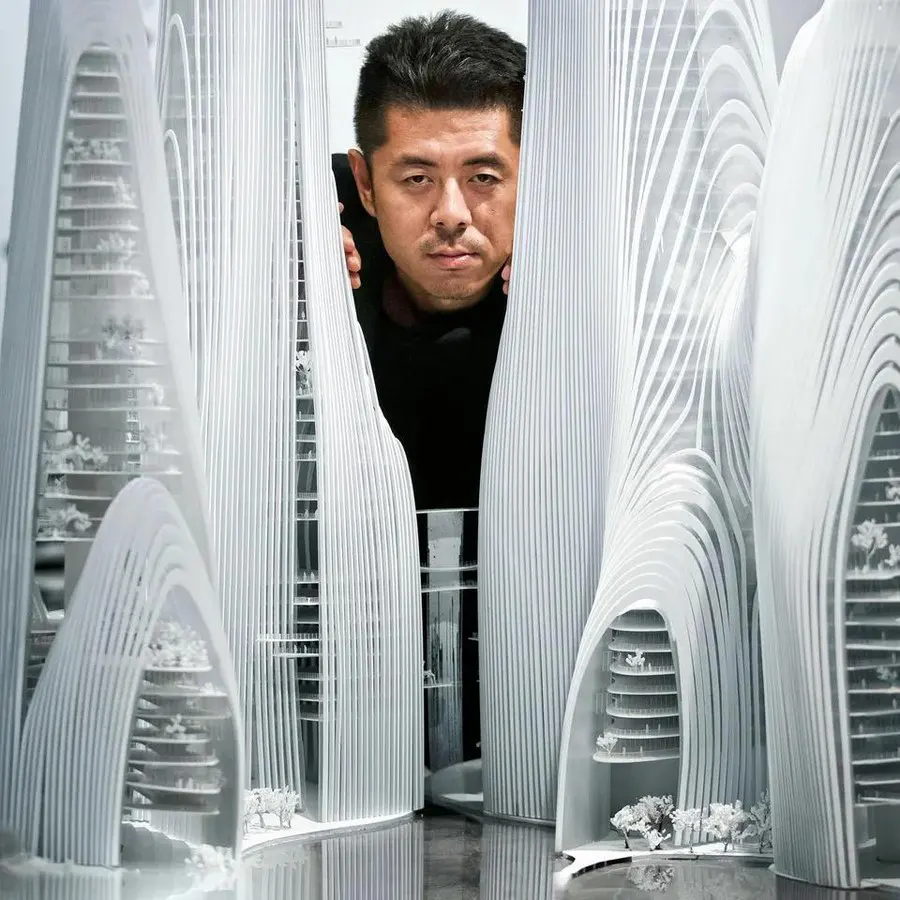
Who is Ma Yansong?
Ma Yansong is a Chinese architect known for designs that combine futuristic forms and natural elements. He was born in 1975 in Beijing, China. Ma Yansong studied architecture at the Beijing University of Civil Engineering and Architecture, where he earned his bachelor’s degree, and later obtained a Master of Architecture from Yale University in 2002. Early in his career, he worked under architects Zaha Hadid and Peter Eisenman, experiences that exposed him to advanced design approaches. In 2004, he founded his firm, MAD Architects, which has offices in Beijing, Los Angeles, and other cities. Over two decades of practice, Ma Yansong designed projects across Asia, Europe, and North America. He continues to lead MAD Architects and teaches while mentoring younger architects. Ma Yansong is currently active in professional practice, often referred to by his surname Ma in Chinese contexts.
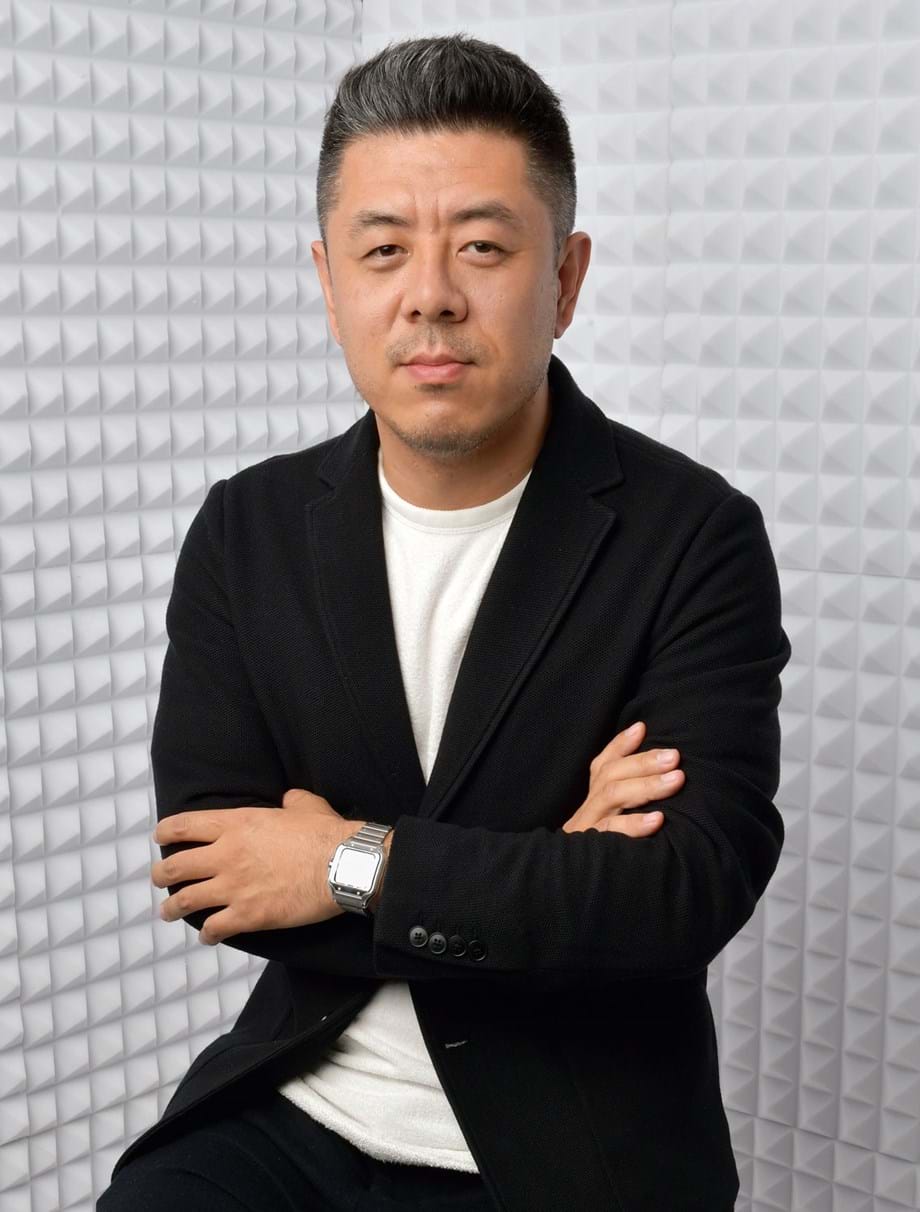
What type of architecture is Ma Yansong representing?
Ma Yansong represents a contemporary architectural approach that emphasizes organic forms and integration with nature. His design philosophy, the “Shanshui City” concept, seeks to balance urban structures and natural landscapes. Ma’s buildings use curves, silhouettes, and shapes that reference mountains, clouds, or waves. These works draw from Eastern aesthetics and landscape art and incorporate advanced technology. Ma Yansong’s approach connects modern design and cultural tradition and focuses on the relationship between people and the environment.
What is Ma Yansong’s great accomplishment?
Ma Yansong’s great accomplishment is establishing a presence for Chinese architects in international practice through his designs. He became one of the first architects from China to gain major international recognition after winning the competition for the Absolute World Towers in Canada. By promoting his “Shanshui City” approach, he introduced a perspective that links architecture and natural concepts and influenced designers to consider the relationship between buildings and nature. Ma Yansong’s career includes projects such as the Lucas Museum of Narrative Art, which demonstrate client trust in his approach to large cultural works. In 2010, he was the first Chinese architect to be awarded a RIBA International Fellowship.
What are Ma Yansong’s most important works?
Ma Yansong’s most important works include a series of iconic buildings and projects that exemplify his nature-inspired, futuristic style. Leading examples are the Absolute World Towers in Mississauga, the Harbin Opera House in China, the Lucas Museum of Narrative Art in Los Angeles, the Ordos Museum in Inner Mongolia, and the Quzhou Sports Park in Zhejiang. Each of these projects showcases Ma’s distinct approach to design – from twisting skyscrapers to landscape-like cultural complexes – and together they have defined his international reputation.
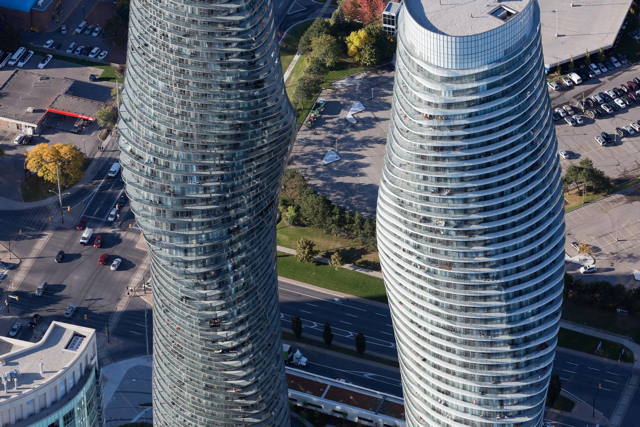
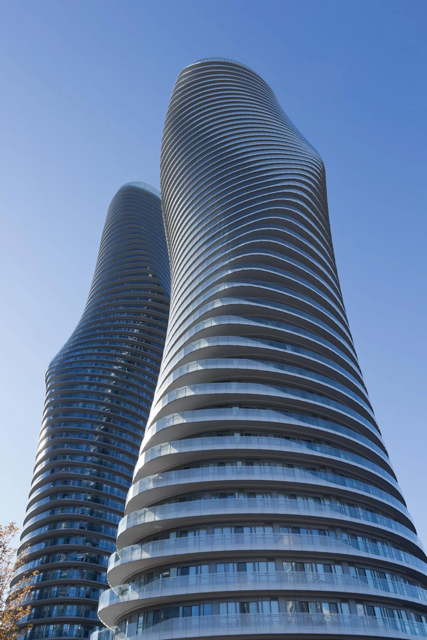
01. Absolute World Towers, Mississauga
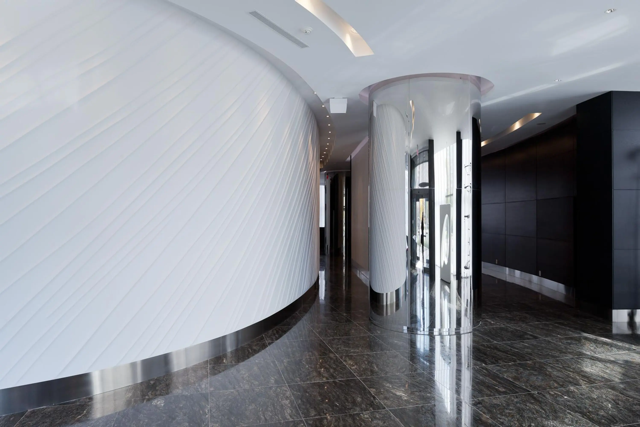
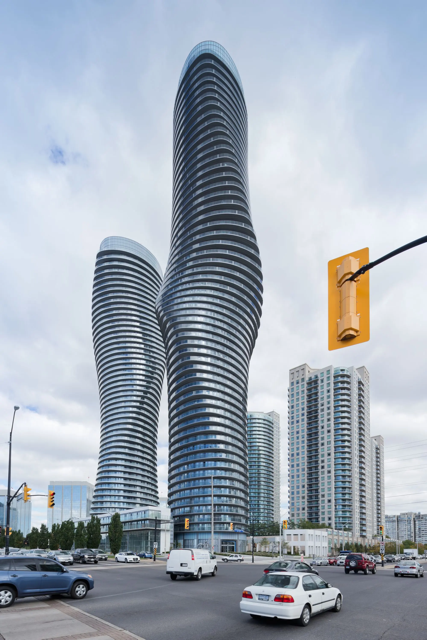
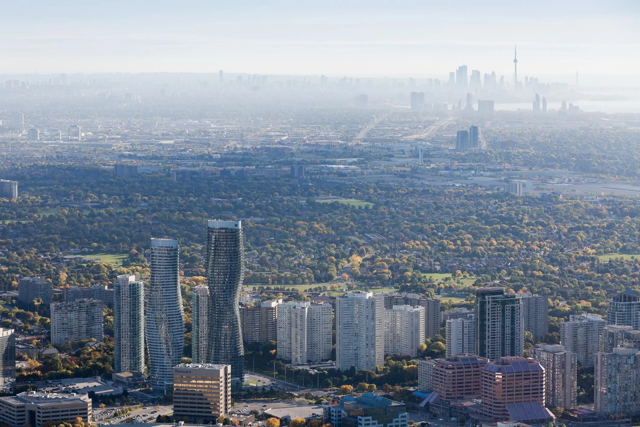
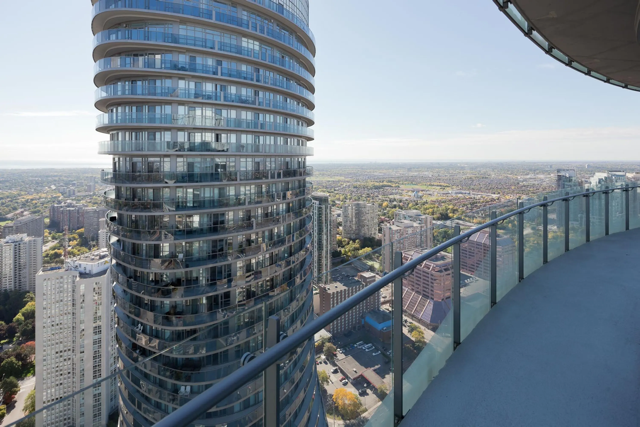
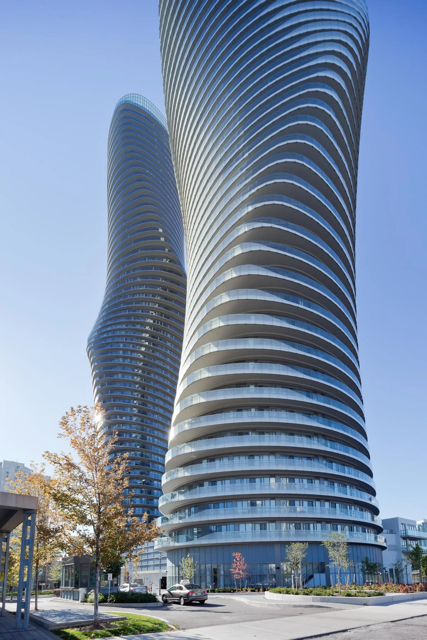
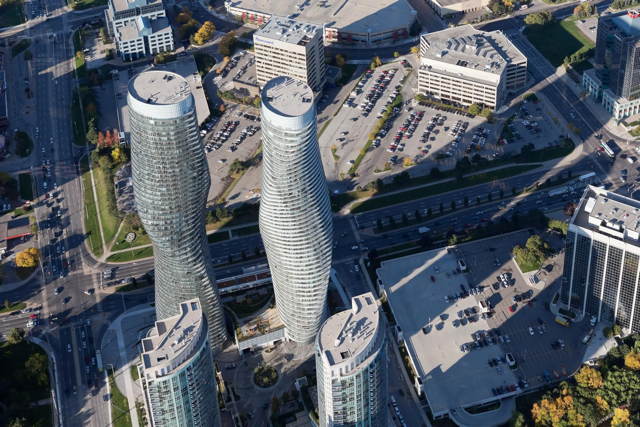
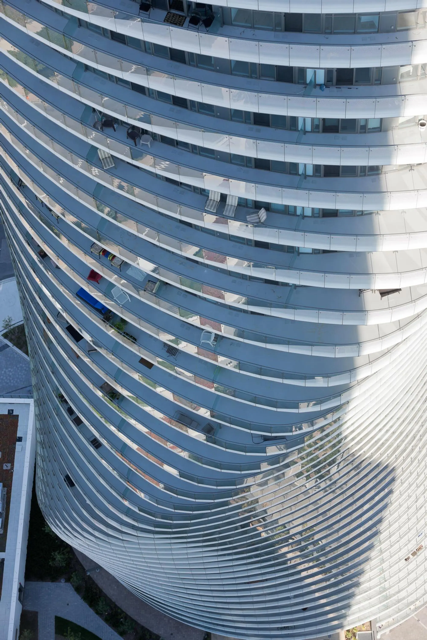
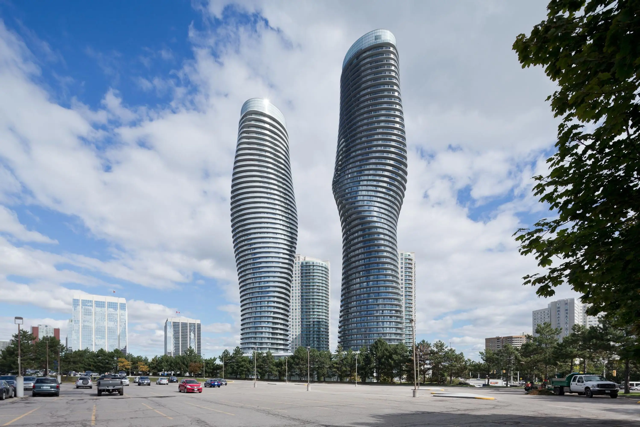
Absolute World Towers, nicknamed the “Marilyn Monroe” Towers, are a pair of residential skyscrapers in Mississauga, Canada. Designed by Ma Yansong and completed in 2012, these towers were MAD Architects’ first international project to receive major attention. Each tower uses a twisting form with continuous balconies that spiral around the structure. The design rotates each floor plate by a few degrees, providing panoramic views. The Absolute World Towers project brought Ma Yansong international recognition after it won an international competition in 2006, and the completed buildings received awards, including the “Best Tall Building in the Americas” for 2012. The two towers introduced a design approach that differs from conventional high-rise profiles in contemporary skyscraper construction.
02. Harbin Opera House, Harbin
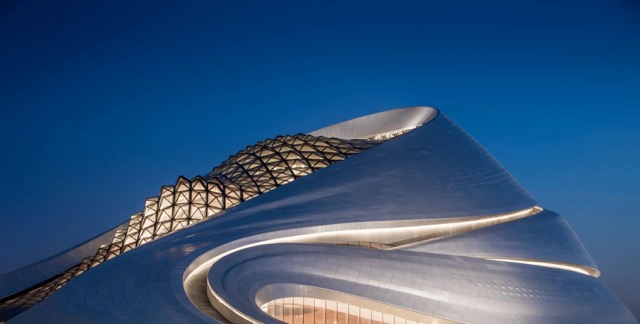
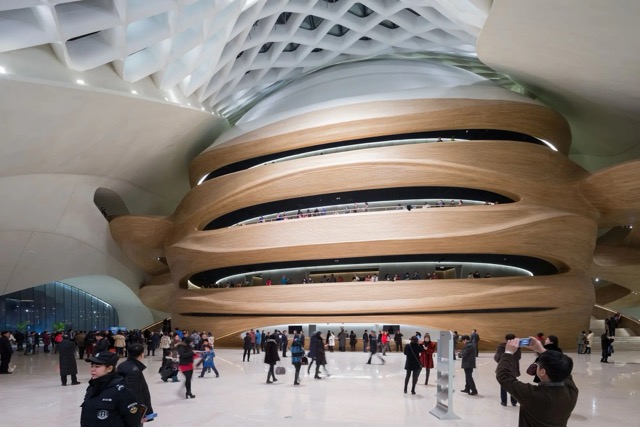
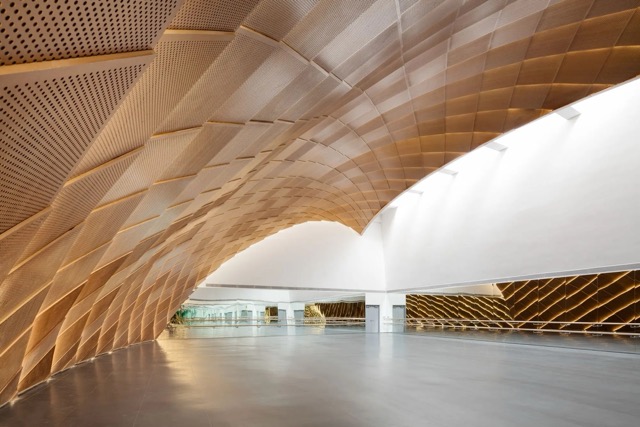
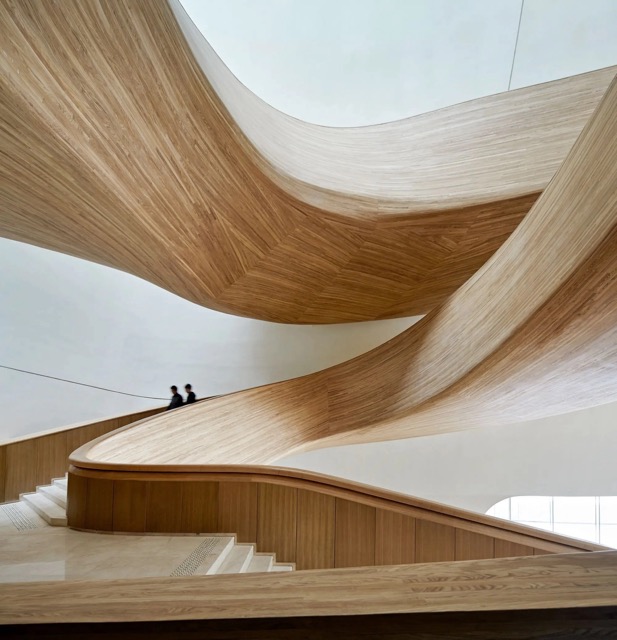
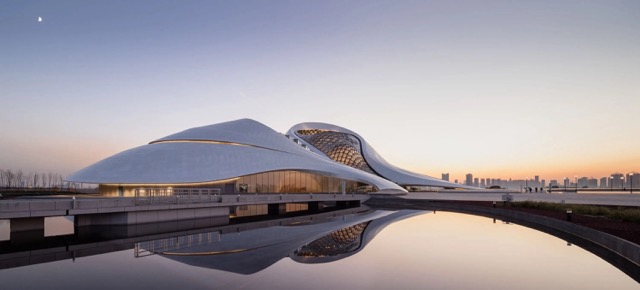
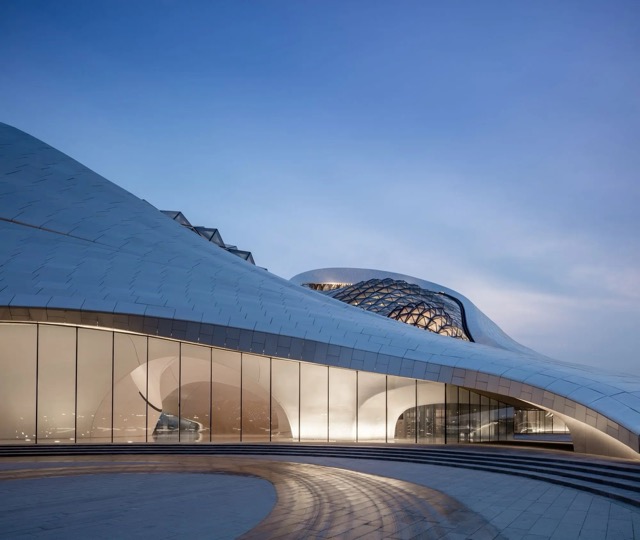
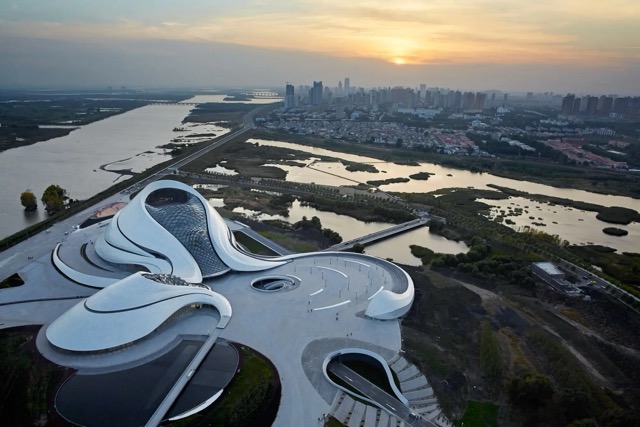
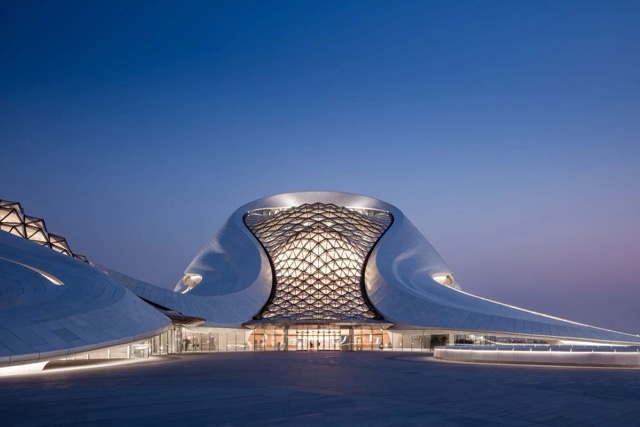
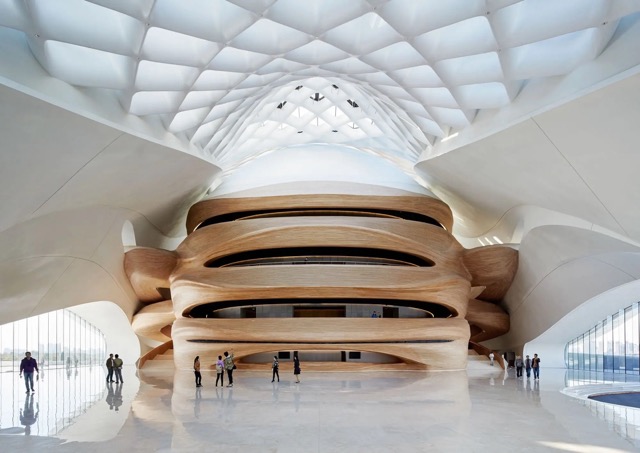
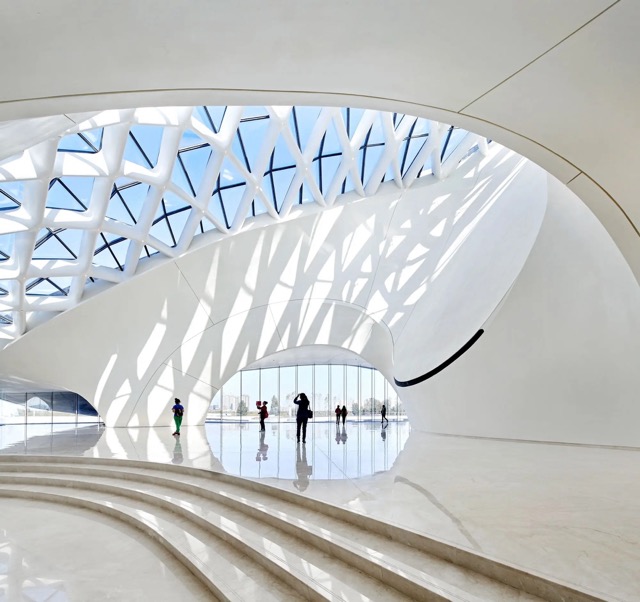
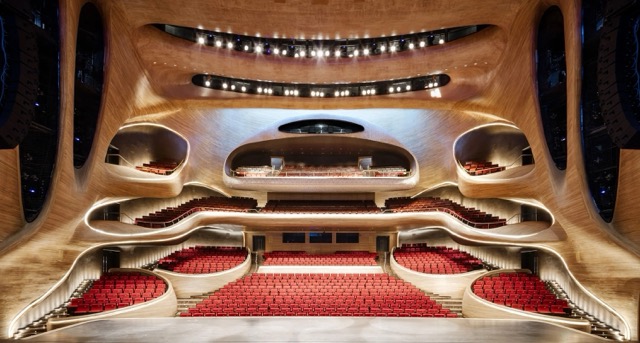
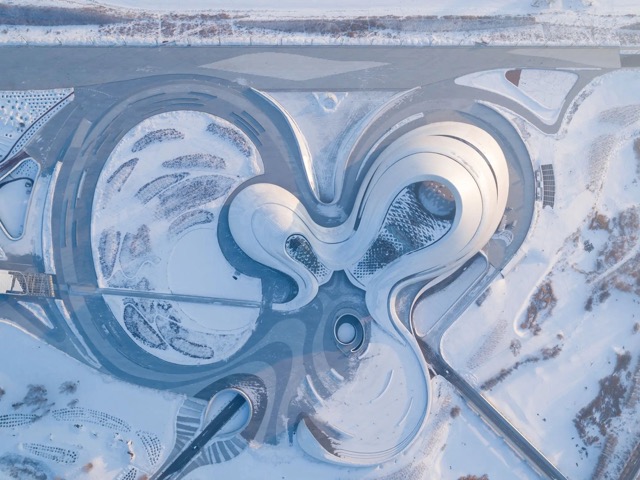
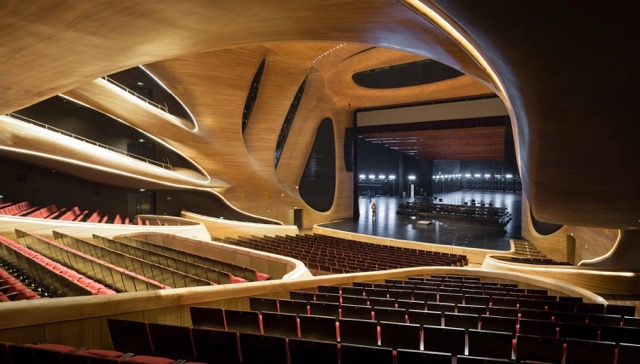
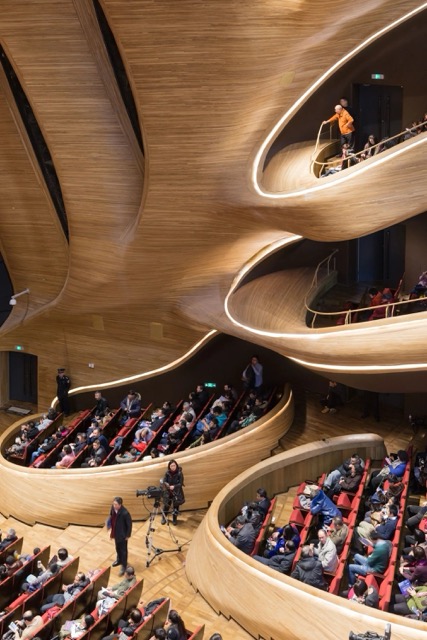
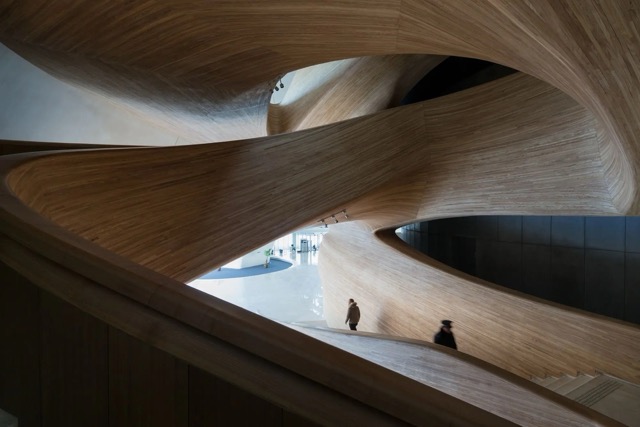
Harbin Opera House in northern China is a cultural project that reflects Ma Yansong’s Shanshui design approach. Completed in 2015 in the city of Harbin, this opera house uses forms that reference snow and the surrounding wetlands of an island in the Songhua River. Its exterior uses white aluminum panels and glass arranged in curves that reference the surrounding landscape and the region’s winter climate. The building contains a performance hall clad in Manchurian ash wood. A glass cutaway forms the entrance and brings natural light into the lobby. Harbin Opera House is noted for the way its form and material use relate to its setting.
03. Lucas Museum of Narrative Art, Los Angeles
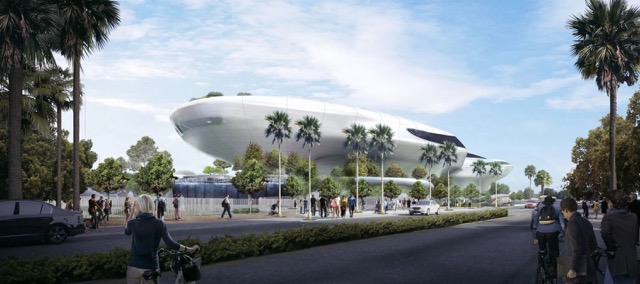
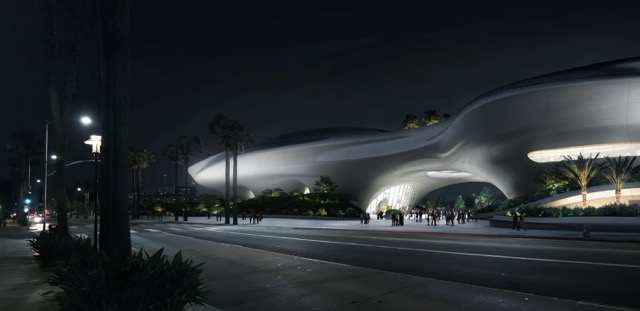
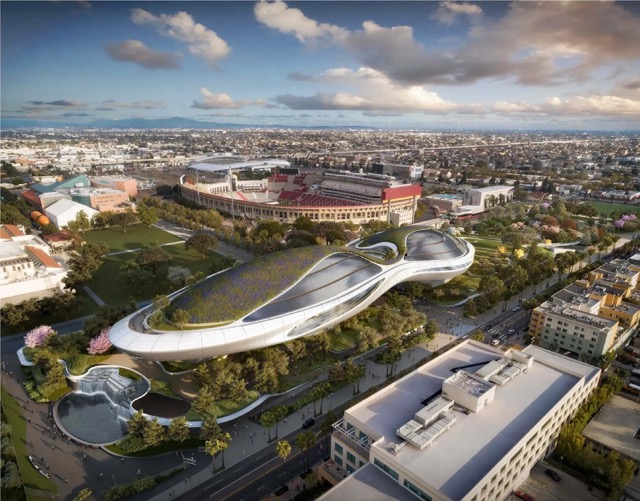
Lucas Museum of Narrative Art is a project designed by Ma Yansong and is under construction in Los Angeles’ Exposition Park. Commissioned by filmmaker George Lucas, the museum uses a landform-like structure elevated on concrete supports. Its design uses an elongated form with curved surfaces and a rooftop park connected to the surrounding landscape. The museum’s form and limited windows have drawn comparisons to a spaceship or a mountain. Initially planned for Chicago, the project faced local opposition there and was relocated to California. Set to open in 2025, the Lucas Museum will contain an art and film collection. The design applies Ma Yansong’s approach to large cultural buildings.
04. Ordos Museum, Ordos
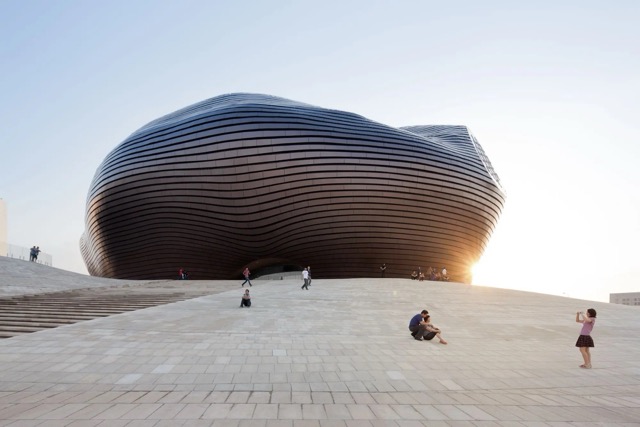
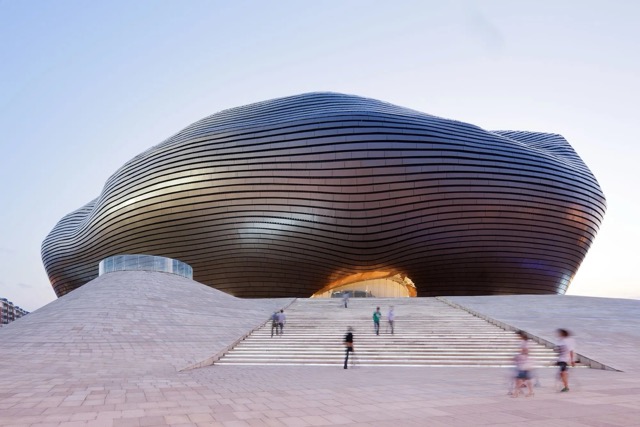
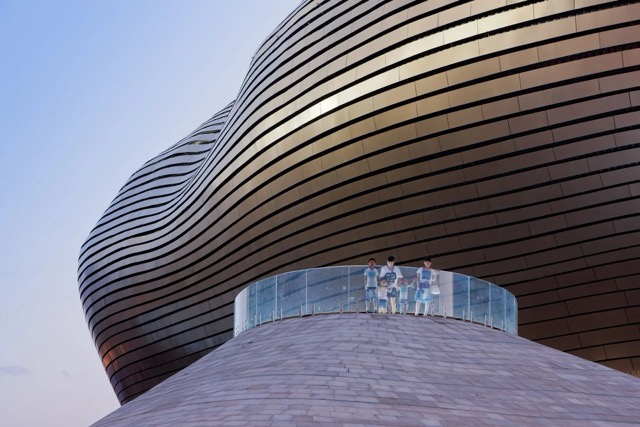
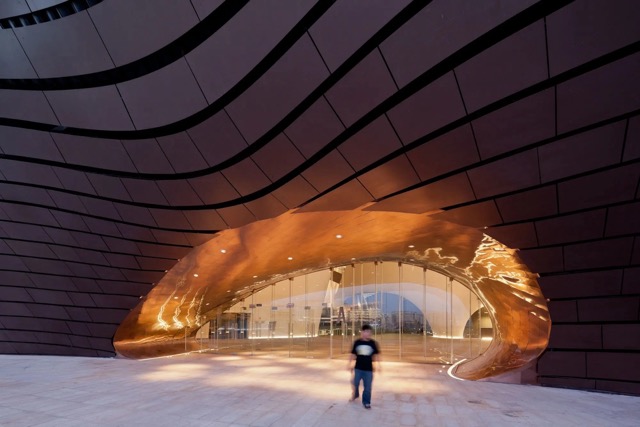
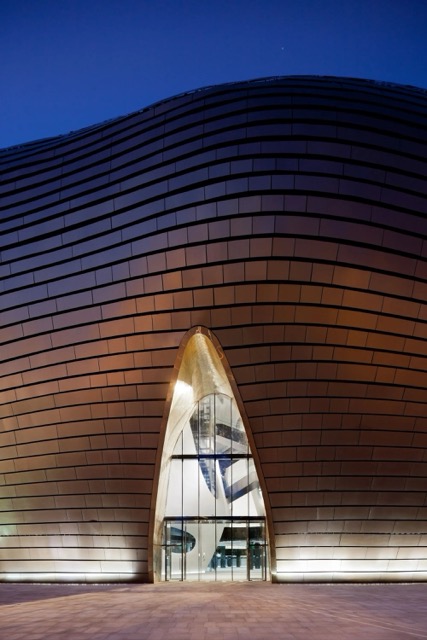
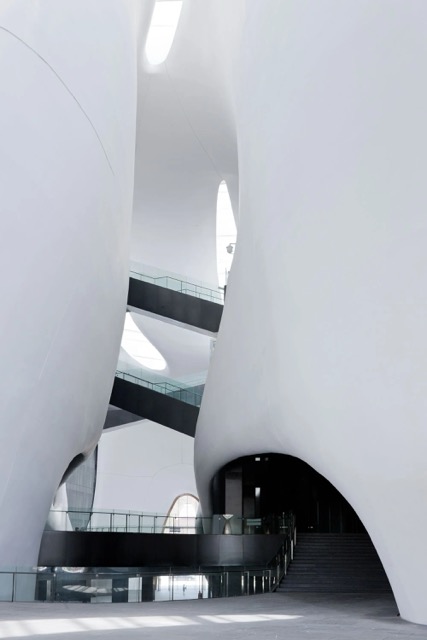
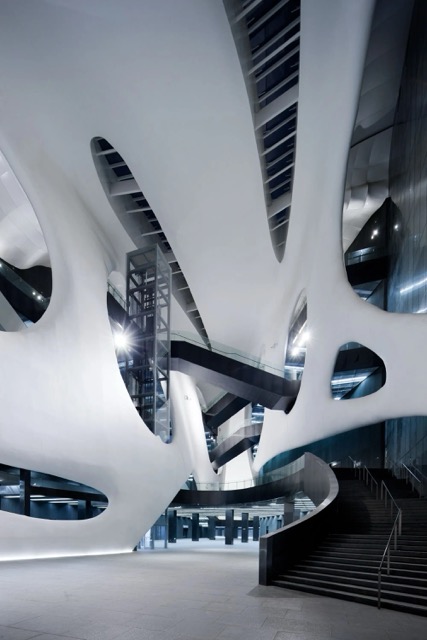
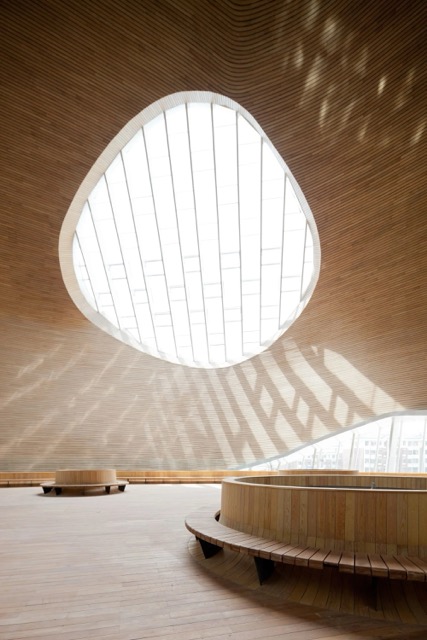
Ordos Museum is a project by Ma Yansong, completed in 2011 in the city of Ordos in Inner Mongolia. The museum has a form that references a pebble or dune in the Gobi Desert landscape. Its exterior uses reflective metal panels arranged on a curved surface. Inside, the museum contains large interior spaces with natural light entering from a central skylight. The Ordos Museum was one of MAD Architects’ early public commissions in China. Its design introduced an approach that relates building form and context during the firm’s early development.
05. Quzhou Sports Park, Quzhou
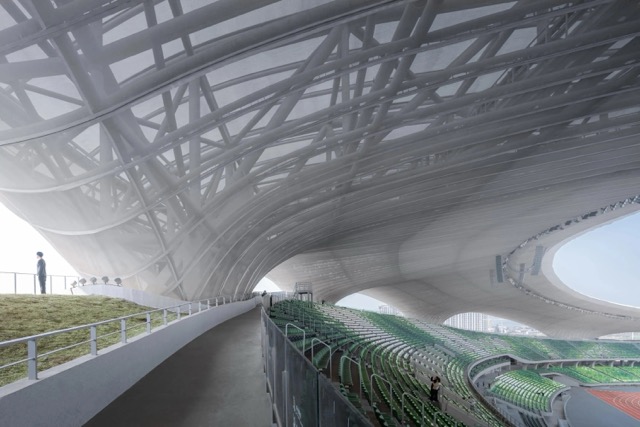
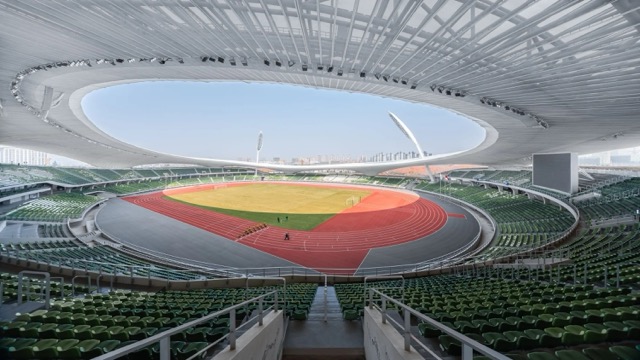
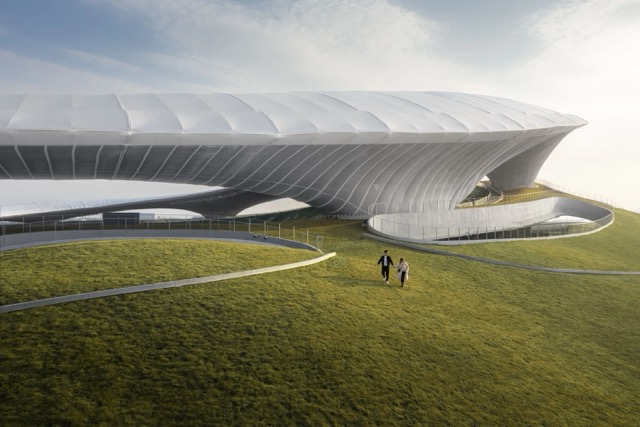
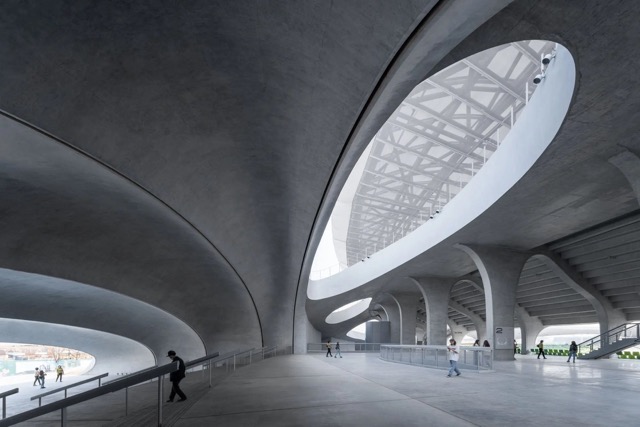
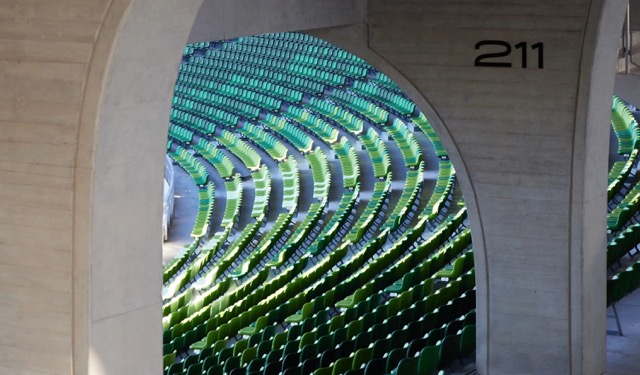
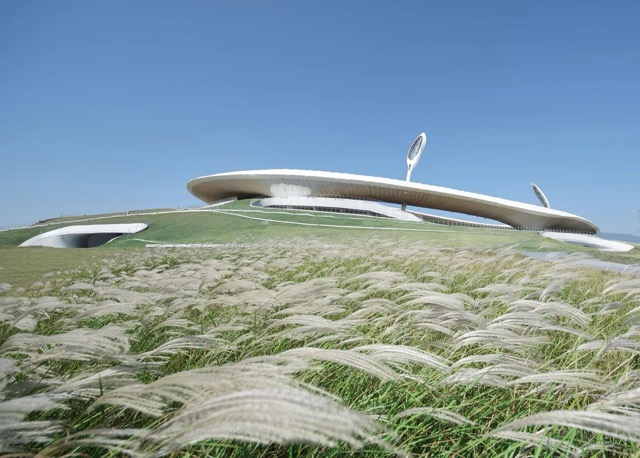
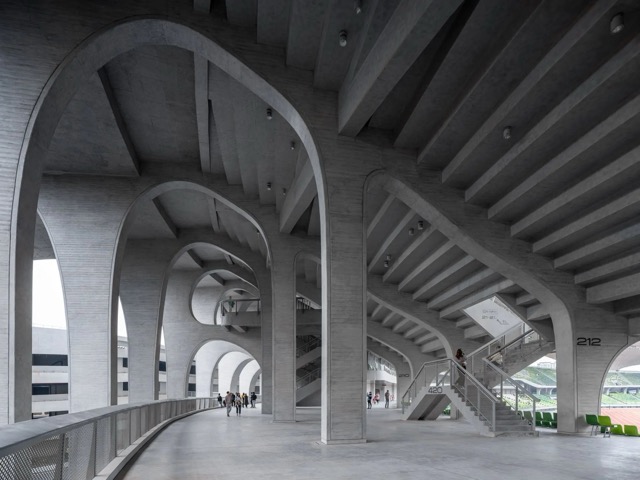
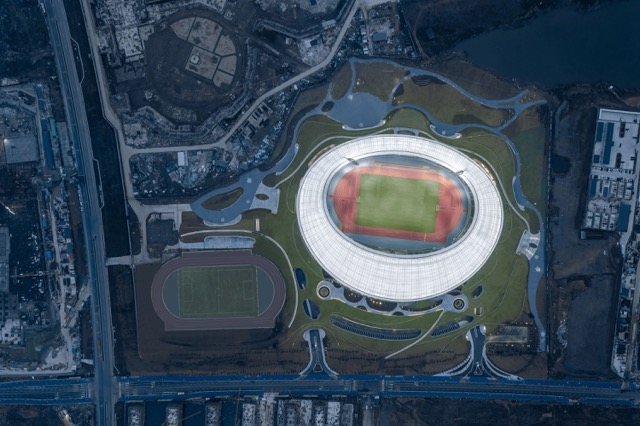
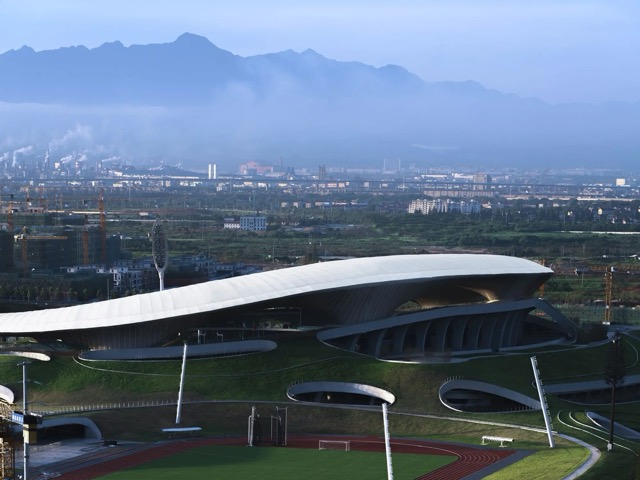
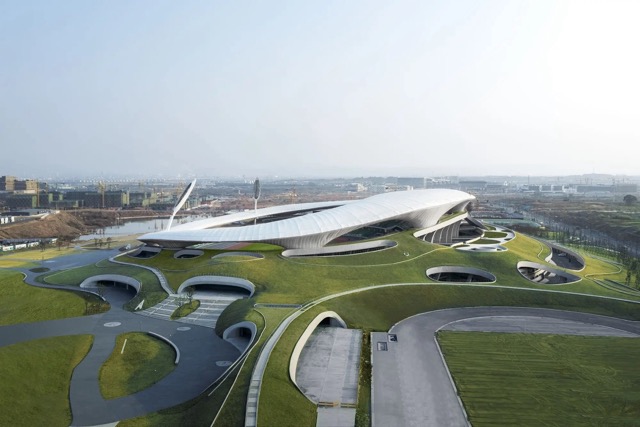
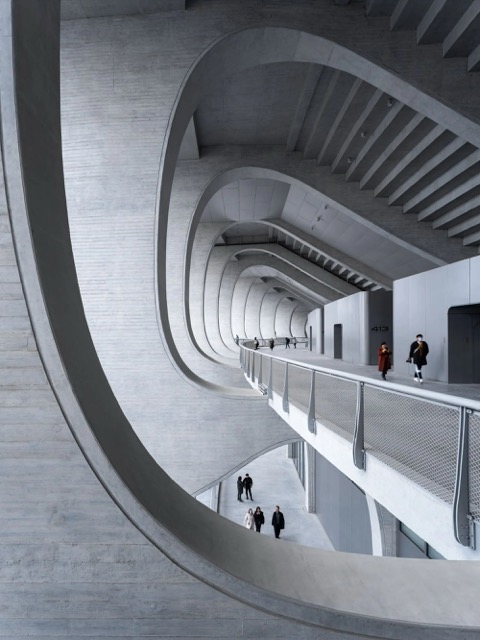
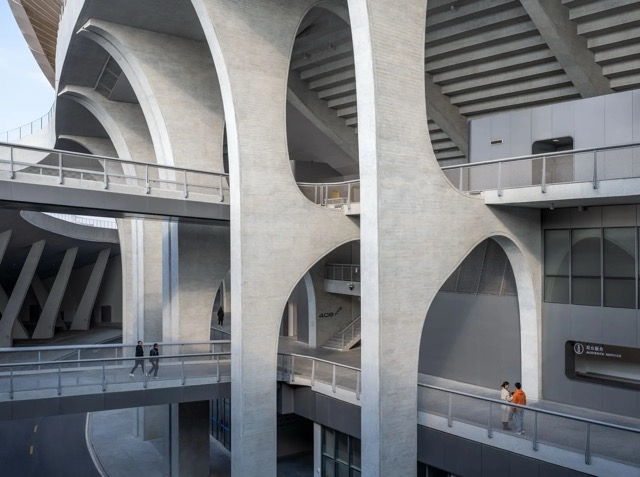
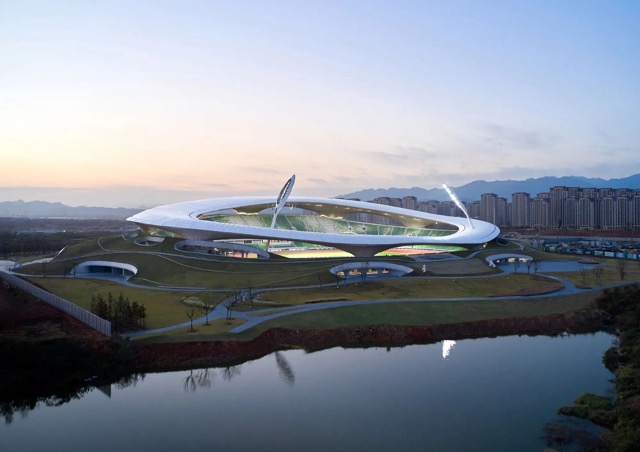
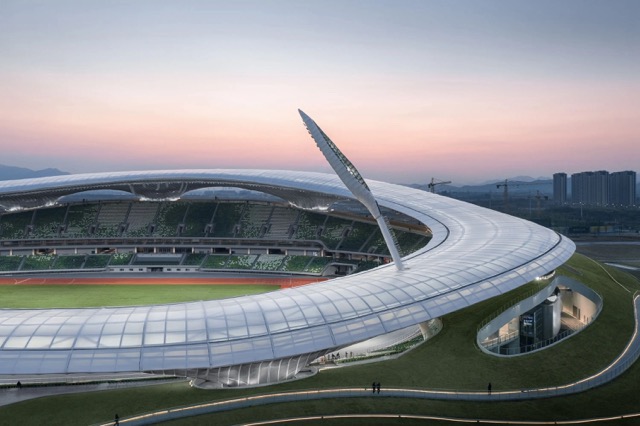
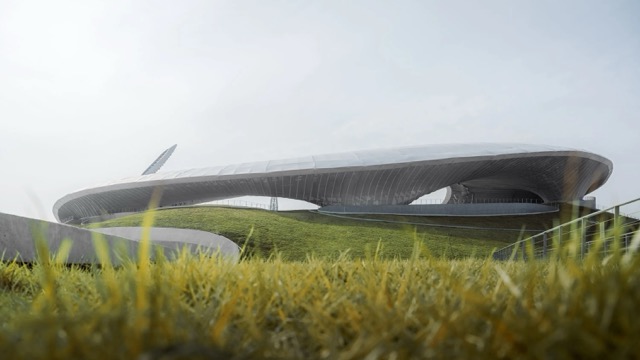
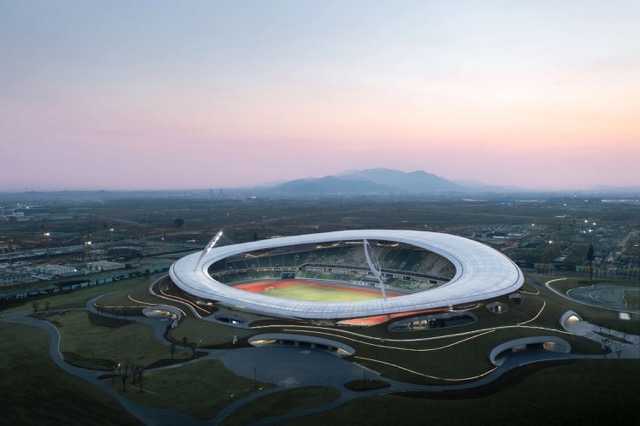
Quzhou Sports Park in Zhejiang Province, China, is an athletic complex that reflects Ma Yansong’s integration of architecture and landscape. The project’s first phase was completed in 2022 and includes a stadium, gymnasium, museum, and other facilities embedded into shaped earthworks. The central stadium is designed as a bowl set into the ground and ringed by a translucent structure above the seating. The park’s buildings are formed as hills and slopes that extend the surrounding terrain. Ma Yansong described the design as a form of “land art” that relates building and landscape. Quzhou Sports Park applies an approach intended for large public venues that depend on landscape-based design.
How did Ma Yansong contribute to architecture?
Ma Yansong contributed to architecture by introducing an approach that connects design and natural concepts. He expanded contemporary design discourse through his Shanshui City philosophy, which encourages architects to link buildings and nature. By completing projects in multiple regions, Ma showed that concept-driven architecture from China has international relevance. He used a collaborative approach that involved engineers, artists, and environmental consultants in the development of complex forms, influencing how architectural projects are organized. Ma Yansong contributed to discussions on cultural context, landscape references, and technology in architectural work.
What awards and honors has Ma Yansong received?
Ma Yansong has received awards and honors in architecture, including:
- RIBA International Fellowship (2010) – Ma was the first Chinese architect to receive this fellowship from the Royal Institute of British Architects.
- Time 100 Most Influential People (2025) – Ma Yansong was included on Time magazine’s annual list of 100 influential people.
- Architectural Digest China “Most Influential Designer” (2019–2021) – Recognition by Architectural Digest China across three consecutive years.
- Architectural League of New York Young Architects Award (2006) – Award recognizing Ma Yansong’s early career work.
- Fast Company “Best Cultural Firm” (2022) – MAD Architects received this recognition from Fast Company, the first time a Chinese firm earned it.
- Mexican National Architecture Prize – KALMANANI (2023) – An award issued to architects with work recognized for long-term relevance.
- CTBUH Best Tall Building Award – Americas (2012) – Awarded to Ma’s Absolute World Towers by the Council on Tall Buildings and Urban Habitat.
- Emporis Skyscraper Award (2013) – First-place award for Ma Yansong’s Absolute World Towers.
Ma Yansong was selected as a “Young Global Leader” by the World Economic Forum (WEF) in 2014. In 2023, SCI-Arc named Ma Yansong its Outstanding Architect of the Year. In 2025, Ma Yansong was appointed curator of the China Pavilion at the Venice Architecture Biennale.
Did Ma Yansong change the architecture industry?
Ma Yansong changed aspects of contemporary architecture by expanding international participation for architects from China. His projects demonstrated that major cultural commissions in Western contexts could be led by architects from China. His work supported broader collaboration and increased the presence of different design backgrounds in large commissions. His approach to linking architecture and natural concepts added attention to environmental considerations in design. His work contributed to discussions about human-centered and nature-based approaches in a period influenced by technology. The architecture field includes many contributors, and Ma Yansong’s work is part of the increased use of organic forms and landscape-related design strategies in urban projects.
Was Ma Yansong ever controversial in any way?
Ma Yansong has maintained a public reputation shaped by discussion around several projects. The Lucas Museum of Narrative Art, originally proposed in Chicago, faced opposition from local preservation groups because of its site and design, and the project was cancelled in that city. Some critics have questioned how Ma’s designs relate to their surroundings. Introducing contemporary forms into historic or traditional contexts has led to discussion about the relationship between new work and local conditions. Ma Yansong has not been involved in personal disputes, and discussion about his work has focused on design issues. The Lucas Museum project, now under construction in Los Angeles, continues to be part of these discussions.
Who are the most famous architects in modern history besides Ma Yansong?
Aside from Ma Yansong, Frank Gehry, Zaha Hadid, and I.M. Pei are the influential architects associated with modern architecture. Gehry (Canadian-American, born 1929) developed a deconstructivist approach with projects including the Guggenheim Museum Bilbao in Spain and the Walt Disney Concert Hall in Los Angeles. Hadid (Iraqi-British, 1950–2016) was the first woman to receive the Pritzker Prize in 2004 and designed the Guangzhou Opera House in China and the London Aquatics Centre in the UK. Pei (Chinese-American, 1917–2019) worked in a modernist framework on projects including the glass pyramid at the Louvre in Paris and the Bank of China Tower in Hong Kong, and received the Pritzker Prize in 1983. Modern architecture includes architects from earlier and later generations, such as Frank Lloyd Wright (American, 1867–1959) and Le Corbusier (Swiss-French, 1887–1965), as well as architects working today in different regions.
What did Ma Yansong mostly design?
Ma Yansong mostly designed large-scale structures and environments with work spanning several categories and reflecting a nature-related architectural approach:
- Cultural and Civic Landmarks: Museums, performing arts centers, and institutional buildings form a major part of Ma’s portfolio. Examples include the Harbin Opera House, Ordos Museum, Lucas Museum of Narrative Art, Living Garden, and the art installation named Timeless Beacon. These projects focus on public space and the relationship between cultural programs and natural references.
- High-Rise Residential and Commercial Buildings: Ma Yansong designed skyscrapers and towers with non-rectilinear forms. Examples include the Absolute World Towers in Mississauga and the Chaoyang Park Plaza towers in Beijing.
- Urban Parks and Integrated Complexes: Beyond individual buildings, Ma designed large urban developments where architecture and landscape are connected. Projects such as Quzhou Sports Park and the Jiaxing Train Station precinct in China illustrate this approach at a city scale.
Ma Yansong applies his nature-related architectural approach across different building types and urban environments, using natural references as part of the design method.
Where did Ma Yansong study?
Ma Yansong studied architecture in China and the United States. He earned his undergraduate architecture degree from the Beijing University of Civil Engineering and Architecture in Beijing. He then attended Yale University in the United States, where he obtained a Master of Architecture in 2002. This education, combining a Chinese technical background and American graduate training, introduced Ma Yansong to different architectural perspectives.
Did Ma Yansong have any famous teachers or students?
Ma Yansong had mentors and has worked with younger architects through practice and teaching. Early in his career, he worked under Zaha Hadid and Peter Eisenman. Work in their offices introduced him to design methods used in experimental practices. Ma Yansong has taught as an adjunct or visiting professor at the University of Southern California, the Beijing University of Civil Engineering and Architecture, and Tsinghua University, where he has worked with architecture students in design studios. He does not have a single protégé who is widely known, but architects who have worked with him at MAD or studied under him have adopted aspects of his approach.
How can students learn from Ma Yansong’s work?
Students can learn from Ma Yansong’s work by studying his design approach and the way he develops concepts into built projects. By examining projects such as the Absolute Towers and the Harbin Opera House, students can see how he uses forms and engineering strategies linked to natural references. Students can observe how Ma incorporates elements such as light, water, greenery, and topography into buildings to connect architectural form and environmental conditions. They can study his career path, including competition work that increased his visibility at an early stage. Reading Ma’s interviews and writings about the Shanshui City concept provides information about the methods he uses in design. Engaging with his completed and published work offers material for understanding approaches that combine form, program, and site relationships.

