

Manuel de Solà-Morales (1939–2012) was a Spanish architect and urban planner whose work defined late-20th-century European urban design. Born in Vitoria-Gasteiz and based in Barcelona, he studied at the Barcelona School of Architecture (ETSAB), earned a PhD in architecture, and completed a master’s in city planning at Harvard University under Josep Lluís Sert. Influenced by Ludovico Quaroni and Sert, Solà-Morales developed a multidisciplinary approach combining architecture, planning, and social analysis. Representing contextual and research-based urbanism, he emphasized public space, infrastructure, and the continuity between architecture and the city. His greatest accomplishment was leading Barcelona’s urban transformation ahead of the 1992 Olympics, particularly the redevelopment of the Moll de la Fusta waterfront, which reconnected the city to the Mediterranean and became a model for waterfront regeneration. His key works include L’Illa Diagonal in Barcelona, the Atlantic Boardwalk in Porto, the Winschoterkade in Groningen, and the Operaplein in Antwerp, projects that demonstrate his integration of infrastructure, landscape, and civic life. As founder of the Laboratori d’Urbanisme de Barcelona and professor at ETSAB, he shaped several generations of urban planners and architects, including Joan Busquets, and advanced the concept of the “urban project,” treating fragments of the city as design opportunities. Solà-Morales’s method fused academic rigor with practical intervention, redefining how urban form and public space interact. He received major honors, including the Spanish National Urbanism Prize in 1983 and the Grand Prix de l’Urbanisme in 2000, recognizing his impact on urban design in Spain and Europe. His academic distinctions included a visiting fellowship at the University of Cambridge, membership in the Académie d’Architecture in France, and an honorary doctorate from KU Leuven. Solà-Morales’s ideas redefined the architect’s role in city-making and promoted interdisciplinary collaboration. Free from controversy, he is remembered for his human-centered urban renewal and precise integration of design, infrastructure, and civic space. His writings and projects continue to inform contemporary approaches to urban design, infrastructure, and the public realm.
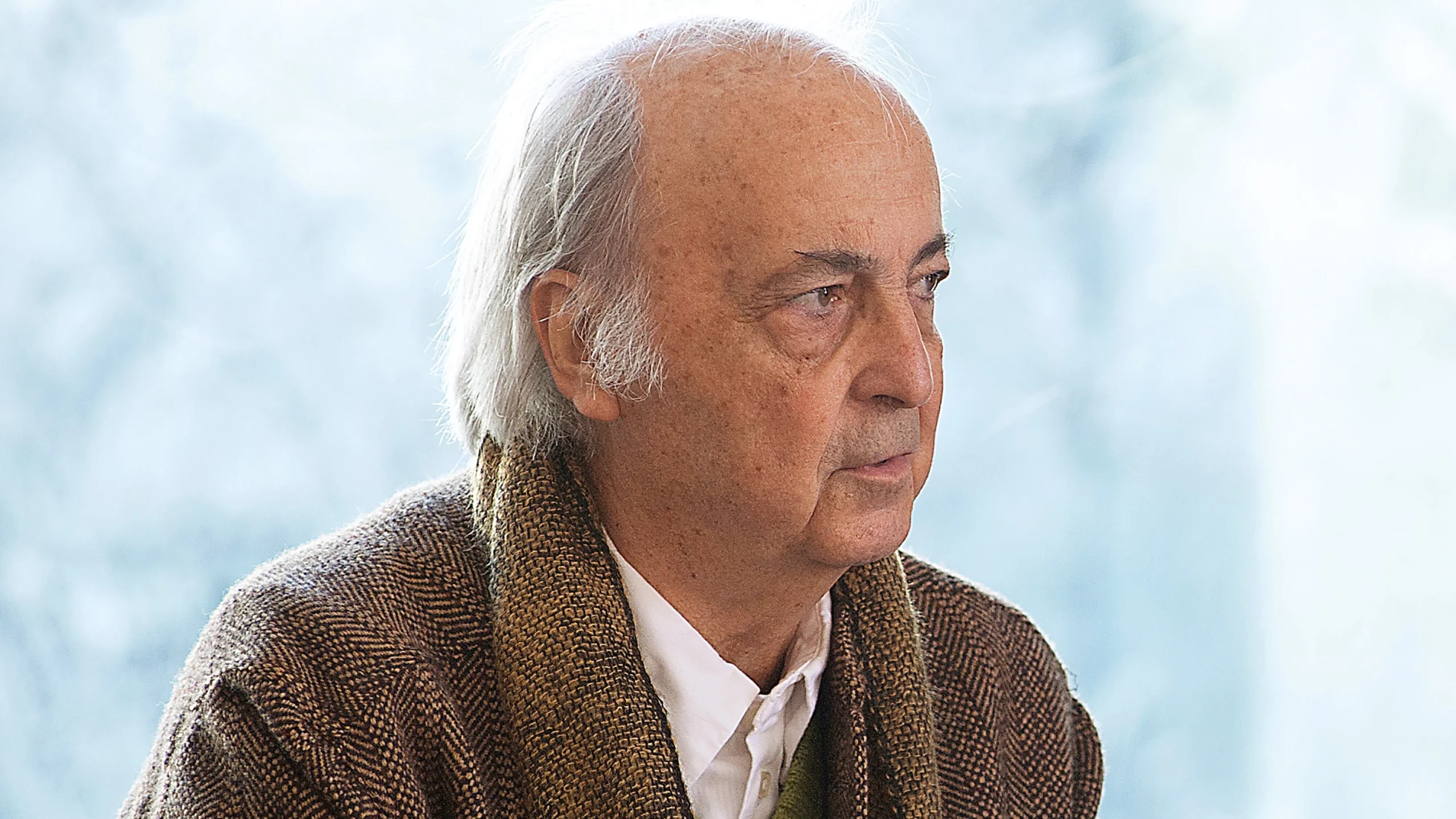
Who is Manuel de Solà-Morales?
Manuel de Solà-Morales i Rubió was a Spanish architect and urban planner who became prominent for reshaping cities through urban design. Born in 1939 in Vitoria-Gasteiz, Spain, Solà-Morales became associated with Barcelona, where he grew up in a family of architects and began his career. He studied architecture at the Barcelona School of Architecture and developed his urban perspective under mentors such as Ludovico Quaroni in Rome and Josep Lluís Sert at Harvard University. He led urban transformation projects, including the renewal of Barcelona’s Moll de la Fusta waterfront and the co-design of the L’Illa Diagonal complex with Rafael Moneo. Solà-Morales served as a professor of urbanism at ETSAB (Polytechnic University of Catalonia) and founded the Laboratori d’Urbanisme de Barcelona in 1968. His career spanned five decades, during which he worked on urban projects across Europe and established himself as a leading figure in late-20th-century urban planning.
What type of architecture does Manuel de Solà-Morales represent?
Manuel de Solà-Morales represented a modern urban design approach within architecture, emphasizing context and public space over stylistic expression. His work did not conform to defined categories such as high-tech or postmodern; it exemplified contextual urbanism, where projects were tailored to existing urban fabric and aimed at improving public life. His designs reflected multidisciplinary planning and attention to how people inhabit and move through city spaces. In practice, he integrated architecture and urban planning, focusing on streets, waterfronts, and city squares rather than isolated buildings. This research-based, human-centered method defined Solà-Morales’s architectural identity and reflected late-20th-century European urban planning principles.
What is Manuel de Solà-Morales’s great accomplishment?
Manuel de Solà-Morales’s great accomplishment was demonstrating how strategic urban design could rejuvenate a city, exemplified by his leadership in Barcelona’s transformation for the 1992 Olympics. During the 1980s, he planned and executed the reconnection of Barcelona’s downtown with the Mediterranean Sea by redesigning its waterfront—particularly the Moll de la Fusta promenade—and upgrading surrounding public spaces. These interventions turned a neglected harbor into a civic asset and established a model for waterfront renewal later adopted by cities worldwide. By integrating architecture and urban planning, he showed that coordinated design of streets, plazas, and coastlines enhances urban life. This work earned major recognition, including Spain’s National Urbanism Prize and France’s Grand Prix de l’Urbanisme, and remains his enduring legacy in modern urbanism.
What are Manuel de Solà-Morales’s most important works?
Manuel de Solà-Morales’s most important works encompass urban waterfronts, public spaces, and mixed-use architecture, represented by five major projects: the Moll de la Fusta in Barcelona, which reconnected the city with its port; L’Illa Diagonal in Barcelona, a large urban complex co-designed with Rafael Moneo; the Atlantic coast promenade in Porto, which converted a deteriorated shoreline into public space; the Winschoterkade in Groningen, a canal-side intervention revitalizing the city center; and the Operaplein in Antwerp, a redesign of a central civic plaza.
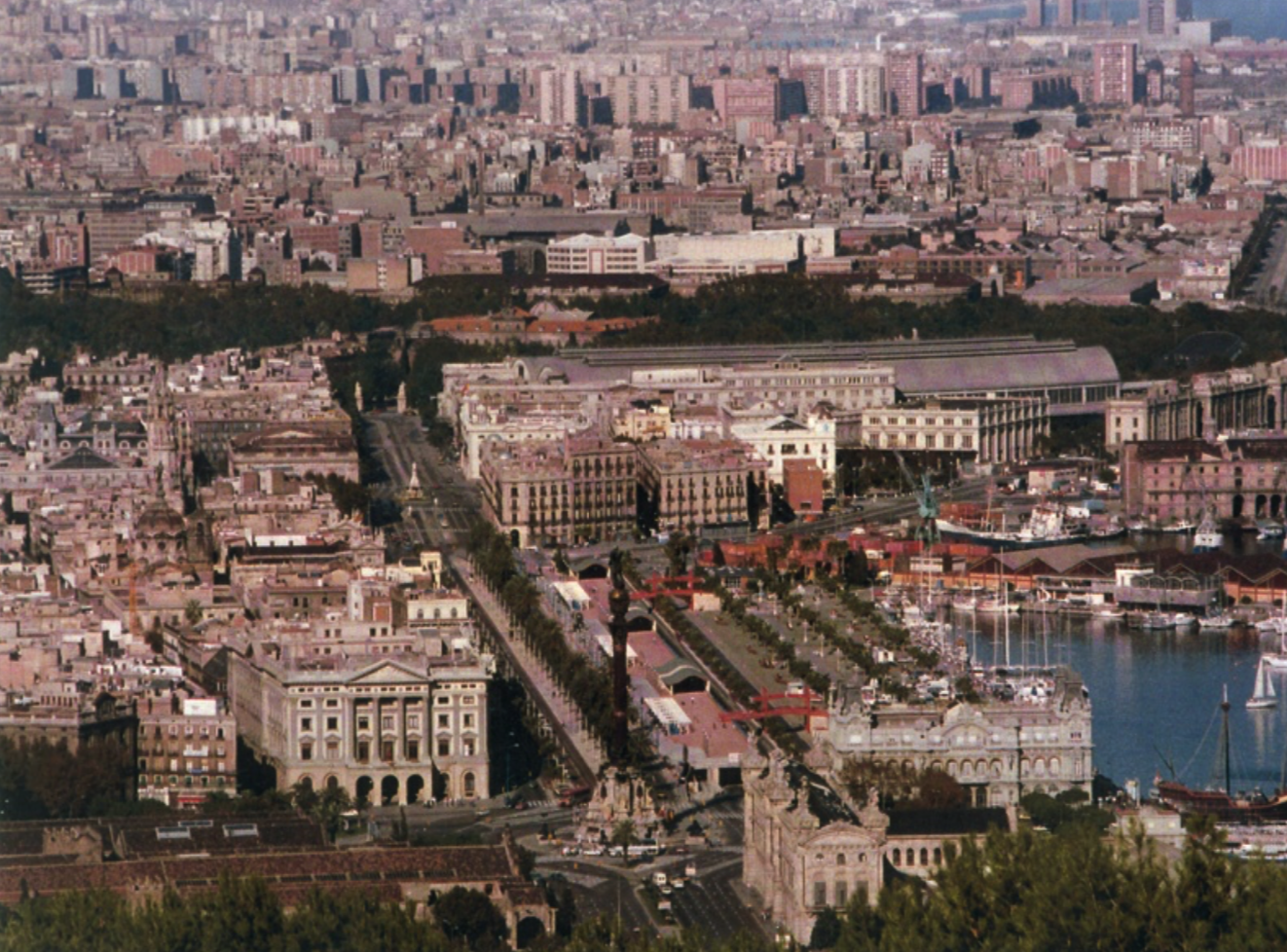
01. Moll de la Fusta, Barcelona
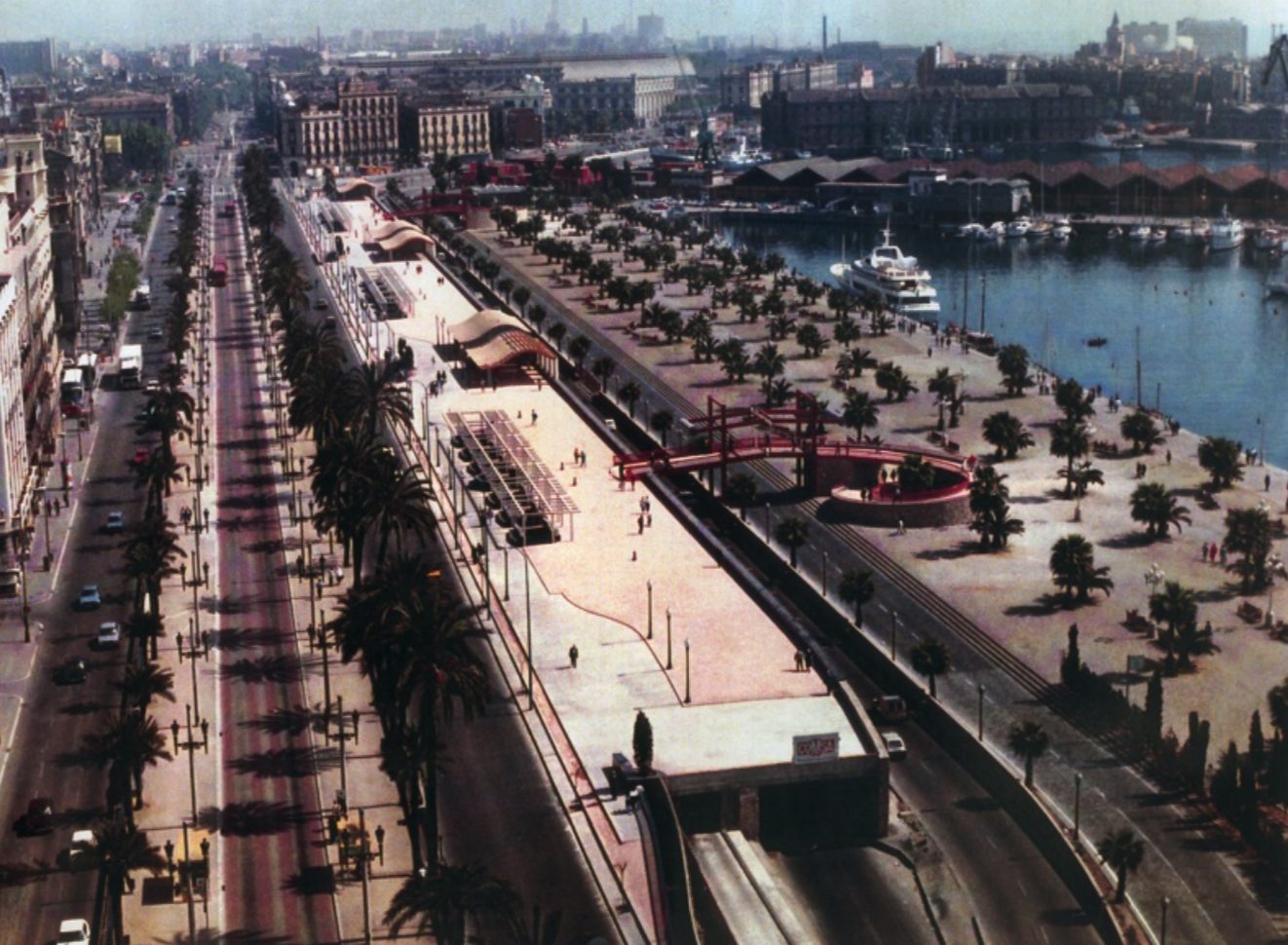
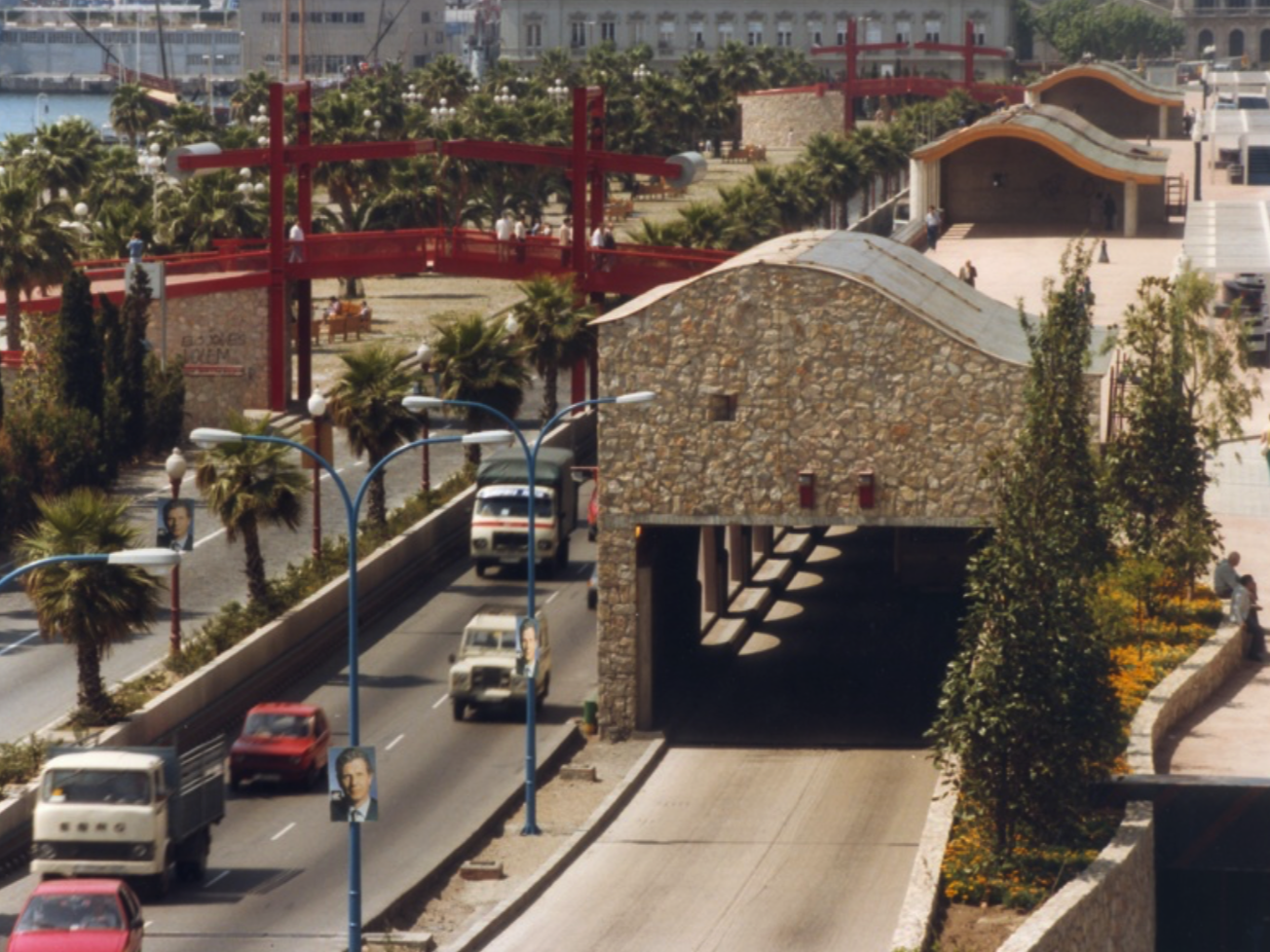
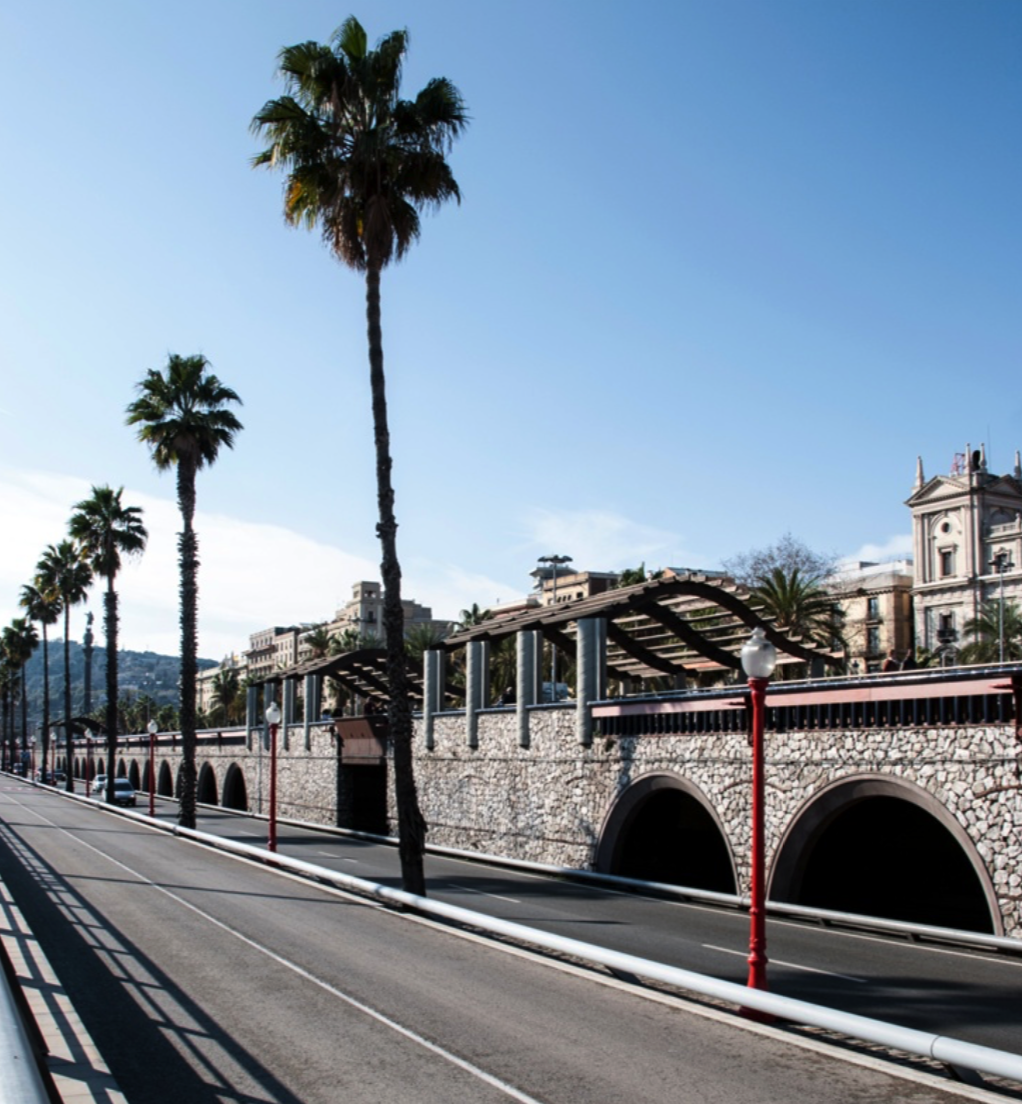
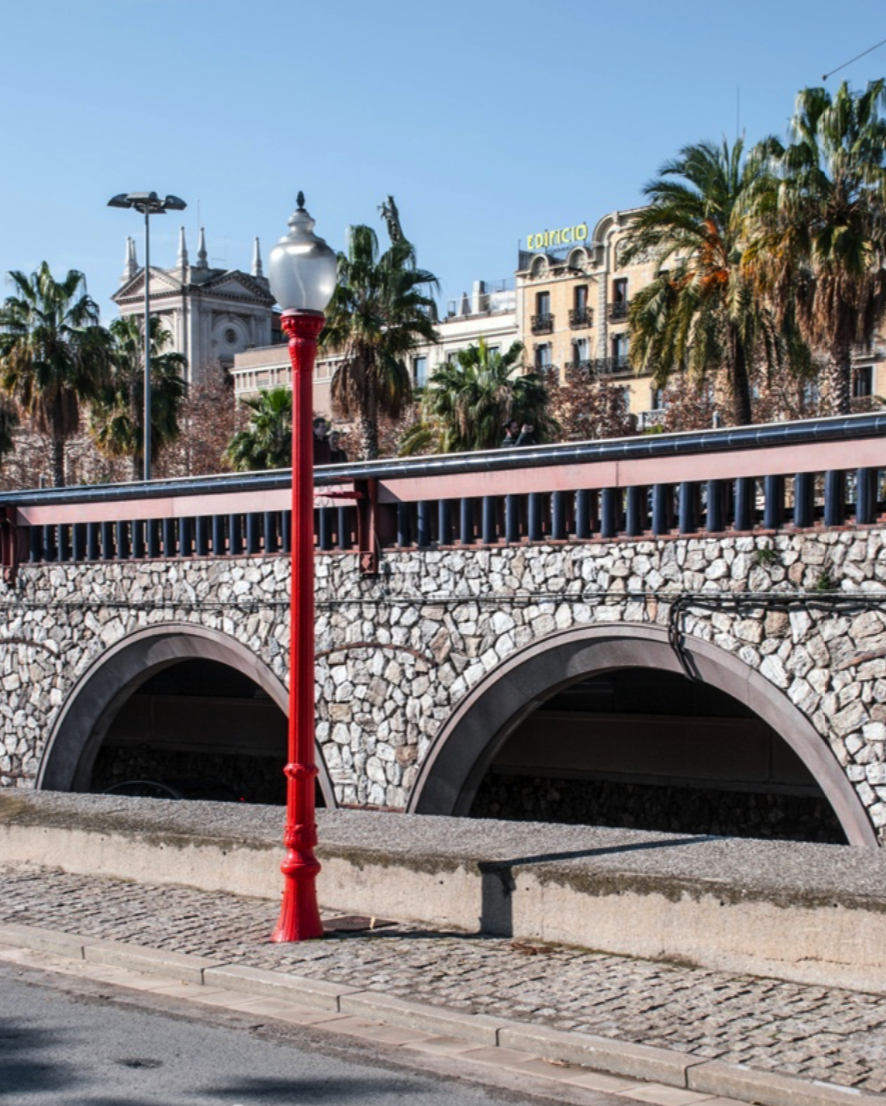
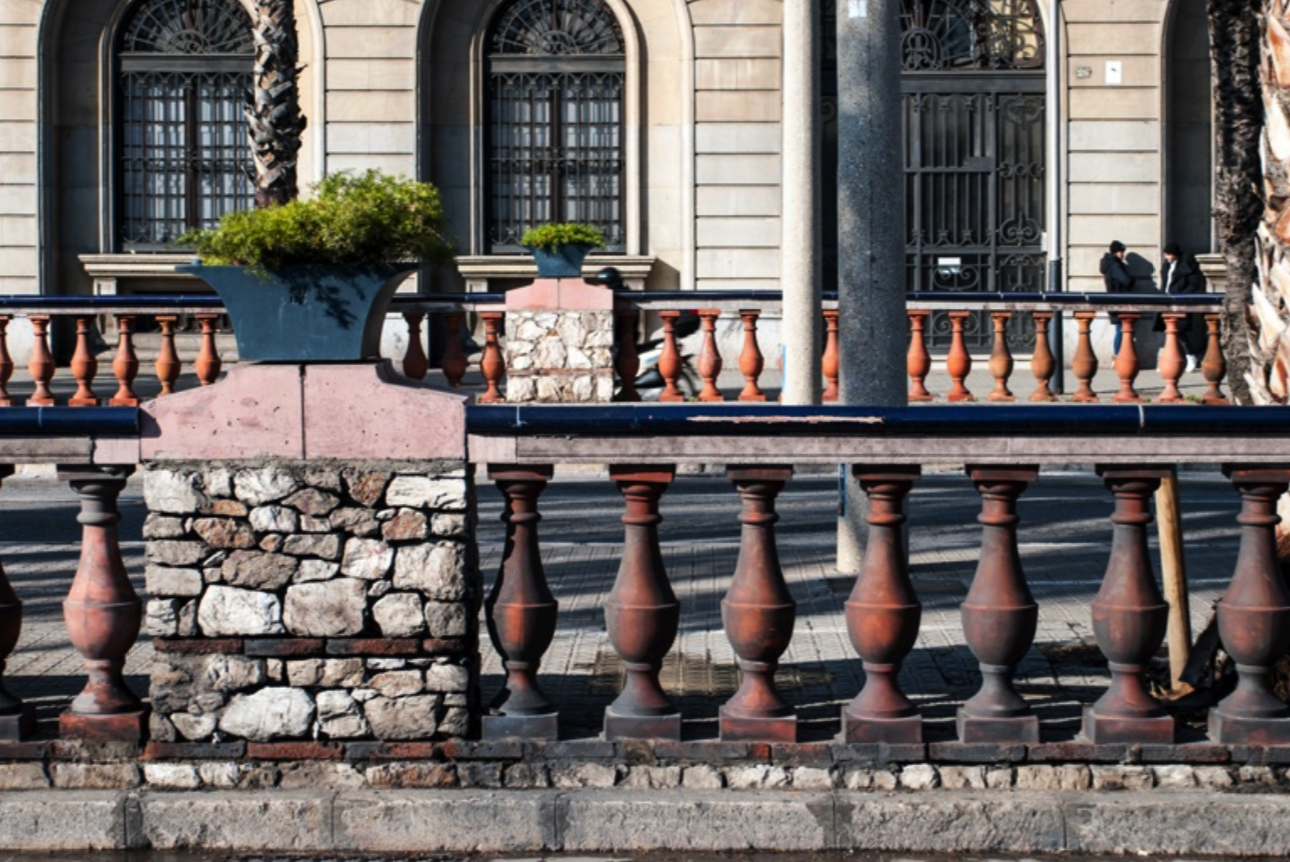
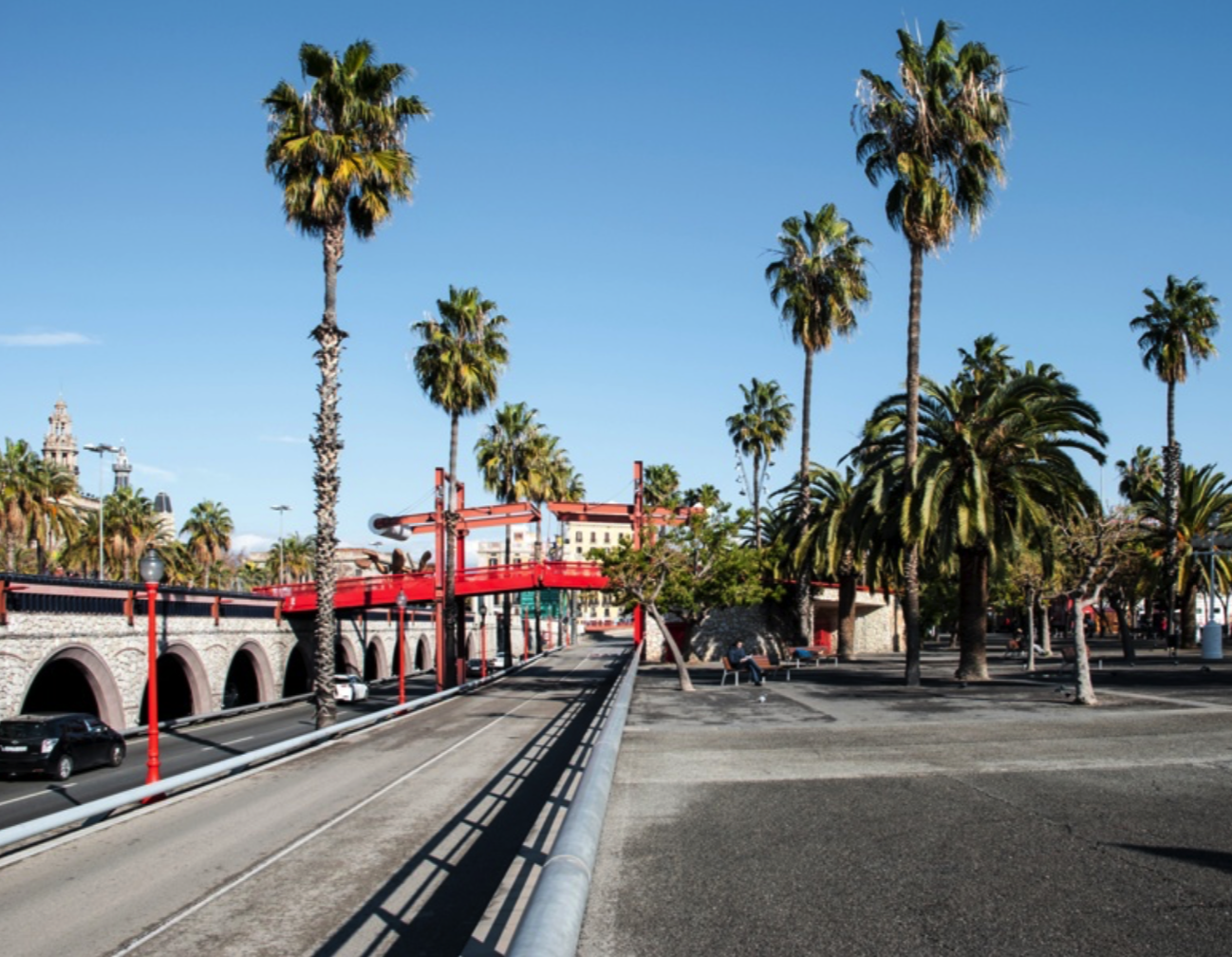
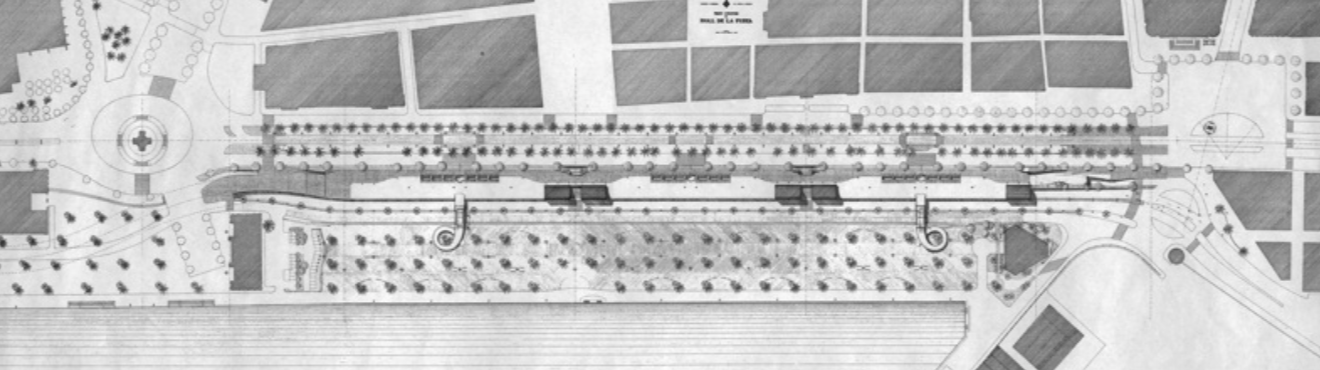
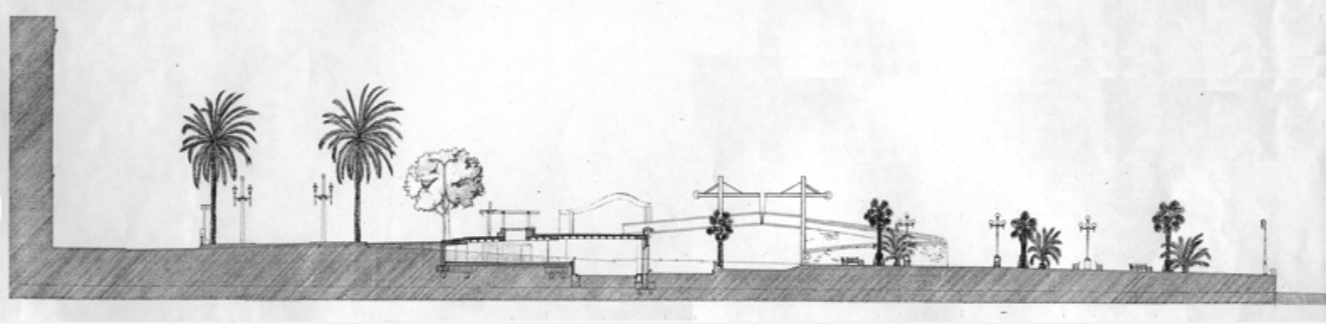
Moll de la Fusta is a public promenade along Barcelona’s central waterfront, redesigned by Manuel de Solà-Morales in the early 1980s and completed in 1987. It lies within Port Vell on the edge of Barcelona’s historic center and was conceived as an urban public space rather than an architectural structure. Solà-Morales’s design removed obsolete railway tracks and lowered part of the coastal road, forming a broad pedestrian esplanade that reconnected the Gothic Quarter with the harbor. The project introduced wide paved walkways, rows of palm trees, and integrated seating, transforming a neglected quay into civic space. This redevelopment became a central element of Barcelona’s pre-Olympic transformation and illustrated Solà-Morales’s method of using design to restore the link between the city and the sea.
02. L’Illa Diagonal, Barcelona
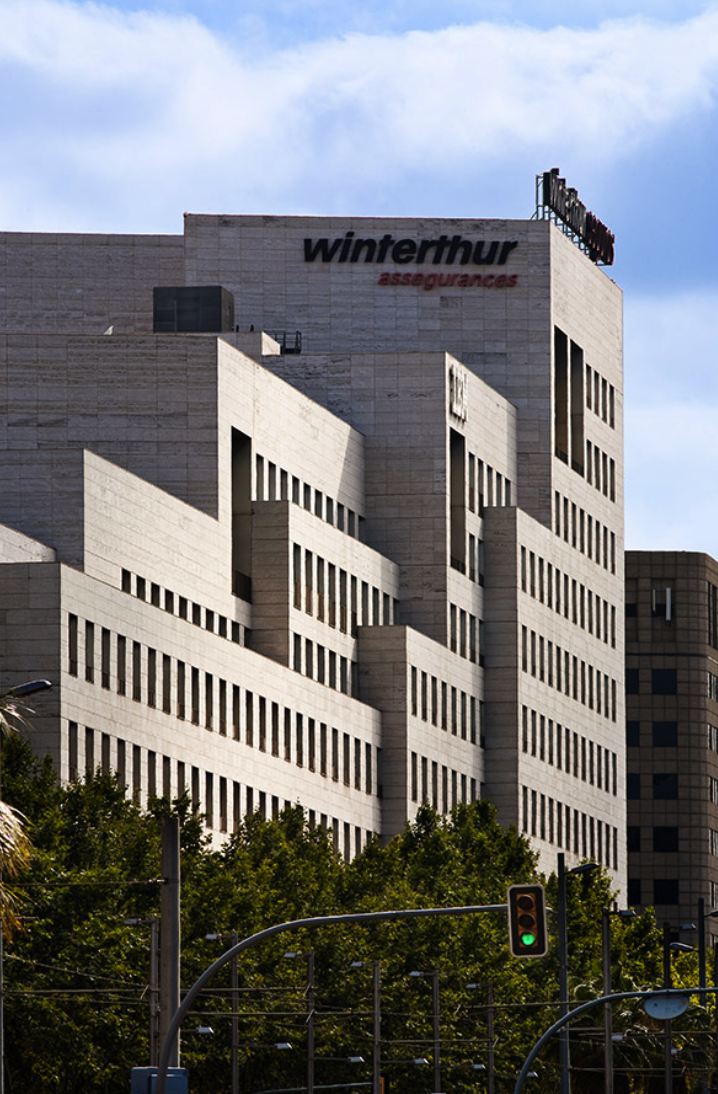
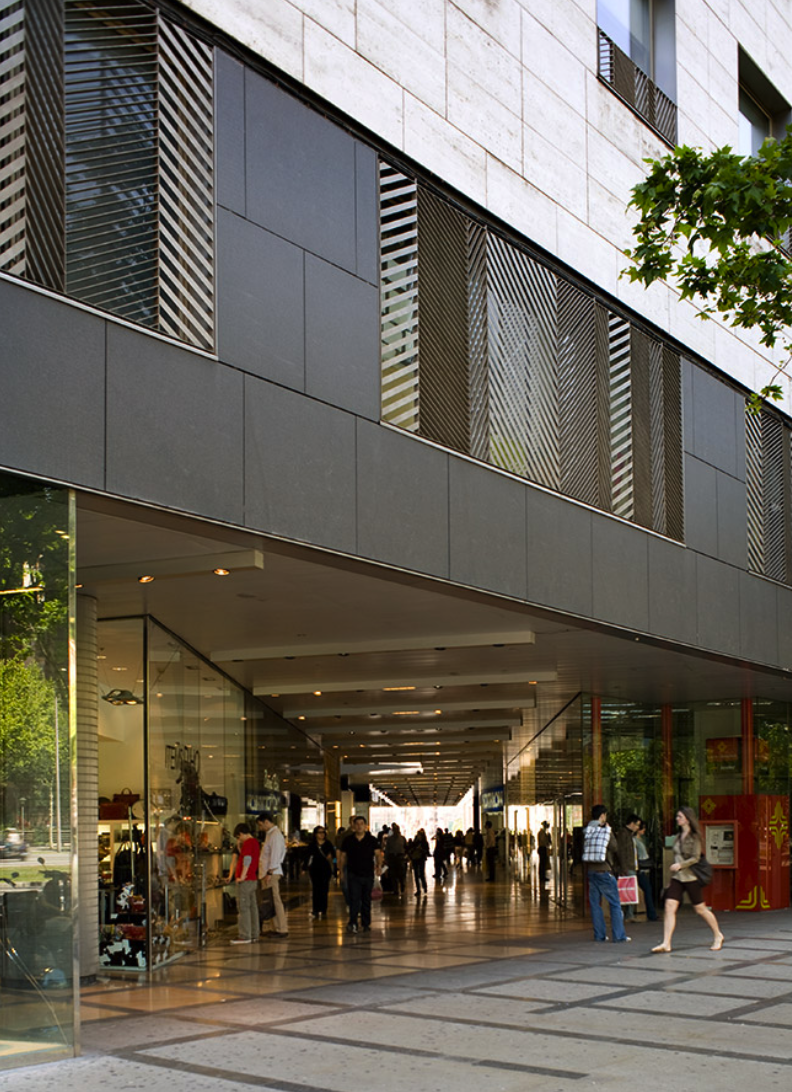
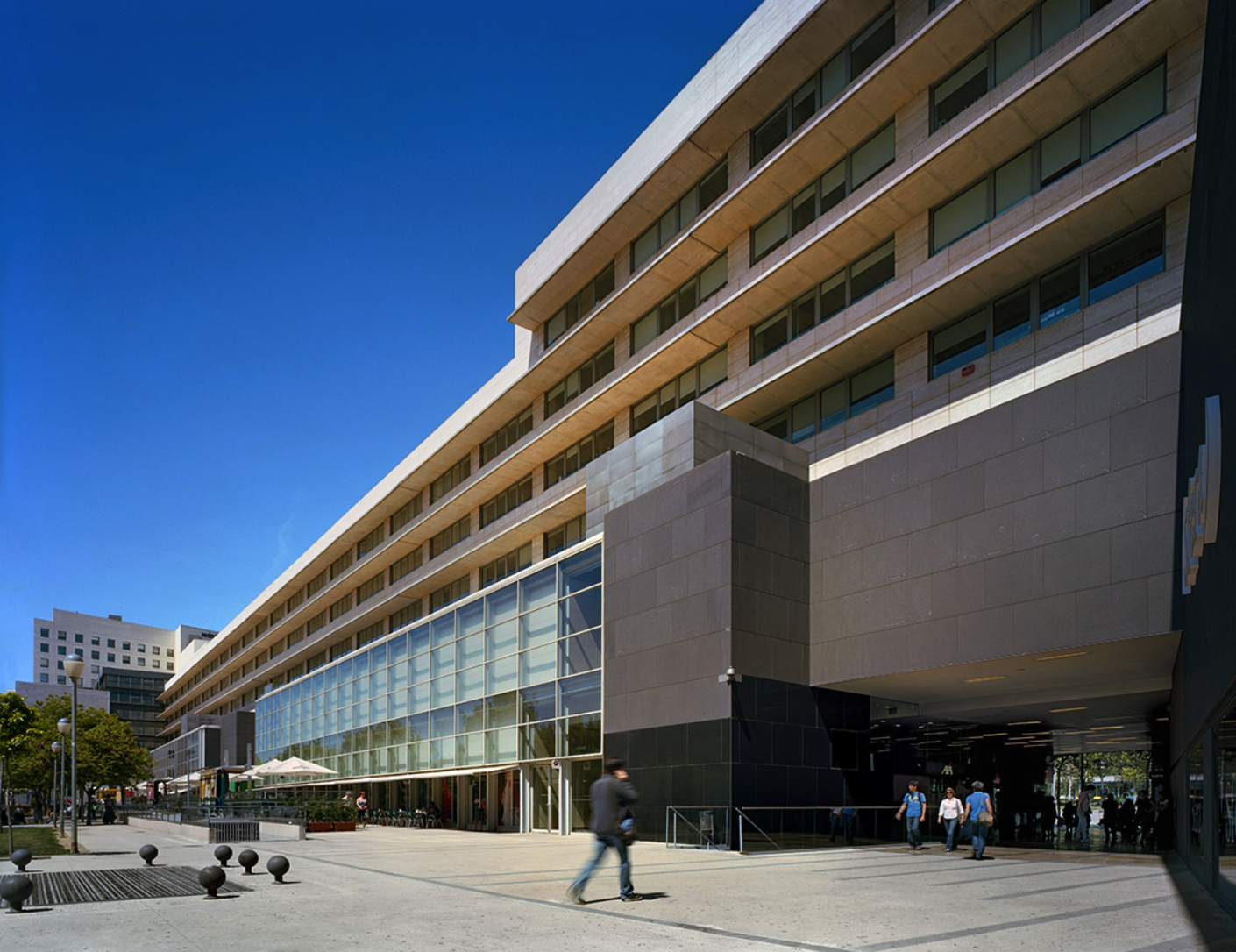
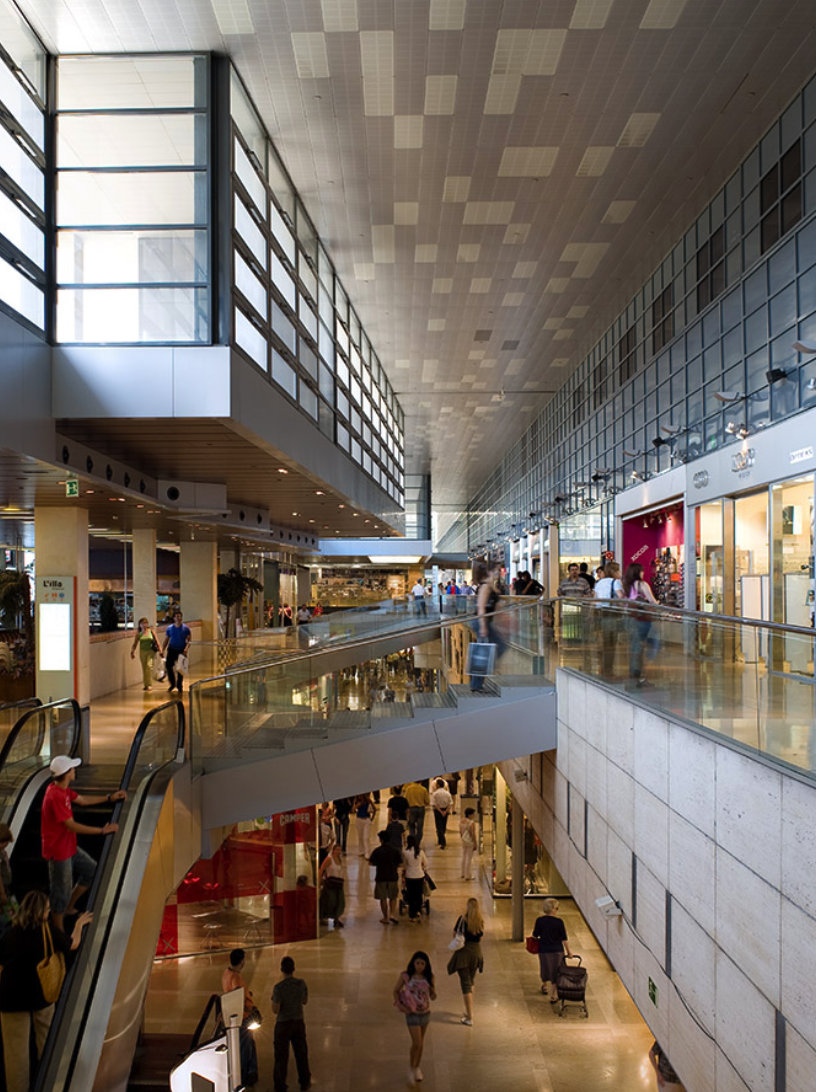
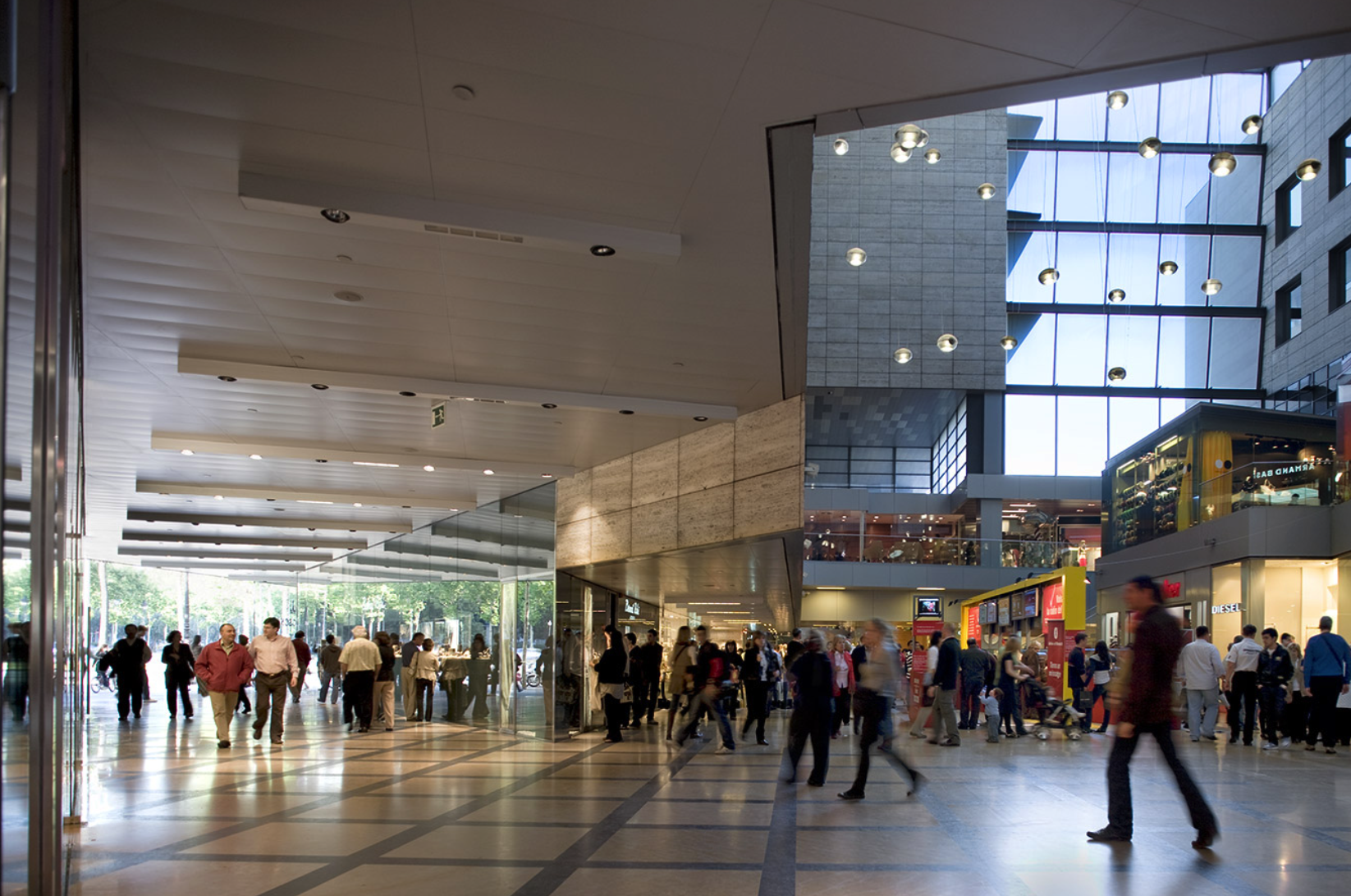
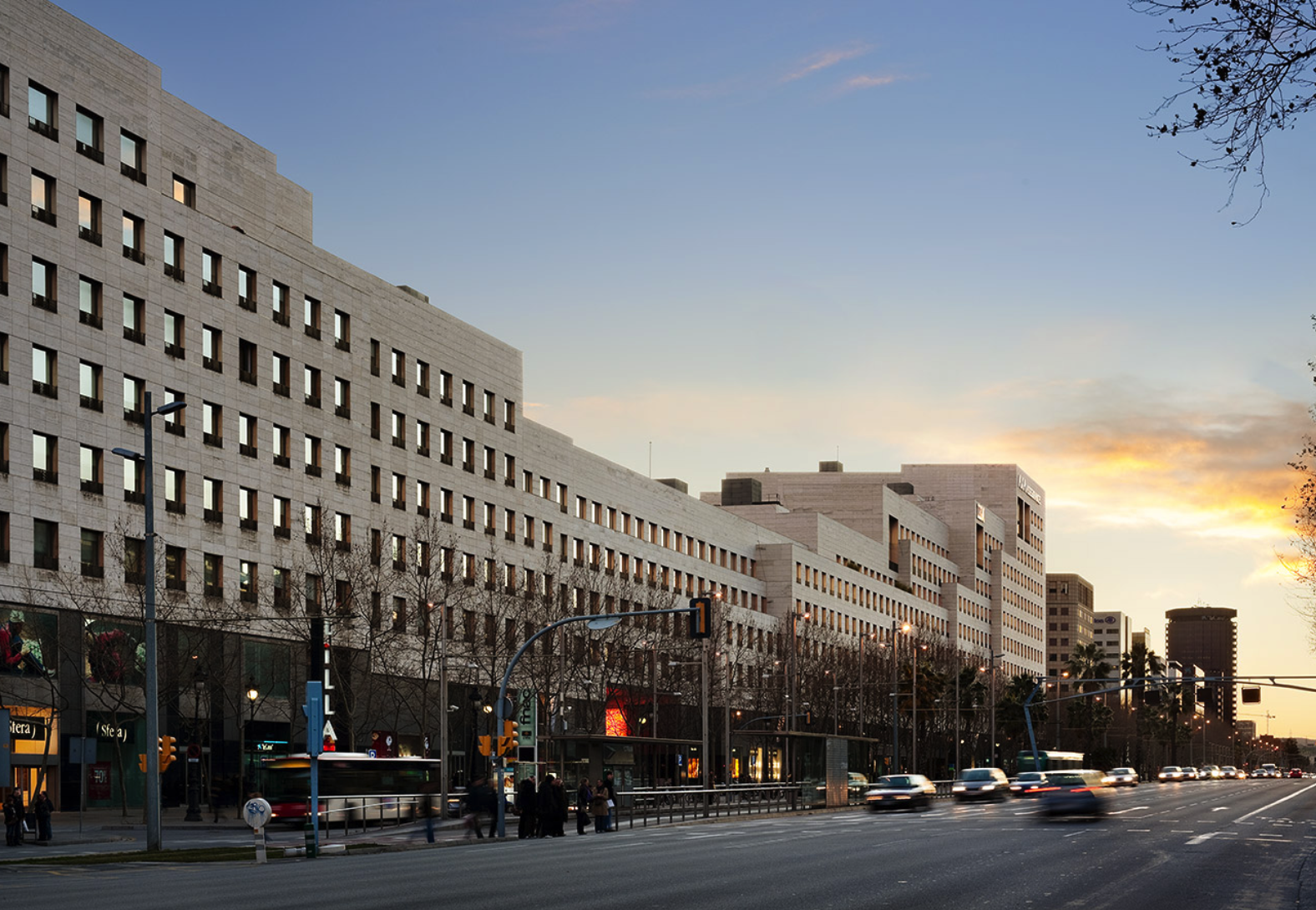
L’Illa Diagonal is a mixed-use complex on Barcelona’s Avinguda Diagonal, co-designed by Manuel de Solà-Morales and Rafael Moneo and completed in 1993. The development occupies a full city block and extends over 300 meters, earning the nickname “the Horizontal Skyscraper.” It contains a shopping mall, offices, a hotel, and public facilities within one continuous structure. The design employs a layered stone and glass façade that divides the volume into human-scaled sections along the street. L’Illa Diagonal was conceived as part of the city’s fabric rather than as a separate building, linking Barcelona’s 19th-century Eixample grid with newer districts. The project received the FAD Architecture Award in 1994 for its urban coherence and remains a defining work in contemporary Barcelona.
03. Atlantic Boardwalk (Passeio Atlântico), Porto
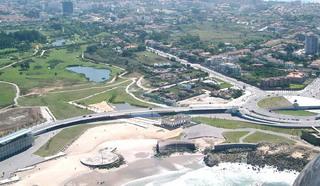
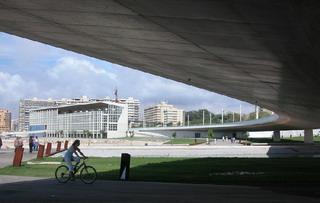
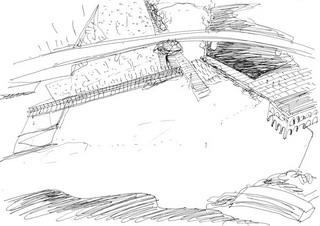
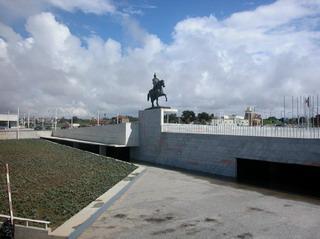
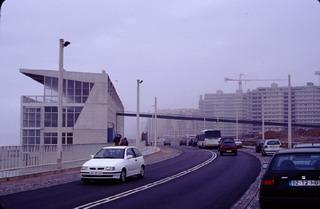
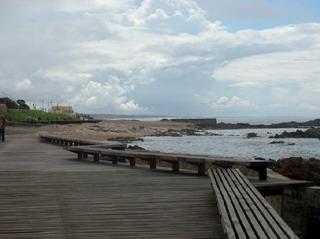
The Atlantic Boardwalk (Passeio Atlântico) in Porto is a coastal redevelopment project directed by Manuel de Solà-Morales between 1999 and 2002. It extends for several kilometers along Porto’s Atlantic shoreline, combining a seaside promenade with parkland and infrastructure renewal. The plan removed a road embankment that had separated the city from the ocean and replaced it with a narrow viaduct, reconnecting the Parque da Cidade (City Park) with the beach. Solà-Morales designed a continuous waterfront route with lookout terraces, seating areas, and a glass pavilion known as the “Transparent Building” for cafés and leisure. By linking fragmented stretches of the coast and improving public access, the project transformed Porto’s seafront into a cohesive civic space. The intervention balanced large-scale engineering with landscape design, demonstrating Solà-Morales’s method of integrating infrastructure and public realm.
04. Winschoterkade, Groningen
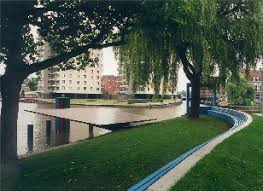
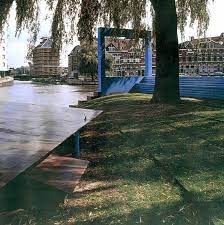
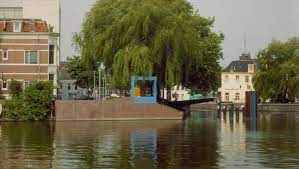
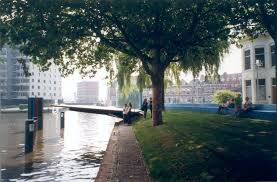
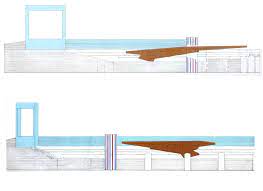
Winschoterkade is a quay in Groningen, Netherlands, that Manuel de Solà-Morales redeveloped in 1995 as a public waterfront space. The project formed part of the urban exhibition A Star is Born and transformed a neglected corner of the Oosterhaven harbor into a small civic gathering place. Solà-Morales installed an elongated bench along the quay leading to a blue-painted plaza described as a “window to the world,” opening new views over the canal. A steel viewing platform extends over the water, while steel mooring posts in the canal, called “dolphins,” served as sculptural elements for art and music events during the exhibition. Covering roughly 40 by 25 meters, the intervention used wood, concrete, and steel to create what Solà-Morales called an outdoor “living room” for the city. By emphasizing seating and observation, the design redefined a neglected urban site, demonstrating Solà-Morales’s principle of “creating a place, not an object” in the city.
05. Operaplein, Antwerp
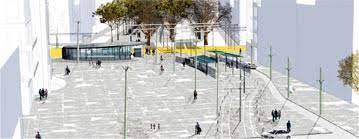
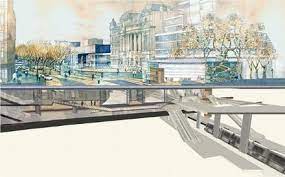
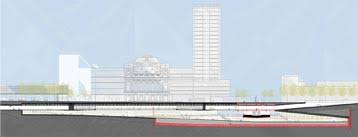
Operaplein is a public square redevelopment in central Antwerp, Belgium, designed by Manuel de Solà-Morales in the 2000s and completed in the late 2010s. The project reorganized a major traffic junction in front of Antwerp’s opera house to create a 10,000 m² pedestrian plaza. Solà-Morales’s plan diverted the main route, Leien Boulevard, into an underground tunnel, freeing the surface for an open square with a tram line, bicycle lanes, and access points to a renovated metro station. The redesigned plaza provides clear views of the Opera House and improved links to the nearby shopping district and Central Station. A notable feature is a group of custom “light trees” – twelve-meter-tall sculptural lamp columns – providing illumination and visual identity at night. By reclaiming space from vehicles and prioritizing pedestrians and public transport, the project converted a congested intersection into civic space. This intervention demonstrates Solà-Morales’s method of combining infrastructure design with urban placemaking and remains a key work in Antwerp’s contemporary renewal.
How did Manuel de Solà-Morales contribute to architecture?
Manuel de Solà-Morales contributed to architecture by redefining the architect’s role in shaping urban form. He advanced the integration of architecture and urban planning, directing attention toward the quality of collective spaces such as streets, plazas, and waterfronts rather than individual buildings. Through his projects, Solà-Morales demonstrated how coordinated interventions in infrastructure and public space could improve a city’s structure and use. In academia, he influenced generations of architects and planners by founding Barcelona’s Urbanism Laboratory and publishing studies on urban morphology. His concept of the “urban project,” which treats city fragments as design opportunities, has guided contemporary urban redevelopment internationally. Solà-Morales broadened architectural practice to include urban design as a fundamental discipline, shaping how modern architects engage with the scale and dynamics of the city.
What awards and honors has Manuel de Solà-Morales received?
Manuel de Solà-Morales received national and international awards recognizing his contributions to architecture and urban design, including:
- Spanish National Urbanism Prize (1983) – Solà-Morales won the Premio Nacional de Urbanismo, the highest national award in Spain for urban planning.
- Grand Prix de l’Urbanisme (2000) – This French national prize recognized Solà-Morales’s influence on urban design across Europe.
- FAD Architecture Award (1994) – He received the Foment de les Arts i del Disseny (FAD) Award for architecture, recognizing the design of L’Illa Diagonal in Barcelona.
- King Jaime I Prize for Urban Planning, Landscape and Sustainability (2008) – He received the Premio Rey Jaime I, granted by the Generalitat Valenciana and the Rey Jaime I Foundation, for integrating sustainability and landscape into urban planning.
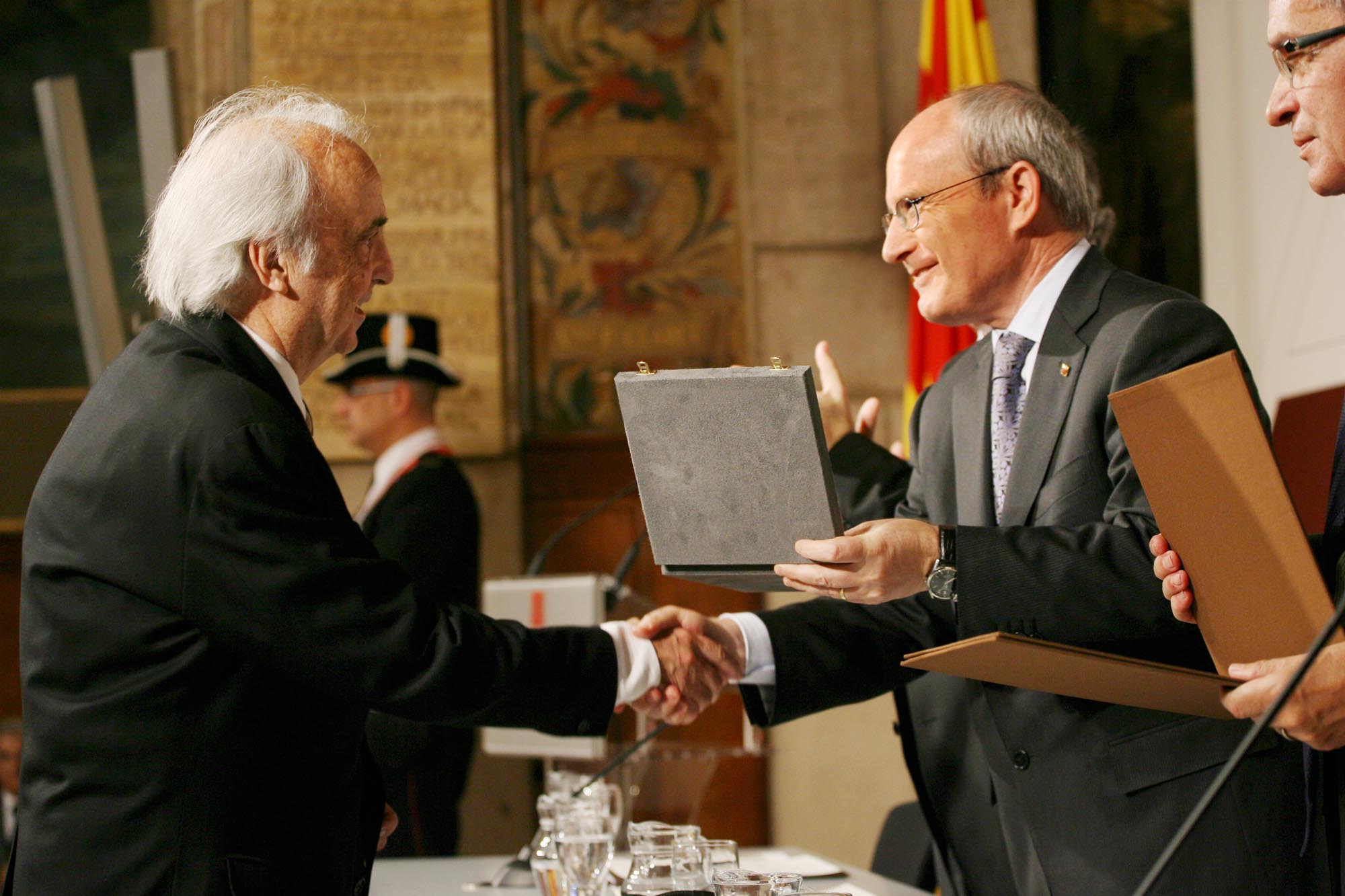
- Creu de Sant Jordi Prize (2009) – The Government of Catalonia awarded Solà-Morales the Creu de Sant Jordi (St. George’s Cross), one of the region’s highest civilian honors, in recognition of his service and contributions to urbanism.
- Gold Medal of Spanish Architecture (2014) – Two years after his death, Solà-Morales was posthumously awarded the Medalla de Oro de la Arquitectura, presented by the Consejo Superior de Colegios de Arquitectos de España, in recognition of his legacy in Spanish architecture and urban planning.
- Narcís Monturiol Medal (2000) – Solà-Morales received the Medalla Narcís Monturiol from the Generalitat de Catalunya, an award recognizing contributions to scientific and technological progress in Catalonia, for advancing urban planning and design.
Additionally, Manuel de Solà-Morales received several academic and professional distinctions that reinforced his international standing. He was appointed Visiting Fellow at the University of Cambridge in 1984, elected a member of the Académie d’Architecture in France in 2003, and awarded an honorary doctorate from KU Leuven in 2004 for his contributions to urban theory and practice.
Did Manuel de Solà-Morales change the architecture industry?
Yes, Manuel de Solà-Morales changed the architecture industry by introducing a stronger urban perspective into architectural practice. He demonstrated that architects could assume a central role in city-making beyond individual buildings, influencing planning and design processes globally. Following his work in Barcelona and other cities, both architects and public officials adopted his strategies—reclaiming waterfronts for public use, routing traffic underground to form plazas, and integrating mixed-use programs into urban plans. His focus on collaboration among architects, planners, and engineers helped establish interdisciplinary design teams as the standard for complex urban projects. Through his teaching and publications, Solà-Morales reshaped professional thinking, positioning the urban context as an essential framework for design. Many contemporary redevelopment projects, from renewed downtowns to large-scale waterfront plans, reflect the methods he advanced, marking a lasting shift in the industry’s approach to the built environment.
Was Manuel de Solà-Morales ever controversial in any way?
Manuel de Solà-Morales was not a controversial figure in architecture. He maintained a professional reputation and avoided public disputes. Some of his urban projects generated discussion, as is typical for large-scale city works, but these debates focused on design and logistics rather than personal issues. Proposals to reroute traffic underground or reshape historic waterfronts, such as those in Antwerp and Porto, raised questions among local stakeholders, which Solà-Morales addressed through detailed planning and consultation. He faced no scandals or major criticism beyond routine professional debate. His work was generally received with respect, and any disagreement remained confined to differing views on urban design.
Who are the most famous architects in modern history besides Manuel de Solà-Morales?
Aside from Manuel de Solà-Morales, Rafael Moneo, Rem Koolhaas, and Zaha Hadid are among the architects who have most significantly shaped modern architecture. Moneo (Spanish, born 1937) is a Pritzker Prize laureate recognized for his contextually precise works, such as the Kursaal Auditorium in San Sebastián and the Cathedral of Our Lady of the Angels in Los Angeles. Koolhaas (Dutch, born 1944), recipient of the 2000 Pritzker Prize, combined architecture with urban theory; as founder of OMA, he created projects including the CCTV Headquarters in Beijing and Seattle Central Library and authored texts such as Delirious New York. Hadid (Iraqi-British, 1950–2016), the first woman to win the Pritzker Prize (2004), reshaped contemporary design through fluid, geometric forms expressed in works like the Guangzhou Opera House, the London Aquatics Centre, and the MAXXI Museum in Rome.
What did Manuel de Solà-Morales mostly design?
Manuel de Solà-Morales primarily designed urban environments and public spaces rather than isolated buildings. His work can be grouped into several categories that reflect his focus on city-scale interventions:
- Urban Public Spaces and Waterfronts: Solà-Morales redesigned waterfronts, plazas, and city squares, including the Moll de la Fusta promenade in Barcelona and the Atlantic Boardwalk in Porto, creating pedestrian-oriented public areas from underused harbor zones and coastlines.
- City Planning and Master Plans: He developed strategic urban frameworks for cities and neighborhoods, contributing to general plans such as Barcelona’s metropolitan plan in the 1970s and advising on historic district renewal. These plans emphasized coherent street networks, public-space systems, and the integration of new developments within existing urban patterns.
- Mixed-Use Complexes and Housing Developments: Although not primarily a building architect, Solà-Morales co-designed large-scale architectural projects when they had an urban dimension. His collaboration with Rafael Moneo on L’Illa Diagonal produced a mixed-use complex combining retail, offices, and a hotel. He also designed residential projects such as the La Sang neighborhood in Alcoy, focused on revitalizing urban centers through compact, community-oriented housing.
- Transportation and Infrastructure in the Urban Context: Many of his projects involved reconfiguring traffic and transport systems as elements of urban space. Examples include the Stationsplein in Leuven and the Operaplein in Antwerp, where he incorporated infrastructure such as roads, bridges, and transit access into cohesive civic environments.
Solà-Morales’s work consistently sought to improve the urban realm. From small waterfront interventions to metropolitan master plans, he approached each project intending to strengthen the function and identity of public space.
Where did Manuel de Solà-Morales study?
Manuel de Solà-Morales studied architecture in Barcelona and later continued graduate studies in the United States. He earned his architecture degree from the Barcelona School of Architecture (ETSAB) at the Polytechnic University of Catalonia and subsequently obtained a PhD in architecture from the same institution. In the early 1960s, he pursued international training under Ludovico Quaroni in Rome before enrolling at Harvard University’s Graduate School of Design. At Harvard, he completed a Master’s in City Planning in 1965 and studied with Josep Lluís Sert, who was dean of the school at the time. Solà-Morales also earned a degree in economics from the University of Barcelona, reflecting his interdisciplinary education. His studies in Barcelona, Rome, and the United States provided a foundation for his approach to modern urban planning and design.
Did Manuel de Solà-Morales have any famous teachers or students?
Manuel de Solà-Morales had influential mentors and guided numerous students and collaborators. As a student, he studied under Ludovico Quaroni in Rome and Josep Lluís Sert at Harvard, both key figures in 20th-century urbanism who shaped his interdisciplinary outlook. Quaroni introduced him to European urban theory, while Sert’s modernist approach at the Harvard Graduate School of Design reinforced the integration of architecture and planning. As a professor at the Barcelona School of Architecture, Solà-Morales mentored several generations of architects and planners. Although he had no individual apprentice who achieved global celebrity, many of his students became accomplished professionals. Among them, Joan Busquets, former Barcelona city architect, worked closely with Solà-Morales and continued developing his ideas in both academic and practical contexts. Many graduates of his Urbanism Laboratory later held leading roles in international urban design. His teaching legacy endures through these practitioners who continue to apply his analytical and civic approach to the design of cities.
How can students learn from Manuel de Solà-Morales’s work?
Students can learn from Manuel de Solà-Morales’s work by studying his design principles, examining his projects, and understanding his research-based process. Case studies of his interventions, such as the Moll de la Fusta in Barcelona, which reconnected the city to its port, and L’Illa Diagonal, conceived as an extension of the urban grid, illustrate his method of context-responsive design. By analyzing these examples, students can grasp the importance of tailoring architecture to specific urban conditions. Reading Solà-Morales’s writings, including his essays on urban morphology and public space, reveals his theoretical framework and his concept of “persistent research,” which emphasizes the detailed study of a site’s history and structure before proposing solutions. Students can also adopt his interdisciplinary approach: Solà-Morales combined architecture, planning, engineering, and economics to address urban complexity. Participating in collaborative studio work and on-site analysis, as he encouraged at Barcelona’s Urbanism Laboratory, enables students to apply his comprehensive method. Learning from Solà-Morales’s work provides insight into designing integrated urban spaces and understanding the city as the central subject of architectural thought.

