

Stanley Tigerman (1930–2019) was an American architect recognized for his influence on Chicago’s postmodern architectural movement. Born and based in Chicago, Tigerman earned architecture degrees at Yale University and led his firm for over five decades. He became known for designs that combined wit, eclectic form, and social conscience, often challenging the rigid modernist doctrines of his time. Tigerman co-founded the Chicago Seven in 1976, a group of architects who opposed orthodox modernism, and later established the design school Archeworks in 1994 to promote socially oriented architecture. Over his career, he completed nearly 185 built projects worldwide, helping define Chicago’s late-20th-century architectural culture. His most significant achievement was redefining what architecture could express in a city long dominated by Ludwig Mies van der Rohe’s minimalism. Notable works include the Illinois Holocaust Museum in Skokie, the Anti-Cruelty Society facade in Chicago, the Five Polytechnic Institutes in Bangladesh, and the Pensacola Place Apartments in Chicago. Through these projects, Tigerman reshaped Chicago’s architectural landscape by integrating humor, humanism, and diversity. While he provoked debate with his ideas and direct personality, he remained a respected professional figure, receiving numerous honors. Tigerman designed institutional buildings, housing complexes, and civic plans, demonstrating that architecture can serve social needs while sustaining artistic integrity. Educated under modernist architect Paul Rudolph, Tigerman later mentored younger designers and encouraged critical thinking, making his work an enduring educational resource for future architects.
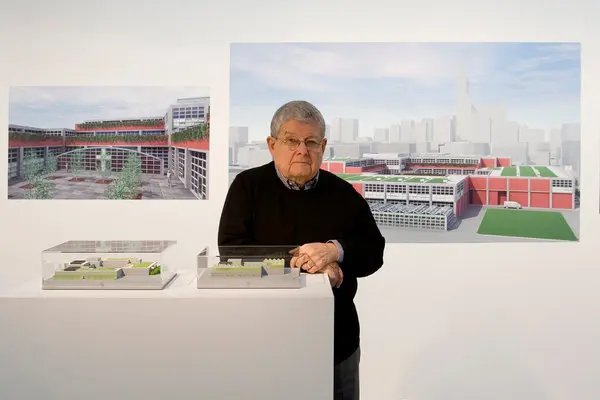
Who is Stanley Tigerman?
Stanley Tigerman was an American architect born on September 20, 1930, in Chicago, Illinois. He became recognized for his influence on late-20th-century architecture, particularly in Chicago. Tigerman’s path to architecture was unconventional: he briefly attended MIT, then, after working in practice and serving in the U.S. Navy, earned both his Bachelor’s and Master’s degrees in Architecture at Yale University, graduating in 1961. Early in his career, he founded his own practice, later establishing Stanley Tigerman and Associates, which became Tigerman McCurry Architects in 1982 after he partnered with his wife, Margaret McCurry. Over five decades of practice, he designed hundreds of projects, from residences and museums to schools and urban plans, developing a reputation as one of Chicago’s most outspoken architects. Beyond his practice, Tigerman taught at several universities and served as Director of the University of Illinois at Chicago’s School of Architecture from 1988 to 1993. He also co-founded Archeworks in 1994, a nonprofit design laboratory focused on socially responsible projects. Tigerman remained active in American architecture until his retirement in 2017 and continued mentoring until his death on June 3, 2019. His career reflected a lifelong commitment to design freedom, public engagement, and a distinctive sense of humor in architecture.
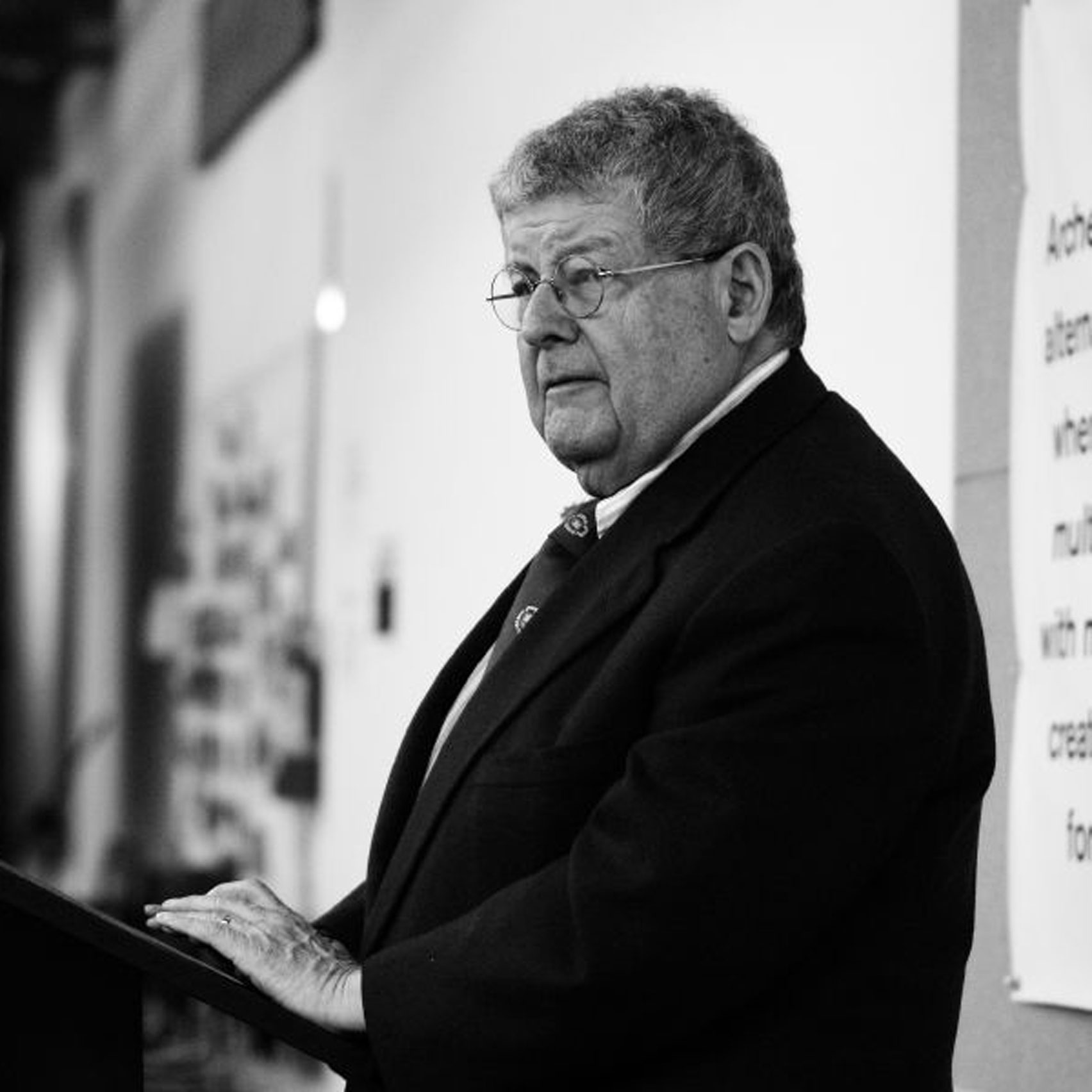
What type of architecture does Stanley Tigerman represent?
Stanley Tigerman represents a postmodern approach to architecture defined by eclectic form, symbolic meaning, and resistance to rigid modernist doctrine. In the 1970s, he became a central figure in Chicago’s postmodern movement, which aimed to move beyond the strict International Style associated with Mies van der Rohe. His designs often combine historical references and geometric composition to communicate ideas and narratives. Tigerman integrated elements such as classical motifs, vivid colors, and graphic forms in his facades, countering the “less is more” principle with a more expressive architectural language. Earlier in his career, he was influenced by modernist ideas of functionality and clarity but reinterpreted them through layers of metaphor and social commentary. His work avoids a fixed visual style and follows a philosophy that architecture should remain pluralistic and human-centered. He believed buildings should fulfill their functions while encouraging imagination and humor. This philosophy aligns with postmodernism’s central premise that architecture can accept complexity and contradiction.
What is Stanley Tigerman’s great accomplishment?
Stanley Tigerman’s greatest accomplishment was redefining Chicago’s architectural culture by promoting diversity and social responsibility in design. Throughout his career, he challenged the dominance of mid-century modernism and demonstrated that architecture could remain intellectually rigorous while being accessible. In 1976, he led the formation of the Chicago Seven, a group of architects who questioned the influence of Miesian modernism and opened discussion about alternative directions in Chicago architecture. Through this initiative, Tigerman helped introduce an era of postmodern experimentation in a city known for its architectural tradition. His recognition among peers confirmed this impact: he received the AIA/ACSA Topaz Medallion in 2008 for his contribution to architectural education and the AIA Chicago Lifetime Achievement Award in 2013. Tigerman maintained a small practice that produced work of broad relevance and consistent intellectual depth. His projects across continents reflected ethical intent and attention to human needs. Whether designing a homeless shelter or a museum, he approached architecture as a moral pursuit that influenced younger architects. The Illinois Holocaust Museum & Education Center, completed in 2009, stands as the synthesis of his design skill, cultural heritage, and ethical vision.
What are Stanley Tigerman’s most important works?
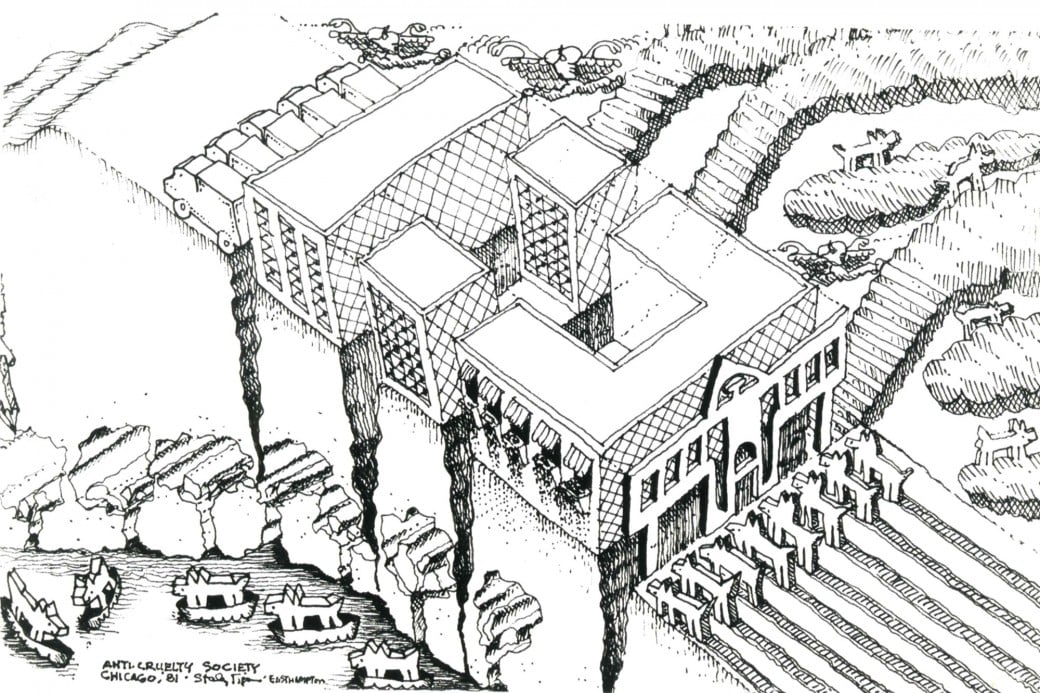
Stanley Tigerman’s most important works include local landmarks and international institutional projects that demonstrate his versatility and critical approach to design, exemplified by the Illinois Holocaust Museum & Education Center in Skokie, a commemorative project often identified as the defining work of his career; the Pacific Garden Mission in Chicago, a large-scale homeless shelter reflecting Tigerman’s commitment to social architecture; the Five Polytechnic Institutes in Bangladesh, an international initiative to develop educational campuses that adapt modernist ideas to regional context; the Pensacola Place Apartments in Chicago, a postmodern high-rise that juxtaposes classical motifs with modern geometry; and the Anti-Cruelty Society in Chicago, recognized for its facade designed as a stylized dog’s face.
01. Illinois Holocaust Museum & Education Center, Skokie
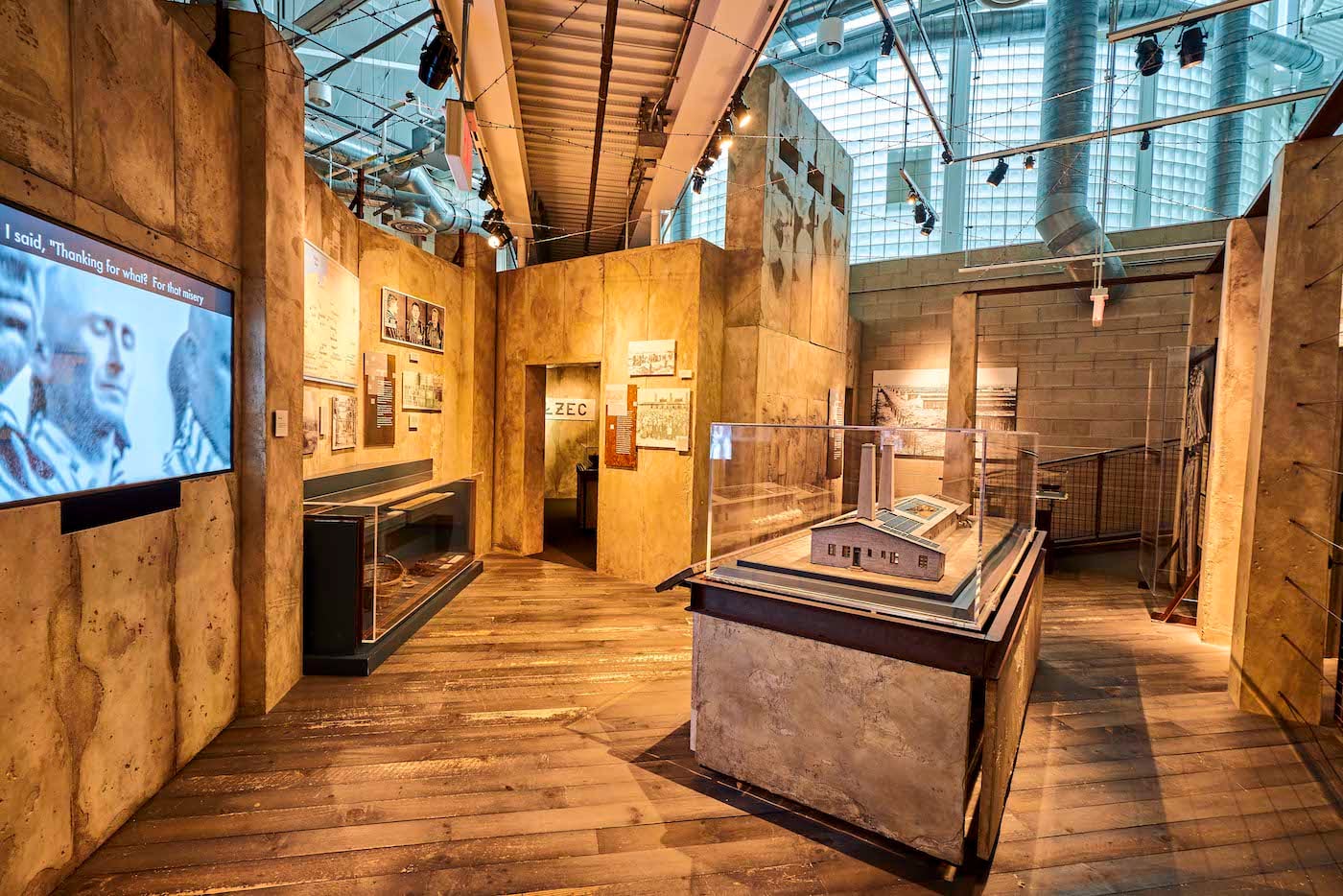
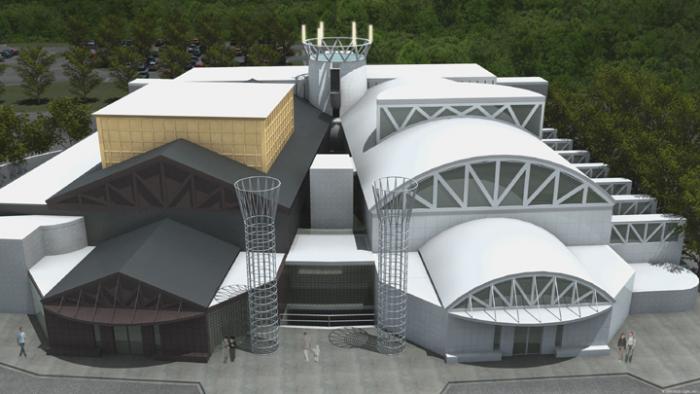
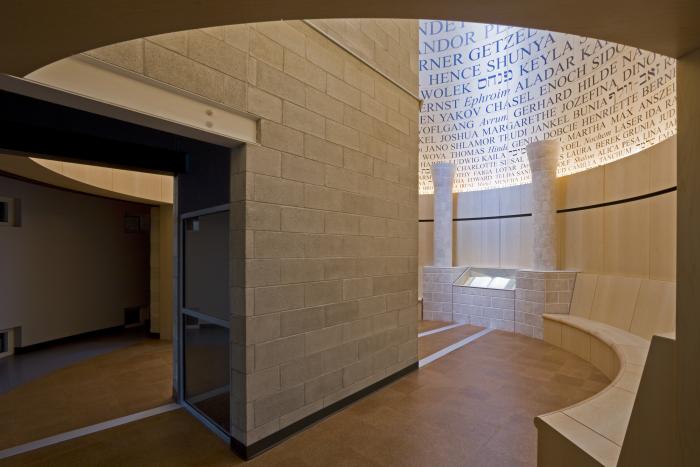
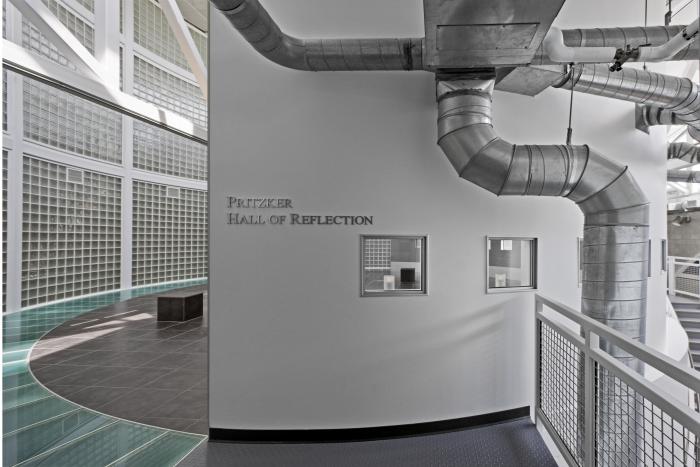
The Illinois Holocaust Museum & Education Center is a memorial museum in Skokie, Illinois, designed by Stanley Tigerman and completed in 2009. This project is one of Tigerman’s most recognized works, noted for its symbolism and architectural clarity. The museum consists of two contrasting volumes: a dark, low-slung wing where visitors begin their journey in reflection, and a white, barrel-vaulted wing where the exhibit sequence concludes. Tigerman conceived this linear layout to represent a passage from the darkness of the Holocaust toward light and renewal. The building’s alignment prevents visitors from retracing their path, reinforcing the idea of moving forward through history. The experience ends with an east-facing exit toward Jerusalem, a deliberate symbolic reference to a future of hope. Architecturally, the museum uses materials and form to communicate meaning: the dark section recalls the severity of concentration camp structures, while the white section admits daylight to signify recovery. At the junction of the two wings stands a cylindrical Room of Reflection topped by six steel spires called Points of Light, representing the six million Jewish lives lost. Tigerman won the commission with a simple napkin sketch illustrating this dual-wing concept. The completed 65,000-square-foot museum functions as an exhibition and education space and as a narrative work of architecture. It demonstrates Tigerman’s capacity to embed moral and historical meaning in design and is regarded as the defining work of his later career.
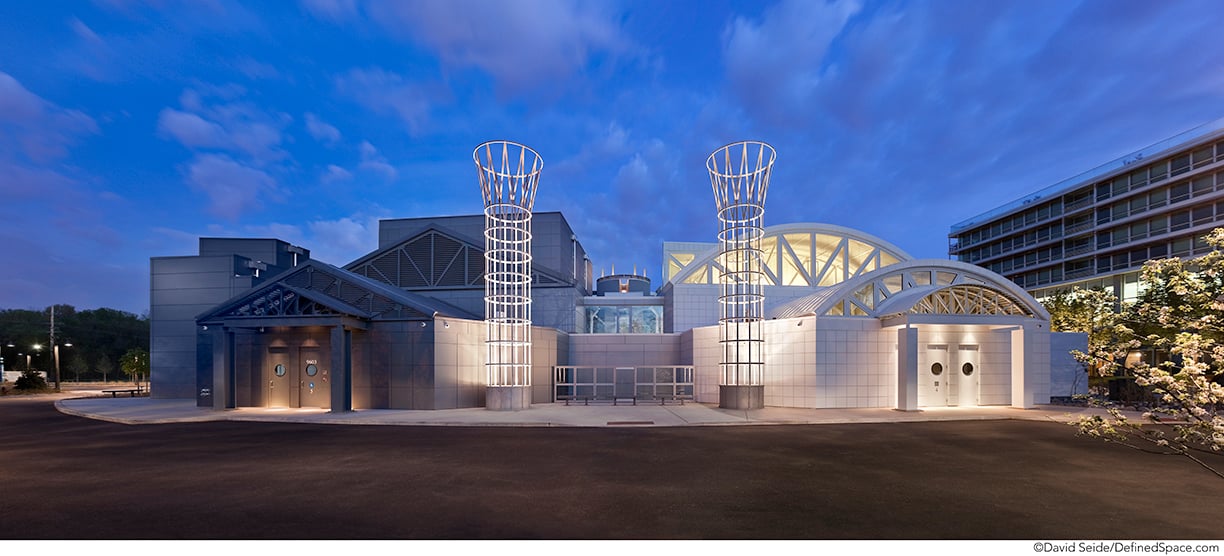
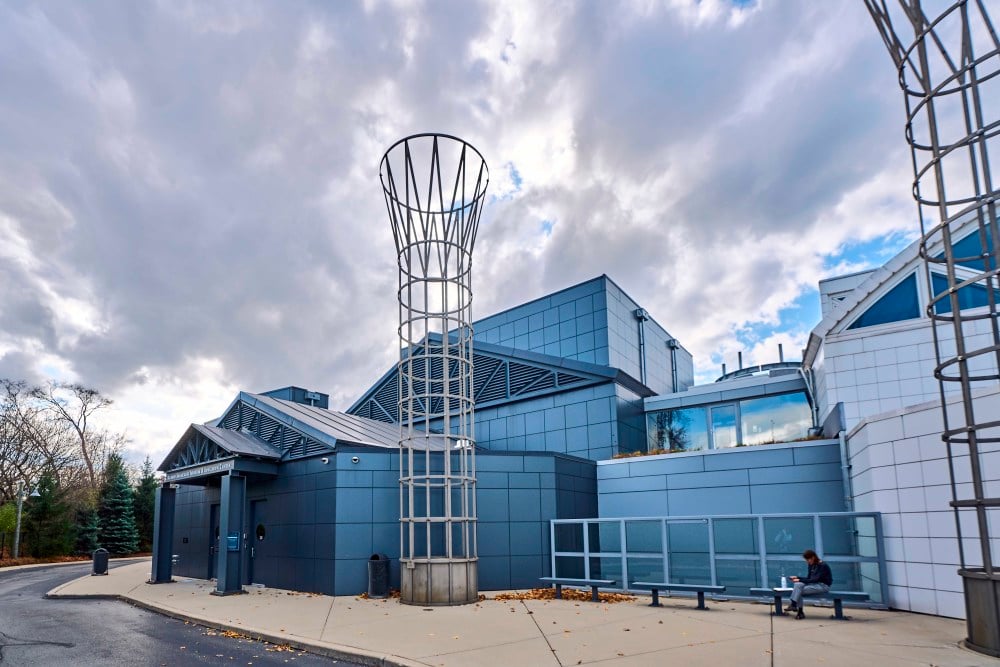
02. Pacific Garden Mission, Chicago
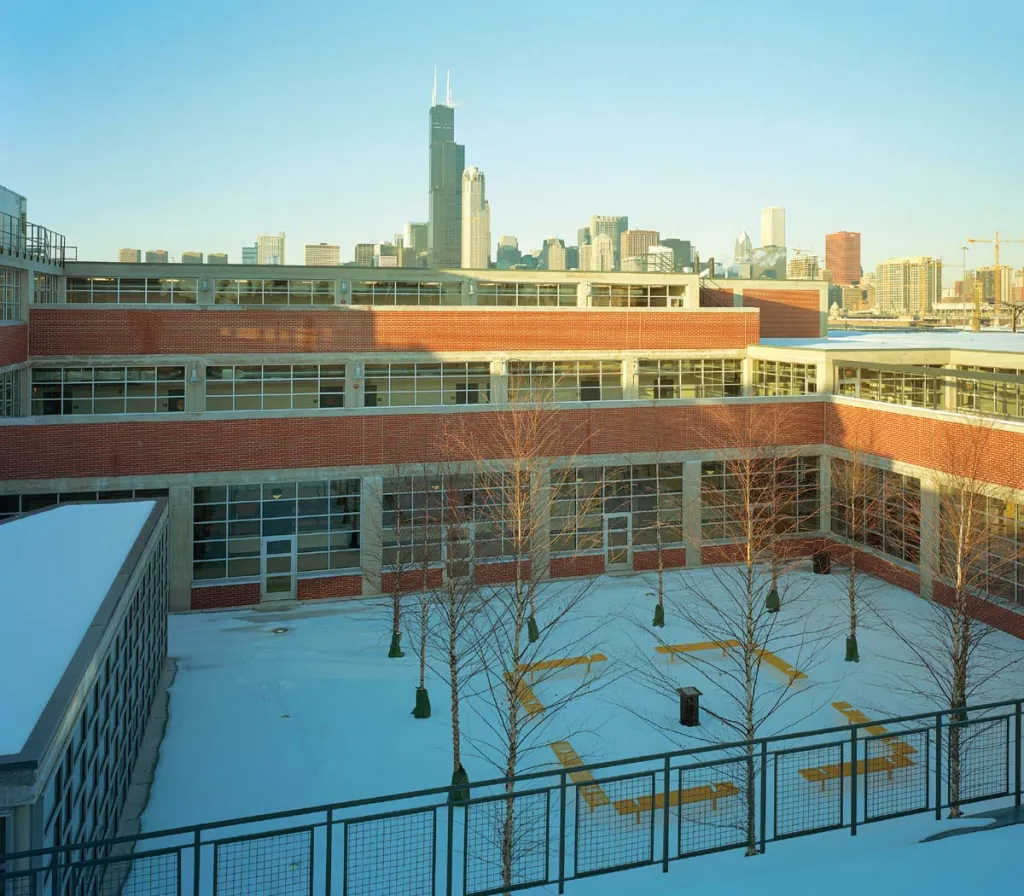
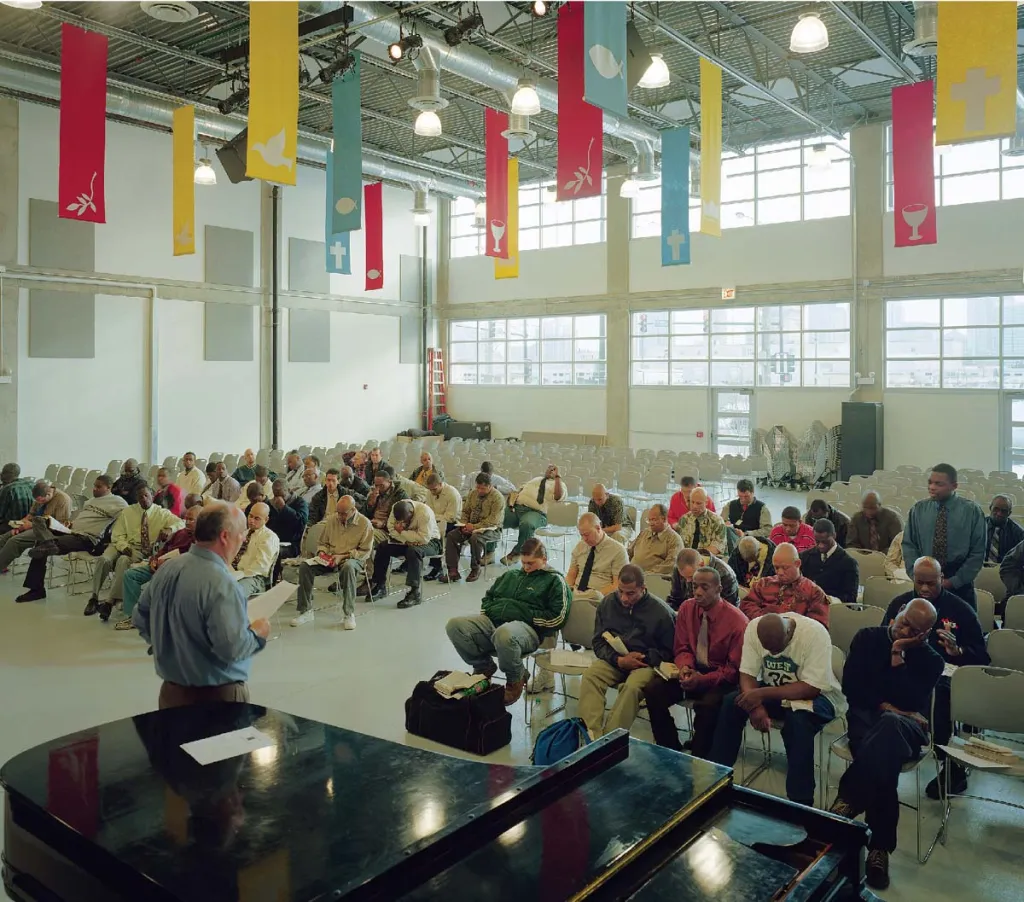
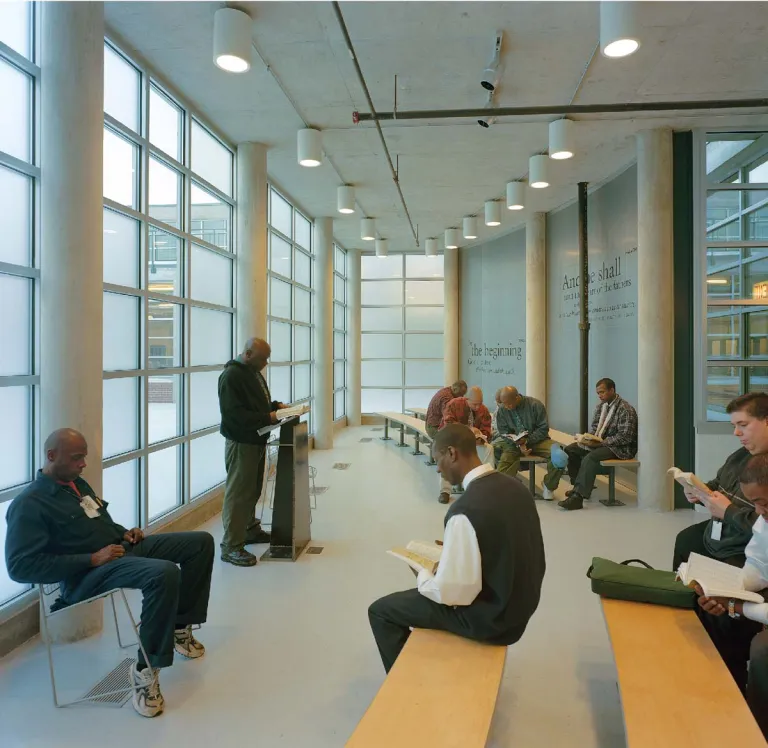
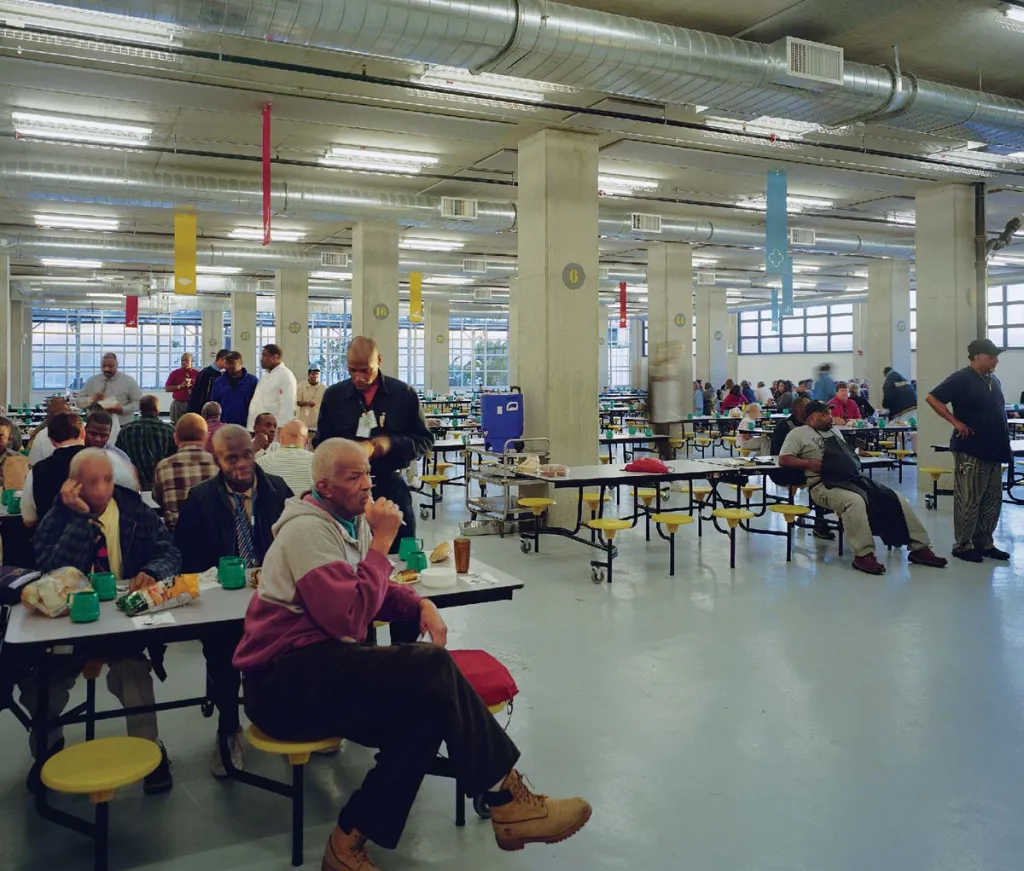
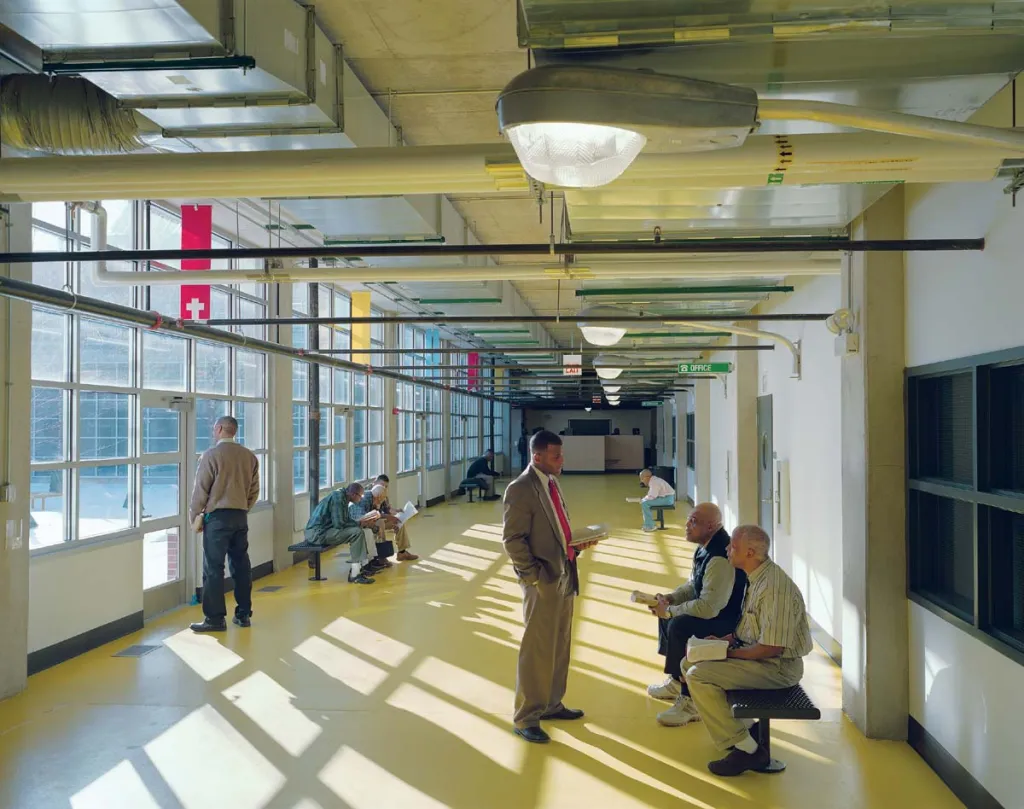
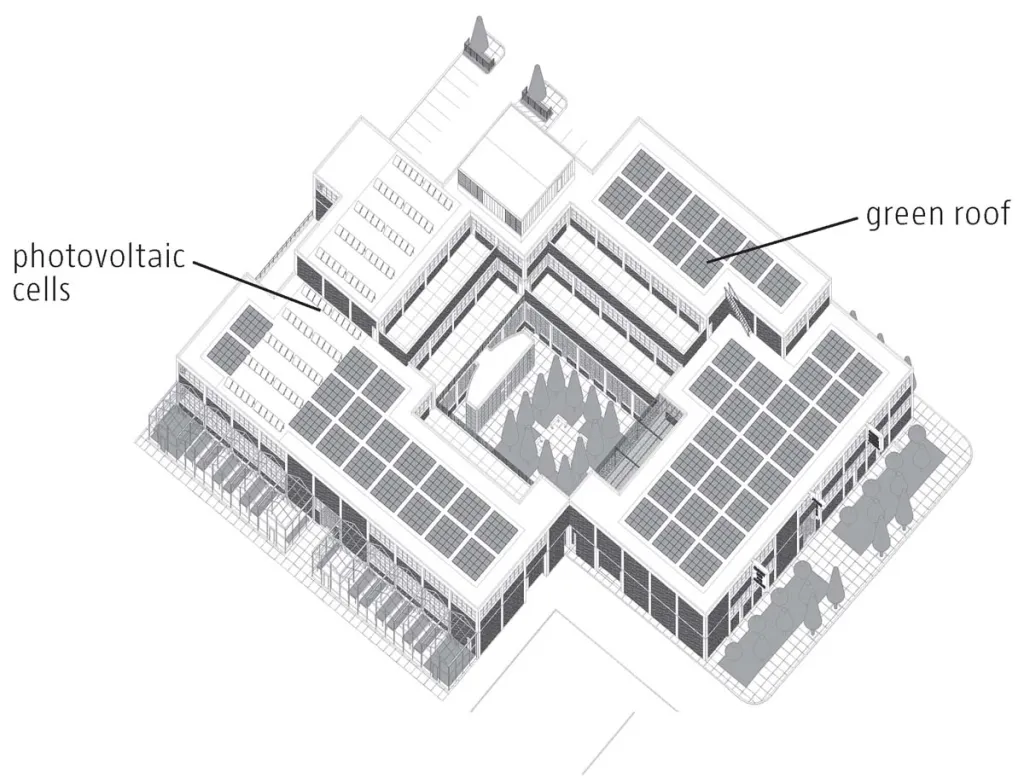
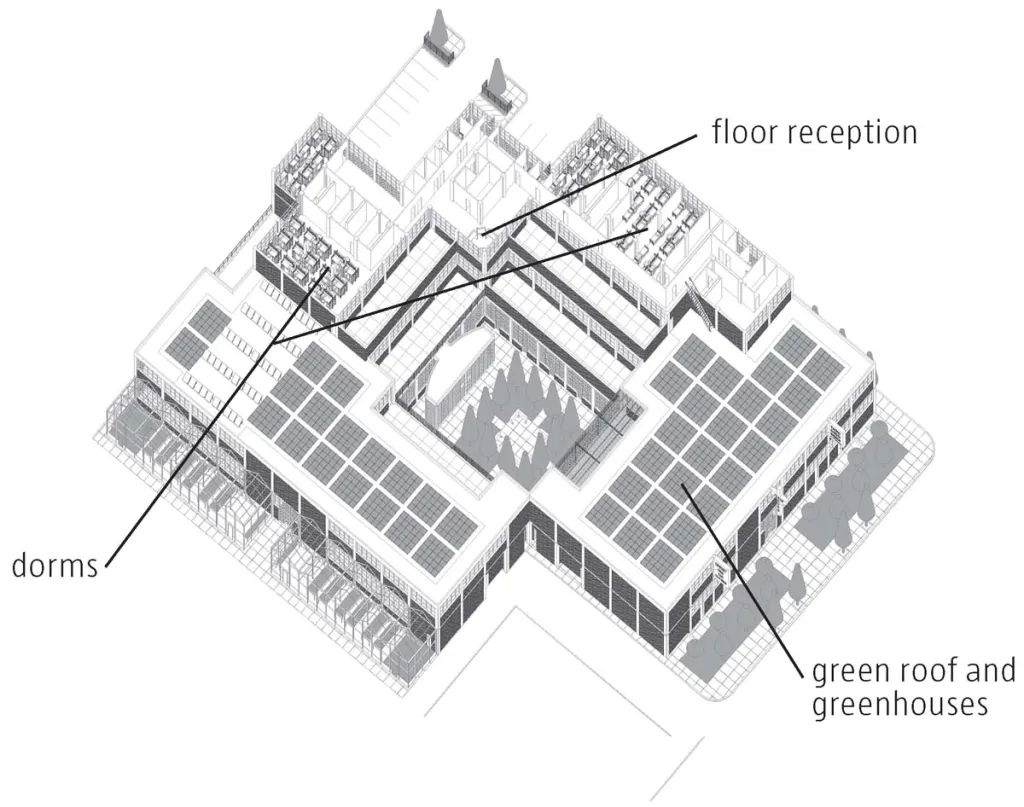
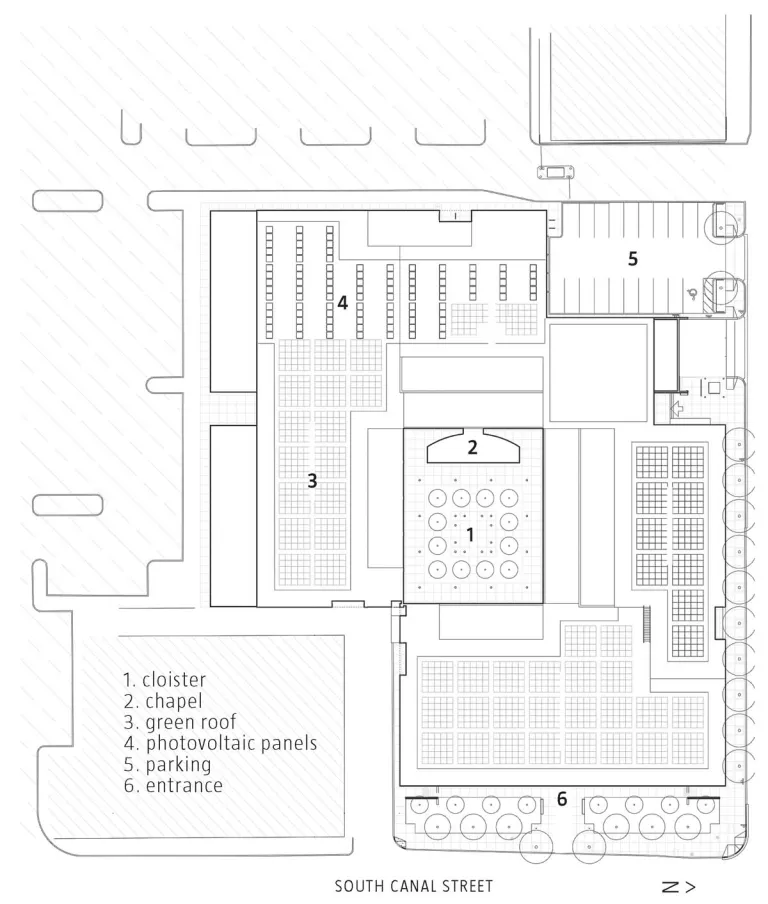
The Pacific Garden Mission is a large homeless shelter in Chicago, designed by Stanley Tigerman and completed in 2007. The project reflects Tigerman’s commitment to applying architecture to social needs. The Mission accommodates around 1,000 residents and provides shelter, food, and social services, making it one of the largest facilities of its kind in the United States. Tigerman designed it with practicality and dignity as guiding principles. The building occupies a site in Chicago’s South Loop and features a straightforward, durable exterior consistent with the district’s industrial character, using brickwork and a block-like form reminiscent of historic warehouse architecture. This contextual approach allows the facility to integrate into its surroundings while avoiding an institutional appearance. Pacific Garden Mission was also designed for sustainability and long-term performance, achieving LEED Silver certification for its environmental design—an uncommon distinction for a shelter. Inside, the plan is organized around a landscaped central courtyard that introduces natural light and ventilation and provides a secure, open area for residents. The interior includes dormitories, a cafeteria, a chapel, counseling spaces, and training facilities, creating a self-contained community focused on rehabilitation. Through this project, Stanley Tigerman demonstrated that architecture can address the needs of vulnerable populations with respect and care. The Mission embodies his belief that ethical and human considerations are central to design and that functional buildings can be architecturally rigorous.

03. Five Polytechnic Institutes, Bangladesh
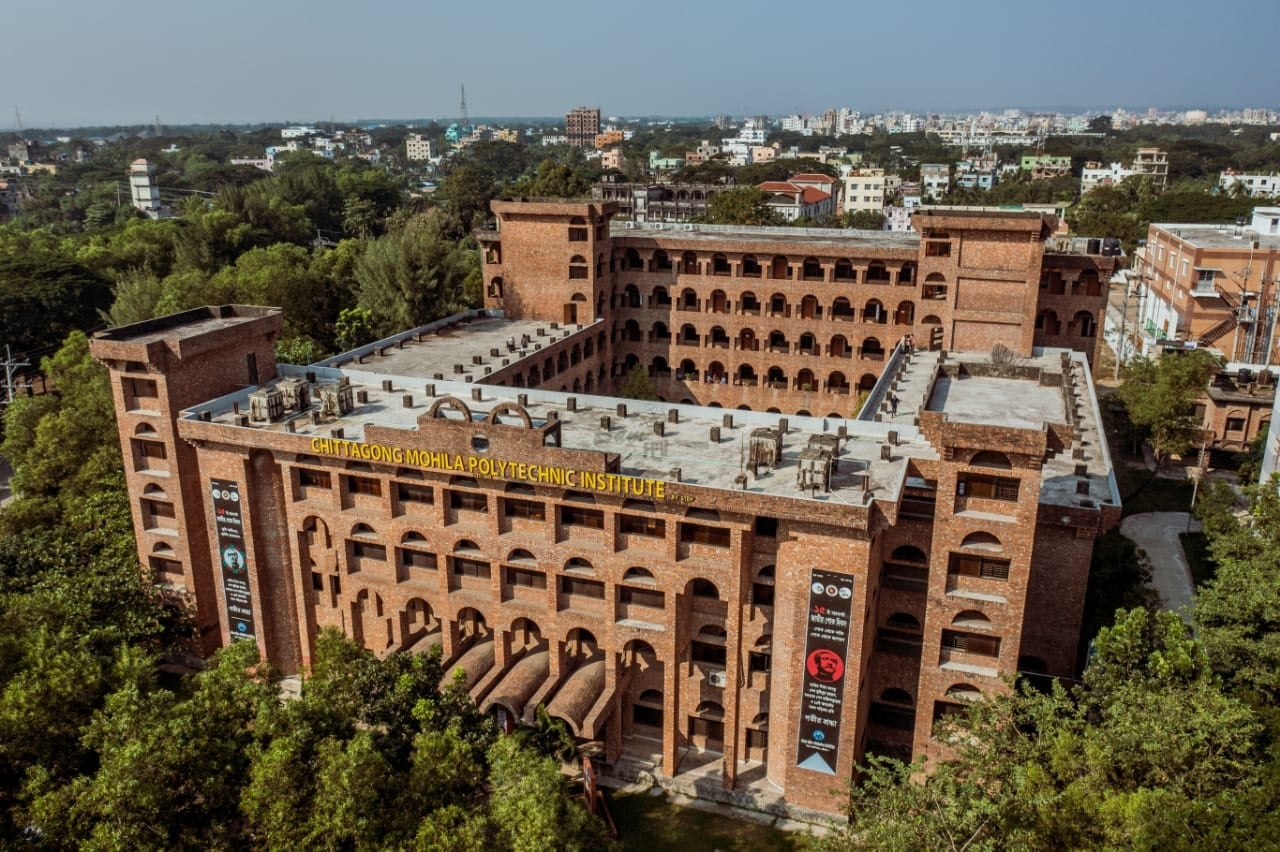
The Five Polytechnic Institutes in Bangladesh, designed between 1966 and 1975, were an early international project in which Stanley Tigerman played a major role. In the mid-1960s, Tigerman’s former Yale classmate, Bangladeshi architect Muzharul Islam, invited him to East Pakistan (now Bangladesh) to assist in creating a network of vocational training campuses. Working with Islam and drawing on advice from architects Louis Kahn and Paul Rudolph, Tigerman contributed to the planning and design of five polytechnic institutes intended to expand technical education in the region. These campuses were built in different provincial towns to train students in fields such as engineering, agriculture, and industry. Designing for Bangladesh’s tropical climate presented challenges unfamiliar to Tigerman’s U.S. experience. To adapt, he incorporated local materials and construction techniques: structures were built with teak wood and clay bricks made from riverbank soil, materials resistant to humidity, monsoon weather, and mold. Tigerman’s modernist approach, characterized by clean geometry and functional layouts, was adjusted to the climate through deep roof overhangs, shaded courtyards, and cross-ventilation. The resulting buildings combined modernist clarity with regional adaptation, creating campuses that were both contemporary and contextually grounded. During the project’s development, Bangladesh’s struggle for independence (1960s–1971) disrupted progress. When political repression increased under the Pakistani regime, Tigerman suspended his involvement rather than support it, resuming only after Bangladesh’s independence in 1971. The five campuses were completed by the mid-1970s and represent a lasting part of Tigerman’s international practice. Though lesser known to the public, the project remains a notable example of cross-cultural collaboration in architecture. It demonstrated Tigerman’s ability to apply design principles across environments while respecting local conditions and reinforced his view that architecture carries ethical and social responsibilities.

04. Pensacola Place Apartments, Chicago
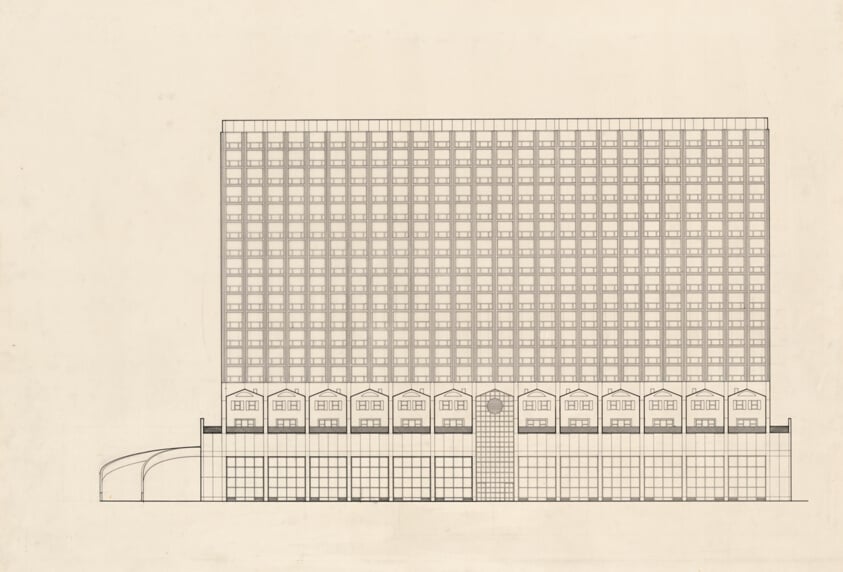
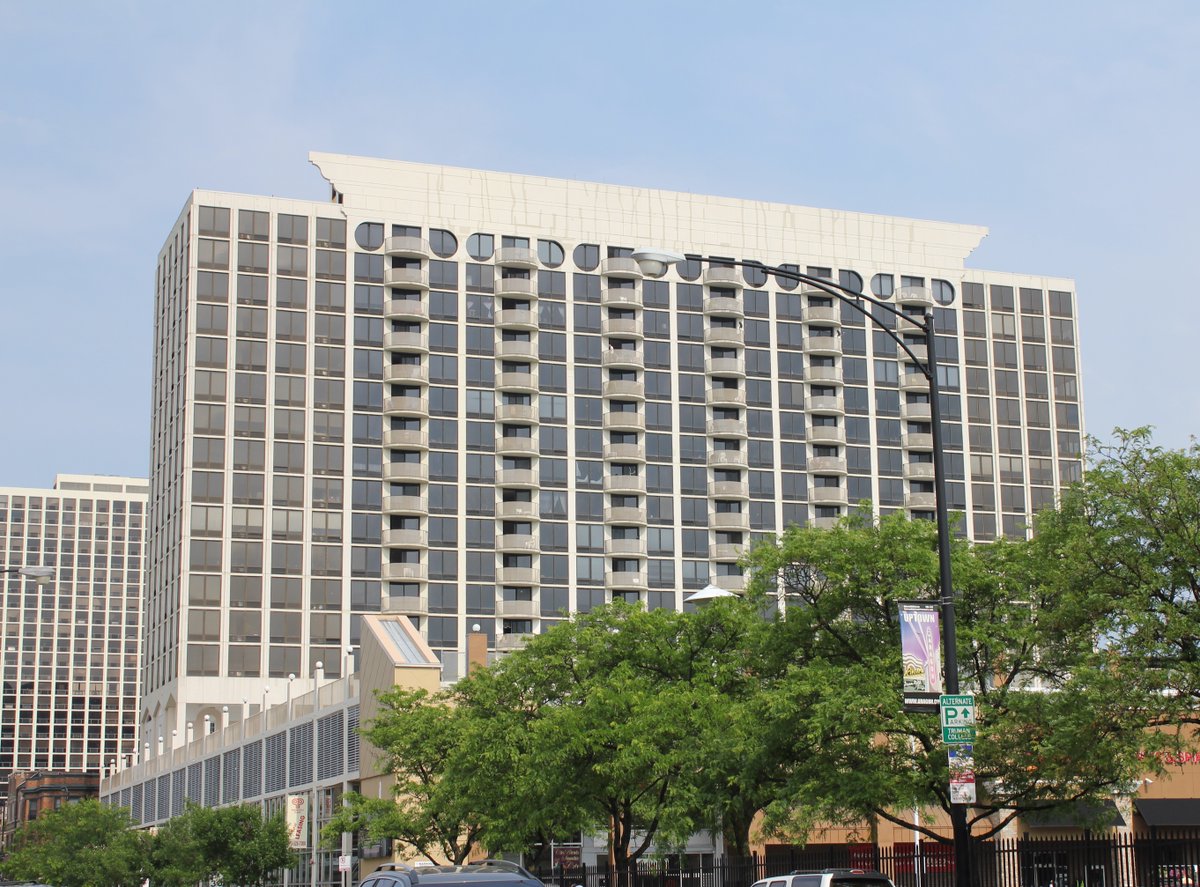
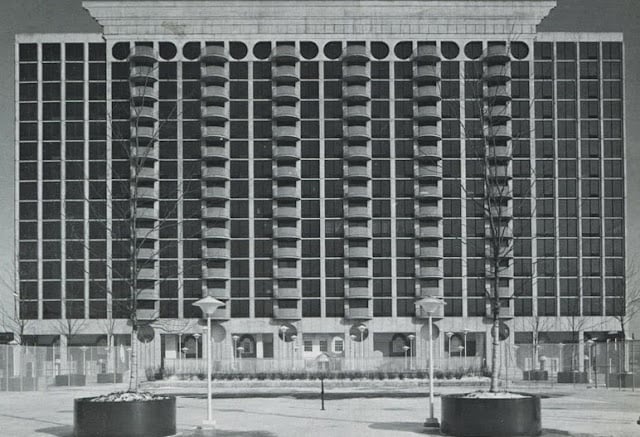
The Pensacola Place Apartments is a high-rise residential building in the Uptown neighborhood of Chicago, completed in 1981. Stanley Tigerman designed the 18-story tower as one of the clearest Postmodern statements in Chicago’s housing architecture. The building embodies a deliberate duality. One elevation presents a flat, modern façade influenced by Miesian discipline: a grid of windows and a smooth curtain wall that reflects the city’s modernist heritage. The opposite side adopts a contrasting classical composition with a triangular pediment form at the roofline and a series of semicircular balconies and circular windows resembling abstracted Ionic columns. This orientation faces Graceland Cemetery, where Ludwig Mies van der Rohe is buried, serving as Tigerman’s visual commentary on the modernist legacy. The materials and detailing reinforce this concept. The “pediment” and balcony elements are fabricated from contemporary materials and rendered in shallow relief, resembling a stylized version of a classical façade applied to a modern frame. Tigerman thus transformed the building into an architectural pun that fuses formal precision with irony. The lower levels include retail space and parking to integrate the tower into the surrounding urban context. The apartments feature curved balconies that function as outdoor rooms and emphasize the building’s sculptural form. When completed, Pensacola Place provoked discussion within Chicago’s architectural community for its humor and its reinterpretation of high-rise typology. The project demonstrated Tigerman’s belief that residential towers could engage architectural history and still remain functional urban housing. Pensacola Place remains part of Chicago’s high-rise housing stock and continues to be referenced in architectural studies for its postmodern composition.

05. The Anti-Cruelty Society, Chicago
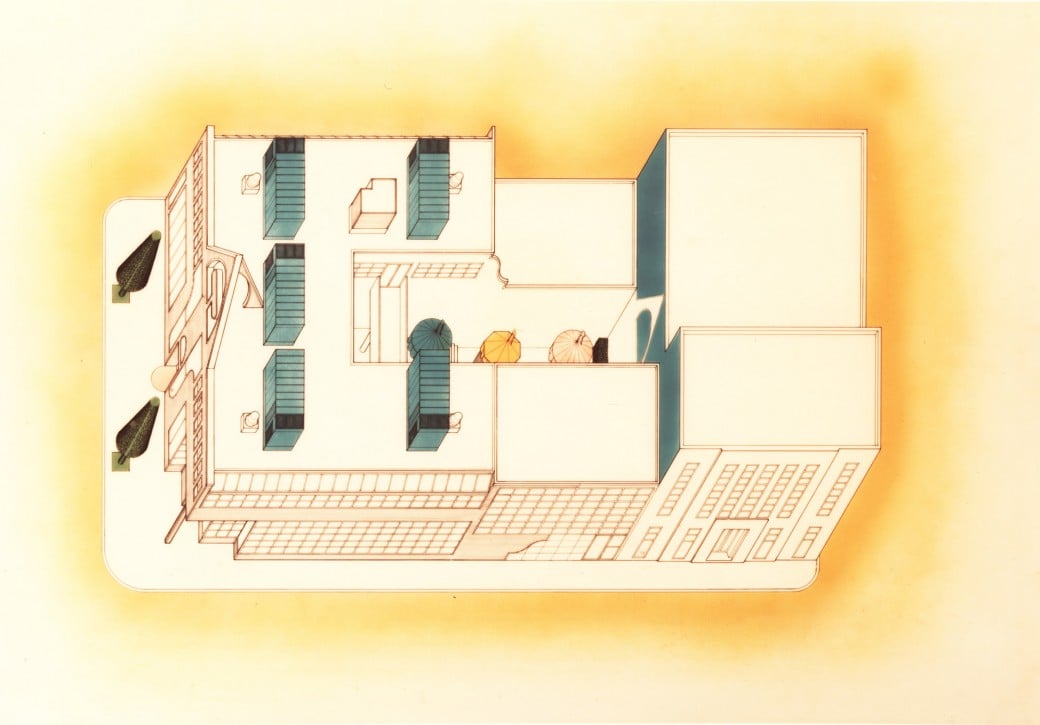
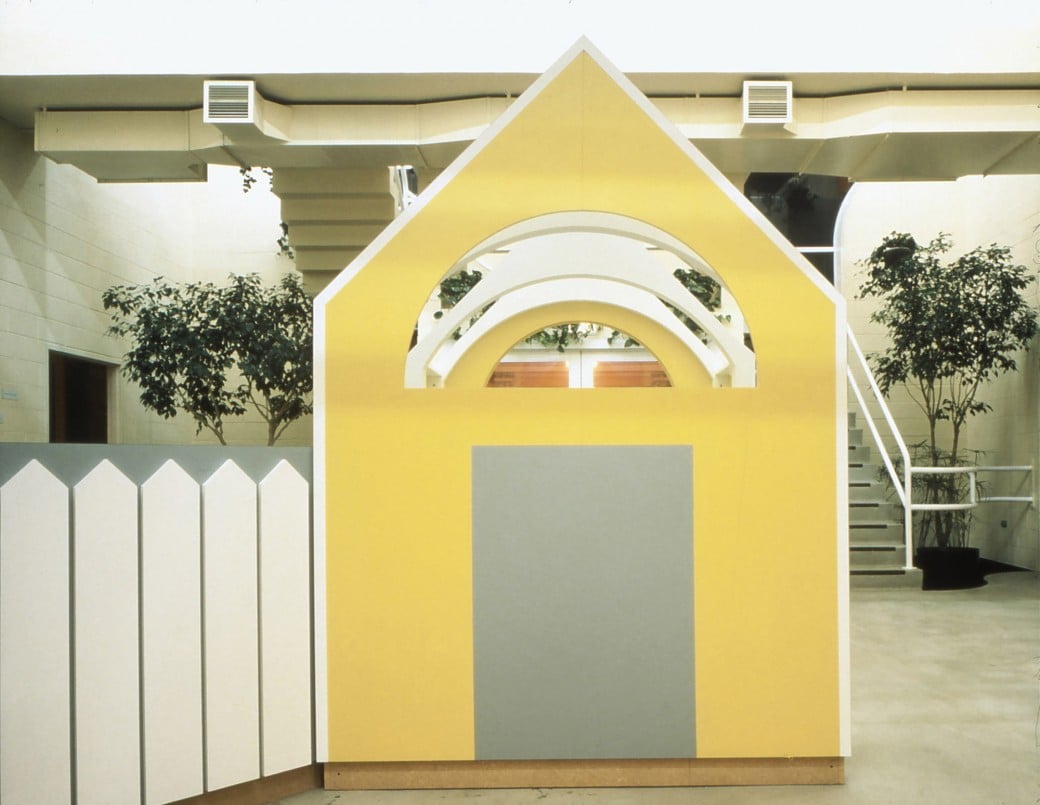
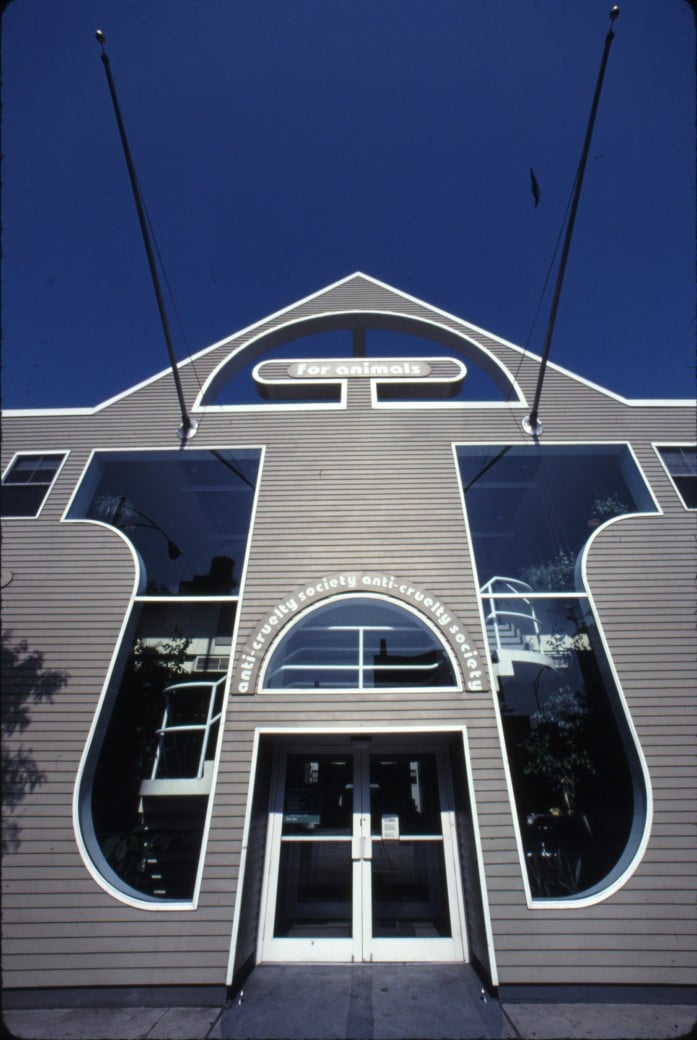
The Anti-Cruelty Society building in Chicago, completed in 1982, is a small-scale project by Stanley Tigerman known for its figurative façade. The Anti-Cruelty Society, a long-established animal welfare and adoption organization, commissioned Tigerman to renovate and expand its facility in the River North district. Instead of designing a neutral addition, he created a façade that directly conveys the building’s function: when viewed from the street, the composition of windows and architectural elements forms the abstract image of a dog’s face. Two large circular windows act as eyes, a semicircular window above the entrance suggests a snout, and smaller openings outline a mouth and ears. This figurative approach—what architects refer to as a “duck,” a building shaped to express its purpose—was uncommon in early 1980s architecture. Tigerman’s design aimed to make the building immediately identifiable and to attract attention to animal adoption. The façade’s friendly composition softened the institutional character typical of animal shelters and made the structure more approachable. The project extended a 1930s building, and Tigerman linked old and new through complementary materials of masonry and glass arranged in a deliberate geometric composition. Over time, the Anti-Cruelty Society building became one of Chicago’s well-known examples of Postmodern architecture. It demonstrated that small projects with limited budgets could achieve cultural impact through design. Although later renovations altered parts of the original façade, Tigerman’s core concept remains evident. The building exemplifies his belief that architecture can communicate visually and engage the public through form. By embedding a recognizable image into the façade, Tigerman showed how architecture can convey meaning without words and serve a social purpose.



How did Stanley Tigerman contribute to architecture?
Stanley Tigerman contributed to architecture by expanding the discipline’s creative scope and emphasizing its ethical and social dimensions. In the 1970s, when many Chicago architects still adhered to Mies van der Rohe’s minimalist principles, Tigerman introduced color, variety, and humor into architectural design. Through the Chicago Seven, which he co-founded, and his open critique of Miesian orthodoxy, he encouraged pluralism and independent thinking within modern architecture. This shift expanded the discourse beyond strict modernist uniformity and demonstrated that urban architecture could sustain multiple voices and styles. Tigerman’s commitment to social responsibility was evident in his work for underrepresented communities, including housing, schools, and shelters. Projects such as the Pacific Garden Mission and urban renewal initiatives exemplified his belief that good design should improve the quality of life regardless of socioeconomic status. His “design for all” approach emphasized accessibility and user needs, as seen in his Illinois Regional Library for the Blind, which incorporated bright colors and fixed wayfinding elements to support visually impaired users. He also shaped architectural thought through writing, exhibitions, and teaching. His book Versus: An American Architect’s Alternatives (1982) discussed new approaches to modern architecture, while exhibitions such as the Chicago Architects (1976) show drew attention to overlooked regional practitioners. Through these efforts, Tigerman broadened architectural discourse and promoted critical engagement with design. As director of the UIC School of Architecture and co-founder of Archeworks, Tigerman mentored emerging architects to consider the moral and social implications of design. His direct and provocative teaching style left a lasting influence, contributing to his recognition with the Topaz Medallion for Excellence in Architectural Education. Tigerman’s design philosophy treated each commission as a distinct challenge rather than a repetition of style. He demonstrated that architects could be versatile—designing both playful museum installations and rigorous urban plans—without sacrificing integrity. This attitude reinforced a view of architecture as flexible, context-driven, and socially engaged, influencing generations of architects who followed his example.
What awards and honors has Stanley Tigerman received?
Stanley Tigerman received awards and honors recognizing his work as both an architect and educator, including:
- Fellow of the American Institute of Architects (1973) – Tigerman was elevated to the AIA College of Fellows (FAIA) in acknowledgment of his contributions to architectural practice.
- Yale University Alumni Arts Award (1985) – He was the inaugural recipient of Yale’s Alumni Arts Award, honoring his creative achievement.
- Interior DesignHall of Fame (Inducted 1990) – Tigerman was inducted by Interior Design magazine for his influence in both architecture and interior design.
- Illinois Academy of Fine Arts Award (1992) – Granted in recognition of excellence in architectural practice.
- American Jewish Committee Cultural Achievement Award (1996) – Presented for his contributions to cultural life and design, reflecting his Jewish heritage and related works such as the Illinois Holocaust Museum & Education Center.
- Louis Sullivan Award (2000) – Granted by the Bricklayers and Allied Craftworkers Union for his use of materials and craftsmanship.
- Architectural Digest“AD 100” (2007) – Named, with Margaret McCurry, among the world’s leading architects and designers.
- AIA/ACSA Topaz Medallion for Excellence in Architectural Education (2008) – Awarded jointly by the American Institute of Architects and the Association of Collegiate Schools of Architecture for his impact as a teacher and mentor.
- AIA Illinois Gold Medal (2008) – The organization’s highest honor, recognizing lifetime achievement in design.
- Lifetime Achievement Honoree, Art Institute of Chicago (2012) – Recognition from the museum’s Architecture & Design Society for his contributions to the city’s built environment.
- AIA Chicago Lifetime Achievement Award (2013) – Presented by AIA Chicago for his enduring influence on Chicago architecture.
Tigerman also represented the United States at the Venice Biennale in 1976, 1980, and 2012. Over his career, he and his firm received more than 150 design awards, including multiple National AIA awards, Chicago AIA awards, and citations from Progressive Architecture and Architectural Record.
Did Stanley Tigerman change the architecture industry?
Stanley Tigerman changed the architecture industry by reshaping how architects understand ideology and social engagement in design. While his influence was strongest in Chicago and the United States, it extended internationally through the postmodern movement. Tigerman helped shift the profession away from strict modernist uniformity by showing that alternative approaches could succeed within mainstream practice. In the mid-20th century, when many architects adhered to minimalist and functionalist doctrines, Tigerman’s work demonstrated that individual expression and cultural commentary could coexist with modern design. By the late 1970s and 1980s, younger architects drew inspiration from his experimental approach, creating a more diverse and expressive built environment. Tigerman also advanced professional practice through collaboration and interdisciplinary methods. His projects often involved engineers, artists, and community partners, modeling an integrated approach uncommon at the time. In urban-scale proposals such as the Chicago Central Area Plan and the 1992 World’s Fair concept, he worked with government and planning teams to promote inclusive processes. The collaborative frameworks now common in contemporary architectural practice reflect the direction Tigerman helped to establish. He was an early advocate for ethics and sustainability in architecture. Long before these themes became mainstream, Tigerman addressed environmental design and social equity. Projects such as the Pacific Garden Mission and the Illinois Holocaust Museum incorporated sustainable construction standards and social purpose. These examples anticipated the profession’s later emphasis on sustainable and community-oriented design. Tigerman also influenced the field’s openness to criticism and debate. Known for his outspoken nature, he challenged prevailing norms and encouraged discussion about design principles and urban policy. His approach fostered a more self-reflective and engaged architectural culture, helping to create an industry willing to question itself and evolve.
Was Stanley Tigerman ever controversial in any way?
Stanley Tigerman was occasionally controversial, though mainly for his outspoken views and unconventional ideas rather than personal conduct. Tigerman cultivated a rebellious professional persona and was known for his direct criticism of architectural norms. His candor often placed him in conflict with institutions and peers. During his tenure as director of the UIC School of Architecture, his reform agenda and confrontational style clashed with university leadership, leading to his dismissal in 1993. The incident, widely discussed within the architectural community, reflected his uncompromising character. He later titled his 2011 memoir Designing Bridges to Burn, acknowledging his contentious reputation. Some of Tigerman’s works also generated debate. His 1978 collage The Titanic, which shows Mies van der Rohe’s Crown Hall sinking into Lake Michigan, challenged the uncritical admiration of Miesian modernism in Chicago. The piece provoked both praise and disapproval, sparking discussions about the direction of postmodern architecture. Similarly, his use of ornament and symbolism in projects such as the Anti-Cruelty Society building and Pensacola Place Apartments contrasted sharply with prevailing minimalist conventions, dividing critics between those who appreciated his wit and those who viewed it as irreverent. Tigerman defended these choices, arguing that architecture should communicate meaning and that humor did not diminish seriousness. His public commentary was another source of contention. Known for blunt remarks and public critiques, he often described works he disliked as “boring” or “wrong” and criticized design revisions such as the remodeling of Mies’s IBM Building lobby. Though his remarks caused friction, they reinforced his image as the outspoken provocateur of Chicago architecture. Despite his confrontational approach, Tigerman avoided personal scandal. His controversies were professional and intellectual, rooted in his challenges to orthodoxy and his advocacy for moral engagement in design. Many of his once-contentious positions, such as the need for ethical architecture and stylistic plurality, are now widely accepted. By the end of his career, Tigerman was regarded as a principled and critical voice who kept architectural debate in Chicago vigorous and self-aware.
Who are the most famous architects in modern history besides Stanley Tigerman?
Aside from Stanley Tigerman, Frank Lloyd Wright, Ludwig Mies van der Rohe, and Zaha Hadid are among the most famous architects who shaped modern architecture and left lasting impacts on the built environment. Frank Lloyd Wright (American, 1867–1959) is widely regarded as one of the leading architects of the 20th century and the pioneer of organic architecture, a philosophy promoting harmony between structures and their natural surroundings. His works spanned more than seven decades and included the Prairie-style Robie House in Chicago, with its horizontal planes and open interior, the cantilevered Fallingwater residence (1935) in Pennsylvania, and the spiral Solomon R. Guggenheim Museum (1959) in New York City. Wright’s influence extended through his innovations in open-plan design, integrated furnishings, and structural unity, as well as through his teaching and extensive writings, which continue to guide architectural thought. His legacy established that architecture could be simultaneously modern and deeply humanistic. Ludwig Mies van der Rohe (German-American, 1886–1969), commonly known as Mies, was a central figure of modernist architecture and an advocate of the principle “less is more.” He sought to distill buildings to their structural essence, using steel and glass to achieve spatial clarity and simplicity. His work defined the modern cityscape through landmarks such as the Barcelona Pavilion (1929) in Spain and the Seagram Building (1958, with Philip Johnson) in New York, a model for modern skyscraper design. In Chicago, Mies left a profound imprint through projects including the 860–880 Lake Shore Drive Apartments (1951) and the Illinois Institute of Technology campus, where Crown Hall (1956) became an emblem of proportion and structural transparency. It was Crown Hall that Tigerman later depicted sinking in his collage The Titanic (1978) as a provocative commentary on Miesian orthodoxy. Mies’s work defined the International Style, establishing a global standard for open, flexible space and the honest expression of structure. Zaha Hadid (Iraqi-British, 1950–2016) represented a more contemporary architectural evolution, known for pushing the limits of form and technology. In 2004, she became the first woman to win the Pritzker Architecture Prize, marking a turning point for gender representation in the field. Hadid’s designs are characterized by sweeping curves, dynamic geometries, and the use of advanced digital modeling. Among her most notable works are the Guangzhou Opera House (2010) in China, the London Aquatics Centre (2011) for the Olympics, and the MAXXI Museum (National Museum of 21st Century Arts, 2009) in Rome. Her architecture translated movement into structure, creating buildings that appear fluid and continuous. Often called the “Queen of the Curve,” Hadid influenced early 21st-century architecture through parametric design and innovative structural experimentation, a legacy that continues through her practice, Zaha Hadid Architects. Beyond these figures, modern architecture was also shaped by other influential pioneers. Le Corbusier (Swiss-French, 1887–1965) advanced theories of modern urbanism and functional design; Walter Gropius and Ludwig Mies van der Rohe, as leaders of the Bauhaus movement, defined the principles of early modern architecture in Europe and the United States; Richard Rogers and Norman Foster, both from the United Kingdom, developed high-tech architecture emphasizing structural expression and technology; and Frank Gehry (Canadian-American) redefined contemporary design with sculptural forms such as the Guggenheim Museum Bilbao.
What did Stanley Tigerman mostly design?
Stanley Tigerman’s work spanned virtually every building type, but he was especially known for a few recurring categories of design that he pursued throughout his career:
- Institutional and Cultural Buildings: Tigerman designed museums, educational facilities, and civic and religious buildings. Examples include the Illinois Holocaust Museum & Education Center, the Five Polytechnic Institutes in Bangladesh, and the Illinois Regional Library for the Blind. In these projects, he incorporated symbolic elements and user-specific considerations, such as bright colors for visually impaired visitors or spiritual references in cultural buildings, to create architecture that was functional and meaningful for its users.
- Residential and Housing Projects: A large part of Tigerman’s portfolio focused on housing, from private homes to multi-unit complexes. He designed mixed-use high-rises like Pensacola Place Apartments and low-rise housing developments across the United States, as well as residences in Japan and Germany. His housing projects challenged convention through varied layouts and decorative elements that gave individuality to everyday forms. He believed housing should respond thoughtfully to the lives of its occupants while maintaining character and coherence.
- Urban Plans and Civic Infrastructure: Tigerman worked on urban design and planning projects addressing transportation, housing, and public space. He contributed to initiatives such as the Chicago Central Area Plan (a downtown development plan) and proposals for the 1992 Chicago World’s Fair and the 2016 Olympic Village. Internationally, he participated in projects such as a high-density plan for London’s King’s Cross area. Many of these works were collaborative and sometimes unbuilt, yet they reveal Tigerman’s sustained engagement with city-scale design challenges beyond individual buildings.
- Exhibition Design and Theoretical Projects: Tigerman designed exhibitions for museums and galleries and extended his practice to product and graphic design. He curated a 1988 Art Institute of Chicago exhibition on the city’s architectural history and produced “Architoons,” satirical cartoons that commented on architecture. He also designed objects such as teapots and tableware for Swid Powell. These projects demonstrated his belief that design thinking could operate at any scale, and his exhibitions often used narrative and theatrical methods to communicate architectural ideas.
Stanley Tigerman worked across multiple building types, designing spaces for living, learning, and community. His portfolio included homes, apartments, museums, schools, and civic buildings, as well as conceptual and collaborative projects that influenced architectural thought beyond completed structures. Over his career, he produced nearly 400 projects, more than 175 of which were built on five continents. His work extended from Chicago’s urban skyline to towns and villages in South Asia, encompassing offices, hospitals, libraries, shelters, and exhibitions. Tigerman’s designs consistently prioritized people, addressing functional and social needs while exploring context through form and meaning. His drawings and models are preserved in institutions such as the Art Institute of Chicago and Yale University, documenting the range and development of his architectural work.
Where did Stanley Tigerman study?
Stanley Tigerman studied architecture at two institutions: the Massachusetts Institute of Technology (MIT) and Yale University. His educational path was unconventional but formative. Tigerman began his studies at MIT in the early 1950s, drawn by the school’s reputation for architectural education. As a young student, he found the academic environment challenging and left after about a year. This departure redirected him toward practice-based learning. He apprenticed with several Chicago architects, including George Fred Keck, known for his early work in passive solar design, and contributed to projects ranging from hotels to military facilities. These apprenticeships in the 1950s provided practical experience that later informed his professional development. After serving in the U.S. Navy during the Korean War and gaining additional work experience, Tigerman sought to complete his formal training. Without an undergraduate degree, he secured an interview with Paul Rudolph, then chair of Yale’s architecture department. Rudolph admitted him directly into the graduate program based on his portfolio and experience. Tigerman entered the Yale School of Architecture, where he pursued an accelerated course of study. He received his Bachelor of Architecture in 1960 and his Master of Architecture in 1961, effectively consolidating prior professional learning with academic study. At Yale, Tigerman studied under Paul Rudolph, a modernist architect whose emphasis on structure and spatial clarity influenced Tigerman’s outlook. He was exposed to new architectural theories and worked alongside classmates such as Muzharul Islam, a connection that later led to his work in Bangladesh. He also worked part-time in Rudolph’s office, gaining insight into design and construction management. Yale in the late 1950s and early 1960s was a center of emerging postmodern thought, and Tigerman’s time there helped shape his design philosophy and academic grounding.
Did Stanley Tigerman have any famous teachers or students?
Yes, Stanley Tigerman had notable teachers, and while he did not formally mentor a single protégé who achieved comparable renown to figures like Frank Lloyd Wright’s apprentices, he influenced many architects through teaching and collaboration. During his education, Paul Rudolph was his most significant teacher and mentor. Rudolph, a modernist architect and dean of Yale’s architecture school at the time, personally interviewed Tigerman and admitted him into the program. Tigerman also worked in Rudolph’s office during his Yale years. Rudolph’s focus on structure, clarity, and composition left a clear mark on Tigerman, though he later diverged stylistically. Another indirect influence was Louis Kahn. While Kahn did not teach Tigerman directly, they interacted during the Bangladesh project in the 1960s, where Muzharul Islam had brought both architects to Dhaka. Working in an environment shaped by Kahn’s ideas gave Tigerman insight into Kahn’s material sensibility and spatial monumentality. Earlier, Tigerman’s apprenticeships introduced him to established practitioners such as George Fred Keck and the firm Skidmore, Owings & Merrill (SOM), where he briefly worked as a junior designer. These early professional experiences functioned as practical mentorship, grounding his later theoretical work. Tigerman’s influence as a teacher was more collective than individual. In the 1980s and 1990s, he taught at institutions including Harvard University, Yale University, and the University of Illinois at Chicago (UIC), where he served as Director of Architecture. Through these roles, he mentored many students who later shaped the architectural scene in Chicago and beyond. His educational reach expanded further with Archeworks, the alternative design school he co-founded, where he led small groups in socially engaged design. Although many of his students did not become public figures, they carried his emphasis on ethics and social awareness into community and urban design practice. Tigerman was also known for supporting younger architects through collaboration. In the Chicago Seven exhibitions, he often invited emerging designers to participate, giving them visibility within professional circles. His influence extended to peers and successors in Chicago’s architectural community, including Stuart Cohen, John Vinci, Laurence Booth, and Jeanne Gang, who came of age in the post-Tigerman environment shaped by his example. His partnership with Margaret McCurry, both professional and personal, reflected his approach to mentorship—demanding, discursive, and mutually instructive—illustrating how collaboration could serve as a form of education within architectural practice.
How can students learn from Stanley Tigerman’s work?
Students of architecture can learn from Stanley Tigerman’s work by studying both his designs and his approach to practice. His career demonstrates that creativity and individuality are integral to architectural thinking. Tigerman refused to be confined by a single style; each project—from a parking structure referencing a Rolls Royce grille to a solemn memorial museum—responded to its own context. His sketches and “Architoons” reveal a freedom of thought that encouraged humor, narrative, and symbolism when appropriate, showing that design rules can be questioned if doing so leads to clarity or meaning. Tigerman also treated design as an ethical endeavor. Projects such as the Pacific Garden Mission and his work through Archeworks illustrate how architecture can engage directly with social concerns, including homelessness, accessibility, and urban inequality. For students, these examples emphasize user-centered research and sensitivity to community needs, as seen in details like fixed furniture layouts for visually impaired readers or the provision of dignified space in shelters. Context and symbolism were constant in his architecture. The Illinois Holocaust Museum demonstrates how contrasts of light and orientation can carry historical meaning, while Pensacola Place Apartments turns toward Mies van der Rohe’s cemetery as a formal response to context. These projects teach that architecture should acknowledge physical and cultural surroundings as well as intangible dimensions such as memory and heritage. Critical reflection was another lesson Tigerman embodied. He welcomed debate and questioned accepted ideas, urging designers to ask why a form exists and whether an alternative might serve better. His challenges to modernist orthodoxy illustrate the value of intellectual rigor within studio culture. Tigerman’s work also shows the importance of interdisciplinary engagement. He collaborated with artists, engineers, and designers across media—curating exhibitions, producing satirical drawings, and designing objects like teapots for Swid Powell. This breadth demonstrates that architecture gains depth when informed by other disciplines and that communication across fields strengthens design thinking. Students can learn practically from Tigerman by visiting or studying his buildings, many of which are accessible in Chicago through tours and archives. Experiencing the Anti-Cruelty Society or the Illinois Holocaust Museum firsthand reveals spatial qualities impossible to capture in drawings. Reading his publications, such as Versus or reviewing recorded interviews, further illuminates his process and reasoning, providing insight into how he combined social purpose, experimentation, and critique within a coherent professional philosophy.

