

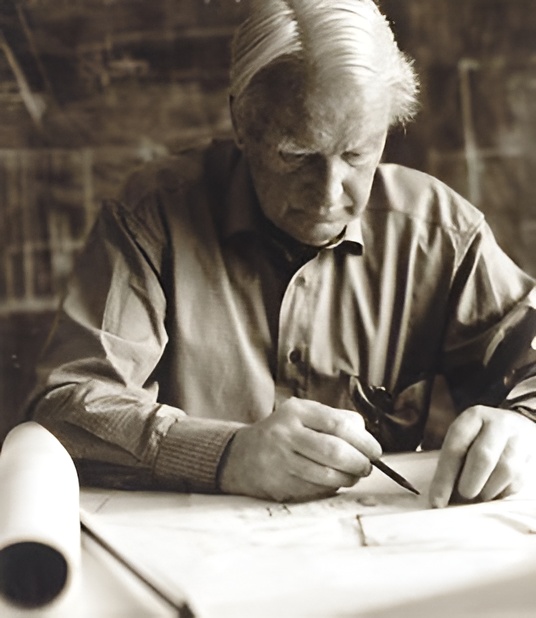
Sverre Fehn, born in Kongsberg, Norway, in 1924, was a Norwegian architect who shaped postwar architecture through a modernism grounded in landscape, light, and construction. Fehn studied at the Oslo School of Architecture and Design and later traveled in Morocco, where vernacular settlements and climate-responsive building deepened his architectural thinking. He established an independent practice in Oslo and built a body of work centered on museums, pavilions, houses, and exhibition architecture. Fehn’s architecture is associated with postwar Scandinavian modernism, defined by disciplined form, careful treatment of topography, and a precise use of concrete, timber, glass, and natural light. Fehn’s greatest accomplishment is the recognition of this body of work with the 1997 Pritzker Architecture Prize, which honored his ability to translate northern light, landscape, and material restraint into modern architectural form. Notable works by Fehn include the Nordic Pavilion in Venice, the Hedmark Museum in Hamar, the Norwegian Glacier Museum in Fjærland, Villa Busk in Bamble, and the Aukrust Centre in Alvdal, each showing his ability to turn architecture into a measured encounter between nature and culture. Fehn’s contribution influenced museum design, conservation practice, and architectural pedagogy by showing that modern architecture could remain site-bound, tactile, and historically aware without losing formal clarity. While some of his projects prompted debate over how modern insertions should operate in historic settings, Fehn avoided major personal controversy and remains one of Norway’s most respected architects. Fehn’s portfolio primarily consists of museums, exhibition buildings, houses, and cultural institutions. Sverre Fehn was educated in Oslo and influenced by the mentorship of Arne Korsmo, and later taught for decades at the Oslo School of Architecture. Students can learn from Fehn’s work by studying how construction, route, light, and terrain generate architecture without reliance on image or spectacle.
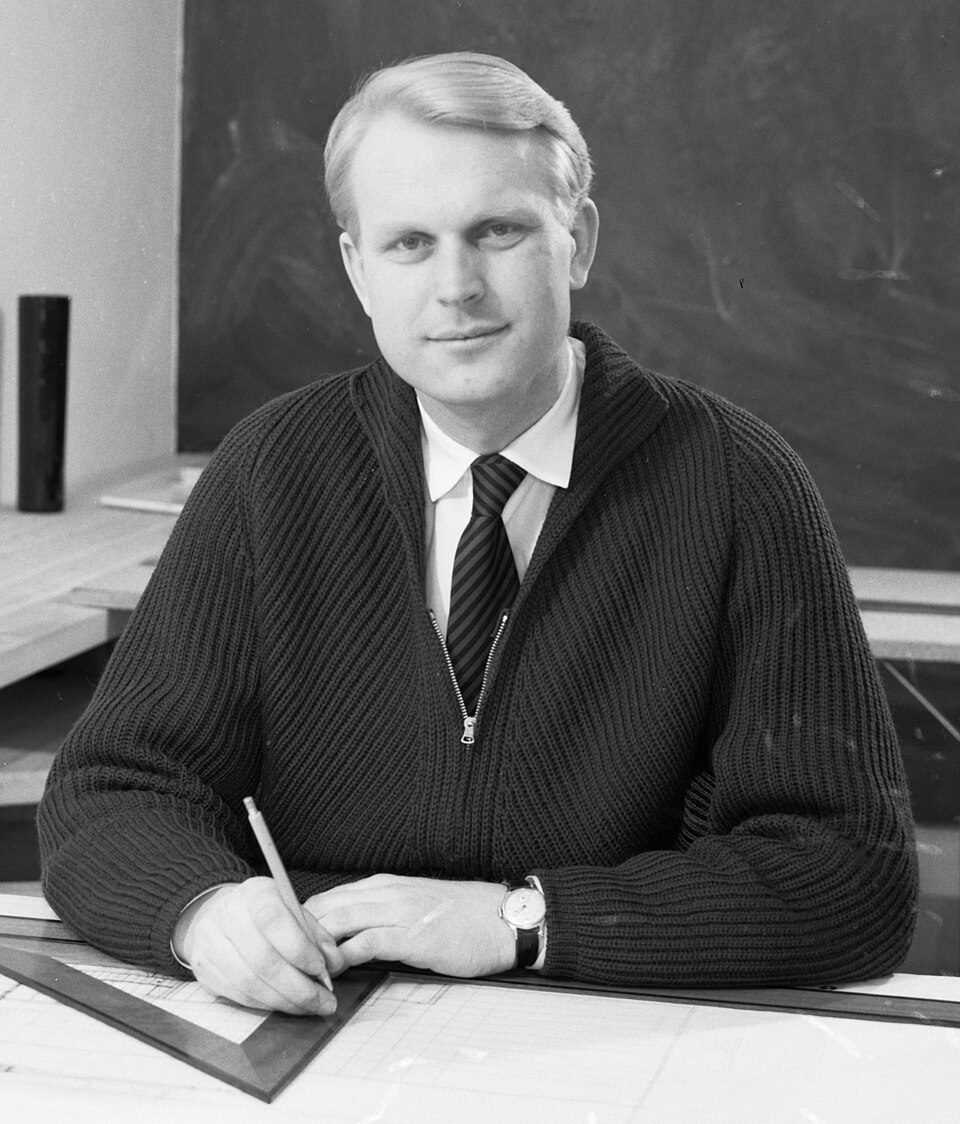
Who is Sverre Fehn?
Sverre Fehn was a Norwegian architect born in Kongsberg on August 14, 1924, and recognized as a central figure in postwar Scandinavian architecture. Fehn received his architectural education at the Oslo School of Architecture and Design, where Pritzker documentation records his degree in 1949. Early in his career, Fehn worked within a Scandinavian modernist environment shaped by Arne Korsmo and CIAM-related debates, then expanded his architectural outlook through travel, especially in Morocco. Fehn established his own practice in Oslo and developed work across houses, museums, exhibition buildings, and cultural institutions. Fehn designed works in Norway and abroad, including national pavilions and museum projects that established his international presence. He taught at the Oslo School of Architecture and influenced generations of architects through both built work and teaching. Fehn remained active in architecture until late in life and died in Oslo on February 23, 2009.
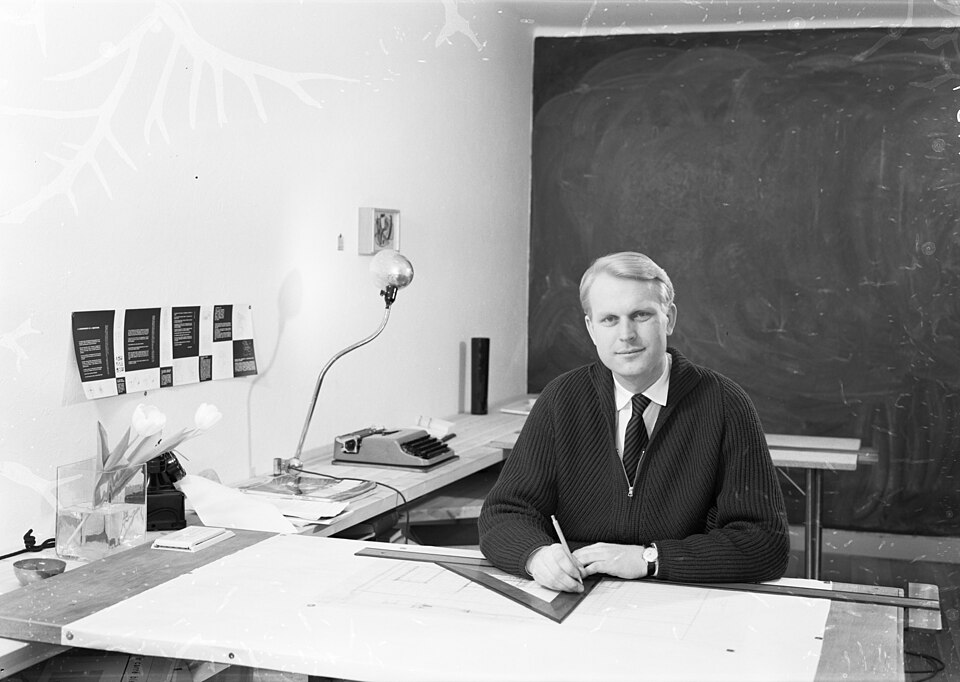
What type of architecture does Sverre Fehn represent?
Sverre Fehn represents postwar Scandinavian modernism, a branch of modern architecture that combines formal restraint with close attention to site, climate, and material. Fehn’s work does not depend on a fixed visual signature and instead develops through the relation between terrain, structure, enclosure, and light. His buildings often use concrete and timber in ways that register weight, span, and tactile presence, while openings and roof structures modulate daylight as an architectural element. Fehn’s work is modernist in its clarity and constructional logic, yet it avoids abstract neutrality by absorbing landscape and cultural memory. The Pritzker jury described his architecture as a translation of northern light, grey stone, and green forest into modern form. Fehn established a version of modernism that remained regional without becoming nostalgic and remained precise without becoming detached from place.
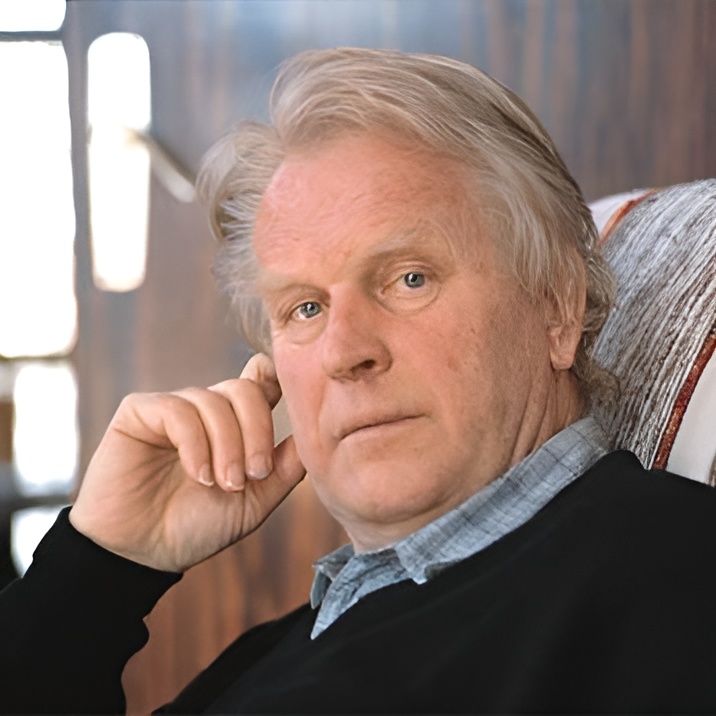
What is Sverre Fehn’s great accomplishment?
Sverre Fehn’s great accomplishment is the development of a body of architecture that gave modernism a more grounded relationship to landscape, history, and light. His highest international recognition came with the 1997 Pritzker Architecture Prize, whose jury cited his capacity to transform the physical qualities of Norway into modern architectural form. This accomplishment is defined through a sequence of works in which pavilions, houses, and museums frame light, terrain, and movement. Fehn’s importance lies in demonstrating that modern architecture could remain rigorous while staying materially tactile and historically aware. Works such as the Nordic Pavilion and the Hedmark Museum became reference points for later architects because they show how architecture can intervene in delicate contexts without relying on spectacle or literal reconstruction. Fehn’s accomplishment extends into architectural method, particularly in museum design and conservation-related work.
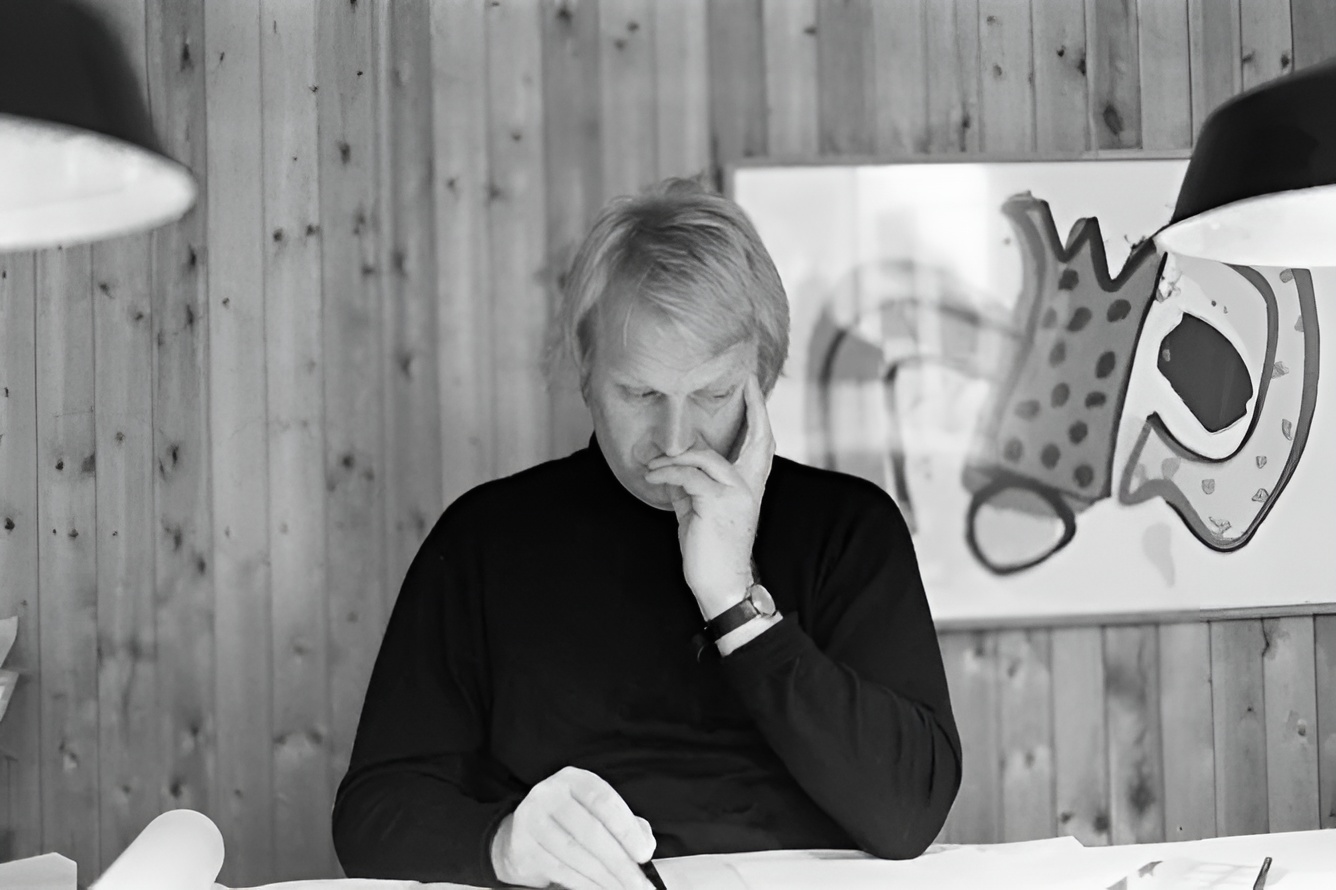
What are Sverre Fehn’s most important works?
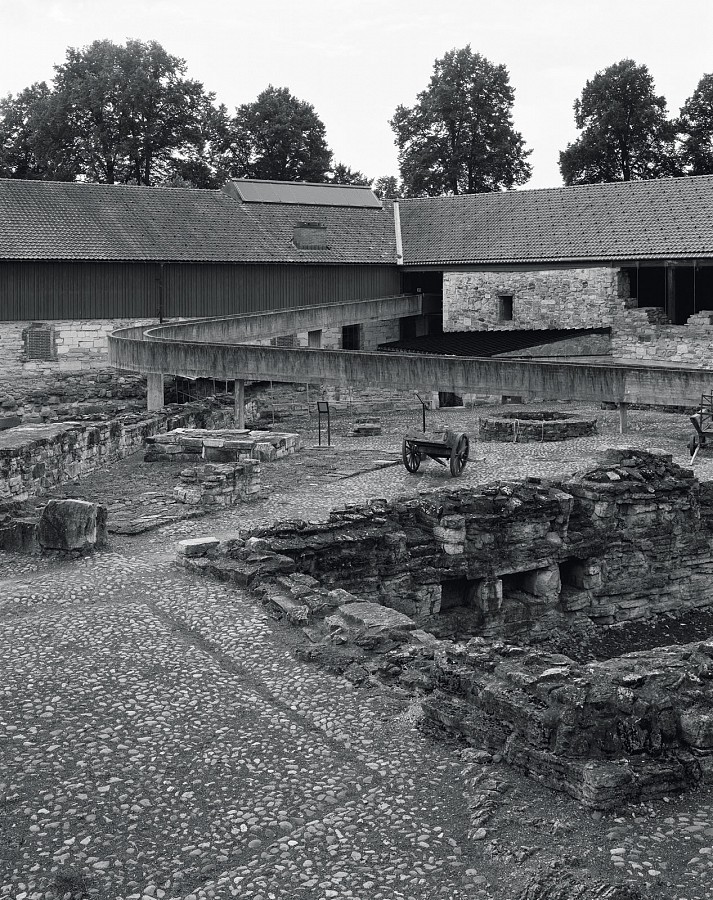
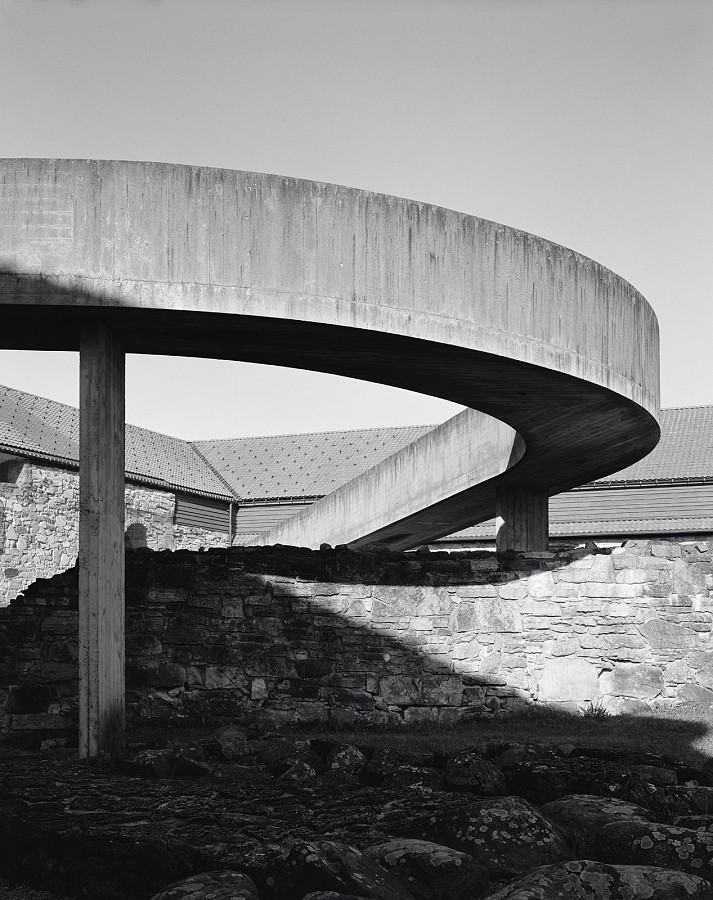
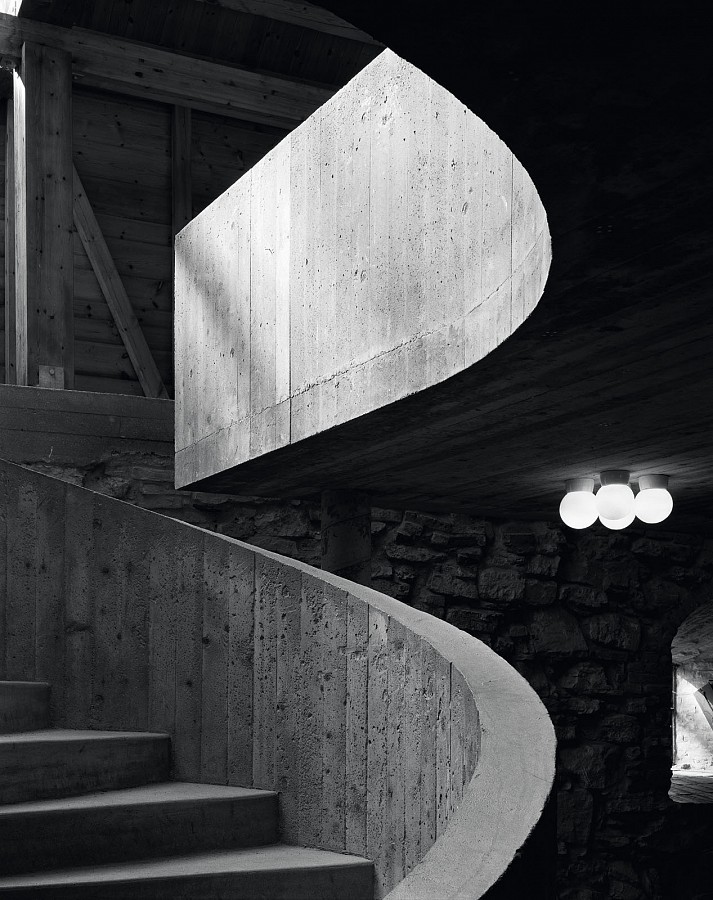
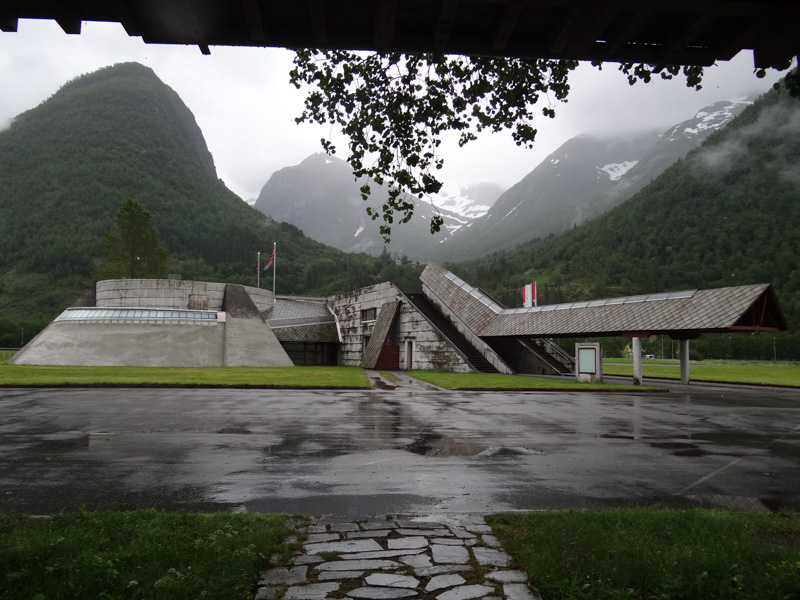
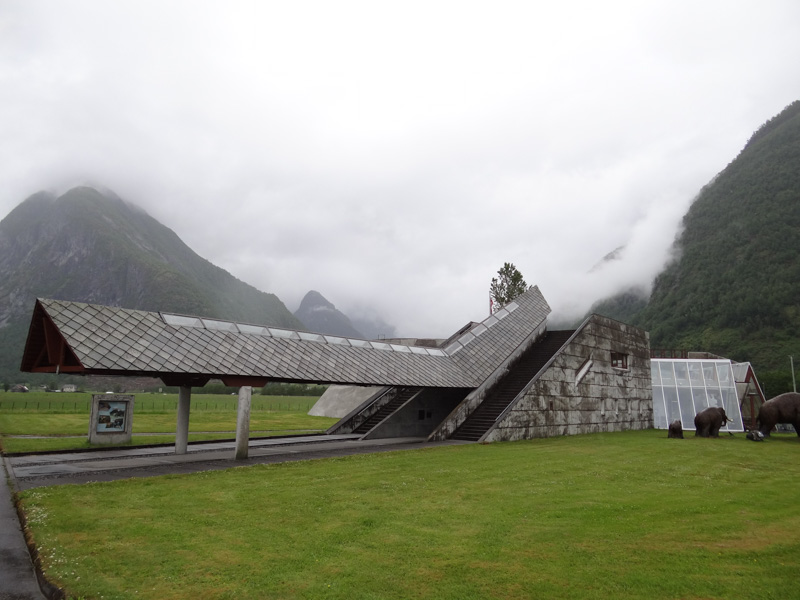
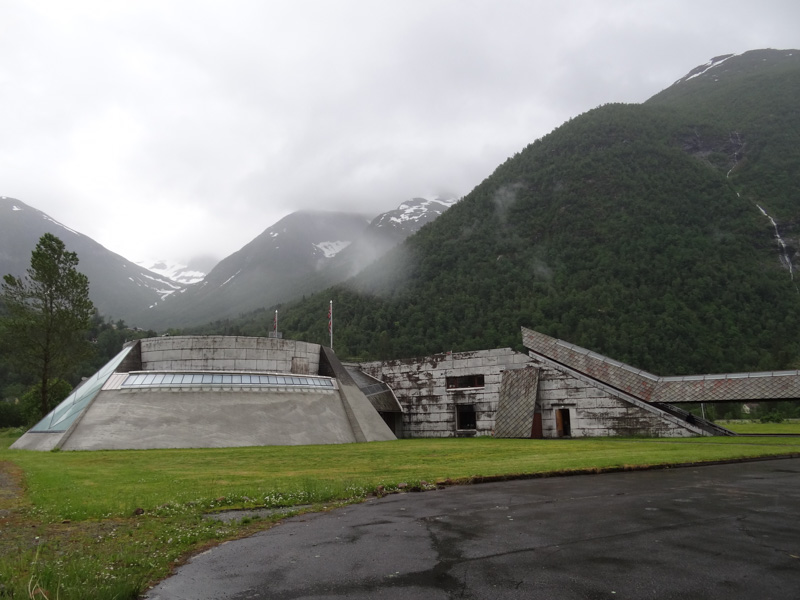
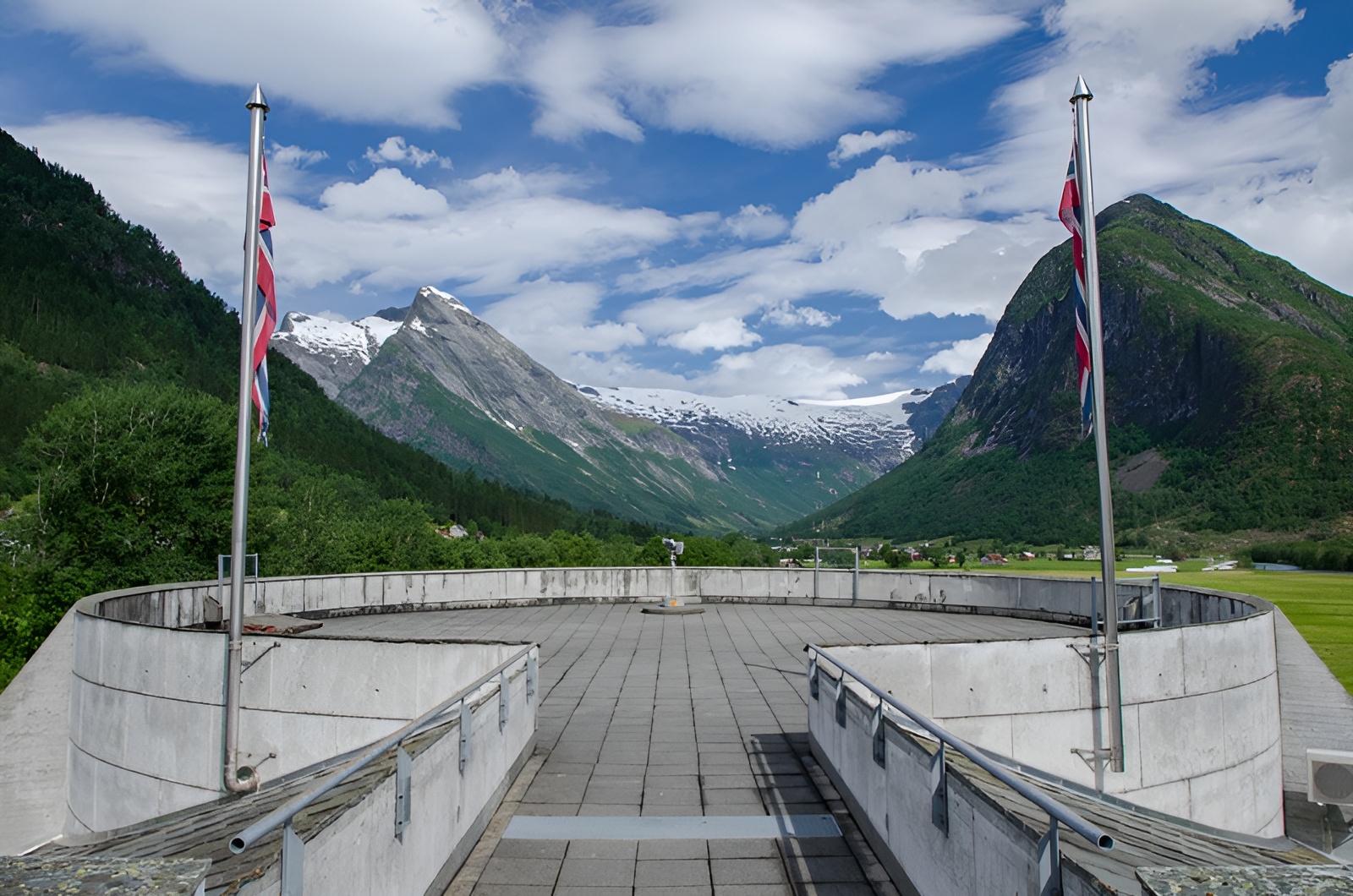
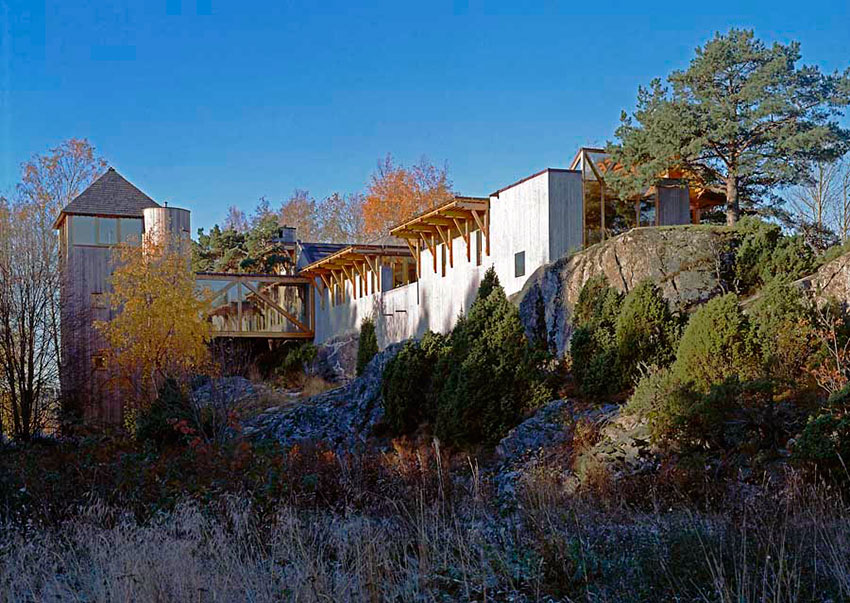
Sverre Fehn’s most important works span exhibition pavilions, museum interventions, cultural buildings, and houses, exemplified by the Nordic Pavilion in Venice, where concrete beams and preserved trees make light the primary architectural medium; the Hedmark Museum in Hamar, where ramps and inserted structures move across medieval ruins without reconstructing them; the Norwegian Glacier Museum in Fjærland, a concrete form set against glacier terrain and valley scale; Villa Busk in Bamble, a house that organizes domestic life through route, horizon, and topography; and the Aukrust Centre in Alvdal, a museum structured by a long concrete wall that organizes movement through the building.
01. Nordic Pavilion, Venice
The Nordic Pavilion in Venice is one of Sverre Fehn’s best-known buildings and a clear statement of his architectural method. Designed following a competition in the late 1950s and completed in 1962, the pavilion stands in the Giardini at the Venice Biennale as the exhibition space for the Nordic countries. Fehn designed the building as a room for light rather than a sealed container. Existing trees on the site pass through the building, and the roof is formed by deep concrete lamellae that diffuse the Venetian sun into an even interior field. The pavilion functions as an exhibition building, yet its design operates as an open climatic device rather than a conventional museum hall. Reinforced concrete forms the primary structure, while glass, wood, slate, and plastic complete the enclosure and floor system. The building demonstrates how structure, site, and atmosphere can be integrated into a single architectural idea.


02. Hedmark Museum, Hamar
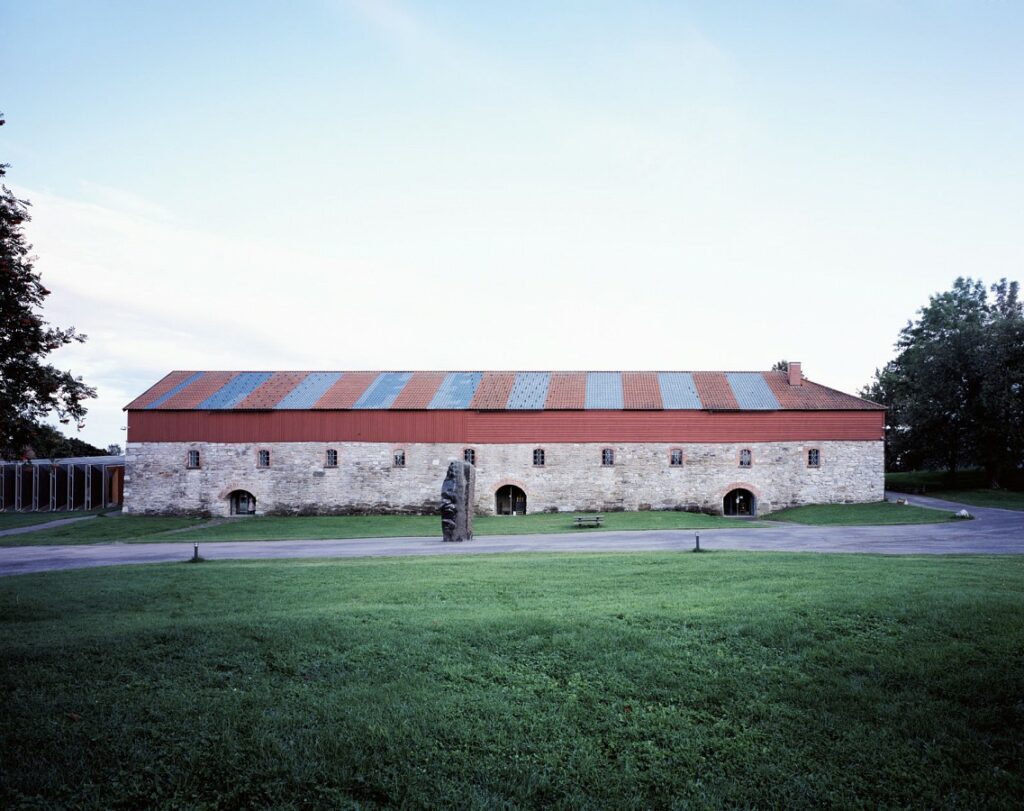
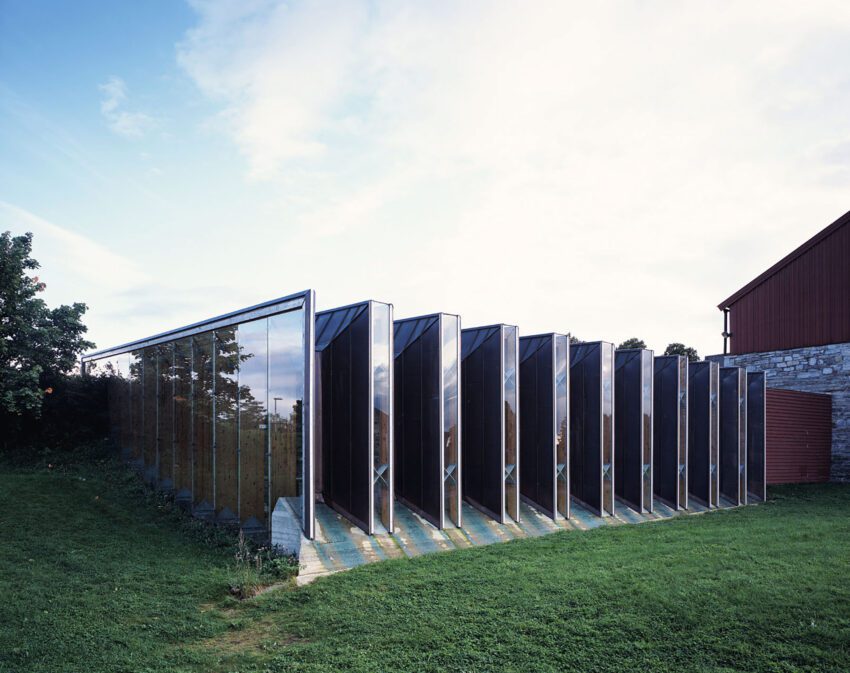
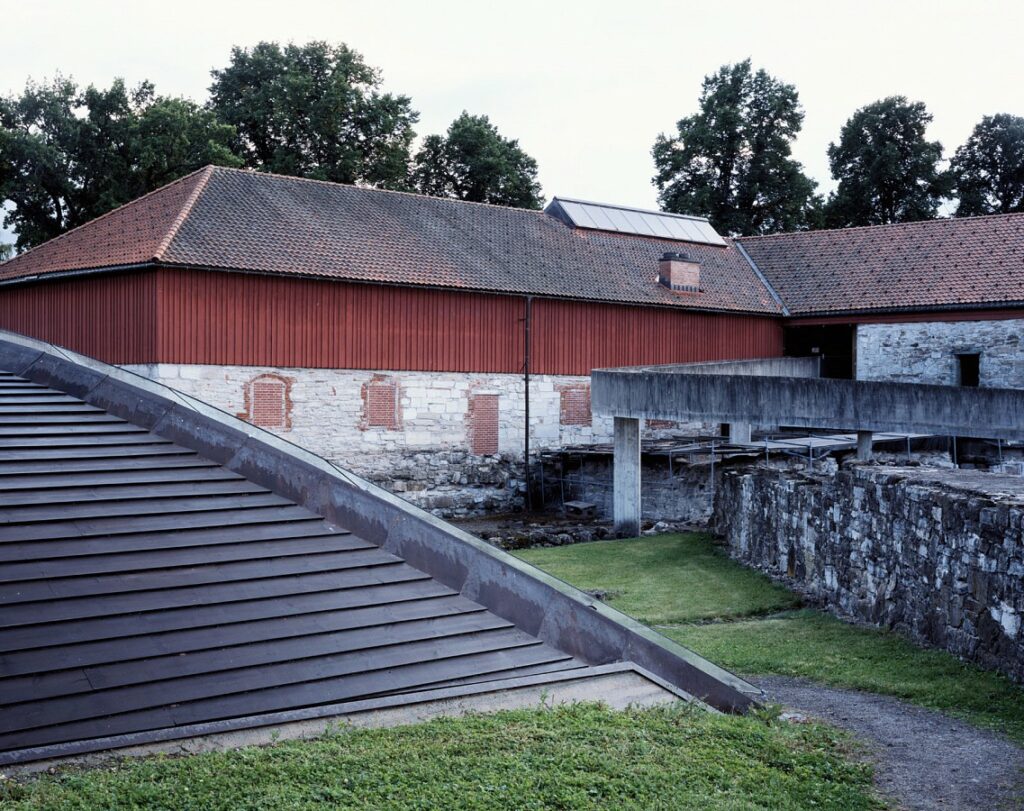
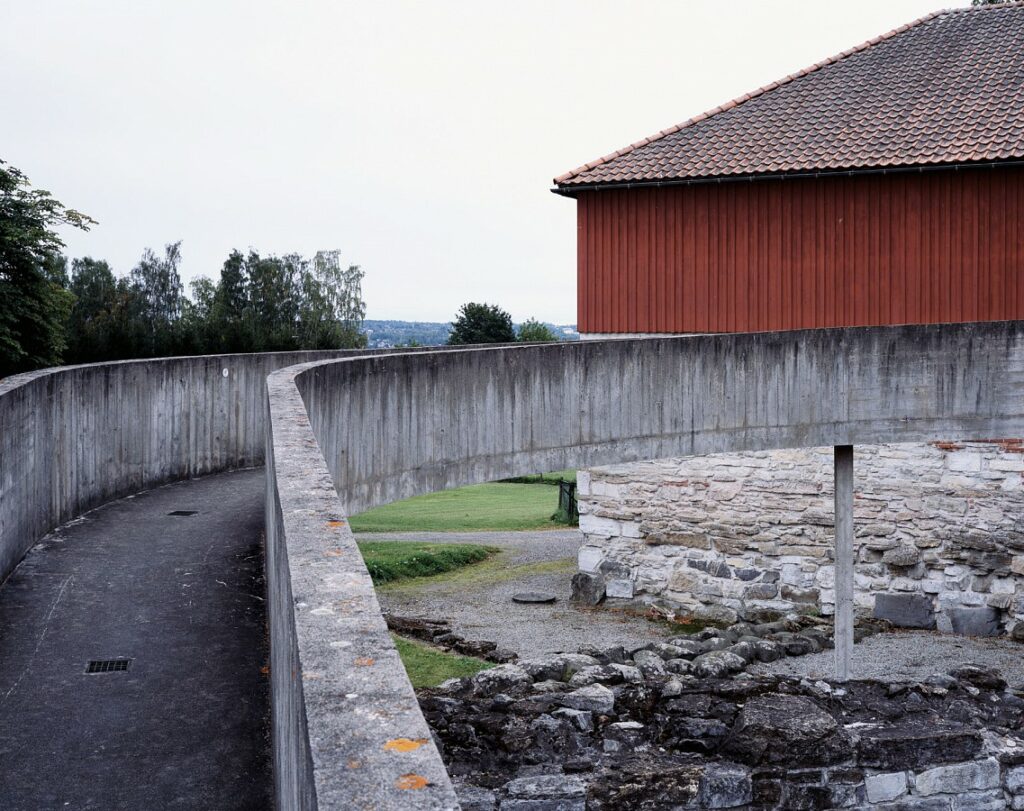
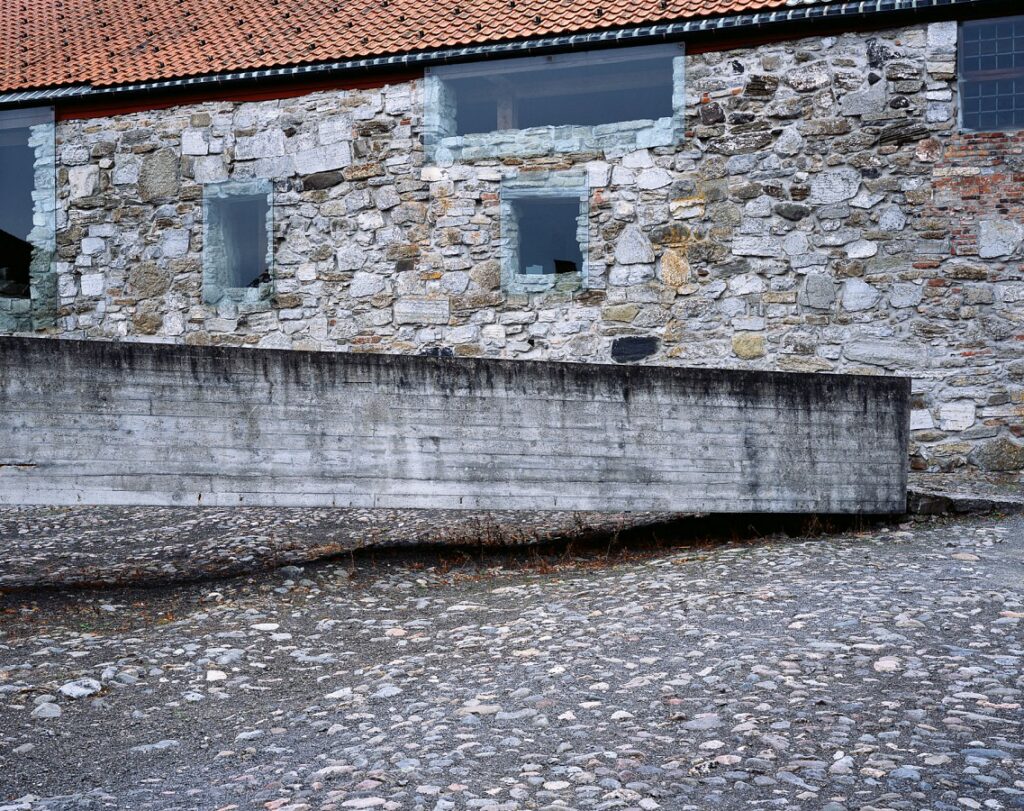
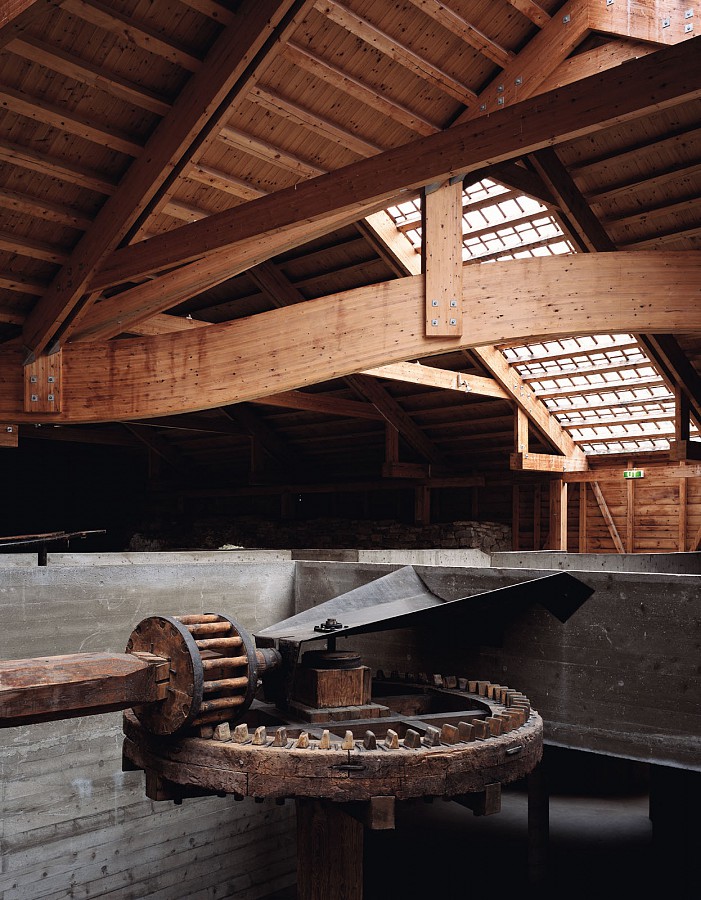
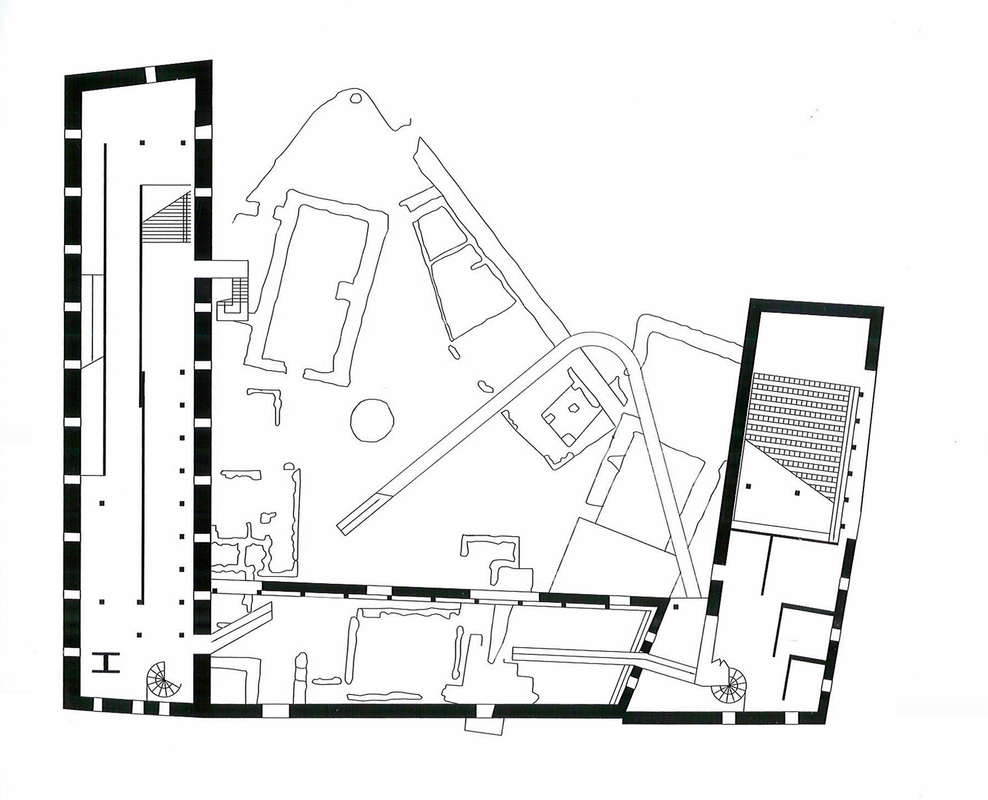
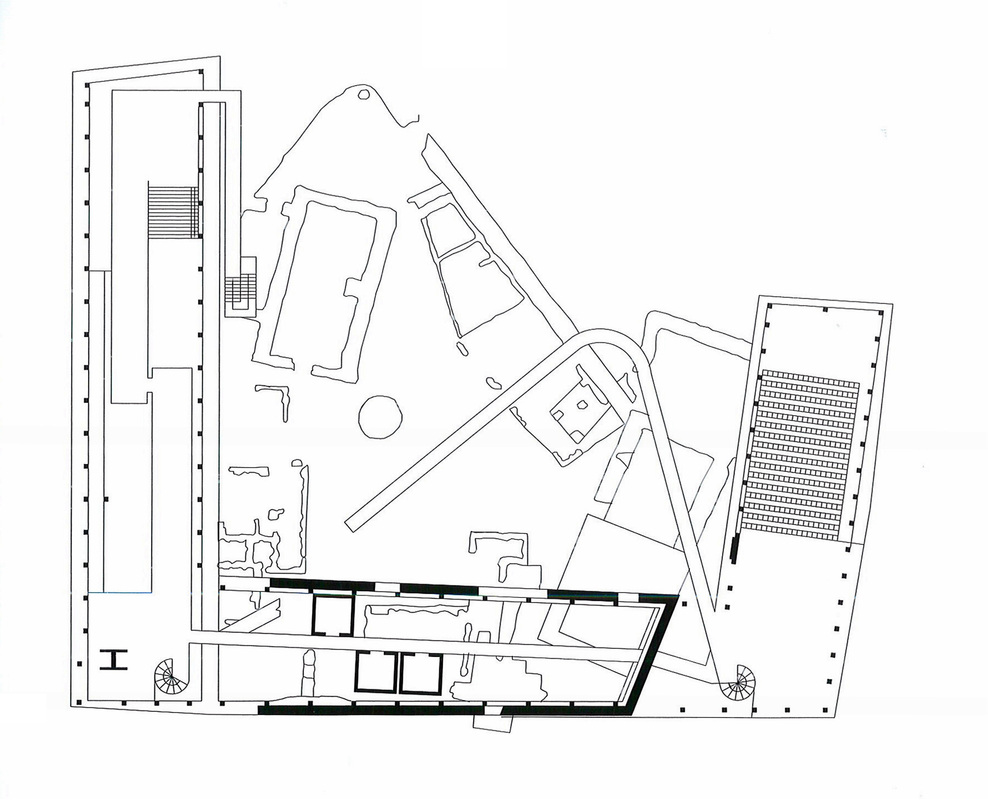
The Hedmark Museum in Hamar, developed through the Storhamar Barn and cathedral museum intervention, is a major work in Sverre Fehn’s museum architecture. The project, developed between 1967 and 1979, occupies a historic site of medieval ruins and archaeological remains. Fehn treated the museum not as a reconstruction but as an insertion. He designed new paths, galleries, ramps, and protective structures that pass through and above the existing fabric while preserving the ruin as ruin. The building operates as both a museum and an archaeological site, structured through movement and suspended encounter. Concrete pillars, laminated wood roof elements, glass, and the existing stone remains form the project’s material language. Hedmark Museum became influential because it demonstrated how contemporary architecture can engage historical remains without imitation or stylistic subordination.
03. Norwegian Glacier Museum, Fjærland
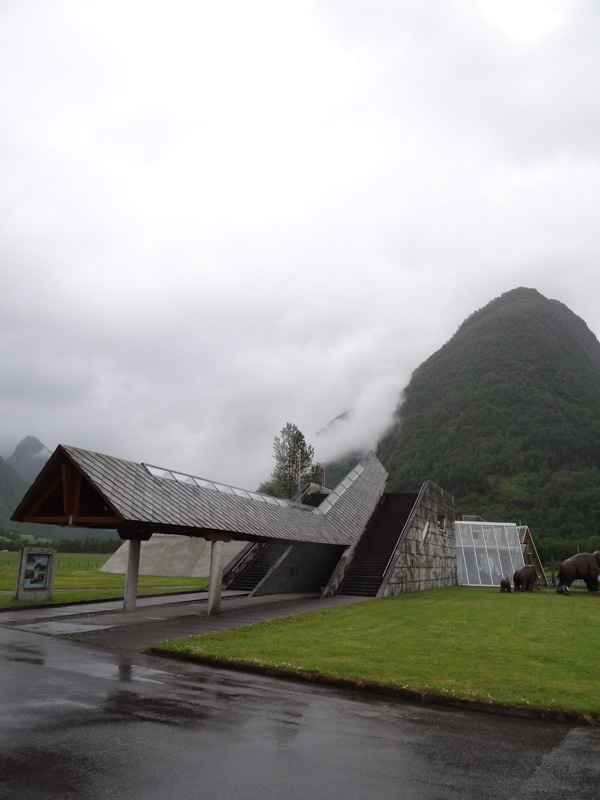
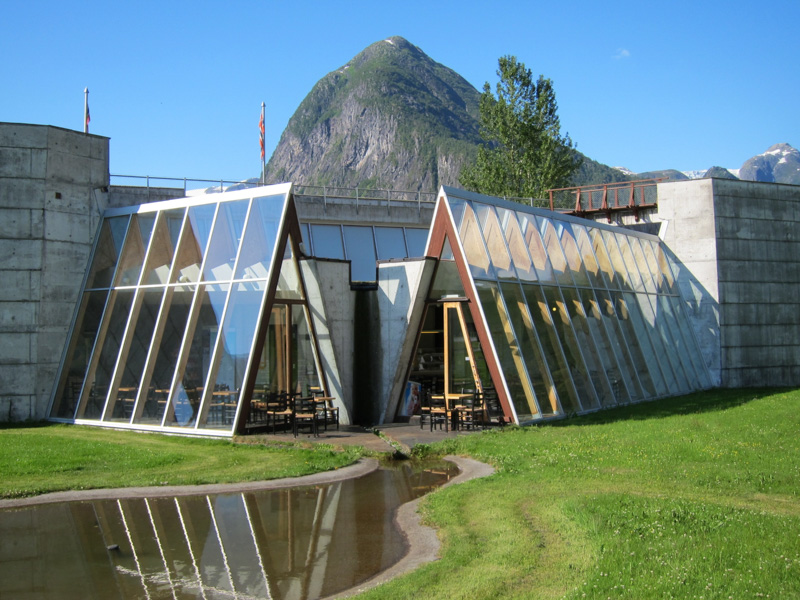
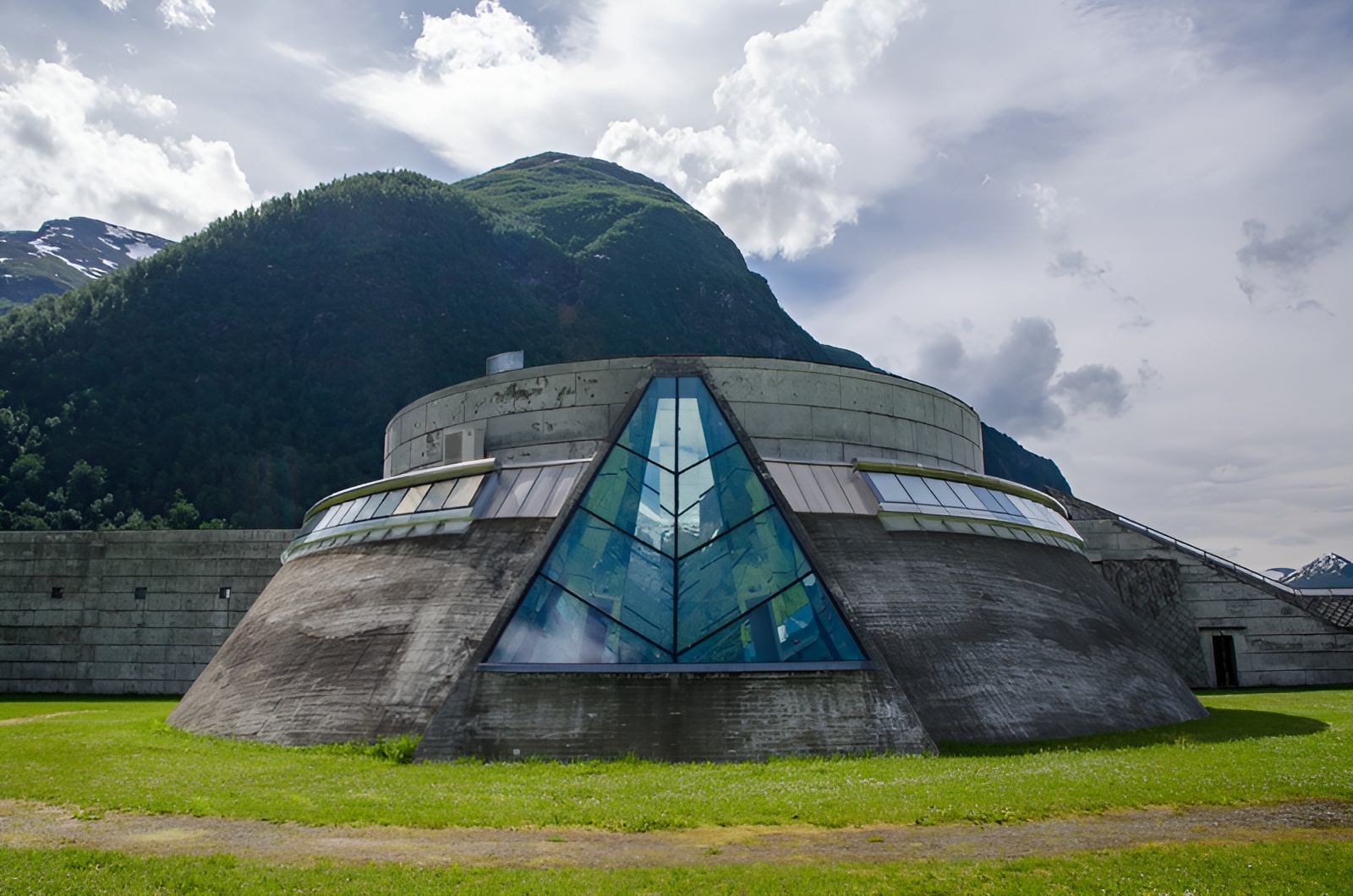
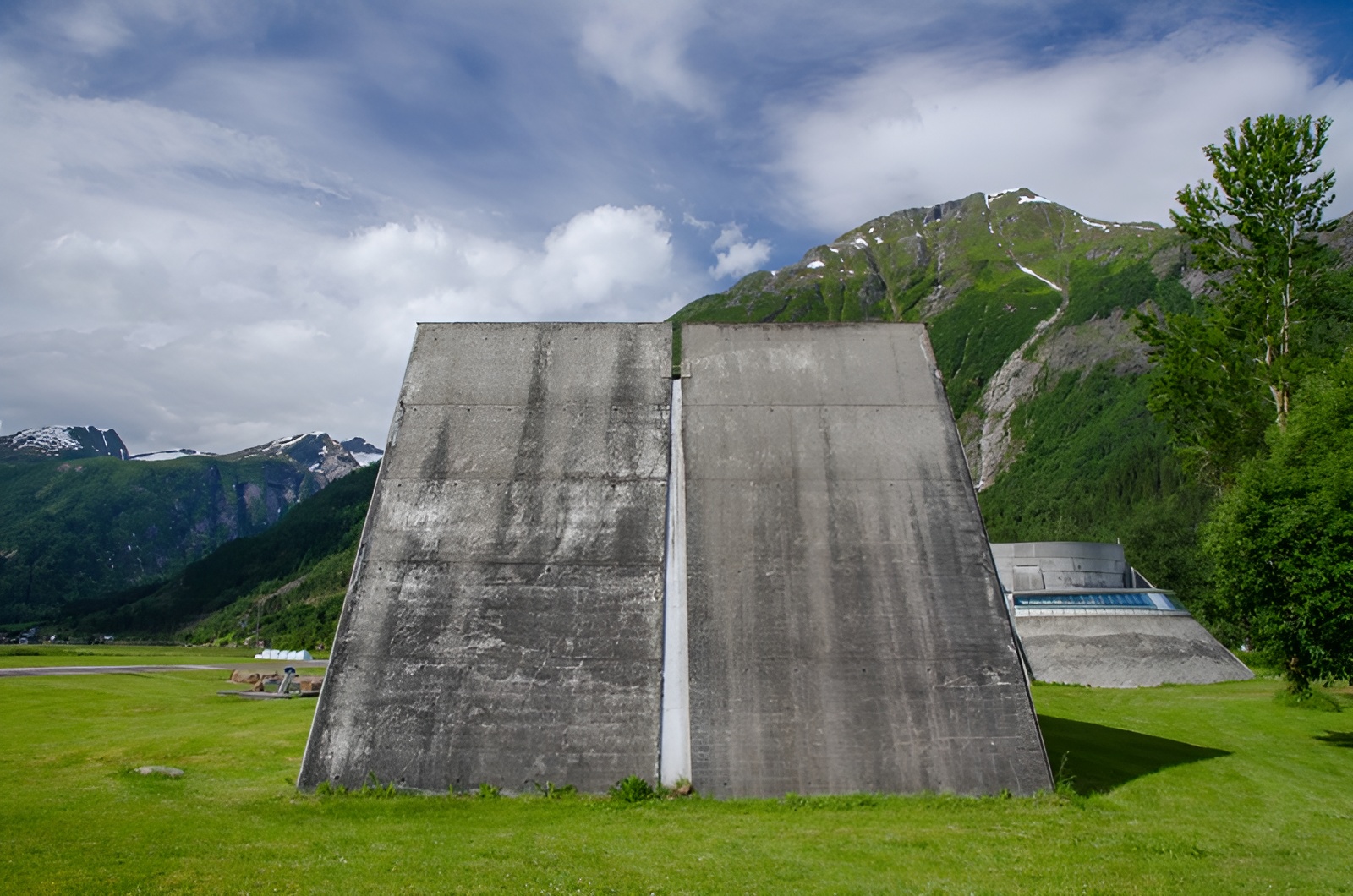
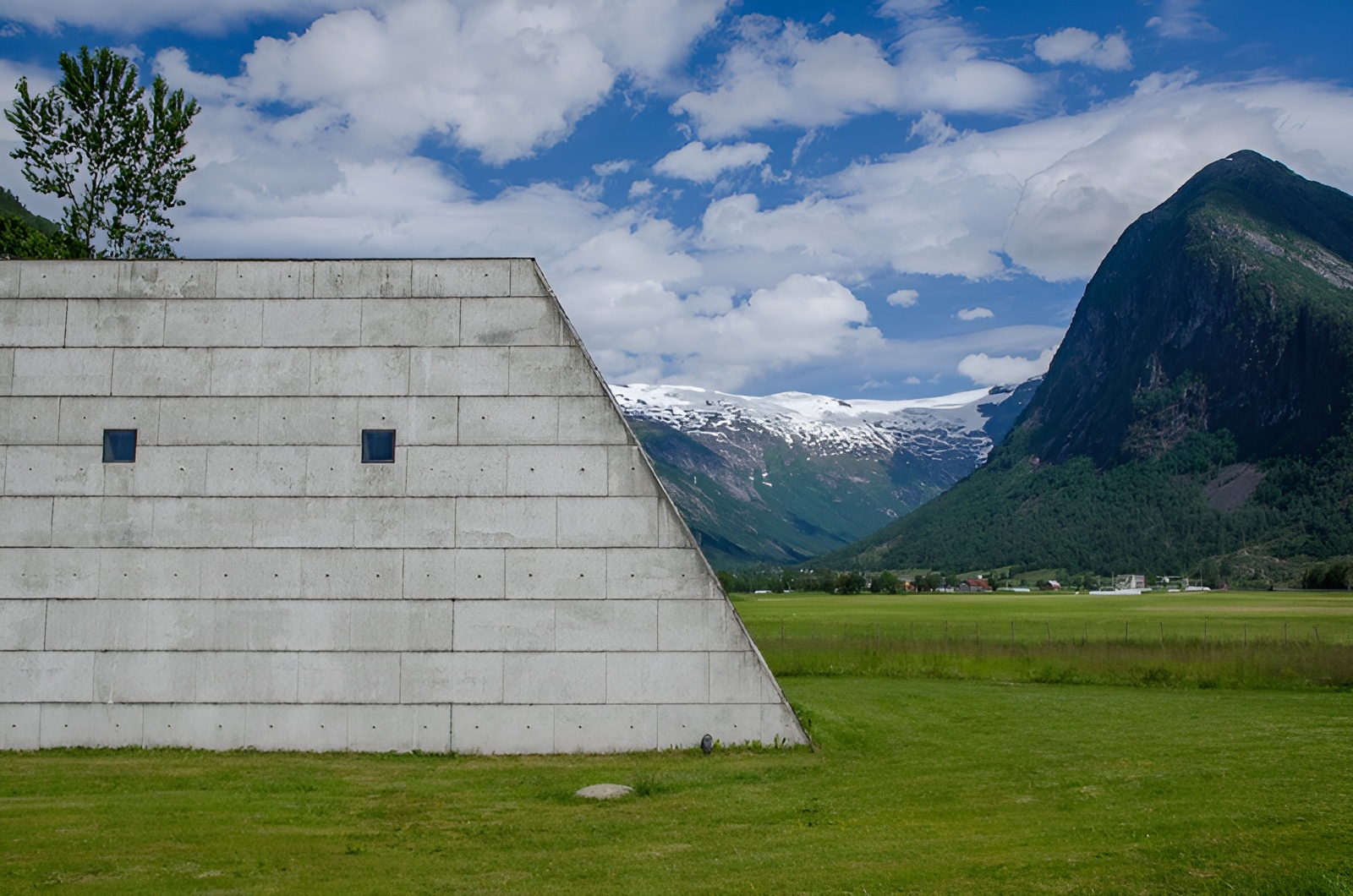
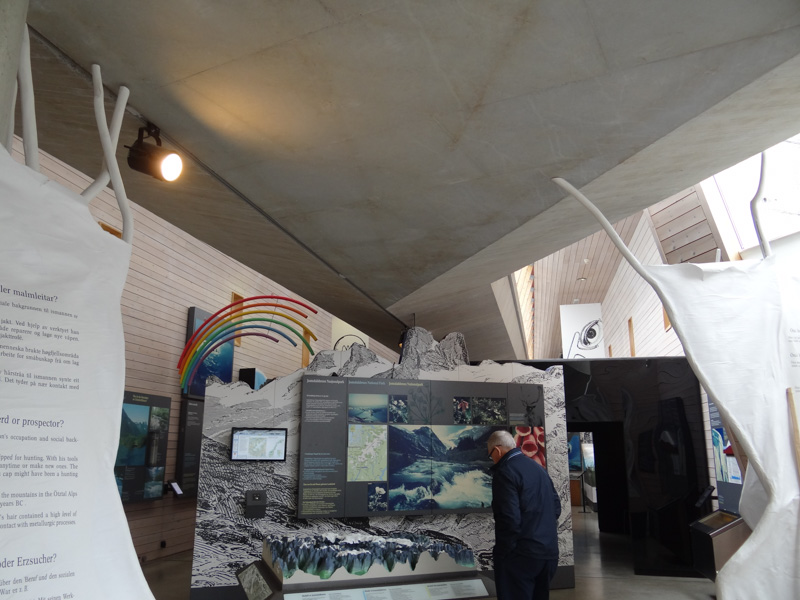
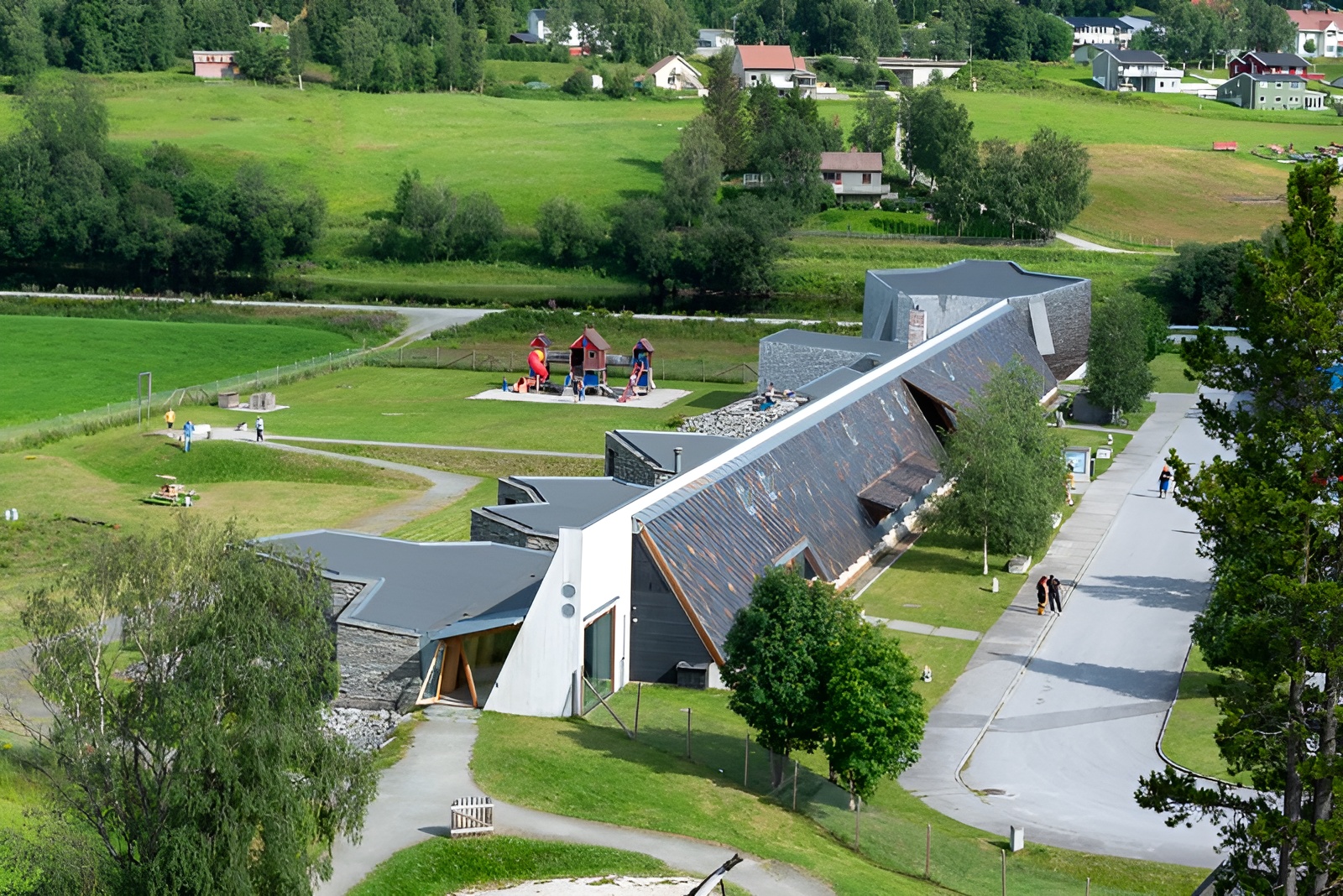
The Norwegian Glacier Museum in Fjærland, completed in 1991, is a museum dedicated to glaciers, located near the Jostedalsbreen glacier system. Fehn designed the building as a concrete form set against a valley shaped by glacial action, giving it the presence of a geological mass rather than a neutral civic object. The museum functions as an interpretive and educational institution, and its design is organized through approach, ascent, and massing rather than decorative expression. The building uses concrete as its dominant material, with glass providing contrast at controlled points of opening and entry. Its sloping ends and elongated form relate to the surrounding landscape without becoming picturesque. The project demonstrates how a museum can register the scale of environmental forces through construction and form. It received recognition through the Betongtavlen award.
04. Villa Busk, Bamble
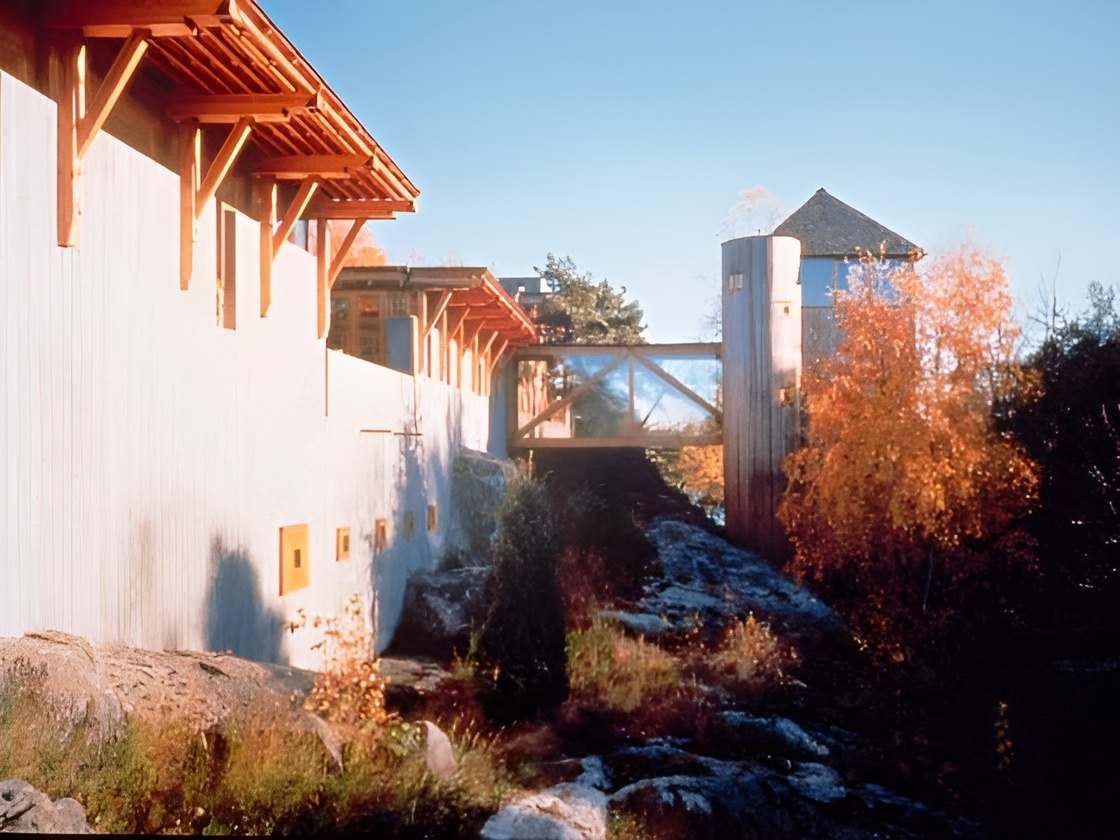
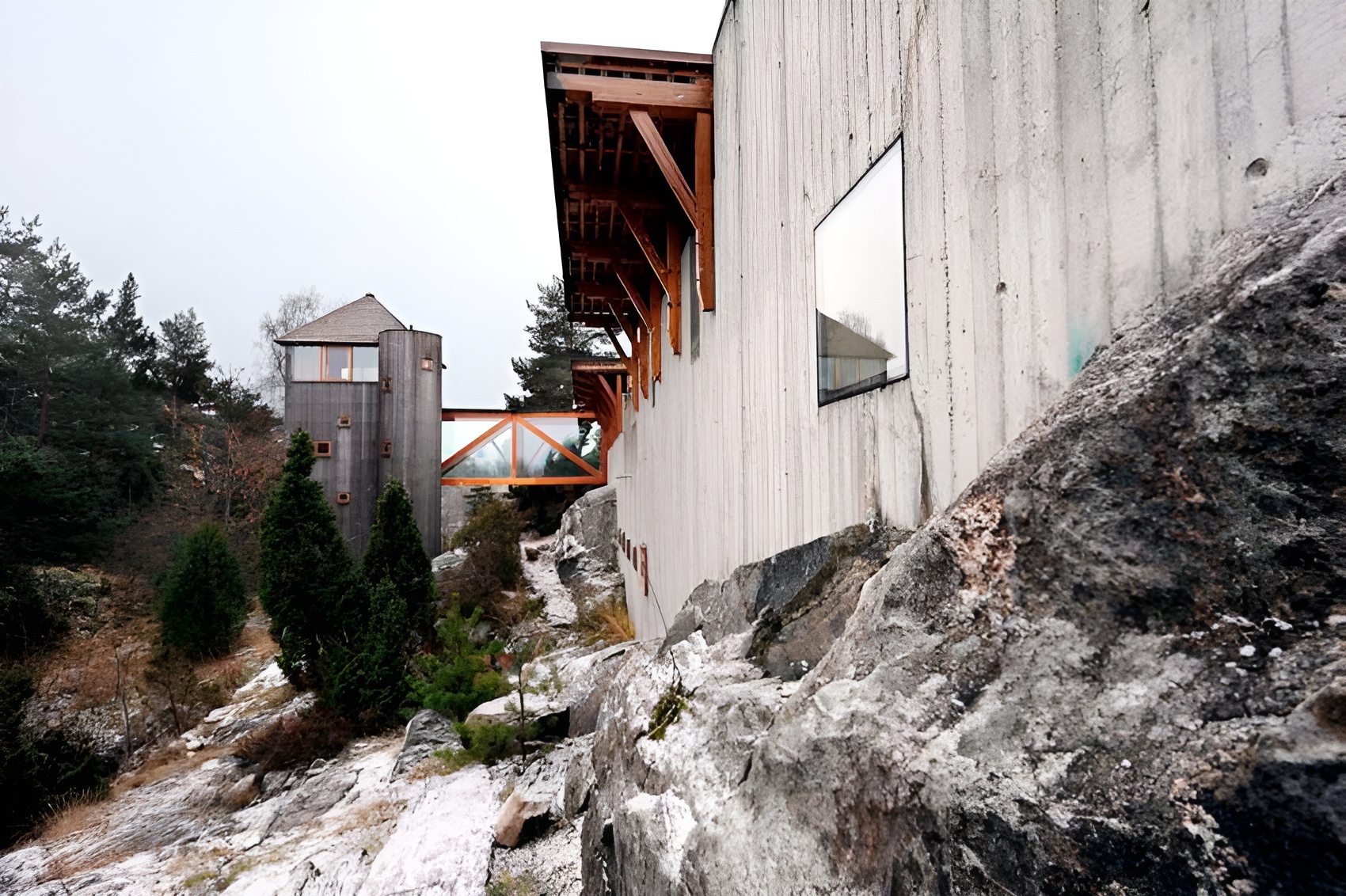
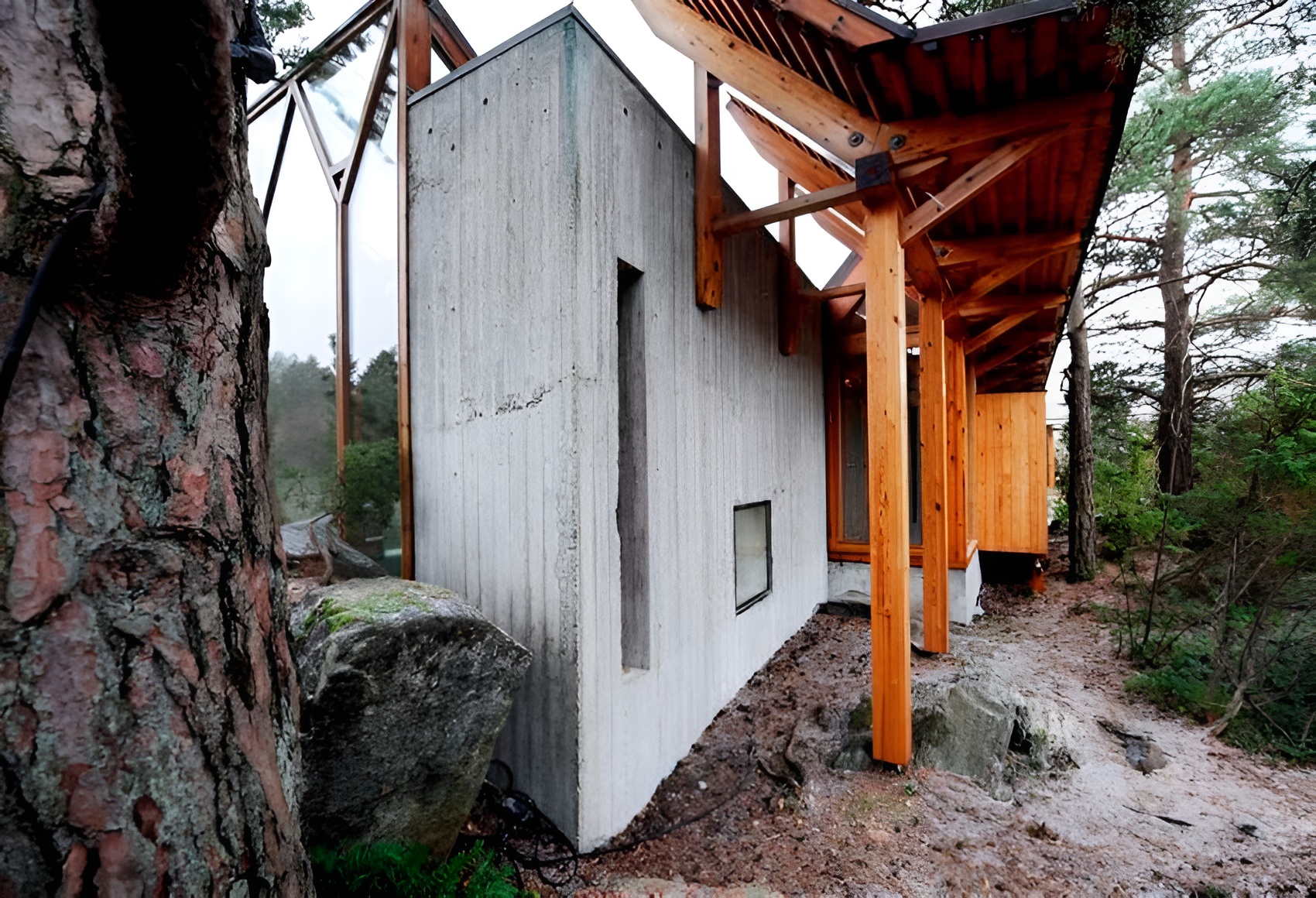
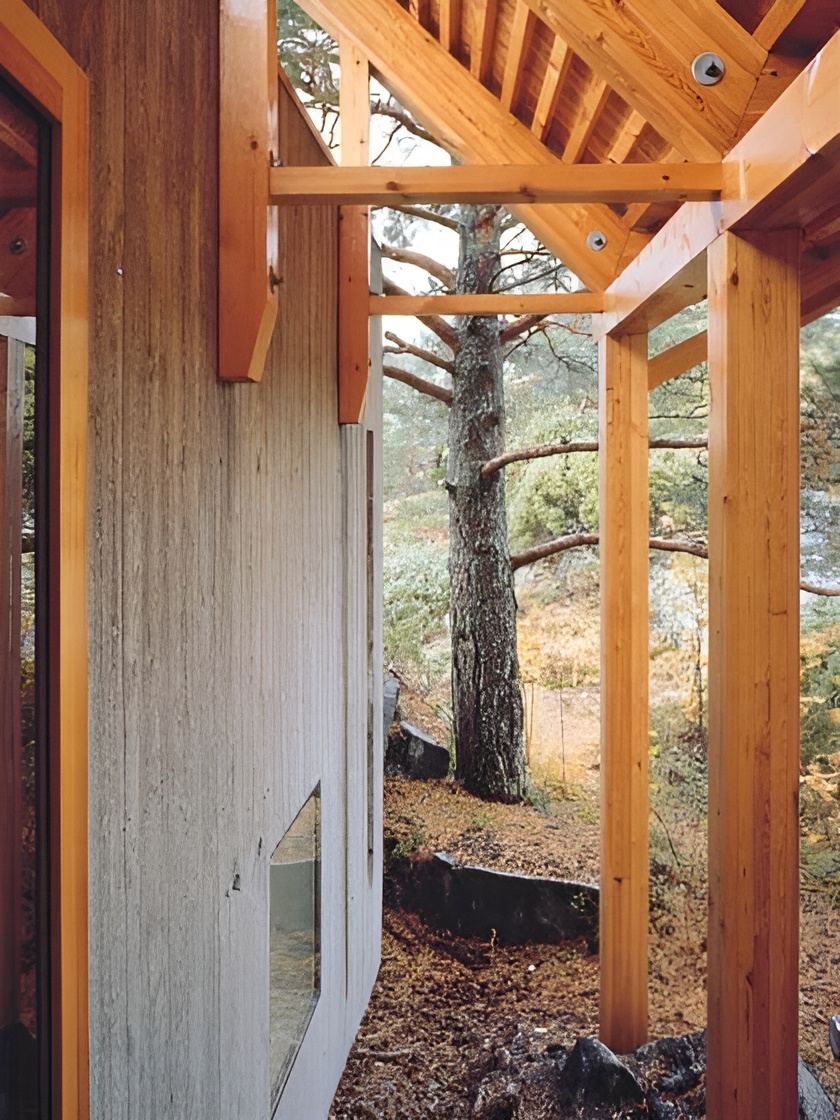
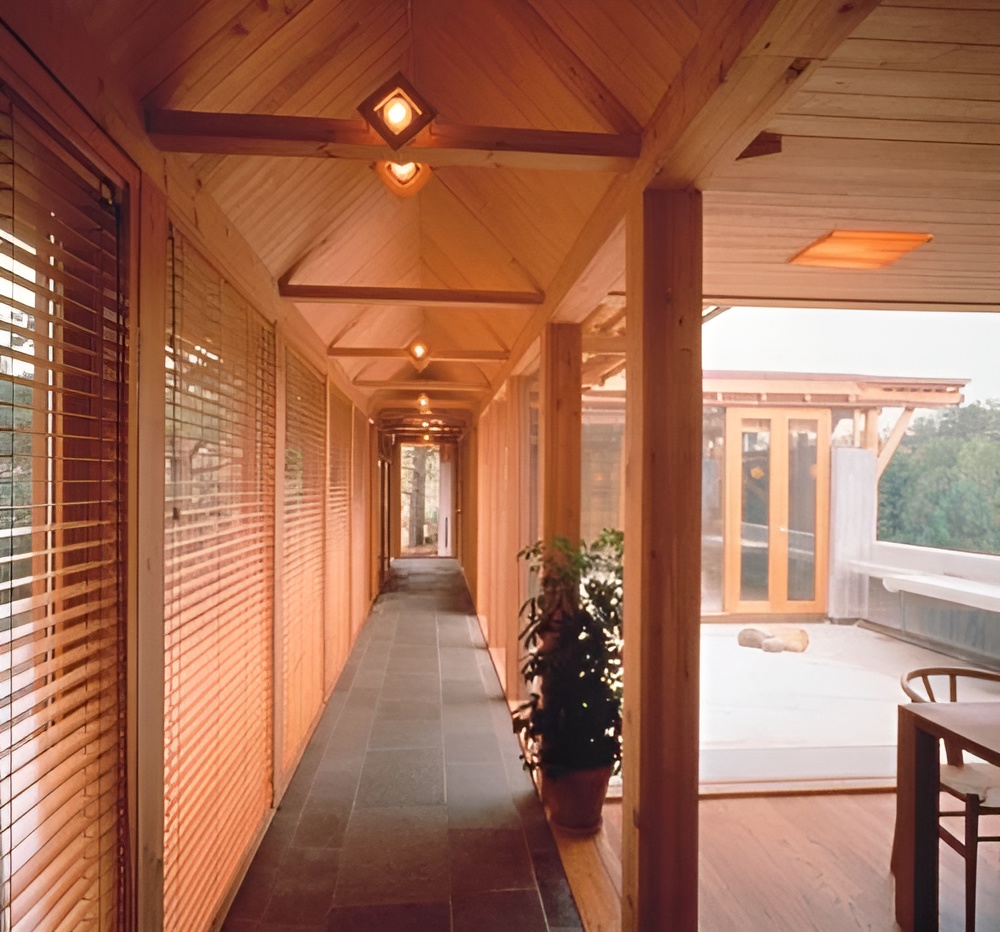
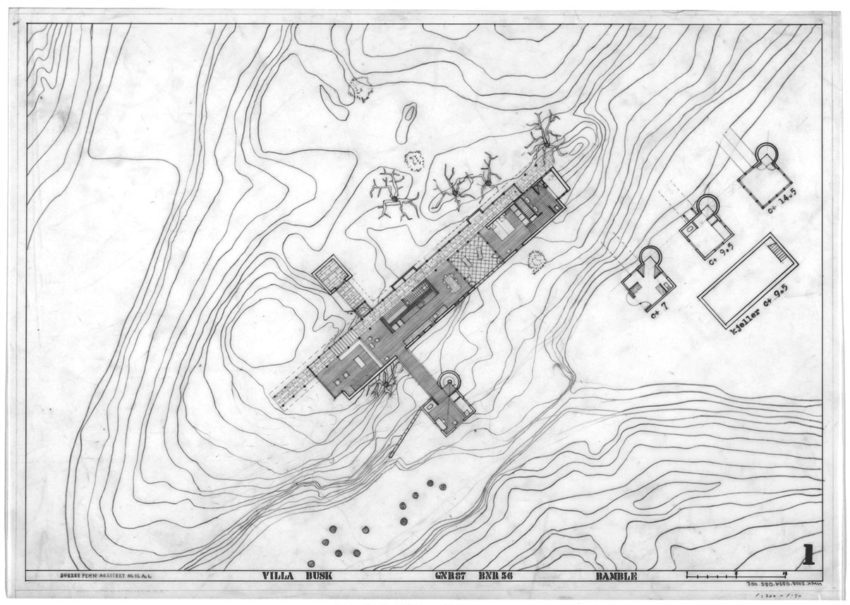
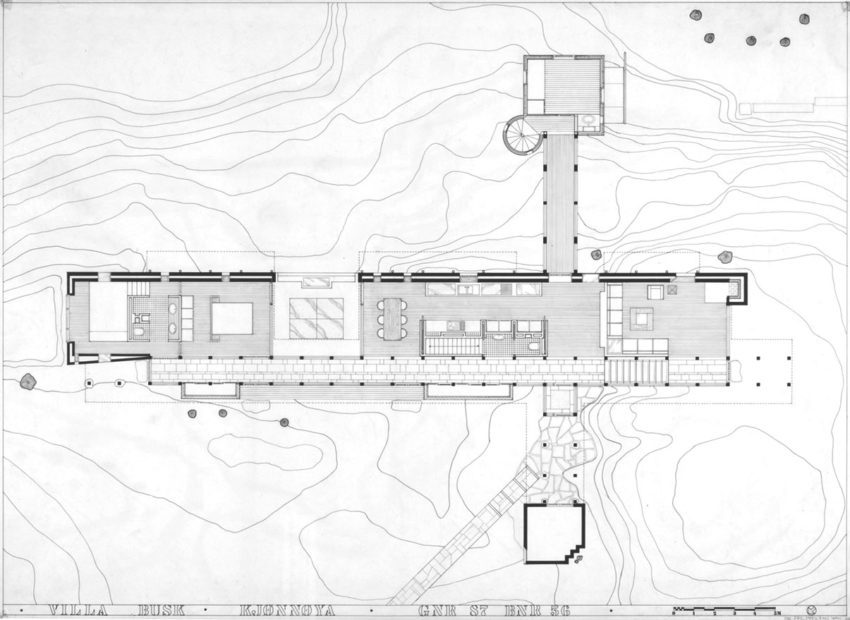
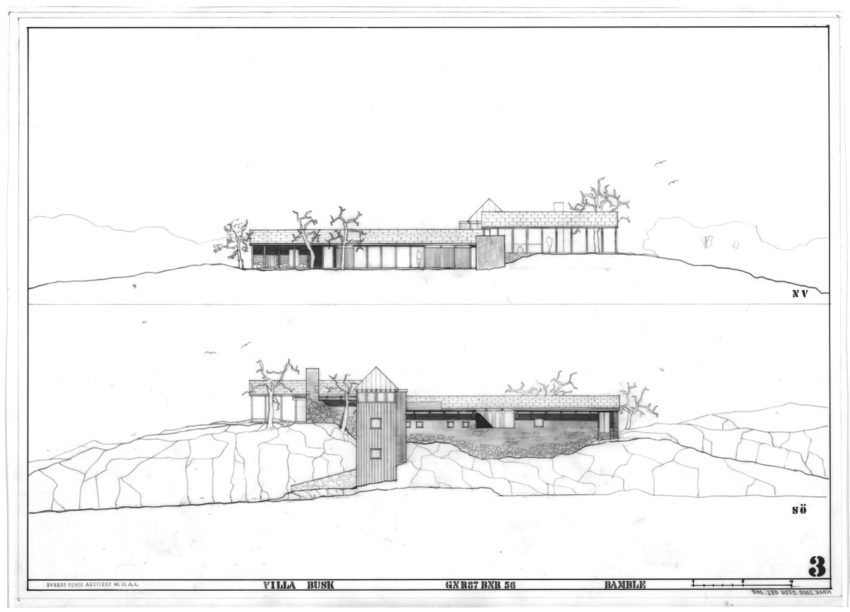
Villa Busk, completed in 1990 in Bamble, Norway, is one of Sverre Fehn’s key residential works. The house occupies a ridge condition in the landscape and is organized as a long internal route that structures the relationship between terrain, horizon, and light. Villa Busk is a private residence, yet its design operates with the precision of a promenade. Its plan and section are developed through topographic placement rather than through domestic ornament or pictorial composition. Timber and glass are prominent in the enclosure and internal corridor system, combined with concrete as part of the structural and material palette. The project condenses many of Fehn’s central concerns into a domestic scale: movement, topography, material restraint, and the relationship between shelter and landscape.
05. Aukrust Centre, Alvdal
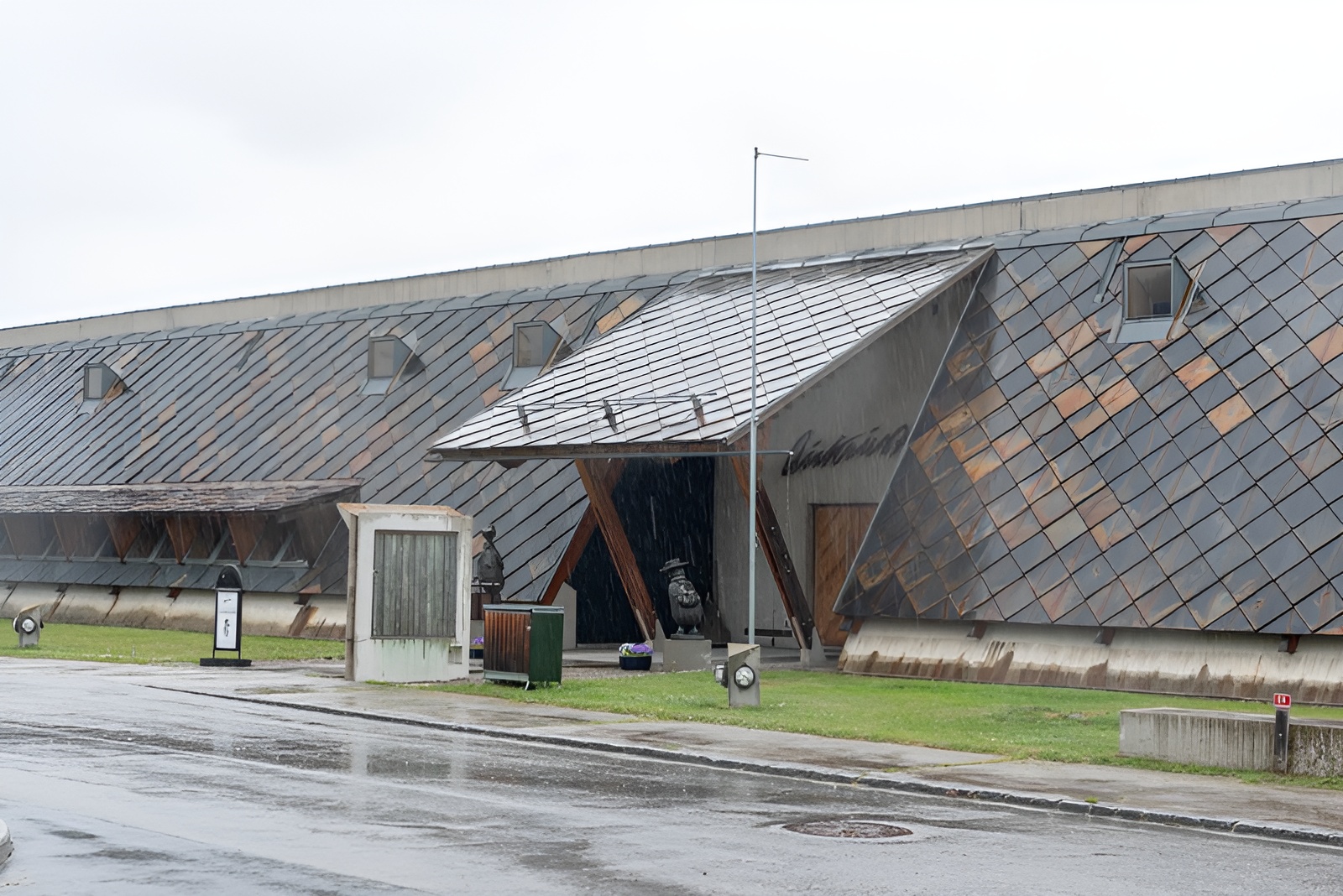
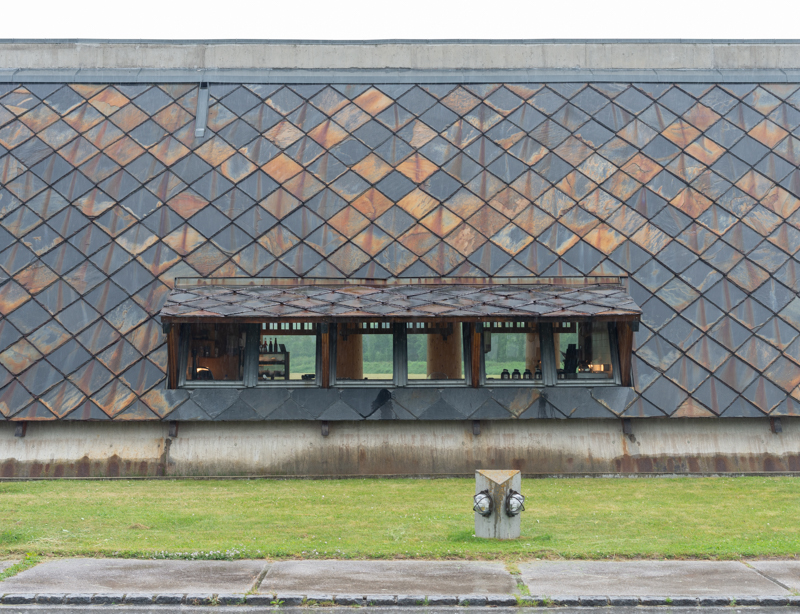
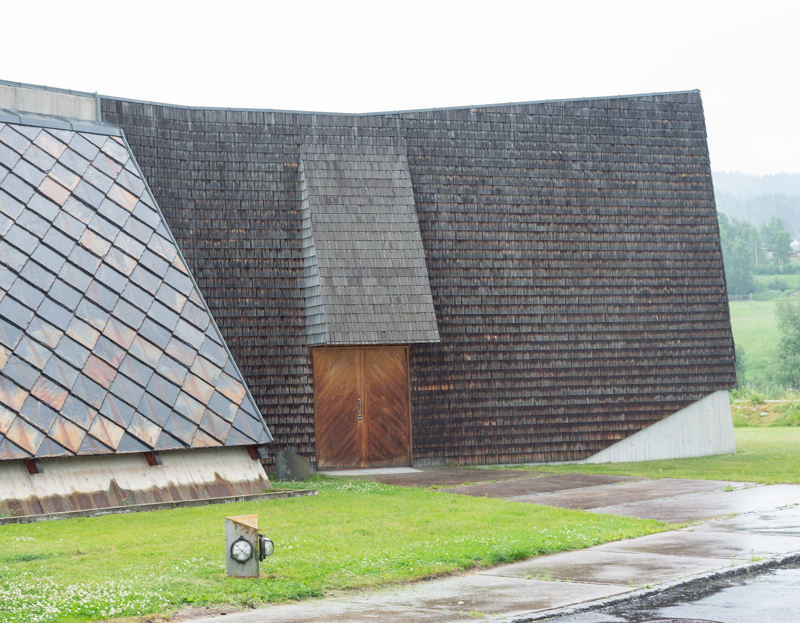
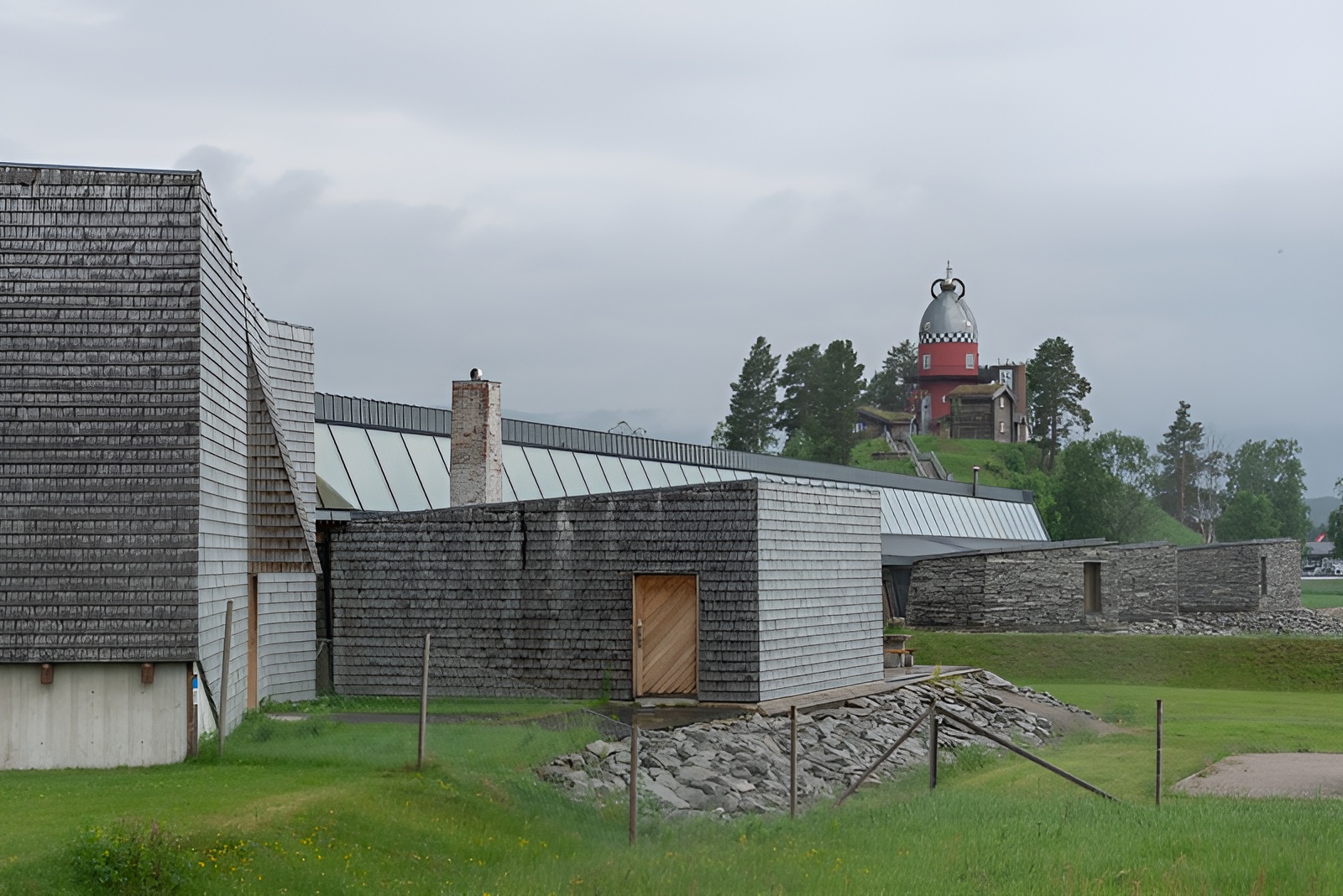
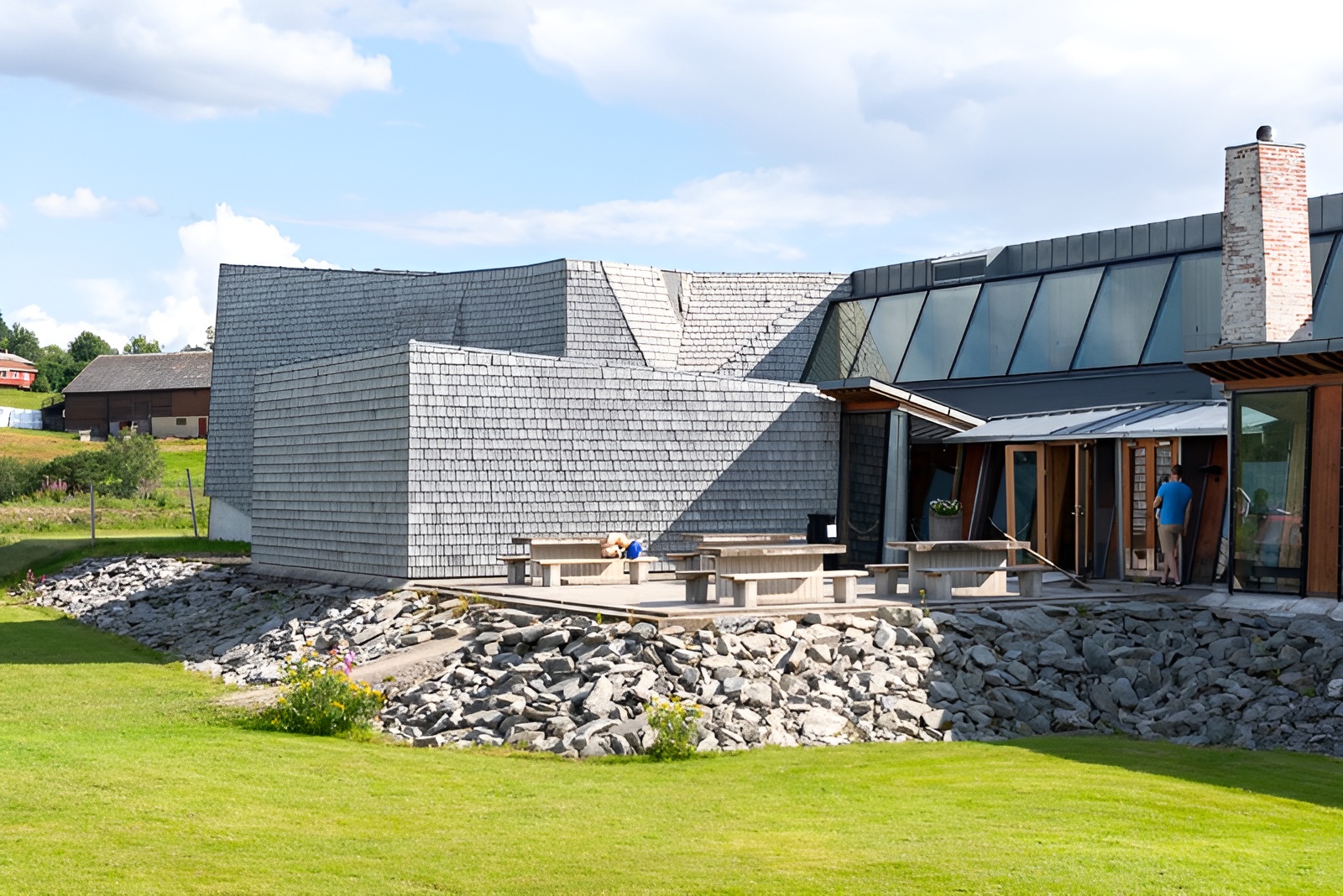
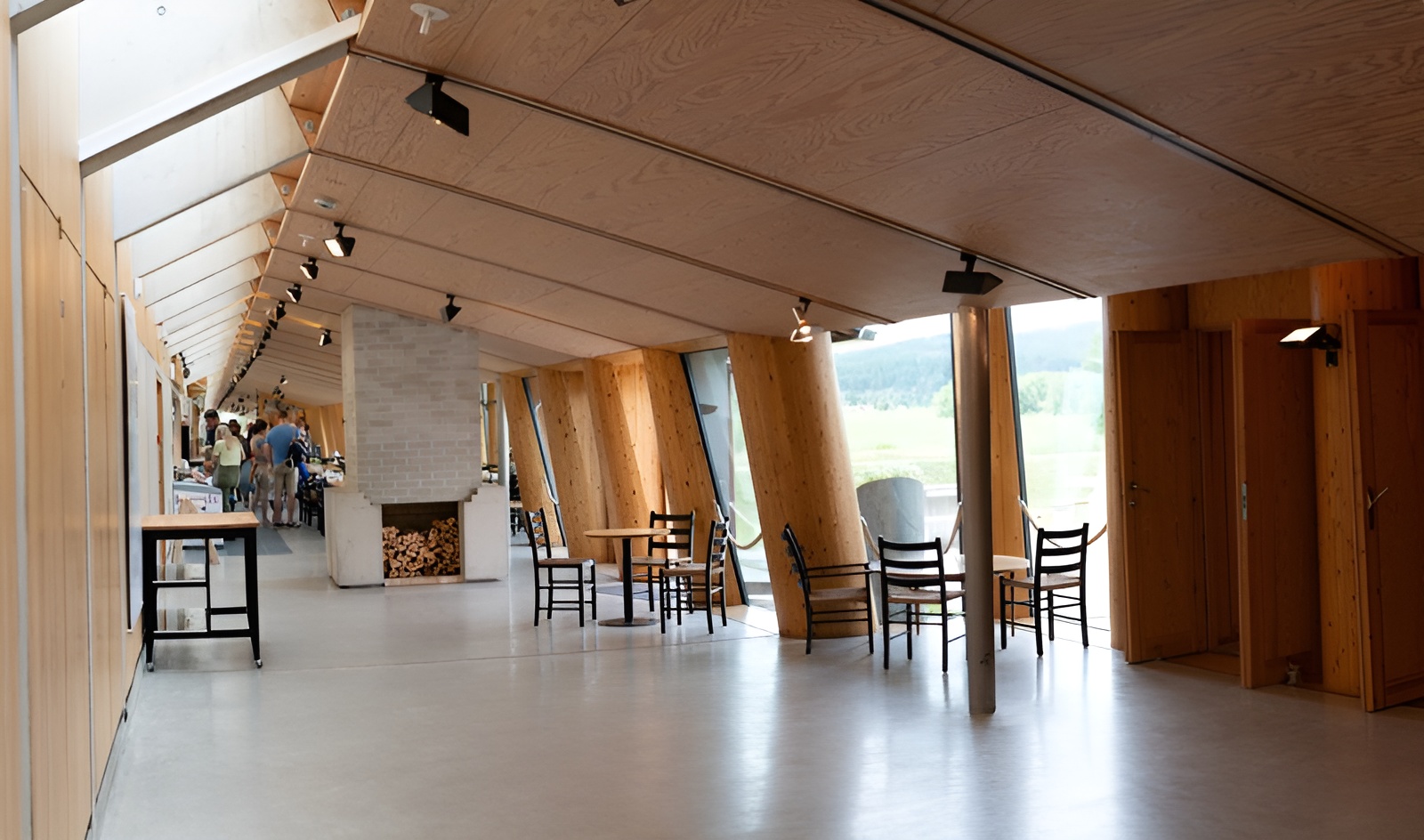
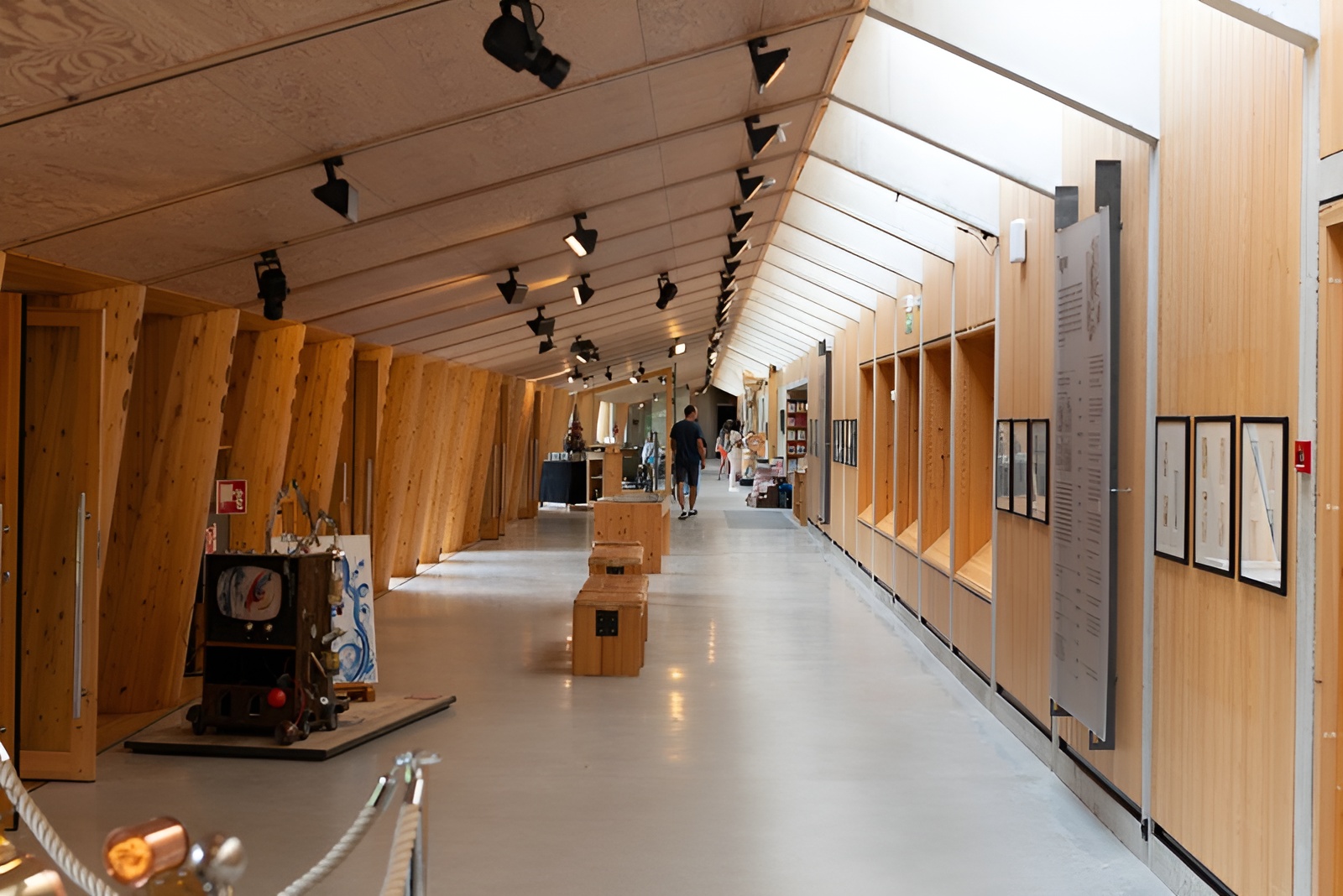
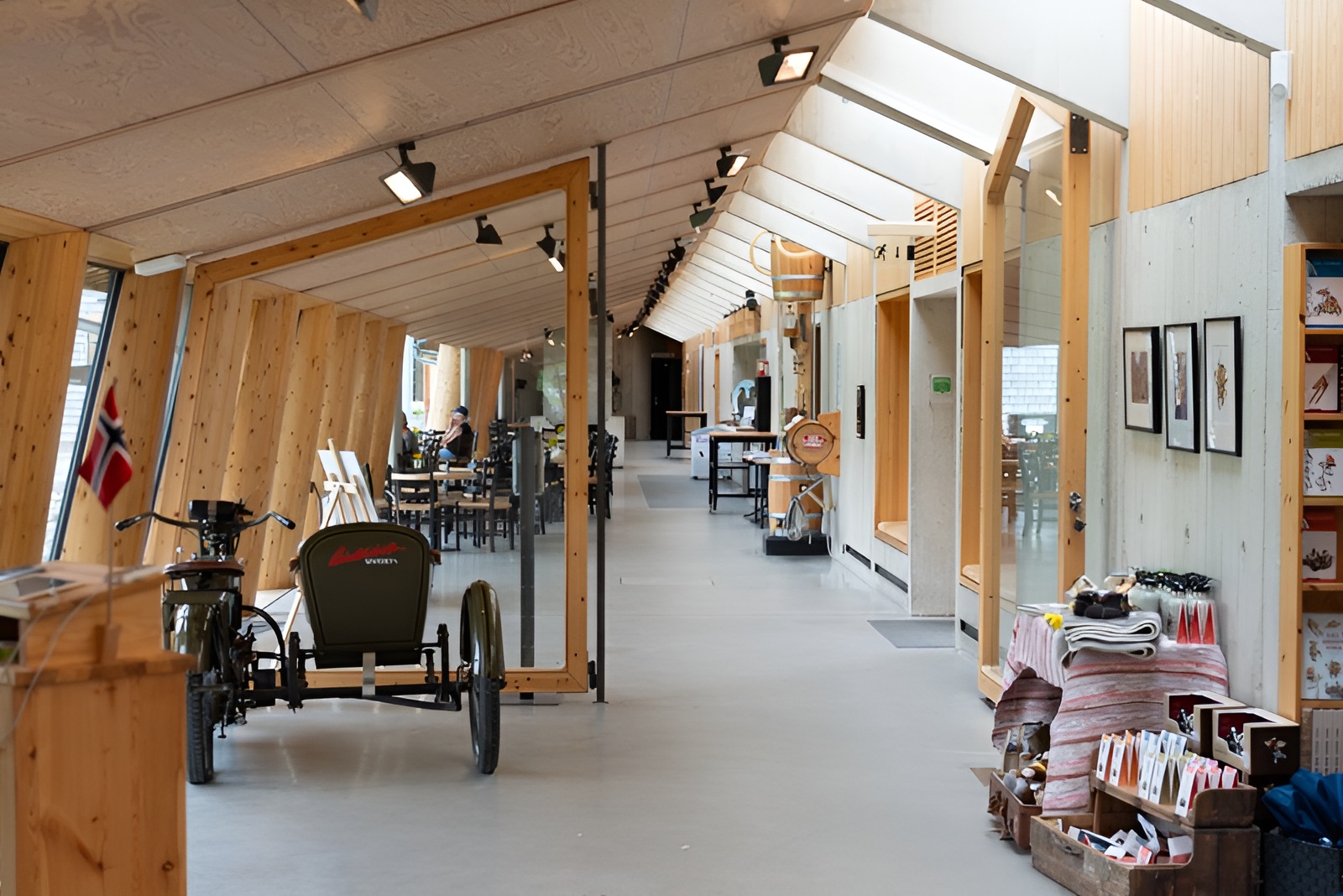
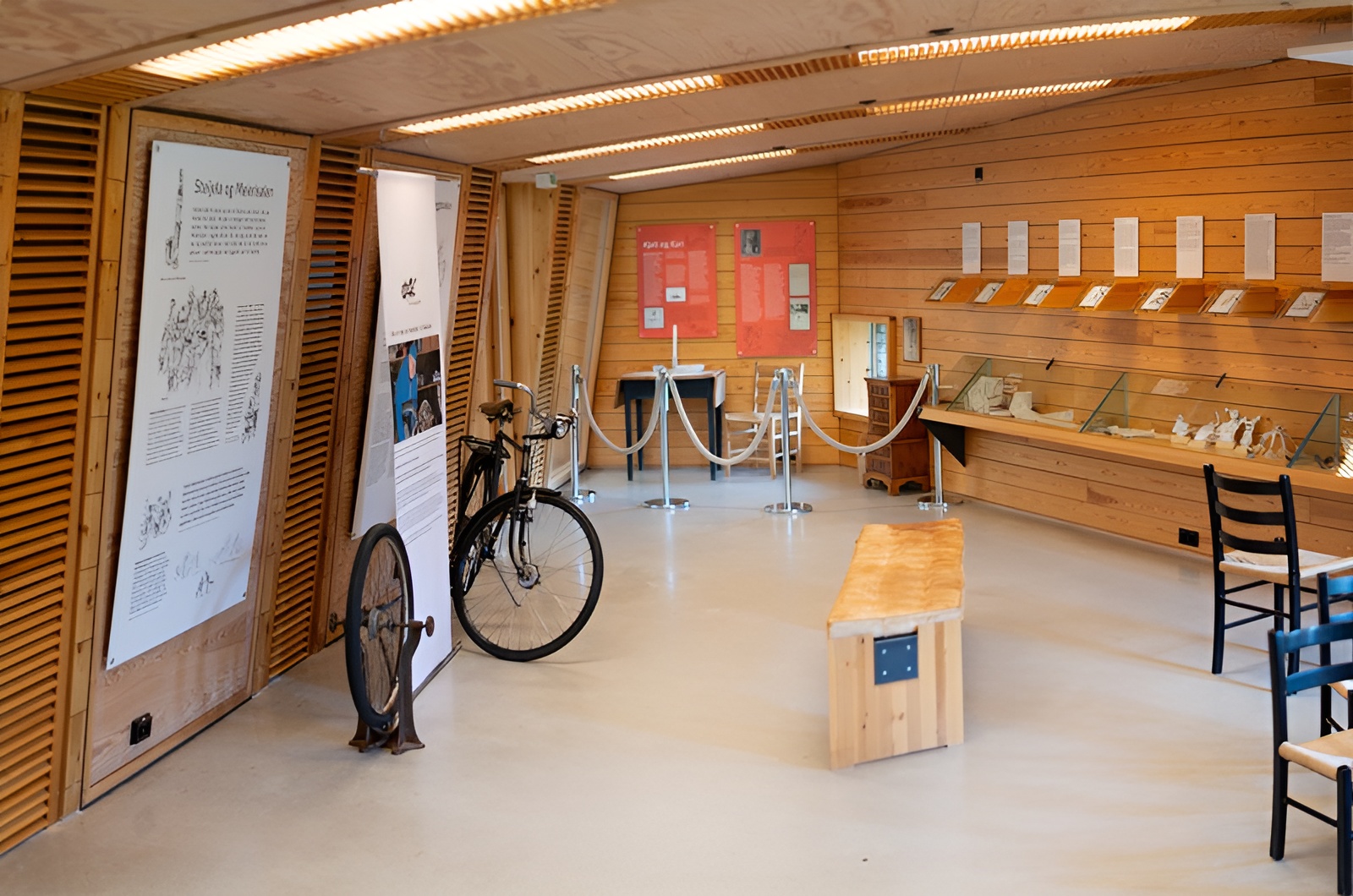
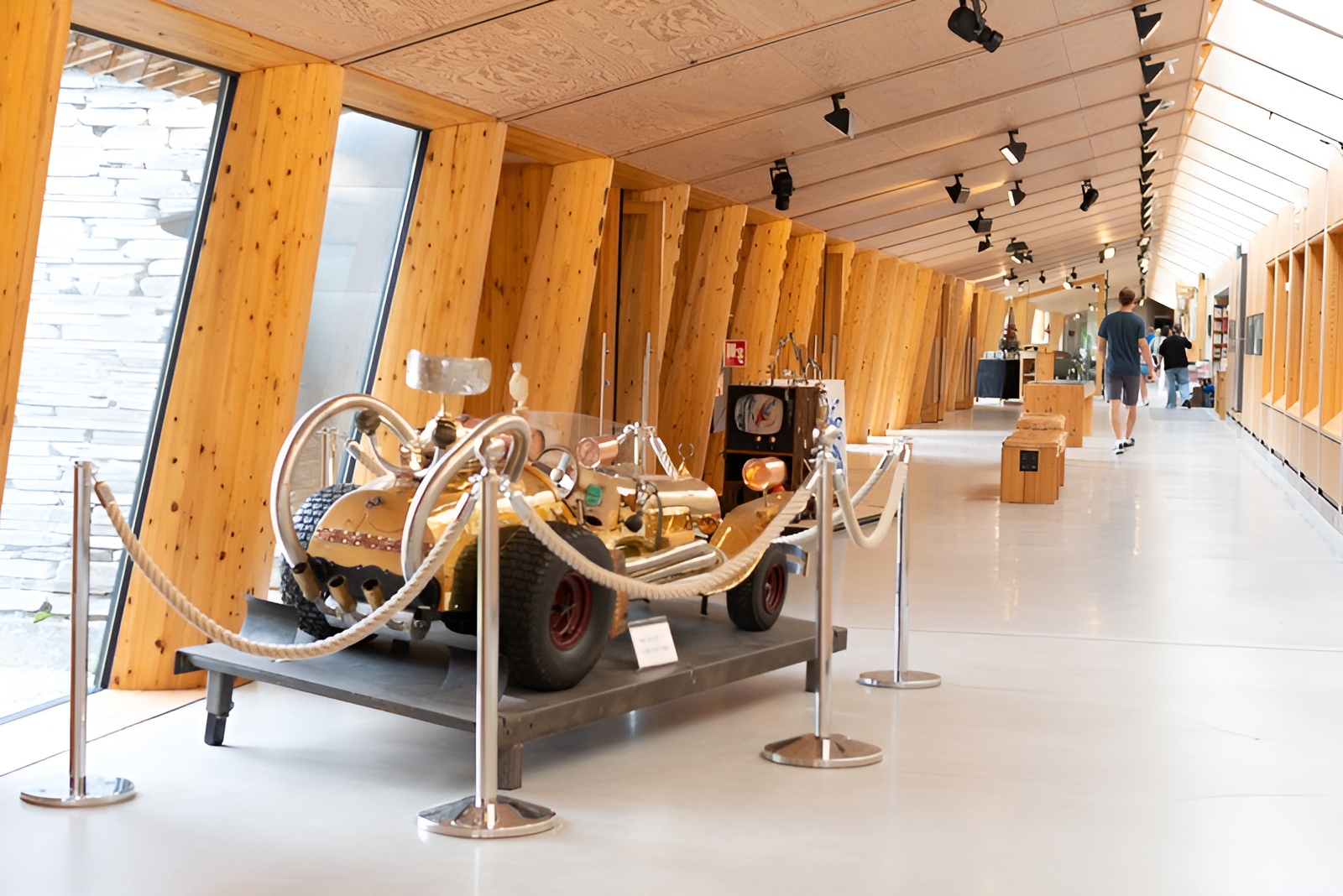
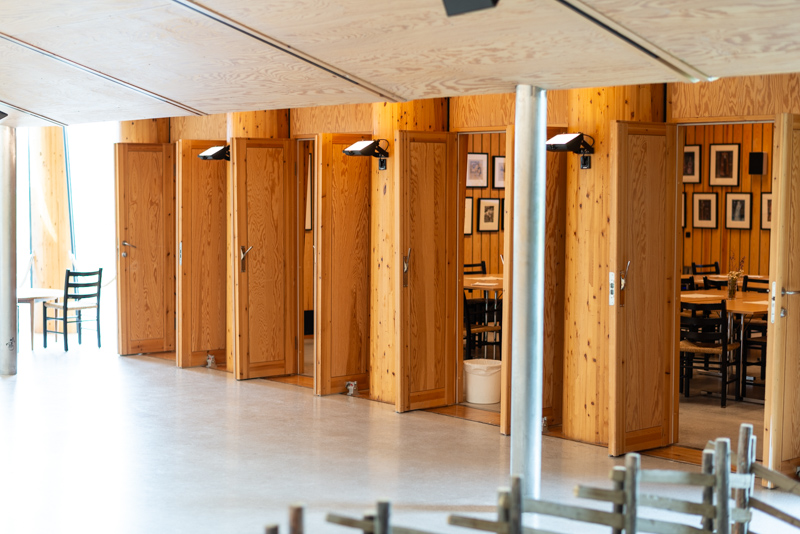
The Aukrust Centre in Alvdal, designed between 1993 and 1996, is a museum housing the work of artist Kjell Aukrust. Fehn structured the project around a long horizontal concrete wall that organizes space and defines a boundary. The building is a museum, but its design is structured by promenade and sectional order rather than neutral gallery planning. On one side of the wall, service spaces are gathered under a sloping roof that reaches toward the ground. On the other hand, exhibition spaces open through a series of windows and structural intervals. Concrete and timber define the building’s material logic. The Aukrust Centre demonstrates Fehn’s ability to construct a museum through route, structural rhythm, and a single controlling architectural element rather than through formal expression.
How did Sverre Fehn contribute to architecture?
Sverre Fehn contributed to architecture by redefining how modern architecture could operate in relation to landscape, climate, and historical fabric. His work demonstrates that modernism does not need to become placeless in order to remain rigorous. In his work, light functions as a construction material, route functions as a design generator, and landscape functions as an active boundary condition rather than as scenery. Fehn made a major contribution to museum architecture through projects such as Hedmark Museum, where new architectural elements protect and interpret ruins without reconstructing the past. He framed architecture as the point of confrontation between culture and nature, a position reflected in Pritzker documentation and in later discussions of his work. Fehn also contributed to pedagogy through decades of teaching at the Oslo School of Architecture, where his work and teaching shaped later Norwegian architecture. His contribution lies in both built form and method: construction as thought, light as spatial measure, and restraint as architectural discipline.
What awards and honors has Sverre Fehn received?
Sverre Fehn received awards and honors for both individual buildings and lifetime architectural achievement, including:
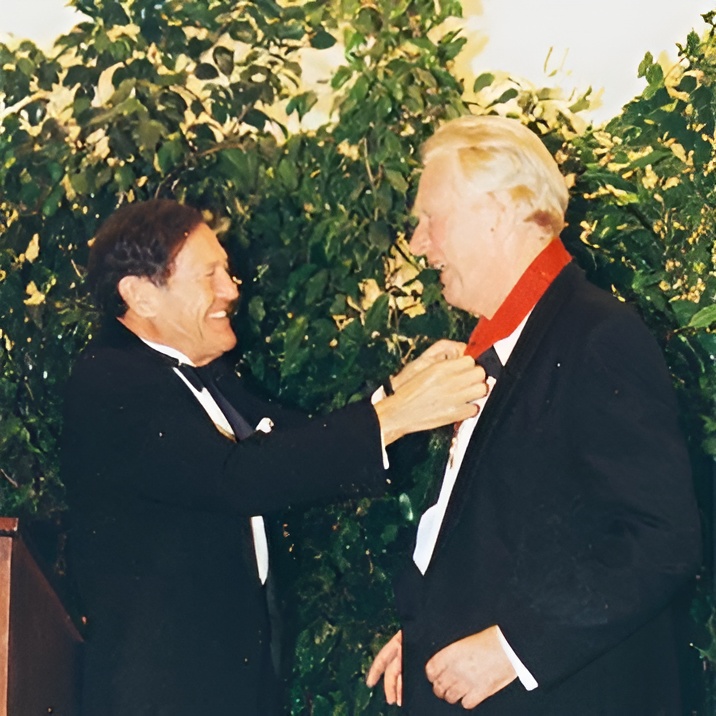
- Pritzker Architecture Prize (1997) – The highest international honor in architecture, awarded for his body of work.
- Houen Foundation Award (1961) – Awarded for Økern Nursing Home, jointly with Geir Grung.
- Houen Foundation Award (1975) – Awarded for the Hamar museum ruins and Storhamar Barn intervention.
- Norwegian Wood Award (1973) – Given in recognition of his architectural work.
- Prince Eugen Medal (1982) – Conferred for outstanding artistic achievement in architecture.
- Betongtavlen (1992) – Awarded for the Norwegian Glacier Museum.
- Grande Médaille d’Or (1993) – Presented by the Académie d’Architecture in recognition of his architectural contribution.
- Commander of the Order of St. Olav (1994) – Conferred for distinguished service to Norway.
Aside from the awards listed above, Sverre Fehn received the Heinrich Tessenow Gold Medal in 1997, the Arts Council Norway Honorary Prize in 1998, the Grosch Medal in 2001 as its first recipient, and the Anders Jahre Culture Prize in 2003.
Did Sverre Fehn change the architecture industry?
Sverre Fehn changed architectural practice by demonstrating that modern architecture could remain formally disciplined while becoming more responsive to climate, site, and historical context. His work redefined museum design and conservation by replacing reconstruction and neutral exhibition planning with route-based, site-bound insertion. Projects such as the Nordic Pavilion and Hedmark Museum became reference points because they turned light, ruin, and movement into primary design tools. Fehn’s influence did not come through large global practice or repeated branding but through the clarity of individual works that later architects studied for their handling of terrain, sequence, and structure. Fehn helped shift architectural value away from image and toward spatial and material intelligence.
Was Sverre Fehn ever controversial in any way?
Sverre Fehn maintained a strong professional reputation, and no significant personal controversy is documented. Debate around his work centered on architectural questions. His museum interventions raised discussion about how contemporary design should engage historic remains, while the restraint and abstraction of some projects led to questions about legibility and public readability. These debates focused on design philosophy rather than conduct. Obituaries and institutional profiles describe Fehn as an architect widely respected for independence, seriousness, and long-term influence.
Who are the most famous architects in modern history besides Sverre Fehn?
Aside from Sverre Fehn, Frank Lloyd Wright, Le Corbusier, Ludwig Mies van der Rohe, Alvar Aalto, and Louis Kahn are among the most influential architects who shaped modern architecture. Wright (American, 1867–1959) developed an architecture grounded in landscape and organic continuity, with works such as Fallingwater demonstrating integration with the site. Le Corbusier (Swiss-French, 1887–1965) helped define early modernism through projects such as Villa Savoye, where pilotis, free plan, and roof terrace established core modernist principles. Mies van der Rohe (German-American, 1886–1969) advanced a language of structural precision and spatial reduction, exemplified in the Barcelona Pavilion and later in the Seagram Building, where minimal structure and material clarity define space. Aalto (Finnish, 1898–1976) introduced a more human-centered and materially sensitive approach to modernism, visible in works such as Säynätsalo Town Hall. Kahn (American, 1901–1974) transformed late modern architecture through monumental form, structural expression, and the use of light as a primary spatial element, as seen in the Salk Institute.
What did Sverre Fehn mostly design?
Sverre Fehn mostly designed museums, exhibition buildings, and houses. His work spans several categories:
- Museums and Cultural Buildings: Fehn designed museum architecture, including projects such as the Hedmark Museum in Hamar and the Norwegian Glacier Museum in Fjærland, where route, structure, and light organize spatial experience and engage historical or environmental context.
- Exhibition Pavilions and Installations: He designed national pavilions and exhibition spaces, including the Nordic Pavilion in Venice, where architecture operates as a device for light and climate.
- Residential Architecture: Fehn developed a series of private houses, such as Villa Busk in Bamble, where domestic space is structured through movement, topography, and controlled views of the landscape.
Across these categories, Fehn maintained a consistent concern with construction, site, and measured encounter rather than formal novelty.
Where did Sverre Fehn study?
Sverre Fehn studied architecture at the Oslo School of Architecture and Design, where he completed his architectural education in the late 1940s. His education placed him within a Norwegian and Scandinavian architectural environment engaged with modernism, postwar reconstruction, and international debate. Influenced by Arne Korsmo, Fehn developed a foundation in modern architectural thinking, later extended through travel and observation outside Norway. His studies combined formal education with a broader architectural learning process rooted in place, climate, and built reality.
Did Sverre Fehn have any famous teachers or students?
Sverre Fehn had a mentor in Arne Korsmo, the Norwegian architect who introduced him to international architectural circles. Pritzker documentation identifies Korsmo as a formative figure who connected Fehn to leading architectural personalities and debates. Fehn’s influence is documented primarily through teaching and professional relationships rather than through a defined group of well-known students. He taught for decades at the Oslo School of Architecture. Fehn’s pedagogical legacy lies in the broader architectural culture shaped by his teaching and built work.
How can students learn from Sverre Fehn’s work?
Students can learn from Sverre Fehn’s work by studying how architecture emerges from construction, light, and route rather than from image alone. His projects demonstrate that structural decisions are not technical afterthoughts but the core of architectural thought. The Nordic Pavilion demonstrates how light is shaped through roof structure and site constraints. Hedmark Museum demonstrates how architecture can enter a historic setting without imitation or erasure. Villa Busk demonstrates how a house can be organized as a spatial journey through terrain. Fehn’s work encourages attention to topography, material as a carrier of meaning, and architecture as a measured relation between nature and culture.

