

Architects: Atelier Tiago do Vale
Area: 4,919 m²
Year: 2024
Photography: João Morgado
Lead Architects: Tiago do Vale
Architects Team: Tiago do Vale, Adriana Gomes, Paula Campos, Clementina Silva
Contractor: Rio Sul L.da
Structural Engineering: Eduarda Oliveira
Interior Design / Furniture: Redel Interiores
Client: Rio Sul L.da
Materials: Local granite, oak, chestnut wood, Estremoz marble, glass
City: Ponte de Lima
Country: Portugal
Aurora 10 Building, designed by Atelier Tiago do Vale in Ponte de Lima, Portugal, rethinks the role of multifamily housing within suburban expansion by strengthening the relationship between architecture and the public realm. Developed as a mixed-use residential building with commercial functions, the project responds to the fragmented character often associated with peripheral urban growth through a design that prioritizes continuity, flexibility, and civic engagement. The proposal integrates public circulation with transitional gathering spaces while maintaining an efficient structural and spatial organization that maximizes residential quality. A carefully articulated façade balances solid and transparent elements to enrich the streetscape through changing patterns of light and shadow. Inside, adaptable apartment layouts incorporate multifunctional spaces inspired by Azorean vernacular architecture, allowing residents to respond to evolving domestic needs over time. Combined with the use of locally sourced materials and a disciplined architectural language, the project demonstrates how residential development can contribute positively to both everyday living and the long-term evolution of the surrounding urban fabric.
Inspiration is not a sudden image that appears from nowhere: it starts with looking carefully. First, one has to understand the place, the people, the programme, the history, the constraints, and the opportunities.
Interview with Tiago do Vale Tiago do Vale Architects
From that attentive reading, almost anything can become useful to the design process.
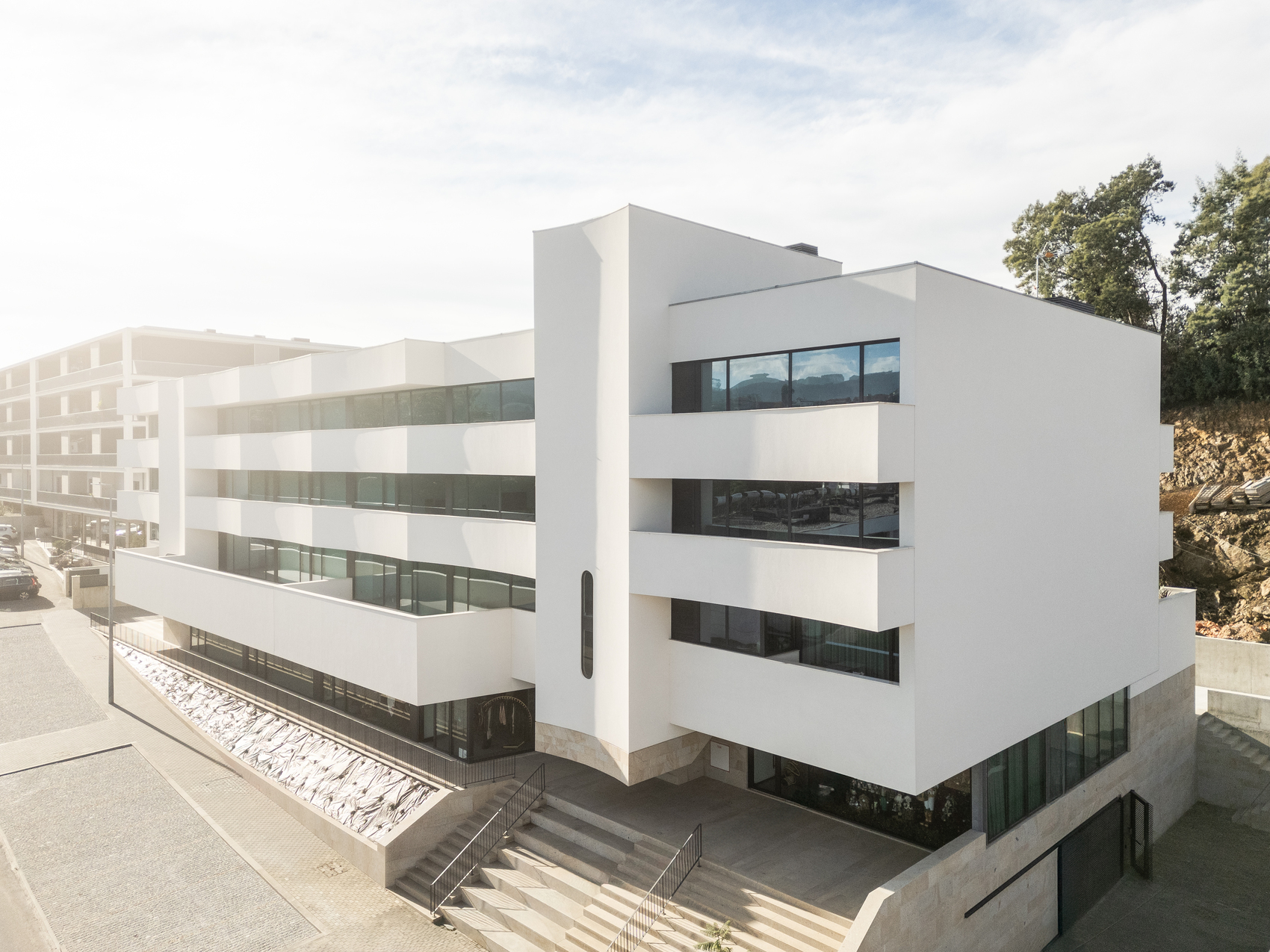
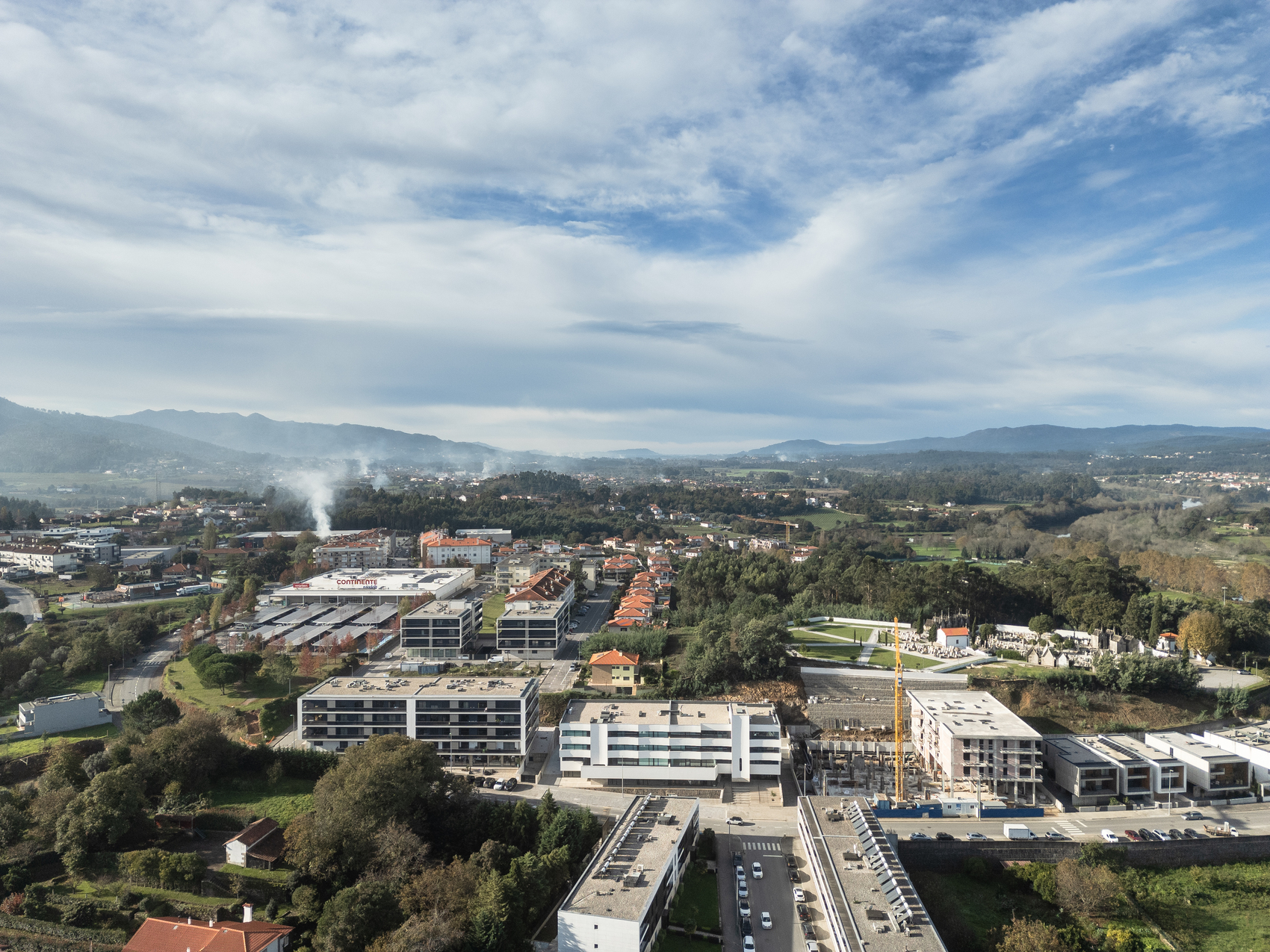
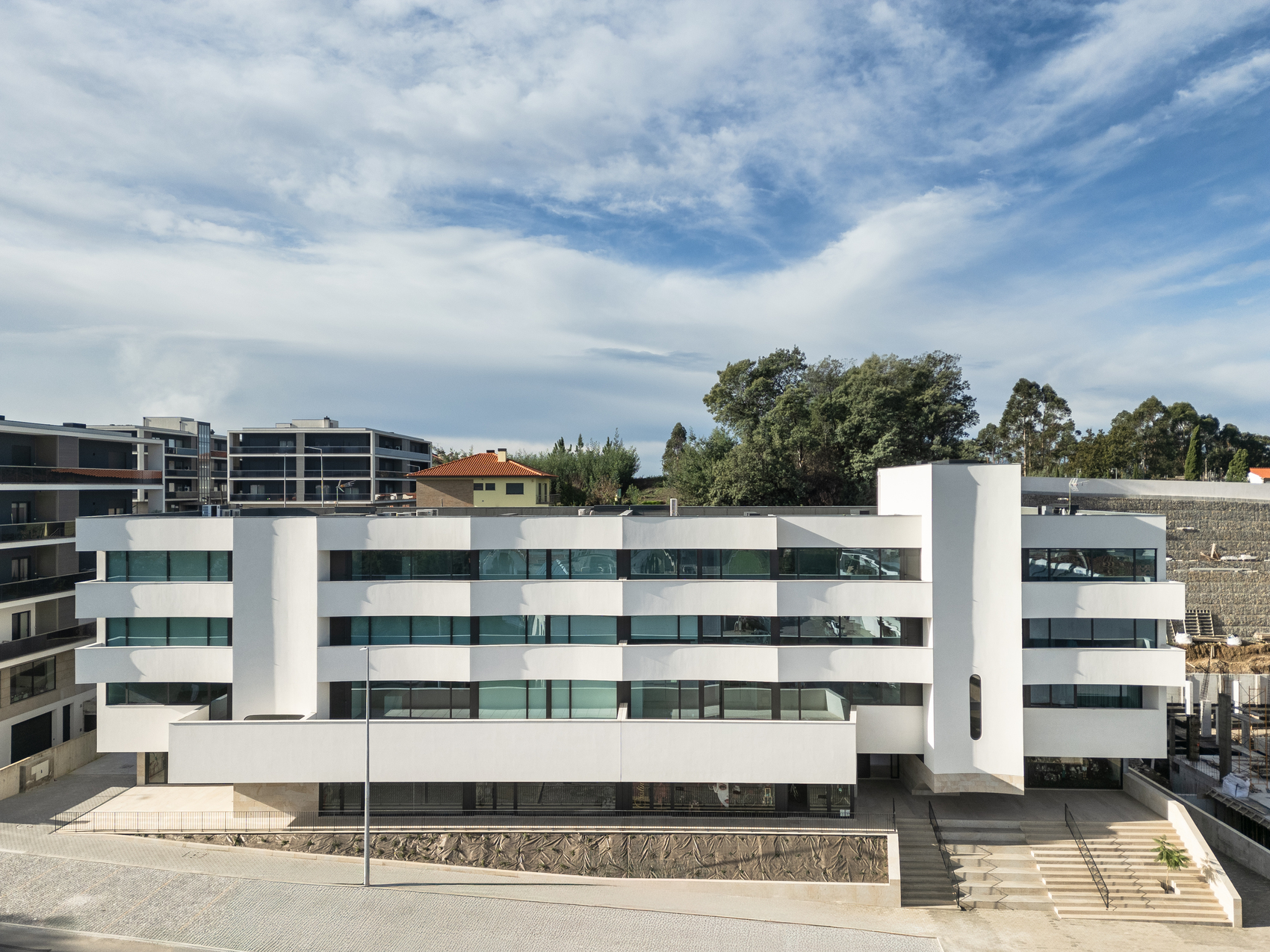
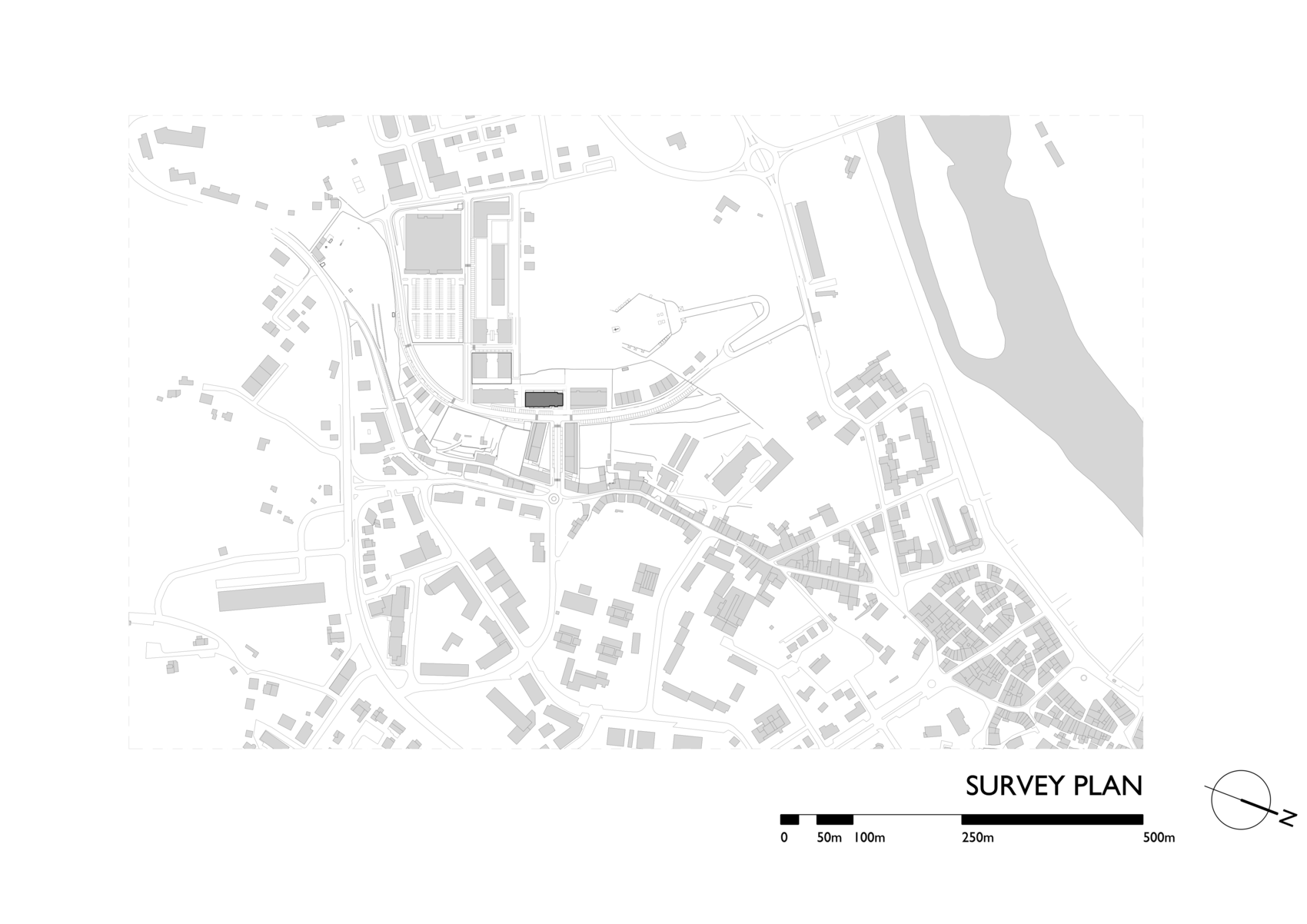
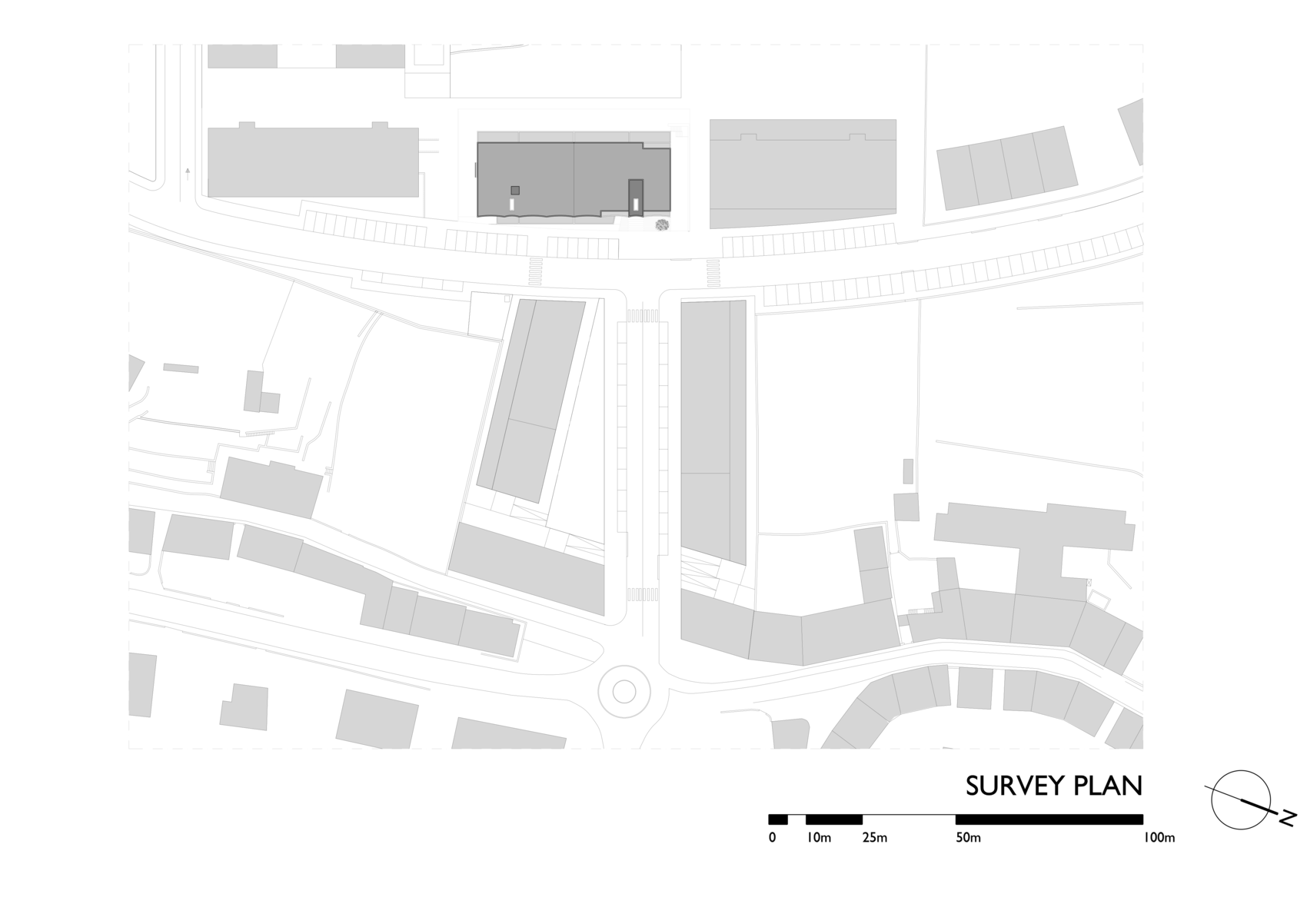
The rapid expansion of suburban neighborhoods has frequently produced residential buildings that function as isolated objects rather than contributors to the larger city. Aurora 10 Building addresses this condition by treating the site as an opportunity to reinforce urban continuity instead of accepting fragmentation. Rather than focusing solely on the requirements of a multifamily housing program, the project considers how architecture can shape public life through spatial relationships, visual alignments, and carefully defined edges that encourage interaction between the building and its surroundings.
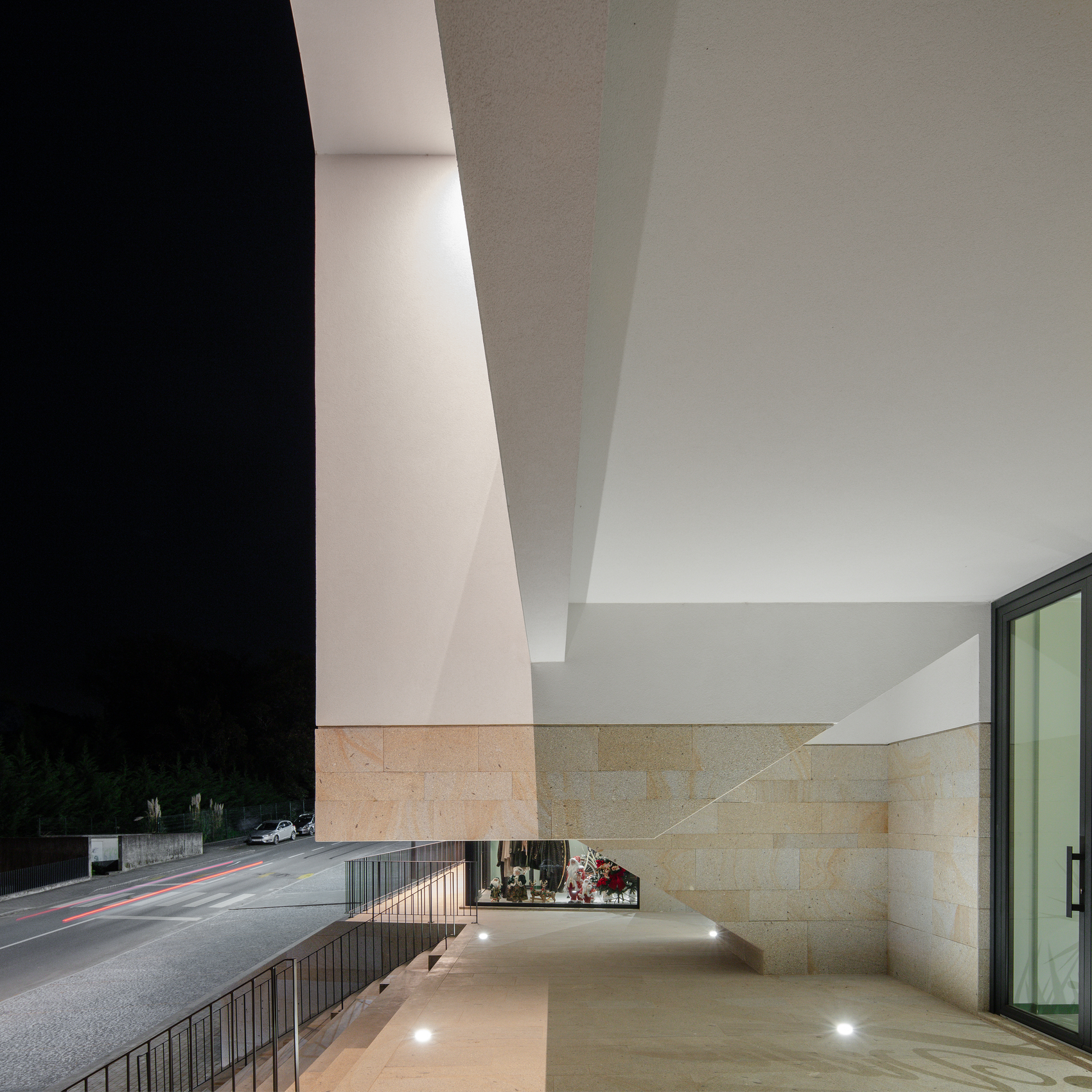
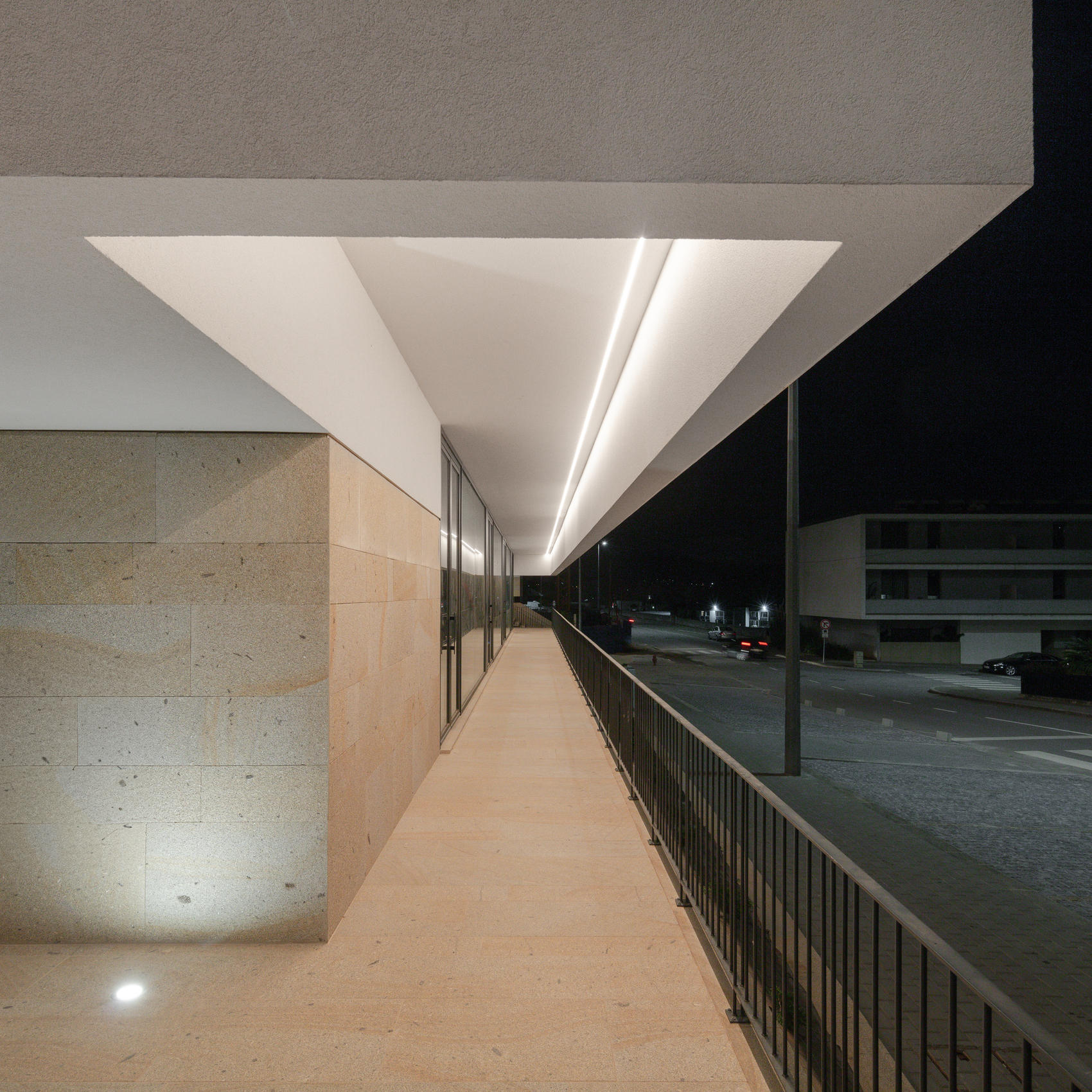
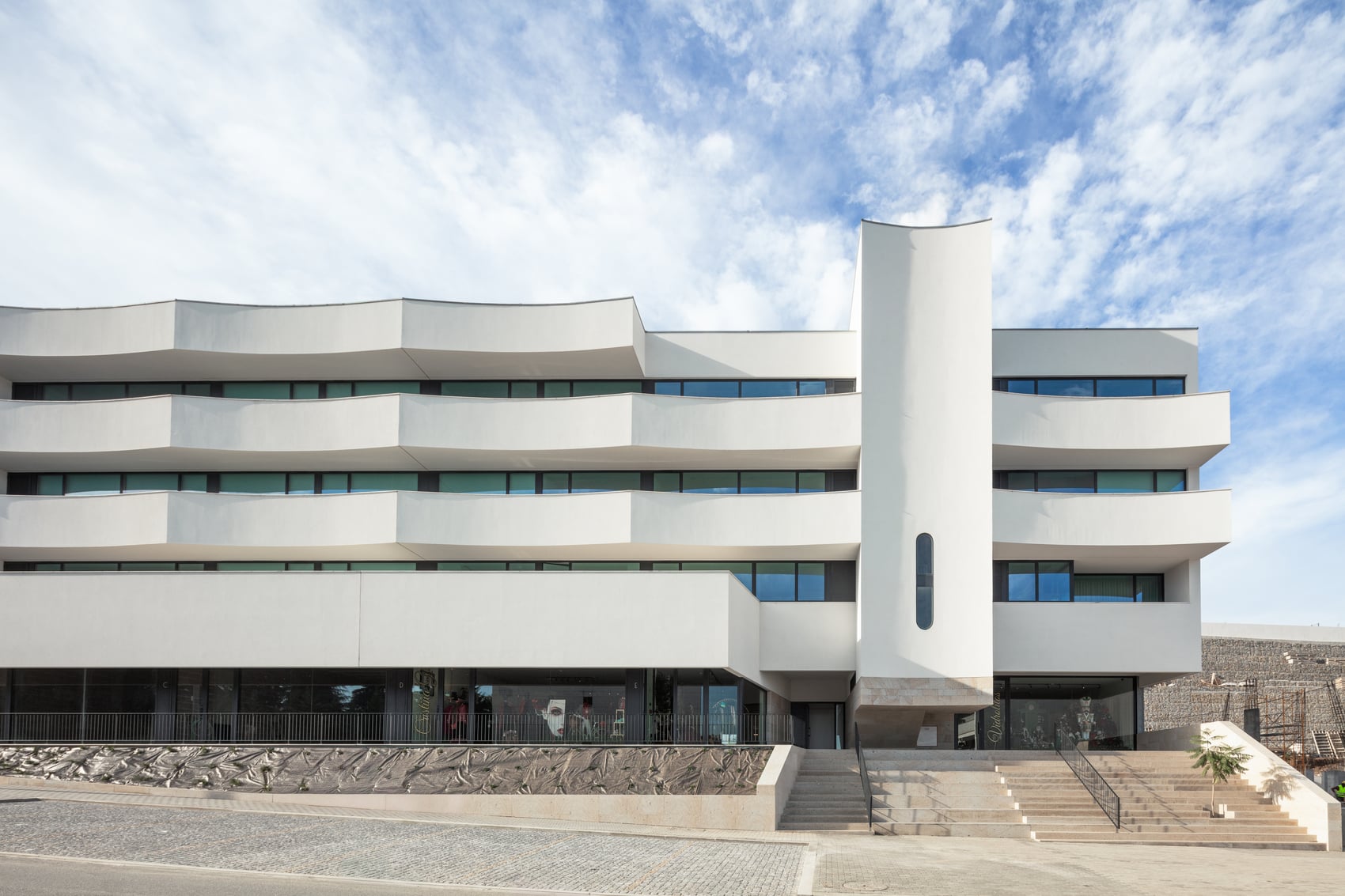
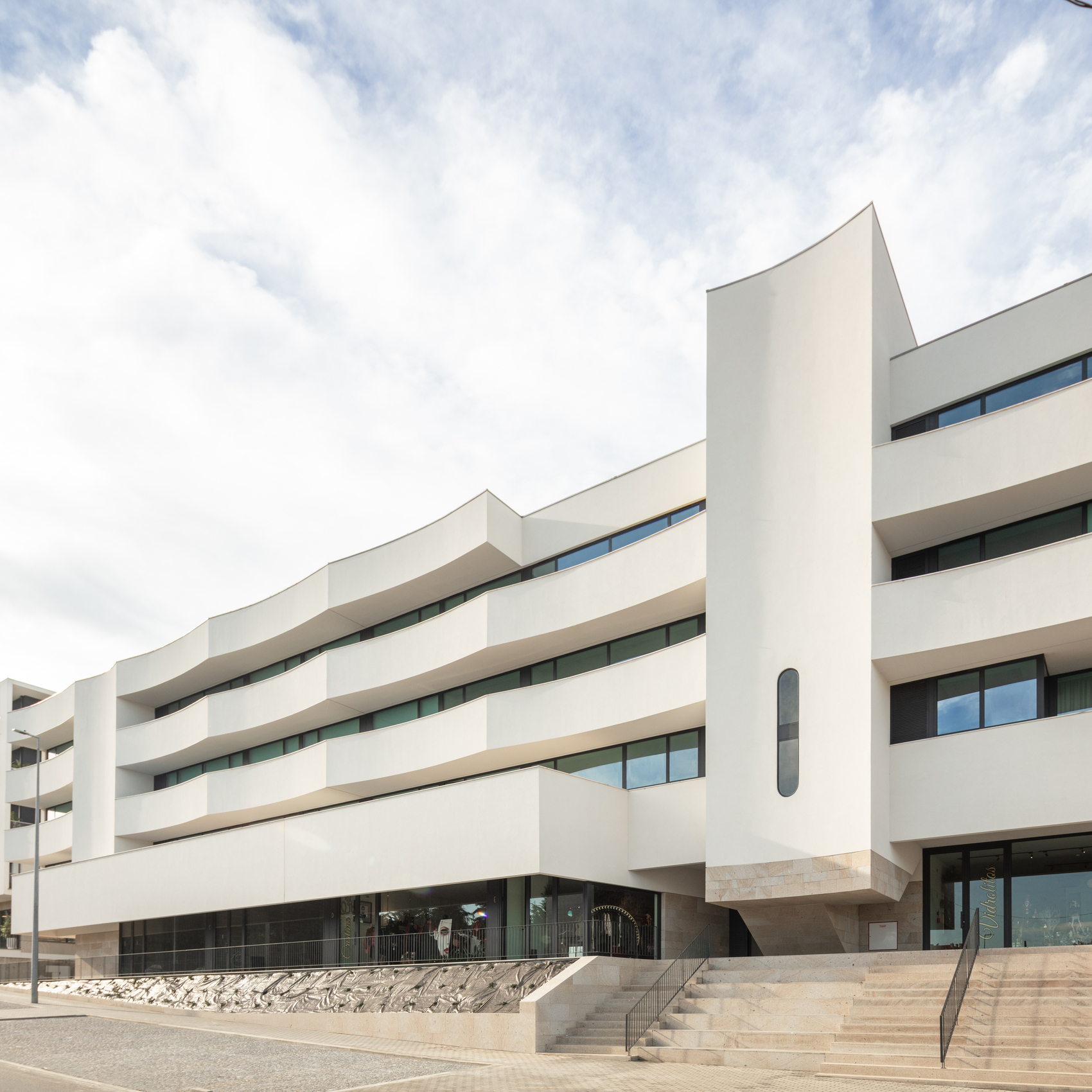
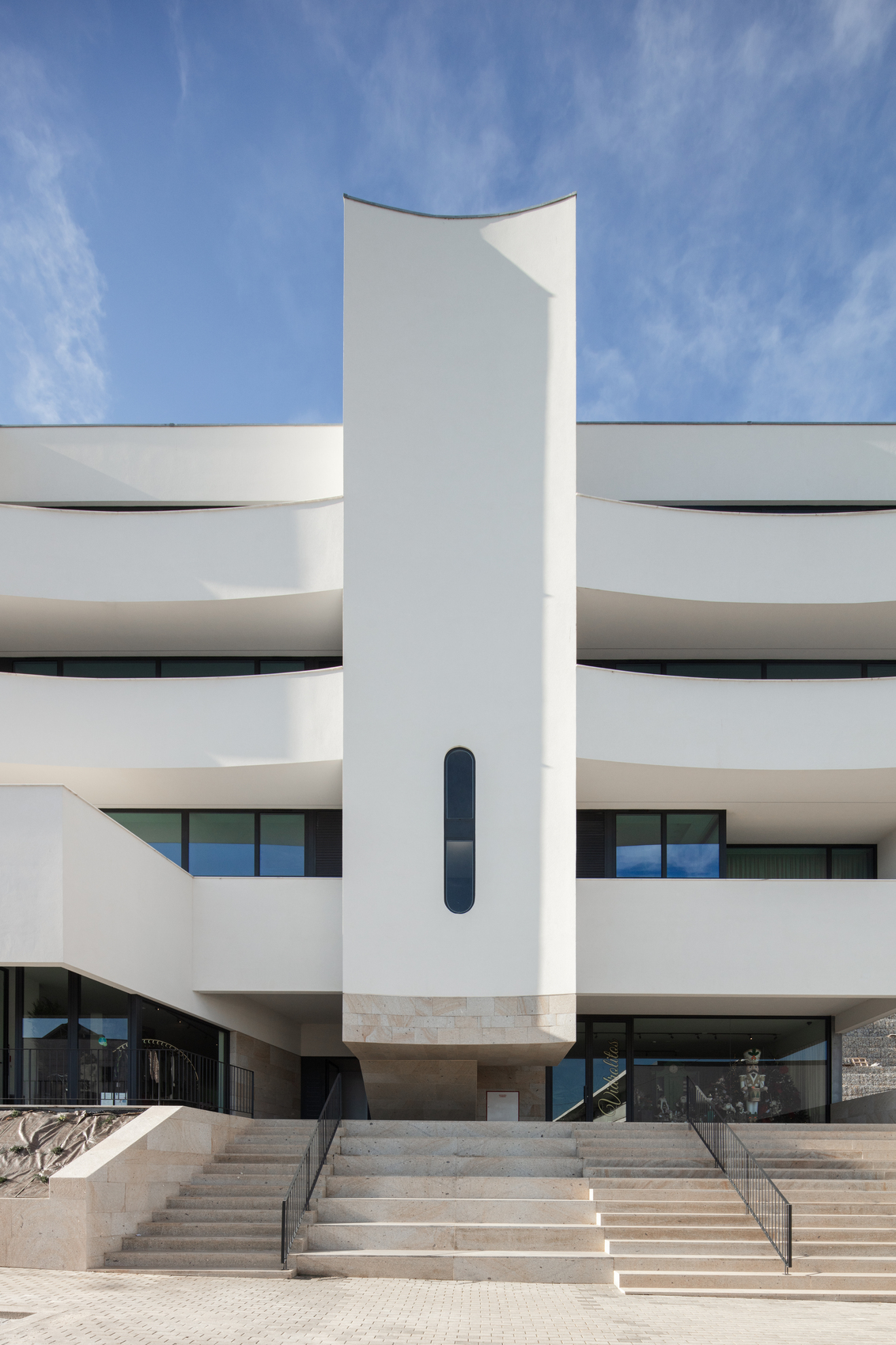
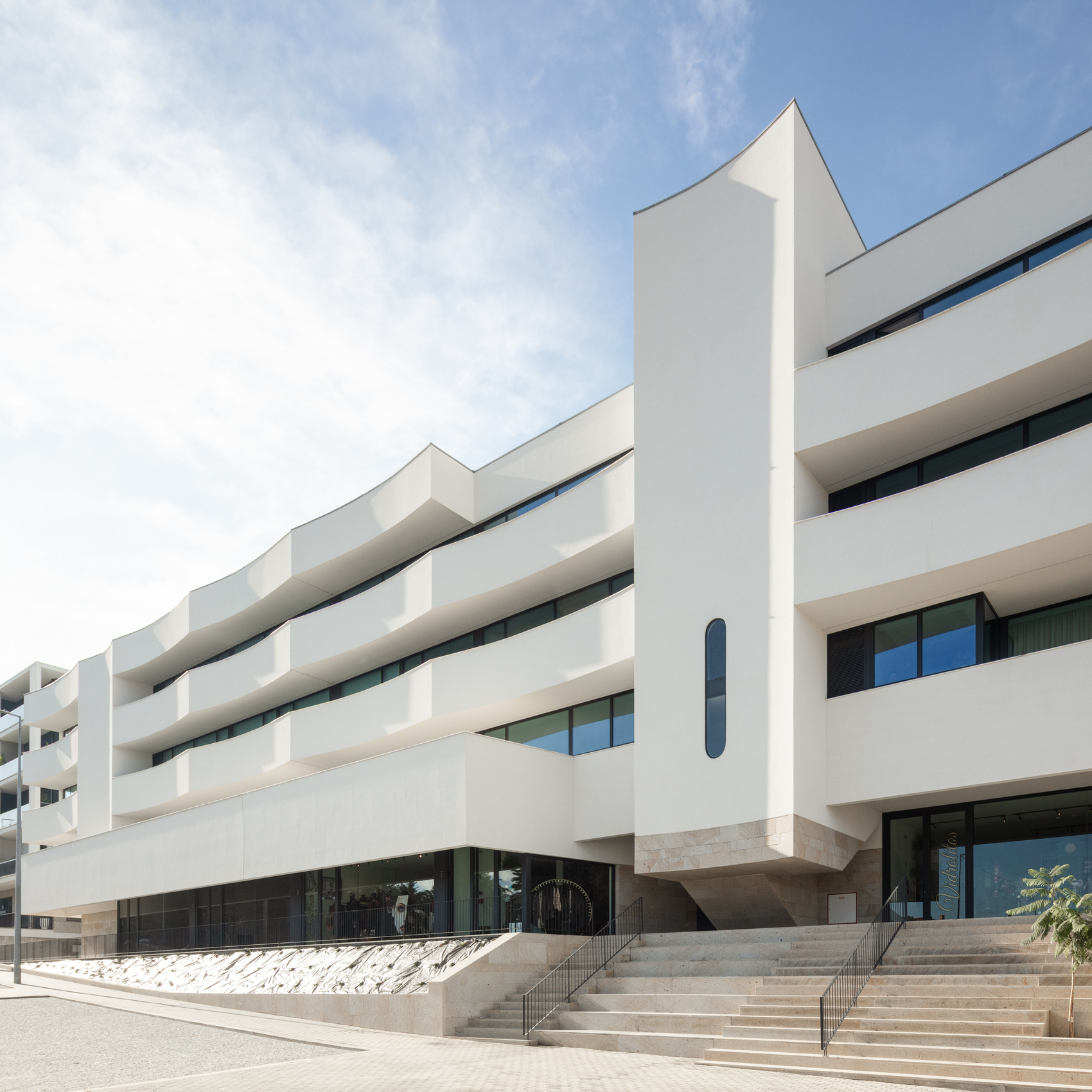
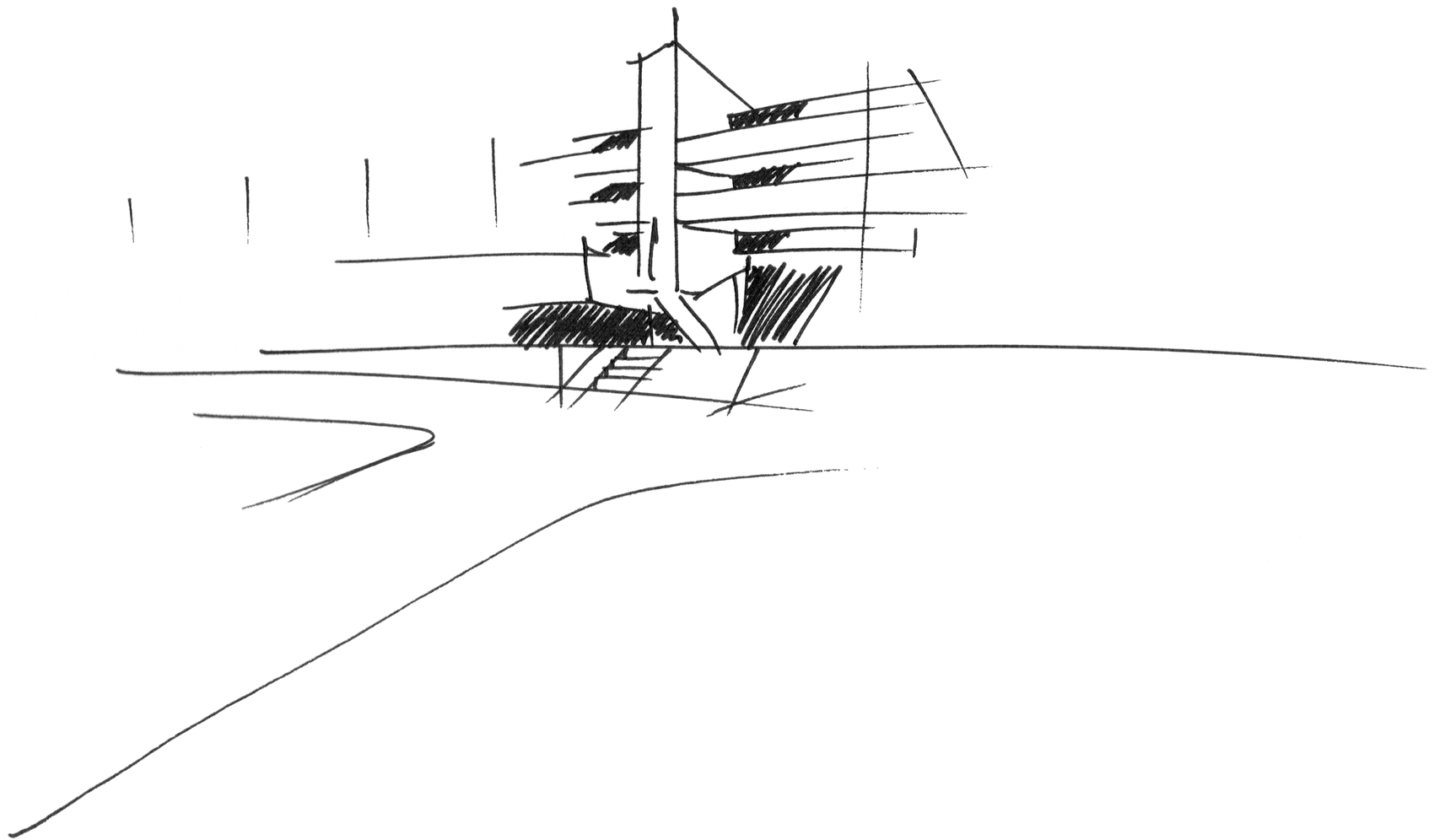
This urban ambition is most evident at ground level, where the transition between public and private space becomes an integral component of the design. Sidewalks extend naturally into a covered commercial gallery that activates the street while leading toward a northern entrance conceived as both a staircase and an informal gathering space. Intended to be shaded over time by a jacaranda tree, this civic threshold transforms circulation into a place for pause and social exchange, reinforcing the building’s role as an active participant in neighborhood life. Rising above this shared space, the northern circulation core becomes an architectural landmark that concludes the long perspective of the adjoining street while maintaining a dialogue with the scale and character of nearby buildings.
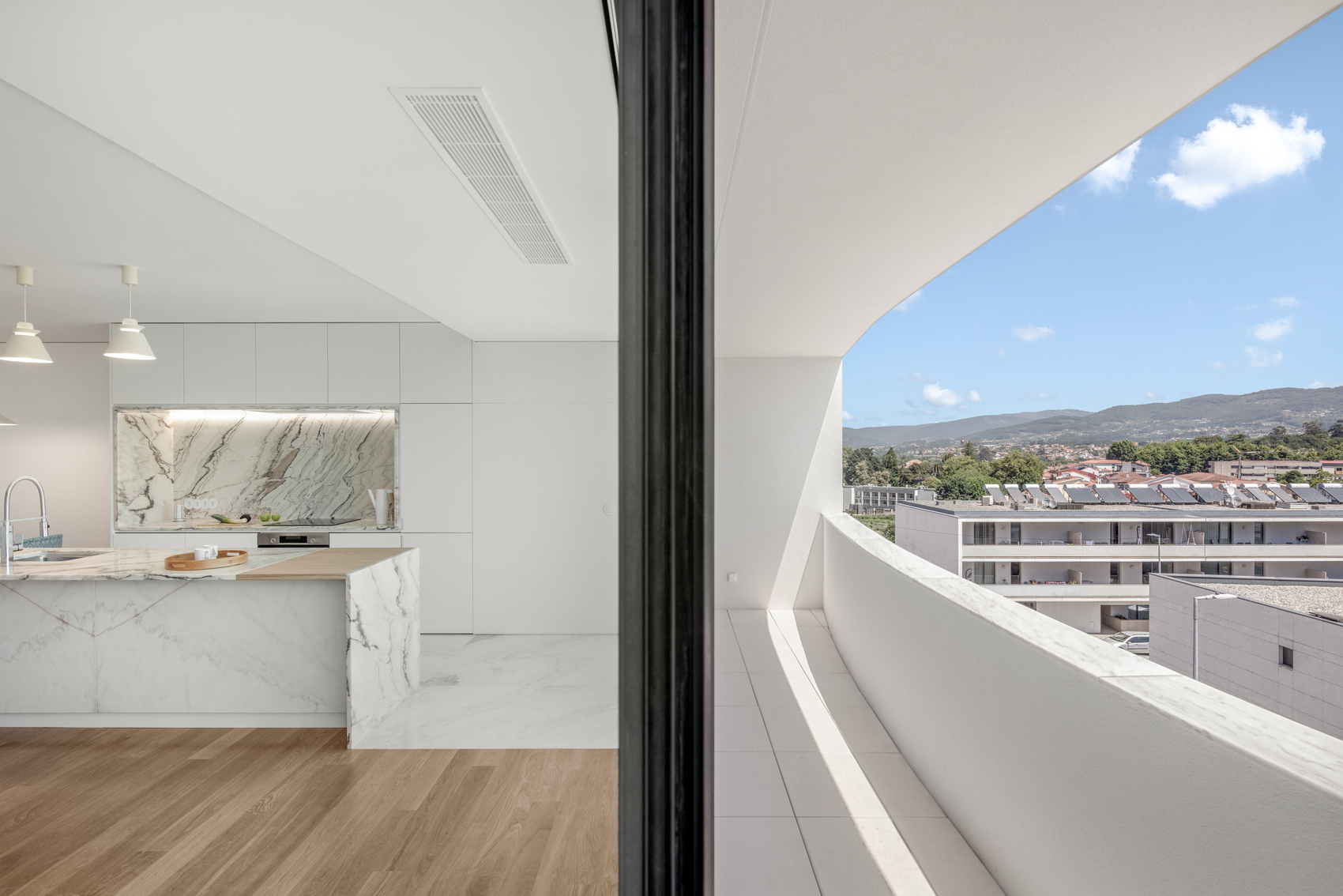
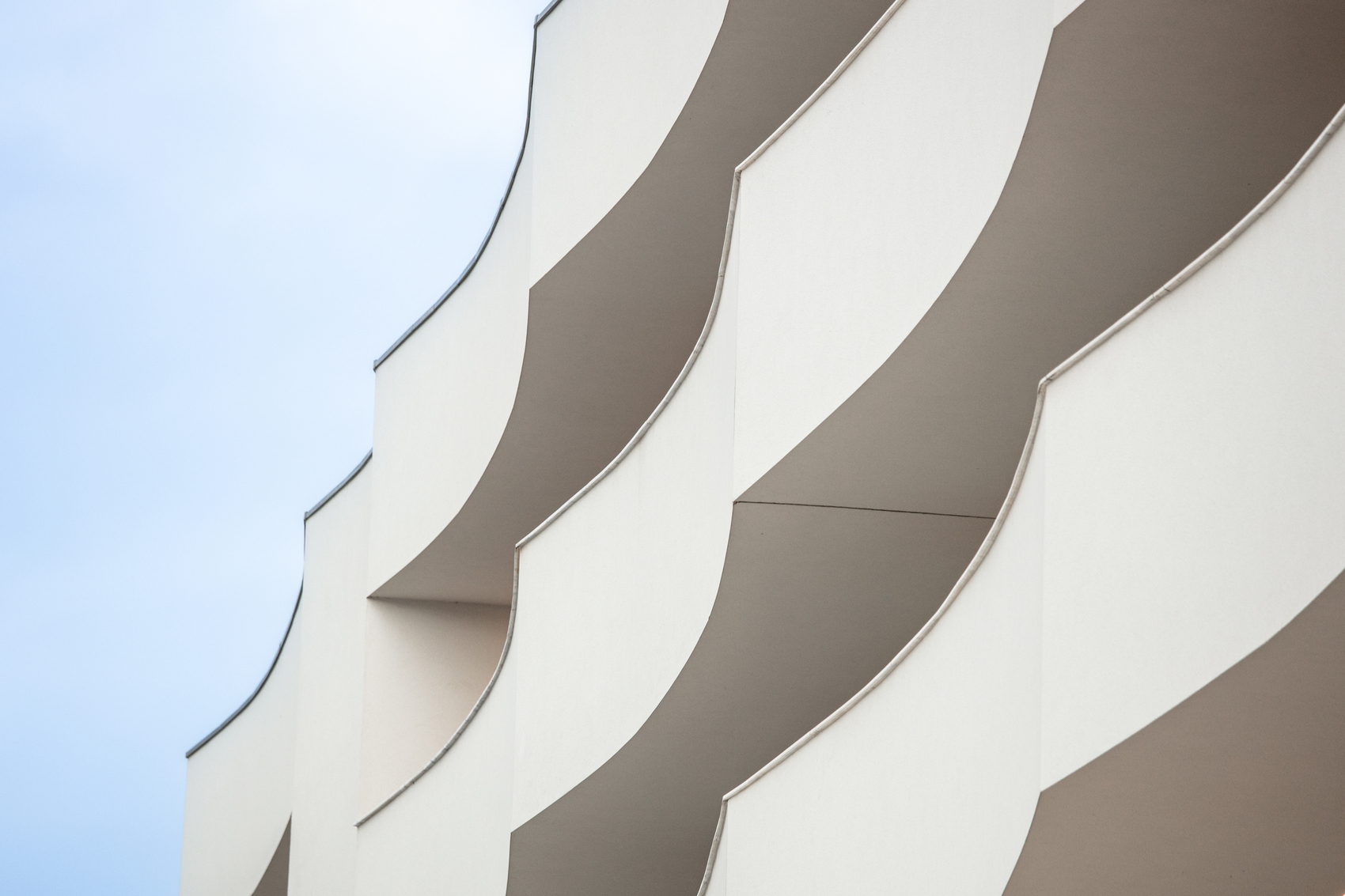
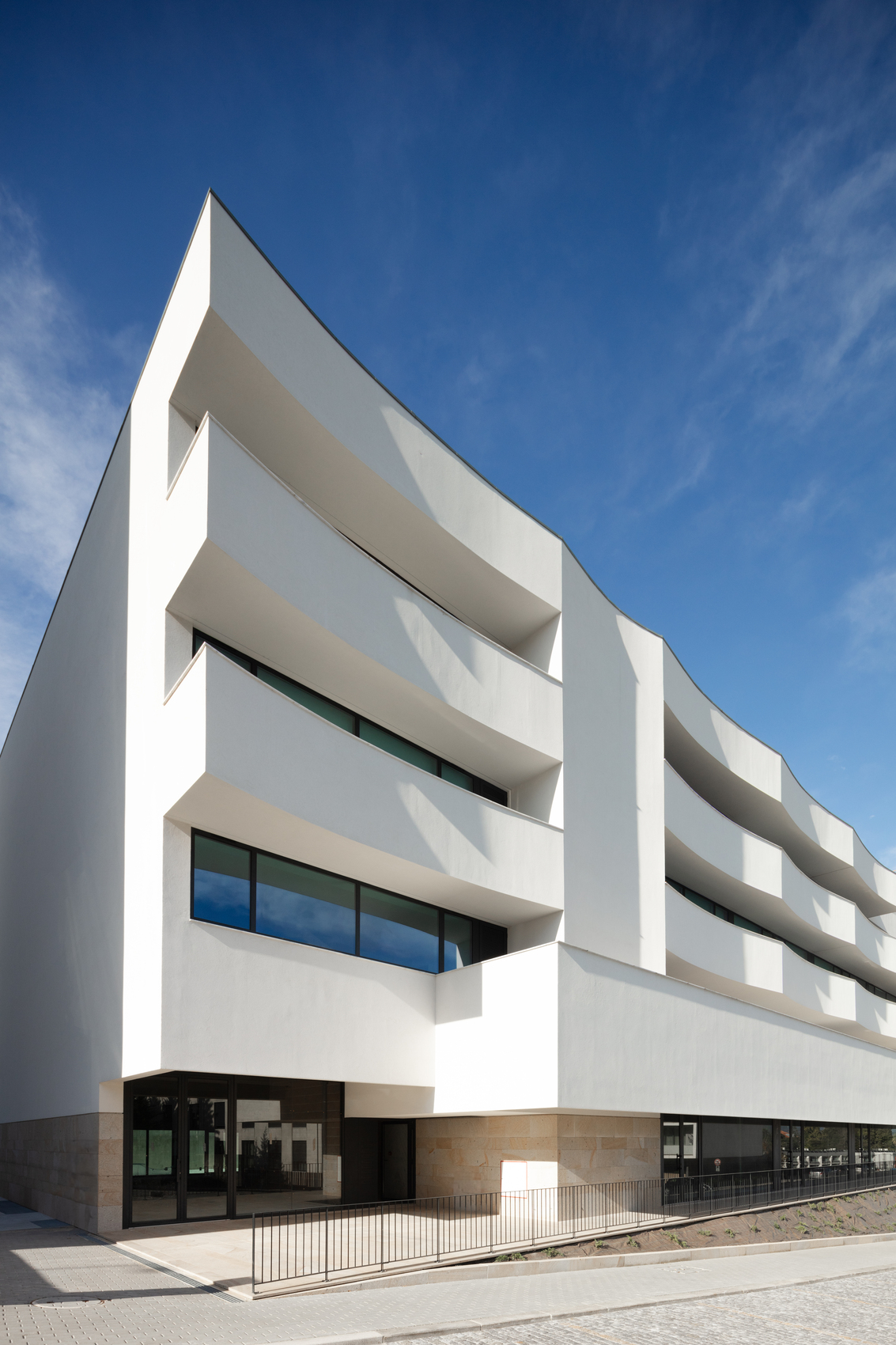
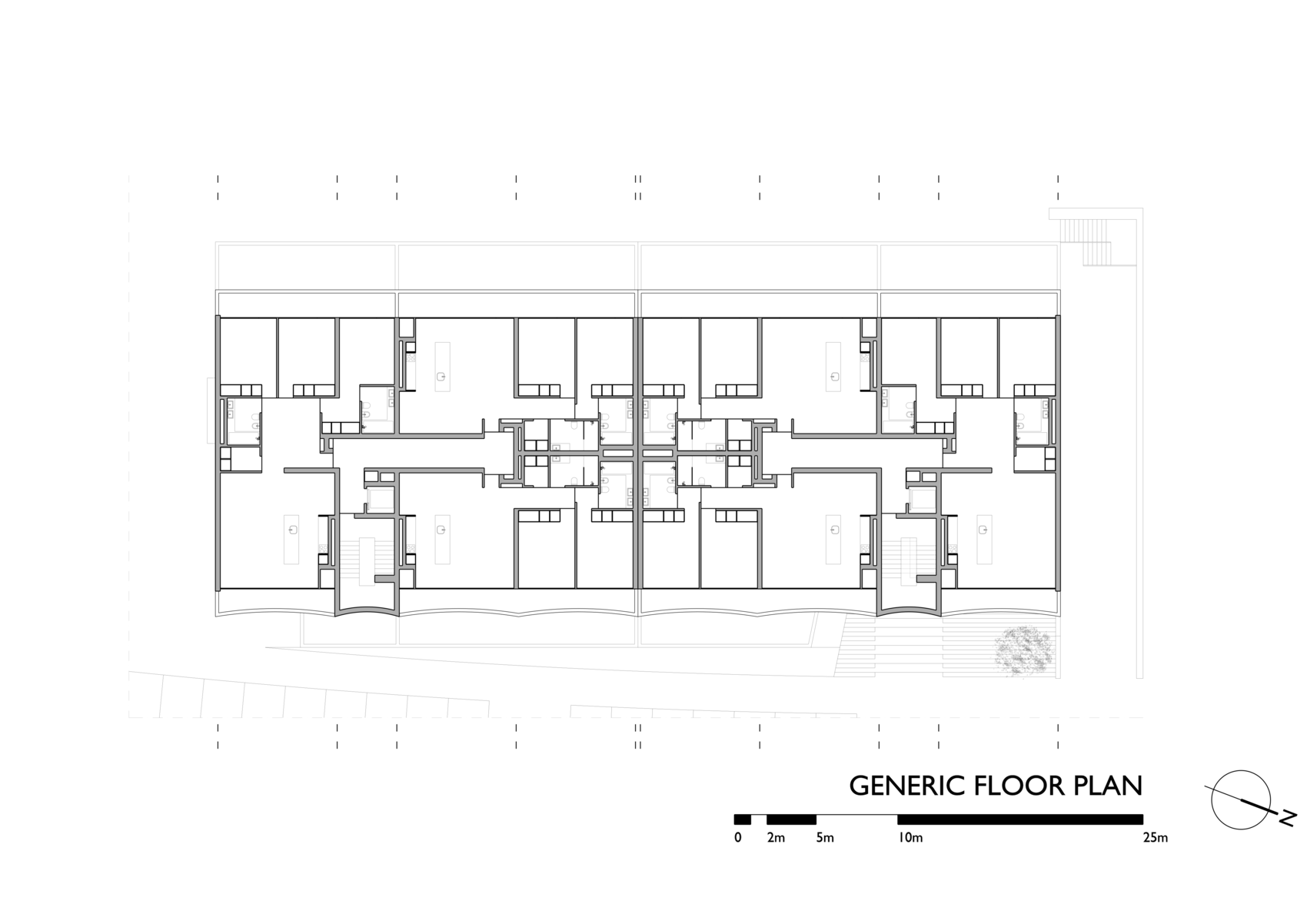
Although the project follows a highly rational structural grid to achieve efficiency, its architectural expression avoids monotony through a nuanced composition of form and light. The principal façade layers projecting balconies with recessed glazing and vertical elements that produce shifting patterns of shadow throughout the day. This composition introduces visual depth while subtly recalling the vertical rhythms found in traditional urban streets, allowing the building to maintain a contemporary identity without losing sensitivity to its context. The restrained geometry also eliminates unnecessary circulation space, maximizing usable floor area throughout the residential program.
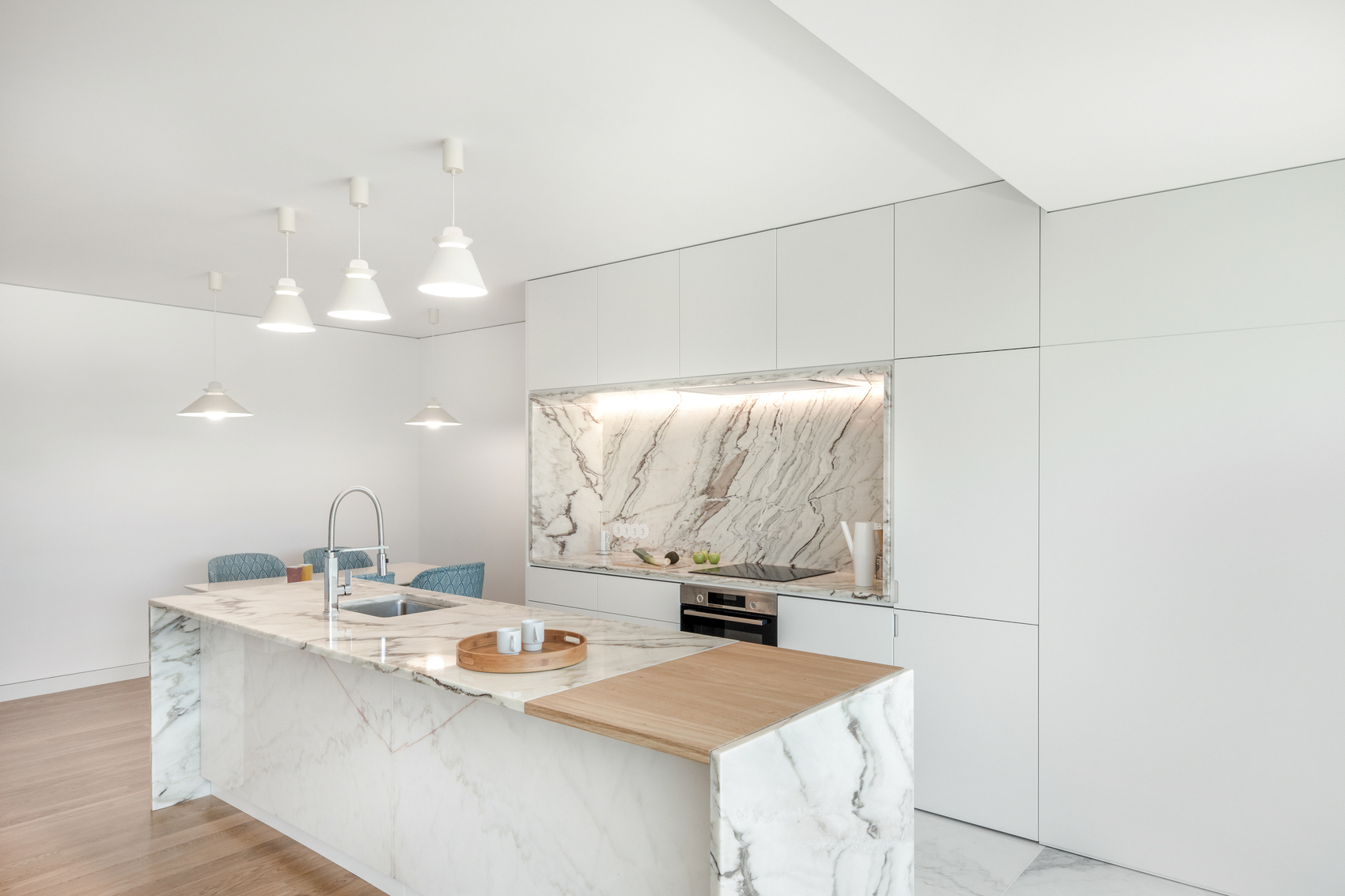
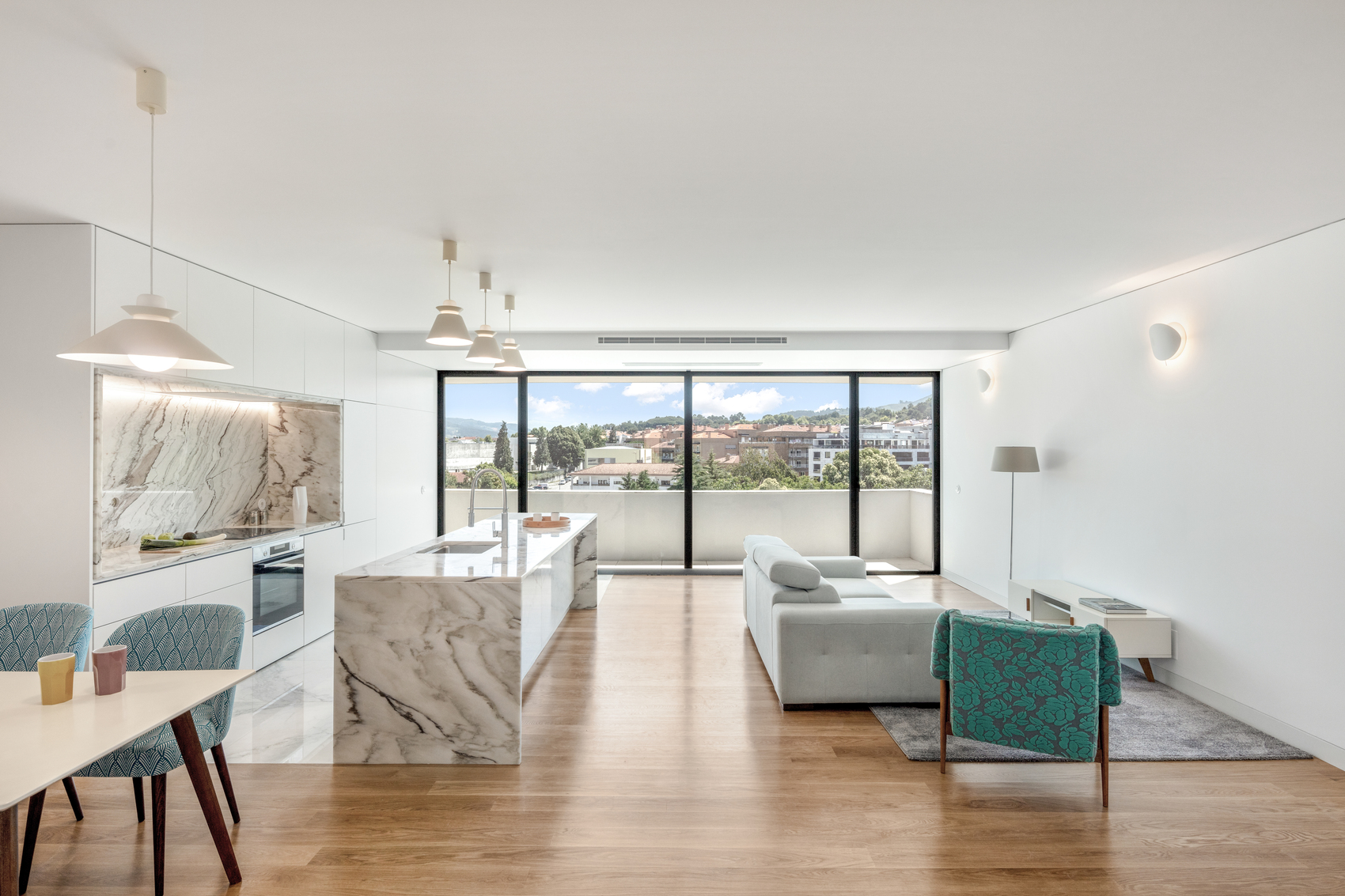
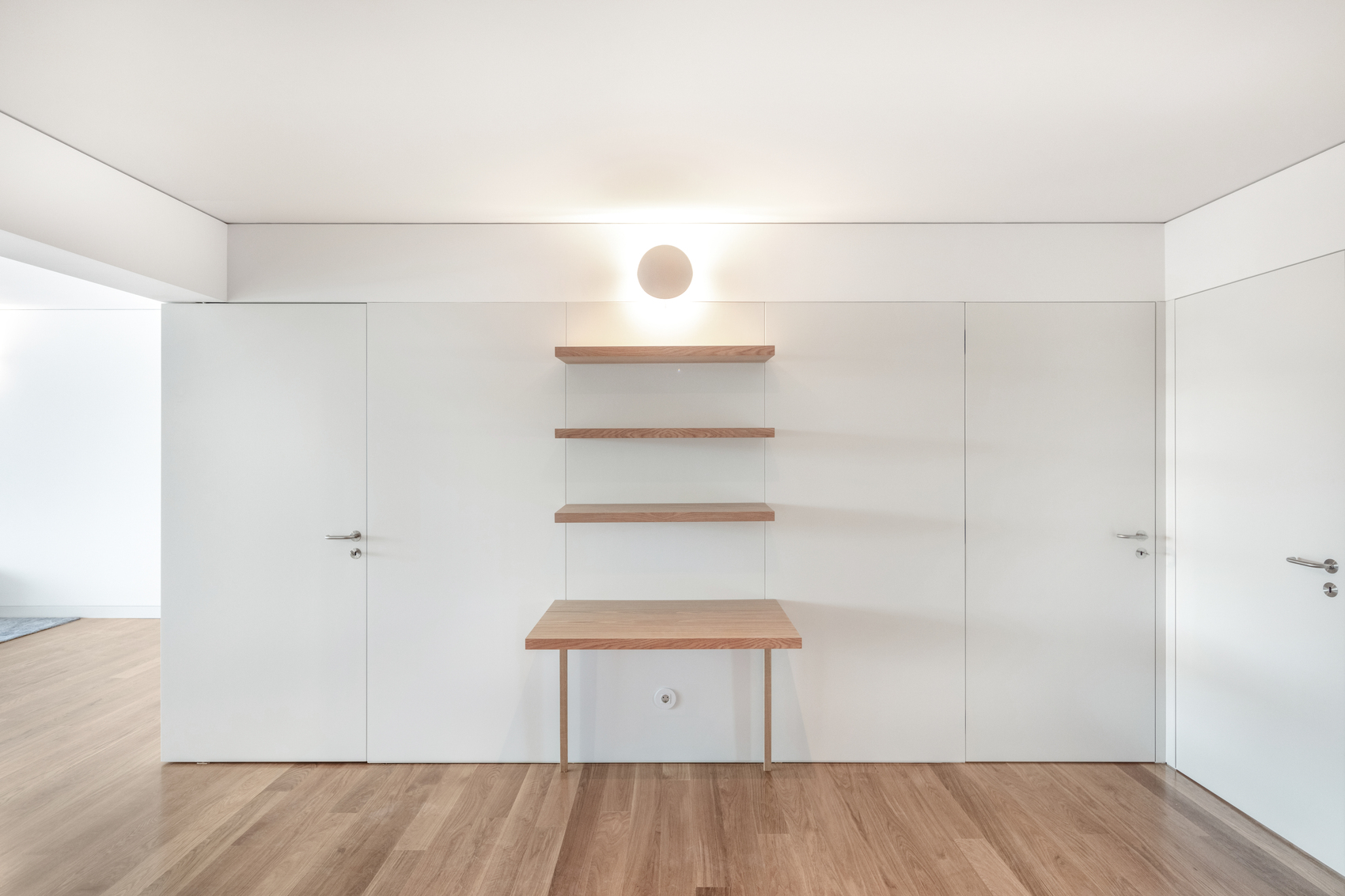
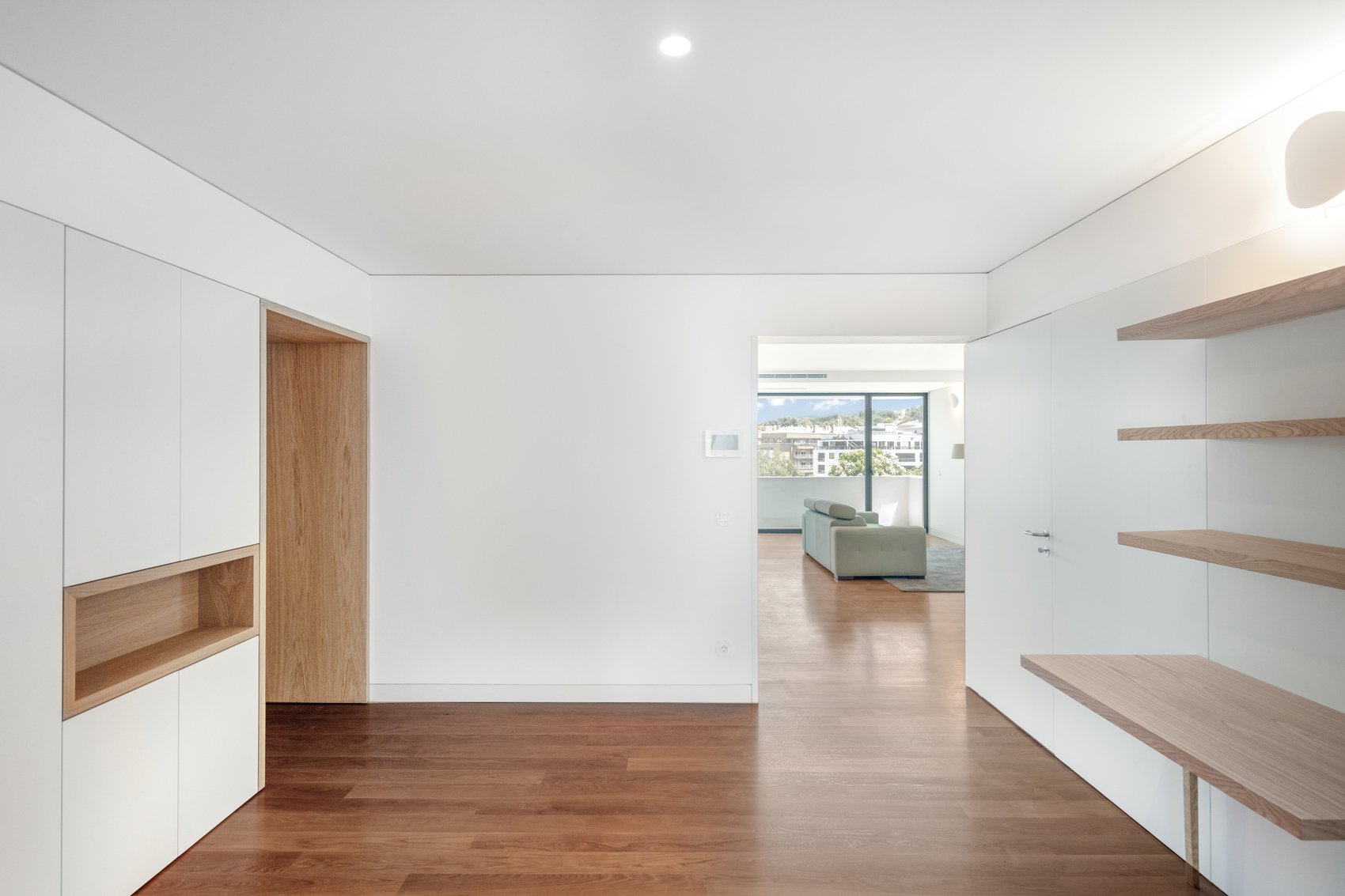
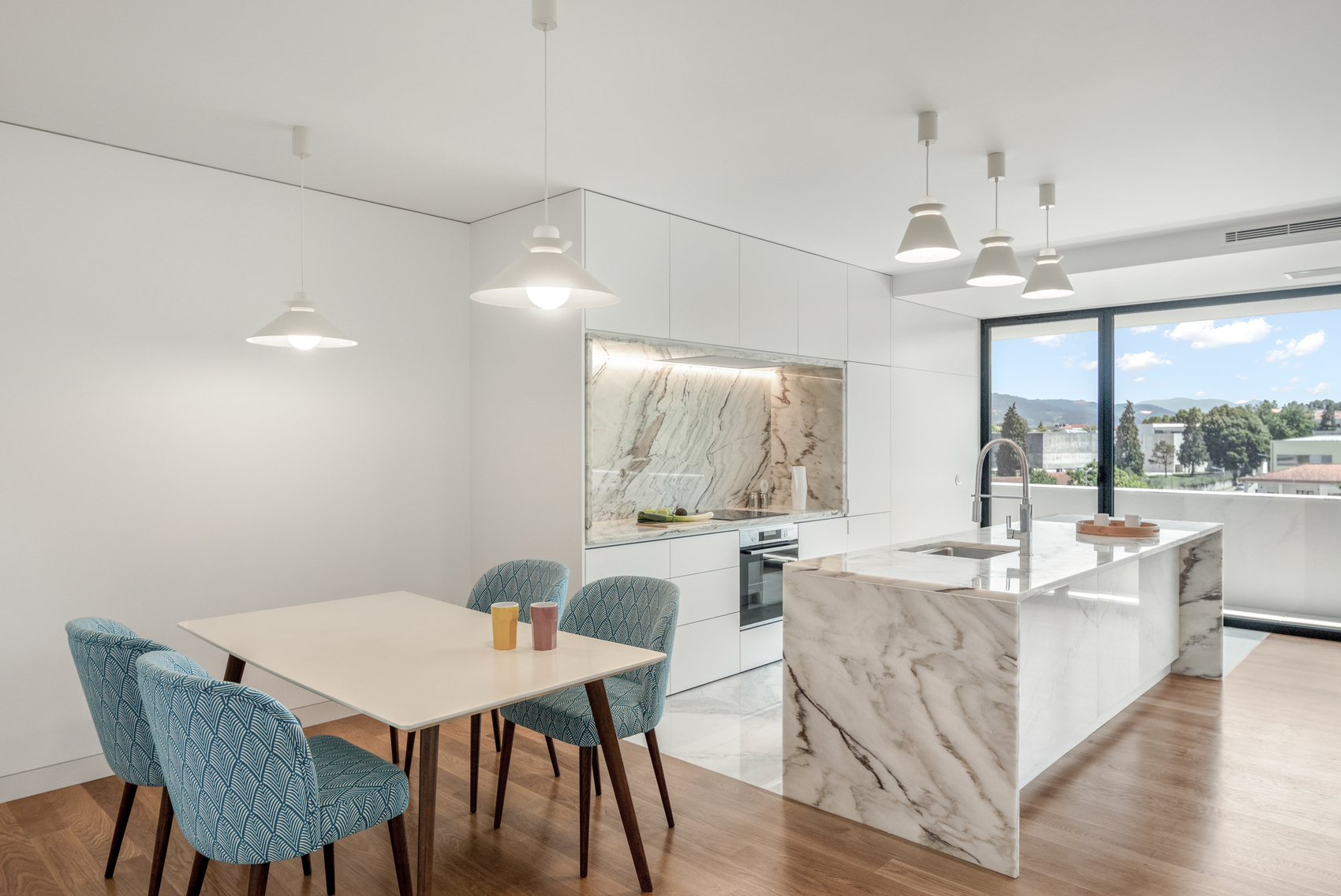
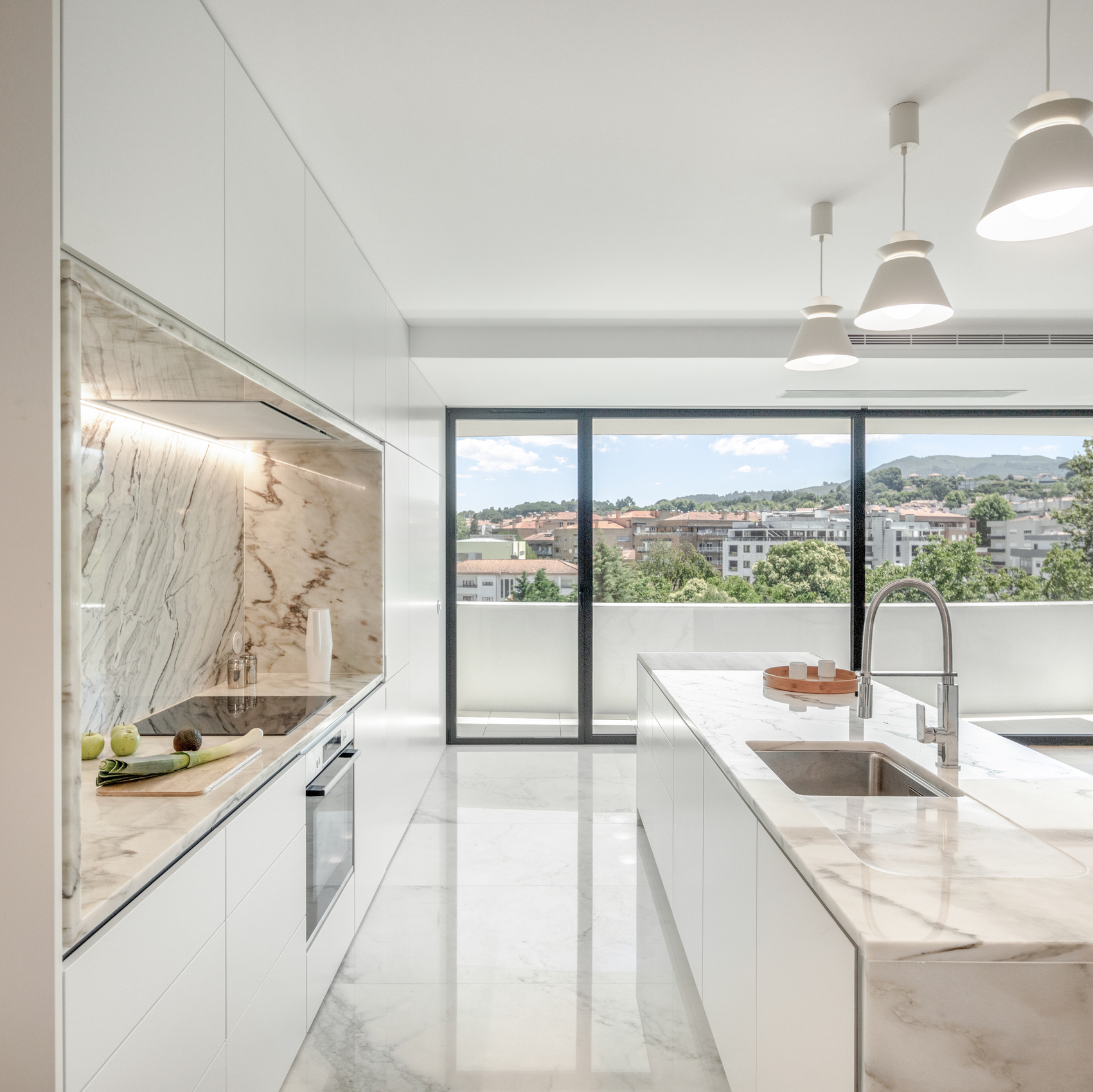
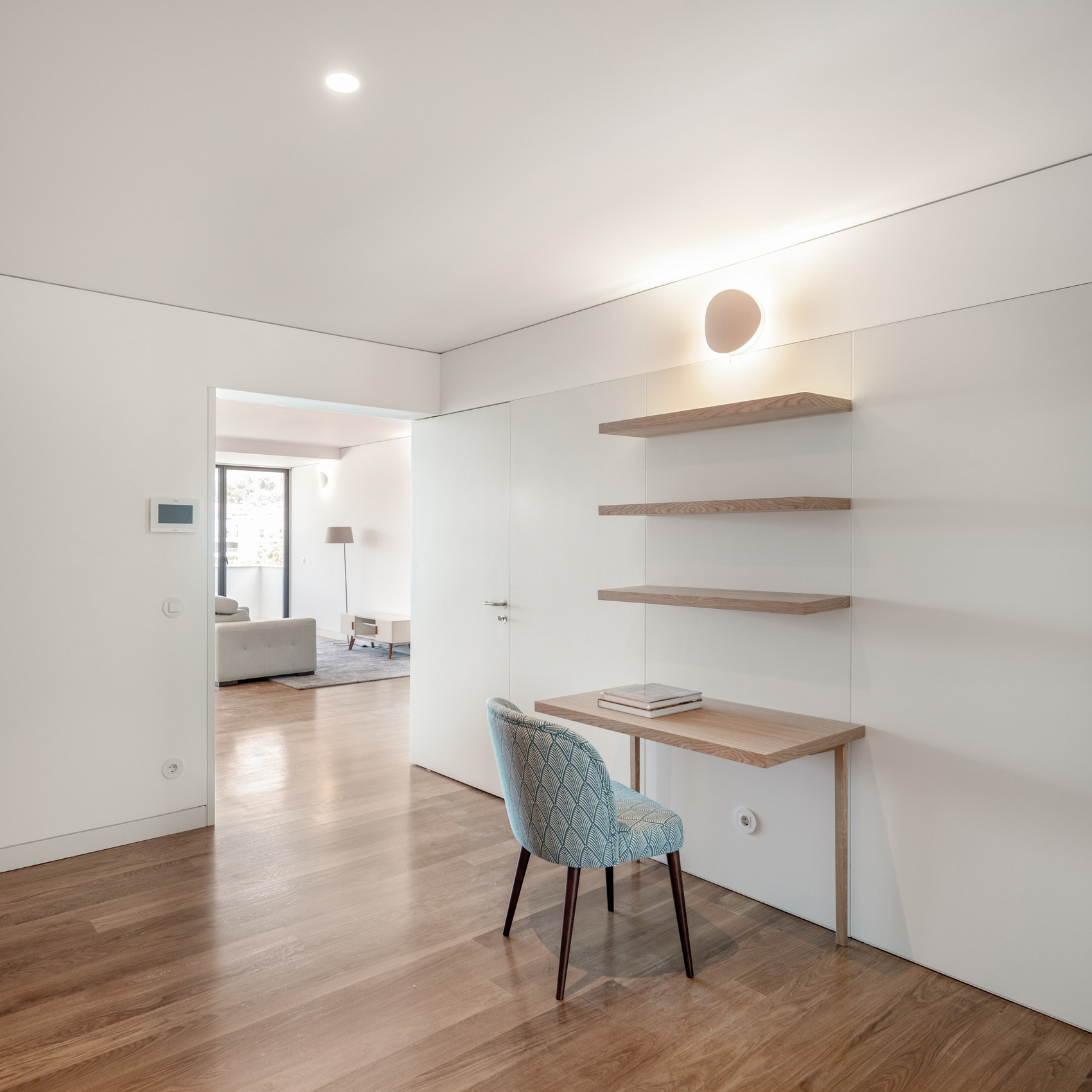
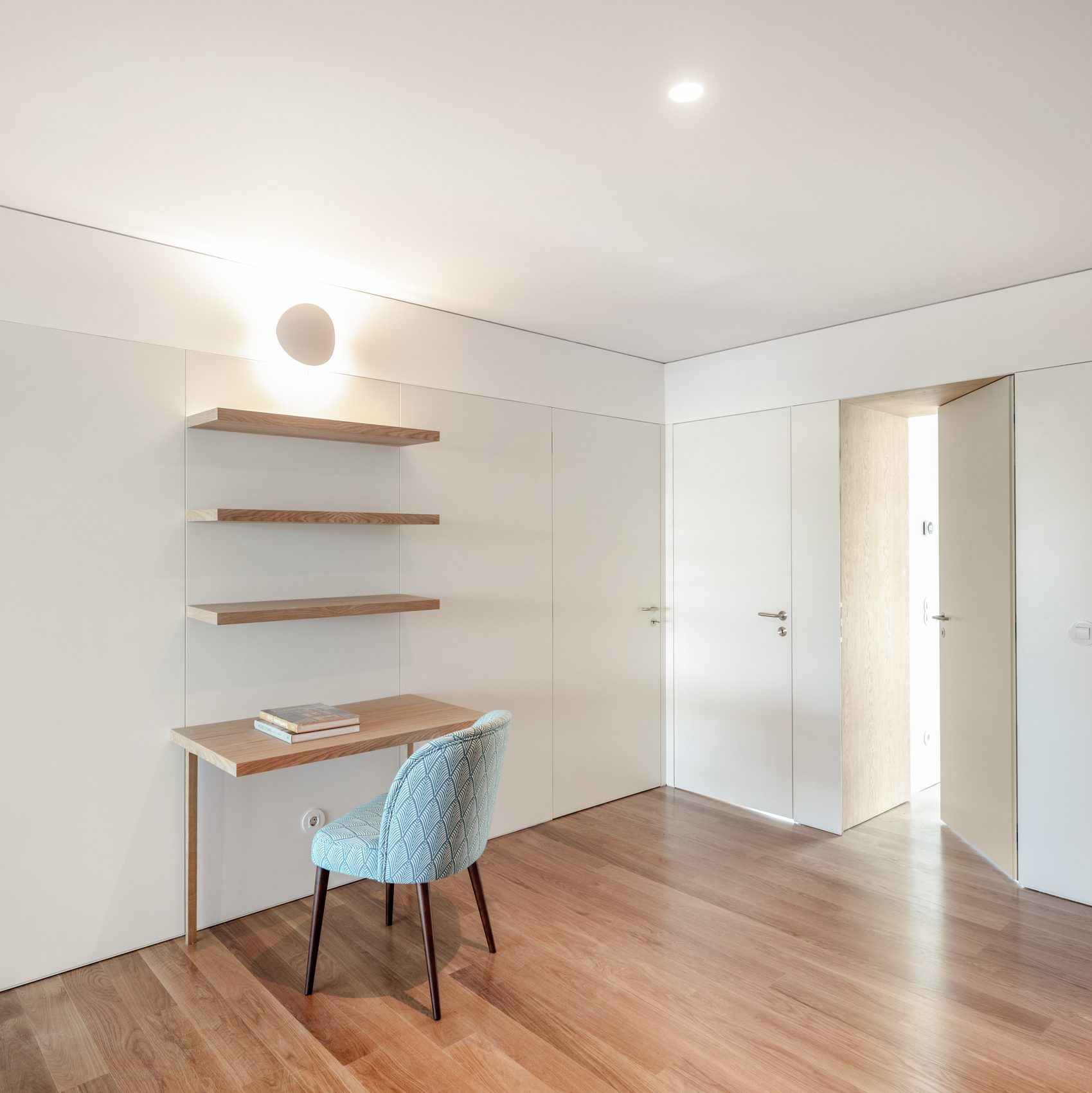
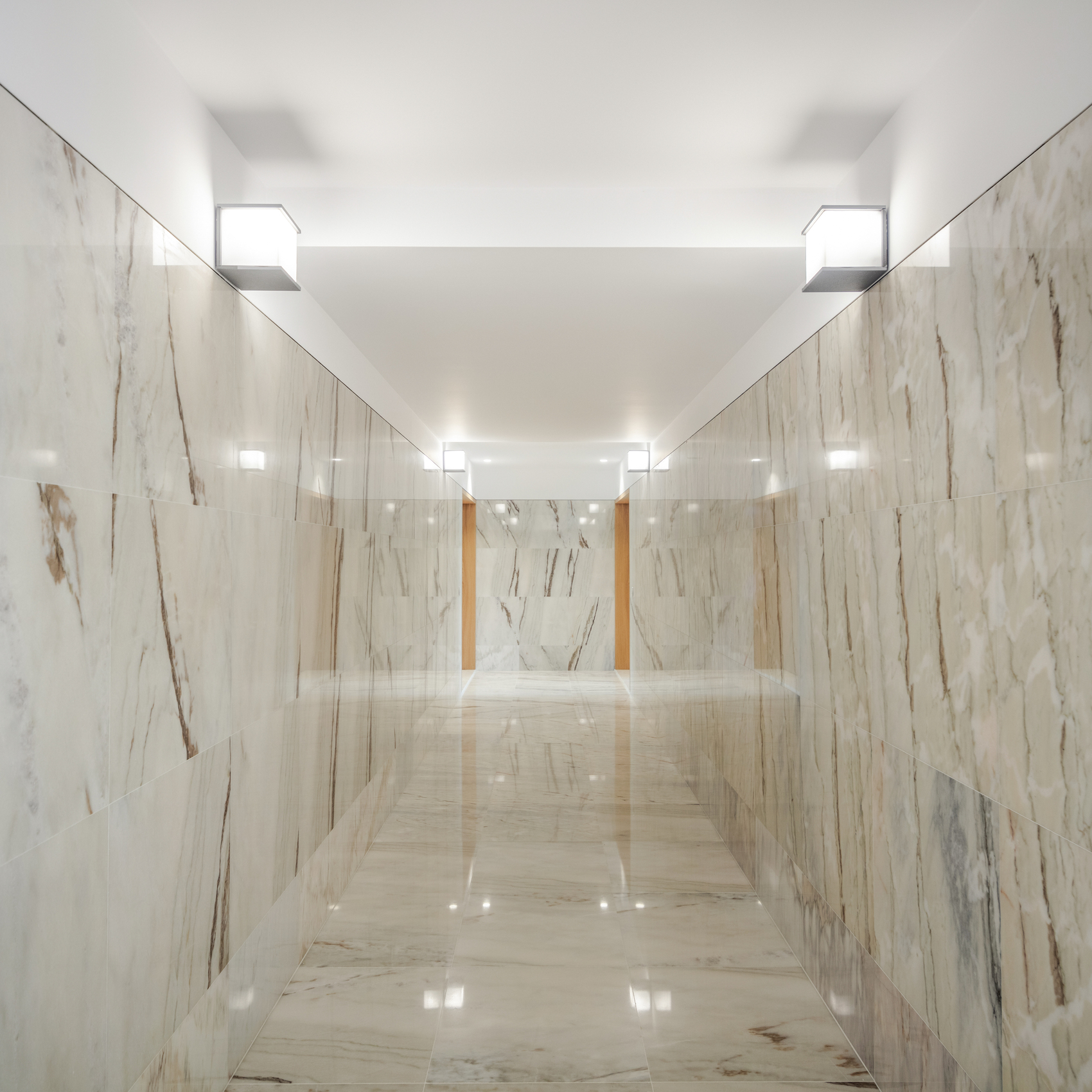
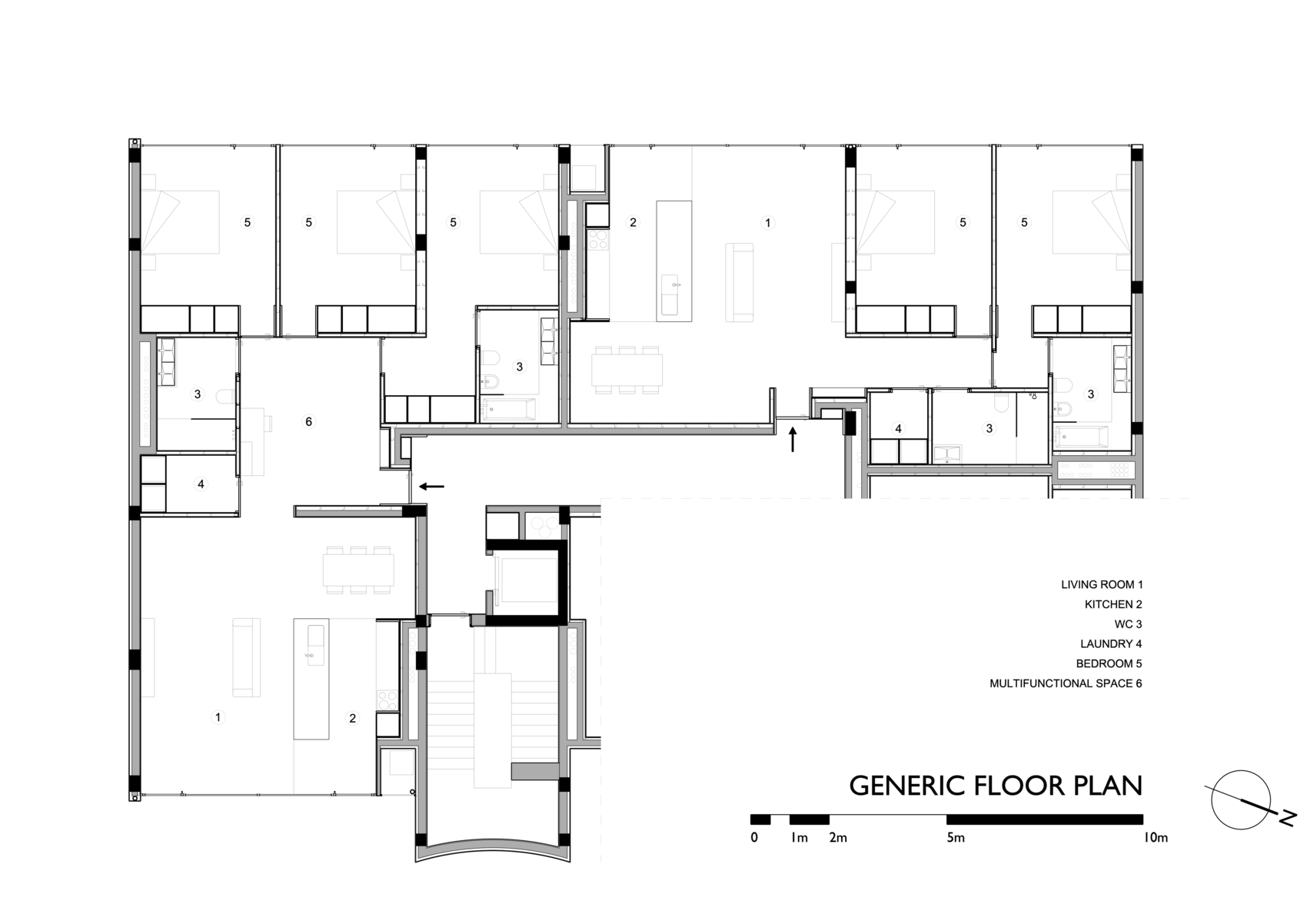
Flexibility defines the interior organization, particularly within the three-bedroom apartments. Drawing inspiration from the “middle-of-the-house” concept found in Azorean vernacular architecture, each dwelling incorporates an additional room without a prescribed function. This adaptable space can evolve into a study, home office, workshop, library, storage area, pantry, or other domestic use according to changing household needs. Equal care is given to the common areas, recognizing that shared circulation spaces shape the daily experience of both residents and visitors and contribute significantly to the building’s overall quality.
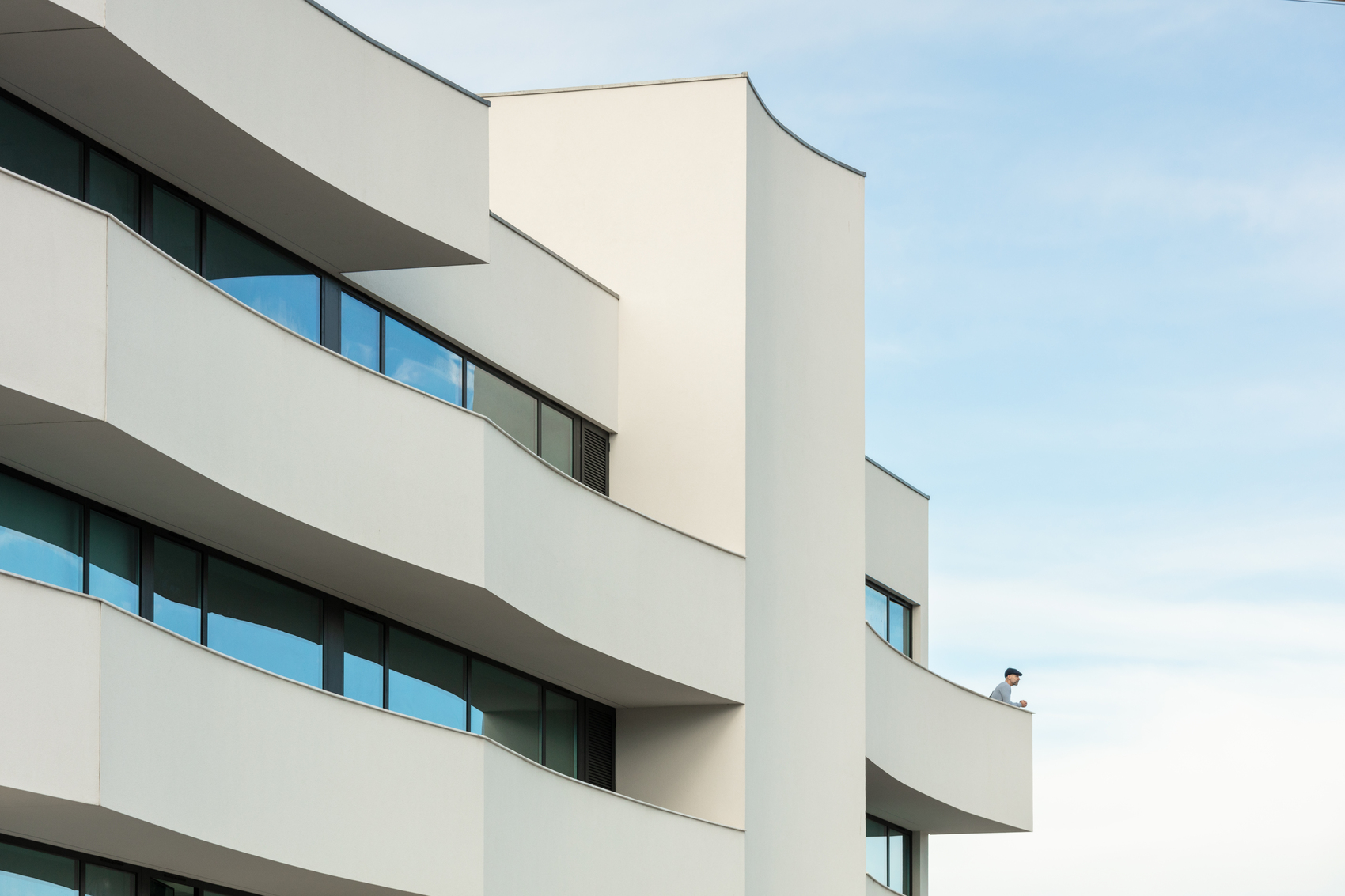
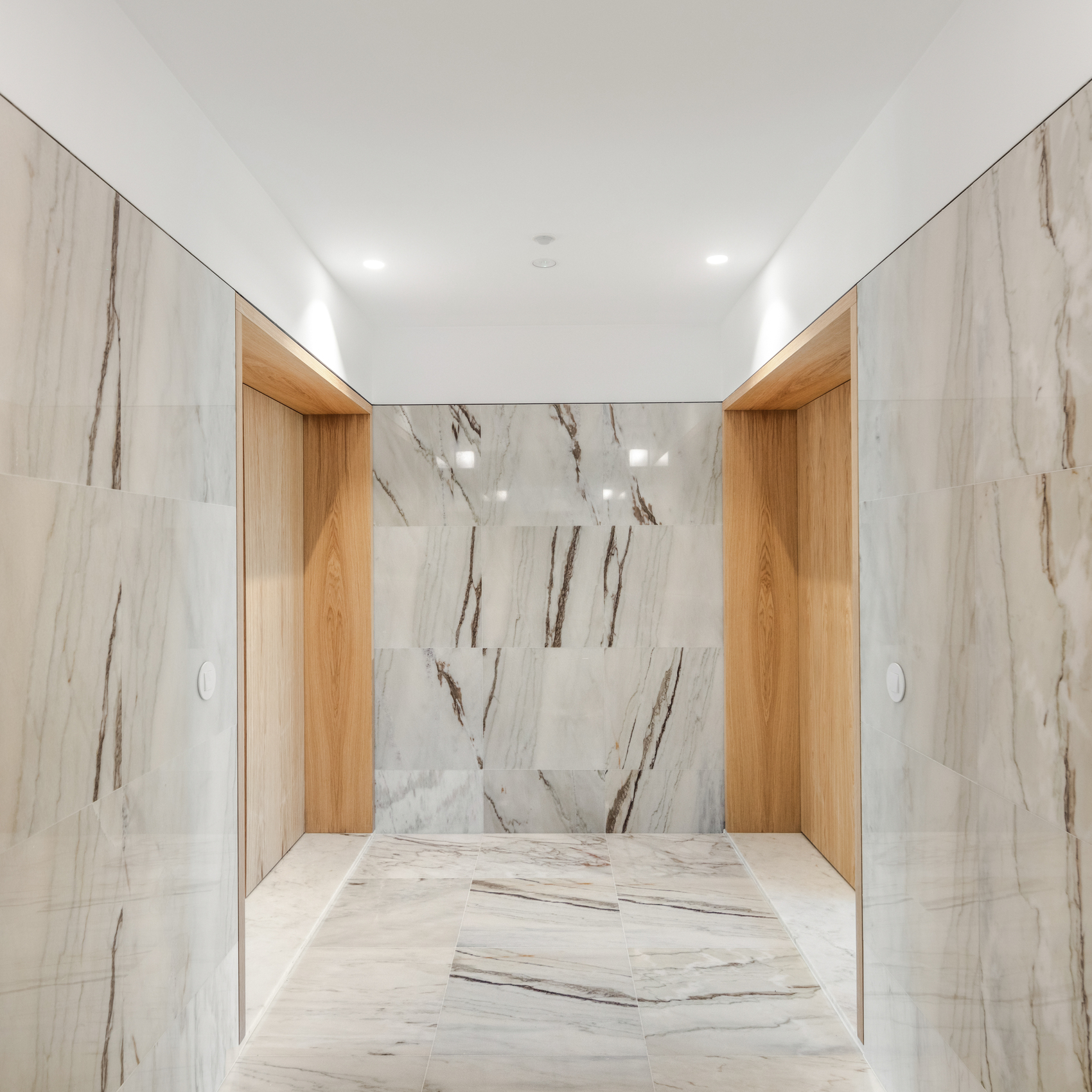
Material selection reinforces the project’s connection to its regional context while supporting its refined architectural language. A base of locally quarried granite anchors the building to the street, contrasting with the lighter composition above, while oak, chestnut, Estremoz marble, and expansive glazing create warm and durable interior environments. Together with its disciplined planning and commitment to public space, the Aurora 10 Building demonstrates how contemporary housing can move beyond efficient construction to become a meaningful urban intervention, offering a thoughtful model for future suburban development that values both civic identity and residential adaptability.
Project Gallery
Project Location
Address: Ponte de Lima, Portugal
The location specified is intended for general reference and may denote a city or country, but it does not identify a precise address.

