

A bullet journal depends on the pen almost as much as the notebook. The grid, dots, habit trackers, calendars, task lists, headers, sketches, mood logs, and symbols only stay useful when the ink is clean, legible, and controlled; once a pen bleeds through the page, ghosts heavily, smudges under the hand, or drags unevenly, the system starts to feel messy instead of productive. The best pens for bullet journals need to handle small handwriting, ruled boxes, color coding, fine details, brush lettering, doodles, and daily notes without turning thin journal paper into a test sheet. That is why tip type matters: a porous-point pen gives bold everyday writing, a fountain pen can make long entries more comfortable, a brush pen helps with expressive headers, a fineliner keeps layouts precise, and a pigment liner or manga pen can add darker, more permanent detail. The options below cover no-bleed and low-ghosting bullet journal pens from Paper Mate, Pilot, Sharpie, Tombow, Staedtler, Marvy, and Faber-Castell, with attention to ink flow, drying time, point size, comfort, color range, paper behavior, and the kind of journaling each pen supports best.
Best Pens for Bullet Journal
Here is the list of the 10 best pens for bullet journals that you can use to create beautiful layouts, express your creativity, and organize your thoughts.
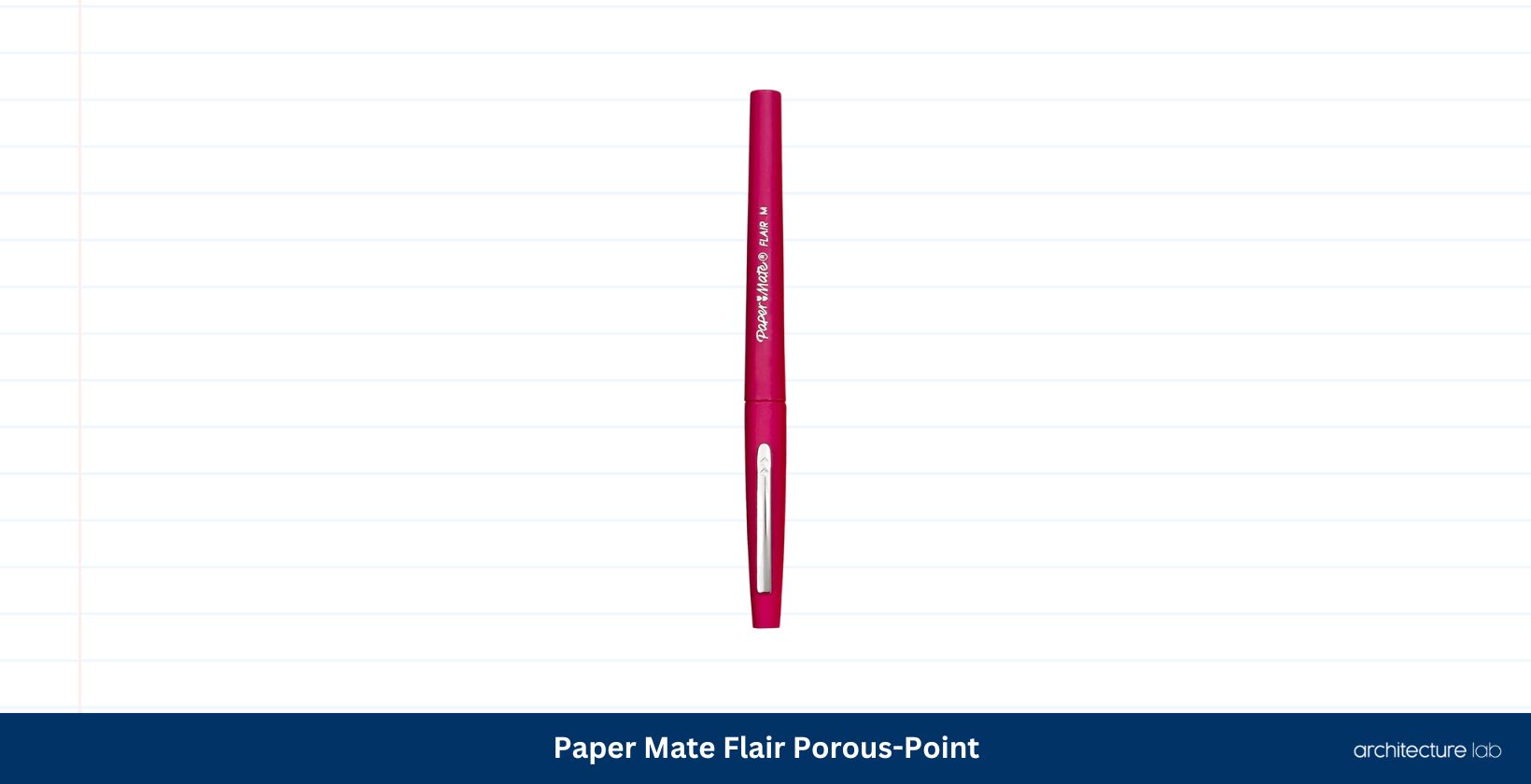
1. Paper Mate Flair Porous-Point – Best for Bullet Journaling
This pen gives you the perfect grip and comes in a set of 8 colors – perfect for your bullet journaling needs, but these will definitely find much more use as you get used to them. While their ink is strong, the pen features Point Guard technology which makes sure the ink does not bleed through the page.
Experience
This pen comes with ultra-fine (and hence, slightly delicate) tips which ensure your handwriting is as clear as it can possibly be. These pens write well – they also ensure that you don’t get any smudges or blemishes on the page. Further, these pens can last for months even if you do bullet journaling regularly. This pen is best for precise filling, drawing, or fine details in sketches.
These provide a medium point line, but at the same time, are not too heavy while being written with. The water-based ink takes hardly any time to dry, and the ink does not seep through pages no matter how much ink you manage to get on the page. These pens are also wonderful for when you have to edit documents, papers or applications.
What We Like
- Gives precise handwriting and details in sketches and diagrams
- Lasts for months on end even with constant use
- Ink simply won’t seep through regardless of the ink you might be having on the page
What We Don’t Like
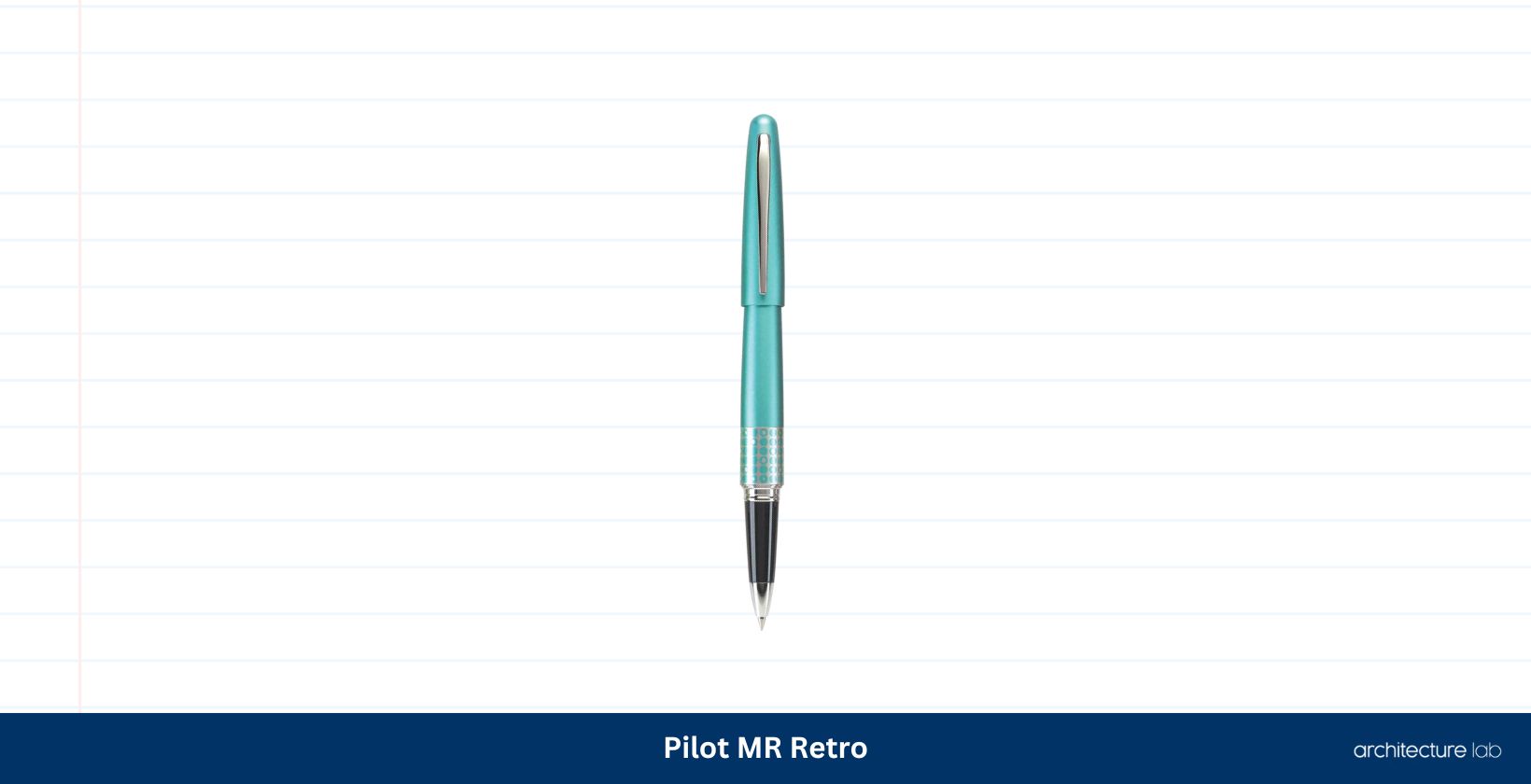
2. Pilot MR Retro – Best for Comfortable Long Writing
This is the first fountain pen on this list. While no longer in much use in academia or professional spaces, you should definitely consider switching to fountain pens when you have long writing tasks at hand, especially if you like long accounts and entries. These feel nearly weightless after hours of use – you’d find it very difficult to switch back to ballpoint pens!
Experience
This pen is a very inexpensive yet effective way to maximize your bullet journaling efficiency. While other pens may be more precise, this gives you superior comfort while writing and jotting things down. Also, the tactile, somewhat antique feel of a fountain pen is unmatchable by the ironically heavier ballpoint pens. The pen ships with a squeeze guard and a black cartridge.
For those new to fountain pens, the pen ships with a small guide on how to refill. It’s finished with a high-quality stainless steel nib, and the accent ring adds to the “retro” feel of the pen. The quality is top-notch, however, there is some extra care required to not allow ink to spill. Blemishes are uncommon as well. It makes for a sophisticated and elegant writing tool.
What We Like
- Fountain pens have unmatchable look and feel, great to touch and use
- Can virtually be used with any color of ink you can get your hands on, you can use multiple cartridges to give different colors without changing pens all the tim
- Comes in a variety of colors, high quality construction
What We Don’t Like
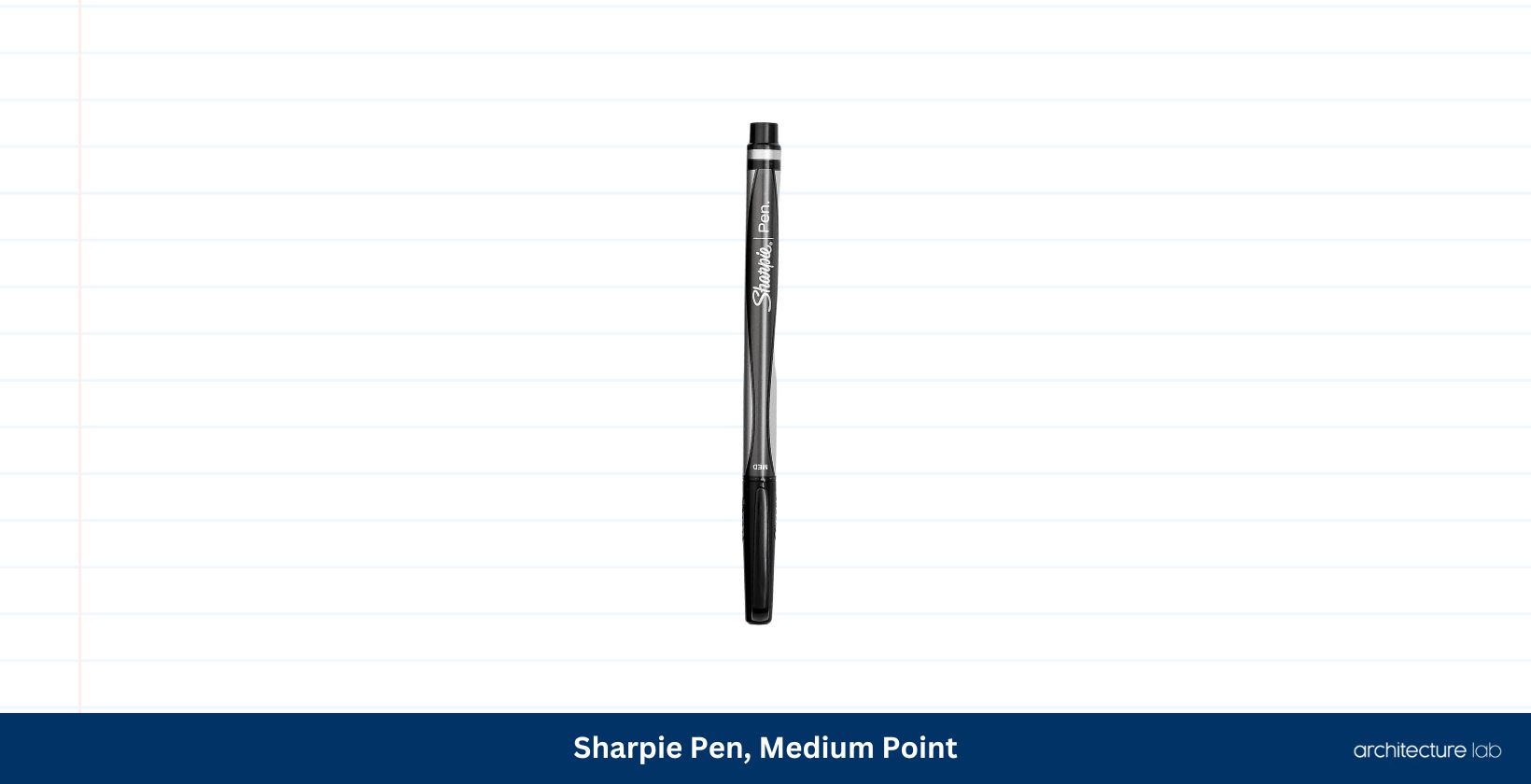
3. Sharpie Pen, Medium Point – Best for Versatile Use
These pens have been on the market for ages, and they make a lot of sense when it comes to bullet journaling. This is because they can give felt-tip-like lines, but can also write like a regular ballpoint just as well. No smudges, no bleeding, just pure performance. While available in a multitude of colors, it’s best if you stick to black for journal entries, layouts, and boundaries.
Experience
This pen has been around forever. What makes them the de facto choice for so many is the ink, the body style, and the bold impact they leave on the paper. The black ink is felt-tip but doesn’t have any of the smudging and random stray ink patterns that they make. It’s versatile enough for use in post-it notes, flashcards, and entries in your bullet journal.
An effortless overall experience, precise and high-quality legible ink, as well as a comfortable build that ensures use that your hands enjoy rather than resist, are what define this pen. Further, if you’re concerned about safety, you should know that this pen has been certified as non-toxic by the AP. A fulfilling, effortless, high-quality writing experience is guaranteed.
What We Like
- The tip is very versatile, can be used for drawing layouts as well as multiple journal entries
- Gives crisp and legible text
- Effortless to use even for long periods of writing
- Comes in a number of different colors
What We Don’t Like
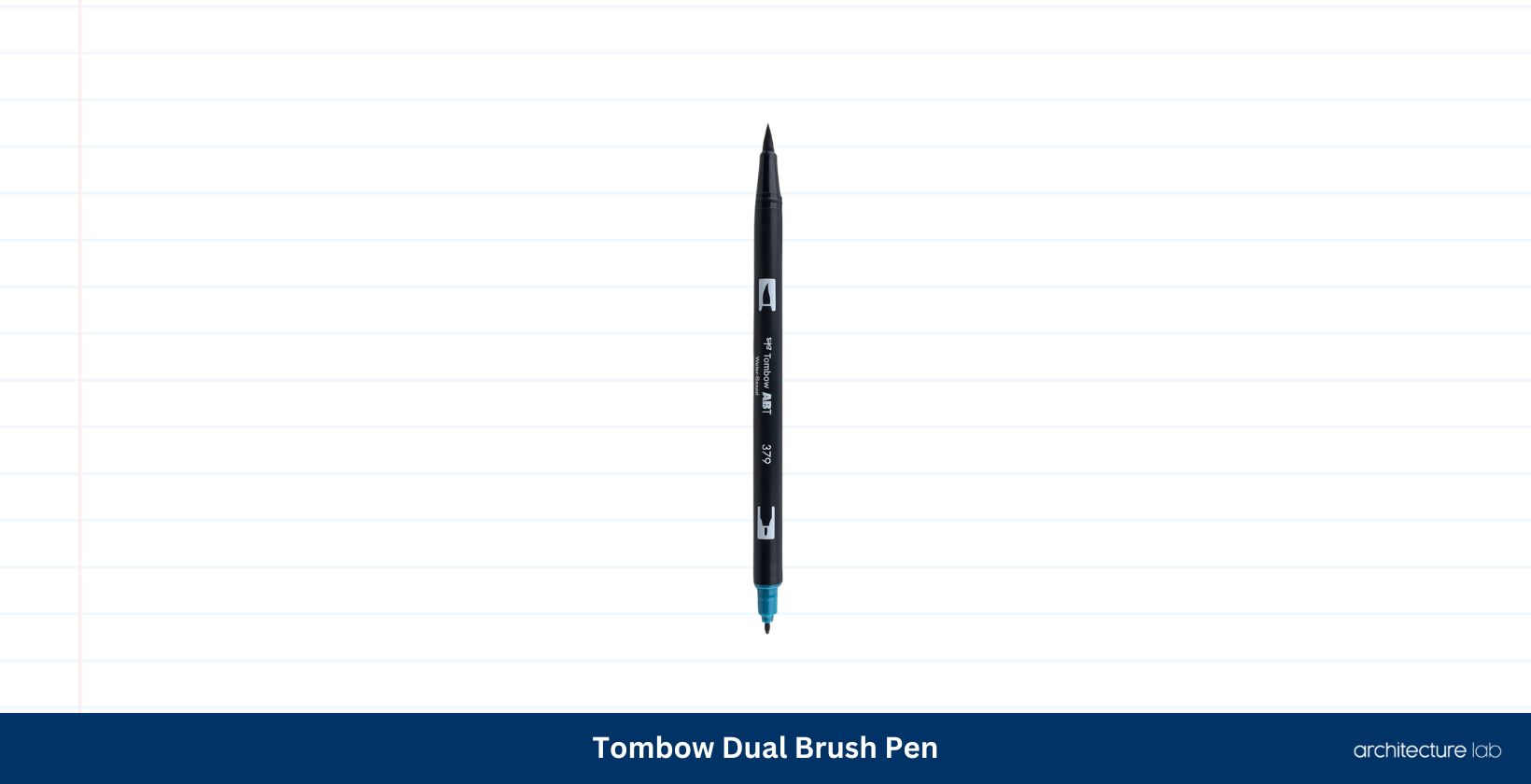
4. Tombow Dual Brush Pen – Best for Artistic Journaling
Brush lettering is gaining pace as a fun and colorful way in which your bullet journaling experience becomes much more interesting. The Tombow Dual Brush is a perfect way to start as well as a great tool for those who’ve been using brush lettering for long. The colors can also be combined to create new shades – a top choice for the more artistic bullet journal writers.
Experience
Colored, alcohol-based inks are often associated with a pungent odor, harmful acidic, and poisonous inks. They also tend to bleed across pages – the Tombow has none of these problems and delivers an equally colorful experience. They use water-based inks and hence are more prone to being faded after a long time. Better for bullet journals than archives, then.
Even if you end up spilling water, you can rest assured – your inks won’t bleed to the lower pages of your journal. You can create complicated patterns and draw complex elements with ease using these pens. The black ink is simply stunning and wonderful to use as well. The tips are strong enough for heavy use, and the colors themselves are punchy and vibrant.
What We Like
- Comes with high quality inks which don’t bleed, even under spillage
- The brush tip is strong enough for sustained use
- Much safer than comparable alcohol based inks, give equivalent performance
What We Don’t Like
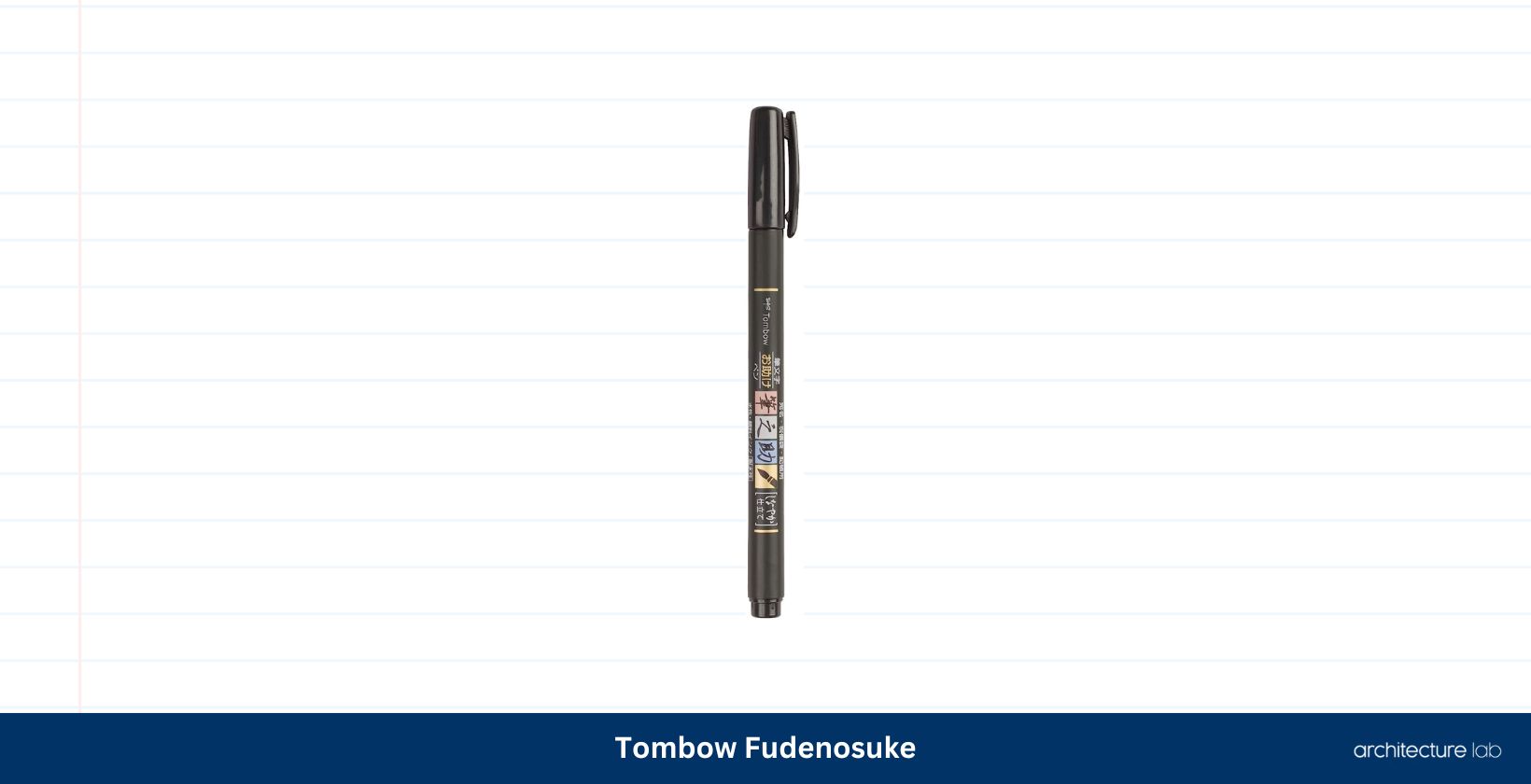
5. Tombow Fudenosuke – Best for Calligraphy and Art
The Fude, as it is known in bullet journaling circles, has gained something of a reputation. The pigmented, black, water-based inks are not only perfect for bullet journaling but are also equally useful for all sorts of artistic activities. An increase or decrease in pressure can give you fine, extra-fine, or medium levels of width – so a single pen can effectively do the job of three!
Experience
The Fude is in a league of its own, so to speak. Artists and cartoonists swear by this pen, as it can provide a smooth, consistent line as and when required – but at the same time, the width can be adjusted simply by changing the way you hold the pen. These pens are among the best bullet journaling pens – you can create priority lists by changing pressure to get different widths.
Further, this pen can be had in a hard tip or the soft tip. The hard tip is useful when you need a consistent and prominent line – boxes, layouts, word bubbles, and so on. The soft tip can be adjusted much more by applying pressure, and hence, it’s best for variance among strokes in terms of length and speed. For long journal entries, we recommend the soft tip.
What We Like
- Comes with two kinds of tips which are both useful in various situations
- Changing pressure somehow transforms the width and effect of the line that you draw
- Black pigment ink is wonderful in color, inks are archival
What We Don’t Like
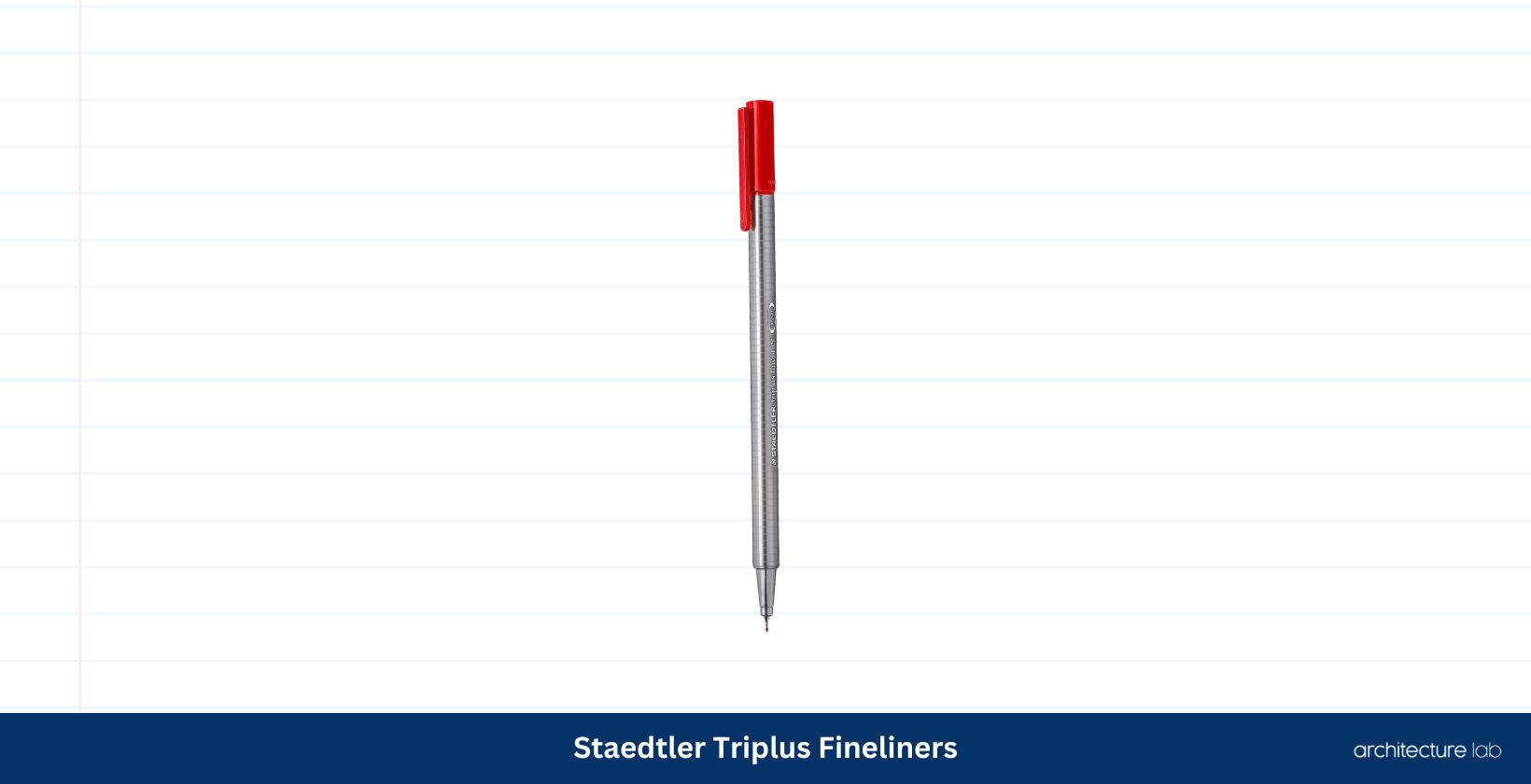
6. Staedtler Triplus Fineliners
This set of pens gives you the freedom to draw and write as you deem fit. This is made possible by the fine tip of this pen, which has all of the colors and the writing quality of the more famous “rollerball” pens. It differs from rollerballs by not allowing the ink to bleed over to the next page. The pencil-like triangular shape is one of the truly unique features, allowing for a better grip.
Experience
The pen is available as a standalone set in black as well as a set of 10 or 20 colors. We’d recommend going in for the colored set because that’s where you see the magic. This pen comes with an ultrafine 0.3mm tip, which allows you to create superb details in your journal without much effort. The ink is also laudable – it dries fast and lasts long.
Scores of bullet journal writers swear by this pen for minute details. The metal-clad tip adds a level of sophistication and strength to the pen. However, since this is a very fine pen, the nib can easily break if you’re not careful with the pressure you apply. Otherwise, this pen is wonderful and our top choice when it comes to ultrafine detailing and drawing pens.
What We Like
- Triangular shape gives you wonderful grip over the pen
- Metal-clad tip on such a lightweight pen isn’t something you’d generally expect
- Colors are punchy, the detailing comes out just right
What We Don’t Like
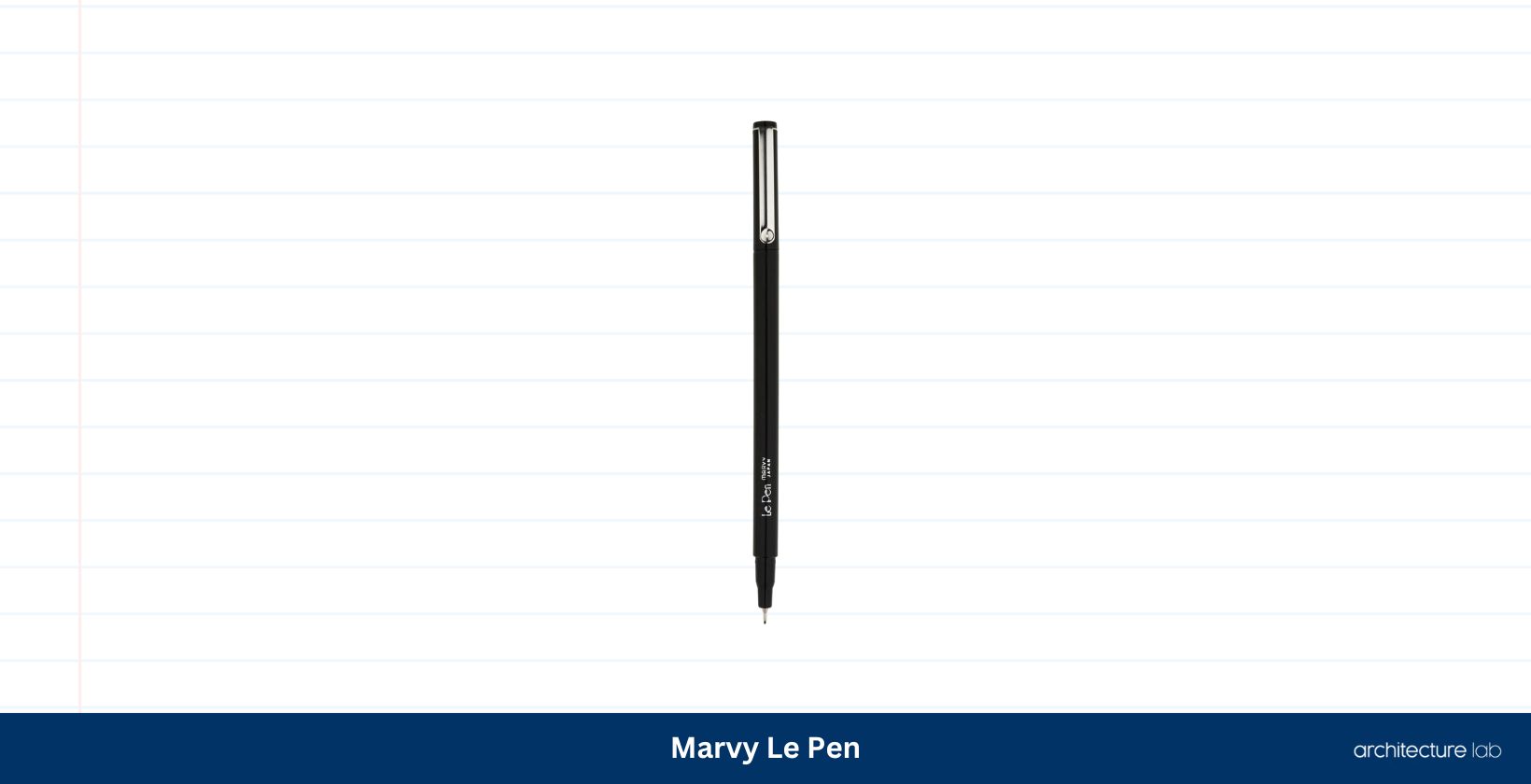
7. Marvy Le Pen
If you want the best comprehensive bullet journaling experience, you’re best off buying a set of Marvy Le Pens, simply because they’re incredibly well-suited for drawing and writing. The inks are known to last through extreme cold or extreme summer. They can give your handwriting a unique touch because of the inks, and your drawings also come out accurately.
Experience
The Marvy Le Pens are some of the brightest and most vivid pens you’ll come across. The colors are punchy and bold – a far cry from the generic, dull, and bland ballpoint pen you might’ve gotten used to in college. You also don’t have to worry about smudging, blemishes, or bleeding through the pages. They also do not take much time to dry.
They are also certified as non-toxic and do not have the irritating odor certain other brands of pens have. If you’re a student, you’ll have fun taking notes in class with these too. Your handwriting comes out very legibly and accurately. For those who are into doodles and drawing, these pens offer the best compromise between accuracy and heft.
What We Like
- The dye based ink is vivid, poignant and breathes life into any drawing or journal entry
- Smudge, blemish and bleeding resistant, but only in the absence of water
- Proven to be chemically safe and non-odorous
What We Don’t Like
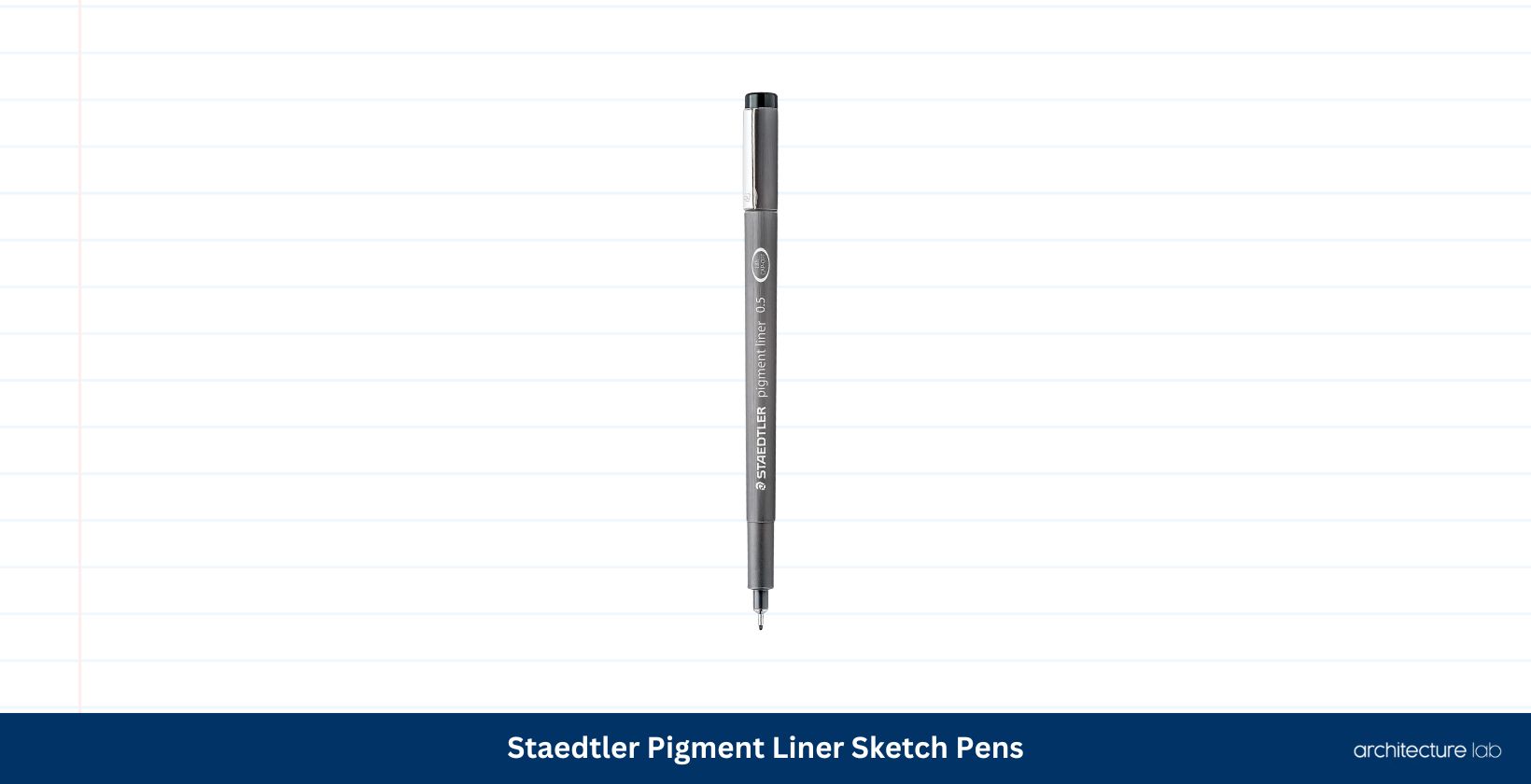
8. Staedtler Pigment Liner Sketch Pens
While the products above were all pens of some sort, we now come towards sketch pens. Sketch pens are a cool addition to your bullet journaling toolkit because they’re the best for highlighting things and making your journal come alive. Pens just can’t deliver the solidity and feel of a sketch pen. The Staedtler Pigment Liner happens to be an amazing sketch pen.
Experience
The Staedtler Pigment Liner comes in a set of 4 or 6 sketch pens – all have a different width. The pens go from a width of around 0.1mm to 0.7mm, and all have black ink. The thickness is precise, and applying pressure does not imply that there will be smudging or weird dots all around the journal when you’re sketching or drawing.
These are often recommended for bullet journaling because of their ink quality, the legibility and crispness of the drawing or sketch you may make, as well as their inherent heft and feel while drawing. Bullet journal stencils often have limitations, but this sketch pen is perfect for use if you prefer drawing with stencils. A wonderful addition to any bullet journal enthusiast’s tools.
What We Like
- Sketch pen ink quality is outstanding
- Comes with a thickness suitable for all kinds of drawing applications as well as professional use
- Can be used very well with bullet journal stencils
What We Don’t Like
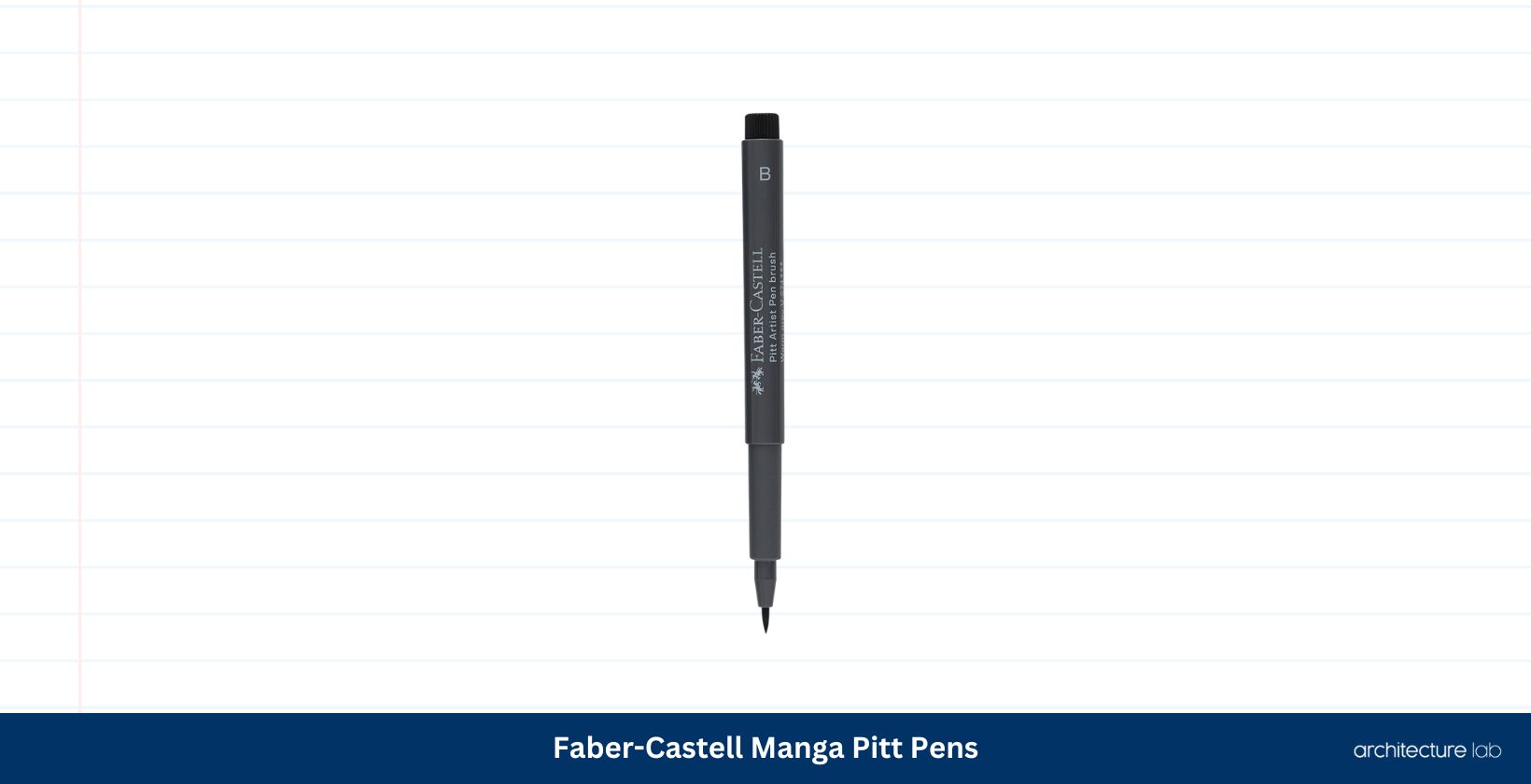
9. Faber-Castell Manga Pitt Pens
If you’re serious about drawing and detailing, this set of pens is probably one of the best on the market. It comes with a wide variety of pens which are all different in color (subtly), and comes with a medium-heft felt tip pen as well as a somewhat thinner felt tip pen. The colors are all tones of grey and black, and allow you to draw complex structures accurately.
Experience
For those of you who like to have some extra detailing in your bullet journals, this is perhaps your best bet. The colors are all on point, and the finish is waterproof and incredibly precise. The brush tips make a consistent line and the colors are nice for adding small details to doodles. They are known to bleed on thinner pieces of paper, so be careful.
They make a lot of sense for those wanting to detail watercolors, due to their waterproof ink. You can also use these to trace other drawings accurately.
What We Like
- Colors are rare, and are all wonderfully finished
- Small details these pens add are next only to professional artistic tools
- Brush tips are all consistent
What We Don’t Like
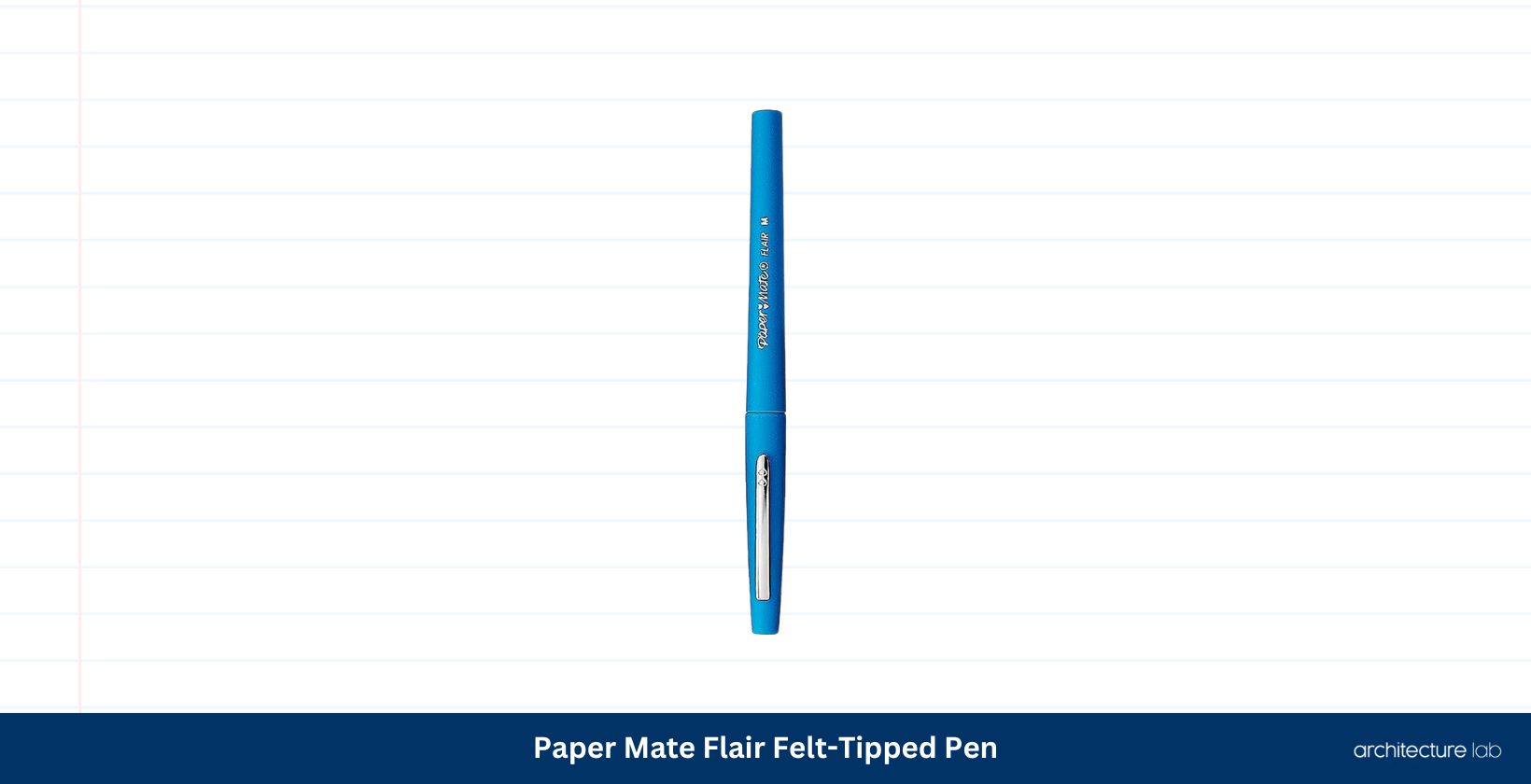
10. Paper Mate Flair Felt-Tipped Pen
The last item on our list is by trusty old Paper Mate. Their Flair series of felt-tipped pens have consistently been rated as some of the best on the market, and the reasons are aplenty. 12 vivid colors, 0.7mm thickness for drawing a perfect medium line, and comes with a water-based ink which allows it to not bleed under any condition.
Experience
Pick up any random review of the Flair series online, and you’ll know exactly how good they are. Scores of people use them daily to draw, doodle, design, color, and make their world more colorful. This makes them perfect for your bullet journal as well! You can make those perfect weighty medium-thickness lines and the point guard ensures you won’t have any fraying on tips.
Drawing over multiple times might cause some bleeding. Also, the inks are somewhat smaller than the almost-infinite ink tanks that older models used to have. Otherwise, it remains a top choice, no matter how you choose to draw.
What We Like
- Colors are bright, vivid and solid
- Medium thickness is perfect for giving emphasis and drawing shapes
- Does not bleed unless excessively used
What We Don’t Like
Best Pen For Bullet Journal Comparison Table
| Product | Ink Color | No. of Pieces | Point Type |
|---|---|---|---|
| Paper Mate Pens | Assorted | 8 | Fine |
| Pilot MR Retro Pen | Black | 1 | Fine |
| Sharpie Pens | Black | 4 | Medium |
| Tombow Dual Brush Pens | Assorted | 10 | Fine |
| Tombow Fudenosuke Pens | Black | 2 | Extra fine, fine, medium |
| Staedtler Triplus Fineliners | Assorted | 20 | Fine |
| Marvy Le Pens | Assorted | 10 | Fine |
| Staedtler Pigment Liner Pens | Black | 6 | Assorted |
| Faber-Castell Manga Pitt Pens | Assorted | 6 | Fine |
| Paper Mate Flair Felt-Tipped Pens | Assorted | 16 | Medium |
What Pens Are Best For Bullet Journaling?
The best pens for bullet journaling are fineliners, felt-tip pens, brush pens, pigment liners, and fountain pens that write cleanly without bleeding through the page. Fineliners work best for trackers, calendars, boxes, and small handwriting, while brush pens are better for headers, lettering, and decorative layouts. A good bullet journal pen should feel comfortable, dry quickly, and keep the page legible after daily use.
What Pens Do Not Bleed Through Bullet Journal Pages?
Pens that do not bleed through bullet journal pages usually have controlled ink flow, quick-drying ink, and a fine or medium tip. Paper Mate Flair, Sharpie Pen, Staedtler Triplus Fineliners, Tombow Fudenosuke, and similar low-bleed pens are popular because they create clear lines without soaking the paper too heavily. Very thin journal paper may still show ghosting, even when the ink does not fully bleed through.
What Tip Size Is Best For A Bullet Journal?
A 0.3 mm to 0.5 mm tip is best for most bullet journal layouts because it is fine enough for small handwriting, dot-grid boxes, icons, habit trackers, and weekly spreads. A 0.7 mm tip works better for headings, emphasis, and bolder lines. Brush tips are useful for lettering, but they are less practical for tight planning layouts and small calendar grids.
Are Fineliners Or Brush Pens Better For Bullet Journals?
Fineliners are better for structure, and brush pens are better for decoration. Use fineliners for calendars, habit trackers, symbols, diagrams, borders, and small labels because they make consistent, precise lines. Use brush pens for page titles, calligraphy, mood trackers, dividers, and creative spreads where line width and color variation matter more than precision.
Can I Use Fountain Pens In A Bullet Journal?
Fountain pens can work well in a bullet journal if the paper is thick enough and the ink is not too wet. They are comfortable for long writing sessions, daily logs, reflections, and notes because they require less pressure than many felt-tip or ballpoint pens. Test the fountain pen on a back page first, because thin bullet journal paper can feather, ghost, or bleed with wetter inks.
The right bullet journal pen is the one that keeps the page usable after the layout is finished. A bright color set may help with trackers and categories, but it is not much use if the ink bleeds through the next spread. A fountain pen may make long writing feel smoother, but it needs paper that can handle the ink. Brush pens bring character to headers and calligraphy, while fineliners and pigment liners are better for boxes, icons, borders, diagrams, and small lettering. Paper Mate Flair, Sharpie, Tombow, Staedtler, Marvy, Pilot, and Faber-Castell all solve different parts of the same problem: keeping a bullet journal clear, expressive, and easy to maintain. Choose by paper first, then by tip, ink, drying time, and how often the pen will be used for writing, drawing, highlighting, or planning.

