

Architects: Billboards
Area: 900 ft²
Year: 2026
Photography: Walltheatre
Lead Architects: Arun Prabhu N G, Vincy Victor
Design Team: Billboards Team, Subhiksha S.
Collaborators: Walltheatre
Interior Design: Billboards
Supervision & Contractor: Billboards
City: Chennai, Tamil Nadu
Country: India
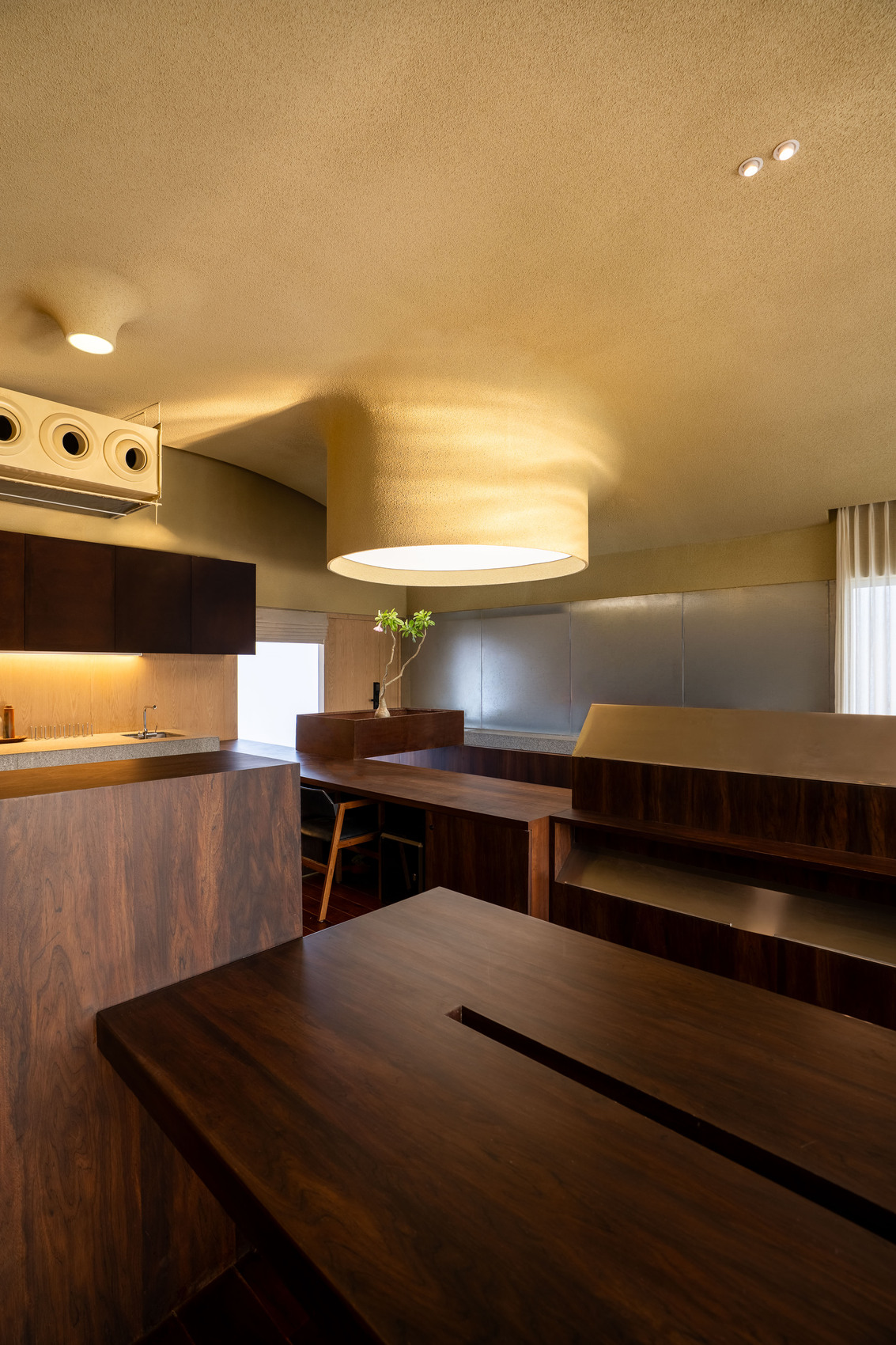
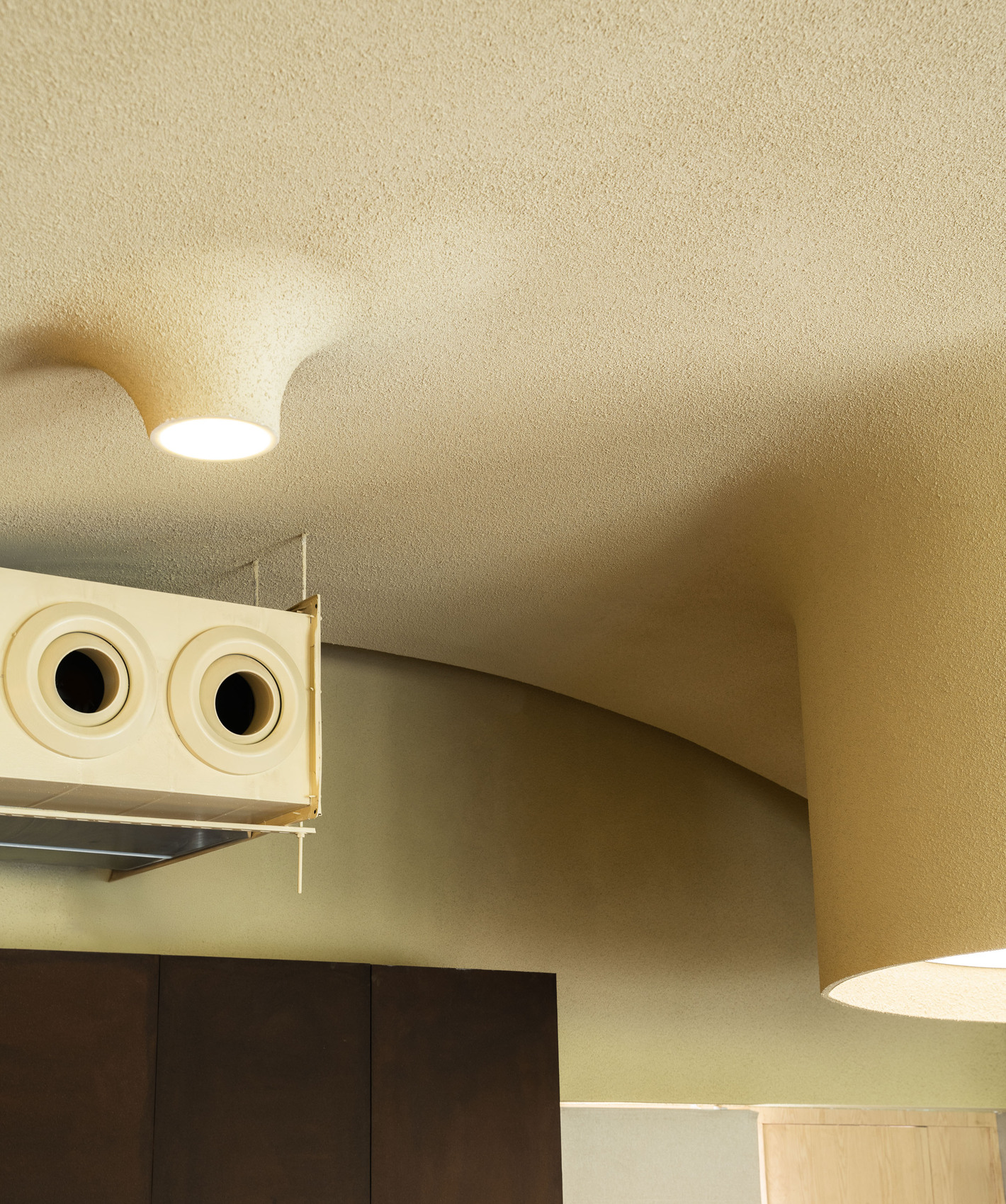
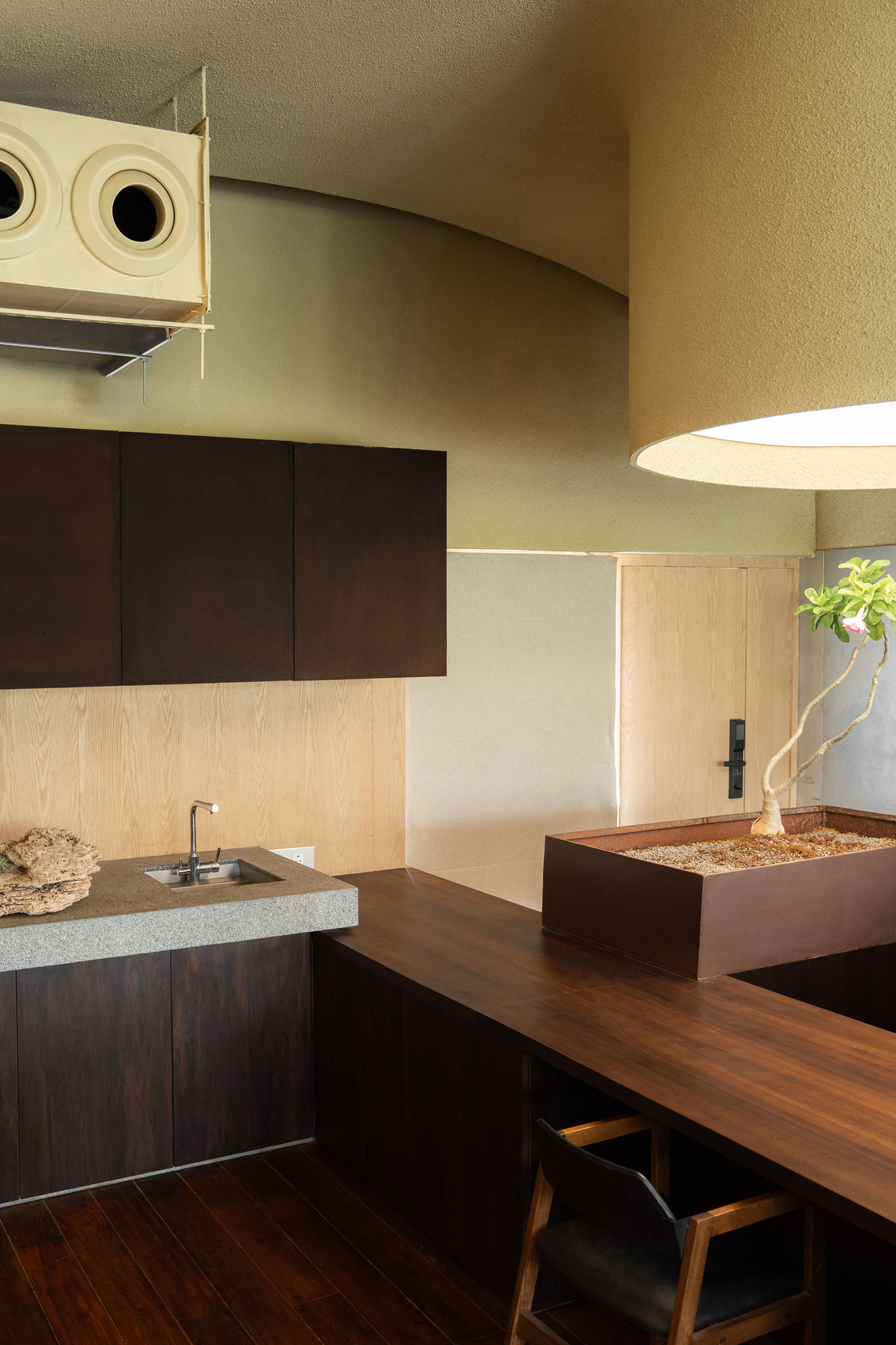
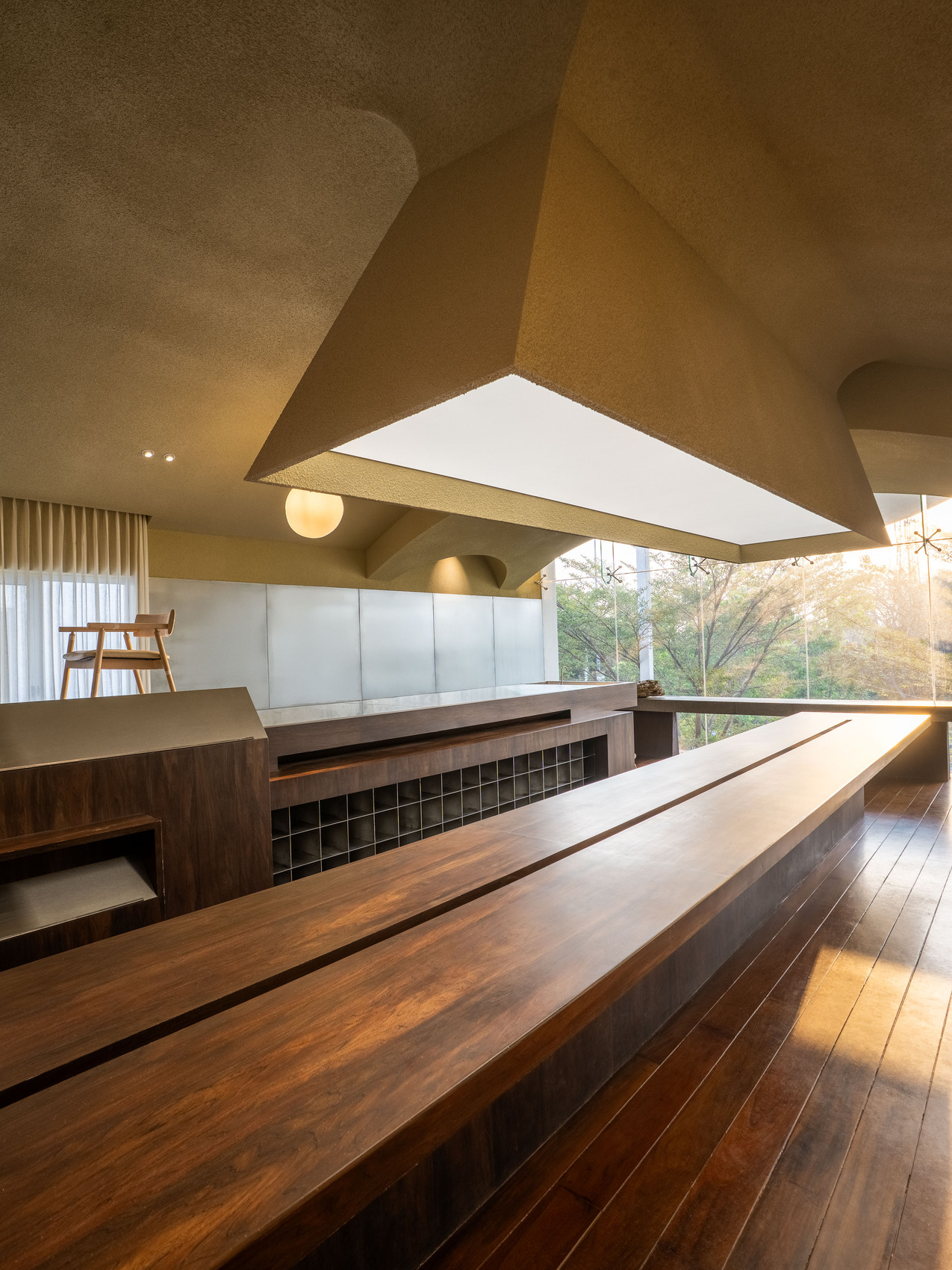
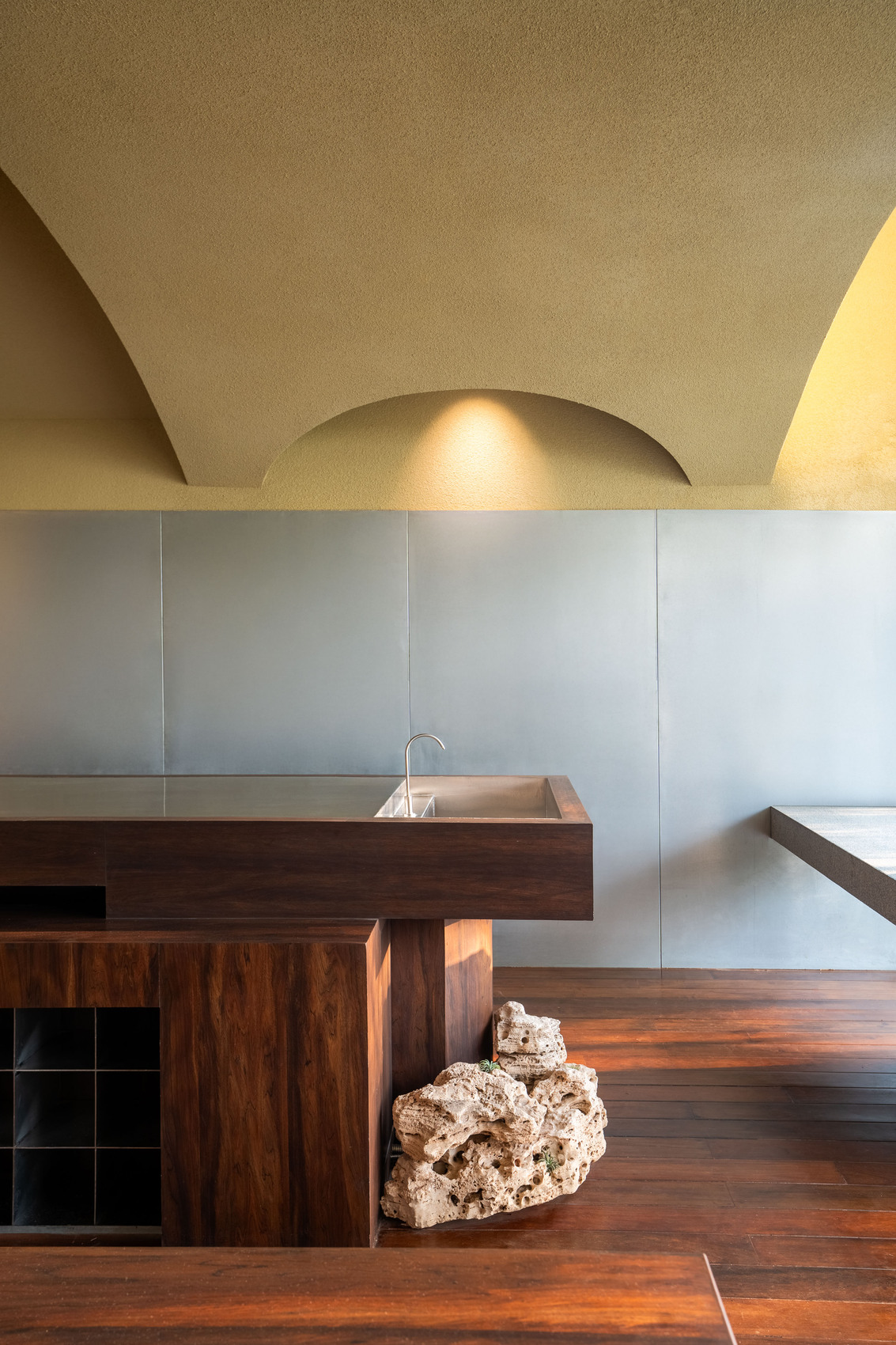
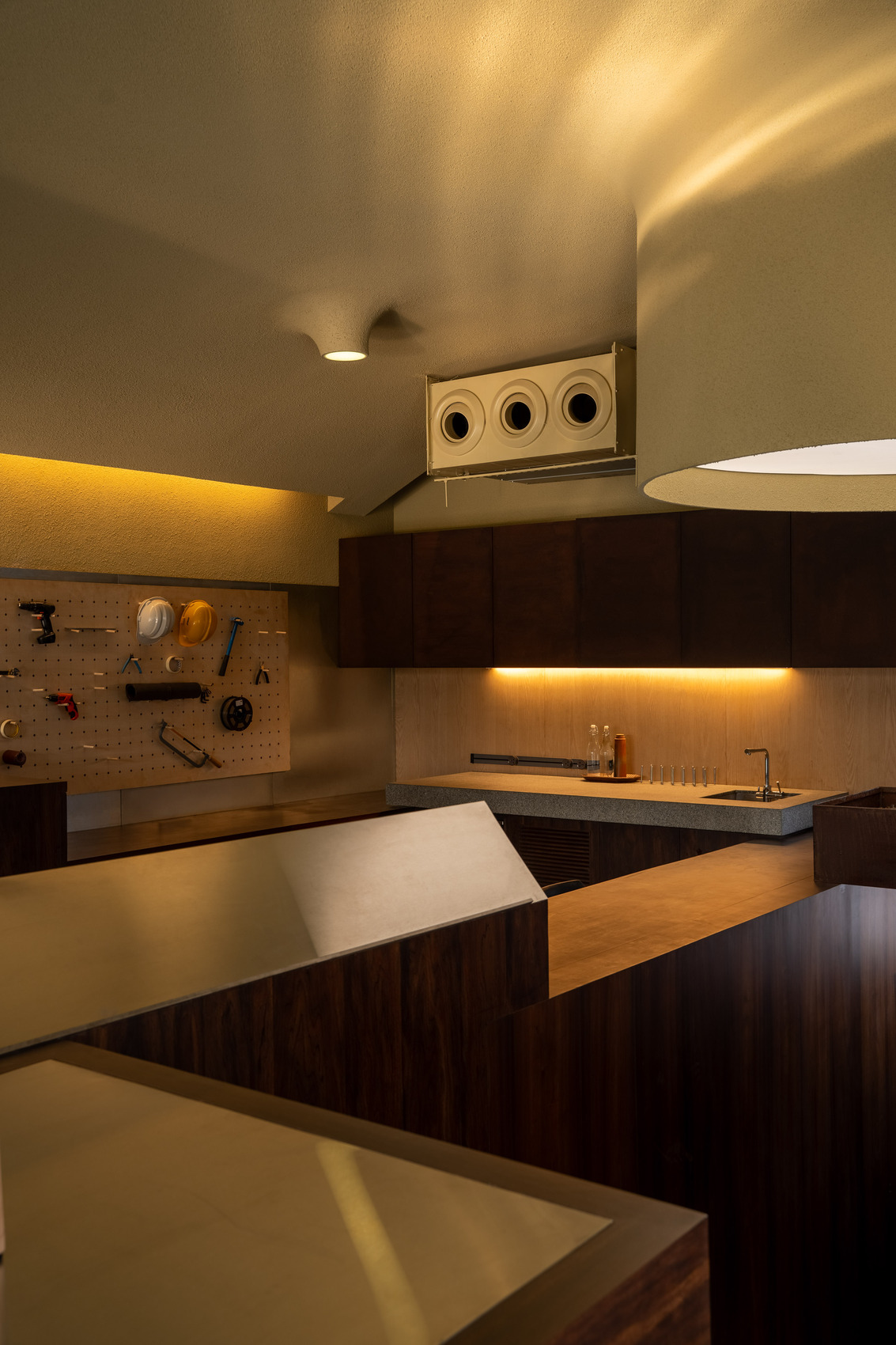
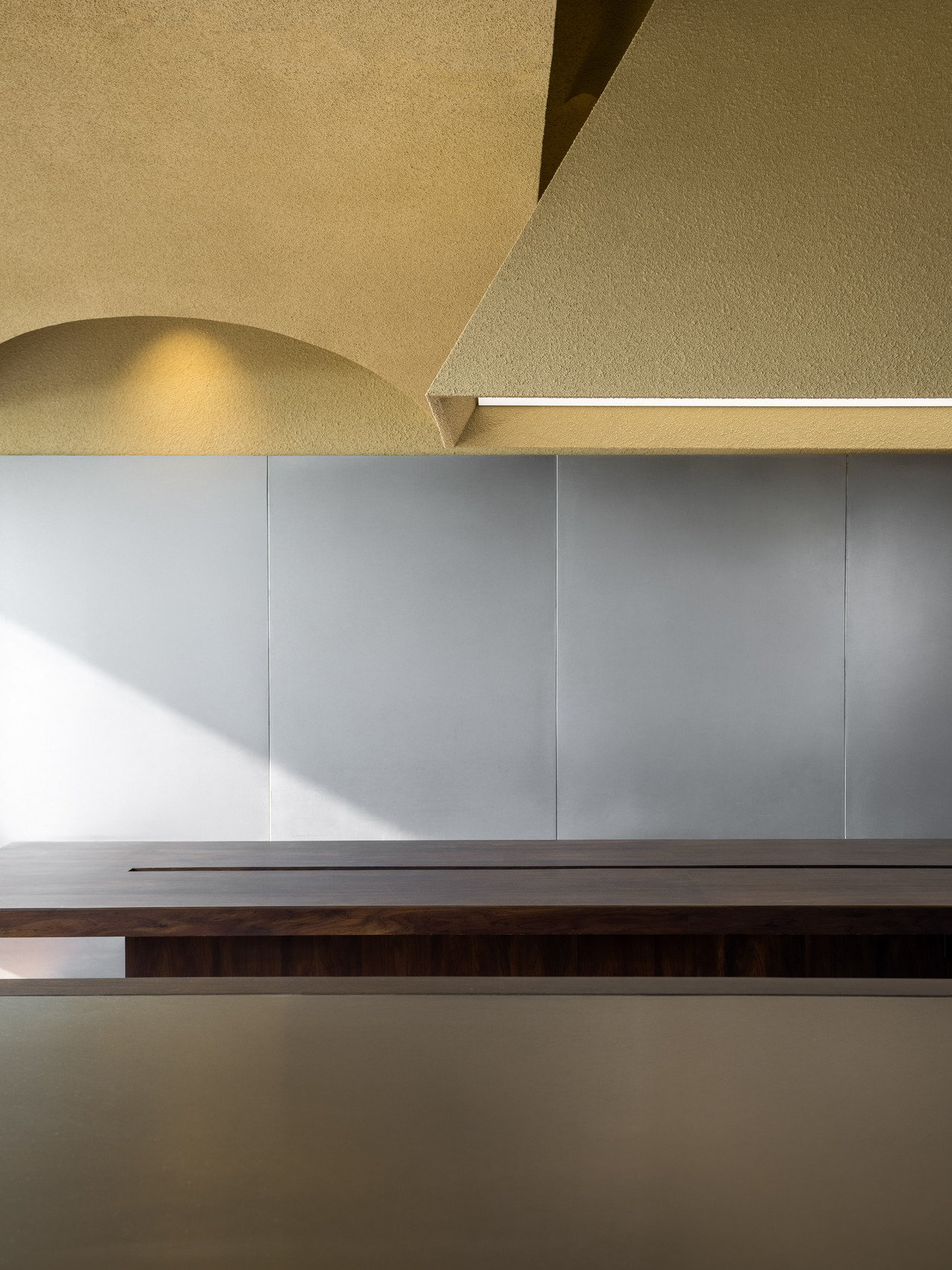
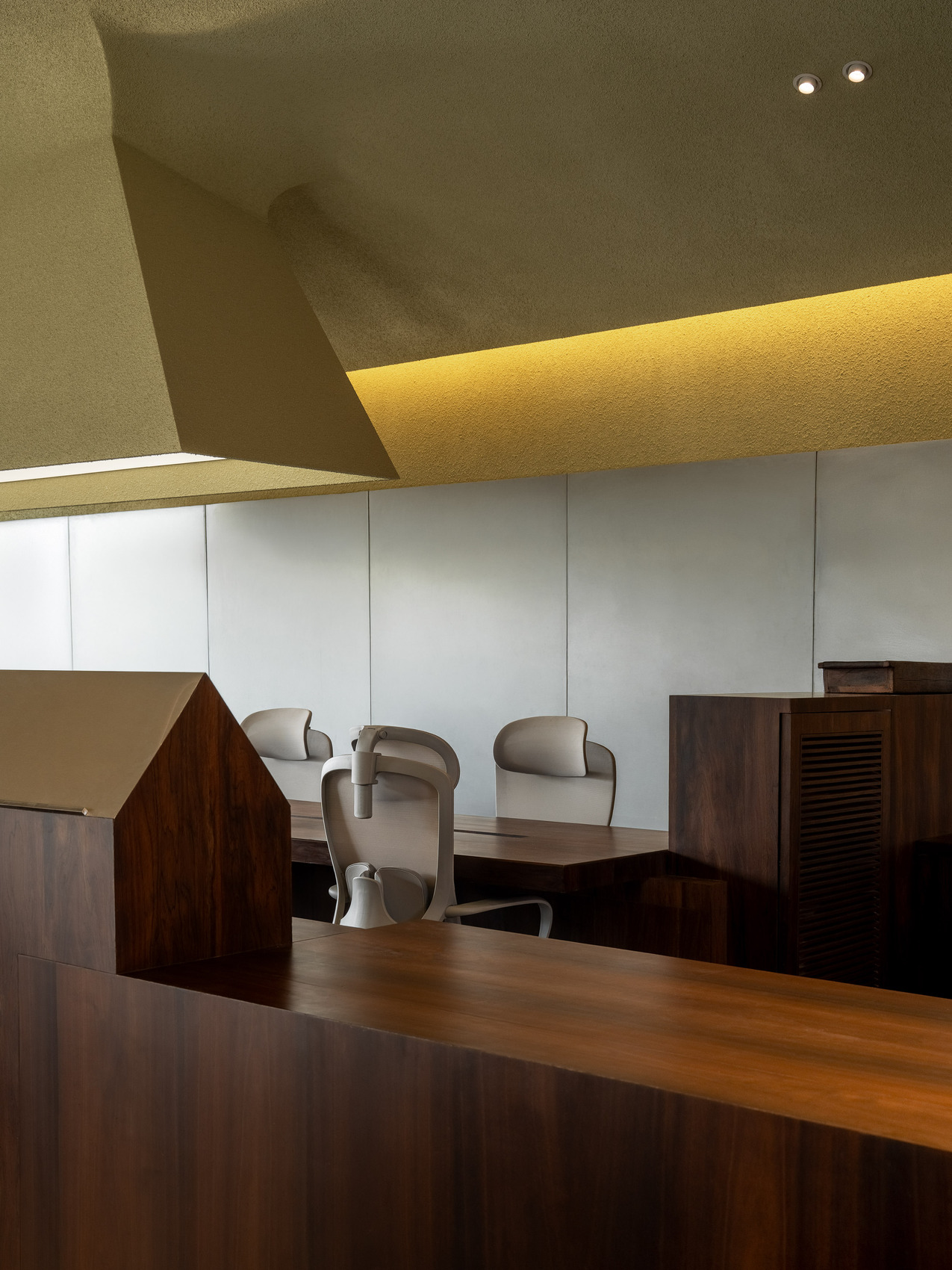
Billboards R&D Lab is an experimental workspace conceived by the Chennai-based practice Billboards as a dedicated environment for material exploration, product research, and collaborative design incubation. Designed to support the development of systems, surfaces, and design-led prototypes, the project moves beyond the conventions of a typical architectural studio to establish a flexible framework for innovation. The design draws directly from the host building’s existing curved structural shell, translating this condition inward through an inverted ceiling geometry that gives the interior its distinctive cave-like character. A restrained palette of magnetic cladding, stainless steel surfaces, and warm tonal gradations responds to changing natural light, reinforcing the relationship between materiality and atmosphere. At its center, a purpose-built research table anchors the lab’s practical function, while an open-access library extends its role as a space for shared inquiry. The result is an adaptive environment where architecture supports experimentation, exchange, and continual transformation.
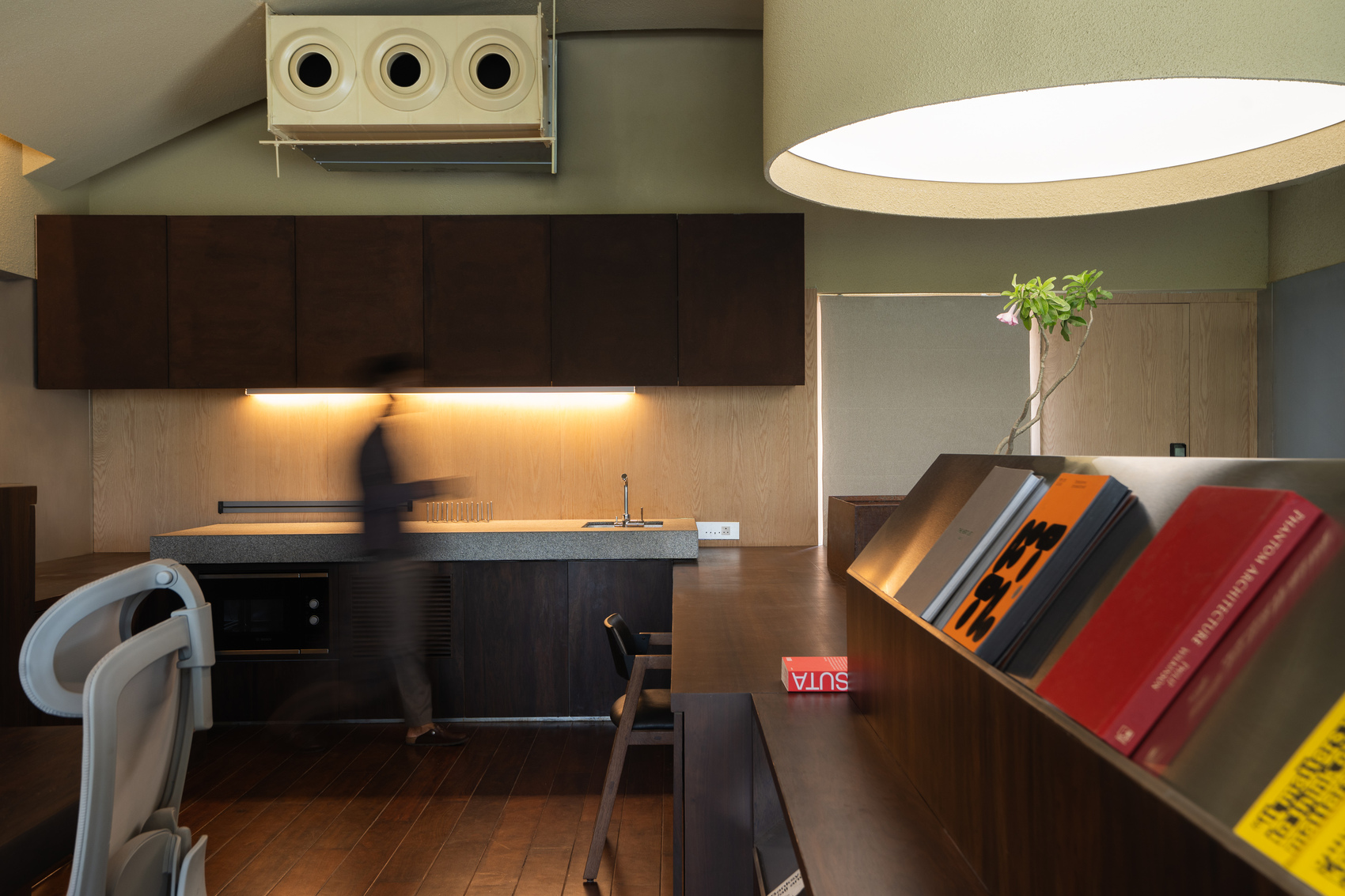
Designing a workspace for architects presents a unique challenge, requiring a balance between expression and restraint. For Billboards, the intention was to create a space that could accommodate intensive experimentation without imposing itself upon the process. Conceived as both a research laboratory and an incubator for design-led ventures, the lab reflects an understanding that creative work thrives best in environments that remain open to reinterpretation. Rather than treating the interior as a fixed composition, the architects approached it as an evolving framework capable of absorbing new ideas and shifting modes of occupation.
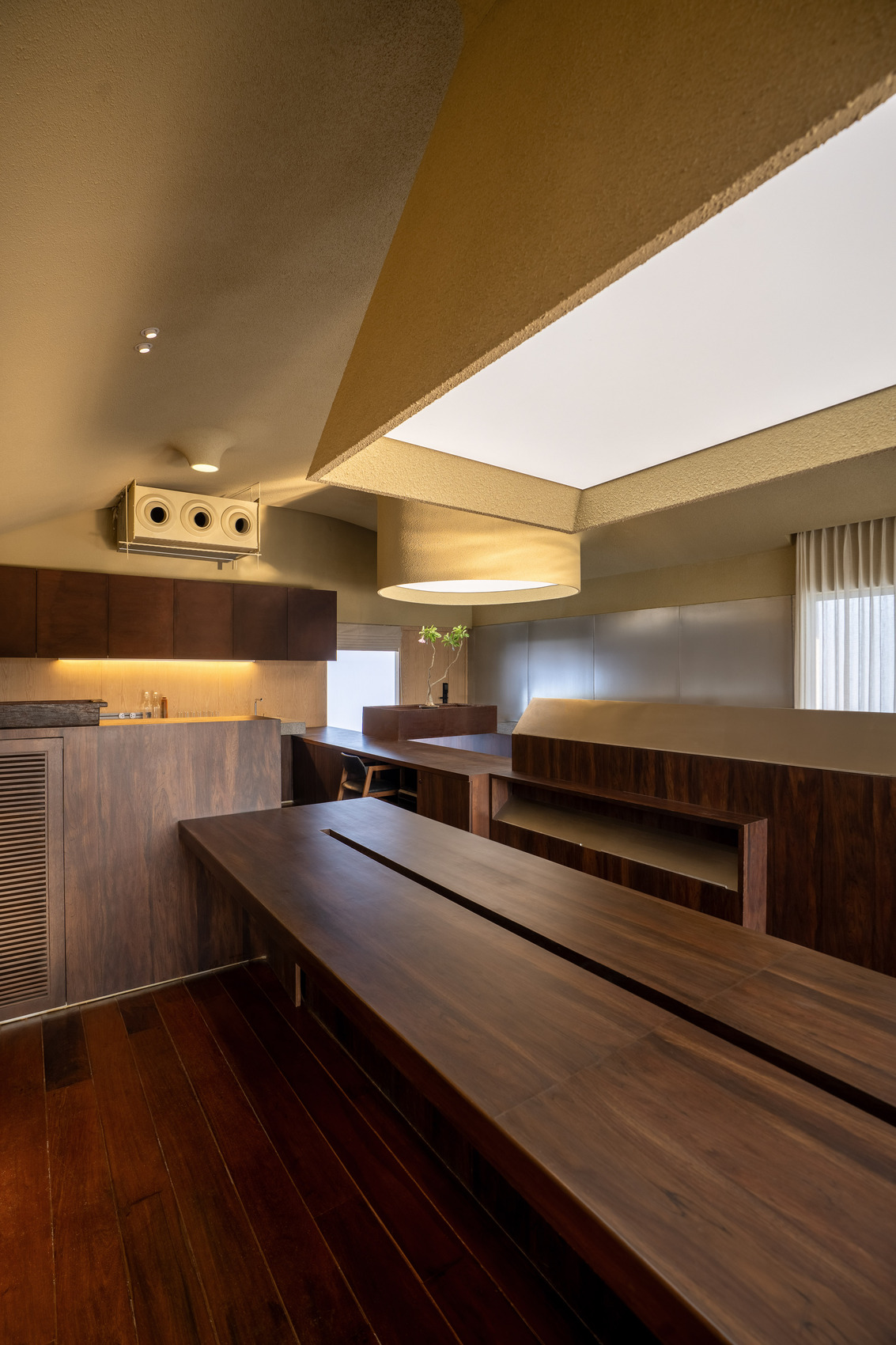
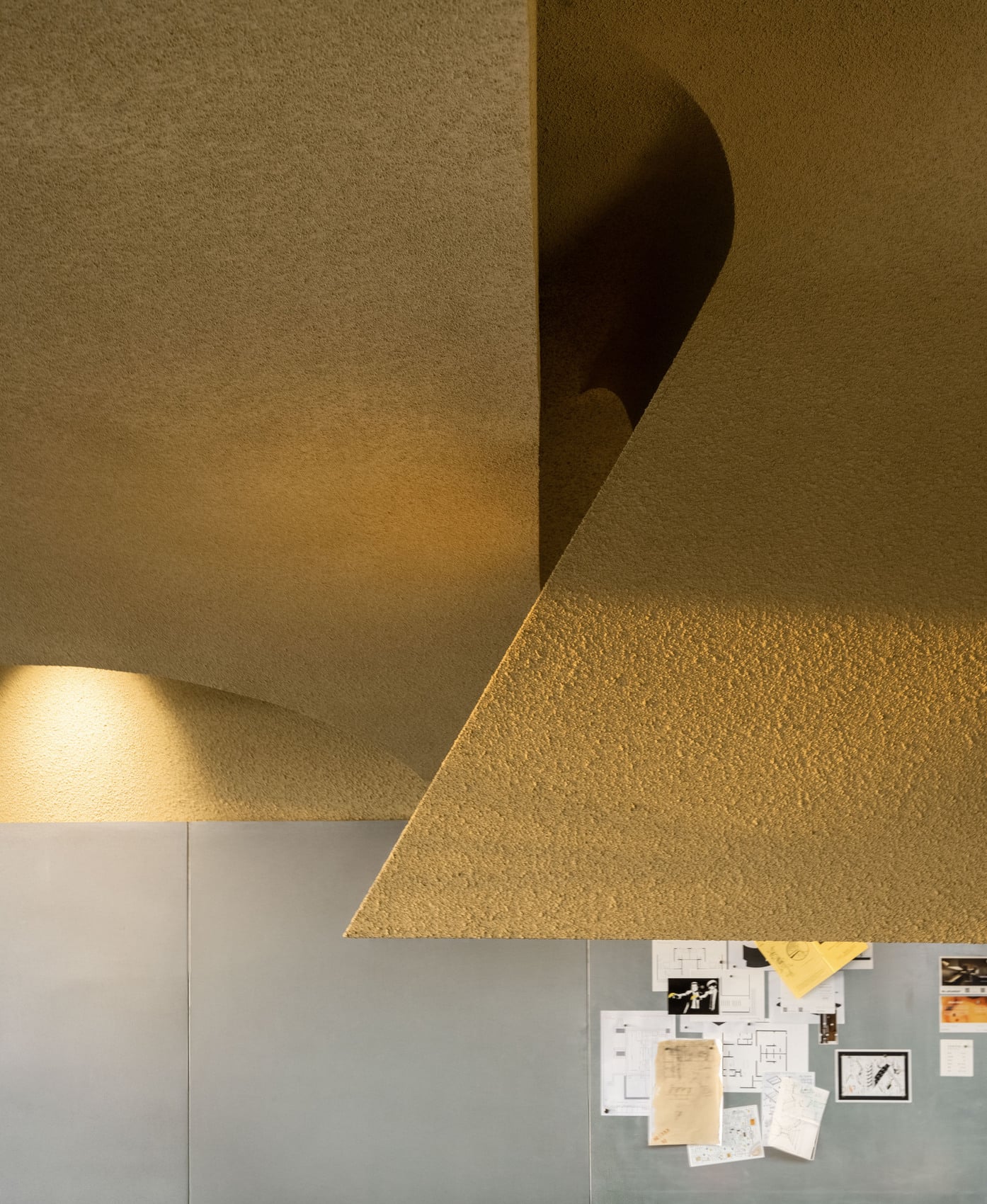
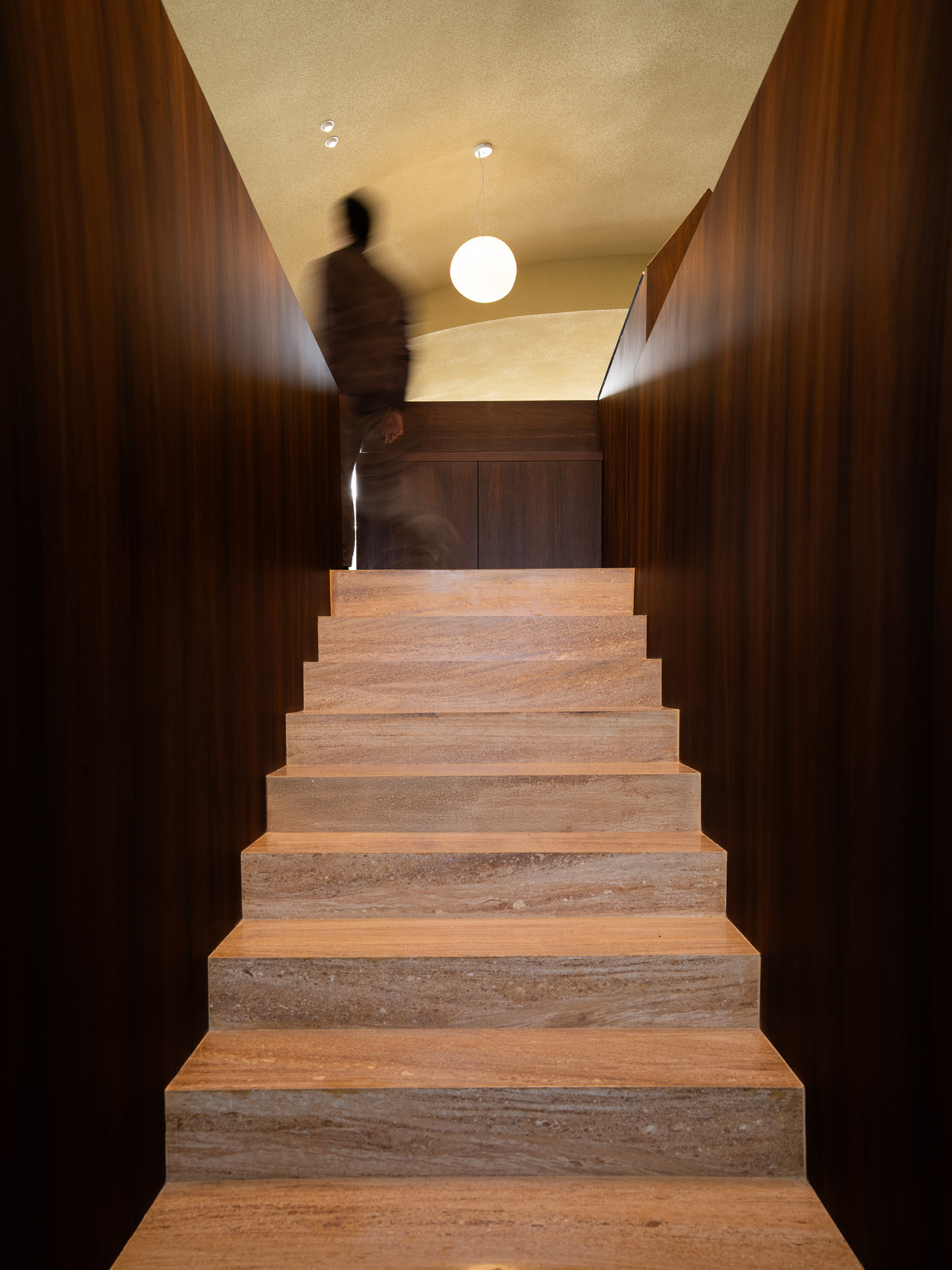
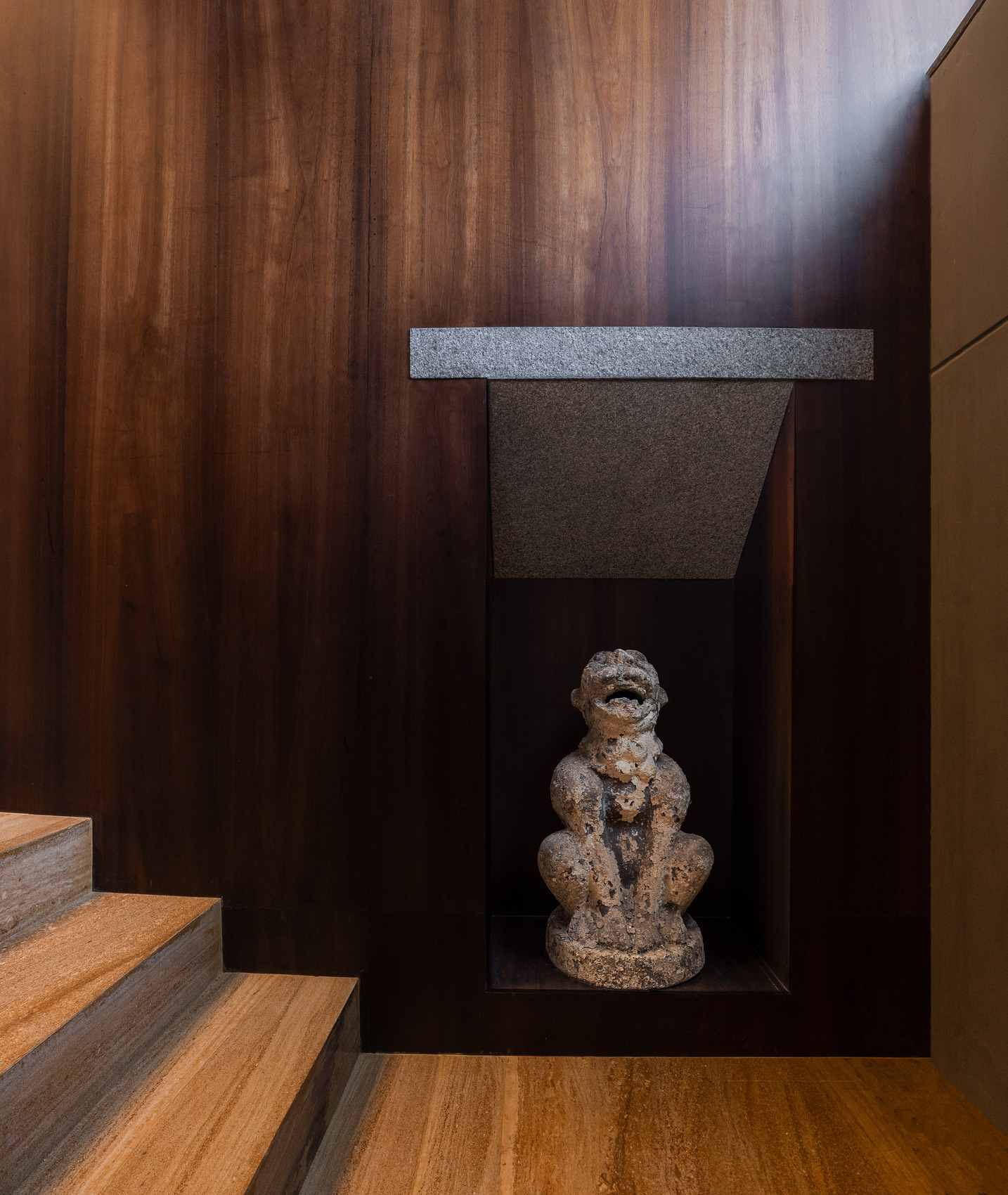
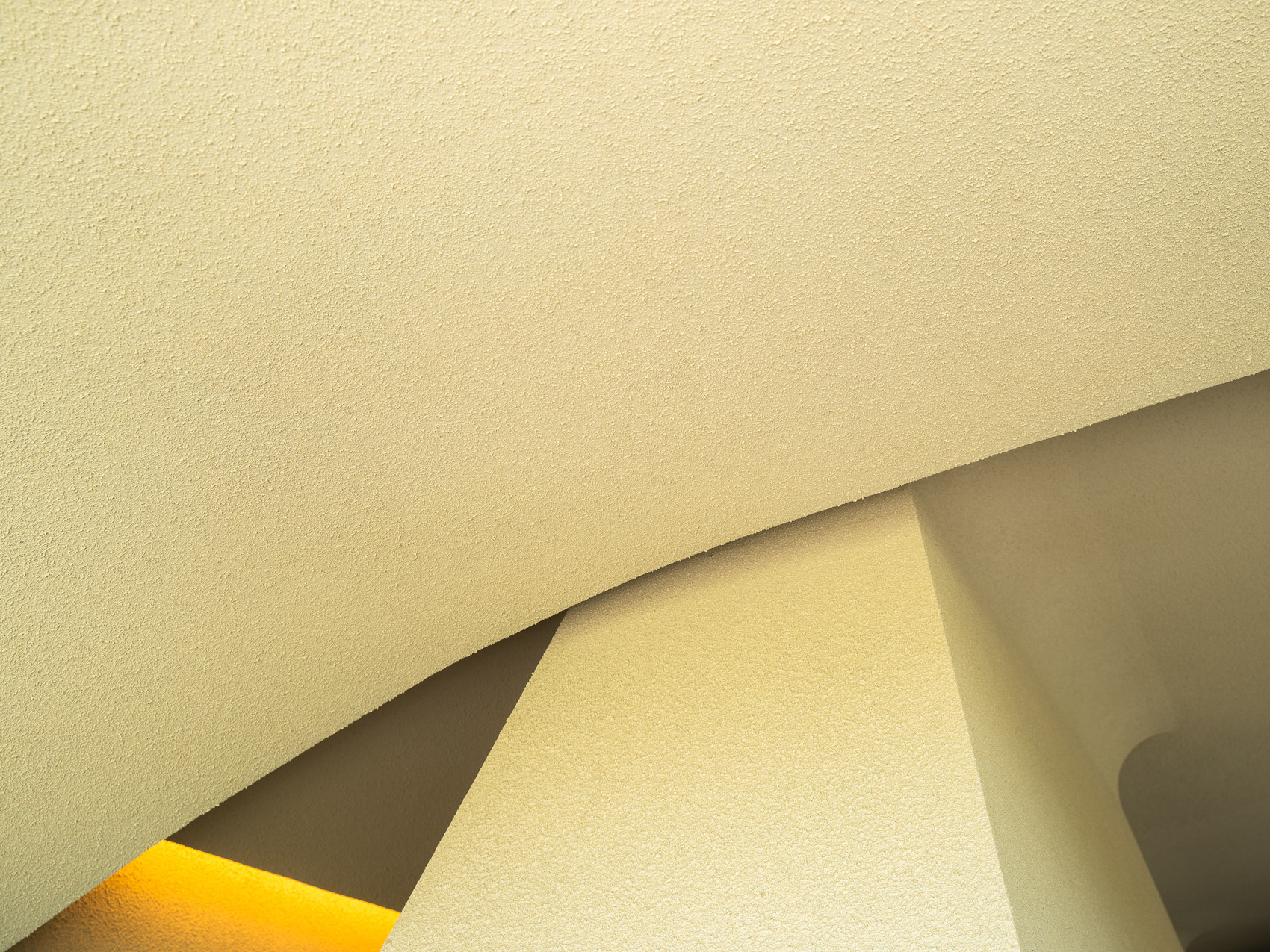
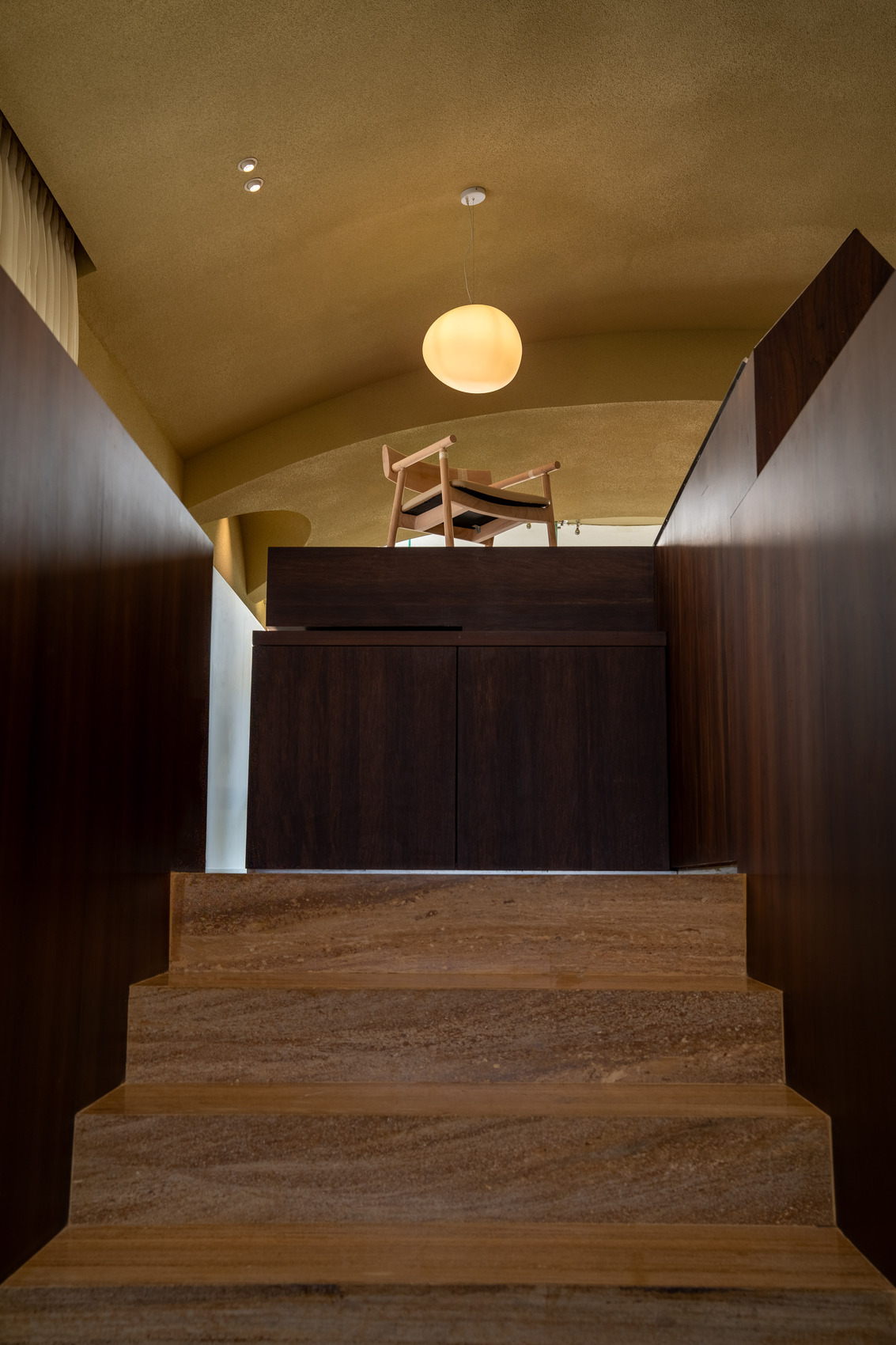
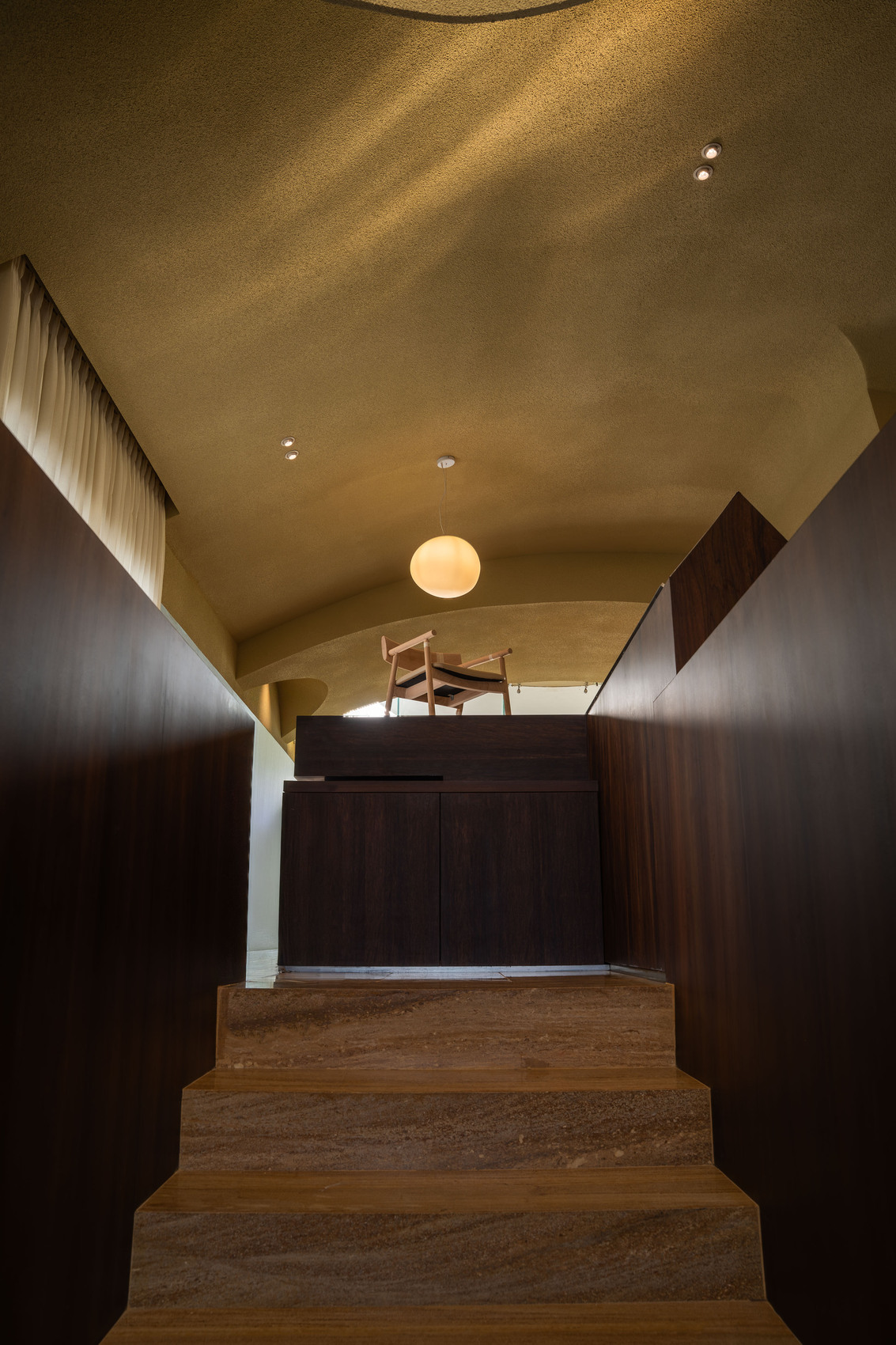
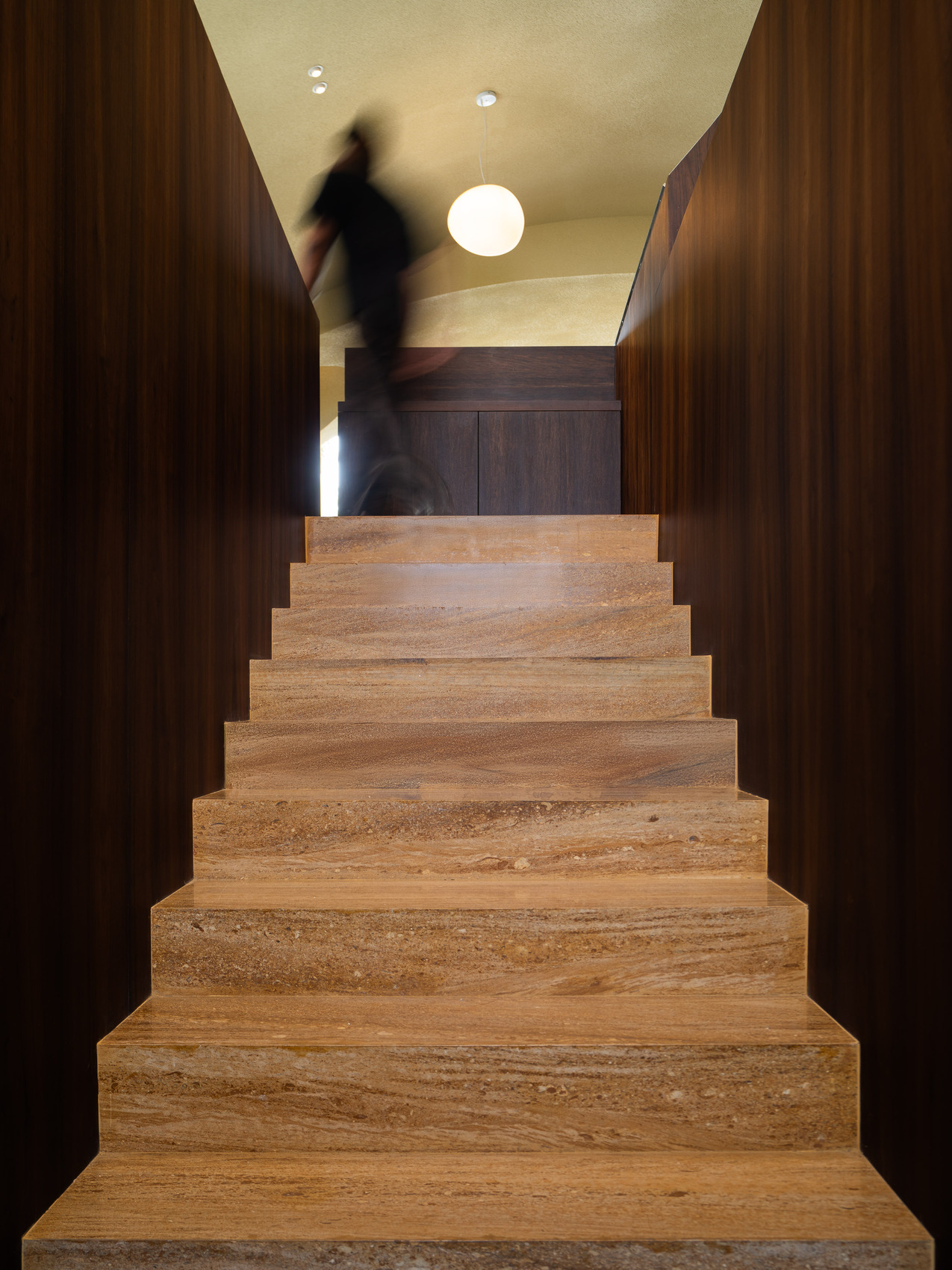
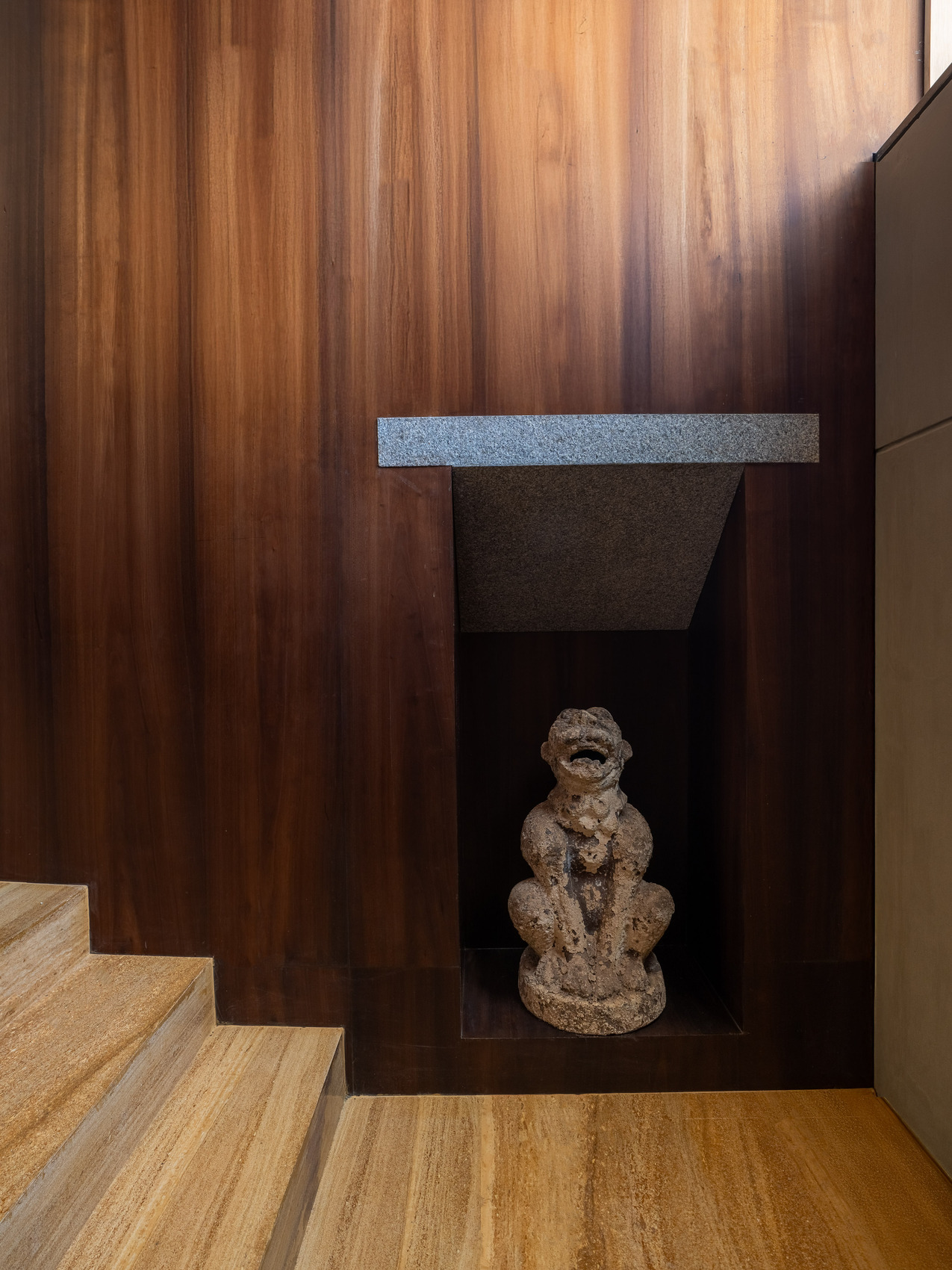
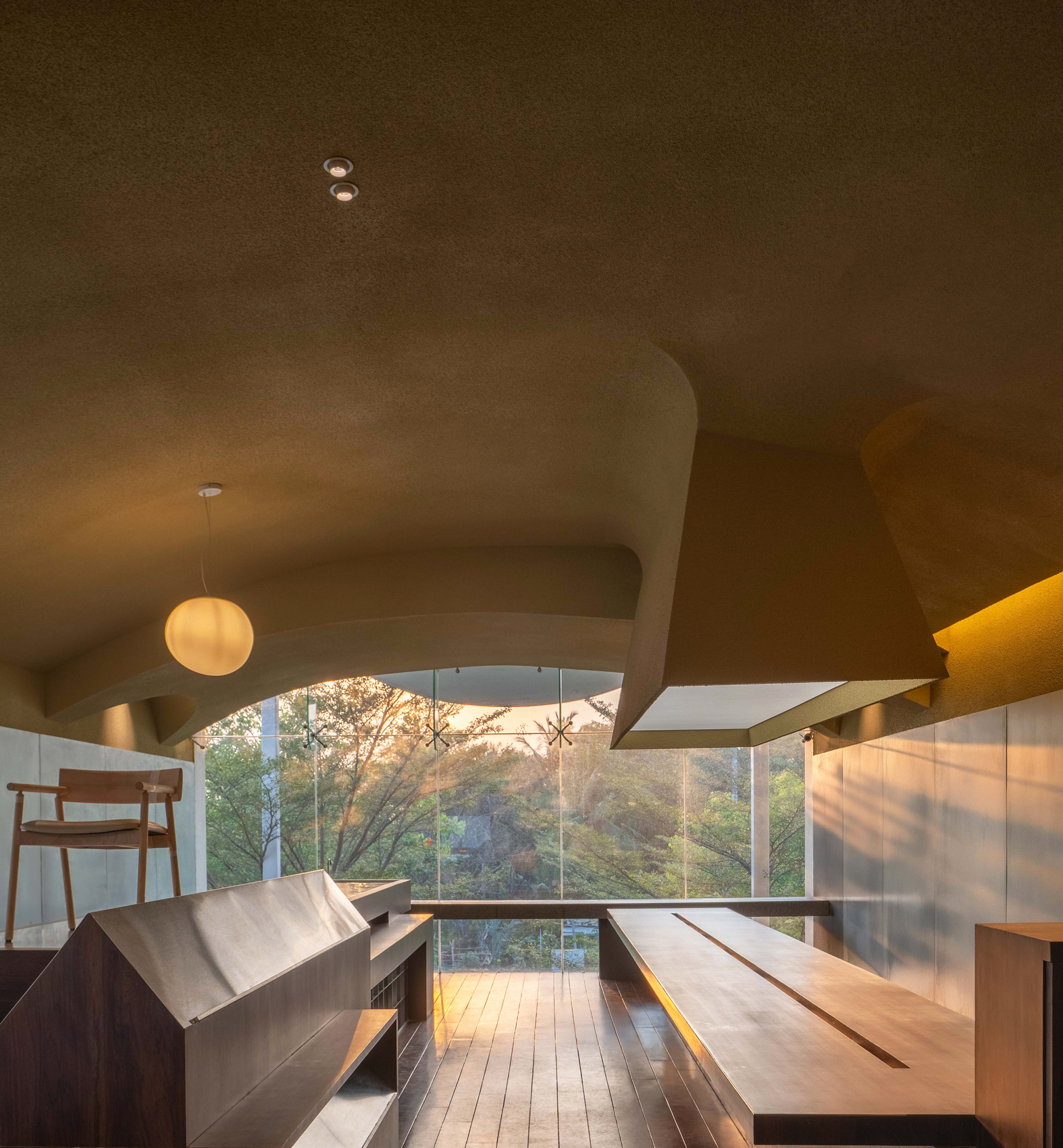
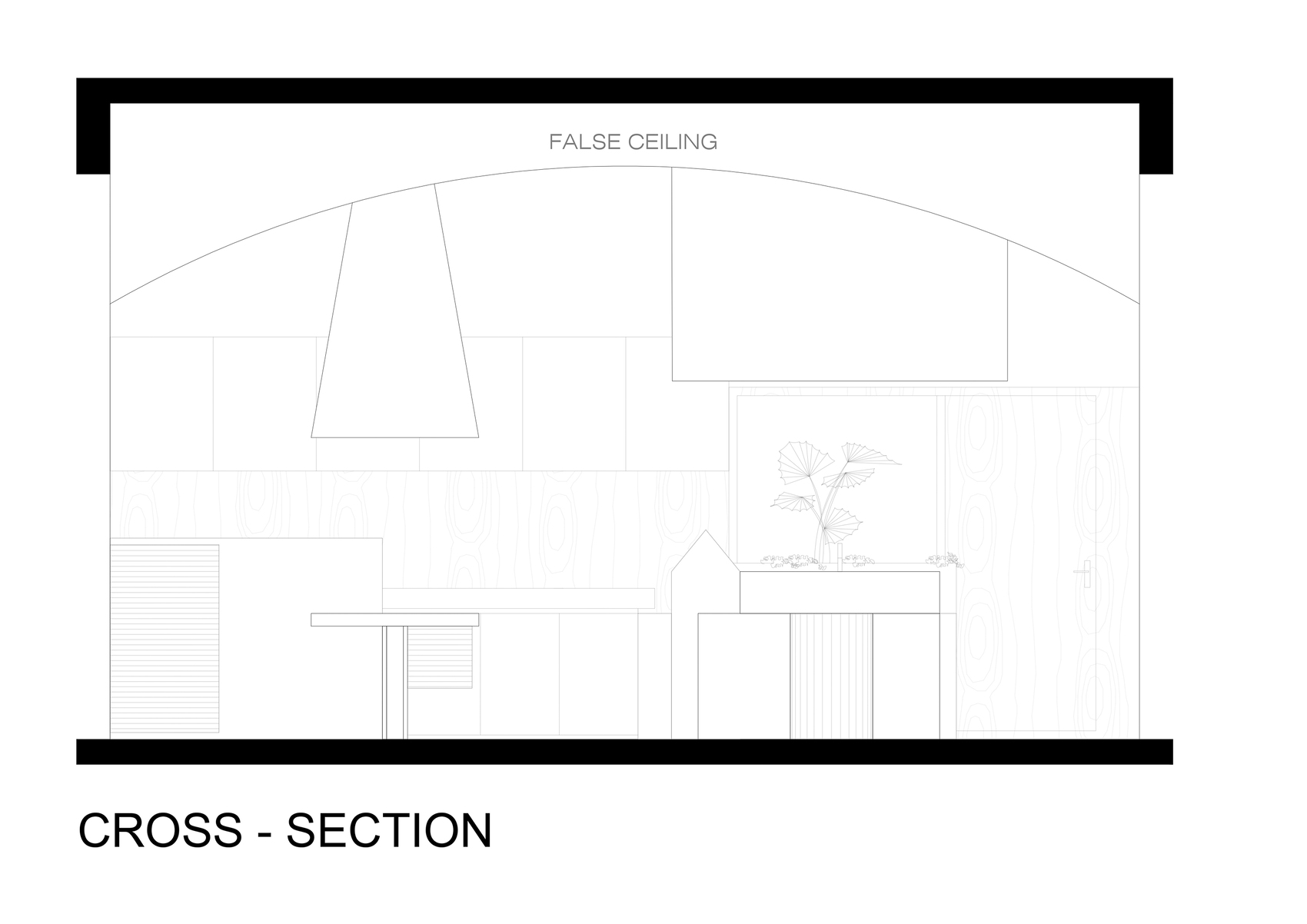
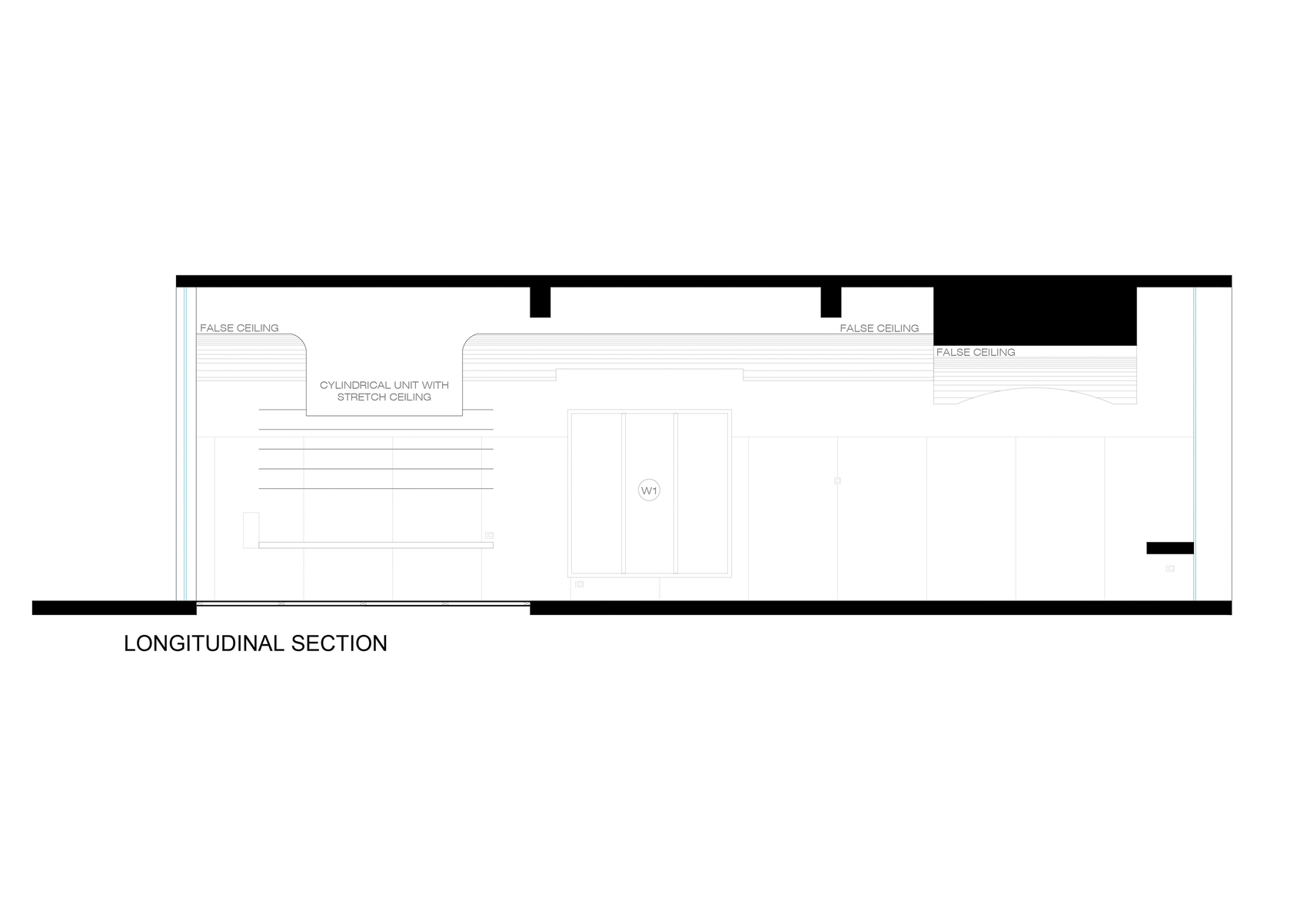
The project’s defining architectural gesture emerged from the building’s inherited structural profile. The existing curved exterior shell became the conceptual and formal reference for the intervention, with its geometry inverted into the interior ceiling plane. This move introduces a cave-like enclosure that gives the lab an immediate sense of containment while preserving openness across the floor plate. The reference is both spatial and symbolic, recalling the earliest environments of human inscription and invention. A monolithic staircase in yellow marble reinforces this transition into the workspace, acting as a sculptural threshold that mediates between the city below and the contemplative atmosphere above.
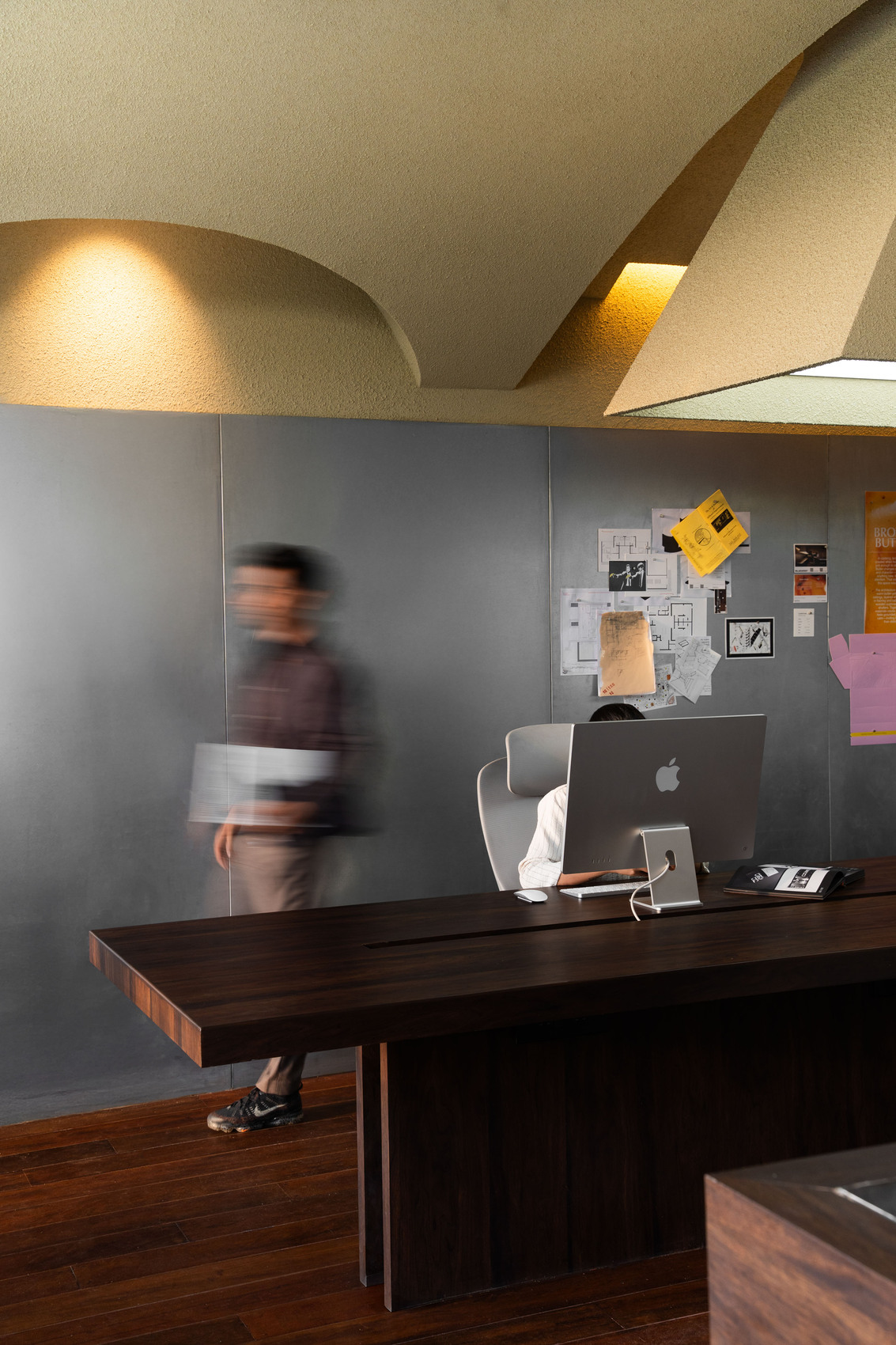
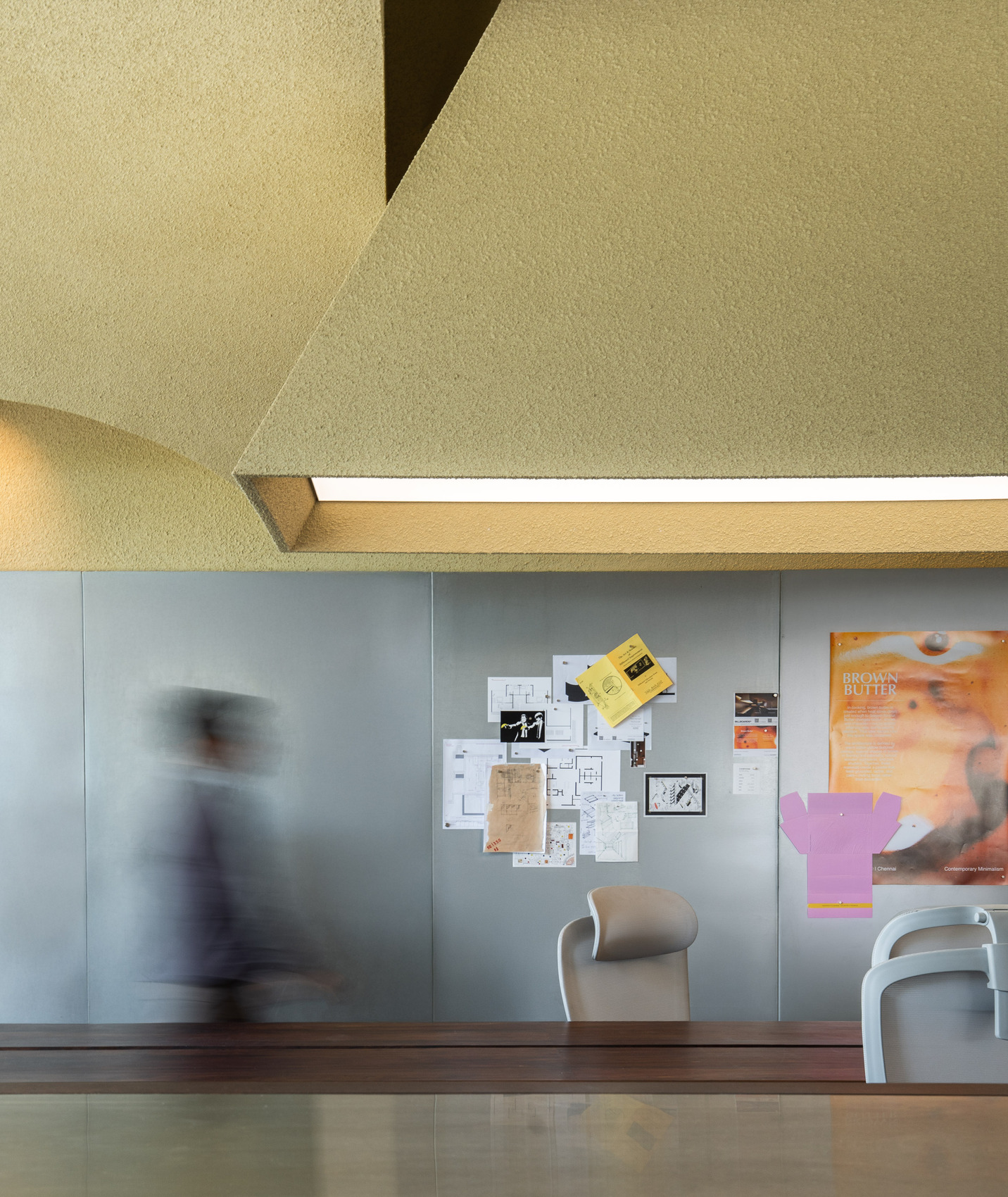
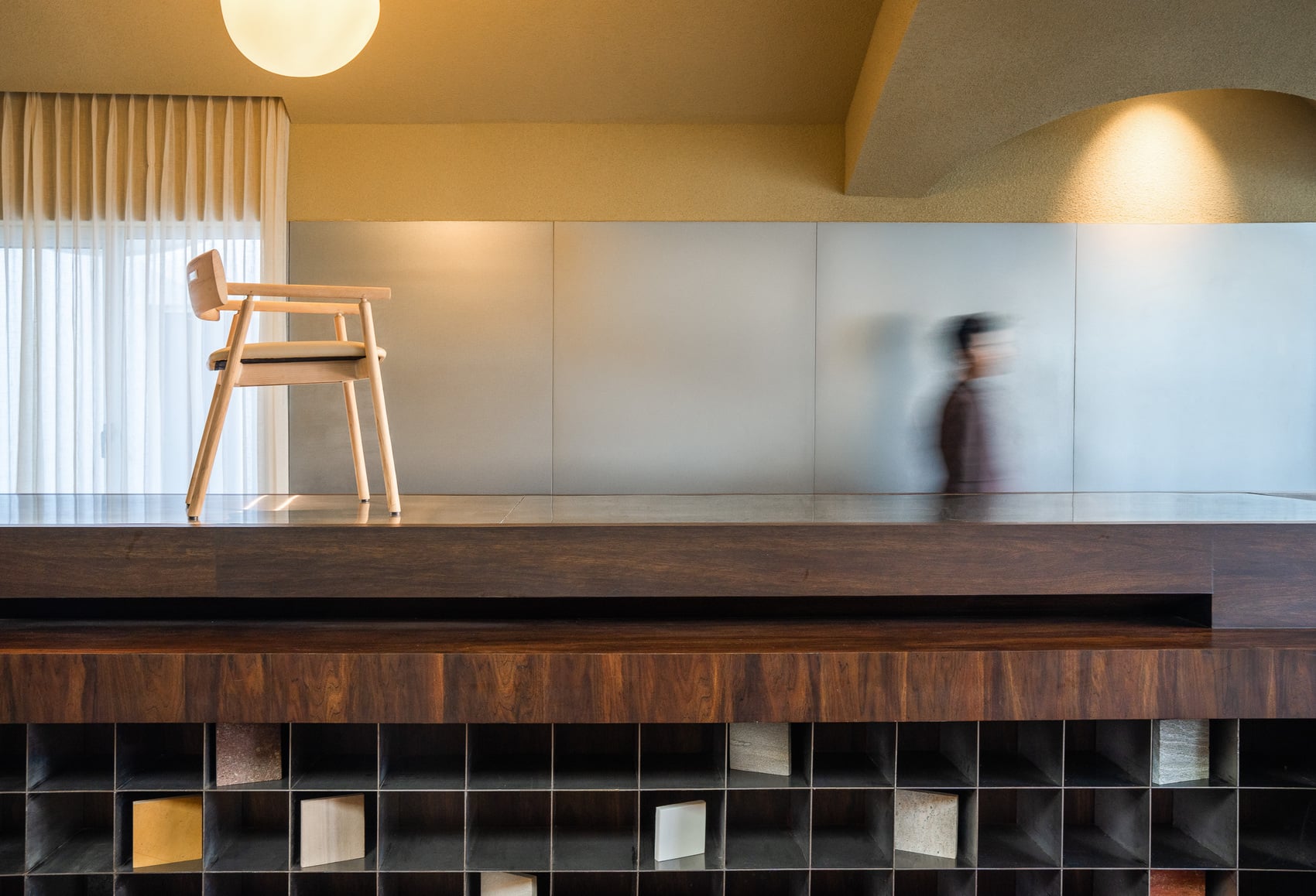
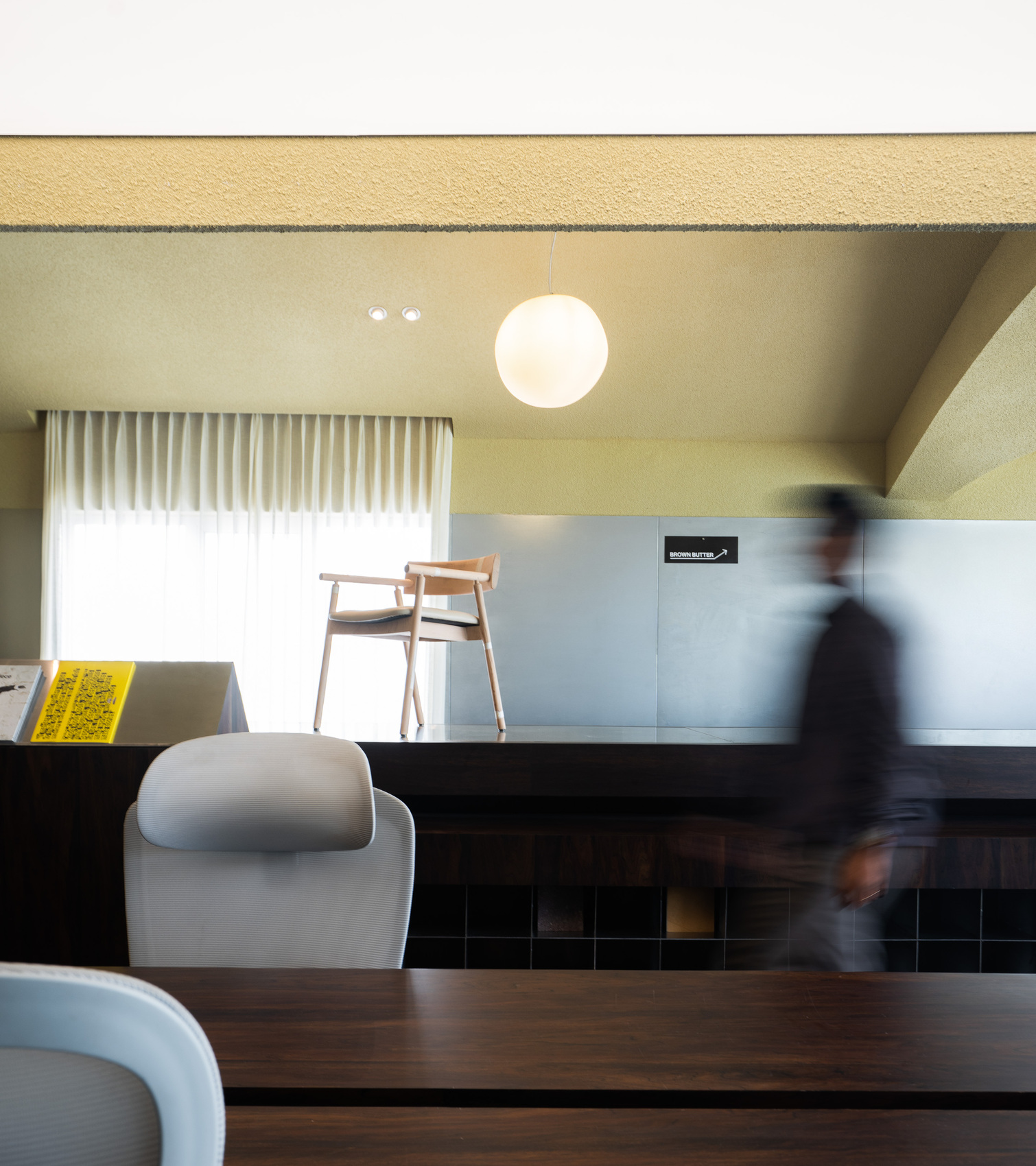
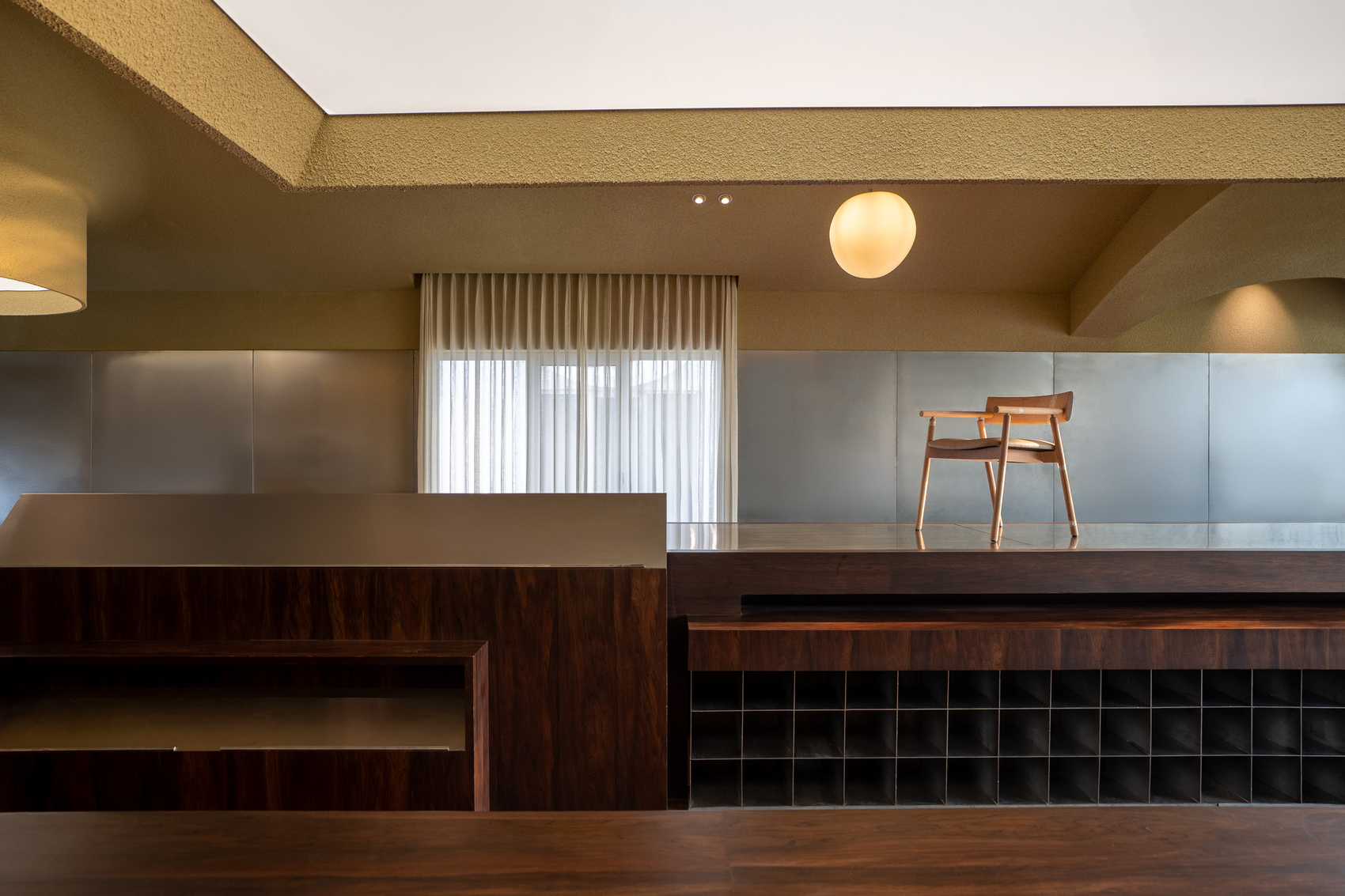
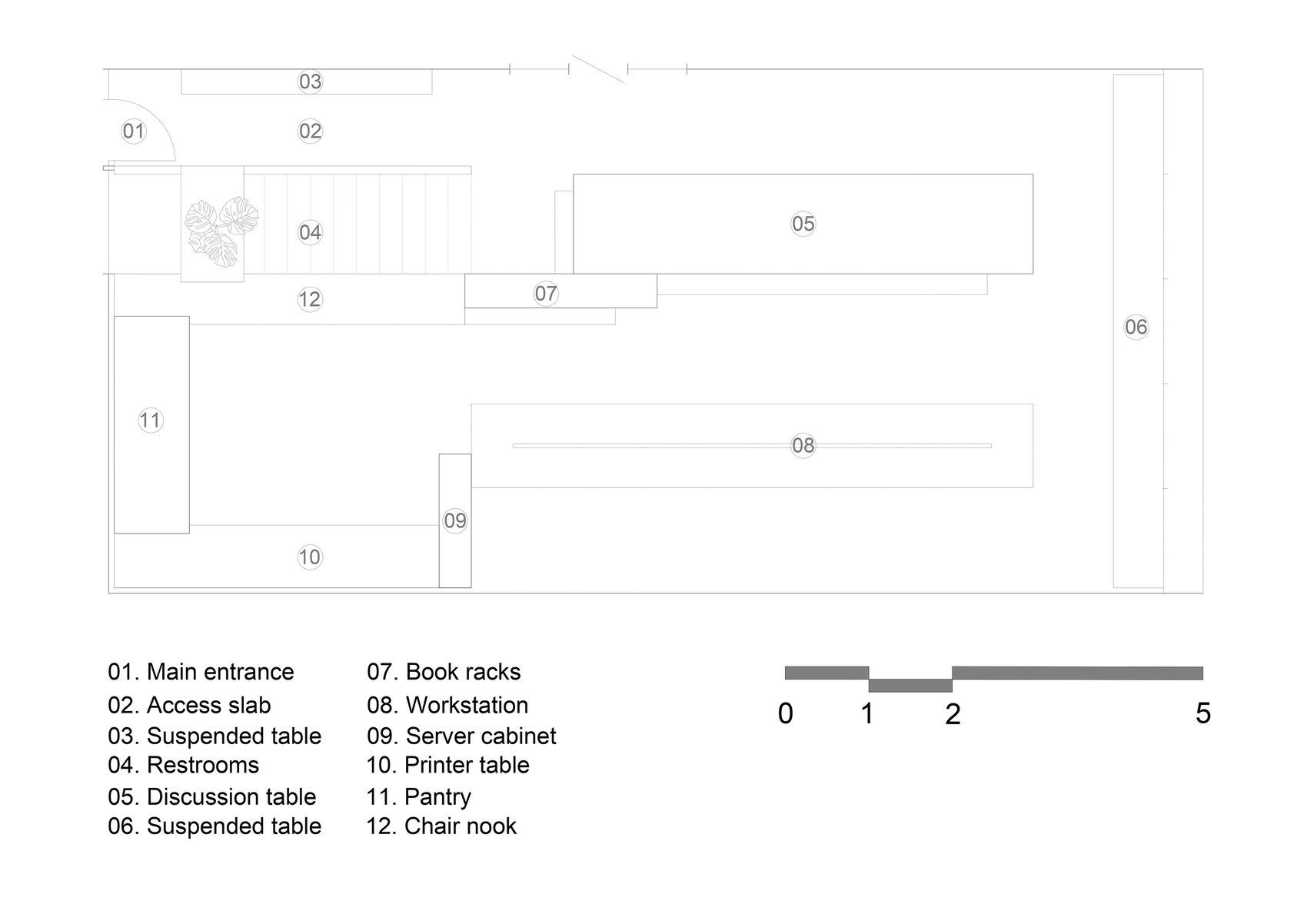
Internally, the lab is conceived as a single uninterrupted volume. Without partitions or enclosed rooms, activity is organized through subtle spatial cues rather than rigid separation. Platforms, overhead curvature, and surface conditions establish zones of gathering and focused work while maintaining visual continuity. This openness is central to the studio’s philosophy, allowing ideas, materials, and conversation to move freely throughout the space. The arrangement reflects a deliberate rejection of compartmentalization in favor of a spatial logic that privileges exchange and collective engagement.
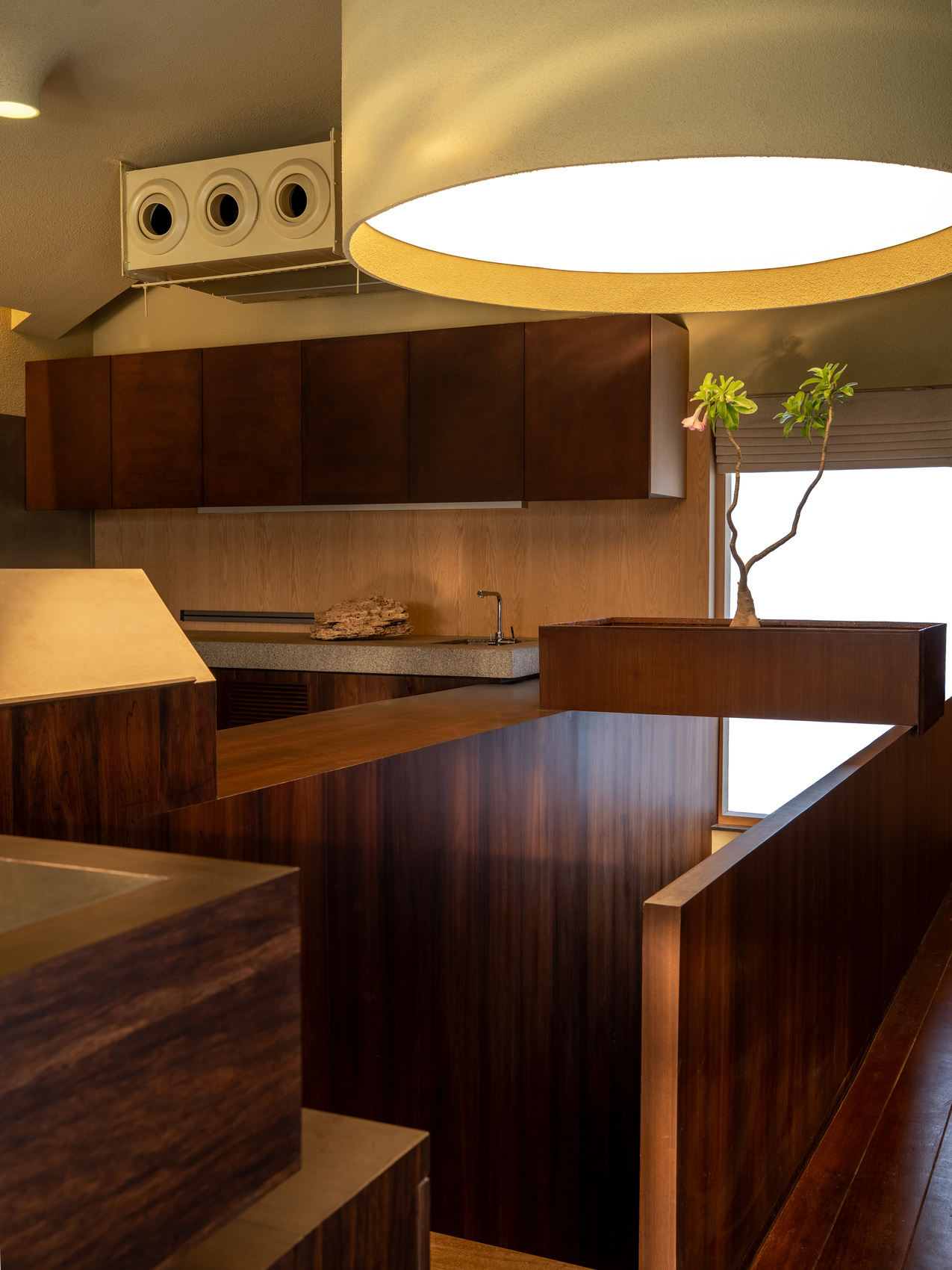
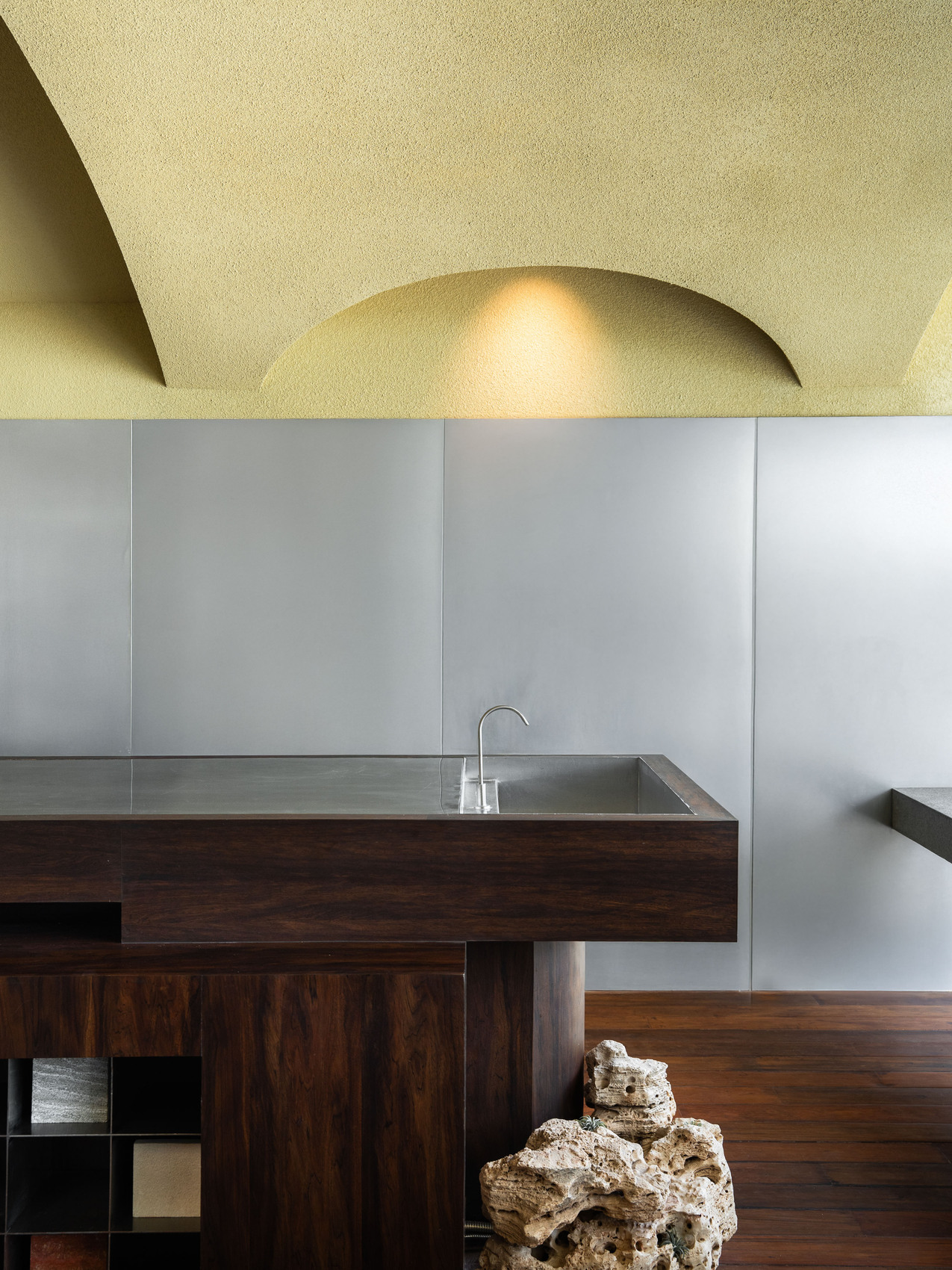
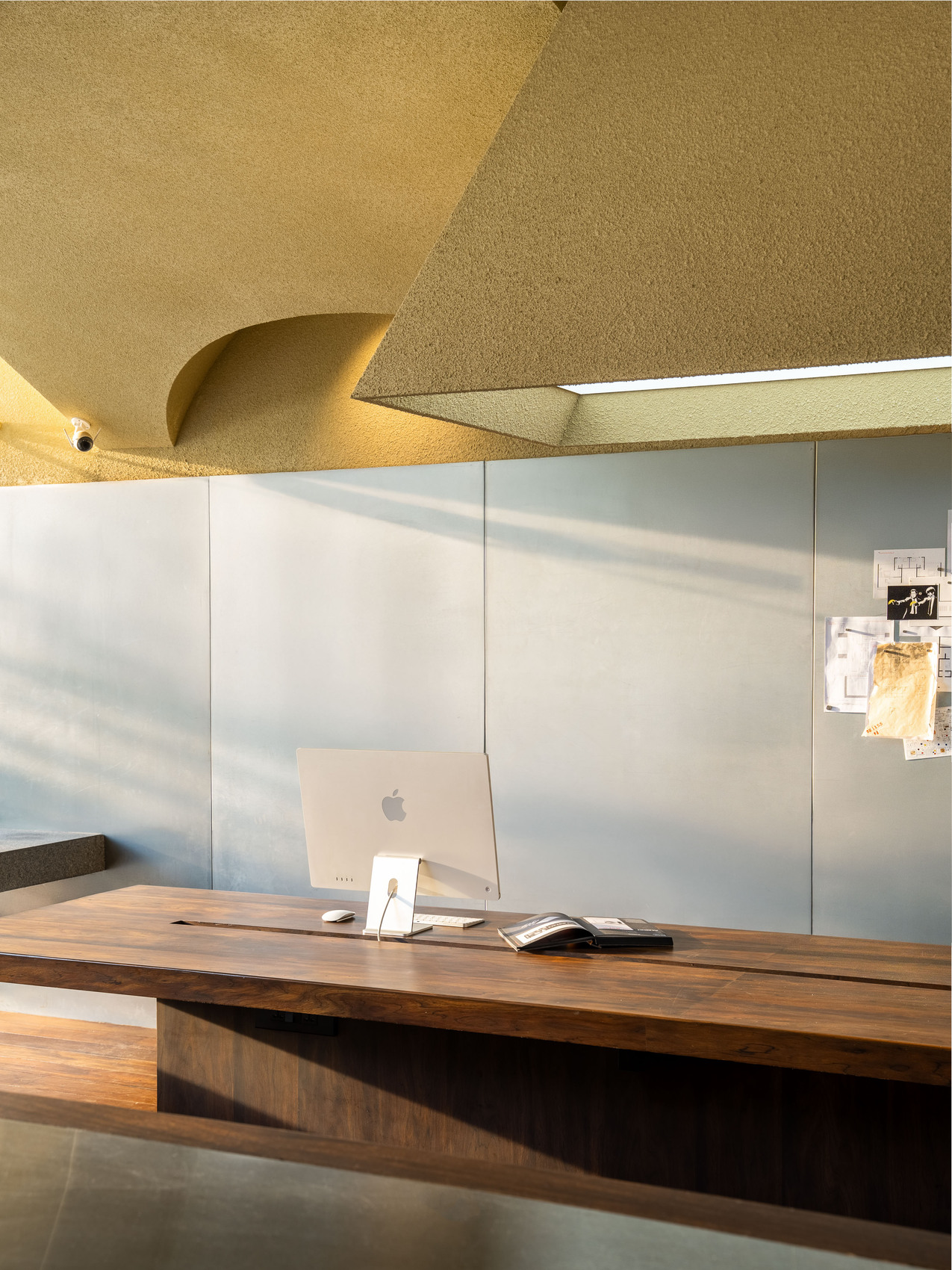
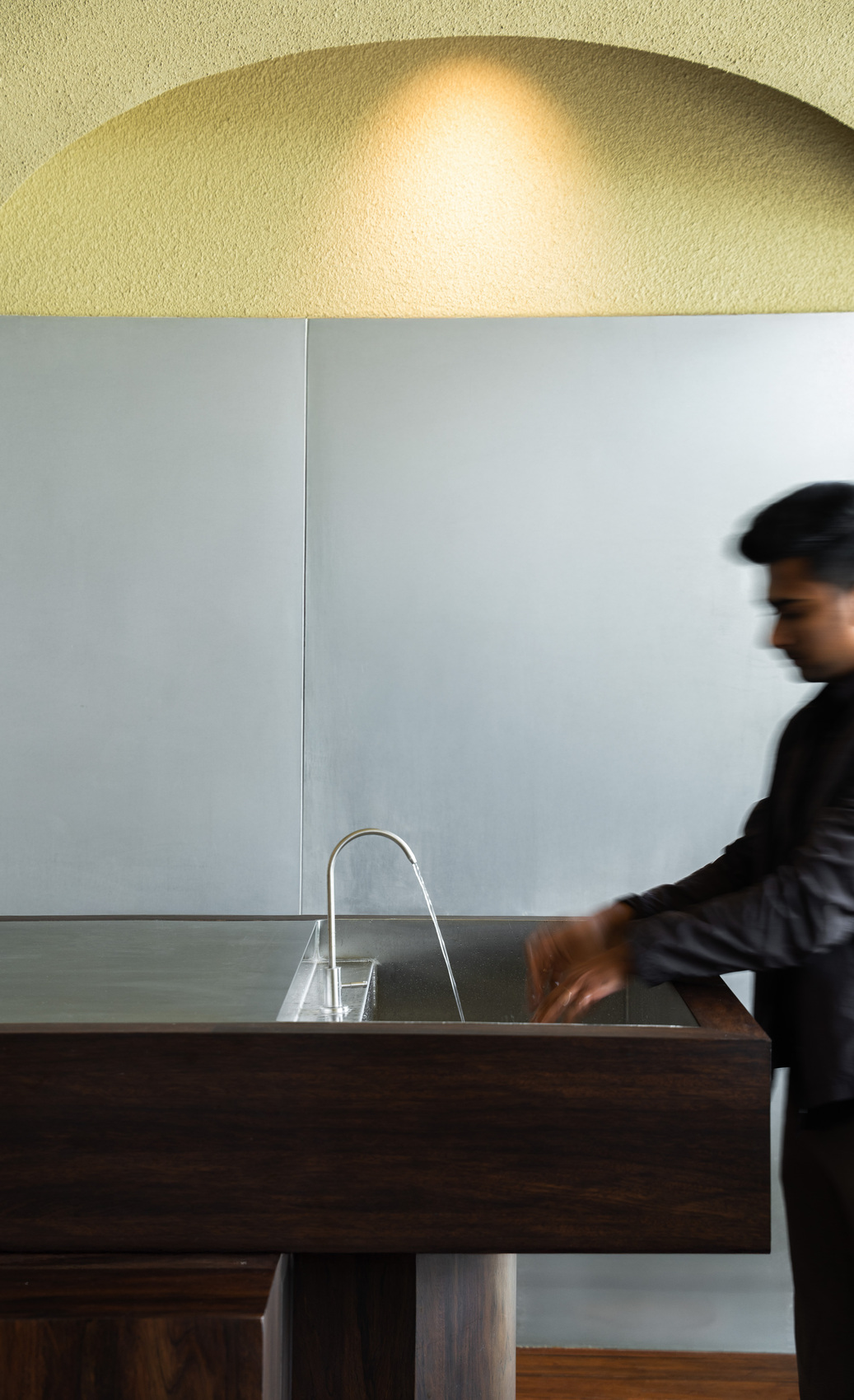
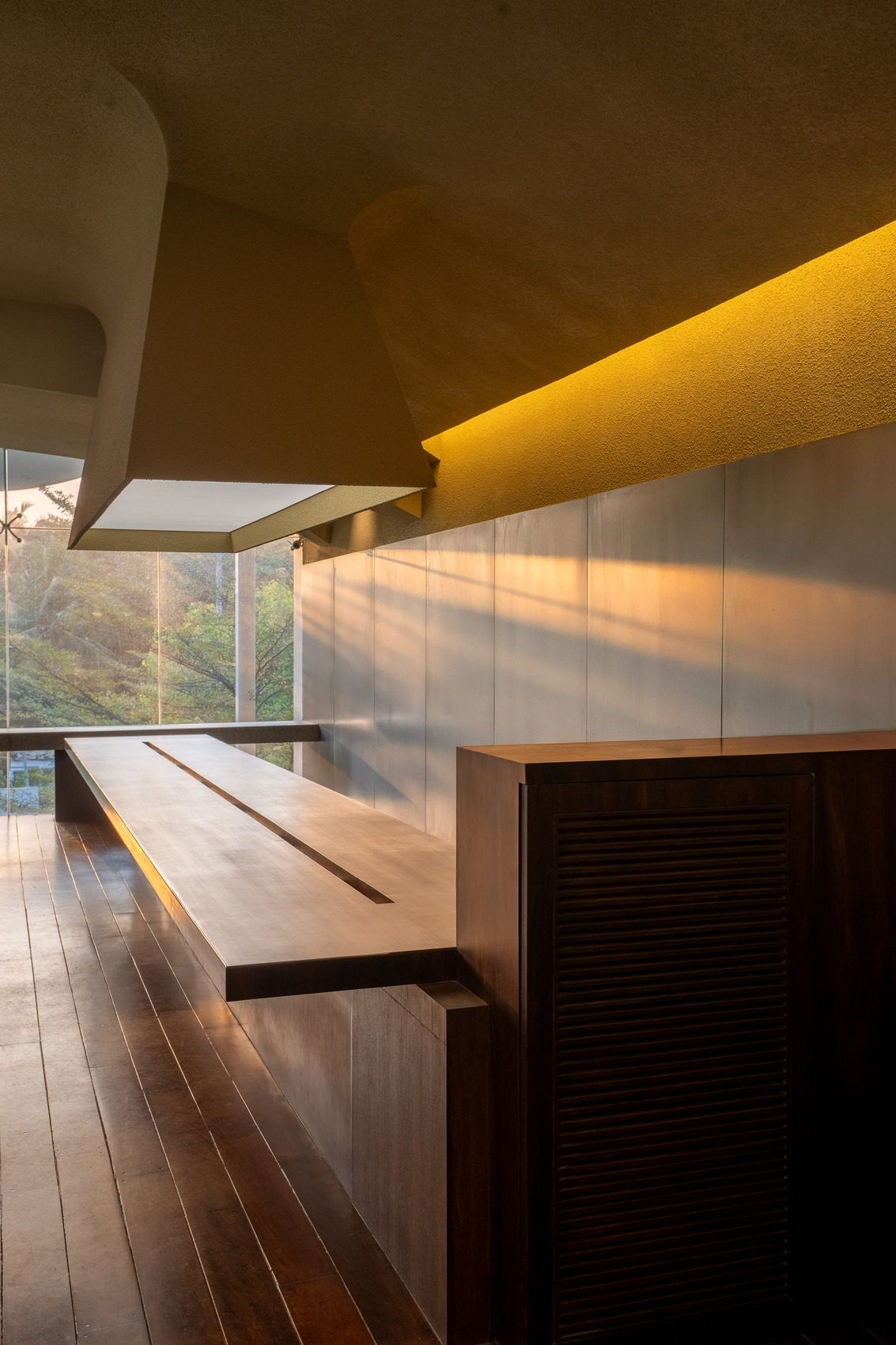
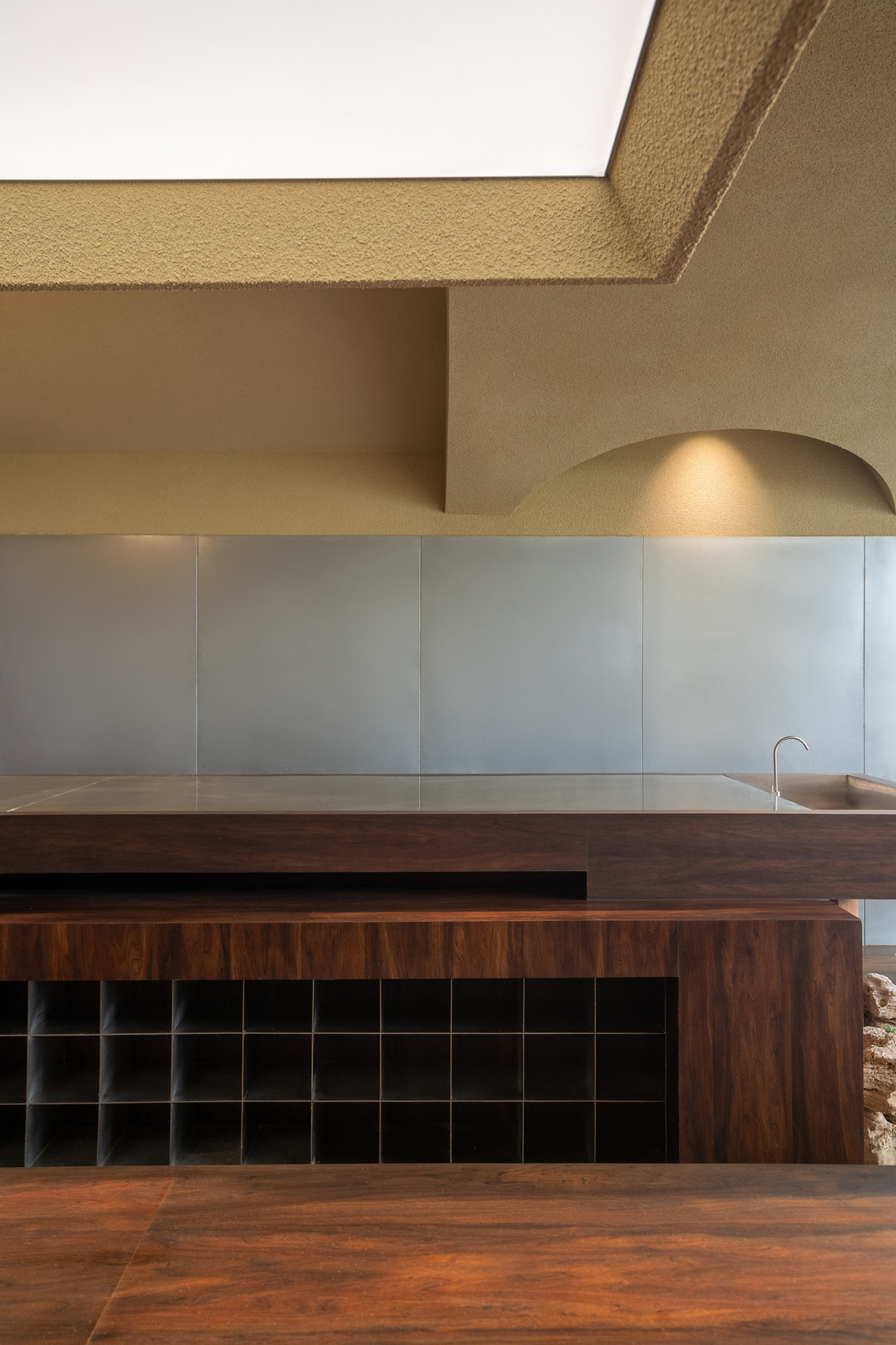
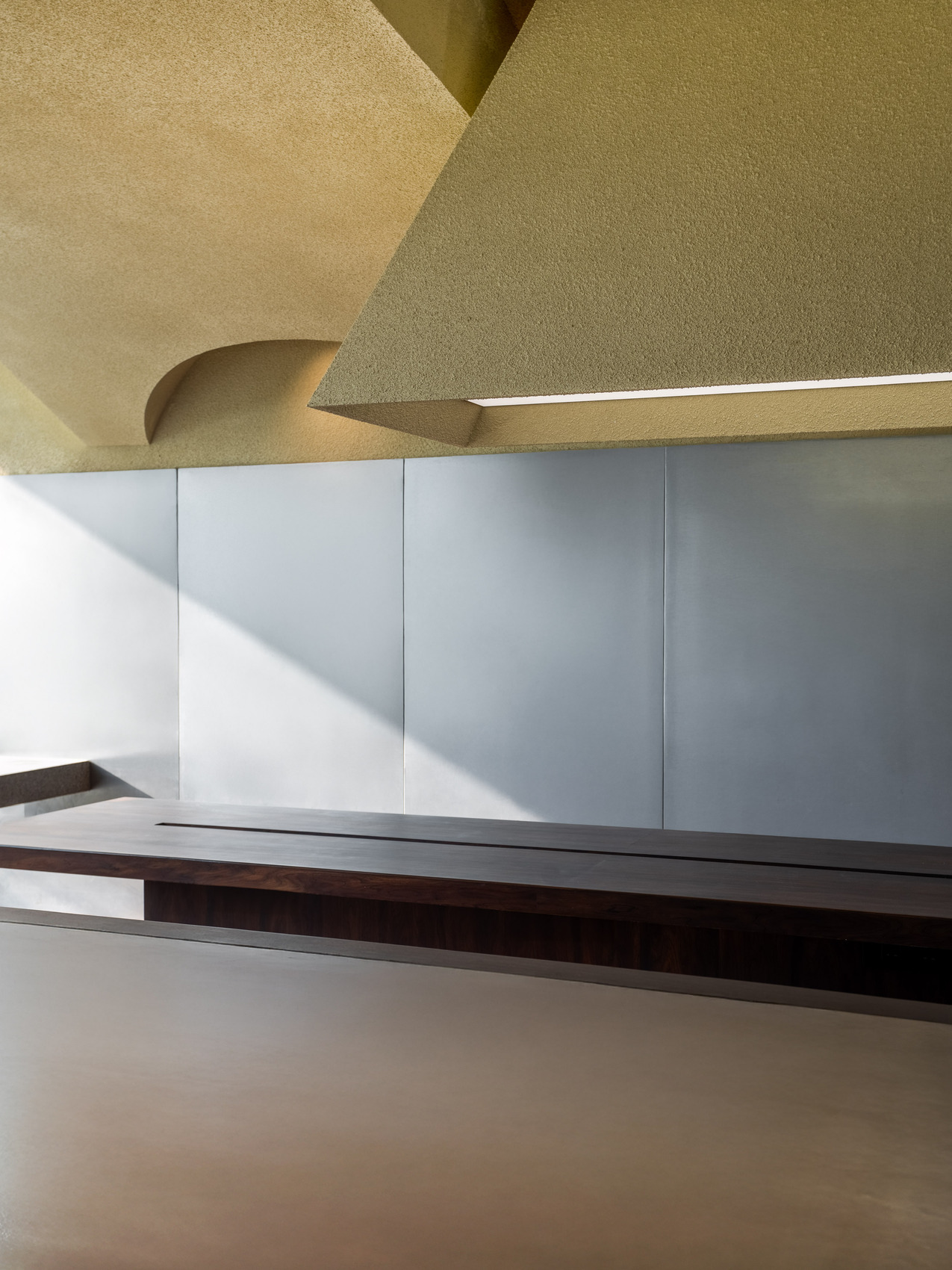
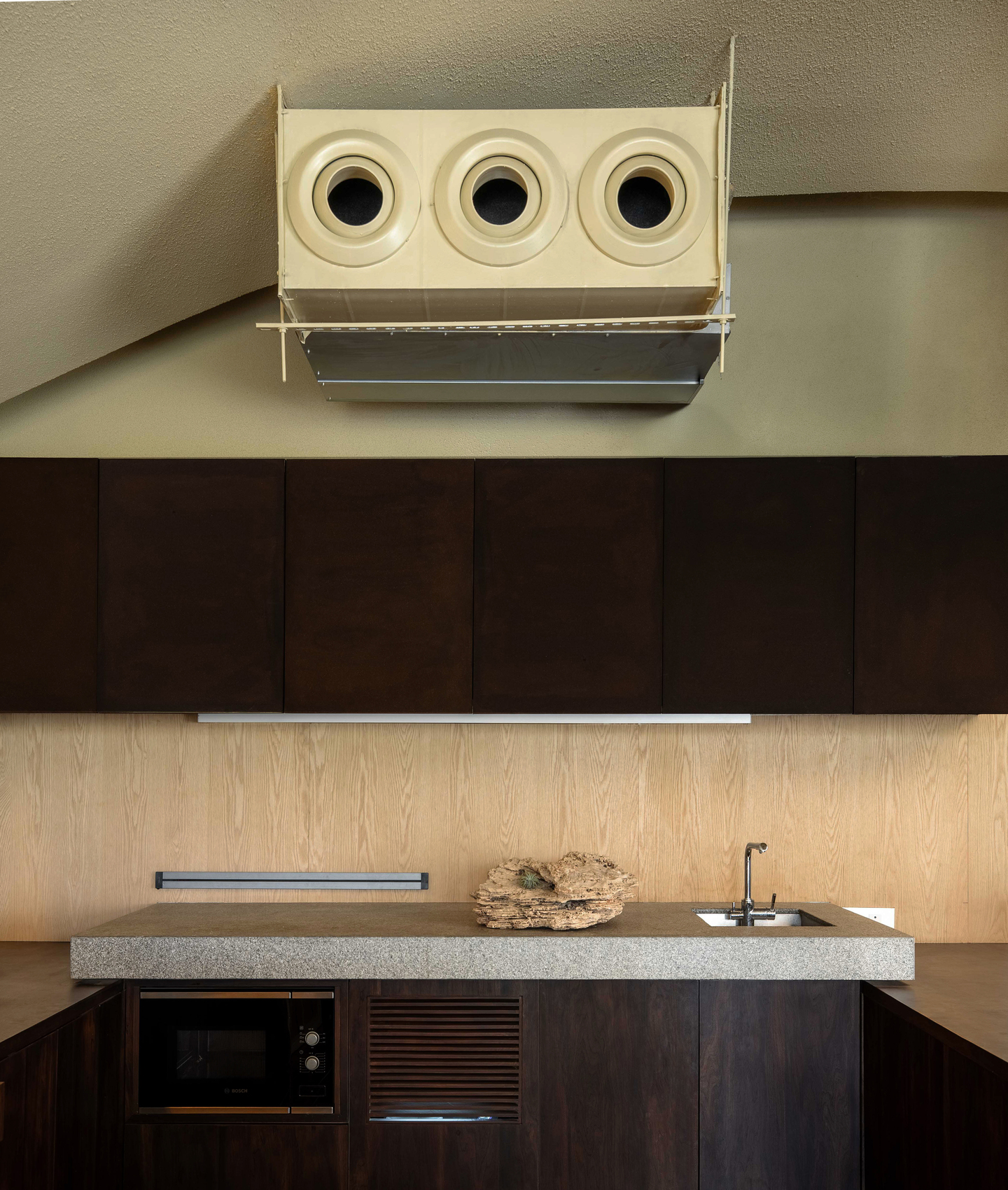
Materiality plays an active role in supporting this adaptability. Magnetic wall cladding transforms vertical surfaces into constantly evolving fields for drawings, prototypes, and references, while stainless steel sheet inserts introduce reflective counterpoints to the textured warmth of the surrounding finishes. At the center of the lab, a dedicated research table with an integrated sink provides a practical platform for testing new materials and fabrication techniques. This workstation is the project’s most direct expression of purpose, grounding its conceptual ambitions in the realities of hands-on experimentation and iterative development.
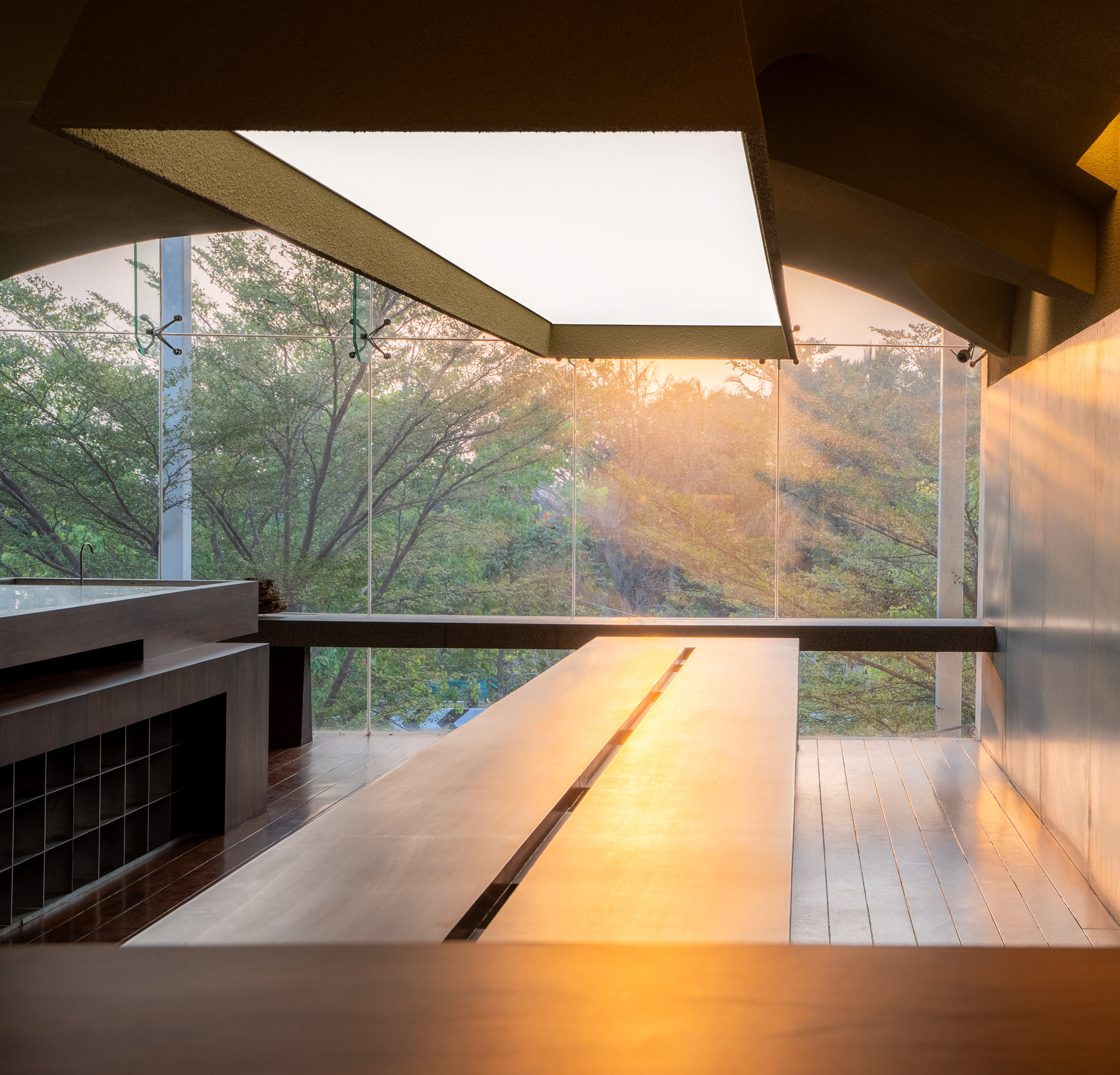
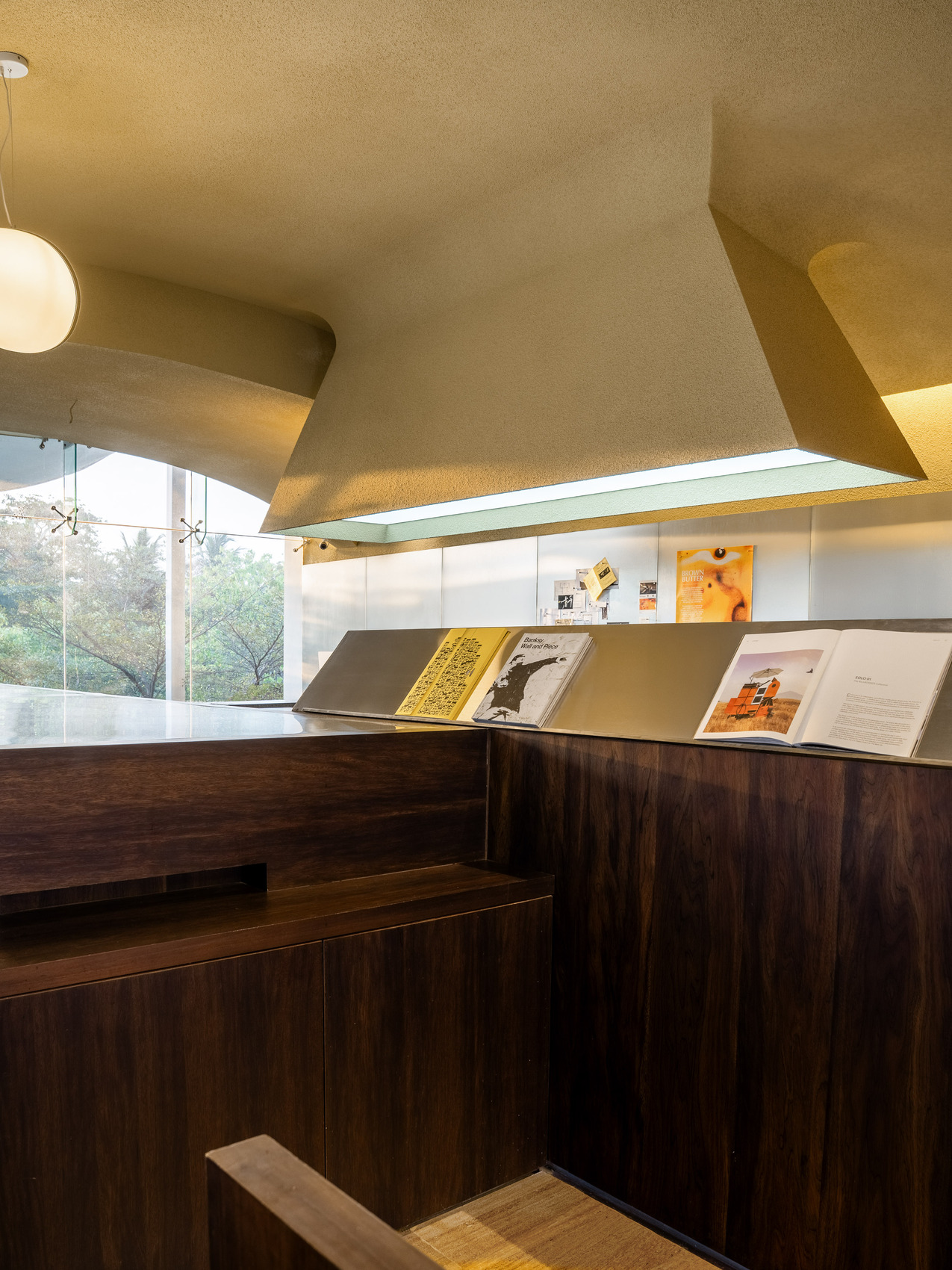
Light completes the architectural experience. The west-facing façade remains open to capture the long wash of evening sunlight, animating the interior through subtle tonal transitions inspired by the shift from pale butter yellow to caramelized brown. Artificial lighting follows the stretched geometry of the ceiling, preserving the continuity of the volume through even illumination. An open-access library extends the lab’s function beyond the practice itself, welcoming students, collaborators, and visitors into its ecosystem of research and dialogue. In doing so, Billboards R&D Lab positions itself not as a finished object, but as an architectural framework for continual inquiry and transformation.
Project Gallery
Project Location
Address: Chennai, Tamil Nadu, India
The location specified is intended for general reference and may denote a city or country, but it does not identify a precise address.

