

Architects: Kallmann, McKinnell, & Knowles
Area: 47,700 m² (513,000 ft²)
Year: 1968
Photography: Kallmann, McKinnell, & Knowles, Henry Wood, Thibaud Poirier, Luca Onniboni, Utile, Reed Hilderbrand, Anton Grassl, Esto, Indranil Chakraborty, Ron Perry, Peter Vanderwarker, Raj Das Photography, Washingtonydc, 3 Dots, Wikimedia Commons, City of Boston, Bill Lebovich, Gunnar Klack, Ernst Halberstadt, Daniel Schwen, ajay_suresh, NewtonCourt, M2545, 4300streetcar, CommonKnowledgeCreator, Epicgenius, Pvmoutside
Associate Architects: Campbell, Aldrich, & Nulty
Structural Engineer: LeMessurier Consultants
Manufacturer: V2 Lighting Group
Client: City of Boston
City: Boston
Country: United States
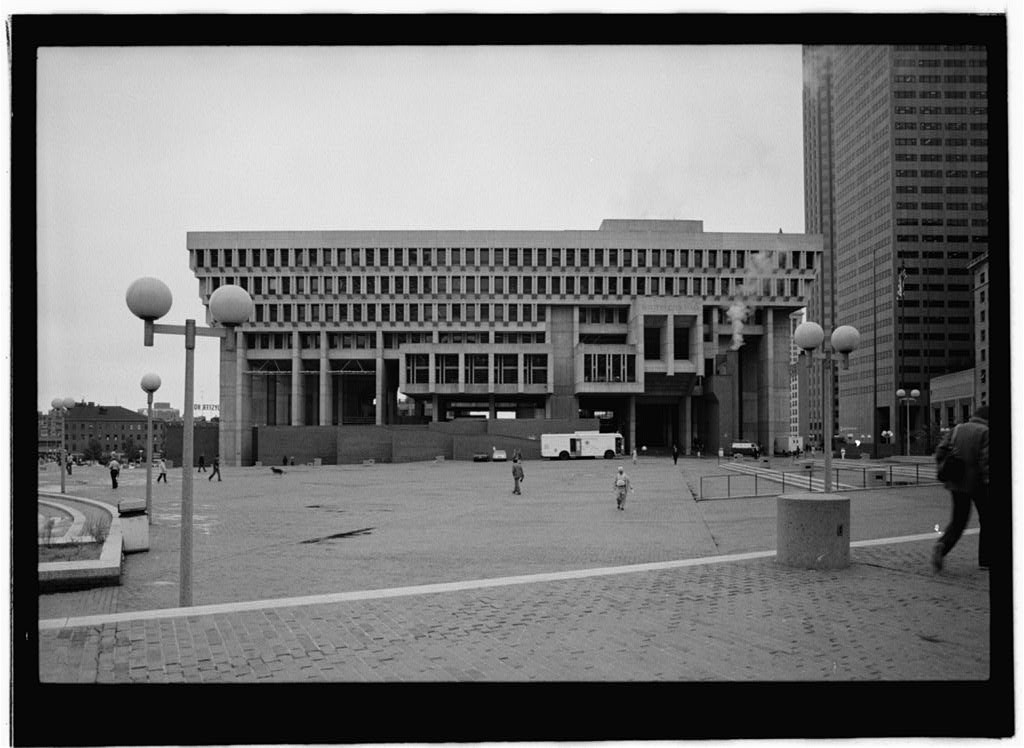
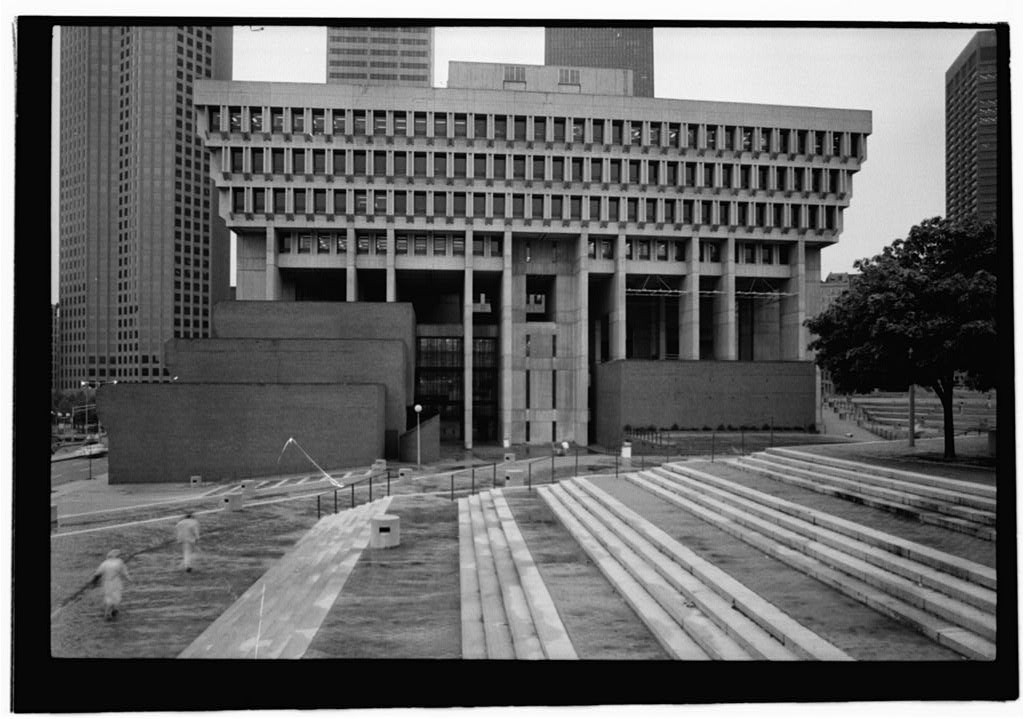
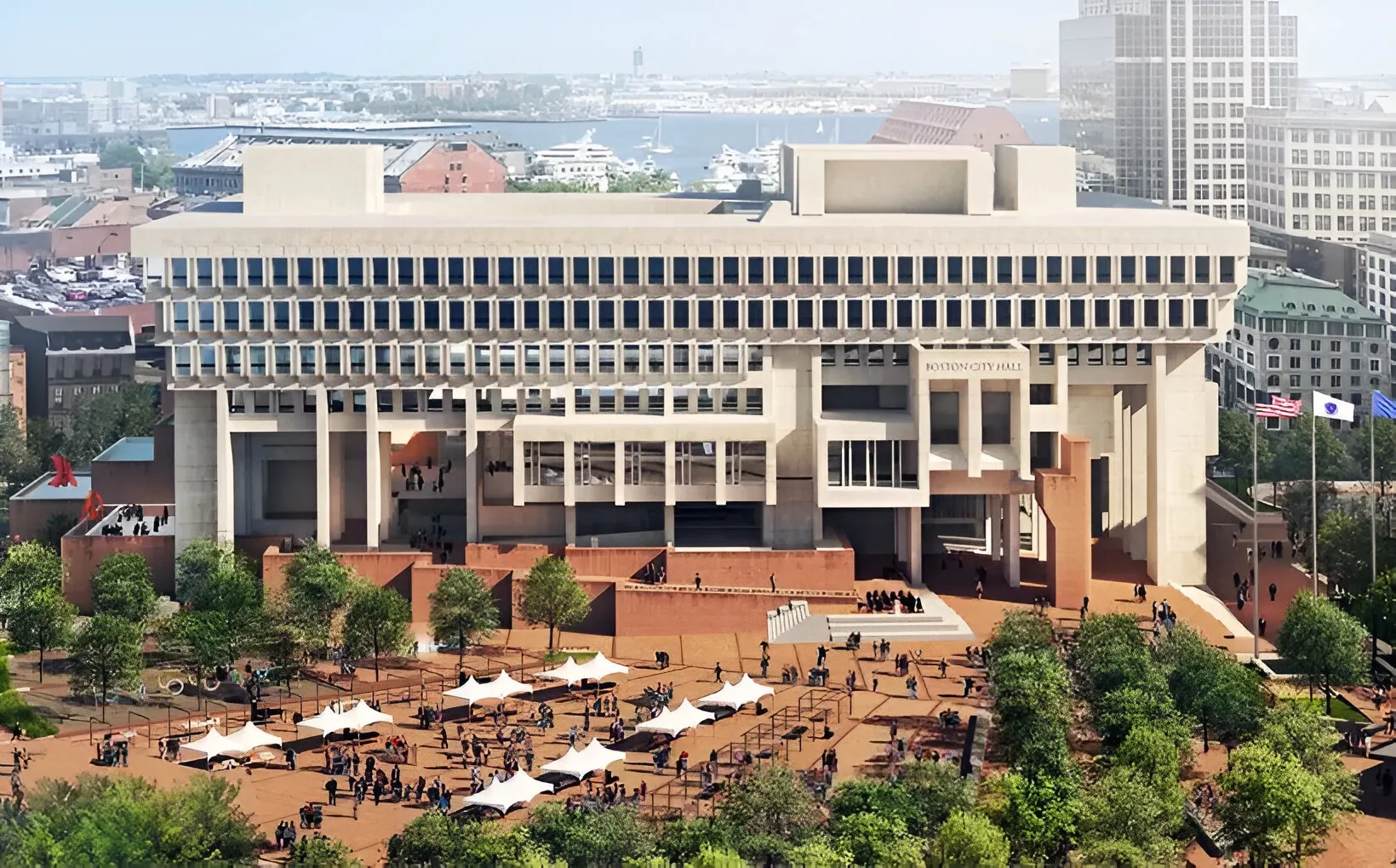
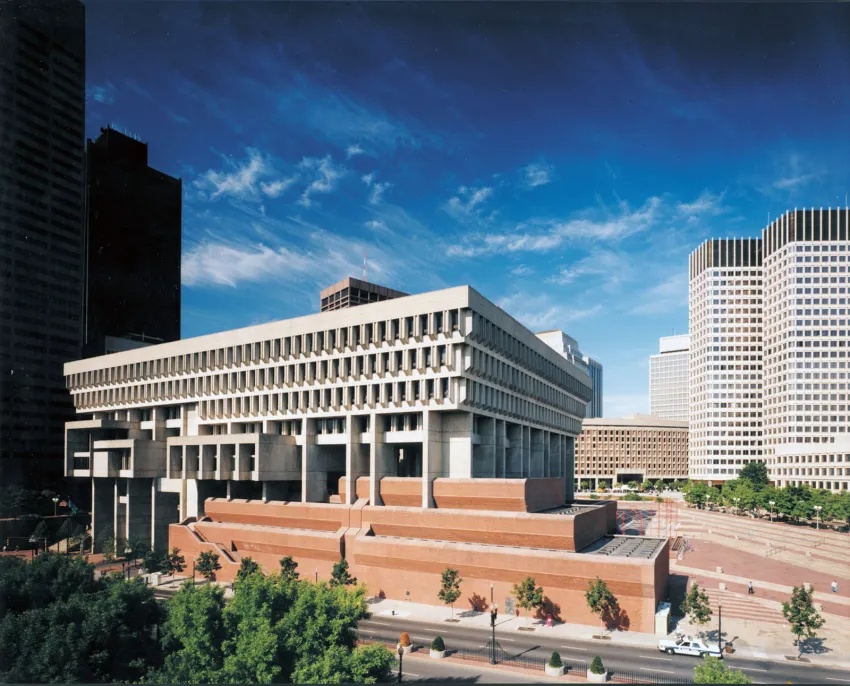
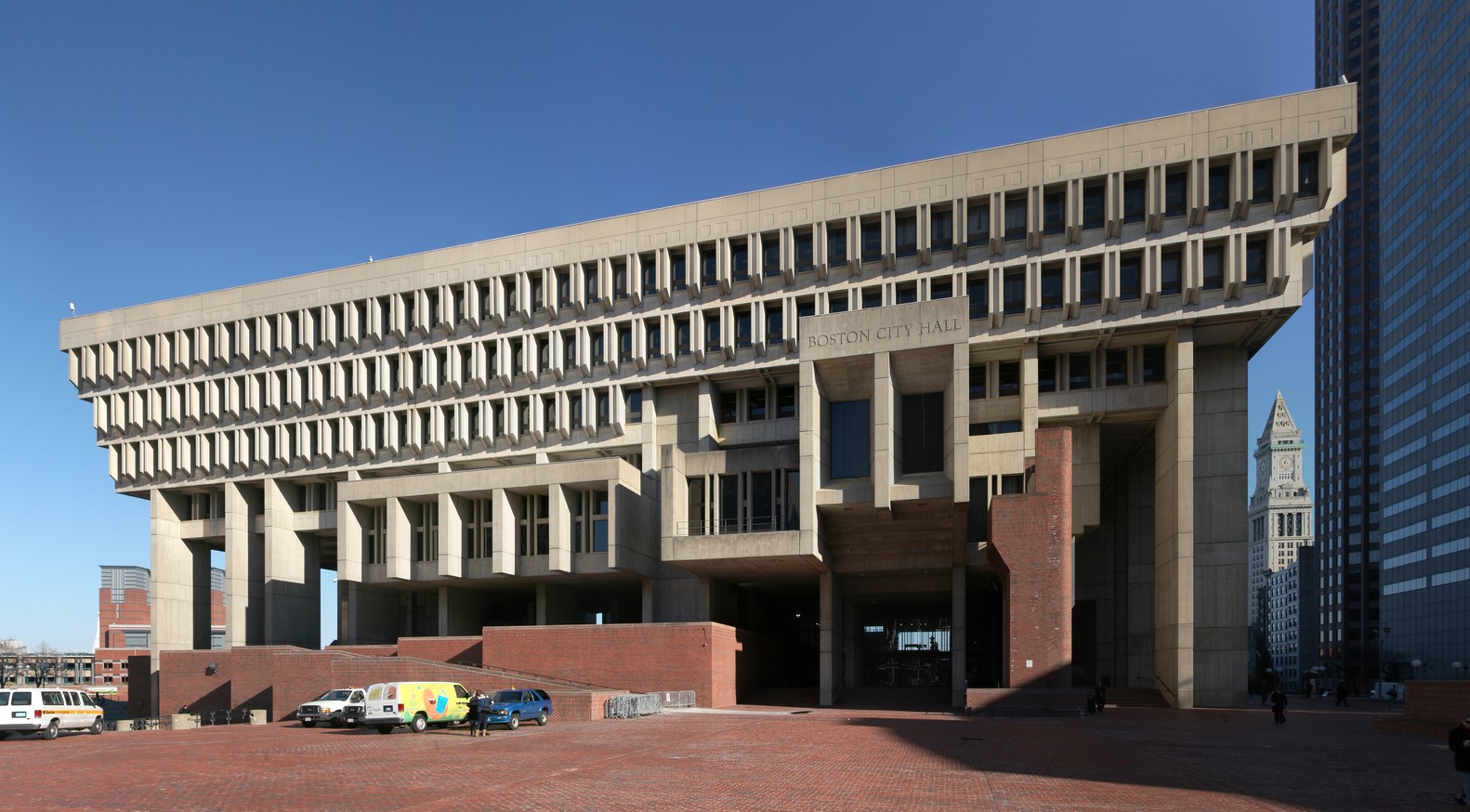
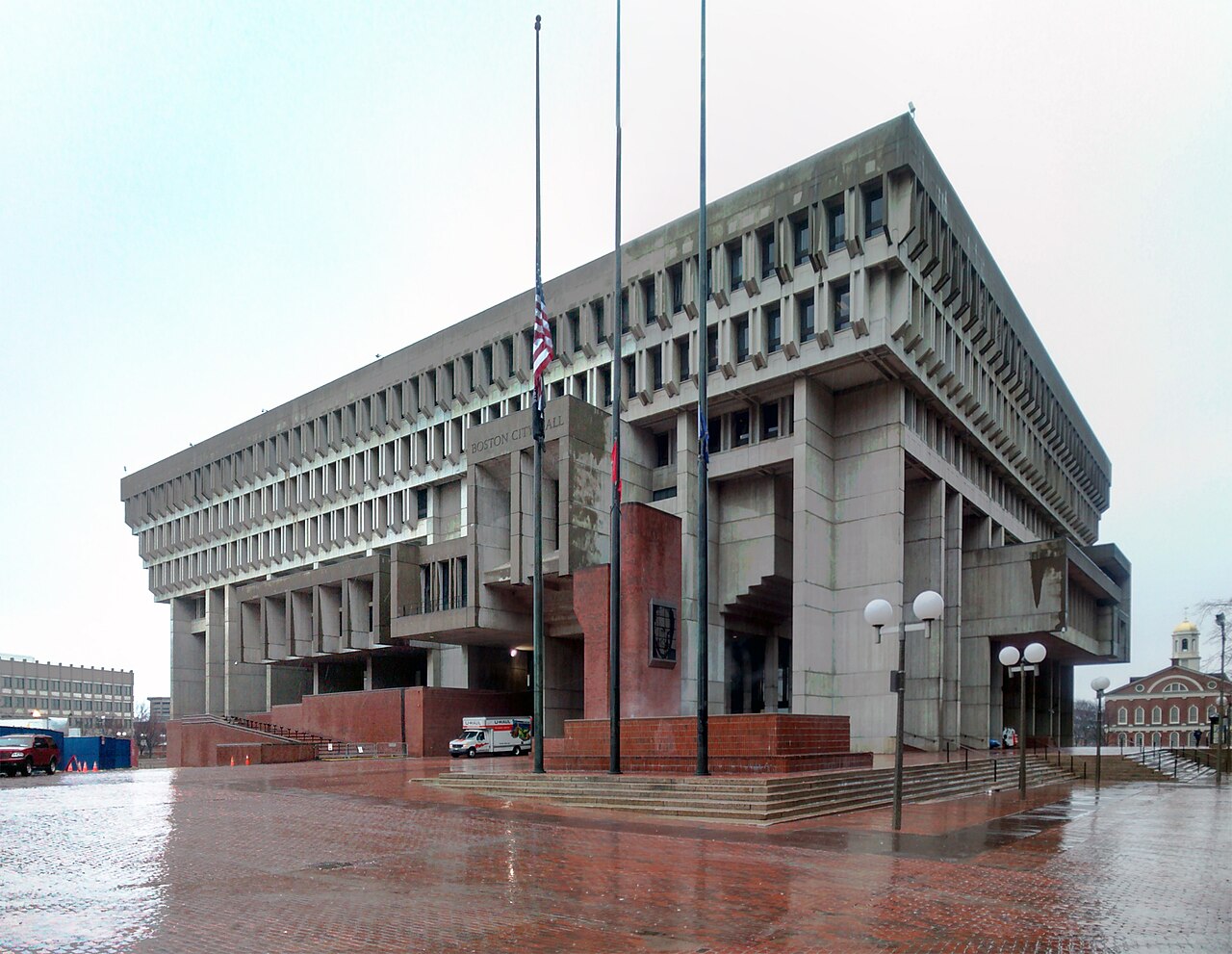
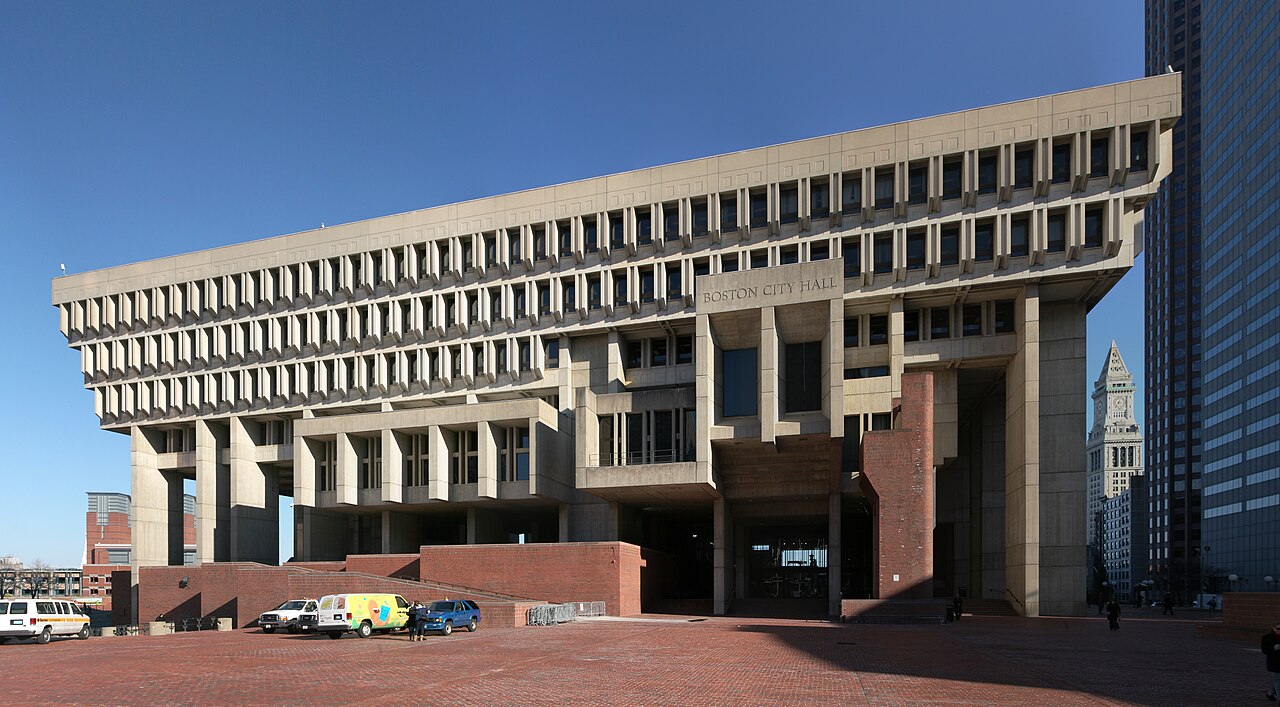
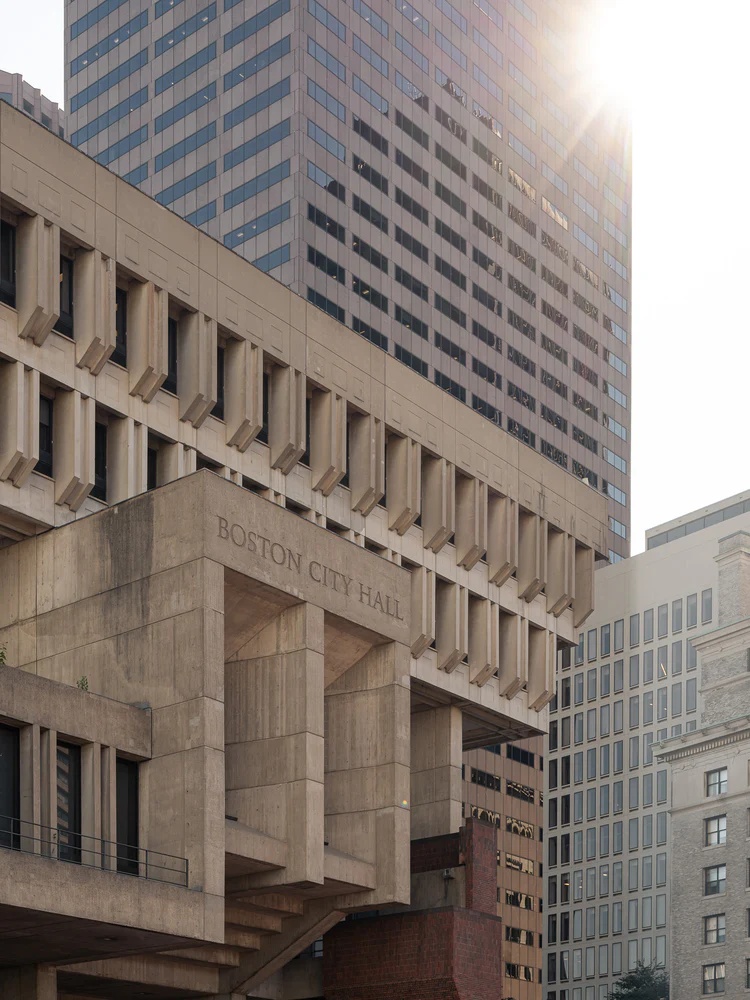
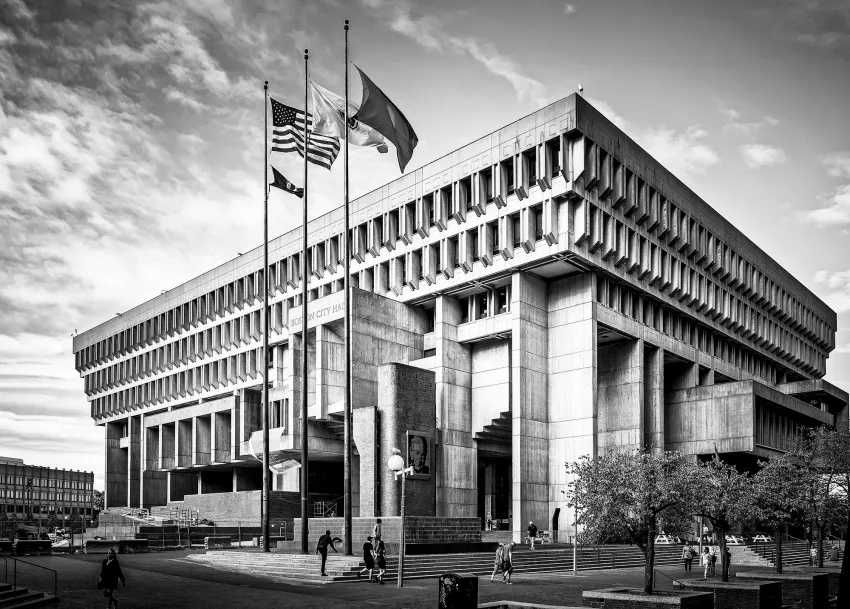
Boston City Hall civic building designed by Kallmann McKinnell & Knowles in Boston, Massachusetts redefined municipal architecture through Brutalist form, exposed structure, and a direct relationship between government and public space. Completed in 1968, the building formed the centerpiece of the Government Center redevelopment and replaced Boston’s nineteenth-century Old City Hall. The project organized civic functions into a tripartite system, placing public services on the lower levels, ceremonial spaces for elected officials at the center, and administrative offices above. Brick, exposed concrete, deep cantilevers, recessed windows, and projecting concrete frames express the internal hierarchy of the institution on the exterior. City Hall Plaza extends the building’s public ground plane and links the civic interior to the urban realm. Boston City Hall has generated divided responses since its completion, praised as a major work of American Brutalism and criticized for its scale, materiality, and public experience. The building remains one of the most discussed civic structures in the United States and was designated a Boston Landmark.
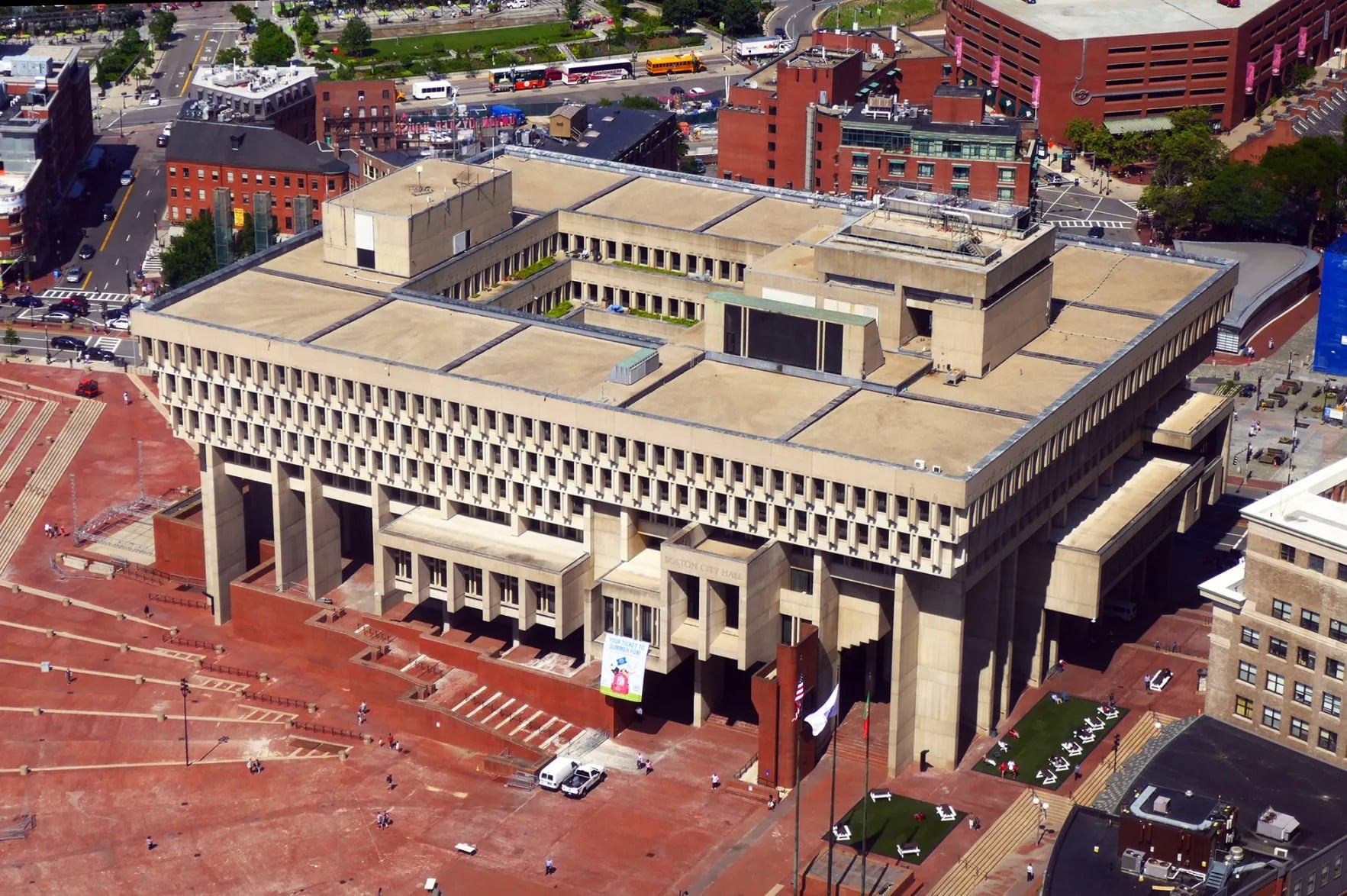
Boston City Hall was designed by Kallmann McKinnell & Knowles after the firm won the 1962 architectural competition for a new municipal building in Boston’s Government Center. The project formed part of a larger urban renewal plan that replaced Scollay Square with a new civic district containing local, state, and federal government buildings.
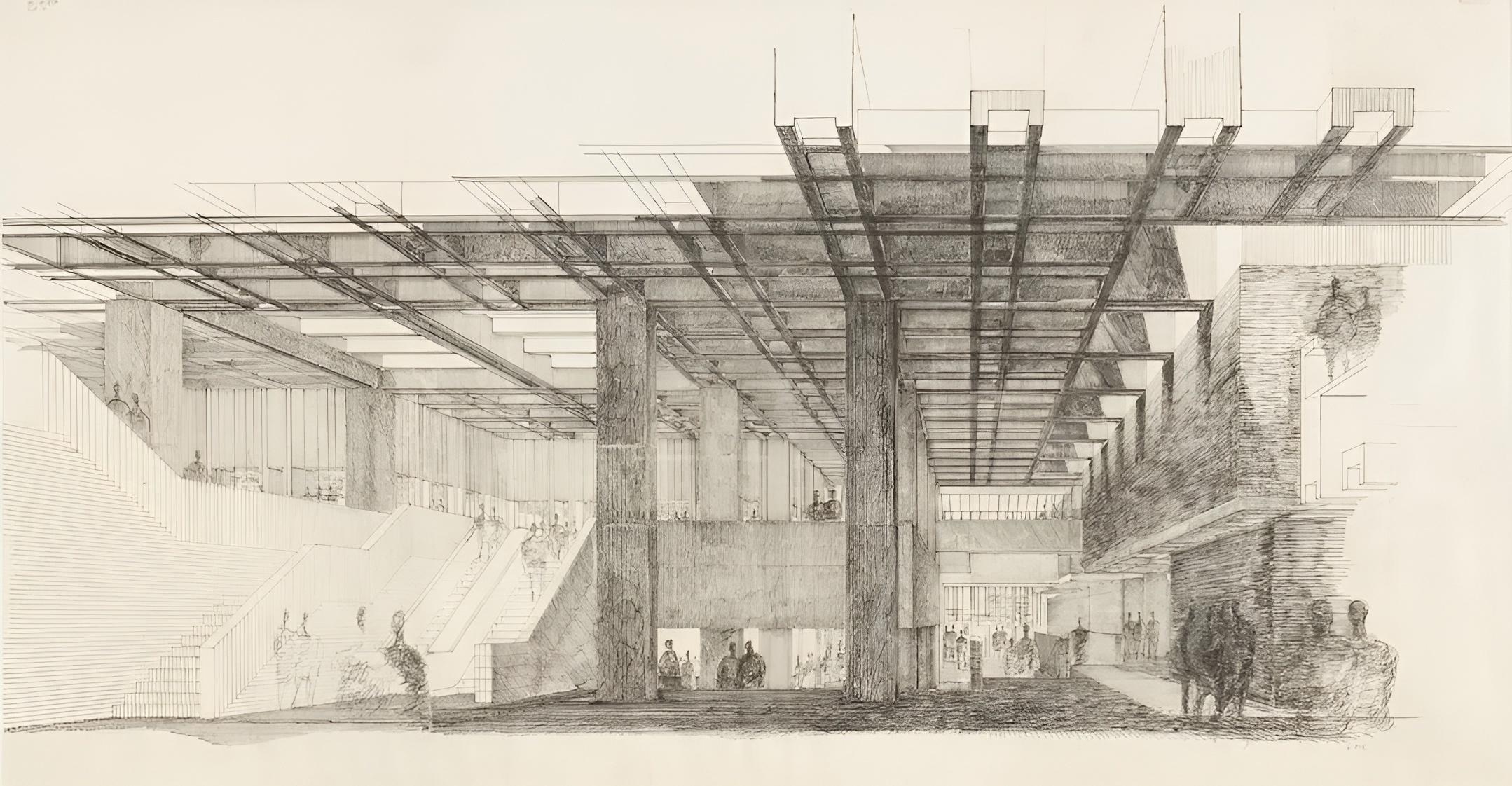
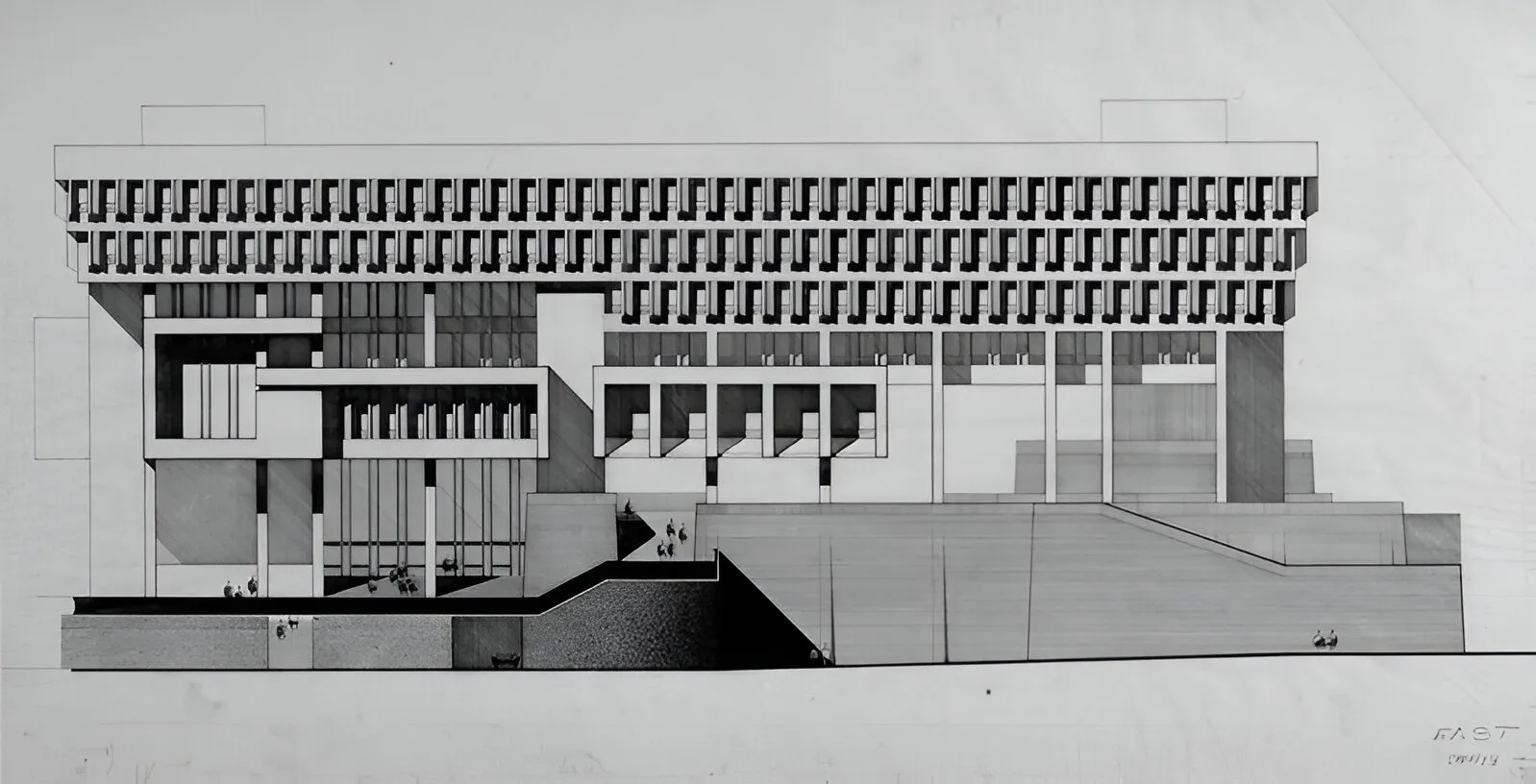
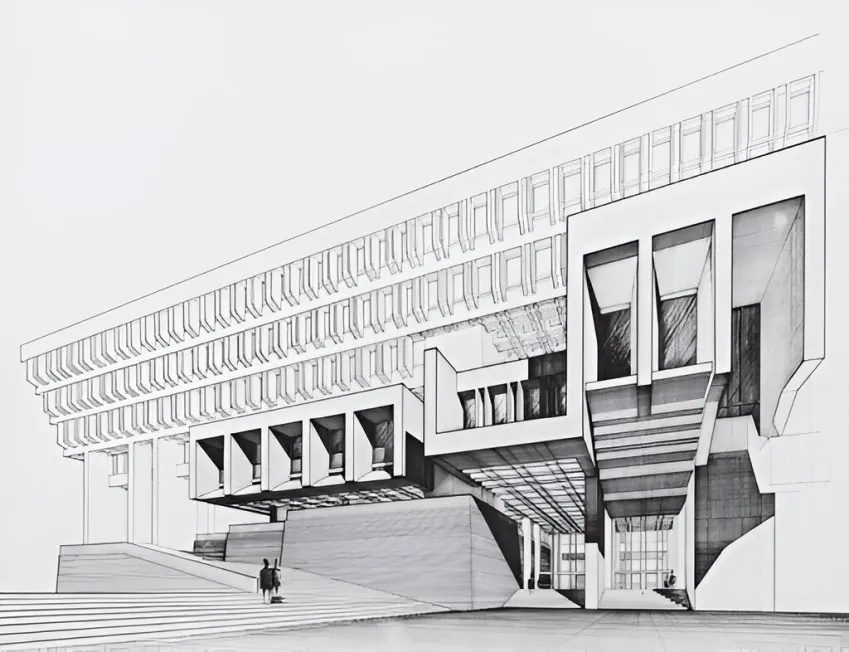
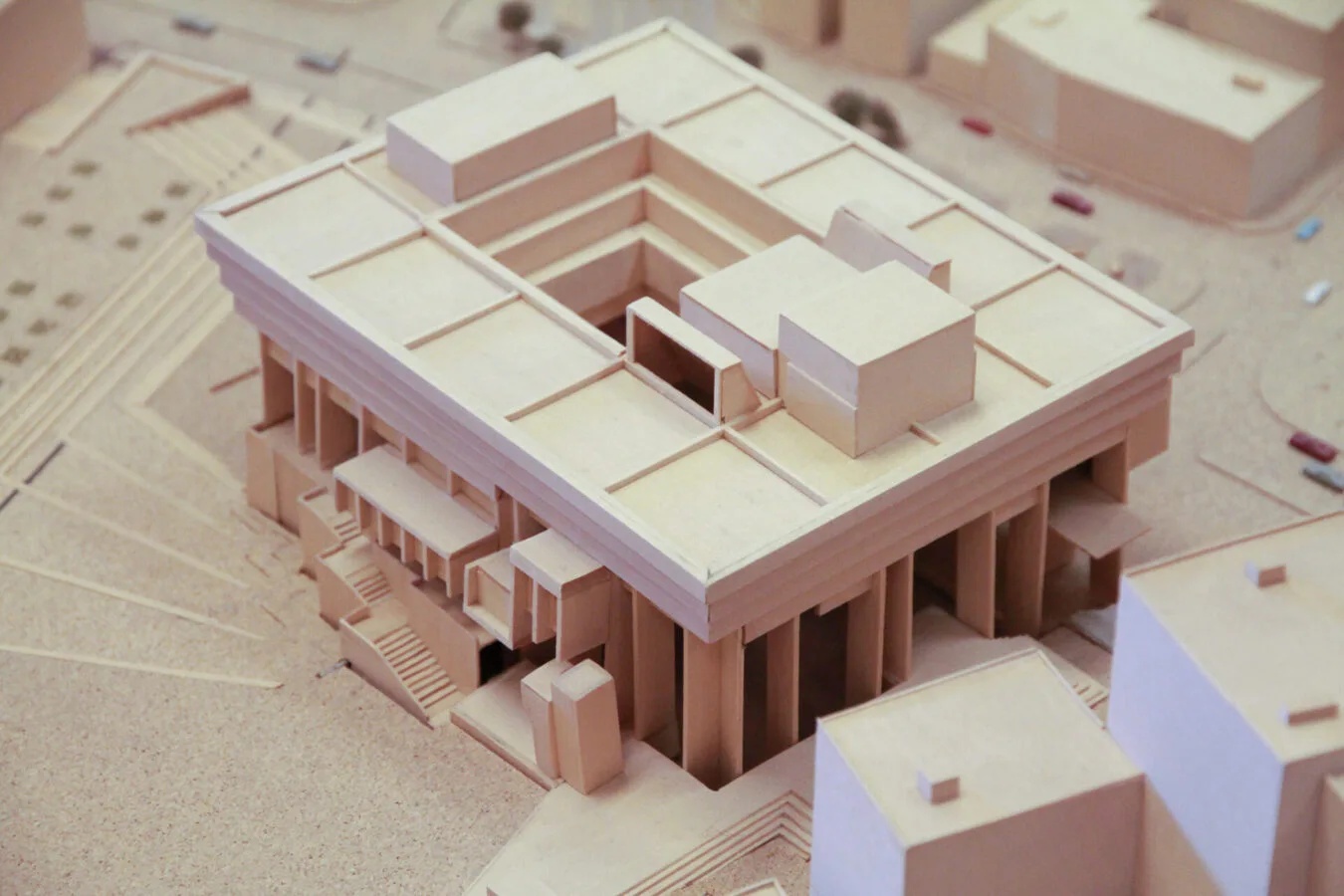
The design rejected the glass-and-steel language common in mid-century institutional architecture. Kallmann McKinnell & Knowles instead developed a Brutalist civic building based on exposed concrete, brick, visible structure, and a direct expression of program. The architects sought a building rooted in its social, political, and urban context rather than an abstract modernist object.
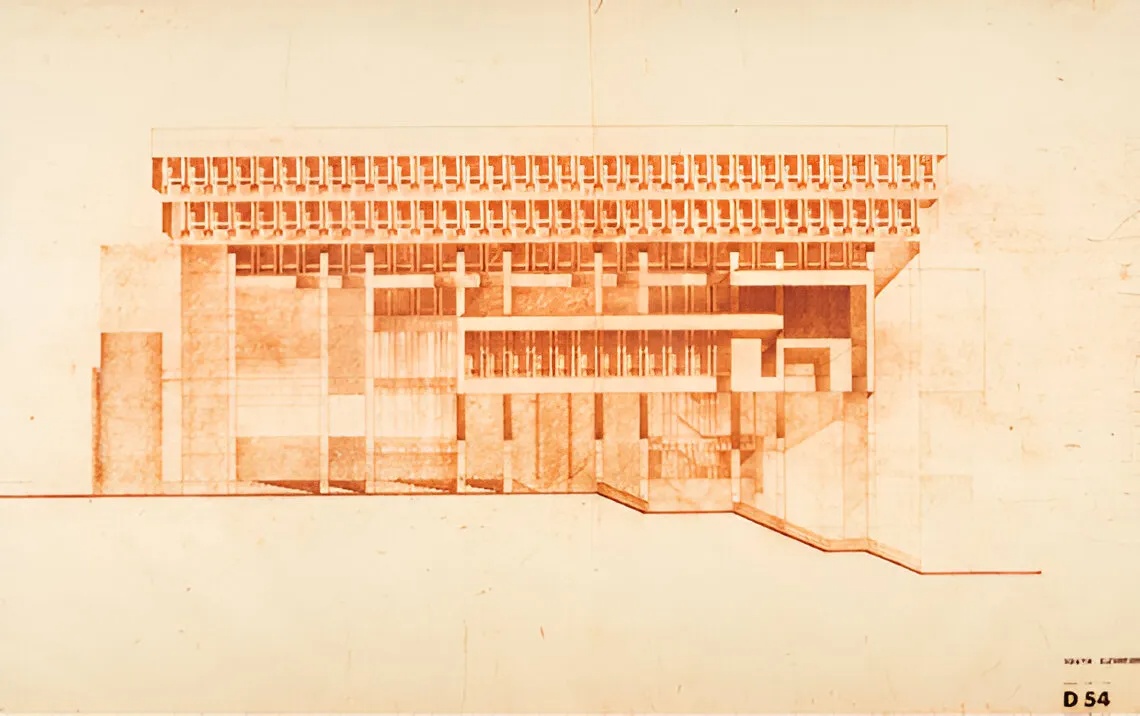
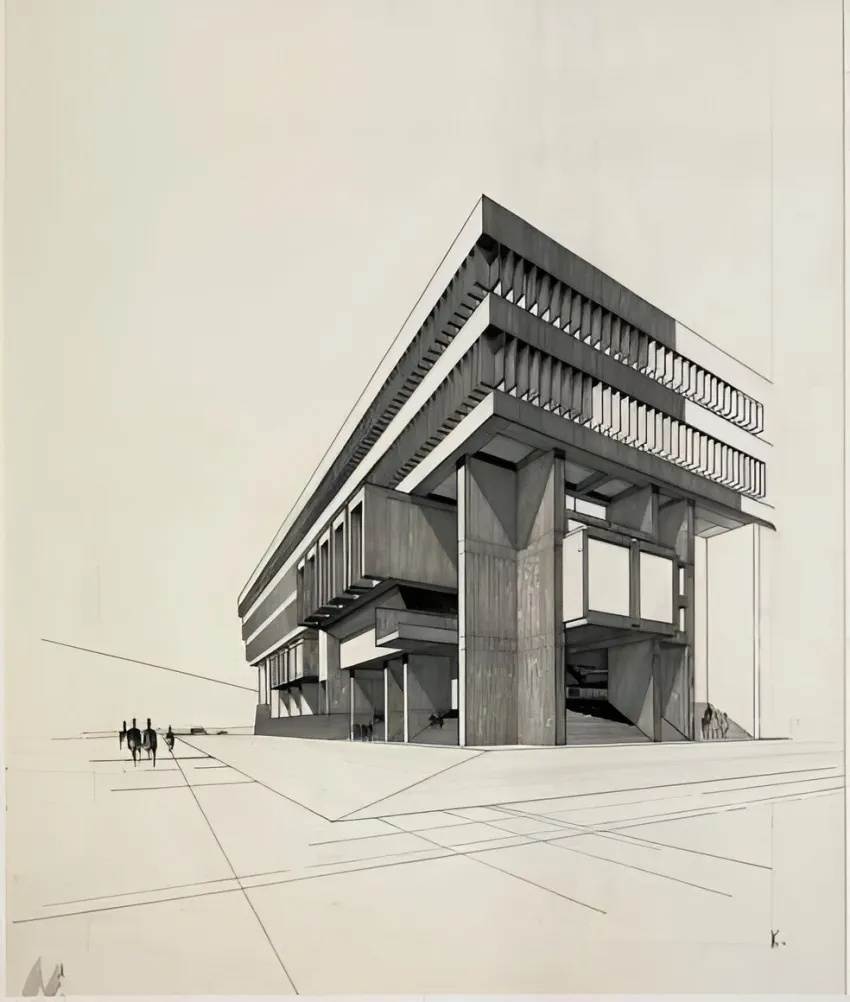
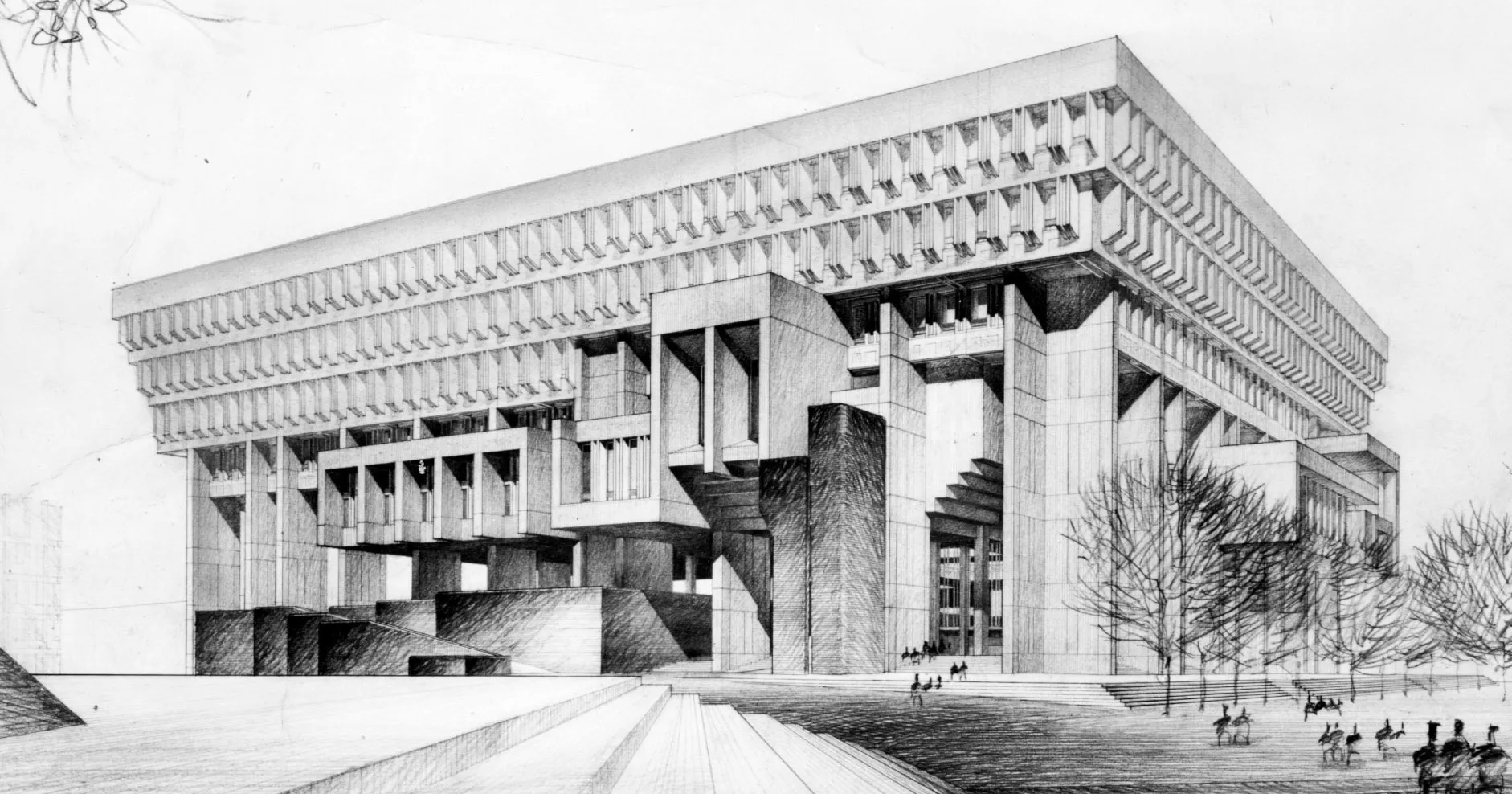
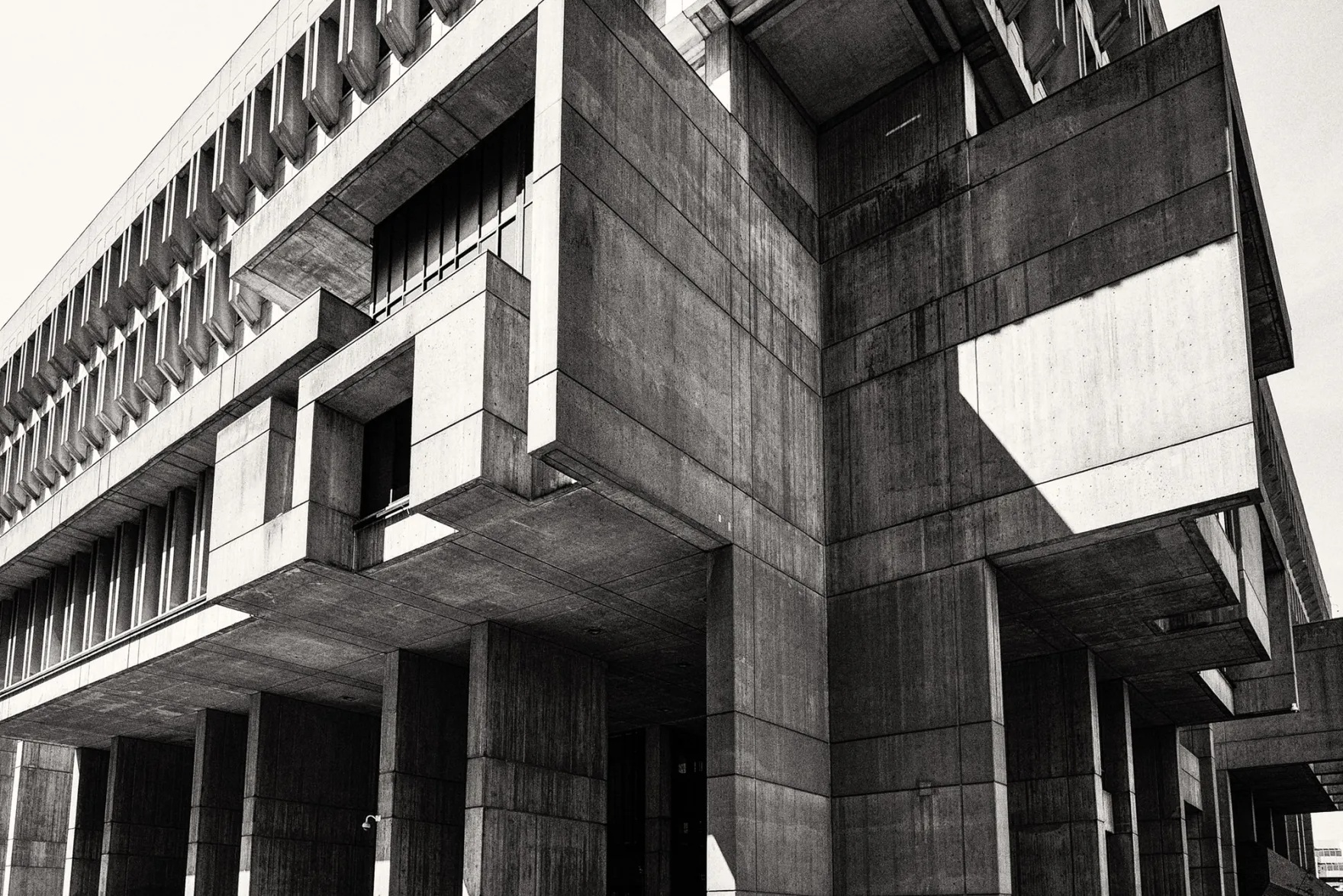
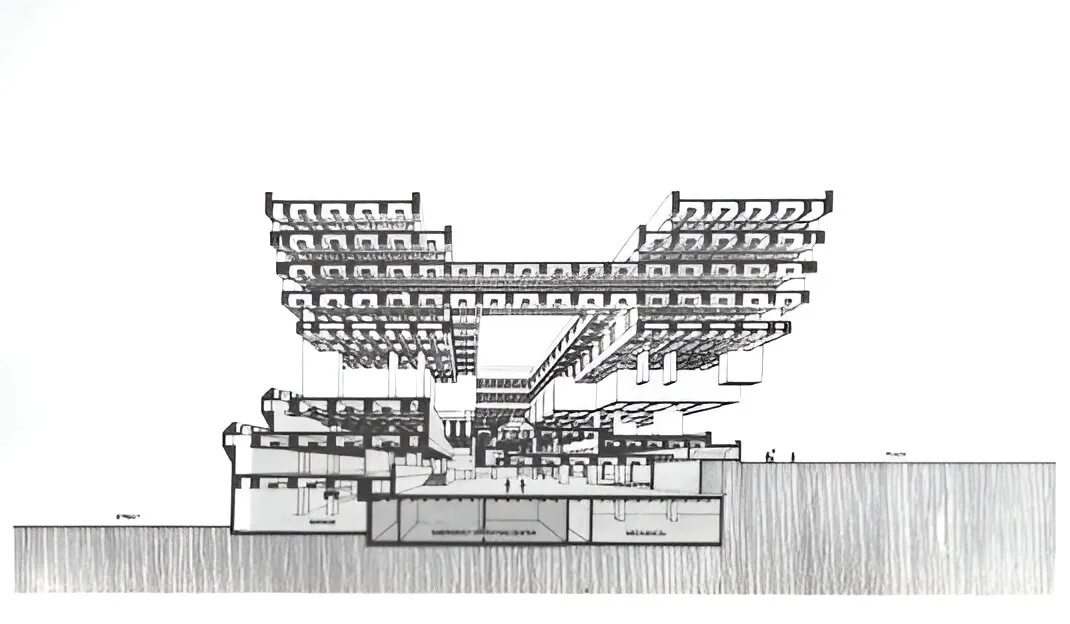
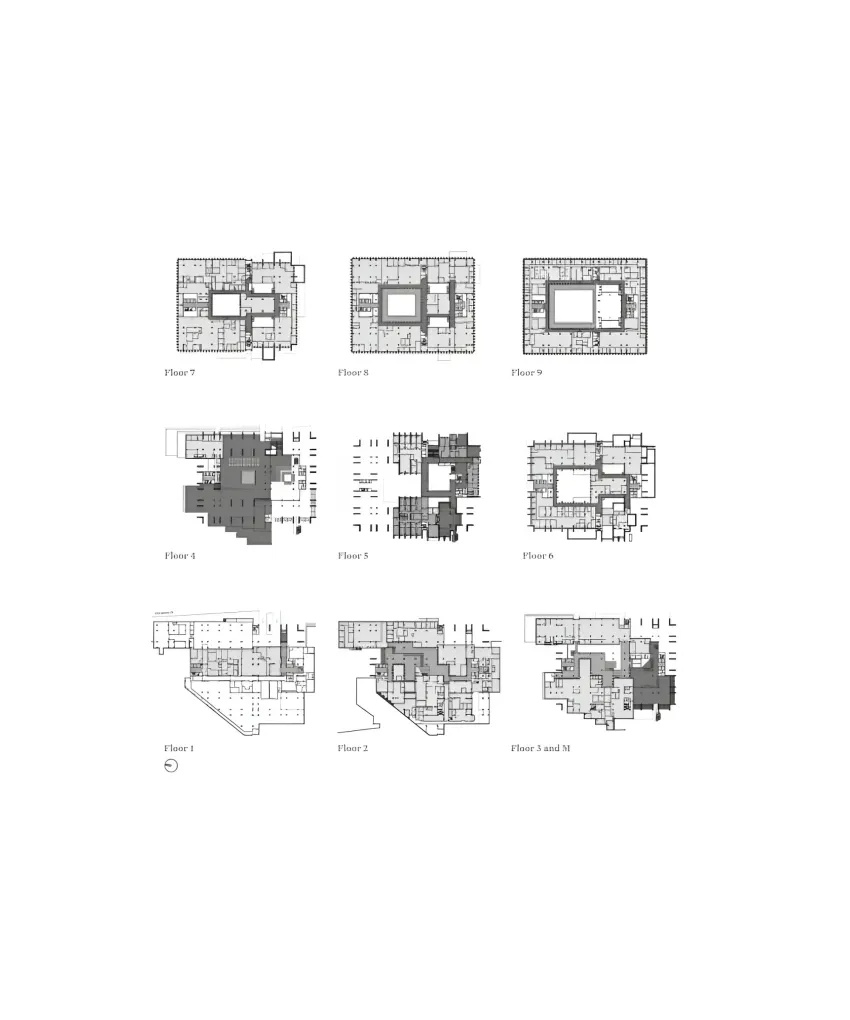
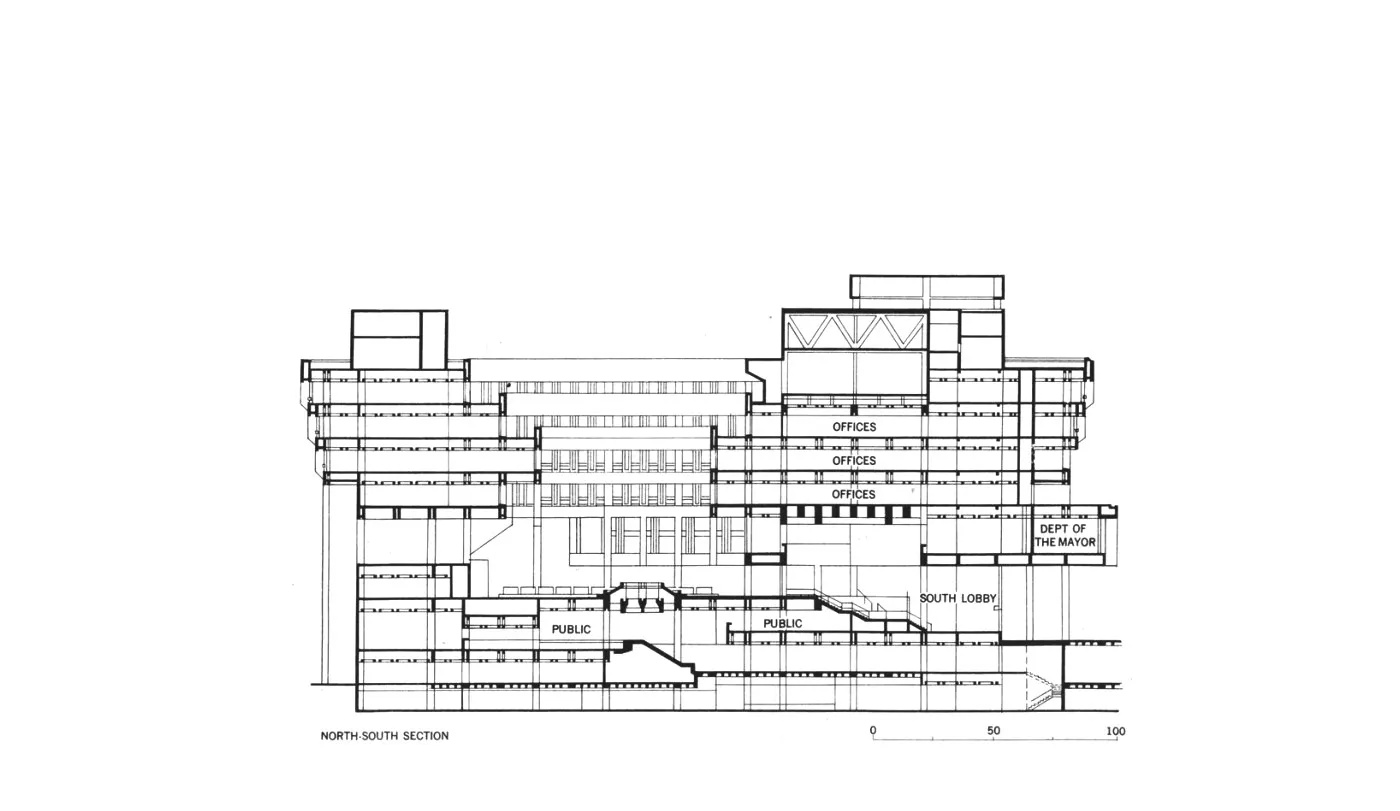
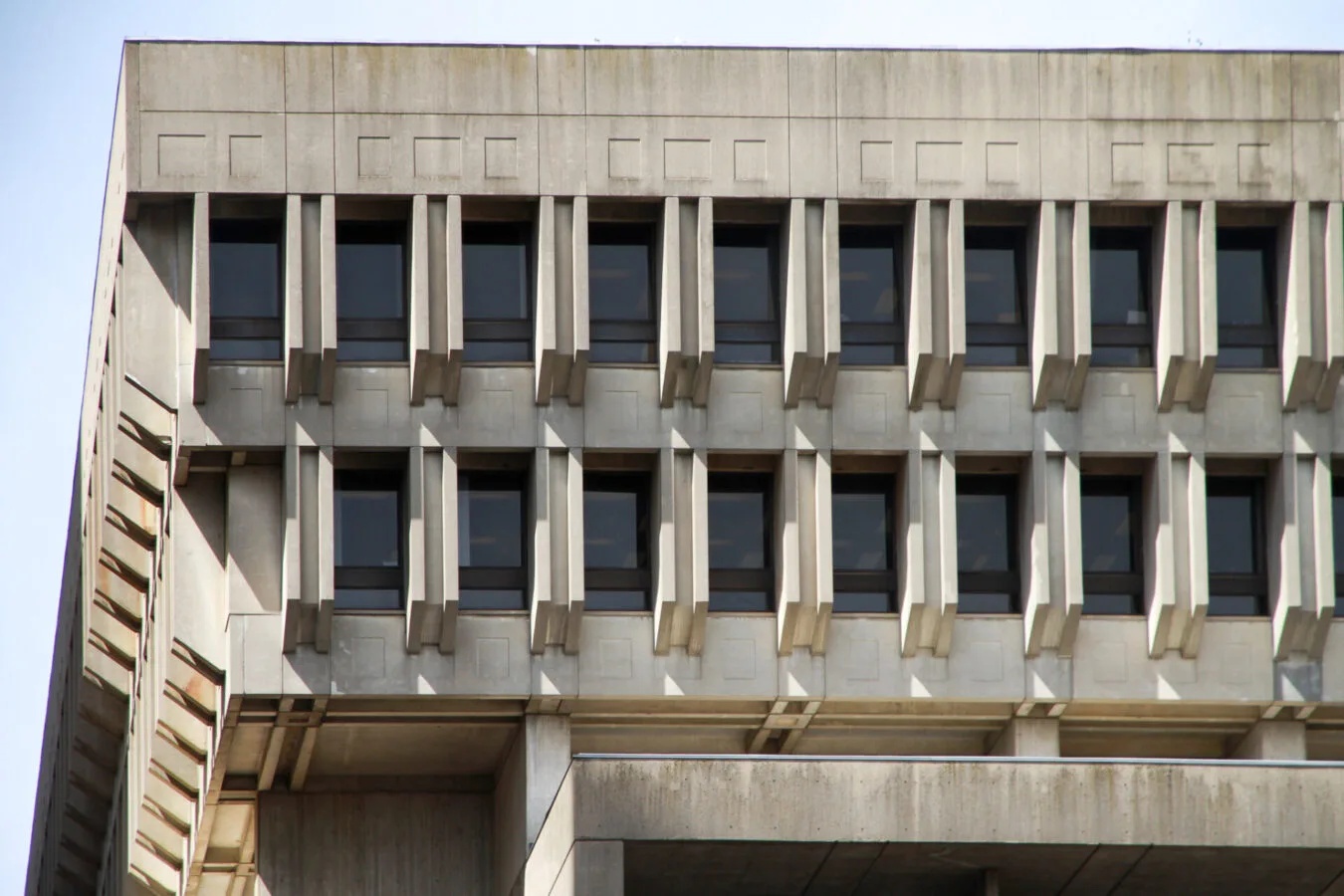
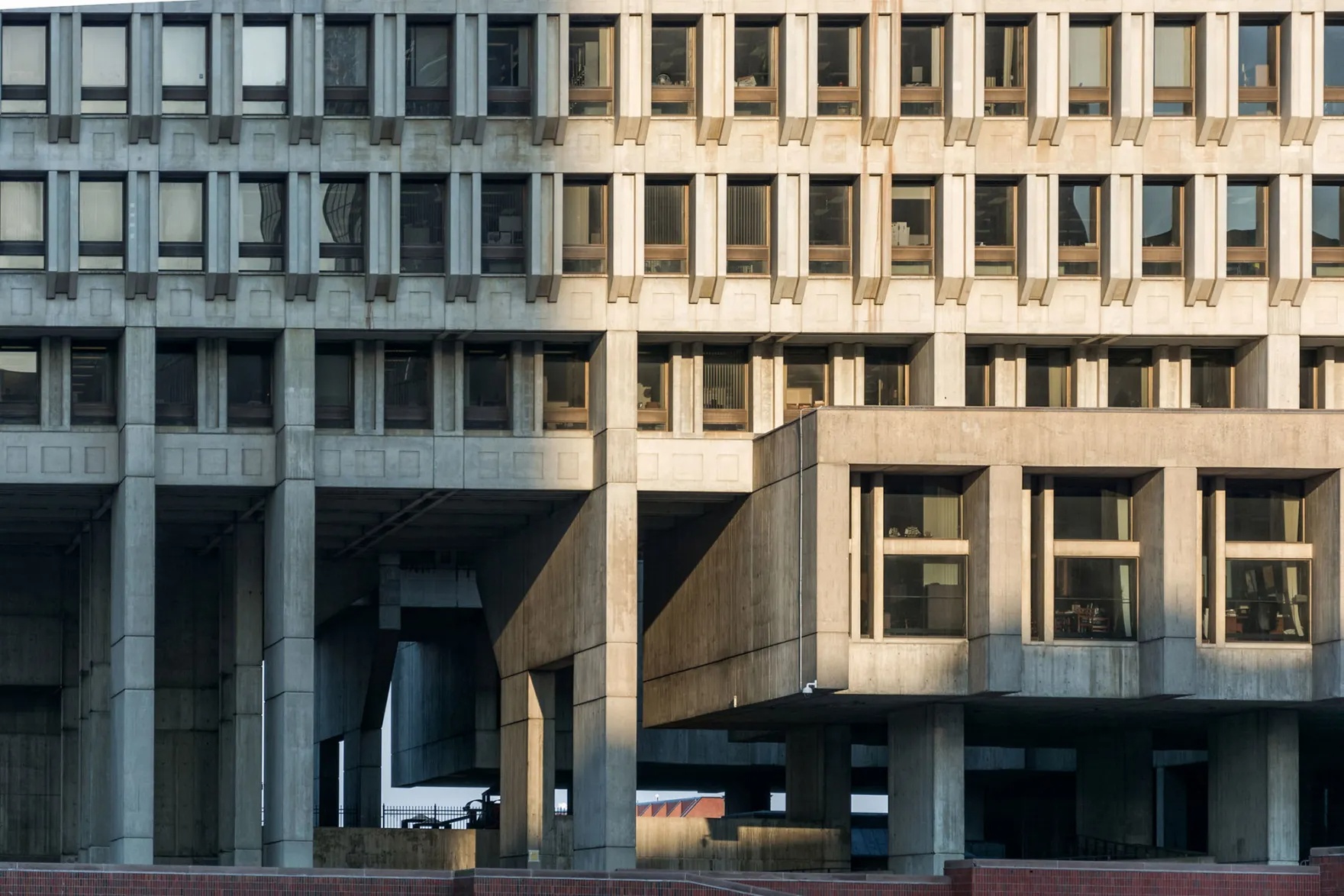
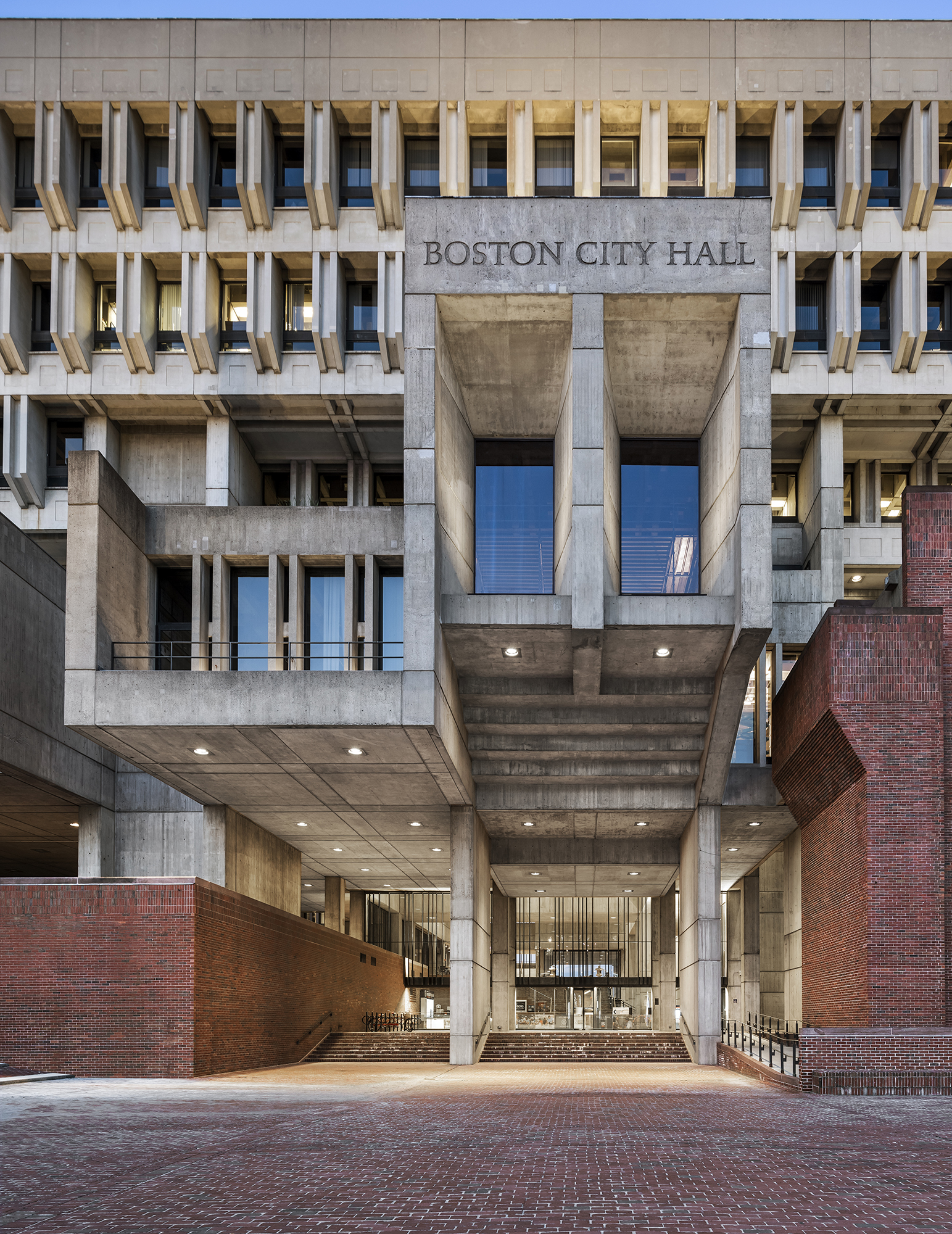
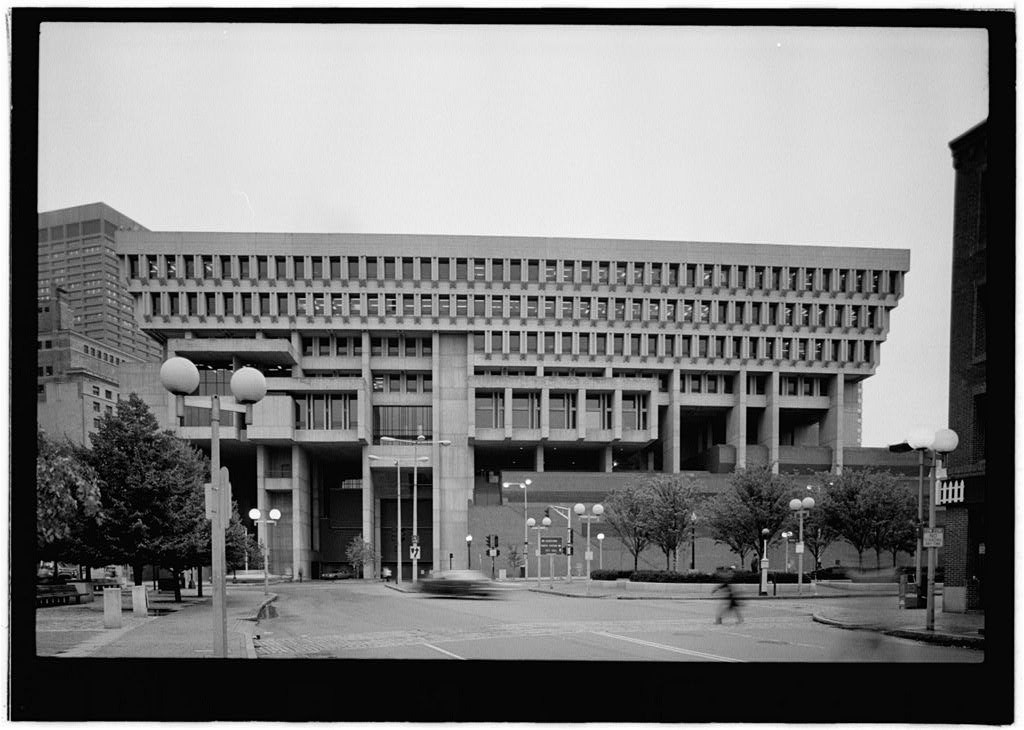
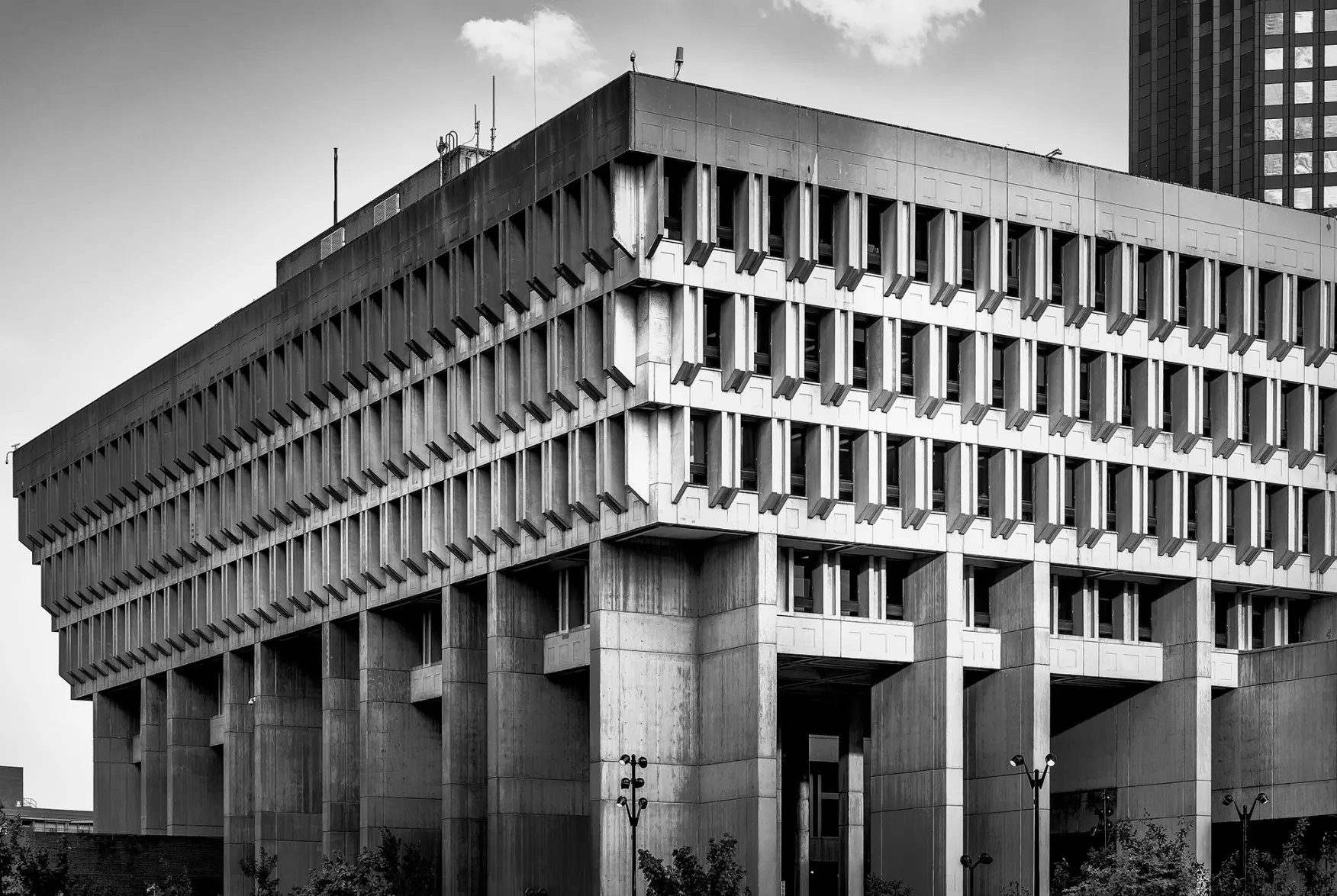
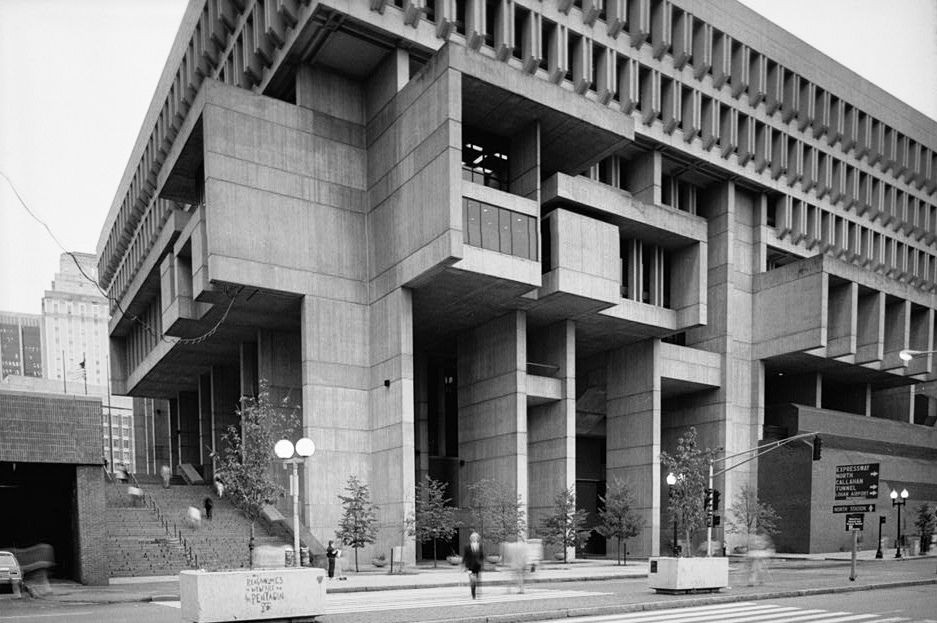
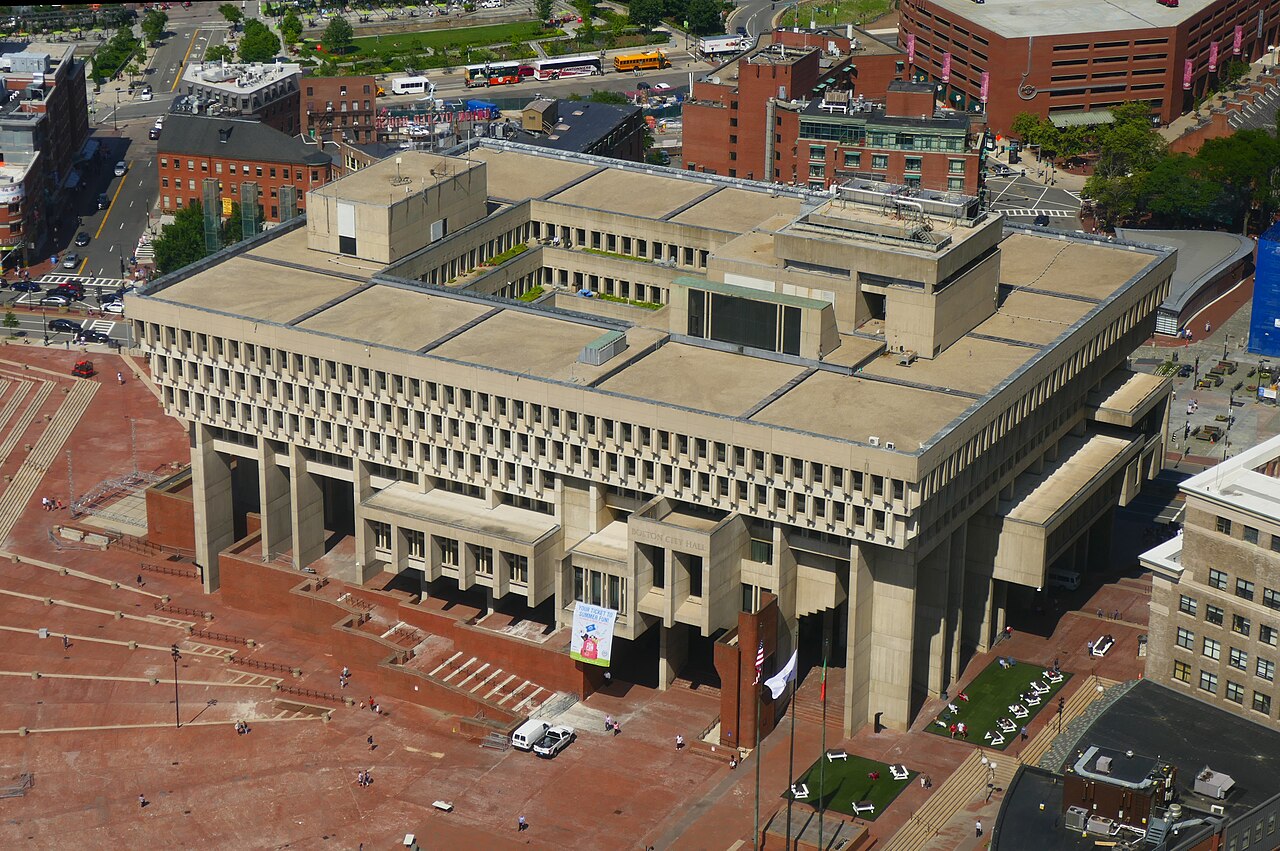
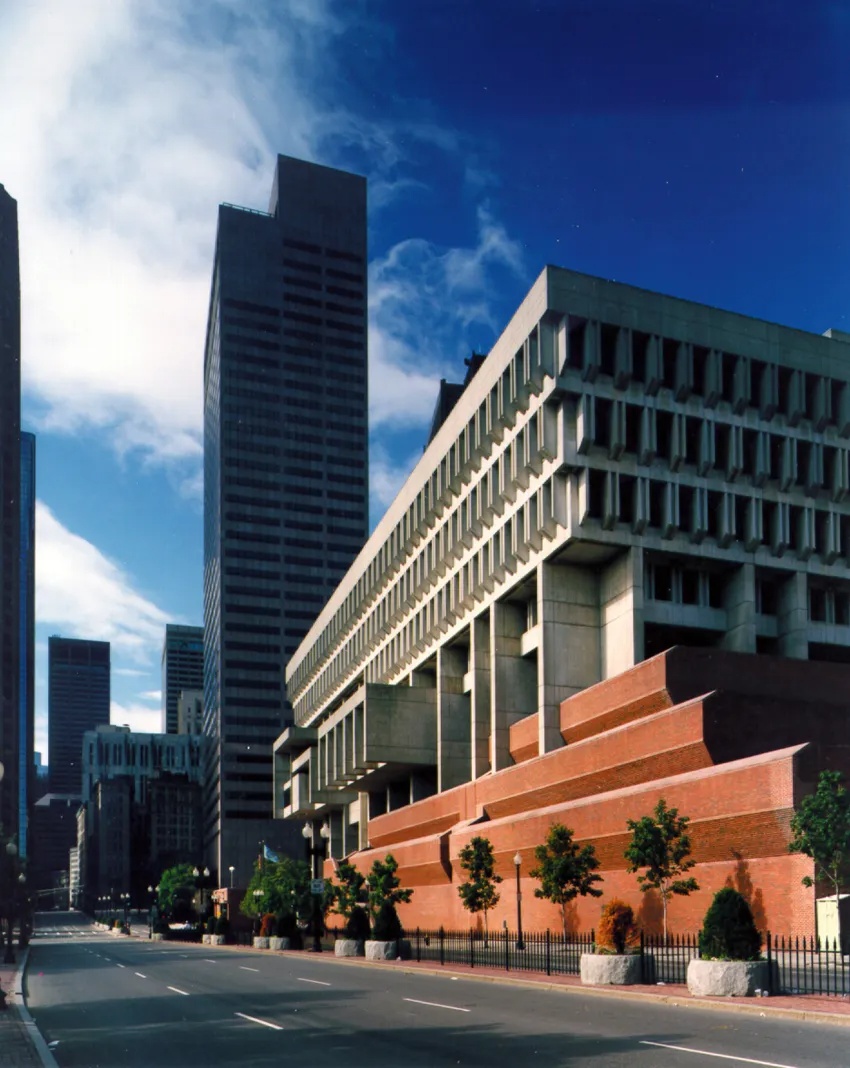
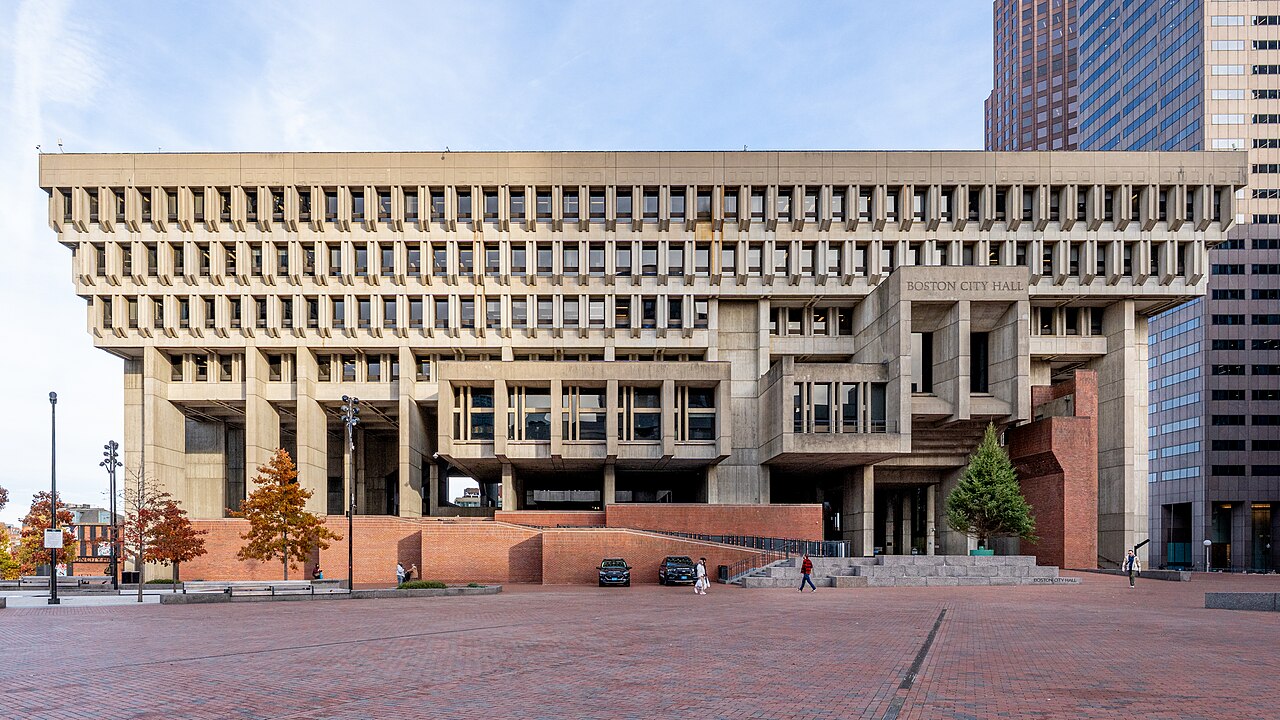
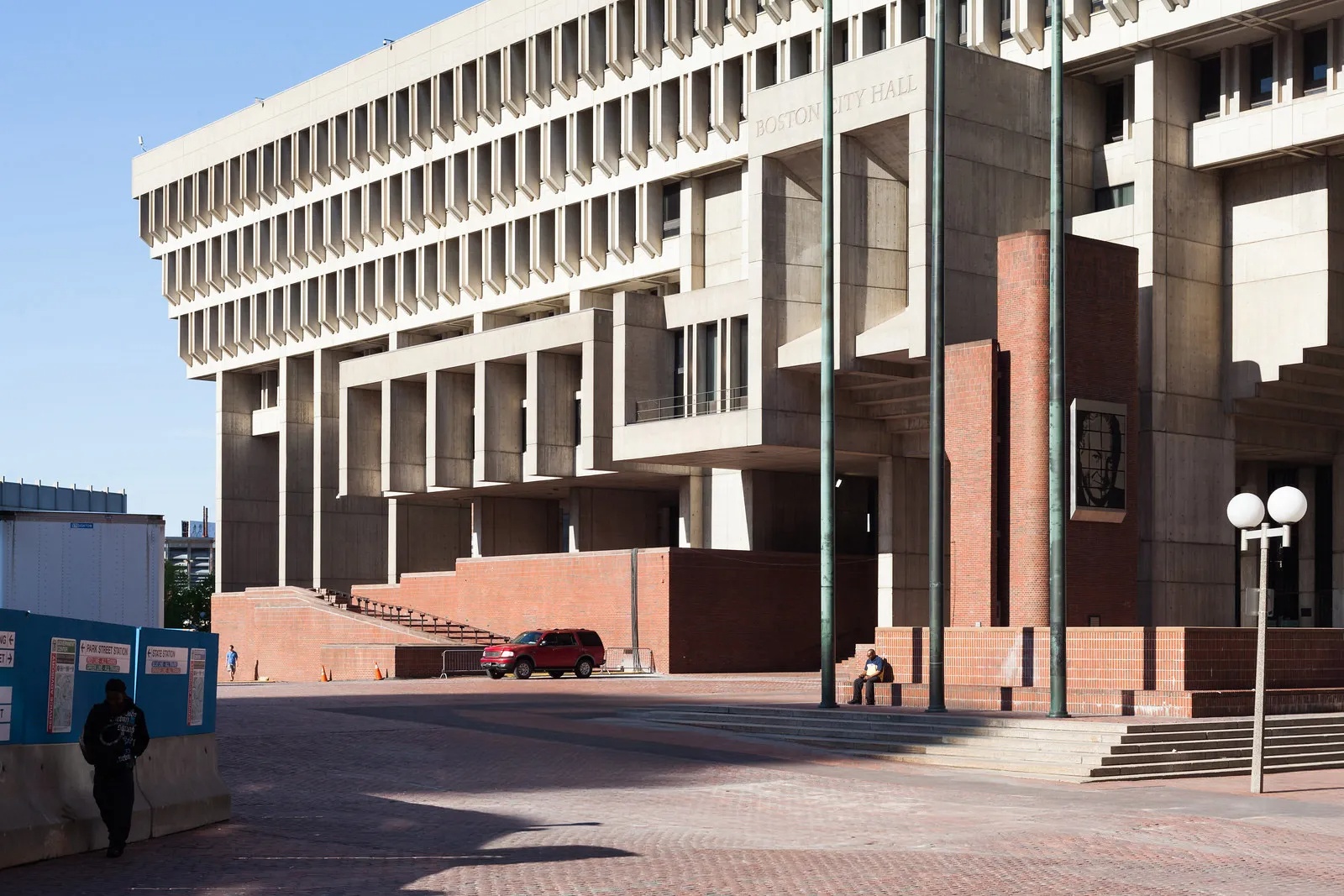
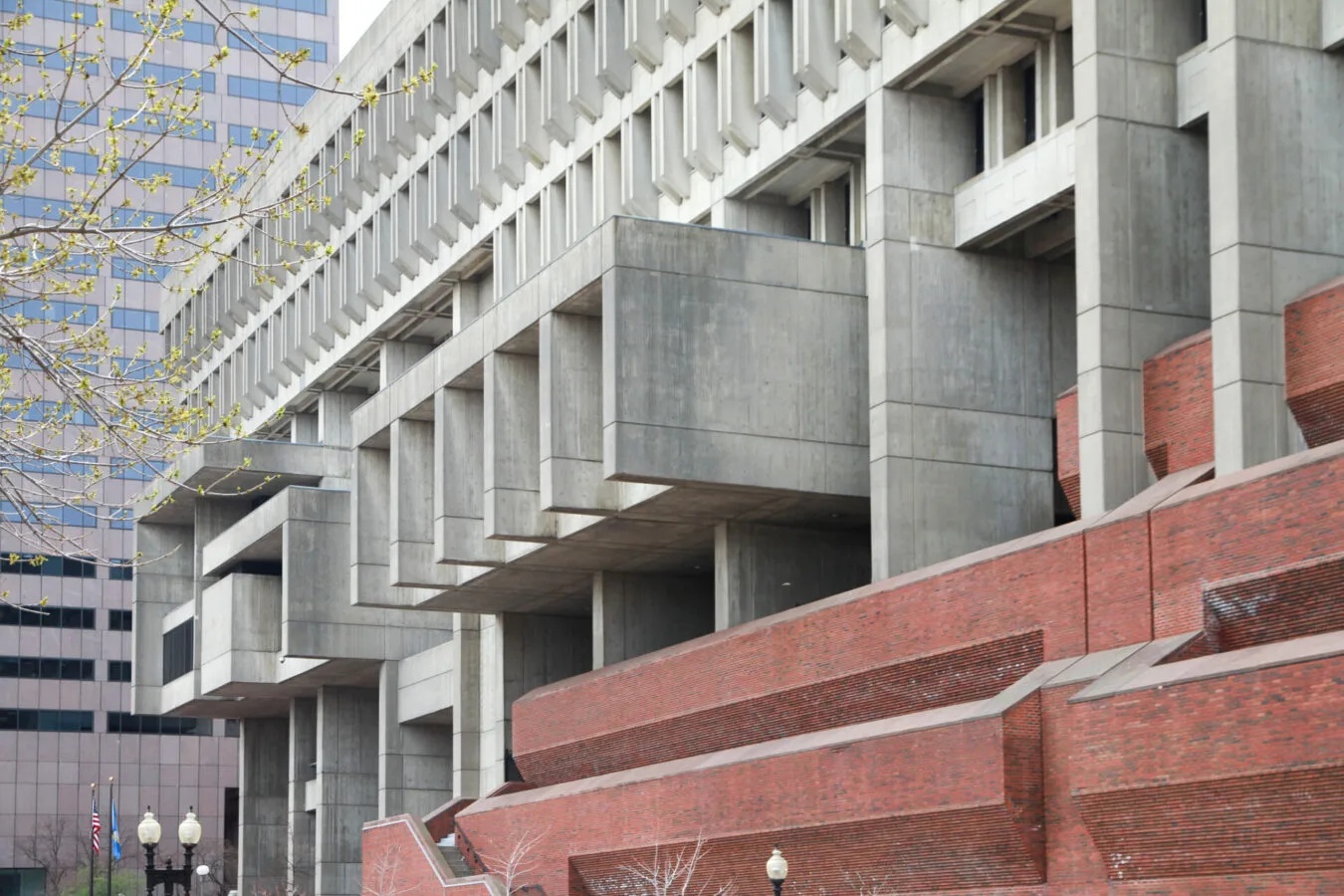
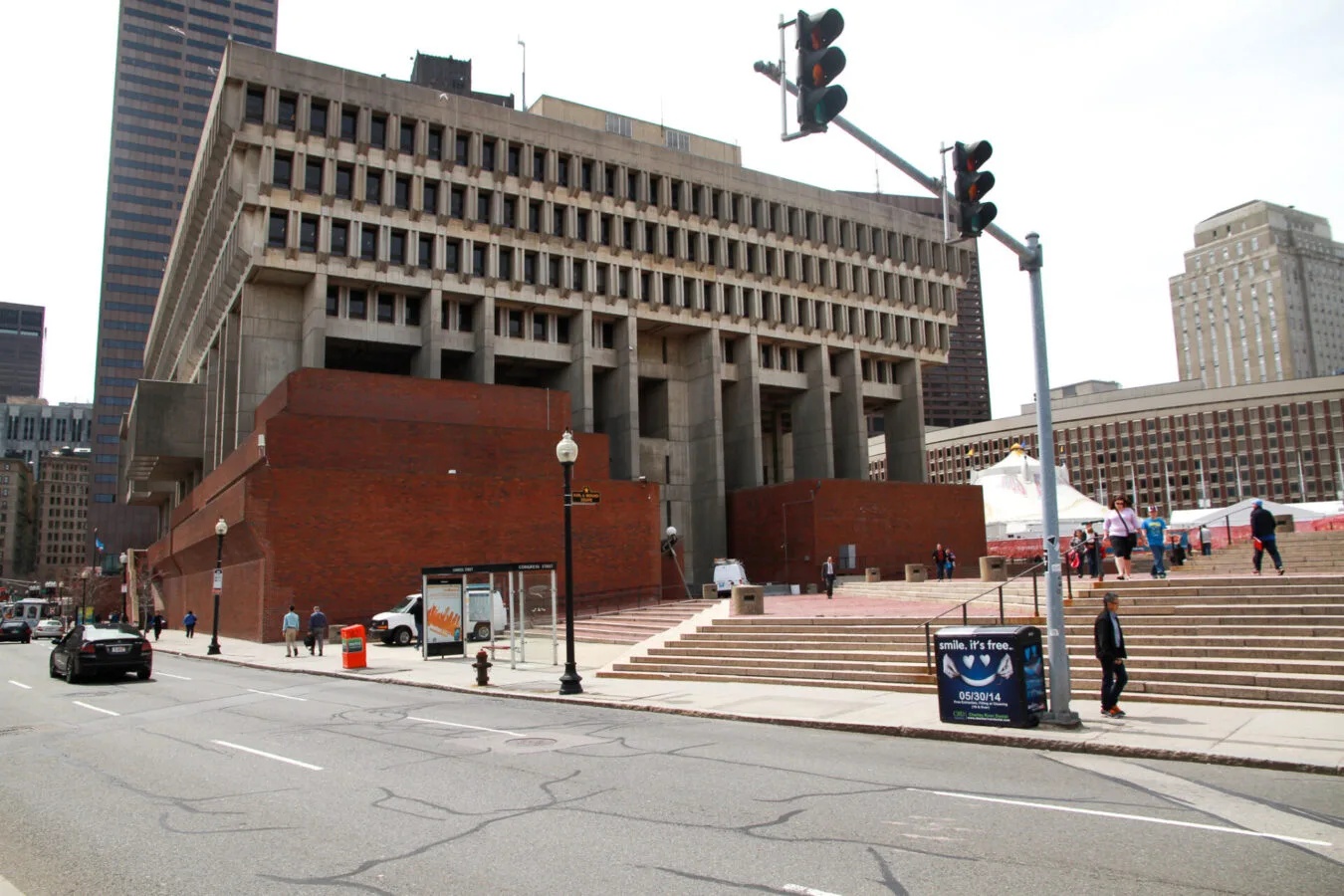
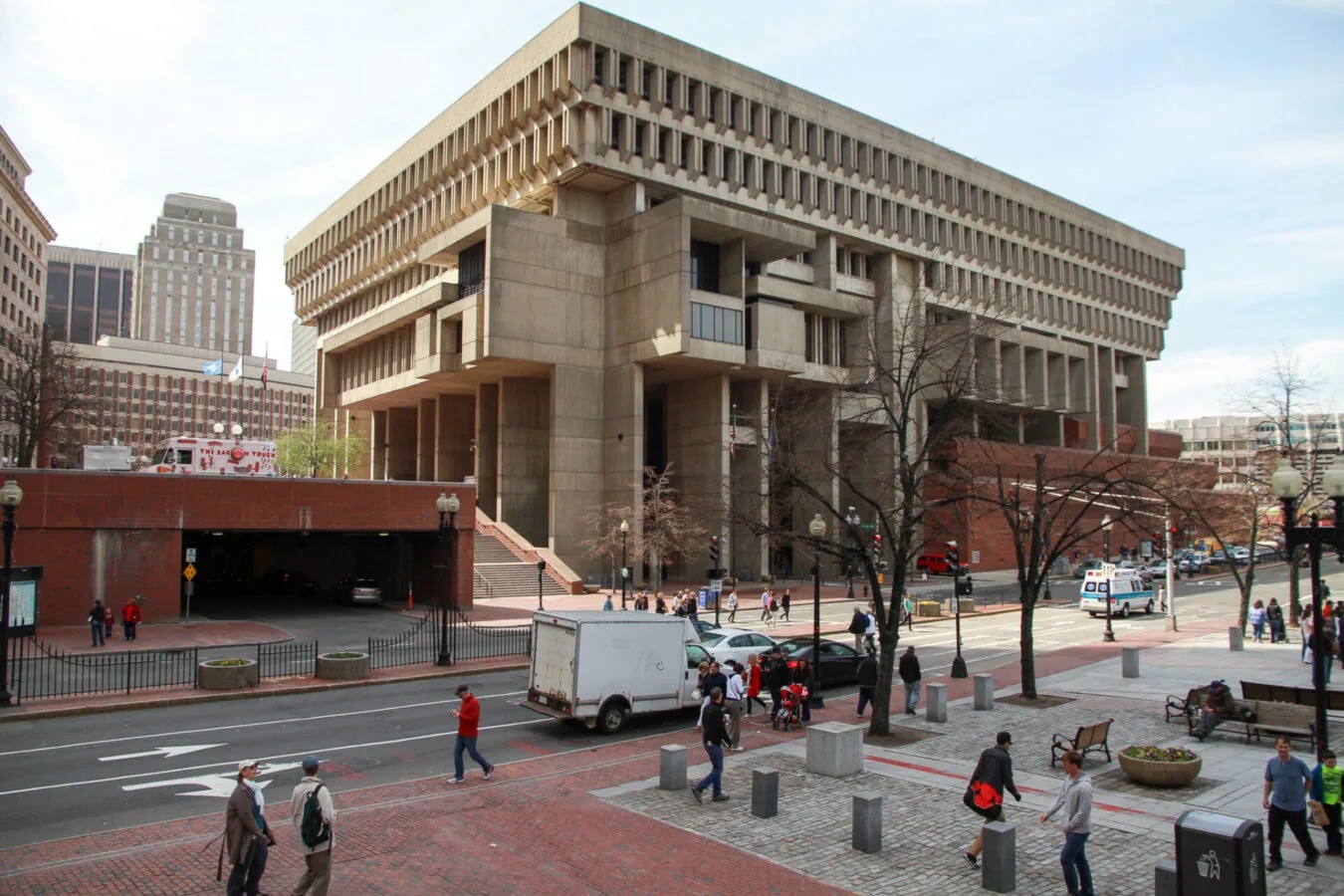
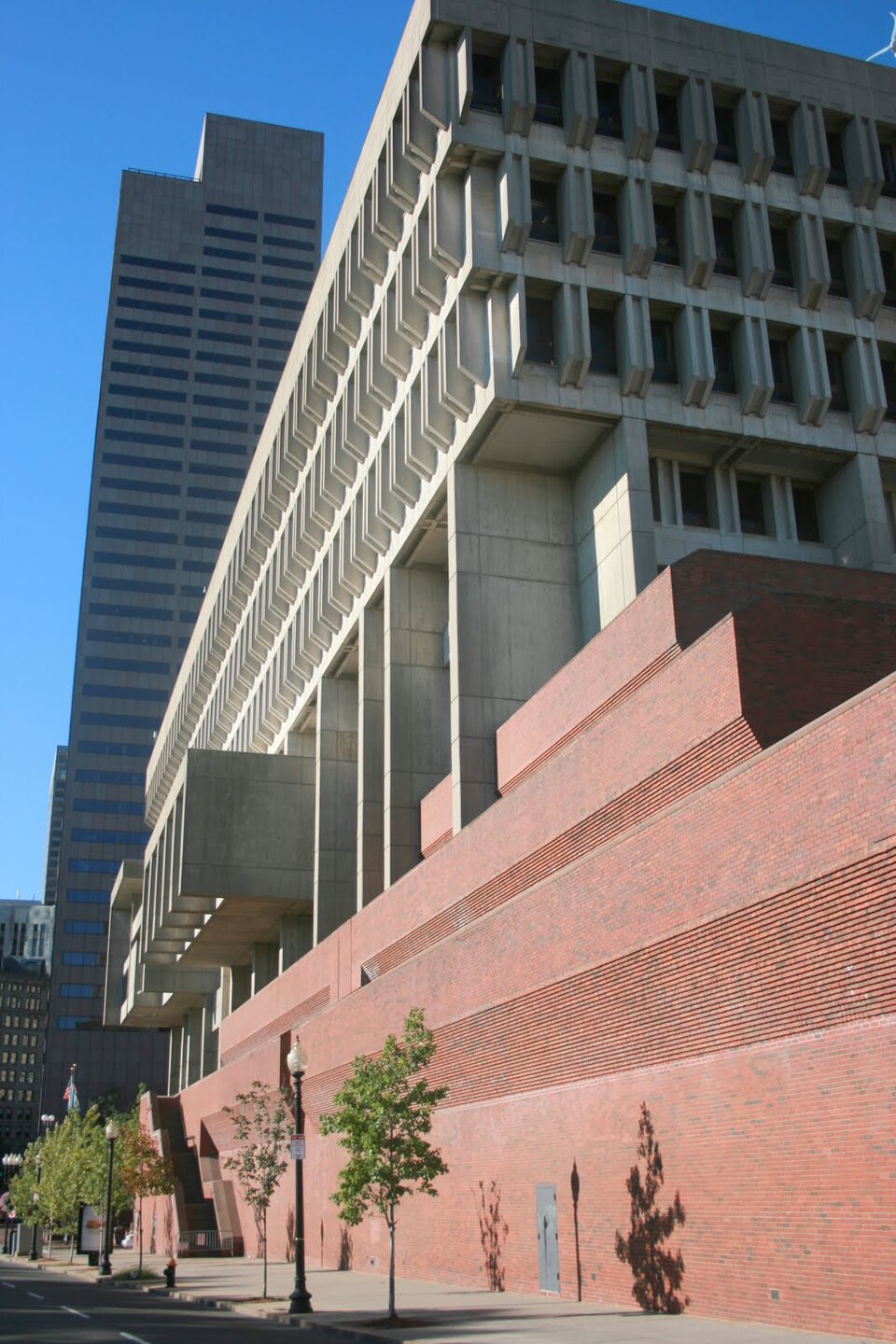
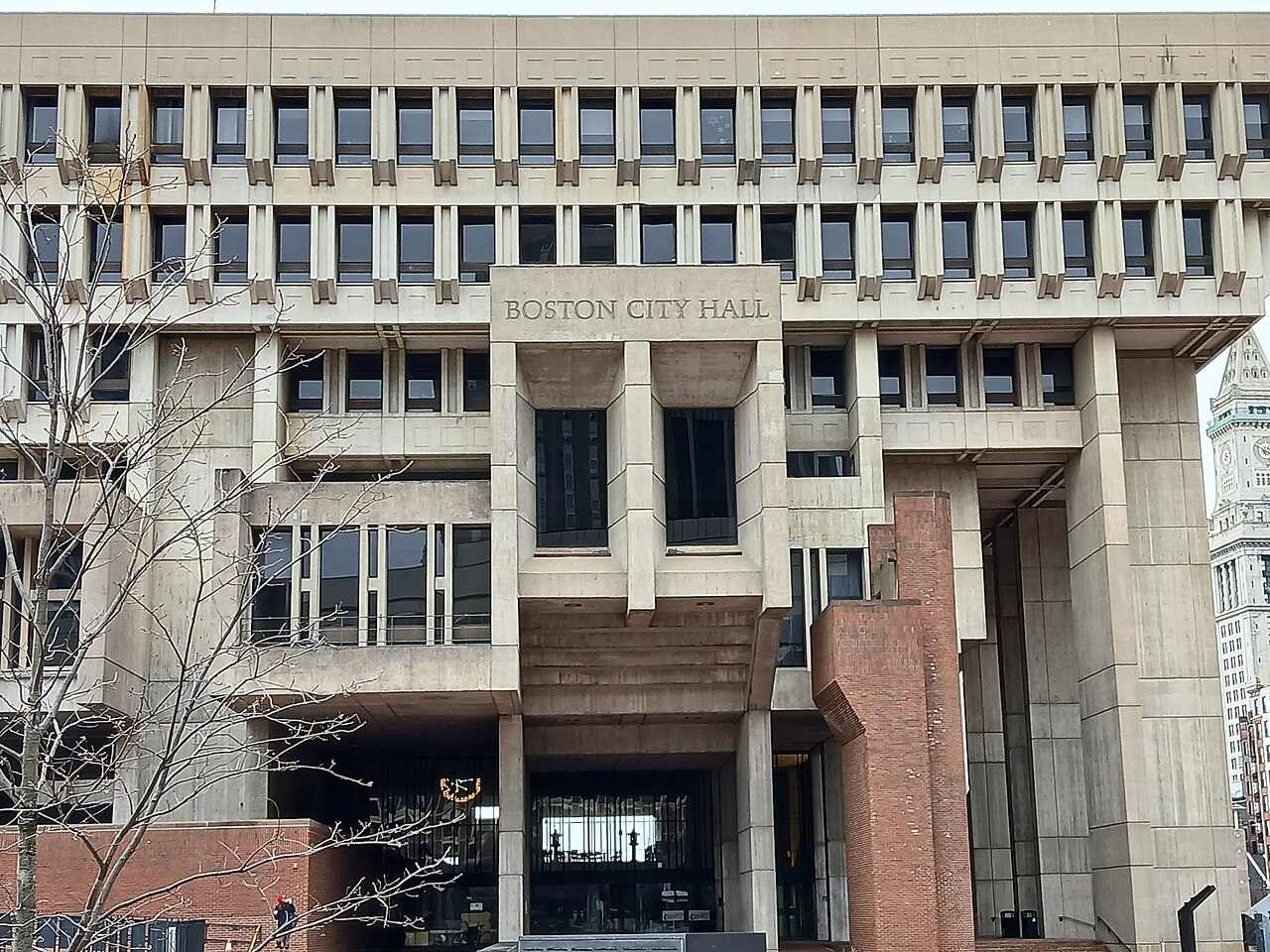
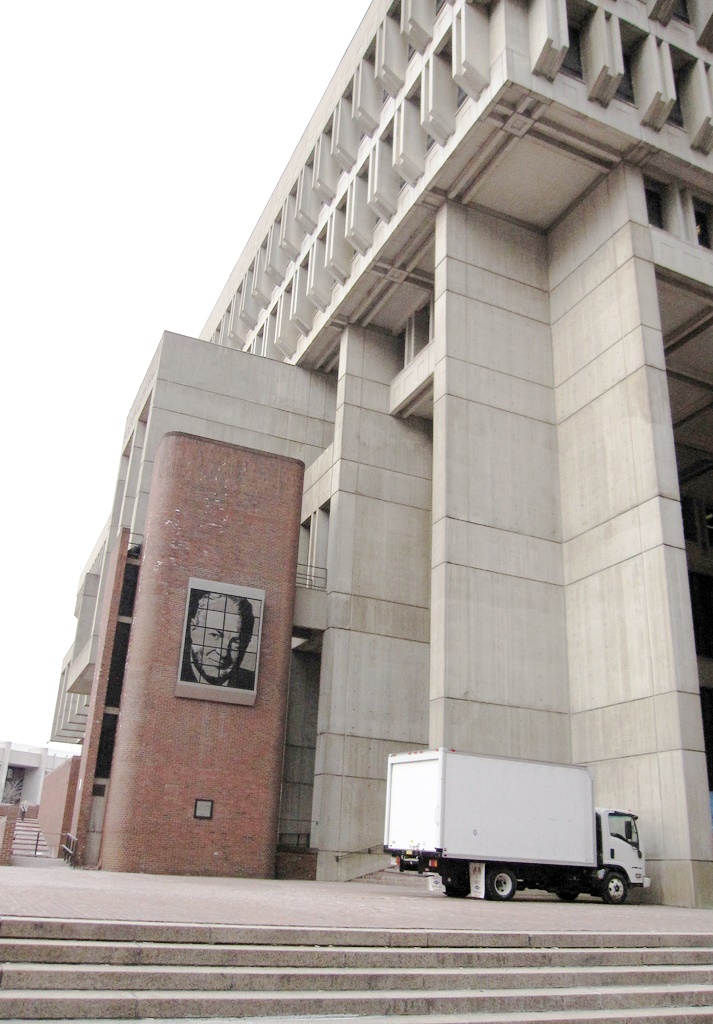
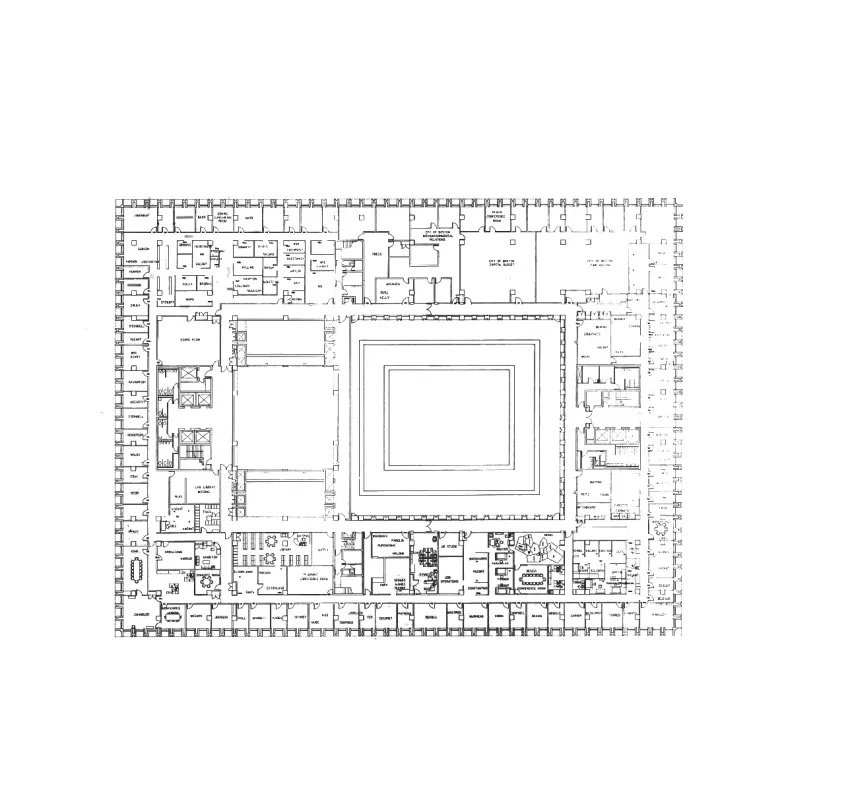
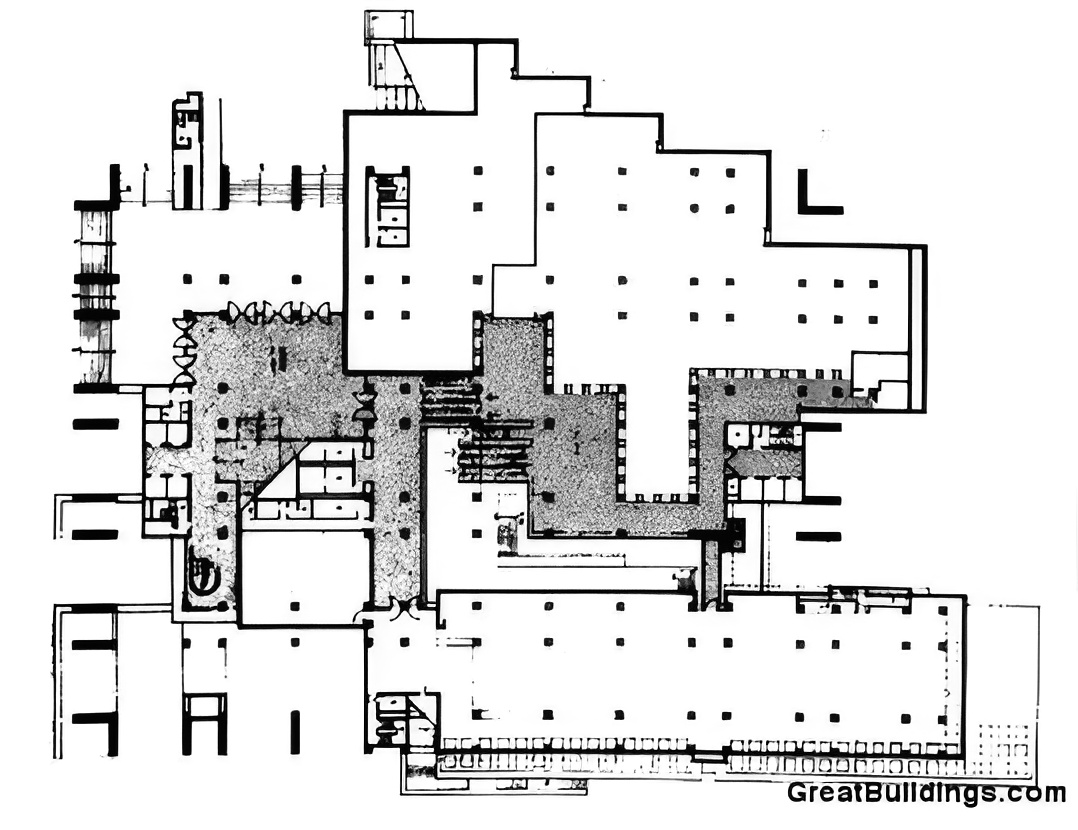
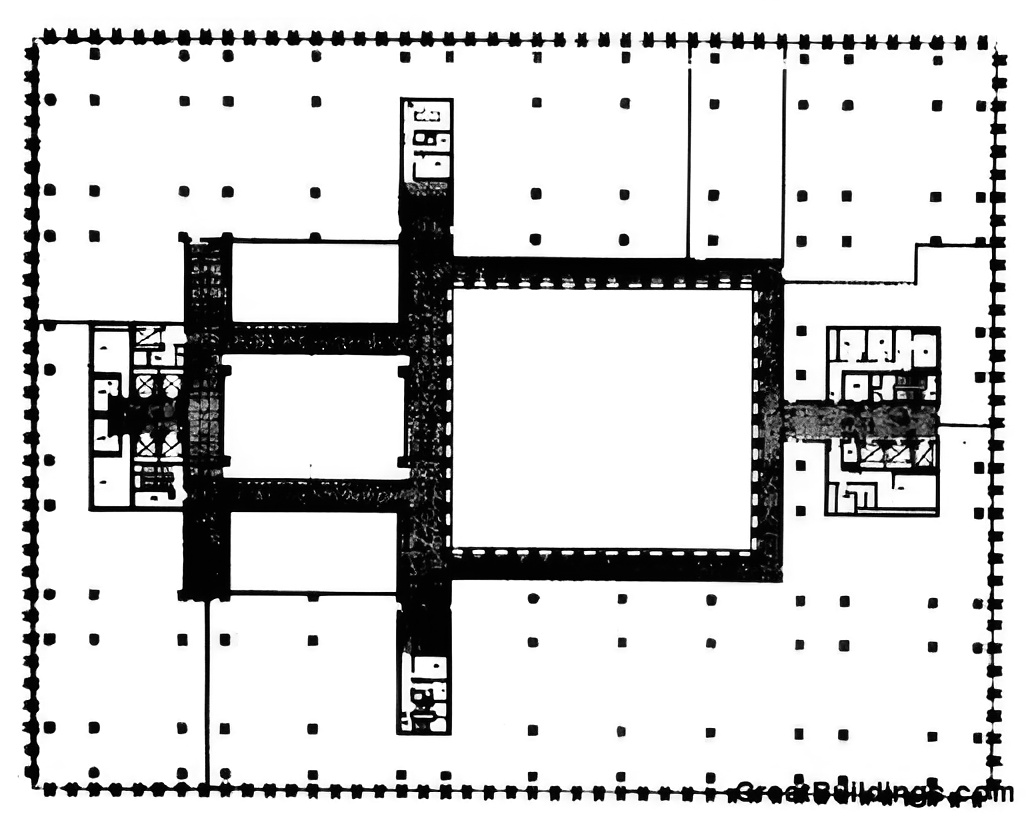
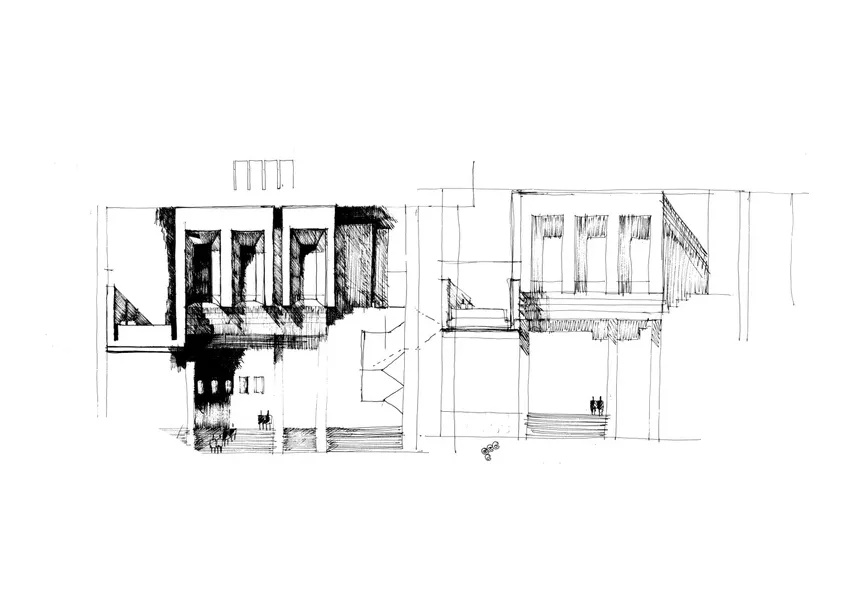
The building is organized into three primary zones. Public services occupy the lower levels, ceremonial government spaces occupy the middle tier, and administrative offices occupy the upper floors. This tripartite organization appears clearly on the façade, where brick defines the public base, projecting concrete frames mark the mayoral and council spaces, and repetitive upper-level office bays form the administrative tier.
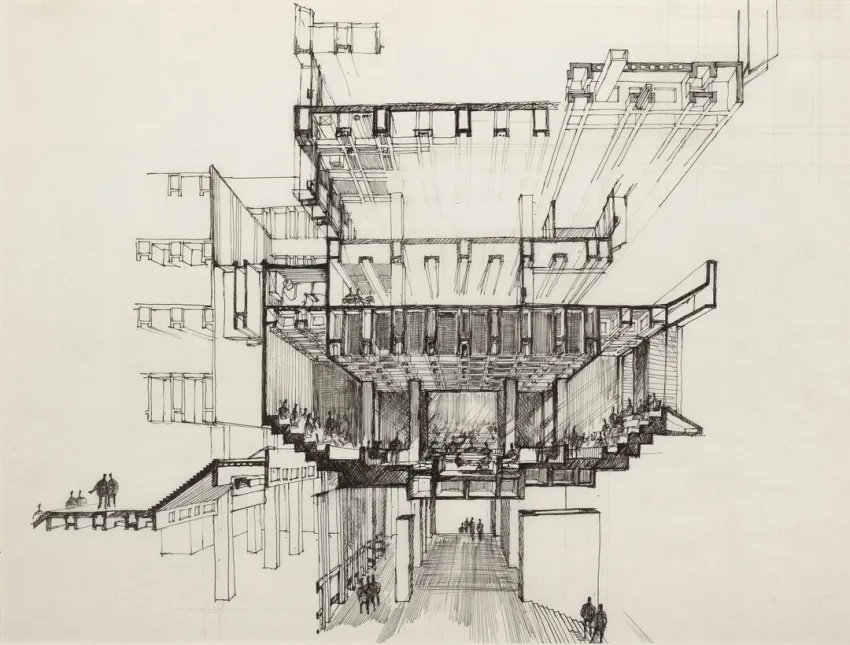
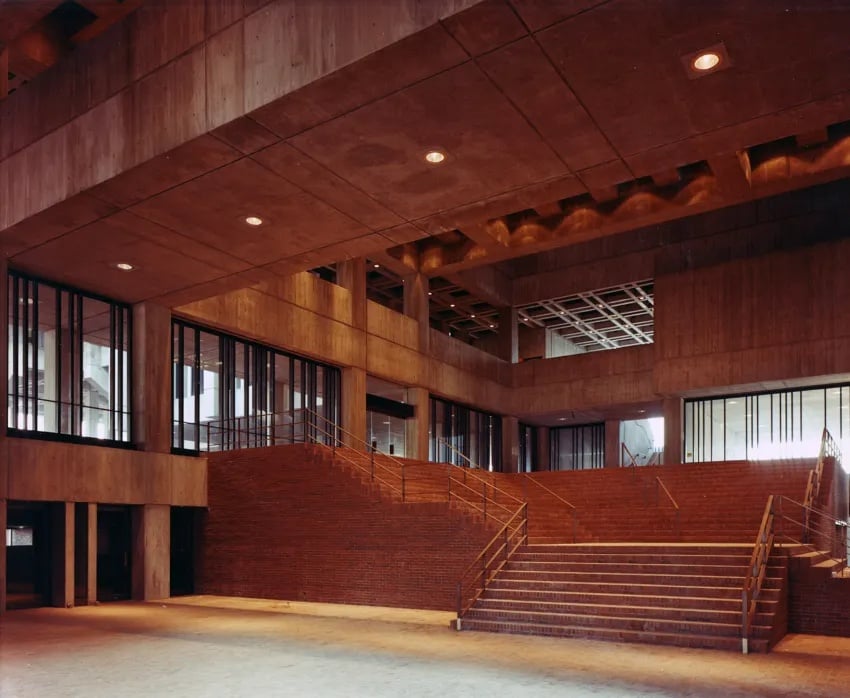
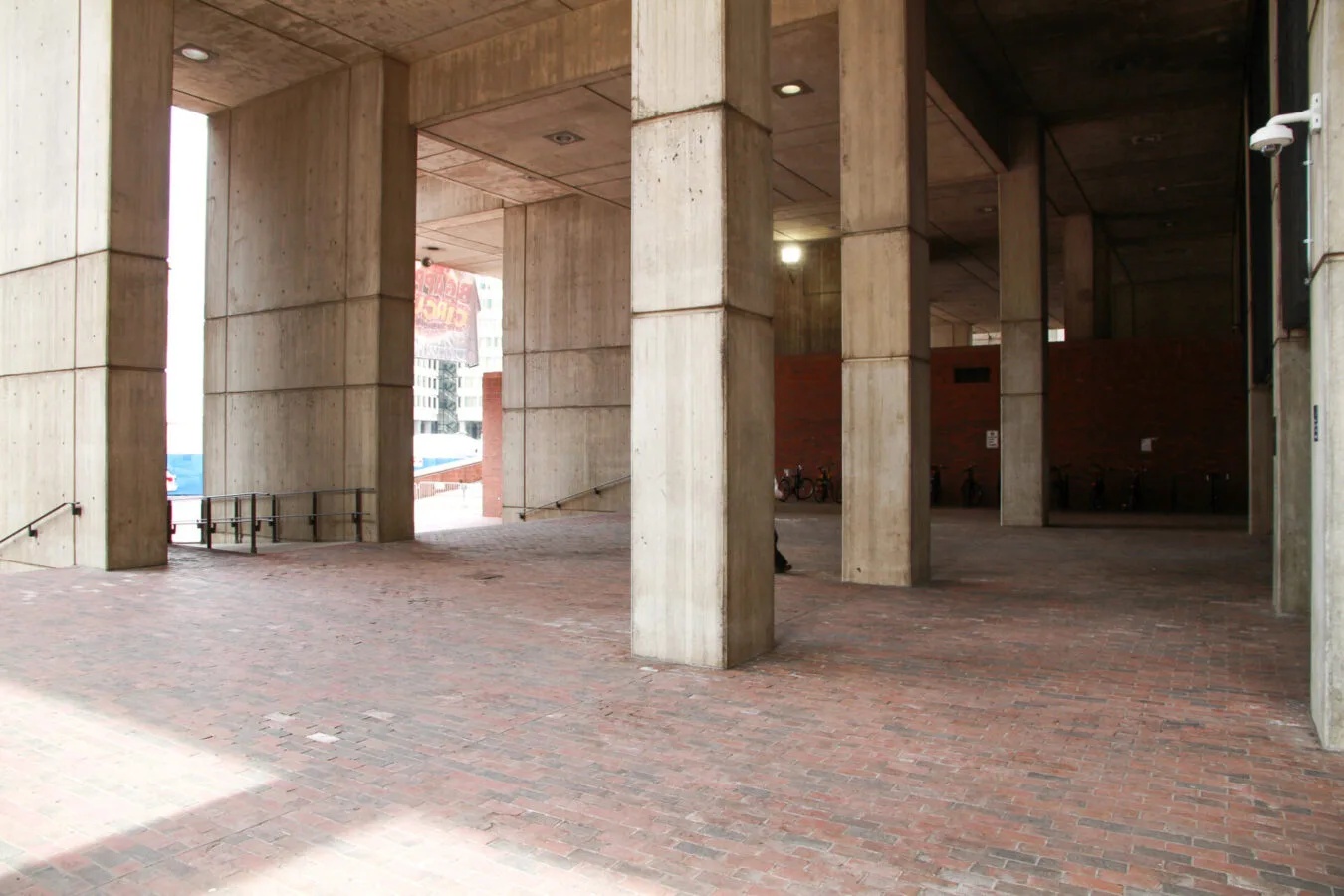
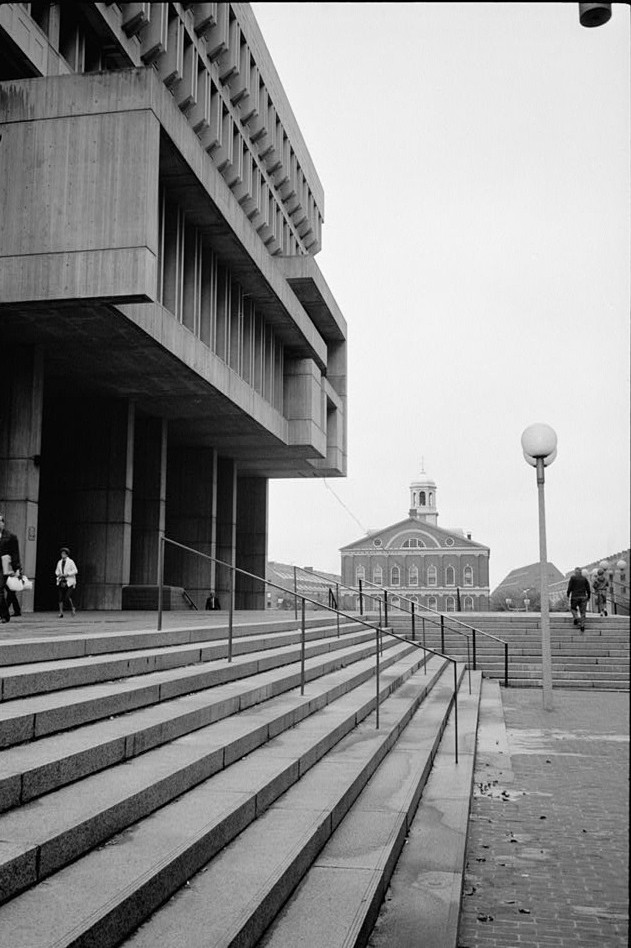
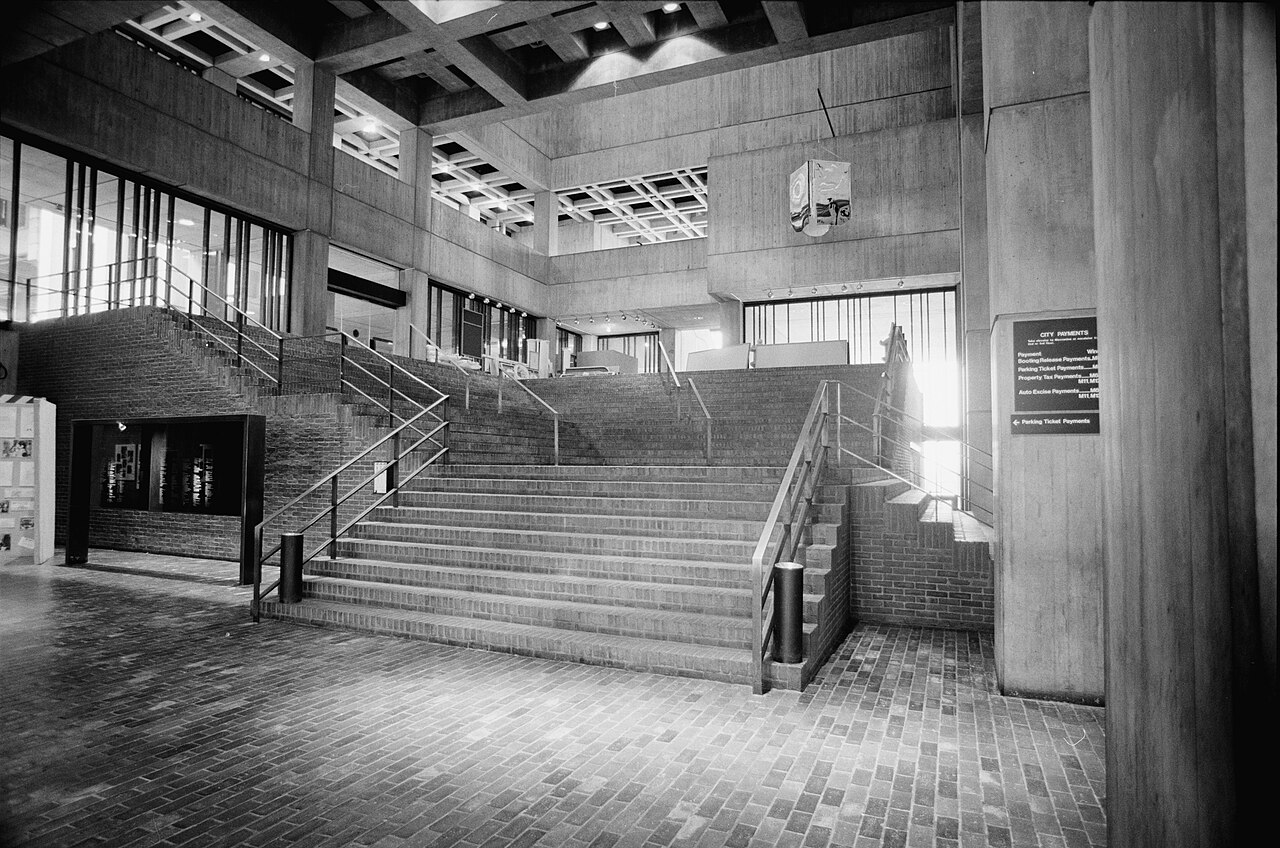
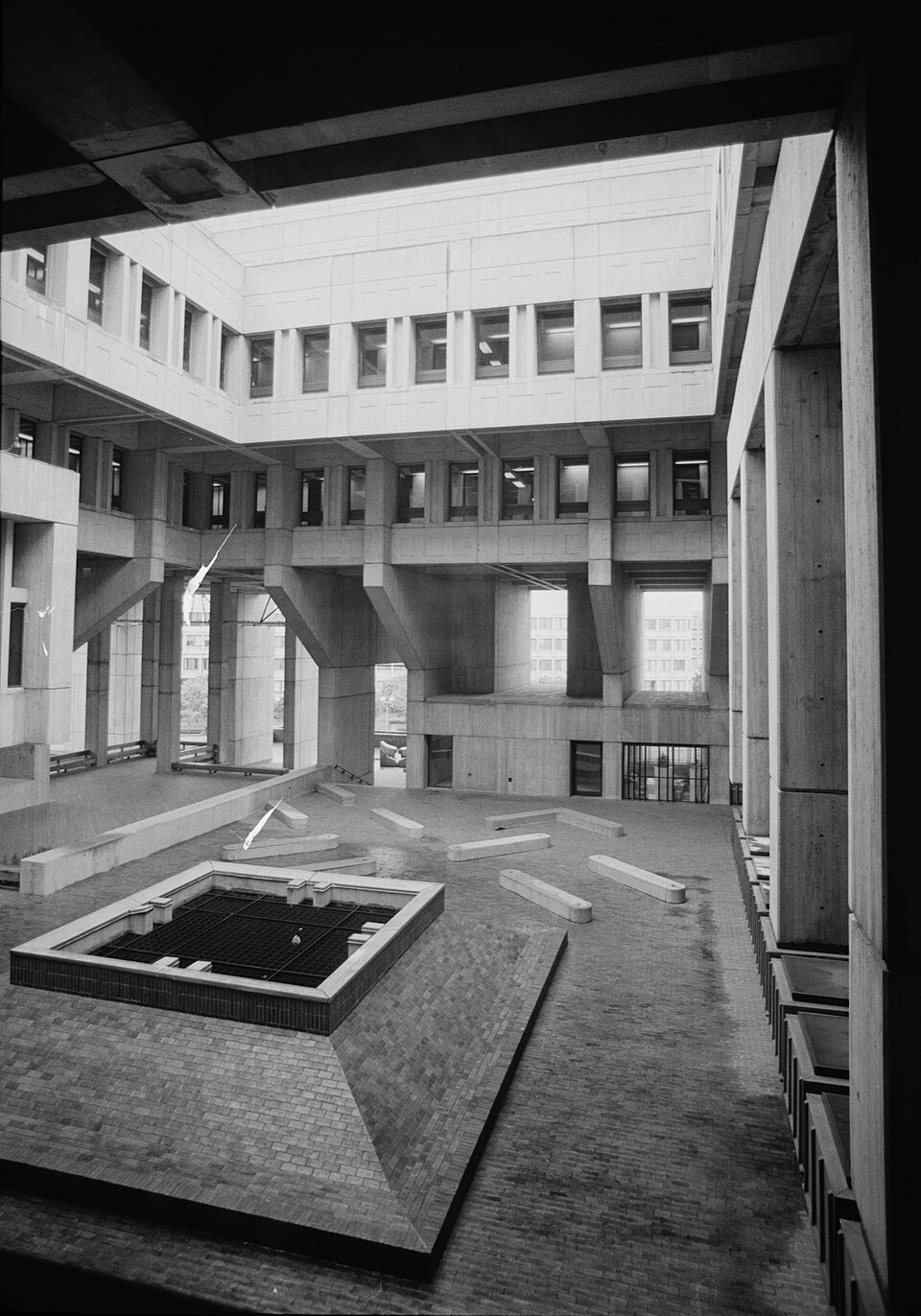
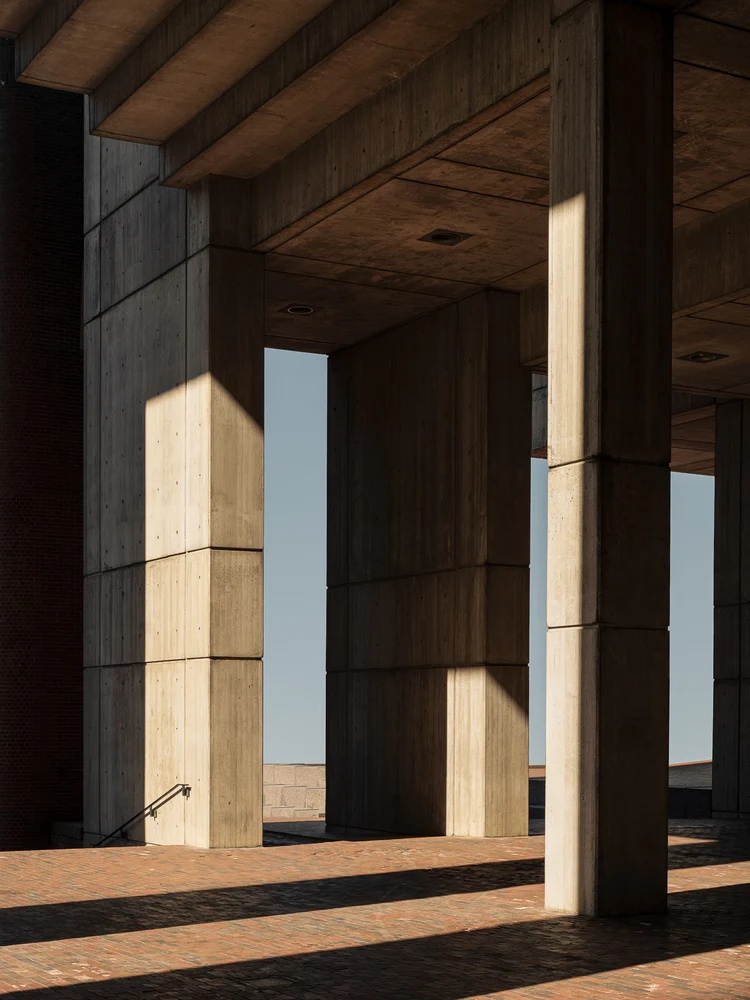
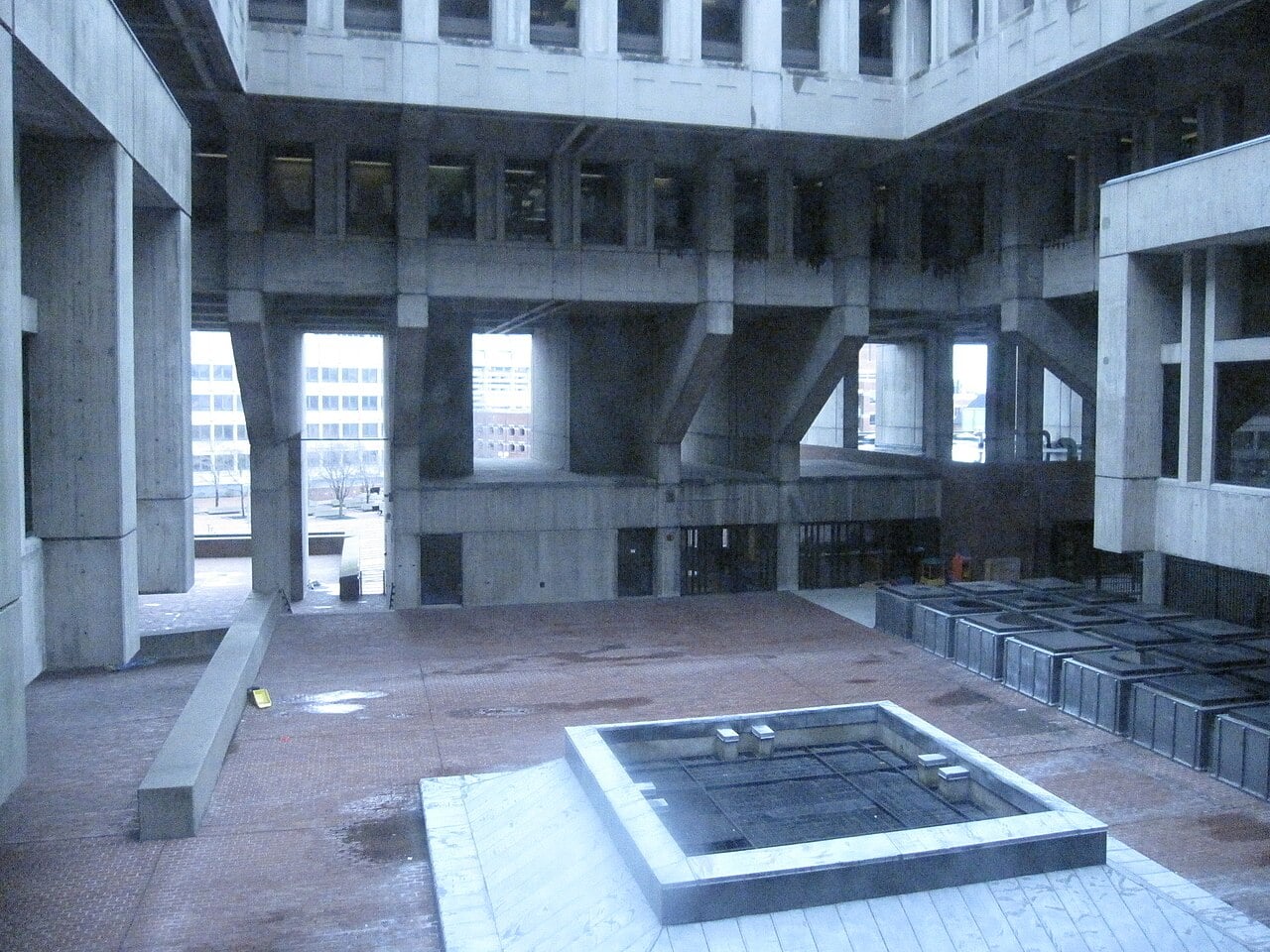
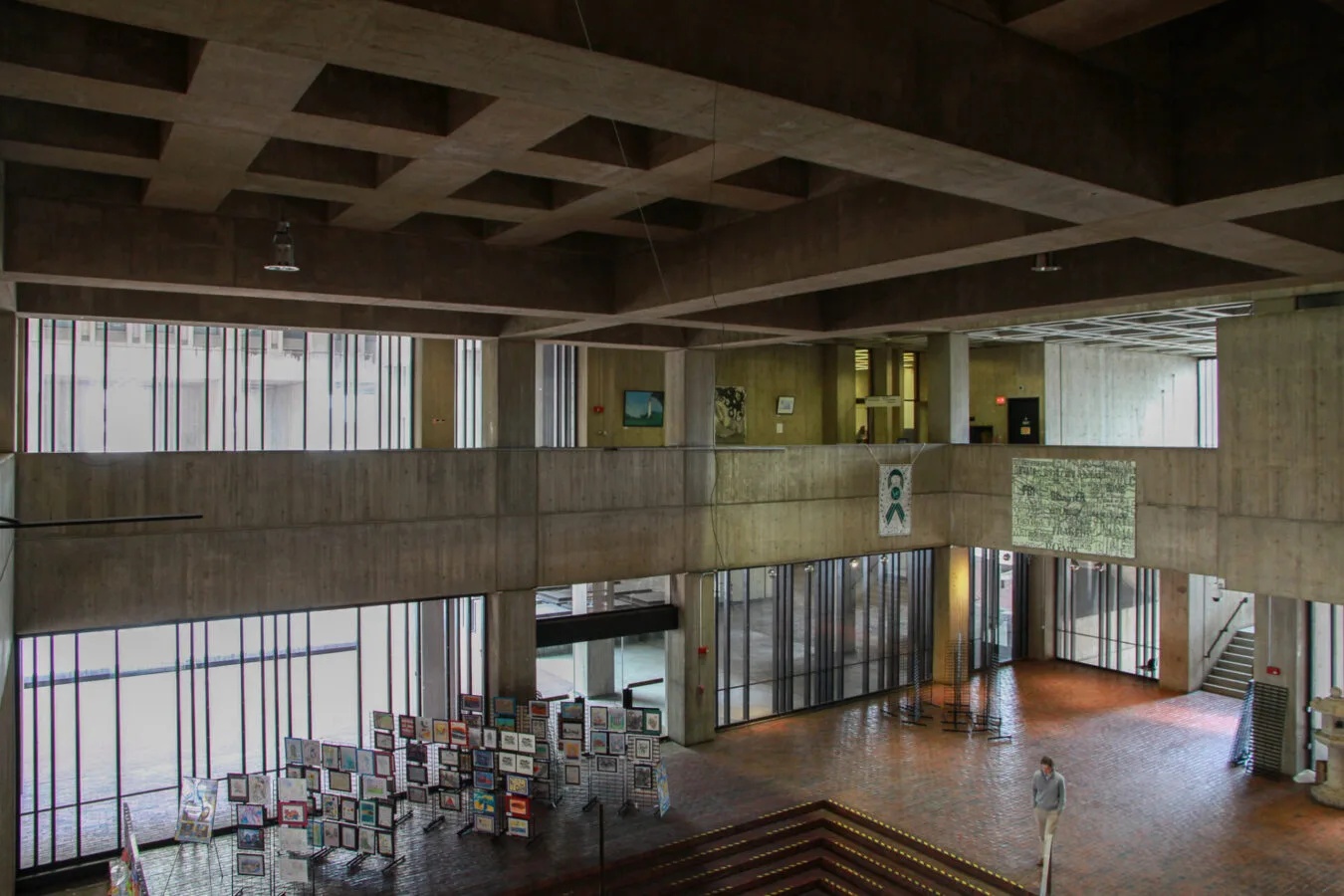
City Hall Plaza plays a central role in the project. The brick paving of the plaza continues toward the building and into the public lobby, creating a physical connection between the civic exterior and municipal interior. The architects intended this transition to make government more visible and accessible to the public.
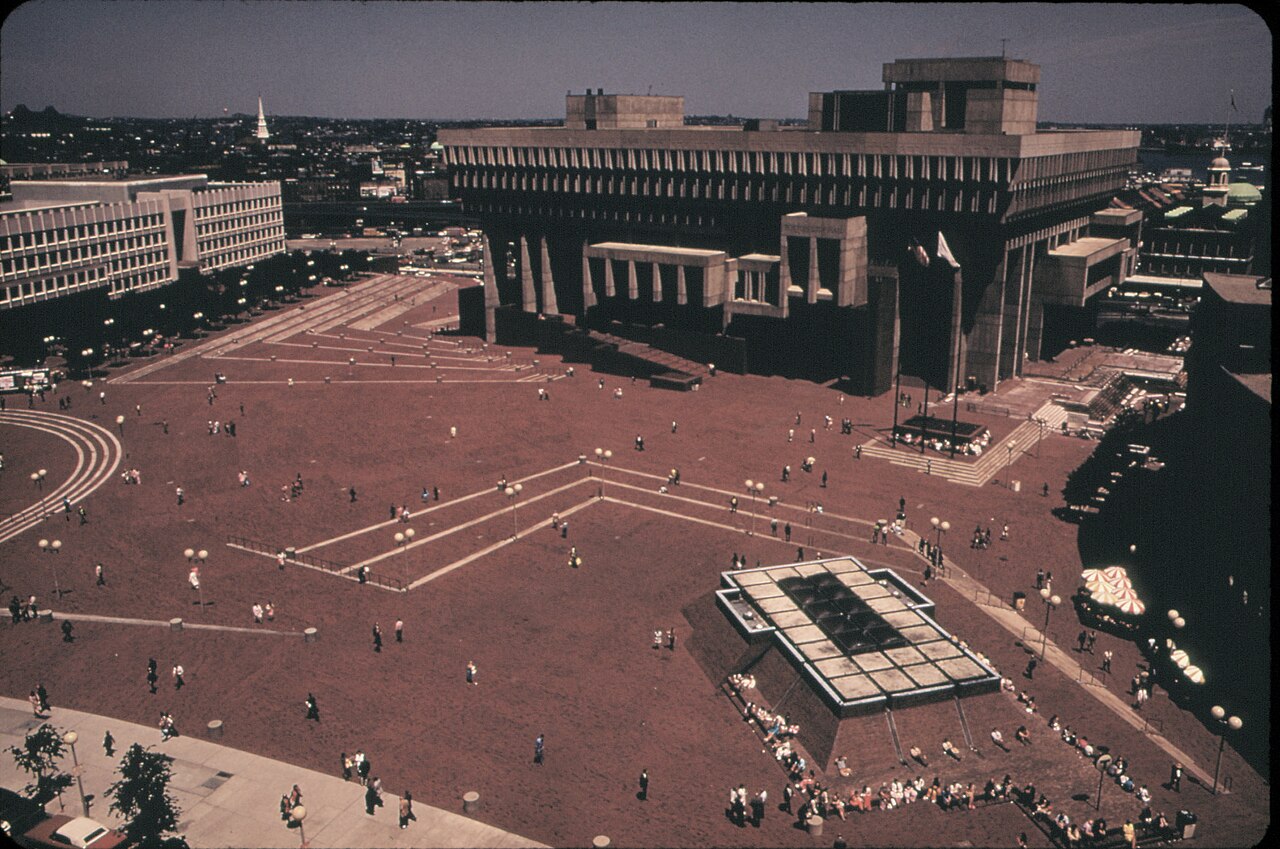
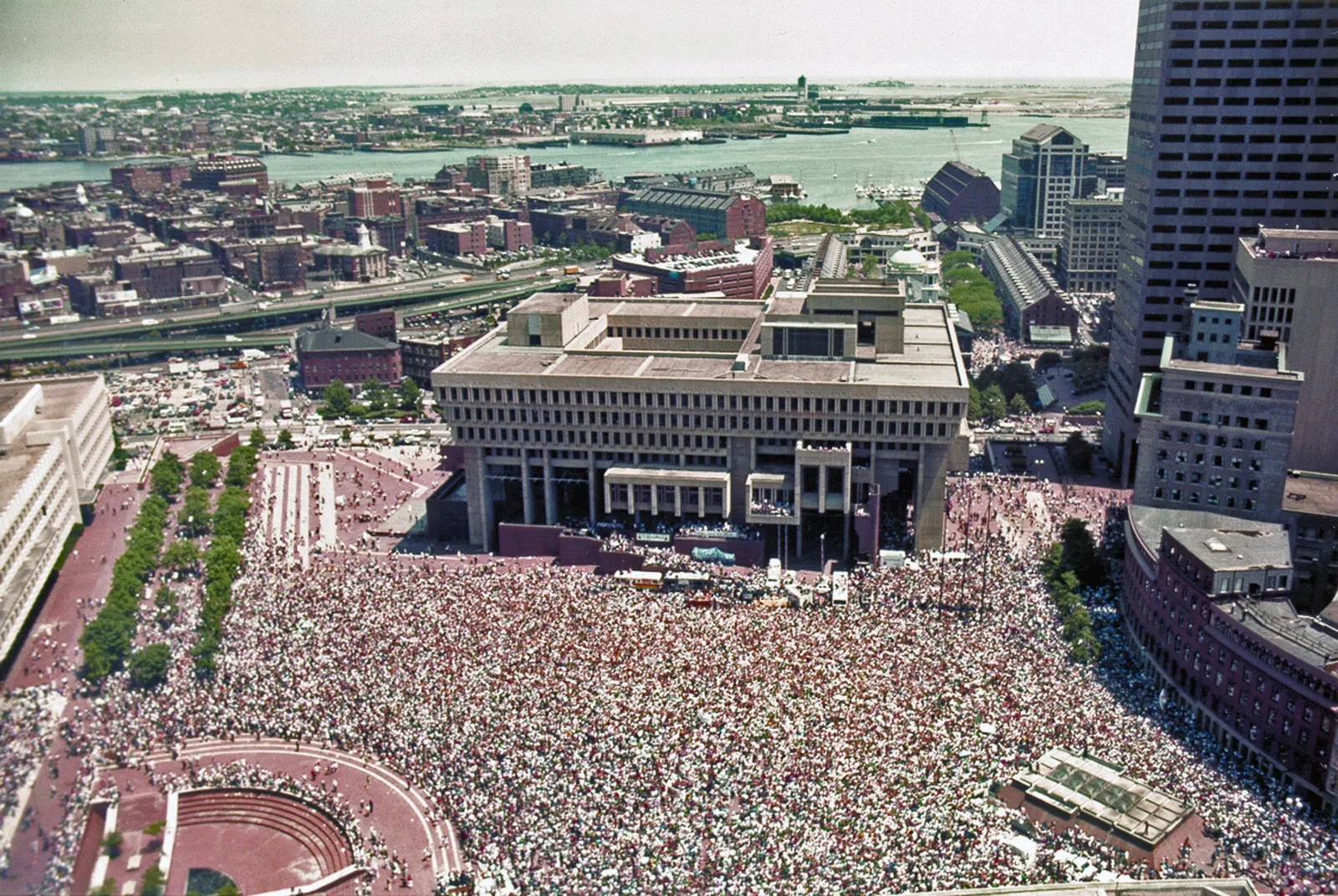
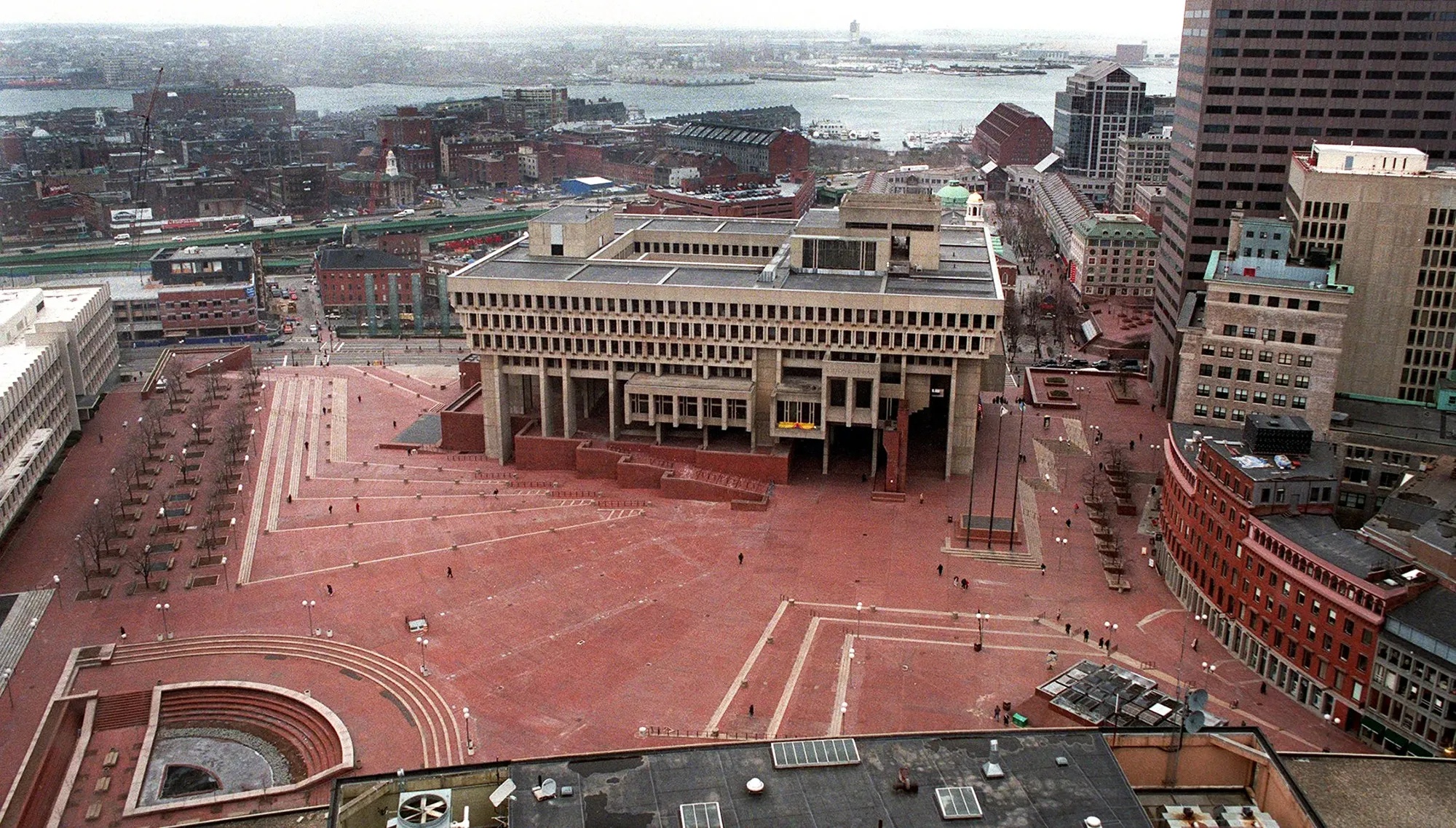
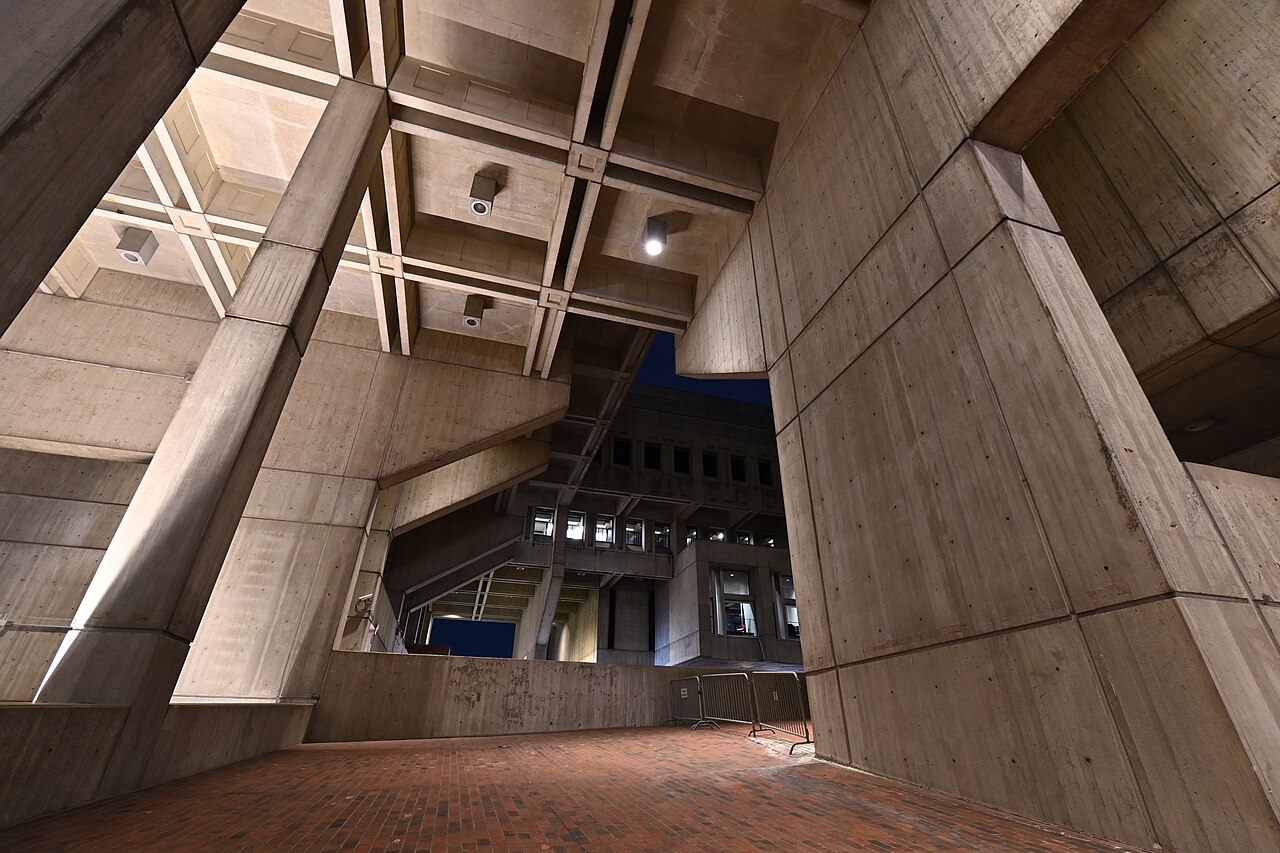
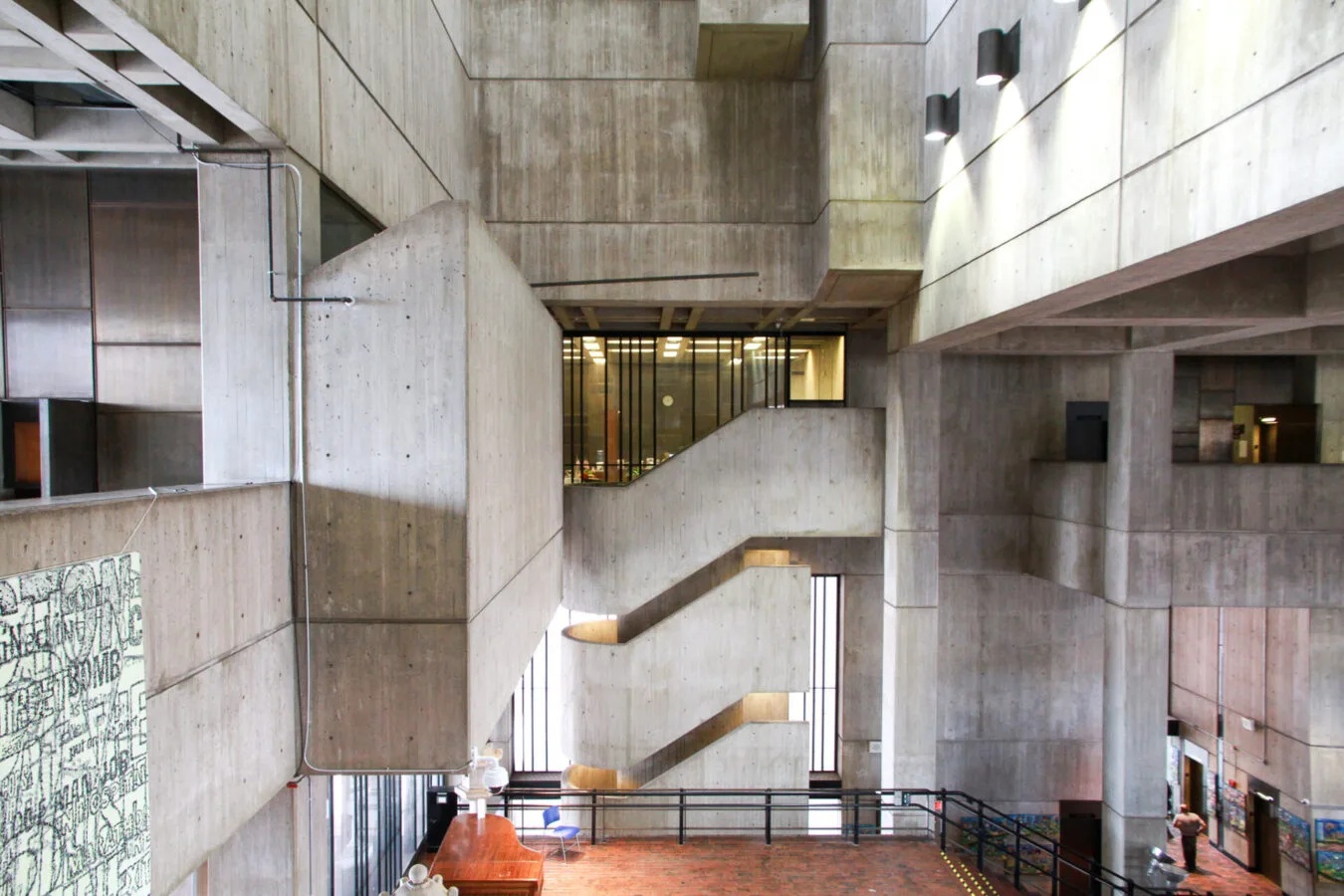
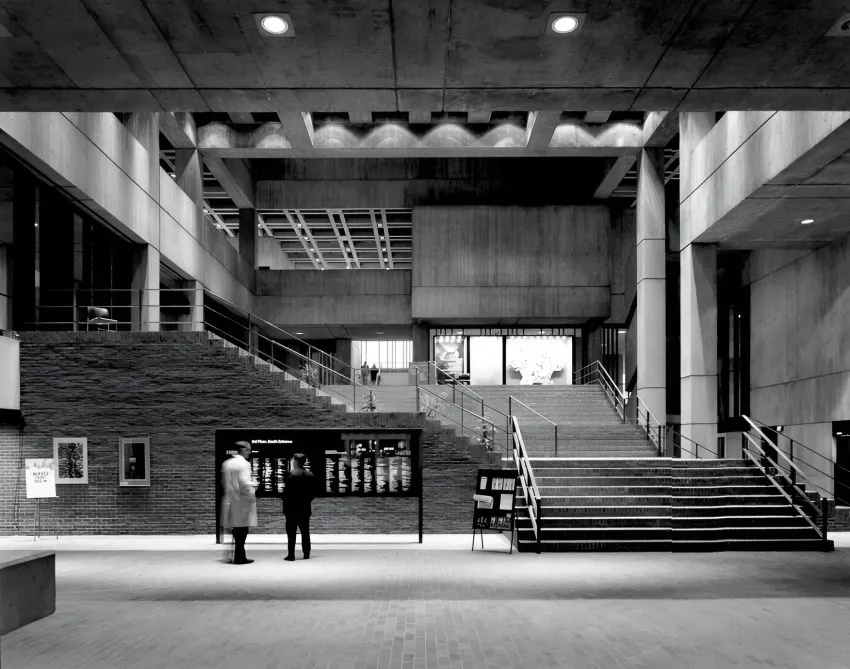
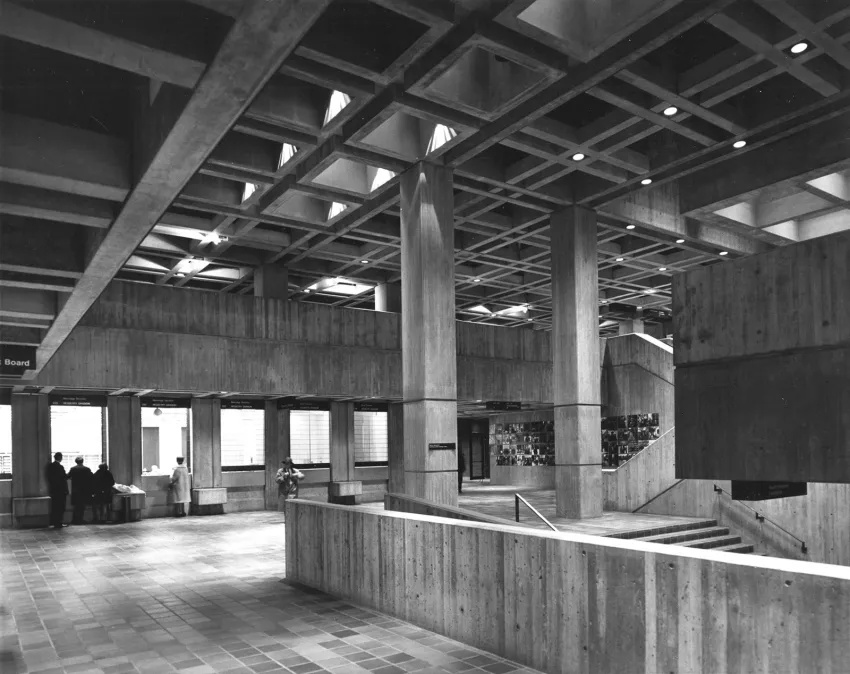
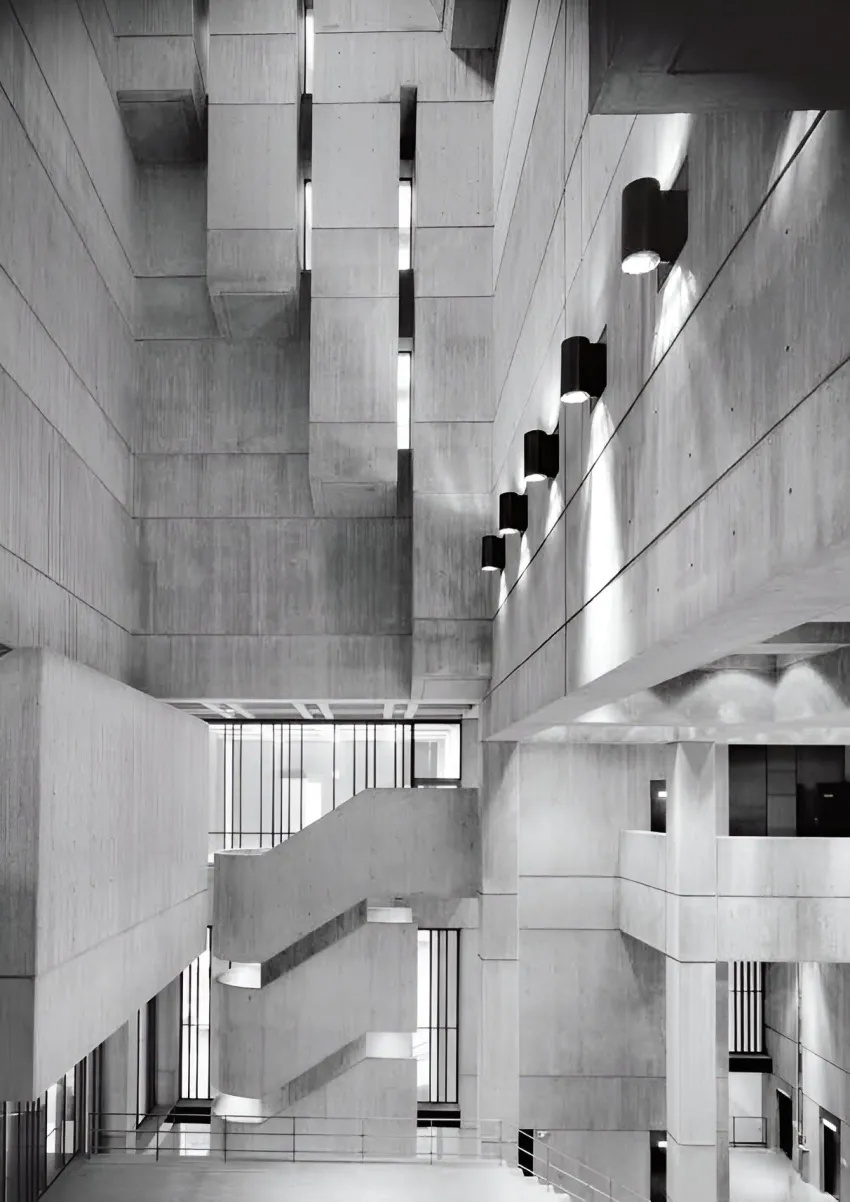
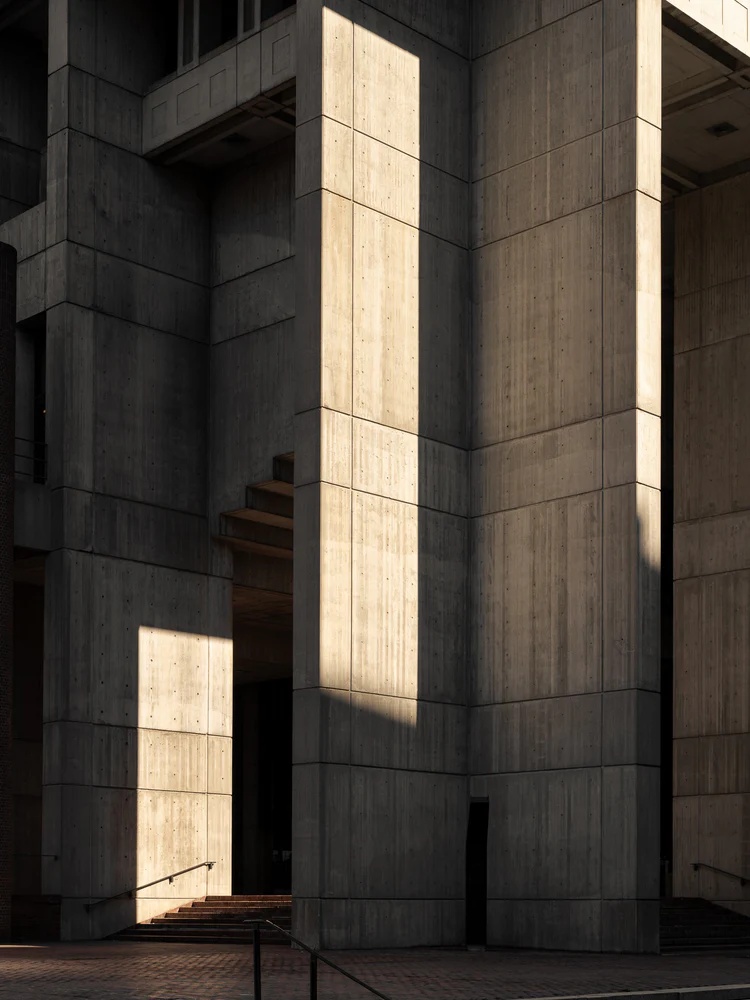
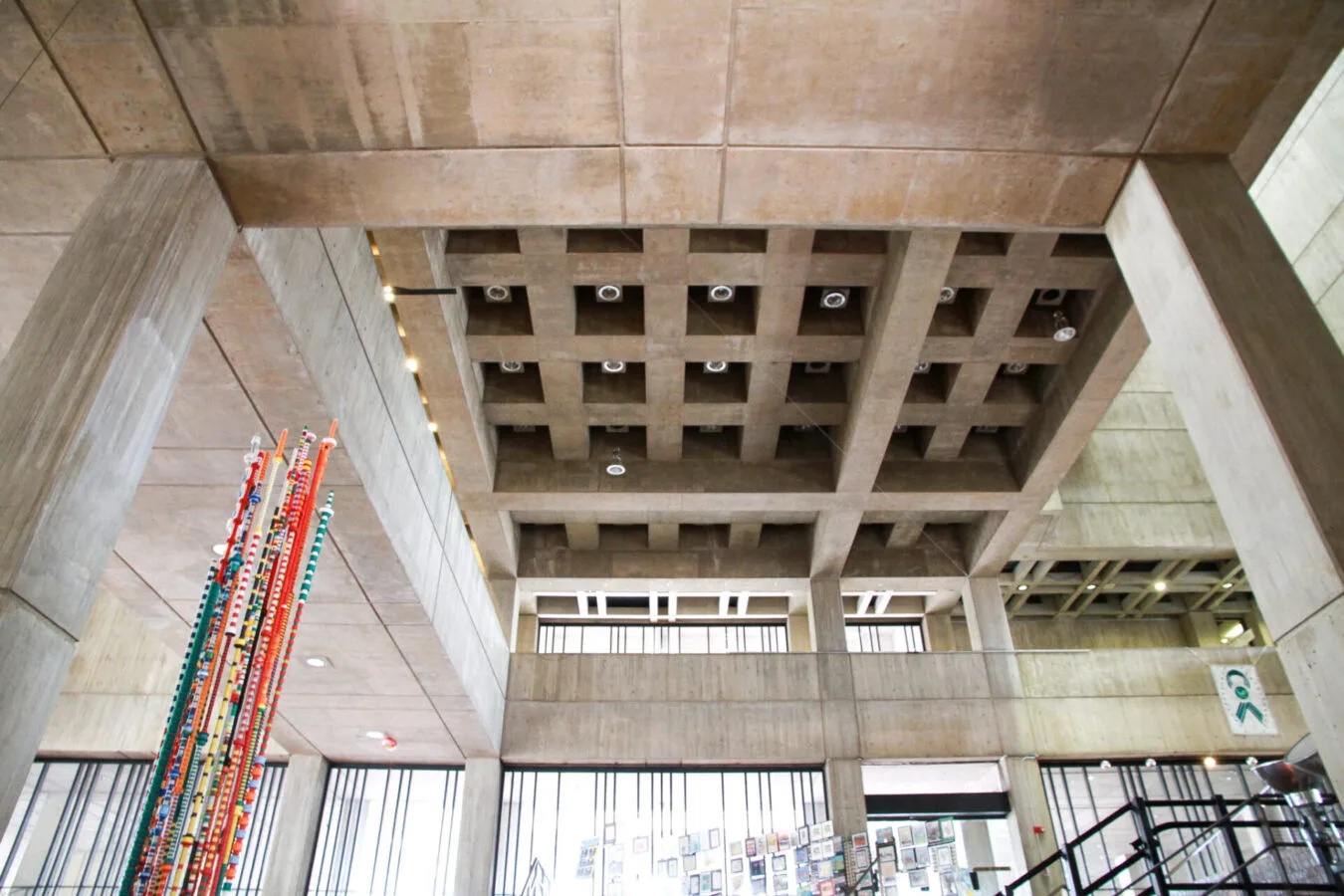
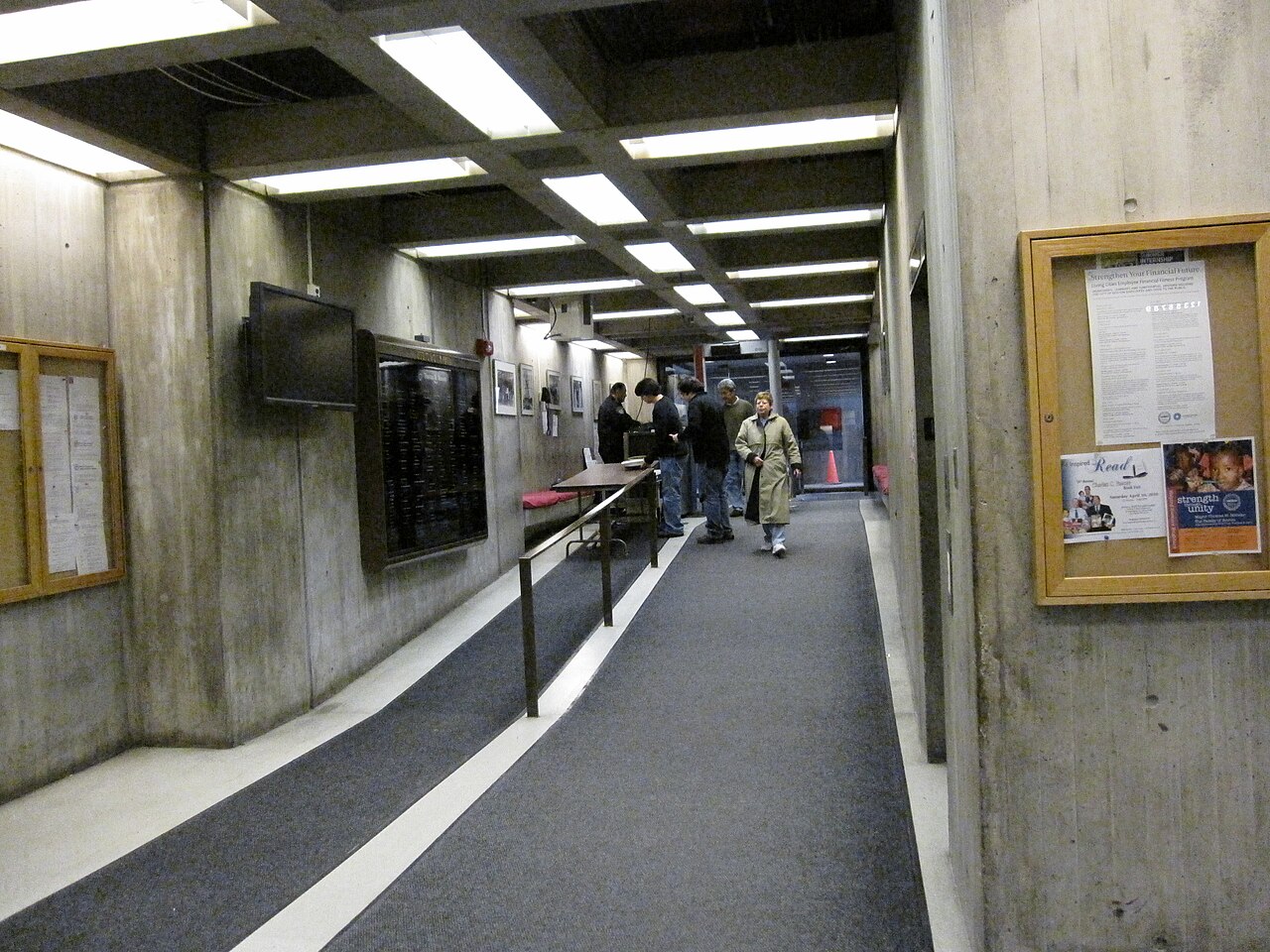
The lower levels contain public transaction spaces, concourses, entrances, and circulation routes. Ramps, stairs, escalators, and large interior voids guide movement through the building and connect different levels of public access. The plaza lobby functions as a civic interior space, shaped by brick floors, exposed concrete, and large stairs.
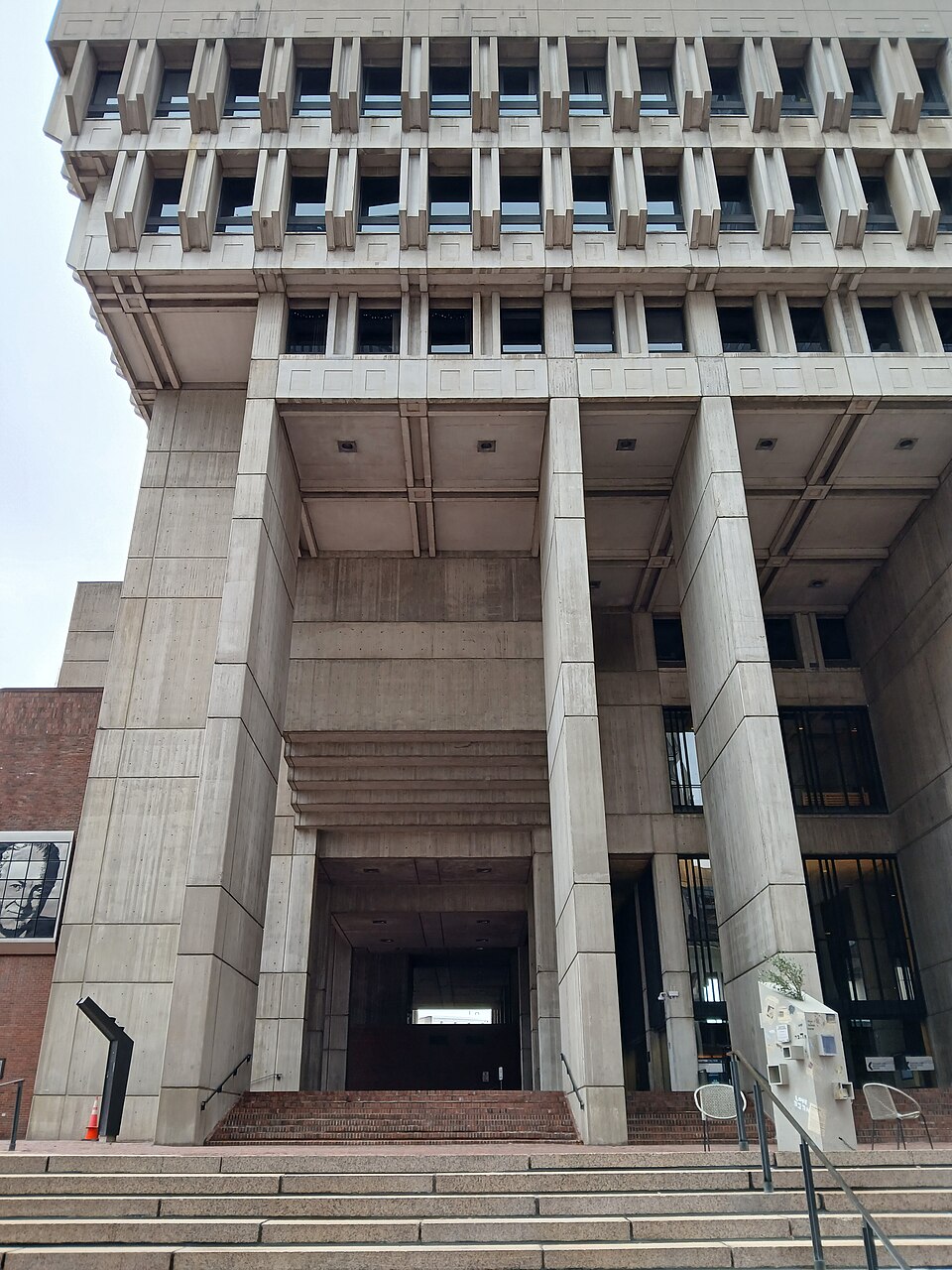
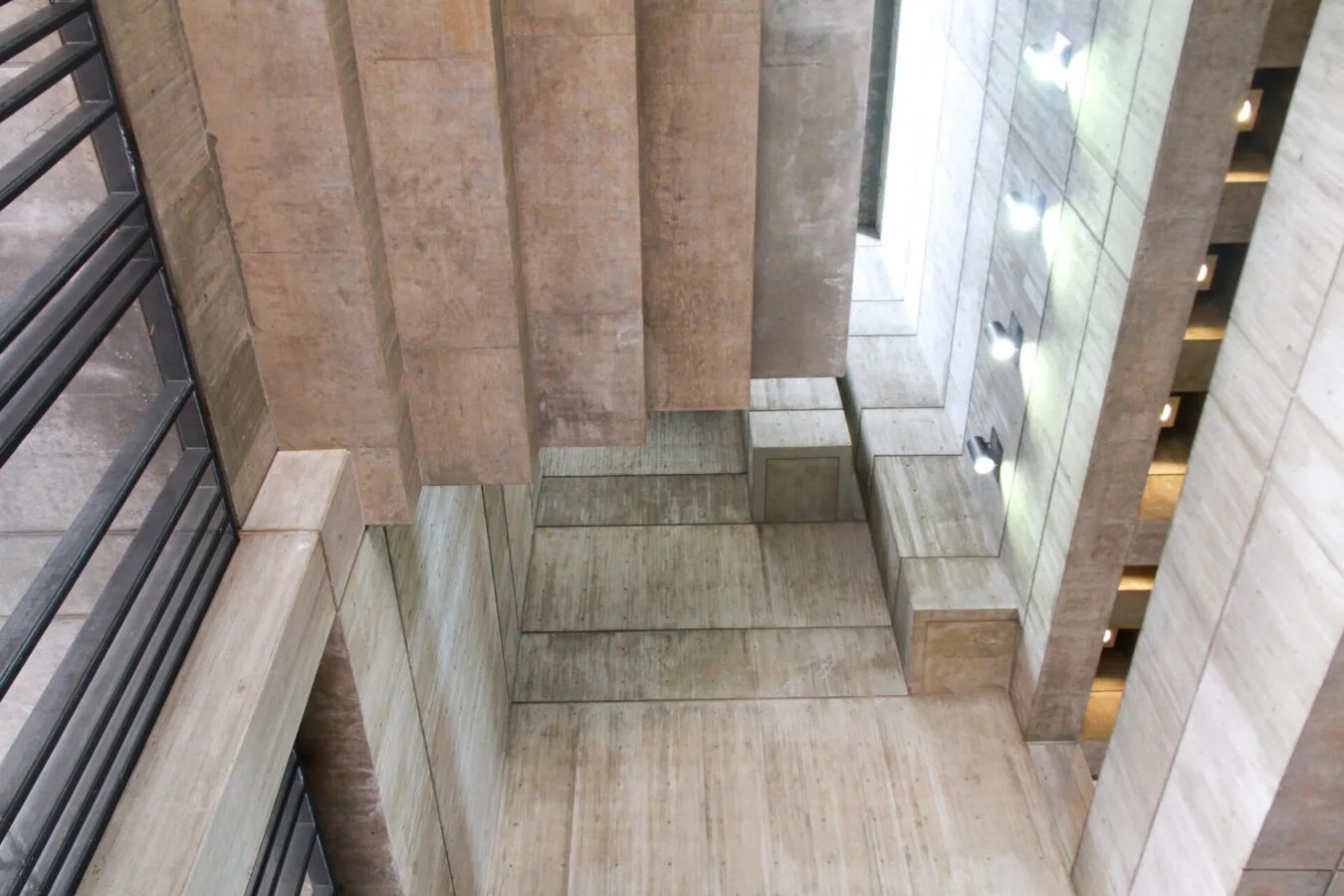
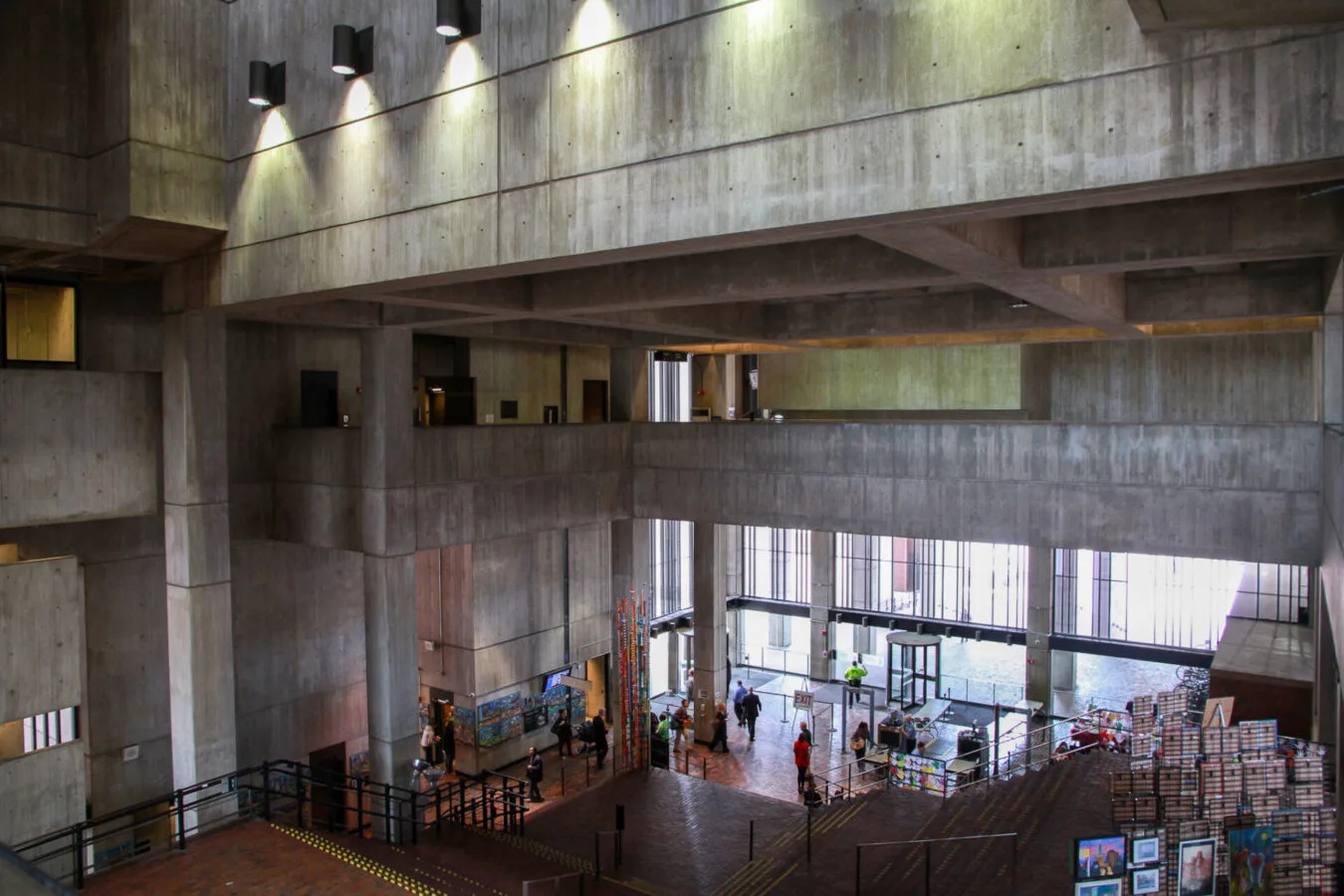
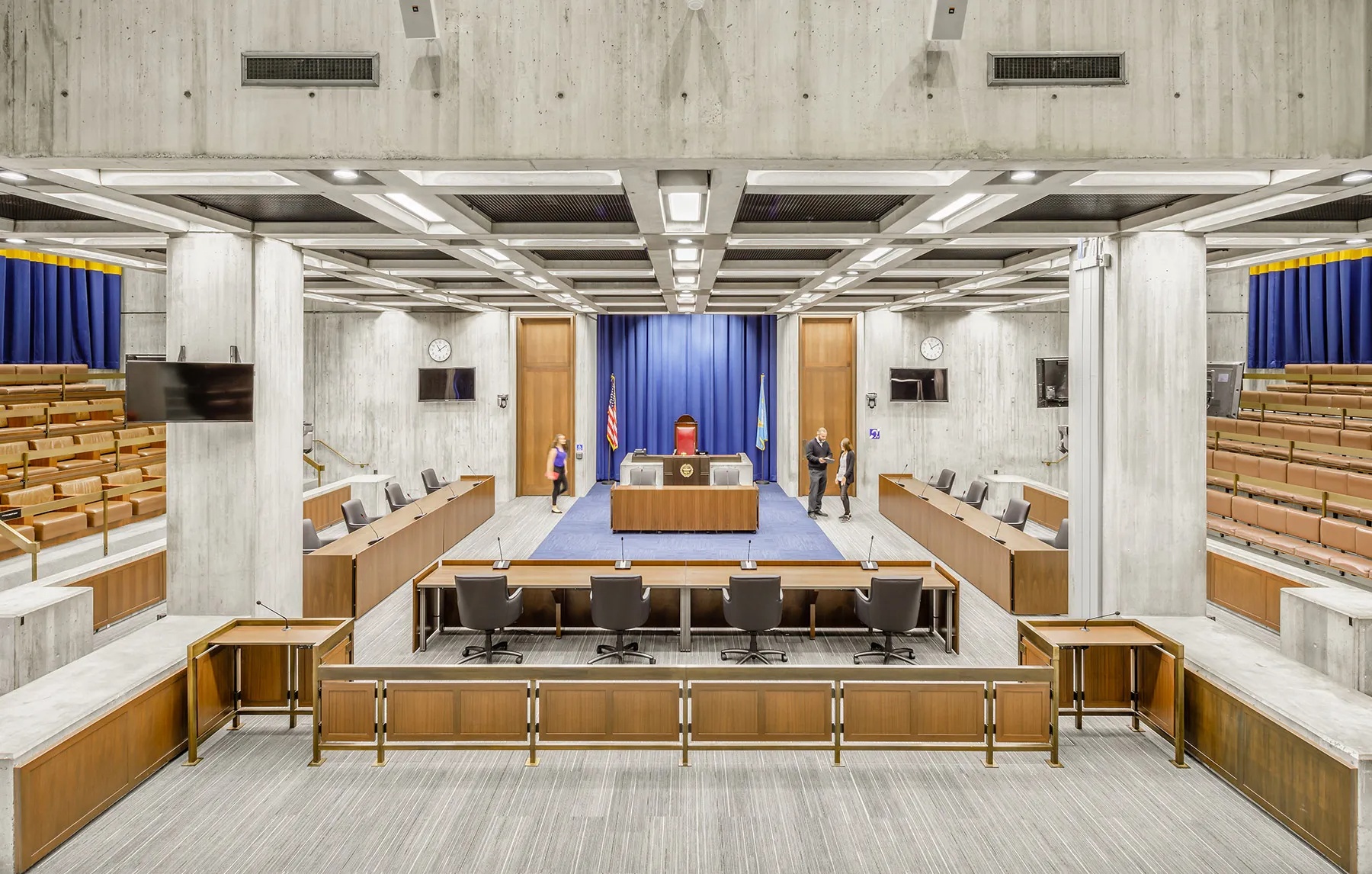
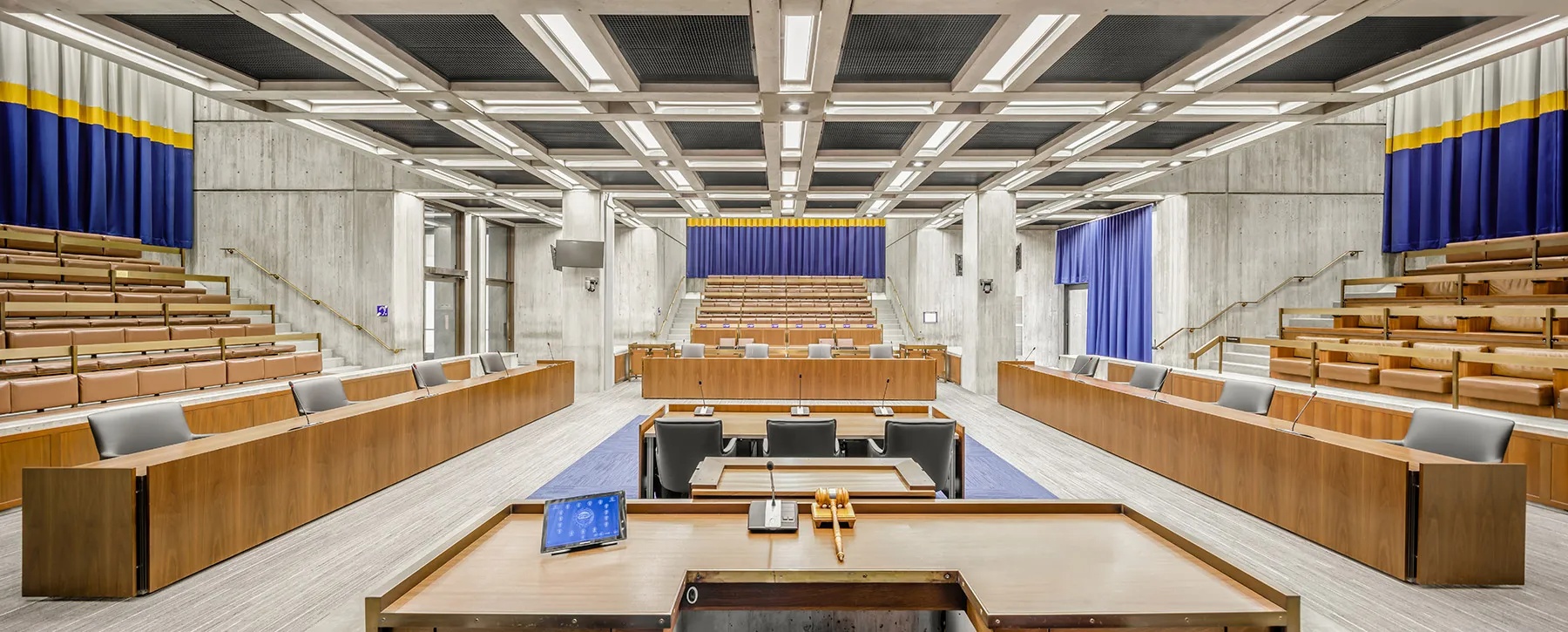
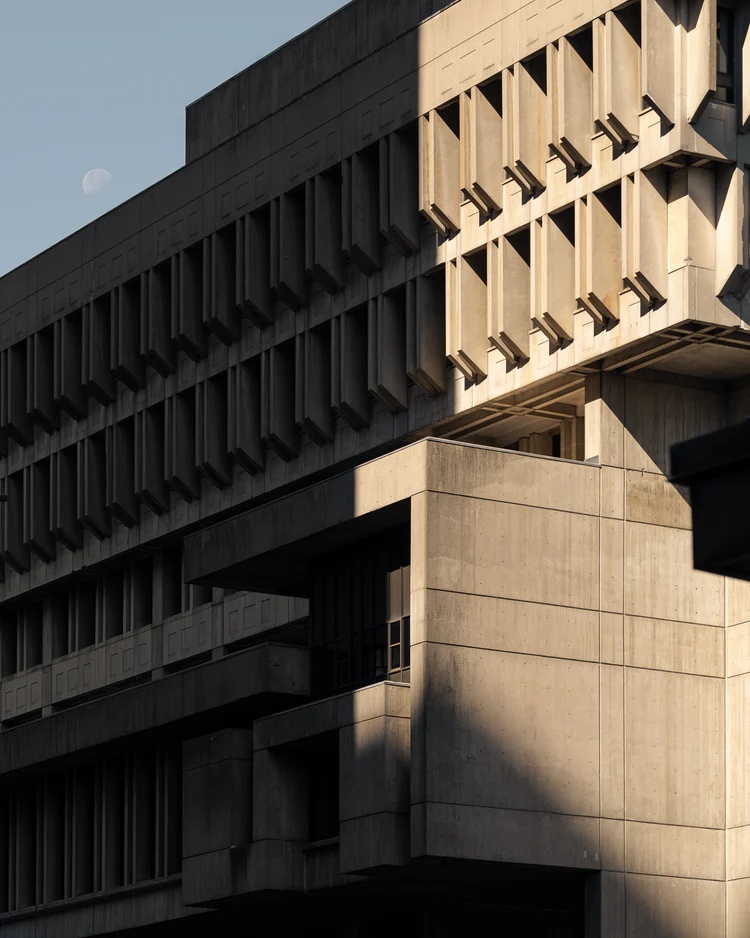
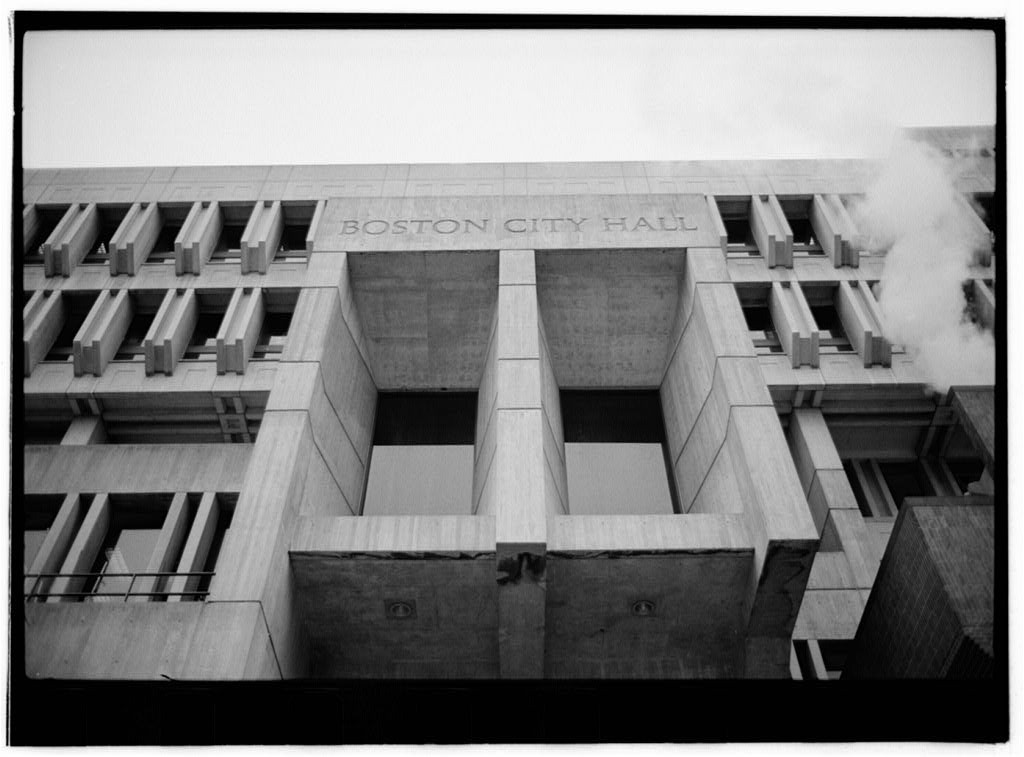
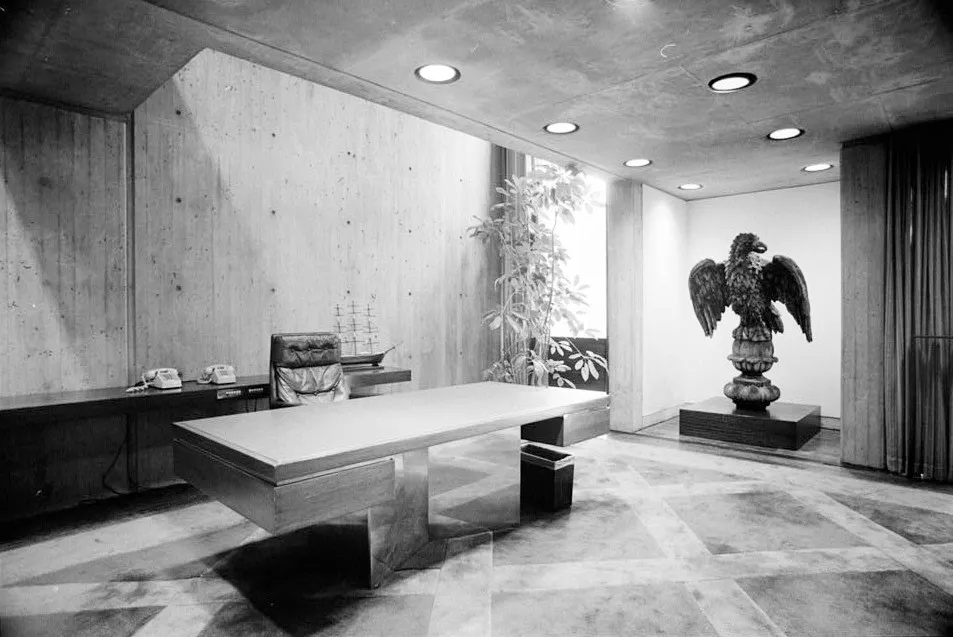
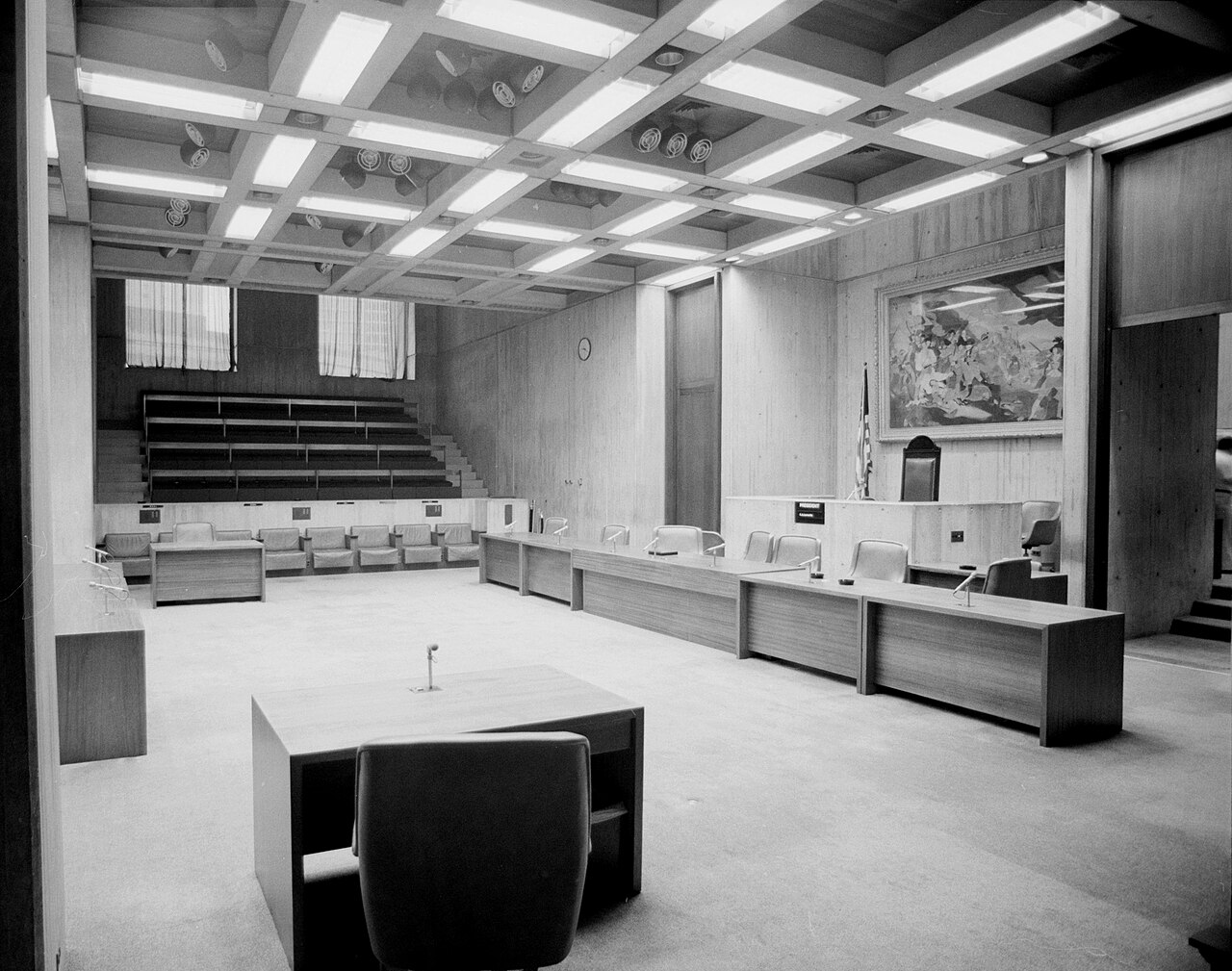
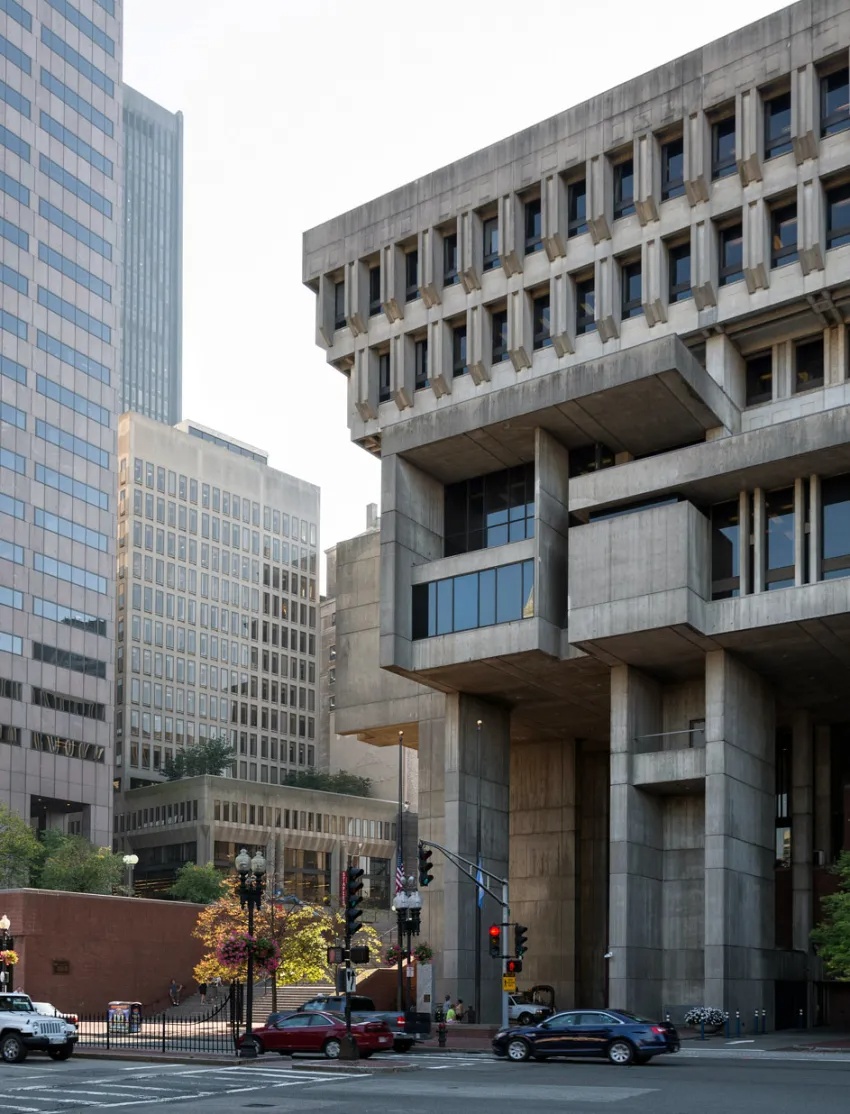
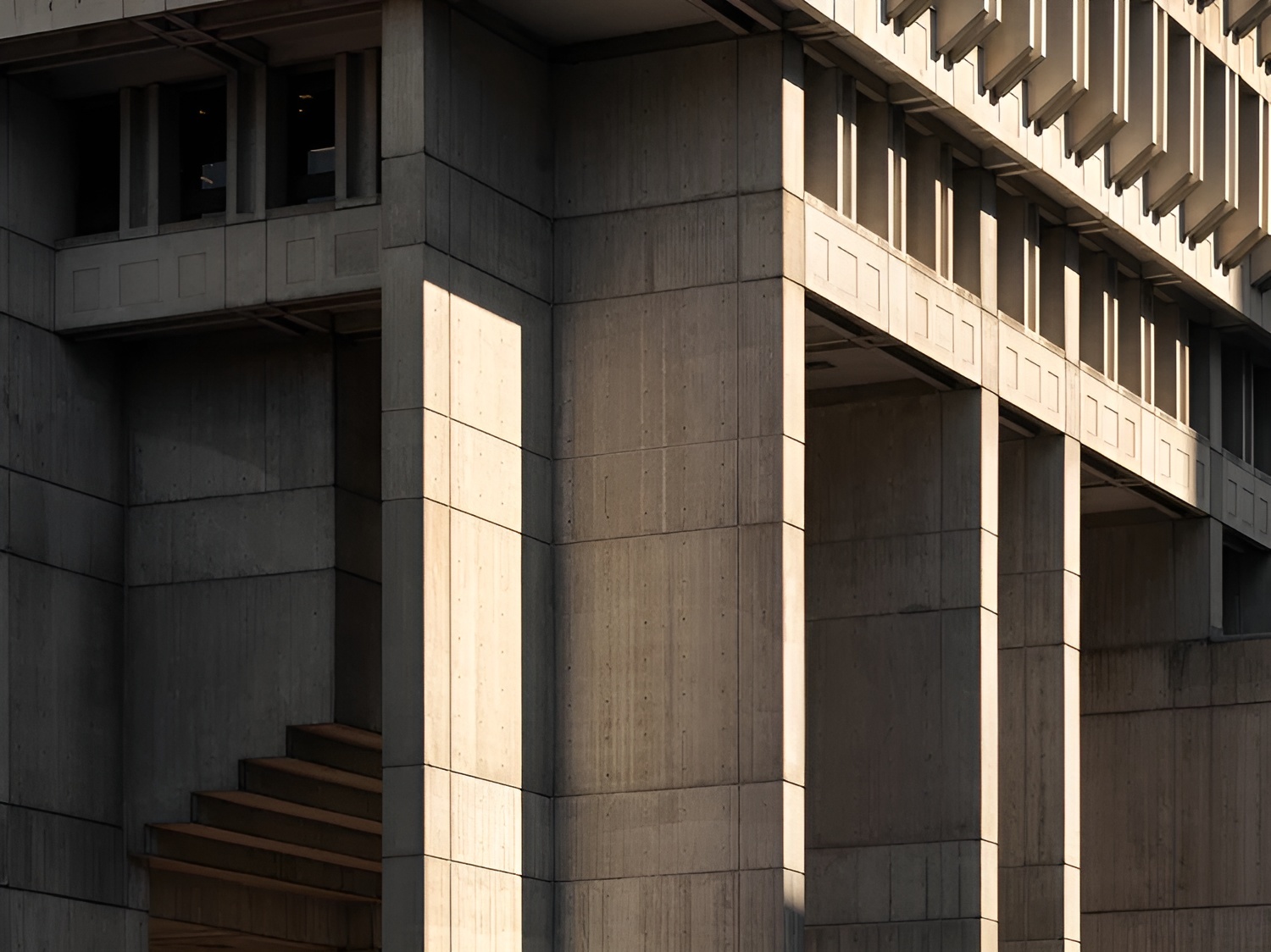
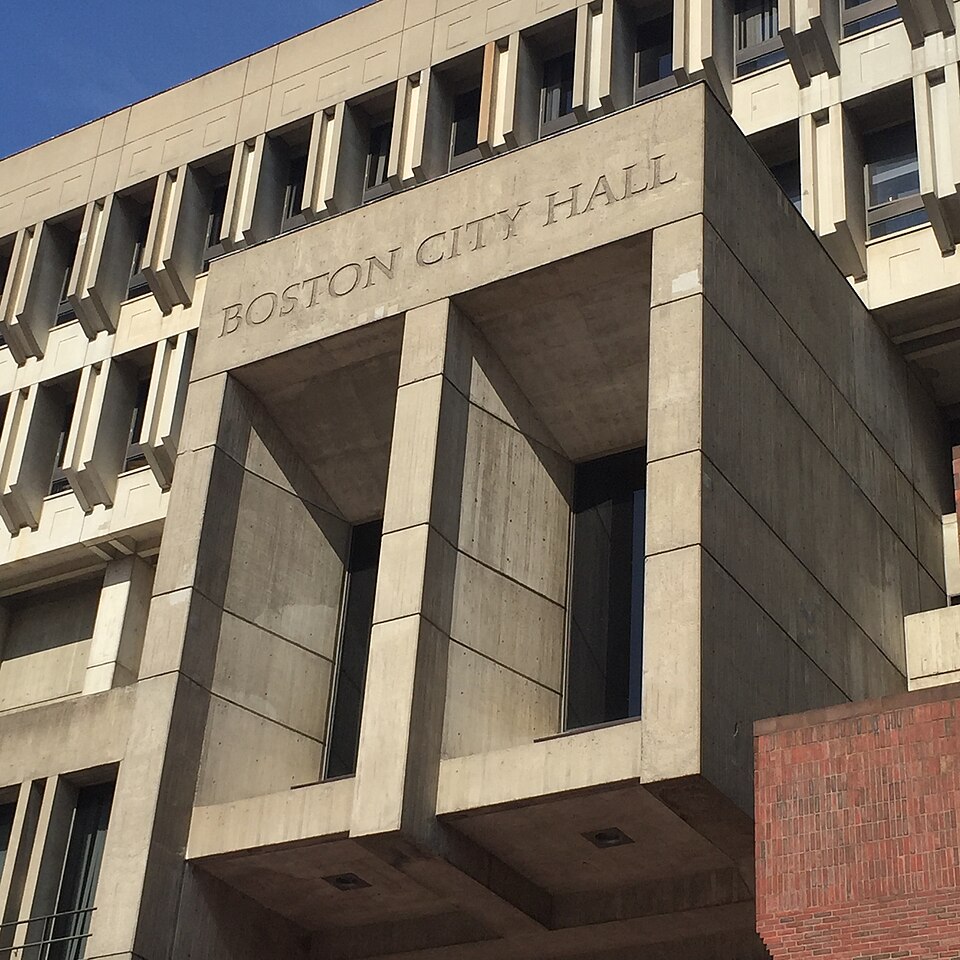
The fifth floor contains the symbolic center of the building. The mayor’s suite, City Council chamber, and councillors’ offices are expressed externally through large projecting concrete frames. These concrete hoods reveal the location of elected officials’ spaces and create a visual relationship between the work of government and the plaza below.
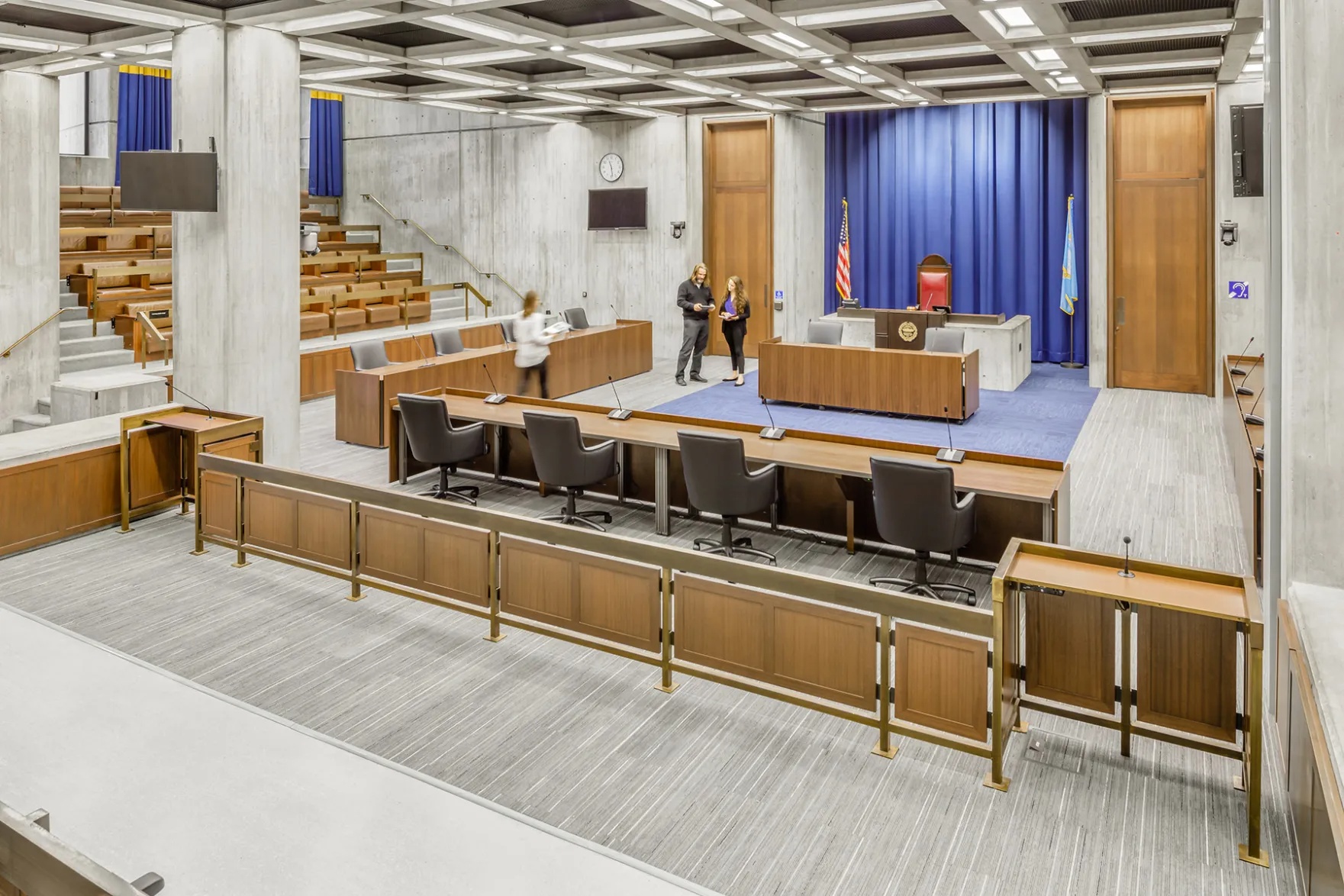
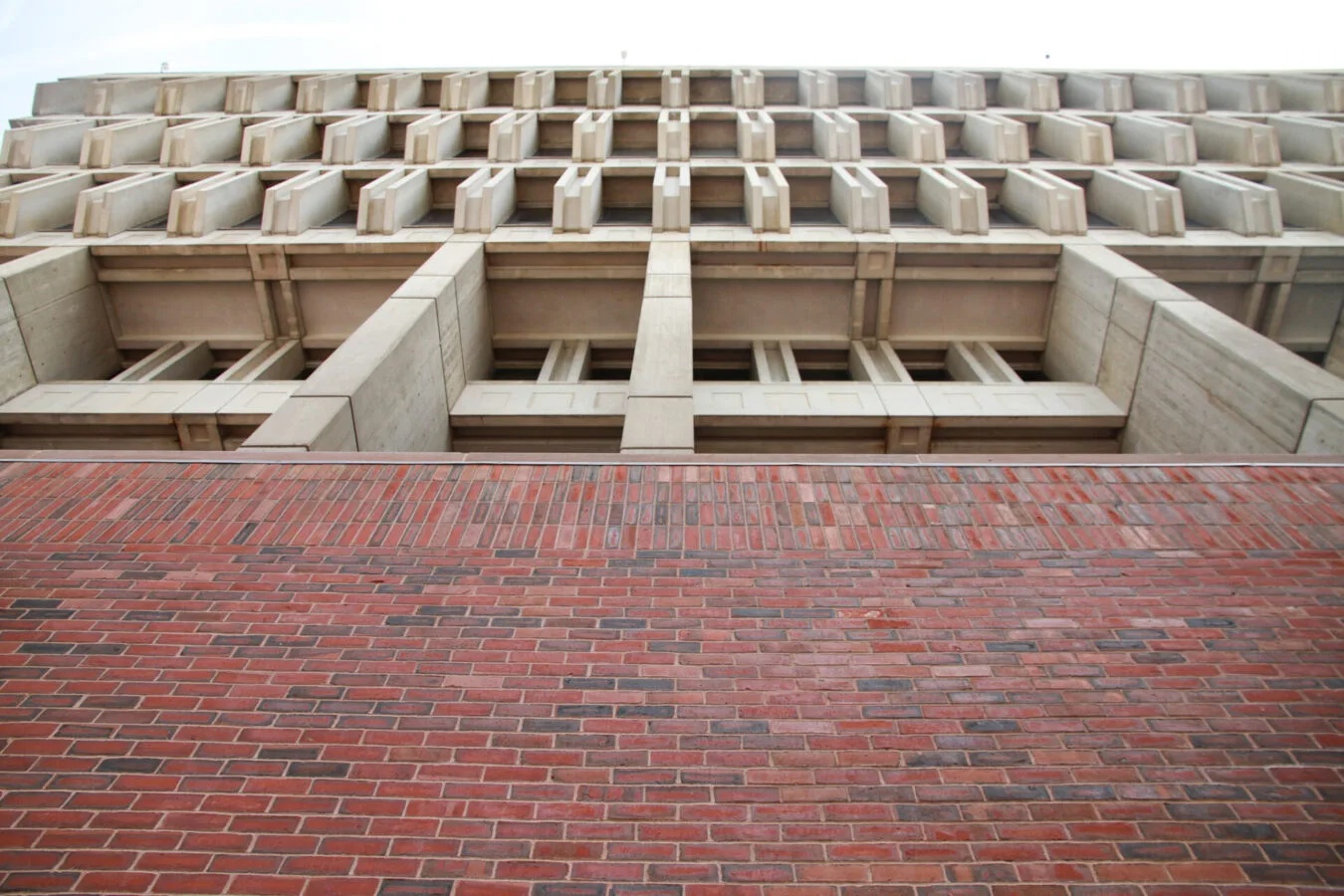
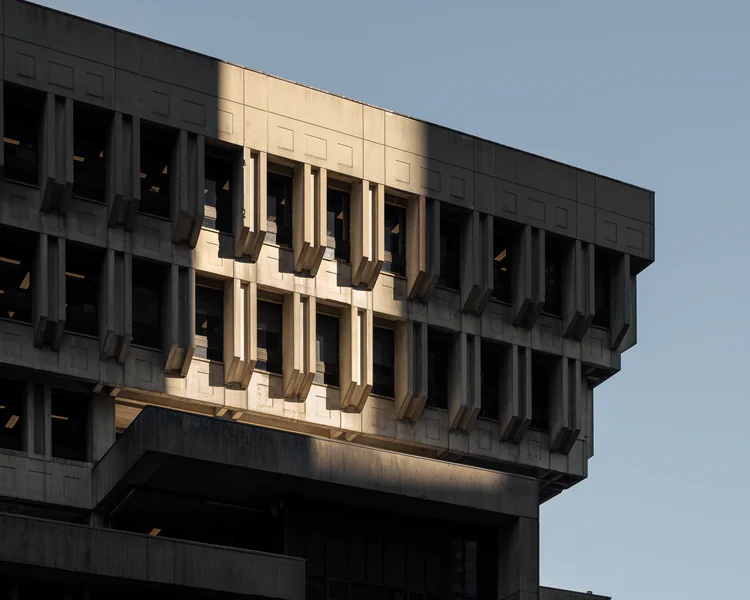
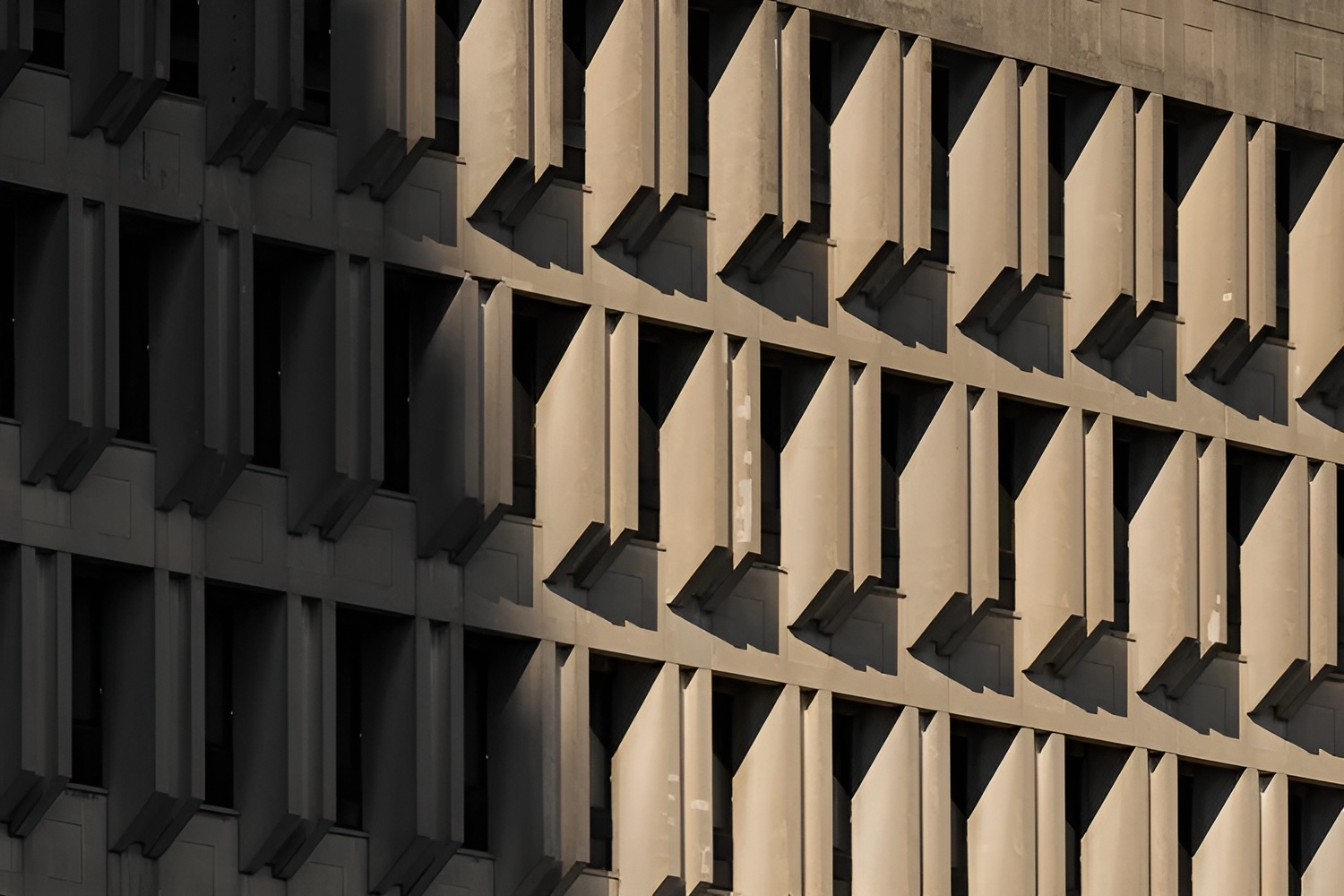
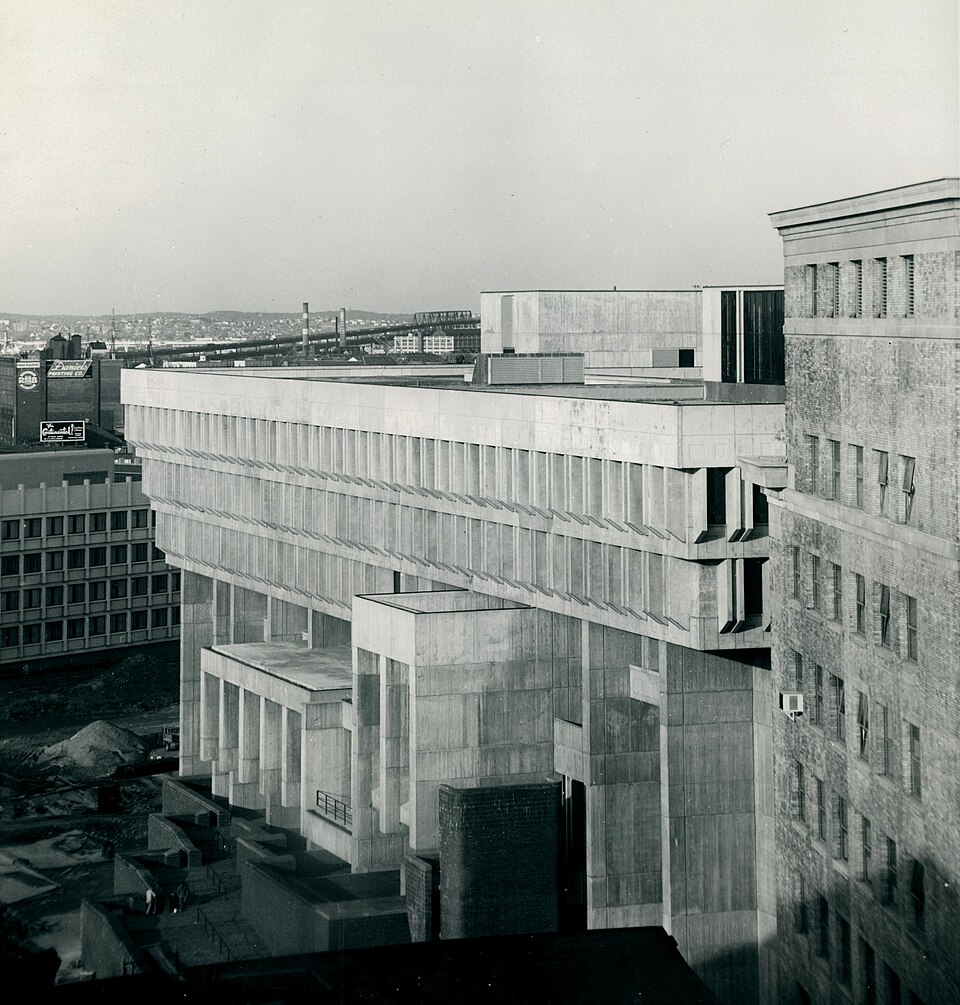
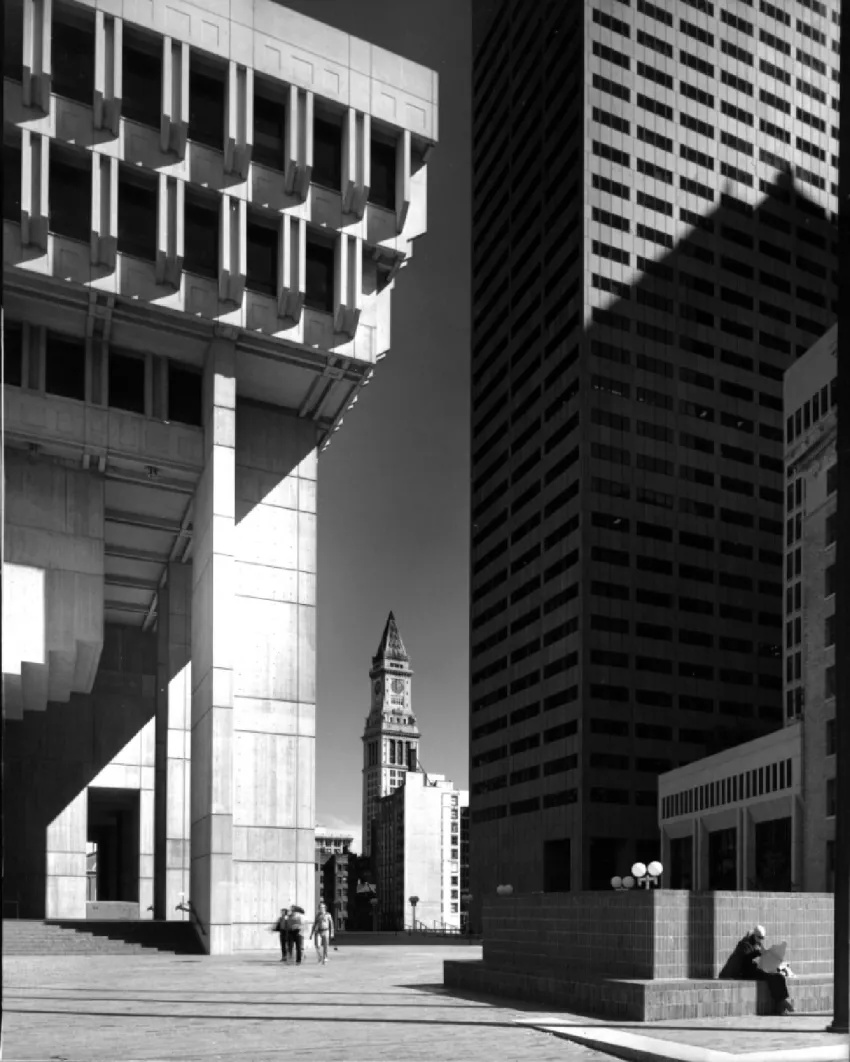
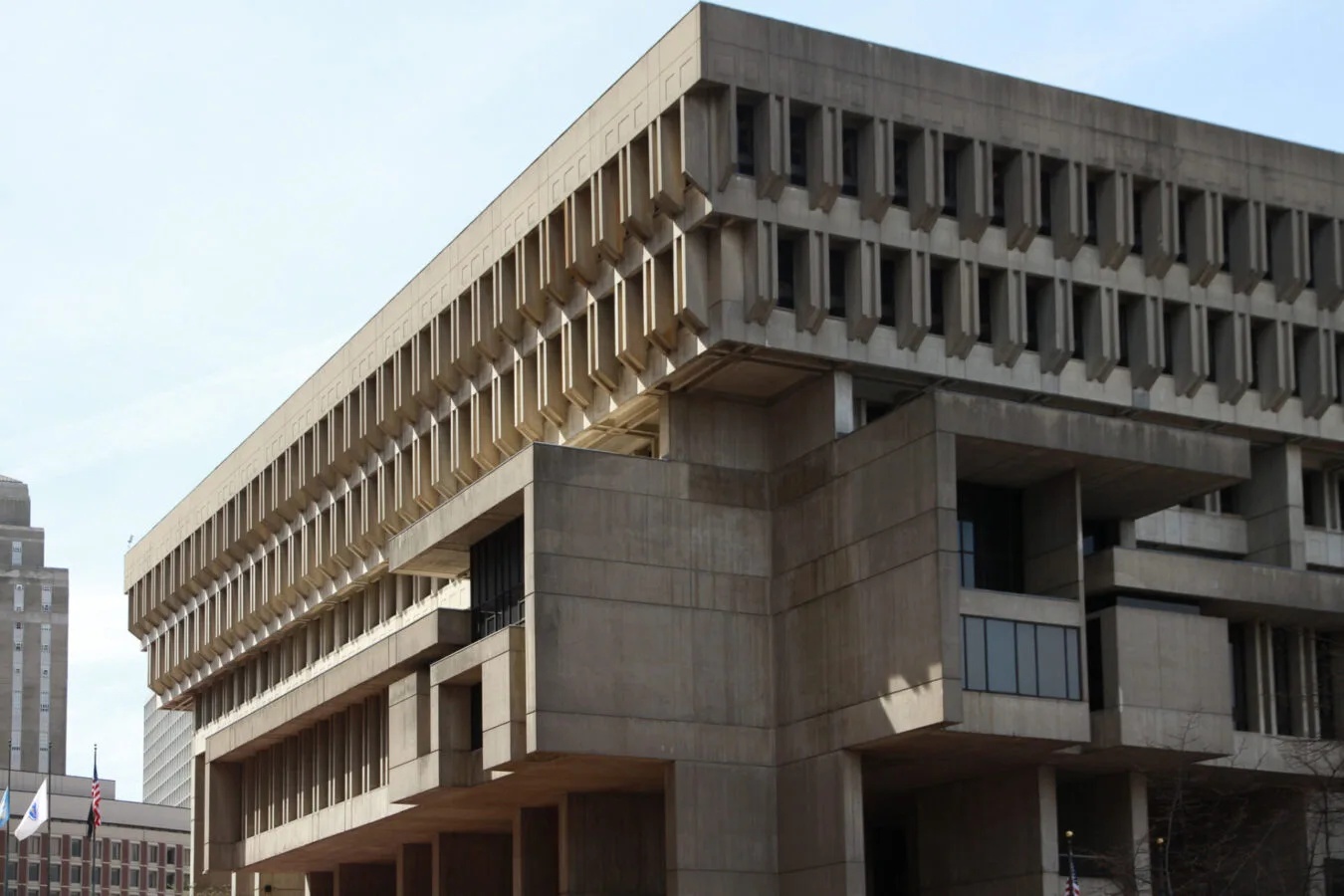
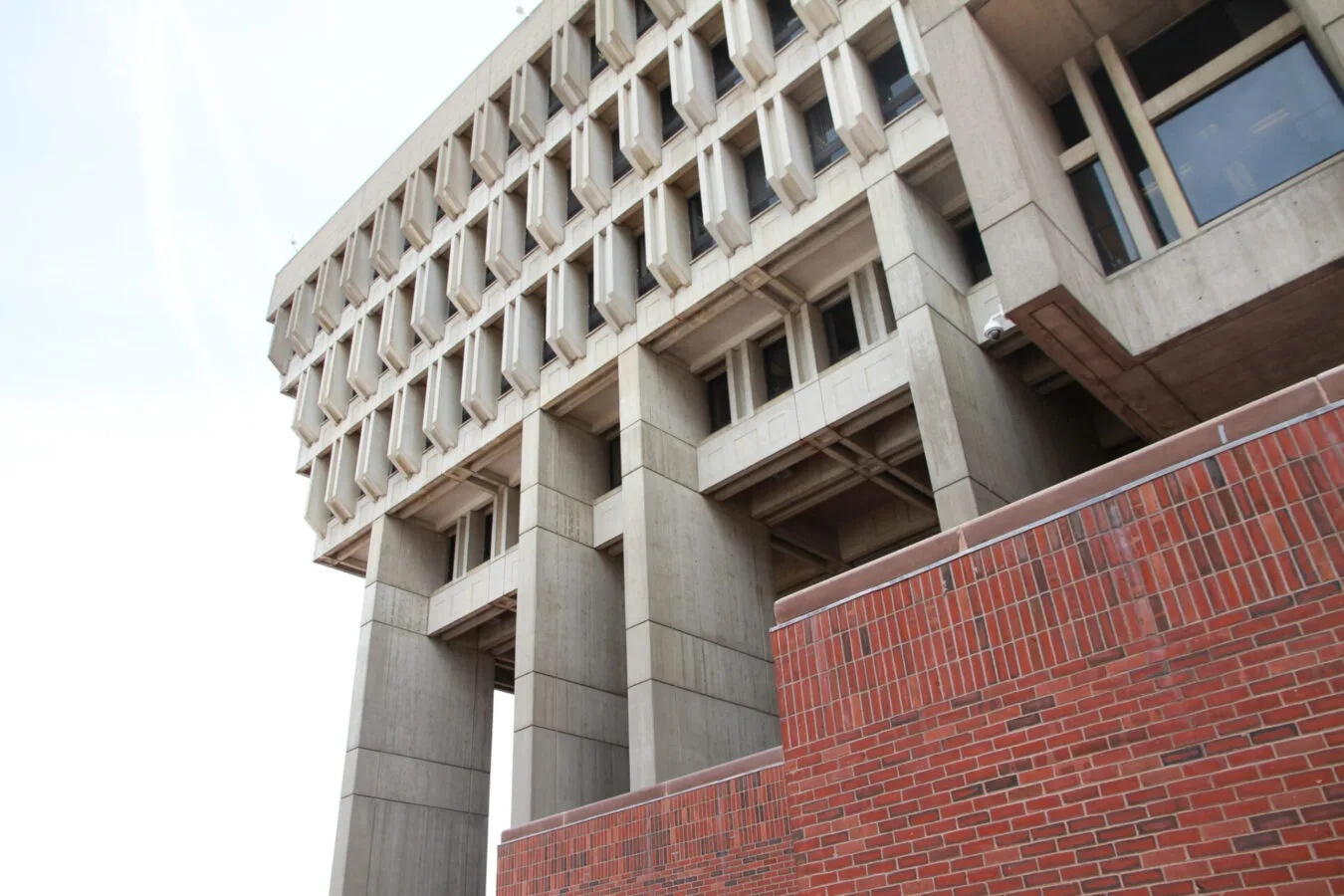
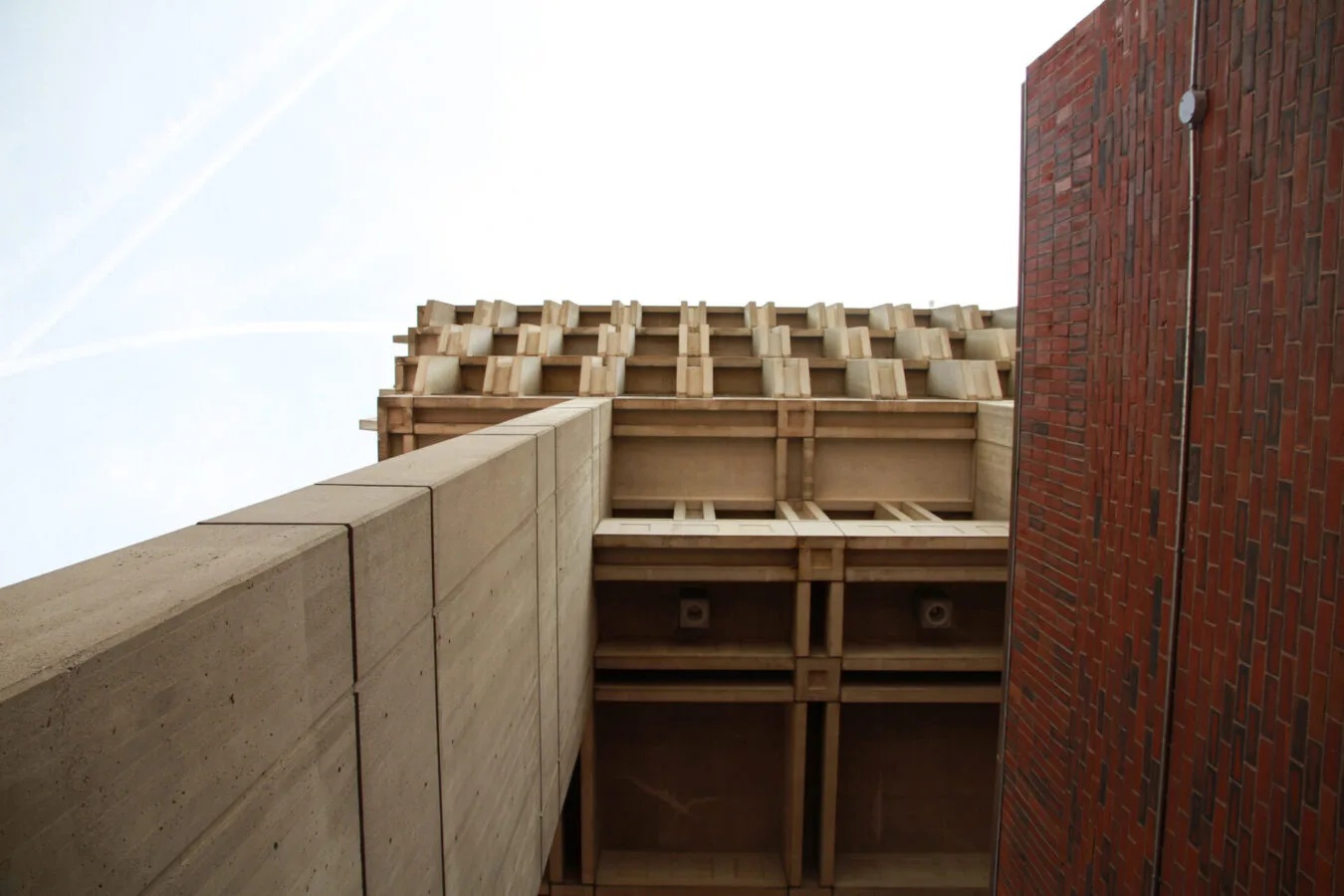
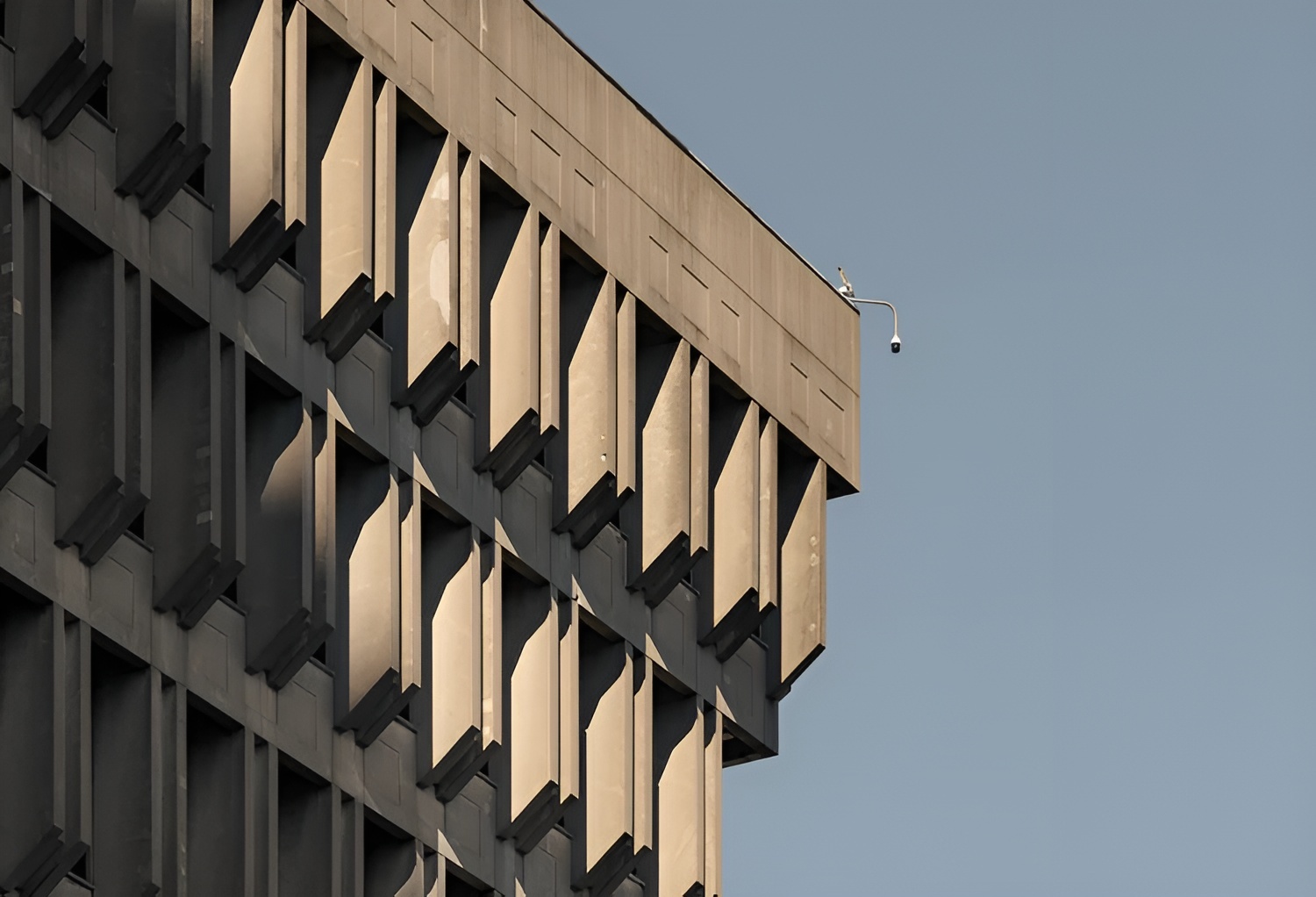
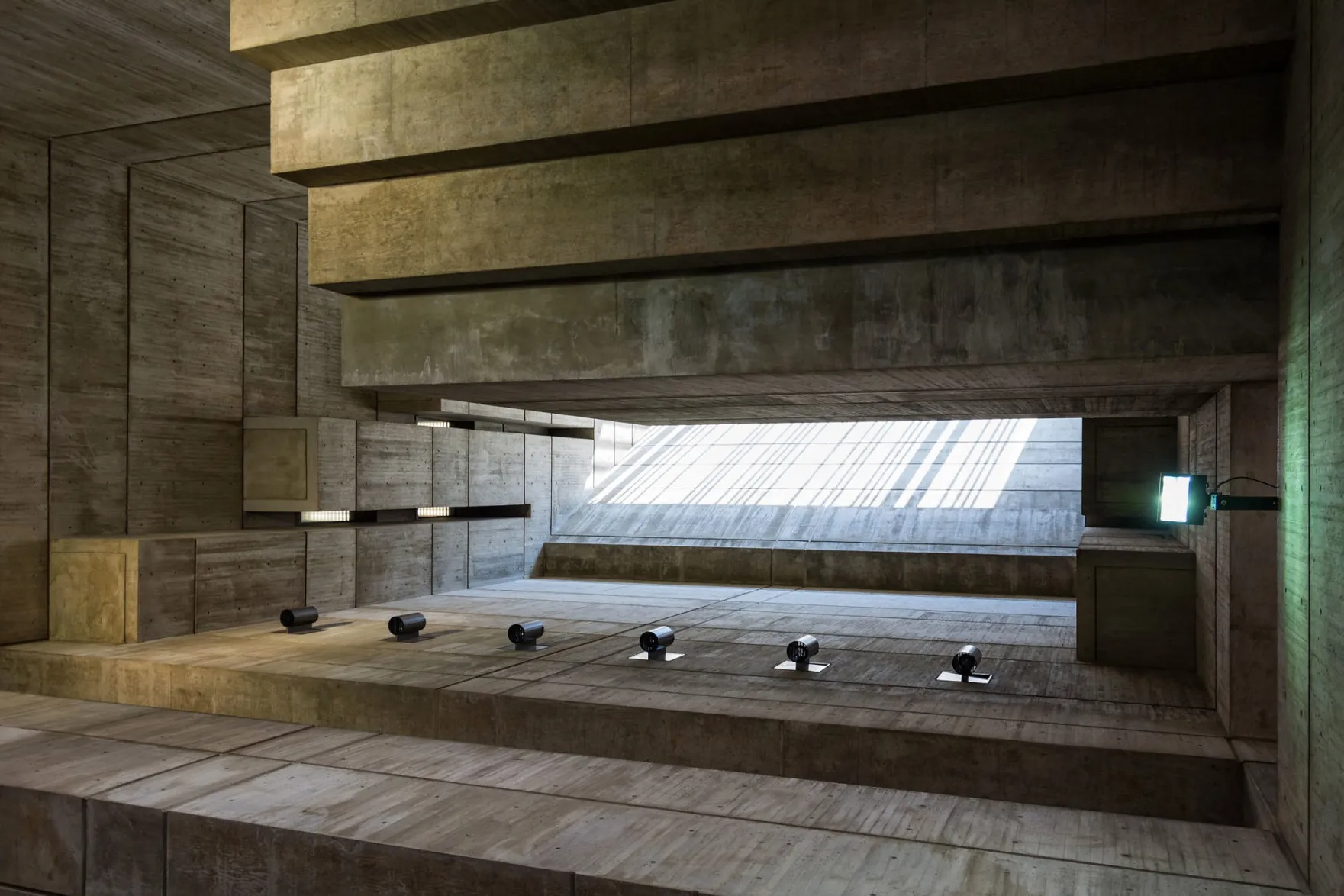
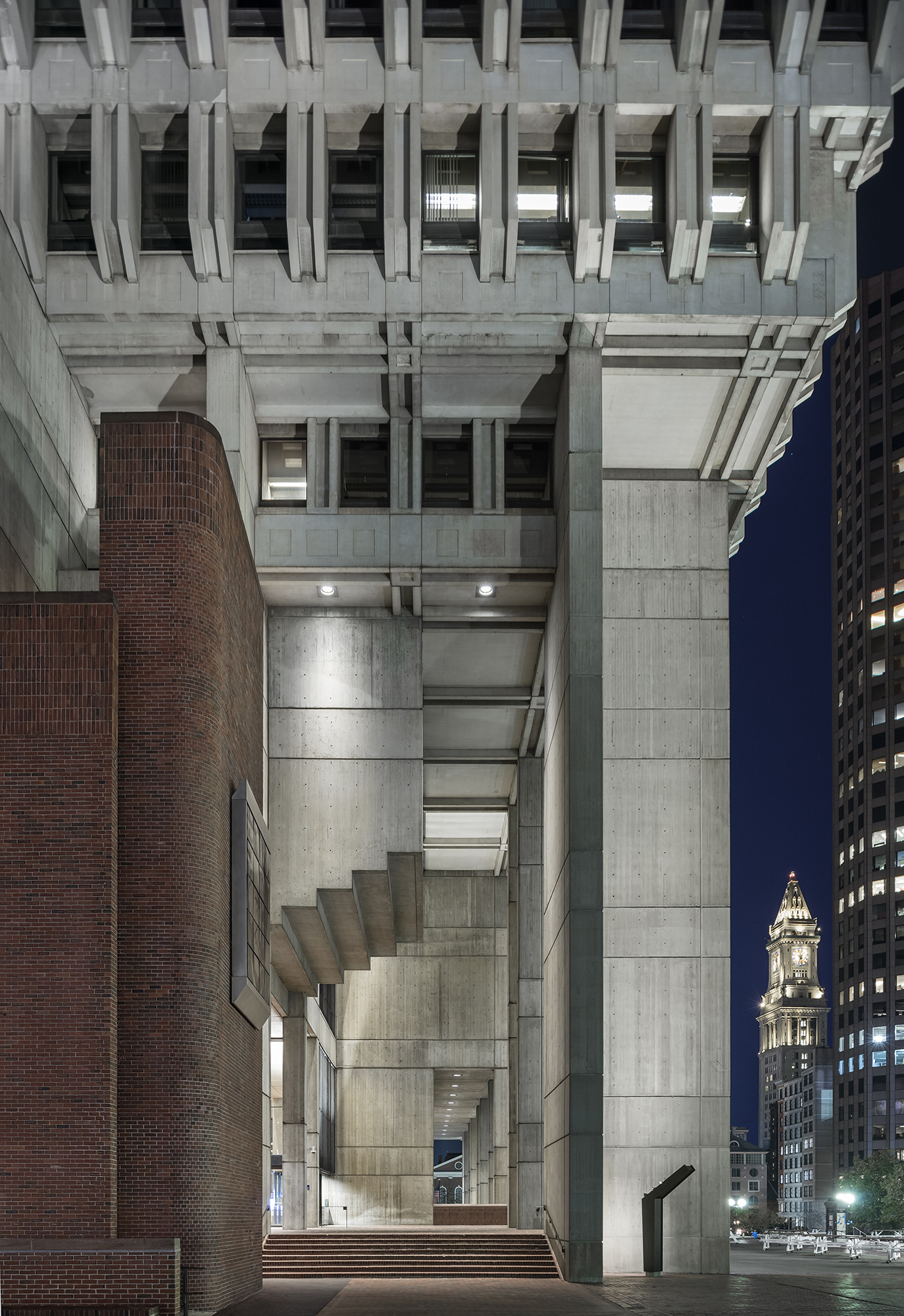
The upper floors contain administrative offices arranged behind a more repetitive concrete façade. Deeply recessed windows, projecting fins, and cantilevered upper stories create heavy shadows and emphasize the mass of the building. The upper tier expands outward as it rises, giving the structure its recognizable inverted profile.
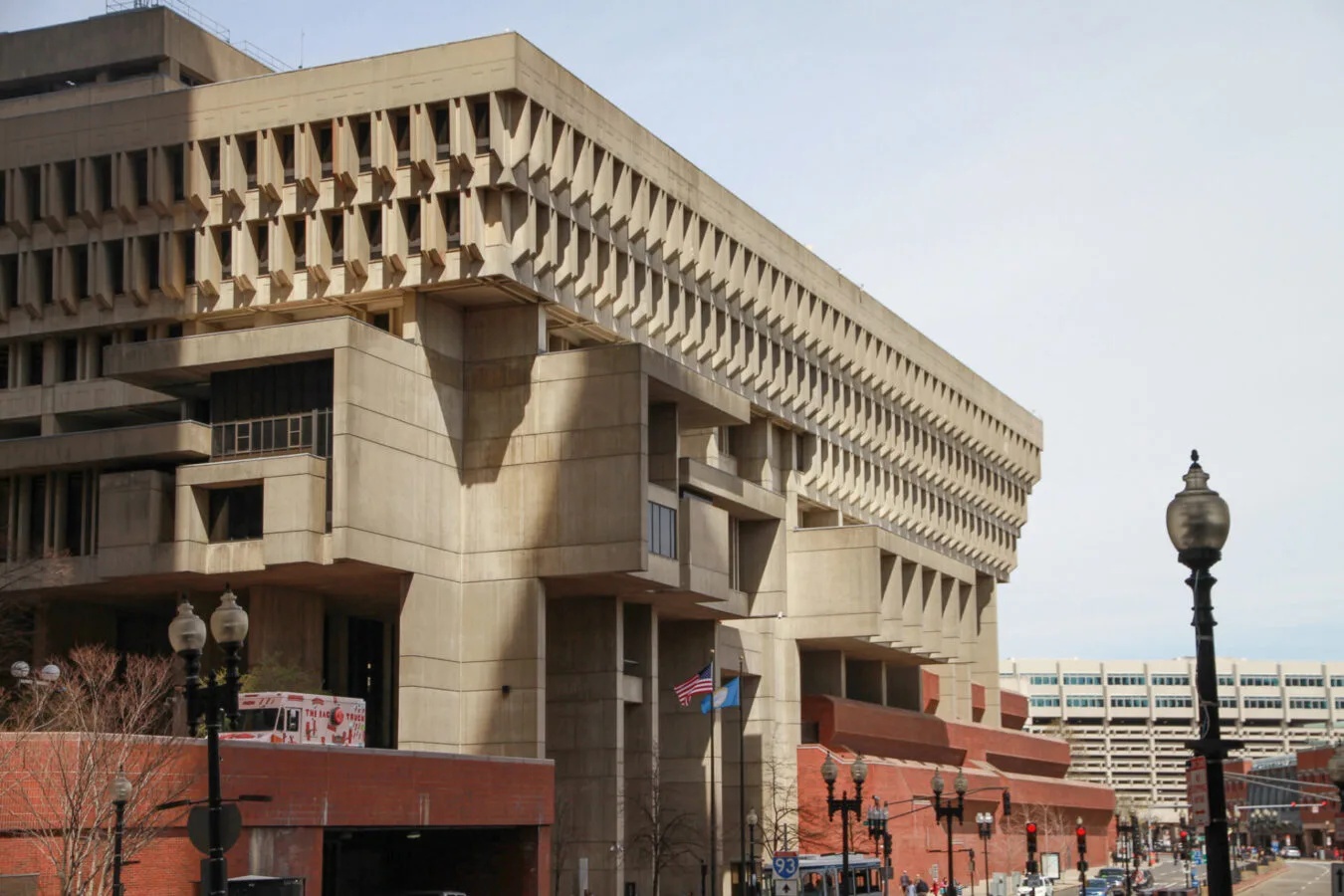
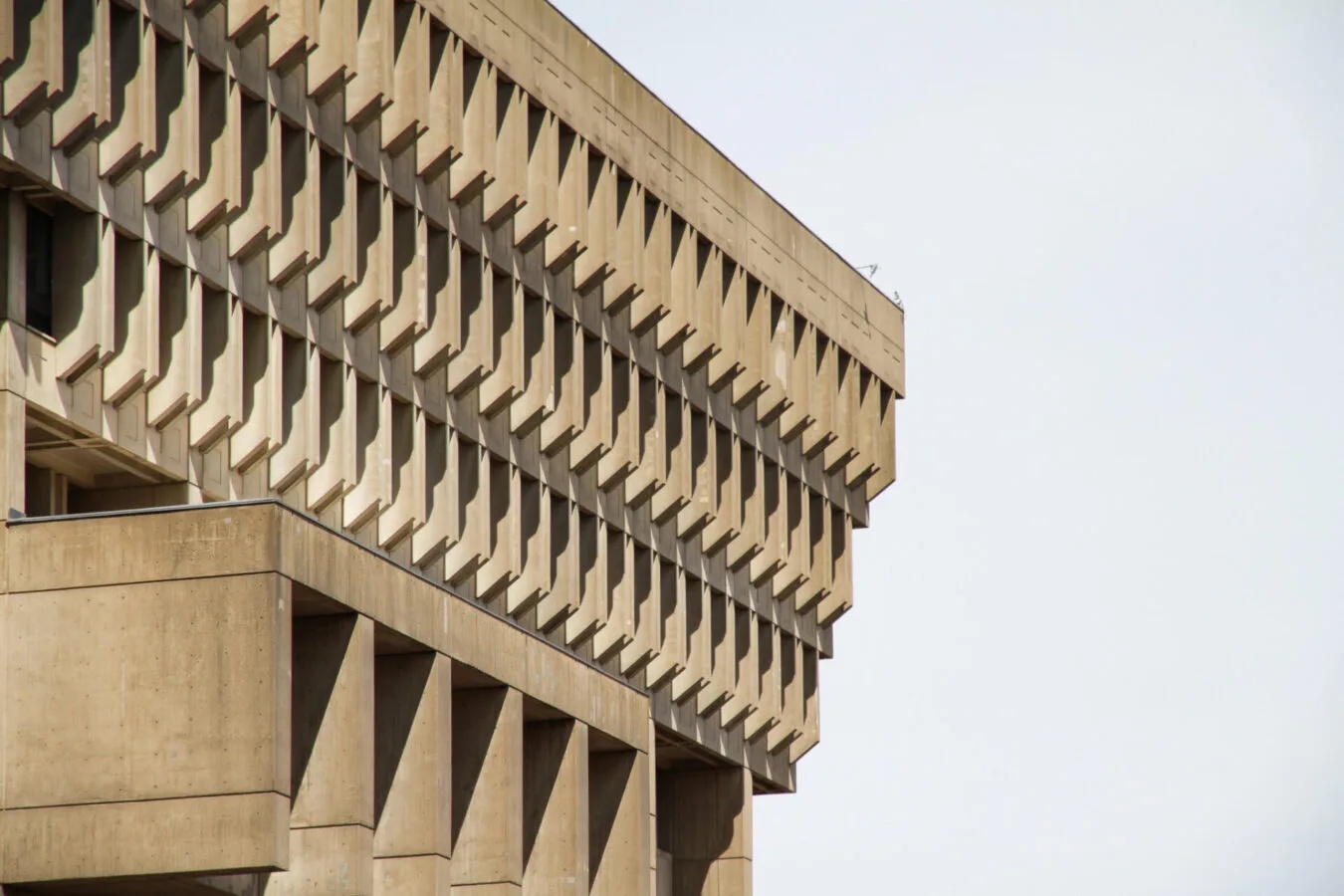
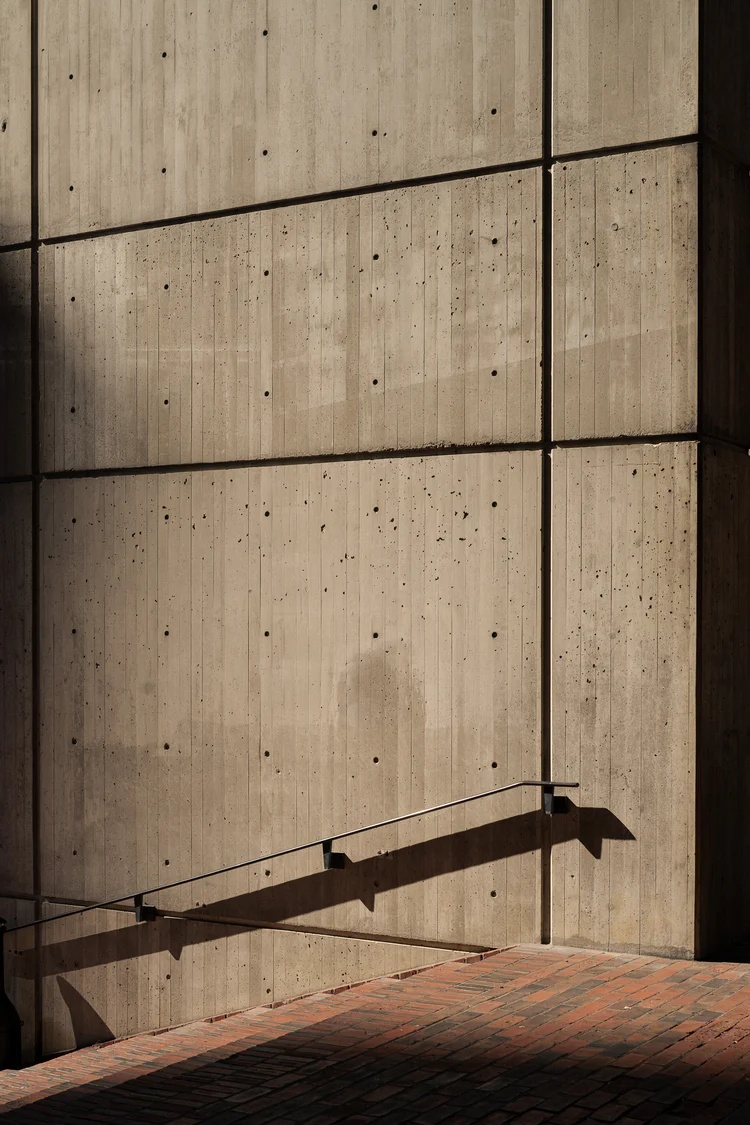
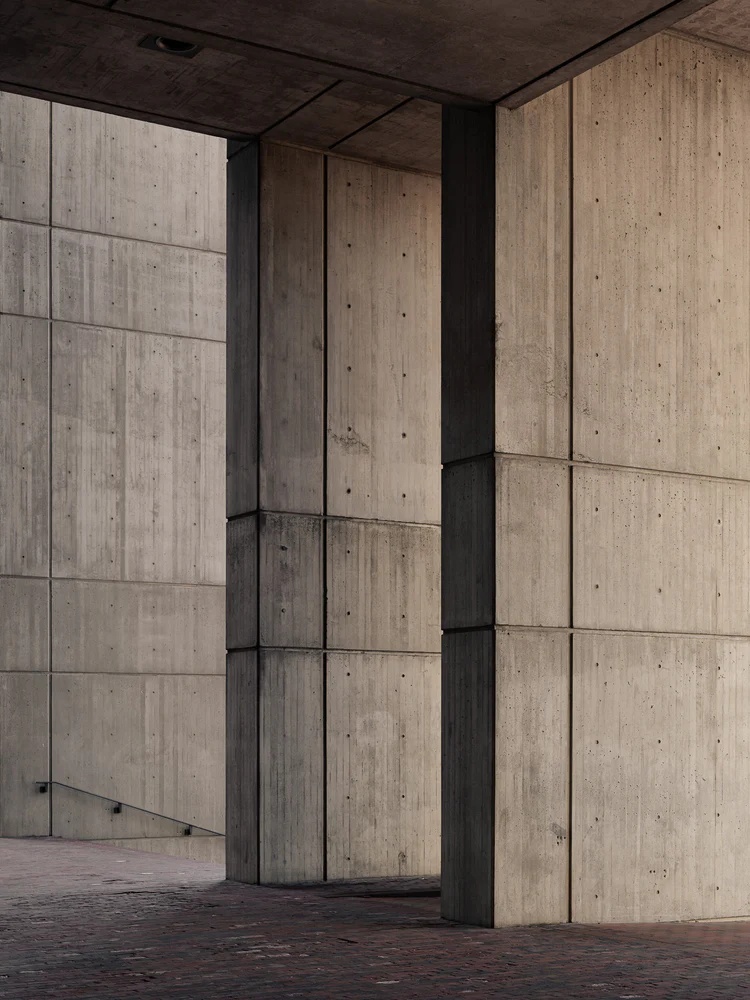
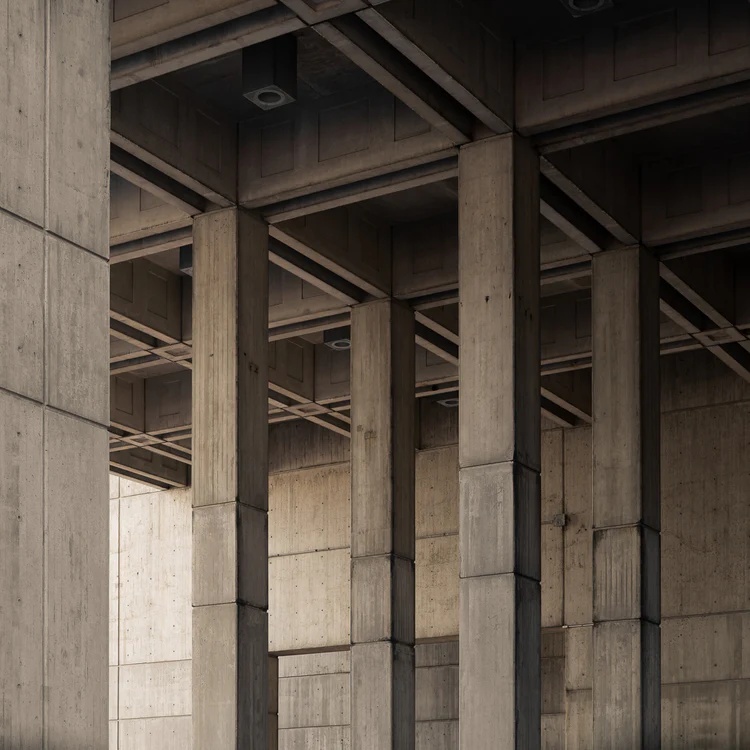
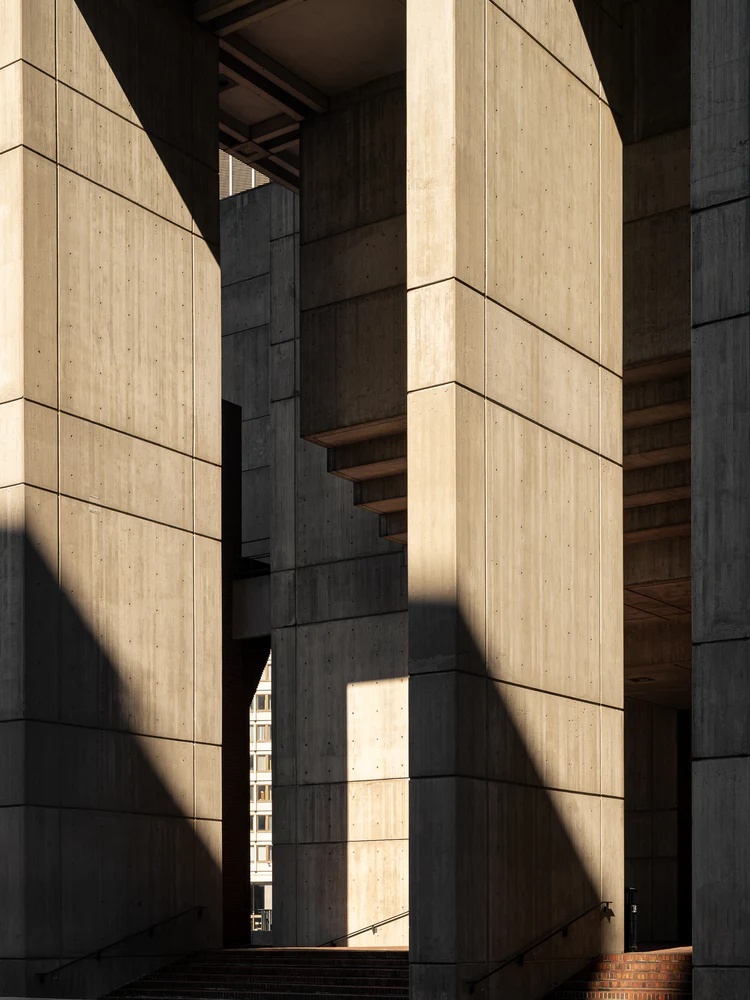
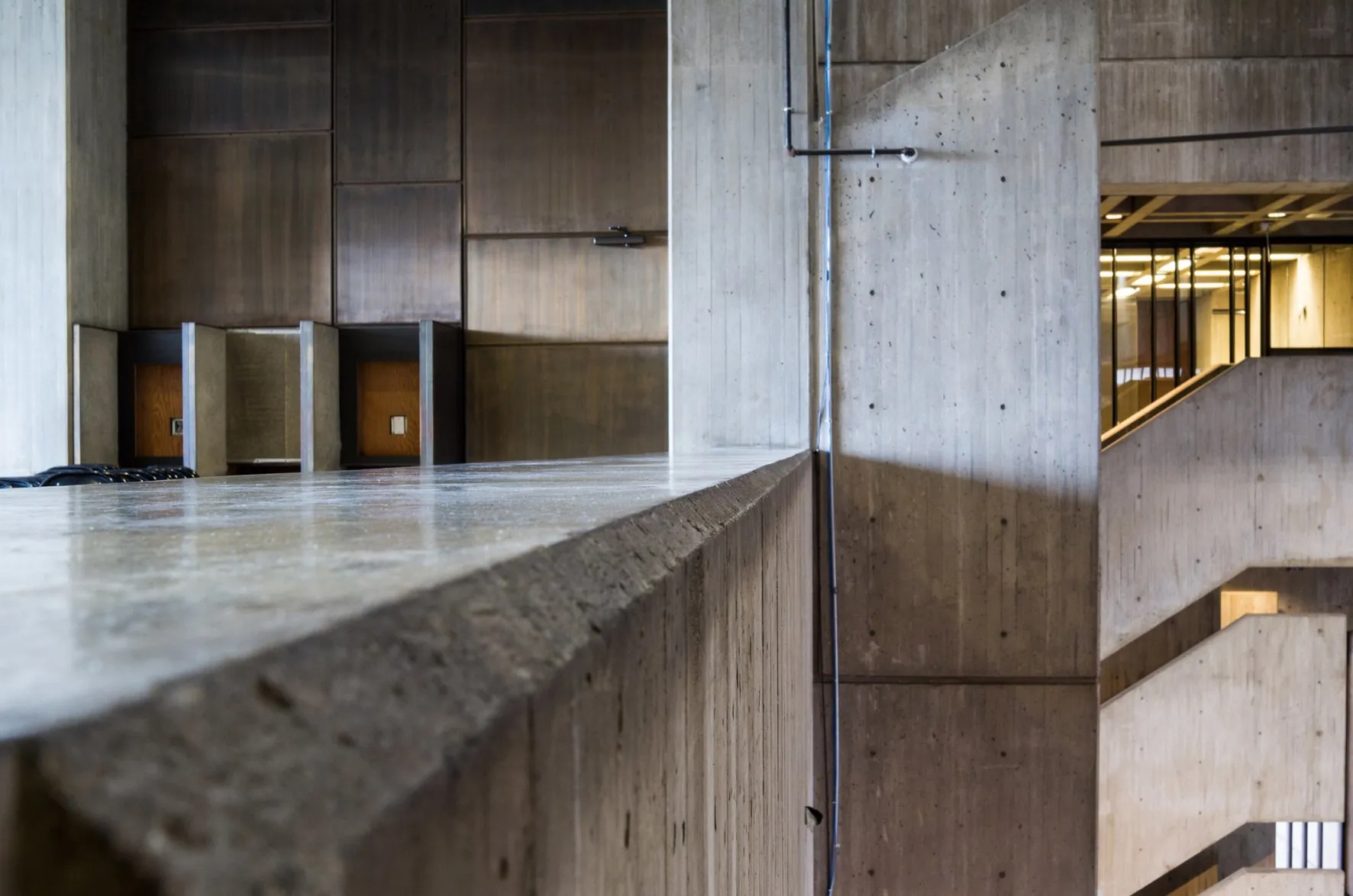
The building’s material language is central to its architectural identity. Rough concrete, brick, bronze-framed glazing, and exposed structural elements give Boston City Hall its direct and monumental character. The unfinished concrete surfaces reveal construction methods and reinforce the building’s Brutalist approach.
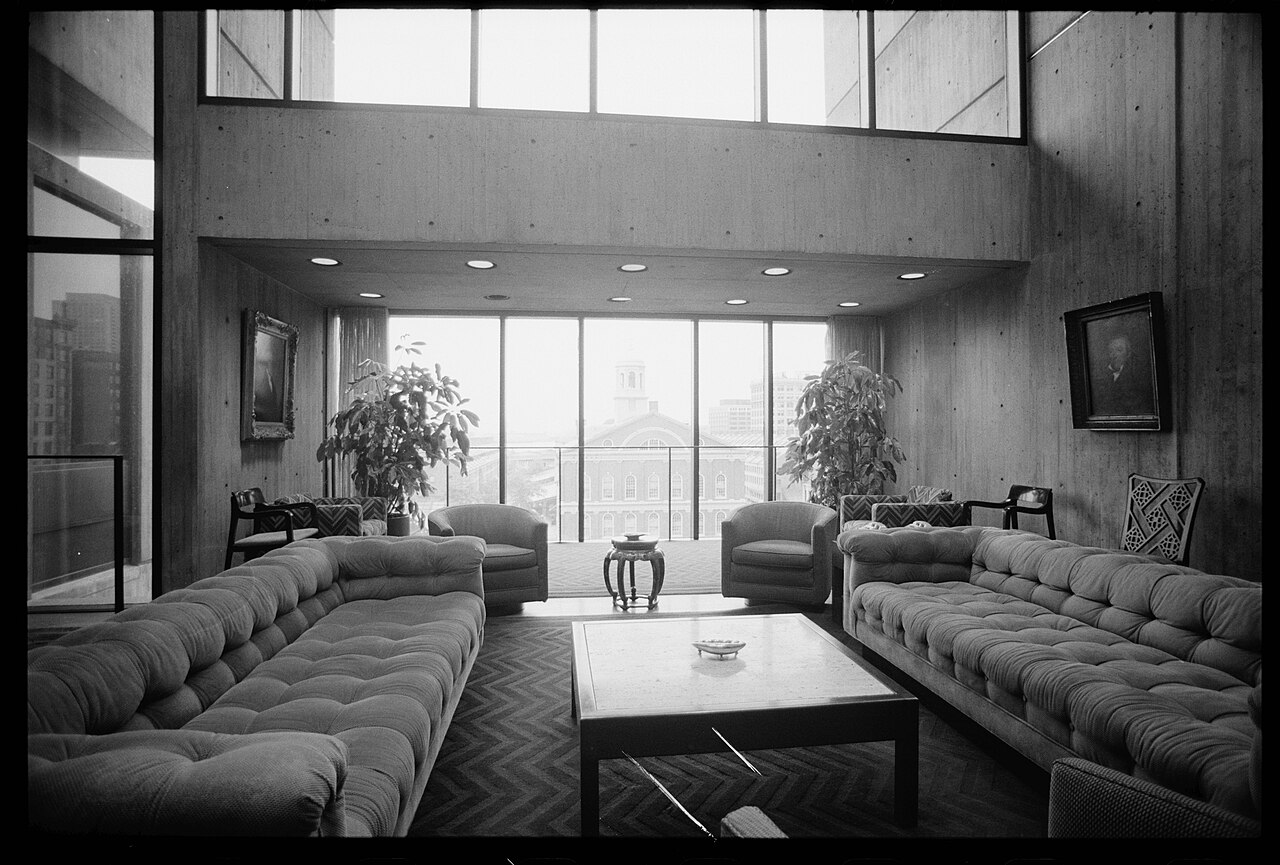
The interior follows the same logic of exposed material and programmatic legibility. Public areas use brick, concrete, quarry tile, and large circulation spaces, while upper administrative floors were planned with office modules, glass partitions, and flexible layouts. The council chamber was designed with public seating surrounding the elected officials, reinforcing the intended relationship between citizens and municipal governance.
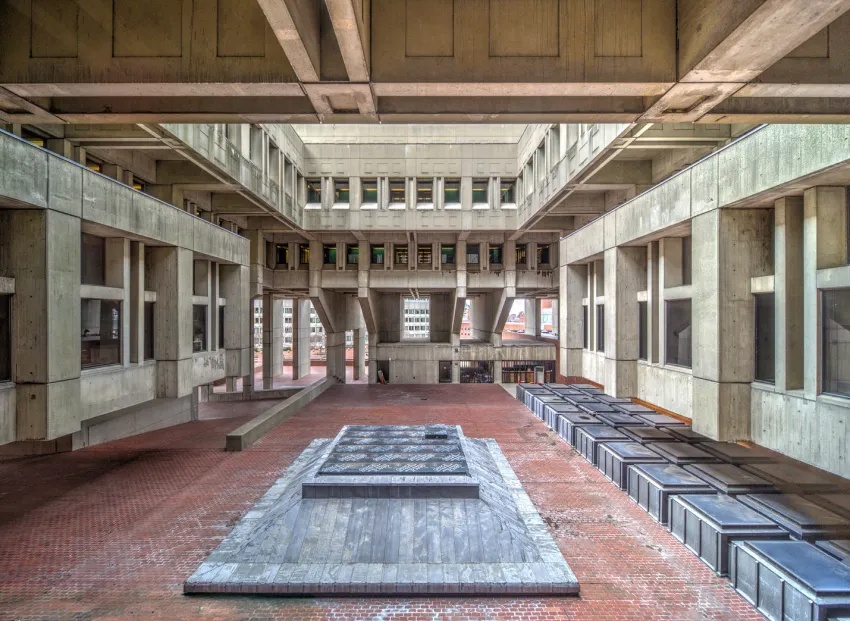
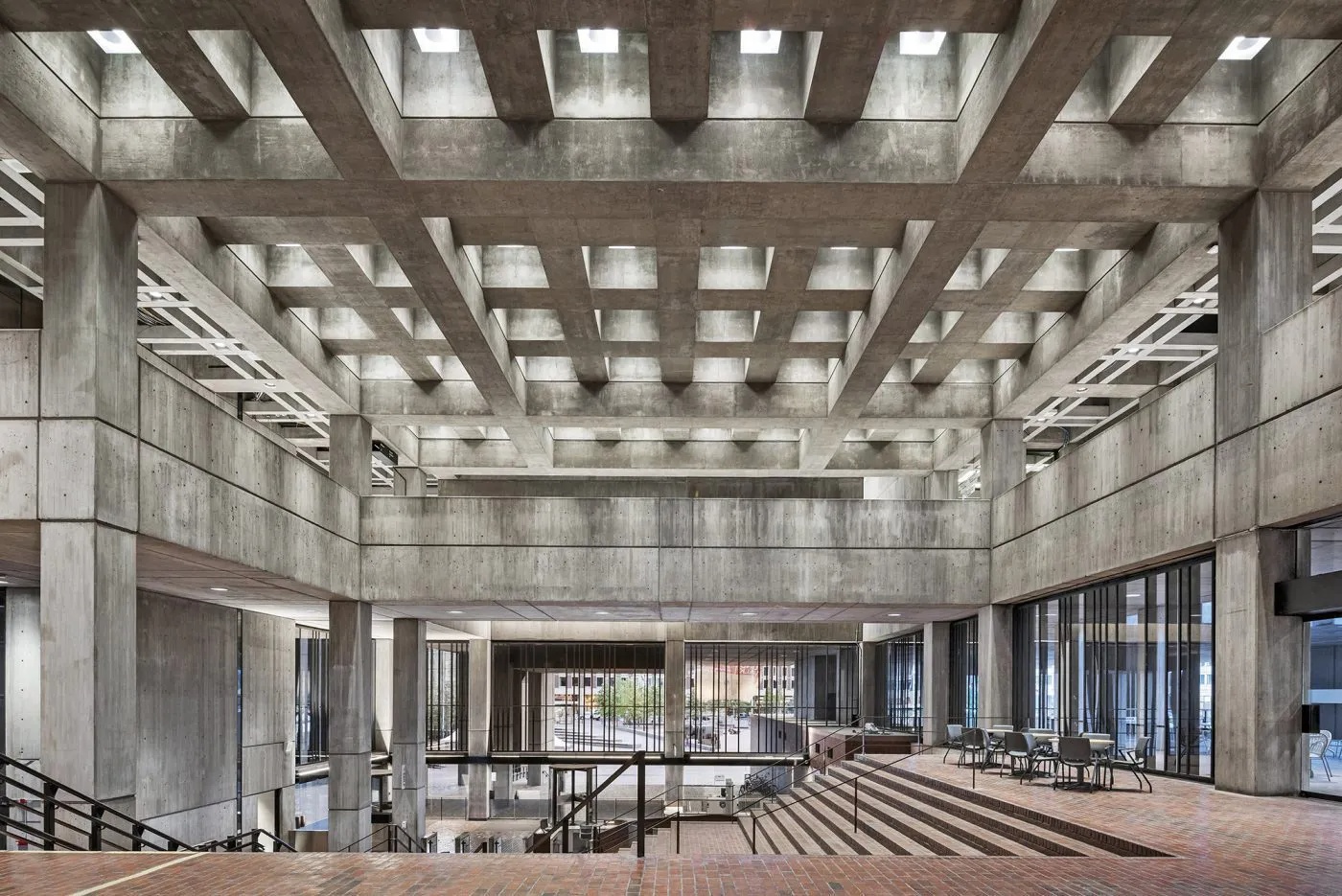
Boston City Hall received major architectural recognition after completion, including the AIA Honor Award and the Boston Society of Architects Parker Medal. Architects and critics praised its strong civic expression, its clarity of program, and its contribution to American Brutalism.
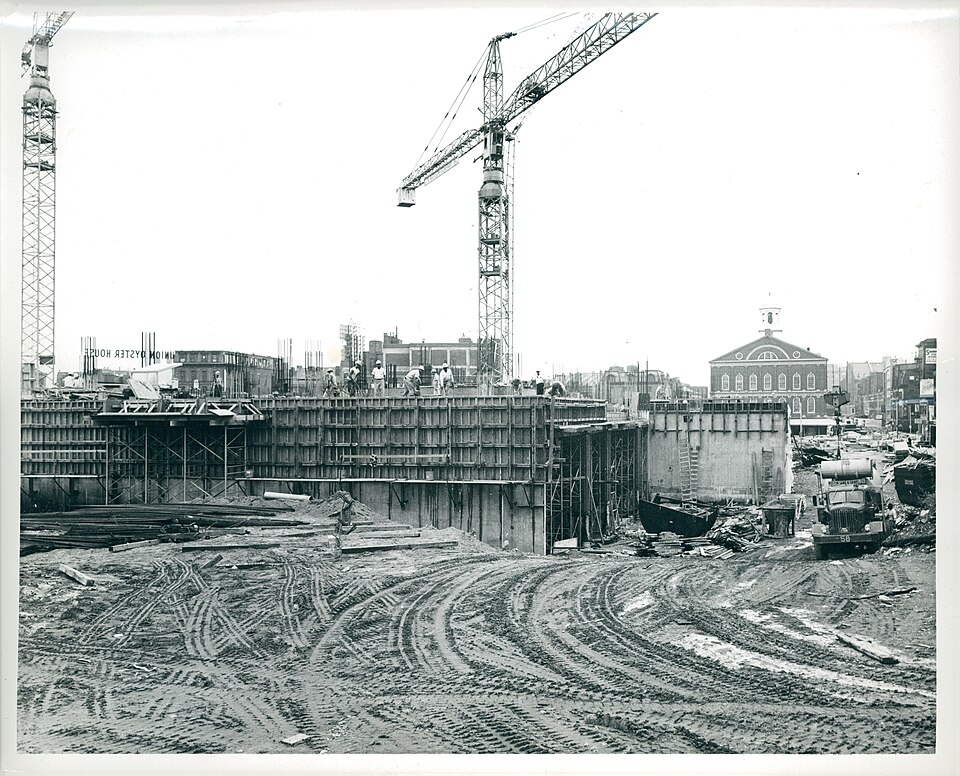
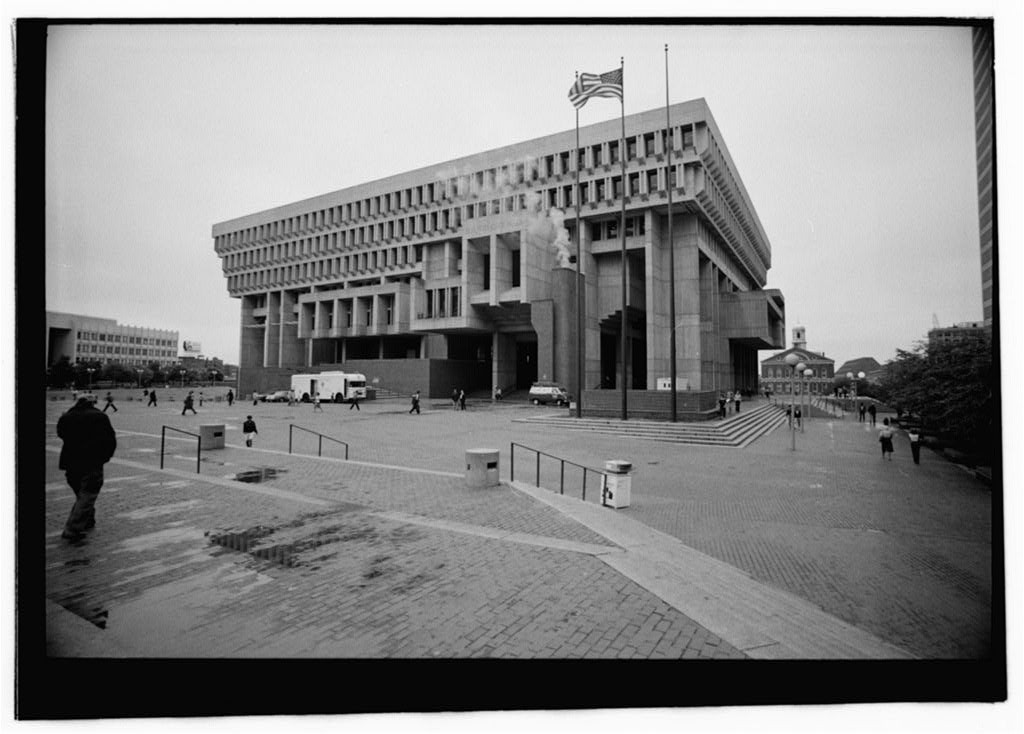
Public response has remained divided. Many residents criticized the building as cold, heavy, confusing, or unwelcoming, while preservationists and architects have defended it as one of the most important civic buildings of the twentieth century. Debates over demolition, renovation, and preservation continued for decades.
Recent renovation efforts have focused on improving access, lighting, signage, public amenities, and the relationship between the building and City Hall Plaza. These interventions aim to preserve the architectural significance of the structure while addressing long-standing issues of usability and public experience.
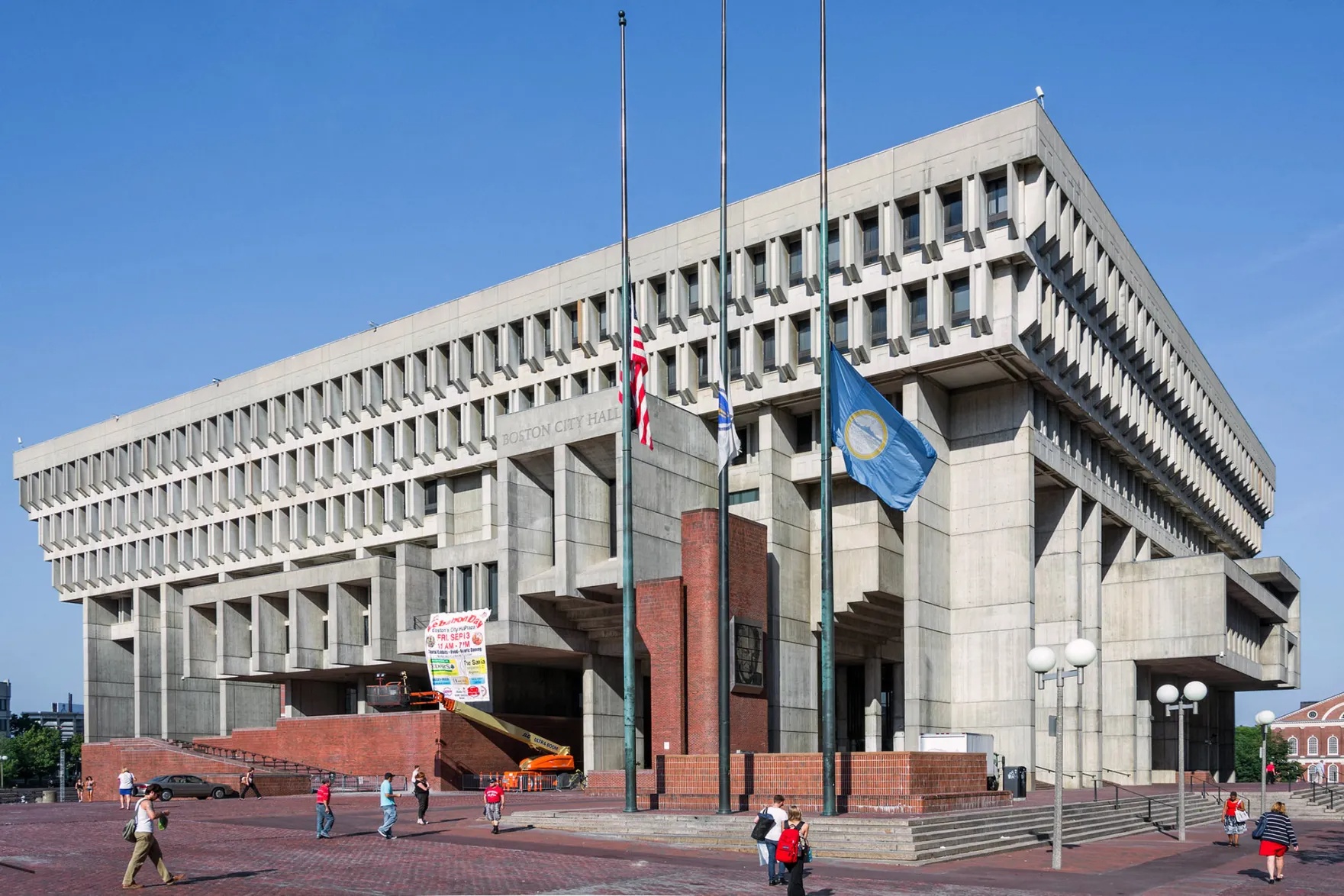
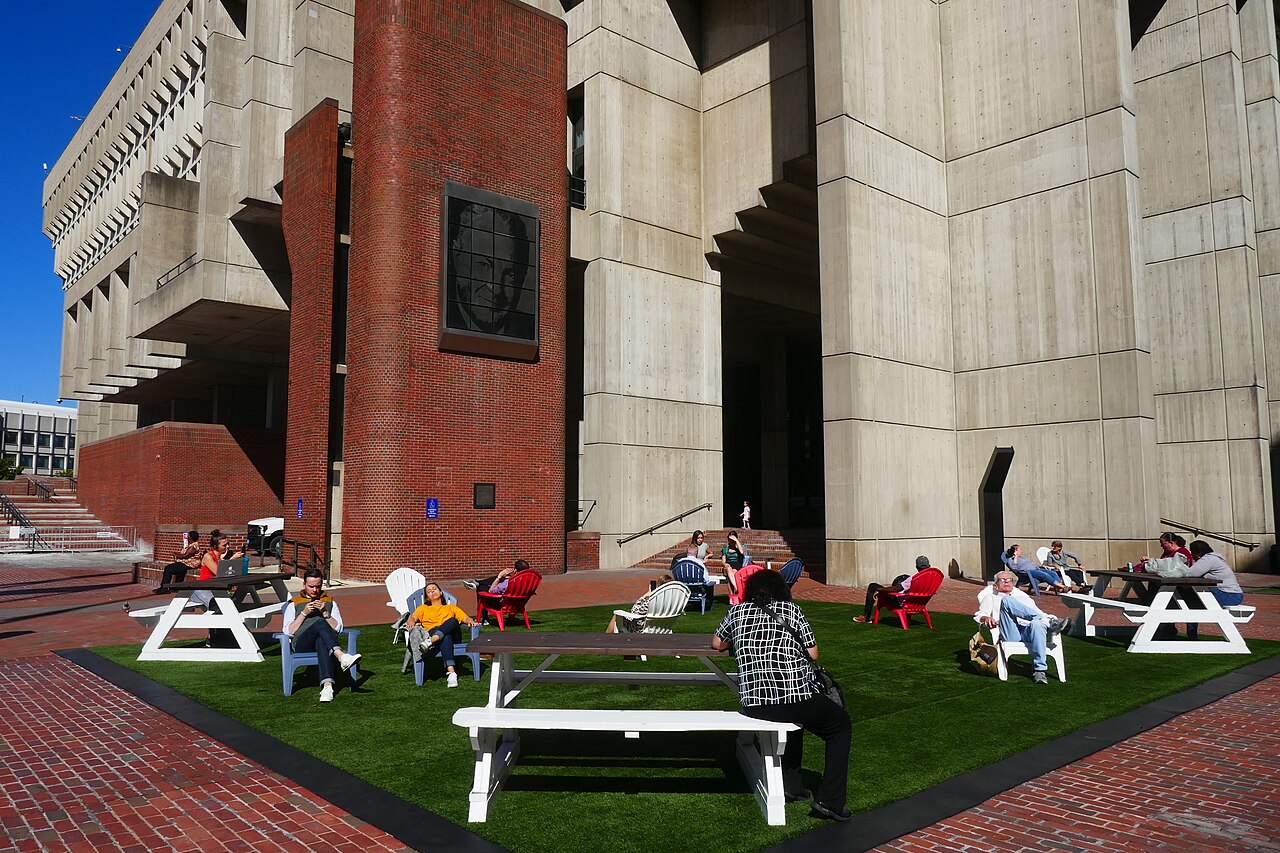
Boston City Hall remains a defining example of Brutalist civic architecture. Its exposed concrete structure, tripartite program, monumental public spaces, and contested reception continue to shape discussions about government architecture, urban renewal, preservation, and the public life of modern buildings.
Project Gallery
Project Location
Address: 1 City Hall Square, Boston, Massachusetts 02201, United States
Location is for general reference and may represent a city or country, not necessarily a precise address.

