

A shouse is a hybrid building that combines a residence with a shop, workshop, garage, studio, or equipment-storage area. It differs from a conventional house because the working space is a primary part of the building rather than a standard attached garage. Shouses developed from housebarns, farmsteads, workshops with living quarters, and other buildings that combined domestic and productive uses. Modern shouses became more common with the growth of post-frame and prefabricated metal construction during the late 20th and early 21st centuries. They are designed to provide large, flexible work areas while maintaining residential safety, privacy, and comfort. Shouses can have modern farmhouse, ranch, industrial, rustic, traditional barn, or contemporary architecture. Common features include rectangular plans, gabled roofs, metal cladding, clear-span structures, tall ceilings, concrete floors, large overhead doors, open-plan living areas, mudrooms, storage mezzanines, radiant floor heating, and solar panels. Shouses can customize the ratio of residential to workshop space for vehicle storage, woodworking, art, agriculture, office work, or equipment repair. Their main advantage is the ability to combine living, work, storage, and recreation within one structure. Shared foundations, walls, roofs, driveways, and utilities may use fewer resources than separate house and workshop buildings. Zoned heating and cooling, high-performance insulation, daylighting, and renewable energy can further reduce energy use. A finished shouse in the United States typically costs $300,000 (€278,000, £235,000) to $750,000 (€694,000, £589,000), while basic or partially owner-finished models may cost $180,000 (€167,000, £141,000) to $350,000 (€324,000, £275,000).
What is a shouse?
A shouse is a building that combines a complete residence with a large shop, workshop, garage, studio, or equipment-storage space. The name combines the words “shop” and “house.” Unlike a conventional home with an attached garage, the working area is a primary part of the building and may equal or exceed the residential area. A typical shouse contains 1,500 square feet (139 square meters) to more than 5,000 square feet (465 square meters), while large custom examples can exceed 10,000 square feet (929 square meters). The residence usually includes a kitchen, living room, dining area, bedrooms, bathrooms, laundry room, and storage. The shop may contain vehicle bays, machinery, workbenches, tools, equipment, lifts, wash areas, and overhead doors. Some shouses place the residence and workshop side by side, while others position living quarters above part of the shop or within a separate connected wing. Shouses are most common in rural, agricultural, and exurban areas where larger sites provide space for wide buildings, driveways, equipment access, outdoor storage, wells, and septic systems. Post-frame, timber-frame, and pre-engineered steel systems are commonly used because they provide tall ceilings and wide interiors with few columns. Shouses serve mechanics, farmers, contractors, woodworkers, artists, vehicle collectors, recreational equipment owners, and home-business operators. Fire-resistant construction, acoustic insulation, ventilation, and transition rooms separate the workshop from the residence and control dust, fumes, noise, dirt, and temperature differences.
What is the history of the shouse?
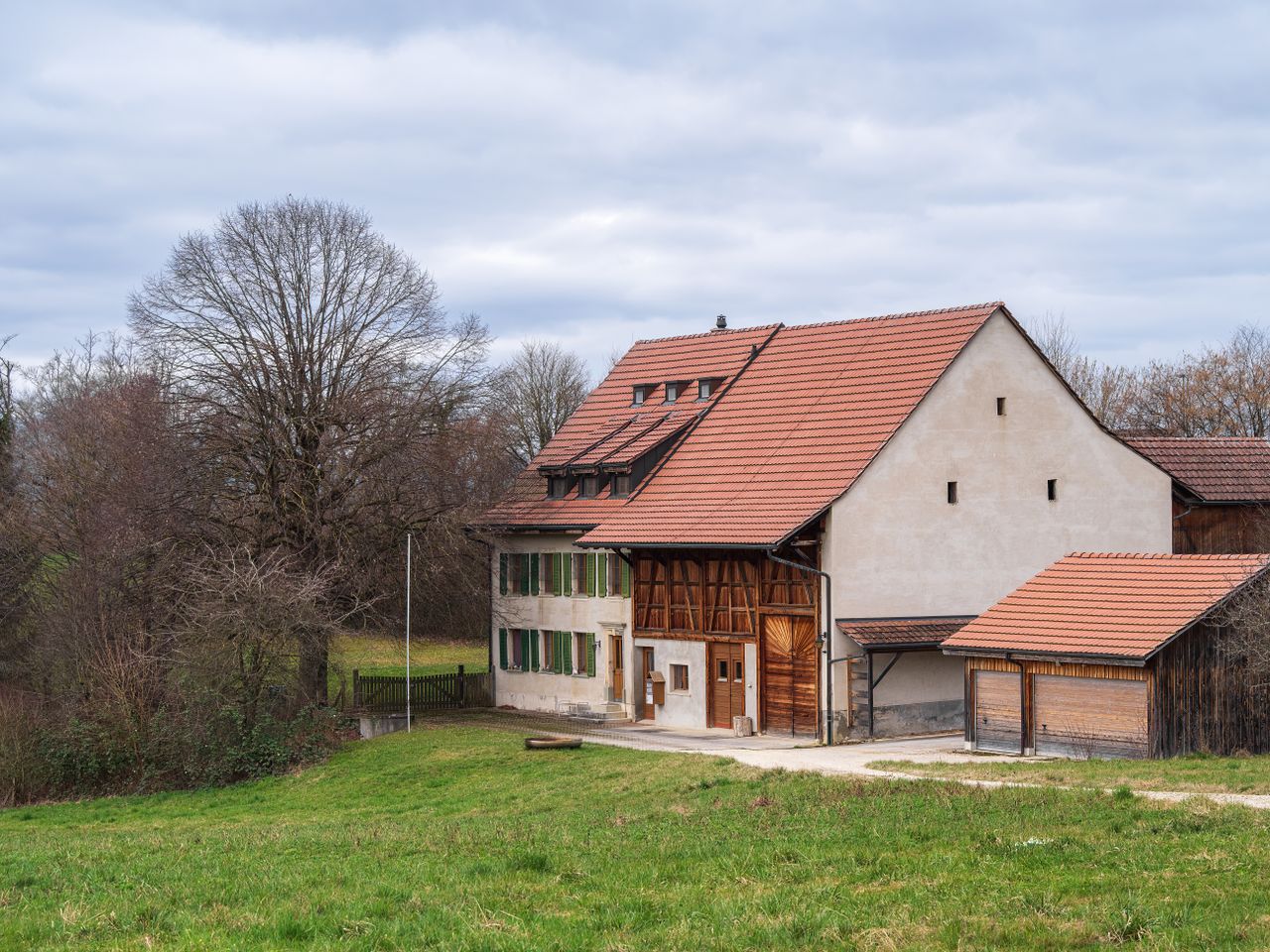
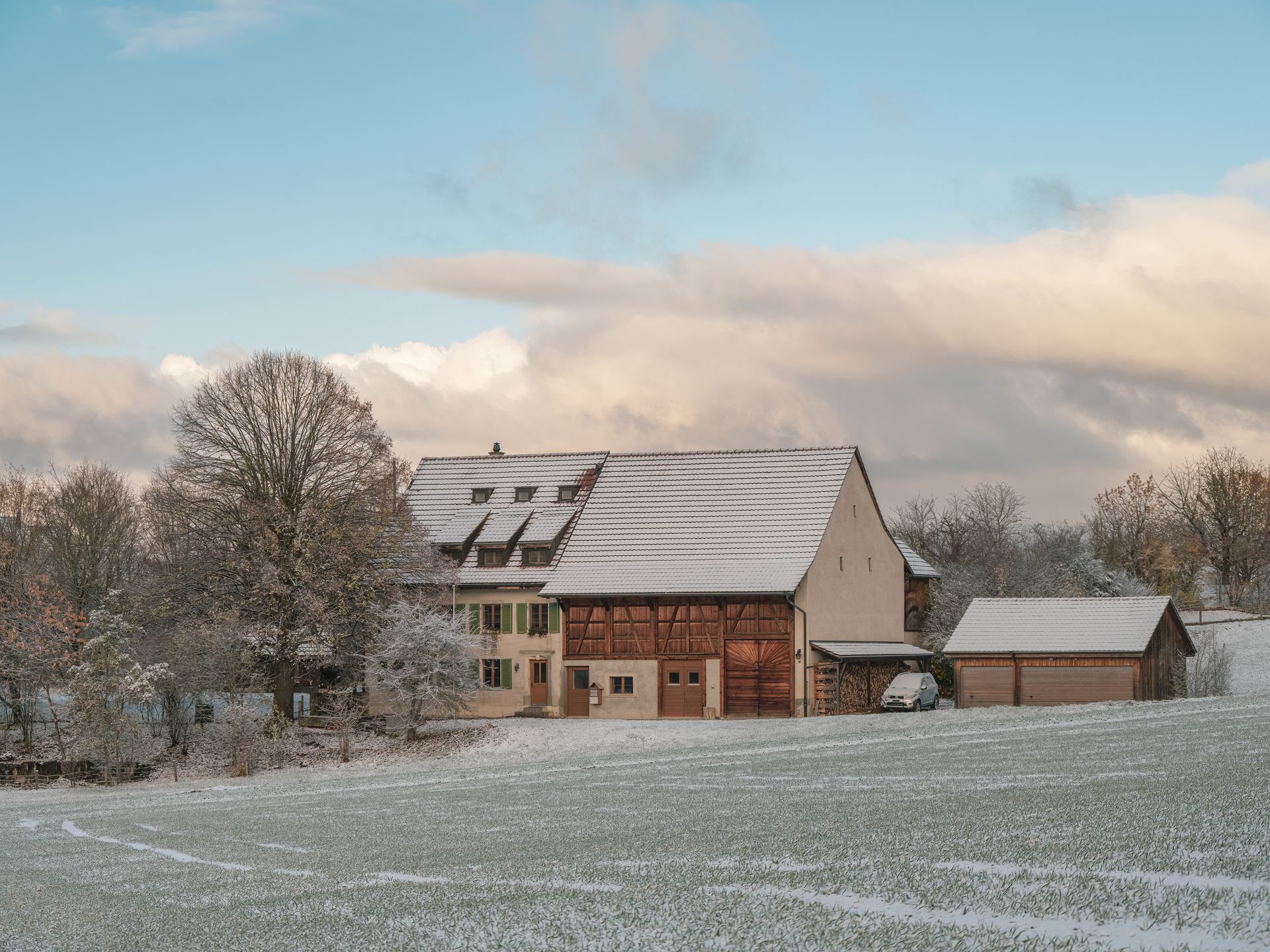
The shouse developed from older building types that combined housing with agriculture, commerce, storage, or craft production. Housebarns, byre-dwellings, farmsteads, blacksmith houses, carriage houses, merchant buildings, and workshops with upper-floor apartments allowed people to live close to animals, tools, goods, and work areas. These arrangements reduced travel and supported family-based production. The modern shouse emerged more clearly during the second half of the 20th century as post-frame barns, pole buildings, machinery sheds, and prefabricated steel structures became widely available. Their repetitive structural bays, large spans, and economical shells made them suitable for workshops and equipment storage. Owners gradually added insulated apartments or permanent living quarters to these structures. Improvements in engineered trusses, insulation, windows, heating systems, metal panels, and residential finishes made the buildings more suitable for full-time occupancy. The growth of barndominiums also increased interest in adapting agricultural forms for residential use. During the early 21st century, remote work, online commerce, independent contracting, vehicle restoration, fabrication, woodworking, and recreational vehicle ownership expanded demand for buildings that combined home and workshop functions. Rising housing and commercial rental costs further encouraged owners to place both uses on one property. Modern shouses range from modest living quarters attached to functional workshops to large custom homes with offices, guest suites, professional studios, extensive garages, renewable-energy systems, and luxury interiors.
What architectural features define a shouse?
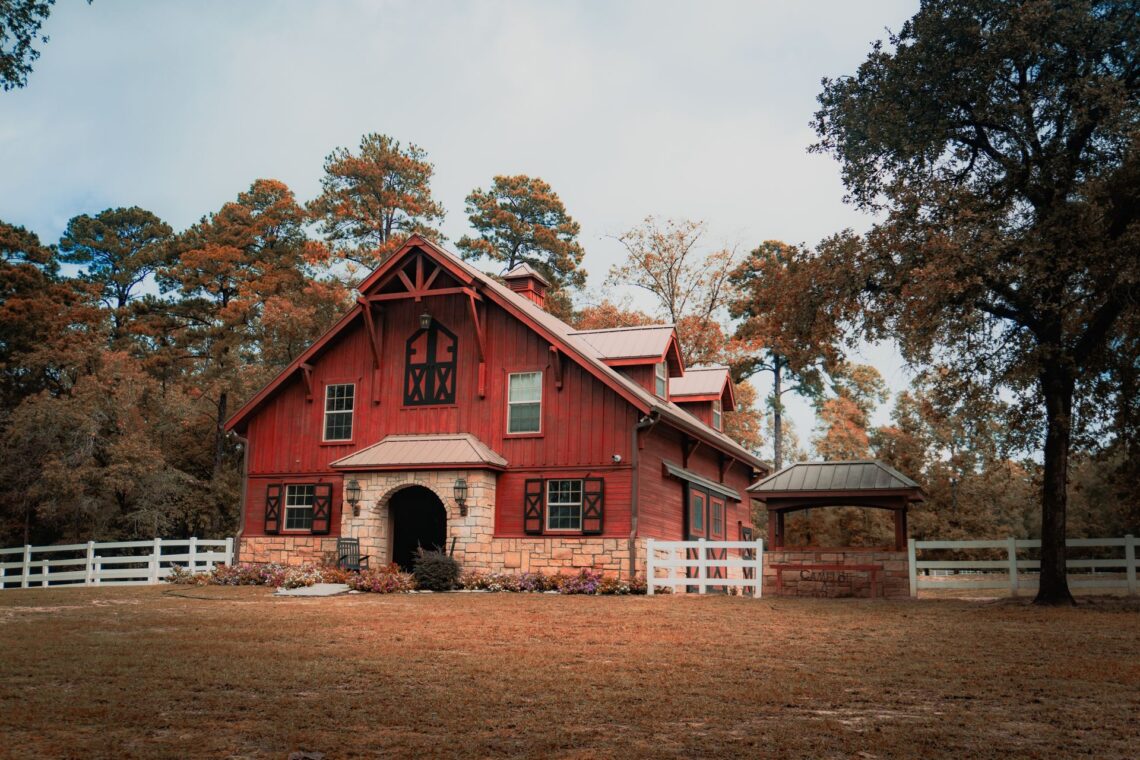
Several architectural features define a shouse. Firstly, it combines a complete residence with a substantial workshop, garage, studio, or equipment area. The shop is designed for machinery, fabrication, repair, agricultural work, vehicle storage, creative production, or business use rather than ordinary household parking. Secondly, shouses commonly use post-frame columns, engineered timber trusses, rigid steel frames, or hybrid steel-and-wood structures. These systems create wide spaces with few internal supports and allow flexible equipment placement. Thirdly, the workshop normally has tall ceilings and oversized doors. Ceiling heights may range from 12 feet (3.7 meters) to more than 20 feet (6.1 meters), while overhead, sliding, or hydraulic doors accommodate recreational vehicles, tractors, boats, trailers, vans, and farm machinery. Fourthly, the residence and workshop are organized as separate zones. Mudrooms, laundry rooms, mechanical rooms, wash areas, storage corridors, and vestibules create a buffer that limits noise, fumes, dust, and dirt. Fifthly, shouses usually have simple rectangular forms, gabled or shed roofs, and repetitive structural bays. Metal roofing and siding are common, while stone, brick, timber, stucco, or fiber cement may distinguish the residential elevation. Sixthly, reinforced concrete slabs provide durable surfaces for vehicles, machinery, and work areas. Lastly, shouses commonly include separate residential and service entrances, covered porches, open-plan living rooms, storage mezzanines, exterior aprons, and large windows or clerestories.
What are the key characteristics of a shouse?
Listed below are the key characteristics of a shouse:
- Integrated Living and Working Areas: A shouse combines a complete residential dwelling with a substantial shop, workshop, garage, studio, or equipment-storage area. Both functions are located within the same building or directly connected volumes, giving occupants immediate access to their work, tools, vehicles, or hobbies.
- Large Workshop Space: A shouse contains significantly more working and storage space than a conventional residential garage. The shop may accommodate machinery, vehicle lifts, agricultural equipment, recreational vehicles, workbenches, tools, materials, inventory, or creative studios.
- Wide-Span Structure: Shouses commonly use post-frame, timber-frame, or structural steel construction to create large interiors with few columns. This improves vehicle circulation, equipment placement, storage capacity, and the ability to reorganize the workshop as requirements change.
- Functional Zoning: The living and working areas are arranged as separate functional zones. Bedrooms, kitchens, and living rooms are positioned away from noisy equipment, while mudrooms, utility rooms, storage spaces, and service corridors create a transition between the shop and residence.
- Durable Construction: Shouses use strong and low-maintenance materials capable of resisting vehicles, machinery, moisture, dirt, and heavy daily use. Concrete slabs, metal roofing, steel siding, reinforced doors, washable panels, and impact-resistant finishes are commonly used in workshop areas.
- Customization Options: Shouses can be customized according to the owner’s profession, hobbies, storage requirements, and lifestyle. The shop may be designed for vehicle repair, woodworking, agriculture, fabrication, art, recreation, or a home-based business, while the residential portion can range from modest living quarters to a large family home.
- Rural and Exurban Location: Shouses are commonly built on larger rural or exurban properties. These sites provide sufficient room for wide building footprints, service driveways, vehicle turning areas, outdoor storage, utility systems, and equipment access.
- Live-Work Lifestyle: A shouse supports a lifestyle in which home, work, storage, hobbies, and maintenance are closely connected. Owners can operate a business, repair equipment, complete creative projects, or store valuable vehicles without traveling to another property.
What design elements make a shouse a practical and desirable living space?
Several design elements make a shouse a practical and desirable living space. Firstly, clear separation between the residence and workshop allows each area to support different activities. Bedrooms, kitchens, living rooms, and private outdoor spaces are placed away from machinery, service doors, and vehicle circulation. A mudroom, laundry room, storage space, utility room, or vestibule provides a transition where residents can remove work clothing, clean equipment, and store tools. Secondly, wide-span construction supports open-plan residential interiors. Kitchens, dining rooms, and living rooms can share one space with vaulted ceilings, exposed trusses, and large windows. Thirdly, the workshop can adapt to professional work, repair, storage, recreation, or creative production. Tall ceilings, durable floors, accessible utilities, and movable equipment allow its use to change without major structural work. Fourthly, separate entrances prevent guests from passing through the workshop and allow deliveries, equipment, and work vehicles to use a dedicated service route. Fifthly, cabinets, tool rooms, pantries, lofts, mezzanines, and wall-mounted storage keep household and workshop items organized. Lastly, daylight, efficient climate control, acoustic insulation, comfortable finishes, and private porches or terraces ensure that the residential portion functions as a home rather than secondary accommodation within a utility building.
How is a shouse designed for safety and comfort?
A shouse is designed for safety and comfort through fire separation, ventilation, acoustic control, independent mechanical systems, and clear circulation. Firstly, fire-resistant walls and ceilings separate the residence from vehicles, machinery, welding, fuels, paints, electrical equipment, and combustible materials. Protected openings, sealed penetrations, self-closing doors, smoke alarms, heat detectors, carbon monoxide detectors, and fire extinguishers provide additional protection. Secondly, workshops require ventilation for sawdust, exhaust, fumes, solvents, humidity, and odors. Dust collectors, local exhaust systems, make-up air, operable doors, and dedicated mechanical ventilation limit contaminant transfer. The residence and workshop should not share return-air systems when hazardous materials or exhaust sources are present. Thirdly, acoustic walls, resilient channels, multiple gypsum-board layers, sealed doors, isolated equipment pads, and buffer rooms reduce noise and vibration from engines, compressors, tools, and overhead doors. Fourthly, separate heating and cooling zones match the different schedules and temperature requirements of the home and shop. Radiant slab heating, heat pumps, unit heaters, ceiling fans, and insulated doors improve workshop comfort without conditioning it like a living room. Fifthly, slip-resistant floors, clear exits, protected stairs, guardrails, sufficient lighting, and safe equipment clearances reduce accidents. Lastly, residential insulation, controlled daylight, private rooms, comfortable materials, and outdoor living areas maintain domestic comfort beside an active work environment.
What sustainable living principles are integrated into shouses?
Several sustainable living principles are integrated into shouses. Firstly, combining a residence and workshop can reduce duplicated foundations, exterior walls, roofs, driveways, and utility connections compared with separate buildings. This consolidated footprint may reduce materials and site disturbance. Secondly, post-frame and engineered systems use repetitive structural modules, prefabricated trusses, and factory-cut components that can limit construction waste. Thirdly, continuous insulation, airtight construction, insulated overhead doors, high-performance windows, under-slab insulation, and controlled ventilation improve energy efficiency. Separate mechanical zones allow the workshop to operate at a lower temperature when unoccupied instead of being conditioned like the residence. Fourthly, broad roof surfaces can support photovoltaic panels, solar water heating, skylights, and rainwater collection. Generated electricity can power appliances, workshop tools, heat pumps, lighting, electric vehicles, and battery storage. Fifthly, low-flow fixtures, efficient plumbing, drought-resistant planting, and rainwater systems reduce water consumption. Collected water may support irrigation or equipment washing where permitted. Sixthly, clerestories, windows, skylights, and translucent panels reduce artificial lighting needs in deep workshop spaces. Lastly, recyclable steel, durable metal roofing, responsibly sourced timber, low-VOC finishes, efficient appliances, heat-recovery ventilation, and reduced commuting can lower the building’s environmental impact. Sustainability depends on controlling overall size, insulation quality, equipment loads, and workshop operating hours.
What unique challenges come with living in a shouse?
Several unique challenges come with living in a shouse. Firstly, zoning and permitting can be complex because authorities may classify the workshop as an accessory building, agricultural use, home occupation, commercial space, or mixed-use area. Employees, customers, deliveries, machinery, noise, and hazardous materials can affect approval. Secondly, vehicle exhaust, sawdust, welding fumes, solvents, fuels, paint, adhesives, and machinery can reduce indoor air quality if separation and ventilation are inadequate. Thirdly, compressors, engines, metalworking tools, overhead doors, and shop equipment may transmit noise and vibration into the home. Fourthly, tall ceilings, concrete slabs, large doors, and frequent air changes can make workshops expensive to heat or cool. Insulation, radiant heating, destratification fans, and zoned systems help control energy use. Fifthly, lenders, insurers, and appraisers may have difficulty classifying the property or finding comparable sales, especially when the workshop supports commercial activity. Sixthly, the proximity of work and home can blur personal boundaries and allow tools, inventory, or unfinished projects to enter domestic areas. Lastly, a specialized workshop may appeal to fewer future buyers. Flexible bays, adaptable storage, and neutral residential planning can improve resale potential.
What are the key rooms when living in a shouse?
The key rooms in a shouse are the workshop, mudroom, living room, kitchen, bedrooms, bathrooms, utility room, and storage areas. Firstly, the workshop is the defining space and may contain vehicle bays, machinery, tools, lifts, workbenches, agricultural equipment, fabrication stations, studios, or recreational vehicles. Its ceiling height, door dimensions, structure, floor loading, lighting, ventilation, electrical service, and drainage must match the intended activities. Secondly, the mudroom separates the shop from the residence and stores boots, coats, protective clothing, helmets, work bags, and tools. It may also contain laundry appliances, a shower, utility sink, or wash station. Thirdly, the living room provides the primary domestic gathering area and is often combined with the kitchen and dining space. Windows, vaulted ceilings, fireplaces, exposed beams, and access to a porch or garden reinforce its residential character. Fourthly, the kitchen commonly includes an island, pantry, durable counters, and direct access to the mudroom or service area. Fifthly, bedrooms and bathrooms should be located away from workshop doors, machinery, and vehicle circulation. Sixthly, the utility room houses heating, ventilation, electrical, plumbing, water-treatment, and renewable-energy equipment. Lastly, tool rooms, cabinets, mezzanines, lofts, and exterior storage keep household belongings, equipment, and materials out of primary circulation areas.
What historical and cultural significance does the shouse have?
The shouse has historical and cultural significance because it continues the tradition of combining housing with work, storage, agriculture, and production. For much of architectural history, people lived beside the places where they farmed, repaired tools, kept livestock, sold goods, or practiced trades. Housebarns, byre-dwellings, blacksmith houses, farmsteads, carriage houses, merchant buildings, and workshop residences all joined productive and domestic activities. The modern shouse adapts this model to vehicles, machinery, home businesses, creative studios, and recreational equipment. Culturally, shouses are associated with craftsmanship, self-reliance, practical labor, rural independence, and property ownership. The workshop may support vehicle repair, furniture making, fabrication, agricultural maintenance, art, or independent business activity, making it a major part of the owner’s daily life. The type also reflects changes in employment and technology. Remote work, online retail, digital fabrication, independent contracting, and small-scale production allow more people to work from private property. Interest in rural living, barndominiums, recreational vehicles, and flexible live-work arrangements has increased the shouse’s visibility. It represents both a continuation of vernacular live-work architecture and a contemporary response to commuting costs, commercial rents, storage needs, and demand for adaptable space.
What is the most common architectural style for a shouse?
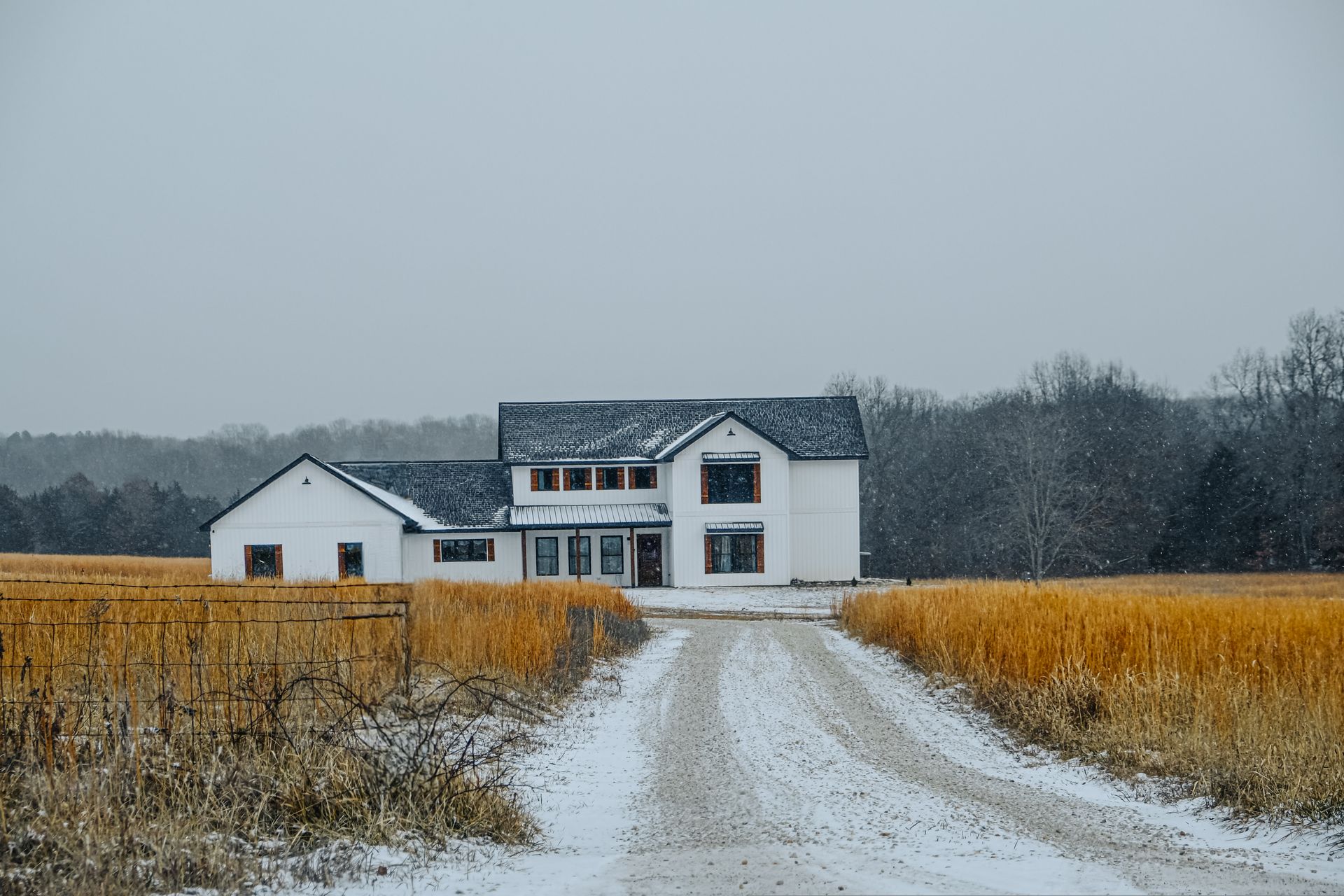
The most common architectural style for a shouse is modern farmhouse. Modern farmhouse shouses combine the form of an agricultural building with residential materials and details. Common features include rectangular plans, gabled roofs, vertical metal or board-and-batten siding, covered porches, large windows, exposed beams, simple trim, neutral colors, and contrasting doors. The style suits shouses because long rooflines and repeated structural bays accommodate large workshops, while porches, stone bases, timber columns, dormers, and domestic glazing distinguish the living area. Overhead doors can be placed on side or rear elevations to preserve the residential appearance of the entrance. Interiors commonly combine open kitchens, dining areas, and living rooms beneath vaulted ceilings. Wood floors, concrete surfaces, exposed trusses, steel railings, simple cabinetry, and industrial lighting connect the home to the workshop. Other styles include industrial, ranch, rustic, traditional barn, and contemporary. Industrial shouses may expose steel, ducts, concrete, and mechanical systems. Ranch designs use lower rooflines and single-story plans. Rustic versions emphasize timber, reclaimed wood, and stone, while contemporary examples use dark metal cladding, asymmetrical roofs, minimalist interiors, and large glazed openings. Modern farmhouse remains the most common because it integrates workshop scale with recognizable residential architecture.
What design innovations are seen in the shouse?
Several design innovations are seen in the shouse. Firstly, engineered trusses, rigid steel frames, laminated columns, and hybrid structures create workshops with few internal supports, allowing equipment, storage, and vehicle bays to be rearranged. Secondly, mezzanines and lofts add offices, guest rooms, studios, lounges, storage, or mechanical space without enlarging the foundation. Thirdly, airtight partitions, fire-resistant assemblies, acoustic insulation, dedicated exhaust, dust collection, make-up air, and separate mechanical zones improve the environmental separation between work and home. Fourthly, radiant floor heating warms concrete slabs evenly without occupying wall or ceiling space. Heat pumps, smart thermostats, destratification fans, and insulated doors improve energy control. Fifthly, connected systems can monitor lighting, access doors, security cameras, ventilation, humidity, smoke, carbon monoxide, water leaks, temperature, and electrical use. Sixthly, compressed-air lines, retractable power reels, equipment pads, floor drains, vehicle lifts, movable partitions, and ceiling-mounted storage can be integrated into the building rather than added later. Seventhly, large roofs support solar panels, skylights, clerestories, rainwater collection, and battery systems. Lastly, modular planning allows future workshop bays, bedrooms, porches, or storage areas to be added without redesigning the entire building.
What materials are mostly used to build a shouse?
Several materials are mostly used to build a shouse, including engineered wood, structural steel, concrete, metal panels, insulation, gypsum board, glass, and durable floor finishes. Firstly, engineered wood is common in post-frame structures. Laminated columns, solid-sawn posts, wall girts, roof trusses, floor joists, and conventional framing create an adaptable structural system. Secondly, structural steel is used for rigid frames, long-span beams, columns, connections, roof systems, mezzanines, stairs, and equipment supports. It provides high strength with few internal obstructions. Thirdly, reinforced concrete forms foundations, workshop slabs, equipment pads, ramps, aprons, and exterior work areas. Concrete supports vehicles and machinery and may be sealed, polished, stained, or coated with epoxy. Fourthly, galvanized or coated steel panels are frequently used for roofs and walls because they are lightweight, durable, fire-resistant, weather-resistant, and recyclable. Fifthly, spray foam, mineral wool, fiberglass, rigid foam, and insulated metal panels control heat transfer, air leakage, condensation, and sound. Sixthly, the residential portion uses gypsum board, plaster, wood paneling, tile, cabinetry, glass, and conventional flooring. Lastly, workshop interiors may use plywood, oriented strand board, fiber cement, masonry, metal liner panels, or impact-resistant gypsum board. These surfaces resist moisture and damage while supporting cabinets, shelves, and tools.
Is a shouse a popular choice for homebuyers?
Yes, a shouse is an increasingly popular choice among buyers who need workshop, garage, studio, or equipment space. Its growth is connected to barndominiums, remote work, home businesses, vehicle collecting, recreational vehicle ownership, and rural relocation. Firstly, shouses provide more working and storage capacity than conventional homes. Mechanics, contractors, farmers, woodworkers, artists, and collectors can keep vehicles, machinery, tools, materials, and equipment beside their living quarters. Secondly, buyers can customize the ratio of house to shop, door dimensions, ceiling heights, storage, electrical systems, ventilation, and equipment layouts. Thirdly, clear-span construction allows the workshop to change from professional use to storage, recreation, studio space, or vehicle display. Fourthly, shared foundations, roofs, walls, driveways, and utilities may cost less than constructing a custom home and detached workshop separately. Lastly, living beside the workshop can reduce commuting and commercial rent. Shouses remain a specialized housing type because they require sufficient land, compatible zoning, and a buyer who needs the work area. They are less practical in dense urban areas and may face financing, insurance, appraisal, and resale limitations.
What makes a shouse appealing to homebuyers?
Several factors make a shouse appealing to homebuyers. Firstly, it combines residence, work, storage, and recreation within one building, reducing travel between home and a separate shop. Secondly, the workshop can accommodate vehicle lifts, woodworking equipment, tractors, boats, recreational vehicles, studios, inventory, tools, and fabrication areas that do not fit in a conventional garage. Thirdly, buyers can customize the residential-to-workshop ratio, ceiling heights, doors, equipment clearances, electrical capacity, ventilation, drainage, and storage. The residence may range from compact living quarters to a large family home with offices, guest rooms, luxury bathrooms, and porches. Fourthly, simple rectangular shells and shared structural elements can enclose a large amount of usable space efficiently. Fifthly, clear-span workshops can adapt from business use to storage, recreation, art, fitness, or vehicle display. Lastly, a shouse gives owners privacy and control over noisy, messy, or equipment-intensive activities on their own property.
What is the best audience to live in a shouse?
The best audience for a shouse includes tradespeople, farmers, entrepreneurs, craftspeople, artists, vehicle enthusiasts, recreational equipment owners, remote workers, and families seeking flexible rural living. Firstly, mechanics, carpenters, welders, electricians, builders, and fabricators benefit from direct access to tools, equipment, materials, and work vehicles. Secondly, farmers can use the workshop for machinery storage, maintenance, feed preparation, equipment repair, and seasonal work. Thirdly, entrepreneurs may use it for production, inventory, packing, assembly, or office functions where local regulations permit. Fourthly, vehicle enthusiasts gain tall doors, wide bays, lifts, secure storage, and maintenance space for cars, motorcycles, boats, trailers, and recreational vehicles. Fifthly, artists, photographers, furniture makers, and designers can create studios with tailored lighting, ventilation, power, storage, and work surfaces. Sixthly, remote workers may combine an office with hobby, storage, or production areas. Lastly, families who value privacy, space, self-sufficiency, and live-work convenience may benefit from the type when residential rooms are protected from workshop activity. A shouse is less suitable for people who do not need a large work area or prefer dense neighborhoods, standardized financing, and conventional resale markets.
What is the typical price to buy a shouse?
The typical price to buy a finished shouse ranges from $300,000 (€278,000, £235,000) to $750,000 (€694,000, £589,000). Price depends on location, land value, floor area, residential-to-workshop ratio, structure, sitework, utility connections, interior finishes, and equipment. A simple shouse containing 1,500 square feet (139 square meters) to 2,500 square feet (232 square meters) may cost $180,000 (€167,000, £141,000) to $350,000 (€324,000, £275,000). This range generally covers a basic post-frame or metal shell, slab foundation, modest residence, standard insulation, simple fixtures, and an unfinished or lightly finished shop. Land, long utility runs, extensive driveways, specialized equipment, and premium interiors may be additional. A mid-range shouse containing 2,500 square feet (232 square meters) to 4,000 square feet (372 square meters) commonly costs $400,000 (€370,000, £314,000) to $750,000 (€694,000, £589,000). It may include multiple bedrooms, an open living area, upgraded kitchens and bathrooms, radiant heating, insulated shop doors, porches, offices, and storage lofts. High-end custom shouses may cost $800,000 (€740,000, £628,000) to more than $1.2 million (€1.11 million, £942,000). These projects may contain luxury interiors, multiple vehicle bays, professional ventilation, lifts, solar panels, battery storage, backup power, extensive glazing, and complex landscaping.
Is it cheaper to construct or buy a shouse?
Yes, buying an existing shouse is generally cheaper than constructing an equivalent new one when a suitable property is available. An existing shouse already includes foundations, site preparation, utilities, driveways, drainage, landscaping, workshop infrastructure, and residential finishes. A completed mid-range property may cost $300,000 (€278,000, £235,000) to $650,000 (€601,000, £510,000), while constructing a comparable new shouse may cost $400,000 (€370,000, £314,000) to $750,000 (€694,000, £589,000) before land, long utility extensions, specialized machinery, or difficult sitework. New construction also adds architectural fees, engineering, surveys, permits, financing, inspections, temporary accommodation, and contingencies. Existing properties may include lifts, compressors, cabinets, storage systems, or other improvements. Buying is not always more practical because shouses are uncommon and tailored to previous owners. Door heights, electrical capacity, ventilation, floor loading, storage, and circulation may not suit the buyer. New construction costs more but allows control over site orientation, residential layout, shop dimensions, structural spans, equipment placement, accessibility, energy performance, and separation between work and home.
Which type of architect is best to design a shouse?
The best type of architect to design a shouse is a residential architect with experience in rural buildings, workshops, post-frame construction, metal structures, and live-work planning. A residential architect can design comfortable kitchens, living rooms, bedrooms, bathrooms, offices, storage, and outdoor areas while coordinating the workshop’s technical requirements. These include fire separation, acoustic control, vehicle exhaust, dust collection, chemical storage, equipment clearance, slab loading, overhead doors, electrical capacity, ventilation, heating, and service circulation. Experience with post-frame, timber-frame, or pre-engineered steel construction is valuable because these systems use different structural grids, foundations, connections, wall assemblies, and insulation methods from conventional houses. The architect should coordinate with structural and mechanical engineers, building manufacturers, contractors, equipment suppliers, and local authorities. Zoning knowledge is essential because private, agricultural, and commercial workshop uses can have different requirements for customers, employees, machinery, hazardous materials, deliveries, and noise. A sustainable residential architect can also improve orientation, daylight, insulation, heating and cooling, renewable energy, water conservation, and material selection. The most suitable architect combines residential design knowledge with wide-span construction, workshop planning, environmental control, and regulatory experience.

