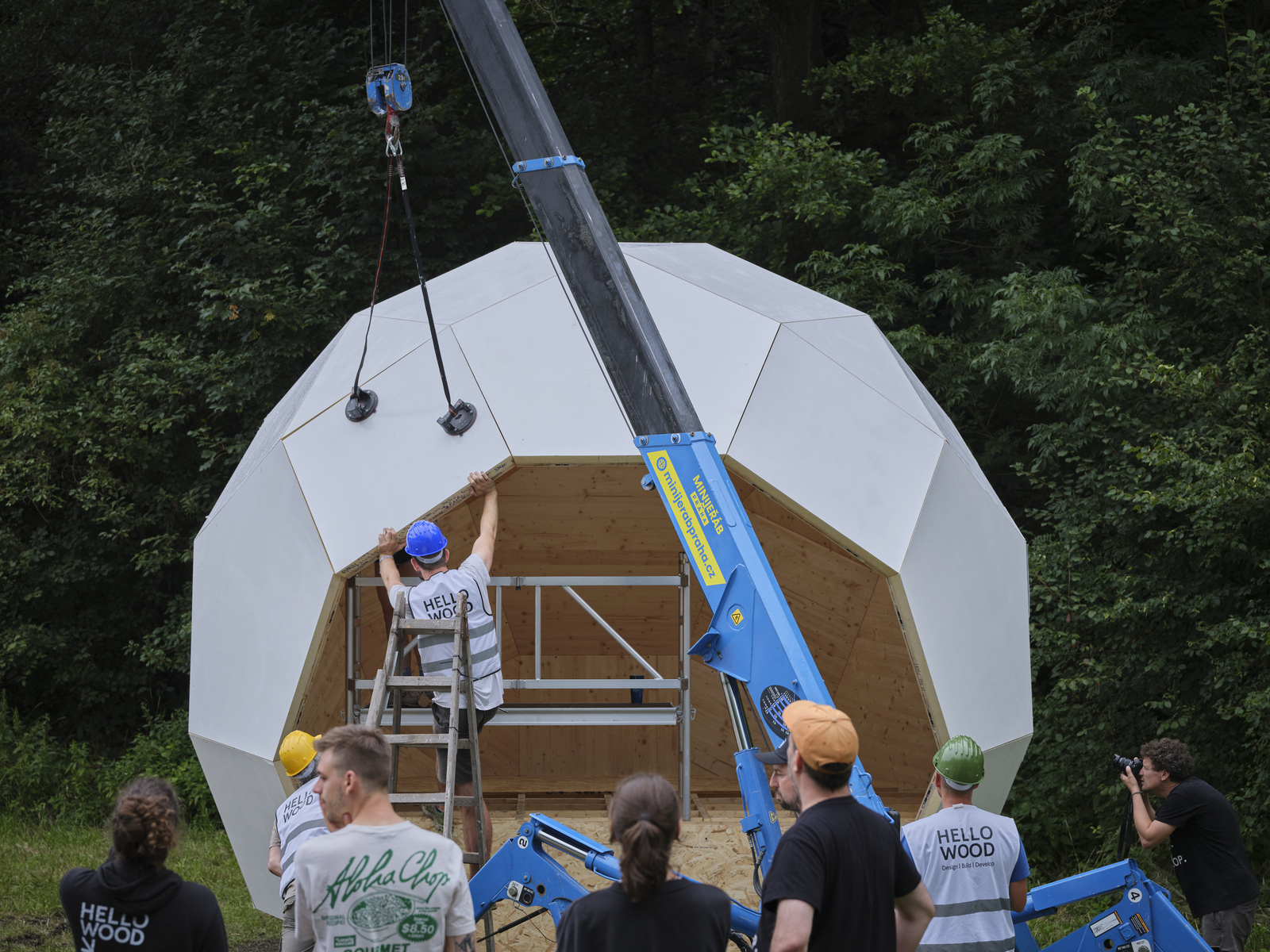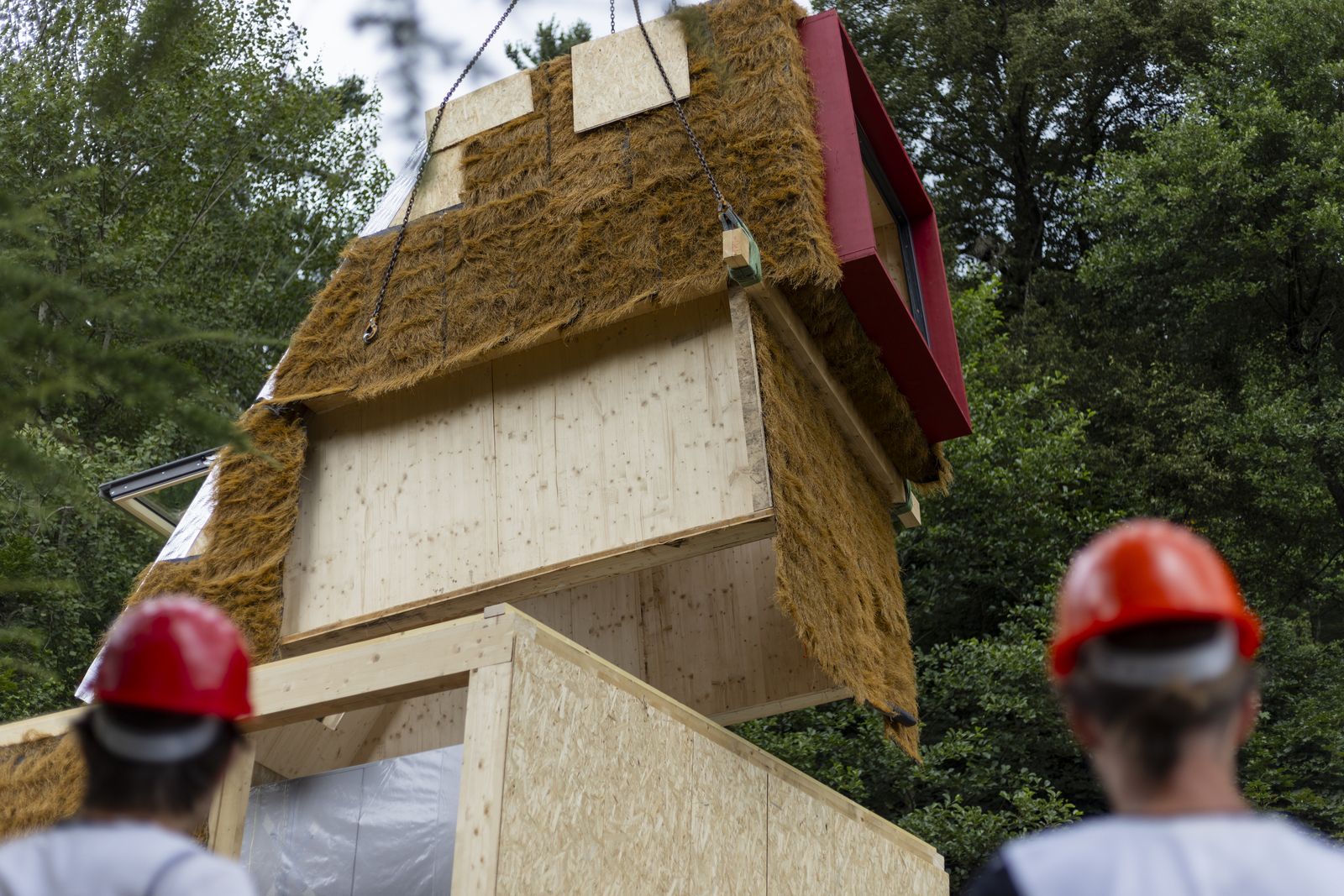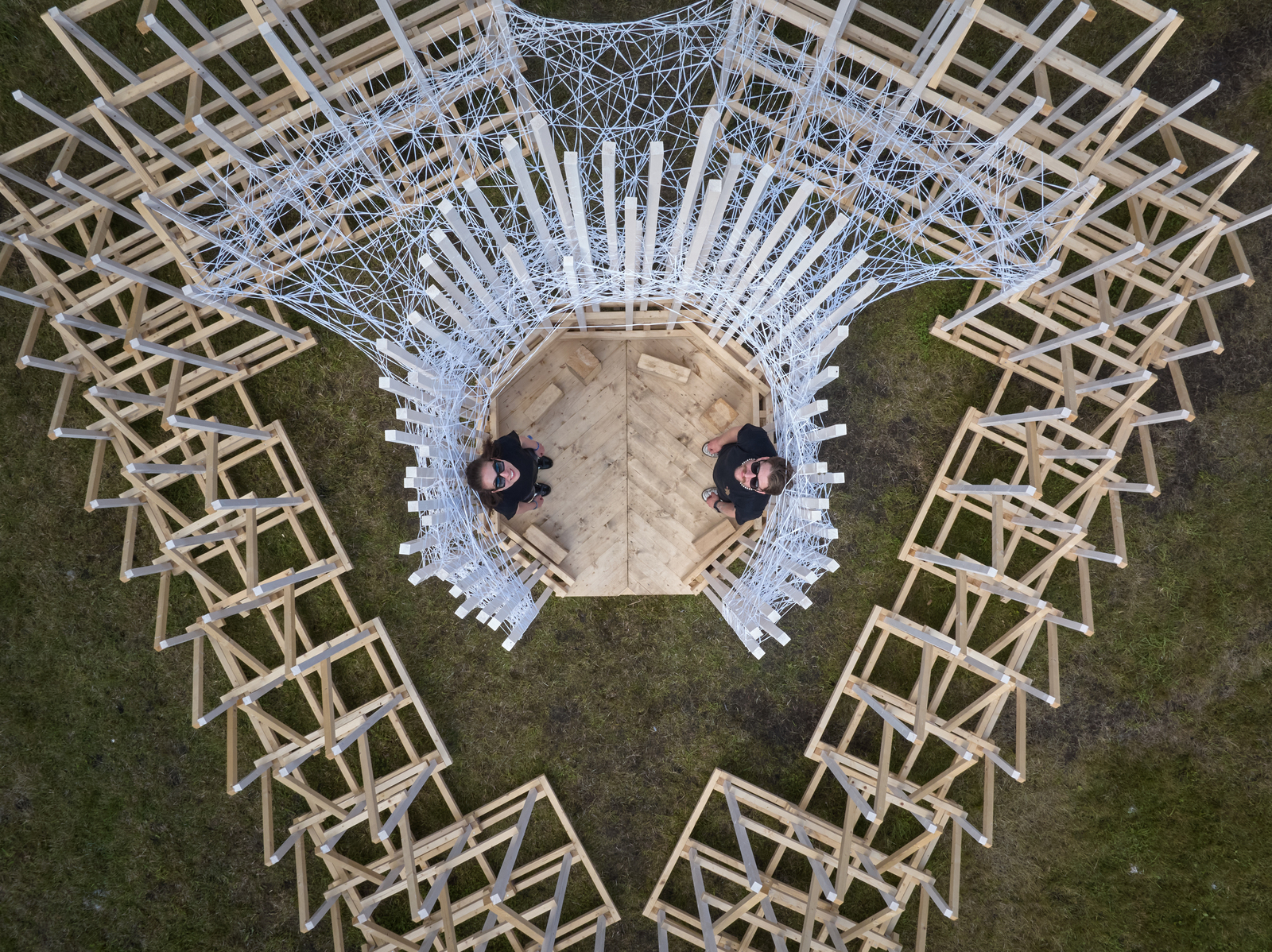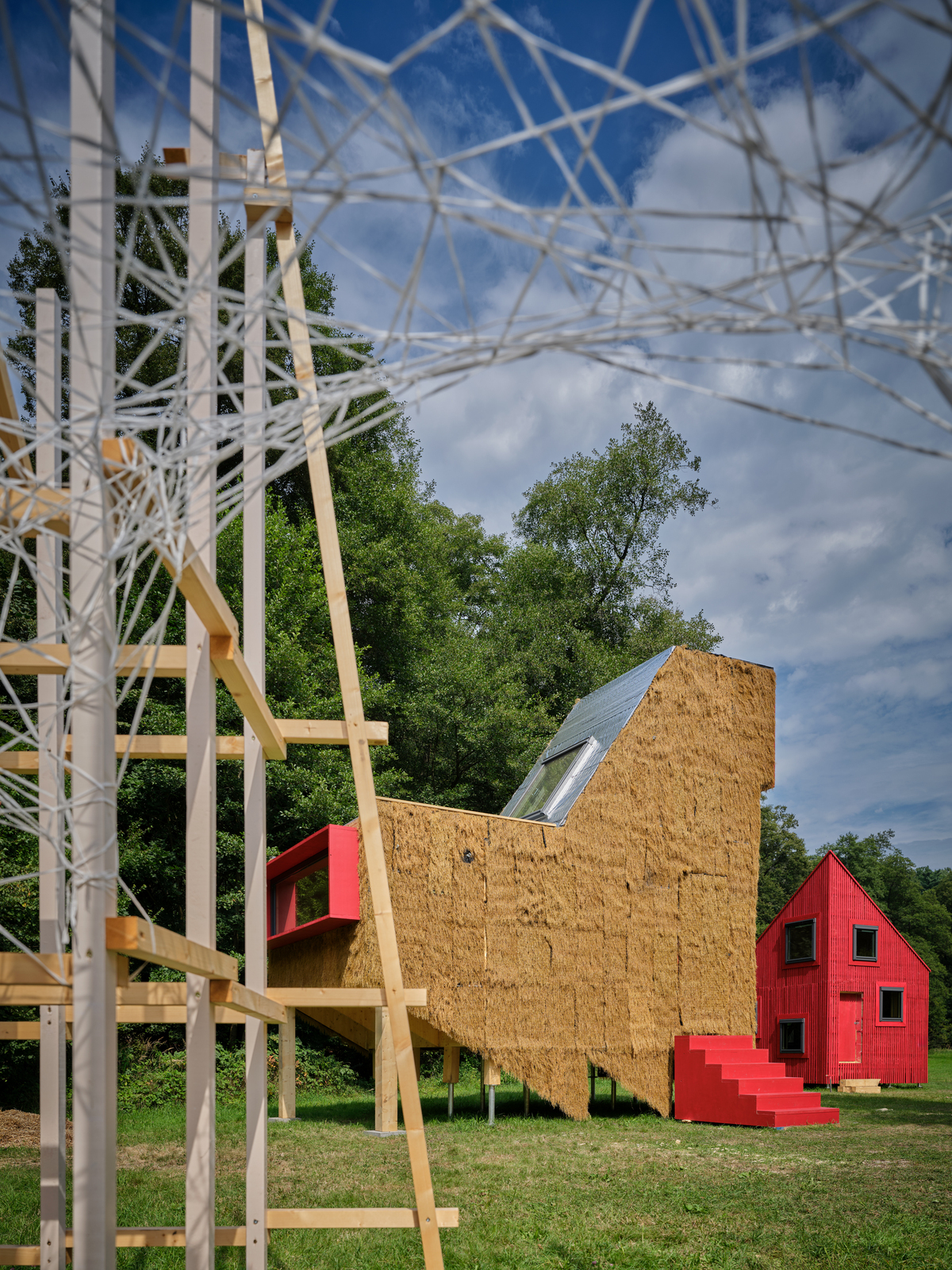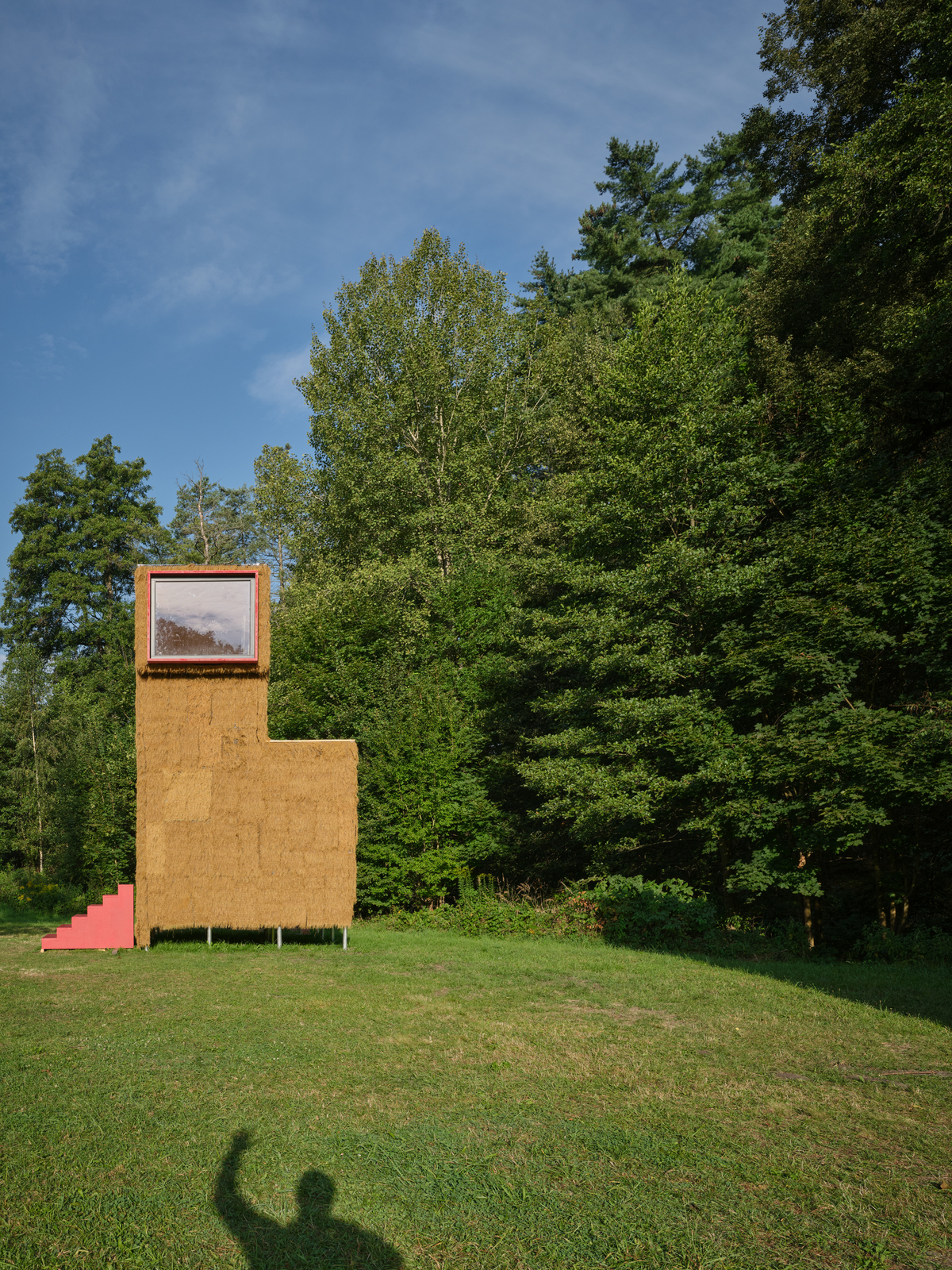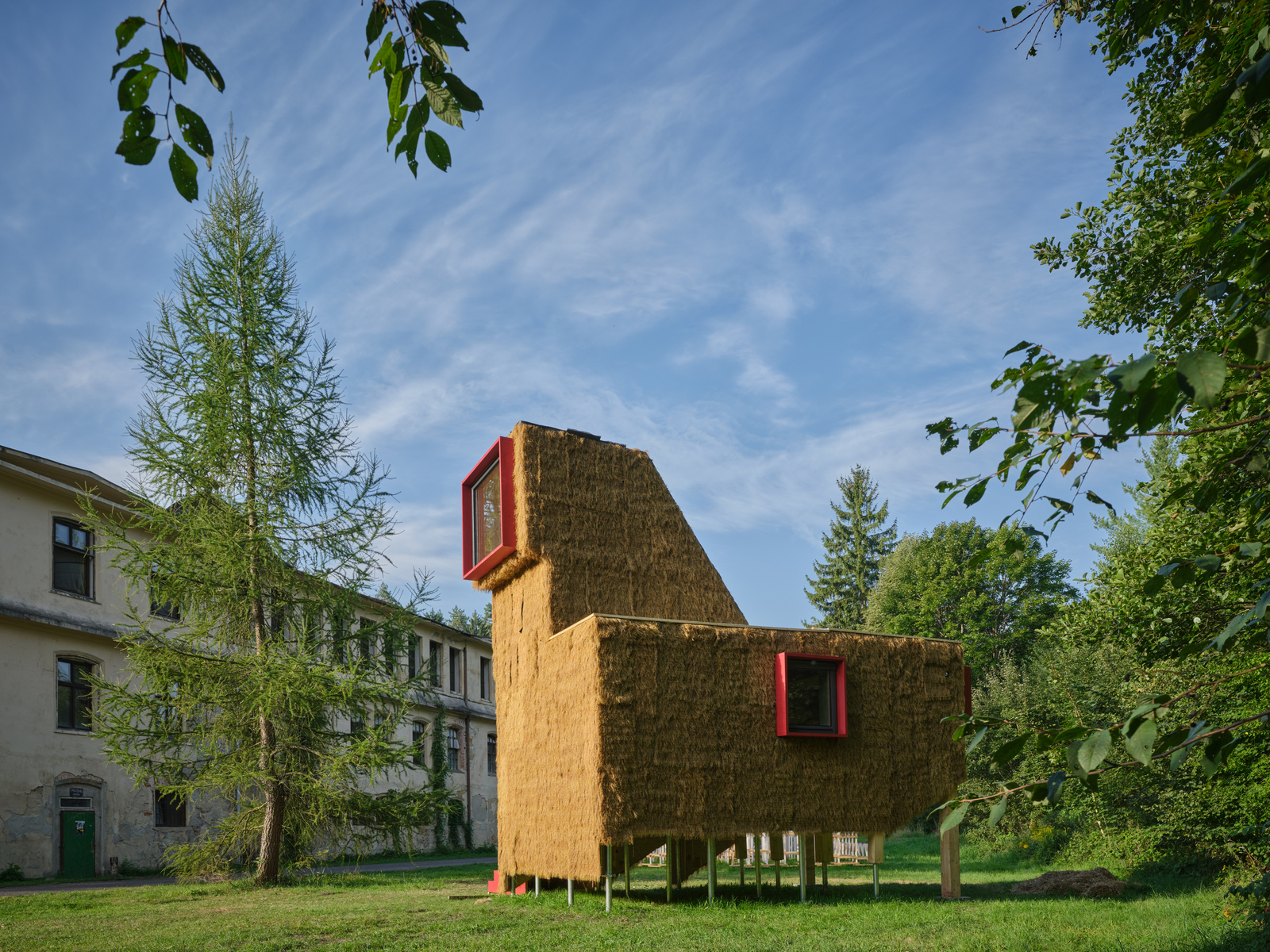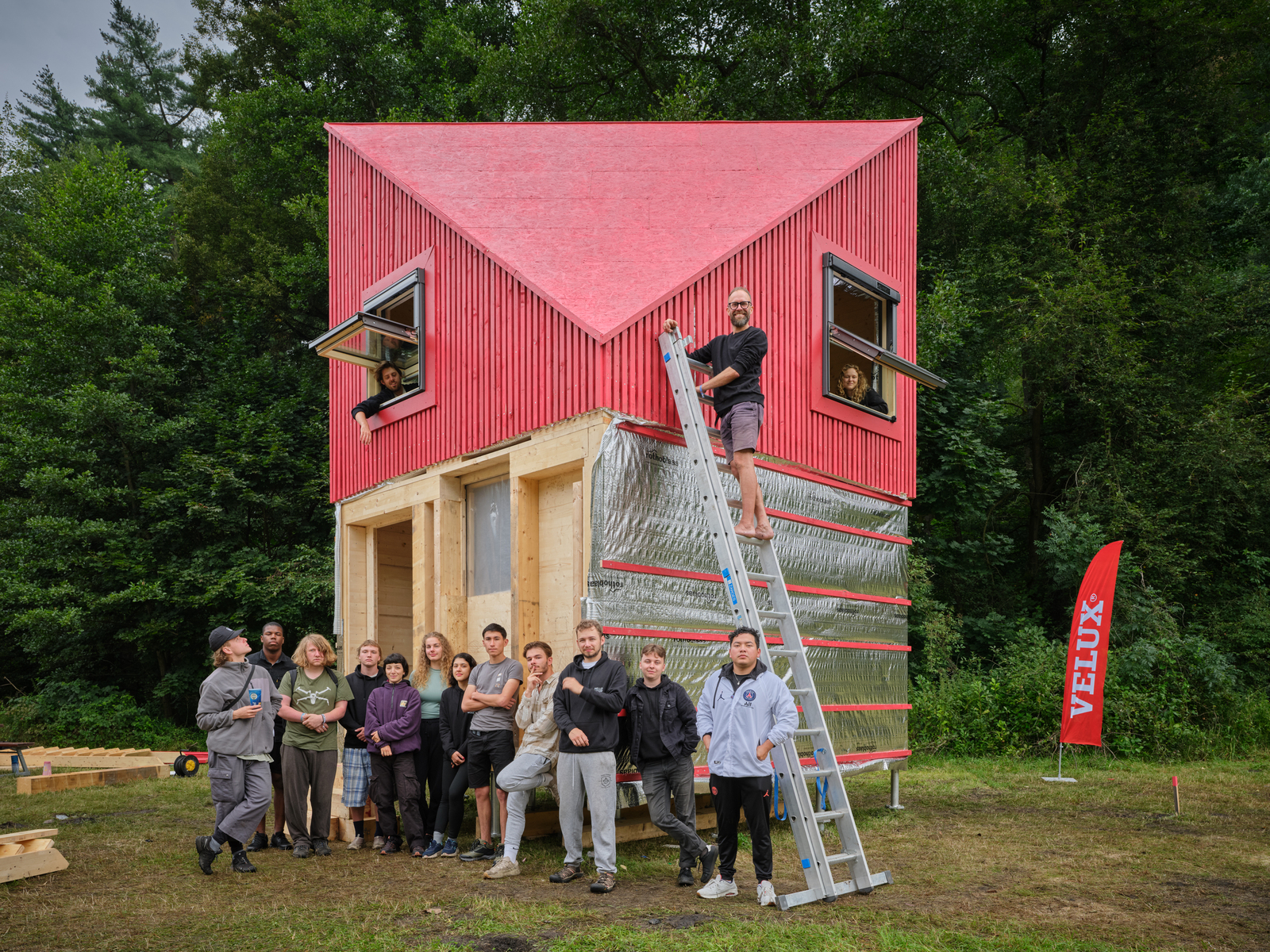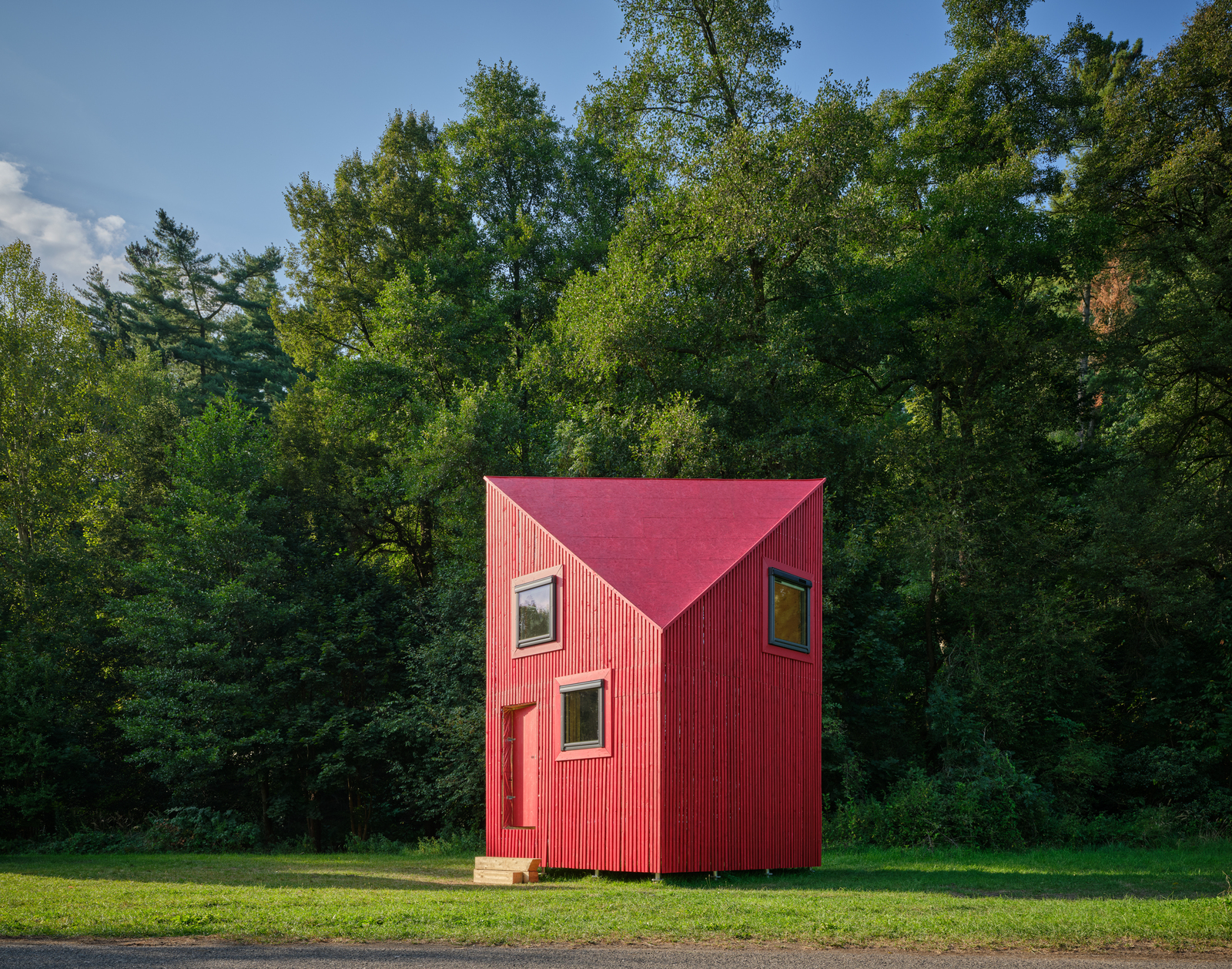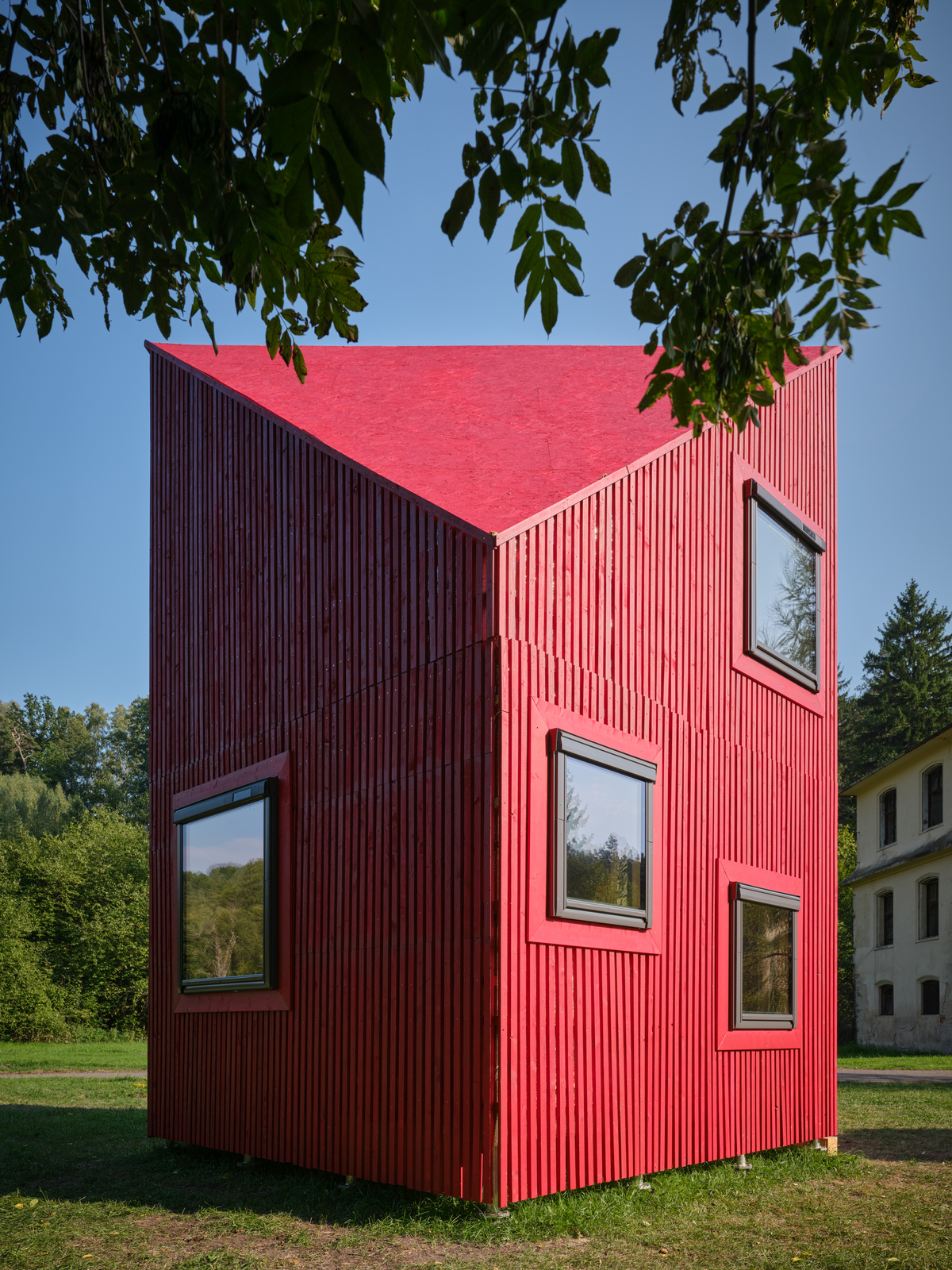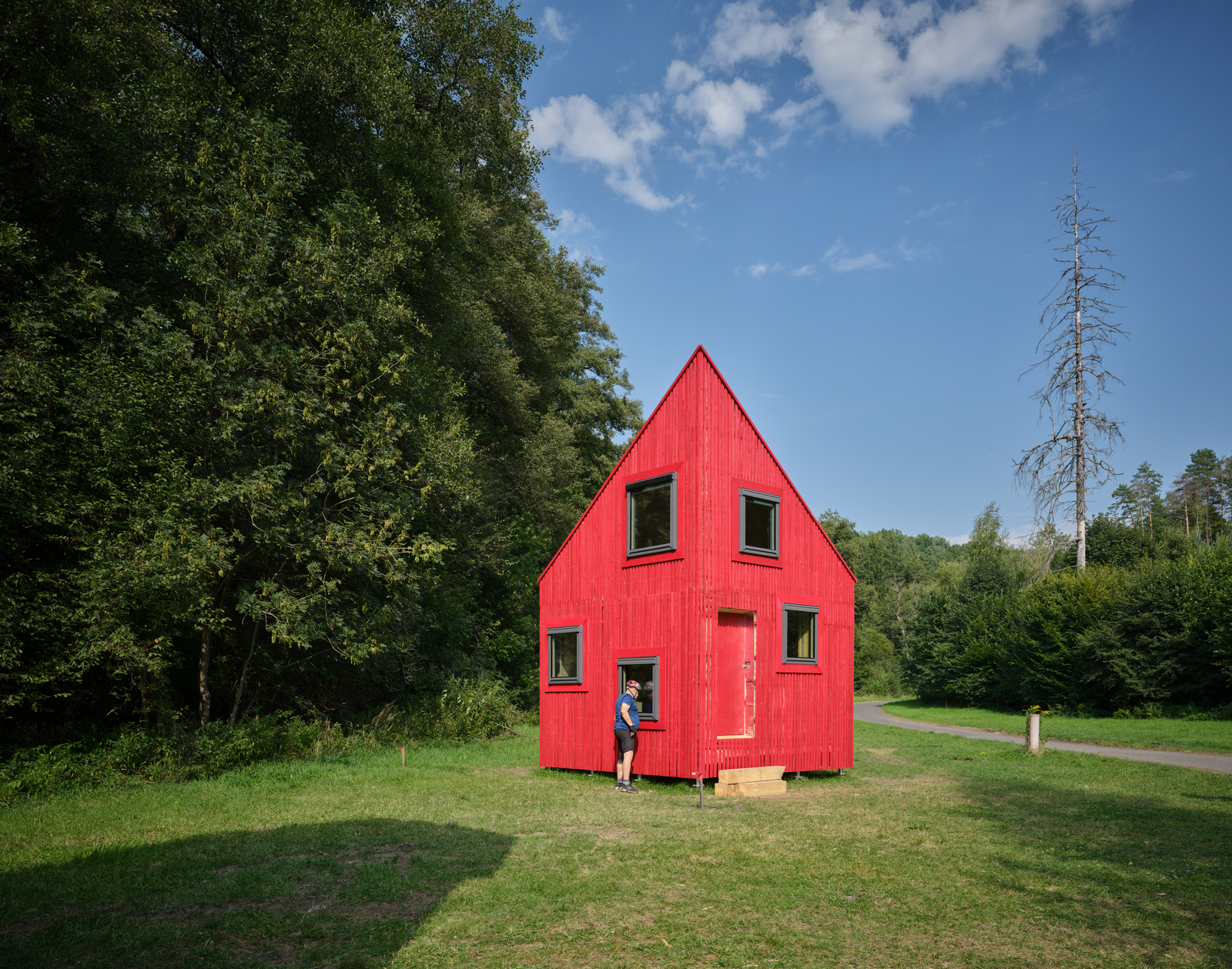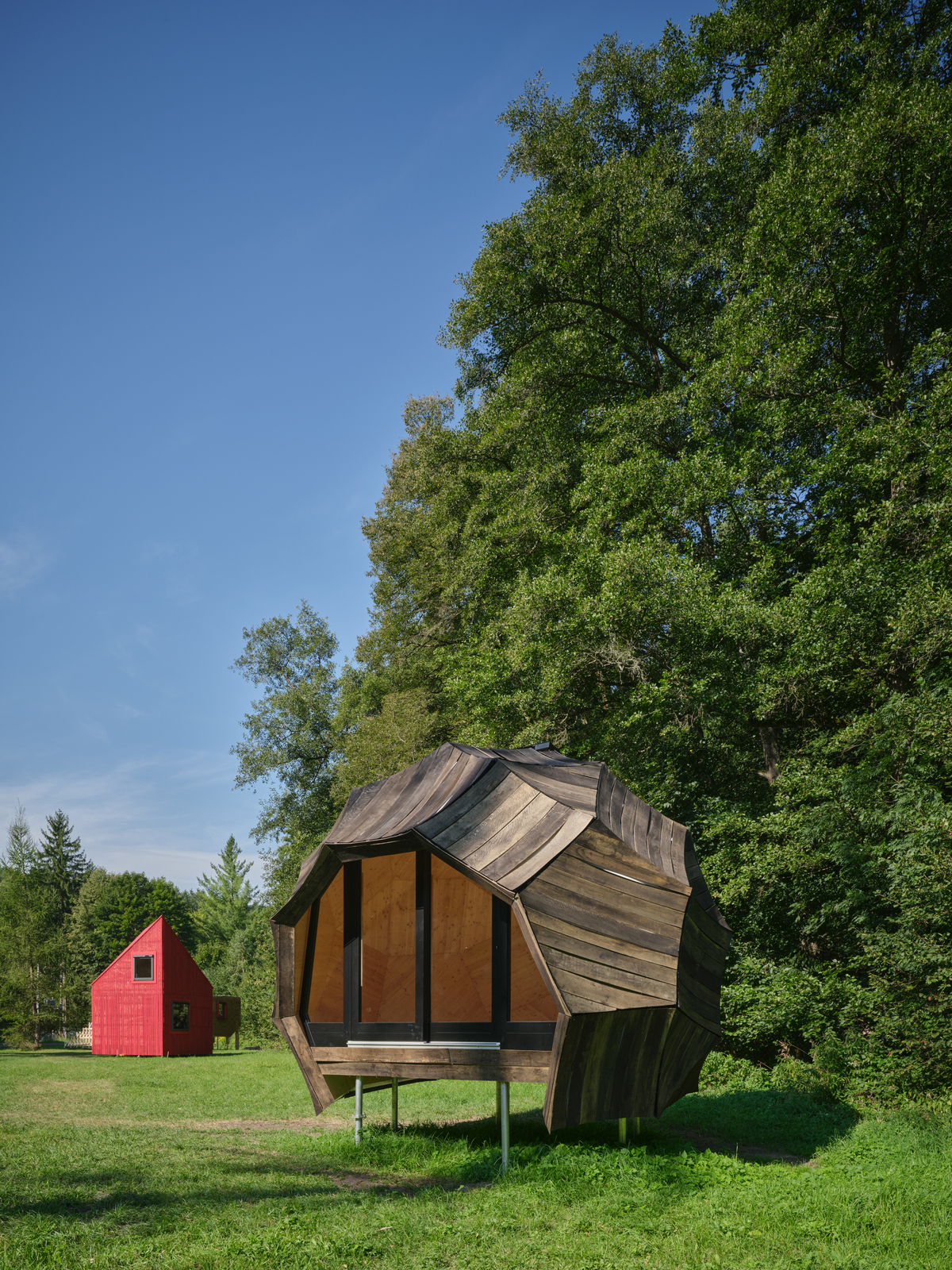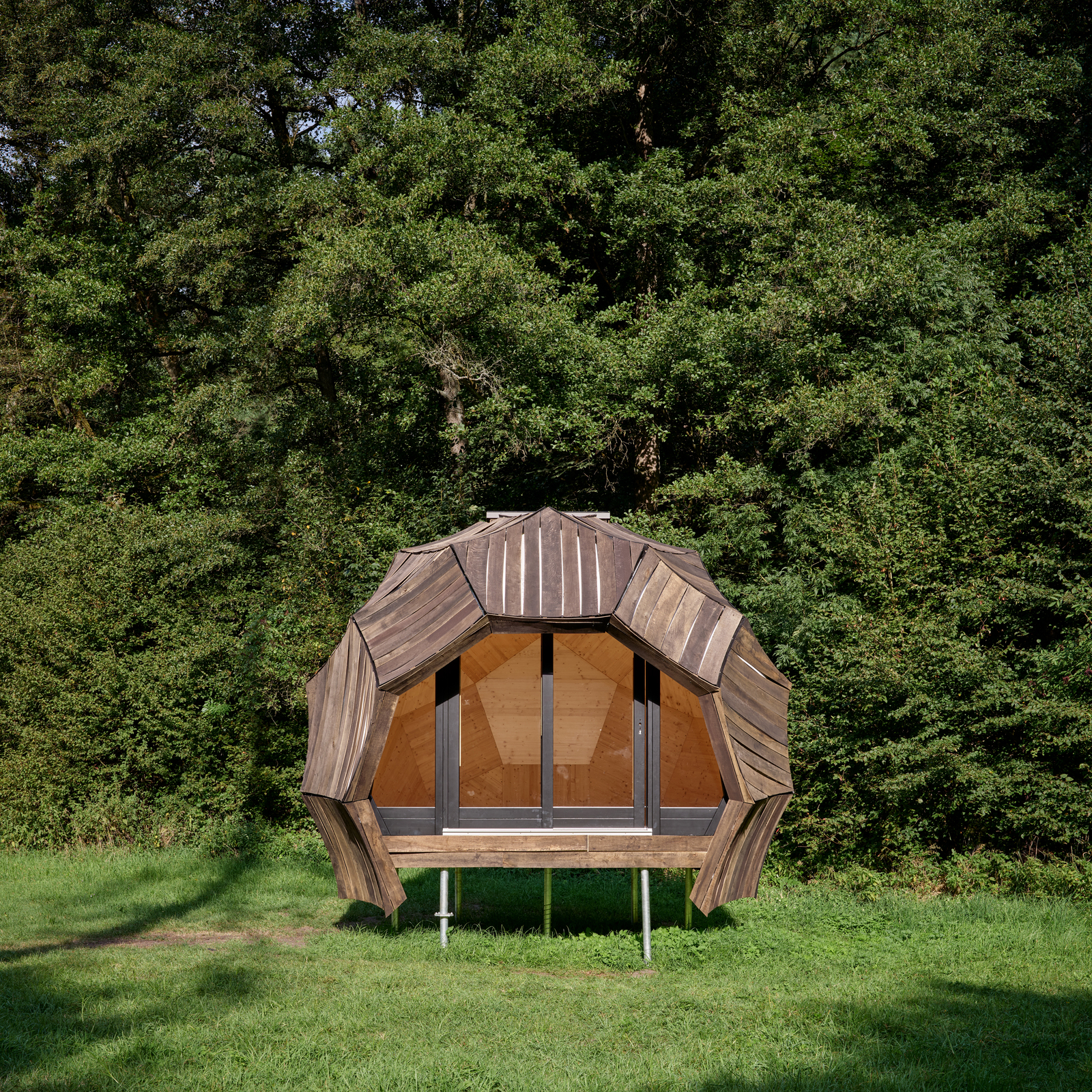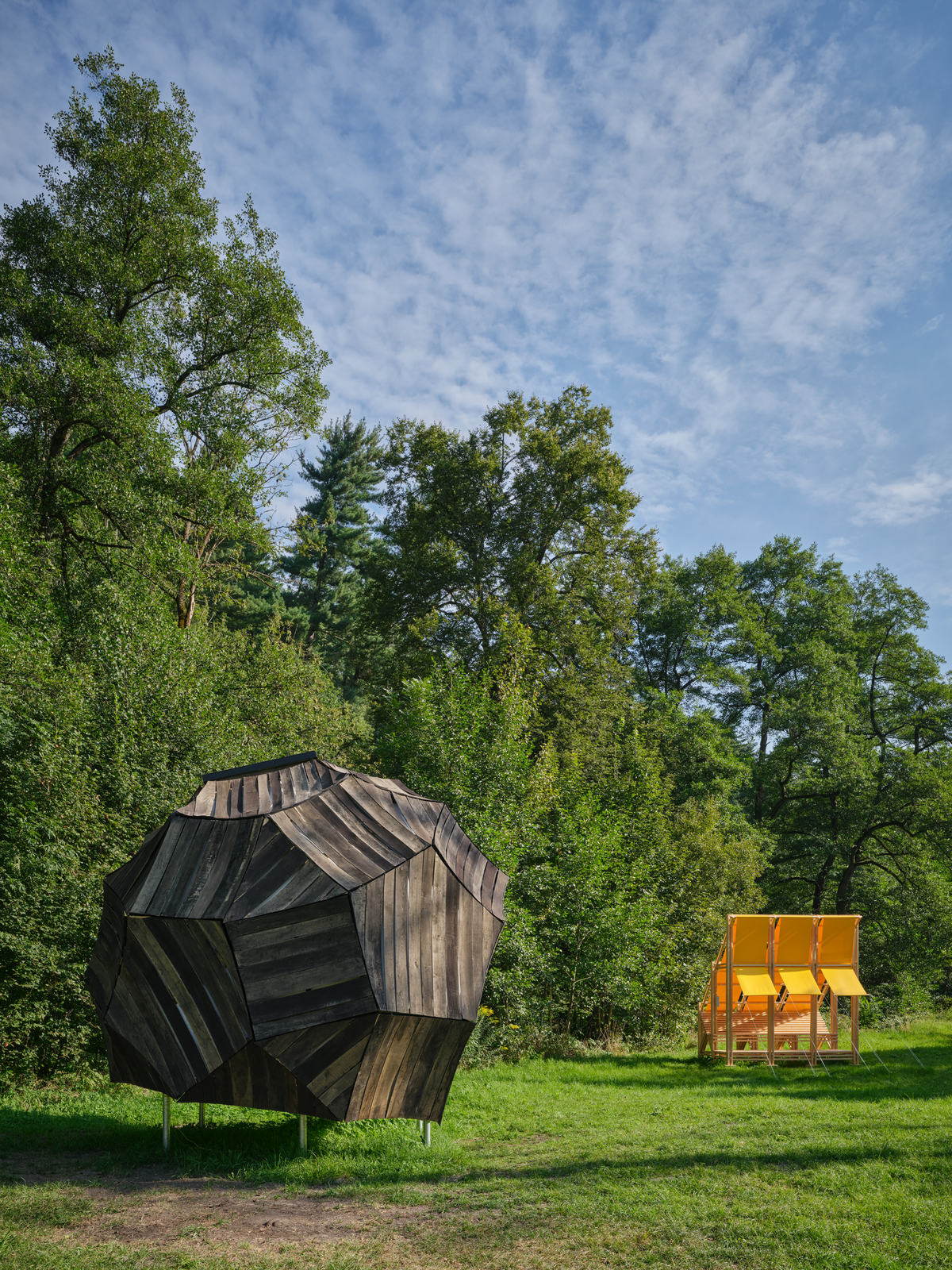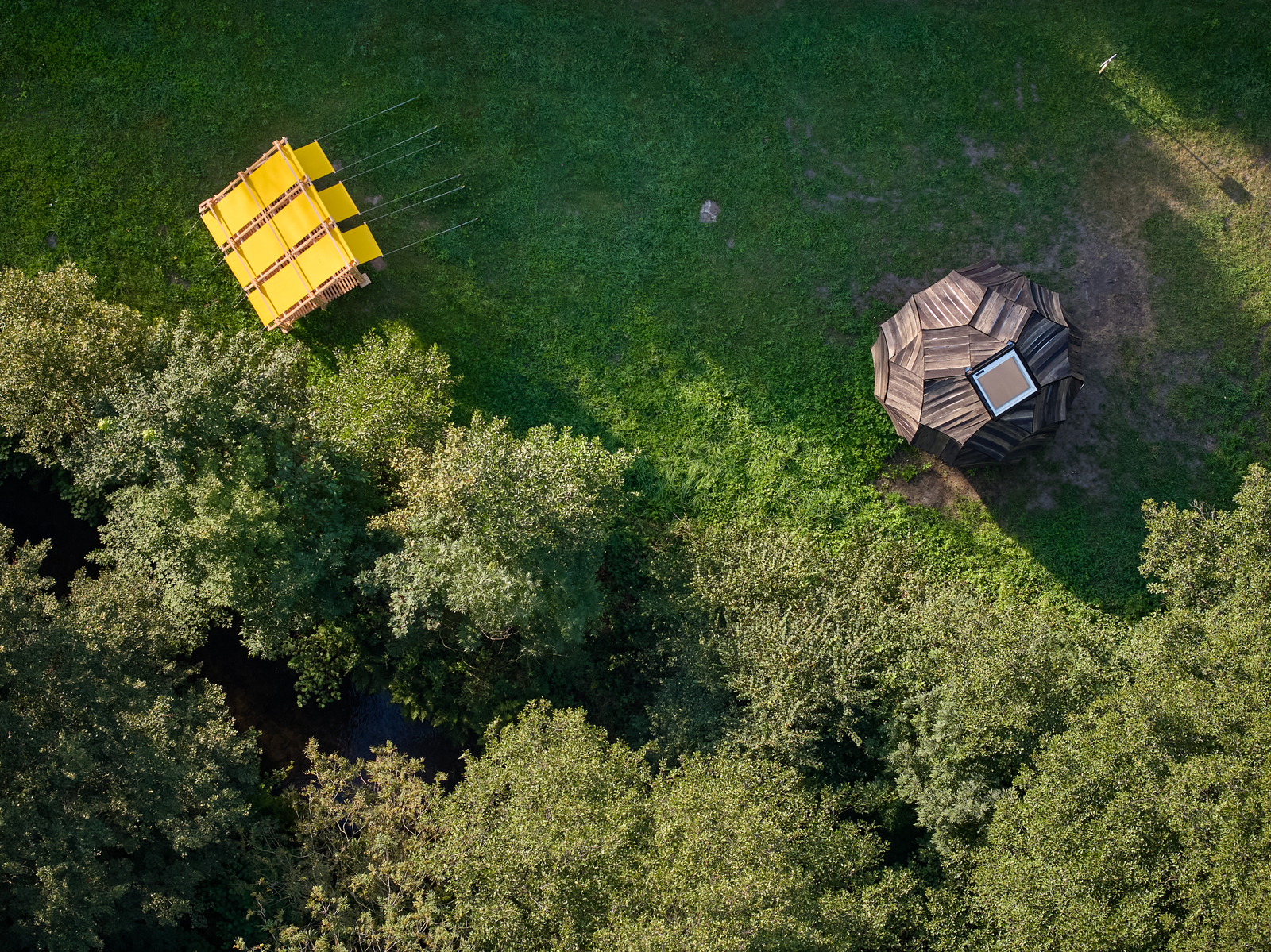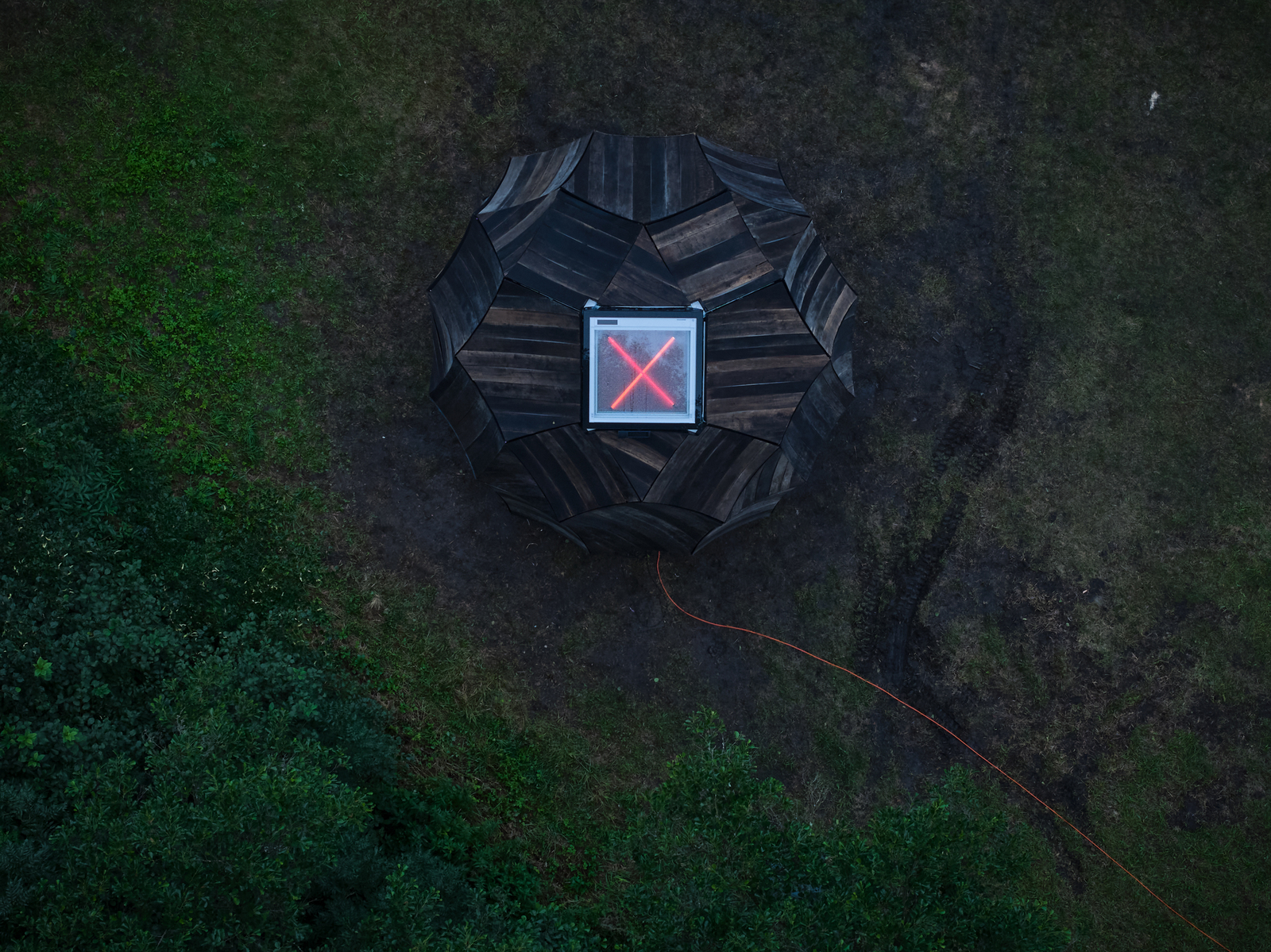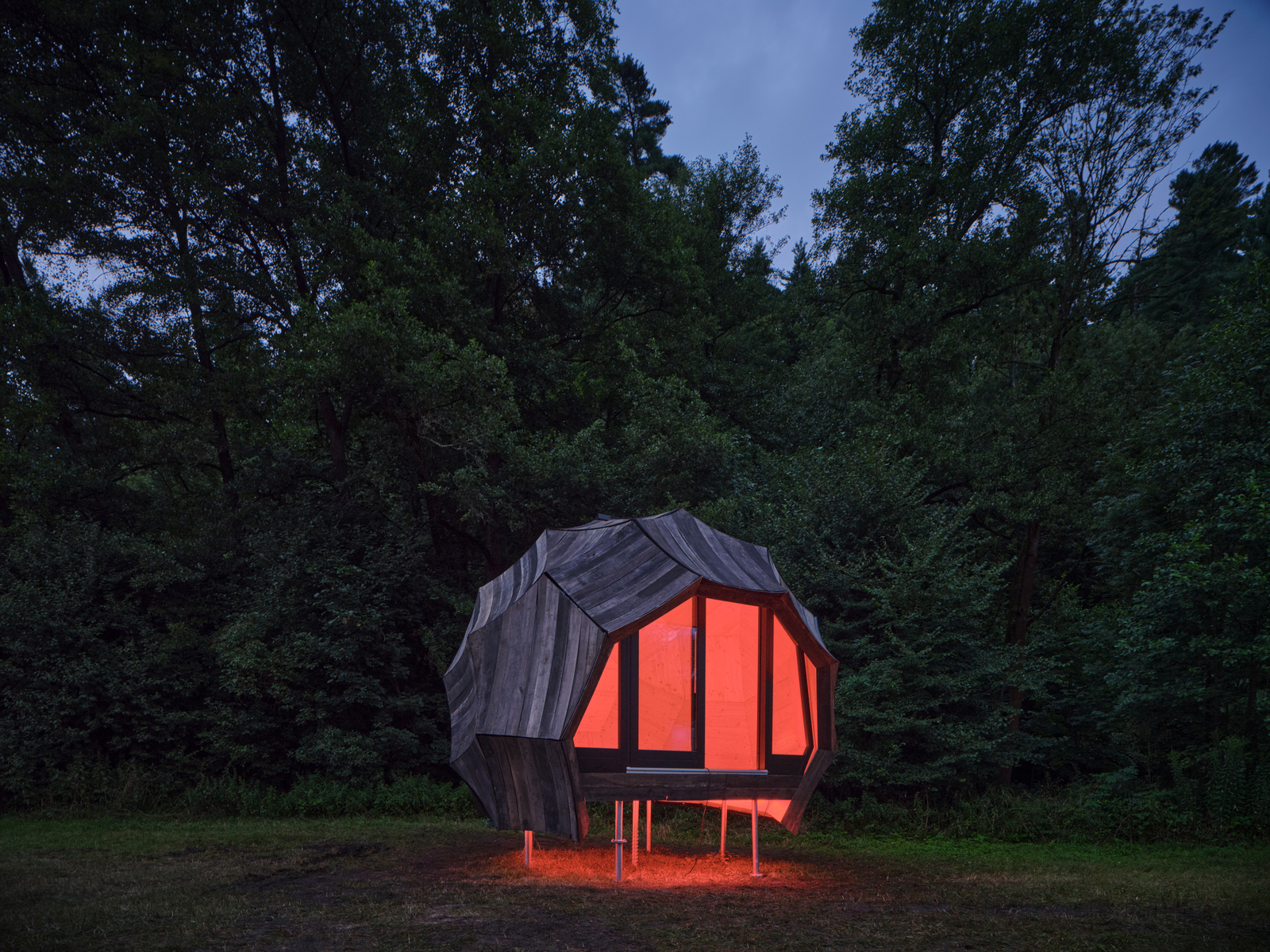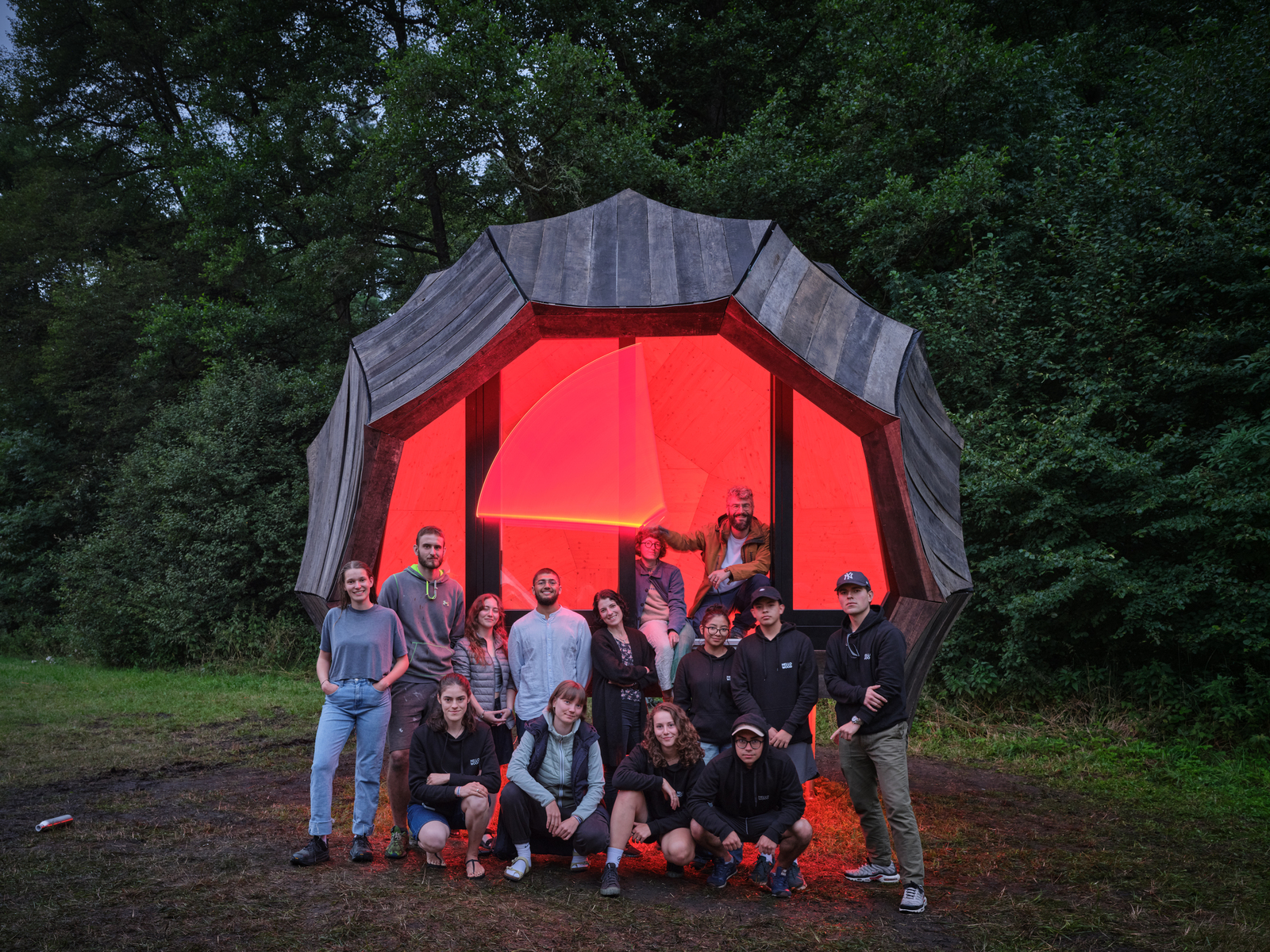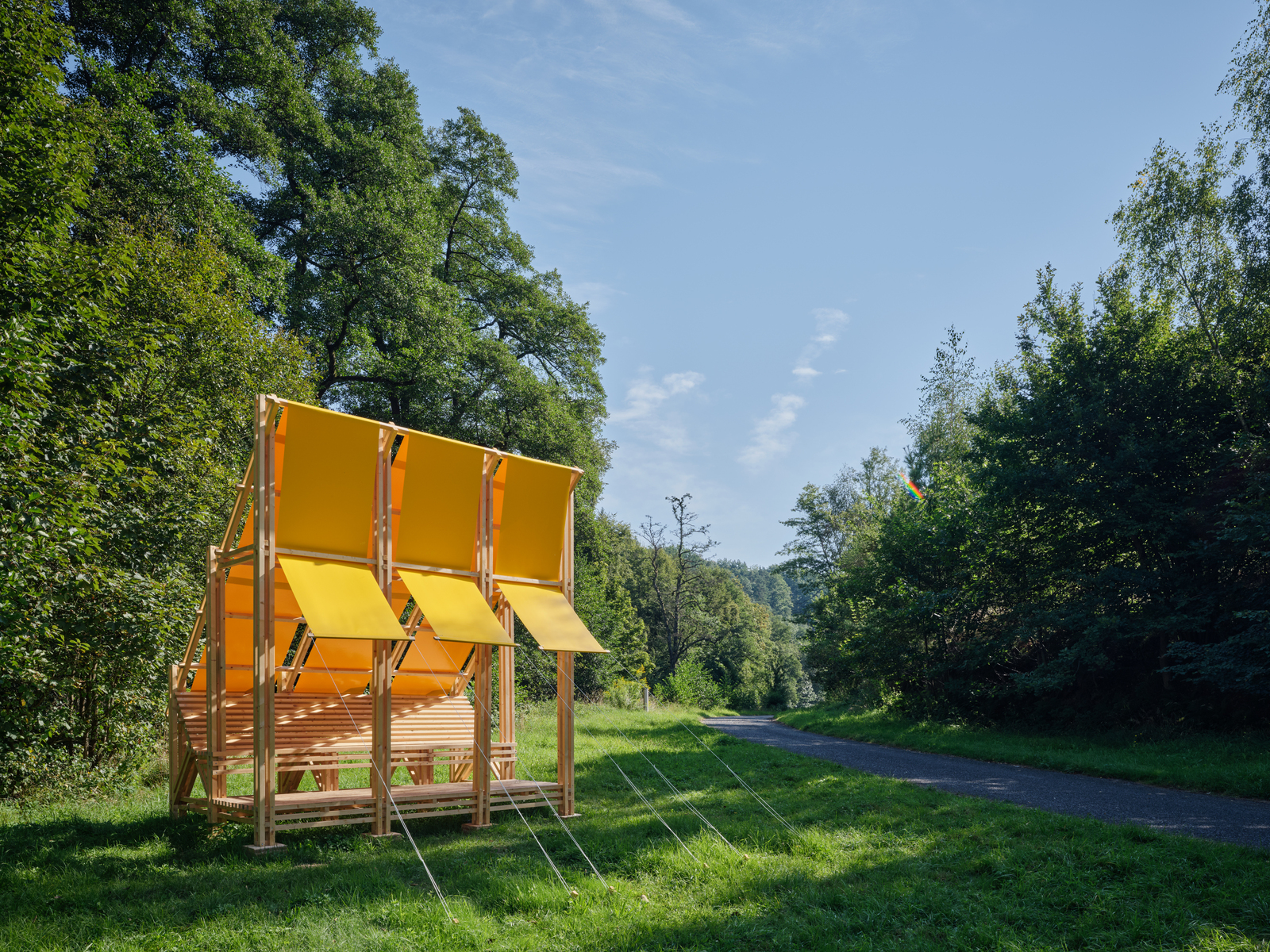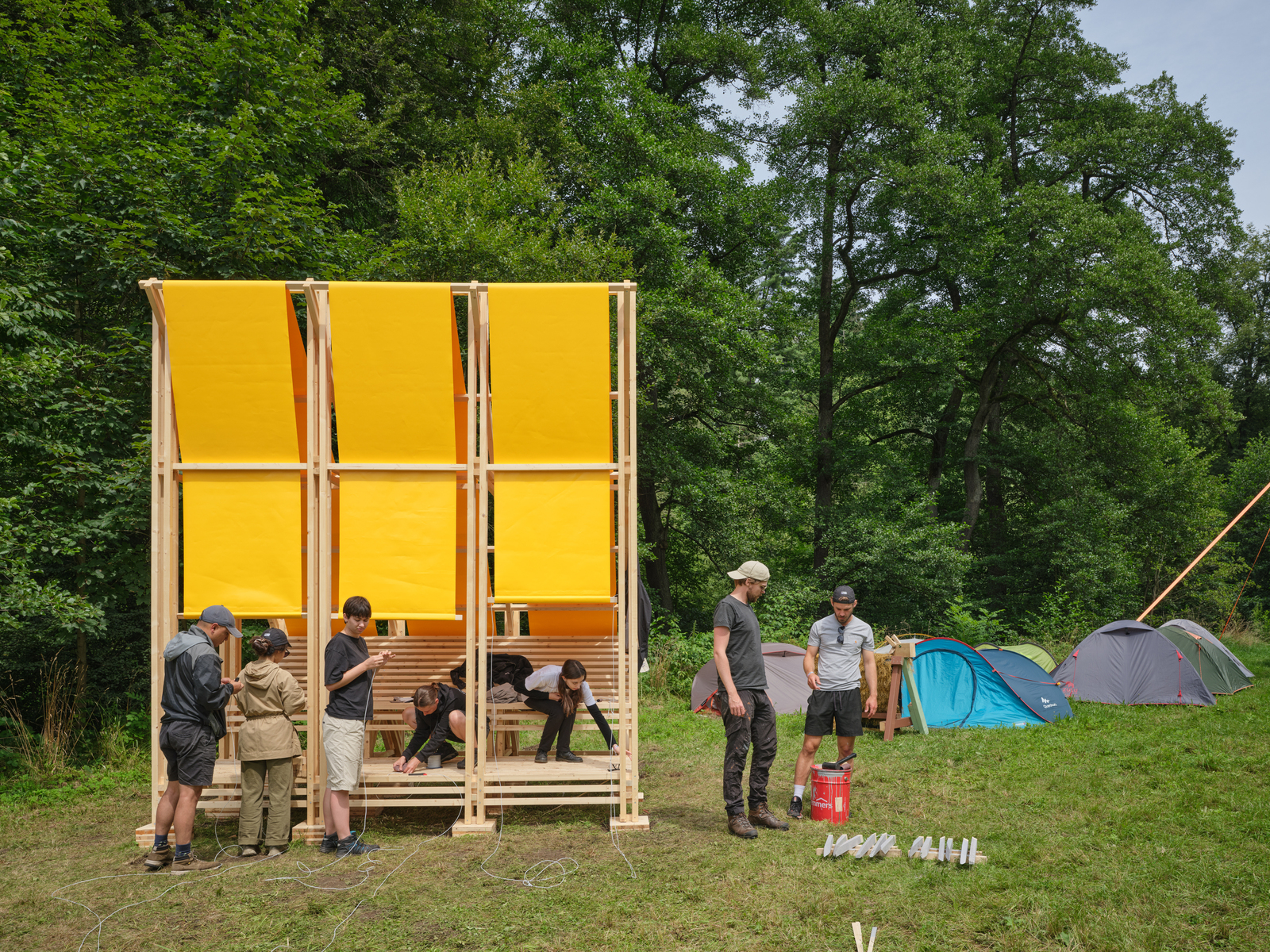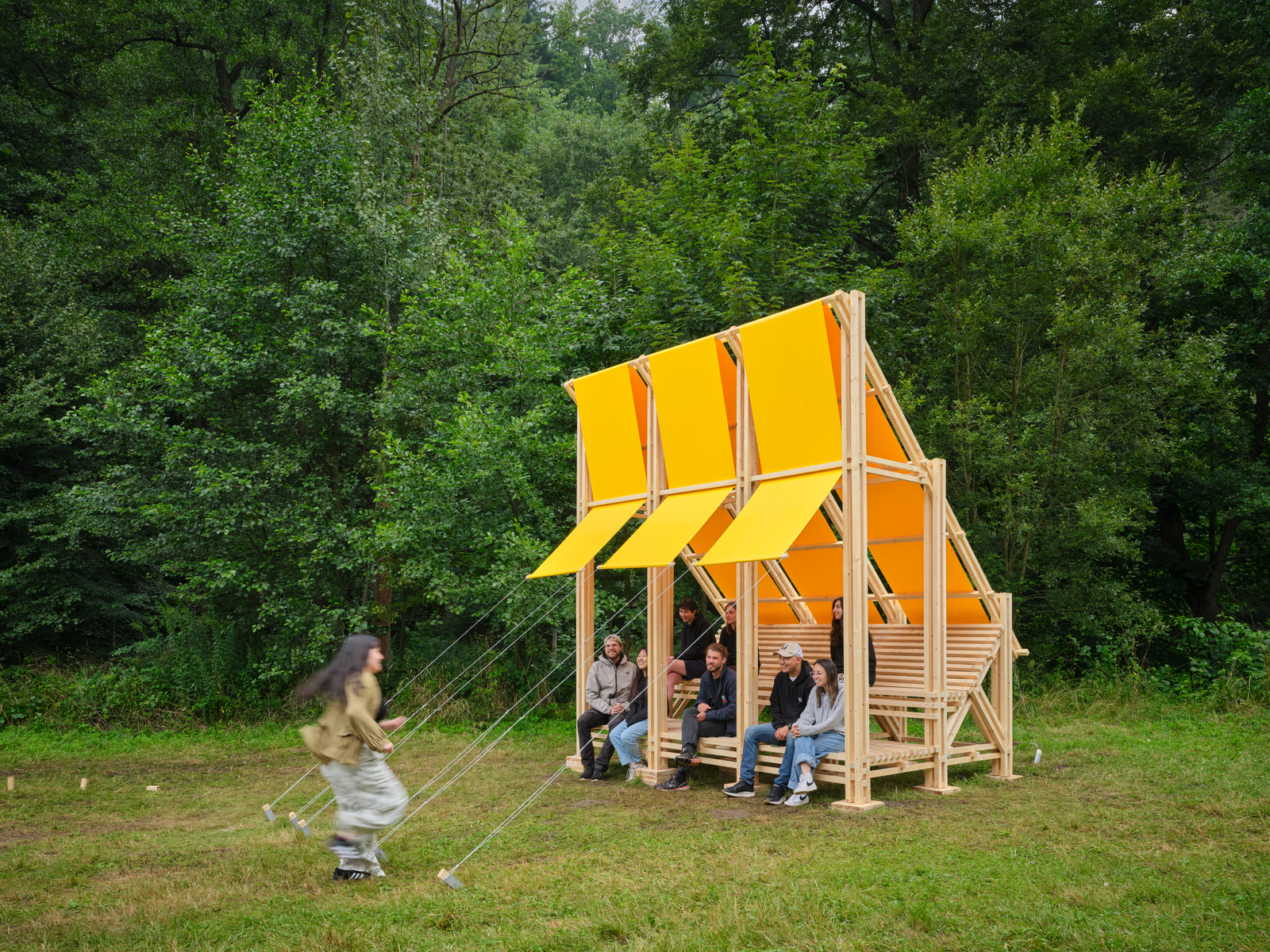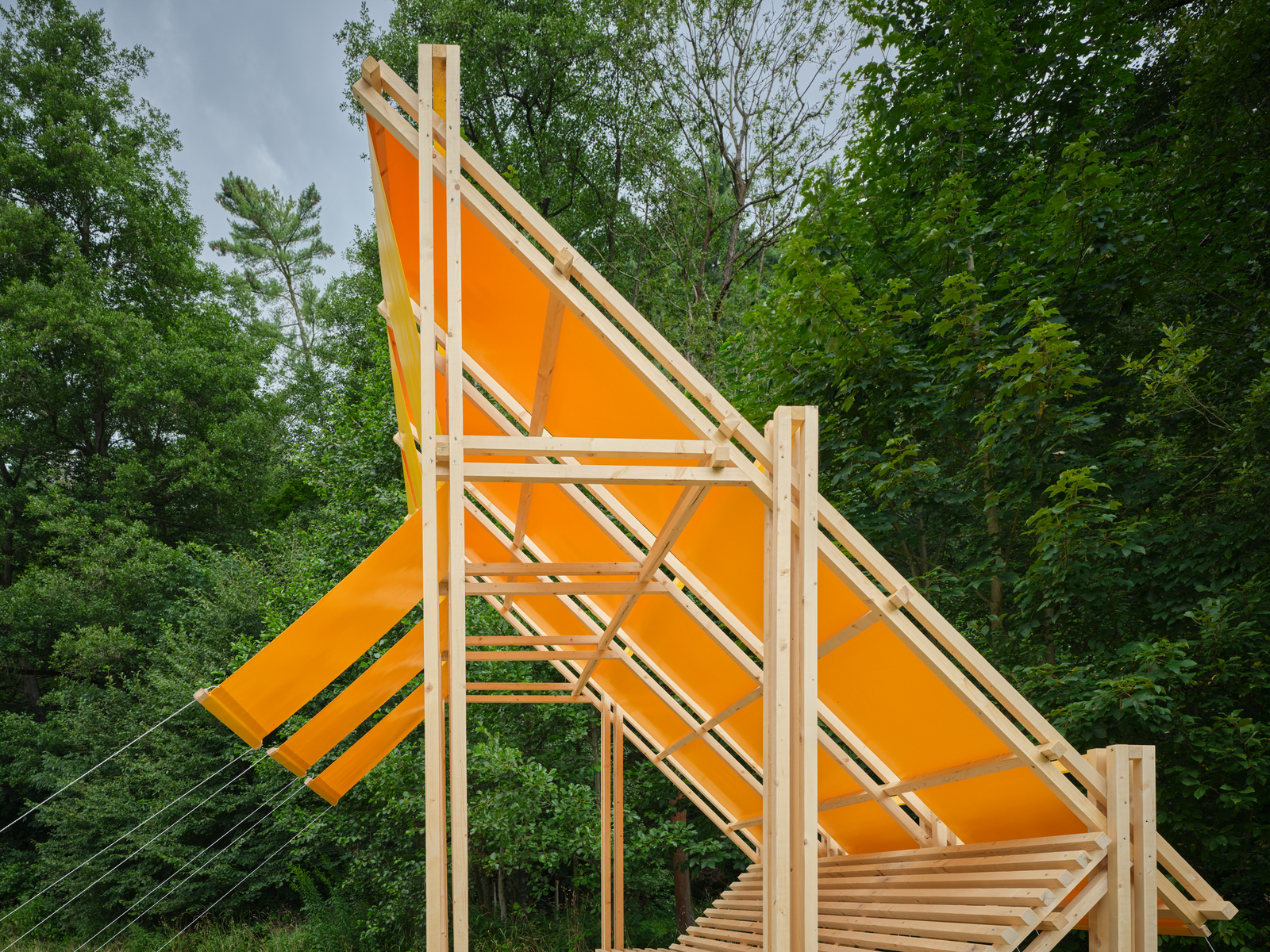
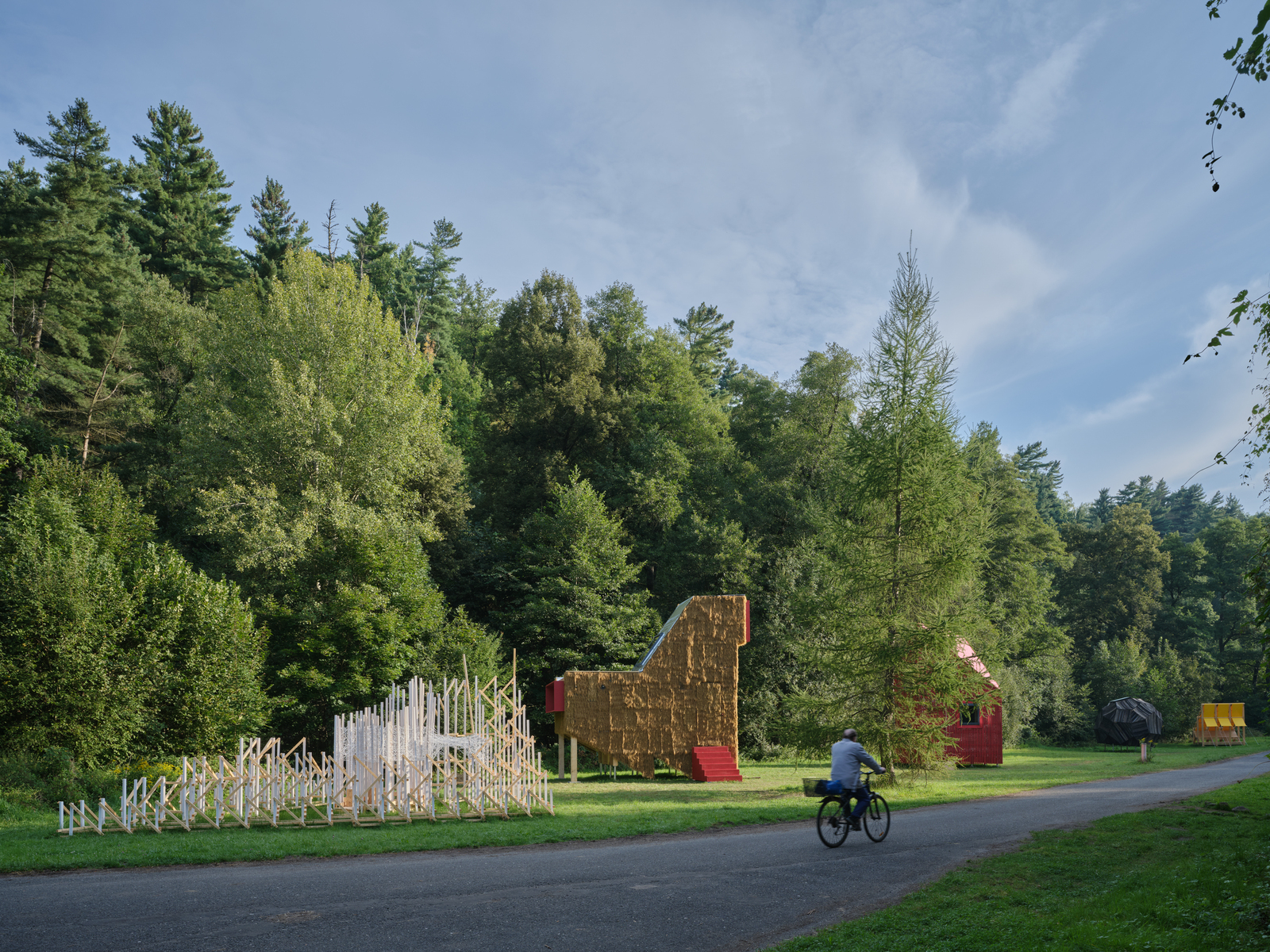
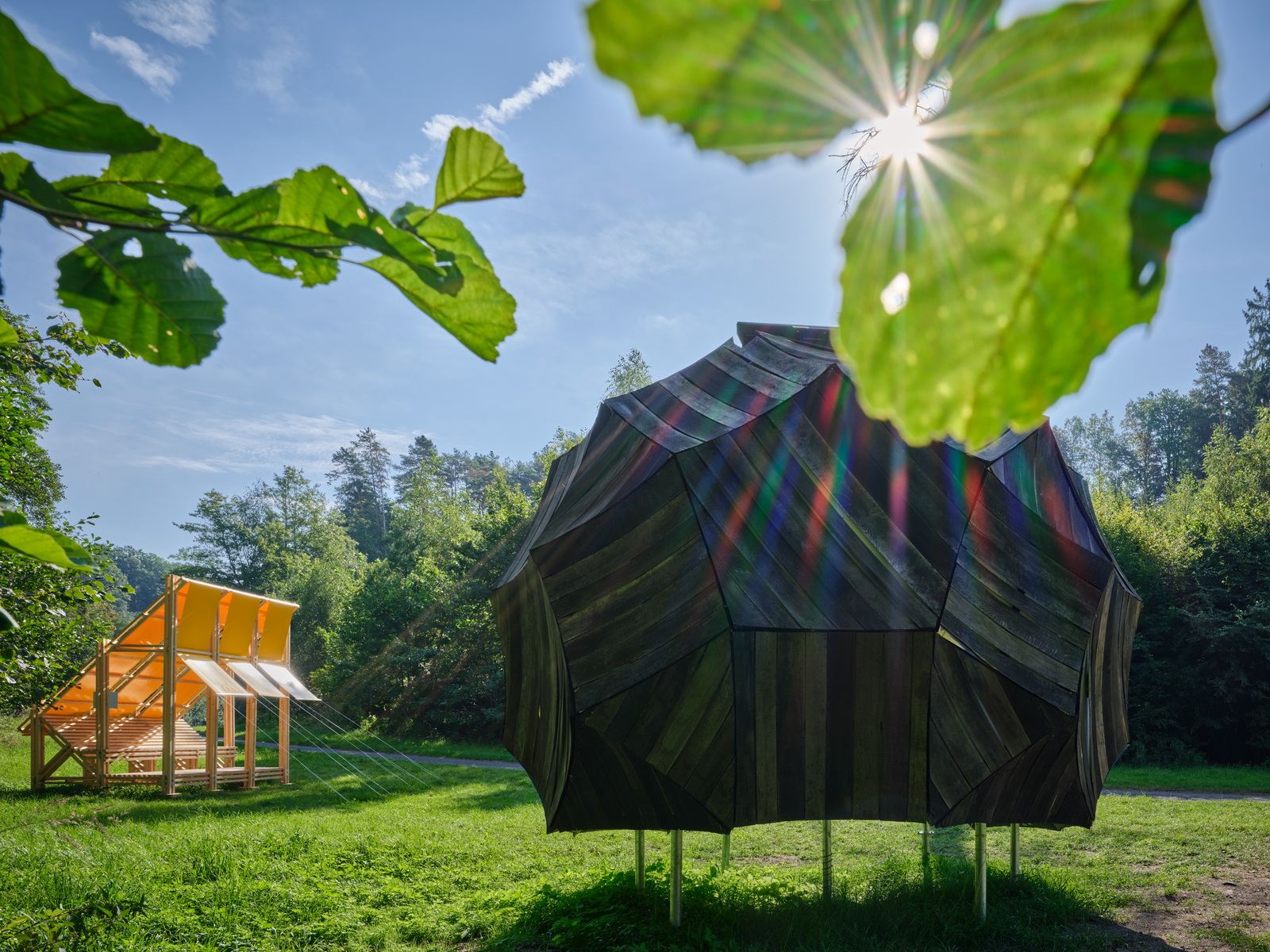
Cabin Fever 2026 international architectural summer school and festival by Hello Wood in Česká Kamenice has advanced a design-build educational model focused on light, space, and social engagement from 20–28 July 2026. The second edition, supported by VELUX, takes place on the grounds of a former textile factory, where historical layers frame a programme that connects architecture, learning, and community. Cabin Fever 2026 builds on Hello Wood’s ongoing research into sustainable construction and hands-on pedagogy, inviting students and architects to develop and construct timber cabins and installations that examine how spatial frameworks, material systems, and daylight shape everyday experience. Cabin Fever 2026 continues a three-year initiative in the Czech Republic, extending the studio’s earlier rural regeneration work in Csóromfölde and its international programmes in Argentina and San Francisco. Through collaboration with VELUX and Czech partners, including Mjölk architekti, the summer school positions architecture as a socially engaged practice rooted in responsibility, cooperation, and long-term local relationships.
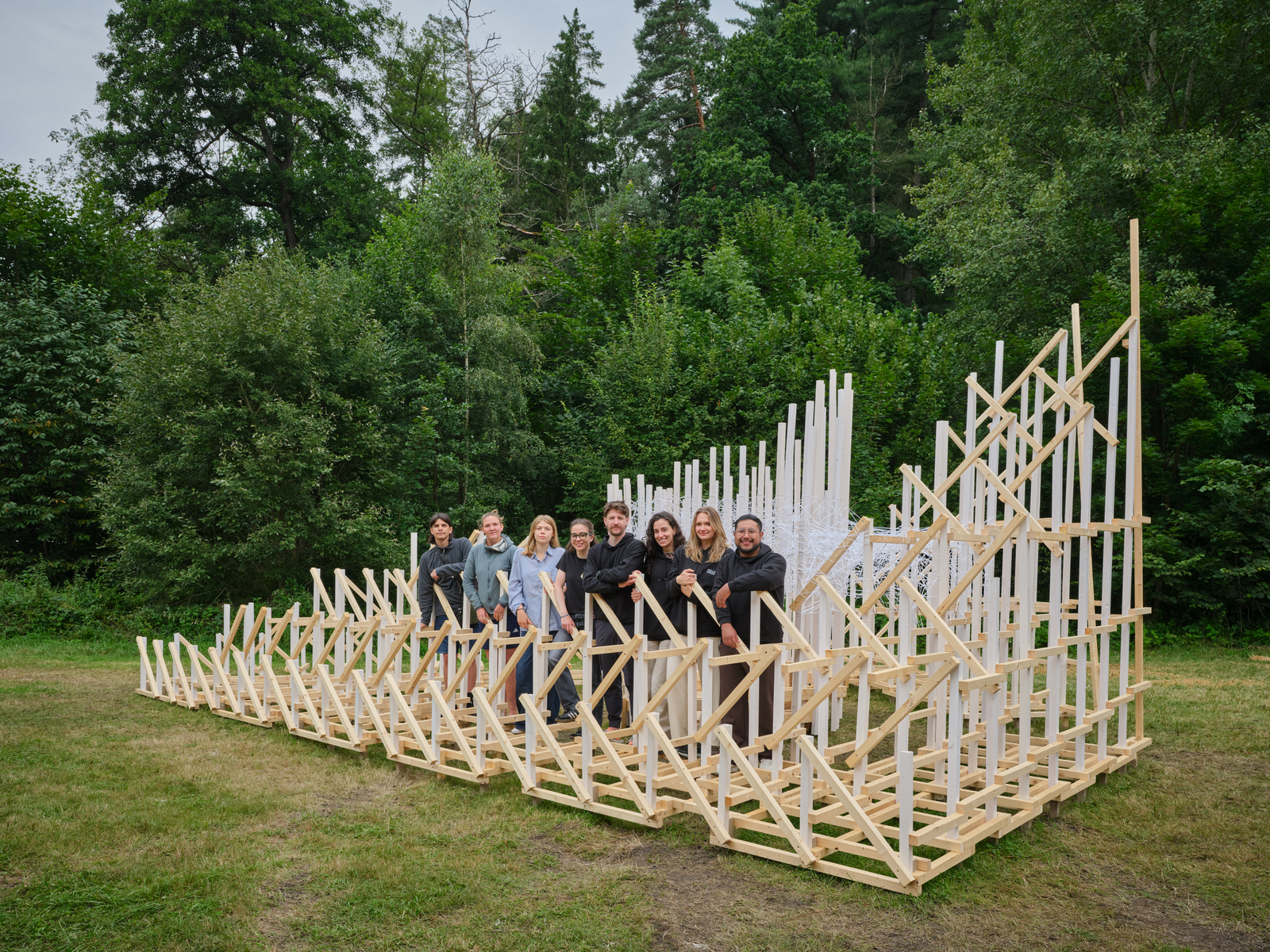
Cabin Fever is an international summer school and festival initiated by the Hungarian architecture studio Hello Wood, recognised for its design-build methodology and community-oriented sustainable projects. Since its establishment in 2010, Hello Wood has operated as a global platform that connects practical education with socially engaged architecture. Cabin Fever 2026, supported by VELUX, examines how light and space shape human experience, placing presence, intimacy, and connection at the centre of architectural thinking.
Cabin Fever 2026 takes place from 20–28 July in Česká Kamenice, Czech Republic, on the site of a former textile factory. The industrial setting provides a context where architecture, education, and social interaction intersect. The theme, developed with VELUX, addresses the capacity of light and spatial organisation to influence everyday life, guiding participants to investigate how material, structure, and atmosphere support the connection between people and place.
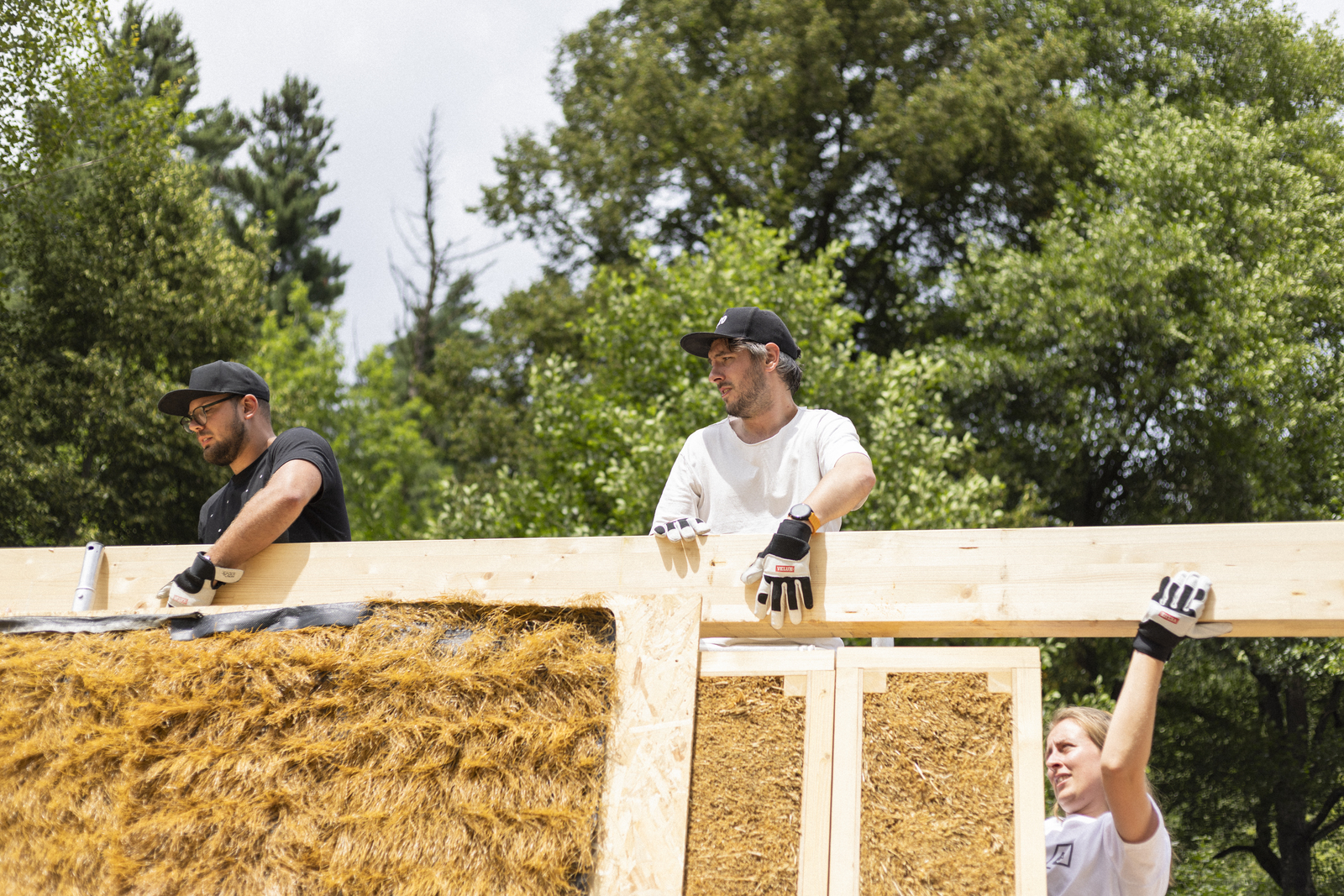
Hello Wood’s presence in Česká Kamenice follows earlier work in Csóromfölde, Hungary, a nearly abandoned rural settlement formerly associated with a noble estate and depopulated during World War II. Through the three-year Project Village programme, Hello Wood collaborated with students, professors, and international studios to test how design-build processes could reactivate rural environments. Subsequent programmes in Argentina and San Francisco extended this model and informed the search for a new European location capable of hosting long-term architectural dialogue.
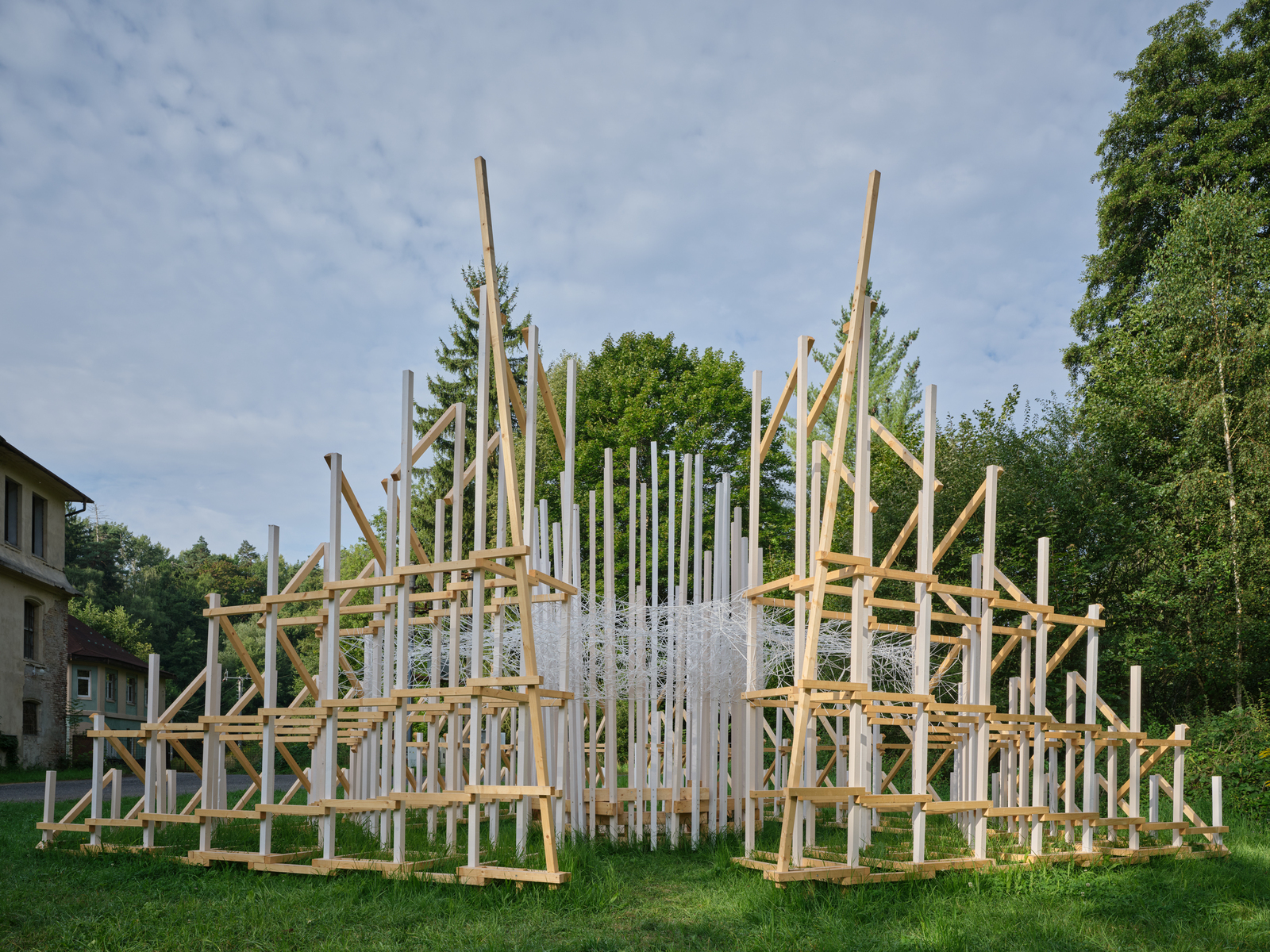
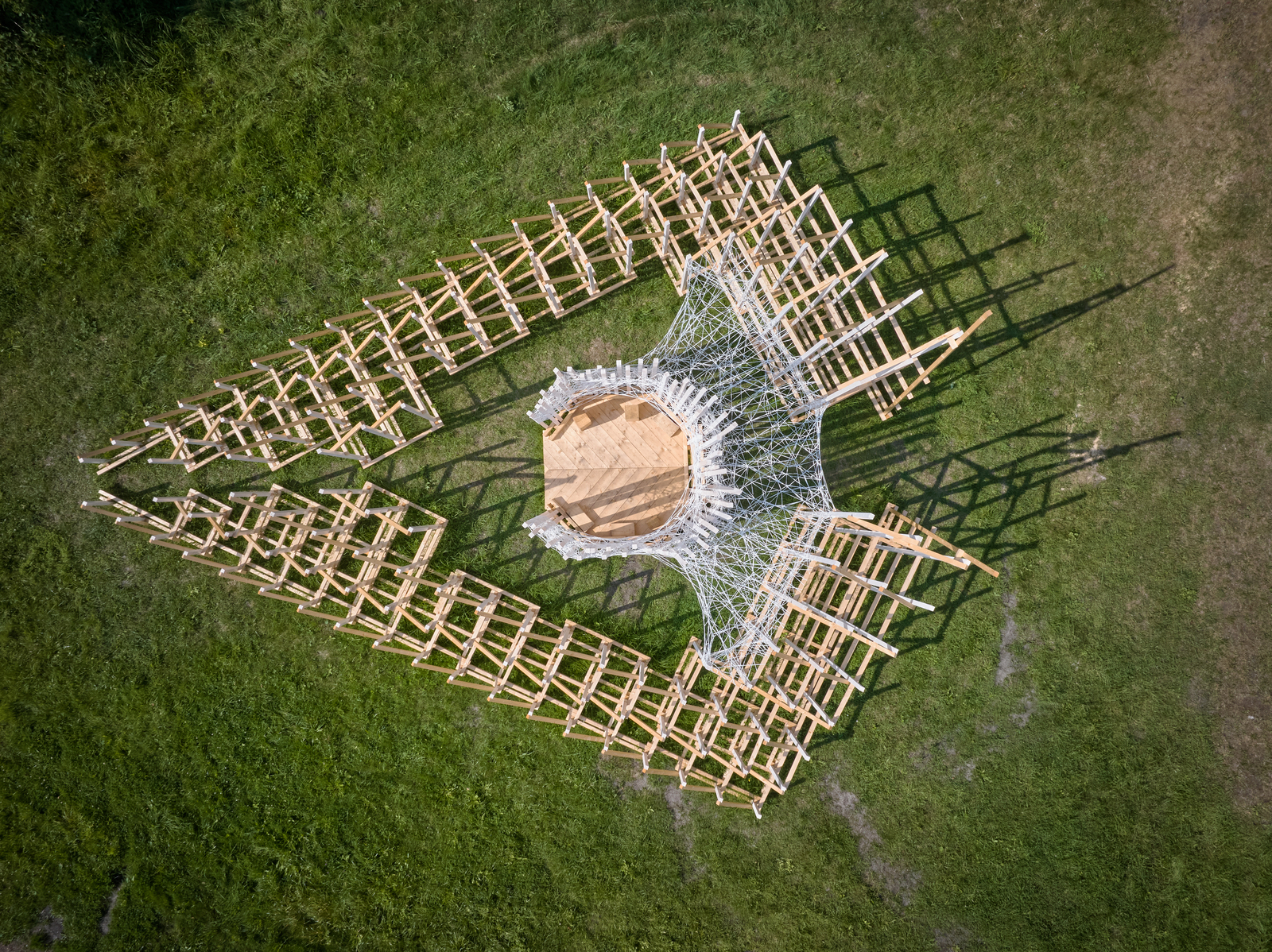
Collaboration with VELUX and Czech architects previously involved in Project Village, particularly Mjölk architekti, facilitated the introduction to Česká Kamenice and the establishment of local partnerships. Česká Kamenice’s layered history and ambition for revitalisation aligned with the initiative’s objectives, leading to an open call for architects and the formation of a three-year framework in which Hello Wood returns each summer with international participants to construct buildings and foster lasting relationships between architecture, community, and landscape.
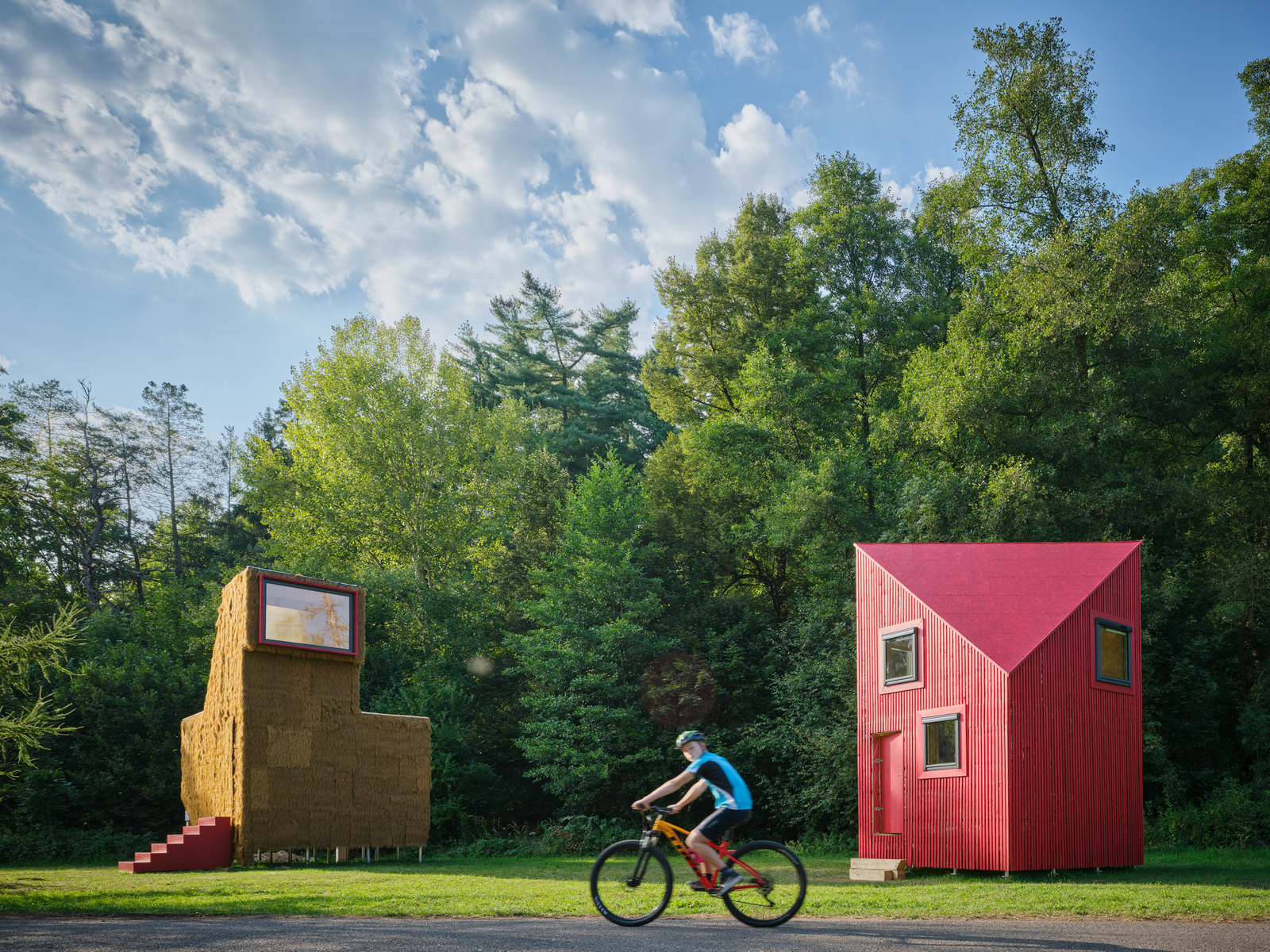
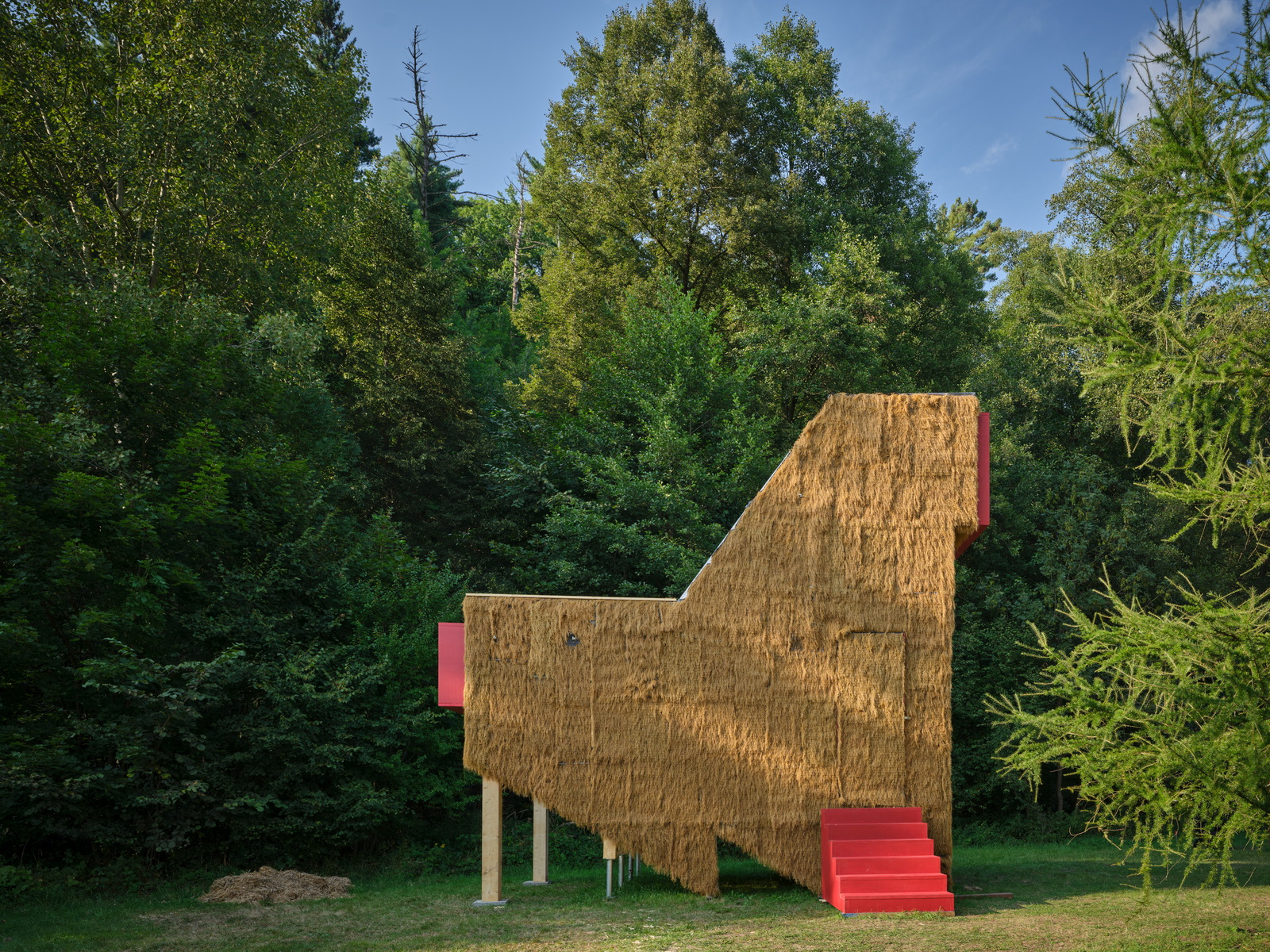
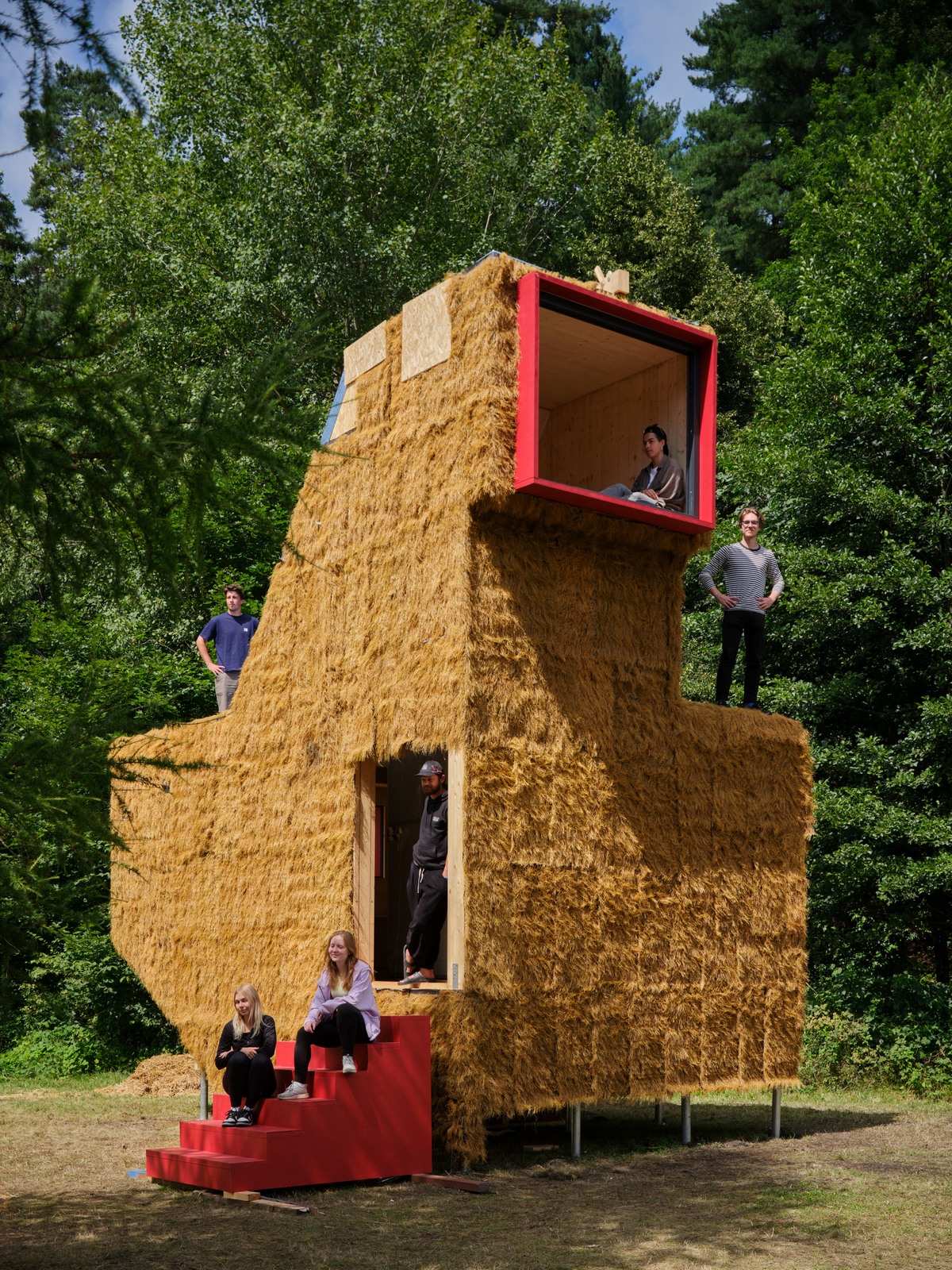
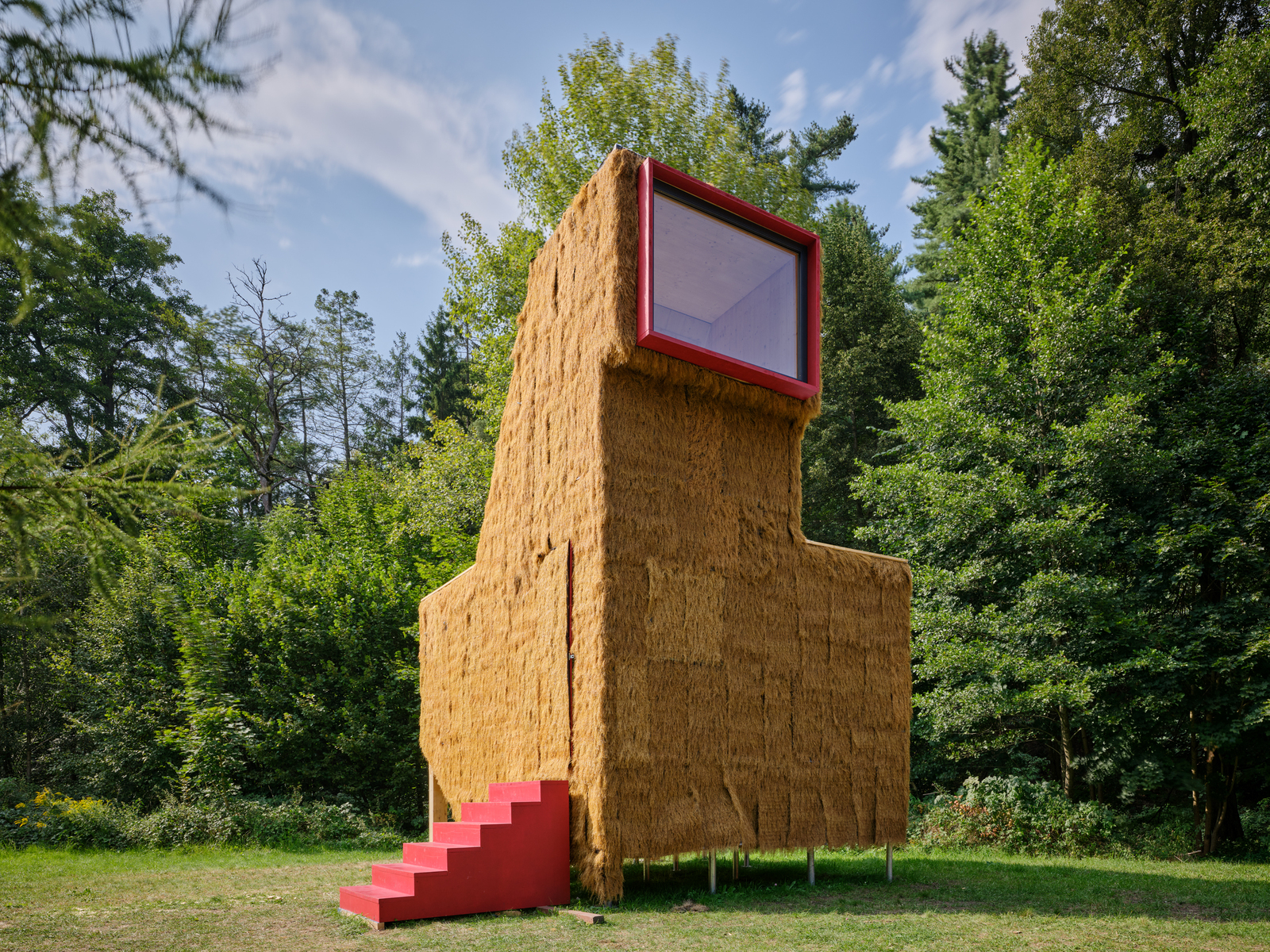
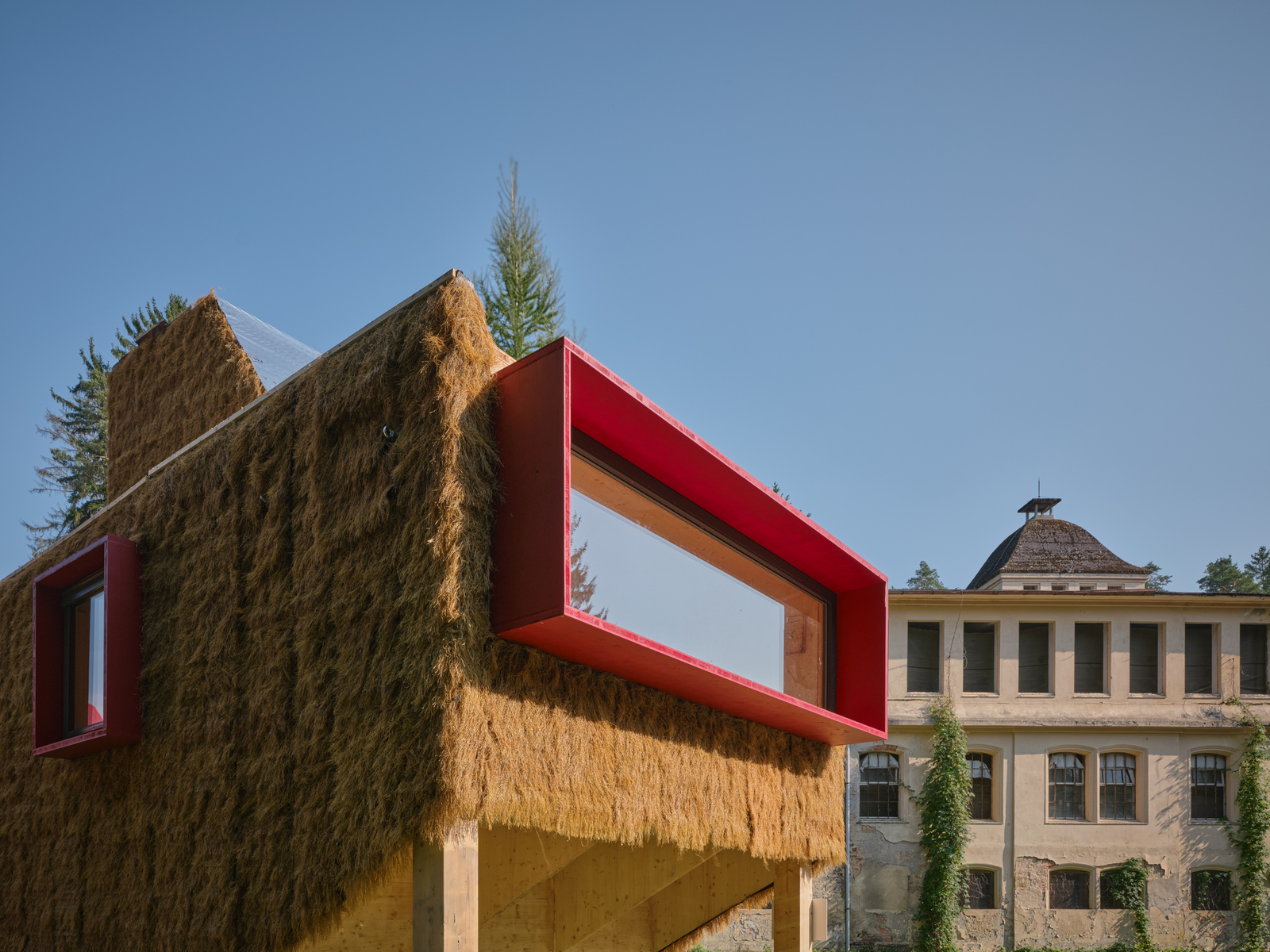
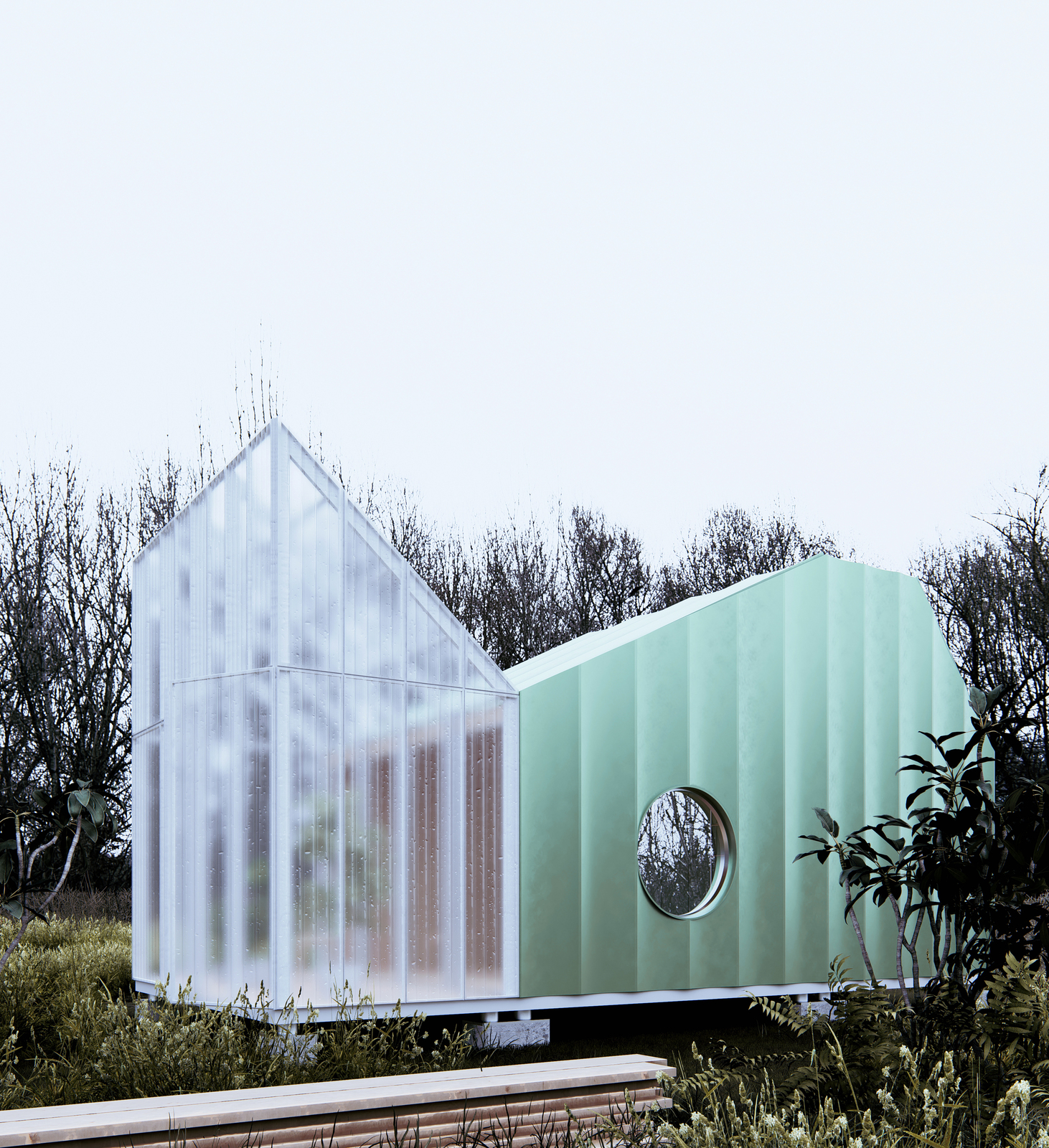
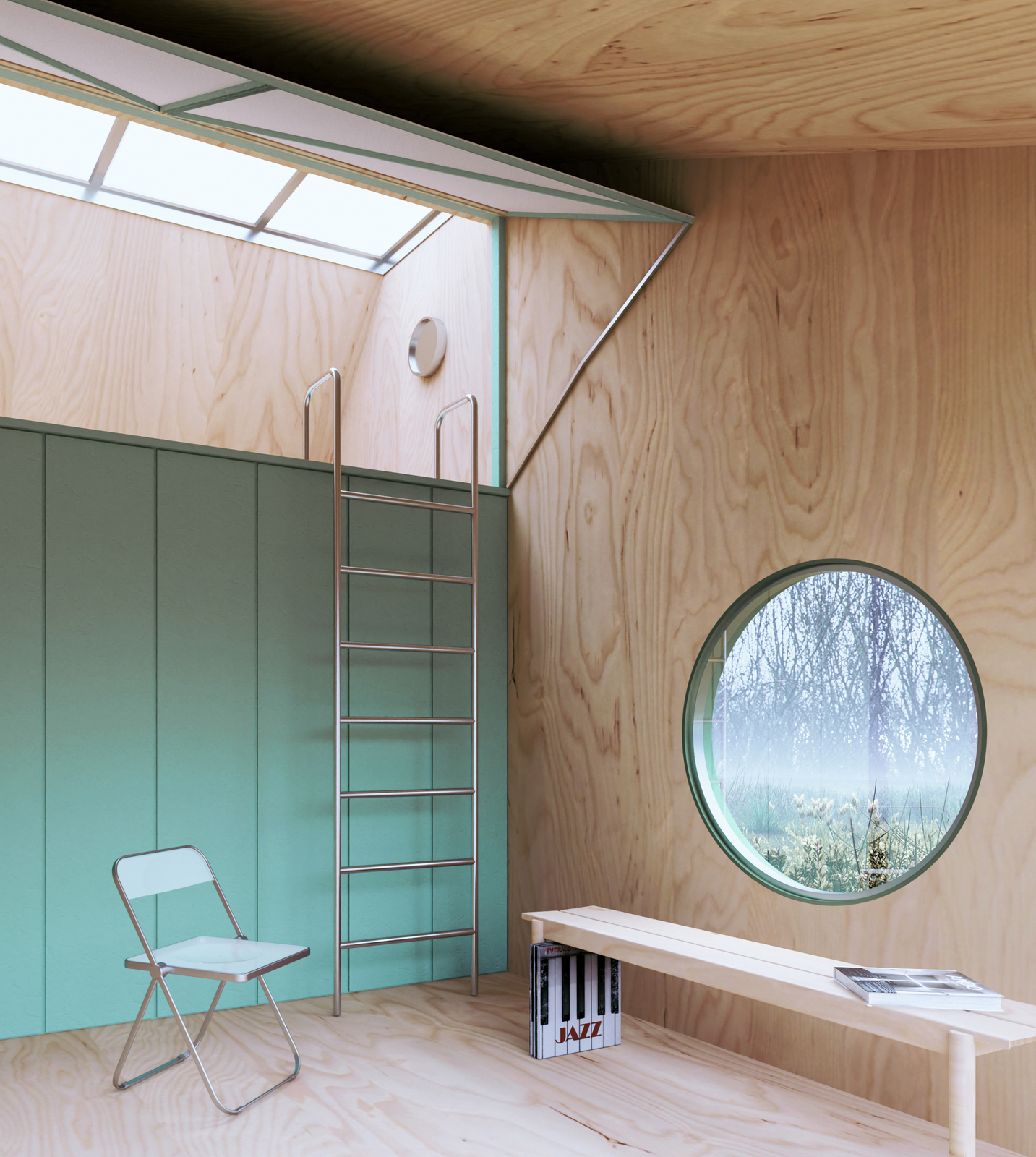
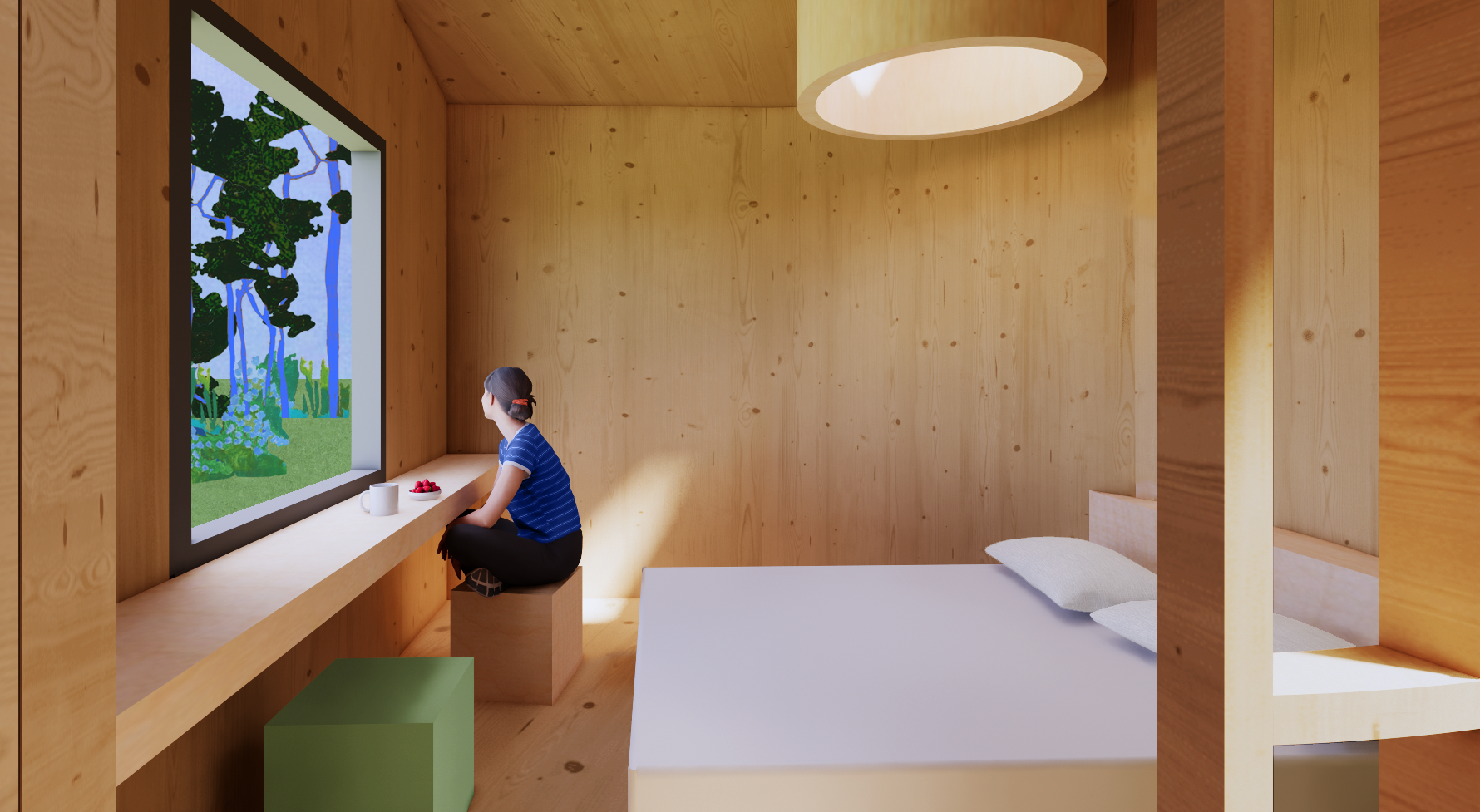
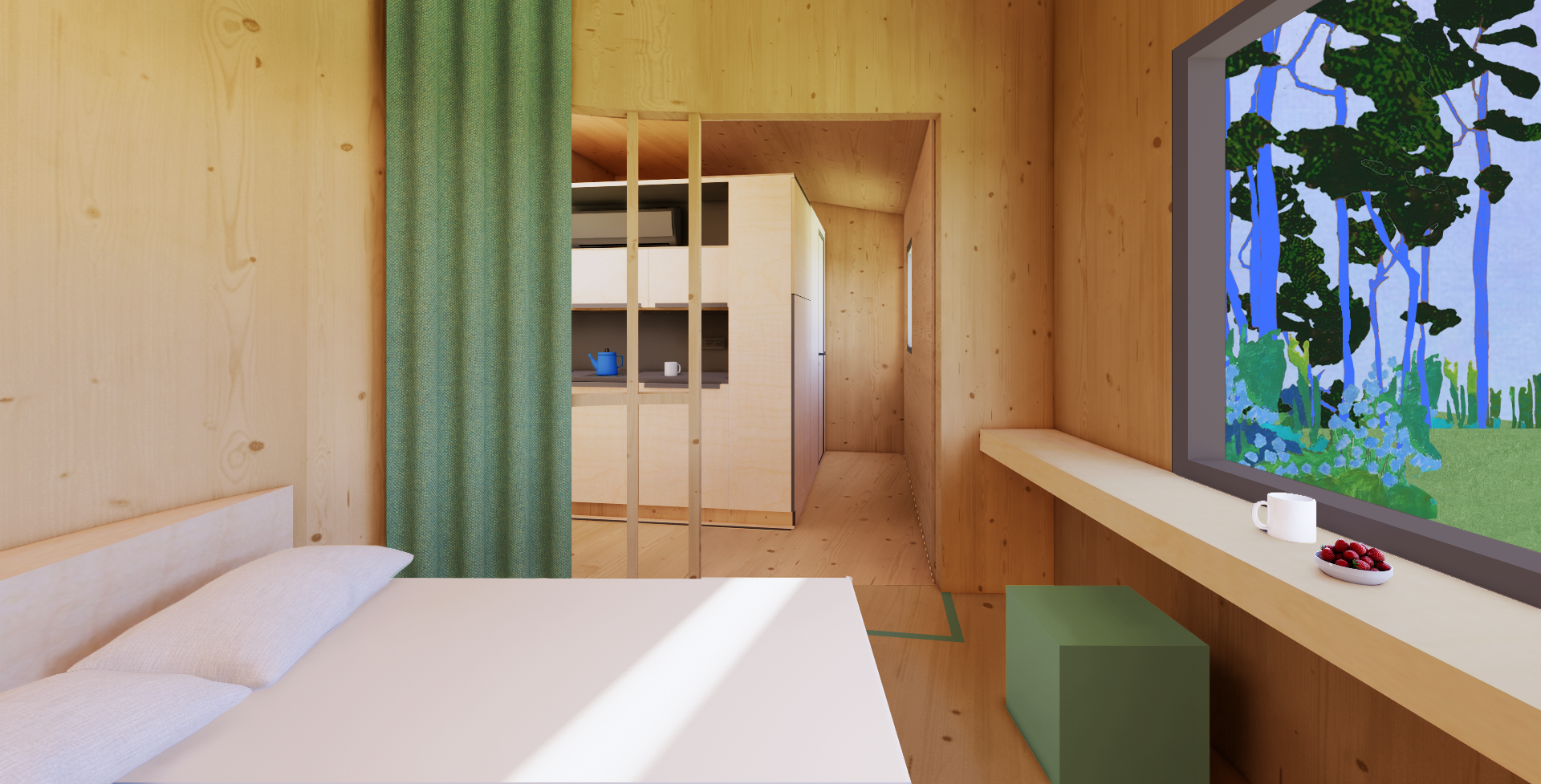
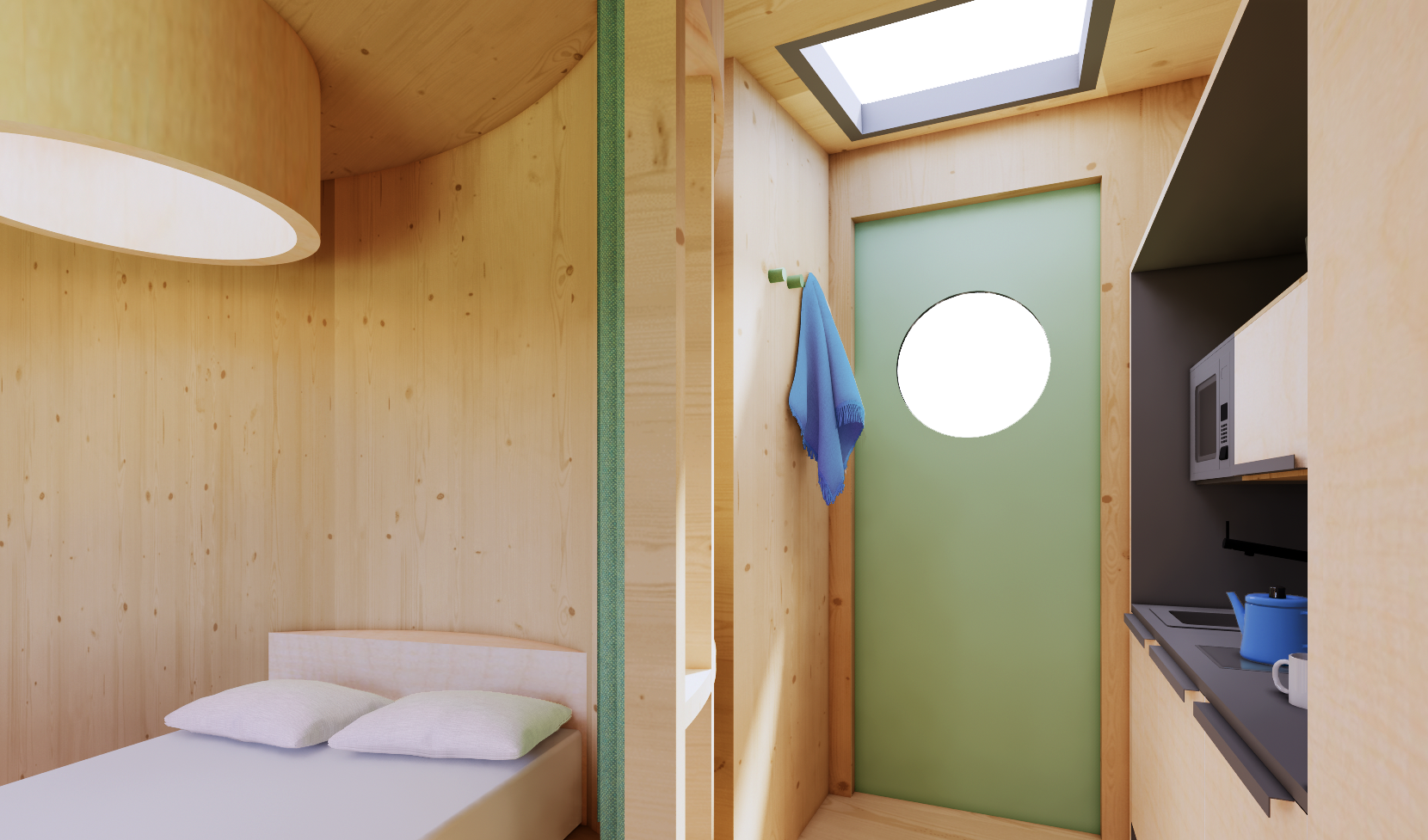
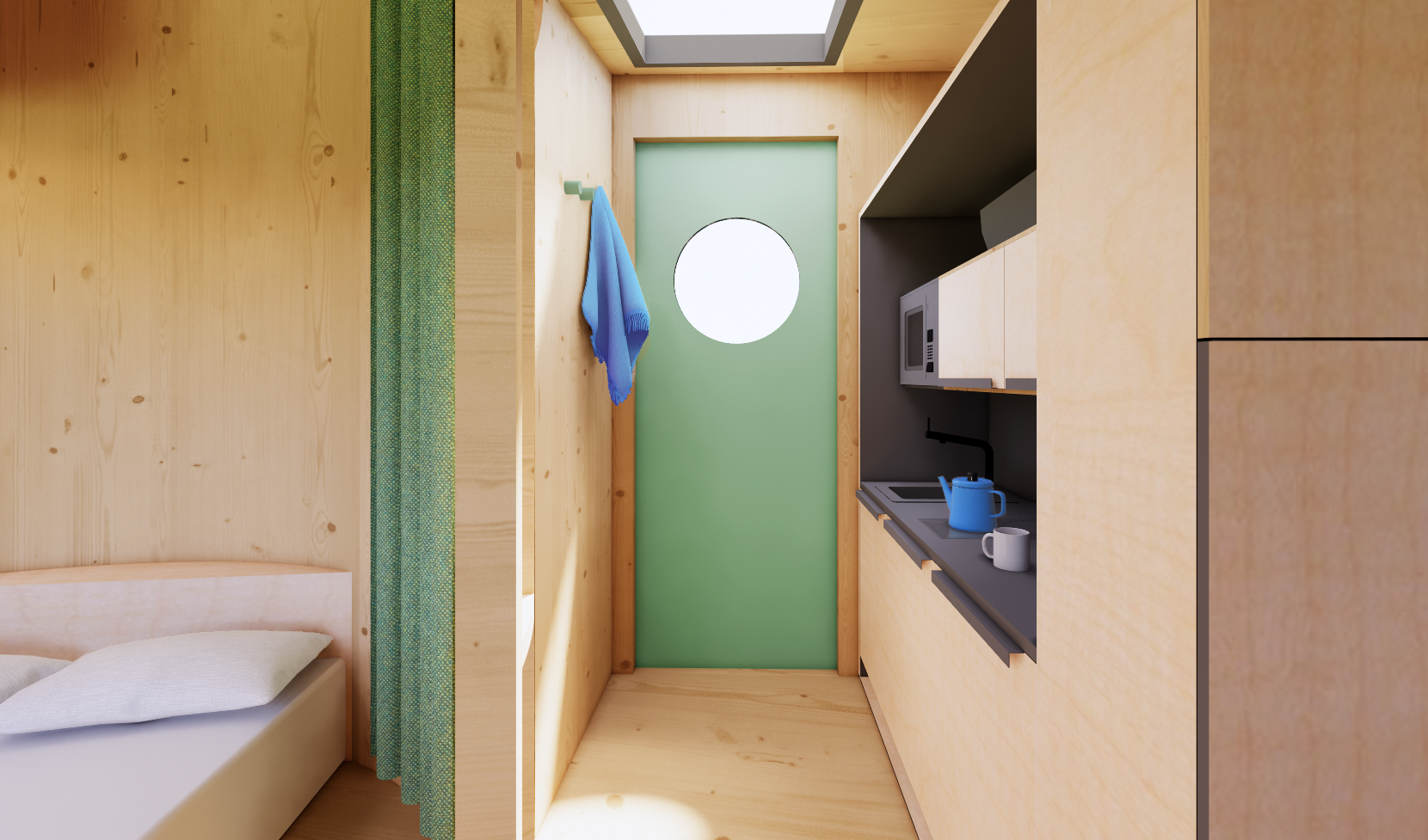
Three Rooms proposes the cabin as a flexible system rather than a fixed object. Three Rooms consists of three prefabricated rooms defined by varying technical resolution, including a compact core that integrates sleeping areas and services, a second room that accommodates multiple daily uses, and a third space that operates as a climatic buffer between interior and exterior. Off-site production and low-impact assembly enable diverse configurations and relationships with the surrounding landscape. Three Rooms is designed by IR arquitectura: Luciano Intile, Enrico Cavaglià, Francisco Escapil, Lucila Pistolesi, and Gonzalo Coquet.
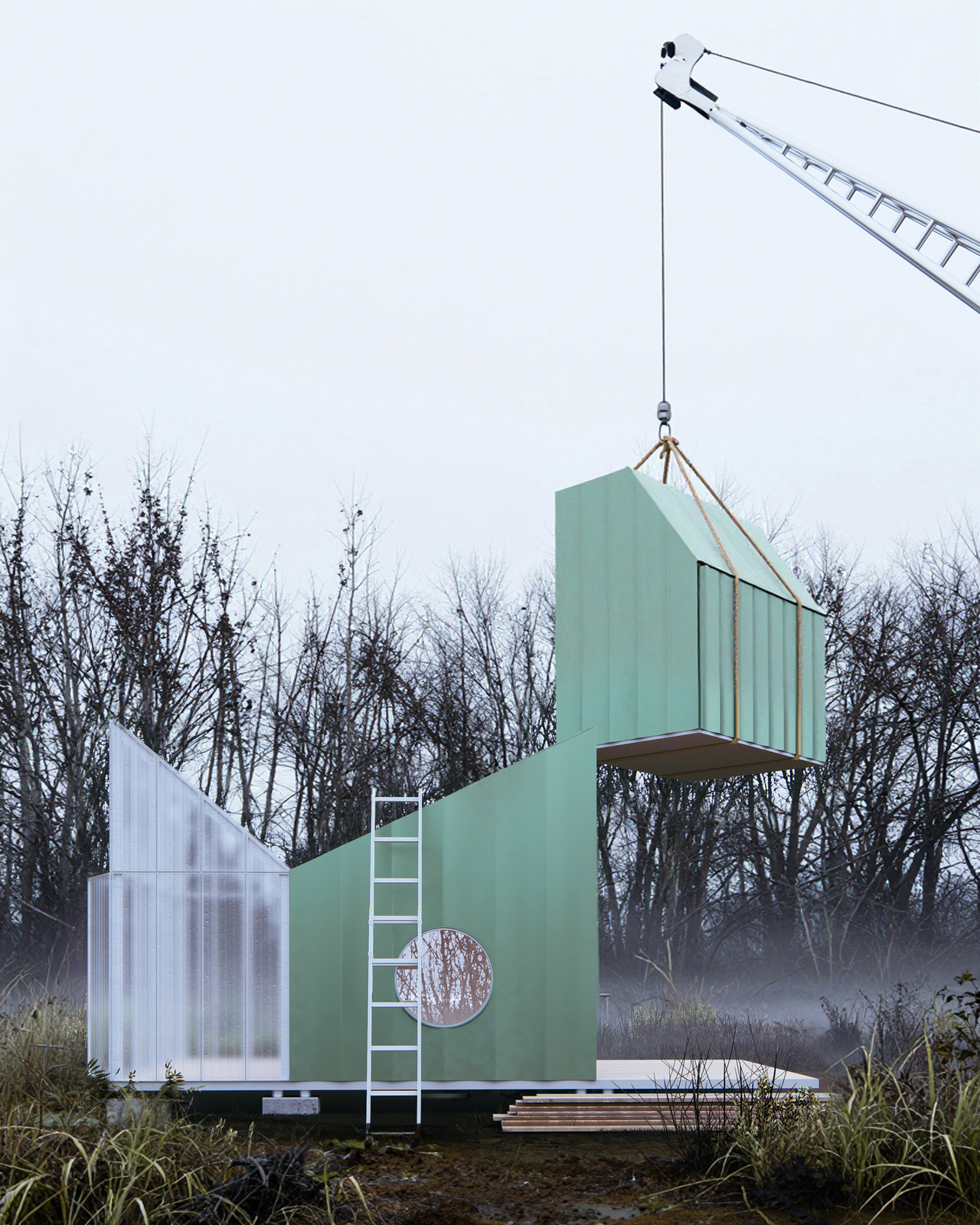
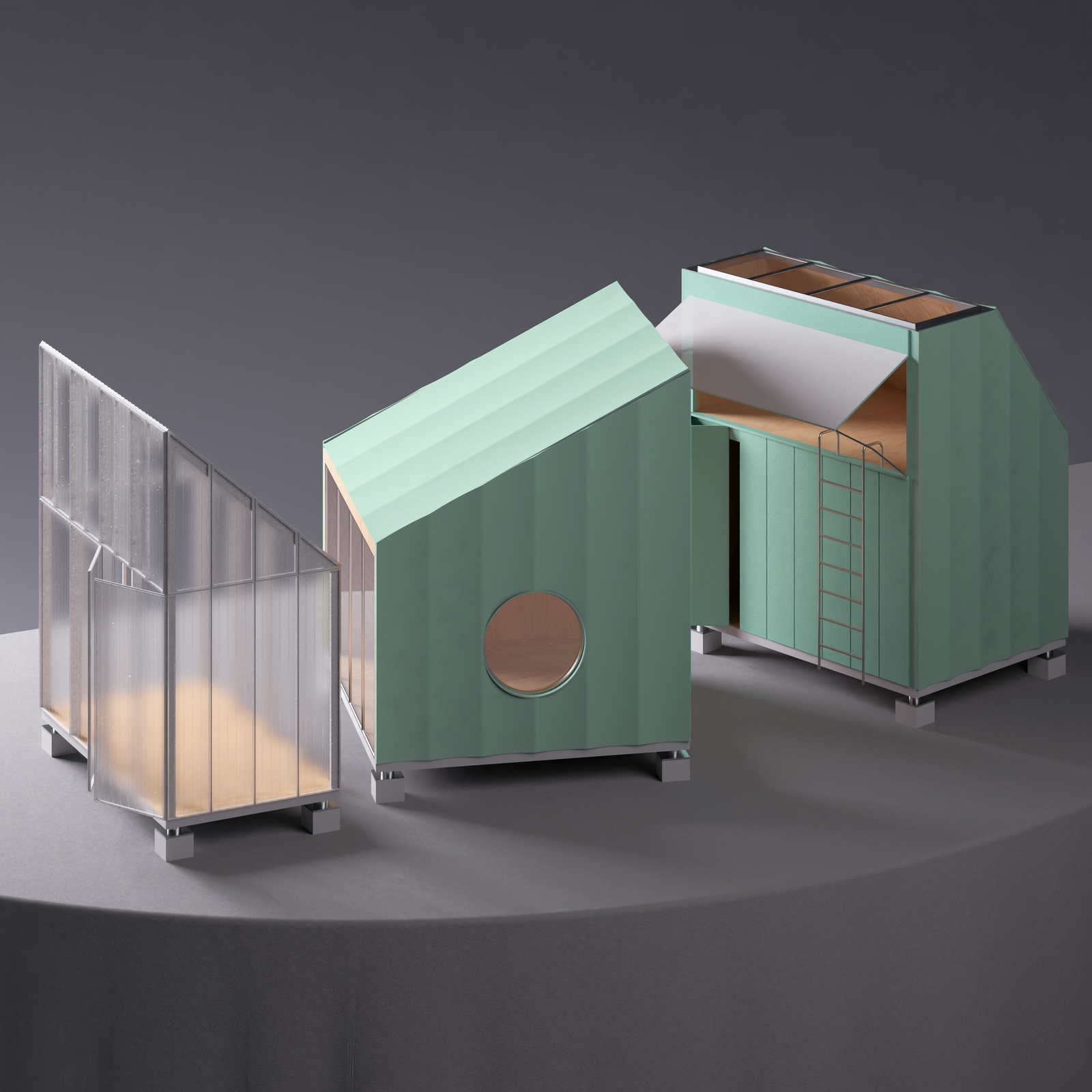
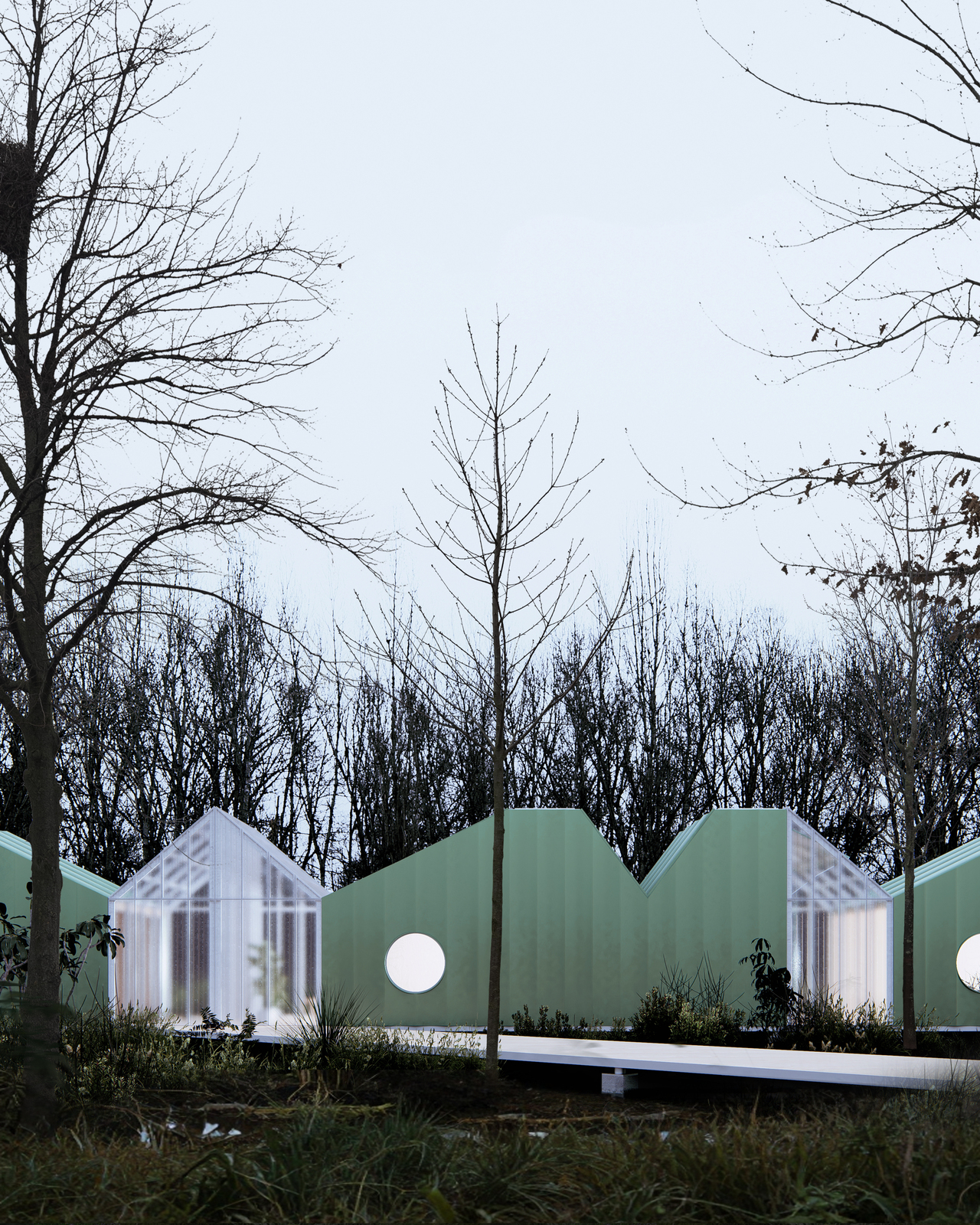
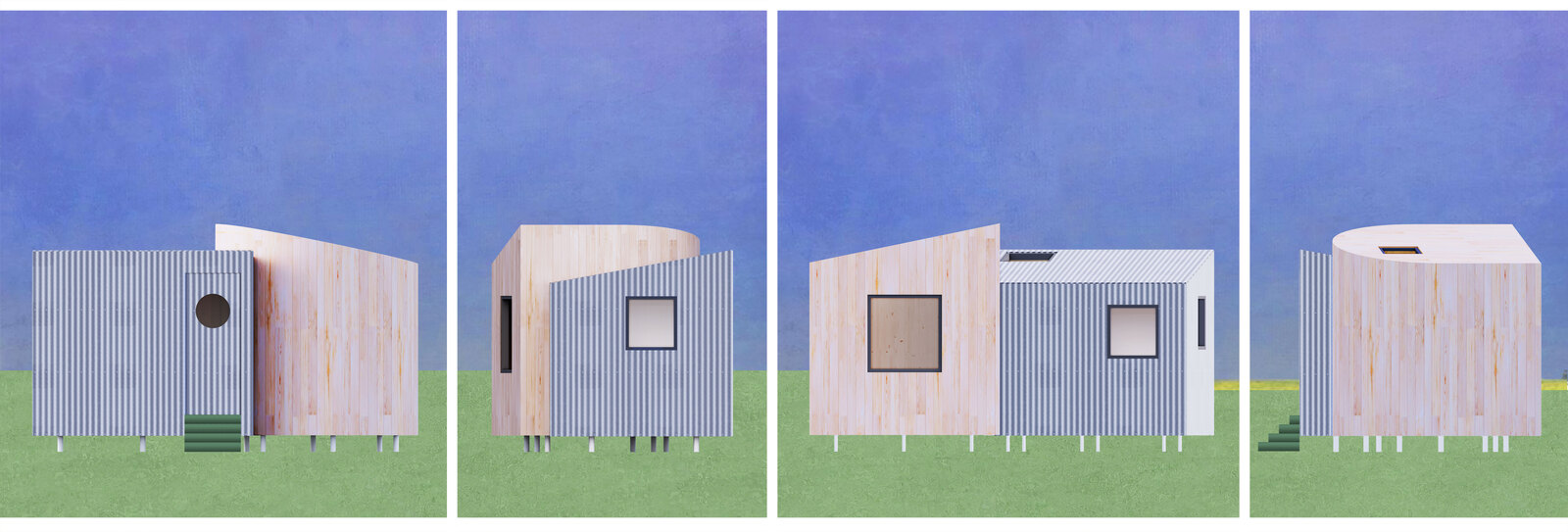
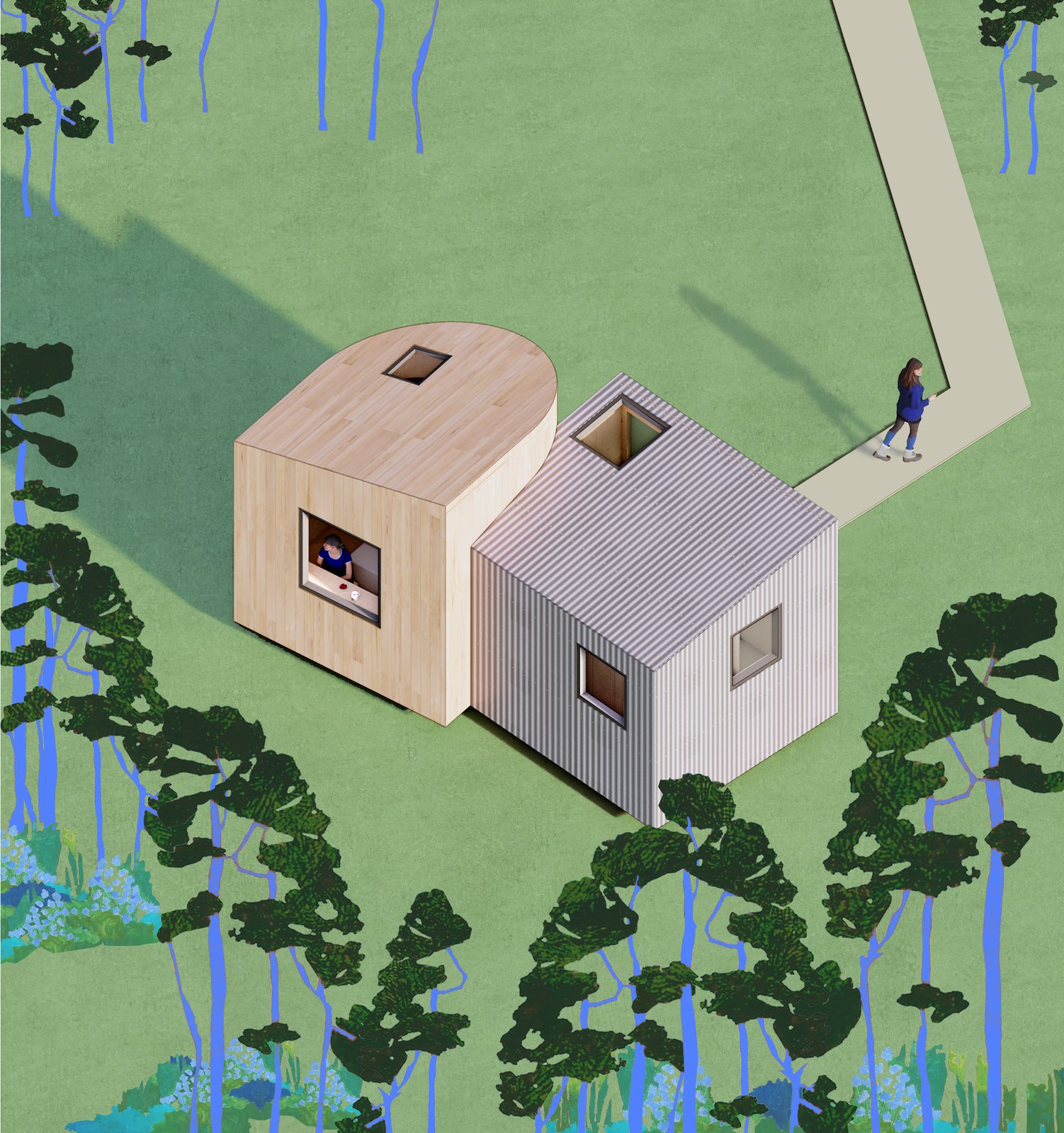
Joint combines a service unit and a living unit into a single inhabitable structure while maintaining the legibility of each volume. Joint examines modular construction and timber building techniques as strategies for efficient and adaptable dwellings, positioning structural decisions as drivers of spatial and atmospheric qualities within Hello Wood’s educational framework. Joint is designed by Ozan Sen and Zeynep Kuheylan.
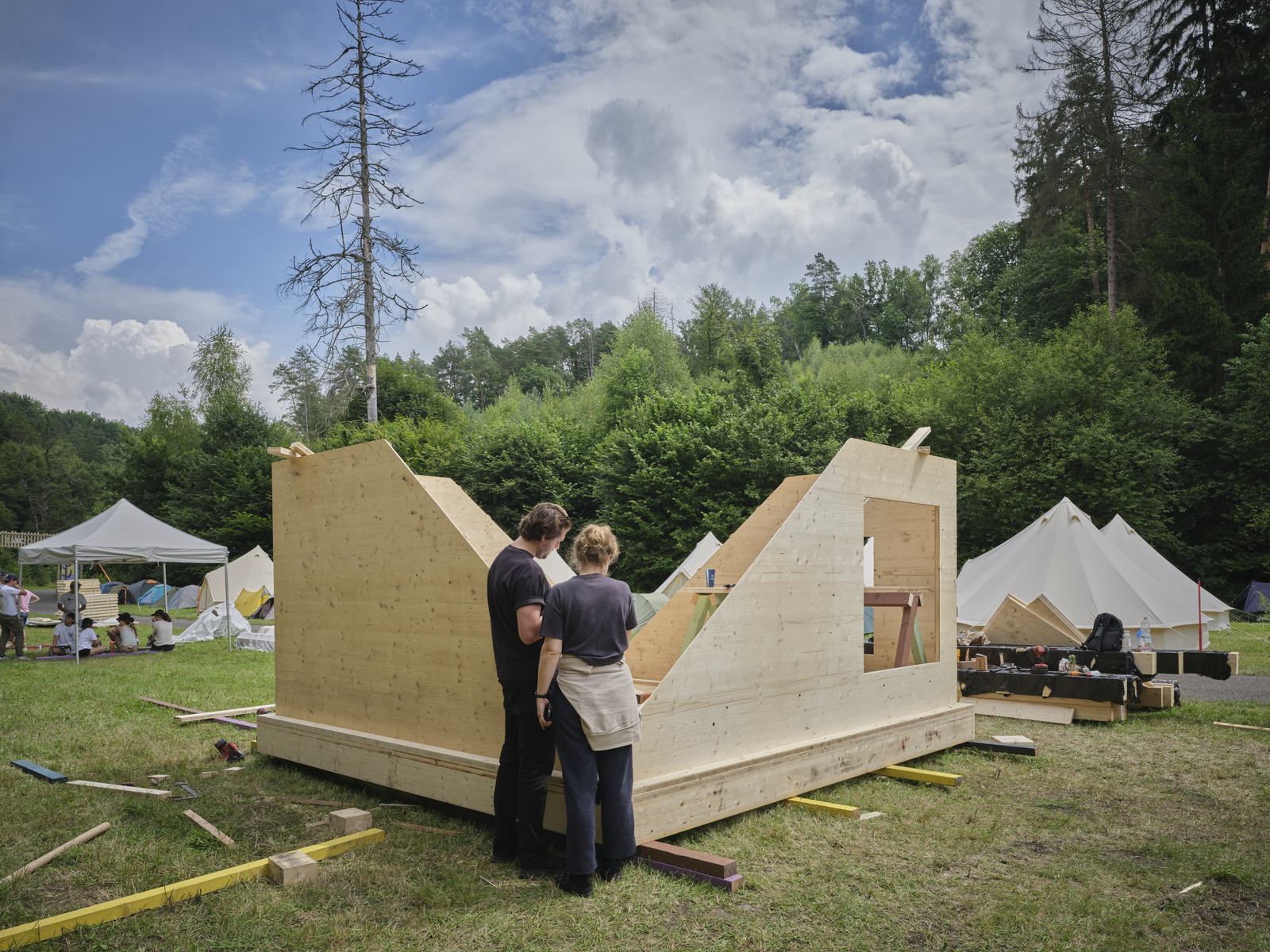
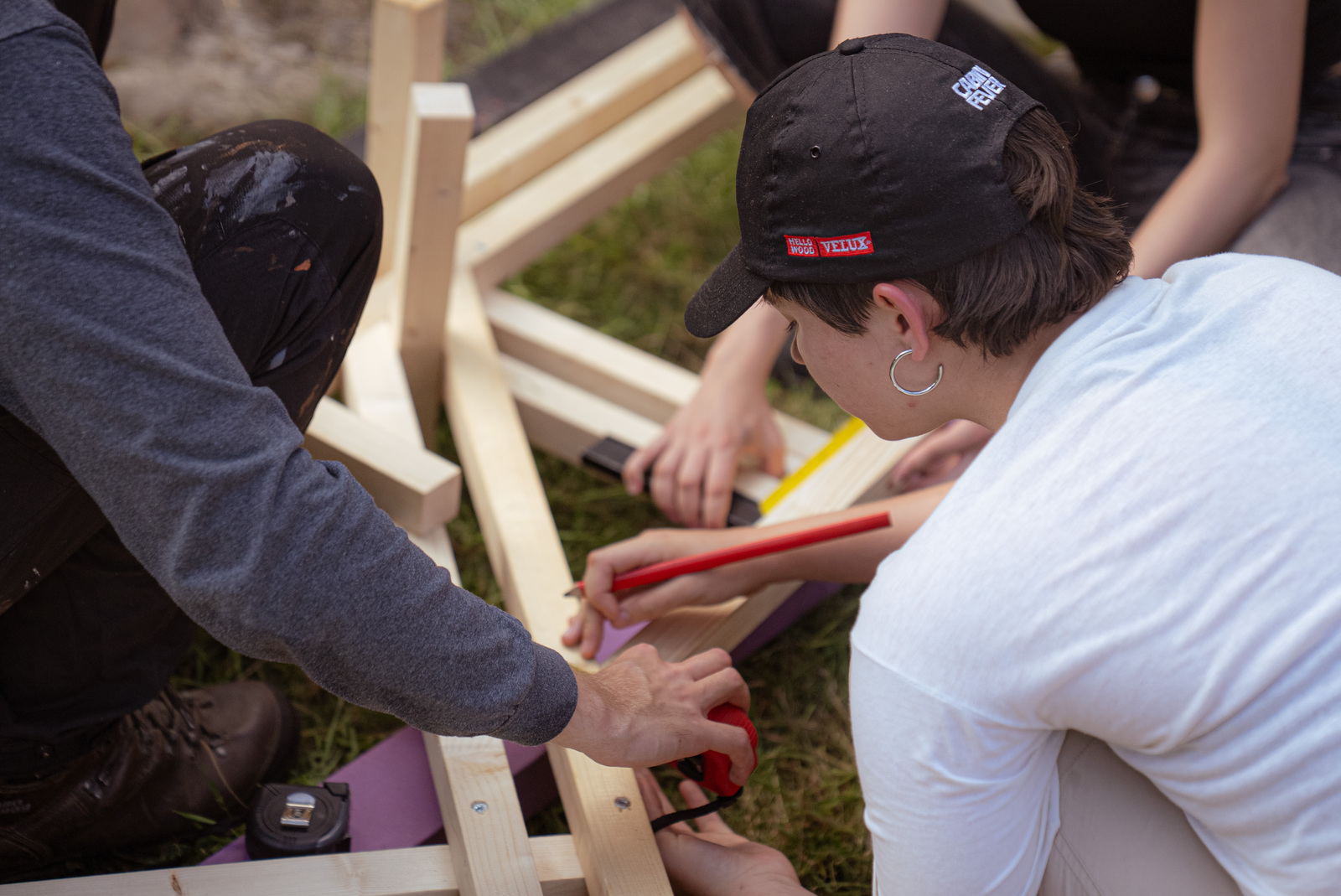
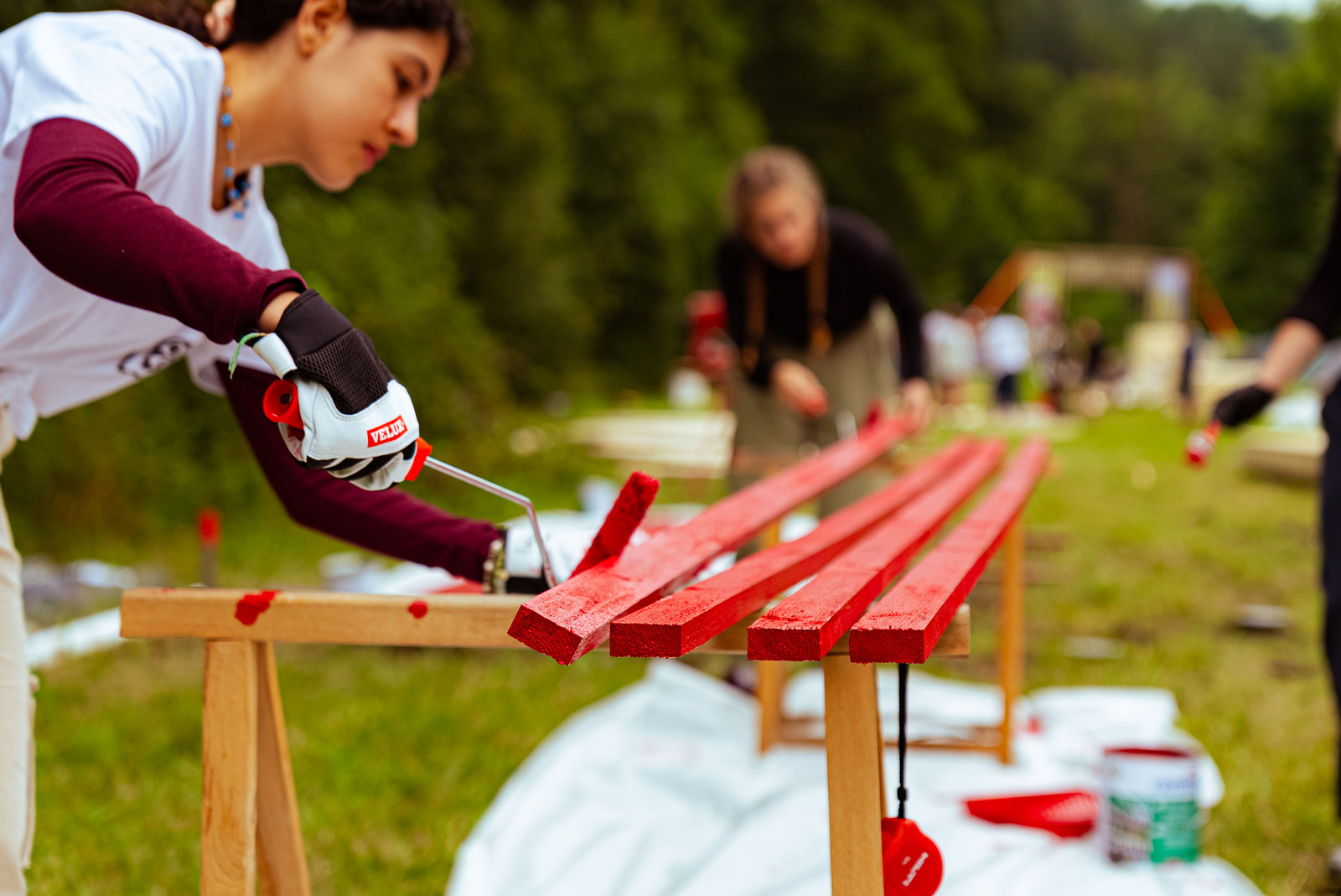
The Regular Application period invites participants to contribute to the realisation of two selected cabin projects constructed on site during the summer school, integrating design development and construction. The Regular Application accepts proposals in Wood Installation, Light Installation, and Bridge or Pathway Design, establishing a hands-on learning setting connected to an international network focused on sustainable and socially engaged architecture.
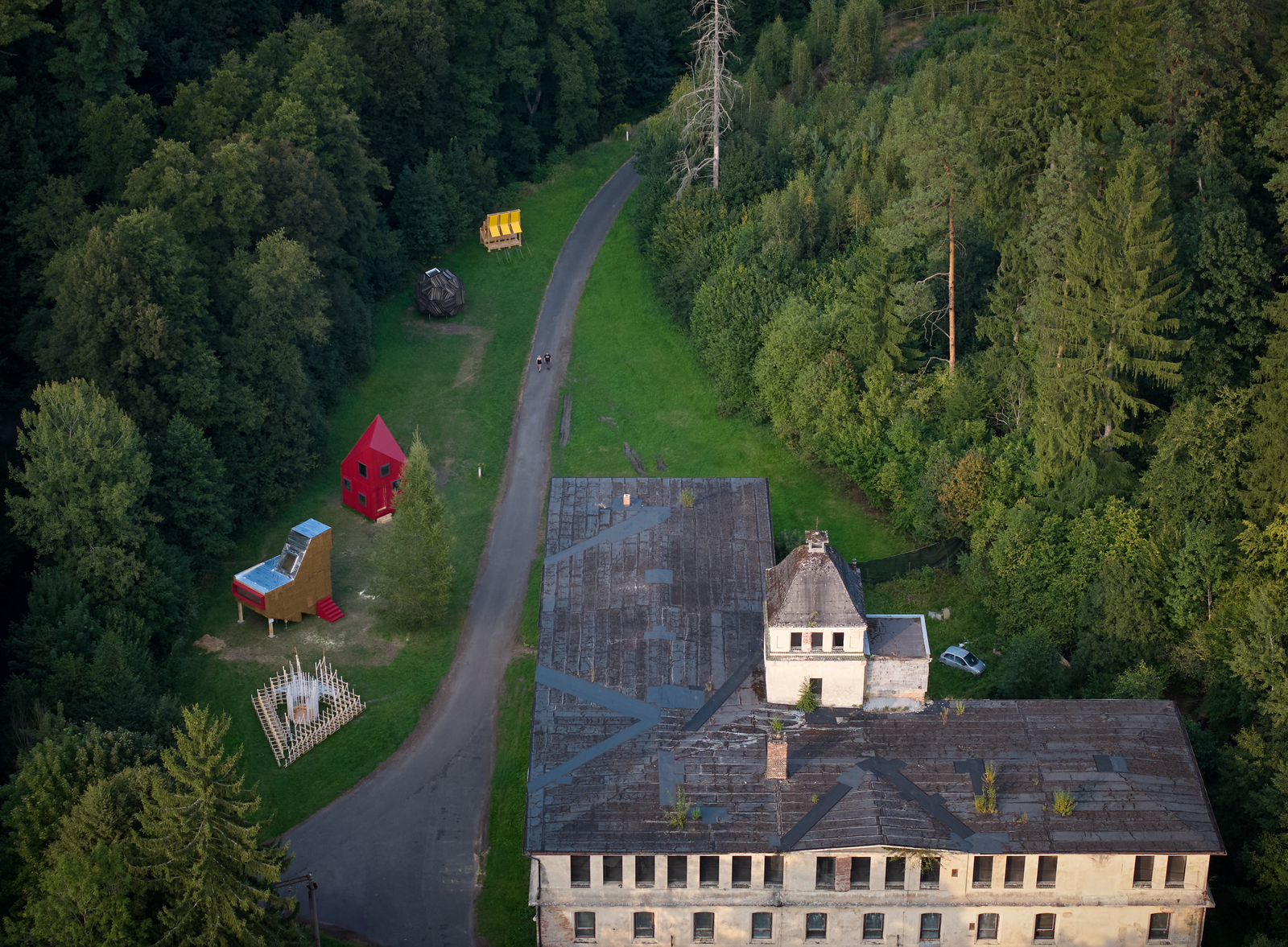
The international architectural summer school Cabin Fever 2026 has announced a final extension of its application deadline. With 90% of available places already filled, applicants now have one last opportunity to join the programme before registration closes on 22 March 2026. Applications are submitted through the Cabin Fever 2026 website. The event will take place between 20 and 28 July 2026 in Česká Kamenice, Czech Republic.

Gallery