

Architects: Giuseppe Terragni
Area: 1,101 m² (11,850 ft²)
Year: 1936
Photography: Guillermo Hevia García, Maurizio Montagna, Wikimedia Commons, Renato Oldrini, Alberto Corbella, Maurizio Moro, Danny Alexander Lettkemann, Cristina Polo, Mauri polimi, Pinotto992, Steffmcr, Comoinpoesia, architecture-history.org
City: Como
Country: Italy
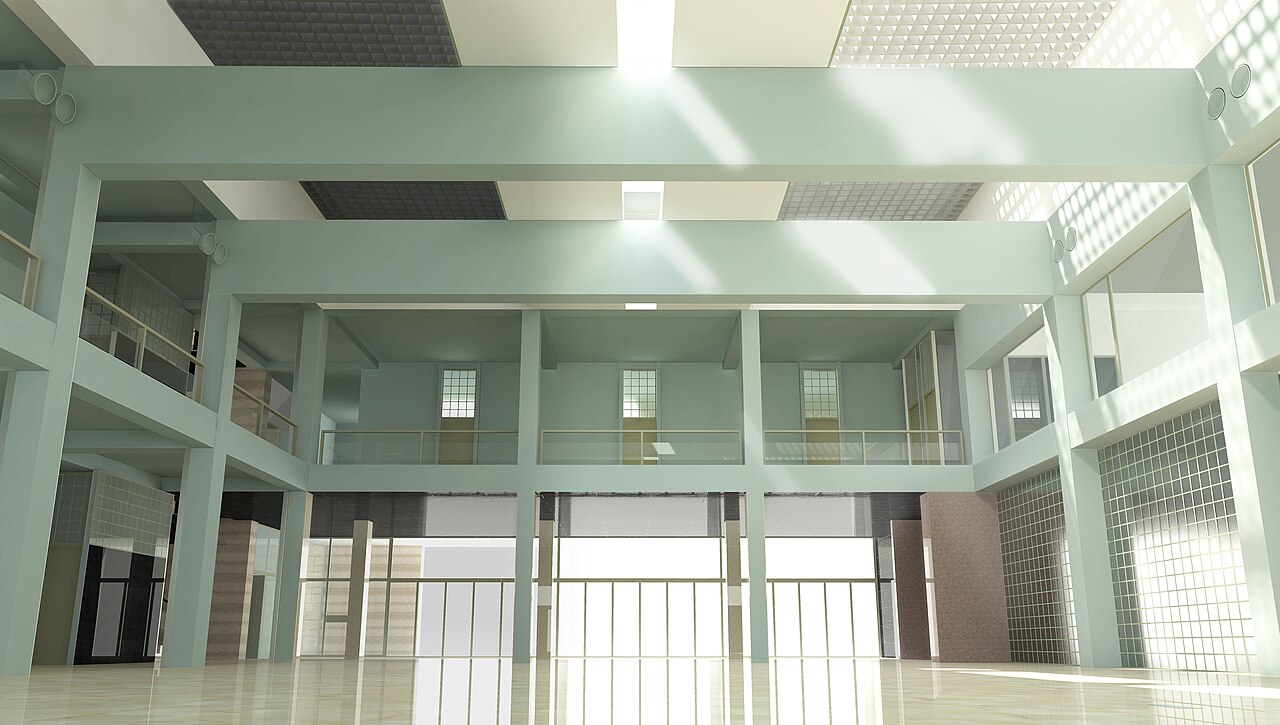
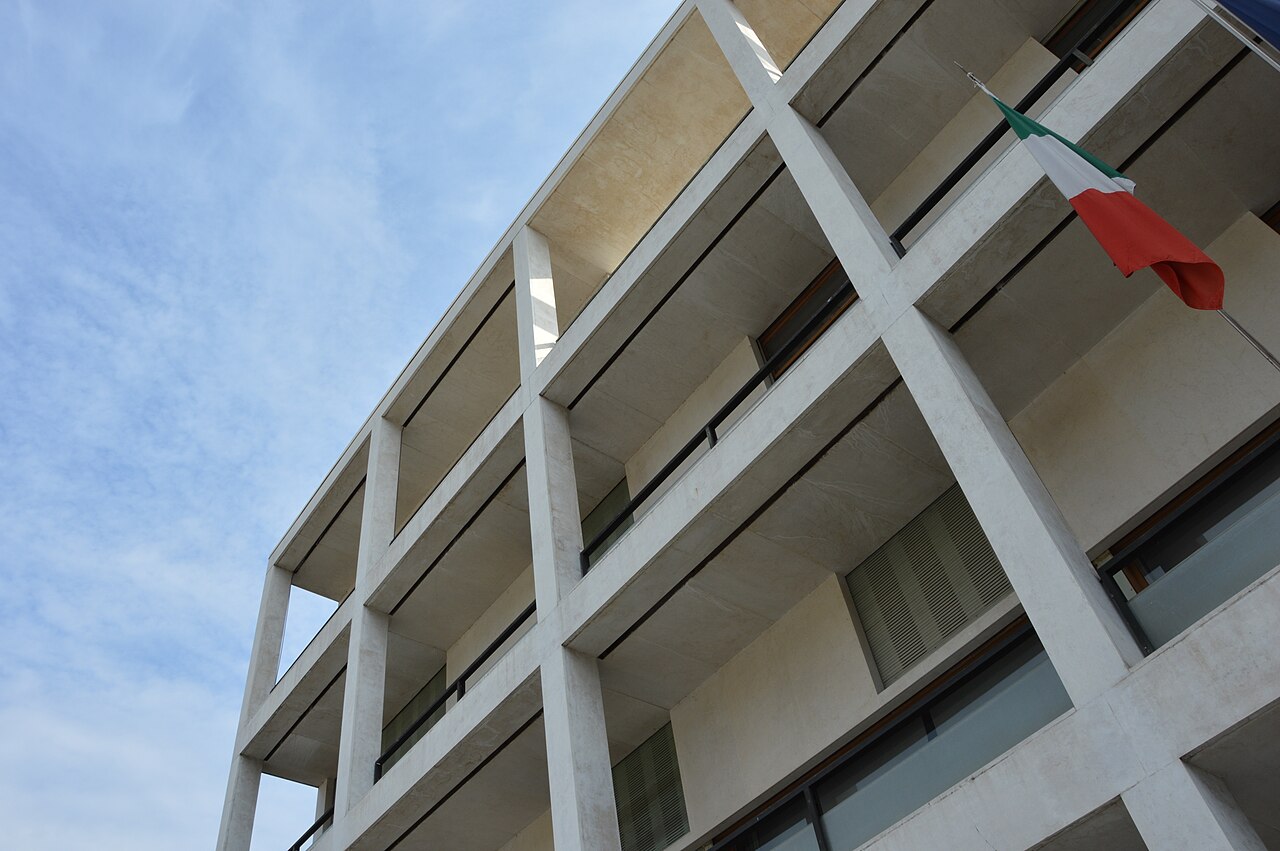
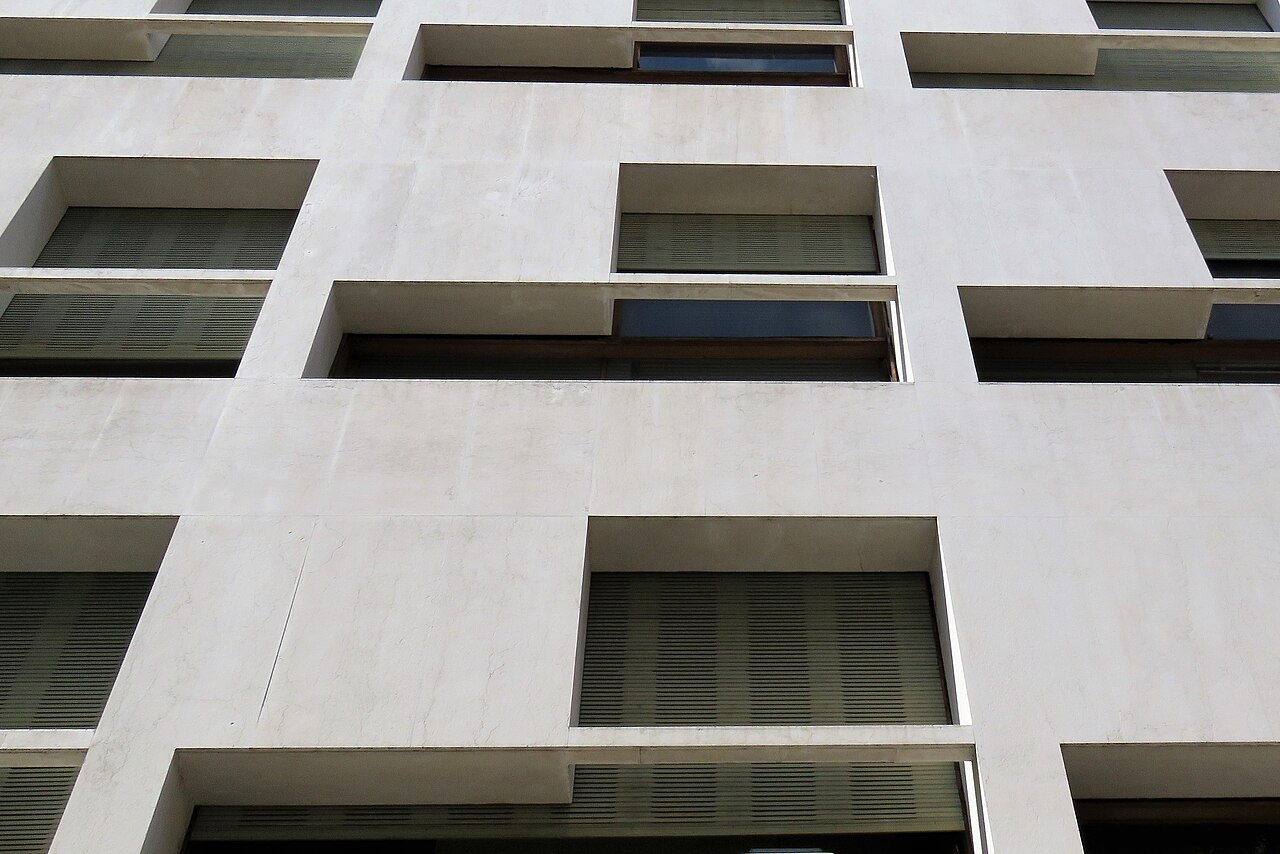
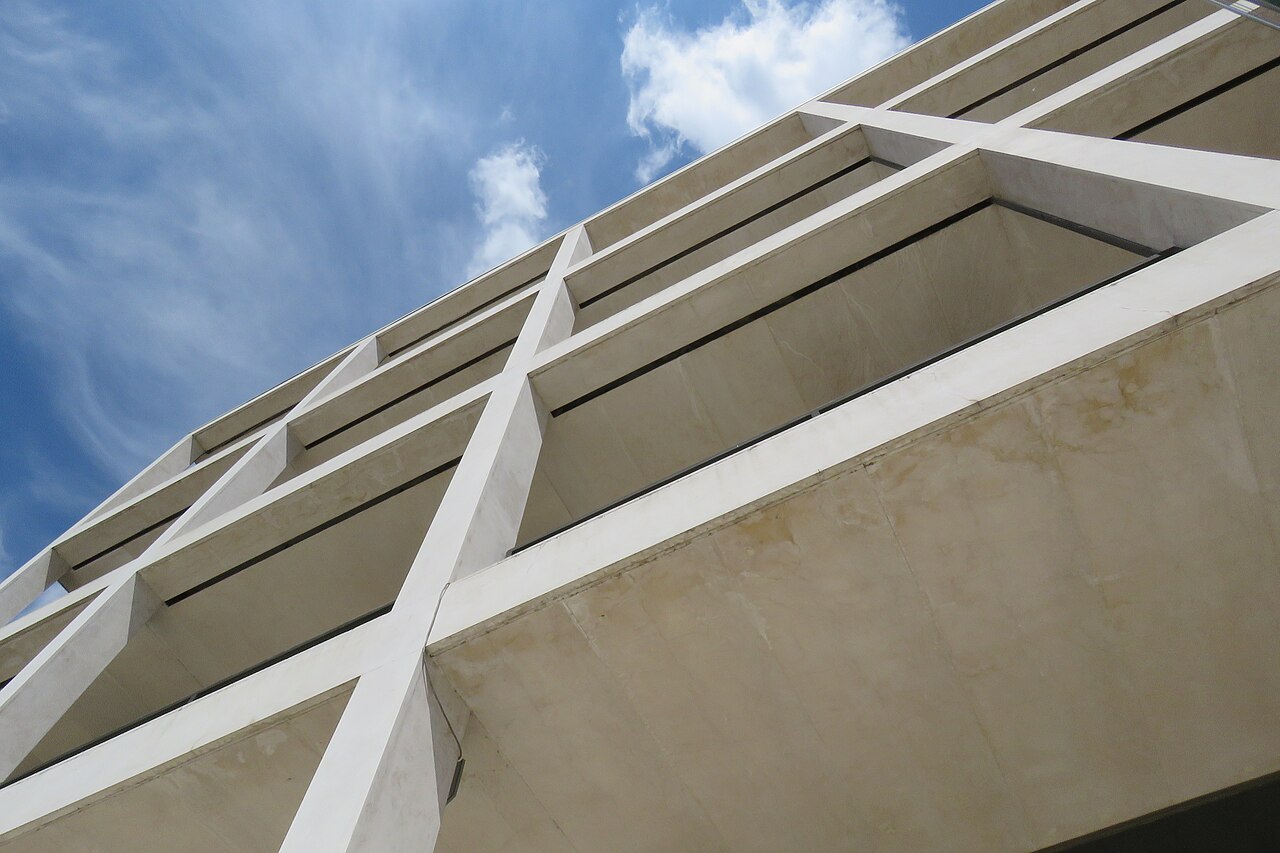
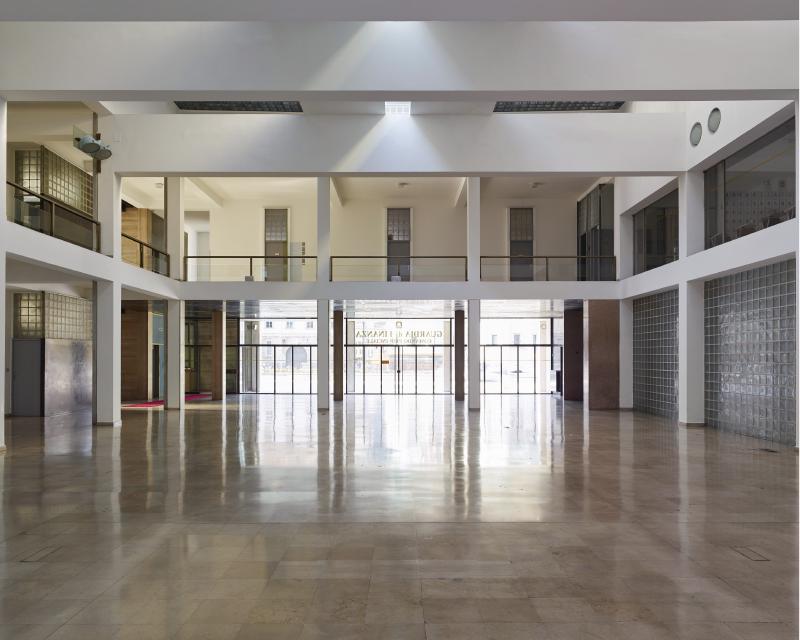
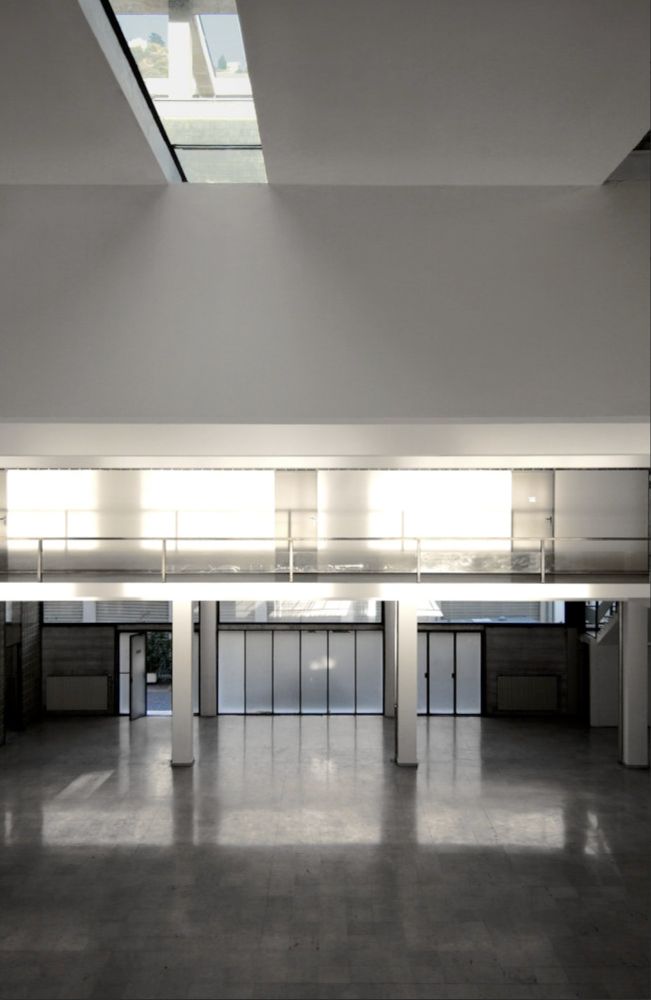
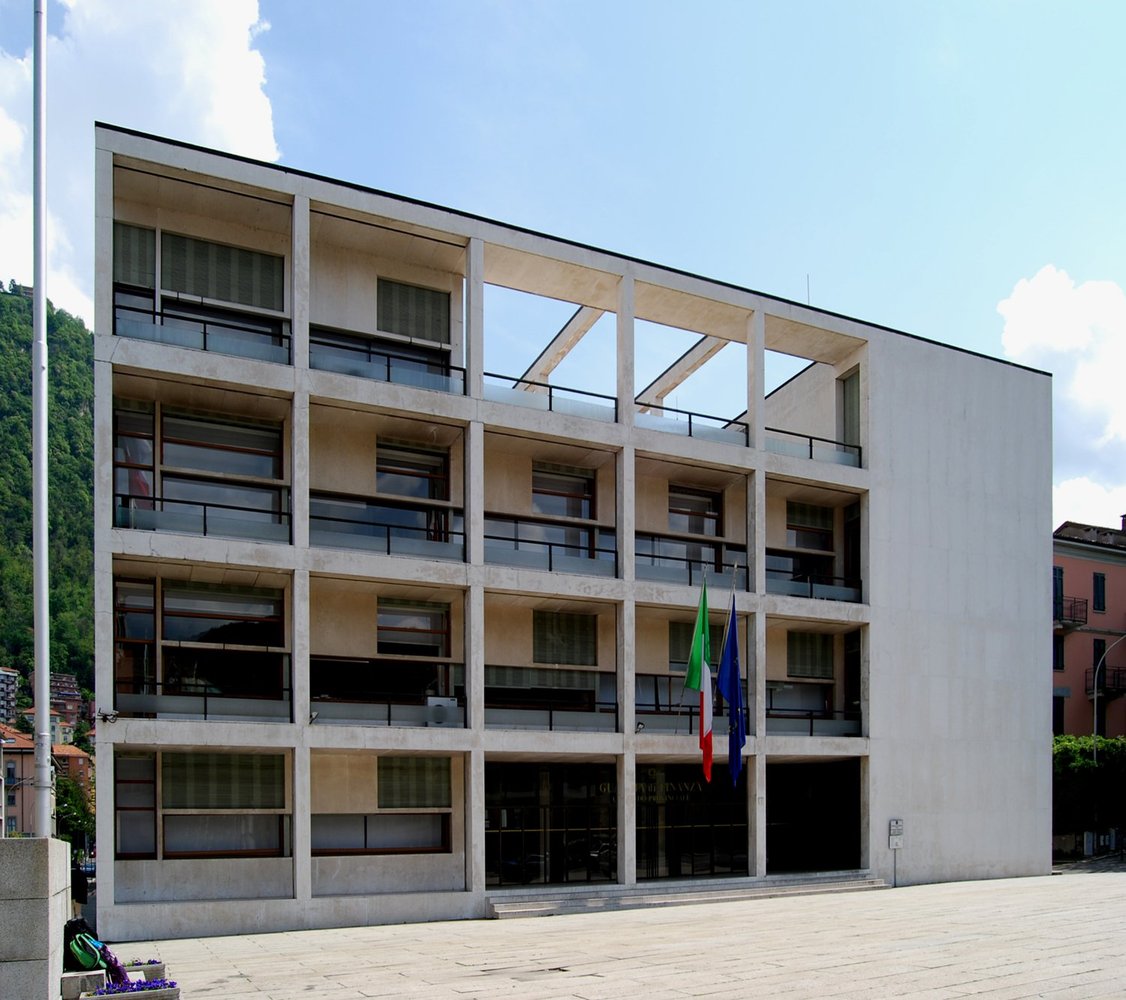
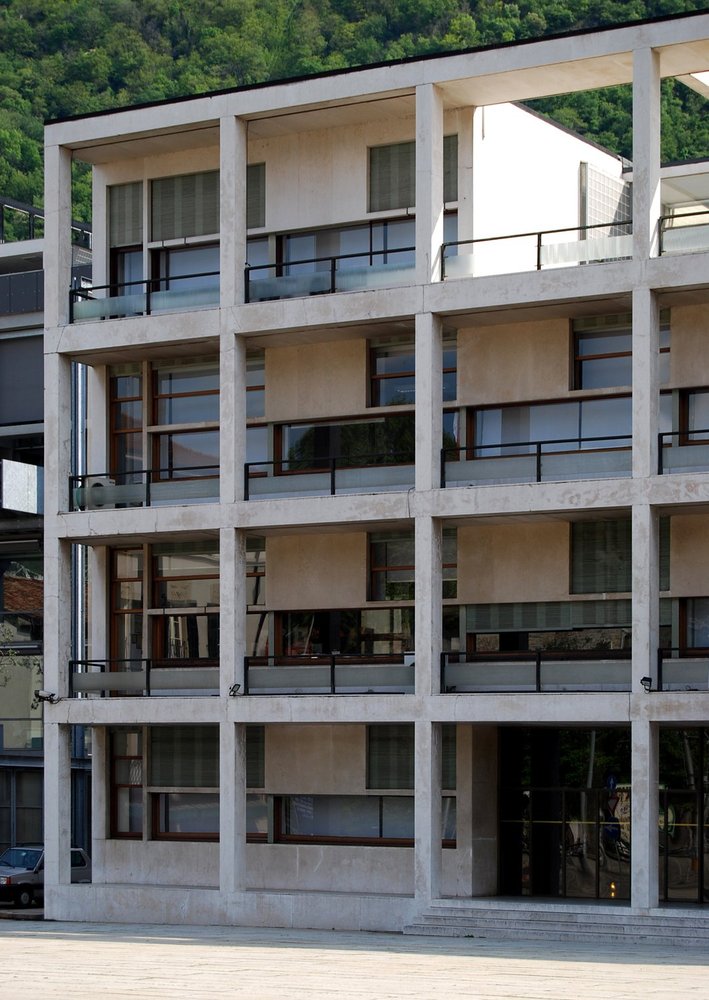
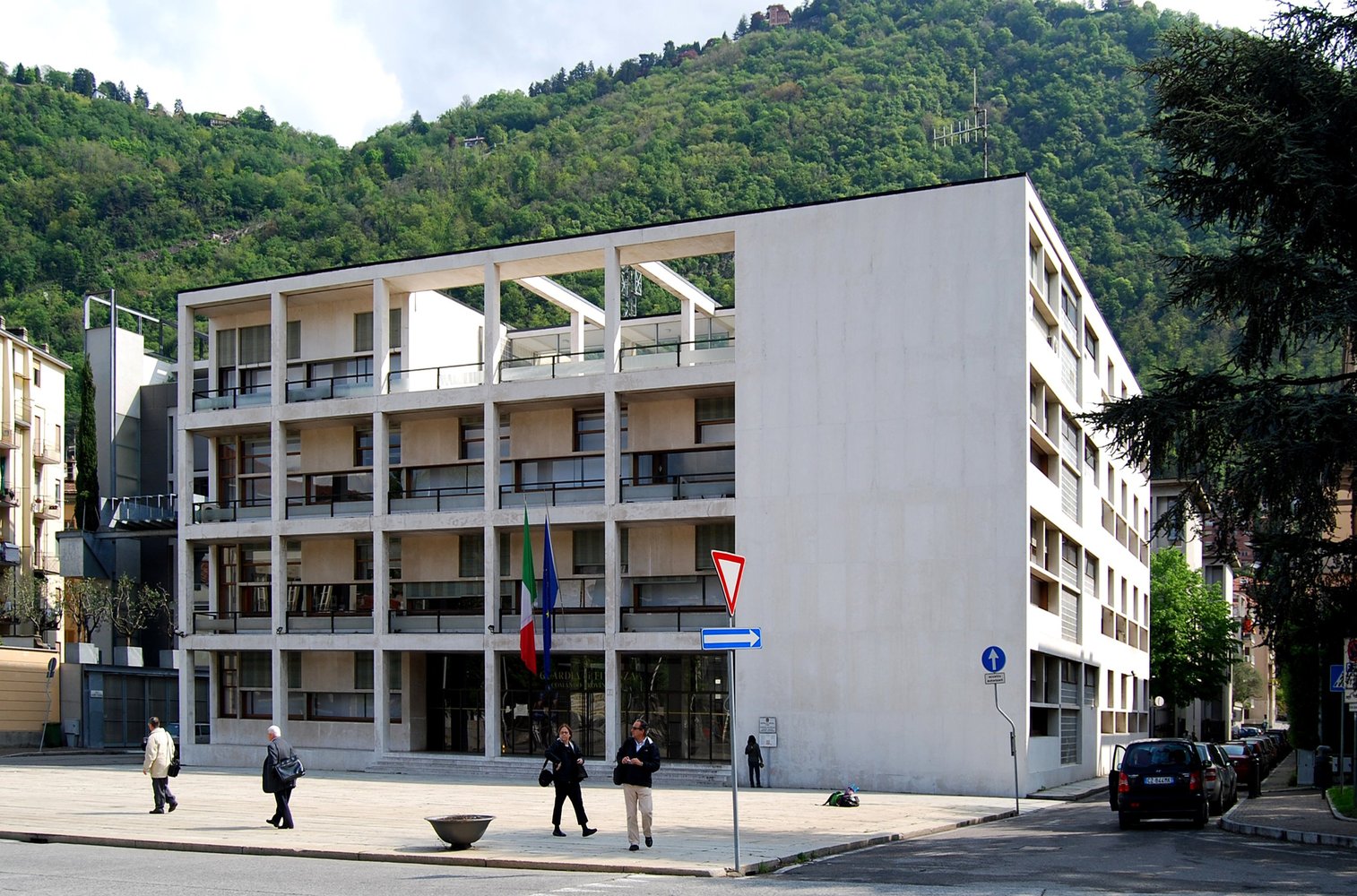
Casa del Fascio civic and administrative building designed by Giuseppe Terragni in Como, Italy, redefined the relationship between architecture, urban space, and political representation upon its completion in 1936. Conceived as the headquarters of the local branch of the National Fascist Party, the project remains one of the most significant works of Italian Rationalist architecture. Organized as a precise half-cube measuring 33.20 meters on each side and 16.60 meters in height, the building expresses Terragni’s commitment to geometric order, structural clarity, and functional planning. Four distinct façades balance opaque Botticino marble surfaces with glass, concrete-frame glass block, loggias, and carefully proportioned openings that reveal aspects of the internal organization while maintaining compositional unity. A central double-height Assembly Hall, illuminated by a skylight formed from concrete-frame glass blocks, anchors the plan and organizes circulation around galleries, offices, and meeting spaces. Large glass doors at ground level were designed to visually and physically connect the interior atrium with the adjacent piazza, reinforcing the building’s civic and symbolic role. Materials including Botticino marble, Nero di Belgio marble, Pietra di Trani, and glass block contribute to a restrained architectural language defined by proportion and precision. Following the fall of Fascism, the building was adapted for public and governmental uses while retaining its architectural integrity. Casa del Fascio continues to serve as a key reference in discussions of modern architecture, transparency, monumentality, and the relationship between political ideology and architectural form.
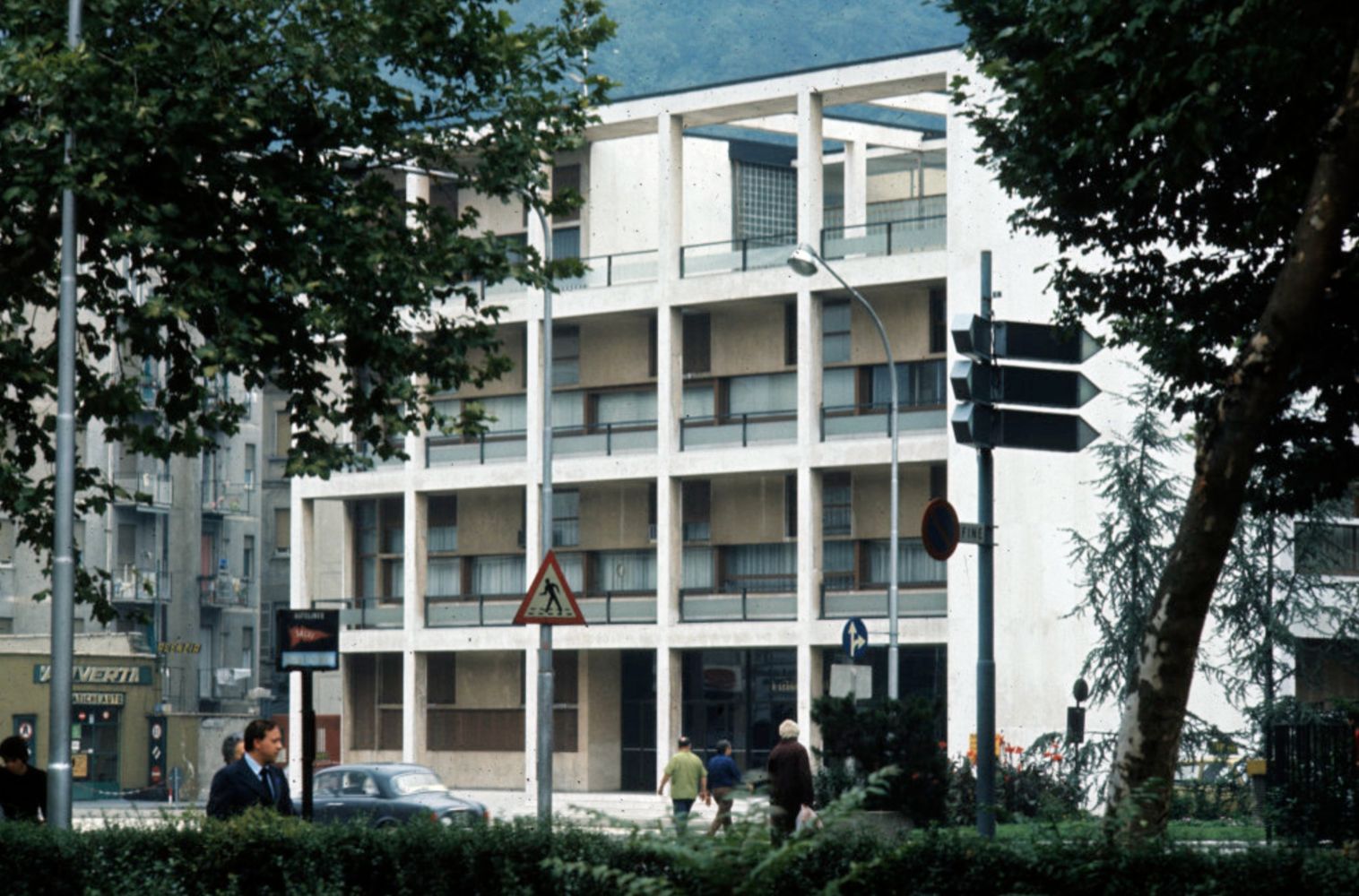
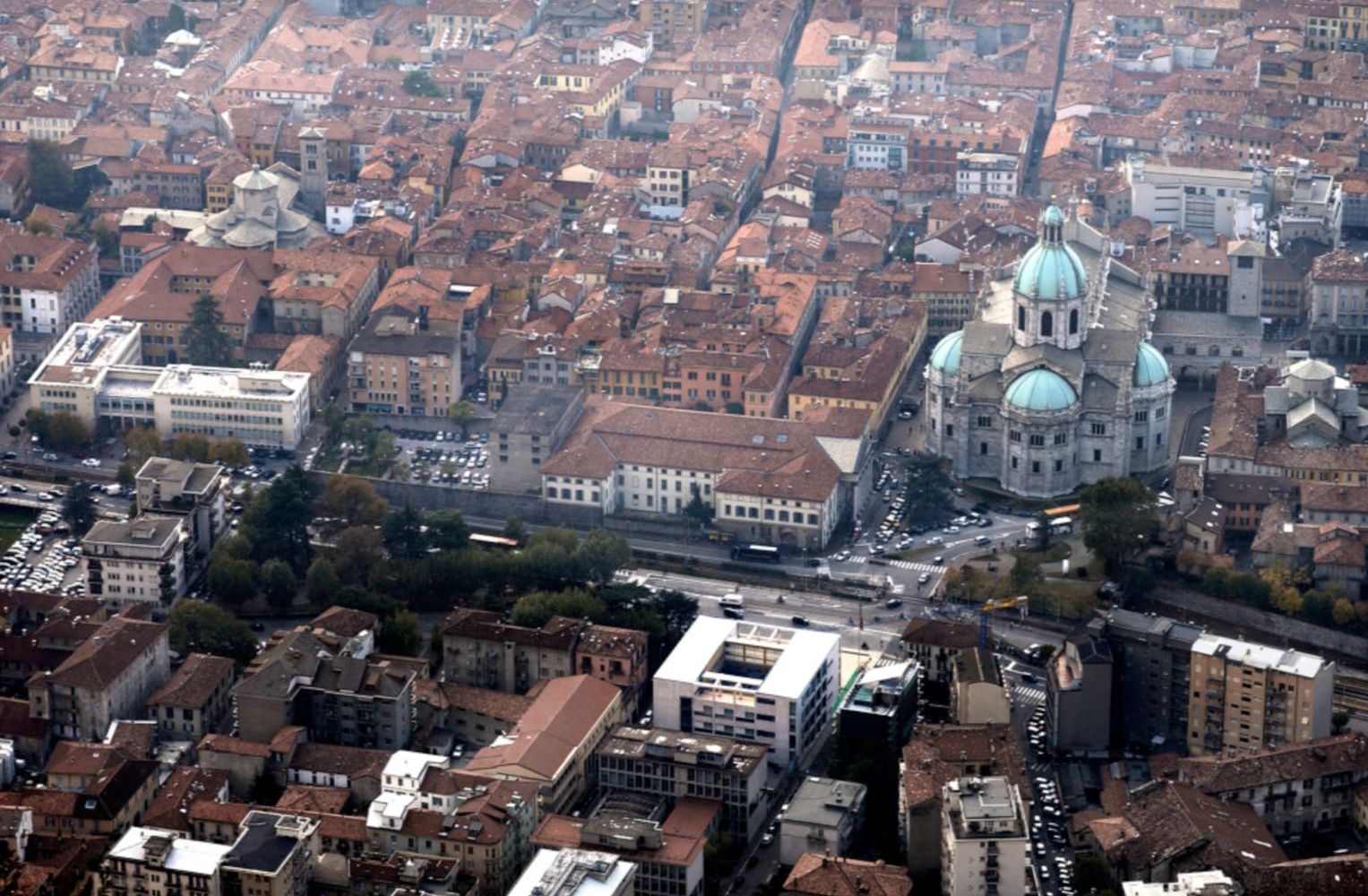
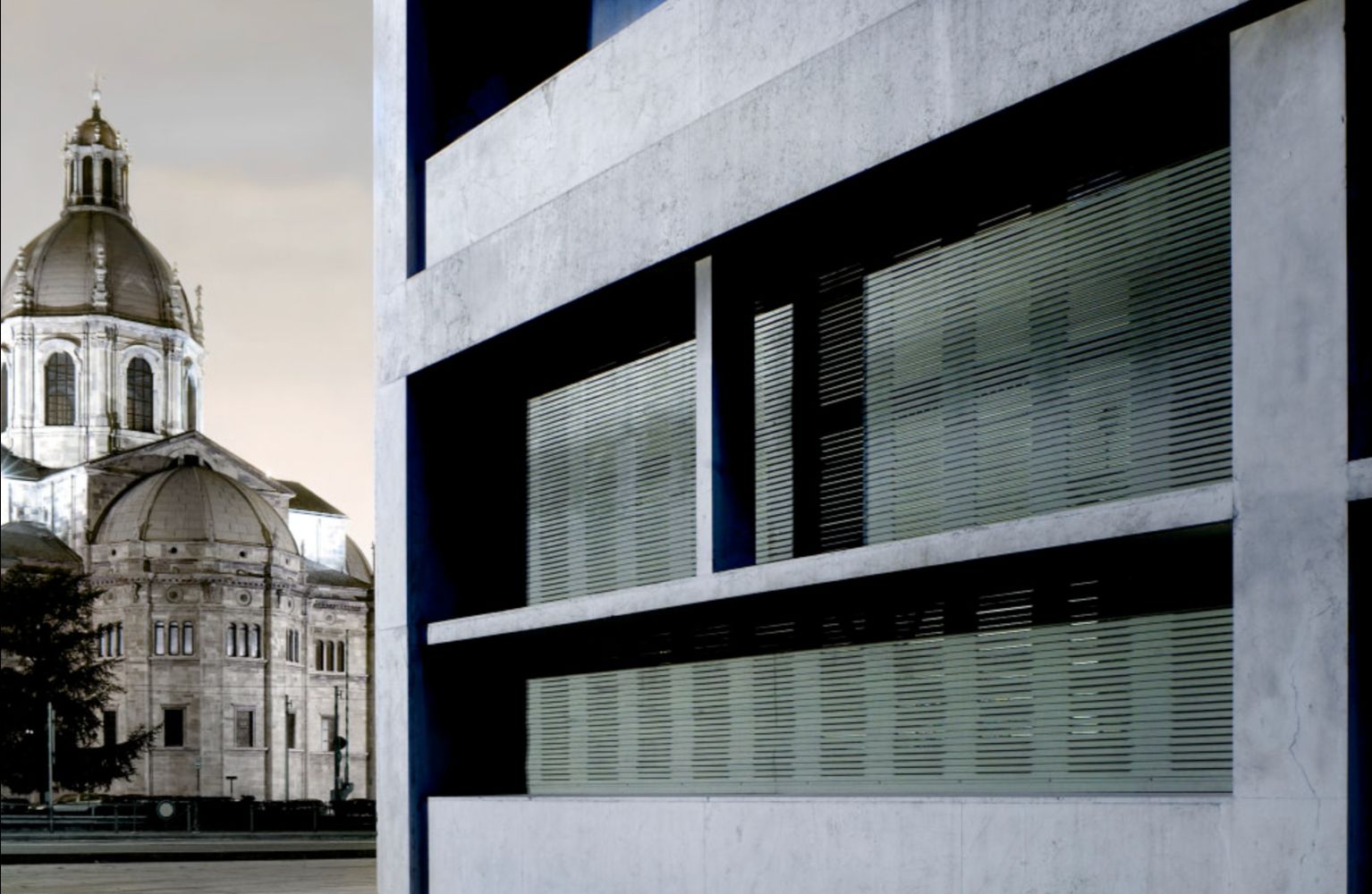
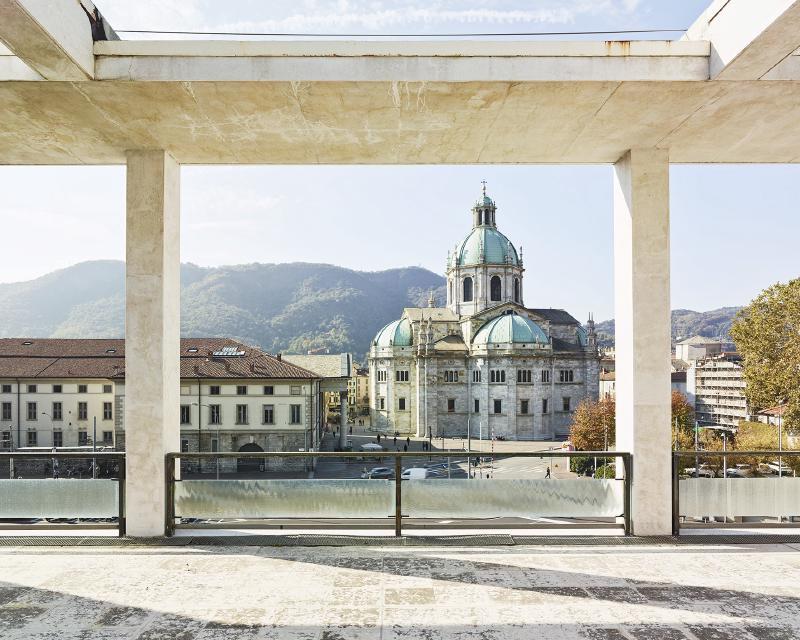
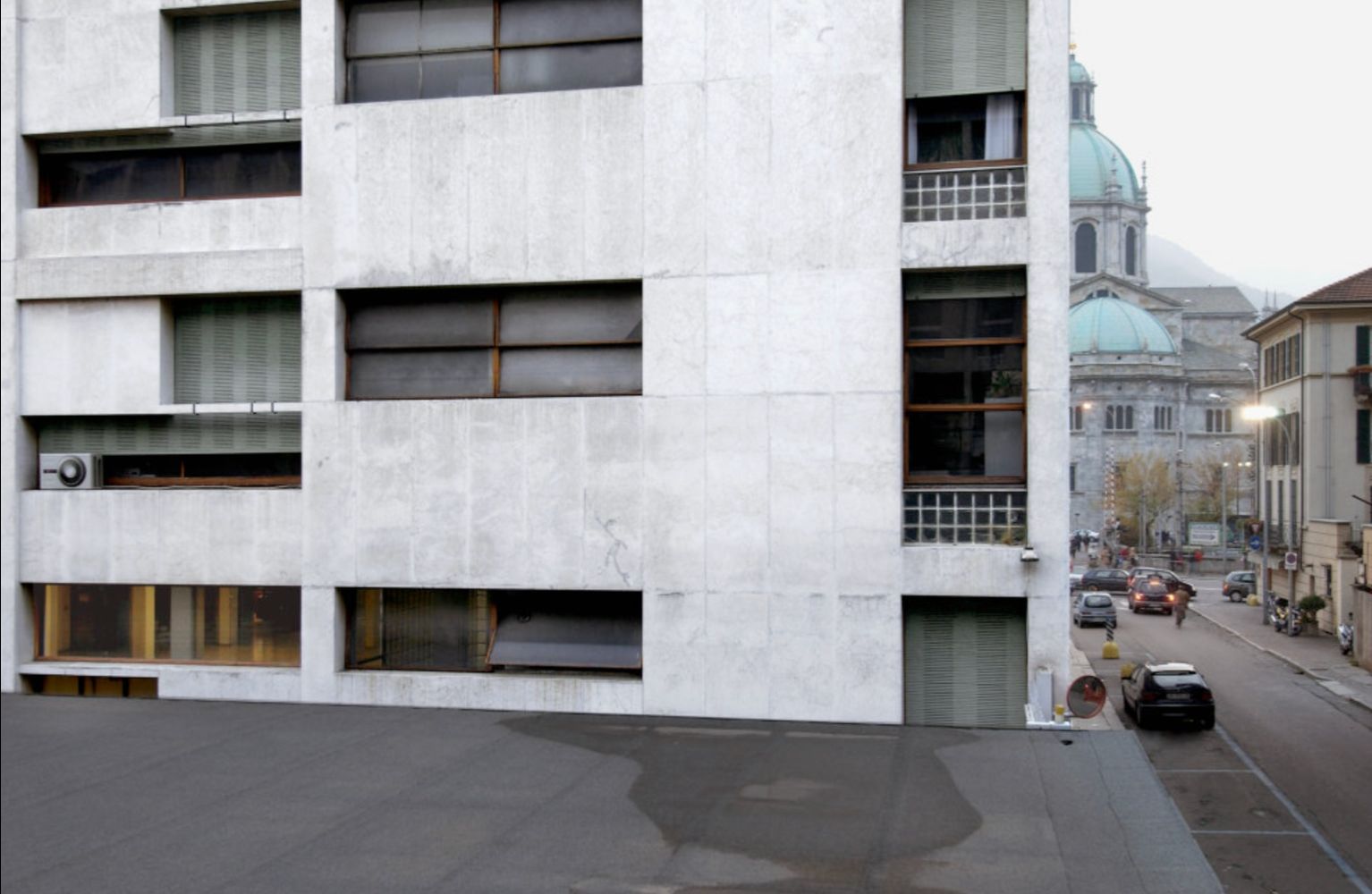
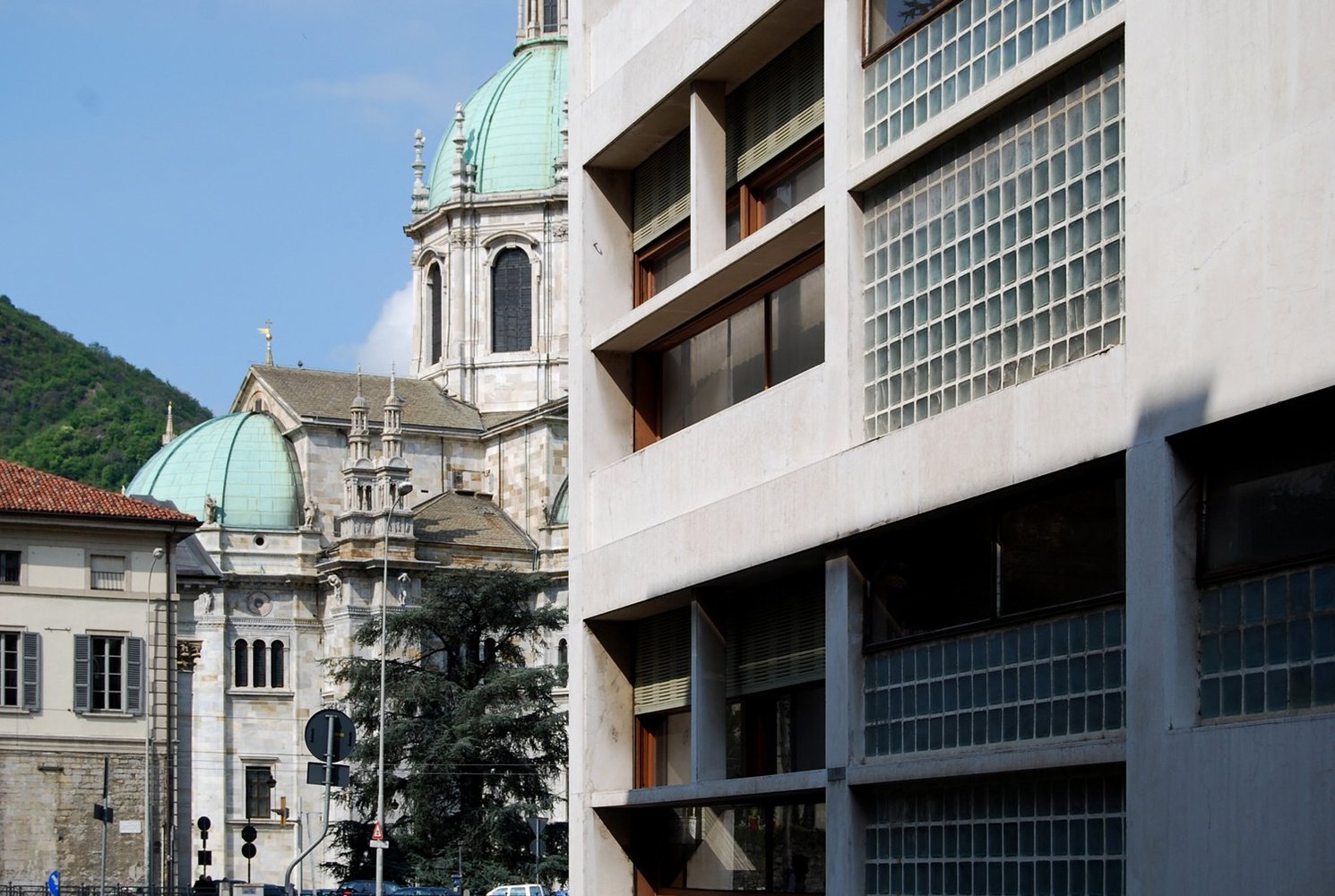
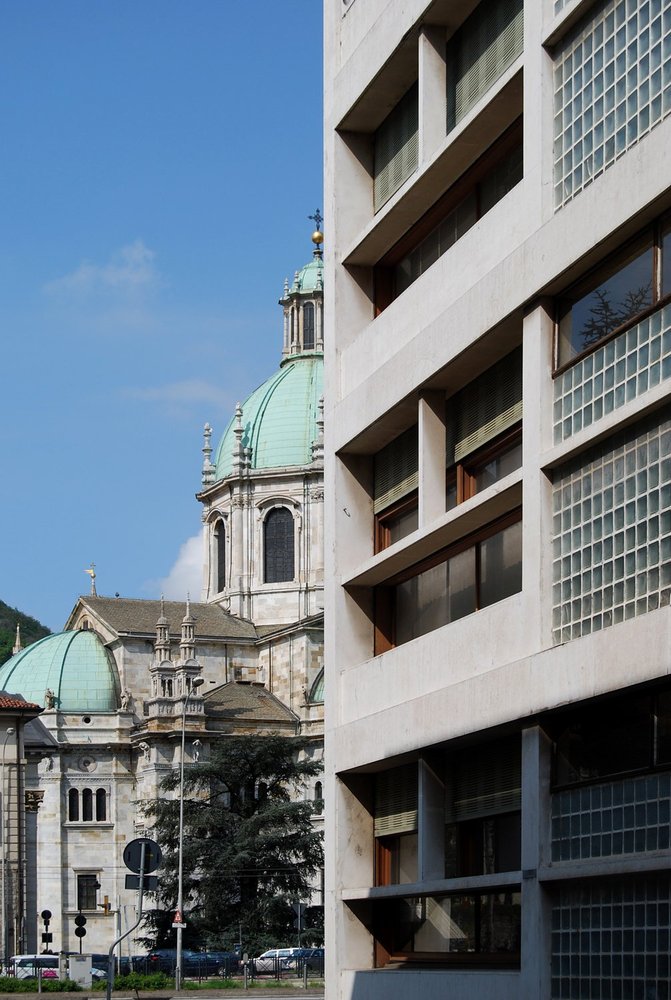
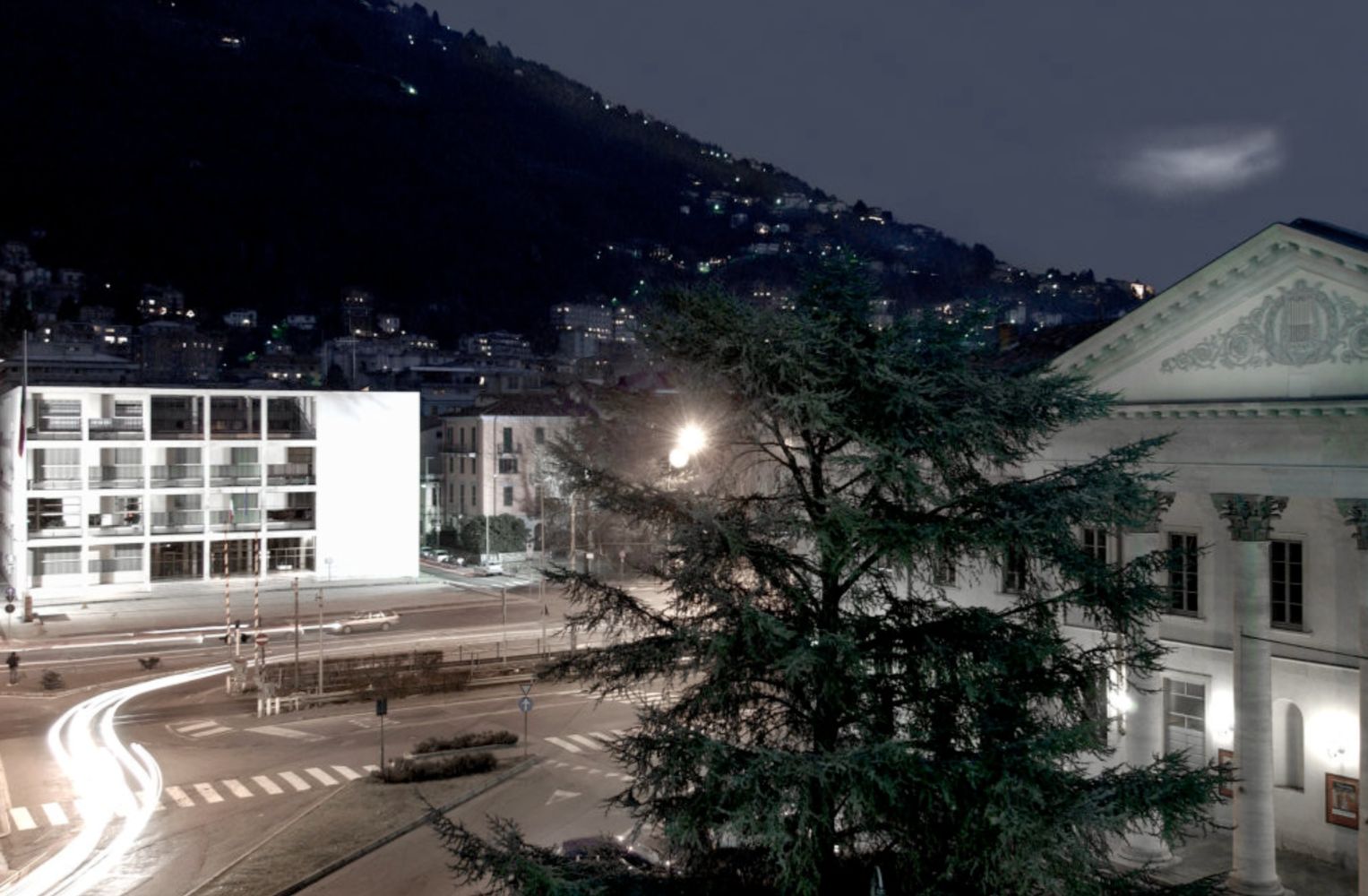
Casa del Fascio, positioned opposite Como Cathedral in Como, Italy, was designed by Giuseppe Terragni as the headquarters of the local branch of the National Fascist Party. Completed in 1936, the building later served a variety of civic functions following the end of Fascism and today houses the VI Legion of the Guardia di Finanza. Despite its political origins, the building has endured as a significant architectural work whose influence extends far beyond its original function.
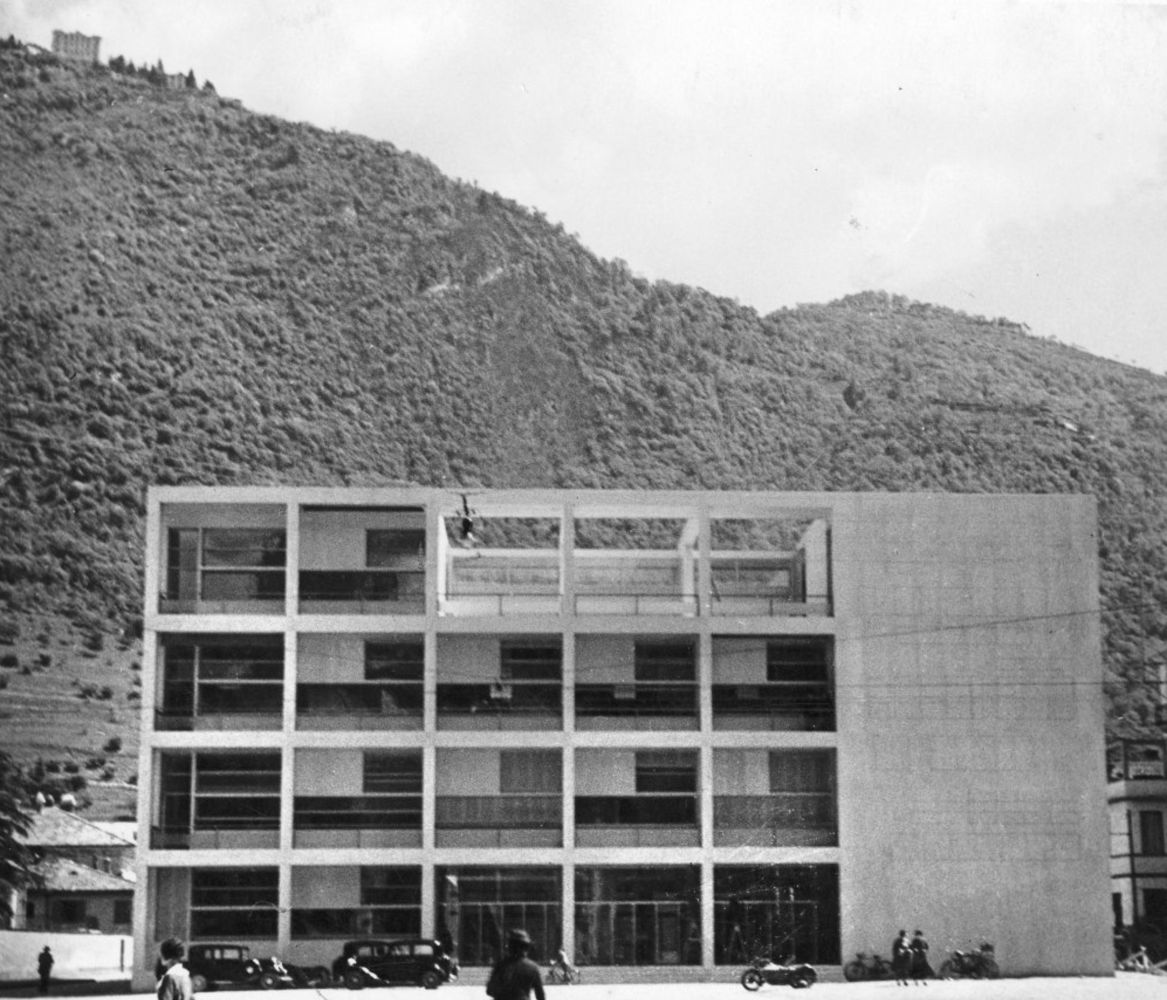
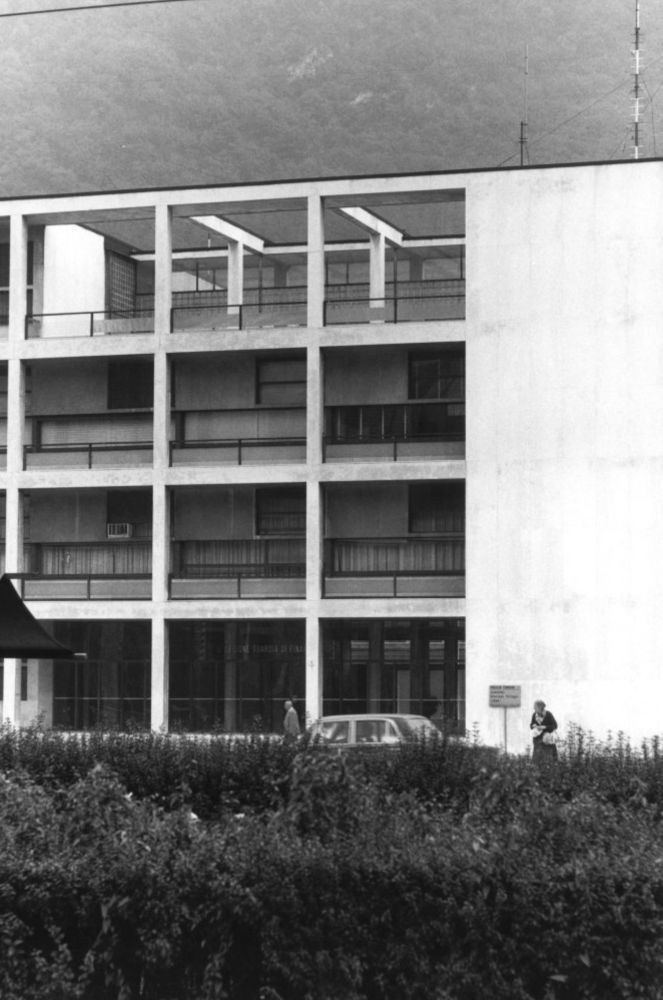
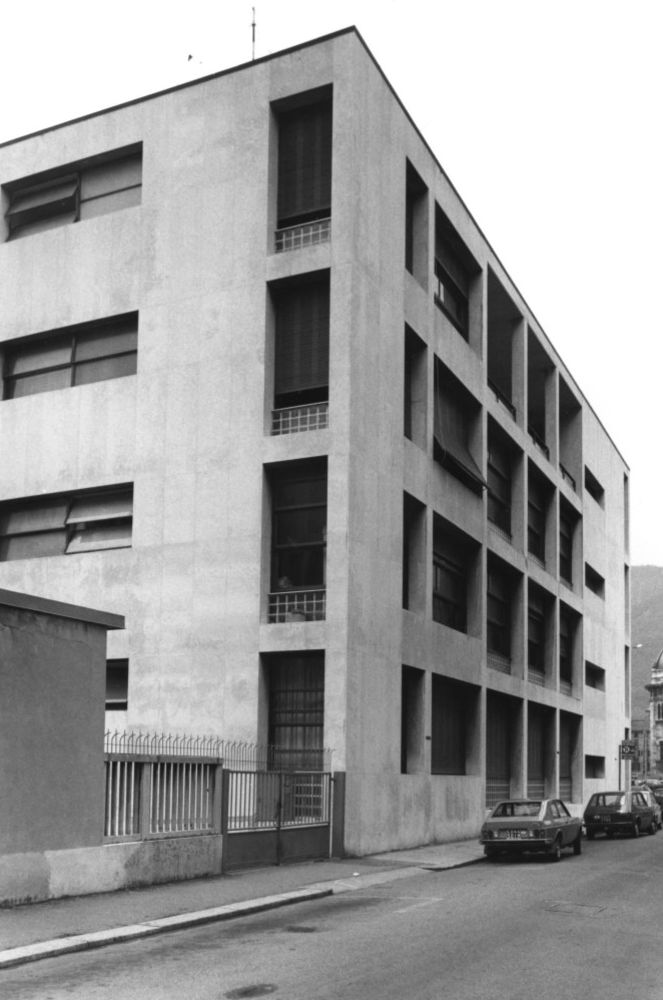
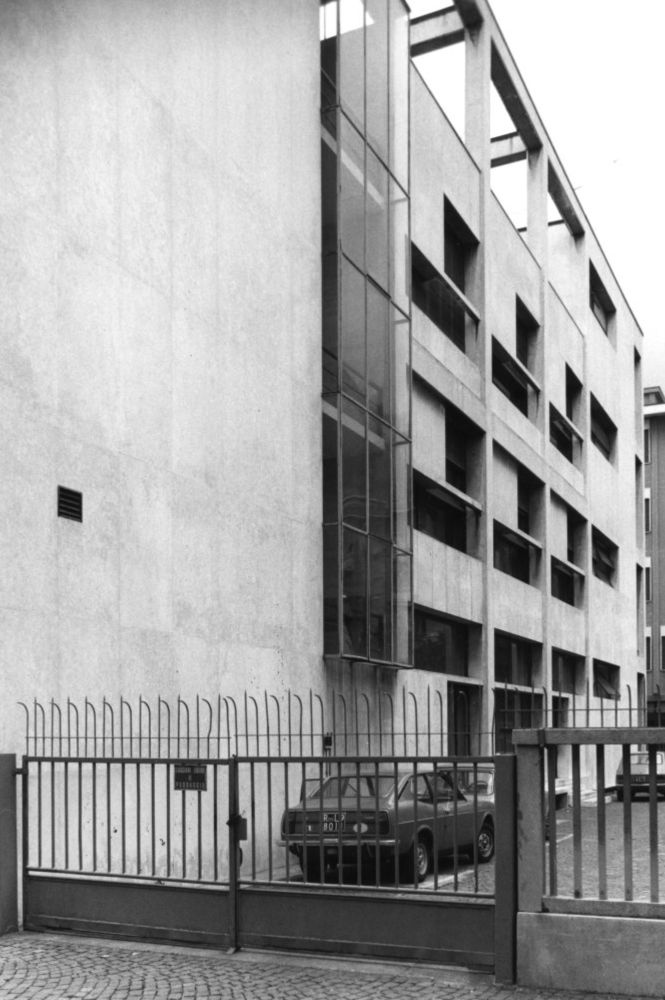
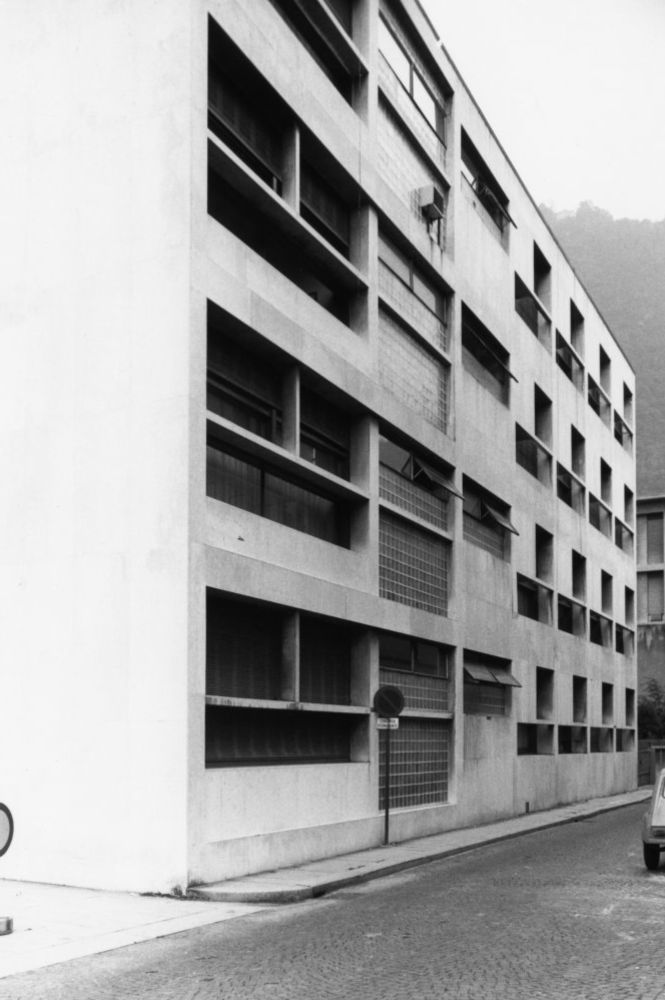
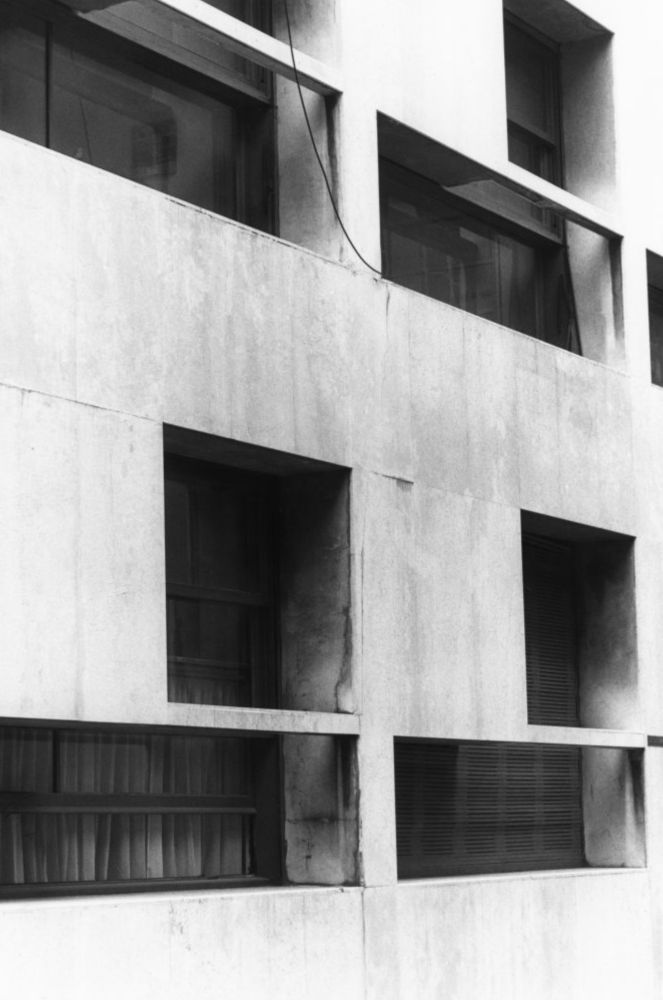
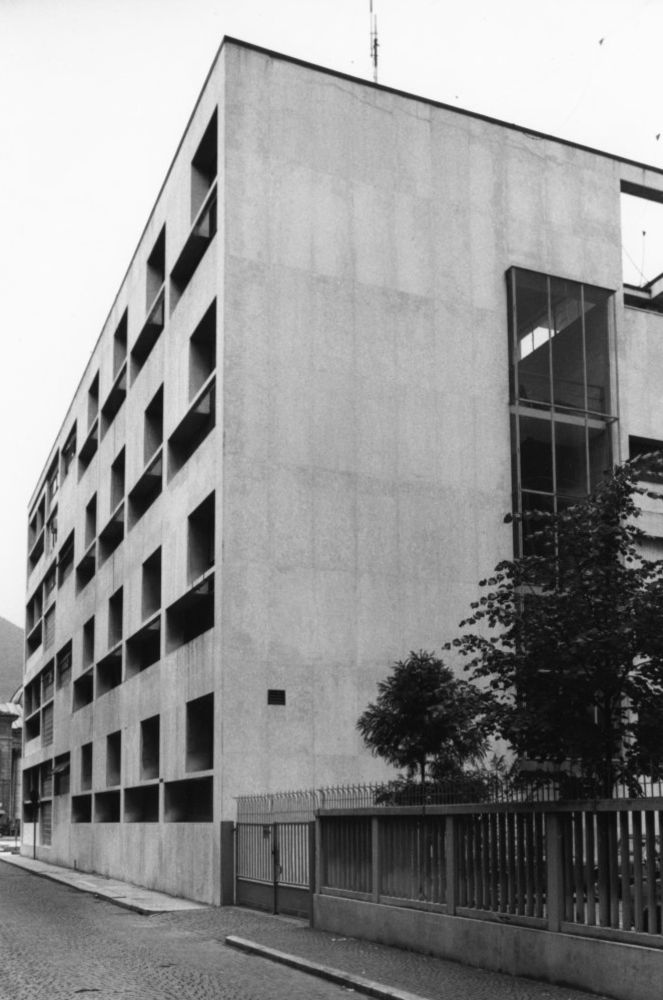
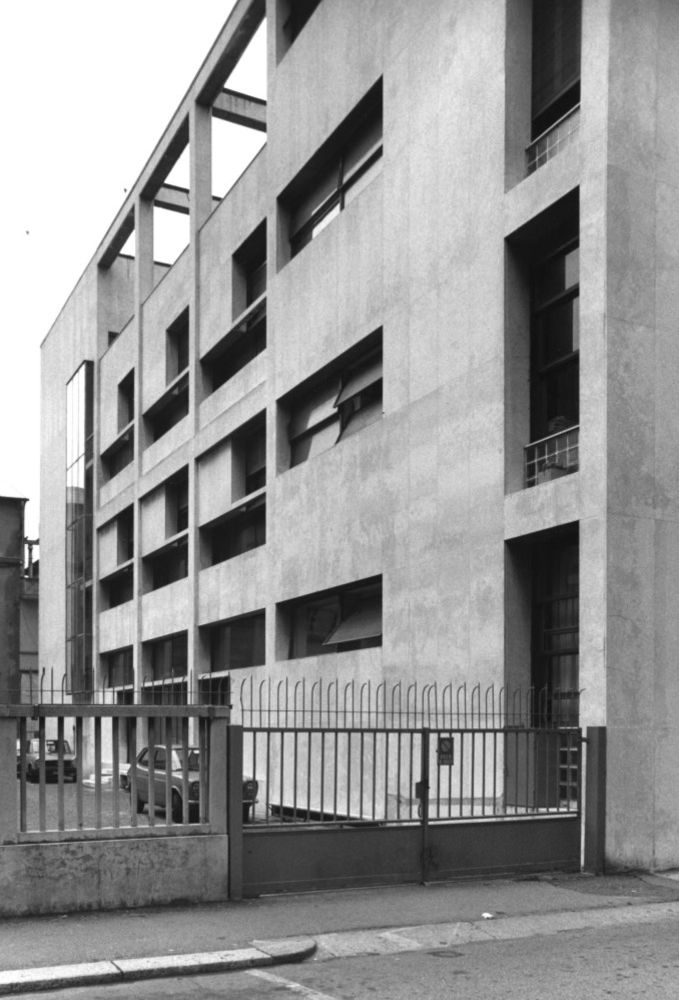
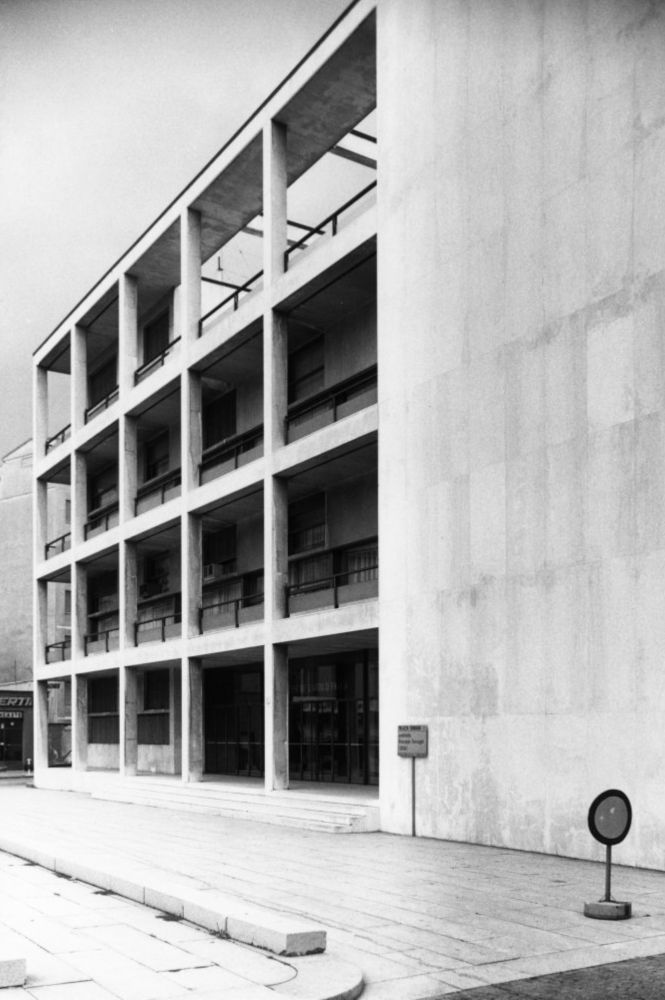
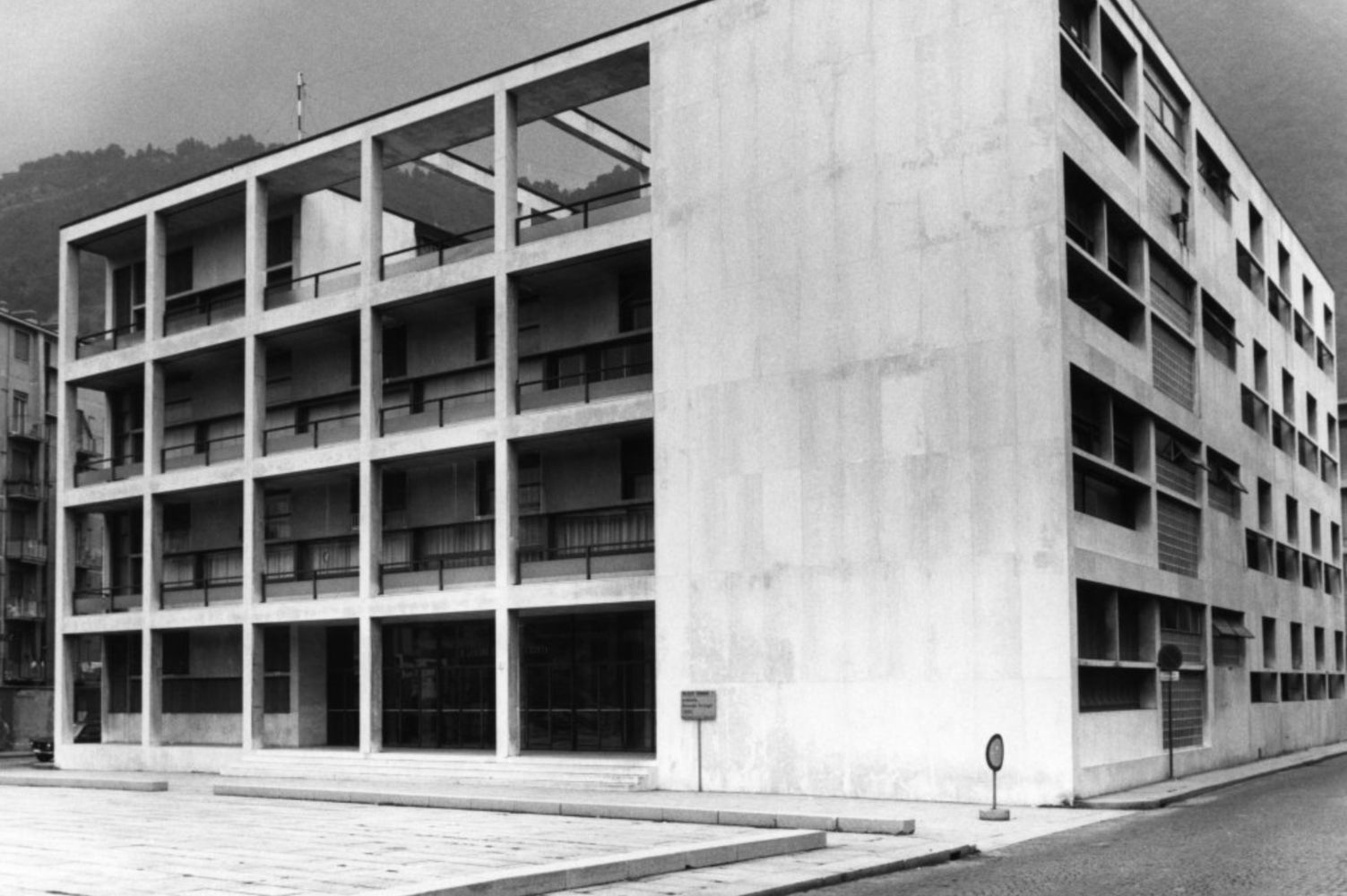
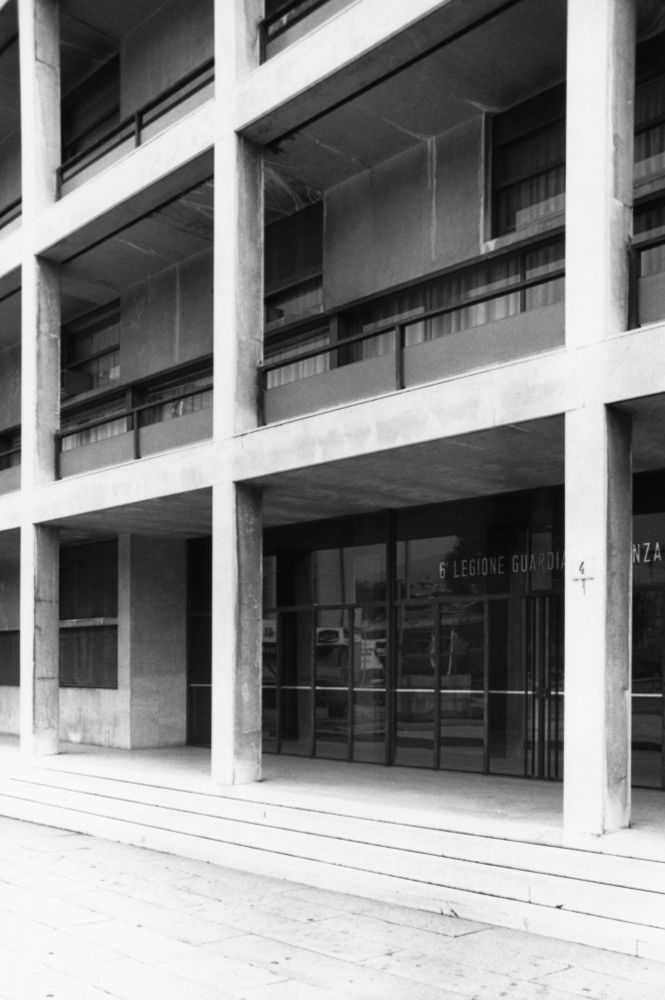
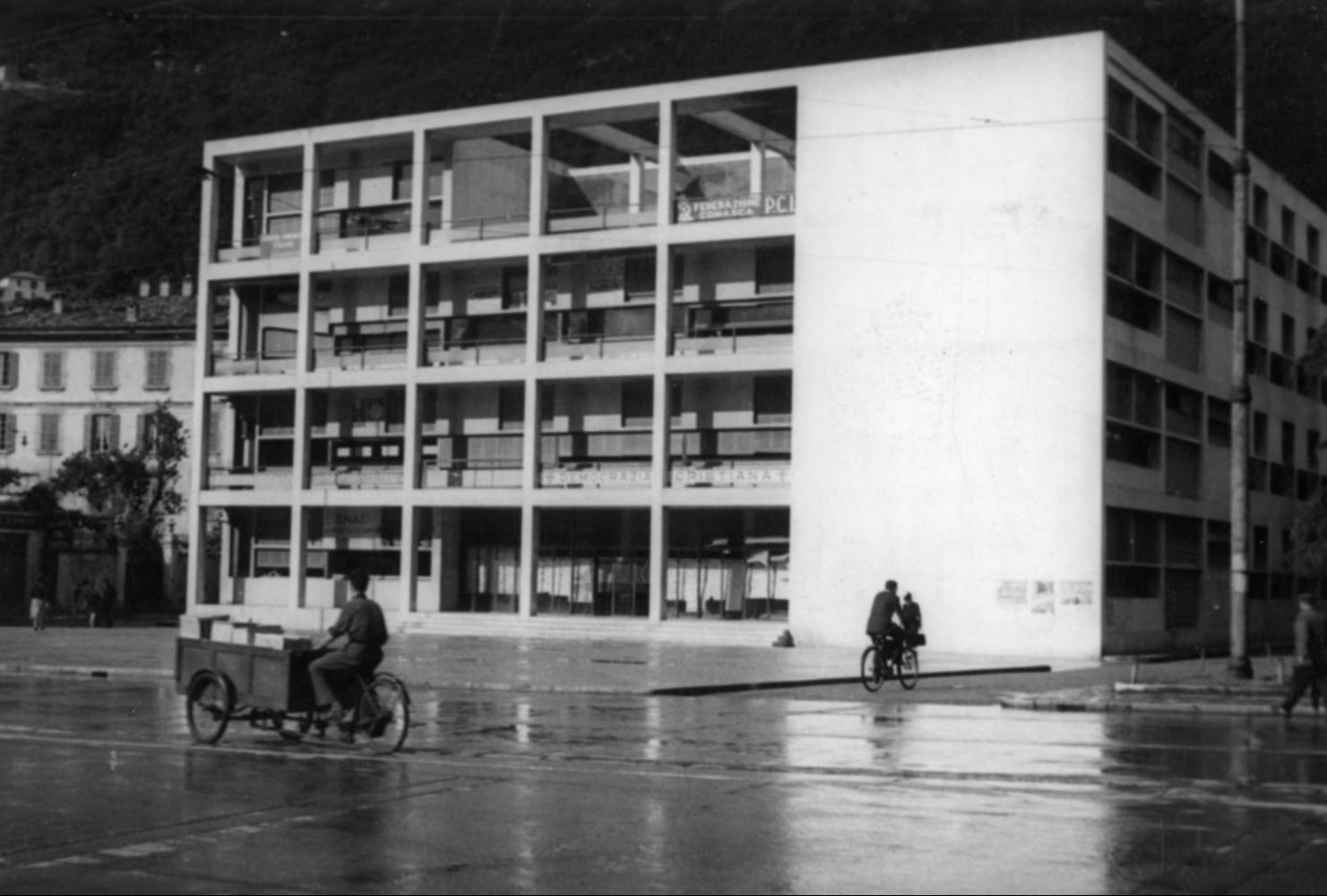
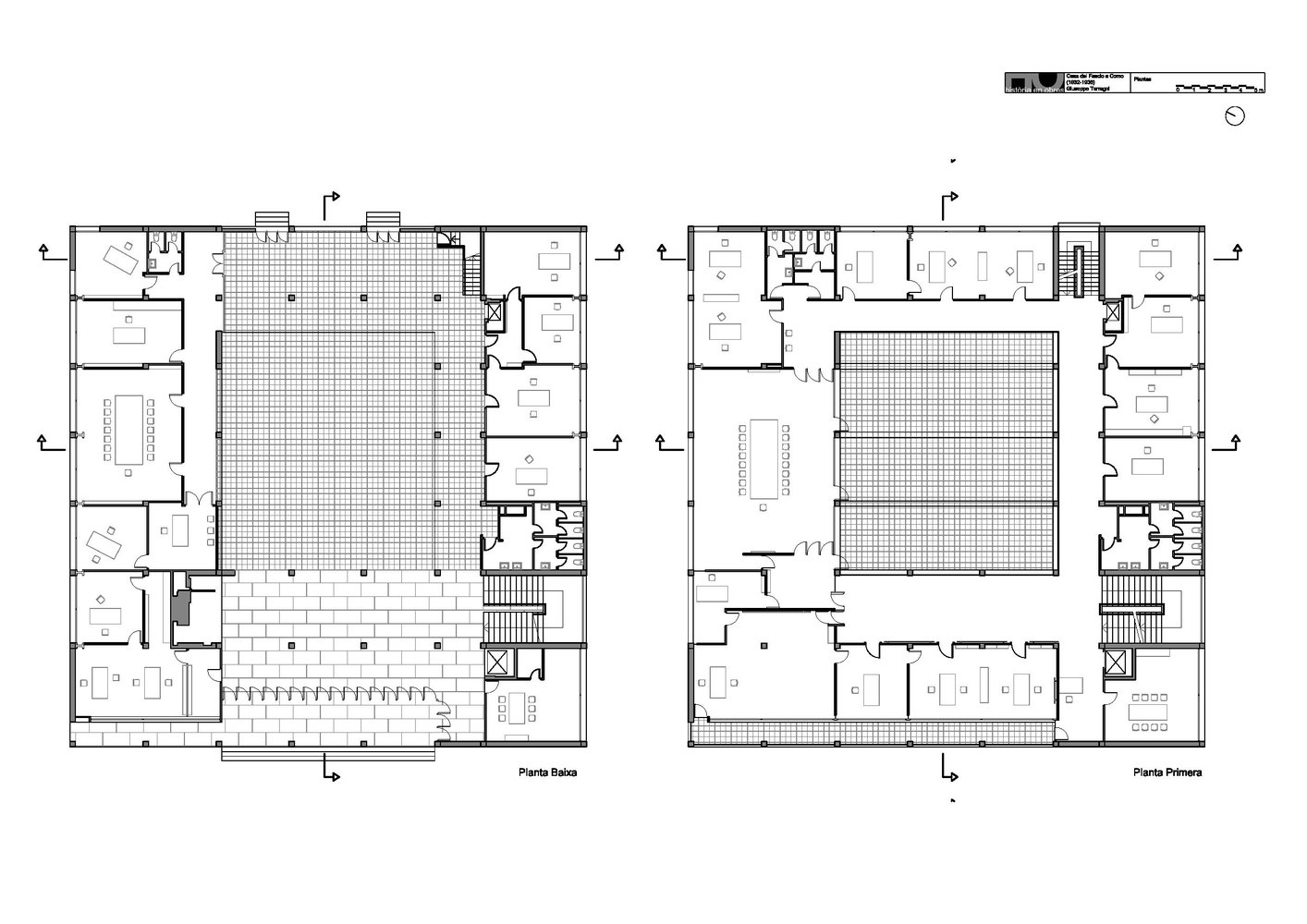
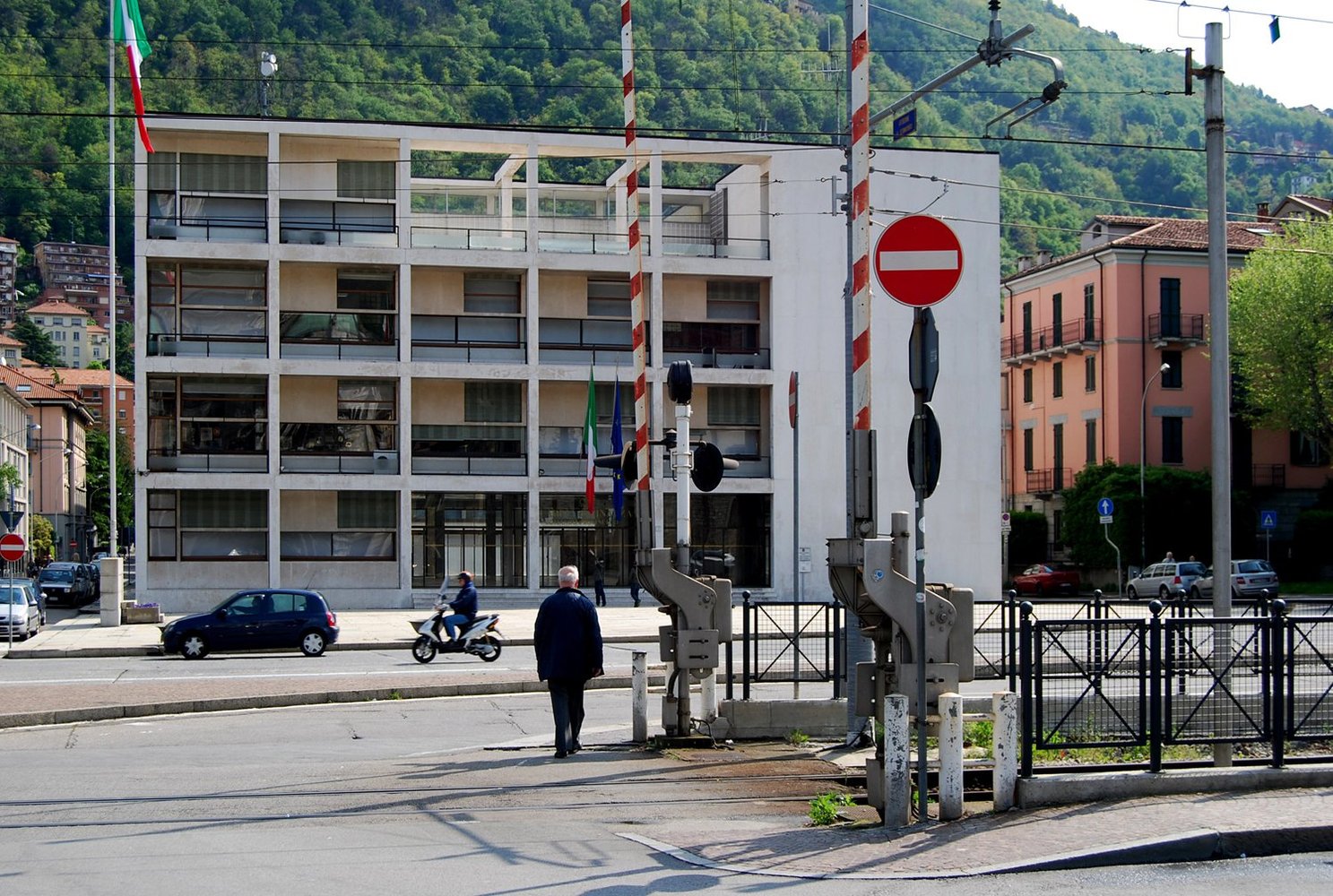
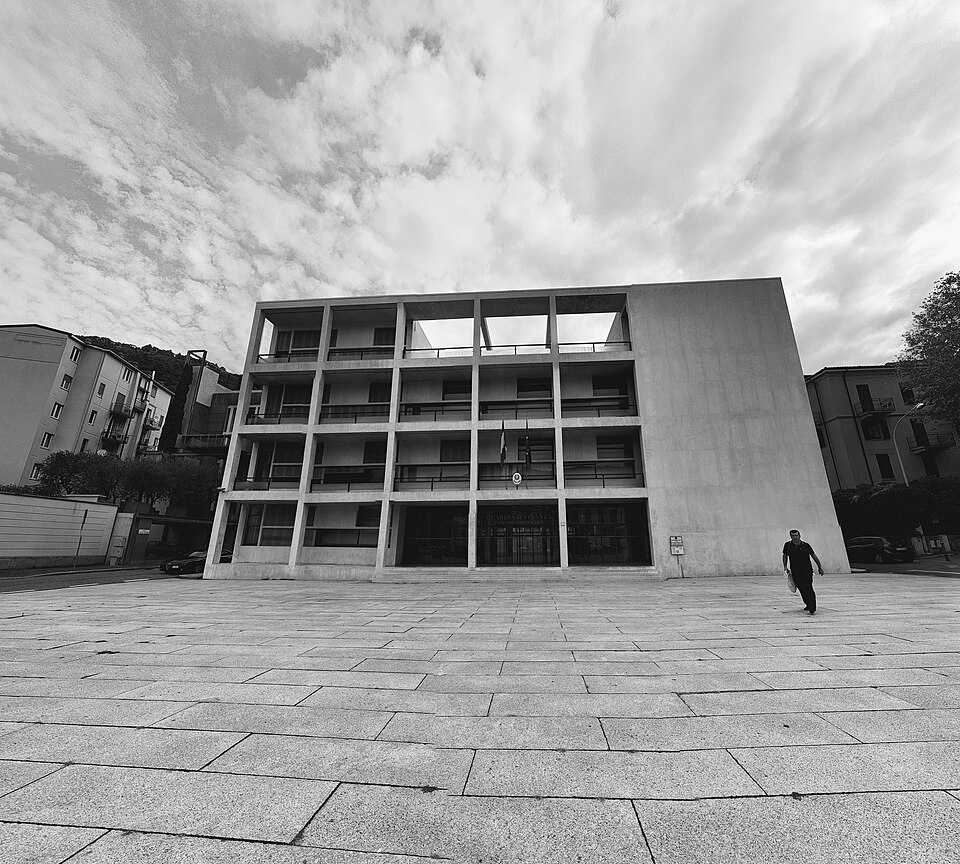
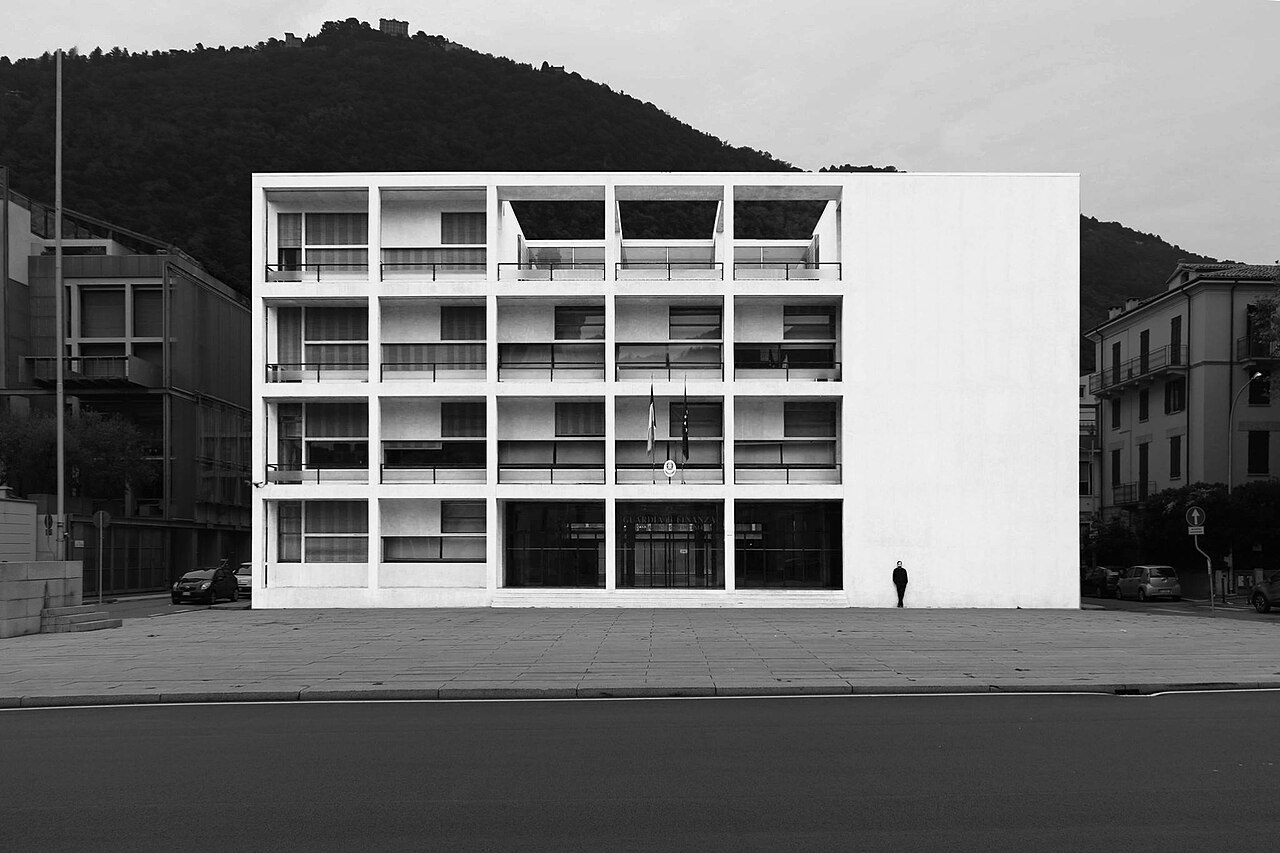
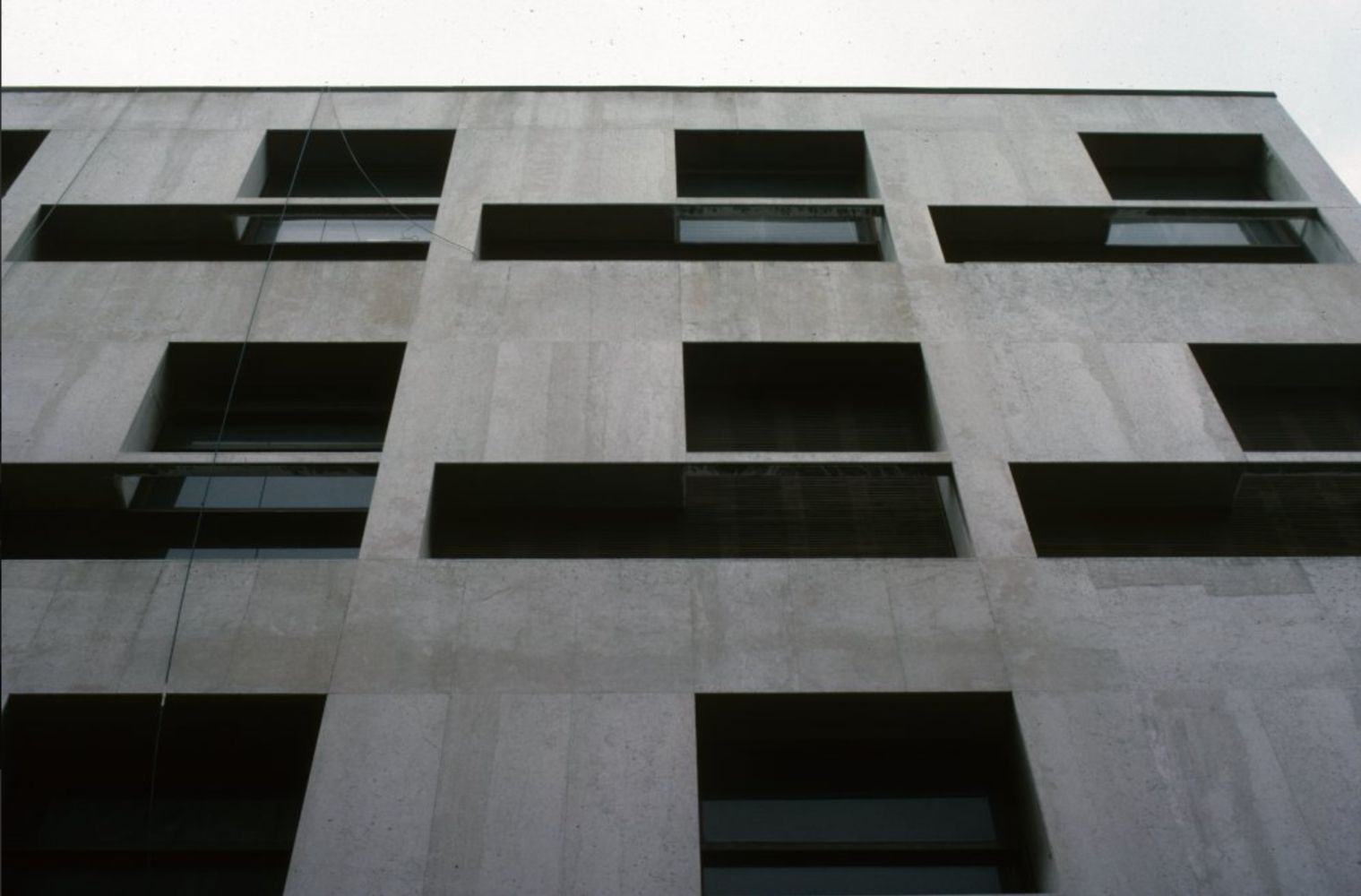
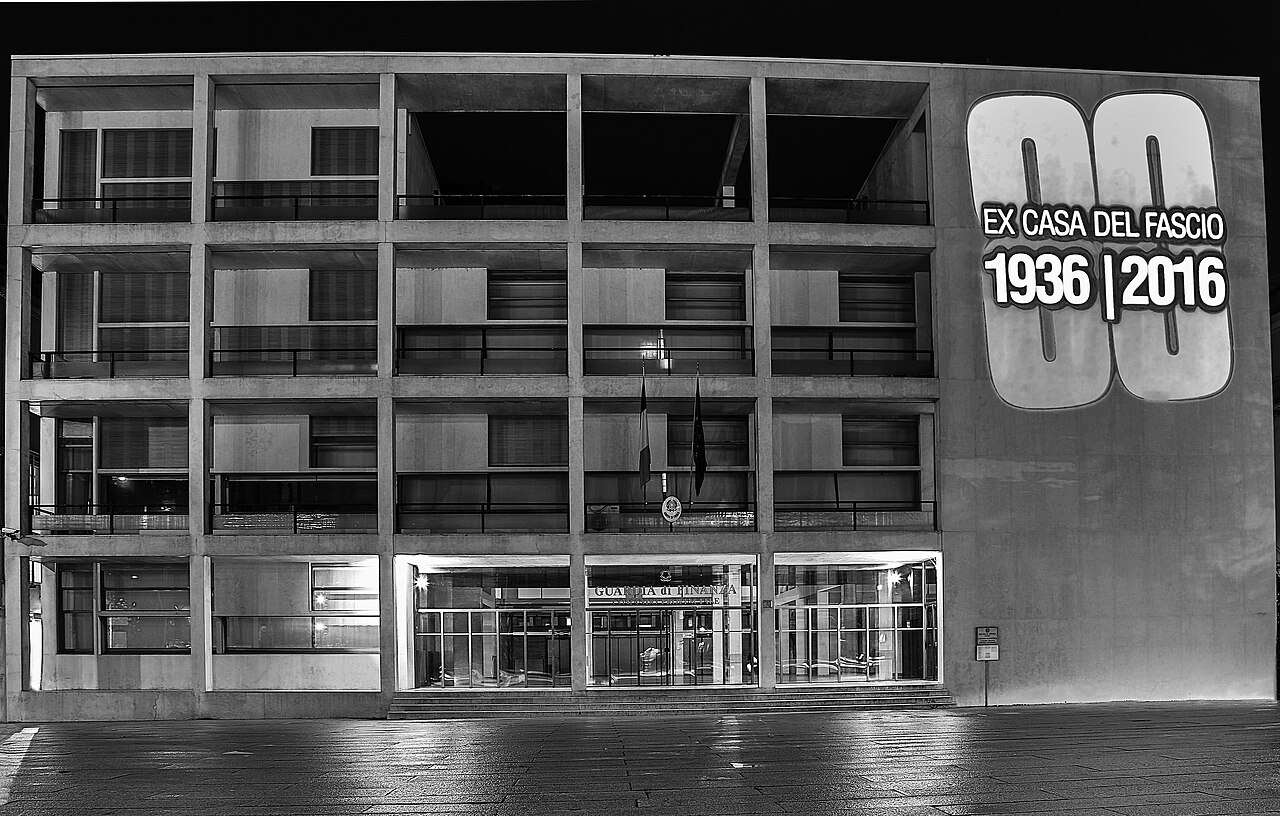
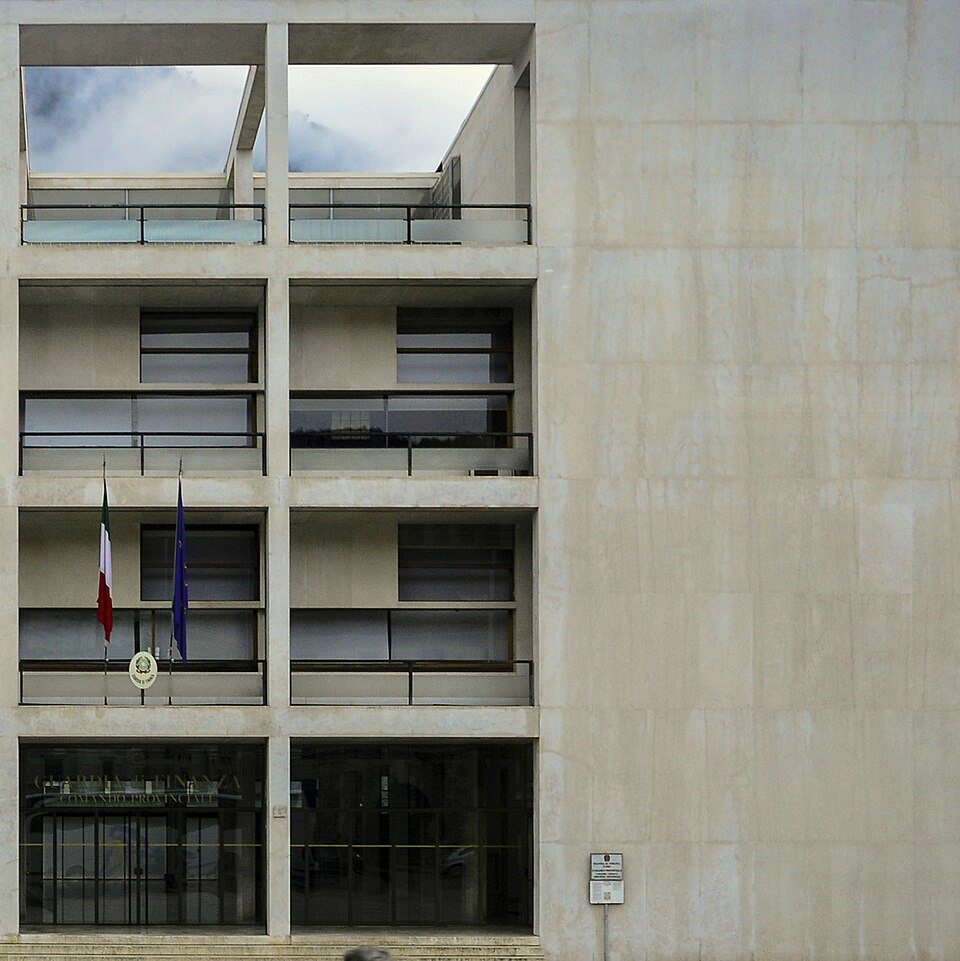
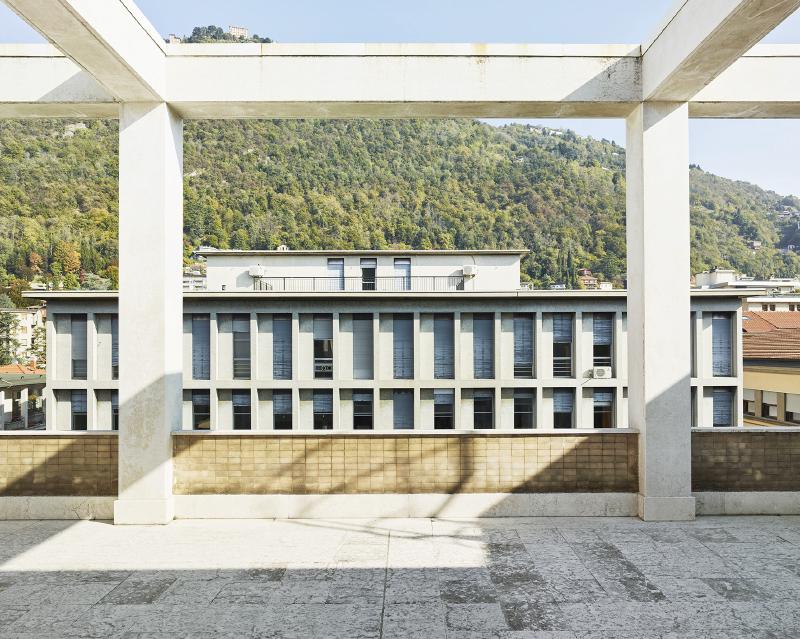
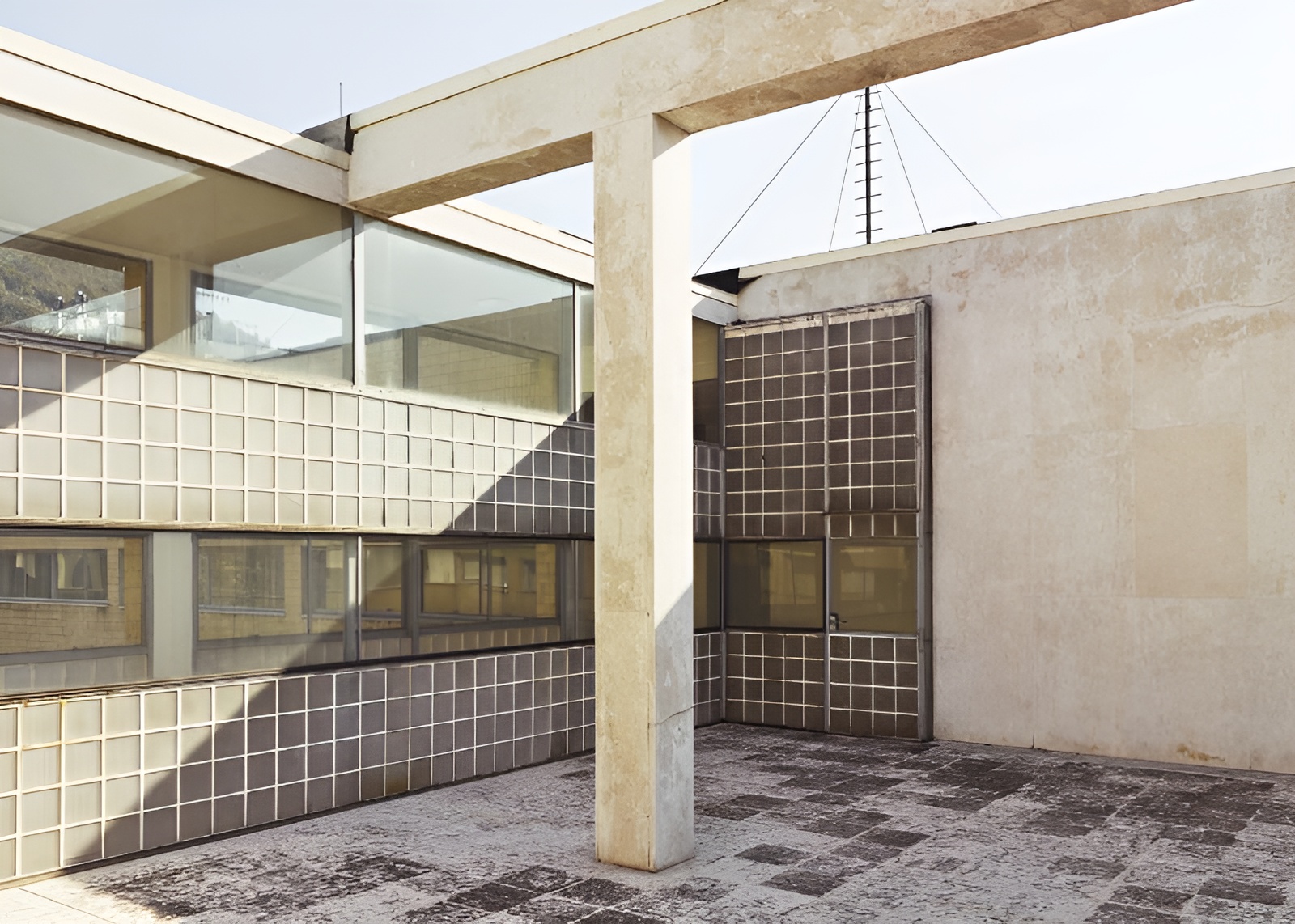
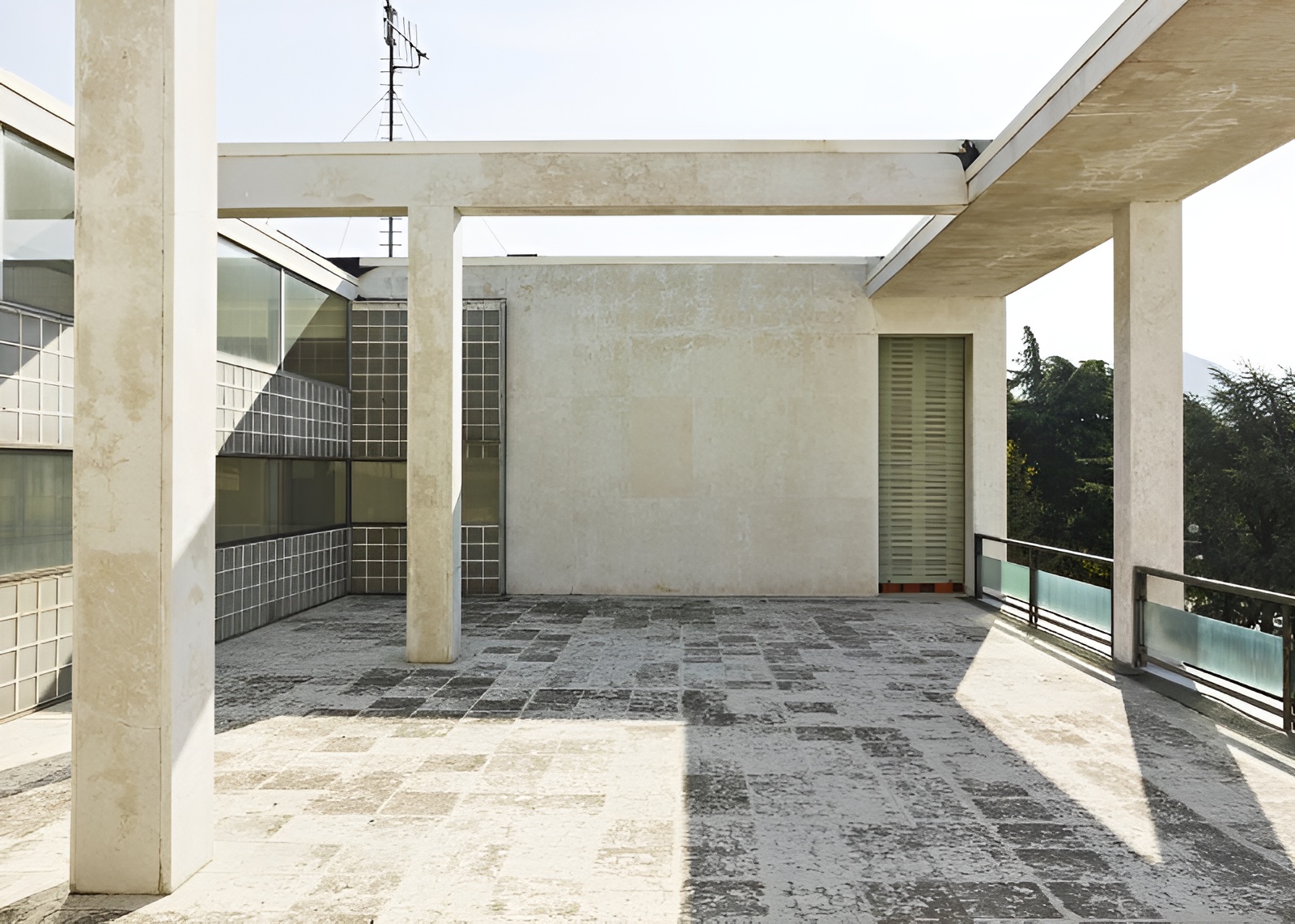
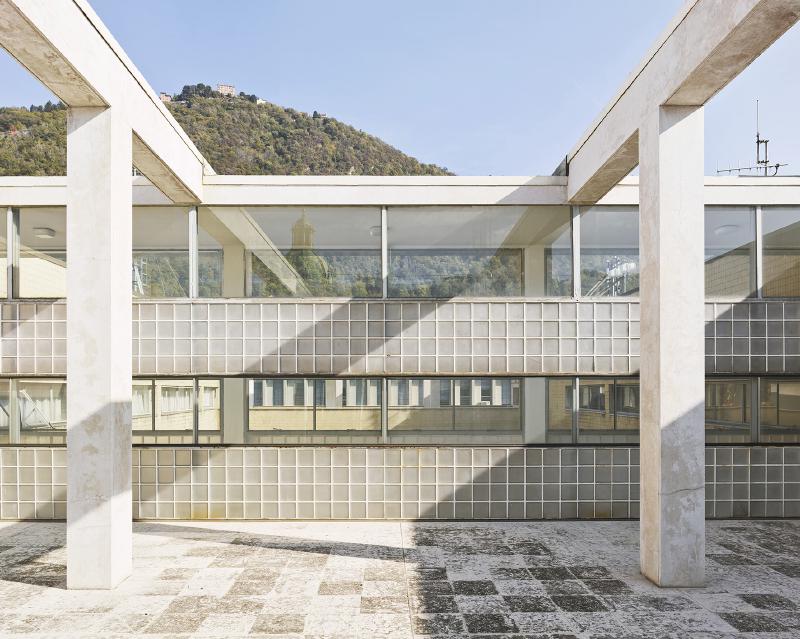
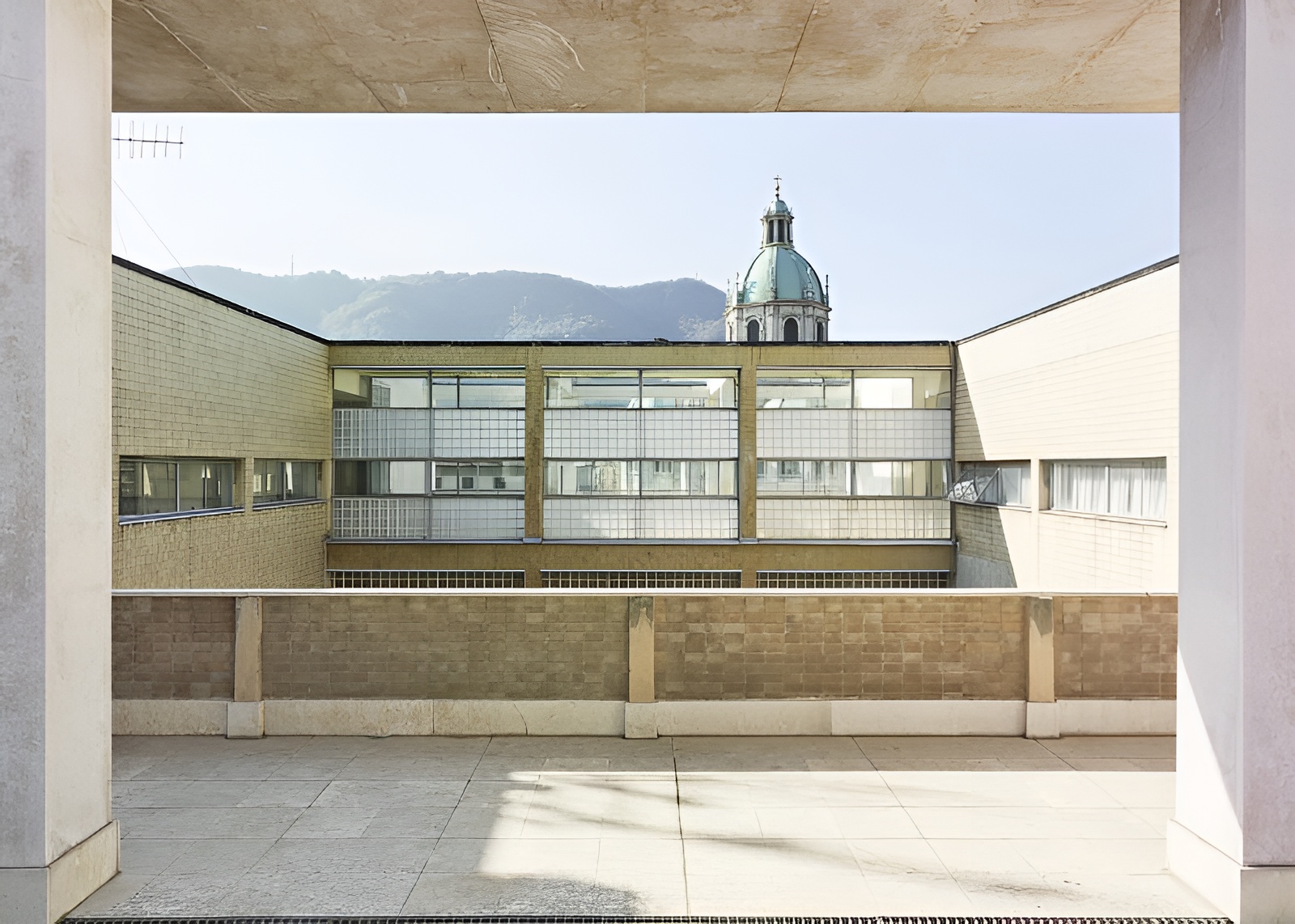
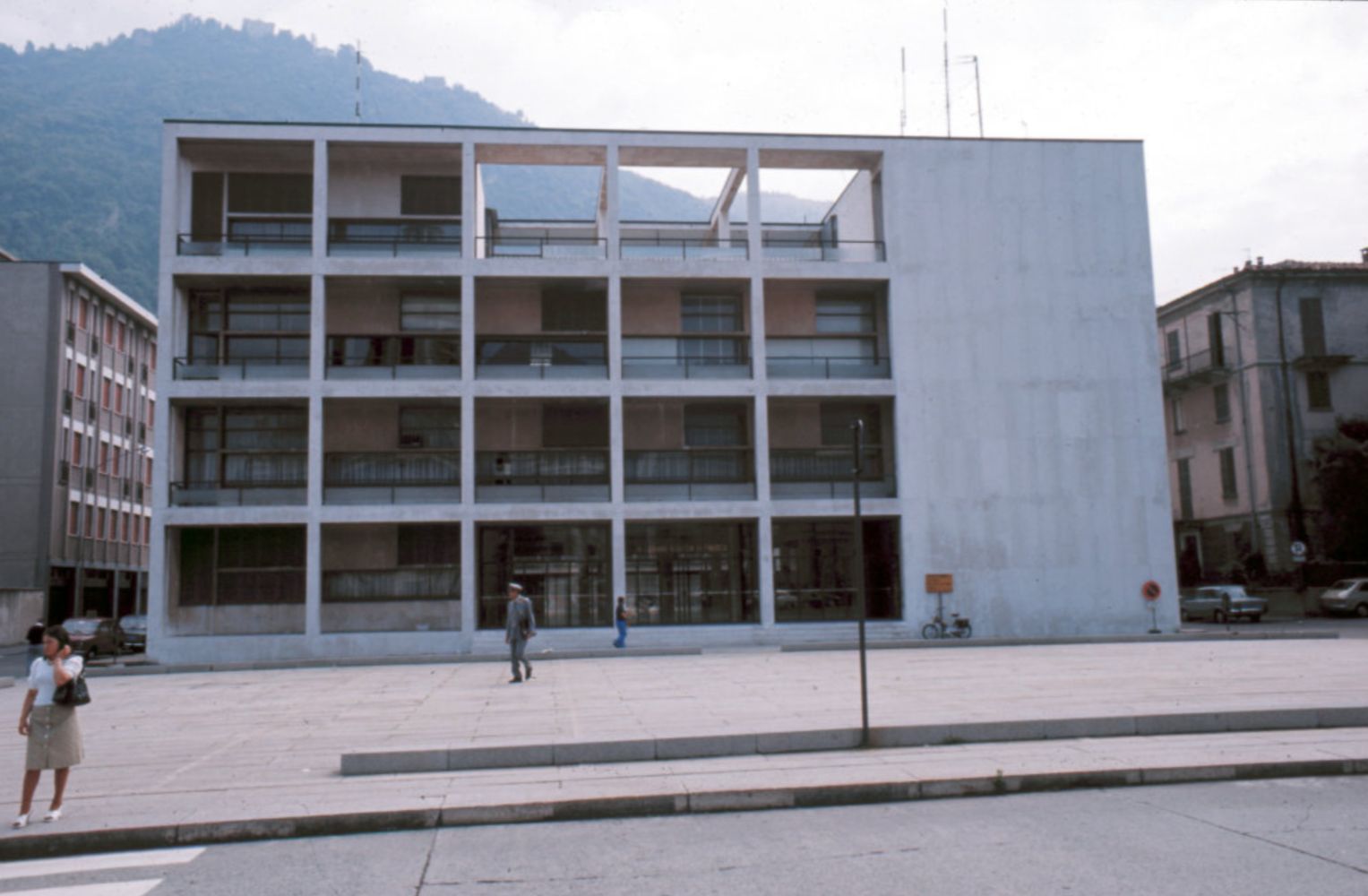
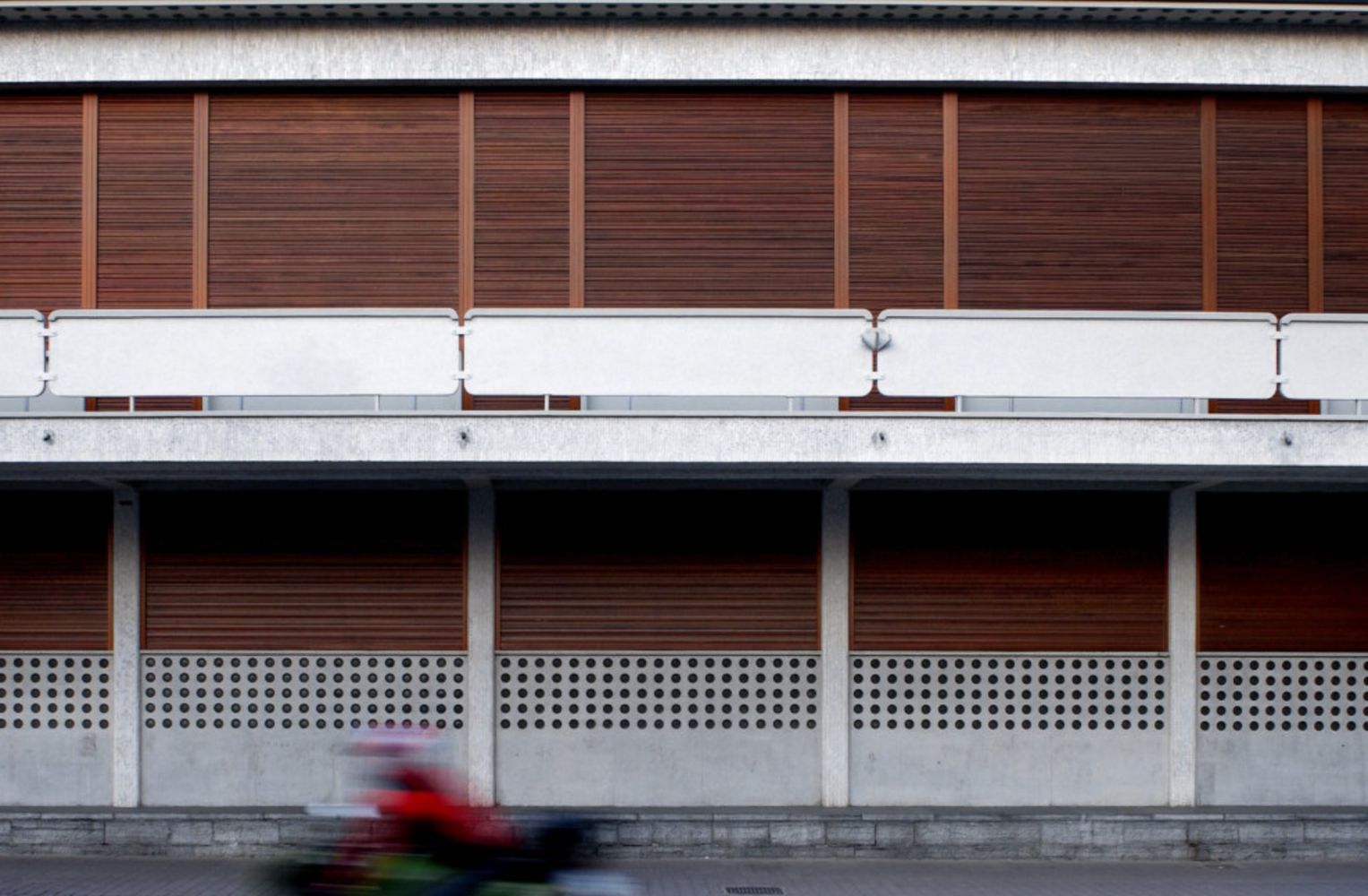
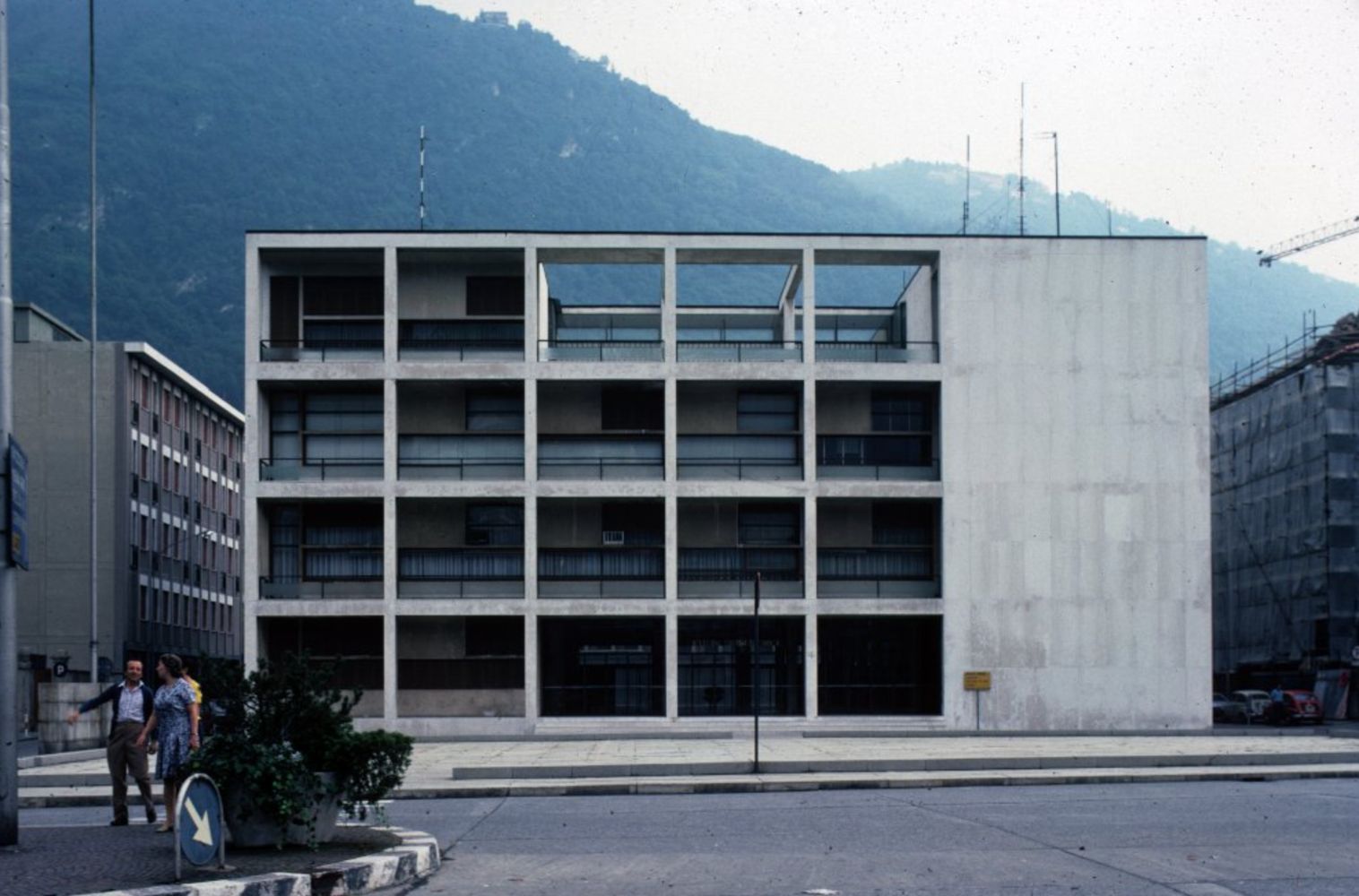
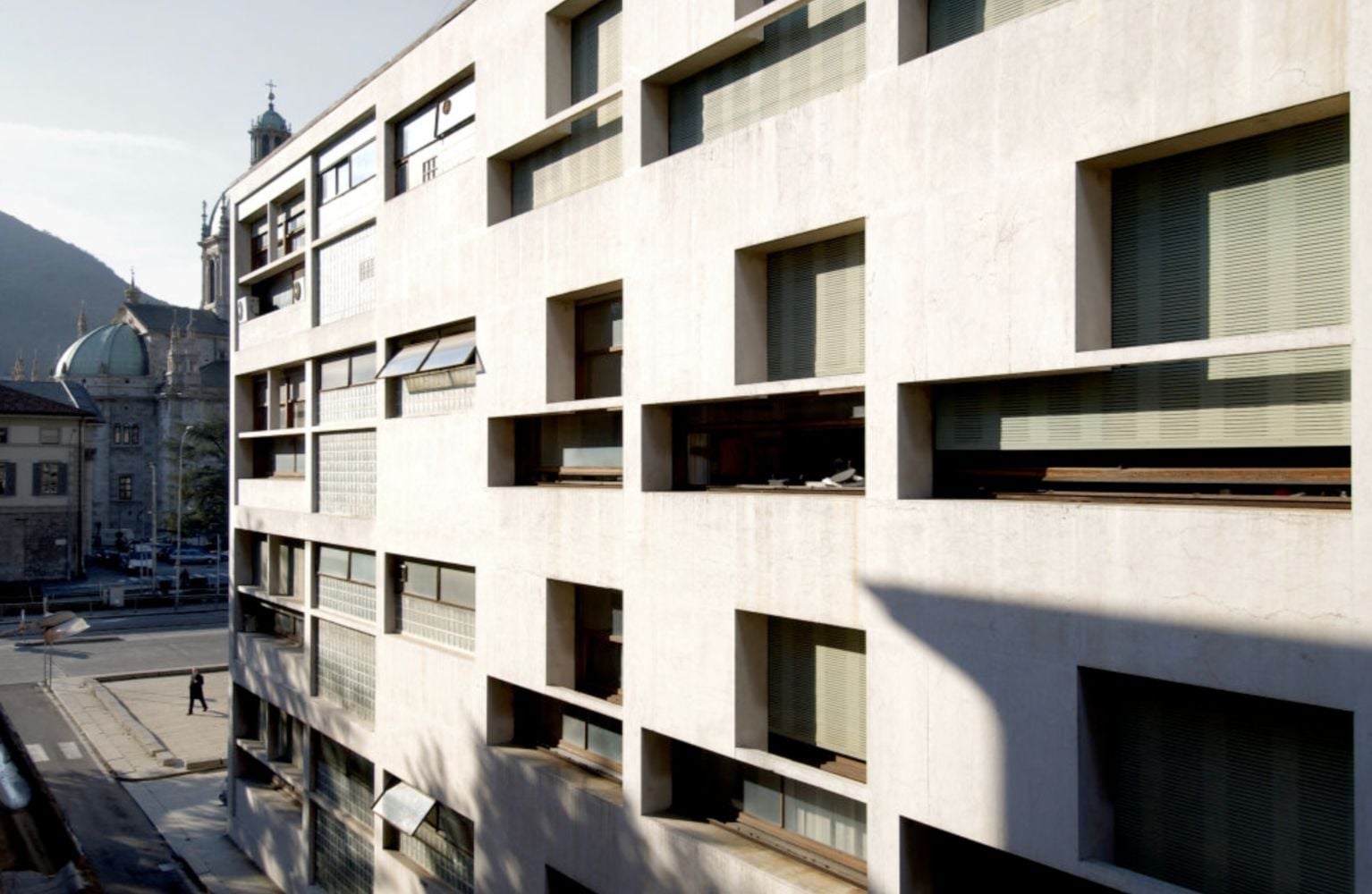
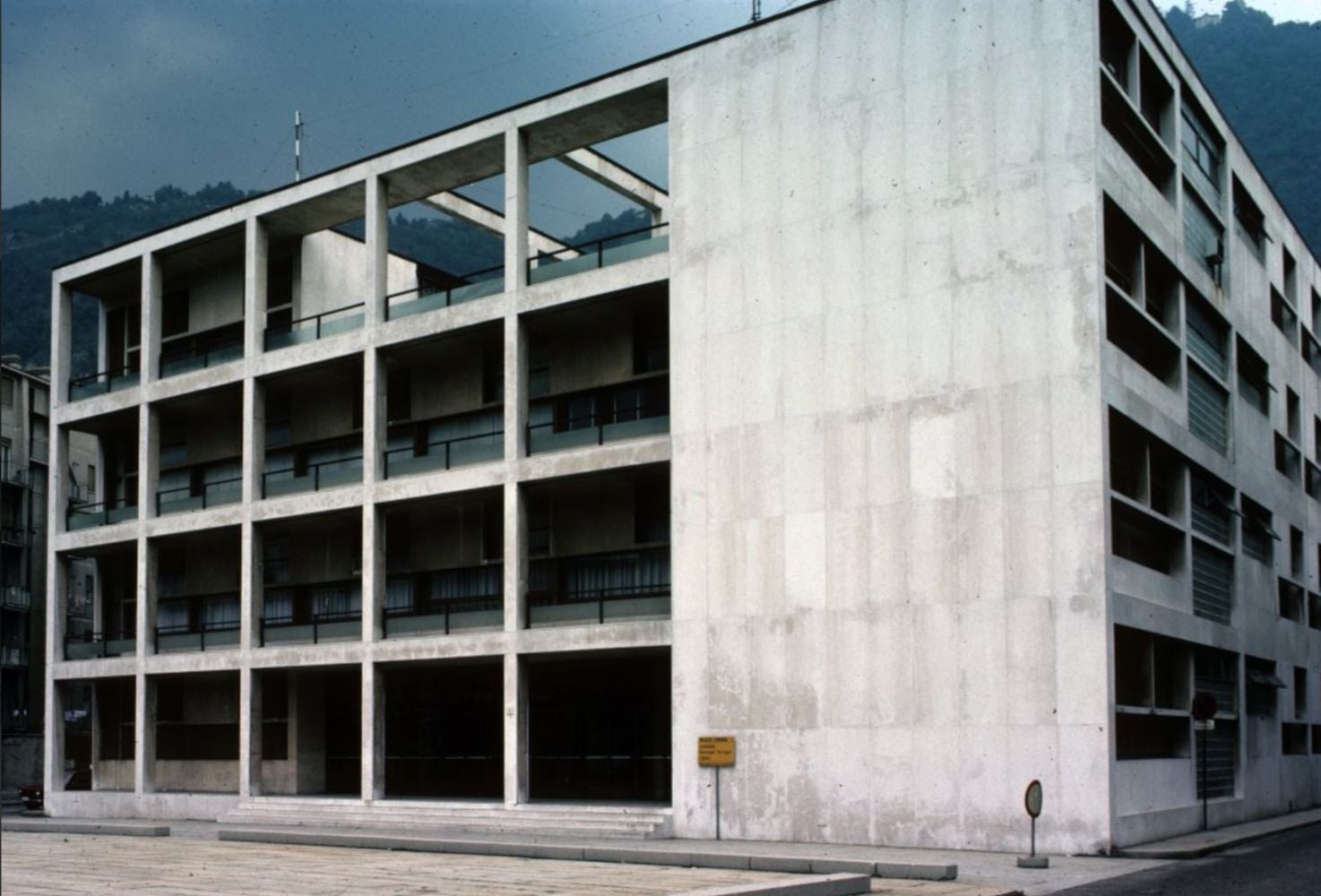
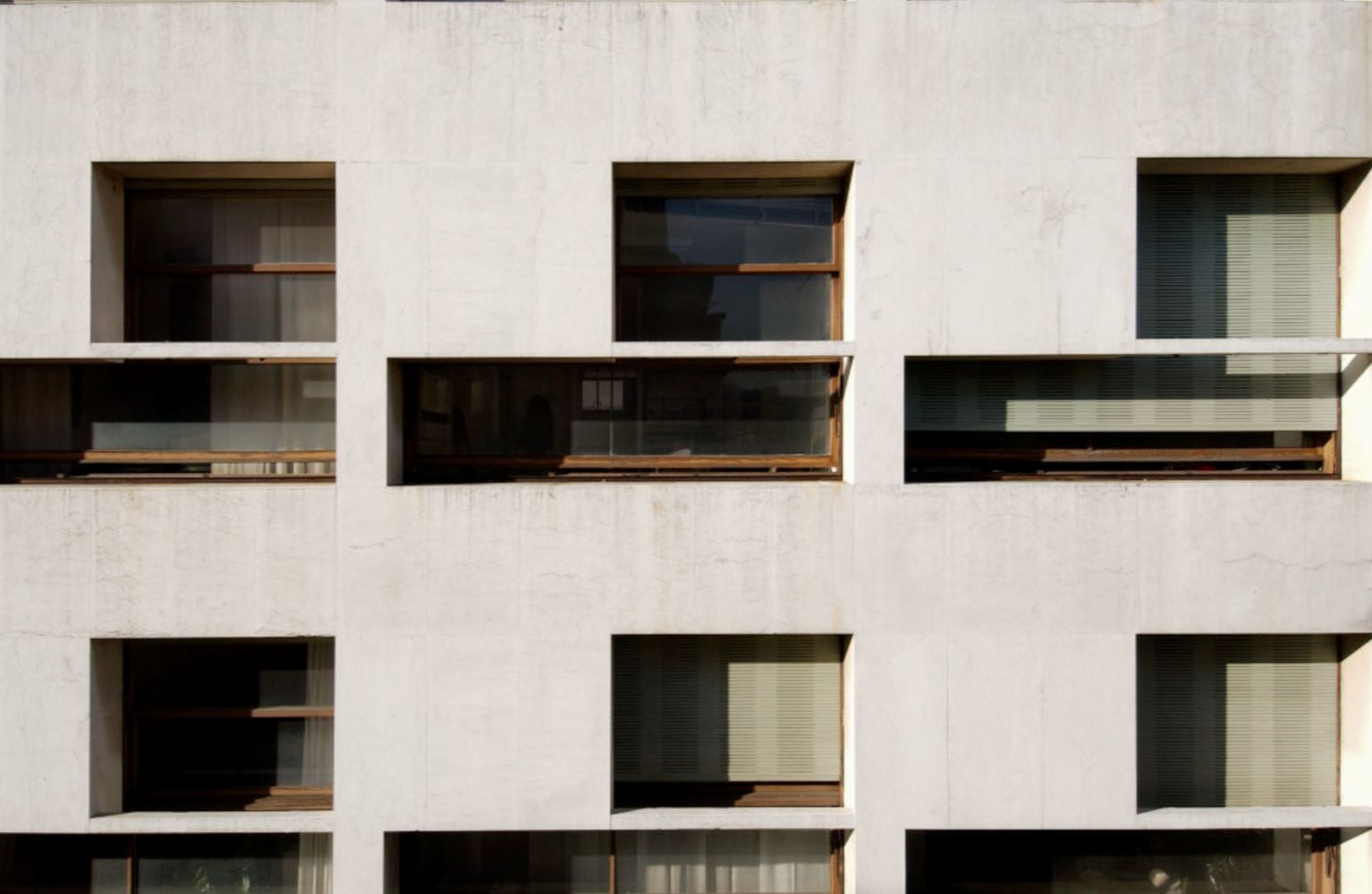
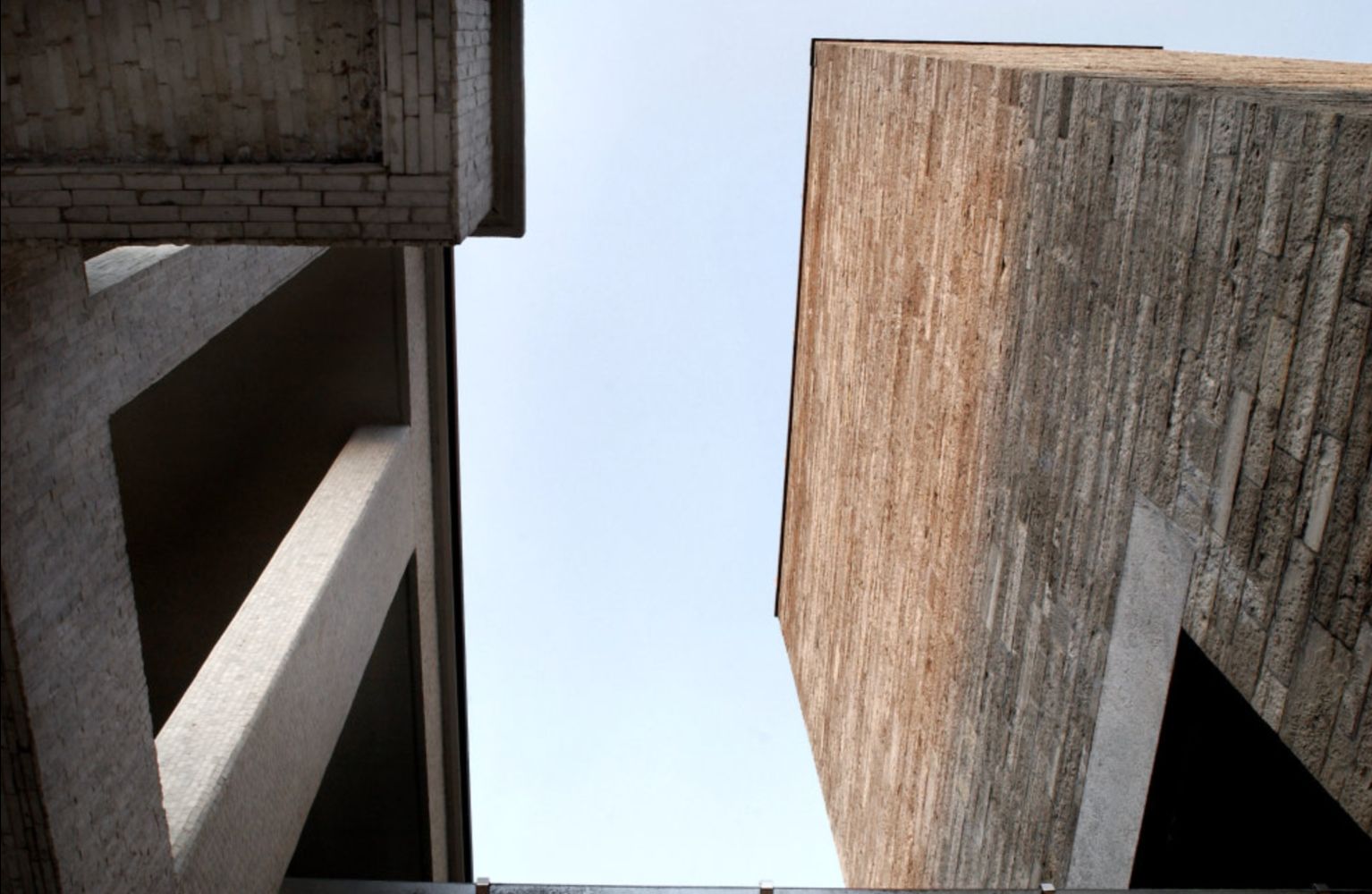
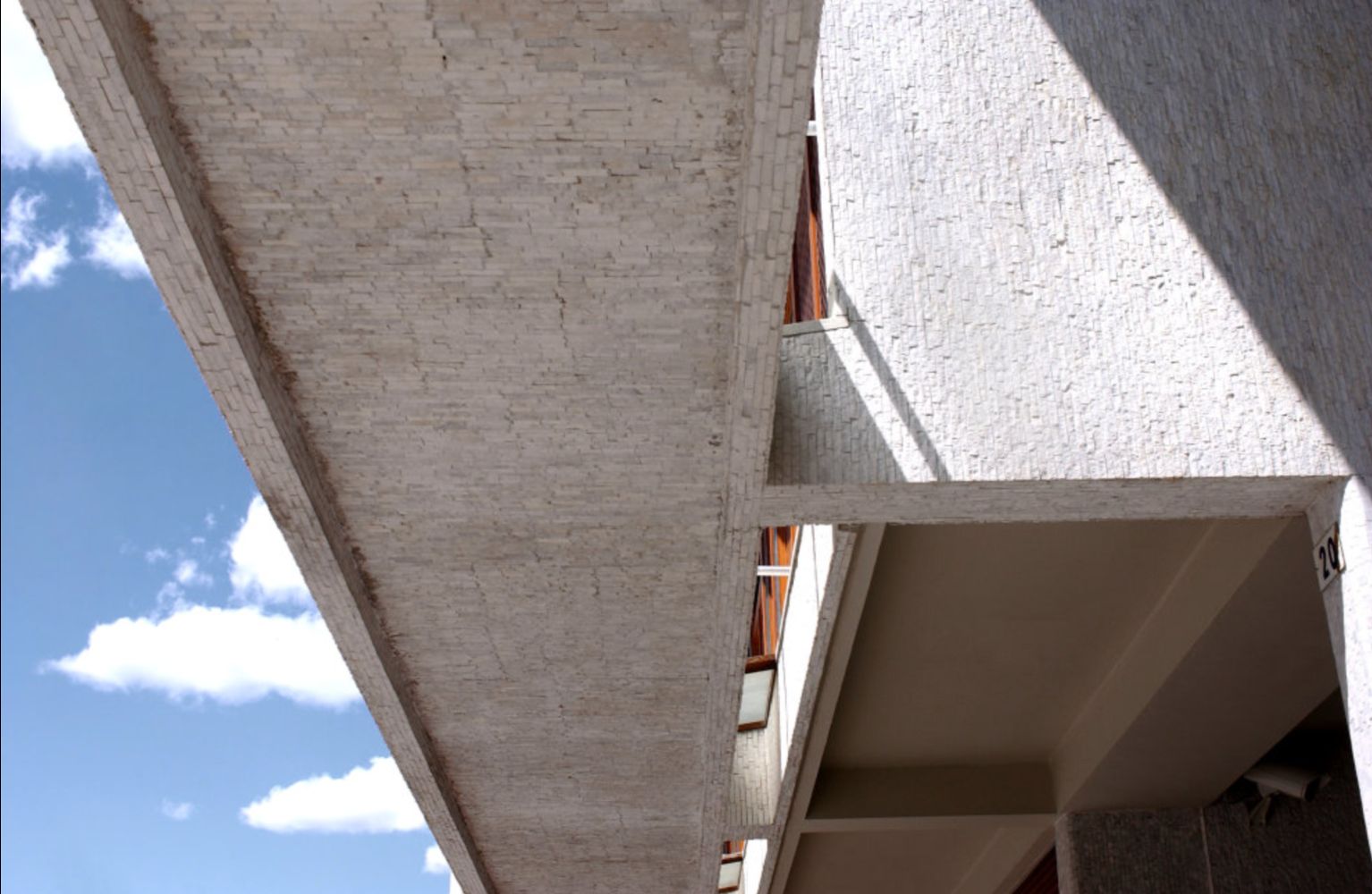
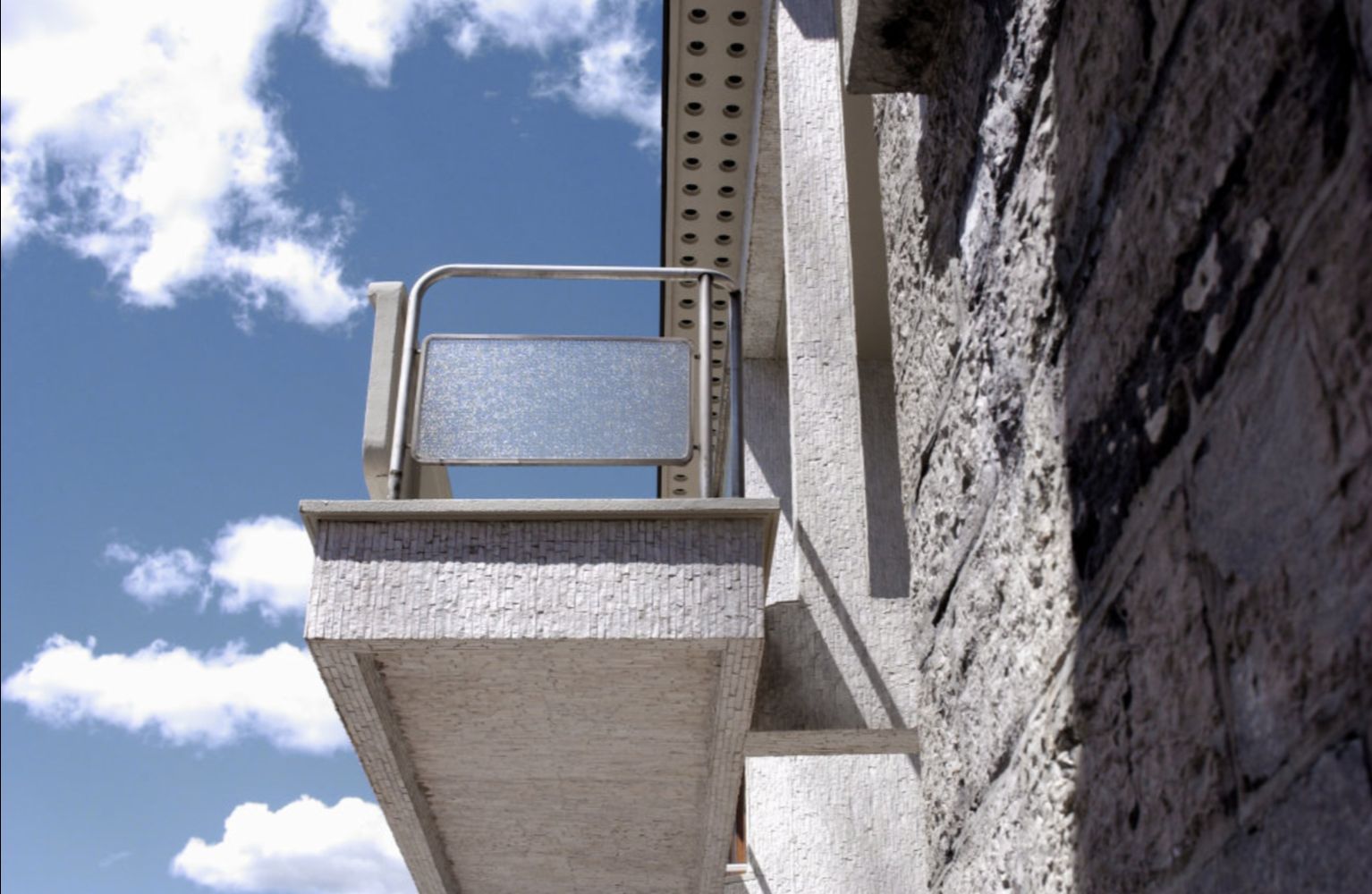
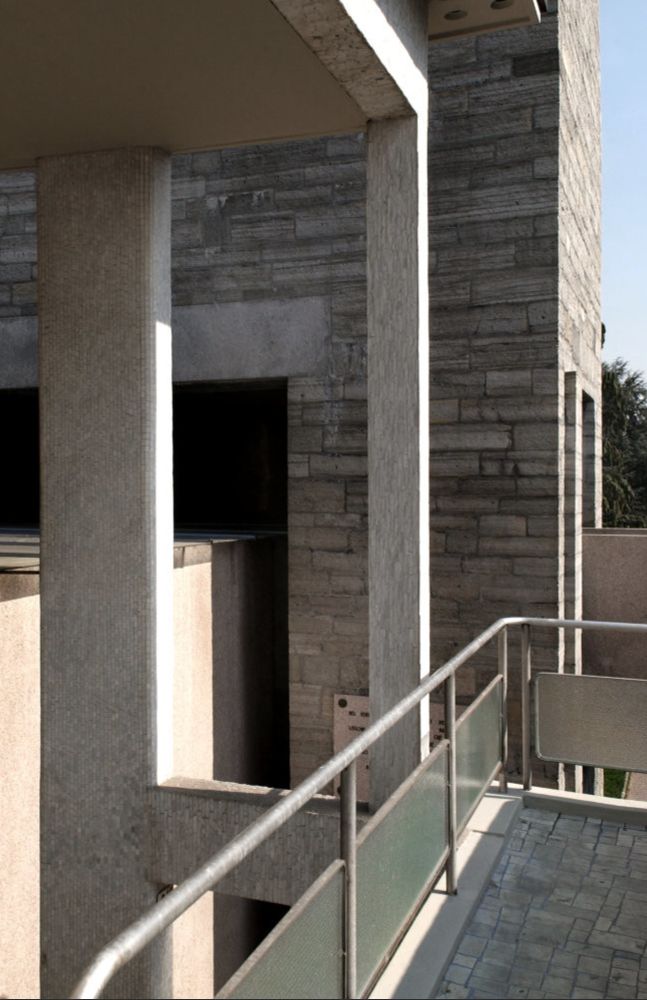
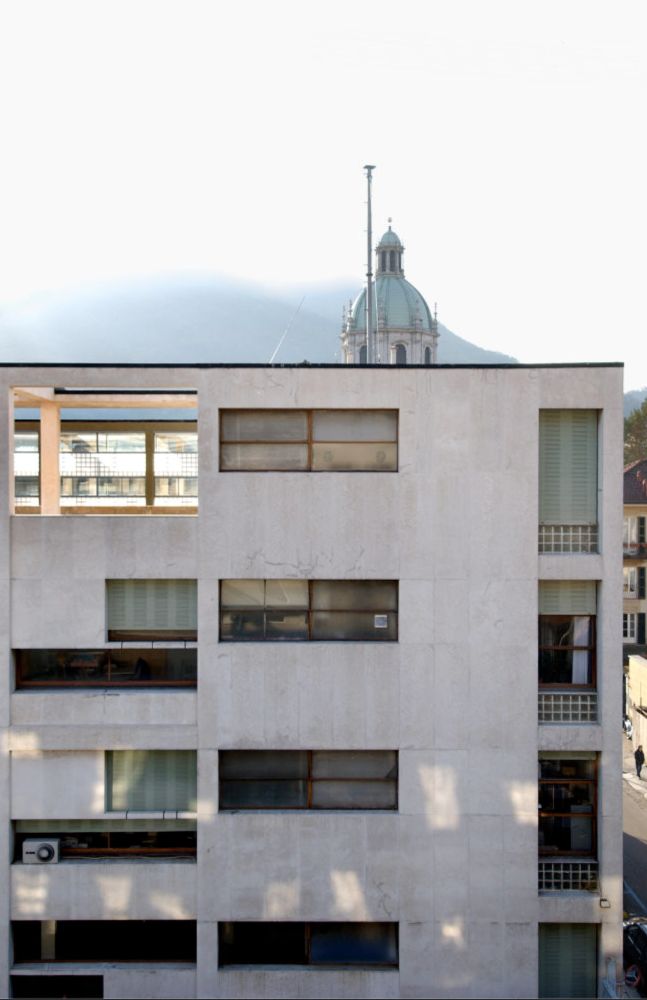
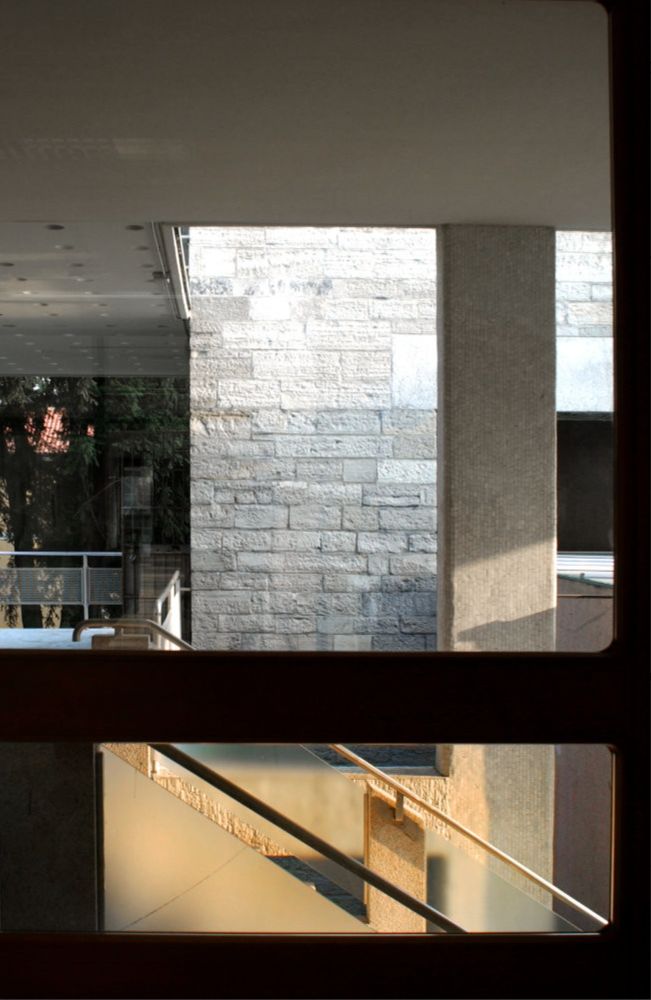
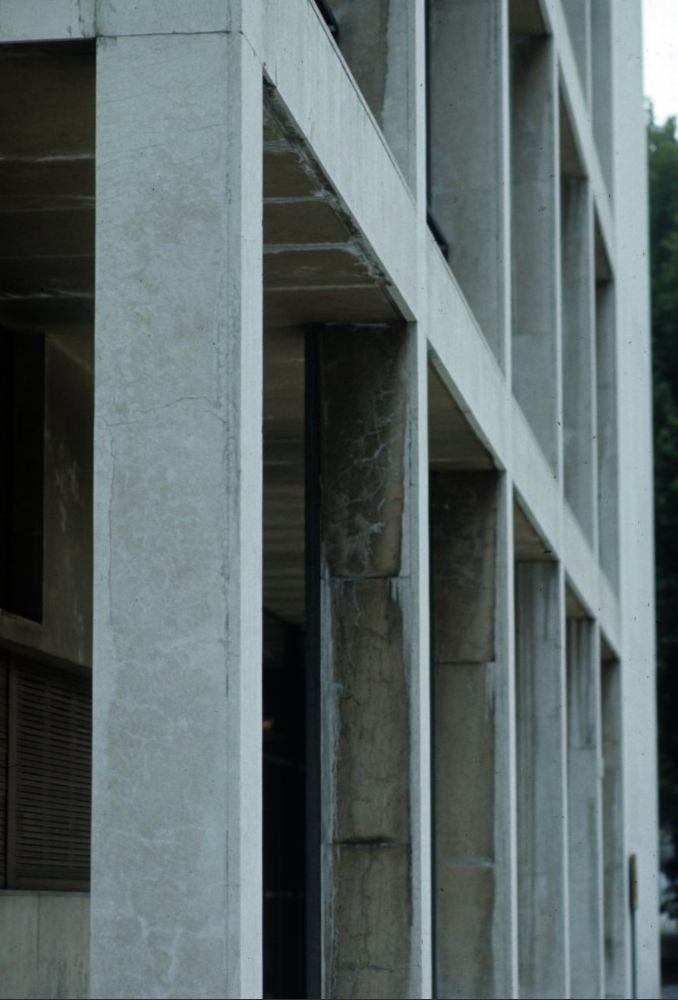
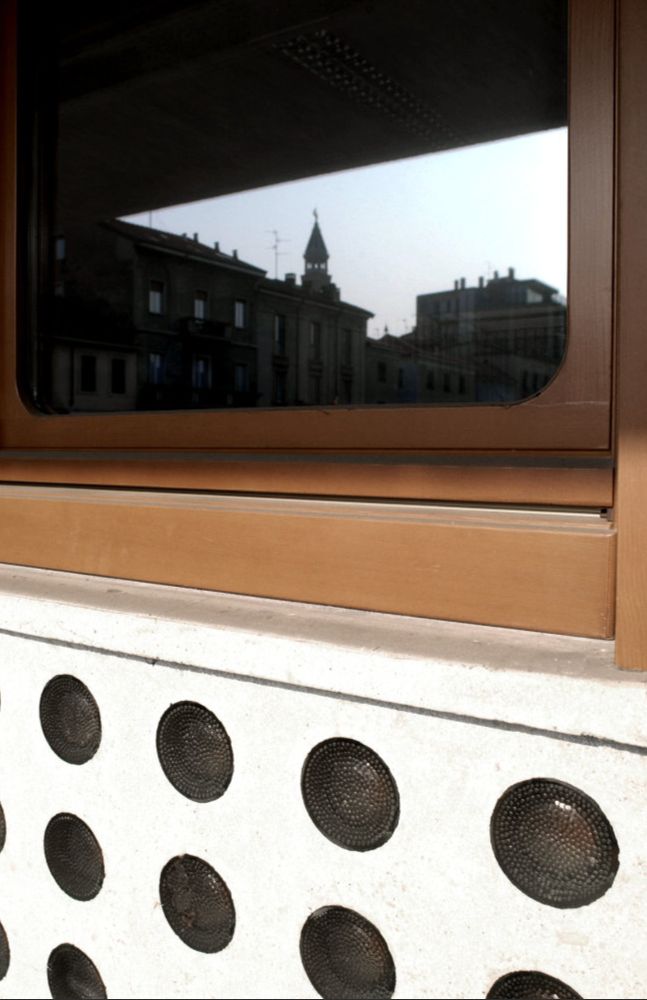
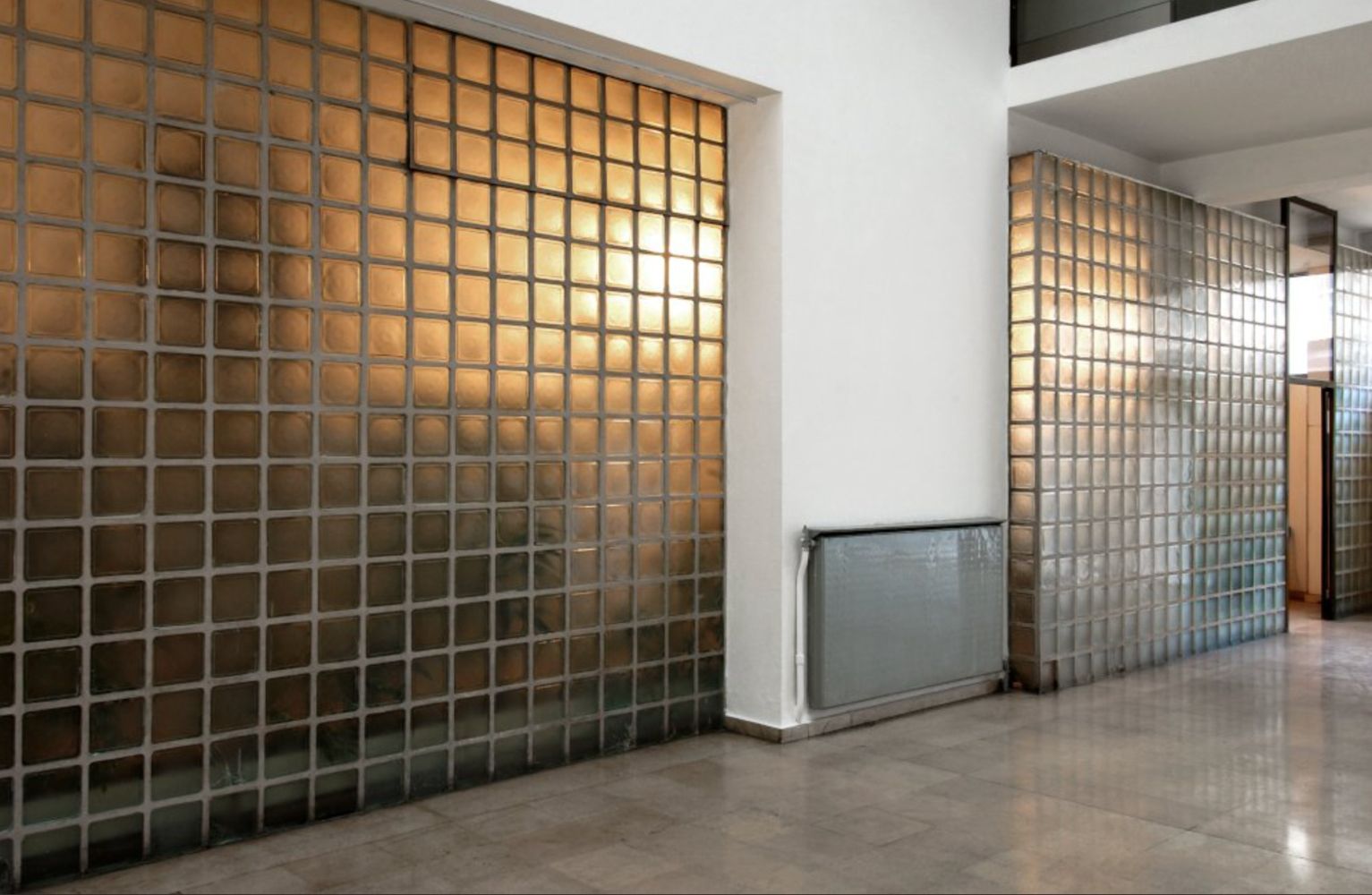
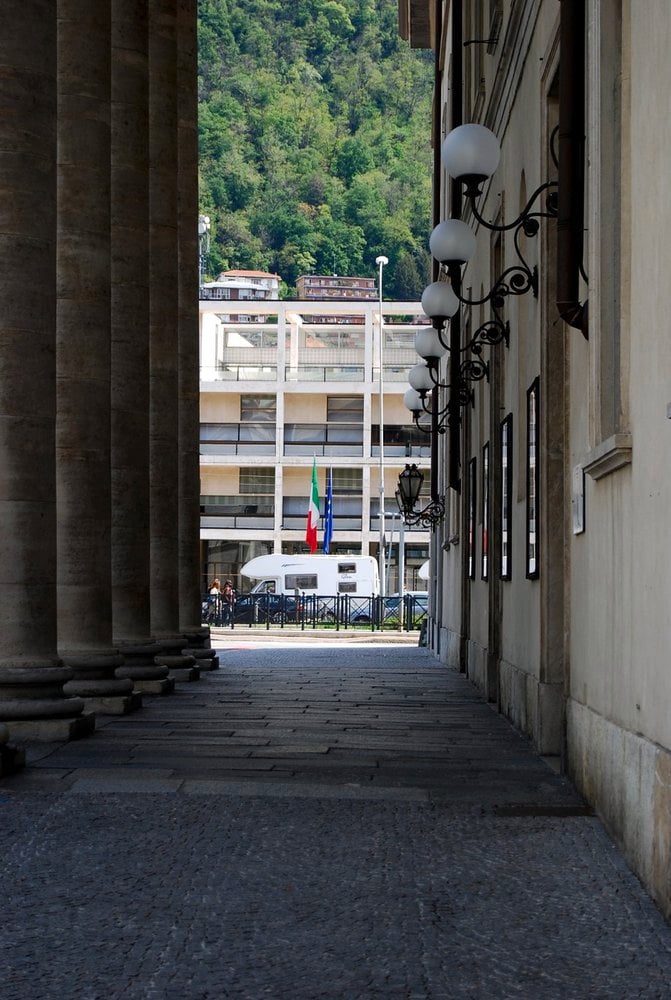
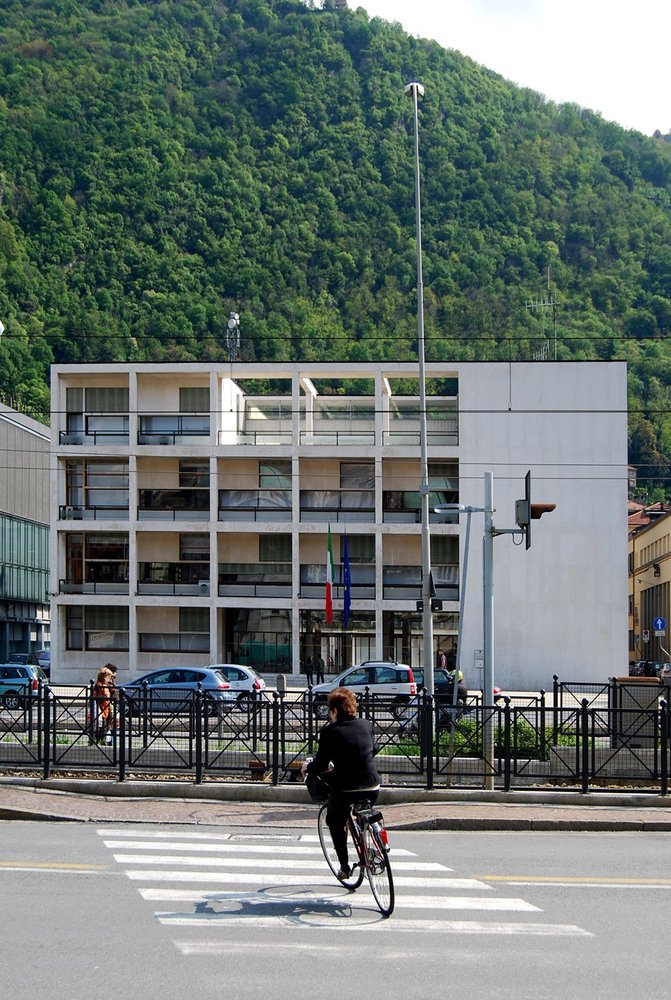
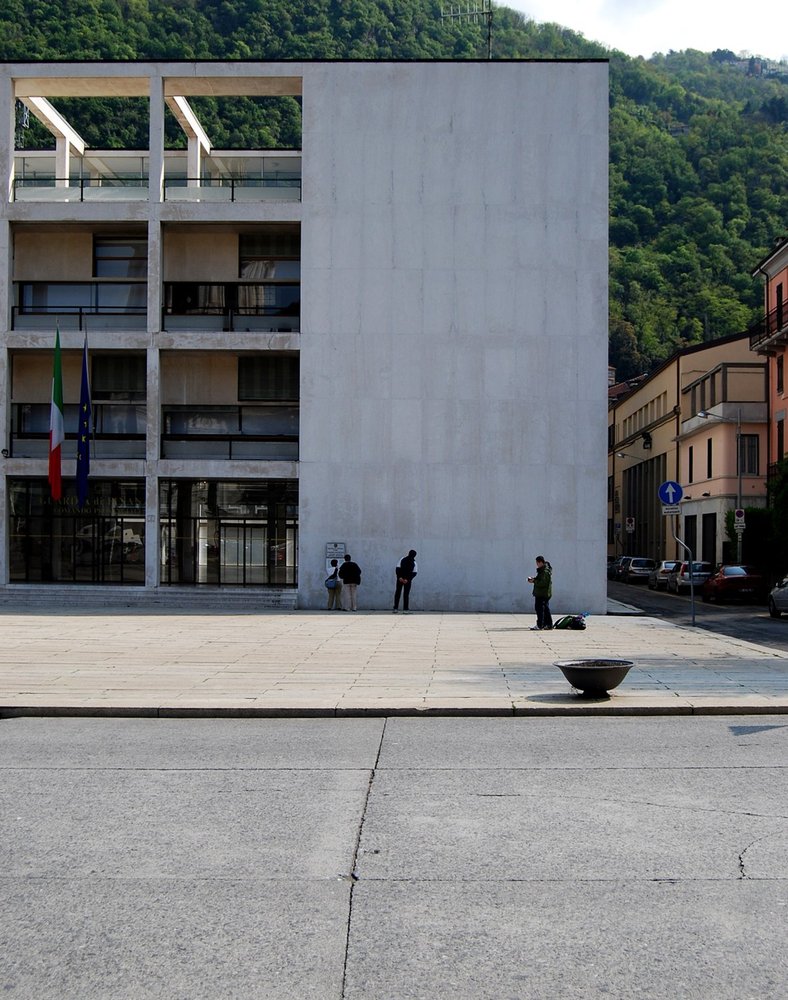
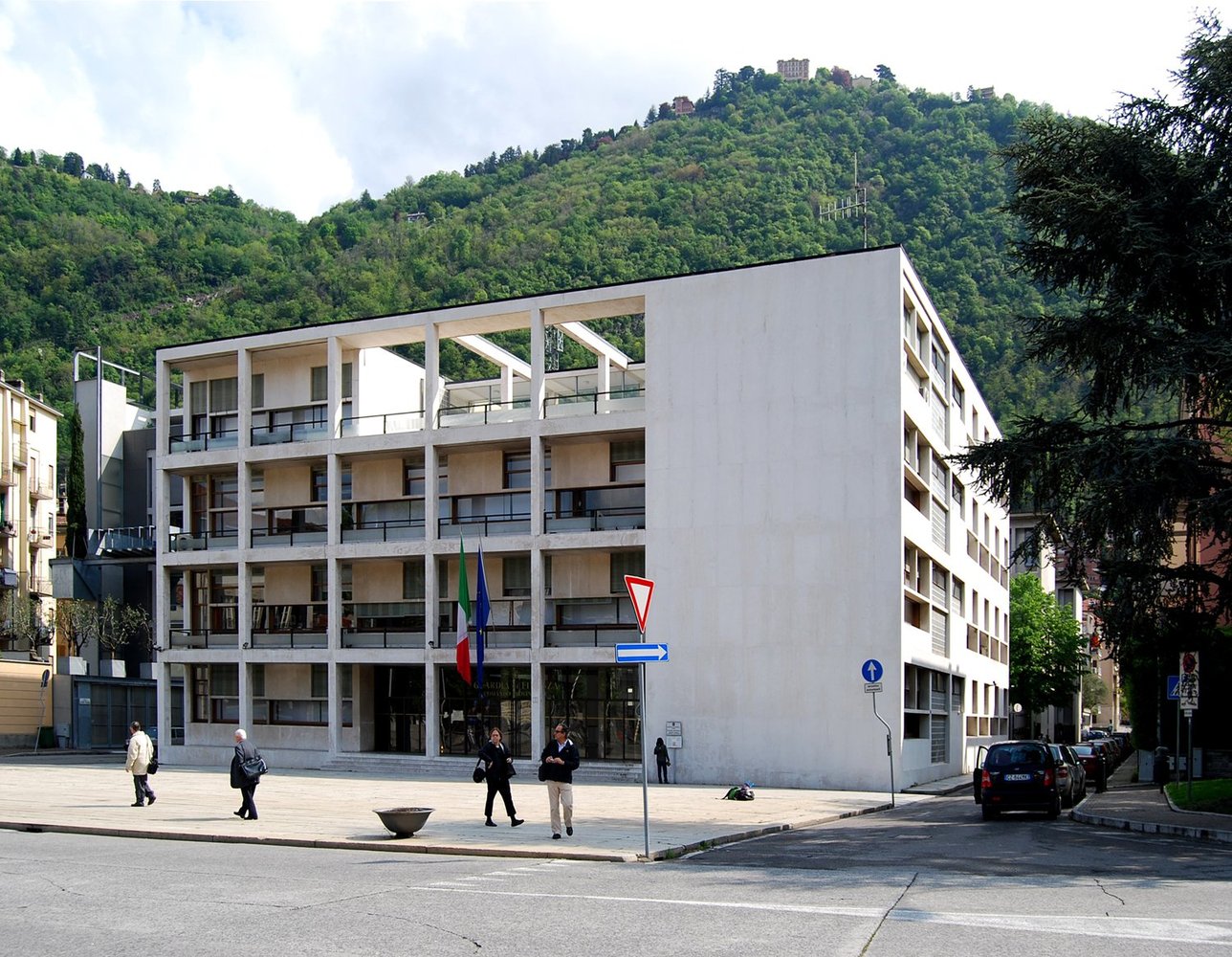
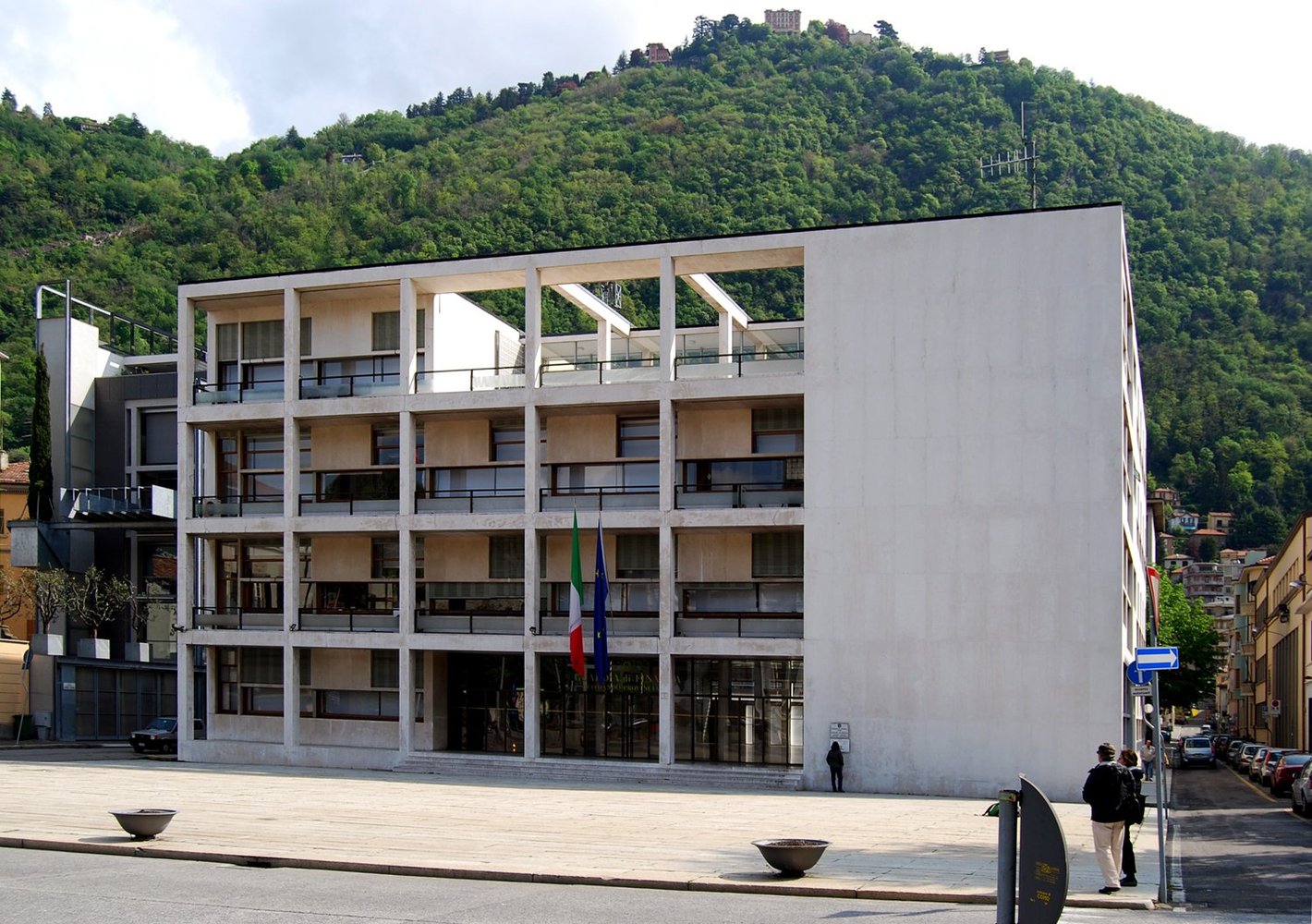
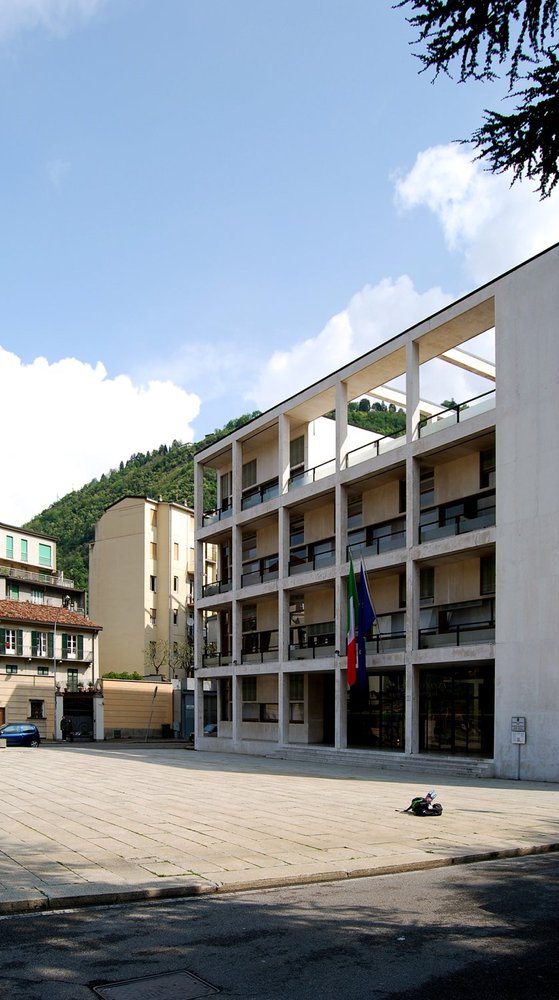
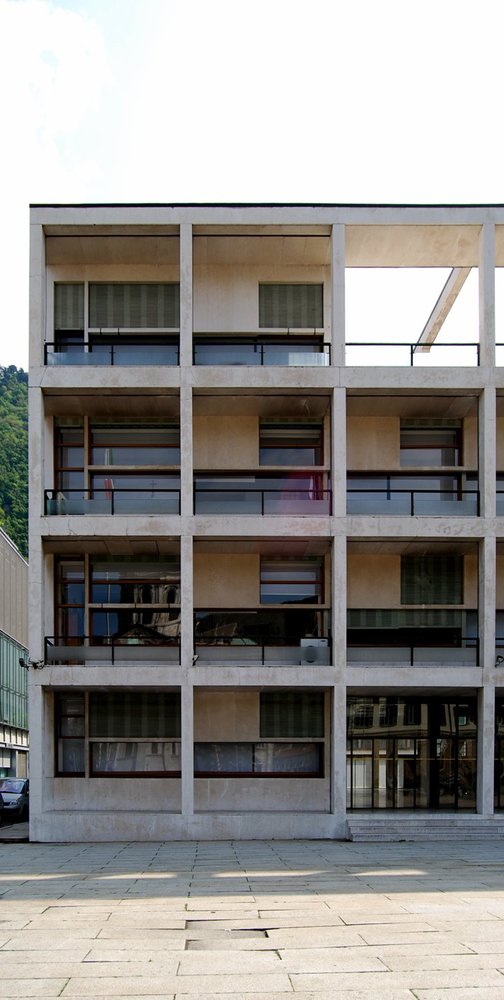
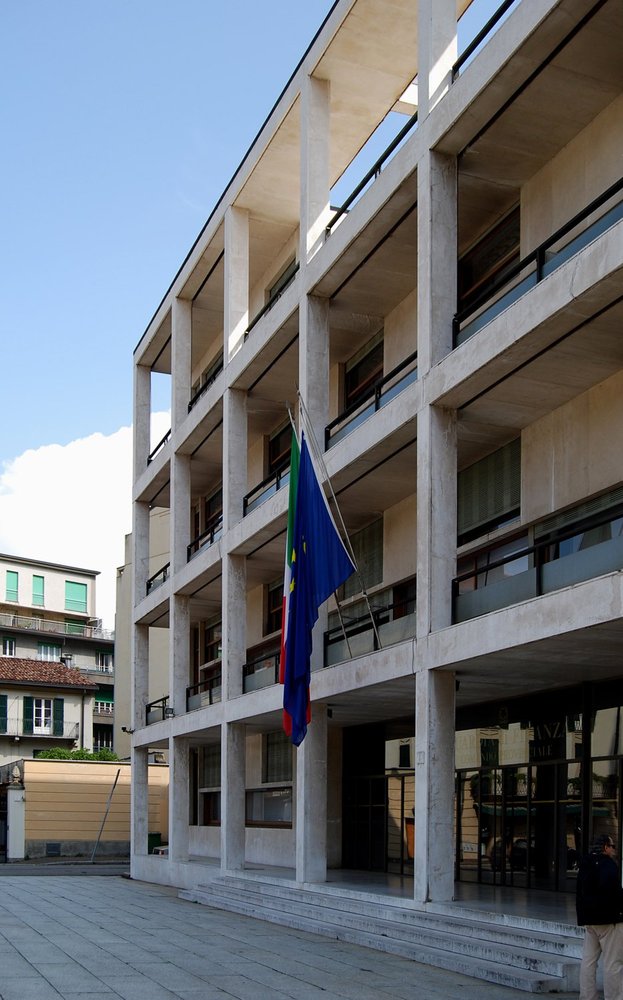
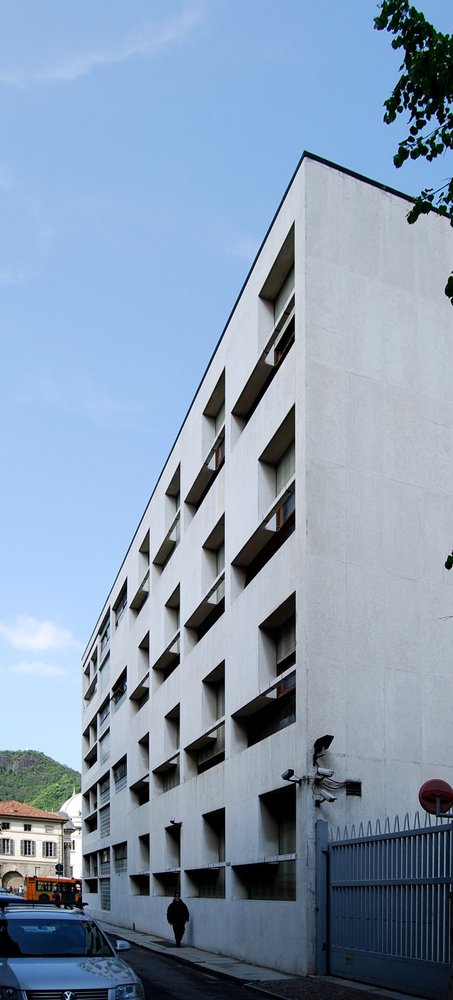
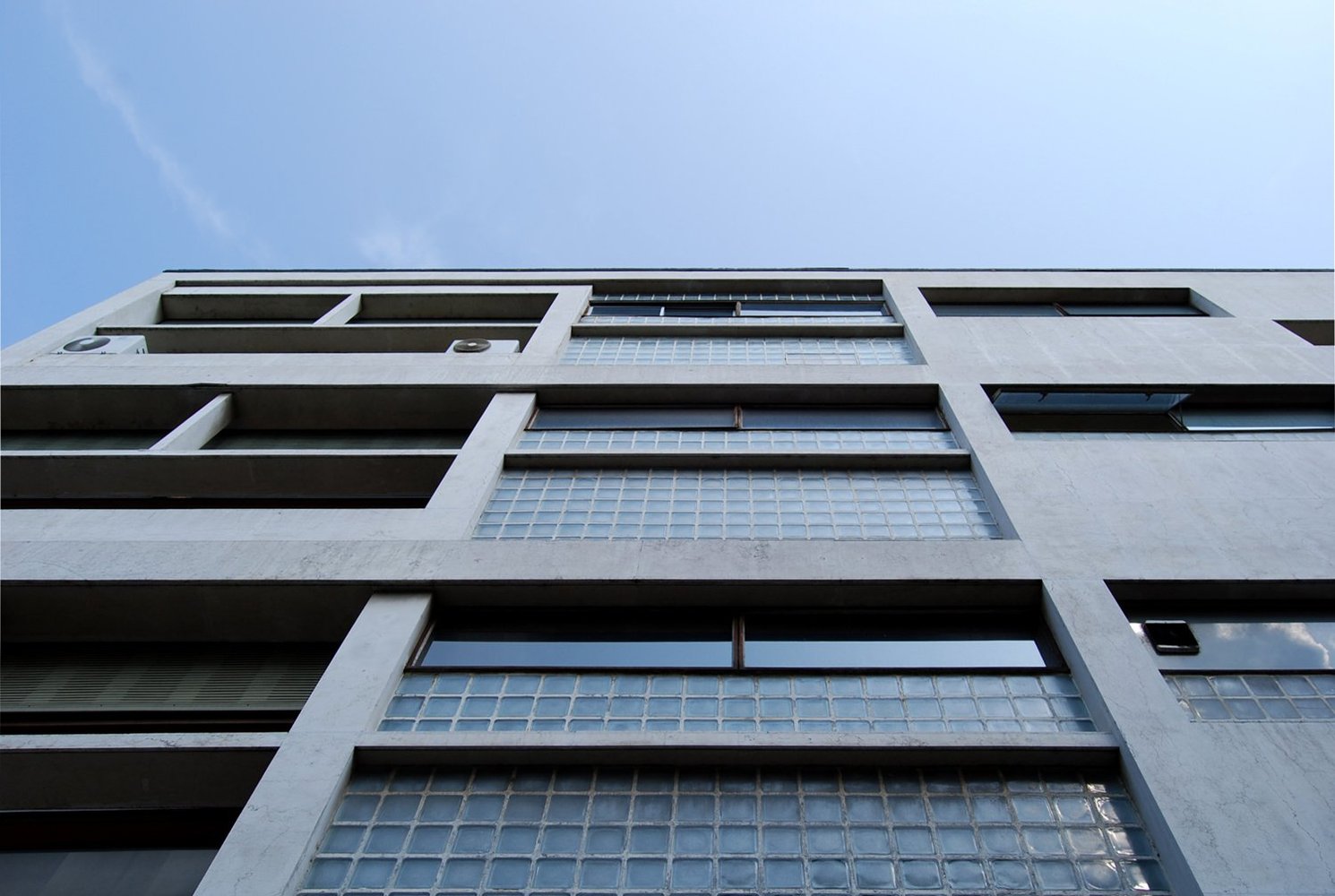
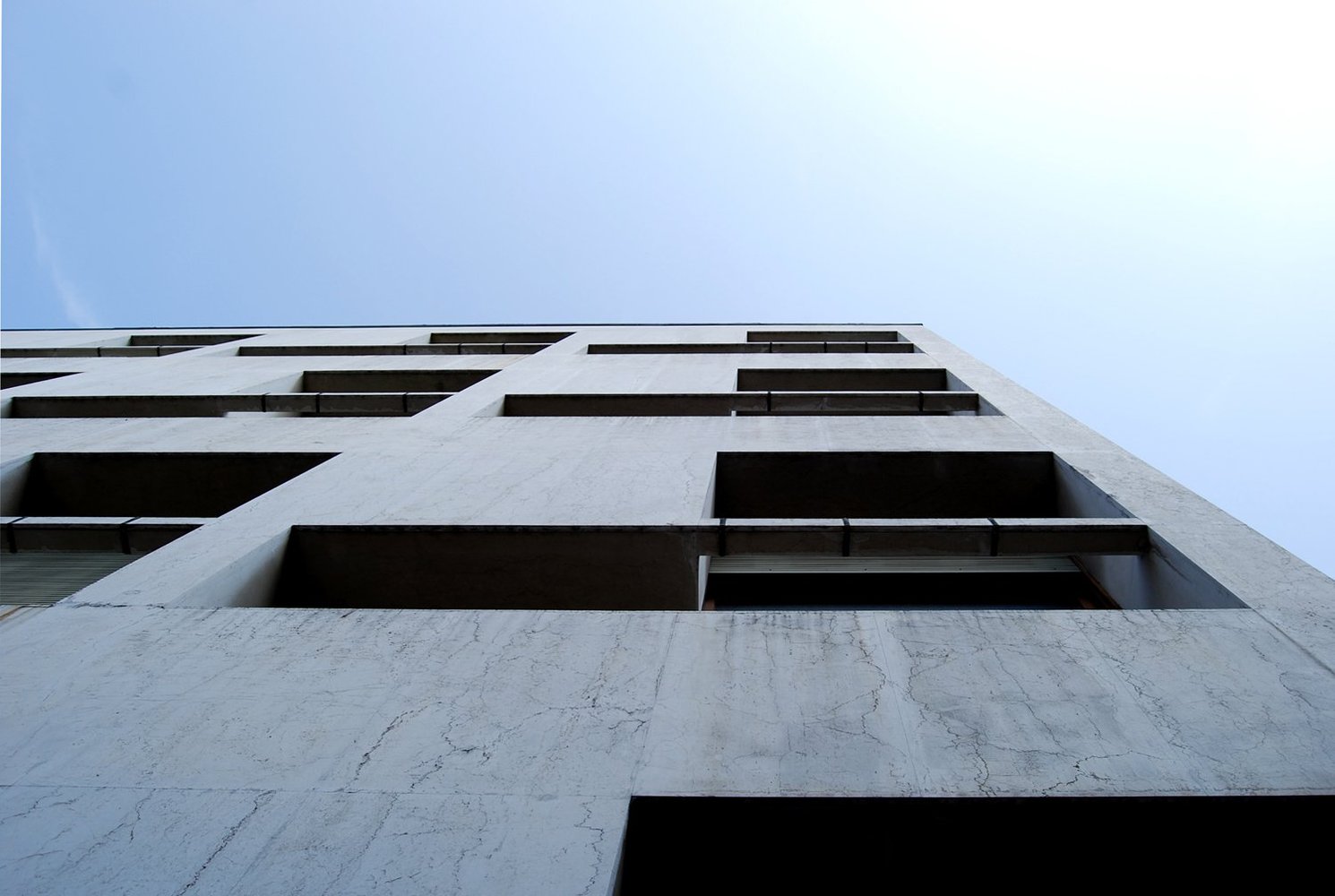
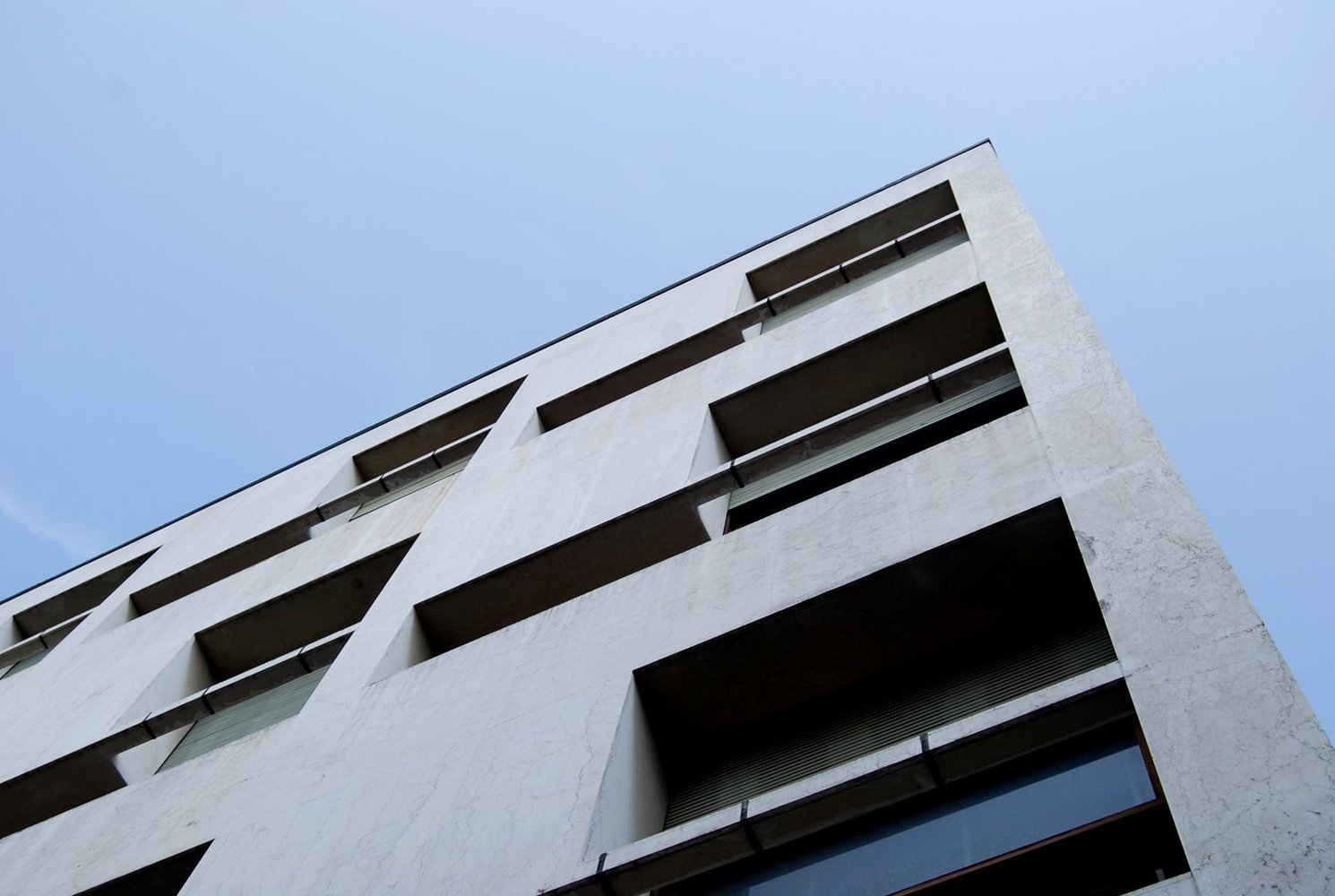
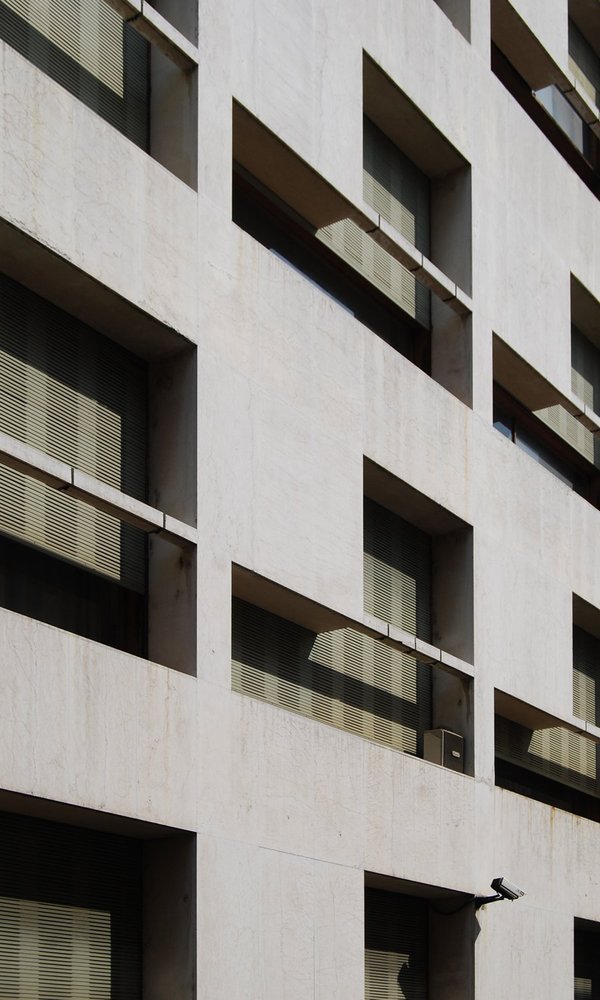
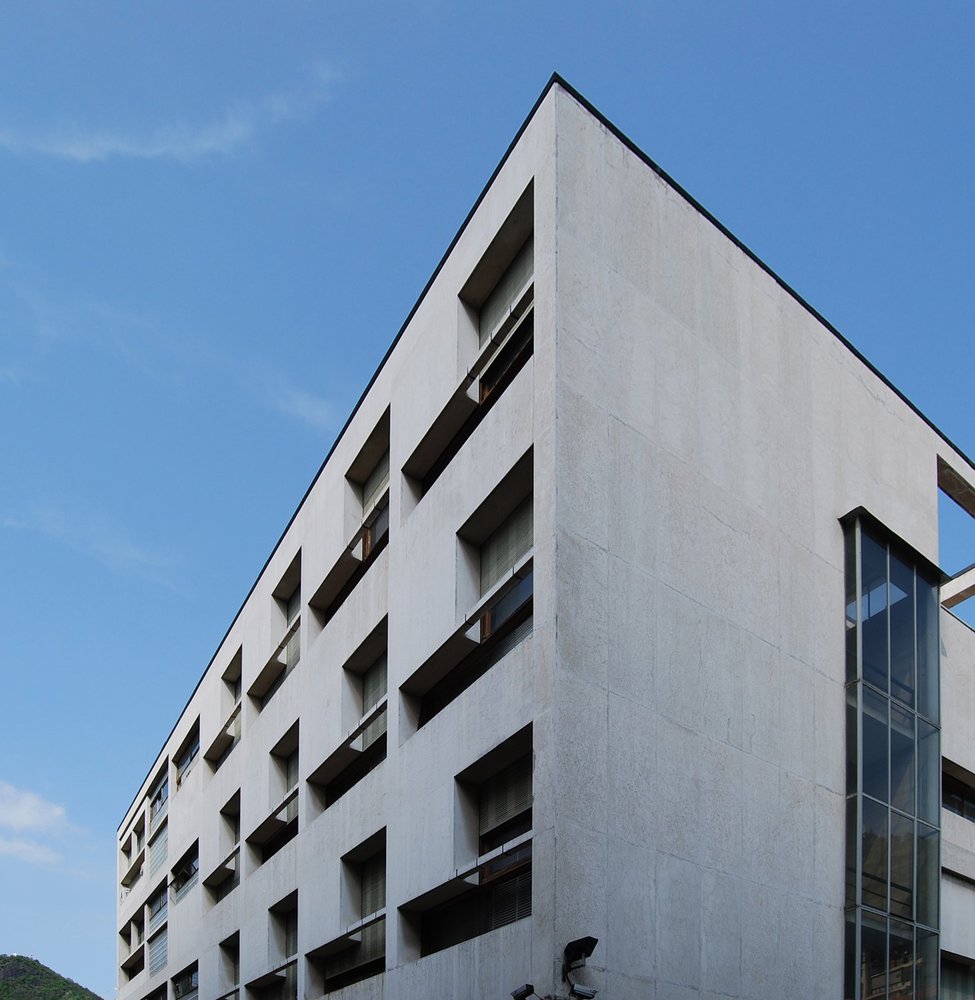
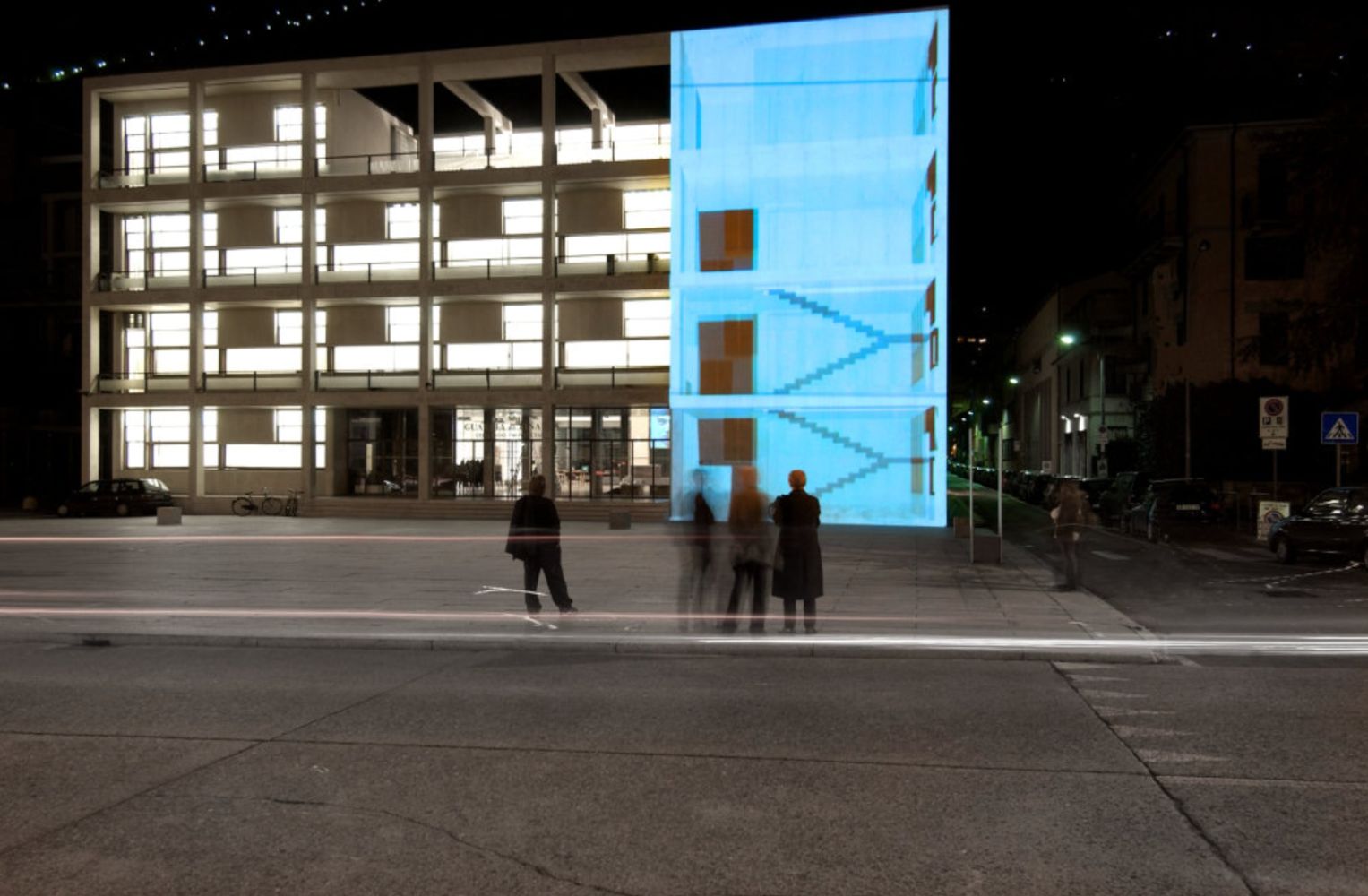
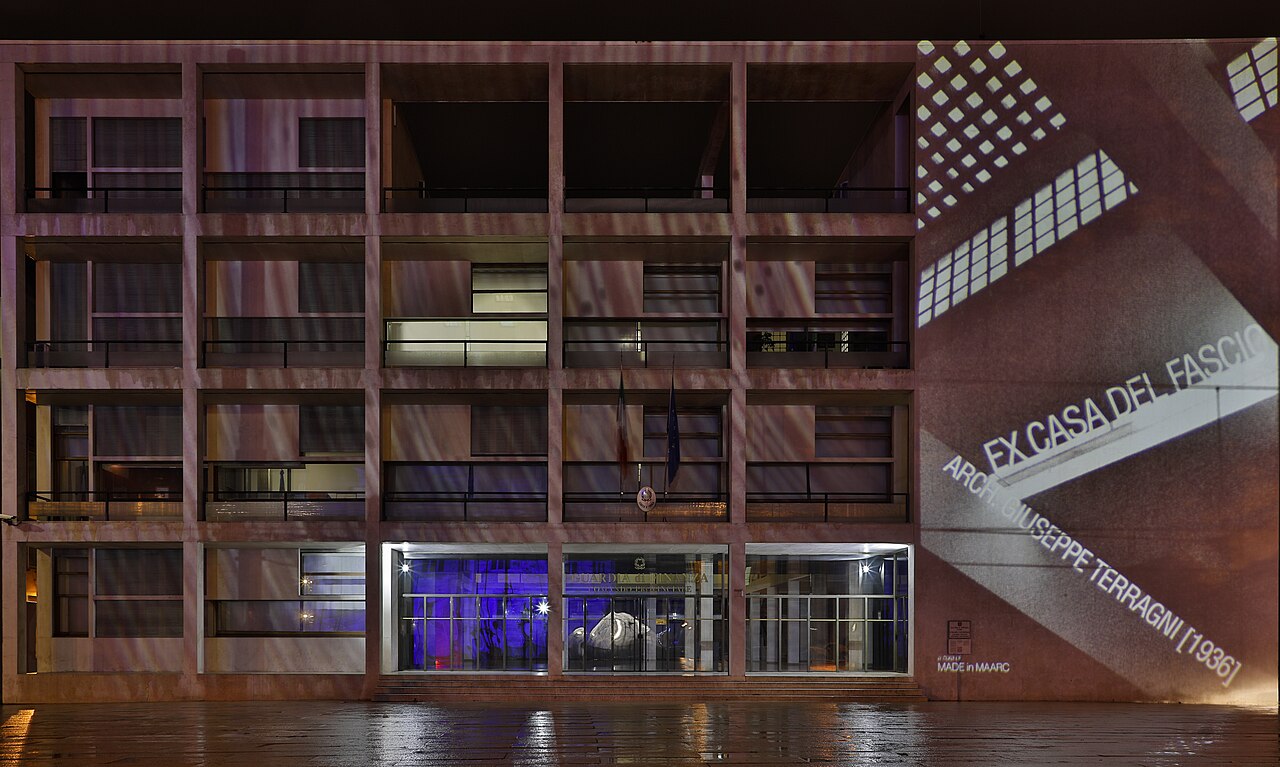
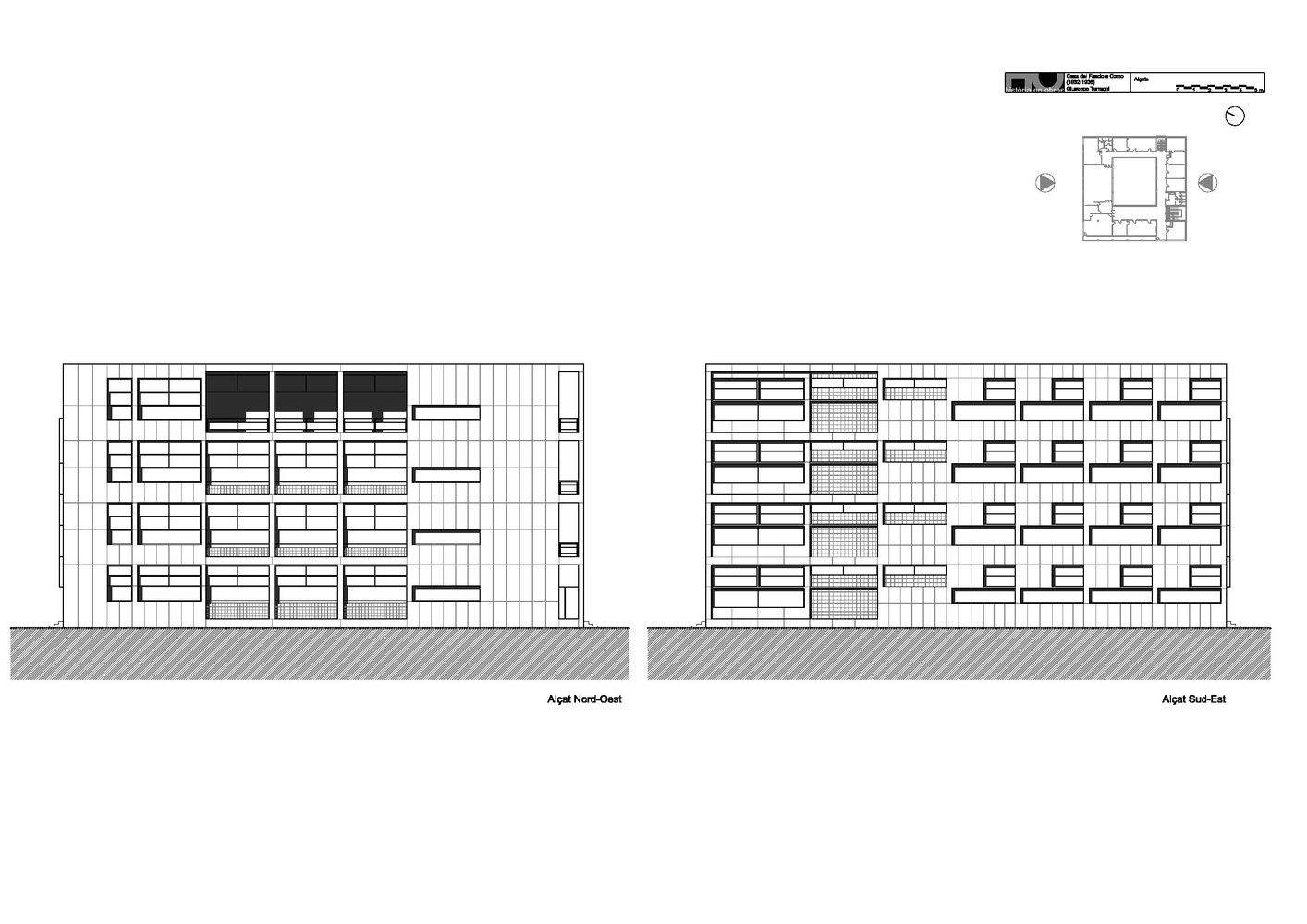
The project is organized as a perfect square measuring 33.20 meters on each side and rising to a height of 16.60 meters, establishing a rigorous half-cube proportion. This geometric clarity became a defining characteristic of Italian Rationalism. Terragni developed four distinct façades, each reflecting aspects of the internal arrangement while maintaining a consistent structural rhythm and material palette. Opaque surfaces clad in Botticino marble alternate with glazed openings, loggias, and concrete-frame glass block panels, producing carefully balanced relationships between solid and void.
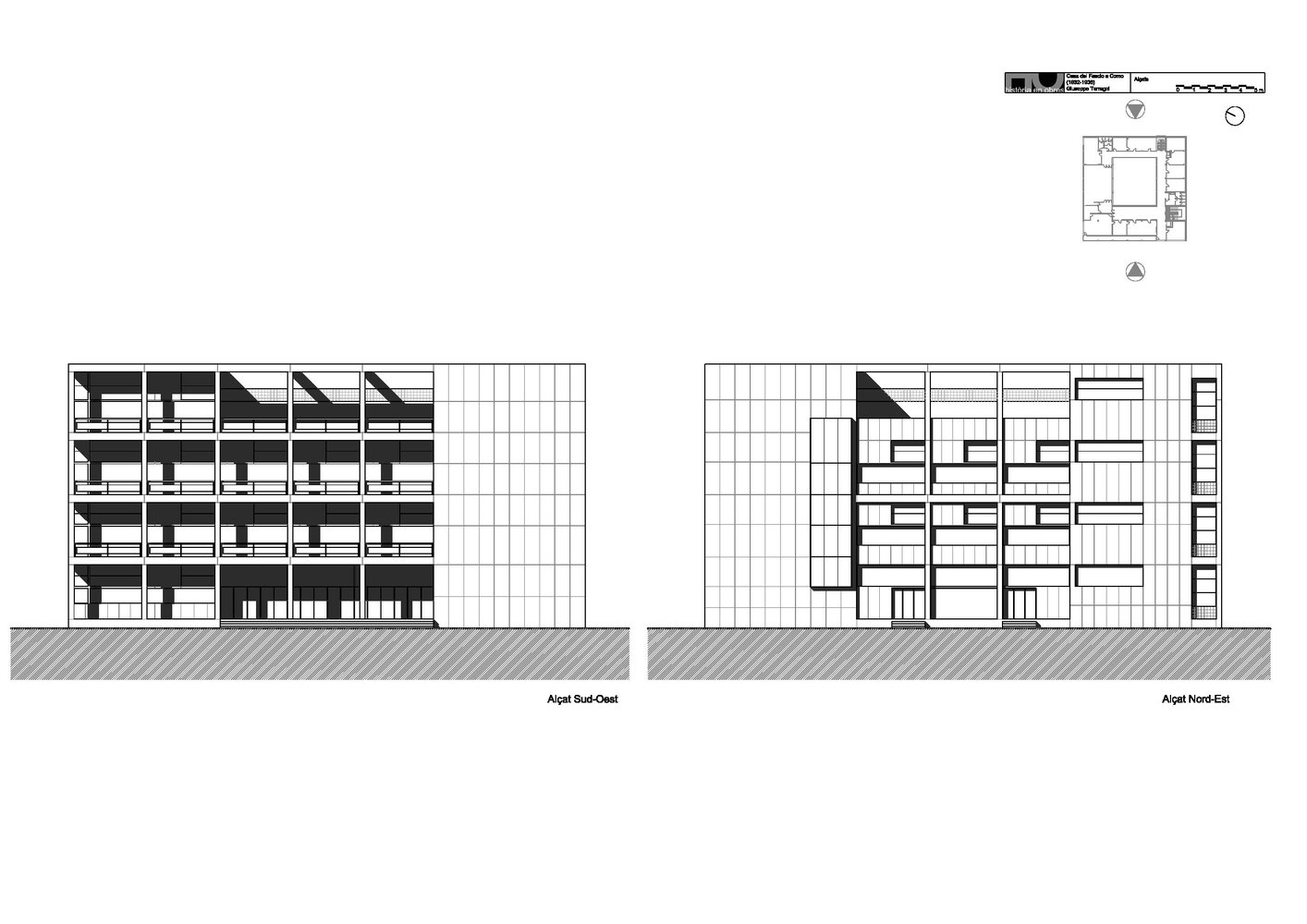
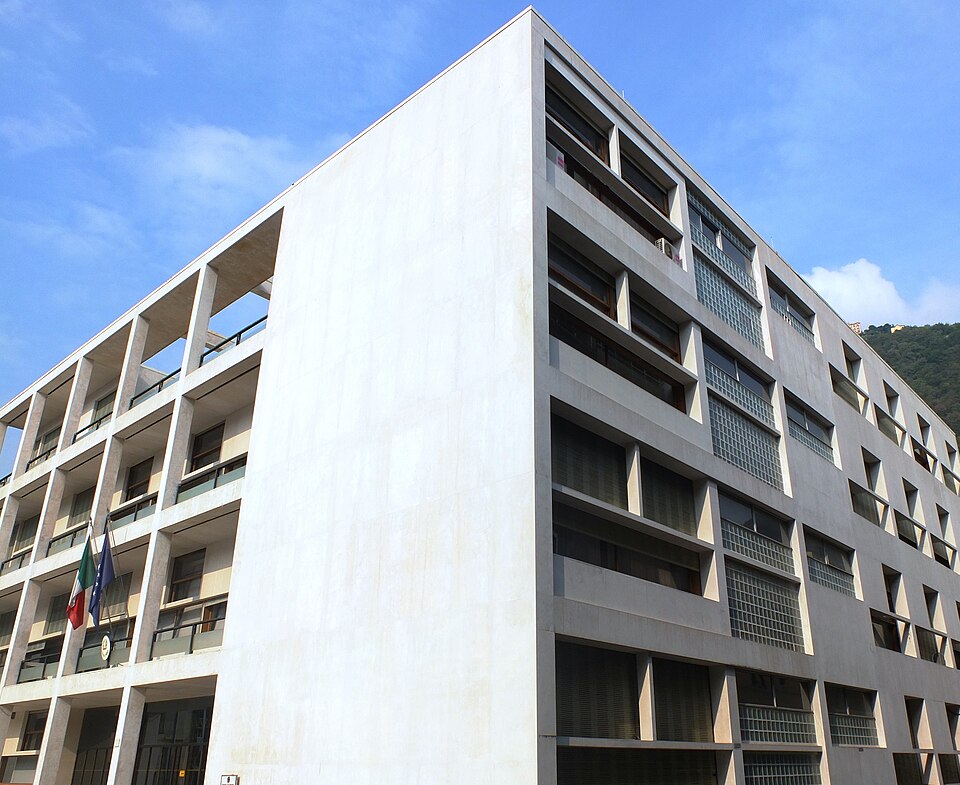
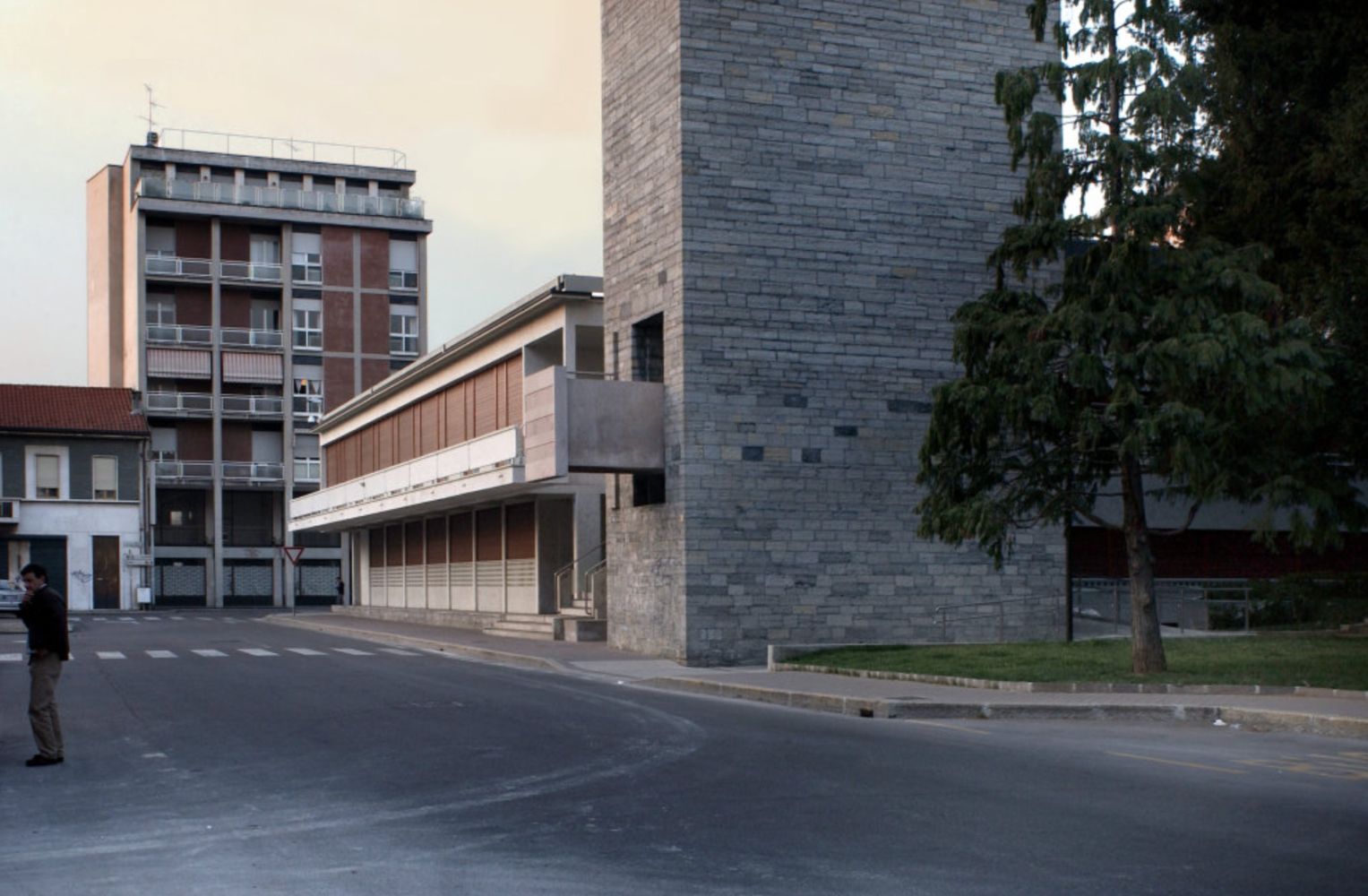
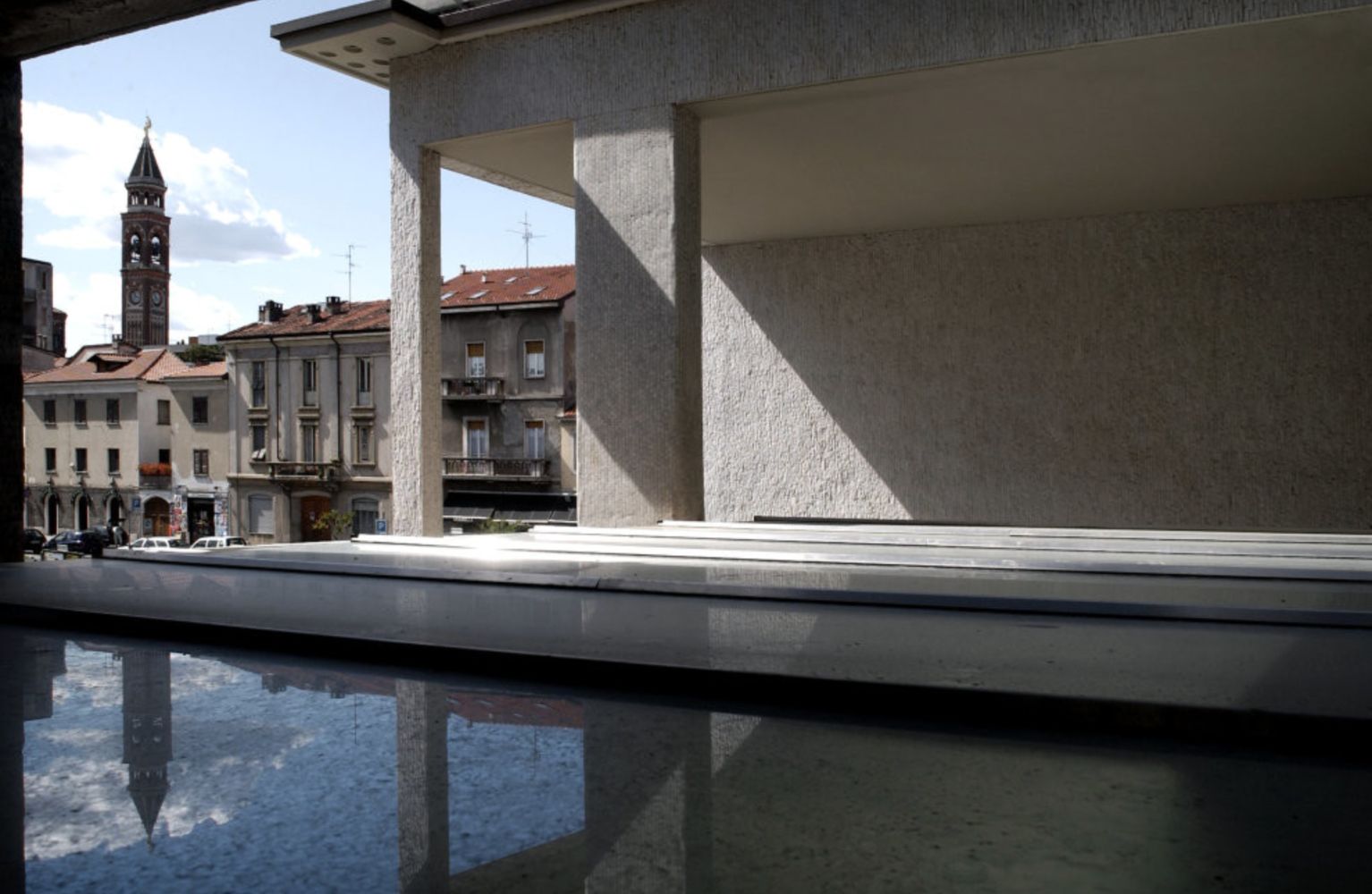
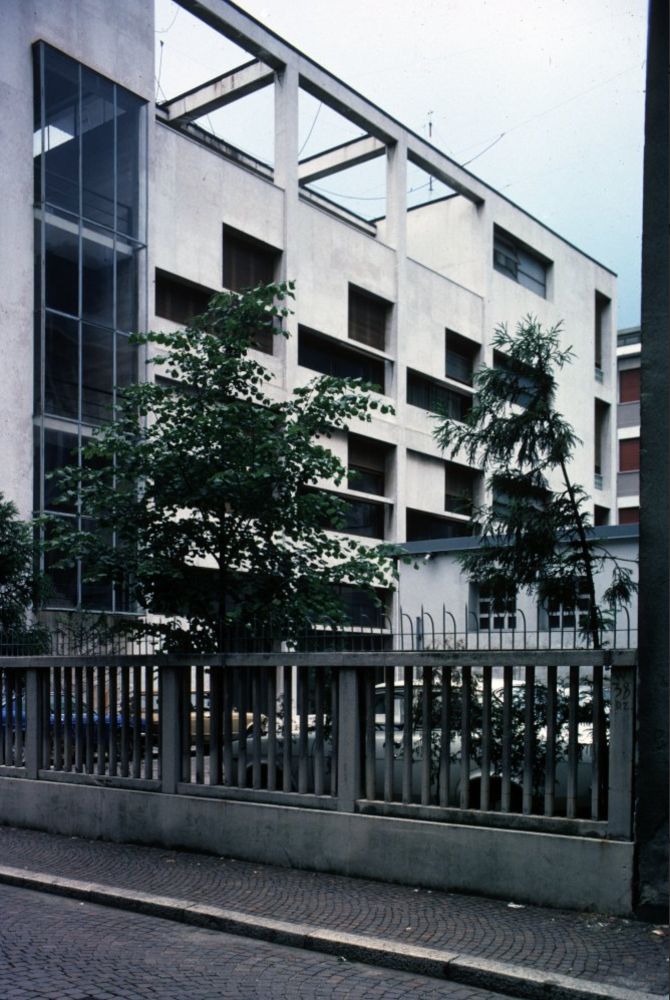
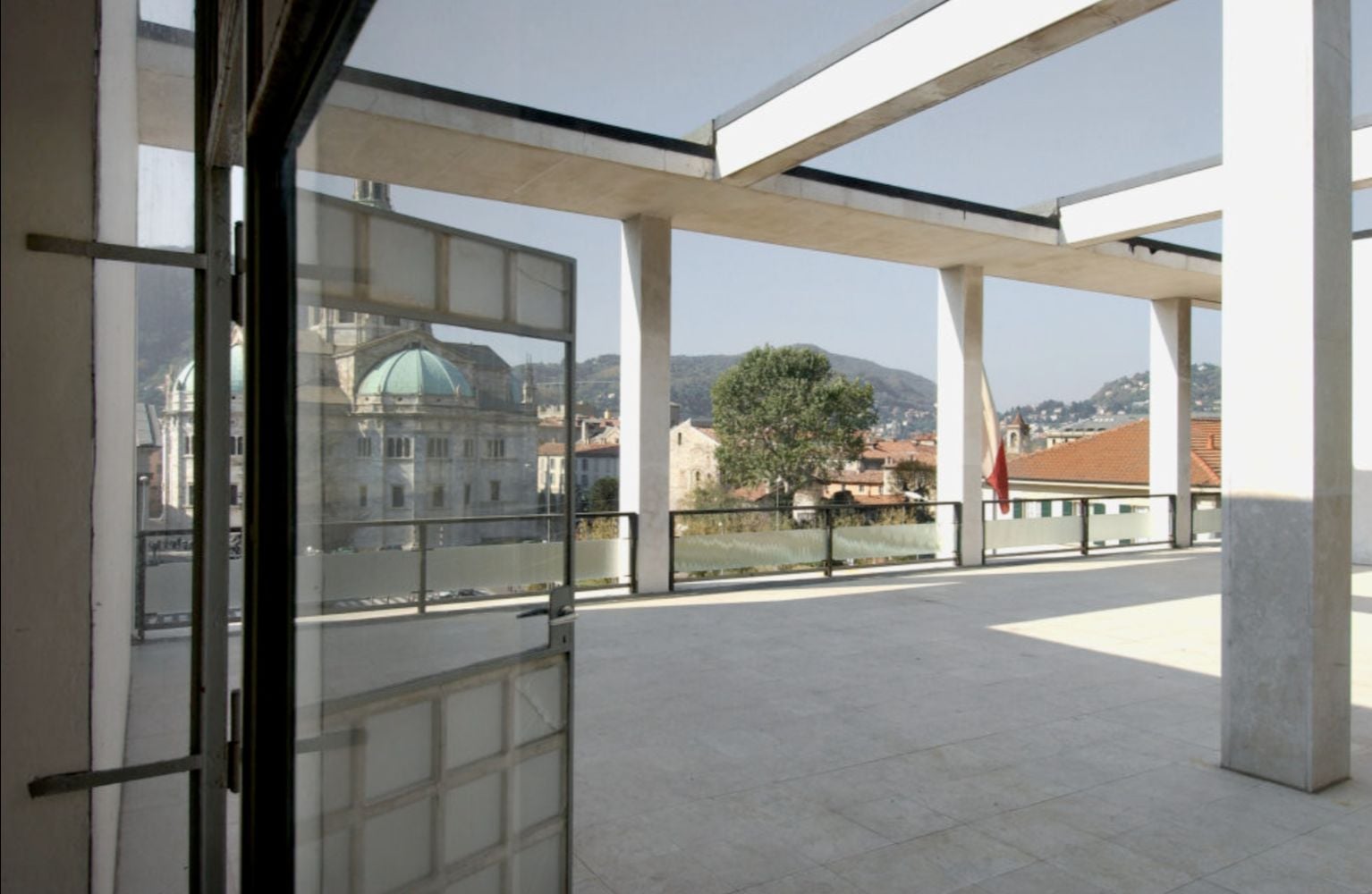
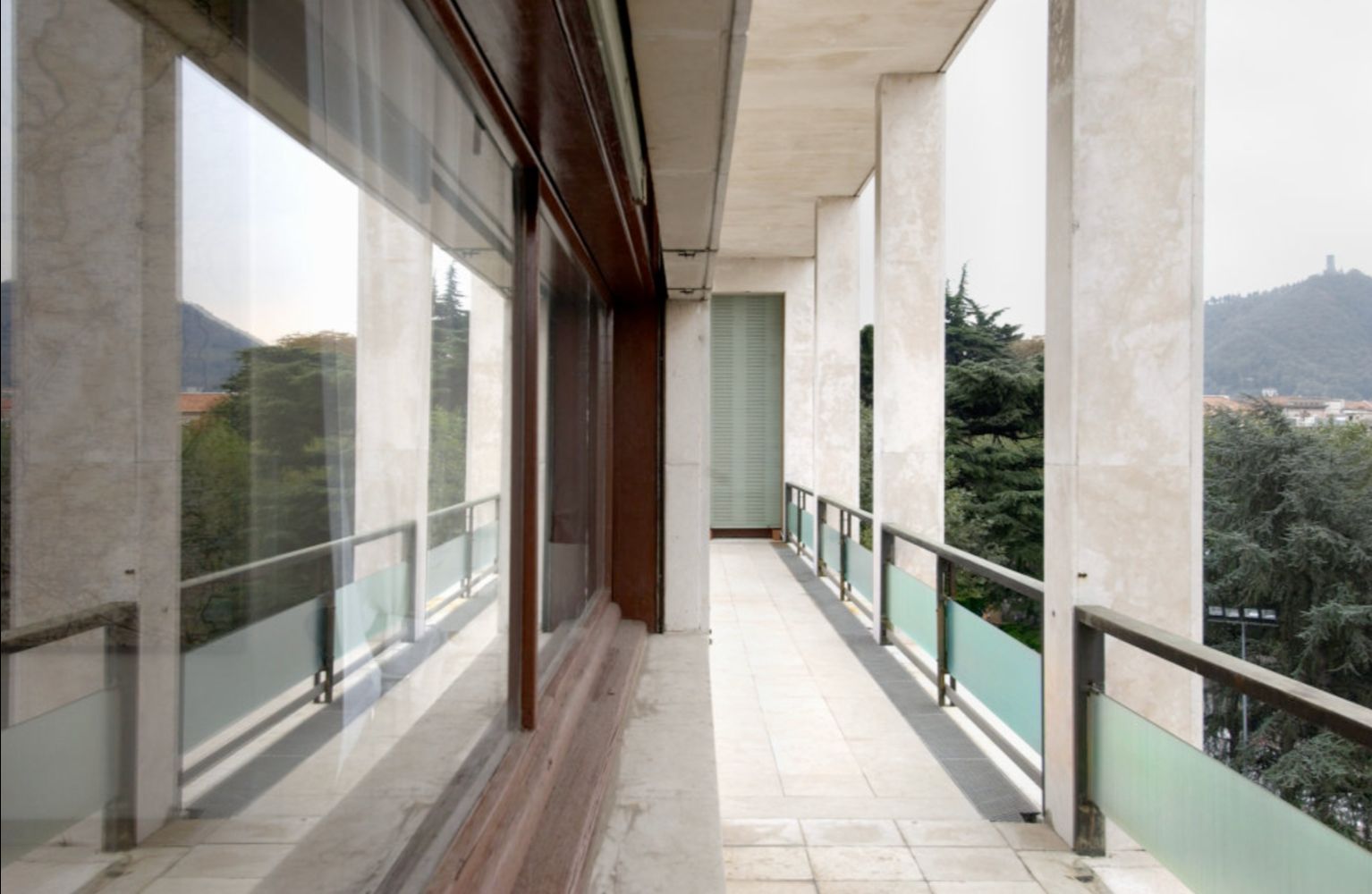
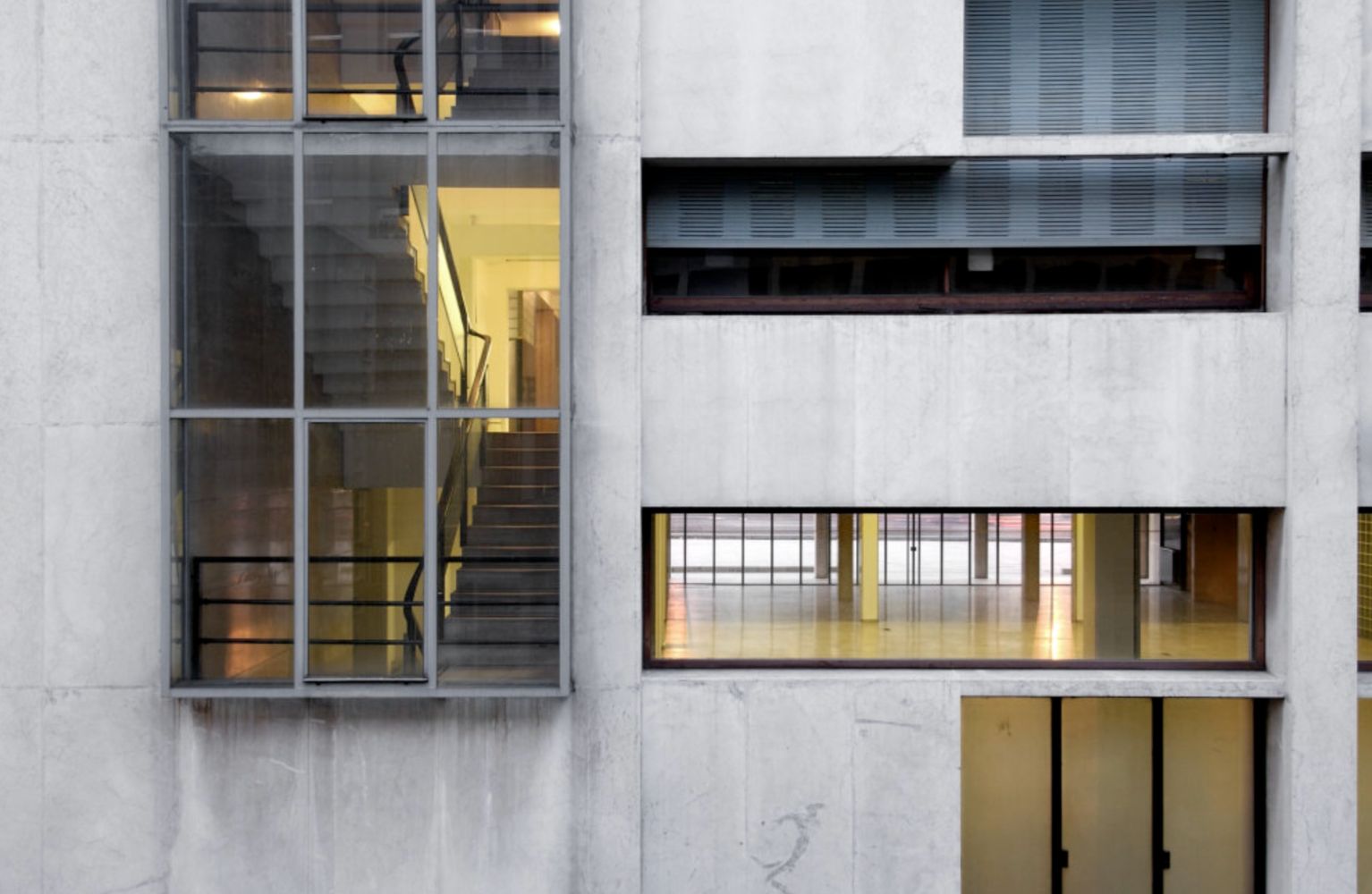
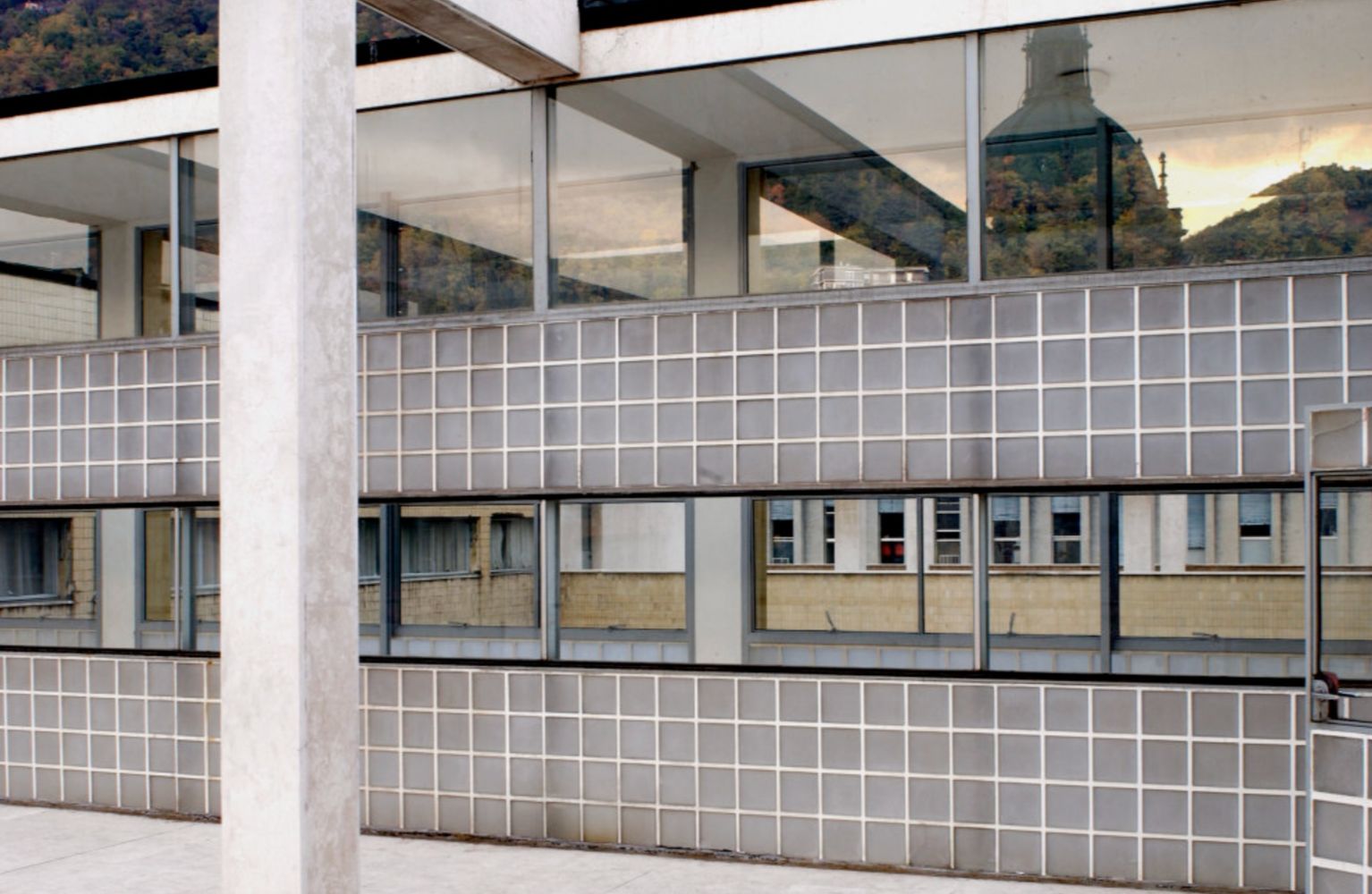
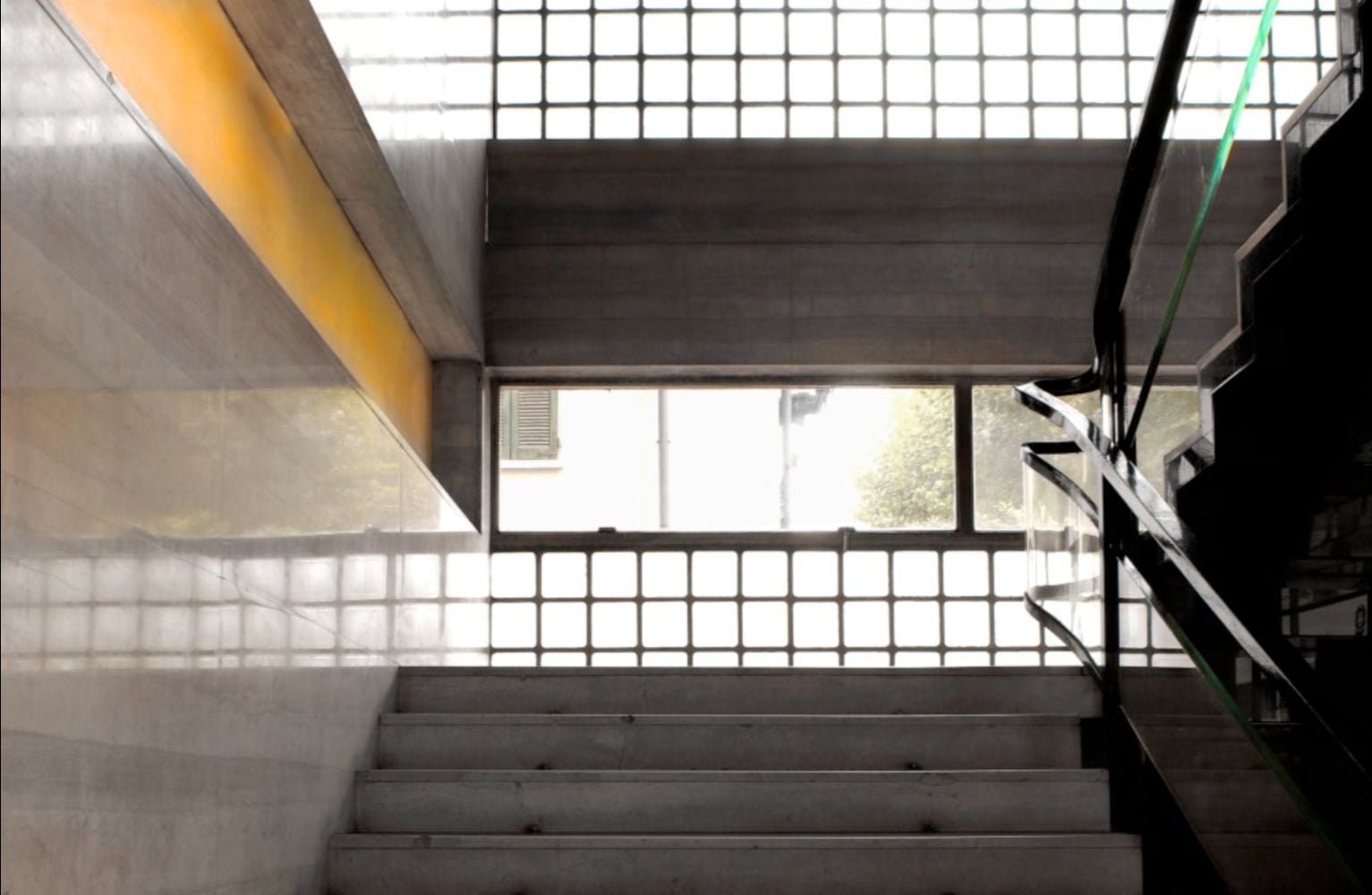
The main façade facing Piazza del Popolo is distinguished by a large five-bay loggia that introduces transparency while maintaining the building’s monumental presence. Adjacent opaque volumes integrate the former torre littoria within the overall composition. Other elevations reveal the internal staircase, offices, galleries, and service spaces through ribbon windows, L-shaped openings, and glass block walls, demonstrating Terragni’s interest in expressing function through architectural form.
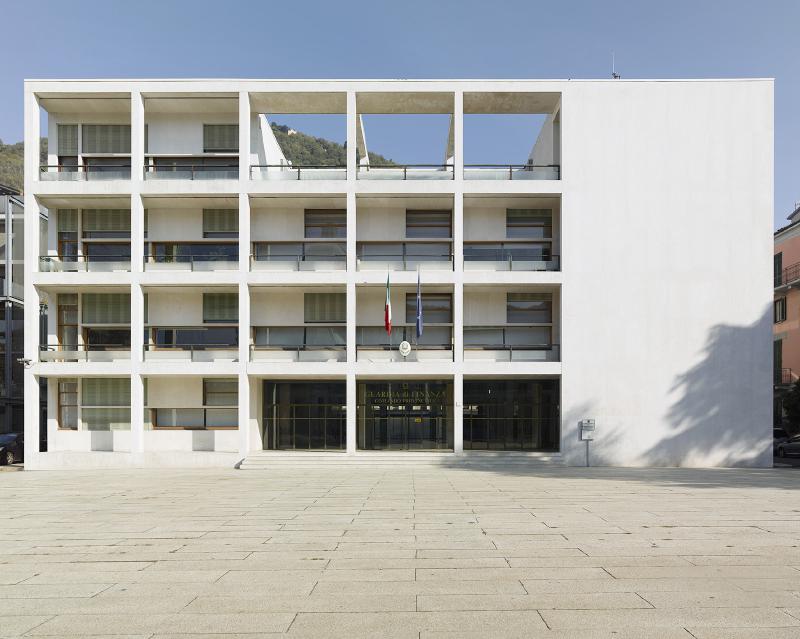
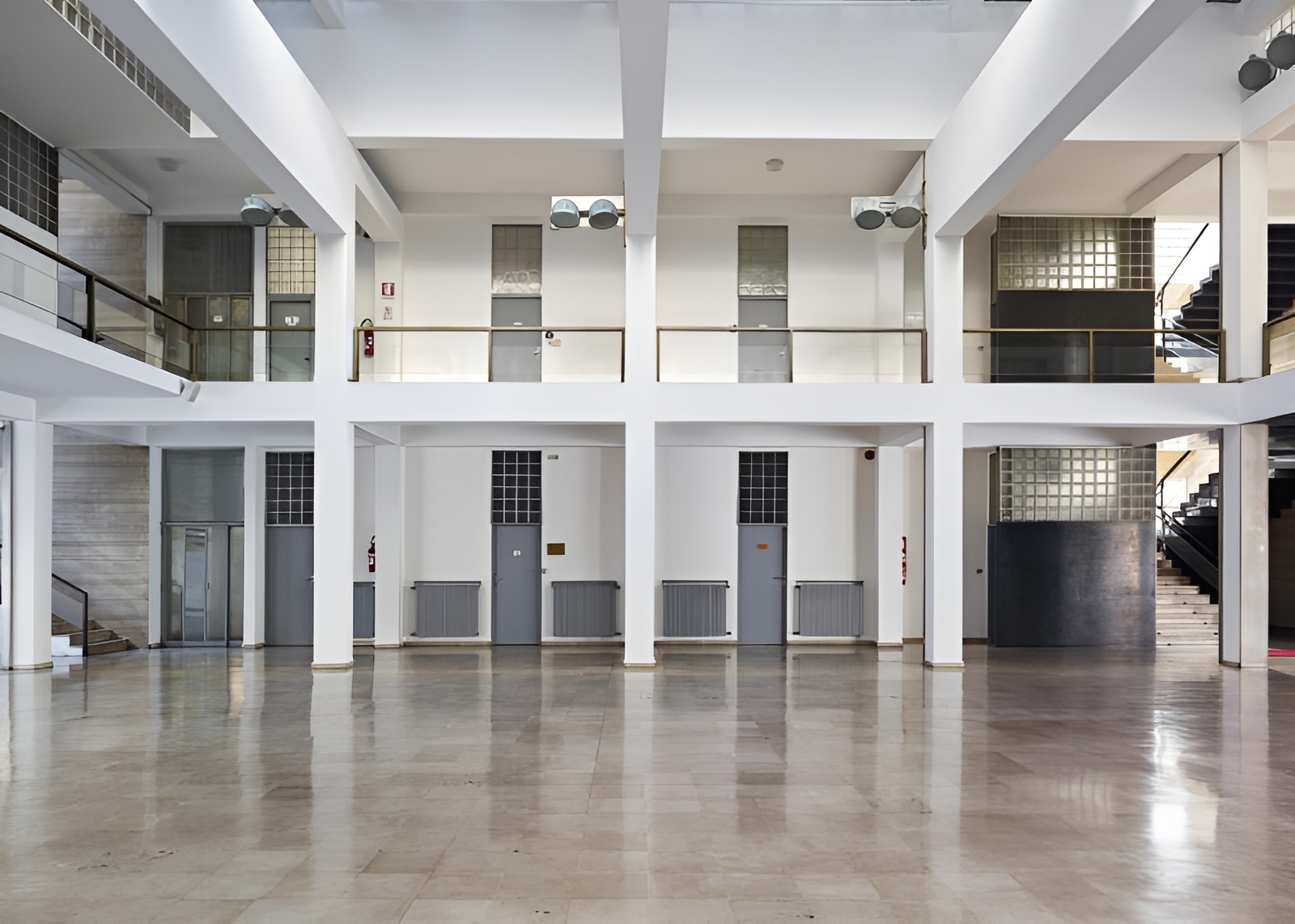
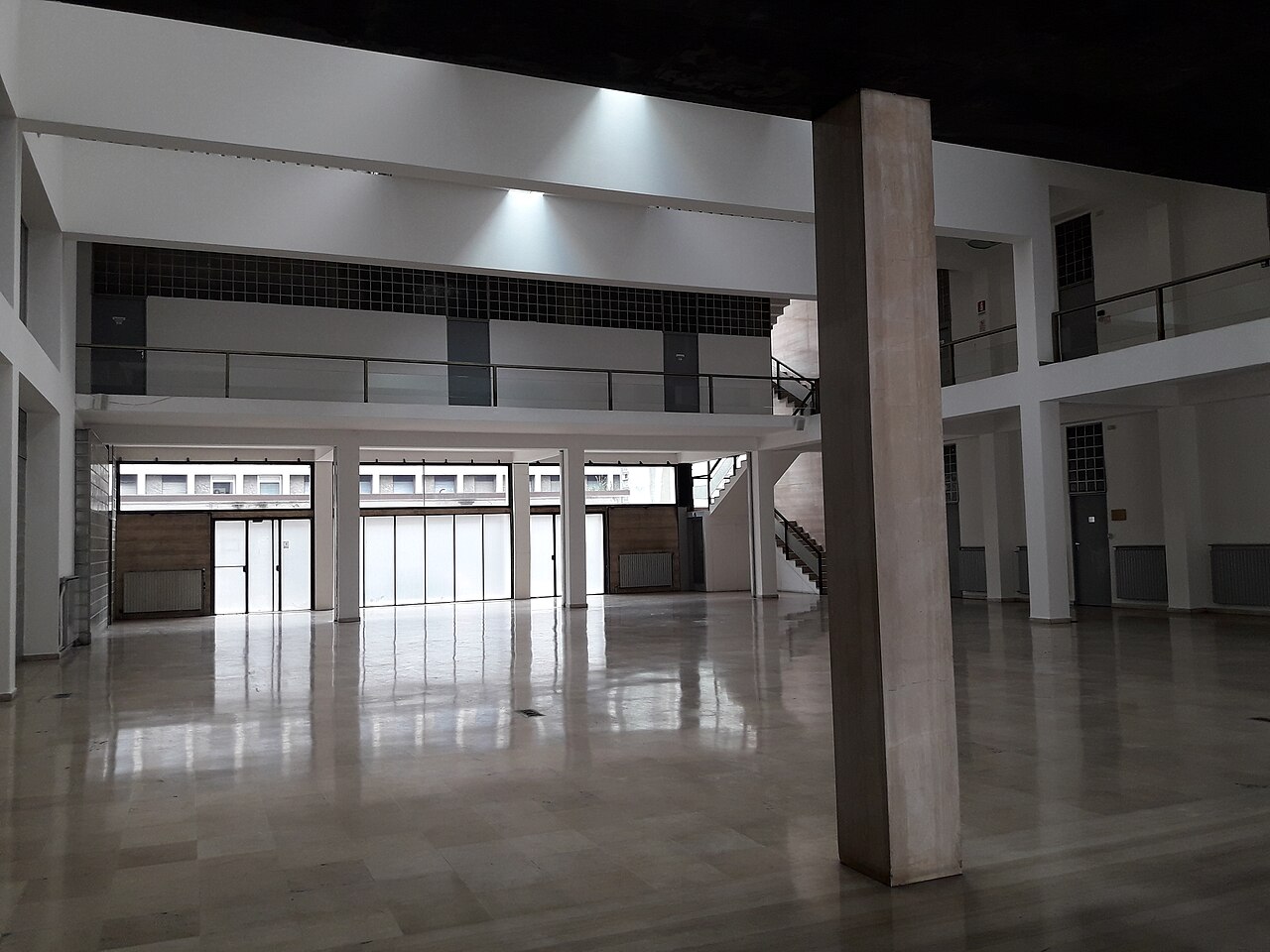
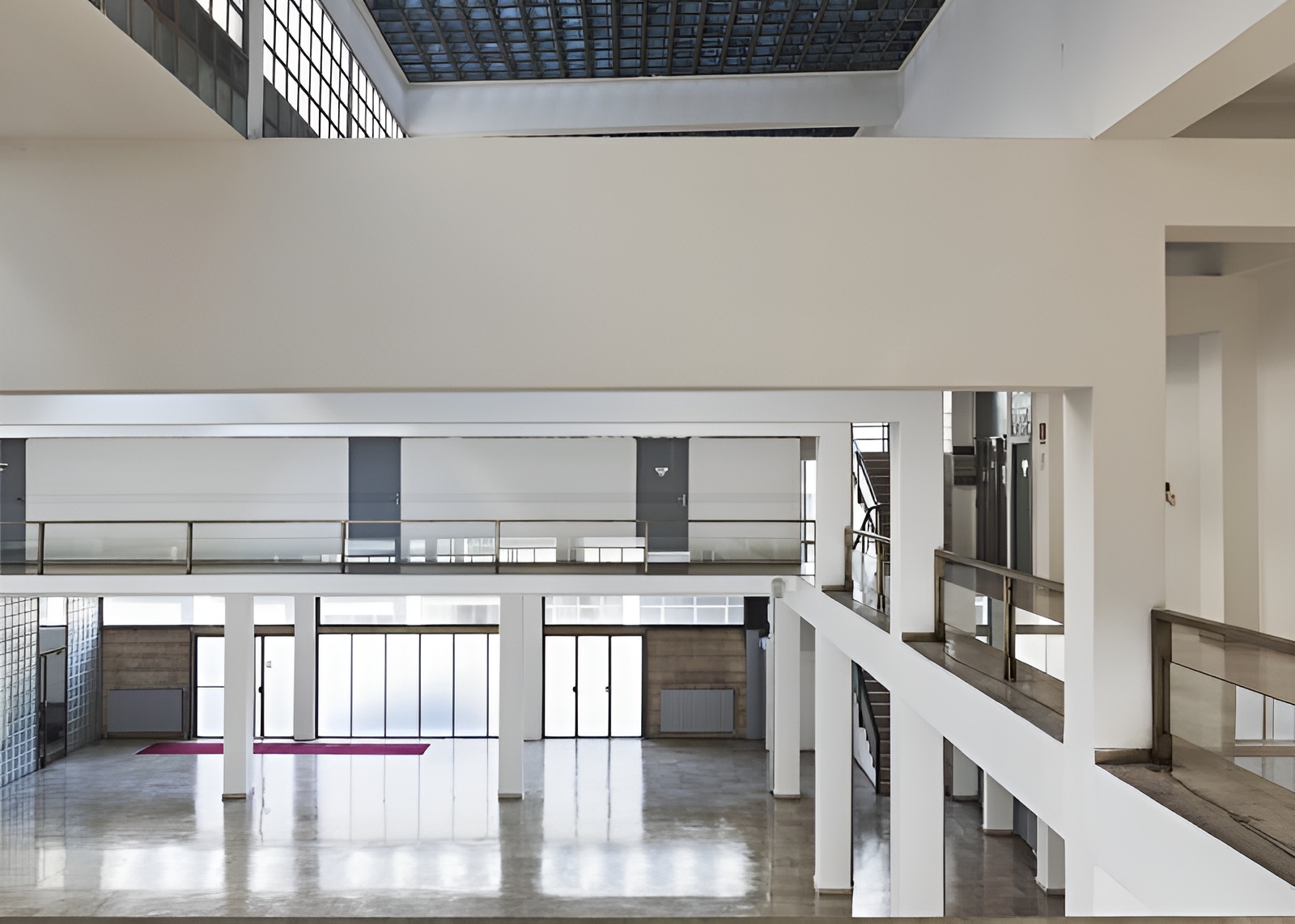
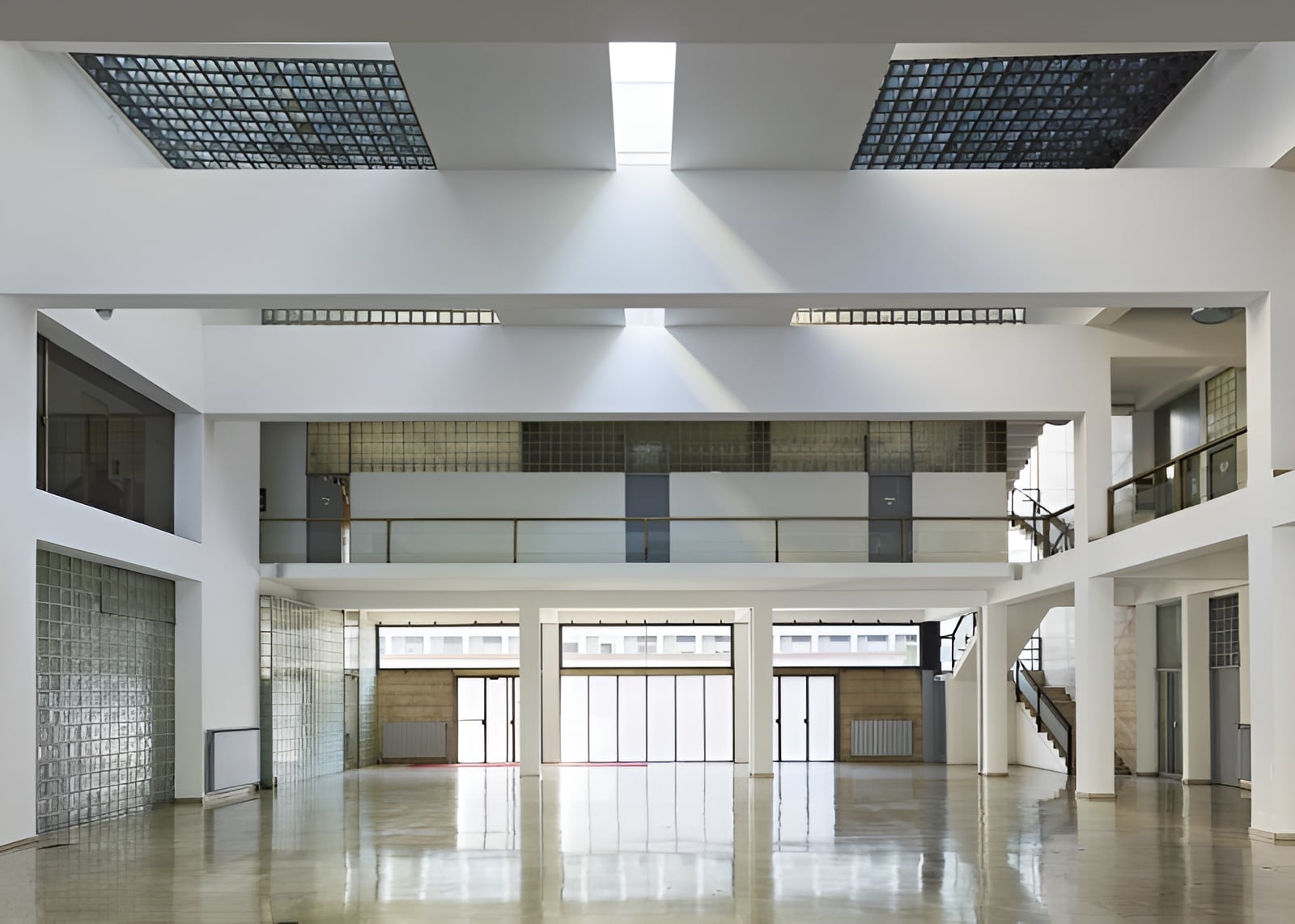
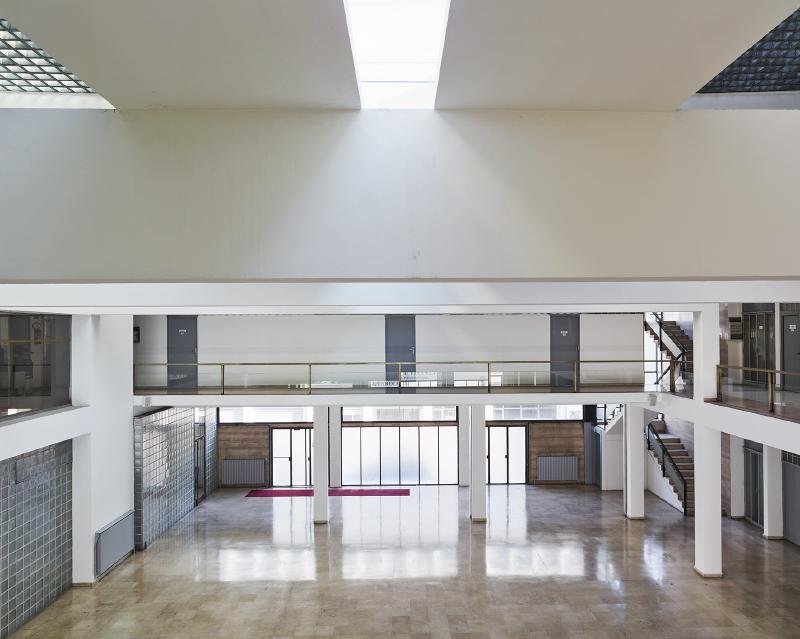
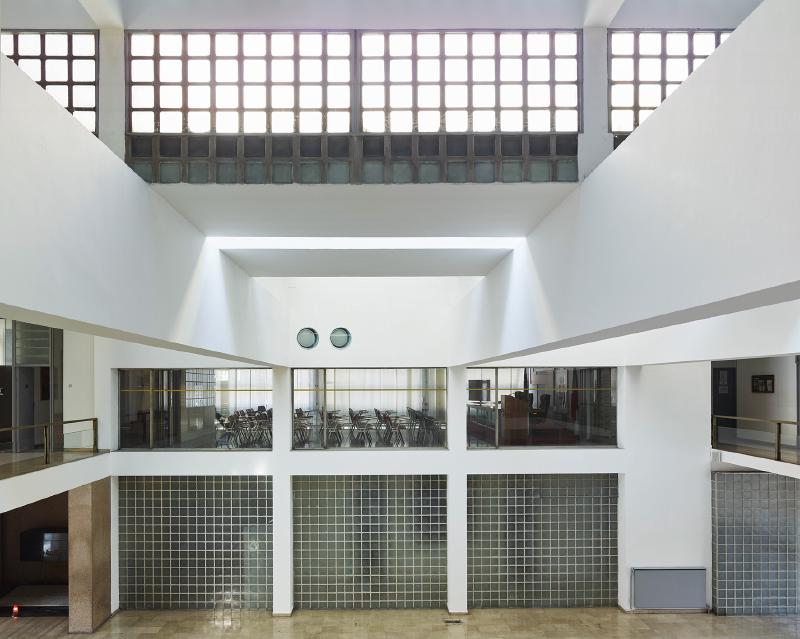
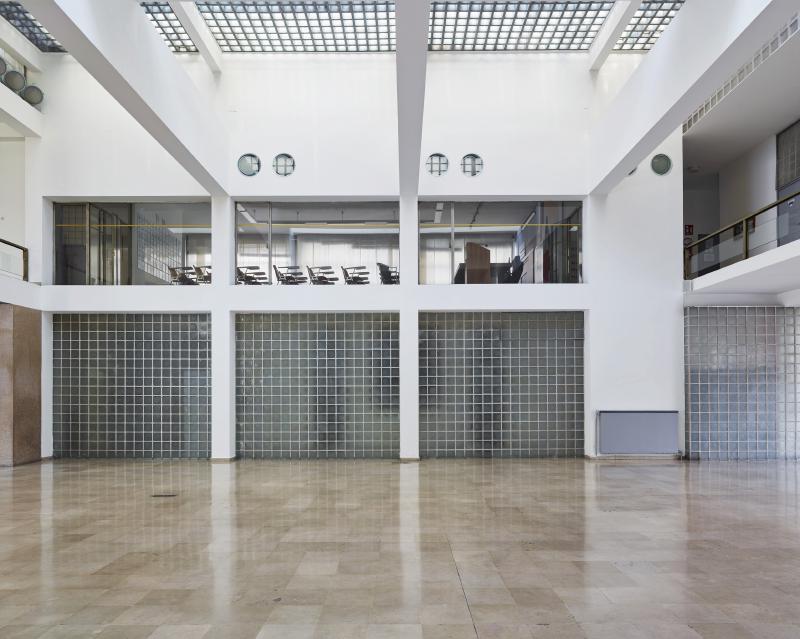
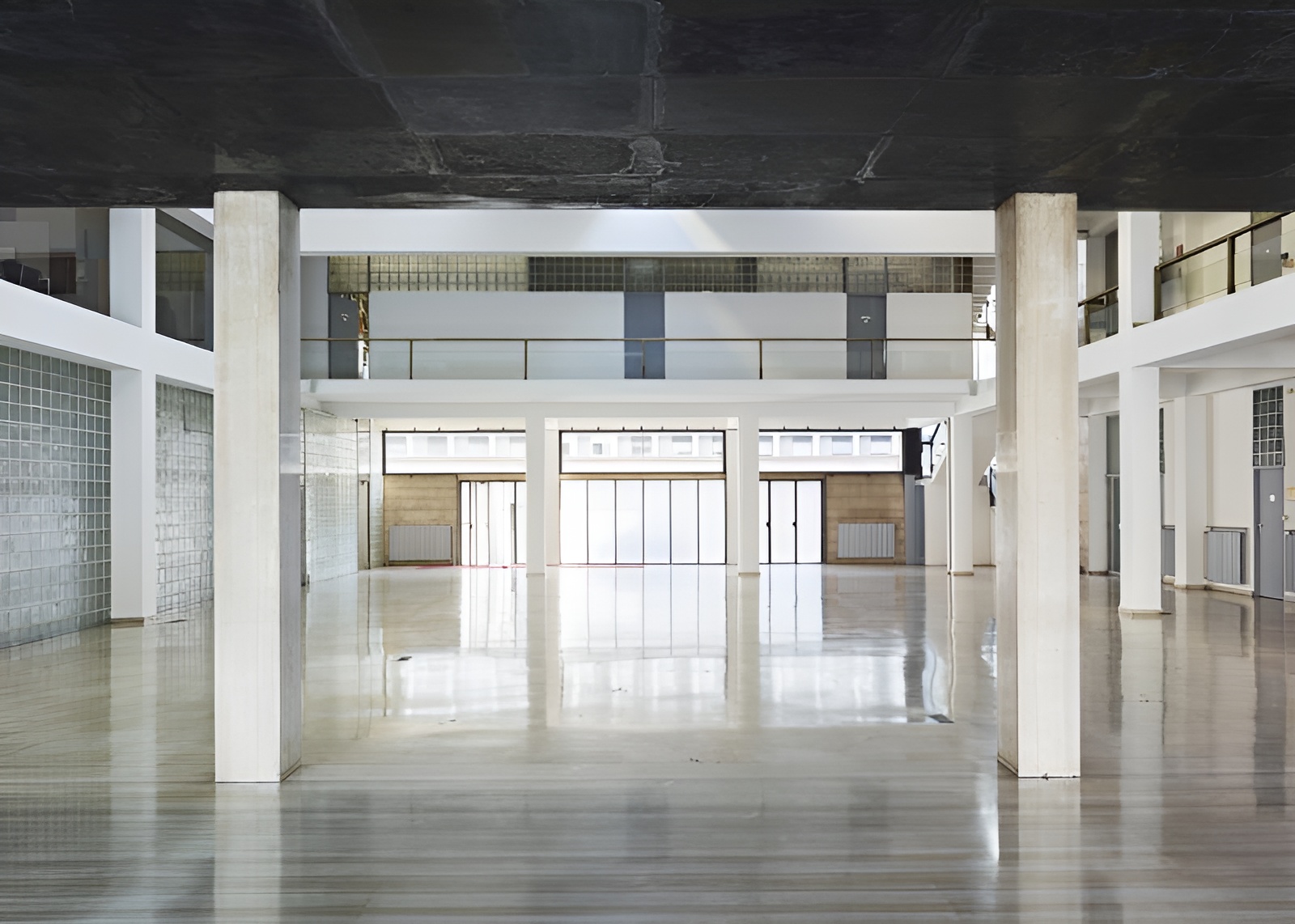
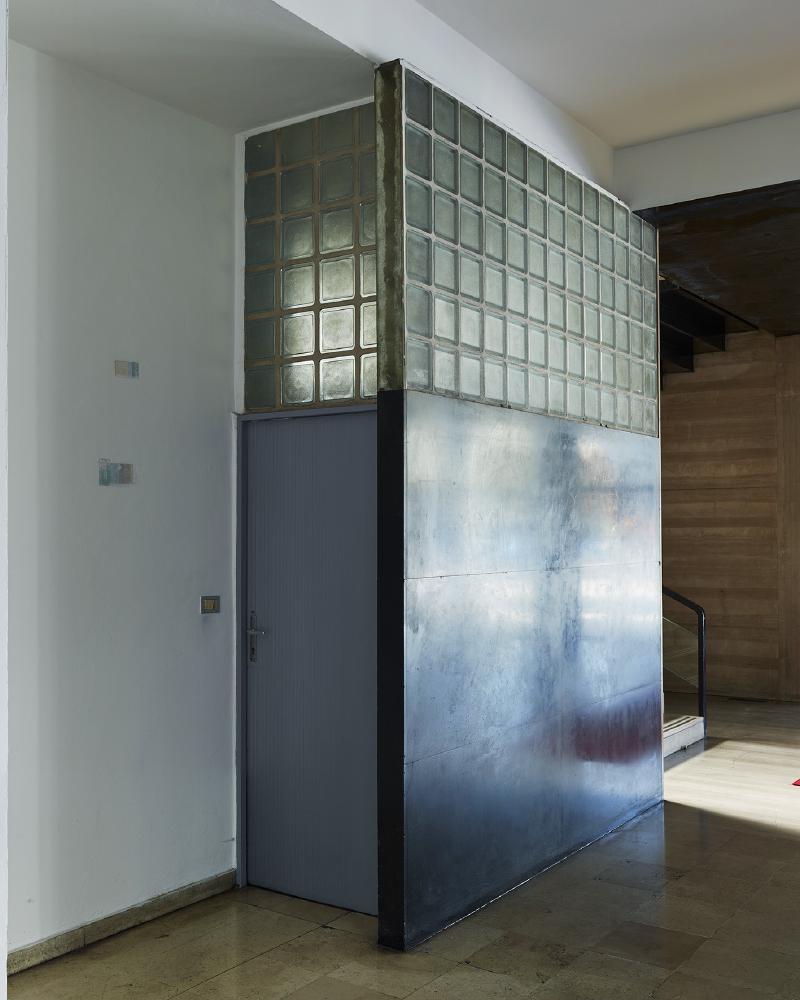
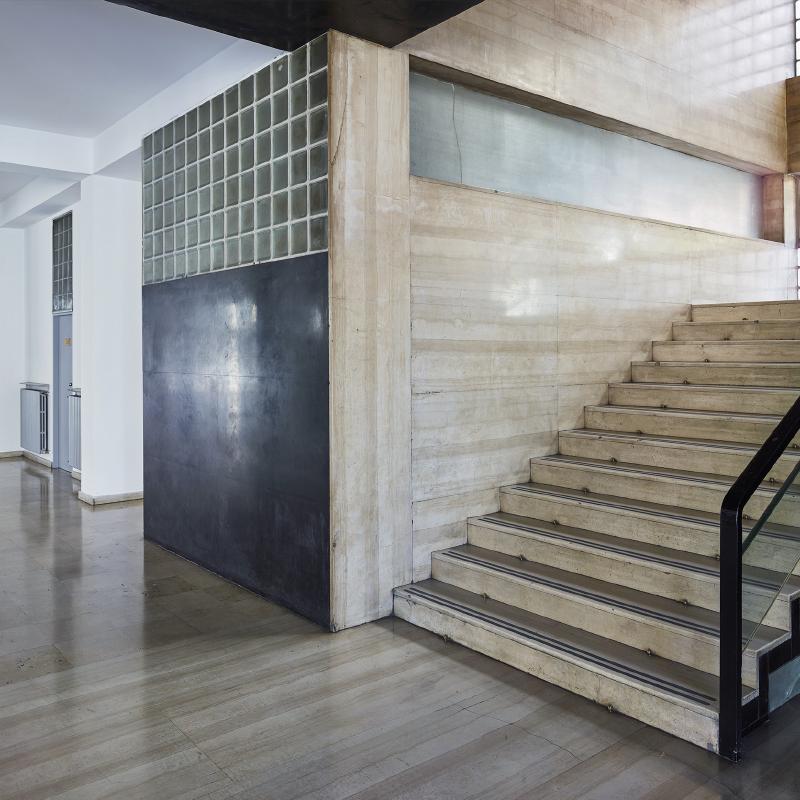
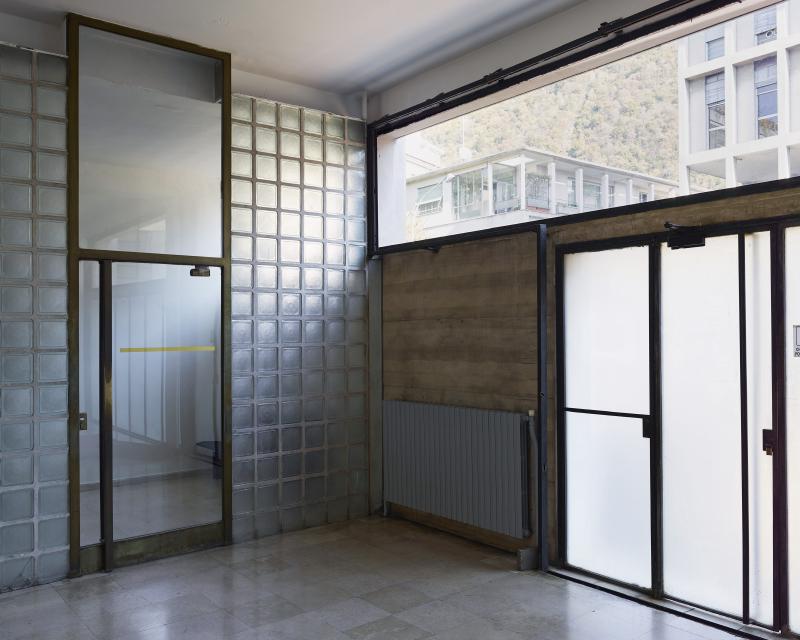
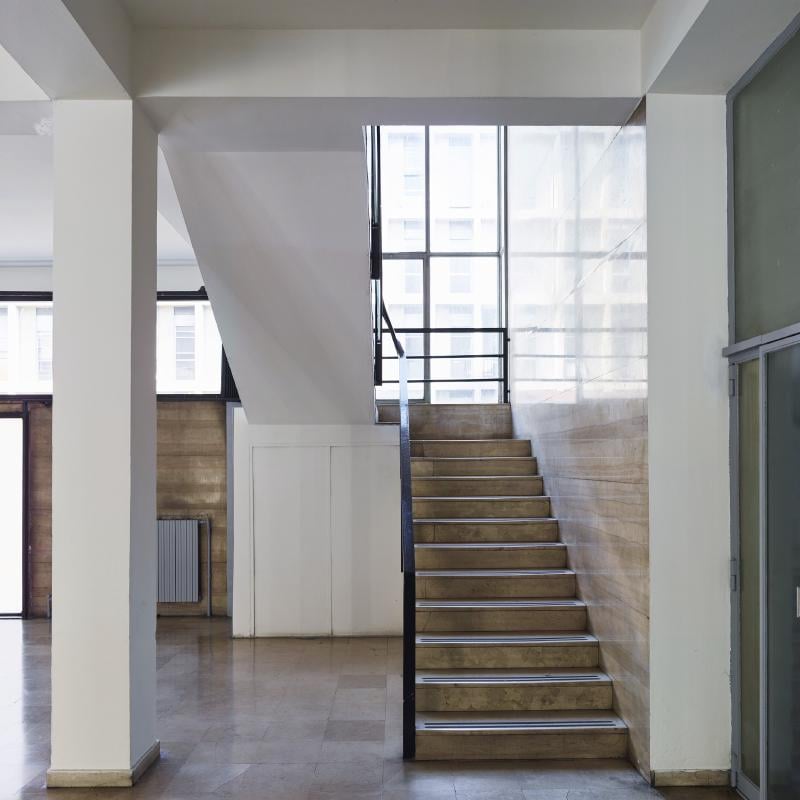
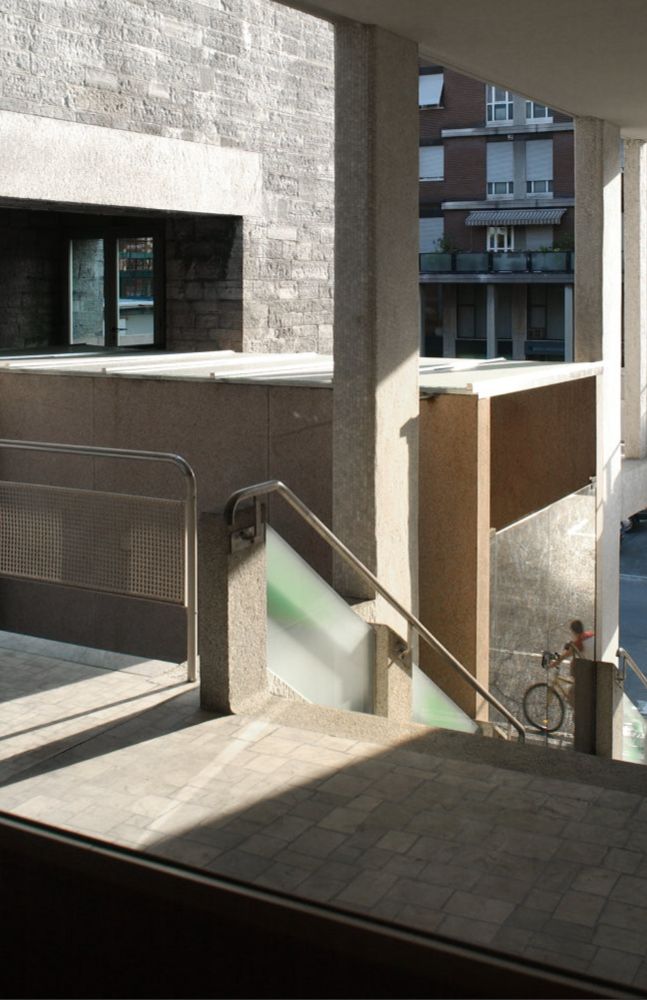
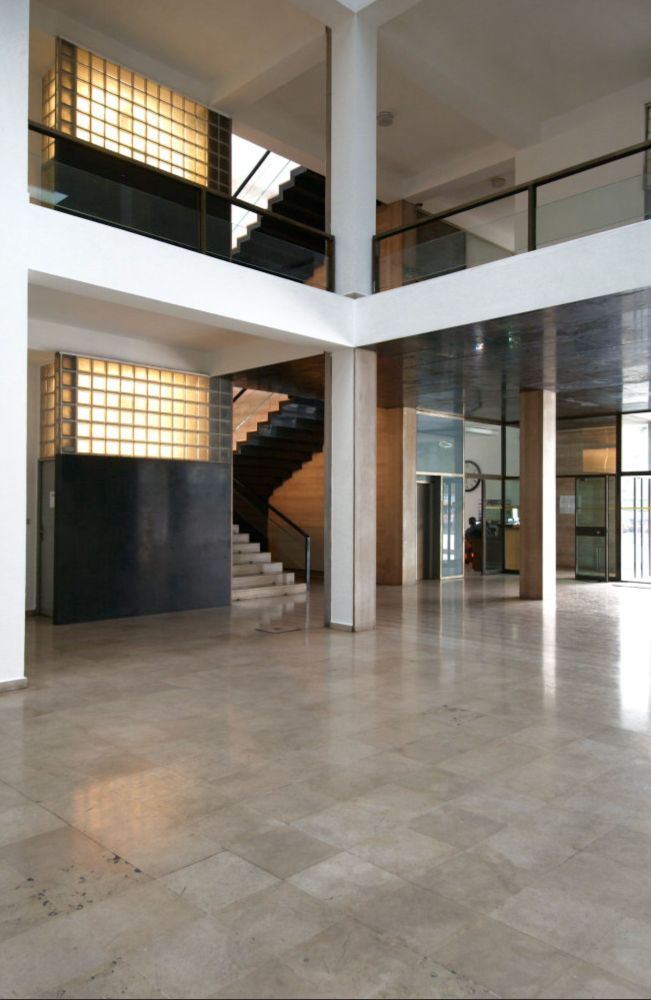
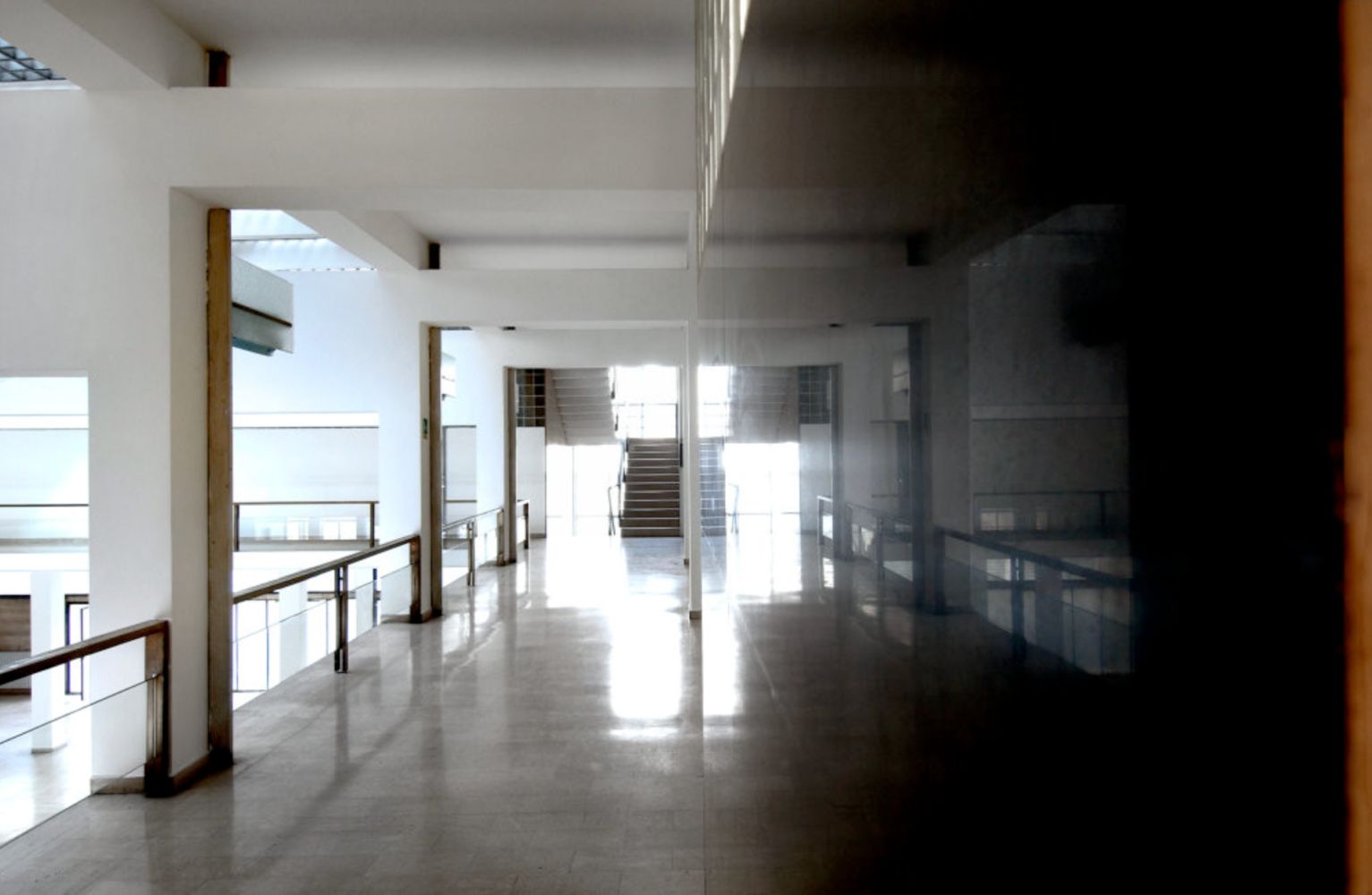
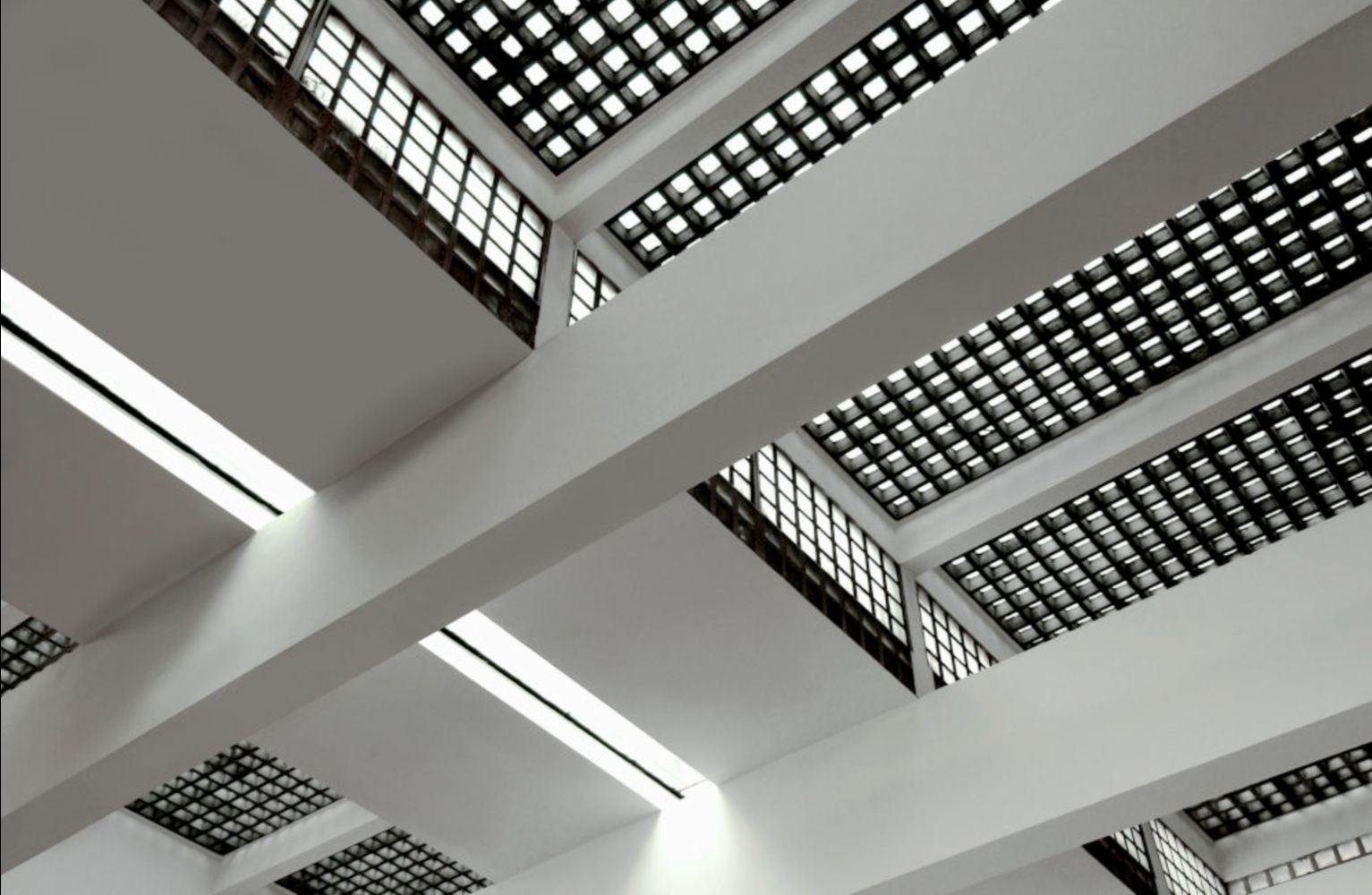
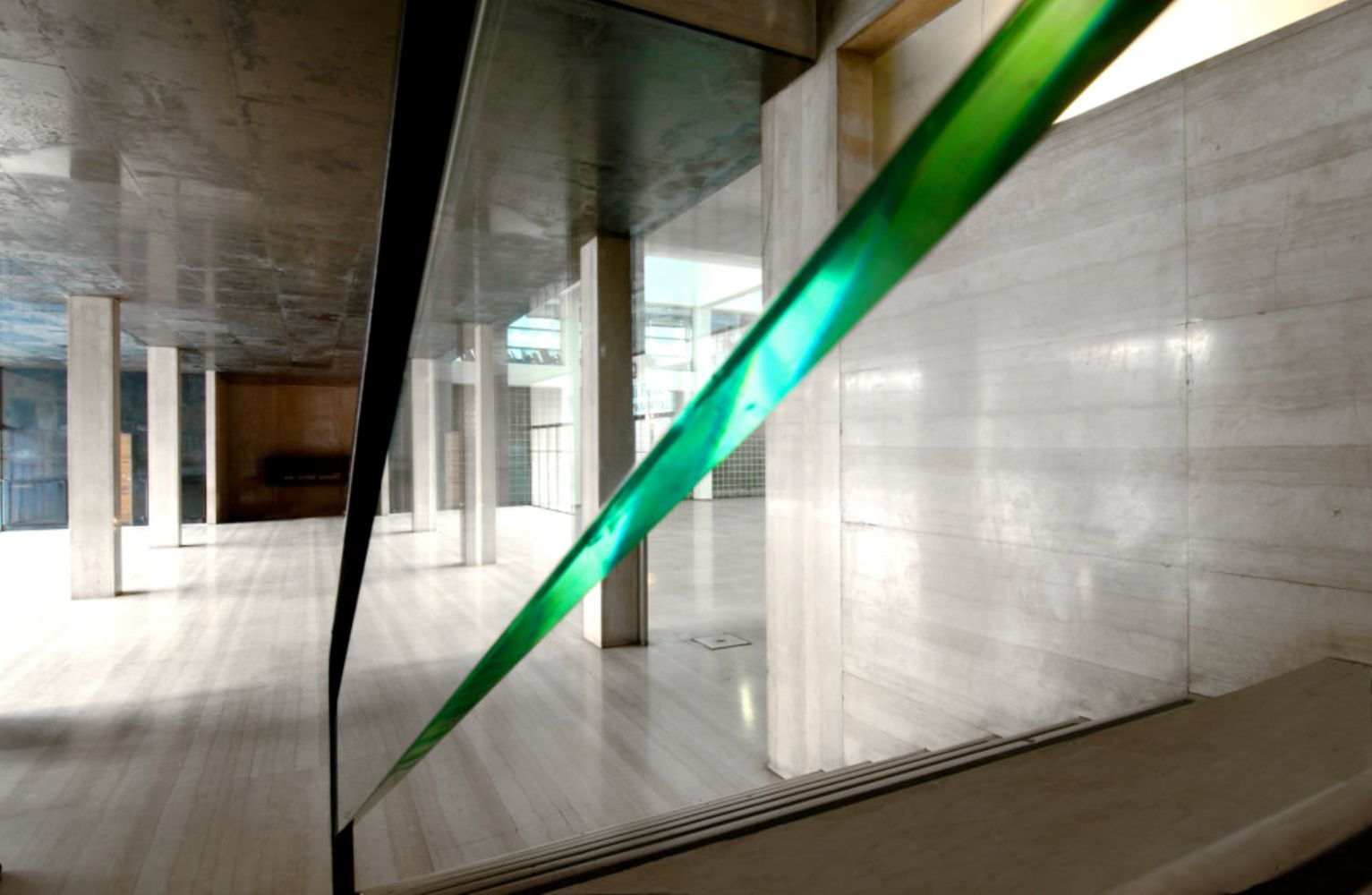
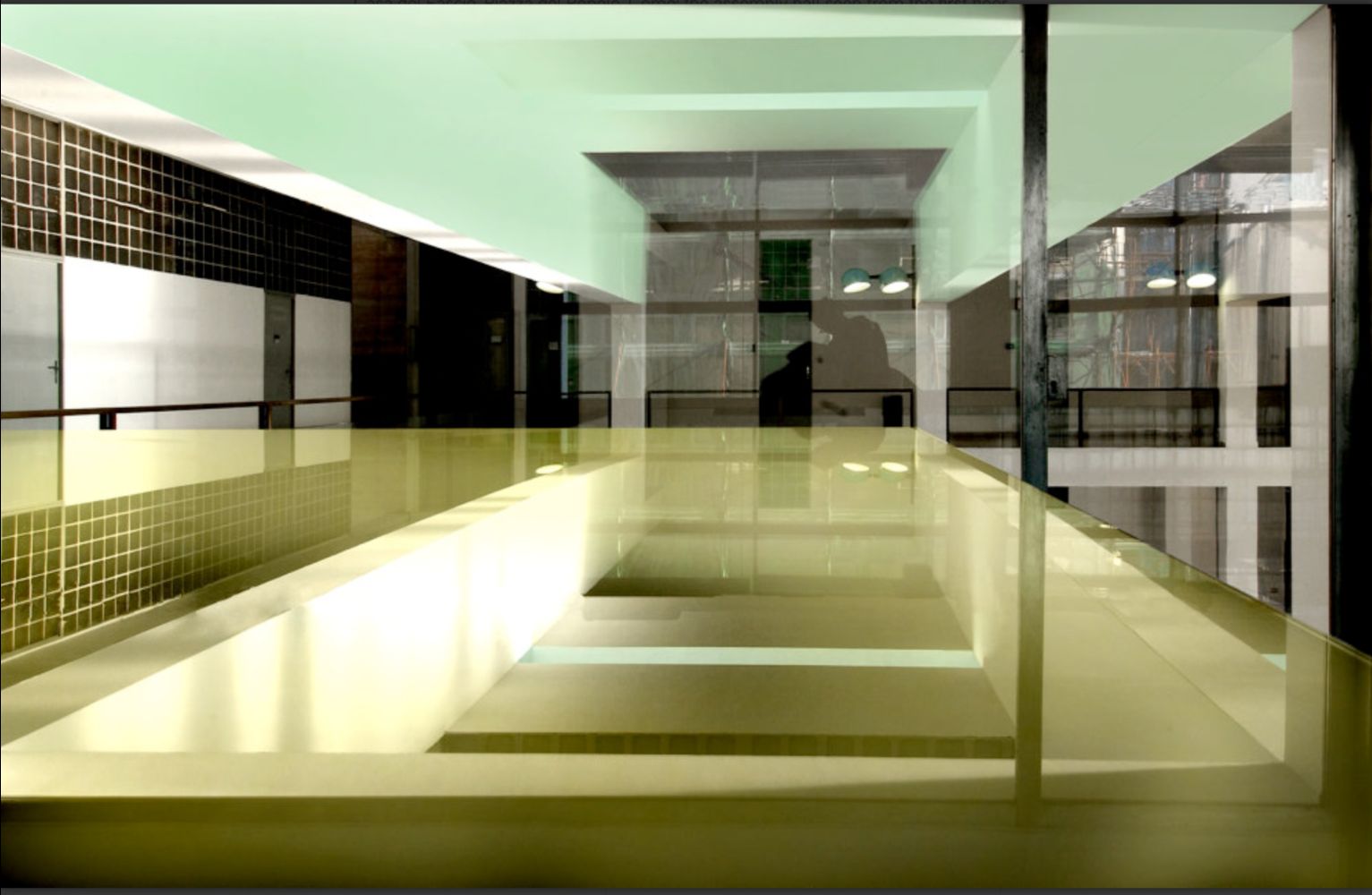
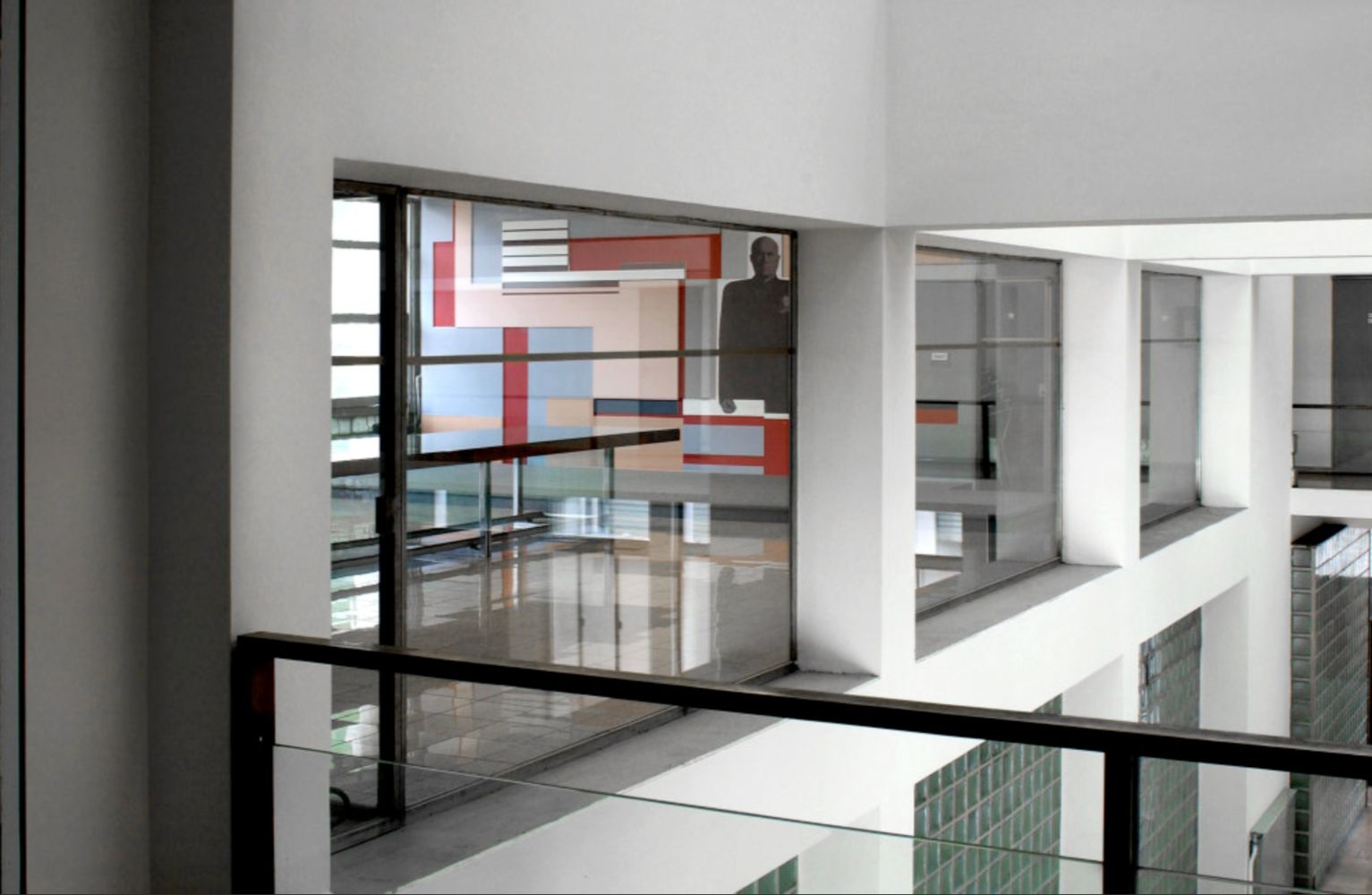
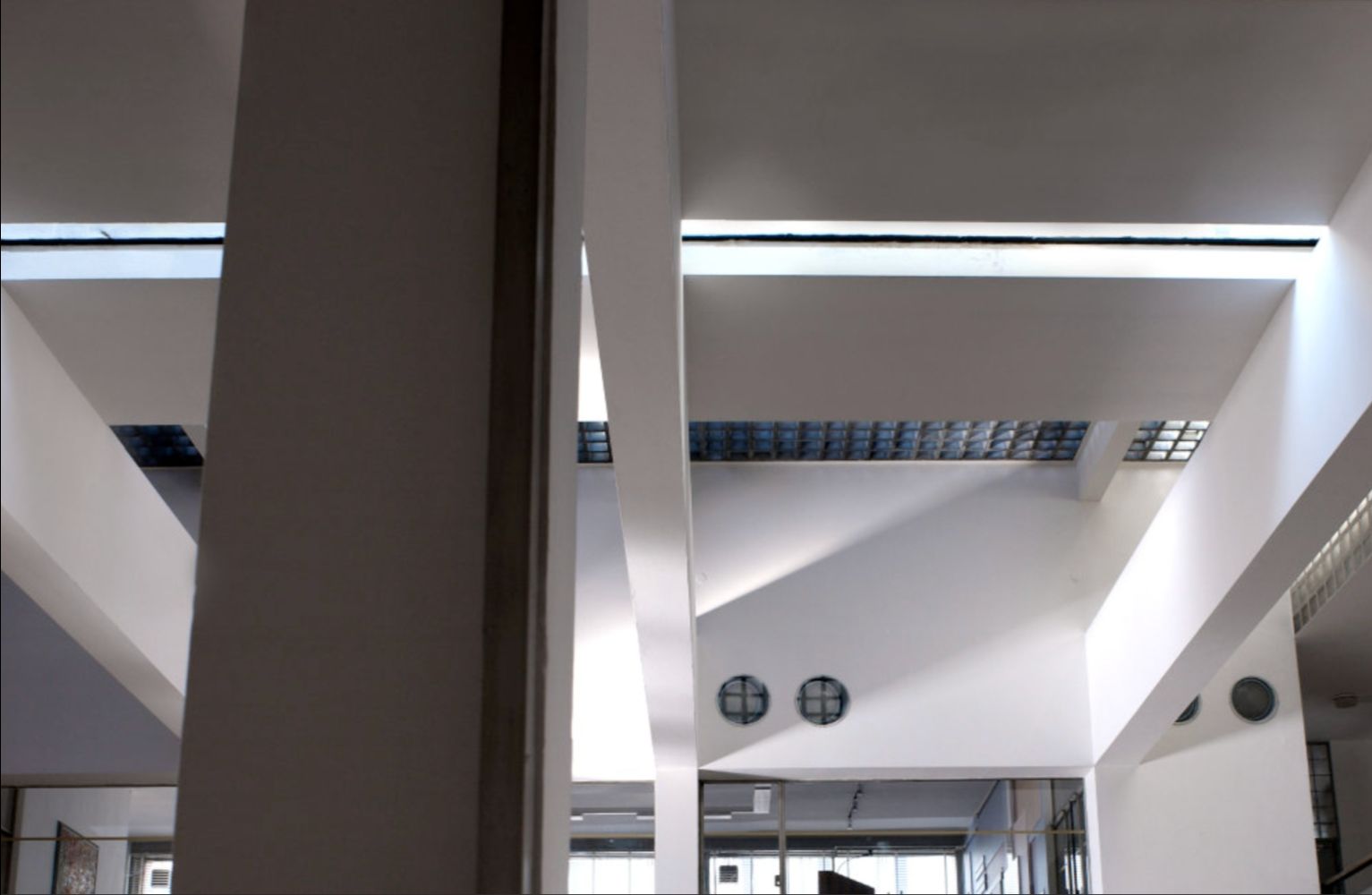
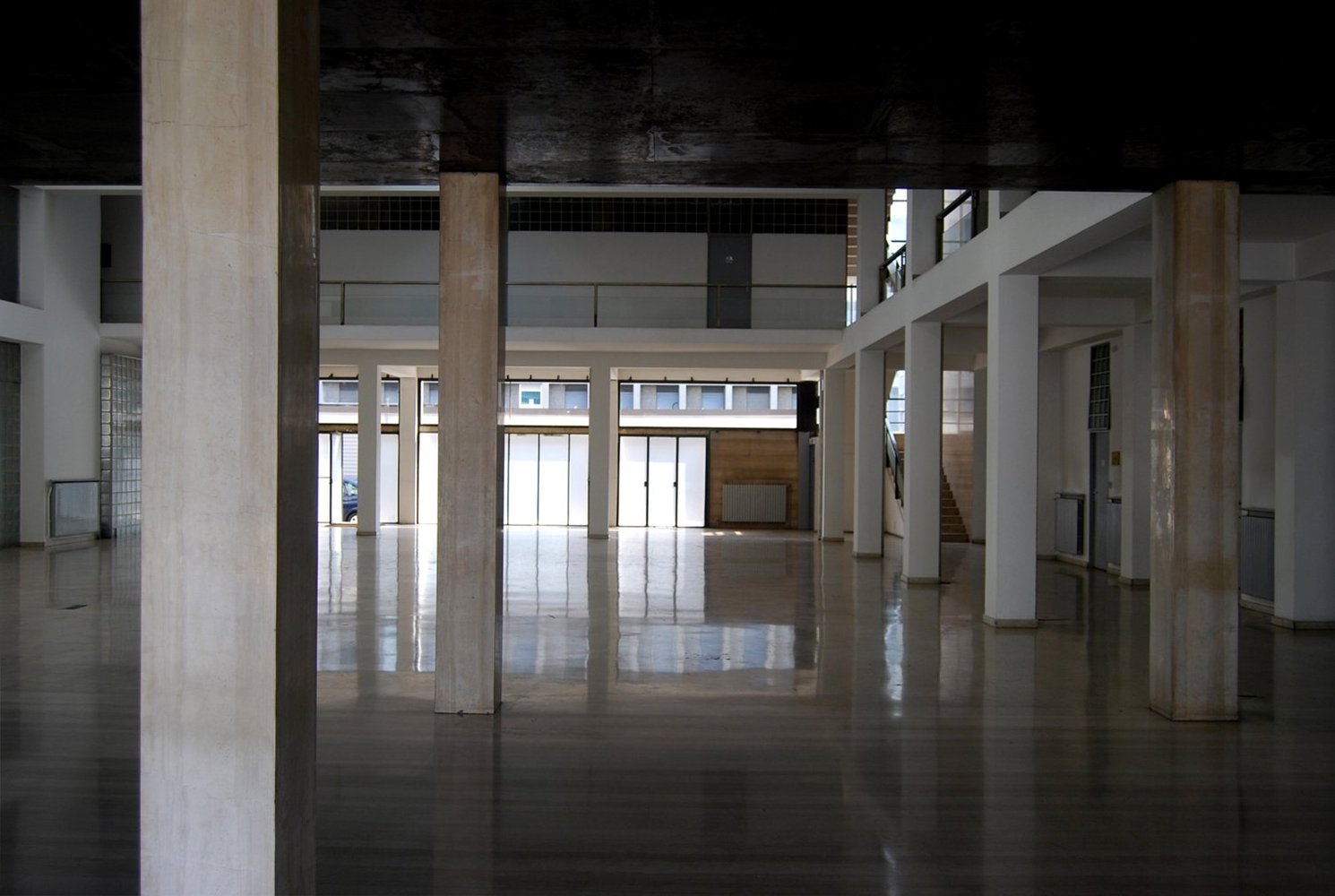
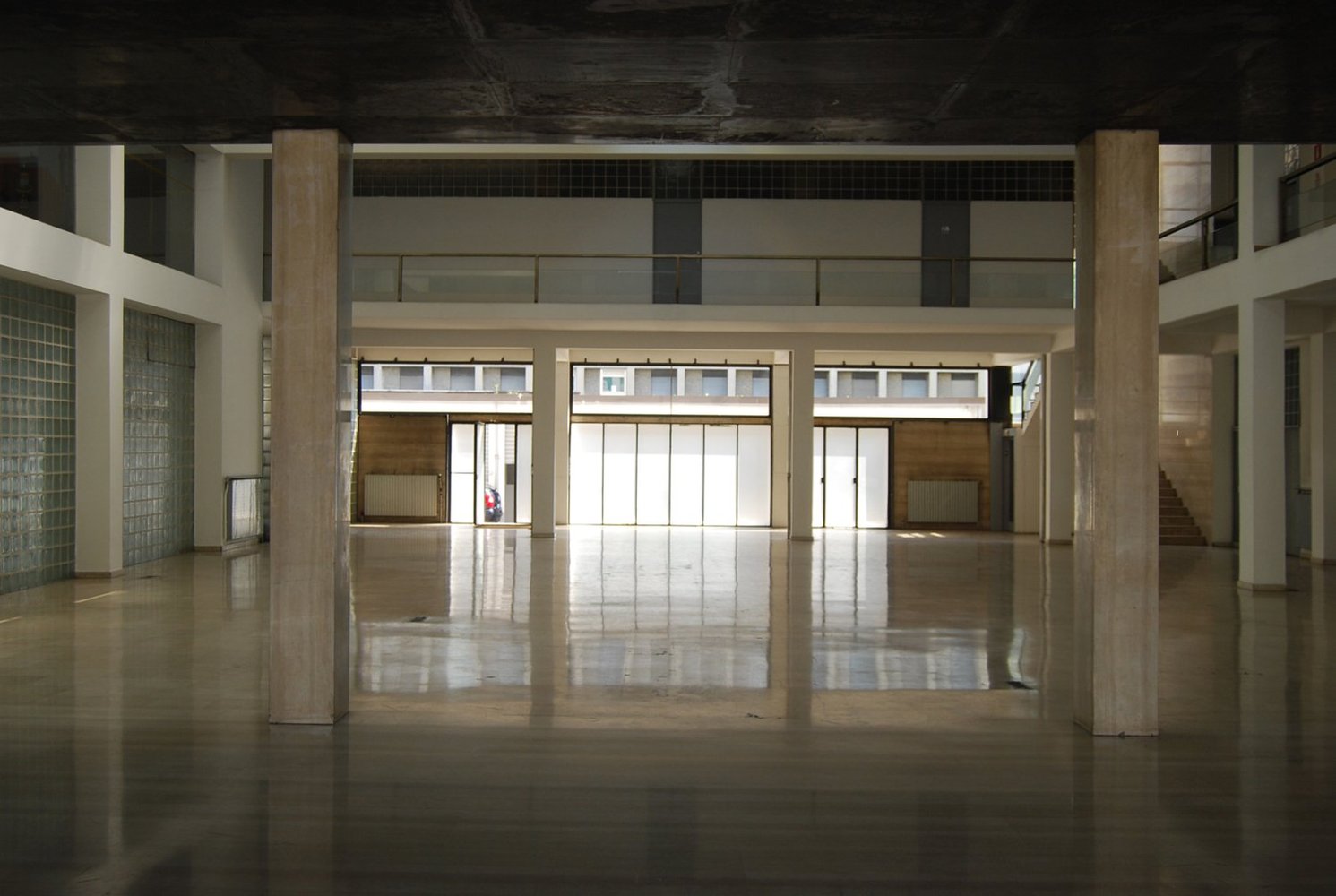
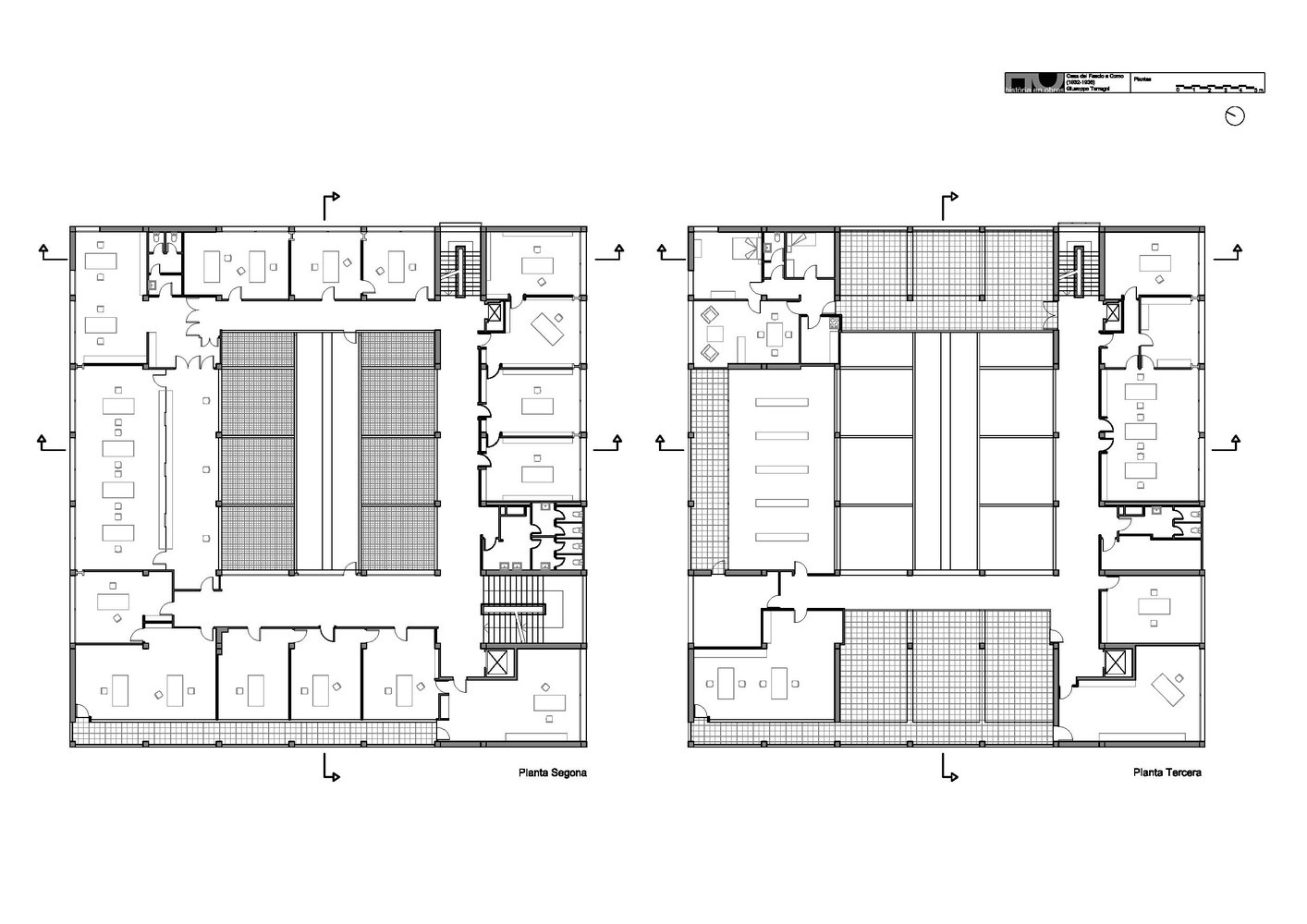
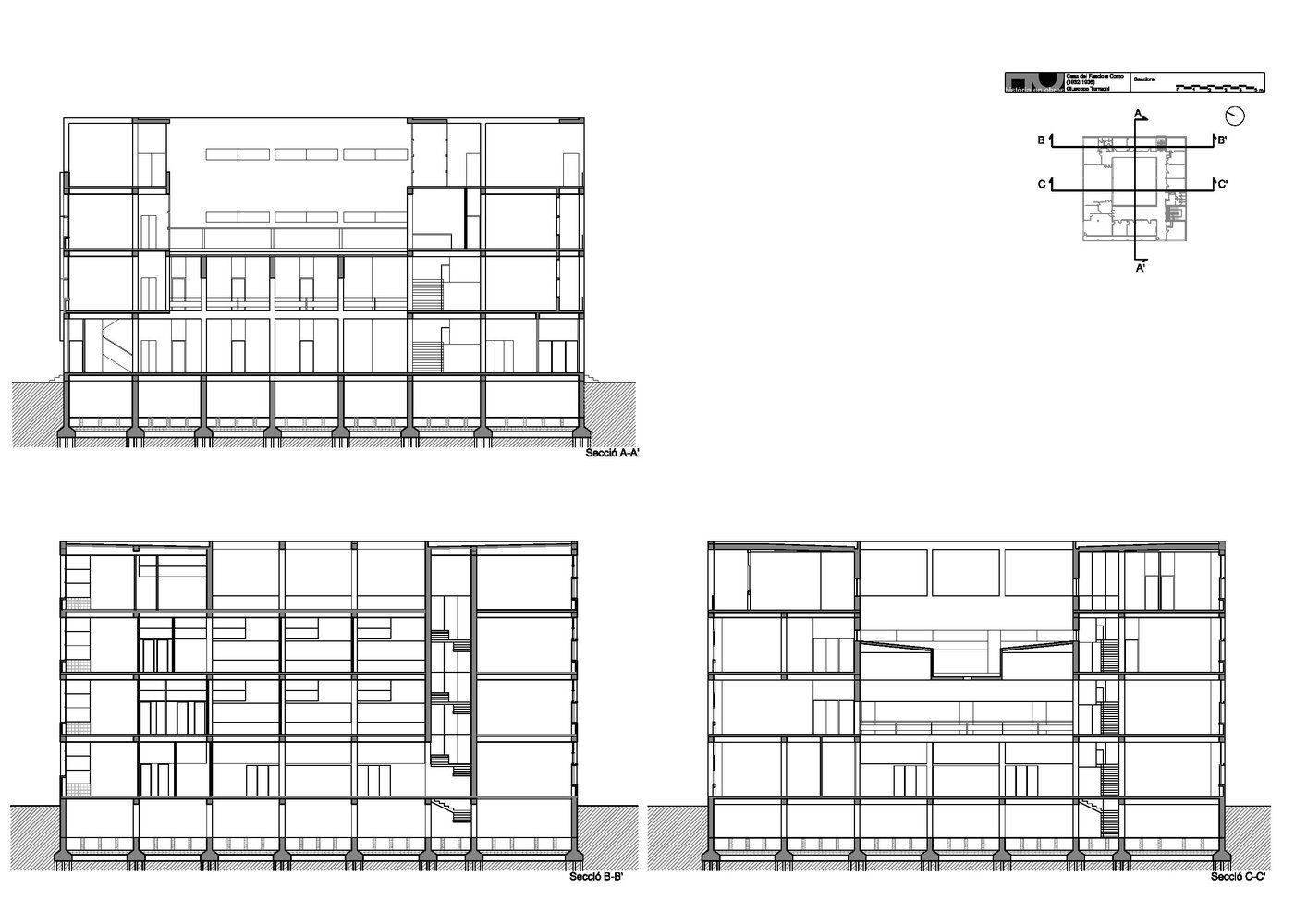
A slightly elevated entrance platform leads through a sequence of glass doors into the atrium. Terragni conceived these doors to establish a direct connection between the building and the public square, allowing the central civic space to extend outward during gatherings. At the heart of the building, a double-height Assembly Hall functions as the principal organizing space. Illuminated from above through a skylight composed of concrete-frame glass blocks, the hall is surrounded by galleries, offices, and circulation routes arranged across four levels.
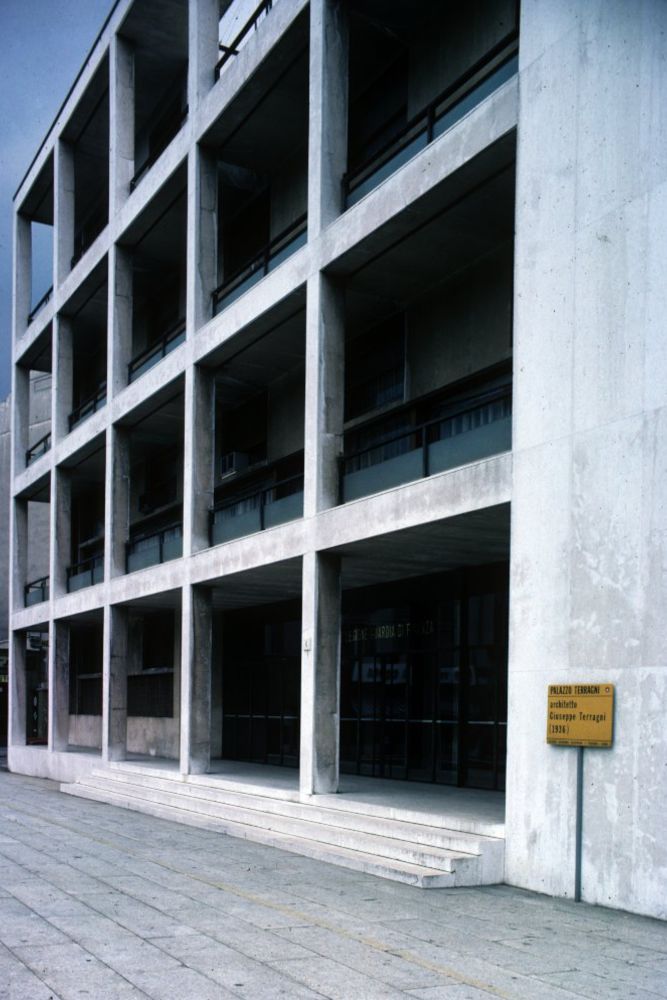
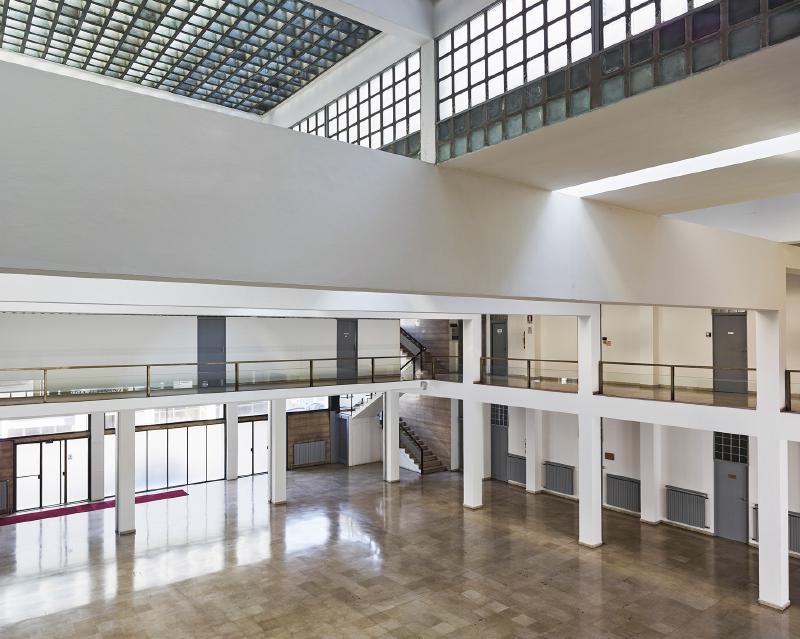
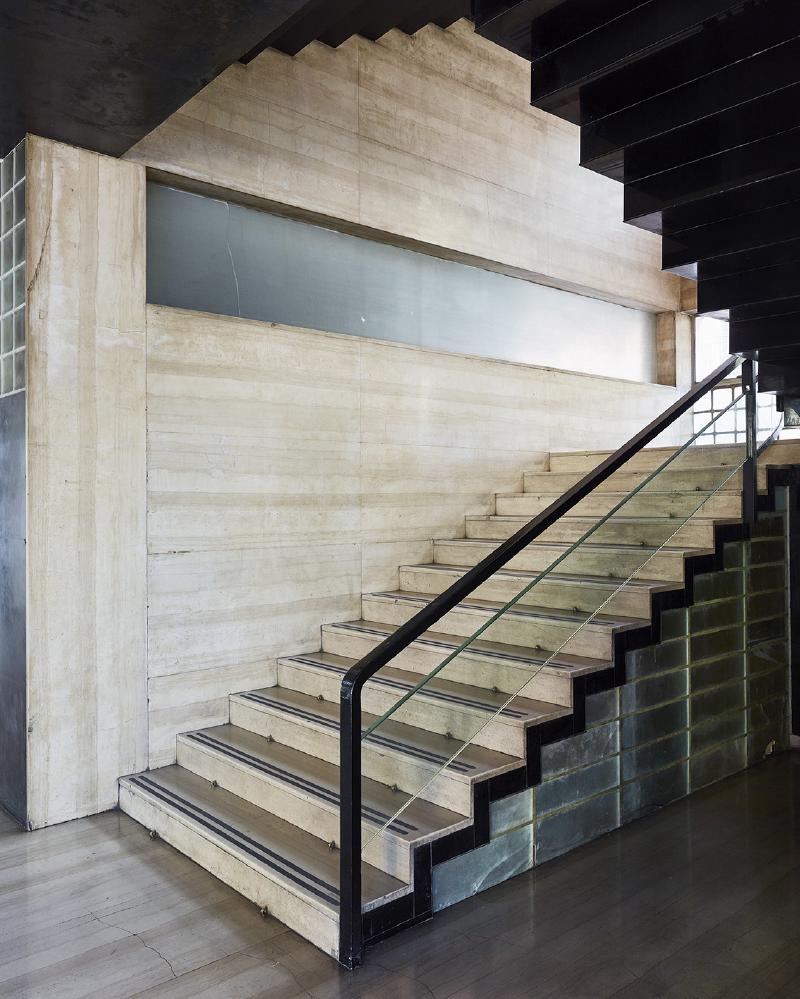
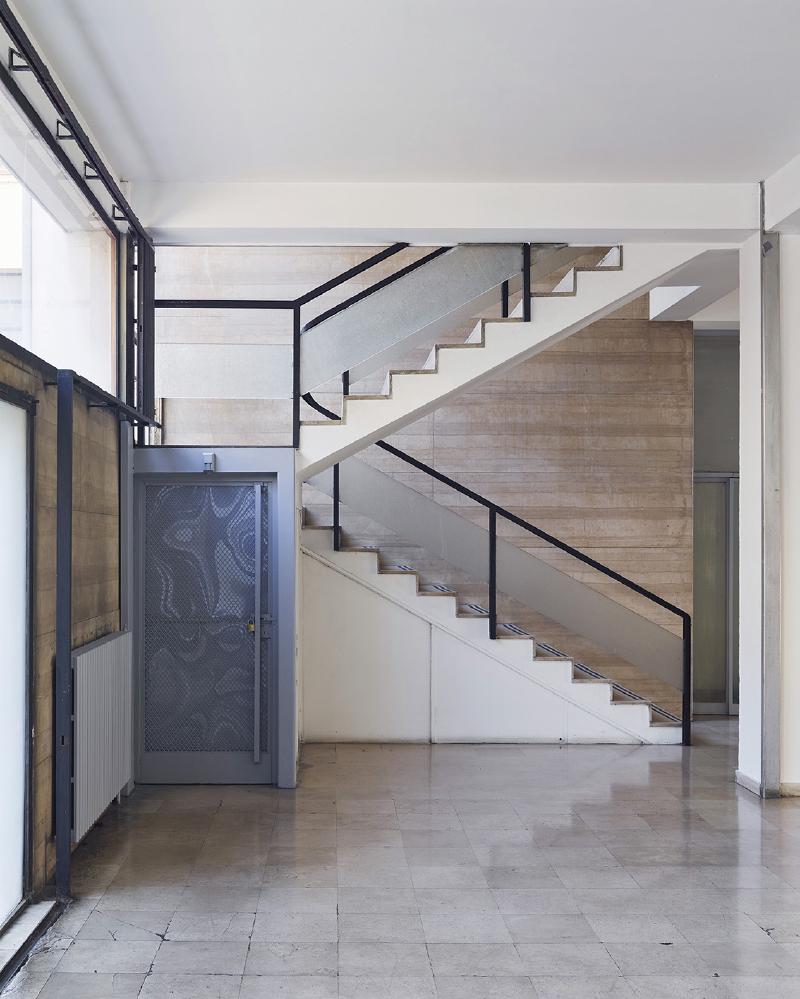
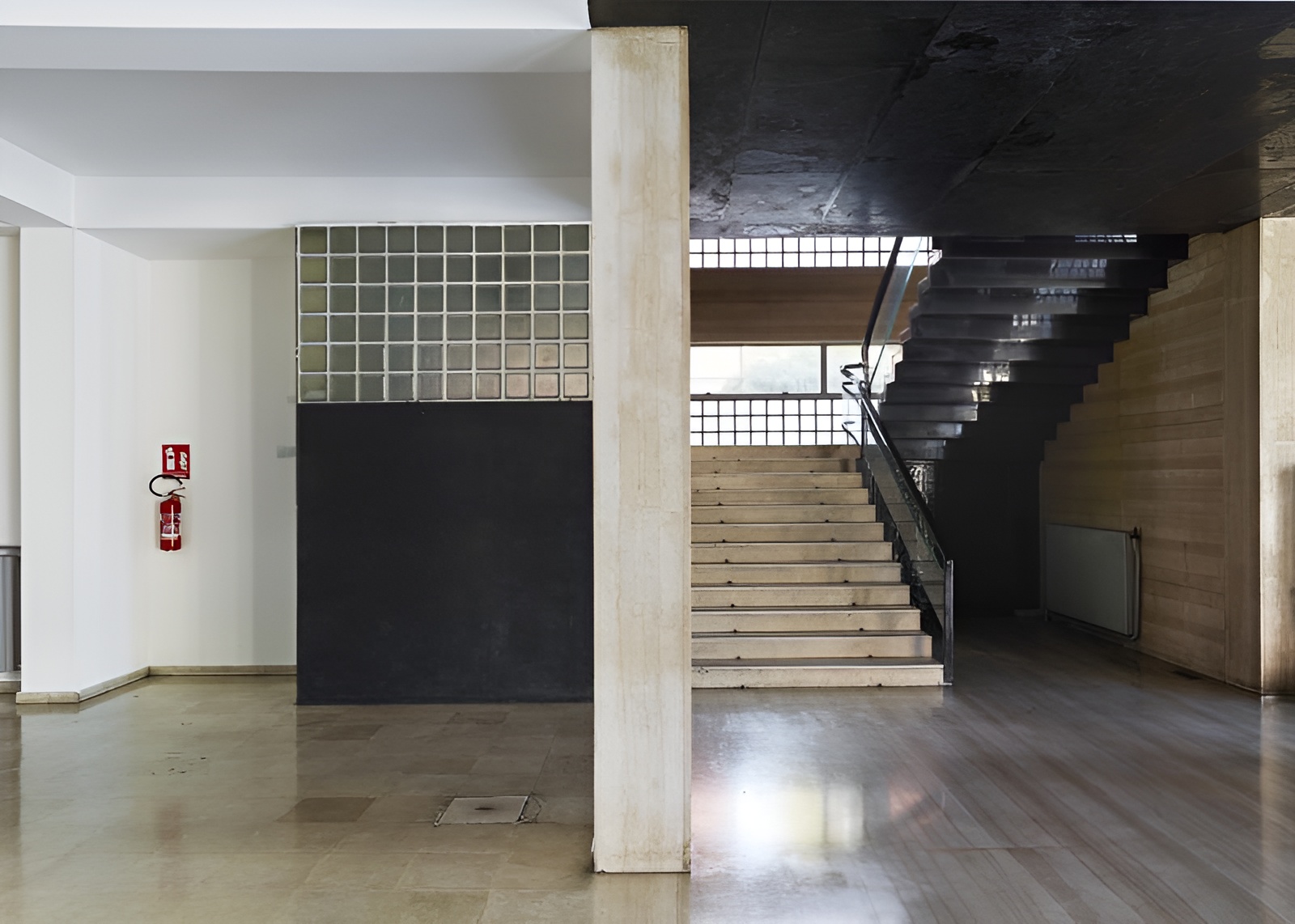
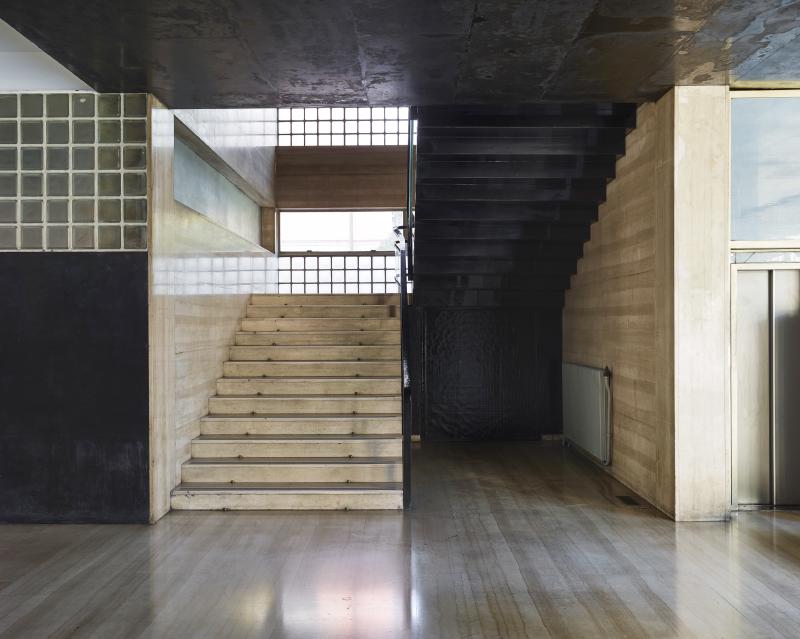
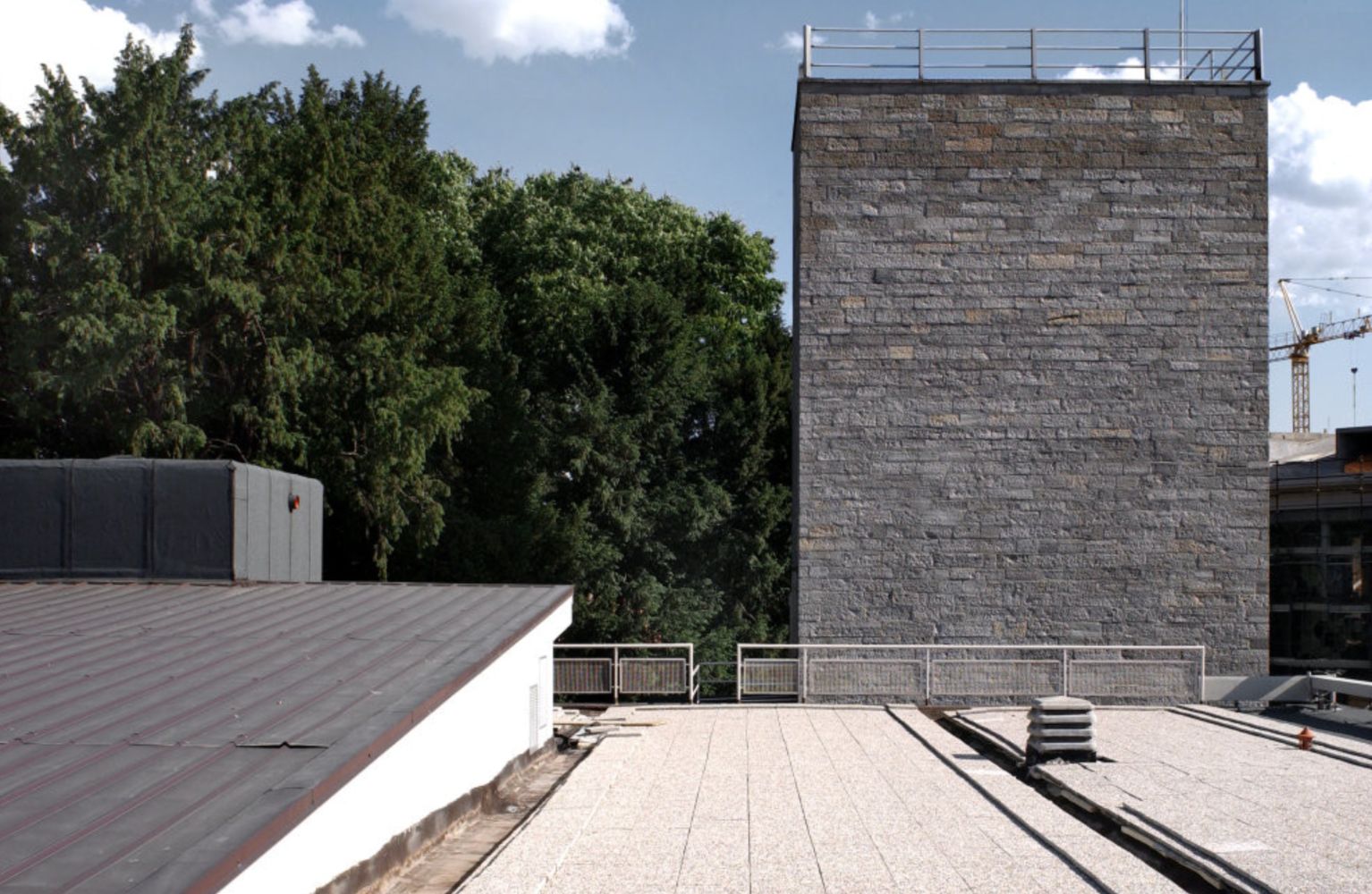
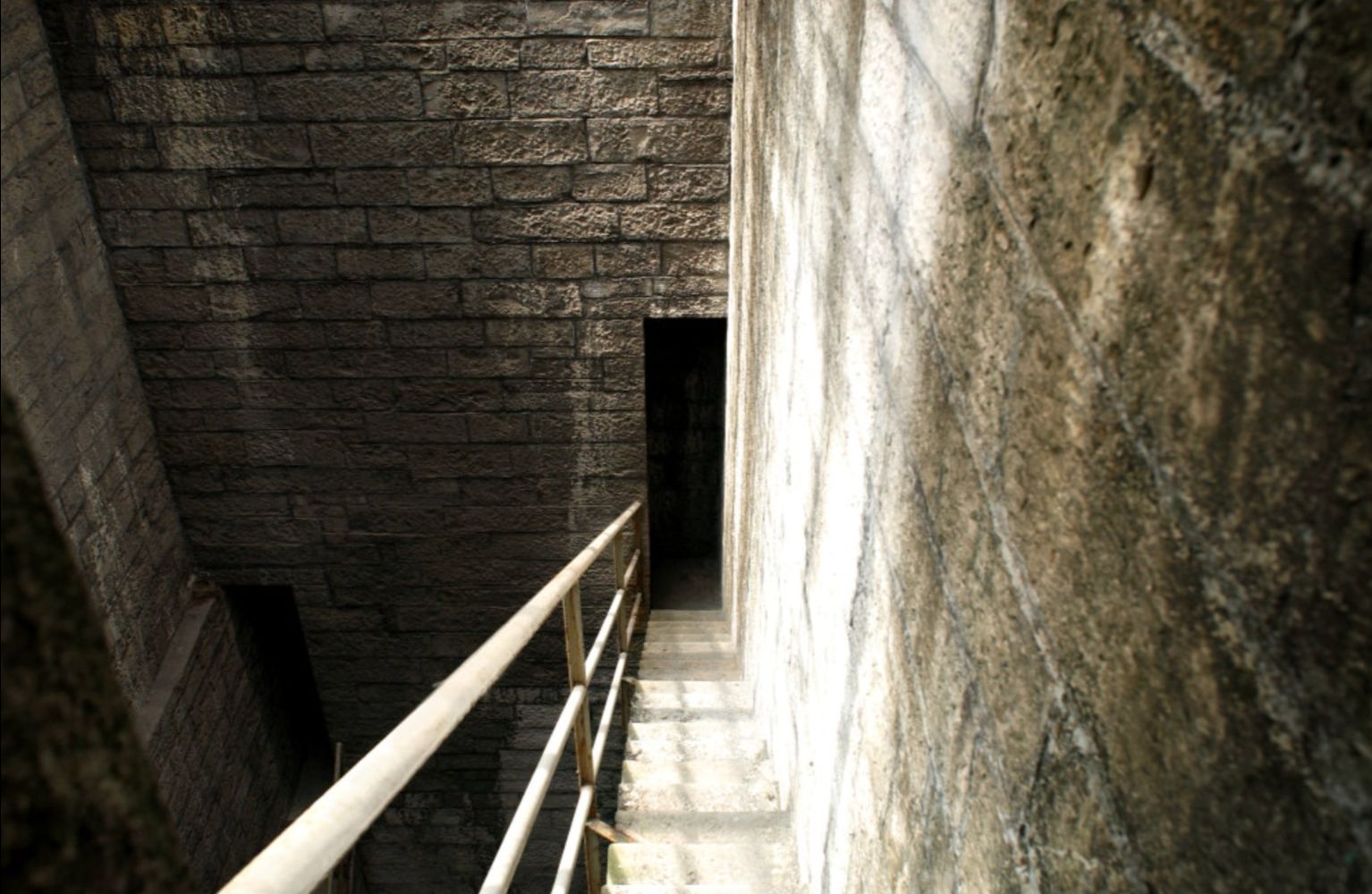
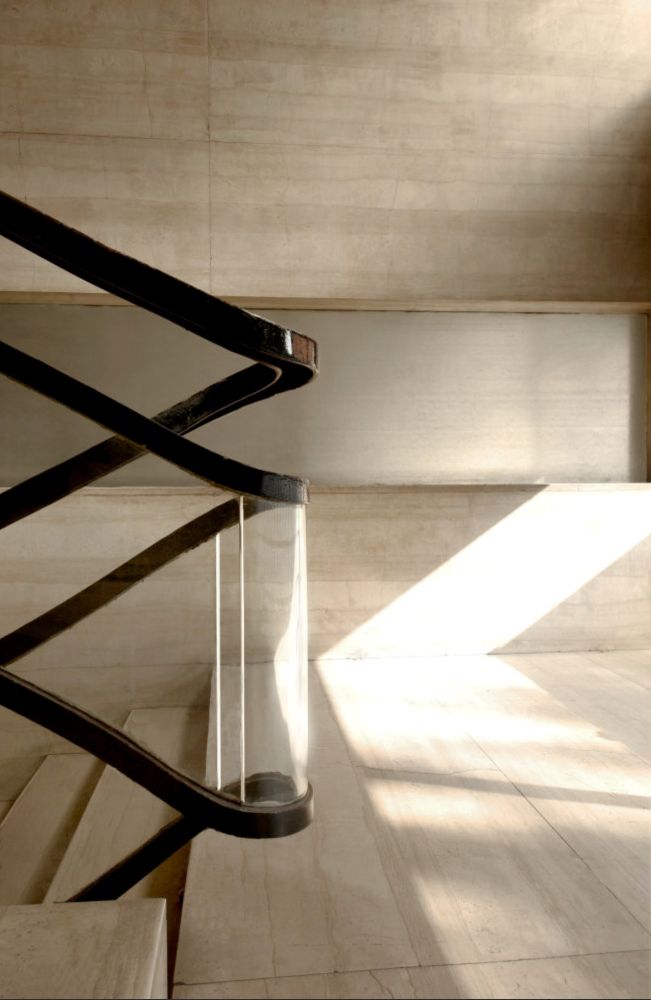
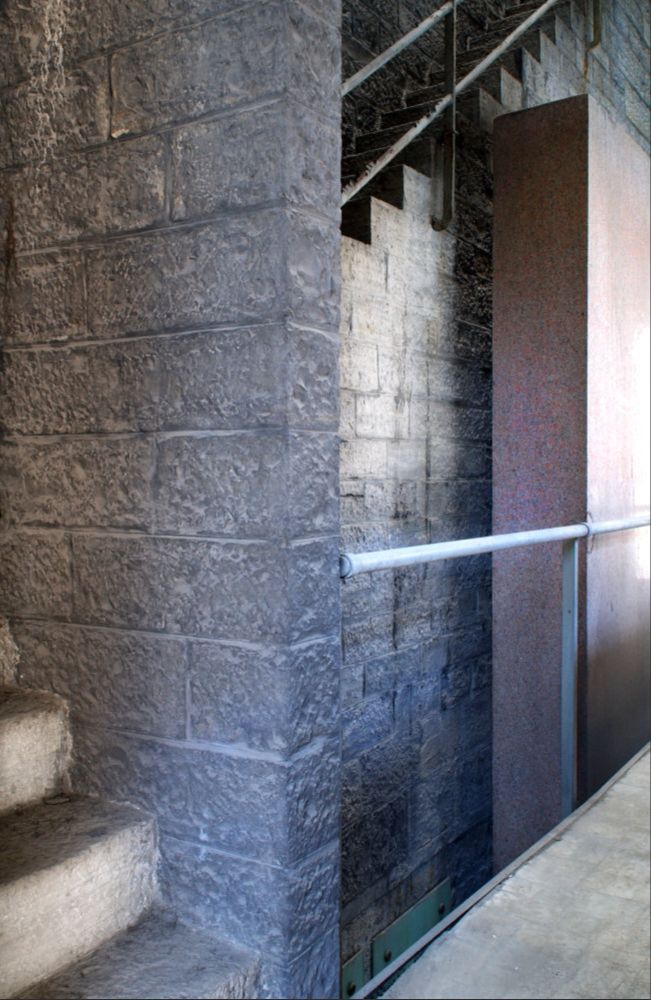
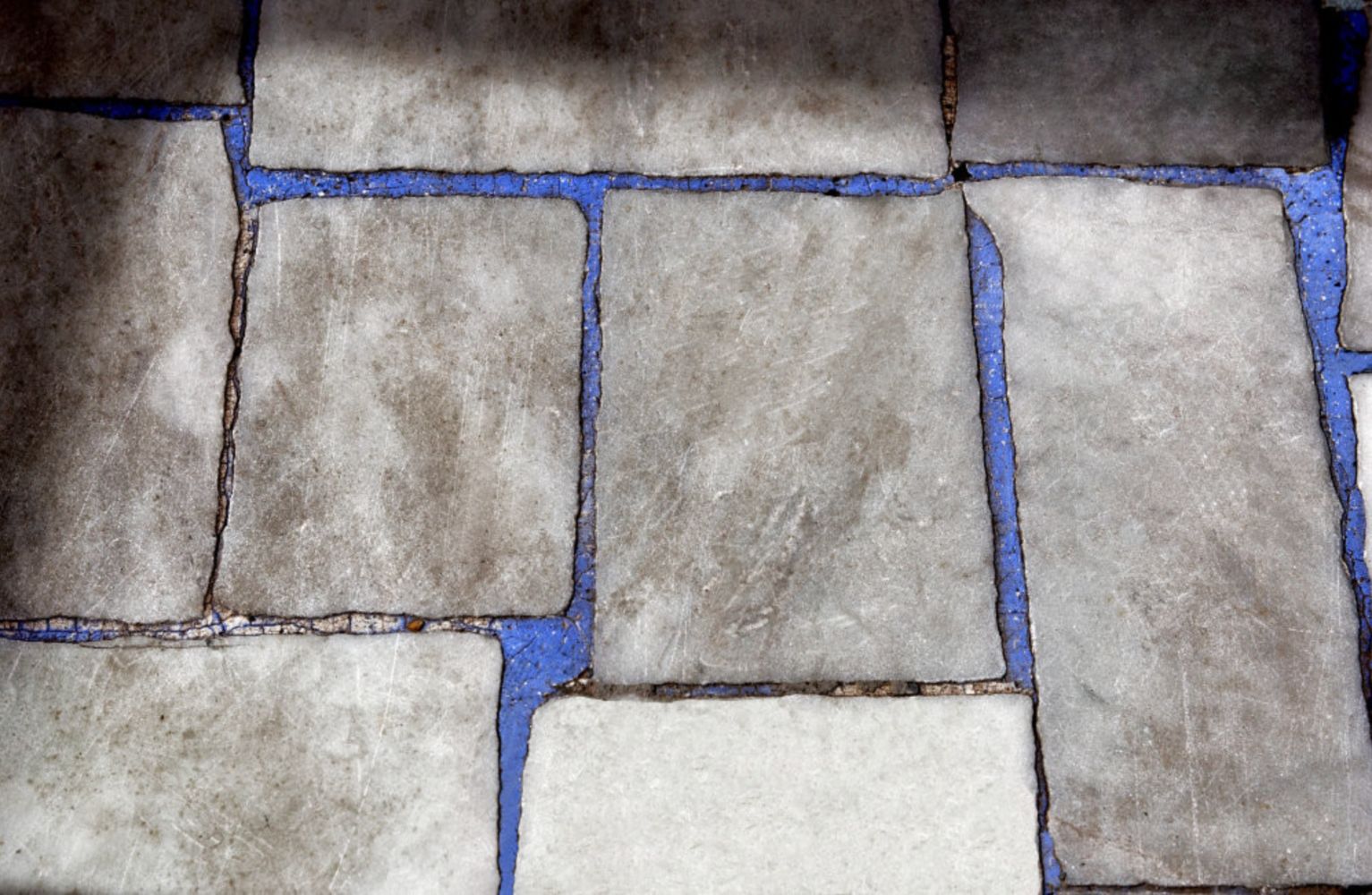
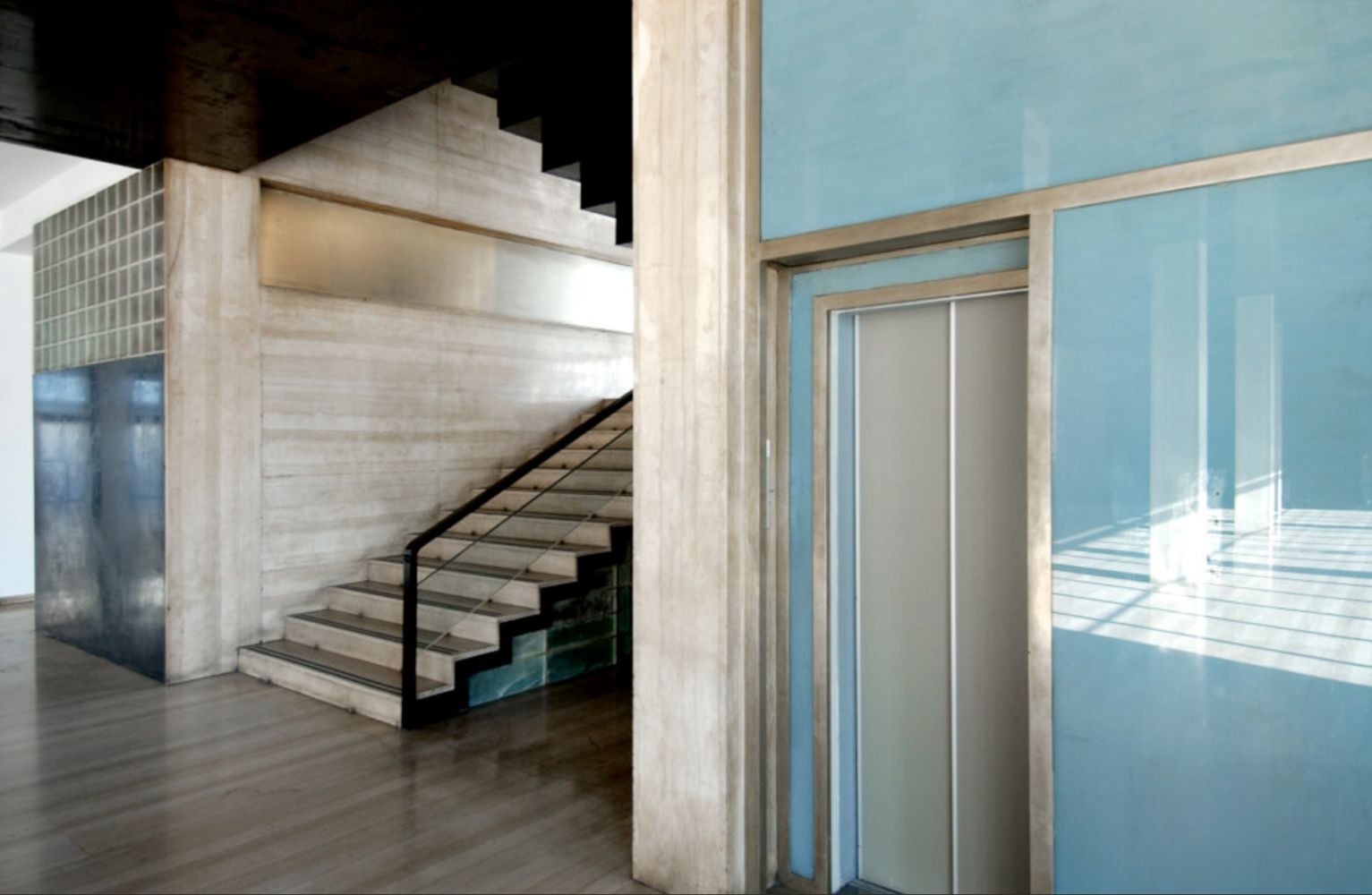
The interior combines rational planning with carefully selected materials. Nero di Belgio marble, Pietra di Trani, Giallo Adriatico marble, and Col di Lana marble appear throughout the building, reinforcing its restrained architectural character. Cantilevered stairways, galleries overlooking the Assembly Hall, and glass block surfaces contribute to the interplay of light, structure, and spatial continuity.
Construction began in 1933 after several years of design revisions and was completed in 1936. Since the postwar period, the building has undergone restoration and conservation efforts that have preserved its architectural qualities while adapting it to changing functions. Officially recognized as a cultural heritage site in 1986, Casa del Fascio remains one of the most influential works of twentieth-century architecture and a key reference in the study of Rationalism, monumentality, and modern civic design.
Project Gallery
Project Location
Address: Piazza del Popolo 4, 22100 Como, Lombardy, Italy
Location is for general reference and may represent a city or country, not necessarily a precise address.

