

Architects: GIRA – Oficina de Arquitectura y Paisajismo
Area: 200 m²
Year: 2025
Photography: Imaginario Foto Espacios – Jime Montenegro
Structural Engineering: Struktur – Soluciones de Ingeniería
Contractor: Cité Construcciones
Materials: Exposed reinforced concrete, steel, brick, glass, wood
Location: San Pablo, Tucumán
Country: Argentina
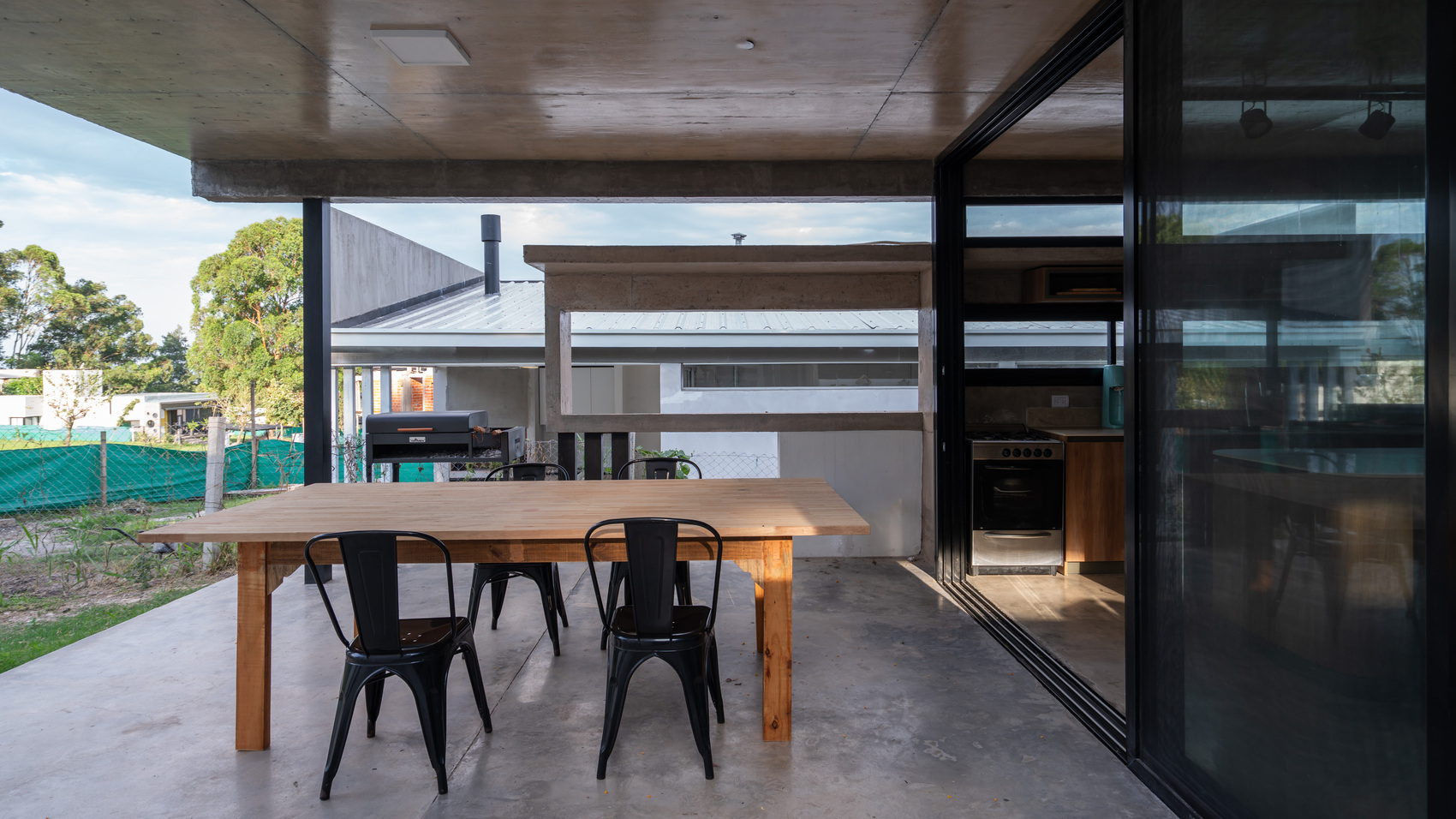
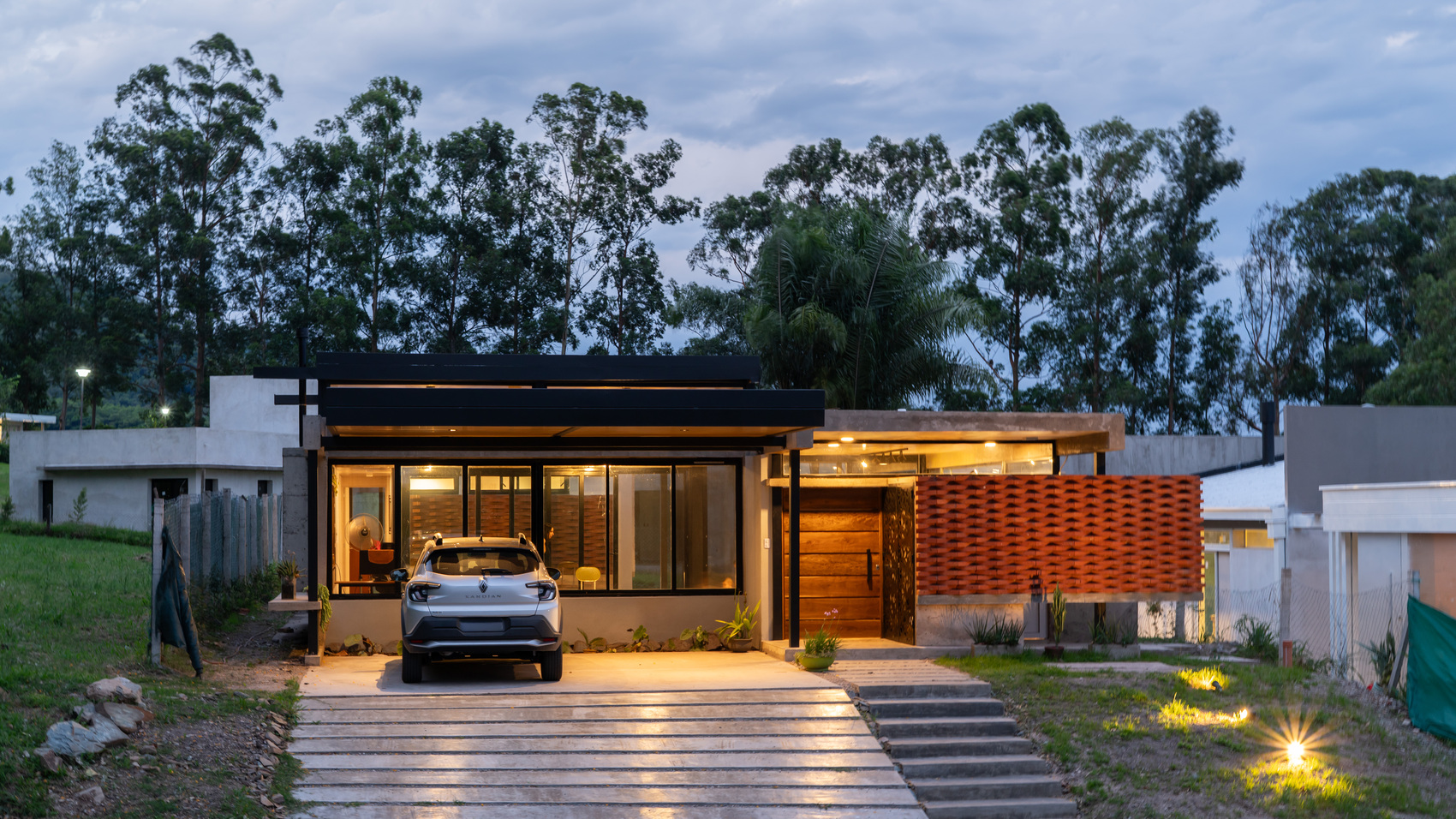
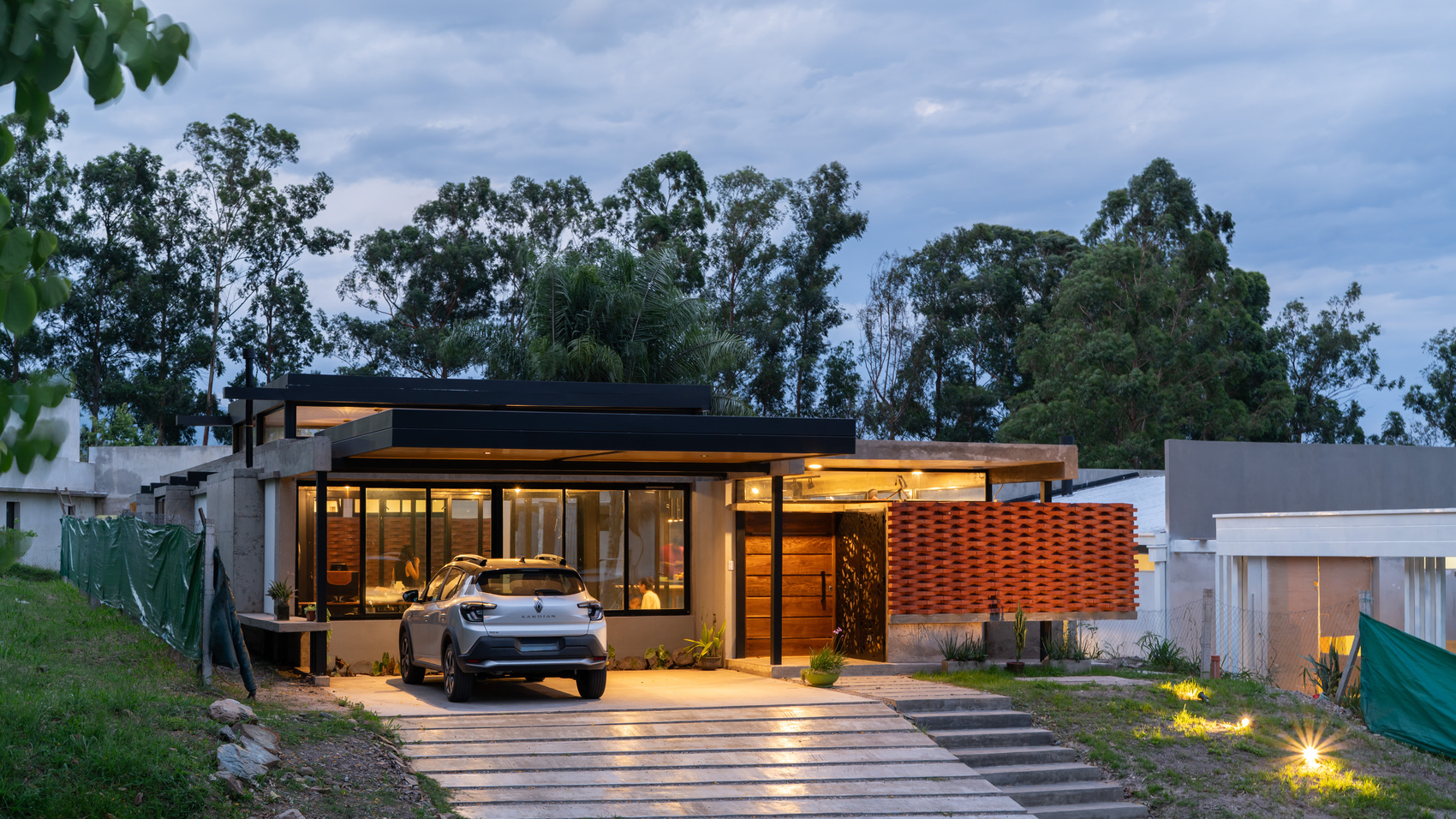
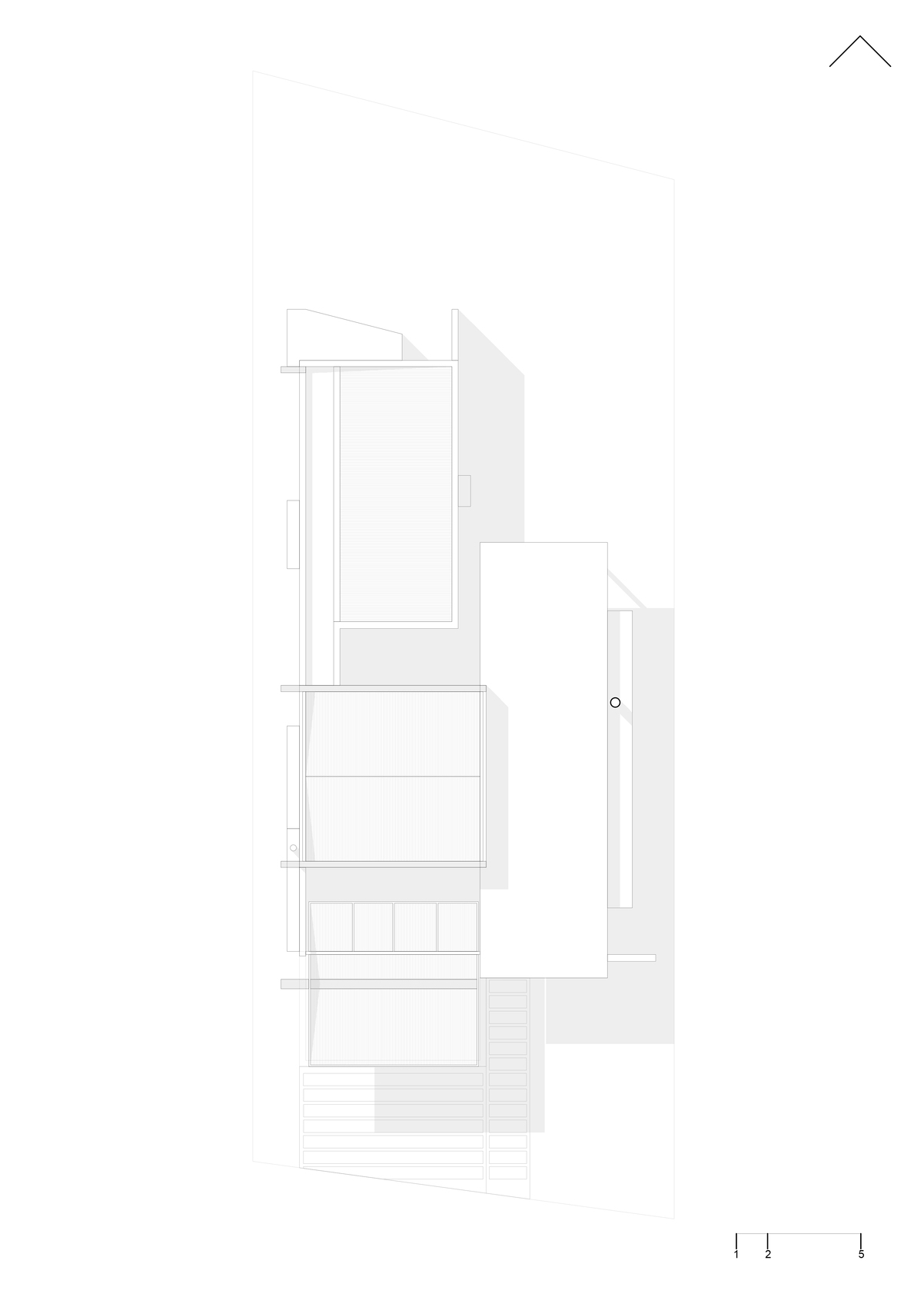
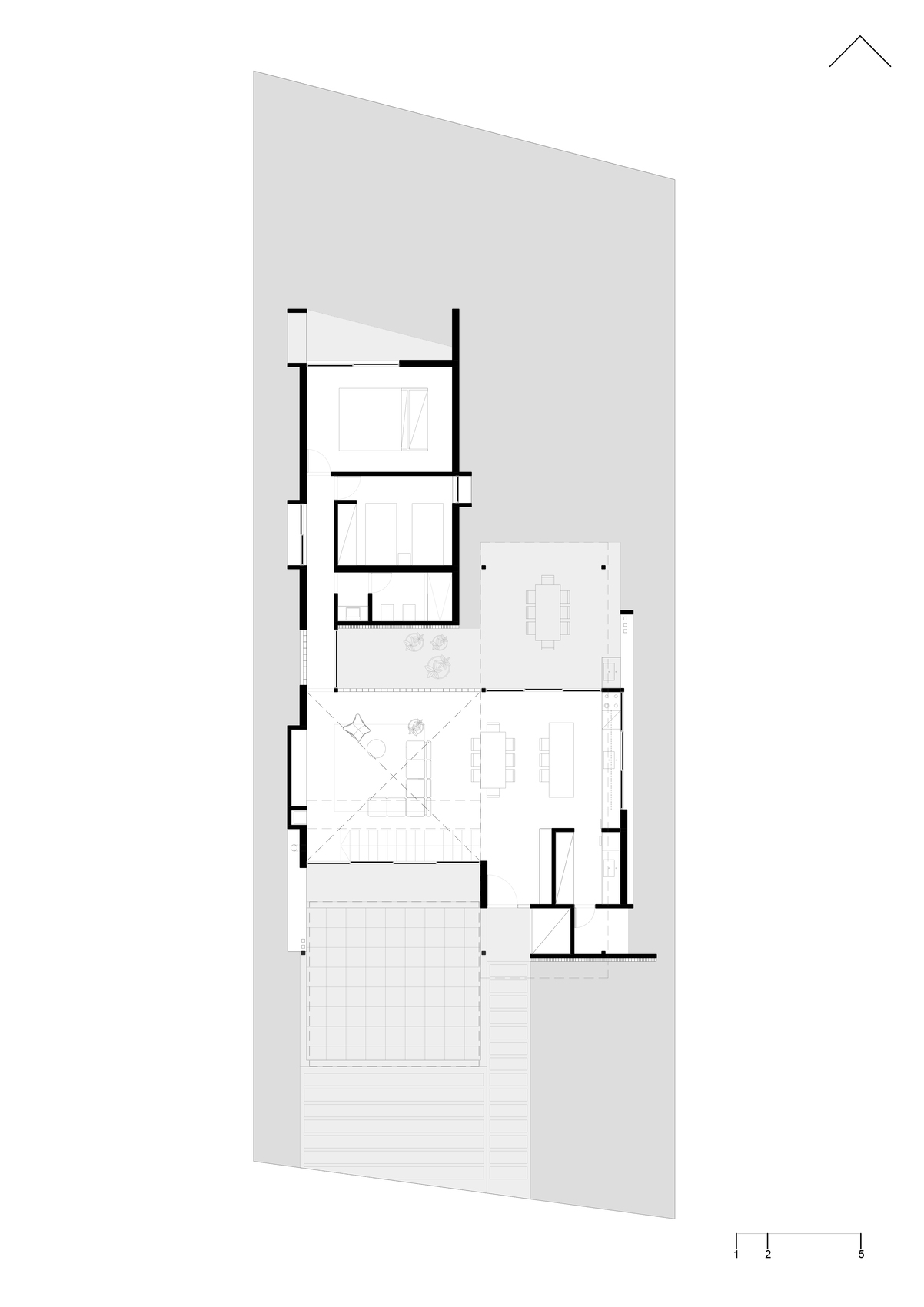
Casa PALA is a 200-square-meter residence located in San Pablo, Tucumán, designed by GIRA for a young family seeking a home capable of adapting over time. Conceived as a flexible architectural framework, the project addresses present-day domestic needs while anticipating future growth through the planned addition of a second level. The design is organized around a structural system of steel columns and exposed reinforced concrete slabs that establish both spatial order and long-term adaptability. A continuous living, dining, and kitchen area forms the social core of the house, extending toward the landscape through large glazed openings that strengthen the connection between interior and exterior spaces. Materially, the residence combines concrete, metal, brick, glass, and wood to create an architecture rooted in durability, simplicity, and constructive clarity. Through its emphasis on flexibility and permanence, Casa PALA proposes a contemporary model of residential design that accommodates changing family dynamics while maintaining a coherent architectural identity.
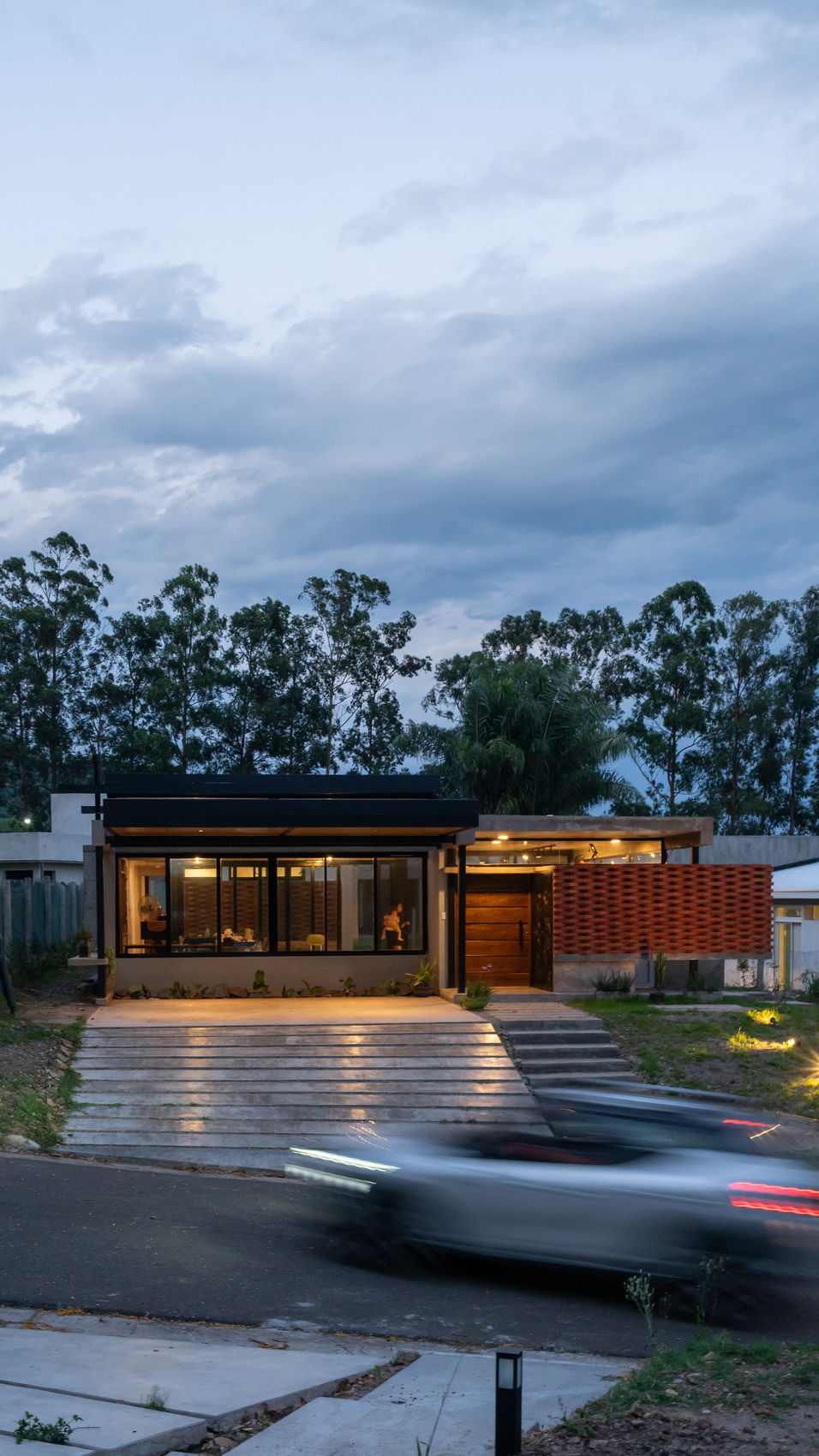
Casa PALA treats the dwelling as an evolving framework capable of responding to future transformations, rather than a finished object; the contemporary house increasingly faces the challenge of remaining relevant beyond its completion date. The project adopts adaptability as a fundamental design principle, enabling the architecture to accommodate changing patterns of occupation without necessitating substantial alterations to its original conception.
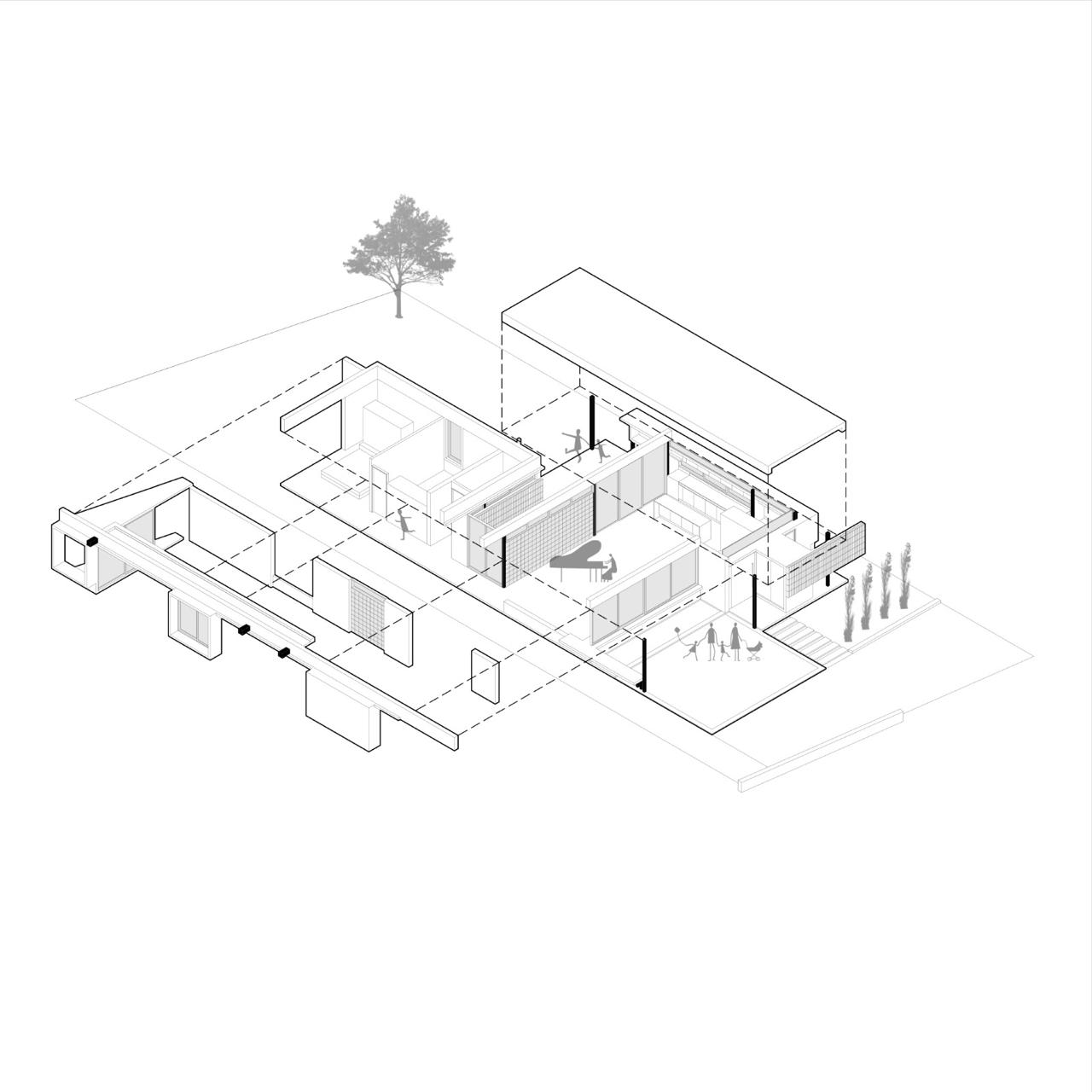
Located in the rural landscape of San Pablo, Tucumán, the residence was conceived through a phased strategy that balances immediate functionality with long-term planning. The initial stage accommodates all essential domestic activities on a single level, ensuring a complete living environment from the outset. At the same time, the design anticipates a future expansion that will introduce an upper floor, enabling the house to grow alongside the needs of its occupants while preserving the integrity of the original architectural vision.
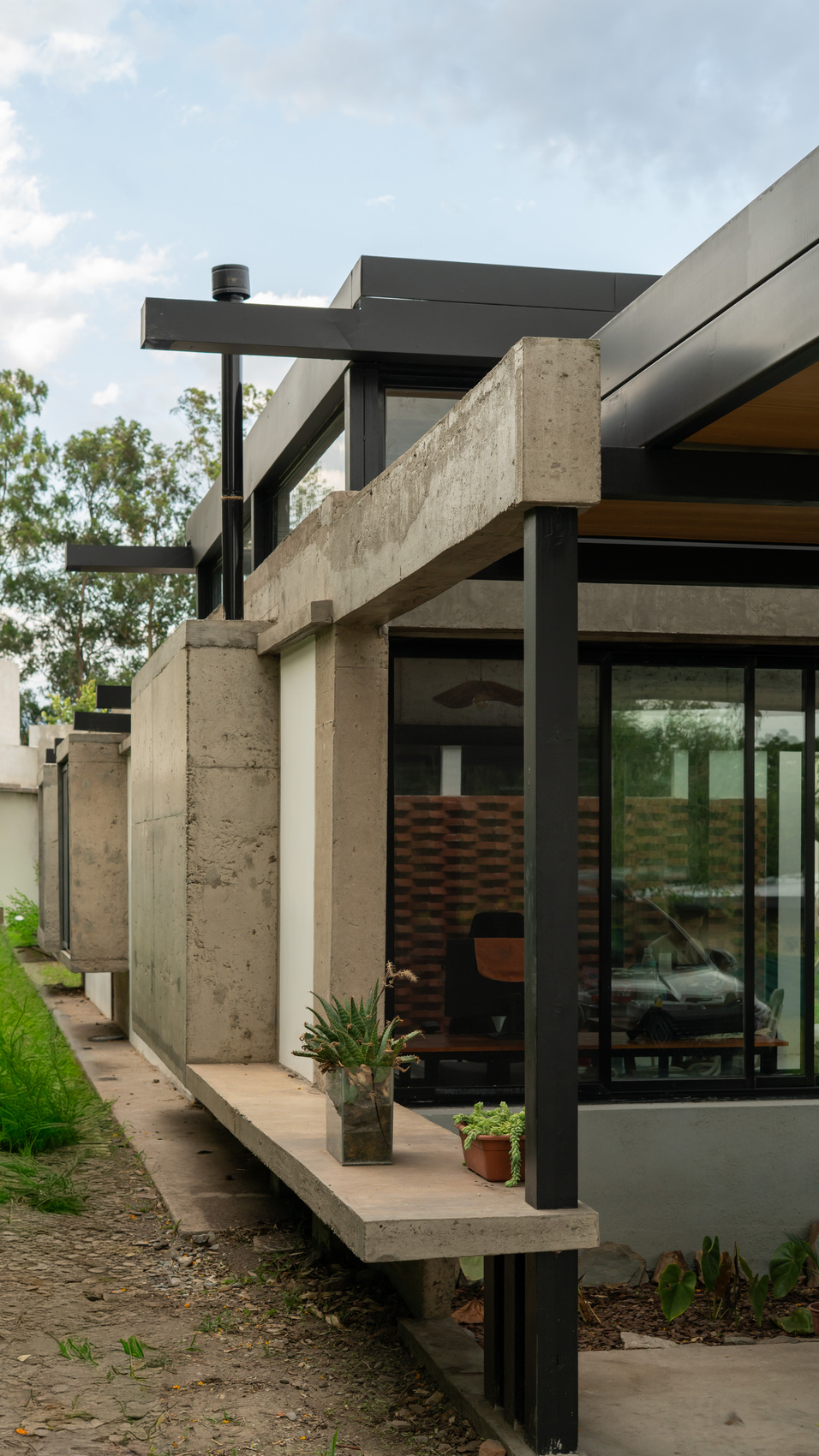
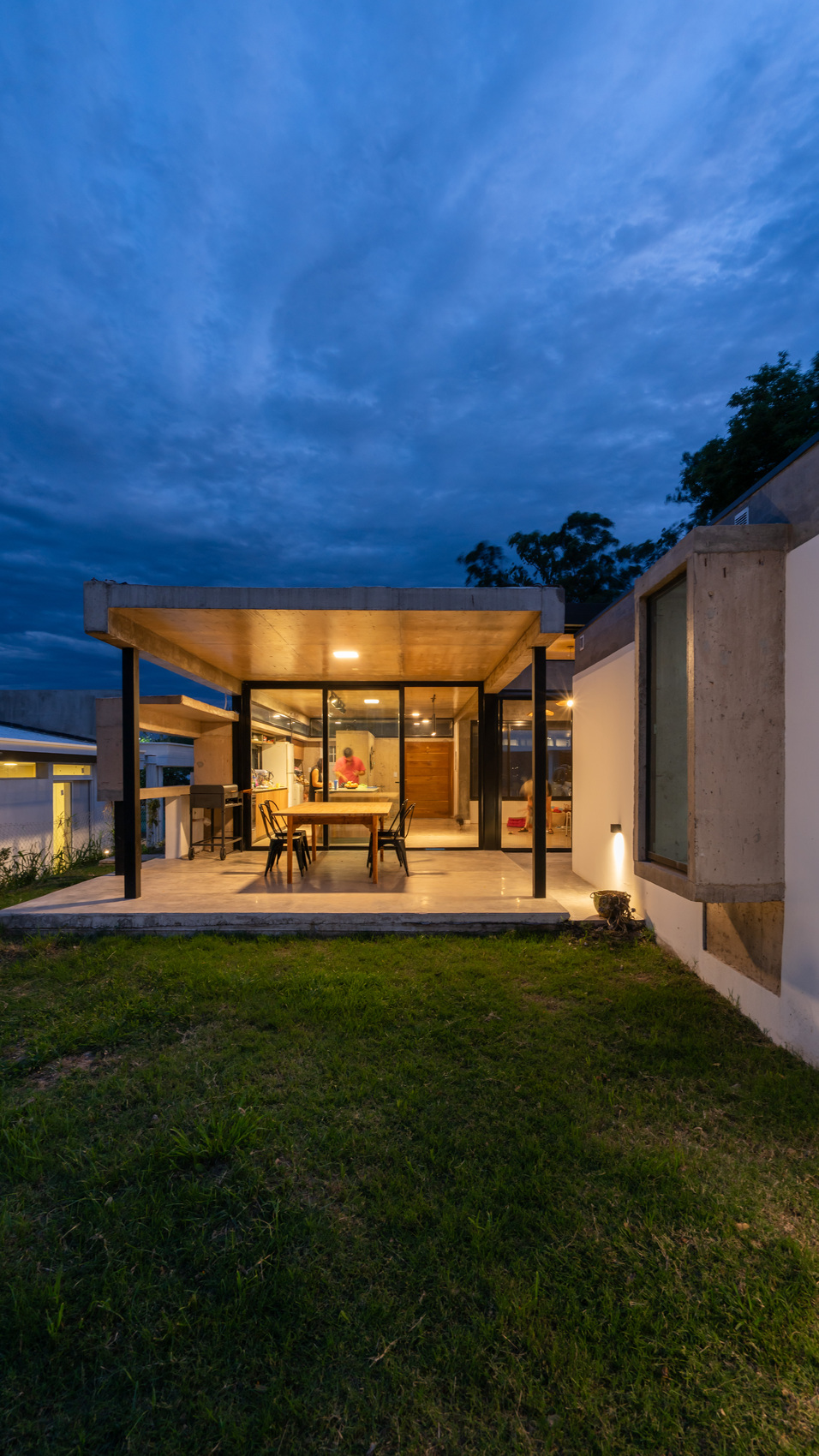
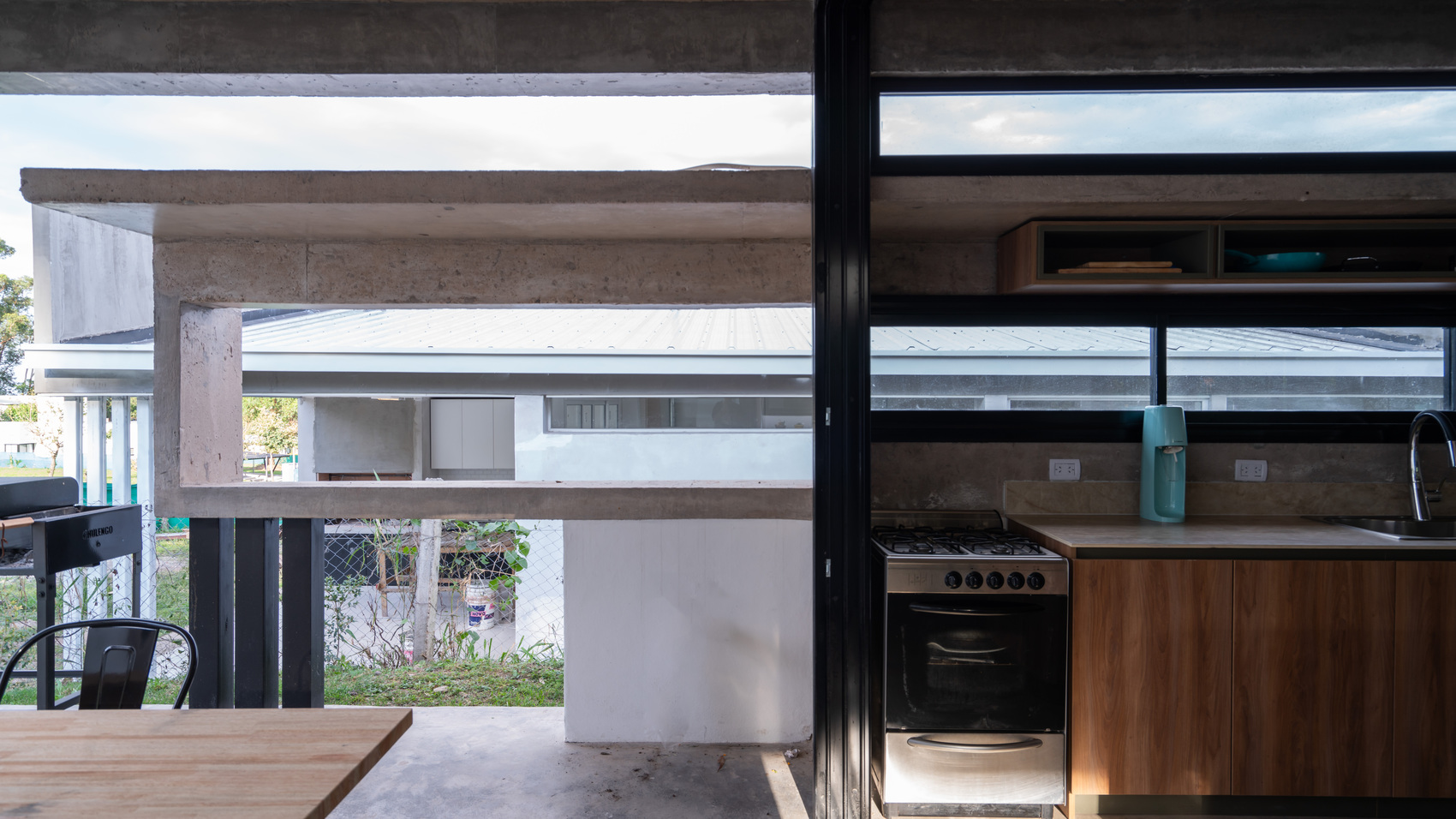
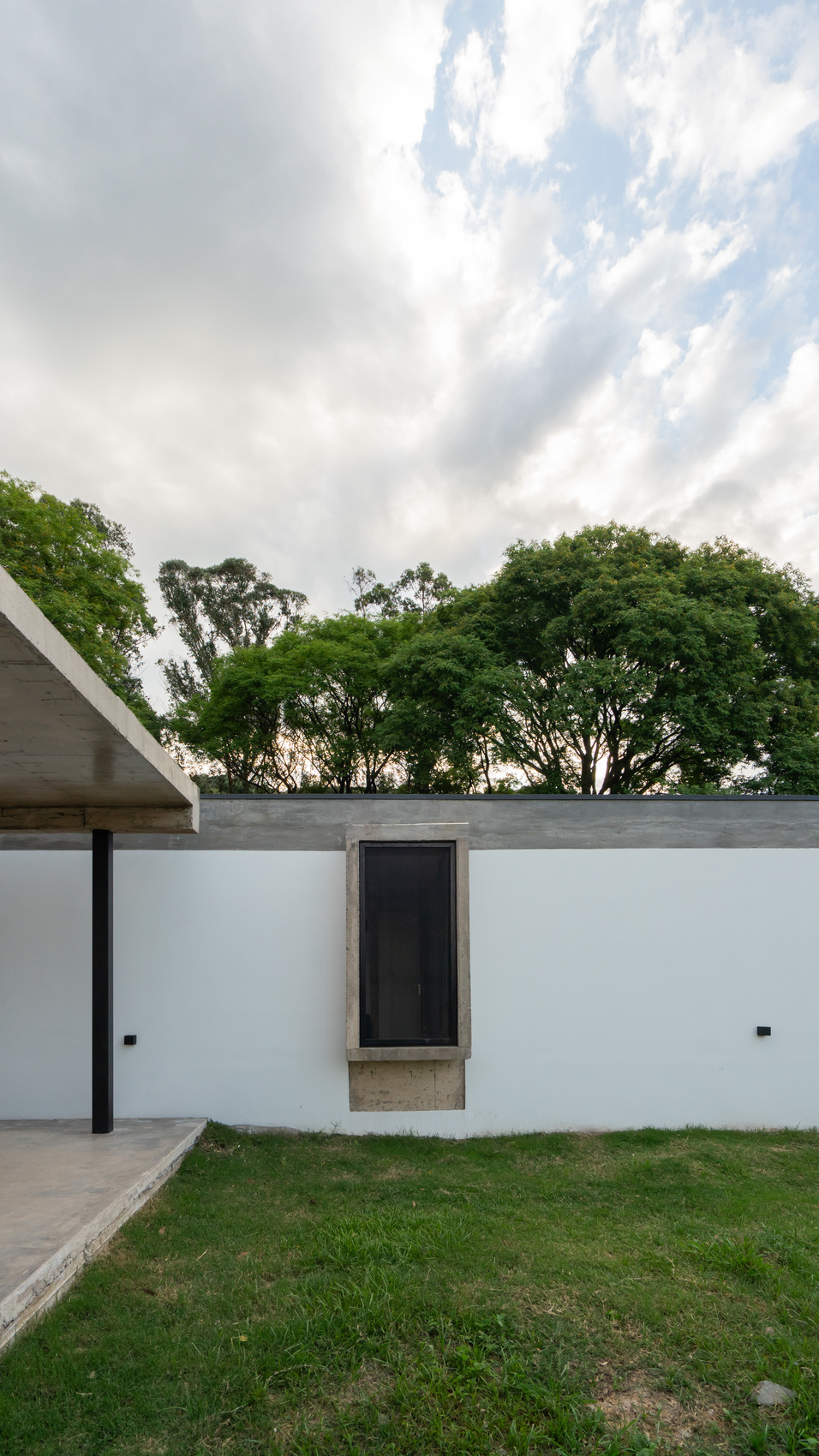
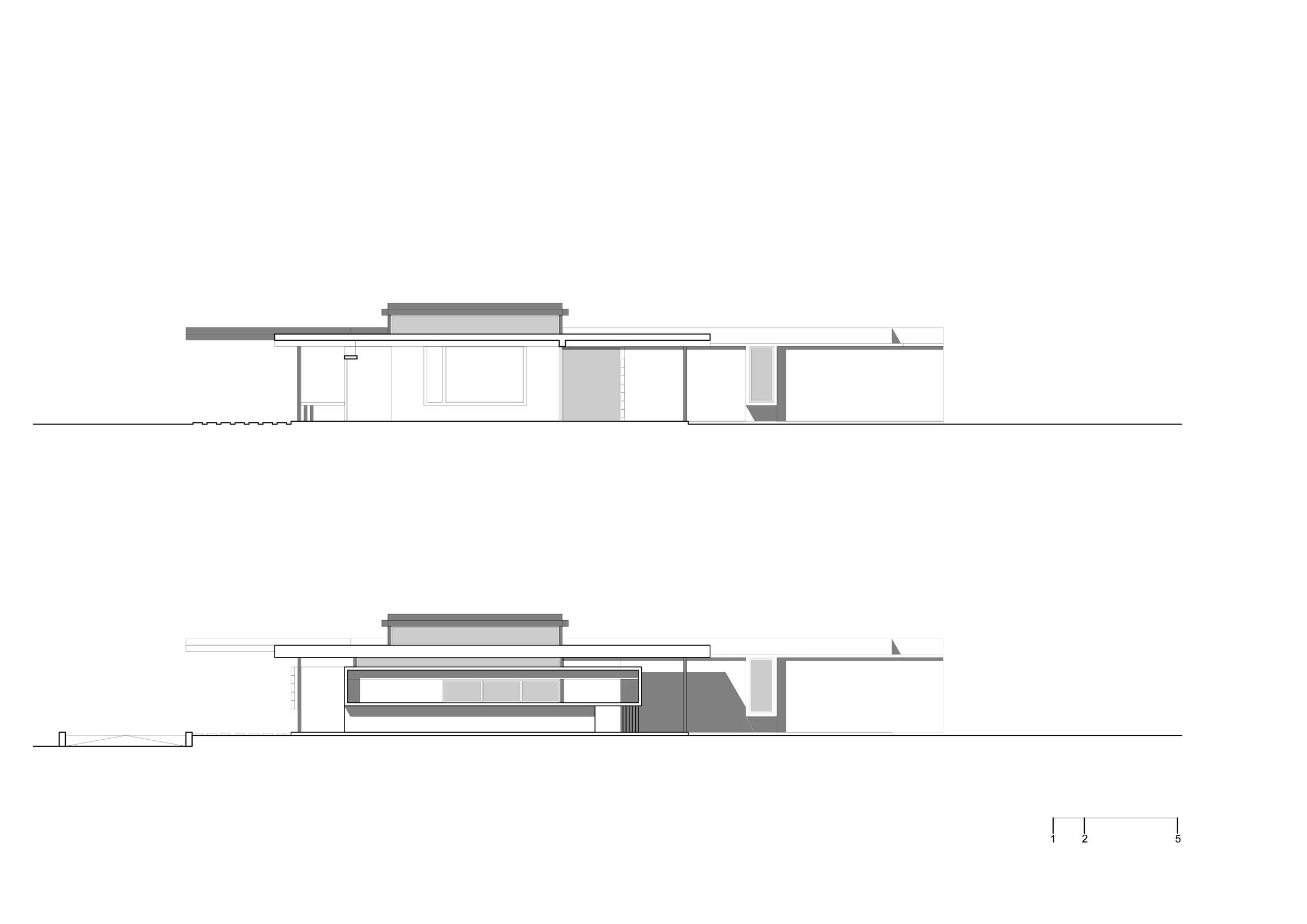
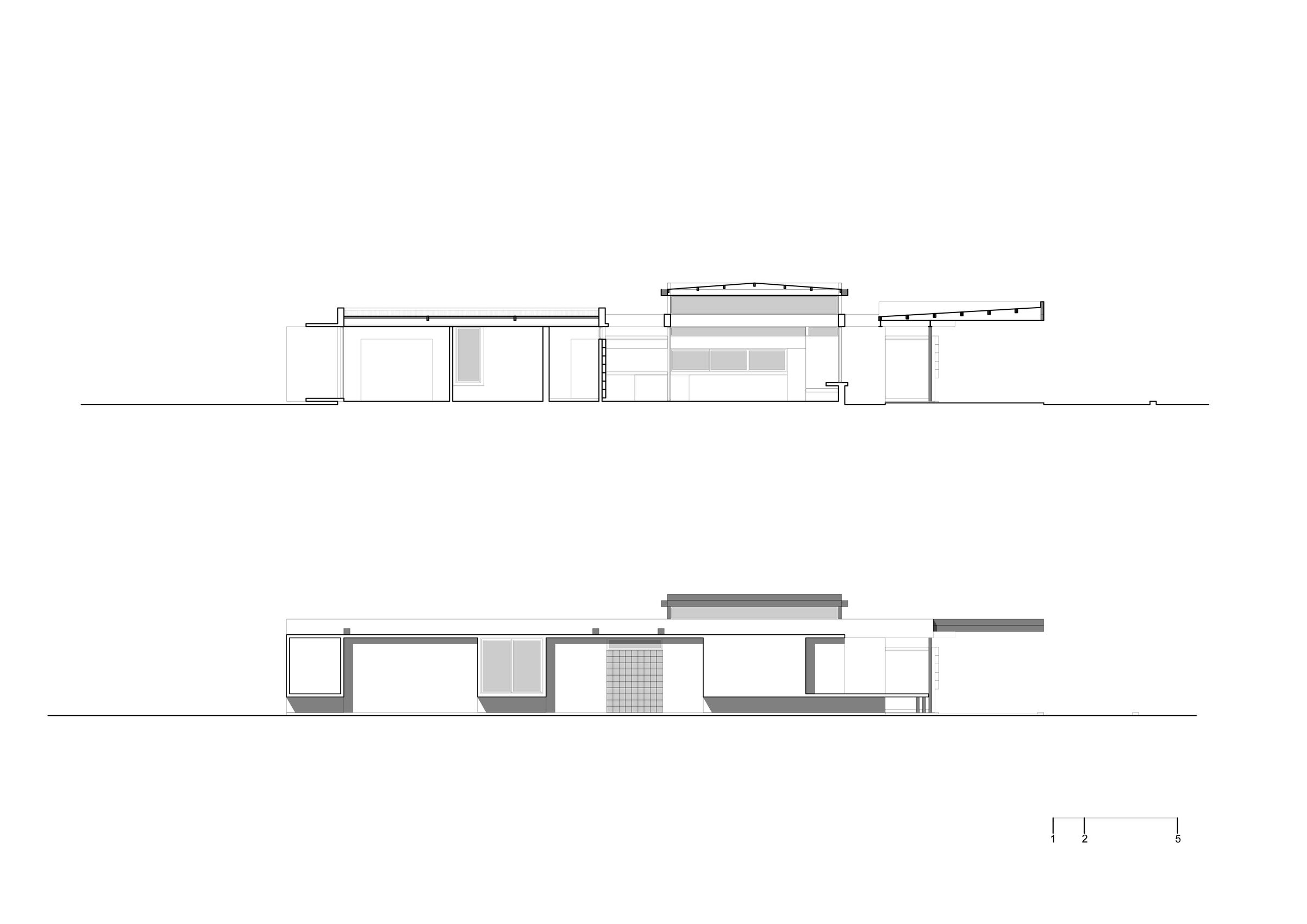
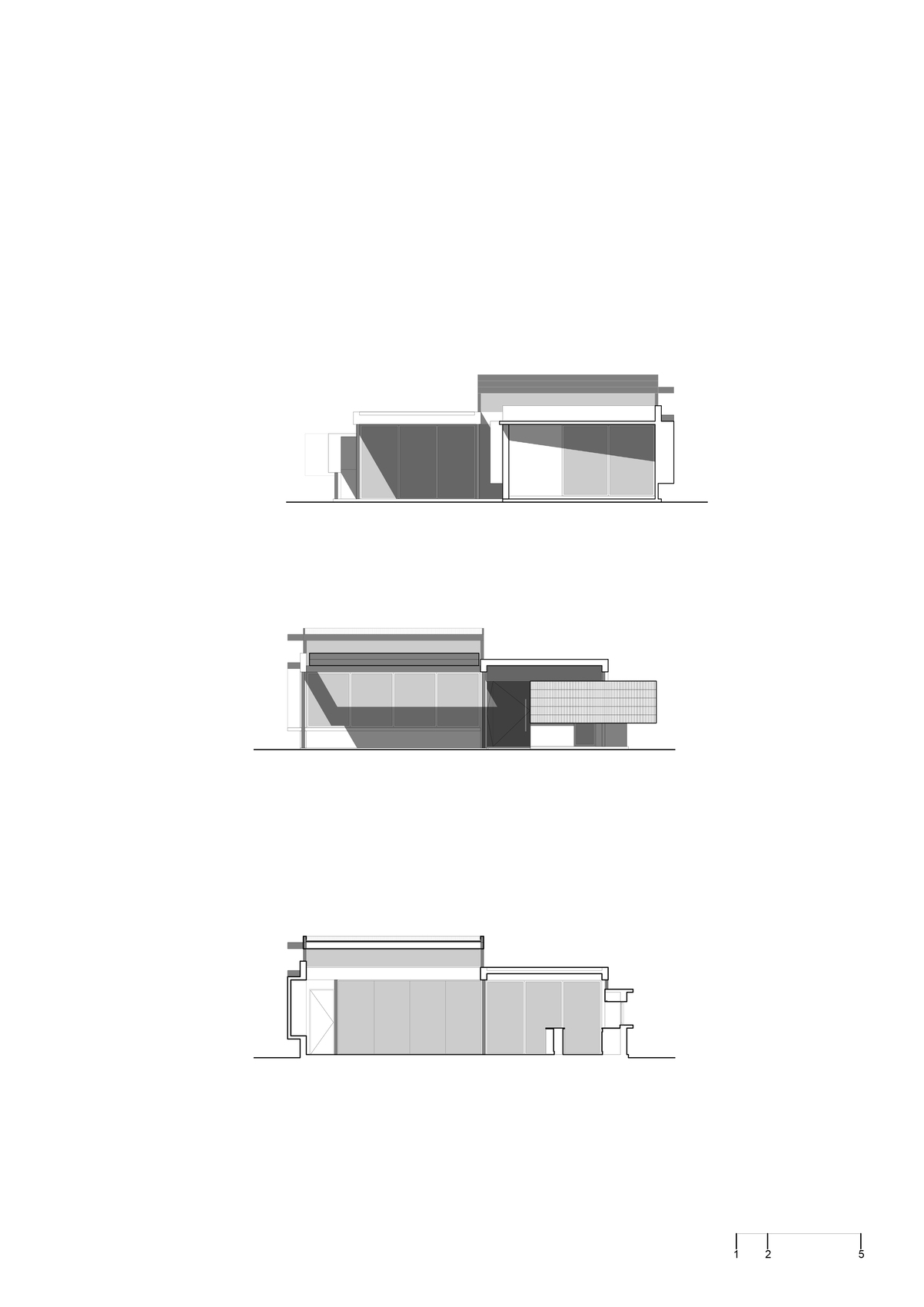
This capacity for transformation is supported by a clearly defined structural system composed of steel columns and exposed reinforced concrete slabs. More than a construction solution, the structural framework acts as the organizing element of the project, establishing spatial boundaries while retaining flexibility. The relationship between solid and void becomes a central architectural theme, allowing the house to accommodate varying degrees of openness, enclosure, privacy, and visual connection to the surrounding environment.
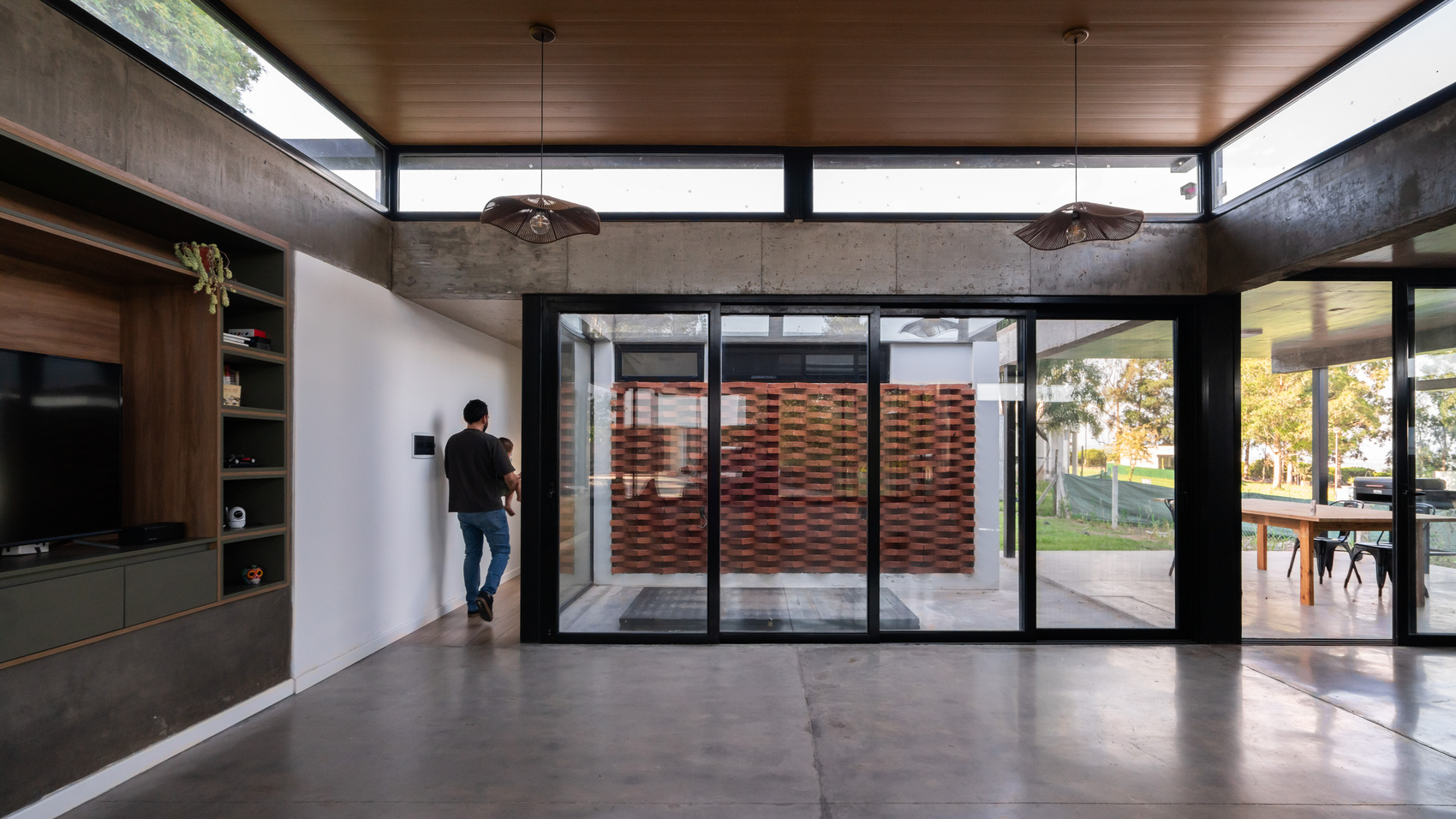
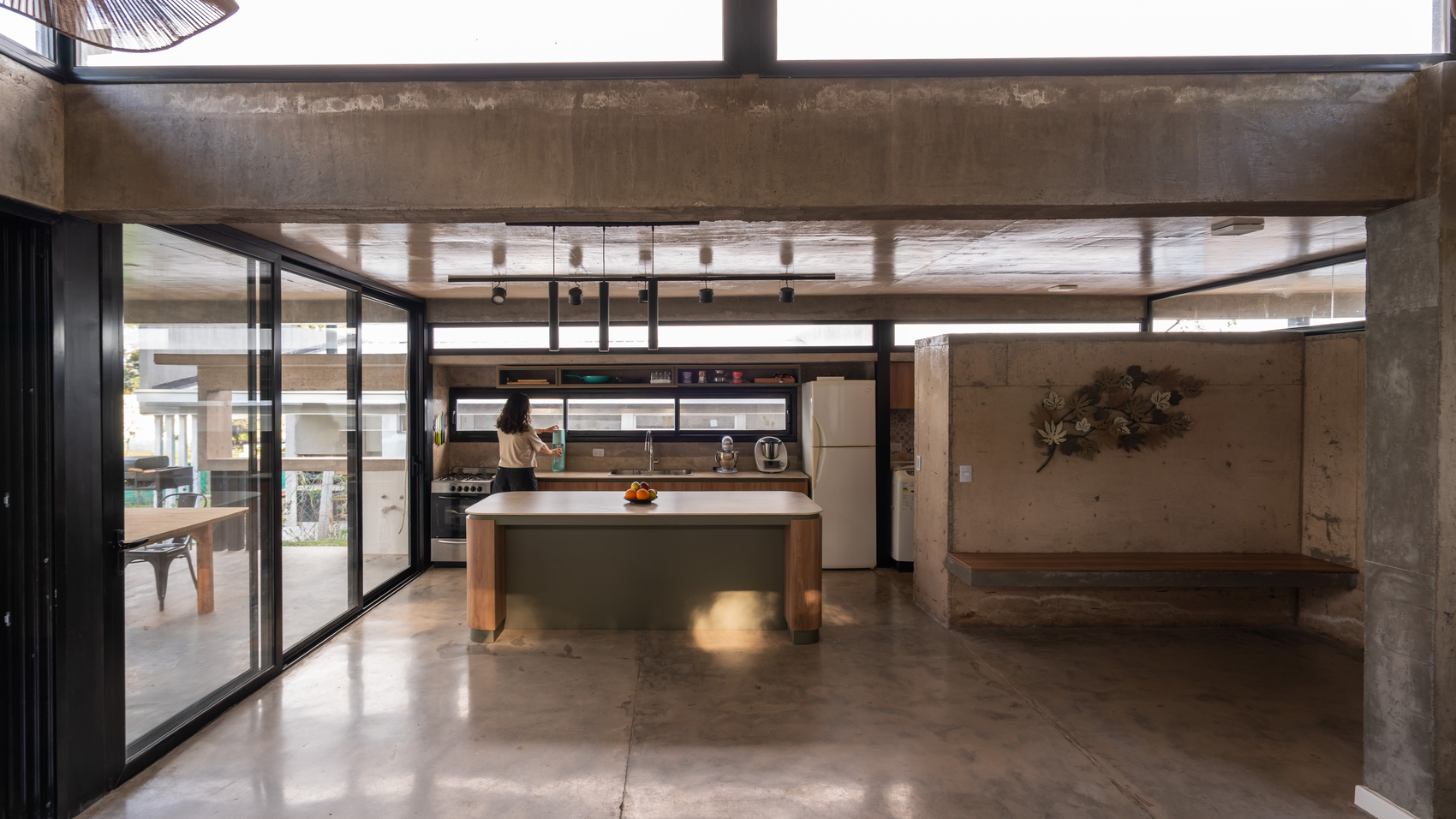
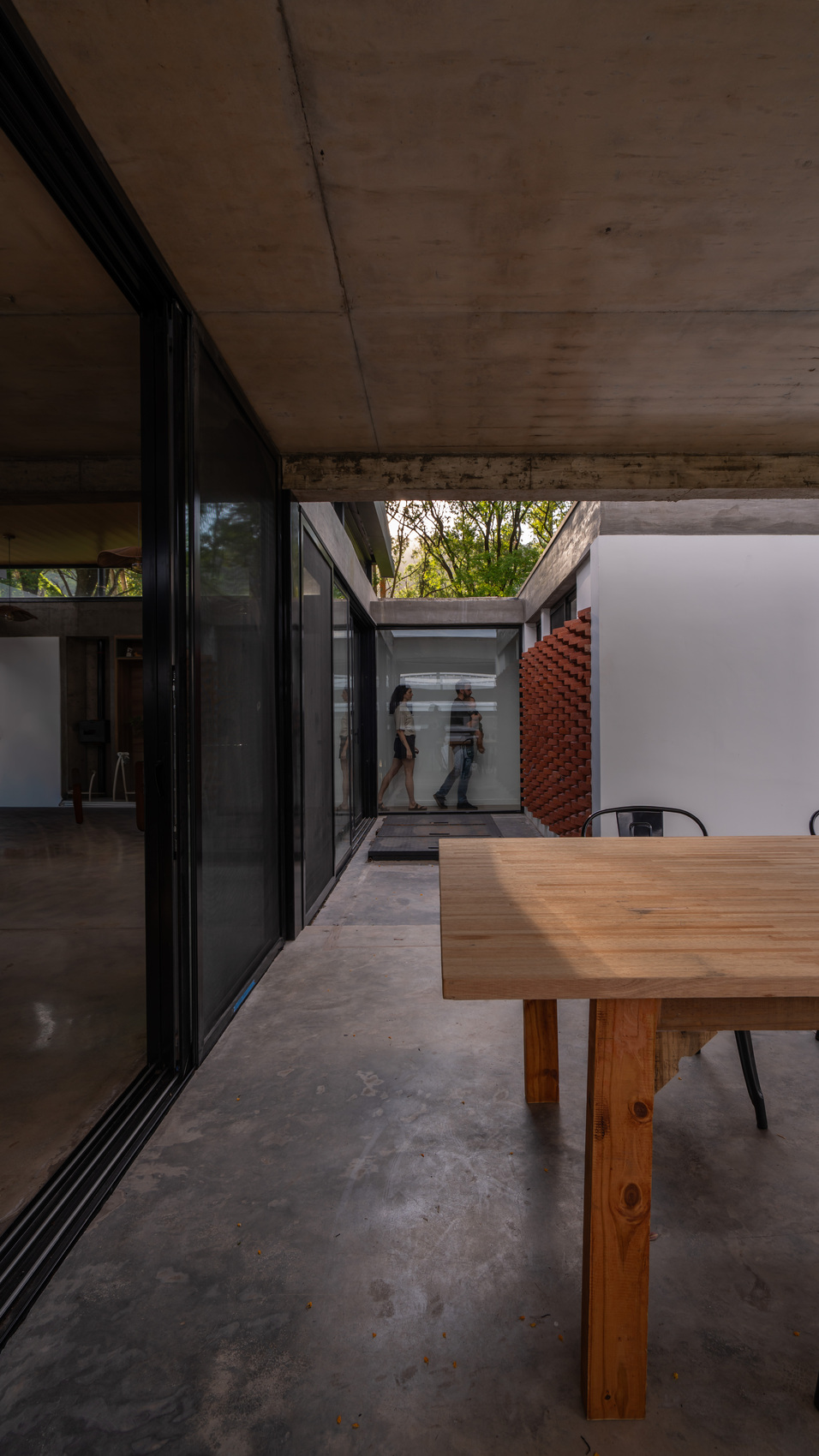
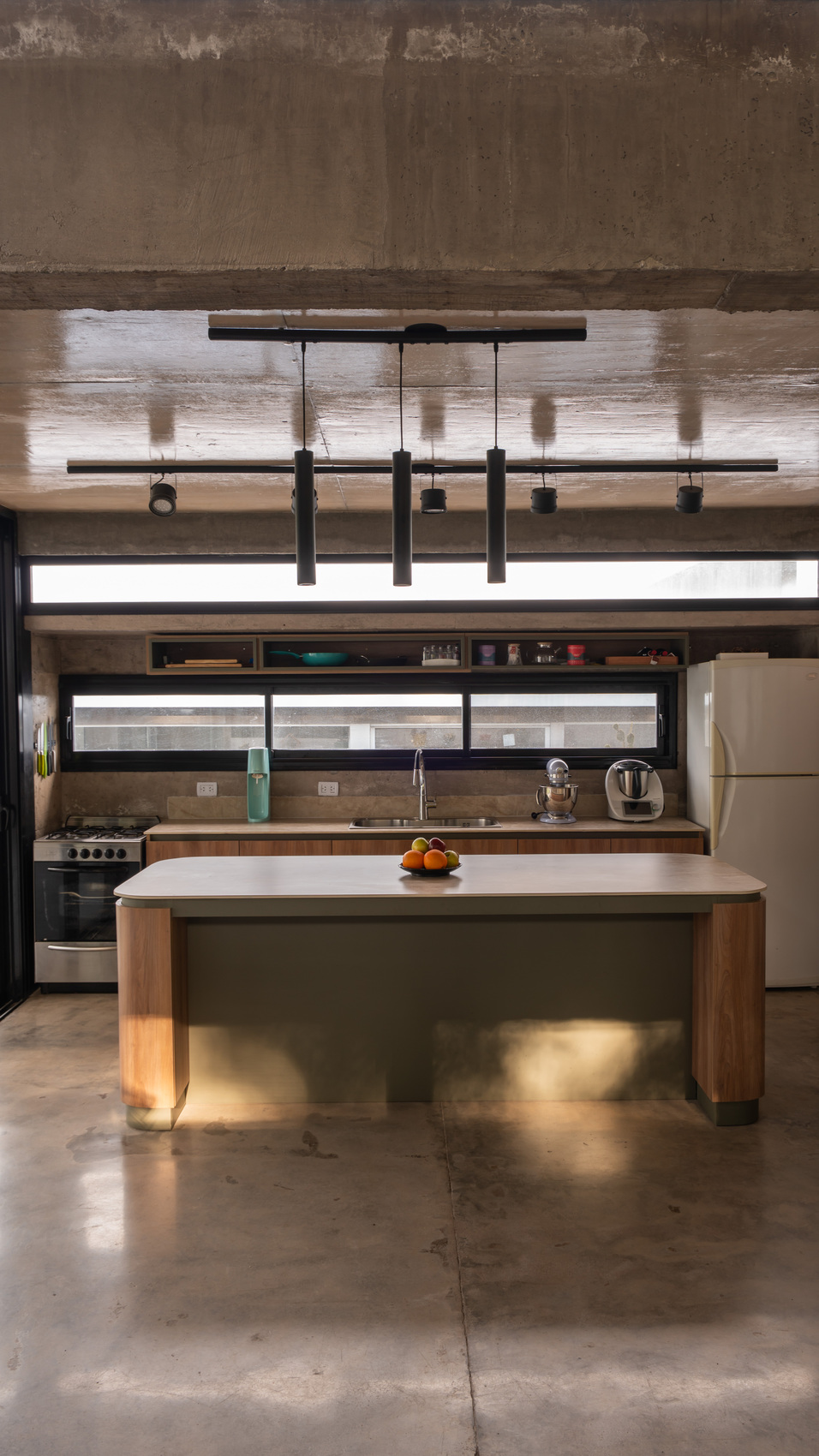
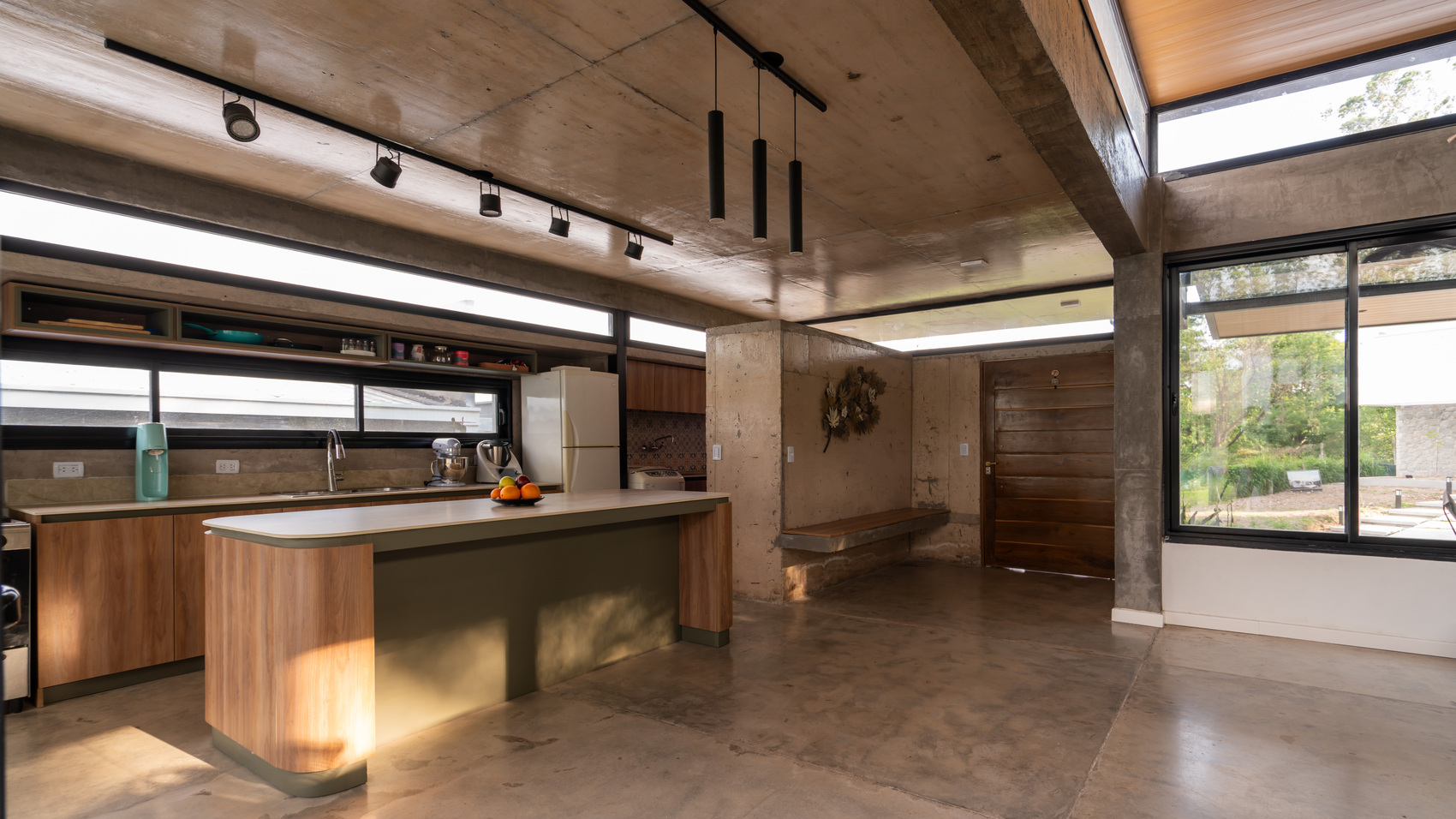
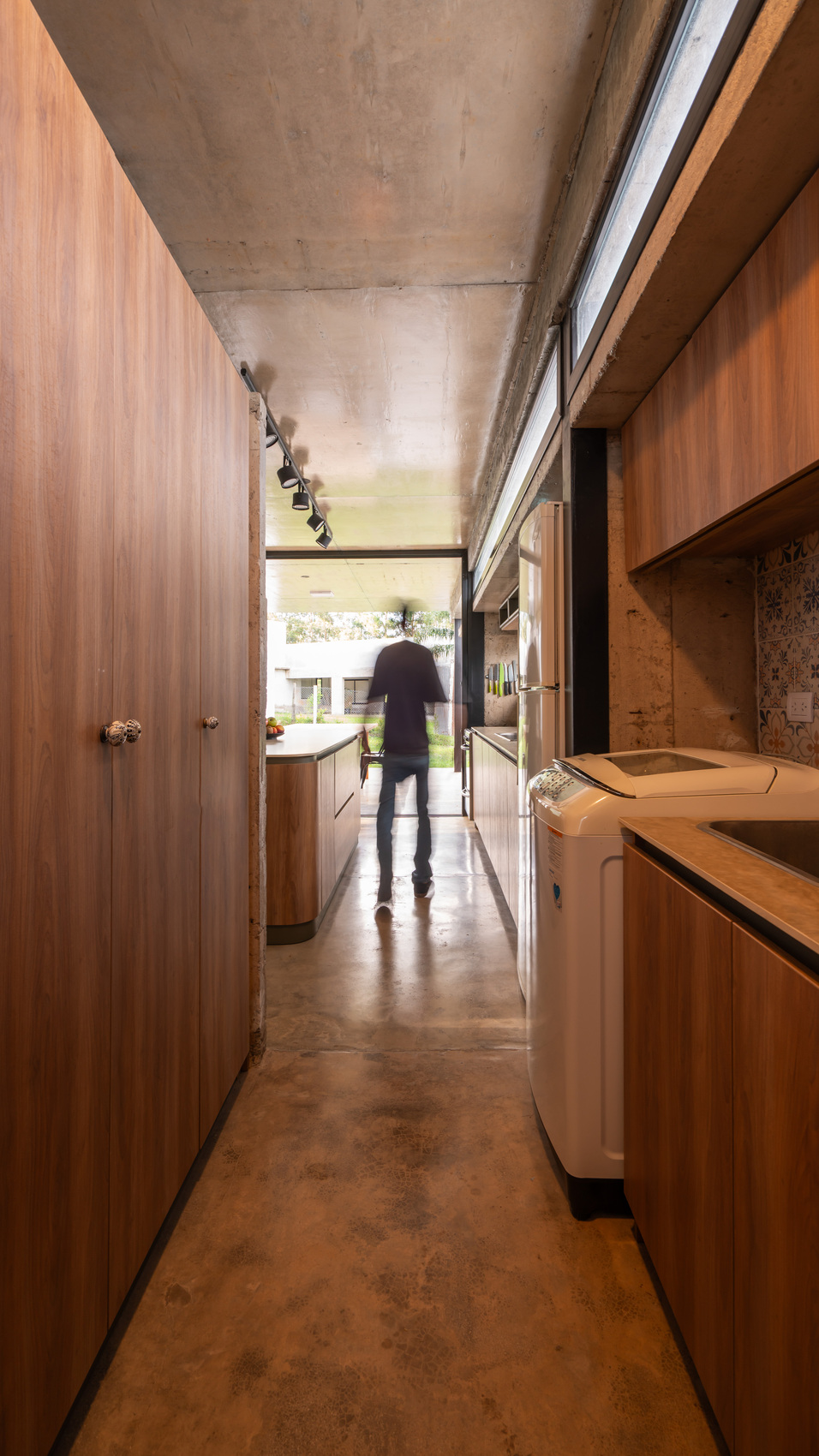
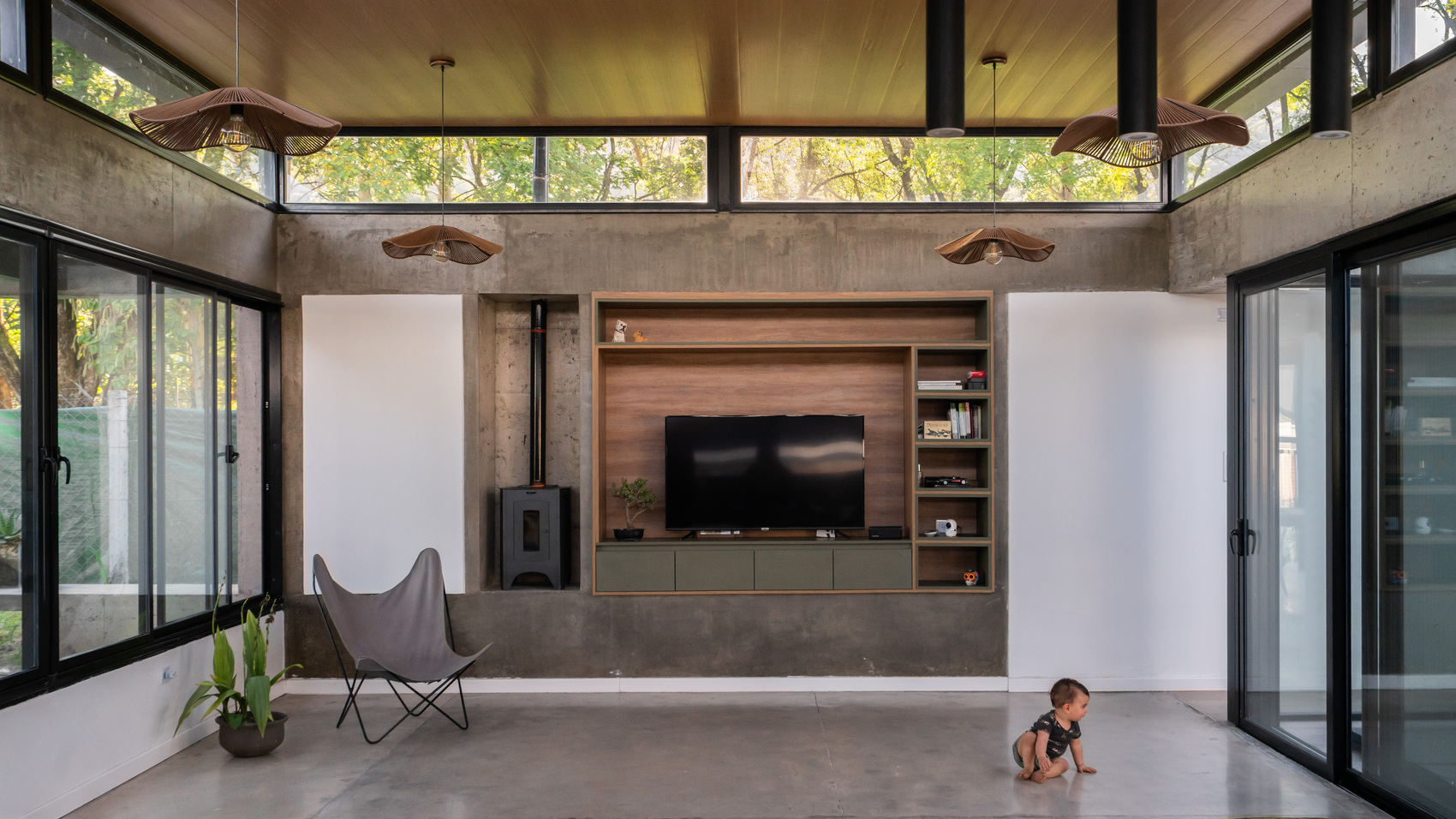
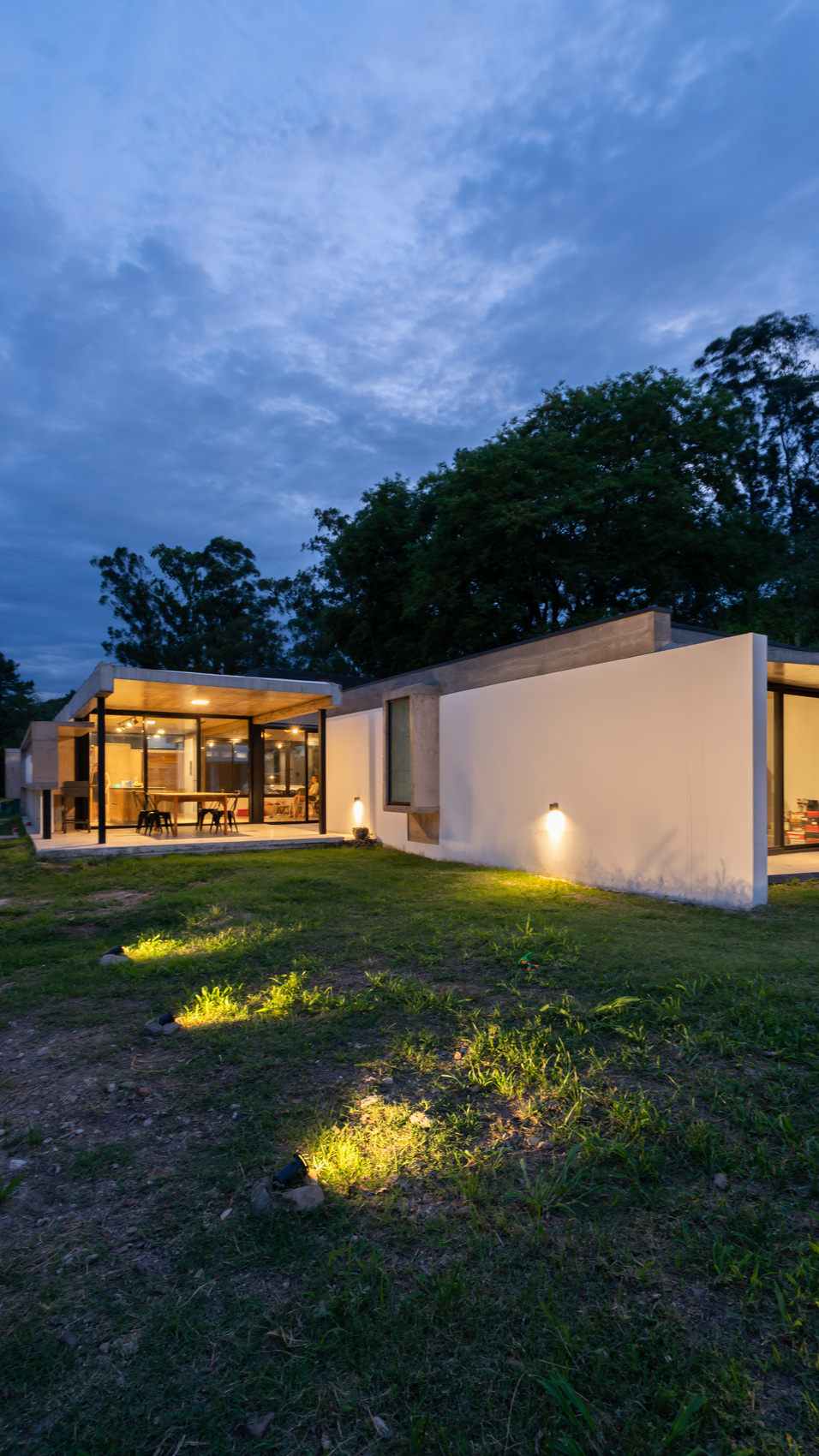
The internal organization revolves around a continuous social space that integrates the living room, dining area, and kitchen into a unified environment. Generous glazed openings dissolve conventional boundaries between interior and exterior, extending daily life toward the landscape and encouraging a fluid relationship with the outdoors. Exposed slabs, uninterrupted floor surfaces, and lightweight window systems reinforce this sense of continuity, creating bright and adaptable spaces that can accommodate different forms of occupation over time.
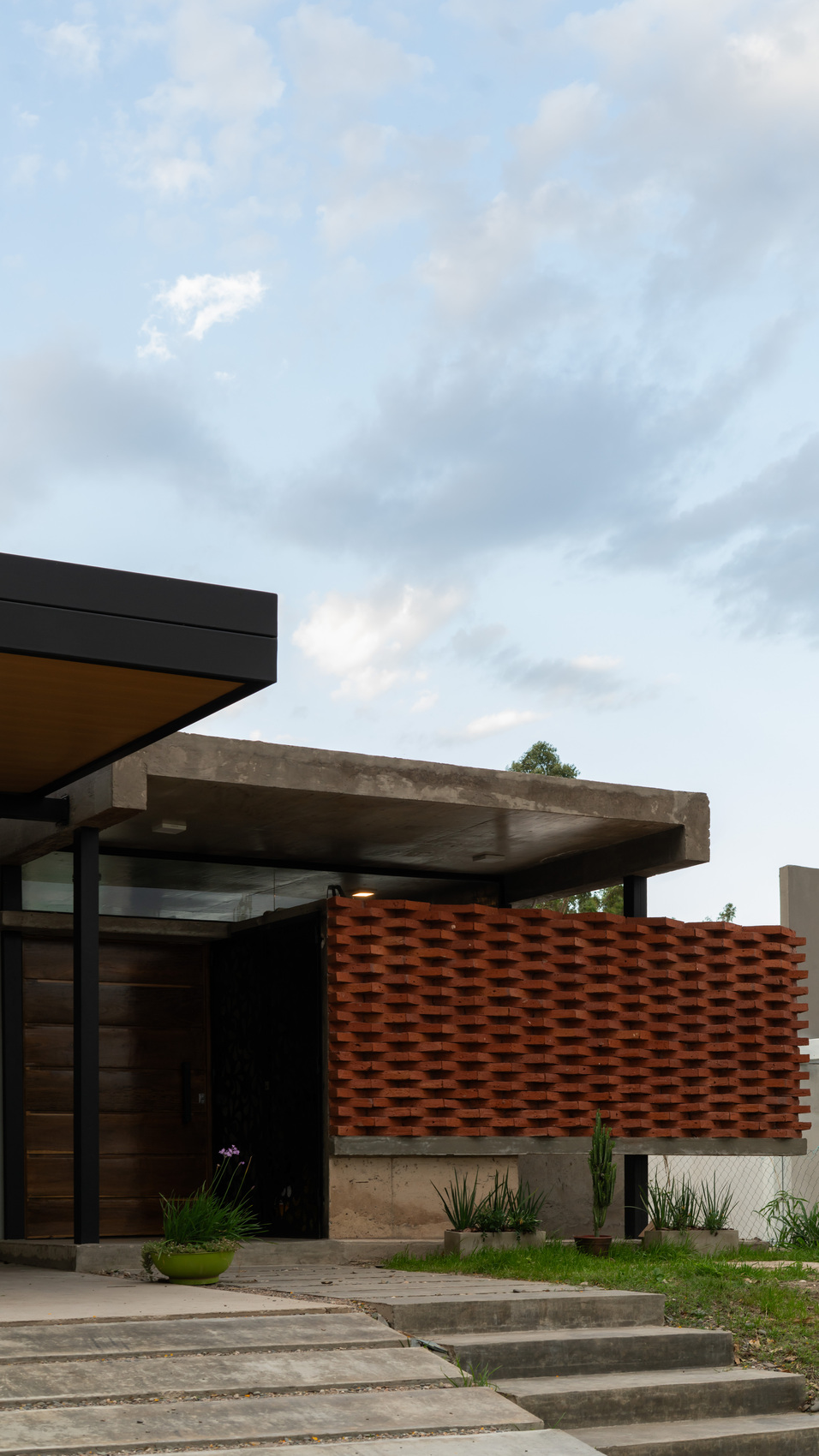
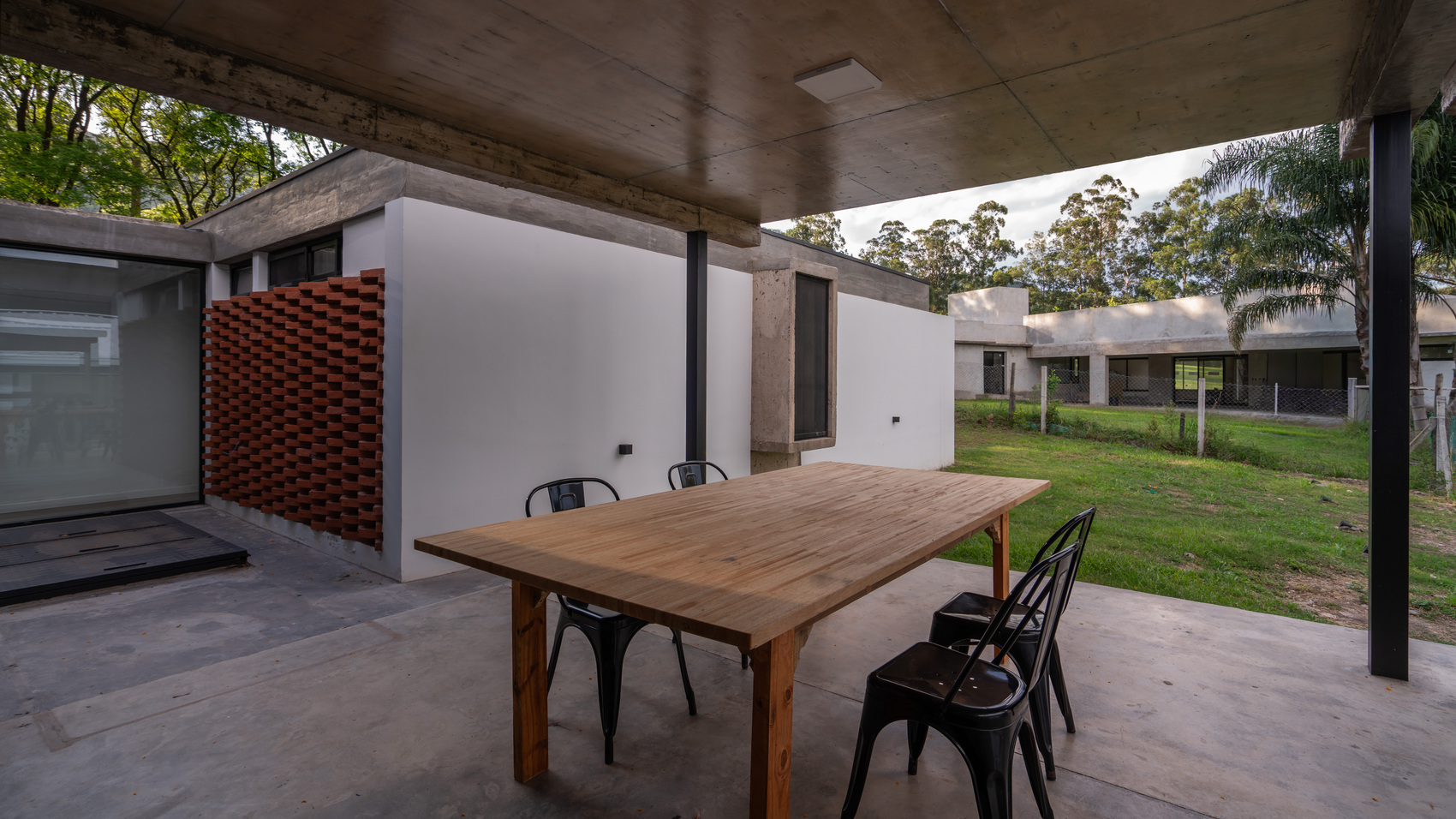
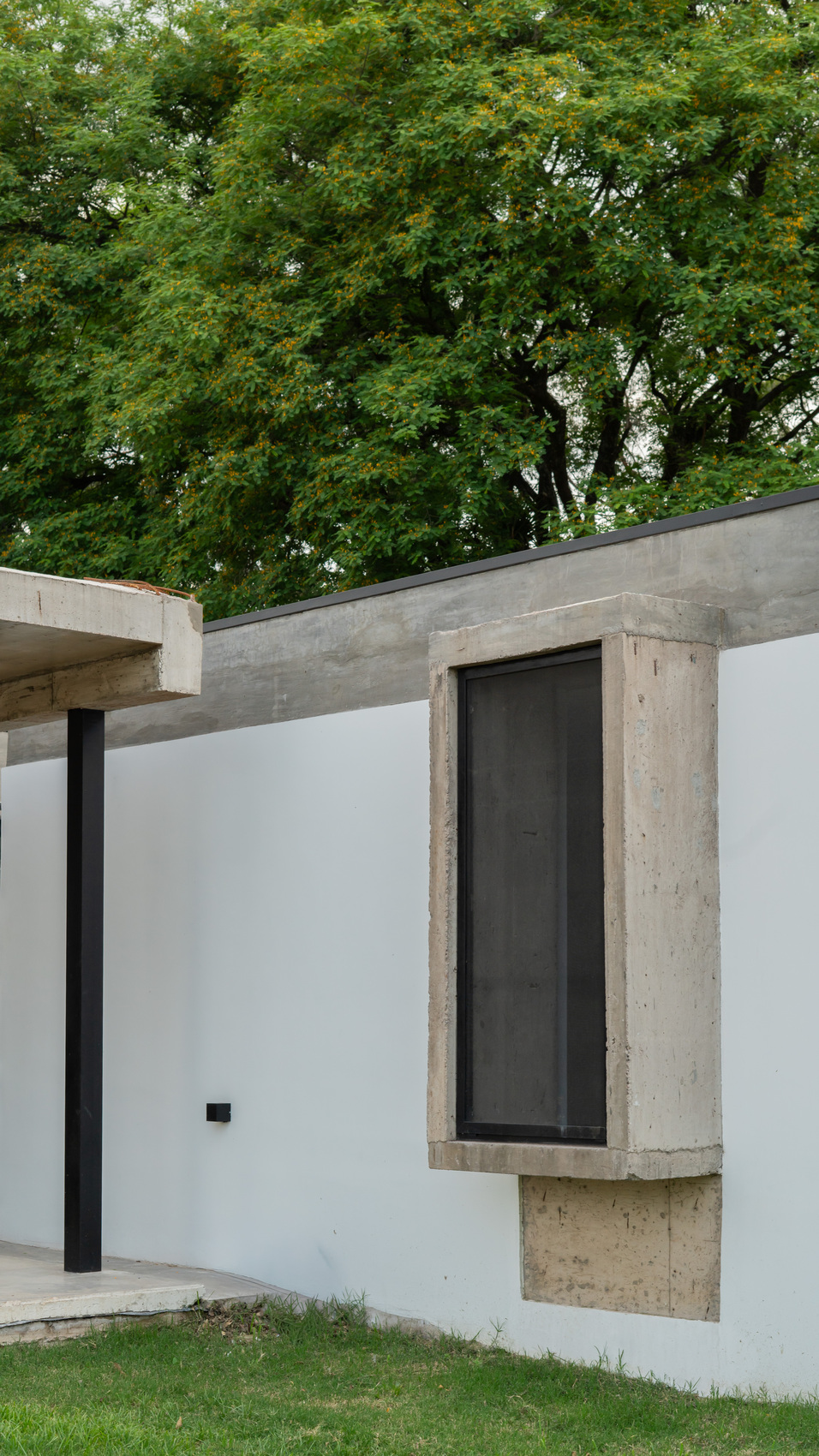
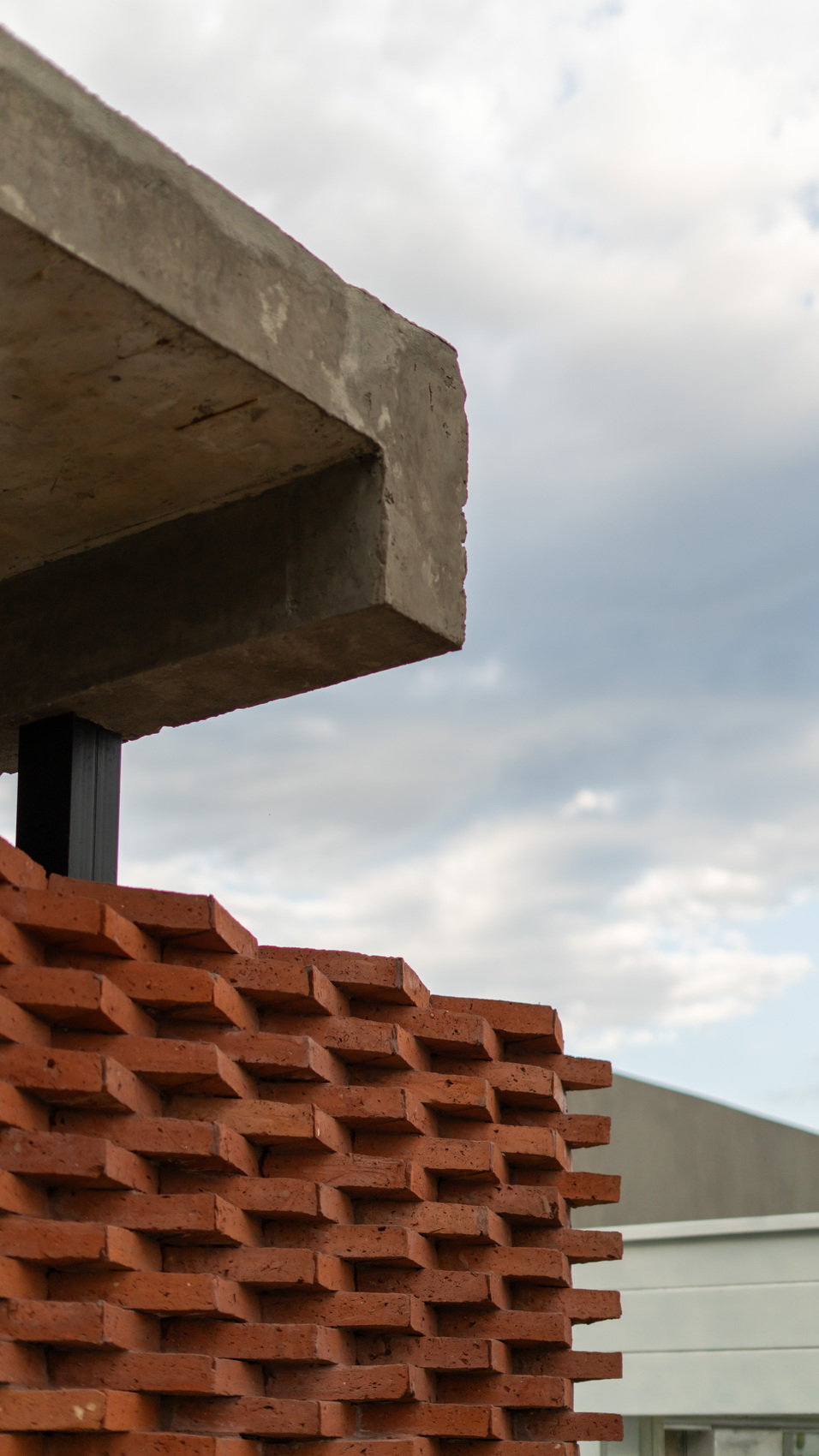
Material expression further reinforces the project’s commitment to longevity and honesty. Smooth white surfaces are paired with exposed brickwork and expansive glazing, while timber elements introduce warmth within a palette largely defined by concrete and metal. Natural light, ventilation, and vegetation become active participants in the domestic experience, continually transforming perceptions of space throughout the day. Through this balance of structural foresight, material restraint, and environmental responsiveness, Casa PALA presents a residential architecture designed not only for present needs but also for the realities of future change.
Project Gallery
Project Location
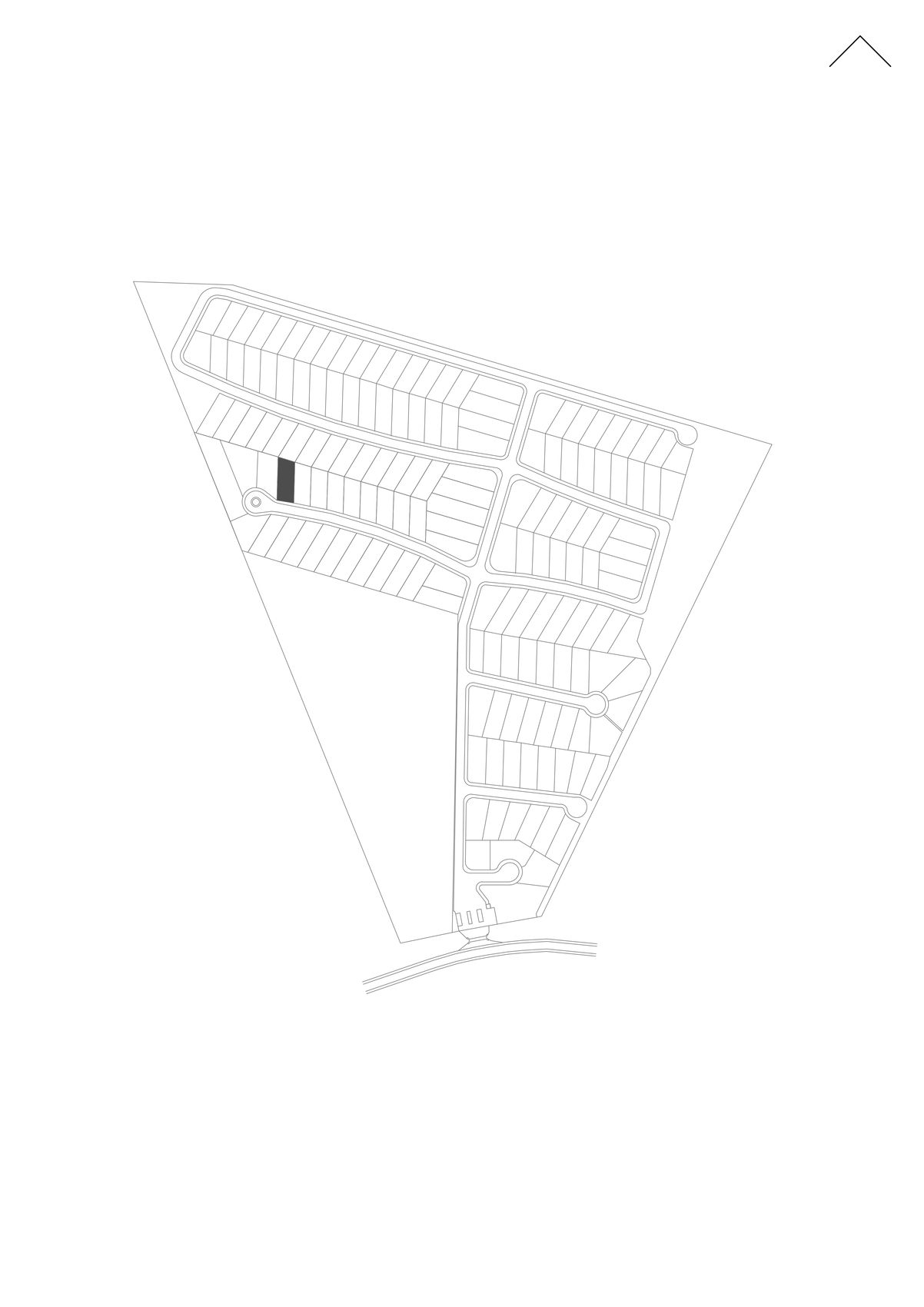
Address: San Pablo, Tucumán, Argentina
The location specified is intended for general reference and may denote a city or country, but it does not identify a precise address.

