Architects: Steven Holl Architects Area: 567 m² (6,100 ft²) Year: 1997 Photography: Steven Holl Architects, Paul Warchol Photography, Petr Šmídek, Max Anderson, TRANIMAGING, See.Jay, Sarahehthomas, Wikimedia Commons, Joe Mabel Design Architect:Steven Holl Project Architect: Tim Bade Project Team: Janet Cross, Jan Kinsbergen, Justin Korhammer, Audra Tuskes Local Architect: Olson Sundberg Architects Structural Engineer: Monte Clark Engineering, Datum Engineering Electrical Engineer: Abacus Engineered Systems Mechanical Engineer: Abacus Engineered Systems Liturgical Consultant: Bill Brown, AIA P.C. Lighting Consultant: L’Observatoire International Acoustical Consultant: Peter George and Associates General Contractor: Baugh Construction Artists: Linda Beaumont, Dora Nikolova Bittau Client: Seattle University City: Seattle Country: United States
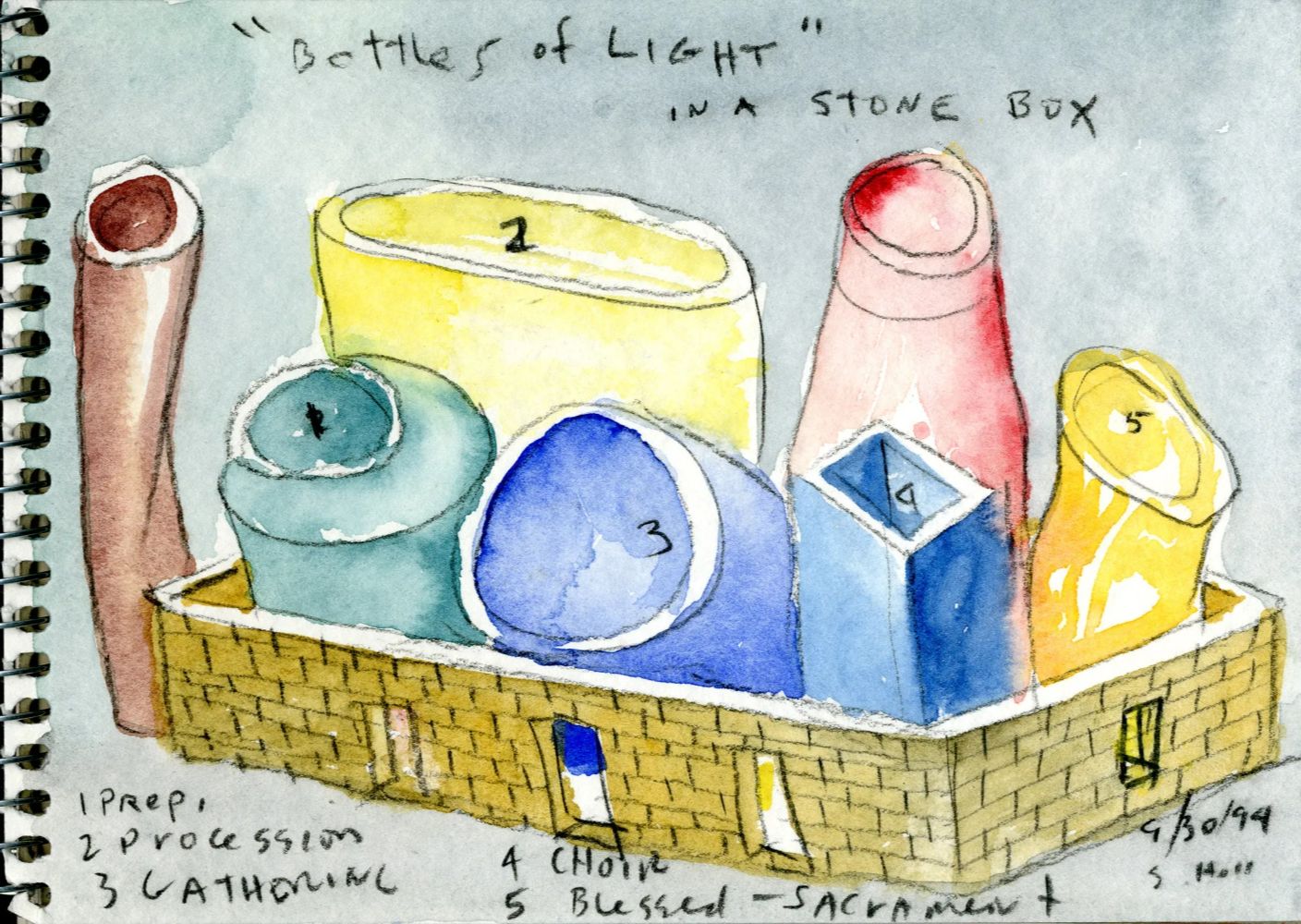
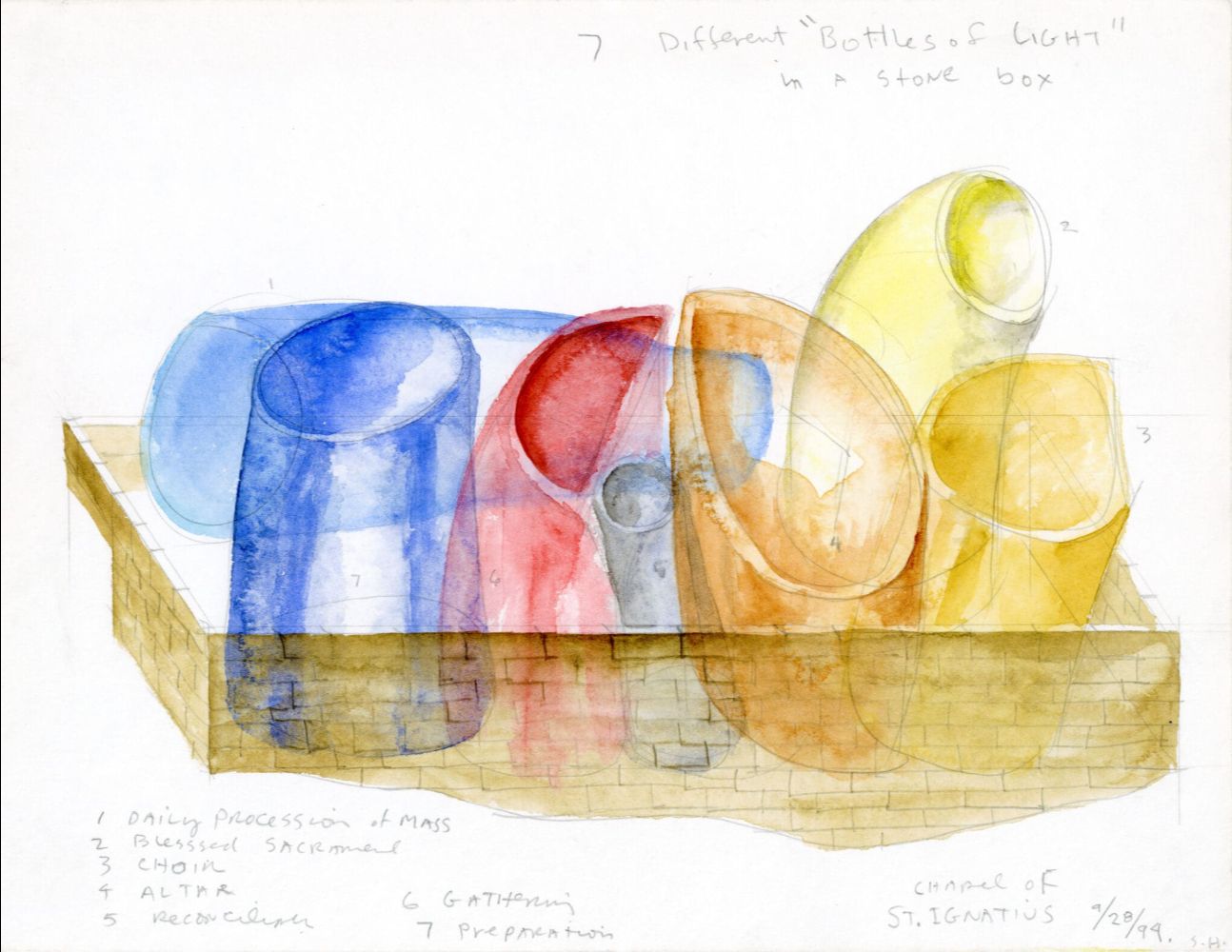
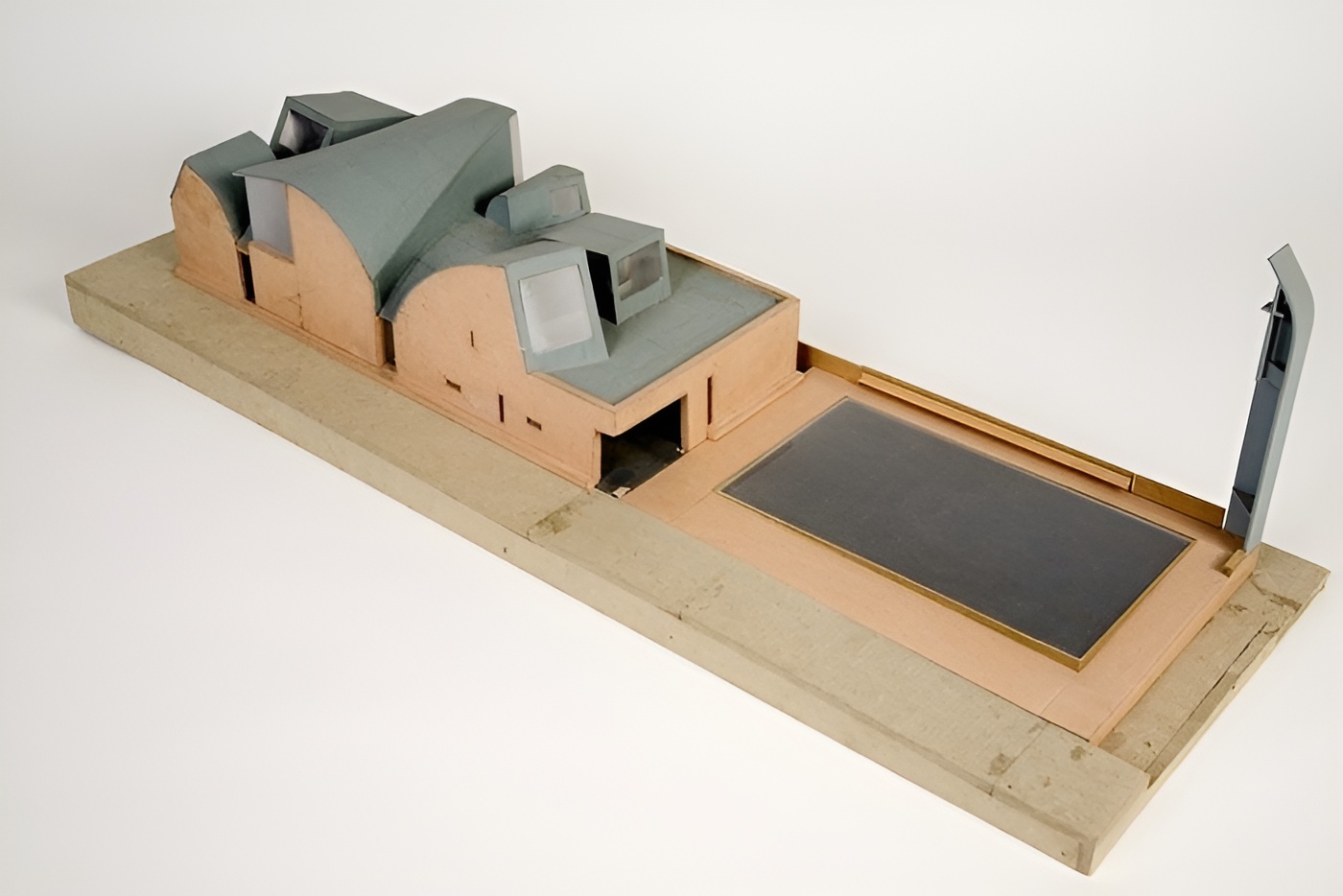
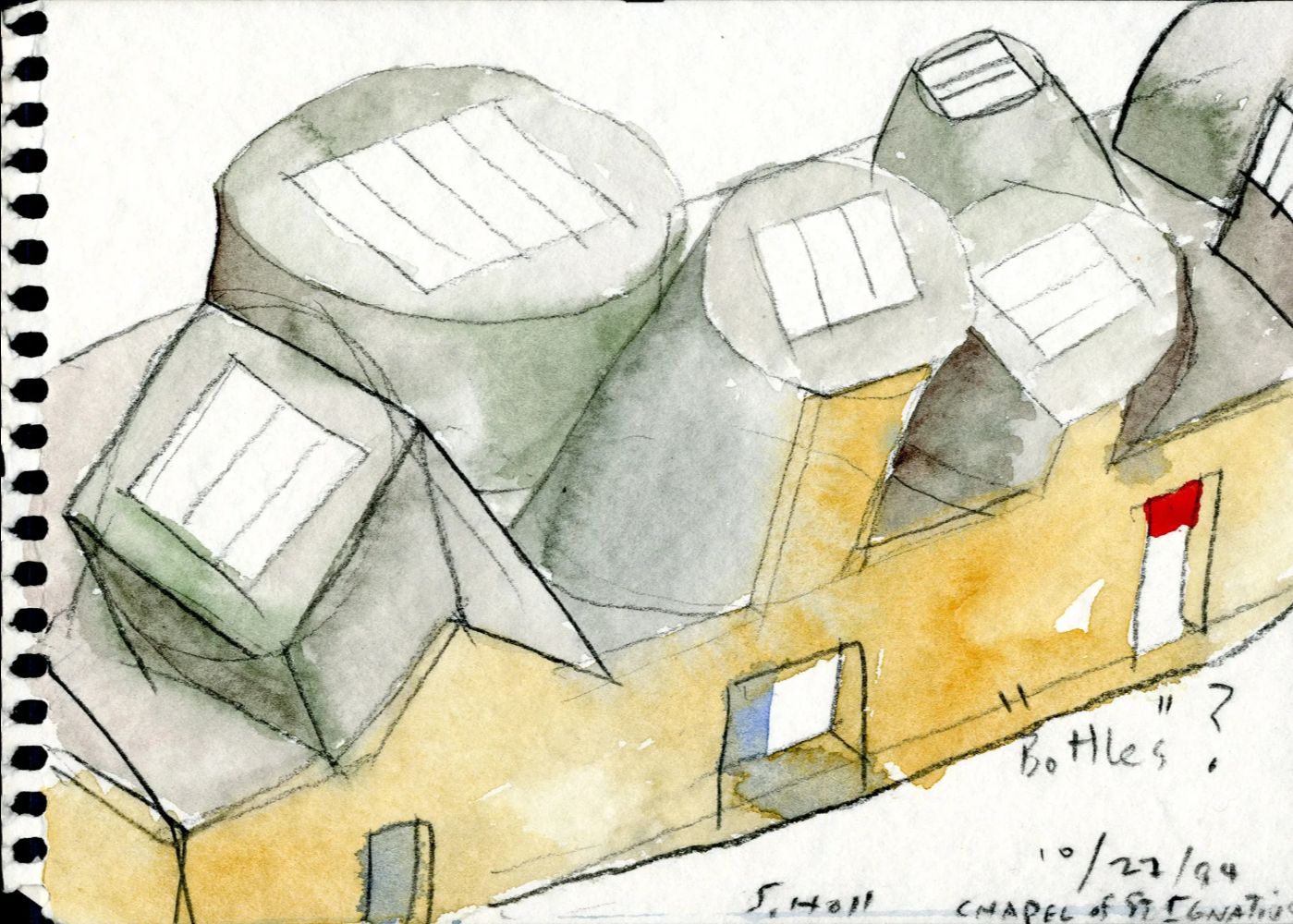
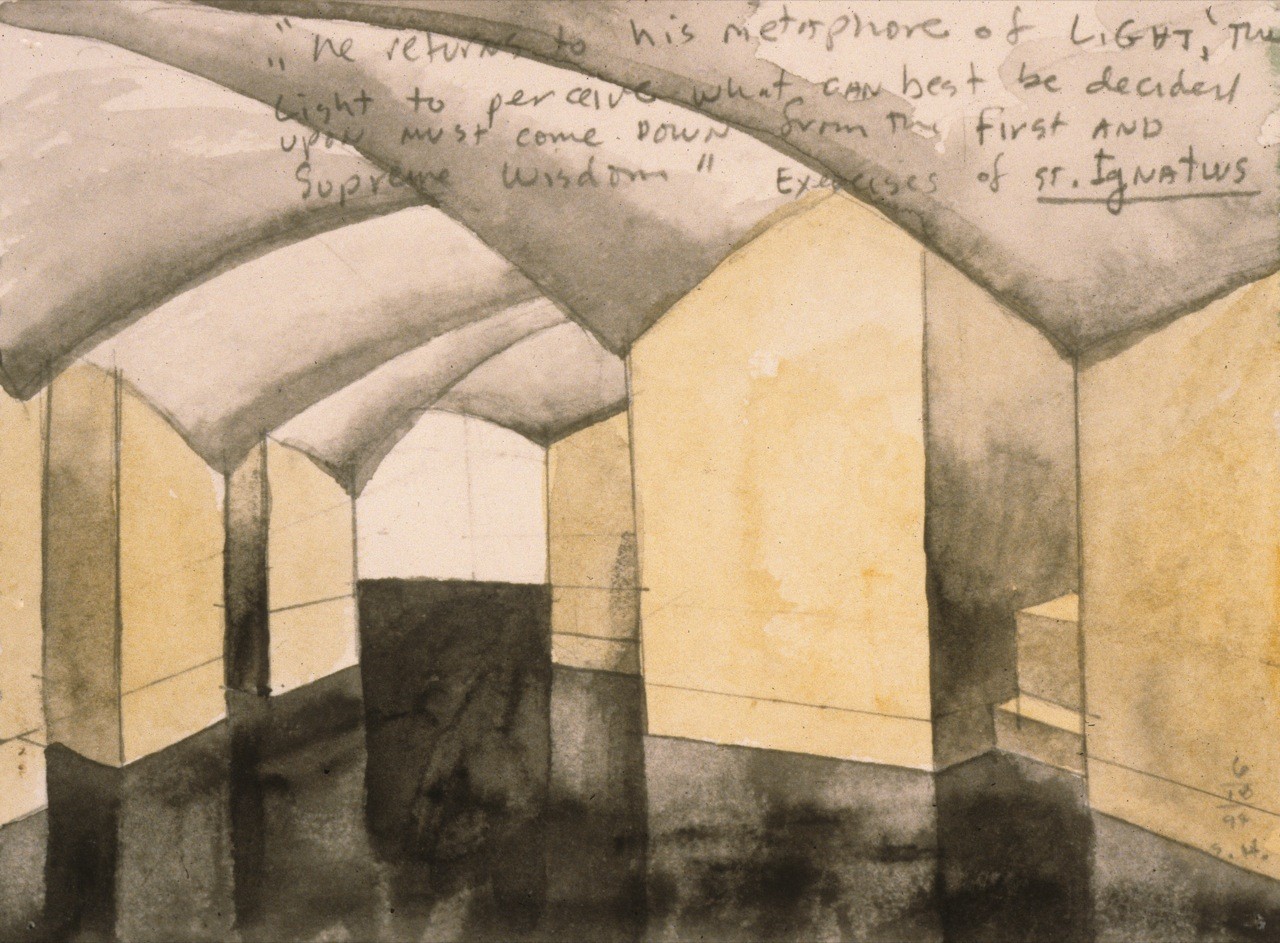
Chapel of St. Ignatius, a religious building designed by Steven Holl Architects in Seattle, has redefined liturgical space through the integration of light, material, and Jesuit spiritual principles, completed in 1997. Chapel of St. Ignatius organizes worship through a sequence of volumetric light forms that correspond to elements of the Catholic liturgy. The project establishes a campus anchor by framing a quadrangle and integrating a reflecting pond along its southern edge. The design develops the concept of “Seven Bottles of Light in a Stone Box” through colored lenses and reflective baffles that modulate natural and artificial light. The building applies tilt-up concrete construction to define the enclosure while enabling controlled apertures. Chapel of St. Ignatius connects symbolic meaning and spatial organization through orientation, color, and light as the primary architectural medium.
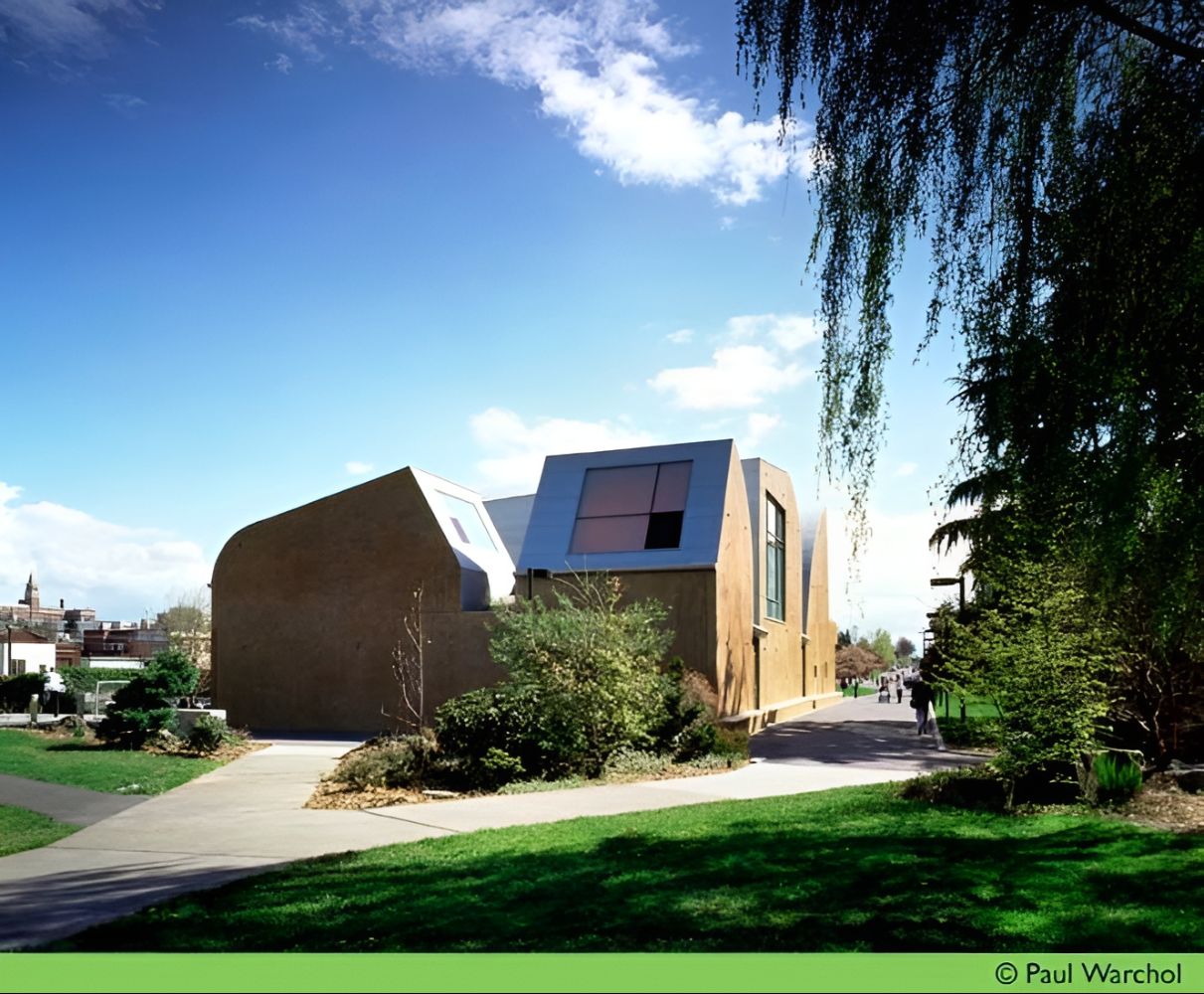
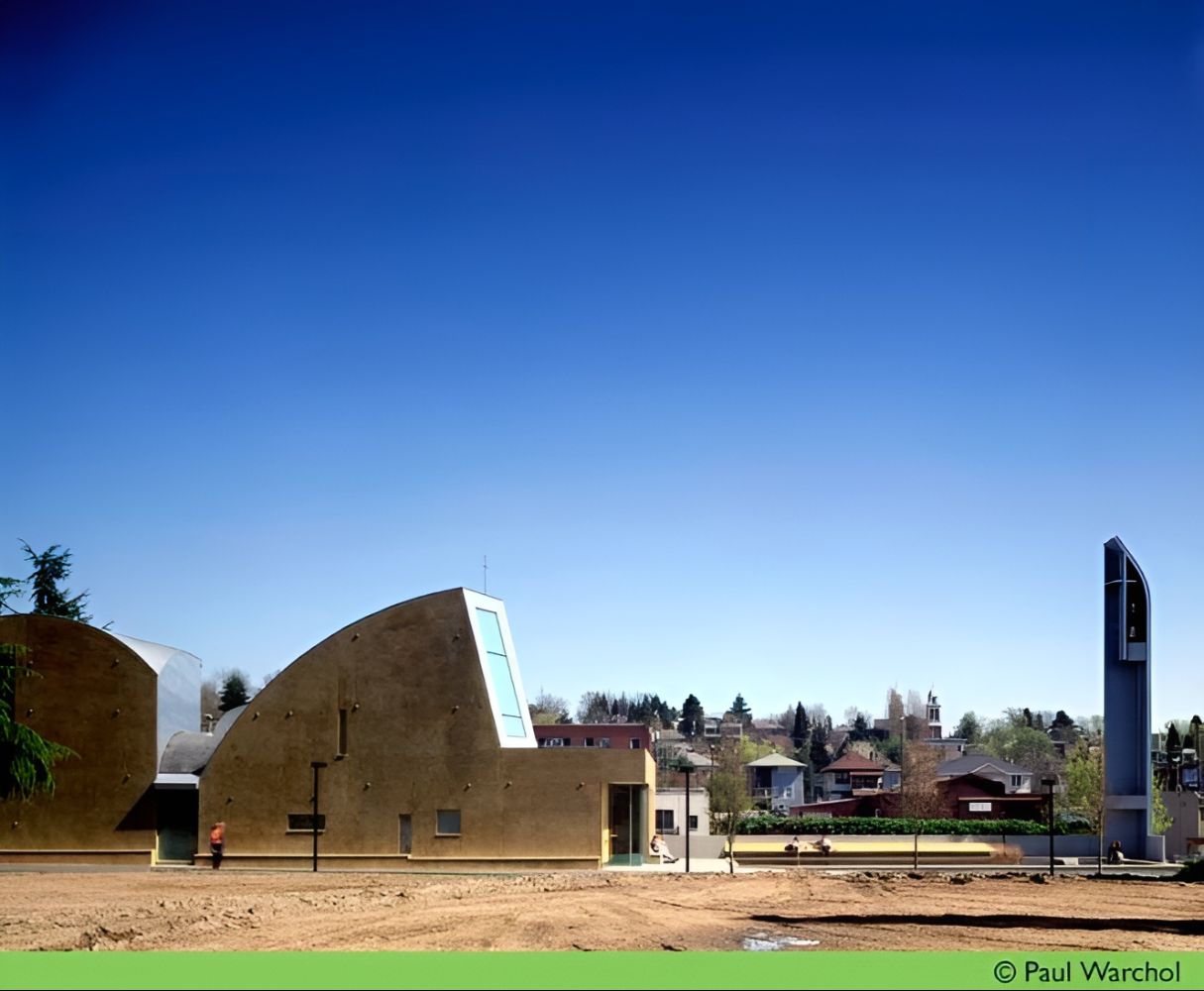
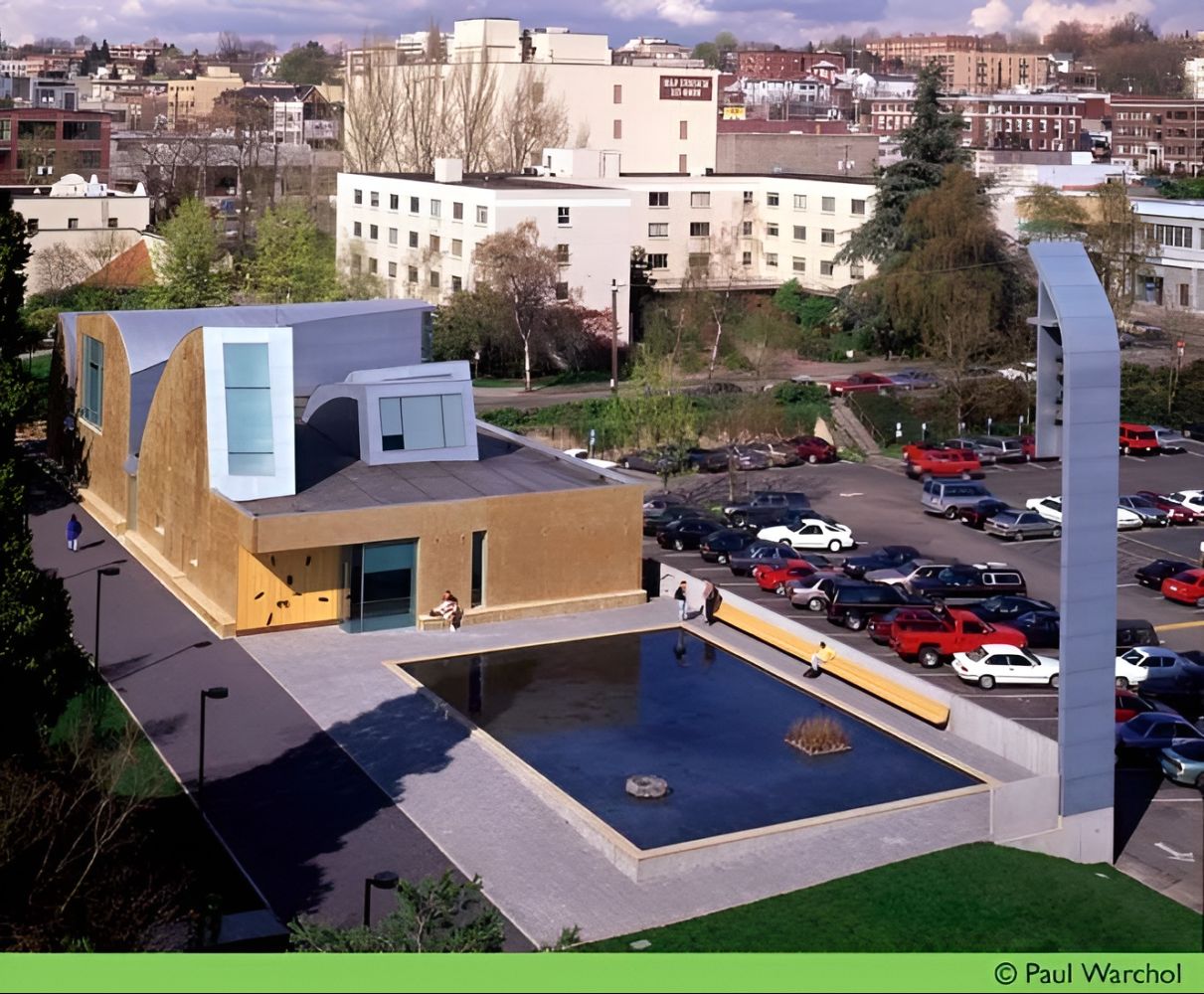
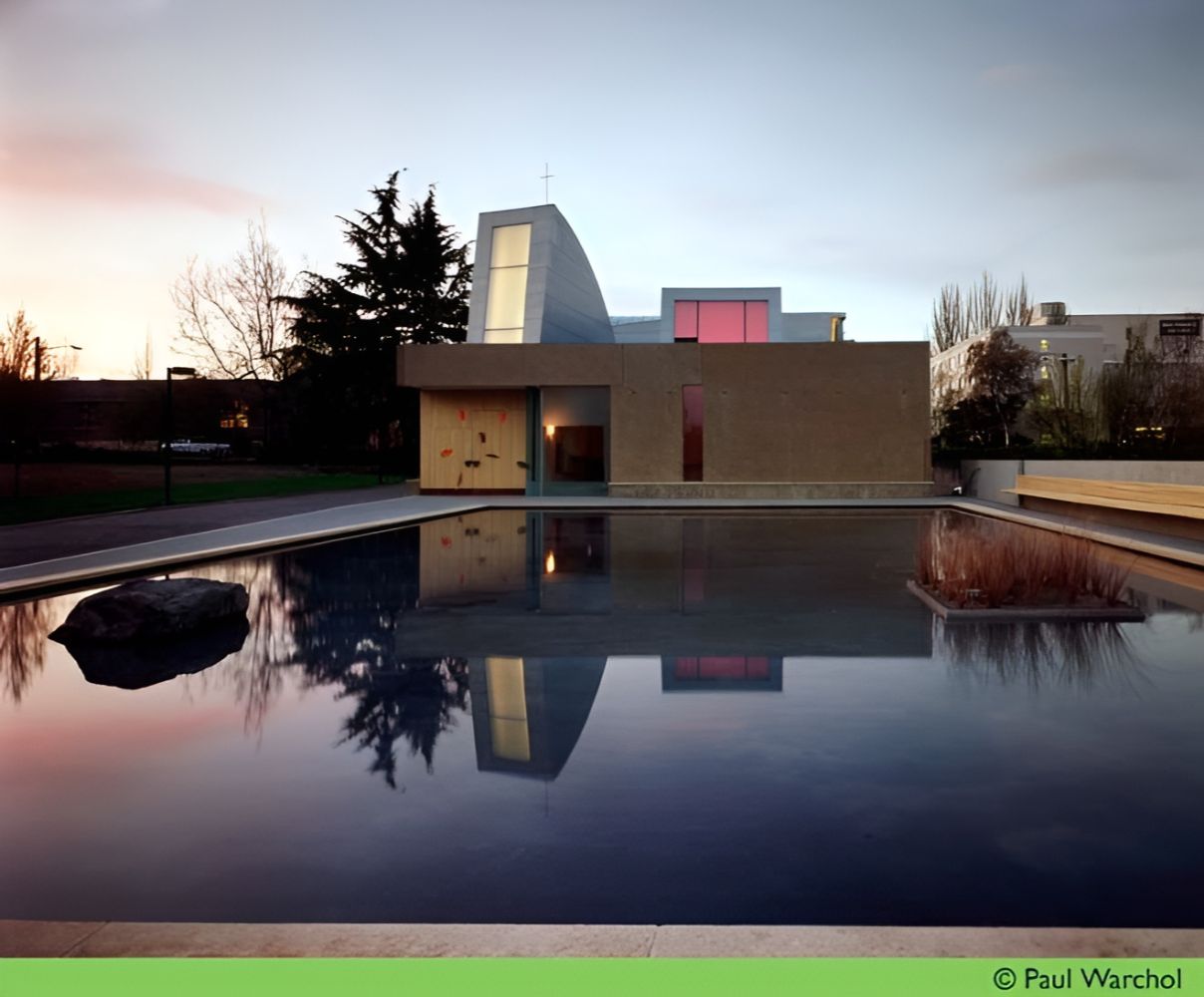
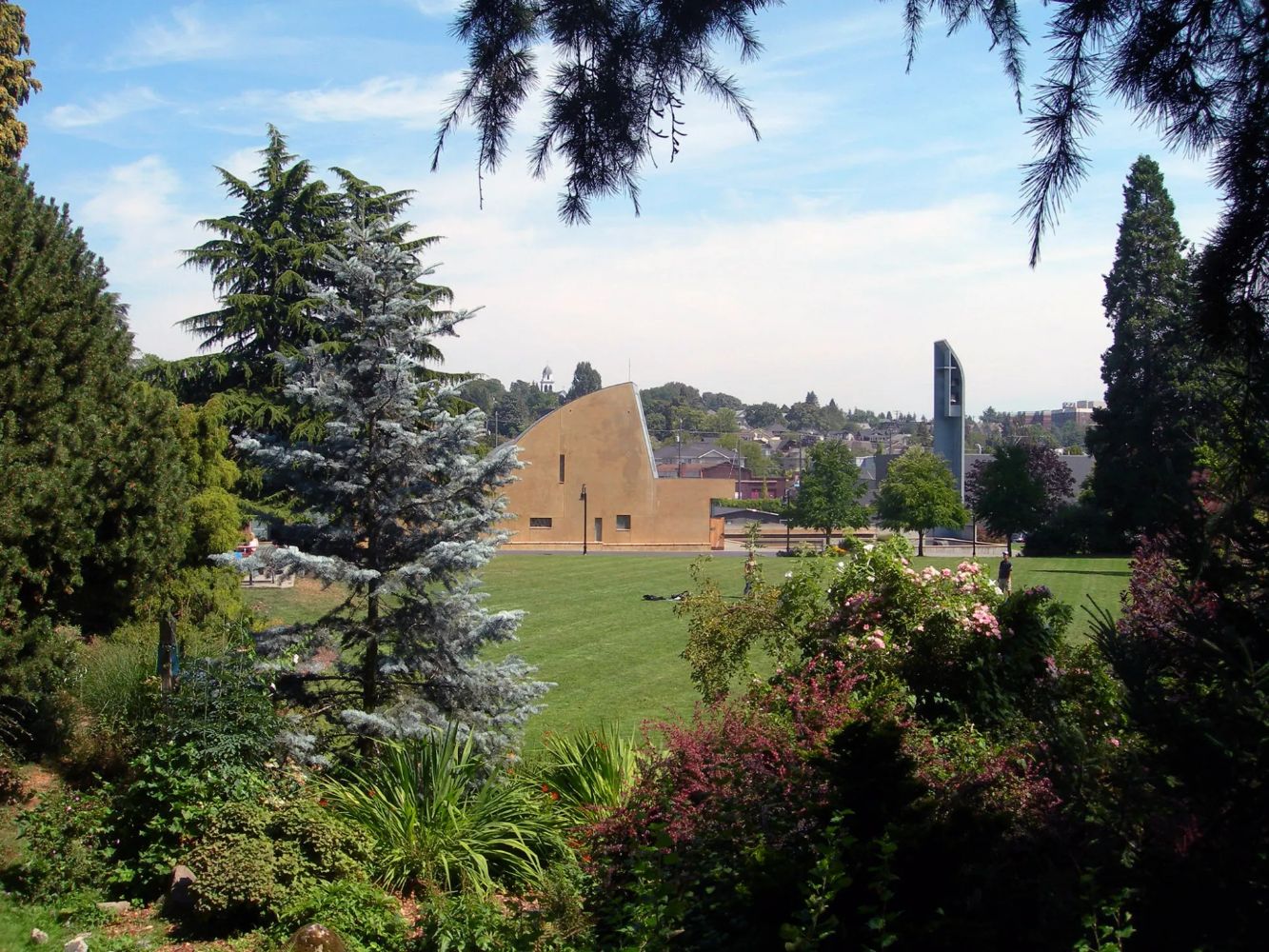
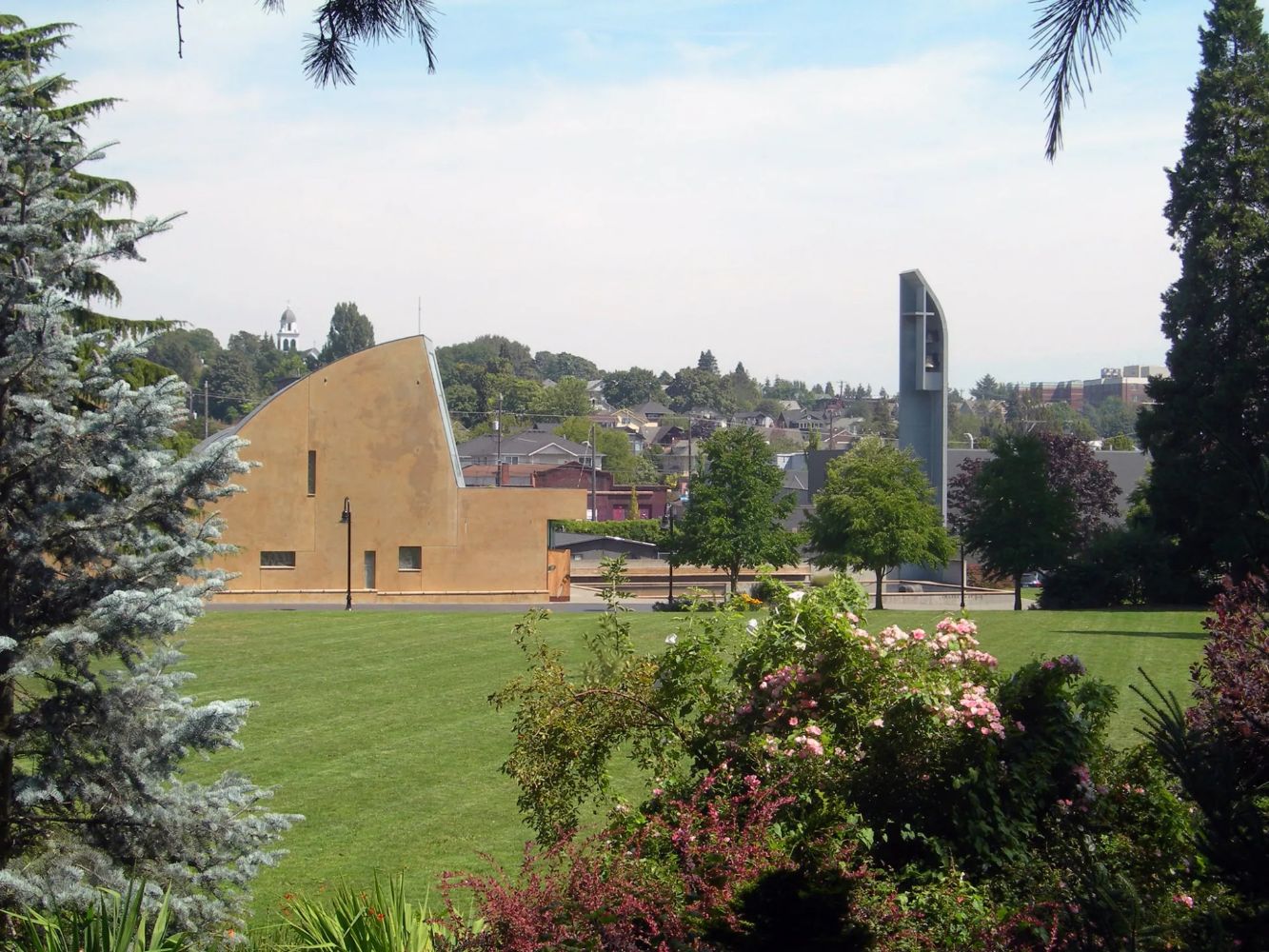
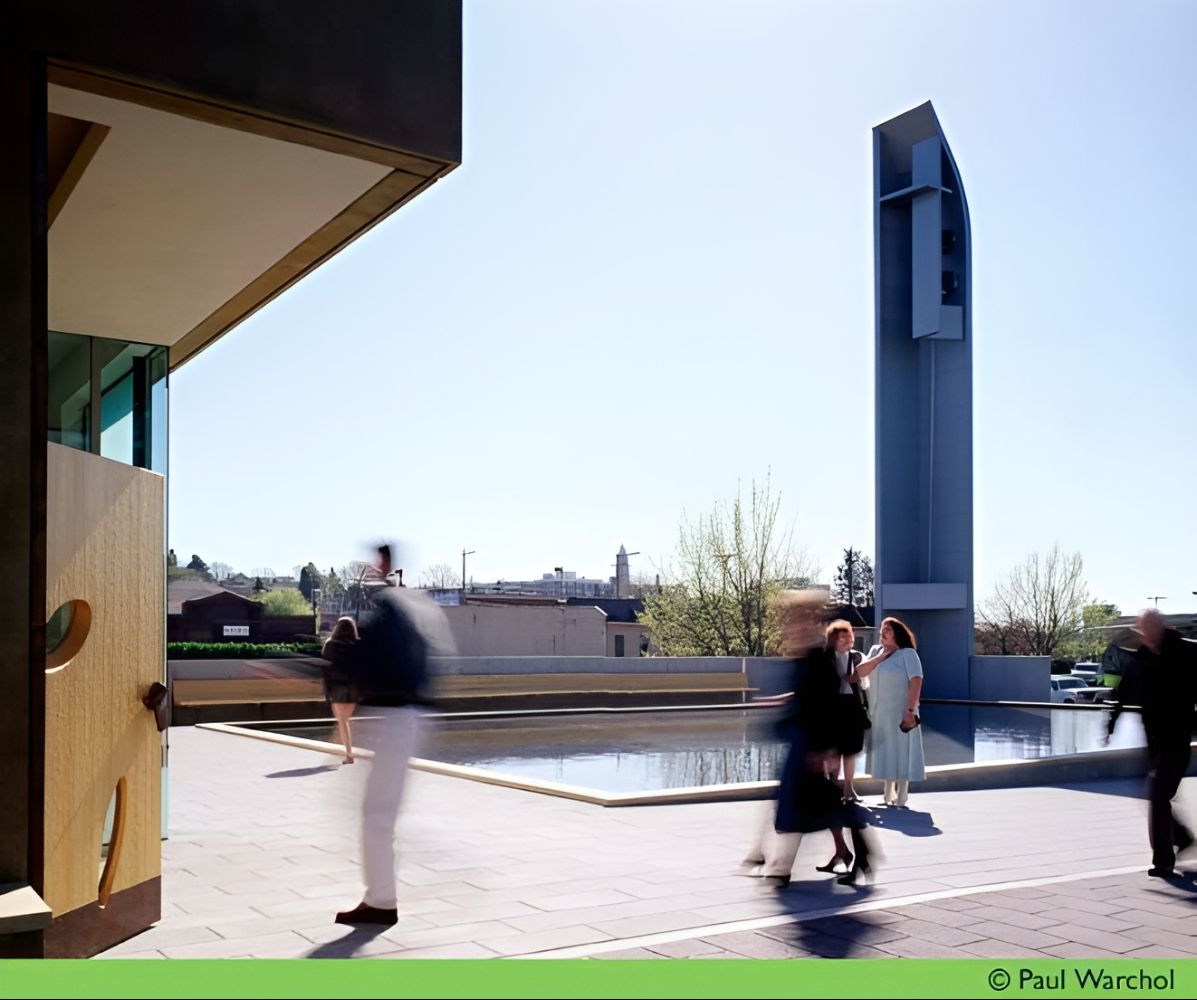
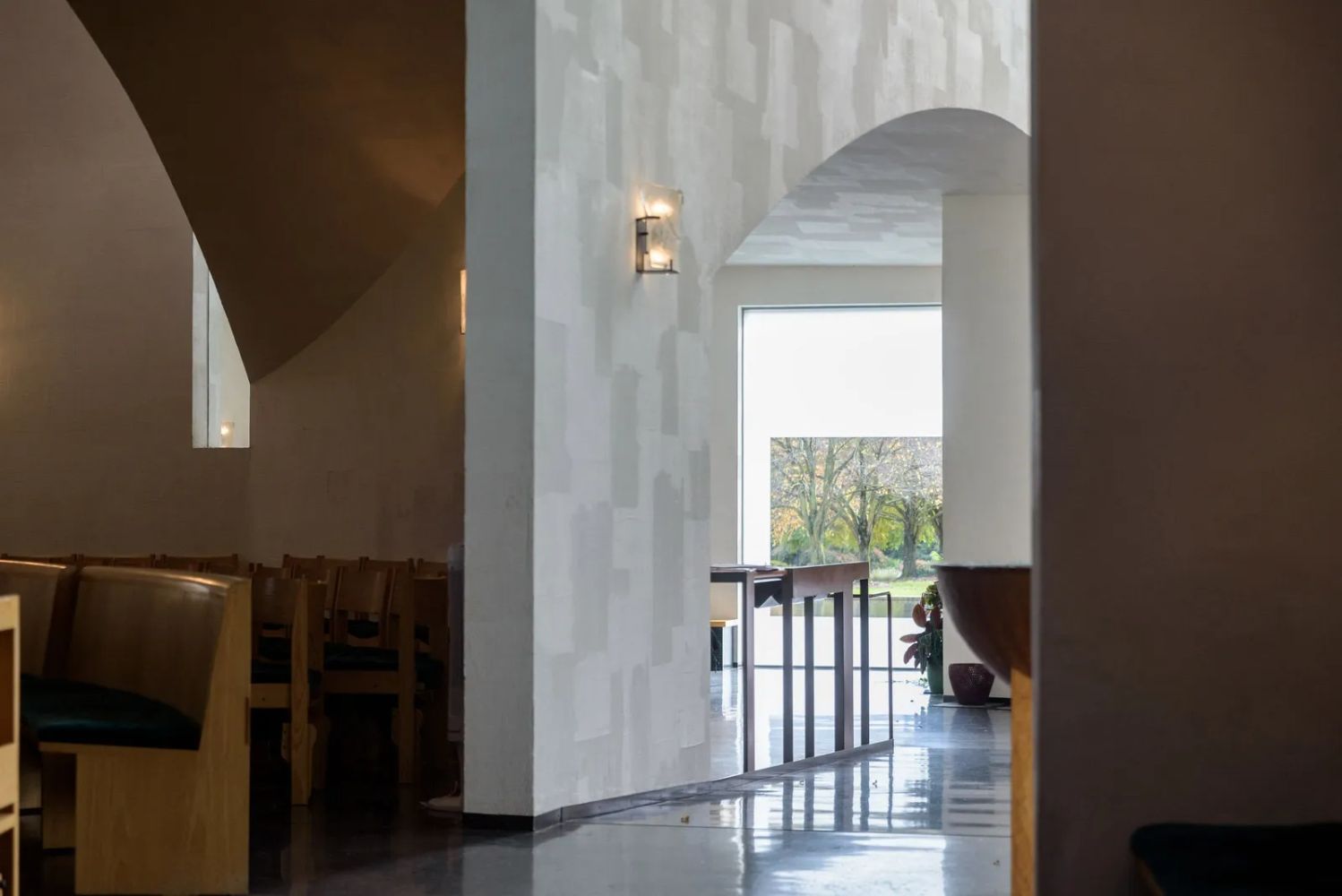
Chapel of St. Ignatius serves Seattle University as a Jesuit chapel structured around procession and gathering. The building defines its site by forming a quadrangle to the north and west, while a reflecting pond borders the south. The elongated rectangular plan organizes movement and communal use.
Chapel of St. Ignatius / Steven Holl Architects | Classics on Architecture Lab 132Chapel of St. Ignatius / Steven Holl Architects | Classics on Architecture Lab 133Chapel of St. Ignatius / Steven Holl Architects | Classics on Architecture Lab 134Chapel of St. Ignatius / Steven Holl Architects | Classics on Architecture Lab 135Chapel of St. Ignatius / Steven Holl Architects | Classics on Architecture Lab 136Chapel of St. Ignatius / Steven Holl Architects | Classics on Architecture Lab 137Chapel of St. Ignatius / Steven Holl Architects | Classics on Architecture Lab 138Chapel of St. Ignatius / Steven Holl Architects | Classics on Architecture Lab 139Chapel of St. Ignatius / Steven Holl Architects | Classics on Architecture Lab 140
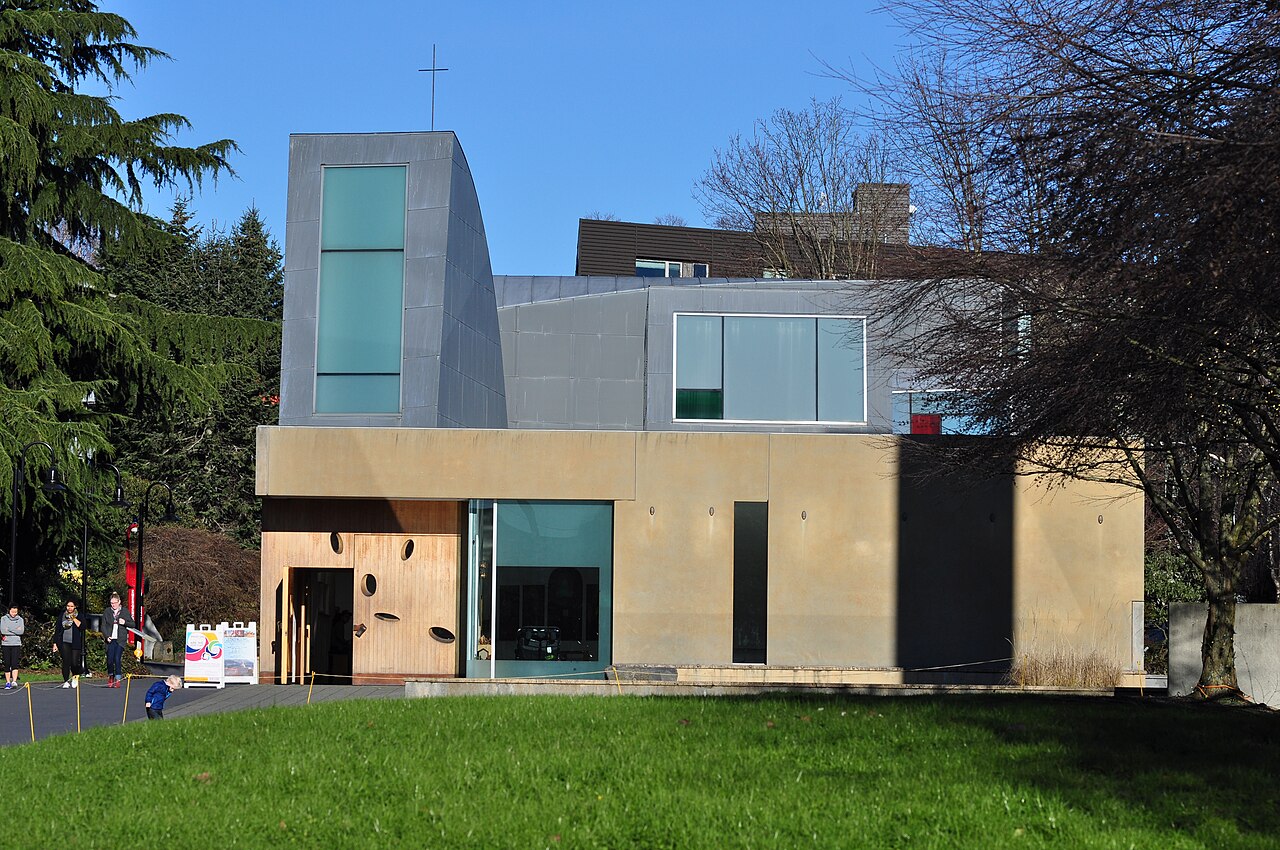
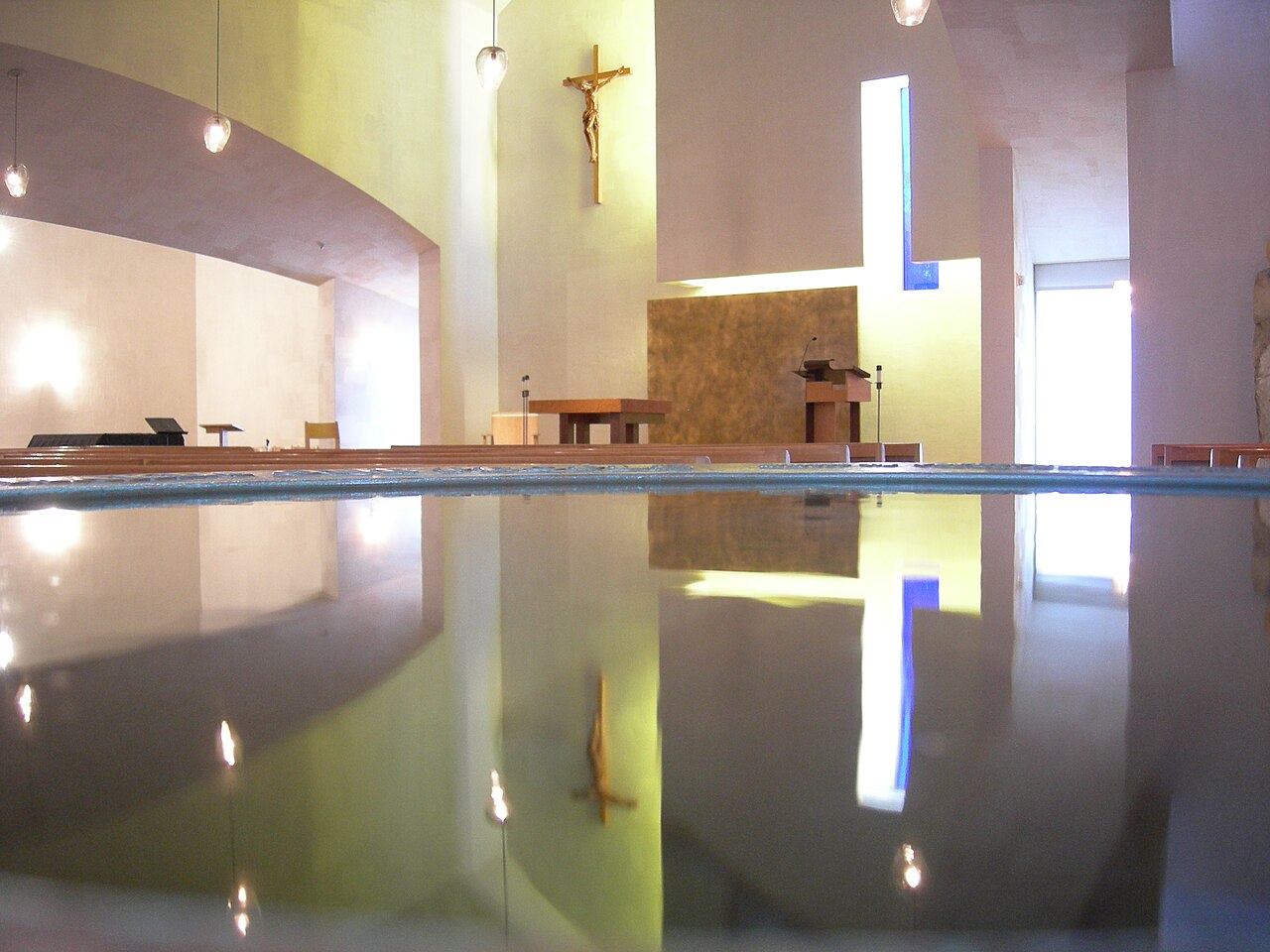
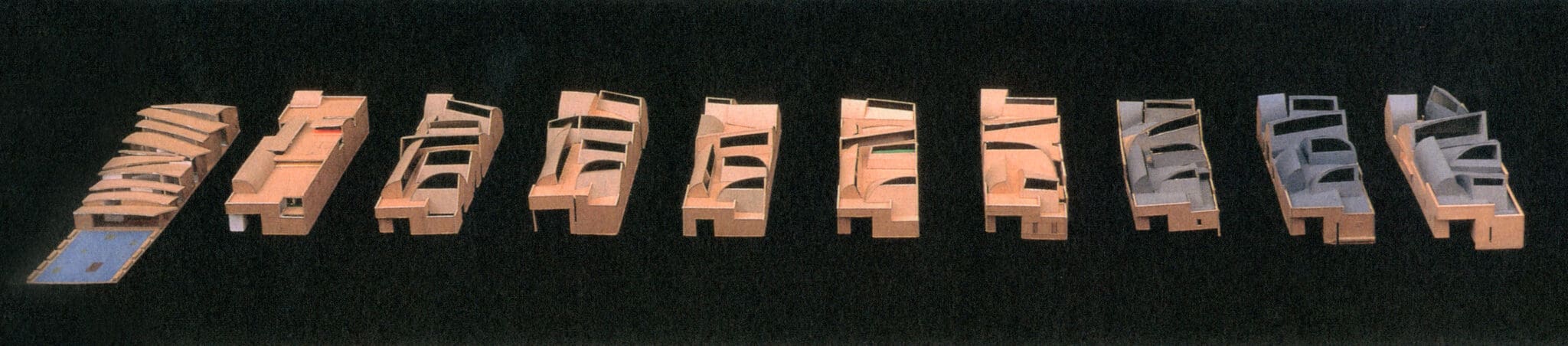
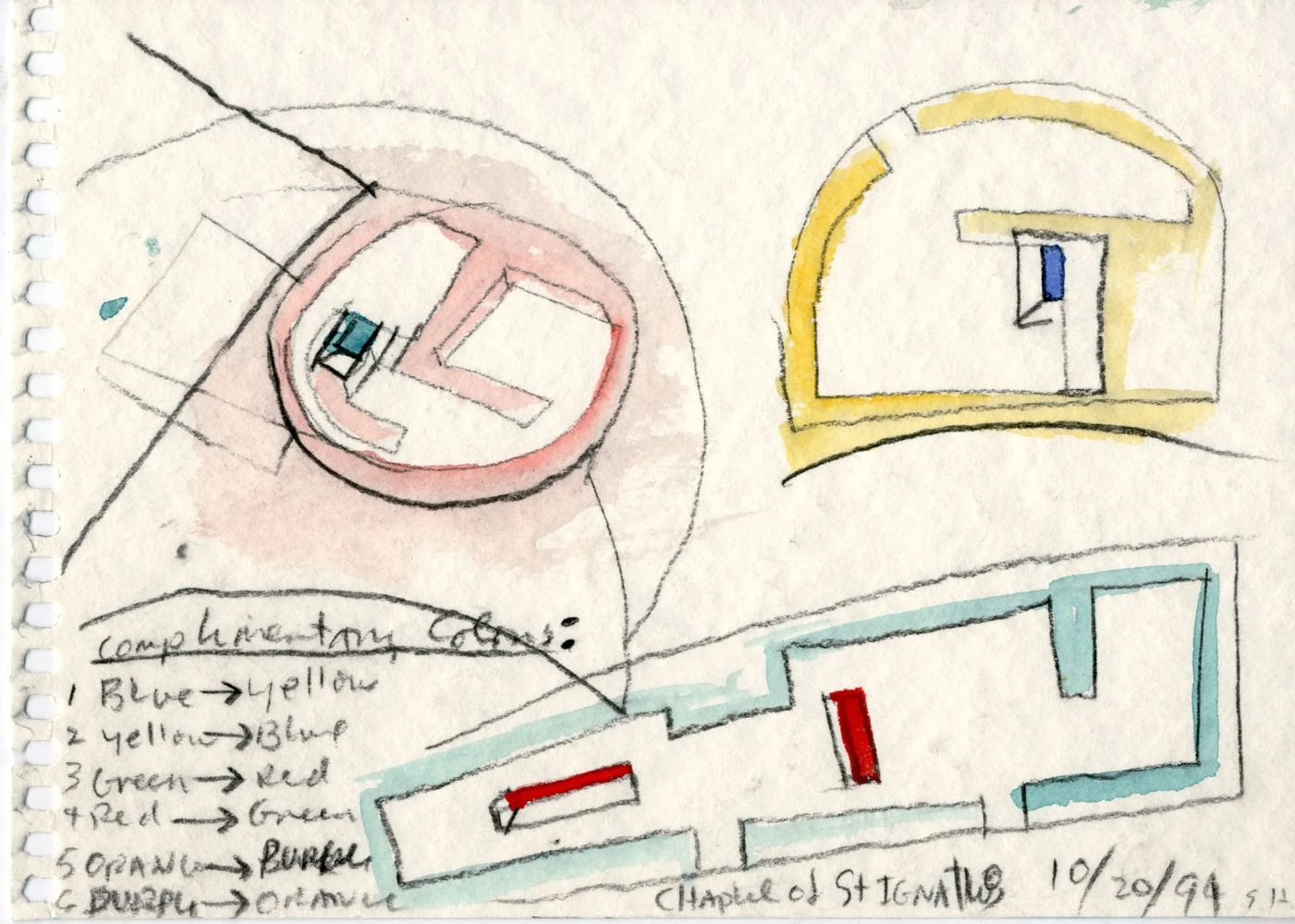
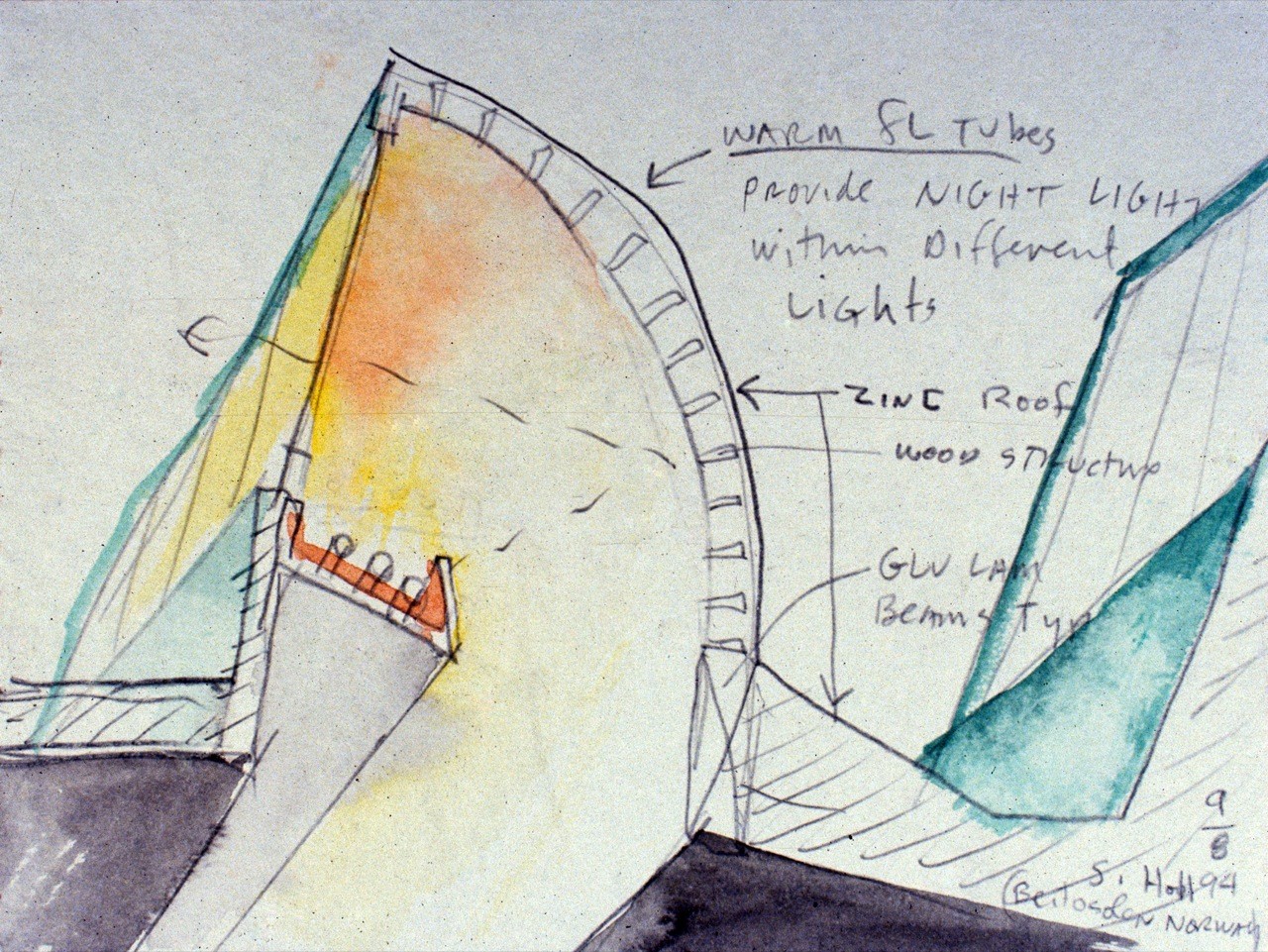
The project develops its concept through a “gathering of different lights.” Chapel of St. Ignatius was described by the architects as “seven bottles of light in a stone box,” linking spatial volumes to Jesuit worship practices. Each light volume corresponds to a specific function. South-facing light aligns with the procession. North-facing light relates to the Chapel of the Blessed Sacrament and outreach. East and west light define the main worship space.
Chapel of St. Ignatius / Steven Holl Architects | Classics on Architecture Lab 141Chapel of St. Ignatius / Steven Holl Architects | Classics on Architecture Lab 142Chapel of St. Ignatius / Steven Holl Architects | Classics on Architecture Lab 143Chapel of St. Ignatius / Steven Holl Architects | Classics on Architecture Lab 144
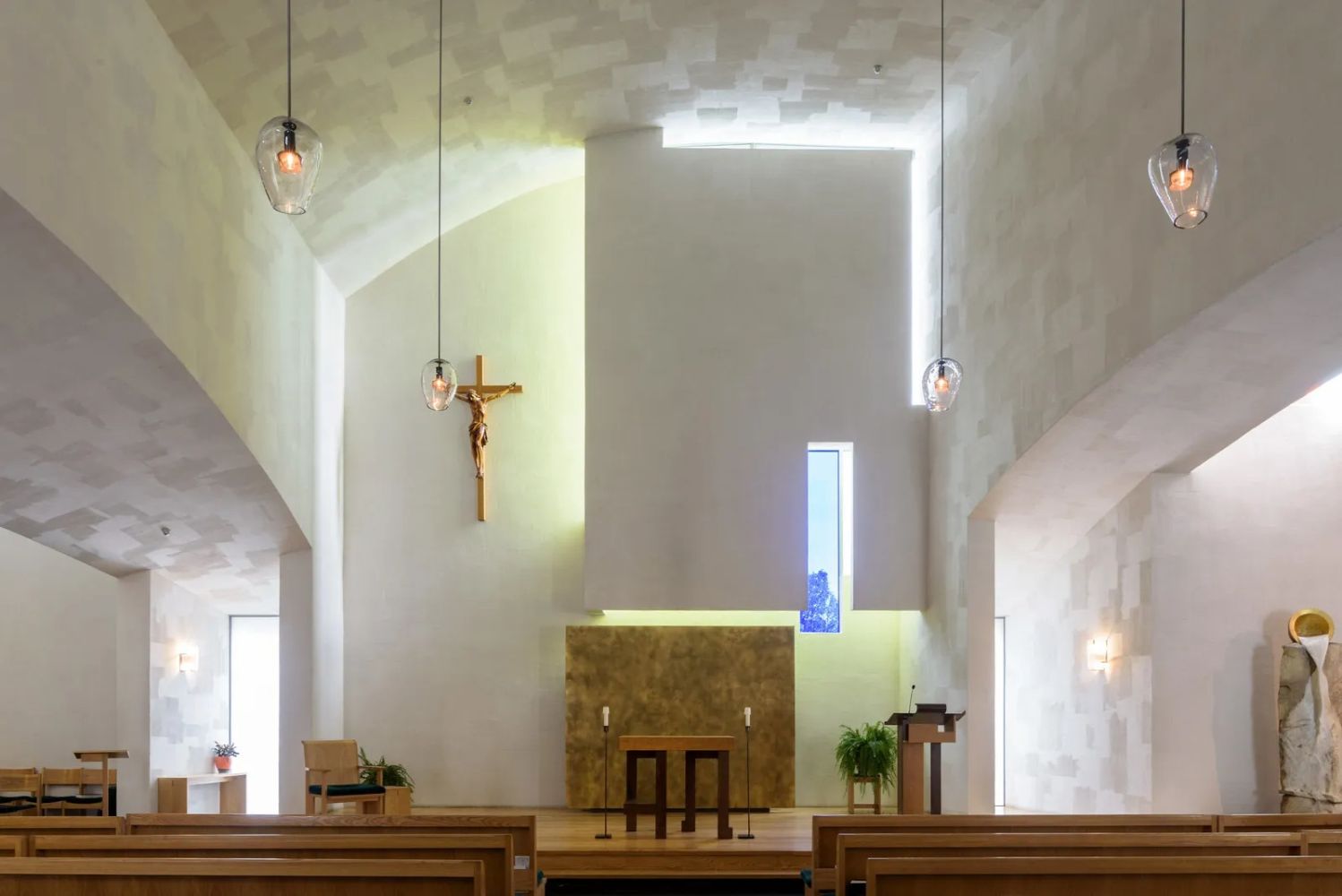
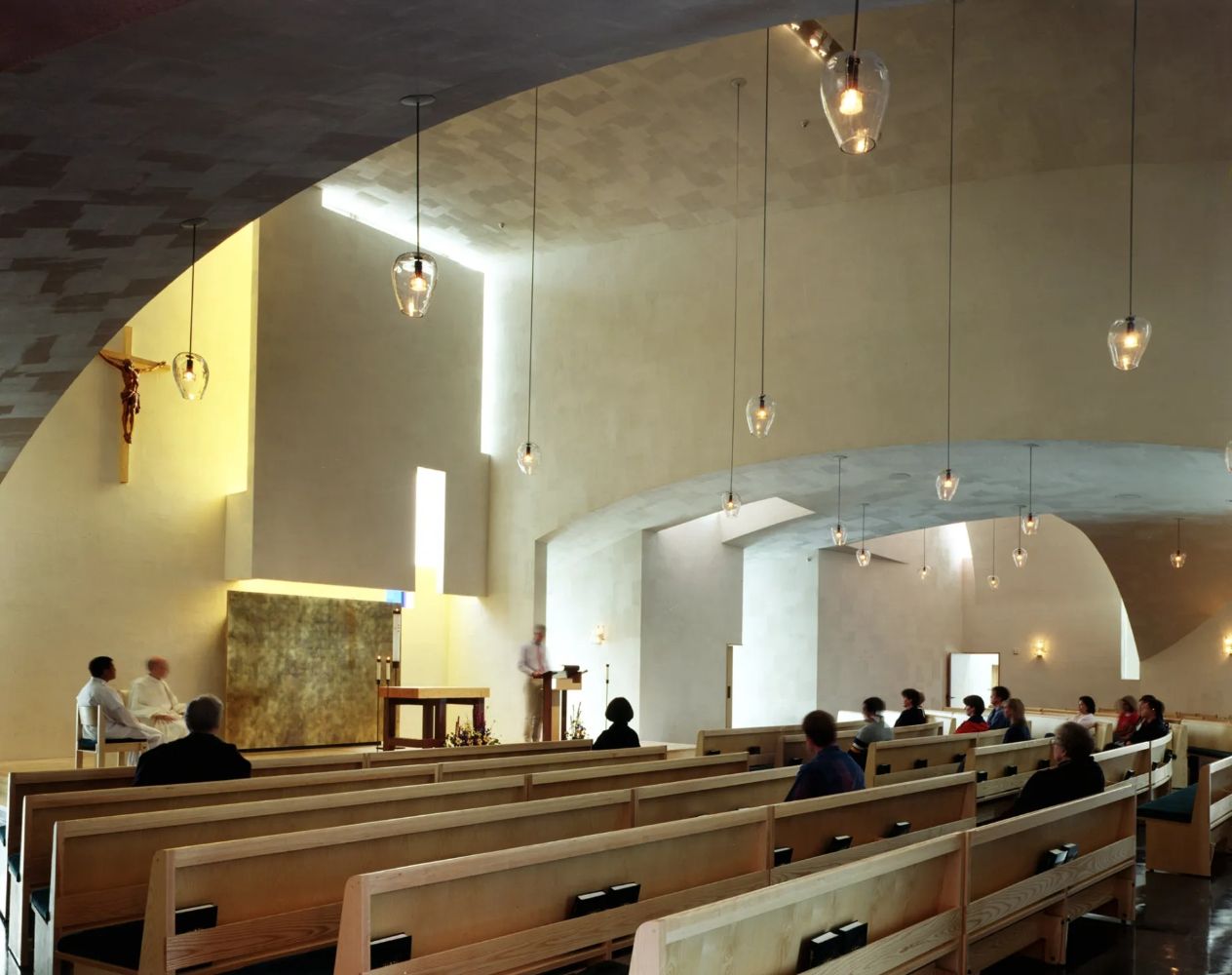
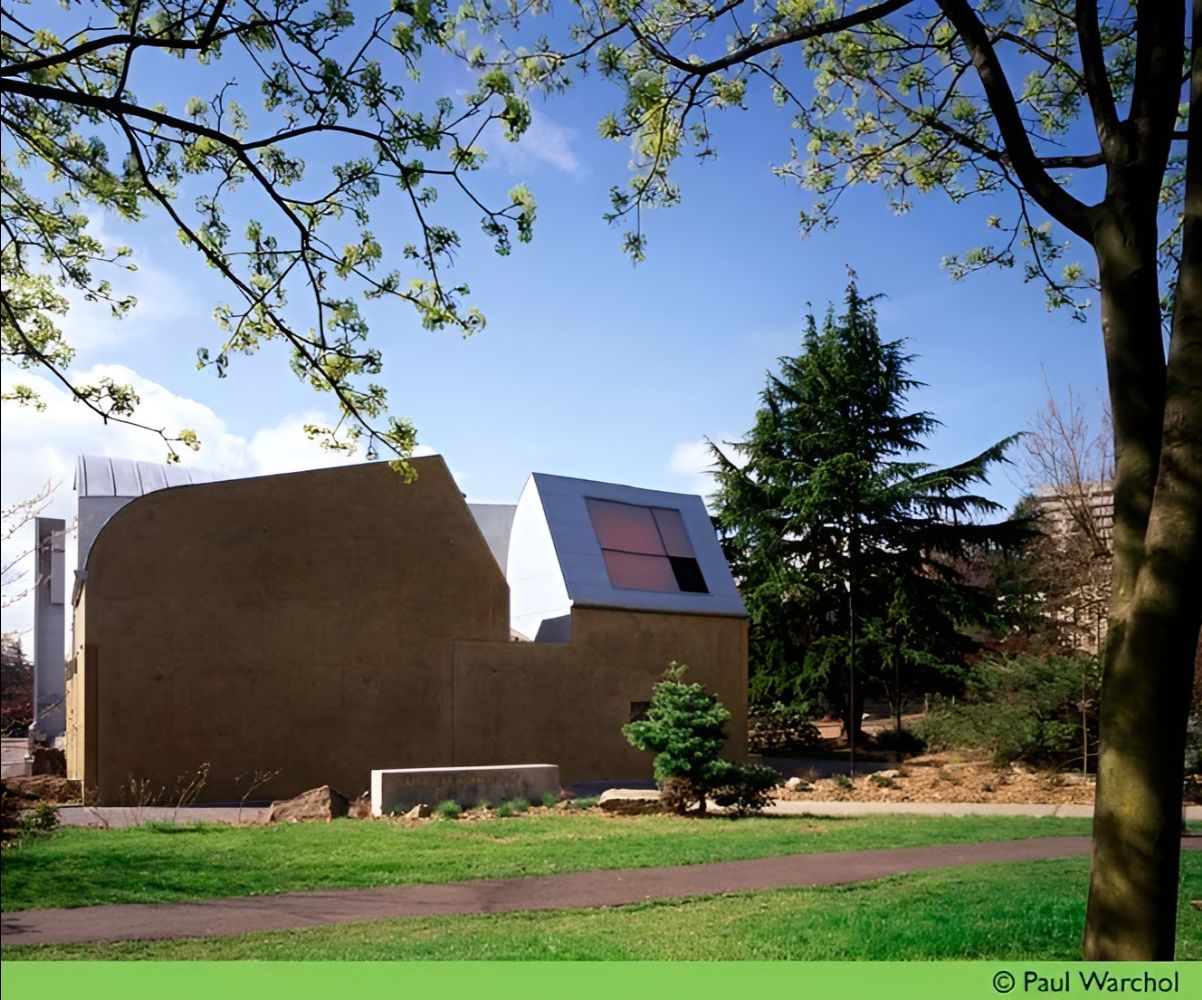
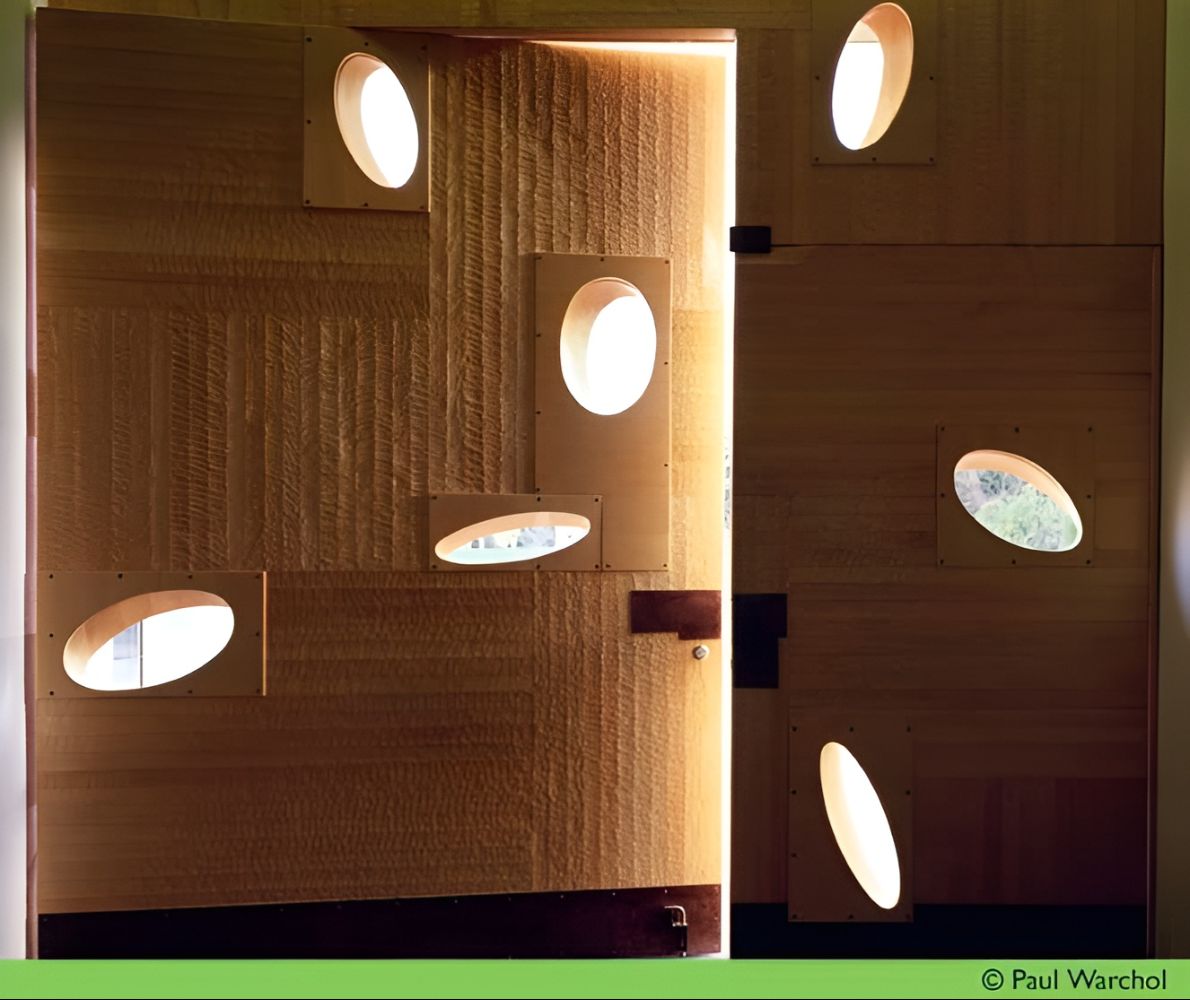
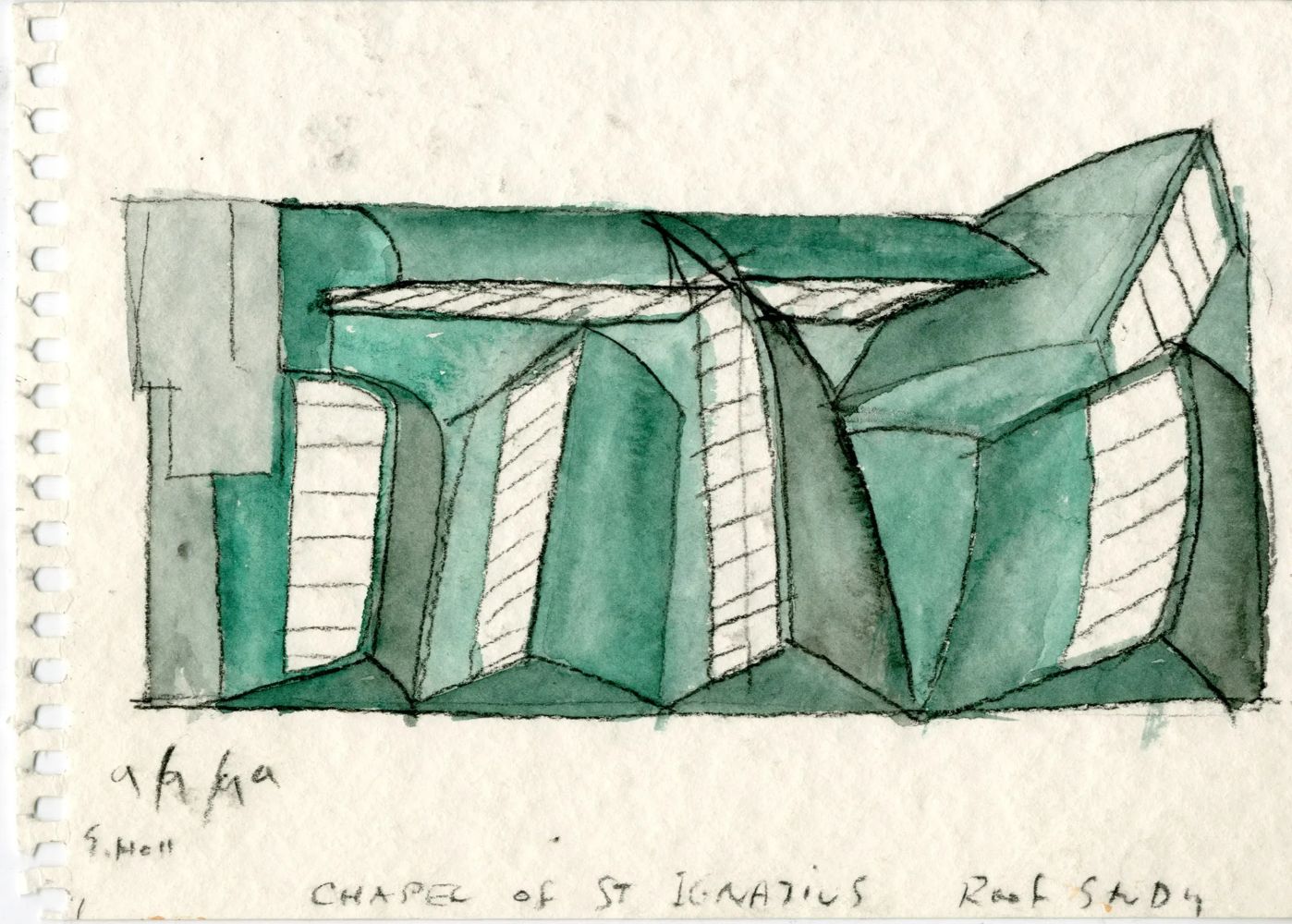
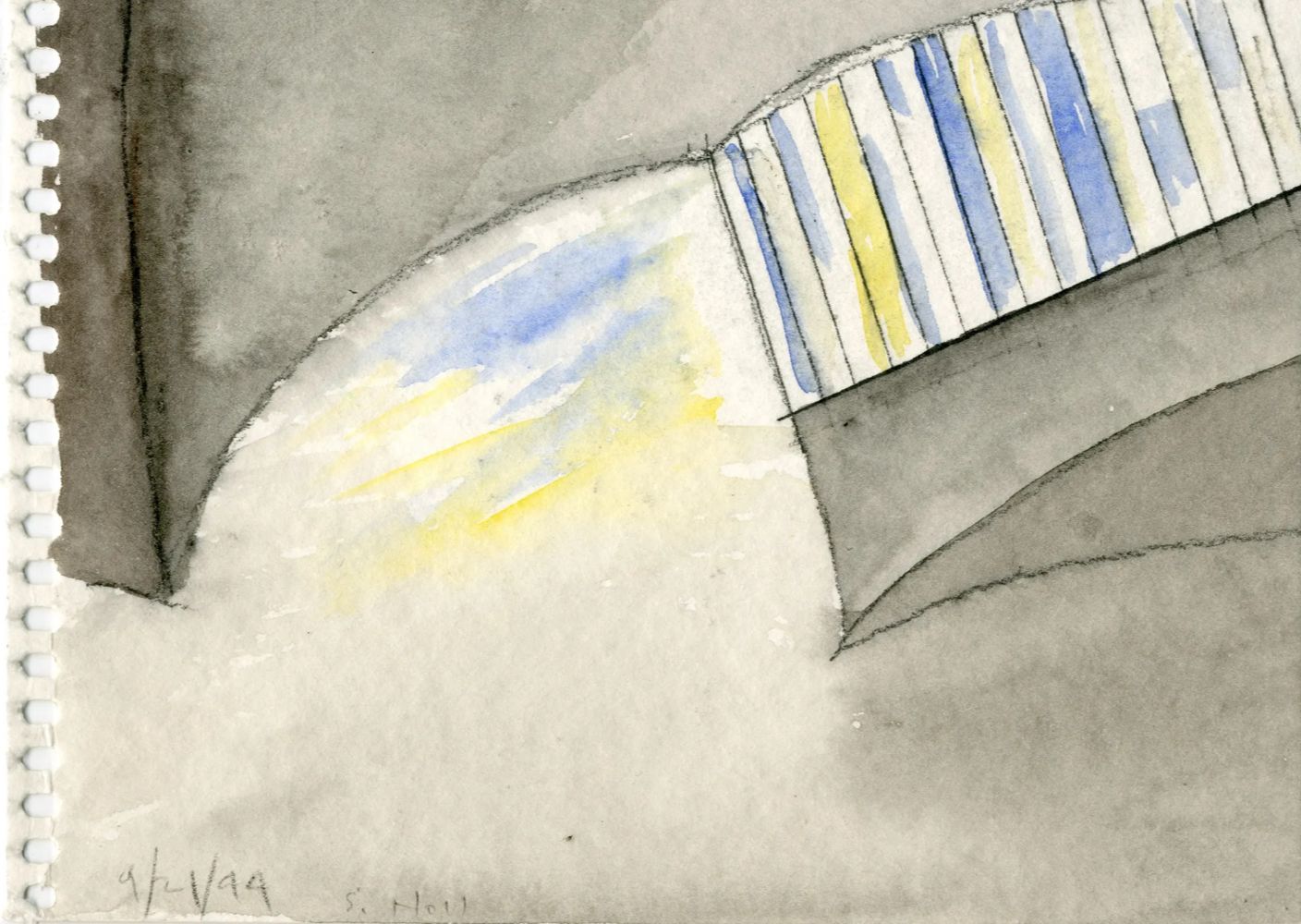
The chapel shapes light through volumes projecting above the roof. Each volume captures light from a specific orientation, producing varied interior conditions. Chapel of St. Ignatius uses colored lenses and painted baffles to control this effect. Each baffle sits opposite an opening and is finished in a saturated color, allowing reflected light to define the interior. This system produces shifts in color intensity as daylight changes. Chapel of St. Ignatius integrates lighting design developed with L’Observatoire International, aligning artificial illumination with the same color logic to maintain spatial continuity during evening use.
Chapel of St. Ignatius / Steven Holl Architects | Classics on Architecture Lab 145Chapel of St. Ignatius / Steven Holl Architects | Classics on Architecture Lab 146Chapel of St. Ignatius / Steven Holl Architects | Classics on Architecture Lab 147Chapel of St. Ignatius / Steven Holl Architects | Classics on Architecture Lab 148
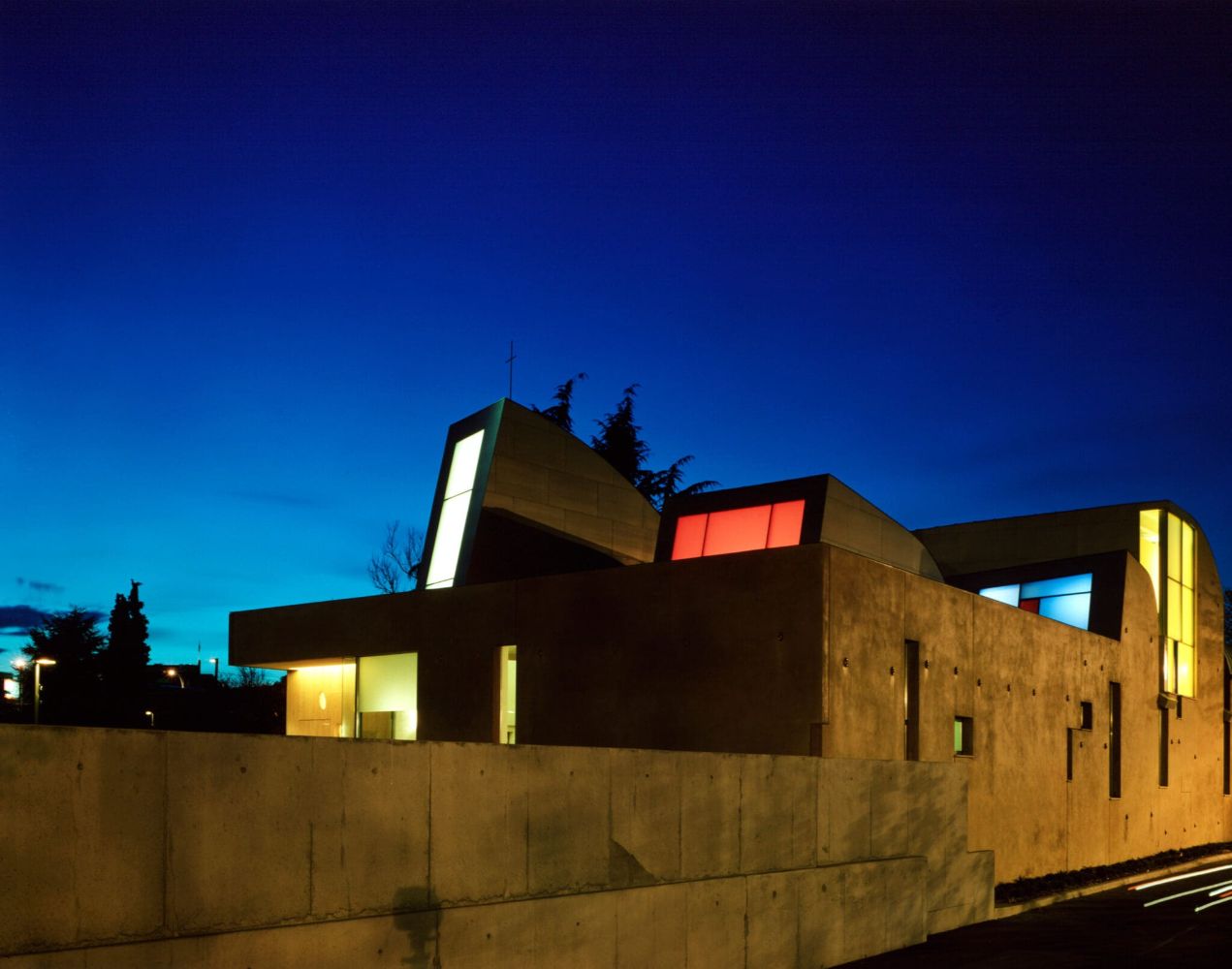
The building extends this condition into nighttime use. Chapel of St. Ignatius uses interior illumination to activate the light volumes, projecting color outward across the campus during evening services. Chapel of St. Ignatius coordinates acoustic performance with spatial form through consultation with Peter George and Associates, ensuring clarity of speech and music within the compact volume.
Chapel of St. Ignatius / Steven Holl Architects | Classics on Architecture Lab 149Chapel of St. Ignatius / Steven Holl Architects | Classics on Architecture Lab 150Chapel of St. Ignatius / Steven Holl Architects | Classics on Architecture Lab 151Chapel of St. Ignatius / Steven Holl Architects | Classics on Architecture Lab 152Chapel of St. Ignatius / Steven Holl Architects | Classics on Architecture Lab 153Chapel of St. Ignatius / Steven Holl Architects | Classics on Architecture Lab 154
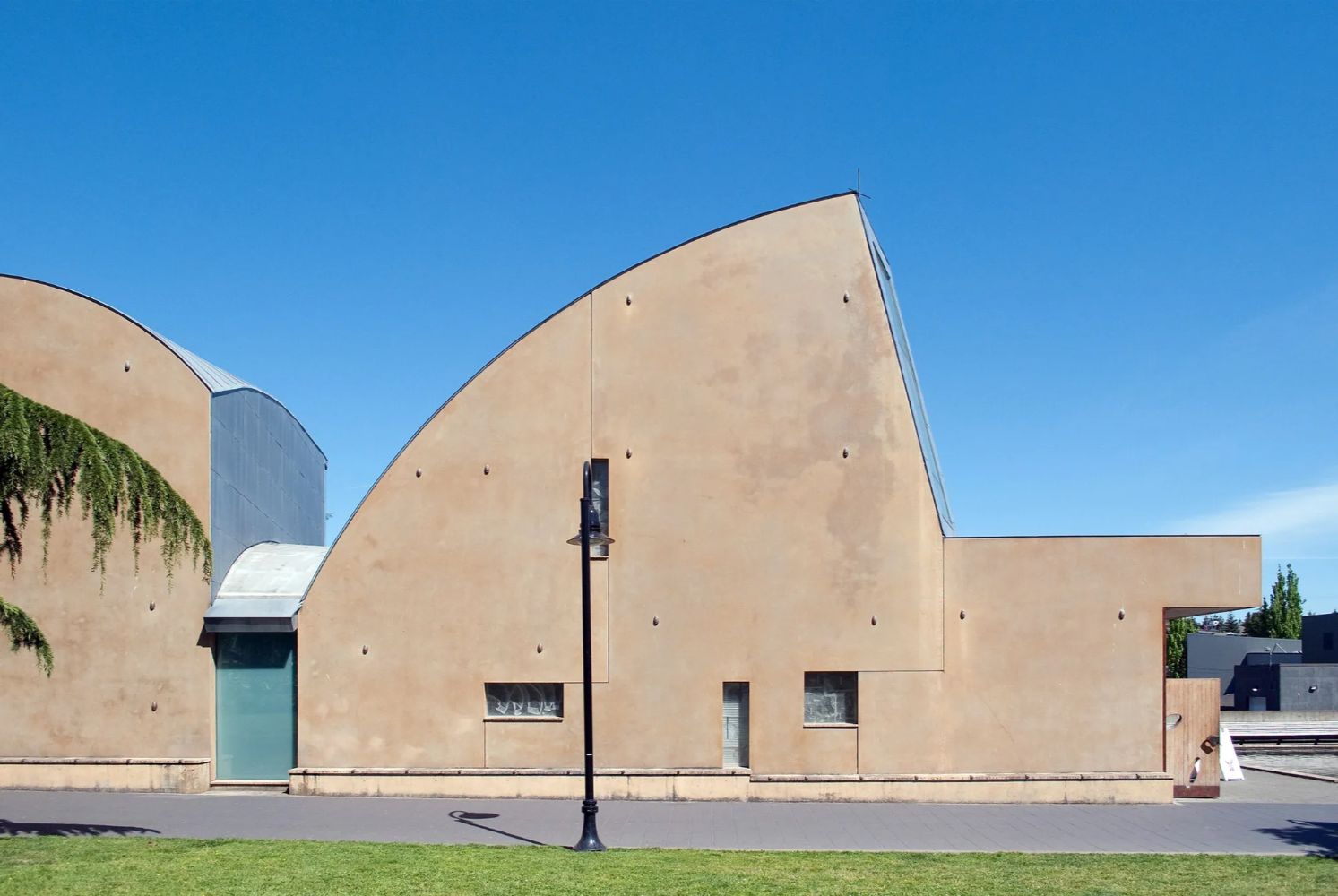
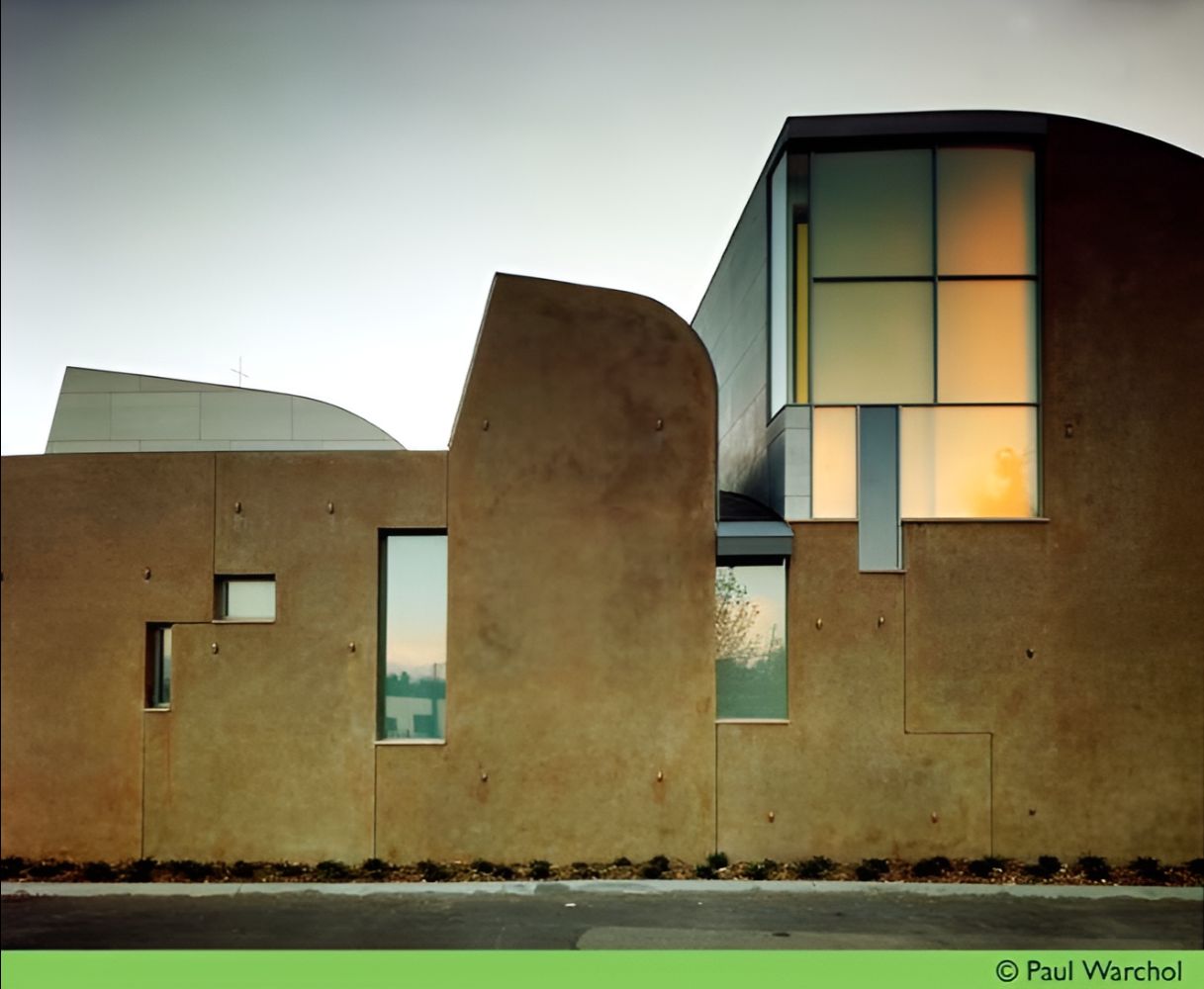
Chapel of St. Ignatius uses tilt-up concrete construction for structure and enclosure. The exterior consists of 21 interlocking concrete panels cast on site and lifted into place. Each panel weighs up to 80,000 lbs. The system integrates structure and finish within a single material strategy. Panel joints create narrow openings for glazing while maintaining continuity of the concrete surface. Embedded lifting points remain visible and are capped with bronze elements.
Chapel of St. Ignatius / Steven Holl Architects | Classics on Architecture Lab 155Chapel of St. Ignatius / Steven Holl Architects | Classics on Architecture Lab 156Chapel of St. Ignatius / Steven Holl Architects | Classics on Architecture Lab 157Chapel of St. Ignatius / Steven Holl Architects | Classics on Architecture Lab 158Chapel of St. Ignatius / Steven Holl Architects | Classics on Architecture Lab 159Chapel of St. Ignatius / Steven Holl Architects | Classics on Architecture Lab 160
Address: 901 12th Avenue, Seattle, Washington 98122, United States
Location is for general reference and may represent a city or country, not necessarily a precise address.
Architect
Anton Giuroiu
Anton is a RIBA accredited architect, when he's offline, he spends his time with the sculpta.ba architecture practice or in the MKR.S crafting studio, laser engraving and laser cutting architecture models. In his free time he geeks over taking care of his pencil and mechanical pencil collection.
Expertises: Architecture, Interior design, Home improvement, Drawing, Laser machining