Architects: Tadao Ando Architect & Associates Area: 520 m² (5,597 ft²) Year: 1988 Photography: Tadao Ando, Tadao Ando Architect & Associates, Ji Young Lee, Yoshio Shiratori, Hirofumi Inaba, The National Art Center Tokyo, Hoshino Resort, Wikimedia Commons, ume-y, 準建築人手札網站 Forgemind ArchiMedia, Photocon Japan, MIKI Yoshihito, Archweb, architecture-history.org City: Shimukappu Country: Japan
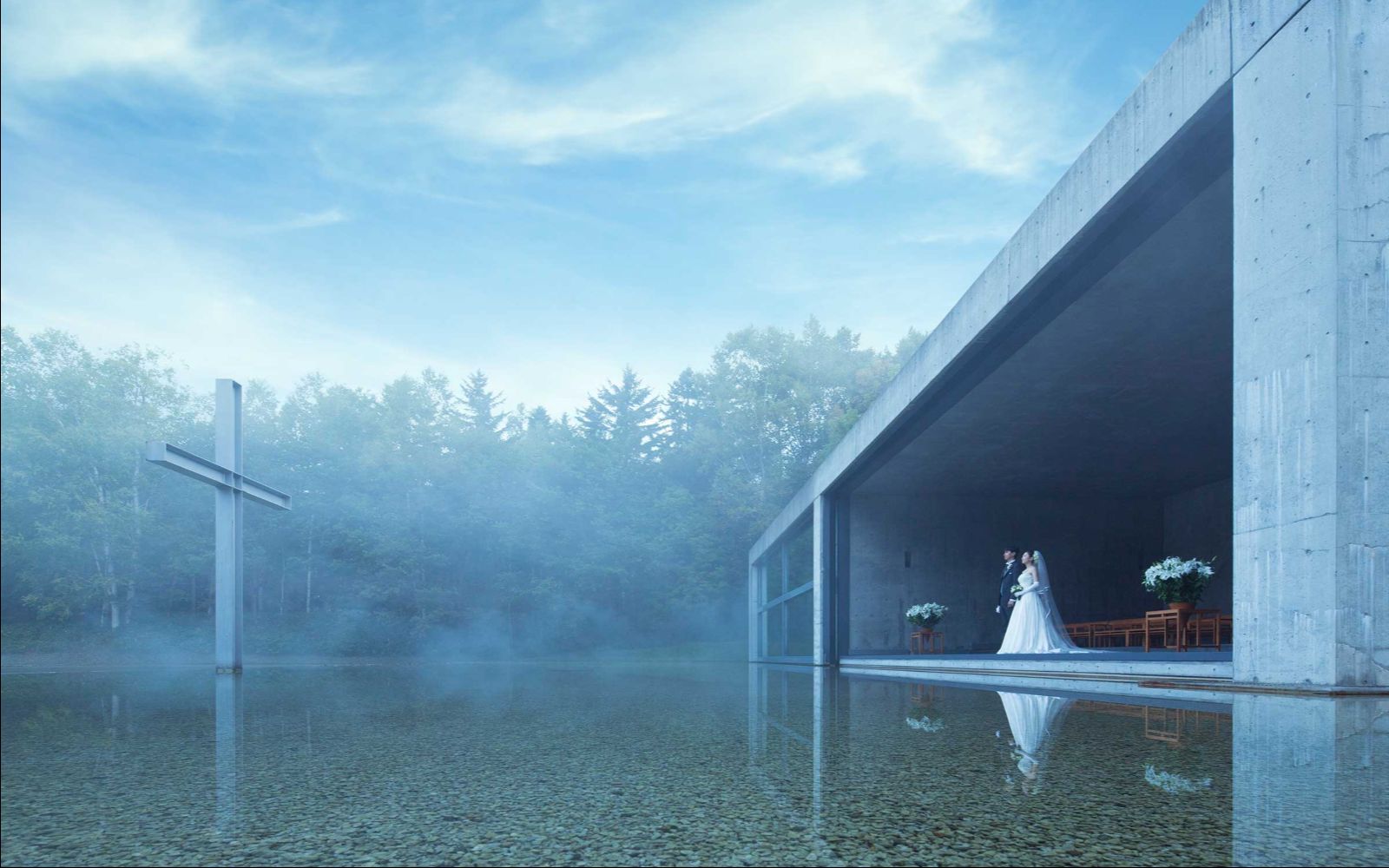
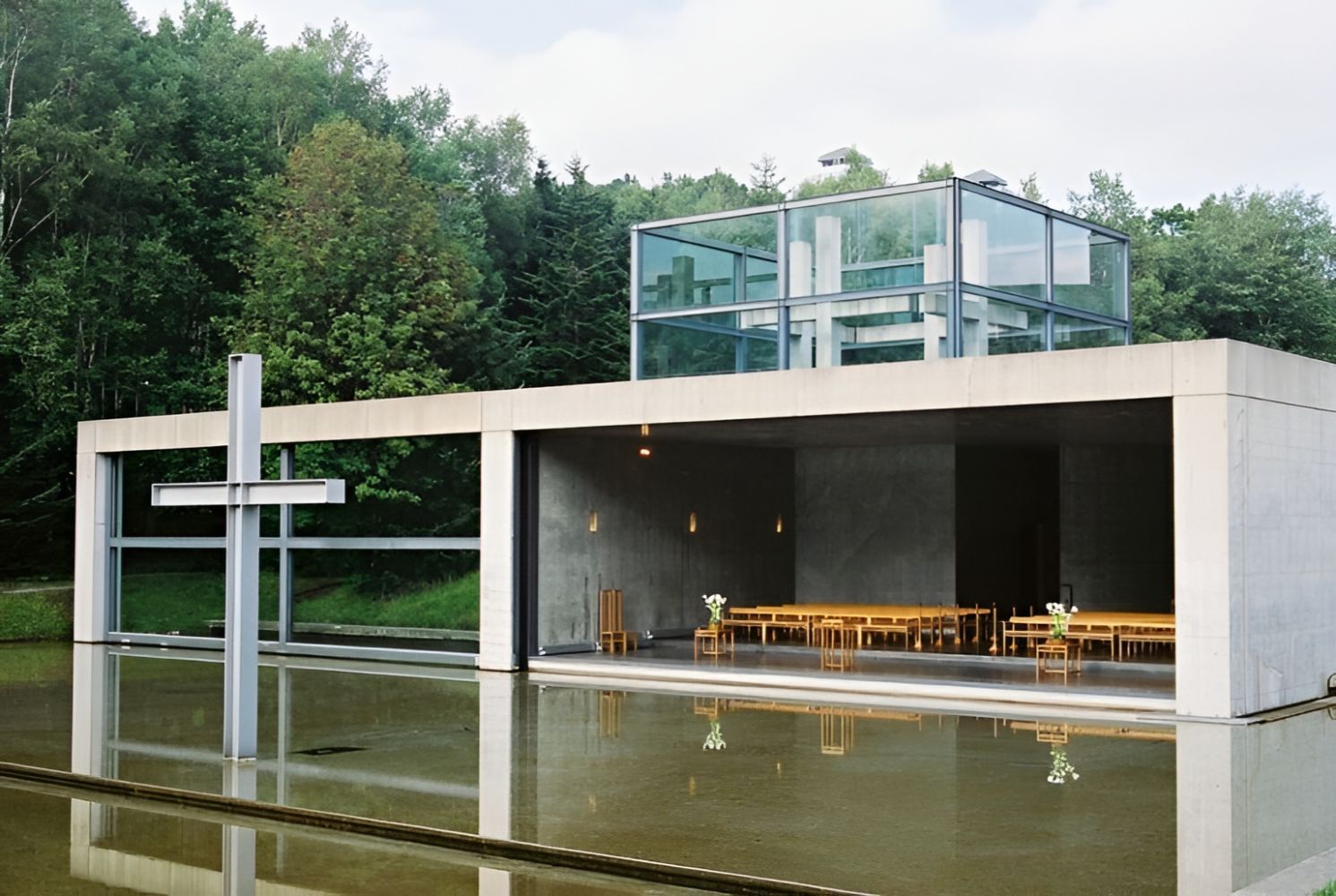
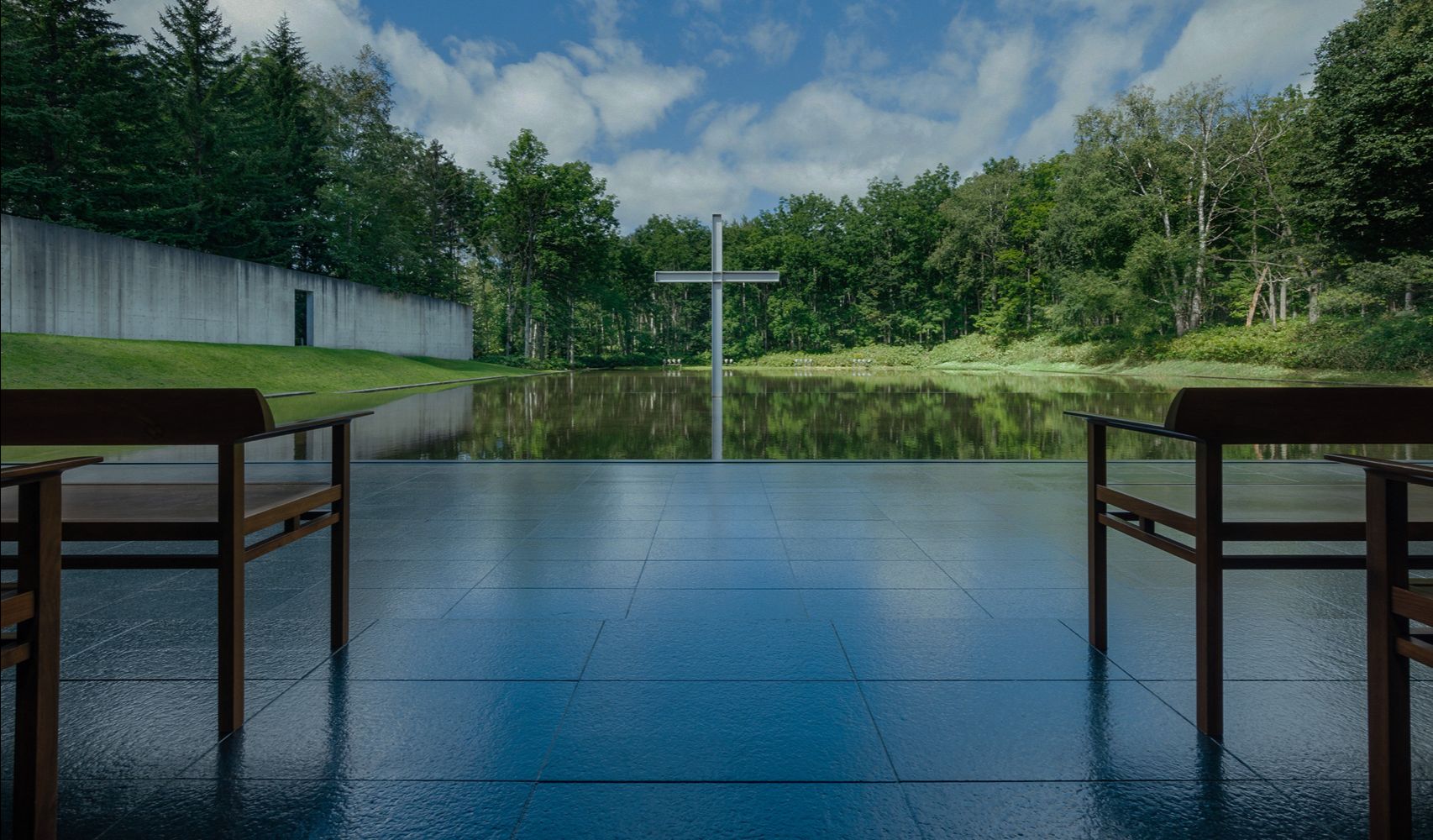
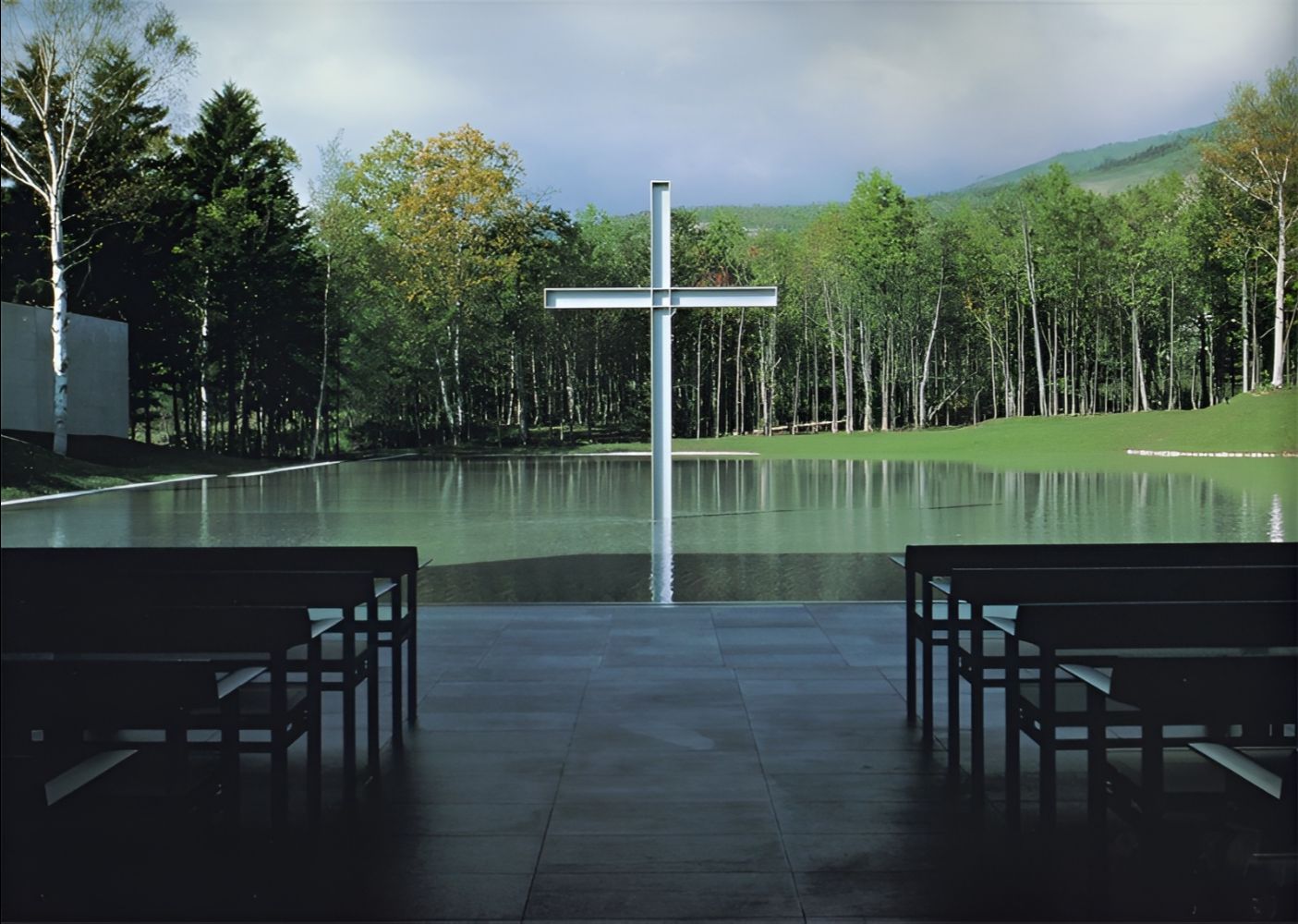
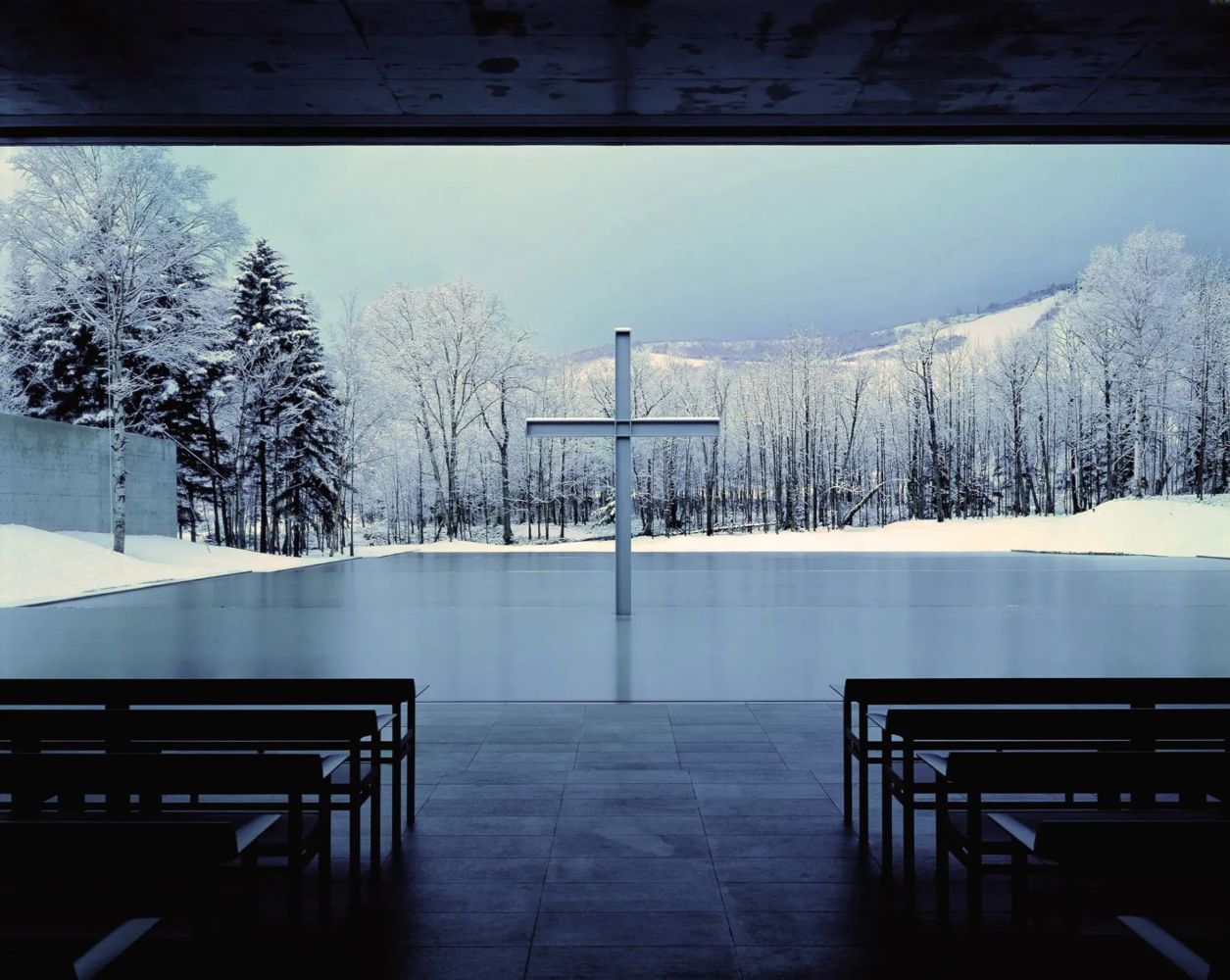
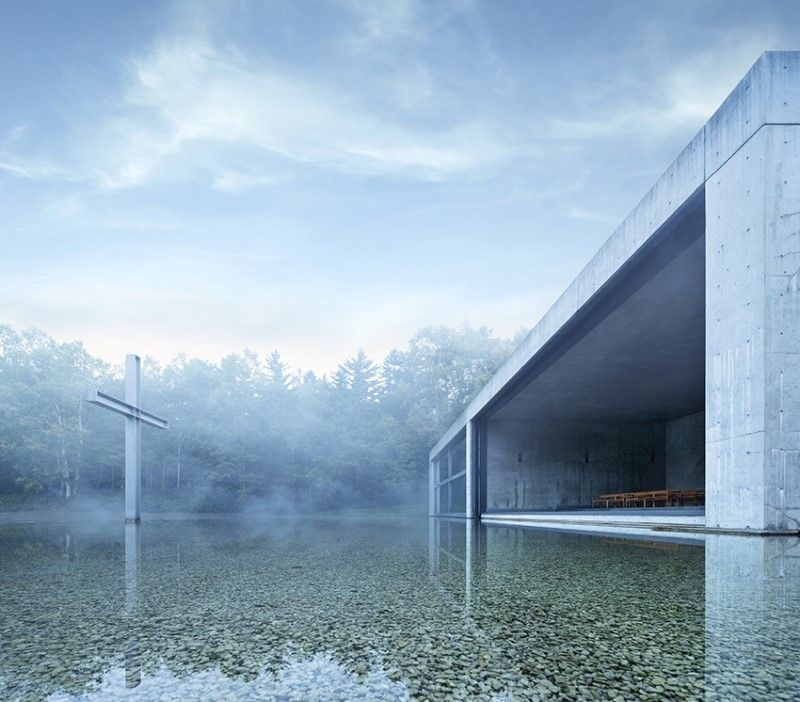
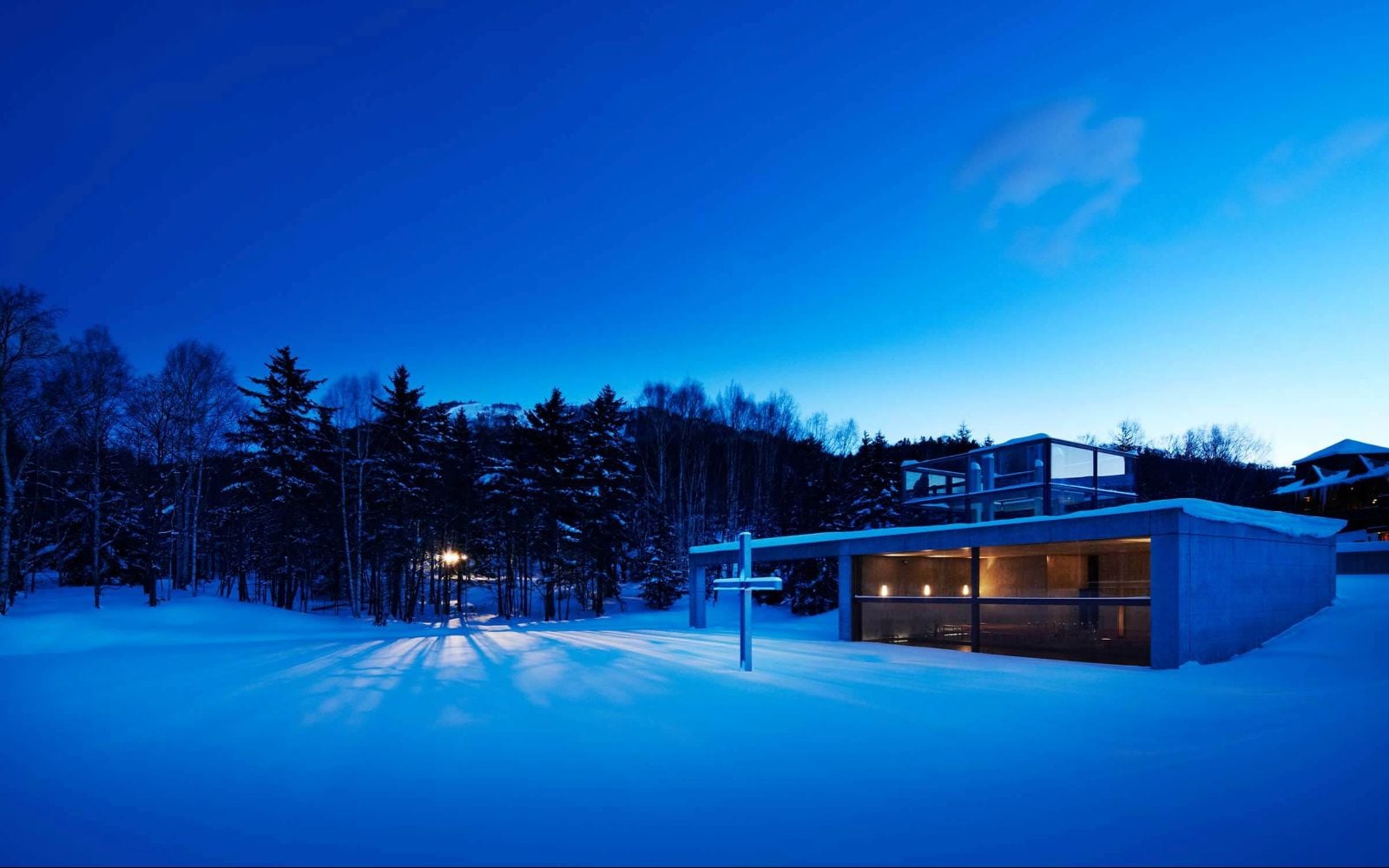
Church on the Water is a religious building designed by Tadao Ando in Tomamu, which has redefined the relationship between architecture, nature, and sacred space through a controlled sequence of movement and framed landscape. The project positions a minimalist concrete chapel against a constructed pond, where a steel cross aligns with the horizon and establishes a visual and symbolic axis. The Church on the Water organizes space through two intersecting volumes that separate entry and worship while intensifying the transition between exterior and interior. The Church on the Water develops a ritualized approach defined by an L-shaped wall and a descending path that delays visual access to the chapel. The Church on the Water integrates material precision and environmental response through thick concrete walls and operable glass that mediate climate and perception. The Church on the Water dissolves spatial boundaries when the façade opens, extending the sanctuary toward the water and surrounding landscape. The Church on the Water operates as both a ceremonial venue and an architectural study of emptiness, perception, and seasonal change. The Church on the Water remains a critical work in Ando’s practice, where abstraction, nature, and human experience converge into a unified spatial system.
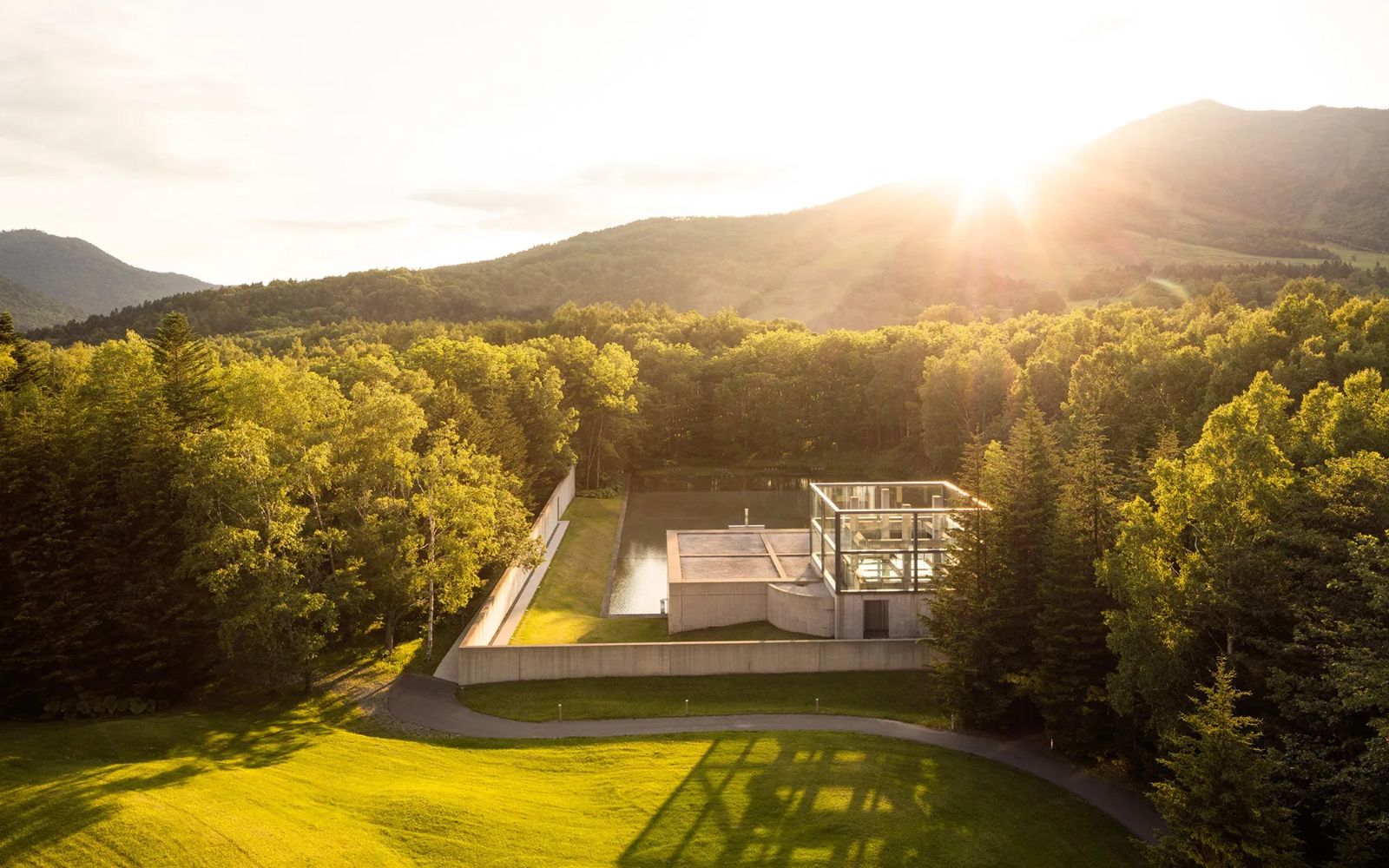
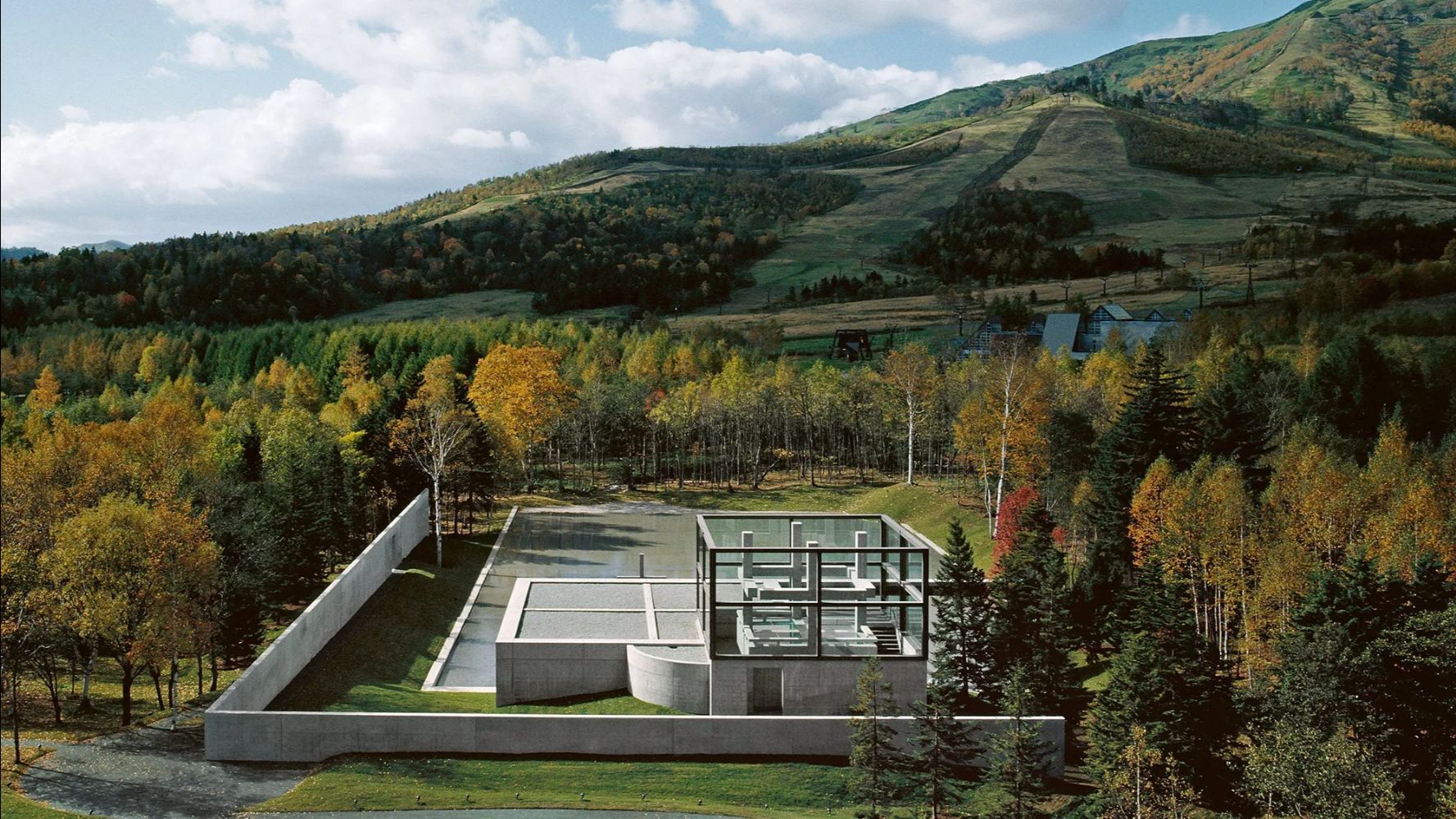
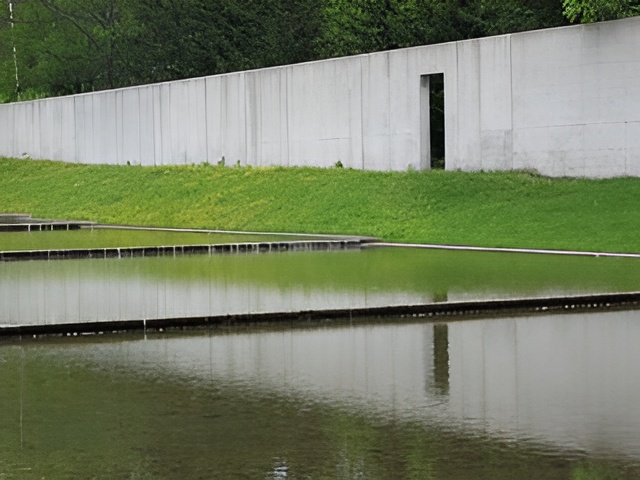
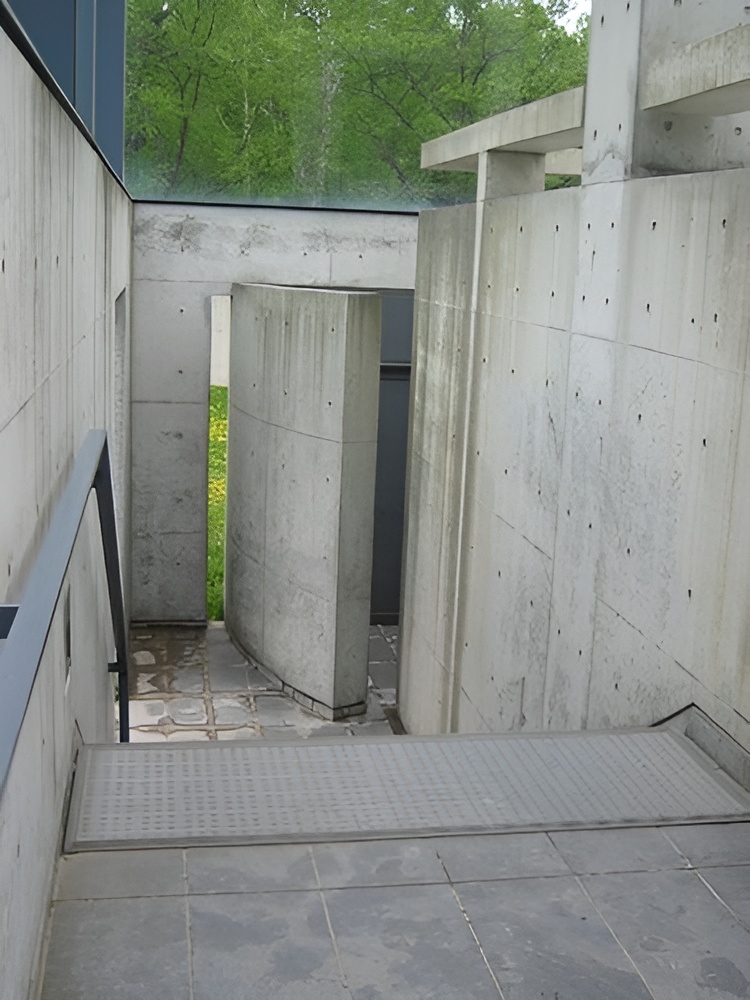
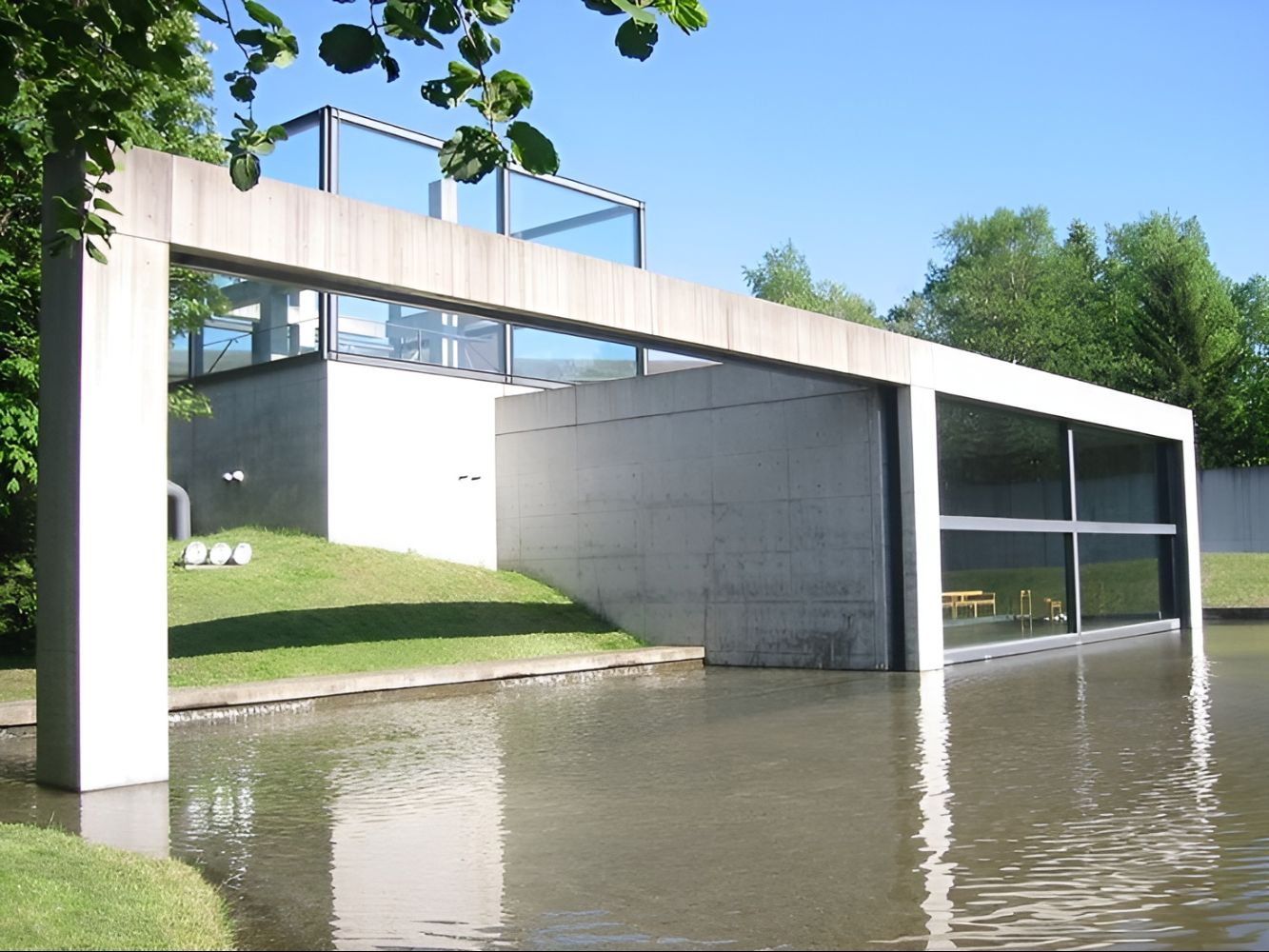
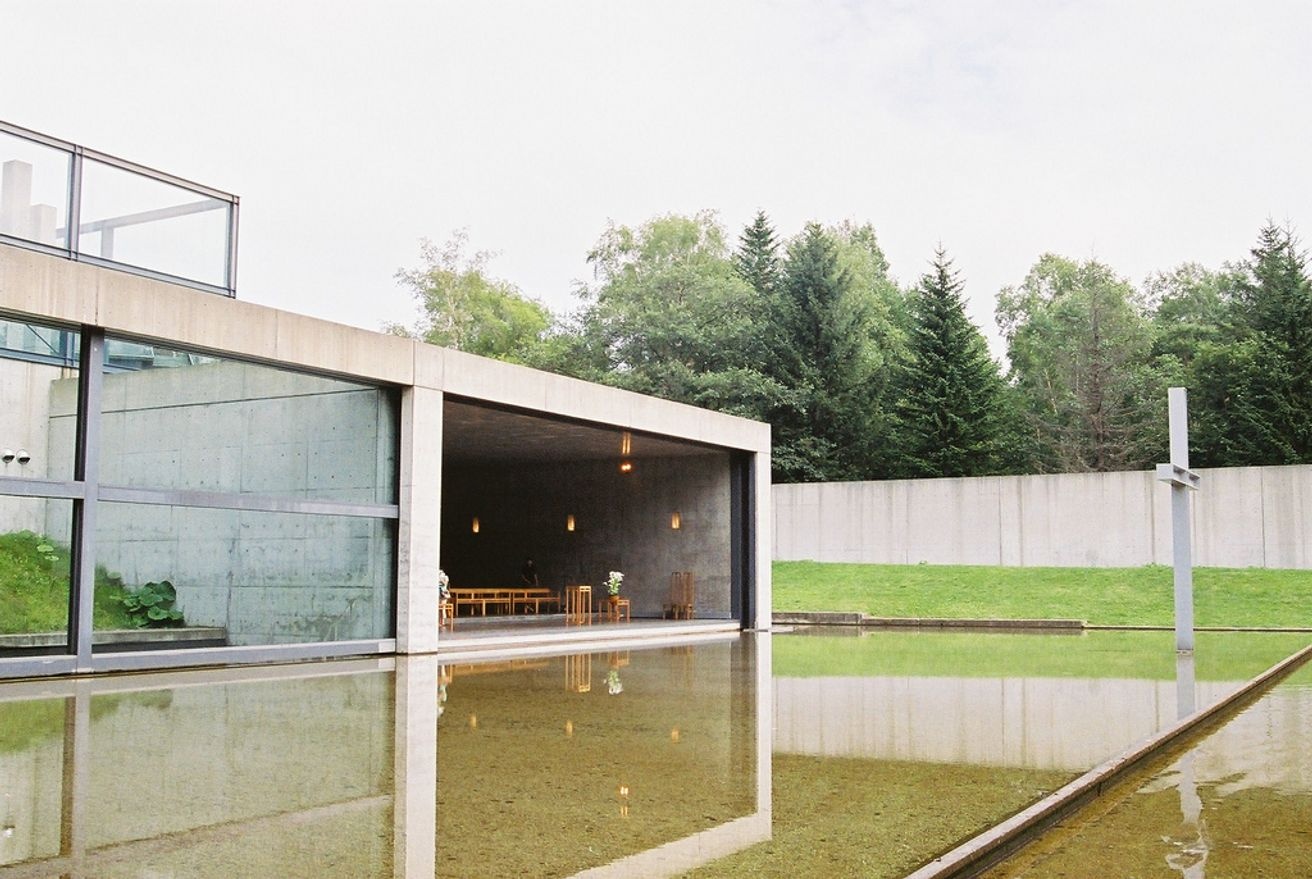
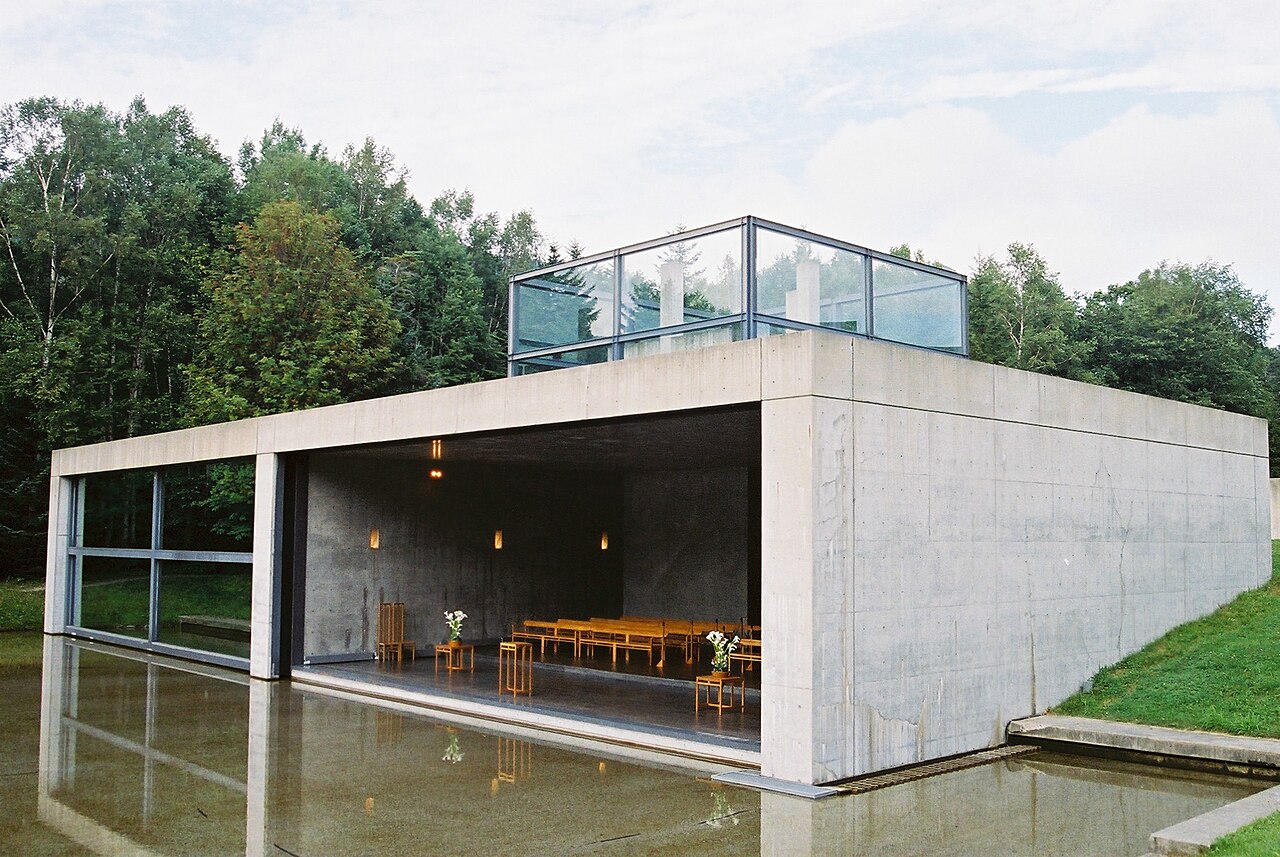
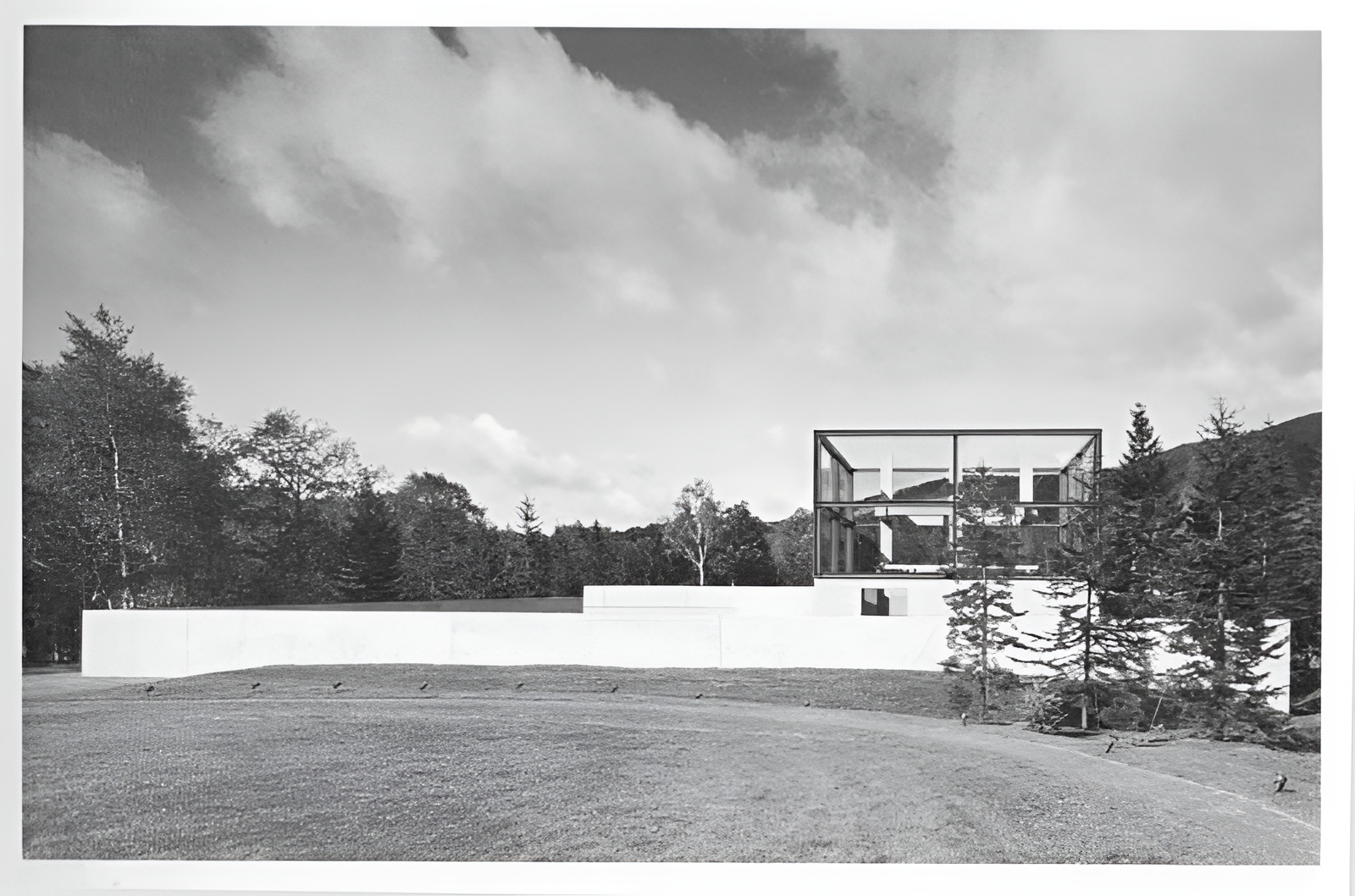
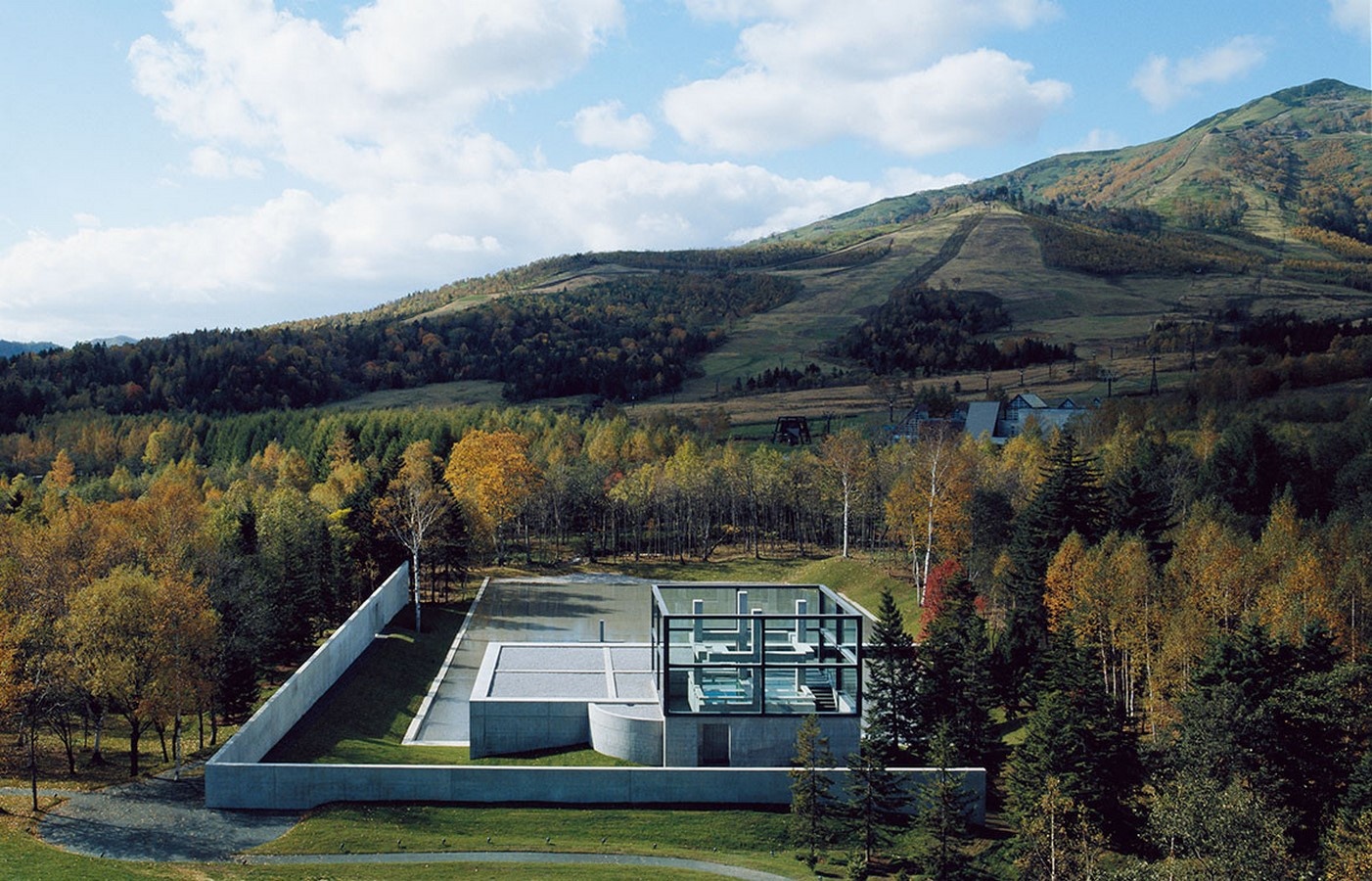
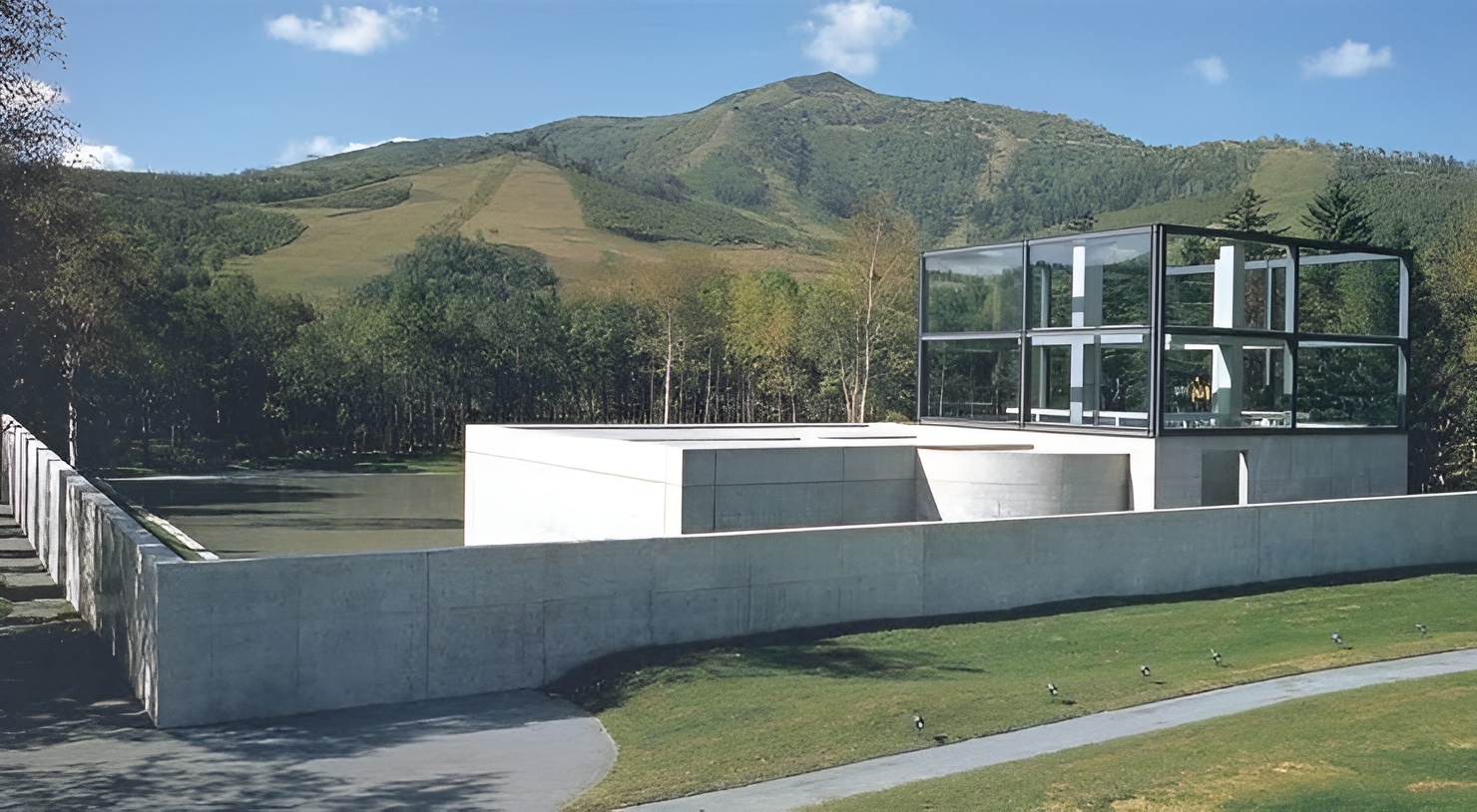
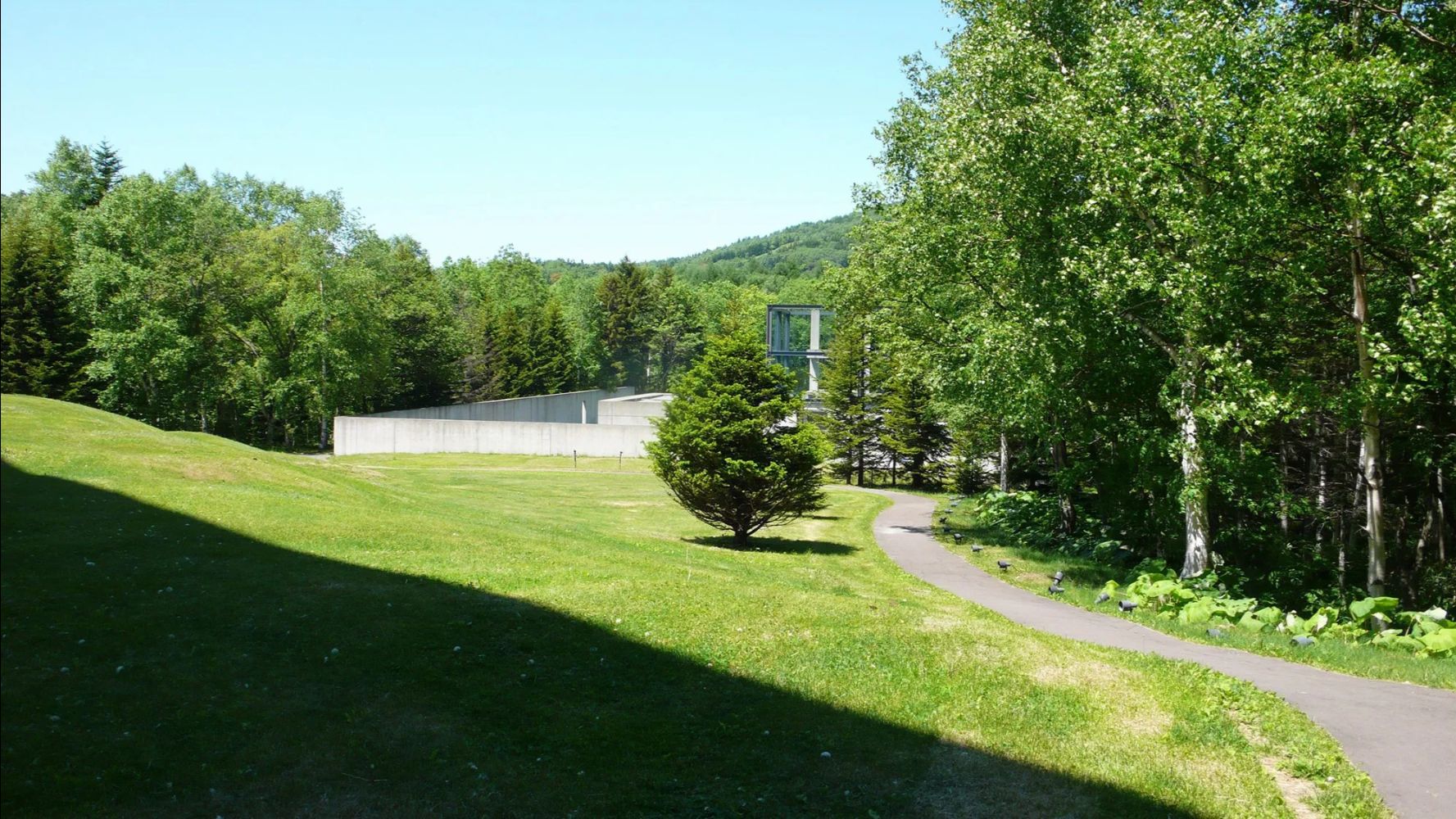
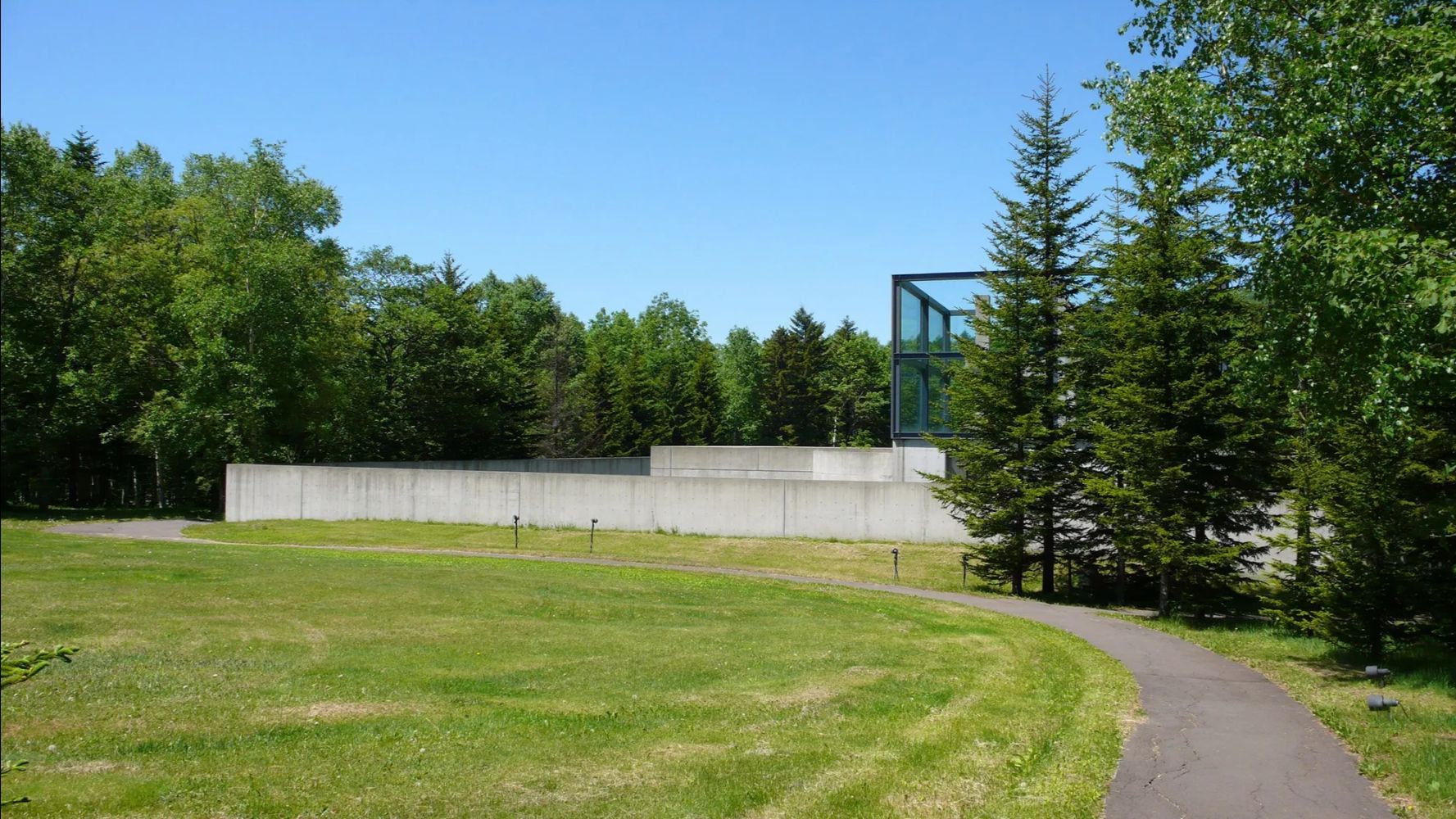
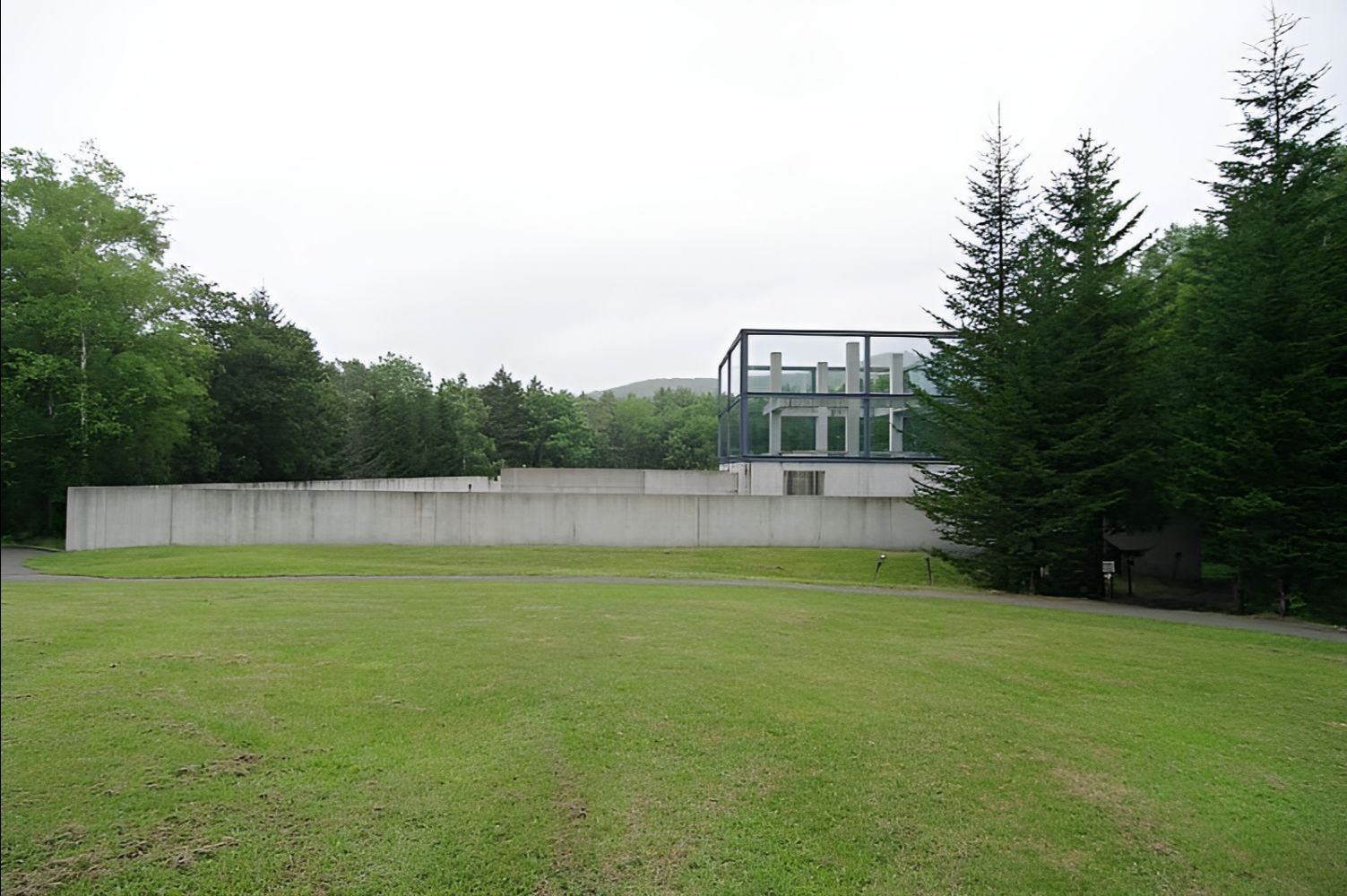
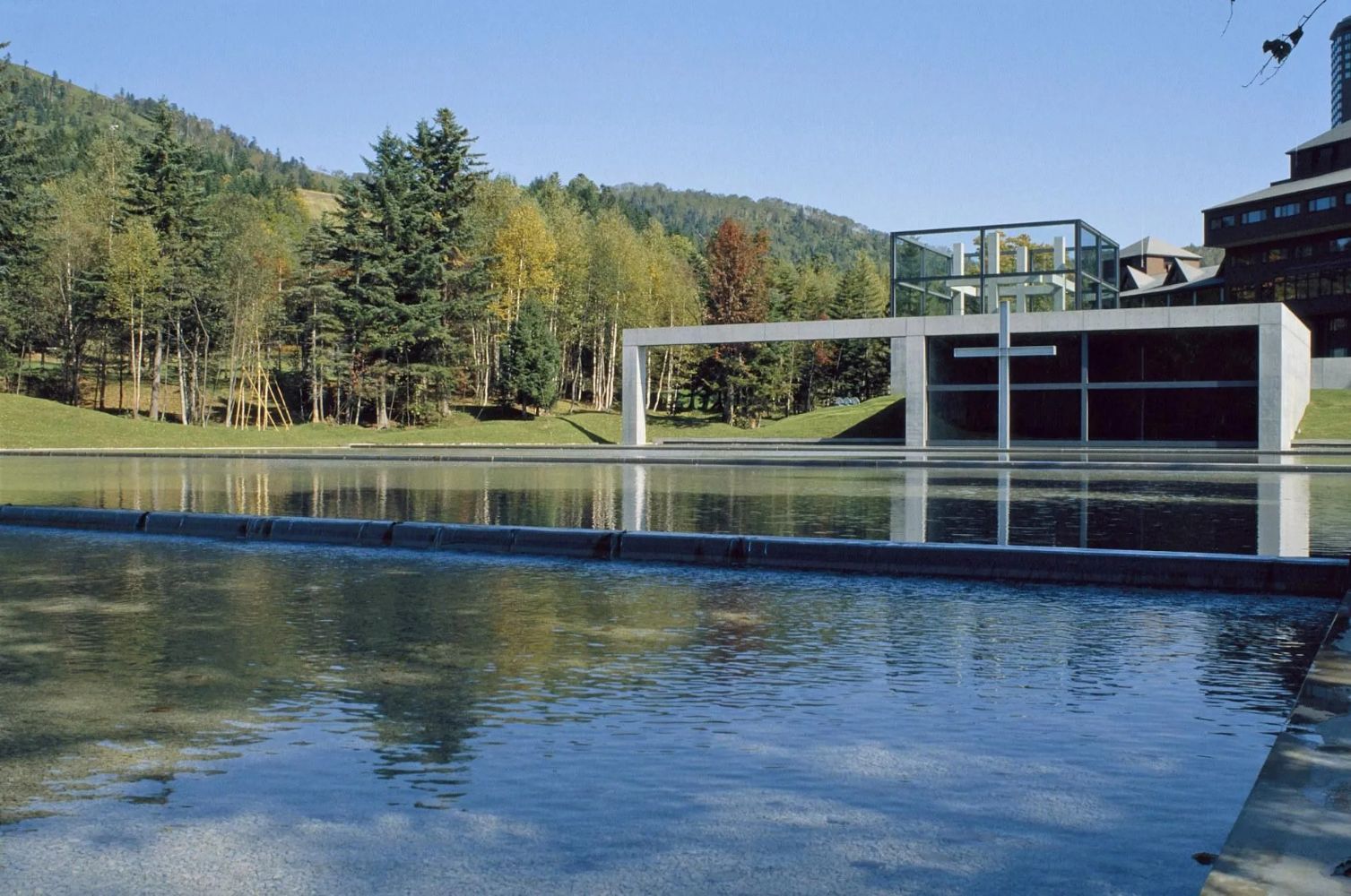
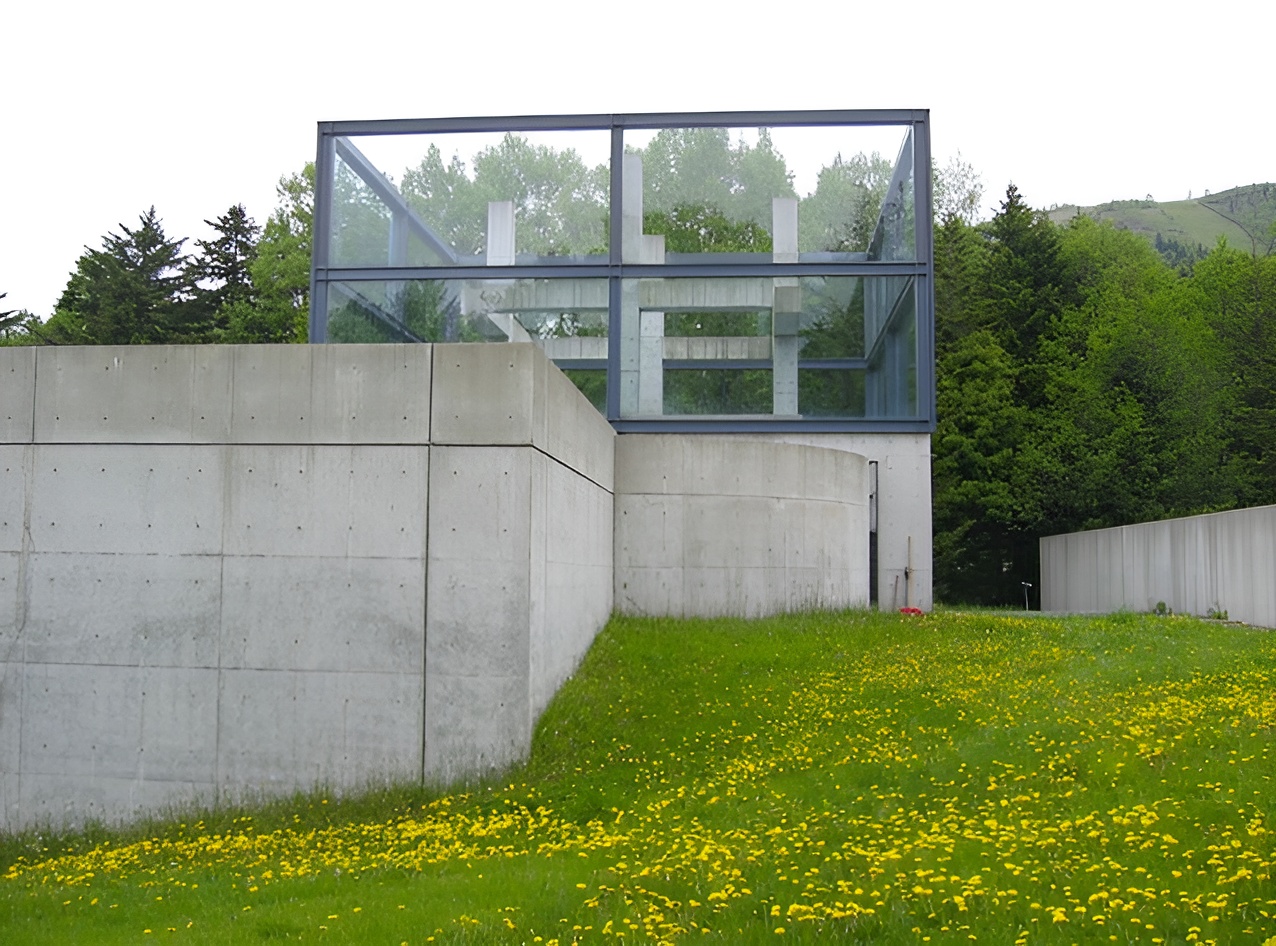
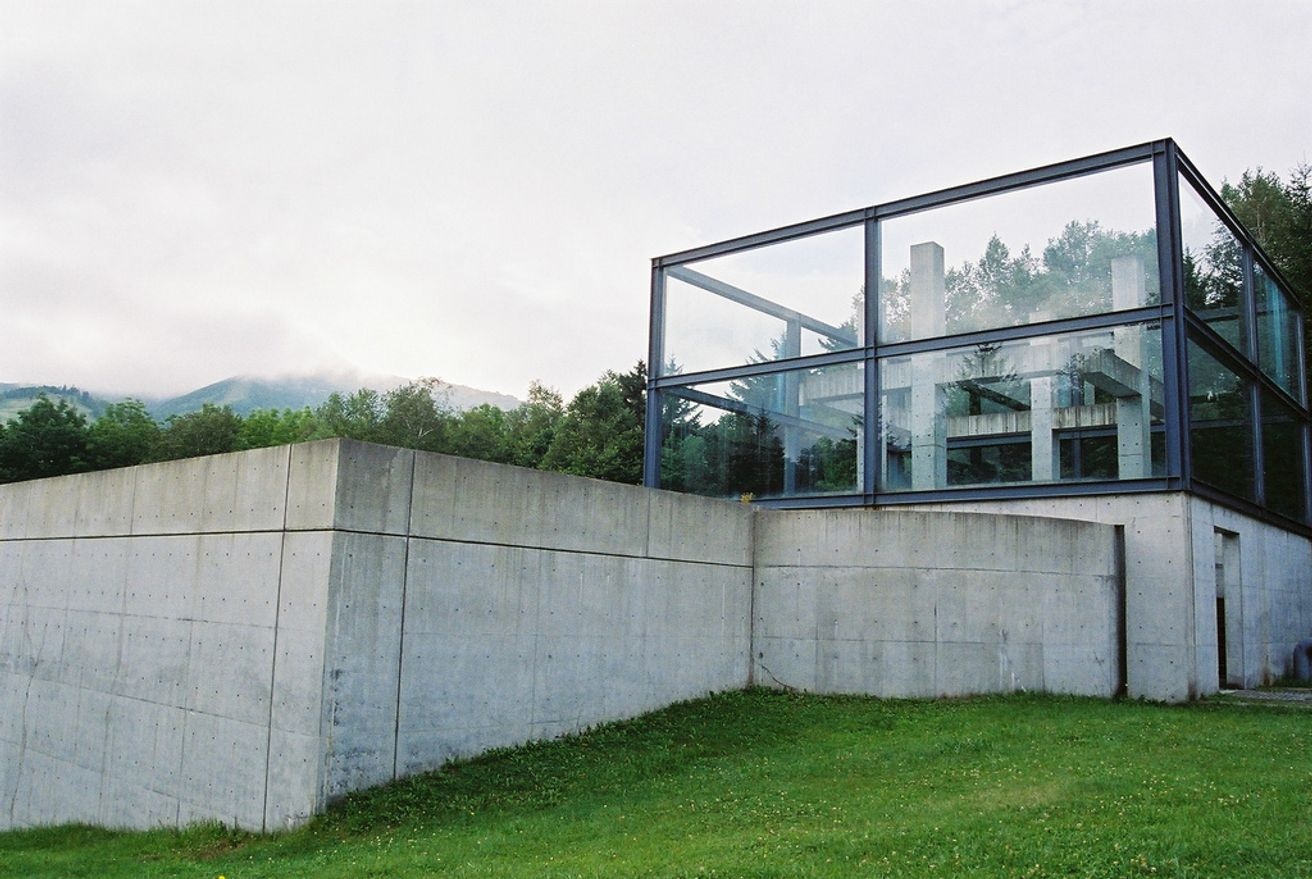
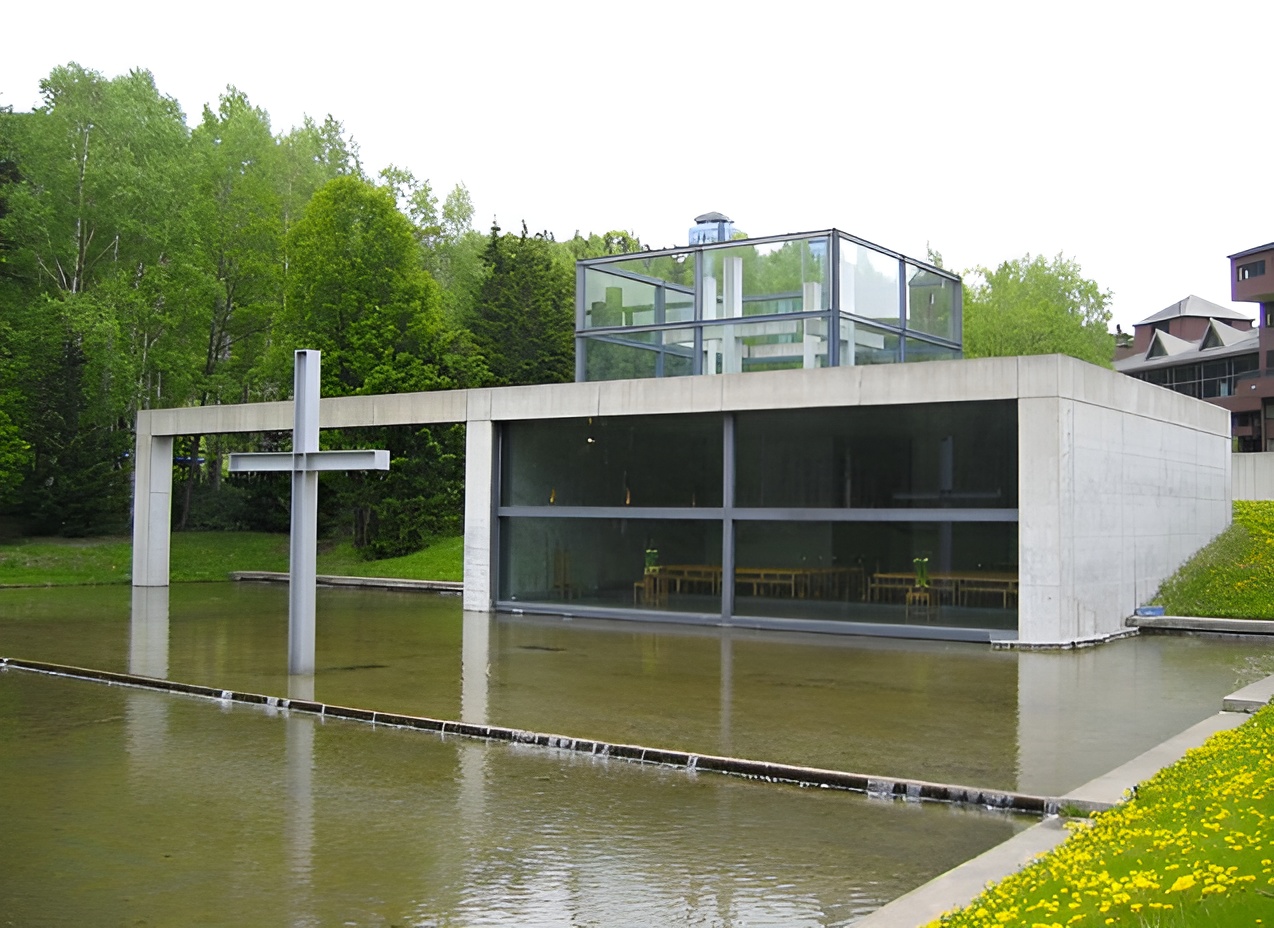
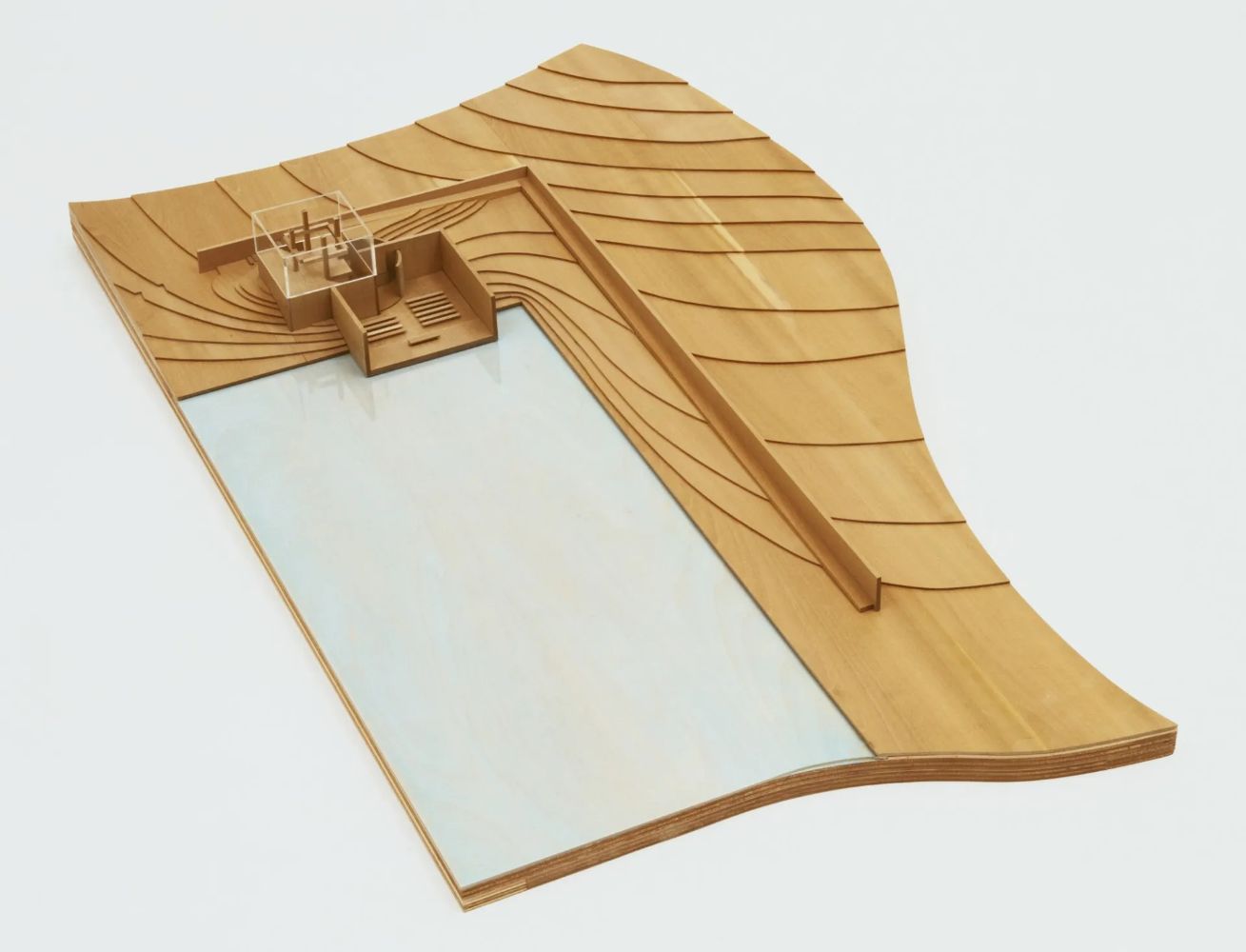
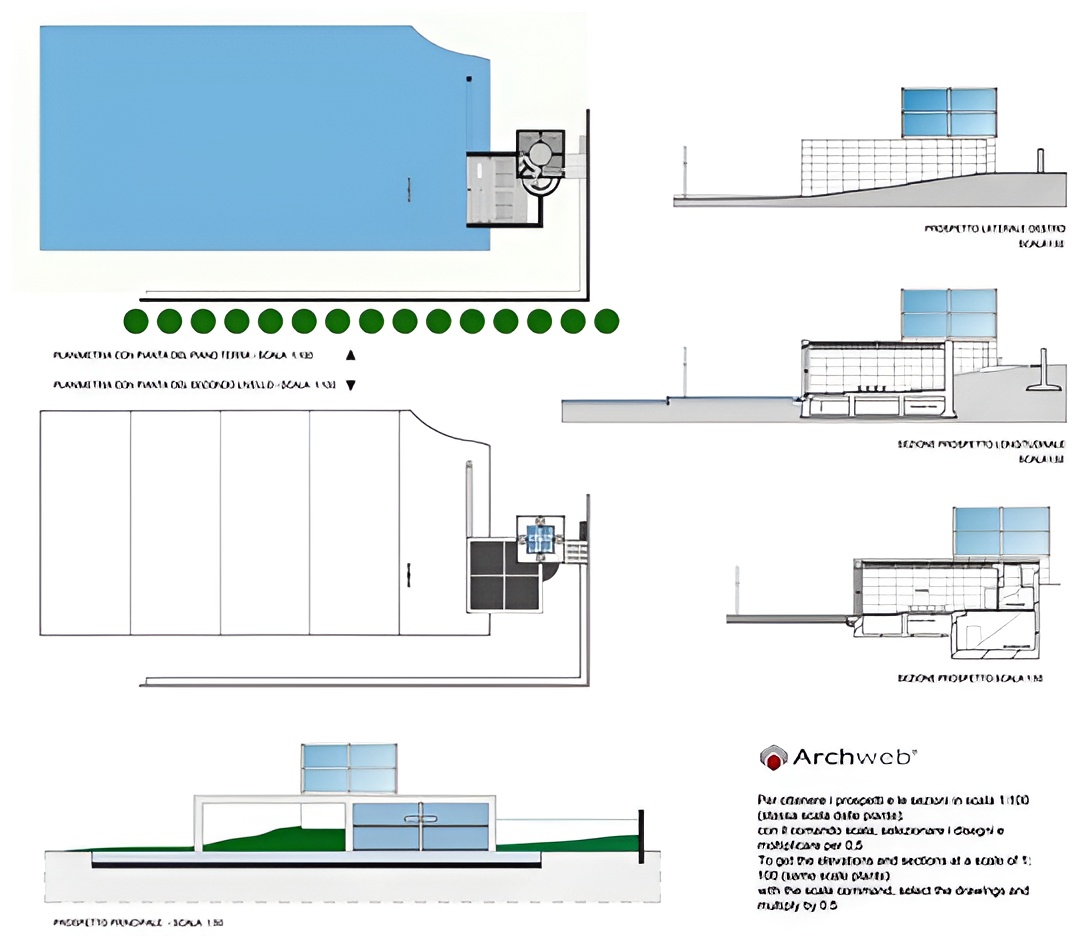
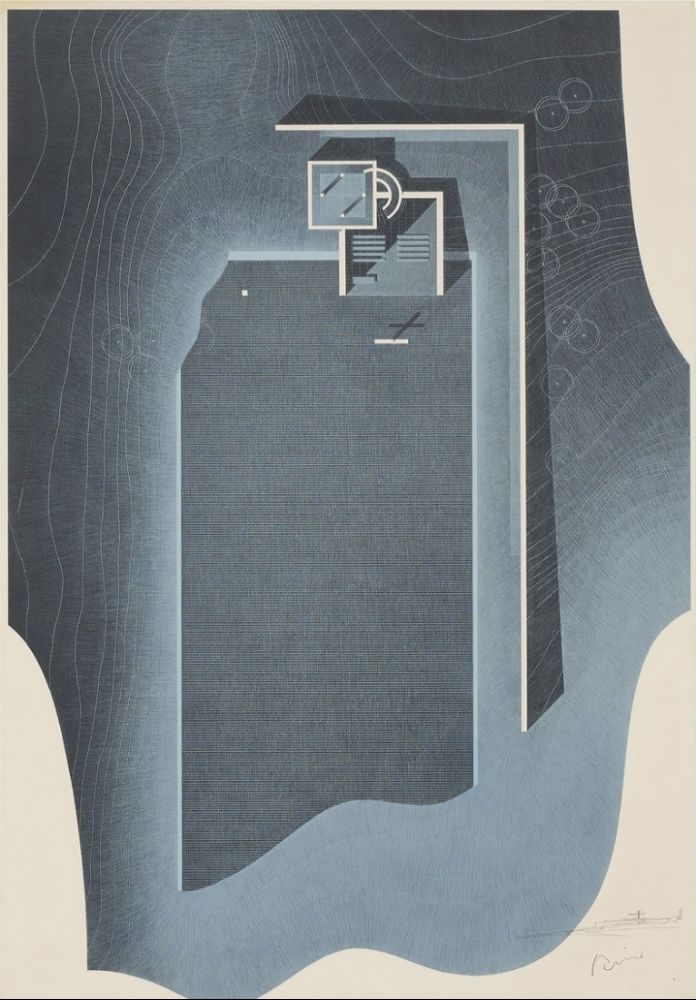
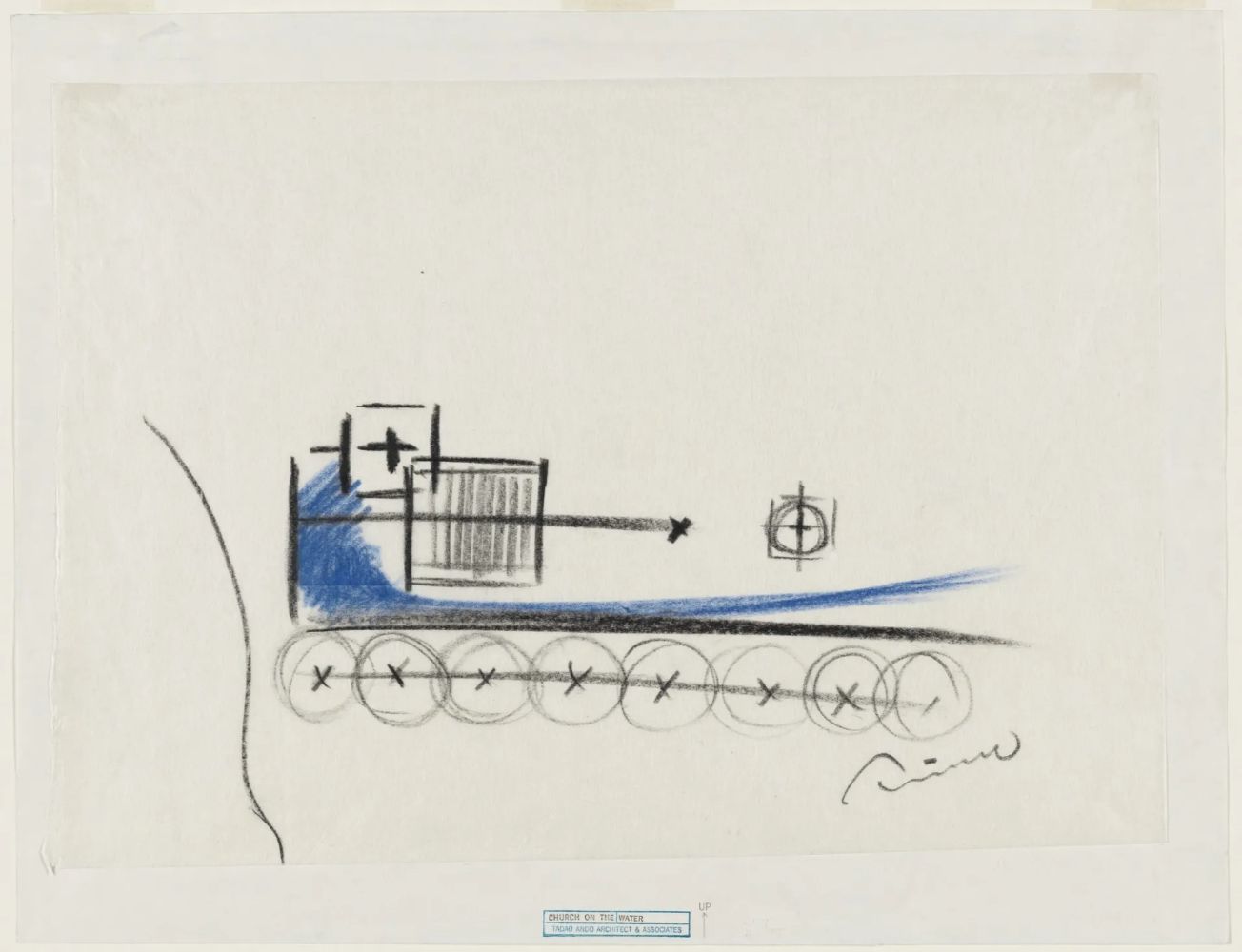
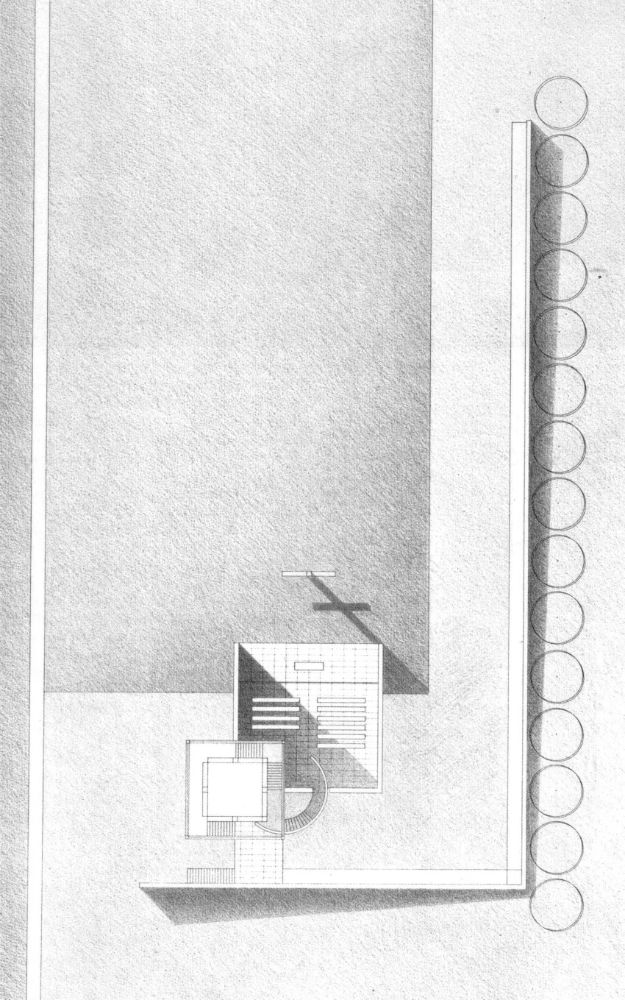
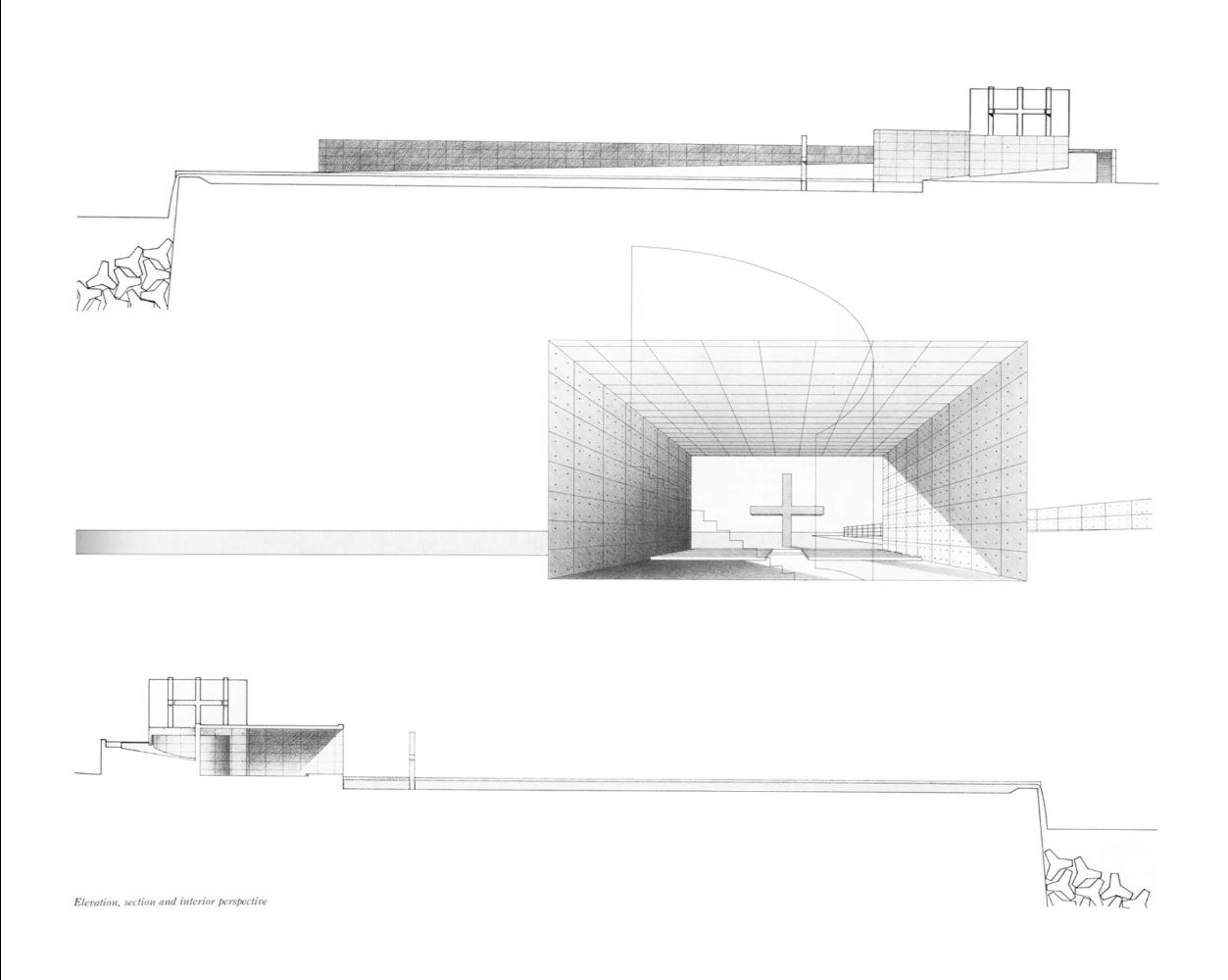
Church on the Water stands in Tomamu, Hokkaido, within a clearing defined by trees, hills, and a constructed pond that extends toward a natural river. The chapel forms part of a resort development yet establishes separation through spatial control. An L-shaped wall defines the site boundary, screens the adjacent hotel, and directs movement along a predetermined path.
Church on the Water / Tadao Ando Architect & Associates | Classics on Architecture Lab 121Church on the Water / Tadao Ando Architect & Associates | Classics on Architecture Lab 122Church on the Water / Tadao Ando Architect & Associates | Classics on Architecture Lab 123
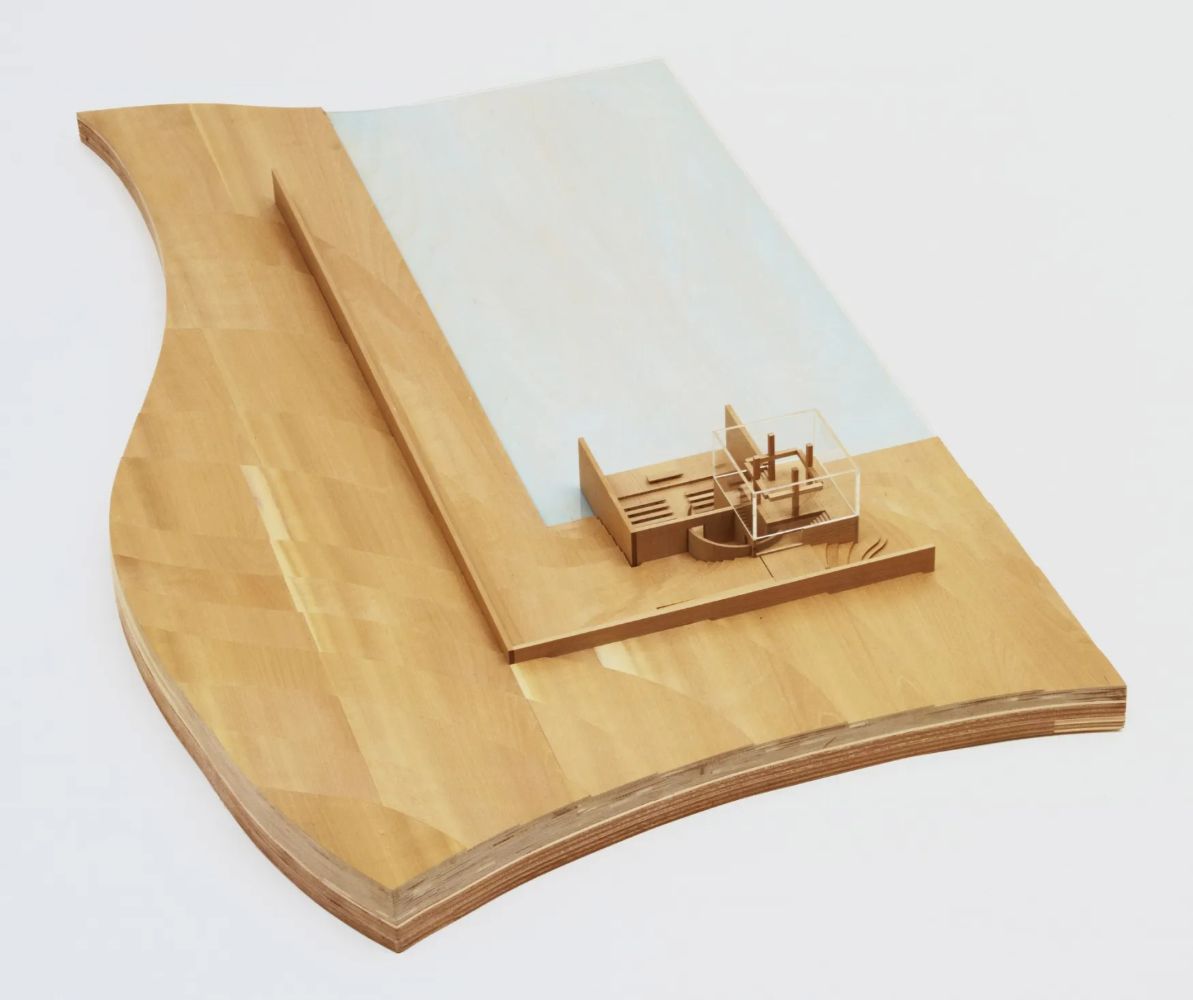
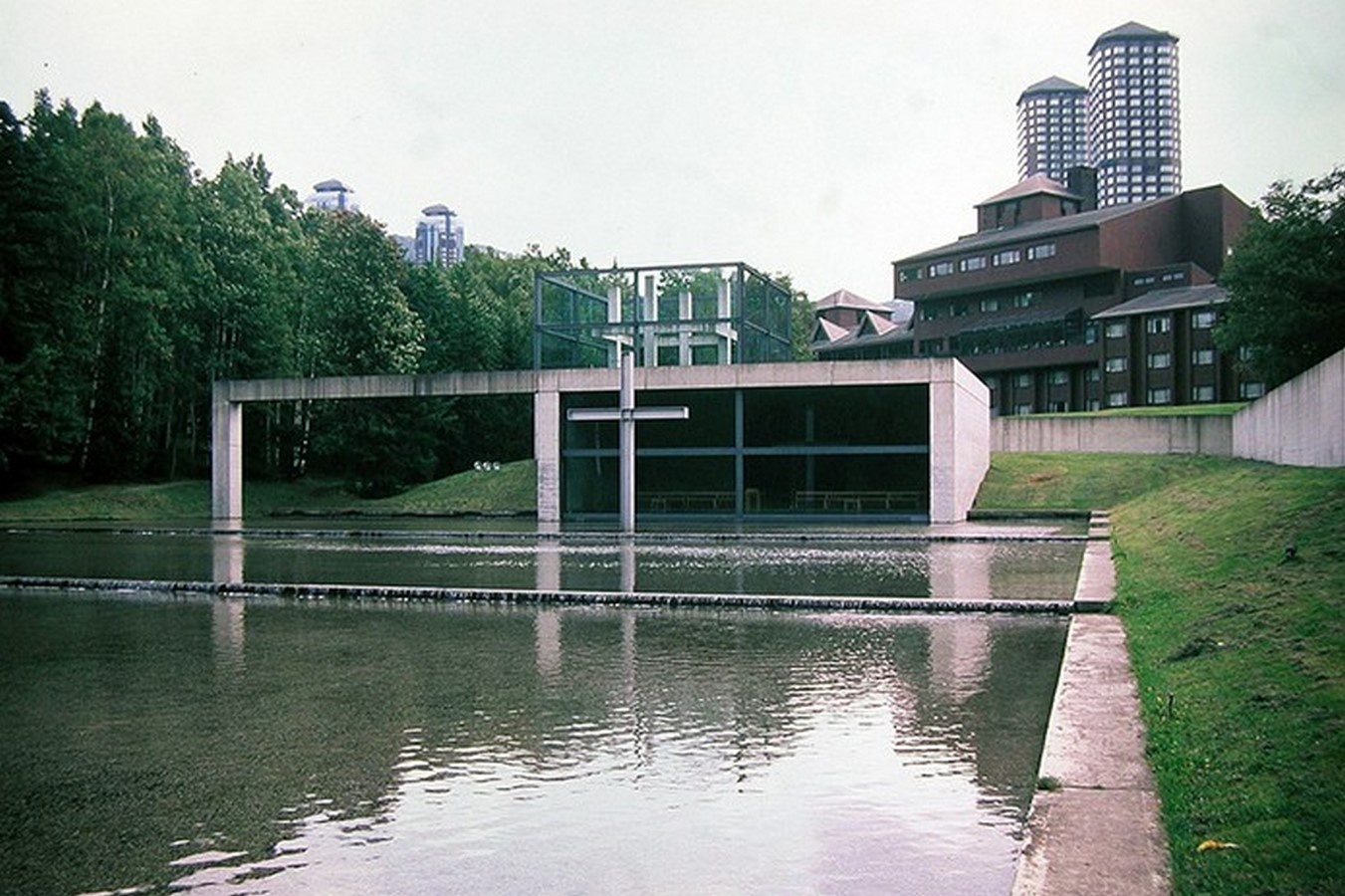
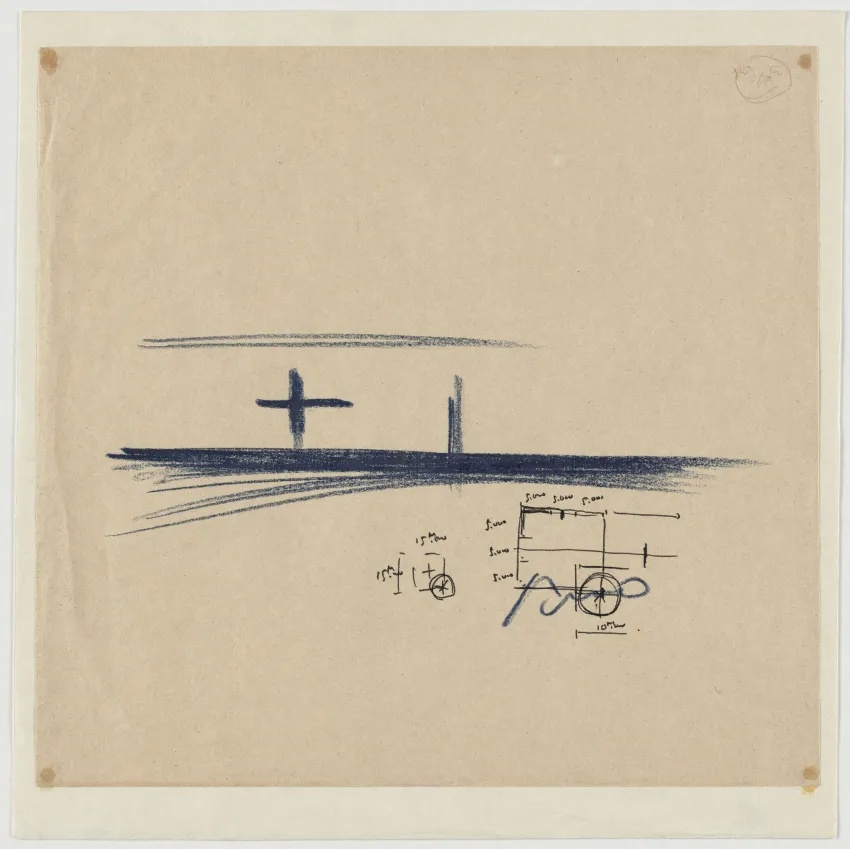
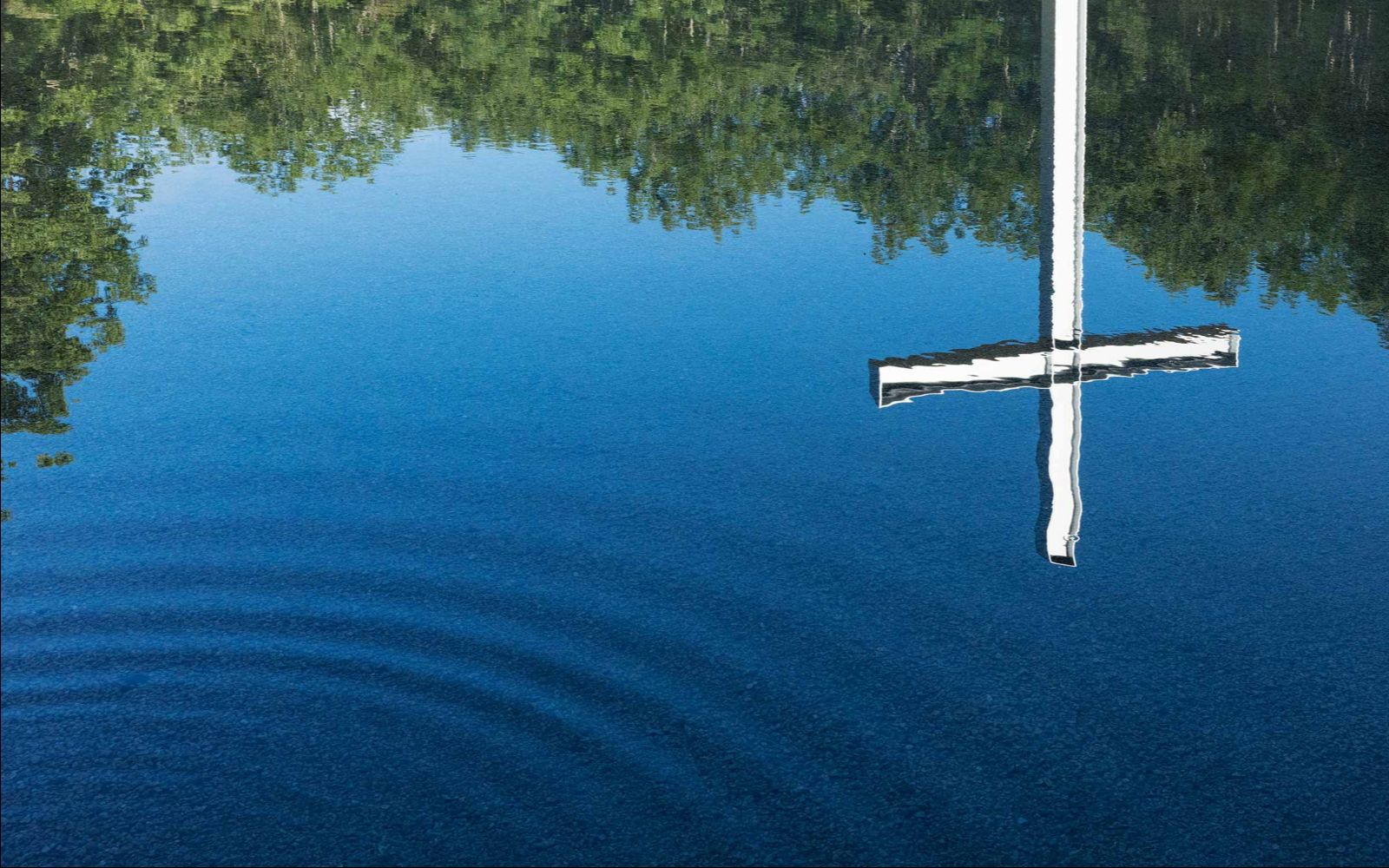
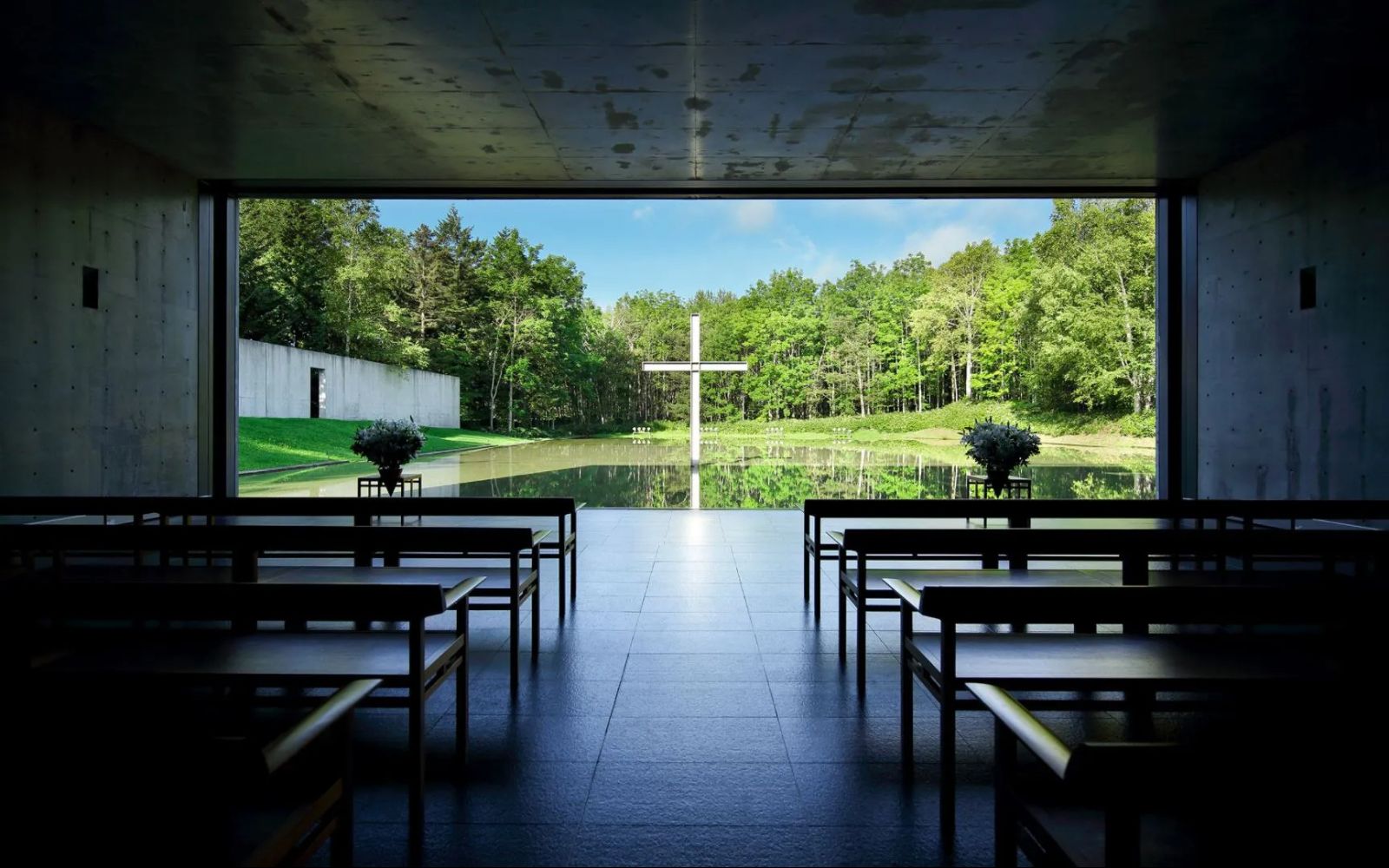
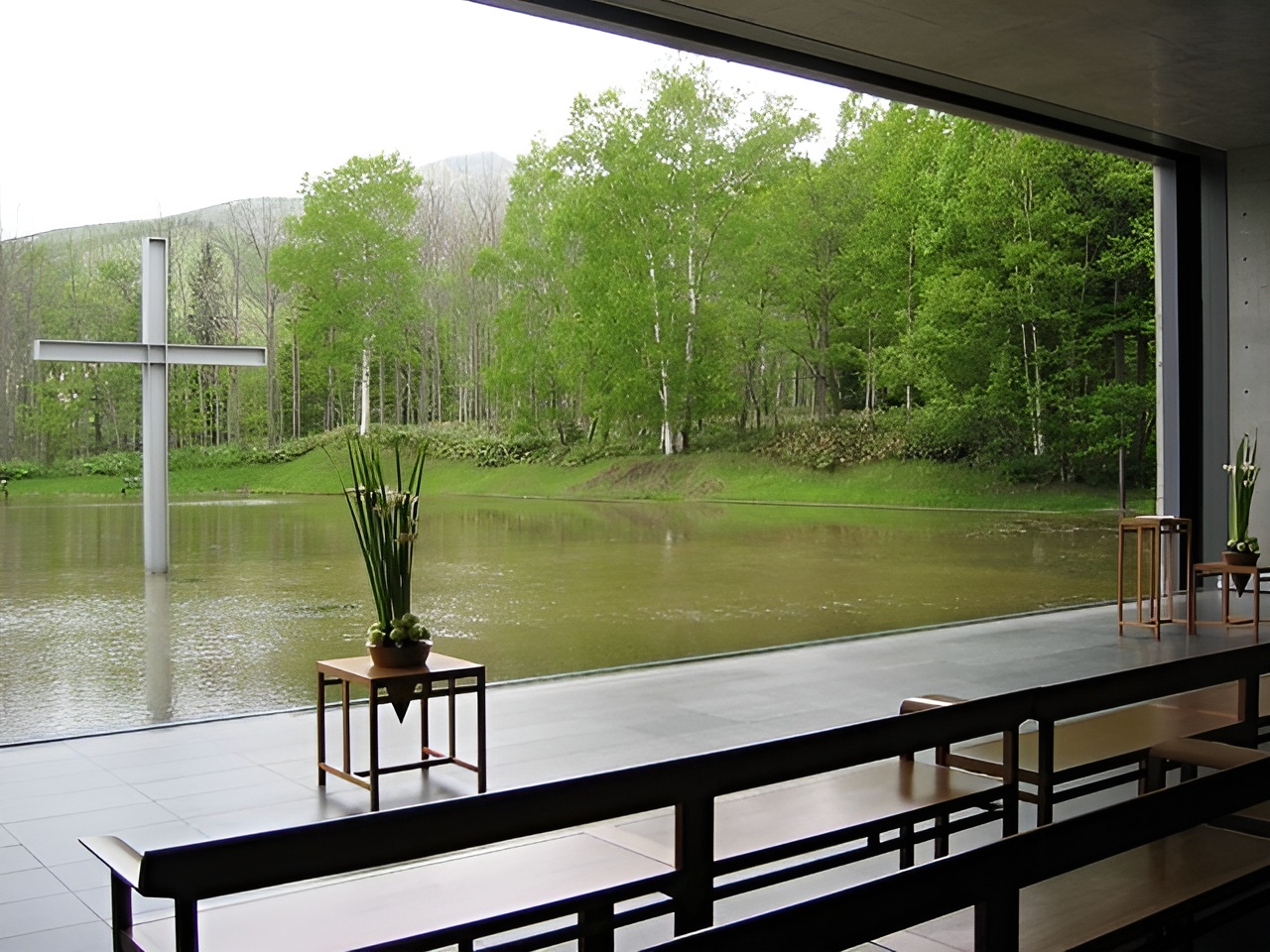
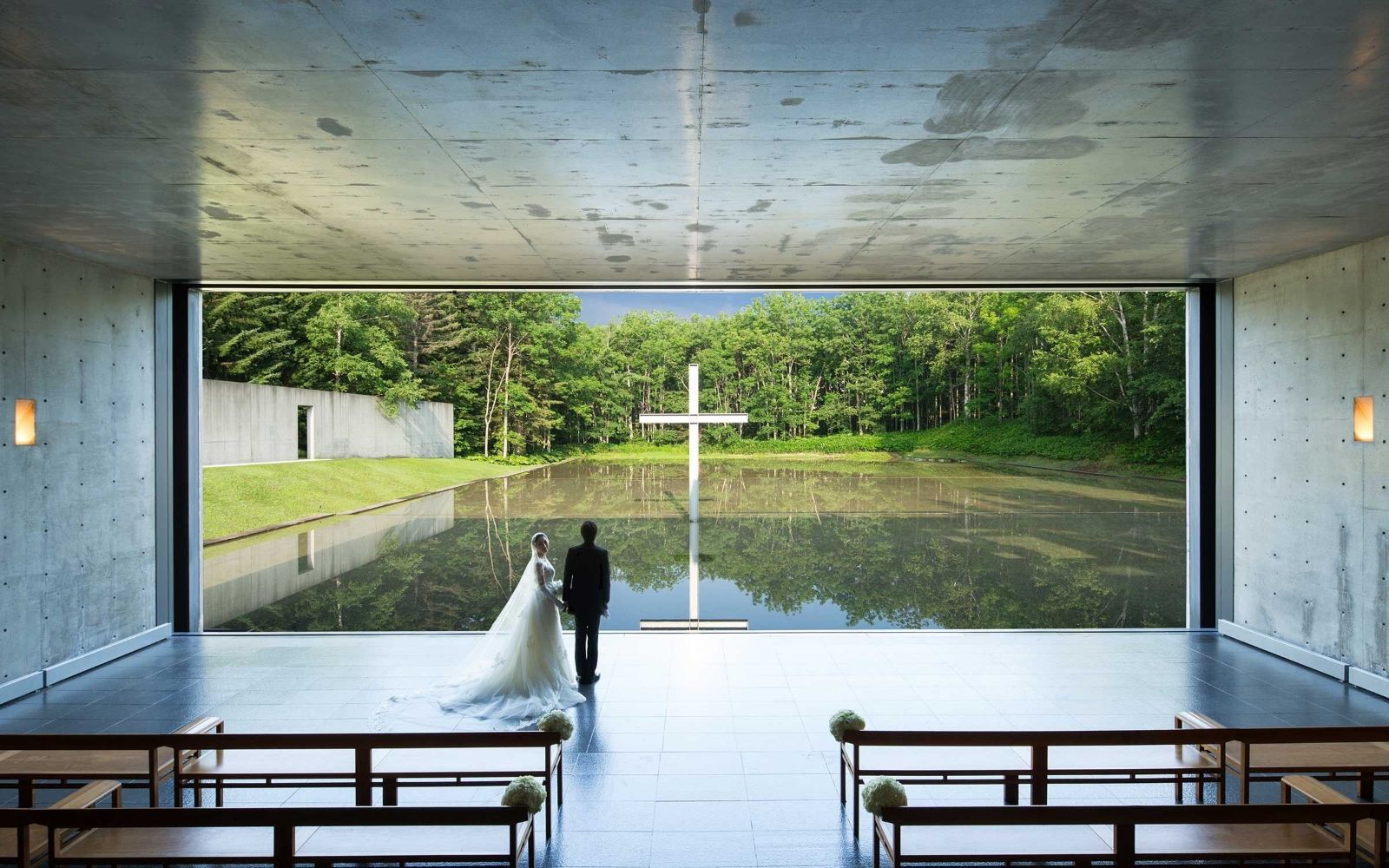
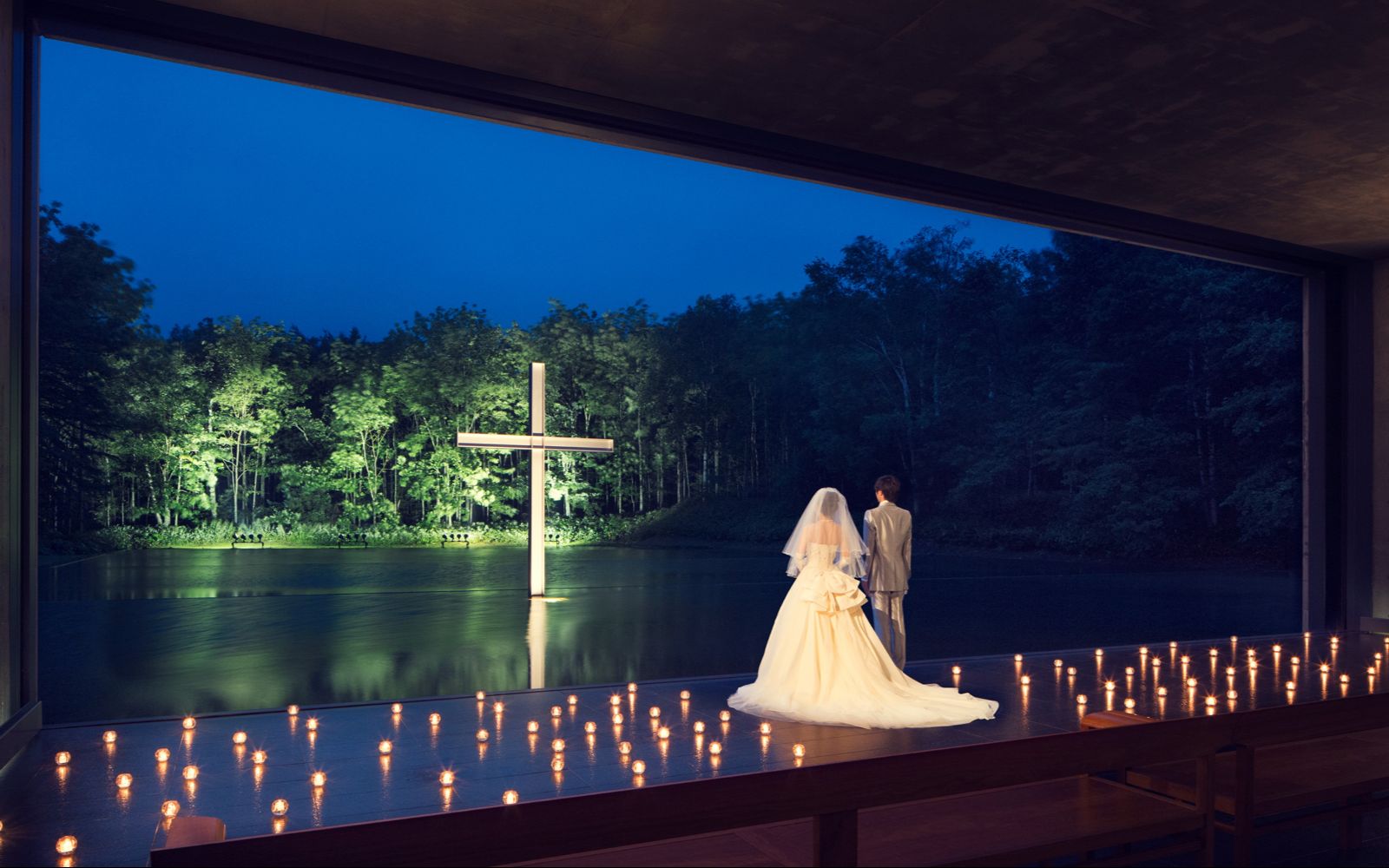
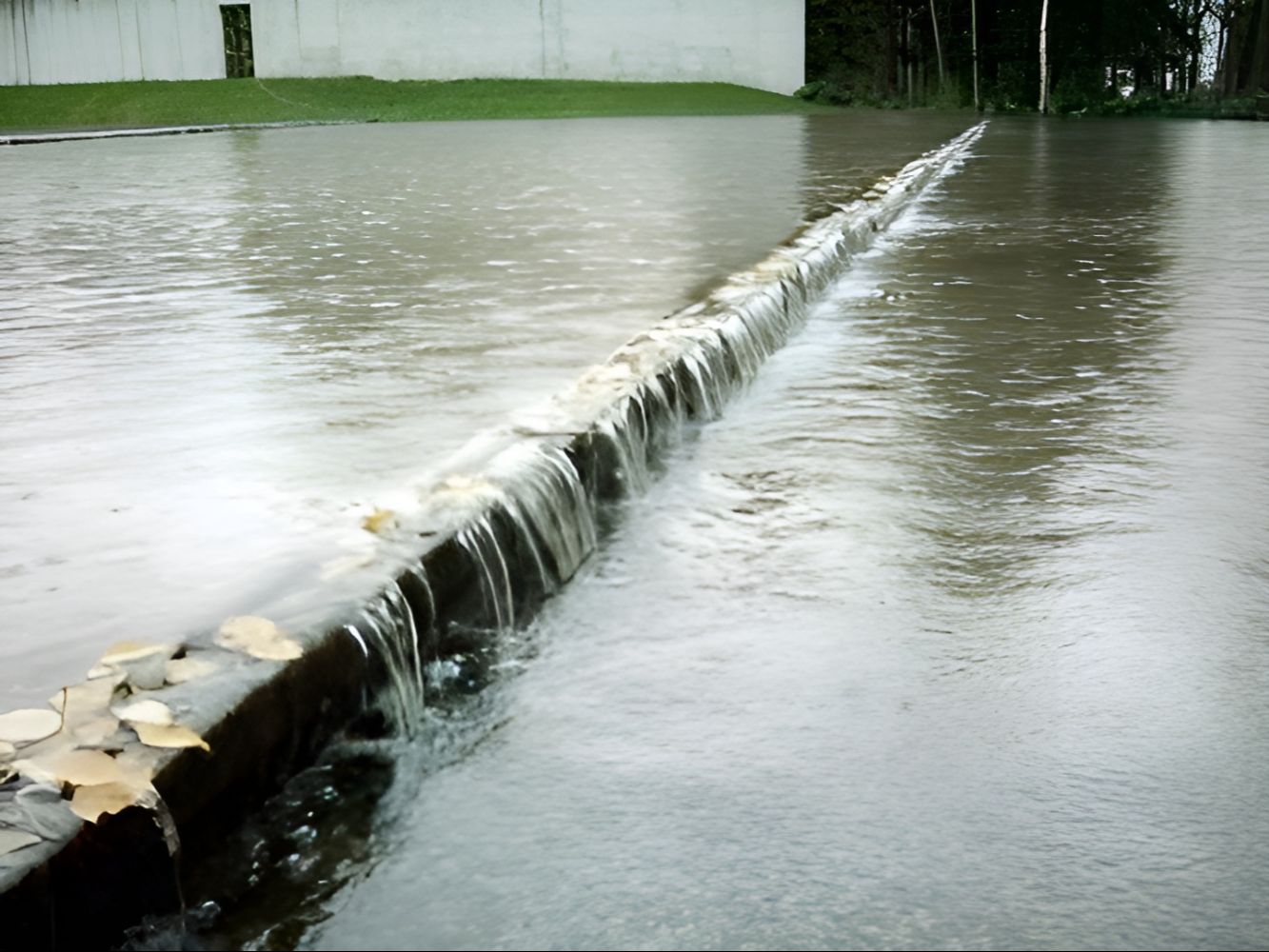
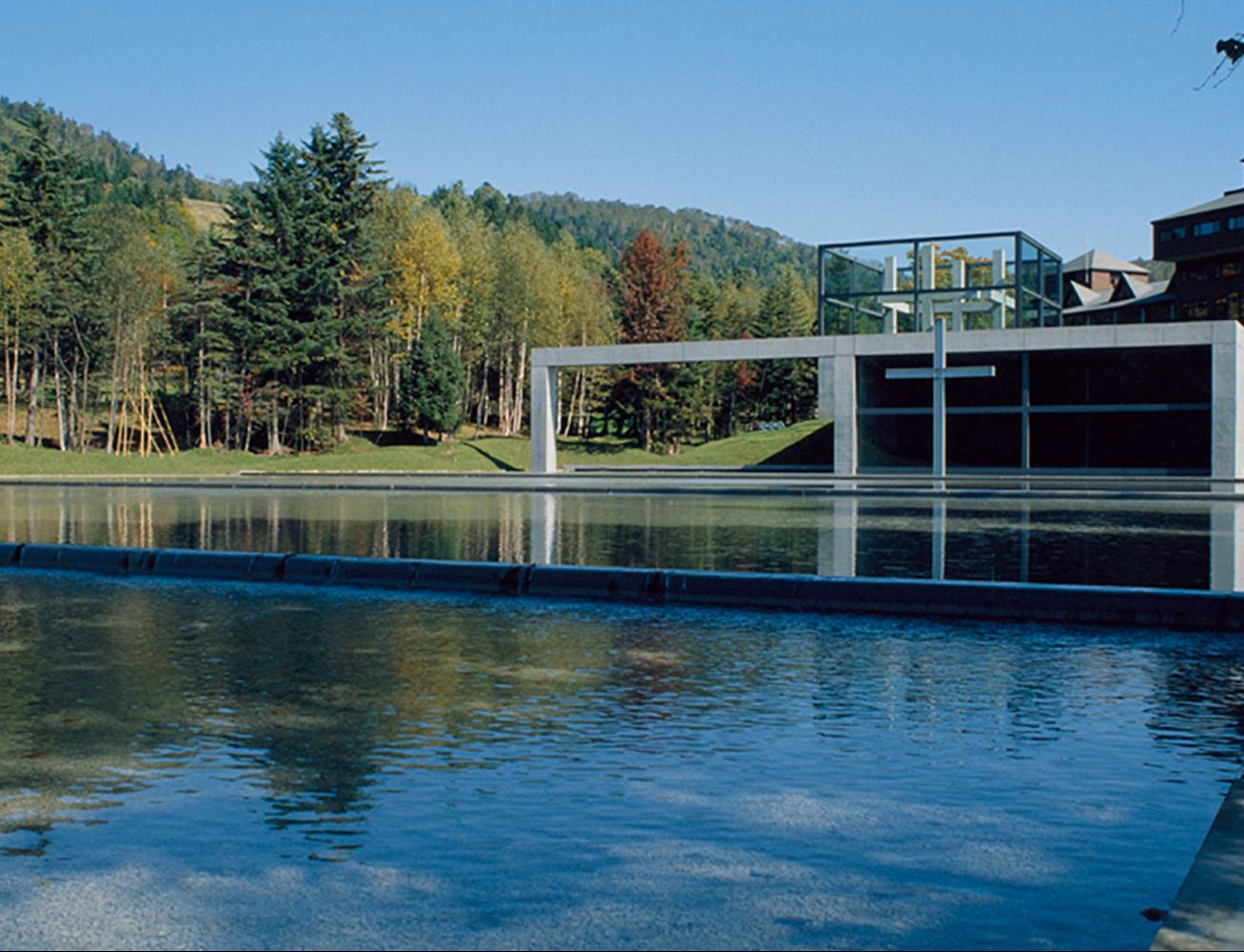
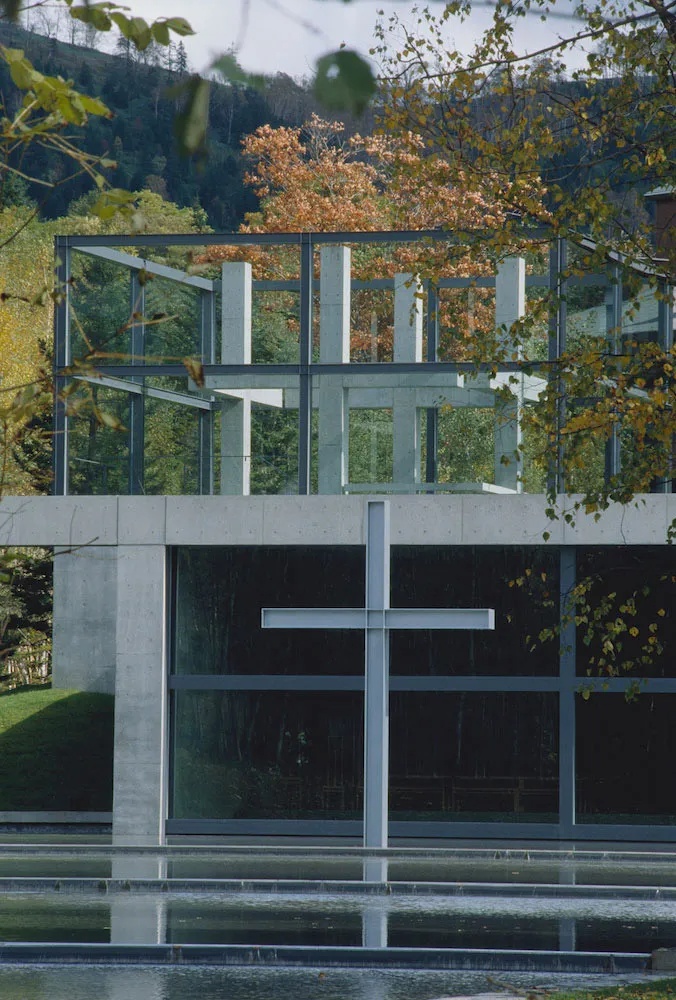
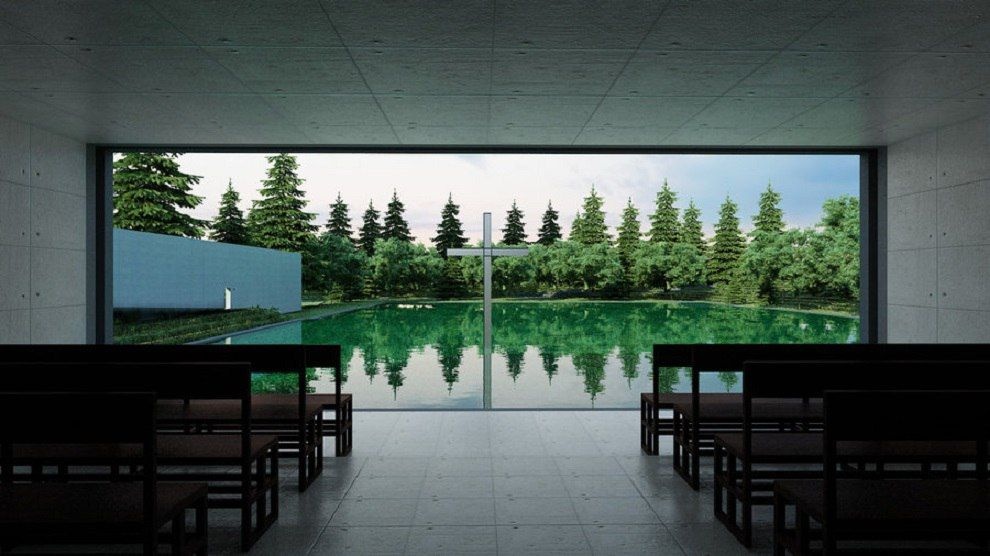
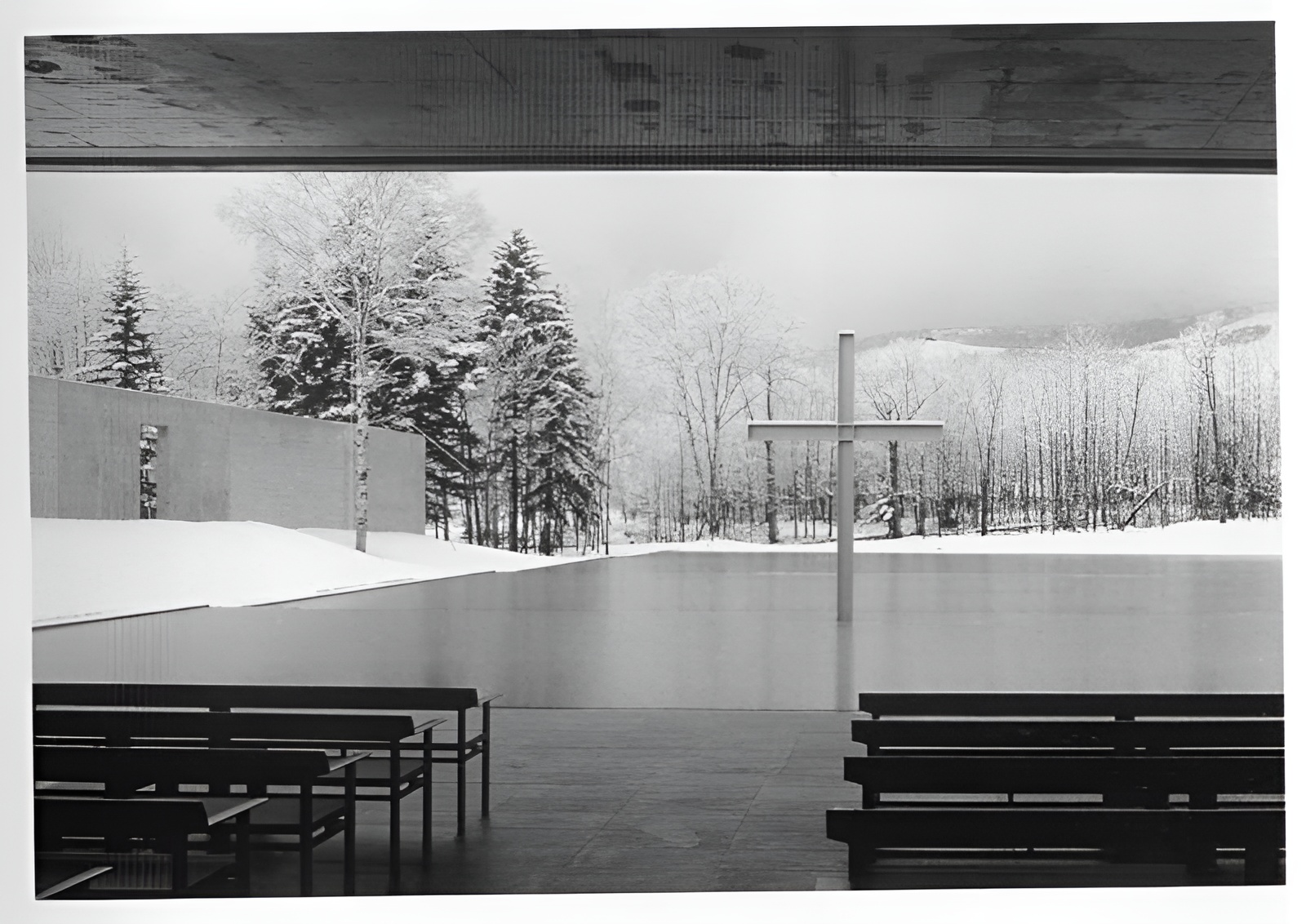
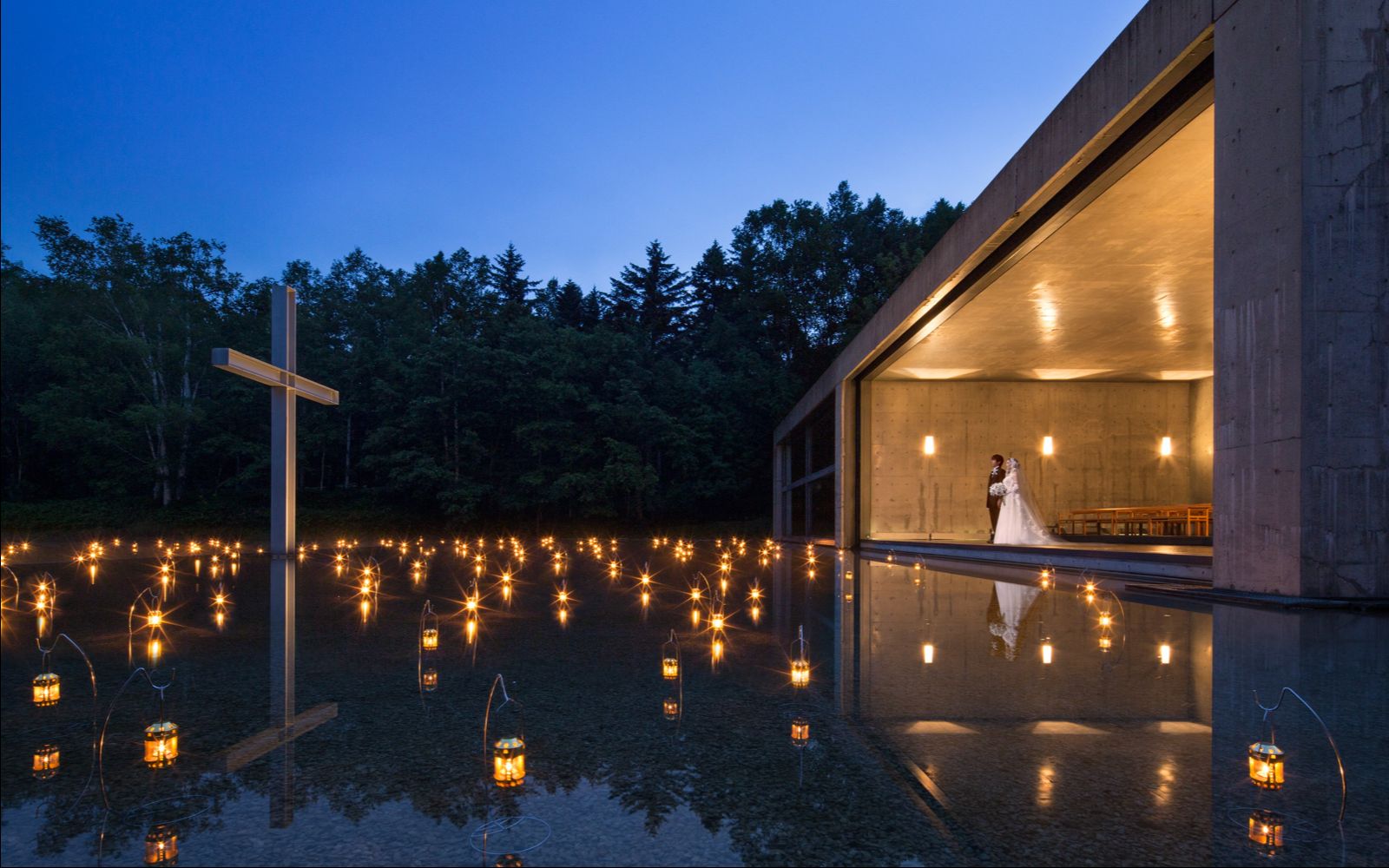
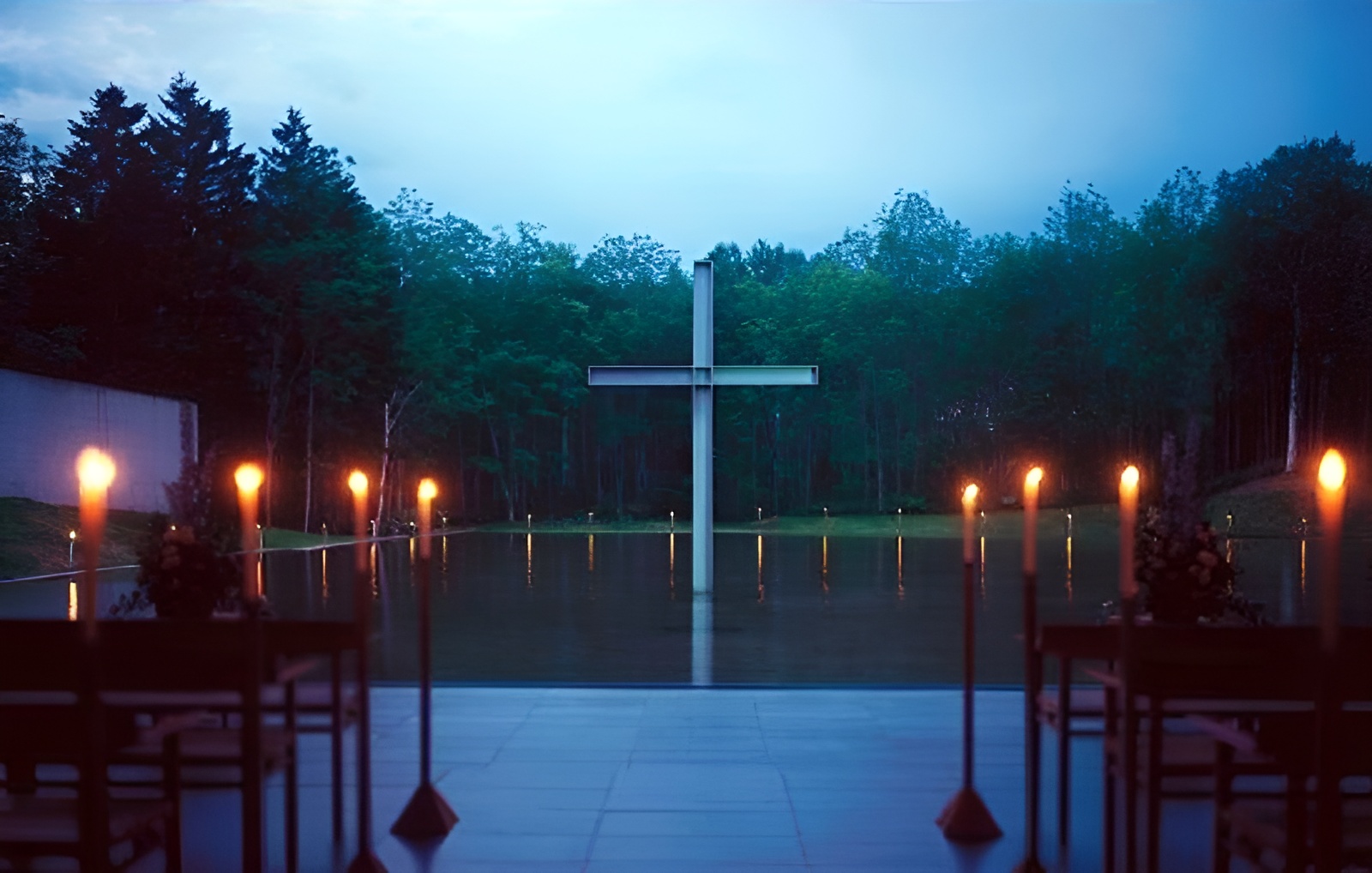
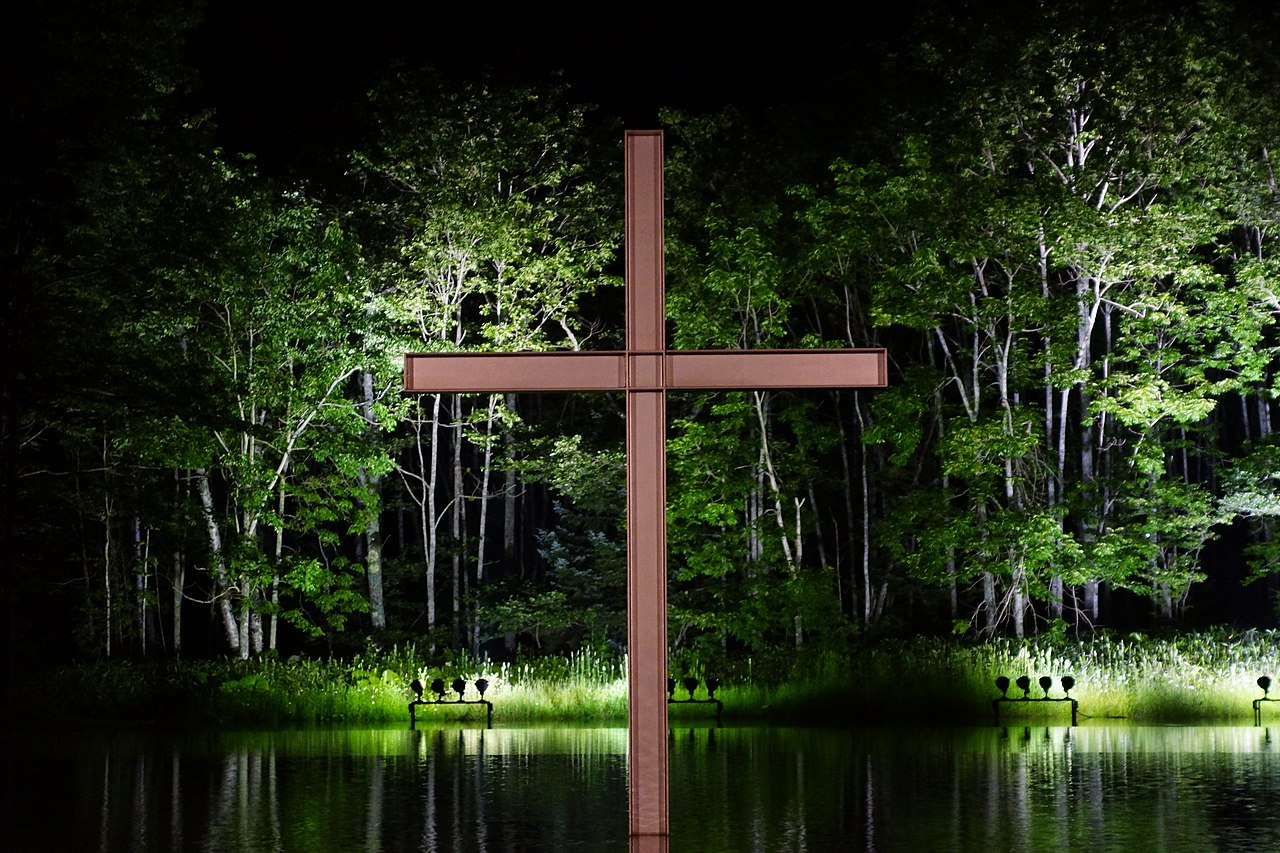
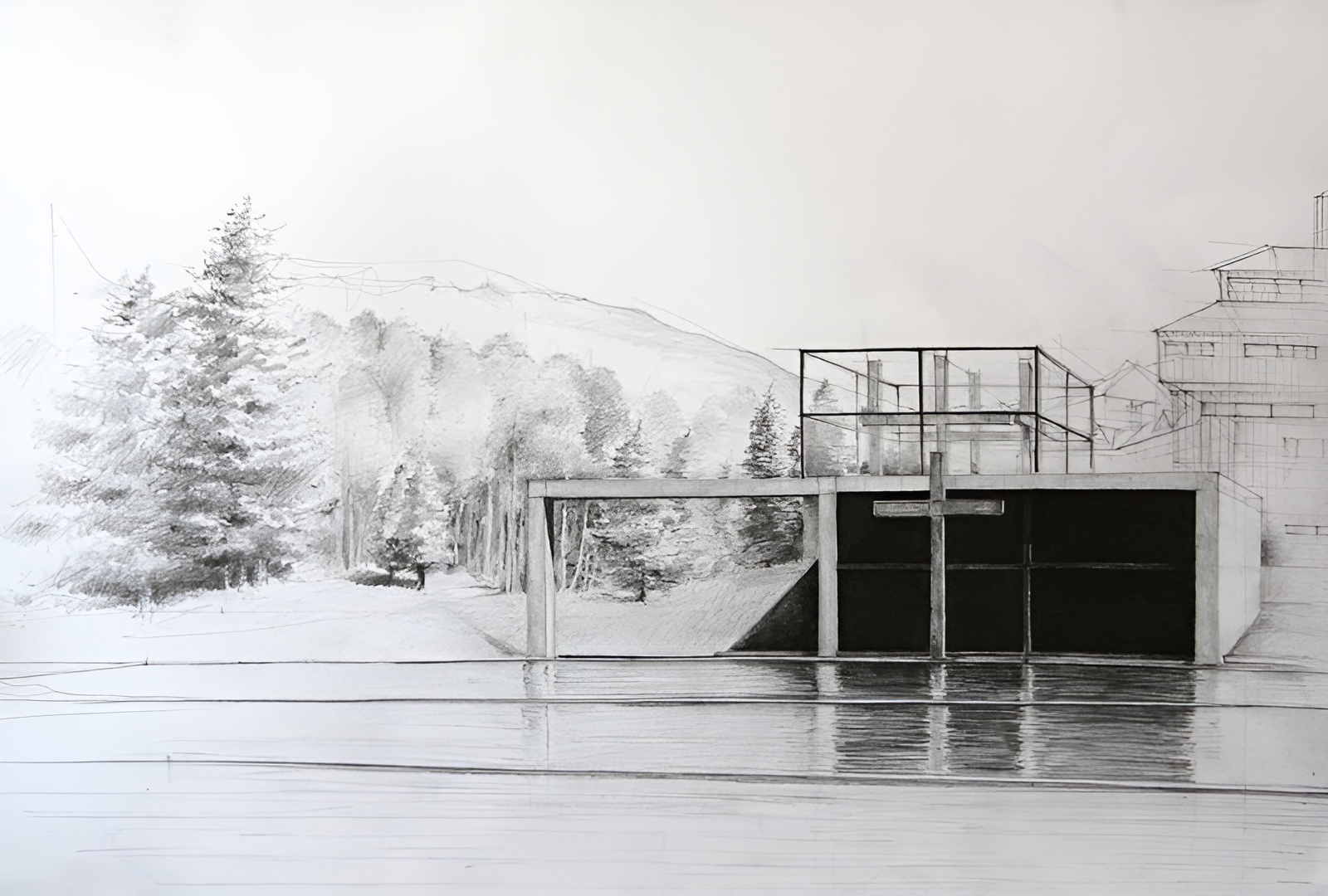
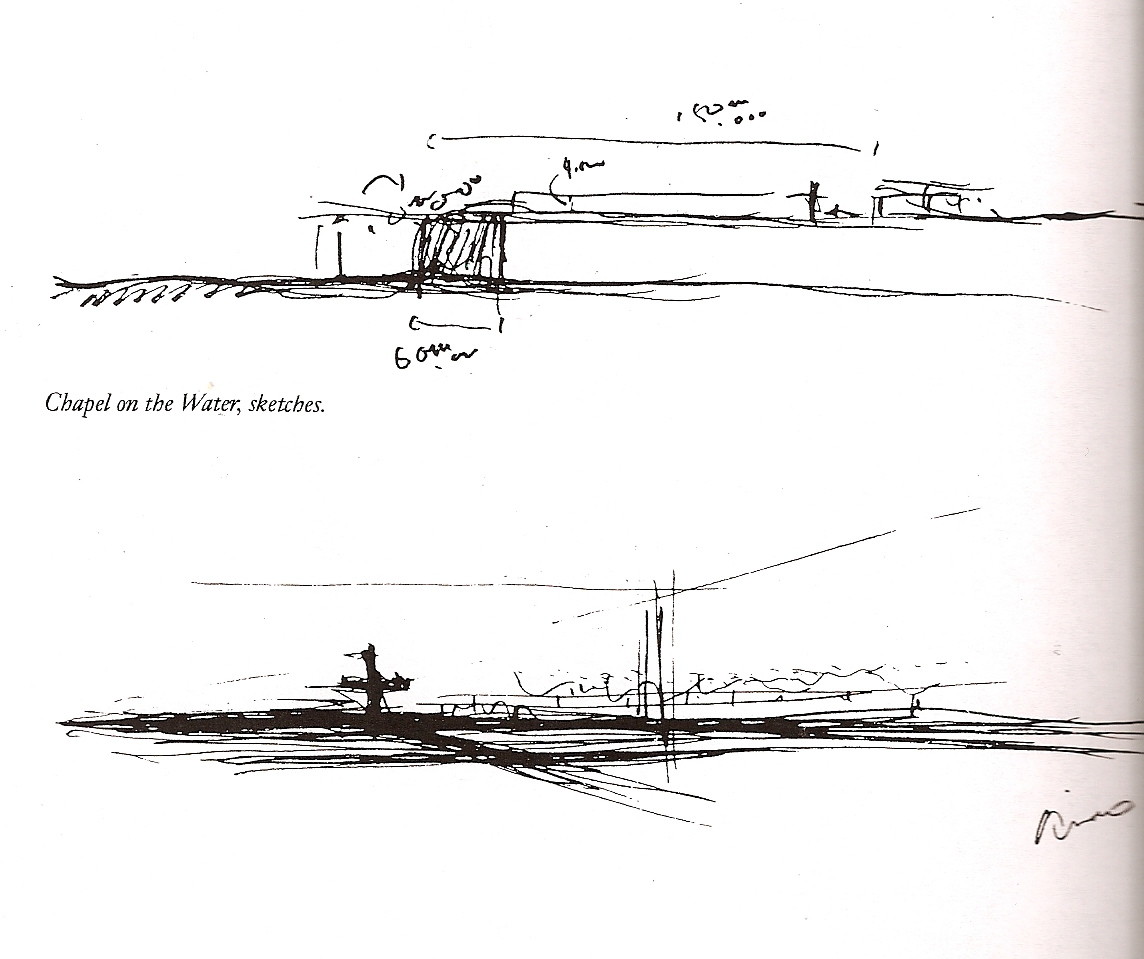
The project originated in 1985 as a conceptual proposal for a coastal site in Kobe, where the idea of a chapel facing open water first emerged. The relocation to Hokkaido transformed this concept into a more contained landscape condition, replacing the sea with a still reflecting pond while preserving the central relationship between architecture and water. A steel cross positioned within the pond establishes the primary visual axis, aligning the interior space with the horizon.
Church on the Water / Tadao Ando Architect & Associates | Classics on Architecture Lab 124Church on the Water / Tadao Ando Architect & Associates | Classics on Architecture Lab 125Church on the Water / Tadao Ando Architect & Associates | Classics on Architecture Lab 126
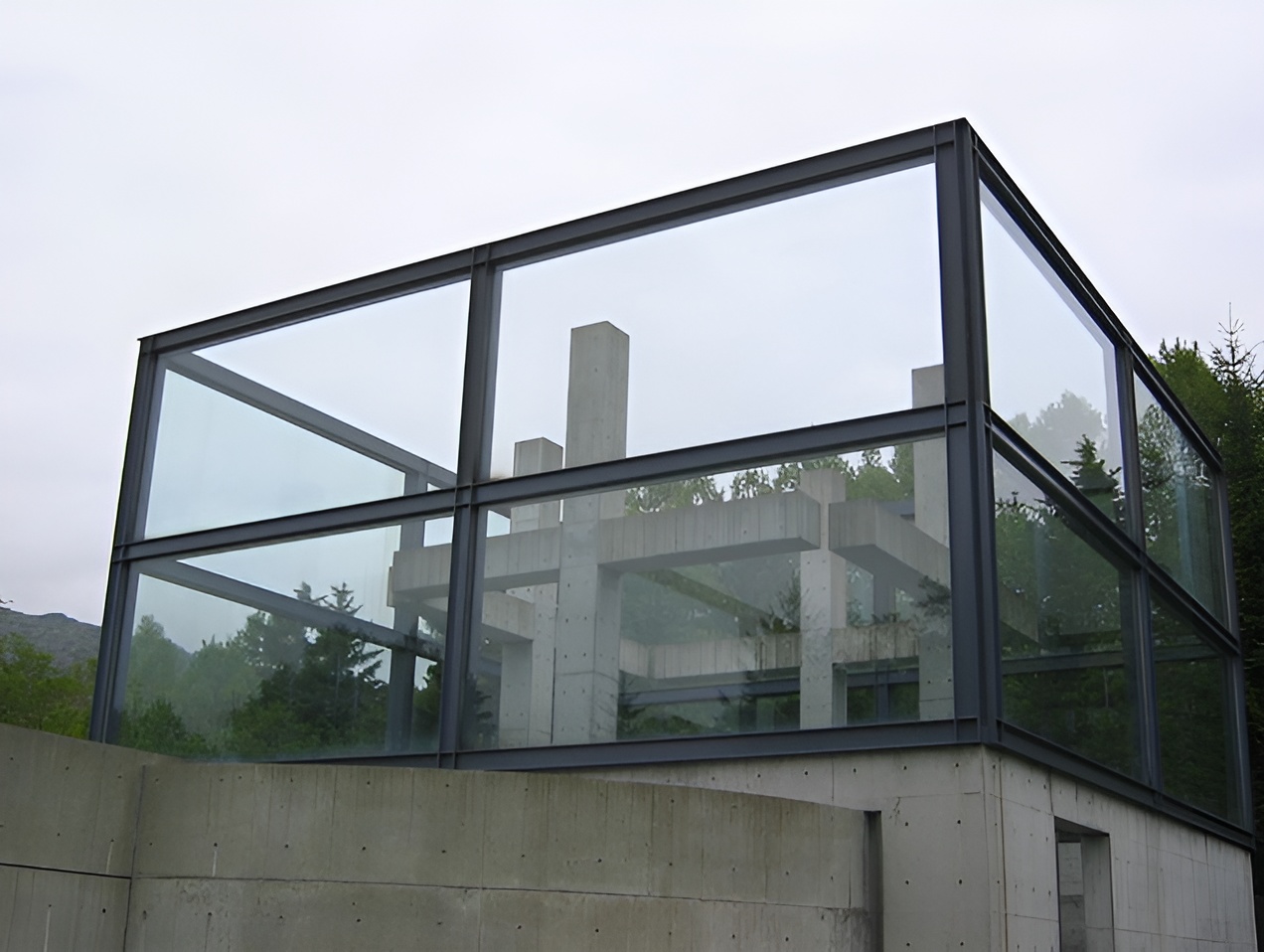
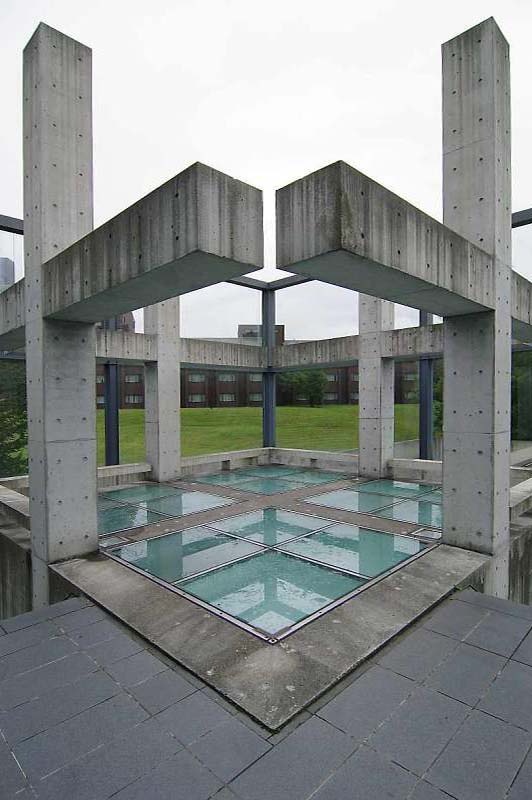
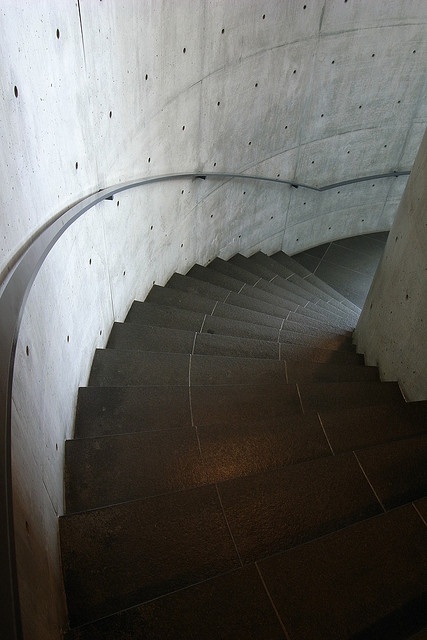
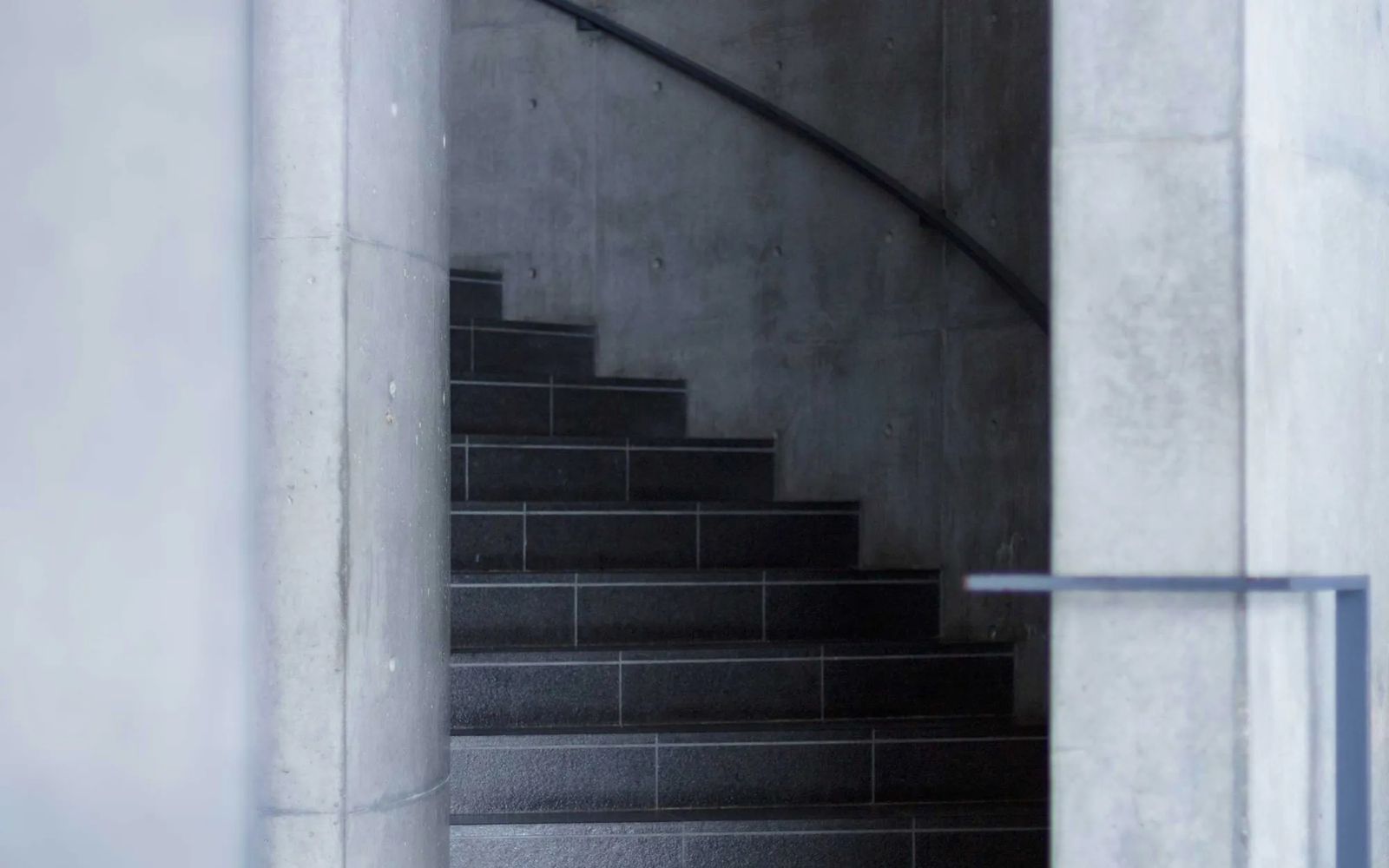
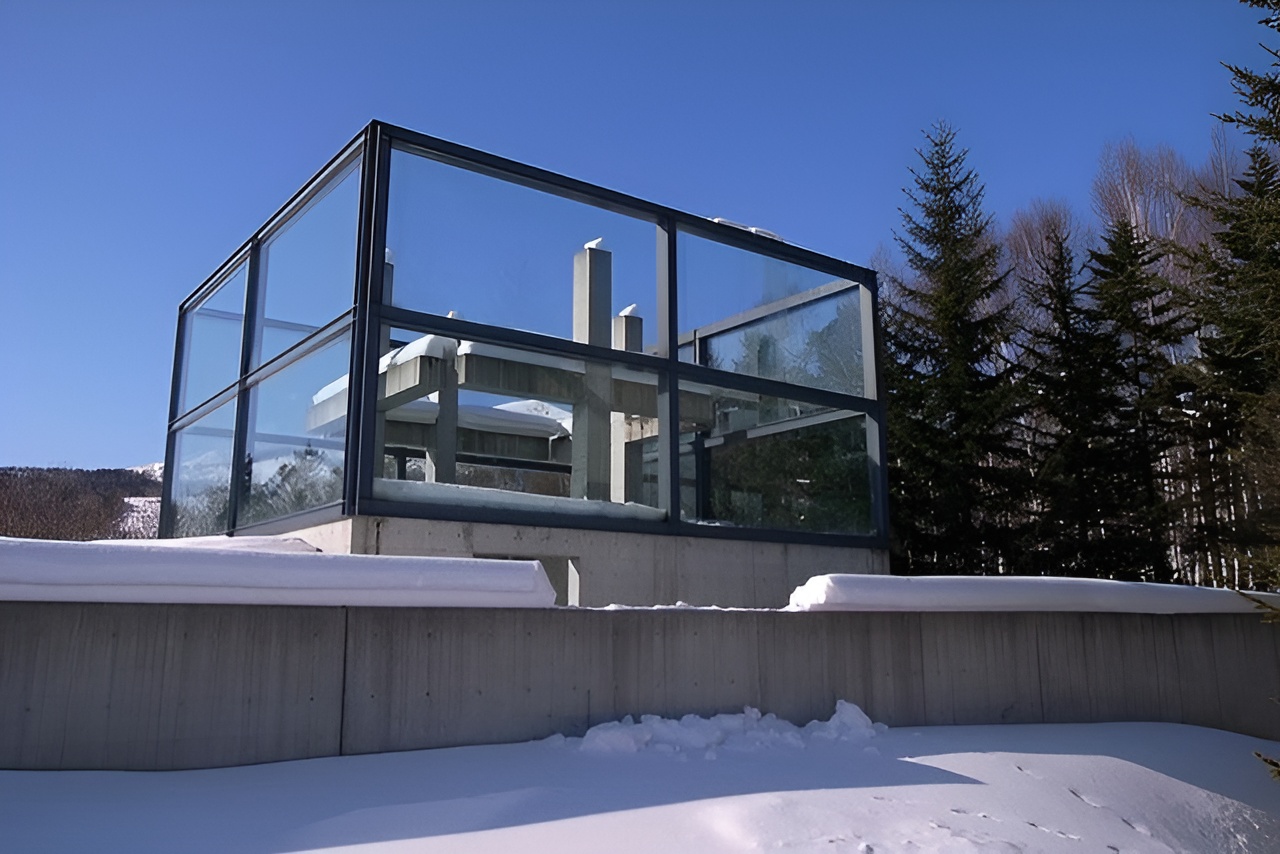
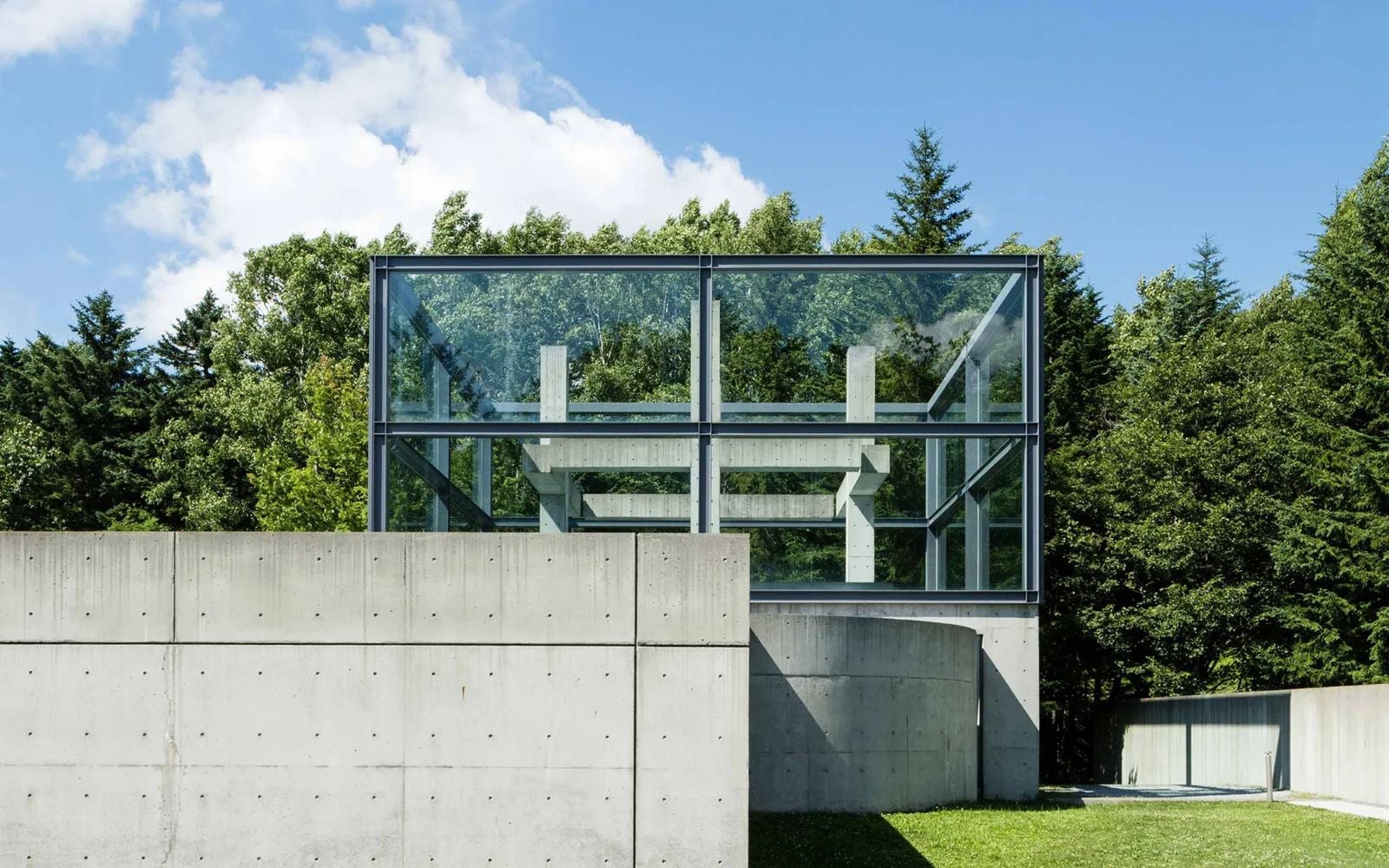
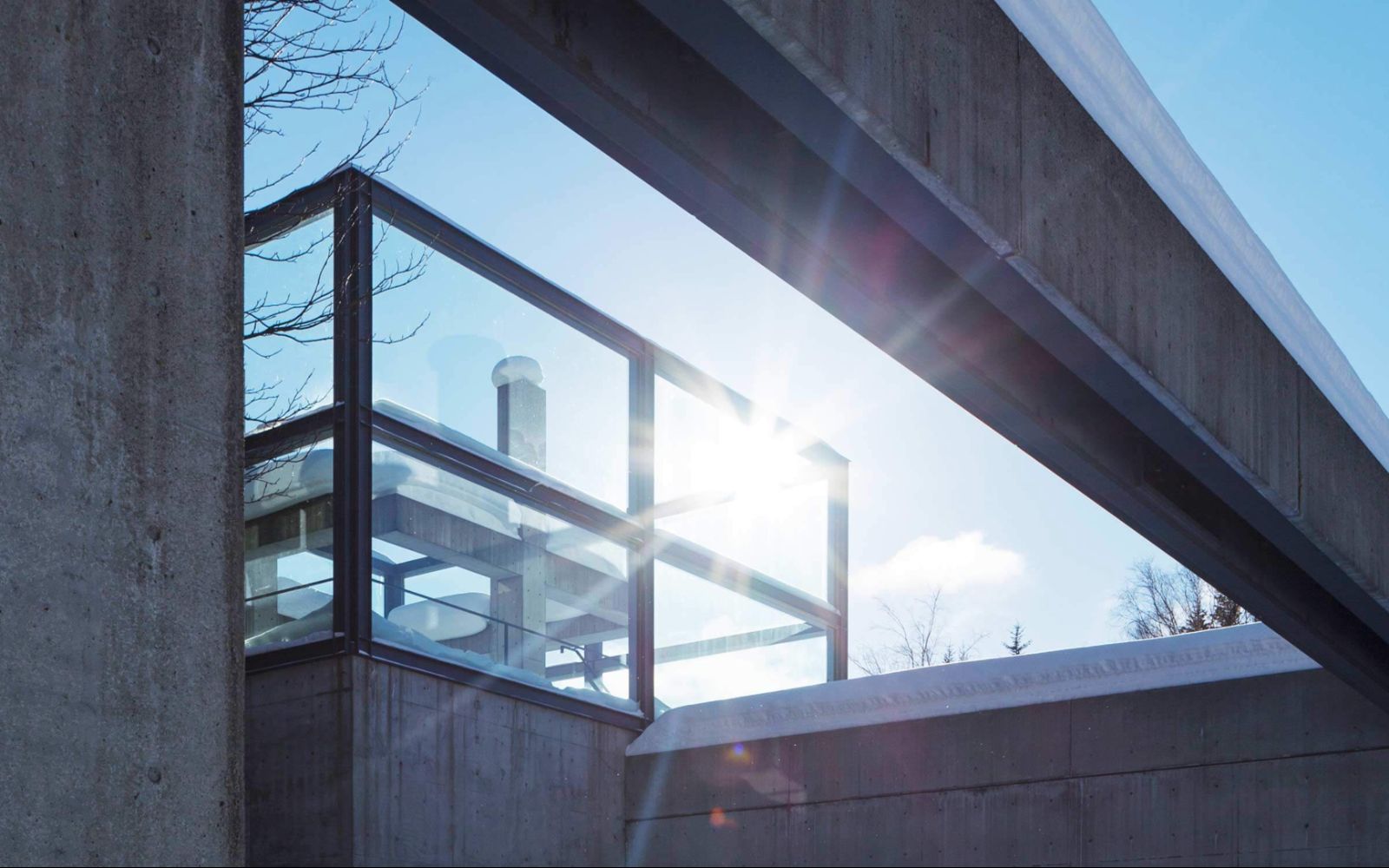
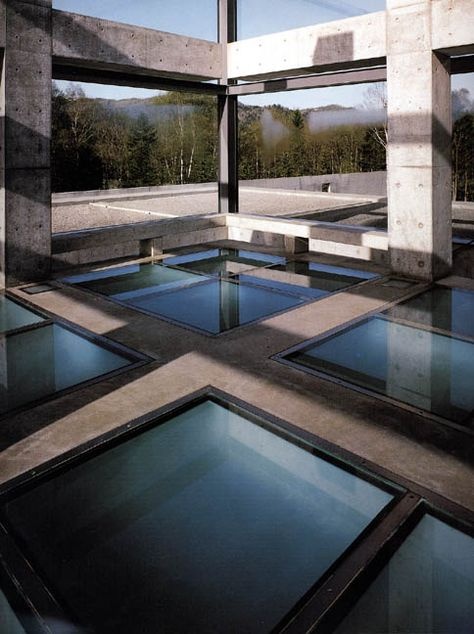
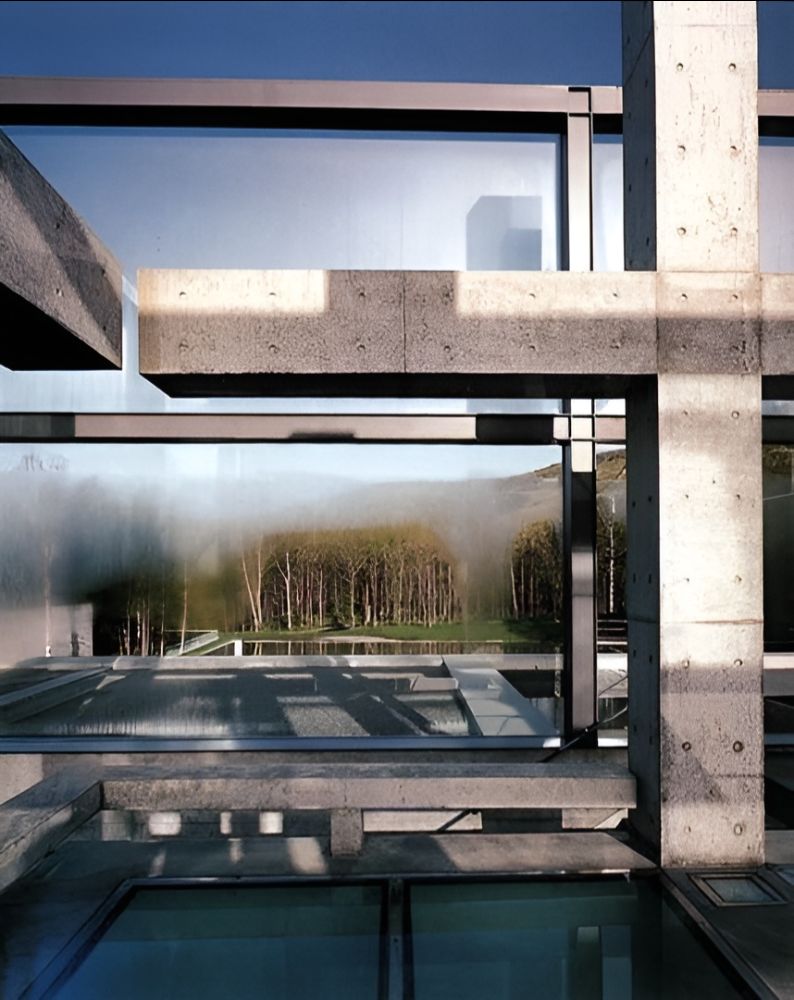
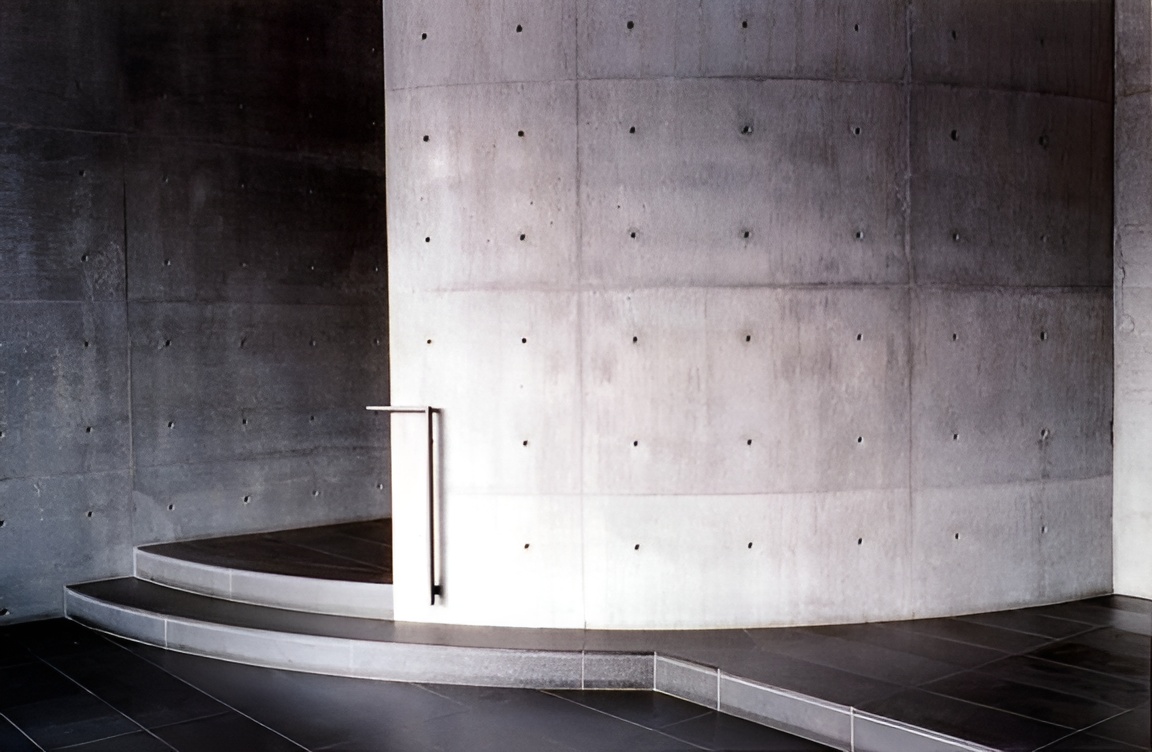
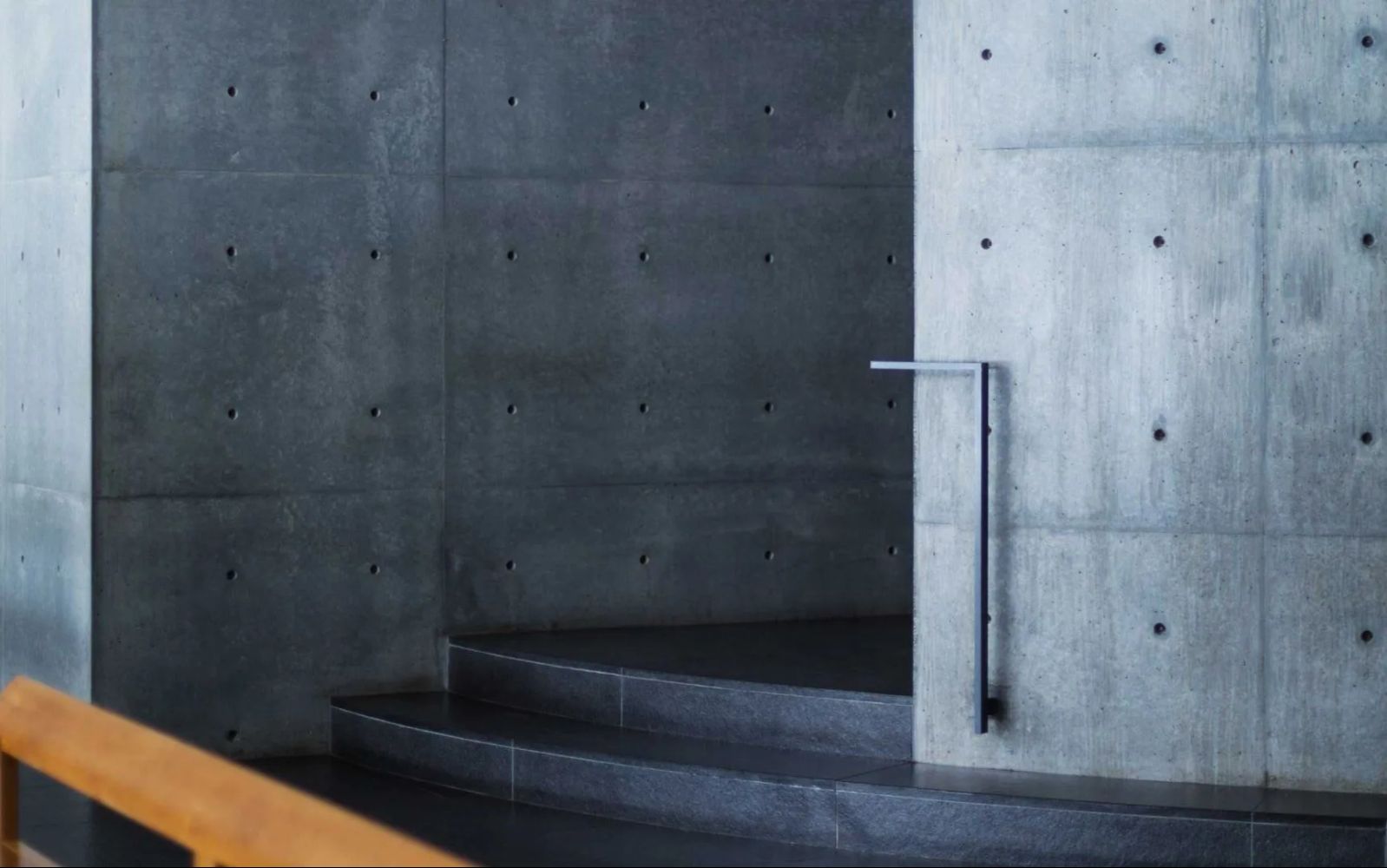
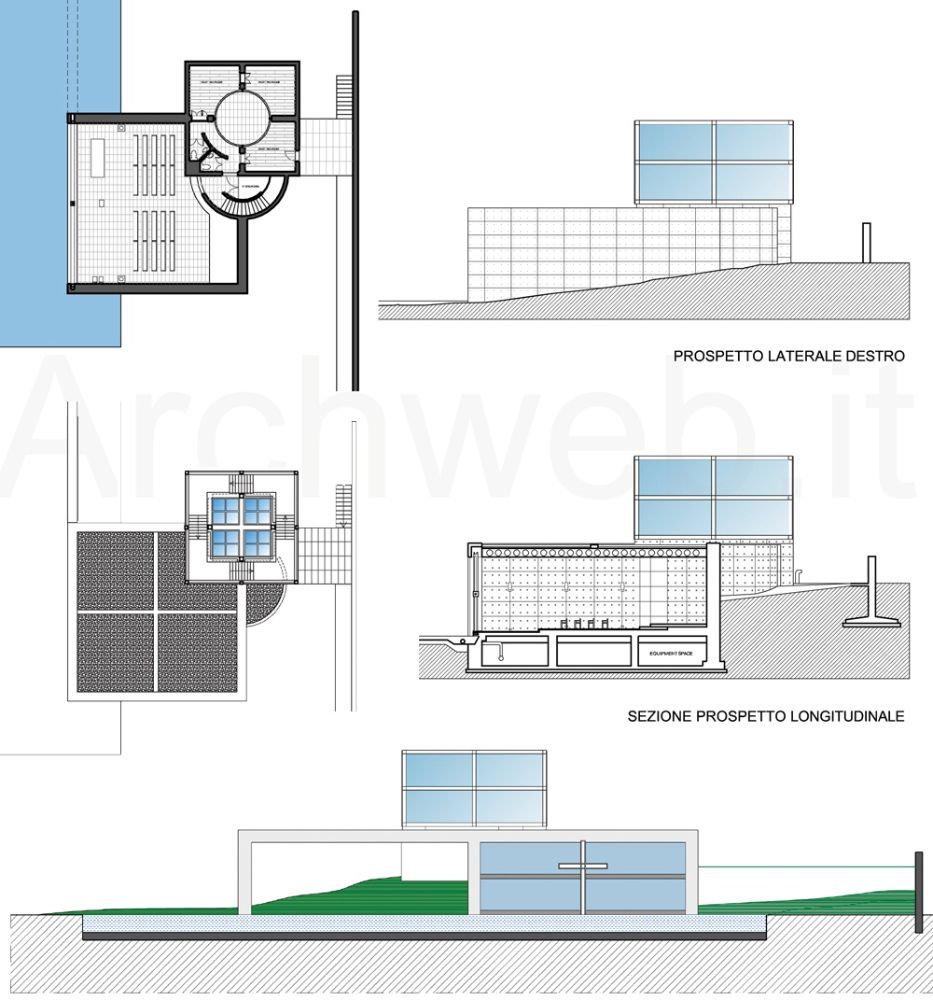
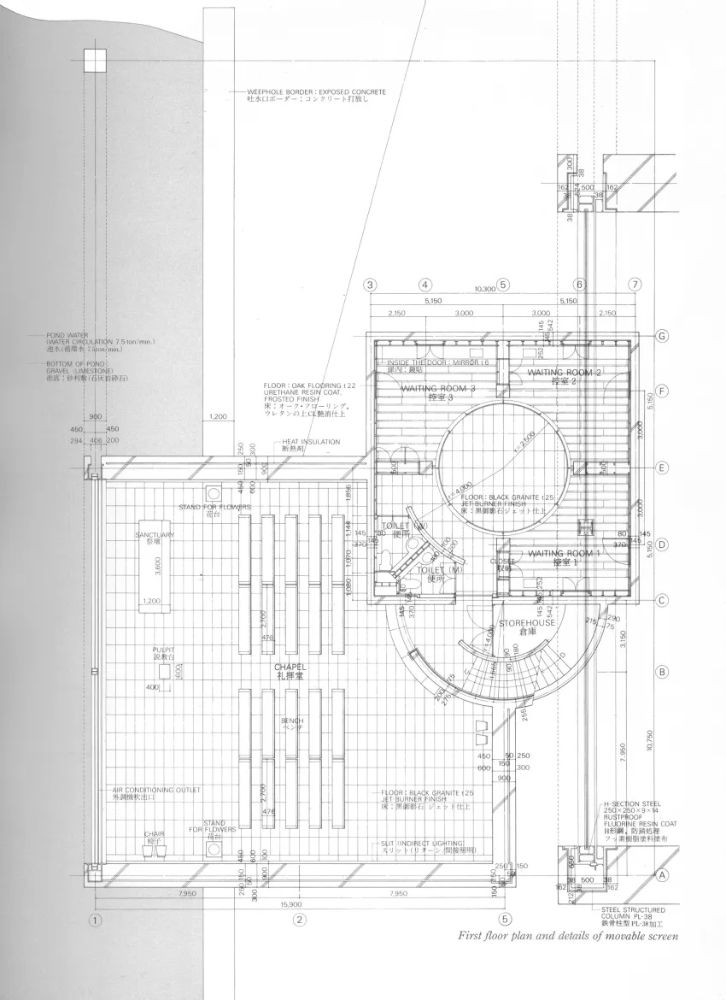
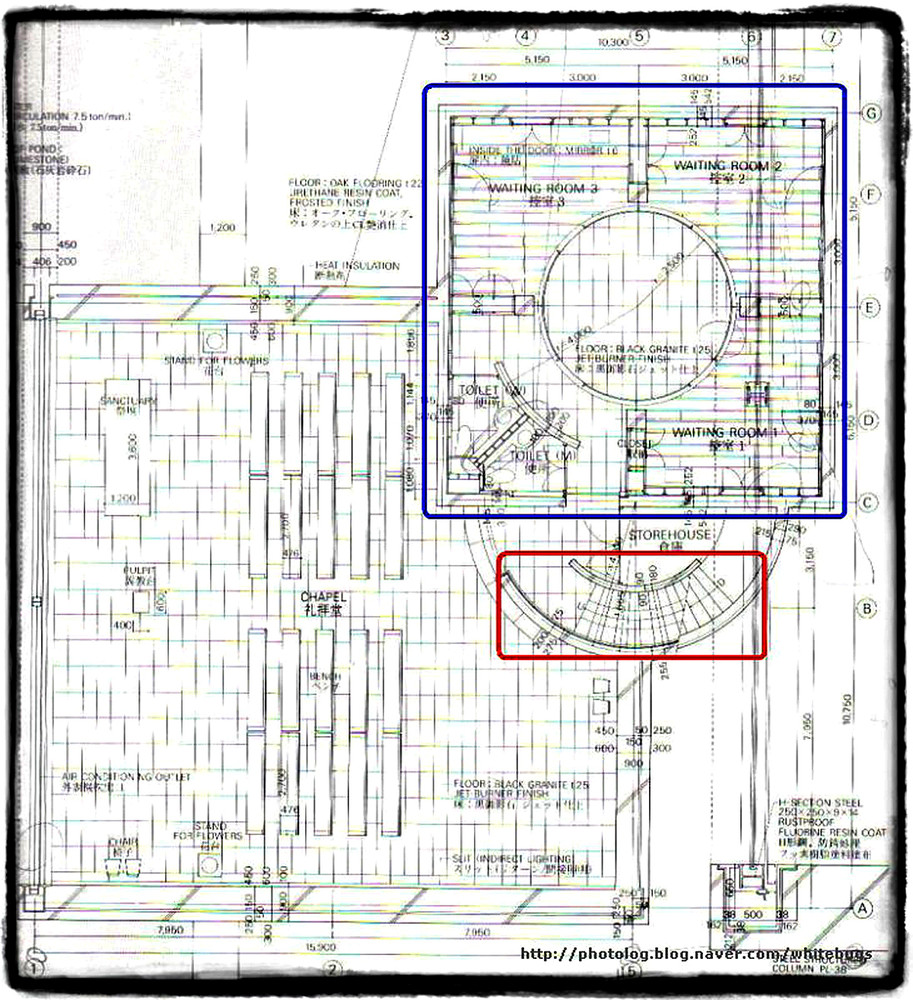
The architecture develops through two overlapping volumes. A smaller entrance cube, enclosed in glass and steel, contains four concrete crosses that establish orientation and vertical emphasis. The sequence continues along a controlled path before descending through a spiral stair into the main chapel, reinforcing a transition from light to shadow and from exterior movement to interior stillness.
Church on the Water / Tadao Ando Architect & Associates | Classics on Architecture Lab 127Church on the Water / Tadao Ando Architect & Associates | Classics on Architecture Lab 128Church on the Water / Tadao Ando Architect & Associates | Classics on Architecture Lab 129Church on the Water / Tadao Ando Architect & Associates | Classics on Architecture Lab 130Church on the Water / Tadao Ando Architect & Associates | Classics on Architecture Lab 131Church on the Water / Tadao Ando Architect & Associates | Classics on Architecture Lab 132Church on the Water / Tadao Ando Architect & Associates | Classics on Architecture Lab 133Church on the Water / Tadao Ando Architect & Associates | Classics on Architecture Lab 134
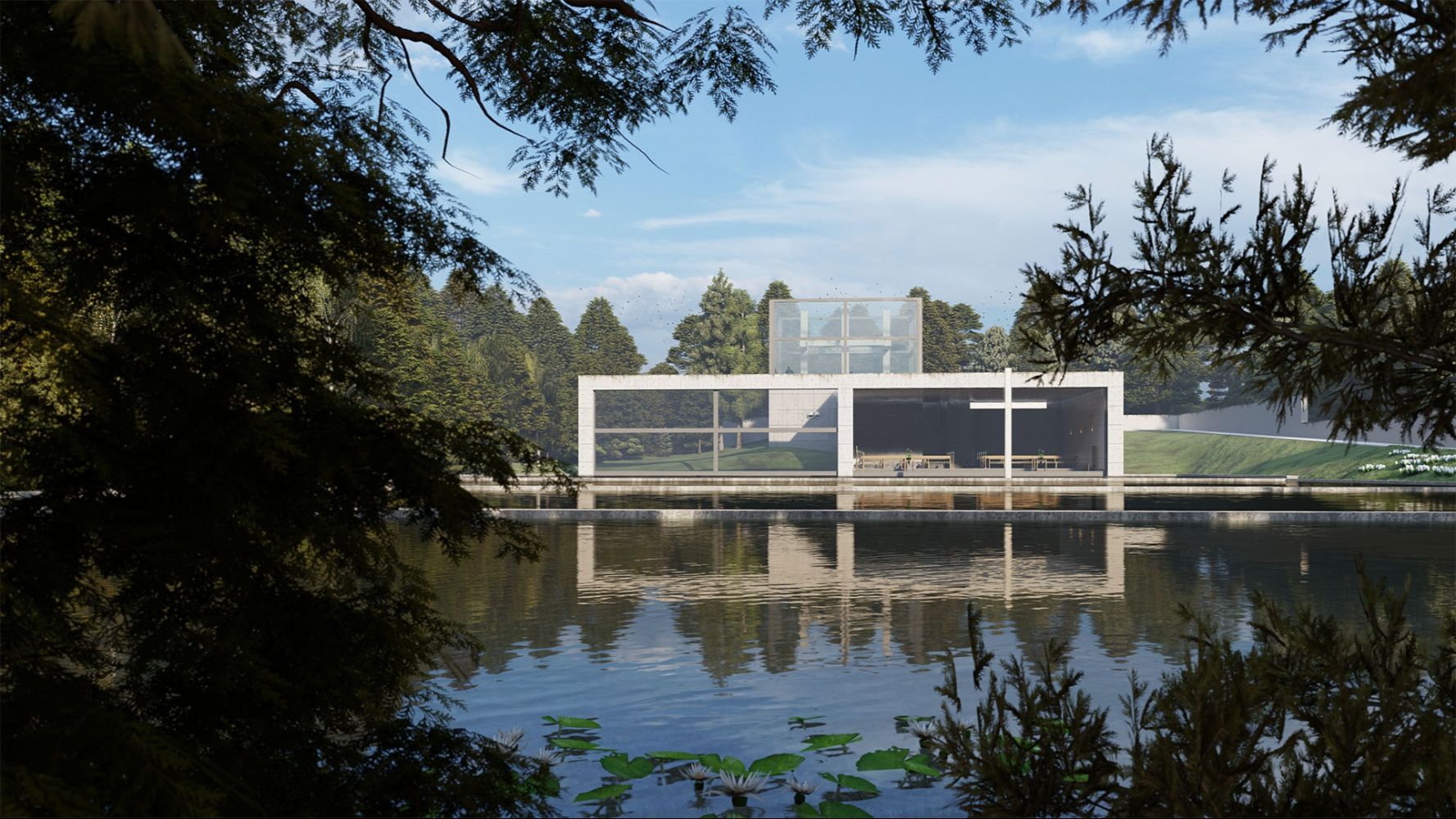
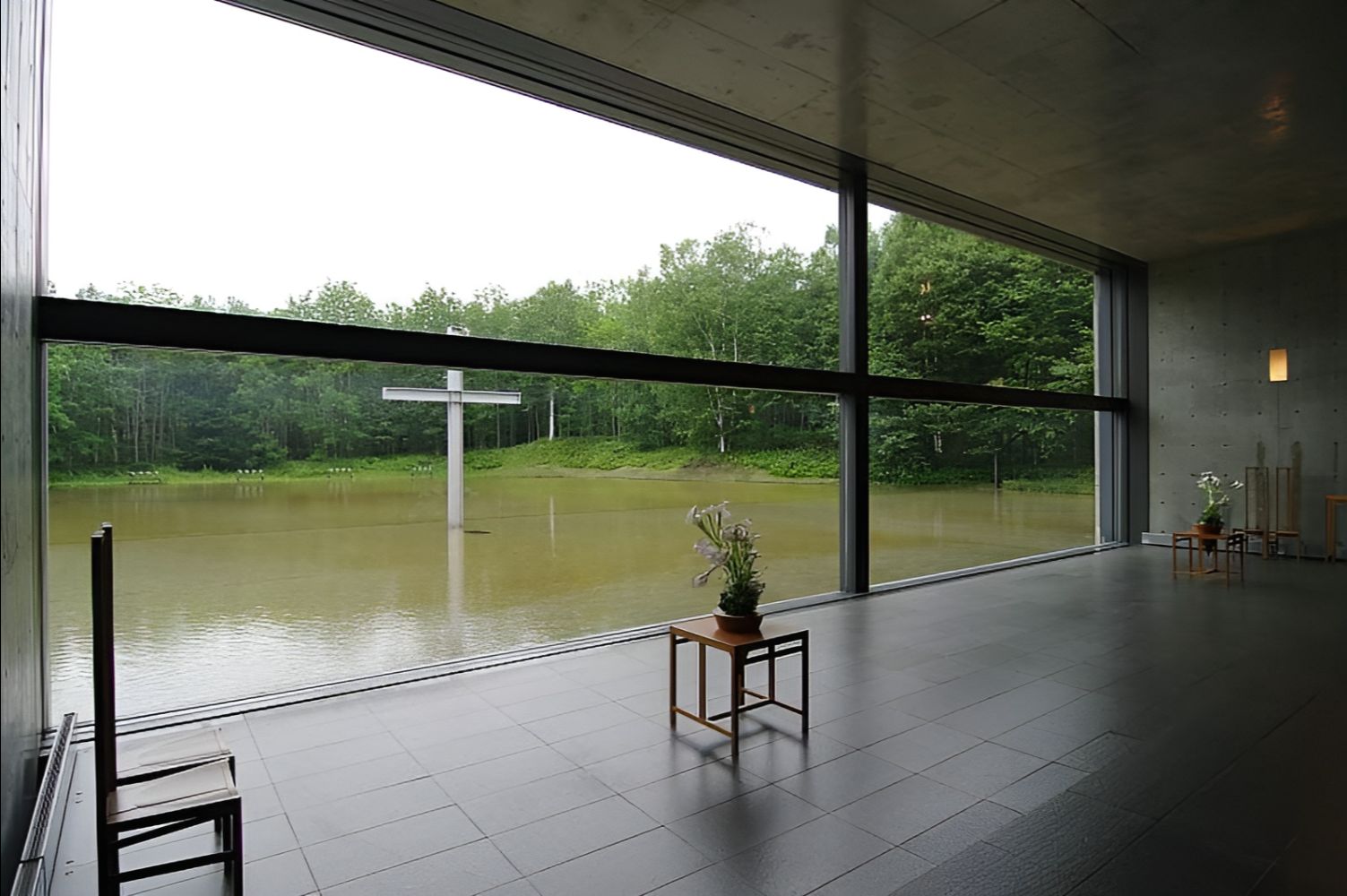
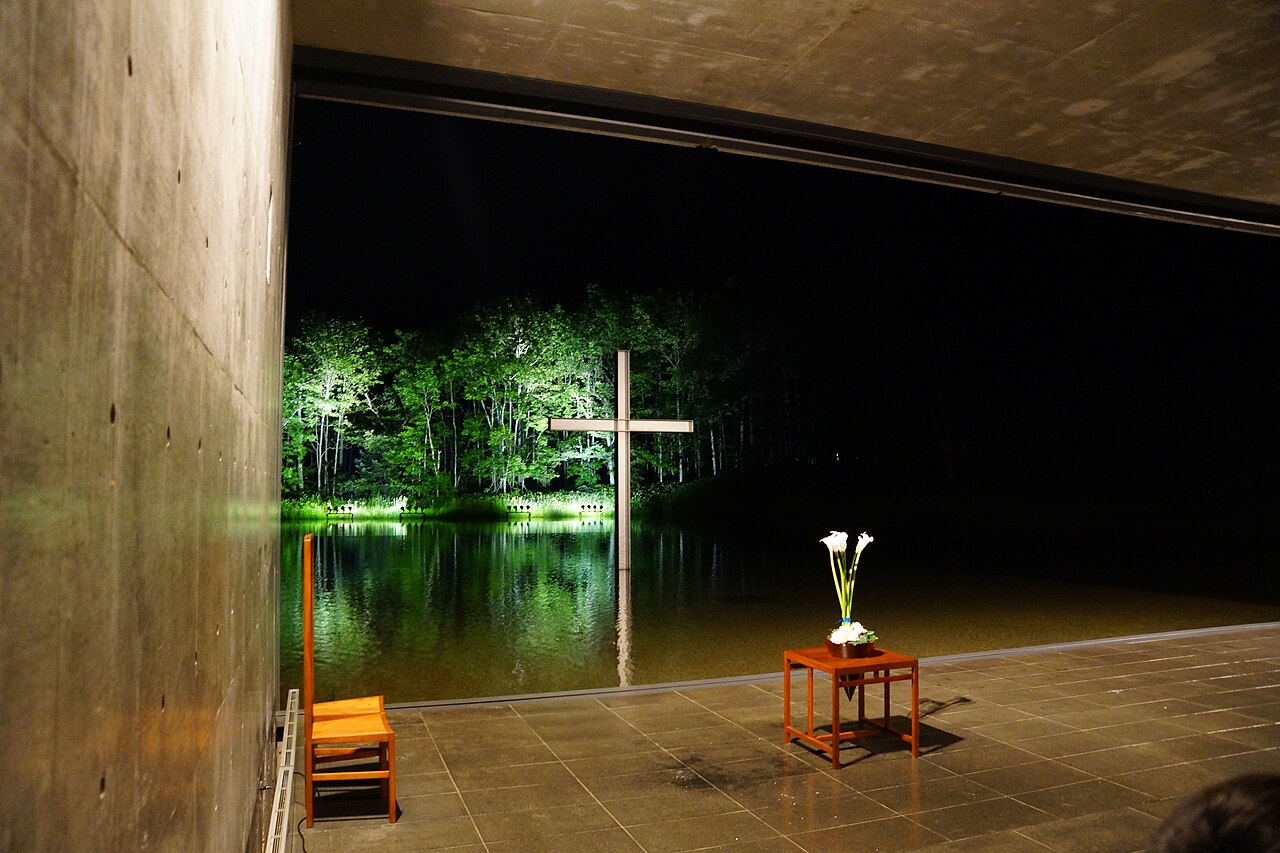
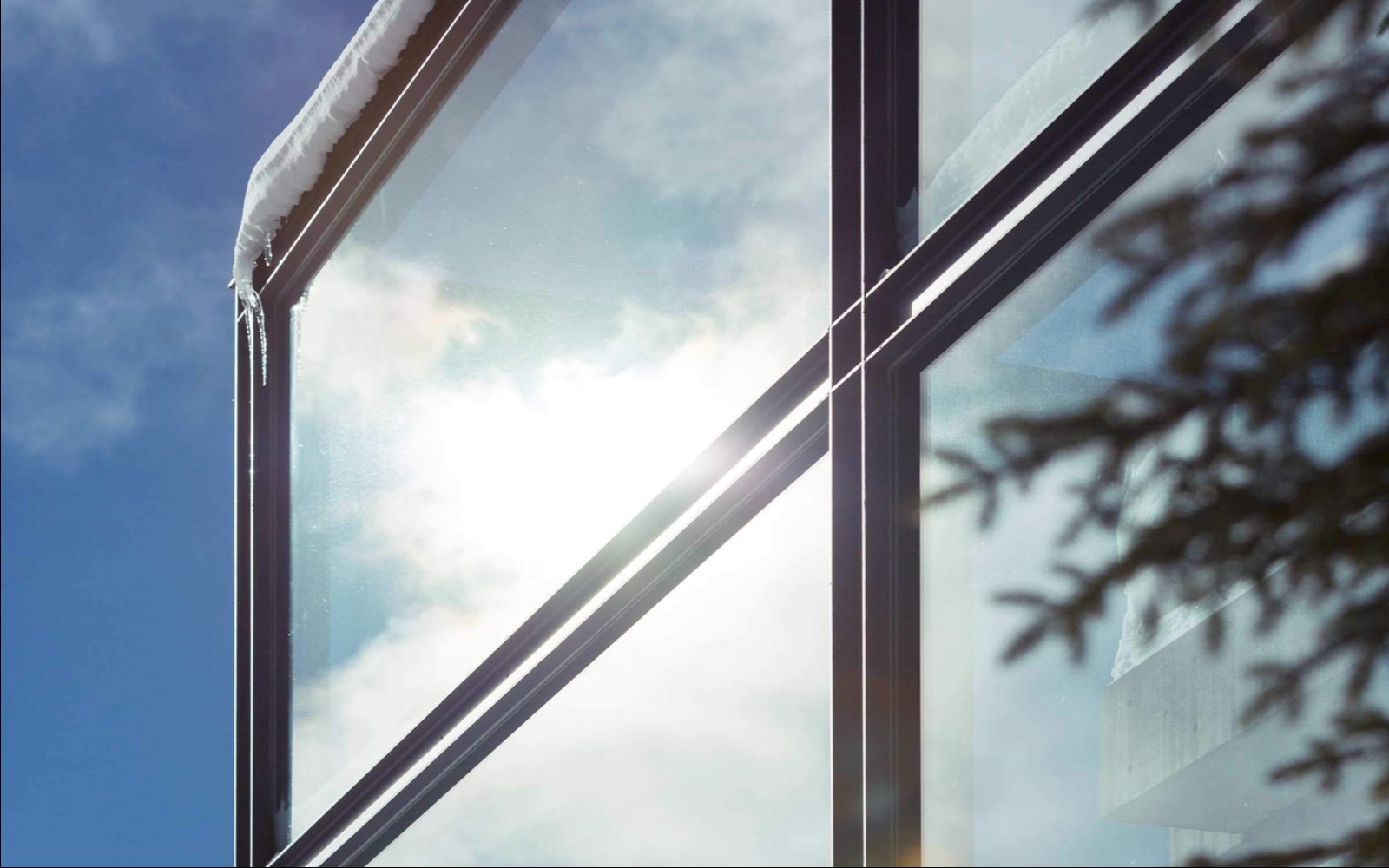
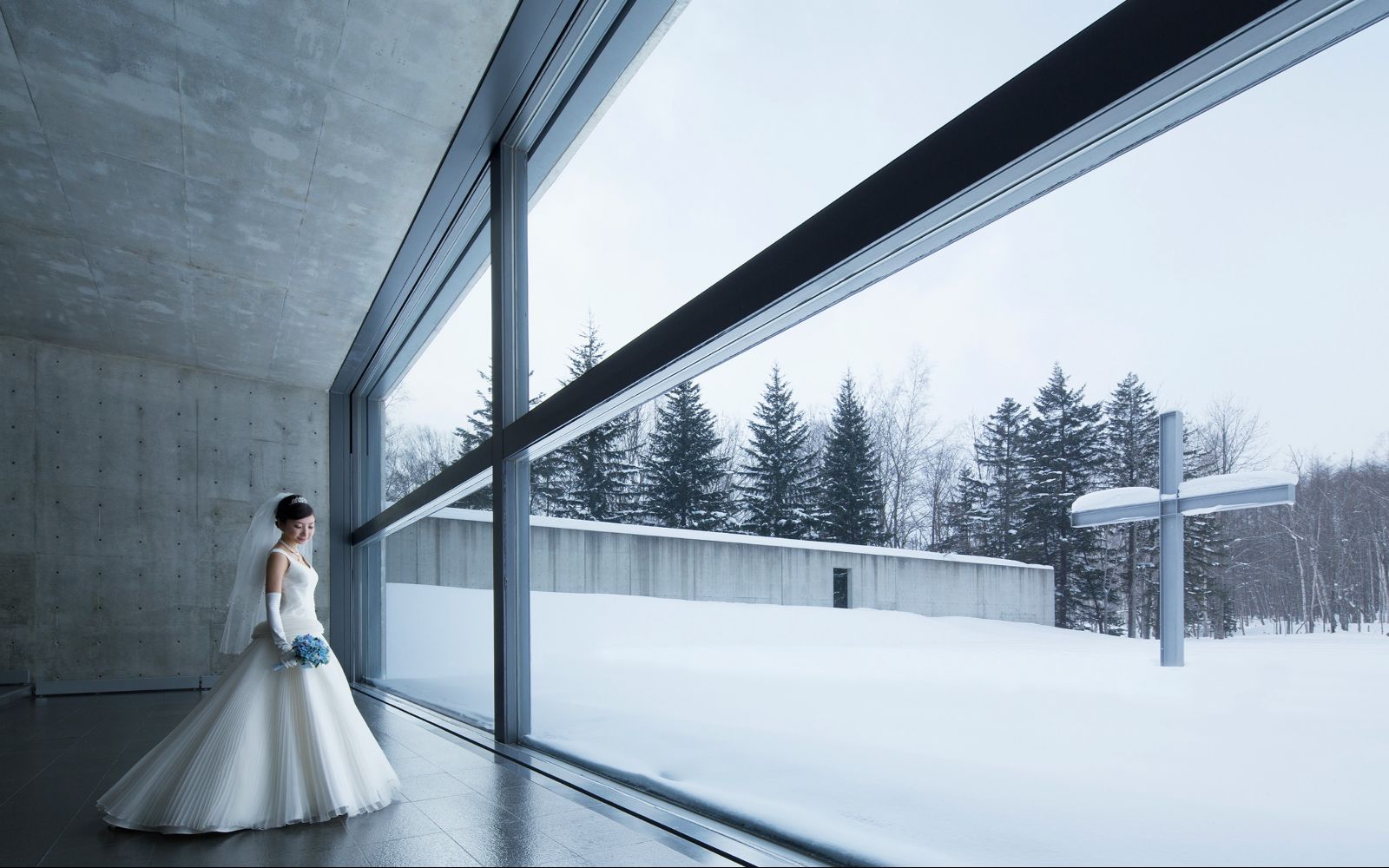
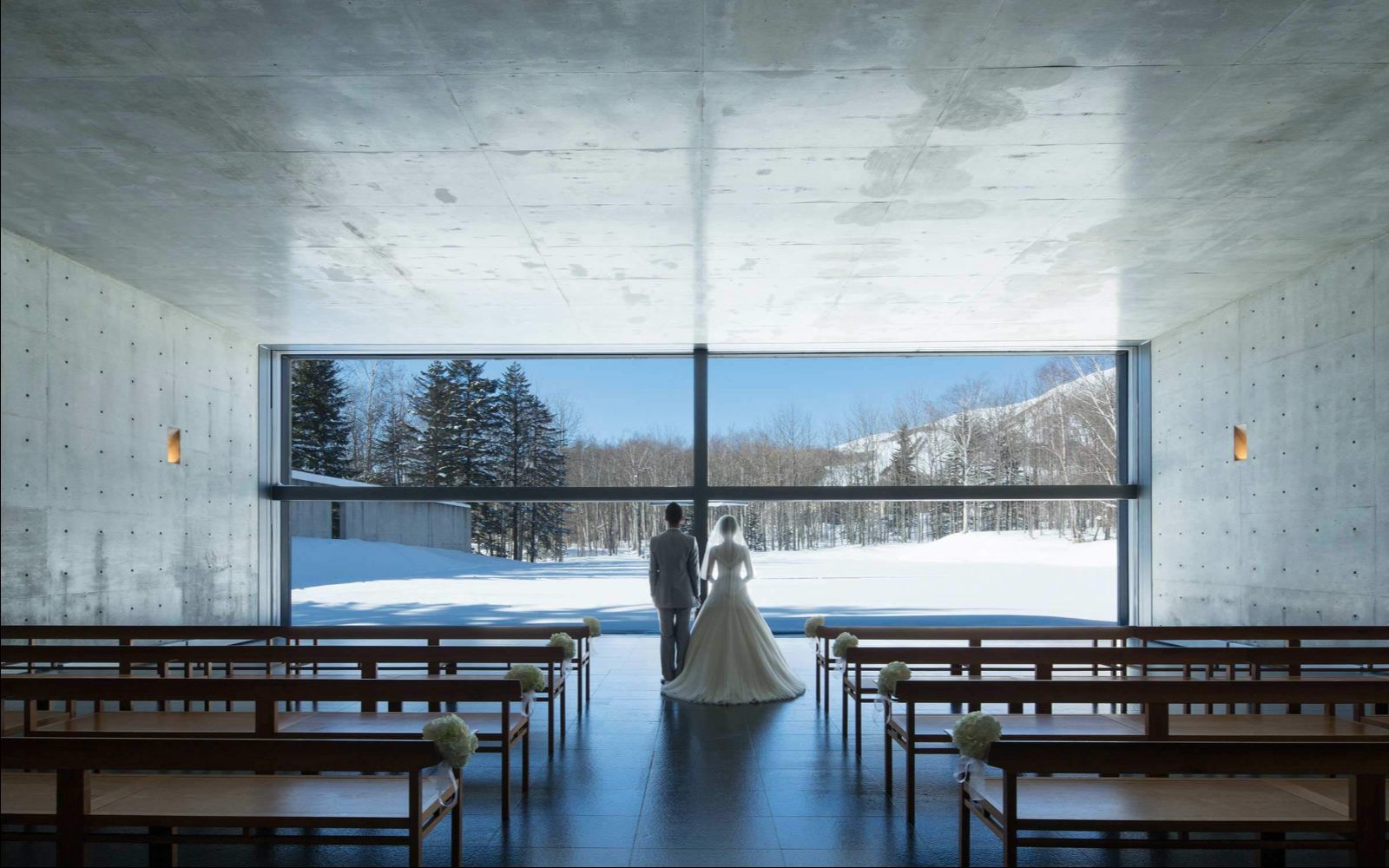
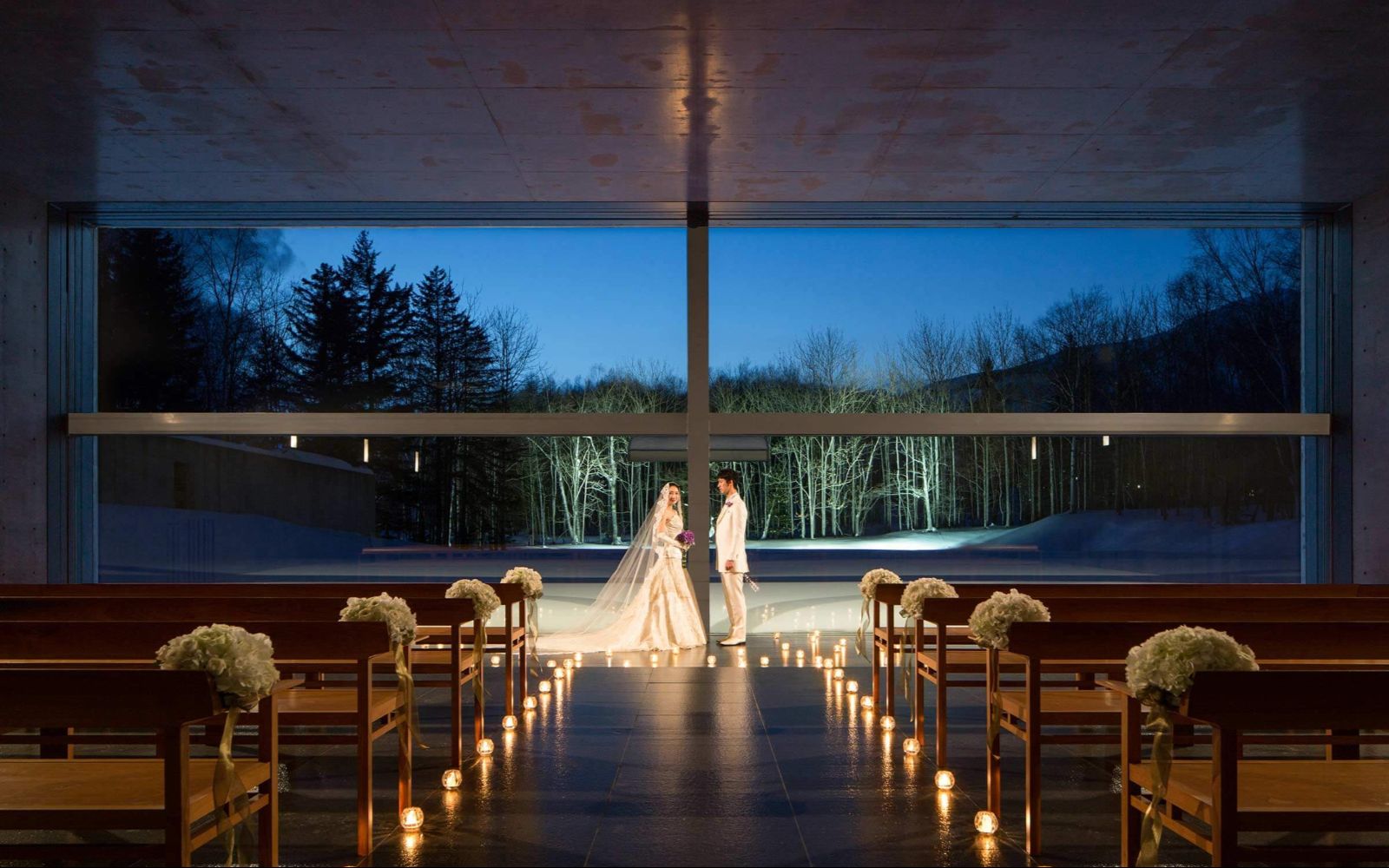
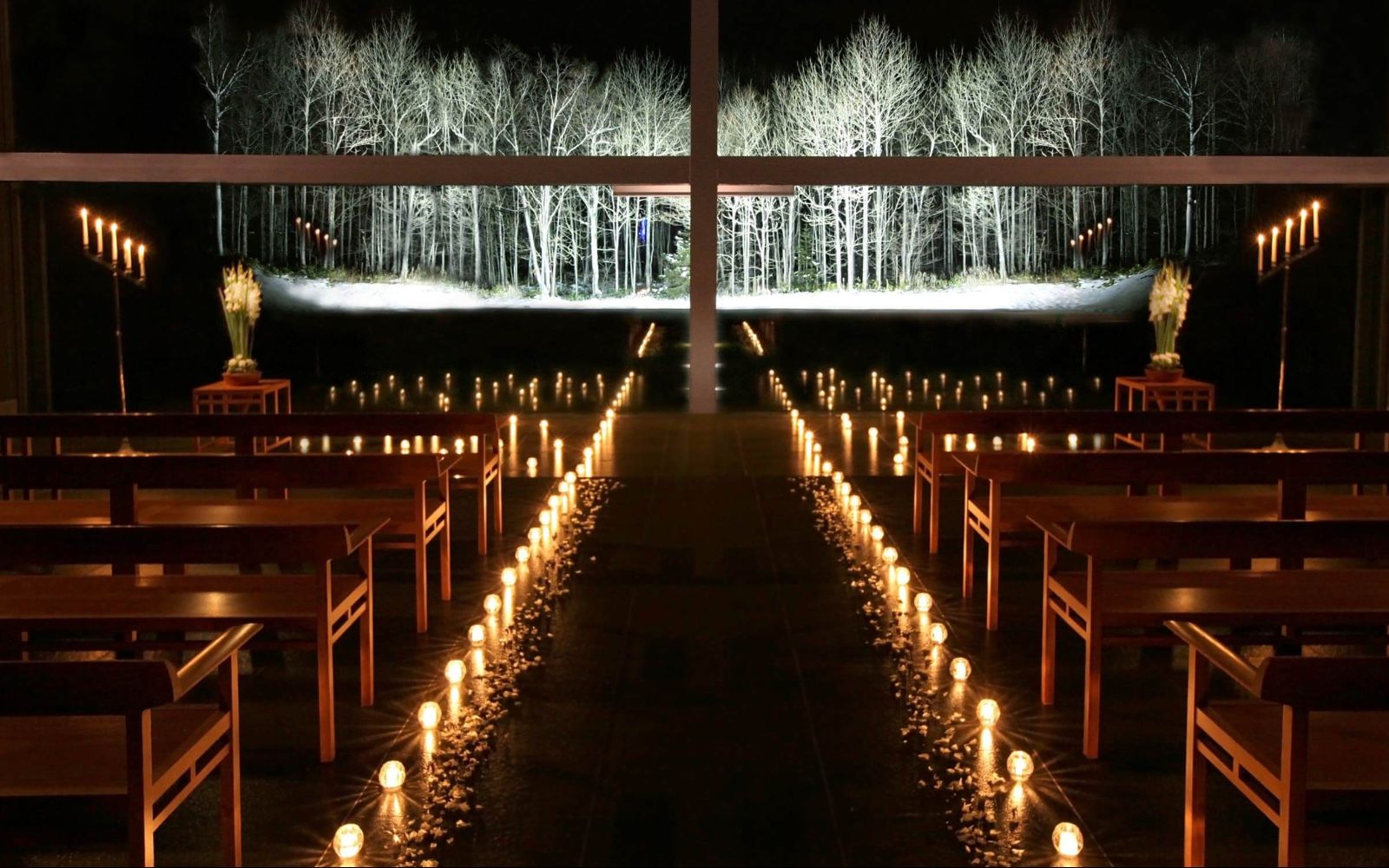
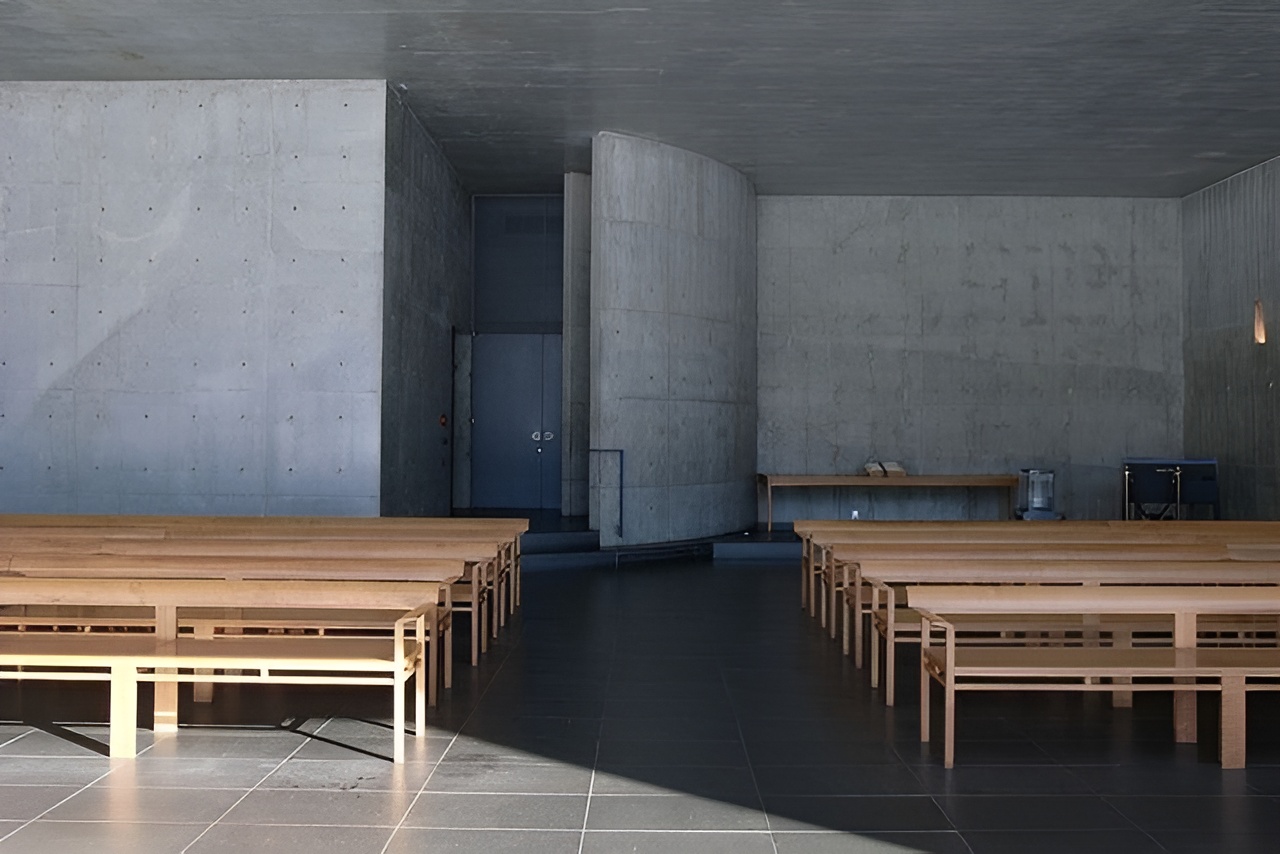
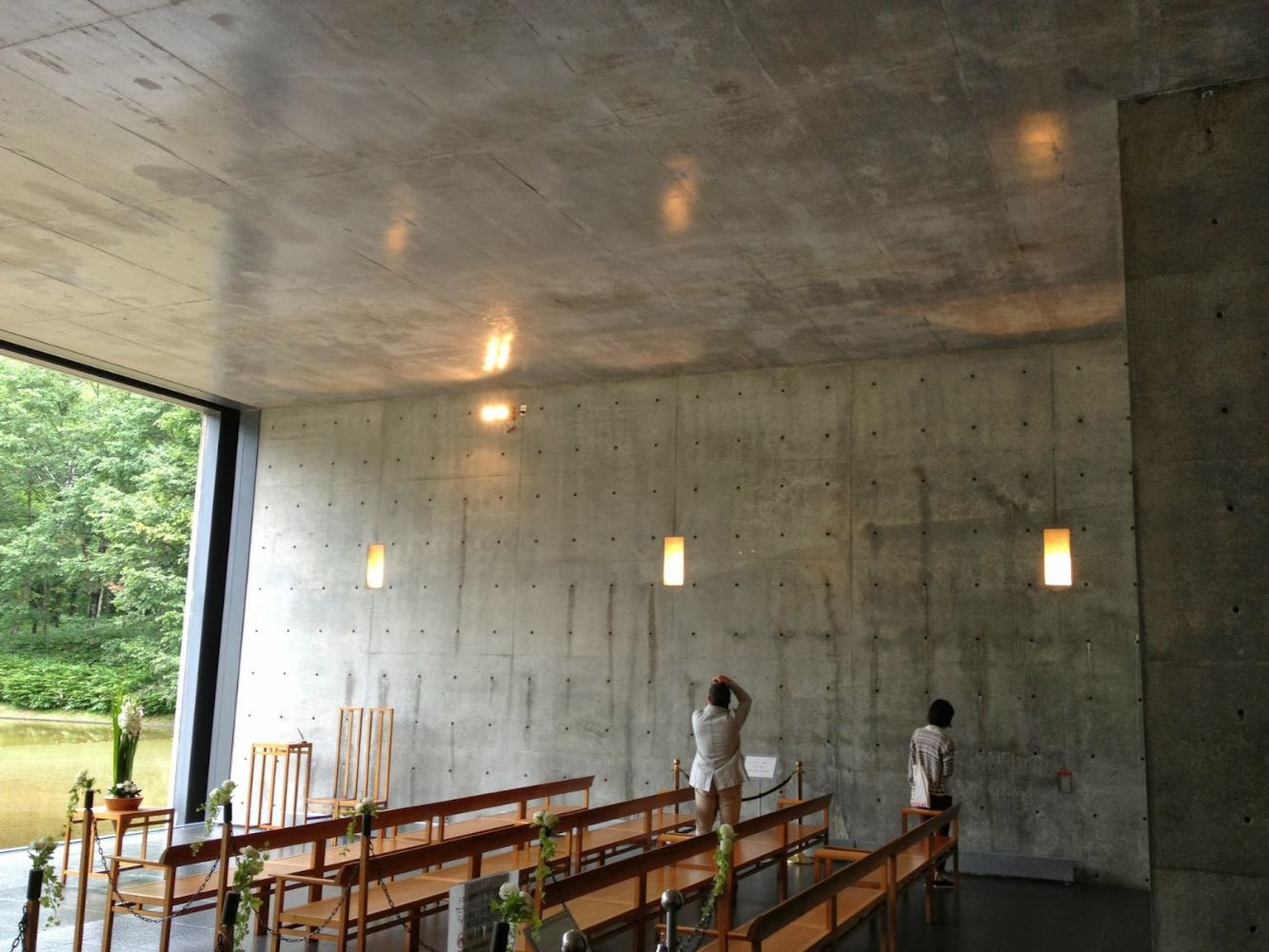
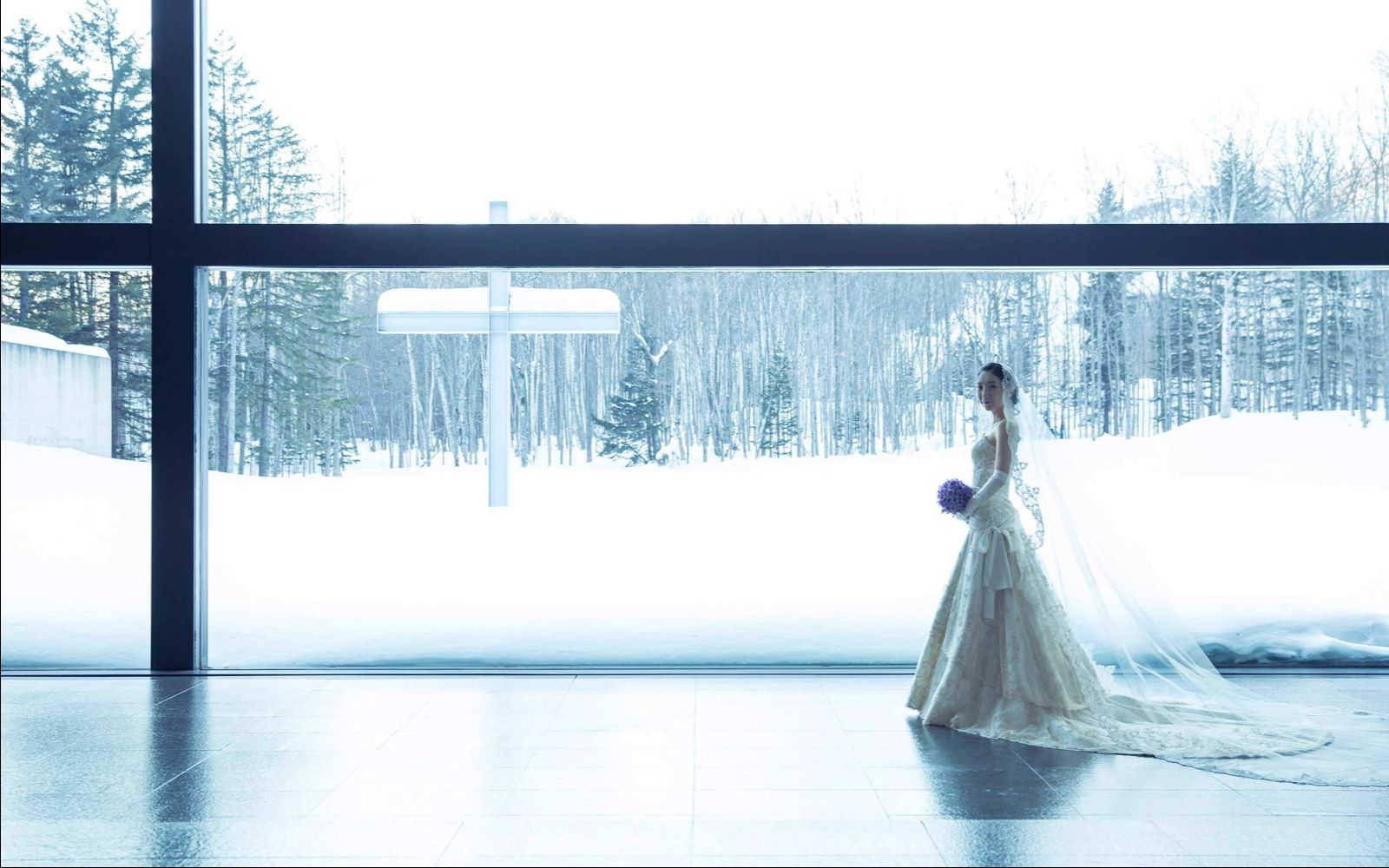
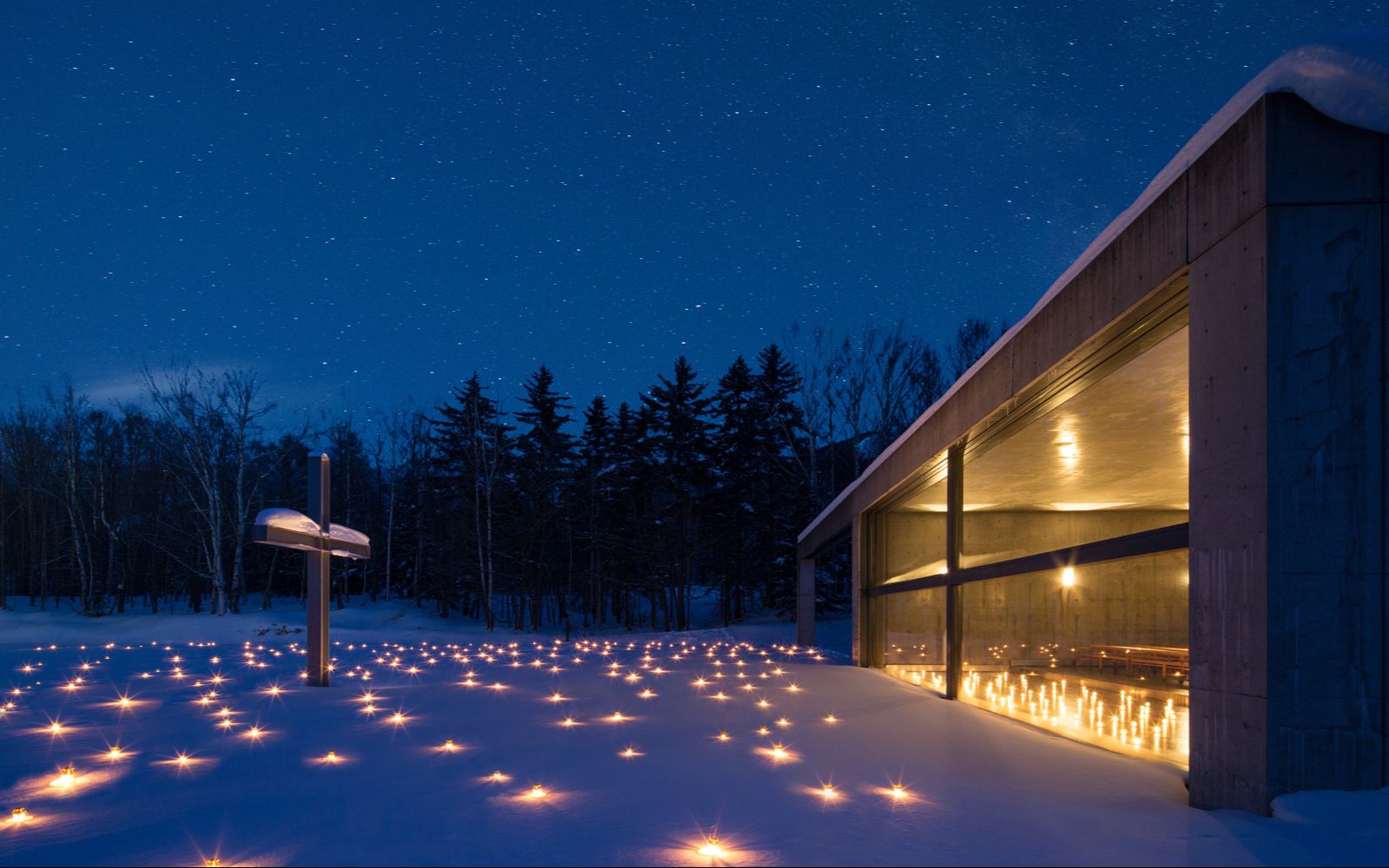
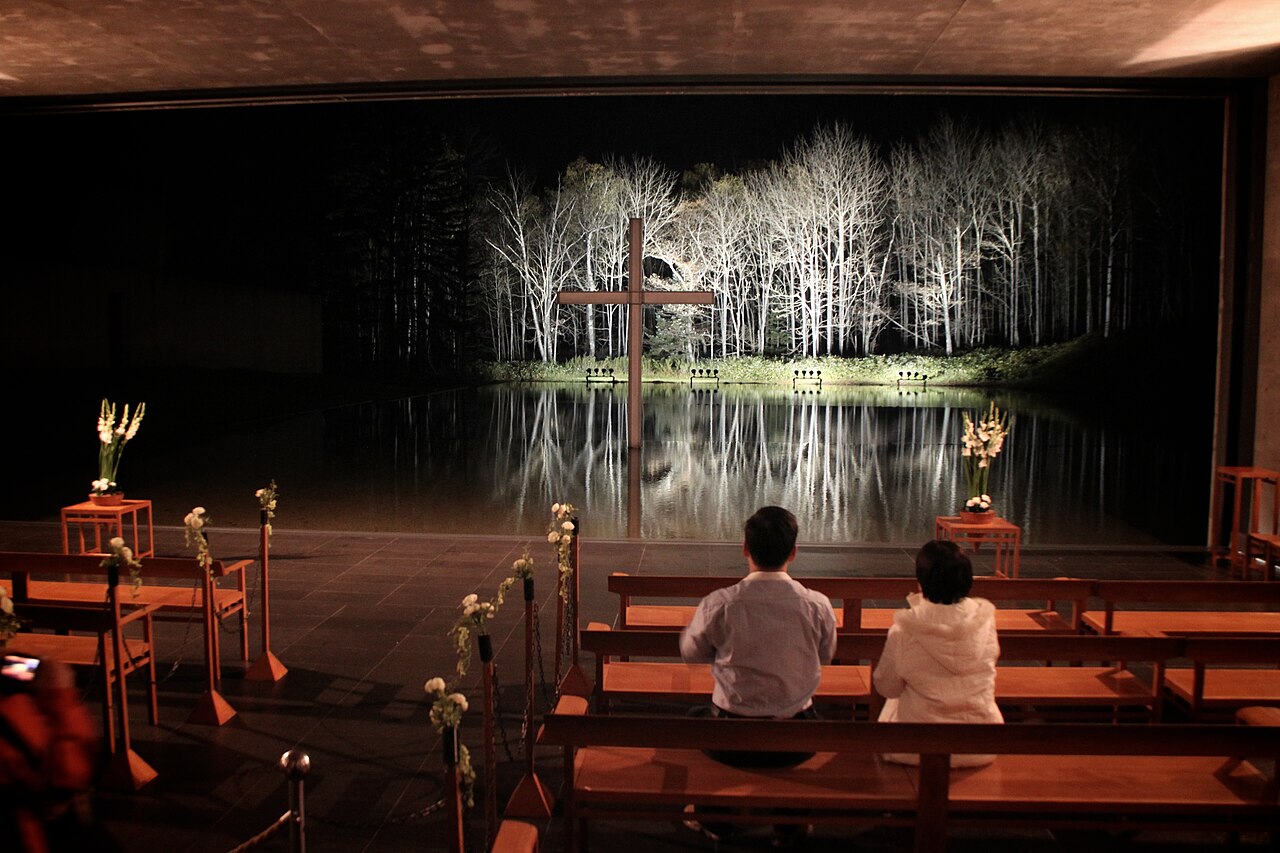
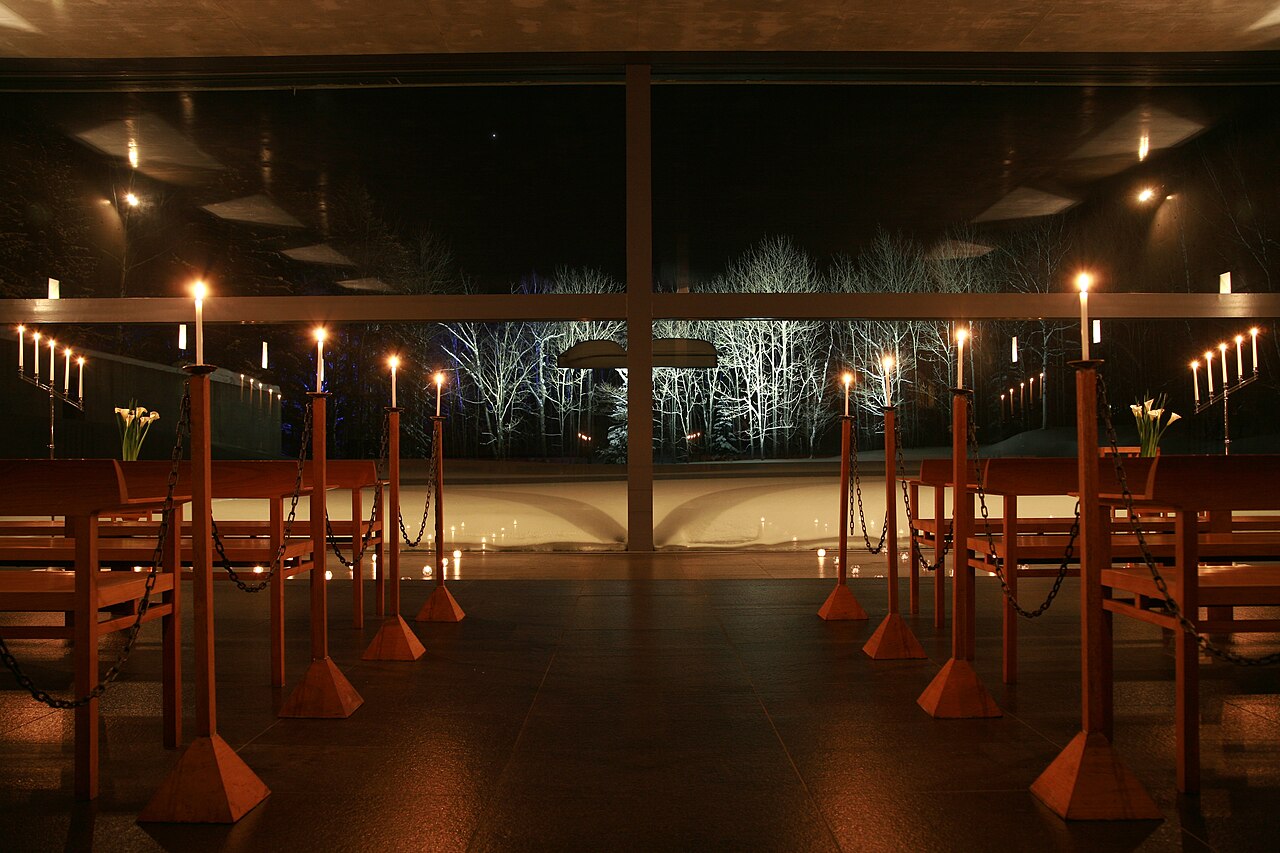
The primary worship space is defined as a rectangular concrete volume facing the pond. Three enclosing walls remain solid, while the fourth façade consists of a full-height operable glass wall. This opening frames the water, trees, and seasonal landscape as an active backdrop to the altar. During ceremonies, the glass façade is opened, dissolving the boundary between interior and exterior and extending the sanctuary into the landscape.
Church on the Water / Tadao Ando Architect & Associates | Classics on Architecture Lab 135Church on the Water / Tadao Ando Architect & Associates | Classics on Architecture Lab 136Church on the Water / Tadao Ando Architect & Associates | Classics on Architecture Lab 137
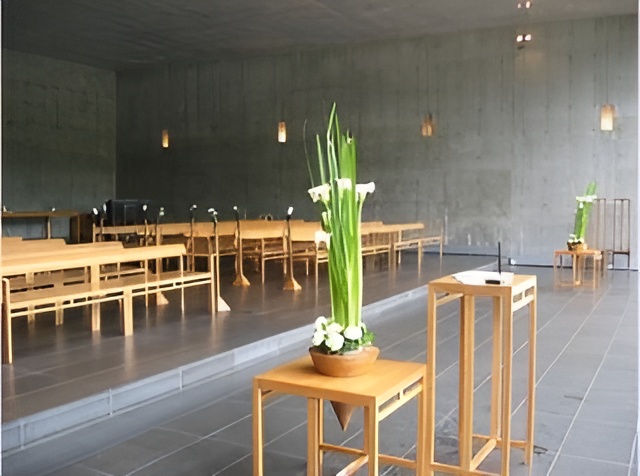
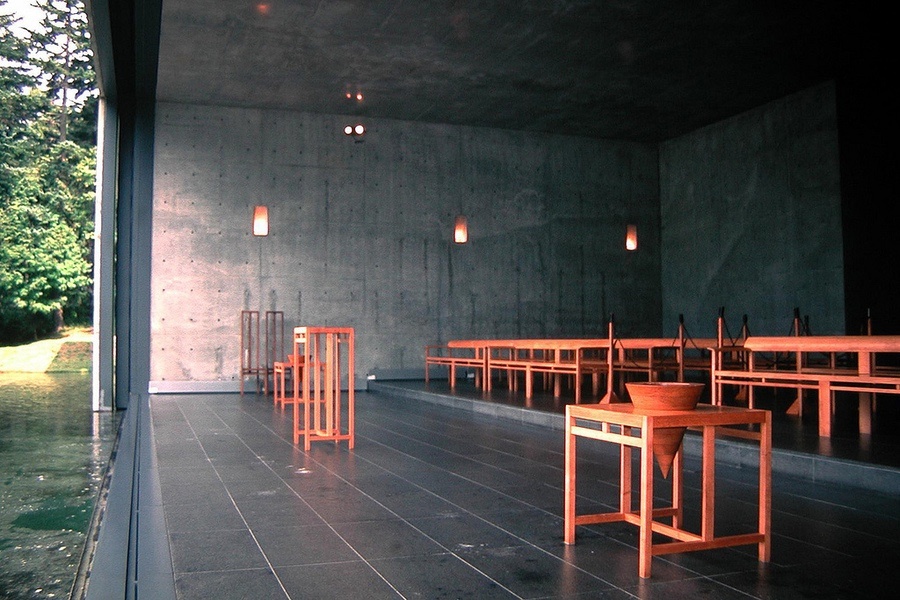
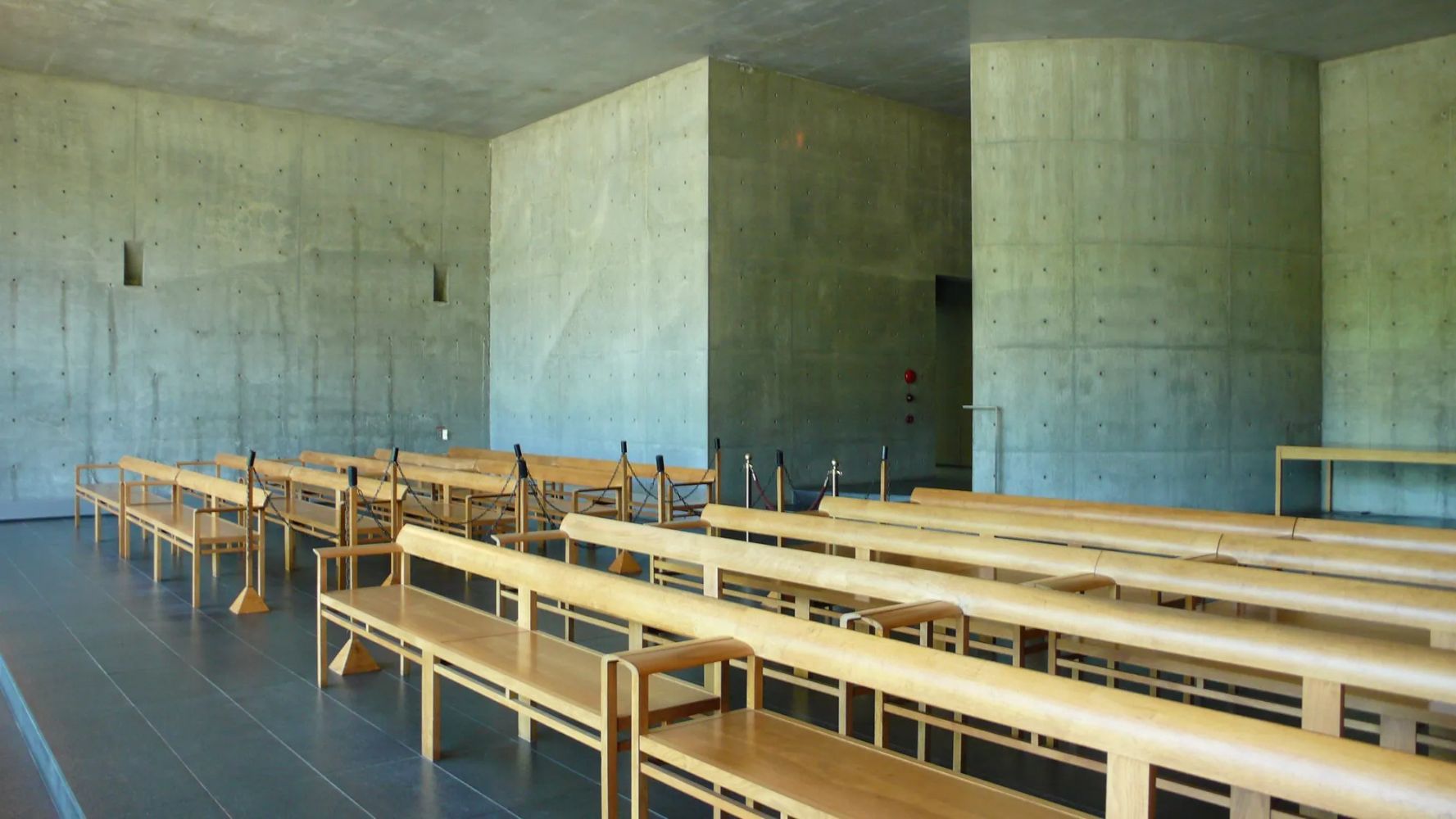
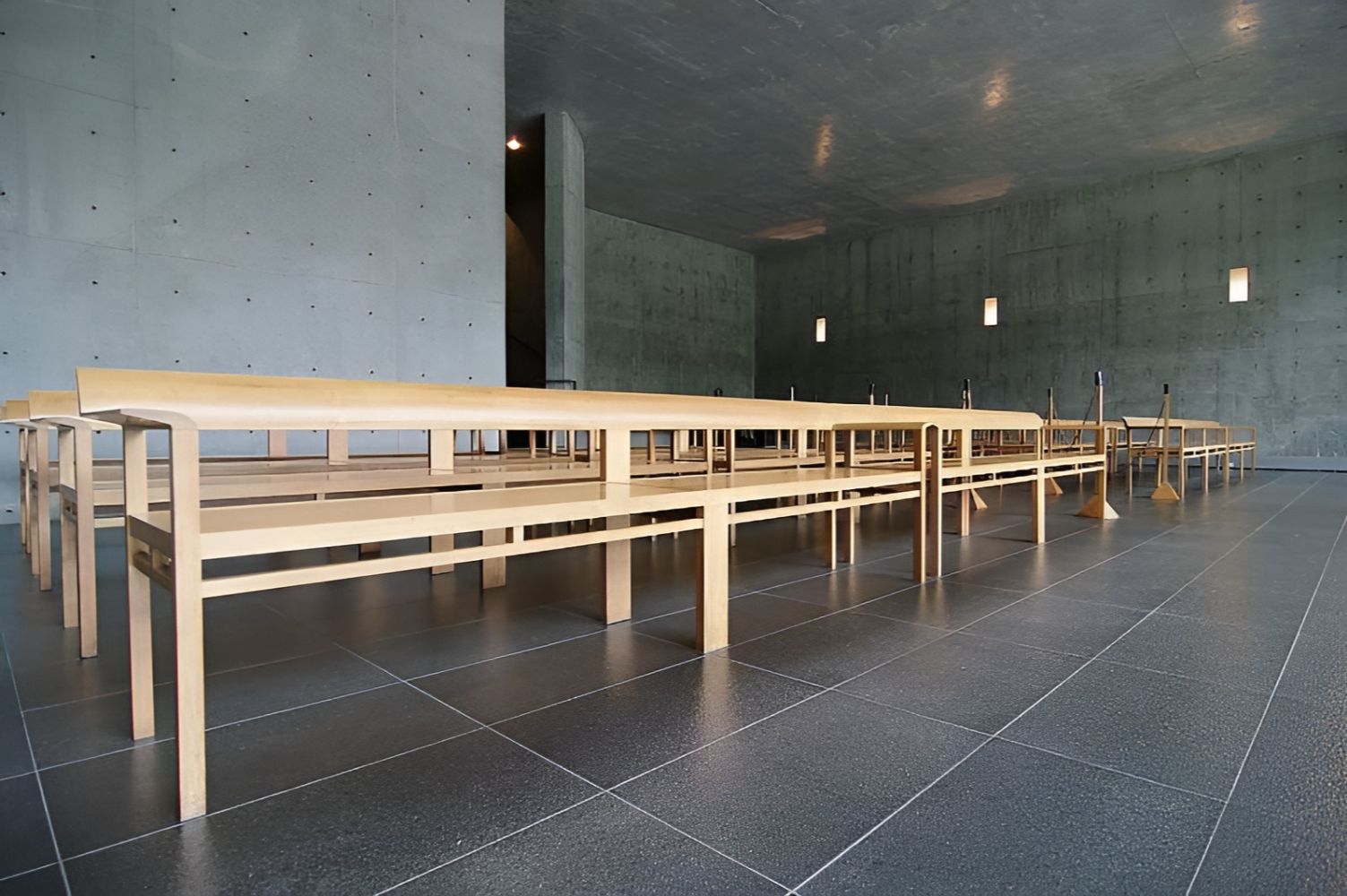
The interior organization emphasizes horizontal continuity and visual alignment. The altar is positioned lower than the entry level, reinforcing a spatial extension toward the horizon. This gesture departs from traditional raised sanctuaries and instead establishes a direct relationship between the individual, the water, and the surrounding environment.
Church on the Water / Tadao Ando Architect & Associates | Classics on Architecture Lab 138Church on the Water / Tadao Ando Architect & Associates | Classics on Architecture Lab 139Church on the Water / Tadao Ando Architect & Associates | Classics on Architecture Lab 140Church on the Water / Tadao Ando Architect & Associates | Classics on Architecture Lab 141
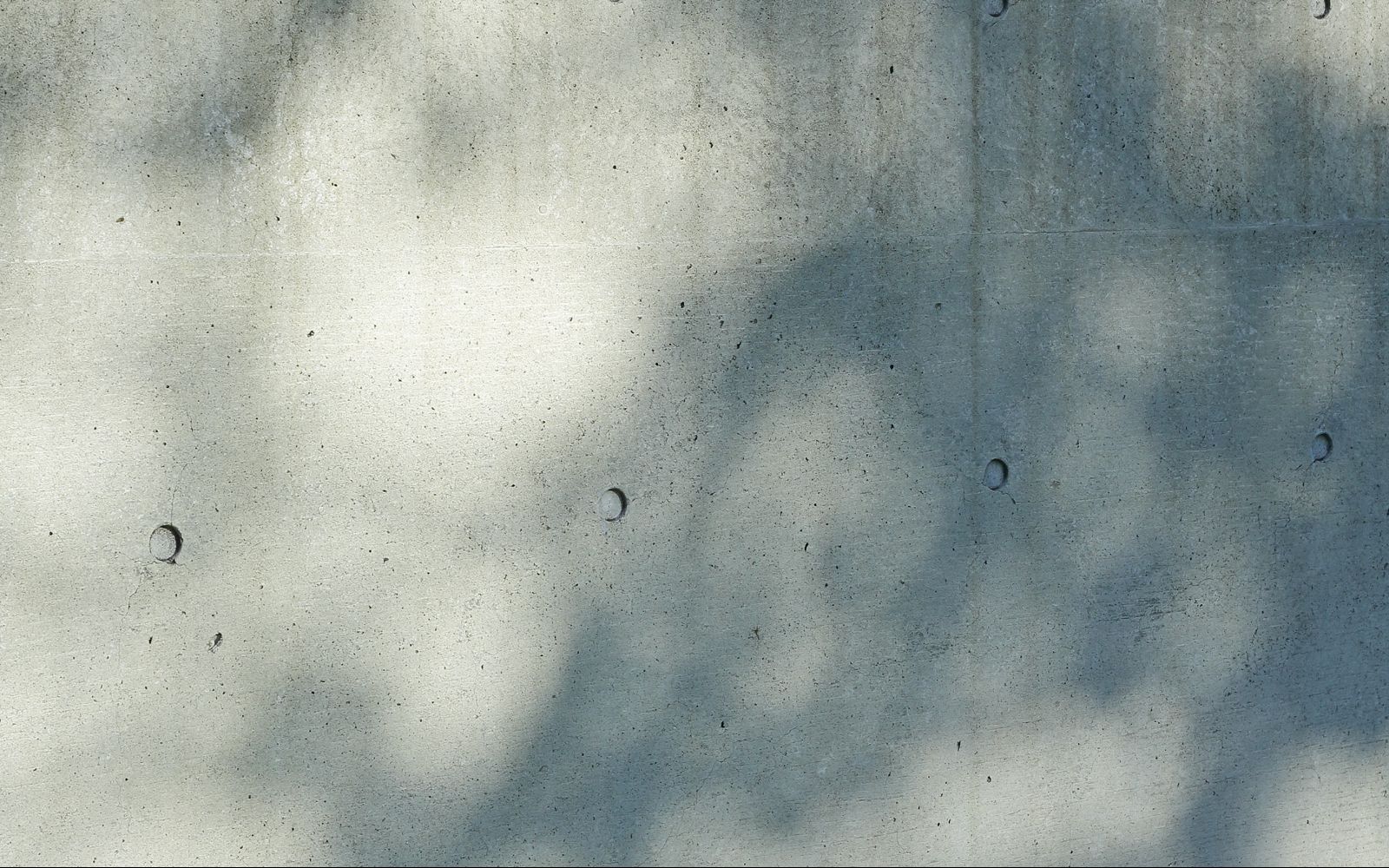
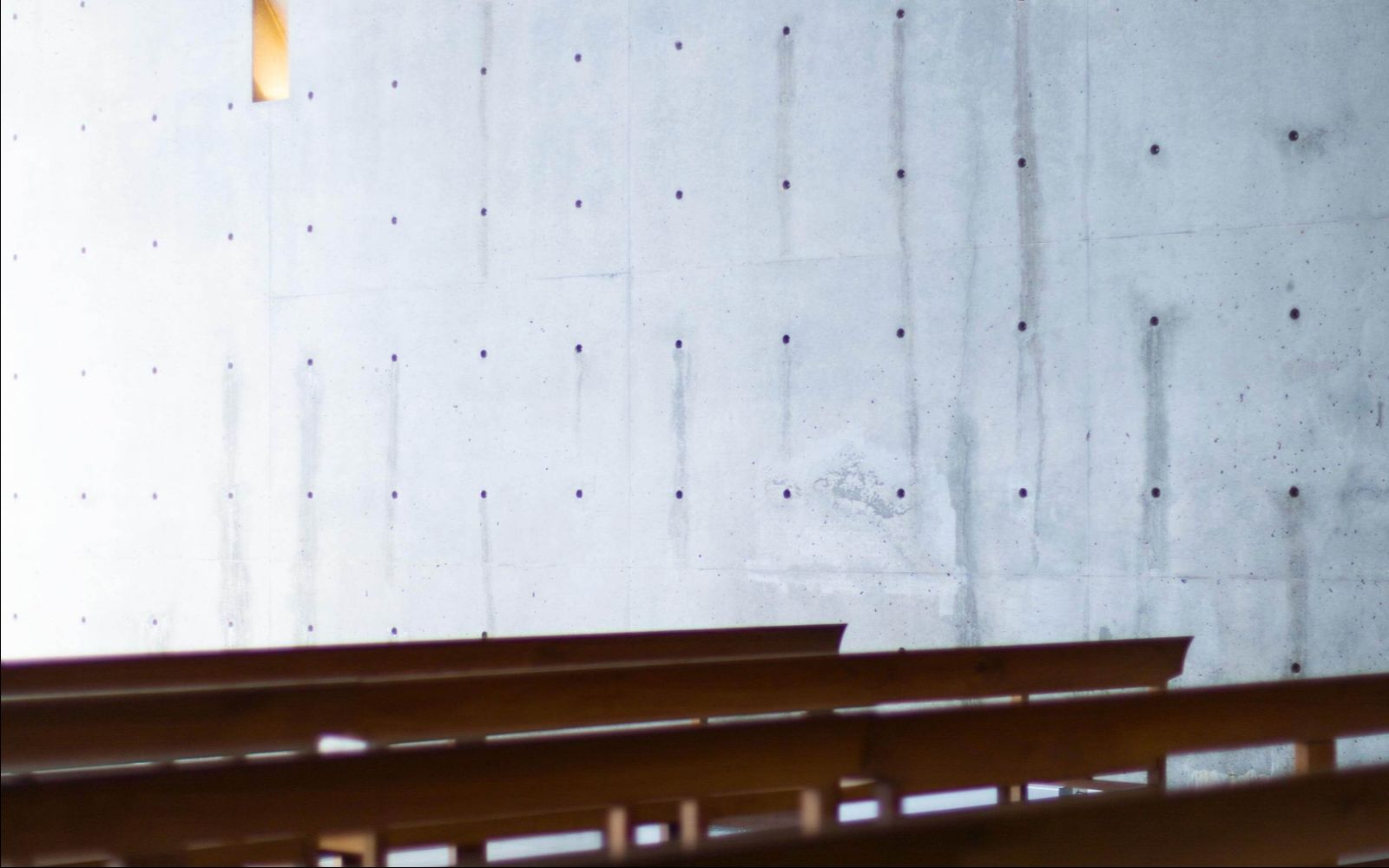
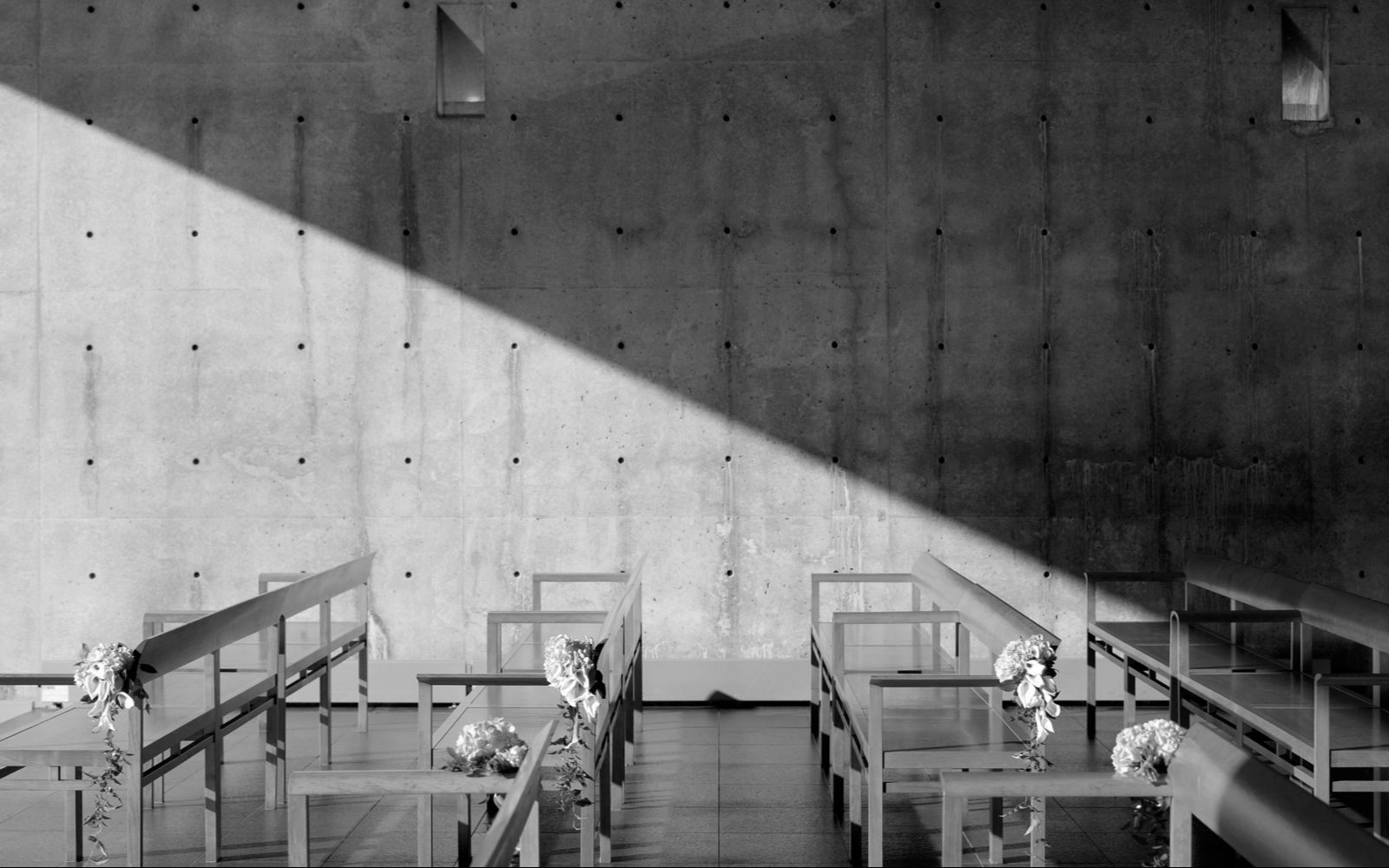
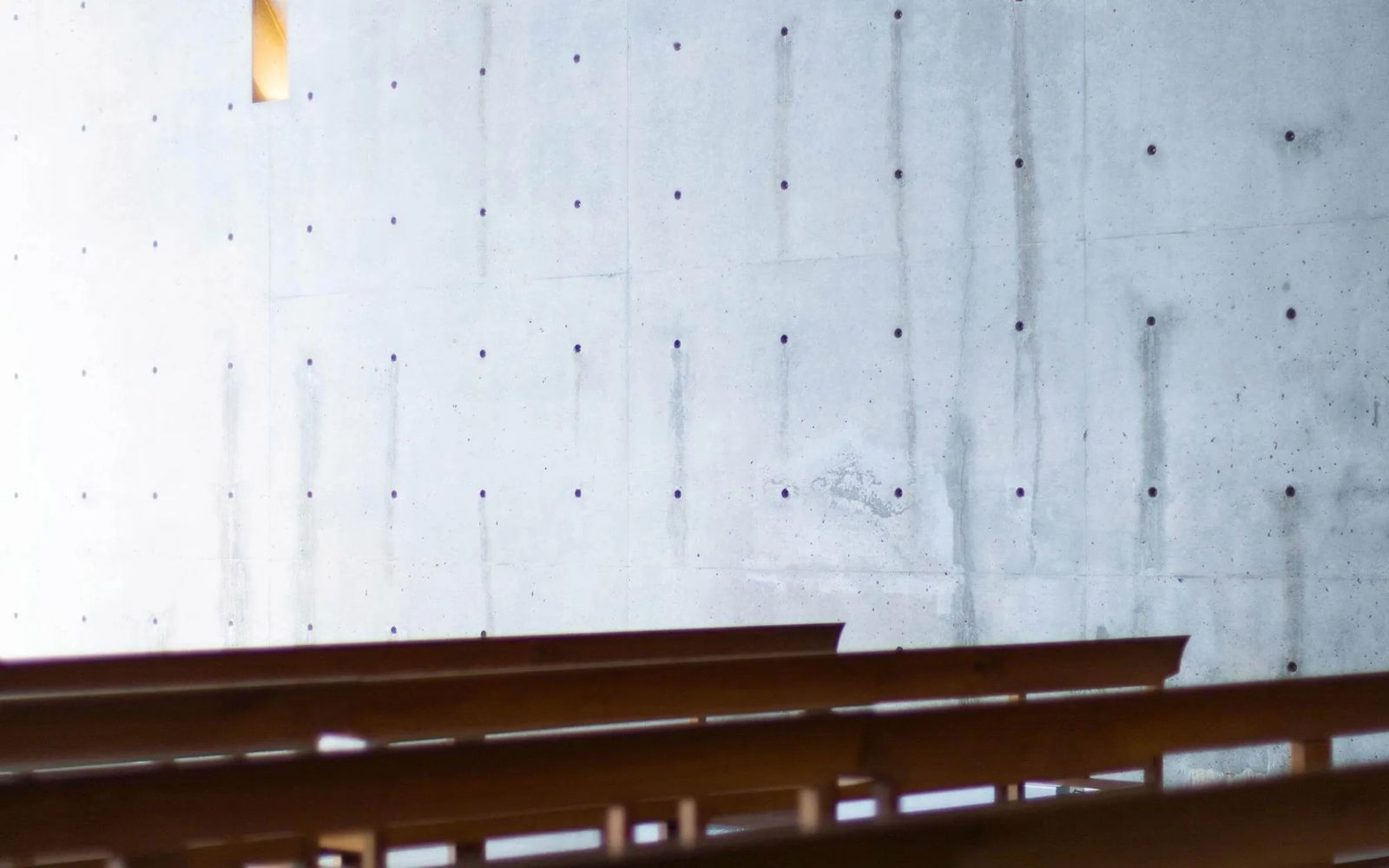
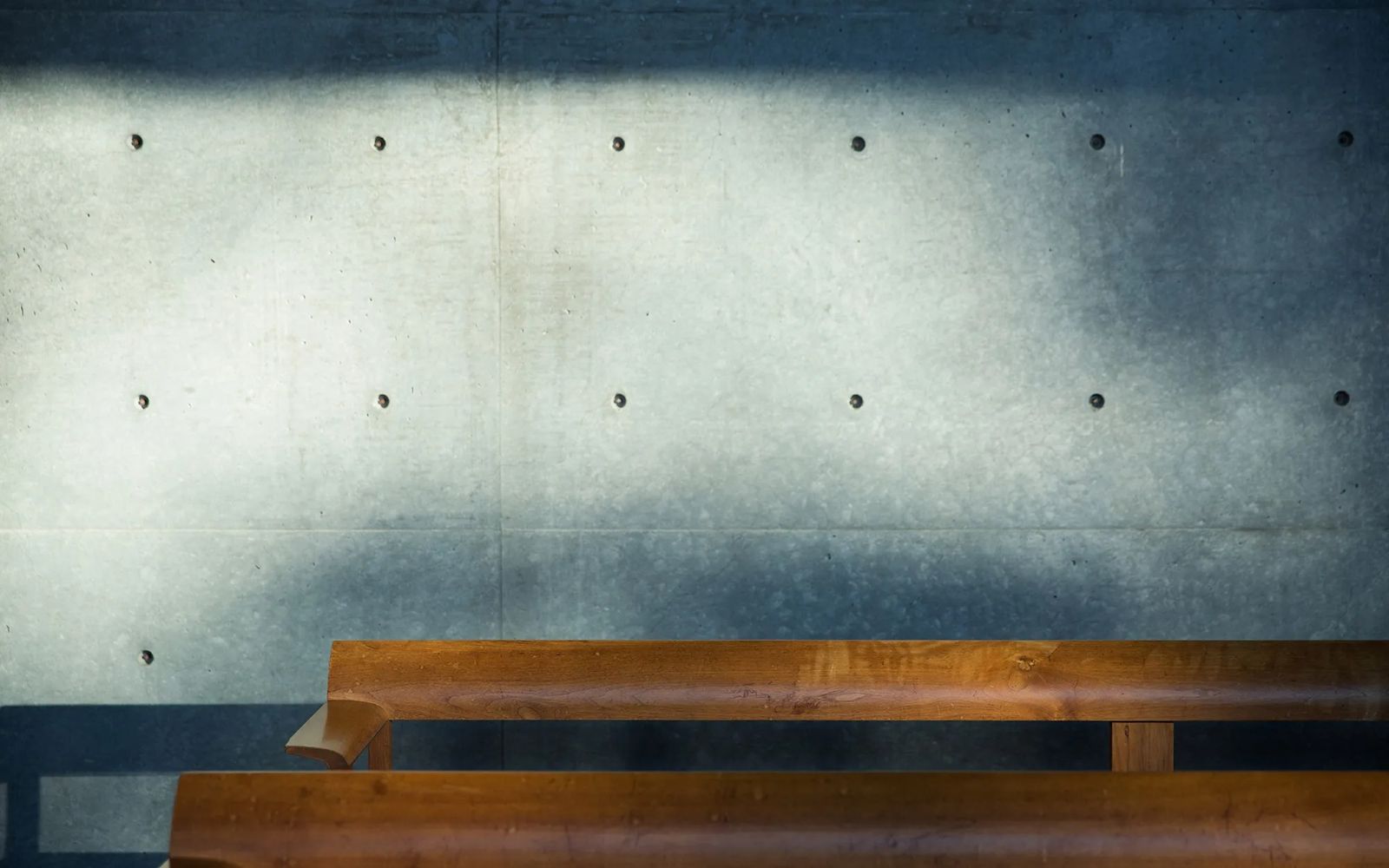
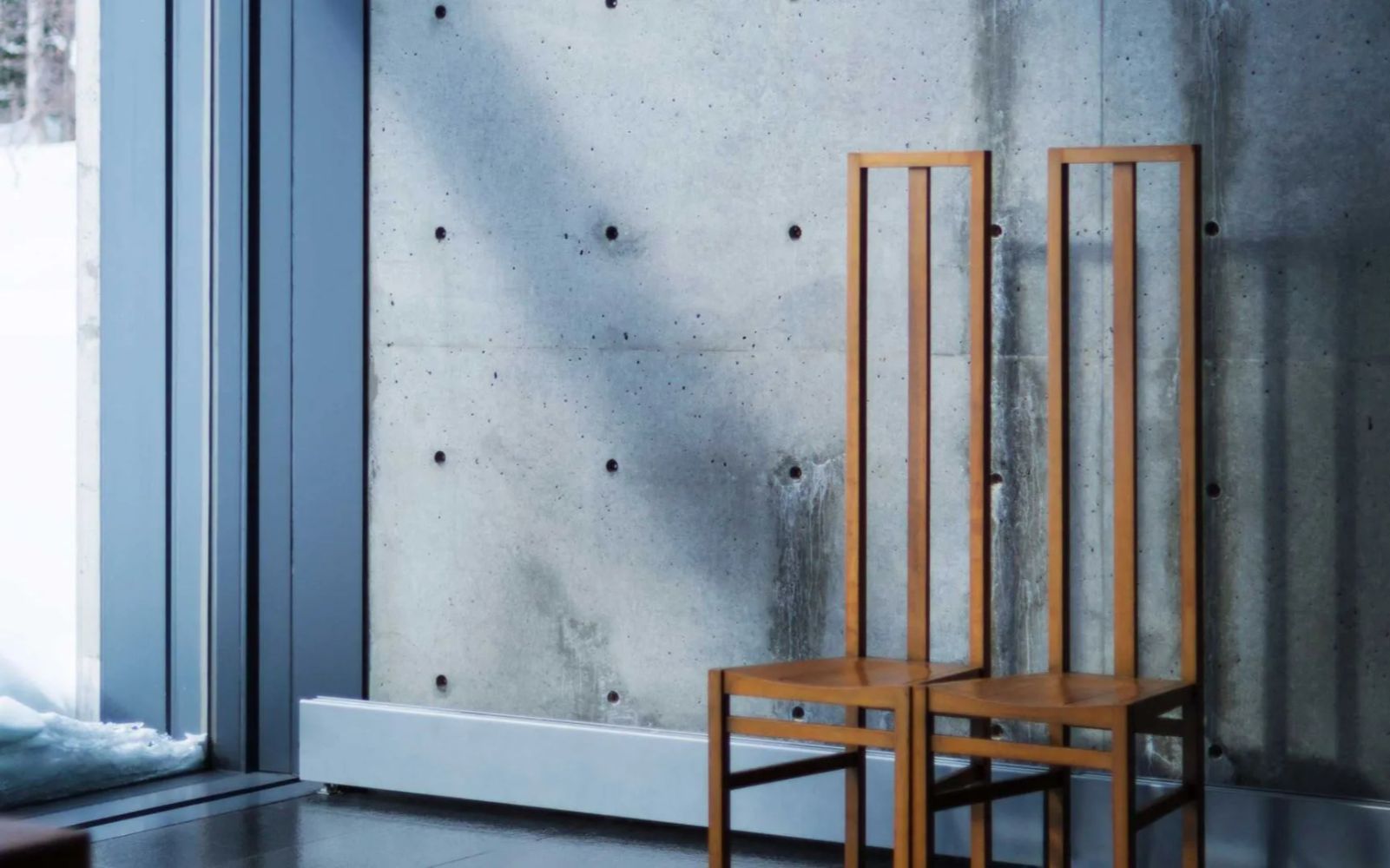
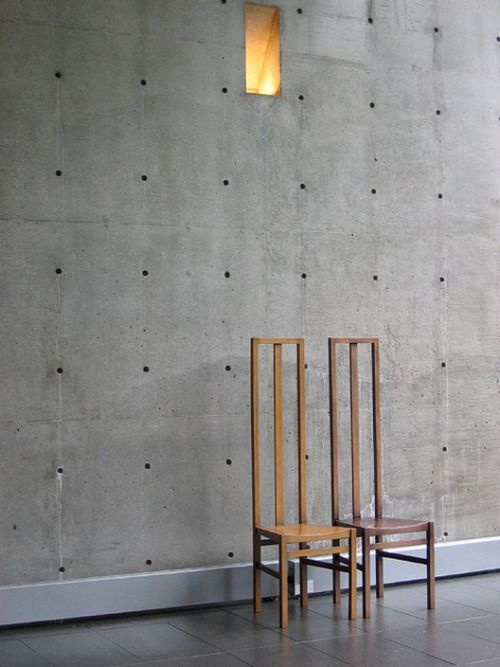
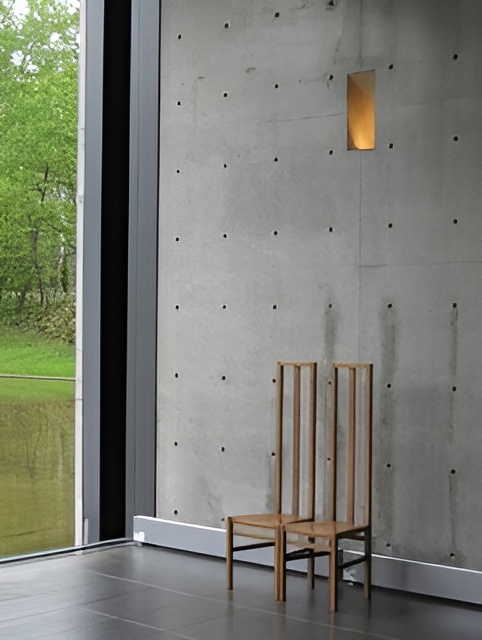
Material strategy relies on reinforced concrete and glass. Concrete walls, approximately 900 millimeters thick, incorporate thermal insulation to respond to Hokkaido’s severe winters. The material remains untreated and precise, allowing light, reflection, and seasonal change to define the spatial experience.
Church on the Water / Tadao Ando Architect & Associates | Classics on Architecture Lab 142Church on the Water / Tadao Ando Architect & Associates | Classics on Architecture Lab 143Church on the Water / Tadao Ando Architect & Associates | Classics on Architecture Lab 144Church on the Water / Tadao Ando Architect & Associates | Classics on Architecture Lab 145
The project operates within a cultural context where the chapel functions primarily as a wedding venue rather than a conventional religious institution. This condition allows the architecture to remain abstract, focusing on the relationship between human presence and nature rather than symbolic ornament.
Church on the Water / Tadao Ando Architect & Associates | Classics on Architecture Lab 146Church on the Water / Tadao Ando Architect & Associates | Classics on Architecture Lab 147Church on the Water / Tadao Ando Architect & Associates | Classics on Architecture Lab 148Church on the Water / Tadao Ando Architect & Associates | Classics on Architecture Lab 149Church on the Water / Tadao Ando Architect & Associates | Classics on Architecture Lab 150Church on the Water / Tadao Ando Architect & Associates | Classics on Architecture Lab 151
Church on the Water marks a shift in Ando’s work from enclosed residential compositions toward open engagement with landscape. The project introduces themes of controlled procession, framed nature, and the role of emptiness as an active spatial element, where the constructed pond and open horizon define the presence of the sacred through absence rather than form.
Address: Nakatomamu, Shimukappu, Yufutsu District, Hokkaido 079-2204, Japan
Location is for general reference and may represent a city or country, not necessarily a precise address.
Architect
Anton Giuroiu
Anton is a RIBA accredited architect, when he's offline, he spends his time with the sculpta.ba architecture practice or in the MKR.S crafting studio, laser engraving and laser cutting architecture models. In his free time he geeks over taking care of his pencil and mechanical pencil collection.
Expertises: Architecture, Interior design, Home improvement, Drawing, Laser machining