

Architects: Hugh Stubbins & Associates
Area: 120,774 m² (1,300,000 ft²)
Year: 1977
Photography: Axel Drainville, Jeff Stvan, Reading Tom, Steven Severing-Haus, Timothy Vogel, Štěpán Vrzala, tsaiproject, paulkhor, Wikimedia Commons, Daniel Schwen, star5112, Tdorante10, Elisa.rolle, Epicgenius, Johan Burati, Trxr4kds, Amar.raavi, Jim.henderson, Chris06, It1224, WikiArquitectura
Associate Architect: Emery Roth & Sons
Structural Engineer: William LeMessurier / LeMessurier Associates
Client: Citibank / Citicorp
City: New York
Country: United States
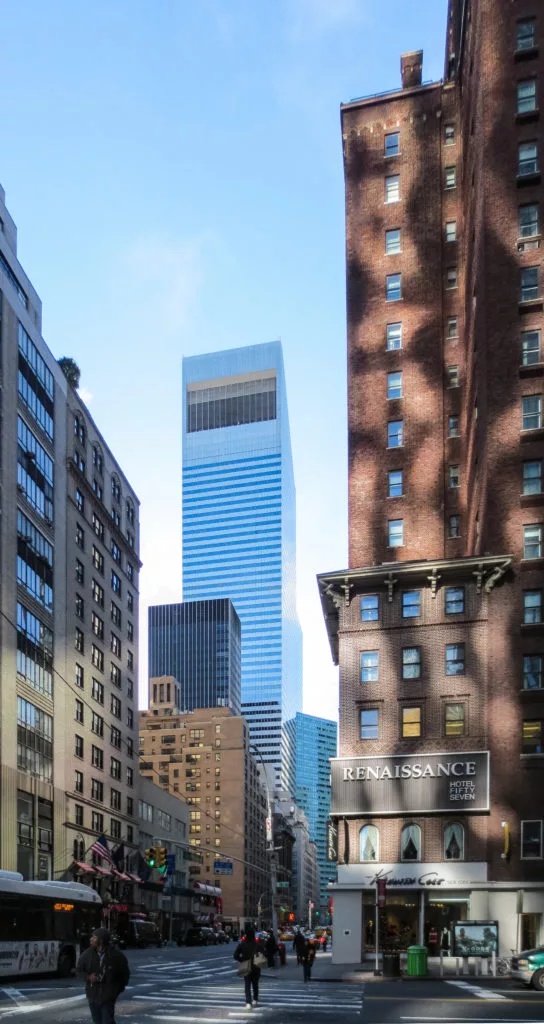
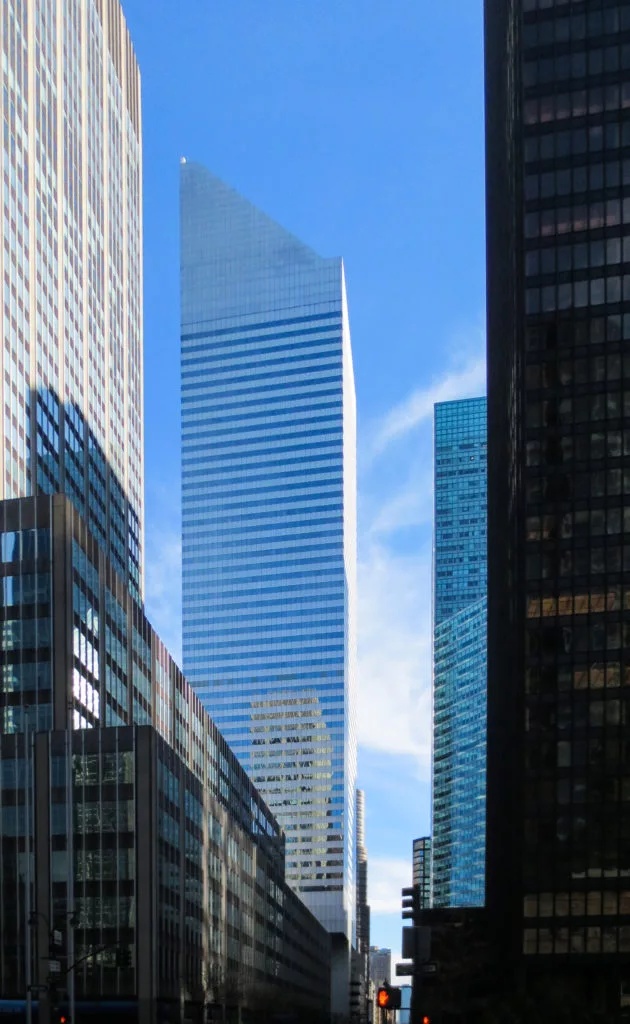
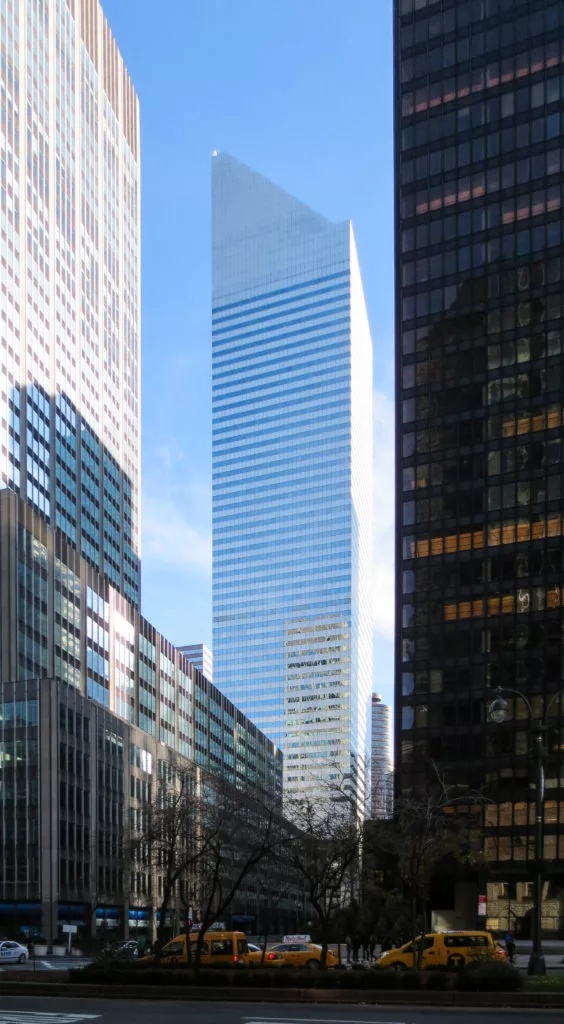
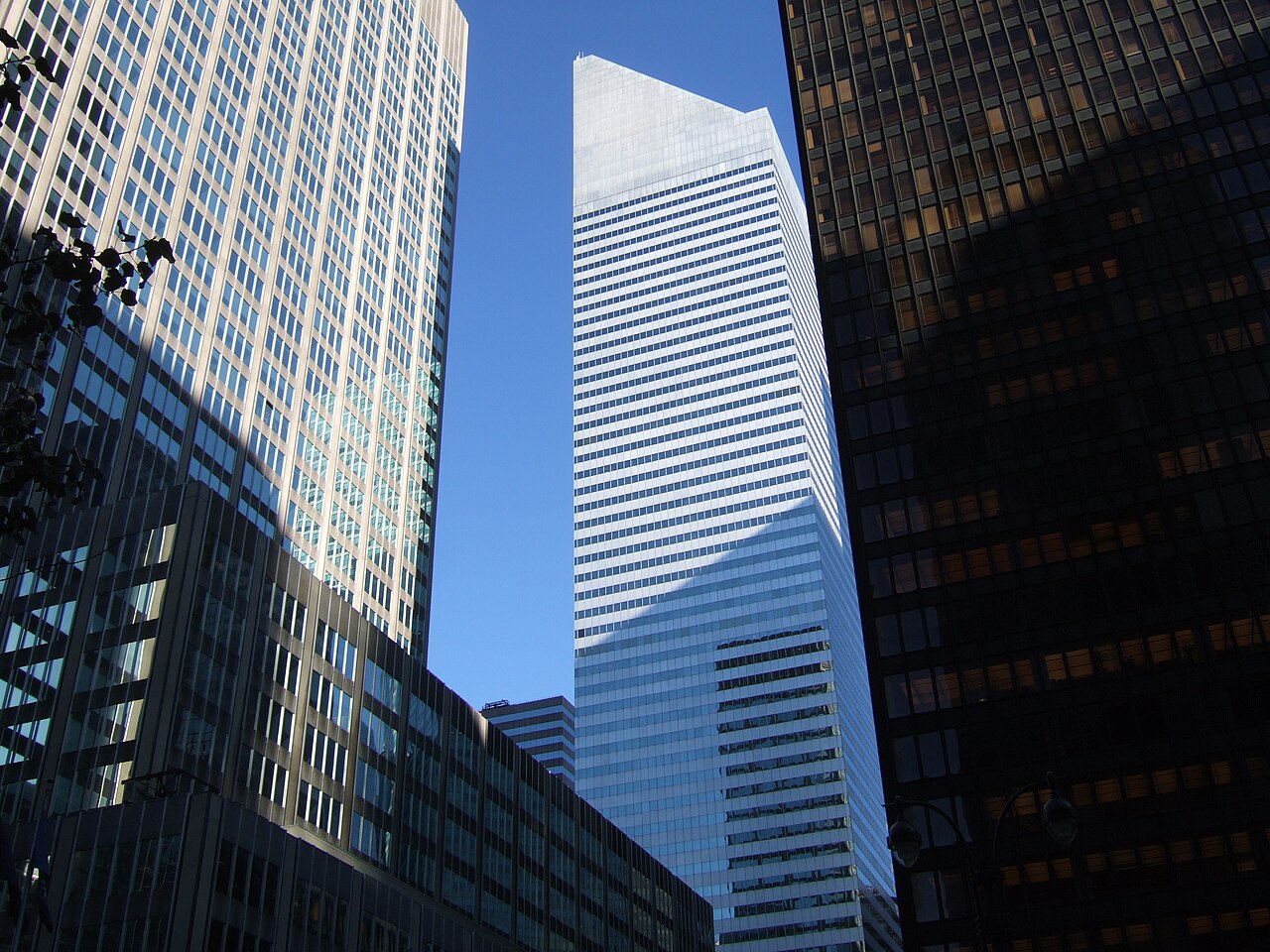
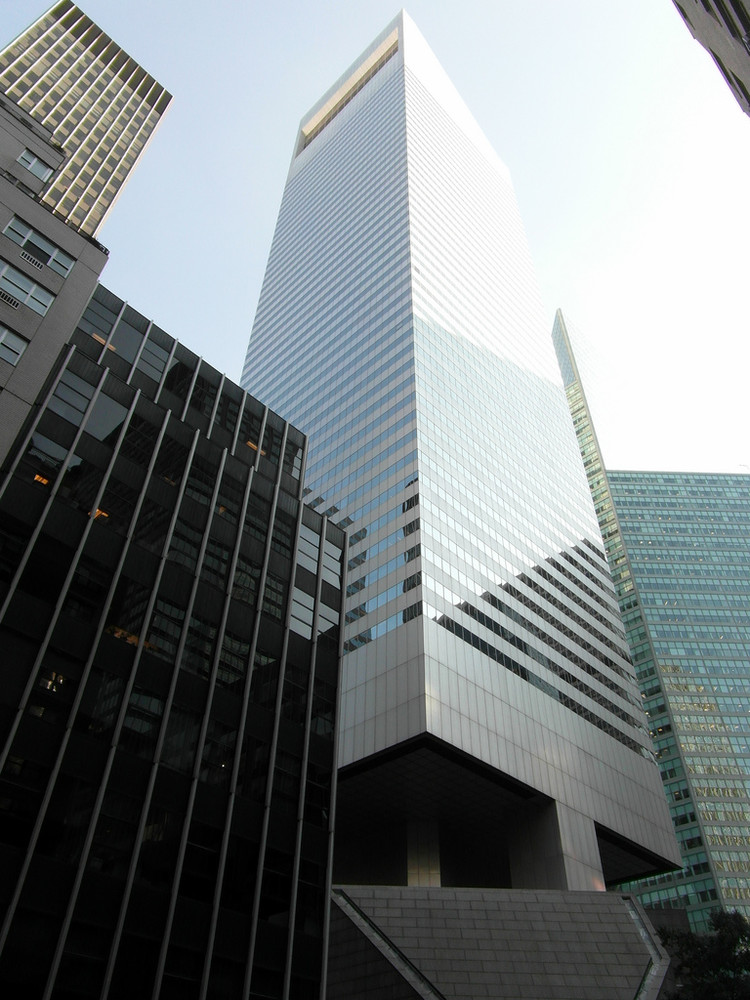
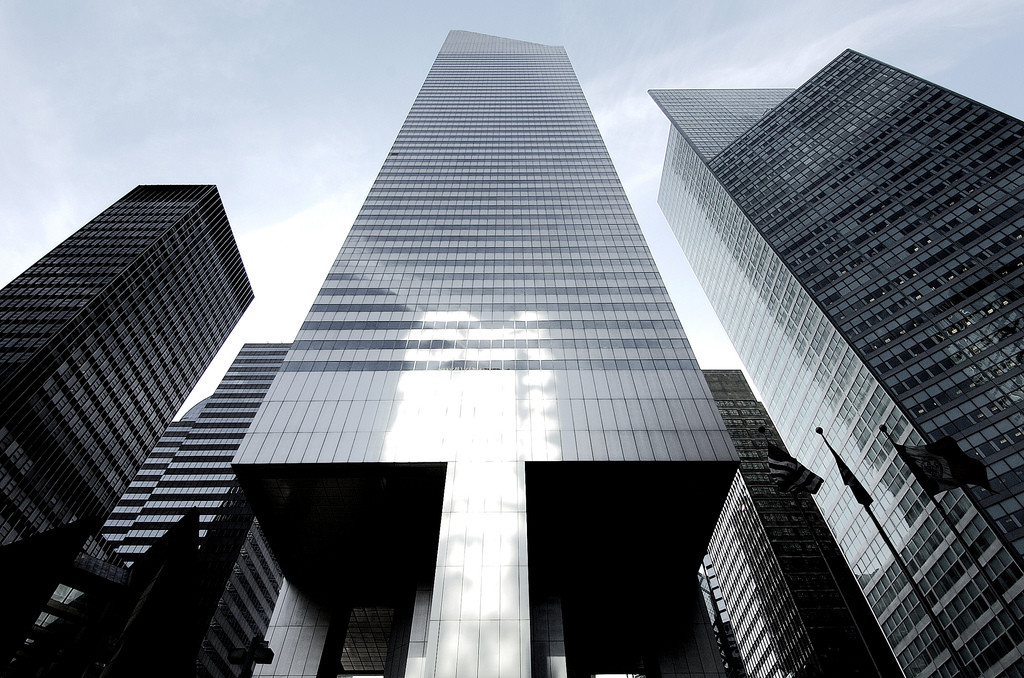
Citigroup Center office skyscraper designed by Hugh Stubbins & Associates in New York redefined high-rise design through its elevated structural base, sloped crown, and exposed engineering logic, completed in 1977. Developed for Citibank, the tower responds to the preservation and reconstruction of St. Peter’s Lutheran Church by shifting its four primary supports to the midpoint of each façade, allowing the building to cantilever over the church site. Citigroup Center organizes its 59-story mass through a system of inverted chevron braces developed by structural engineer William LeMessurier, transferring loads toward central piers while creating one of Manhattan’s most recognizable tower profiles. The building integrates a 45-degree sloped roof, aluminum-and-glass curtain wall, sunken public plaza, retail concourse, subway access, and a structurally separate church at its base. The project became central to engineering discourse after a post-completion review revealed vulnerability to quartering winds, leading to concealed structural reinforcement in 1978. Citigroup Center remains a significant case study in architectural form, structural innovation, professional responsibility, and the relationship between public space, infrastructure, and corporate high-rise development.
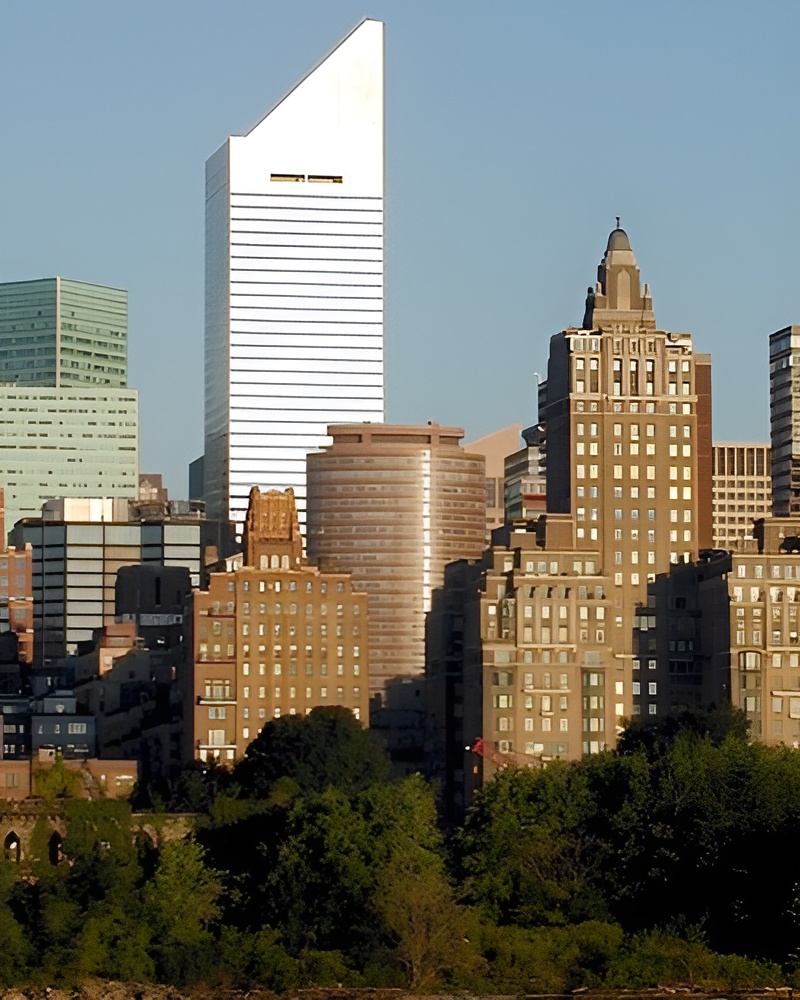
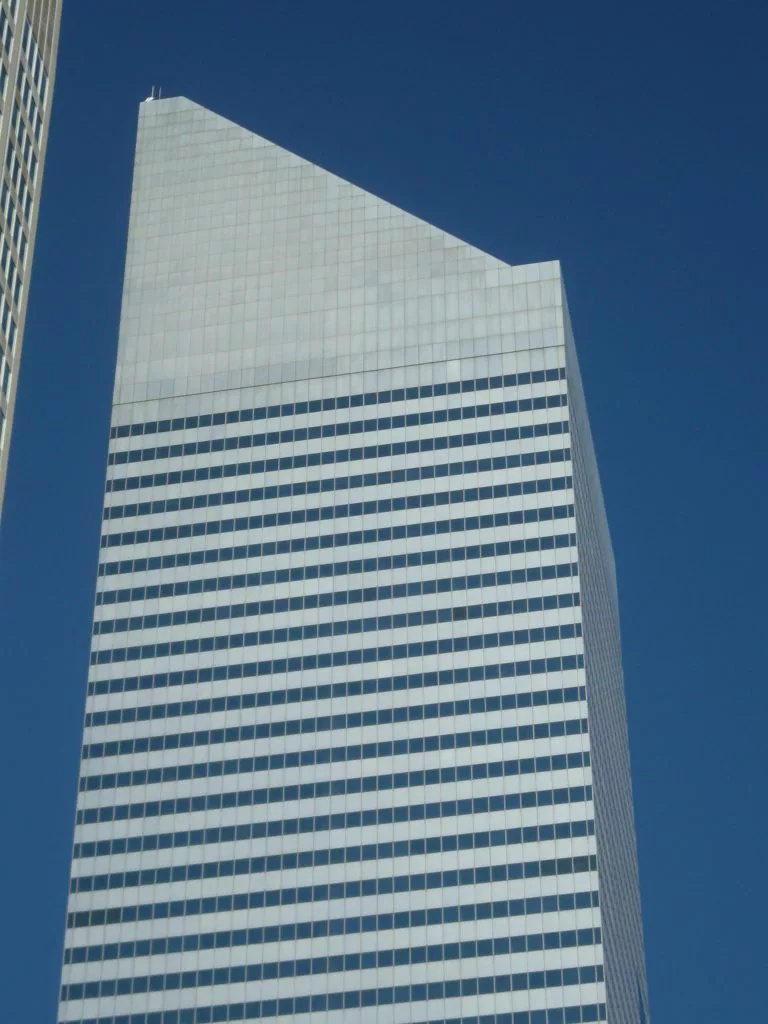
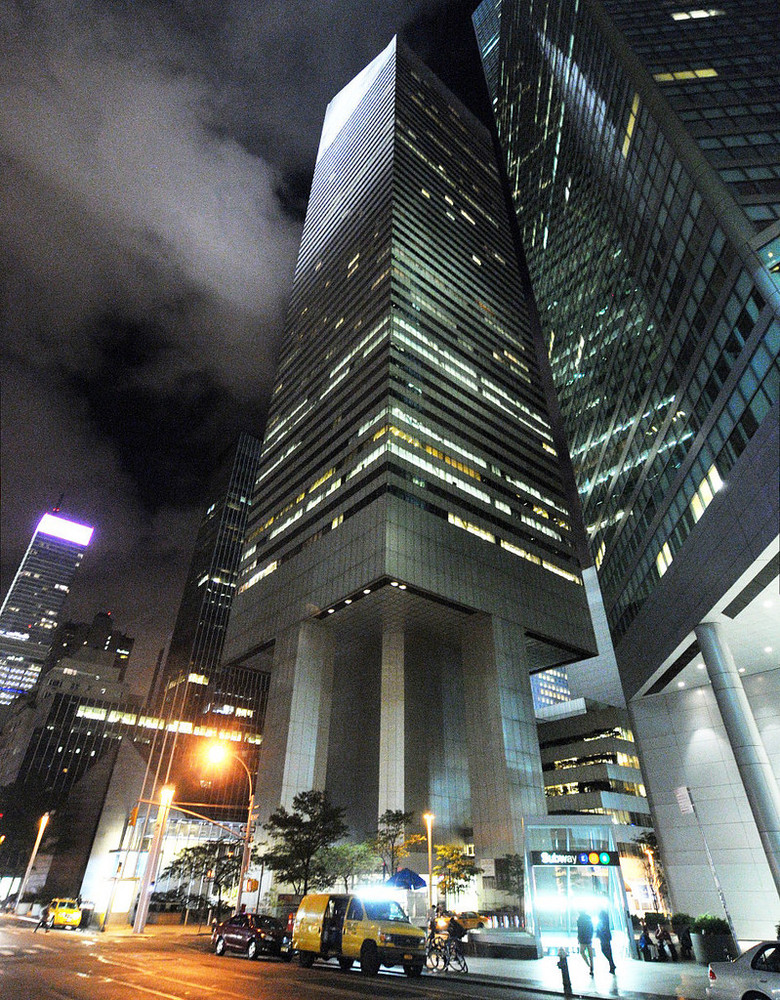
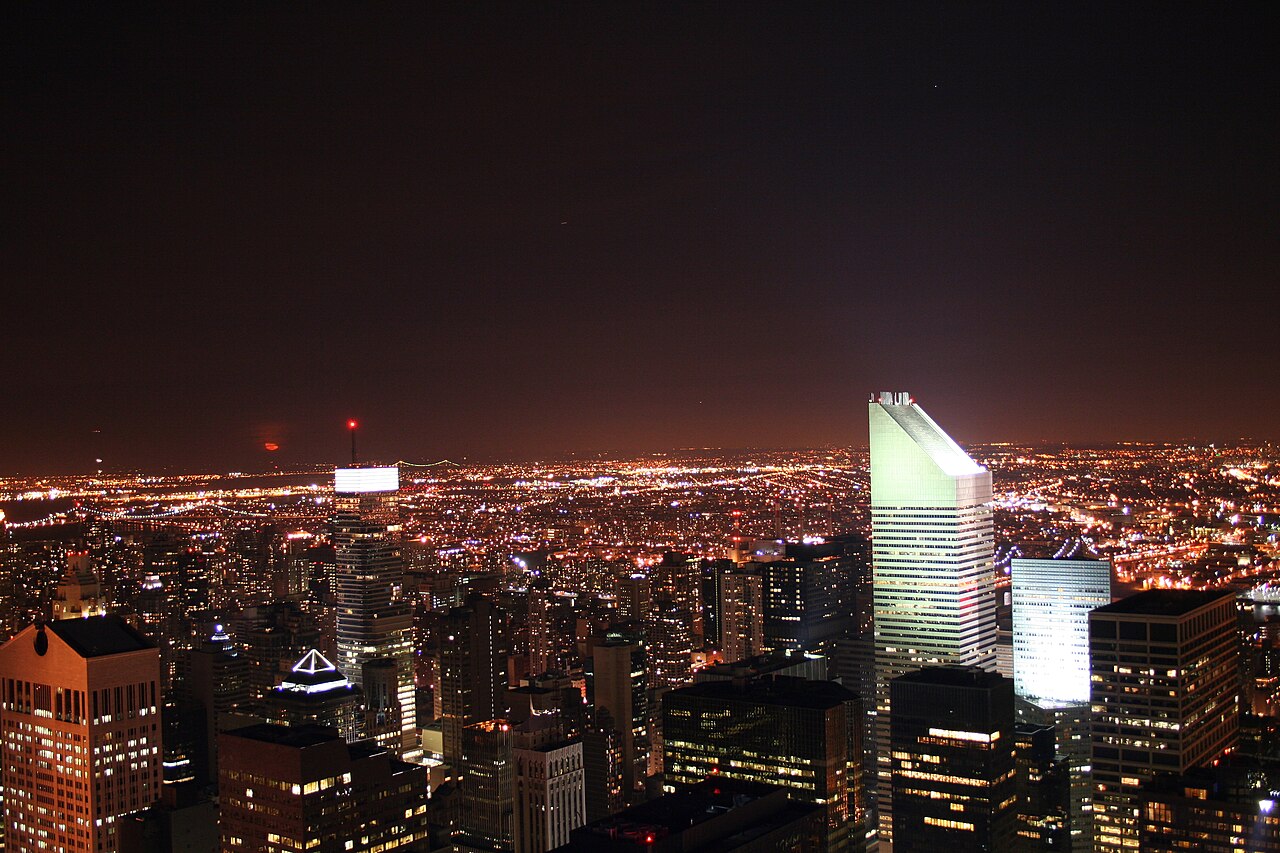
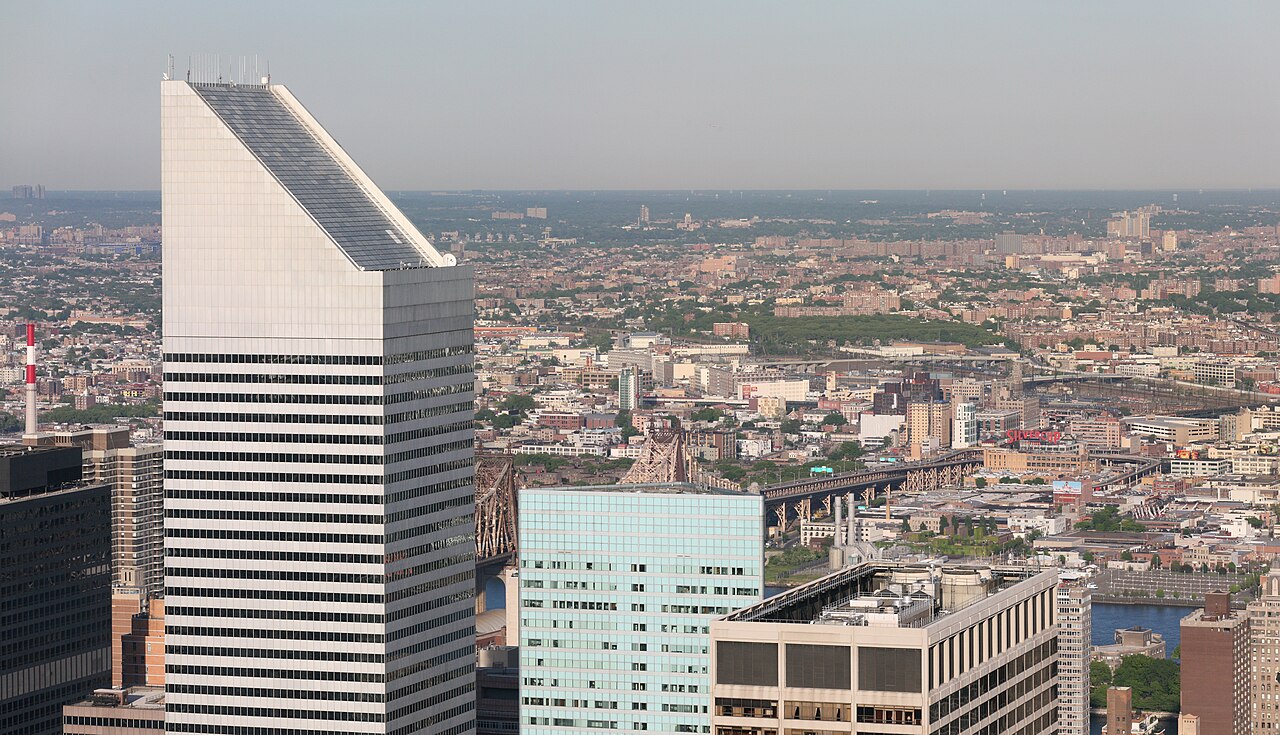
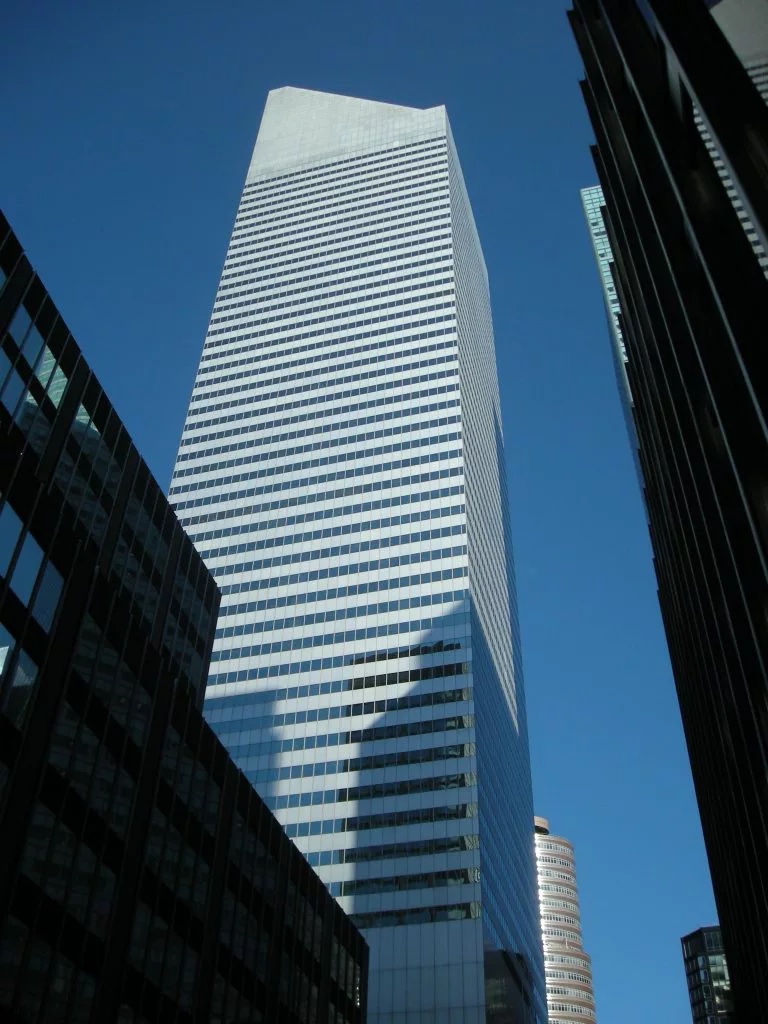
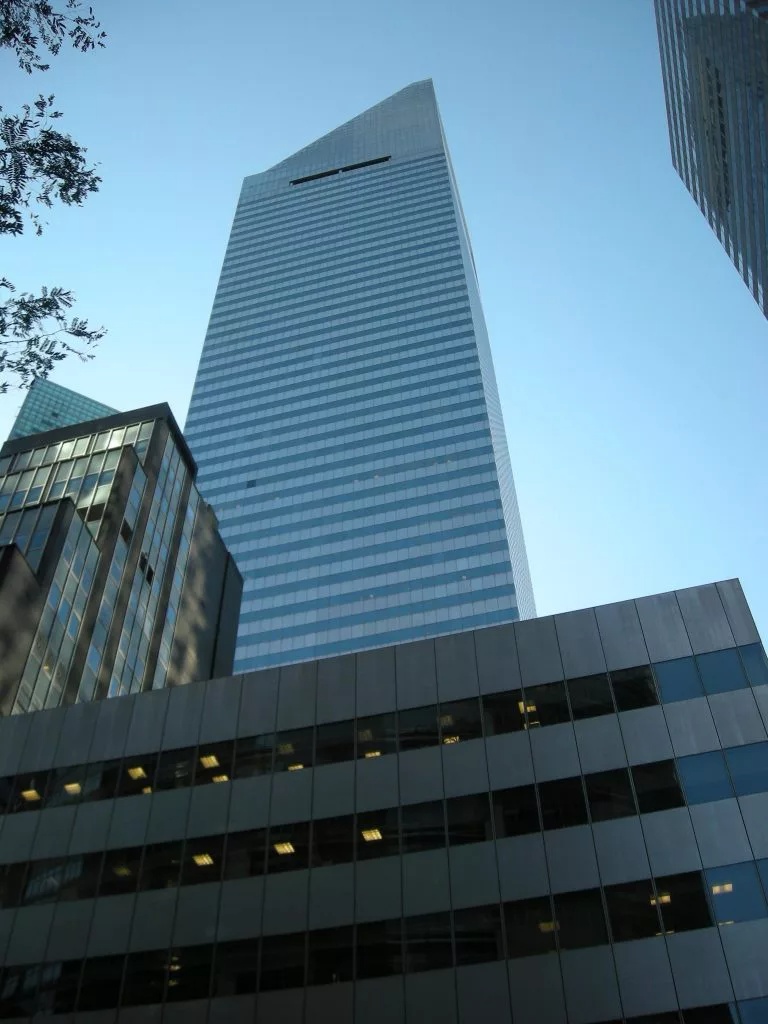
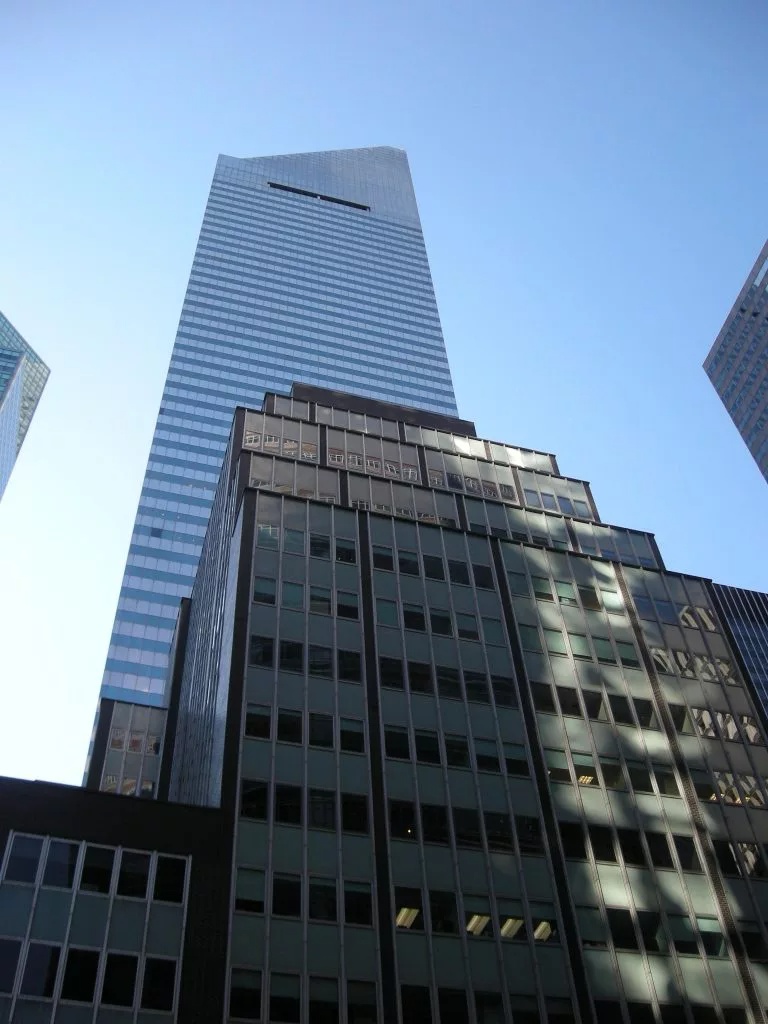
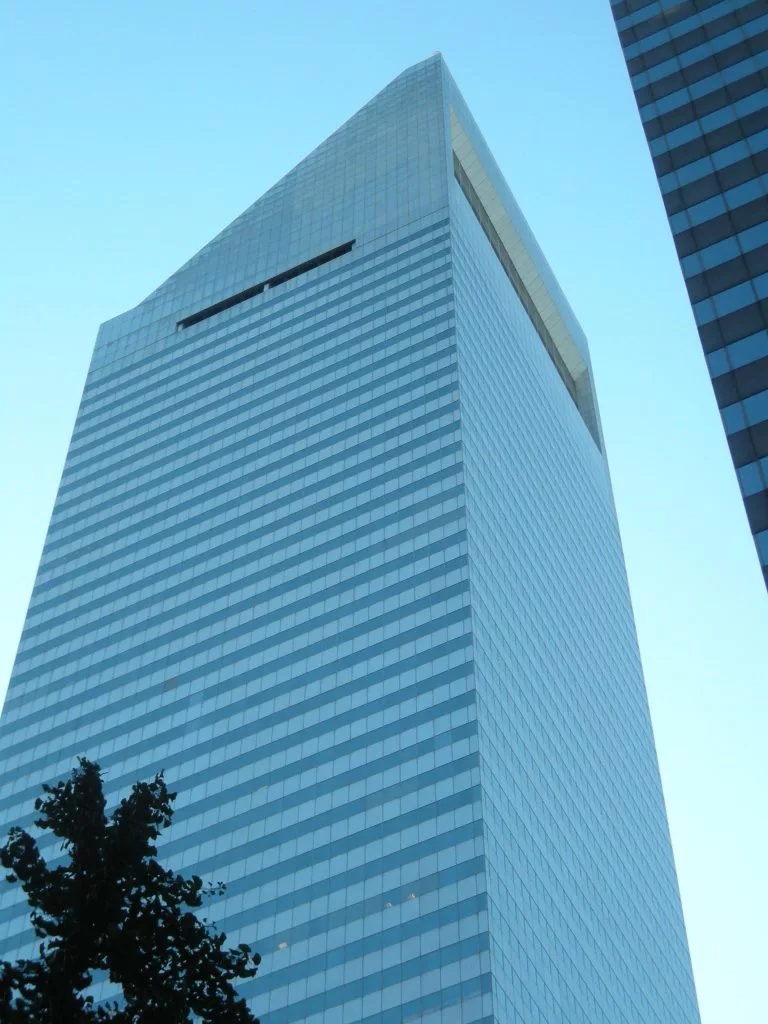
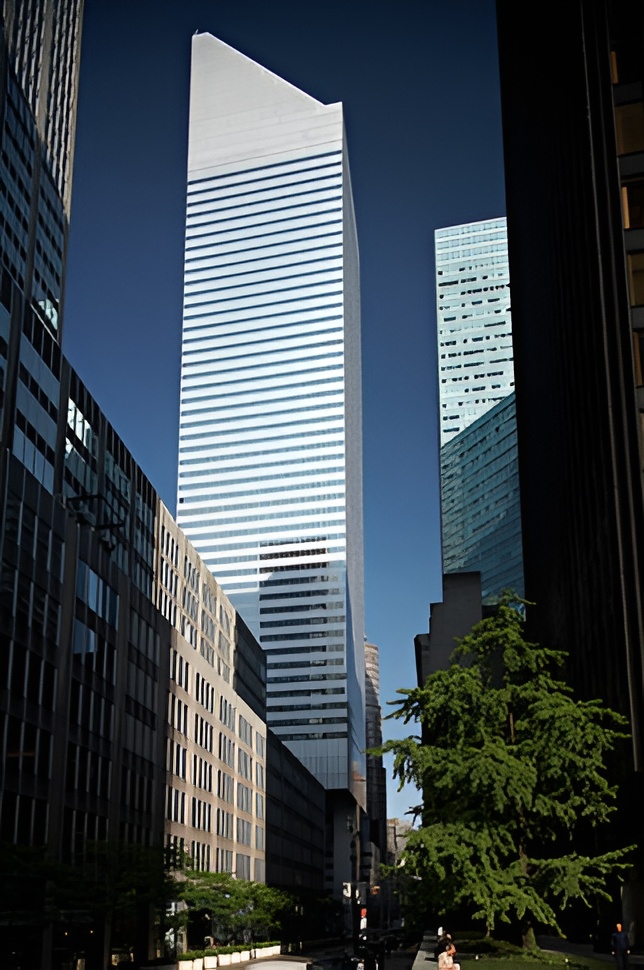
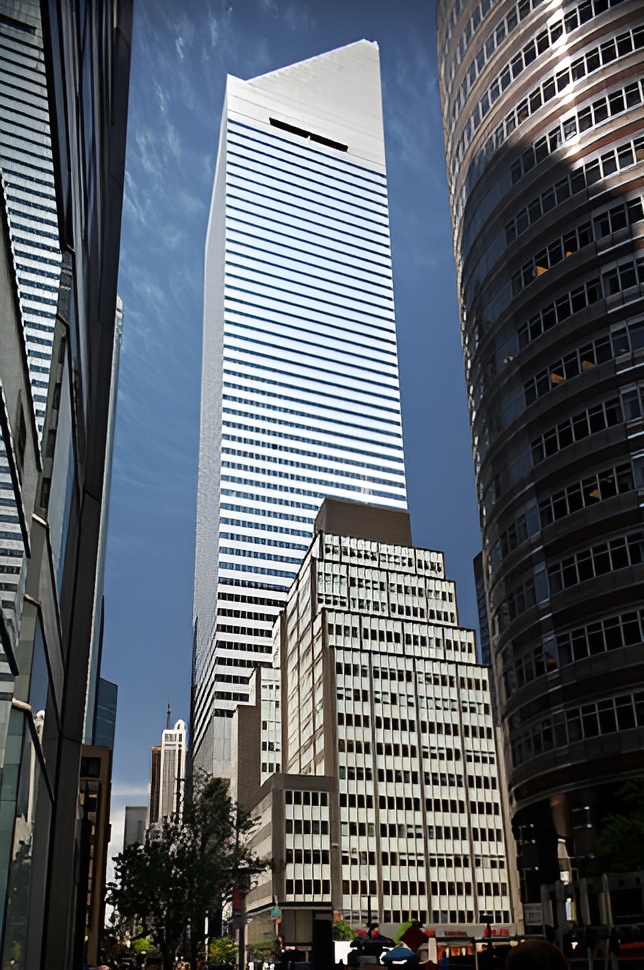
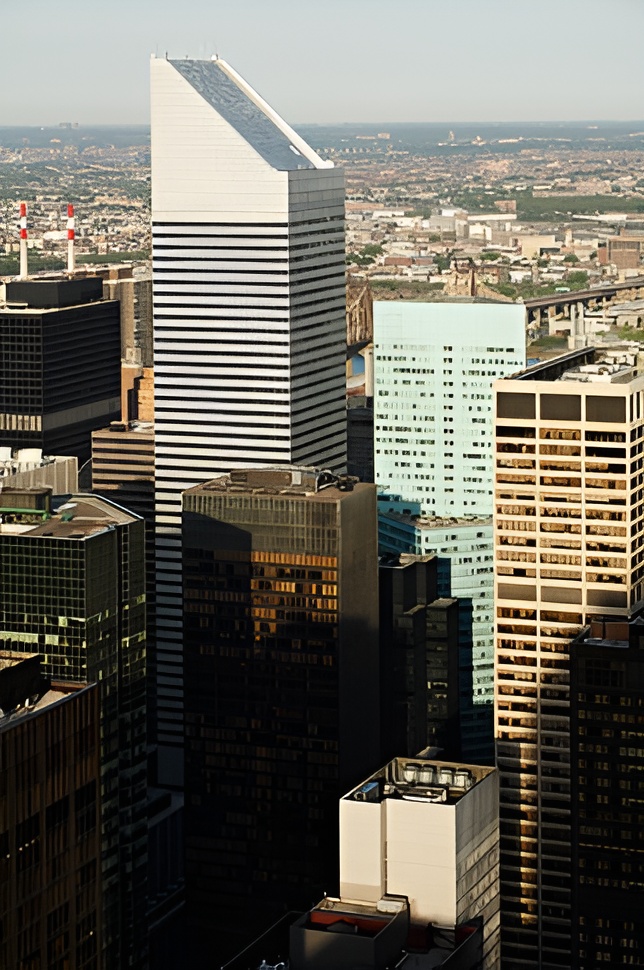
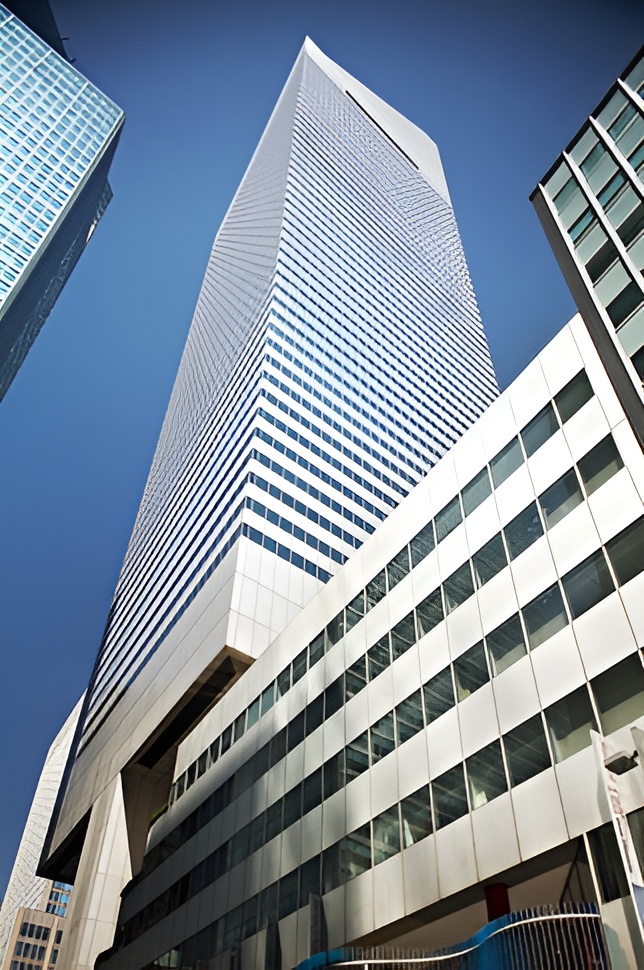
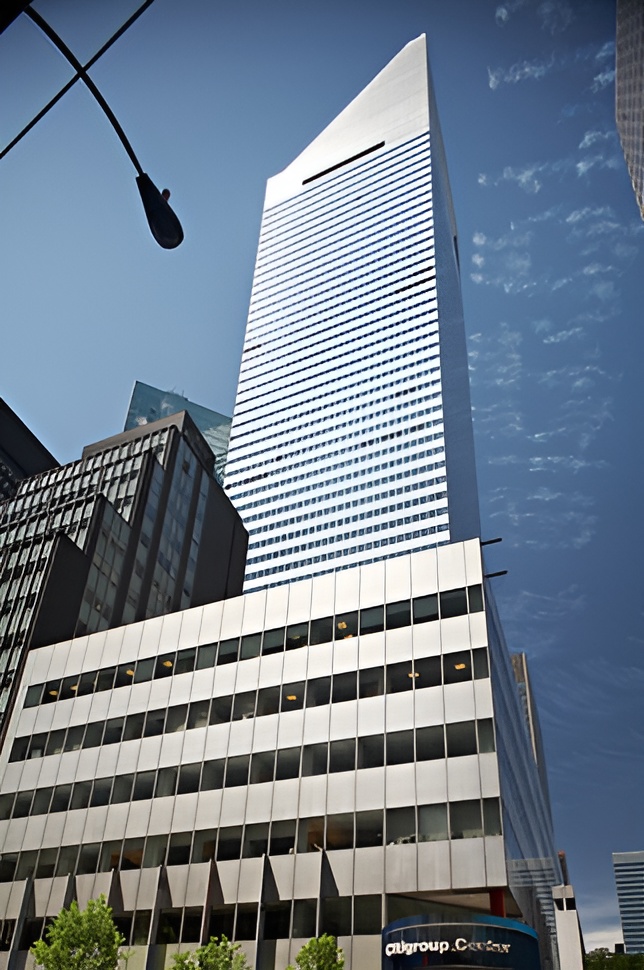
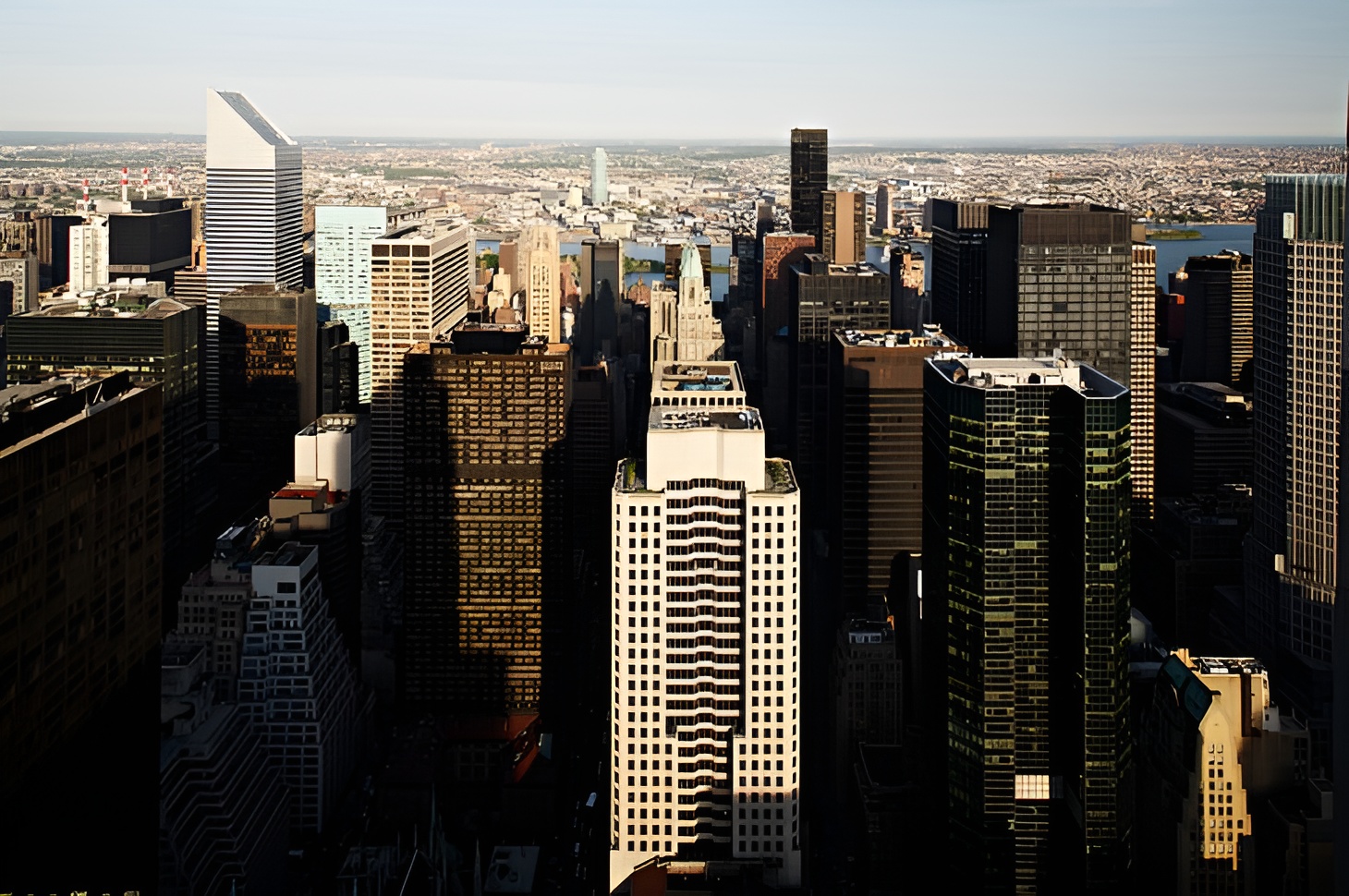
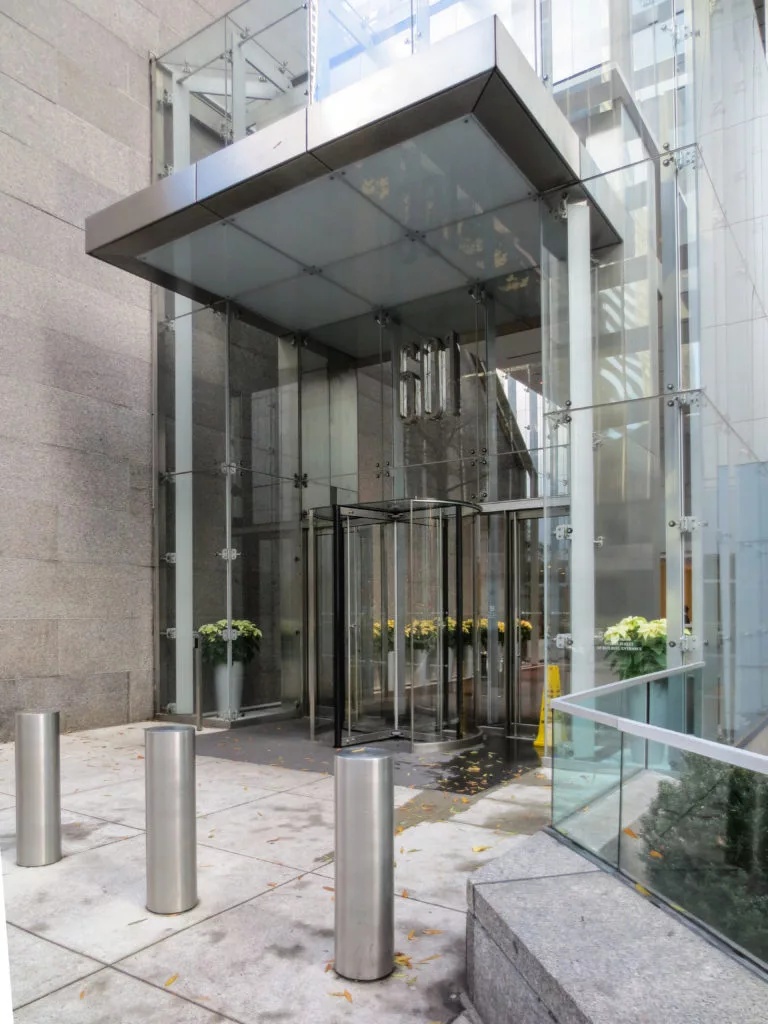
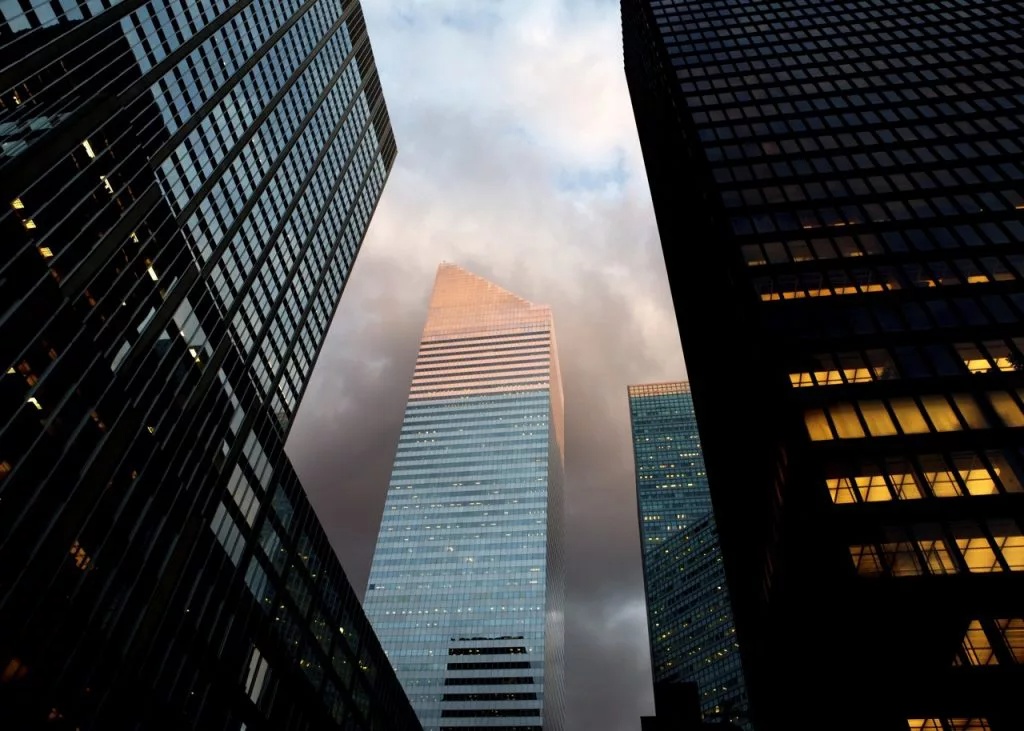
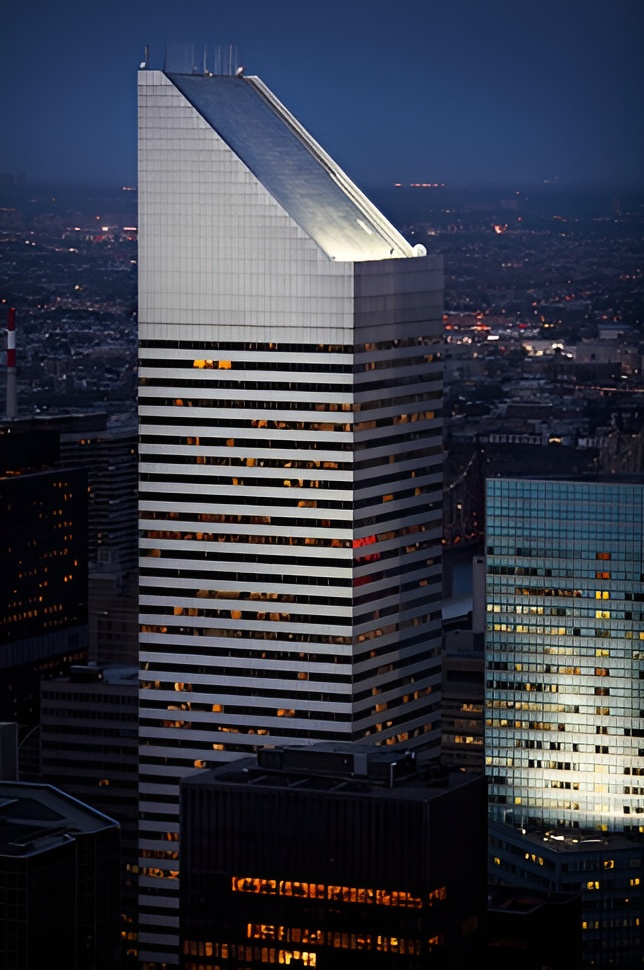
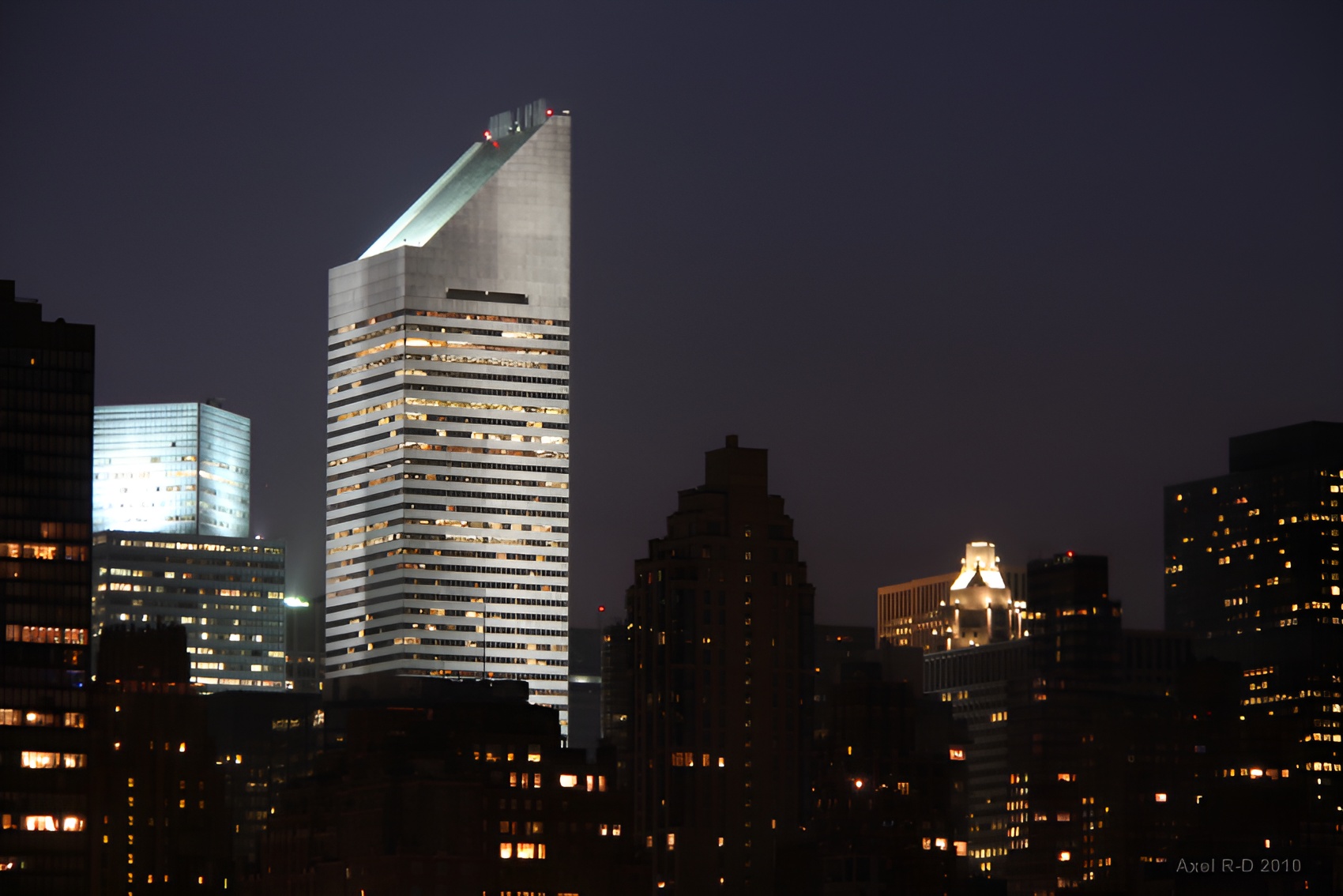
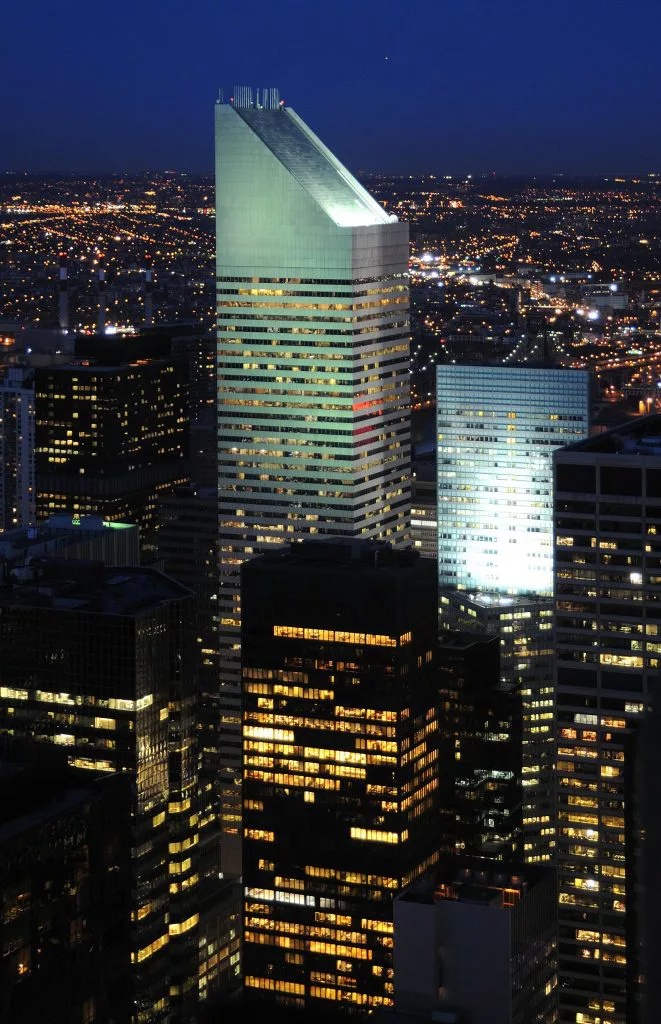
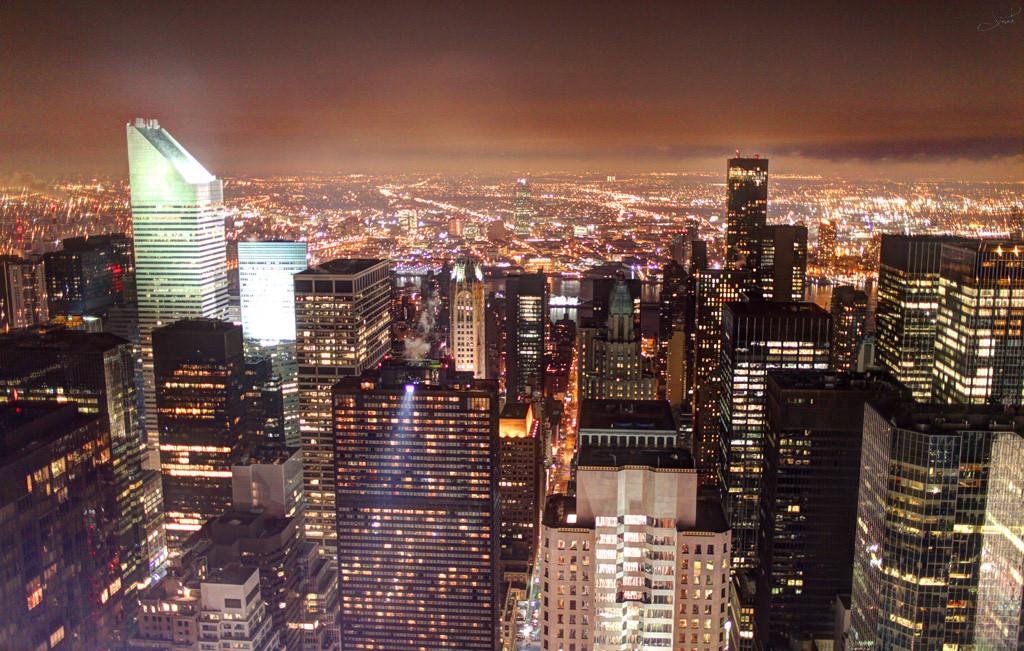
Citigroup Center, formerly known as Citicorp Center, was designed by Hugh Stubbins & Associates with associate architect Emery Roth & Sons and structural engineer William LeMessurier. Completed in 1977 at 601 Lexington Avenue in Midtown Manhattan, the 59-story tower became one of New York’s most distinctive skyscrapers through its raised base, cantilevered corners, and 45-degree sloped roof.
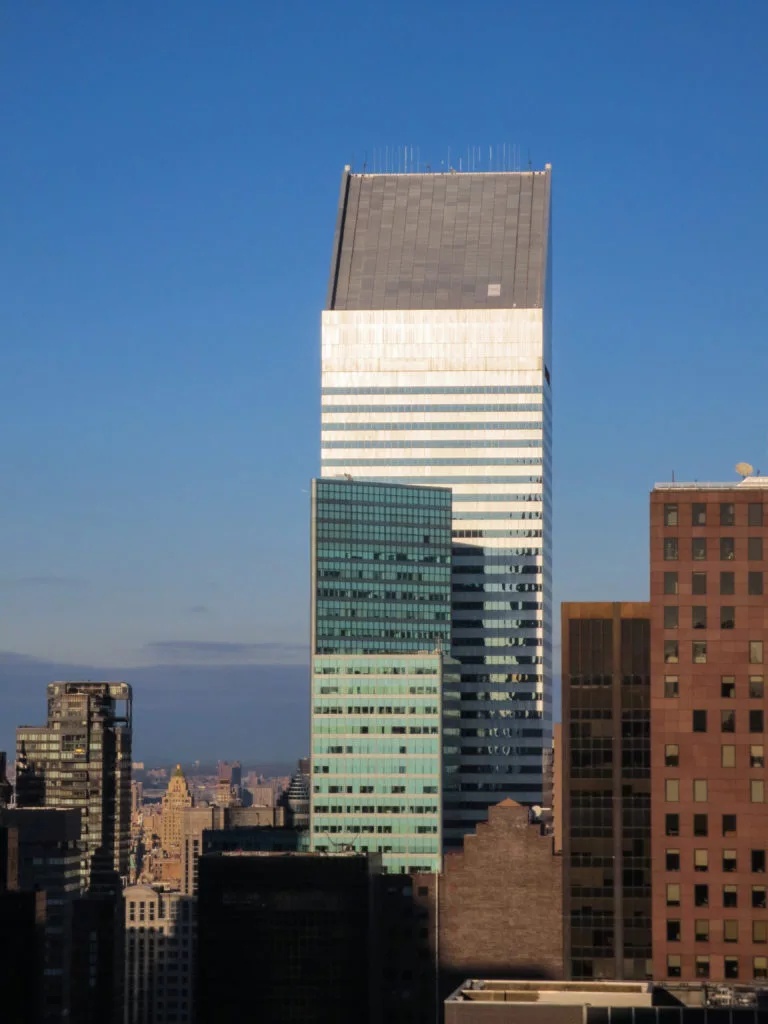
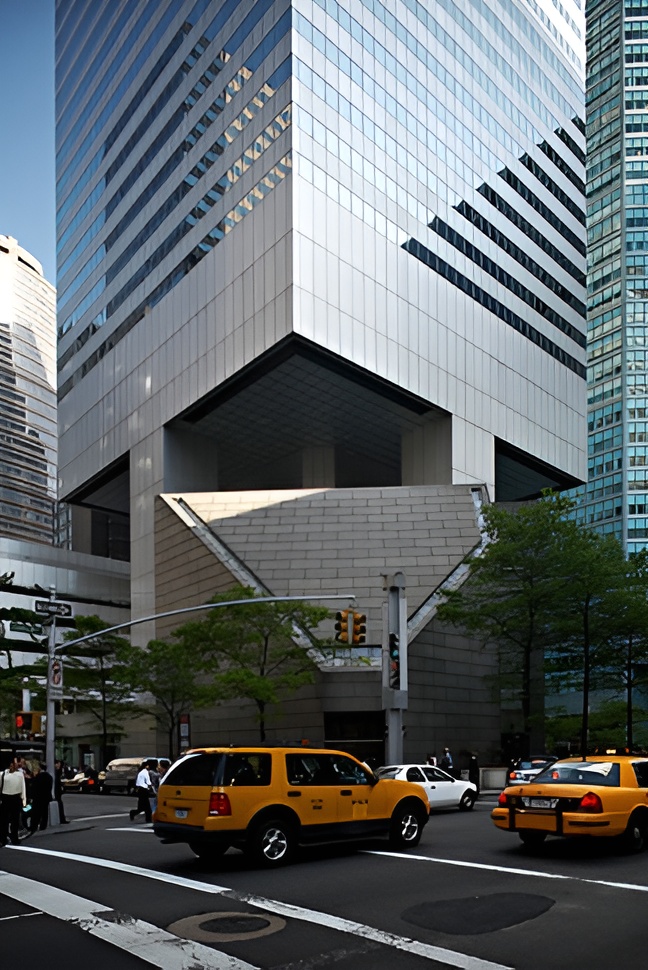
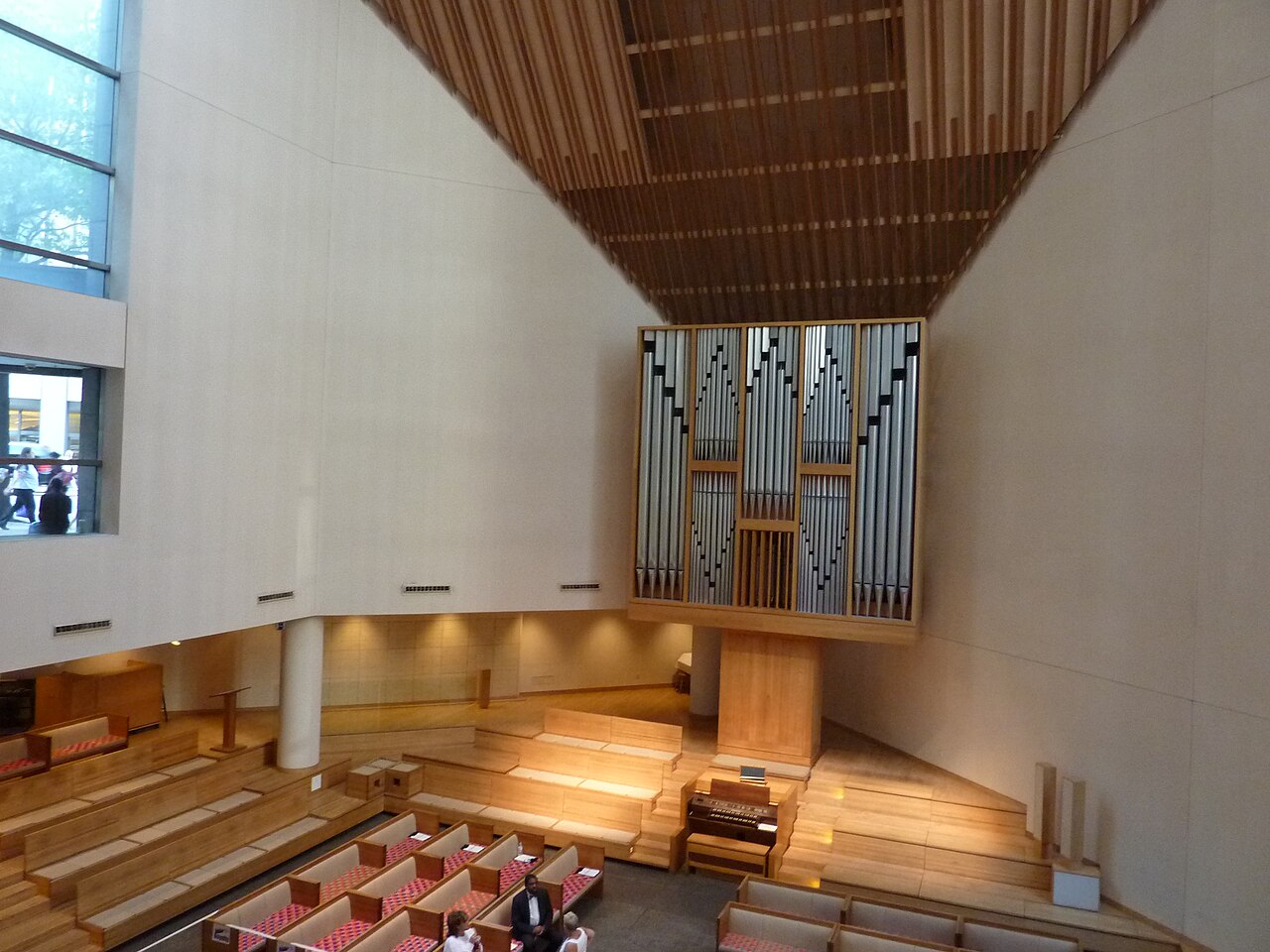
The project emerged from a complex site condition involving St. Peter’s Lutheran Church, which occupied the northwest corner of the block. Citibank was allowed to develop the site on the condition that a new church would be constructed in the same location and remain structurally independent from the office tower. This requirement prevented the tower’s main supports from occupying the corners and led to one of the project’s defining structural decisions.
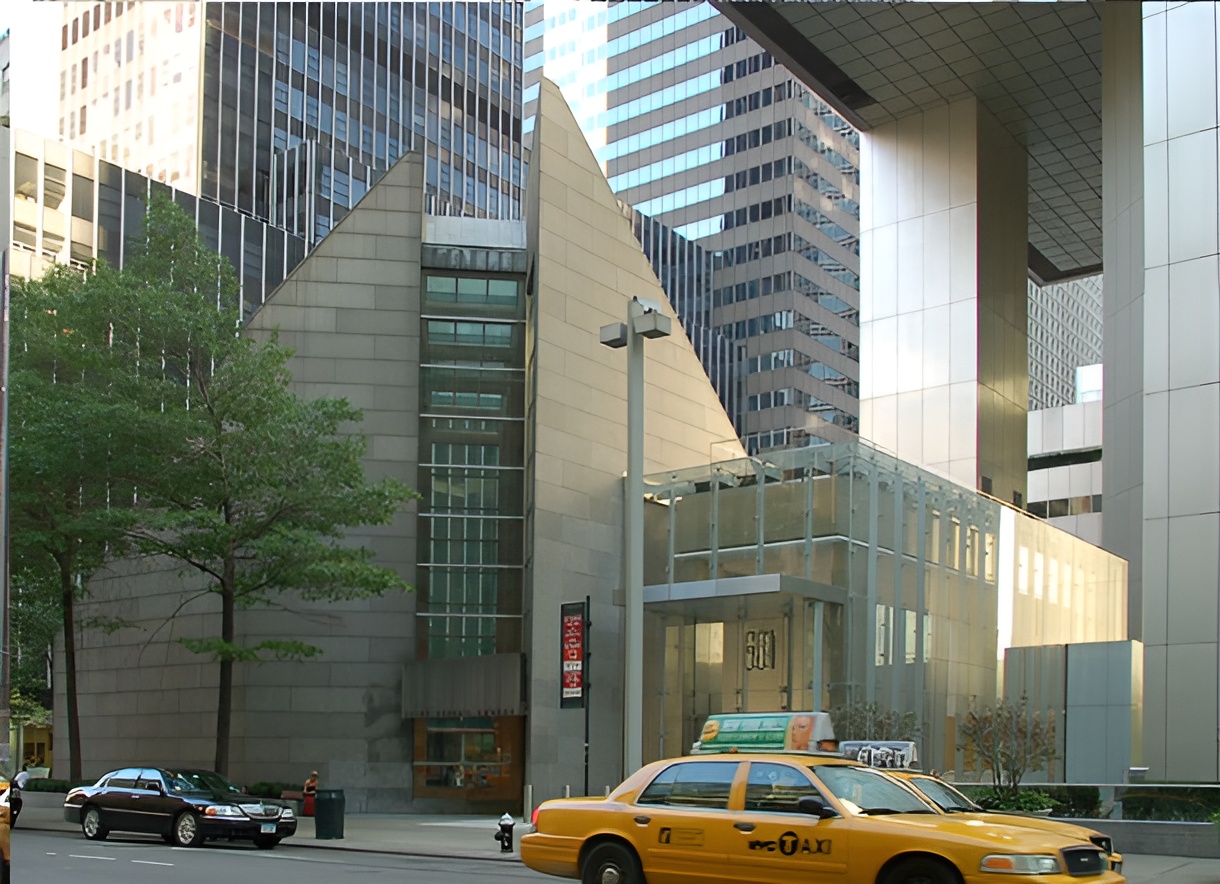
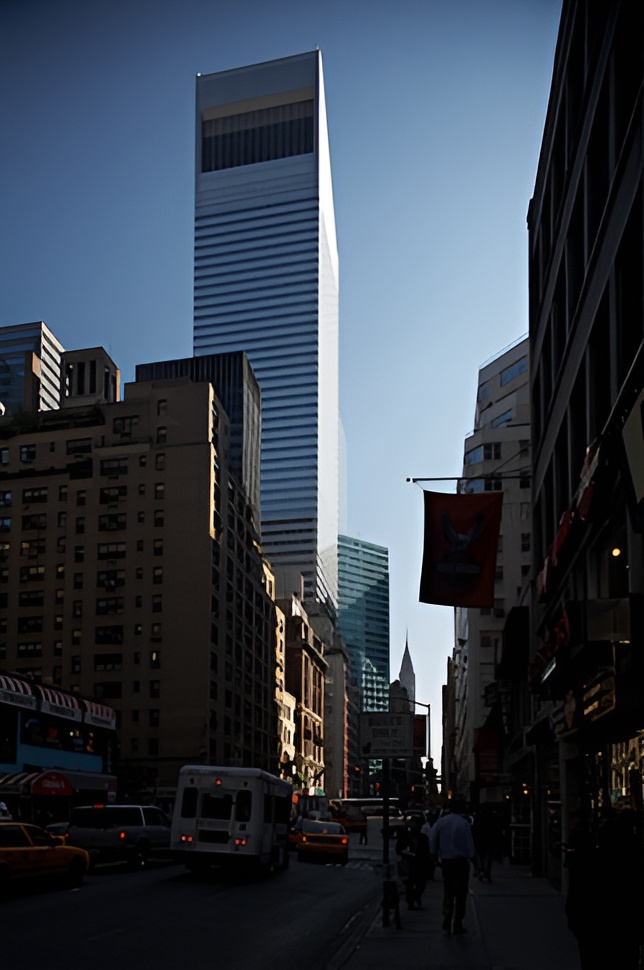
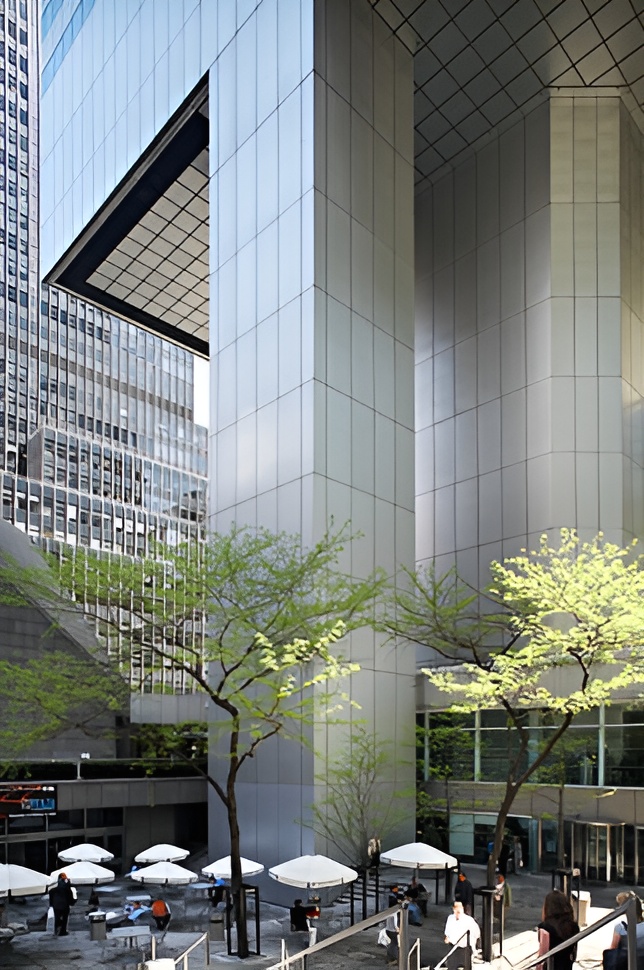
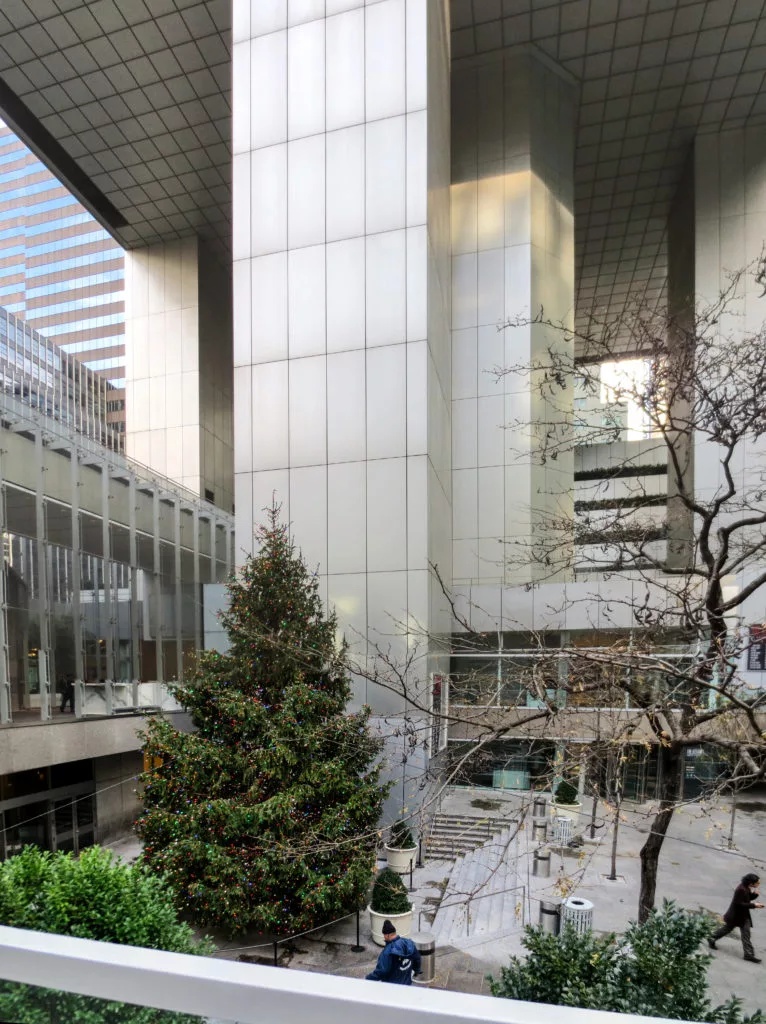
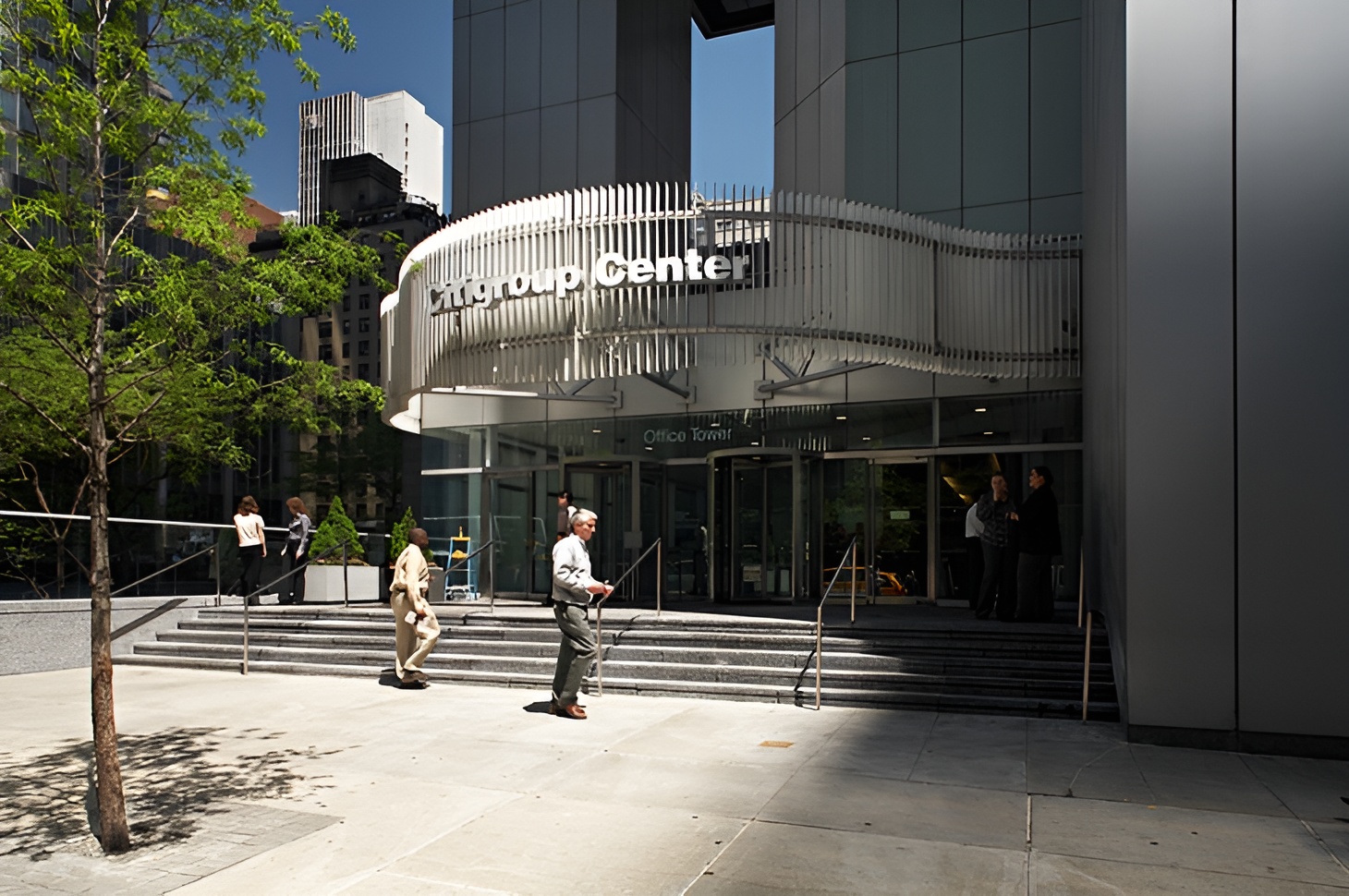
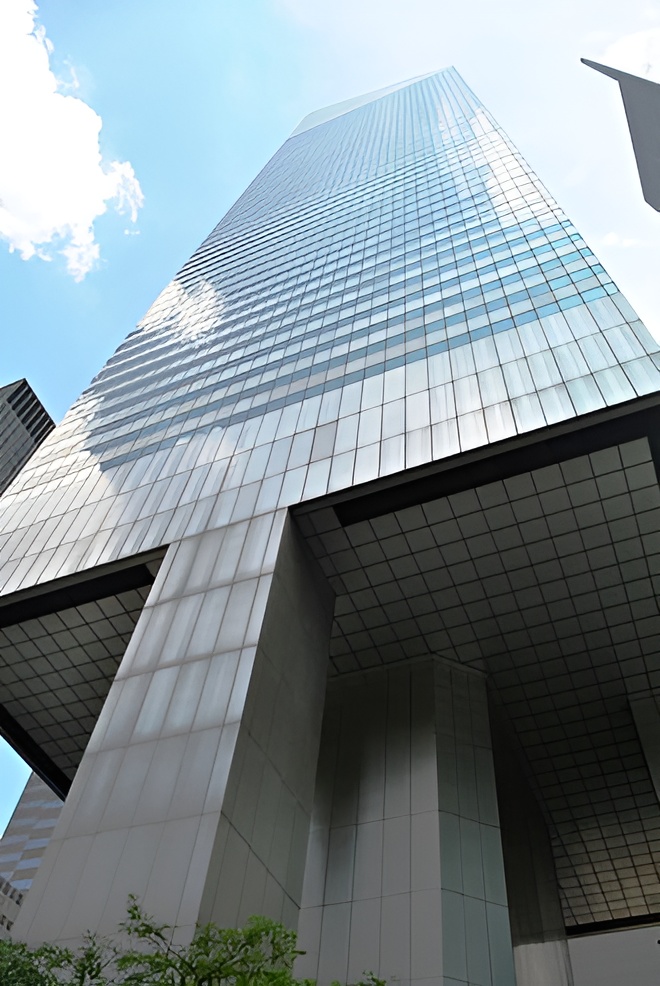
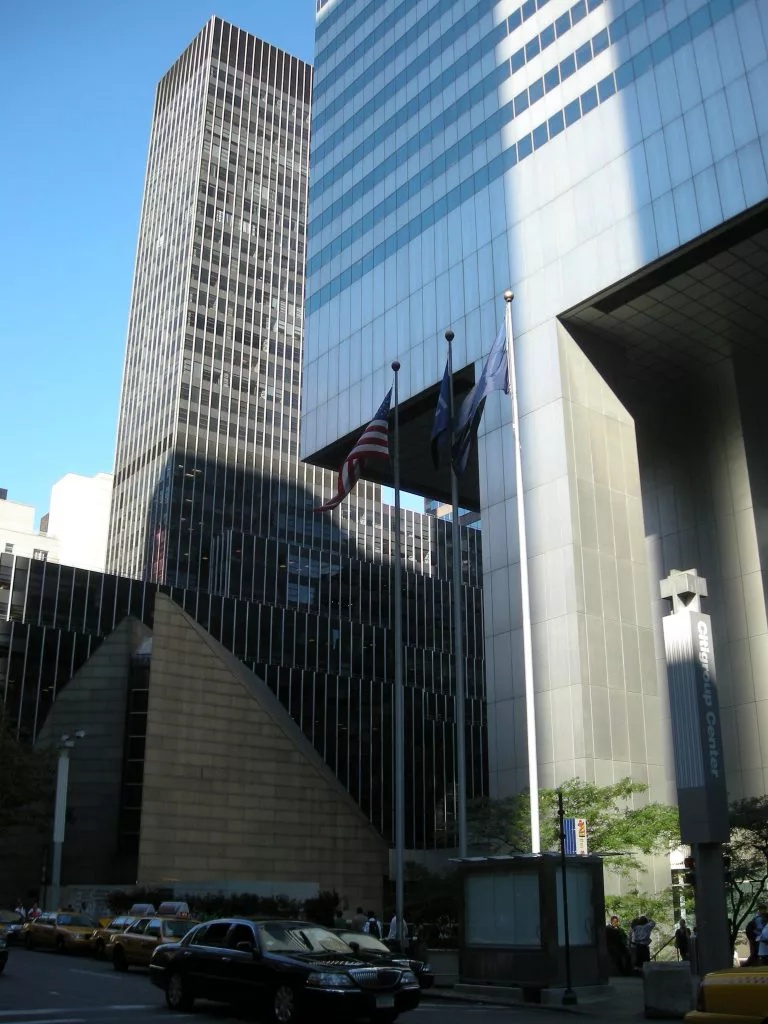
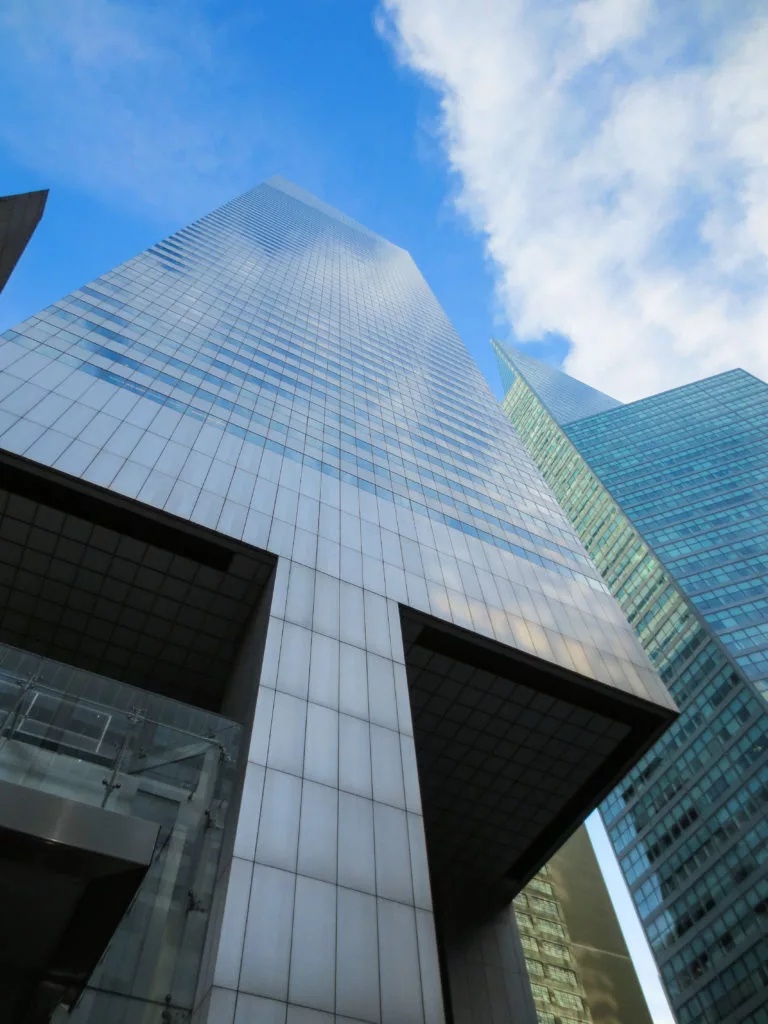
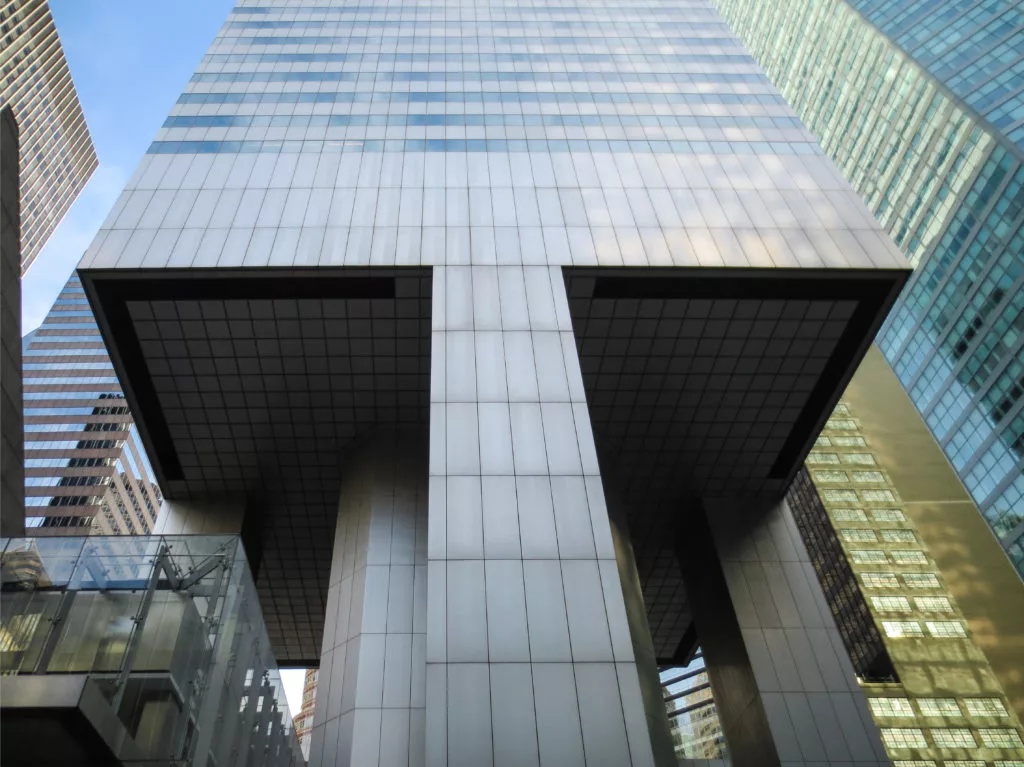
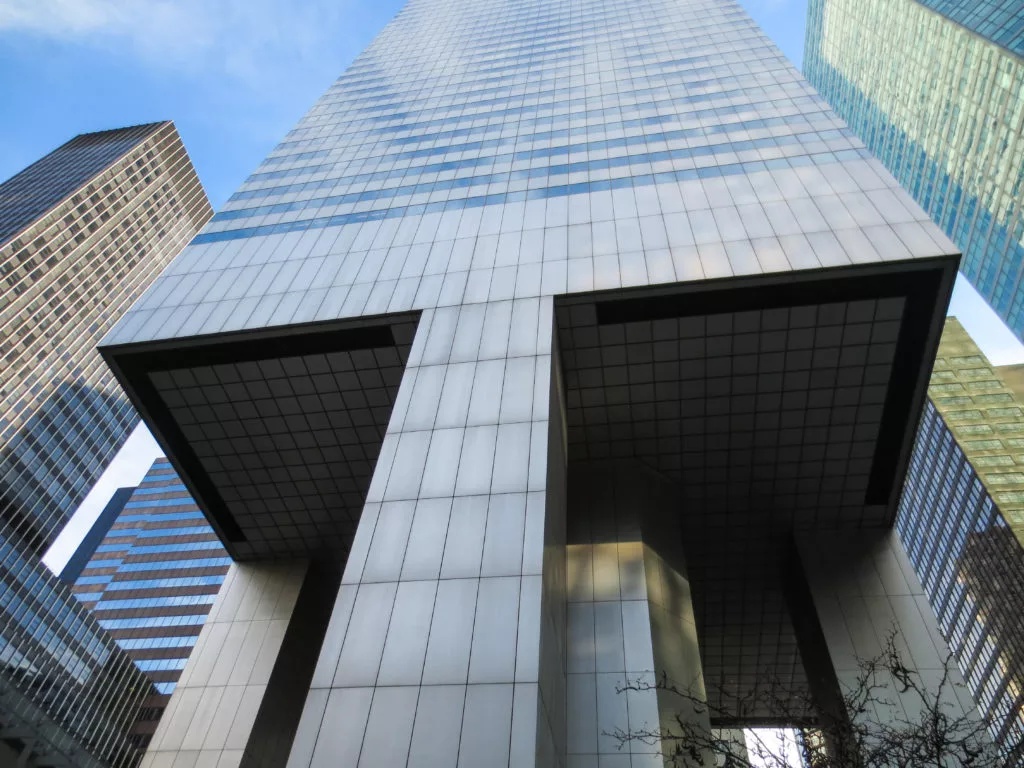
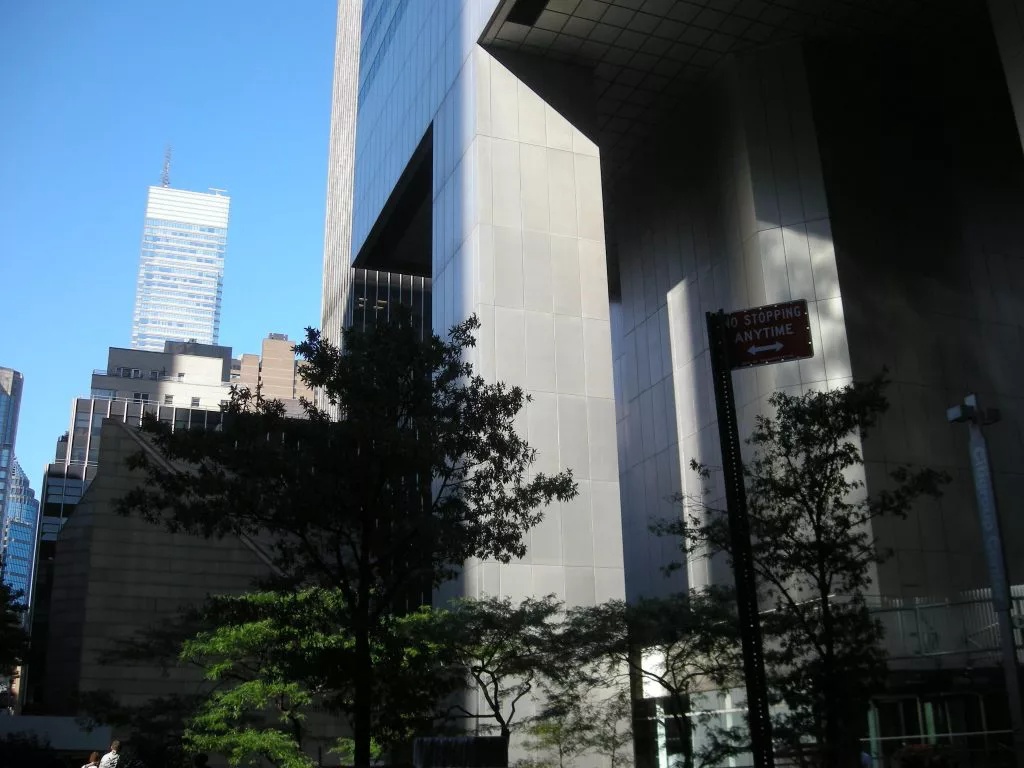
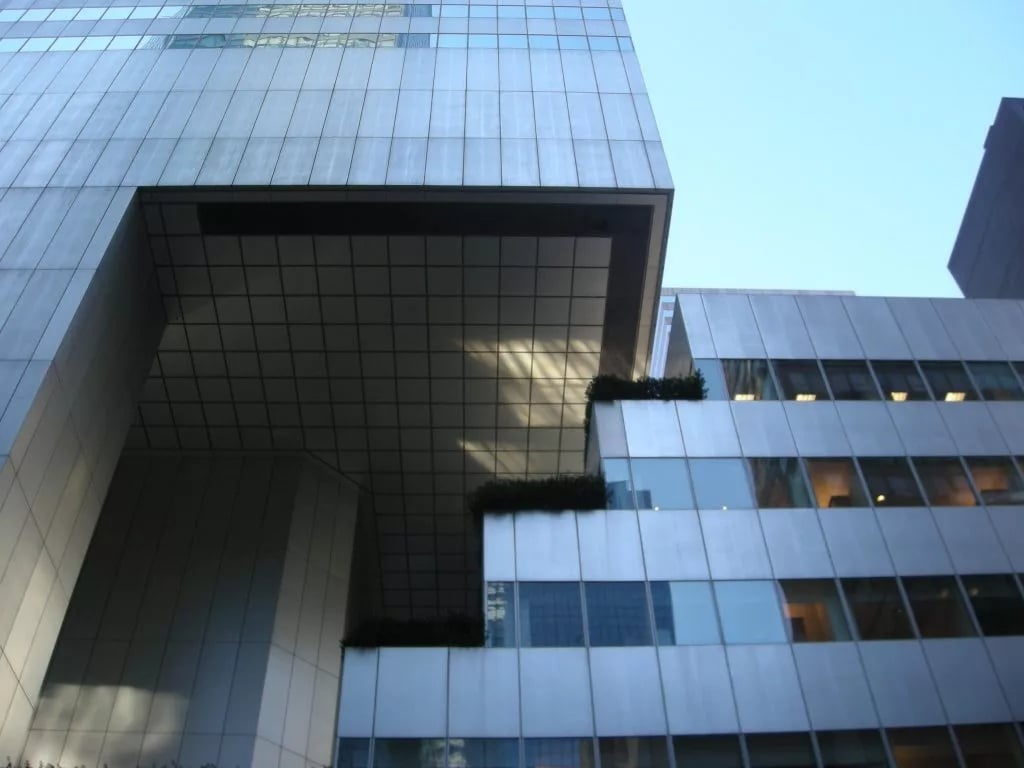
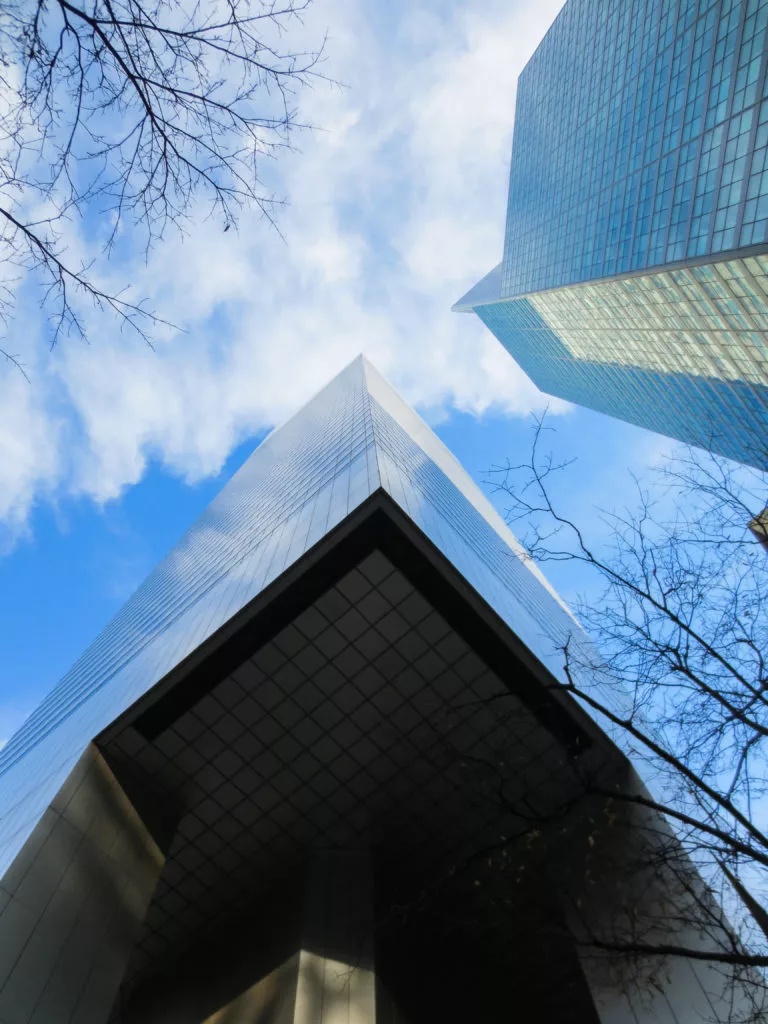
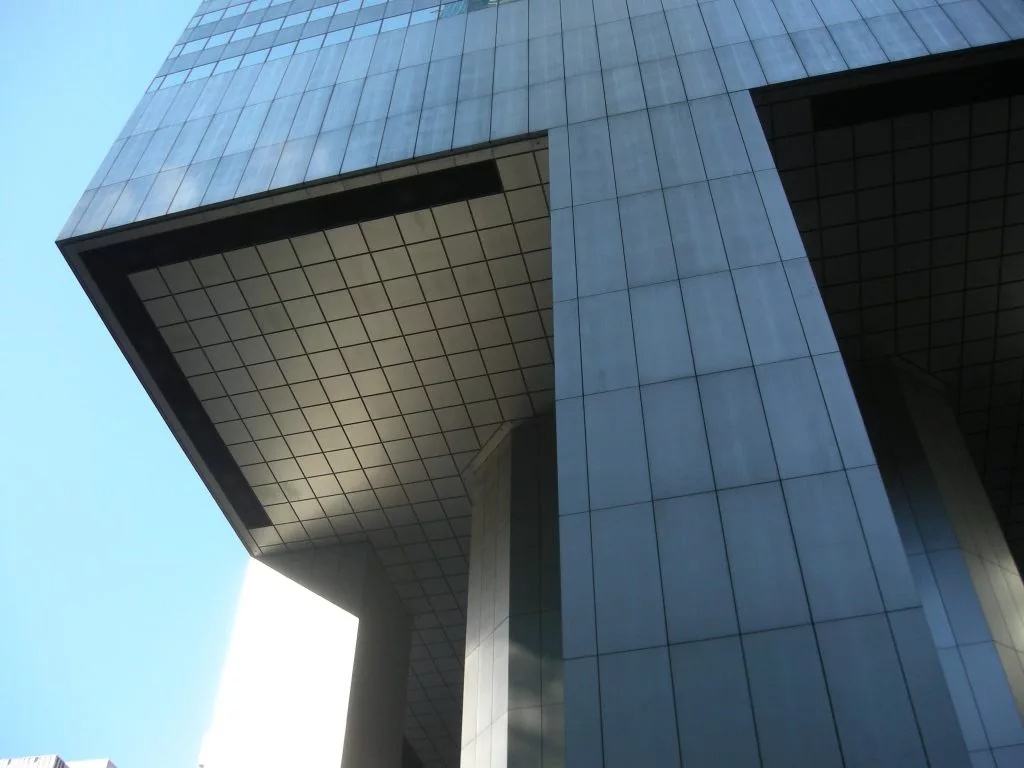
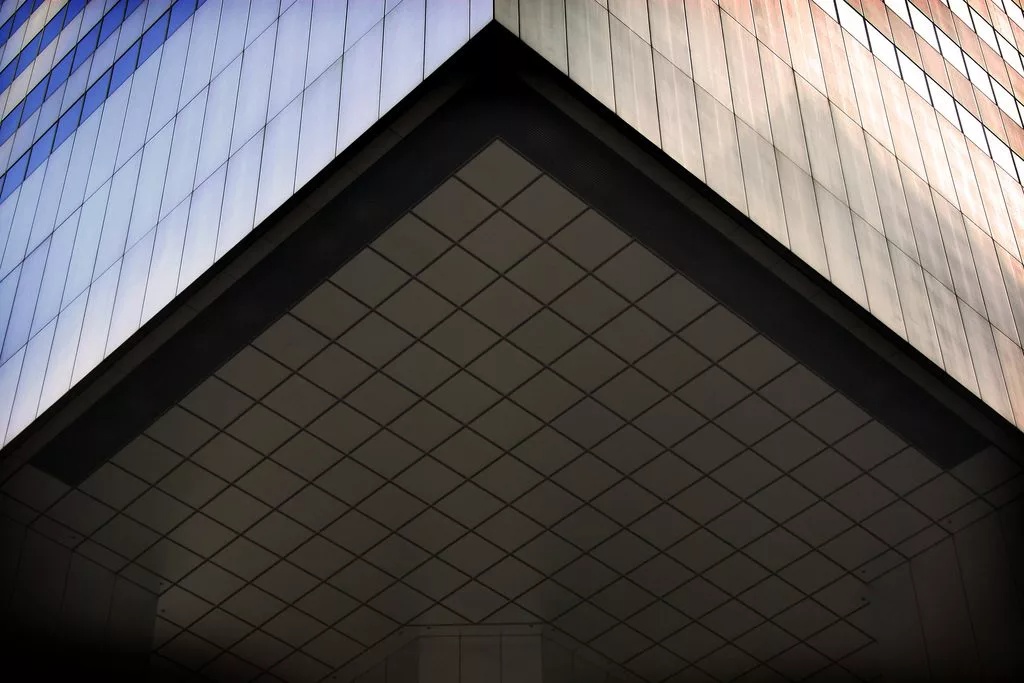
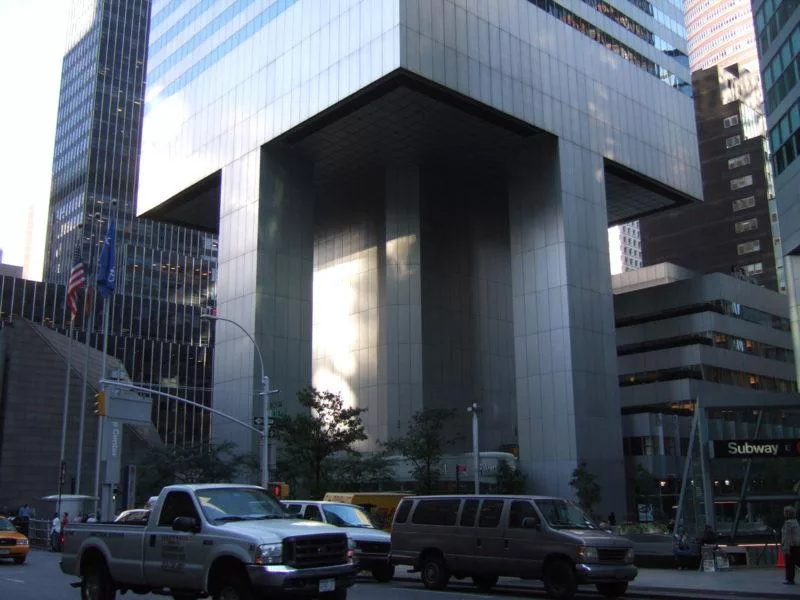
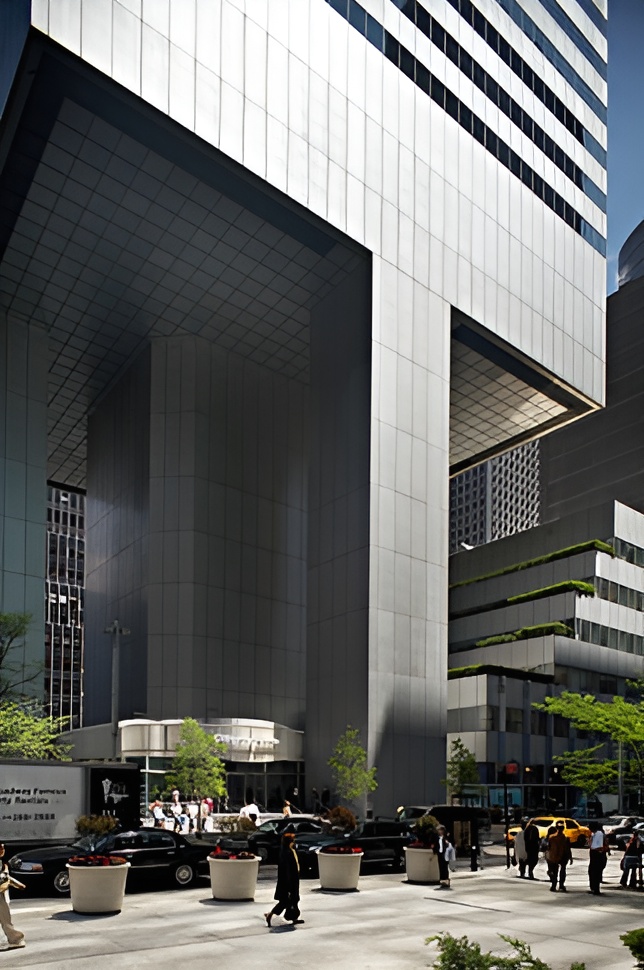
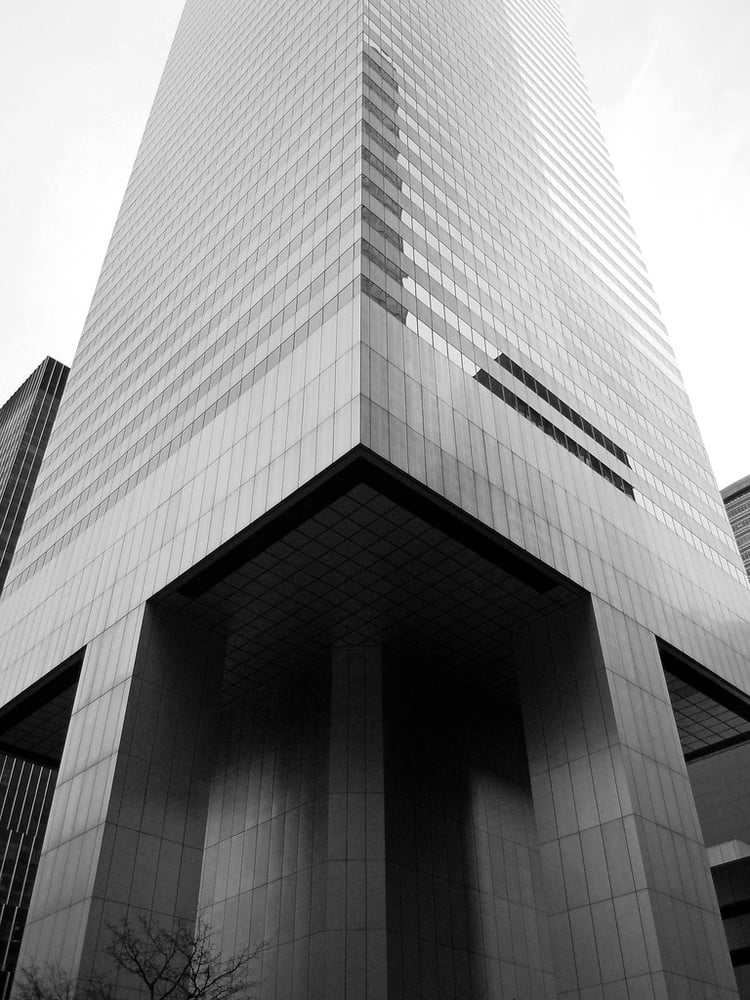
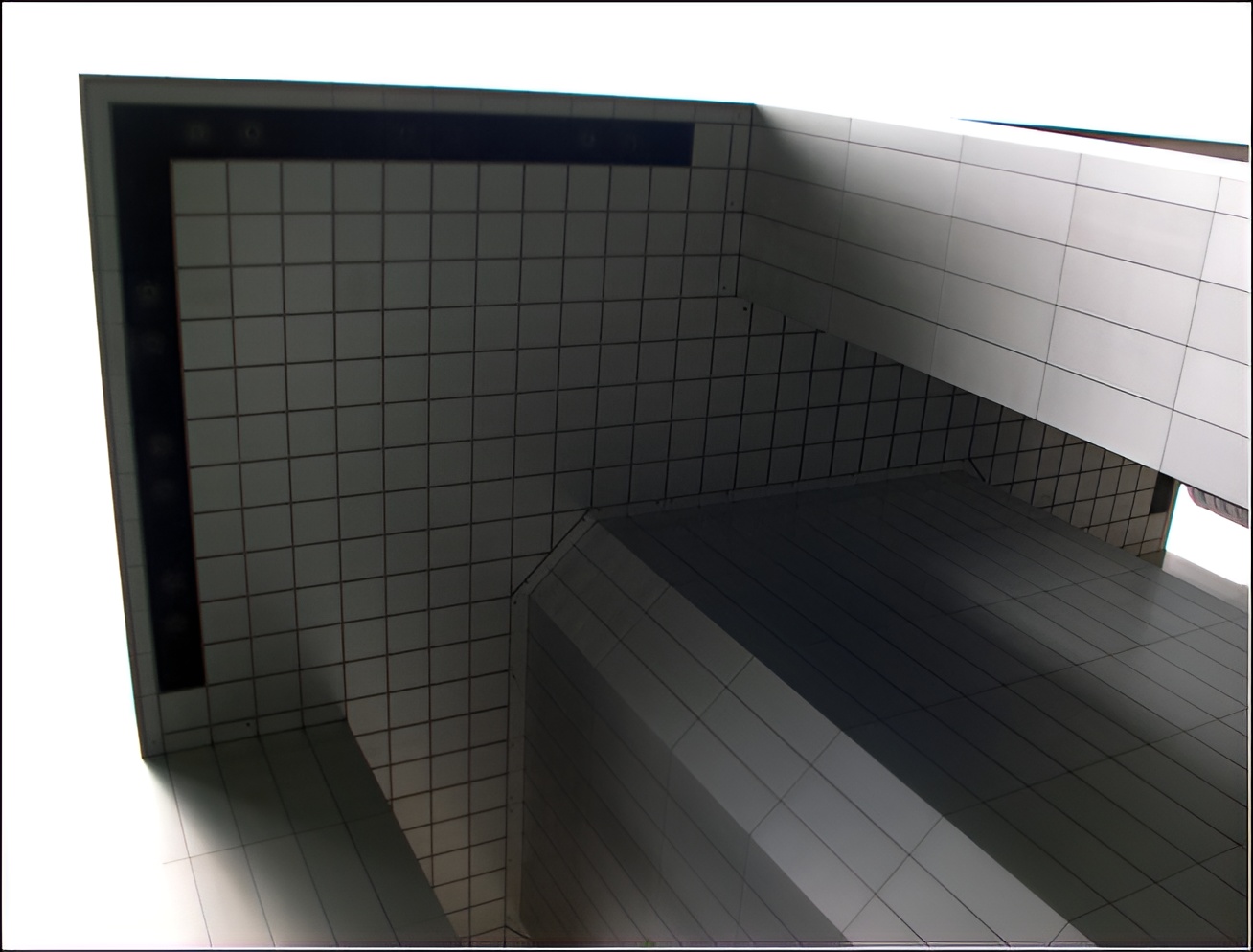
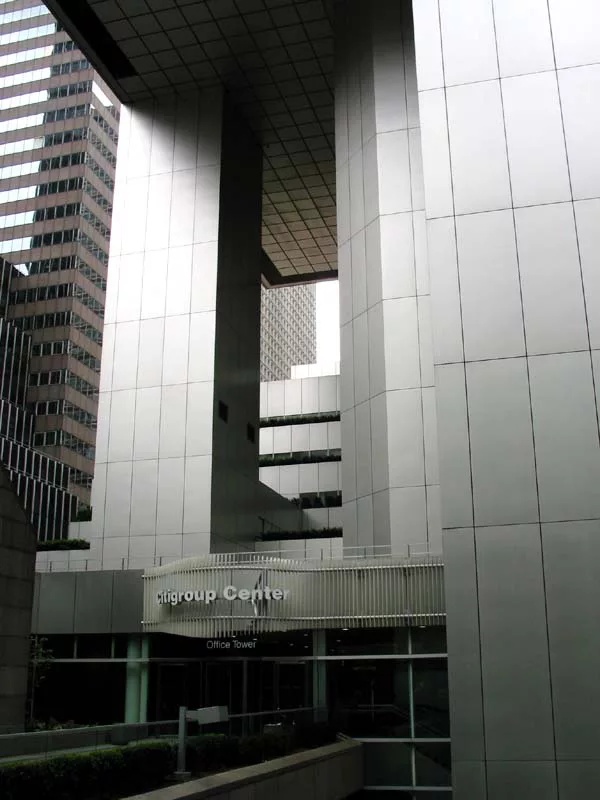
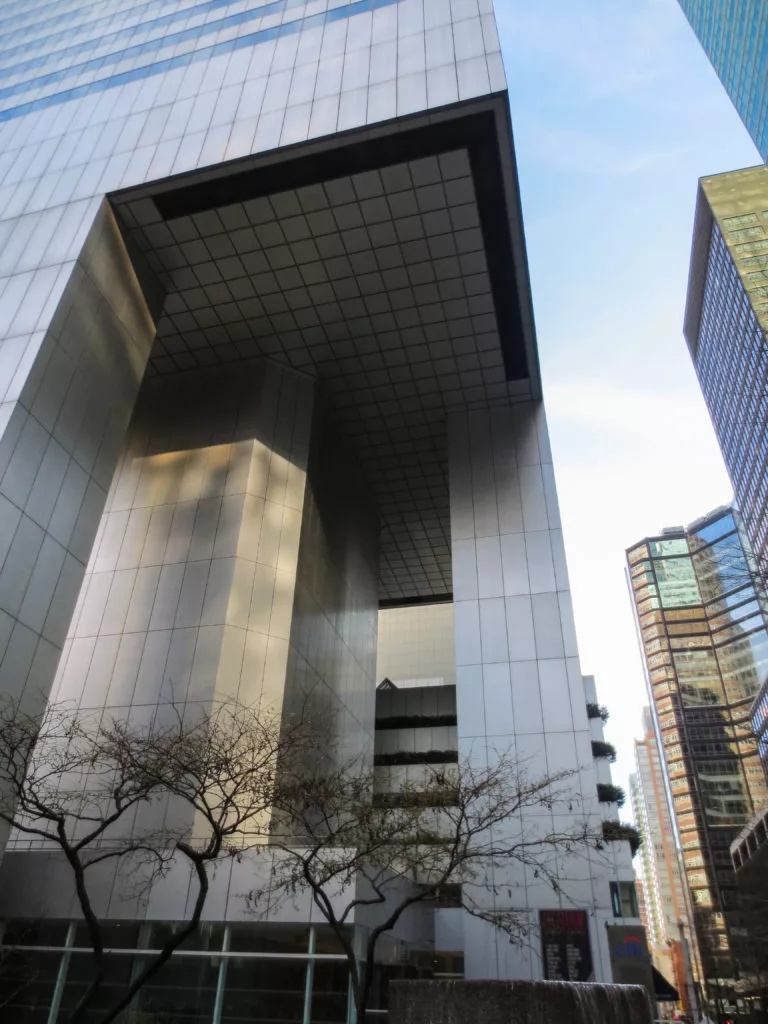
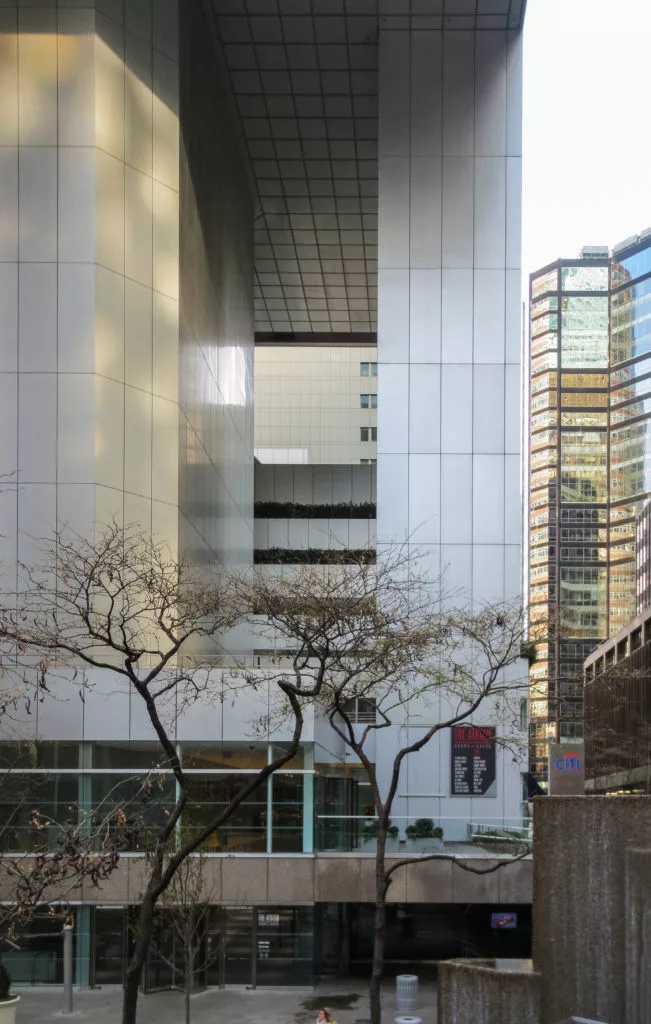
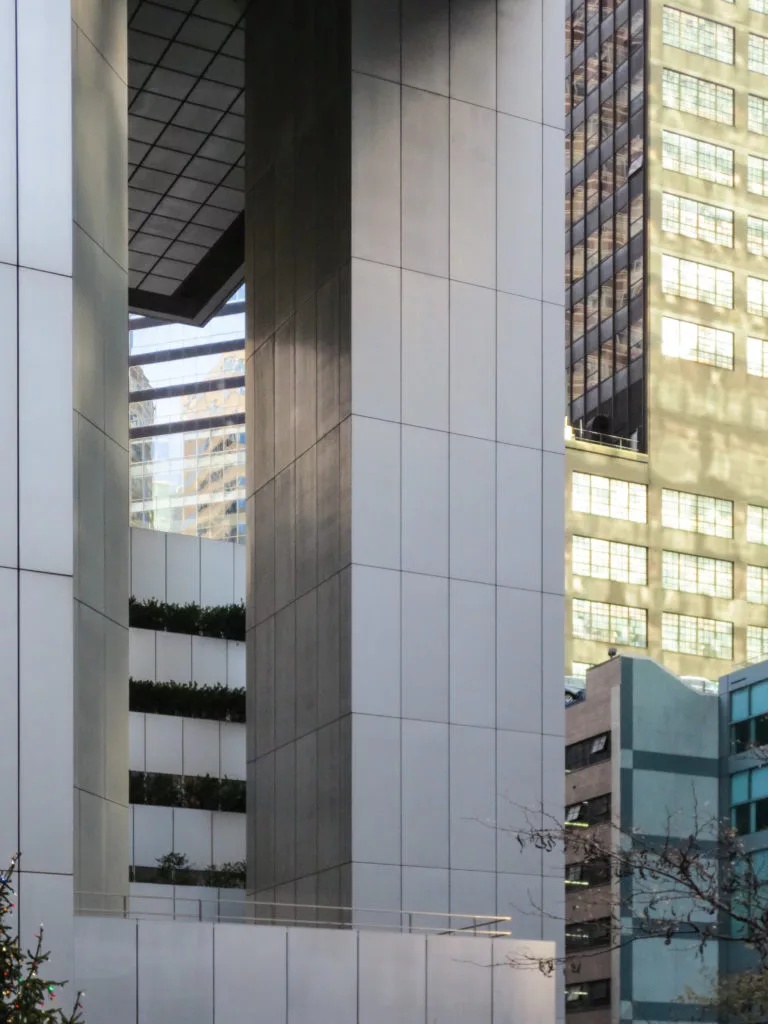
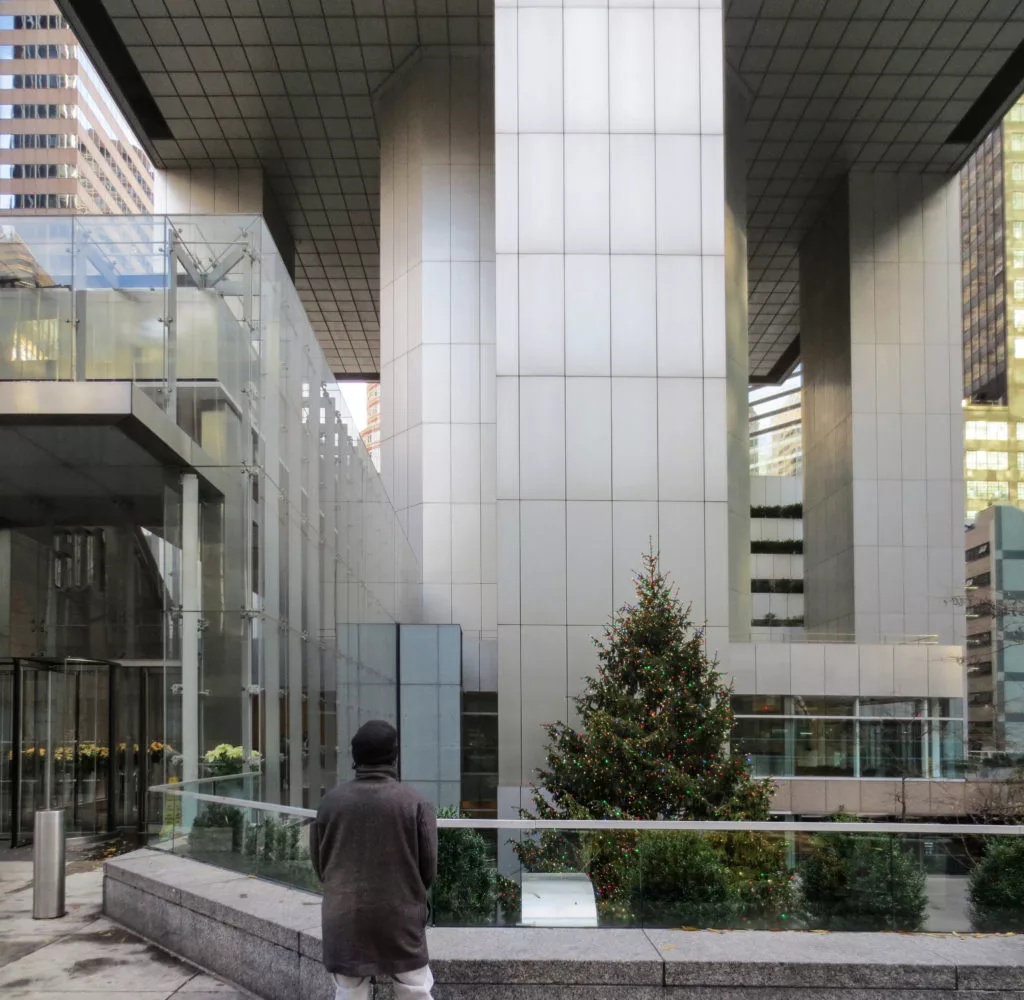
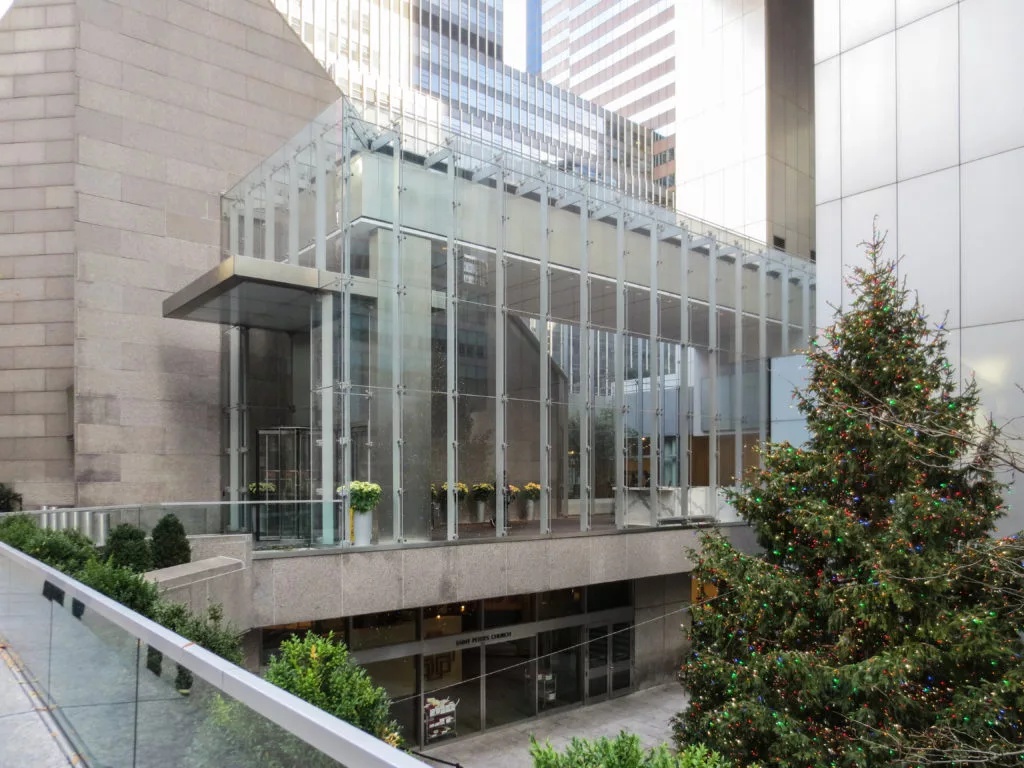
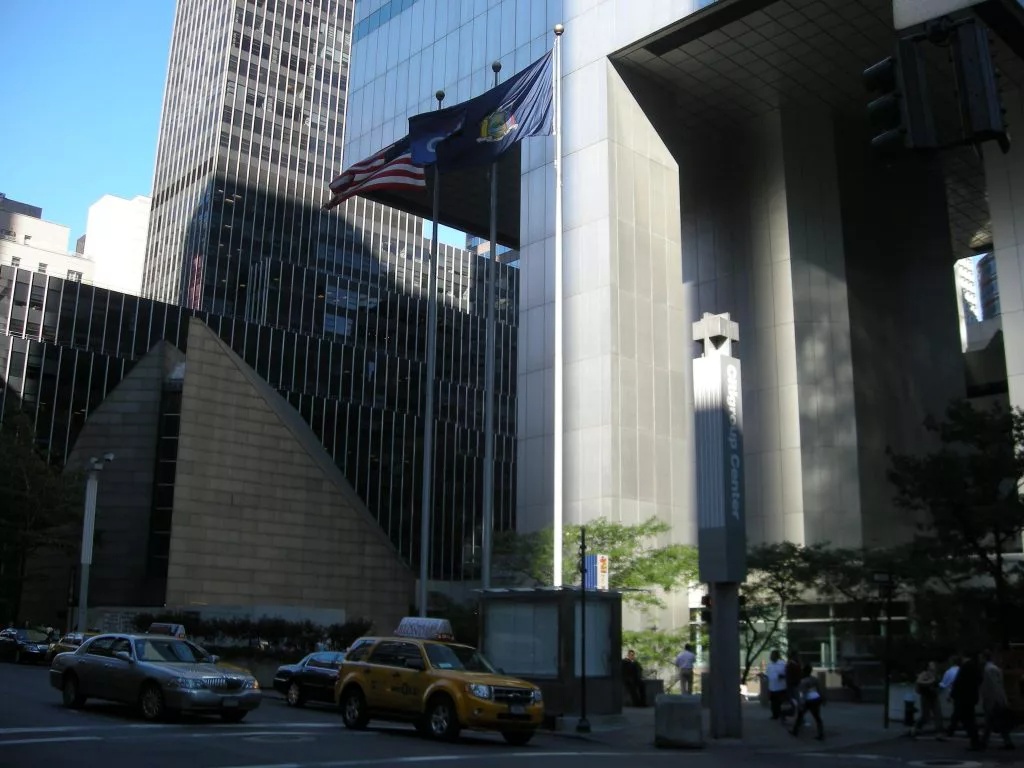
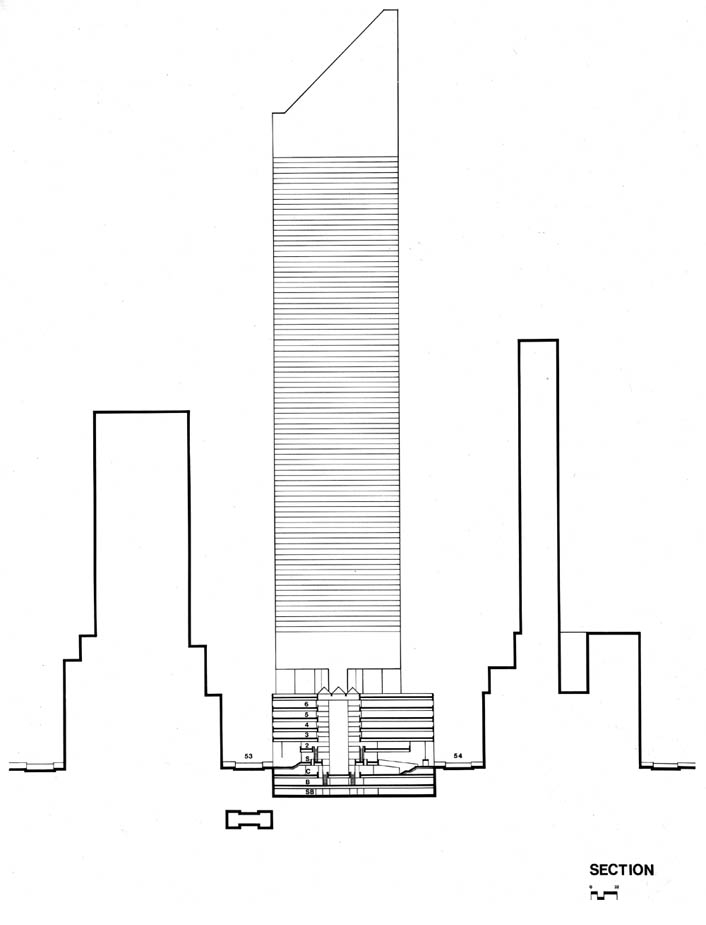
LeMessurier developed a system in which the tower rests on four large columns placed at the midpoint of each façade rather than at the corners. These supports lift the office volume above street level and allow the northwest corner to cantilever over the church site. The resulting base creates a dramatic overhang while accommodating public space, retail functions, subway access, and the new St. Peter’s Church below.
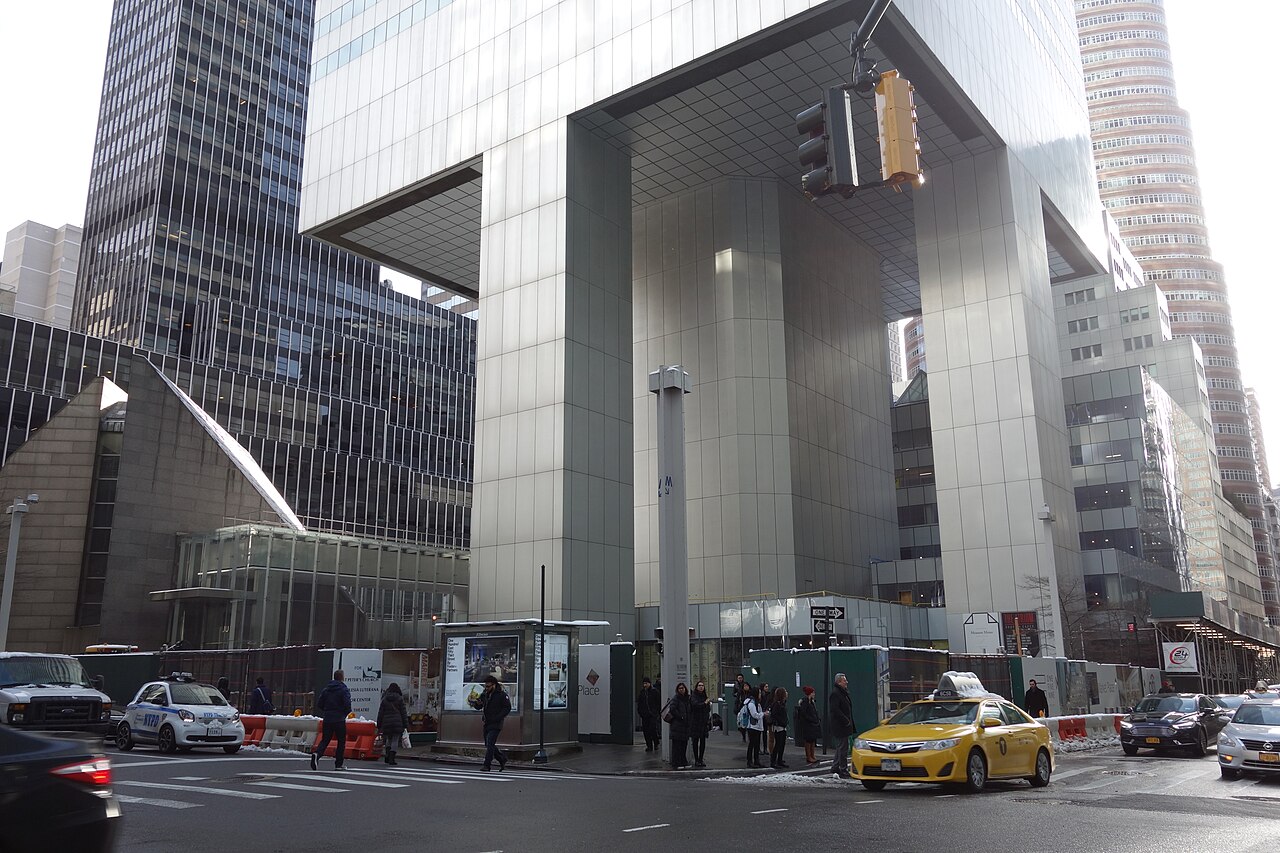
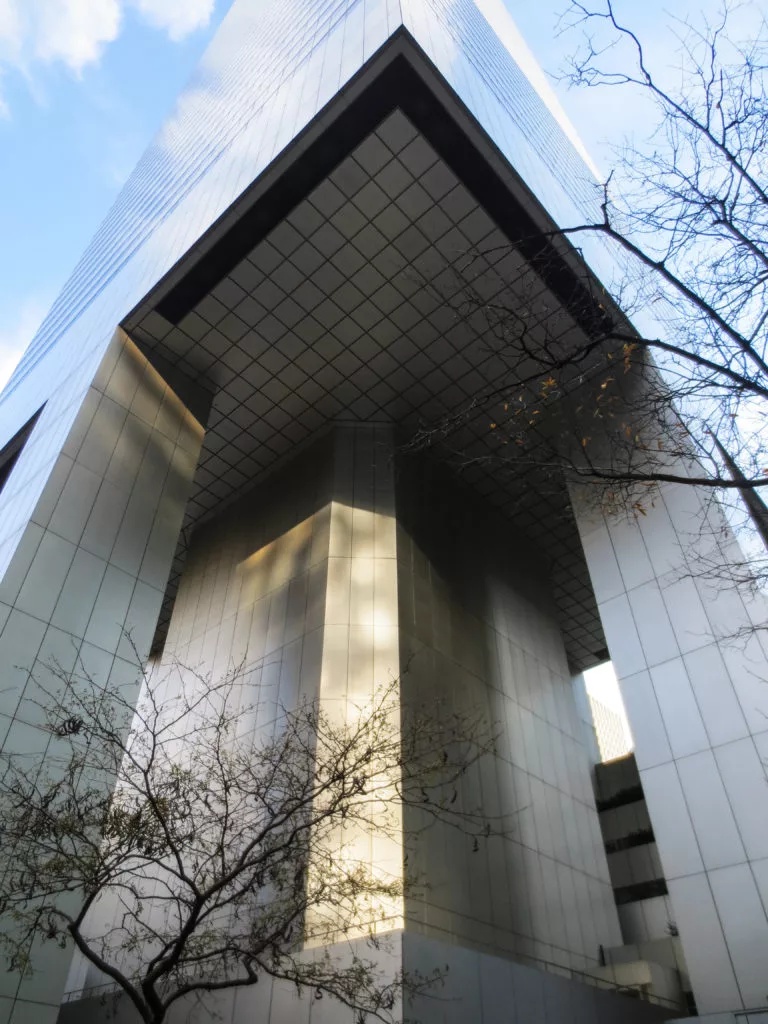
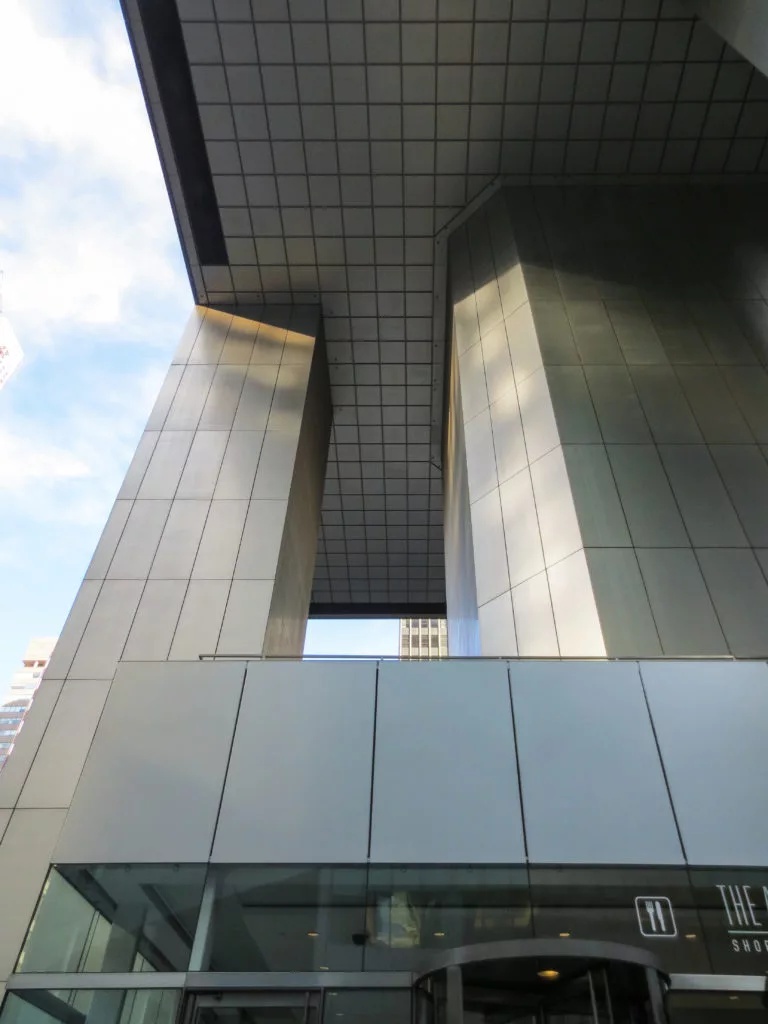
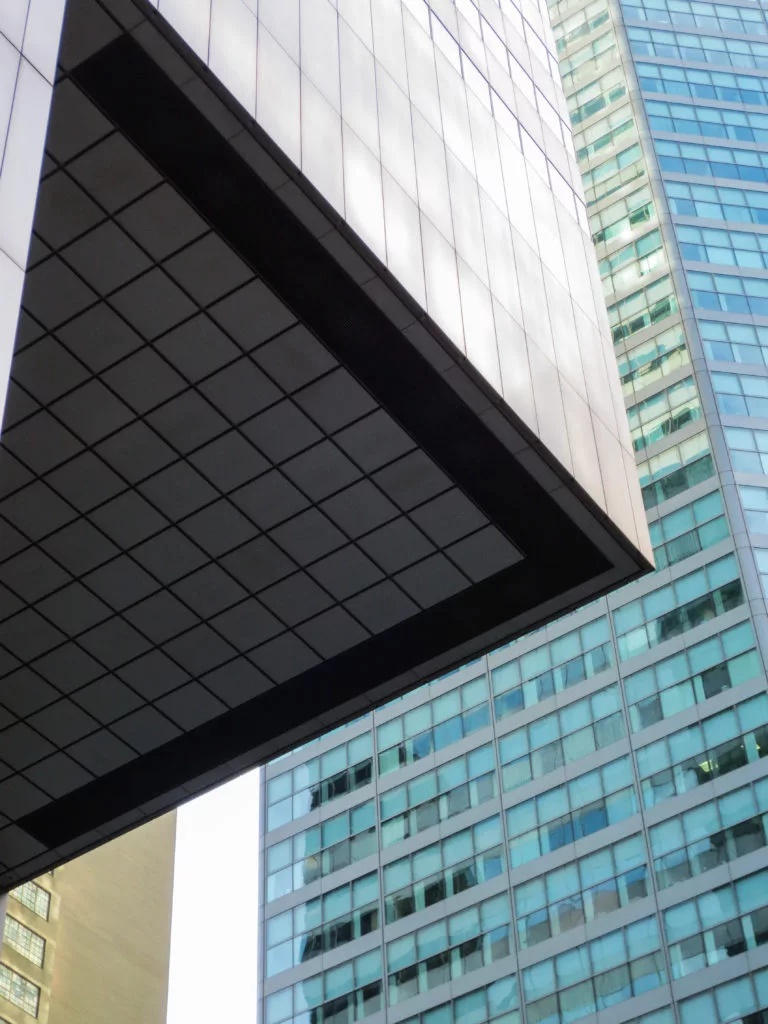
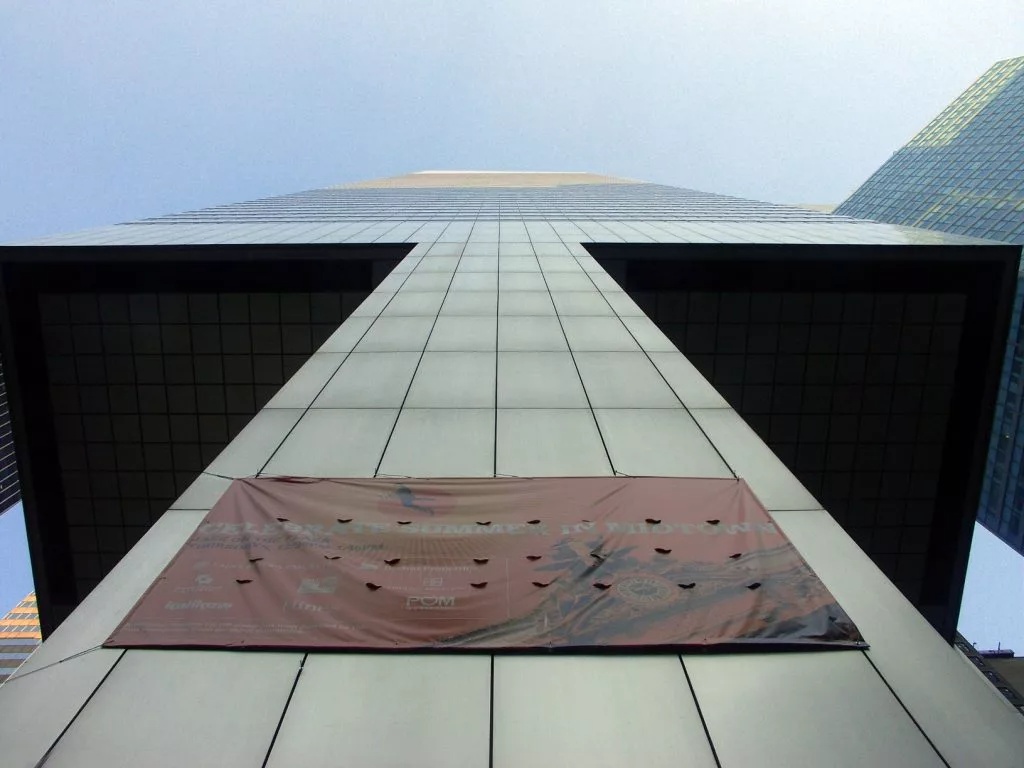
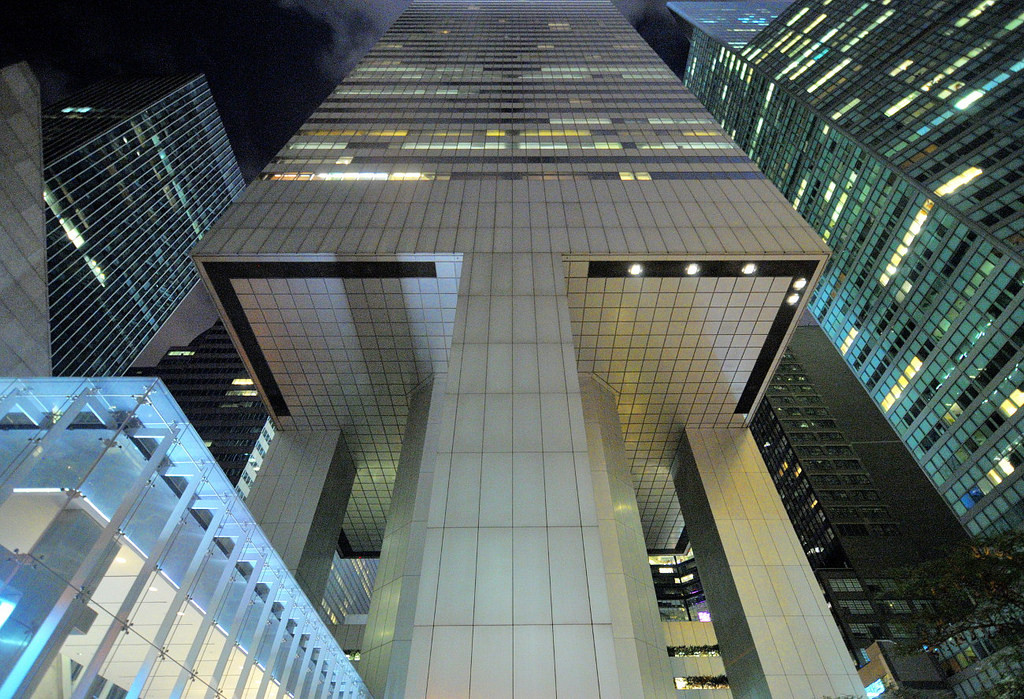
The tower’s structure uses stacked inverted chevron braces that transfer loads from the corners toward the central supports. Each bracing tier spans multiple floors and redirects gravity and wind forces into the main columns. This structural system allowed the building to achieve an unusual massing while maintaining open office floors above.
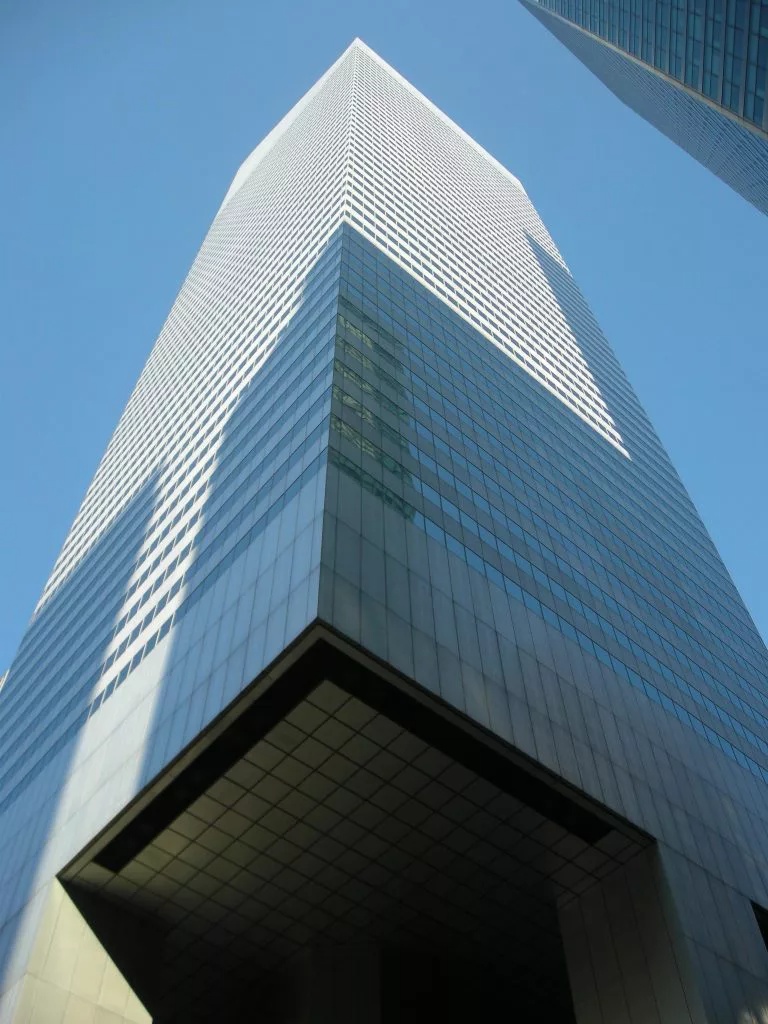
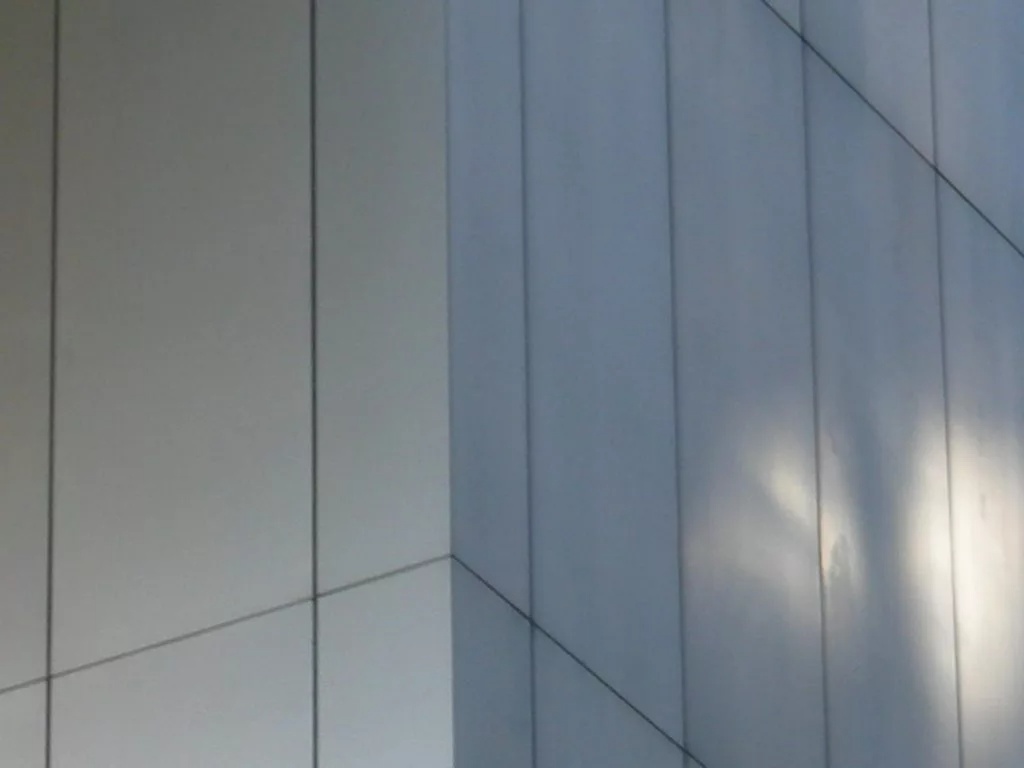
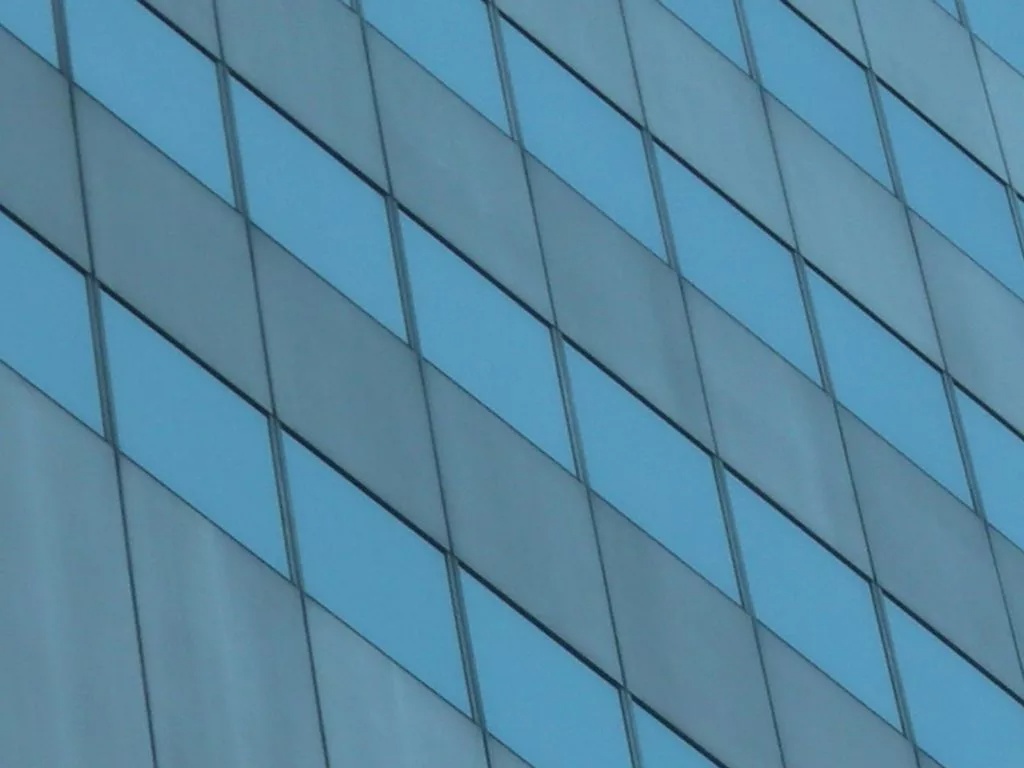
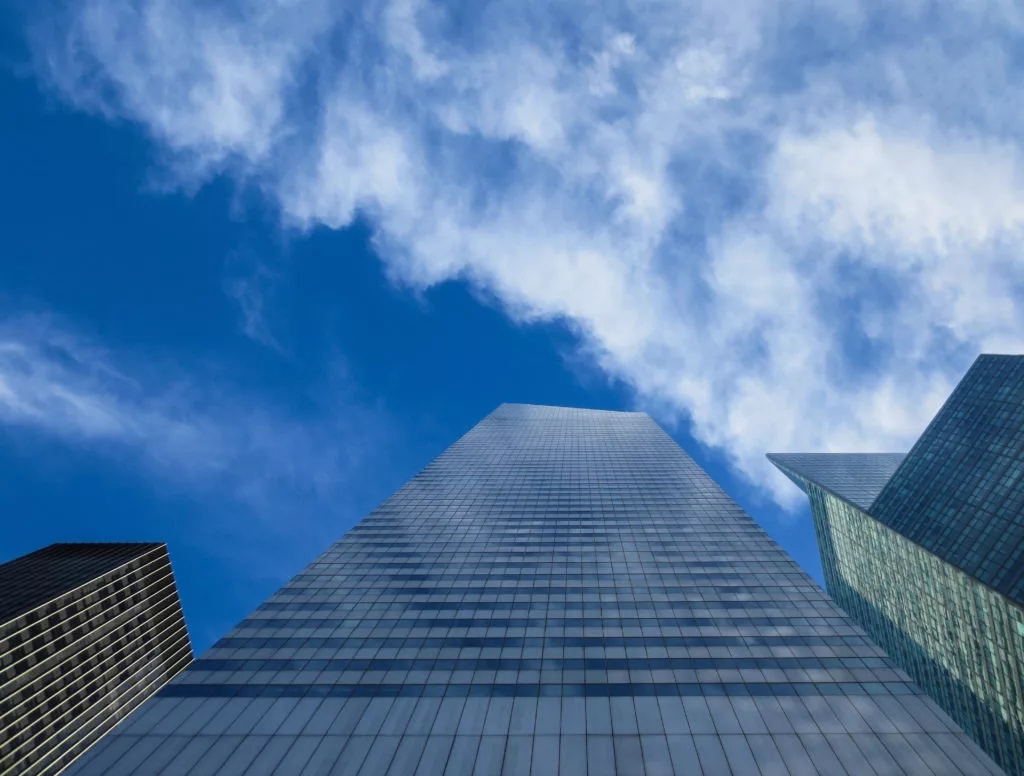
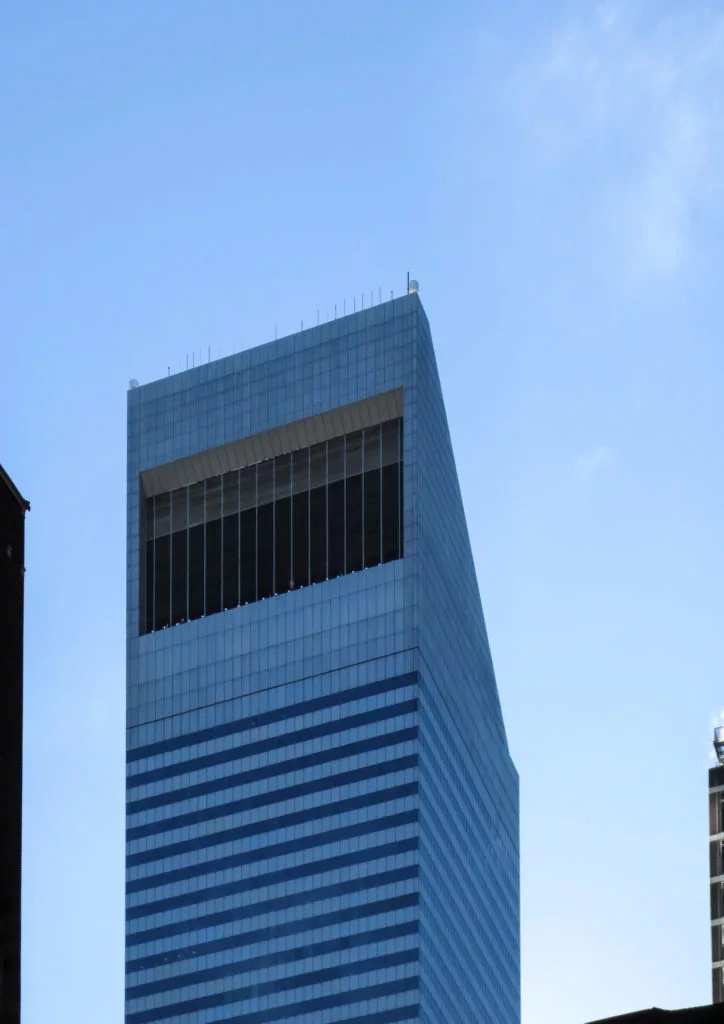
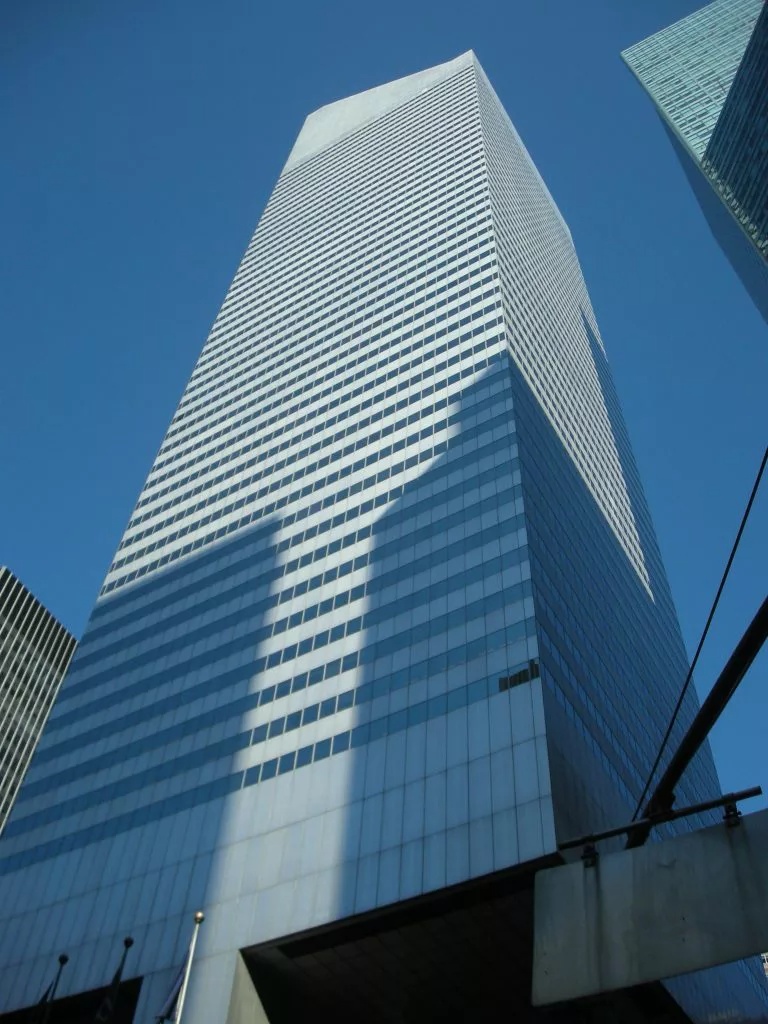
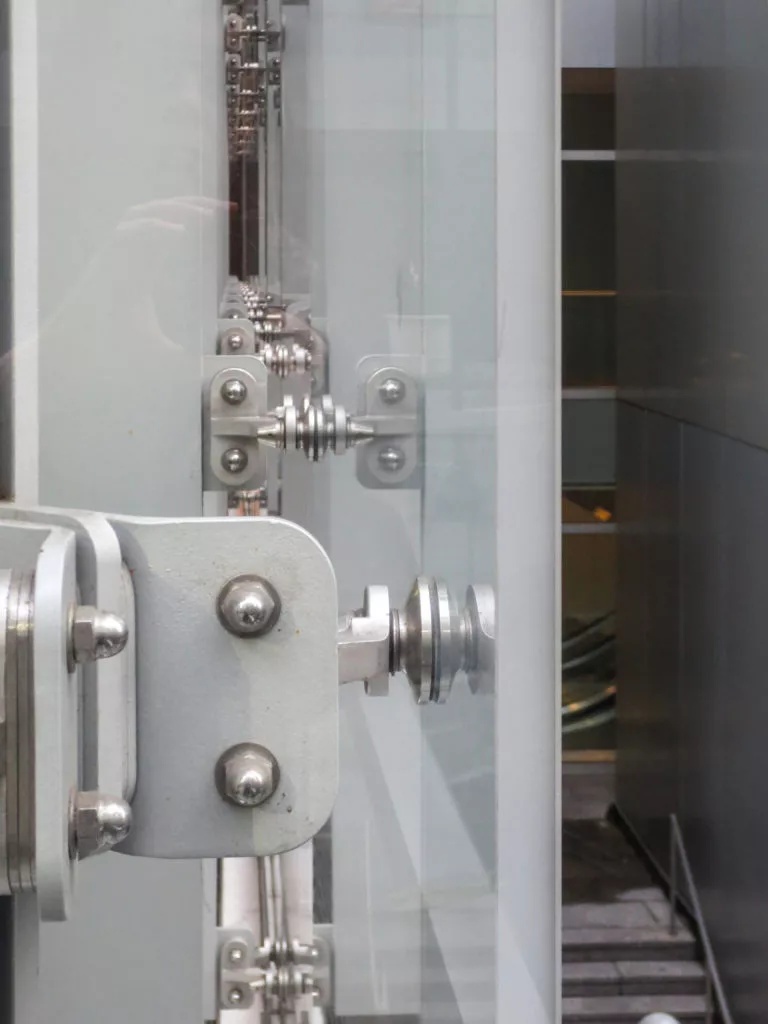
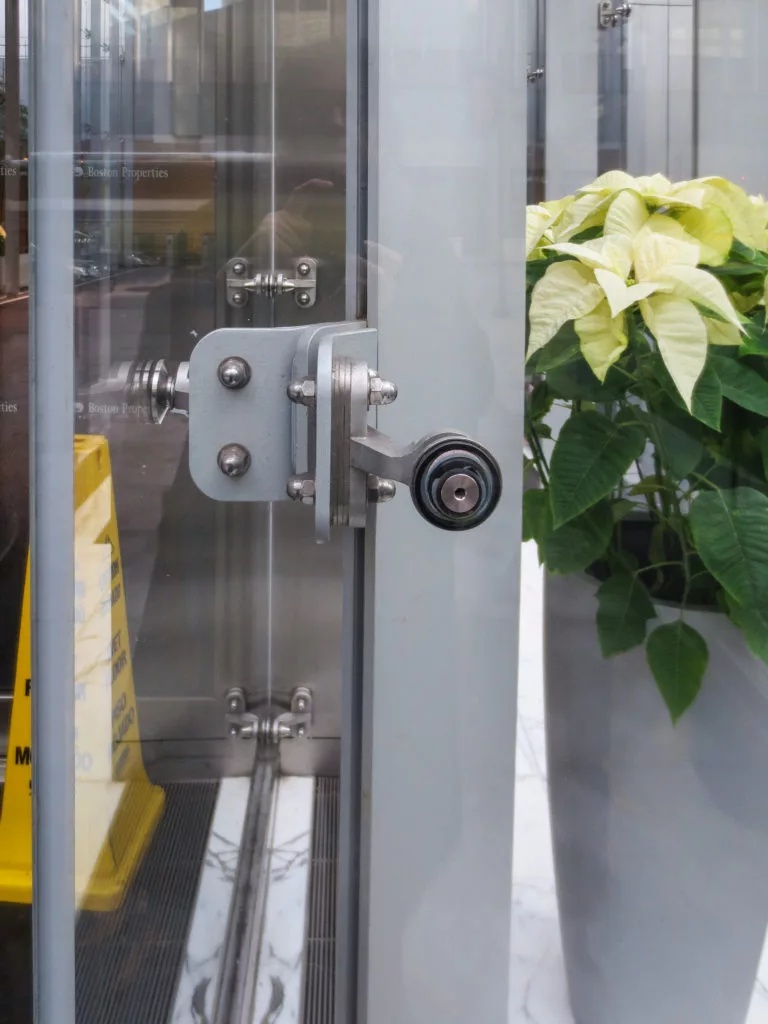
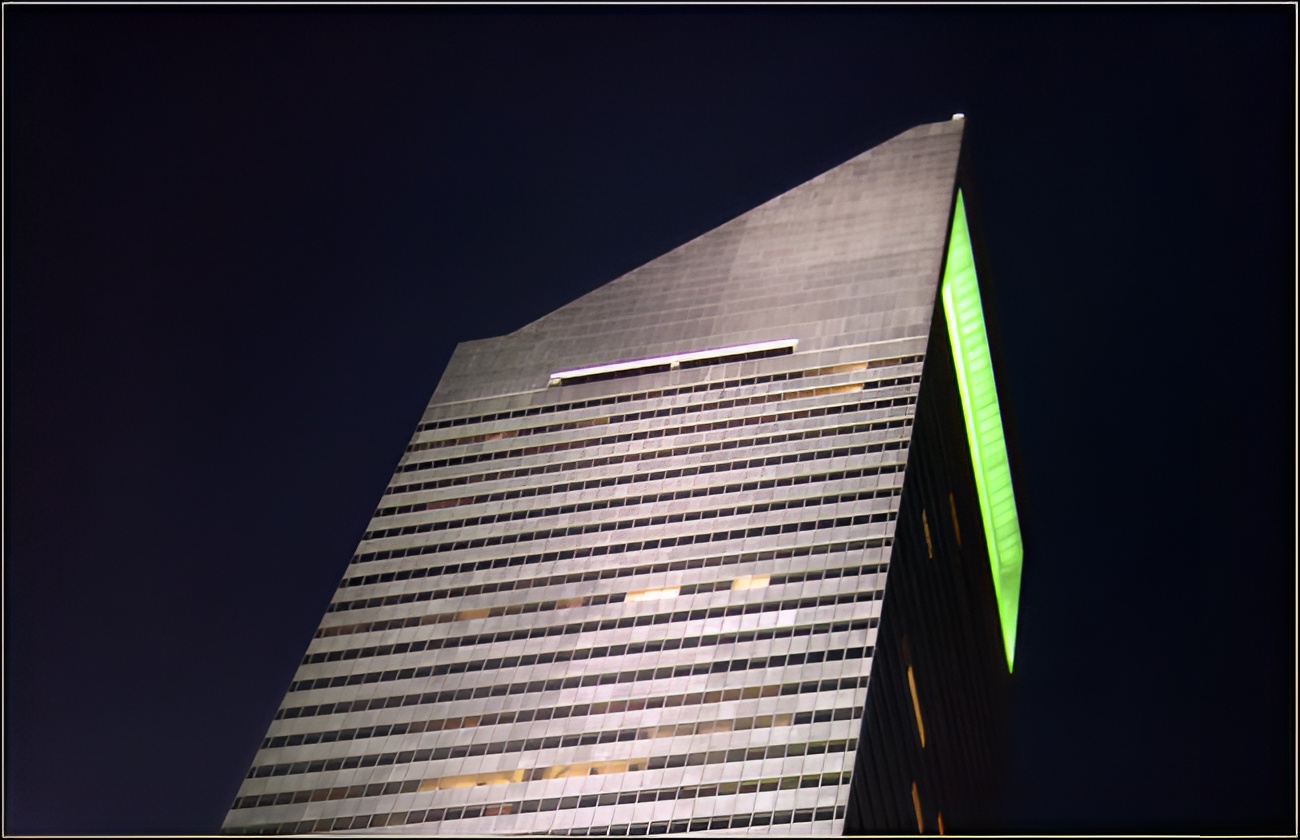
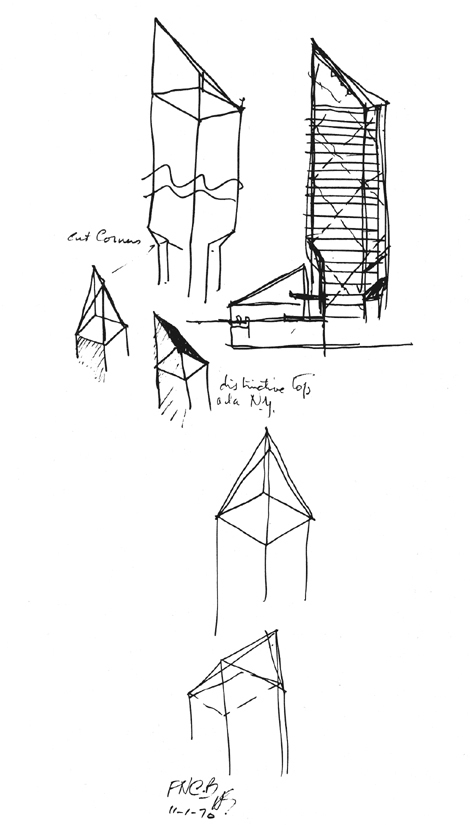
Citigroup Center’s curtain wall combines aluminum panels and reflective glass in horizontal bands. The façade gives the tower a controlled, gridded appearance and conceals much of the structural bracing behind a clean exterior surface. The 45-degree roof was first studied for terraces and later for solar collectors, but it ultimately became a defining formal feature and mechanical zone.
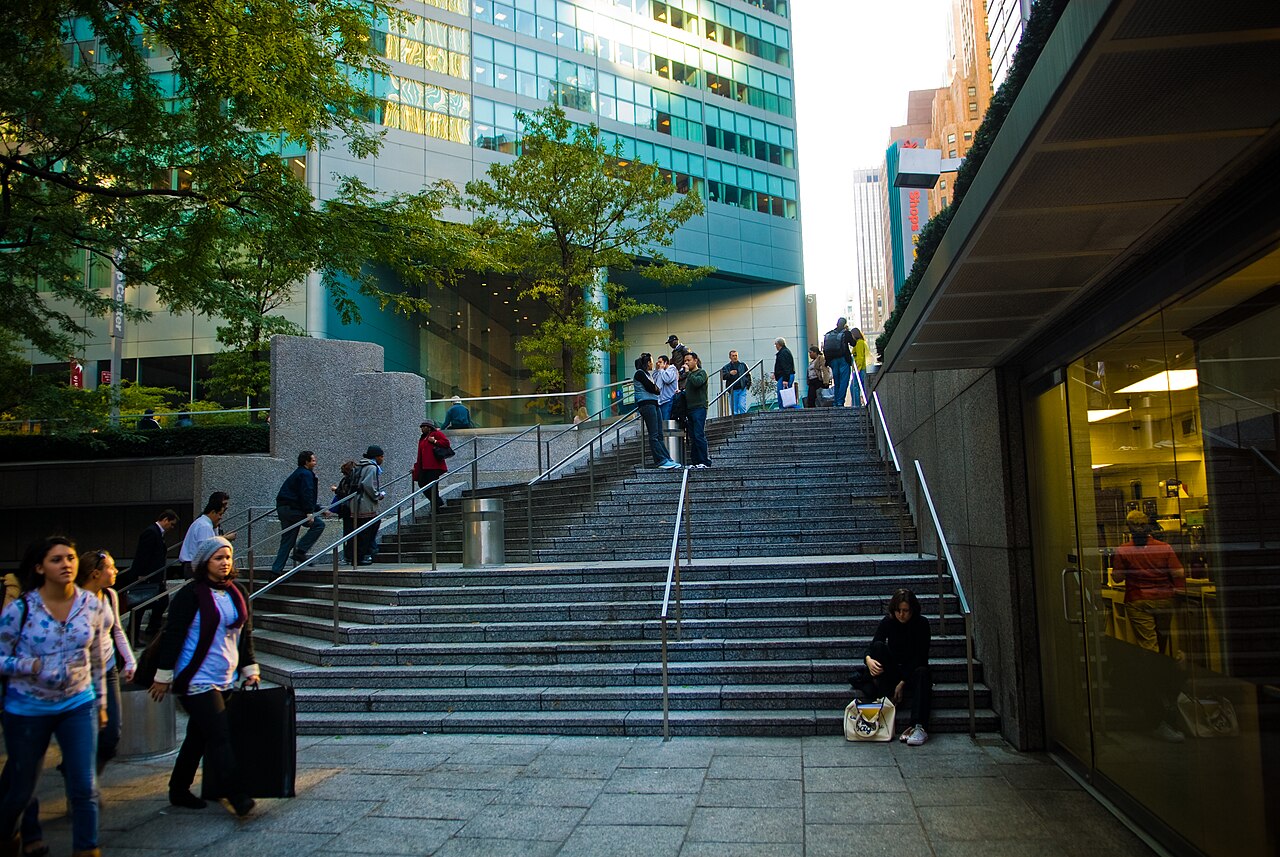
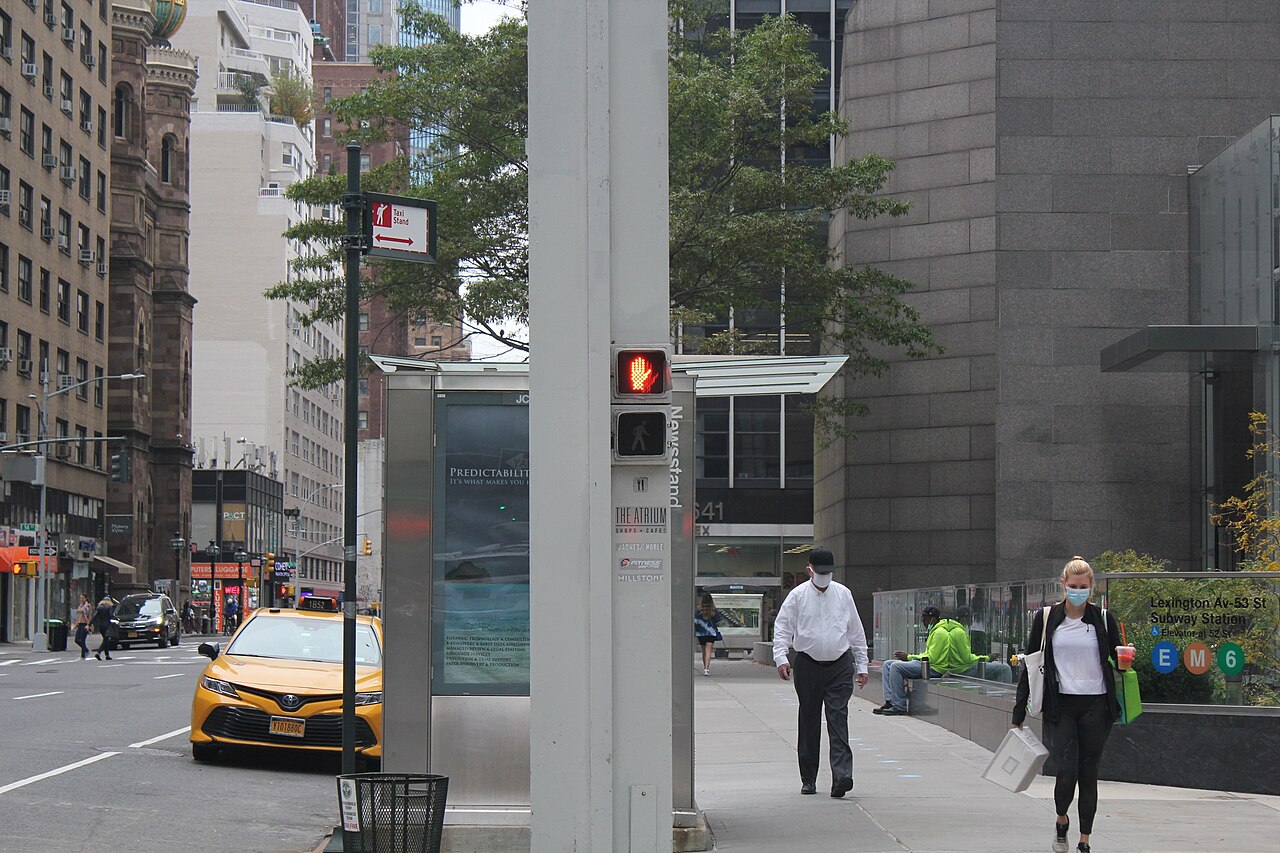
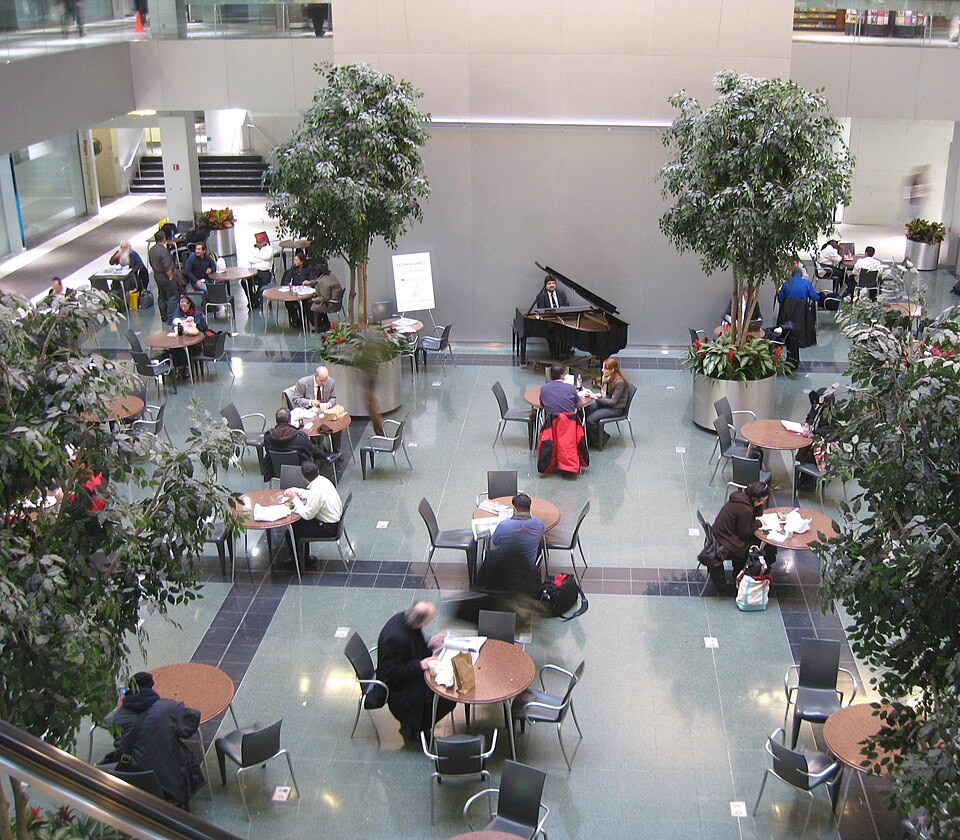
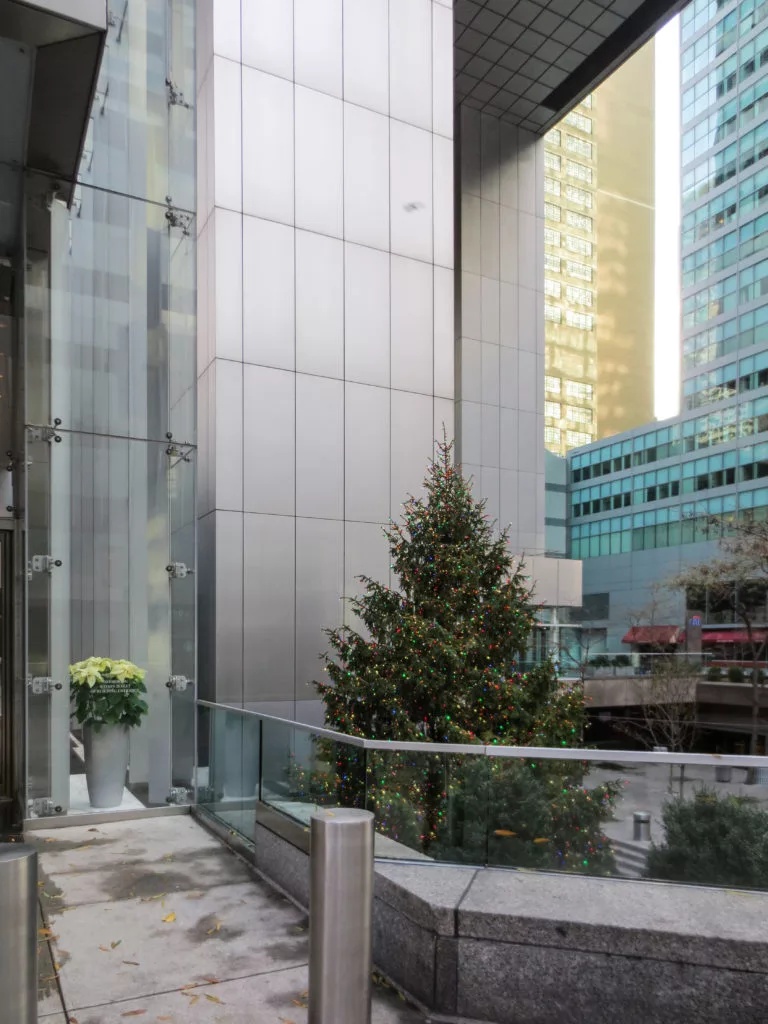
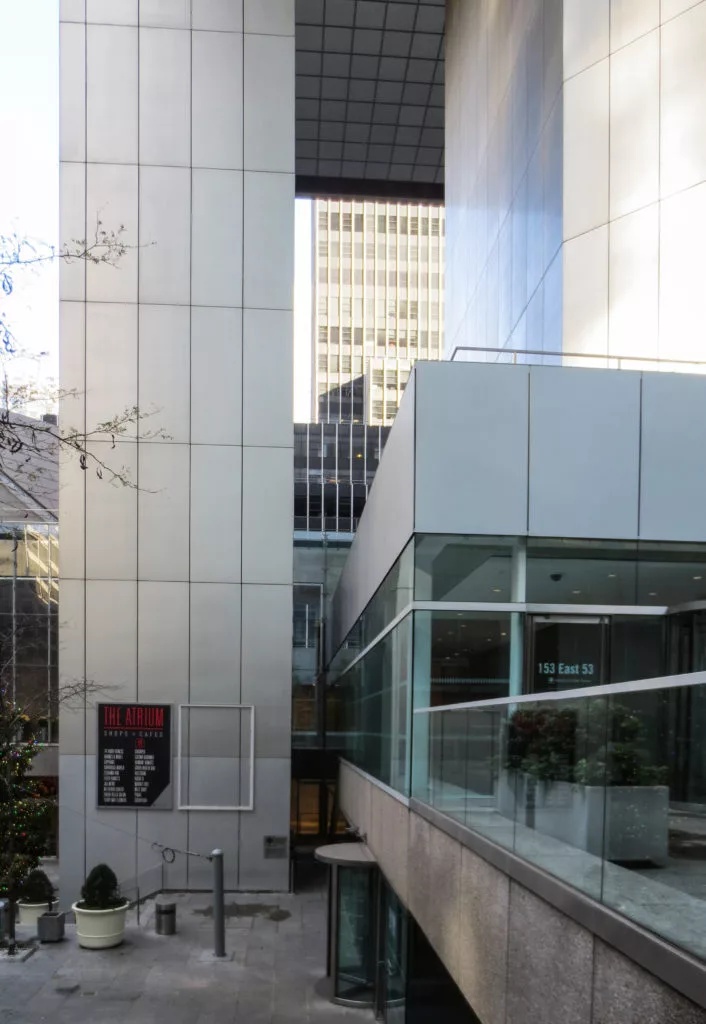
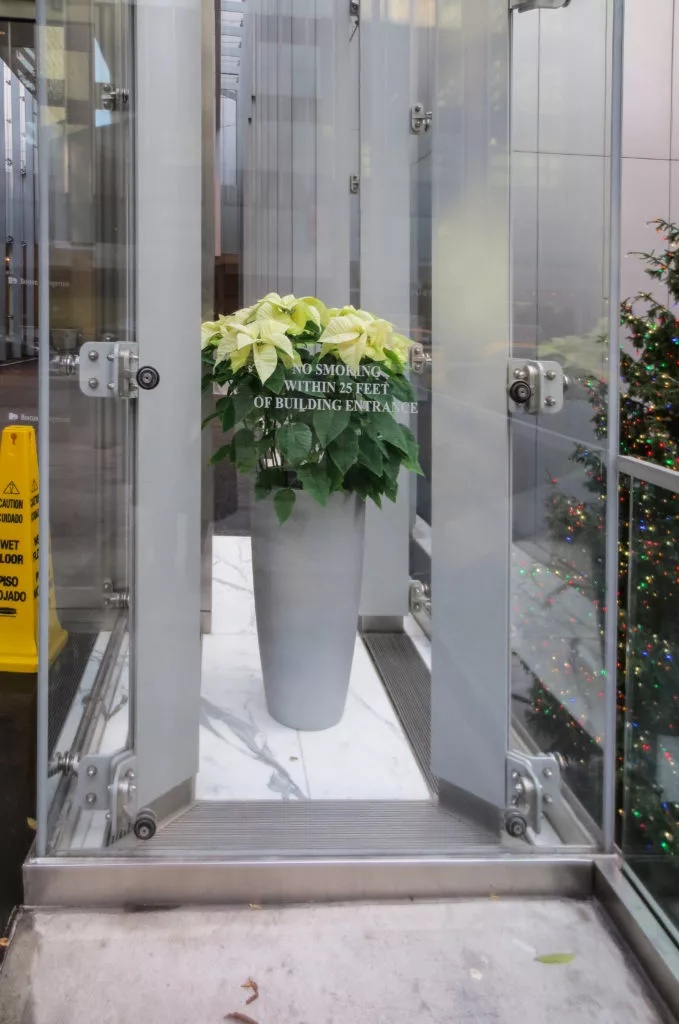
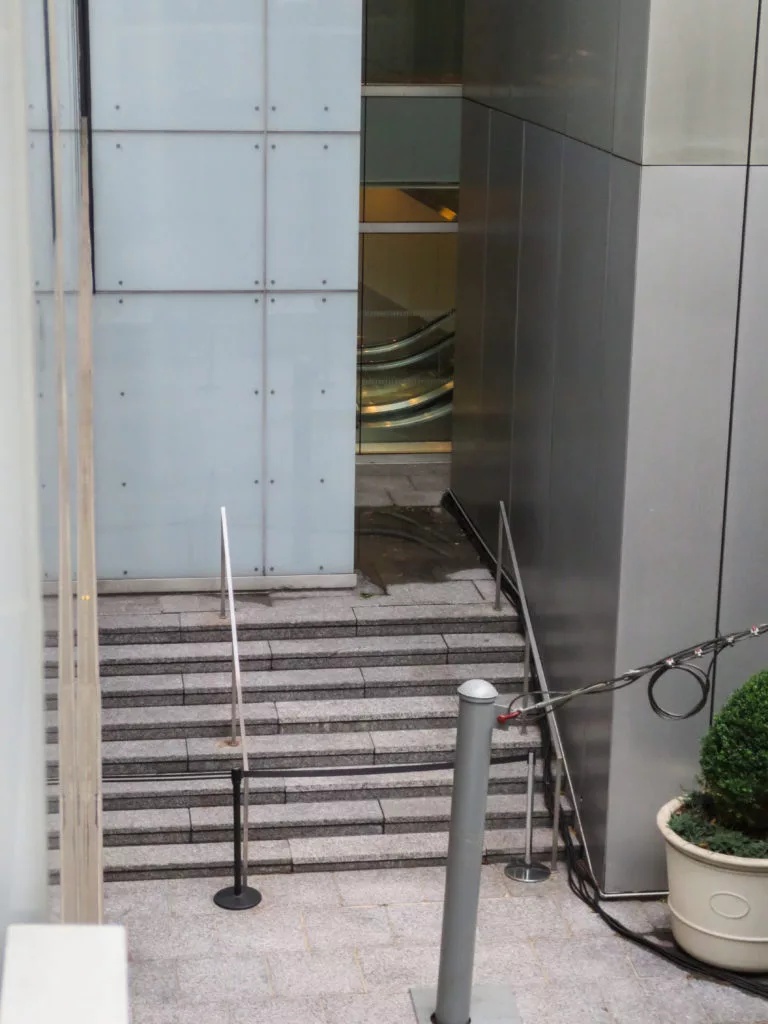
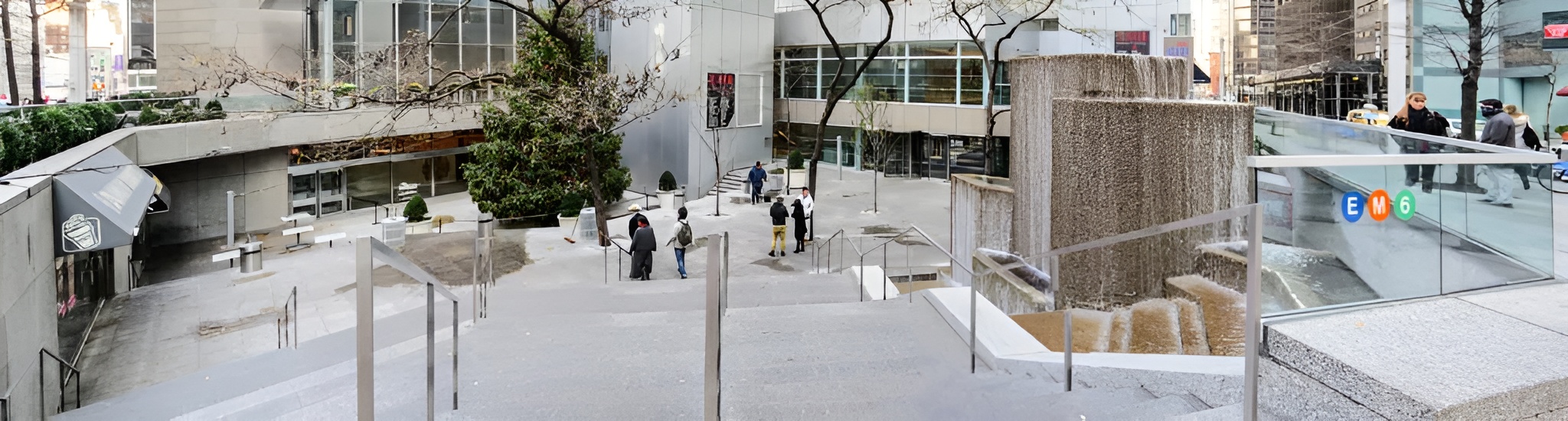
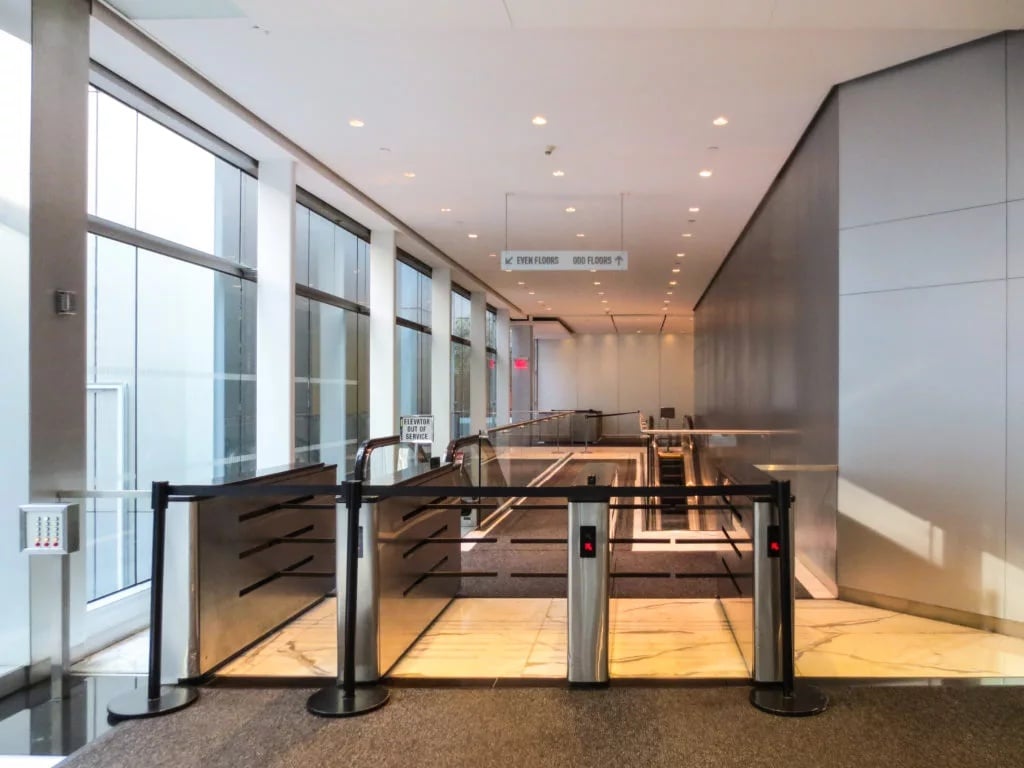
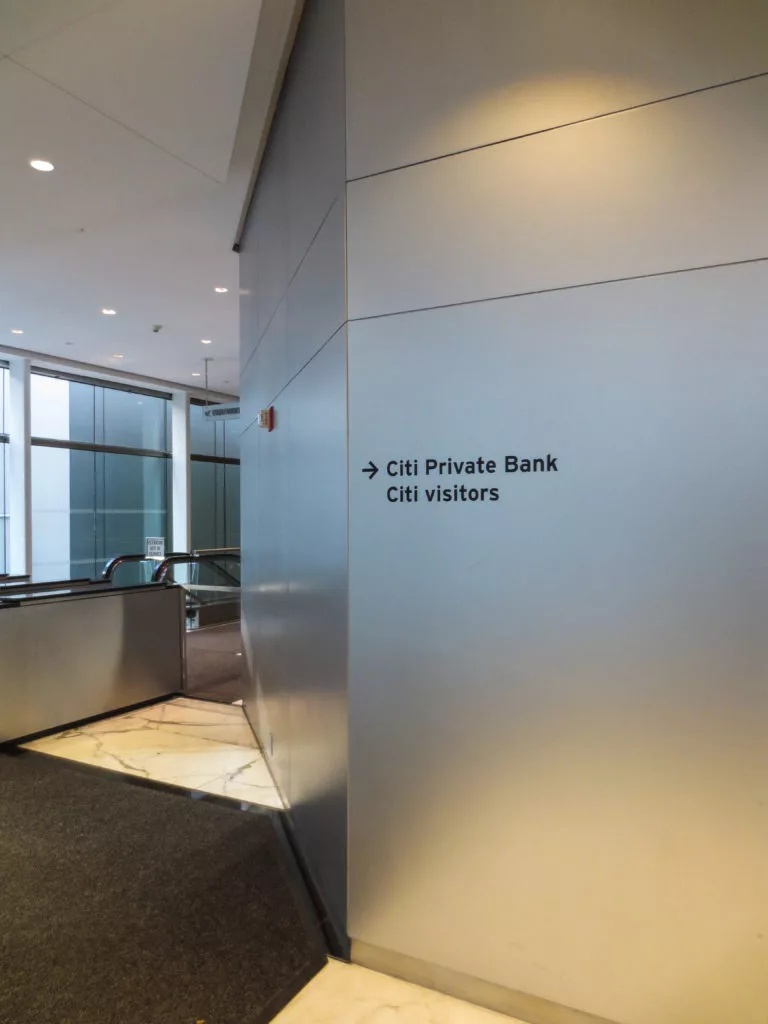
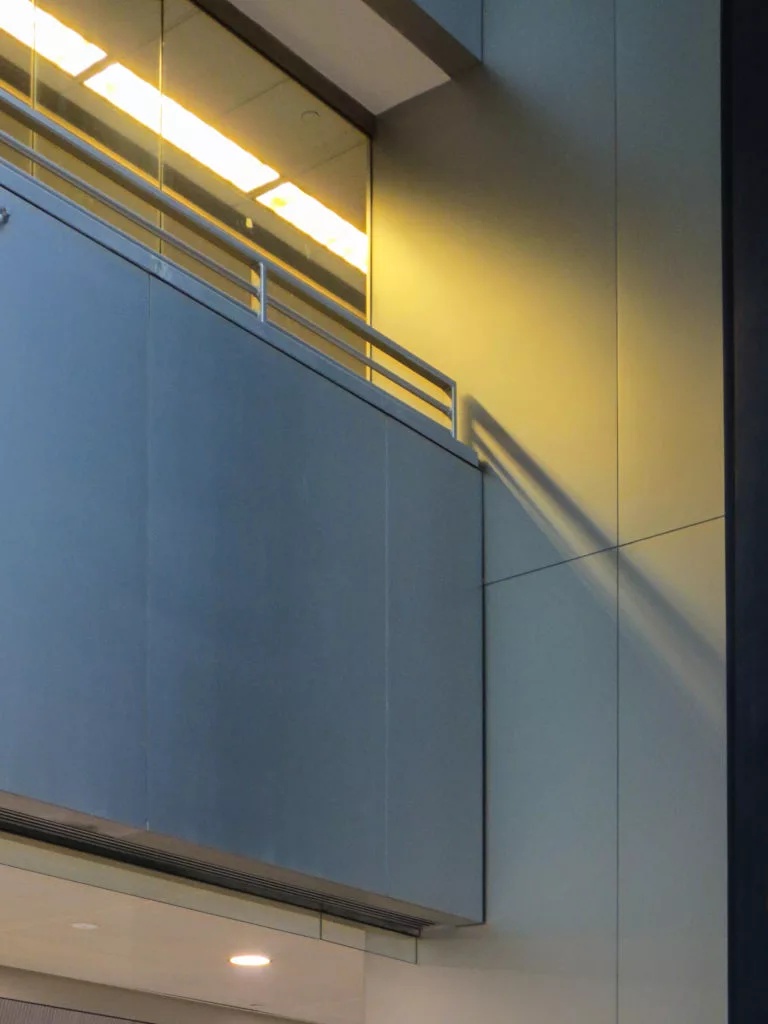
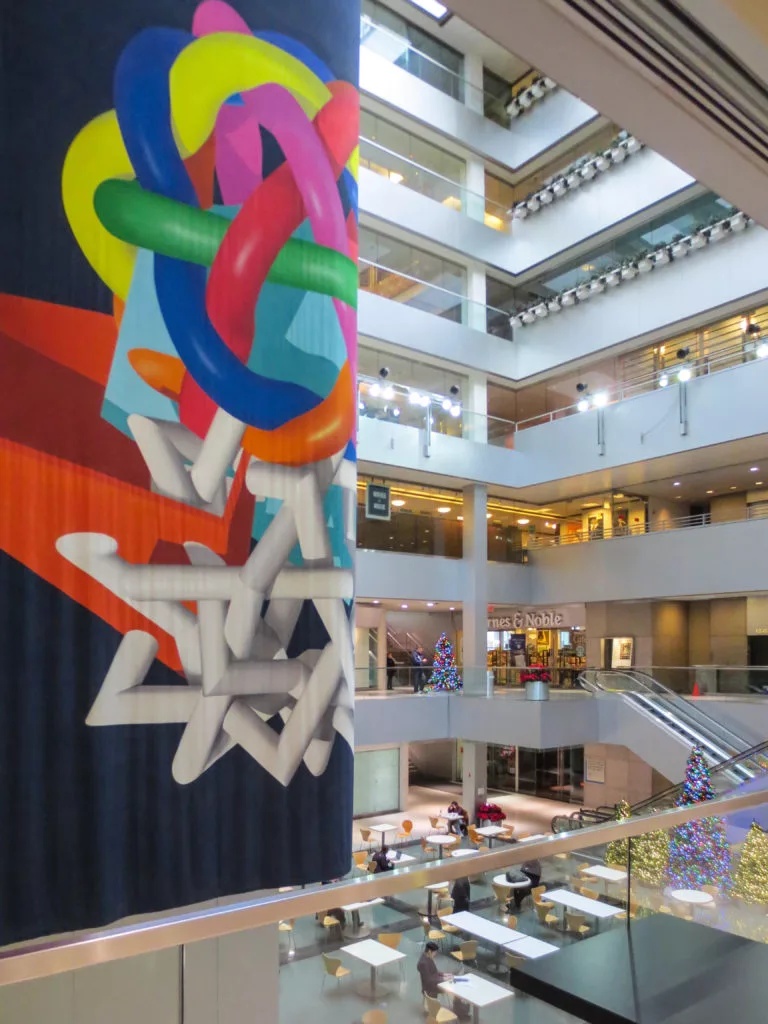
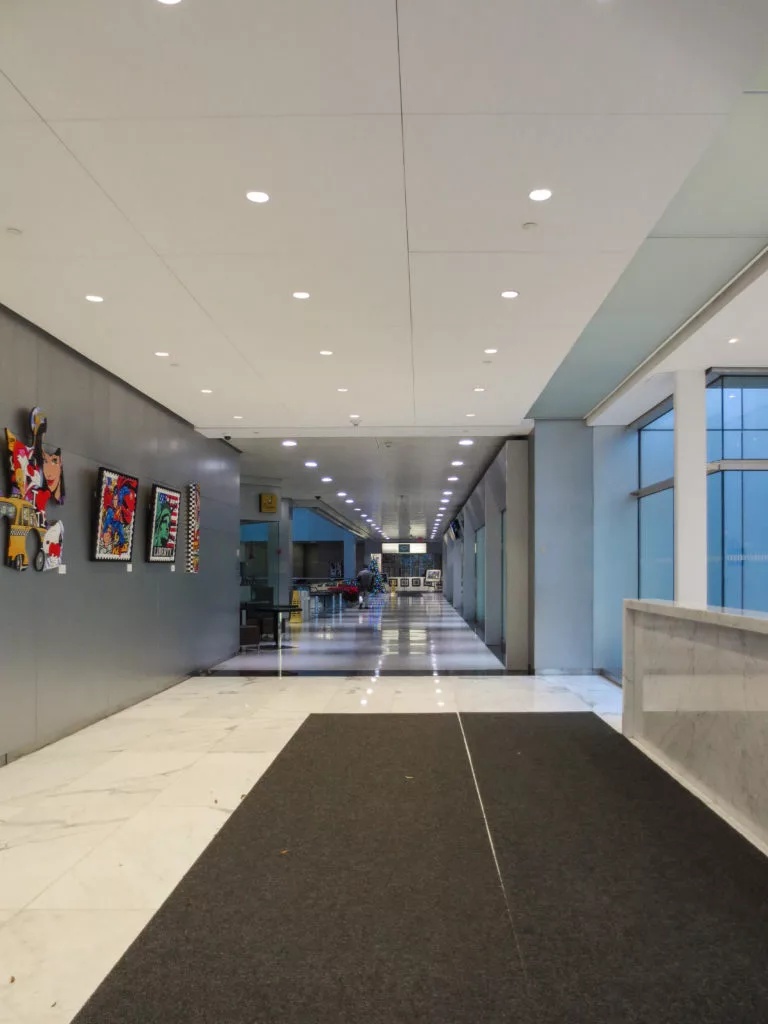
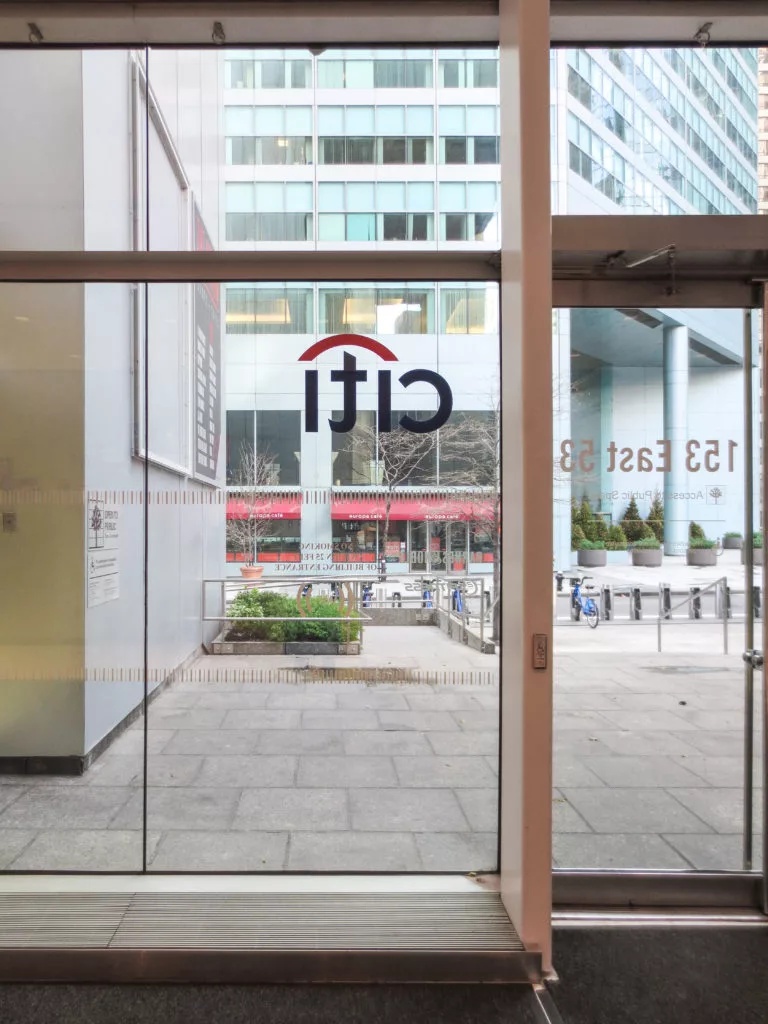
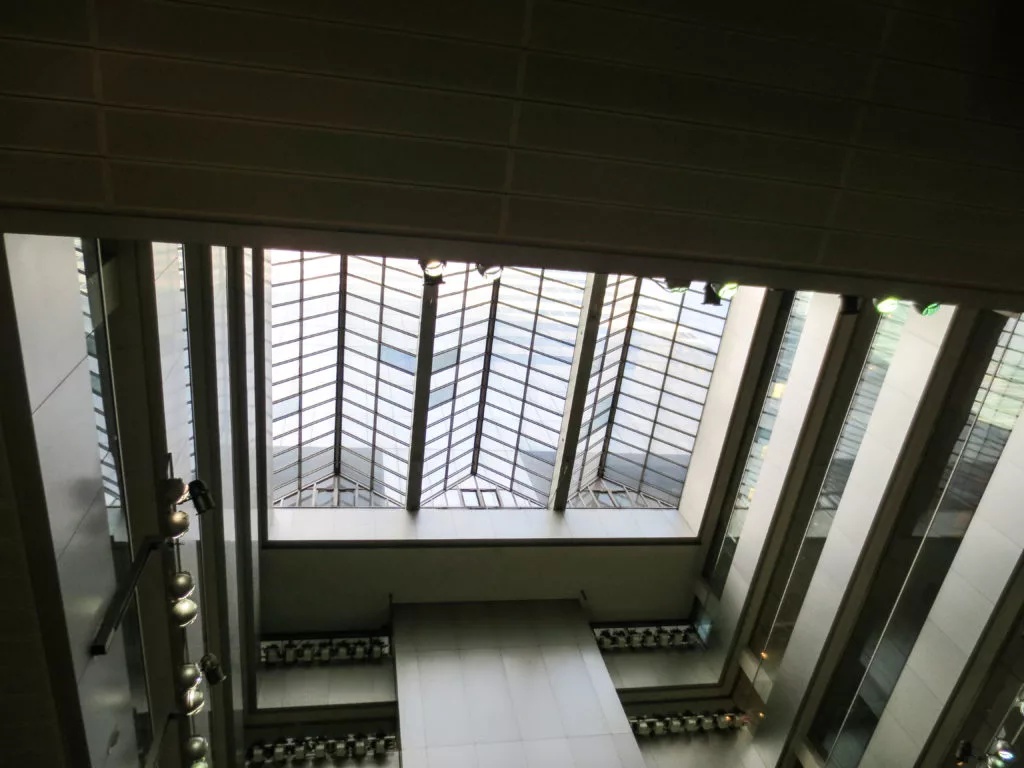
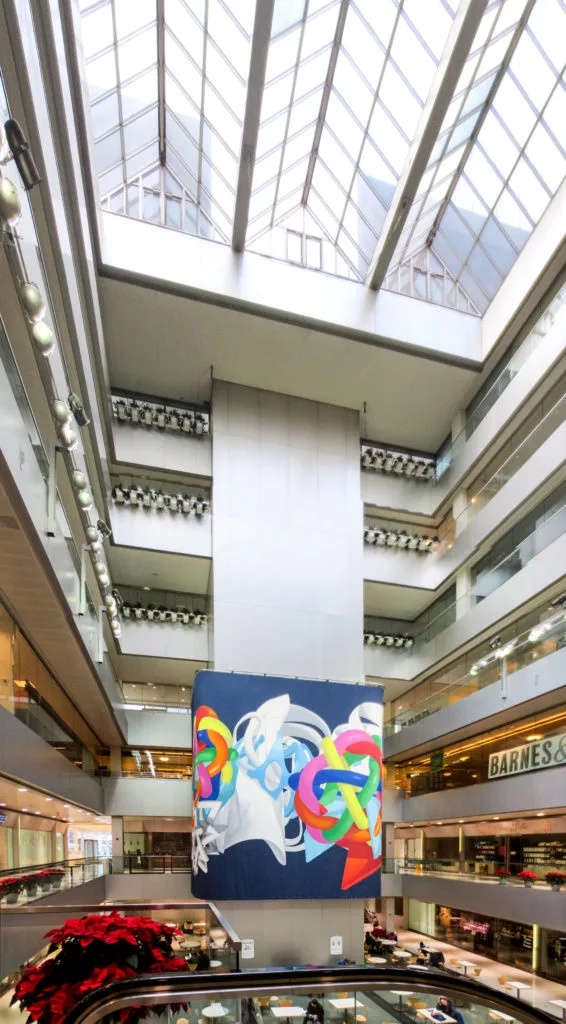
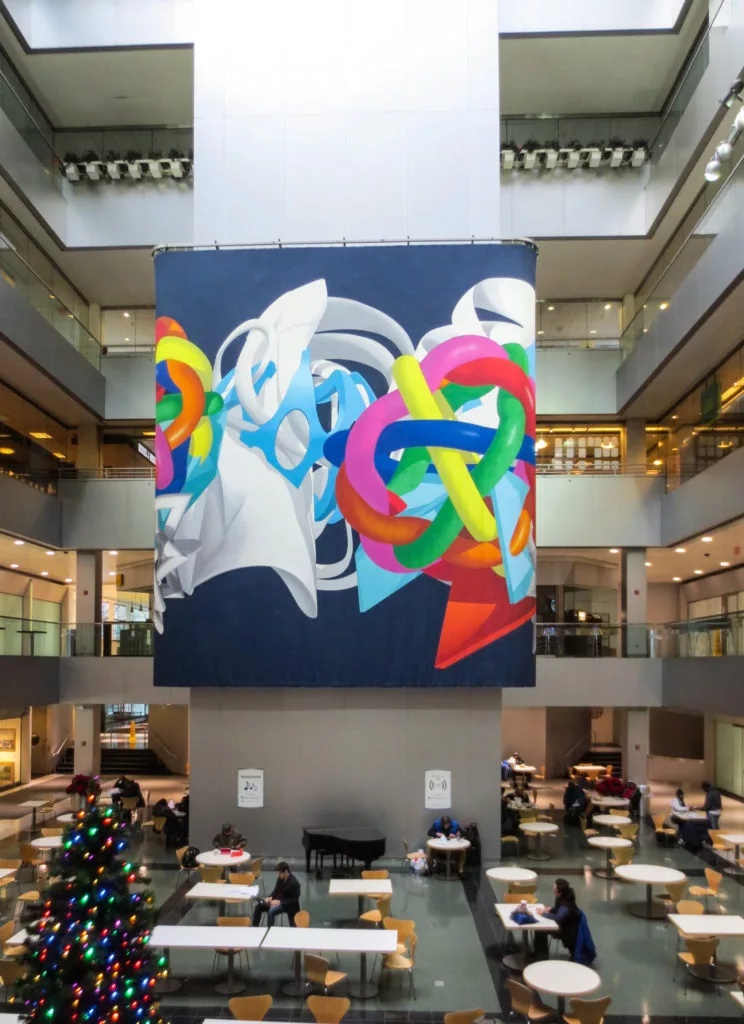
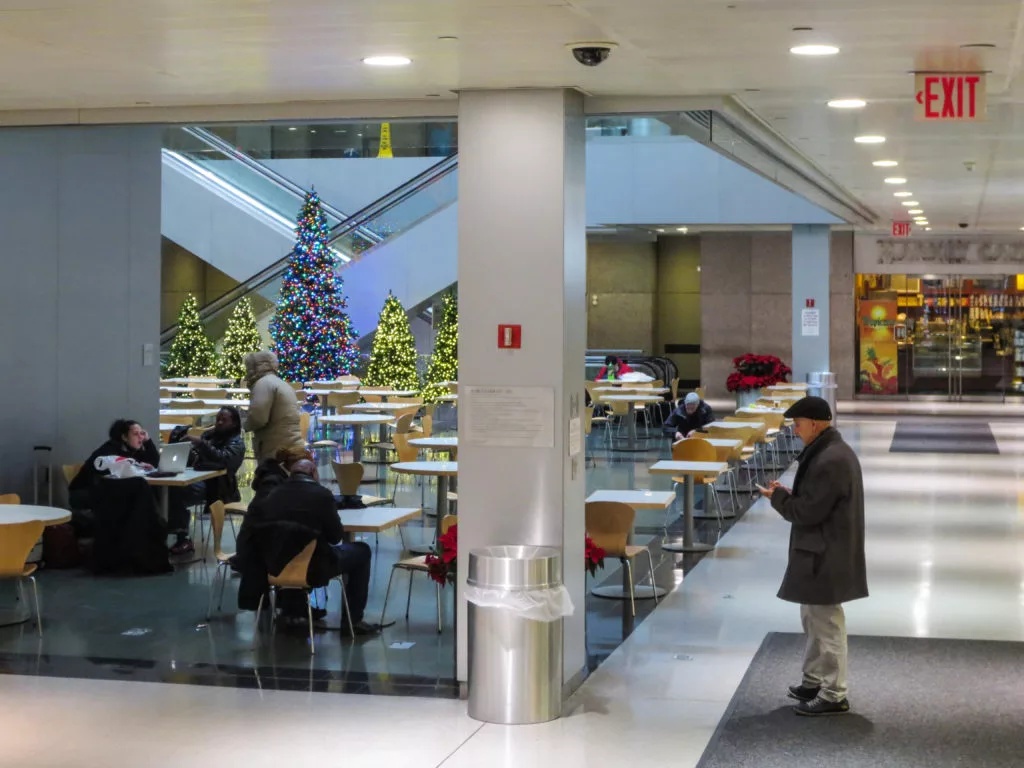
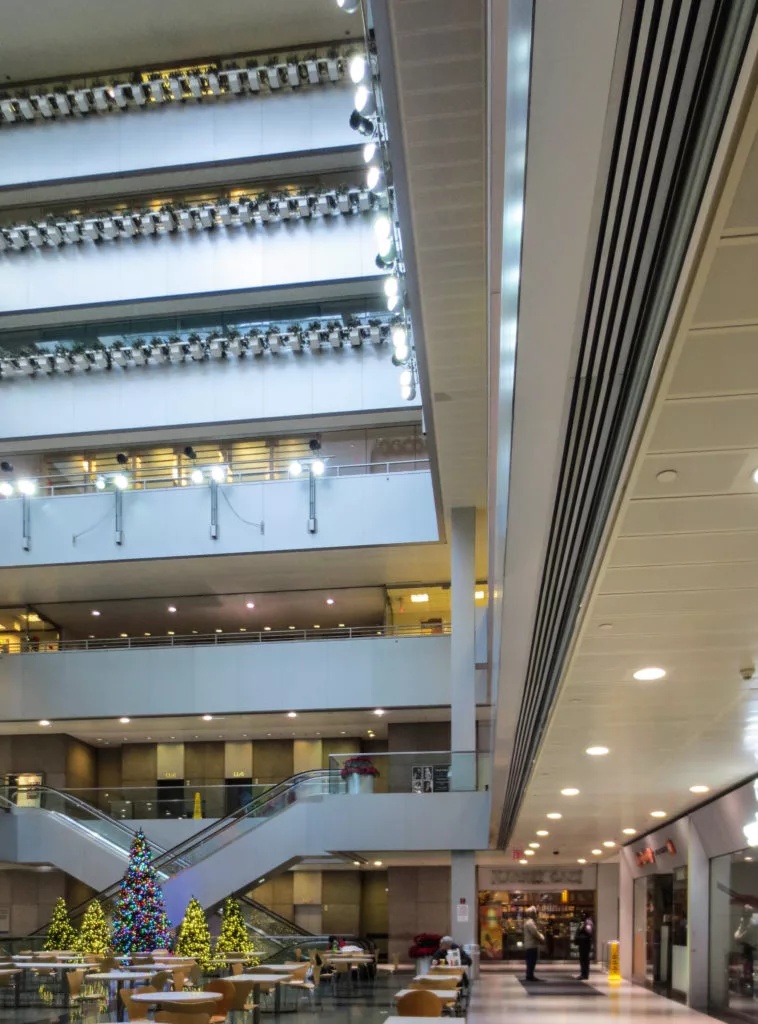
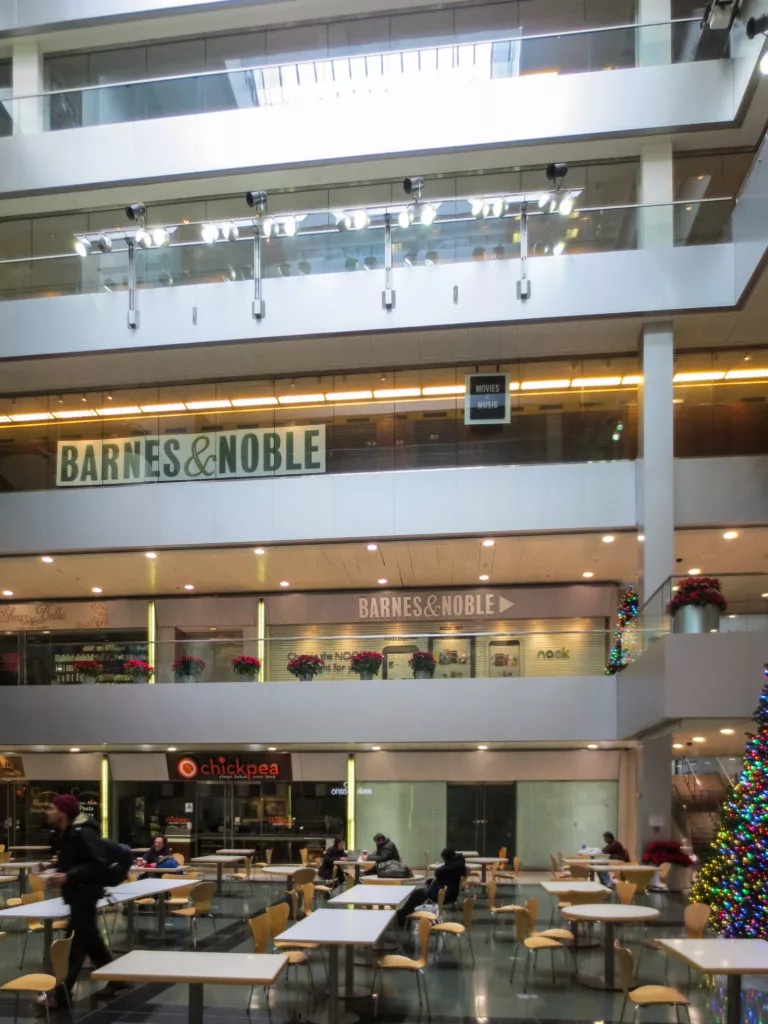
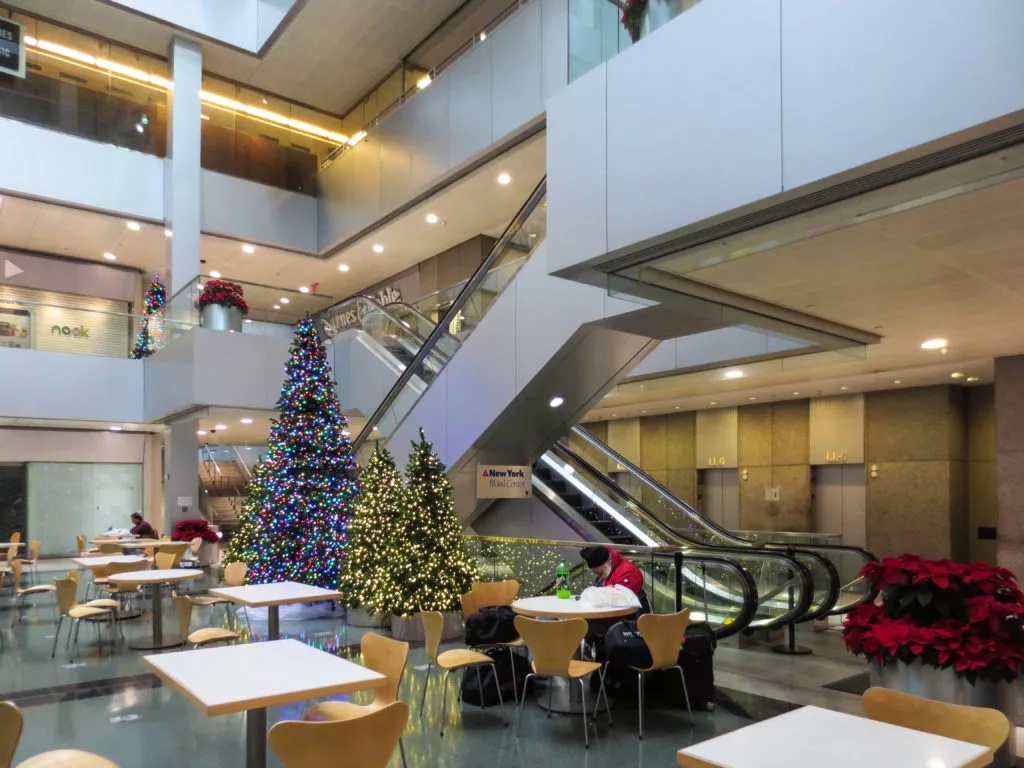
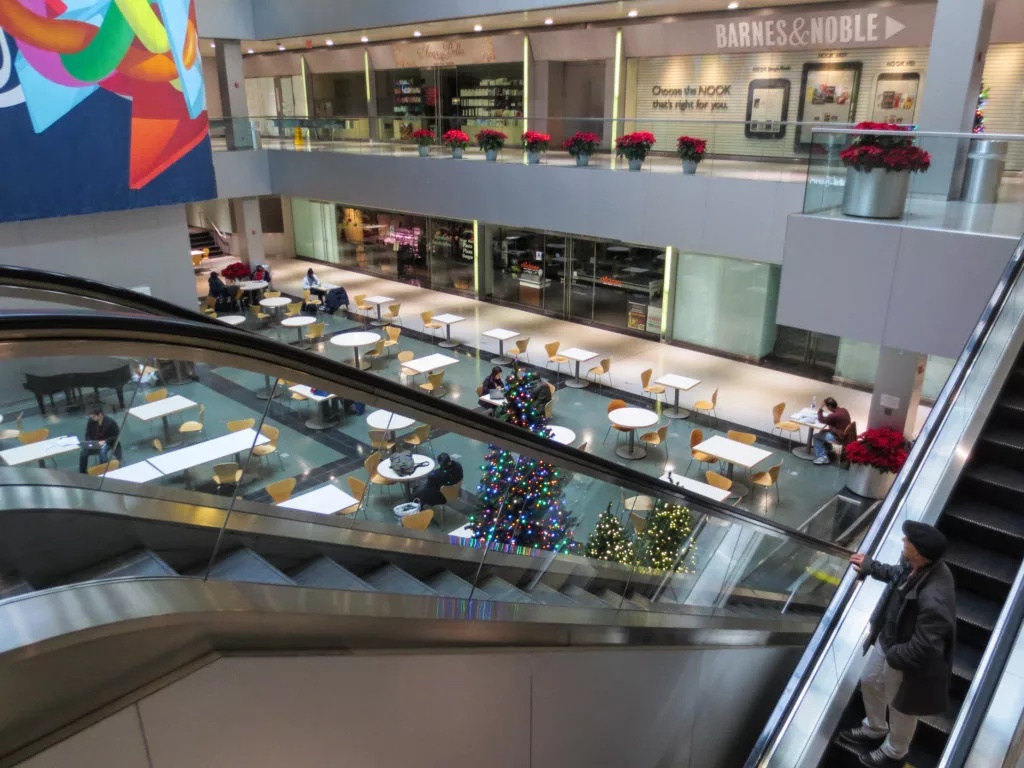
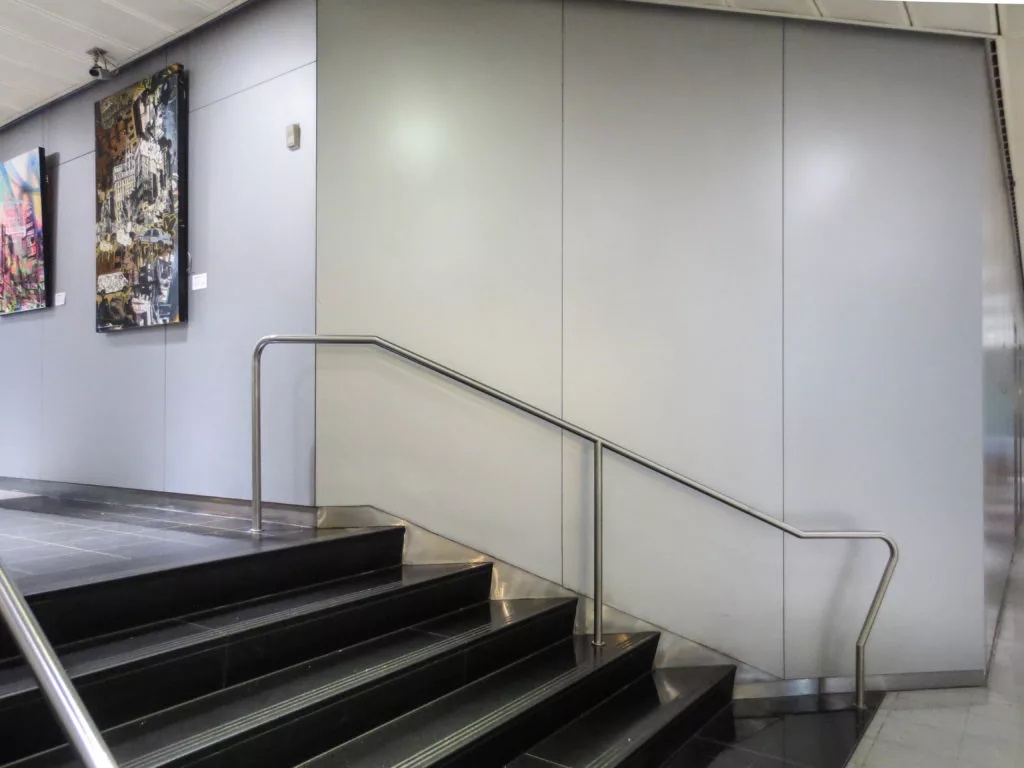
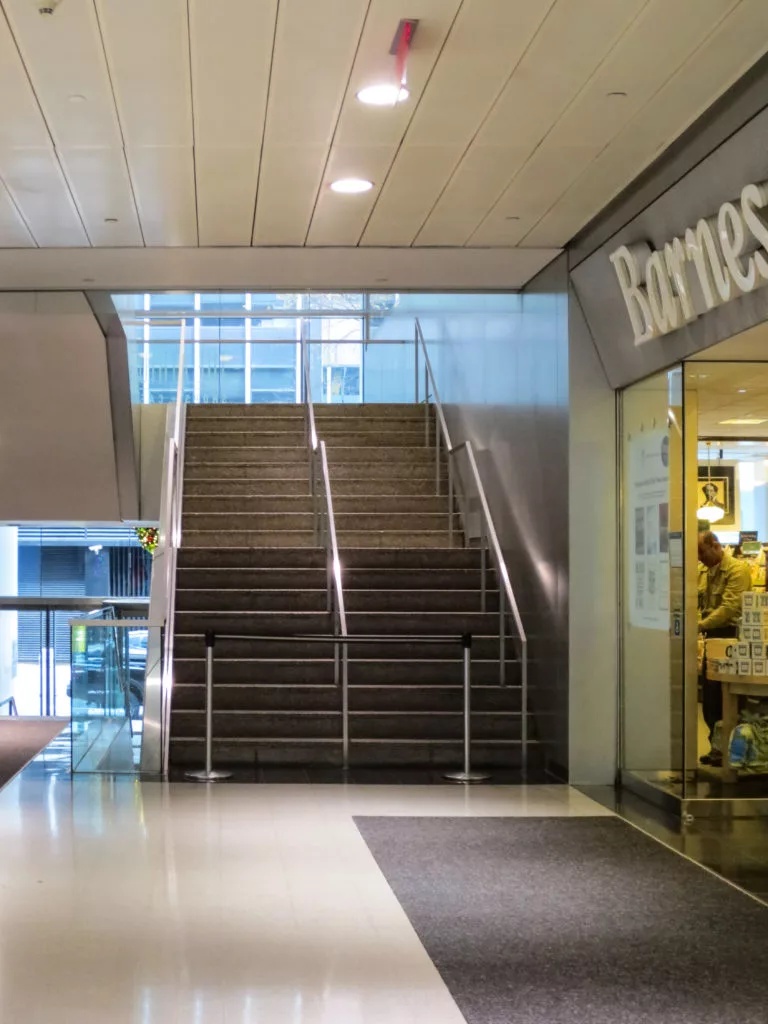
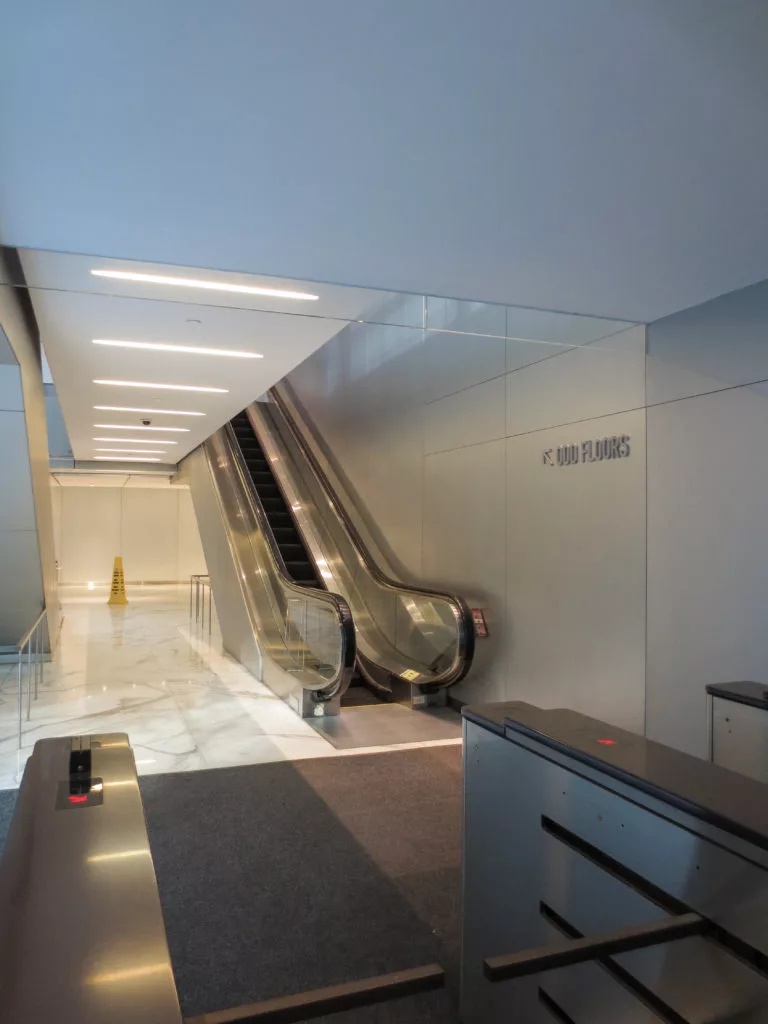
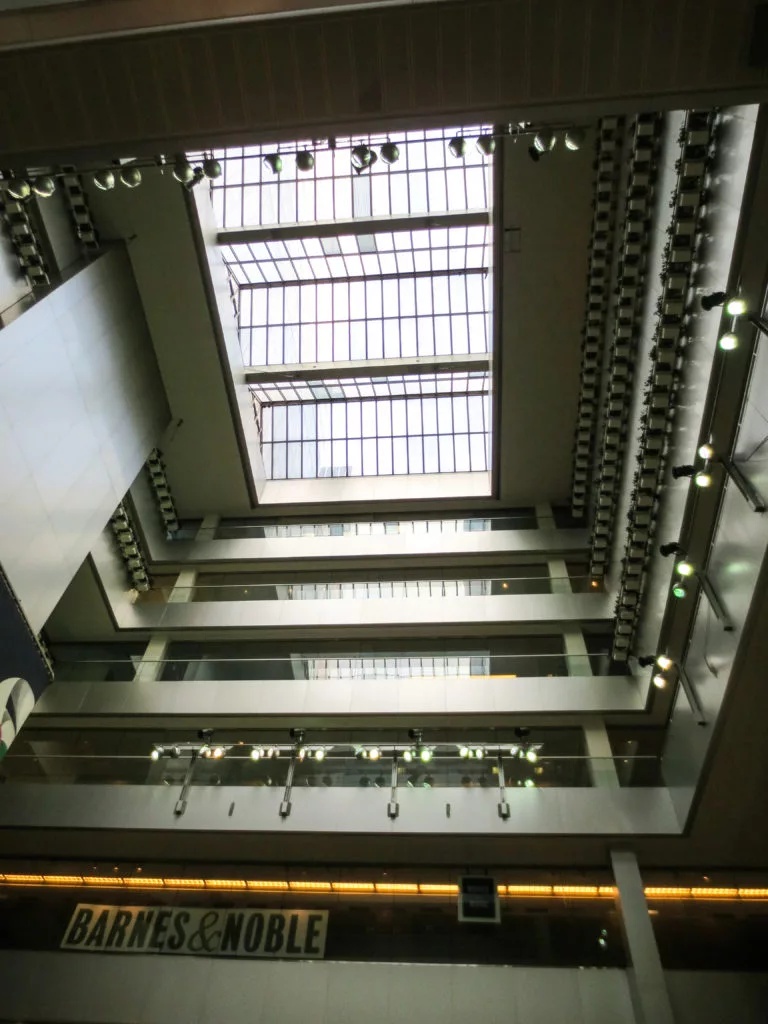
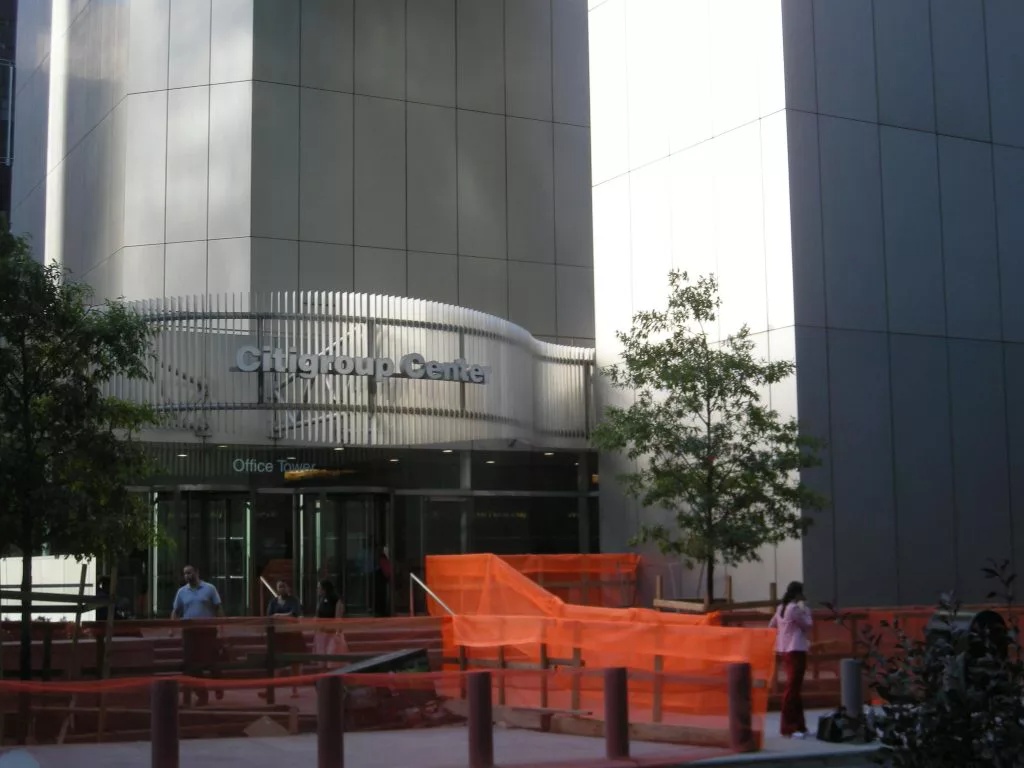
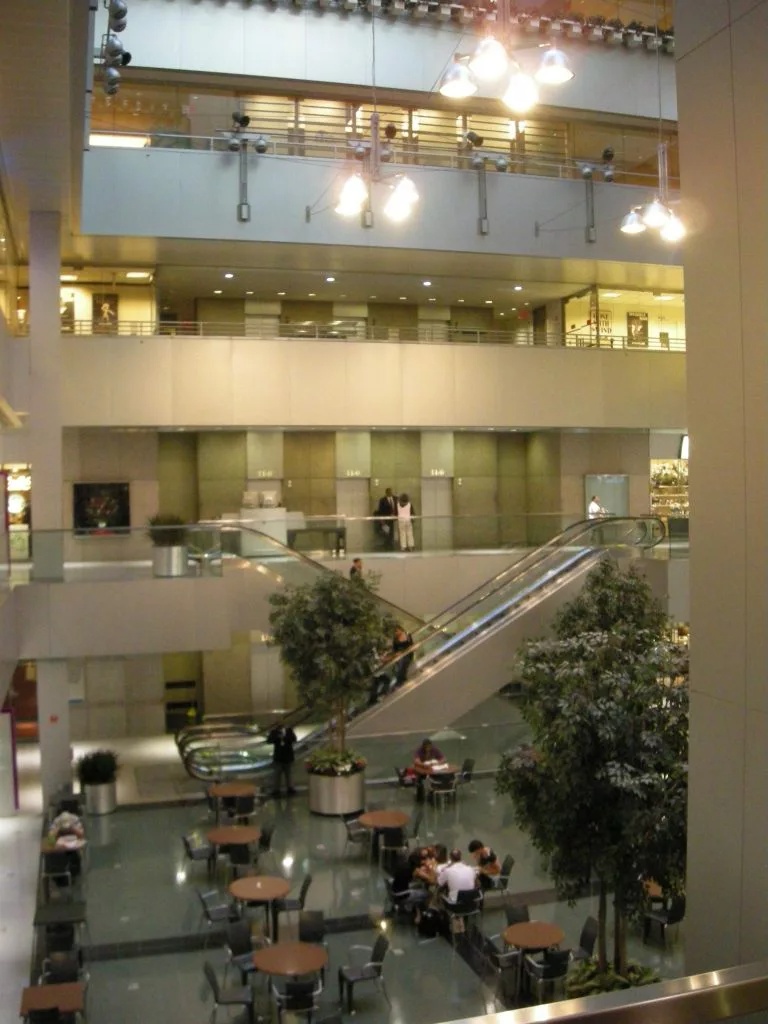
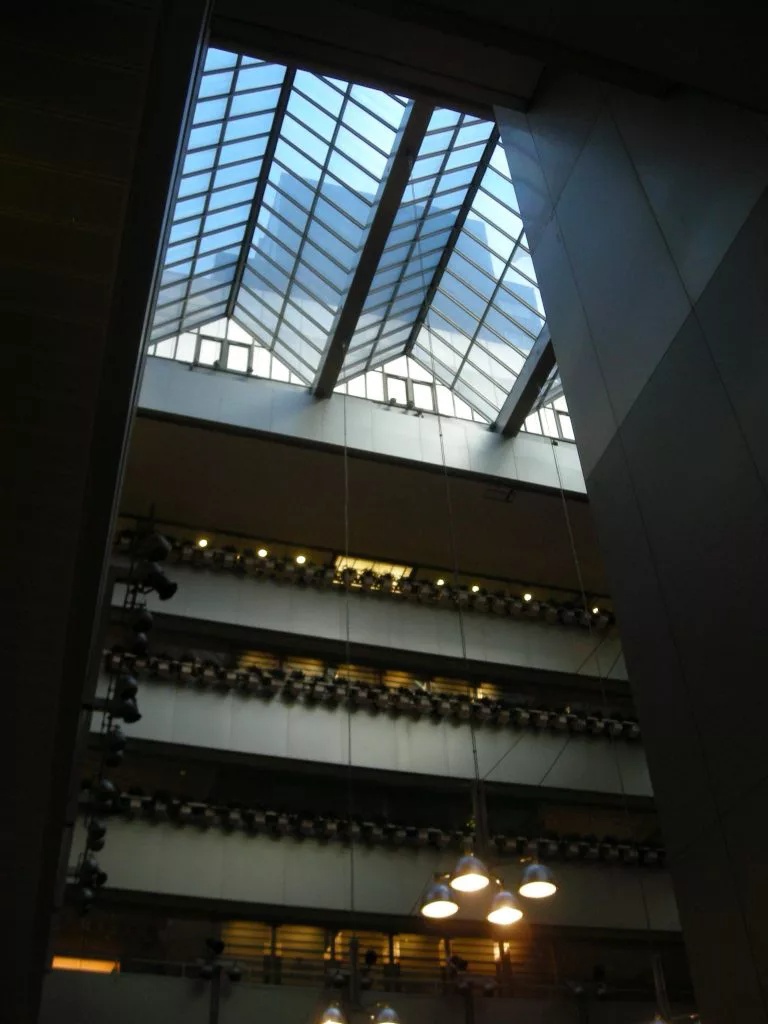
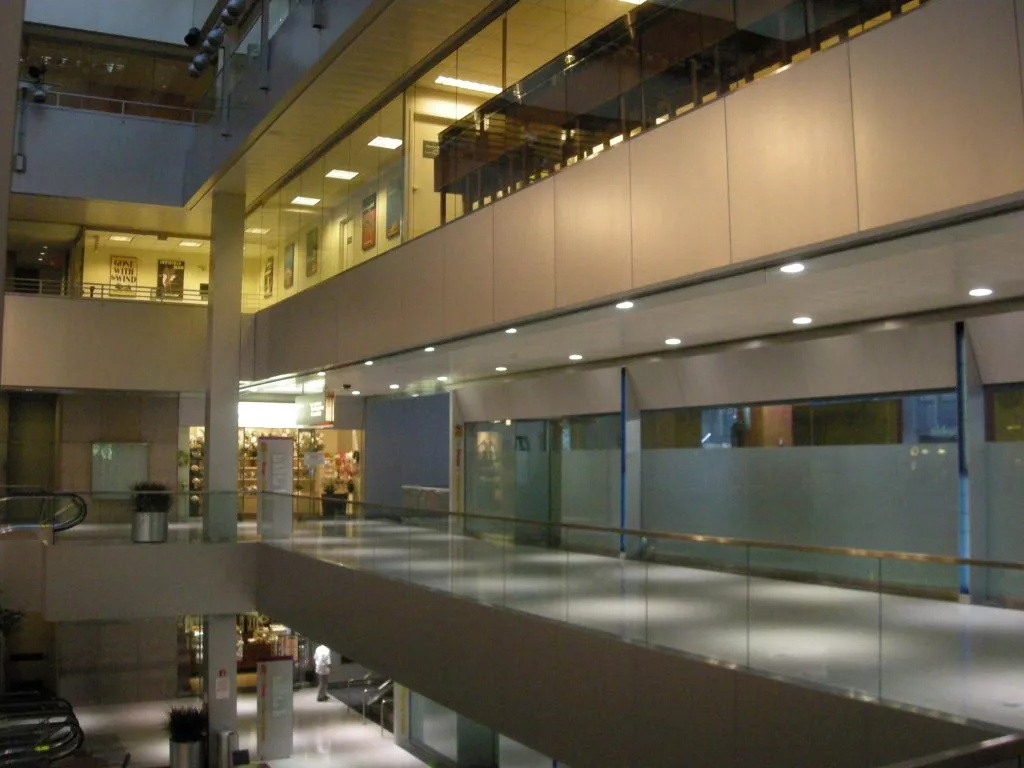
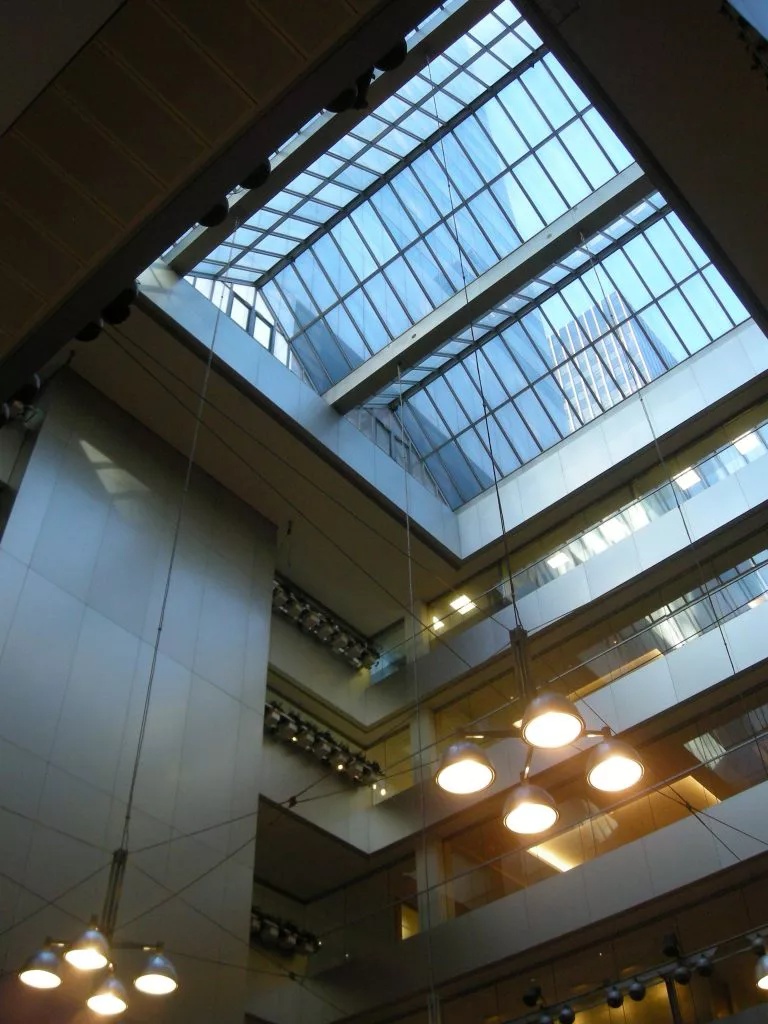
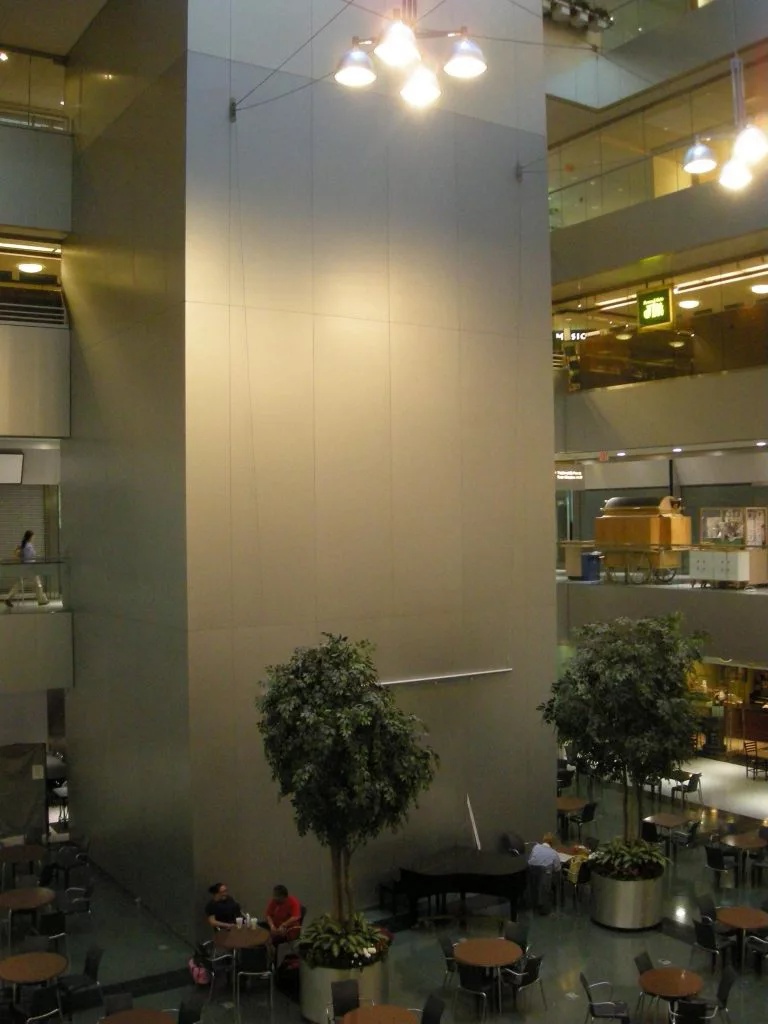
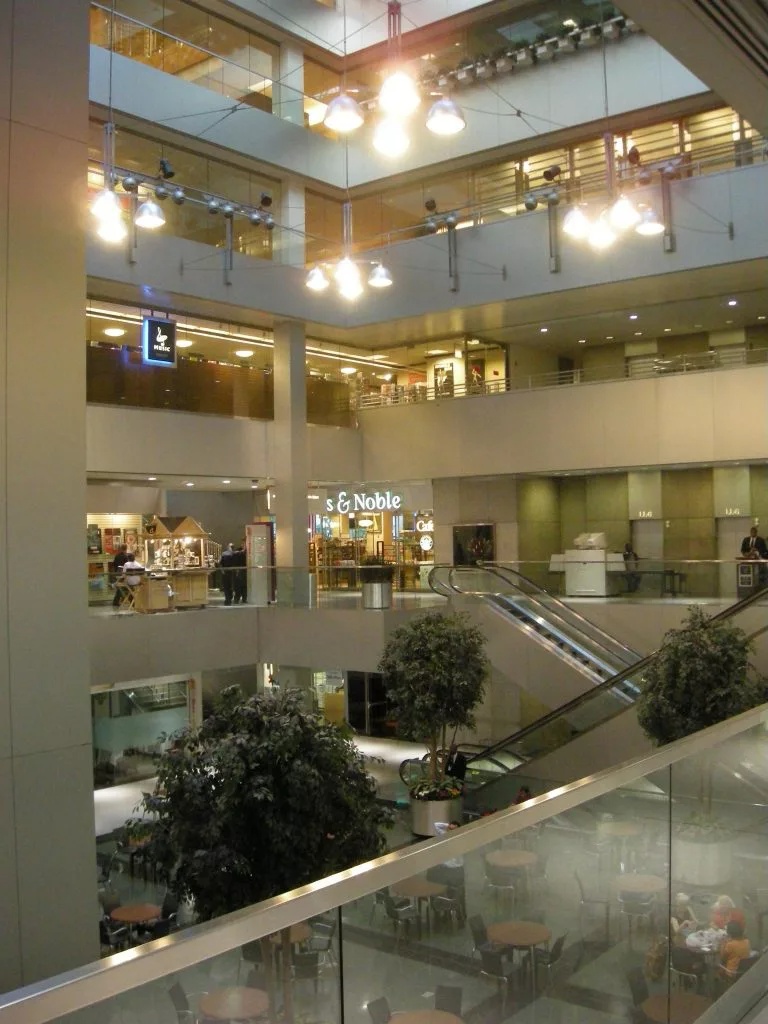
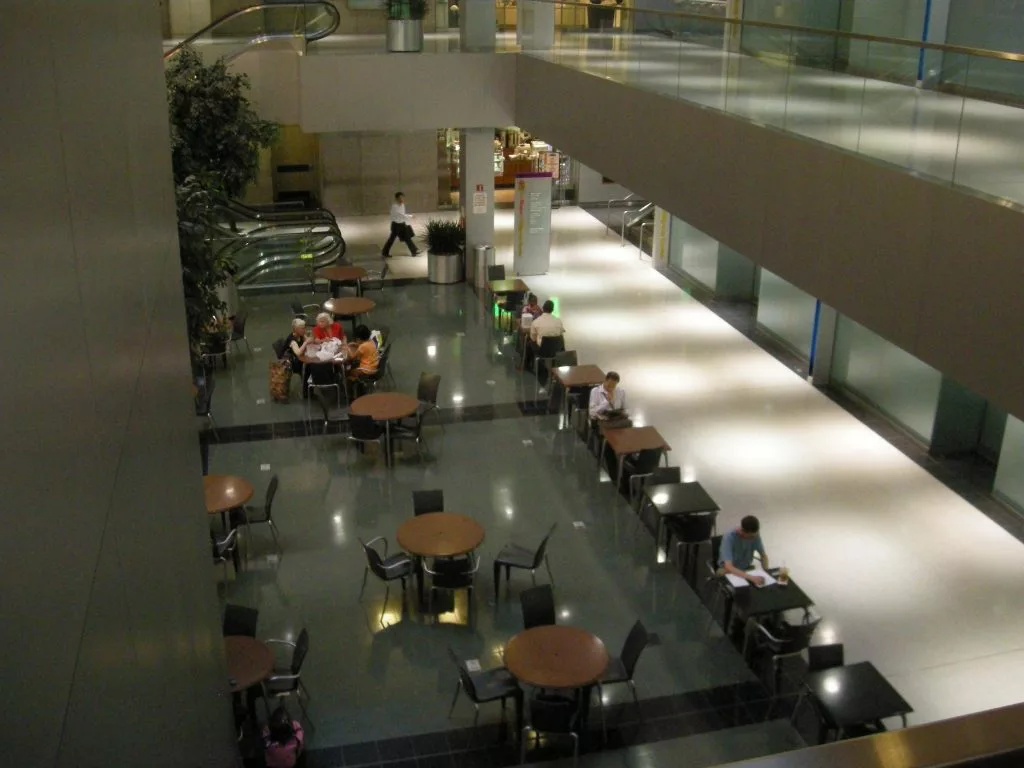
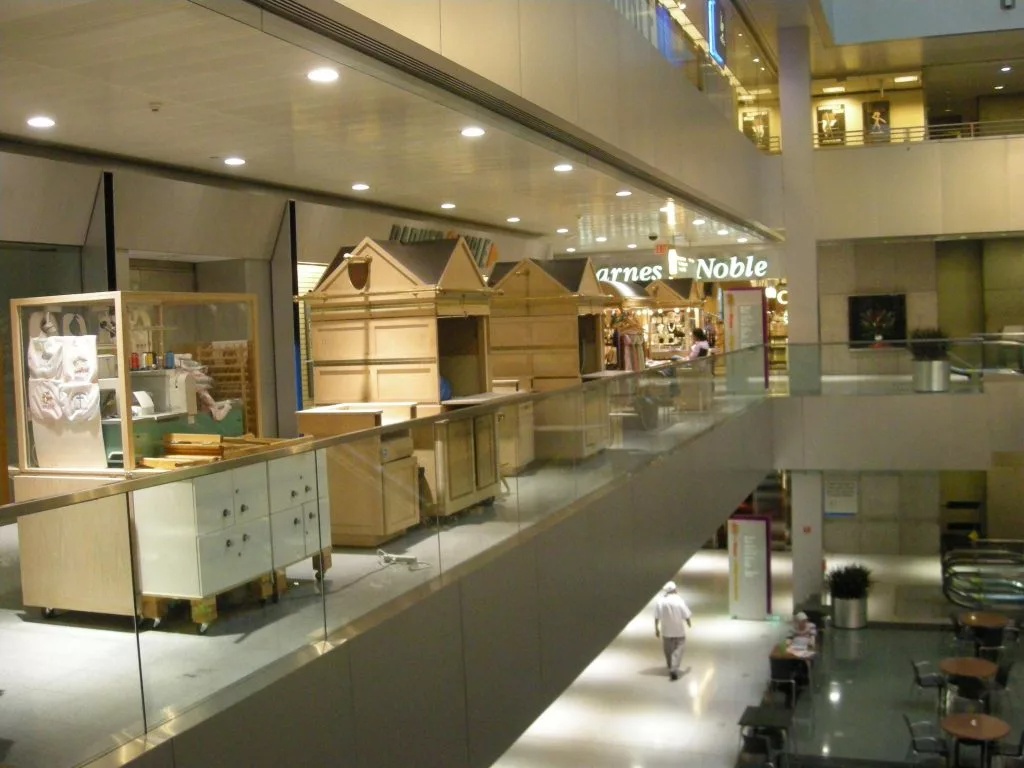
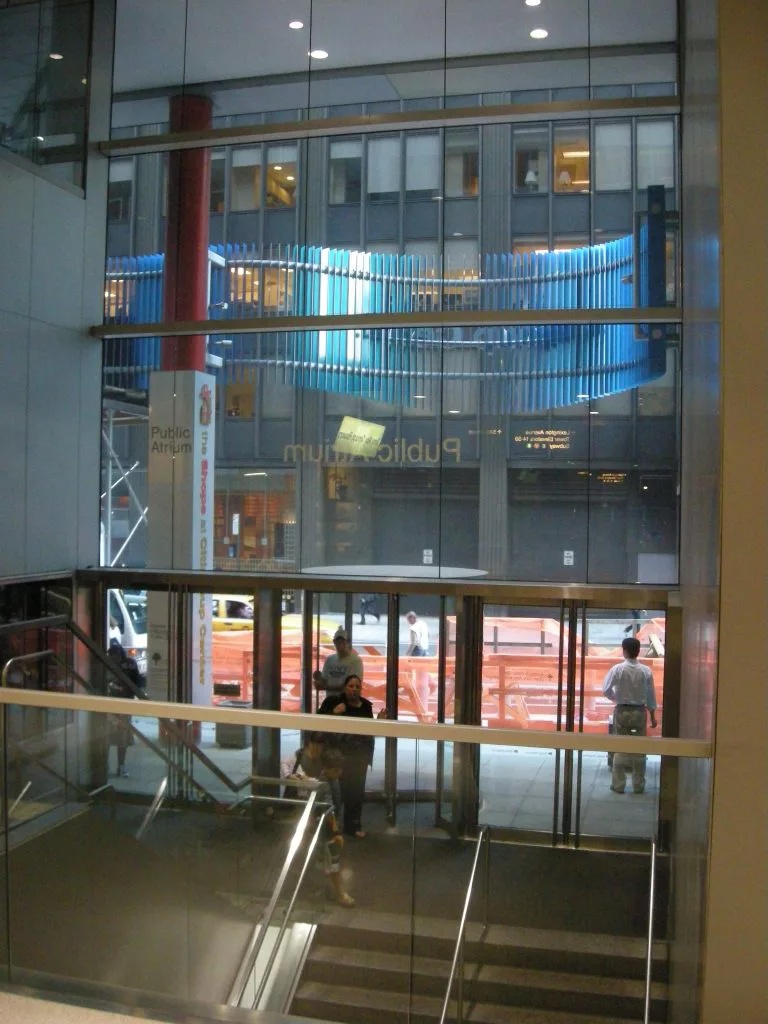
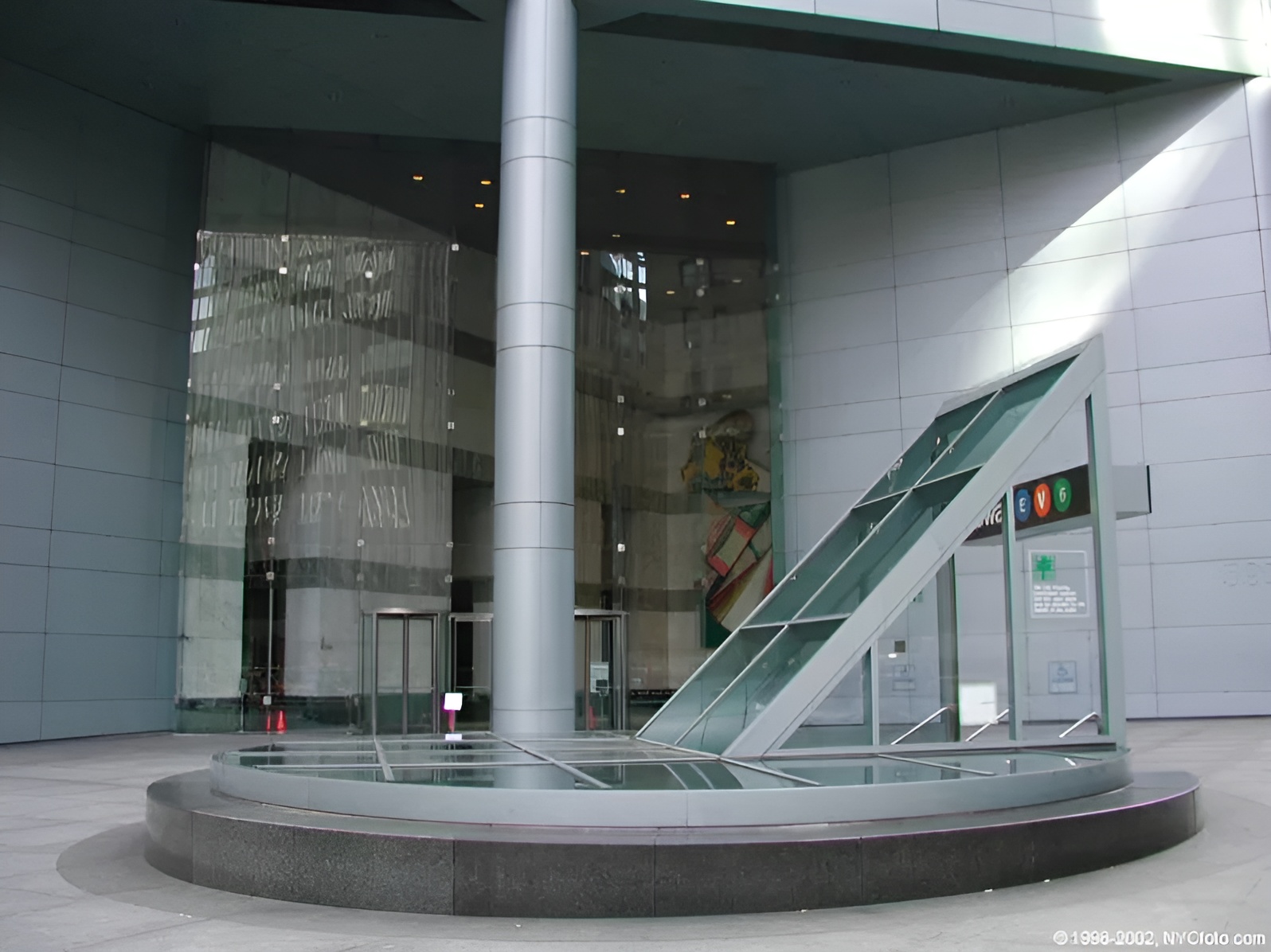
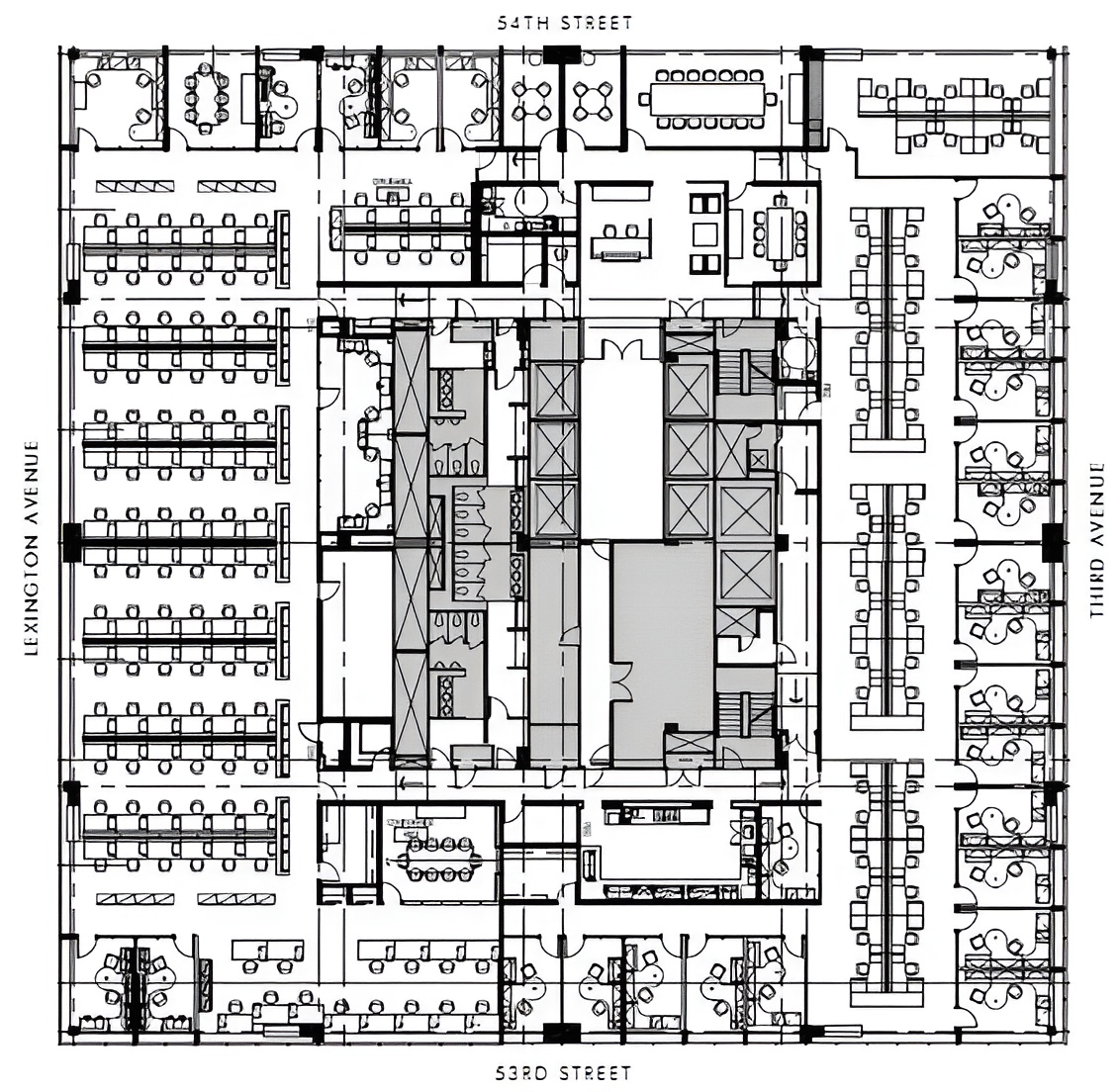
The base of the building includes a sunken public plaza, shopping concourse, subway entrances, and access to St. Peter’s Church. The church was designed as a separate granite-clad structure with its own architectural identity, while remaining integrated into the larger urban composition.
Citigroup Center is inseparable from its engineering crisis. After completion, LeMessurier reviewed the structure following questions raised by architecture student Diane Hartley and discovered that quartering winds placed greater stress on the bolted joints than originally calculated. A repair program was carried out in 1978, with steel plates welded over critical joints during nighttime work. The issue remained largely unknown to the public until it was reported years later.
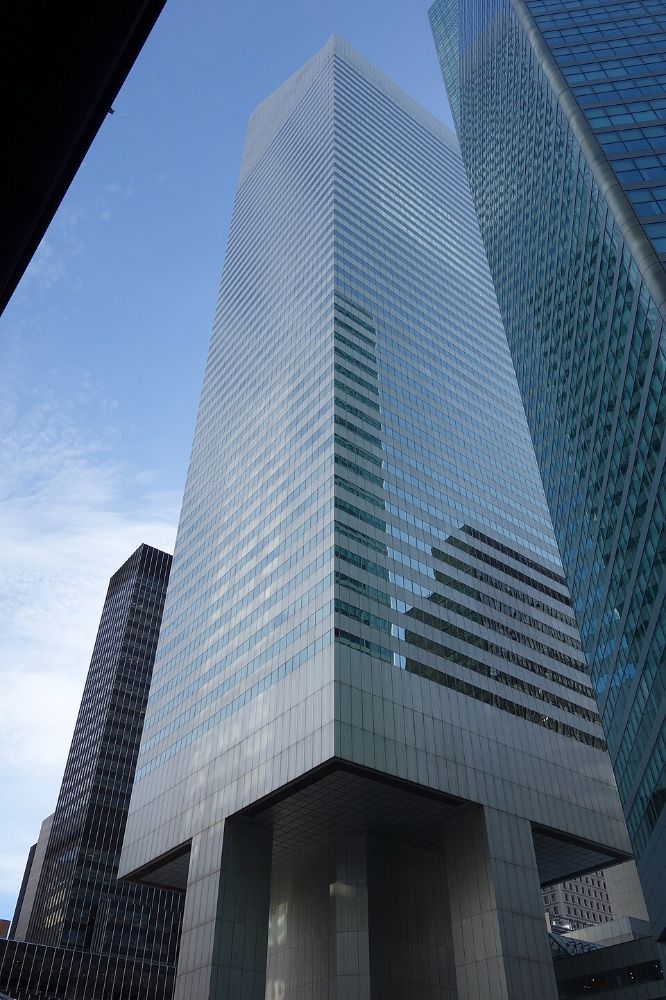
The tower was also one of the first buildings in the United States to use a tuned mass damper. Positioned near the top of the building, the system reduces wind-induced movement and compensates for the tower’s light structural frame.
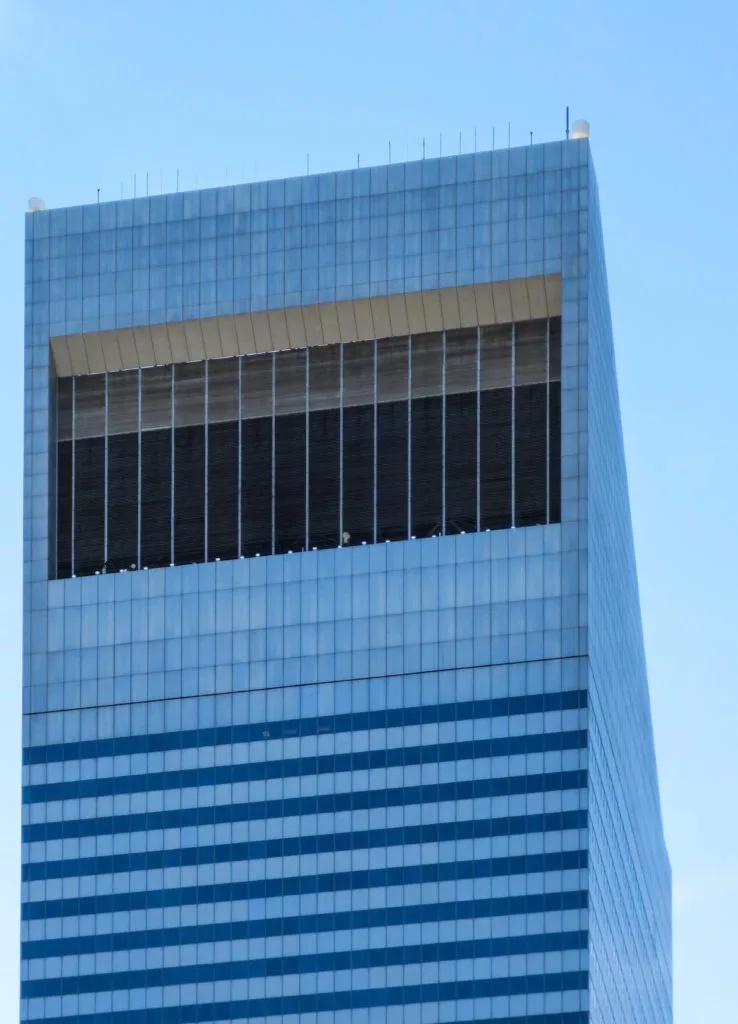
Citigroup Center remains an important work in late twentieth-century high-rise architecture. Its form reflects a rare alignment of urban constraint, structural invention, corporate ambition, and public infrastructure, while its engineering history continues to shape discussions about responsibility in architectural and structural practice.
Project Gallery


Project Location
Address: 601 Lexington Avenue, 153 East 53rd Street, Midtown Manhattan, New York, NY 10022, United States
Location is for general reference and may represent a city or country, not necessarily a precise address.

