Architects: Le Corbusier Year: 1960 Photography: Le Corbuiser, lecorbusier-worldheritage.org, FLC, ADAGP, Olivier Martin Gambier, Cemal Emden, Samuel Ludwig, Maria Gonzalez, elyullo, Fernando Schapochnik, Wikimedia Commons, Alexandre Norman City: Éveux-sur-l’Arbresle Country: France
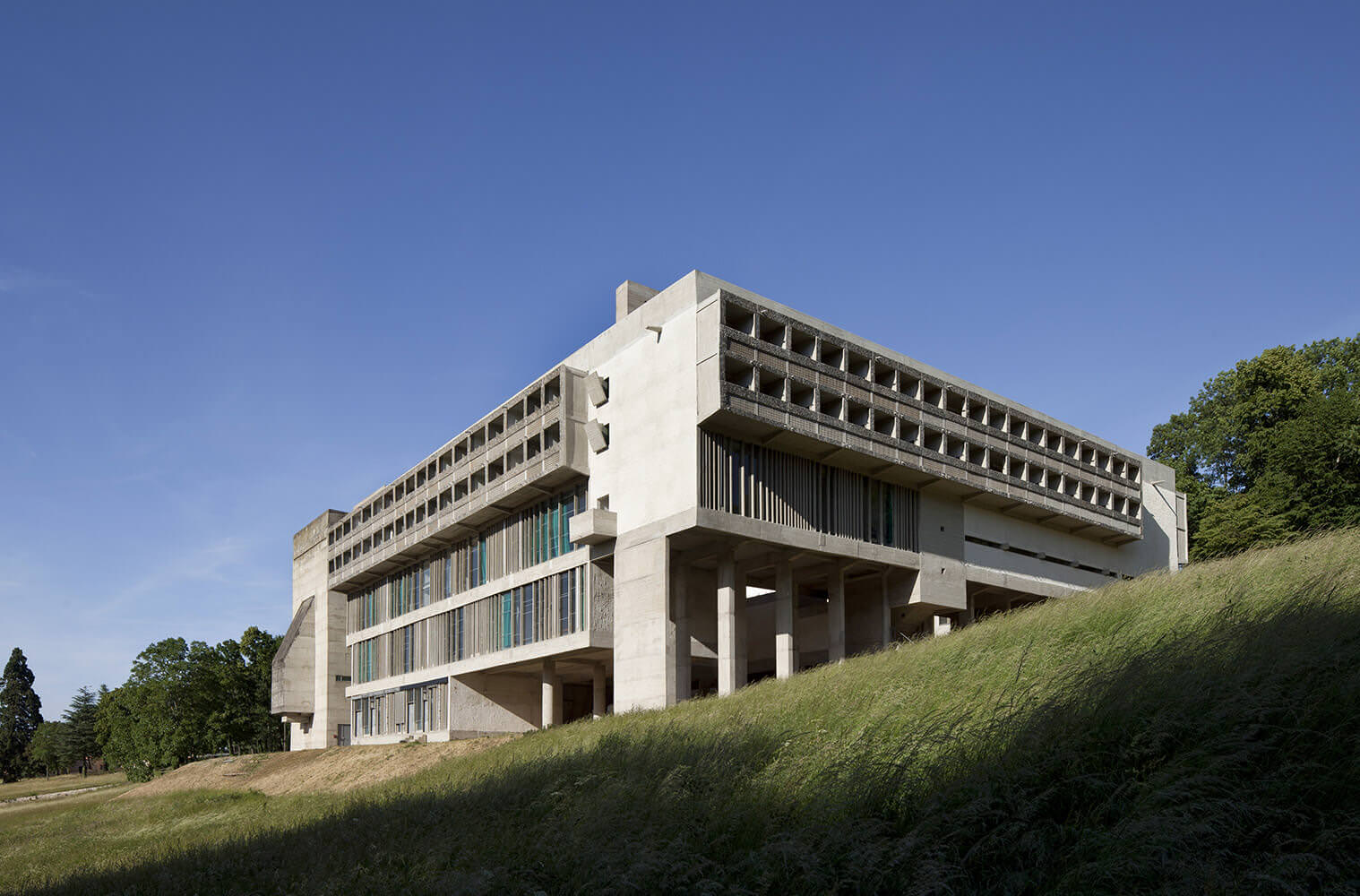
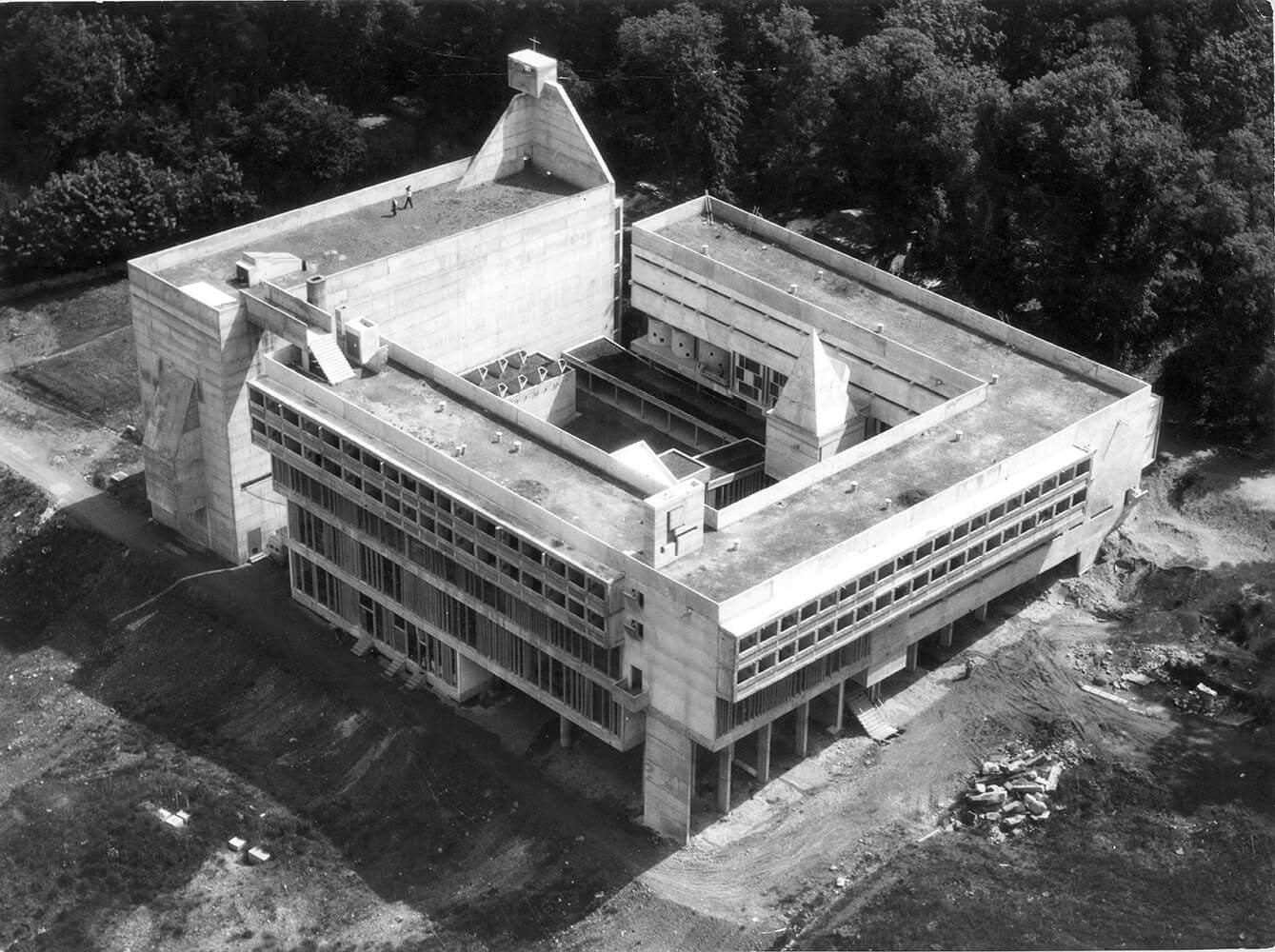
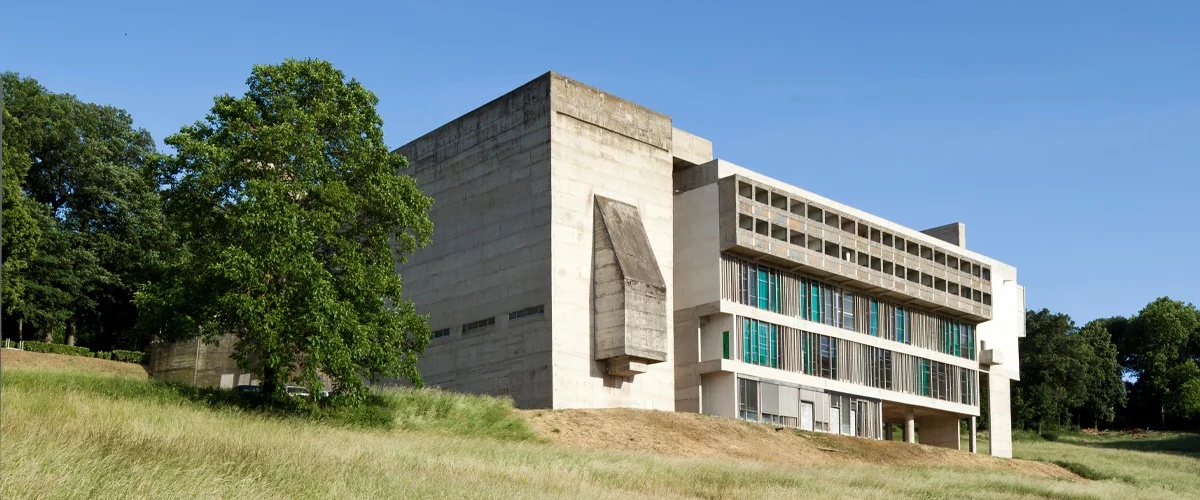
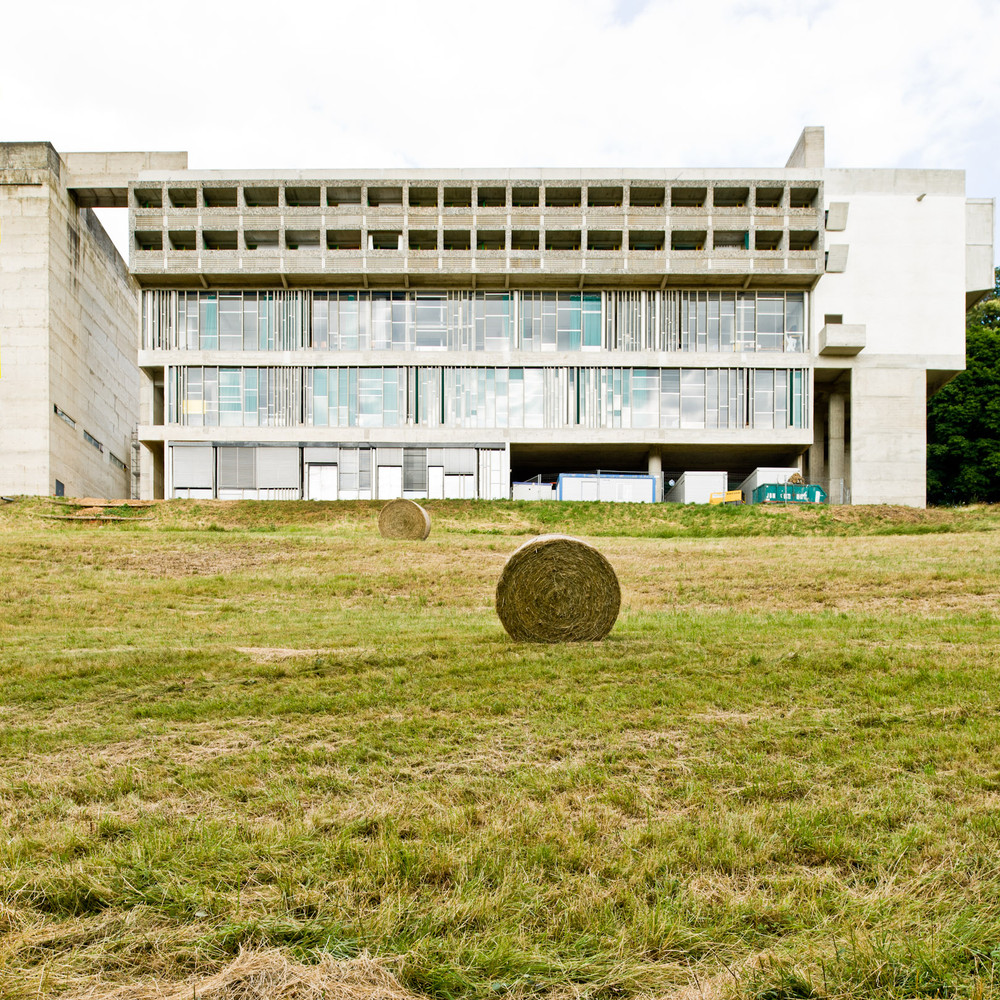
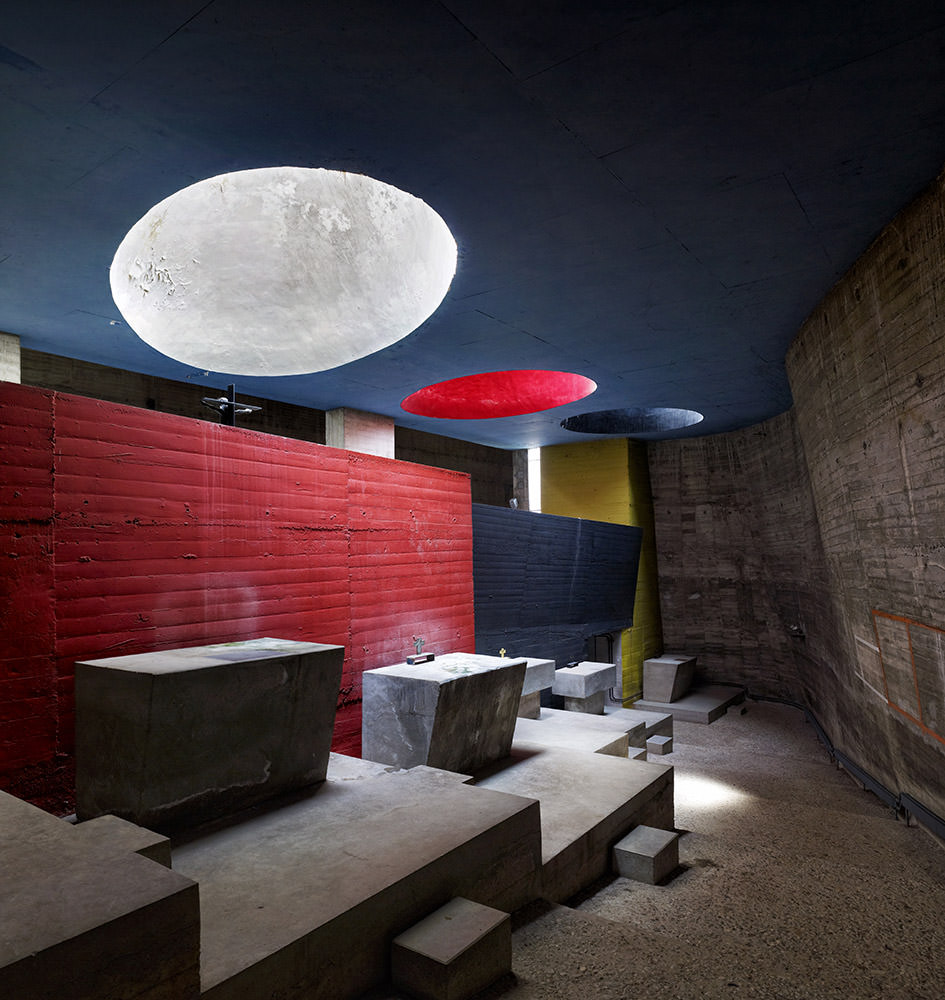
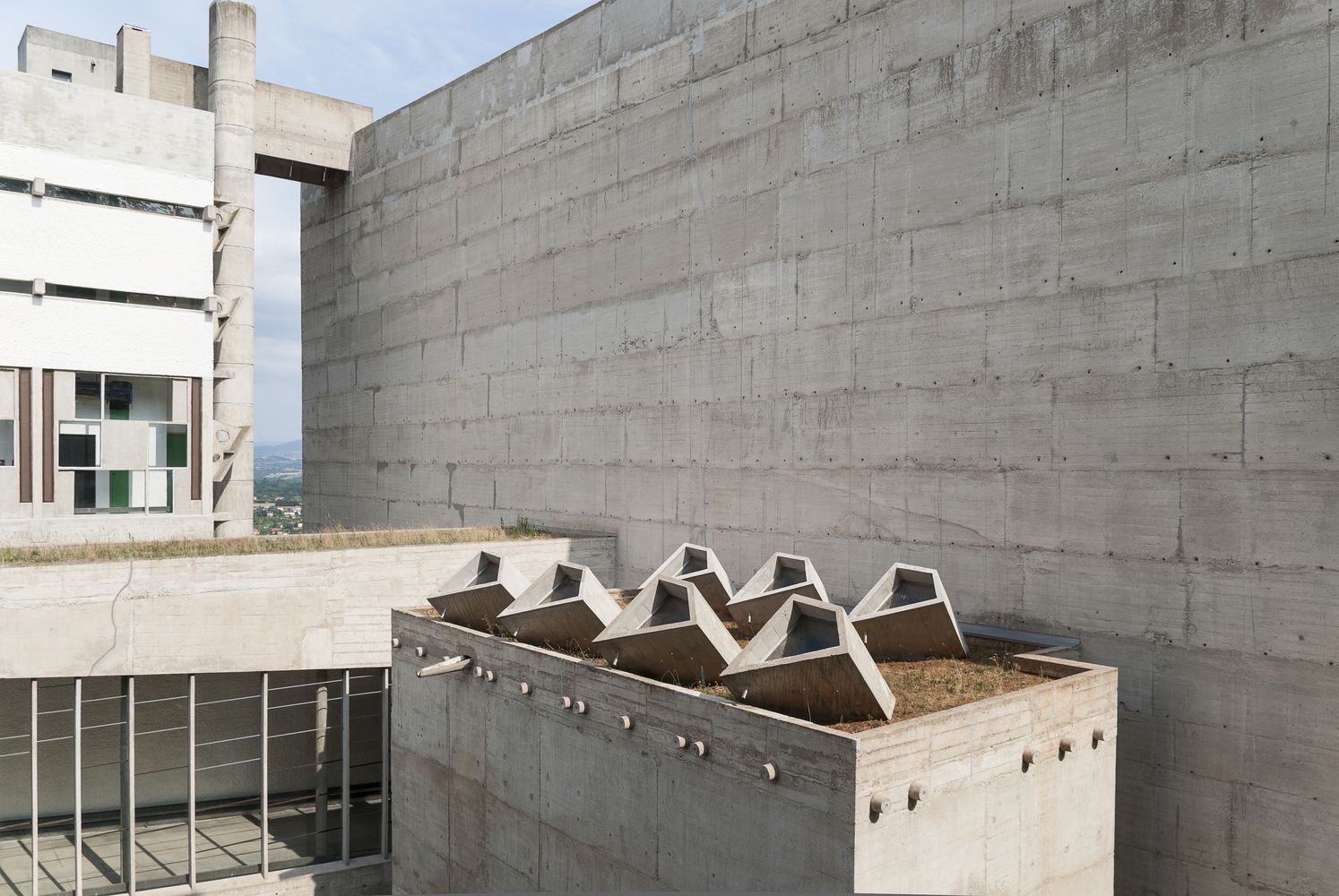
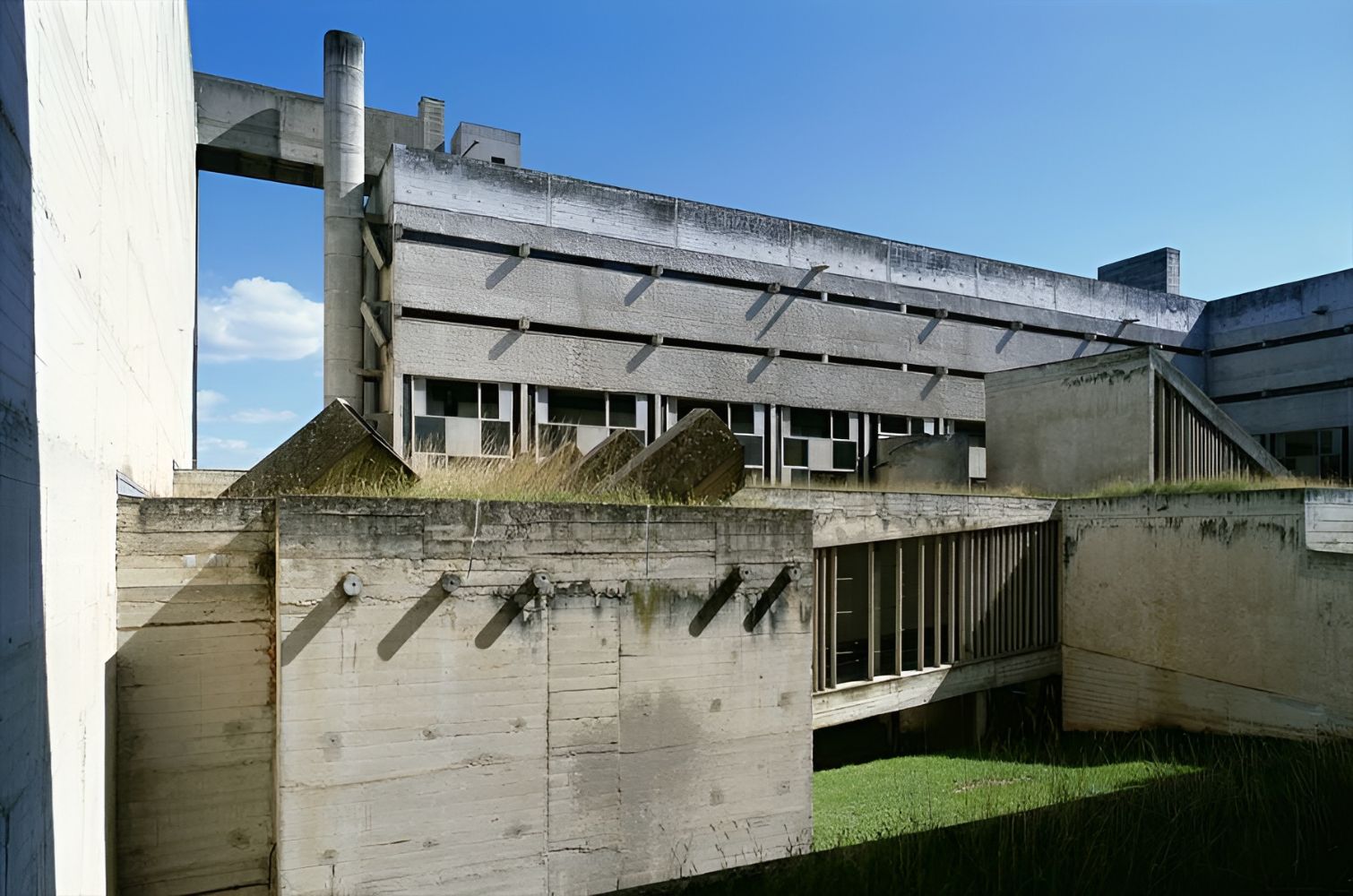
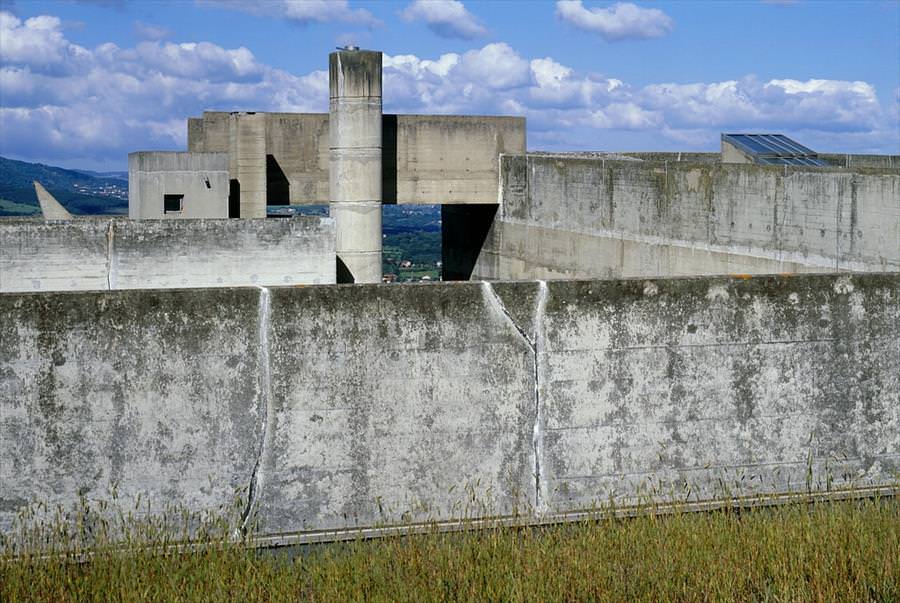
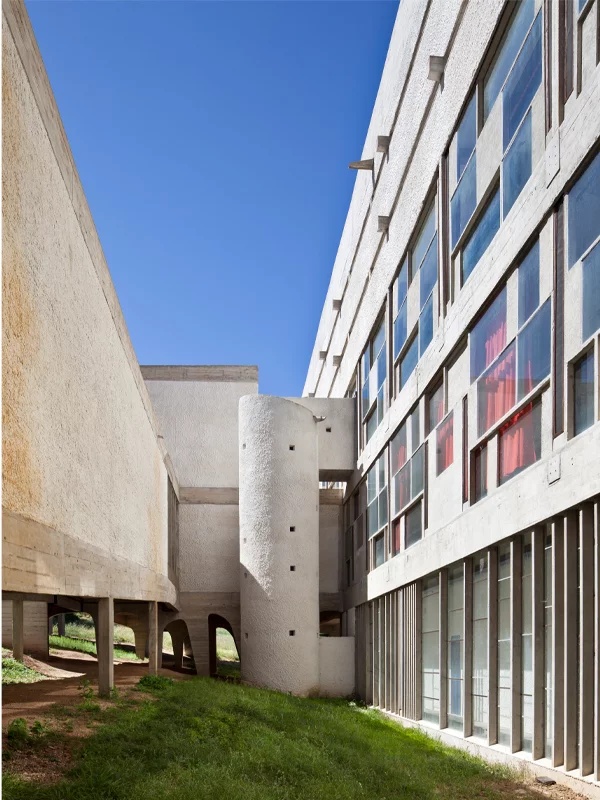
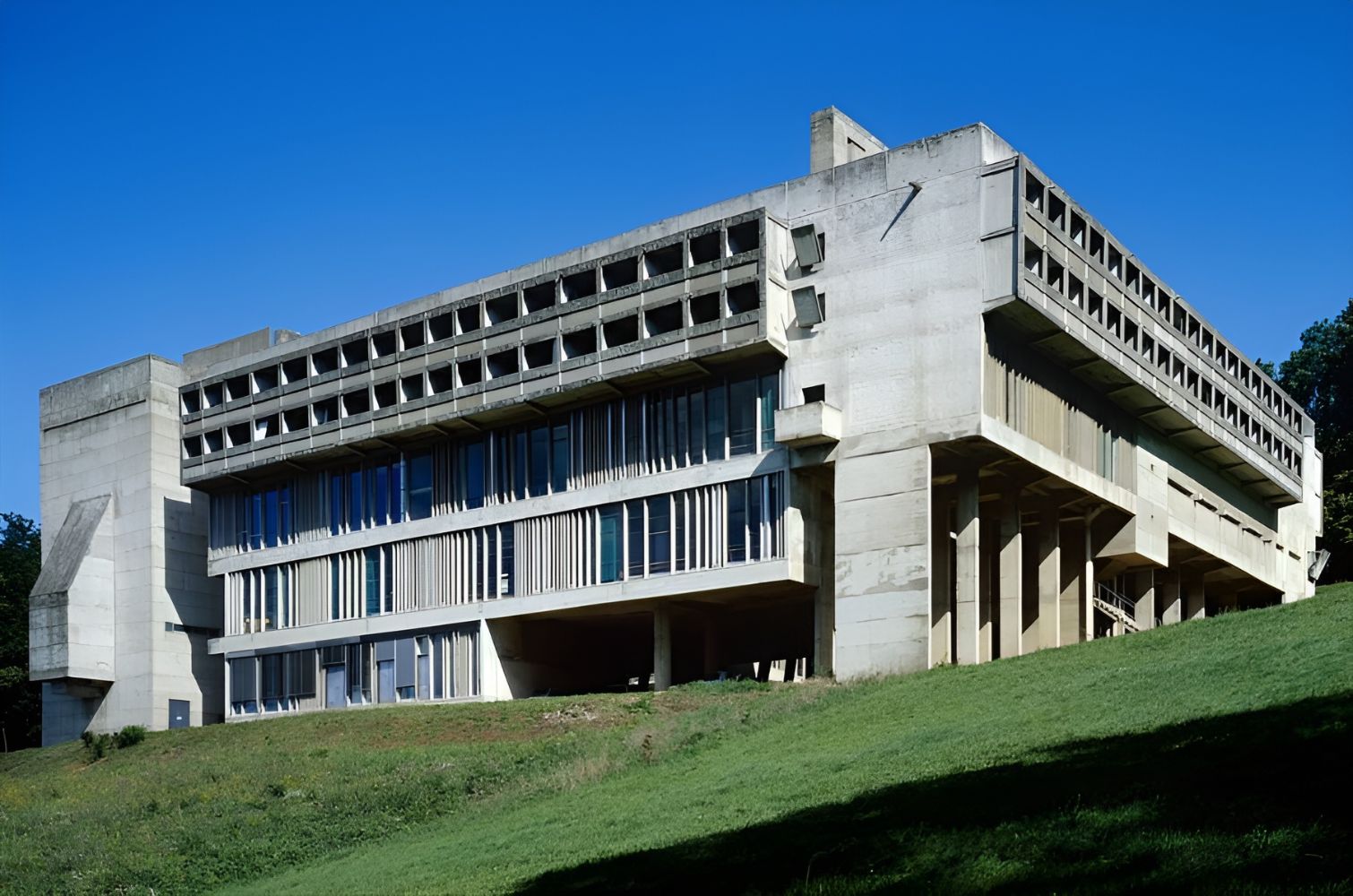
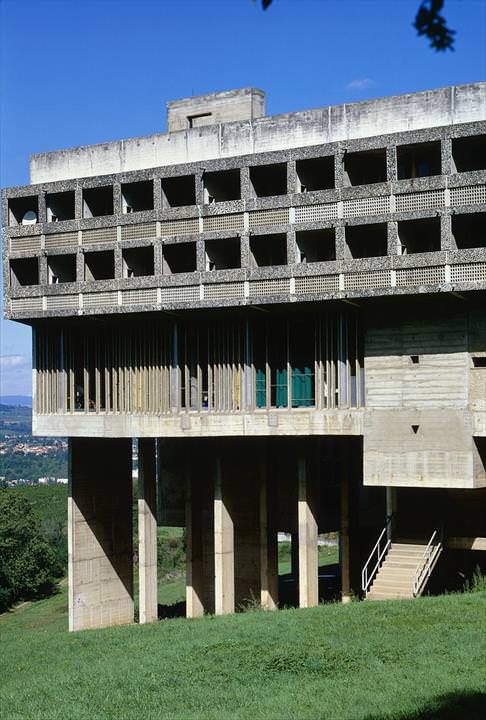
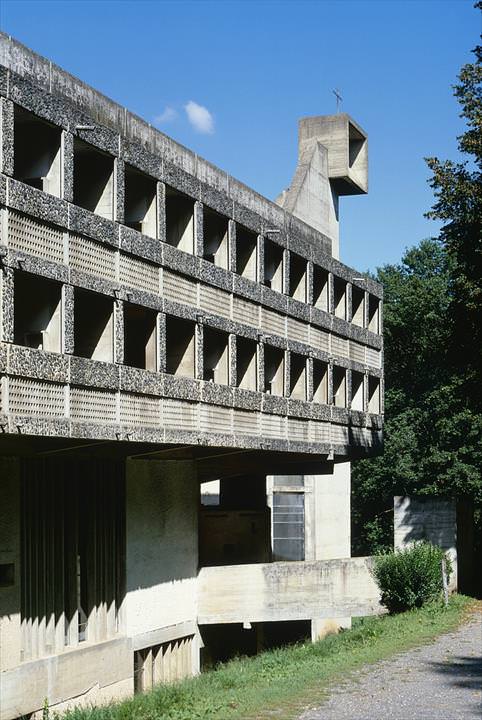
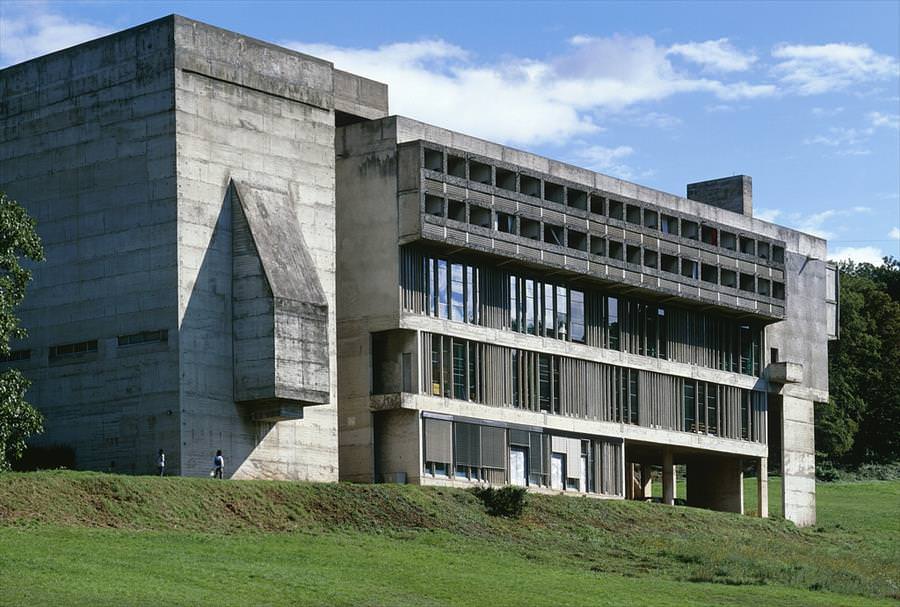
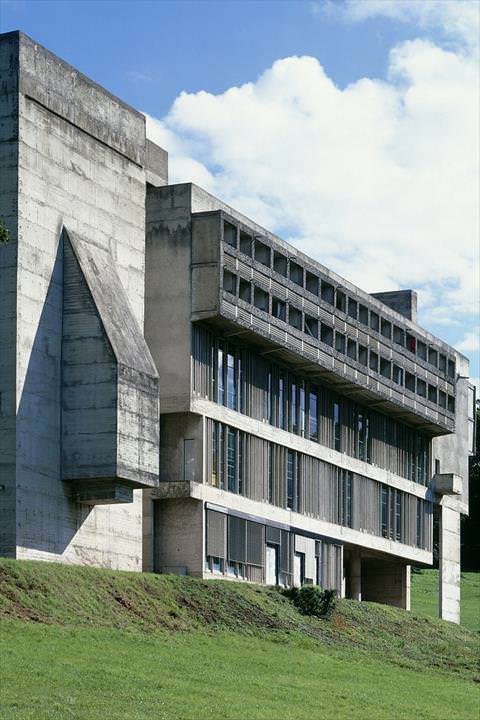
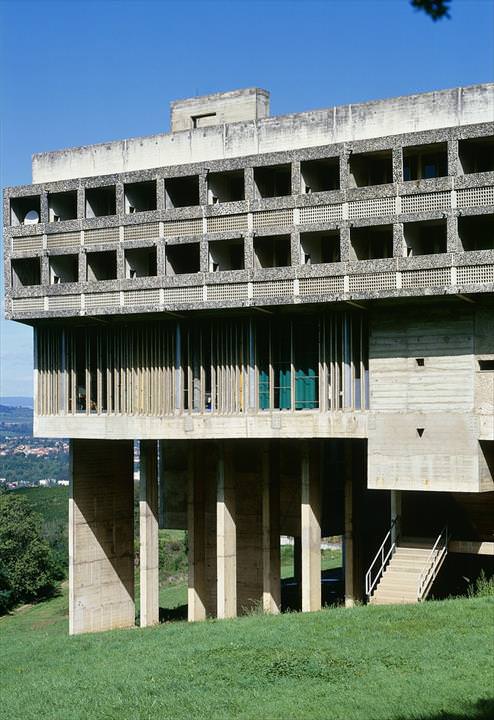
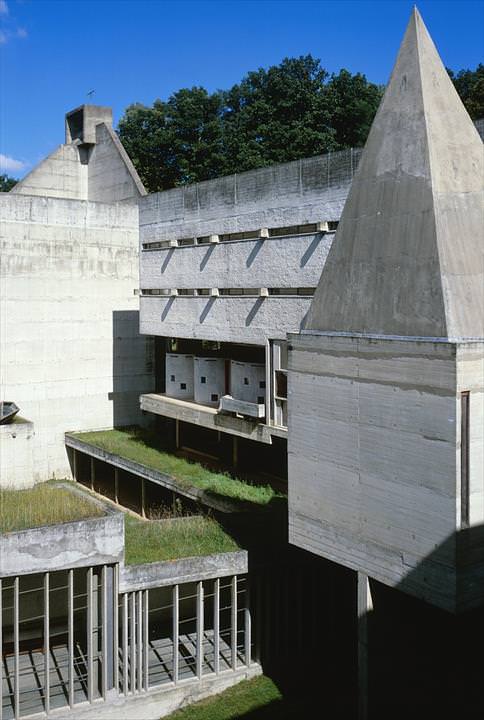
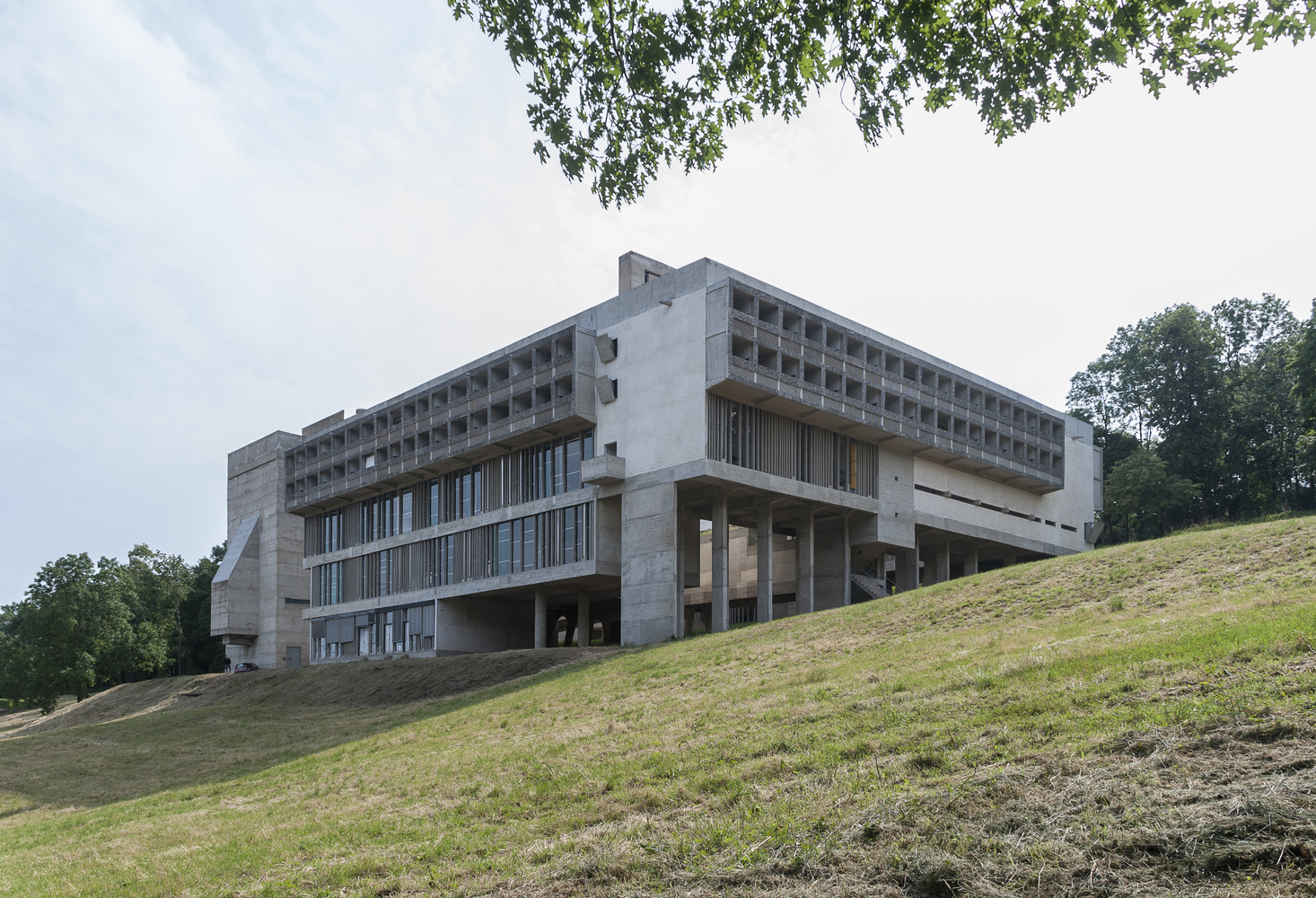
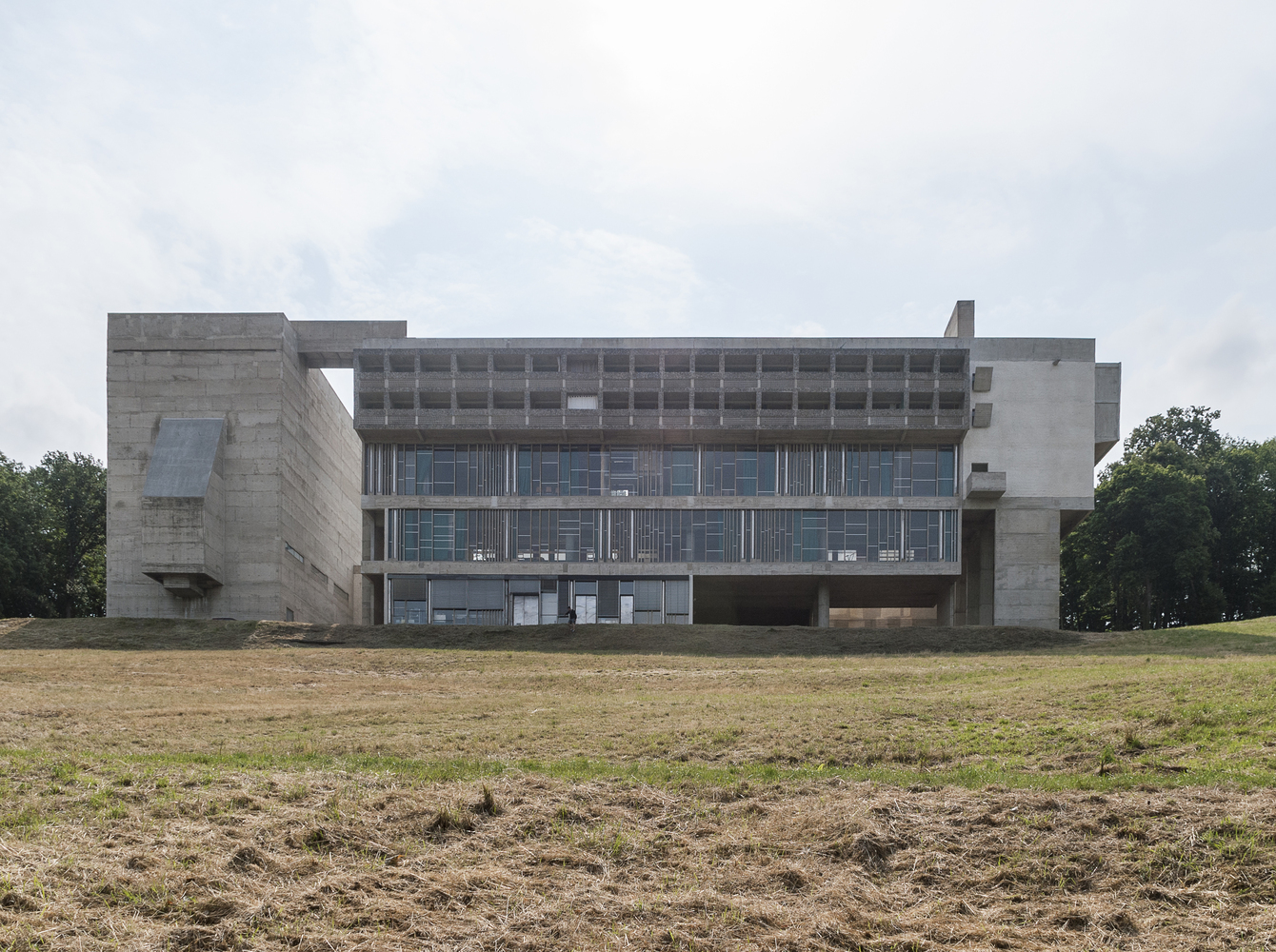
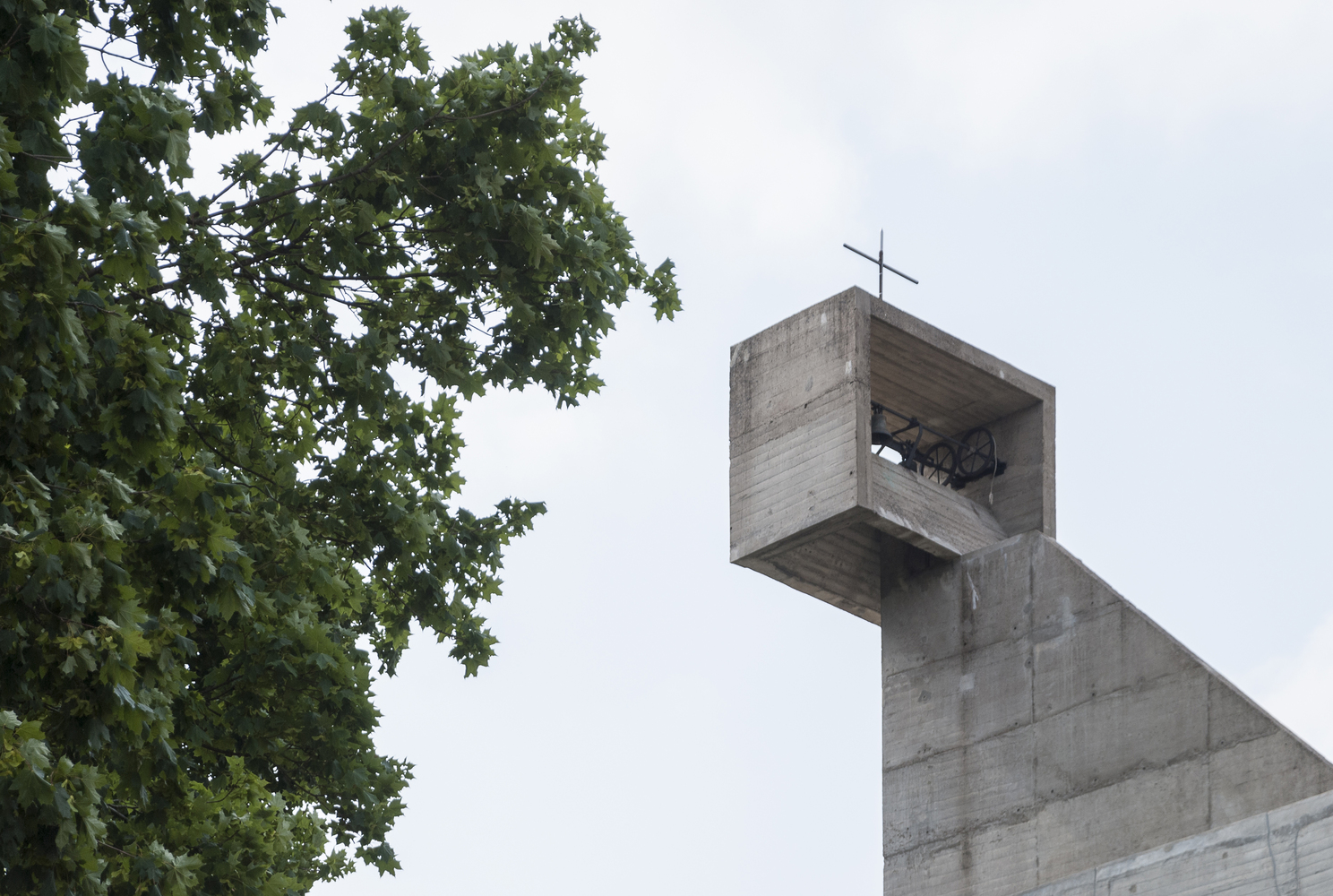
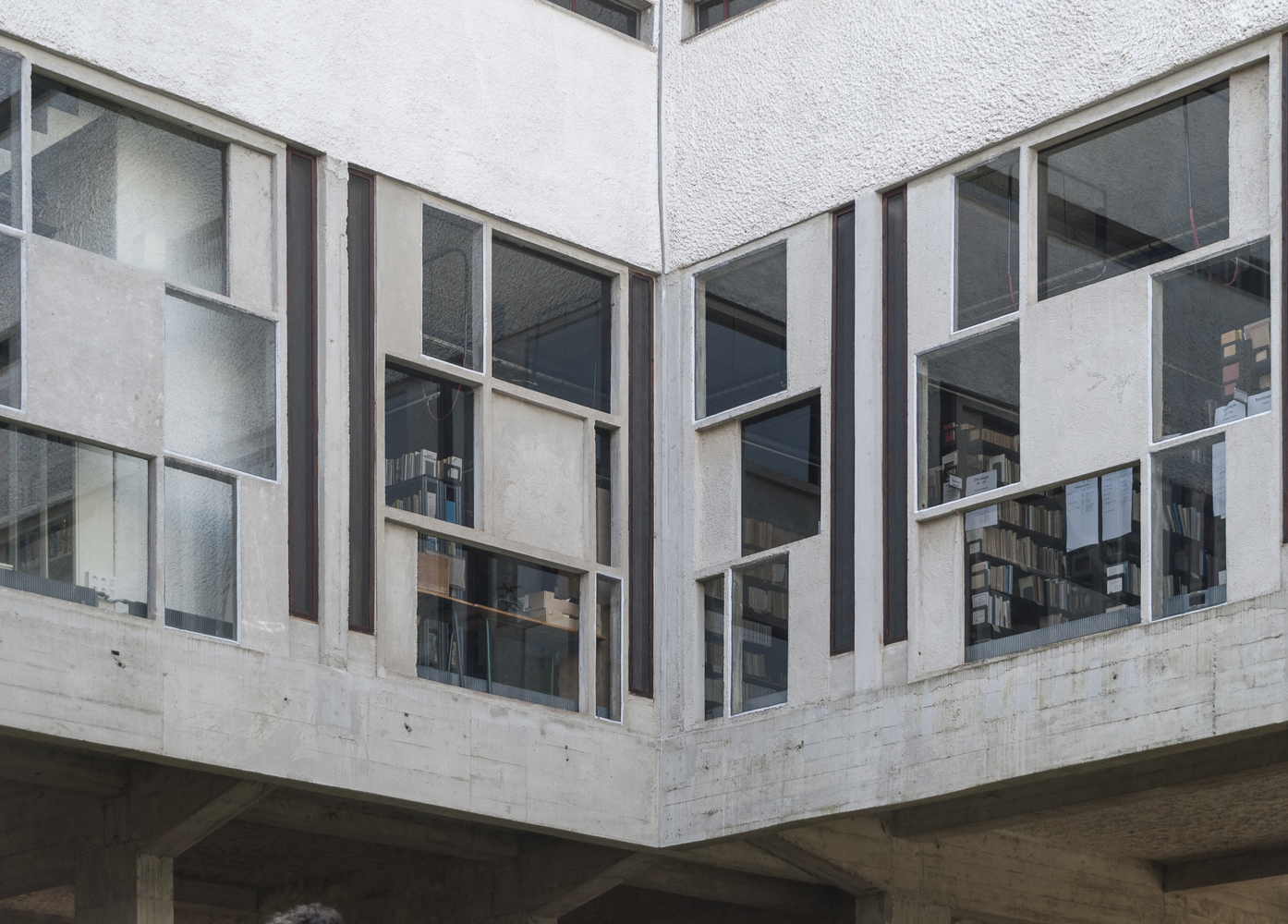
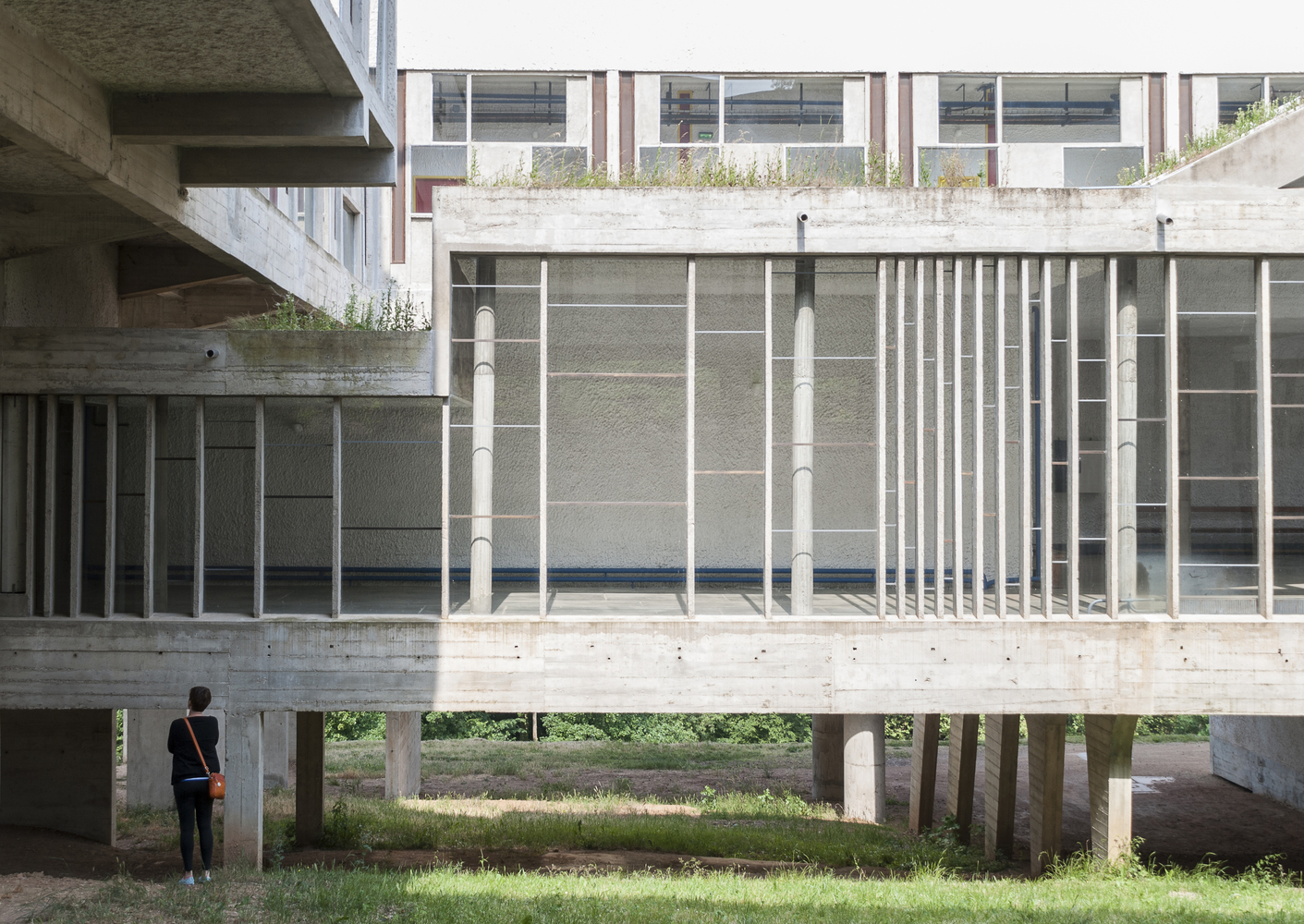
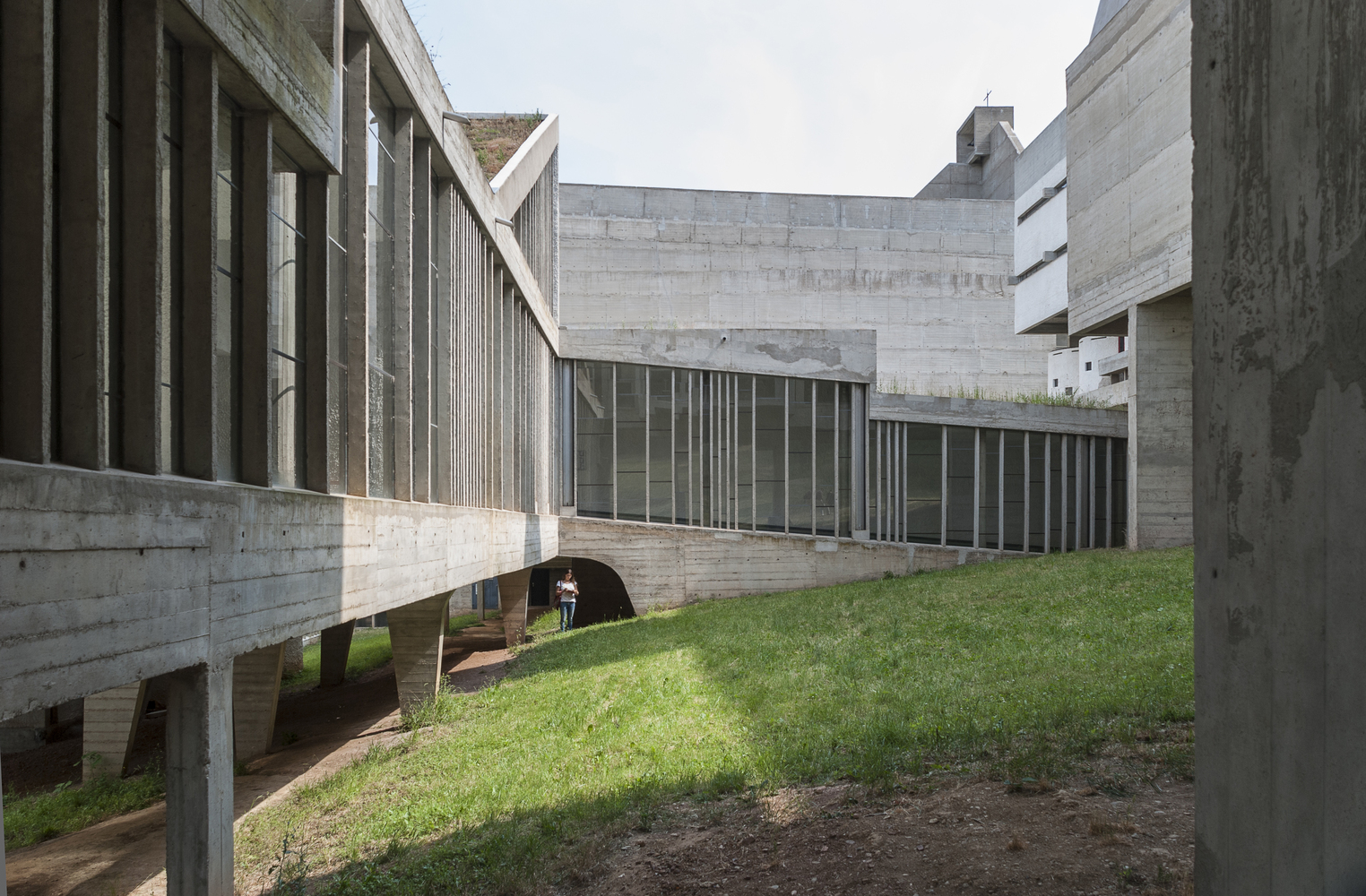
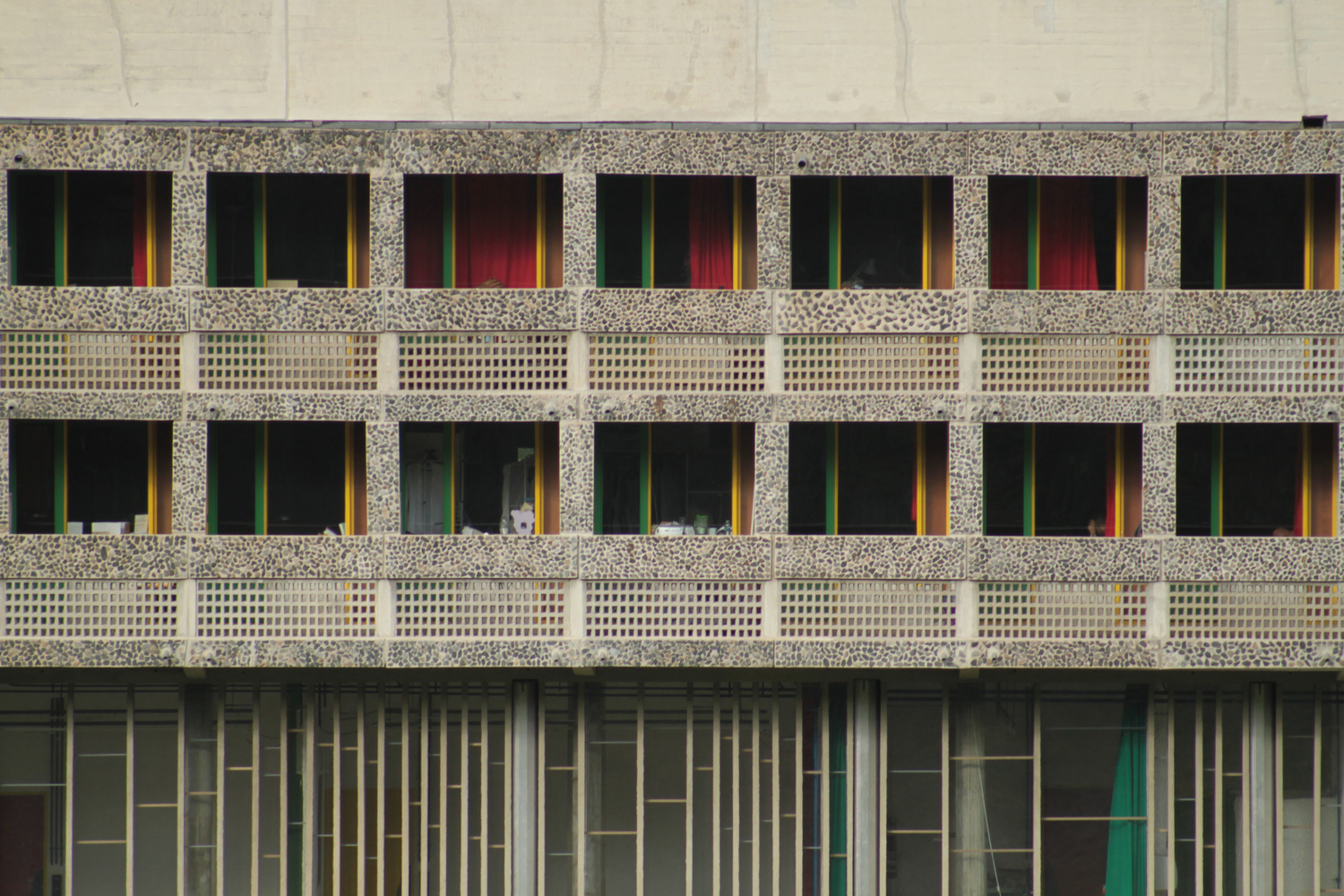
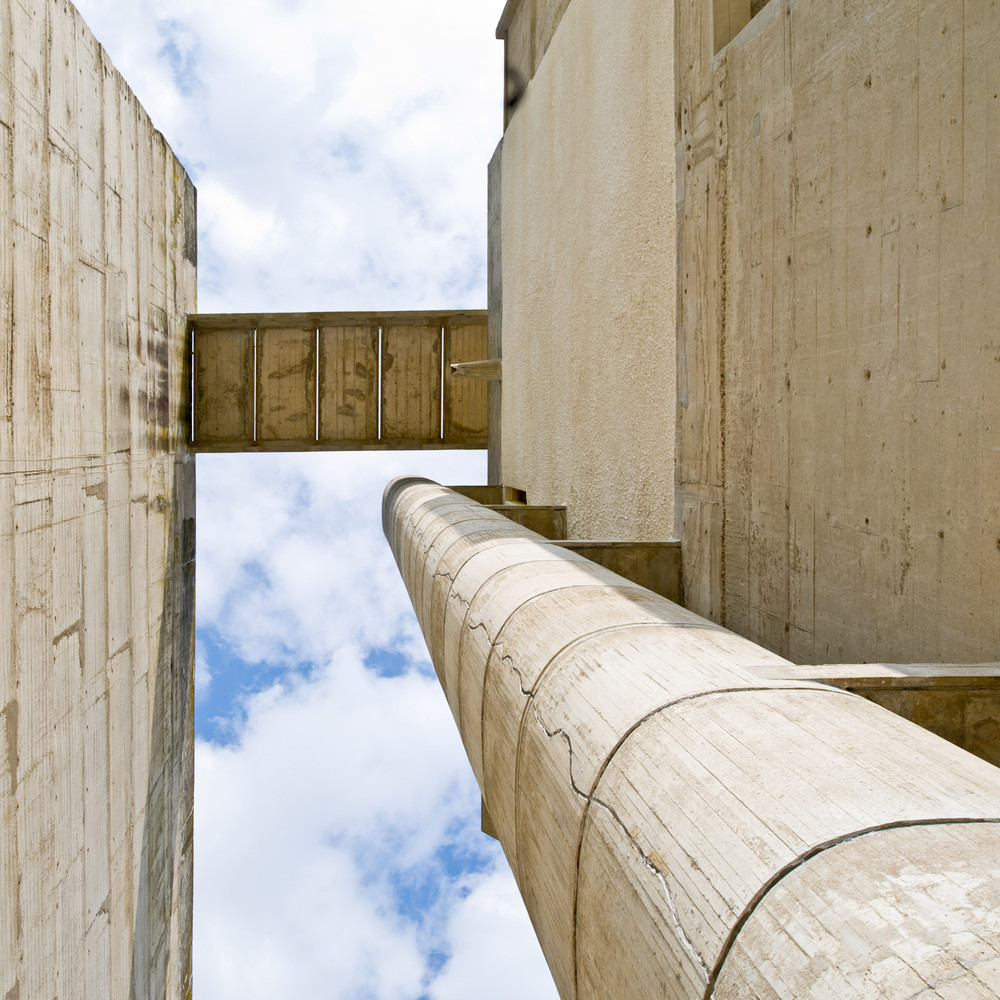
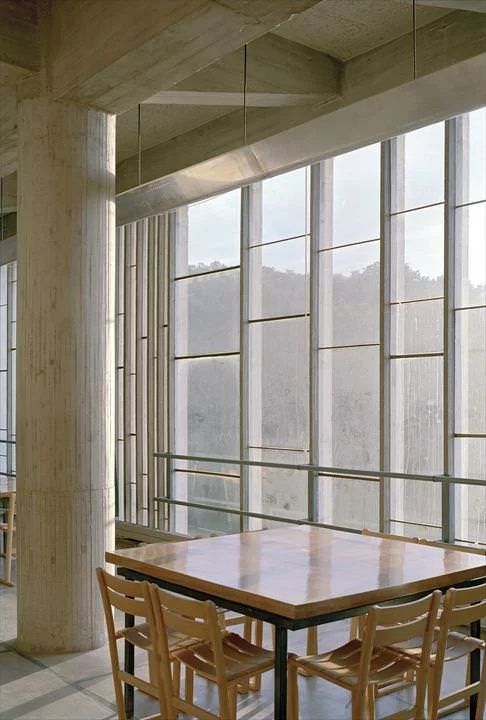
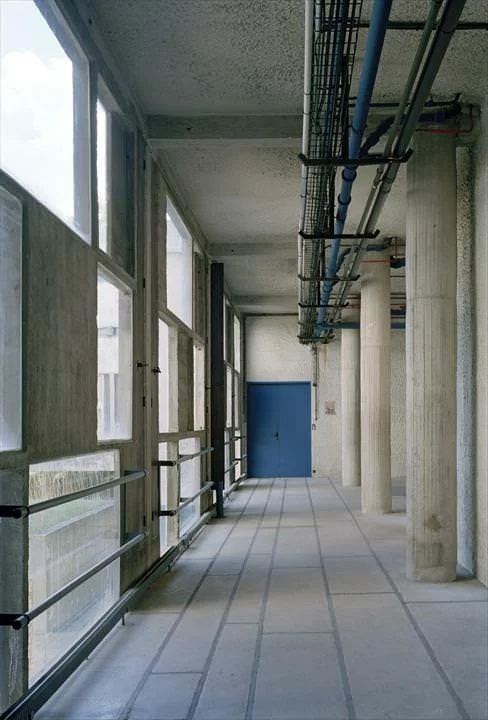
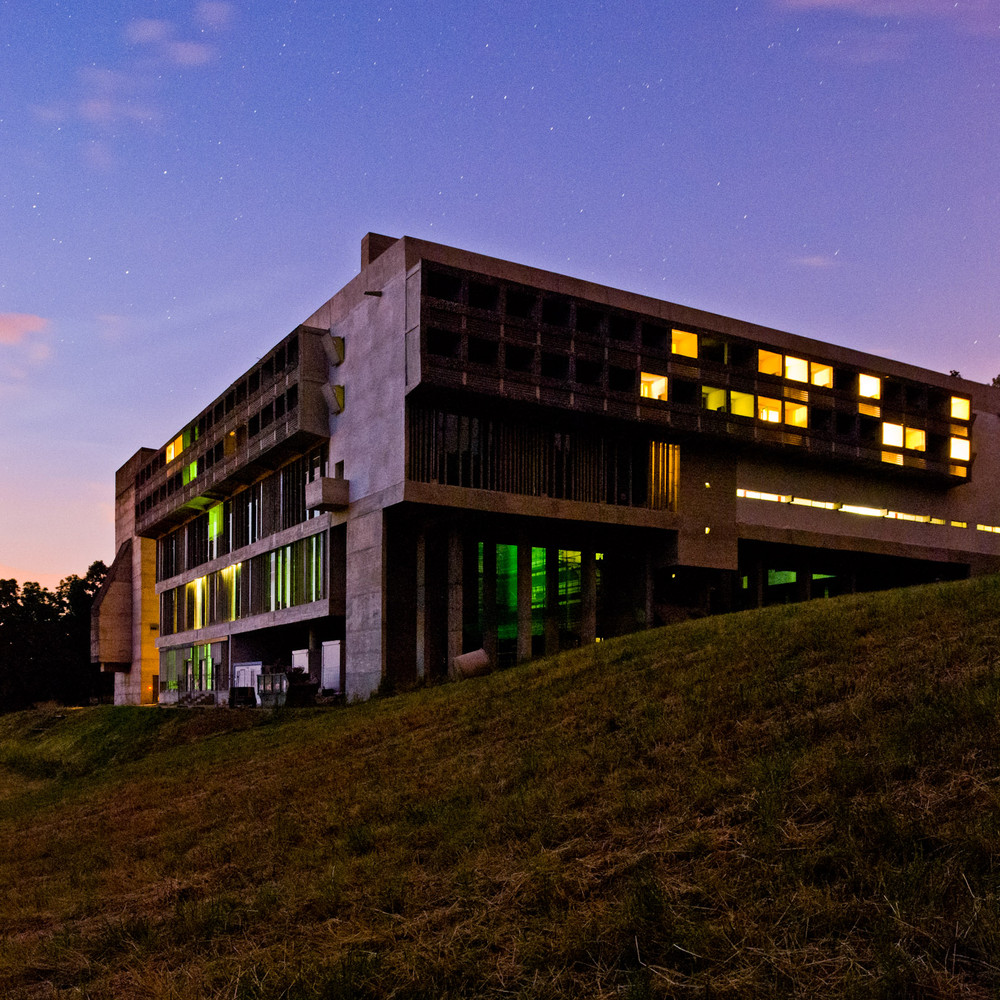
Convent of La Tourette, a religious complex designed by Le Corbusier in Éveux-sur-l’Arbresle, France, has redefined monastic architecture through a synthesis of modernist spatial logic, Brutalist material expression, and a program structured around contemplation, study, and communal life, completed in 1960. The project organizes a Dominican priory as a self-contained environment for approximately one hundred friars, integrating individual cells, a church, library, refectory, classrooms, and communal spaces within a rigorous geometric framework. The complex adopts a U-shaped configuration set against a steep hillside, where pilotis mediate the terrain and establish a horizontal datum. The church volume closes the composition, forming a controlled interior court. The design applies Le Corbusier’s Modulor system to define proportions, particularly within the monastic cells, which articulate a sequence of loggia, workspace, and resting area. The project deploys reinforced concrete as a primary material, combined with undulating glazing systems developed with Iannis Xenakis to regulate light and environmental conditions. The architectural promenade unfolds through ramps, corridors, and cloister-like circulation paths, guiding movement from landscape to interior. The church interior operates as a controlled light environment, where apertures, light wells, and “light cannons” modulate illumination and produce spatial intensity. The project remains a critical reference in modern architecture, where structure, light, and program converge into a disciplined yet expressive monastic environment.
Convent of La Tourette stands as Le Corbusier’s final European work and a precise response to a Dominican commission for a place of prayer, study, and communal life. The project emerged in 1953 under the guidance of Father Marie-Alain Couturier, who defined the brief as the creation of a “silent dwelling for one hundred bodies and one hundred hearts.” The completed complex accommodates this program through a structured assembly of living cells, educational spaces, and a church, forming a self-contained monastic environment.
Convent of La Tourette / Le Corbuiser | Classics on Architecture Lab 175Convent of La Tourette / Le Corbuiser | Classics on Architecture Lab 176Convent of La Tourette / Le Corbuiser | Classics on Architecture Lab 177Convent of La Tourette / Le Corbuiser | Classics on Architecture Lab 178
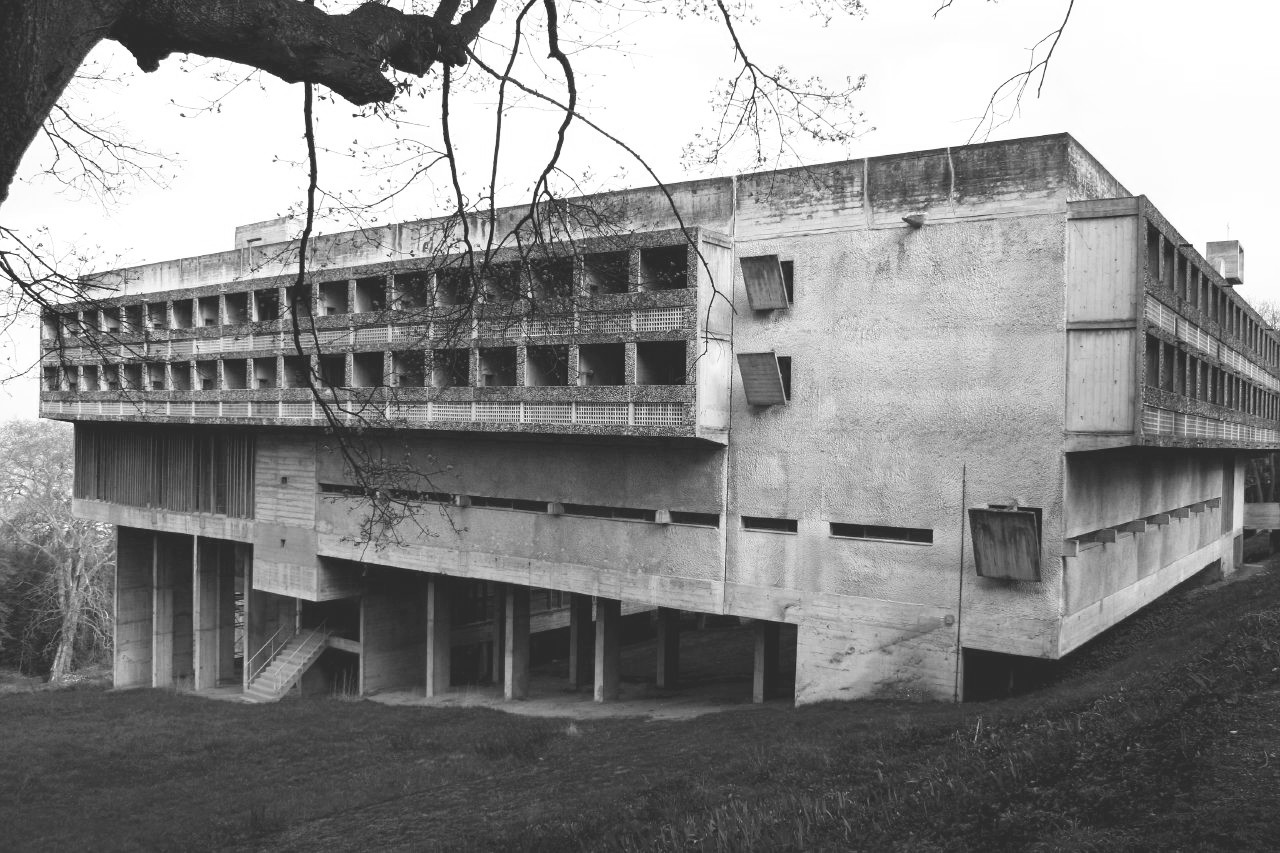
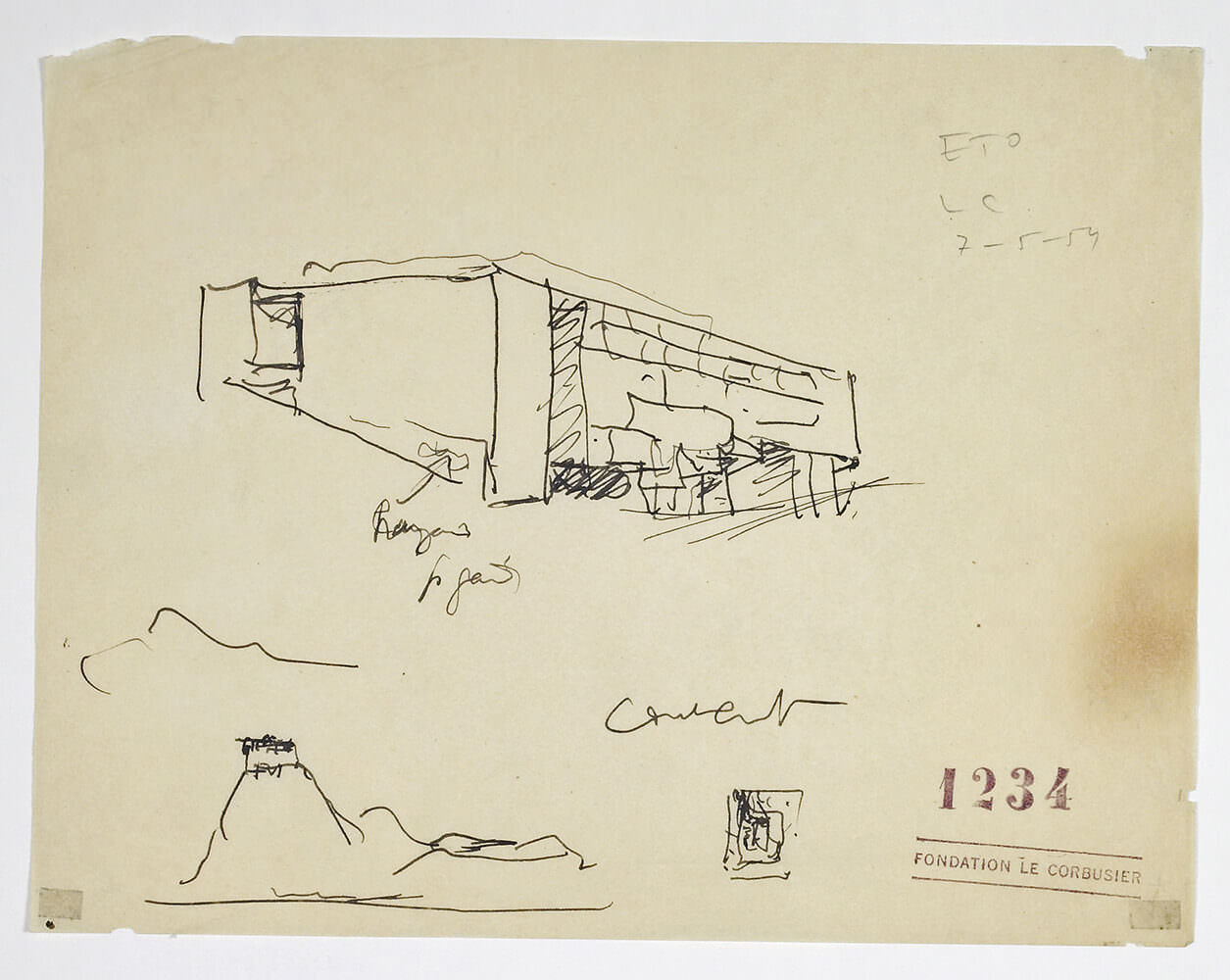
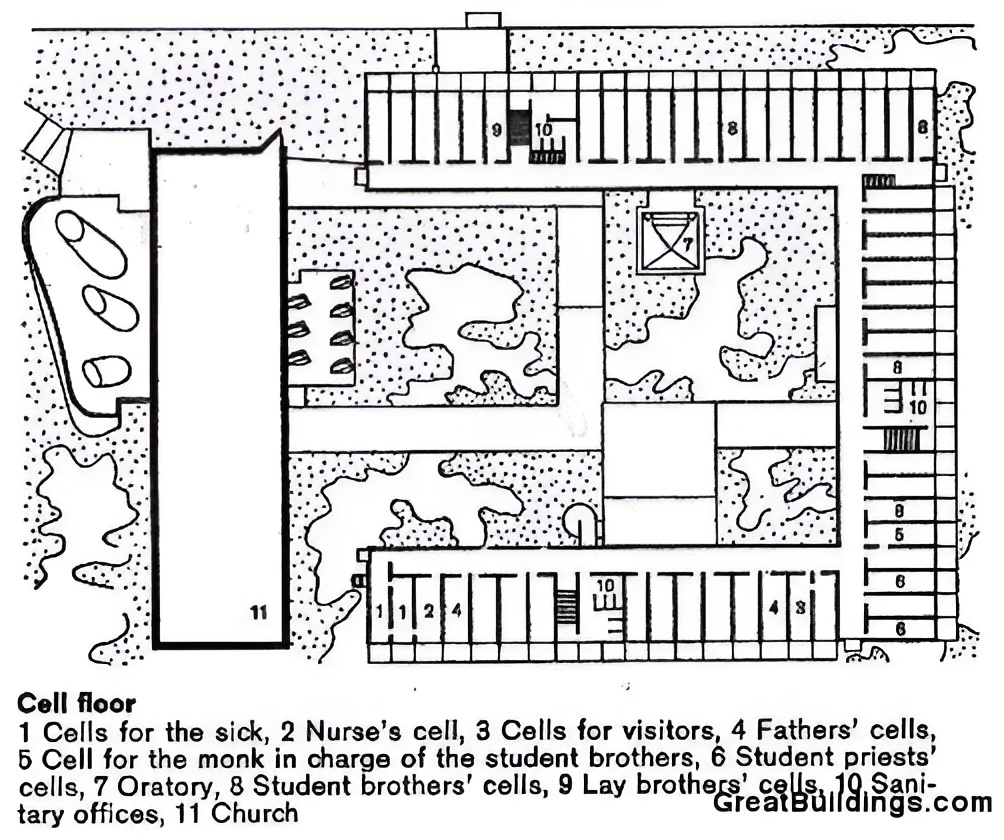
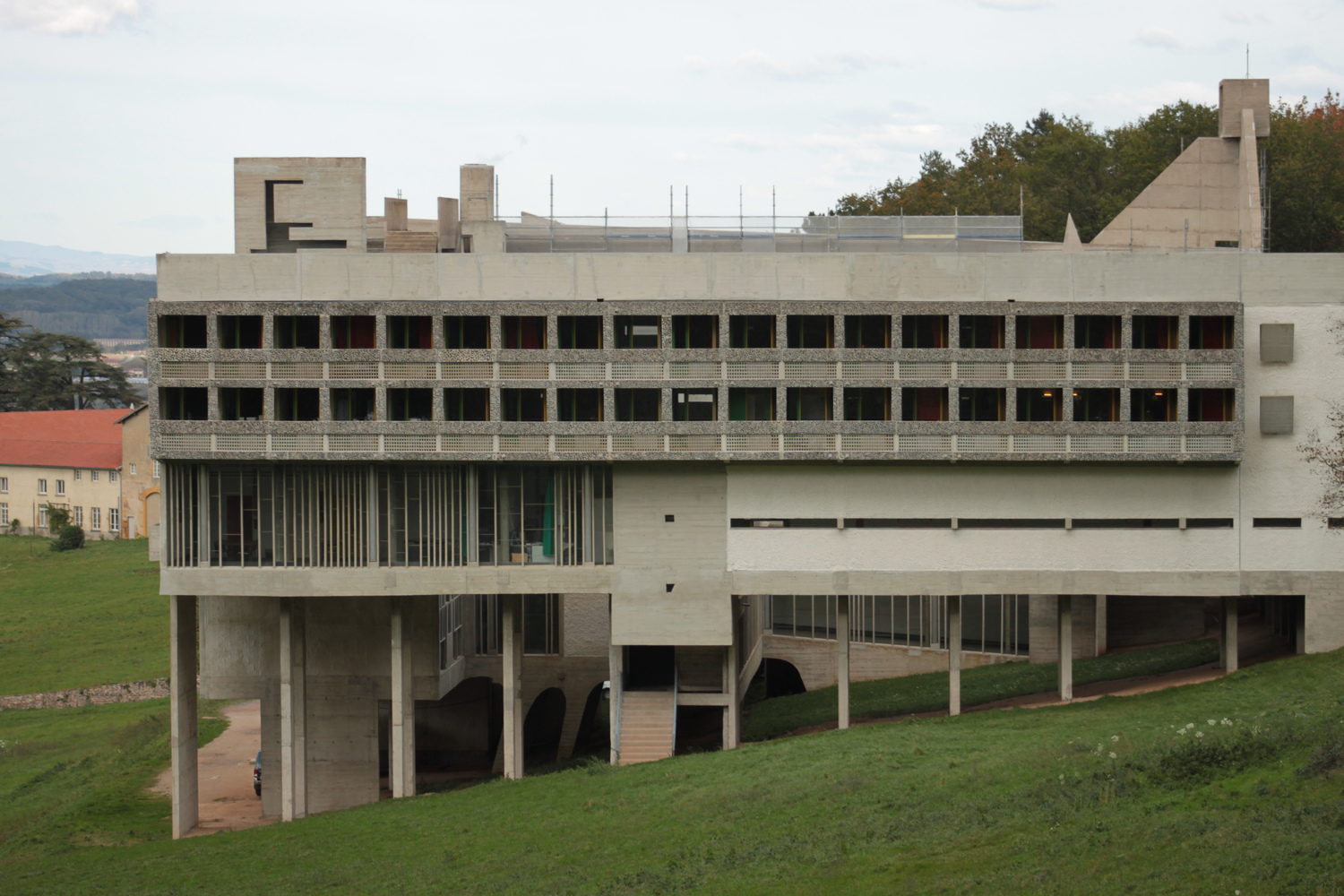
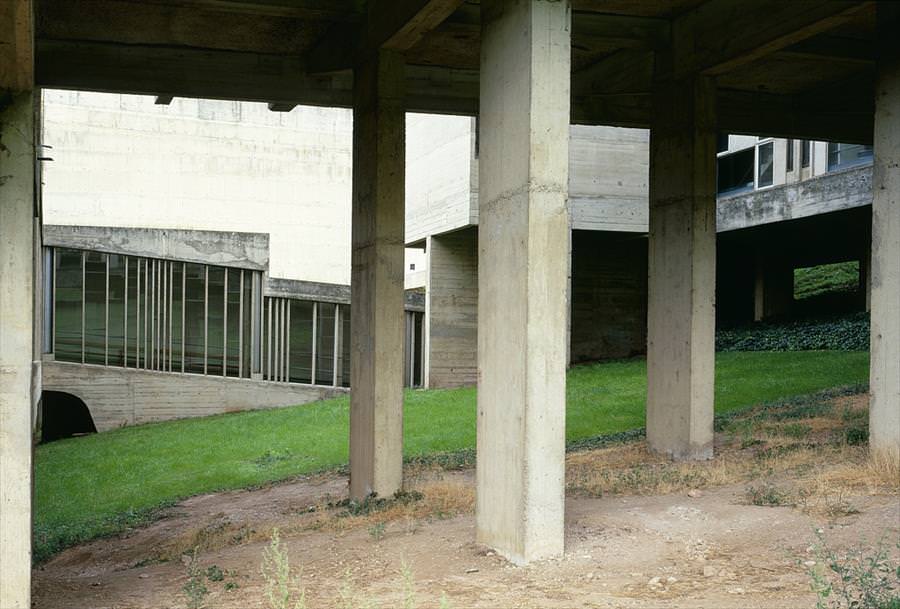
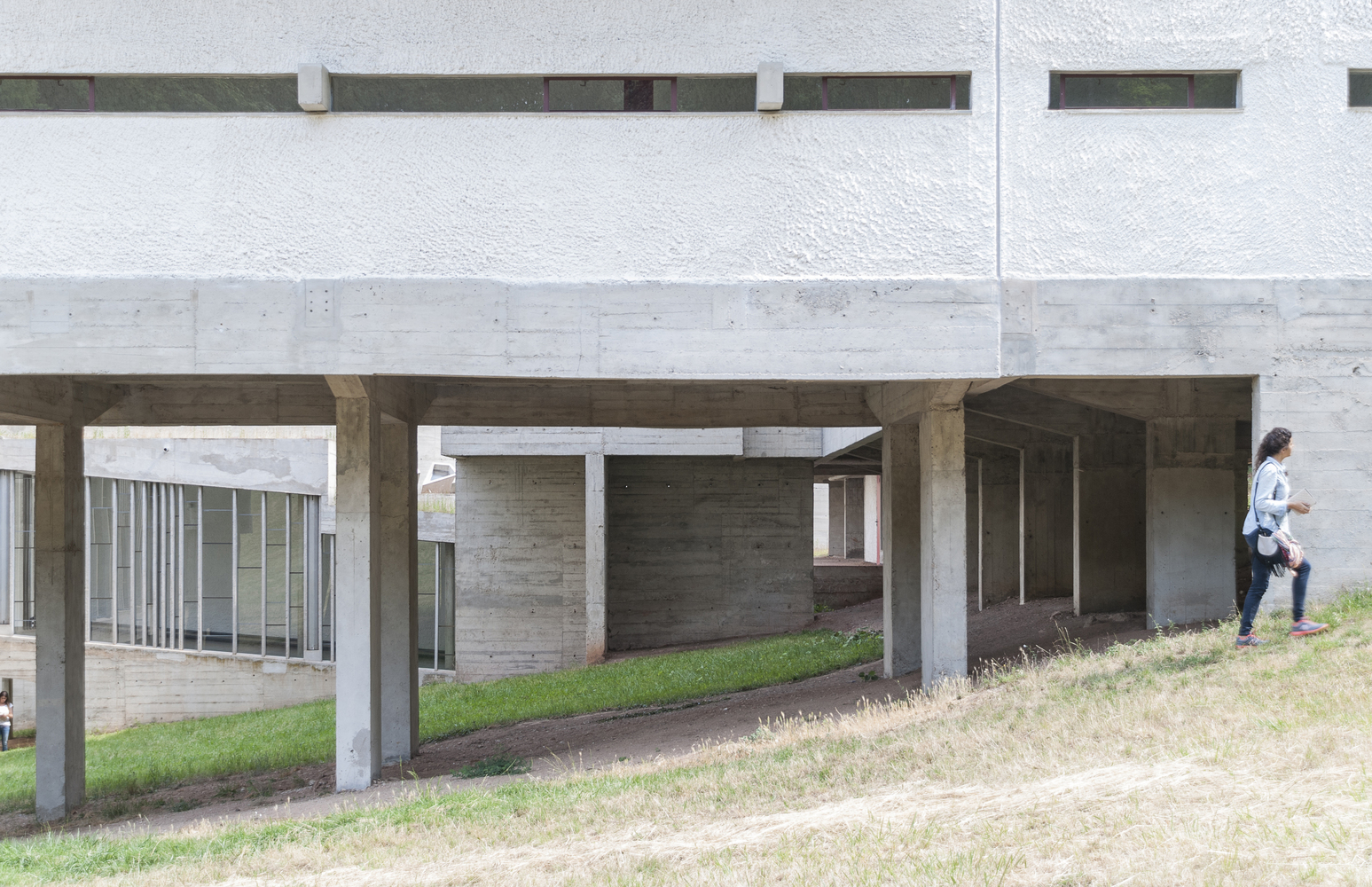
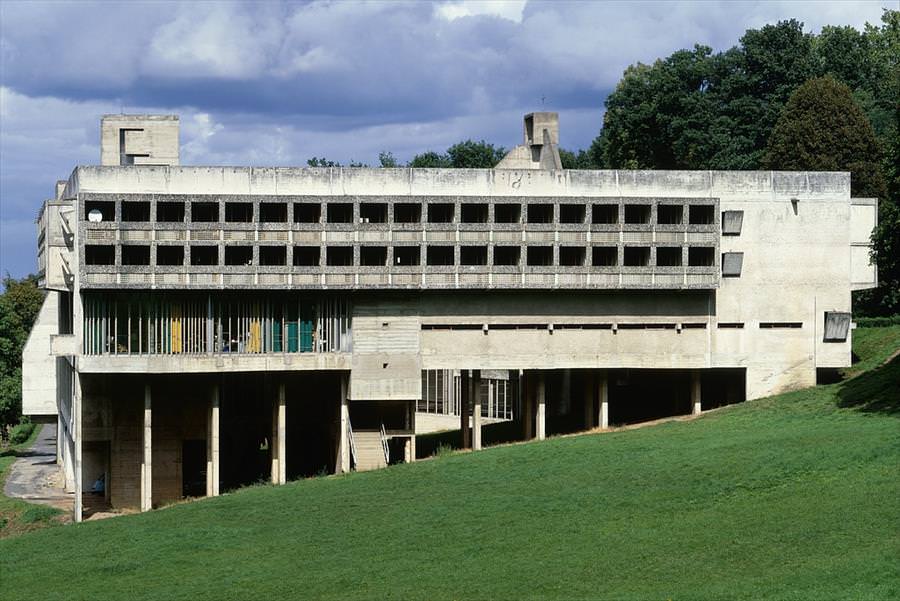
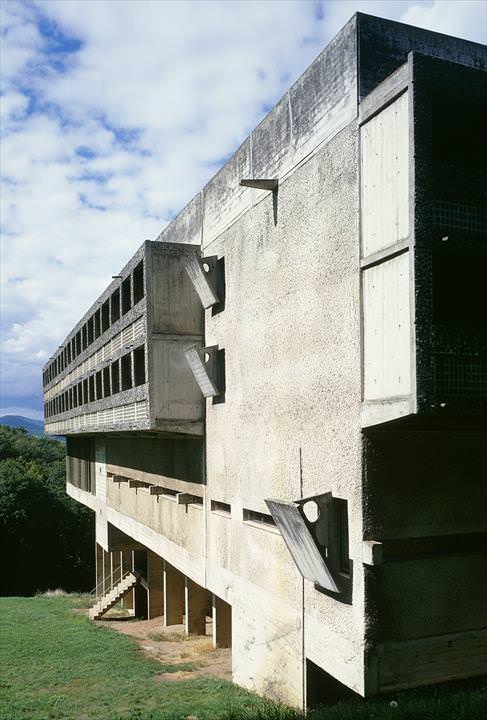
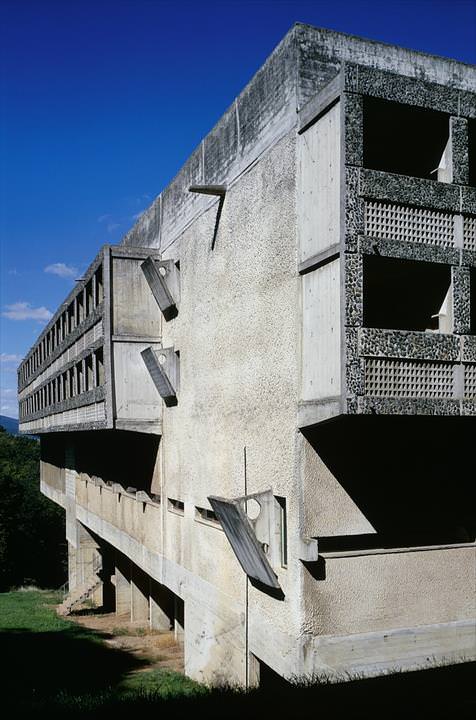
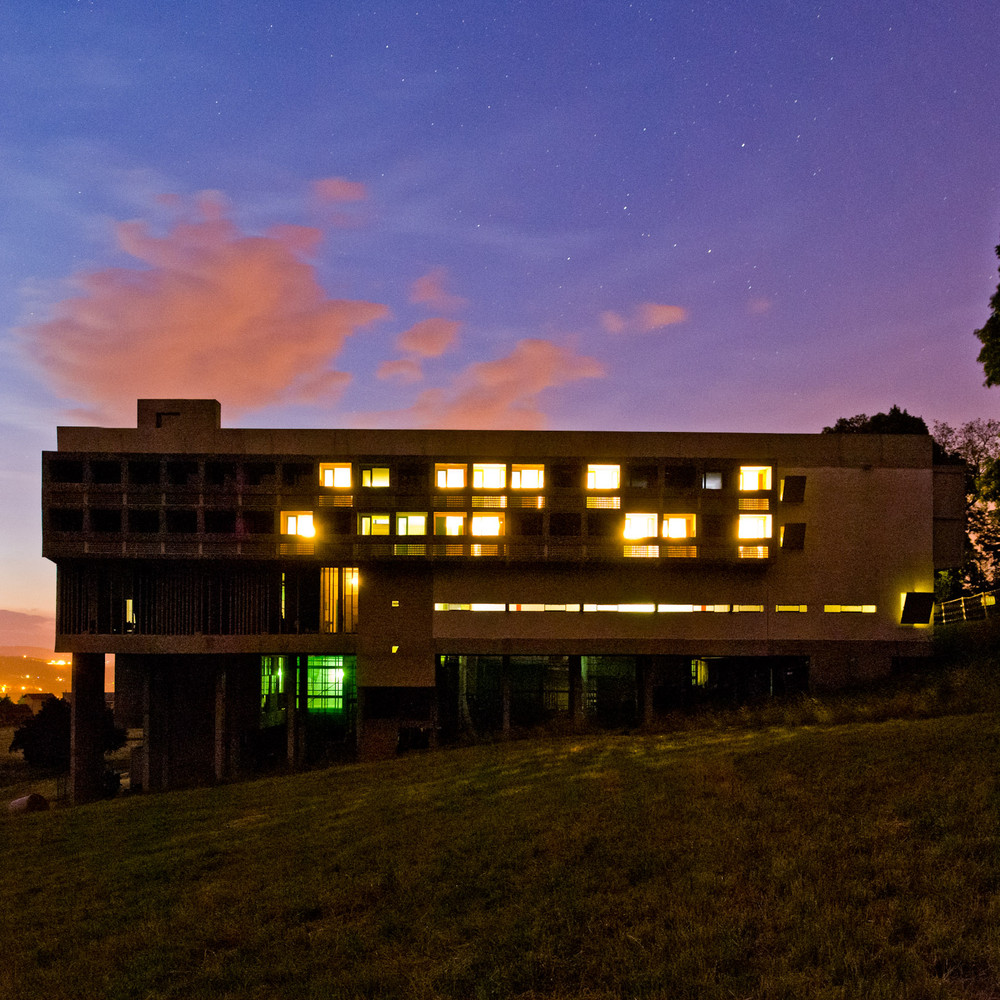
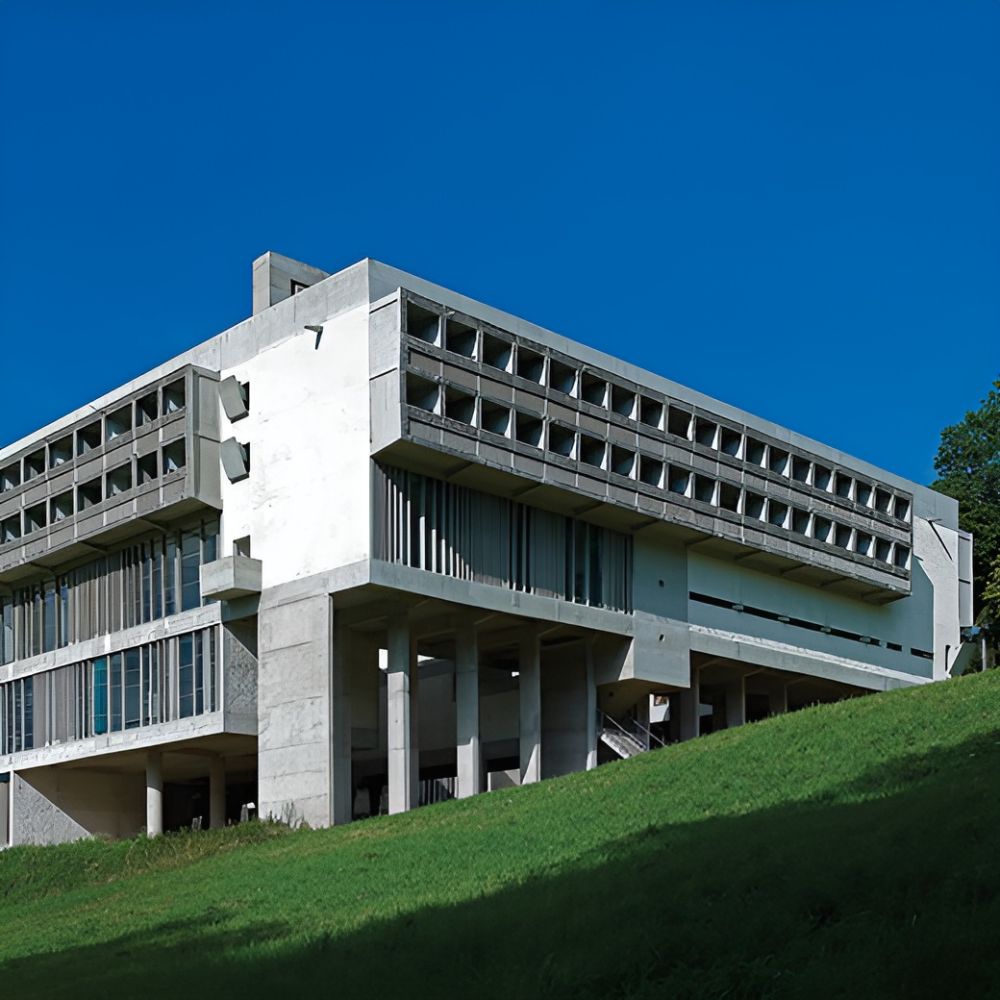
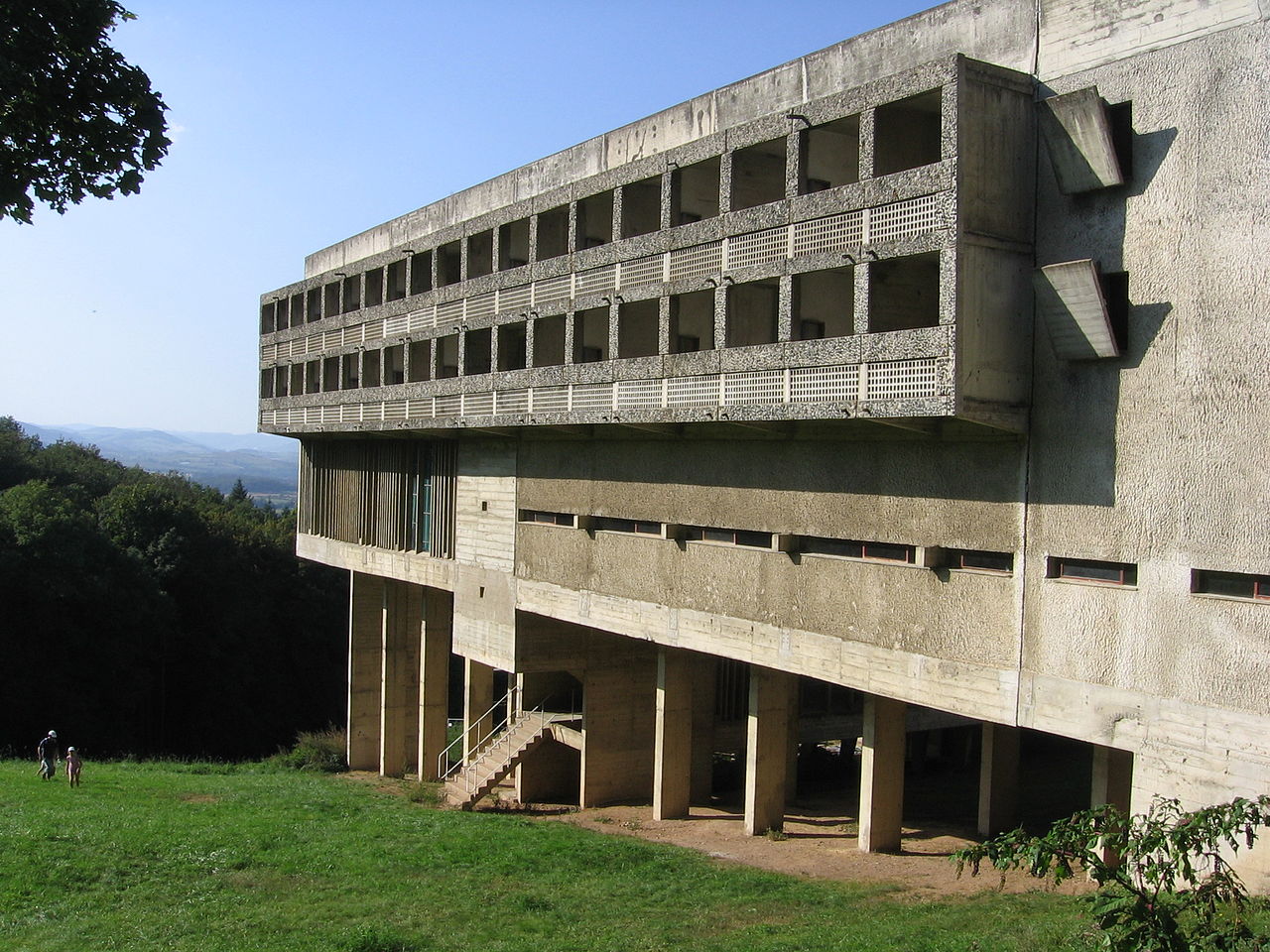
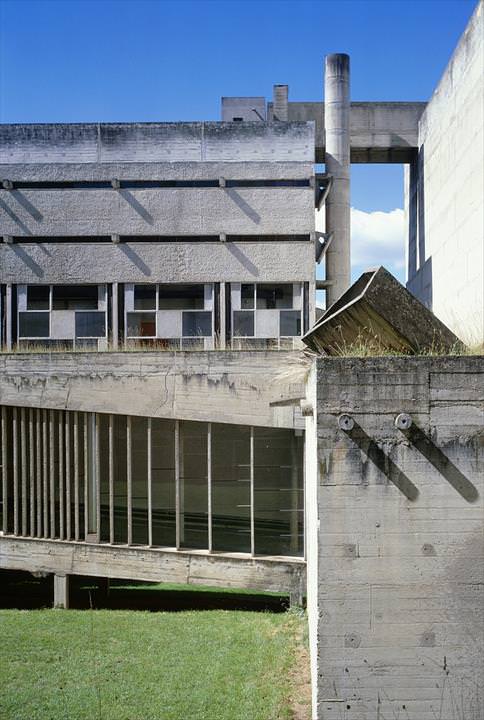
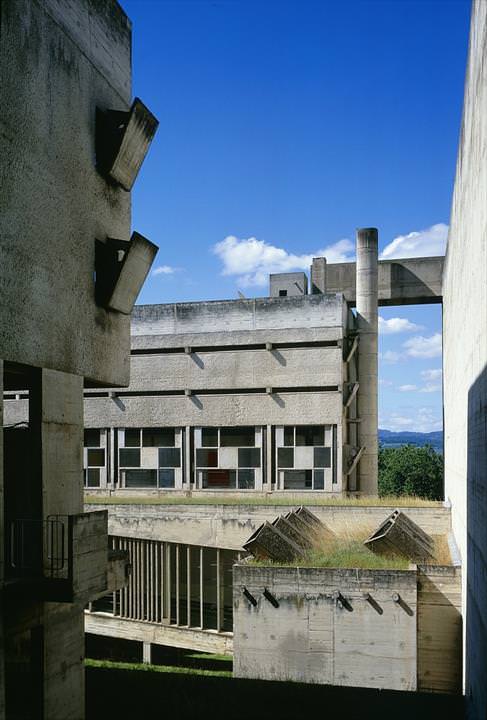
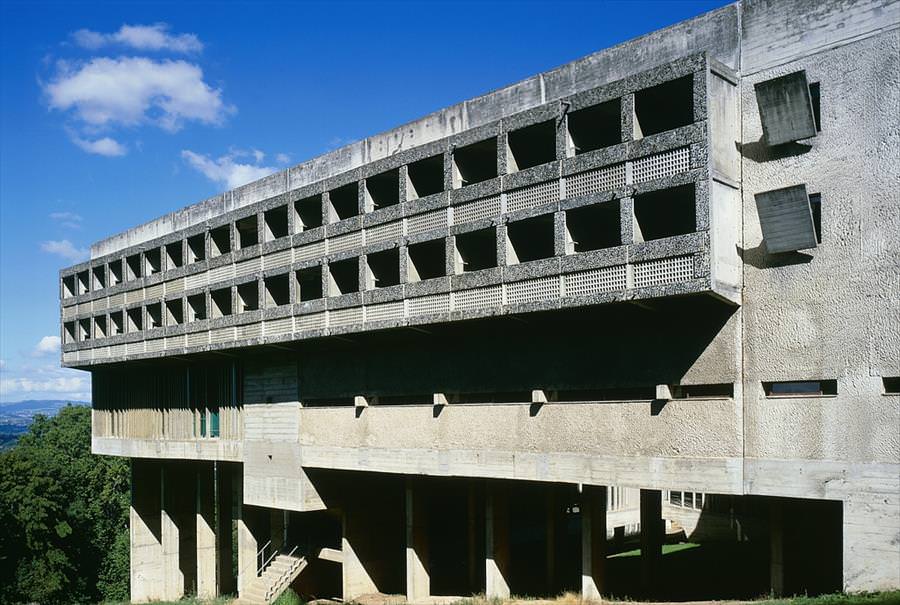
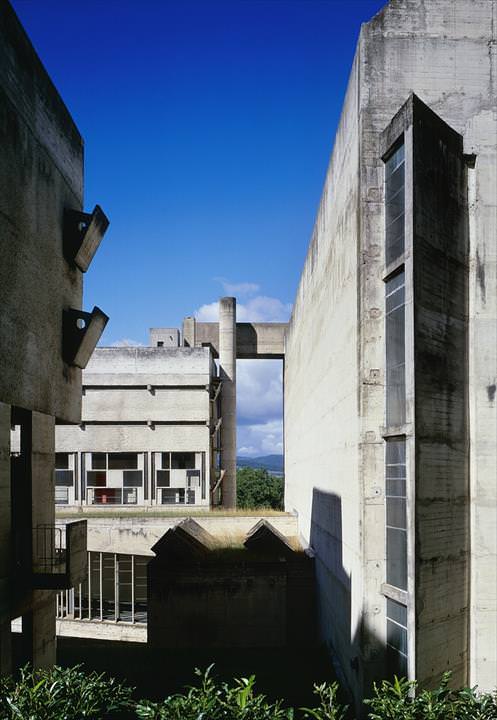
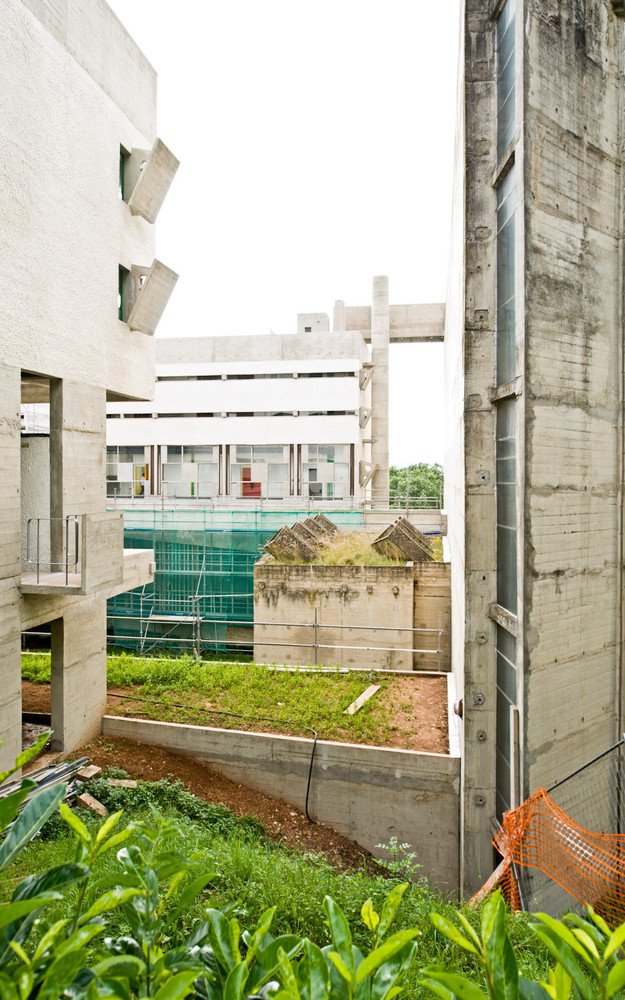
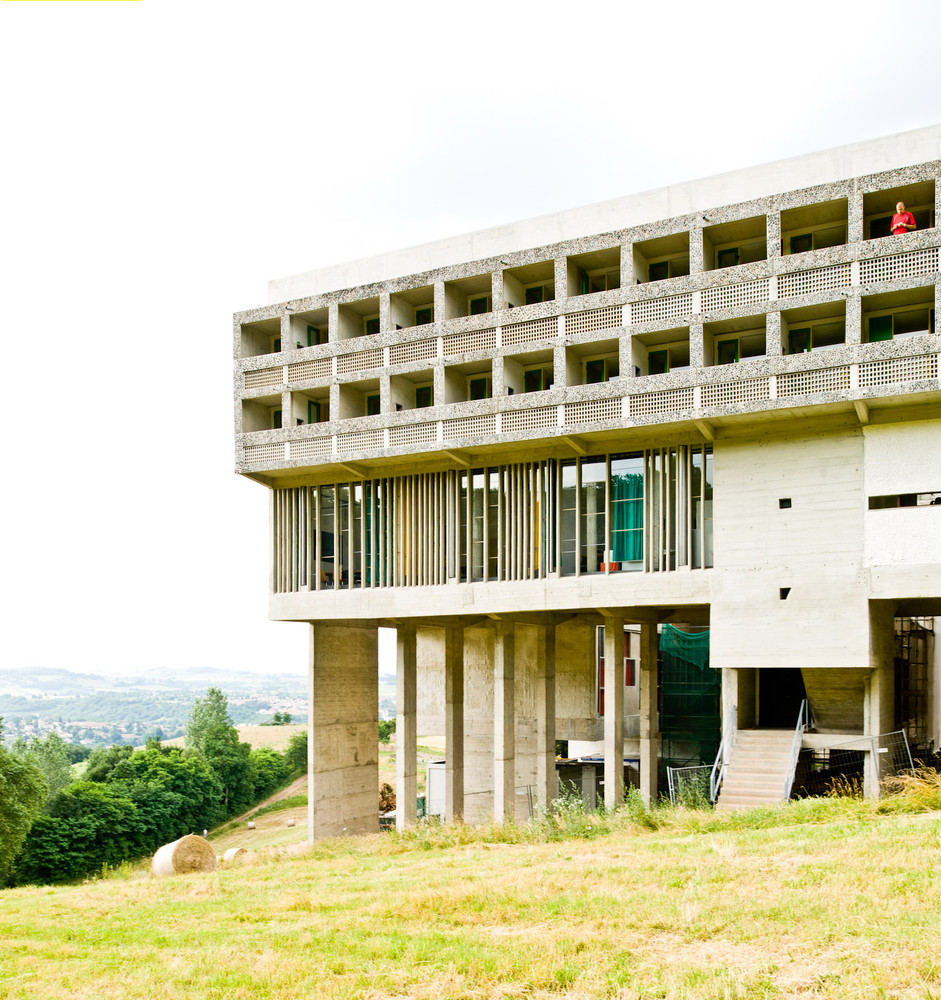
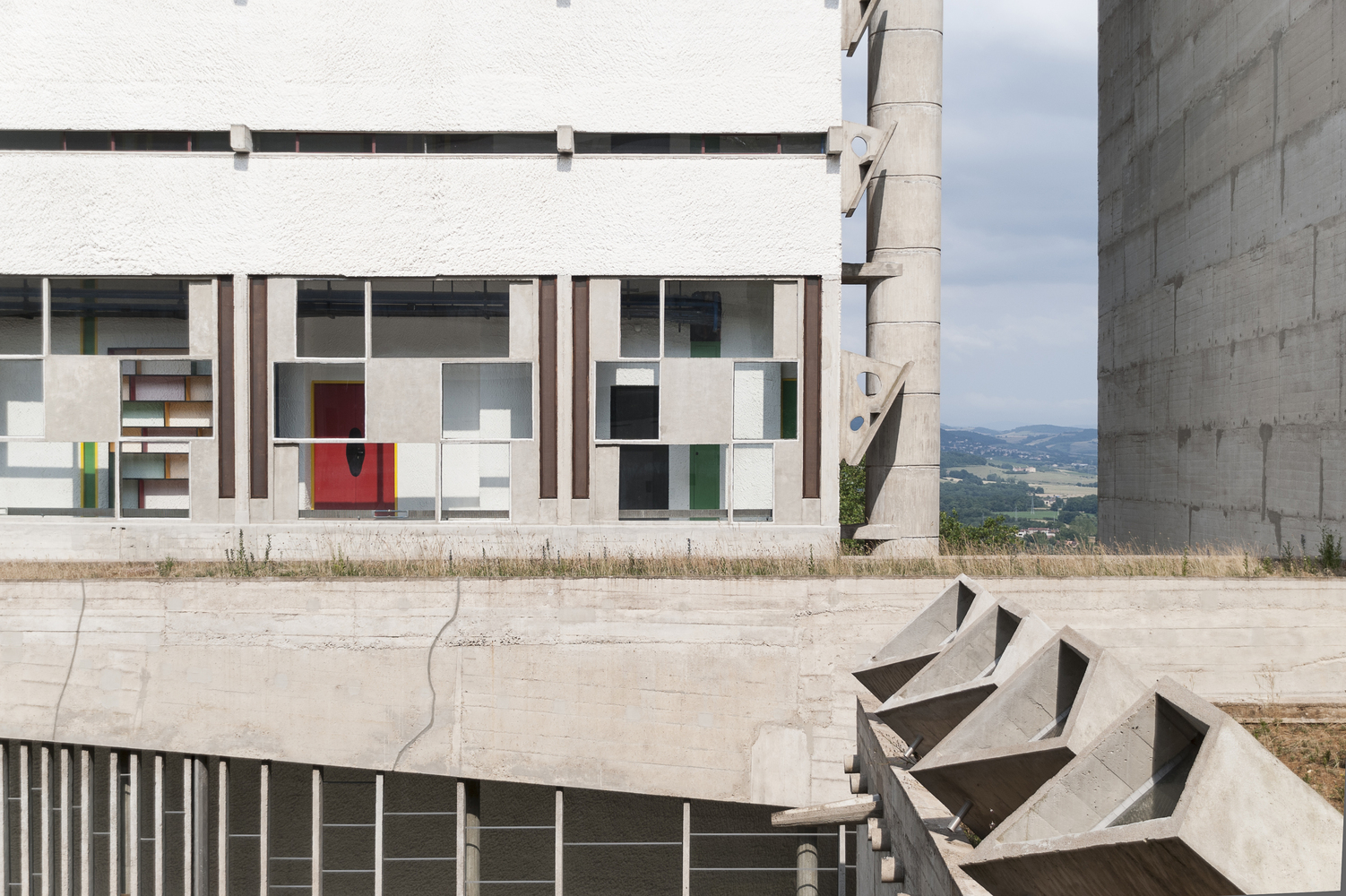
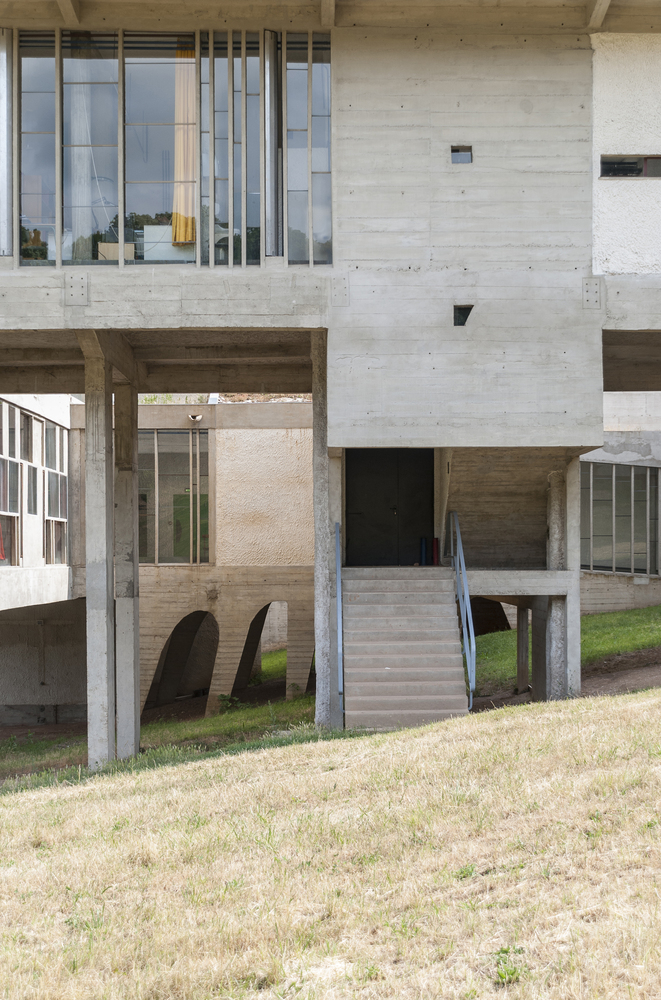
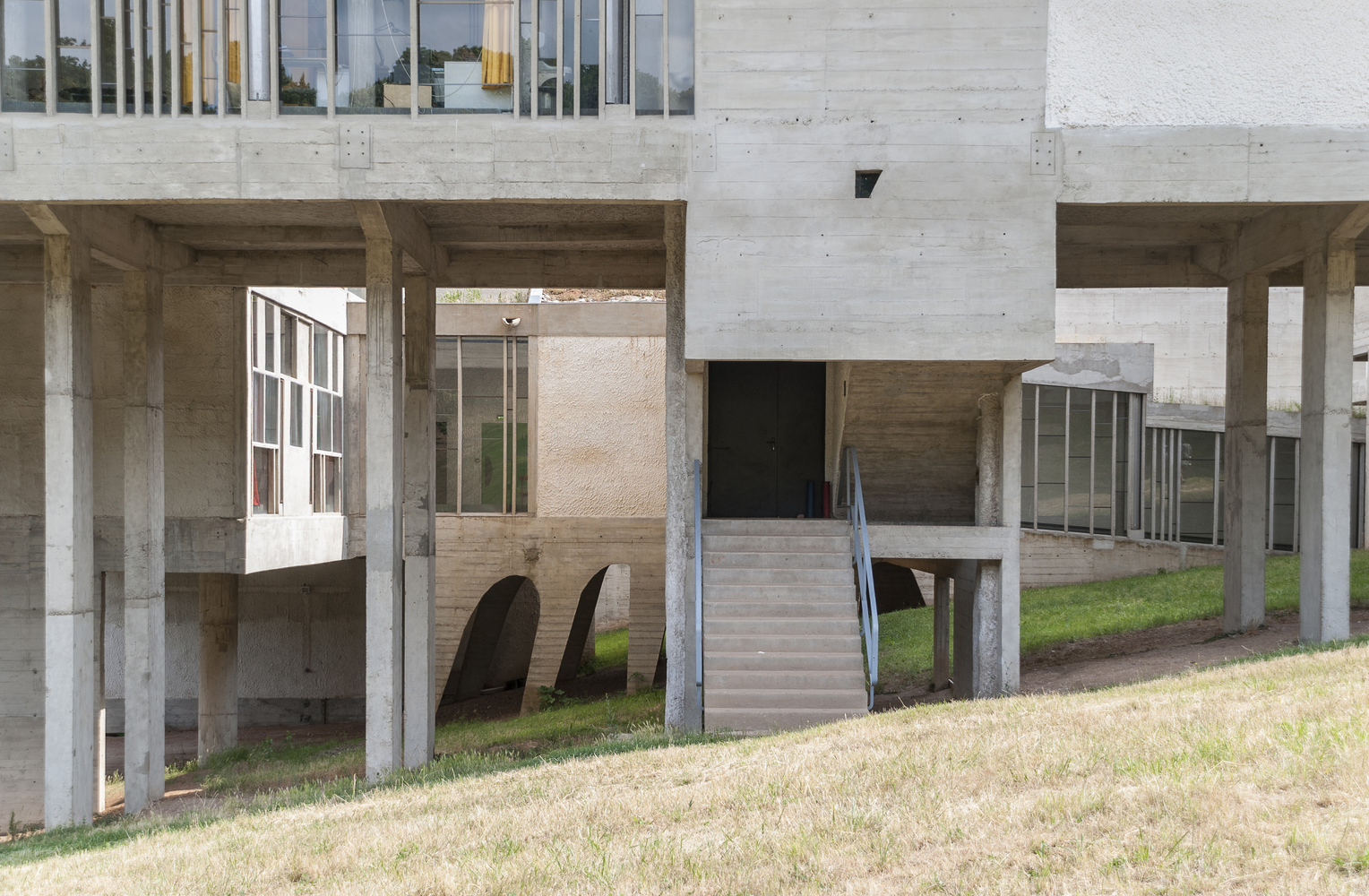
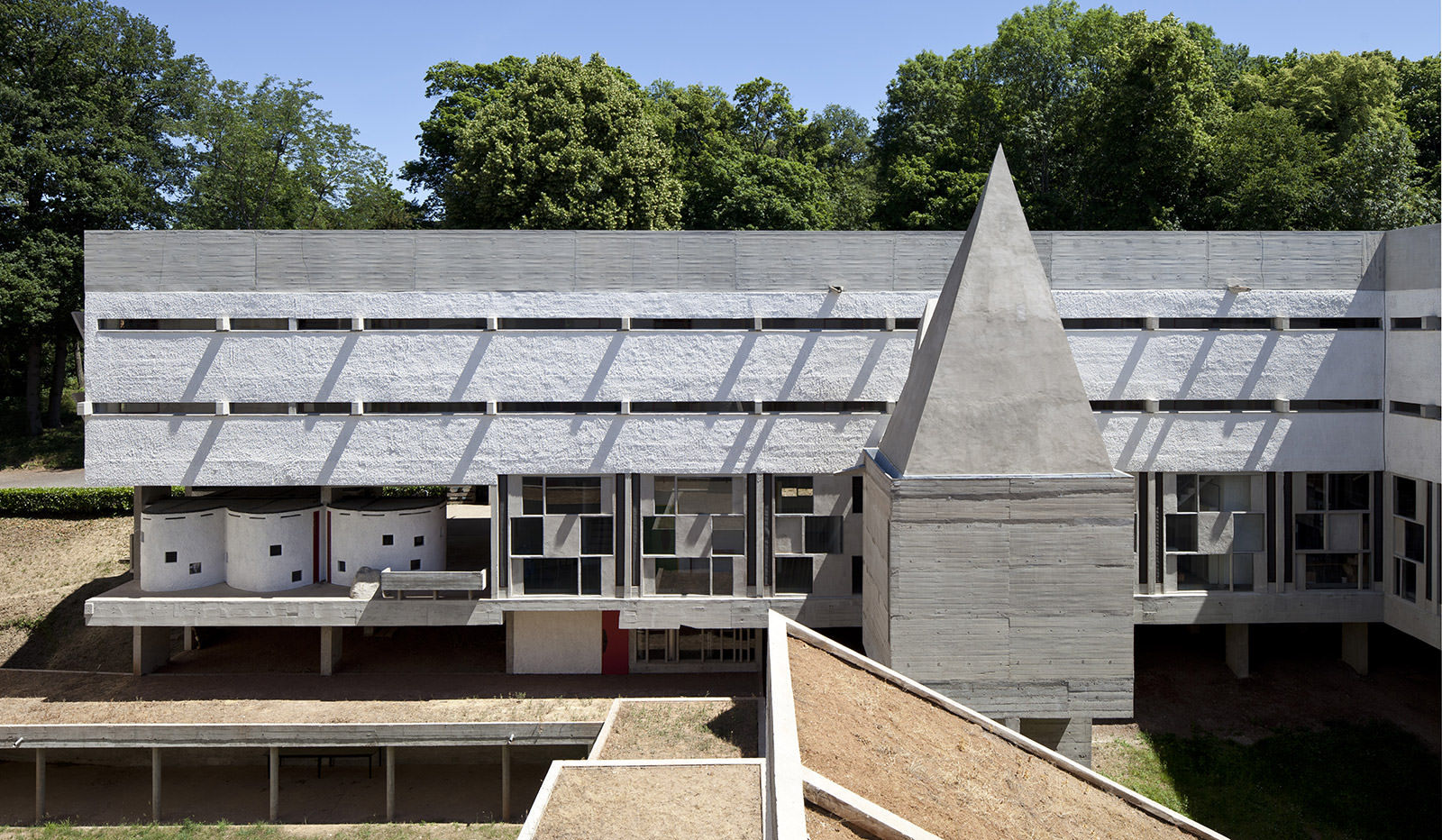
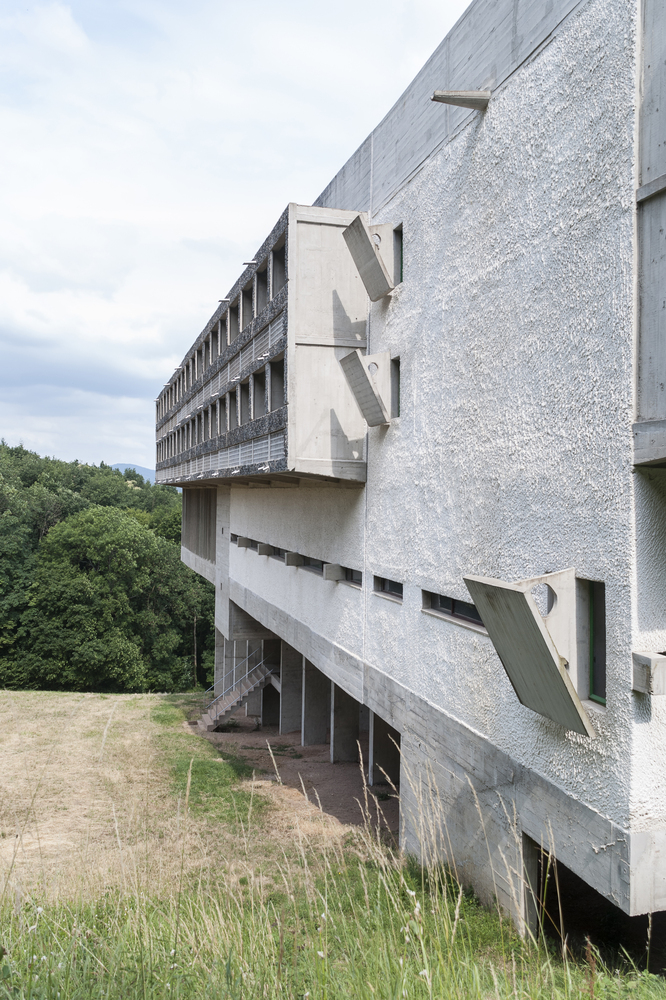
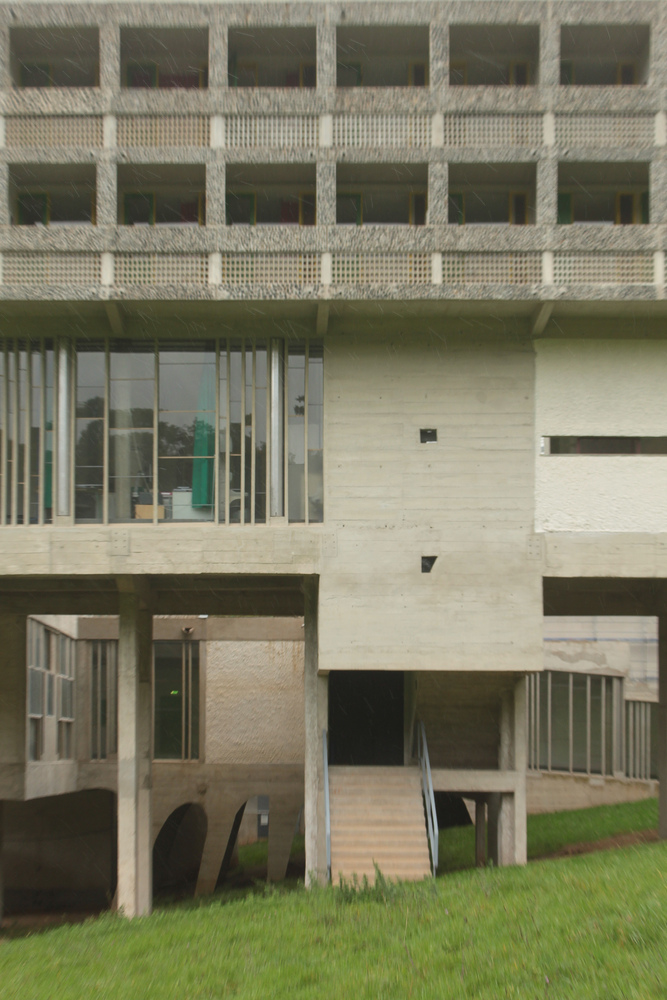
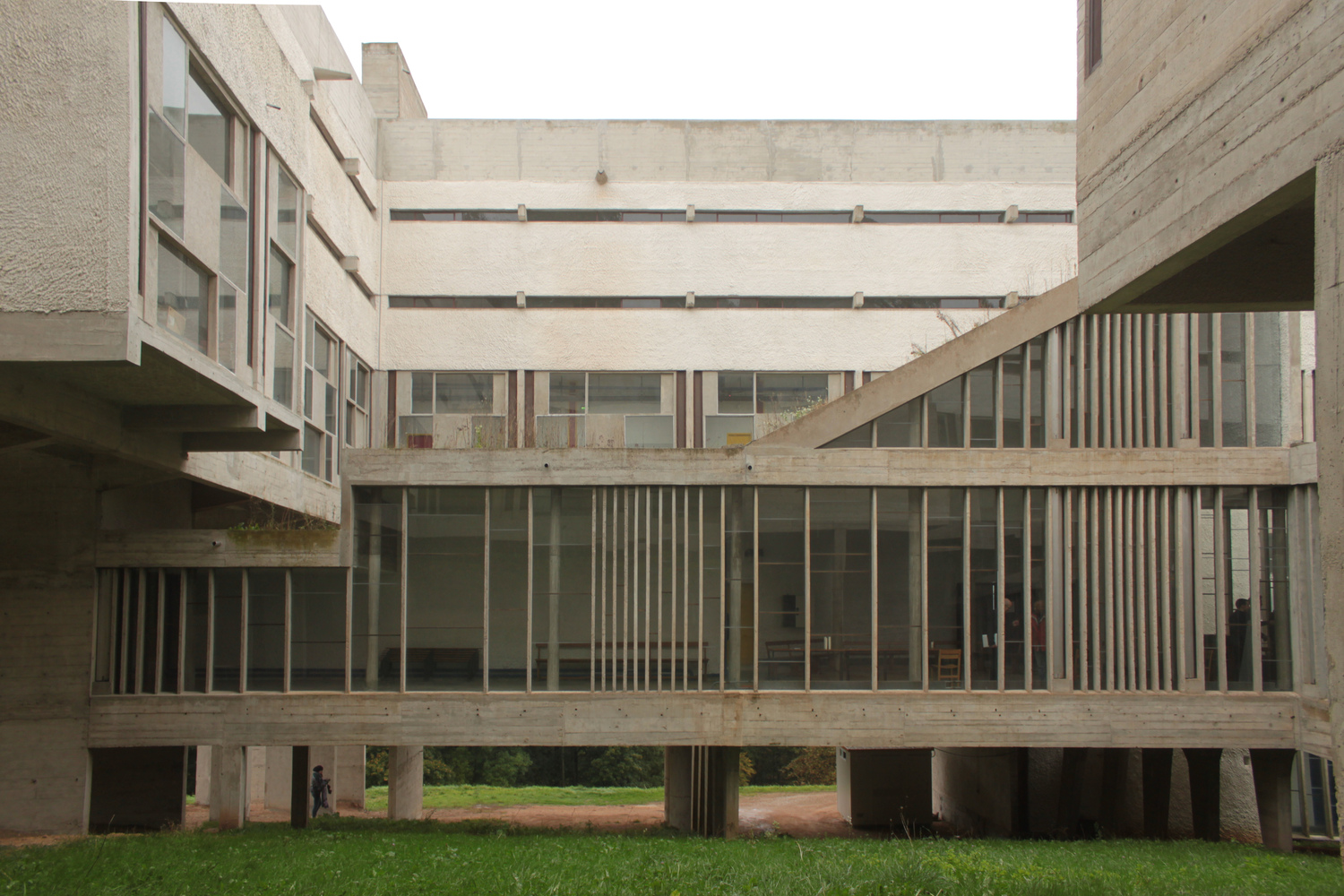
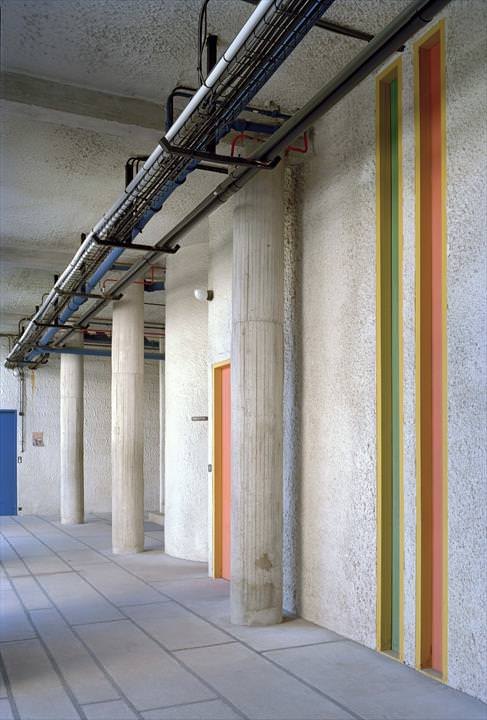
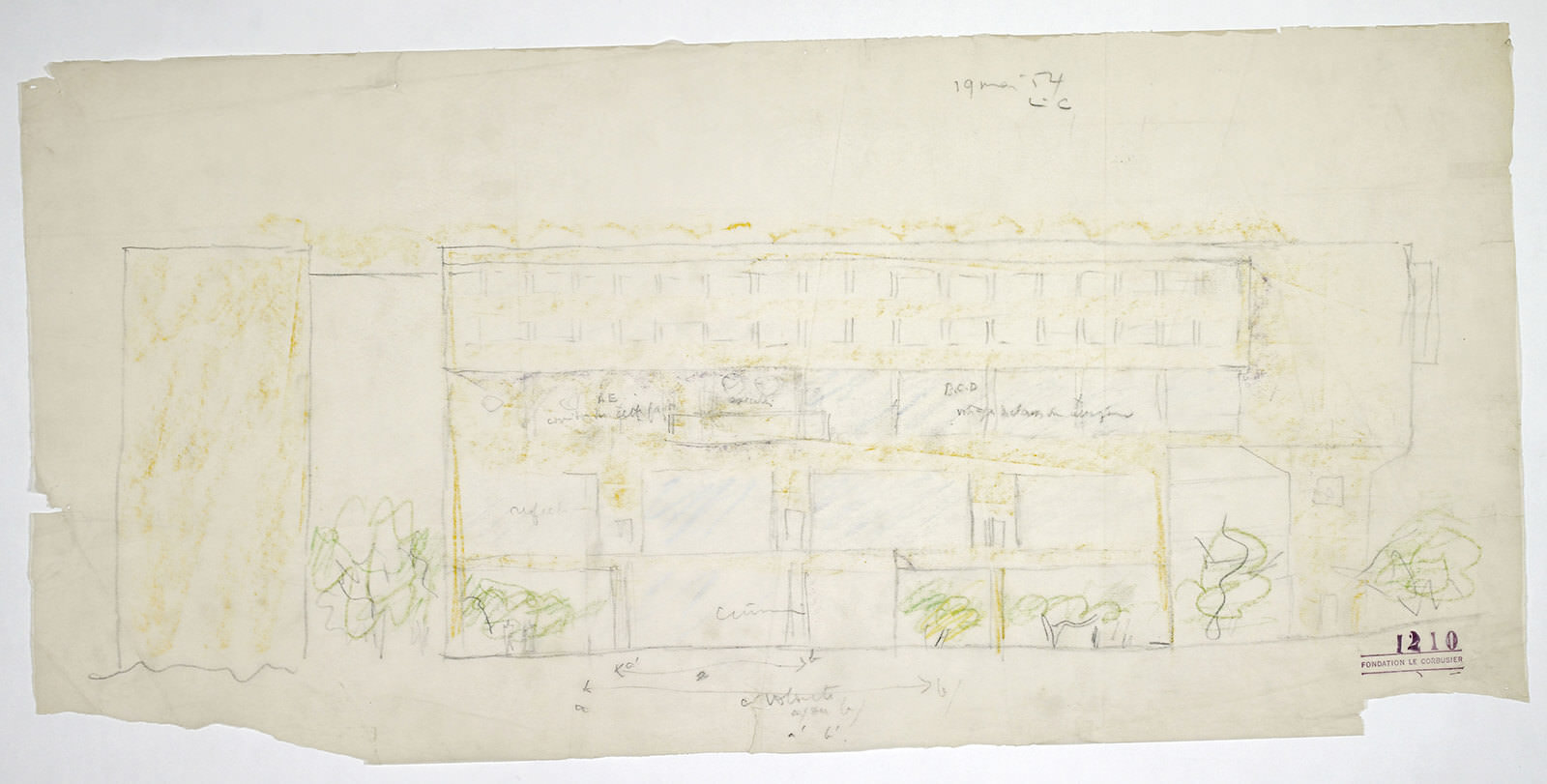
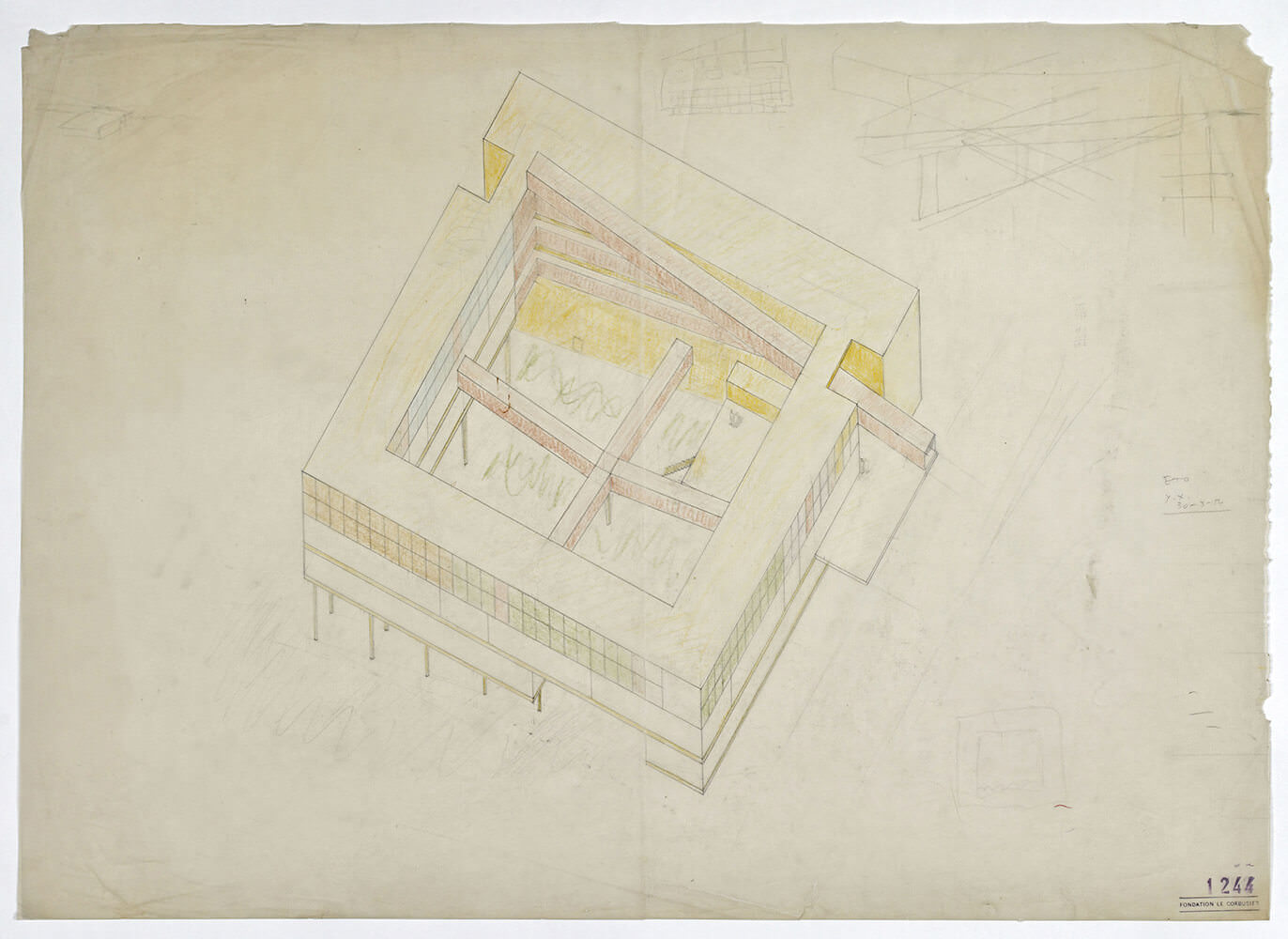
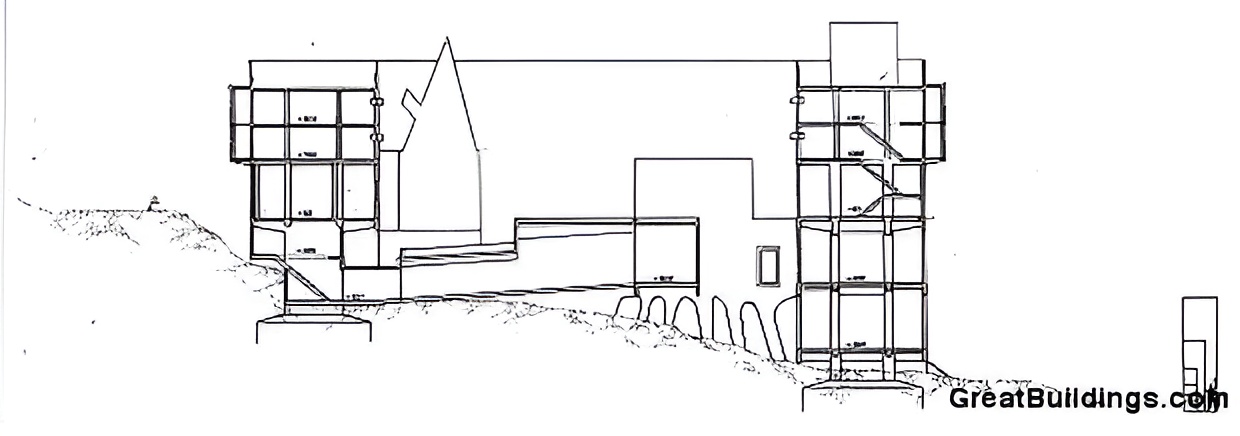
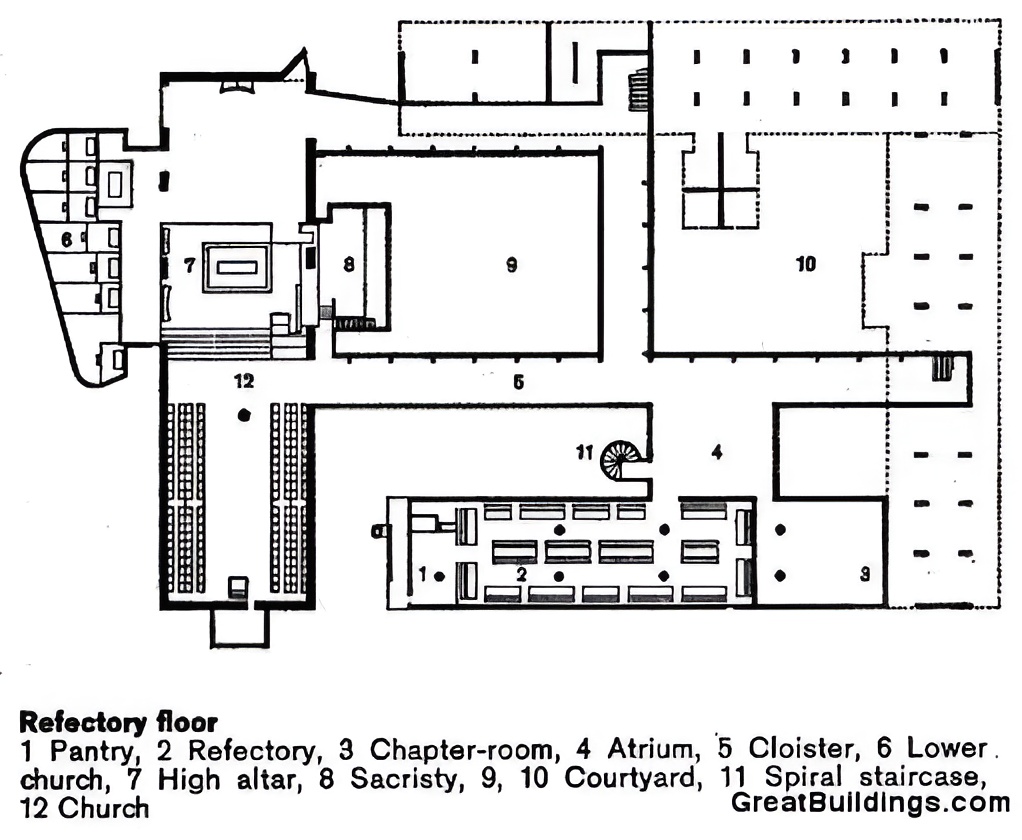
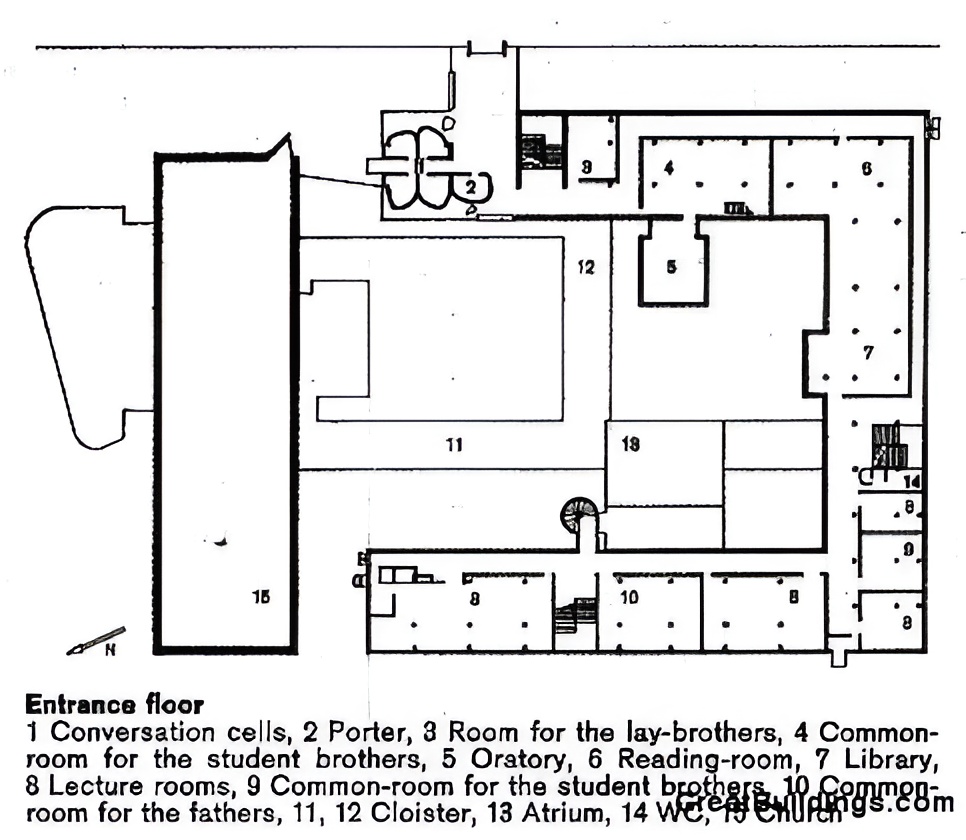
The convent adopts a U-shaped plan set on a steep hillside in Éveux-sur-l’Arbresle. The building rests on pilotis, allowing the structure to adjust to the terrain while maintaining a consistent horizontal datum. The church volume closes the open side of the U, establishing a central courtyard. This configuration draws from Cistercian precedents while translating them into a modern spatial system defined by reinforced concrete and strict geometric control.
Convent of La Tourette / Le Corbuiser | Classics on Architecture Lab 179Convent of La Tourette / Le Corbuiser | Classics on Architecture Lab 180Convent of La Tourette / Le Corbuiser | Classics on Architecture Lab 181Convent of La Tourette / Le Corbuiser | Classics on Architecture Lab 182Convent of La Tourette / Le Corbuiser | Classics on Architecture Lab 183Convent of La Tourette / Le Corbuiser | Classics on Architecture Lab 184
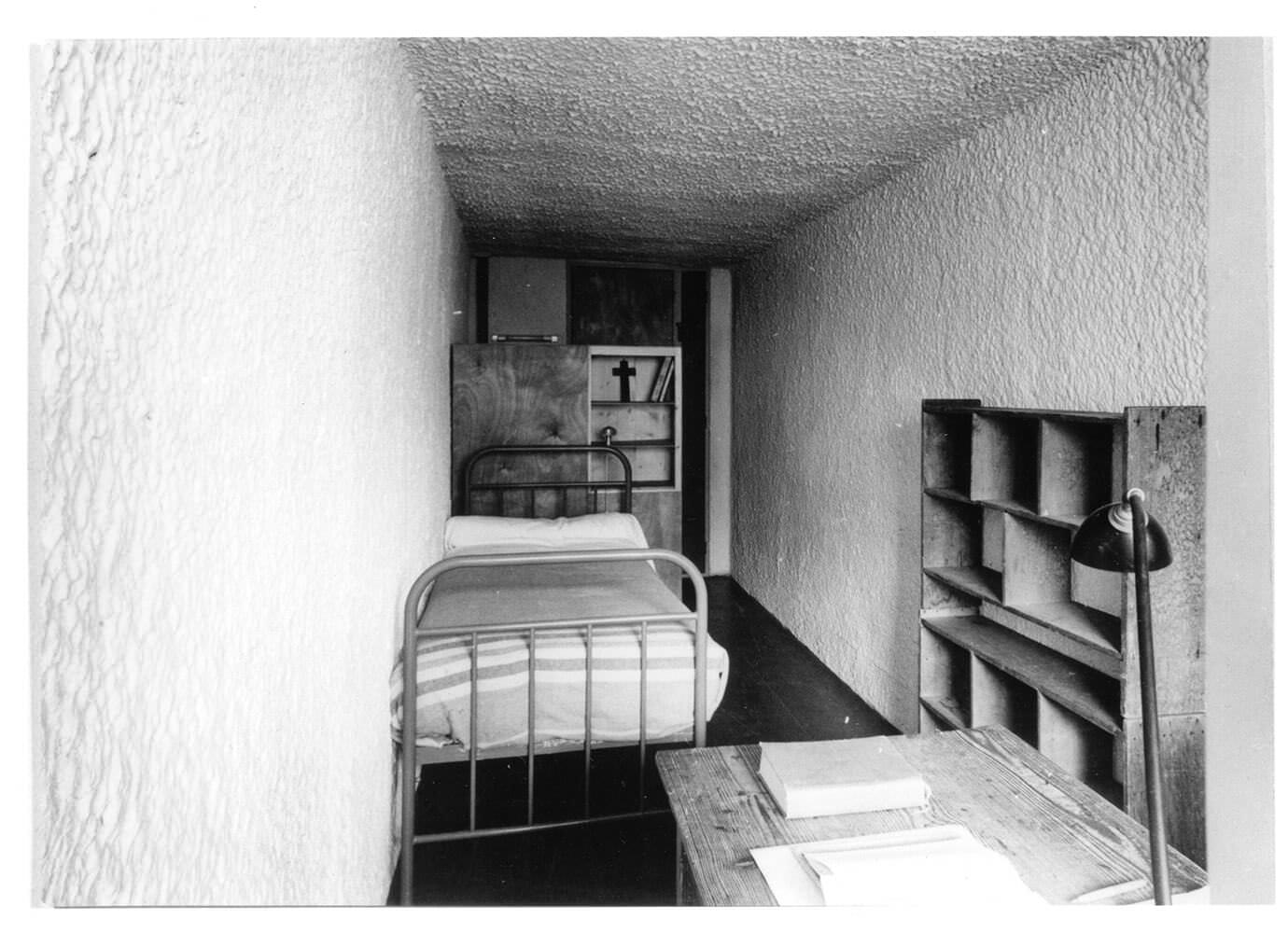
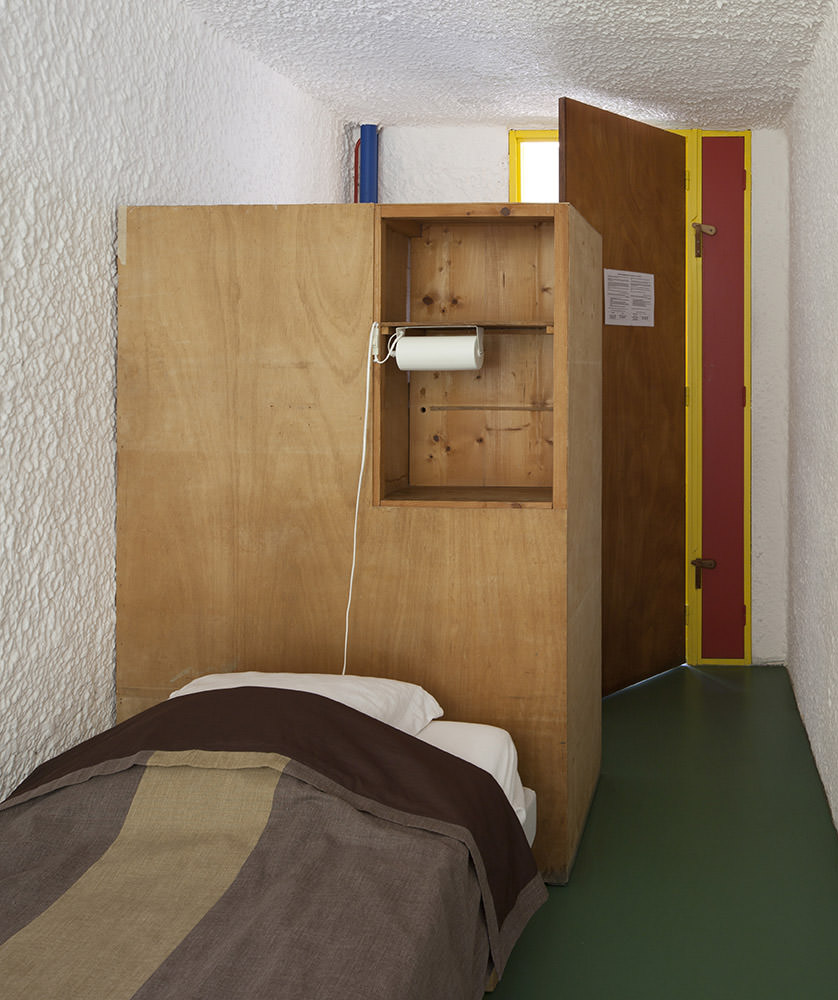
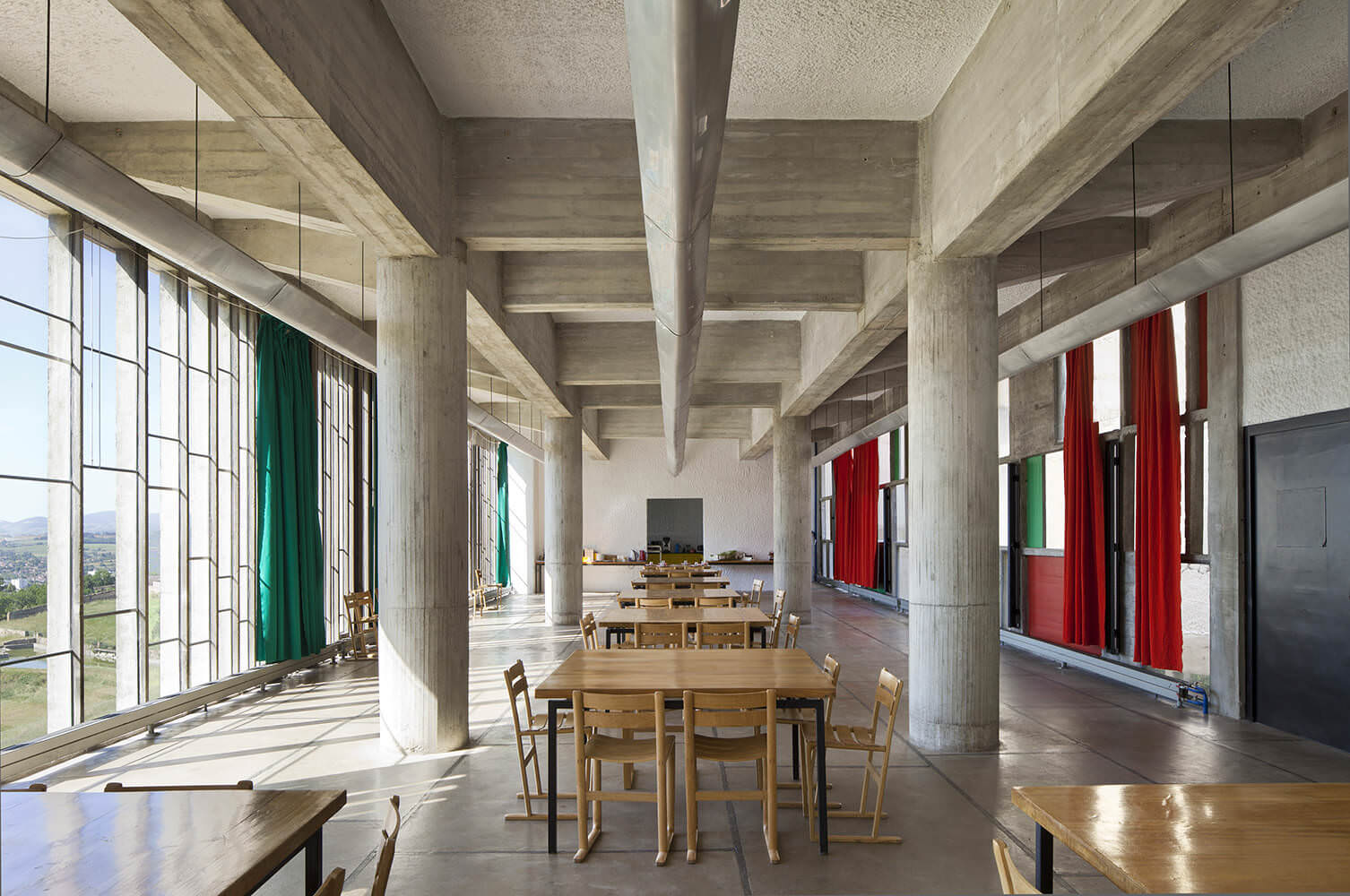
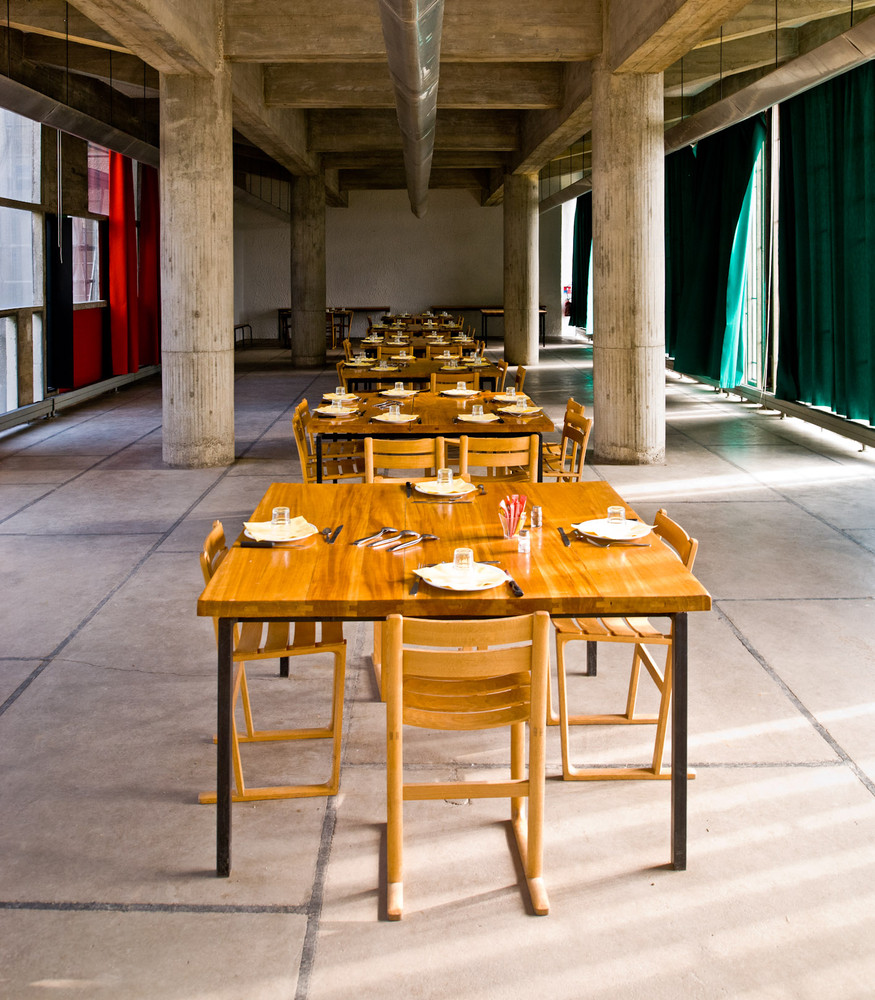
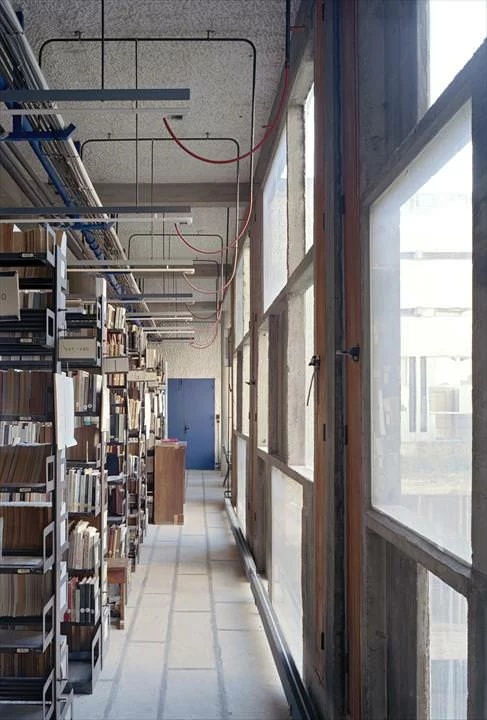
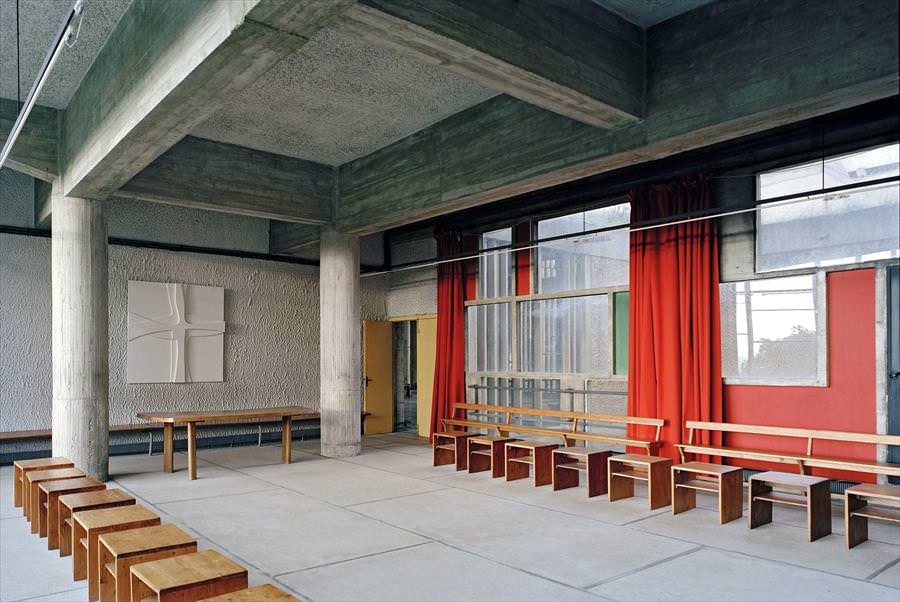
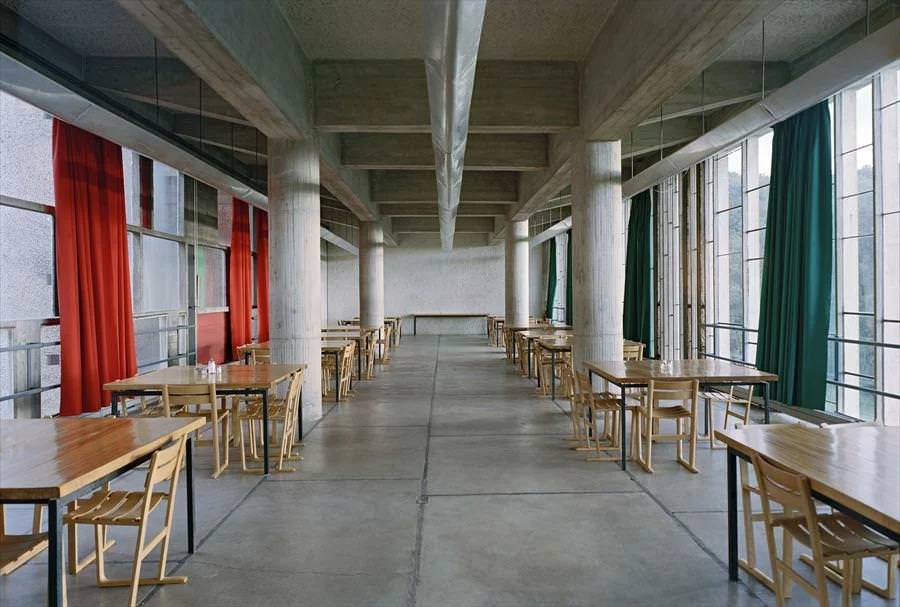
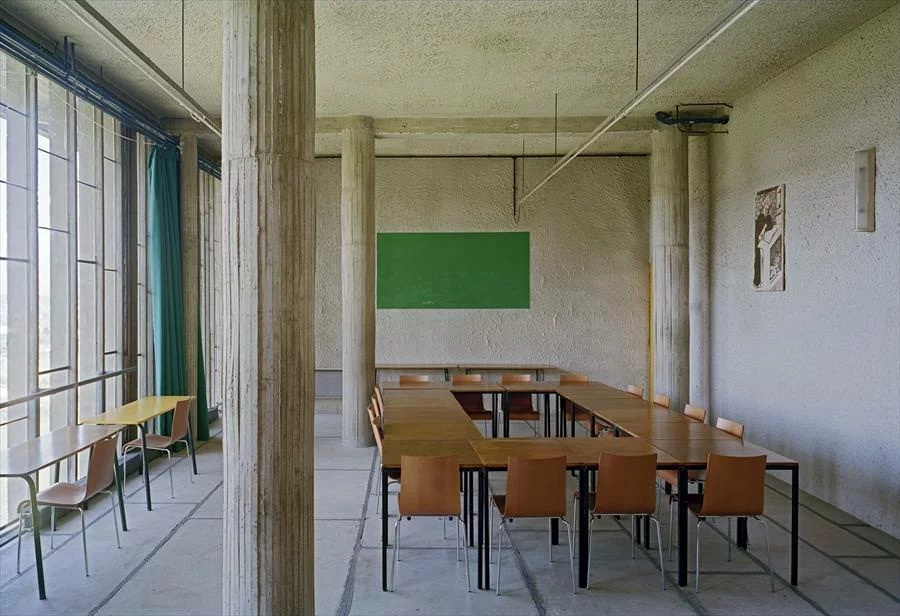
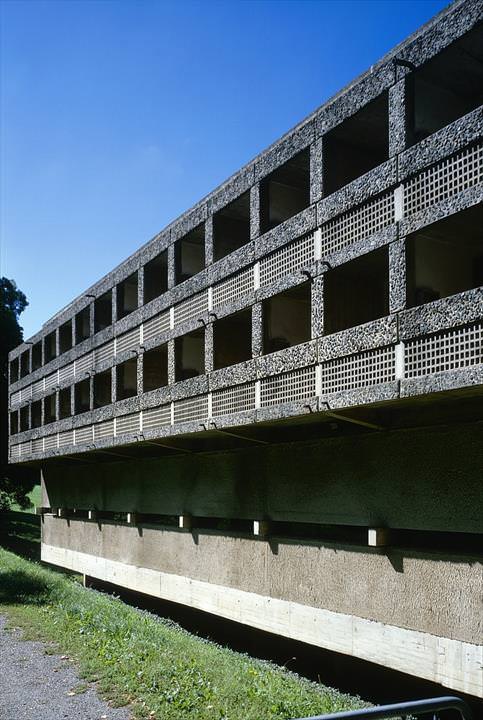
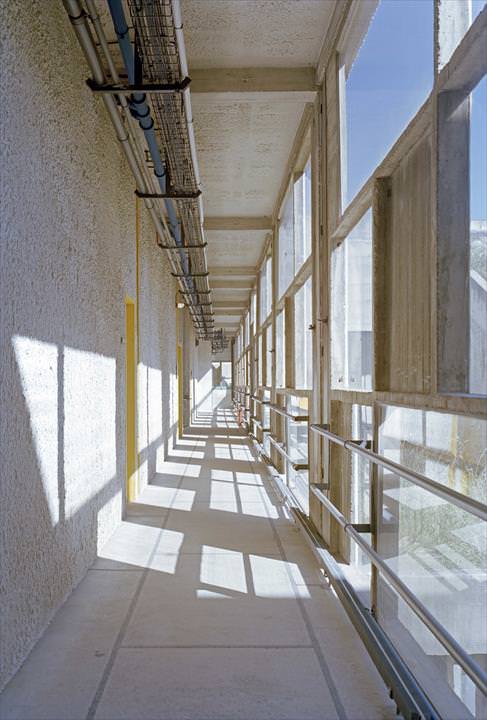
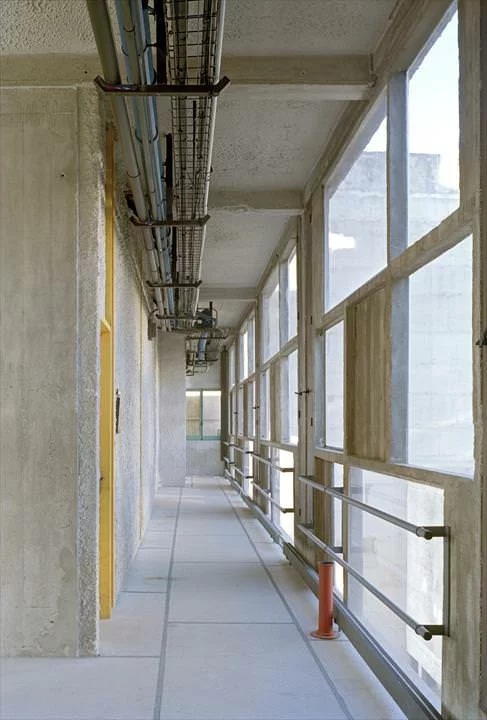
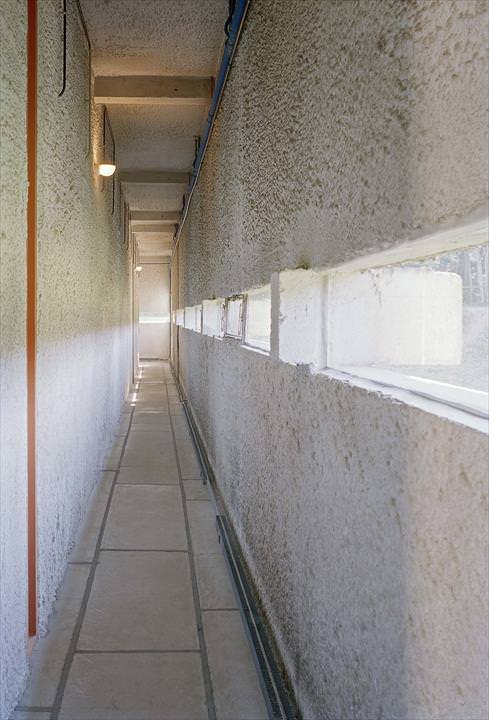
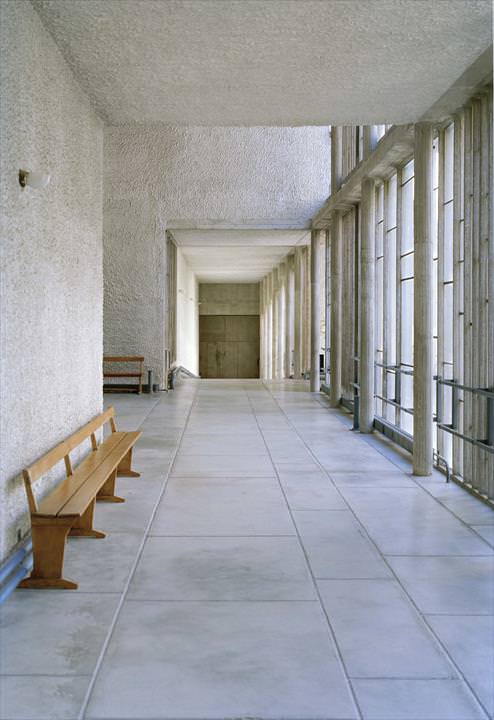
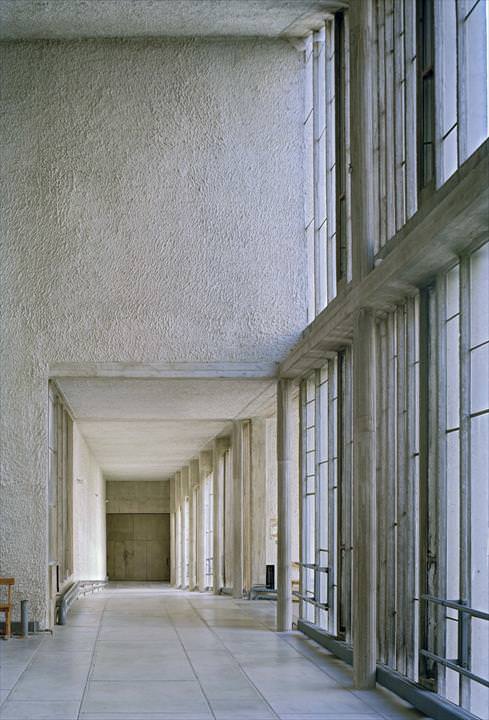
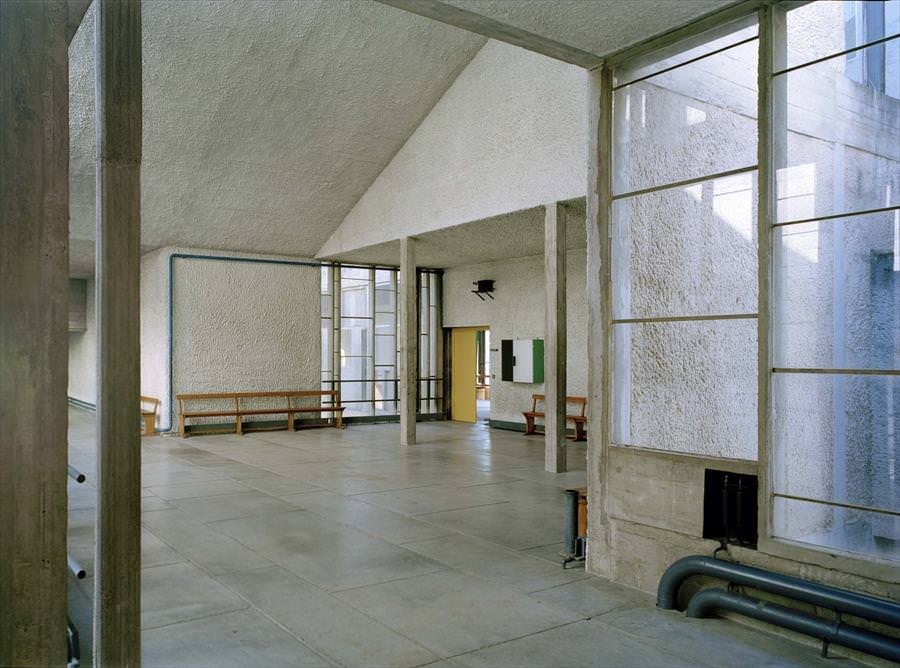
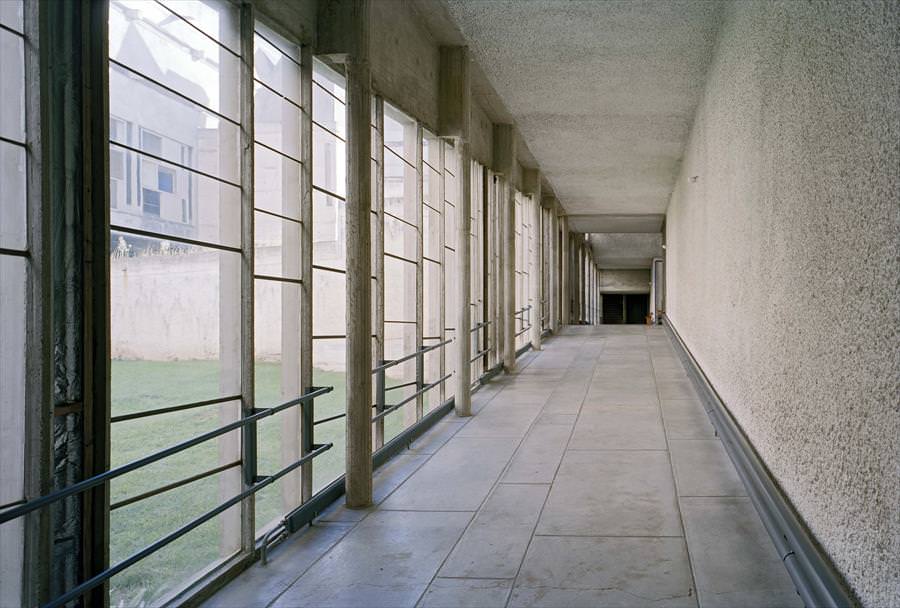
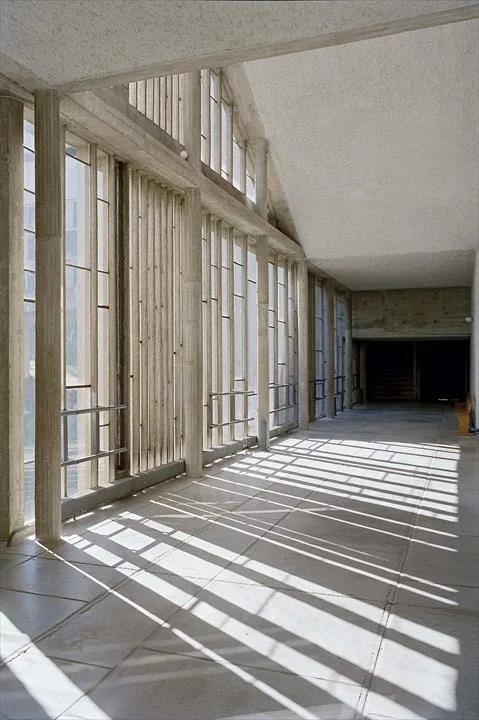
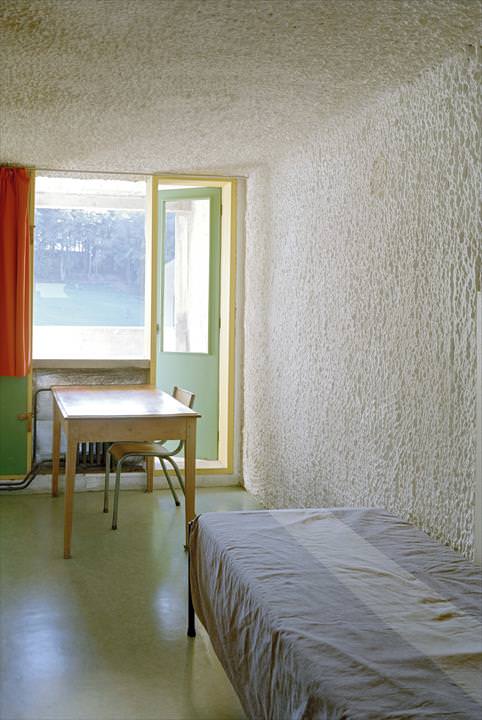
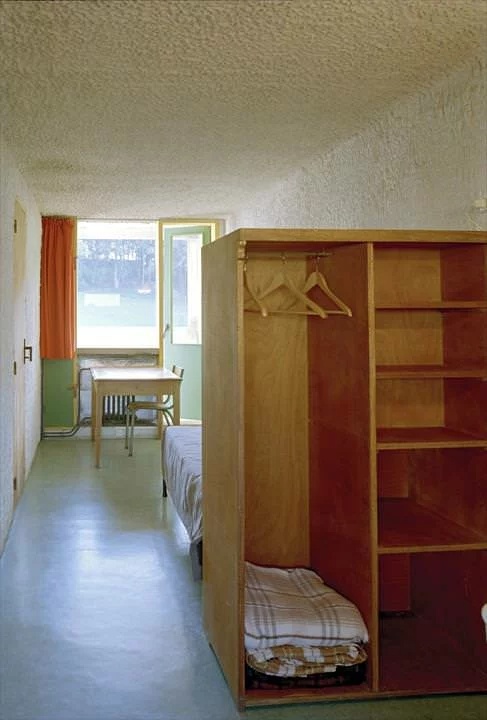
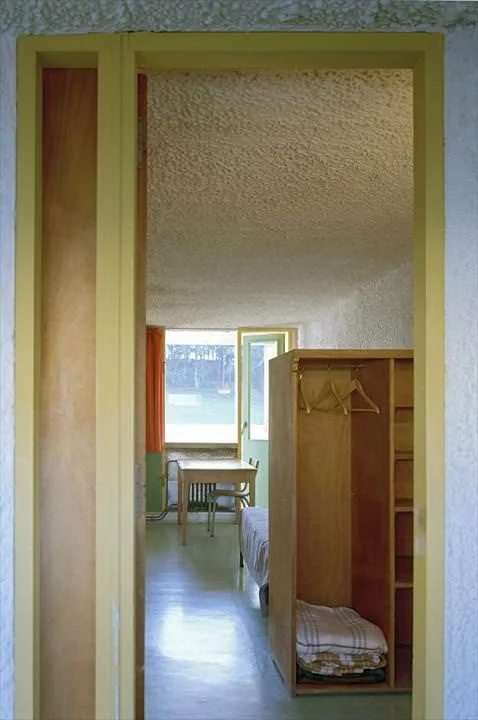
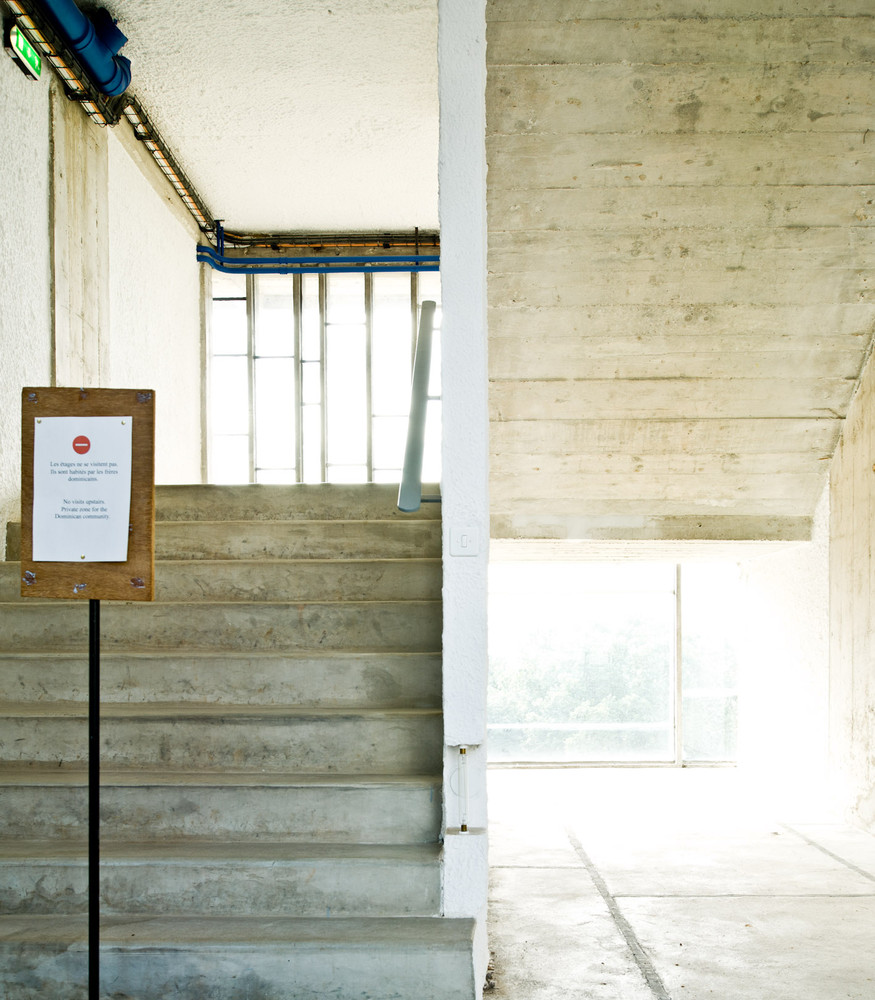
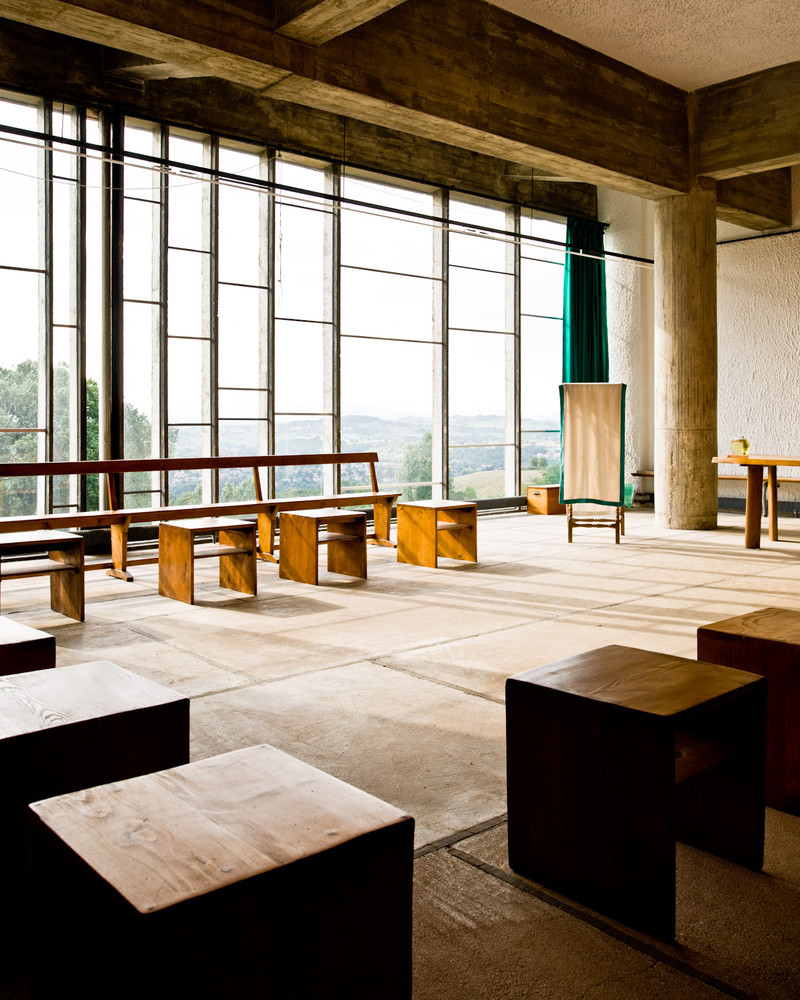
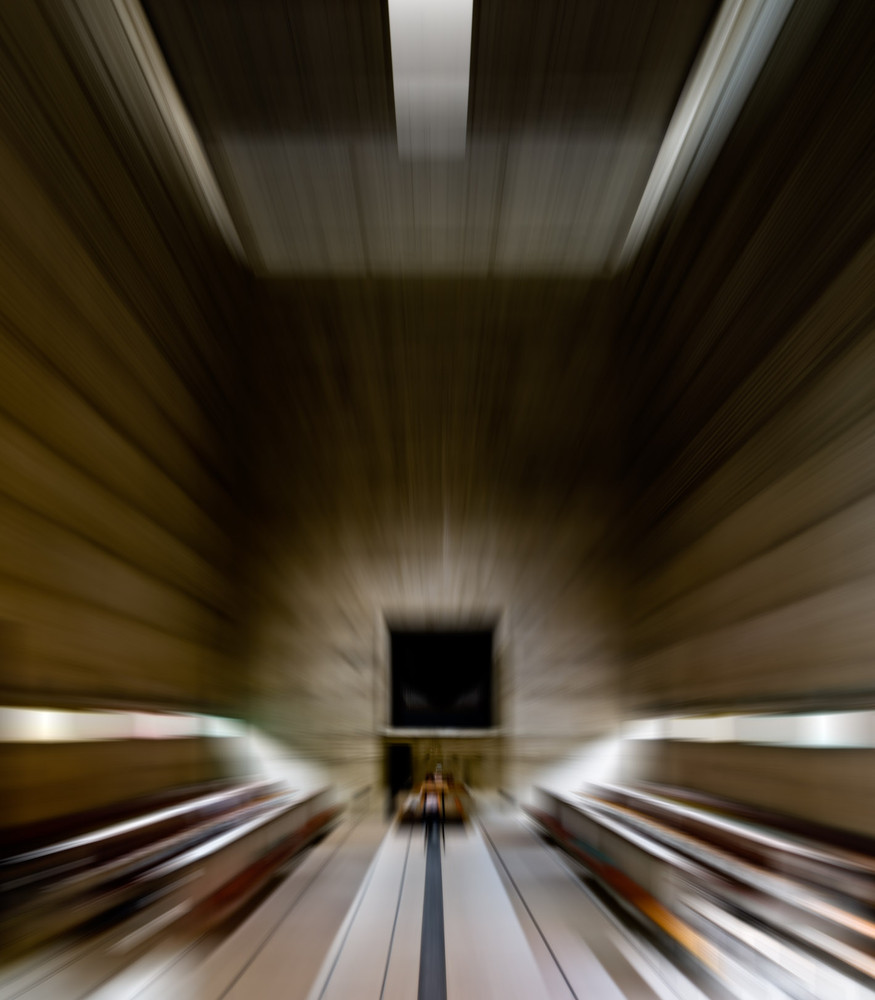
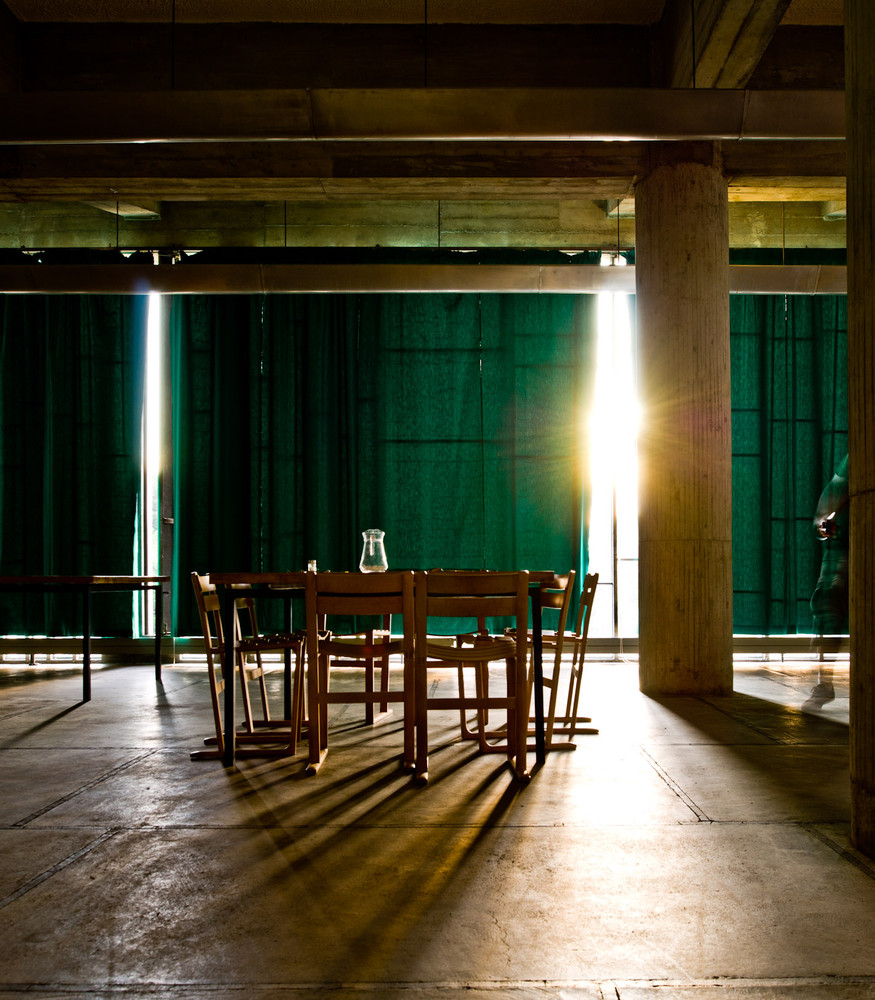
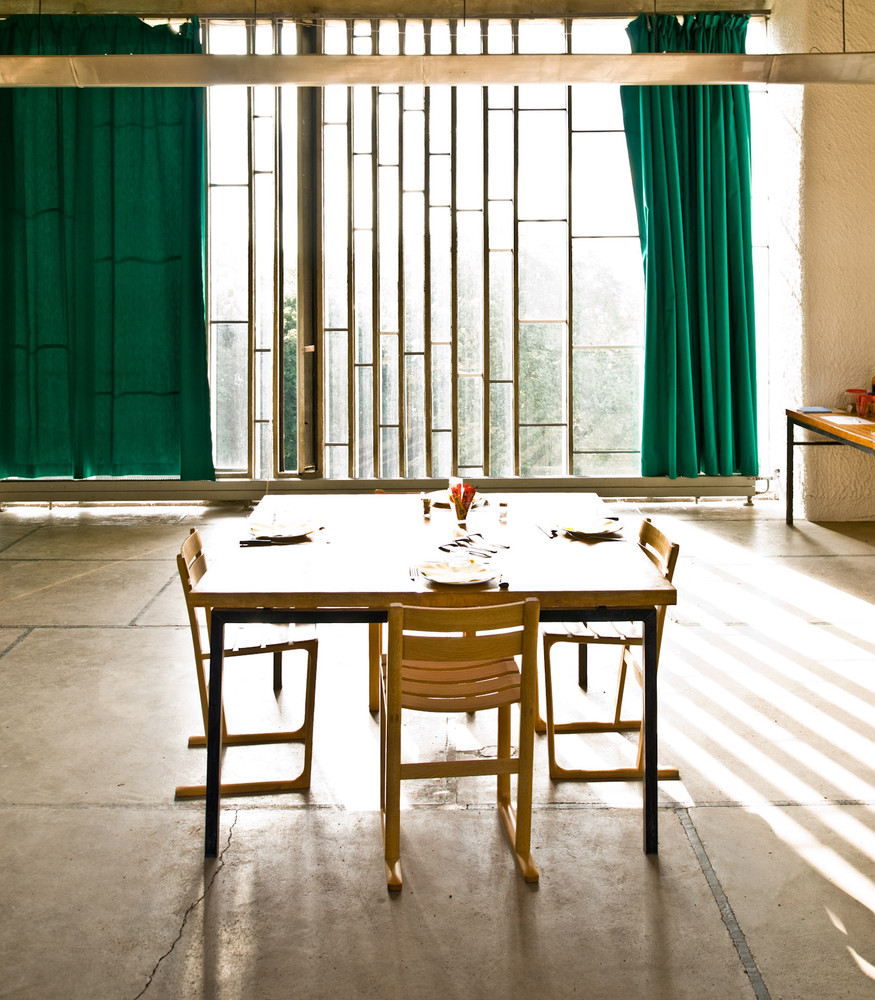
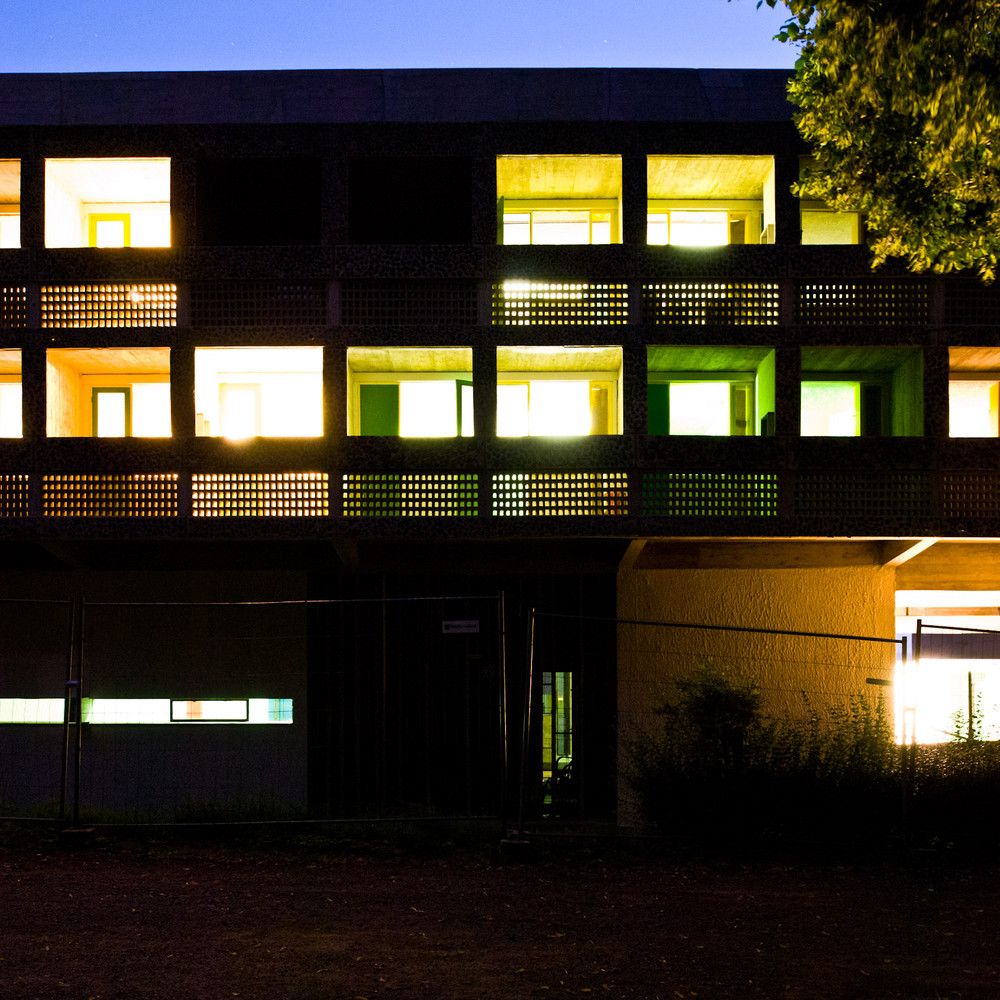
The organization separates functions vertically. The upper levels contain the monks’ cells, each dimensioned according to the Modulor system and equipped with a loggia, work area, and sleeping space. The lower levels accommodate communal functions, including the refectory, chapter room, library, and classrooms. Circulation occurs through corridors forming a cross within the courtyard, replacing the traditional cloister and structuring movement across the complex.
Convent of La Tourette / Le Corbuiser | Classics on Architecture Lab 185Convent of La Tourette / Le Corbuiser | Classics on Architecture Lab 186Convent of La Tourette / Le Corbuiser | Classics on Architecture Lab 187Convent of La Tourette / Le Corbuiser | Classics on Architecture Lab 188Convent of La Tourette / Le Corbuiser | Classics on Architecture Lab 189Convent of La Tourette / Le Corbuiser | Classics on Architecture Lab 190Convent of La Tourette / Le Corbuiser | Classics on Architecture Lab 191Convent of La Tourette / Le Corbuiser | Classics on Architecture Lab 192
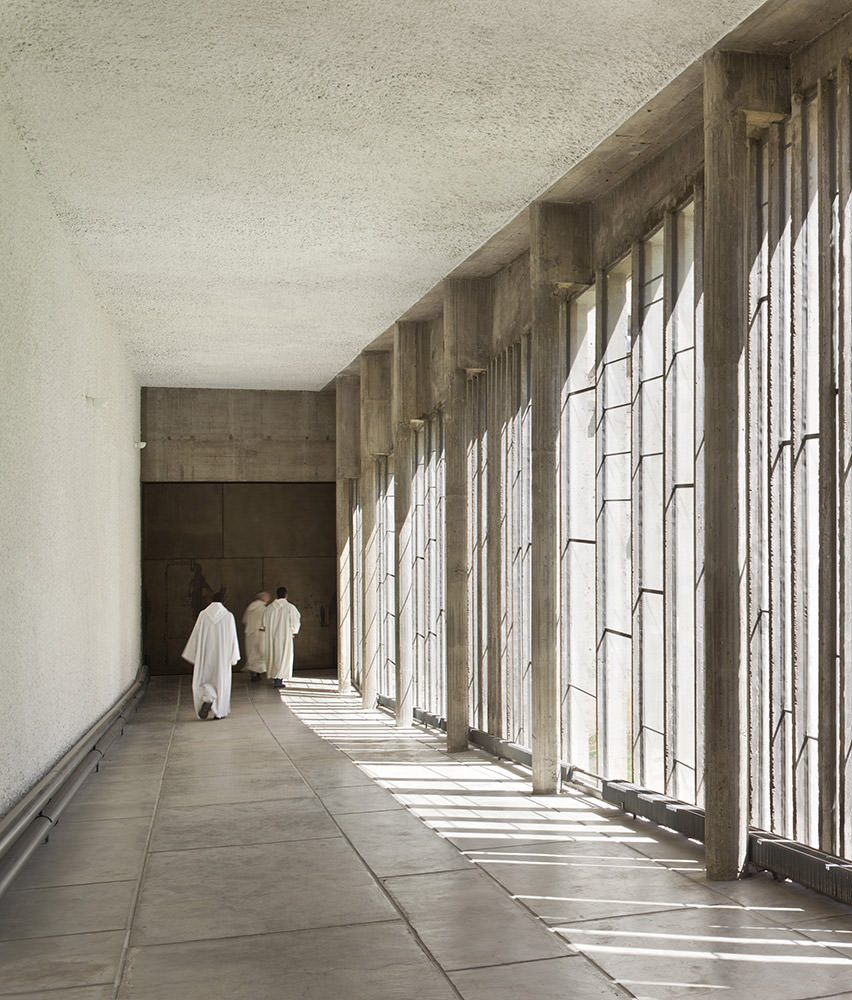
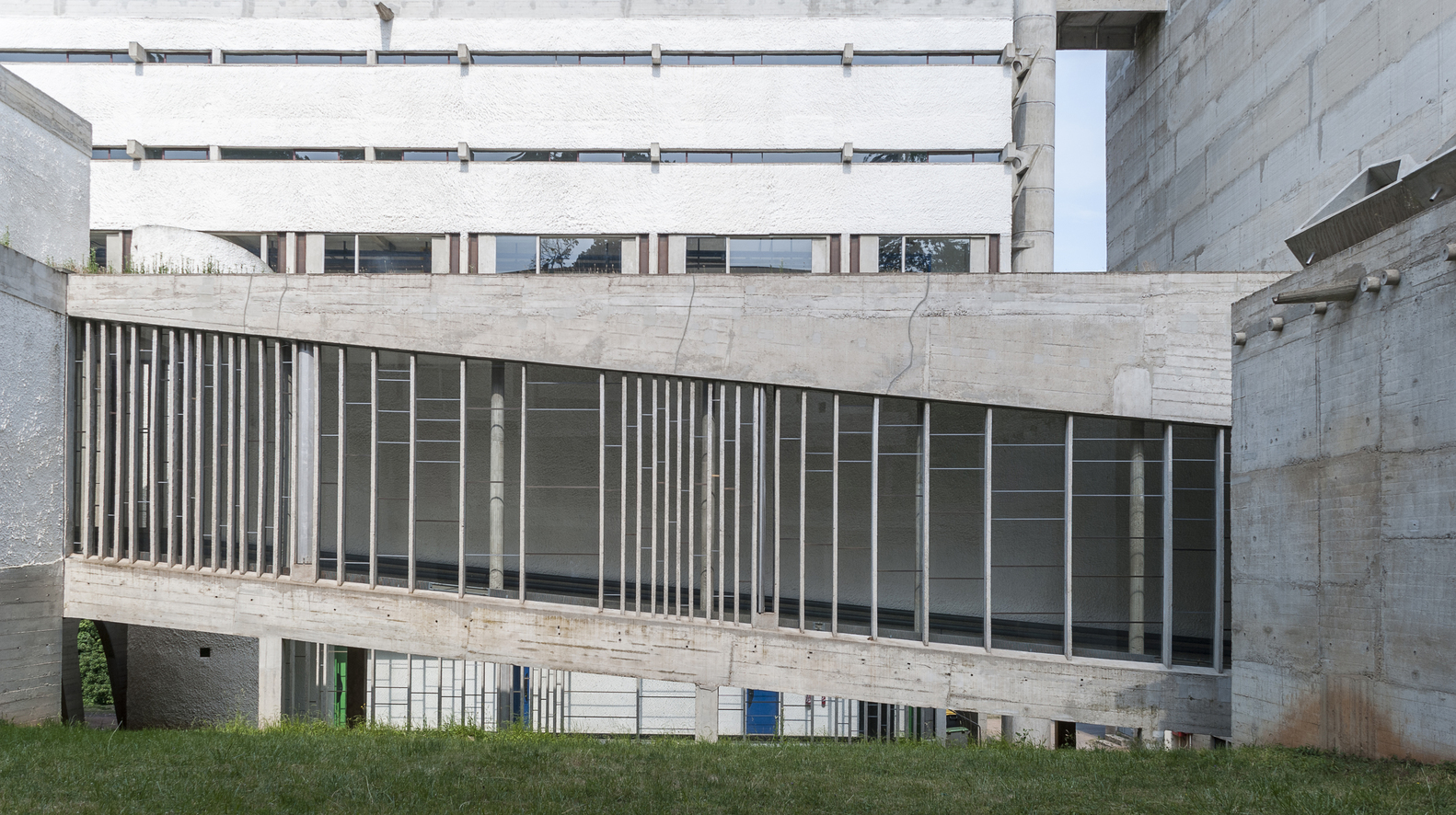
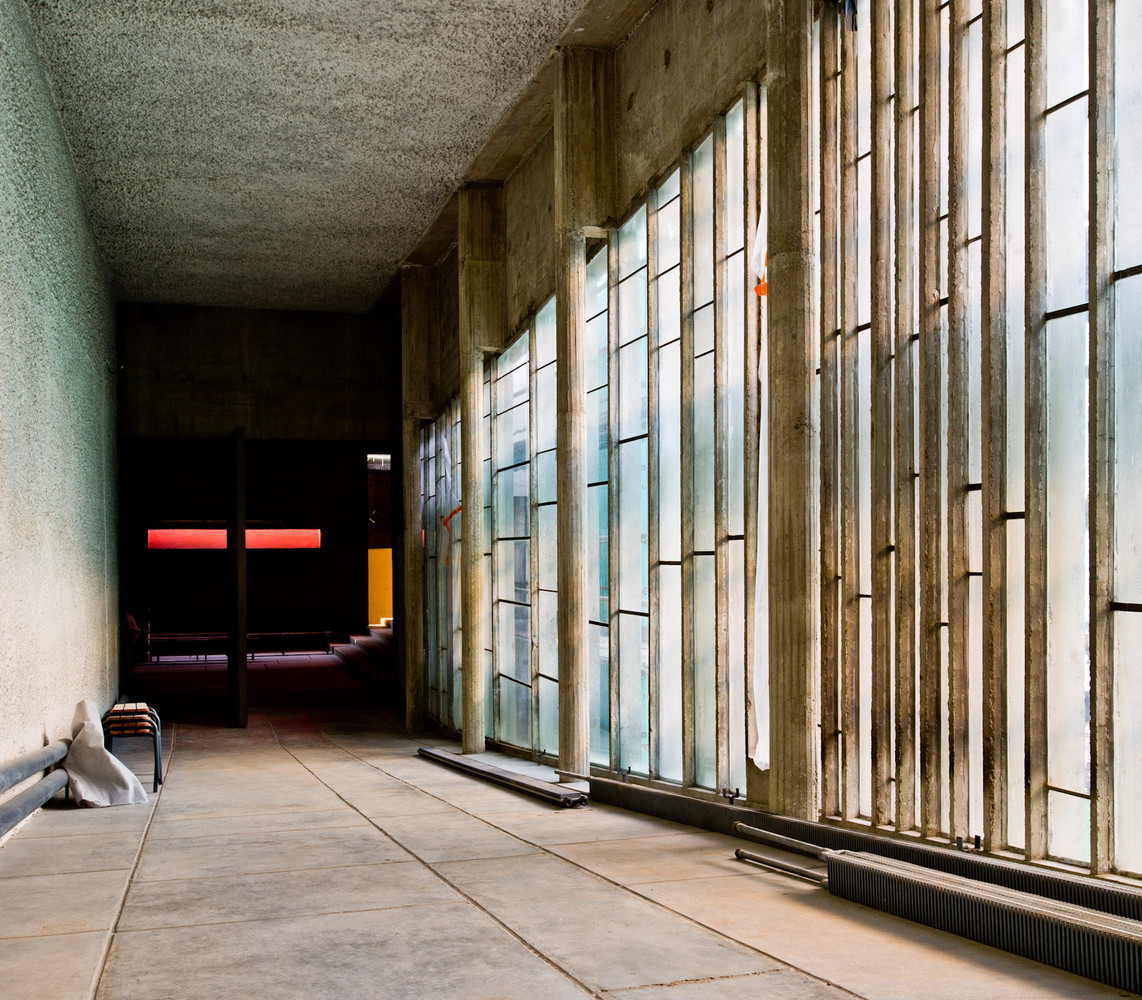
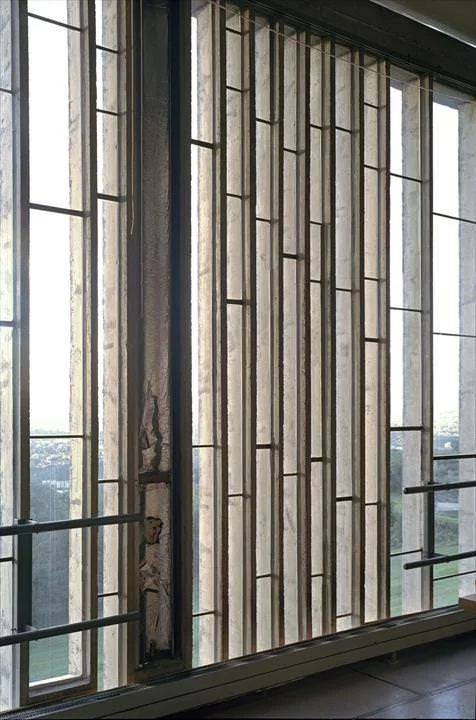
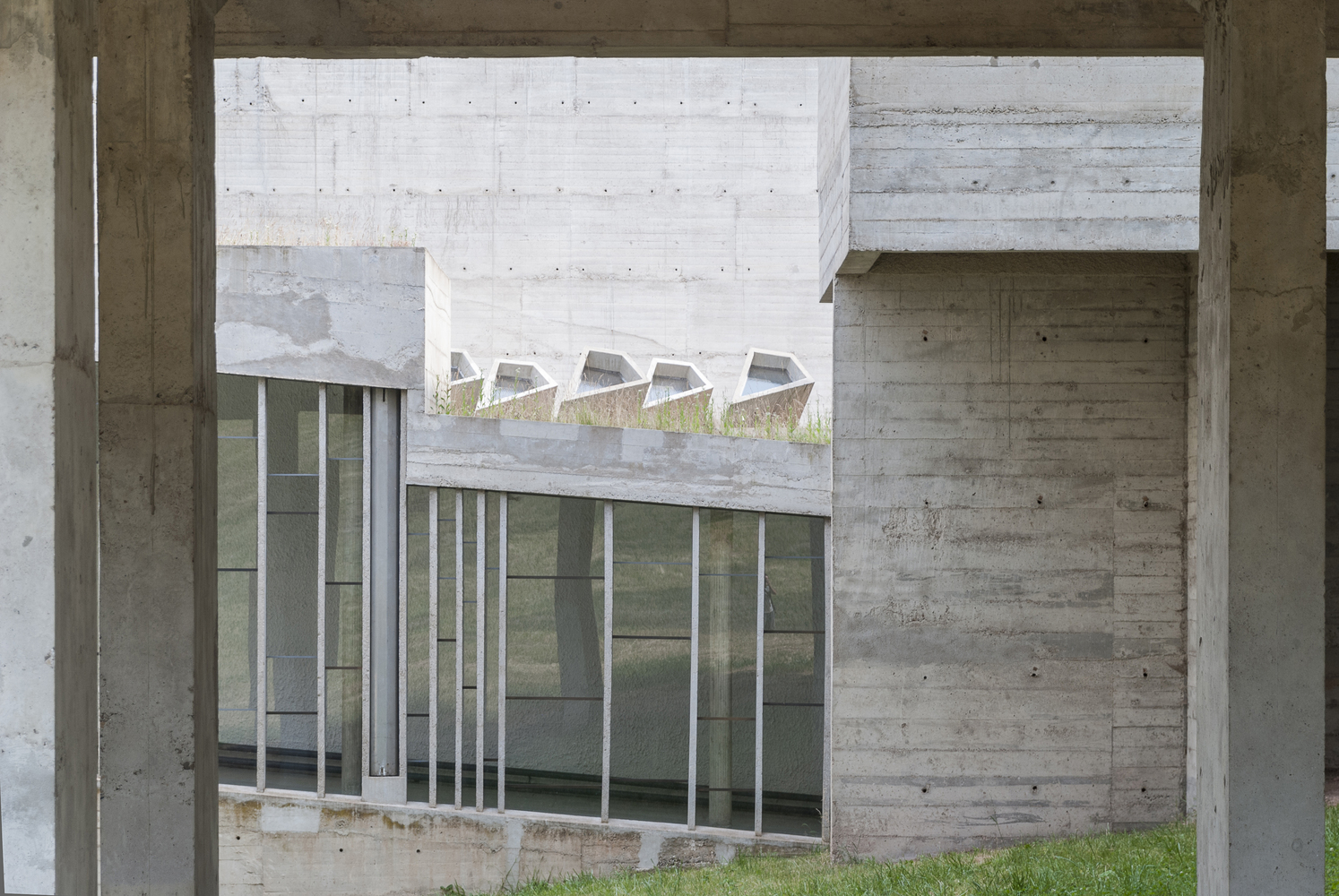
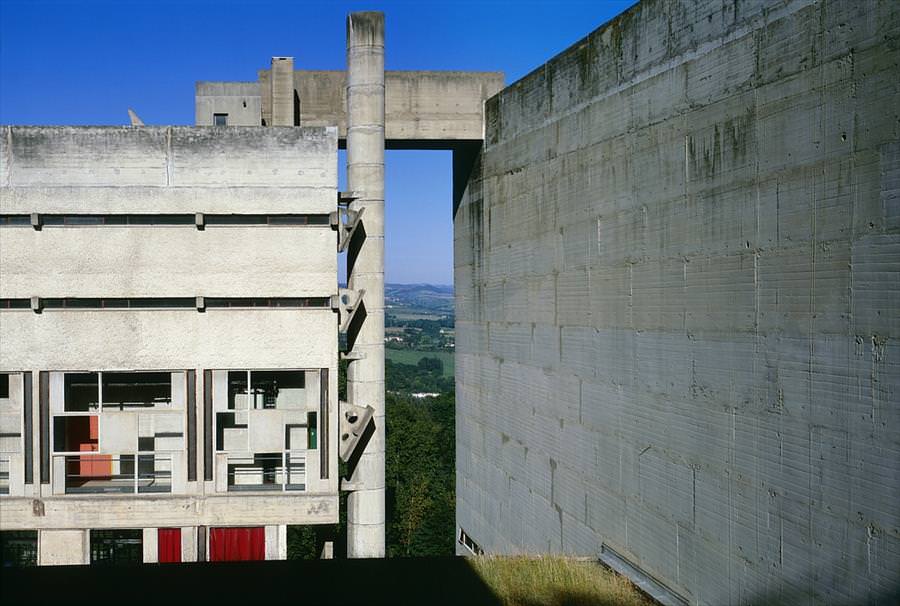
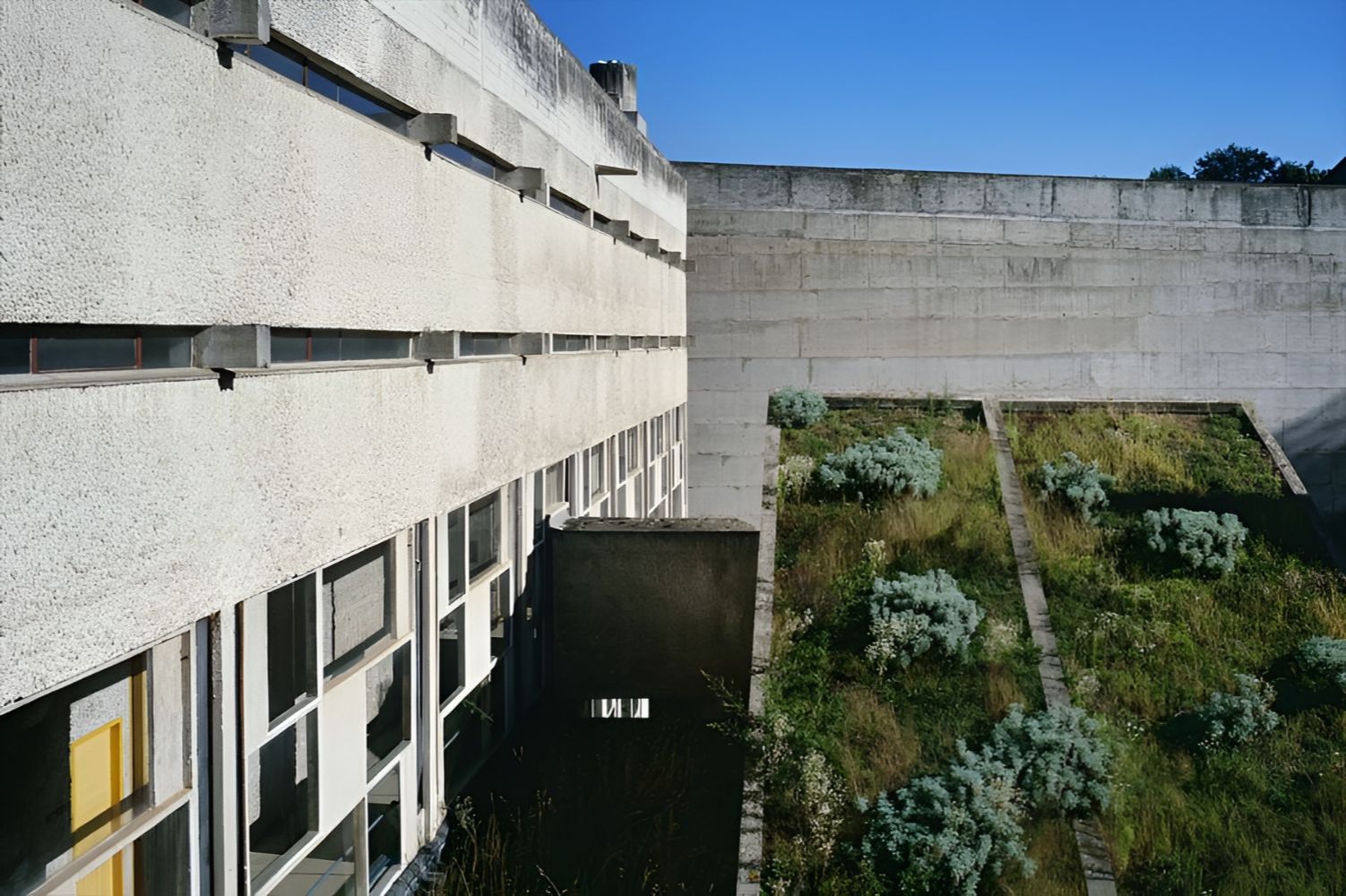
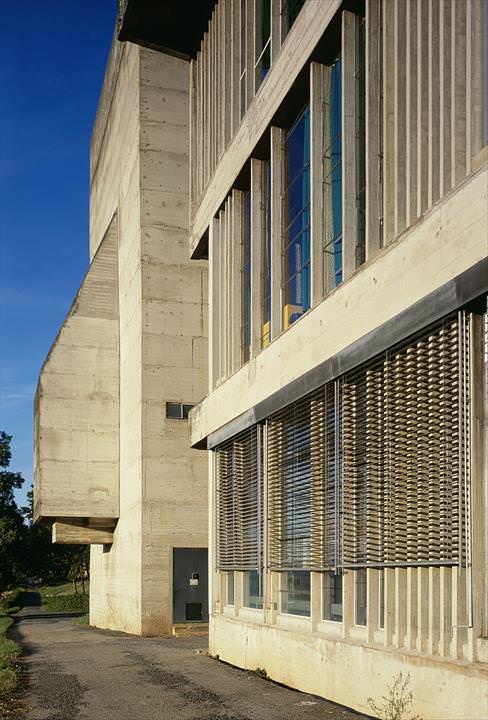
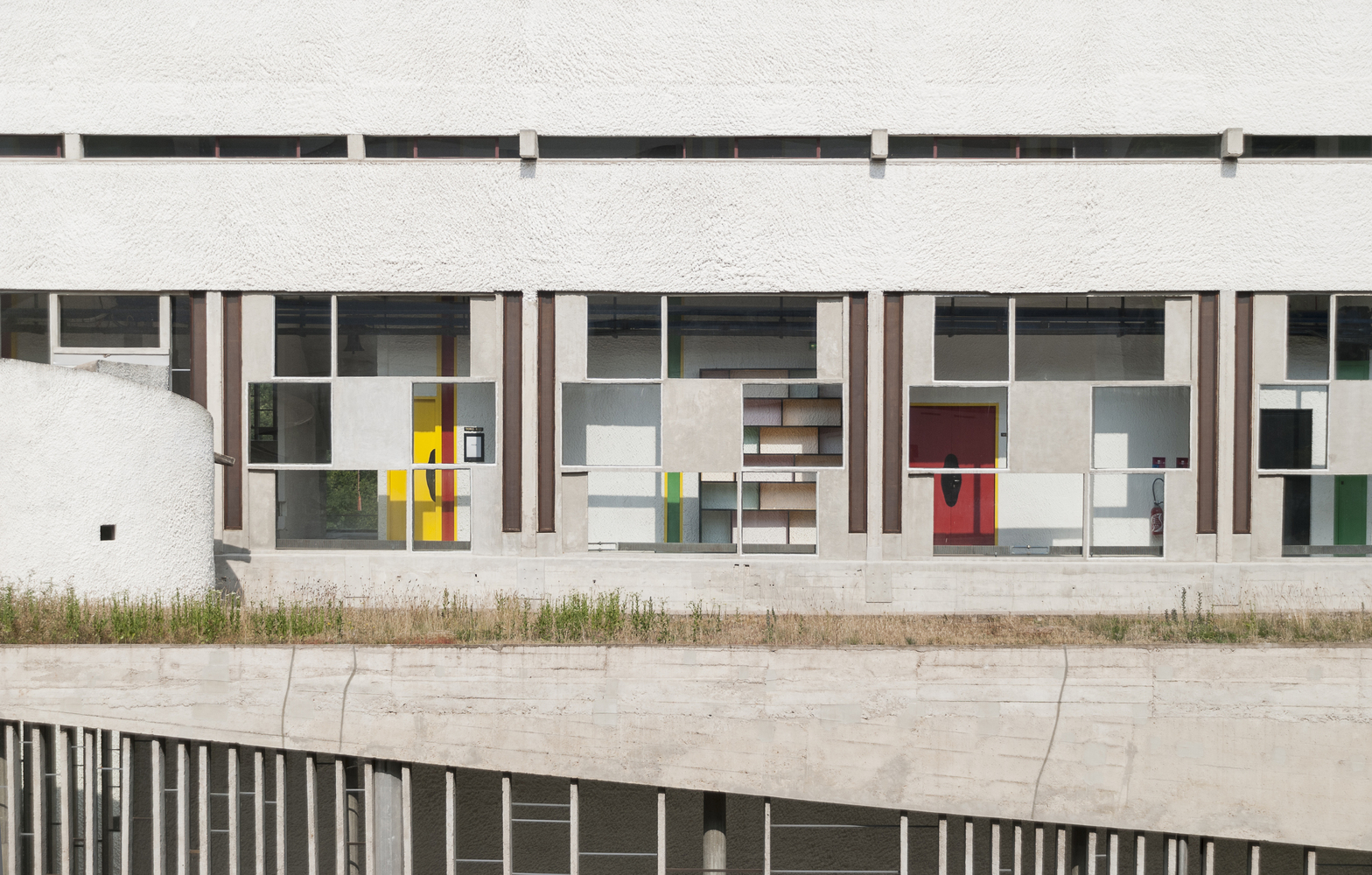
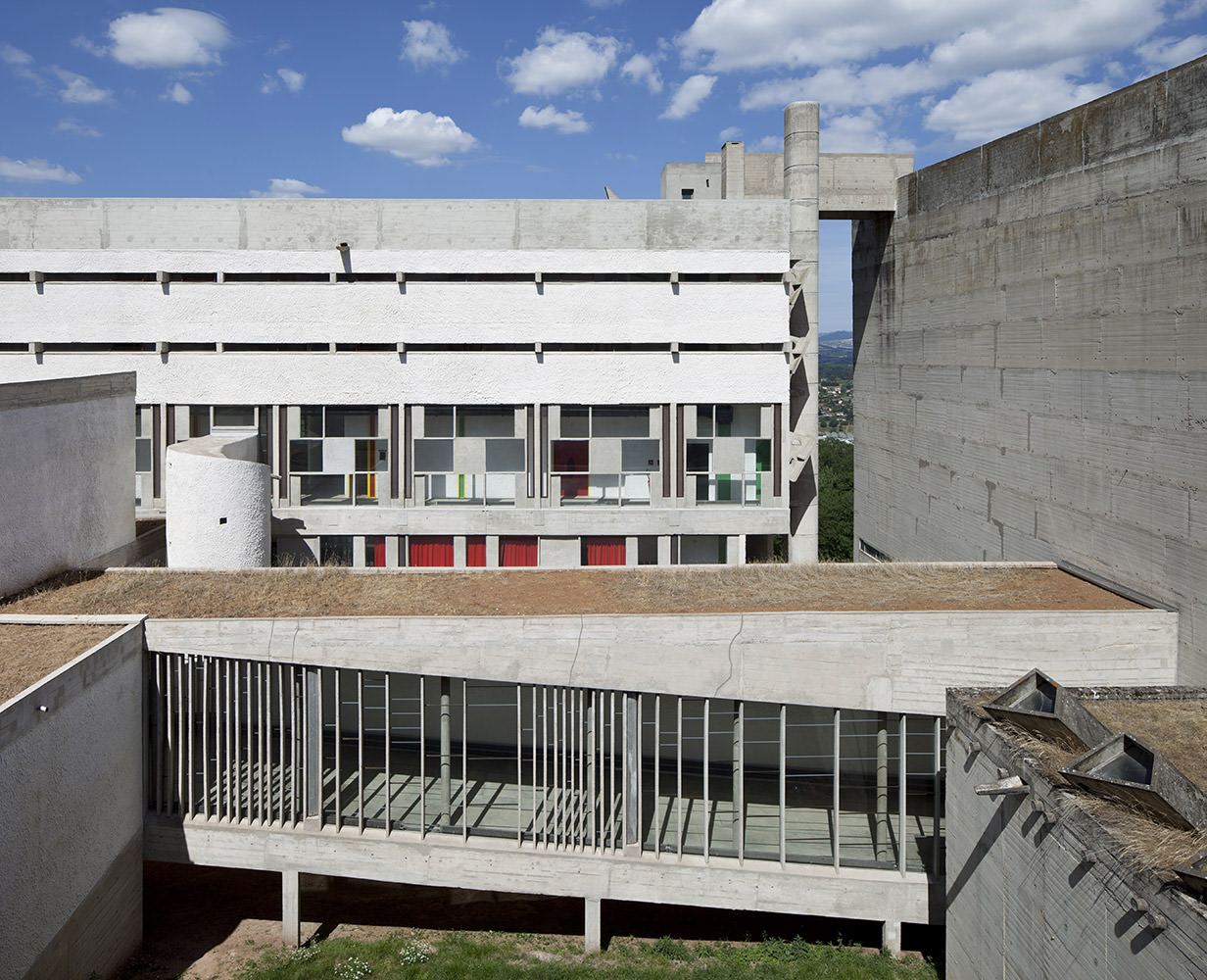
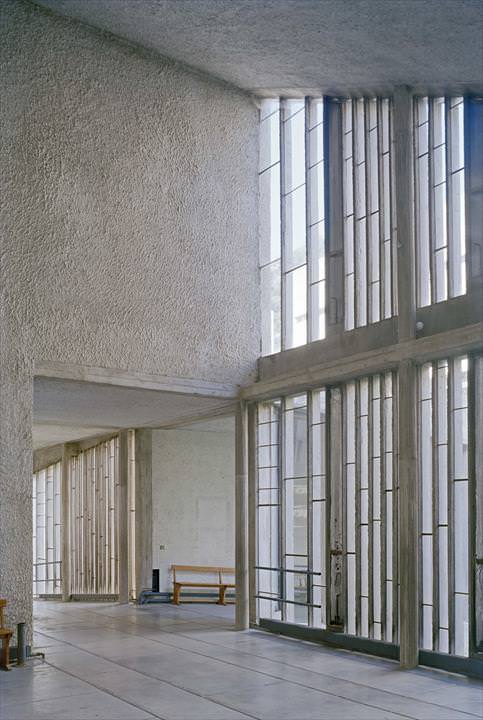
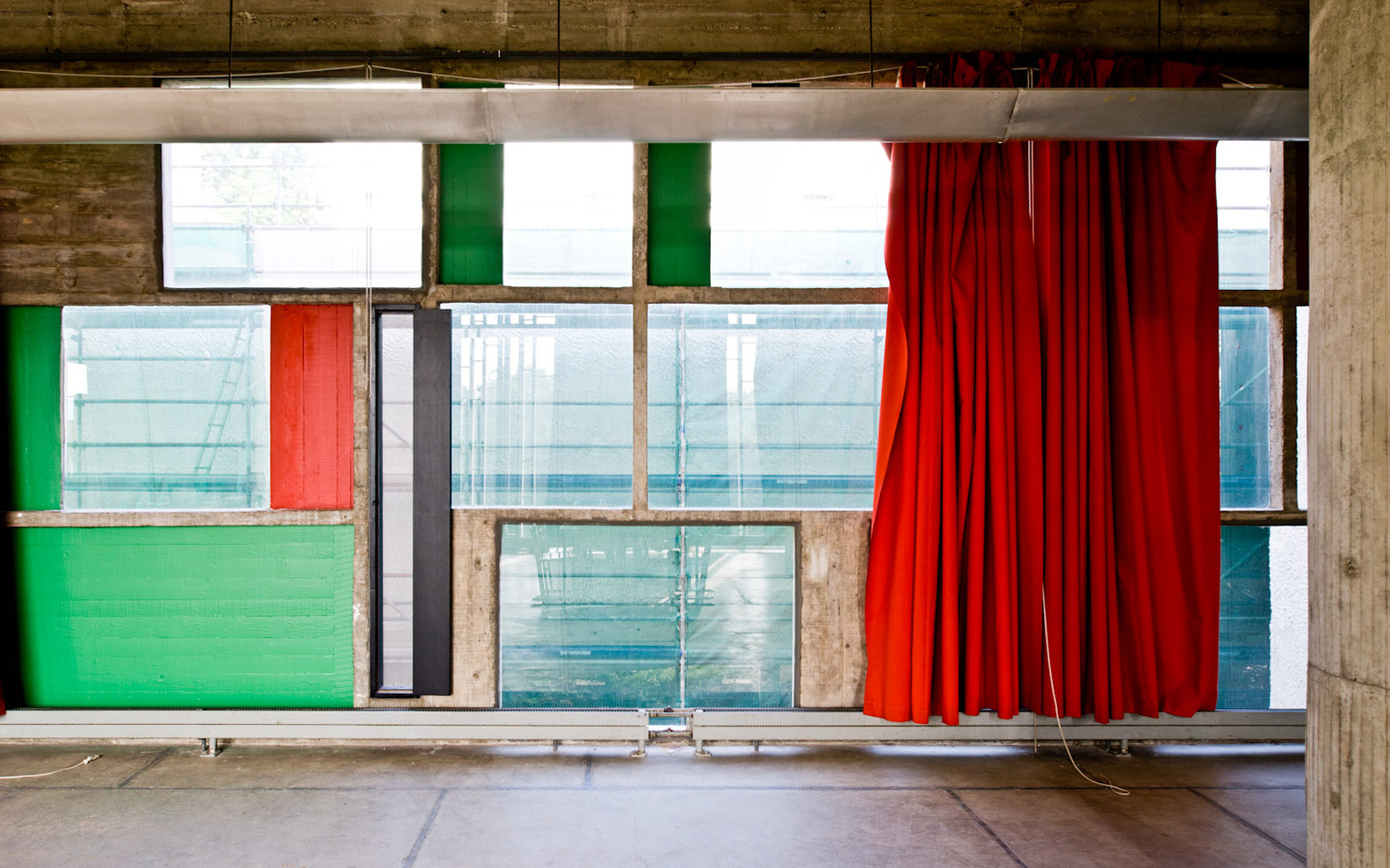
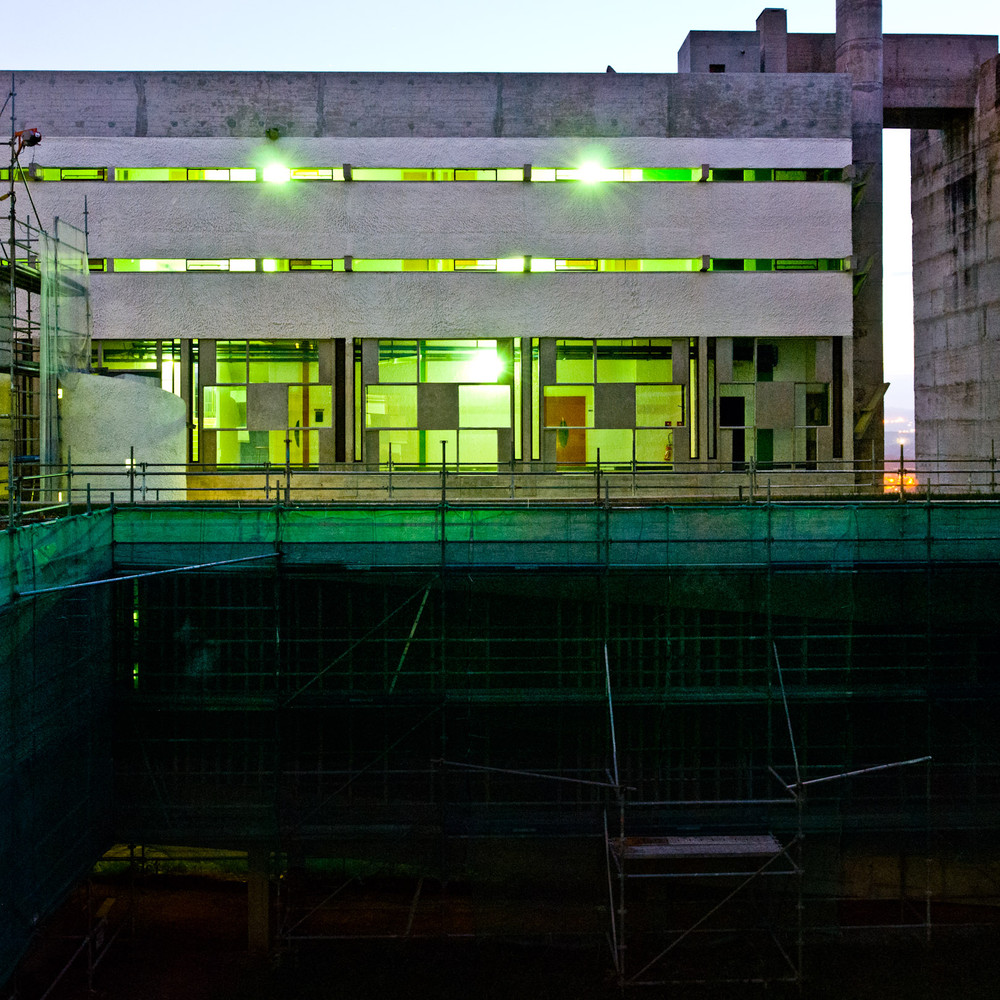
The structural system combines concrete slabs and pilotis with free façades that vary in response to orientation. Undulating glass panels, developed with Iannis Xenakis, regulate light and ventilation while introducing a rhythmic façade articulation. These ondulatoires establish a measured variation in mullion spacing based on proportional systems, reinforcing the relationship between structure and modulation.
Convent of La Tourette / Le Corbuiser | Classics on Architecture Lab 193Convent of La Tourette / Le Corbuiser | Classics on Architecture Lab 194
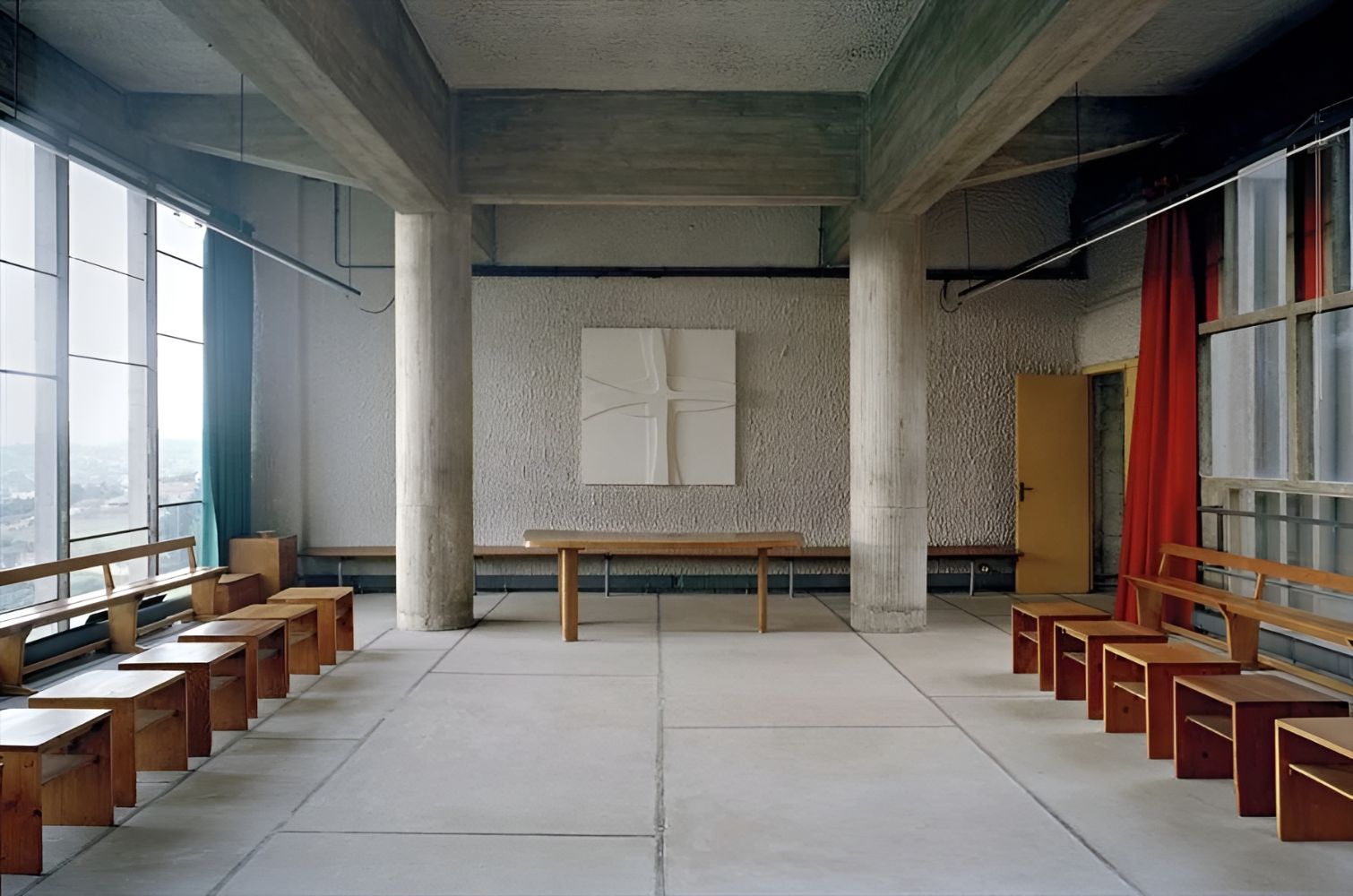
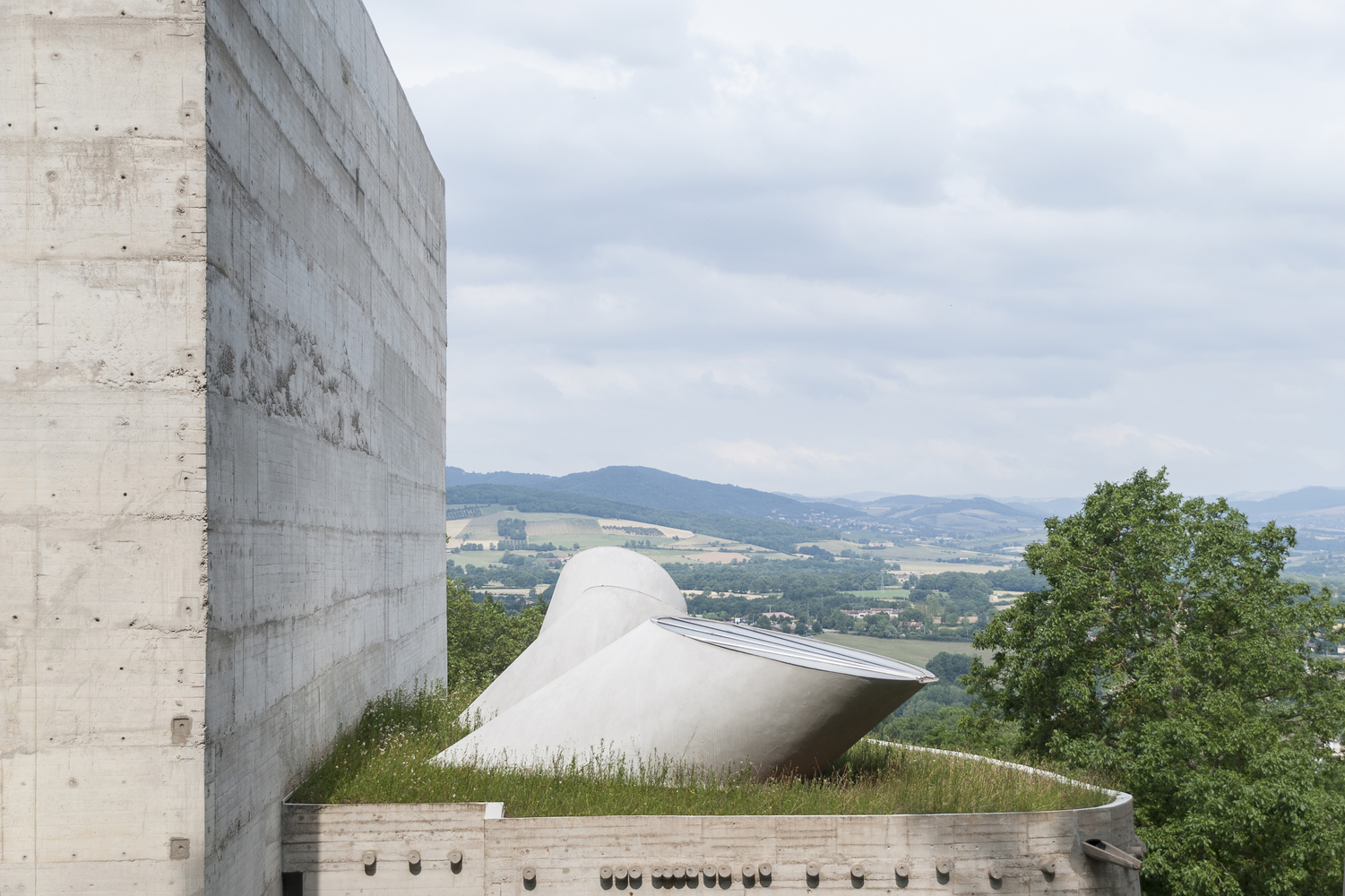
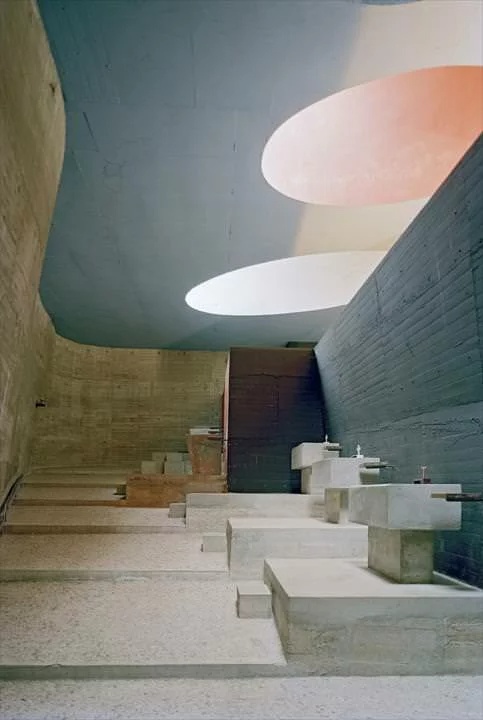
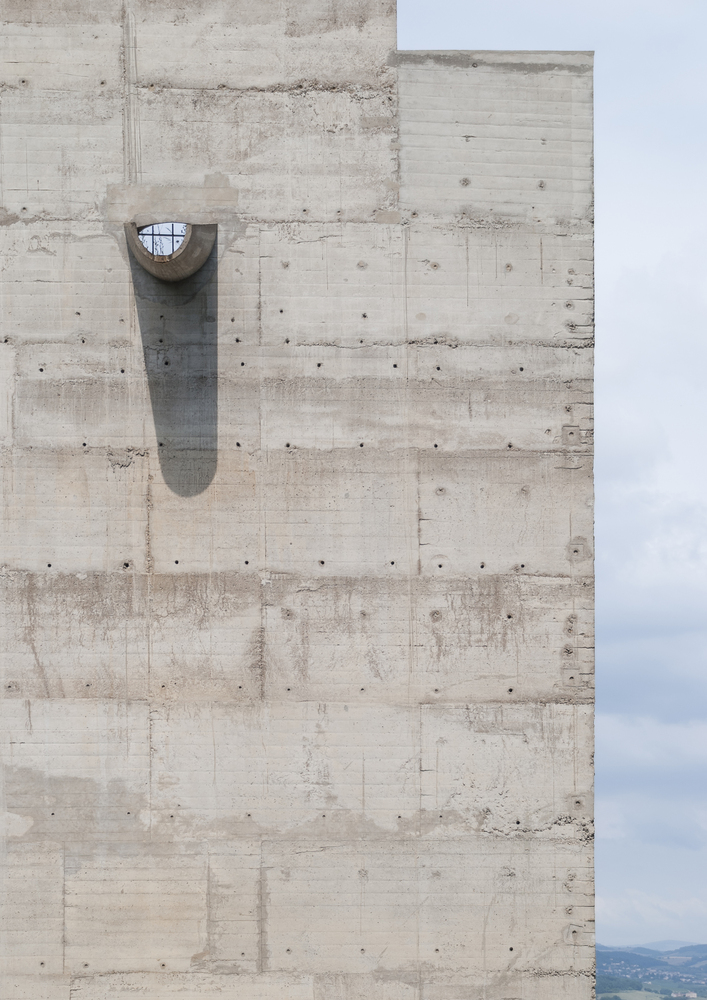
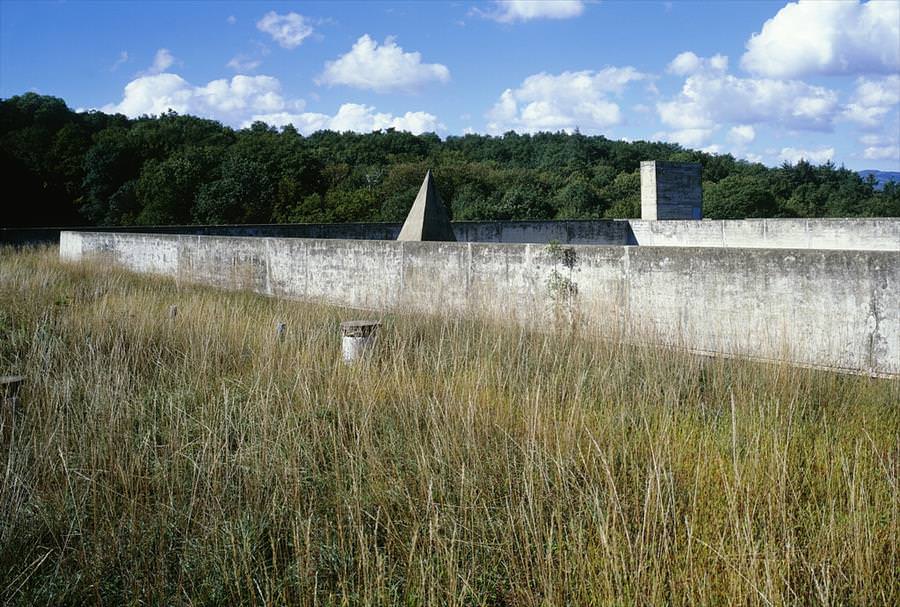
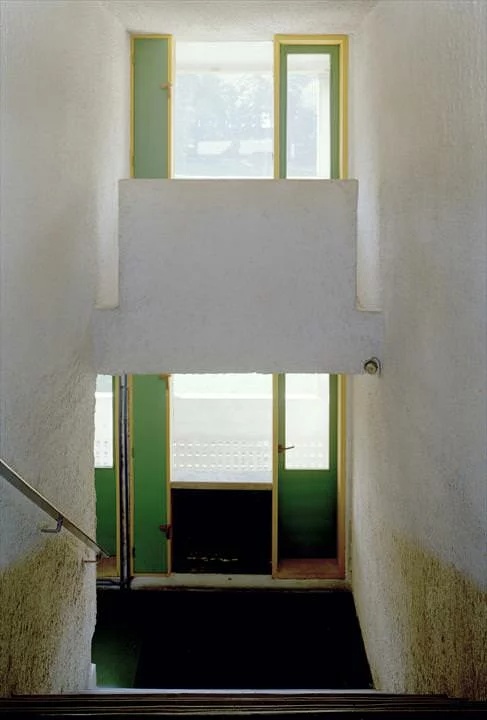
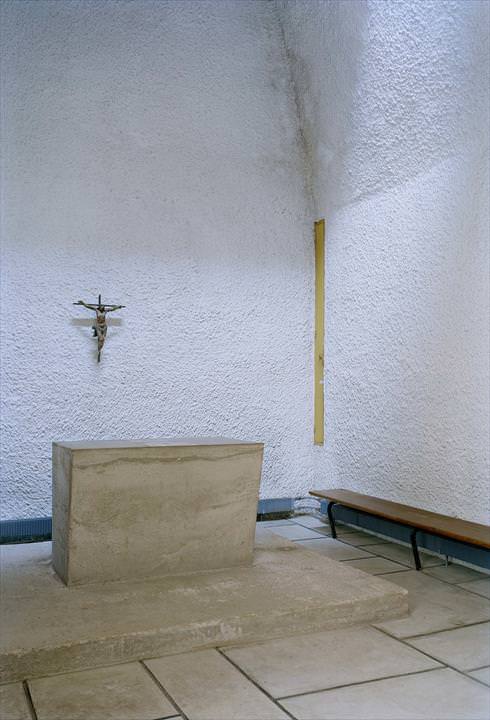
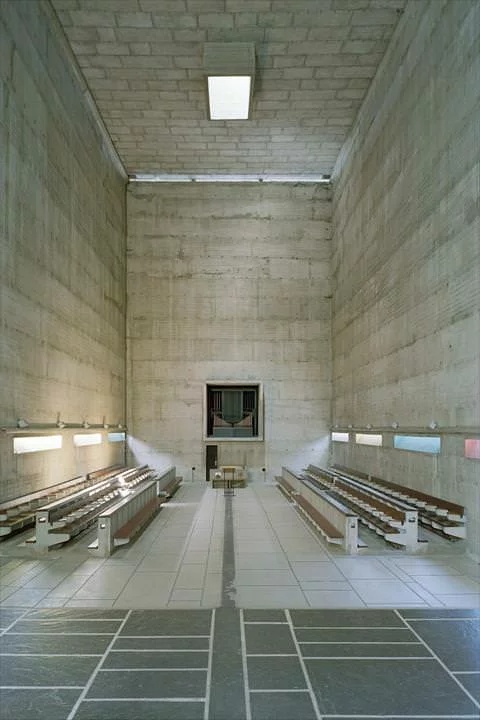
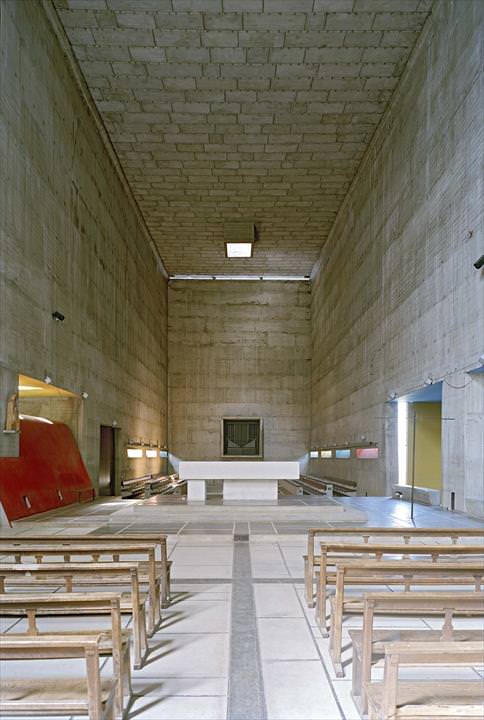
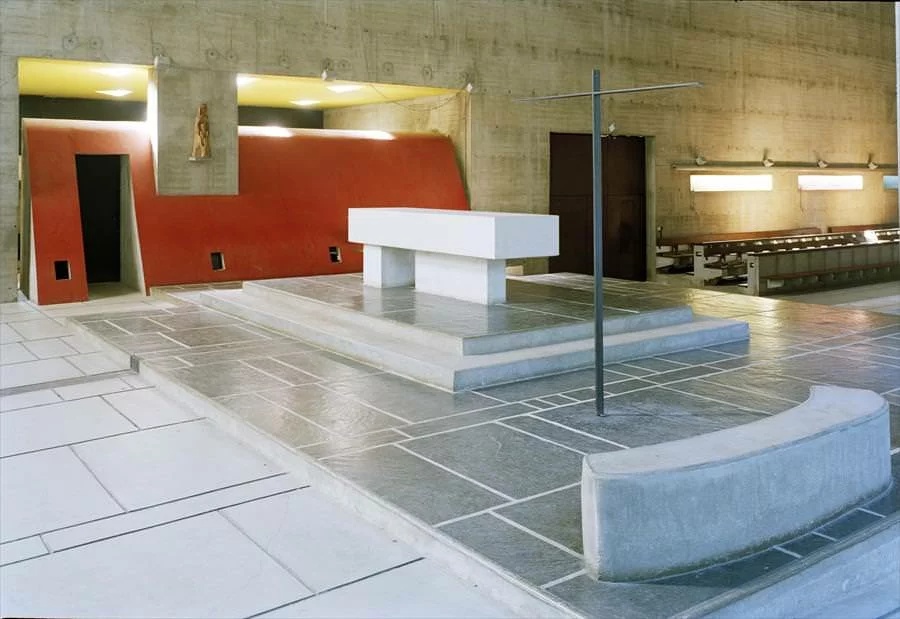
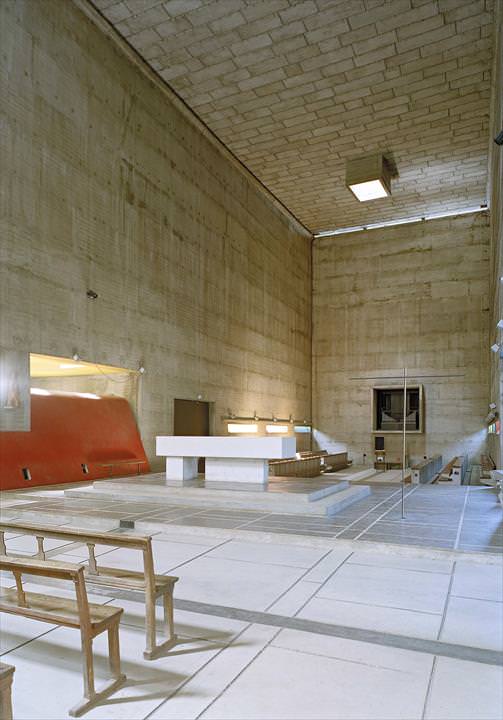
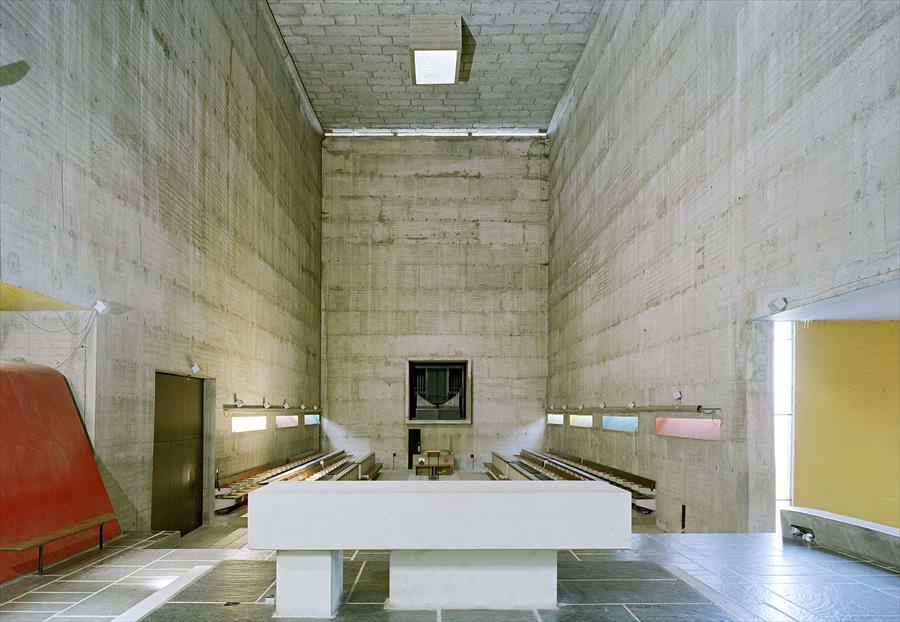
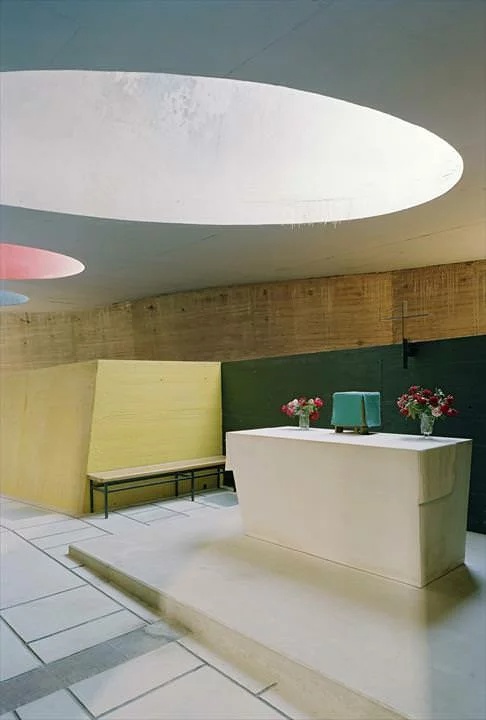
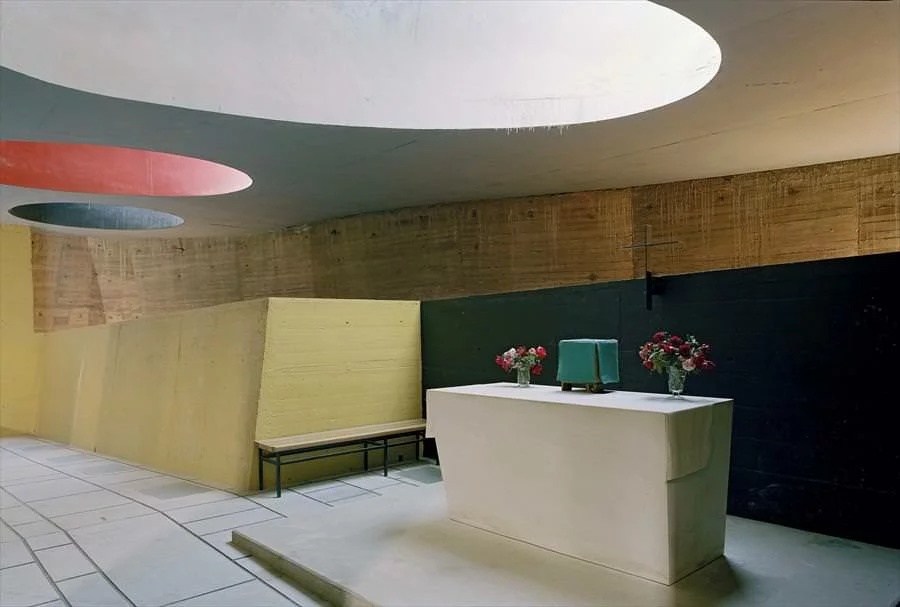
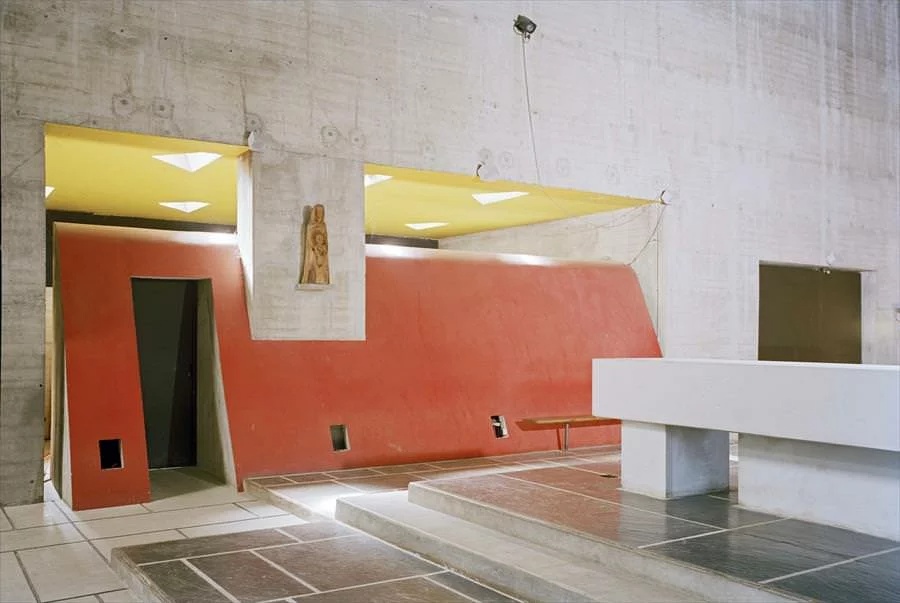
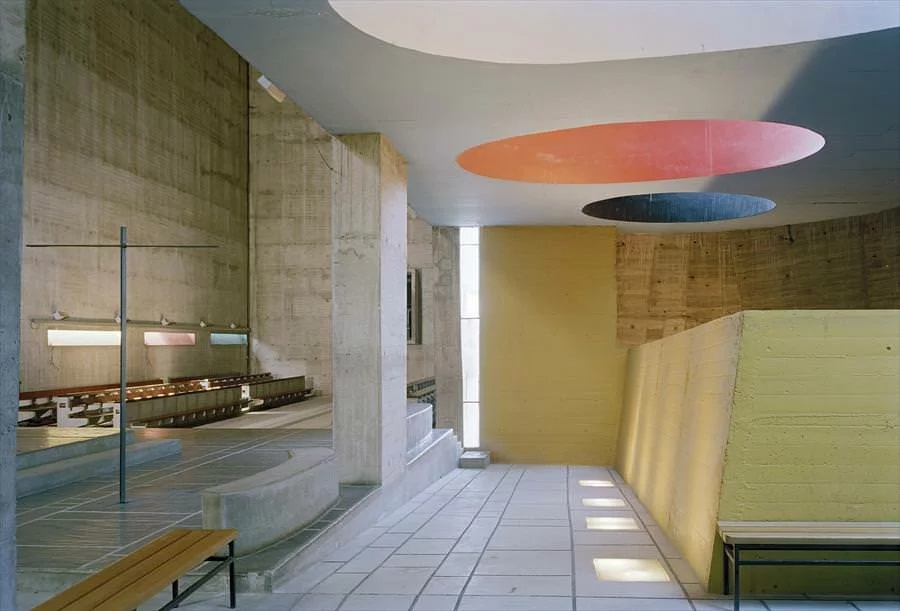
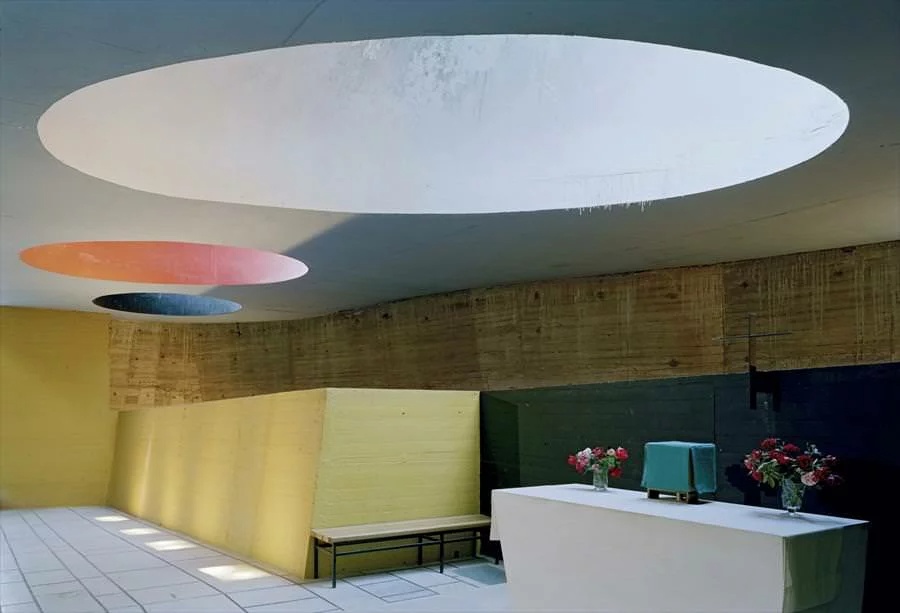
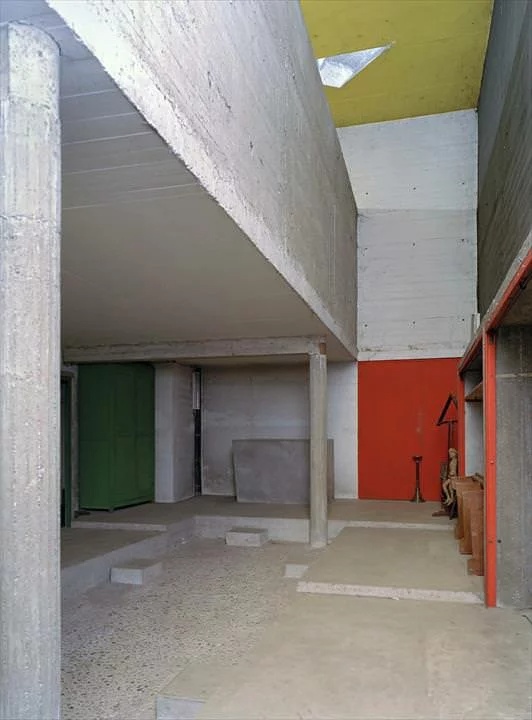
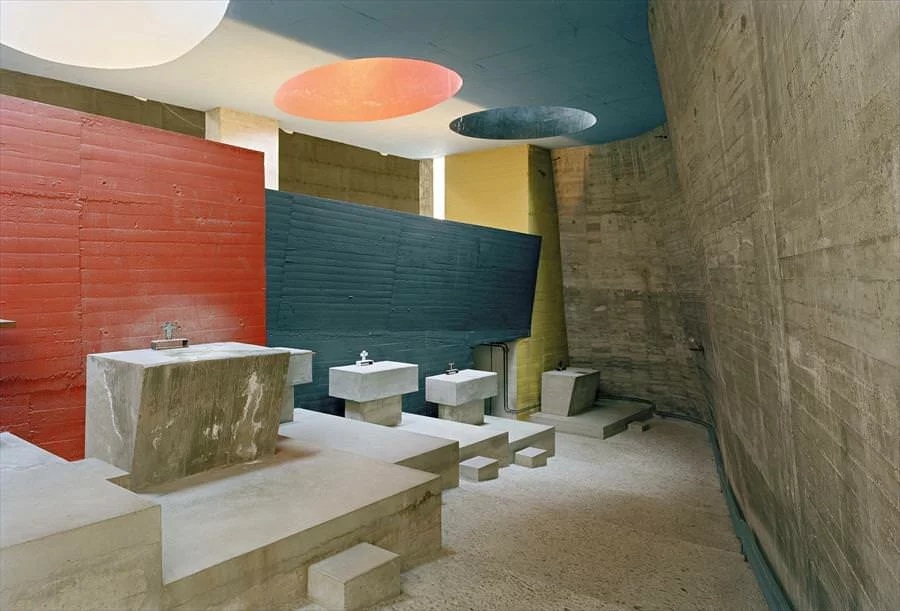
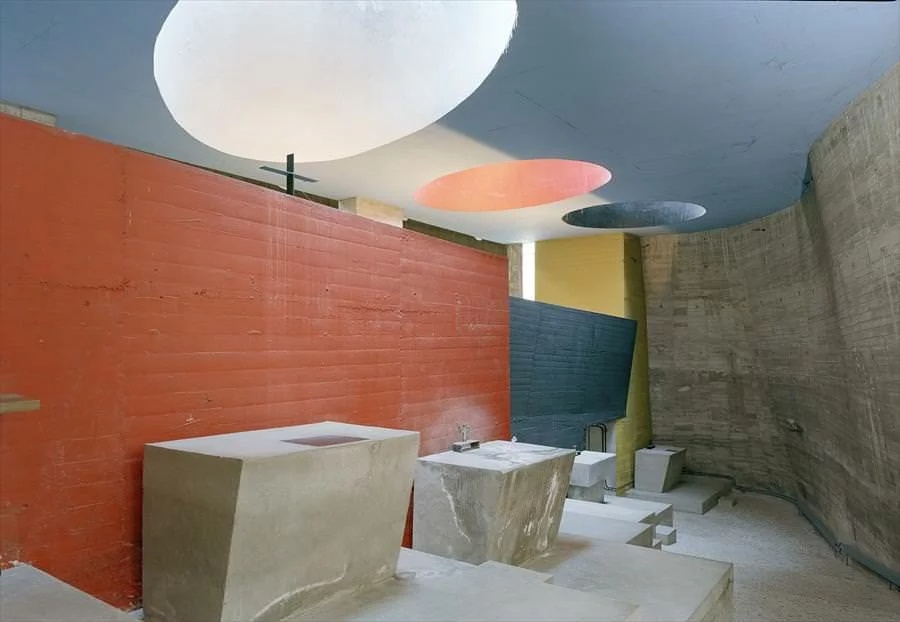
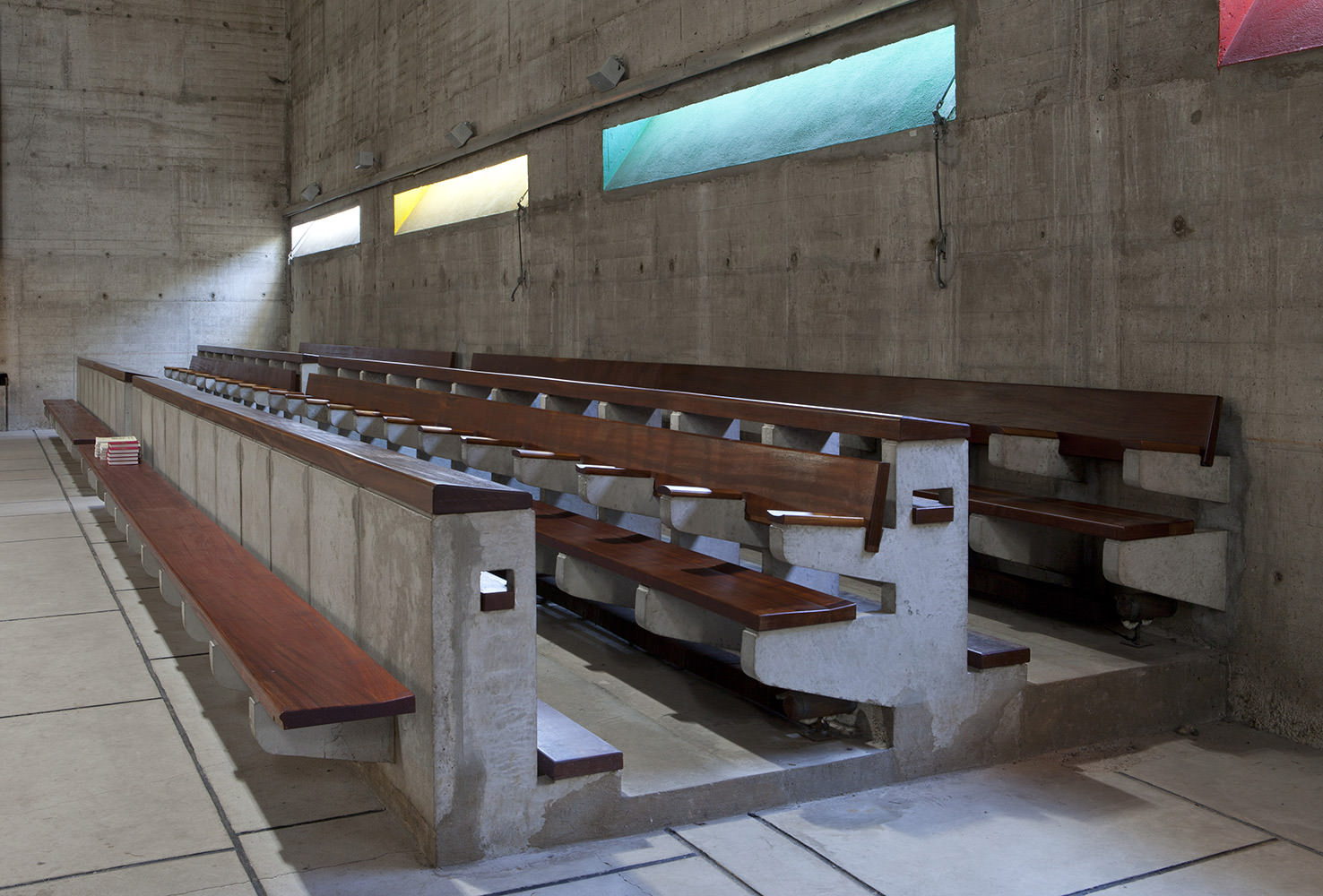
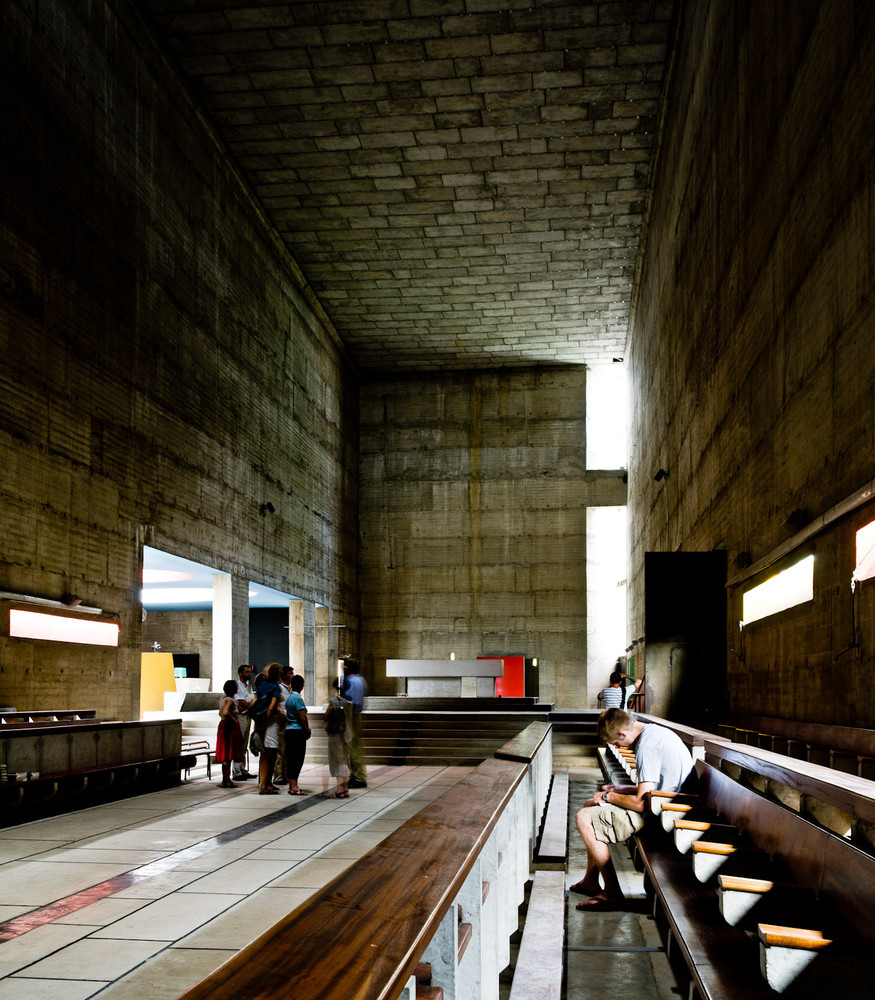
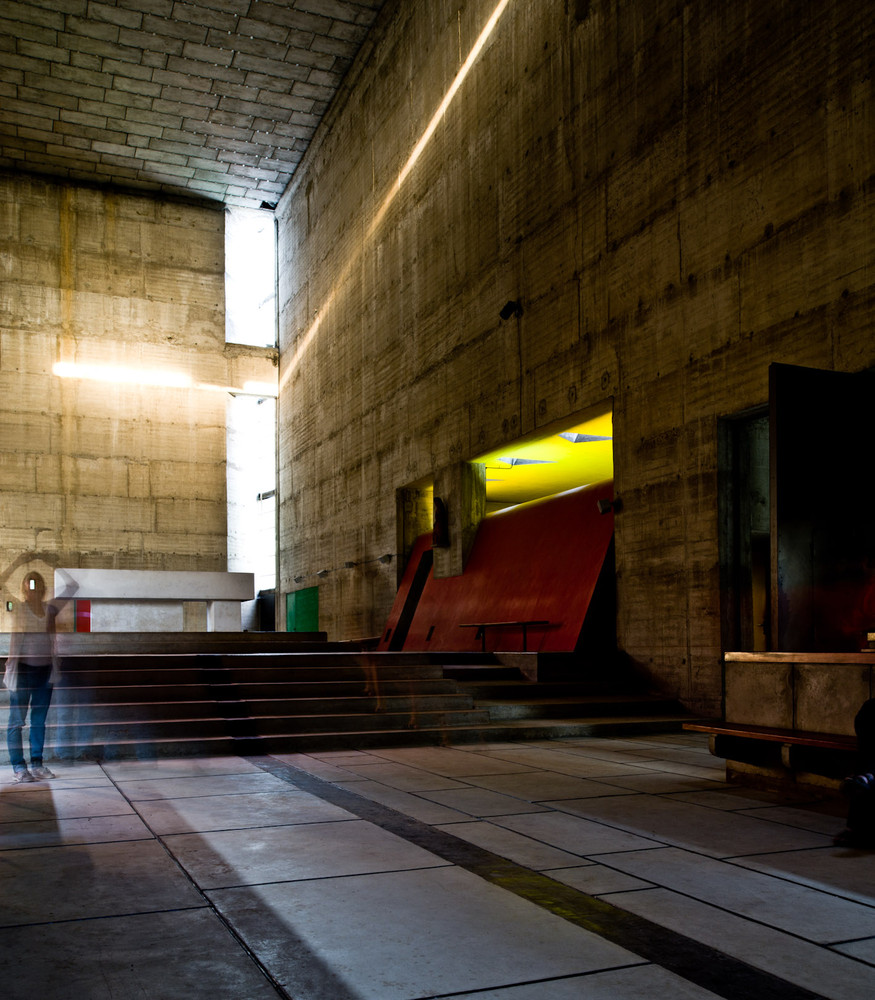
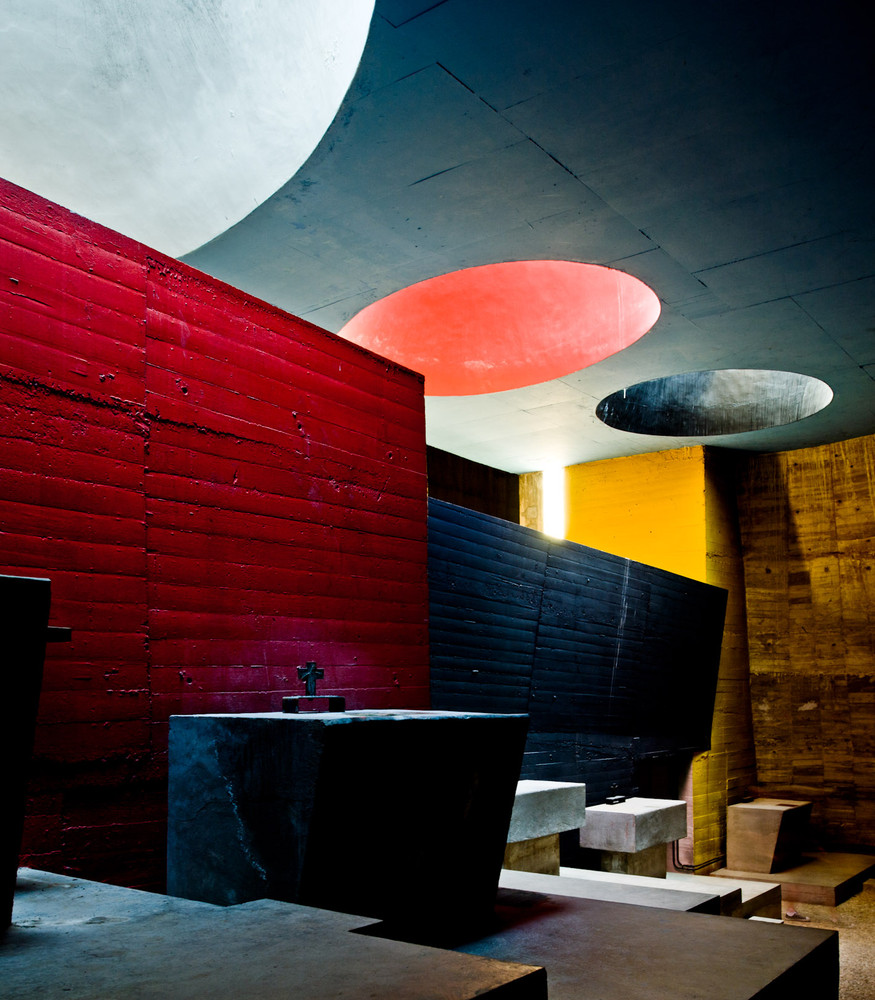
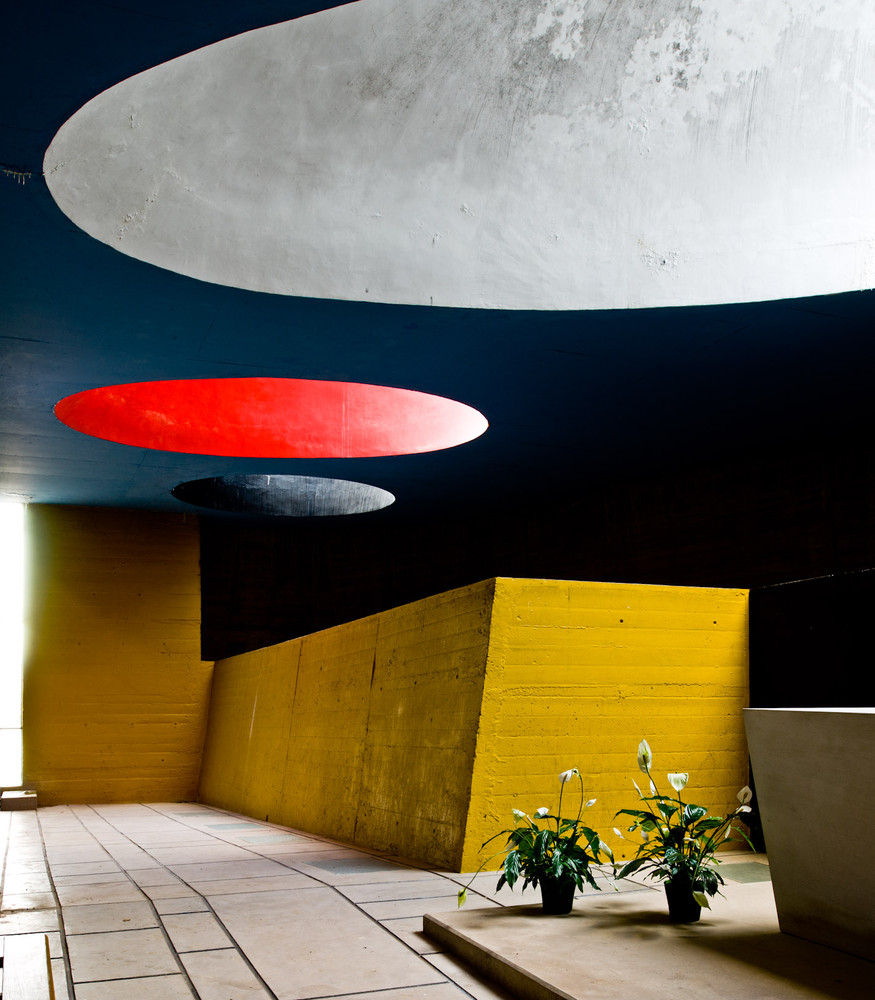
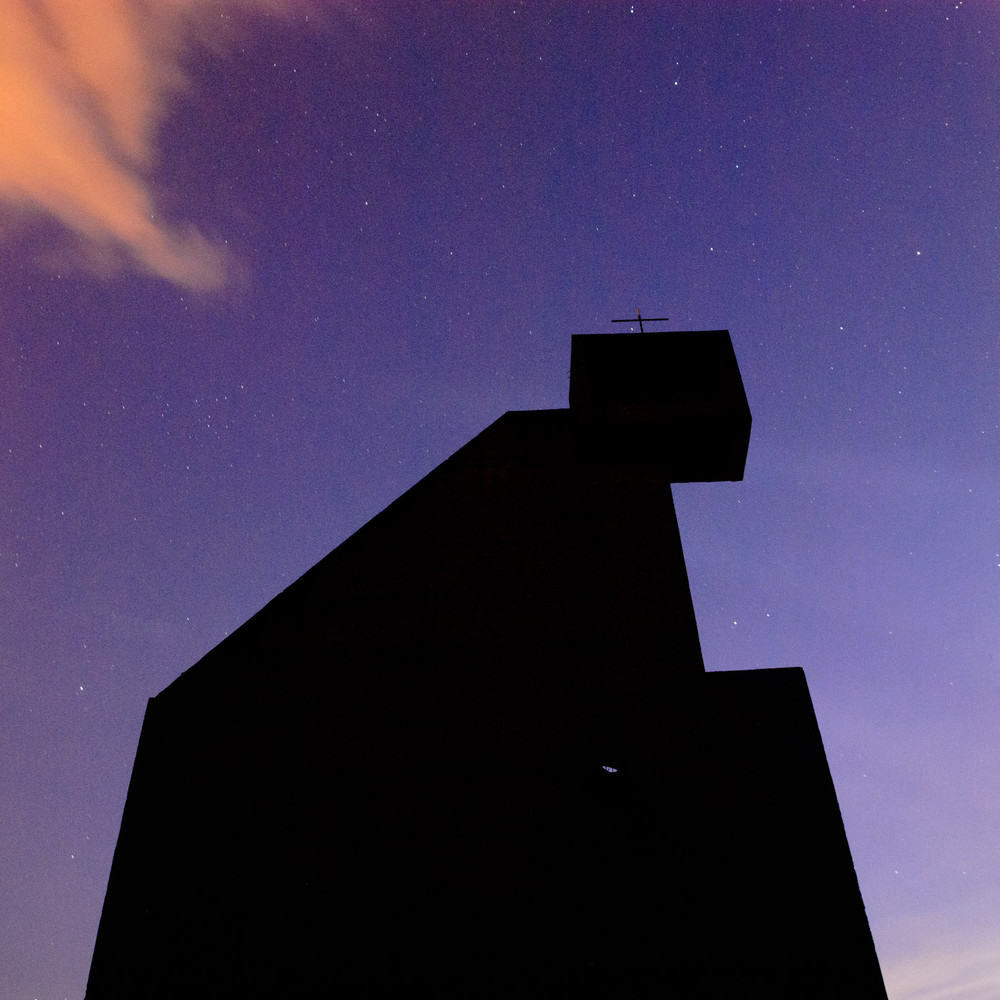
The architectural promenade defines the spatial experience. Movement progresses from the landscape into enclosed corridors, descending toward the church through controlled sequences. The church itself is conceived as a concrete volume where light becomes the primary spatial element. Vertical slits, light wells, and sculpted apertures introduce daylight in calibrated ways, while colored surfaces modulate its intensity. These devices, described as “light cannons,” generate a shifting interior atmosphere that replaces conventional iconography with spatial and luminous effects.
Convent of La Tourette / Le Corbuiser | Classics on Architecture Lab 195Convent of La Tourette / Le Corbuiser | Classics on Architecture Lab 196Convent of La Tourette / Le Corbuiser | Classics on Architecture Lab 197Convent of La Tourette / Le Corbuiser | Classics on Architecture Lab 198Convent of La Tourette / Le Corbuiser | Classics on Architecture Lab 199Convent of La Tourette / Le Corbuiser | Classics on Architecture Lab 200Convent of La Tourette / Le Corbuiser | Classics on Architecture Lab 201Convent of La Tourette / Le Corbuiser | Classics on Architecture Lab 202
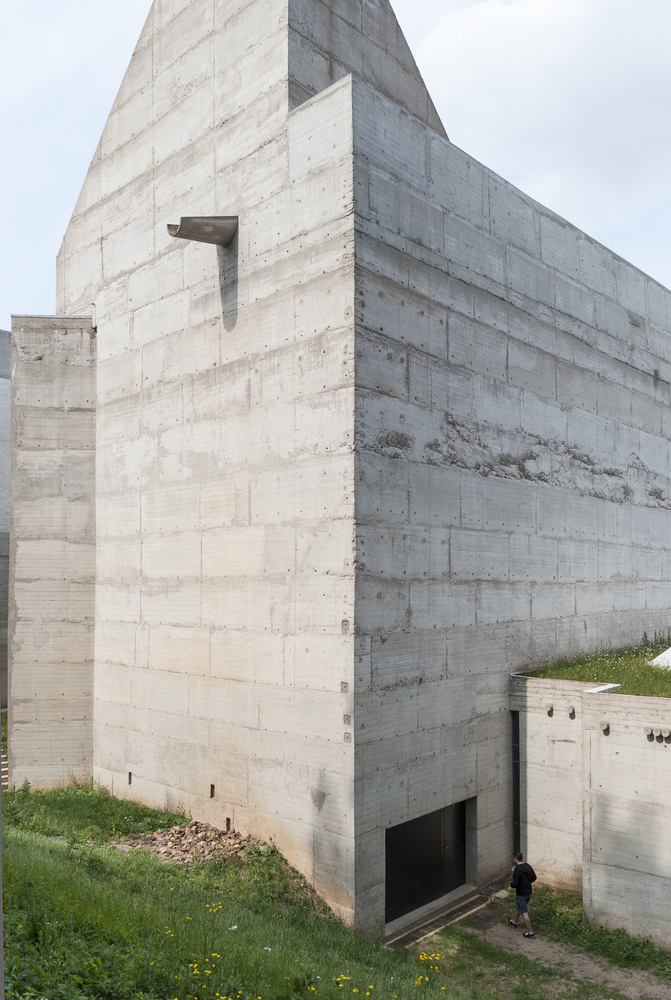
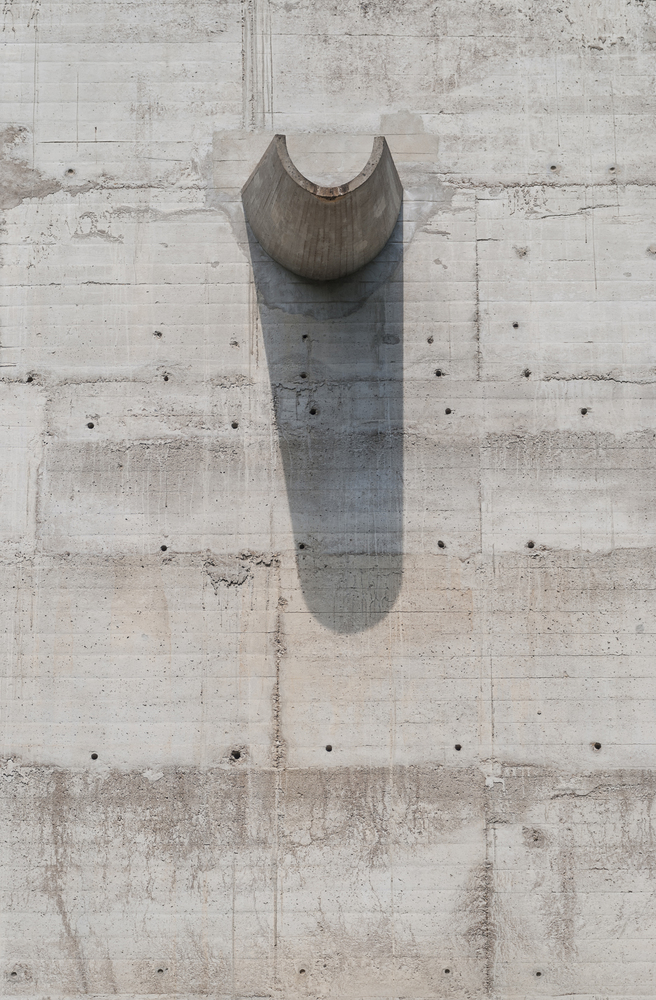
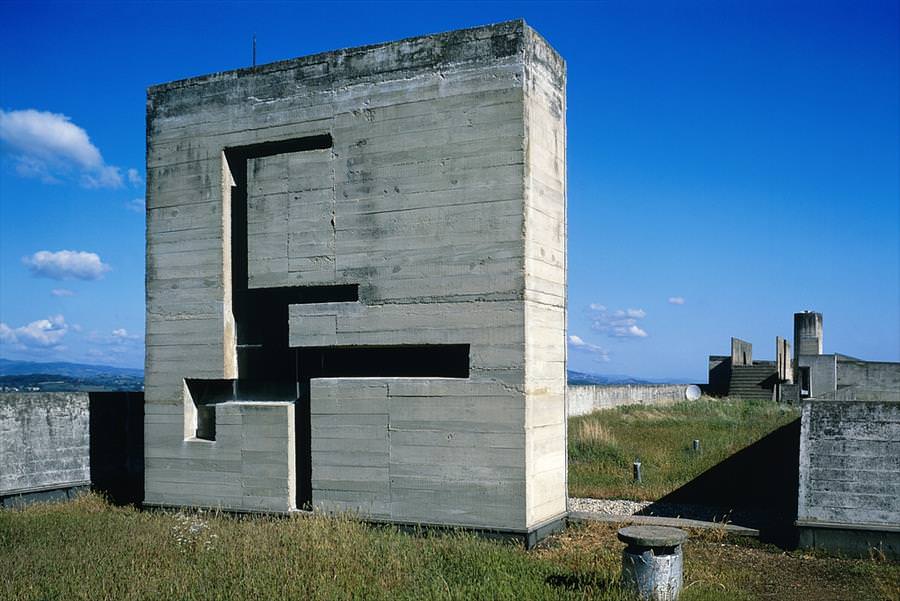
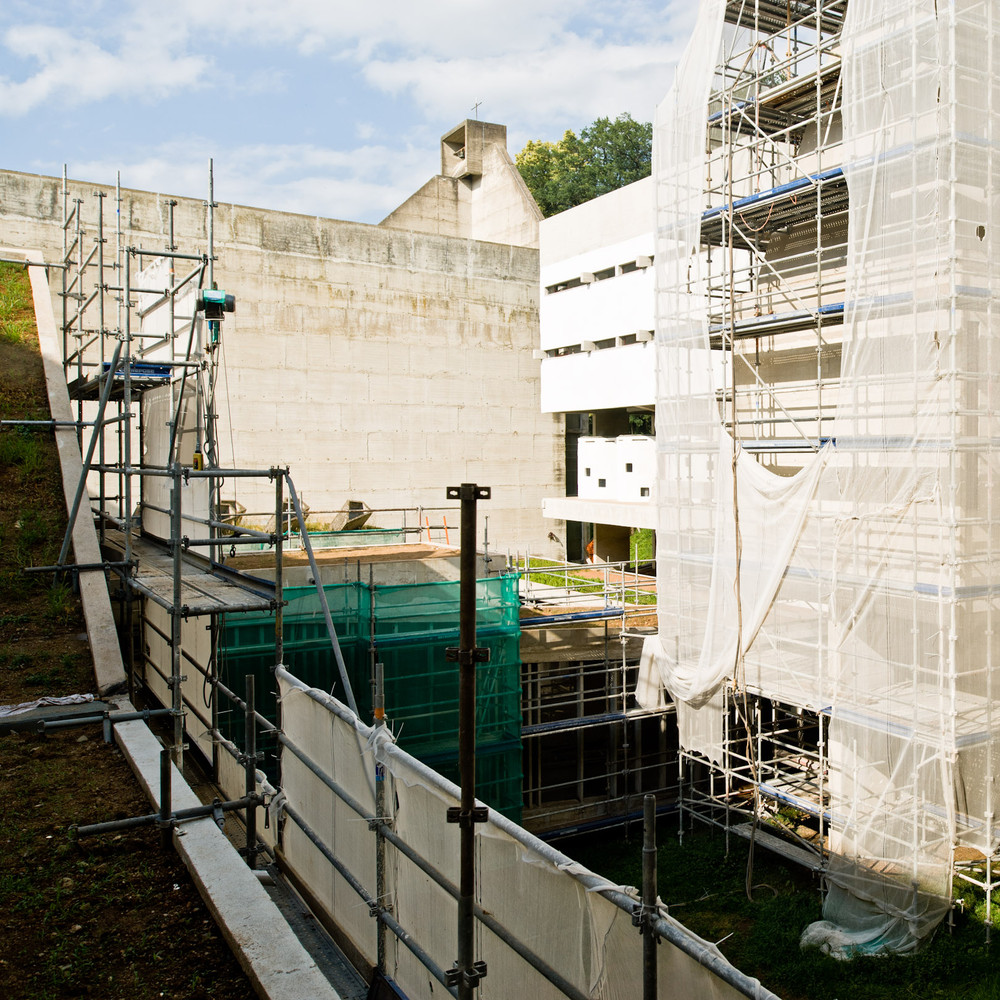
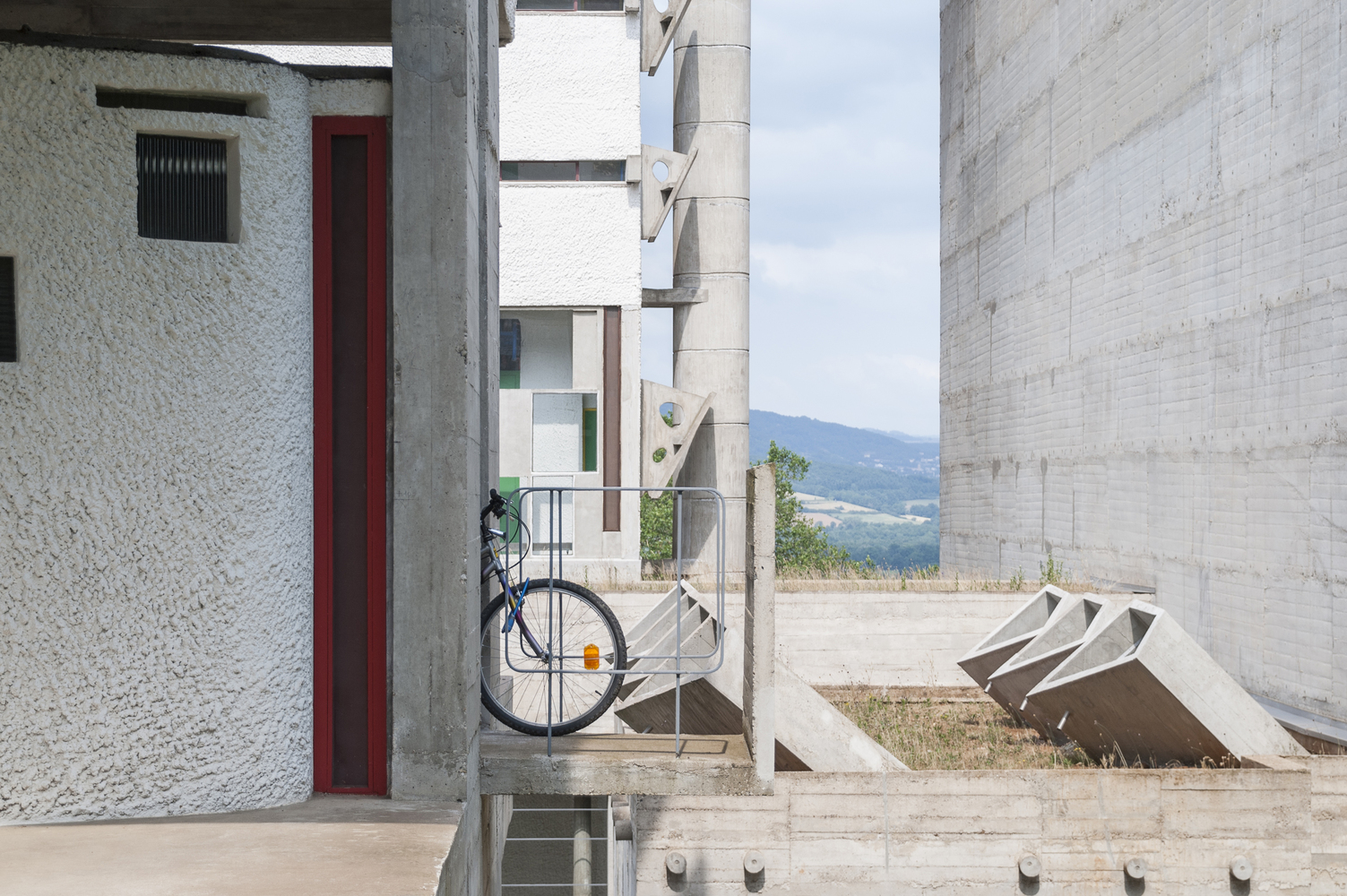
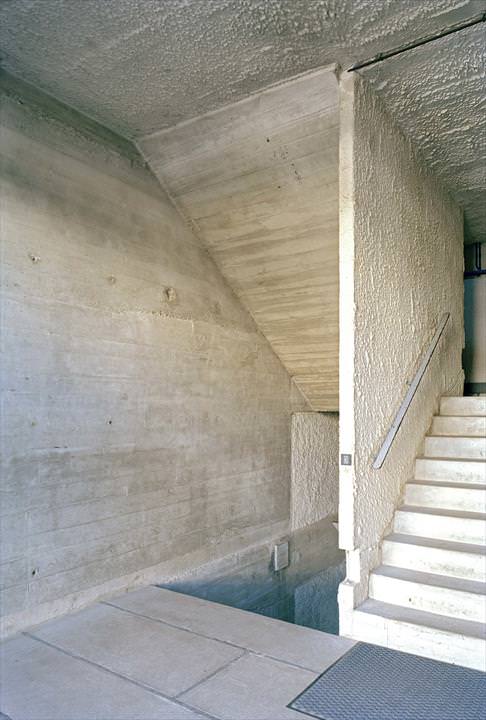
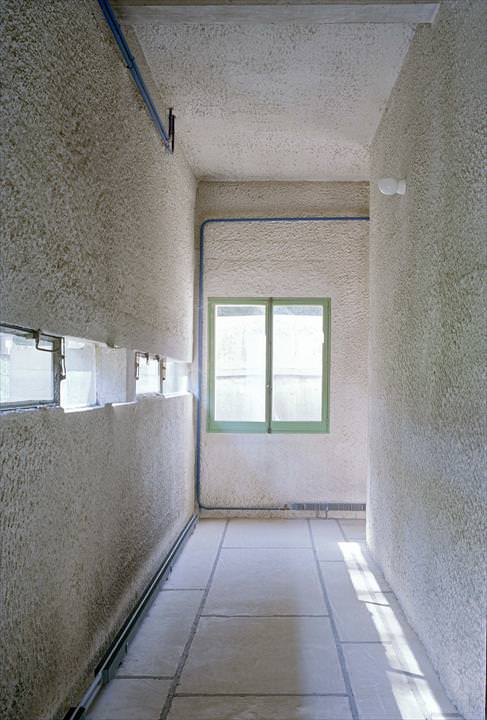
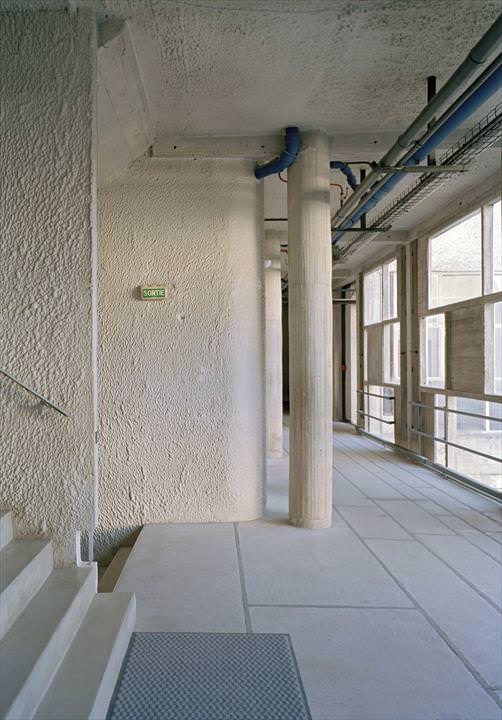
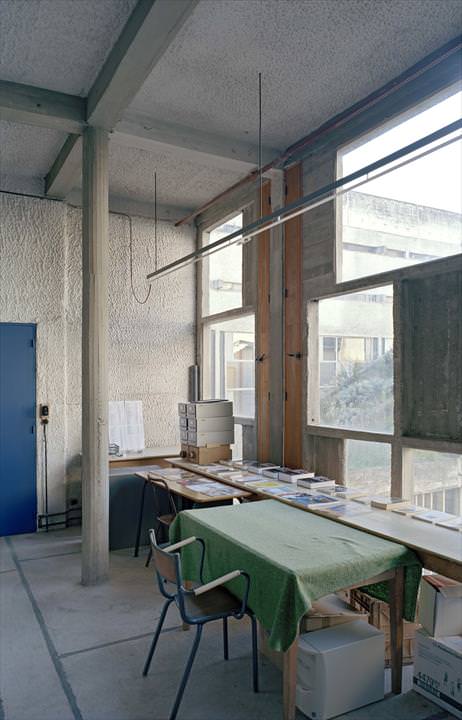
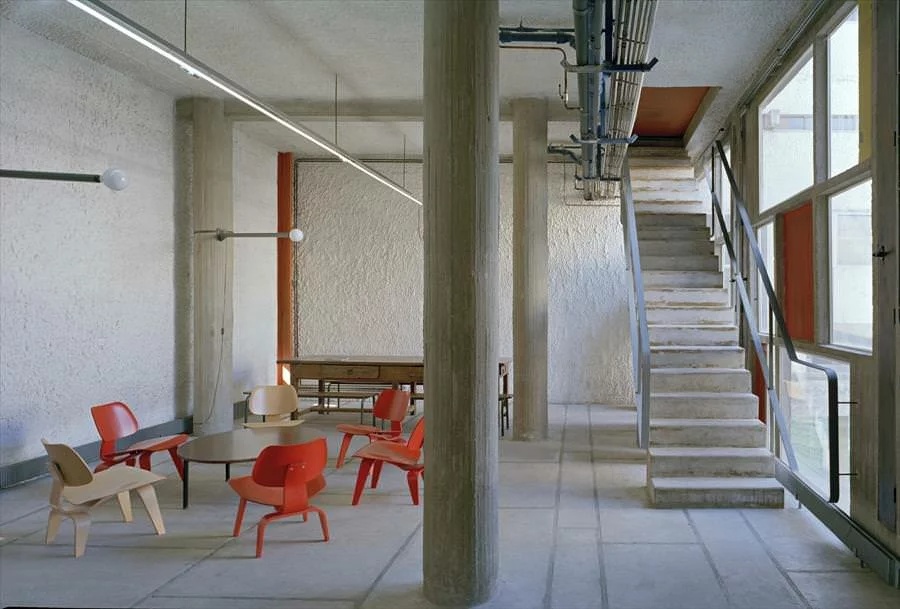
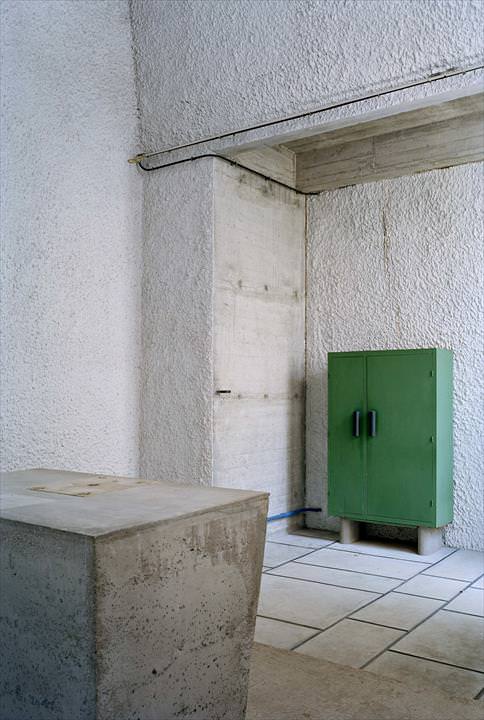
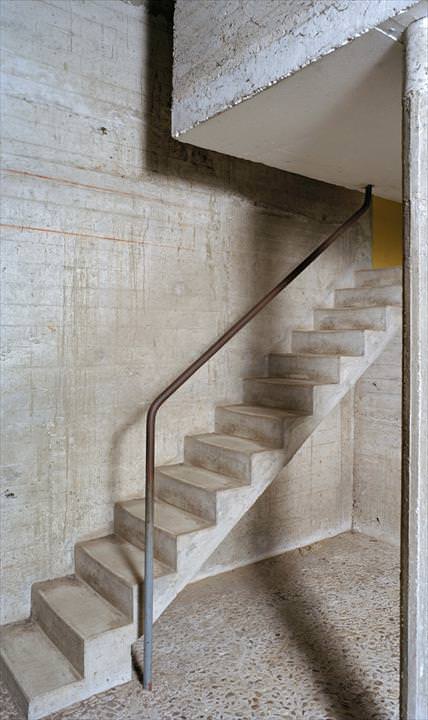
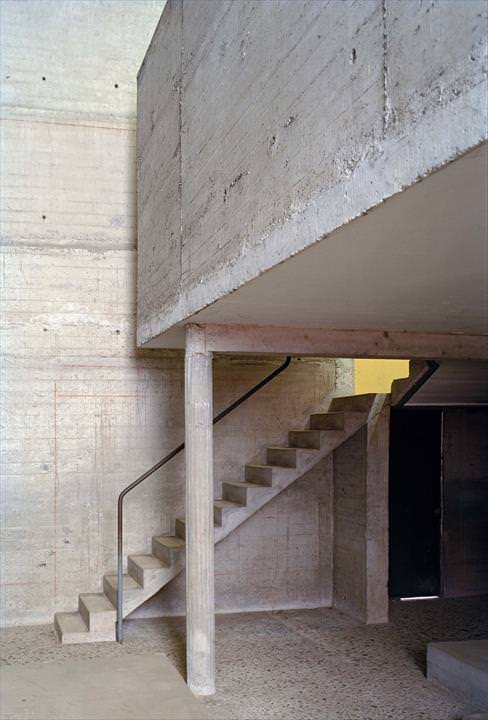
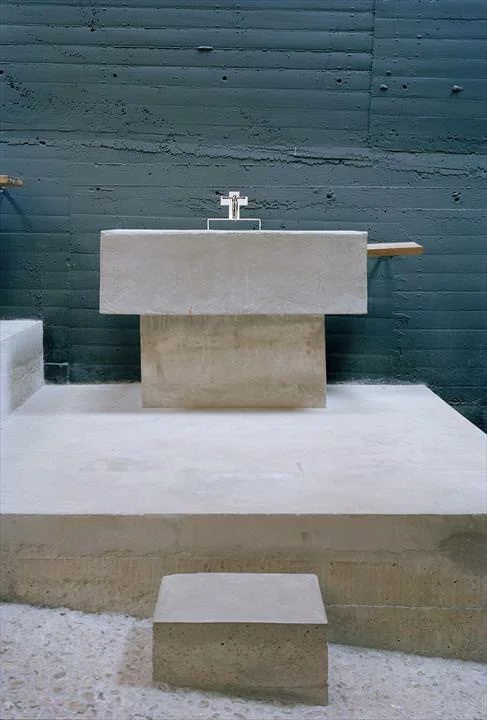
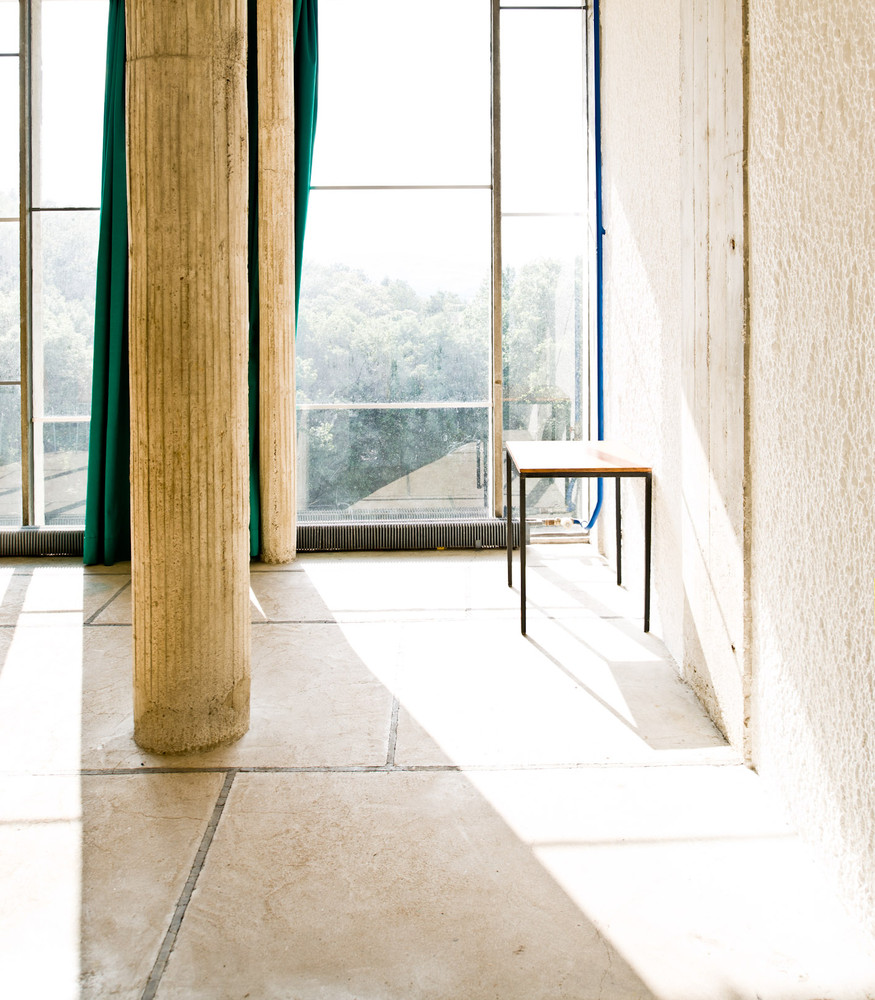
The material palette relies on exposed concrete, where surface texture and formwork remain visible. This approach reinforces the building’s austere character while supporting its functional clarity. The contrast between exterior mass and interior light conditions defines the experiential core of the project.
Convent of La Tourette / Le Corbuiser | Classics on Architecture Lab 203Convent of La Tourette / Le Corbuiser | Classics on Architecture Lab 204Convent of La Tourette / Le Corbuiser | Classics on Architecture Lab 205Convent of La Tourette / Le Corbuiser | Classics on Architecture Lab 206Convent of La Tourette / Le Corbuiser | Classics on Architecture Lab 207Convent of La Tourette / Le Corbuiser | Classics on Architecture Lab 208Convent of La Tourette / Le Corbuiser | Classics on Architecture Lab 209Convent of La Tourette / Le Corbuiser | Classics on Architecture Lab 210
The convent continues to function with a reduced monastic population and has become a site for study, retreat, and cultural events. The building was inscribed as a UNESCO World Heritage Site in 2016 as part of The Architectural Work of Le Corbusier, recognizing its role in advancing modern architecture.
Address: 760 Route de la Tourette, 69210 Éveux-sur-l’Arbresle, France
Location is for general reference and may represent a city or country, not necessarily a precise address.
Architect
Anton Giuroiu
Anton Giuroiu is an architect and the Editor-in-Chief of Architecture Lab. He directs Architecture Lab Magazine, a publication on the material life of buildings, and practices at sculpta, the studio he co-founded, where he designs to a simple conviction — buildings are heirlooms, made for the present and left to those who follow. What he cannot build or publish, he makes by hand — fabricating architectural details of the finest grain, designing through the making itself.
Expertises: Architecture, Interior design, Home improvement, Drawing, Laser machining