

Architects: Louis Kahn
Area: 230 m² (2500 ft²)
Year: 1961
Photography: Louis Kahn, Jon Reksten, Jeffrey Totaro, Arnout Fonck, Todd Eberle, Historic American Building Survey, Smallbones, JERRYE & ROY KLOTZ MD, TREND, Doctor Casino, architecture-history.org, whartonesherickmuseum.org
Client: Margaret Esherick
City: Philadelphia
Country: United States
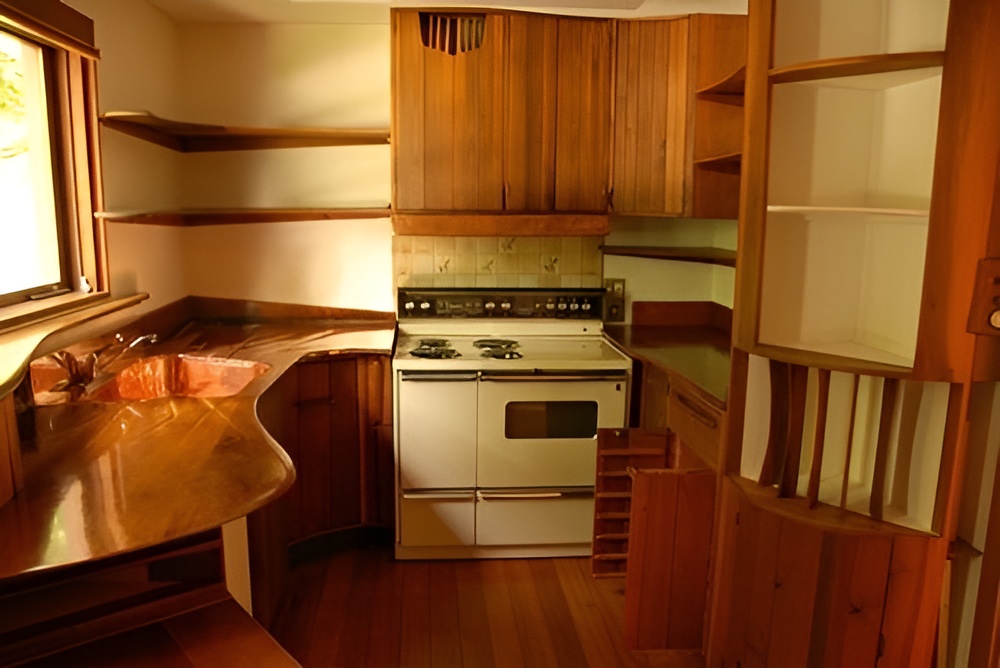
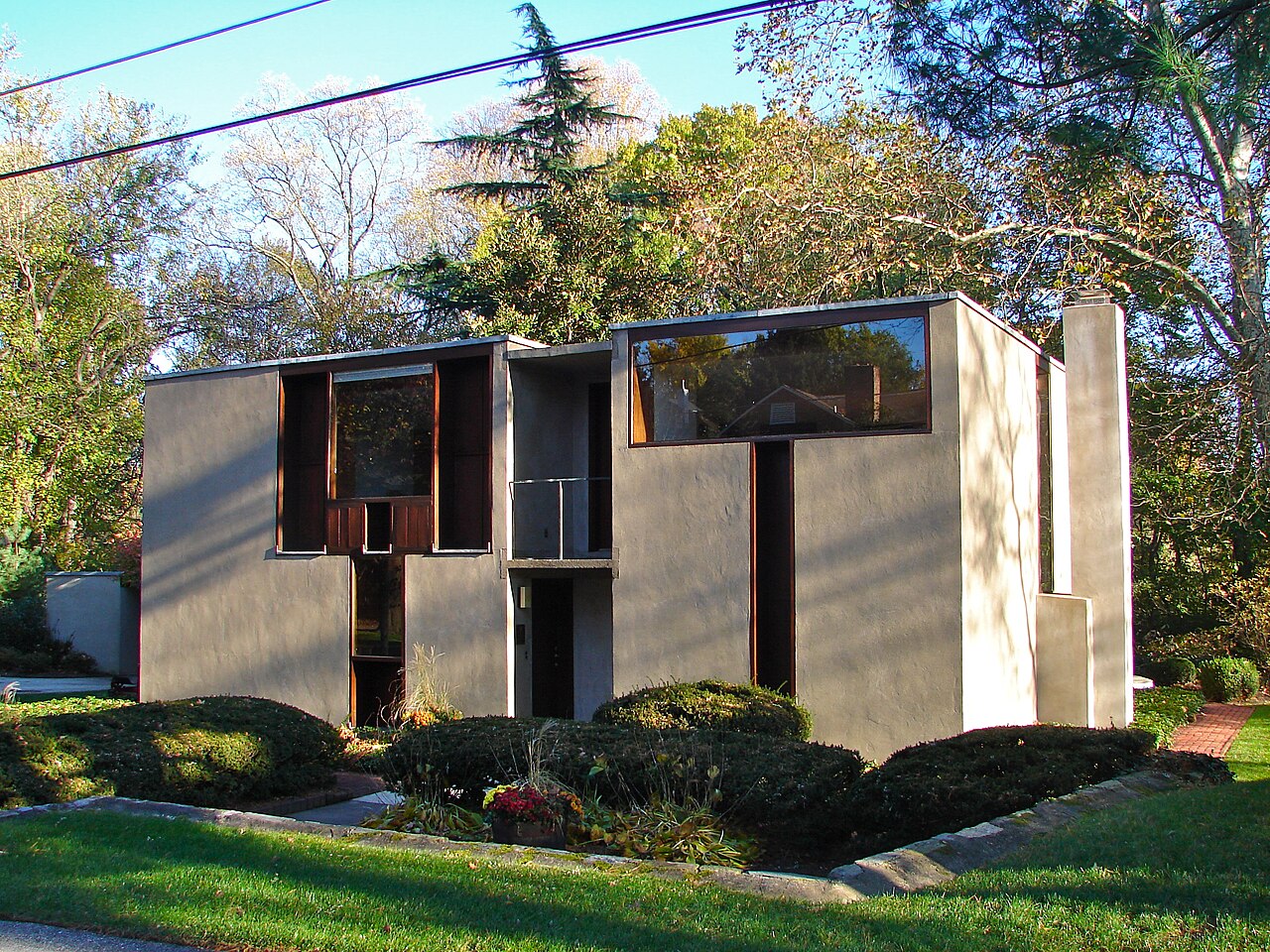
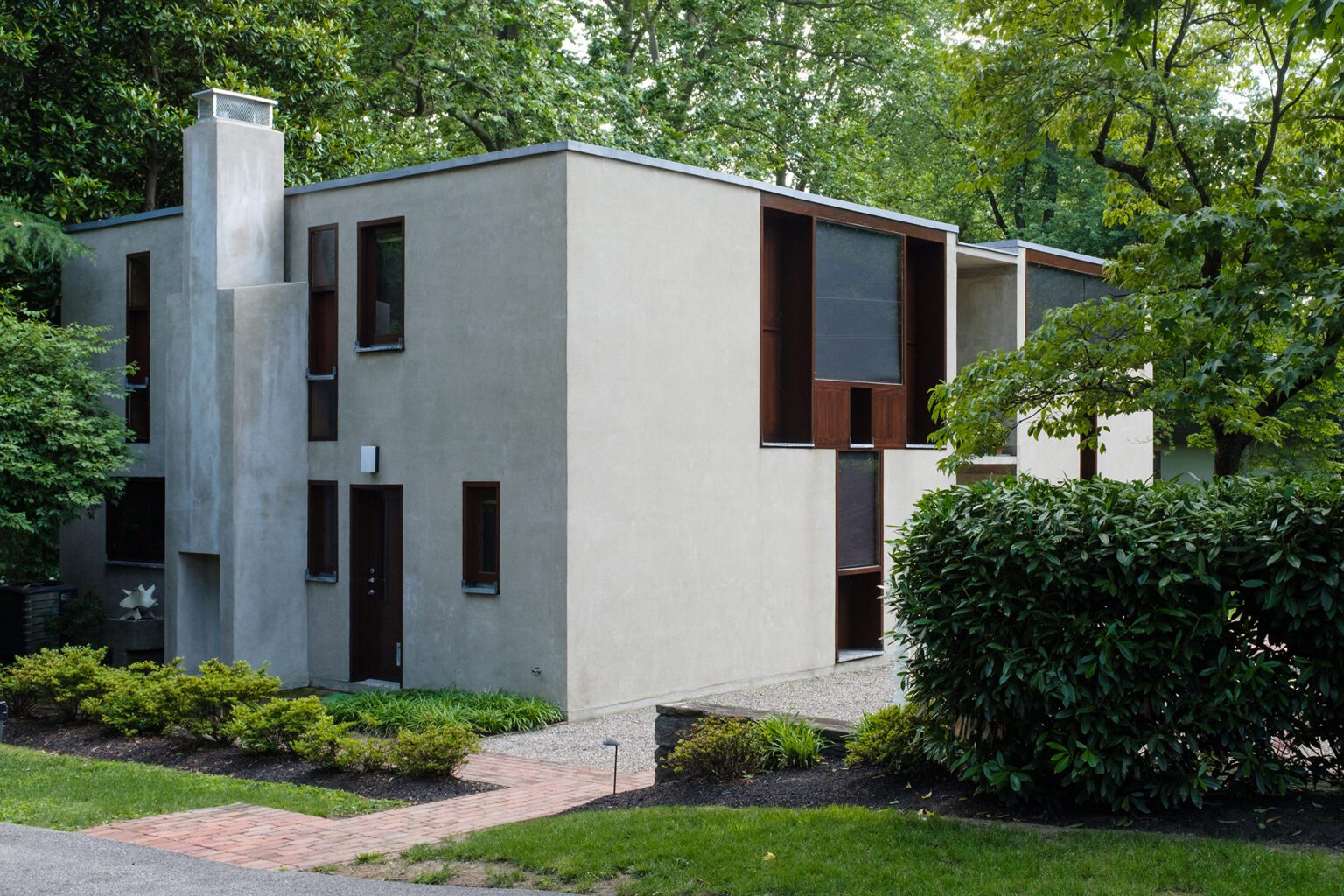
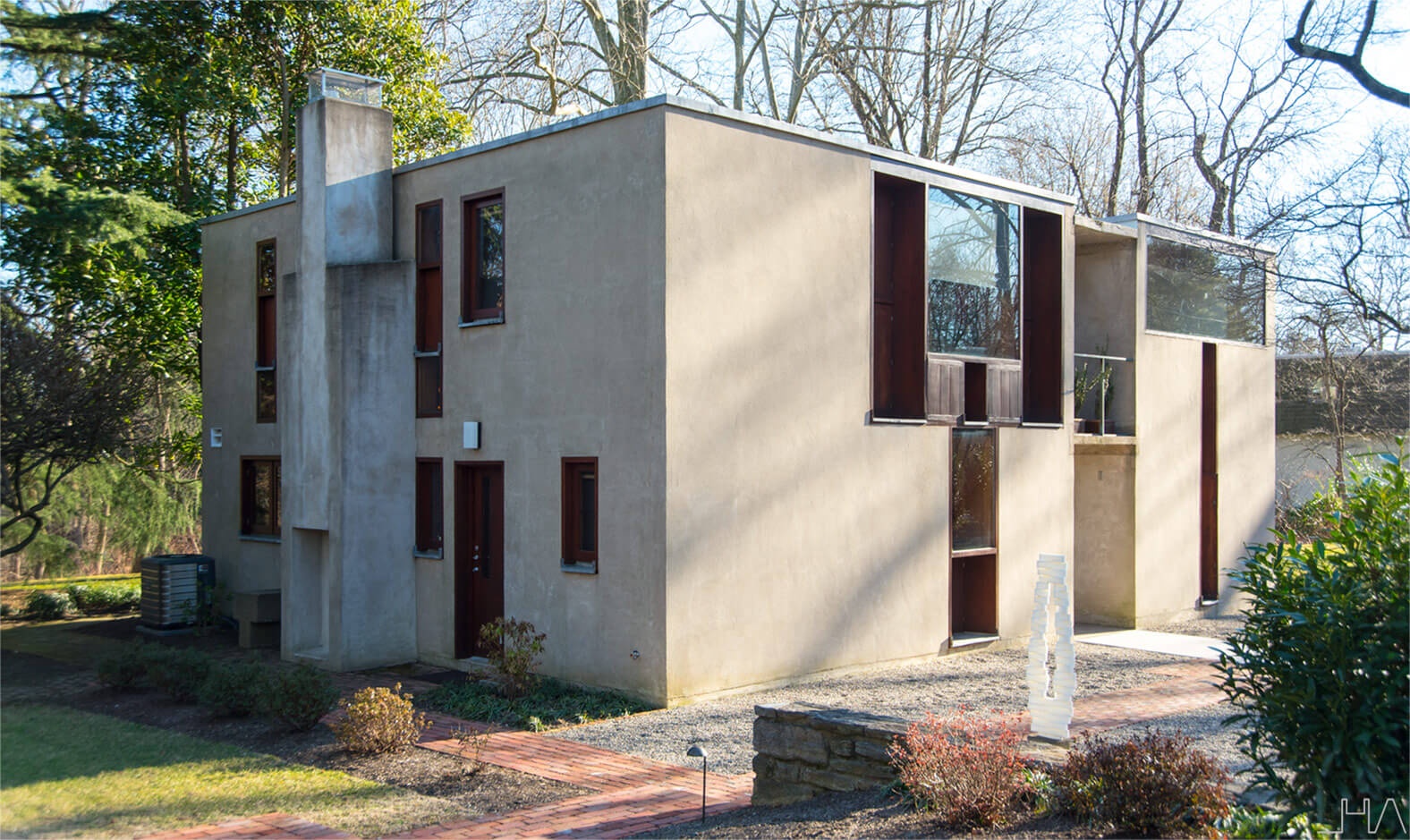
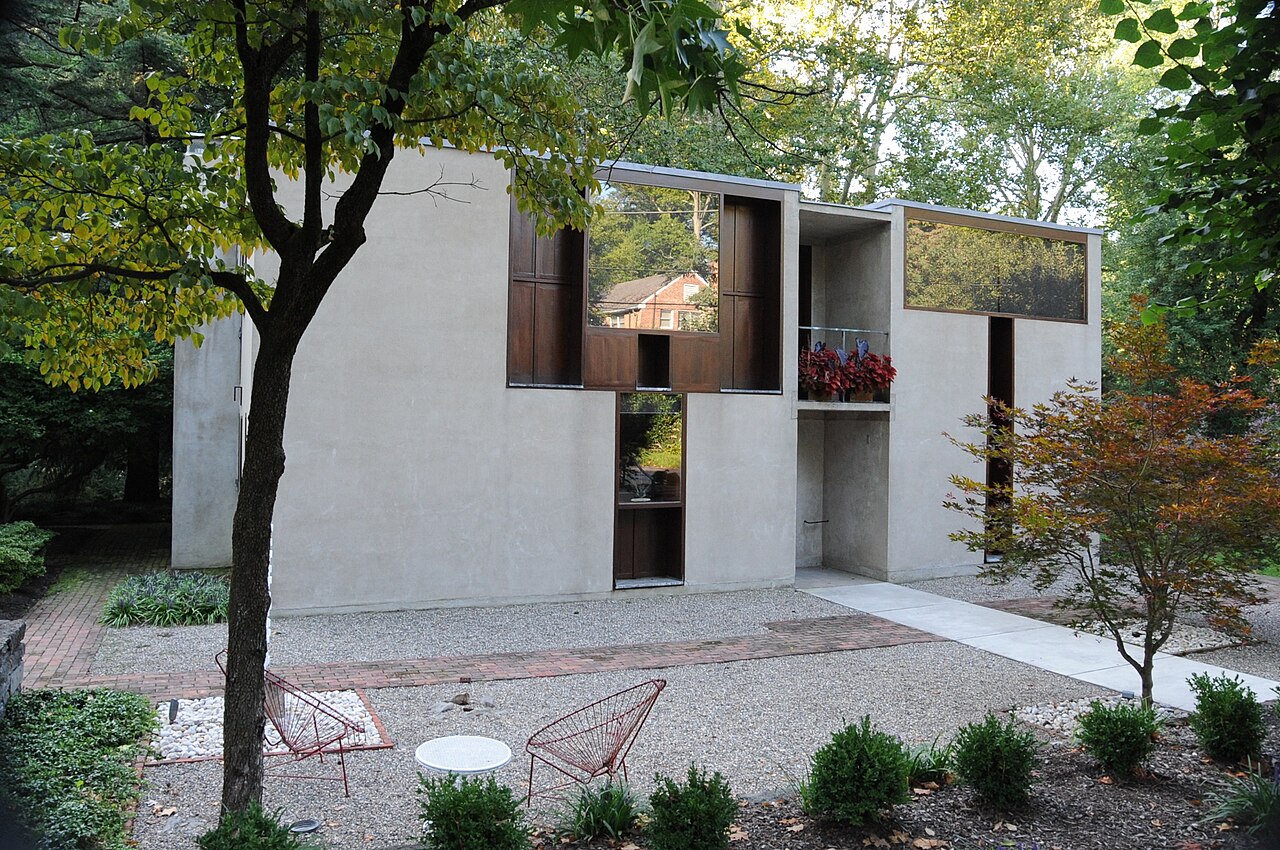
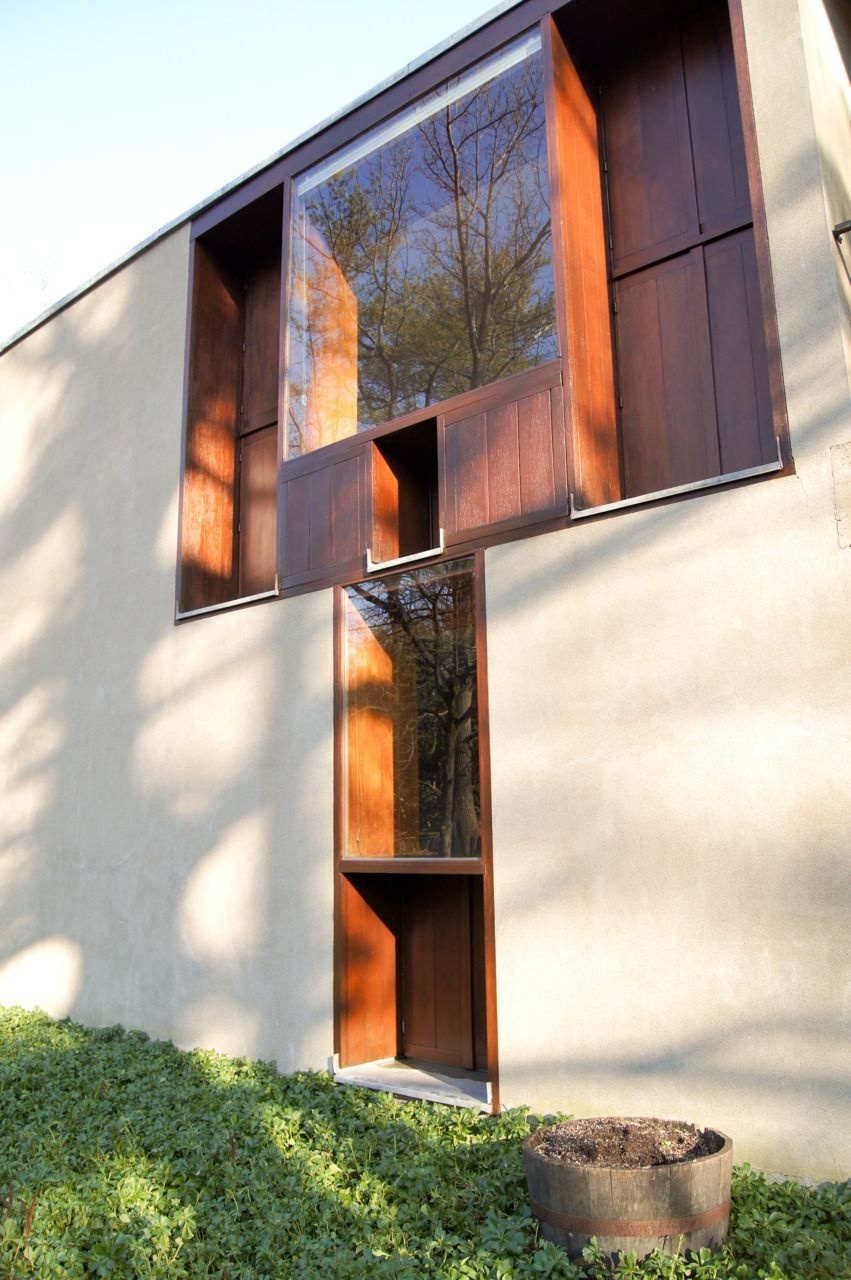
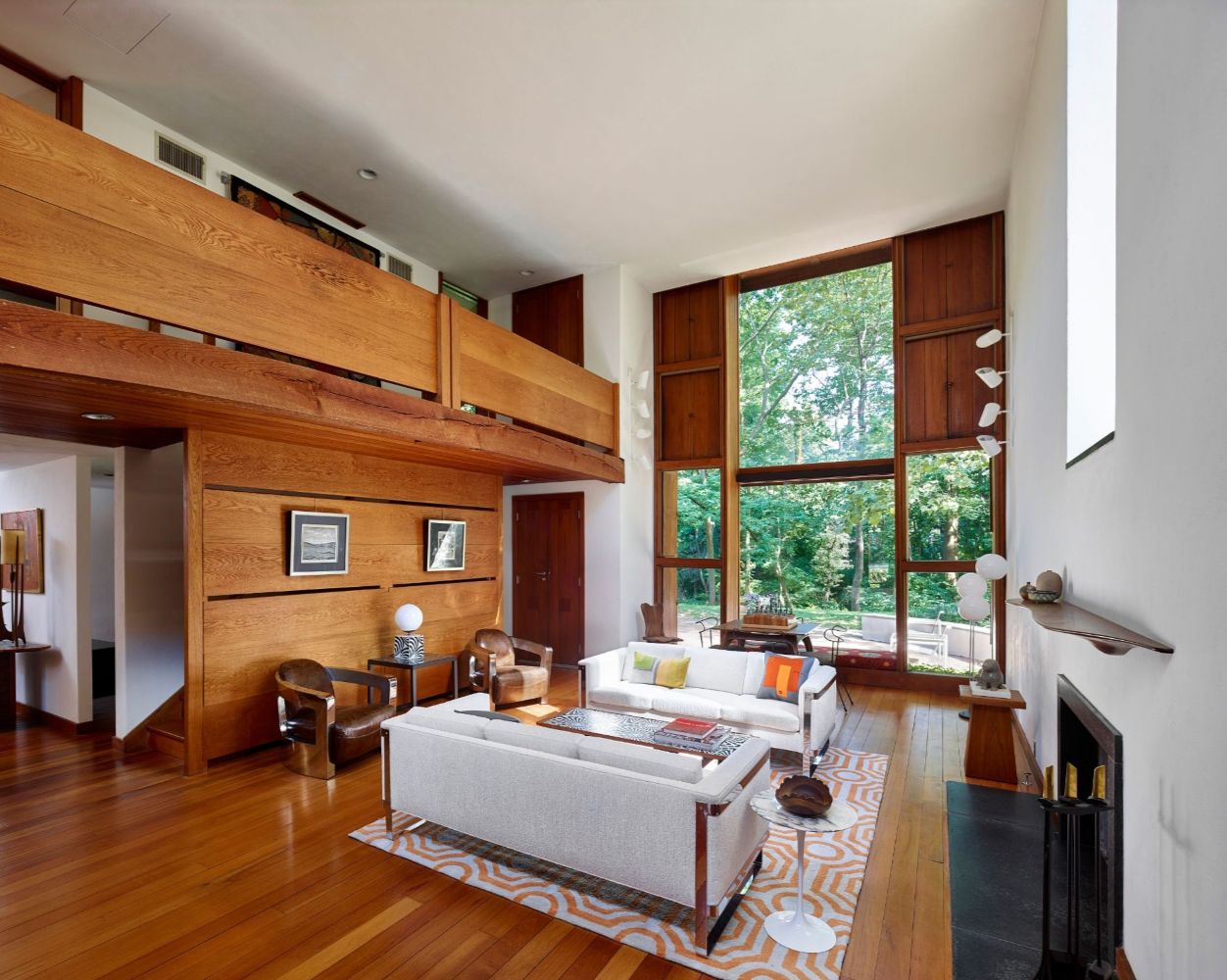
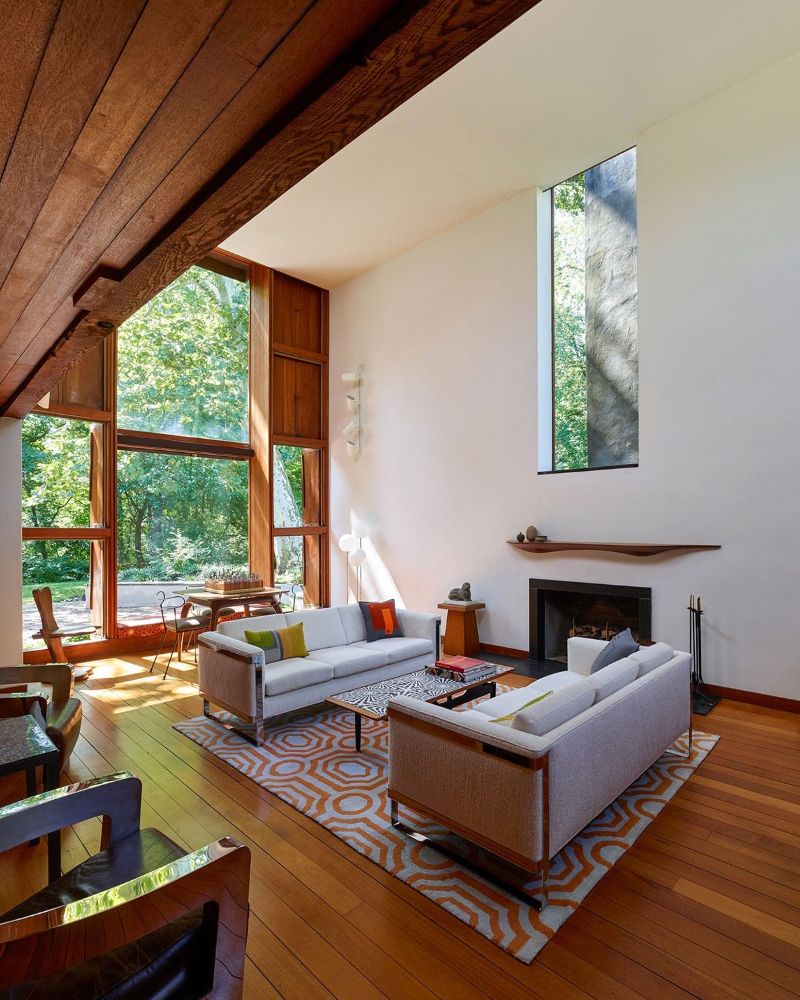
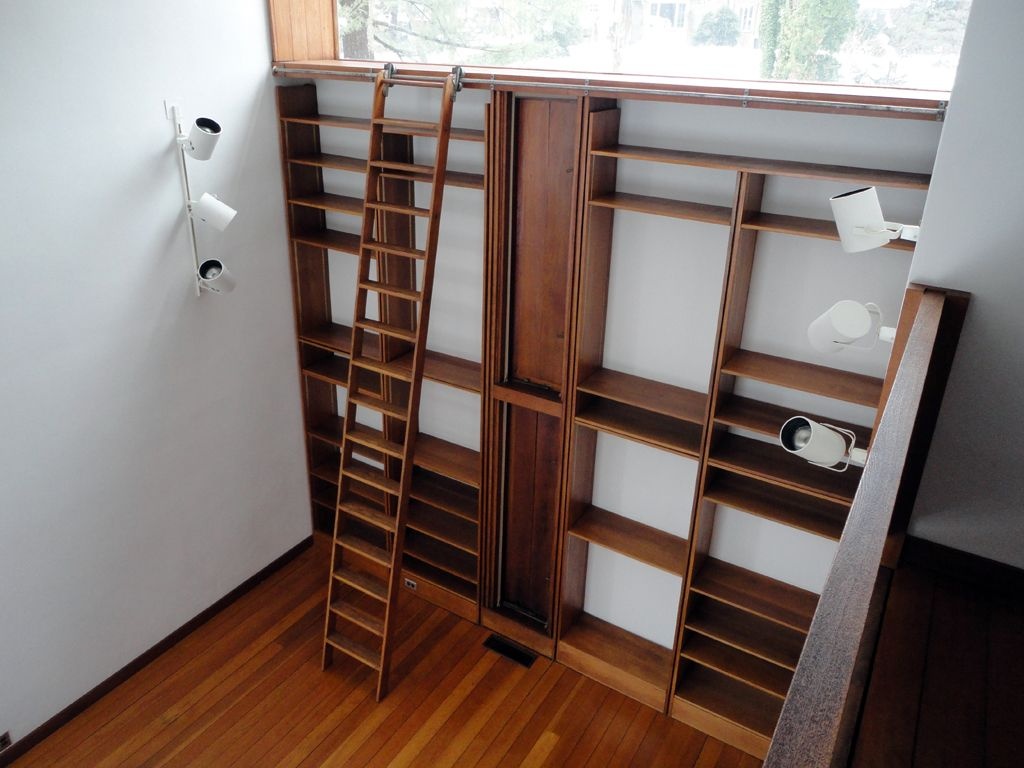
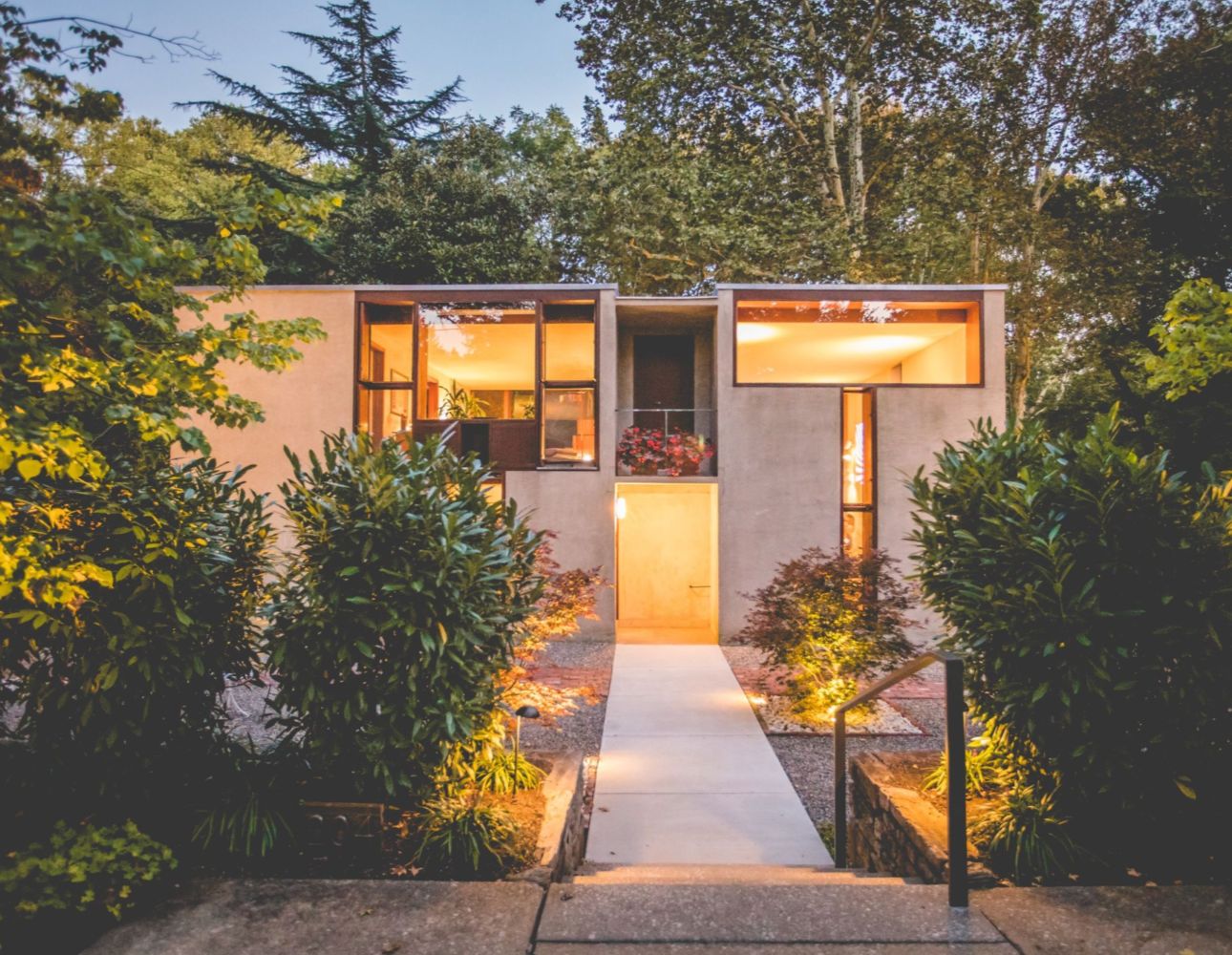
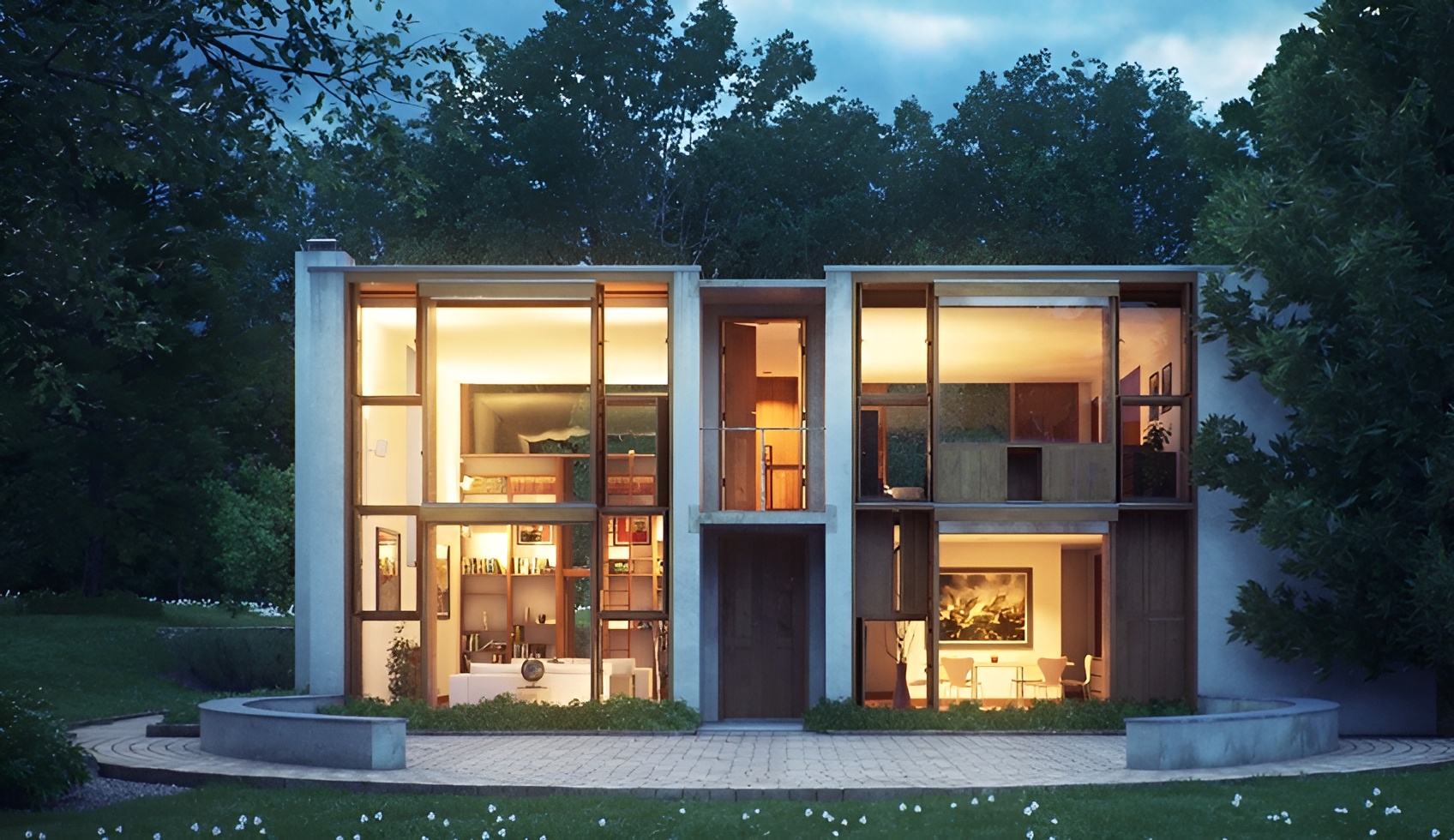
Esherick House, a residential building designed by Louis Kahn, completed in 1961, in Philadelphia, United States, redefined spatial organization and natural light in domestic architecture. Commissioned by bookseller Margaret Esherick, the house stands in the Chestnut Hill neighborhood and is one of nine private residences built by Kahn. The project is organized through Kahn’s distinction between served and servant spaces, arranged as four parallel two-storey strips running across the plan. The most prominent space is a double-height living room defined by a full-height built-in bookcase and controlled natural light. The structure uses load-bearing concrete masonry with a stucco exterior, combined with rich wood elements that shape the interior atmosphere. Window configurations vary on each facade, including a T-shaped front opening and large rear glazing paired with adjustable wooden shutters that regulate light, ventilation, and privacy. The design integrates furniture and craft through a custom wood and copper kitchen by Wharton Esherick. Spatial depth is reinforced through thick walls and recessed openings, moderating environmental conditions. The house received the AIA Philadelphia Landmark Building Award in 1992 and was later listed on the National Register of Historic Places in 2023. Esherick House remains a key example of Kahn’s approach to light, material, and spatial hierarchy in residential architecture.
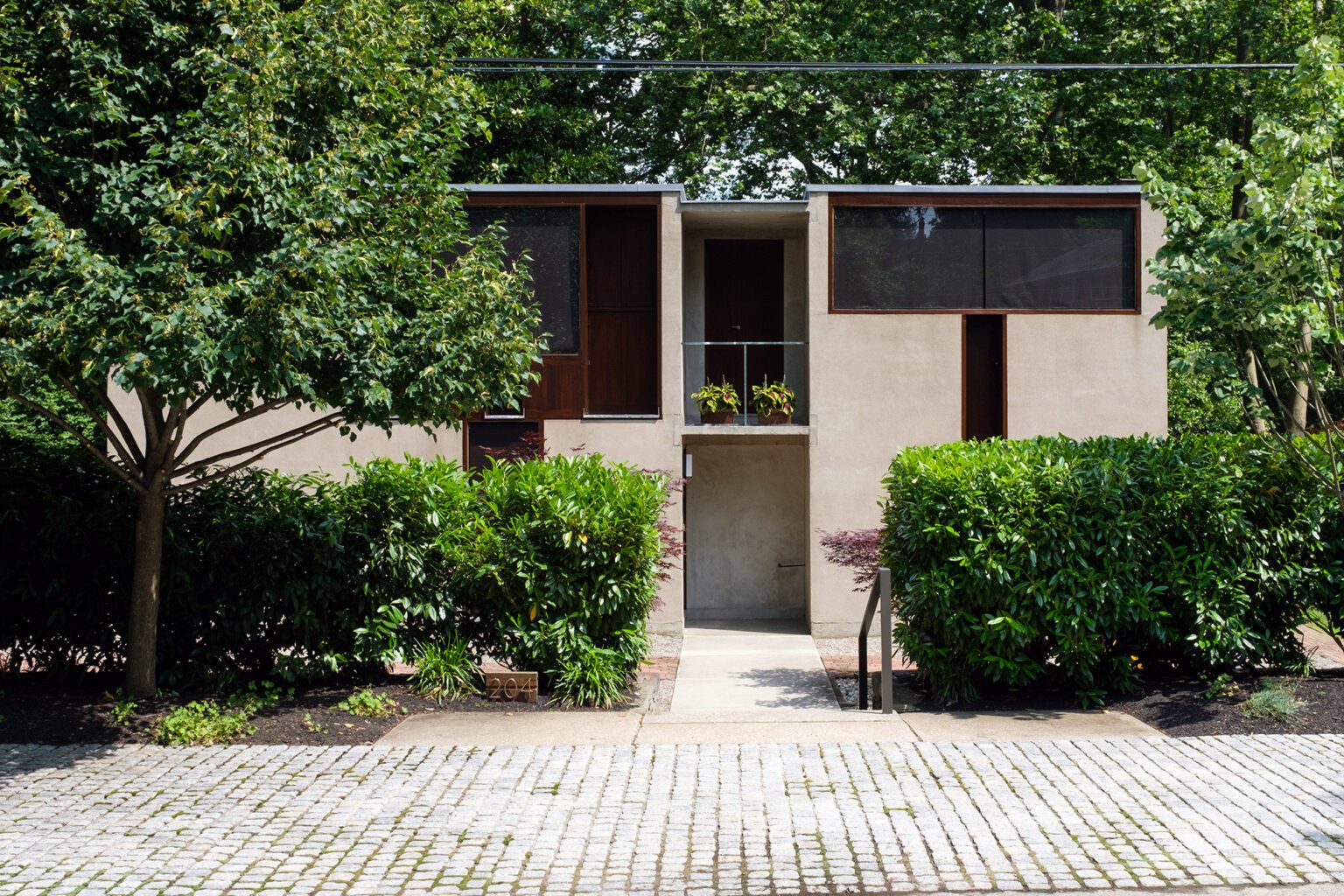
The Esherick House stands at 204 Sunrise Lane in the Chestnut Hill neighborhood of Philadelphia. Designed by Louis Kahn for bookseller Margaret Esherick, the house was completed in 1961. The project is one of nine realized private residences by Kahn and represents a clear application of his architectural principles within a domestic scale.
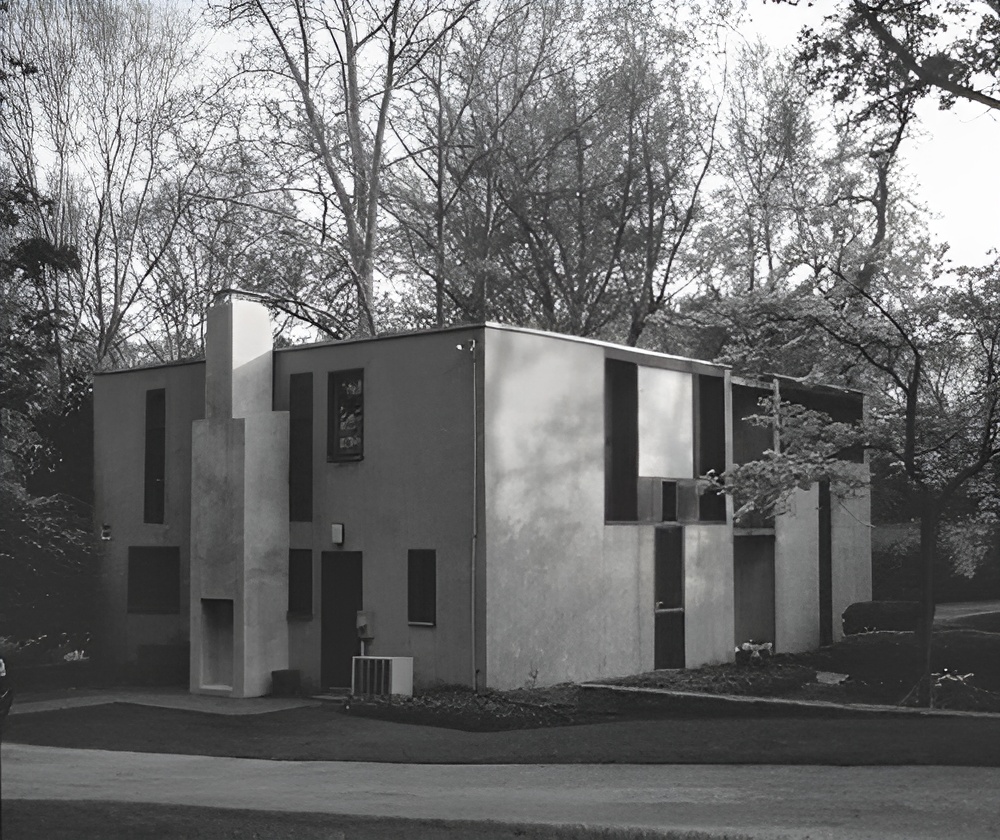
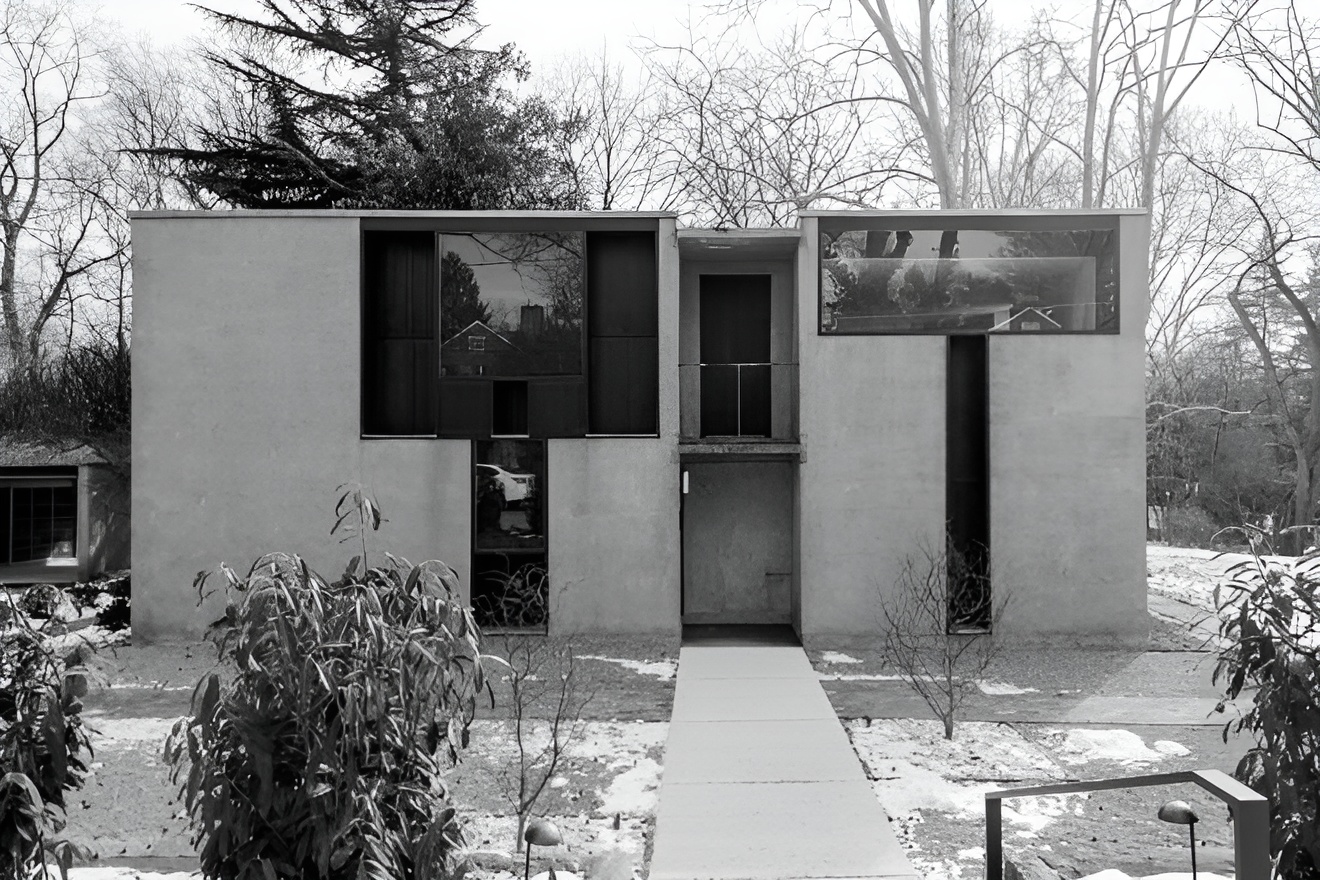
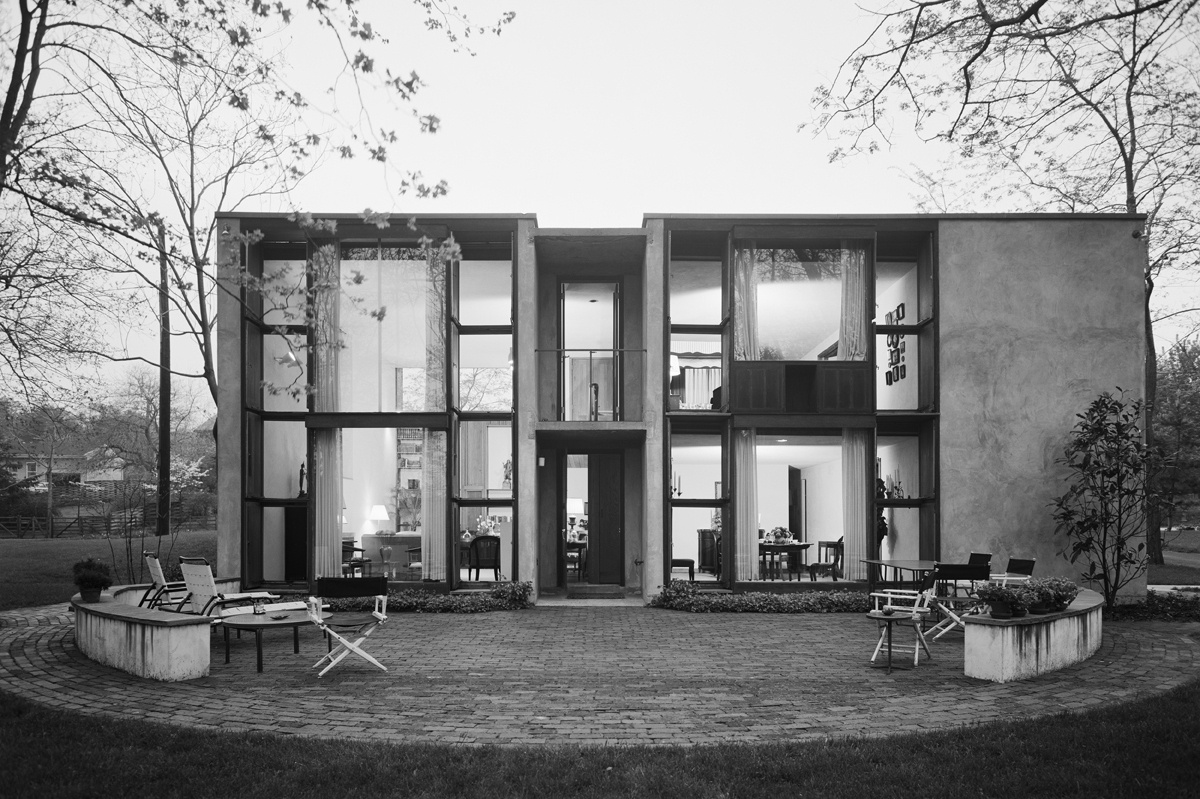
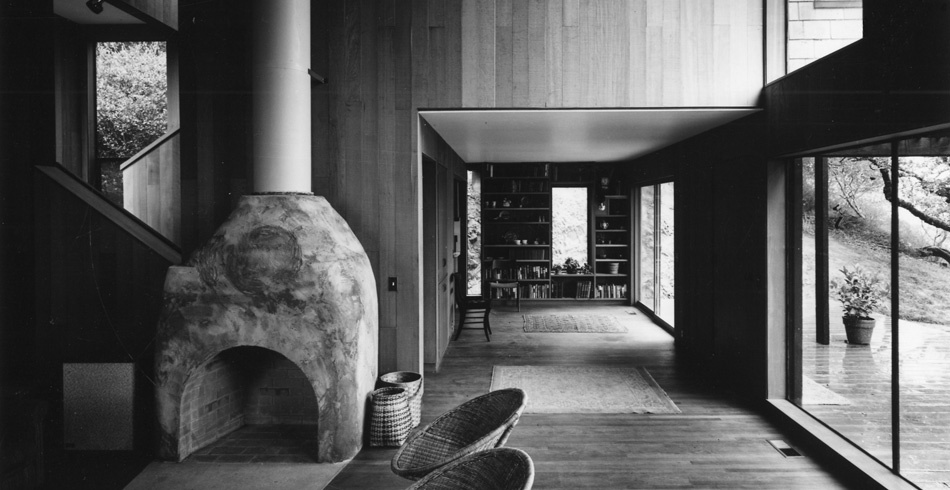
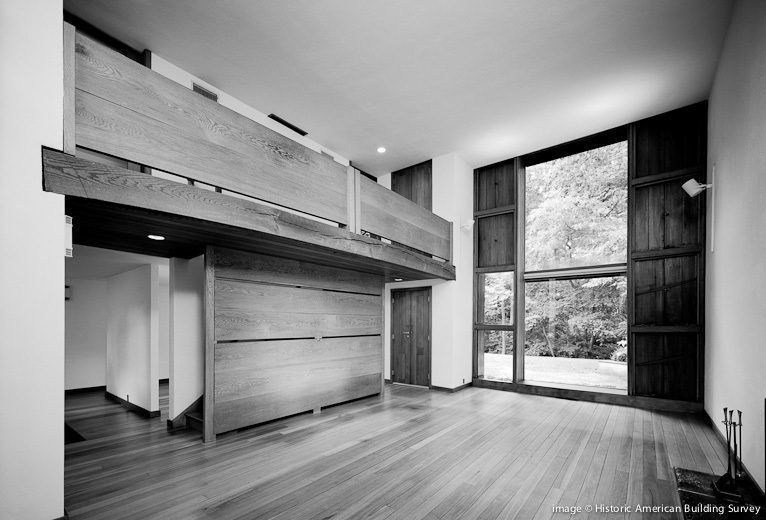
The commission centered on a compact two-storey dwelling set within a garden environment. Margaret Esherick’s profession informed key aspects of the design, particularly the integration of storage and display within the main living space. The house reflects a close collaboration between architecture and craft, most notably through the kitchen designed by Wharton Esherick.
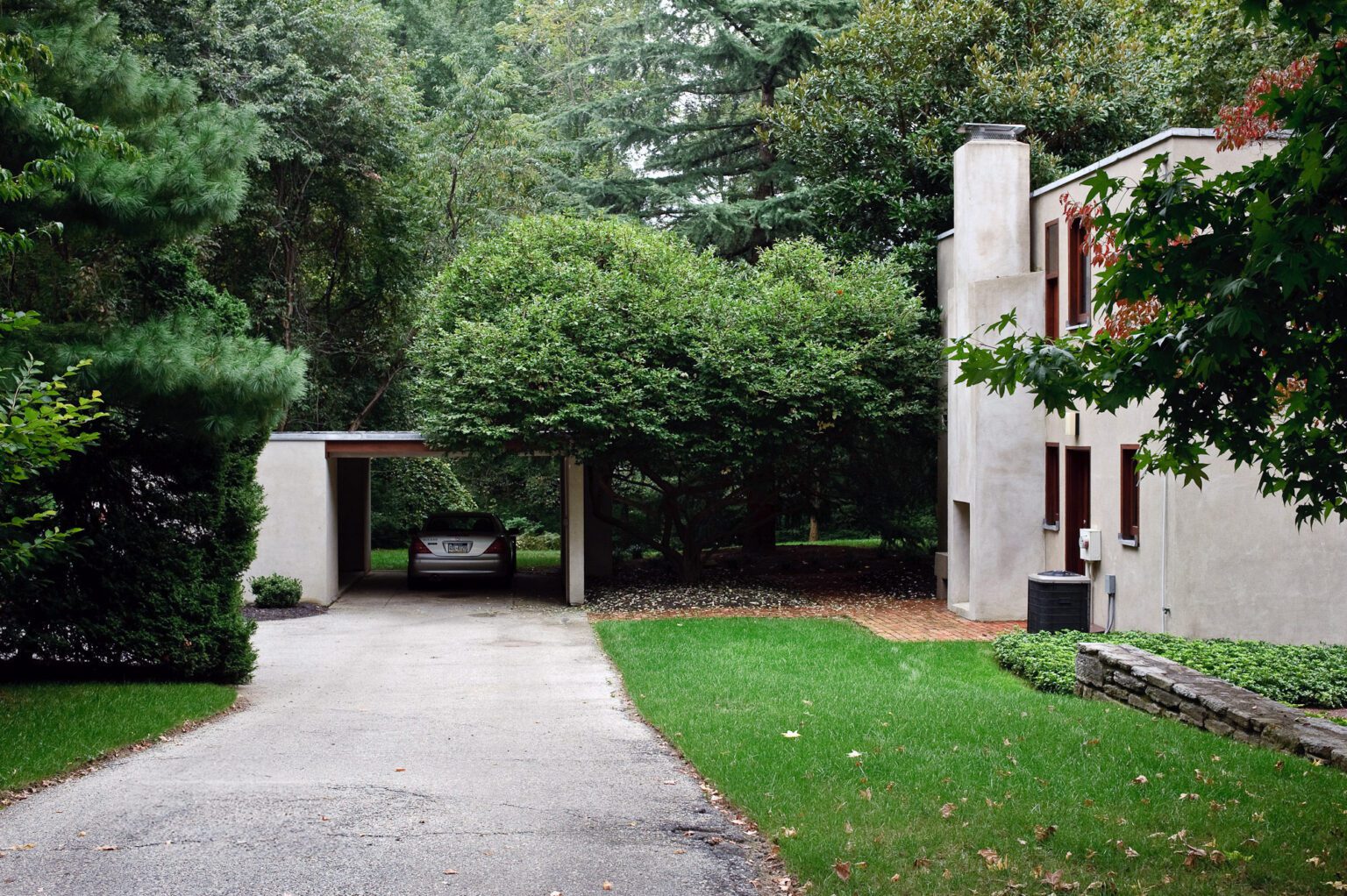
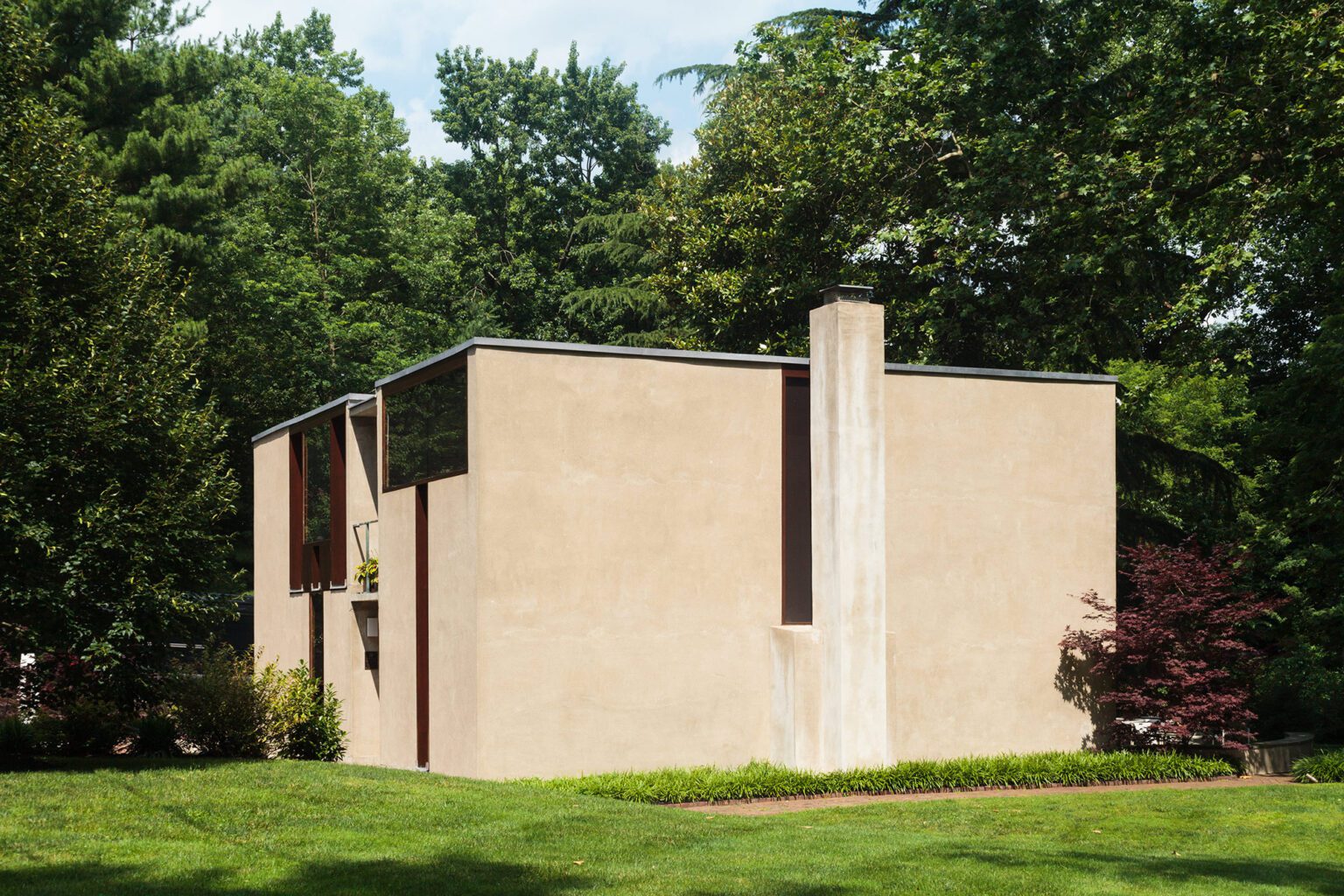
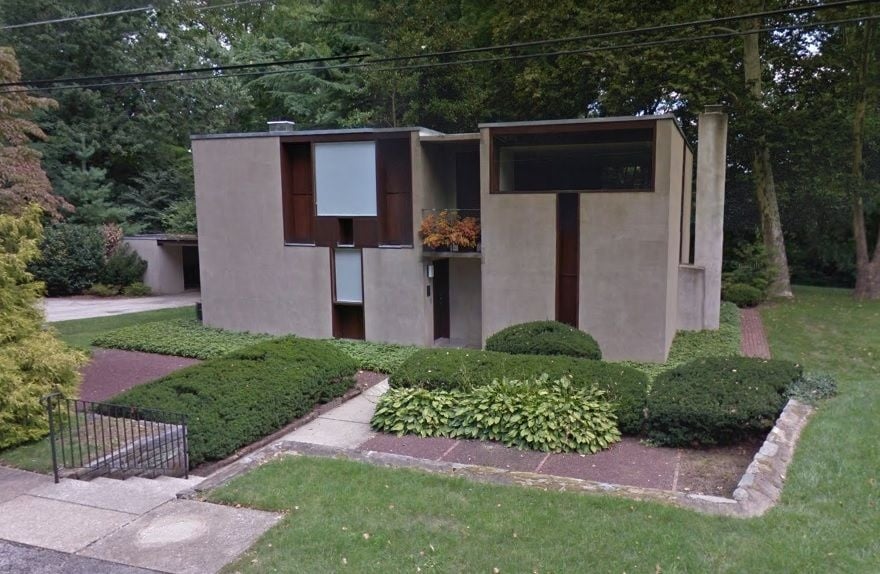
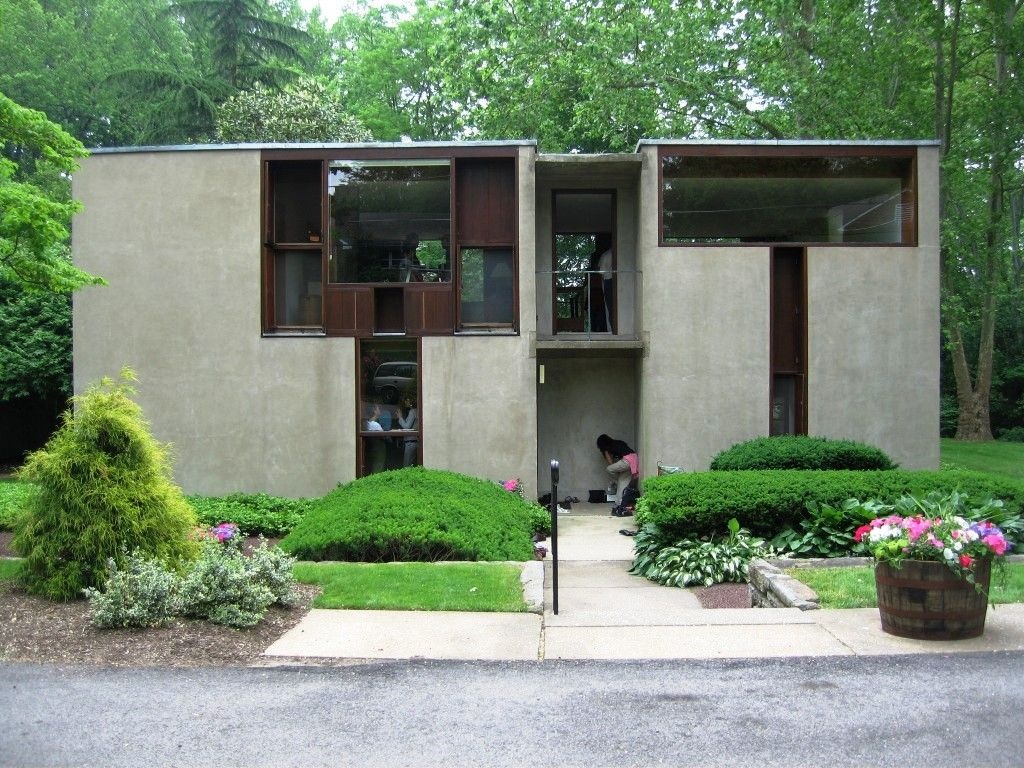
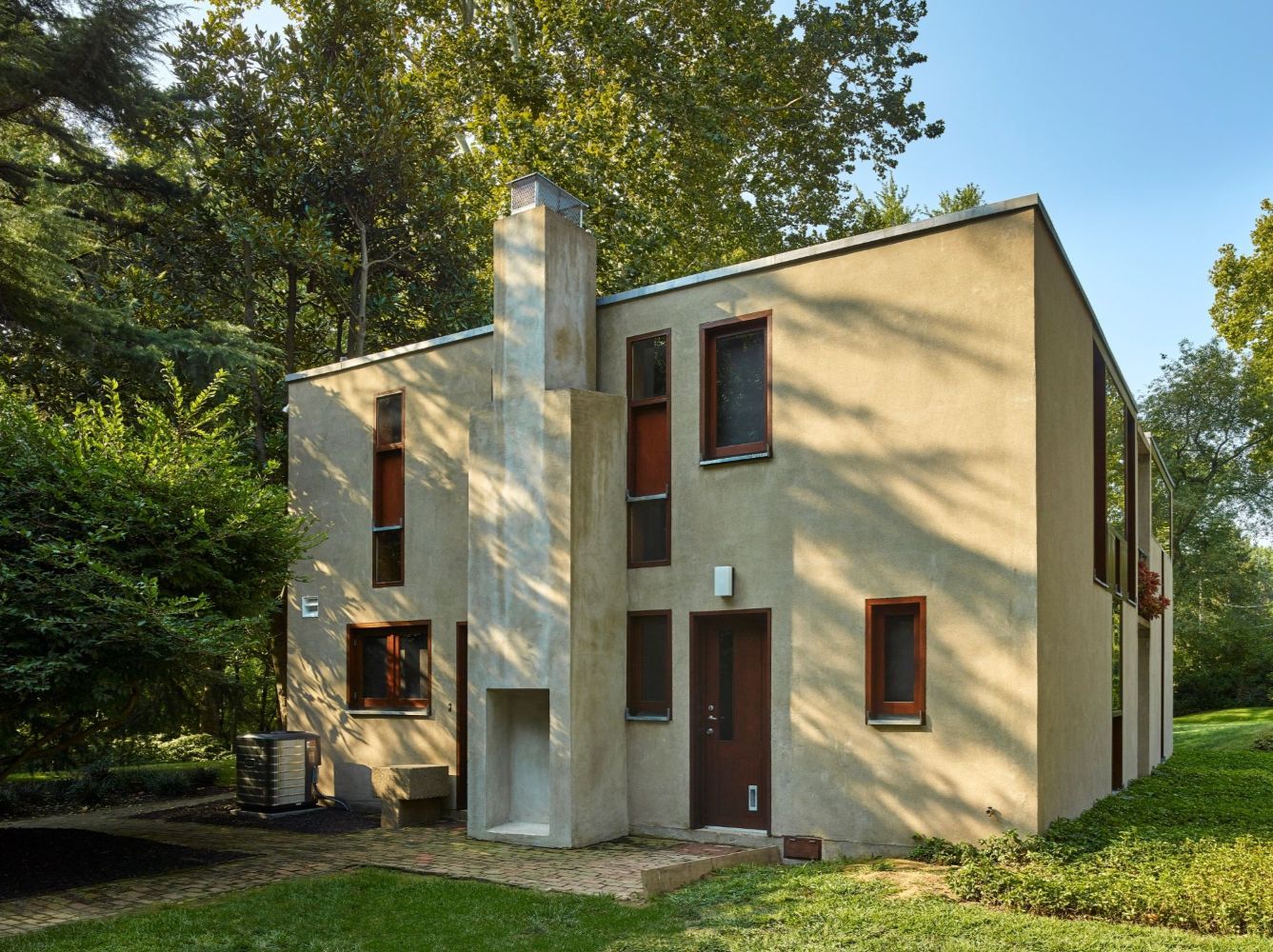
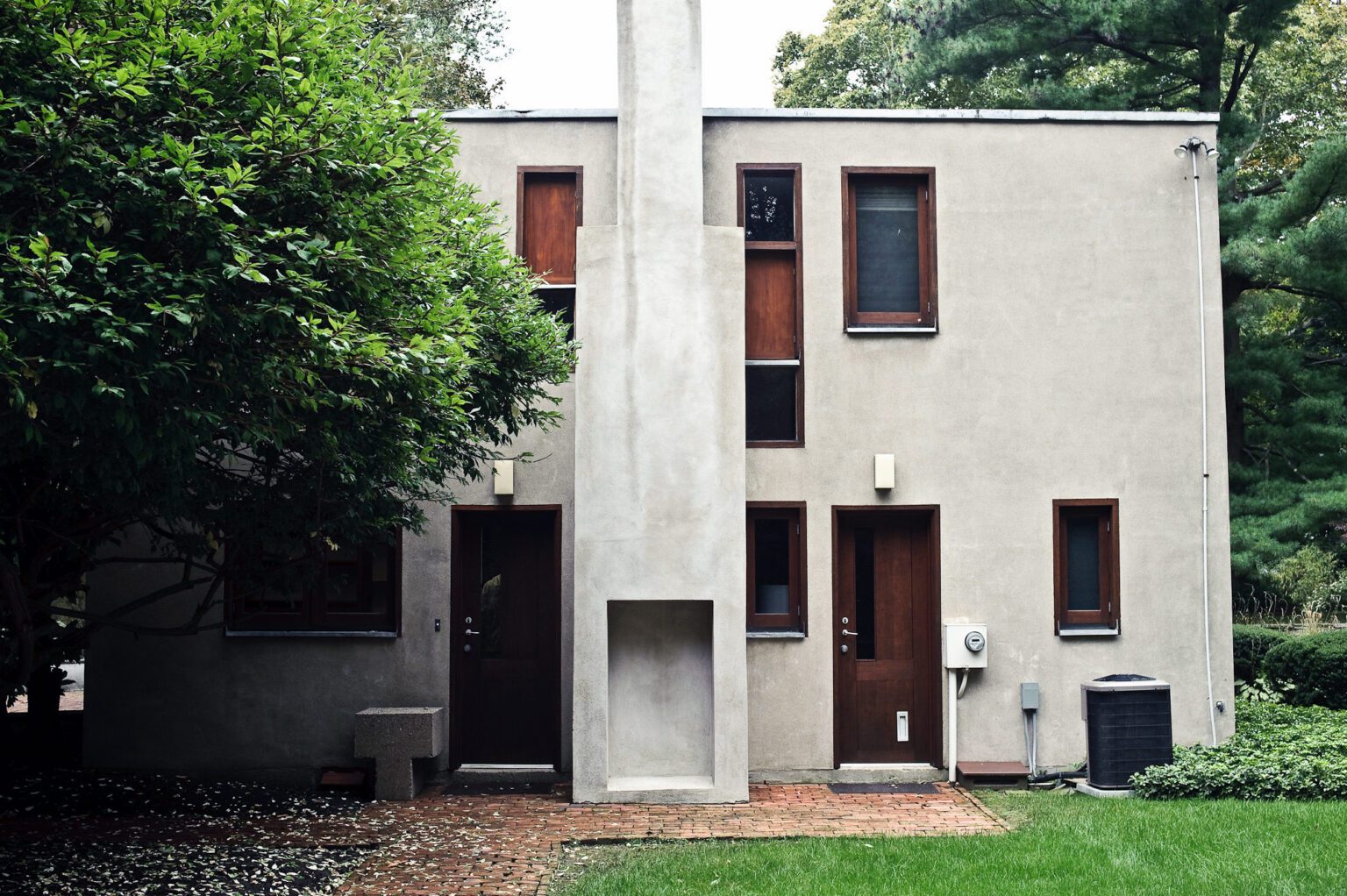
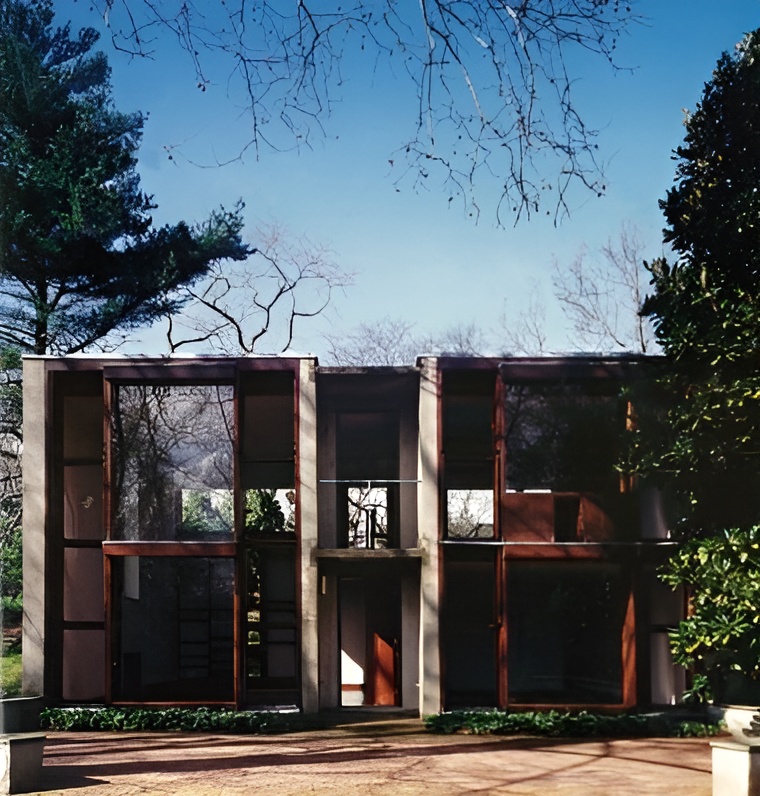
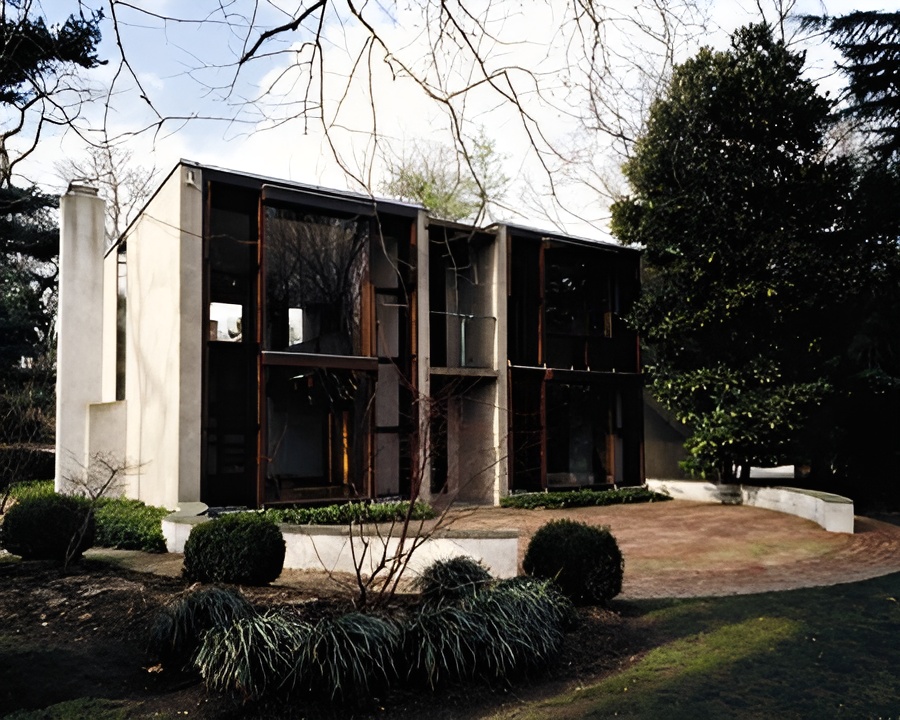
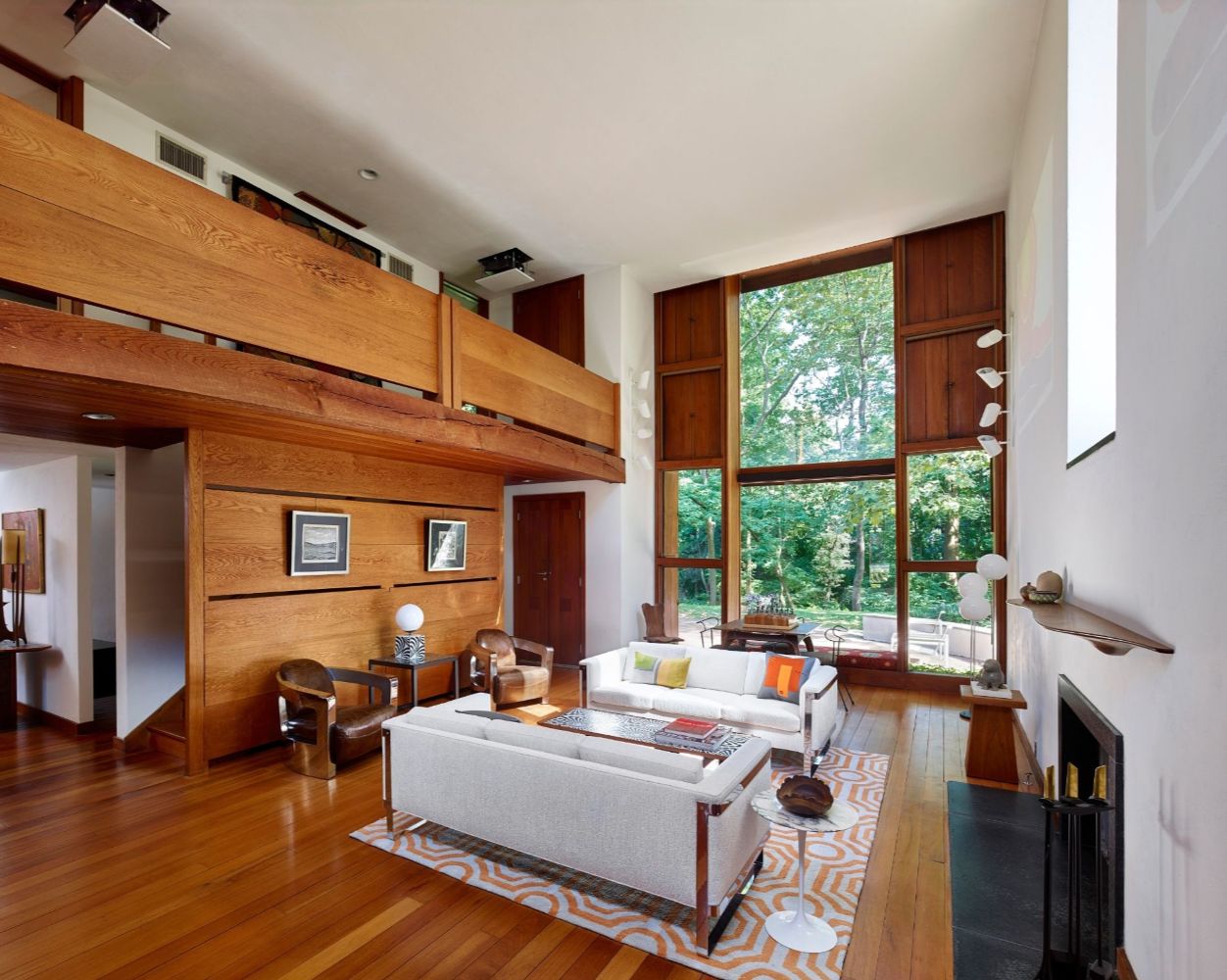
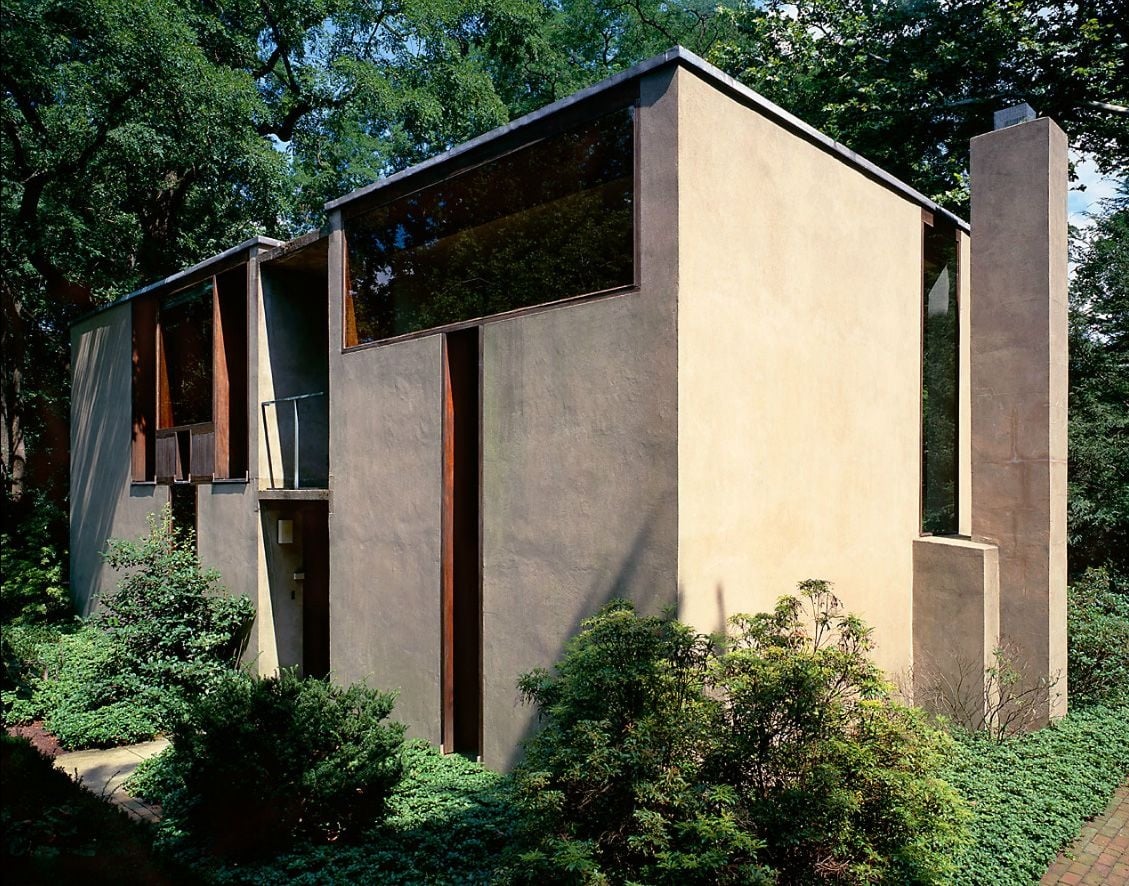
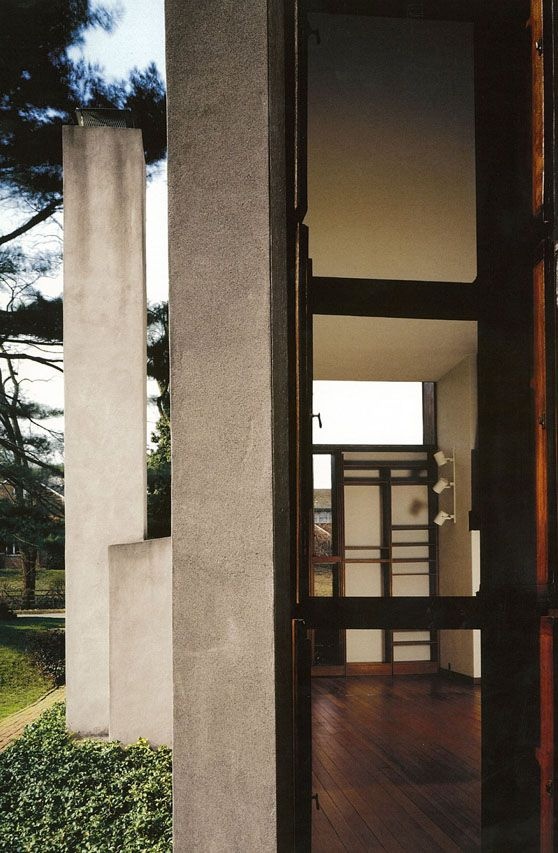
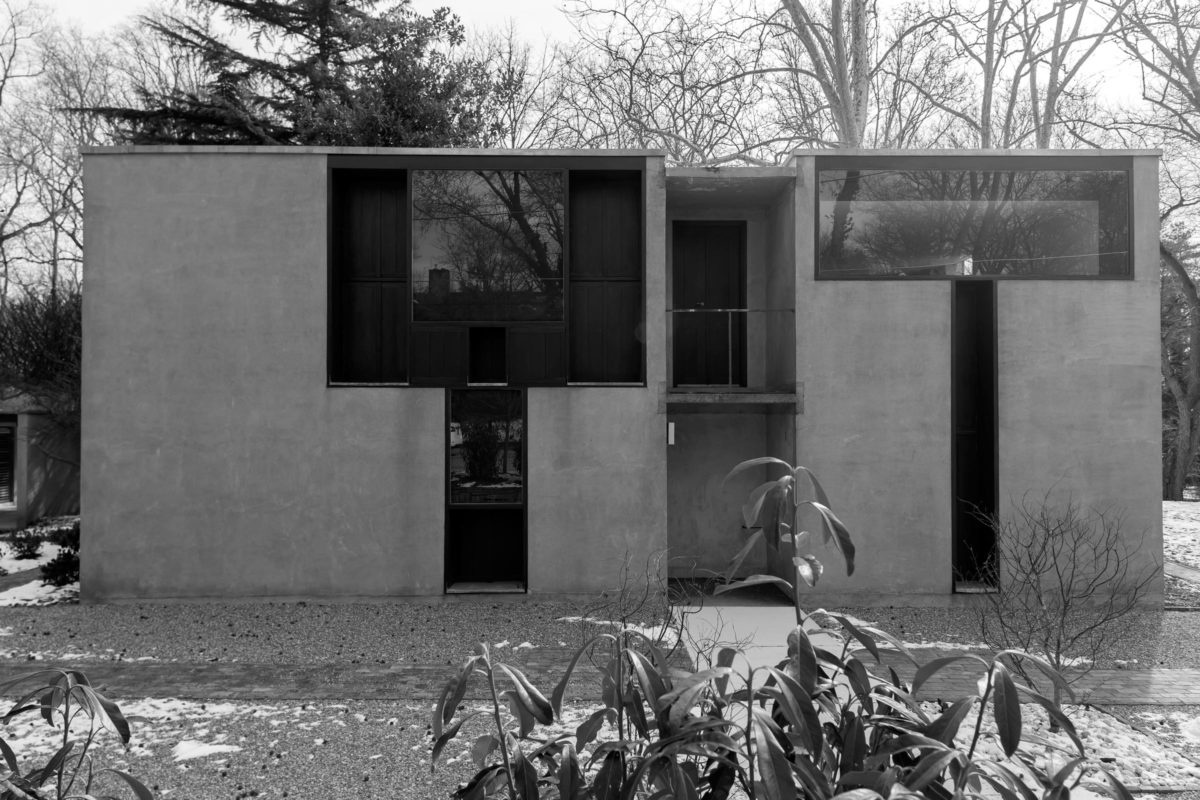
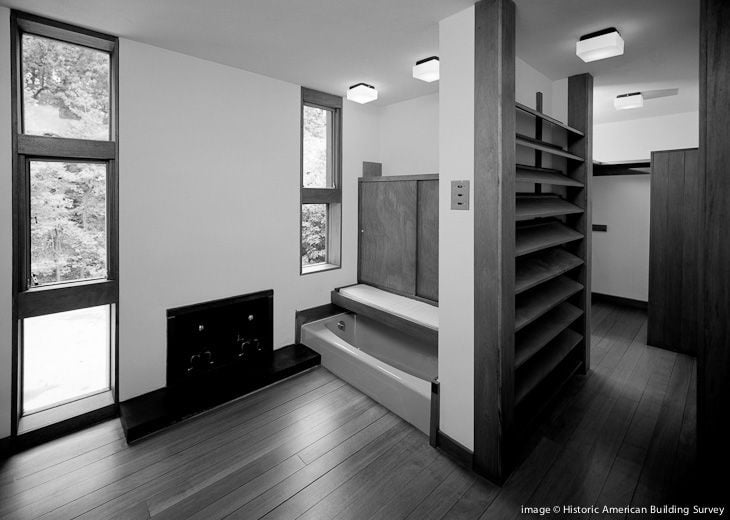
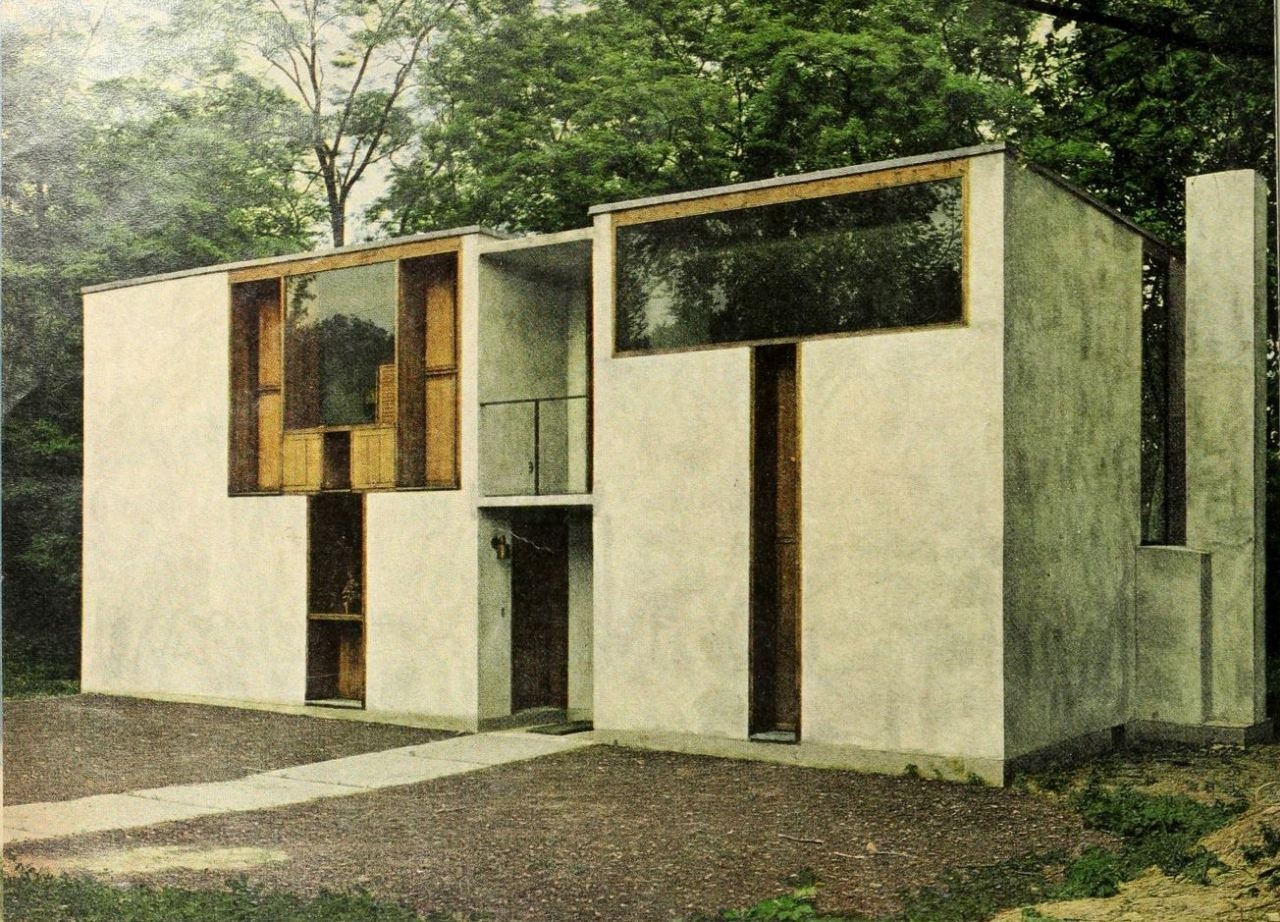
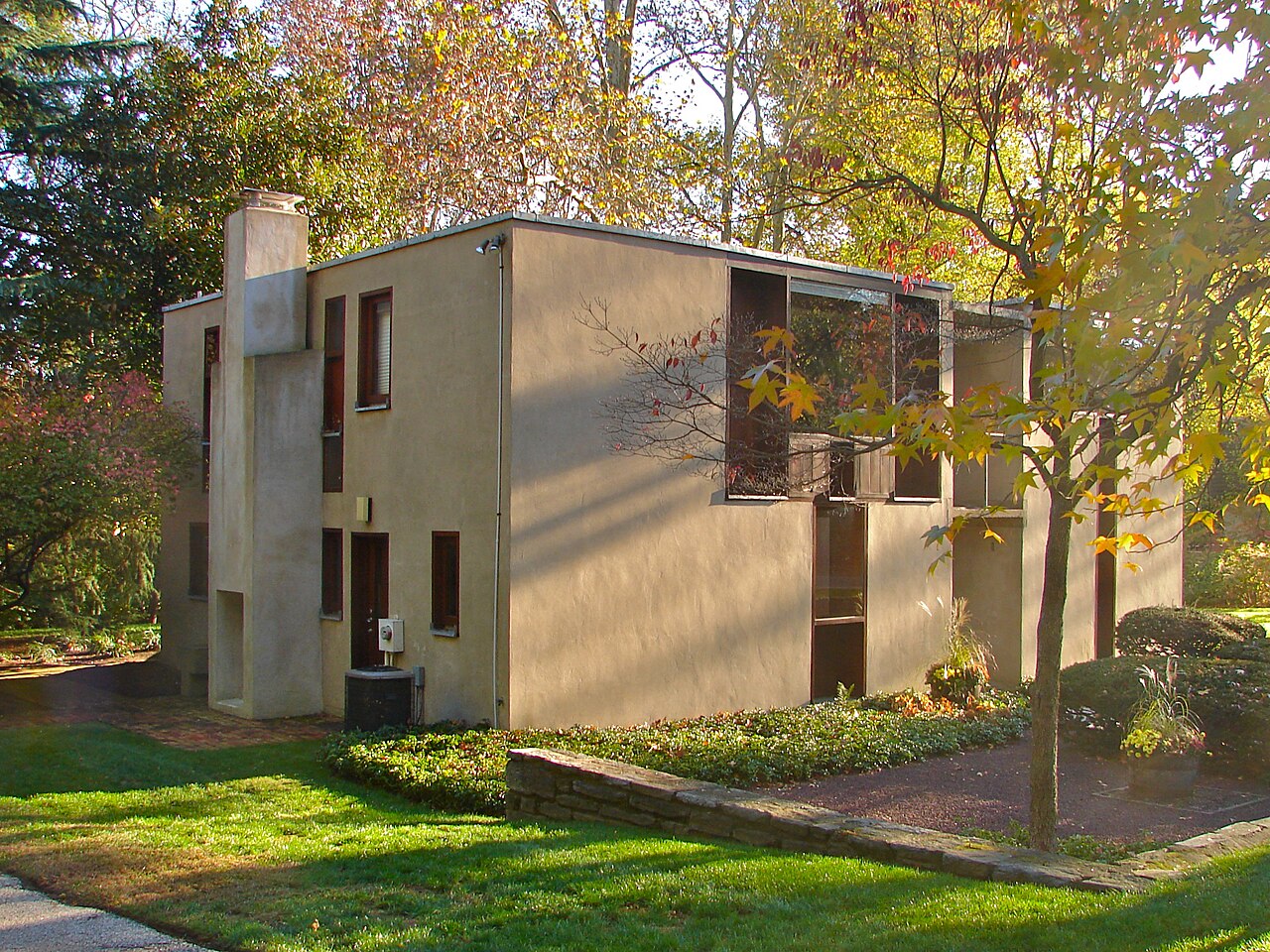
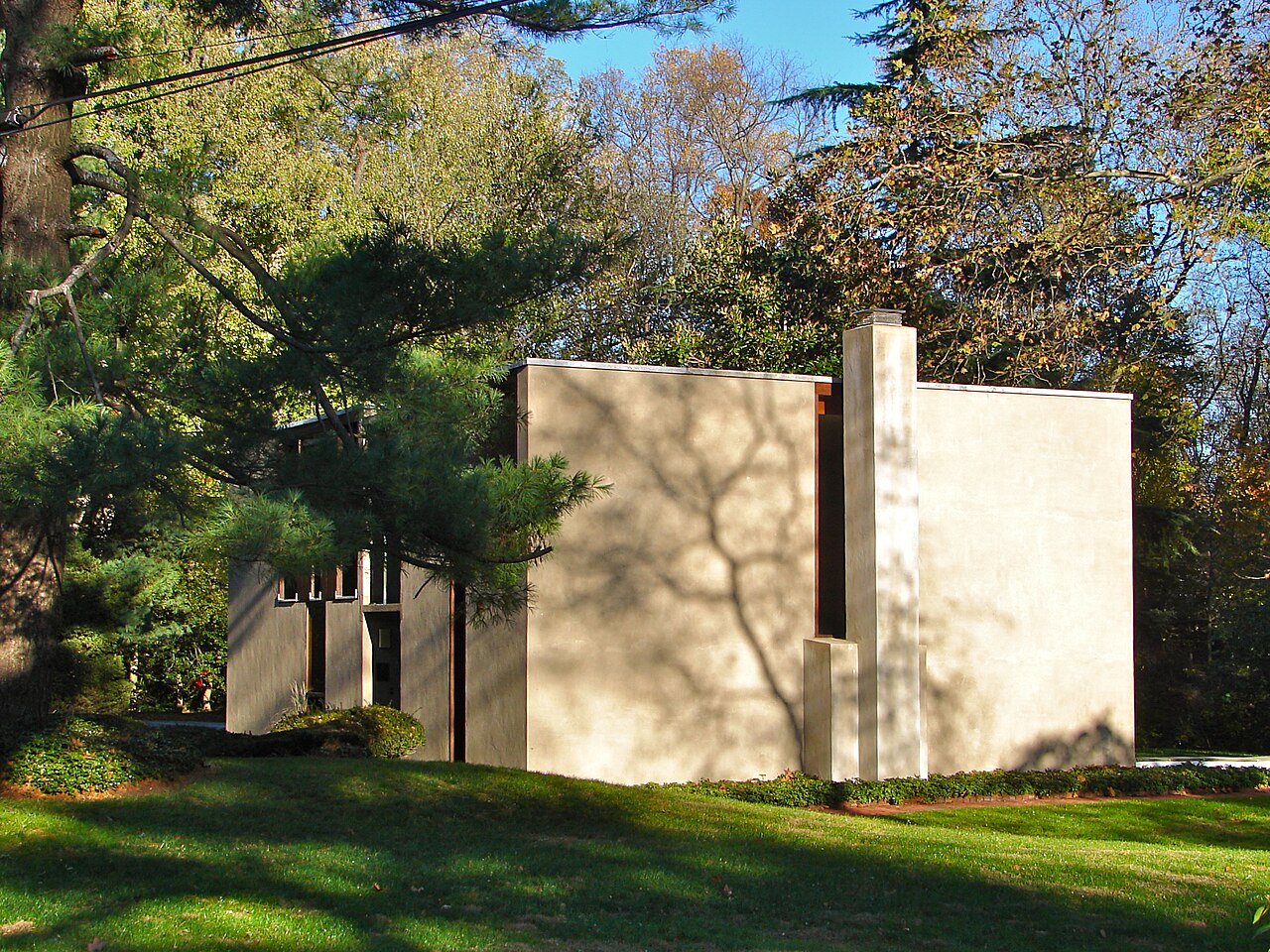
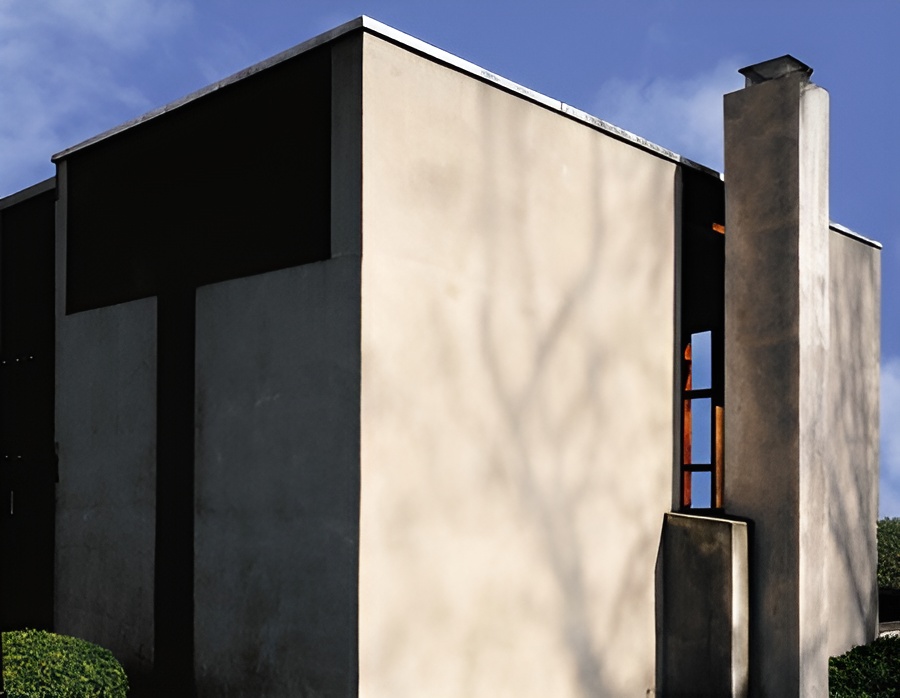
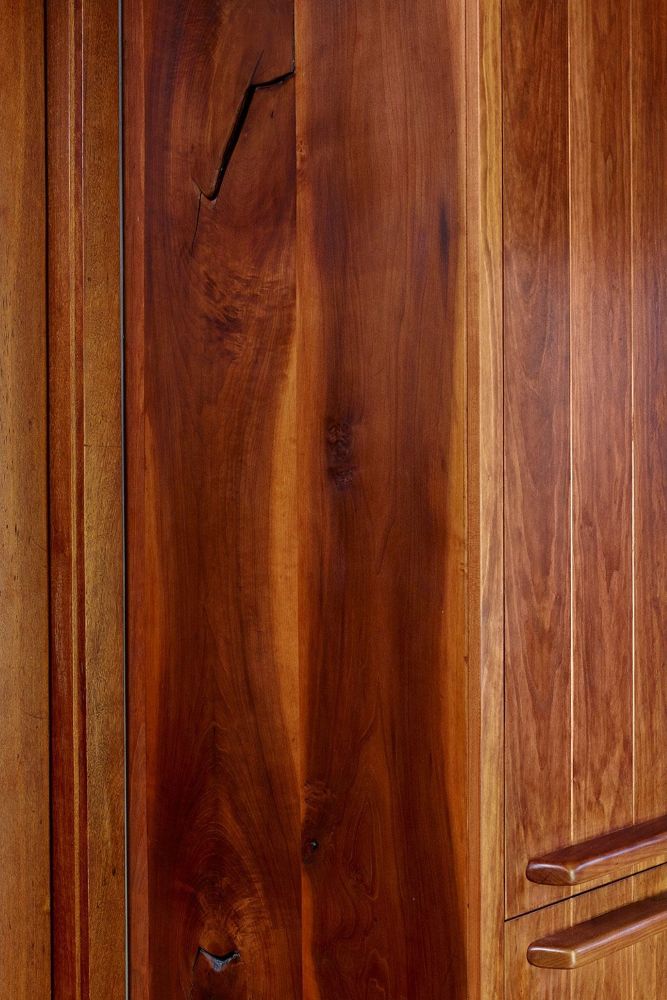
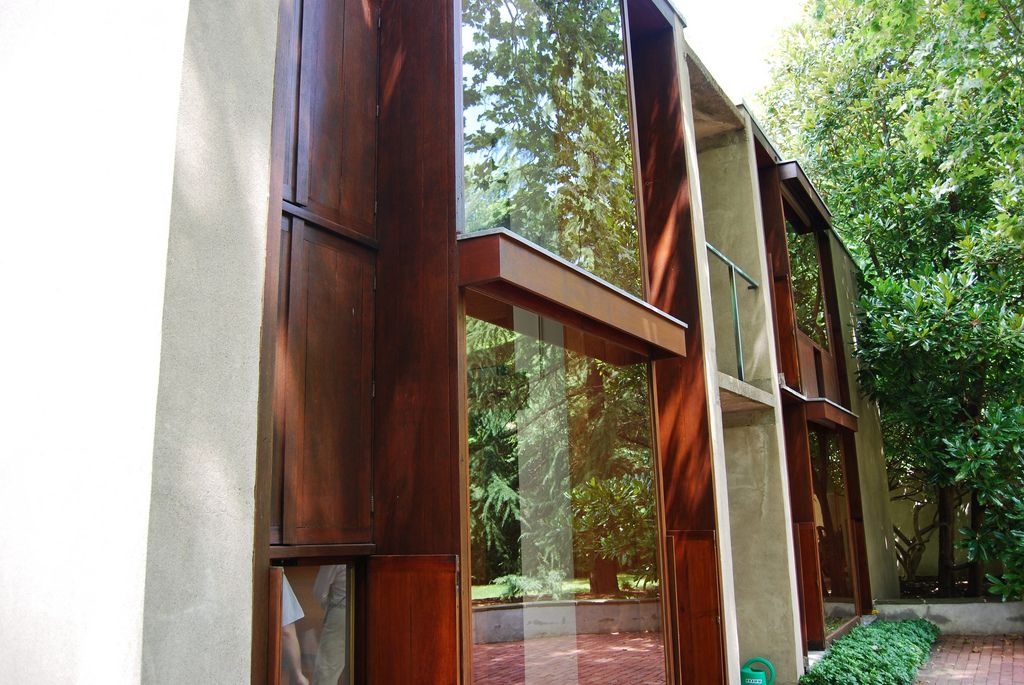
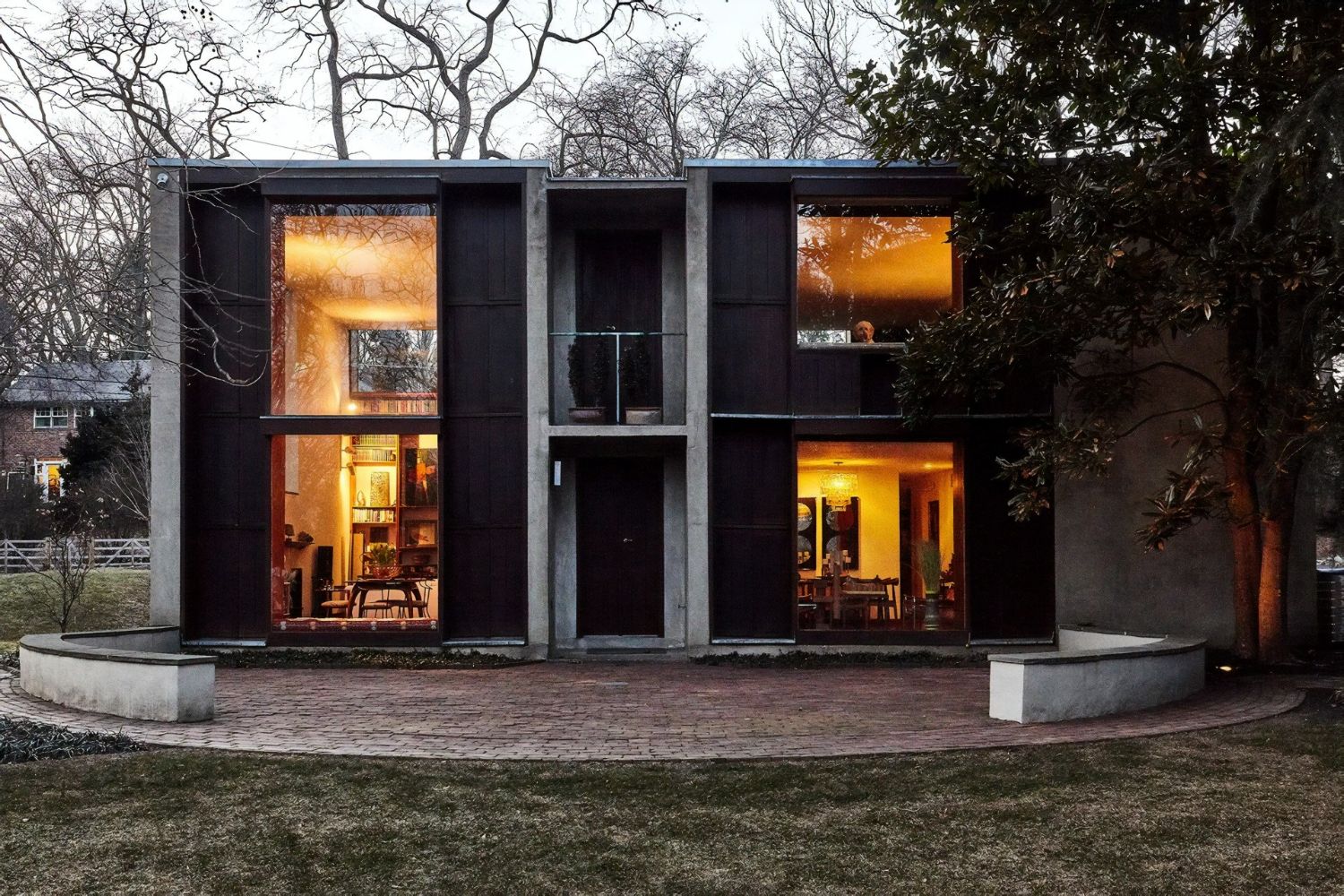
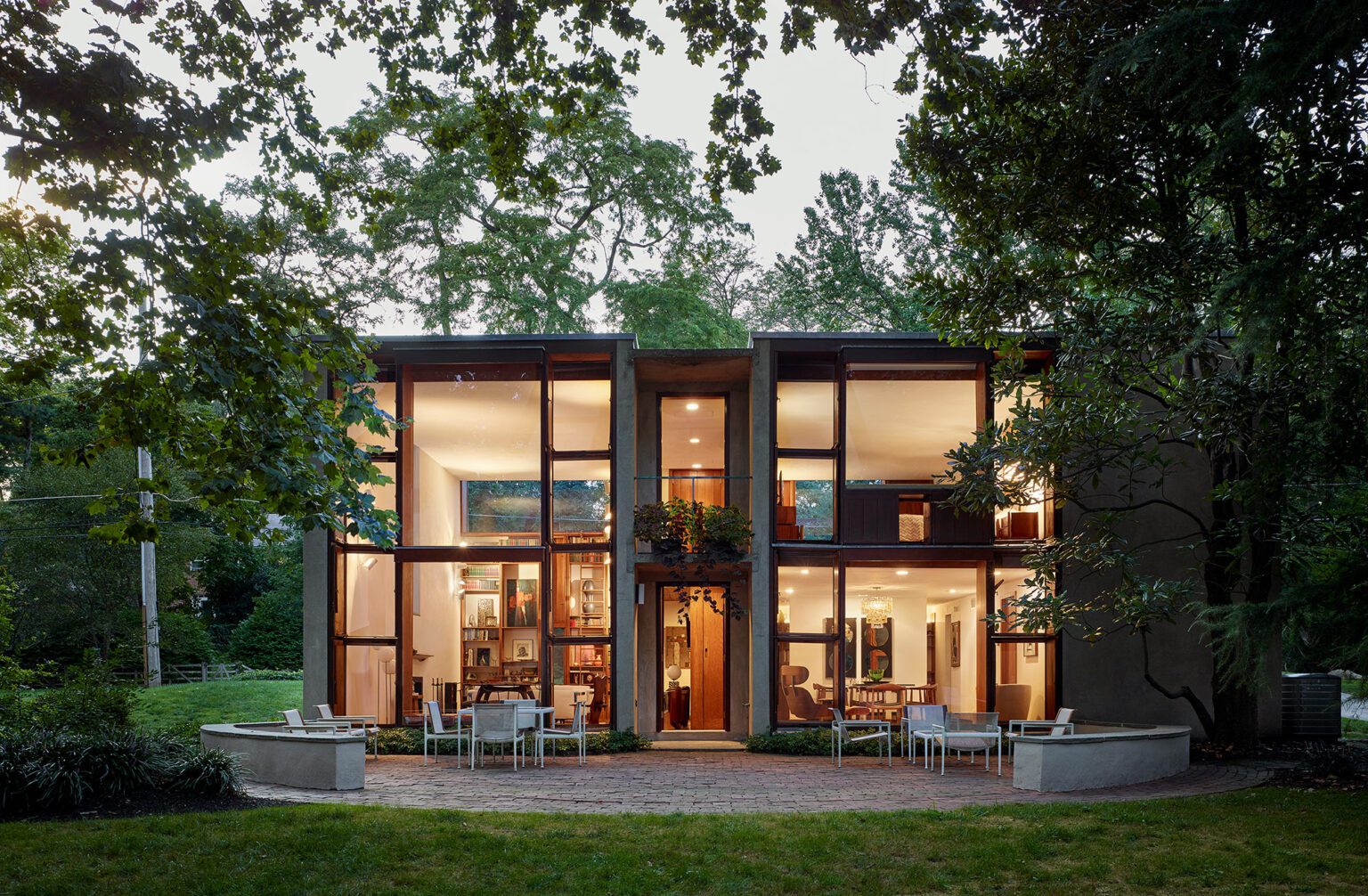
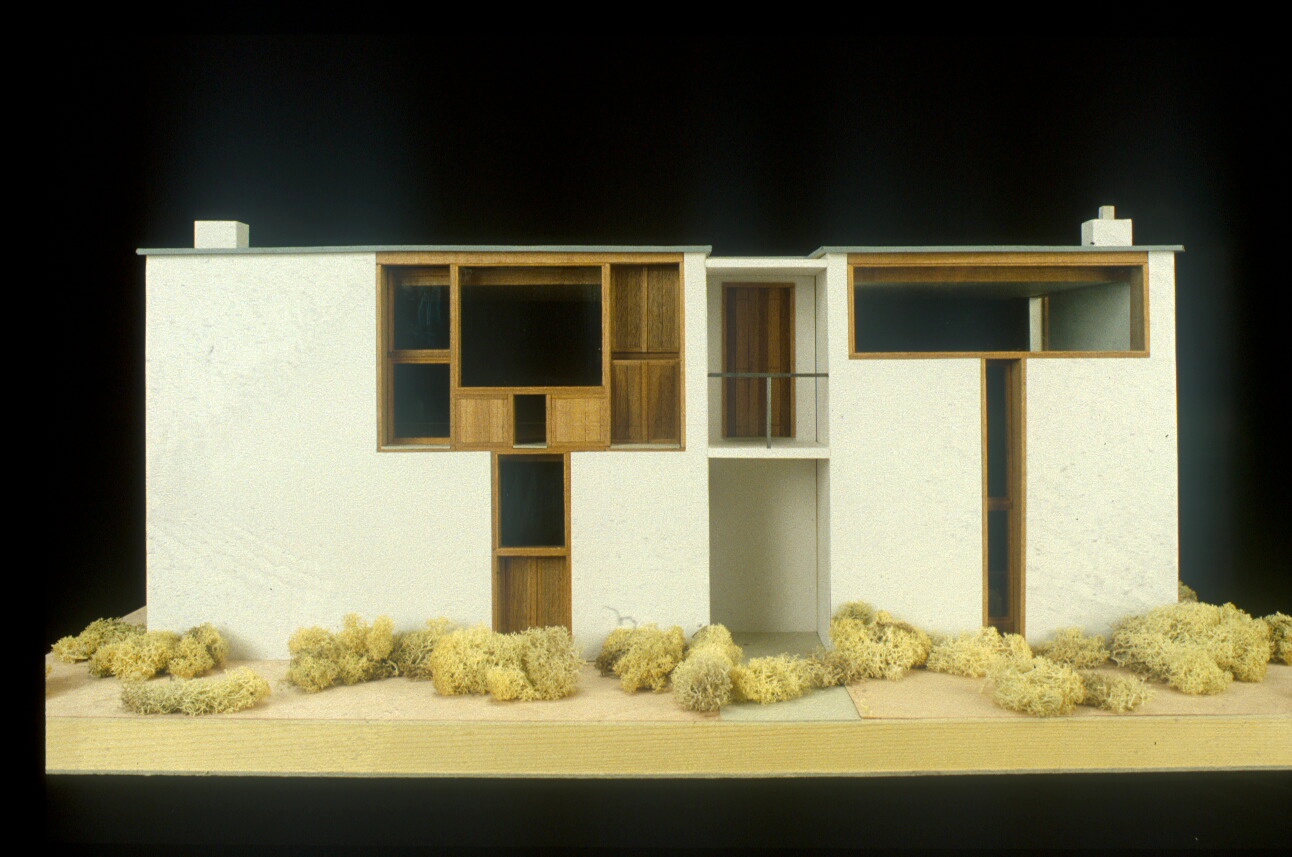
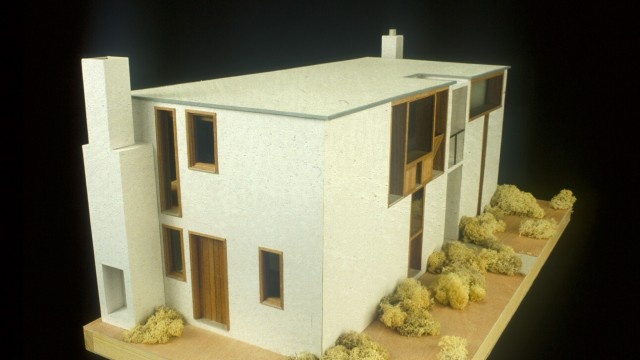
The building is conceived as a simple rectangular volume defined by load-bearing concrete masonry with a stucco finish. This restrained exterior establishes a clear contrast with the interior, where wood surfaces introduce warmth and texture. The composition remains largely orthogonal, with minimal formal deviation beyond projecting chimney elements.
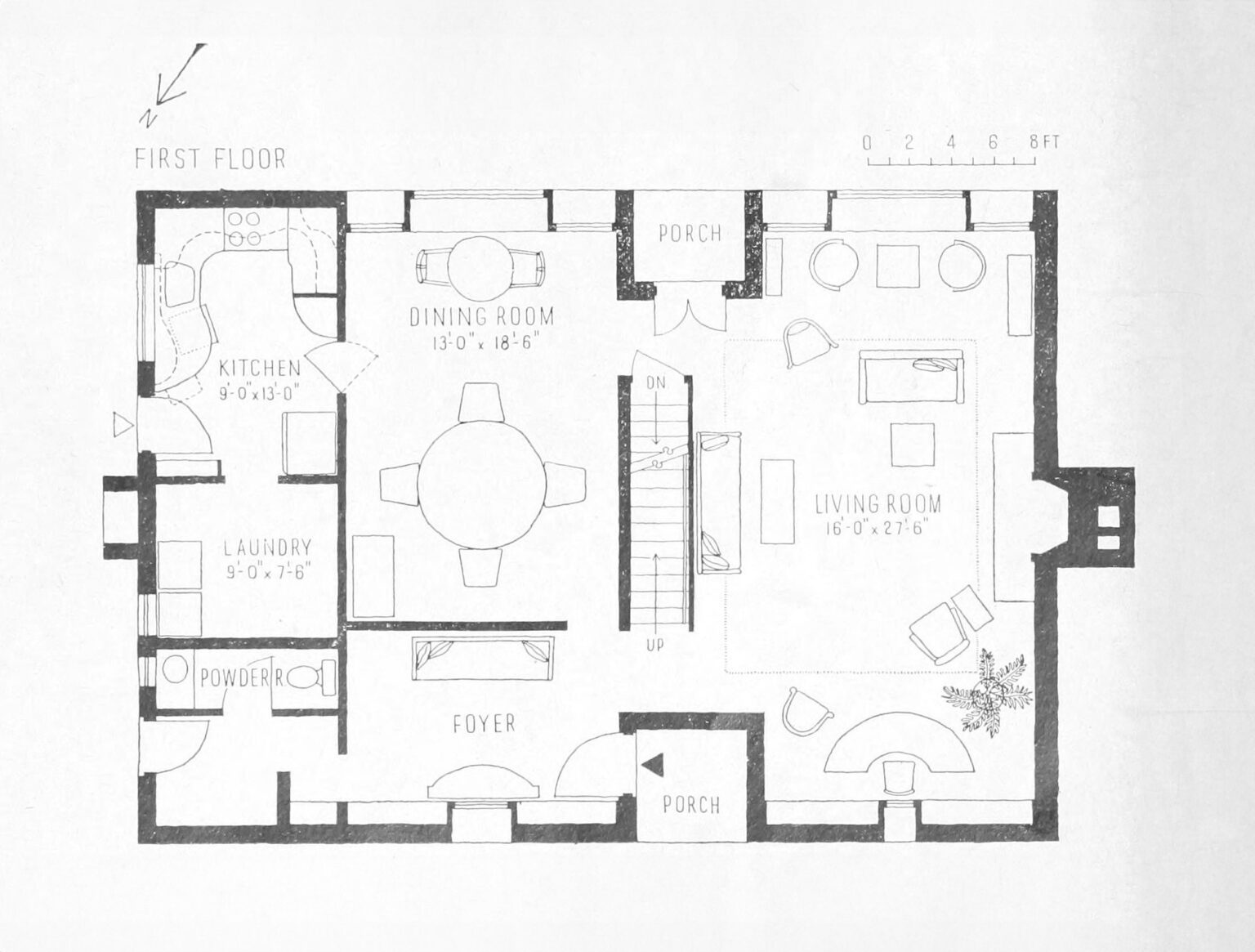
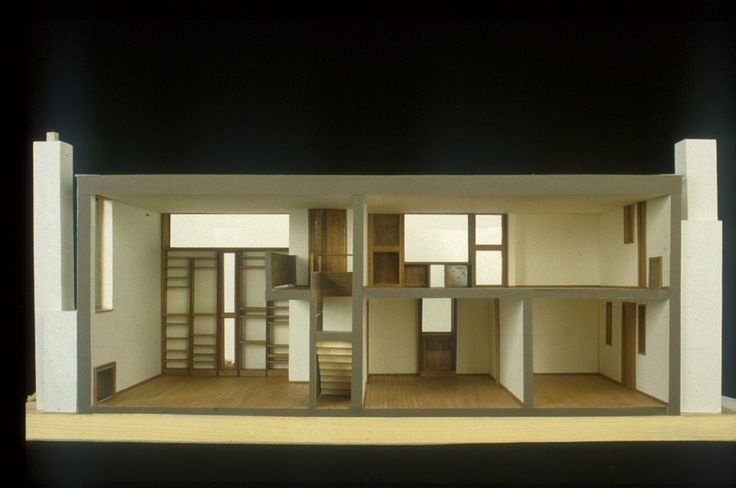
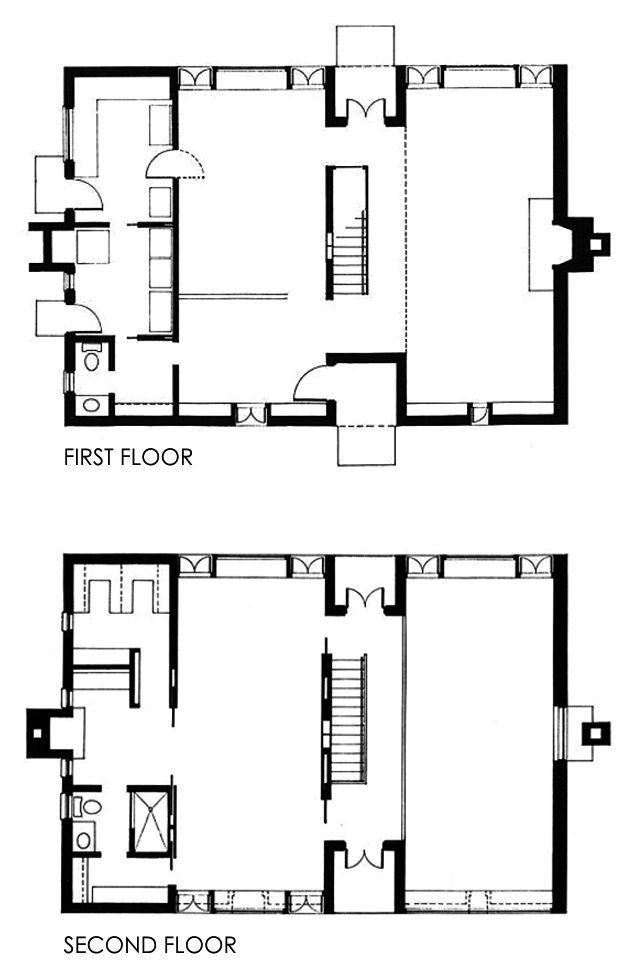
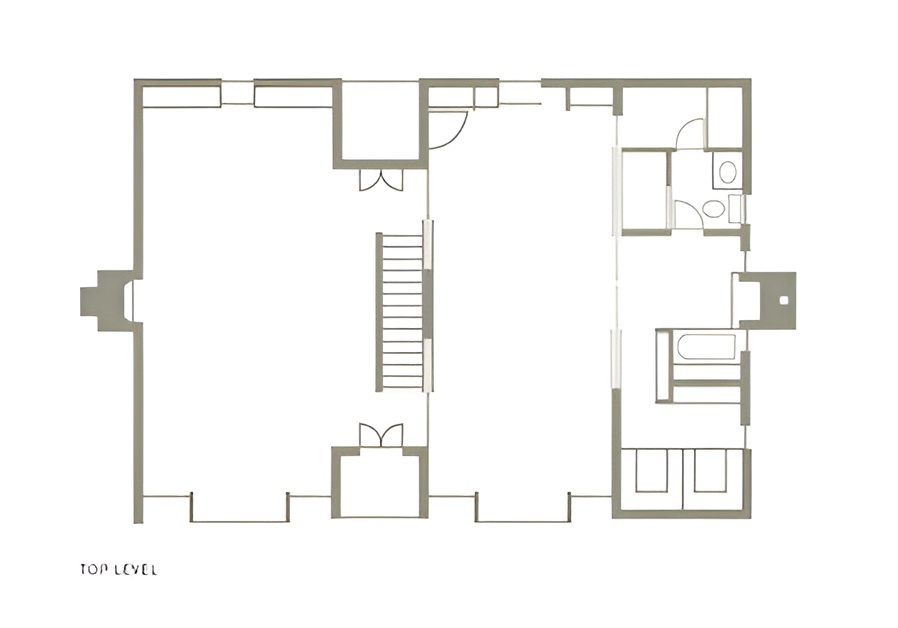
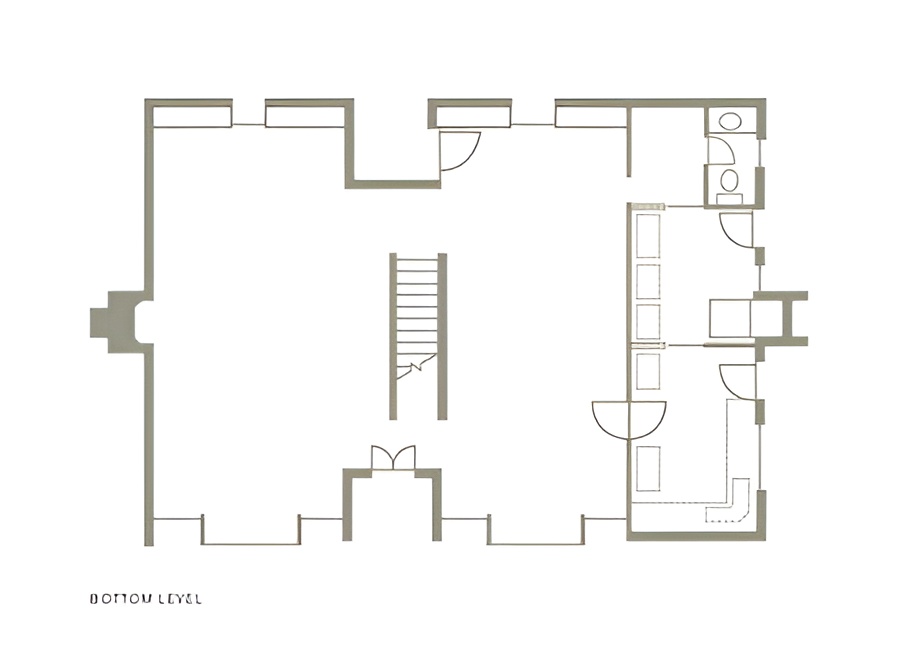
Spatial organization follows Kahn’s distinction between served and servant spaces. The plan is divided into four parallel strips running across the width of the house. Served spaces include the living room, dining area, and bedroom, while servant spaces contain circulation, utilities, and service functions. This arrangement establishes a clear hierarchy while maintaining continuity across the plan.
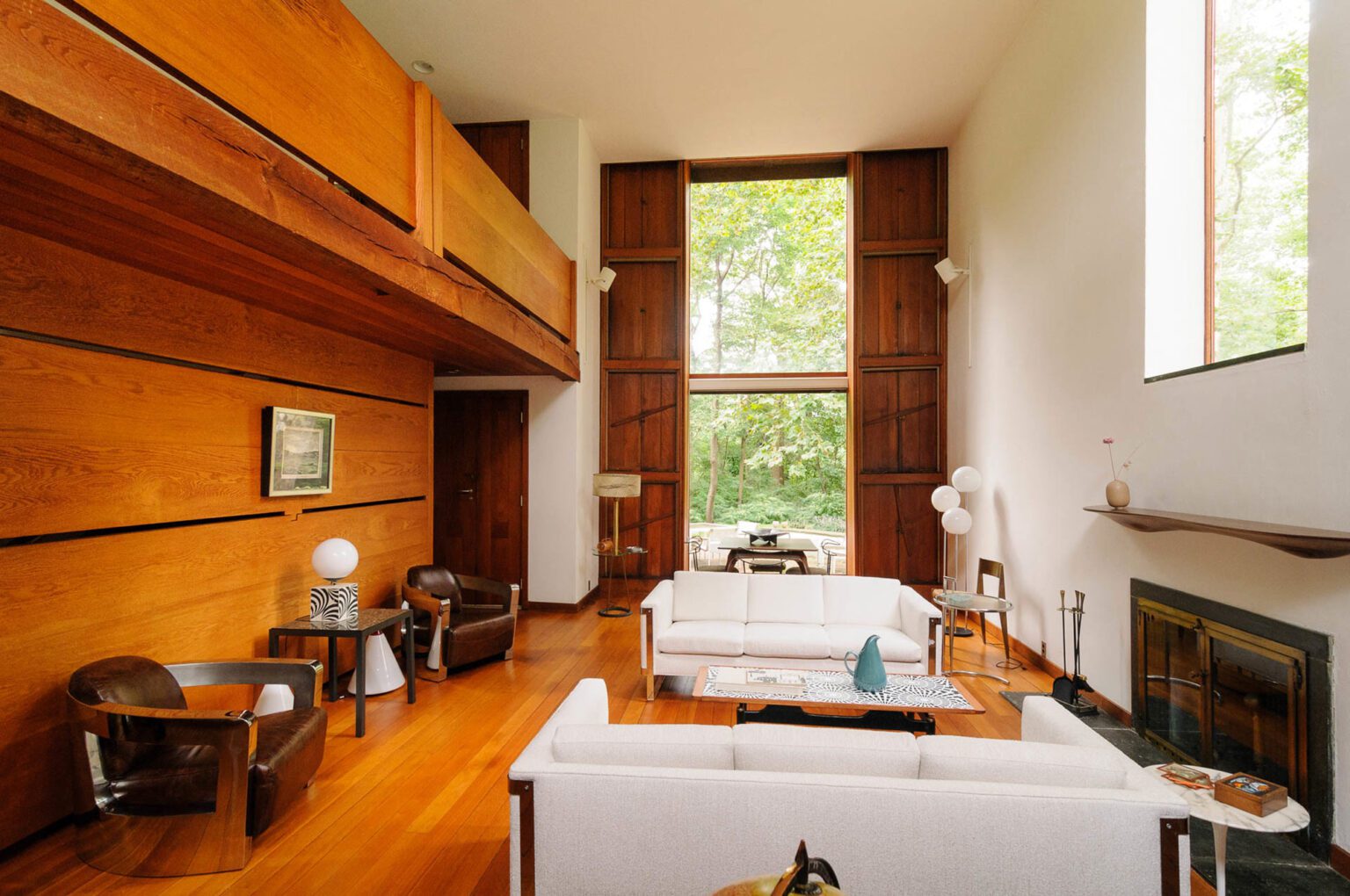
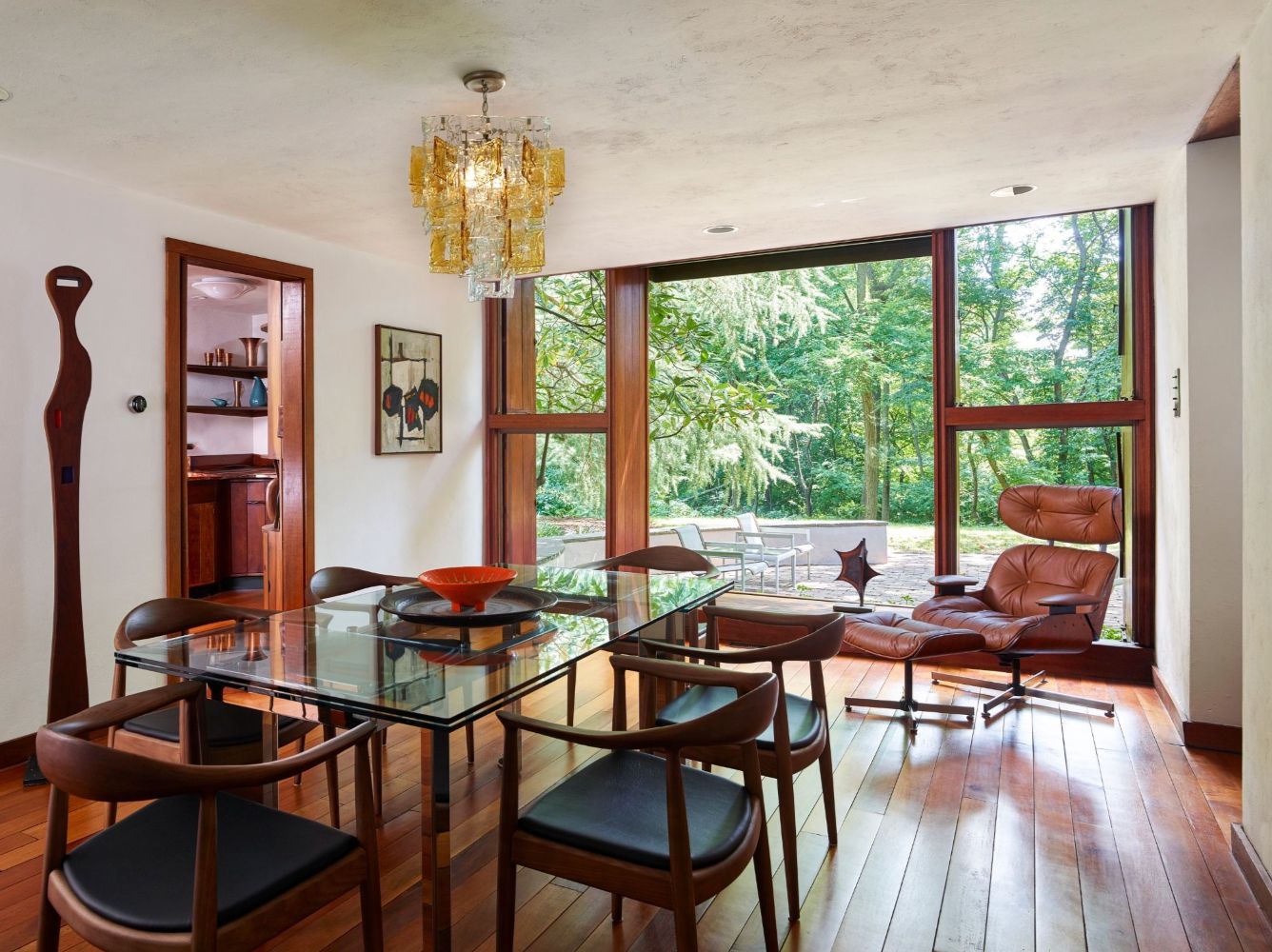
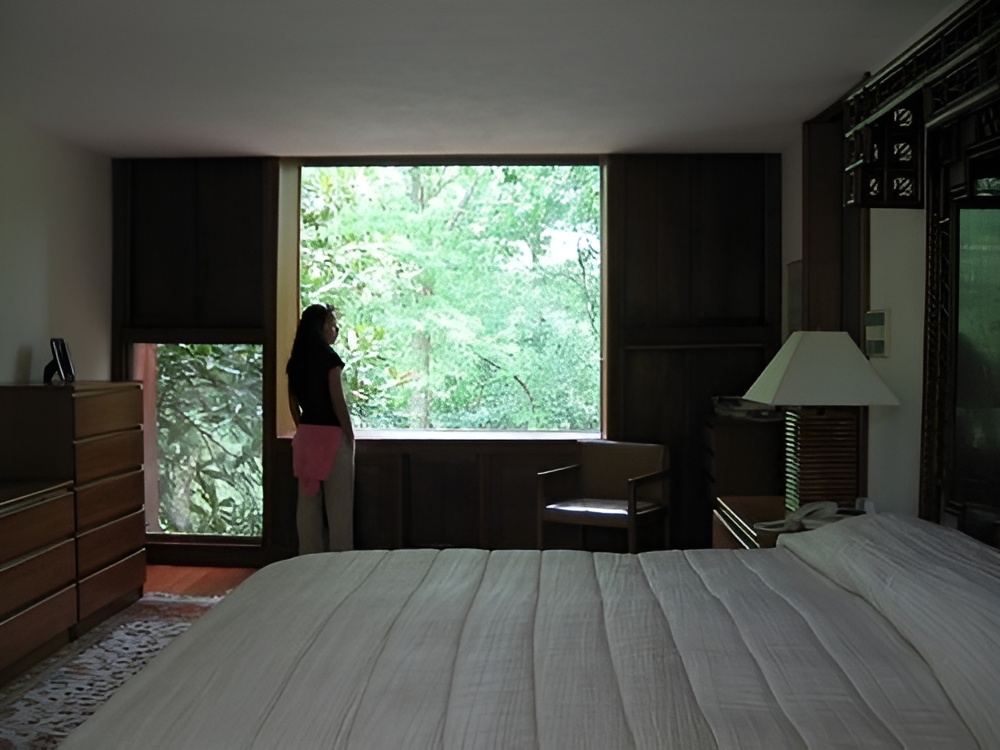
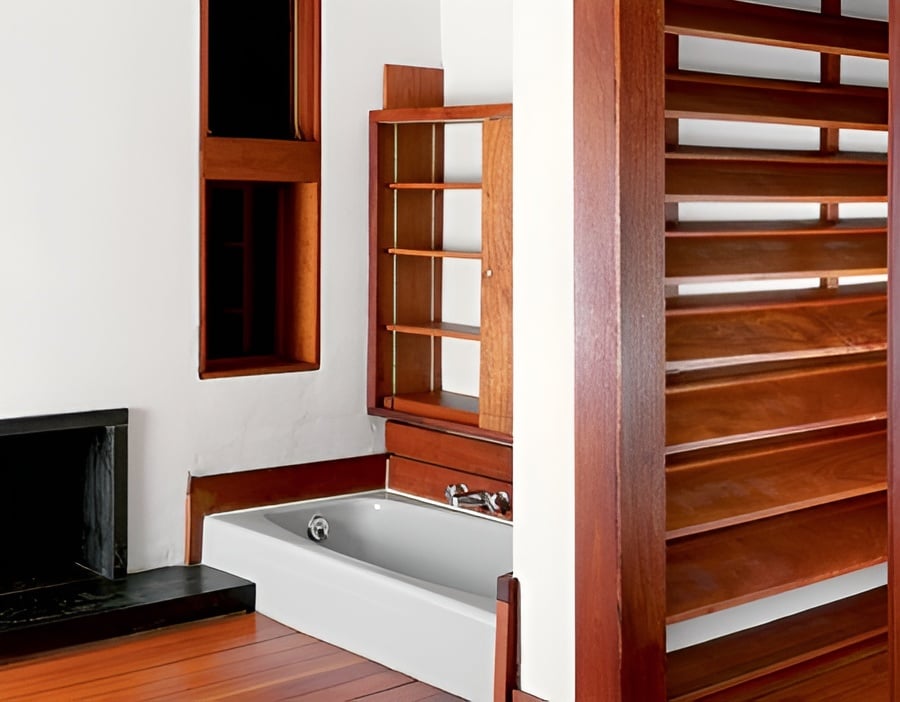
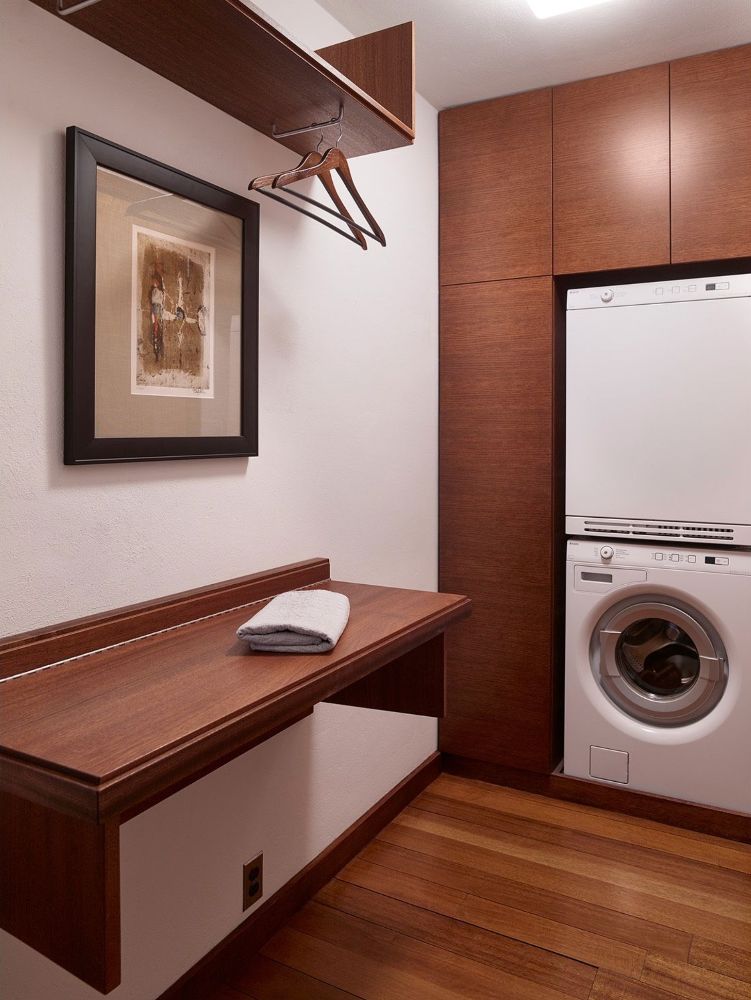
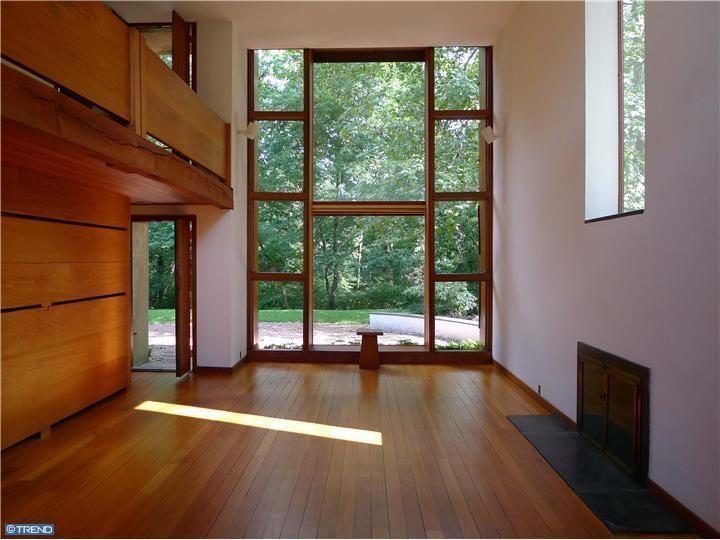
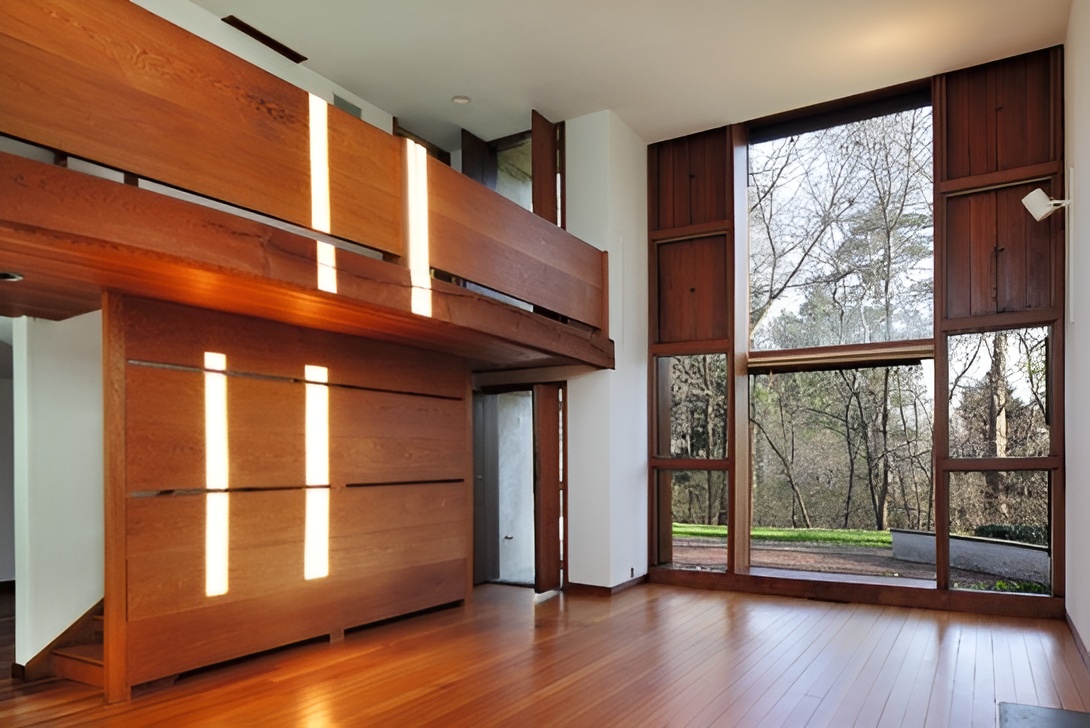
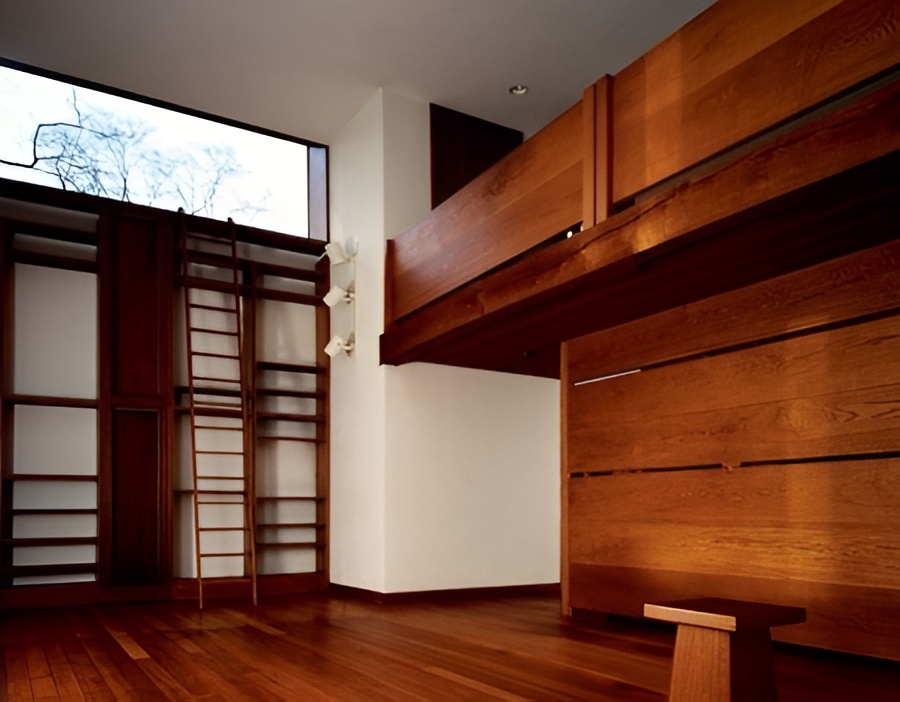
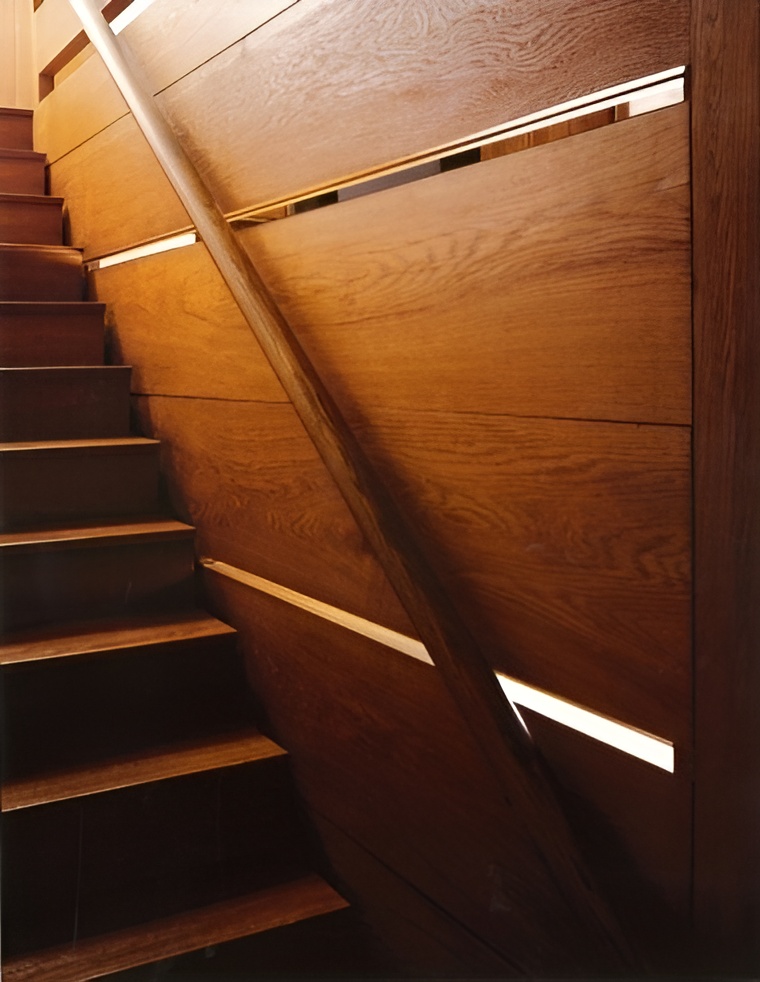
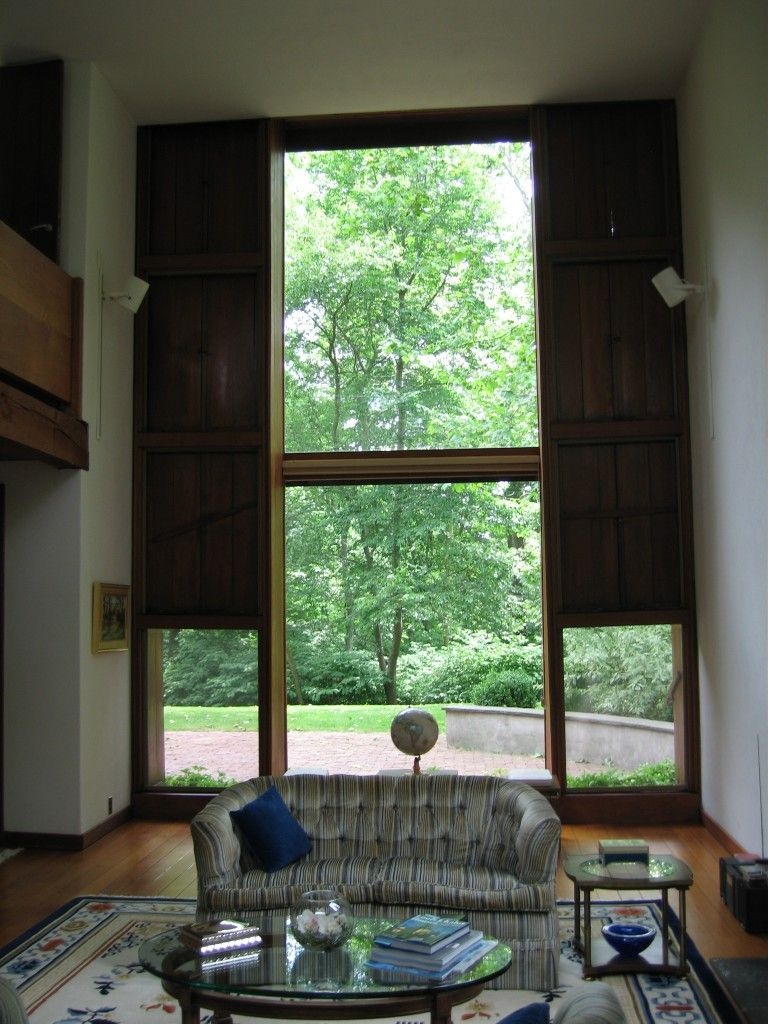
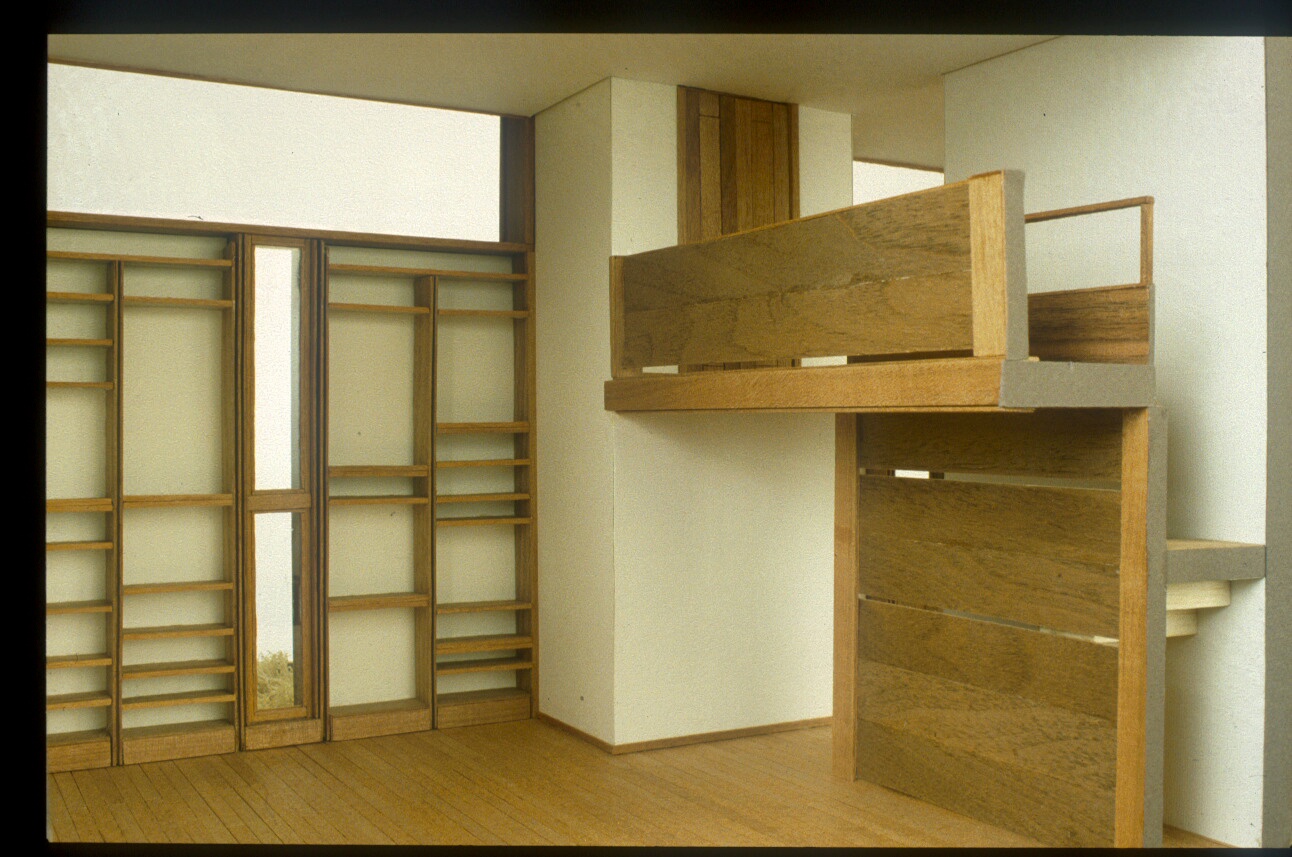
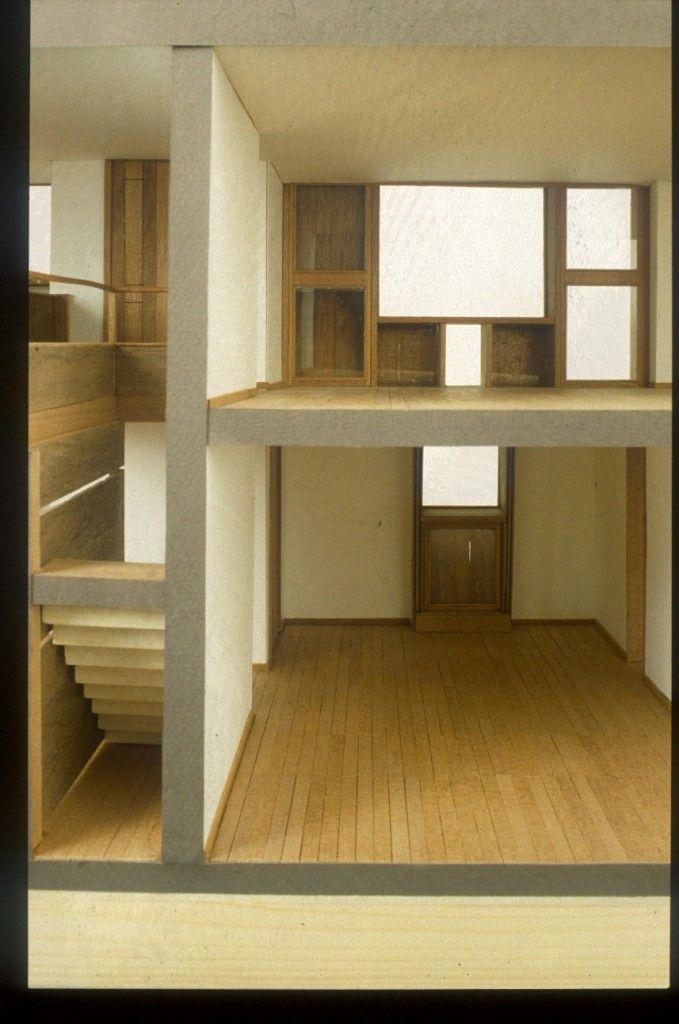
The two-storey living room forms the central spatial element. A full-height built-in bookcase occupies much of the front wall, reinforcing the client’s relationship to books. A gallery at the upper level overlooks this space, connecting the vertical organization of the house. Adjacent zones include the dining area and bedroom, each extending across the full depth of the plan.
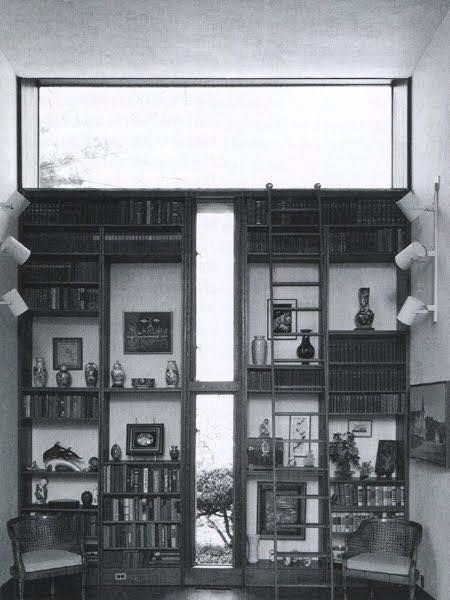
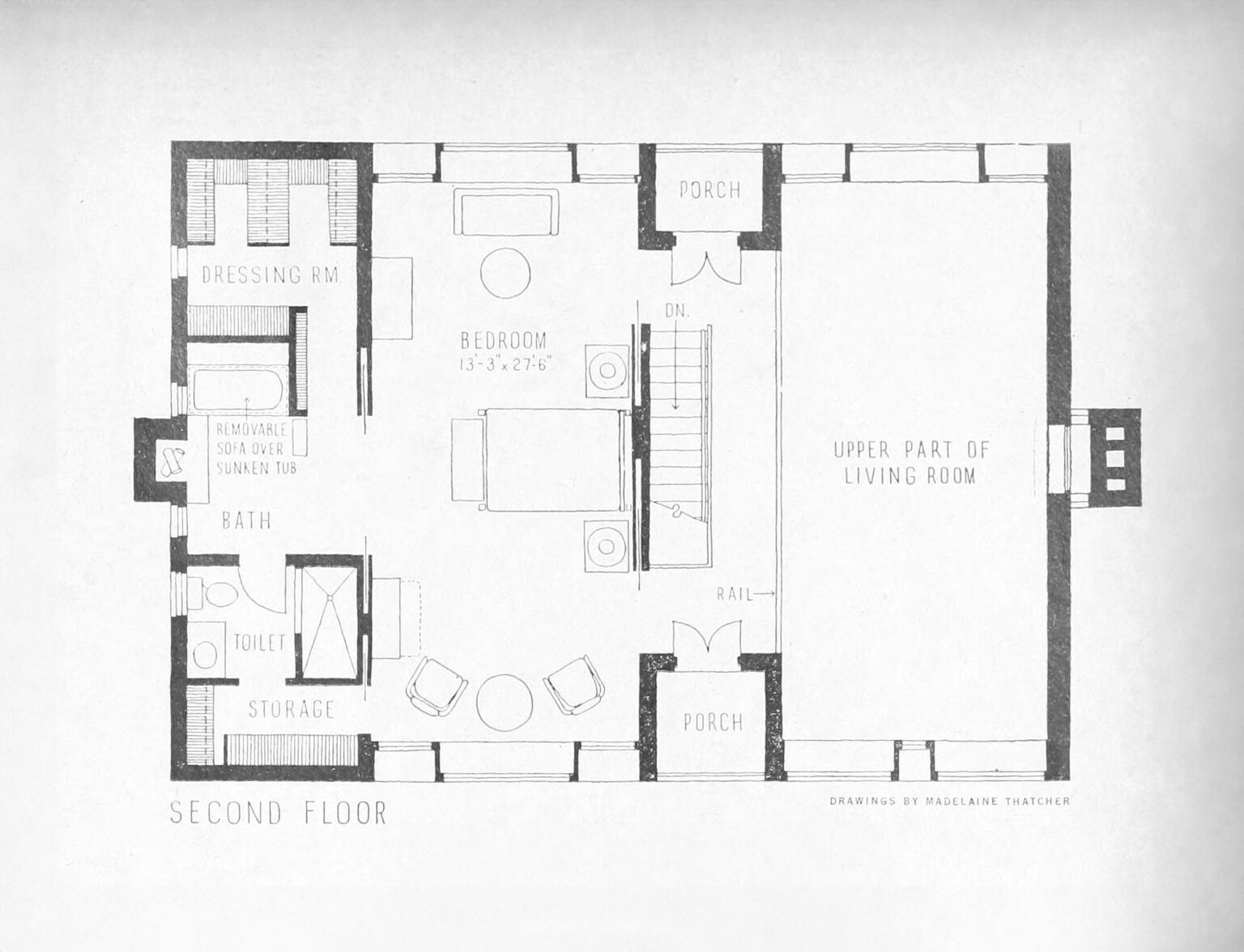
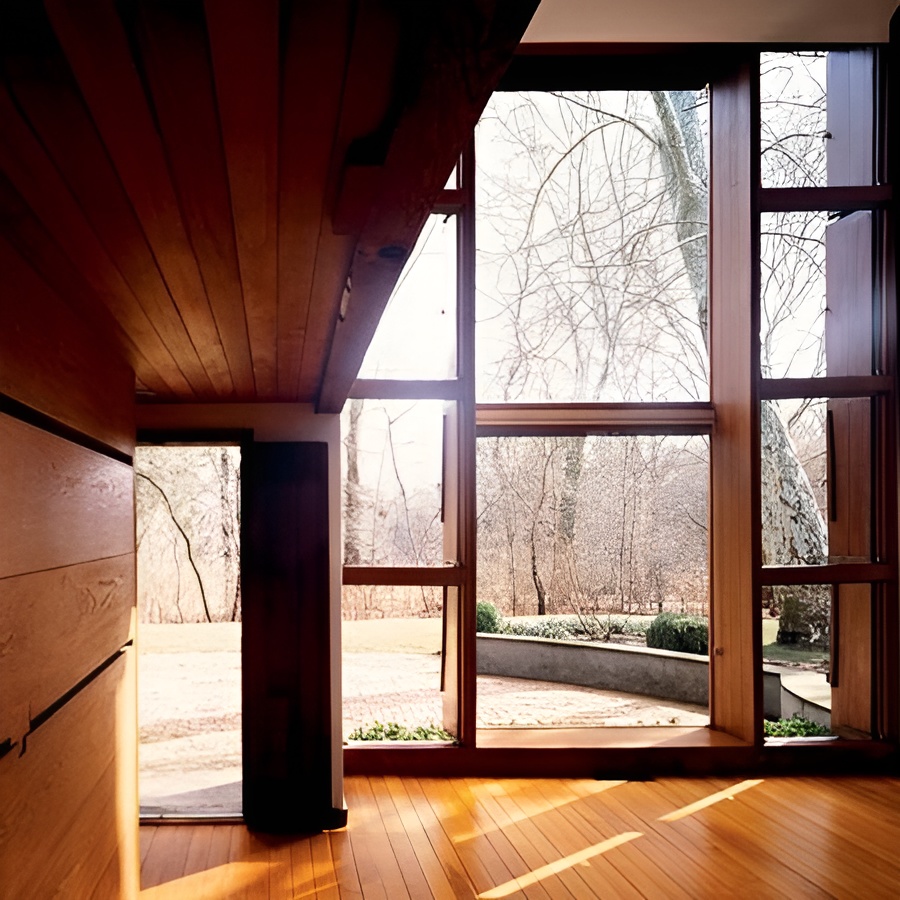
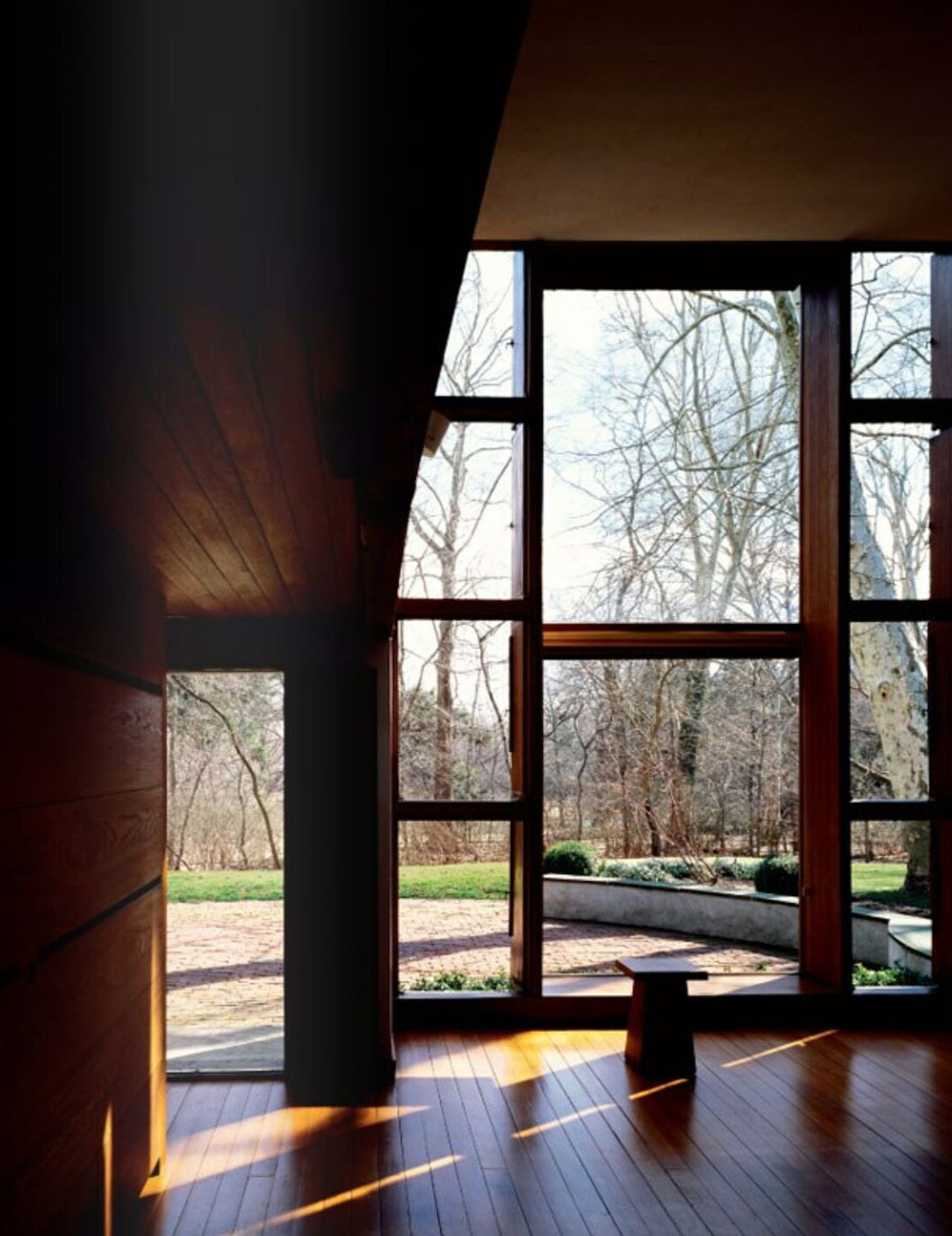
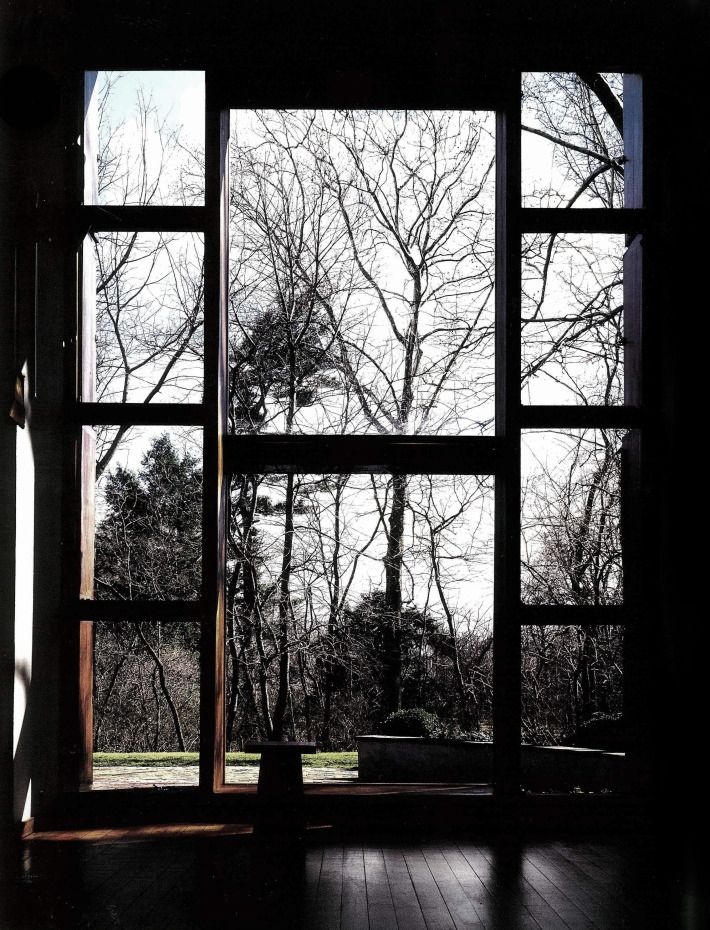
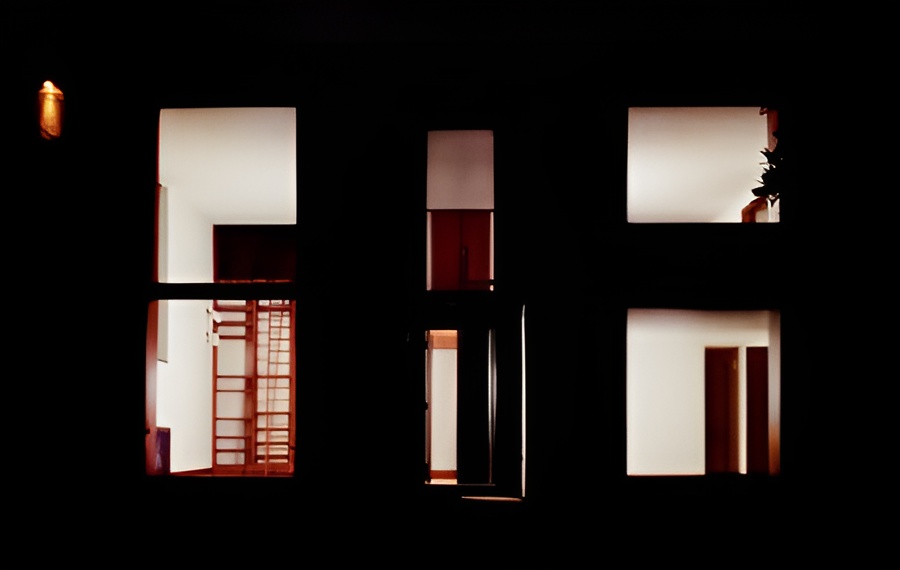
Light is a primary driver of the design. Each facade employs a distinct window strategy, responding to orientation and program. The front features a T-shaped opening that balances privacy and illumination, while the rear elevation incorporates large fixed glazing paired with operable wooden shutters. These shutters allow precise control of light, ventilation, and visual connection to the garden.
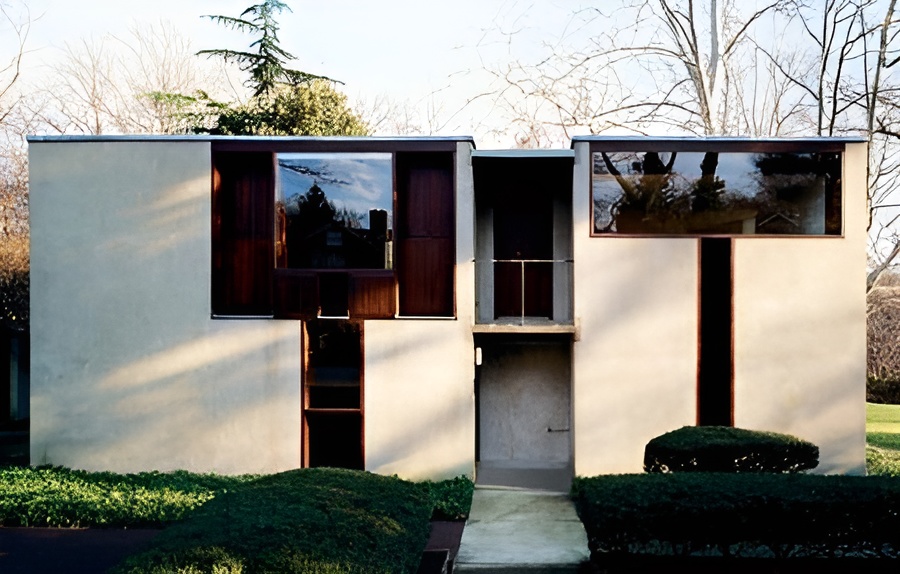
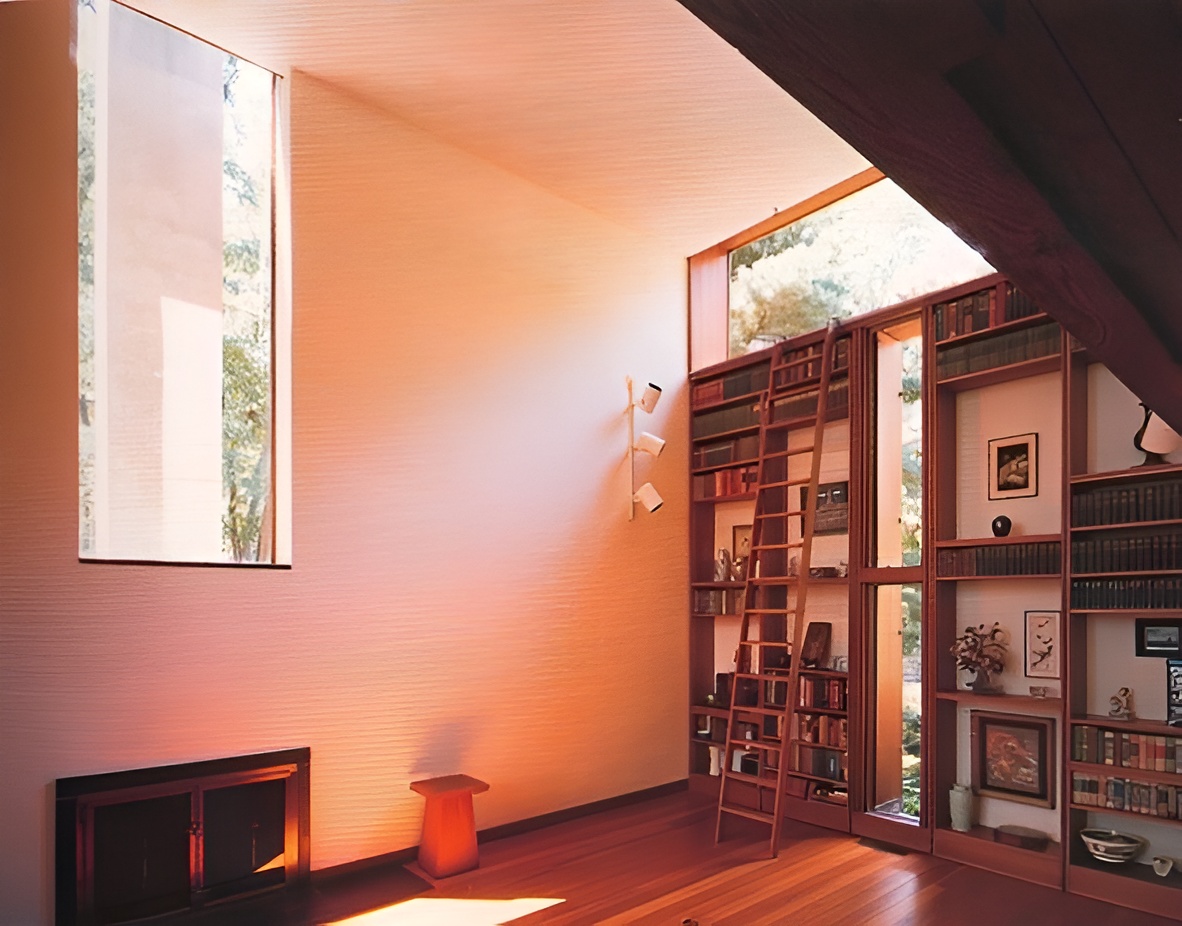
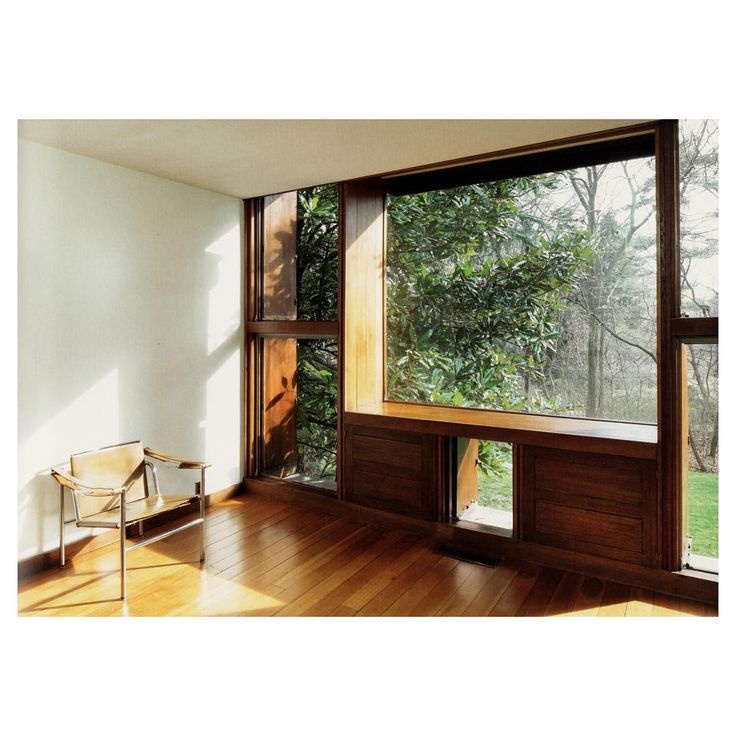
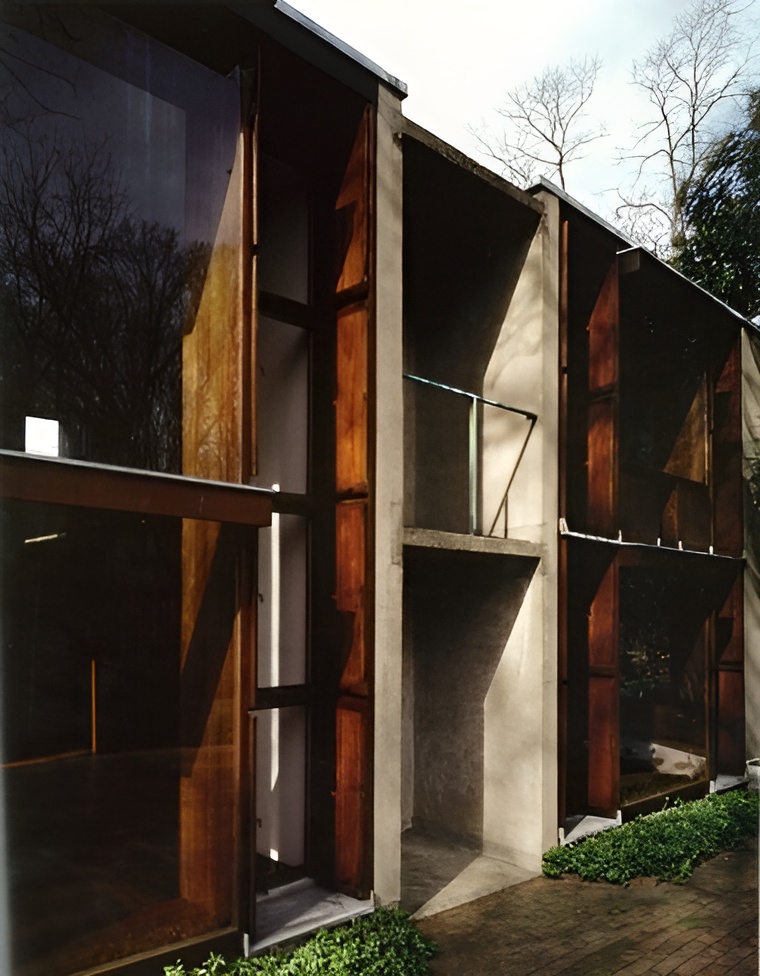
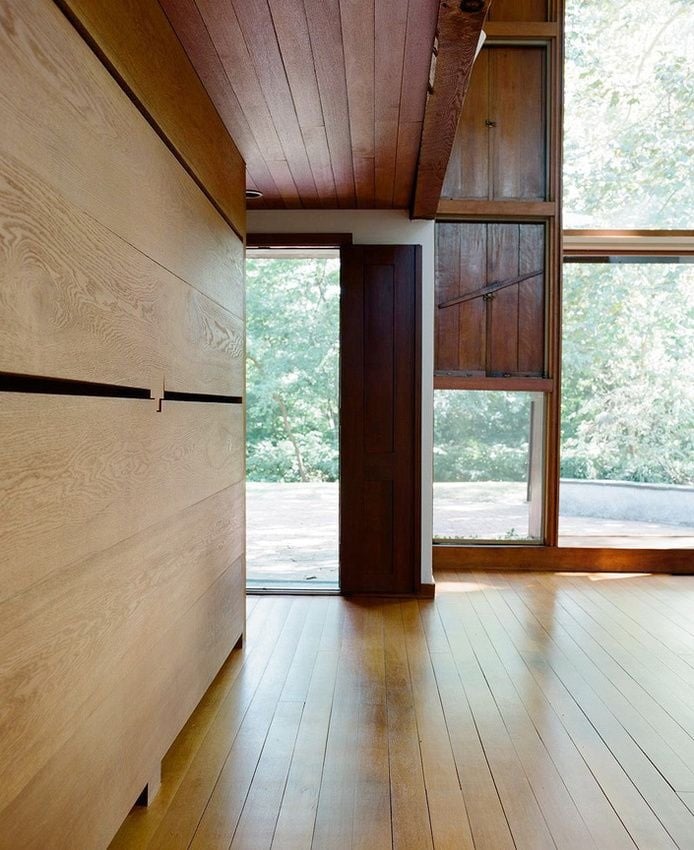
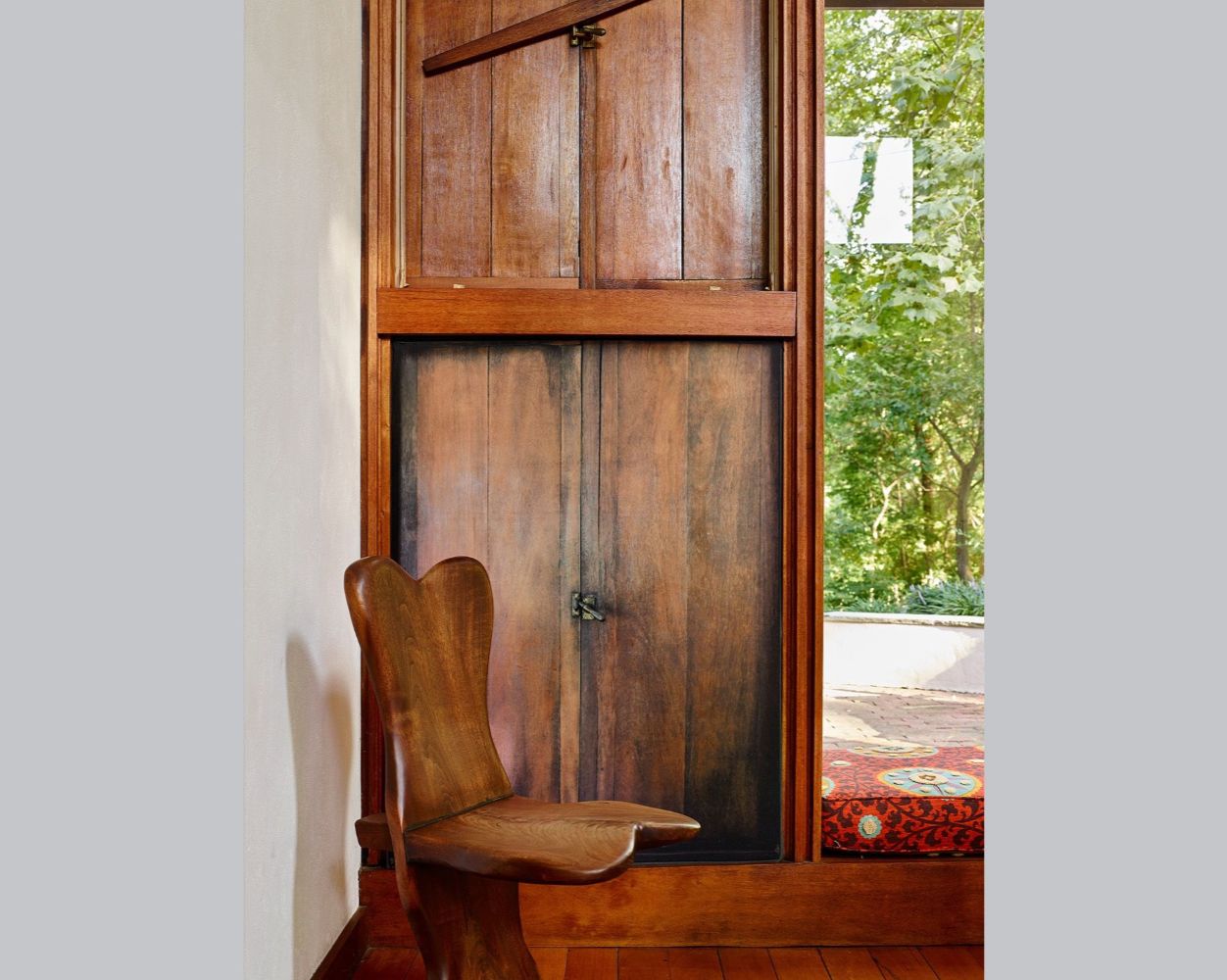
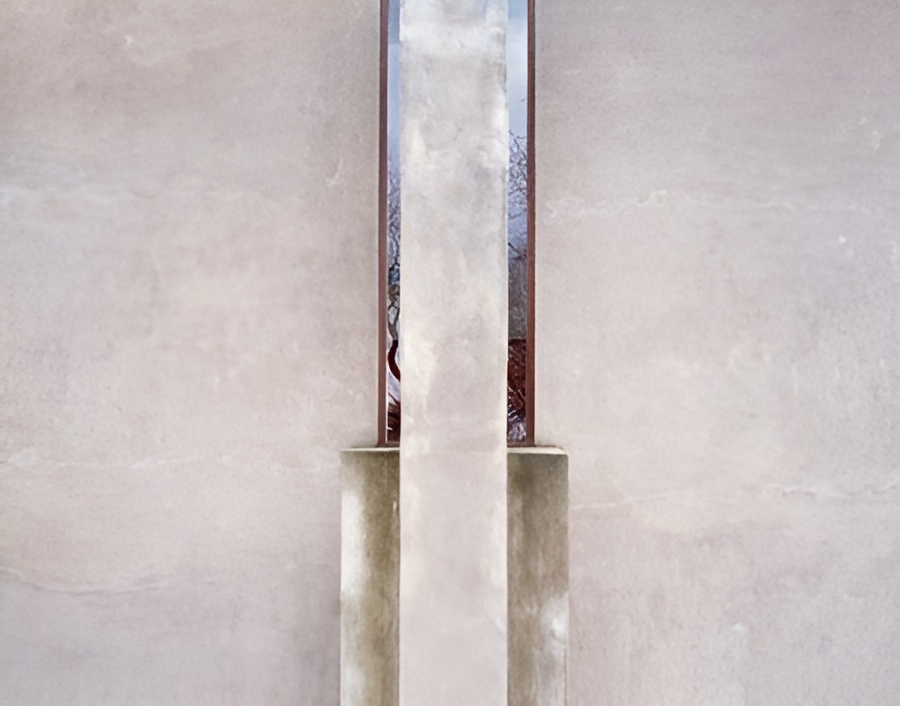
Wall thickness contributes to environmental performance and spatial depth. Built-in storage and recessed openings create deep surfaces that filter light and moderate interior conditions. The result is a controlled luminous environment that shifts throughout the day.
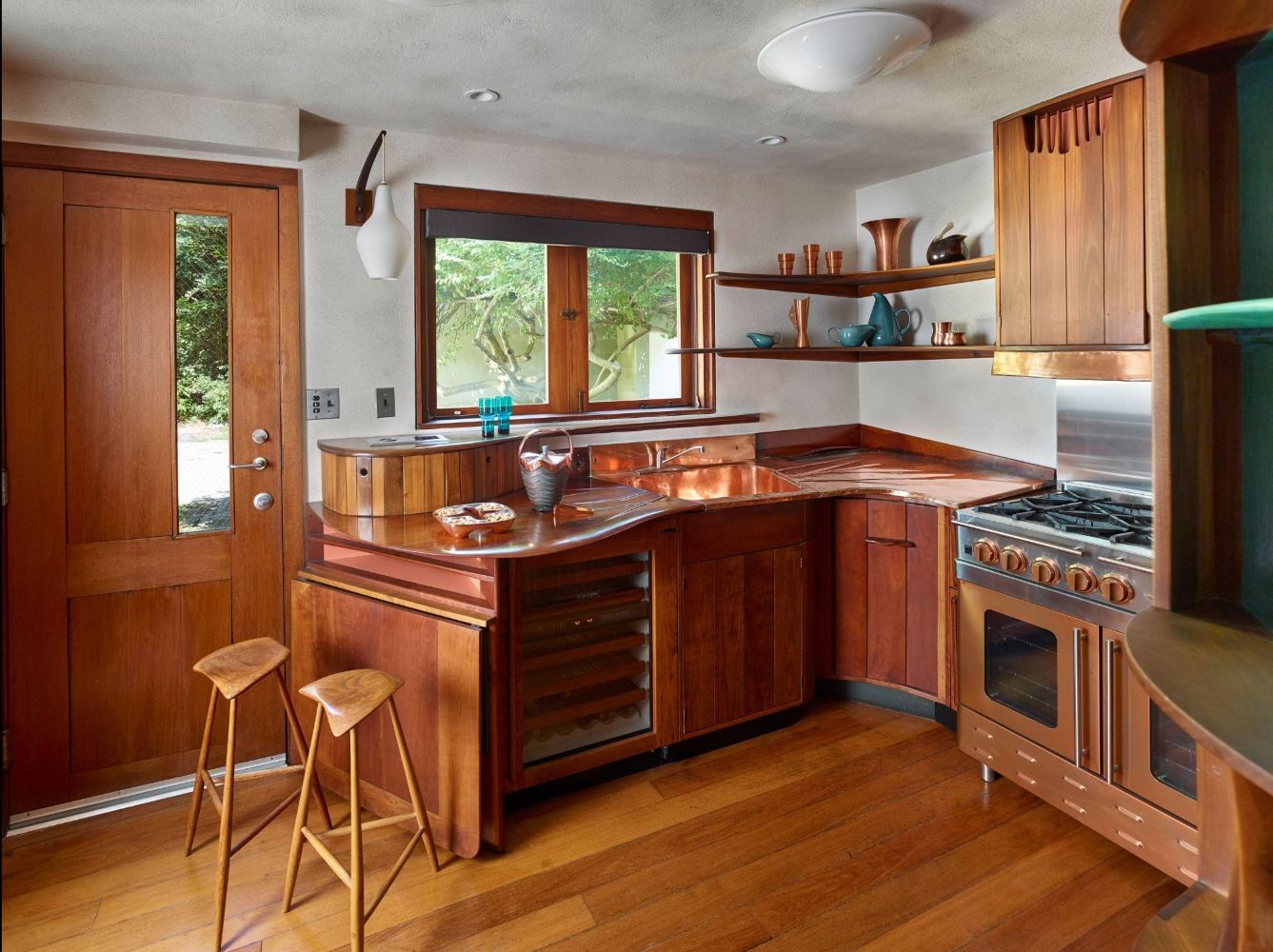
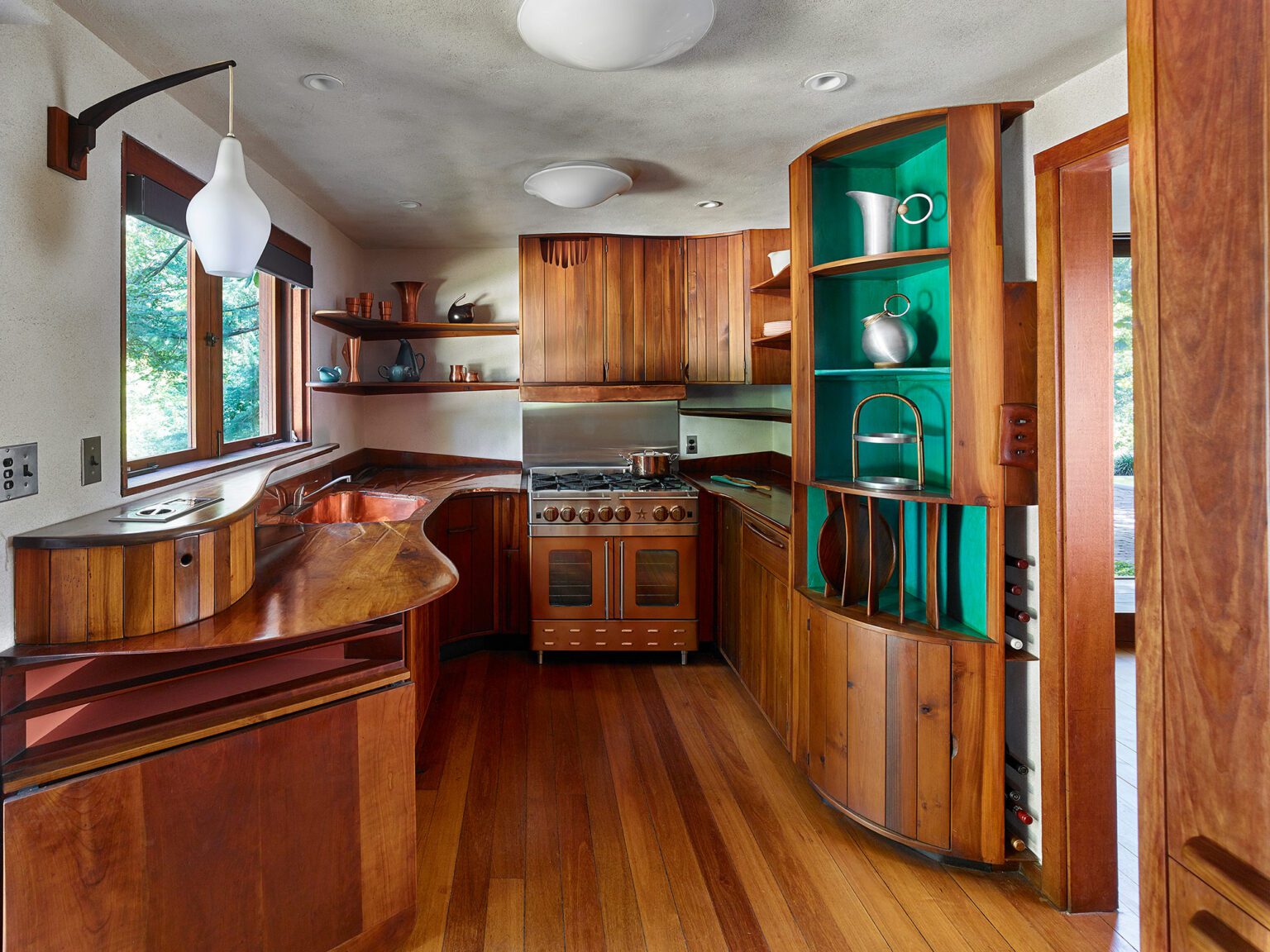
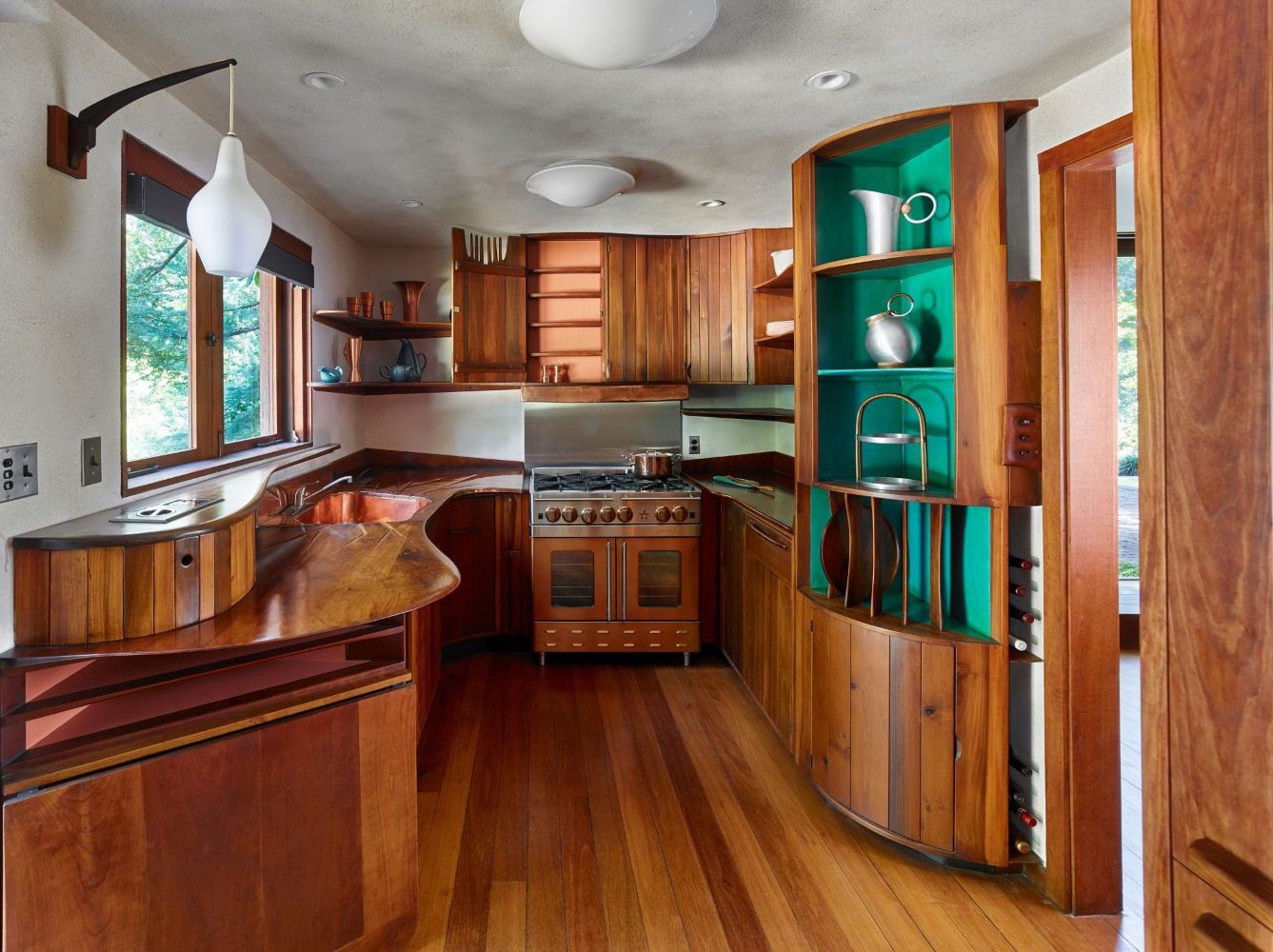
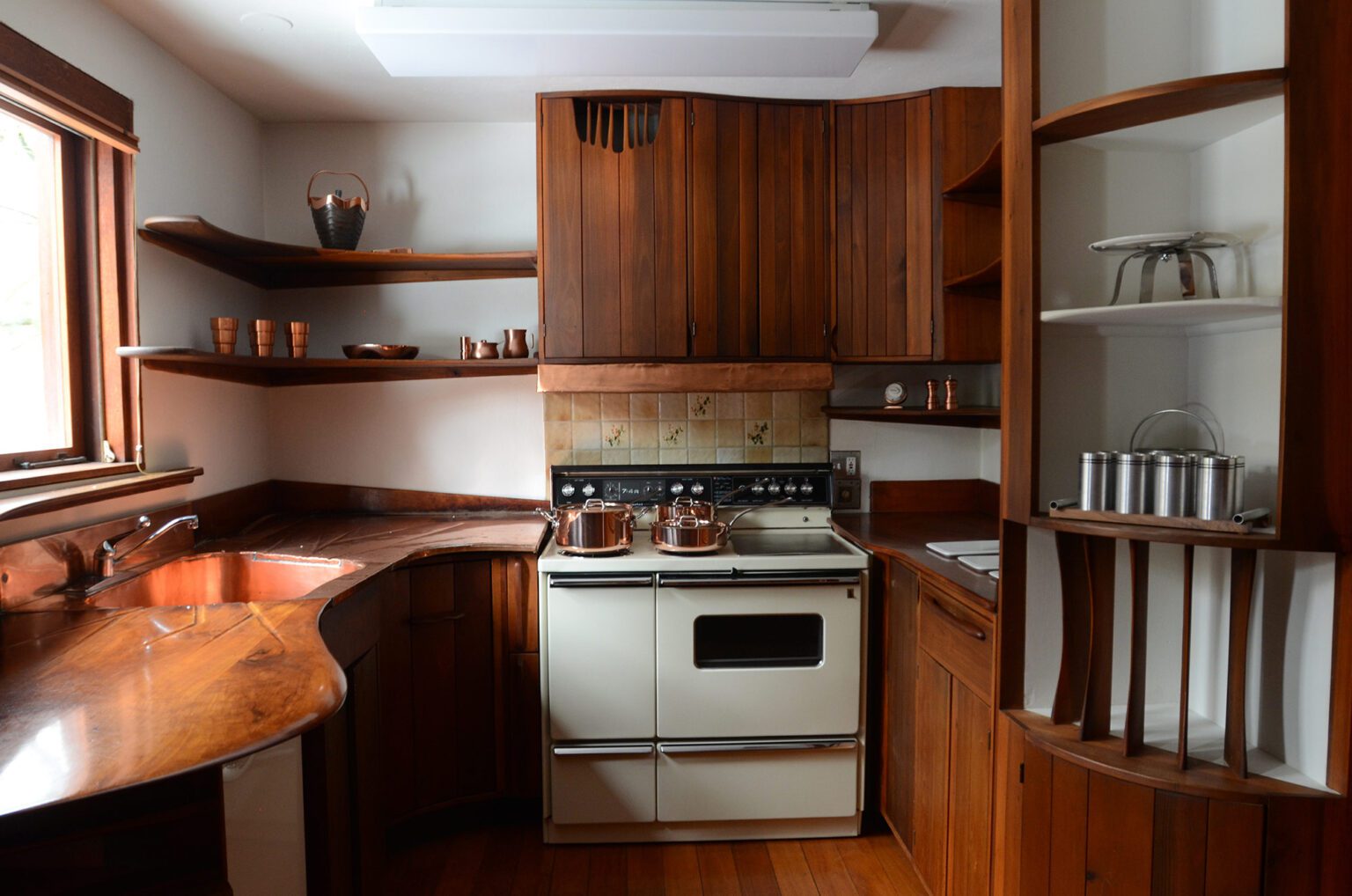
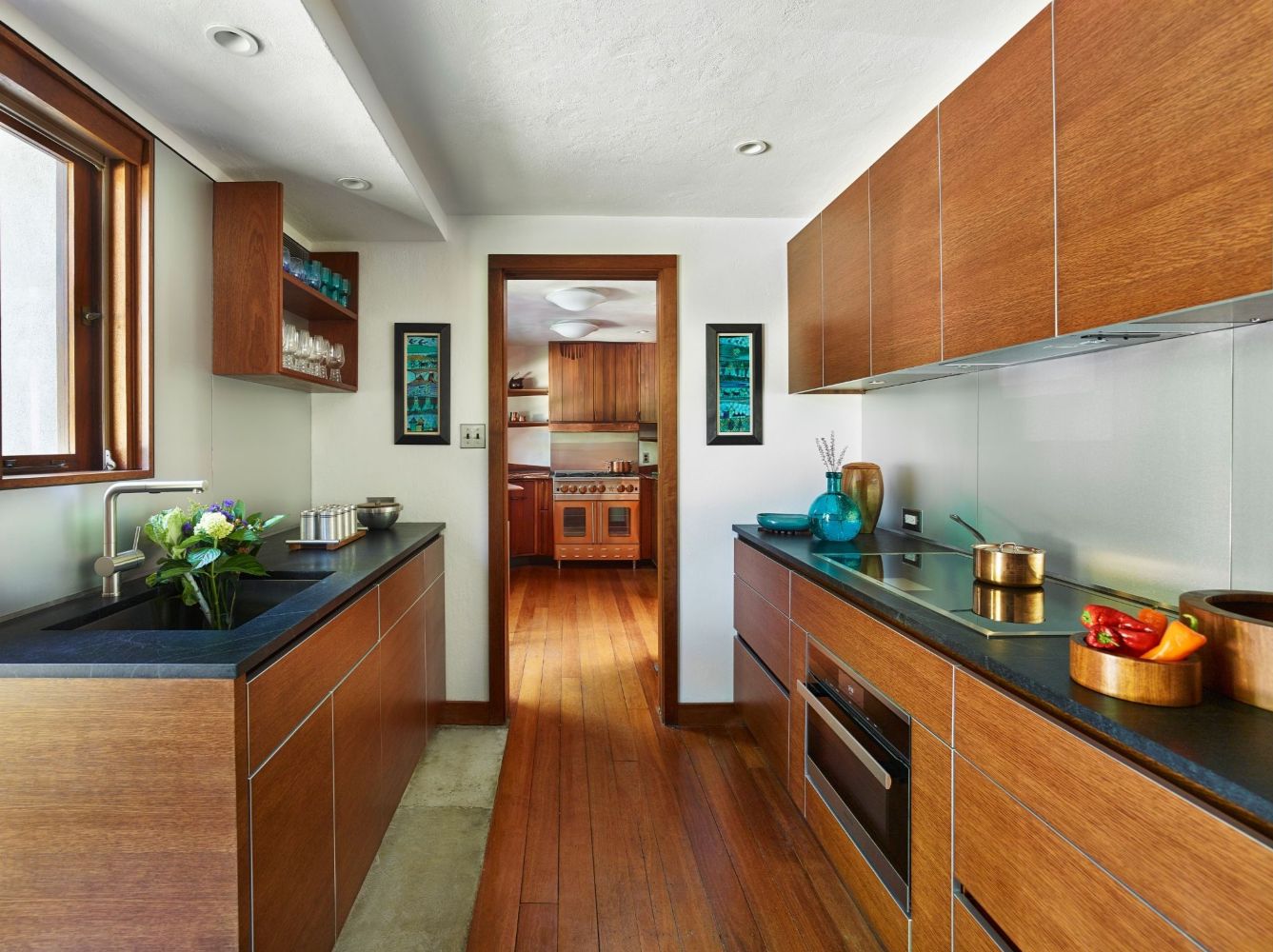
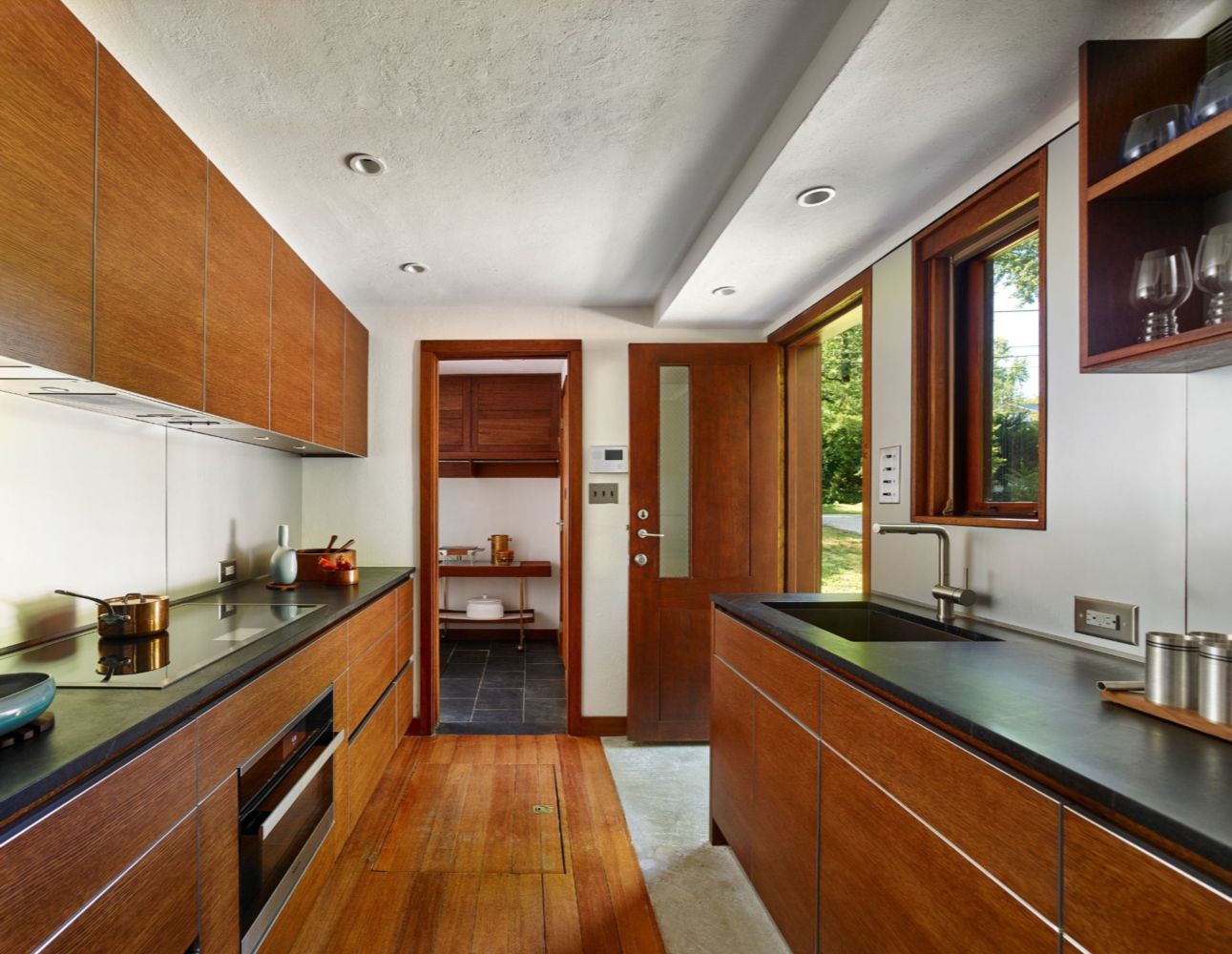
Material integration extends to interior elements. The kitchen, designed by Wharton Esherick, combines wood and copper to form a crafted domestic space within Kahn’s architectural framework. This collaboration reinforces the relationship between architecture, furniture, and use.
Recognition of the project has continued over time. The house received the Philadelphia AIA Landmark Building Award in 1992 and was added to the National Register of Historic Places in 2023. Its proximity to other significant works, including the nearby Vanna Venturi House, situates it within a broader architectural context.
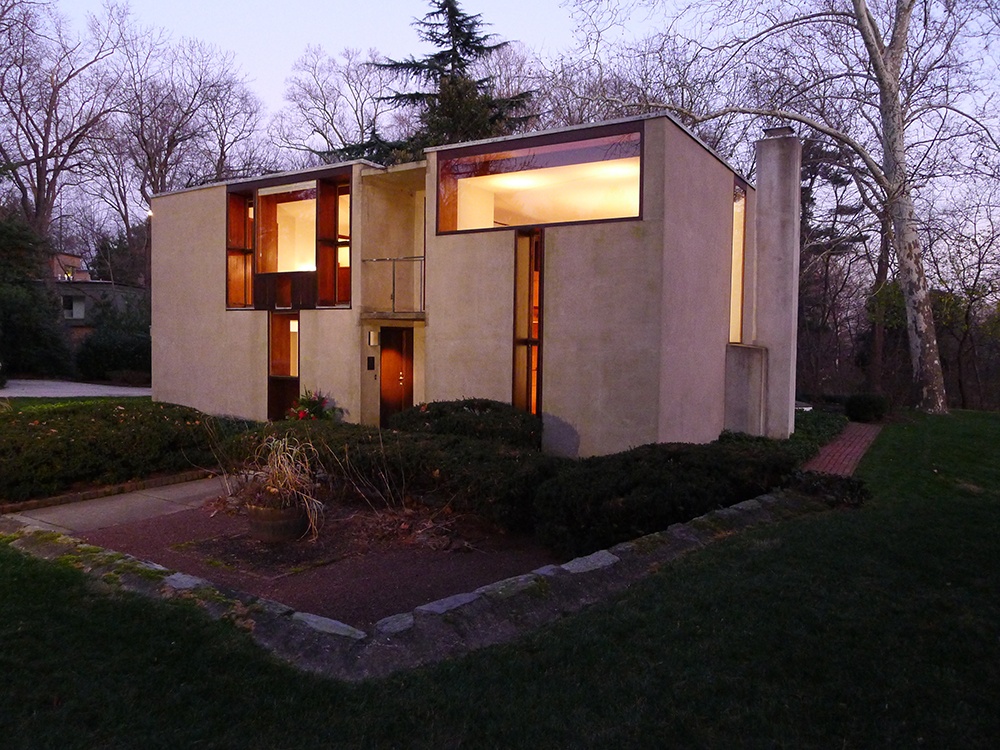
The Esherick House demonstrates Kahn’s ability to translate abstract principles into built form. Its clarity of organization, controlled use of light, and integration of material establish it as a key work in mid-century residential architecture.
Project Gallery
Project Location
Address: 204 Sunrise Lane, Philadelphia, Pennsylvania 19118, United States
Location is for general reference and may represent a city or country, not necessarily a precise address.

