

Architects: Atelier AJO
Area: 170 m²
Year: 2024
Photography: Sandrine Iratçabal
Location: Pont-de-Salars
Country: France
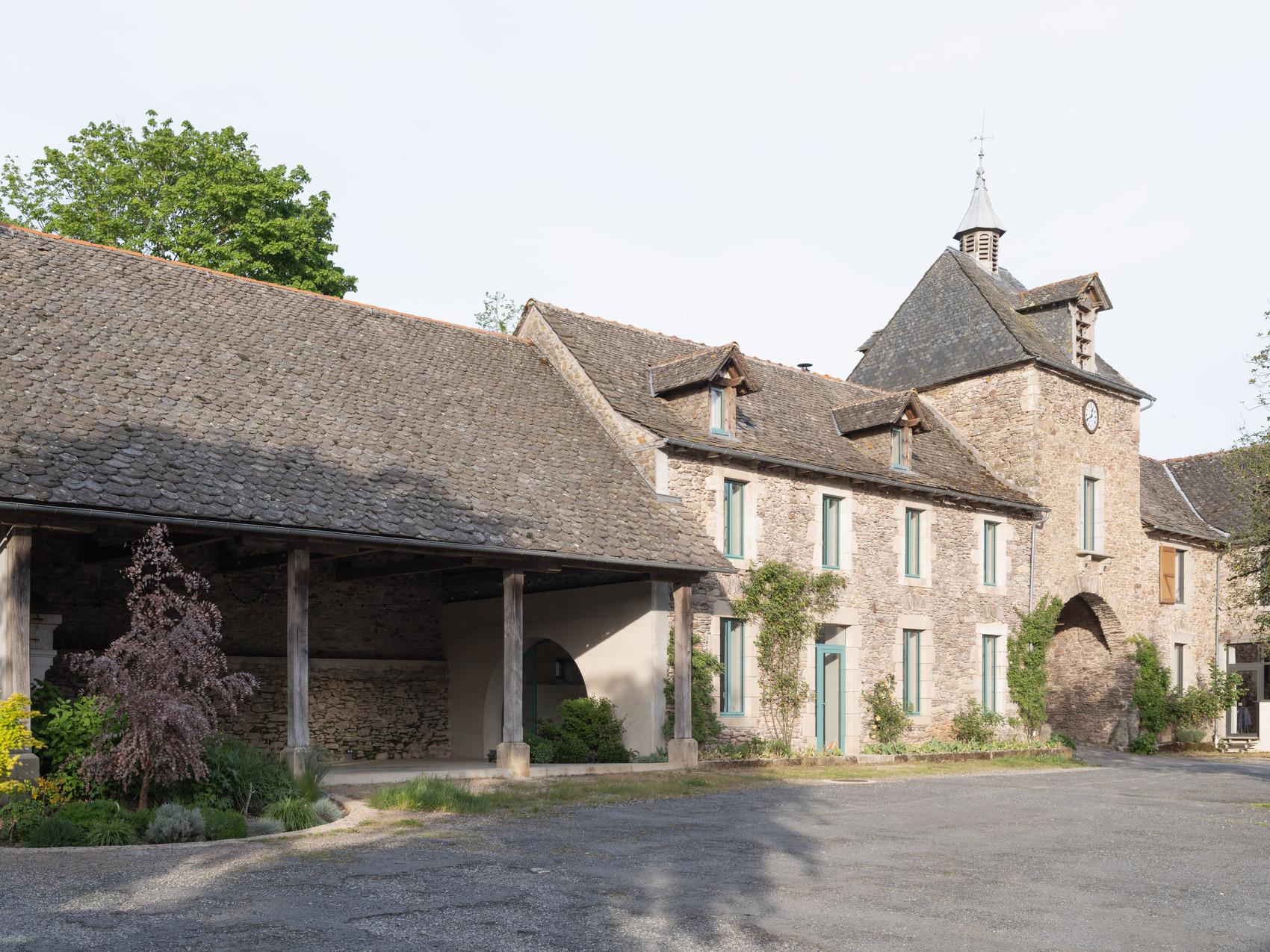
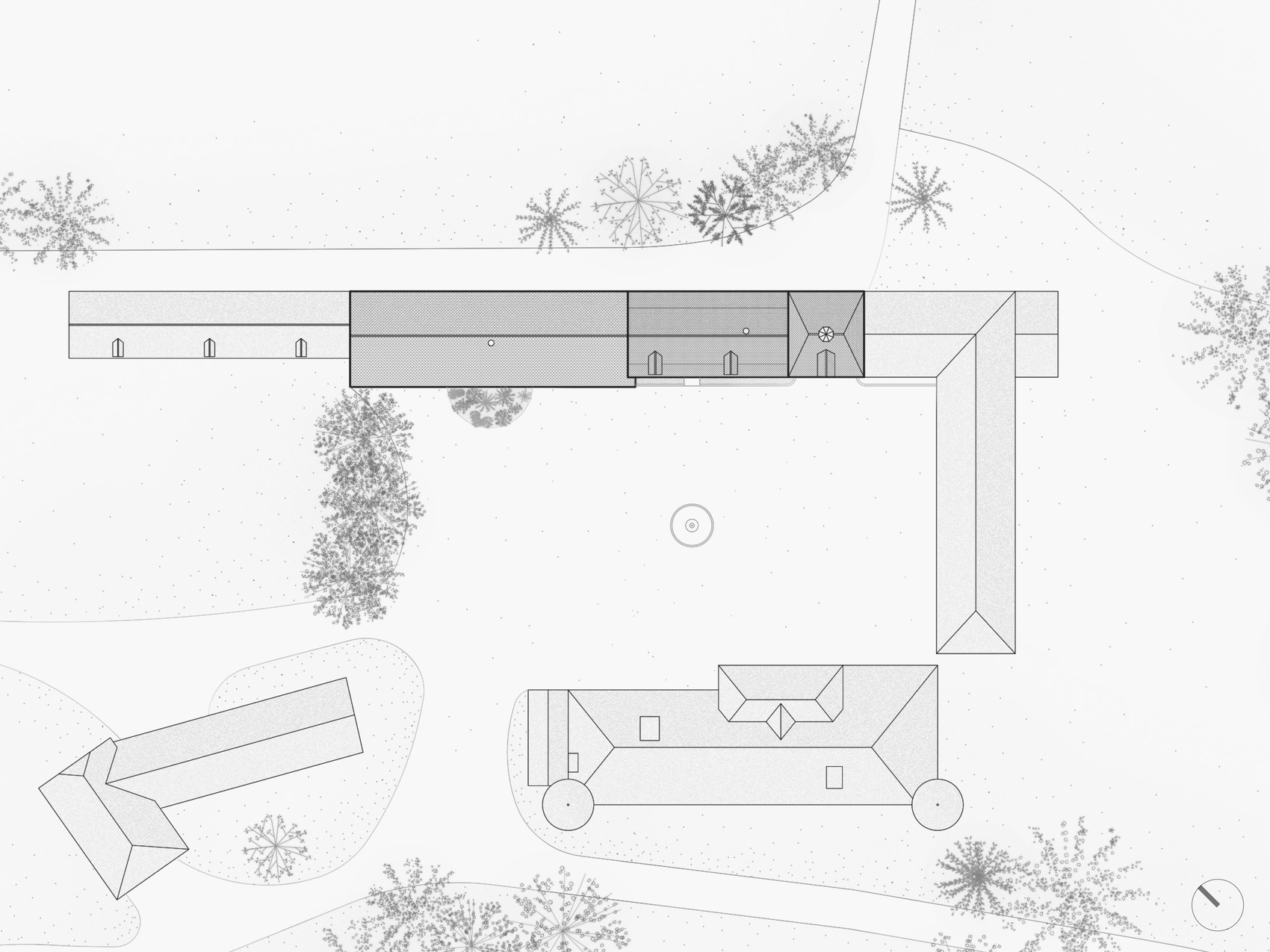
Located in Pont-de-Salars, France, this renovation by Atelier AJO transforms a long-vacant farmhouse into a contemporary retreat designed for shared family life and weekend gatherings. Part of a historic agricultural ensemble organized around a central courtyard, the building originally housed farm workers and had gradually fallen into disuse. The intervention reconnects the former barn, the main dwelling, and the dovecote through a carefully considered spatial strategy that improves circulation while preserving the integrity of the existing structure. Original façade openings remain untouched and continue to shape the organization of the interior spaces. A comprehensive thermal upgrade enhances comfort and reveals the character of the historic stone construction, while restored elements such as the large fireplace and bell mechanisms maintain a tangible link to the building’s rural heritage. Bespoke furniture, flexible living arrangements, and a restrained palette of natural materials contribute to an adaptable environment that balances contemporary needs with the preservation of the site’s architectural identity.
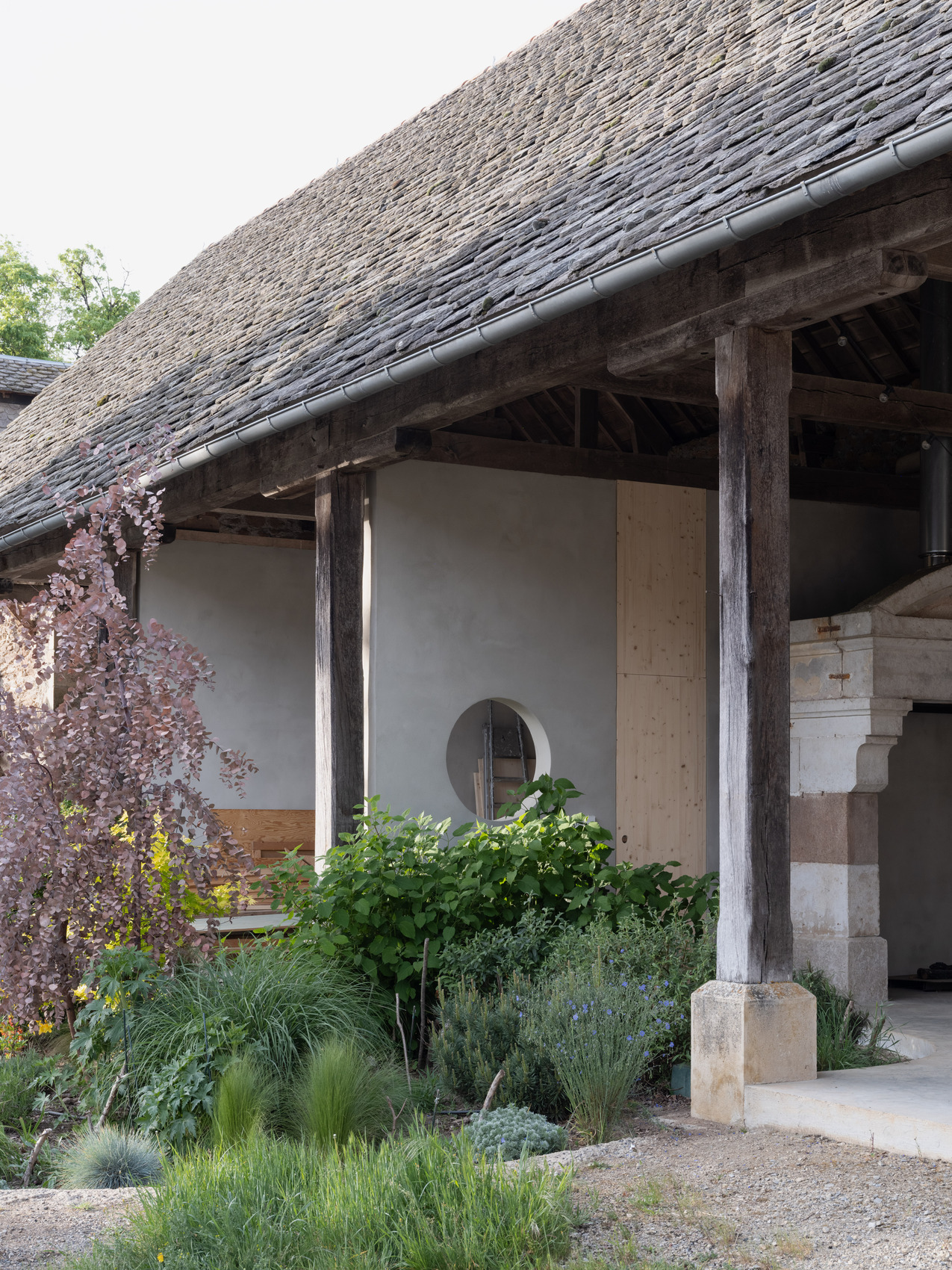
The rehabilitation of this former farmhouse explores the relationship between architectural continuity and collective living. Rather than treating the existing structure as a collection of separate rooms inherited from successive modifications, Atelier AJO approached the project as an opportunity to reestablish coherence between the building’s principal volumes. The design responds to the clients’ desire for a welcoming place where family and friends can gather throughout the year, transforming a neglected agricultural building into a setting that supports both everyday occupation and larger social events.
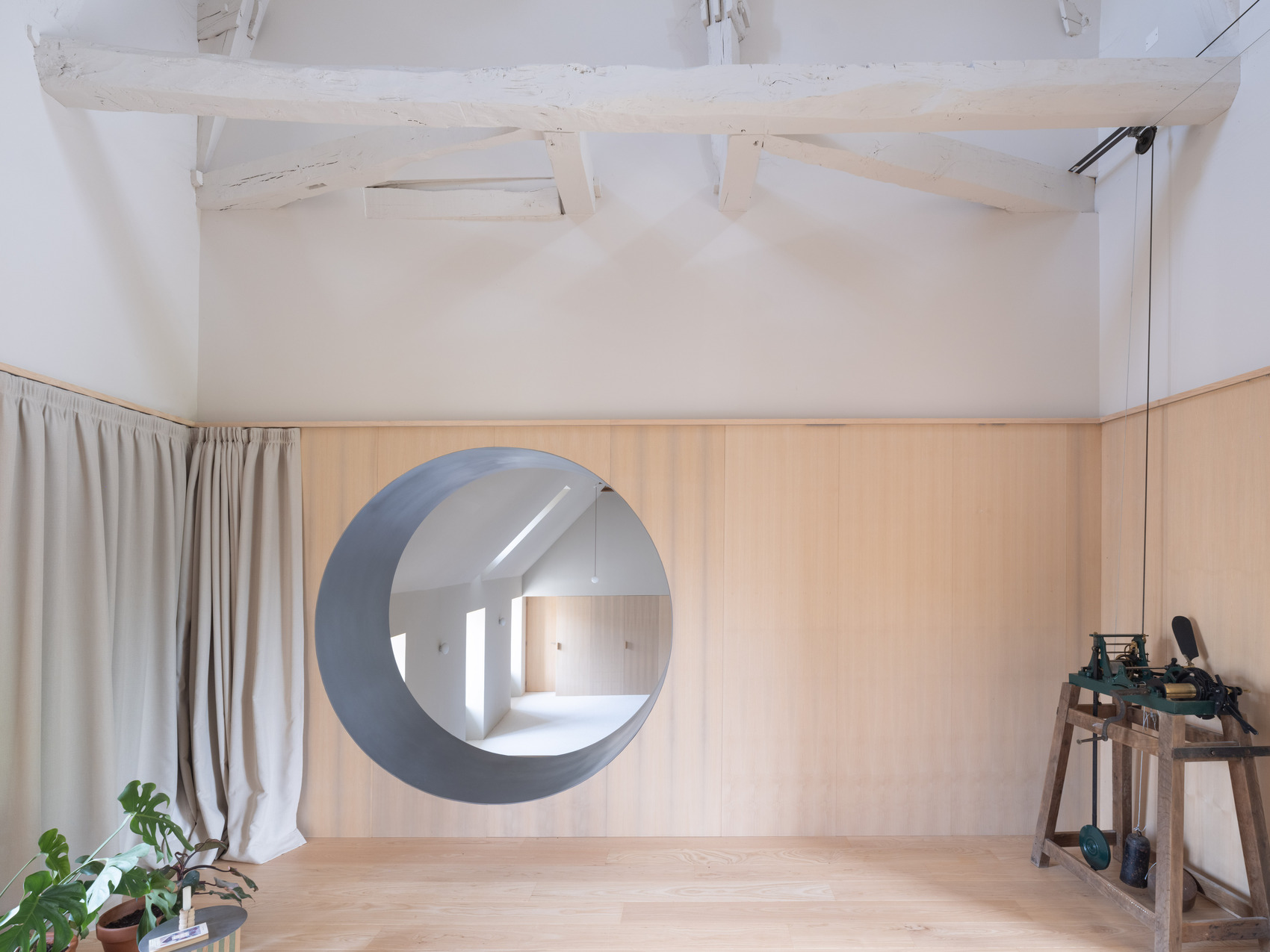
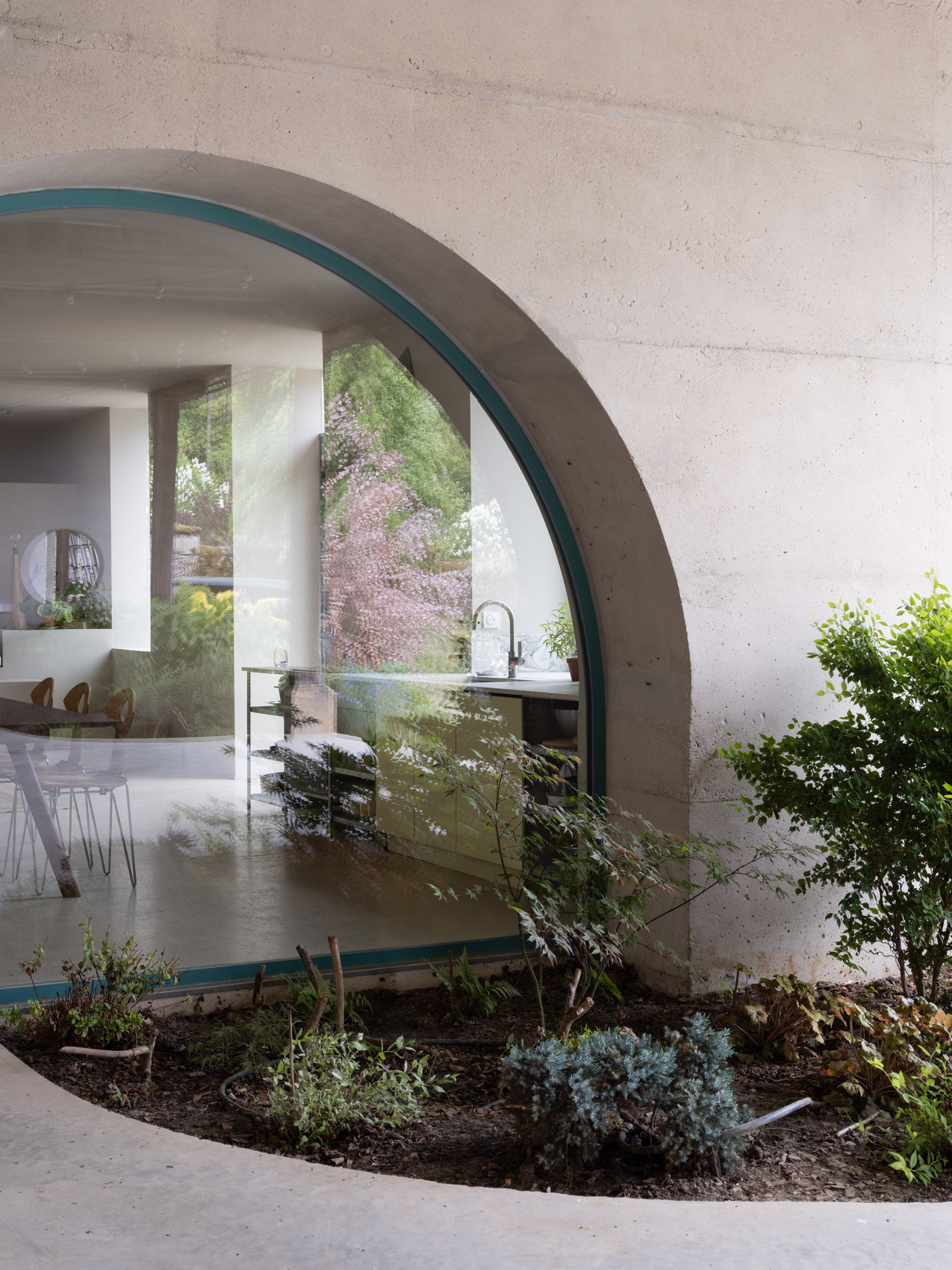
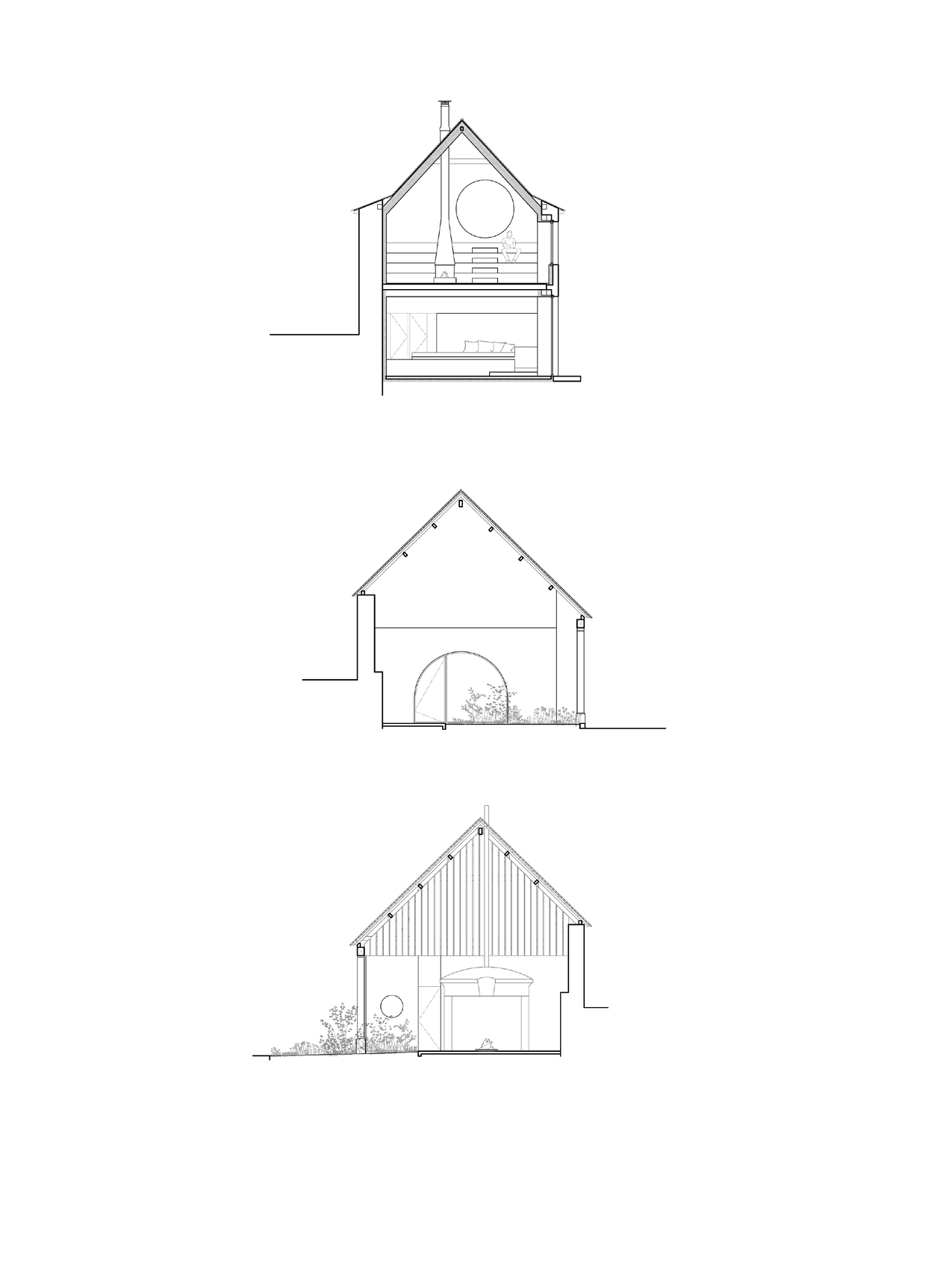
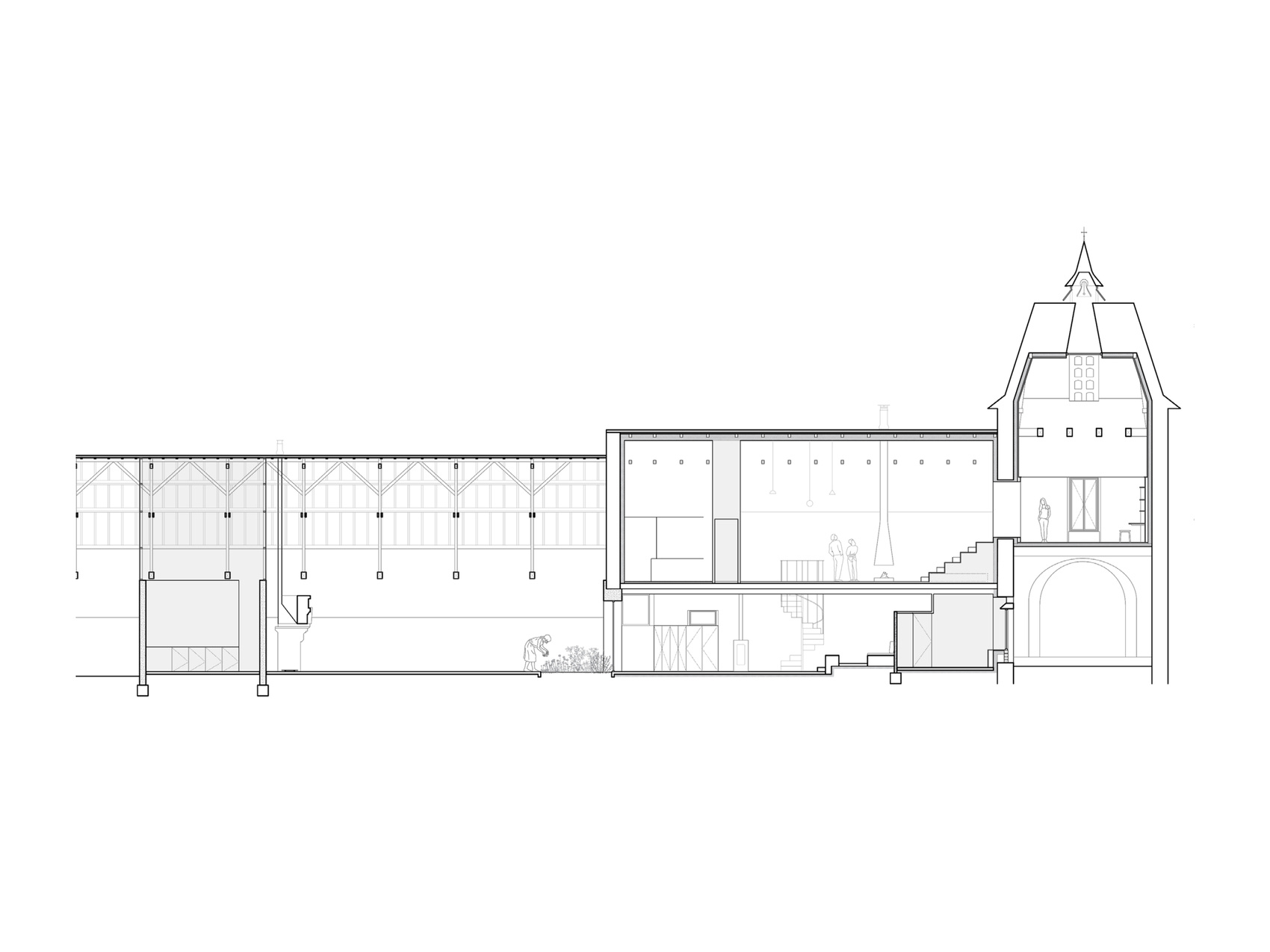
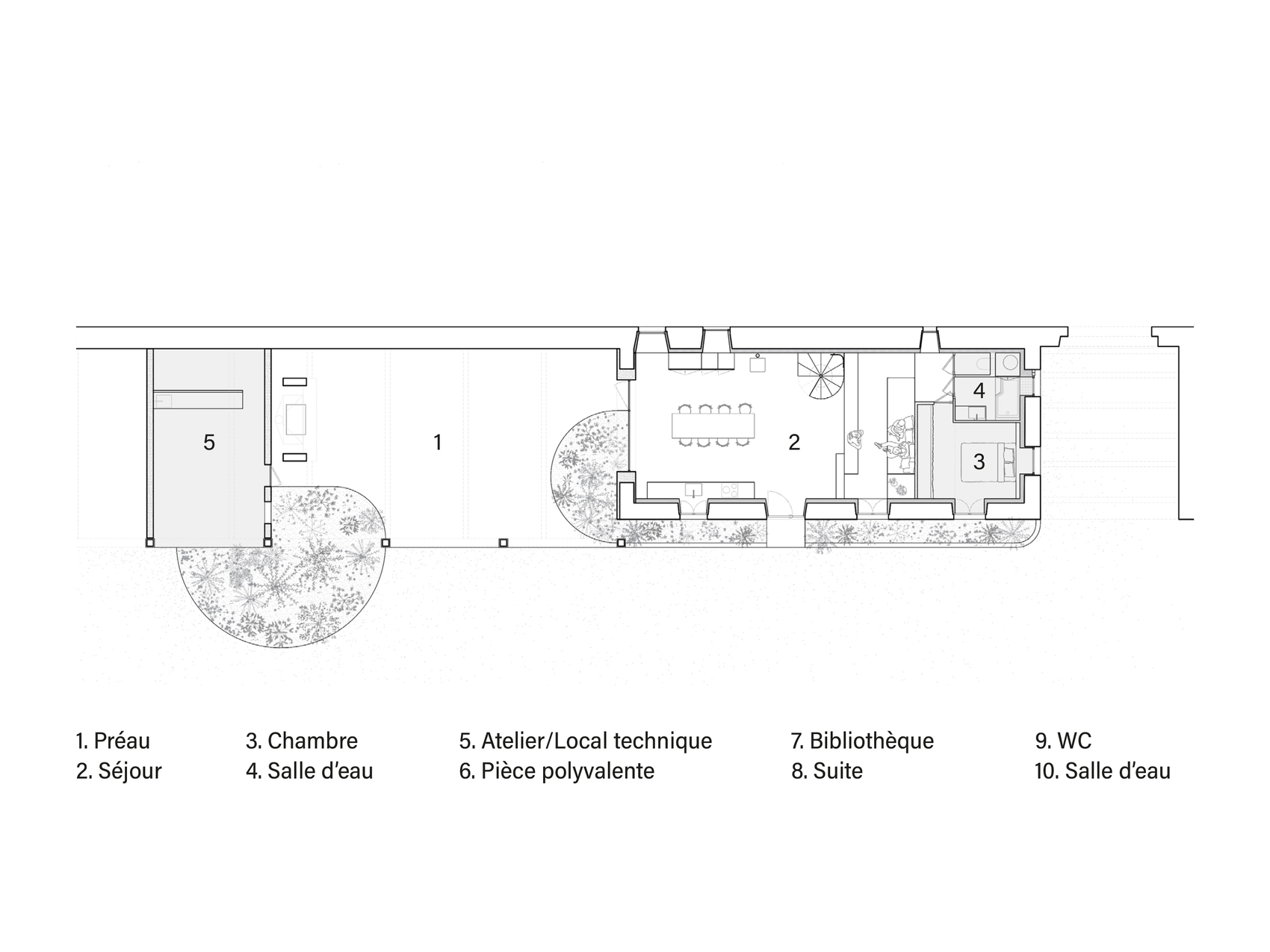
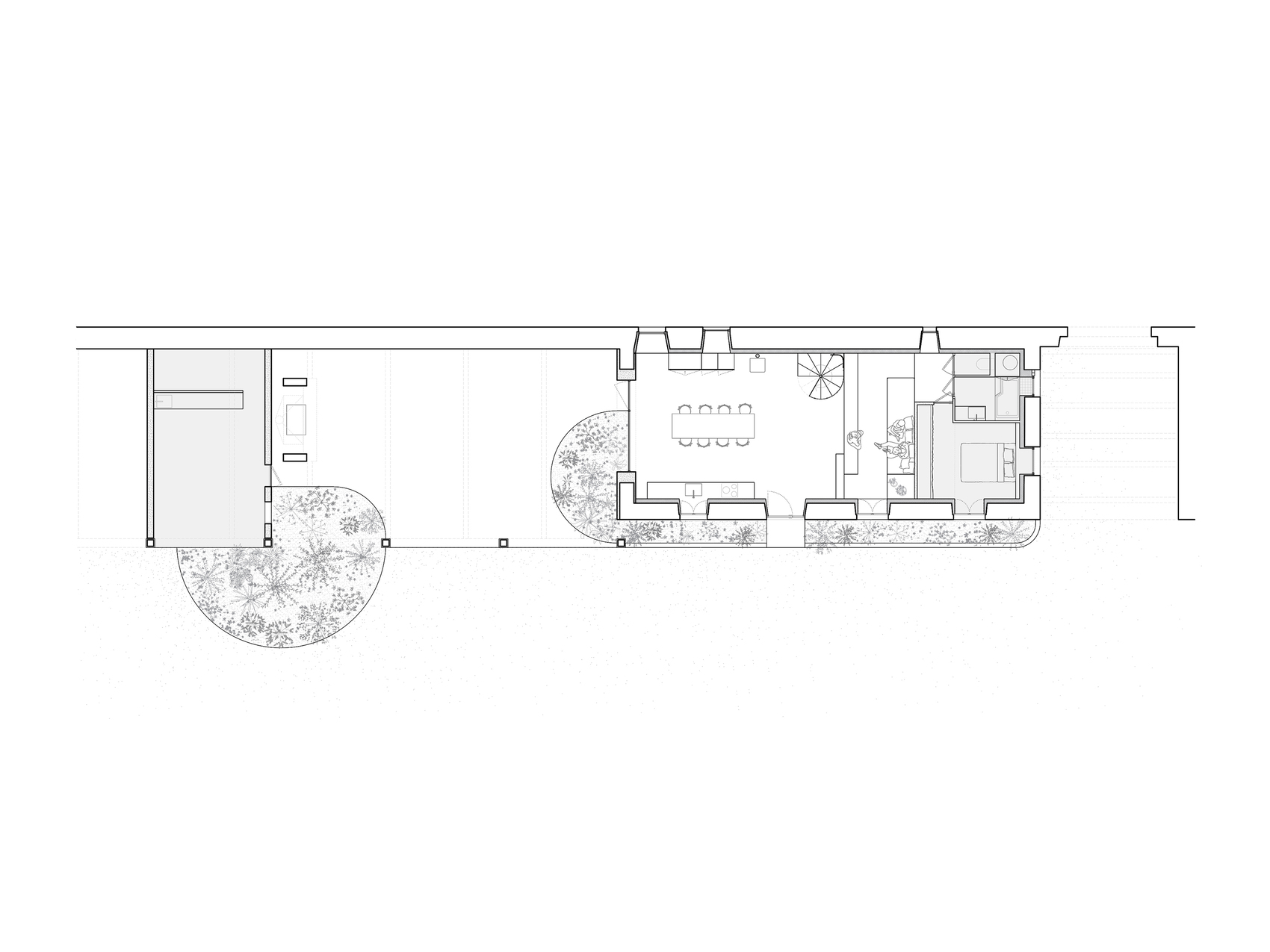
Central to the intervention is the reconnection of the open barn, the main building, and the dovecote. Two new openings carved through the load-bearing masonry walls establish visual and spatial continuity between these previously fragmented areas. Their curved geometry introduces a softer architectural language that contrasts with the robust stone construction while guiding movement through the house. The former barn, once an underused agricultural space, has been reimagined as a semi-interior landscape that extends the living environment and creates a new relationship with the farm courtyard. Within this setting, the restored stone fireplace becomes a focal point that anchors communal life.
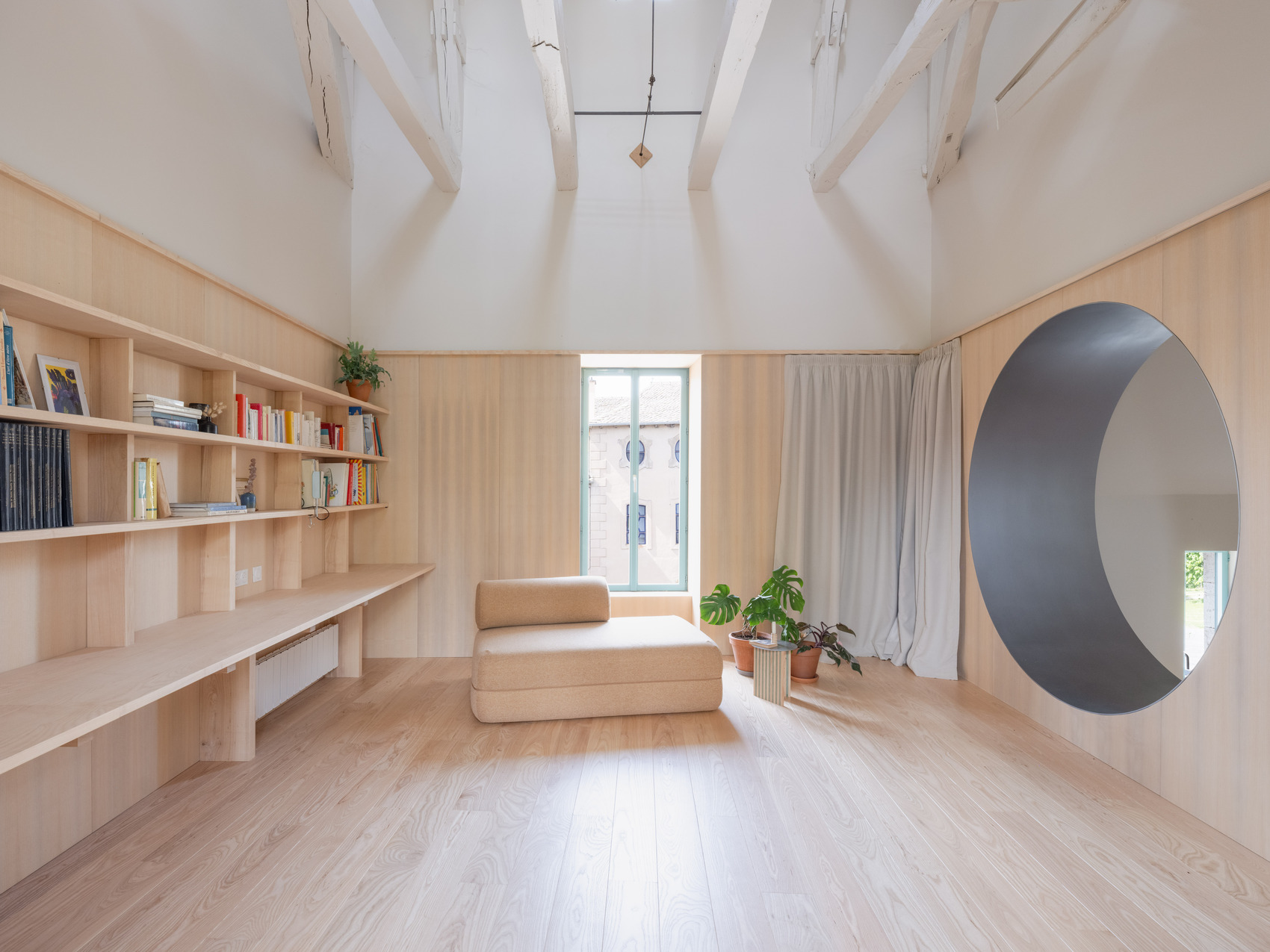
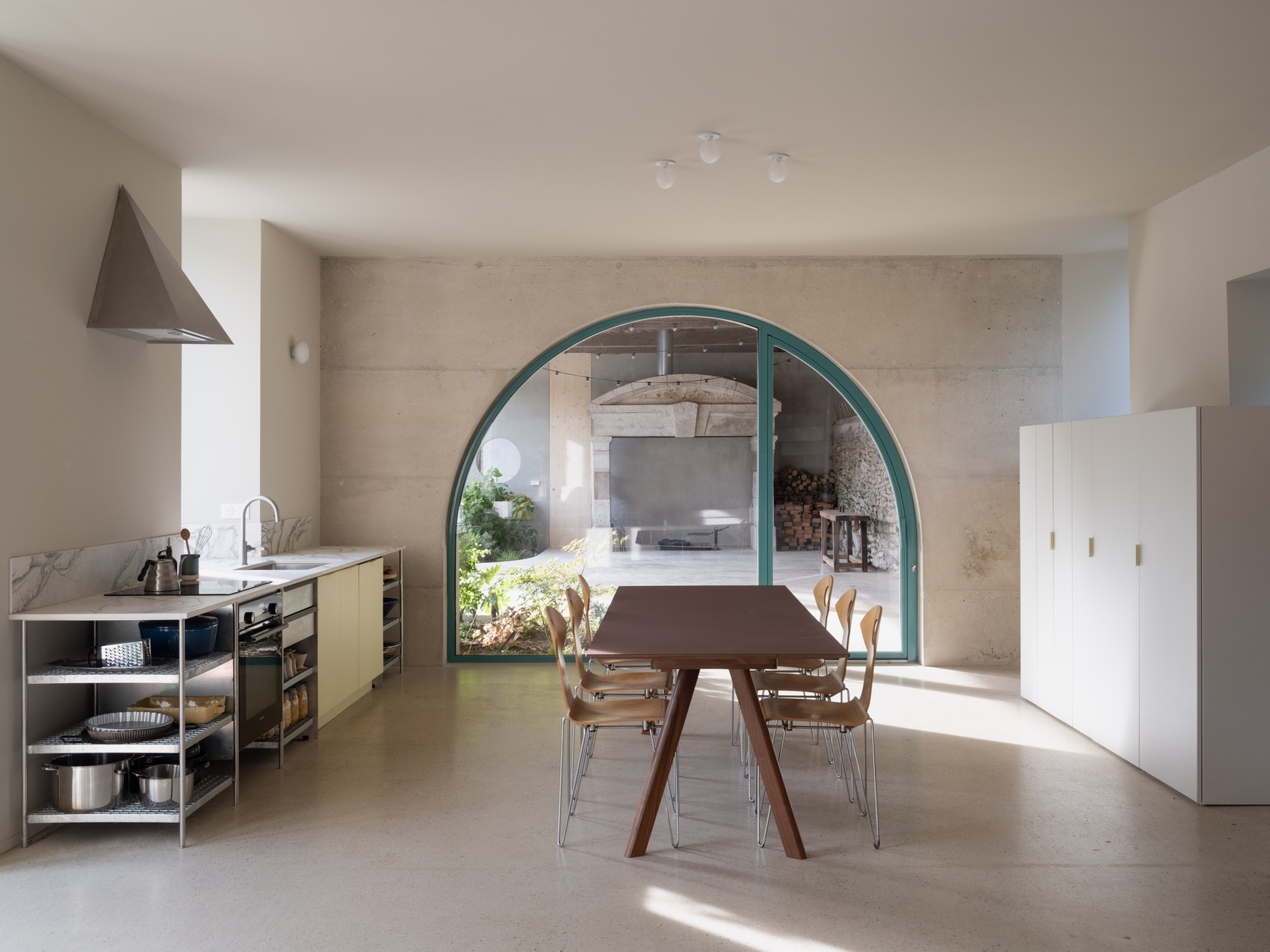
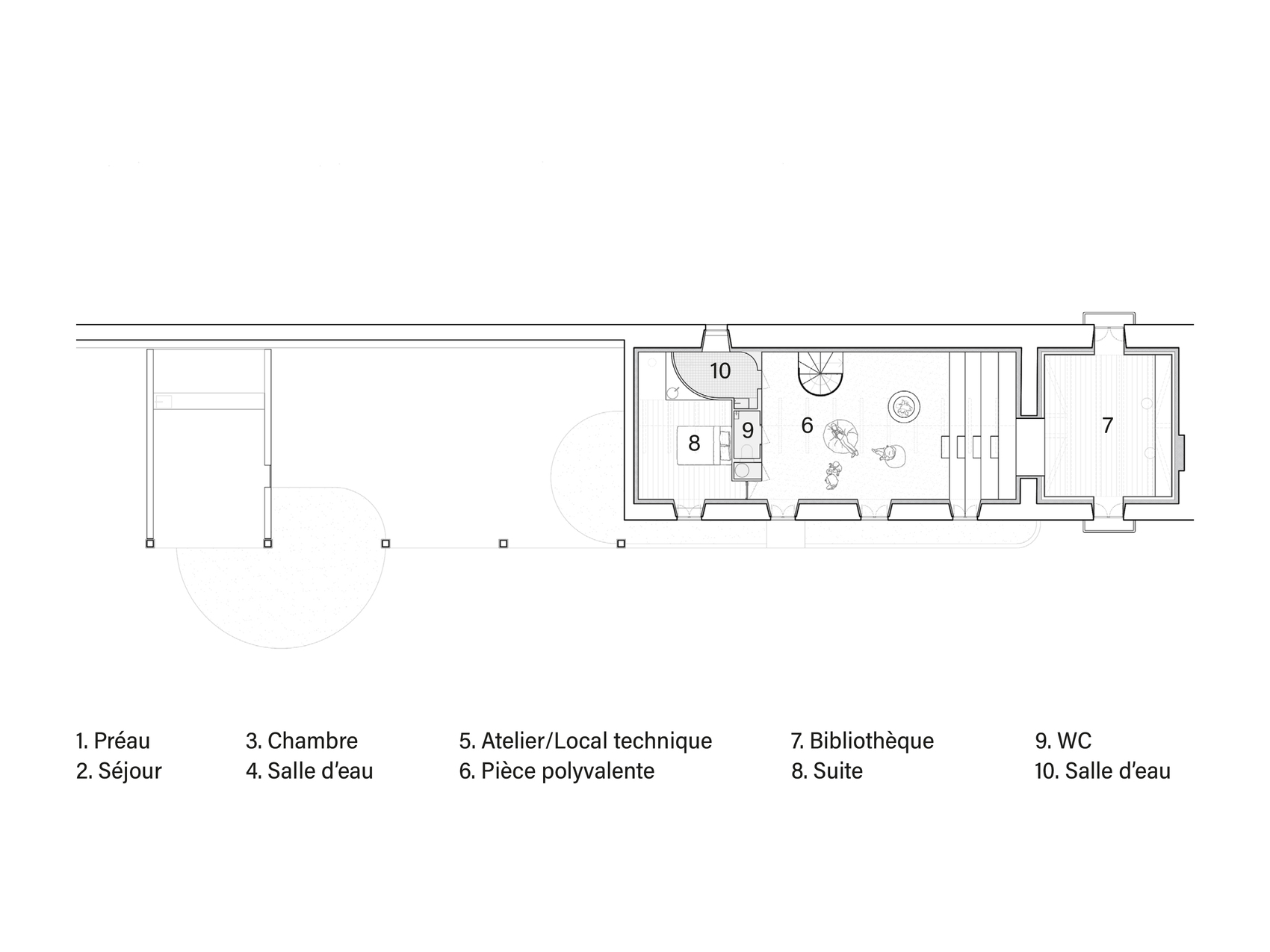
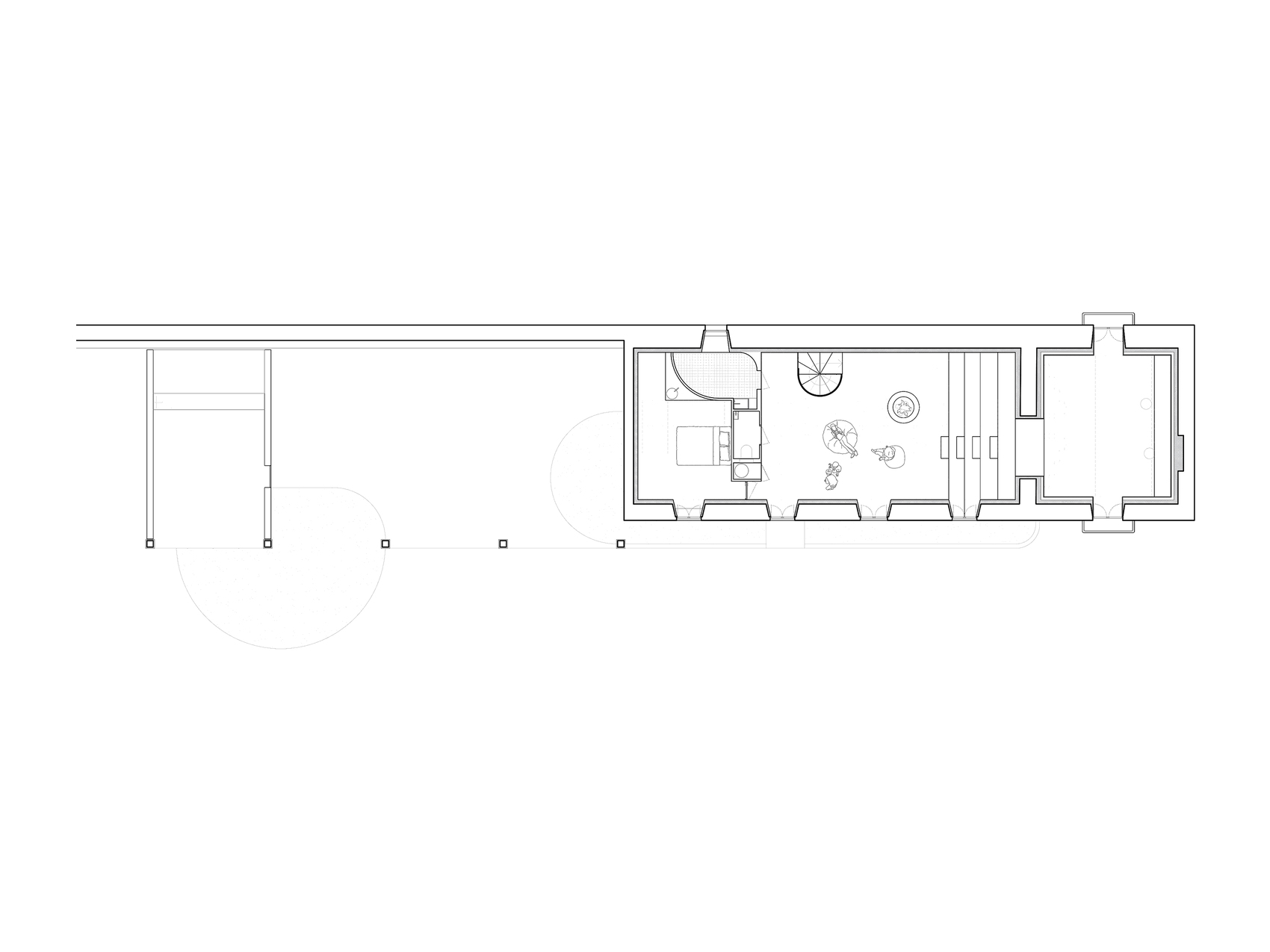
The interior organization is informed by the logic of the existing building rather than imposed upon it. All original façade openings have been retained, with each room positioned to benefit from the particular qualities of light, view, and proportion already present within the structure. This approach allows the renovation to remain closely tied to the character of the farmhouse while avoiding unnecessary alterations to its historic envelope. The resulting spaces feel both contemporary and deeply rooted in the building’s architectural history.
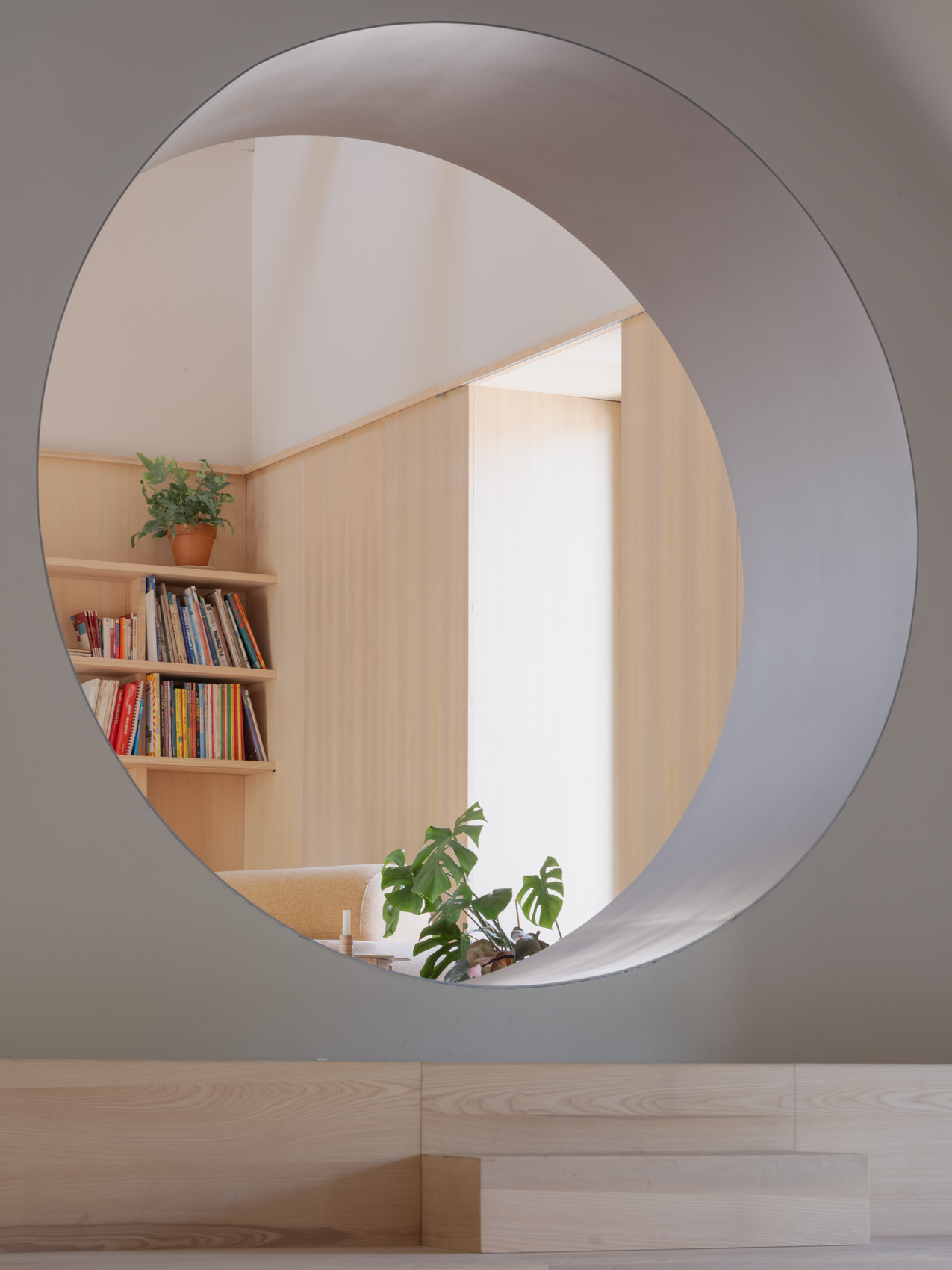
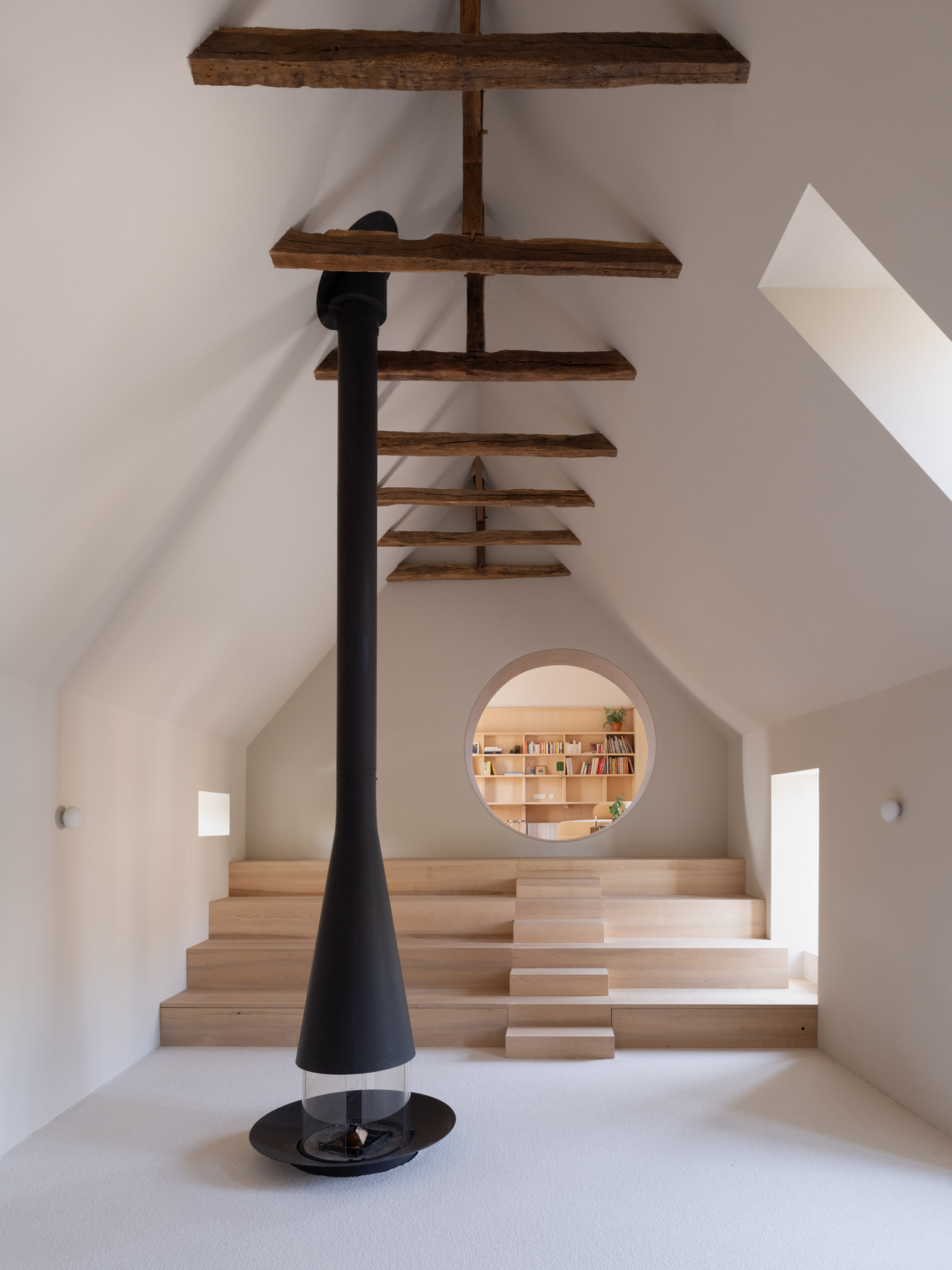
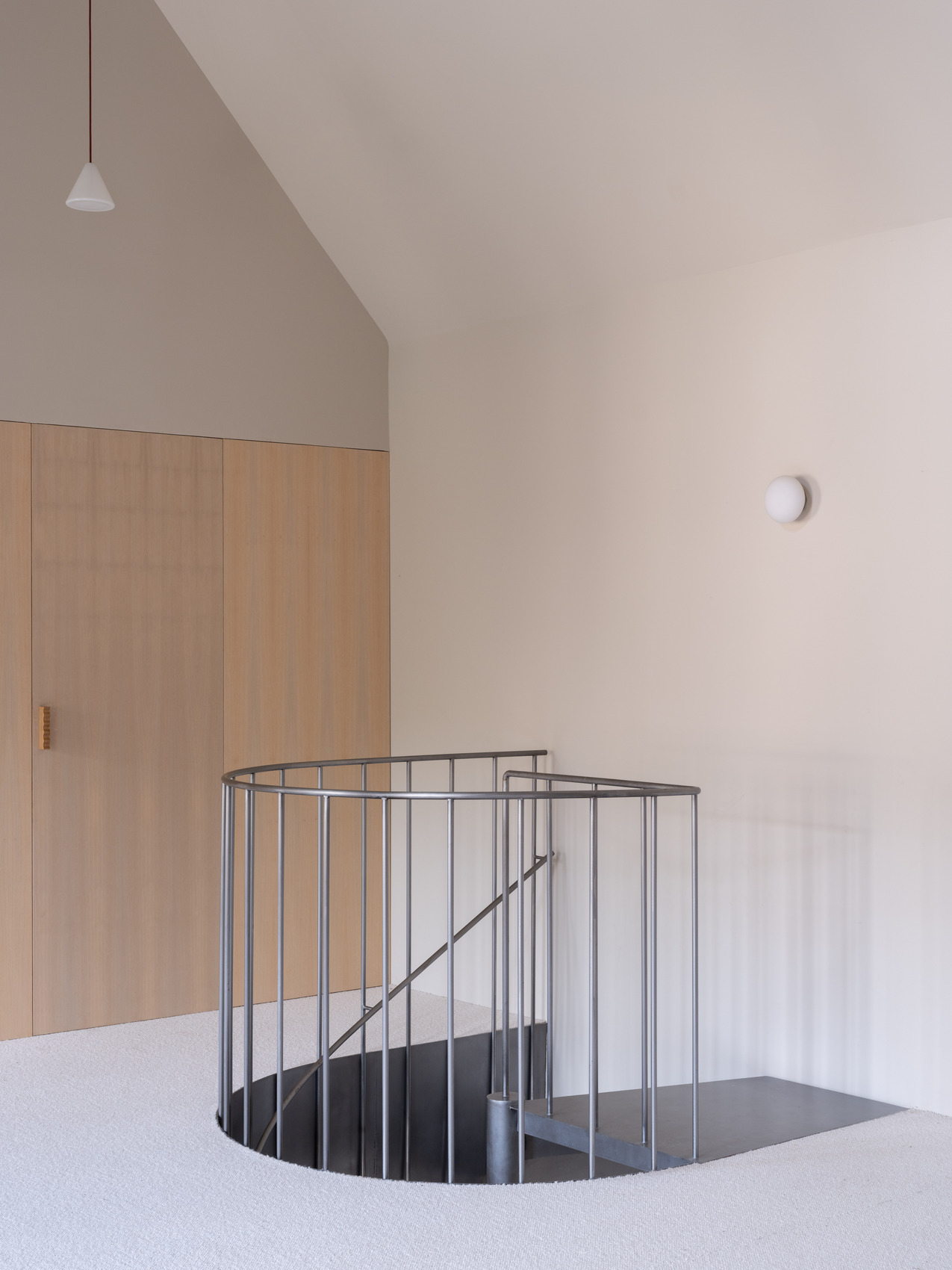
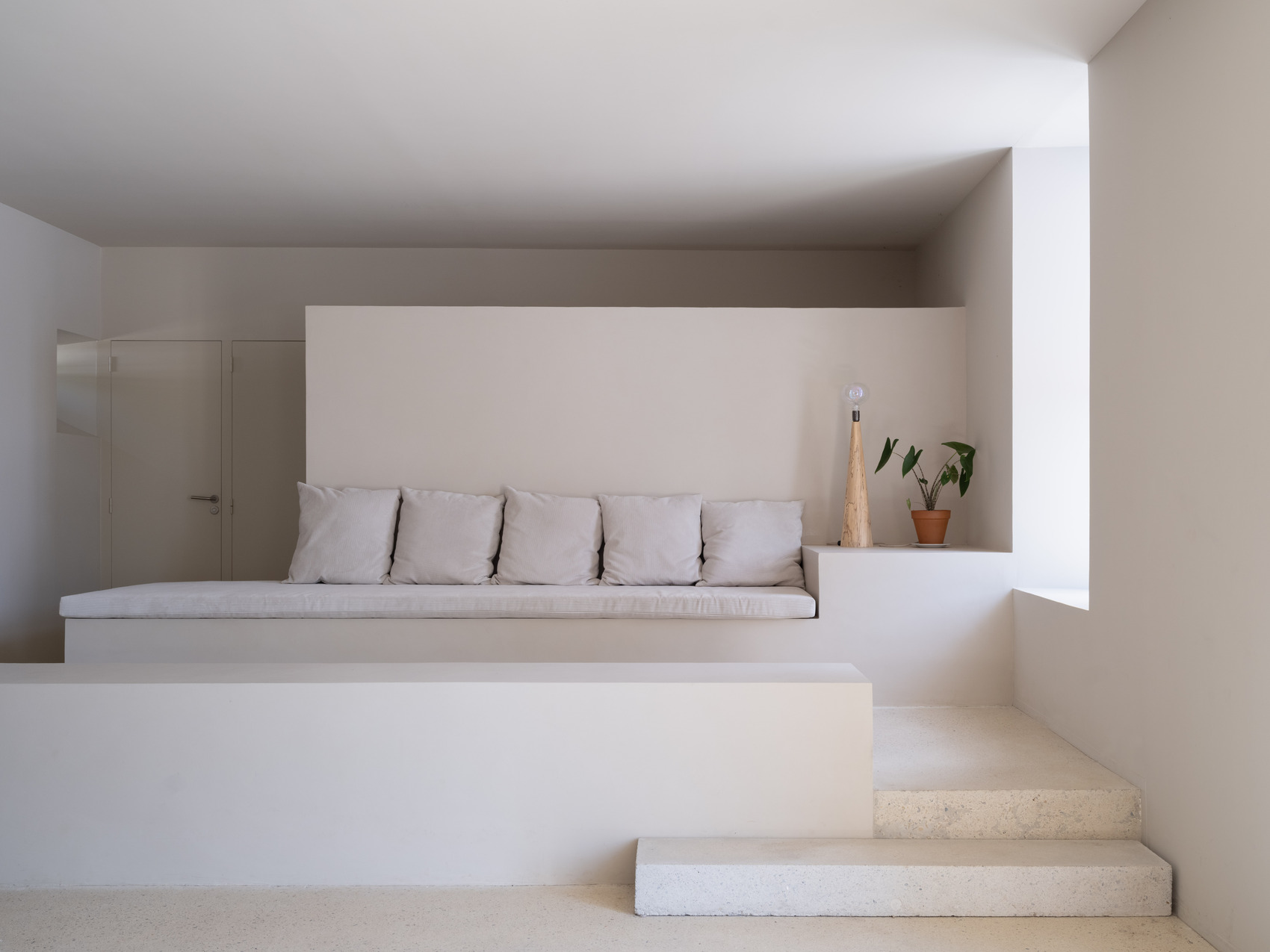
On the upper floor, the removal of intermediate ceilings reveals the full height and generosity of the original volumes. Natural light entering through the existing dormer windows is amplified, creating brighter and more expansive interiors. The tower regains its vertical presence, and the restored bell mechanisms once used to regulate daily agricultural activity are once again visible. Flexibility is embedded throughout the upper level, where stepped seating surrounding a central hearth enables the space to function alternately as a communal lounge, dormitory, screening room, or intimate performance venue depending on the needs of its occupants.
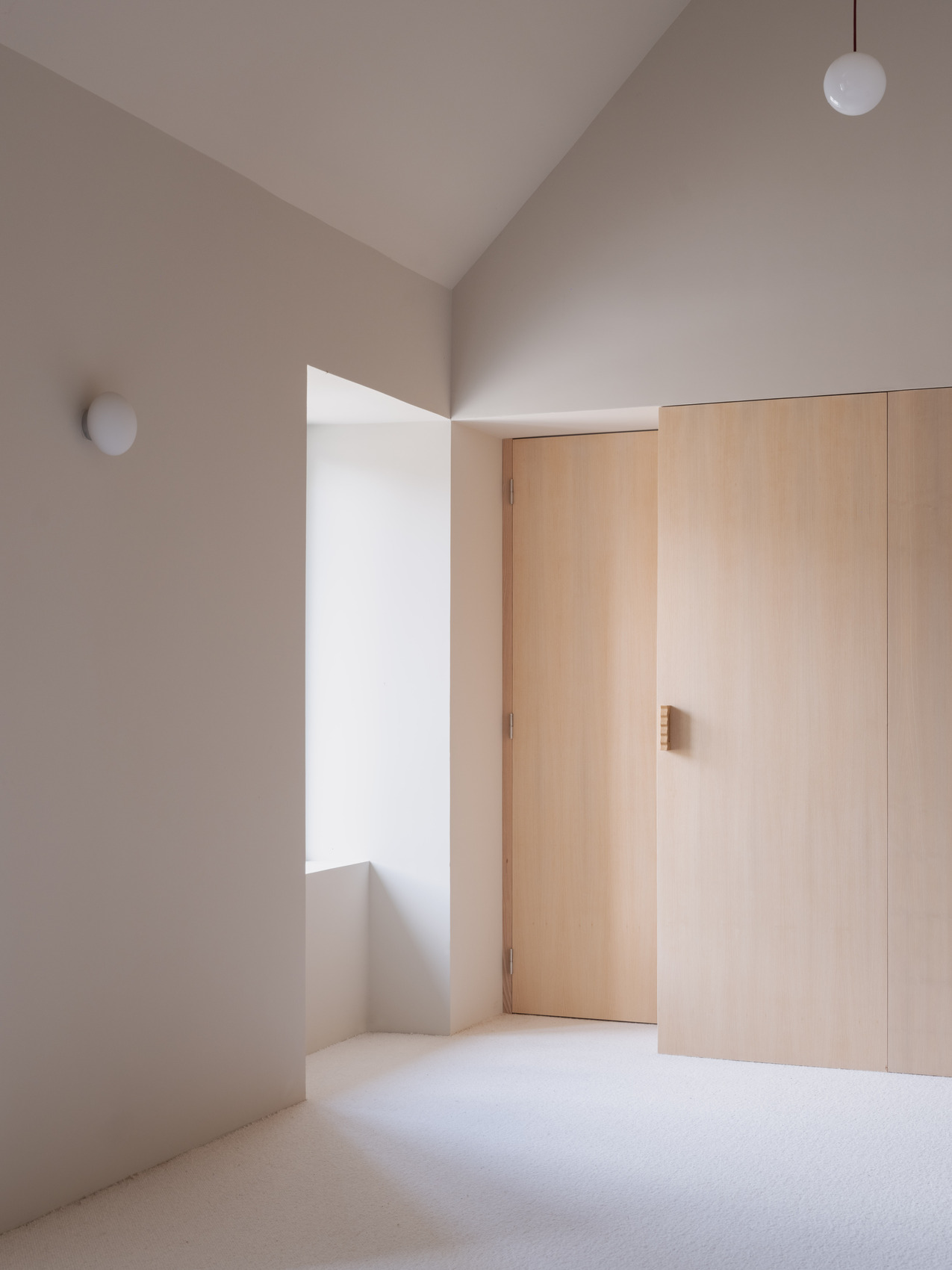
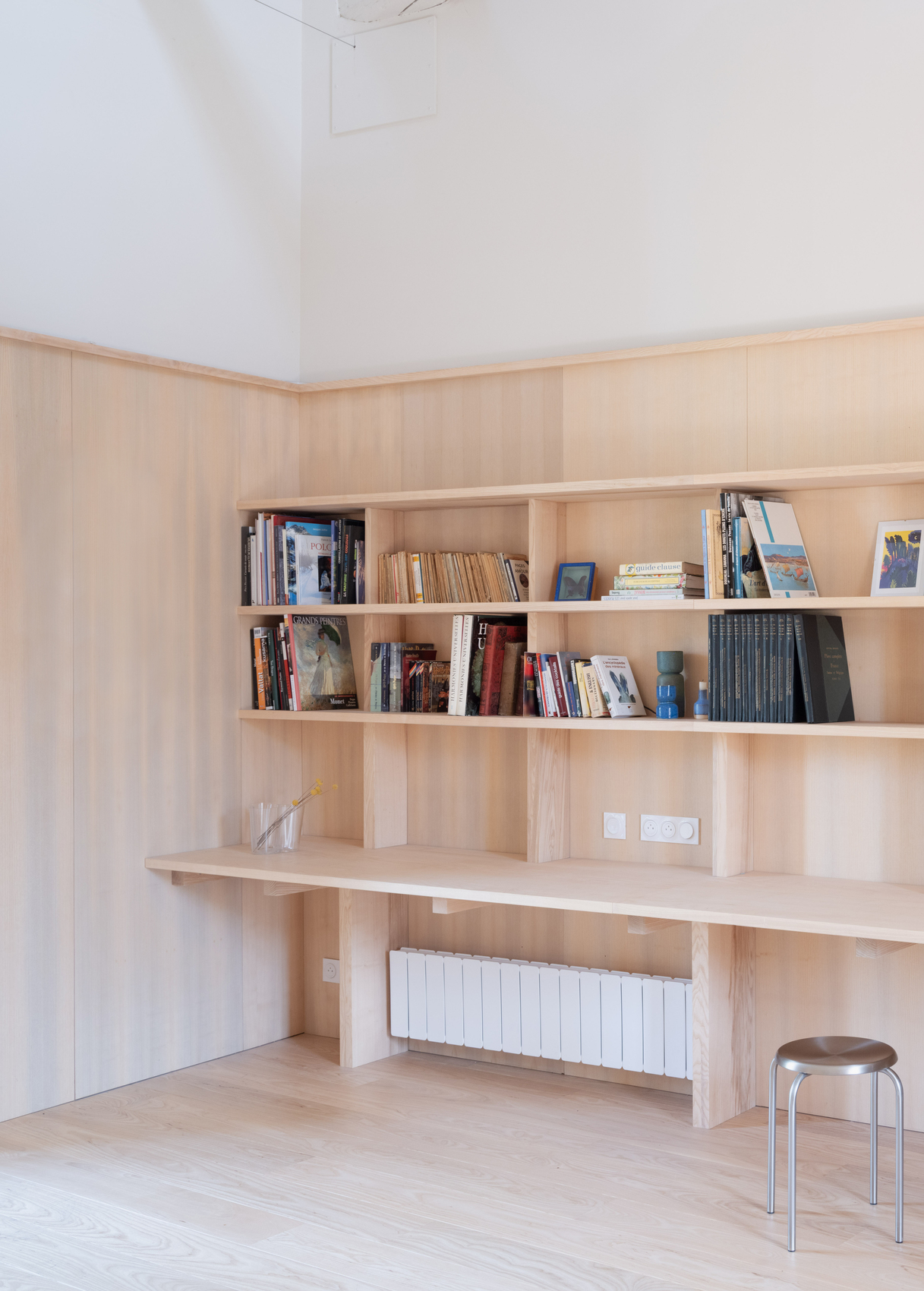
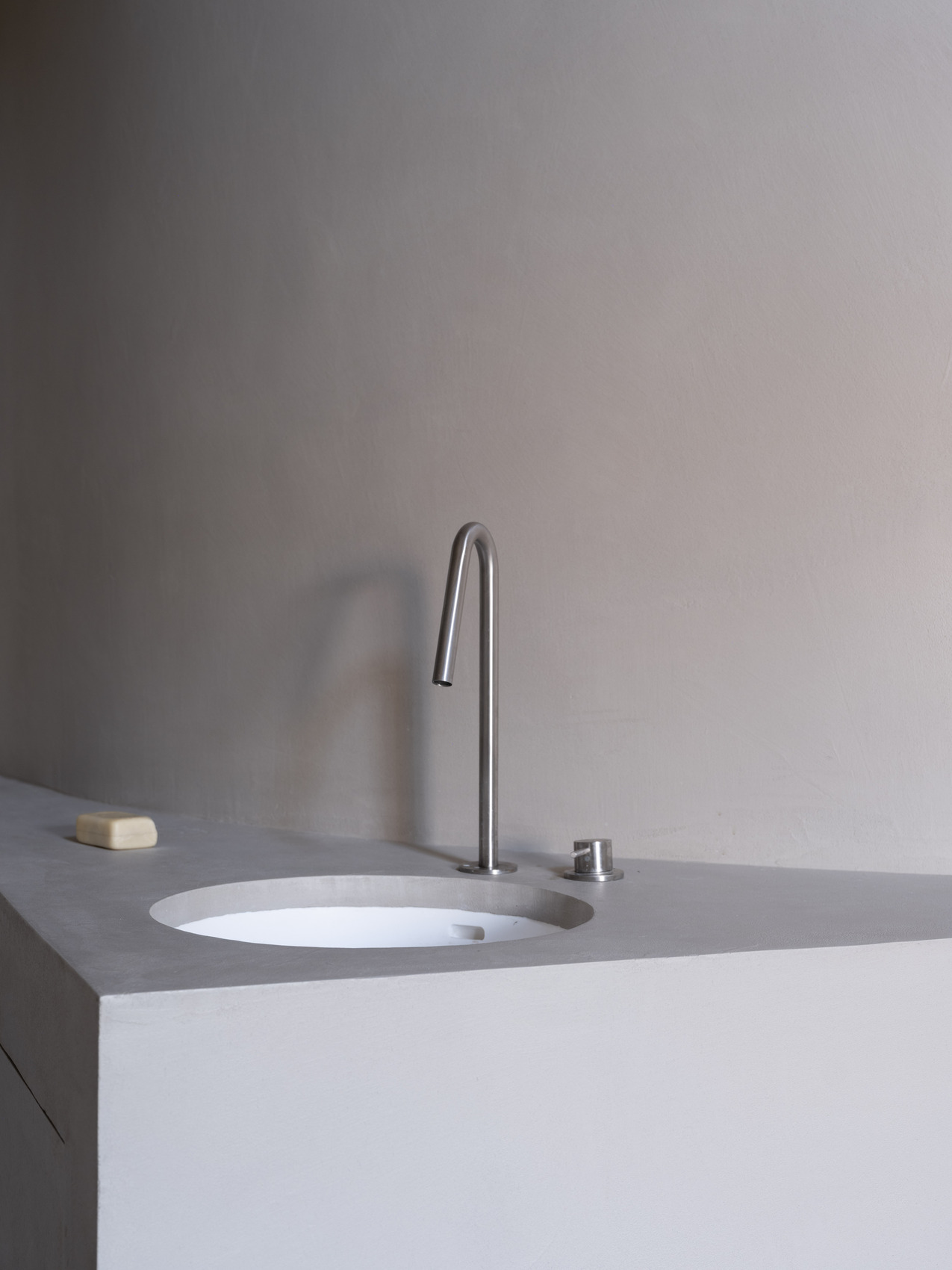
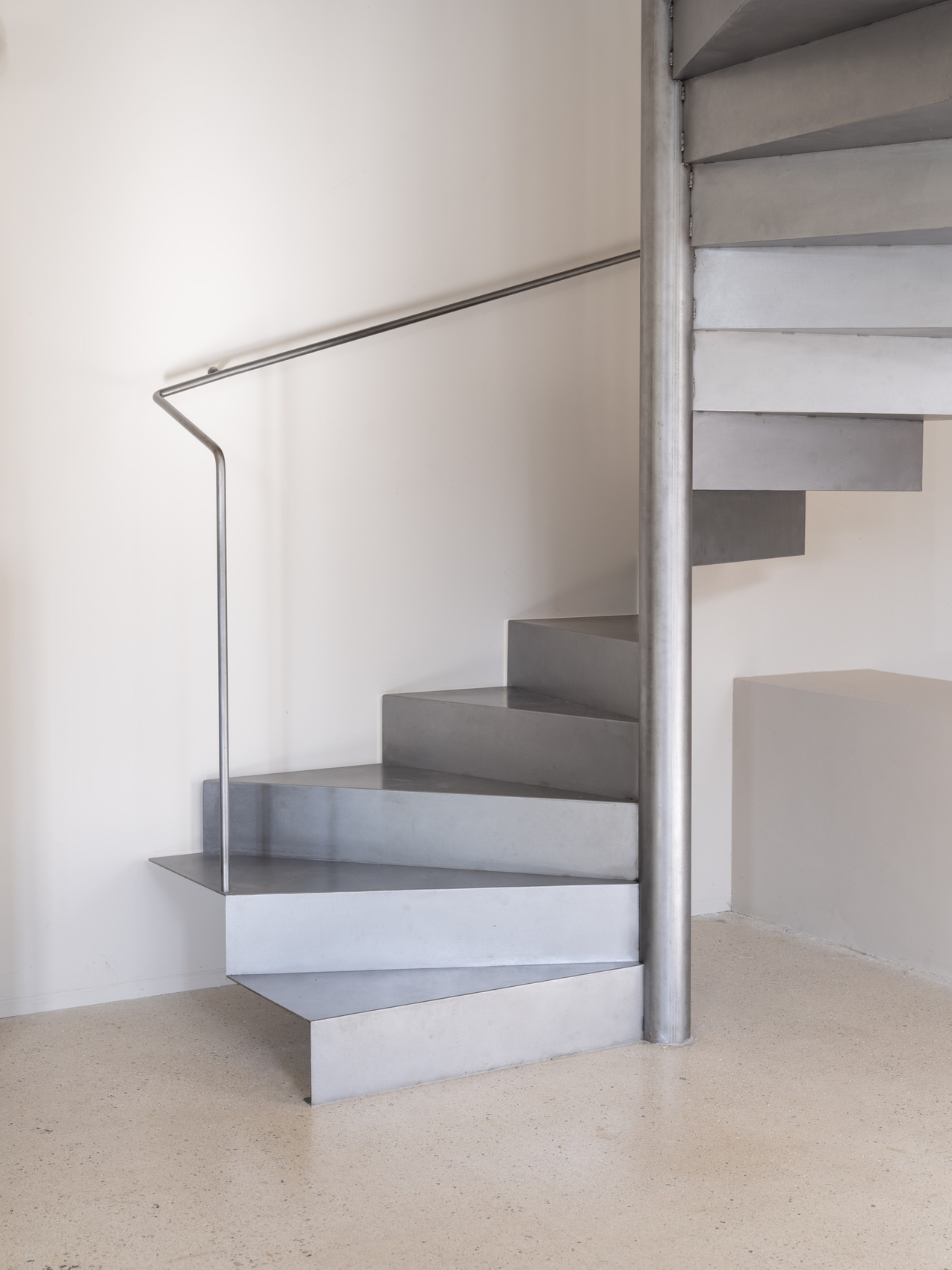
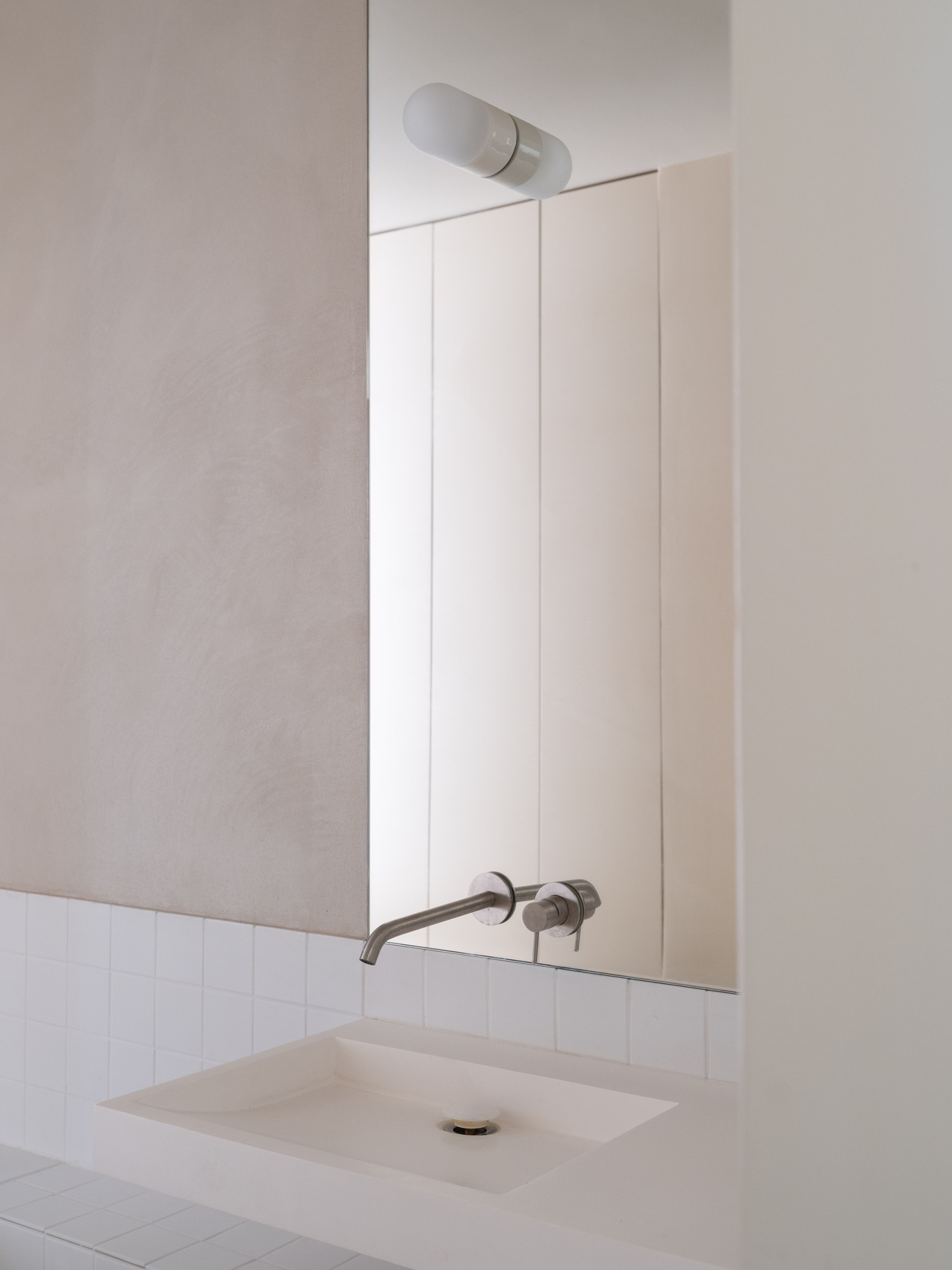
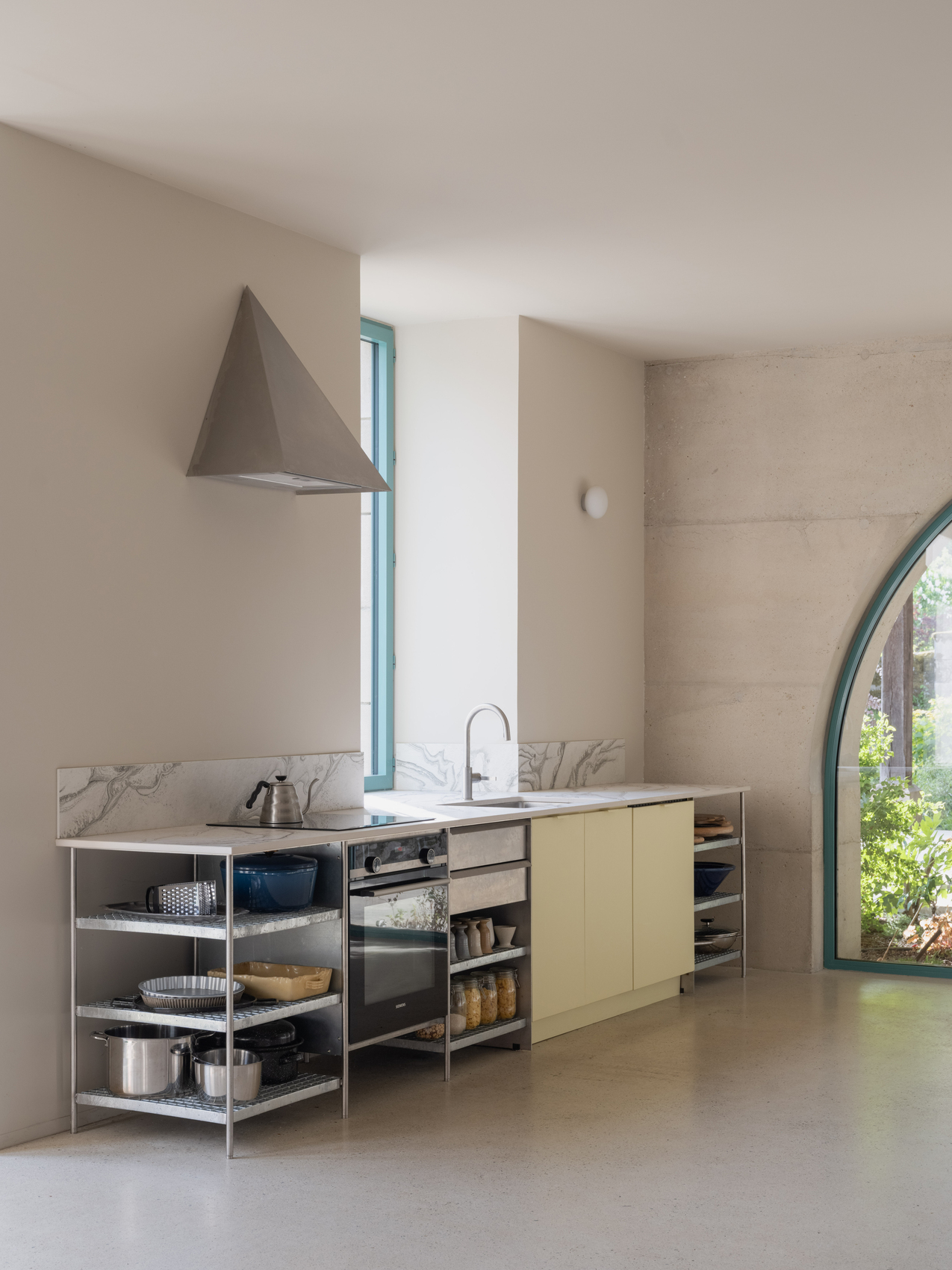
Alongside the spatial transformation, the project incorporates a comprehensive thermal renovation and a series of carefully integrated furnishings. The substantial thickness of the existing stone walls works together with new internal insulation to improve energy performance and comfort, while the removal of impermeable cement render allows the original masonry to re-emerge. Built-in benches, concealed storage, continuous cabinetry, stepped seating, and a library wall are incorporated as architectural elements rather than independent objects. Concrete, ash wood, stainless steel, and sheep’s wool are combined with selective accents of color, creating interiors that balance durability and warmth while reinforcing the dialogue between contemporary intervention and rural heritage.
Project Gallery
Project Location
Address: Pont-de-Salars, France
The location specified is intended for general reference and may denote a city or country, but it does not identify a precise address.

