

Architects: Peder Vilhelm Jensen-Klint
Year: 1940
Photography: Peder Vilhelm Jensen-Klint, Flemming Ibsen, Roberto Conte, Petr Šmídek, Valentina Solano, Rune Brimer, Emily, noona11, Wikimedia Commons, Haydn Blackey, Hans Andersen, Sakena, seier+seier, astoft.uk
City: Copenhagen
Country: Denmark
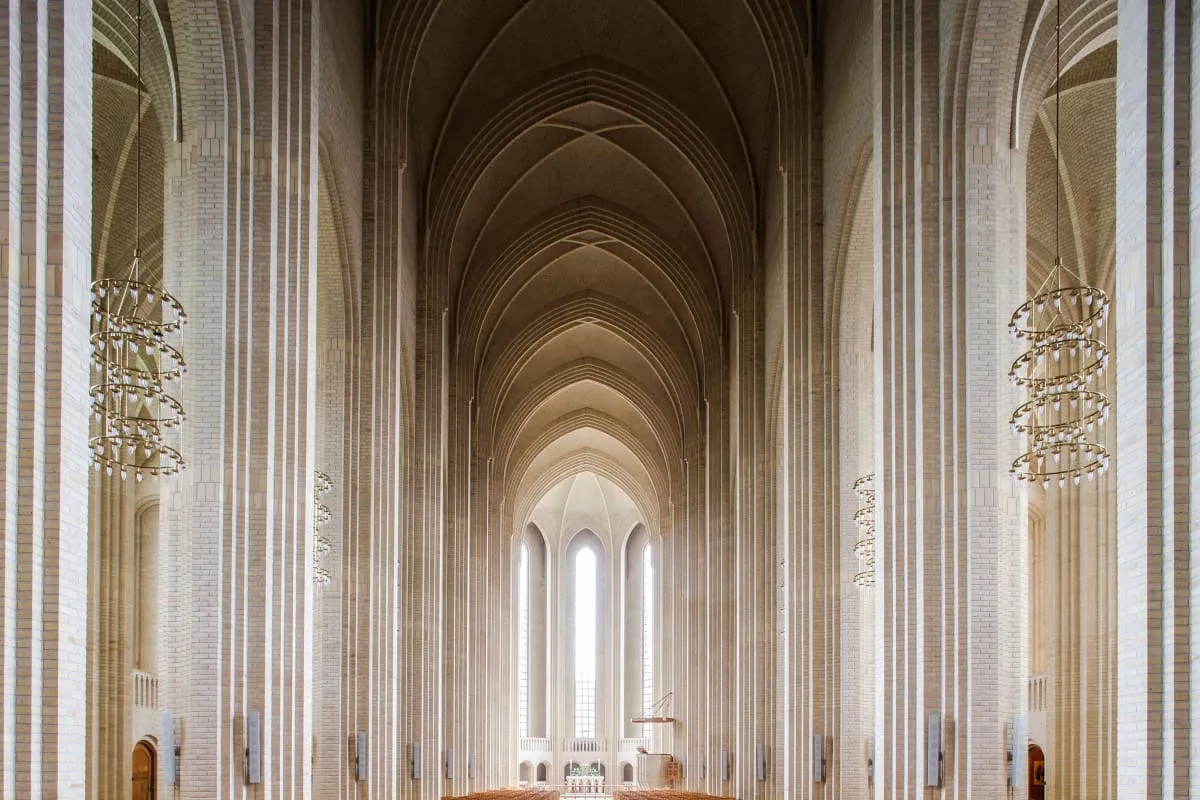
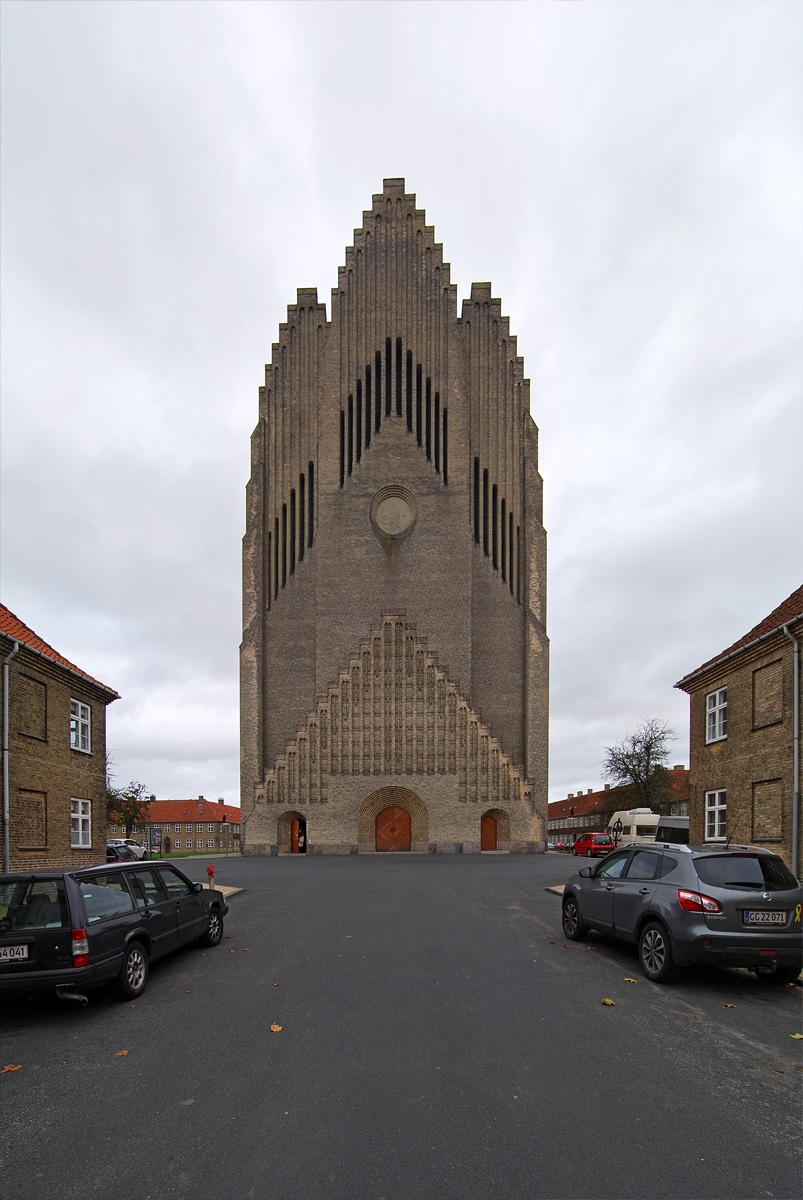
Grundtvig’s Church, a religious building designed by Peder Vilhelm Jensen-Klint in Copenhagen, Denmark, reinterpreted Danish church architecture through a synthesis of Brick Expressionism and Gothic traditions. Completed in 1940, the church was conceived as a national memorial to theologian, philosopher, historian, and educator N.F.S. Grundtvig, whose influence on Danish culture and education shaped the project’s conceptual foundation. Positioned in the Bispebjerg district, the church forms the centerpiece of a larger residential development planned by Jensen-Klint, creating a unified urban composition that links architecture, landscape, and community. Grundtvig’s Church combines the vertical emphasis of Gothic cathedrals with references to traditional Danish village churches, particularly their stepped gables and brick construction. Built almost entirely from yellow brick sourced from Zealand, the structure demonstrates a consistent material language across its exterior and interior. The monumental west façade, dominated by a 49-meter bell tower, establishes a strong civic and spiritual presence within the surrounding neighborhood. The church follows a cruciform arrangement with a triple-aisled hall, pointed arches, ribbed vaults, and a tall nave illuminated by large windows. Despite its scale, the interior remains restrained, relying on proportion, light, and material continuity rather than ornamentation. Approximately six million yellow bricks were used throughout the project, creating a unified architectural expression that reinforces the building’s spatial clarity. Construction began on September 8, 1921, and continued for nineteen years. Following Jensen-Klint’s death in 1930, the work was completed under the supervision of his son, Kaare Klint, making the church a project shaped across multiple generations of the same family. Today, Grundtvig’s Church remains one of the most significant examples of Expressionist religious architecture and a landmark of twentieth-century Danish architecture.
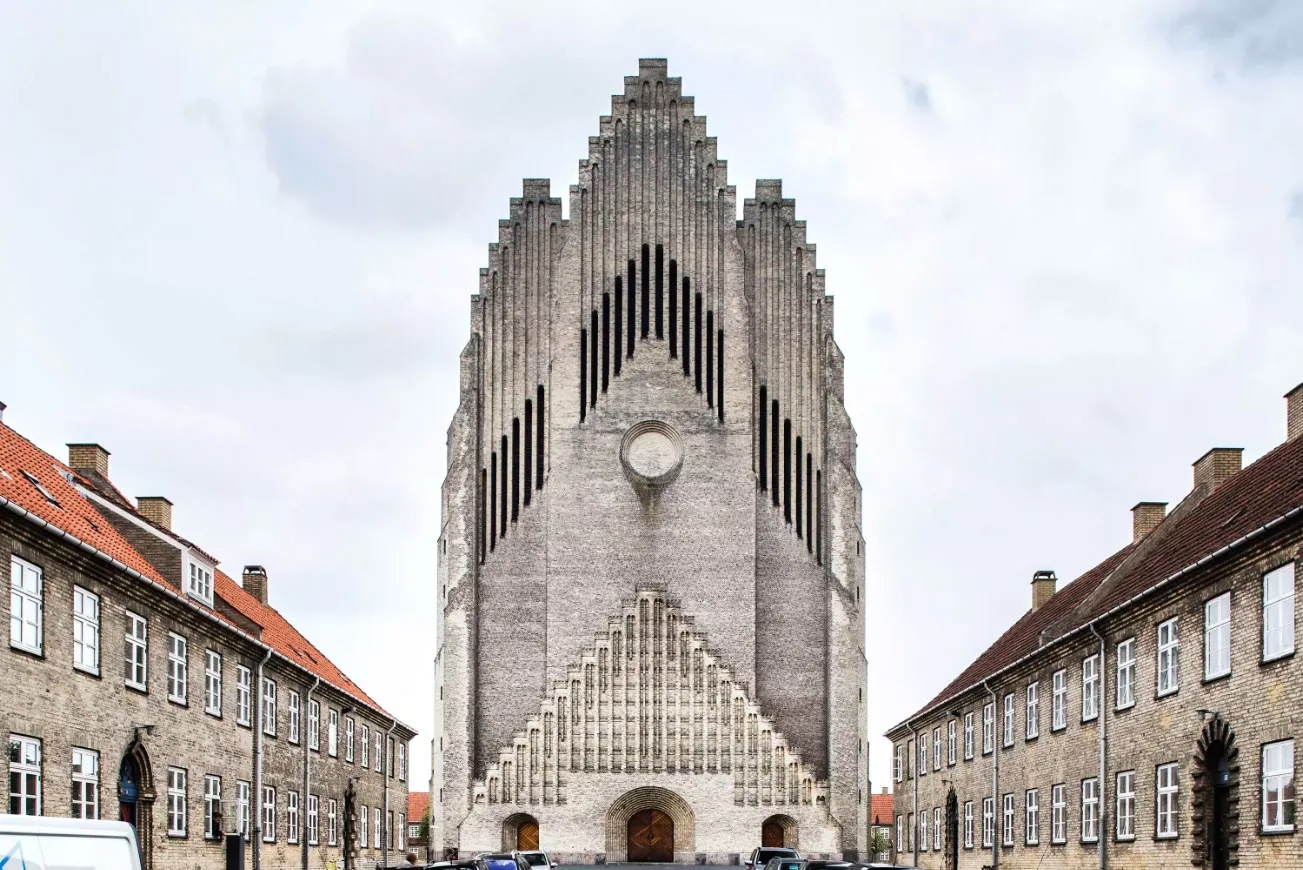
Grundtvig’s Church (Grundtvigs Kirke) stands in the Bispebjerg district of Copenhagen as one of the most important works of Danish Expressionist architecture. Designed by Peder Vilhelm Jensen-Klint, the church was conceived as a memorial to N.F.S. Grundtvig, a prominent Danish pastor, philosopher, historian, hymn writer, and politician.
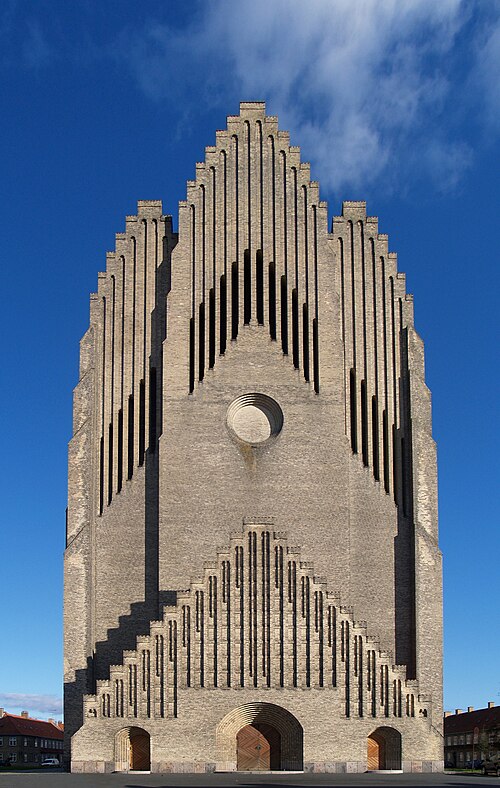
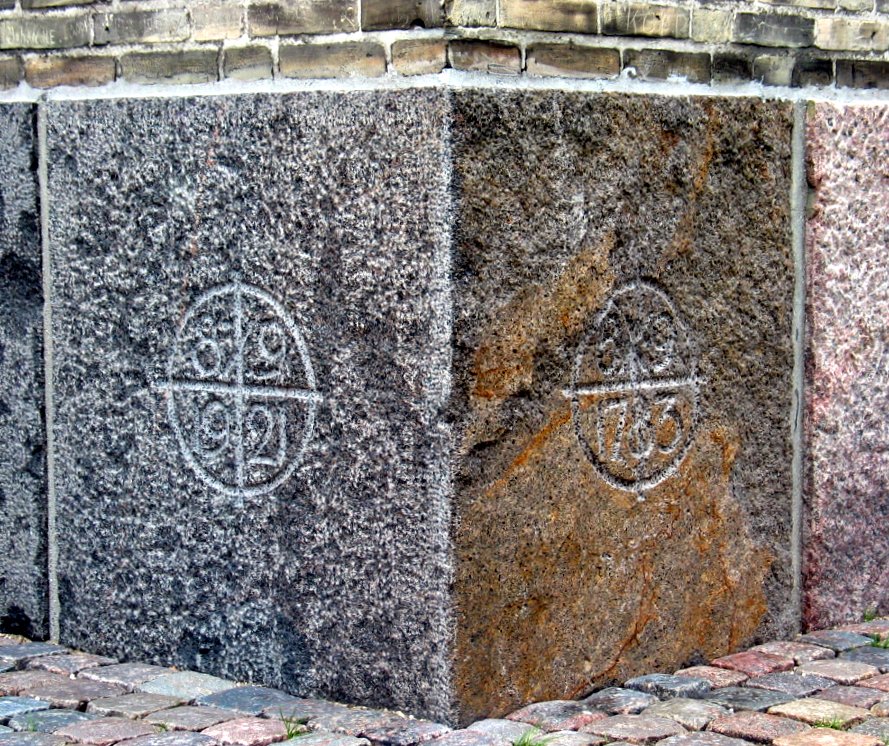
The commission was awarded through a competition won by Jensen-Klint in 1913. The project emerged from a national effort to commemorate Grundtvig’s contribution to Danish culture and education. Construction began on September 8, 1921, Grundtvig’s birthday, and continued until 1940. After Jensen-Klint’s death in 1930, the project was completed by his son, Kaare Klint.
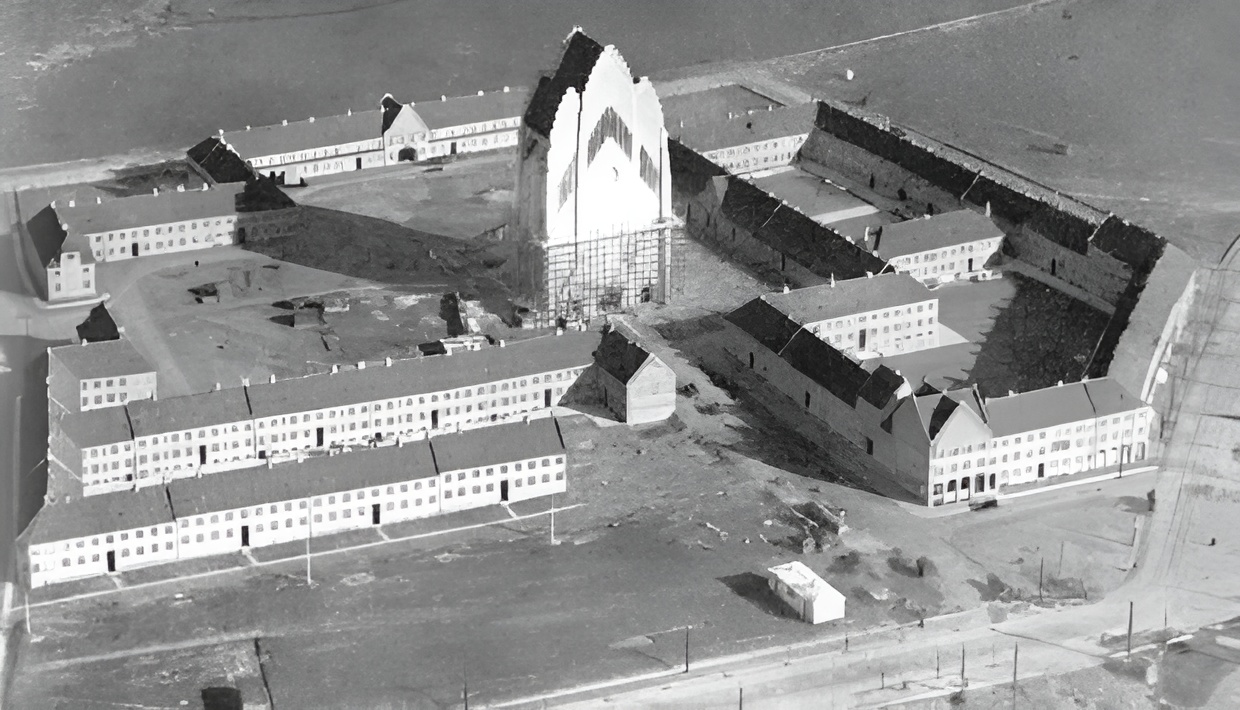
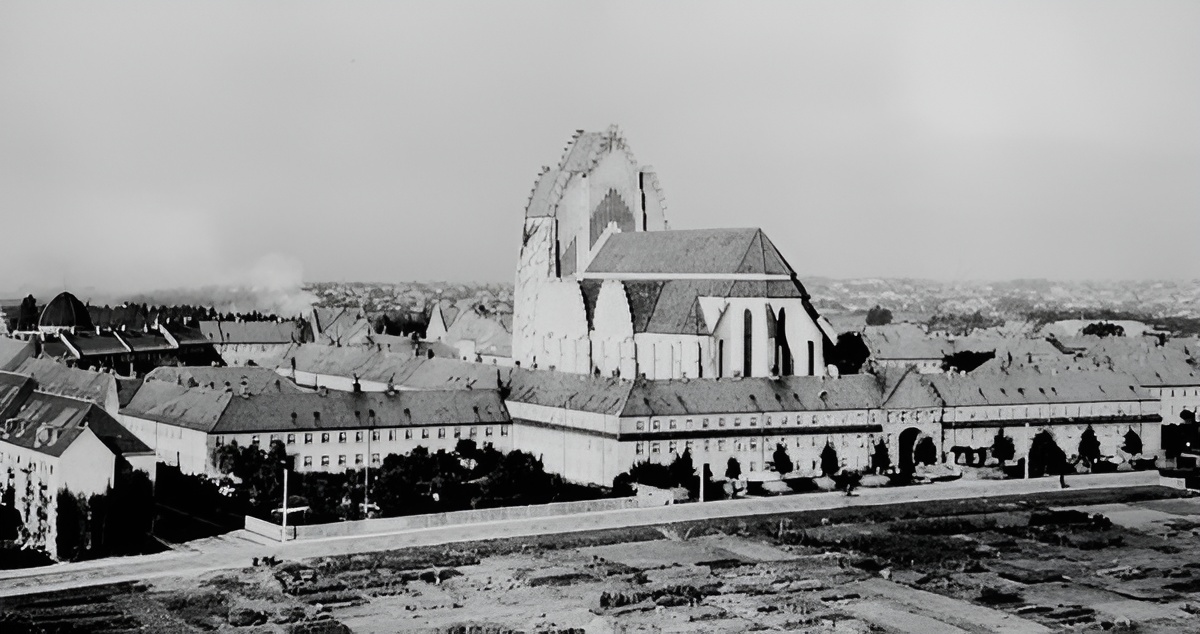
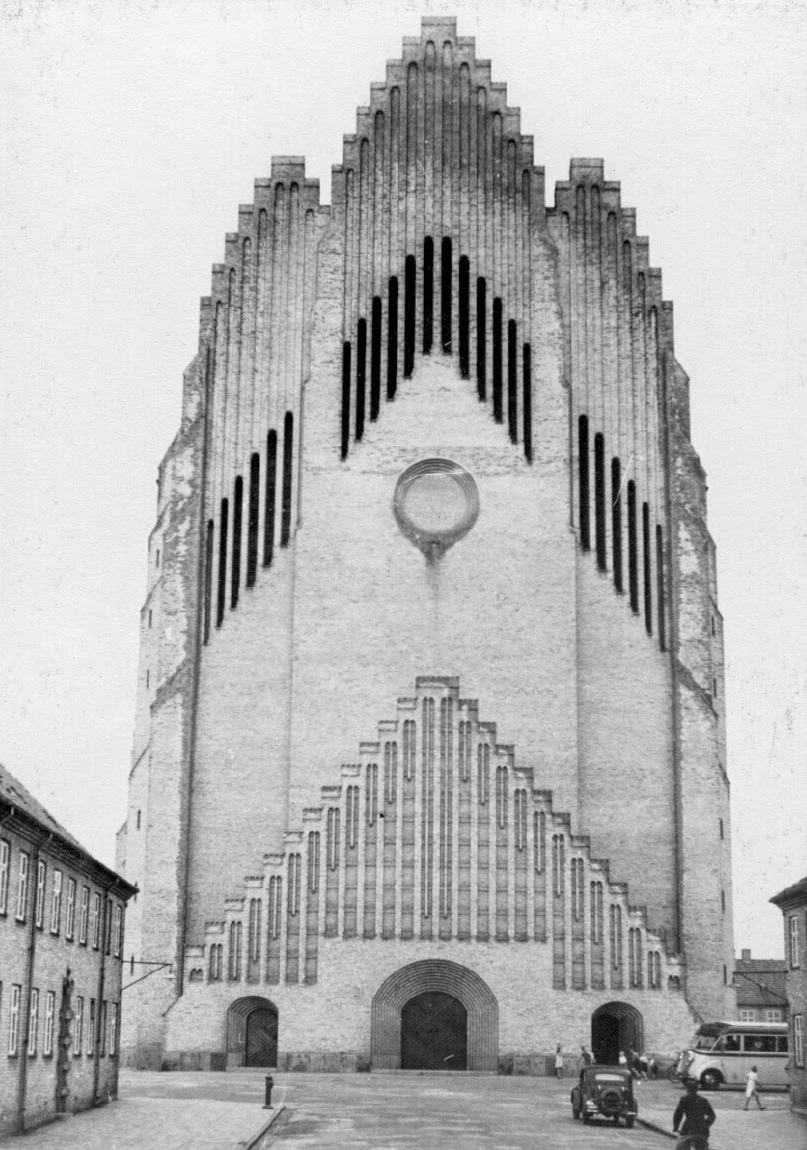
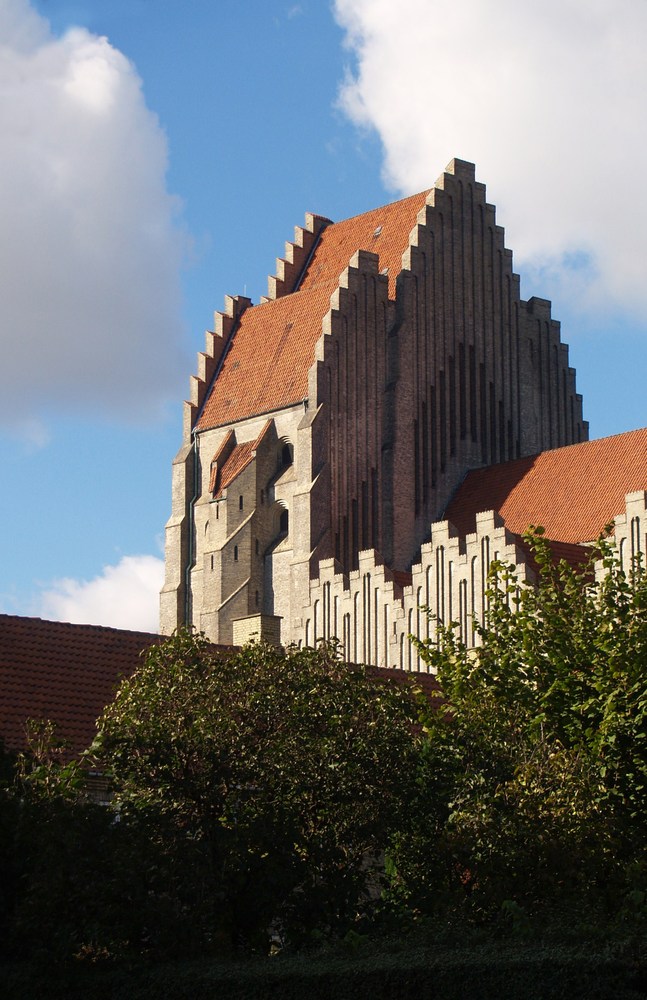
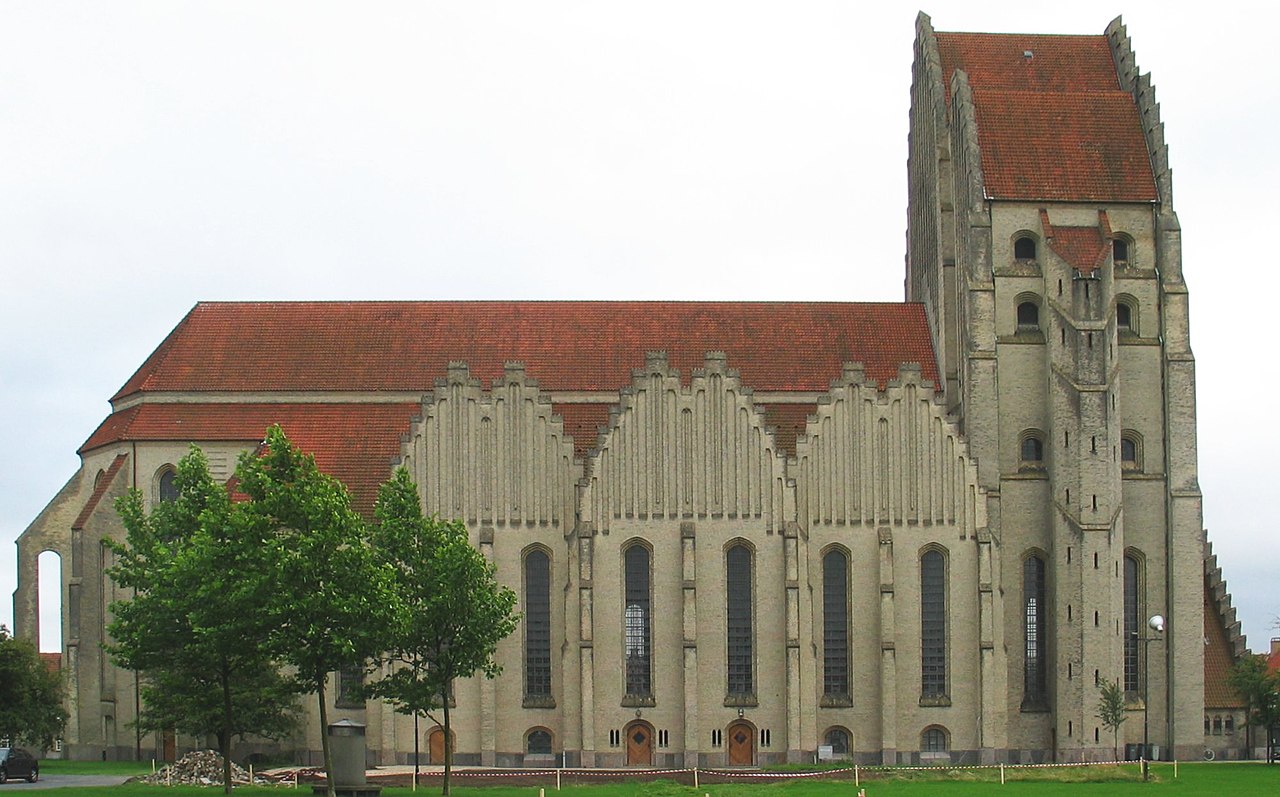
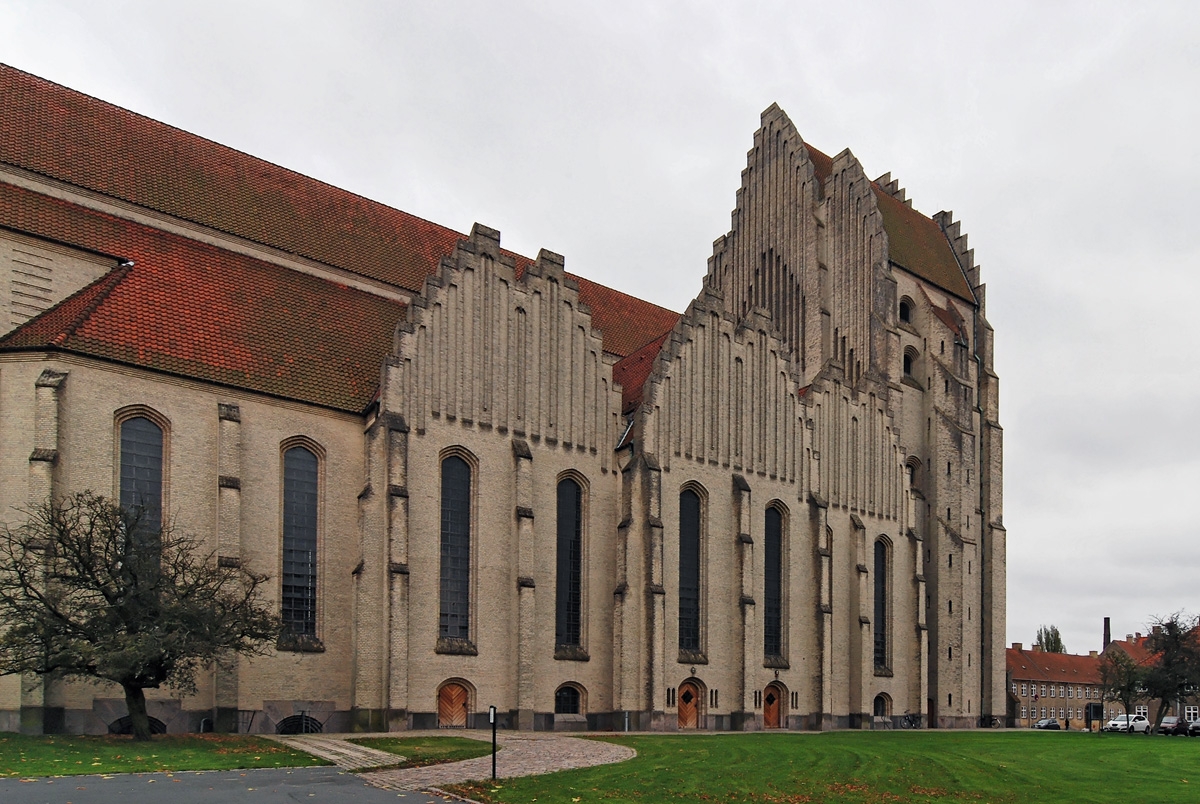
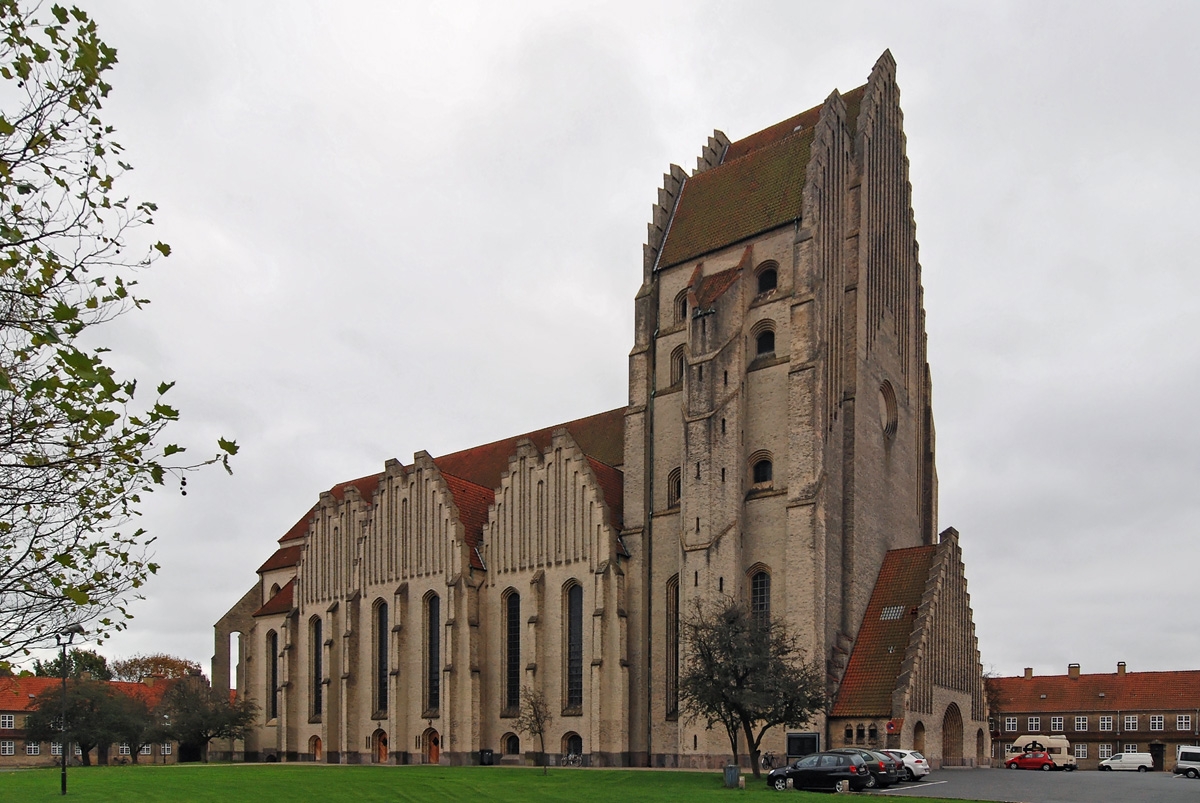
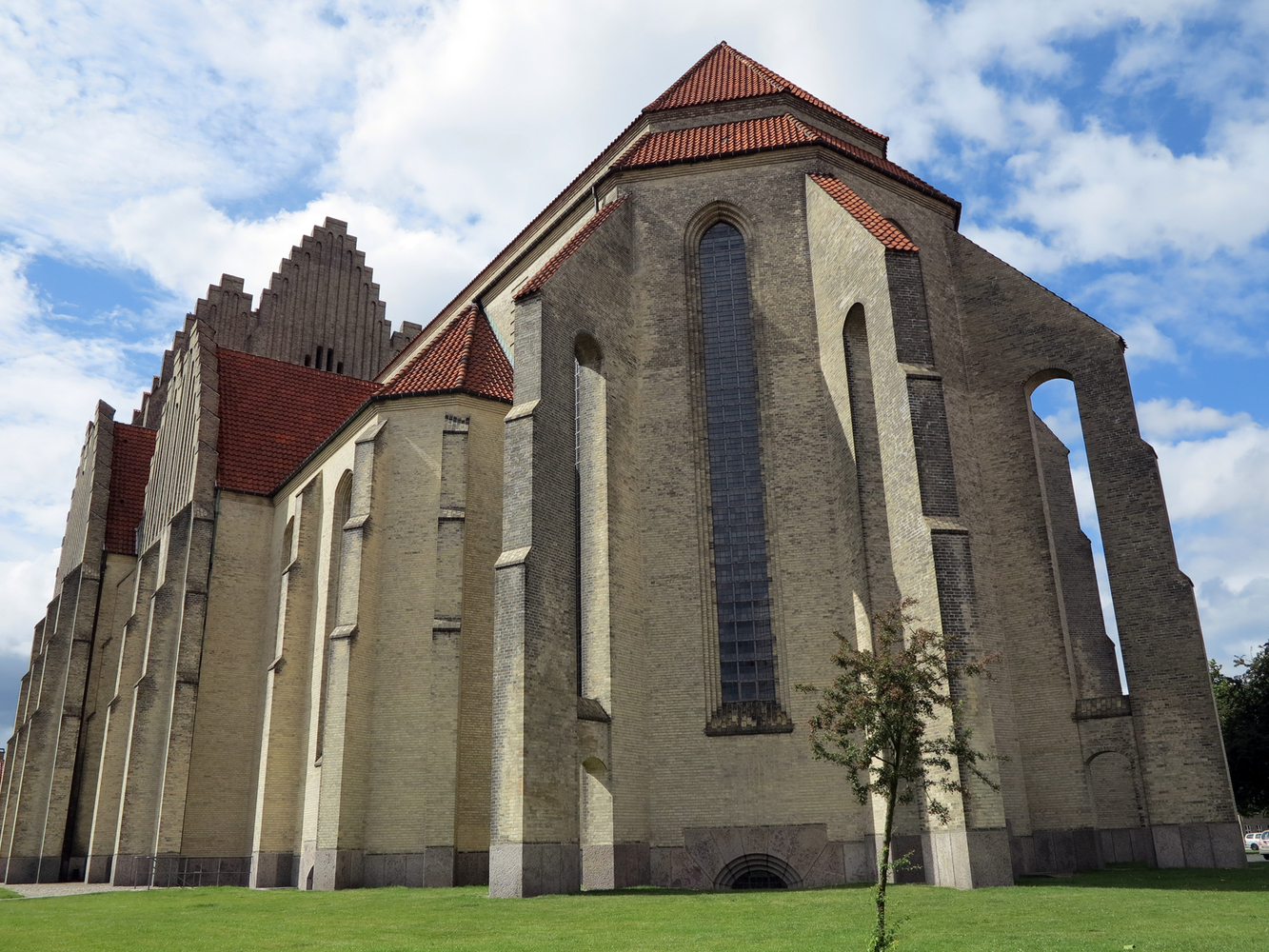
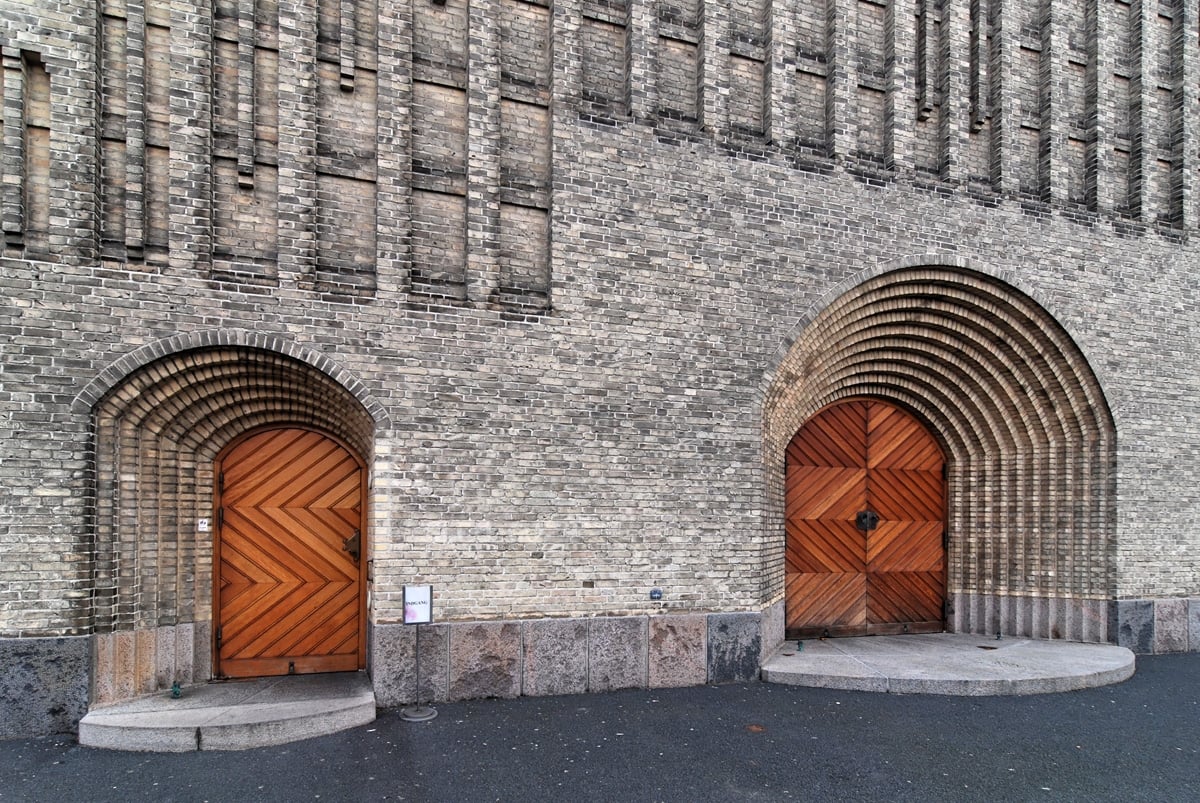
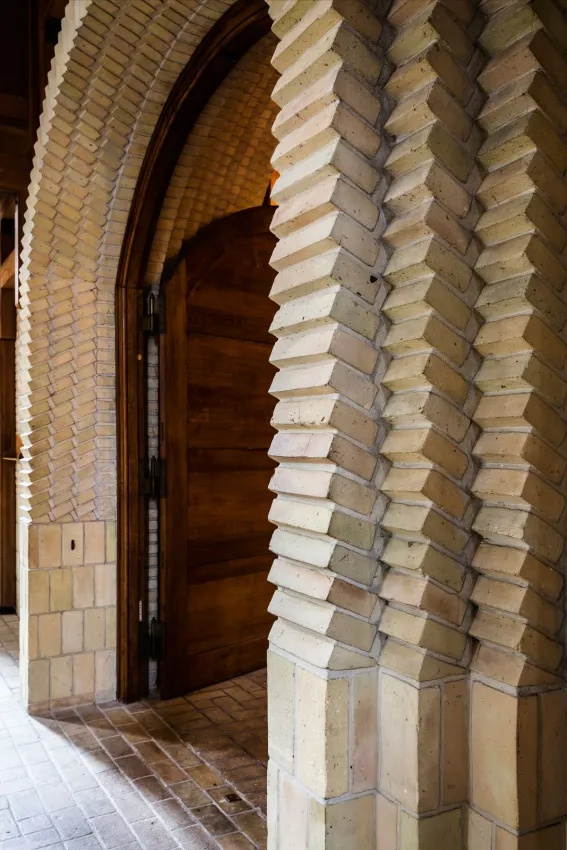
Jensen-Klint developed the design through extensive study of Danish village churches, particularly those on the island of Zealand. Their stepped gables, traditional construction methods, and use of brick informed the project. These references were combined with the geometric language of Brick Expressionism and the vertical proportions of Gothic architecture.
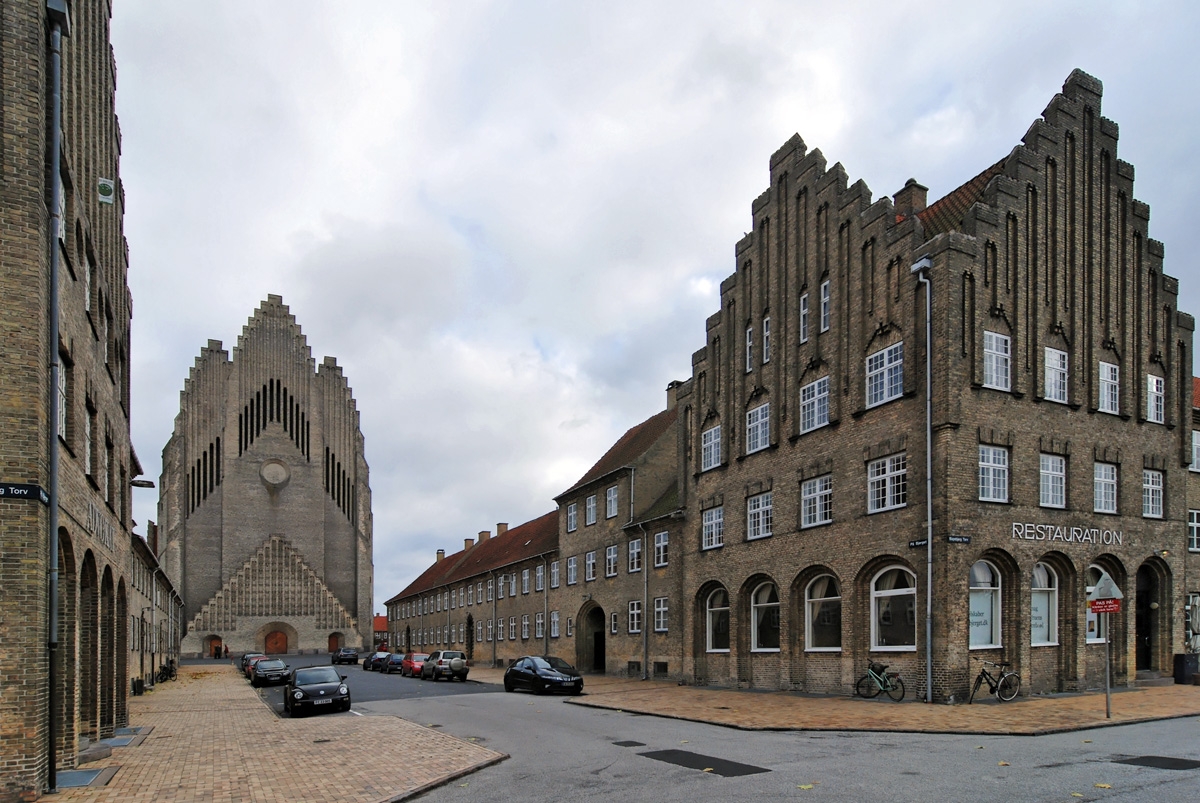
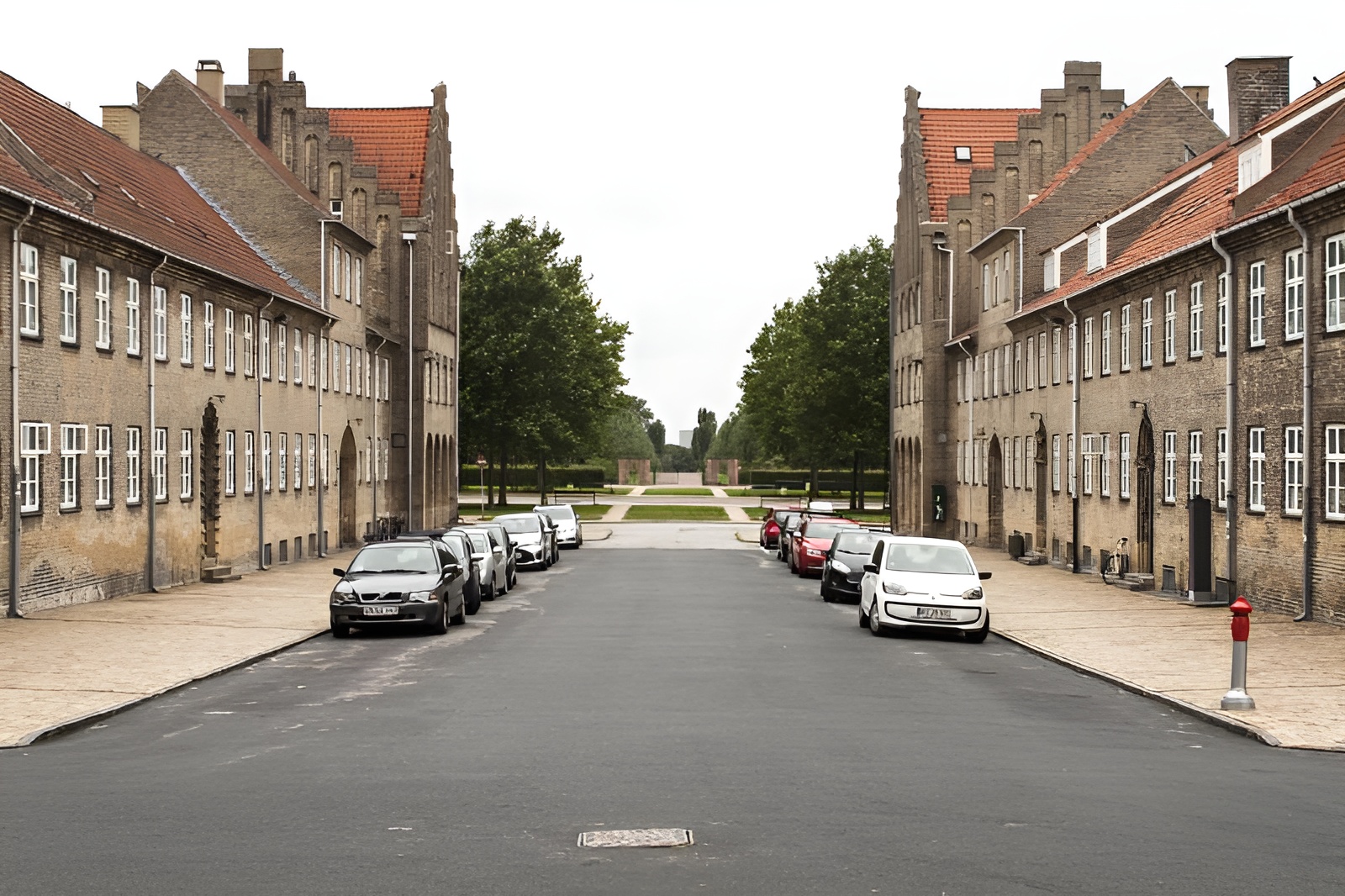
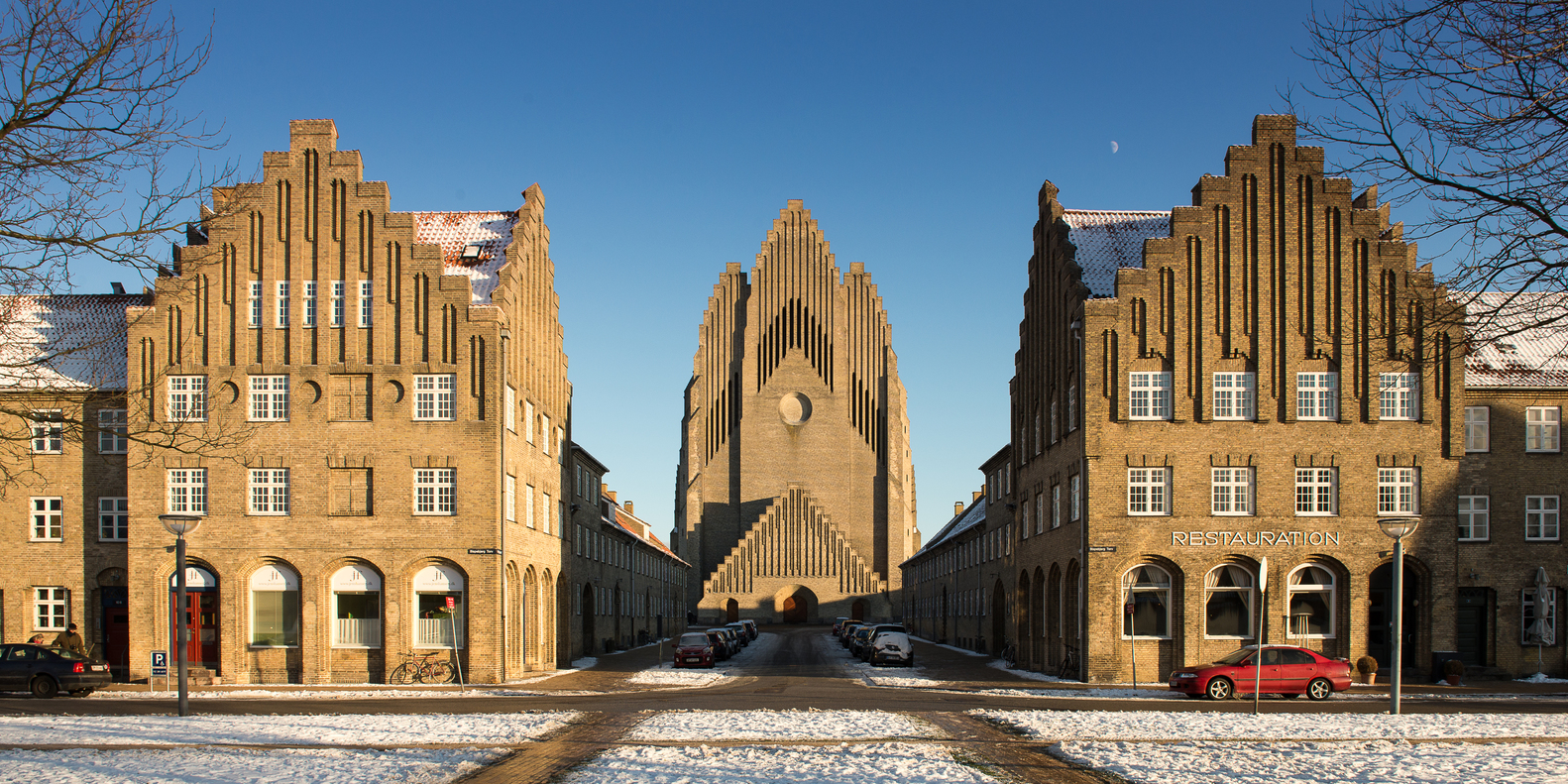
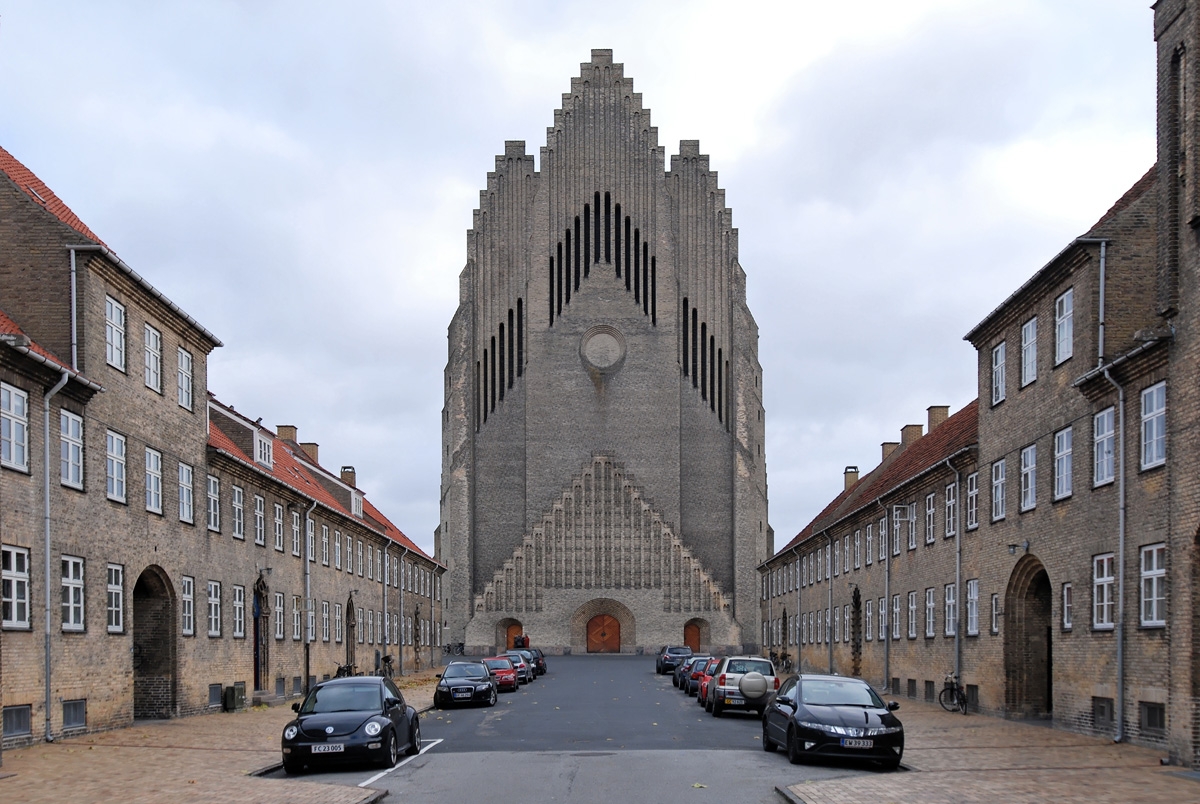
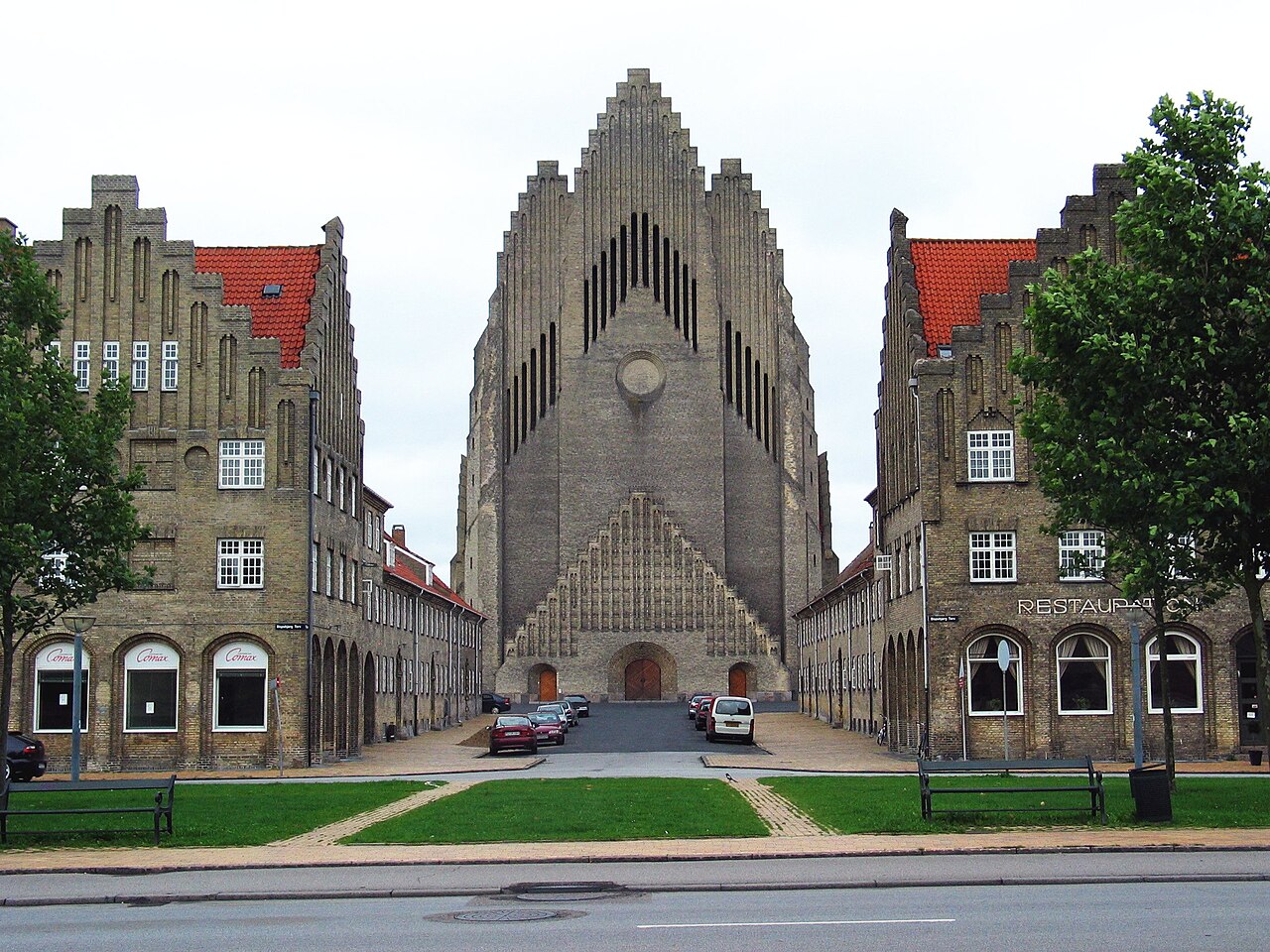
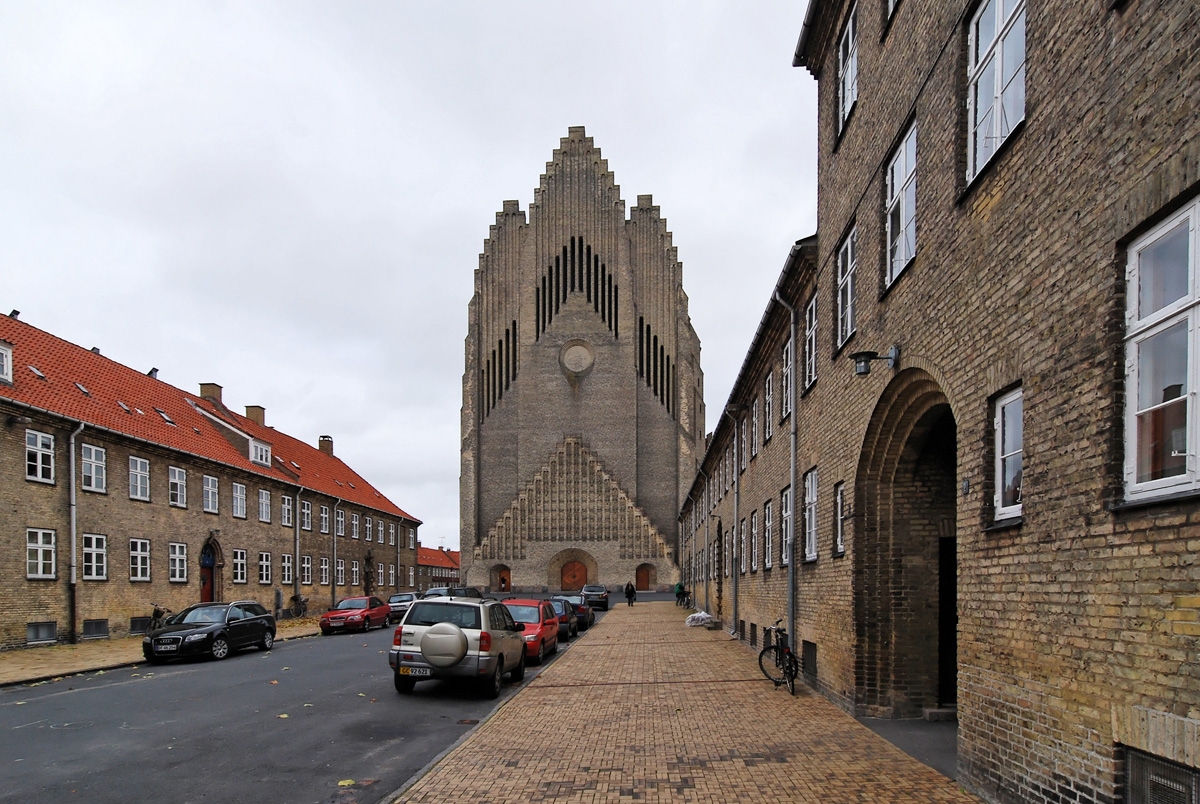
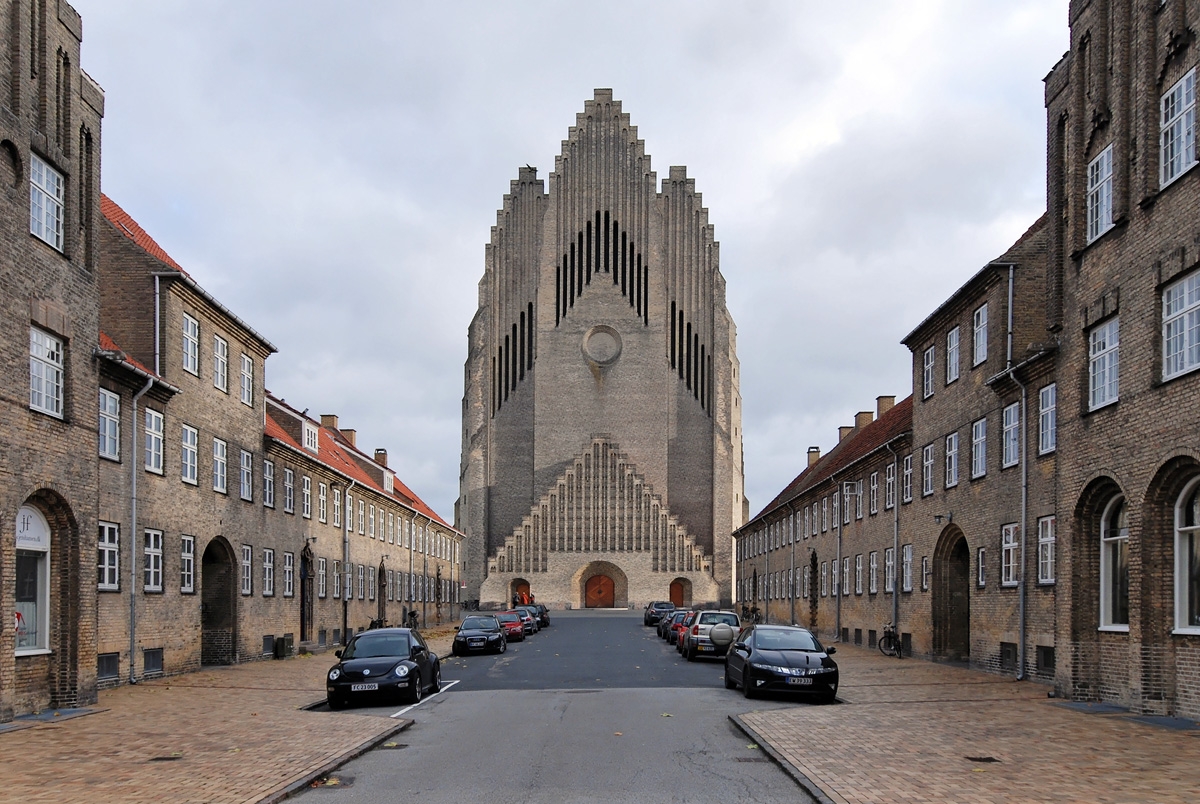
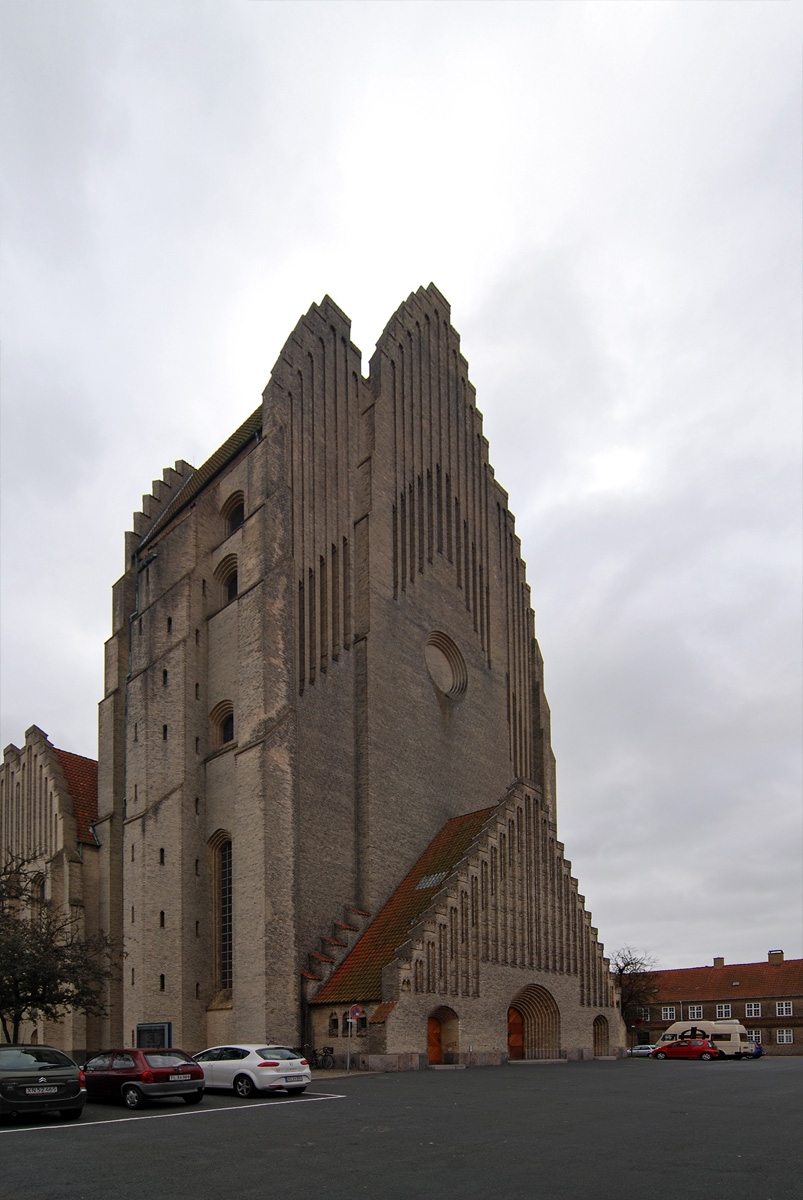
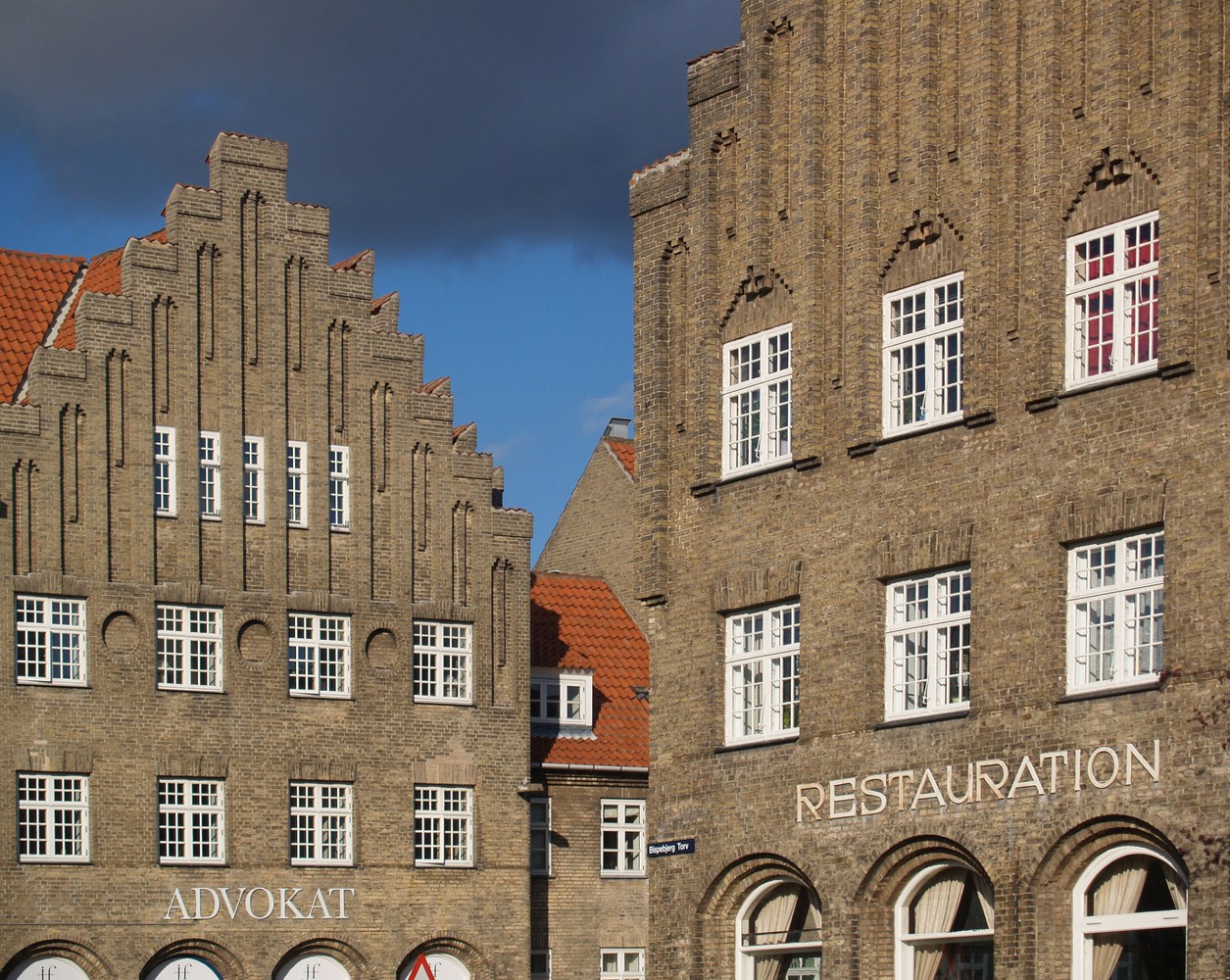
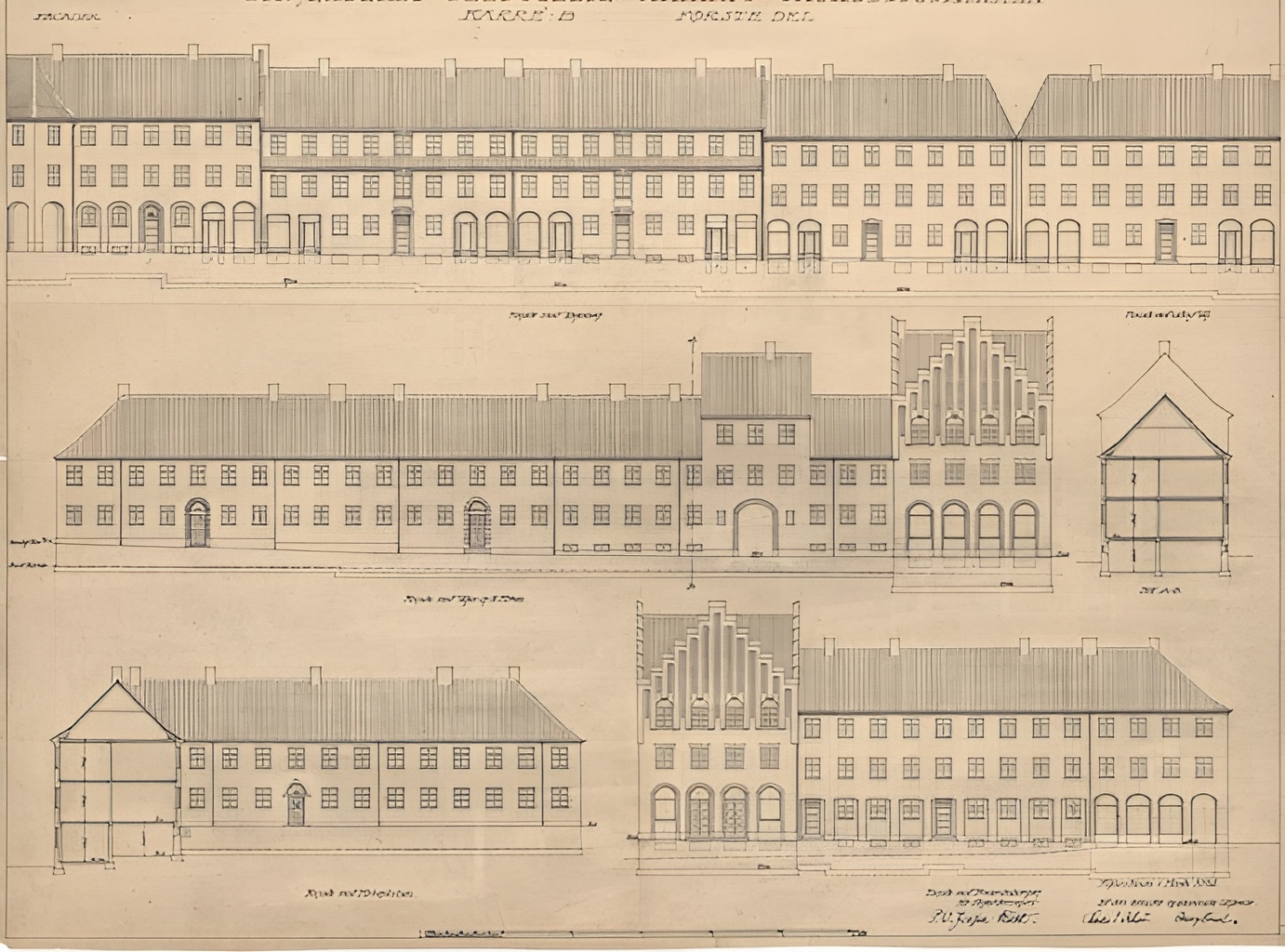
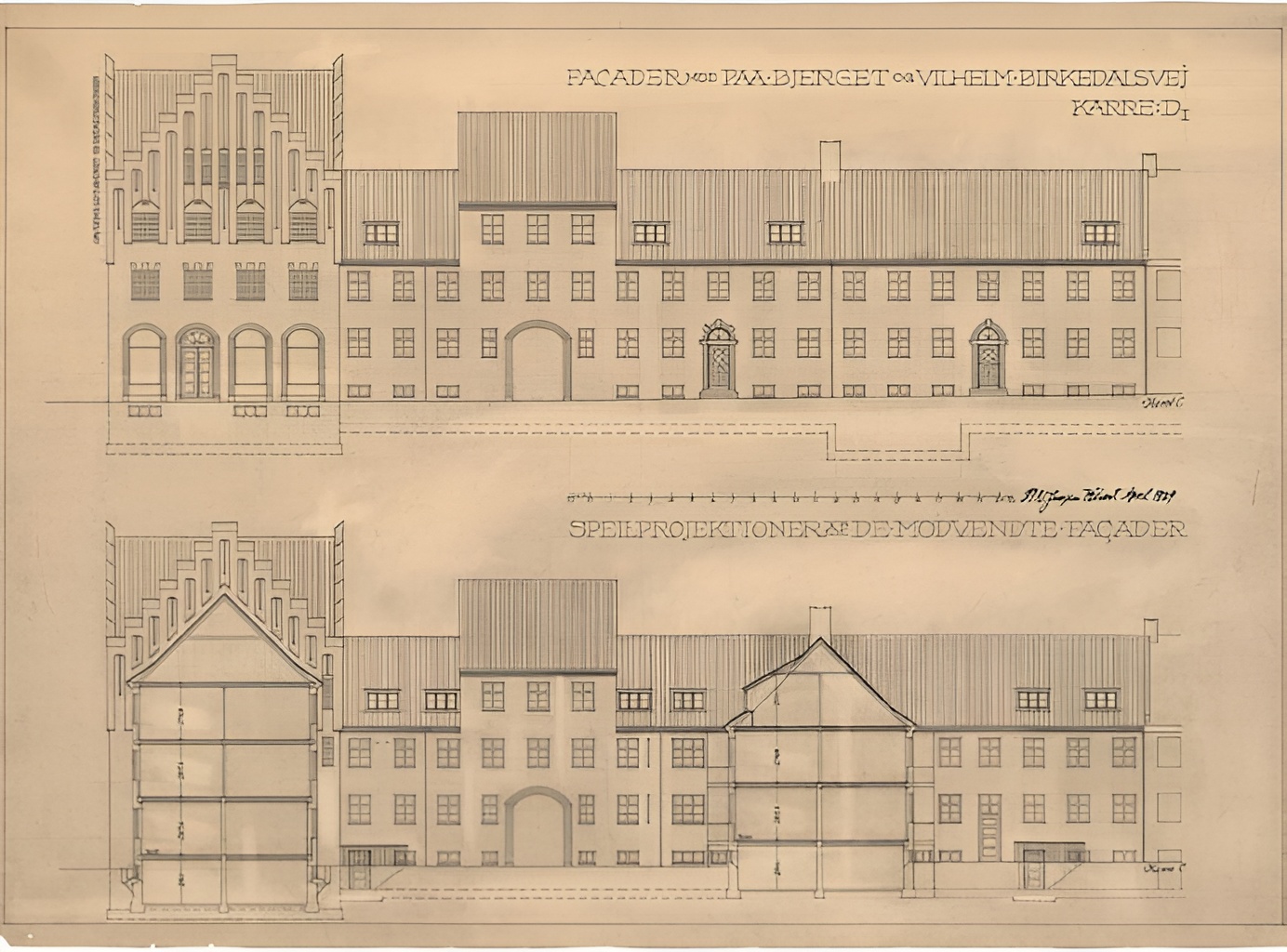
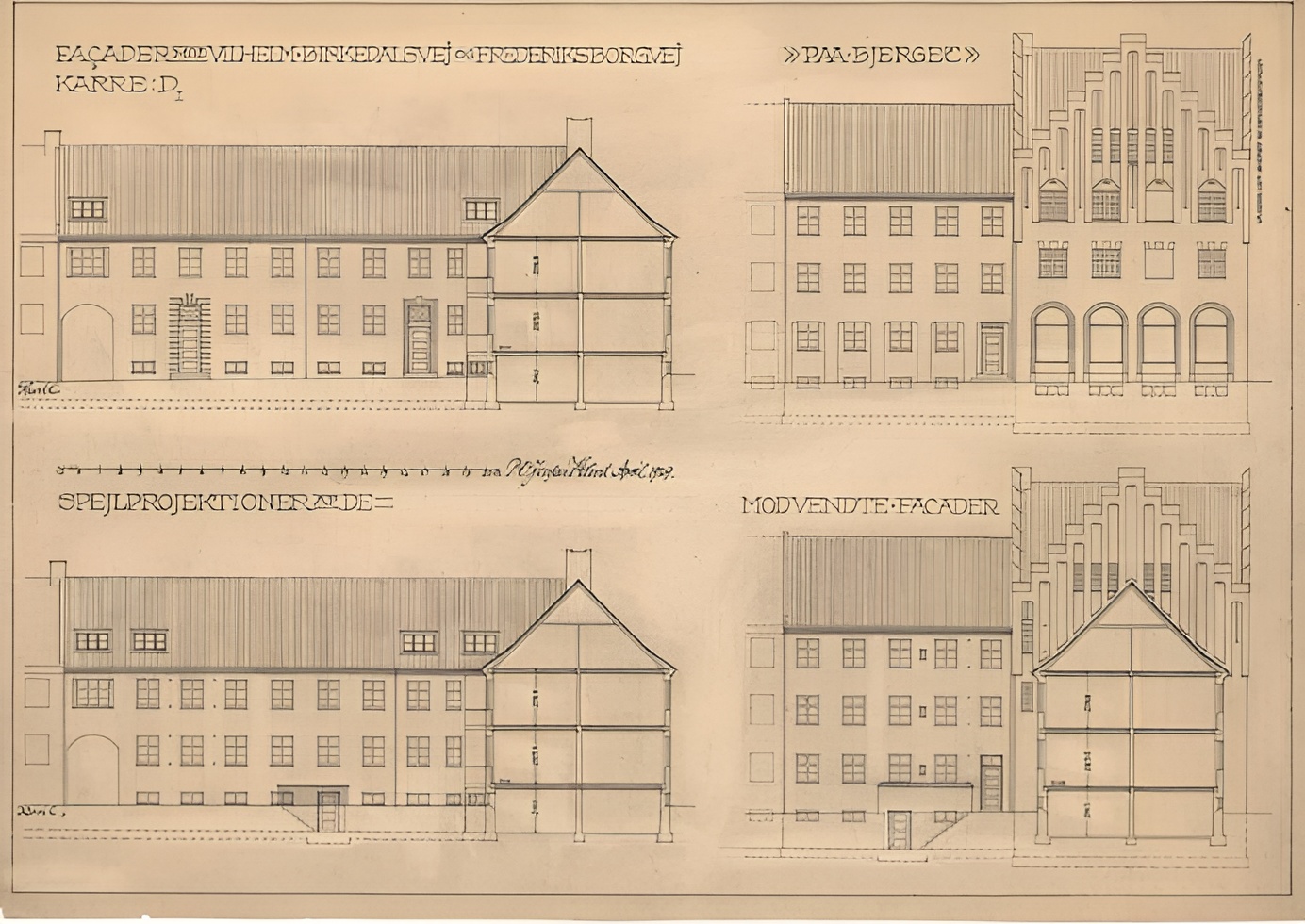
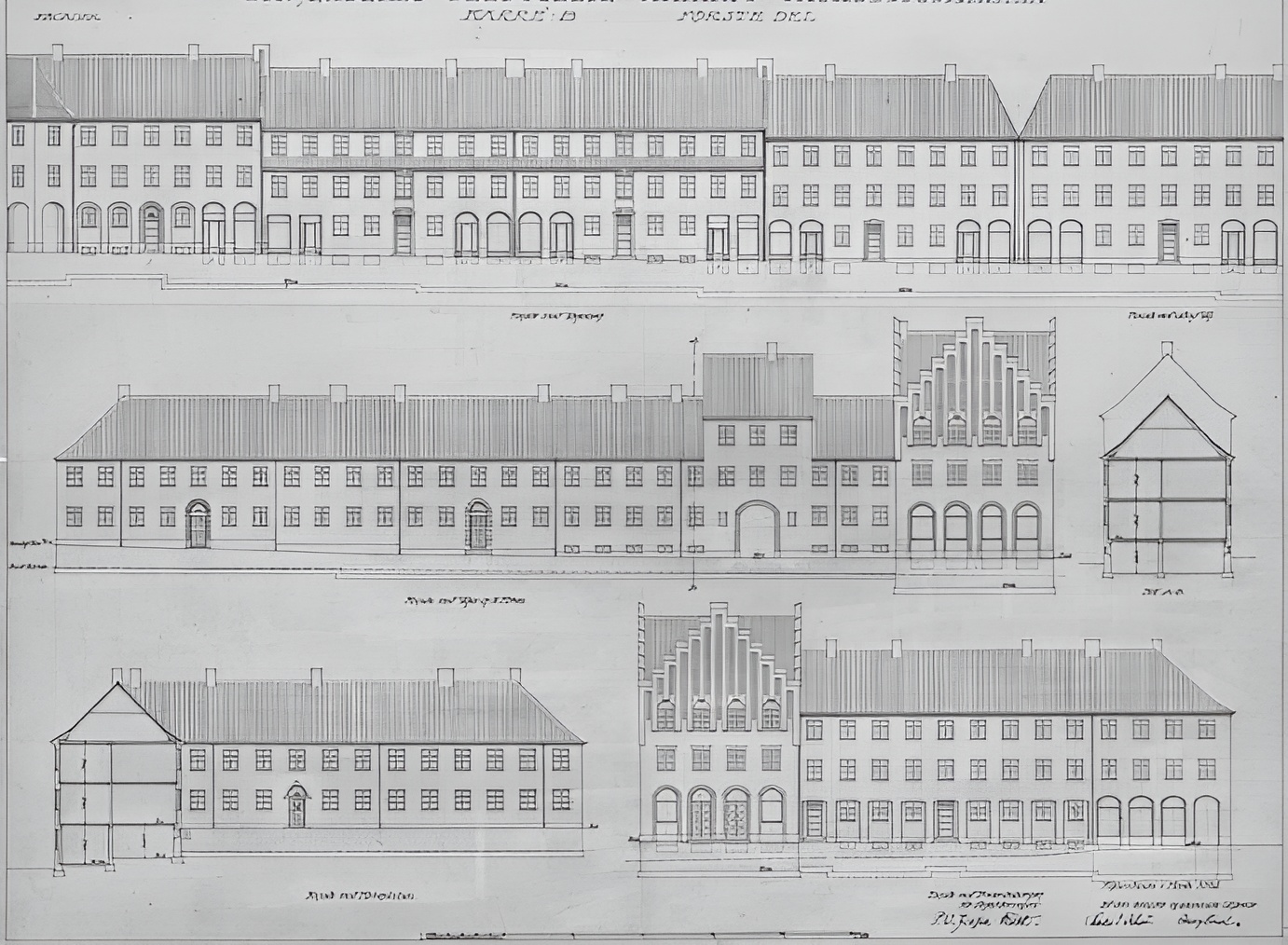
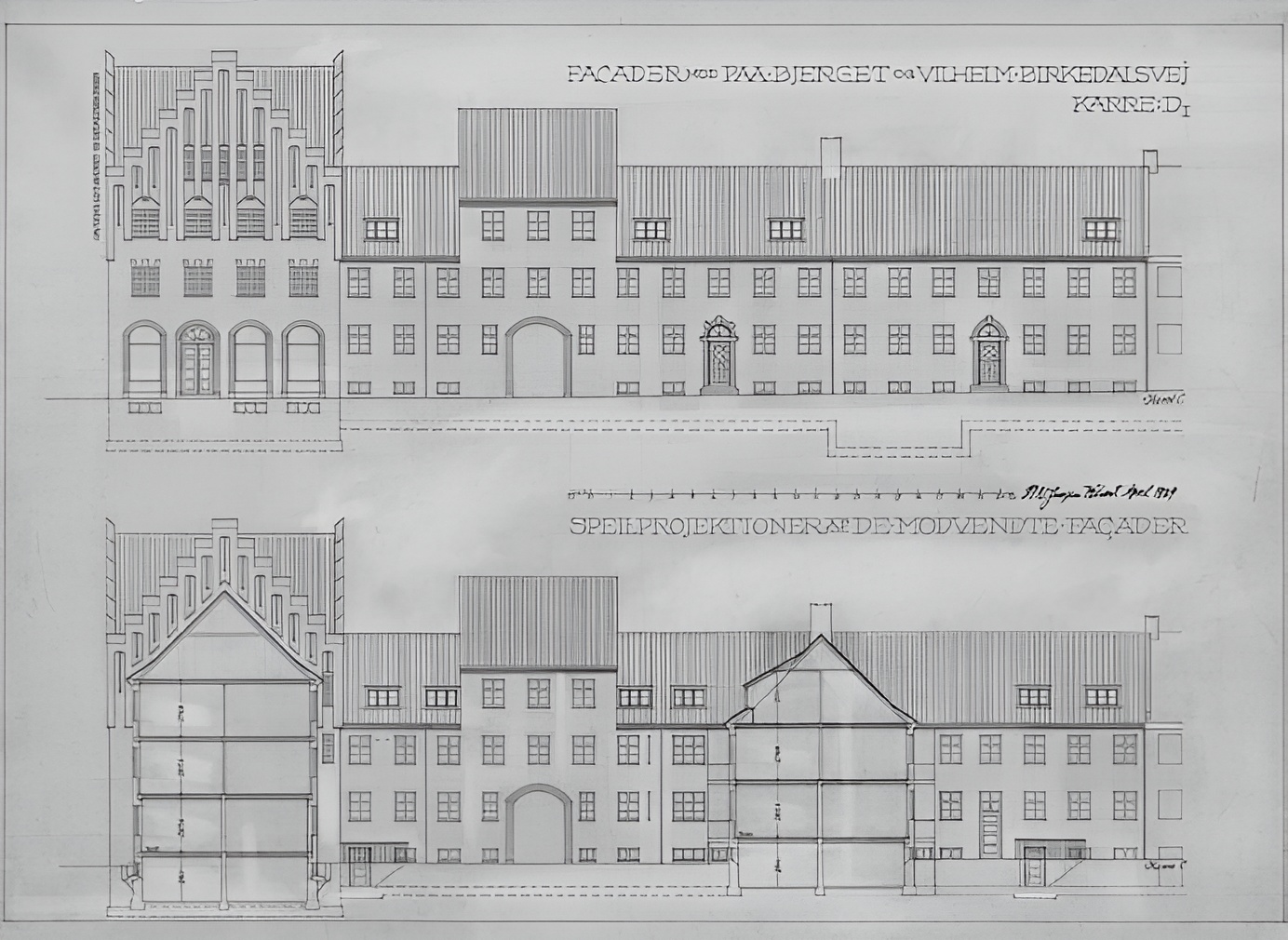
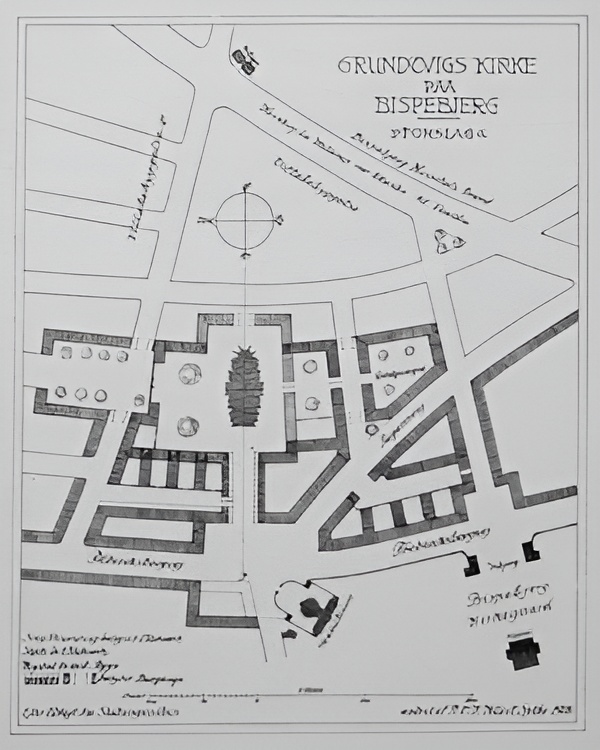
The church occupies a prominent position within a residential development designed by Jensen-Klint between 1924 and 1936. Rows of yellow-brick housing, parish facilities, streets, courtyards, and public spaces were planned in visual and material continuity with the church. Low-rise buildings surrounding the site emphasize the monumentality of the church and reinforce its role as the focal point of the district.
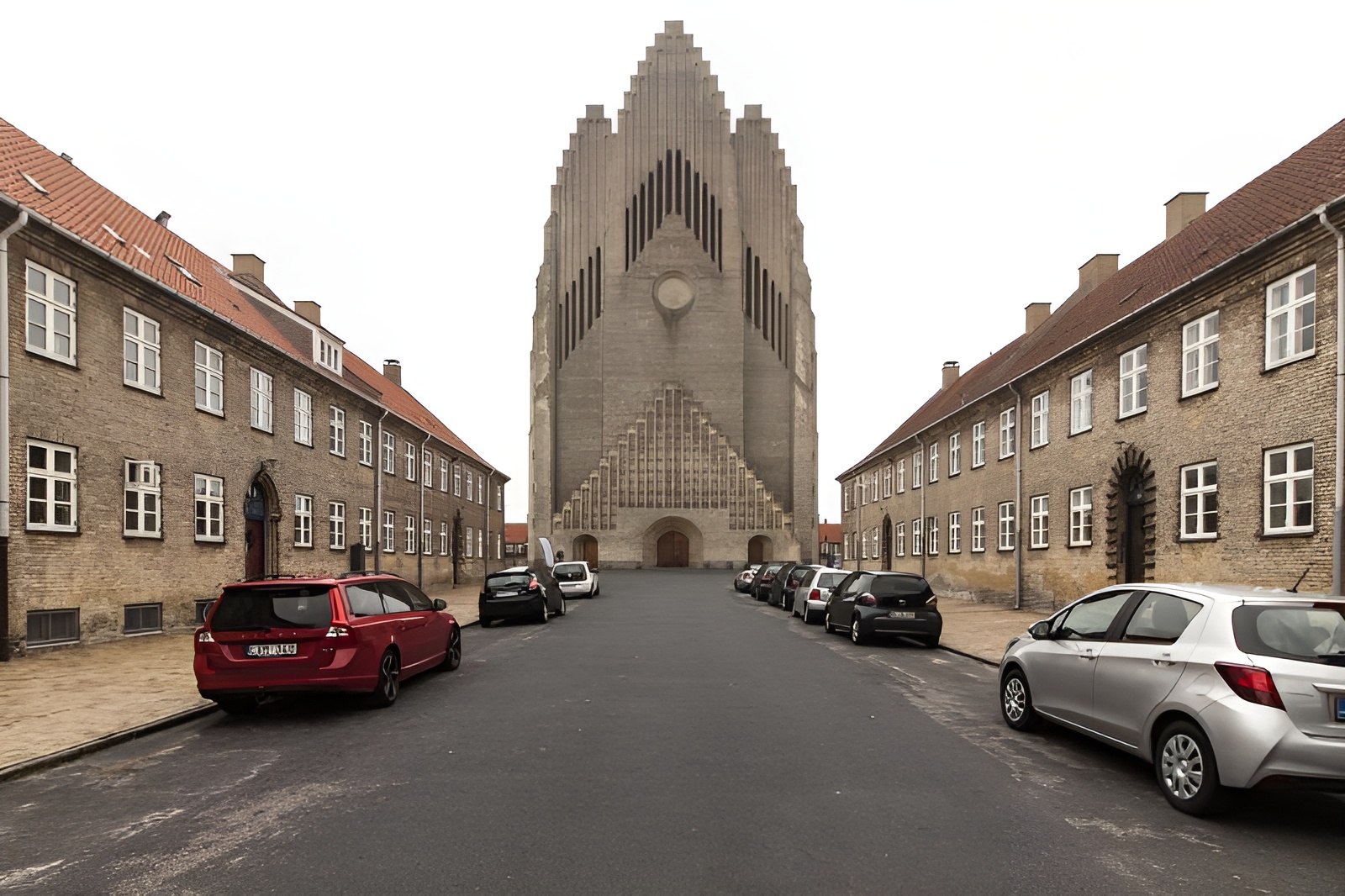
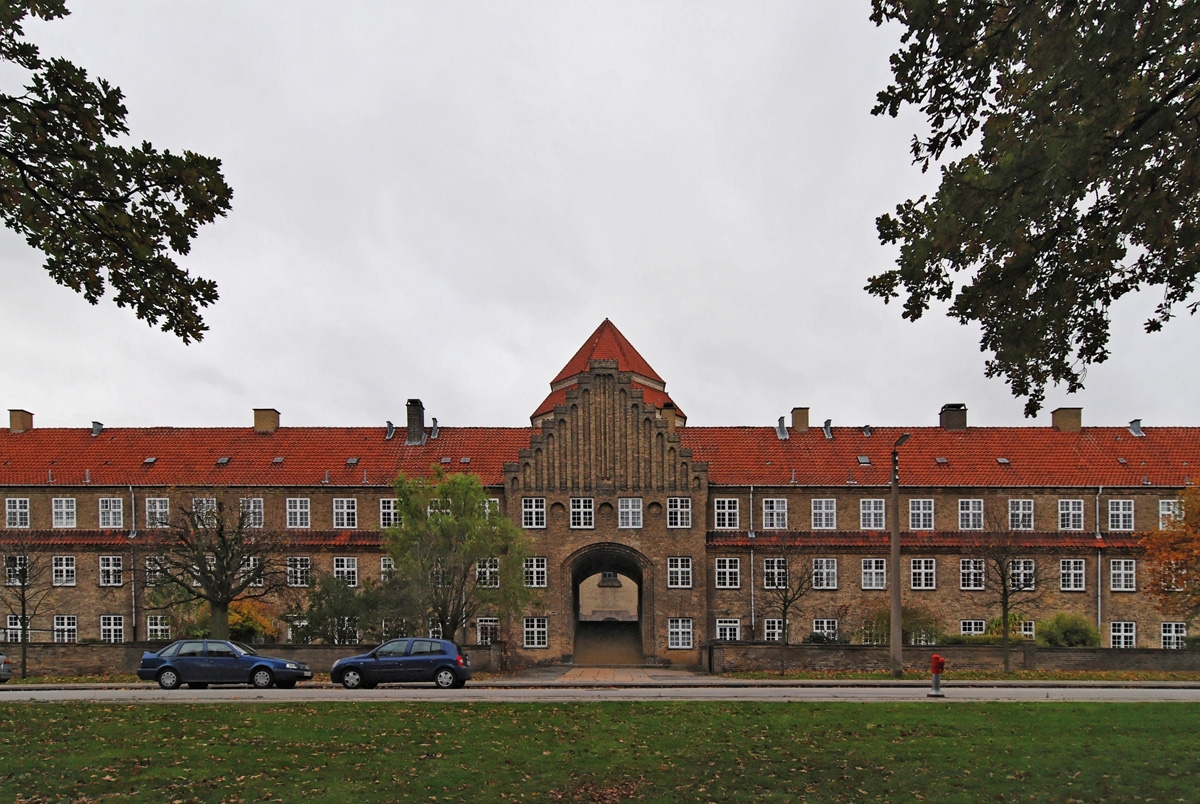
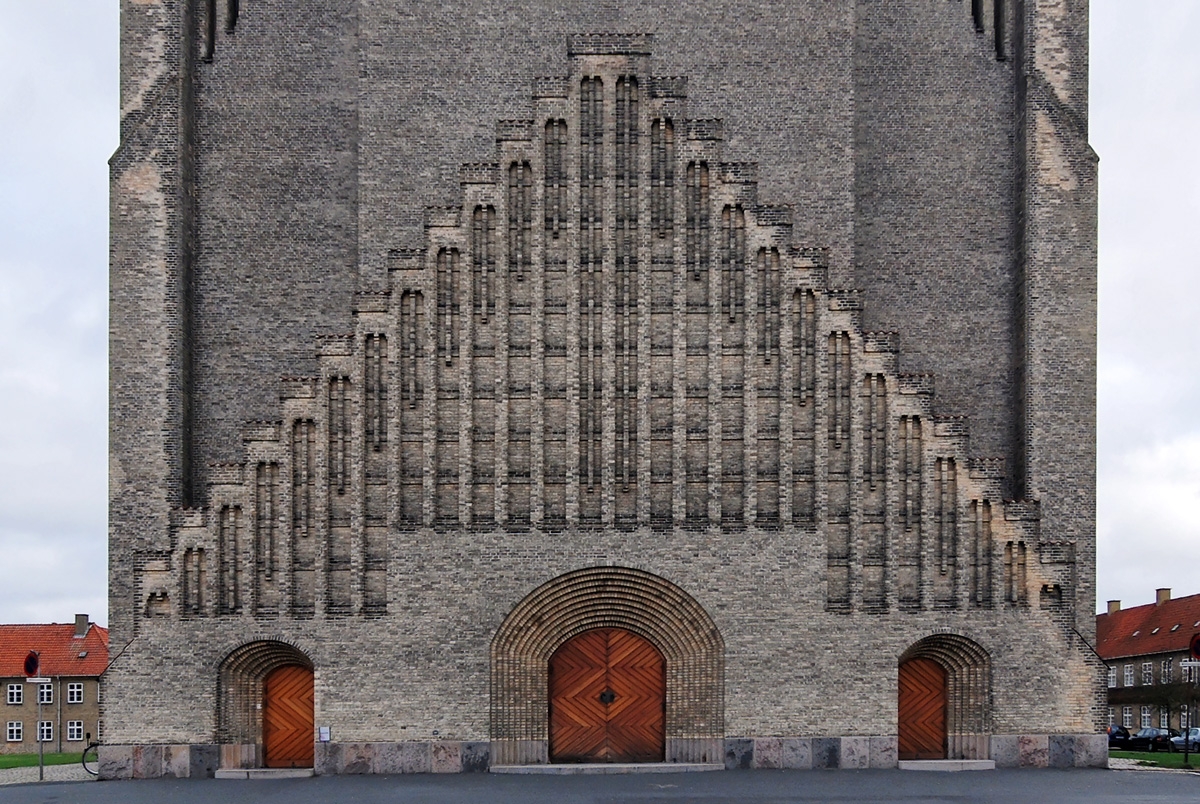
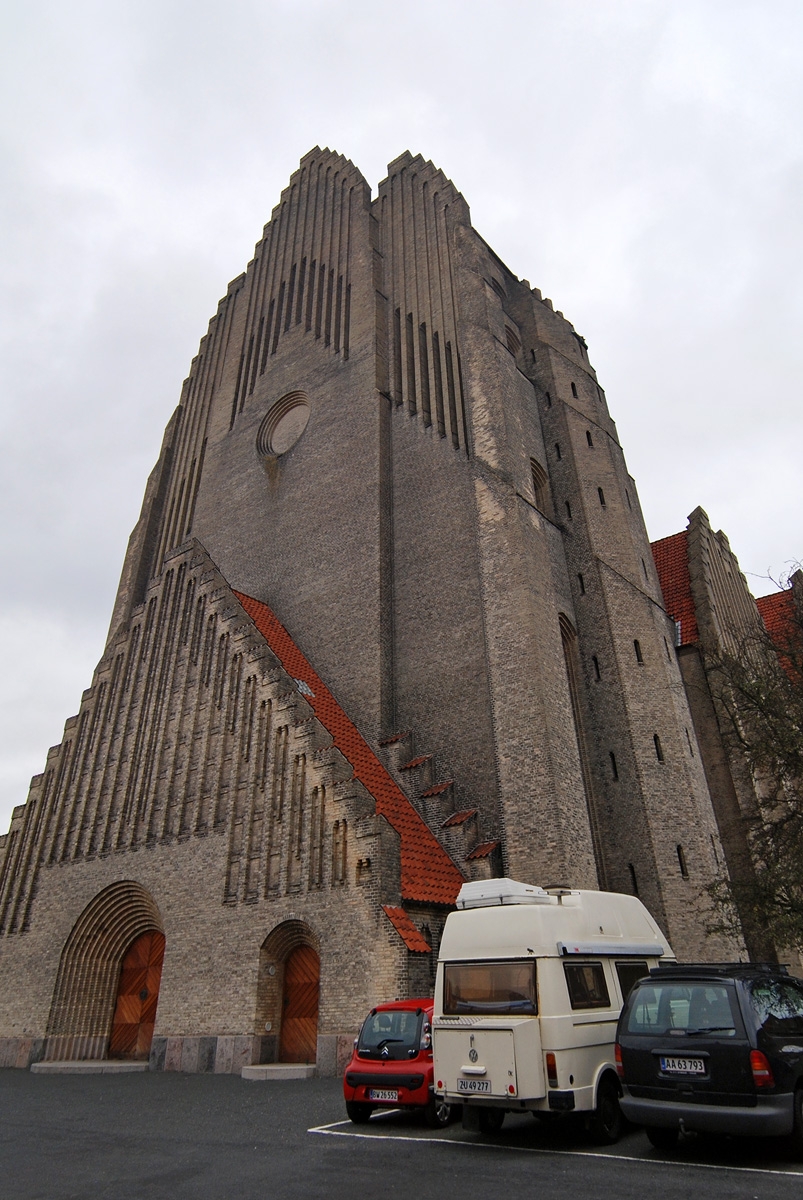
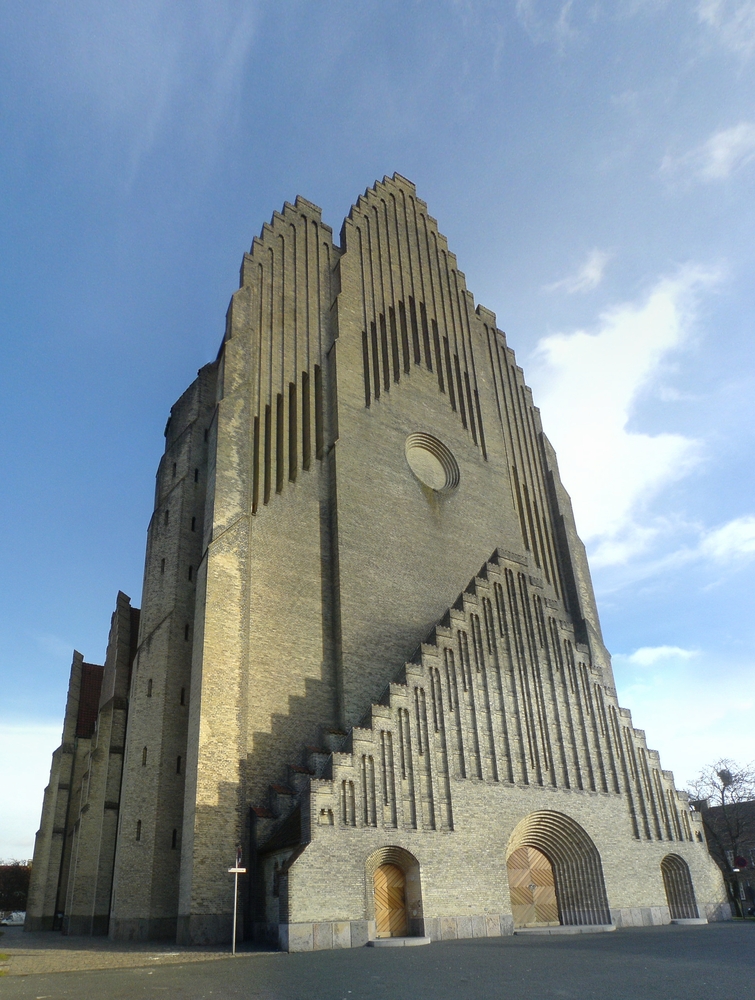
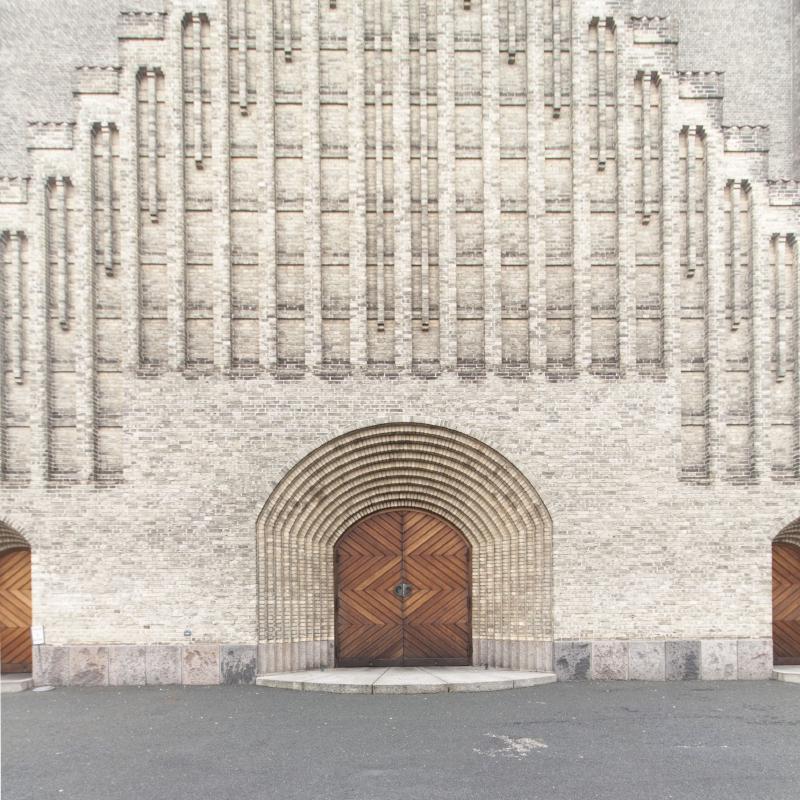
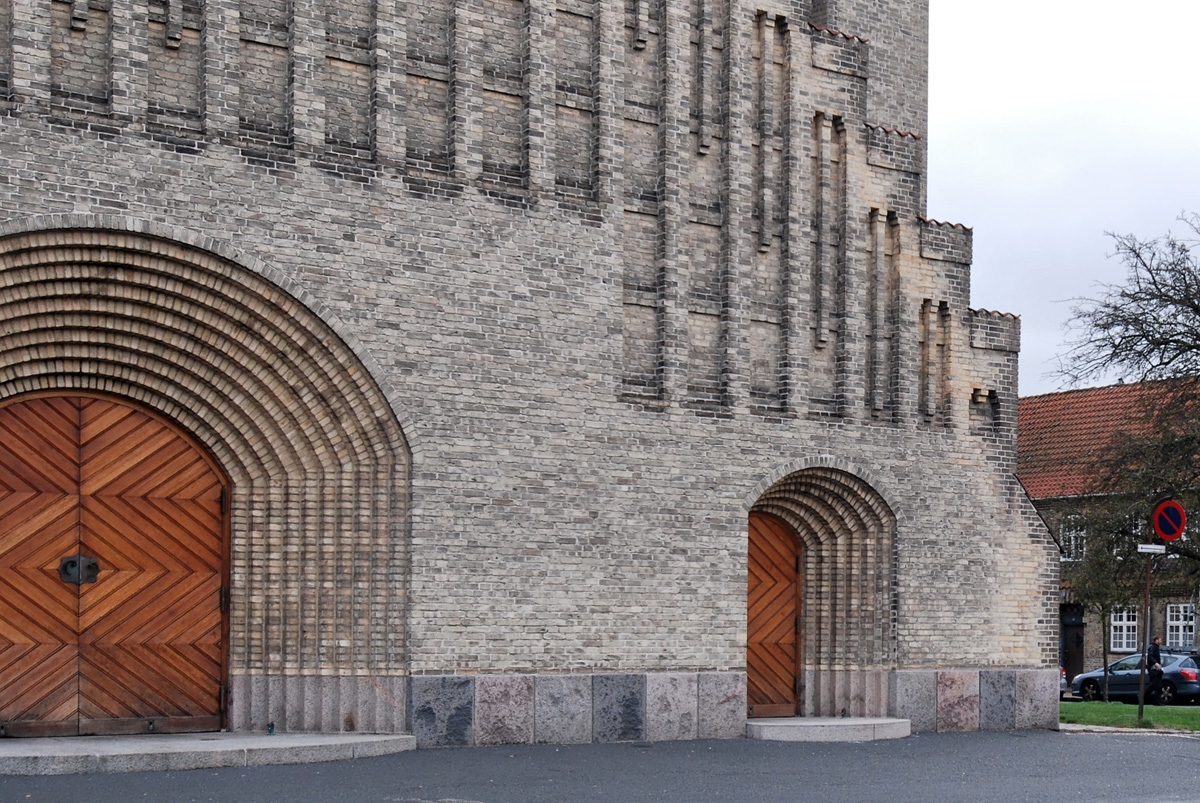
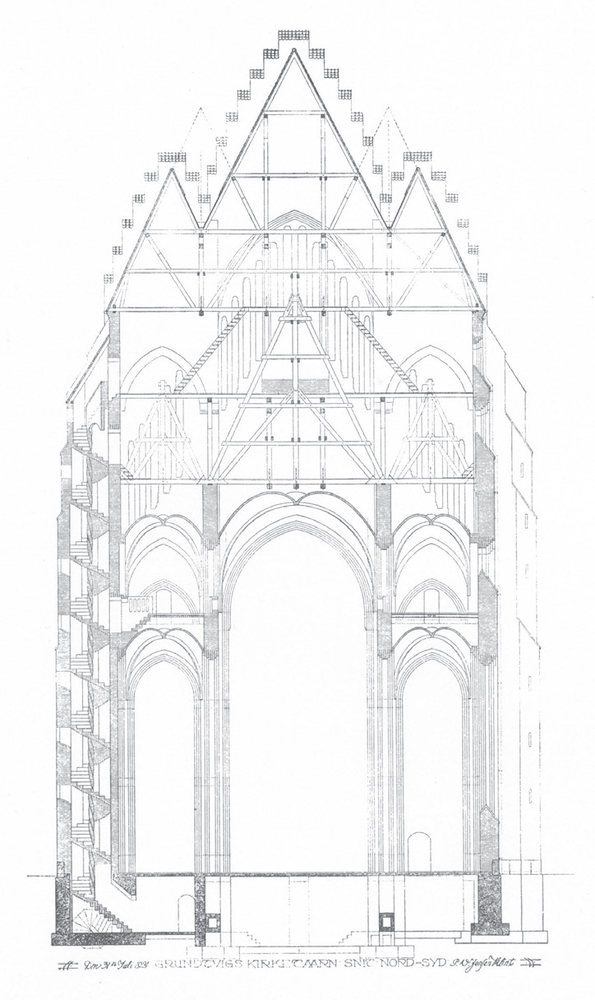
The most recognizable element of the building is its west façade and 49-meter bell tower. The composition recalls both a Gothic westwork and the silhouette of a pipe organ. Strong vertical lines draw attention upward, while the stepped gables reinterpret traditional Danish ecclesiastical forms at a monumental scale.
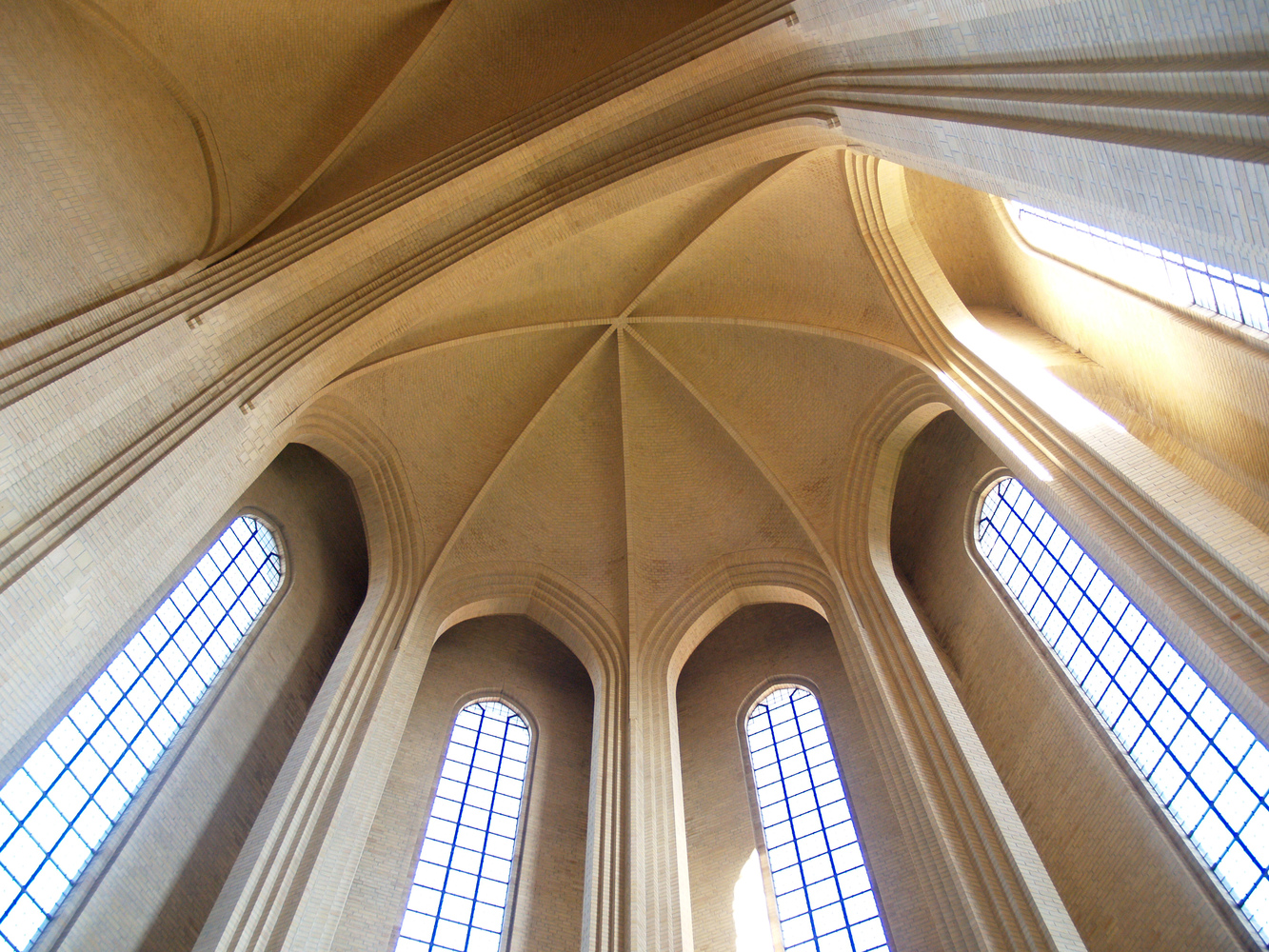
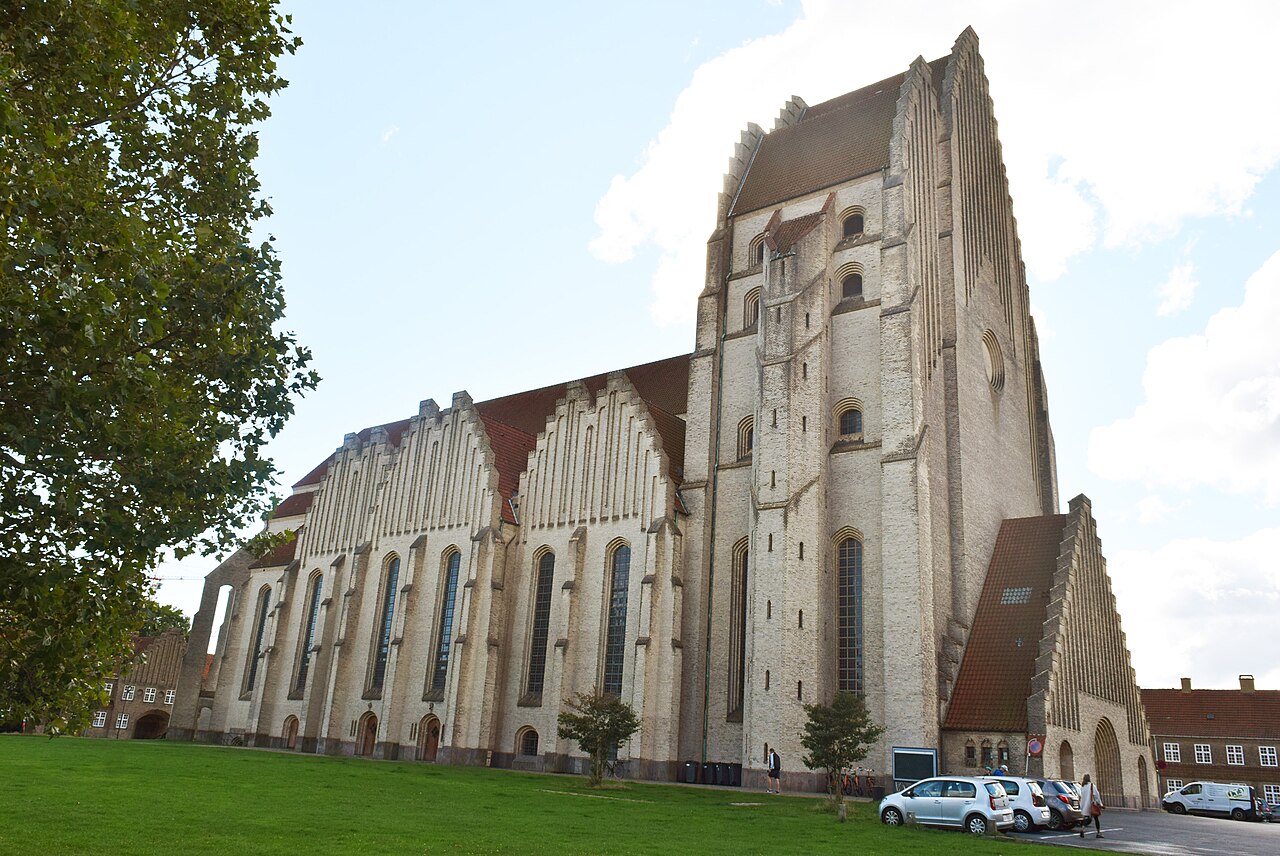
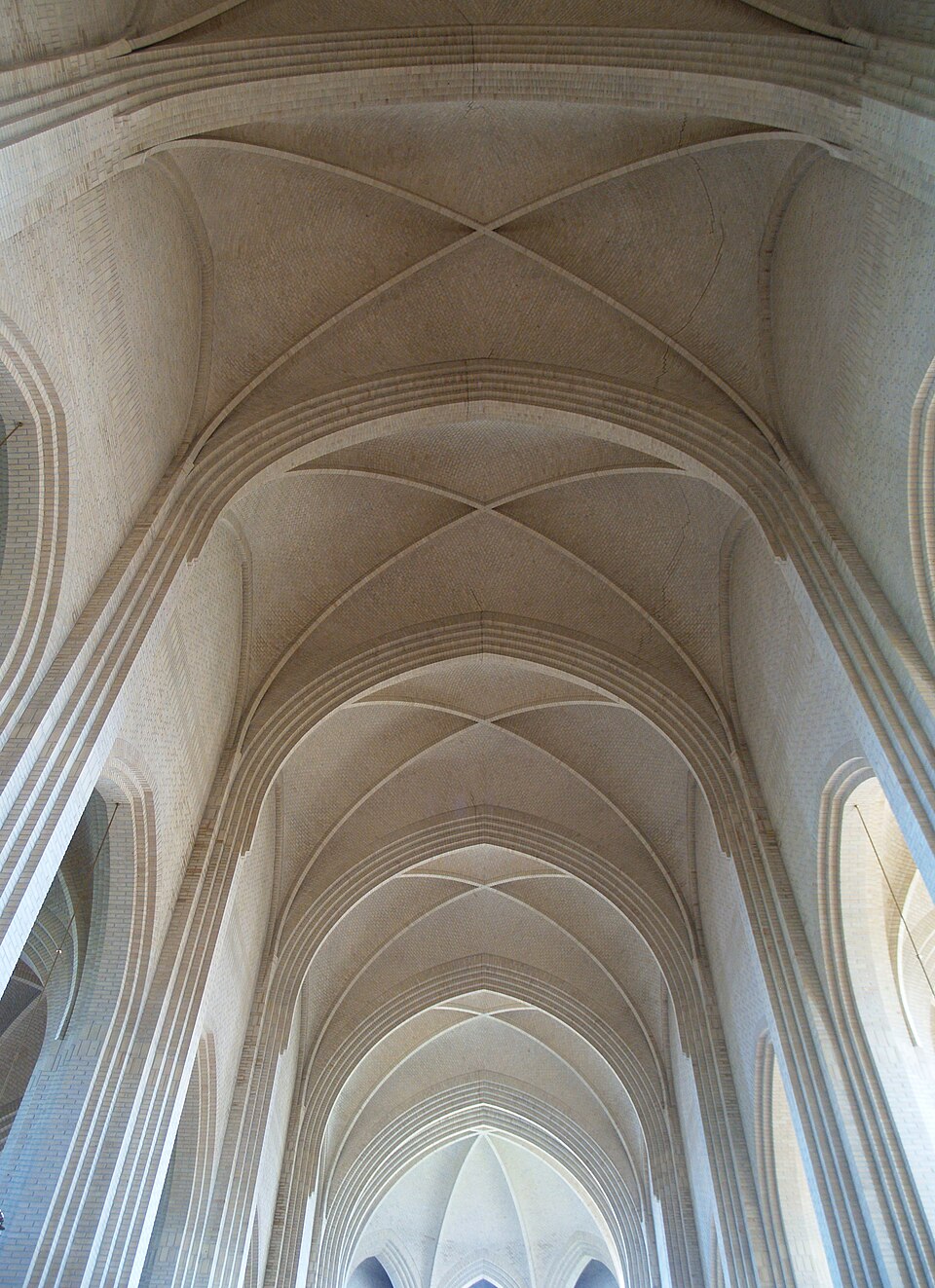
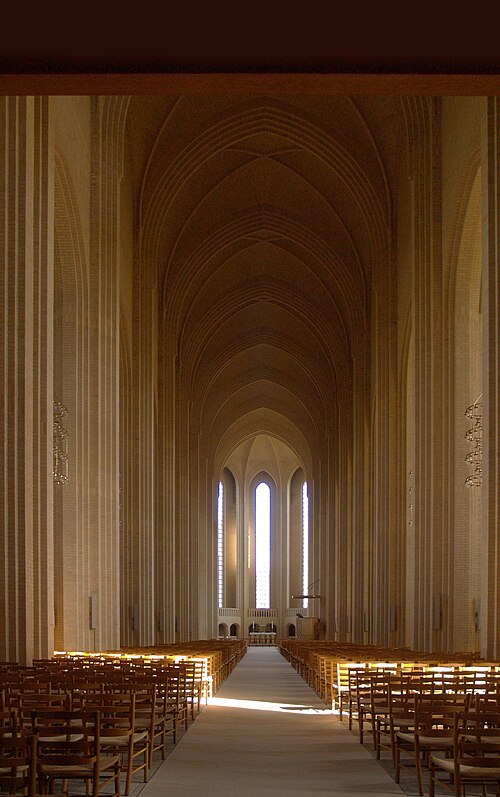
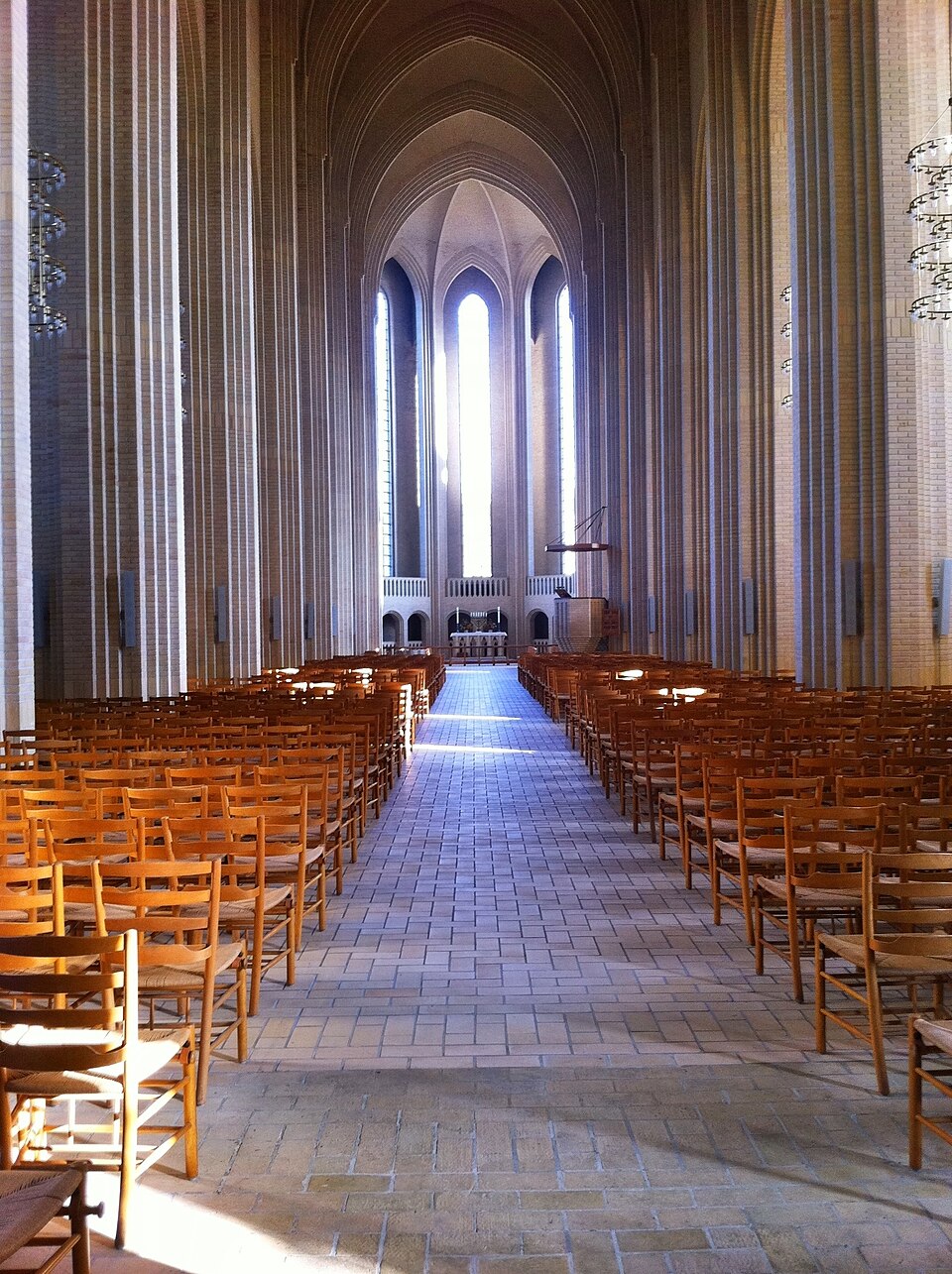
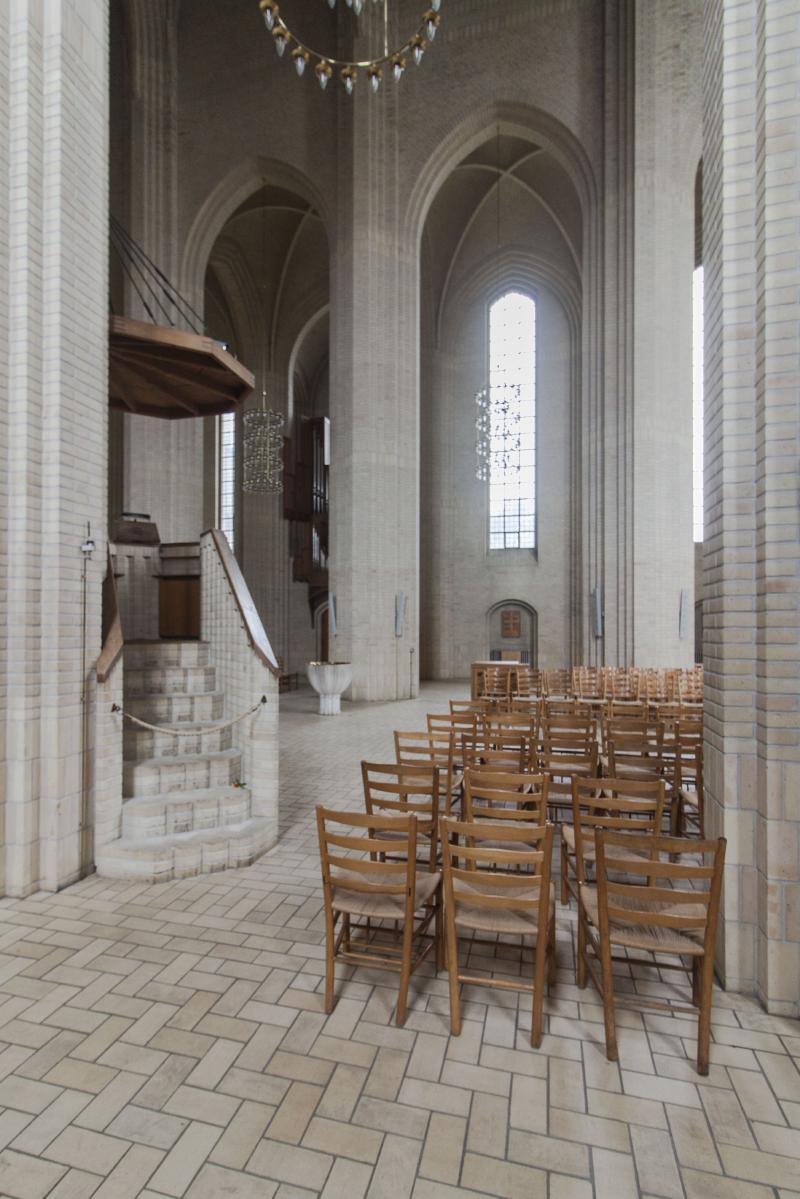
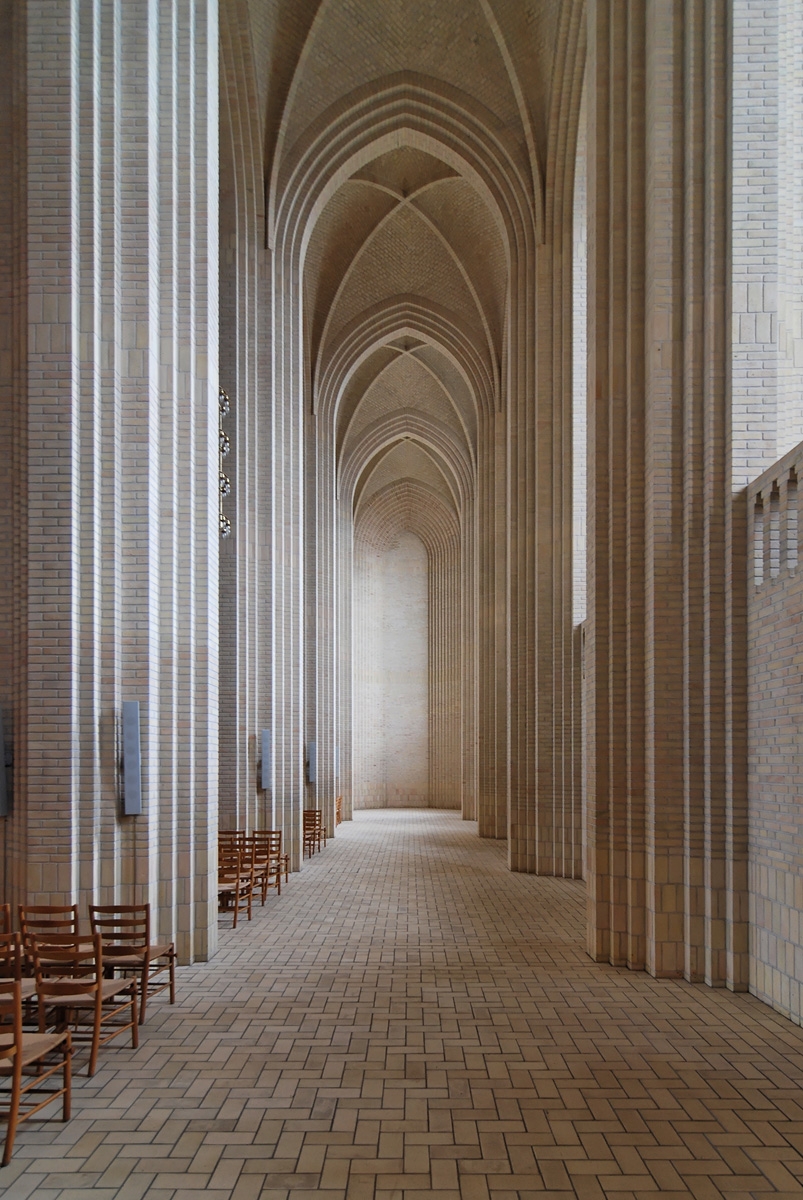
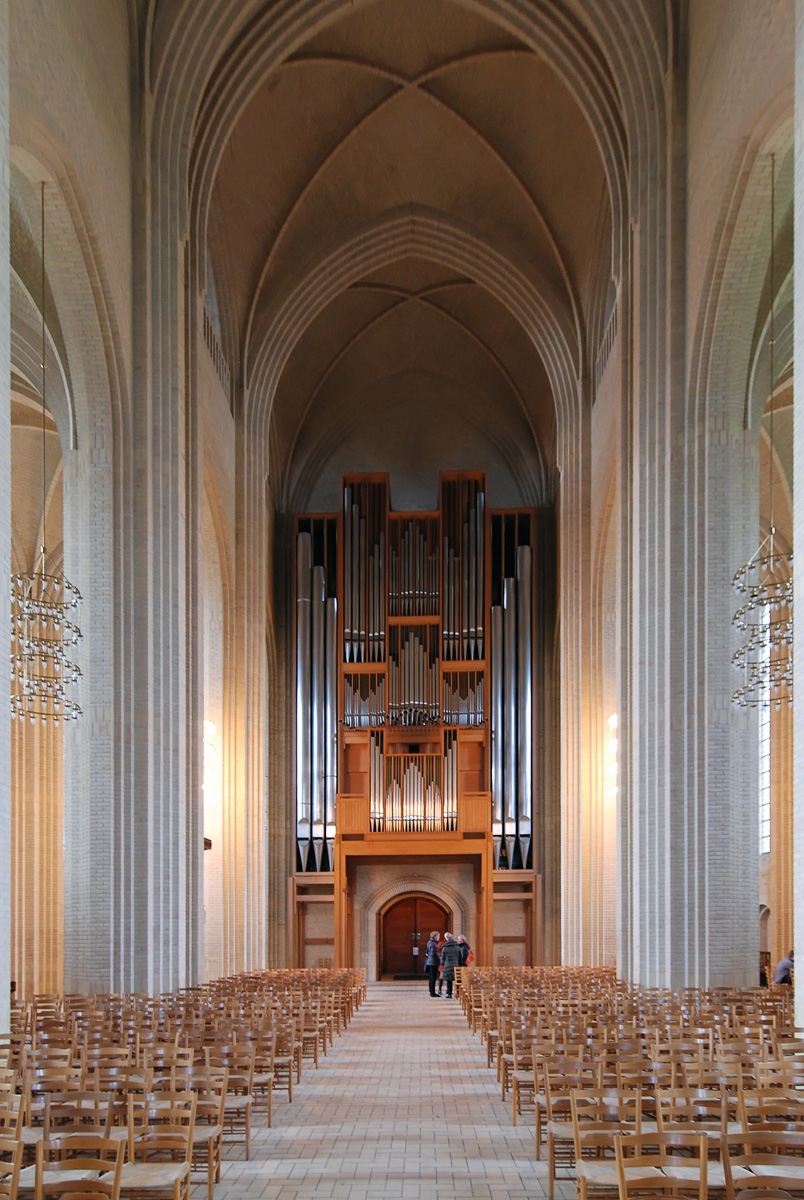
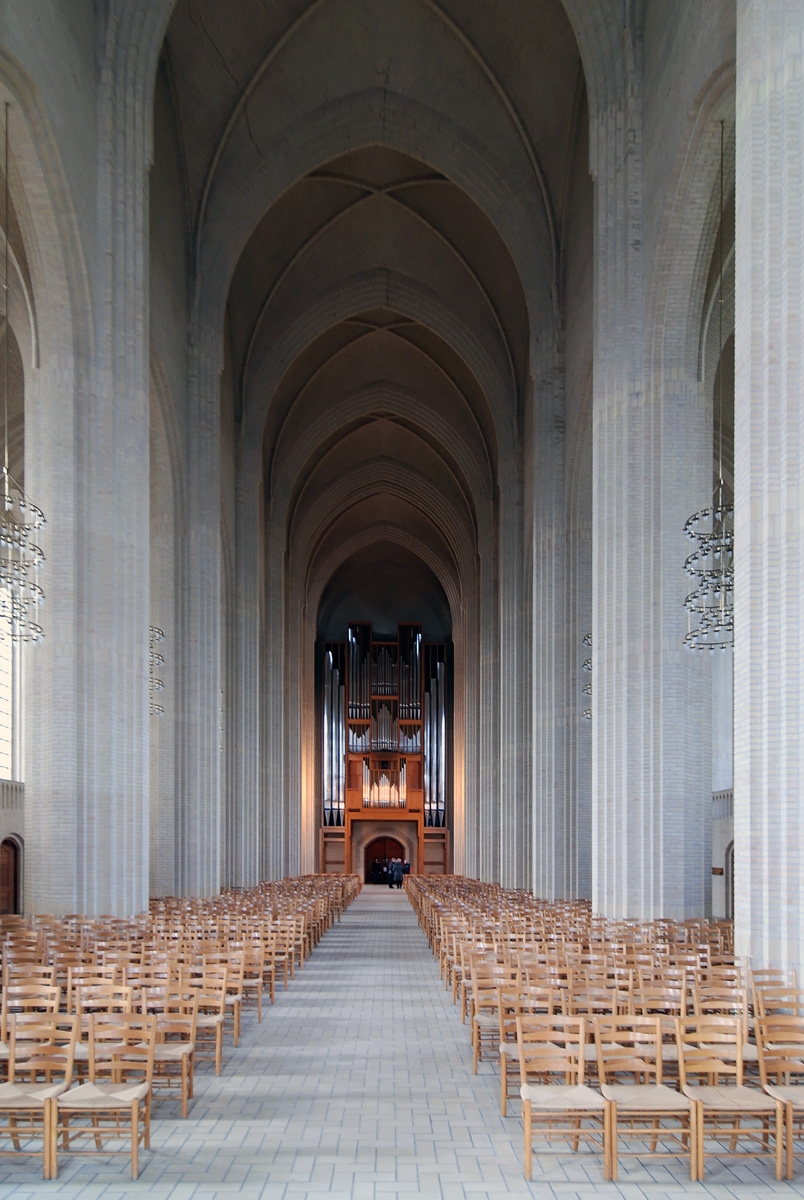
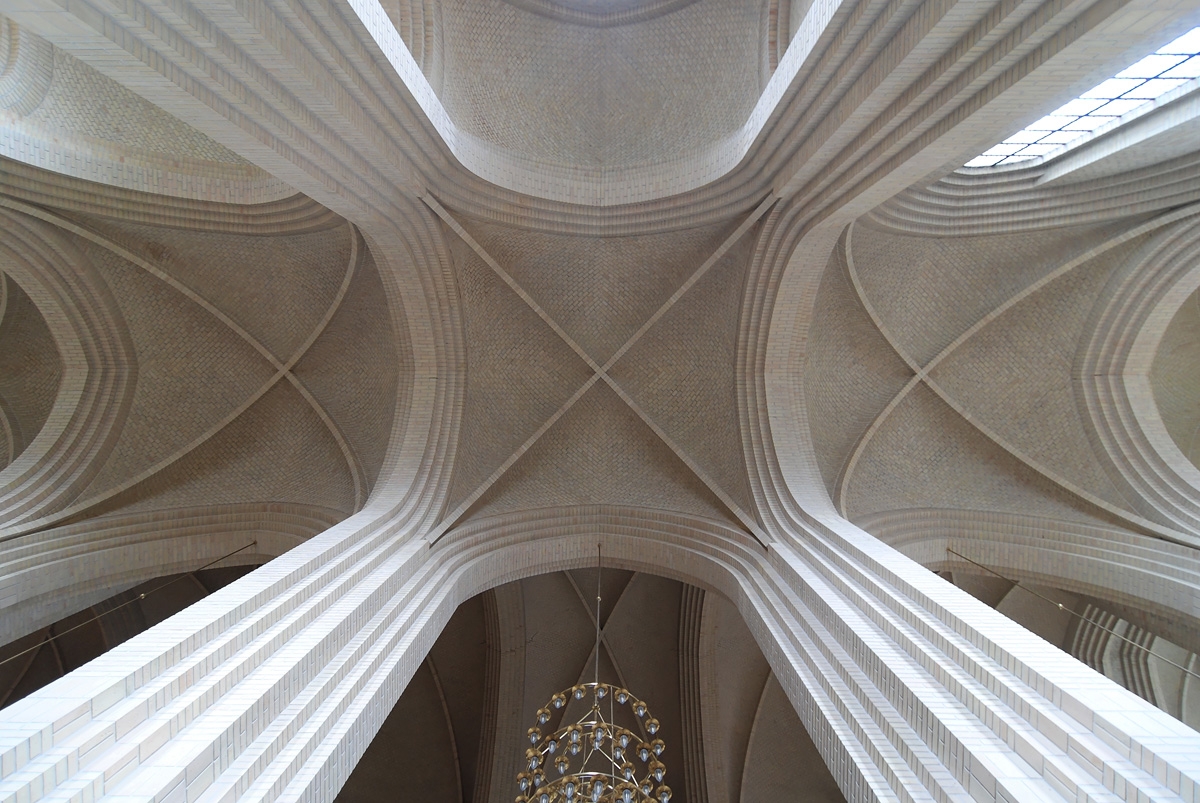
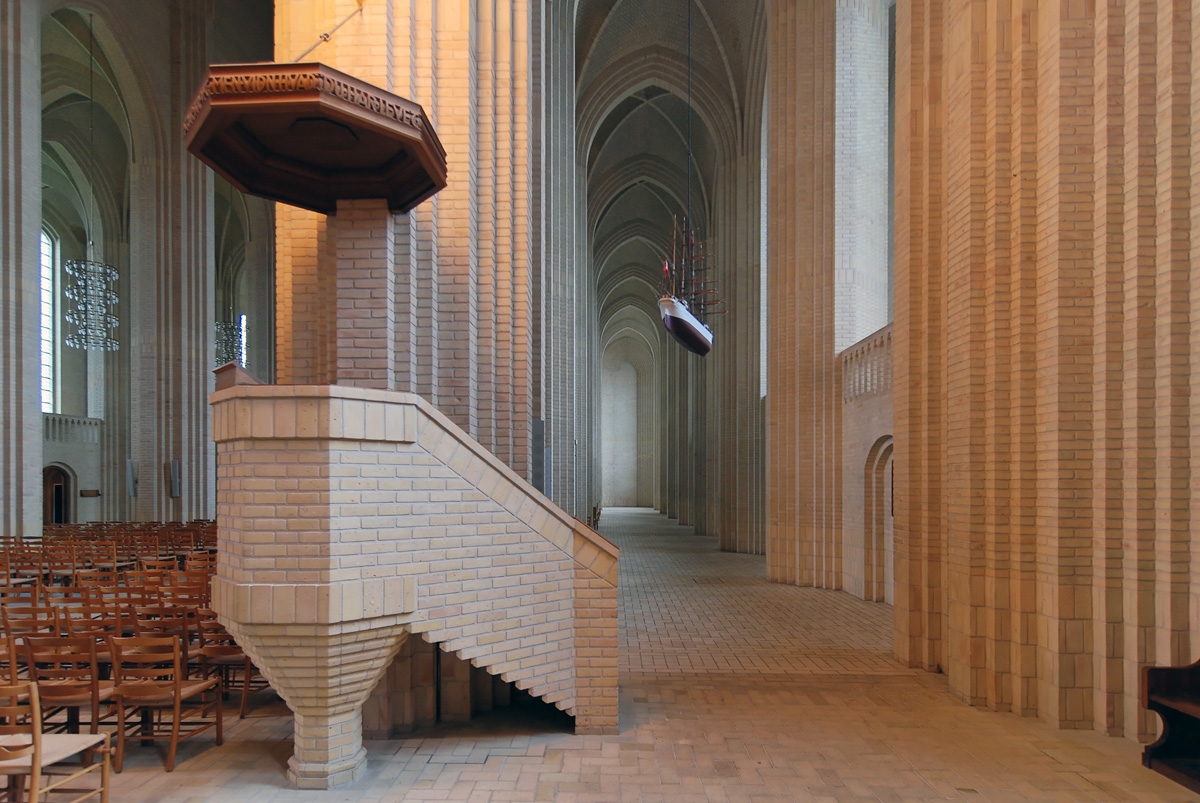
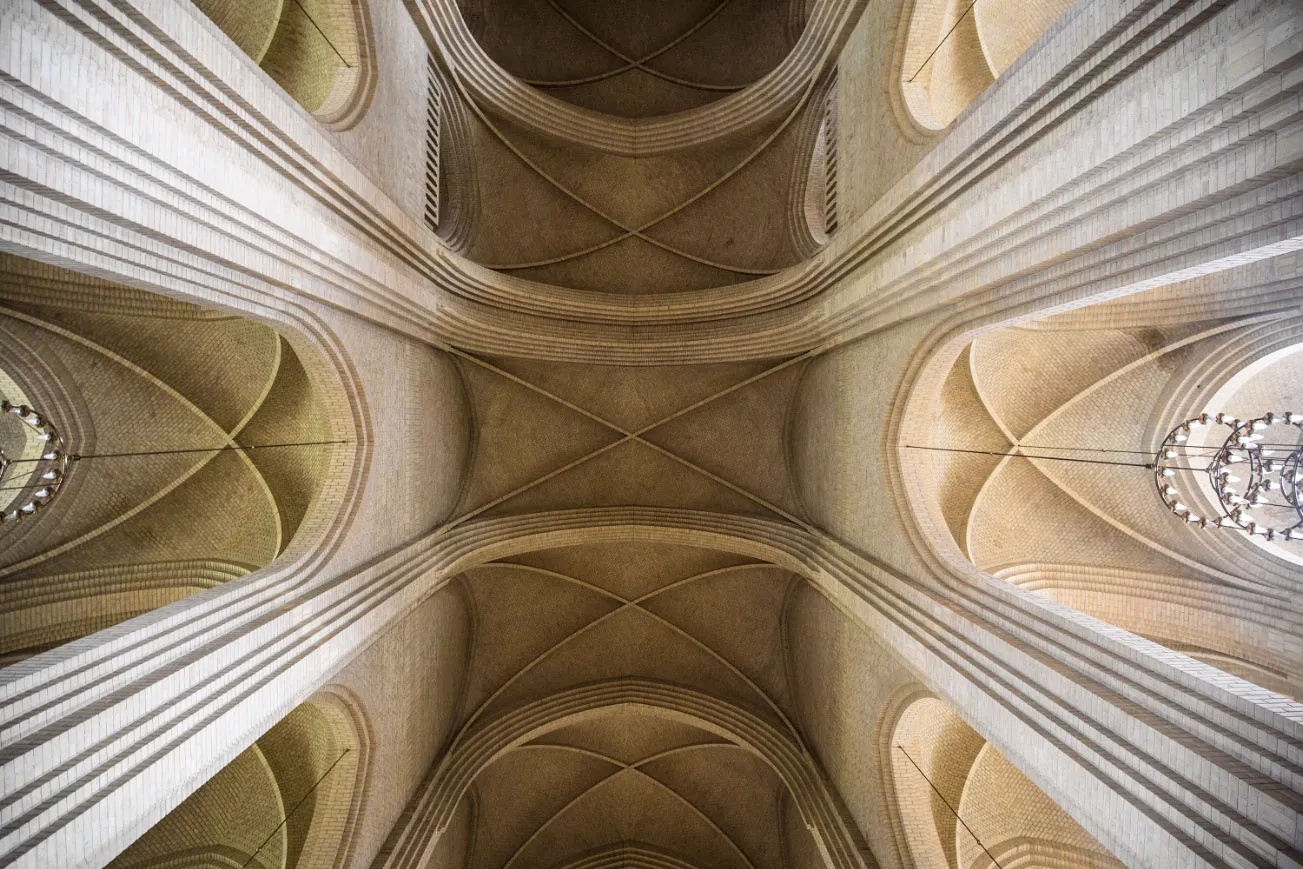
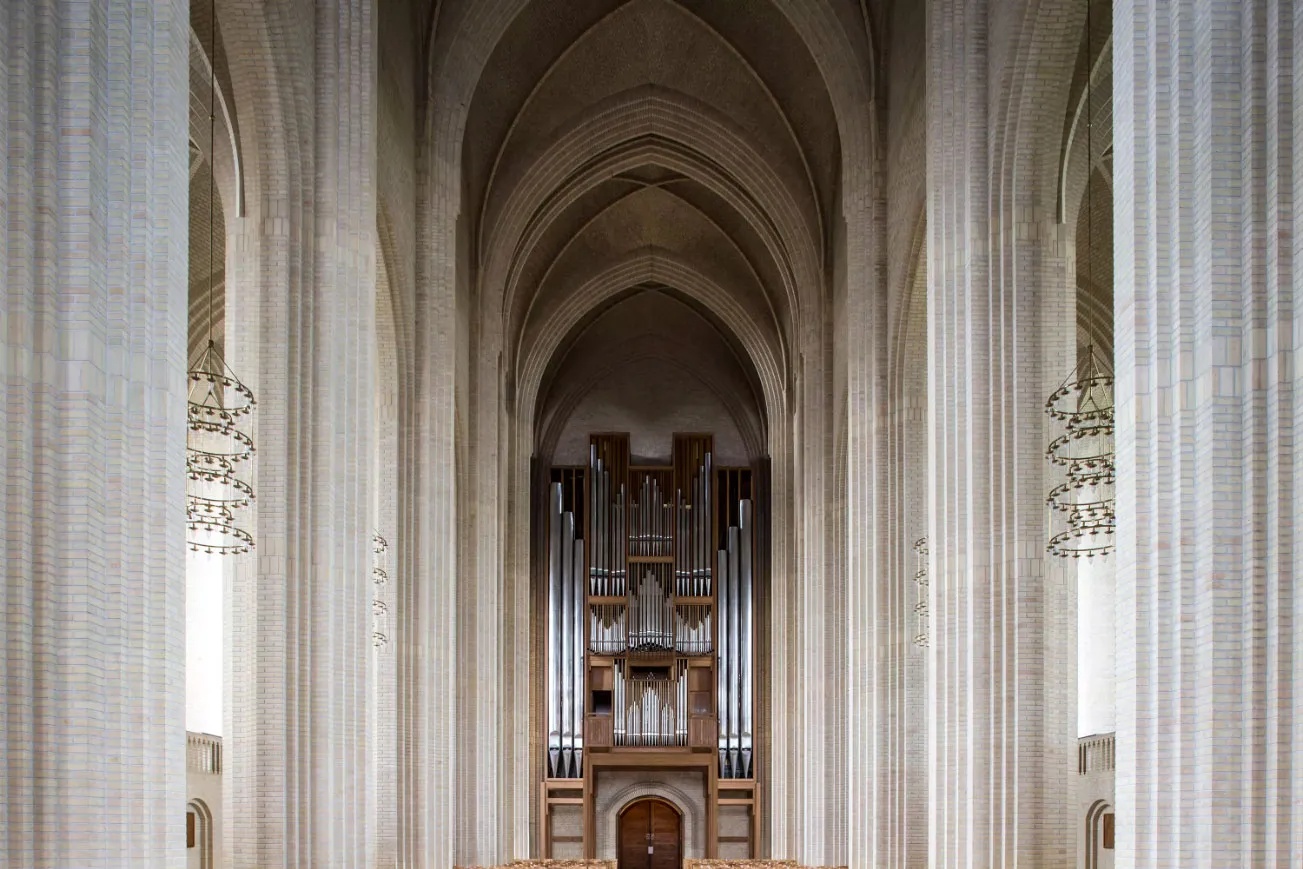
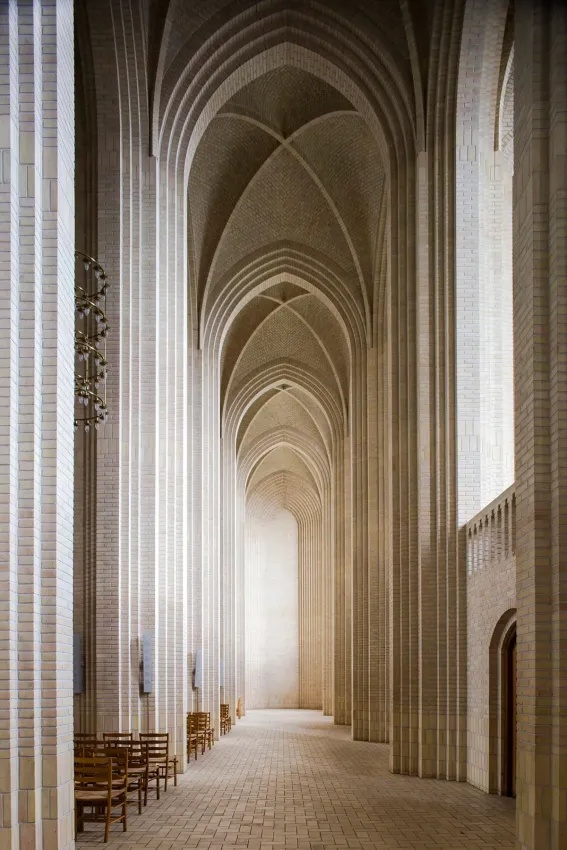
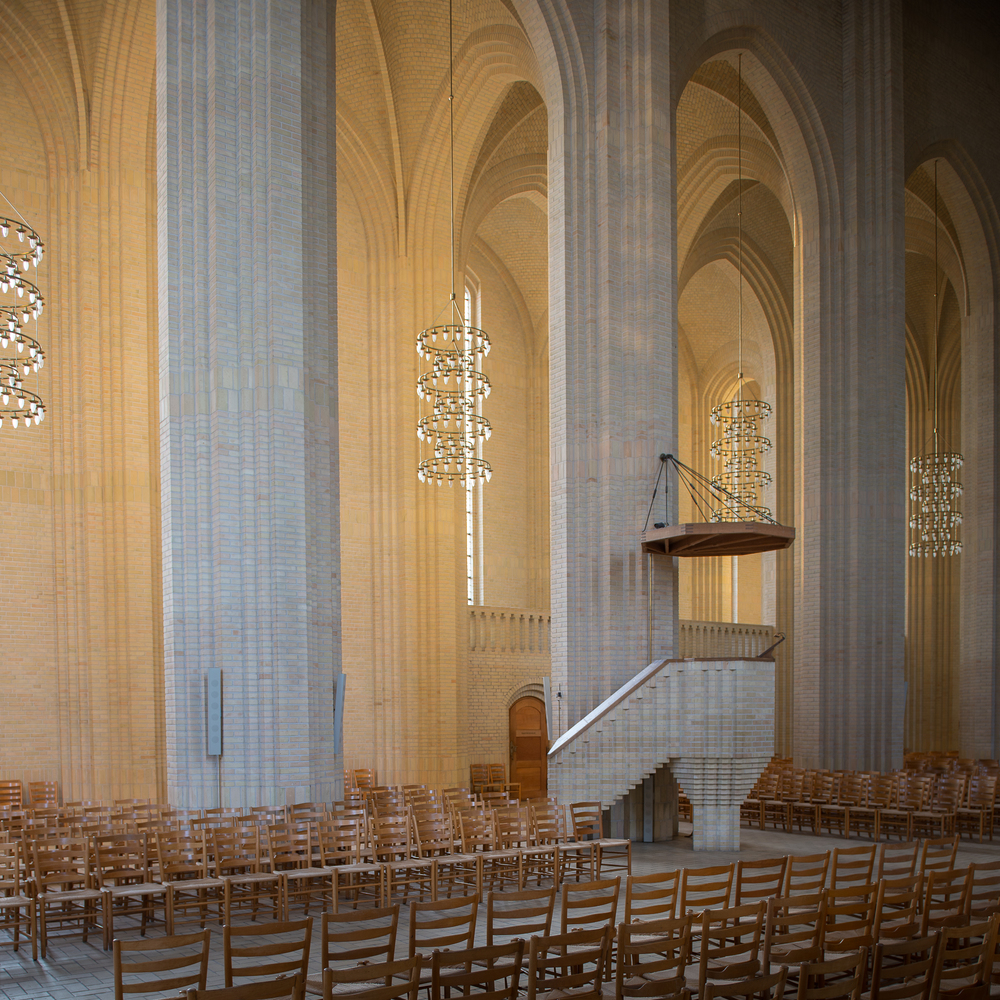
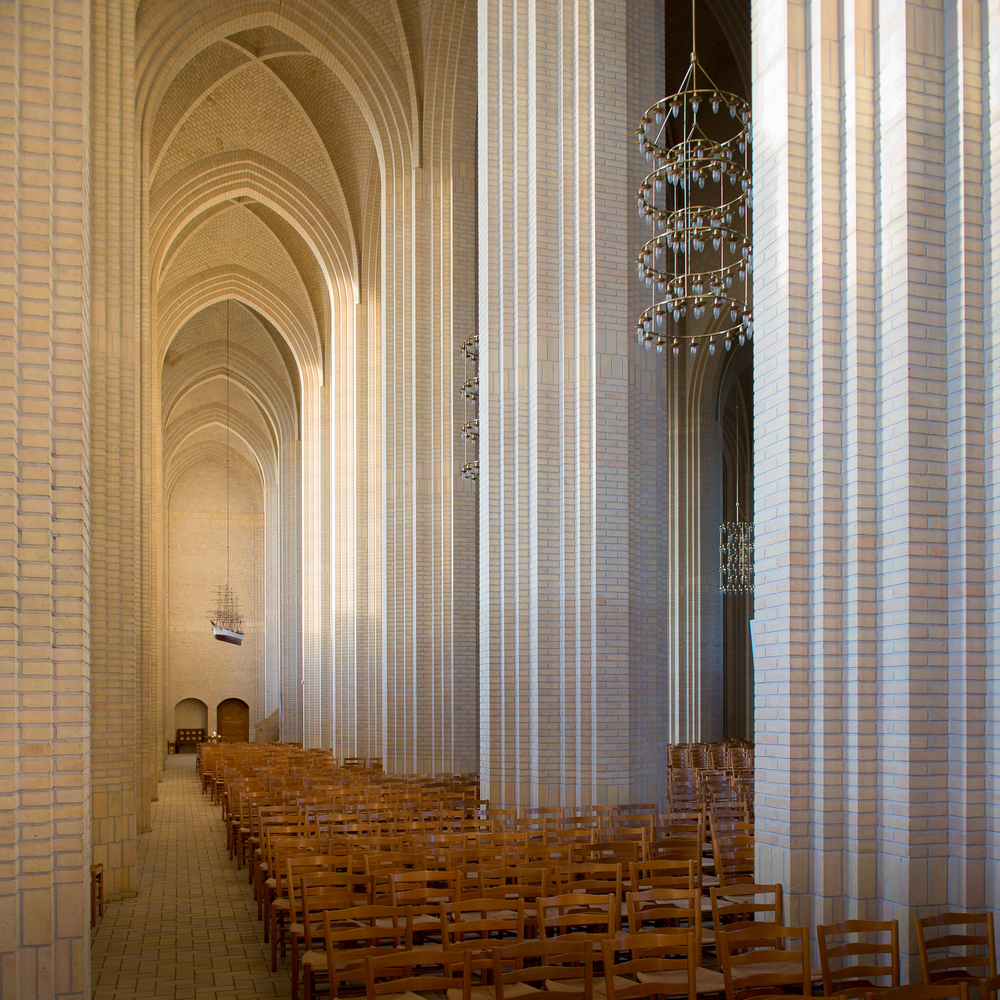
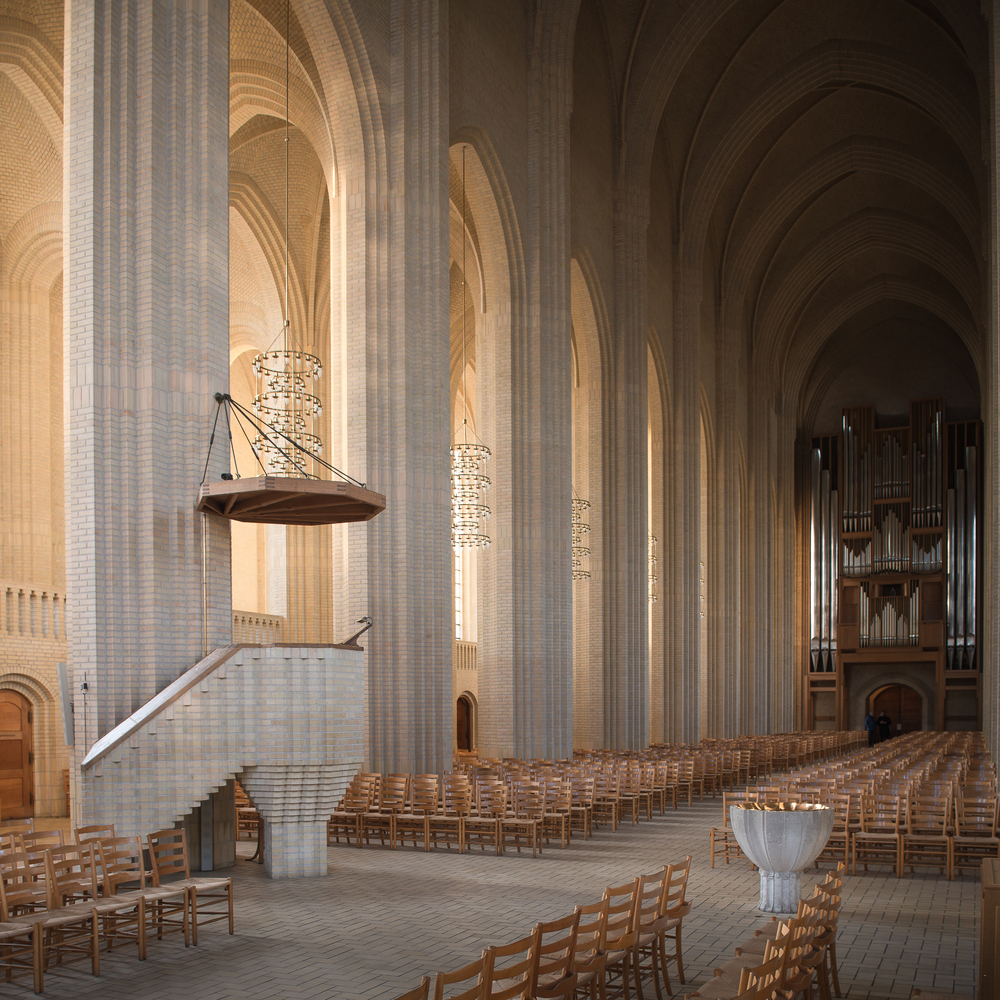
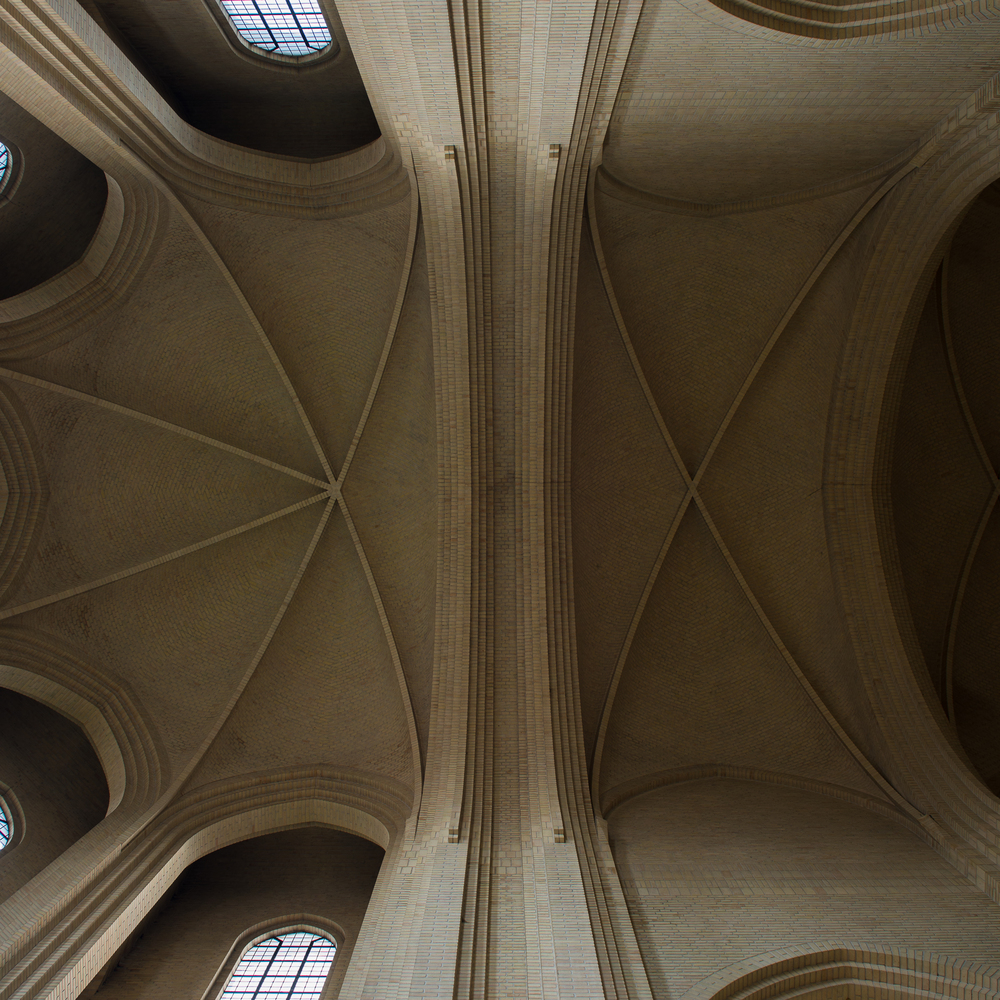
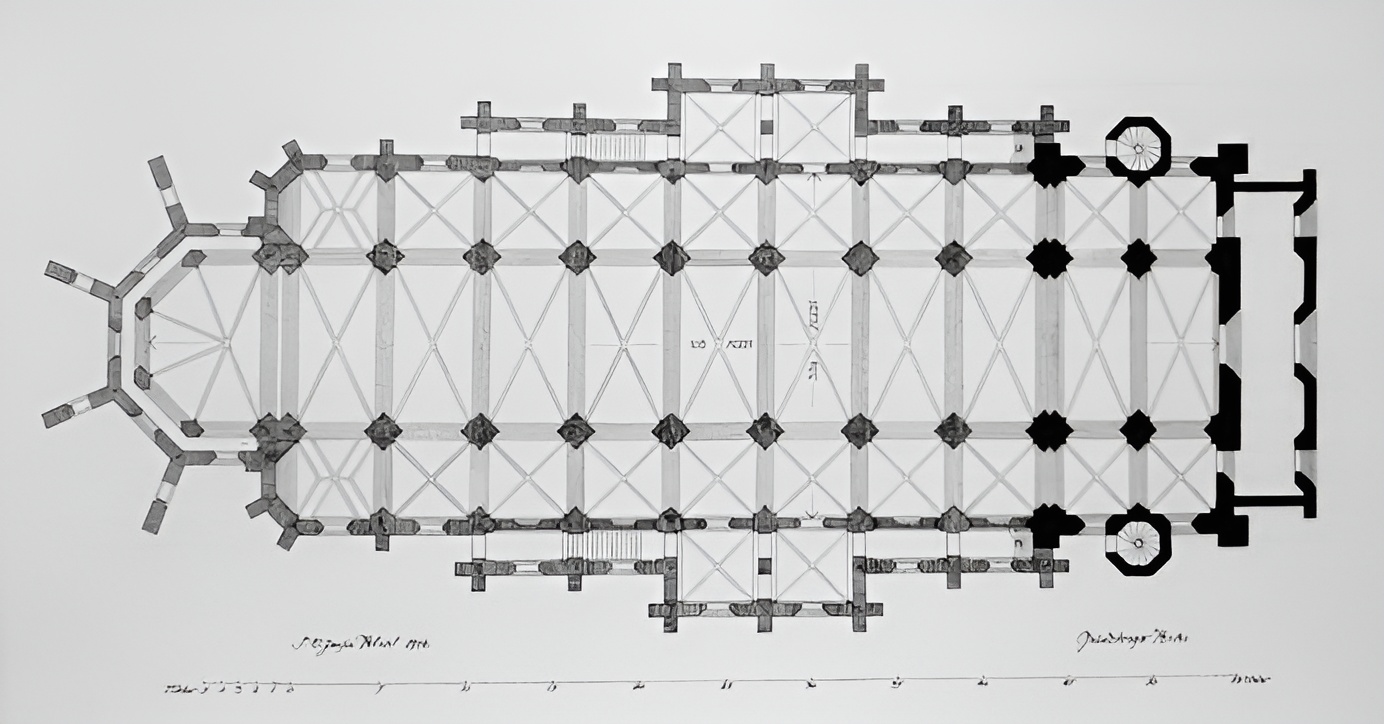
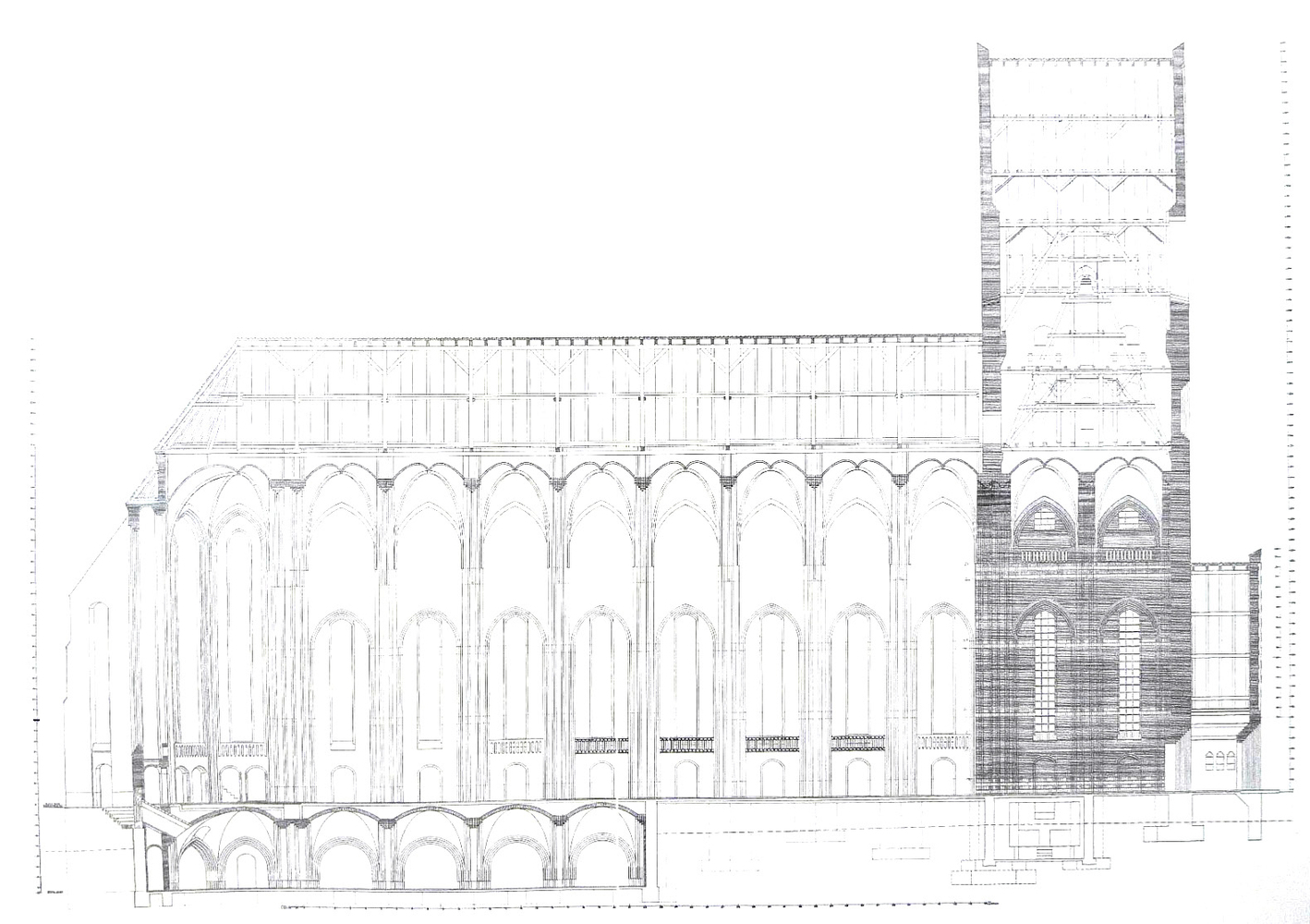
The church measures approximately 76 meters in length and 35 meters in width. Its triple-aisled hall plan follows the organization of a traditional Gothic church, including a nave, side aisles, and a modest transept. The nave rises to approximately 22 meters in height, while pointed arches and ribbed vaults reinforce the vertical character of the interior.
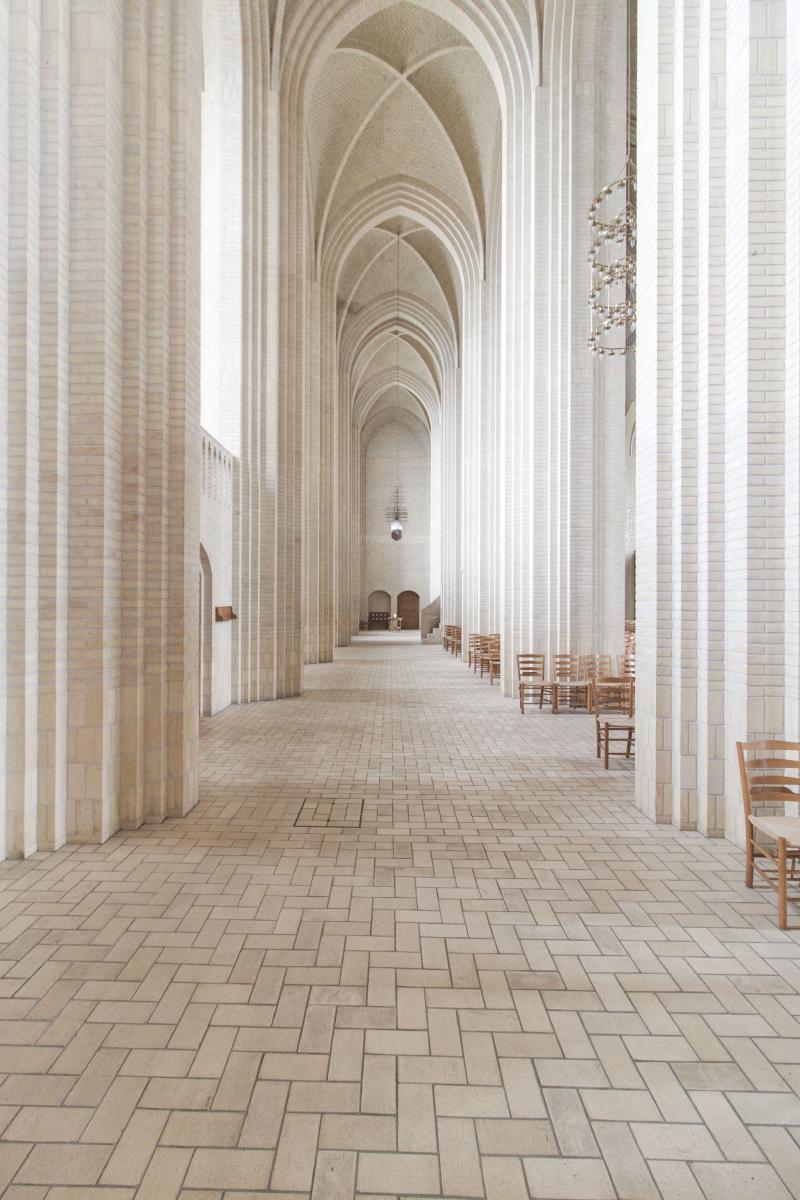
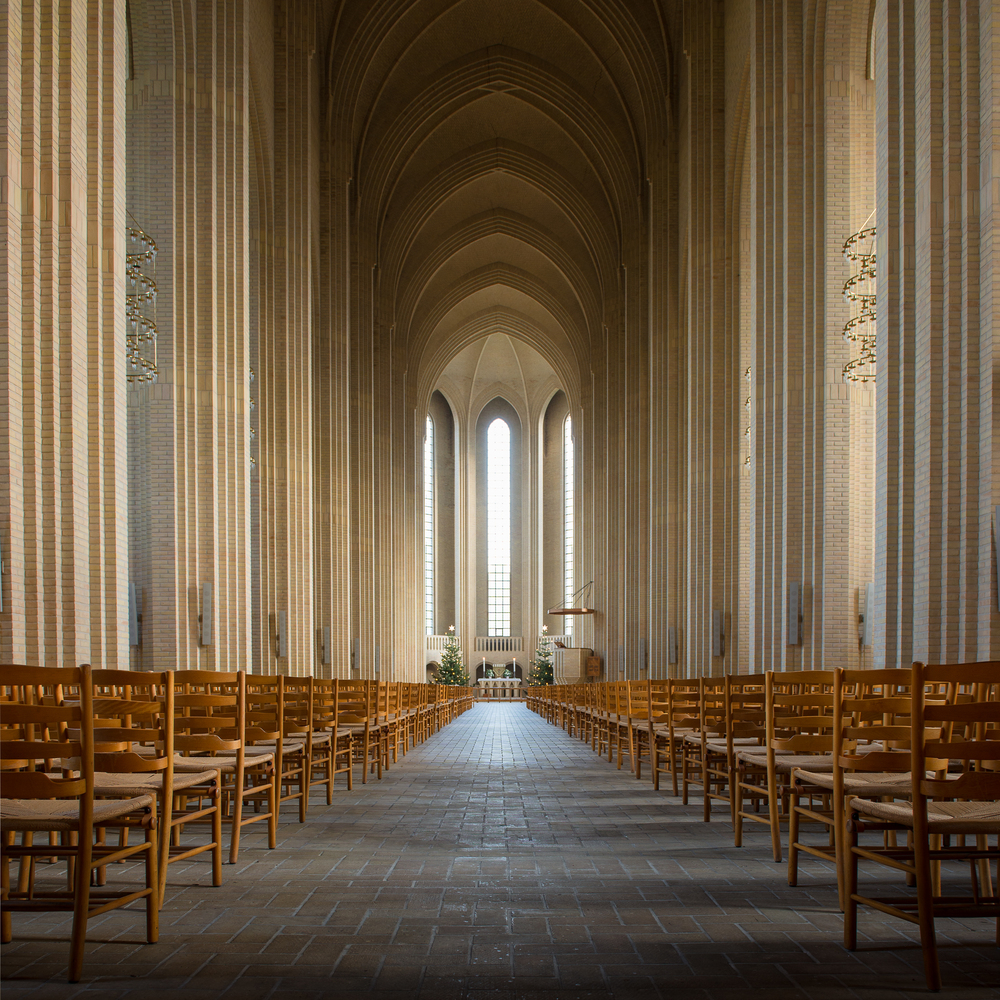
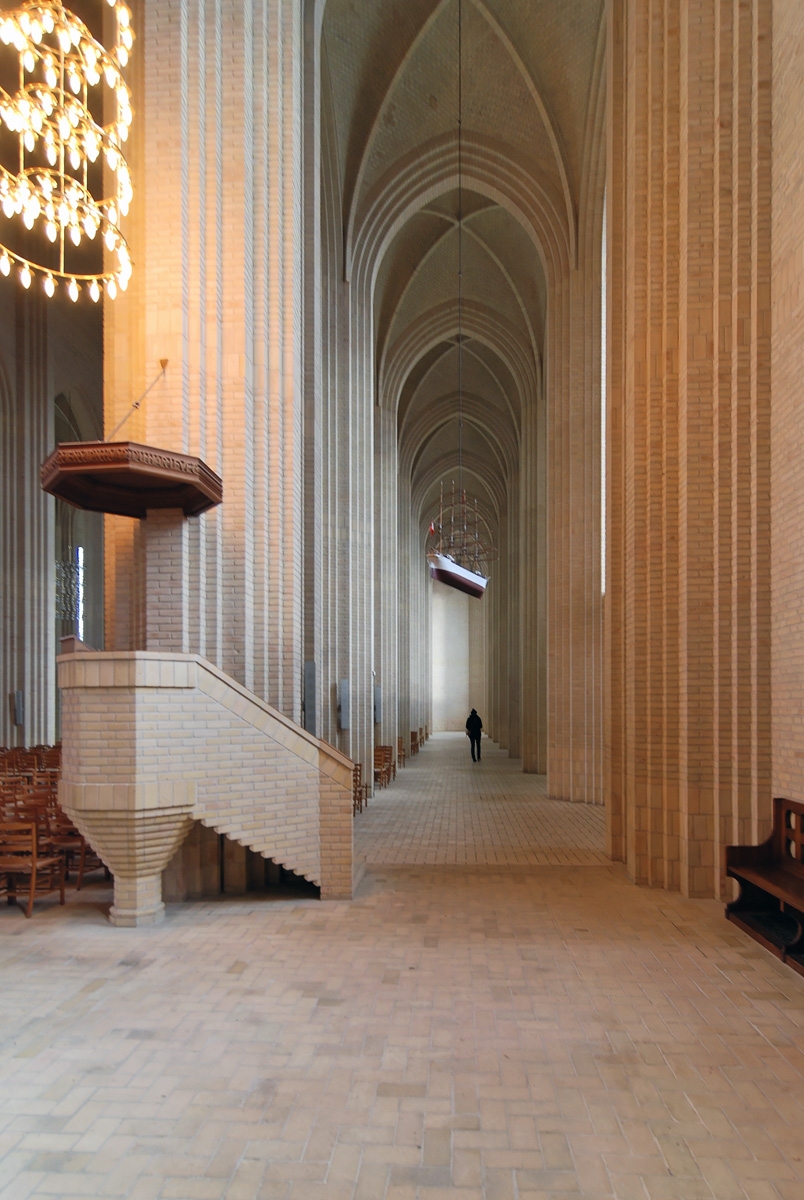
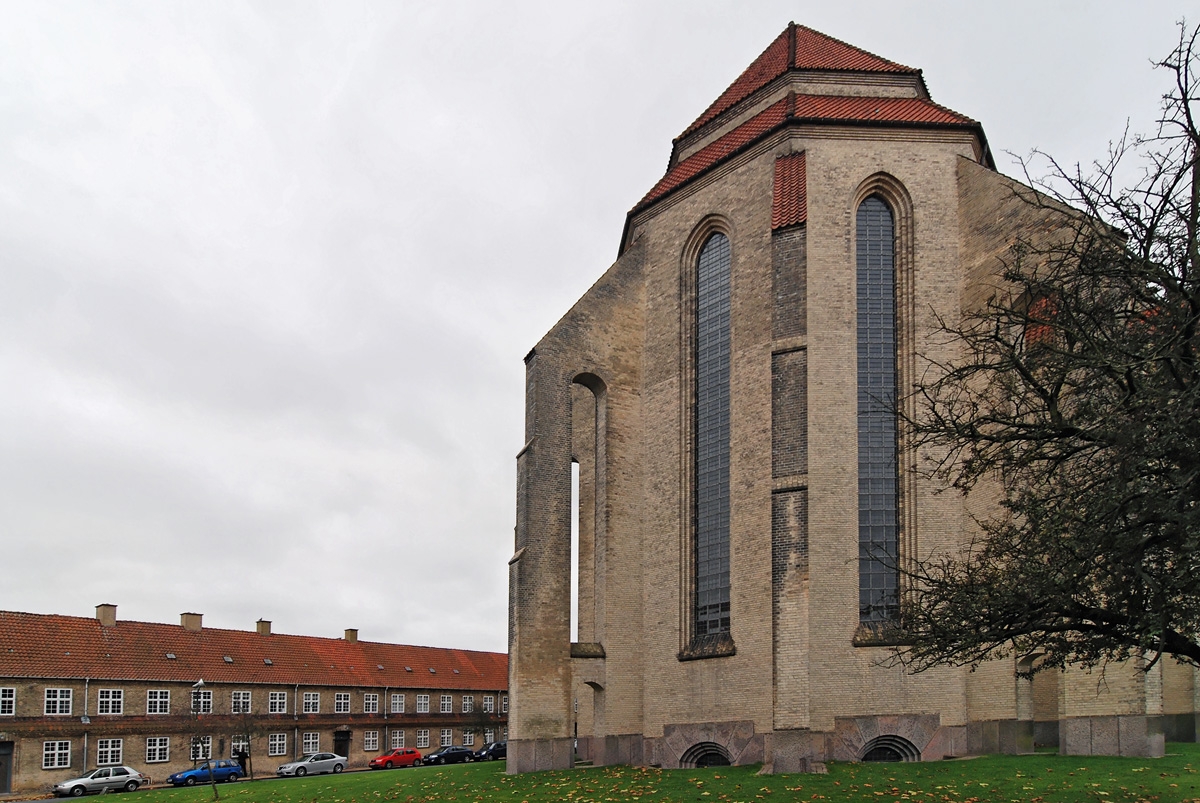
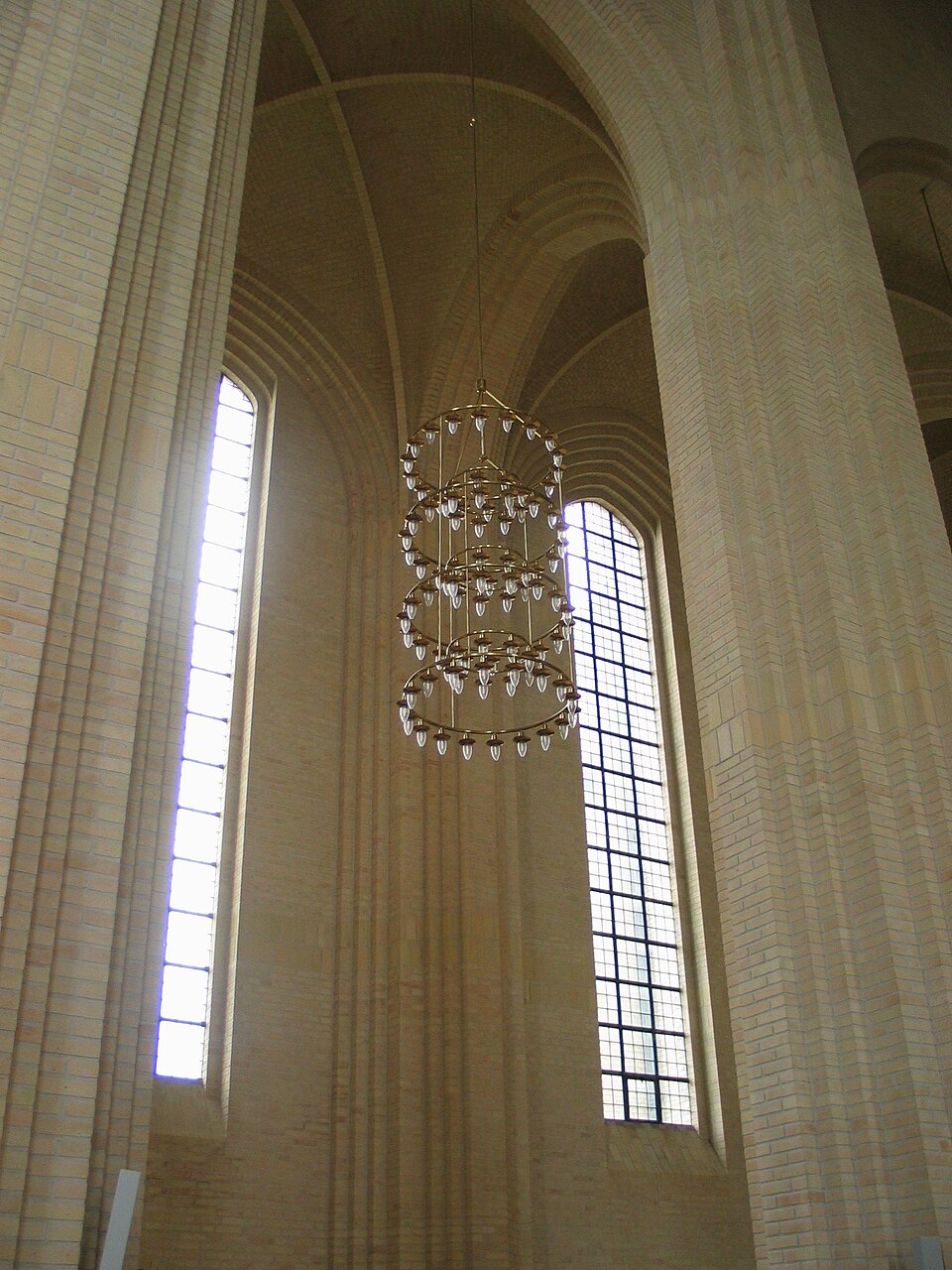
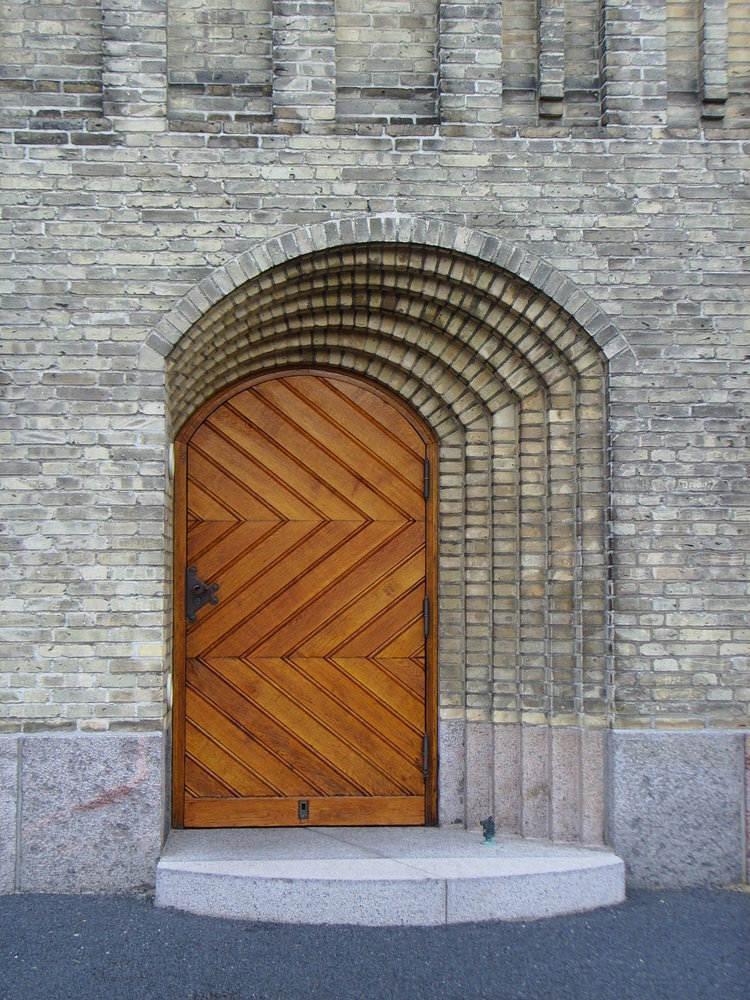
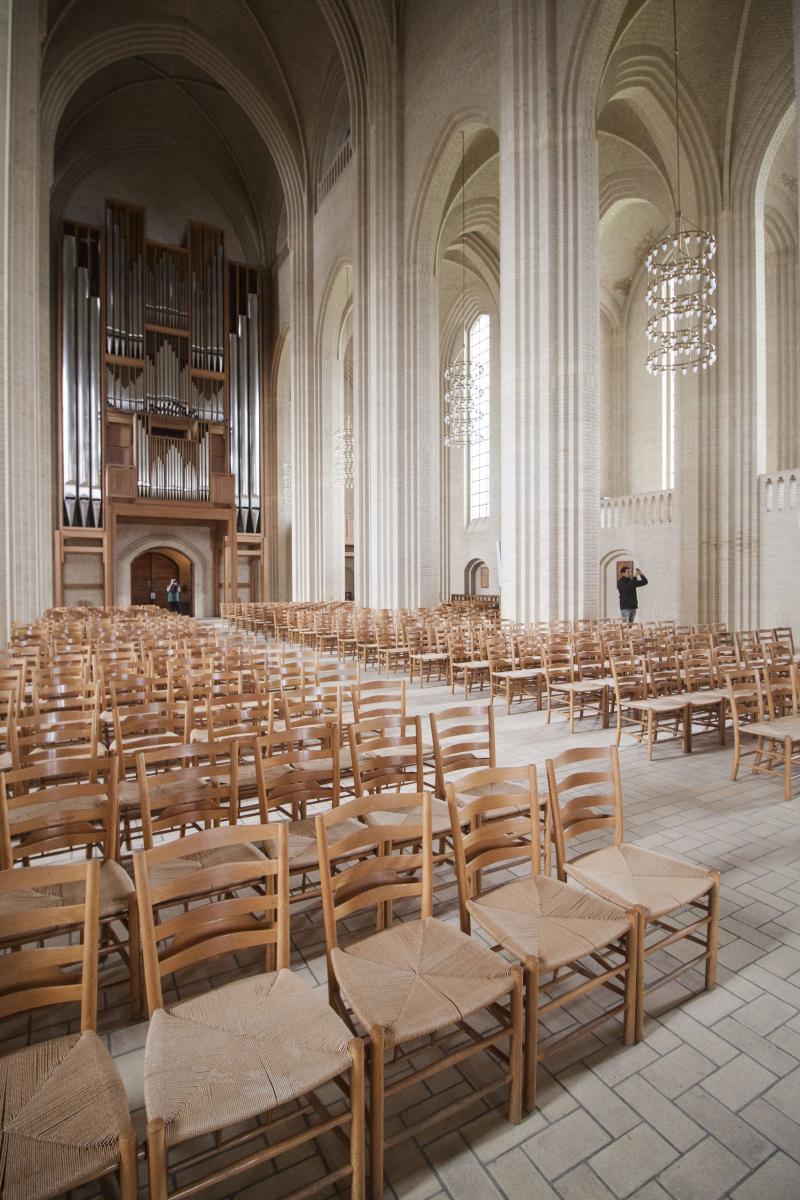
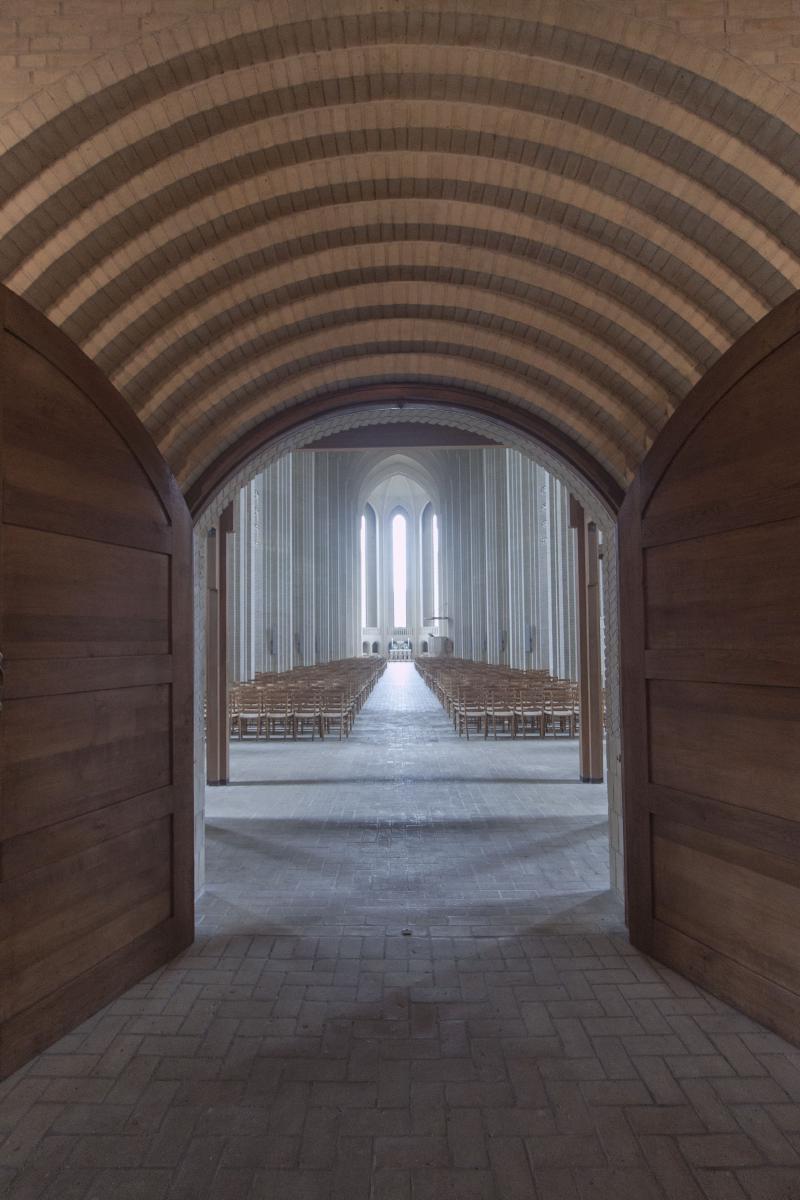
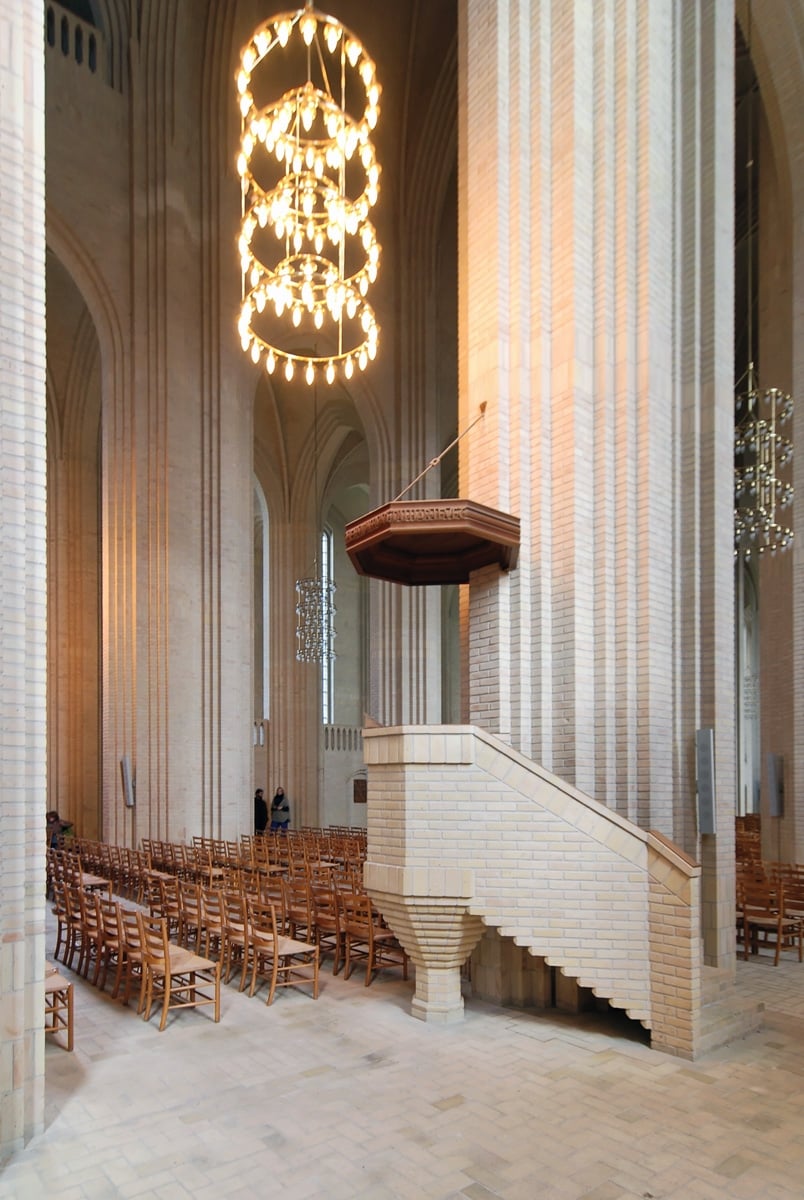
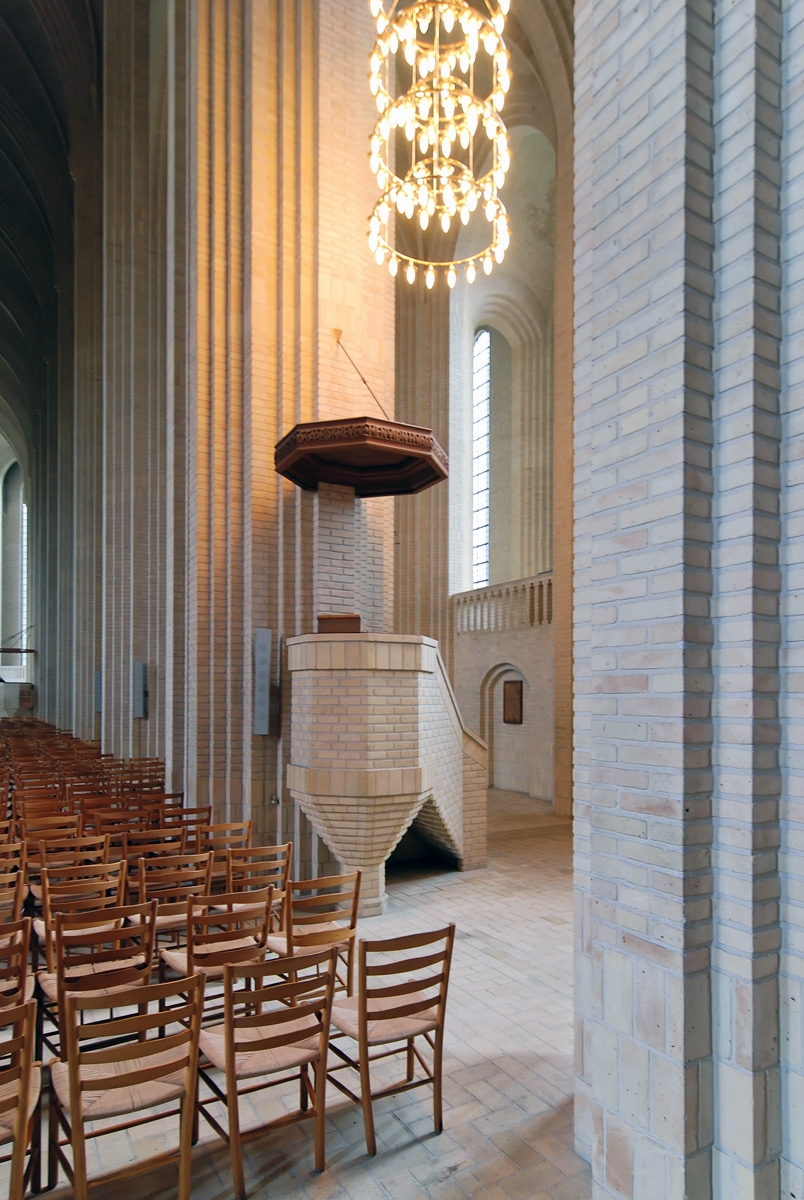
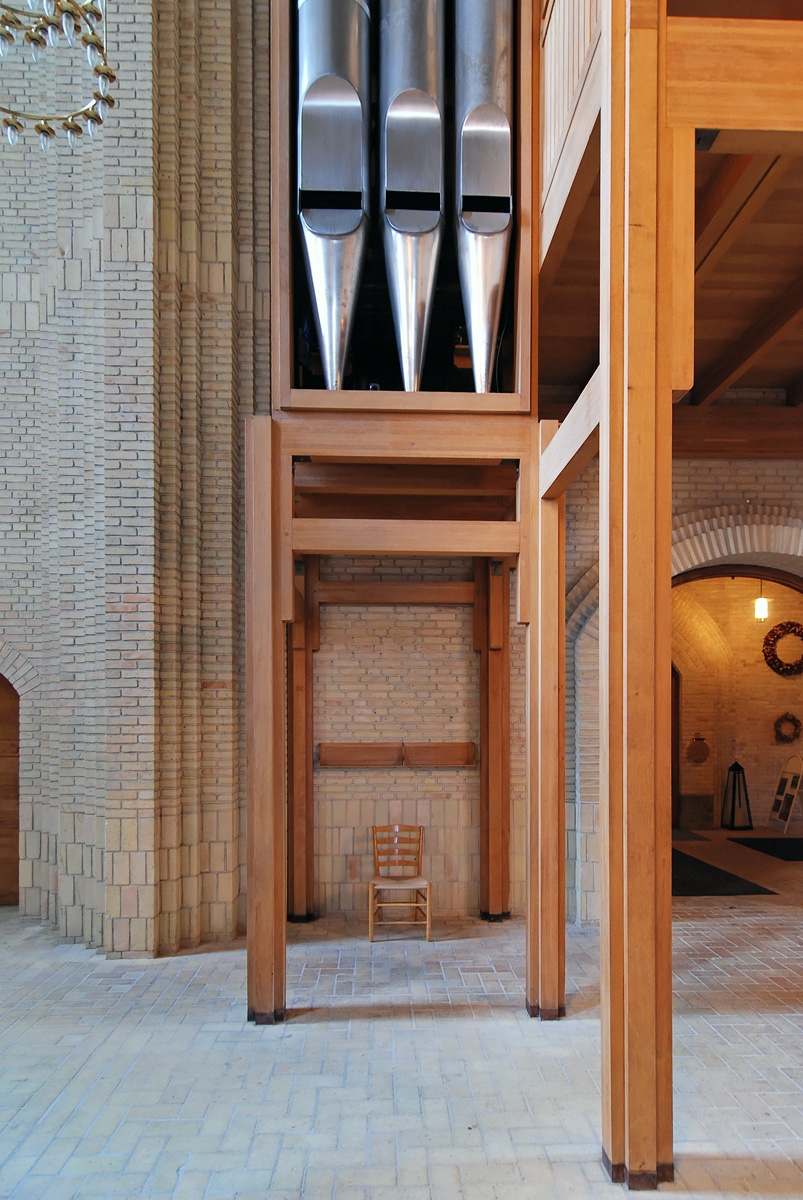
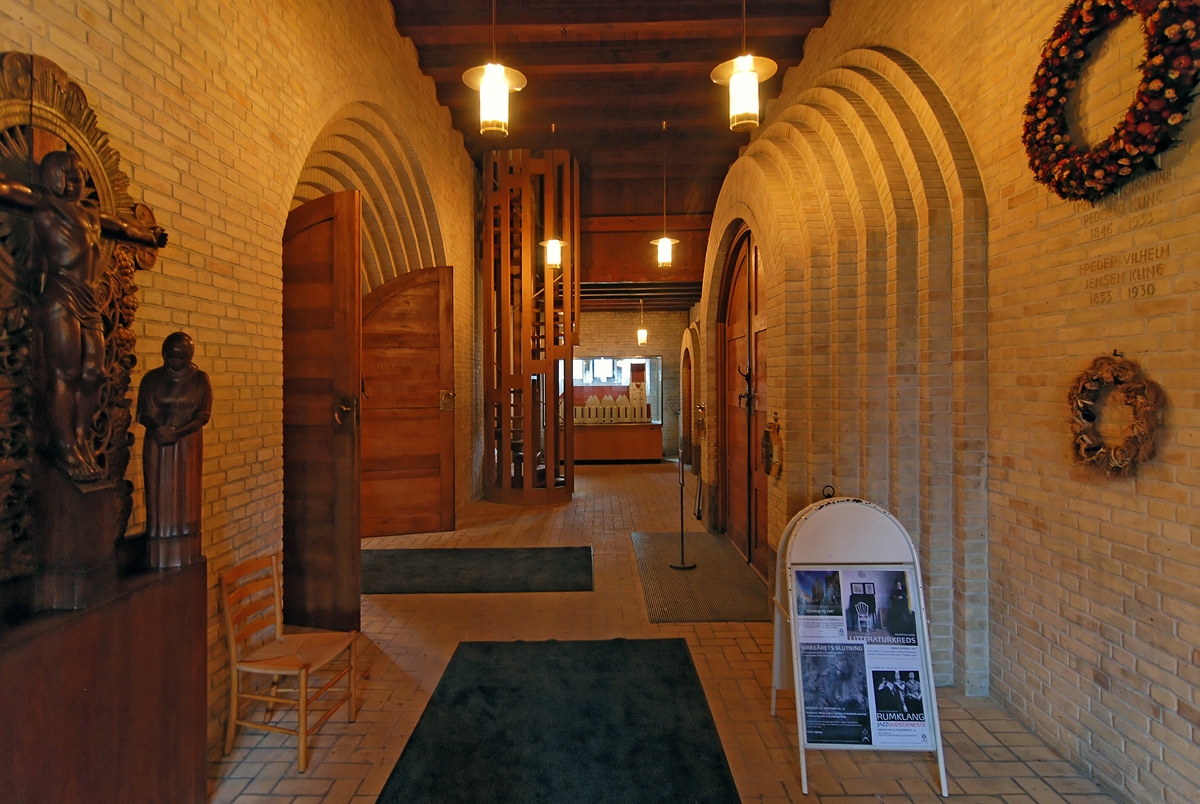
Nearly every architectural element is constructed from yellow brick. Floors, walls, columns, vaults, and the pulpit share the same material language, creating a unified spatial experience. Estimates indicate that approximately six million bricks were used in the construction. Ornament is largely absent. Instead, proportion, texture, geometry, and natural light define the architectural character.
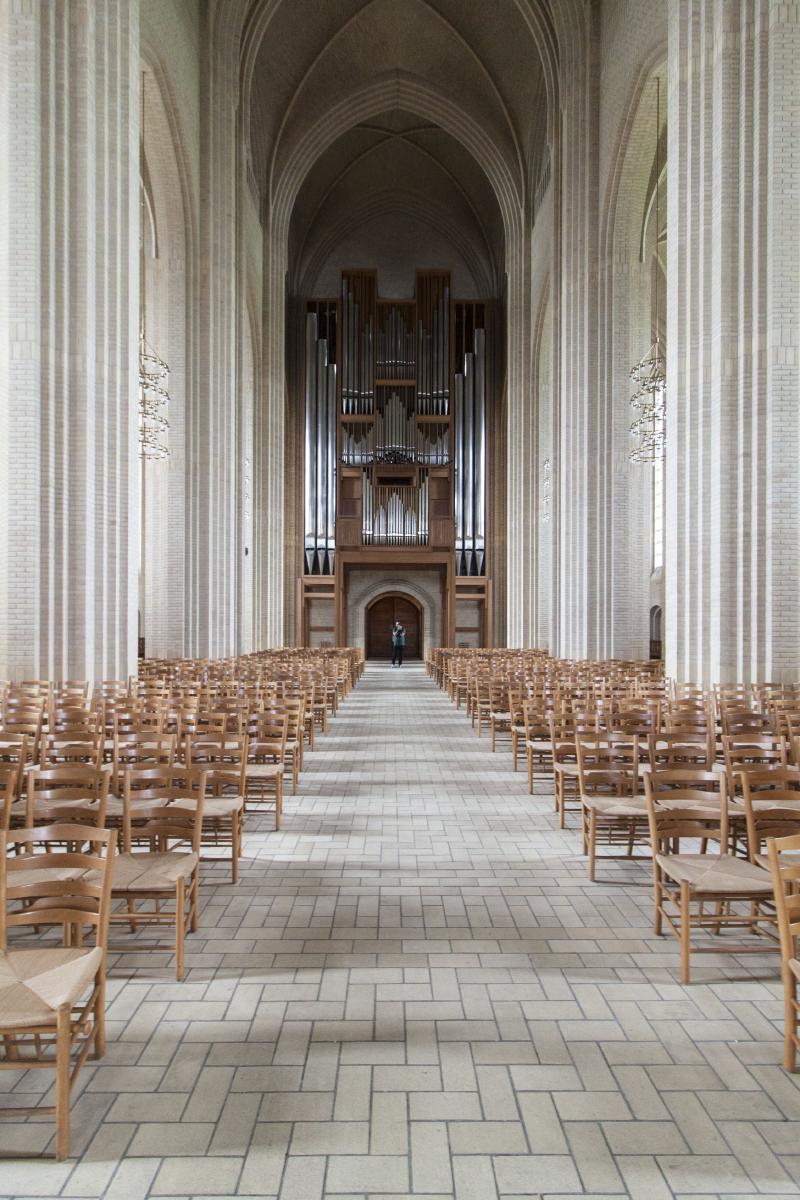
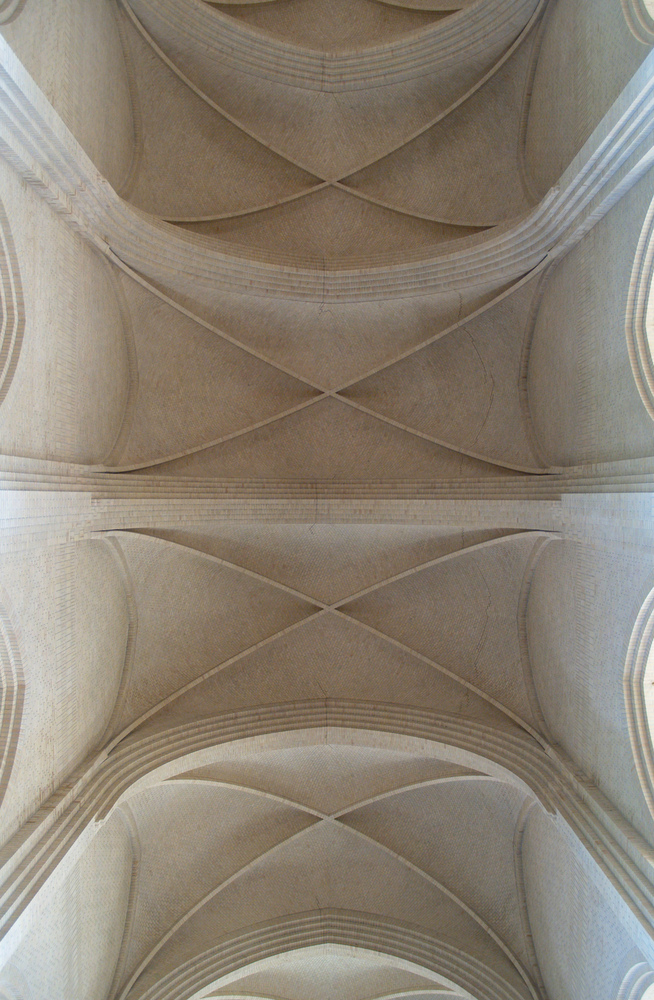
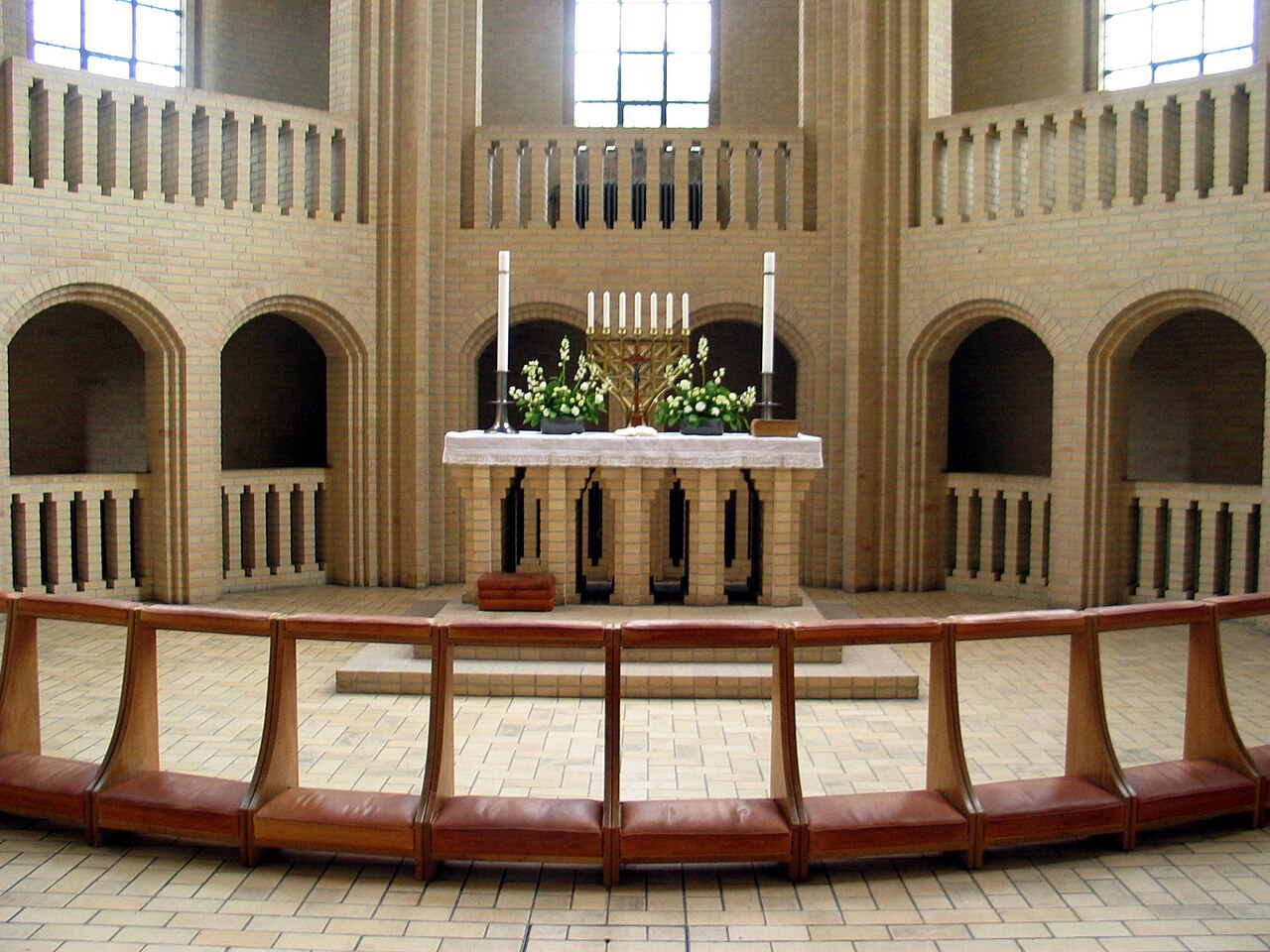
Large windows introduce filtered daylight into the interior, where light reflects across the brick surfaces and emphasizes the scale of the space. The restrained material palette and absence of decorative excess create an atmosphere shaped primarily by structure and illumination.
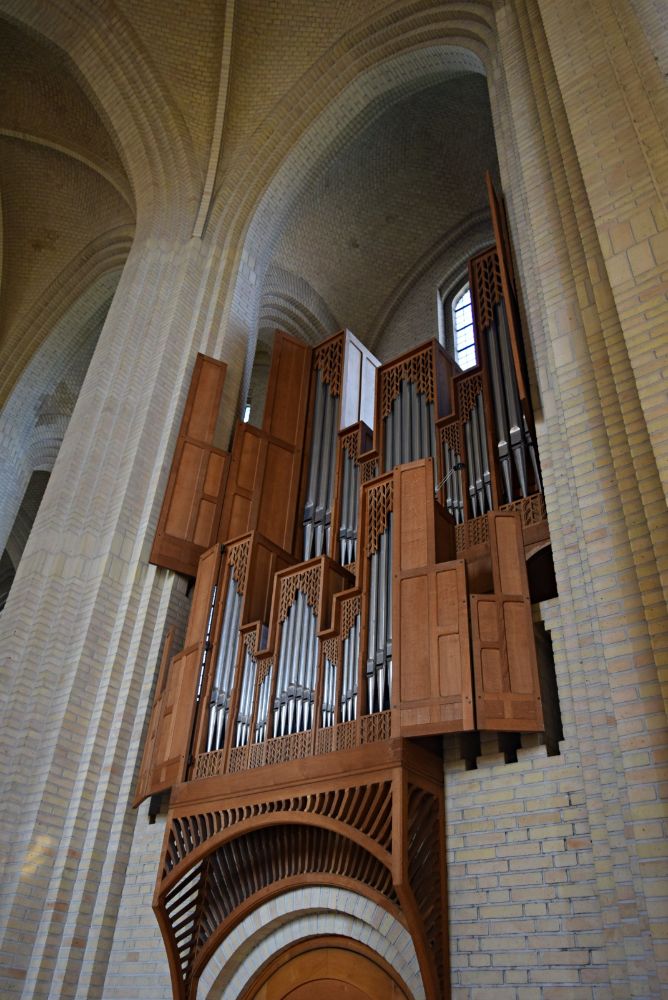
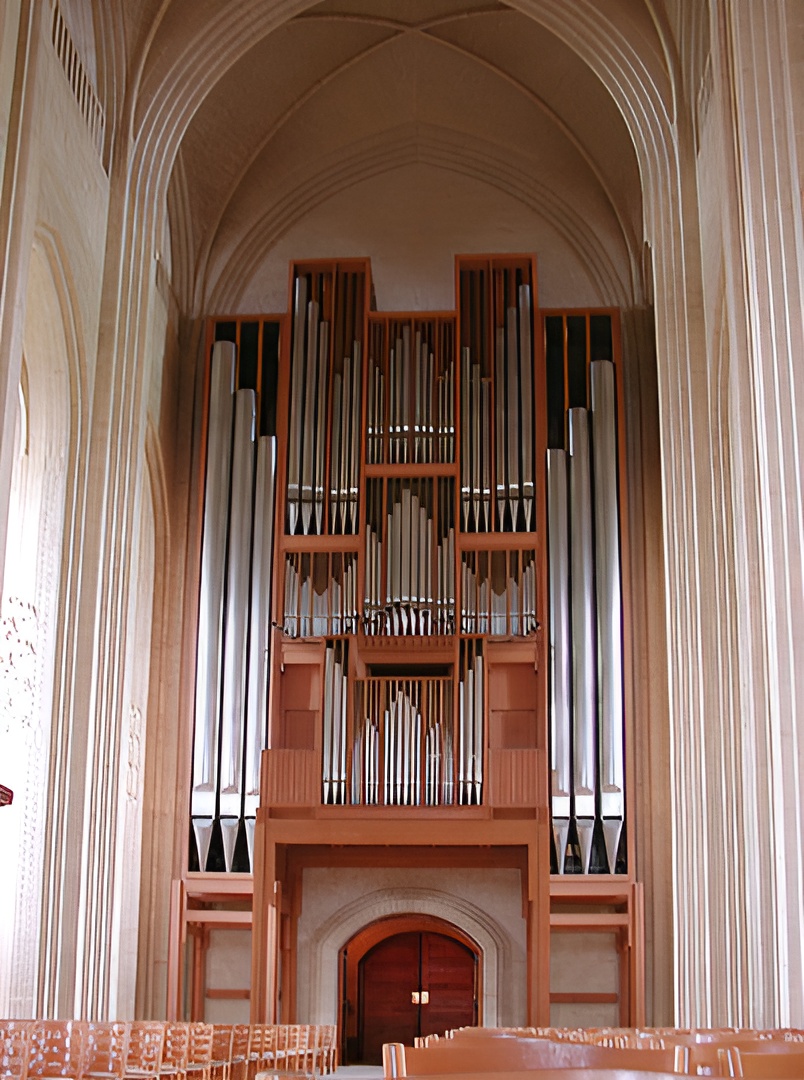
The church contains two organs built by Marcussen & Søn. The smaller instrument near the chancel was completed in 1940 with a façade designed by Kaare Klint. A larger organ was added in 1965 at the western end of the nave, featuring a façade designed by Esben Klint. The instrument remains one of the largest in Scandinavia.
Grundtvig’s Church remains a landmark of Danish architecture, representing the intersection of national tradition, Expressionist design, and ecclesiastical architecture through a disciplined use of brick, proportion, and light.
Project Gallery
Project Location
Address: På Bjerget 14B, 2400 København NV, Copenhagen, Denmark
Location is for general reference and may represent a city or country, not necessarily a precise address.

