

Architects: Helder da Rocha Arquitectos
Area: 2,814.50 m²
Year: 2026
Photography: Ivo Tavares Studio
Lead Architects: Helder da Rocha
Contractor: ANI – Engenharia, Lda
Structural Engineering: ANI – Engenharia, Lda
Materials: Exposed concrete; solid brick; Technal window frames; Grohe sanitary fittings
Client: ANI – Engenharia, Lda
City: Matosinhos
Country: Portugal
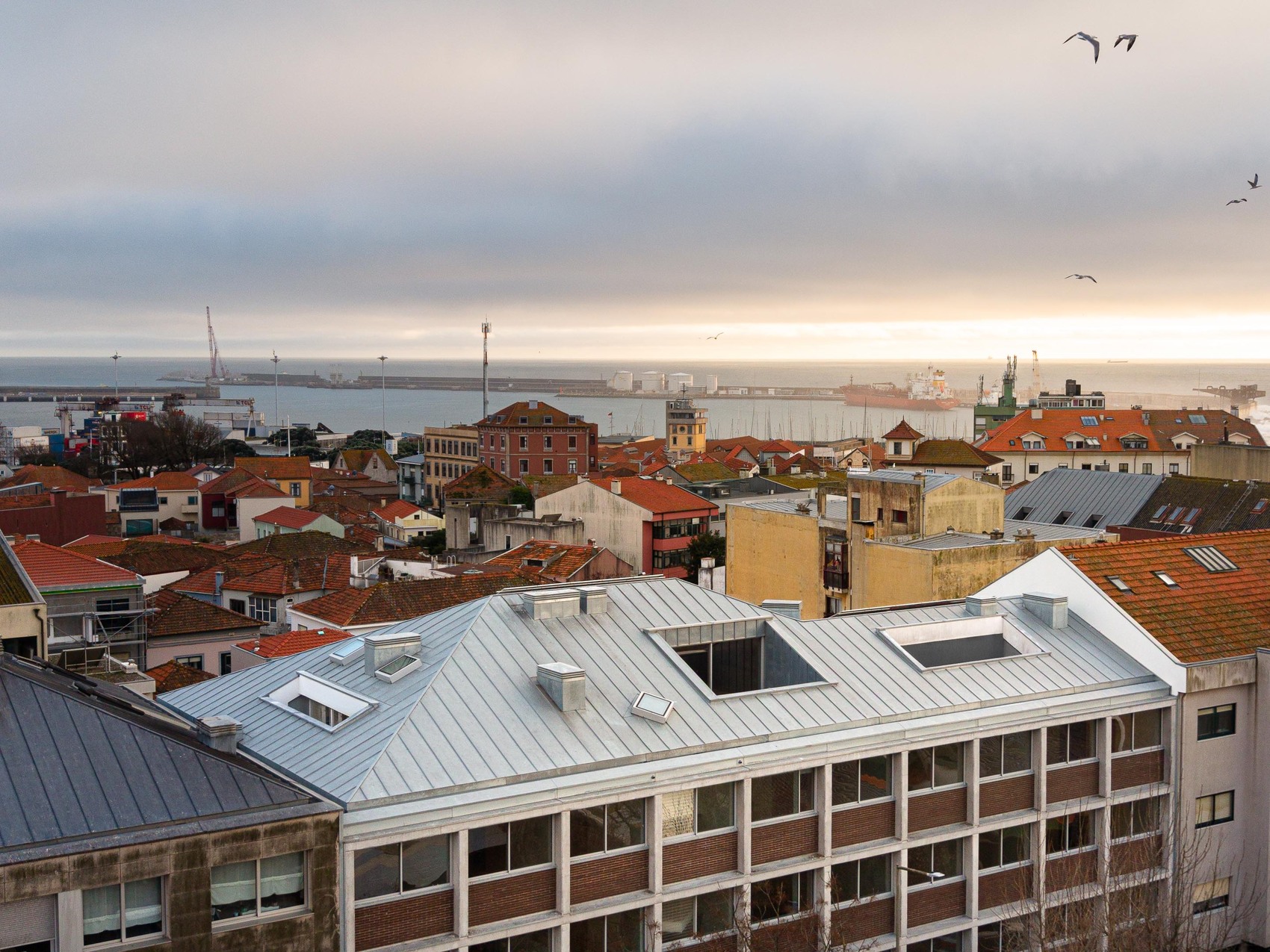
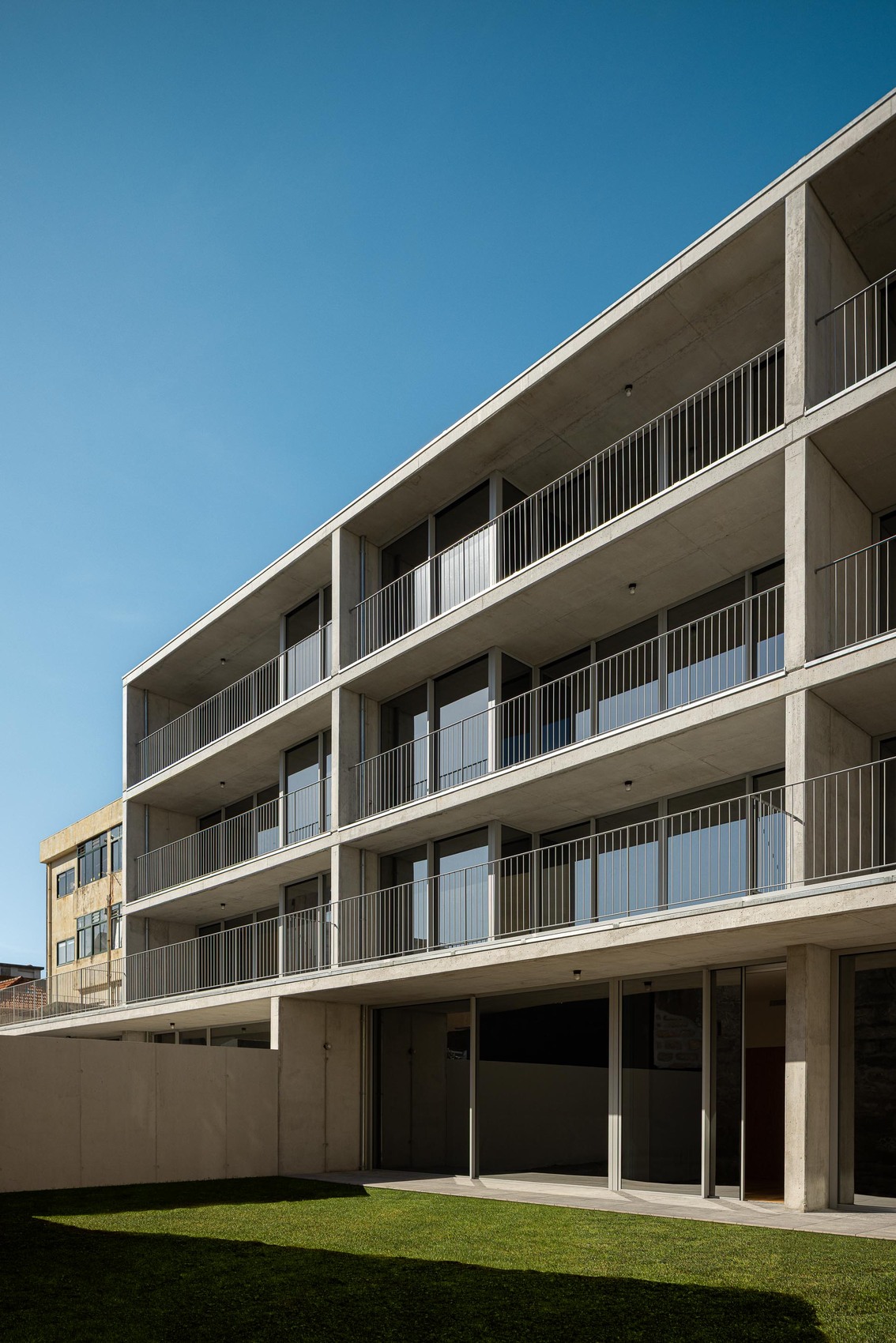
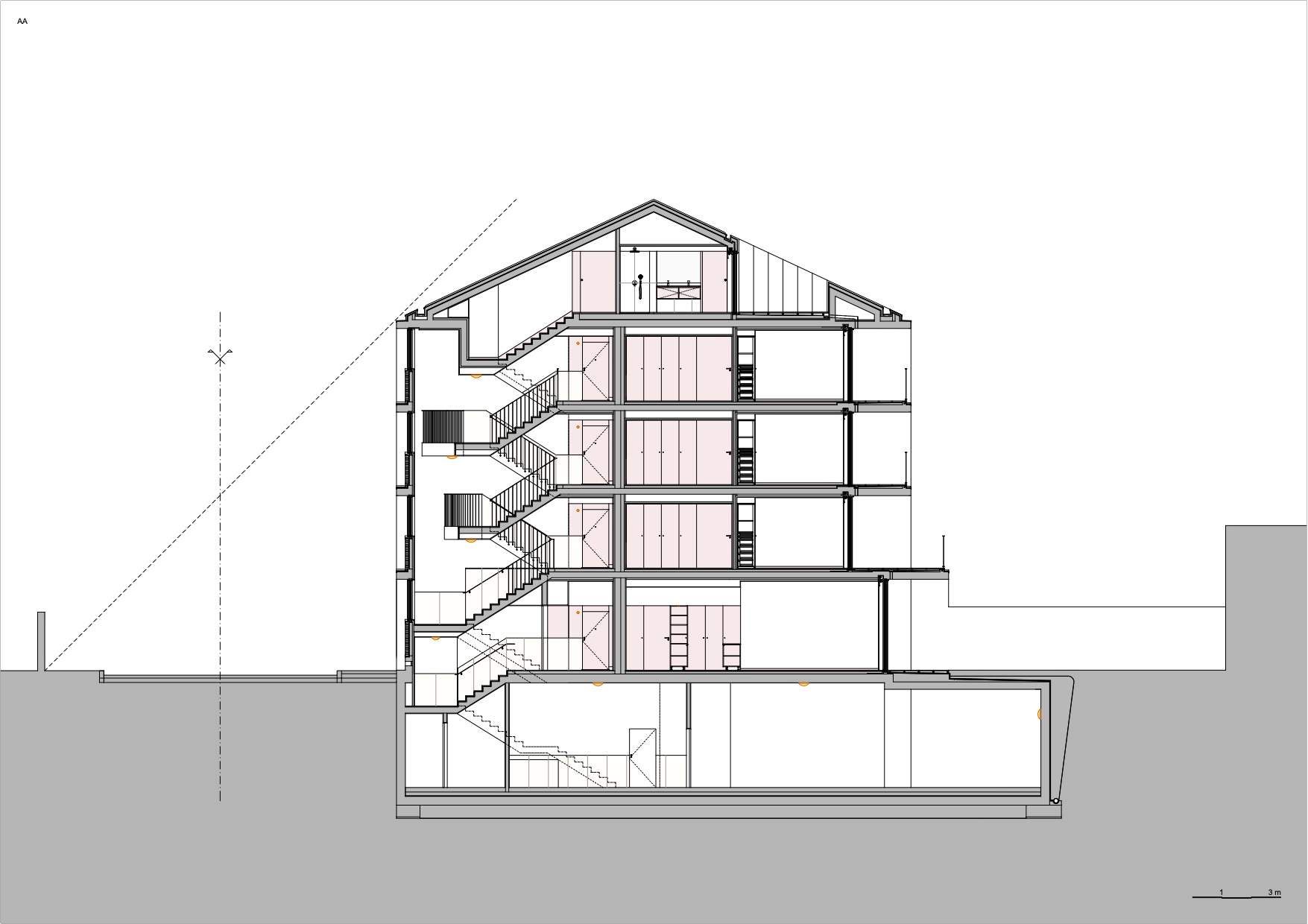
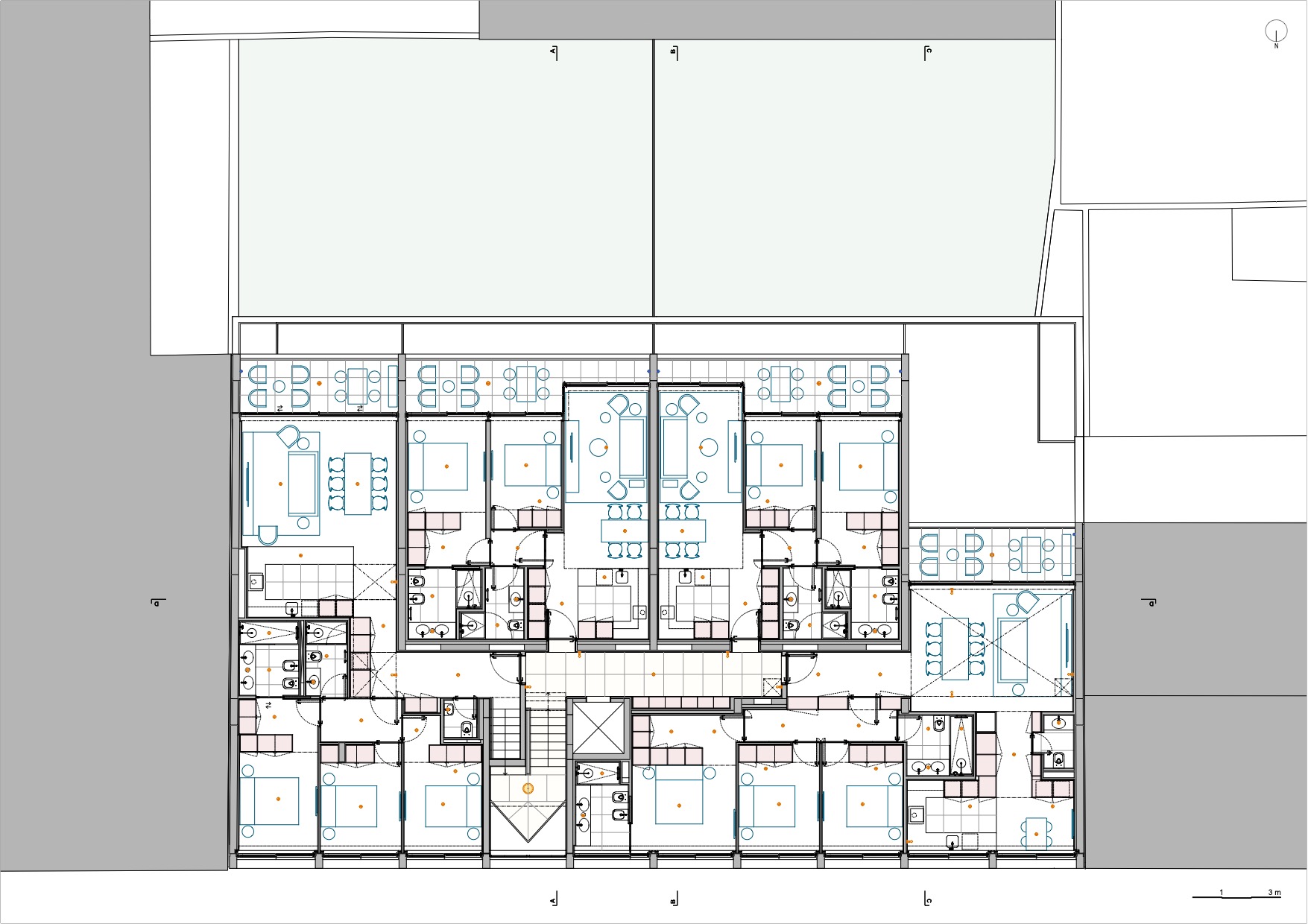
The Hintze Ribeiro Multifamily Housing project introduces a rigorously organized residential building into the consolidated urban fabric of Leça da Palmeira. Developed through a strict modular system, the design emphasizes efficiency, clarity, and spatial hierarchy while responding to defined market requirements. The building combines exposed concrete and solid brick to establish a restrained architectural language rooted in construction logic. Its organization separates private and social functions through orientation, enhancing livability within a compact footprint. With its measured presence and disciplined material expression, the project contributes to the continuity of its neighborhood while maintaining a deliberate sense of anonymity appropriate to its program.

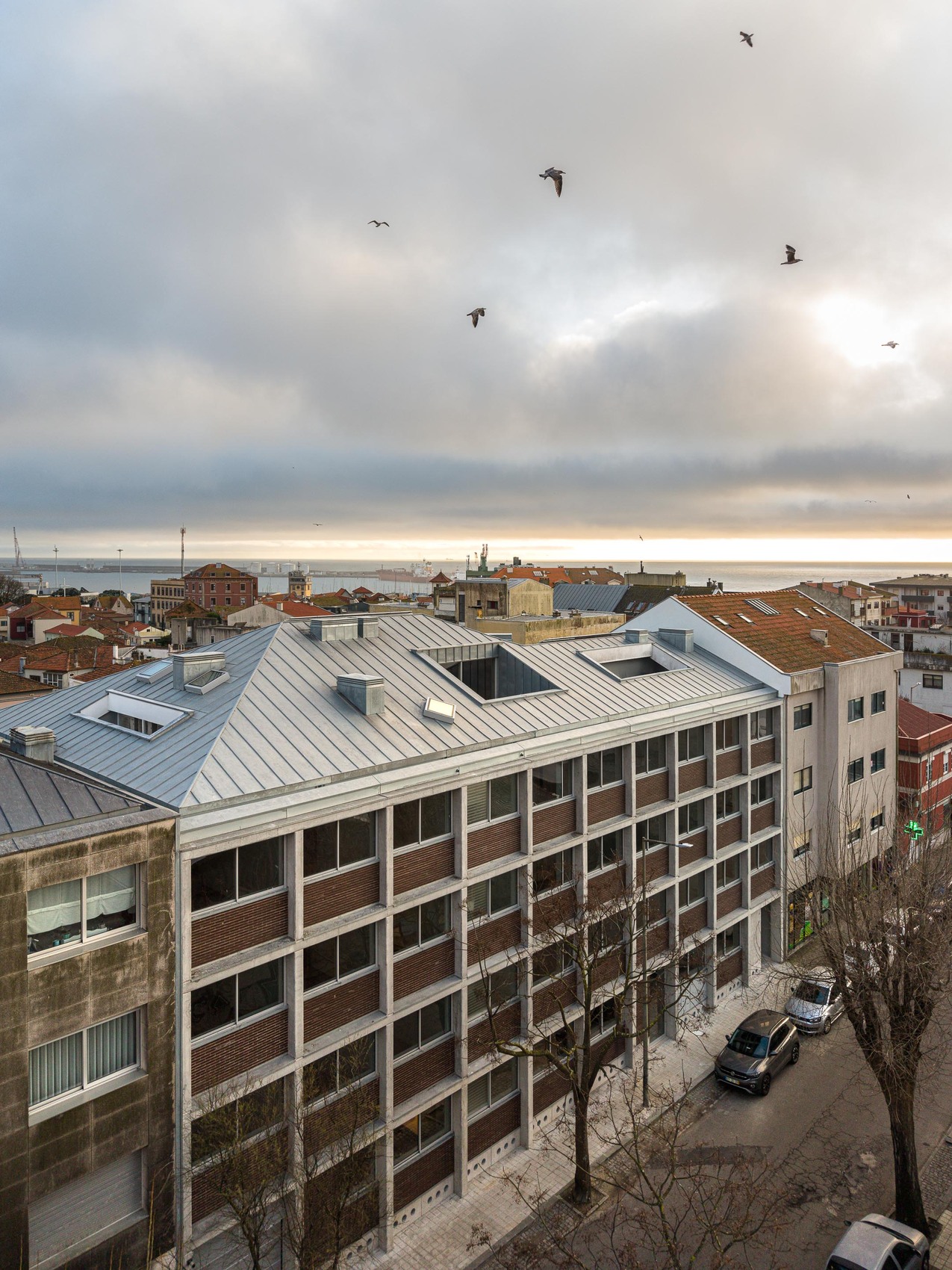
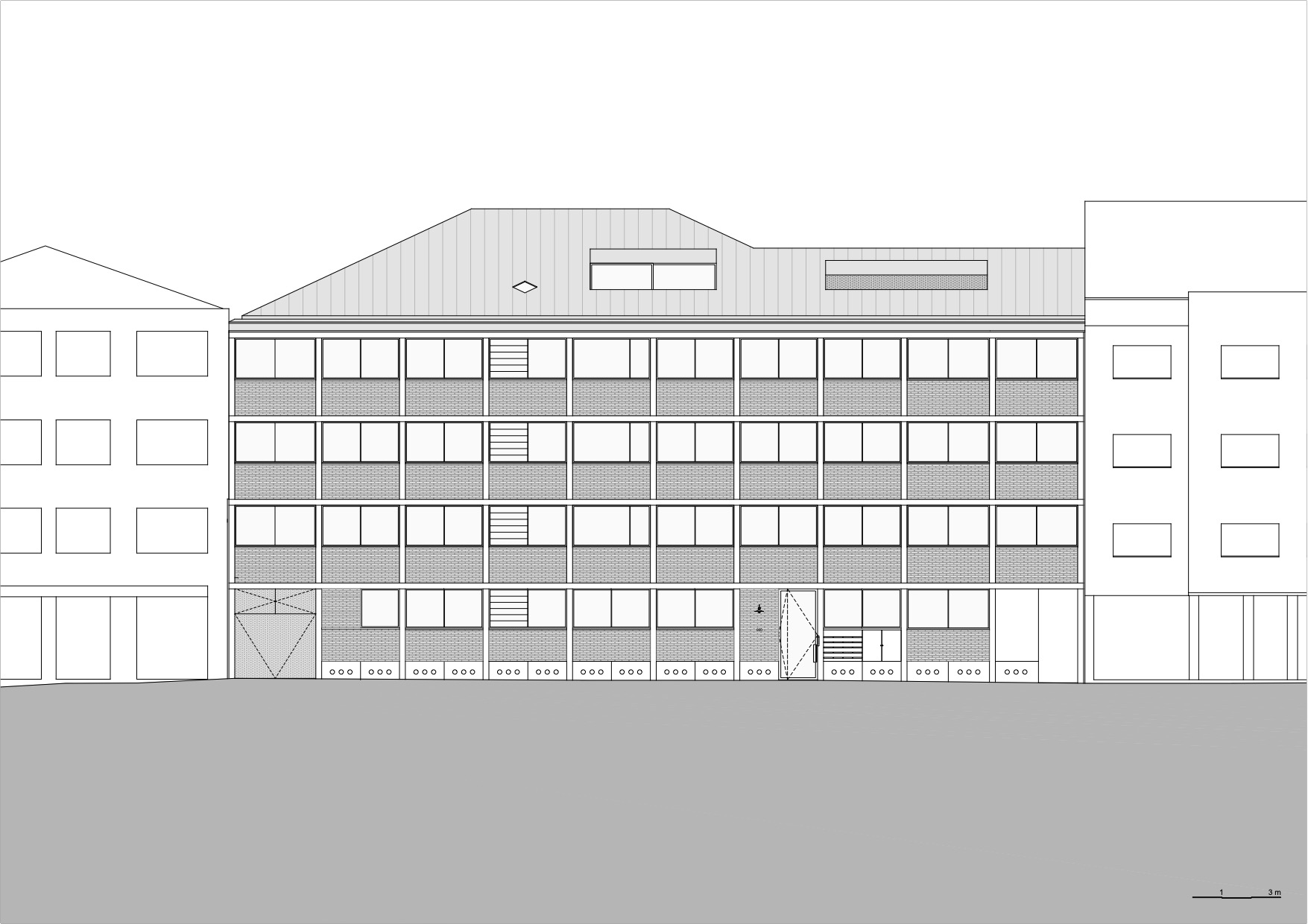
Positioned along one of the most established streets in Leça da Palmeira, the building responds to a context characterized by low-rise structures, active ground-level commerce, and proximity to the coastline. The project does not seek visual prominence; instead, it reinforces the existing urban rhythm through proportion, alignment, and scale. This approach reflects an understanding of the street as a lived environment, where continuity and coherence take precedence over formal expression.

The design process was shaped by a clearly defined brief from the client, emphasizing efficiency, rational construction, and market responsiveness. These parameters informed a disciplined architectural strategy in which value is generated through precision rather than excess. The project translates these constraints into a coherent system, demonstrating how economic considerations can guide rather than limit architectural quality.
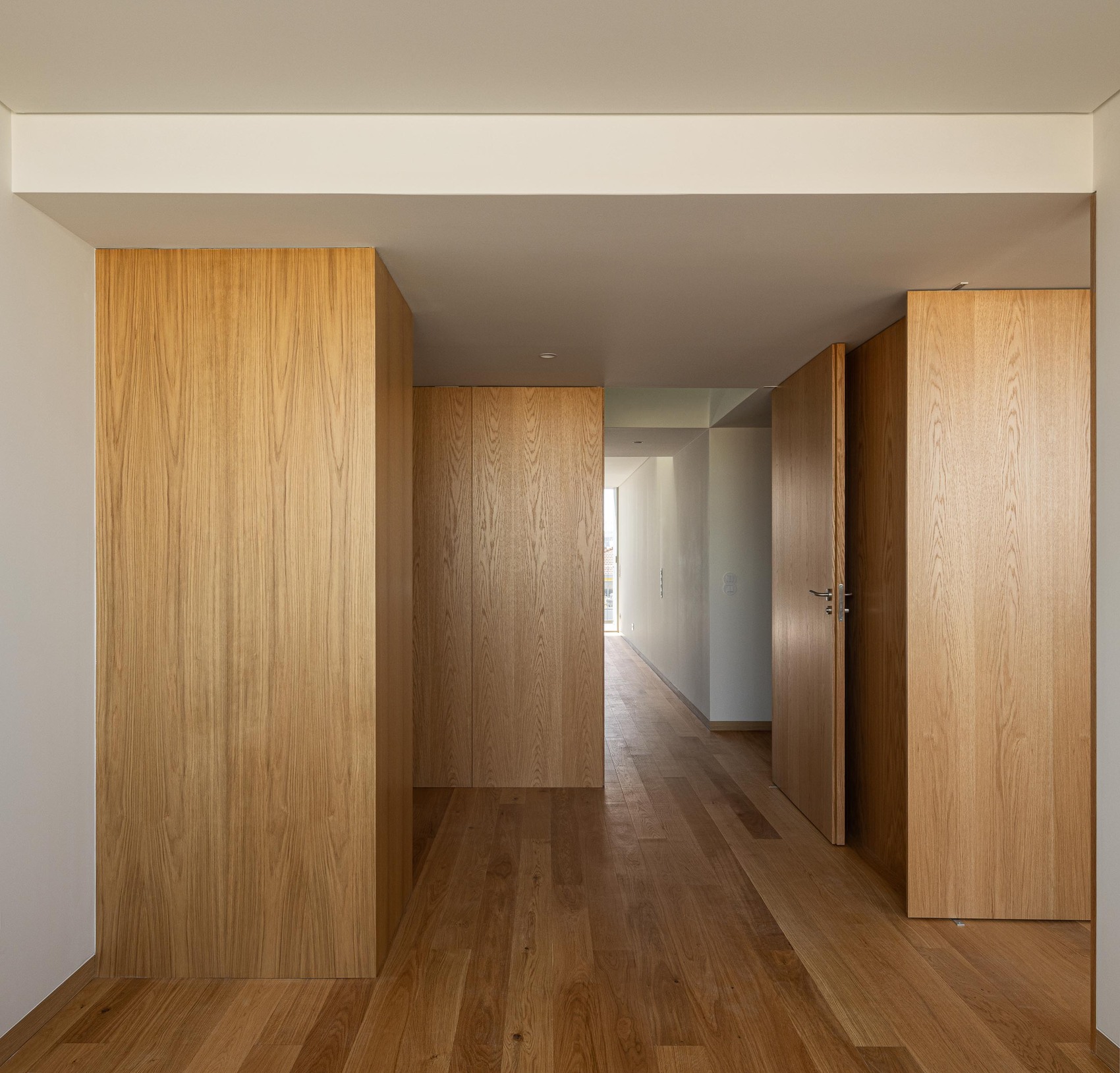
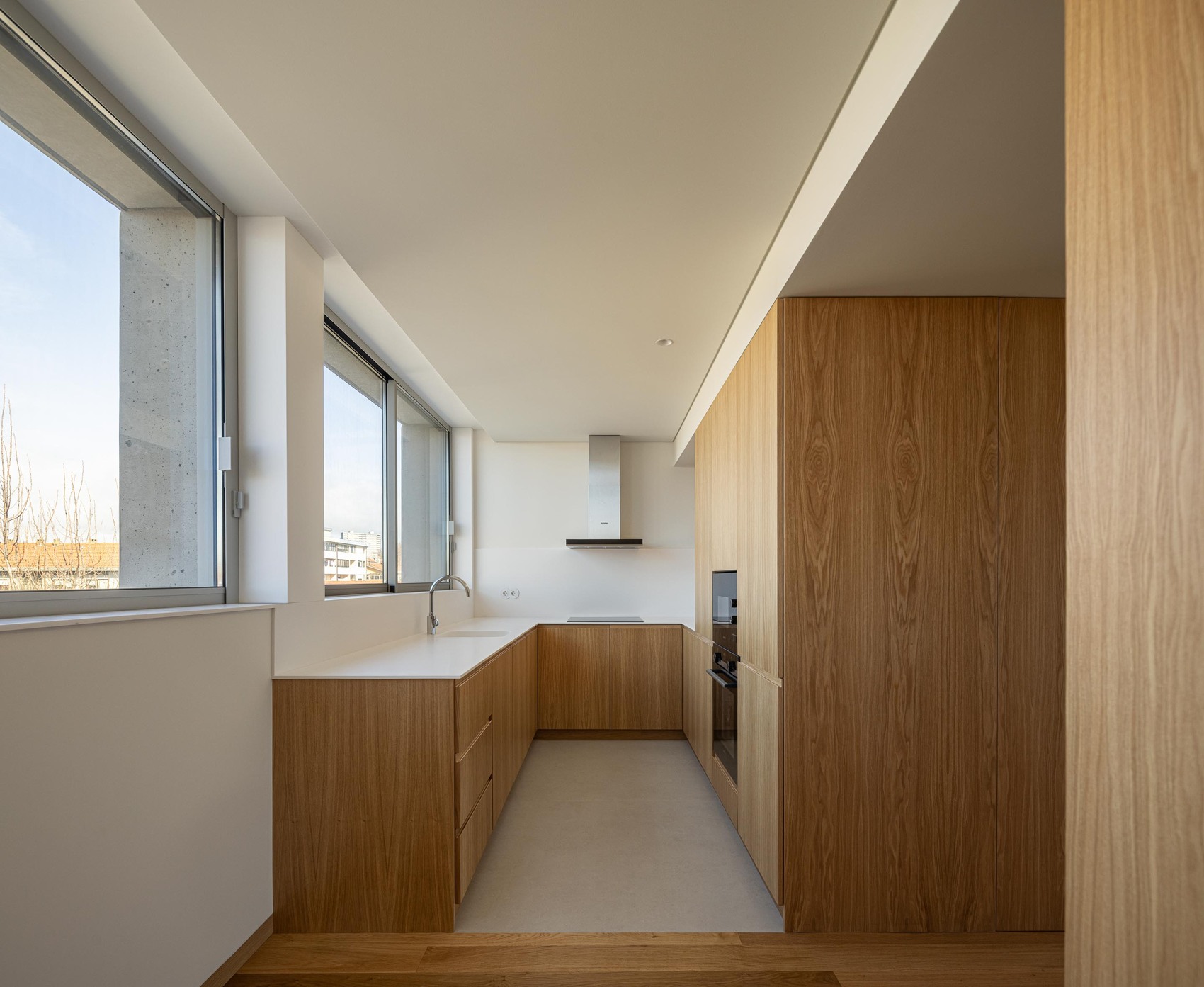
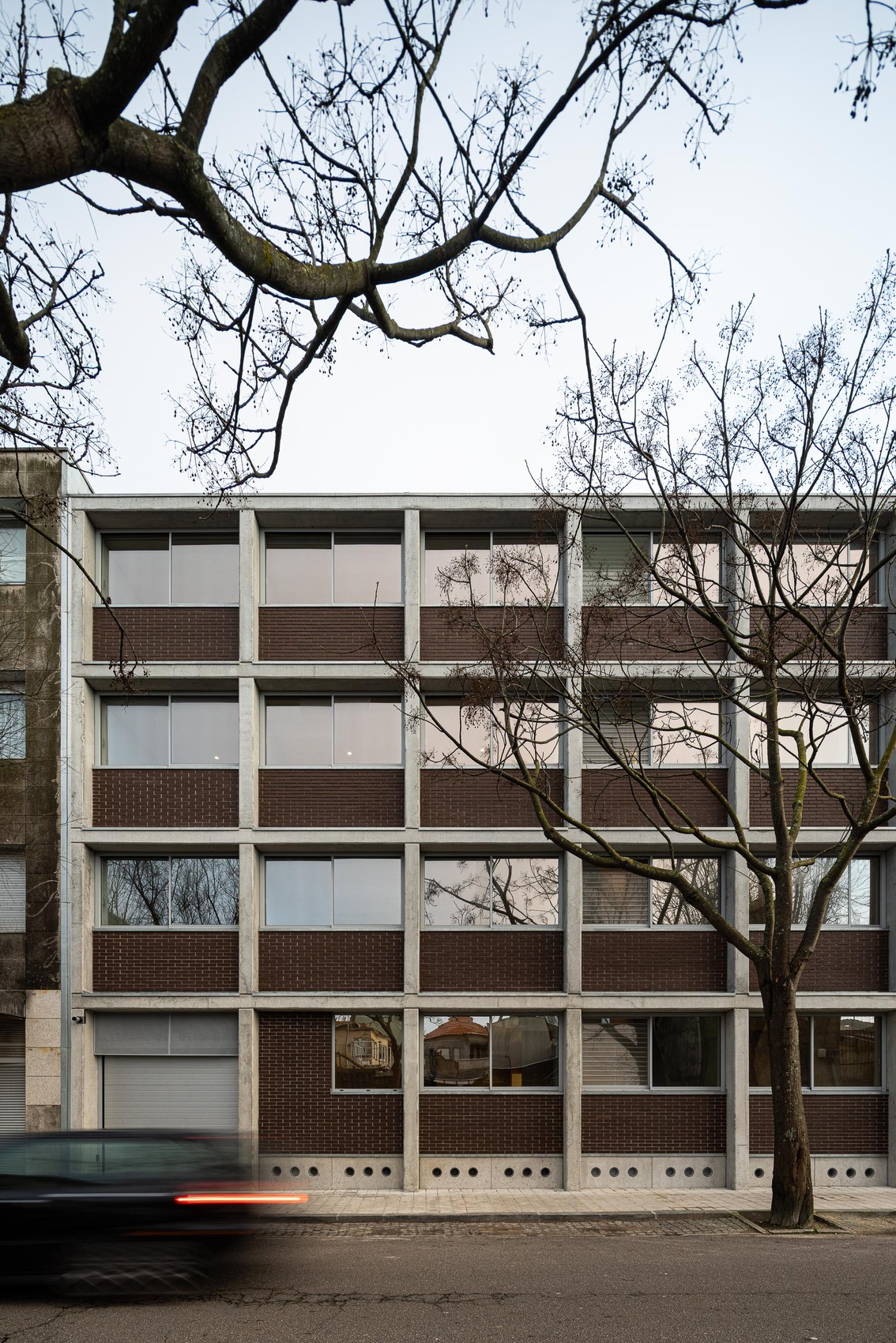
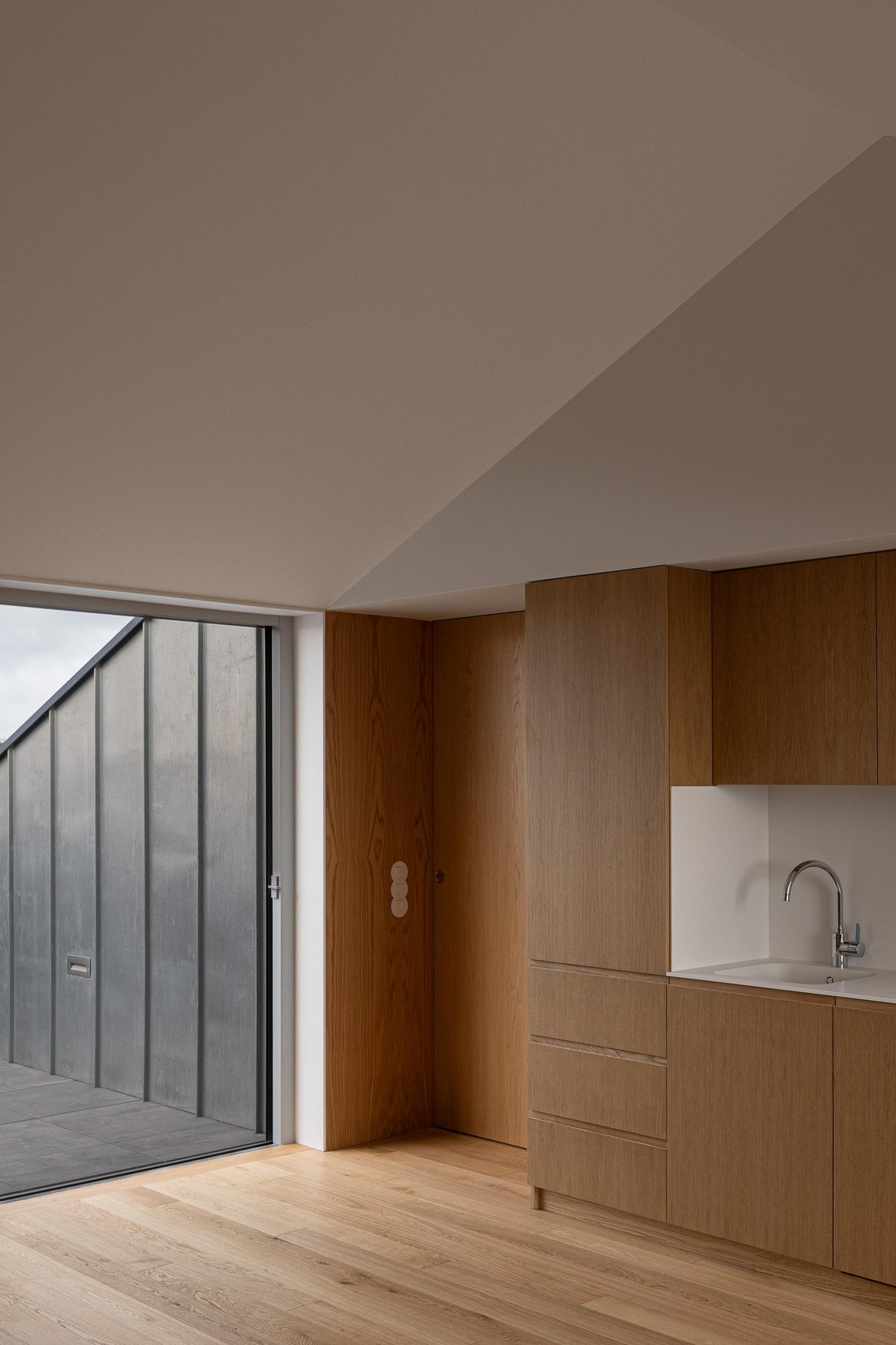
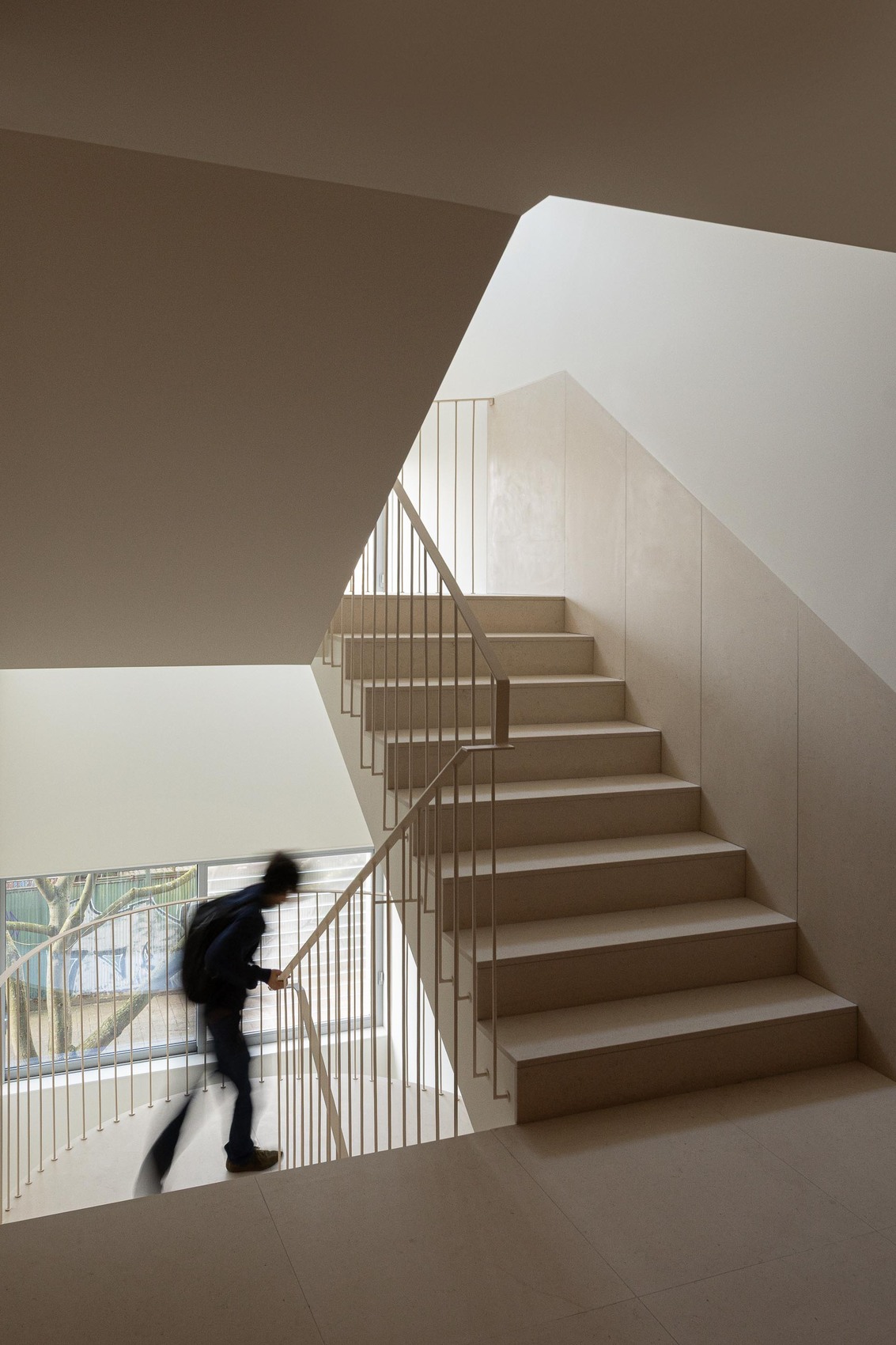
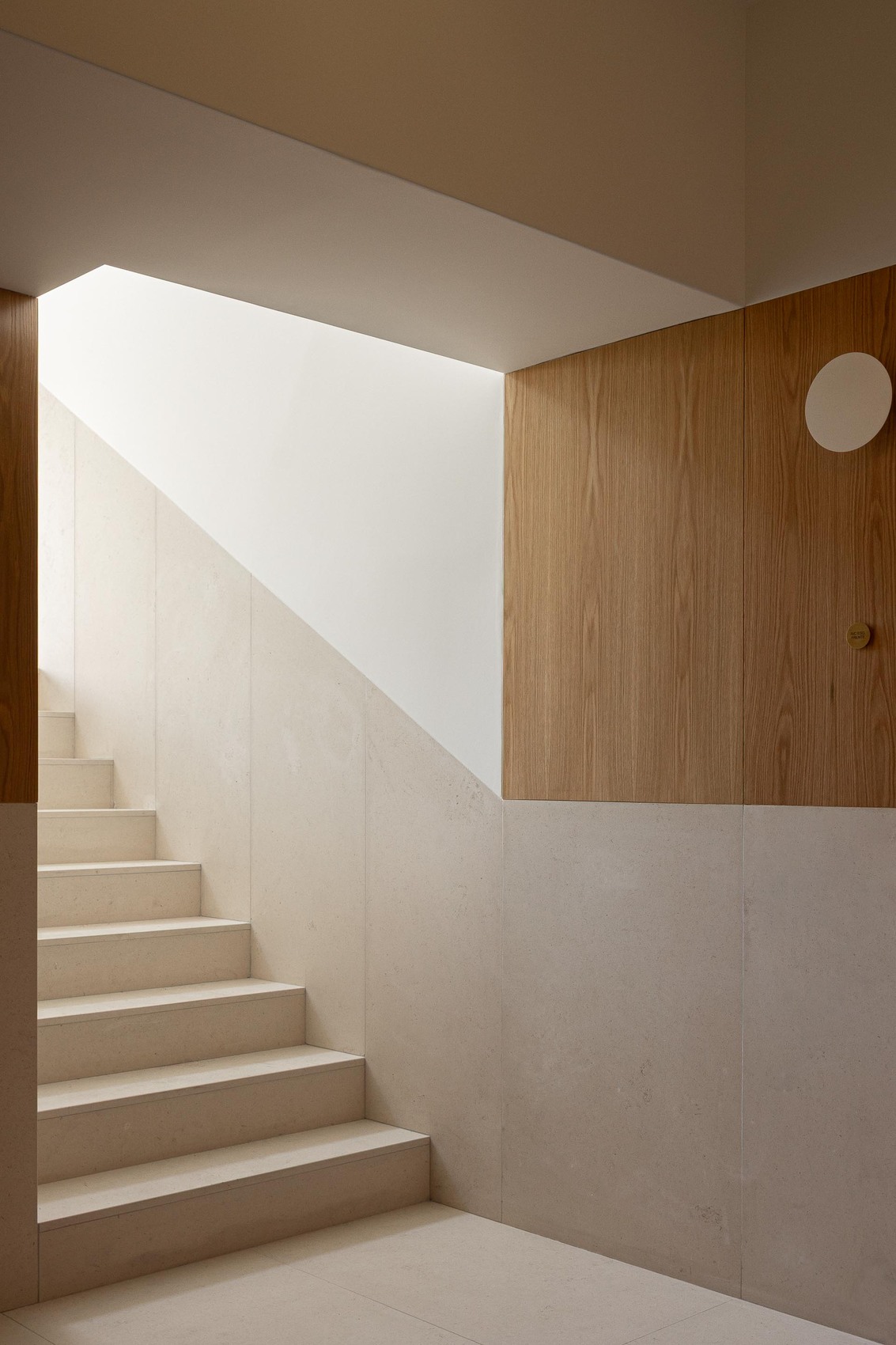
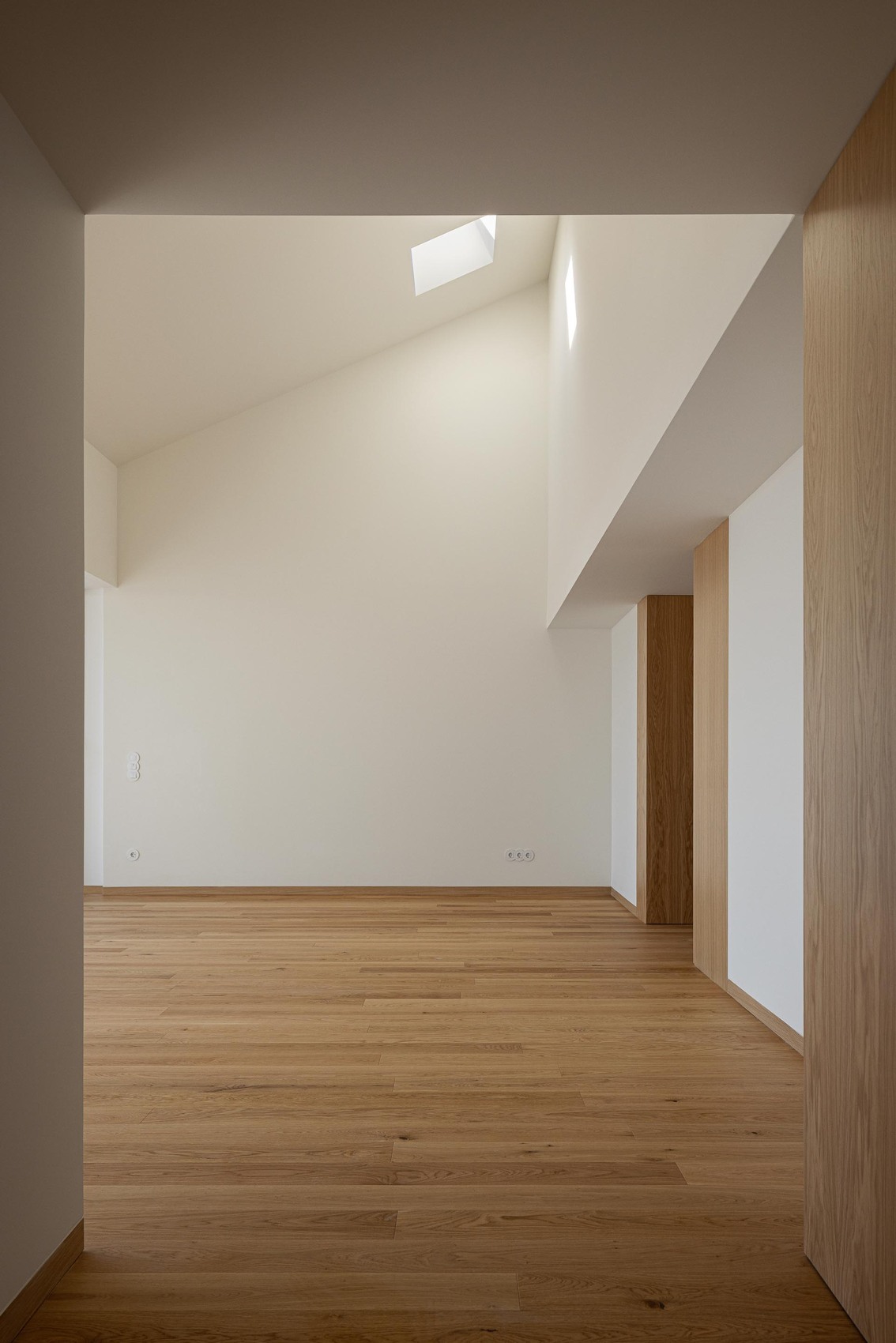
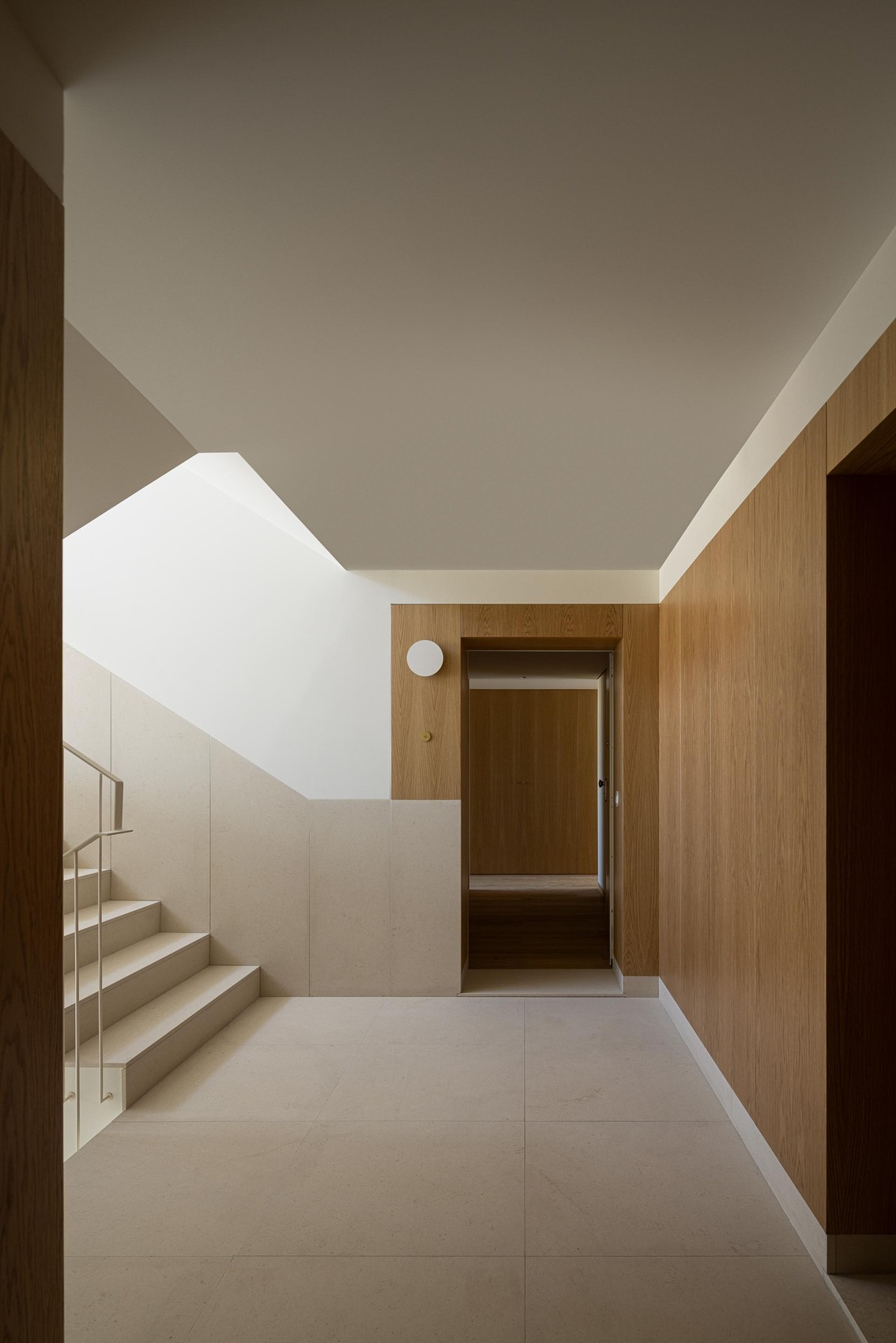
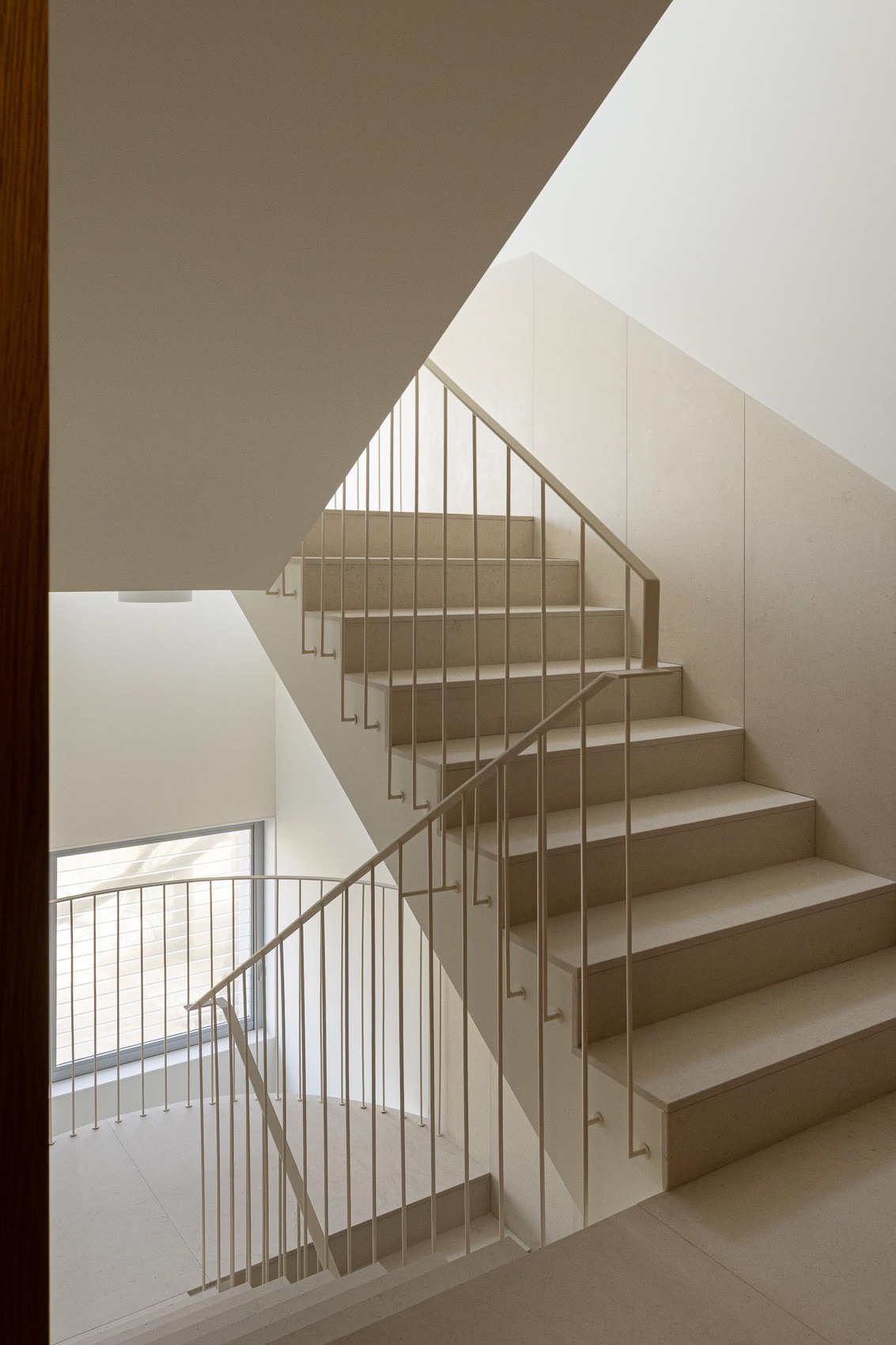
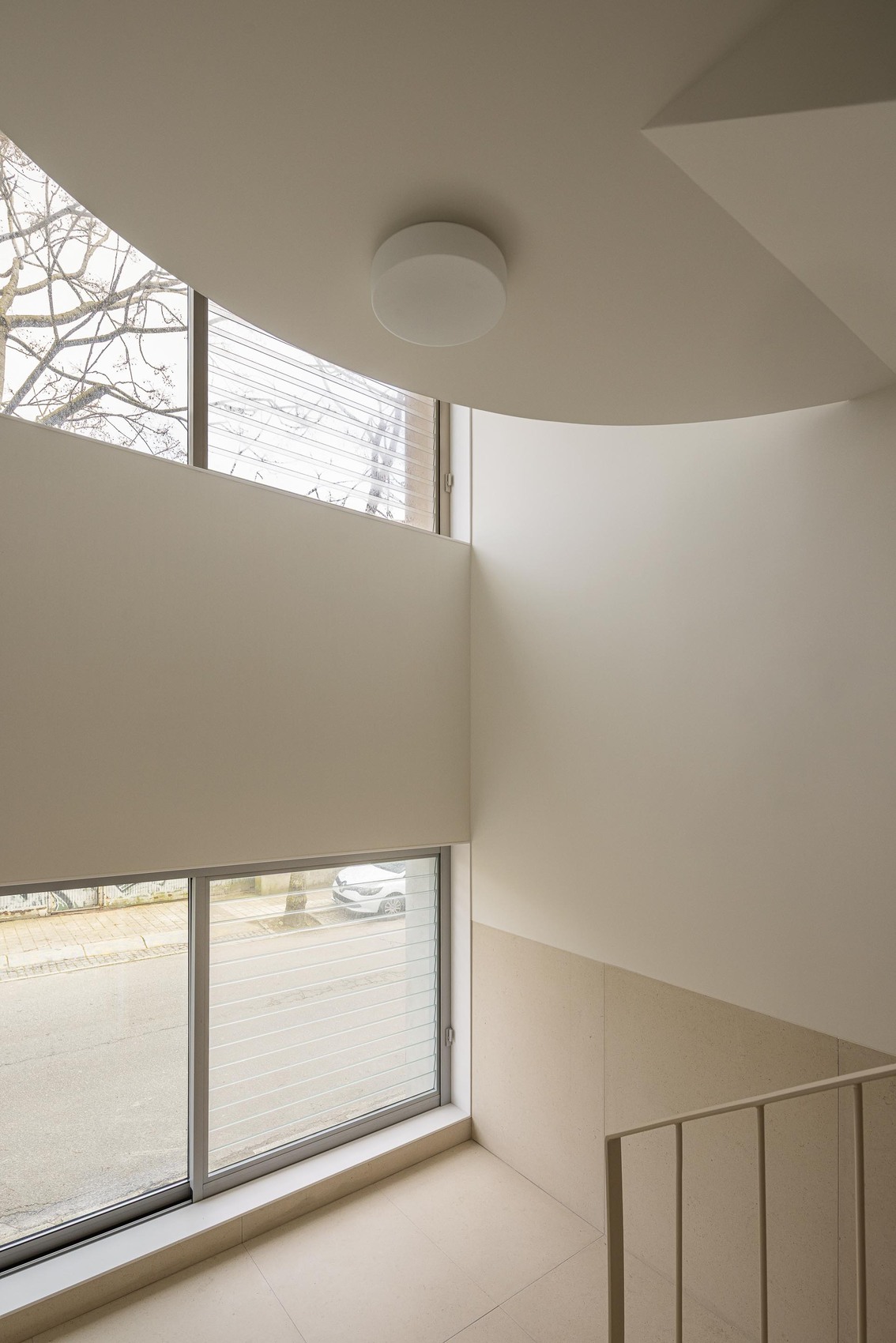
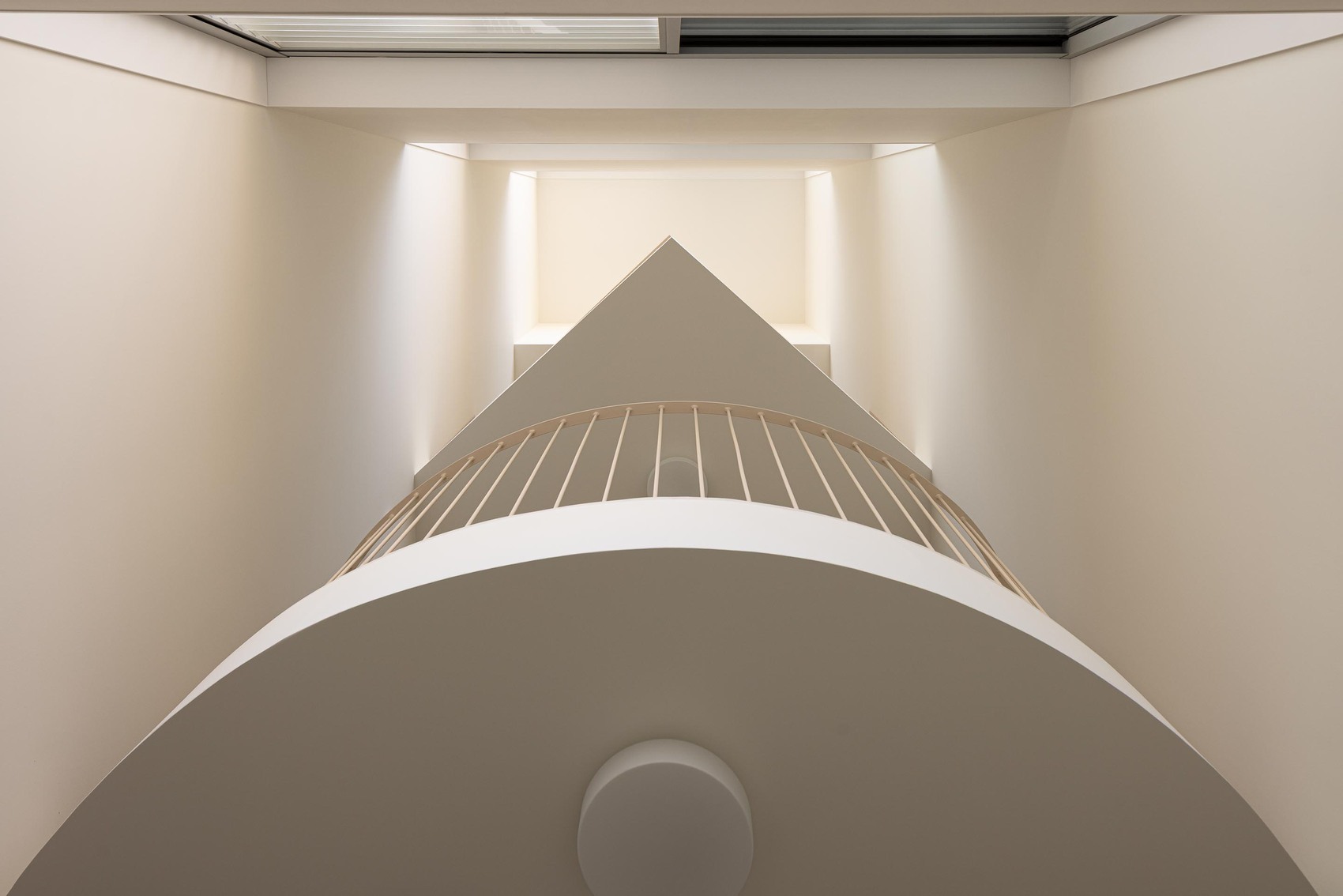
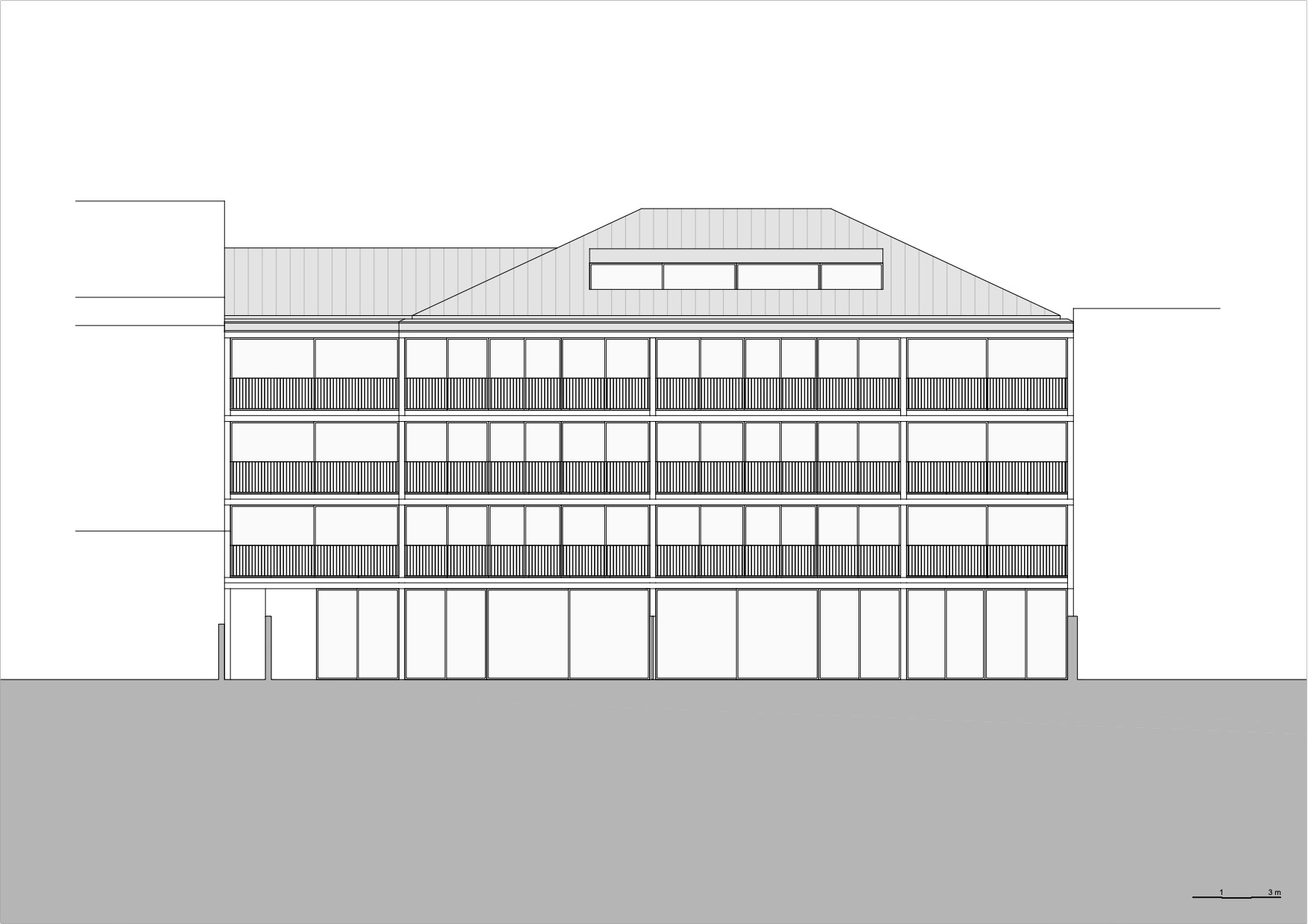
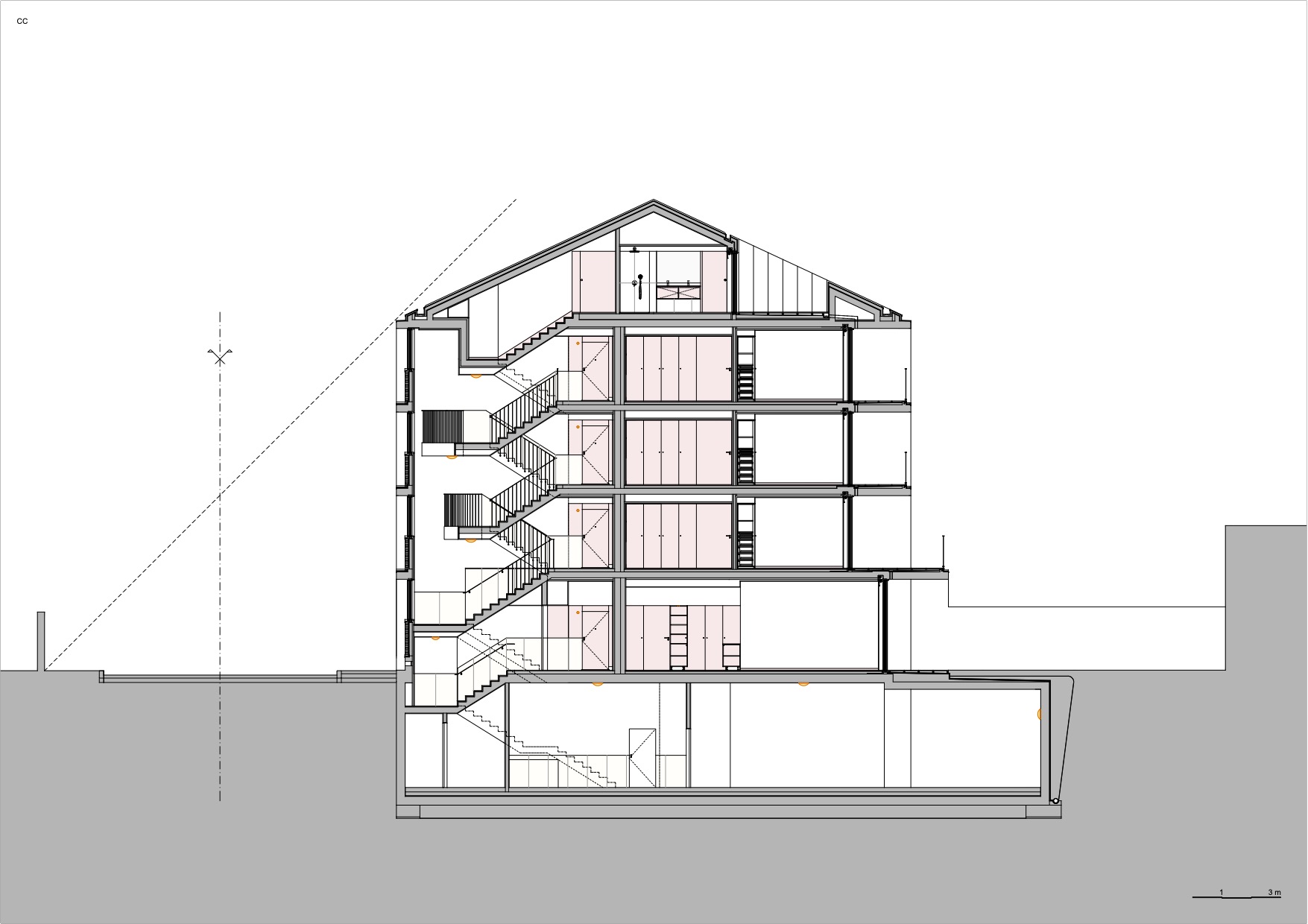
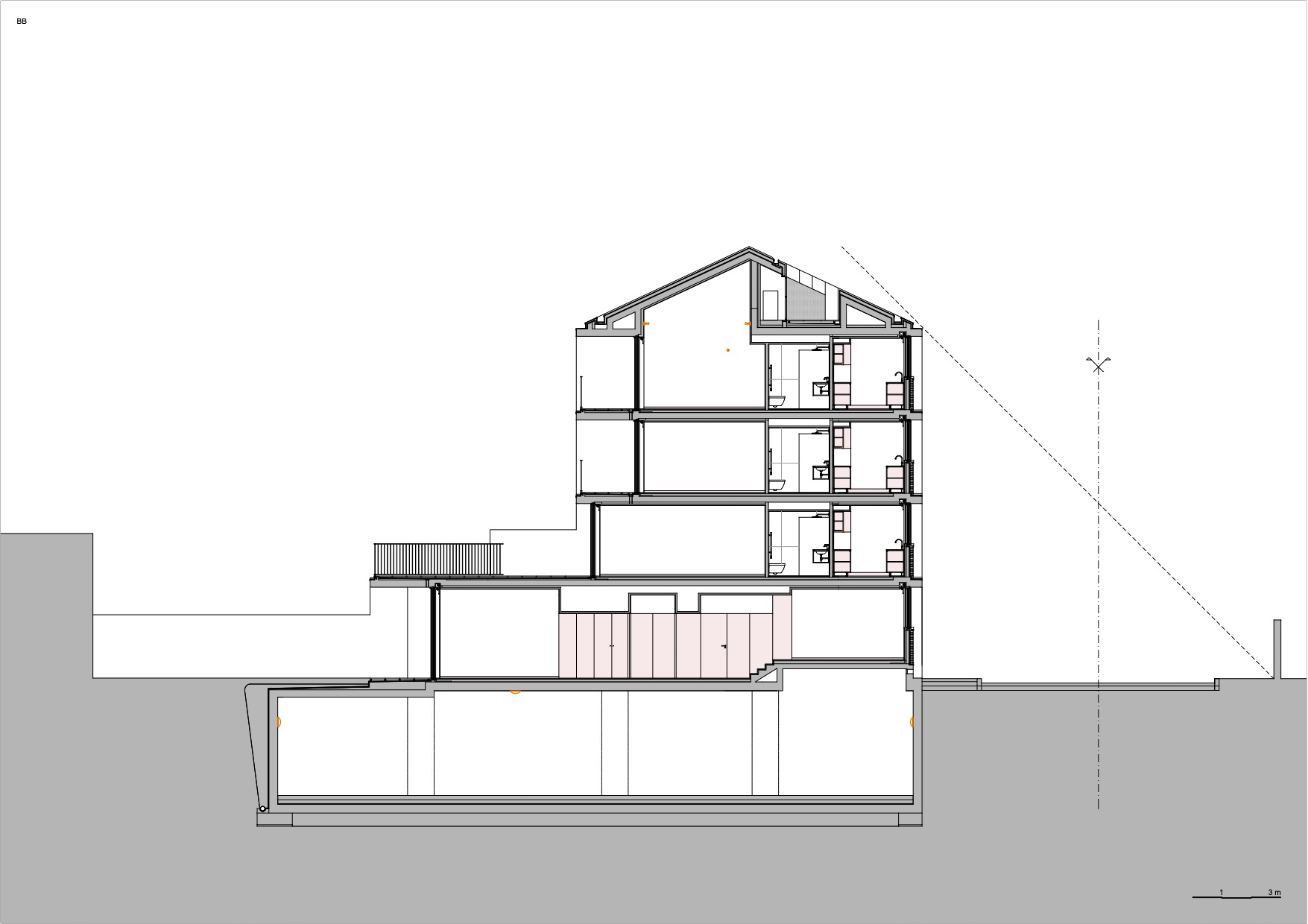
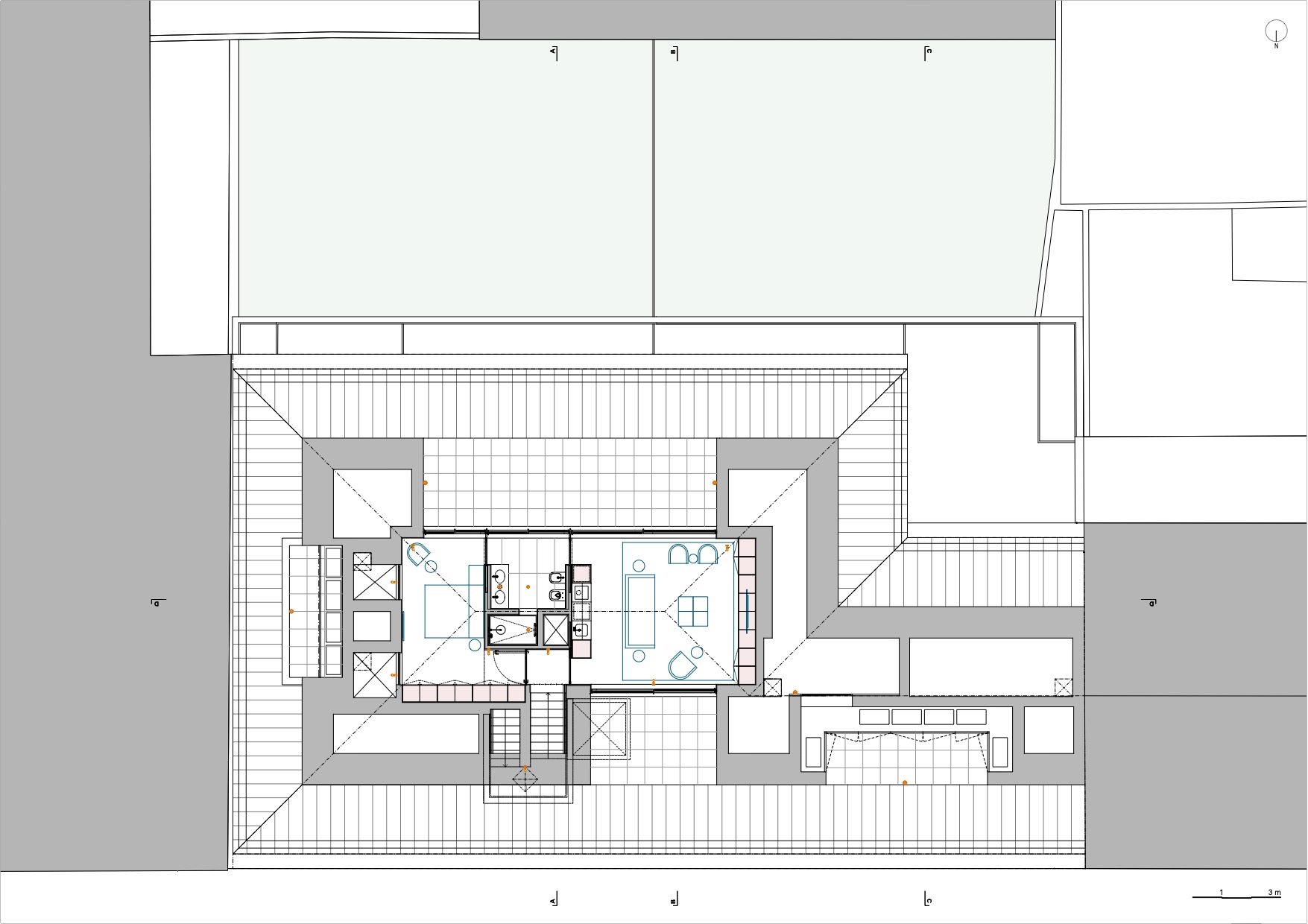
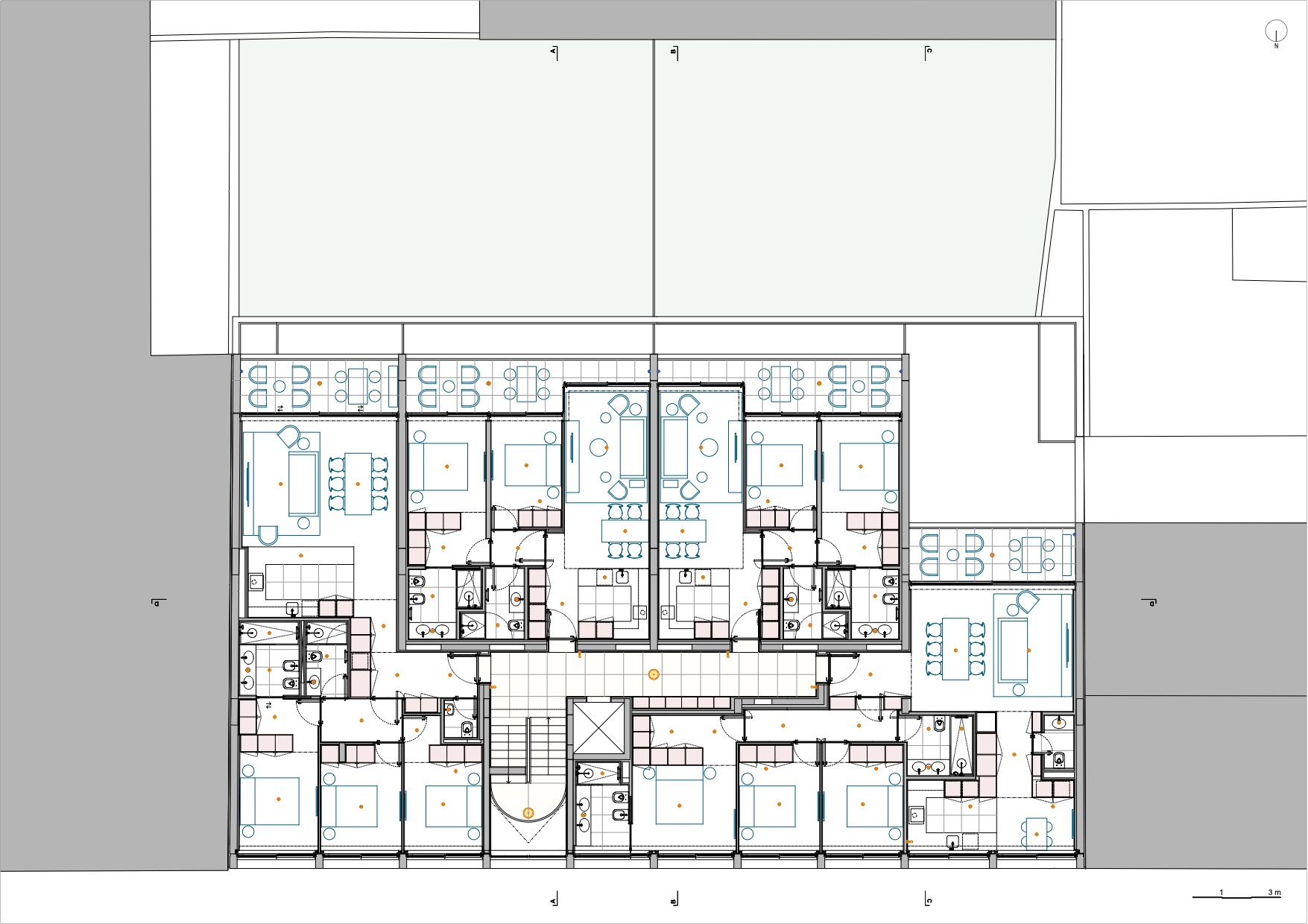
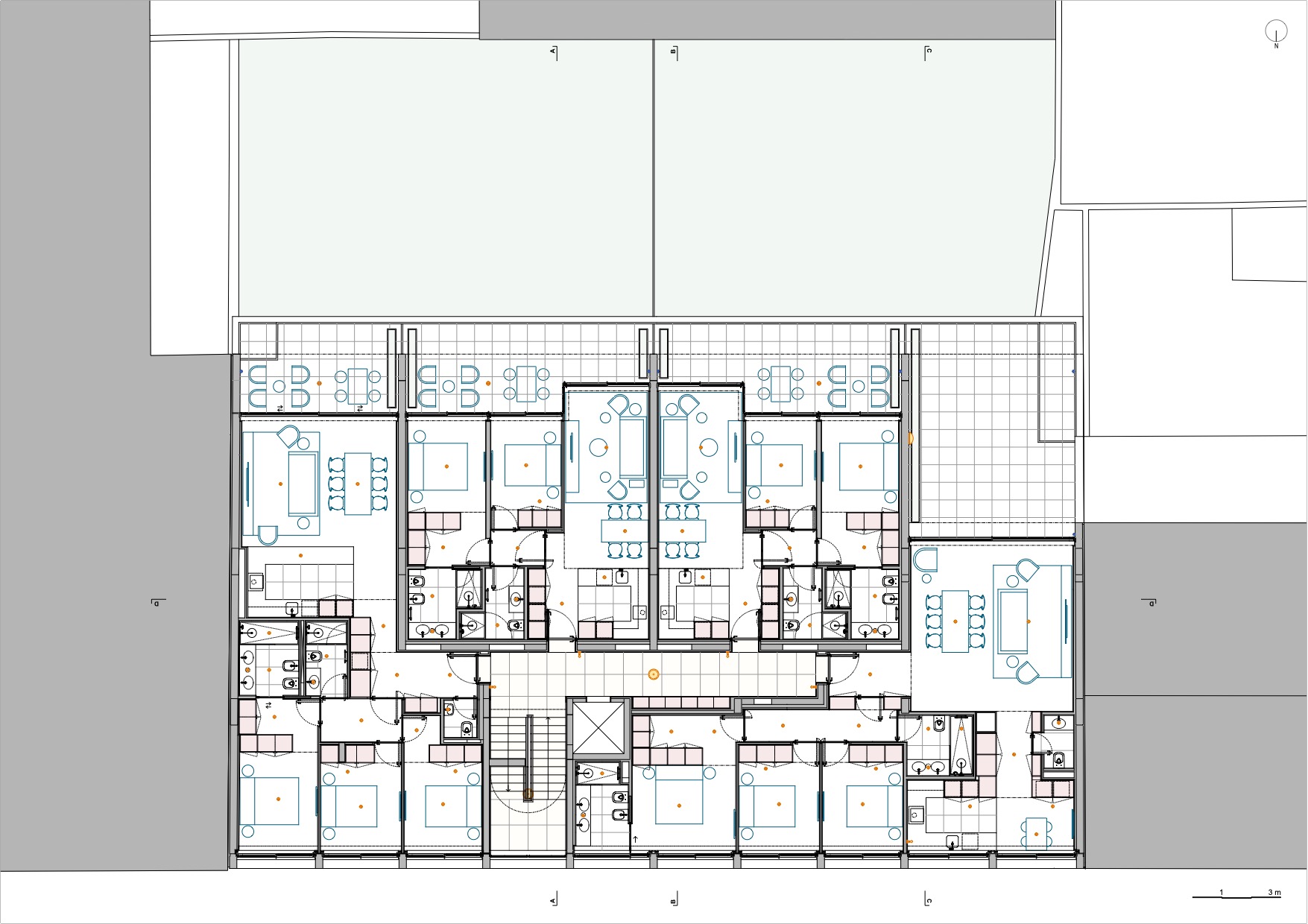
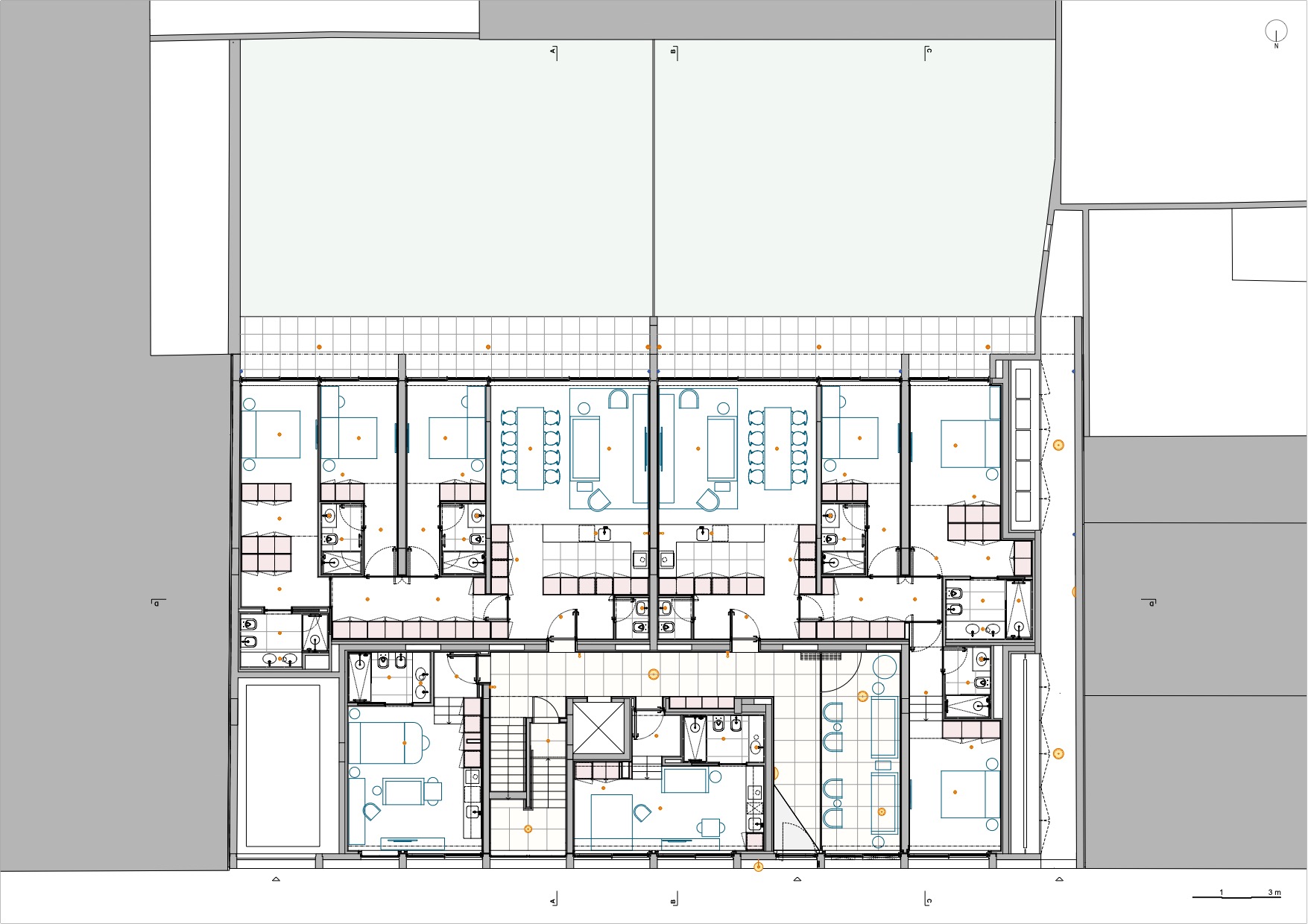
At the core of the building is a strict modular grid that organizes both structure and program. Extending from the underground garage to the roof, this framework enables a consistent distribution of spaces and construction elements. Bedrooms and vertical circulation are aligned along the north-facing street façade, while living areas are oriented toward the interior of the block. This arrangement follows established urban housing principles, optimizing light, privacy, and functional clarity.
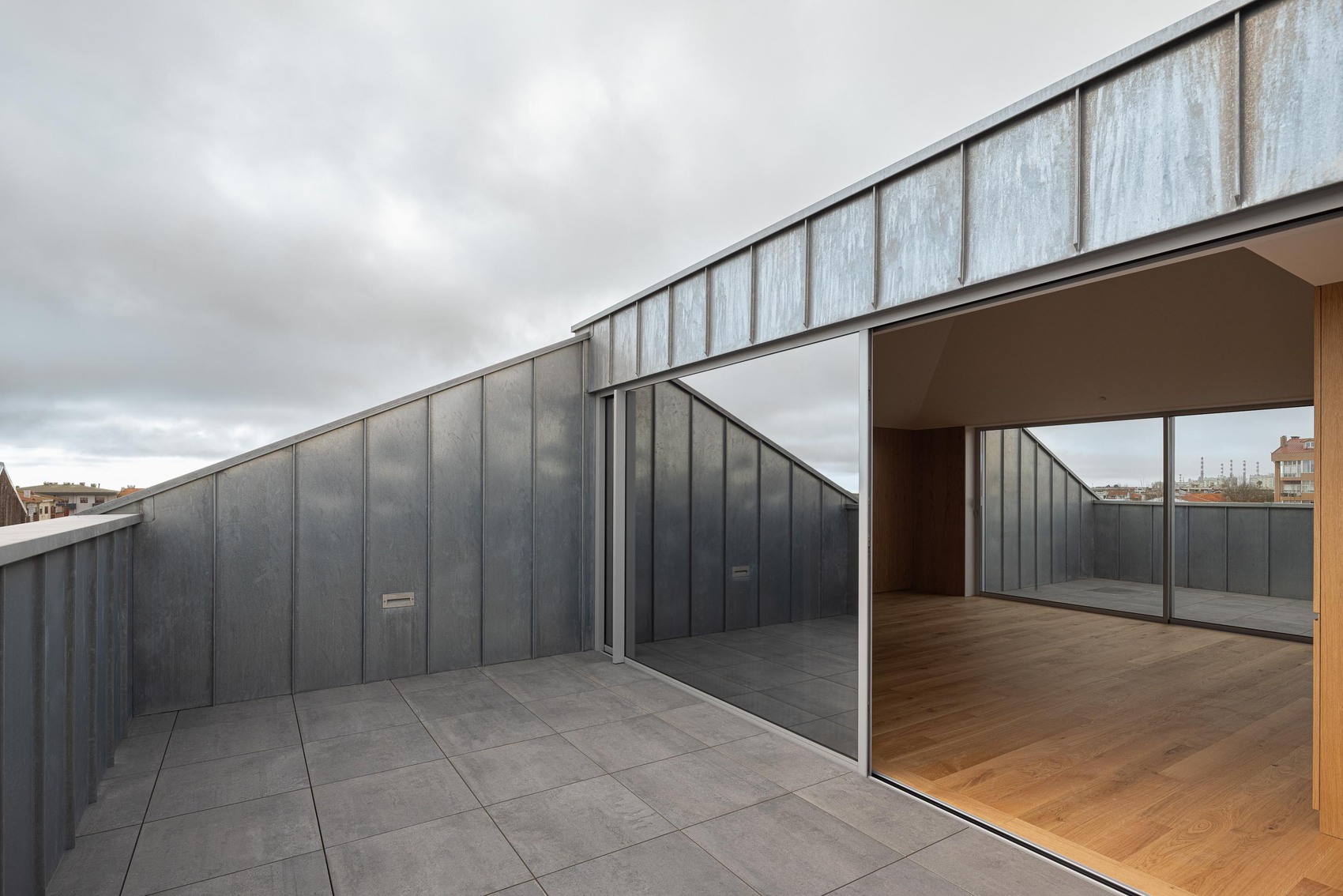
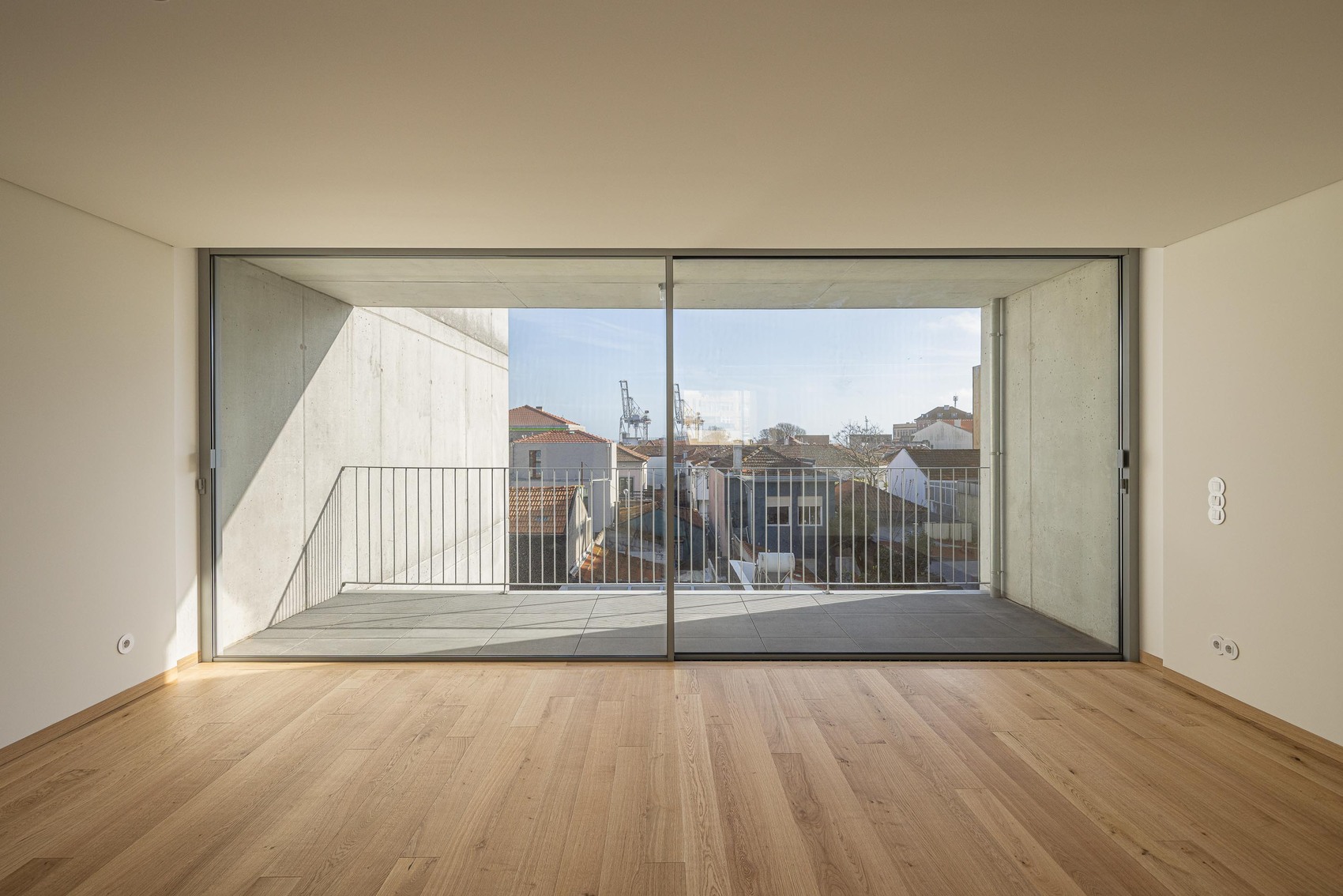
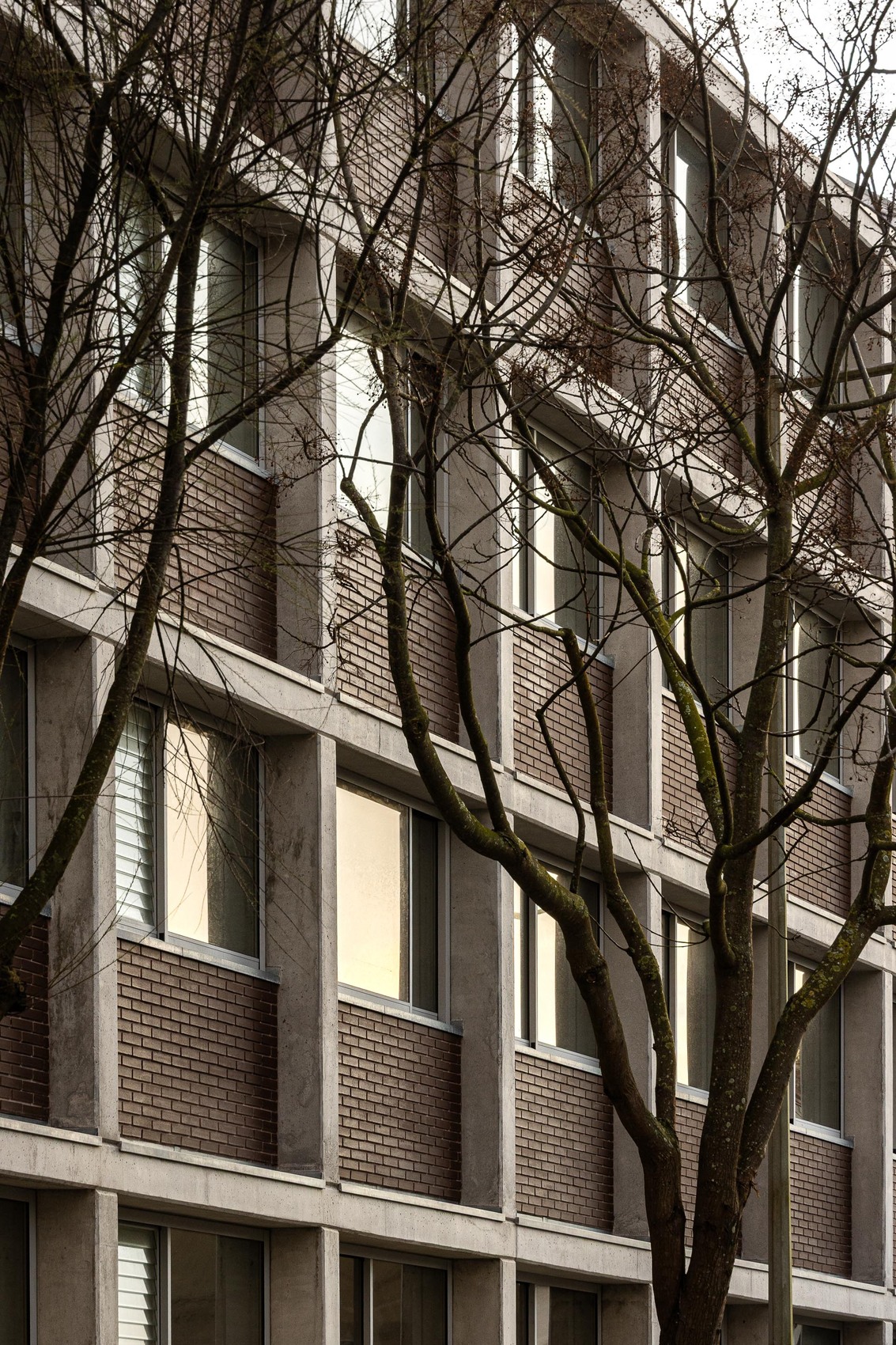
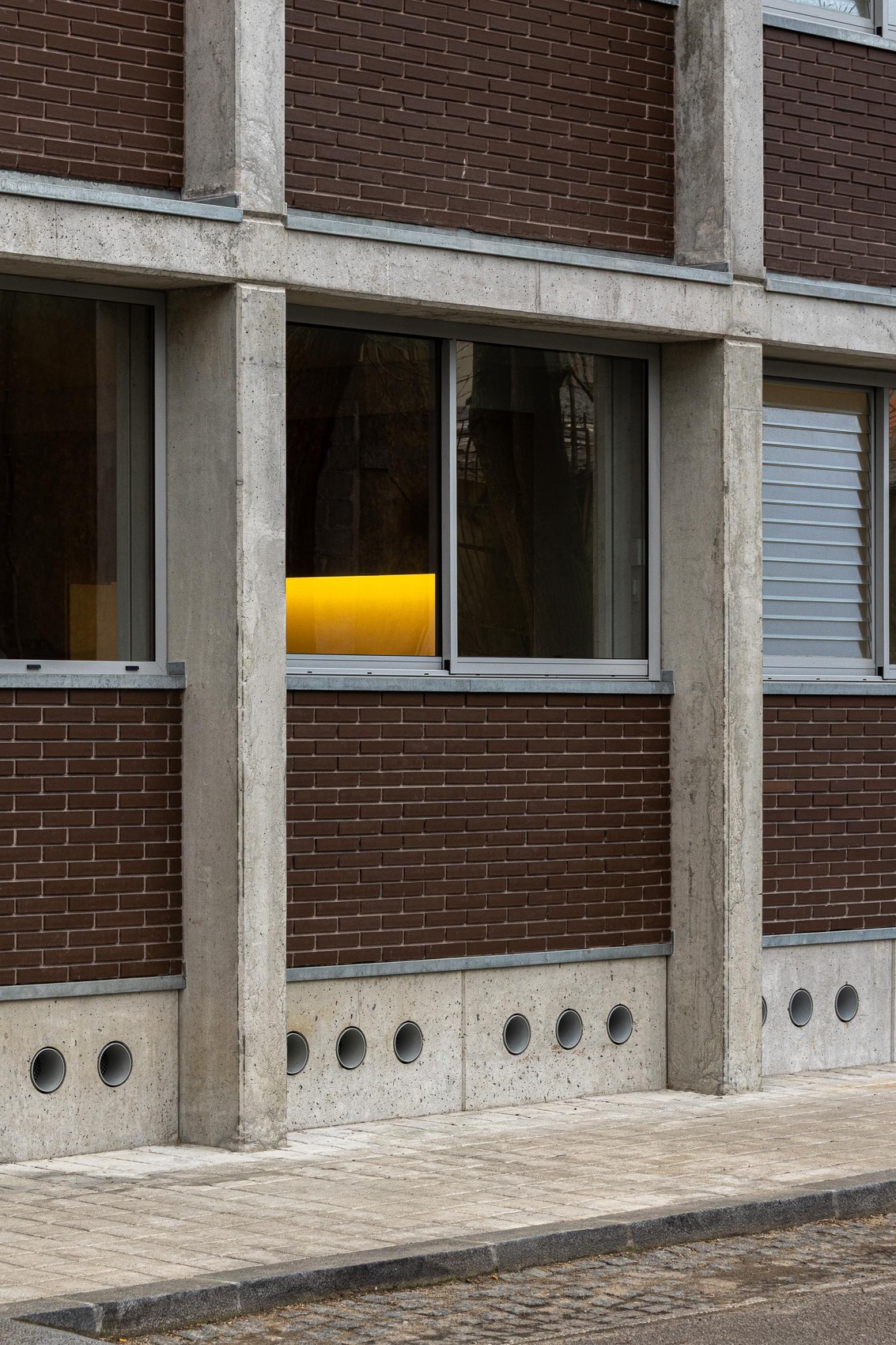
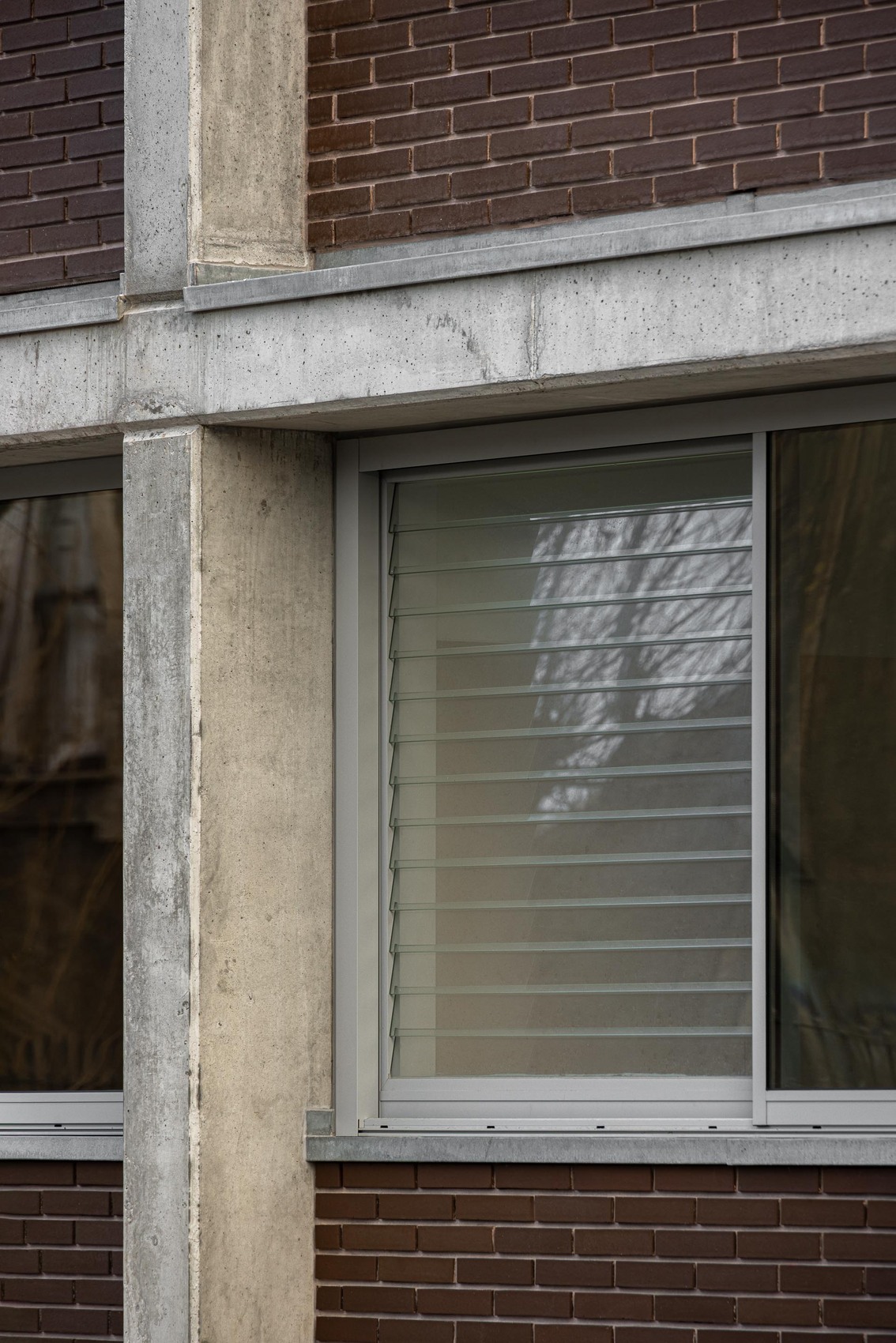
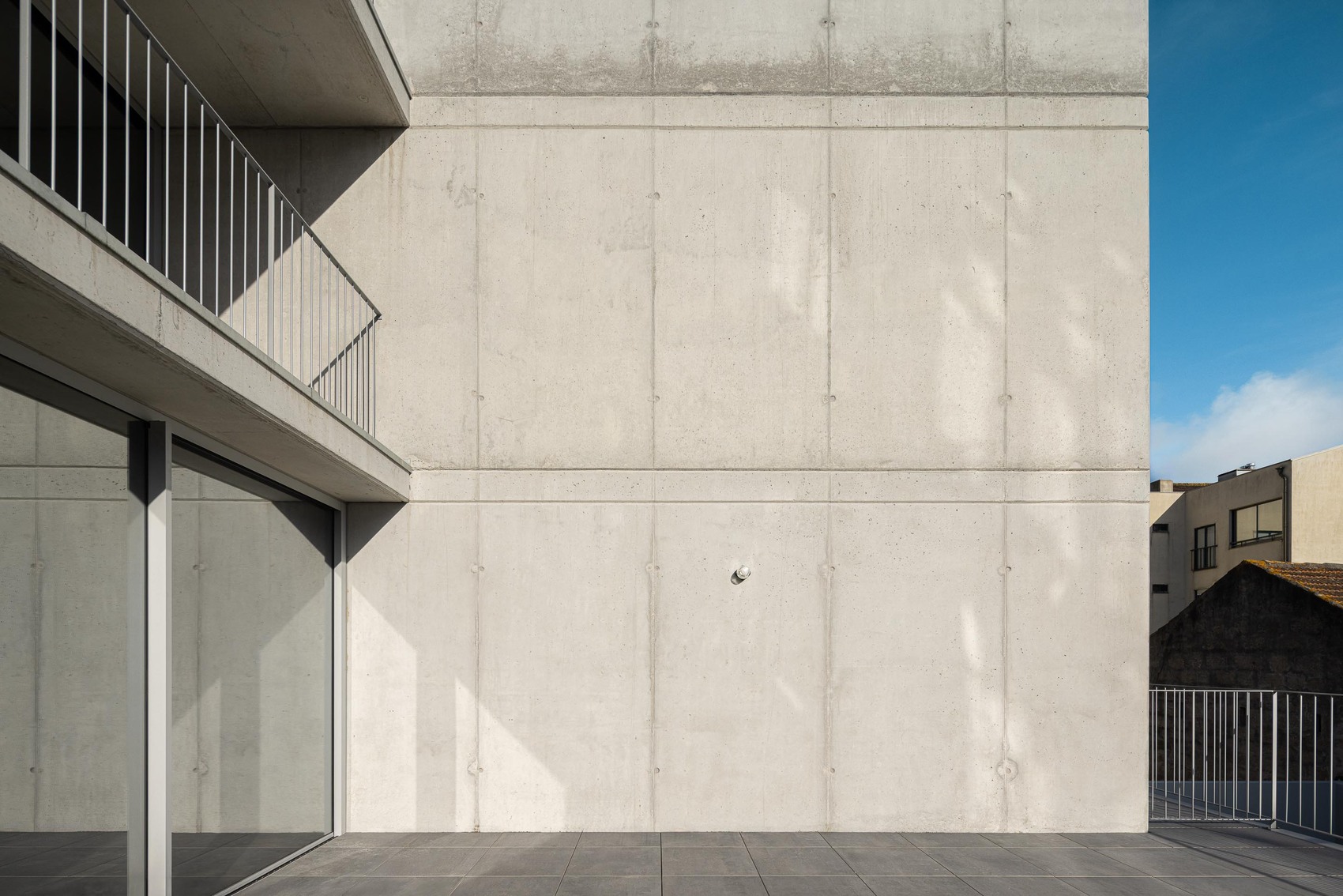
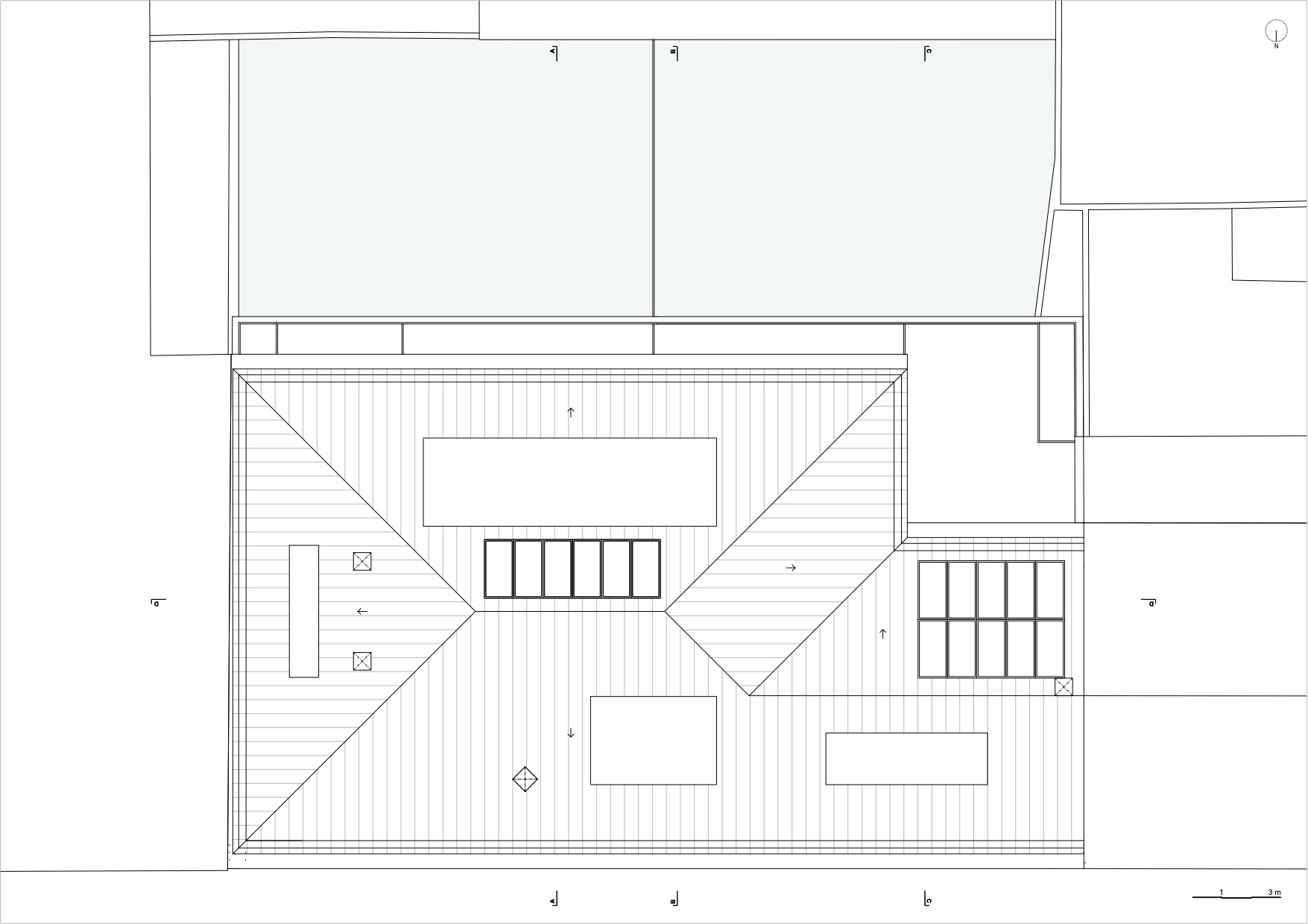
Material choices further reinforce the project’s constructive logic. Exposed concrete serves as the primary structural and finishing material, allowing the building envelope to emerge directly from the construction process. This approach reduces the need for additional layers while emphasizing the tectonic qualities of the structure. The introduction of solid brick cladding adds depth and texture, subtly mediating between abstraction and familiarity.
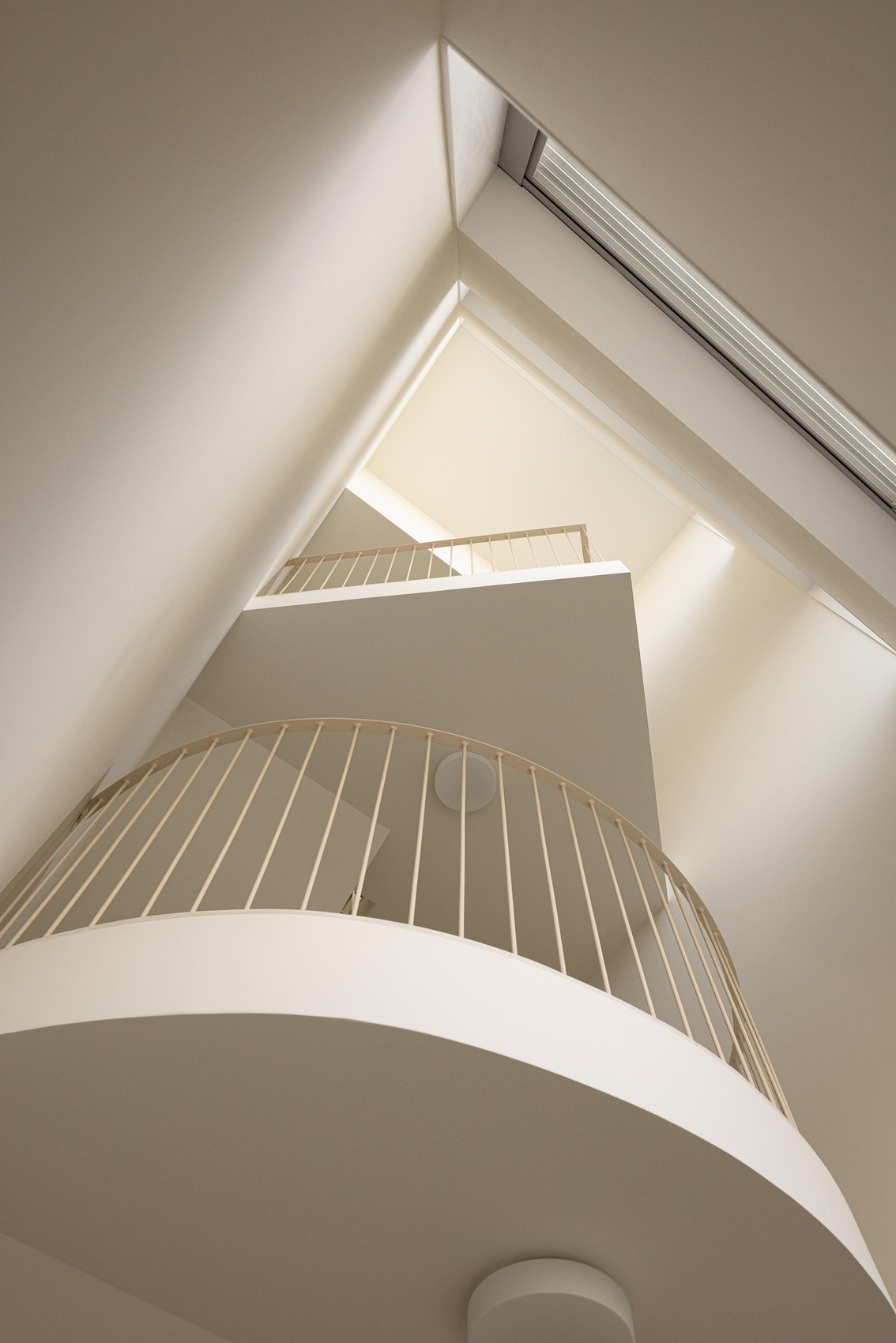
The resulting architecture is defined by restraint and precision. Its austere and composed character avoids unnecessary gestures, instead relying on proportion, repetition, and material consistency to establish identity. In doing so, the project demonstrates how multifamily housing can achieve architectural rigor while remaining aligned with the practical and cultural realities of its context.
Project Gallery

Project Location
Address: Leça da Palmeira, Portugal
The location specified is intended for general reference and may denote a city or country, but it does not identify a precise address.

