

Architects: Mestizo Estudio Arquitectura
Area: 150 m²
Year: 2025
Photography: JAG Studio, Mestizo Estudio Arquitectura
Lead Architects: Frank Espinoza Barrera
Architects Team: Jorge Ardila, Maricela Guamán, David Álvarez, Marcelo Mayancha
Artisans: Raúl Ramos, Carlos Soledispa
Materials: Killi palm trunks, local timber, geological stone, river stone
Location: Veracruz Parish, Pastaza Province
Country: Ecuador
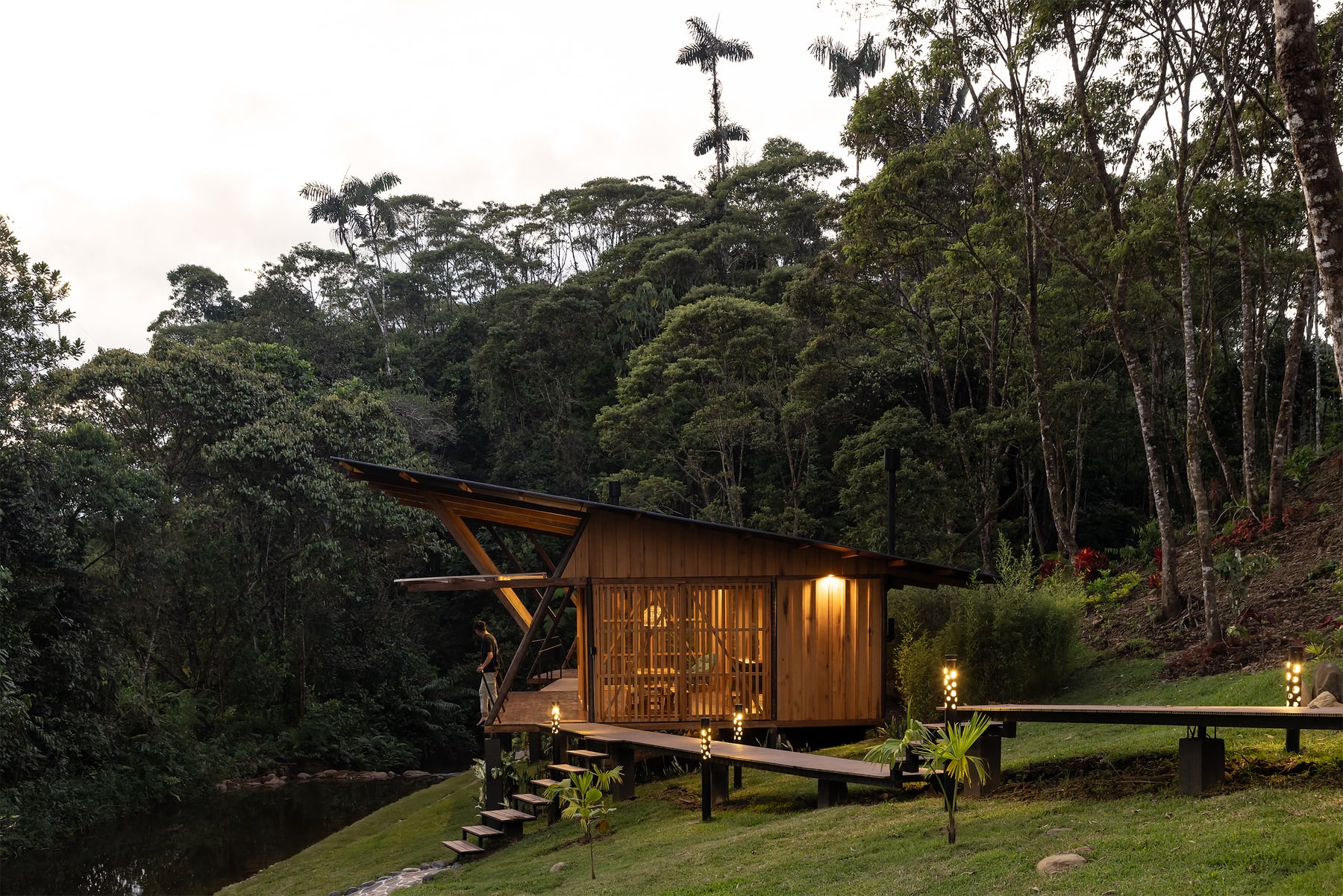
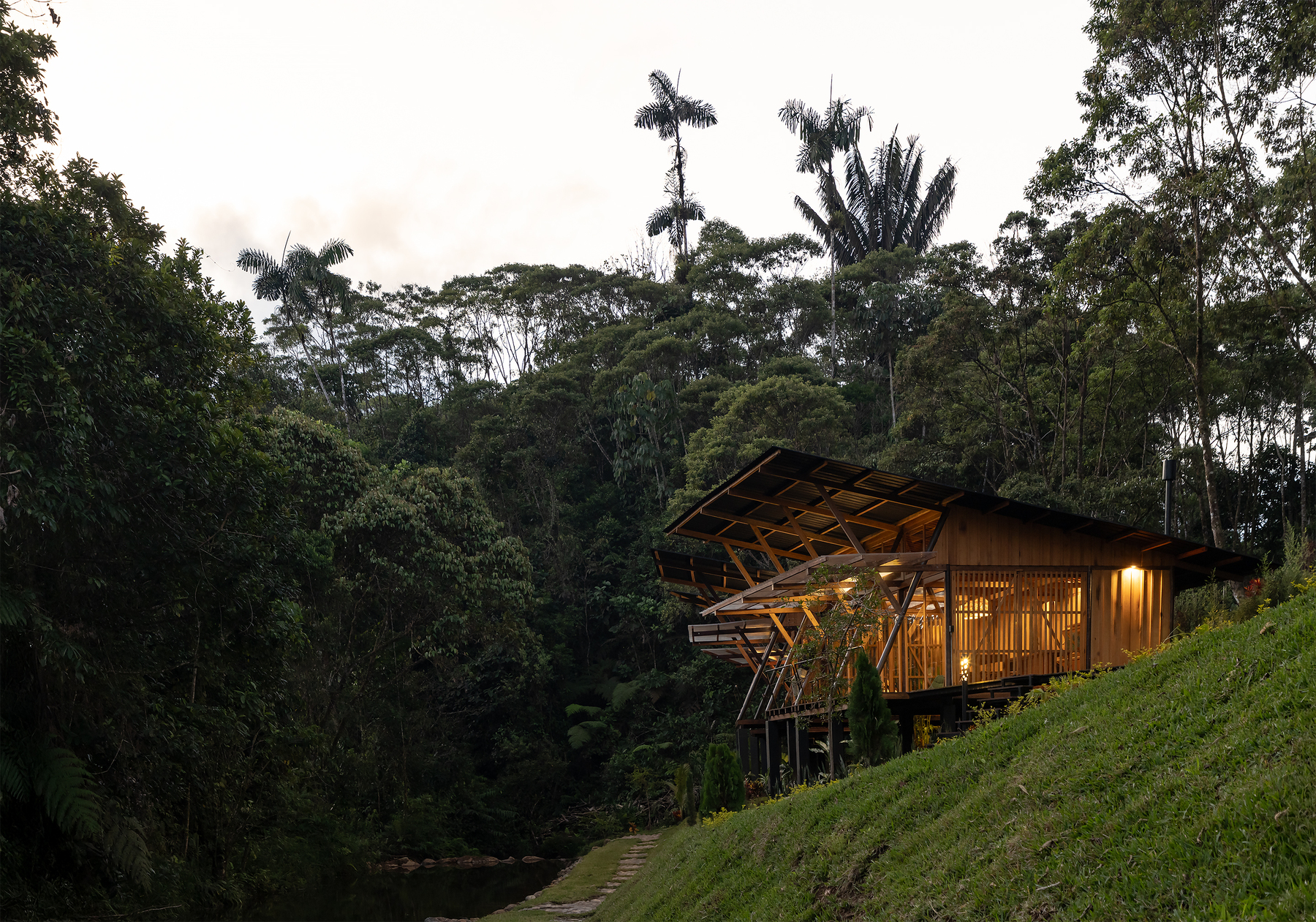
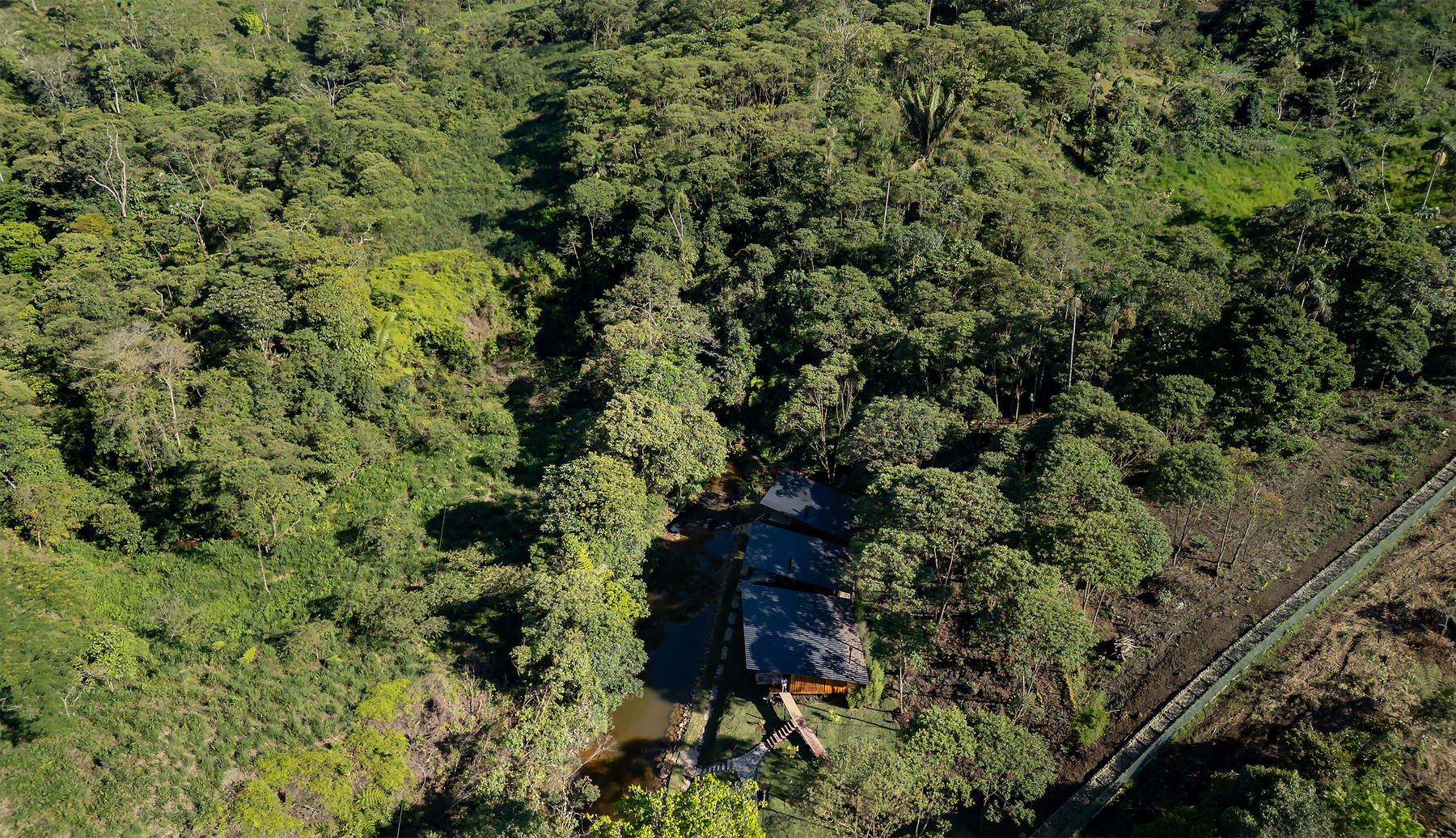
Hoguera de Madera is a residential retreat designed by Mestizo Estudio Arquitectura in Ecuador’s Amazonian region for a family seeking an alternative to conventional urban living. Located six kilometers from Puyo, within the natural landscape of Pastaza, the 150-square-meter house is conceived as an architecture deeply connected to its environment through materiality, spatial organization, and ecological sensitivity. Structured around three timber modules linked by an elevated walkway, the project balances collective and private functions while maintaining continuous engagement with the surrounding river and vegetation. Central to its construction is the use of Killi palm, locally regarded as the “steel of the jungle,” combined with timber sourced from nearby communities. Complemented by handcrafted stone elements and passive environmental strategies, the dwelling revives vernacular building traditions through contemporary design. Wastewater treatment systems and careful site integration further reinforce the project’s sustainable approach, presenting a model of habitation grounded in local knowledge, craftsmanship, and a renewed relationship between architecture and the Amazonian territory.
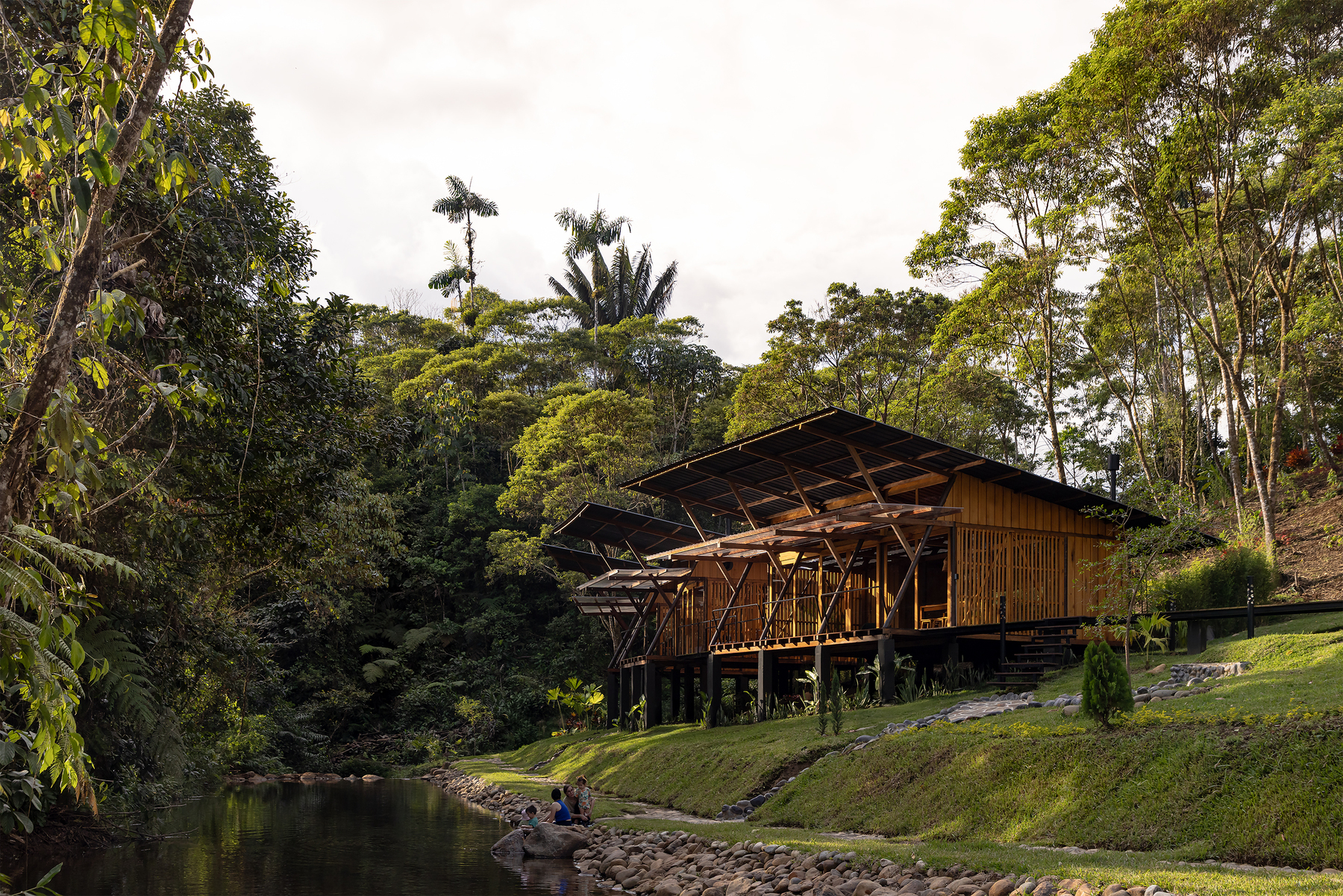
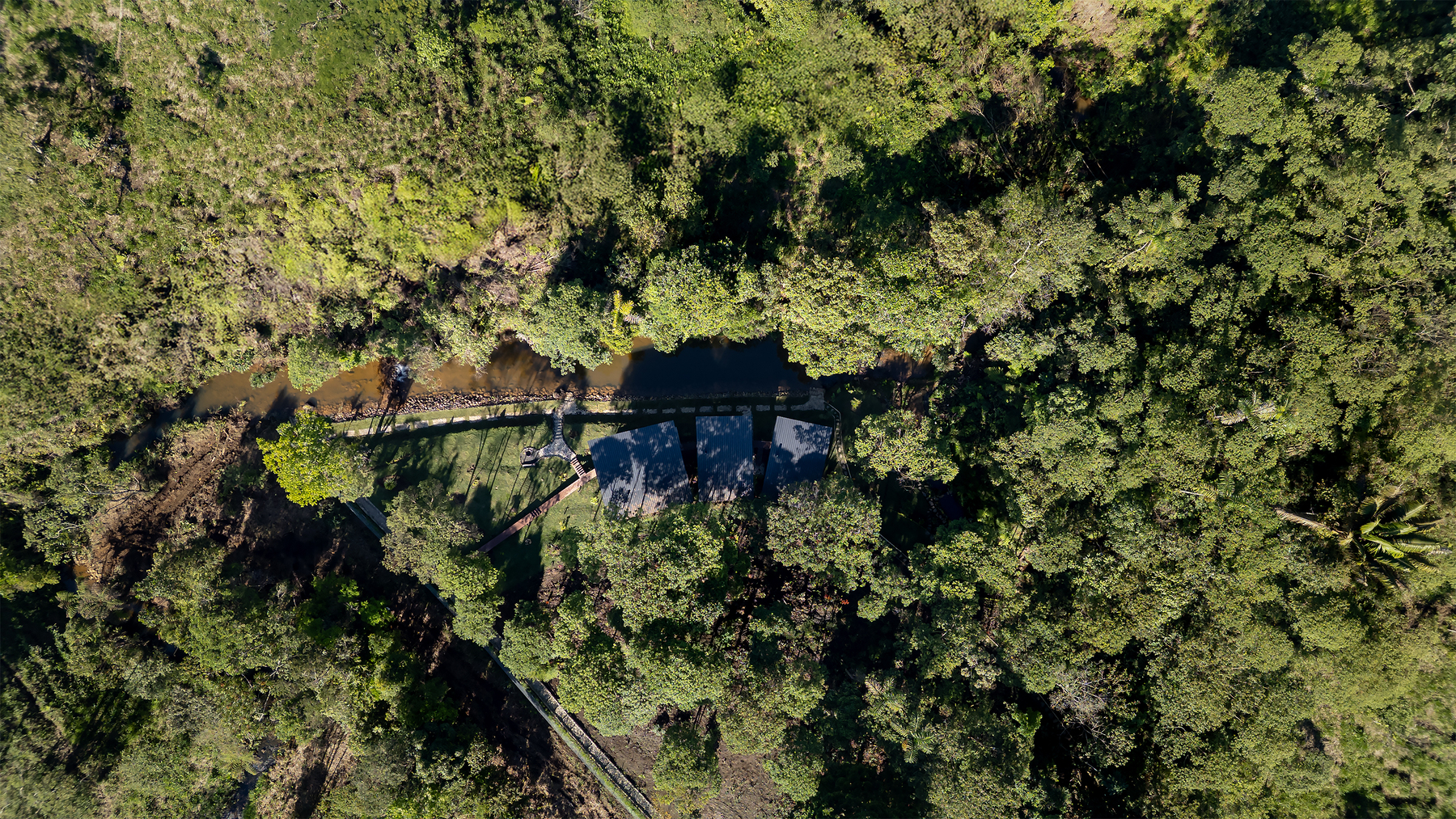
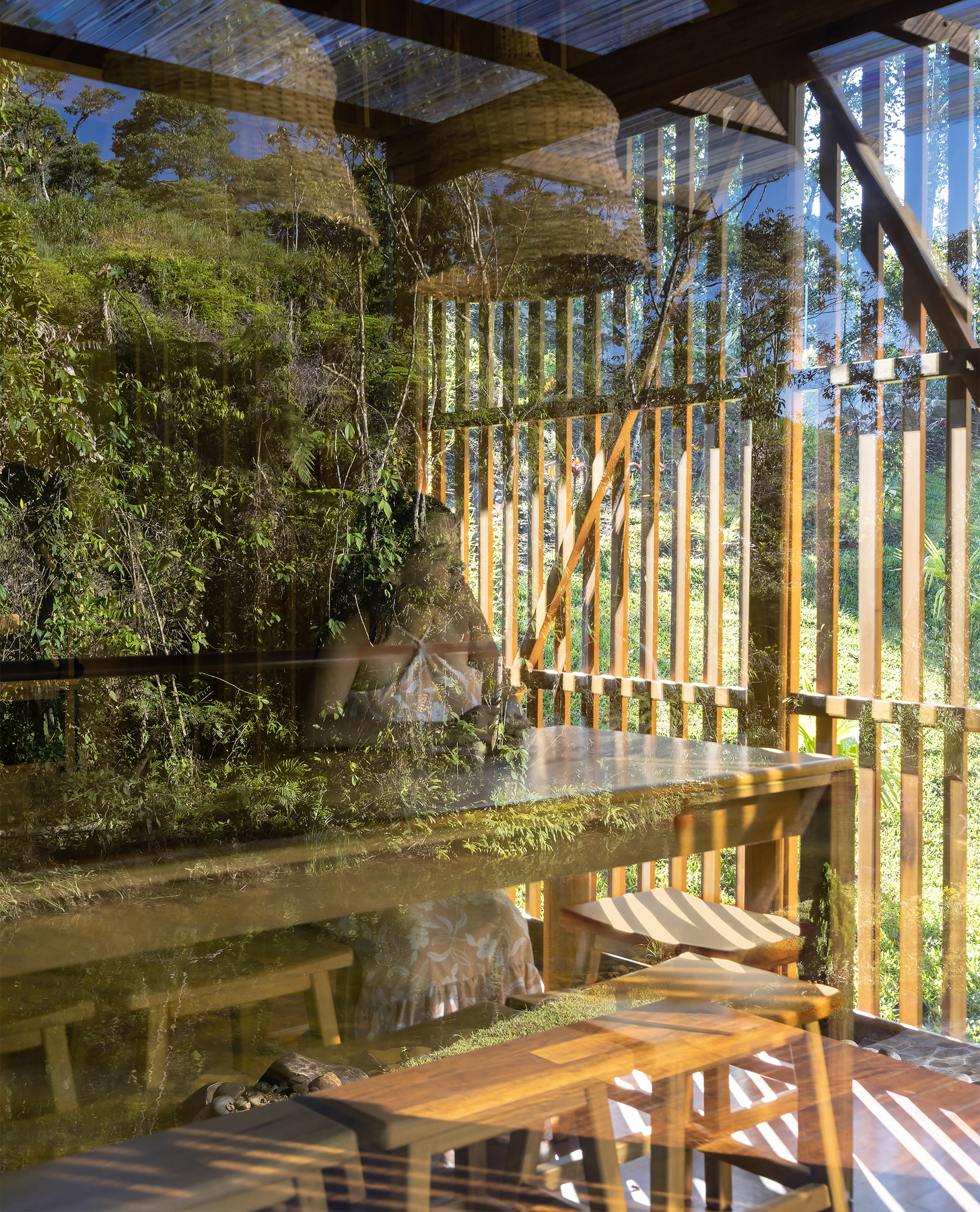
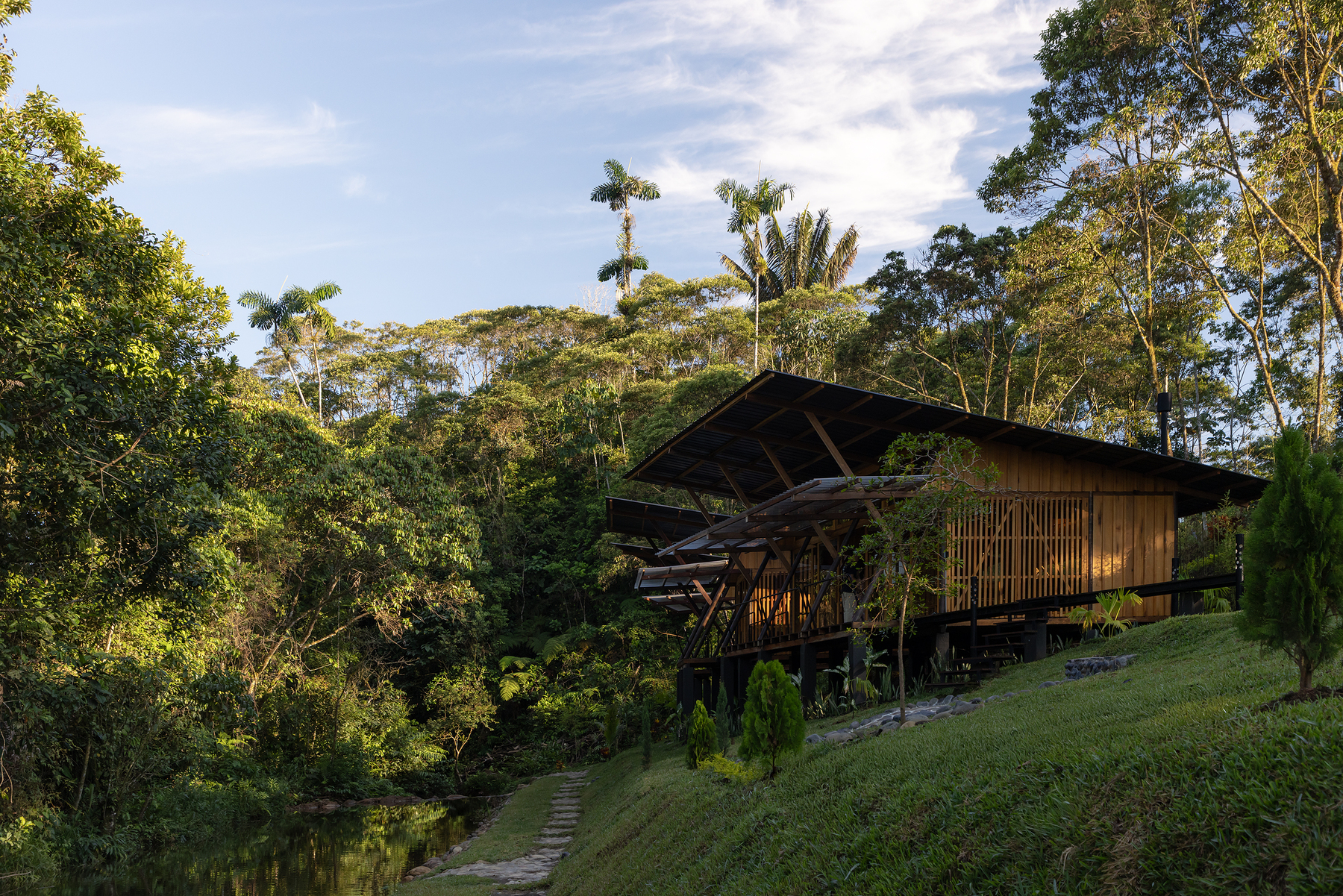
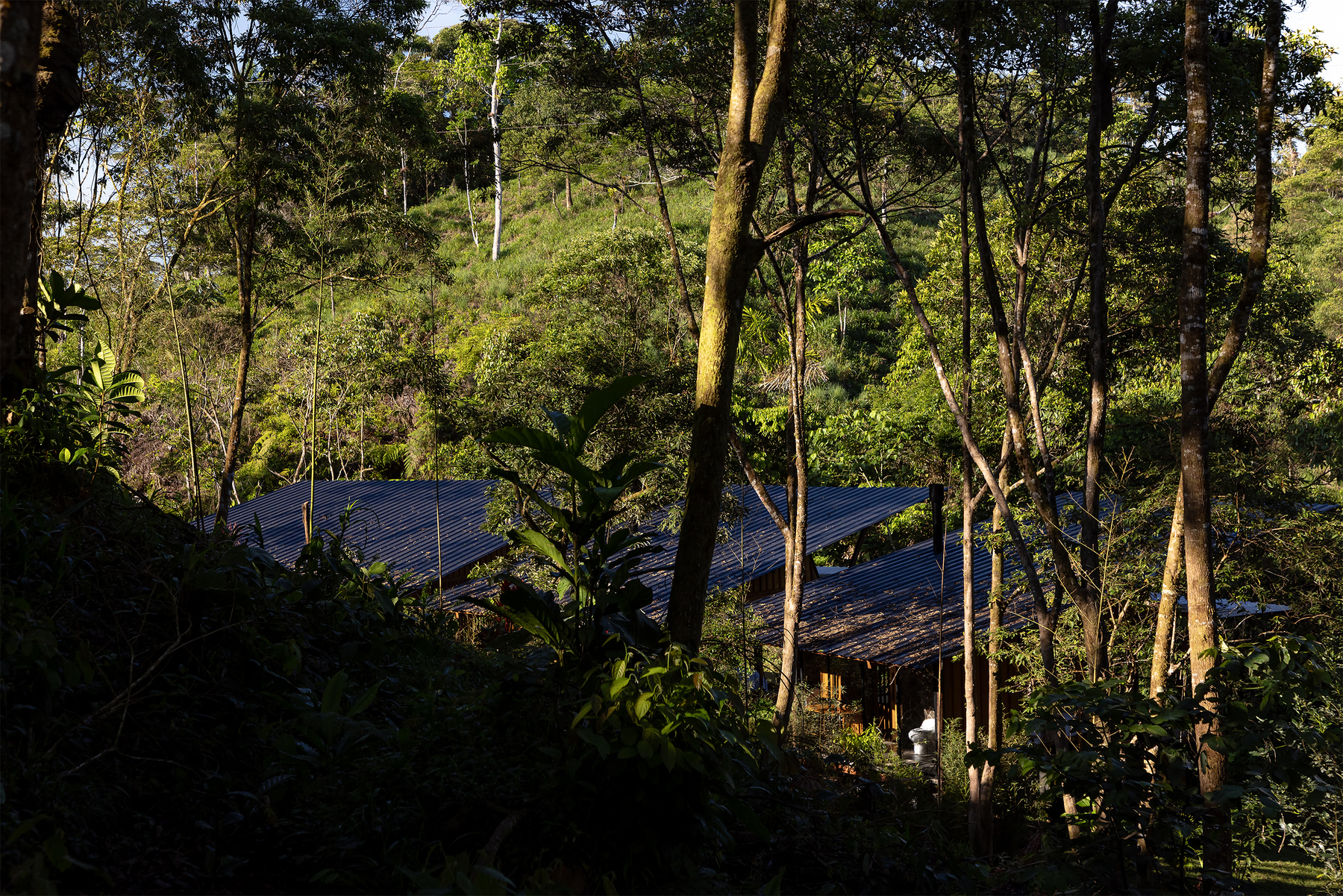
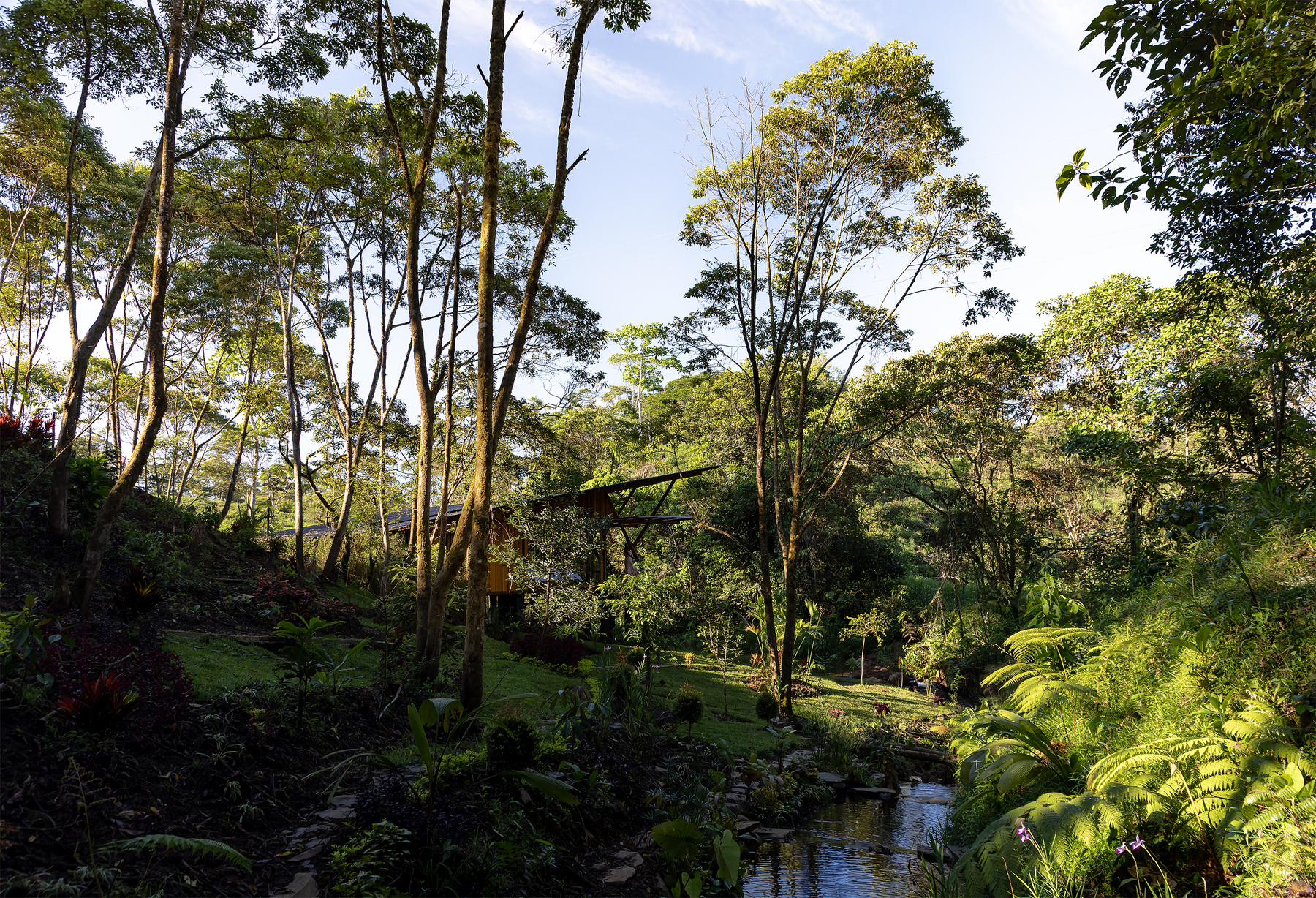
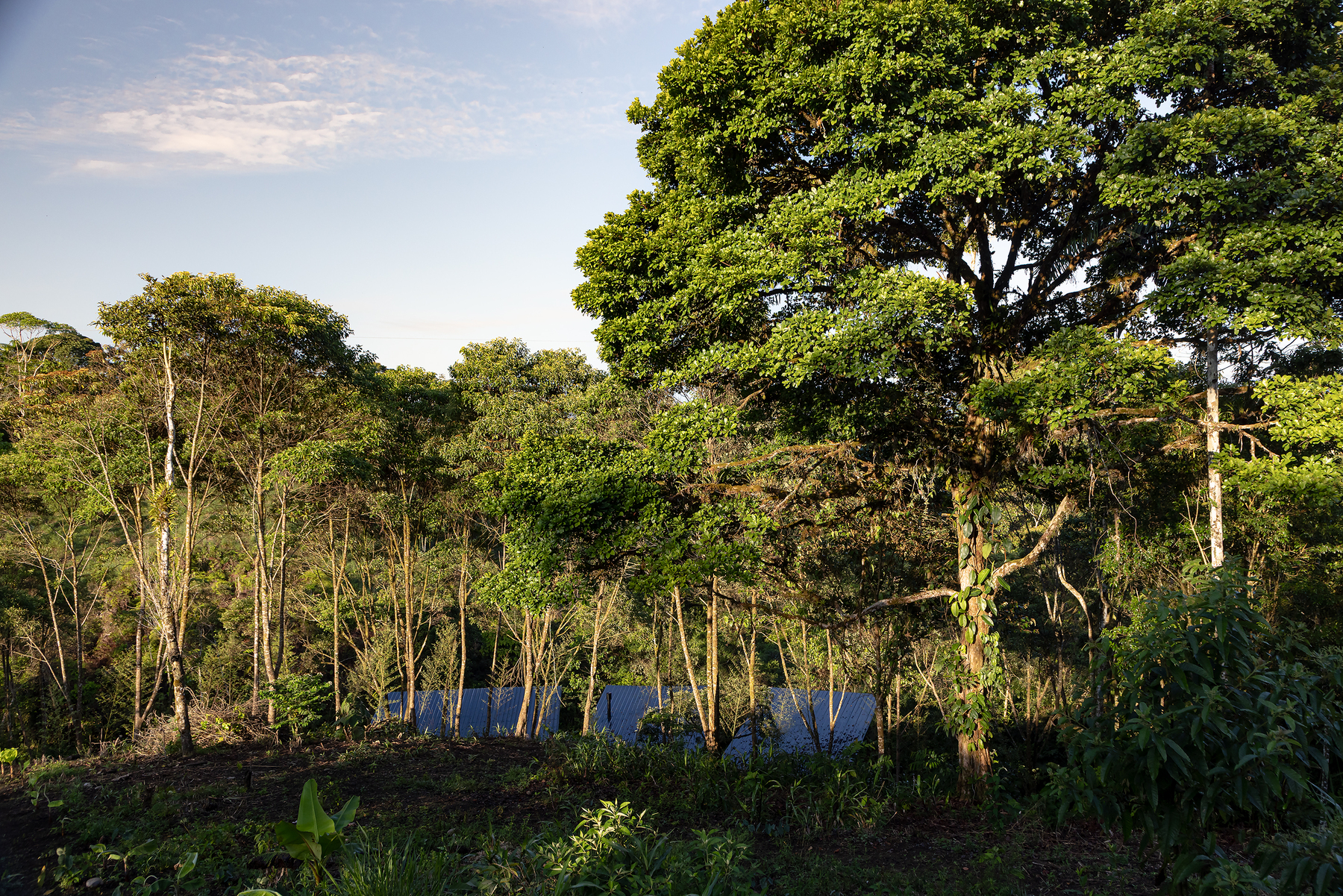
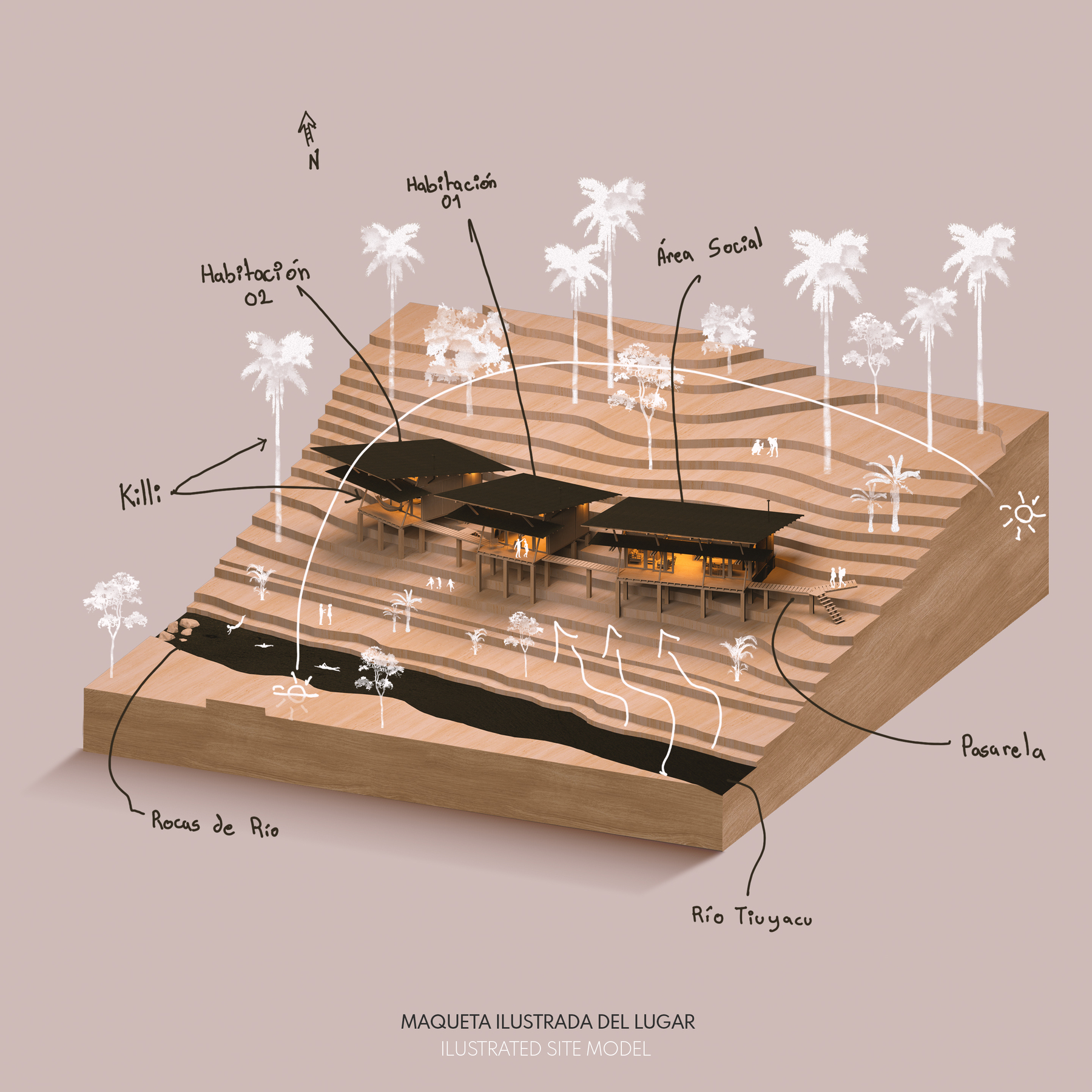
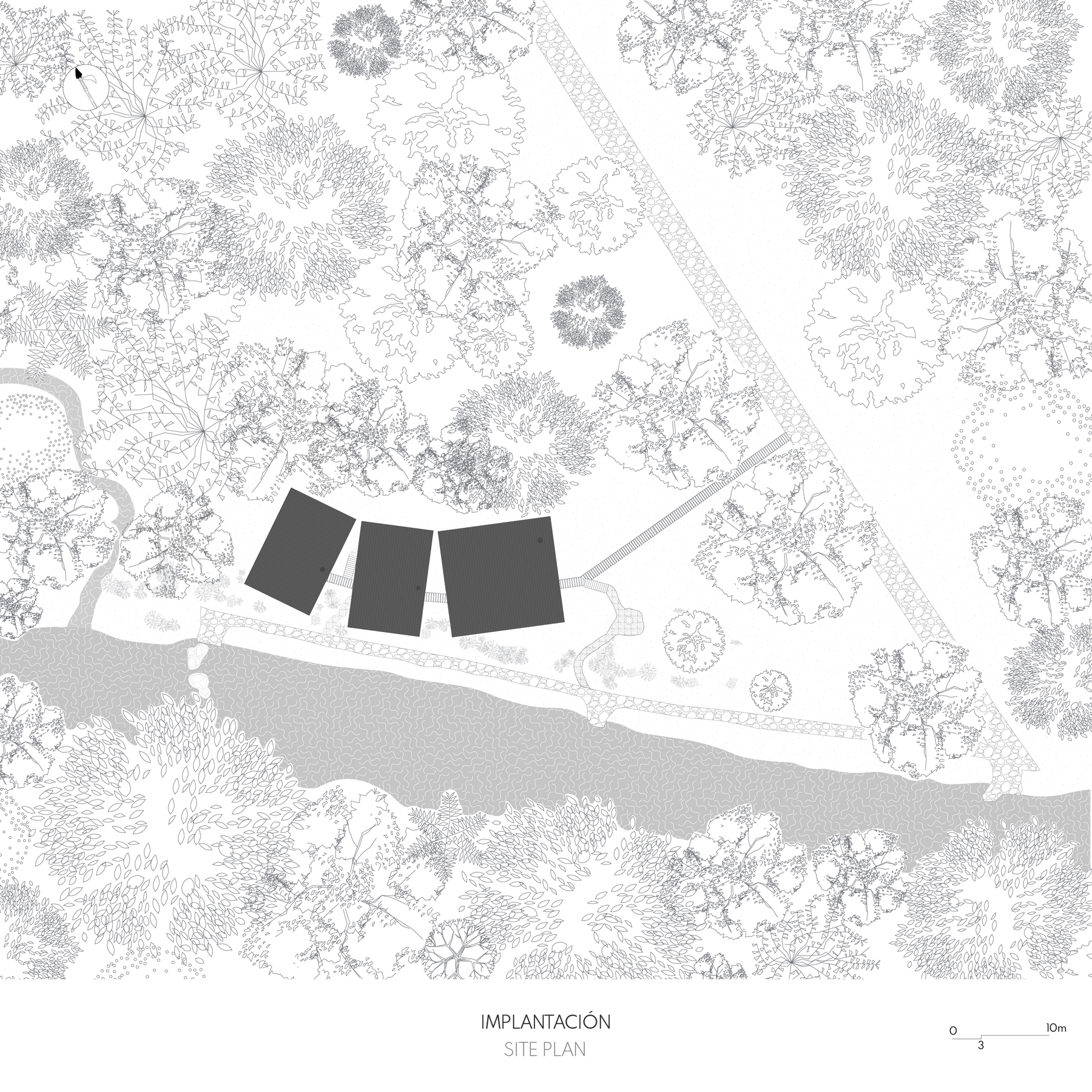
Set along the edge of a ravine and bordered by a small river, Hoguera de Madera proposes an architectural response shaped less by formal expression than by the rhythms of its site. The project reflects a deliberate shift away from urban patterns of enclosure and separation, instead embracing an open-ended dialogue with the landscape. Here, architecture becomes a framework for inhabiting nature directly, where circulation unfolds through elevated pathways and everyday life is structured around changing environmental conditions.
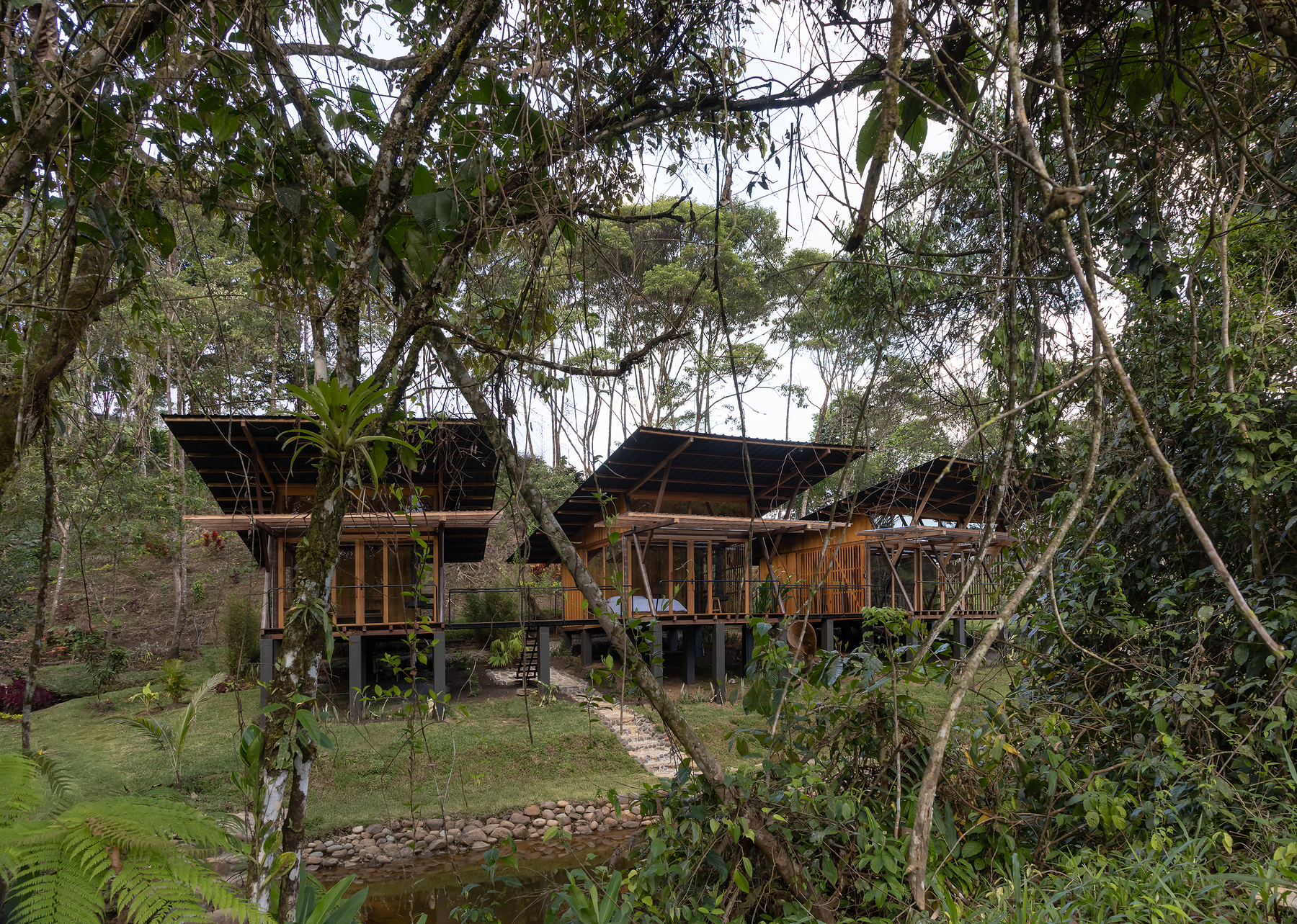
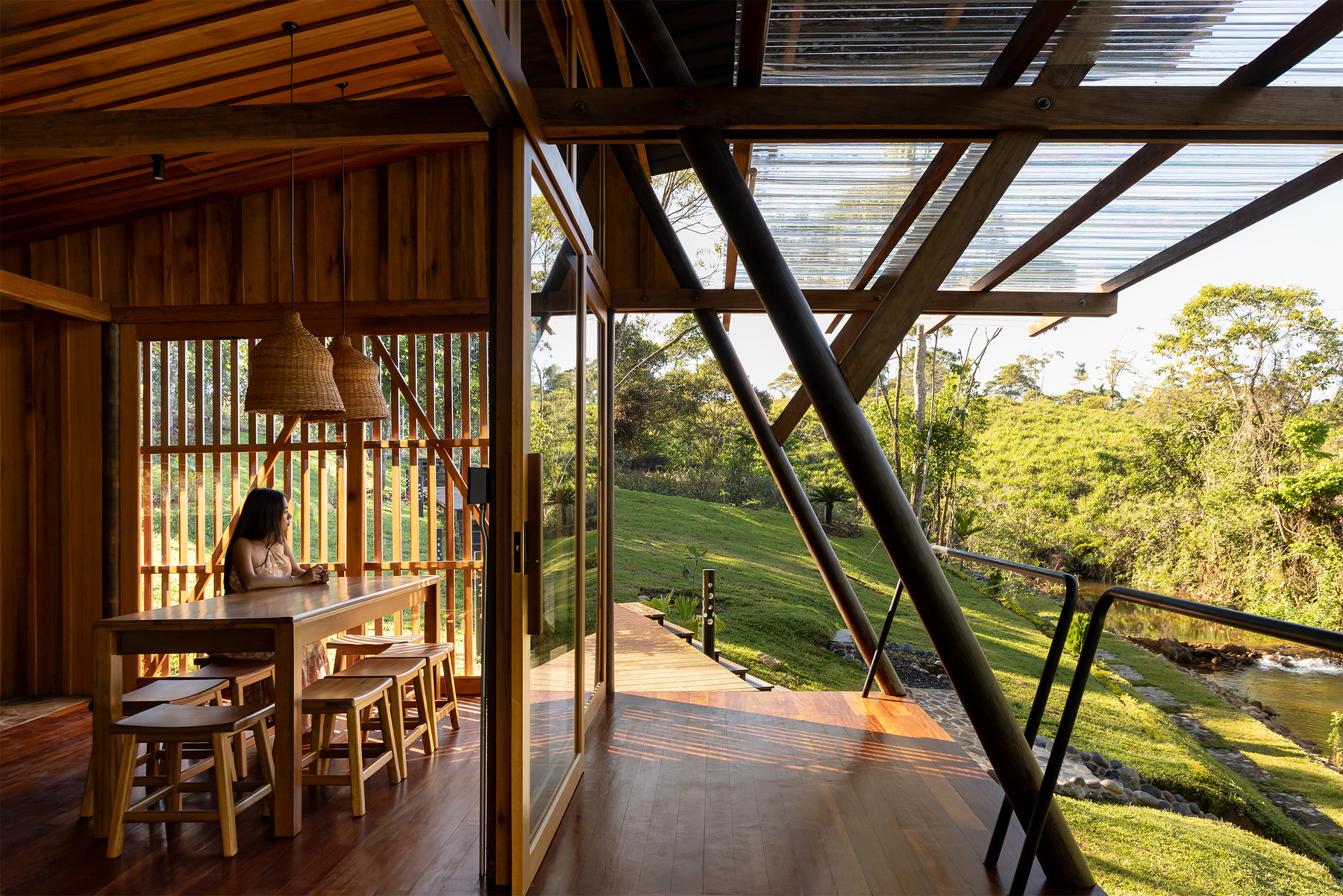
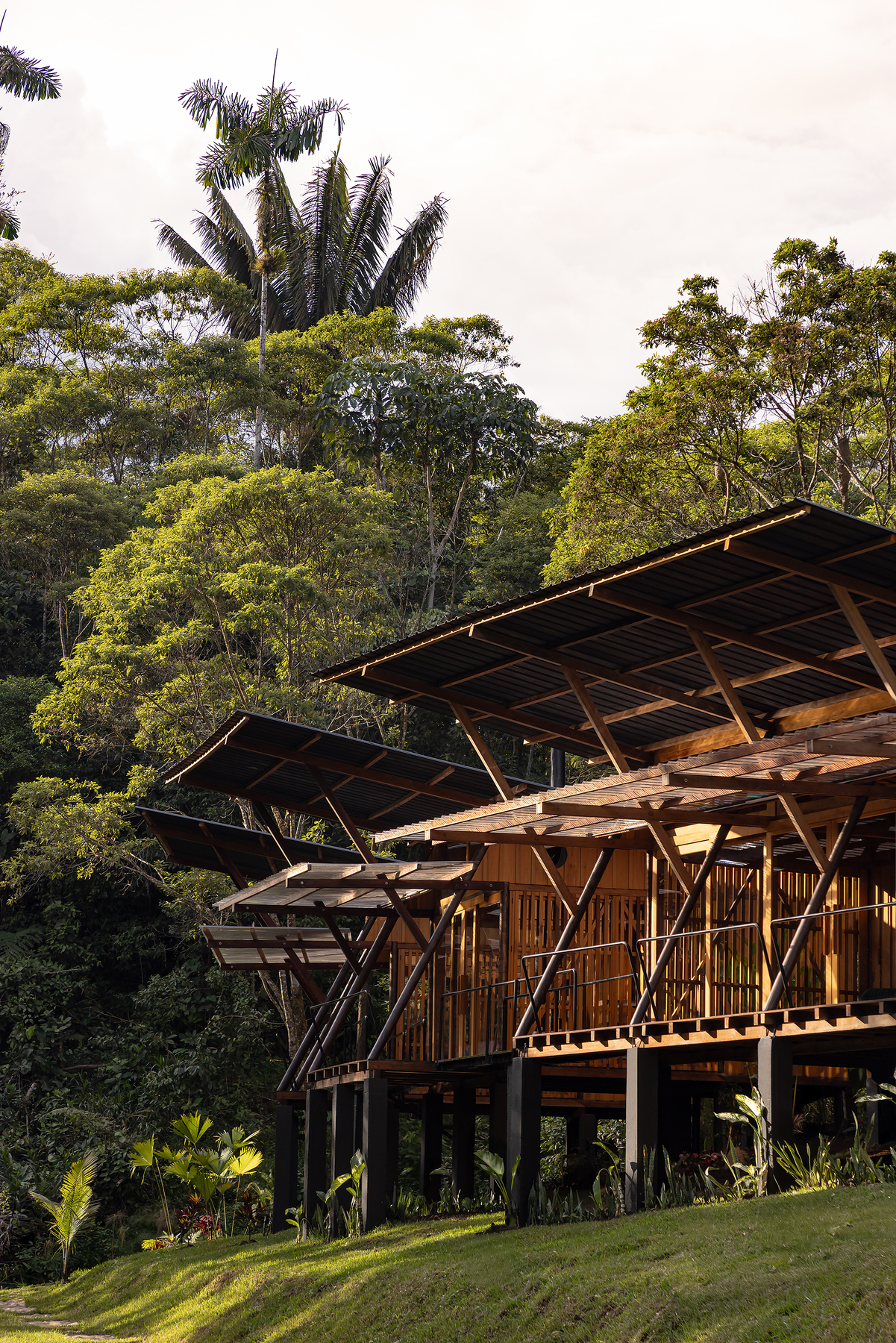
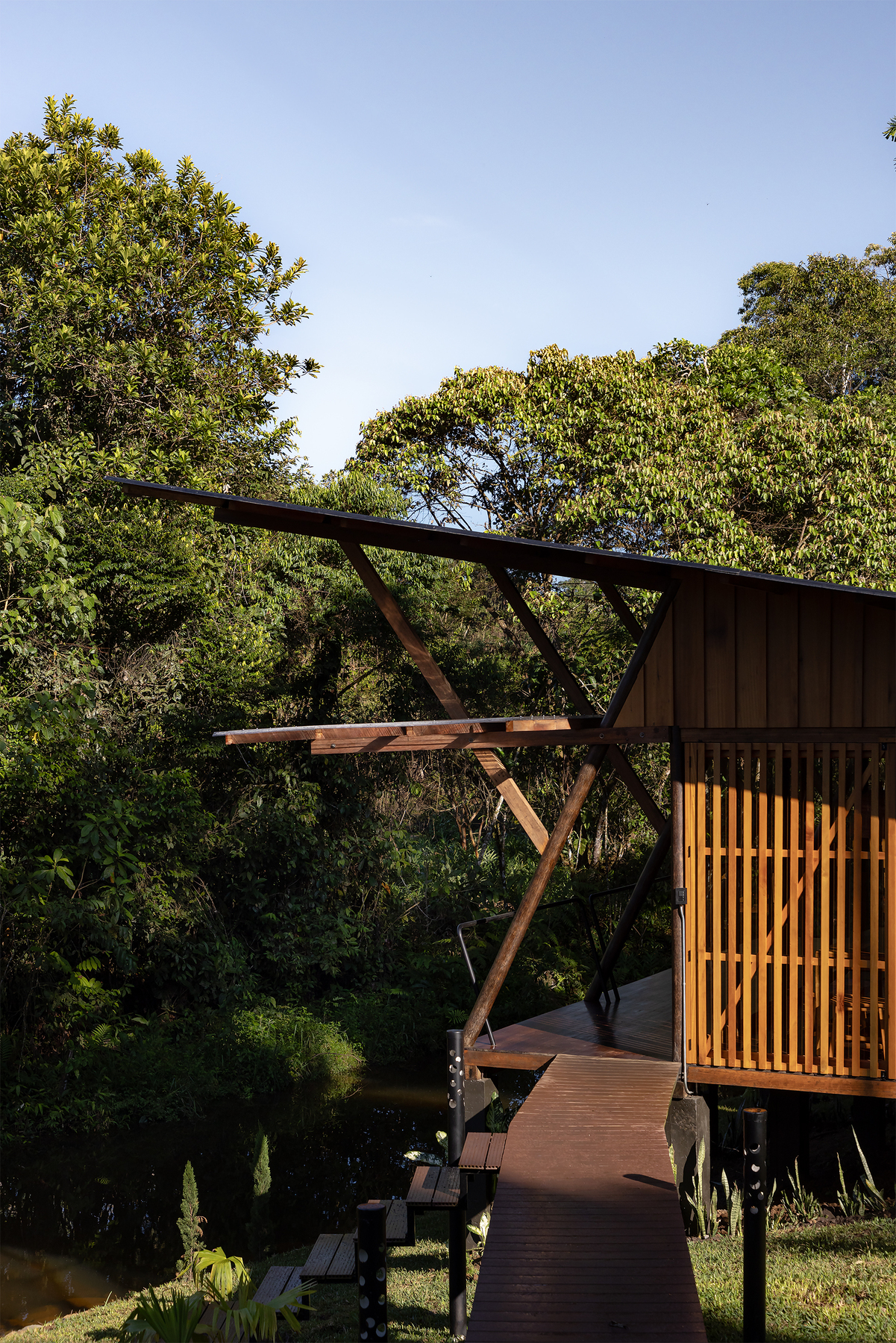
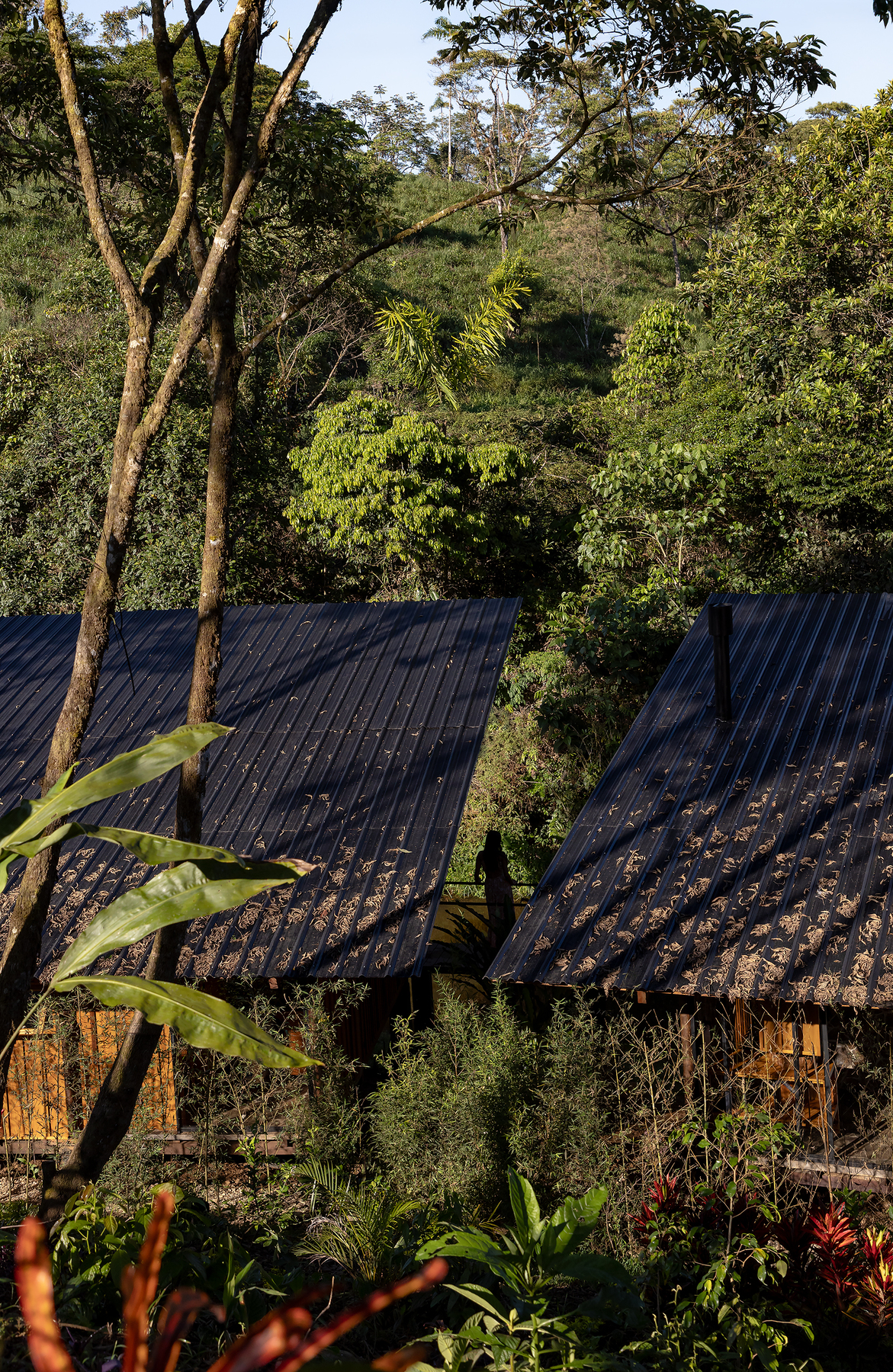
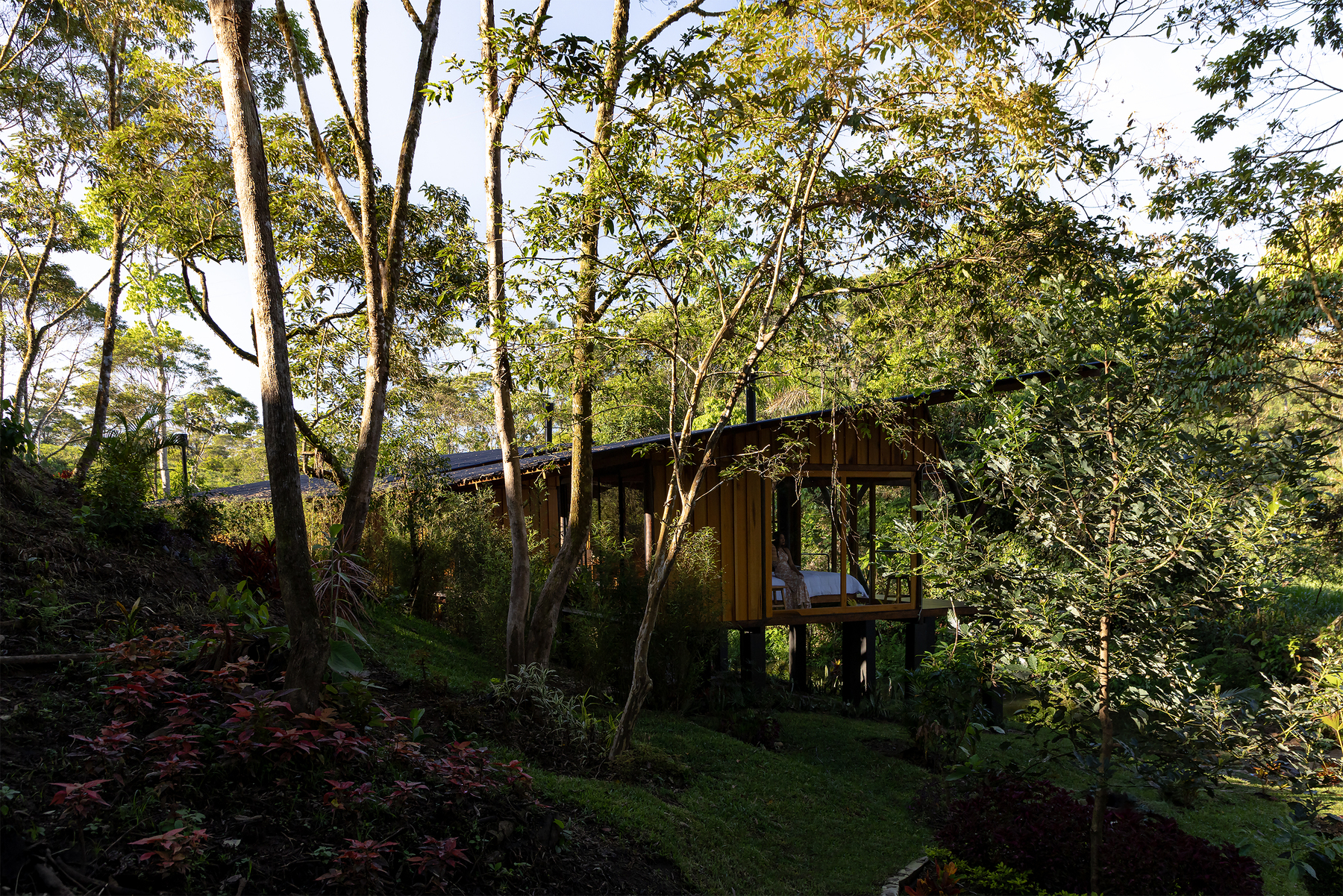
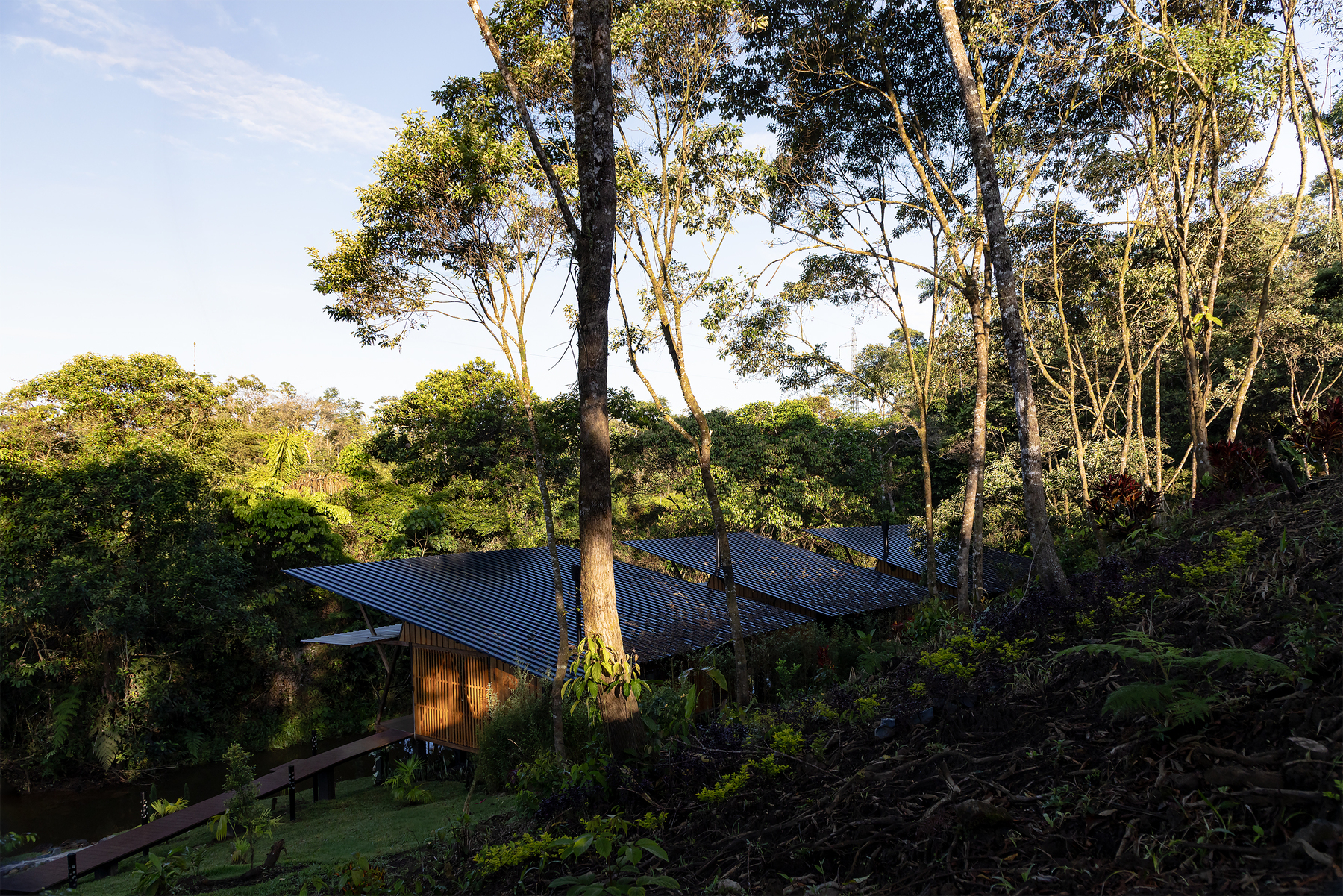
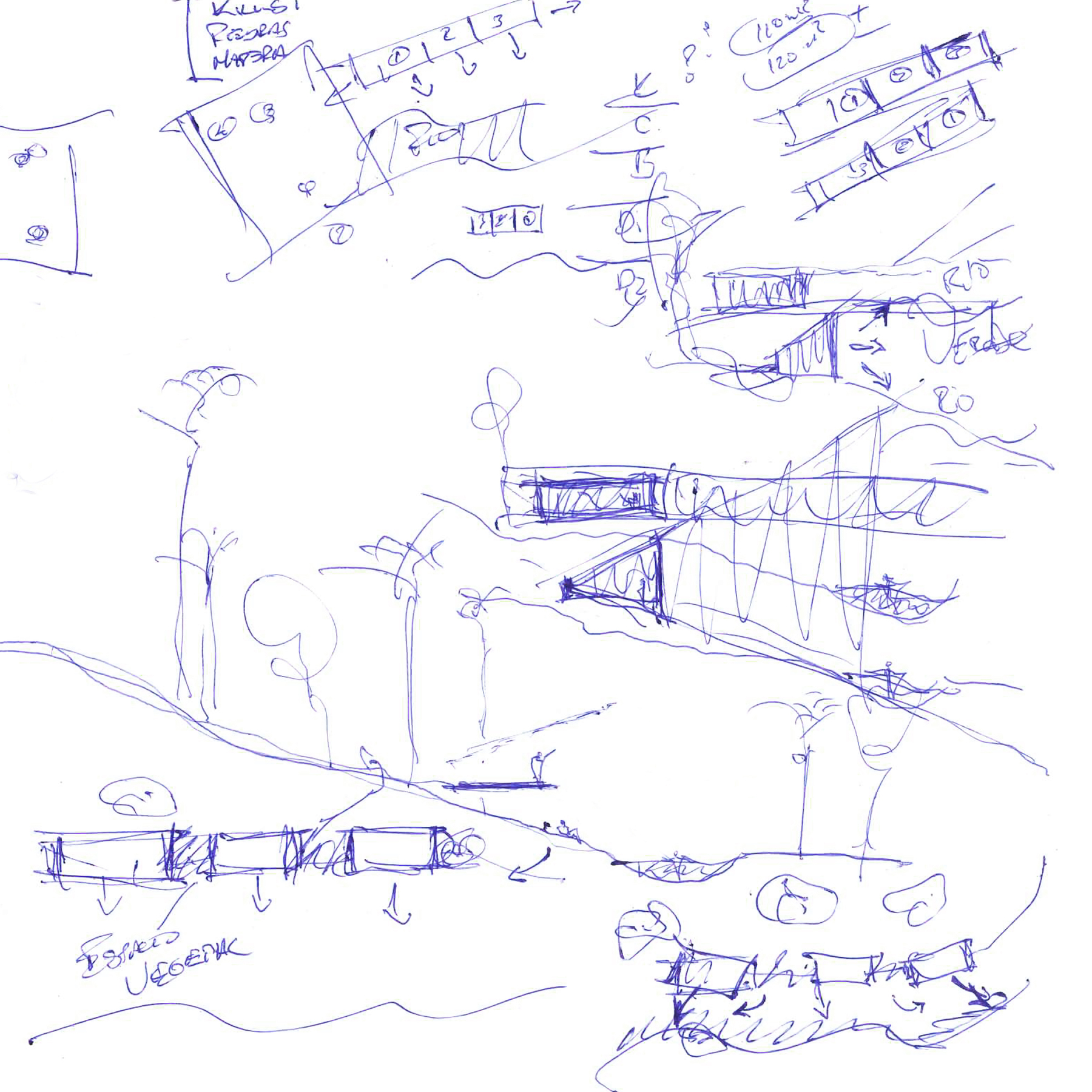
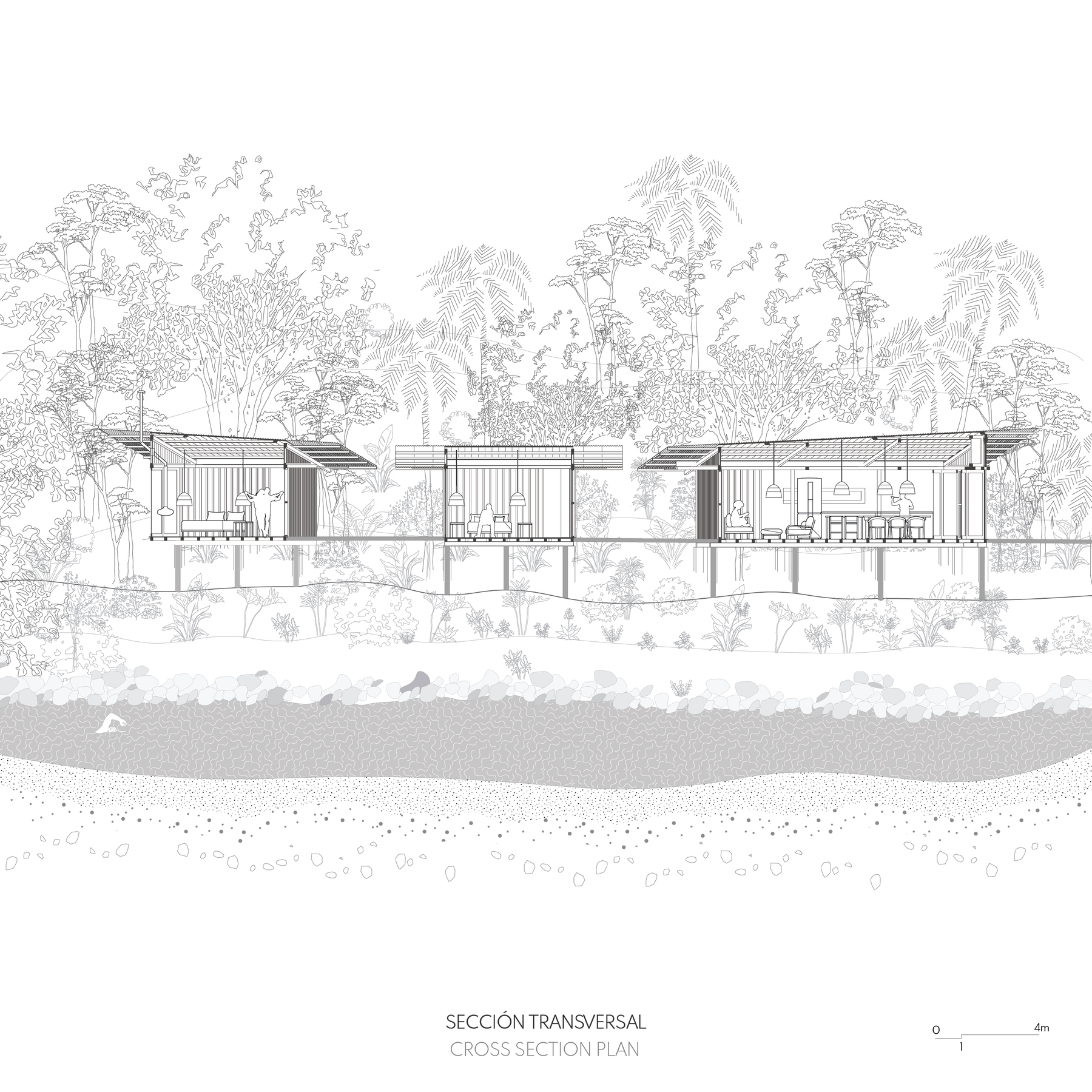
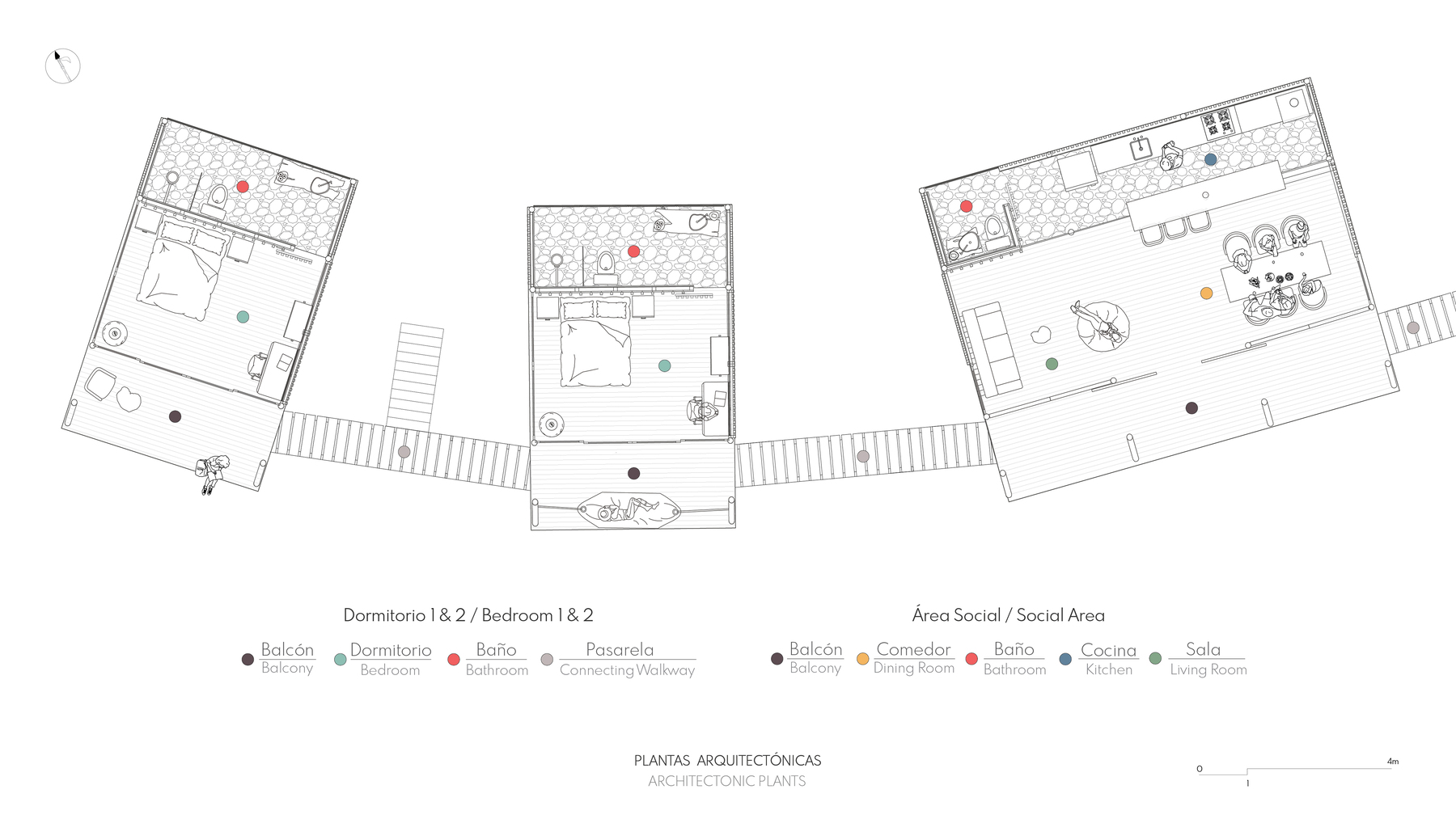
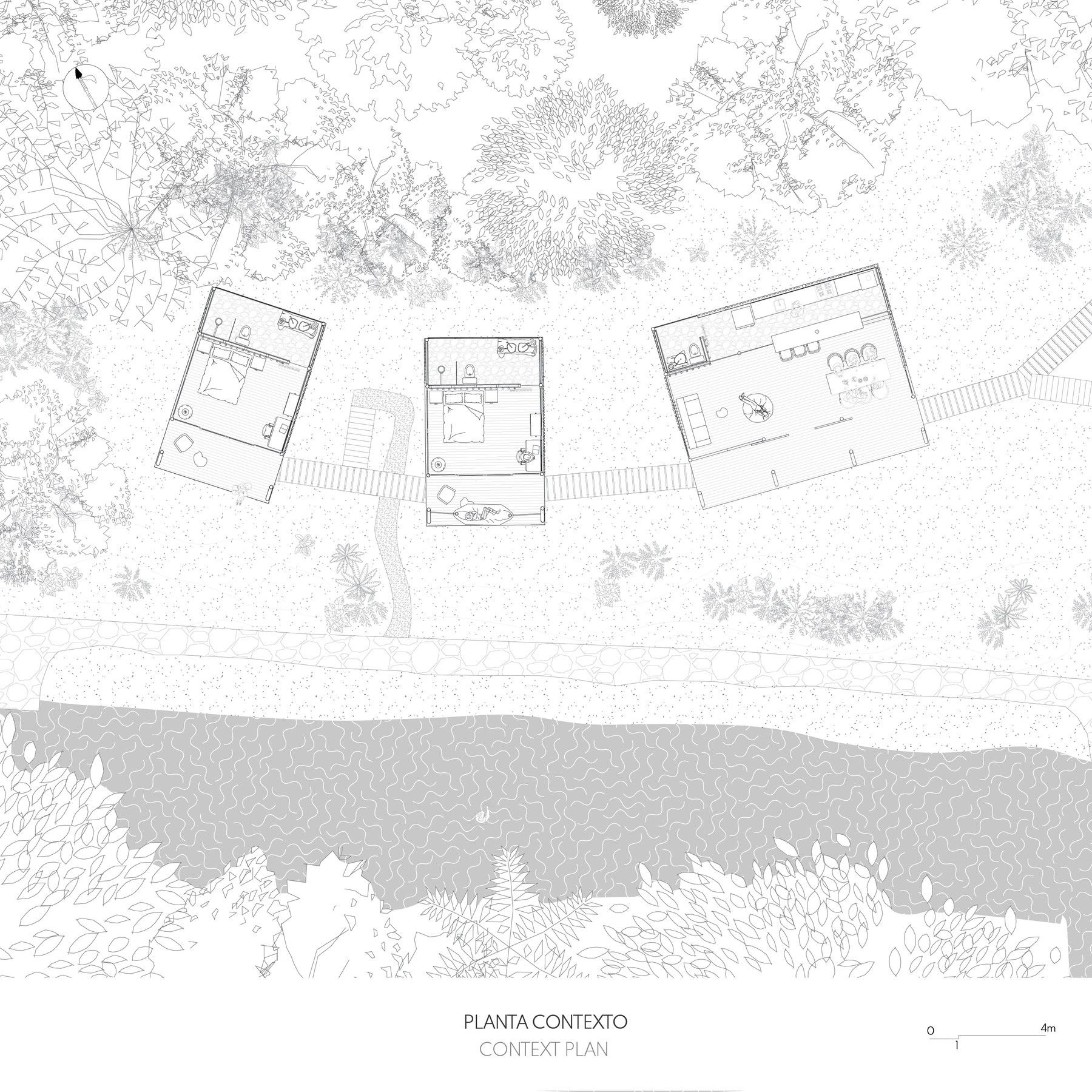
The residence is organized into three independent wooden volumes connected by a raised walkway running parallel to the riverbed. This arrangement allows the architecture to fragment gently across the site while preserving continuity between spaces. The central module houses the communal program, including the living, dining, and kitchen areas, while the two flanking volumes accommodate the private bedrooms. By subtly rotating the lateral modules in relation to the core volume, the design creates voids that function as buffers, generating intimacy without disconnecting occupants from one another or from the surrounding environment.
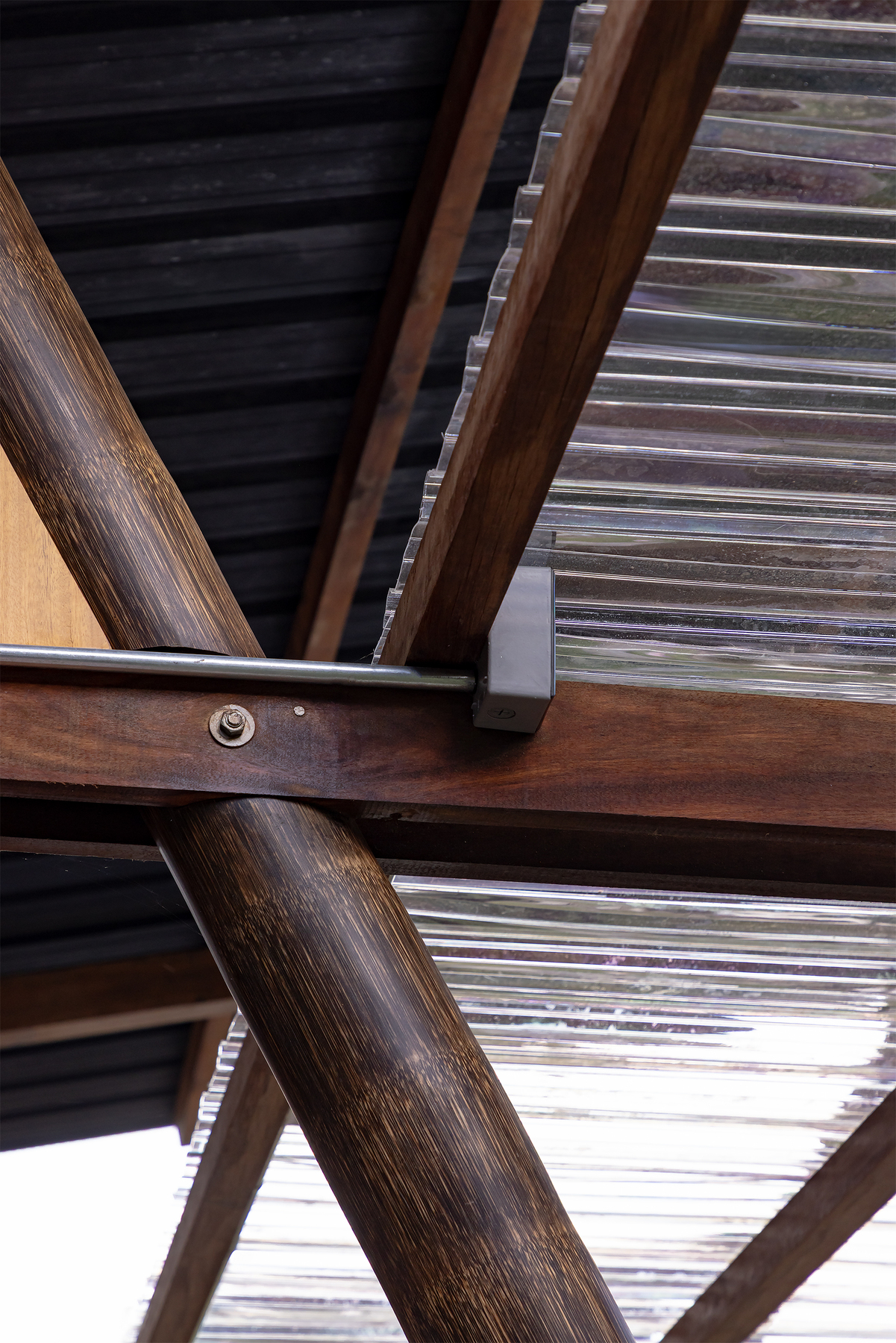
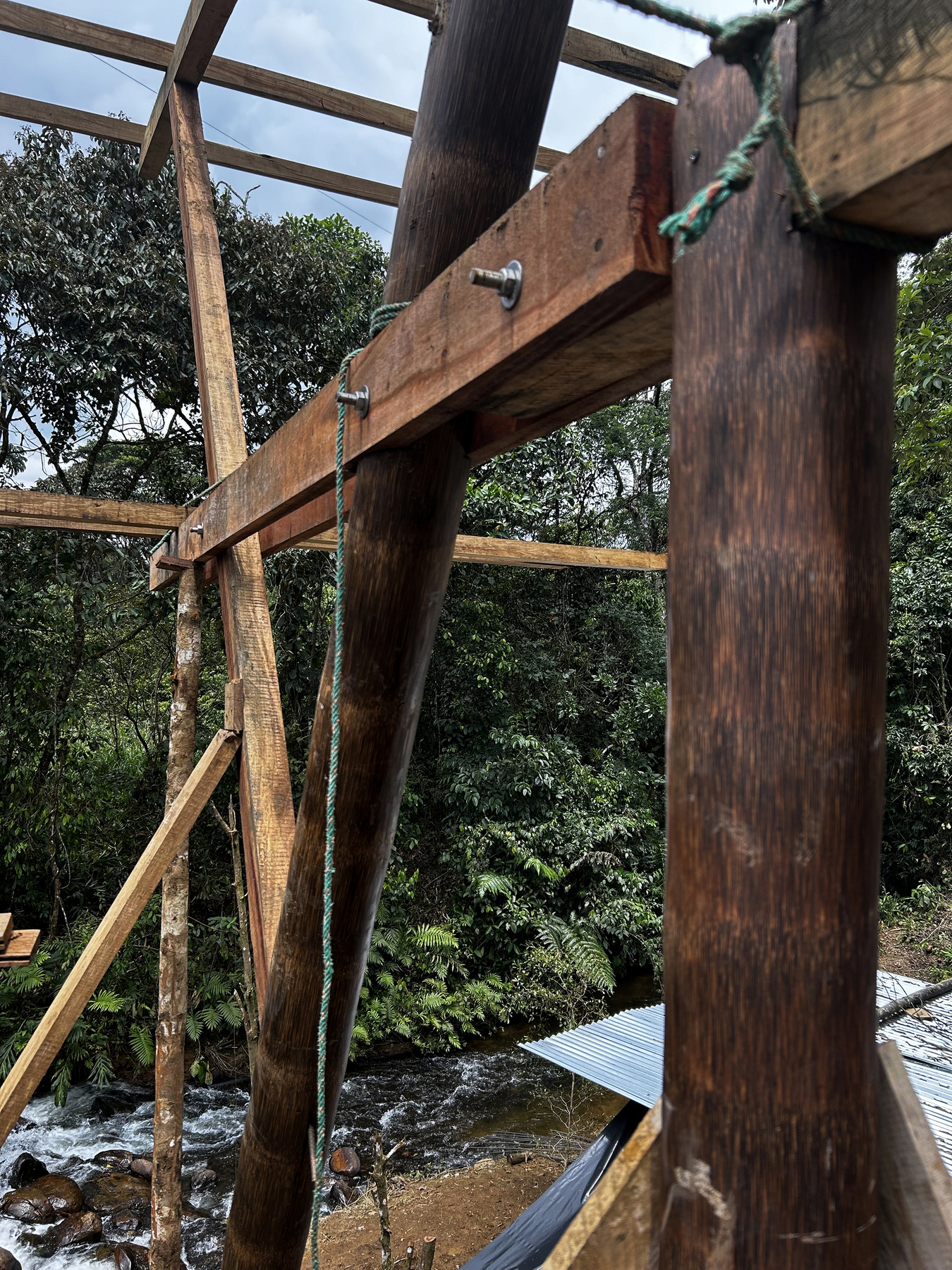
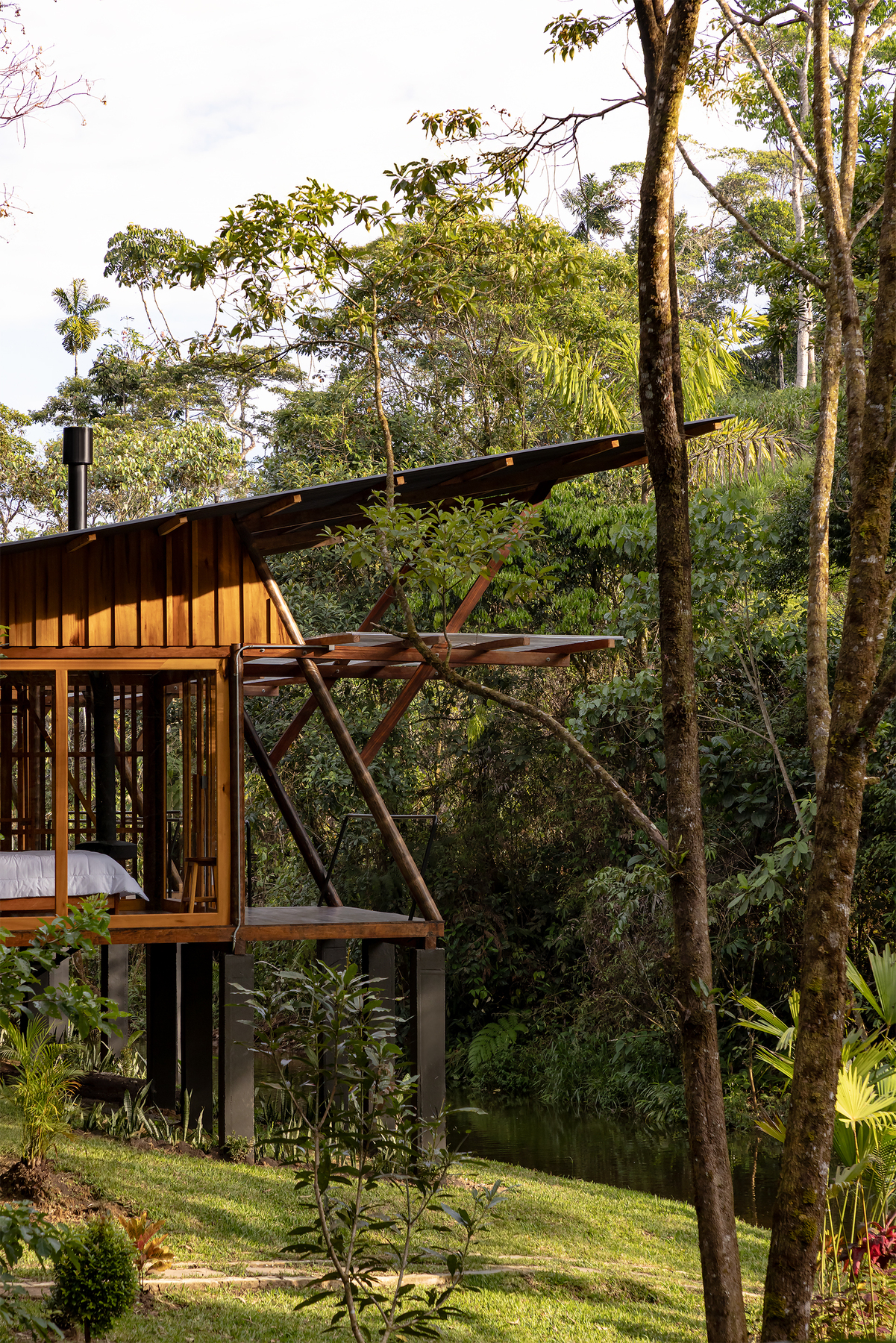
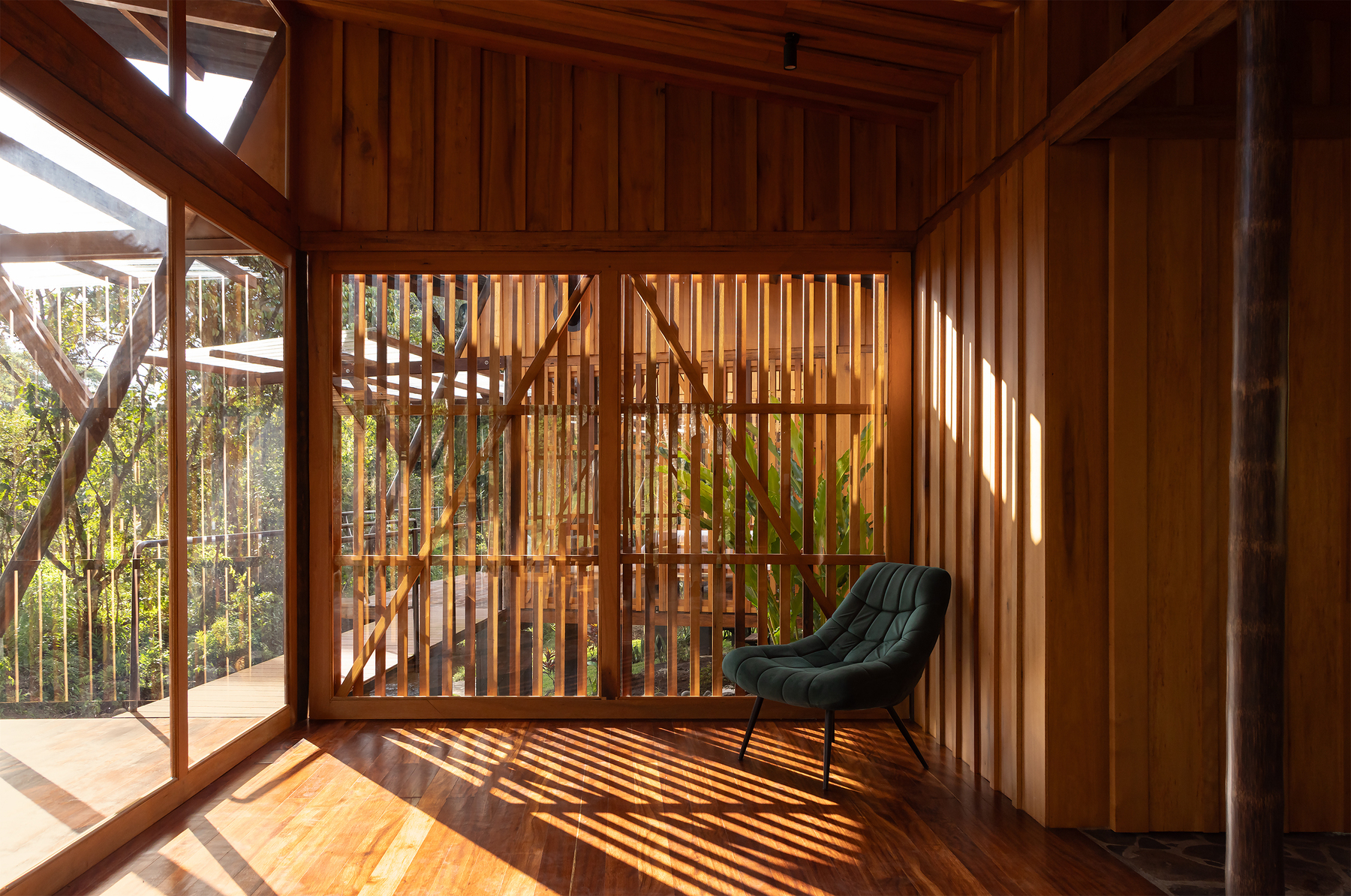
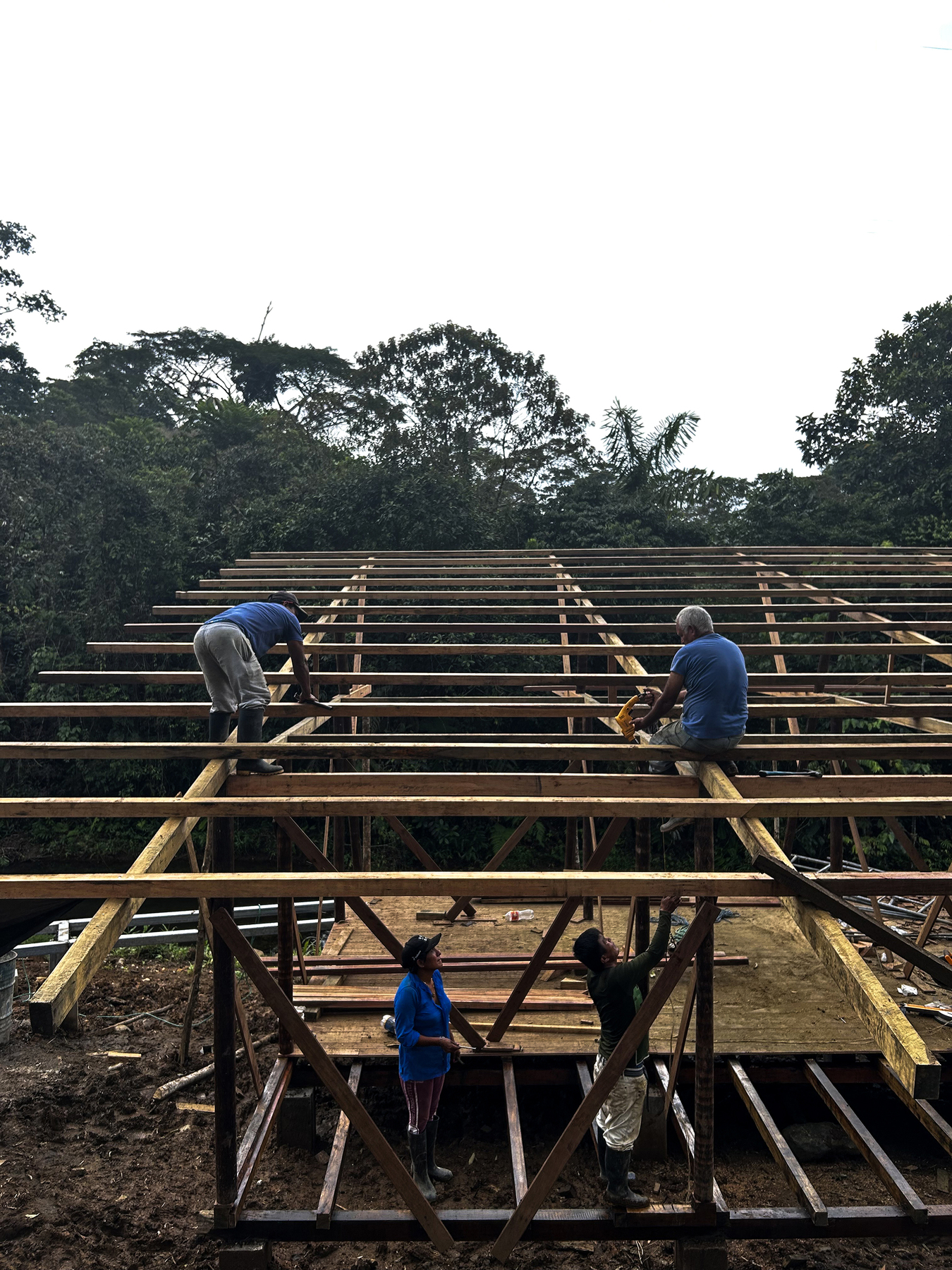
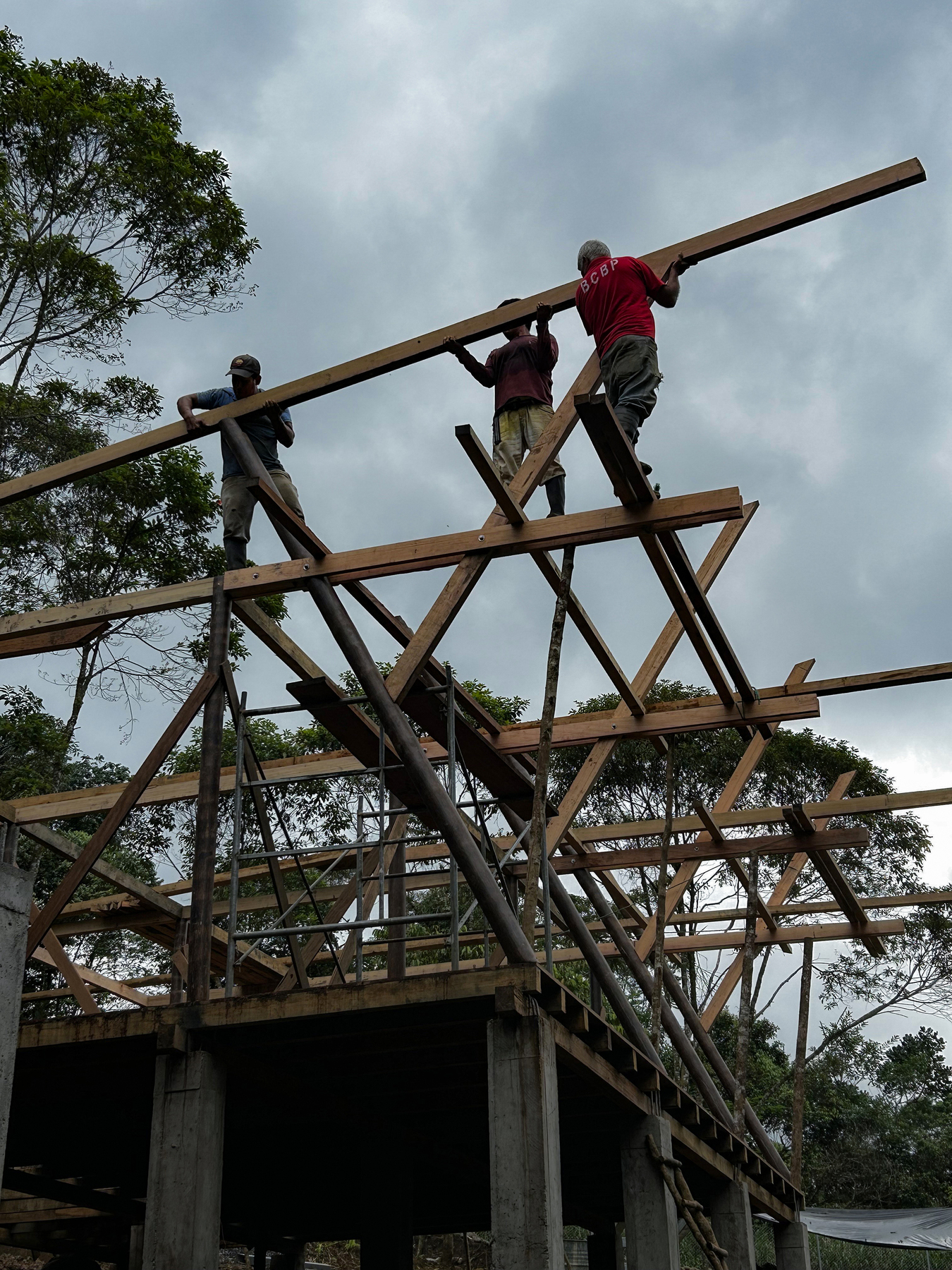
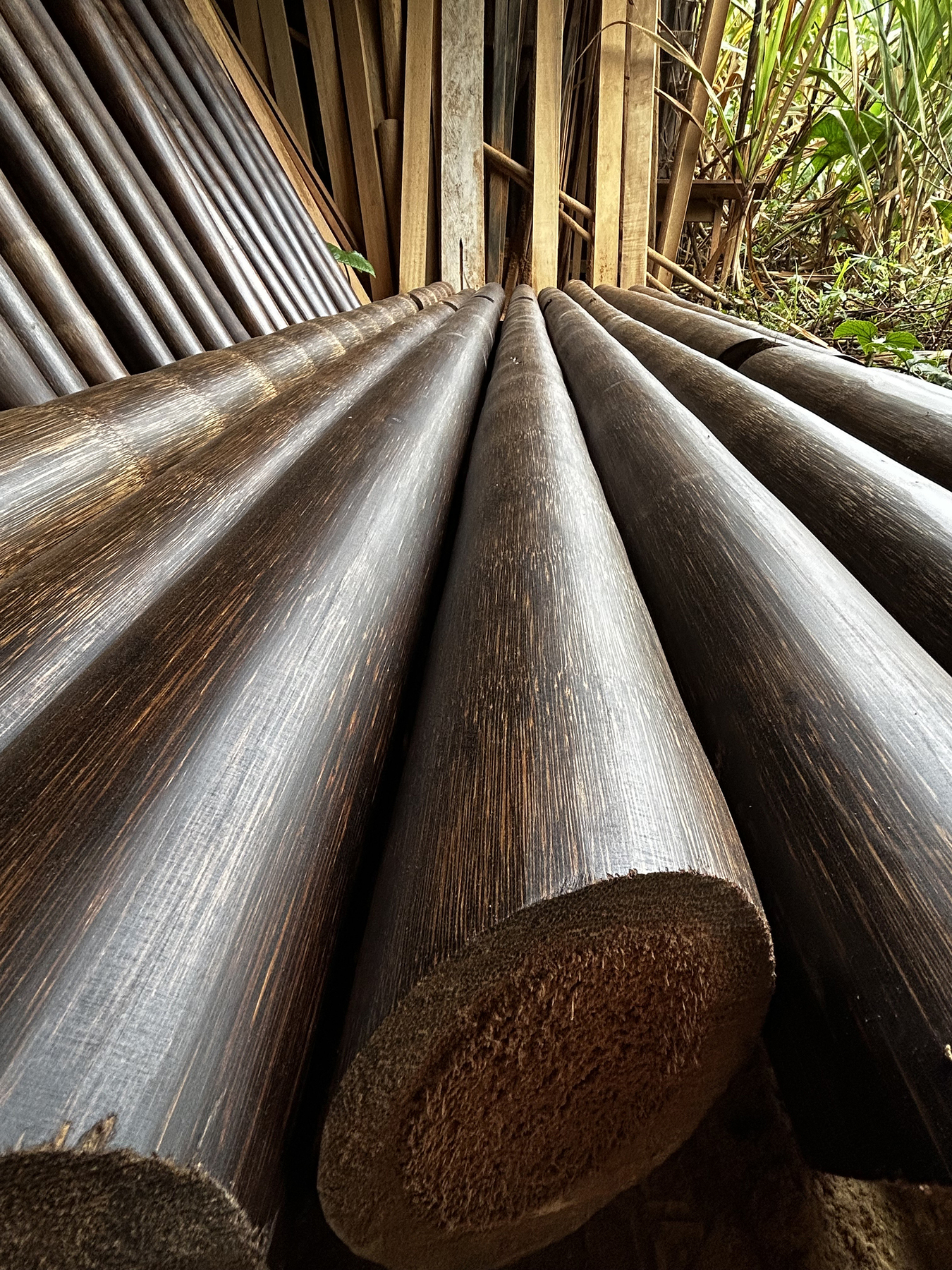
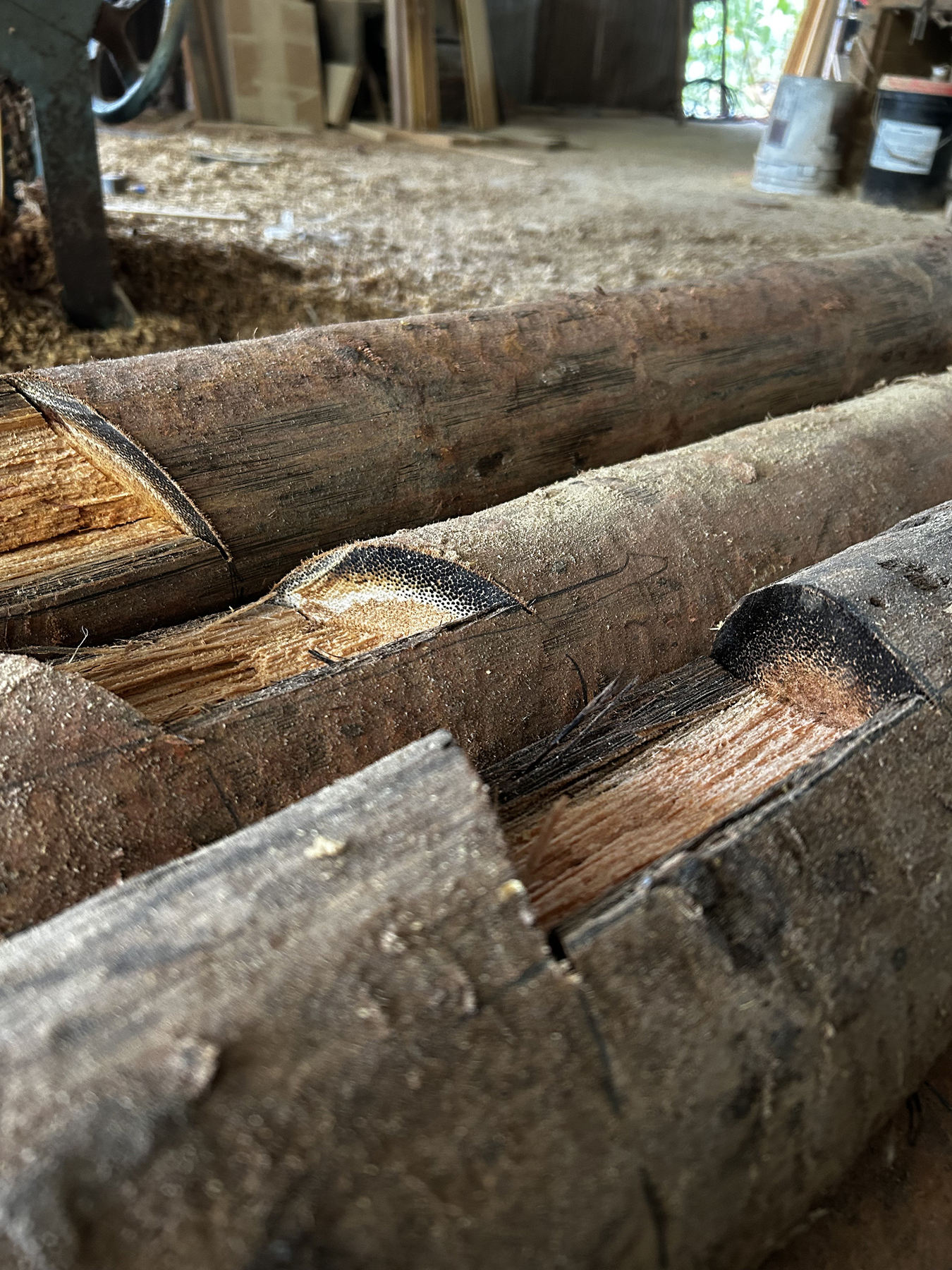
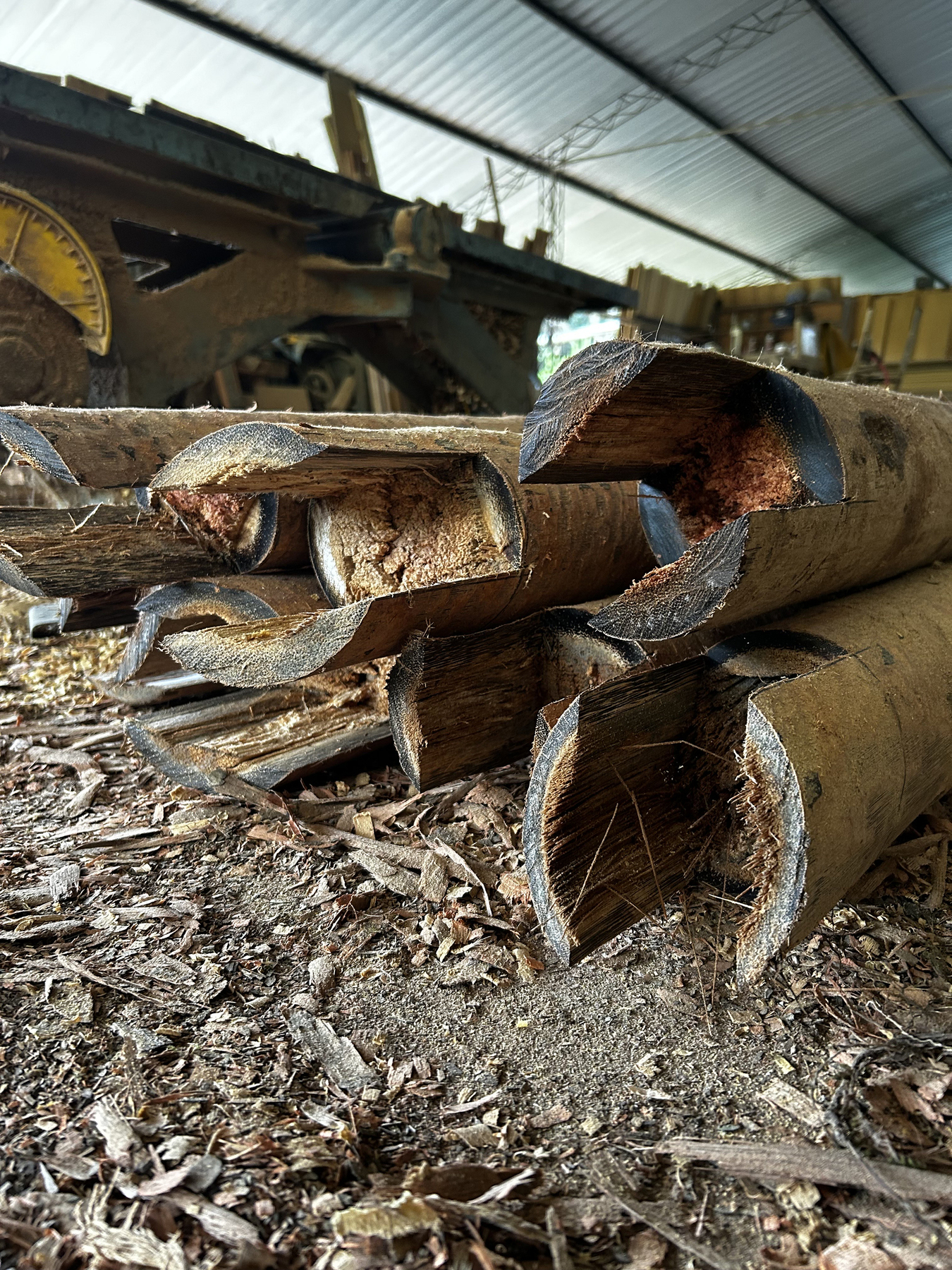
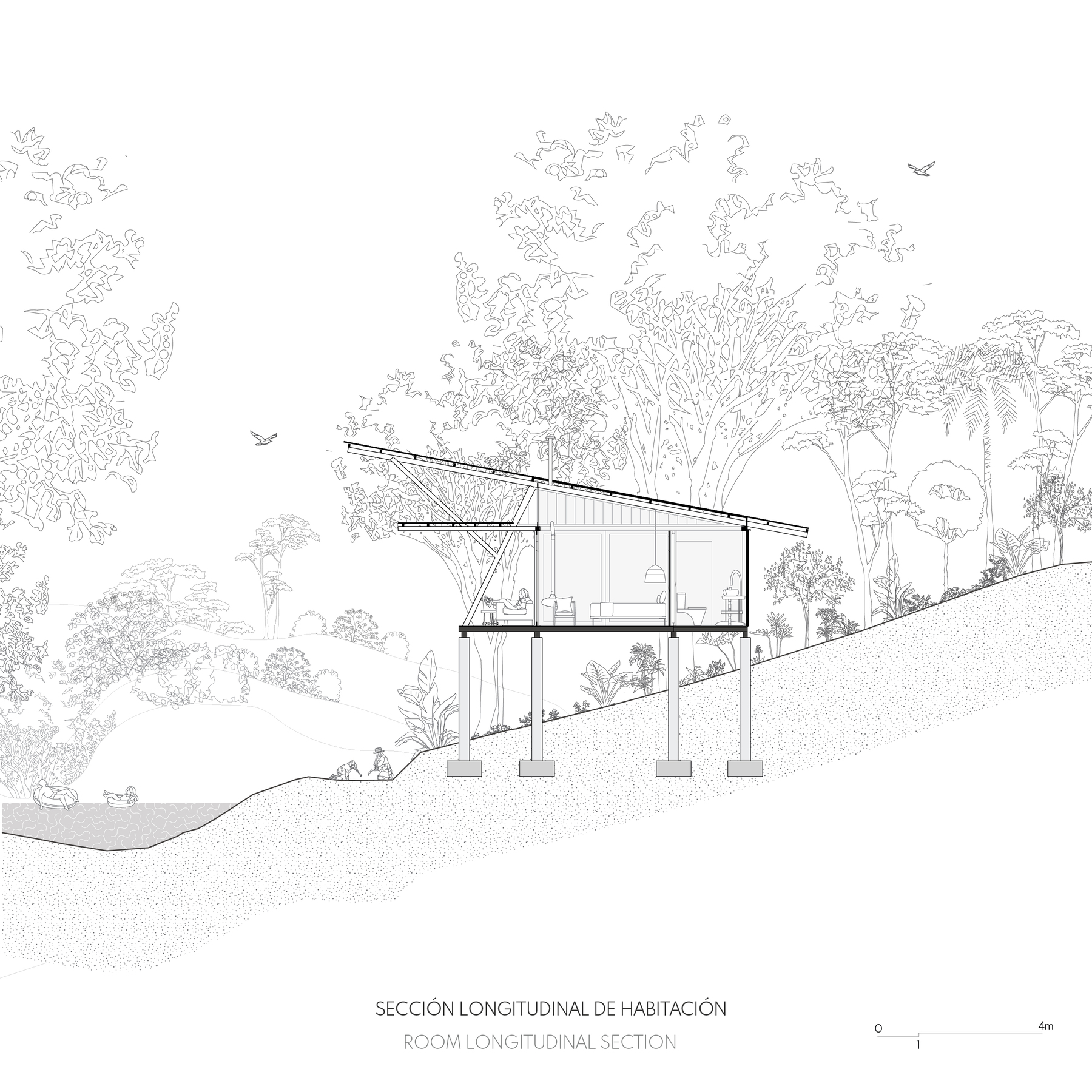
A defining feature of the project is its structural use of Killi palm, a material deeply embedded in Amazonian construction traditions. Existing trunks found on-site were collected, treated, and reincorporated into the building as load-bearing elements. Combined with timber beams acquired from local communities, these components form triangulated frames that establish the house’s tectonic identity. This approach transforms vernacular knowledge into a contemporary structural language, demonstrating how traditional materials can be reinterpreted with precision and relevance.
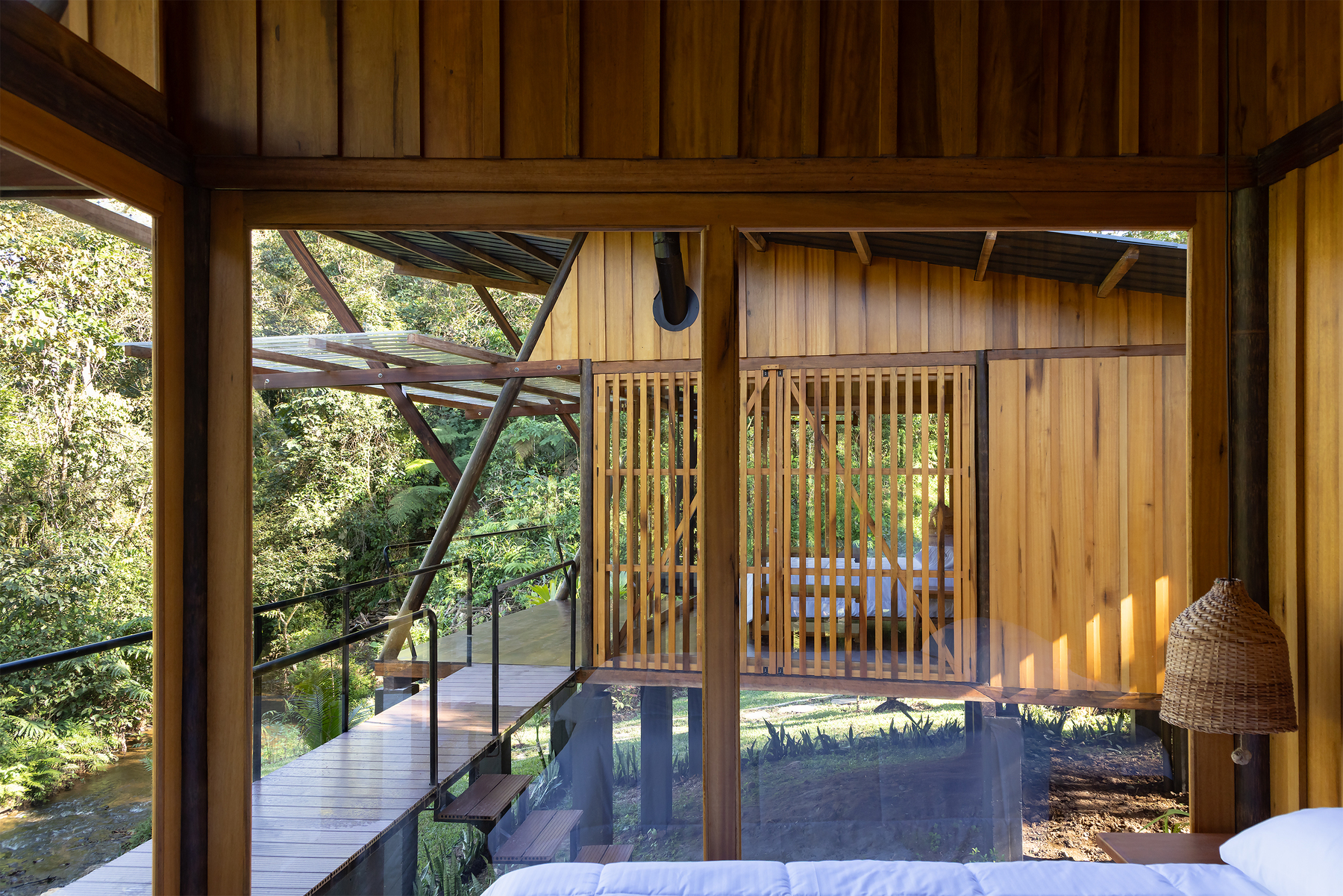
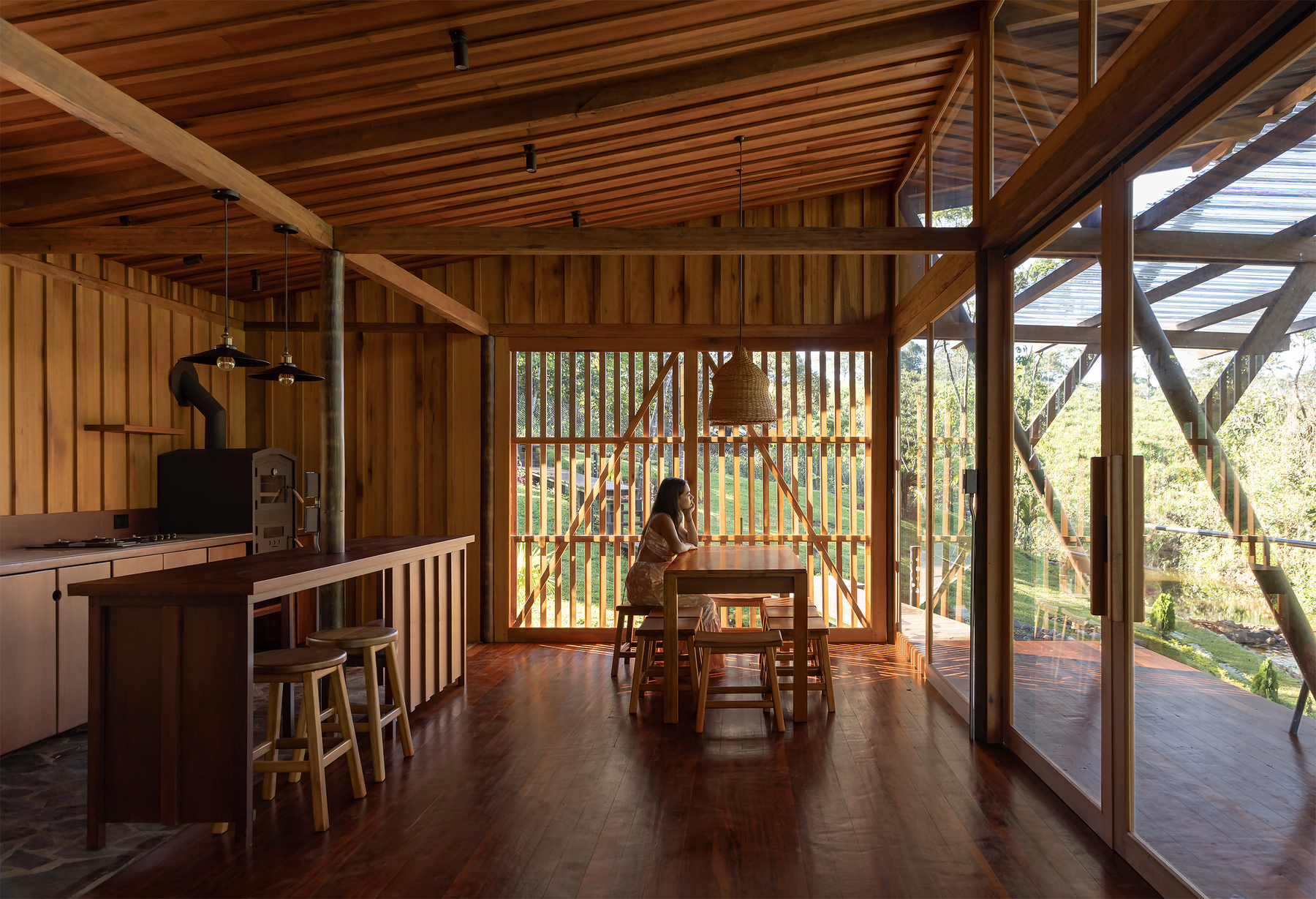
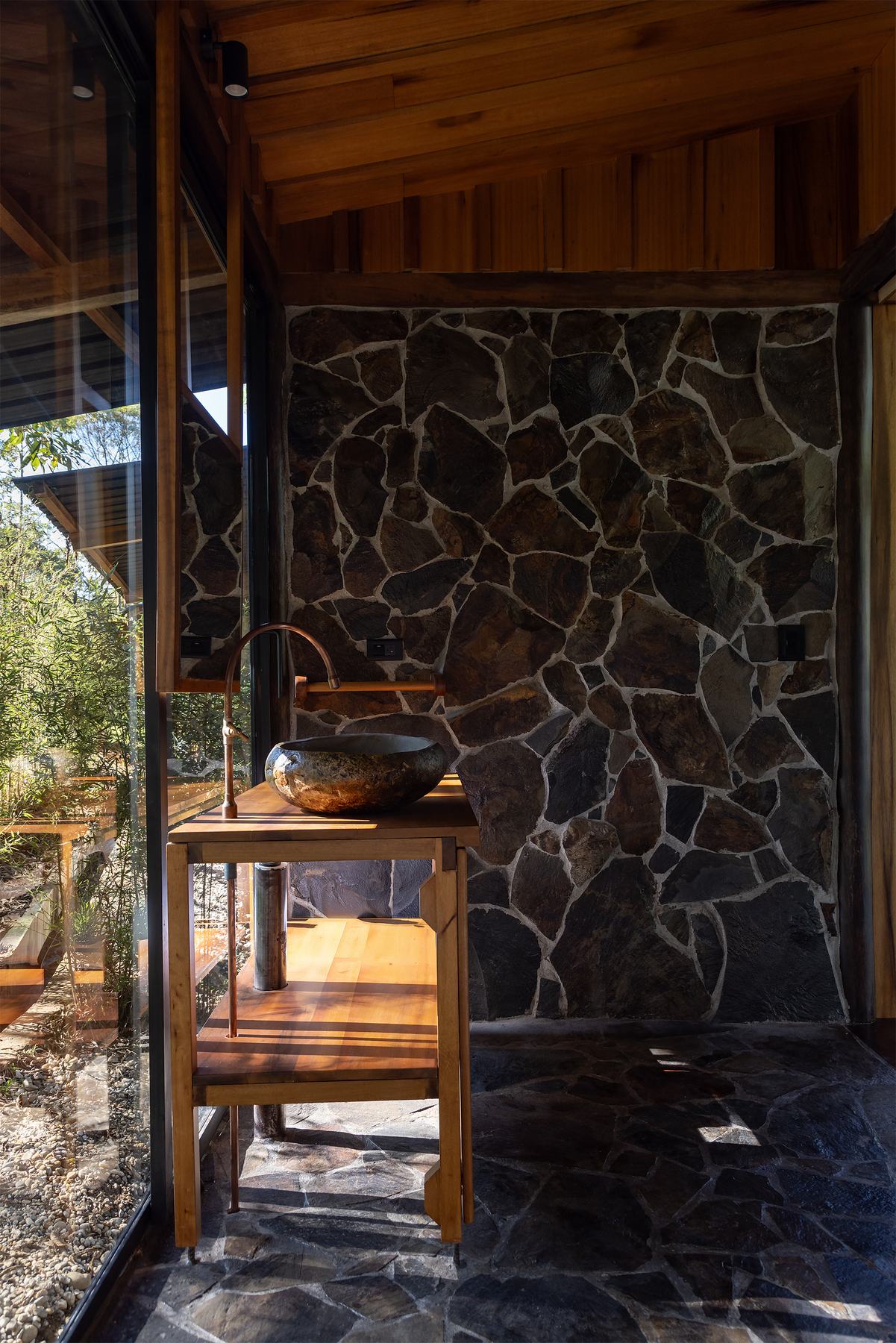
Material continuity extends throughout the architecture, where local resources are deployed with careful craftsmanship. Timber wraps the majority of the envelope and shapes both fixed and movable furnishings, reinforcing the tactile cohesion of the interior spaces. Geological stone sourced nearby is used for walls and floors in wet areas, while selected river stones have been carved into washbasins. These details elevate the project beyond simple material sourcing, expressing an intentional collaboration with local artisans and reaffirming the cultural significance of making.
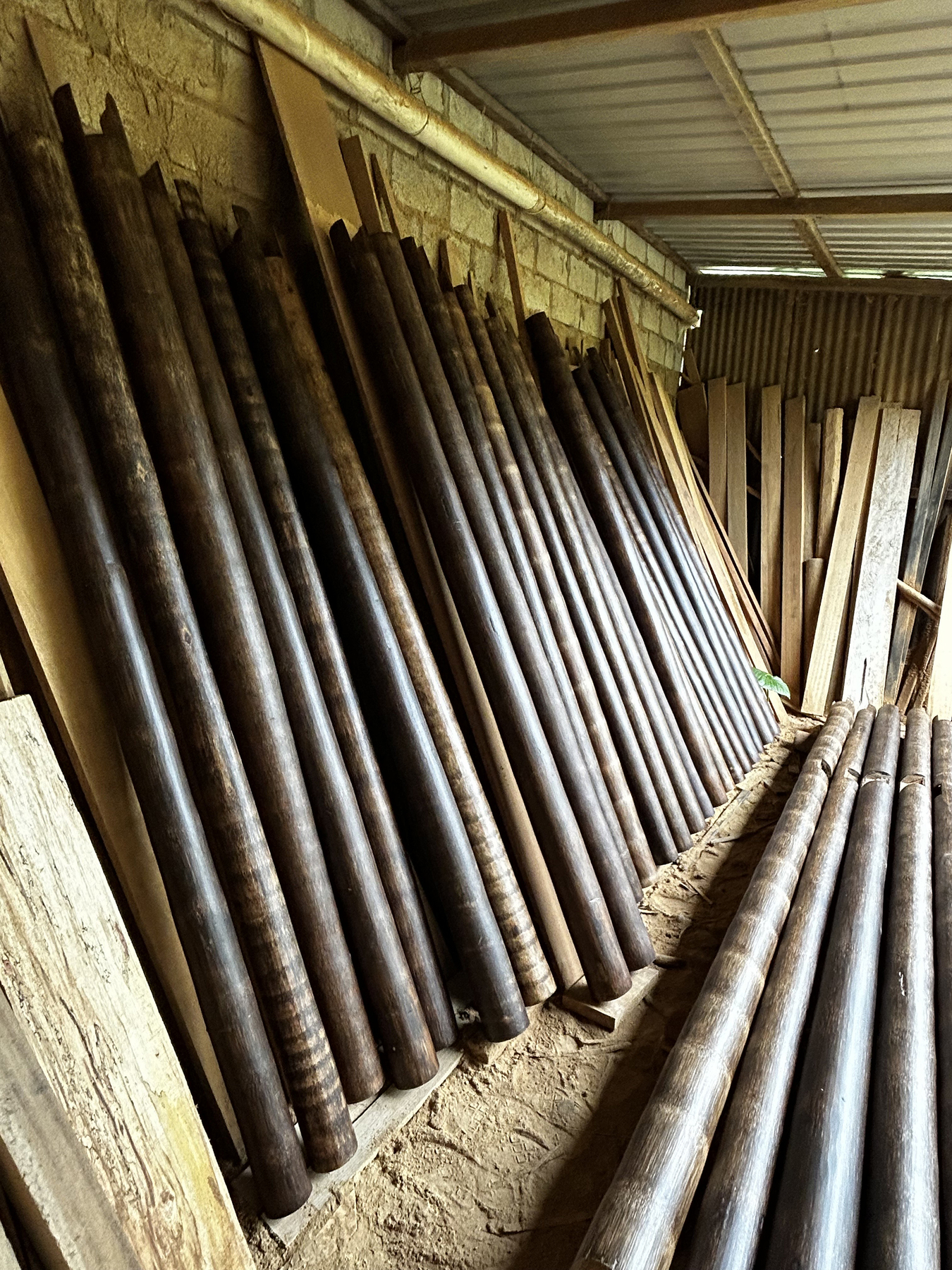
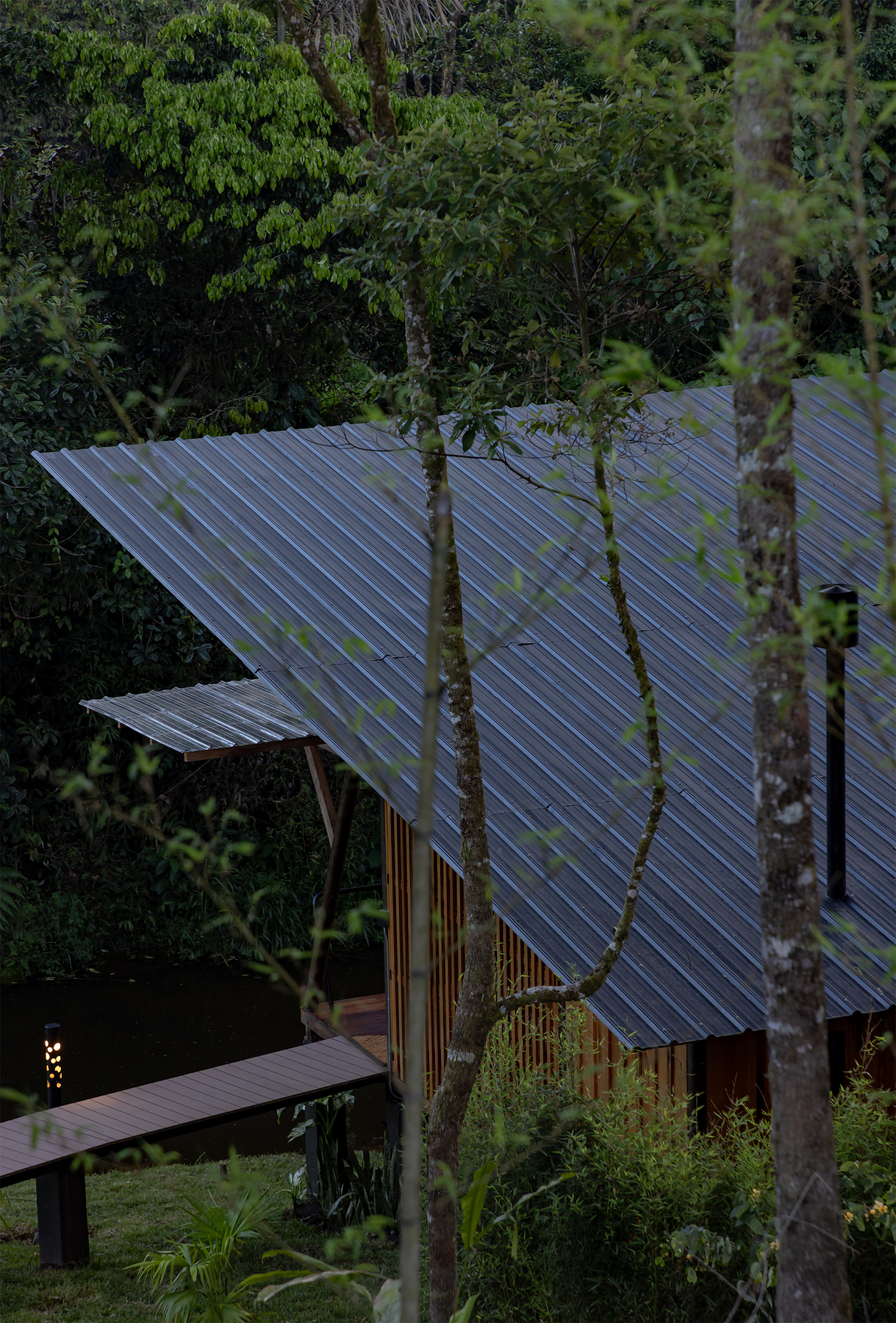
Environmental responsiveness is integrated discreetly but effectively into the design. Single-pitch roofs open toward the river to maximize views, natural light, and ventilation, while narrowing at the rear to provide privacy and climatic control. Wastewater is processed through a biological reactor before reaching an infiltration field, protecting nearby water sources. Through these strategies, Hoguera de Madera positions itself as both a contemporary dwelling and an act of recovery, reconnecting architecture to ecological stewardship, local identity, and ways of building that honor the intelligence of place.
Project Gallery
Project Location
Address: Veracruz Parish, Pastaza, Ecuador
The location specified is intended for general reference and may denote a city or country, but it does not identify a precise address.

