

Architects: JK-AR
Area: 951.19 m²
Photography: Rohspace
Lead Architects: Jae K. Kim
Architects Team: Jae K. Kim, Gyutae Kim, Yesol Lee, Sookran Kwak
Contractor: Gapbong Kim, Dohyung Kim, Minho Kim (Stuga House)
Structural Engineering: Agehara Shigeo (Structural Net), Byeongsoon Park (Theo Structure)
MEP Engineering: Jongtaek Lee (Yoosung Engineering)
Landscape Design: Jaehyeok Choi (Openness Studio)
Materials: European red pine glulam, domestic red pine
City: Gyeongju-si
Country: Republic of Korea
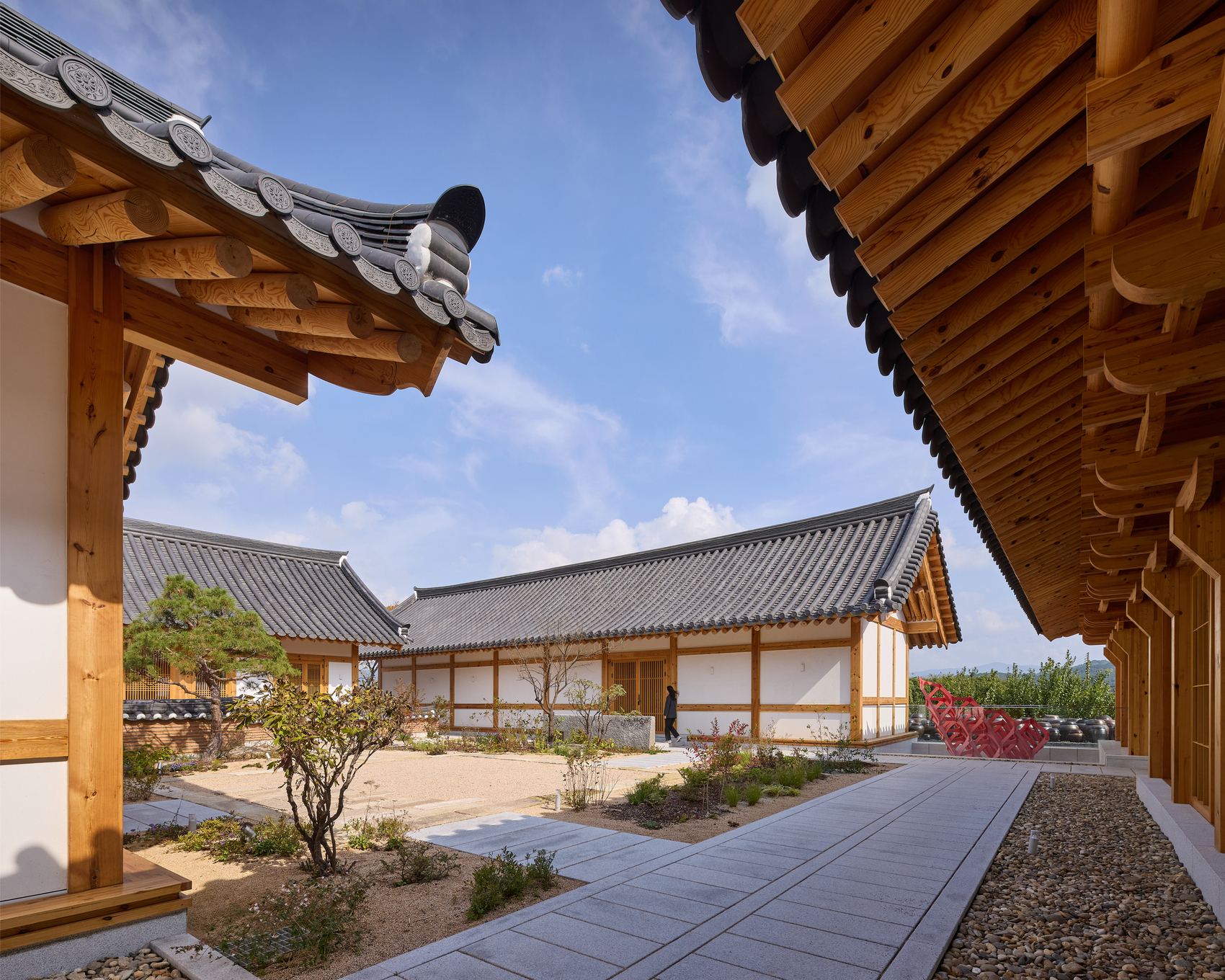
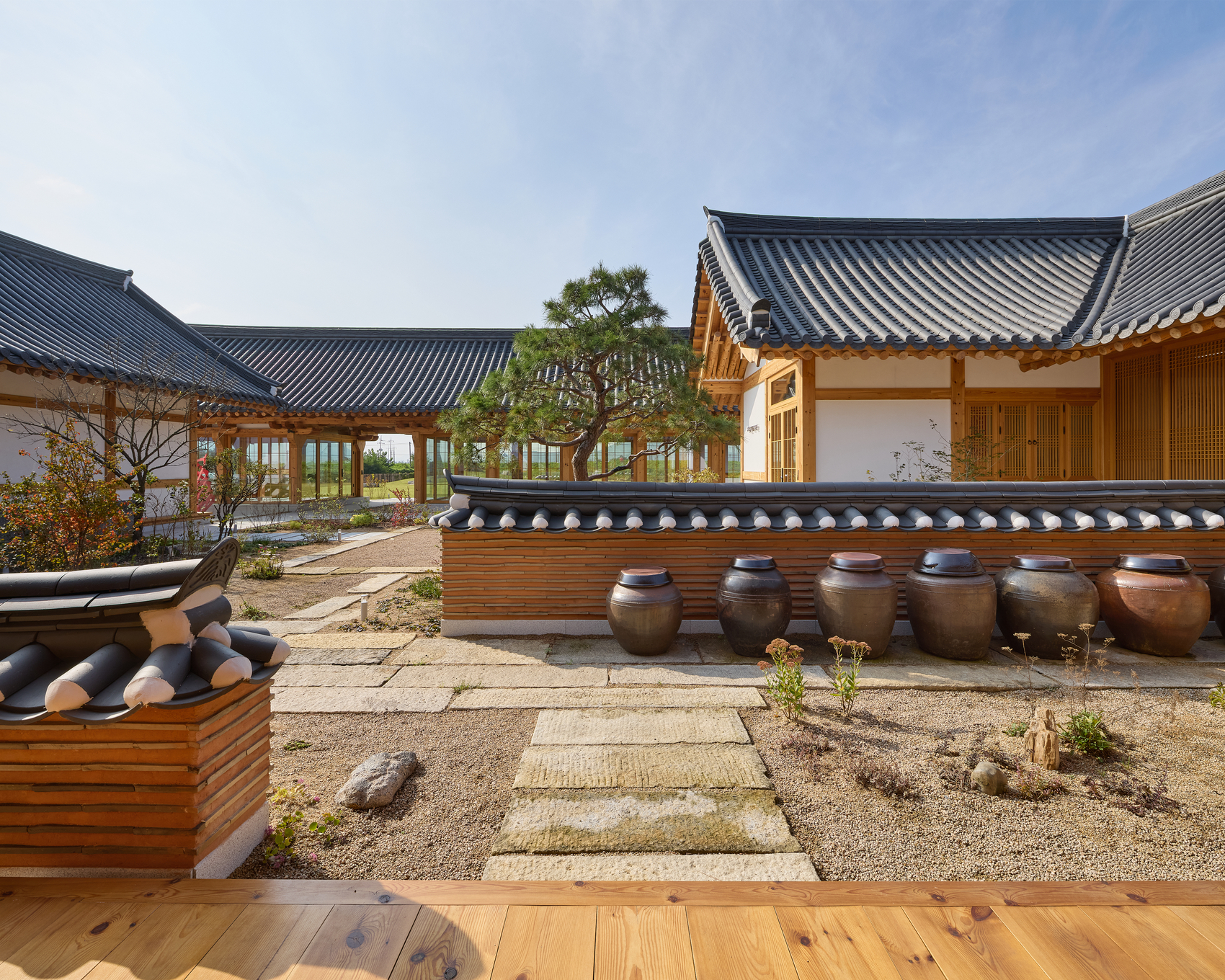
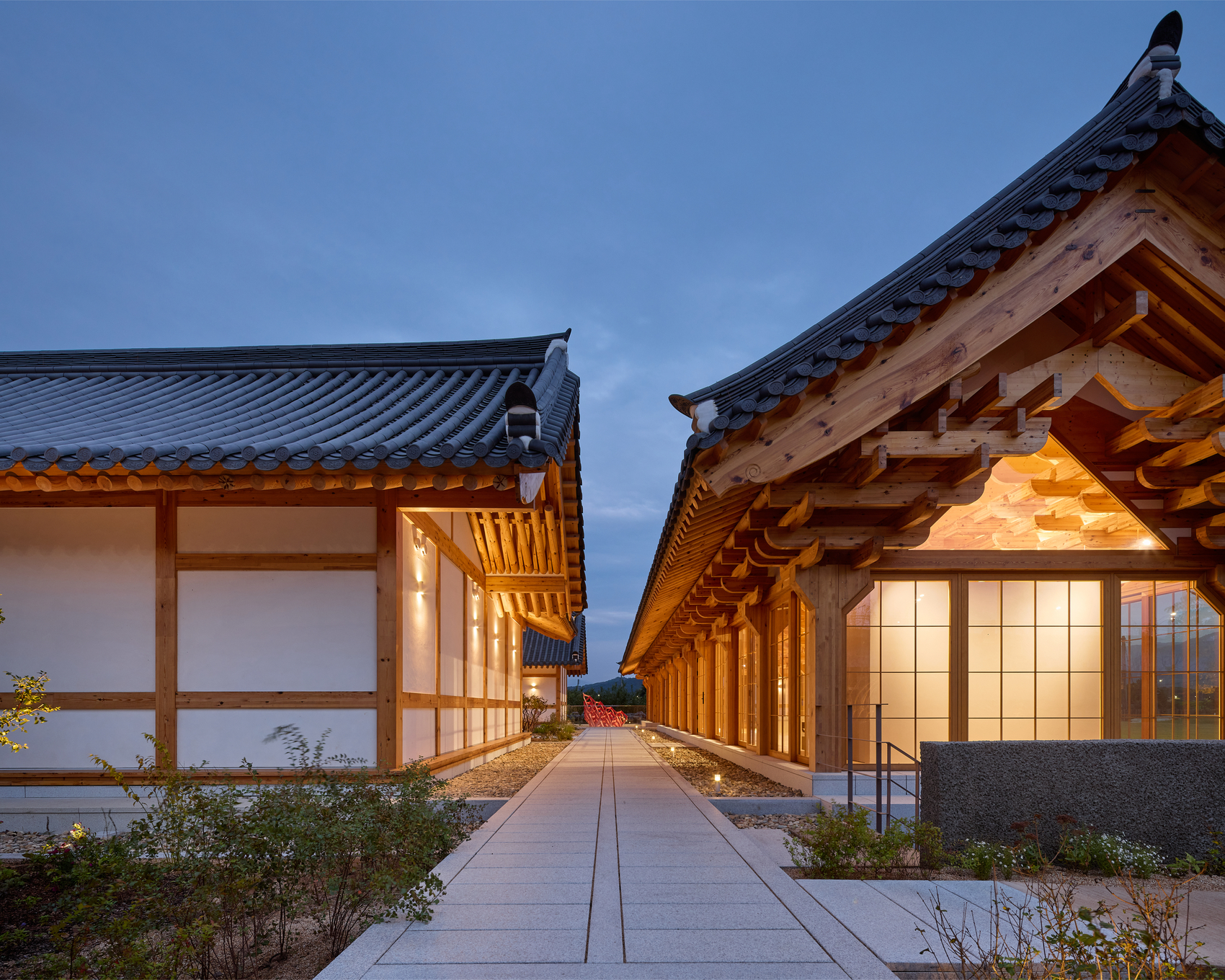
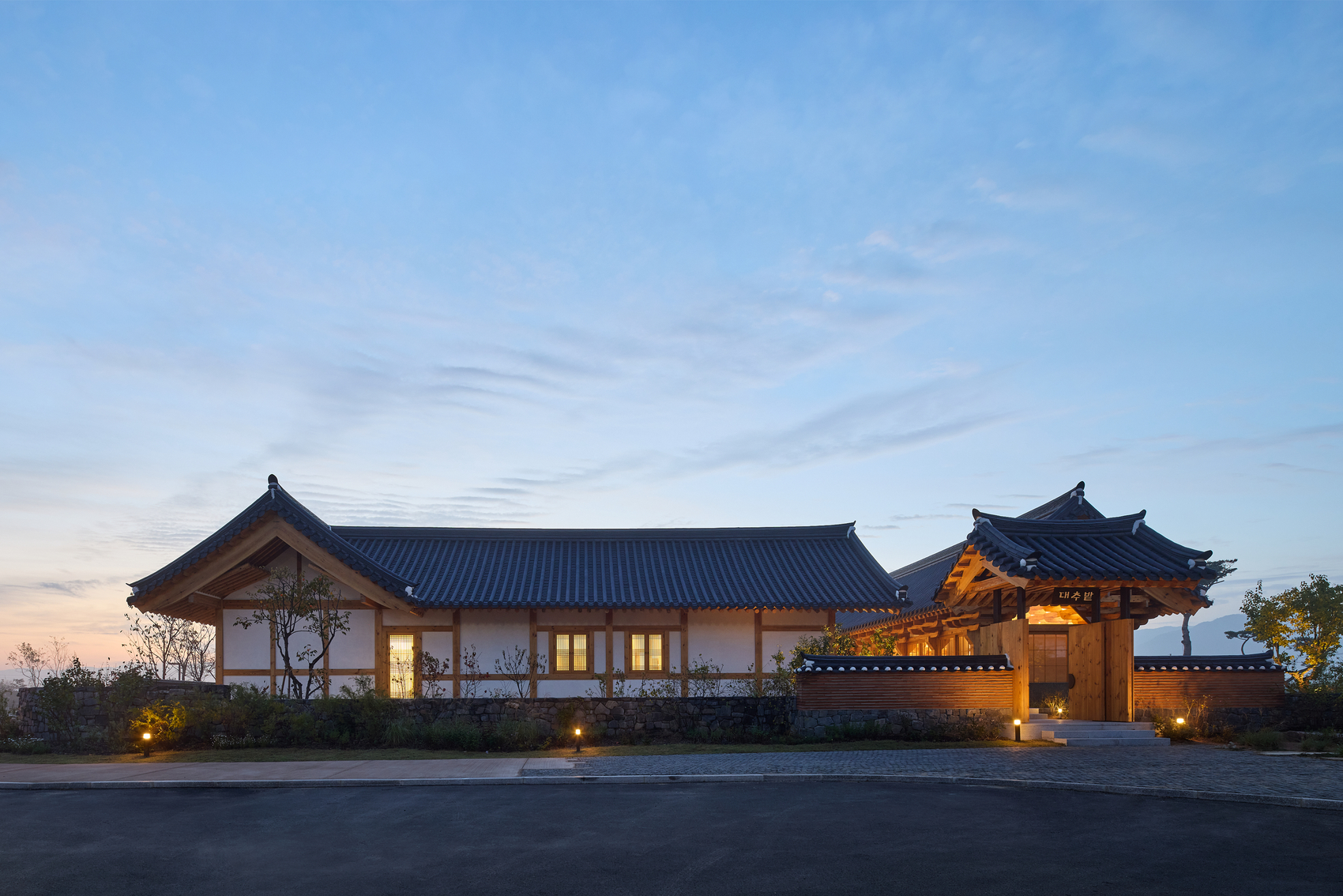
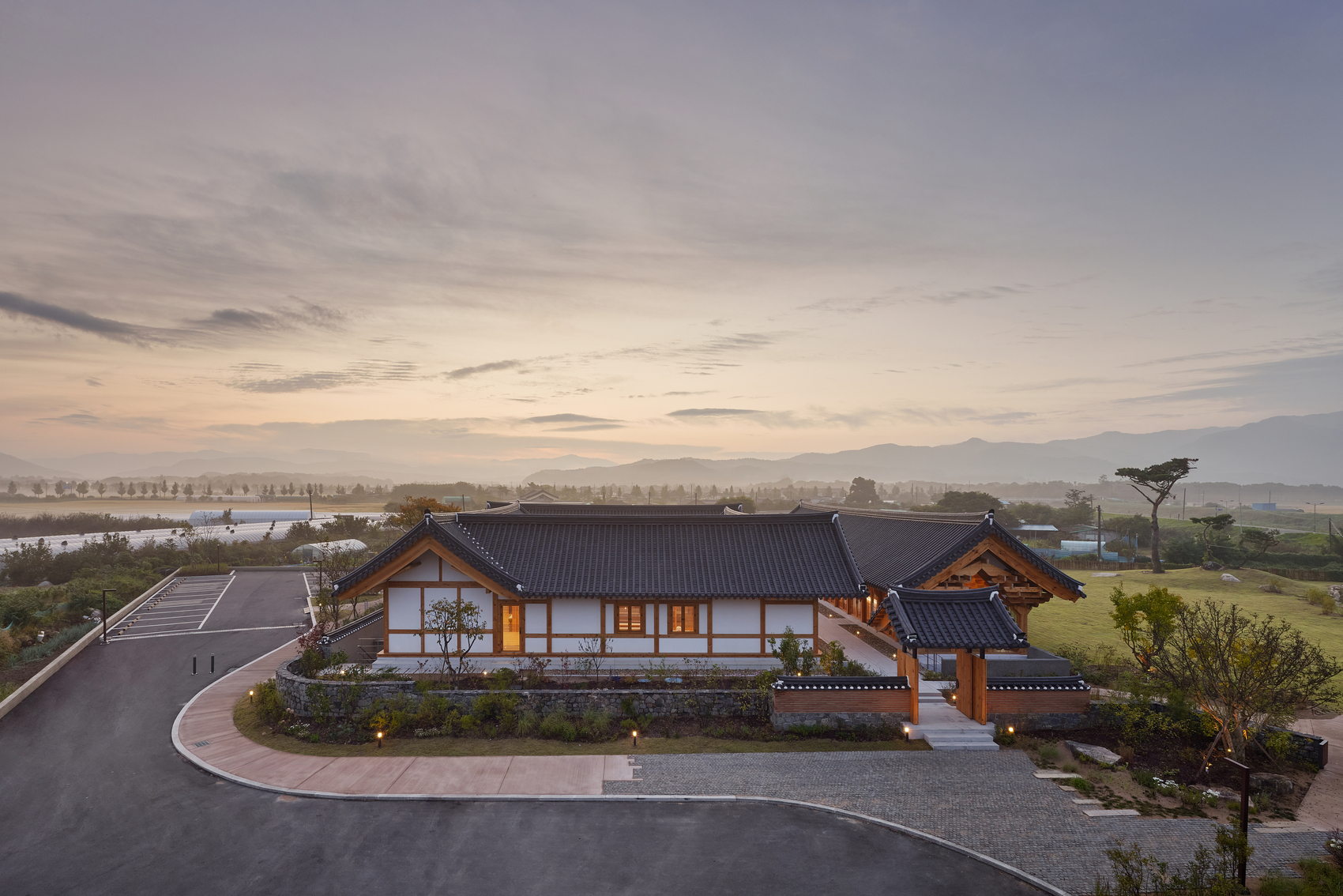
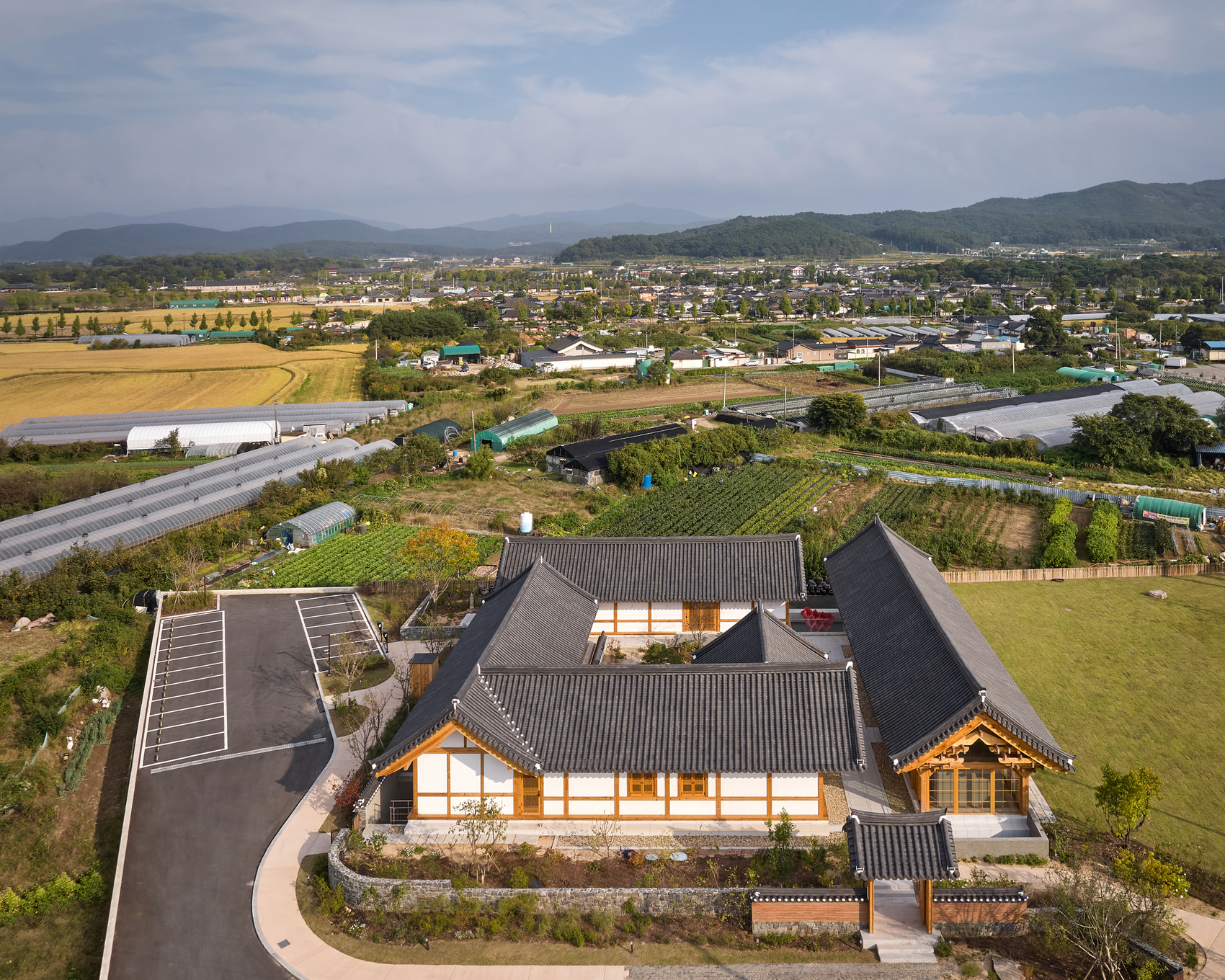
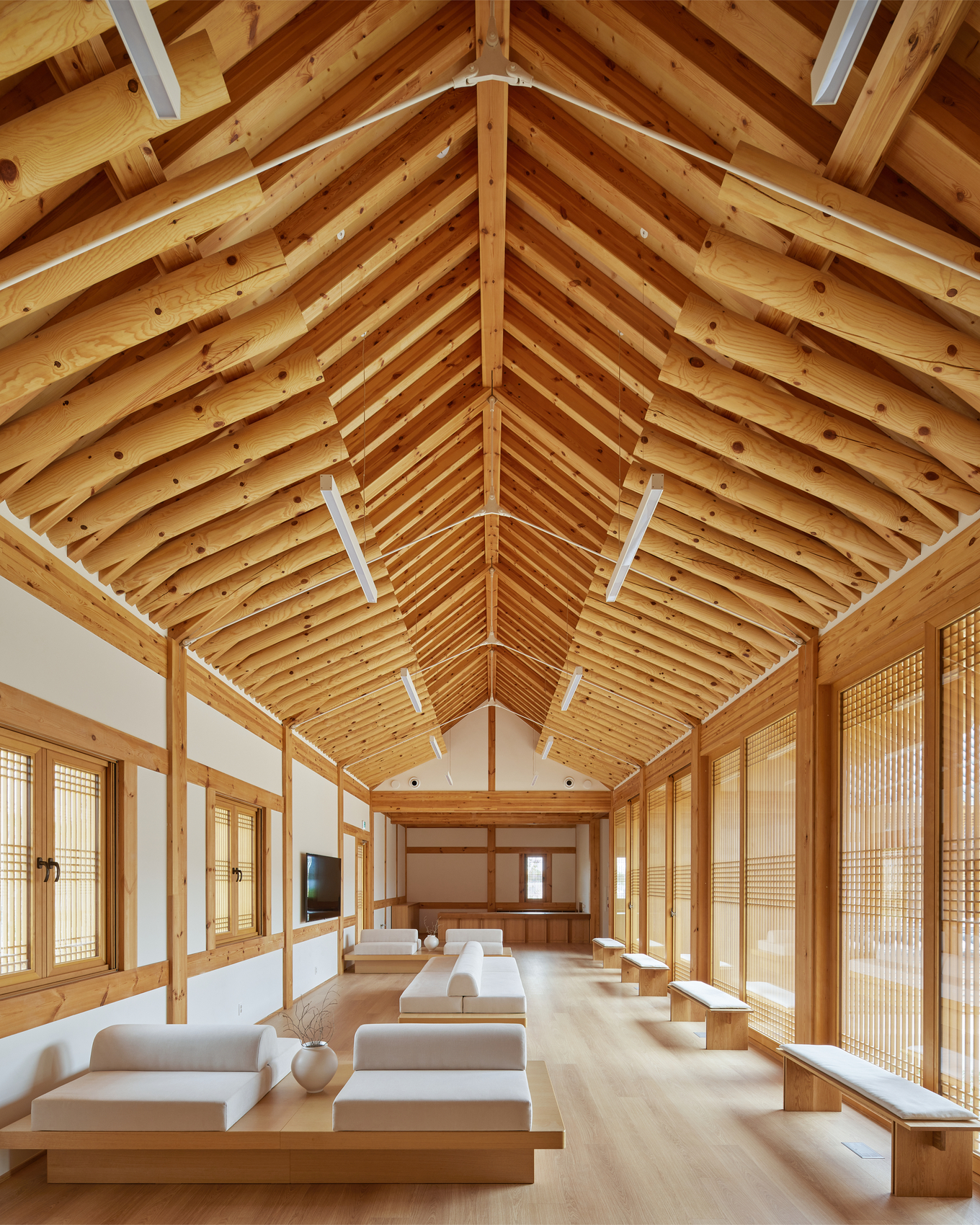
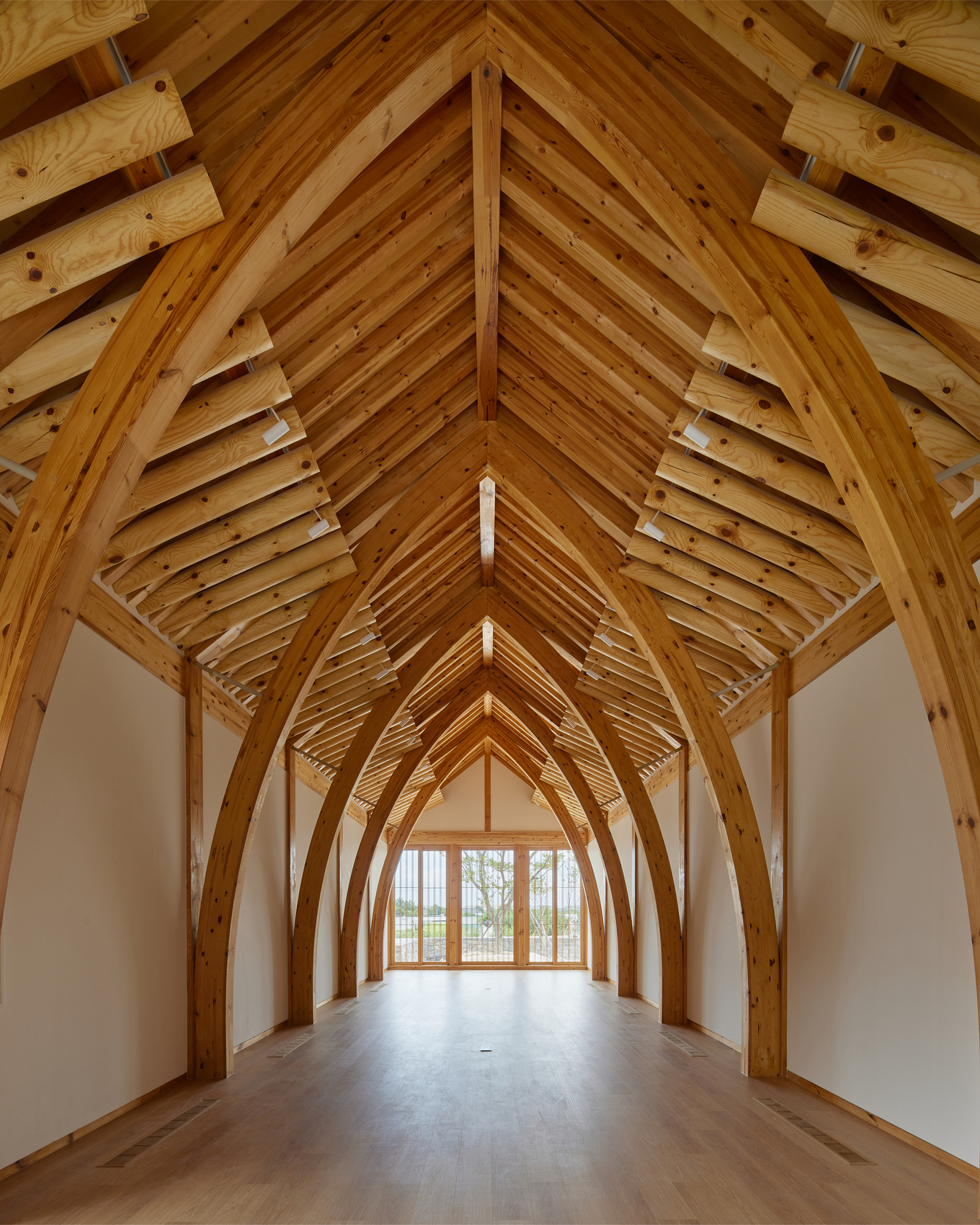
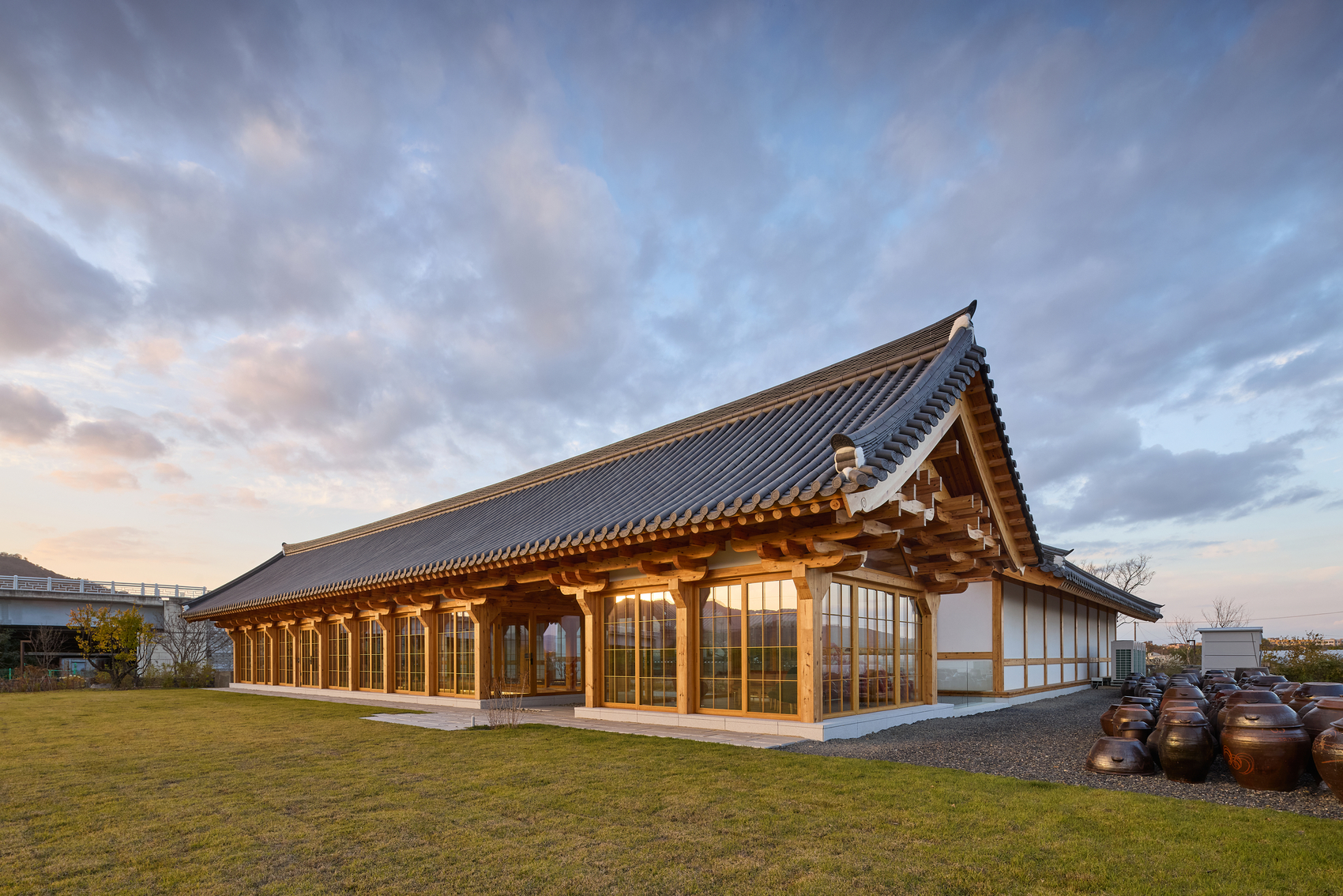
House for Rejuvenation is a mixed-use development in Gyeongju that reinterprets traditional Korean architecture through contemporary timber construction and sustainable design strategies. Designed by JK-AR, the project combines a long-established oriental medicine clinic, an art gallery, and a tea house within three interconnected halls that balance cultural heritage with present-day functionality. Innovative structural systems reinterpret traditional wooden construction while improving efficiency, environmental performance, and durability. Local timber, passive environmental strategies, and enhanced roof insulation contribute to the project’s sustainable approach, while three landscaped courtyards organize circulation and establish varied spatial experiences. Drawing inspiration from regional architectural landmarks and vernacular traditions, the development demonstrates how historic design principles can be translated into contemporary architecture, creating a destination that supports healthcare, culture, and community while reinforcing Gyeongju’s rich architectural legacy.
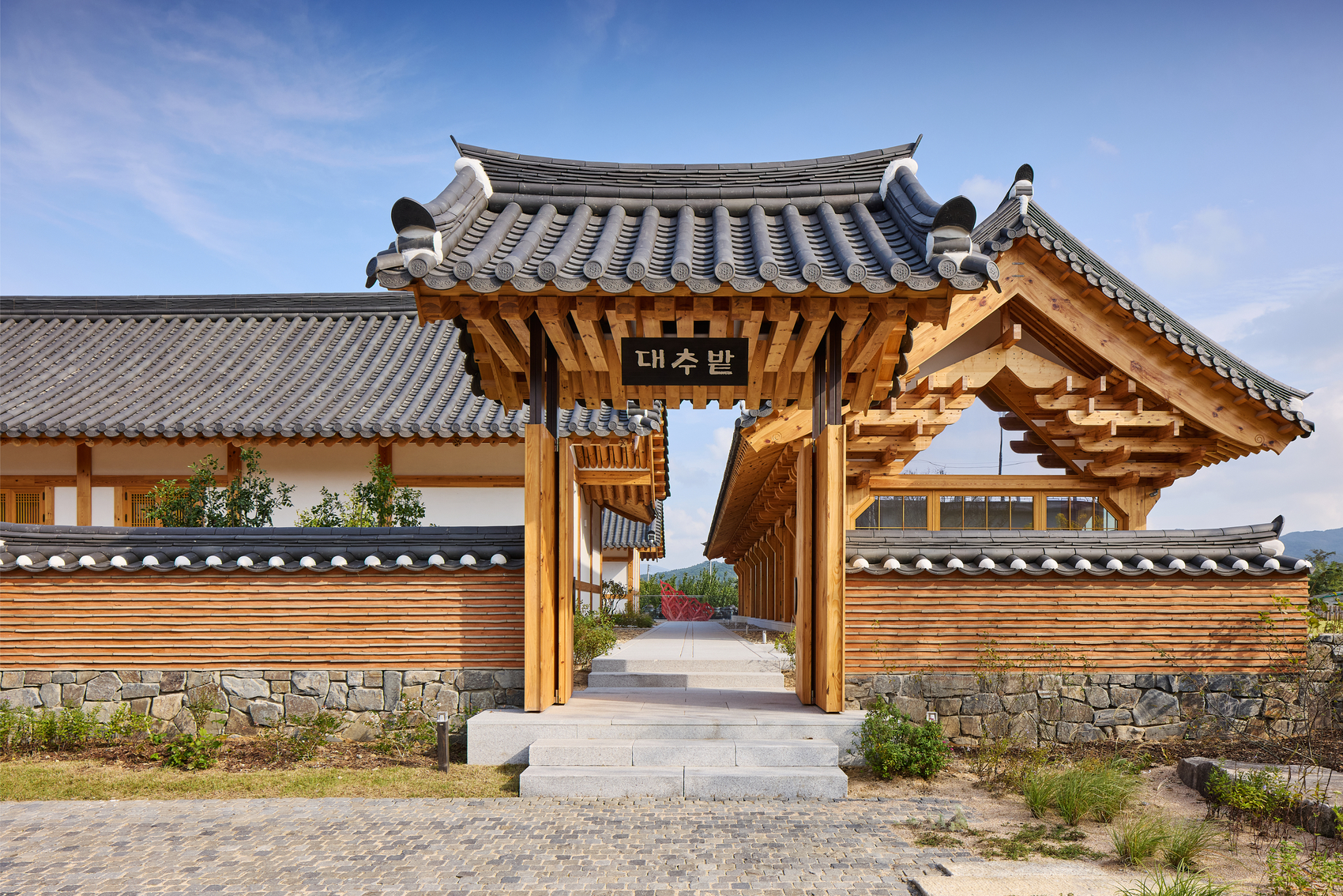
Situated within the historic landscape of Gyeongju, House for Rejuvenation investigates how traditional Korean architecture can evolve without losing its cultural identity. Rather than reproducing historical forms, JK-AR reimagines the spatial logic and craftsmanship of the hanok through contemporary engineering and construction methods, creating a project that responds equally to present-day performance requirements and the enduring values embedded within regional building traditions.
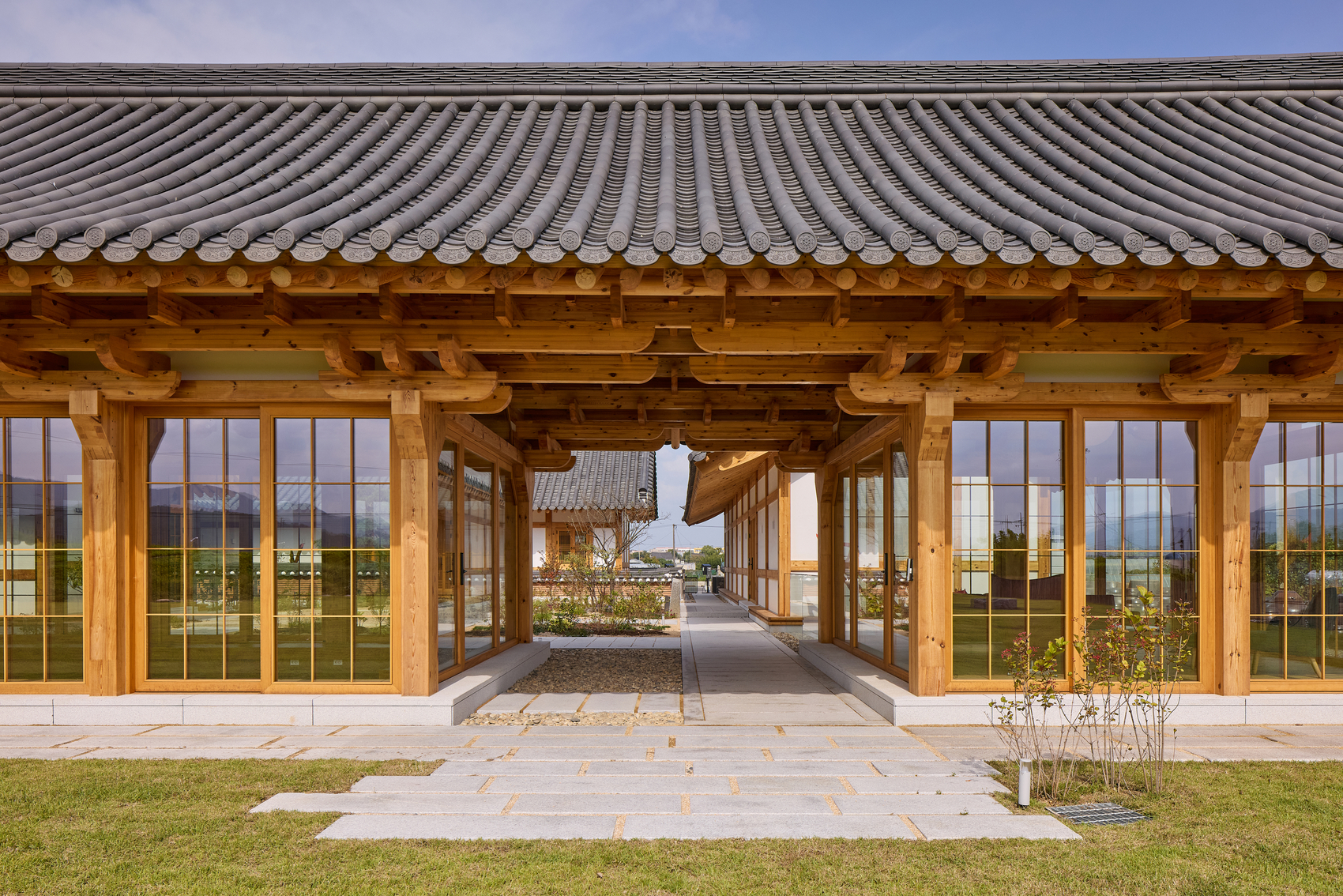
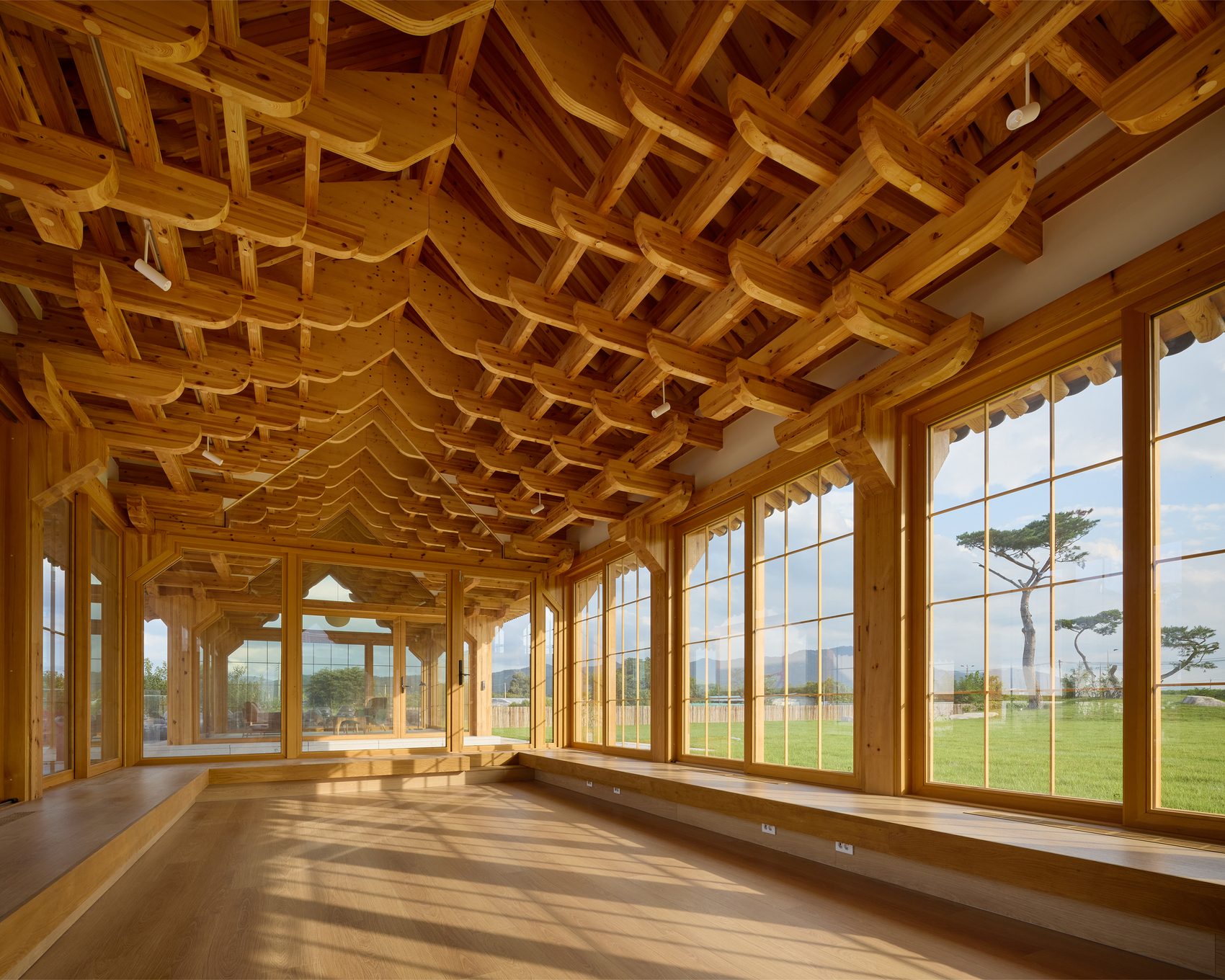
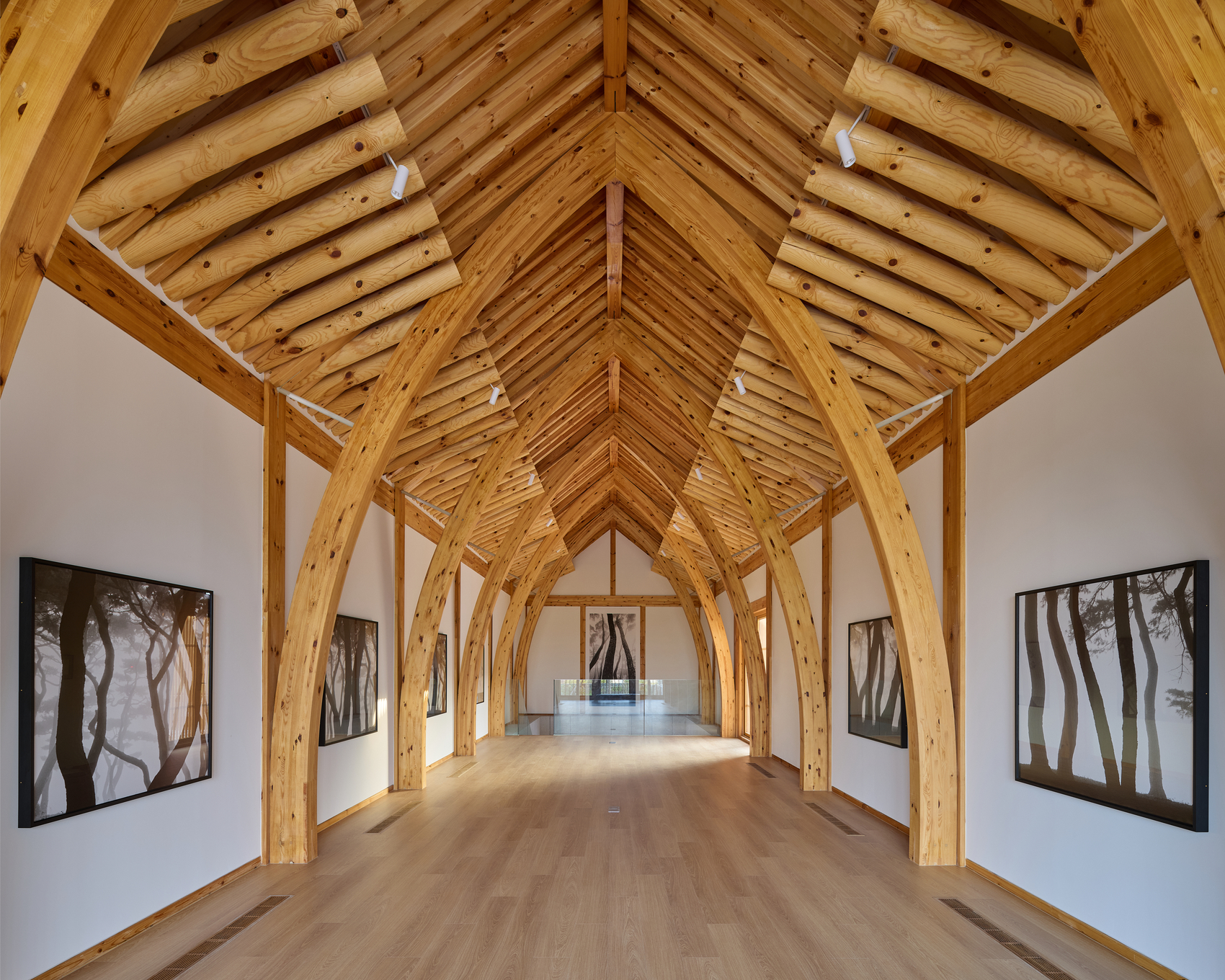
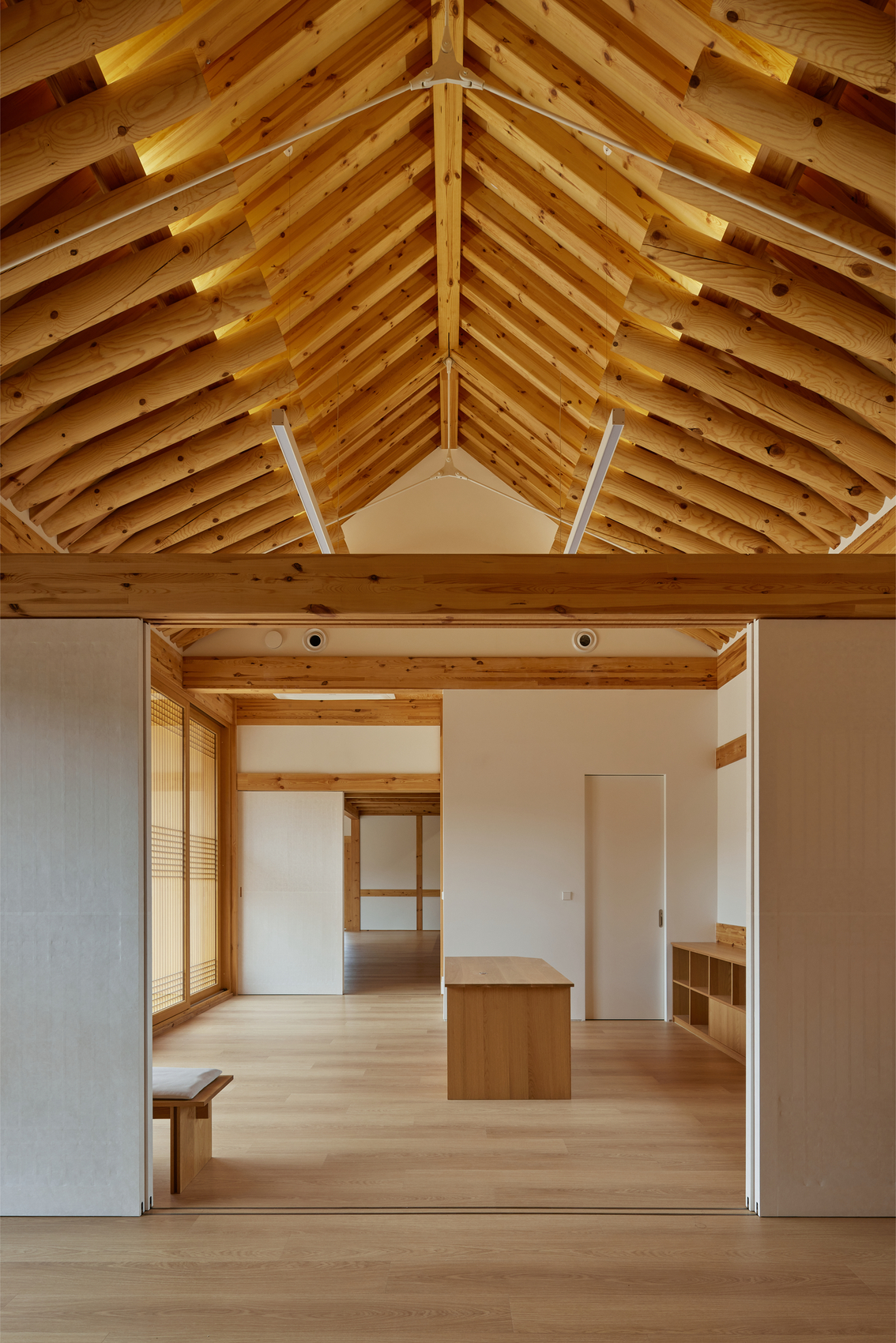
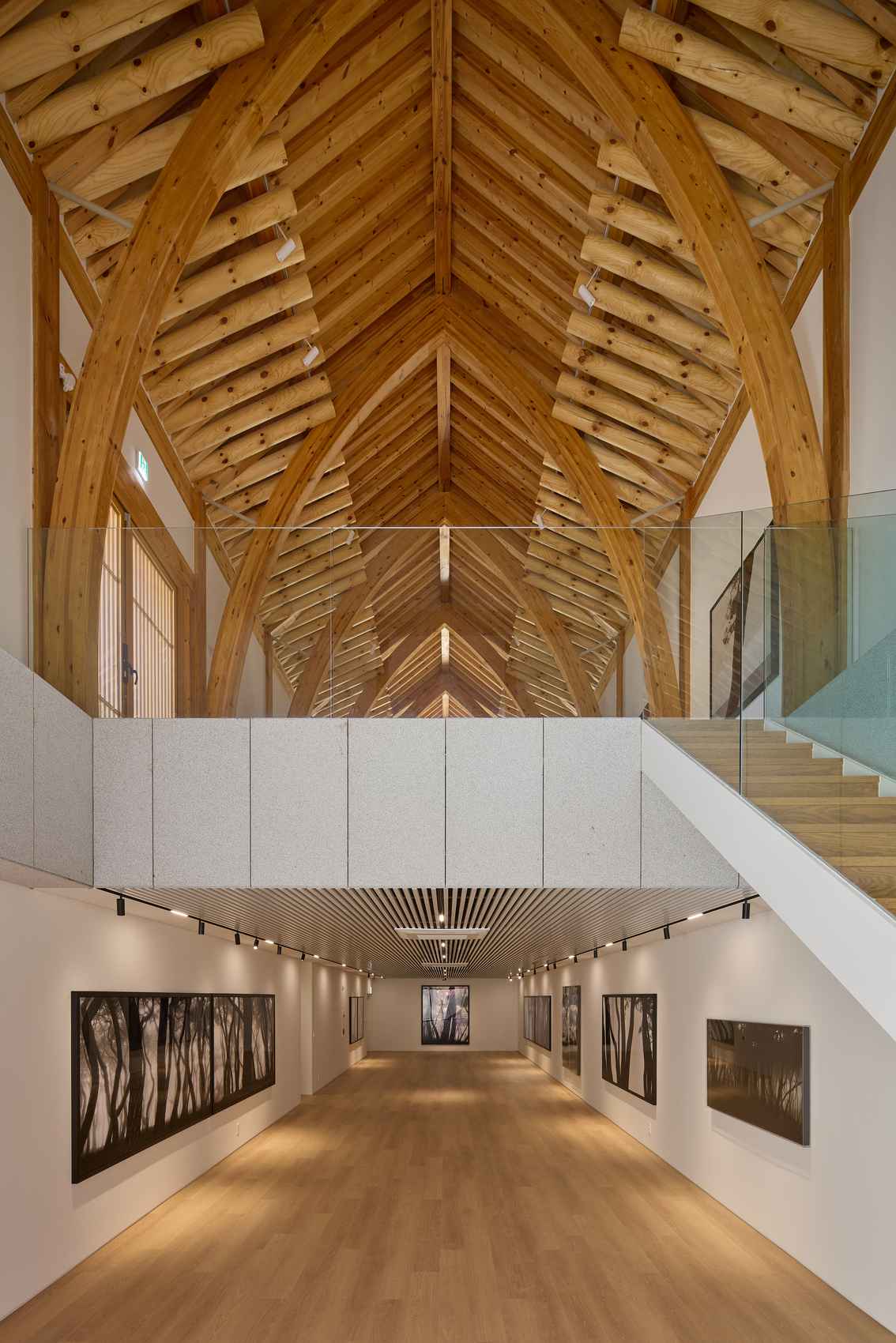
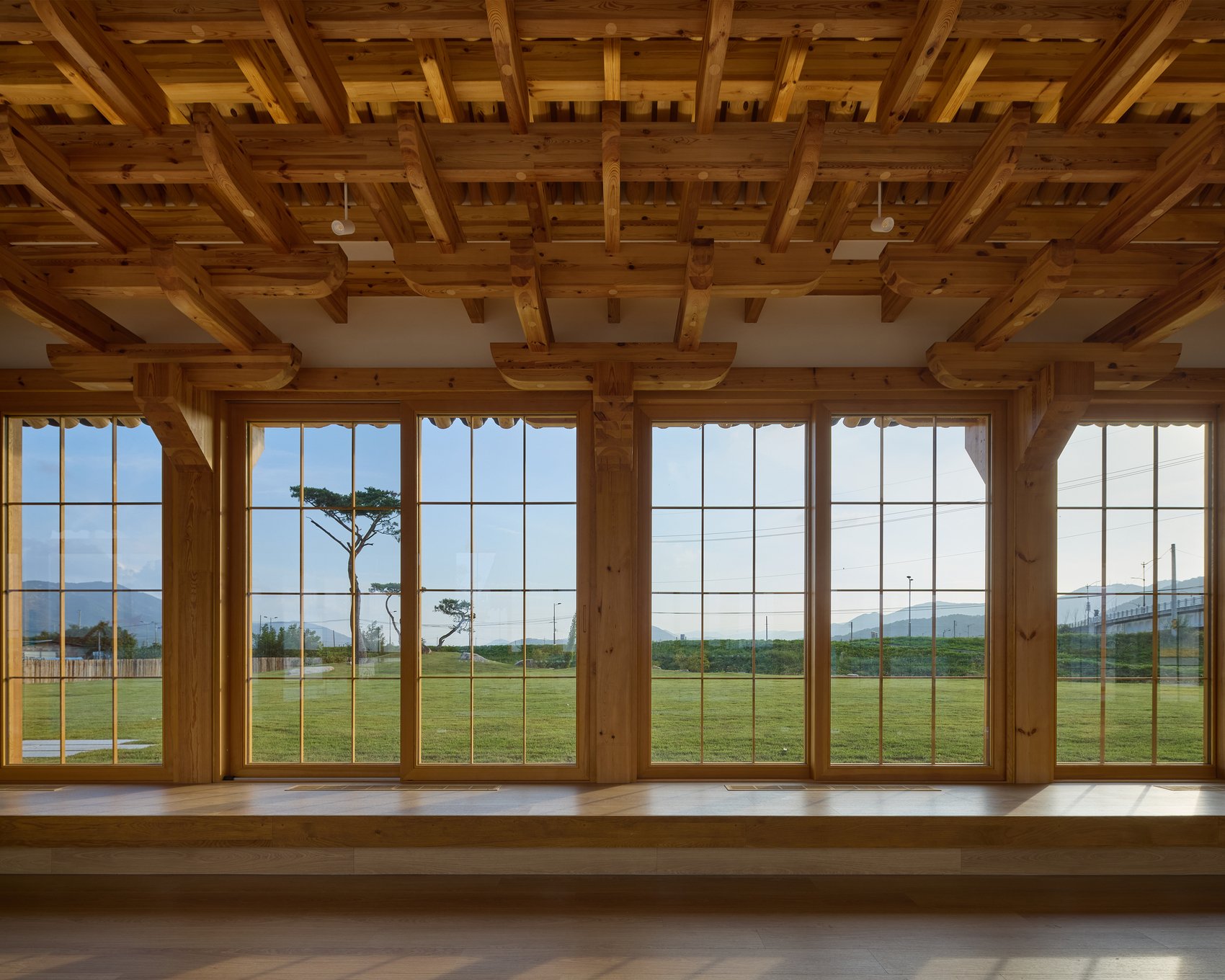
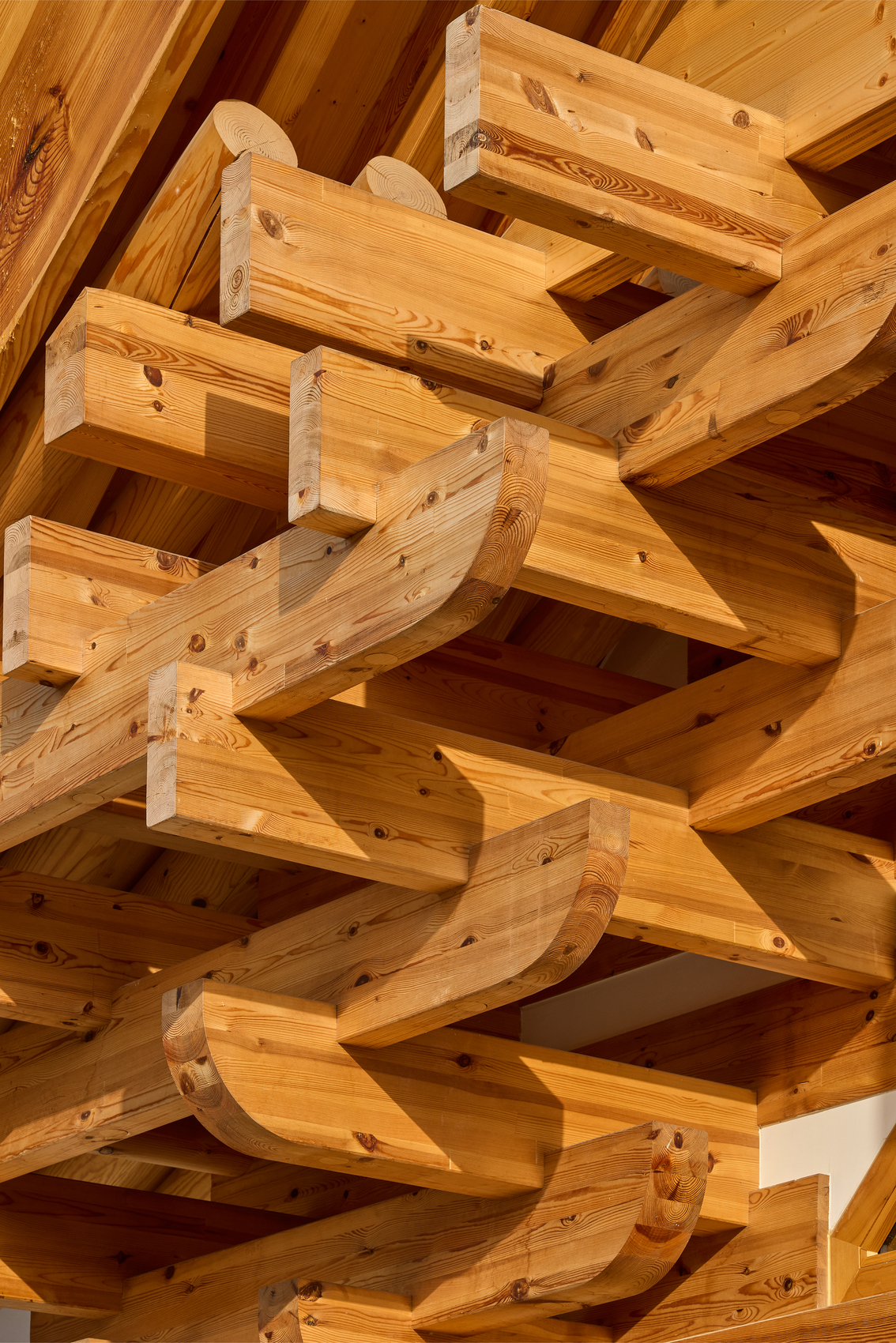
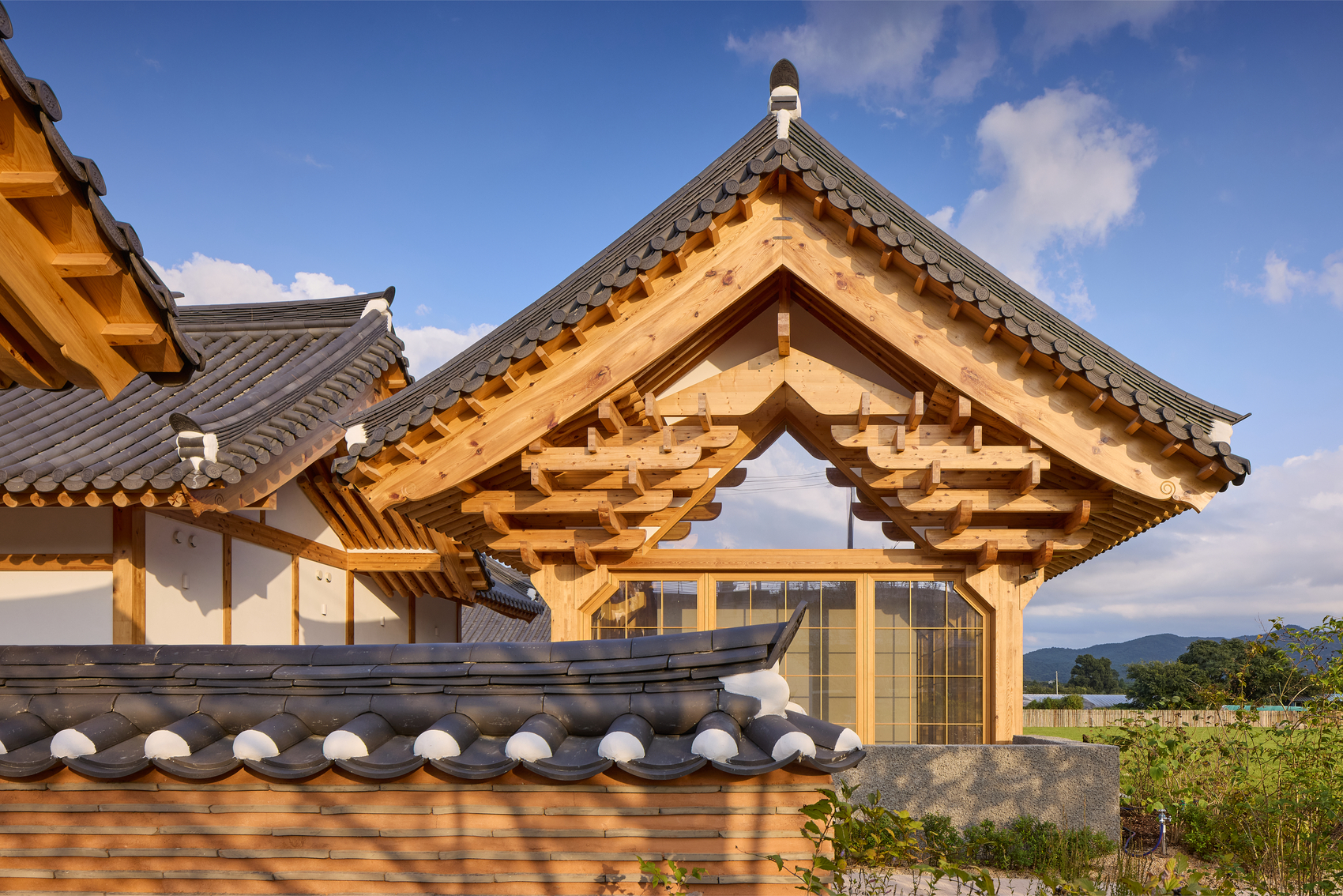
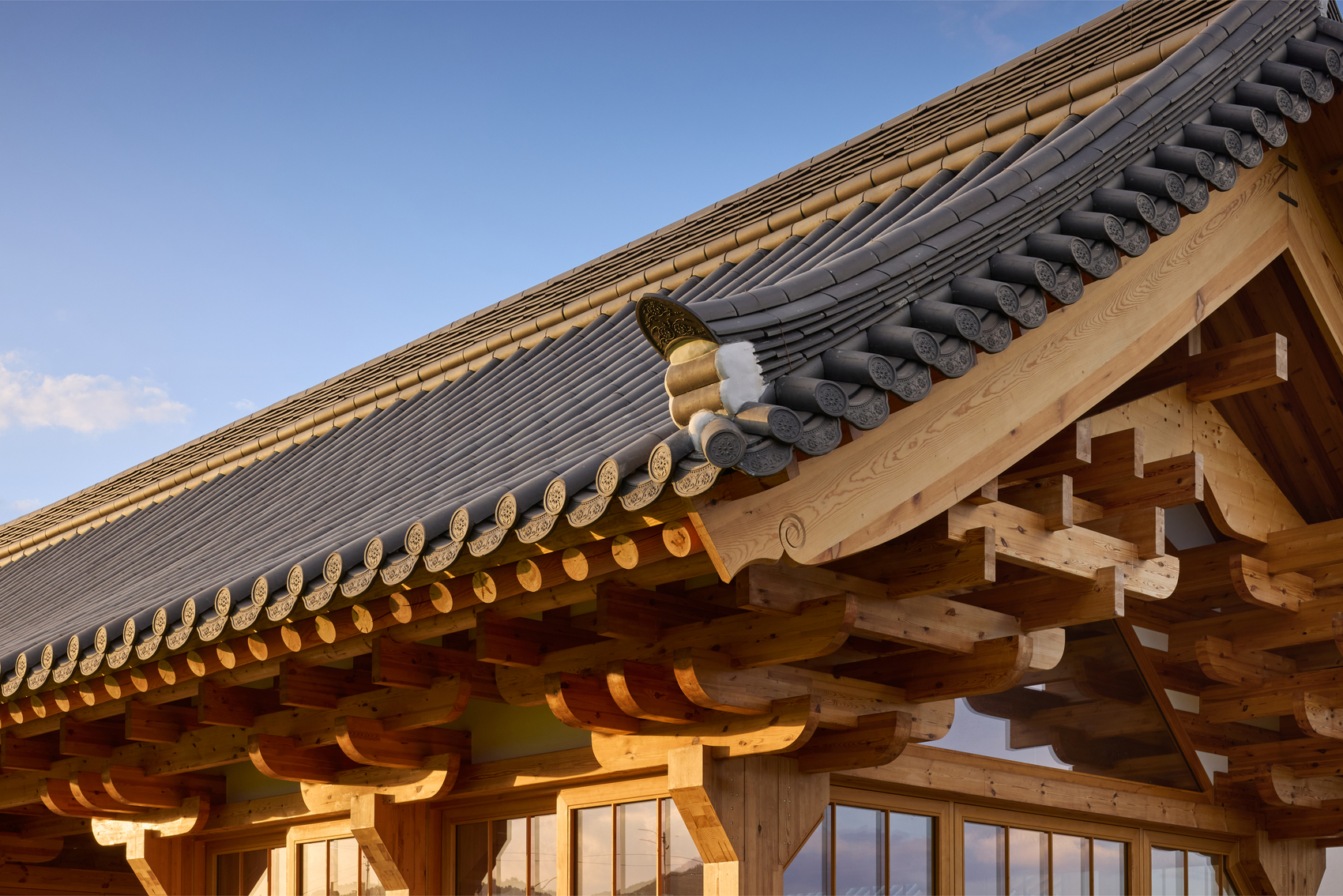
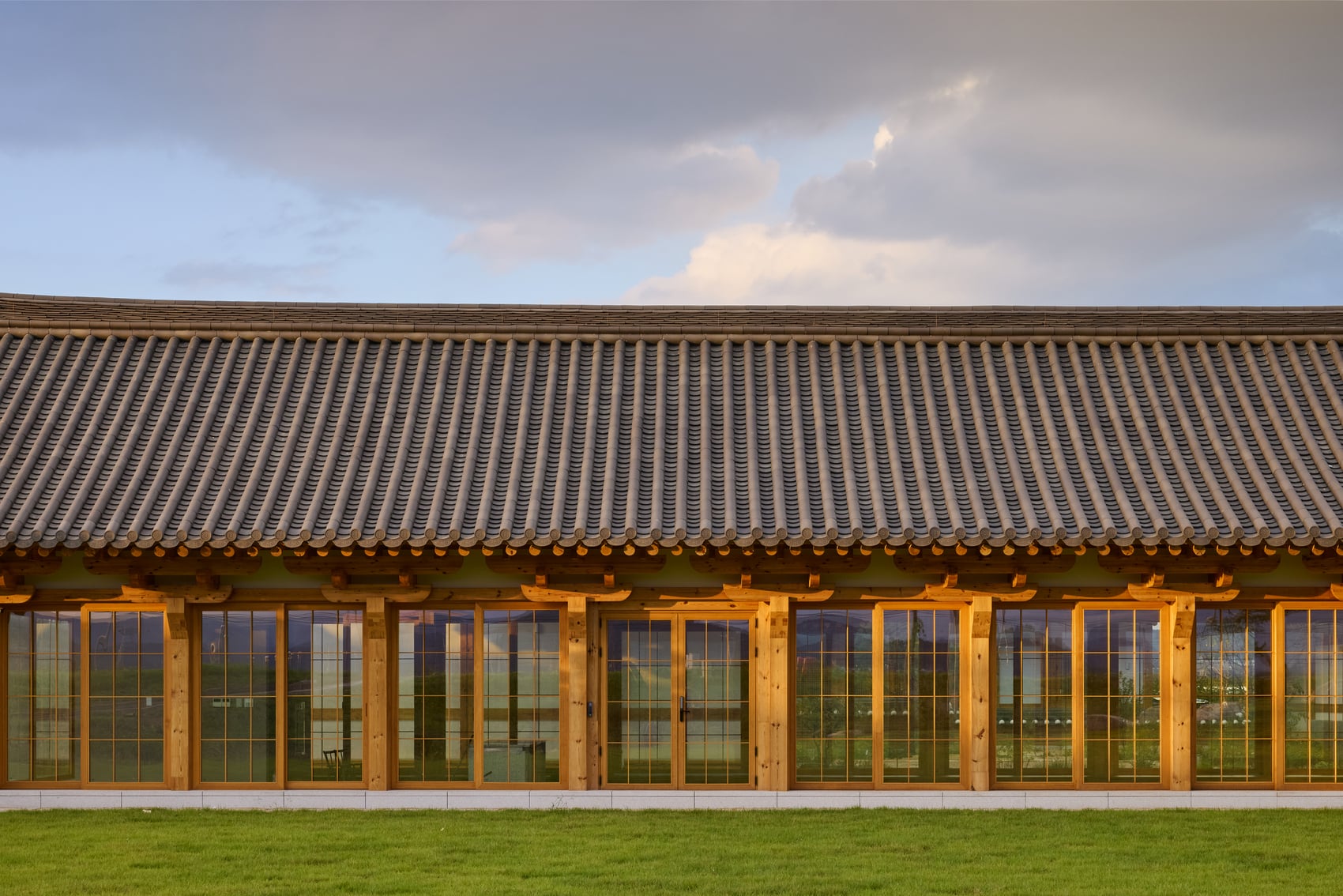
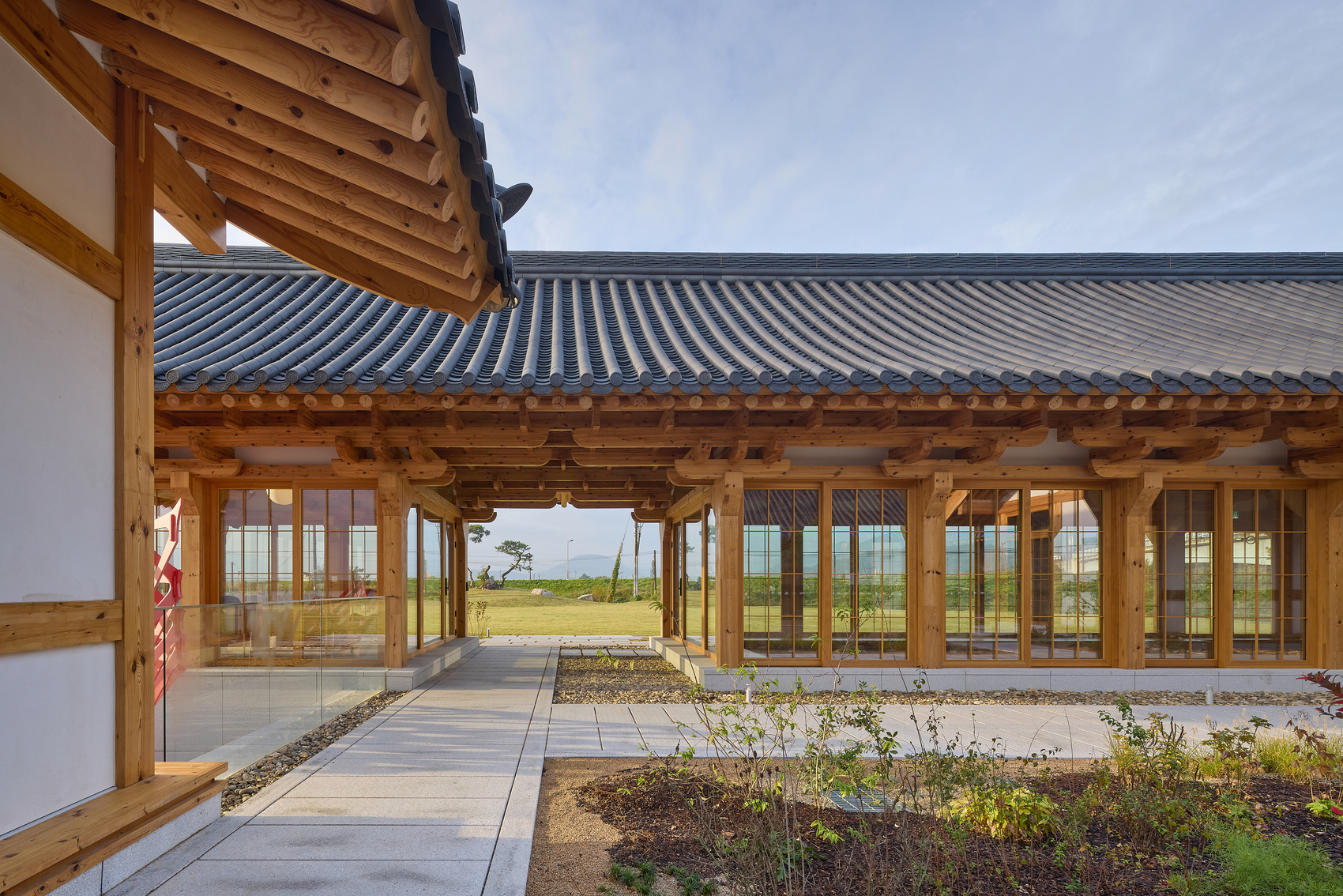
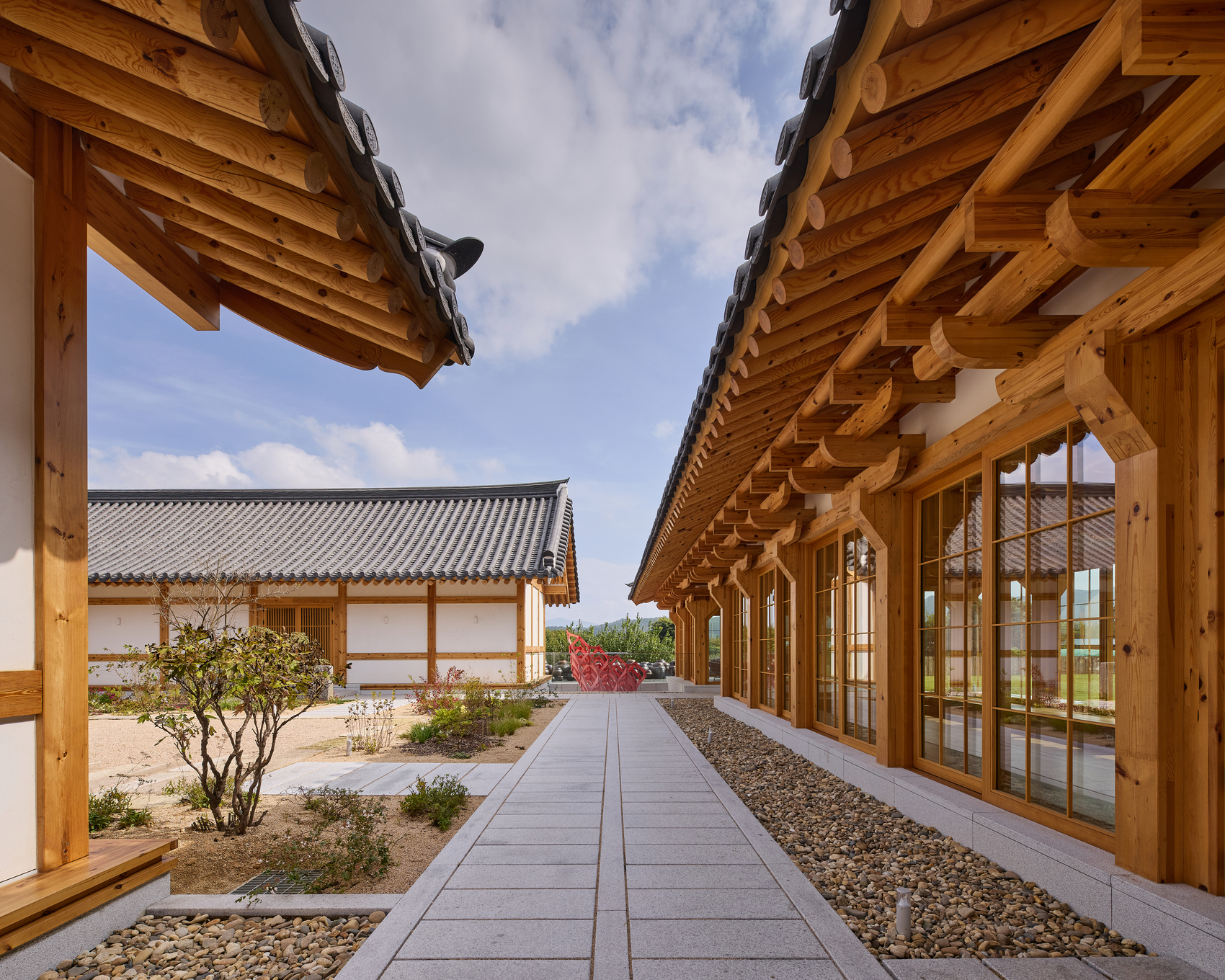
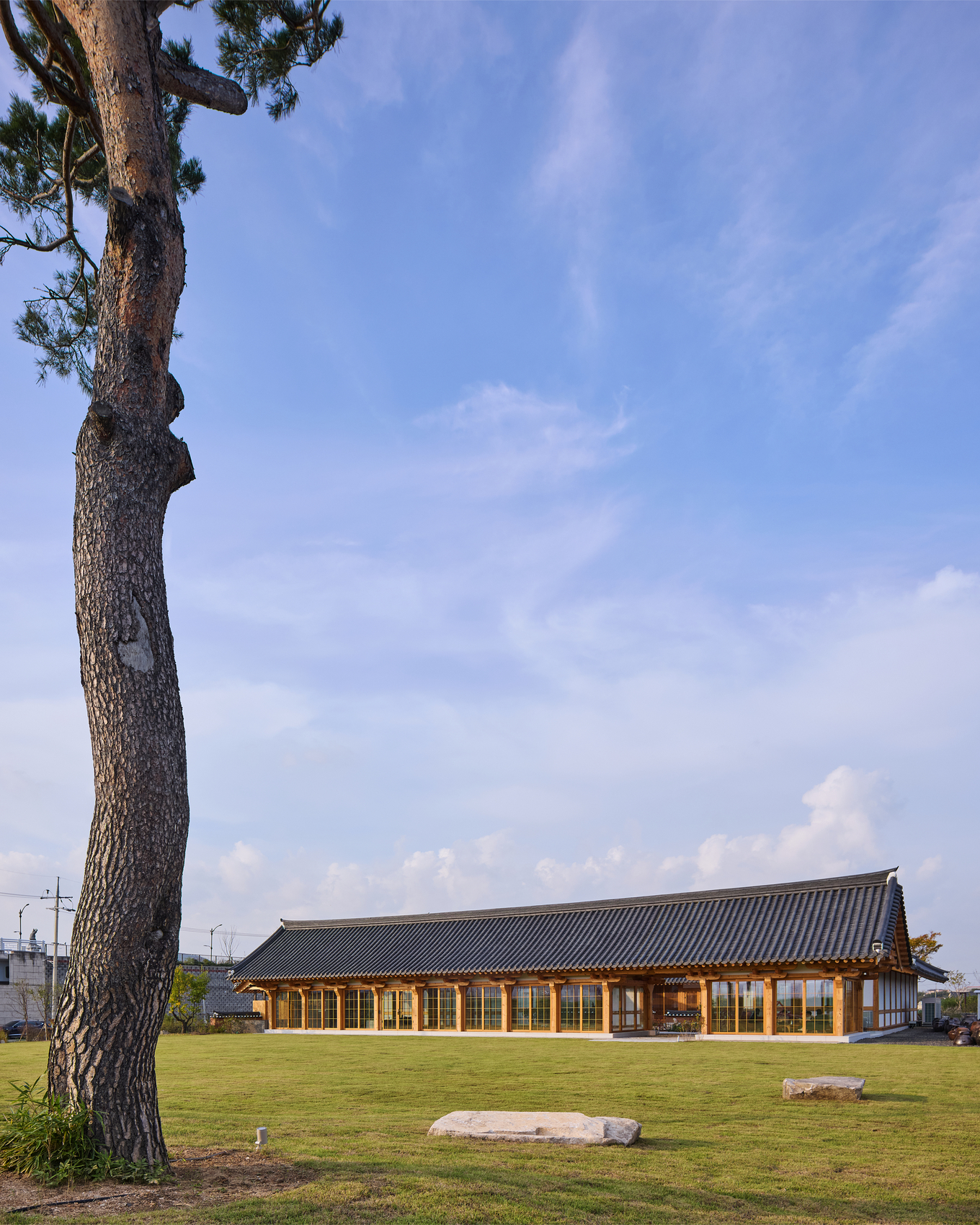
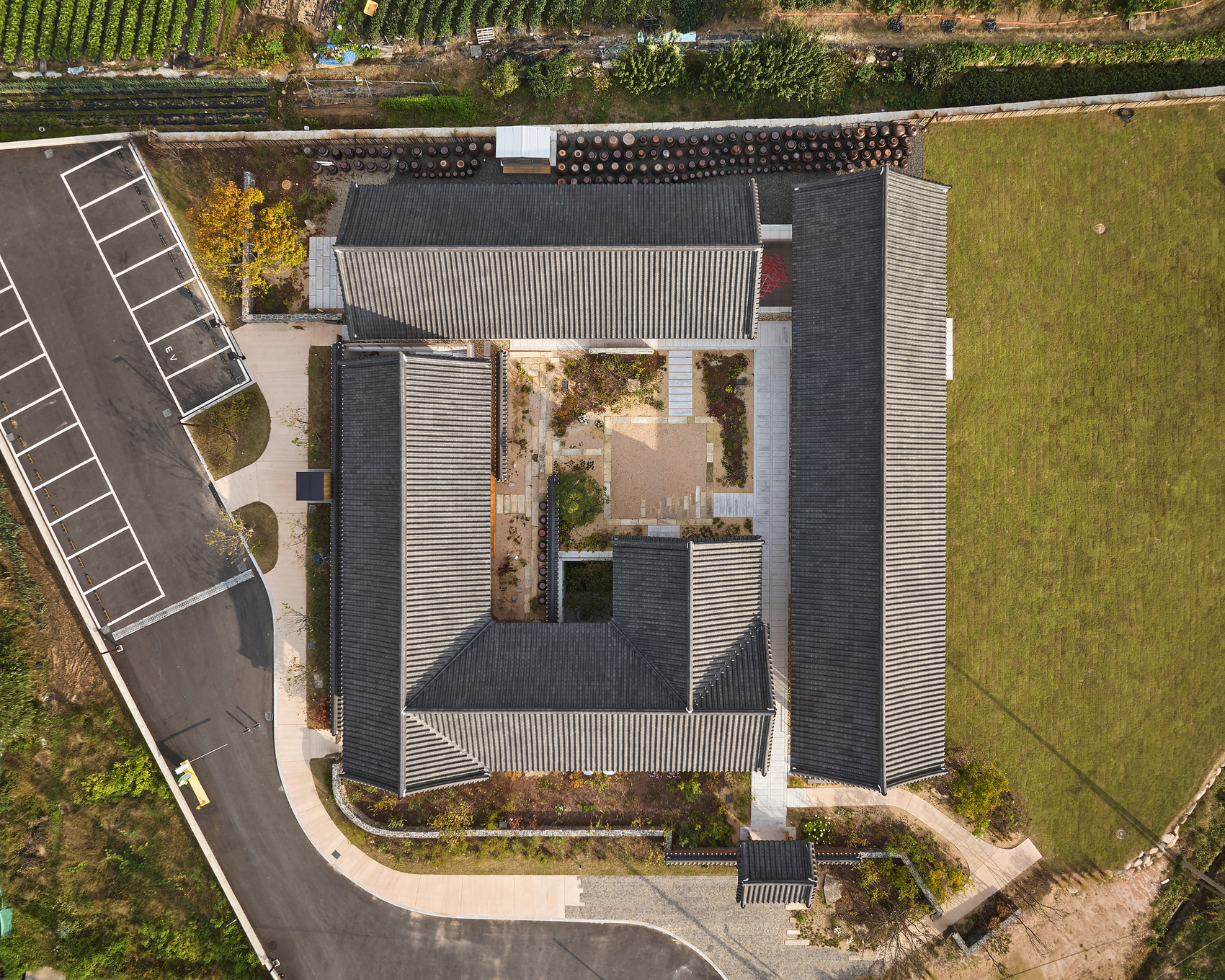
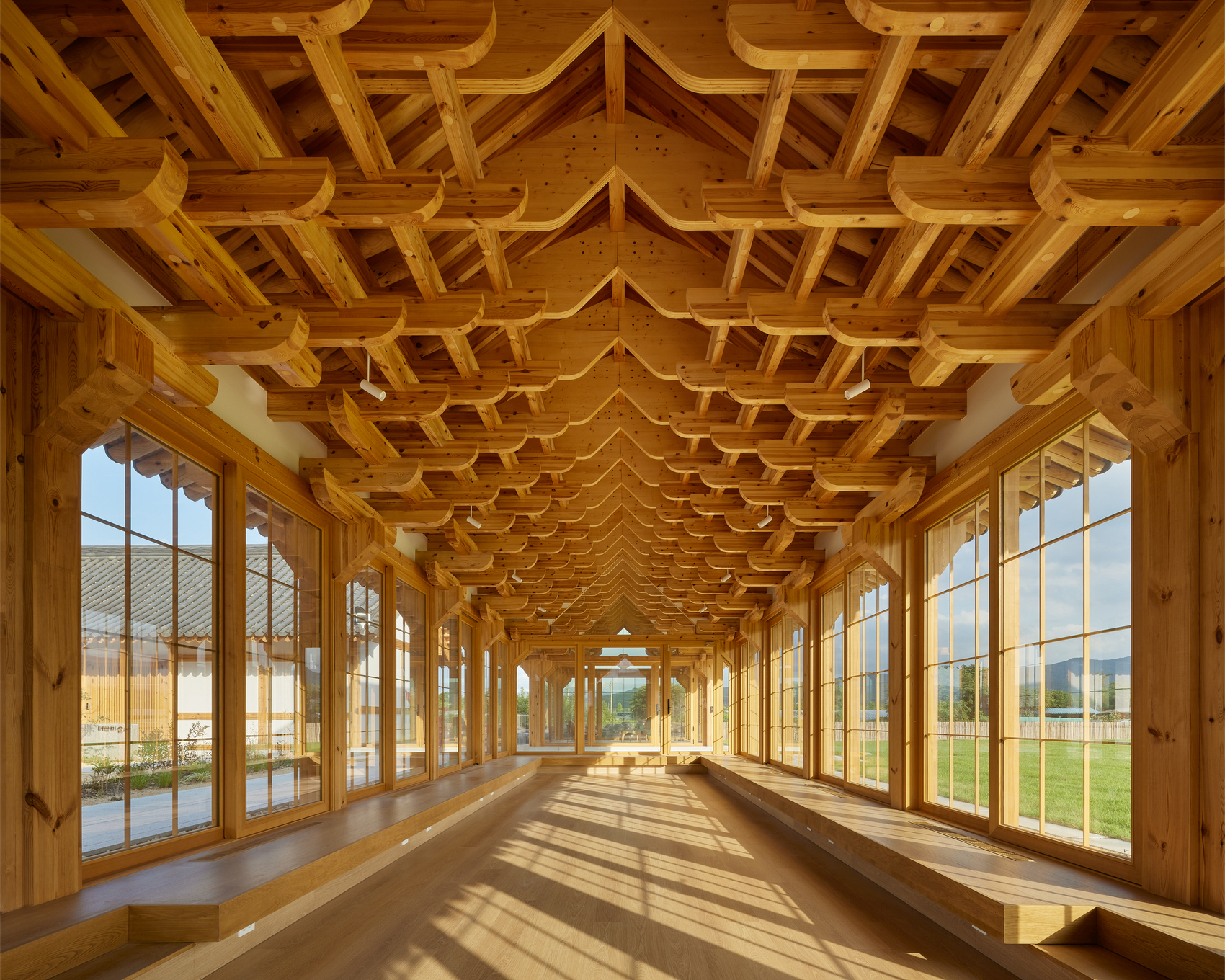
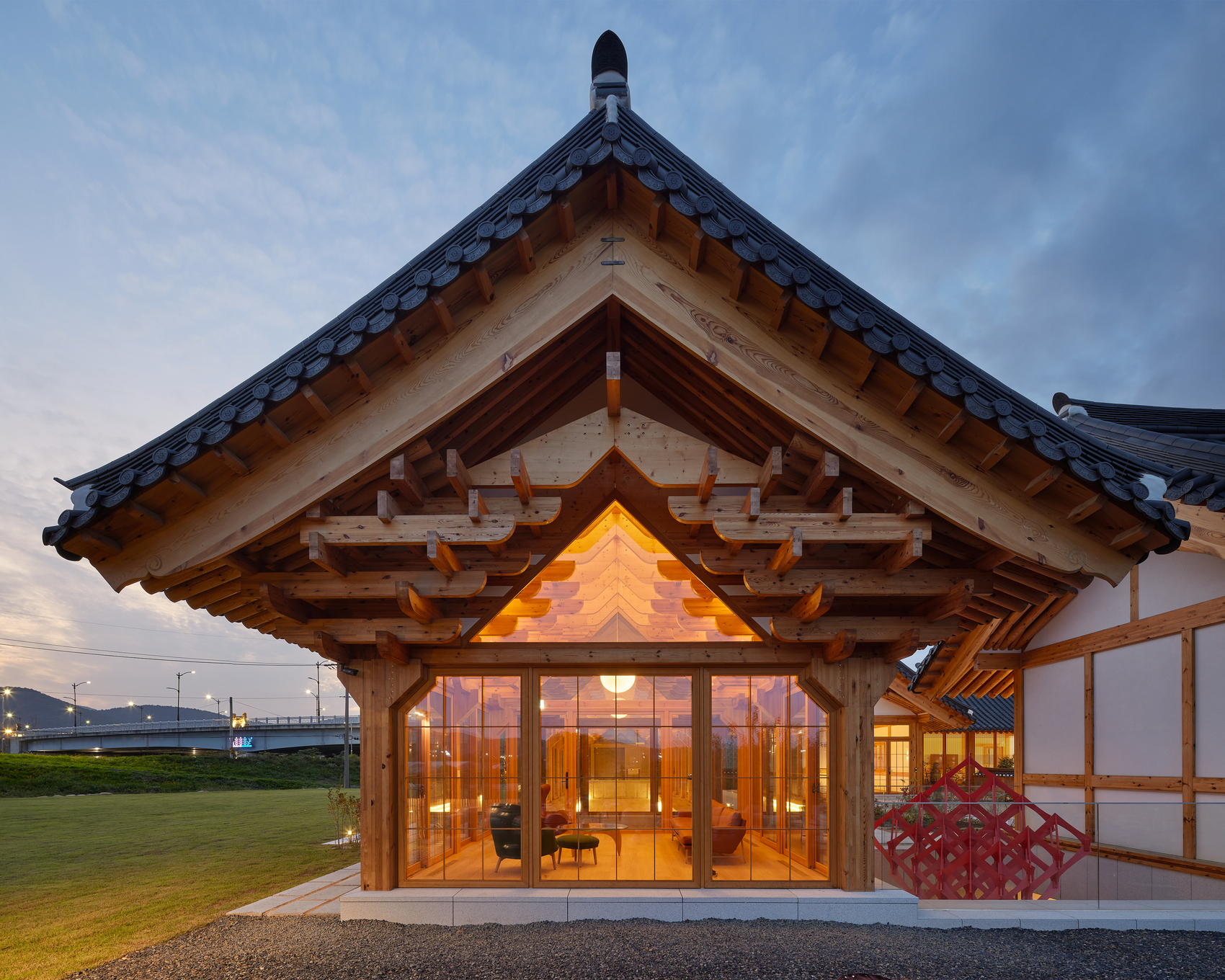
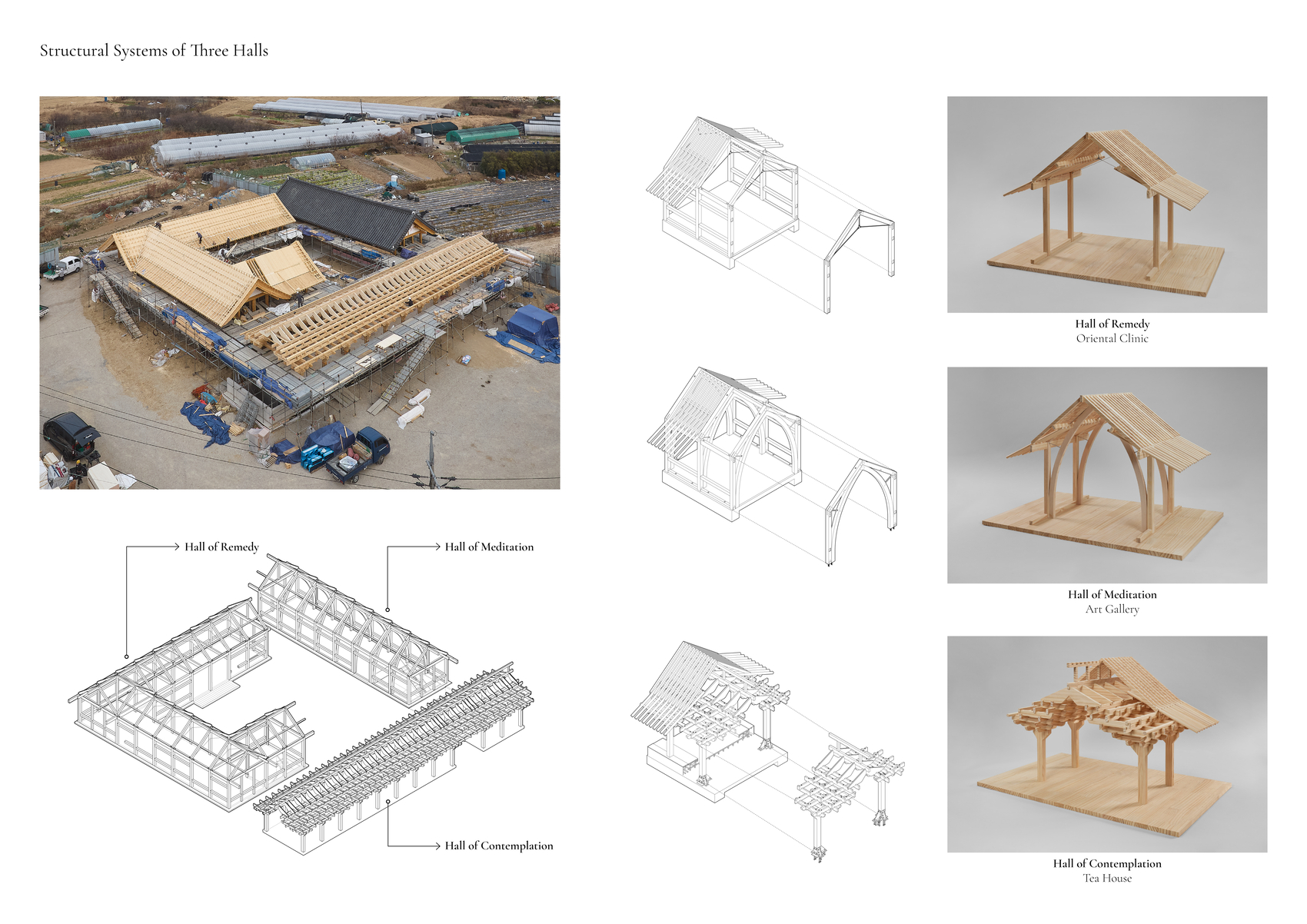
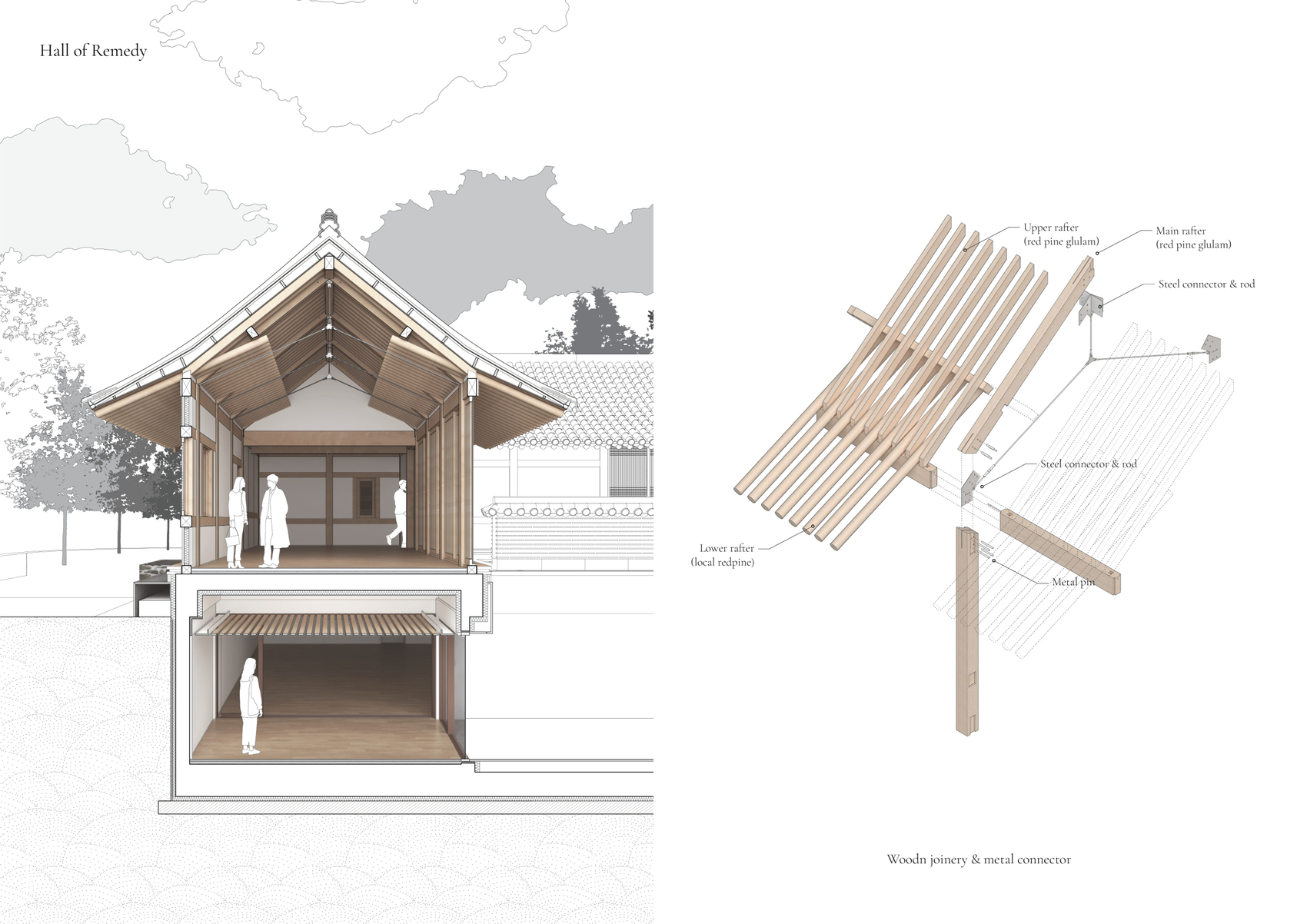
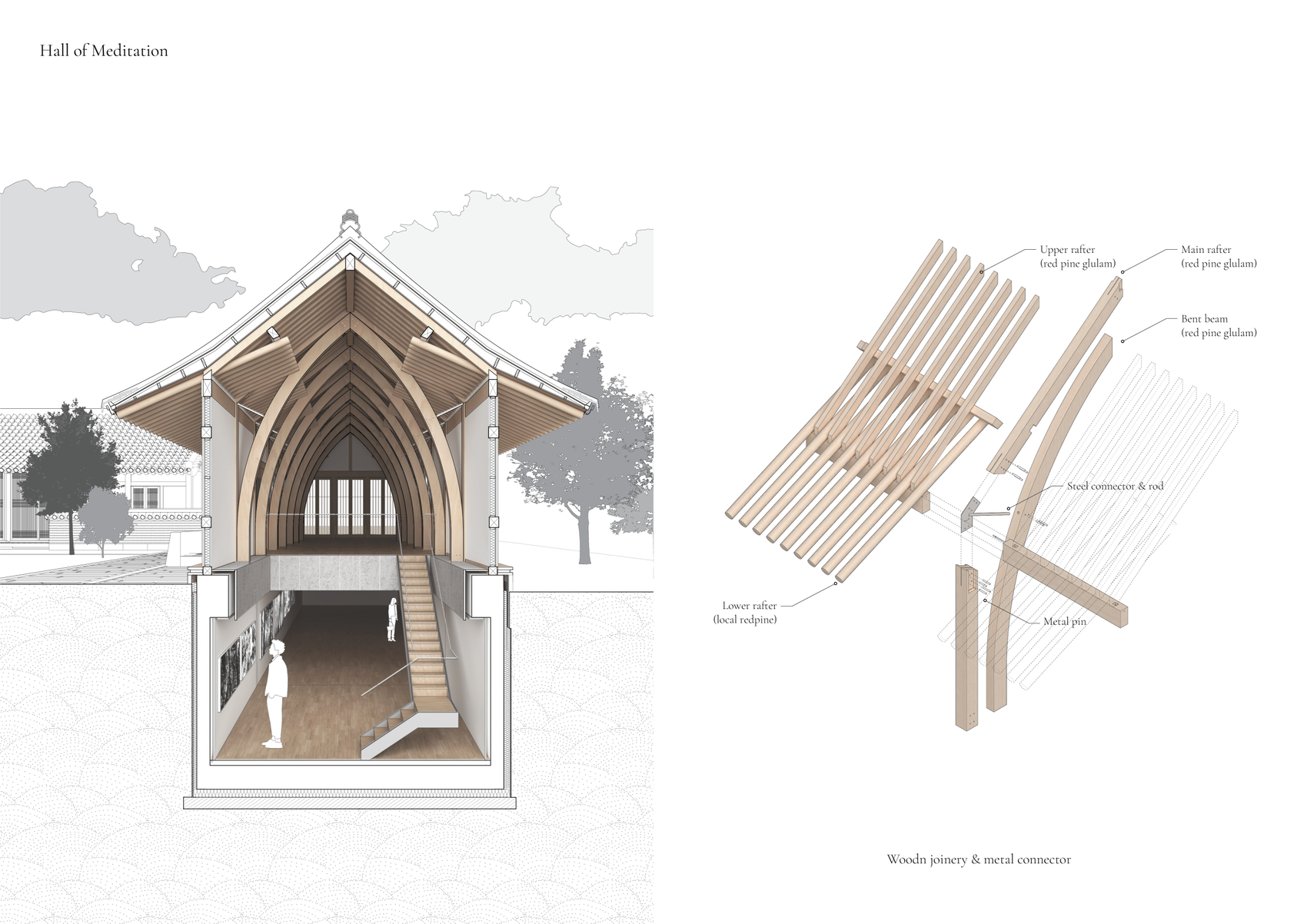
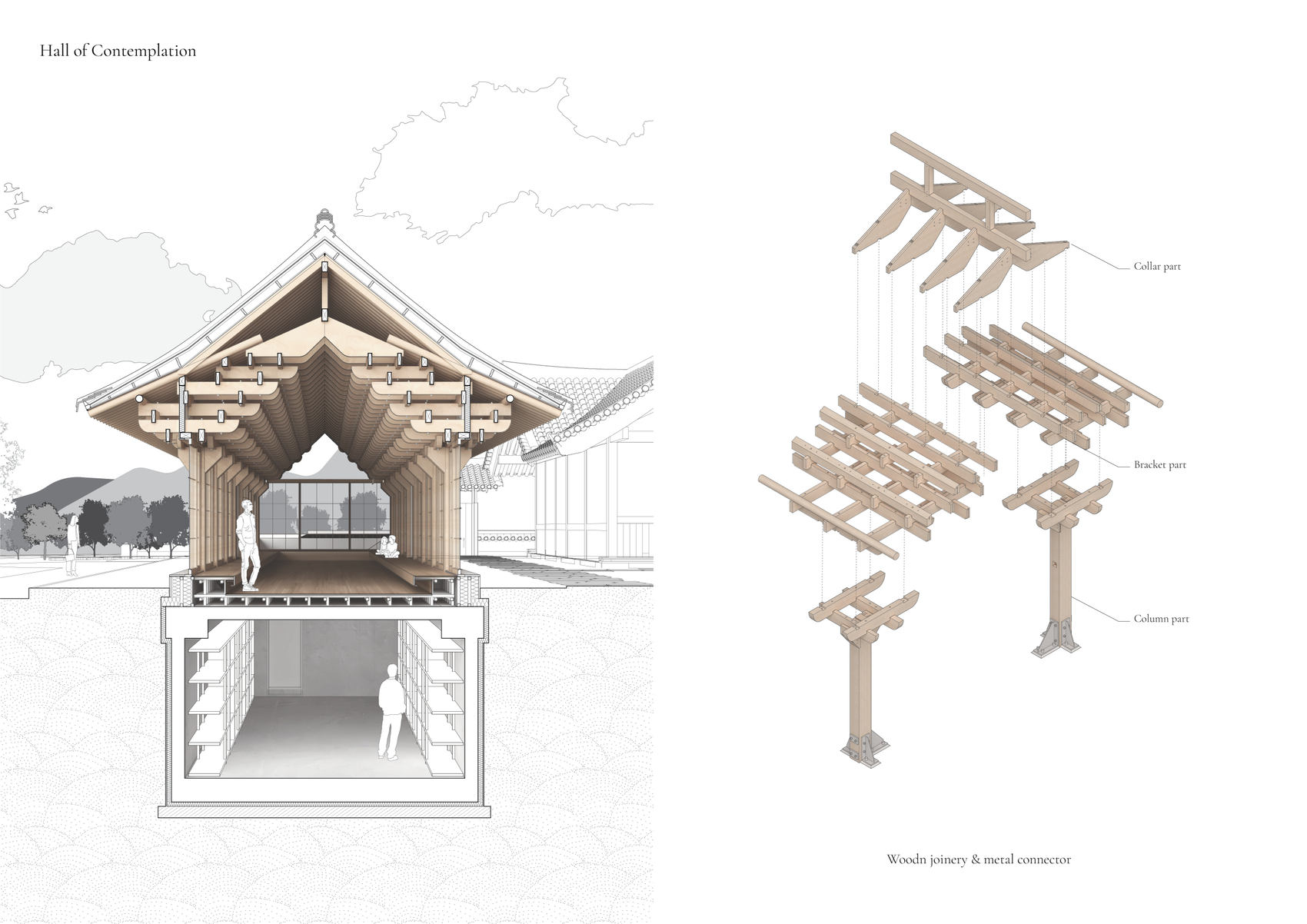
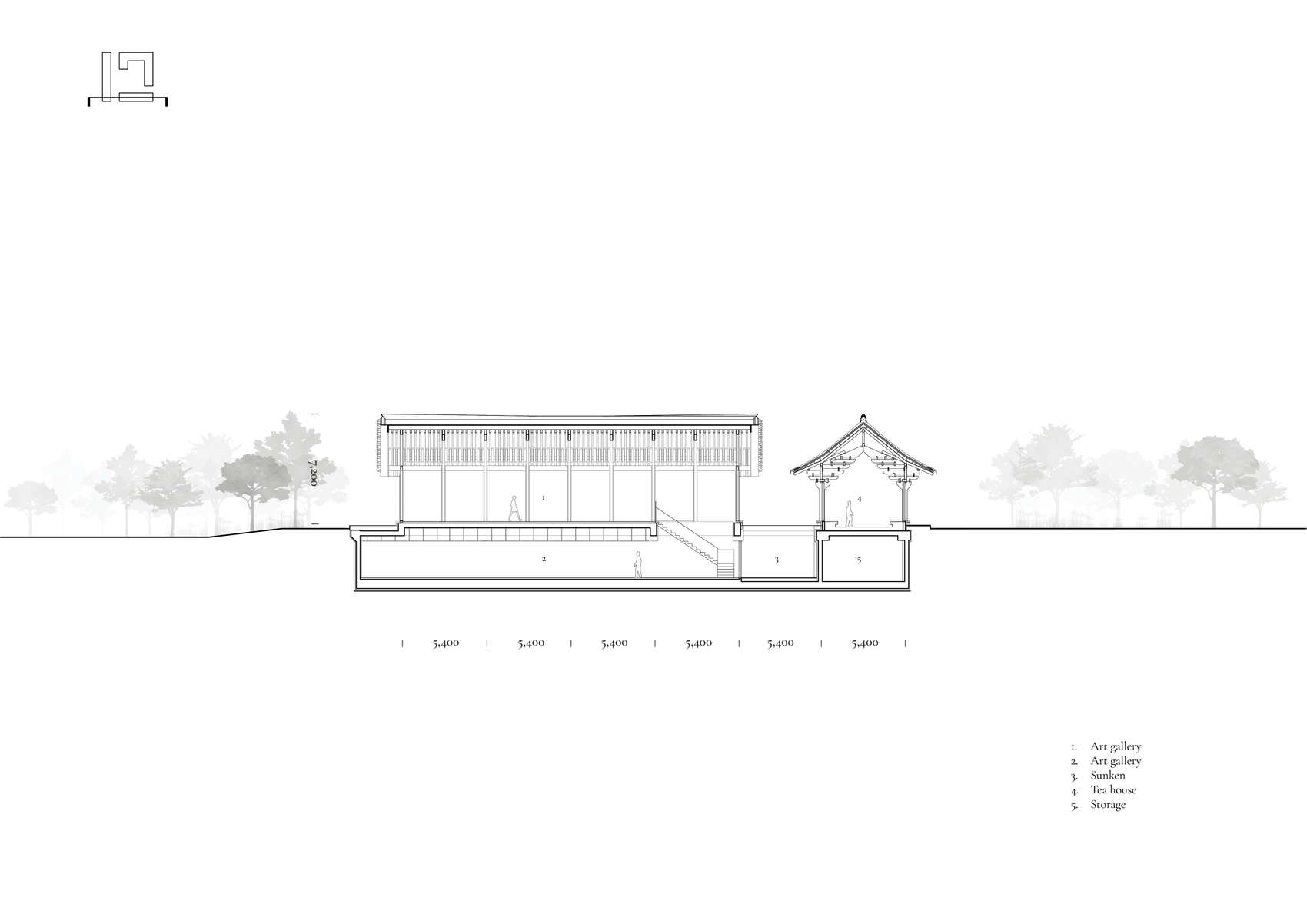
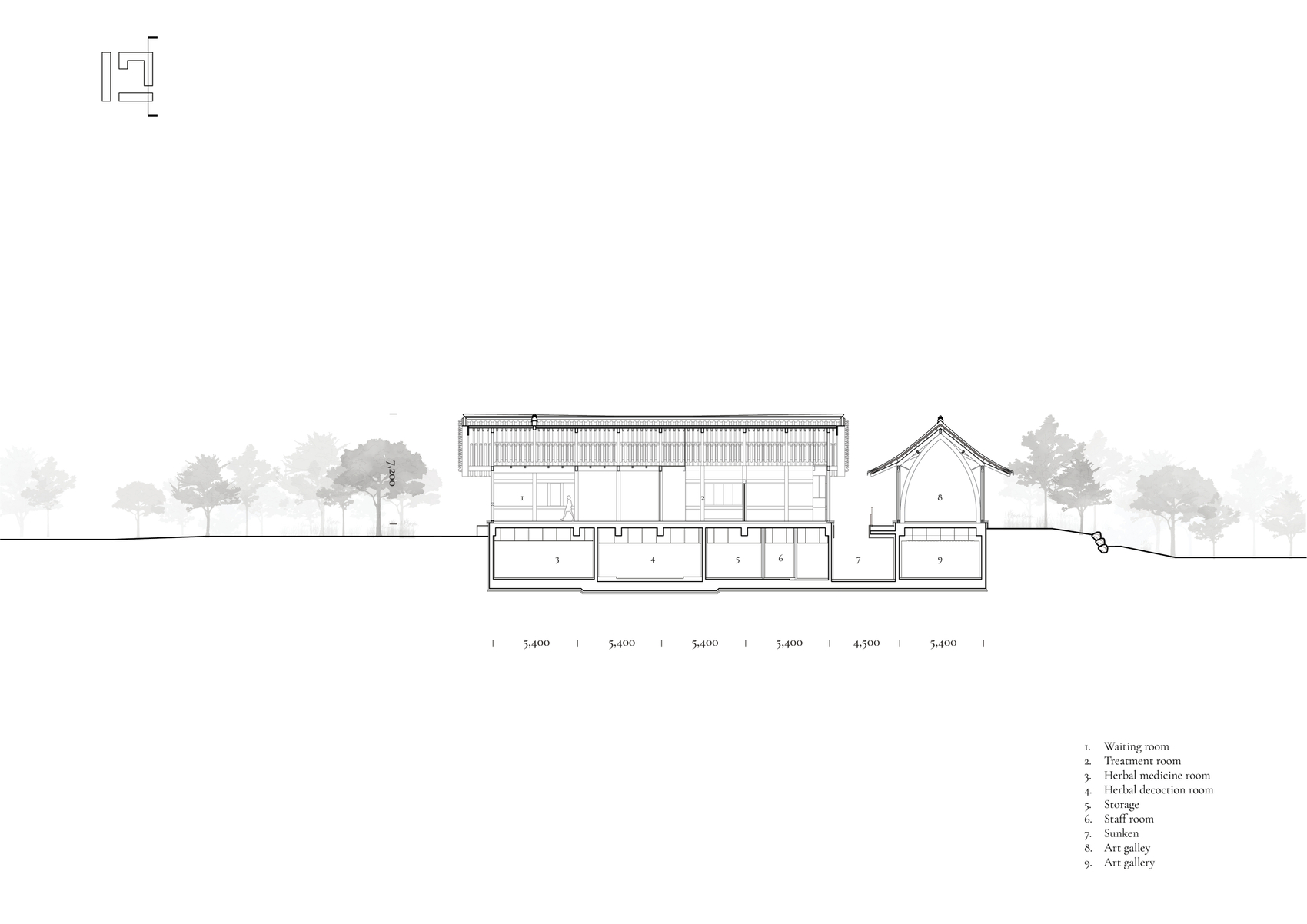
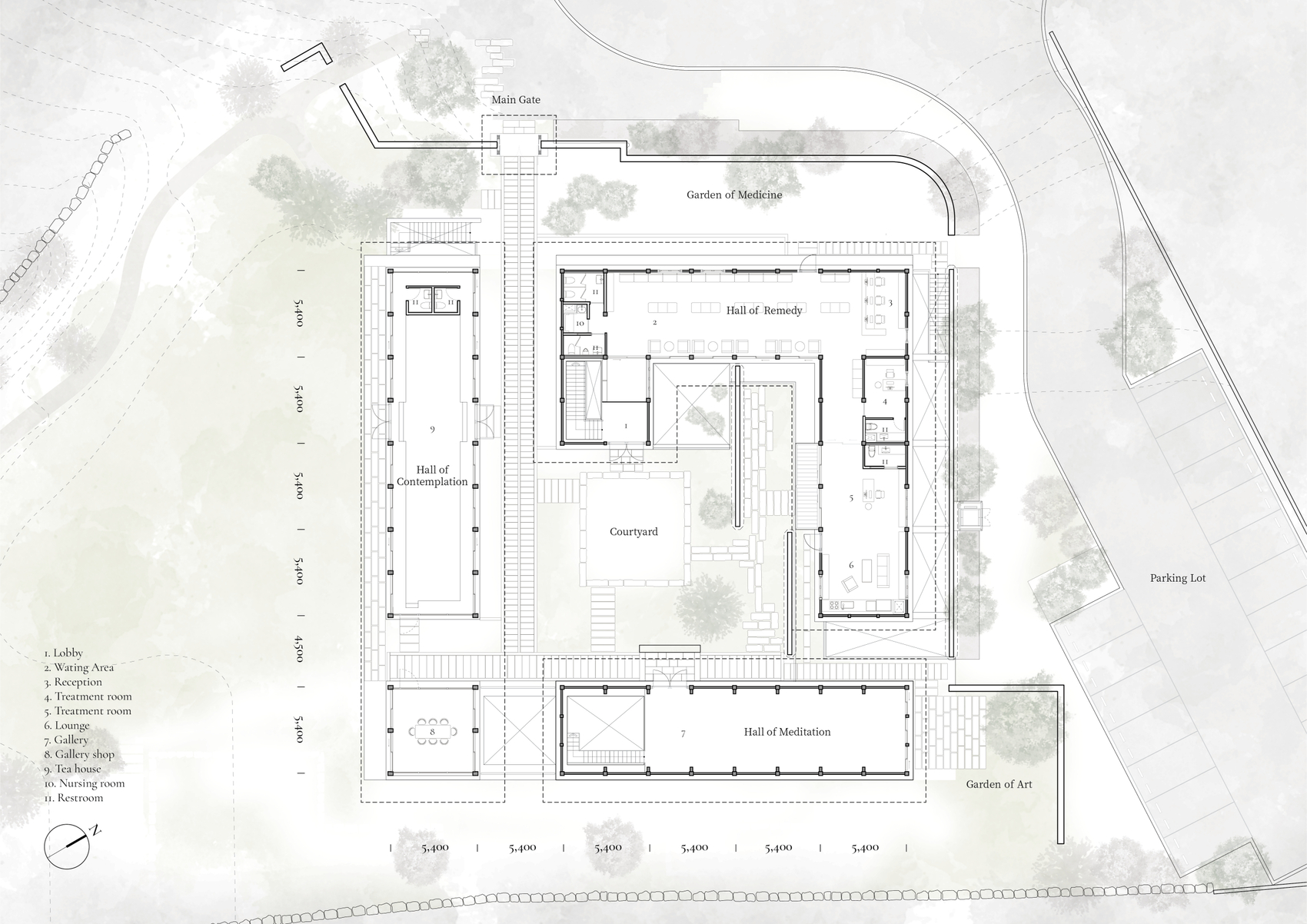
The development is organized around three independent yet complementary buildings that accommodate distinct public programs. The Hall of Remedy modernizes a 150-year-old oriental medicine practice through an efficient and functional clinical environment. The Hall of Meditation provides an art gallery conceived as a tranquil setting where architecture encourages contemplation, while the Hall of Contemplation serves as a tea house that interprets traditional East Asian timber joinery through contemporary detailing. An interior Toenmaru, comparable to a western veranda, encourages informal interaction and strengthens the relationship between interior and exterior spaces.
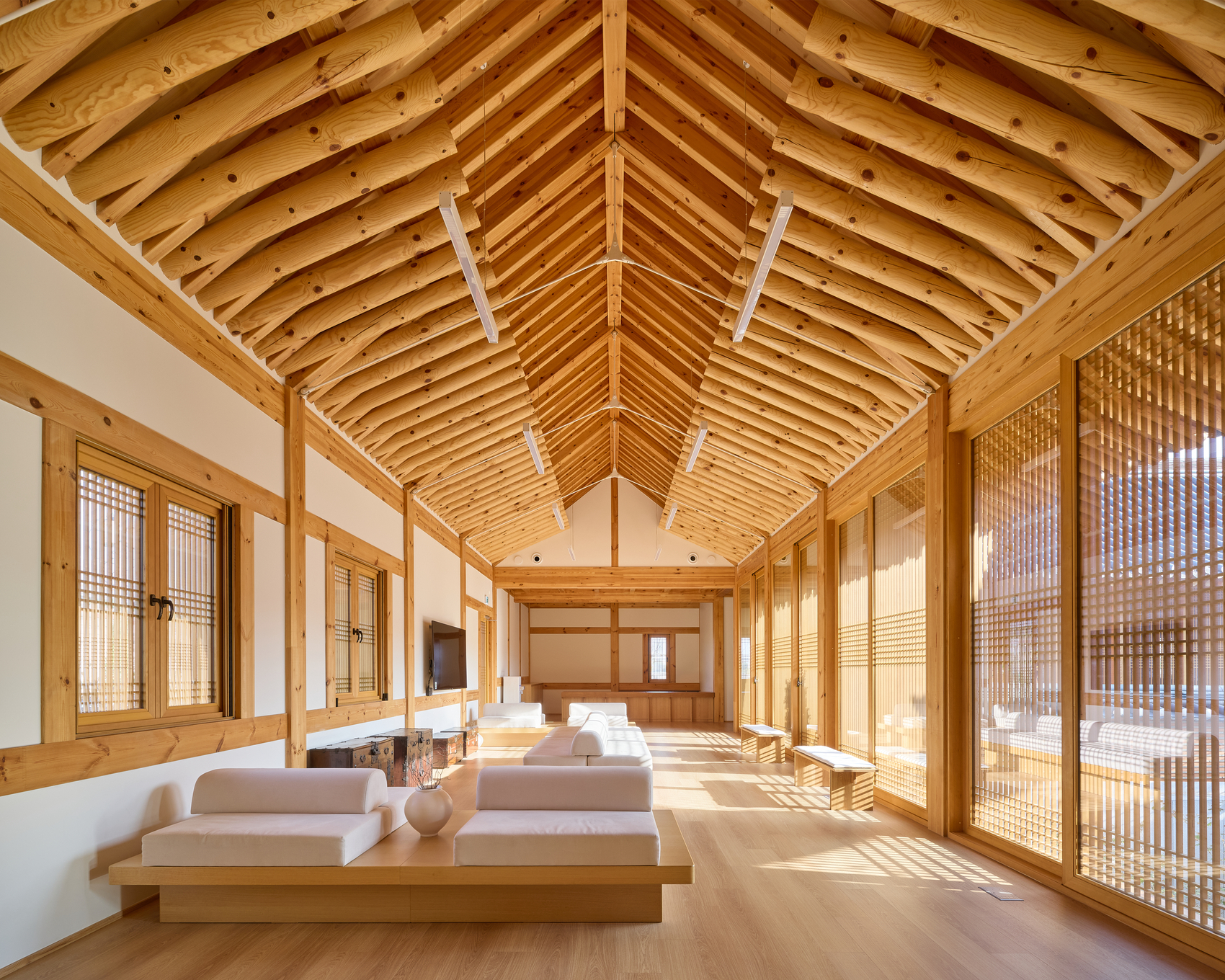
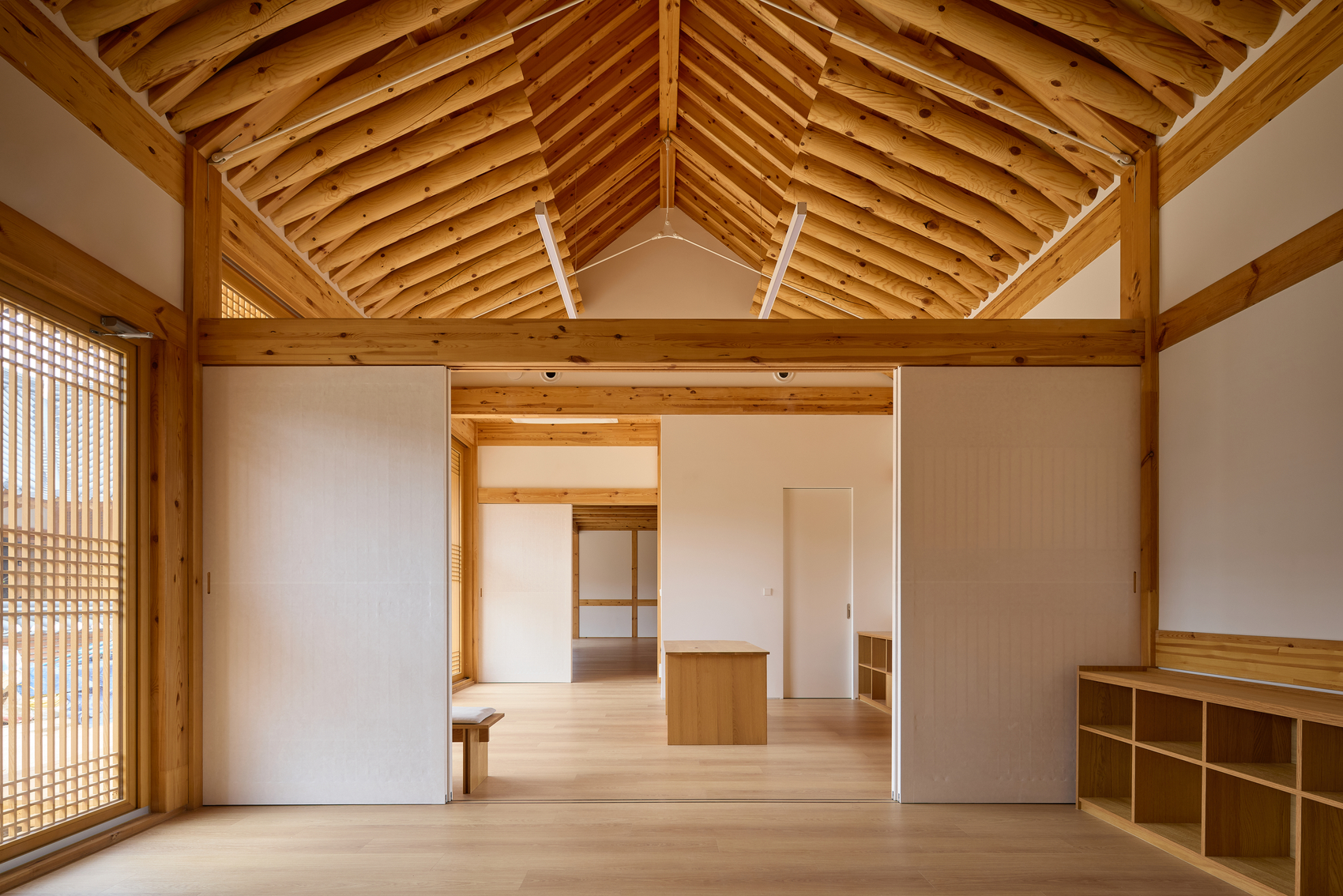
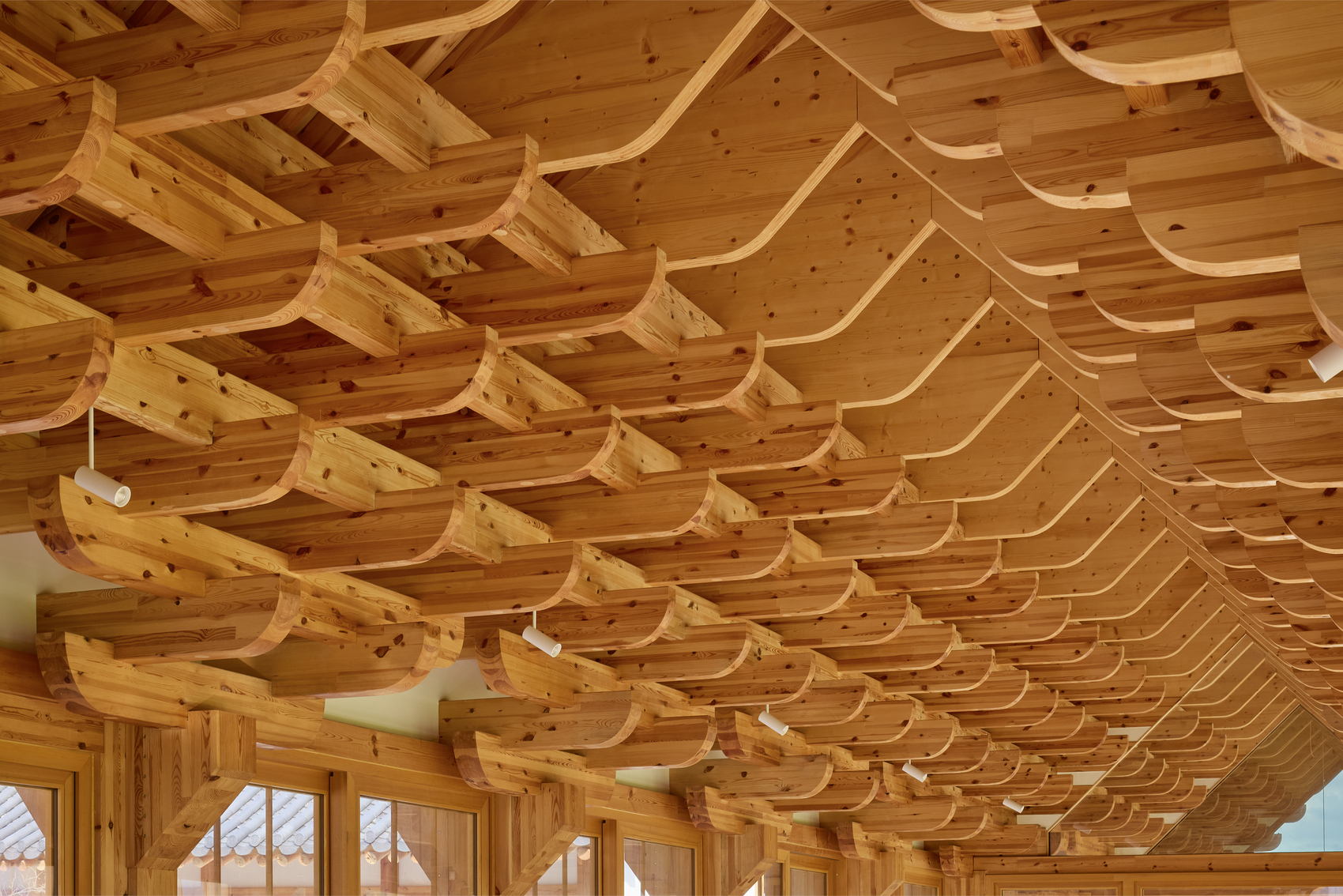
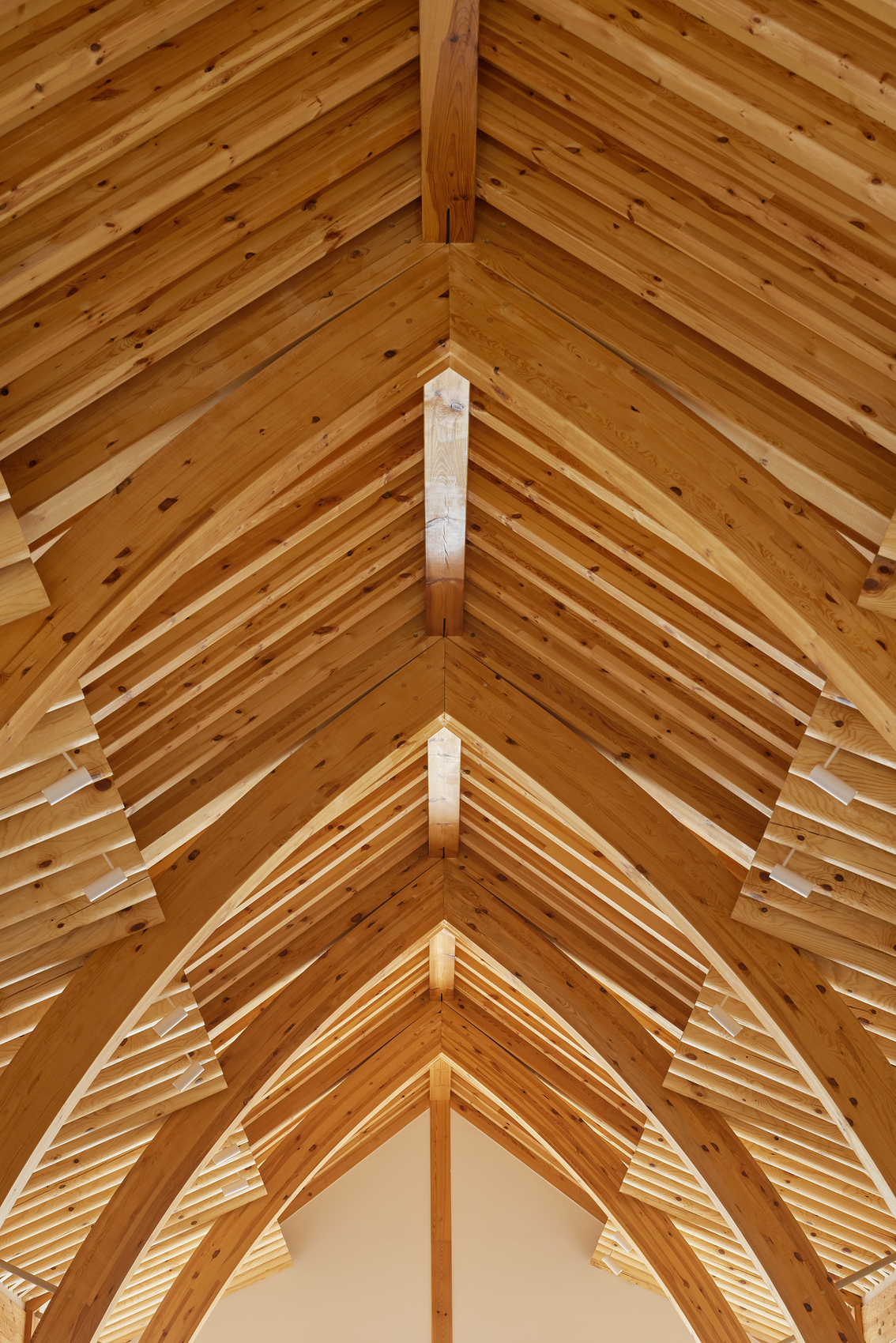
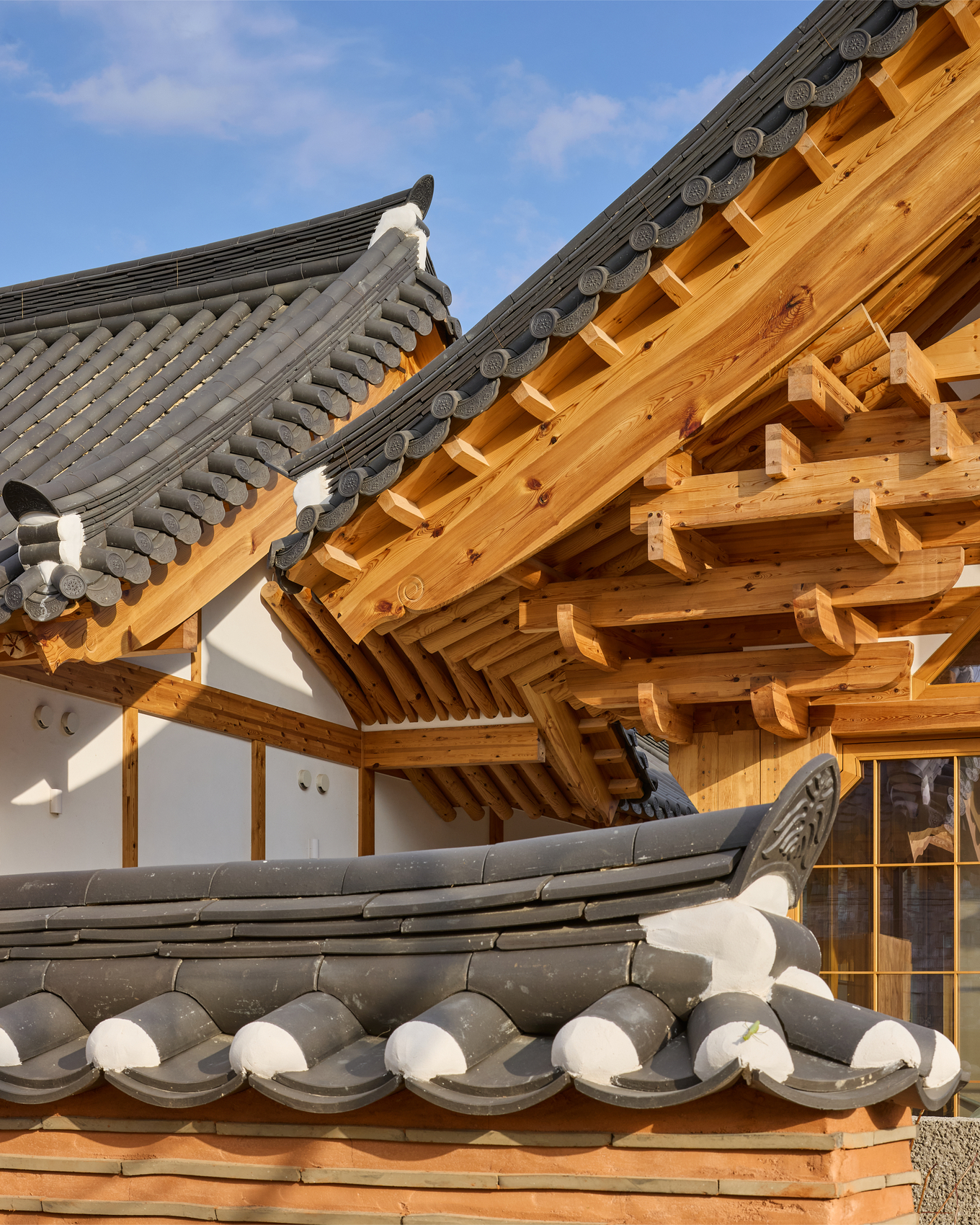
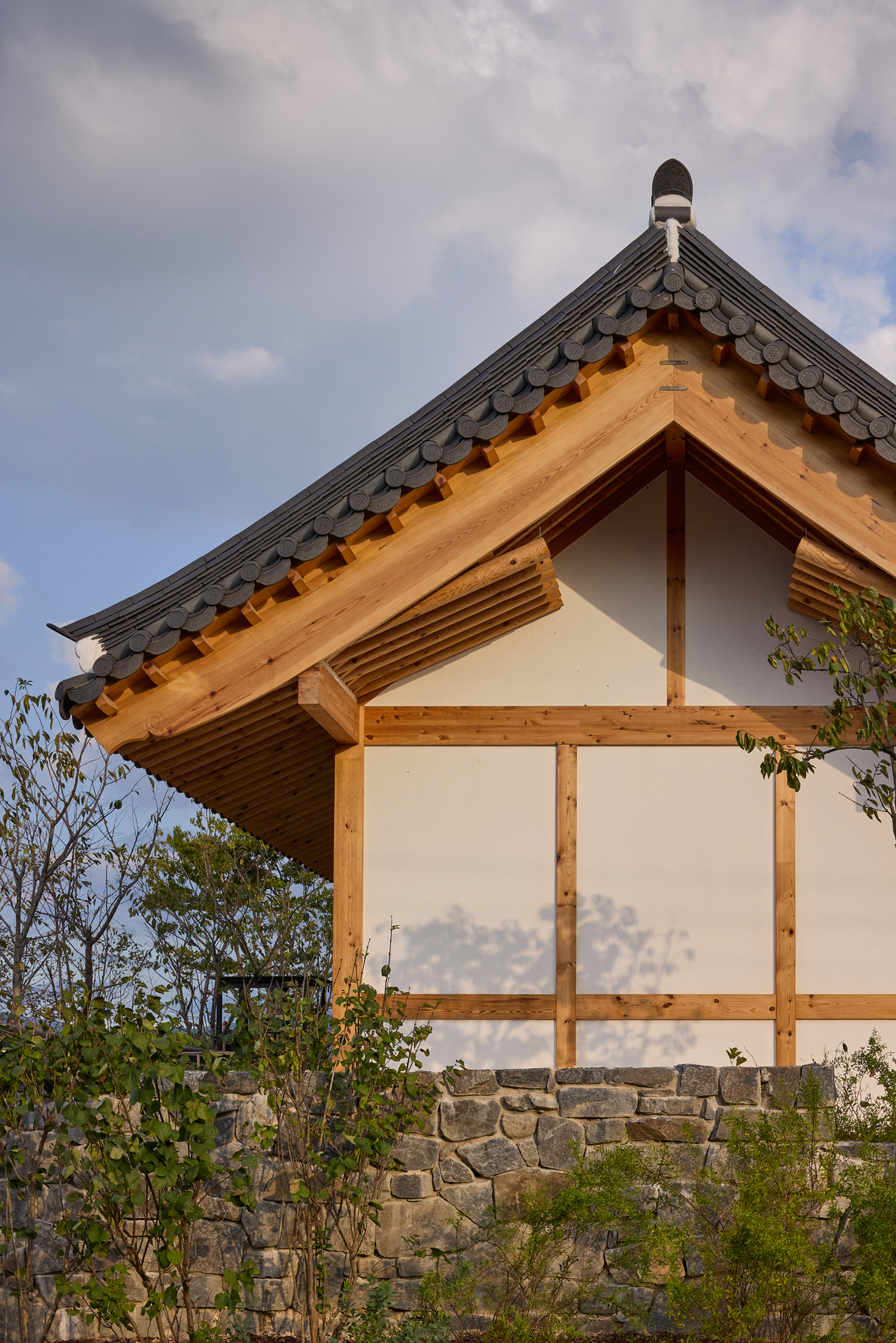
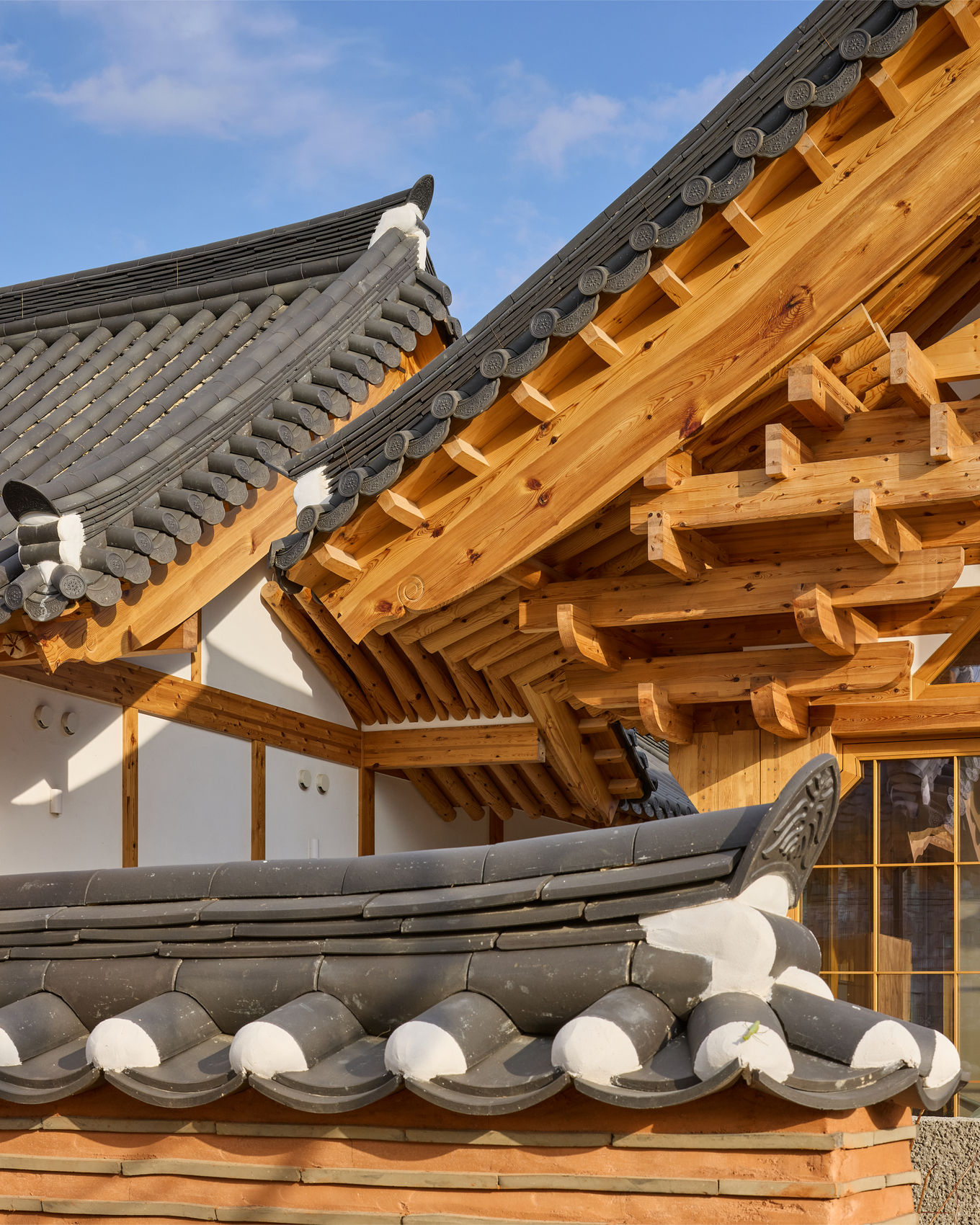
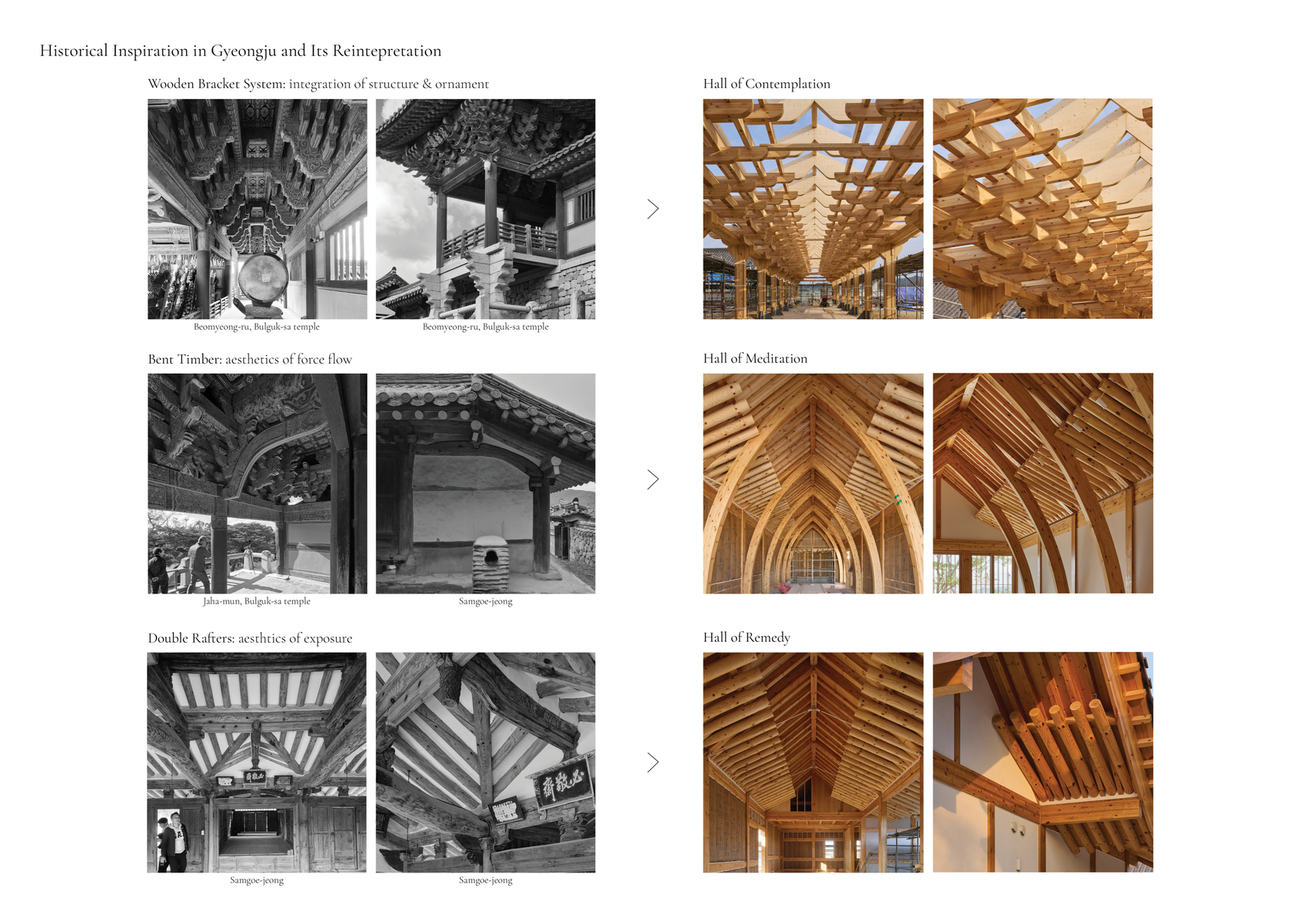
References to Korean architectural heritage are carefully integrated into the structural design. Curved timber members reinterpret elements found in the historic Samguejeong residence and the Jahamun gate of Bulguksa, transforming familiar architectural precedents into a contemporary structural language. Rather than functioning as decorative quotations, these references establish continuity between traditional craftsmanship and modern construction technology, demonstrating how cultural memory can be expressed through innovative architectural systems.
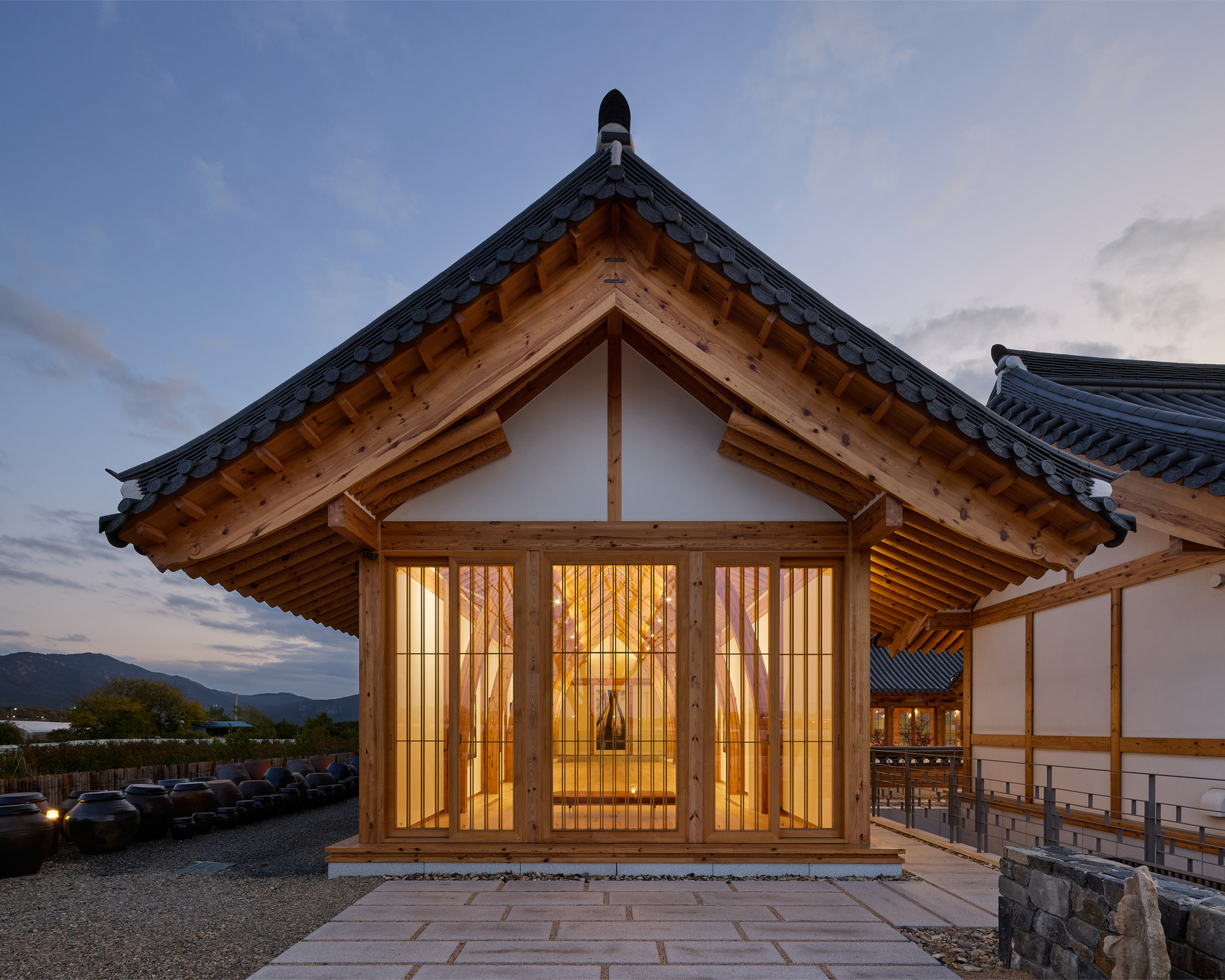
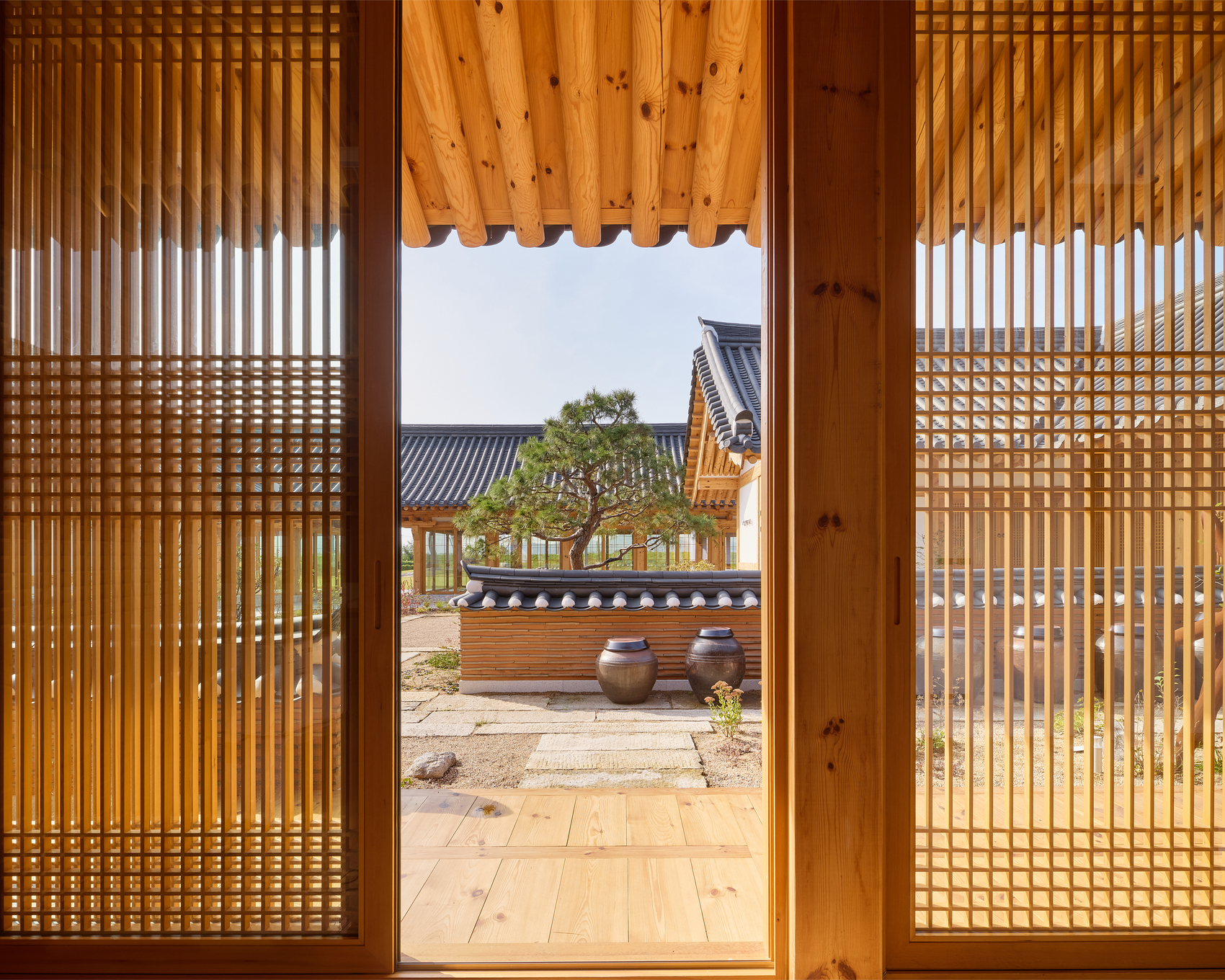
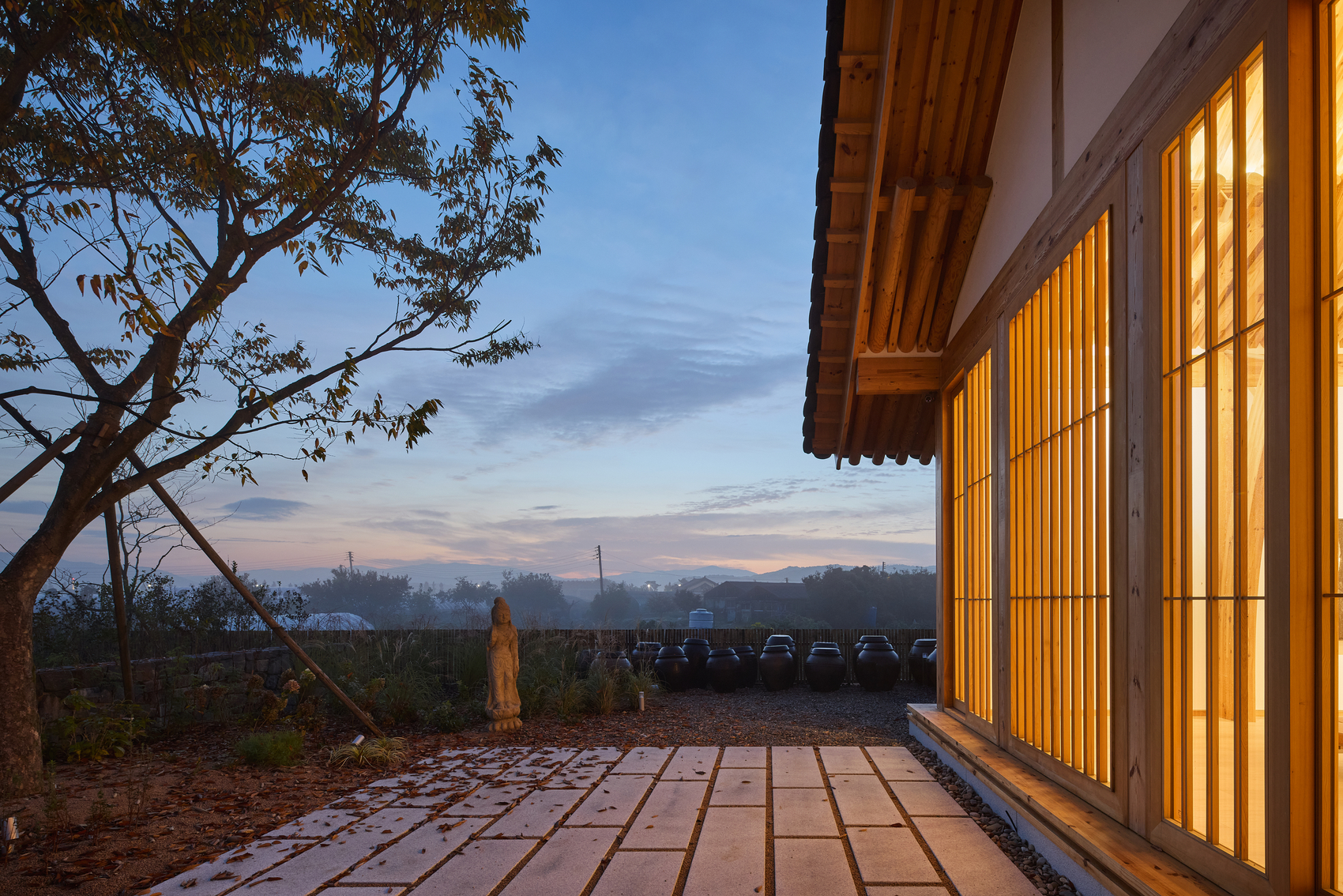
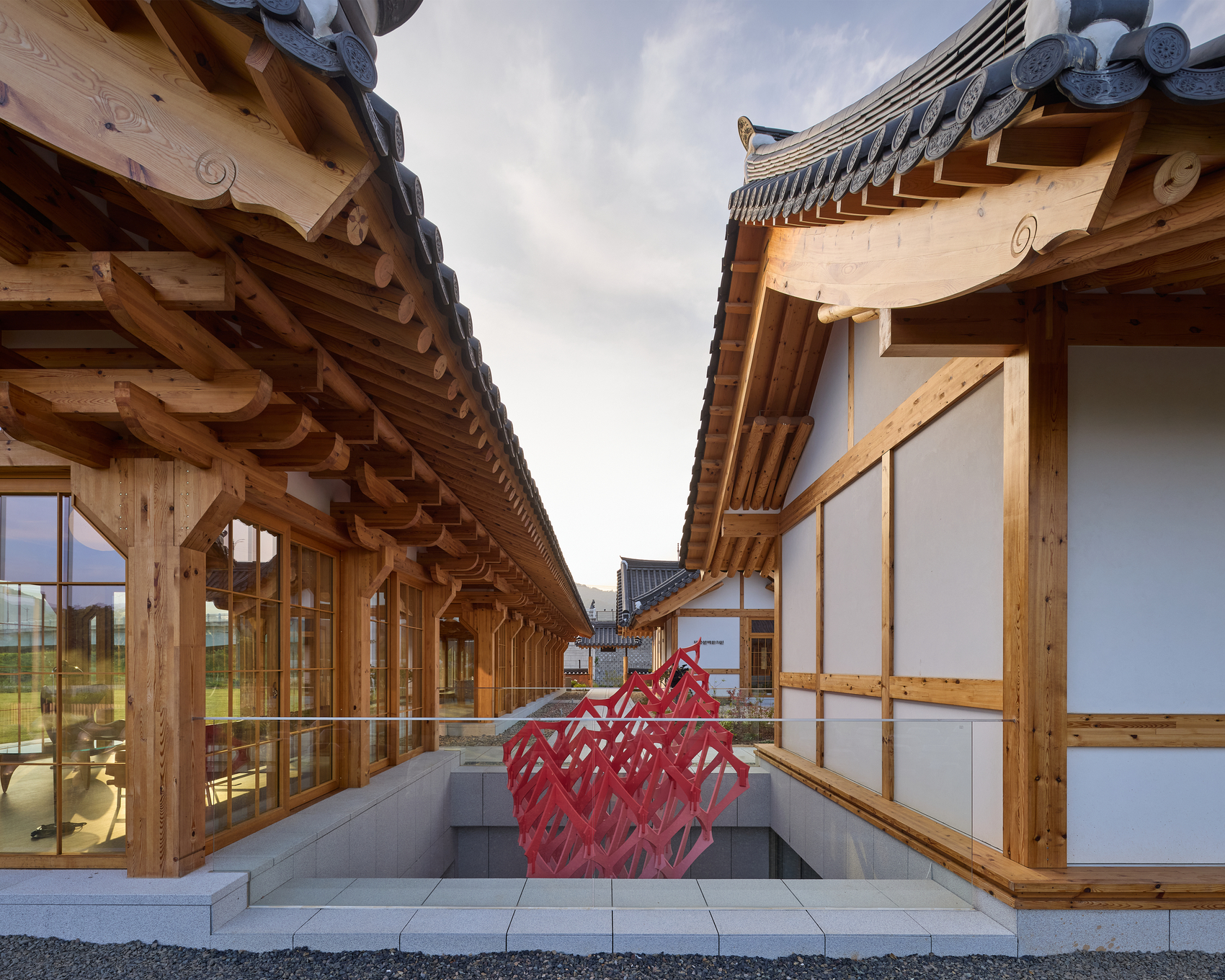
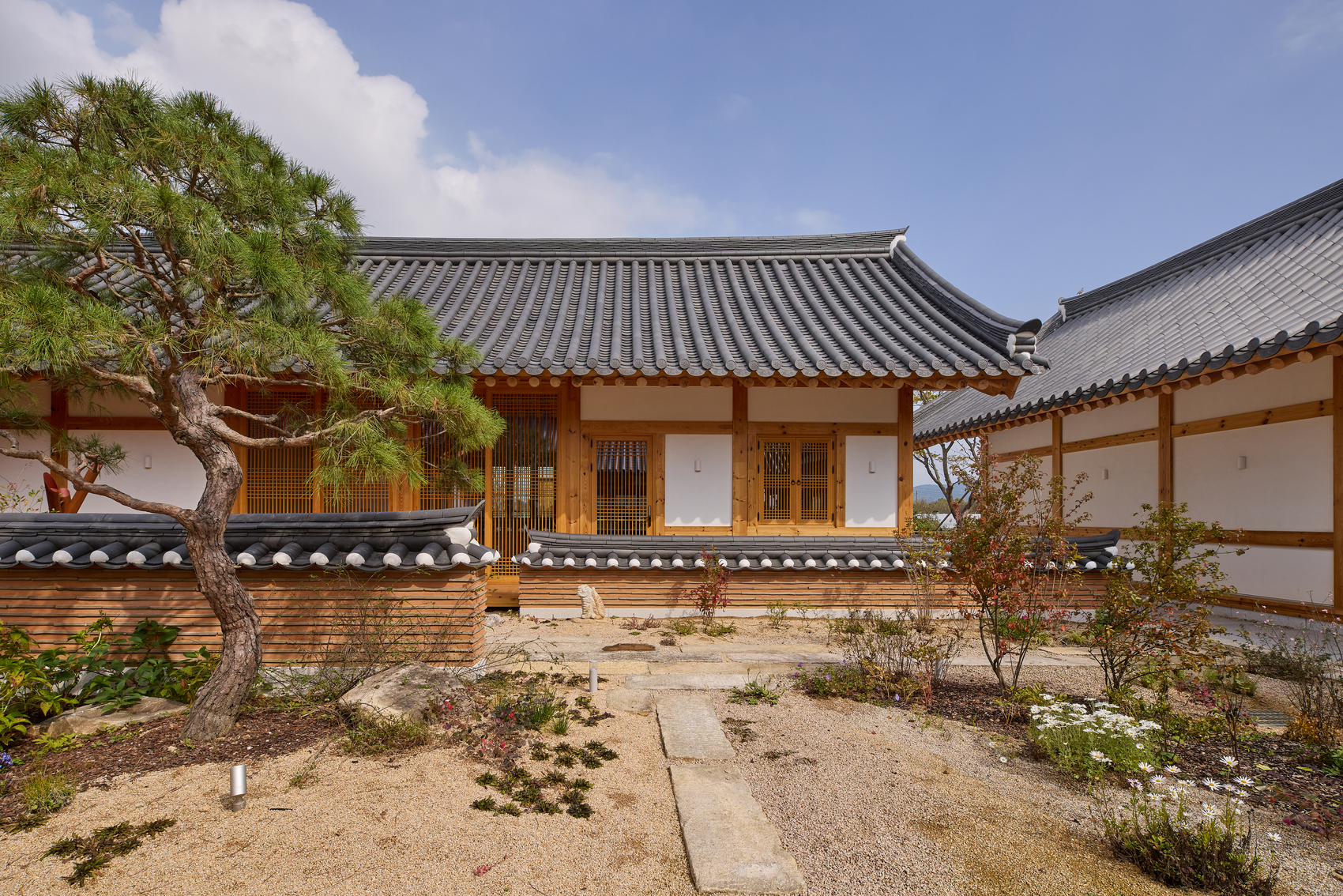
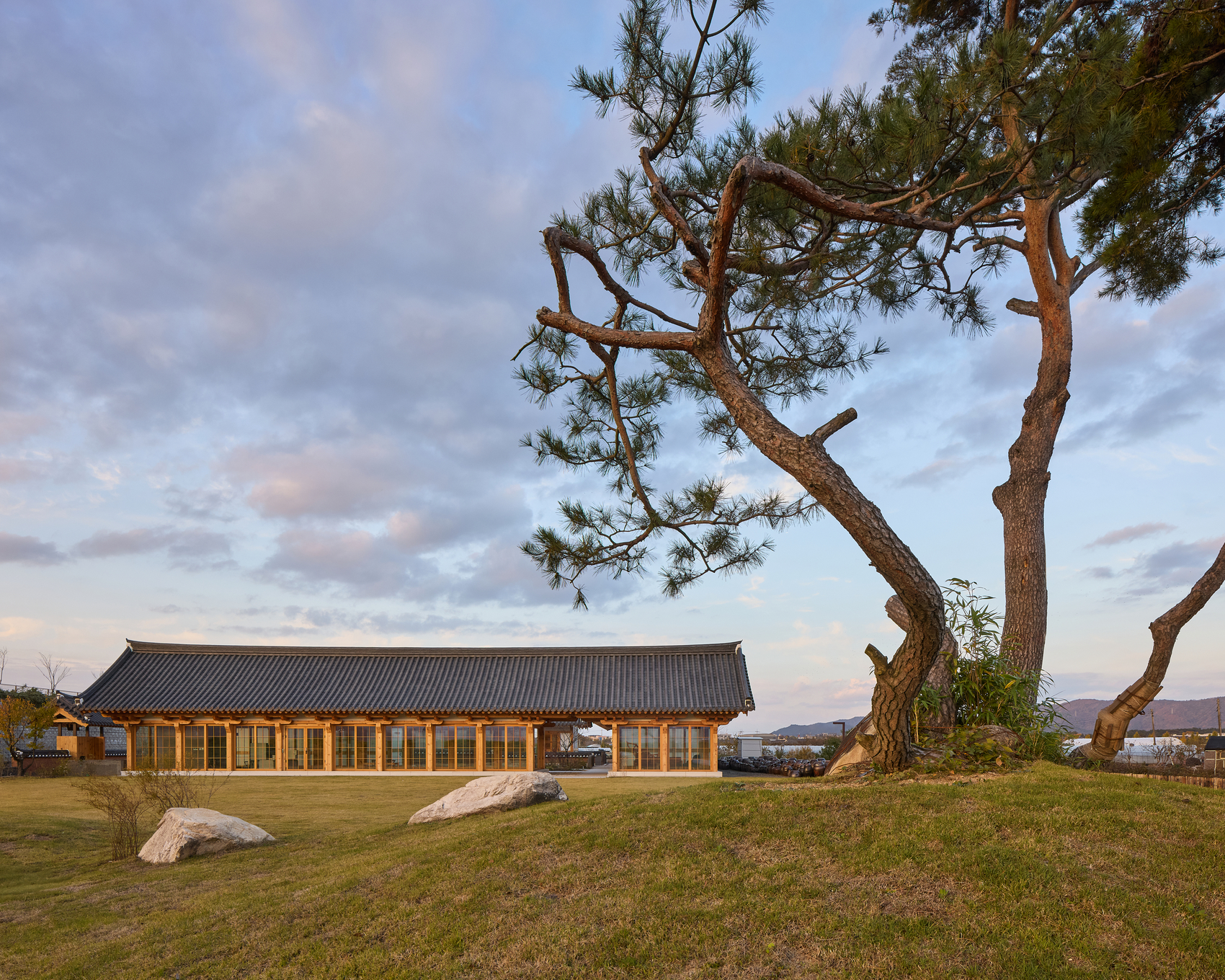
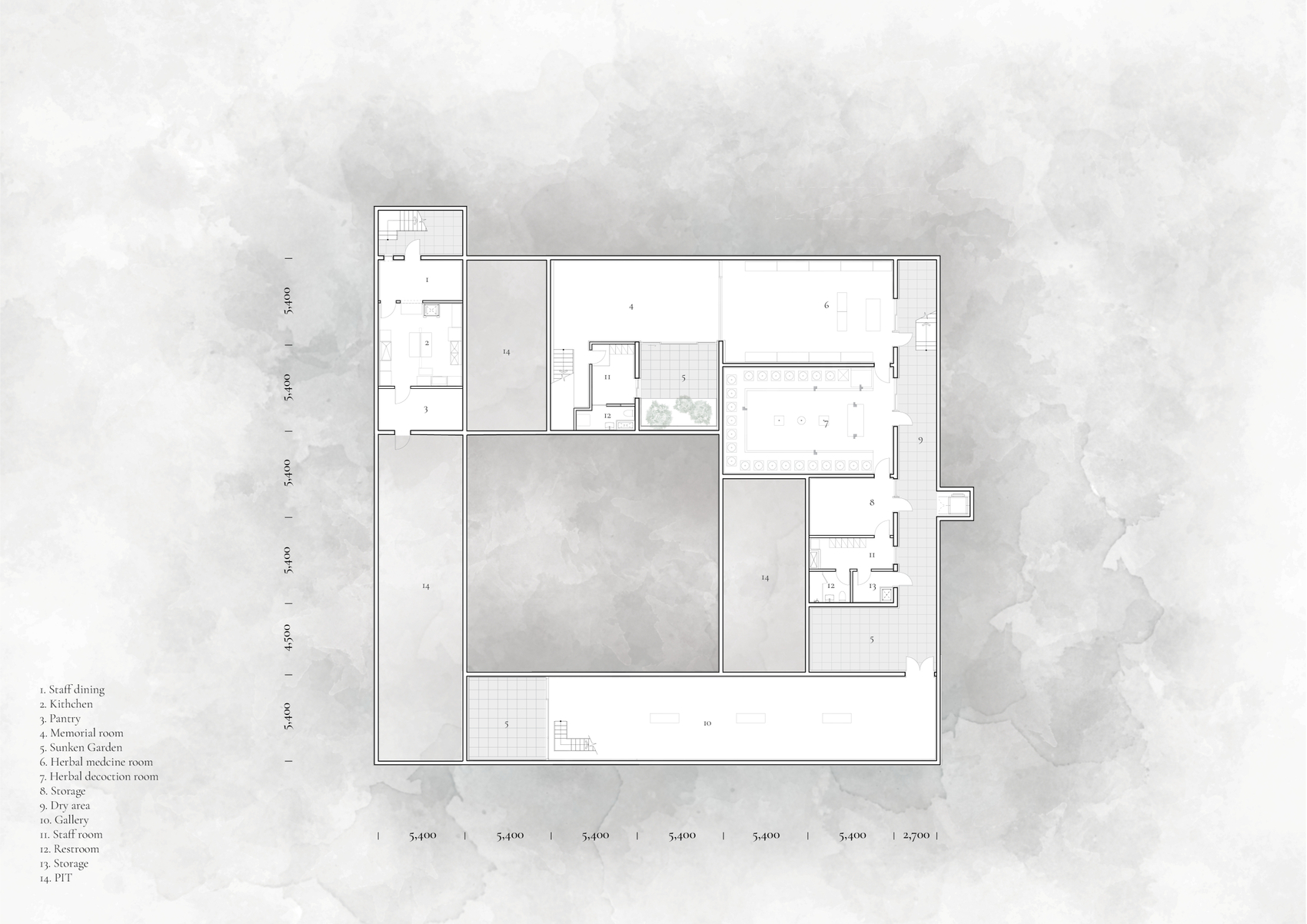
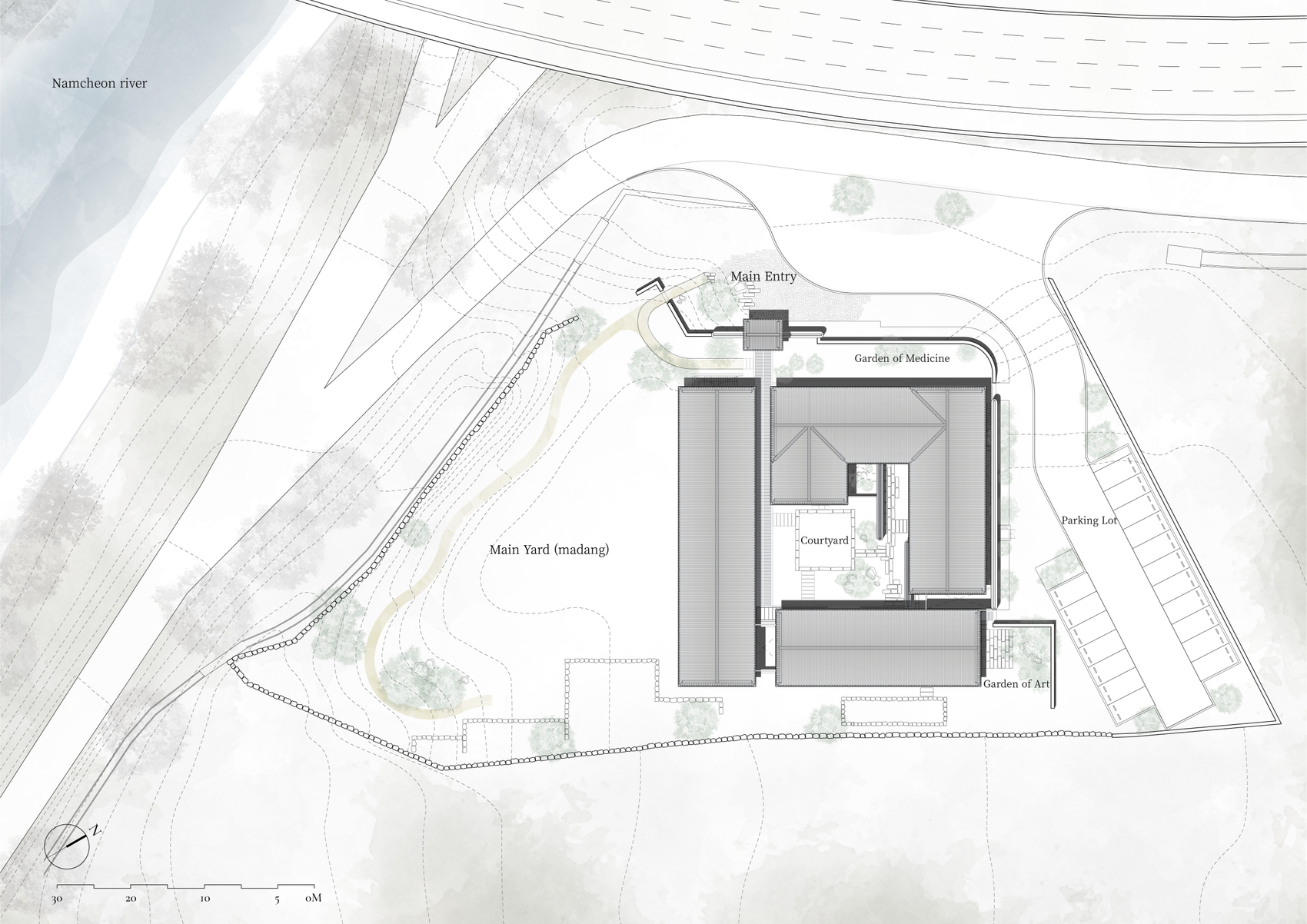
Landscape design extends this dialogue between tradition and modernity through three distinct Madang, or courtyards, that organize movement and shape the visitor experience. The front yard frames views toward Gyeongju Namsan, creating an environment for quiet reflection, while the central courtyard links each building through an intimate circulation space. A rear yard accommodates service functions and parking, allowing the public landscape to retain its calm and contemplative character while supporting the practical needs of the complex.
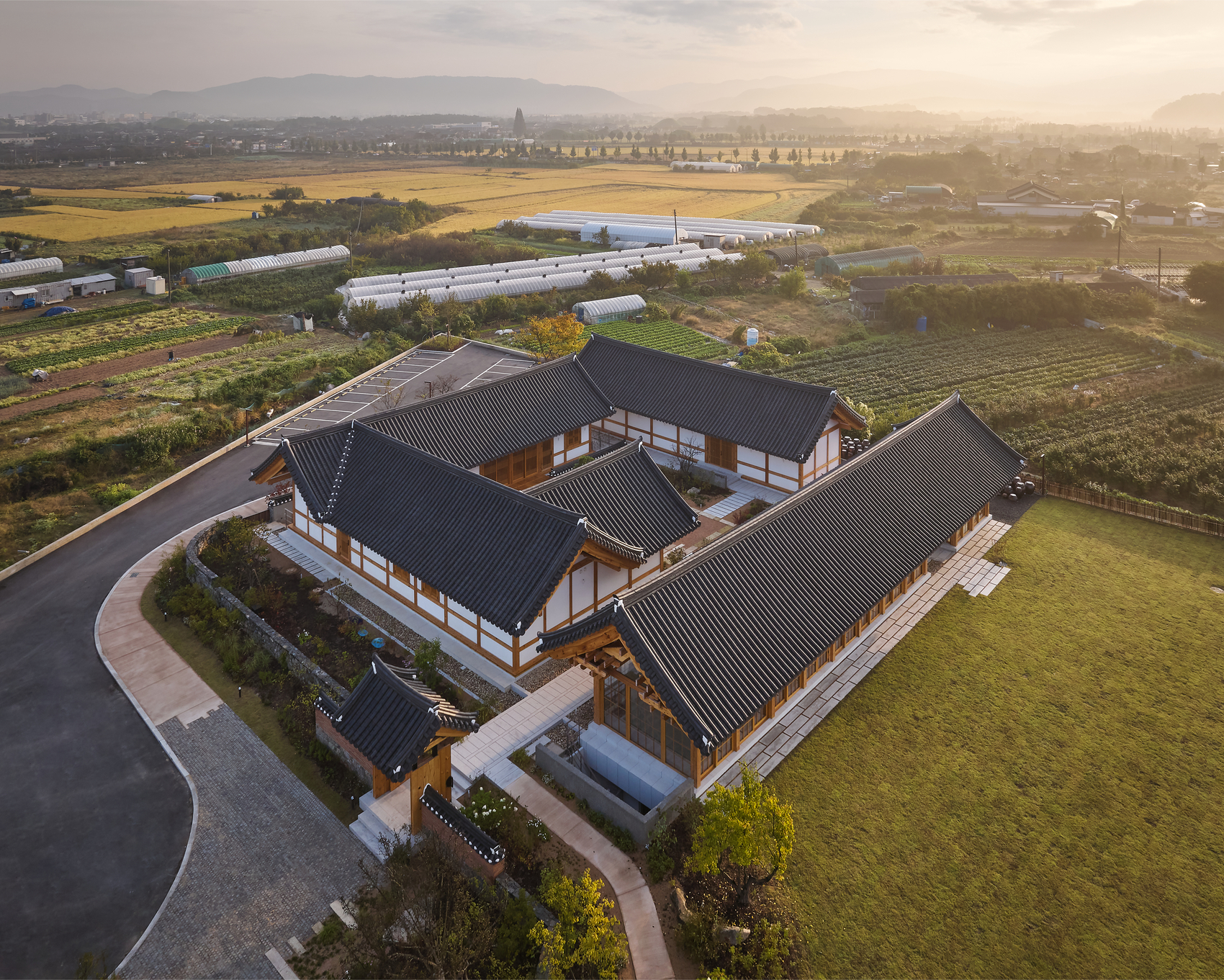
Sustainability is embedded throughout the project rather than applied as an isolated design feature. The use of locally sourced timber and environmentally conscious materials reinforces regional identity while reducing environmental impact, and passive strategies, including natural daylight, cross ventilation, and improved roof insulation, enhance long-term building performance. By combining contemporary timber engineering with carefully reinterpreted vernacular principles, House for Rejuvenation presents a compelling model for the future of Korean architecture, demonstrating that heritage can remain relevant through innovation instead of replication.

Project Gallery
Project Location
Address: 60 Gangbyeon Road, Gyeongju-si, Gyeongsangbuk-do, Republic of Korea
The location specified is intended for general reference and may denote a city or country, but it does not identify a precise address.

