

Architects: Taranti Arq Studio
Area: 180 m²
Year: 2021
Photography: Javier Agustin Rojas
Lead Architects: Lautaro Taranti, Danilo Taranti
Structural Engineering: Benjamin Griffin
City: Buenos Aires
Country: Argentina
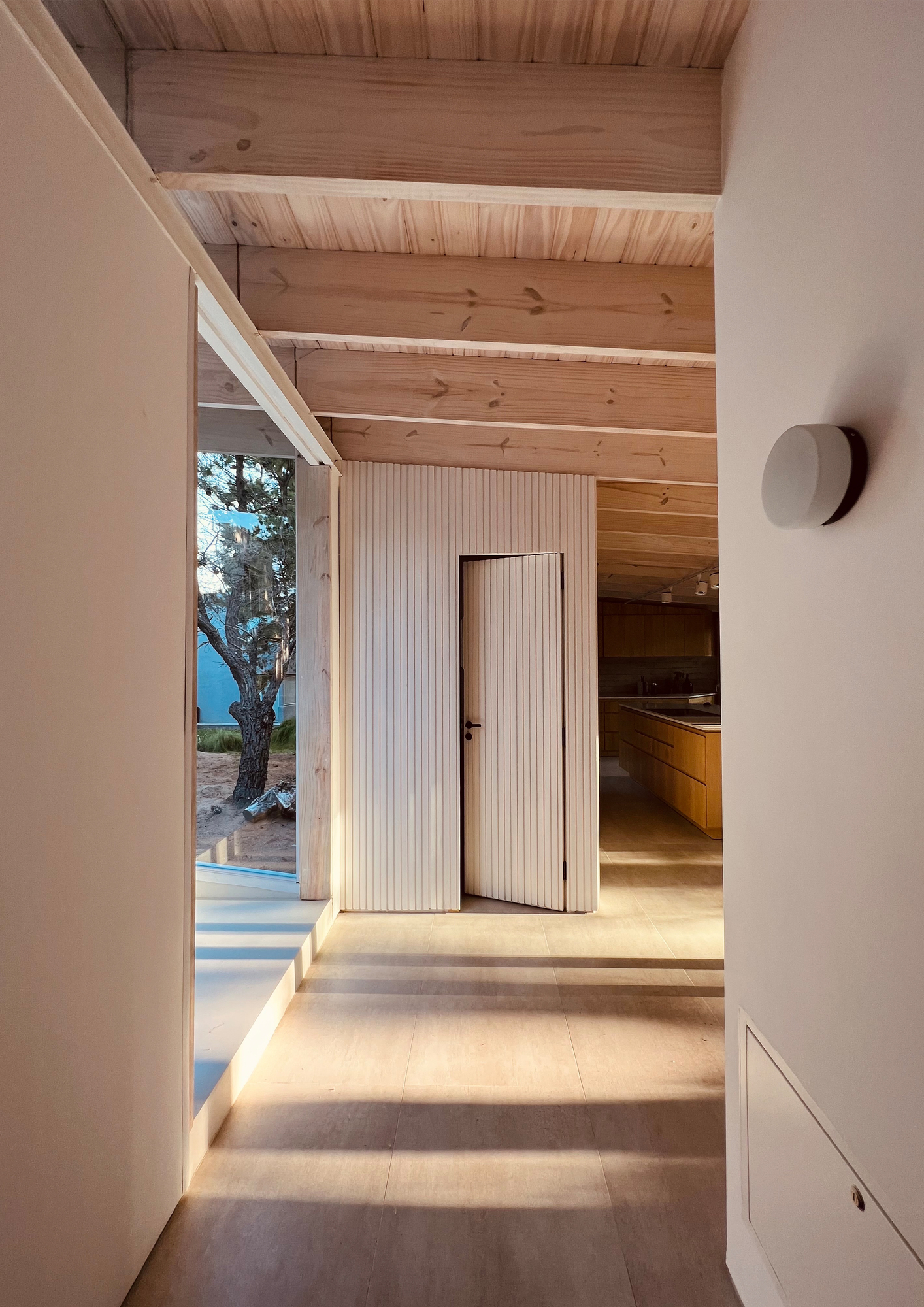
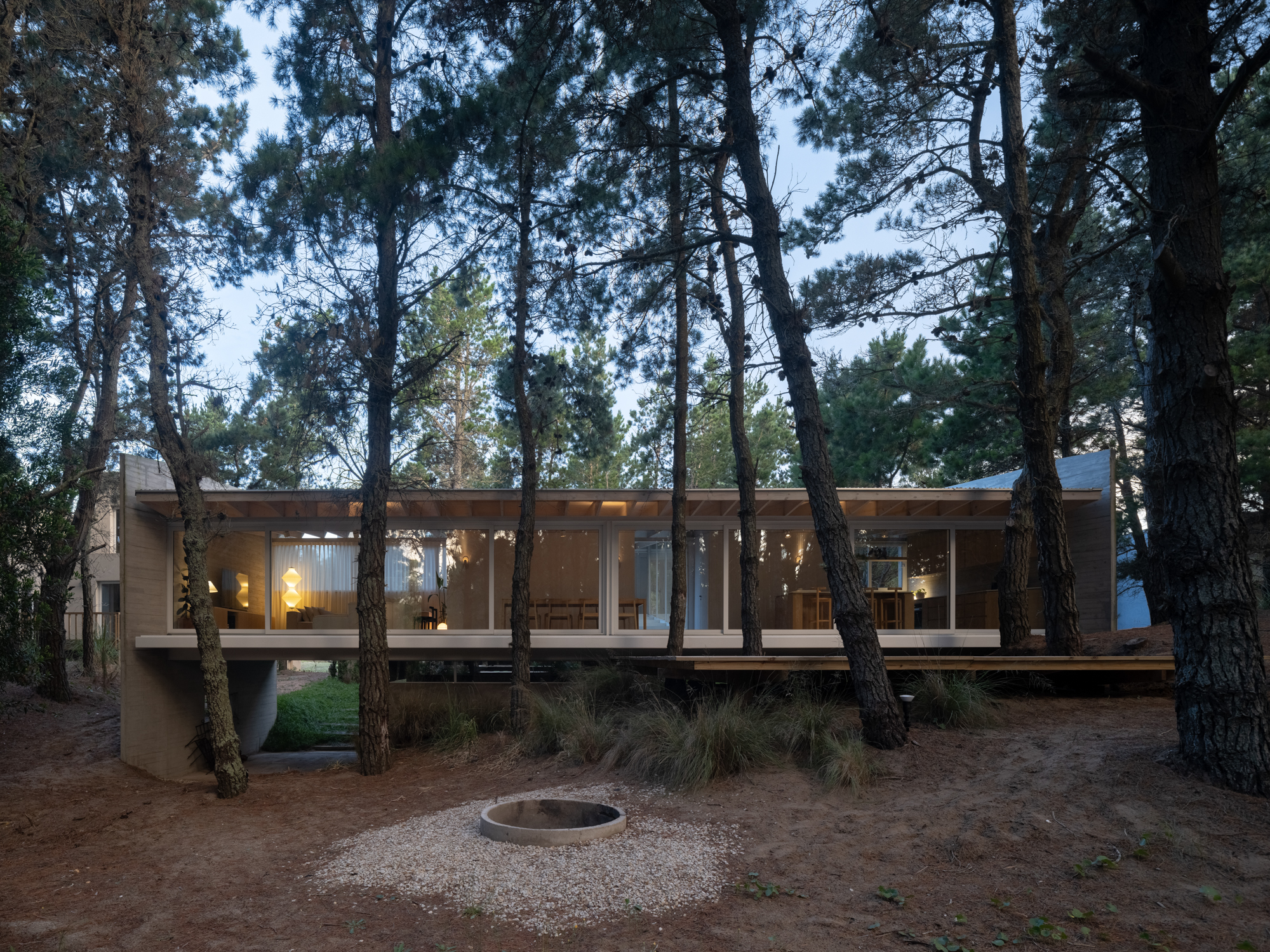
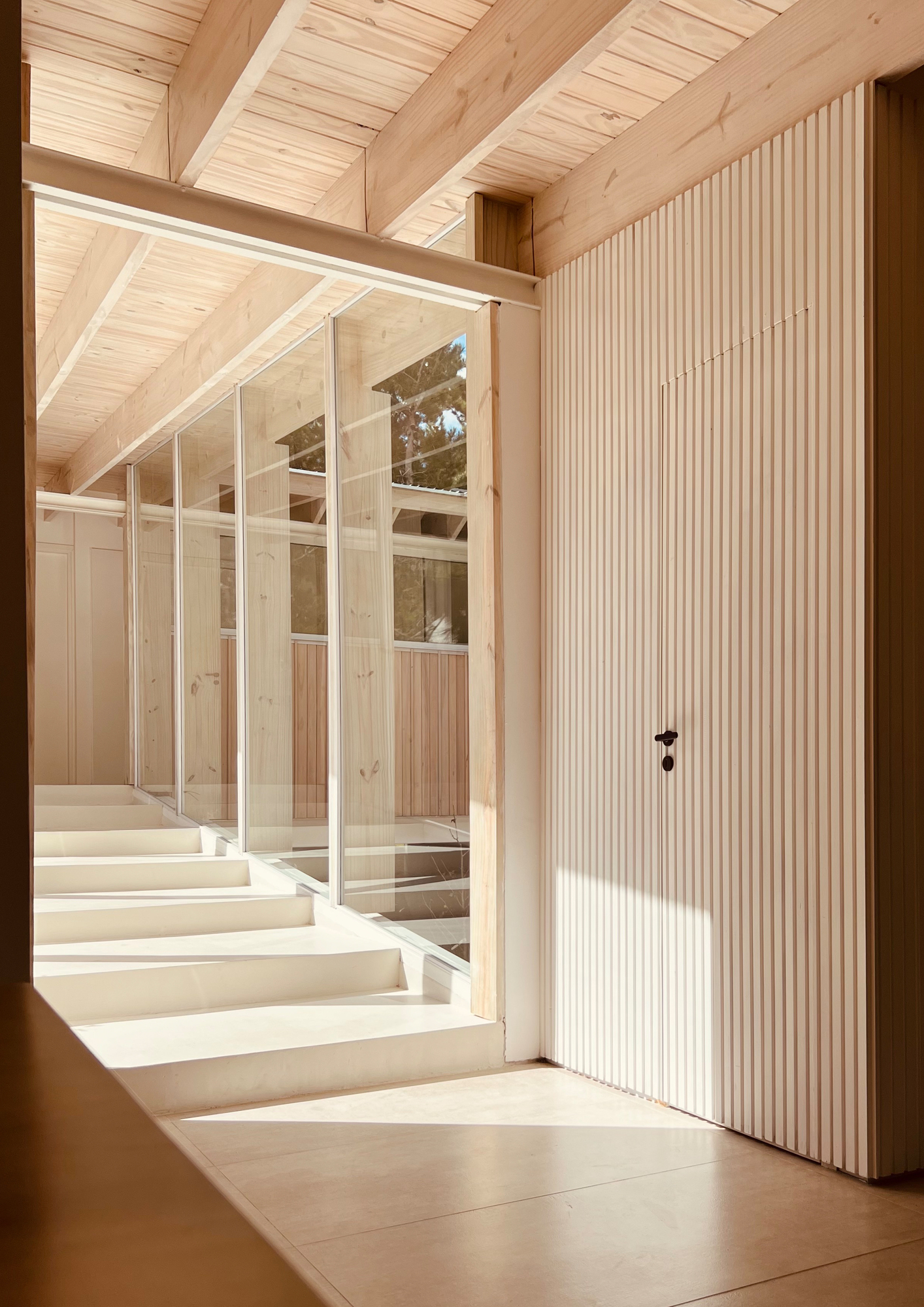
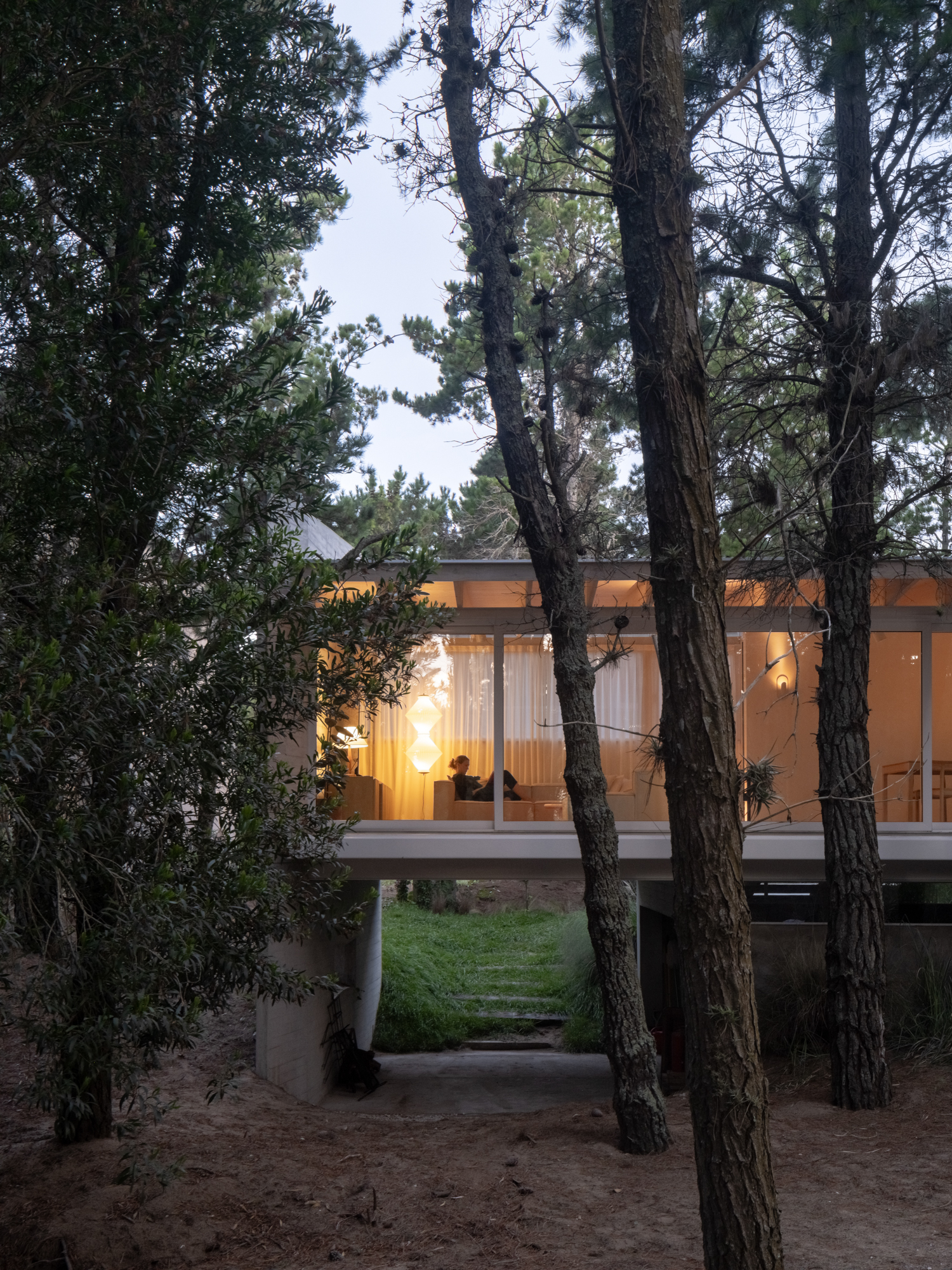
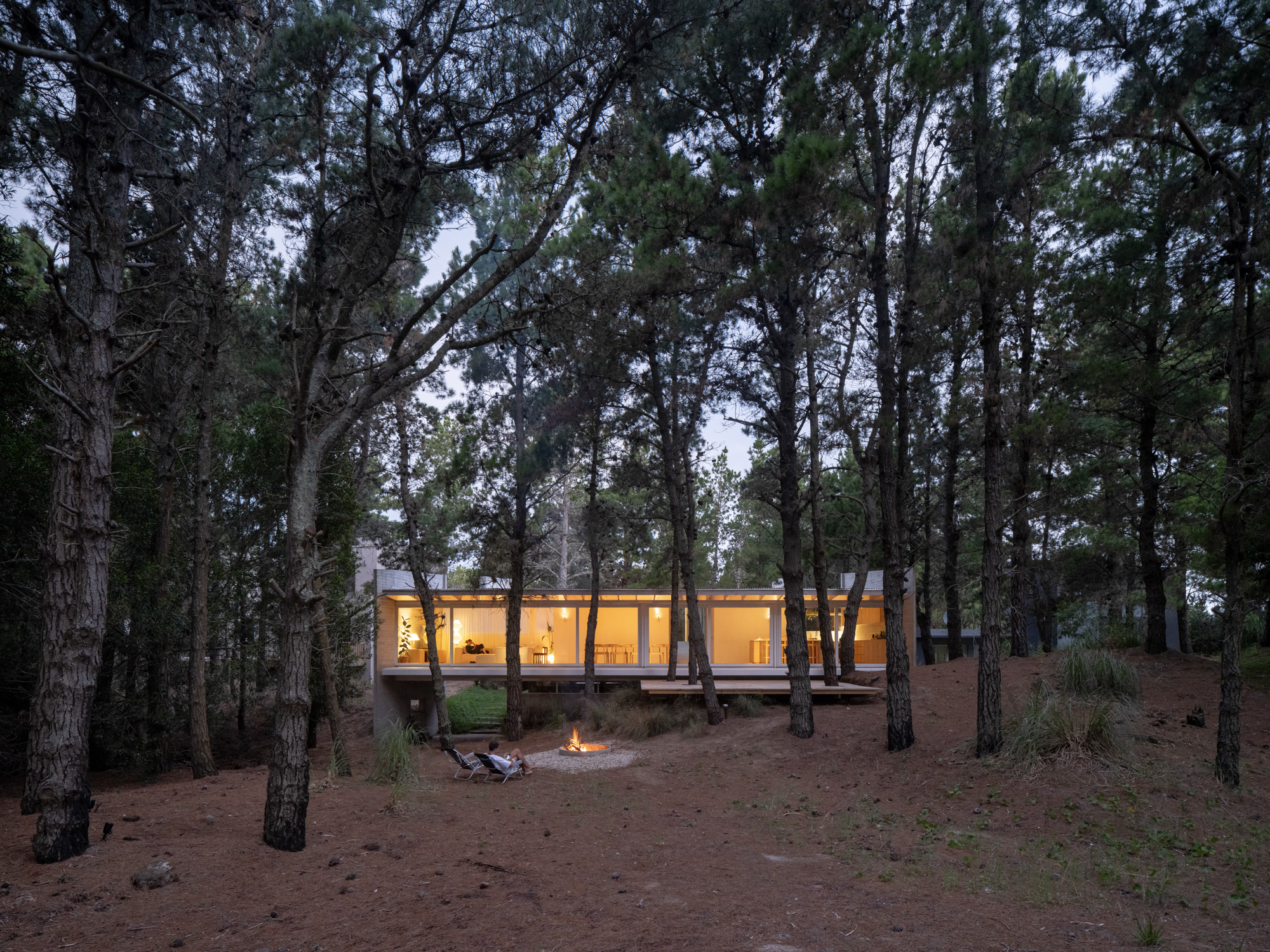
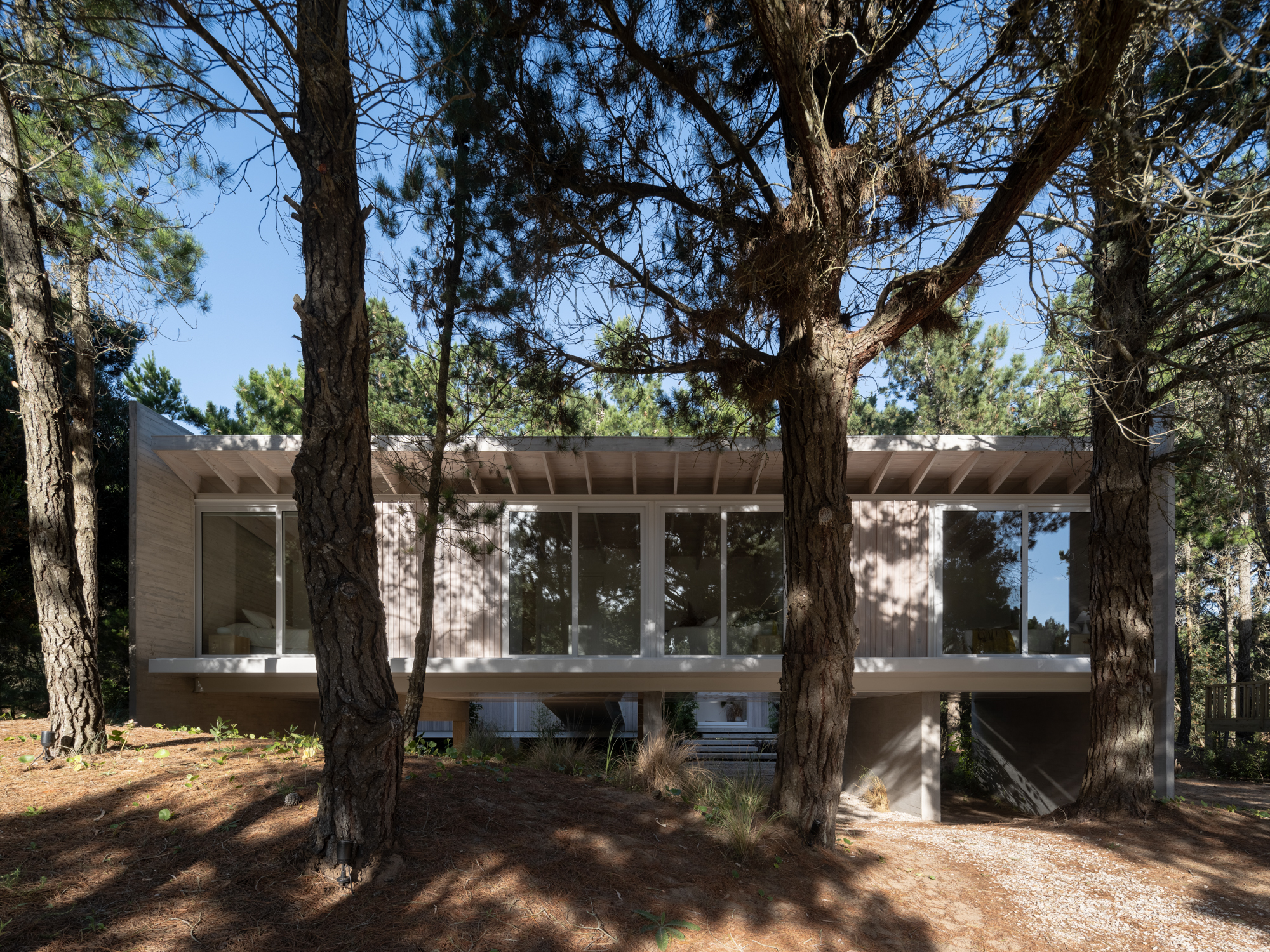
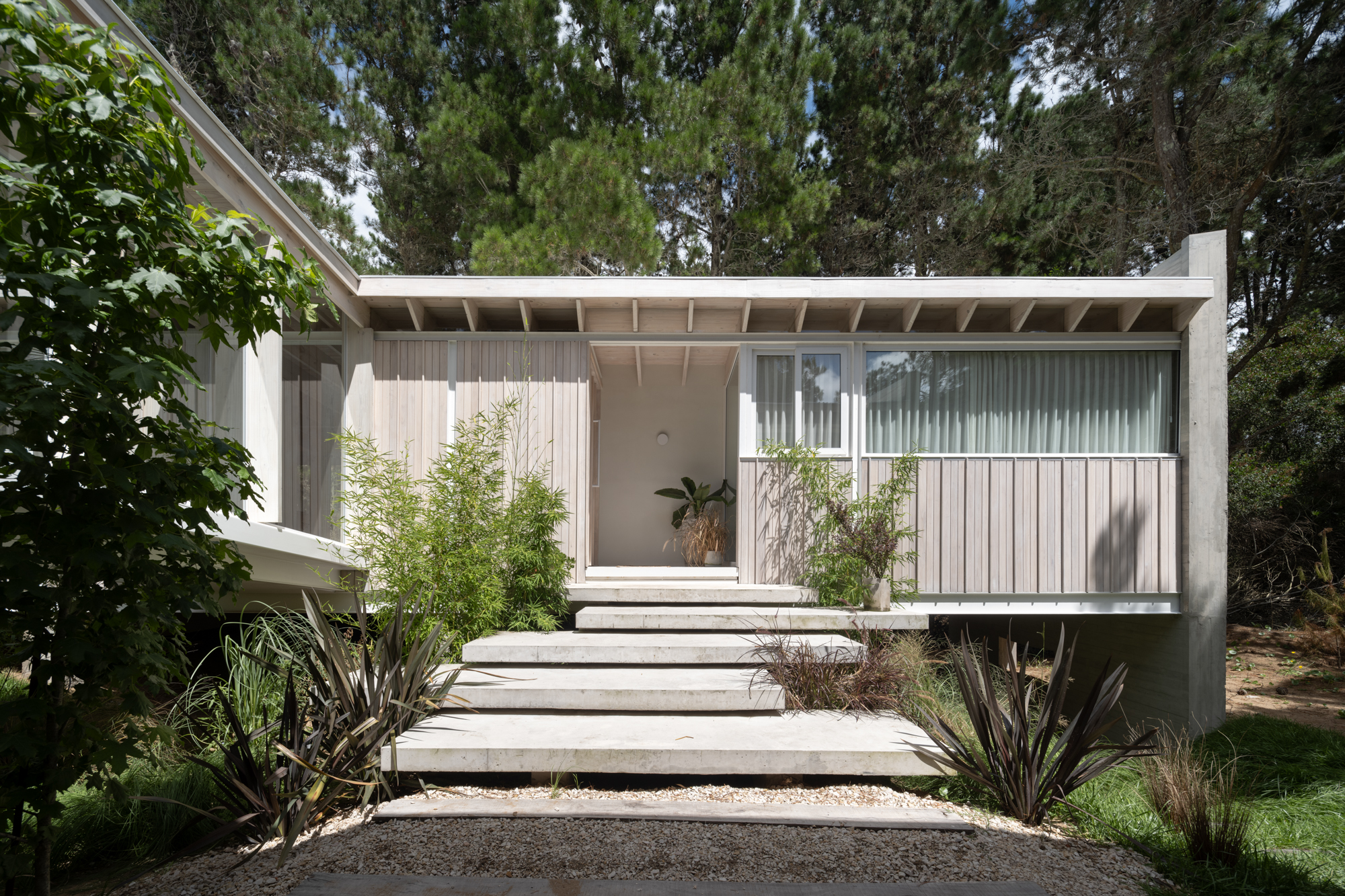
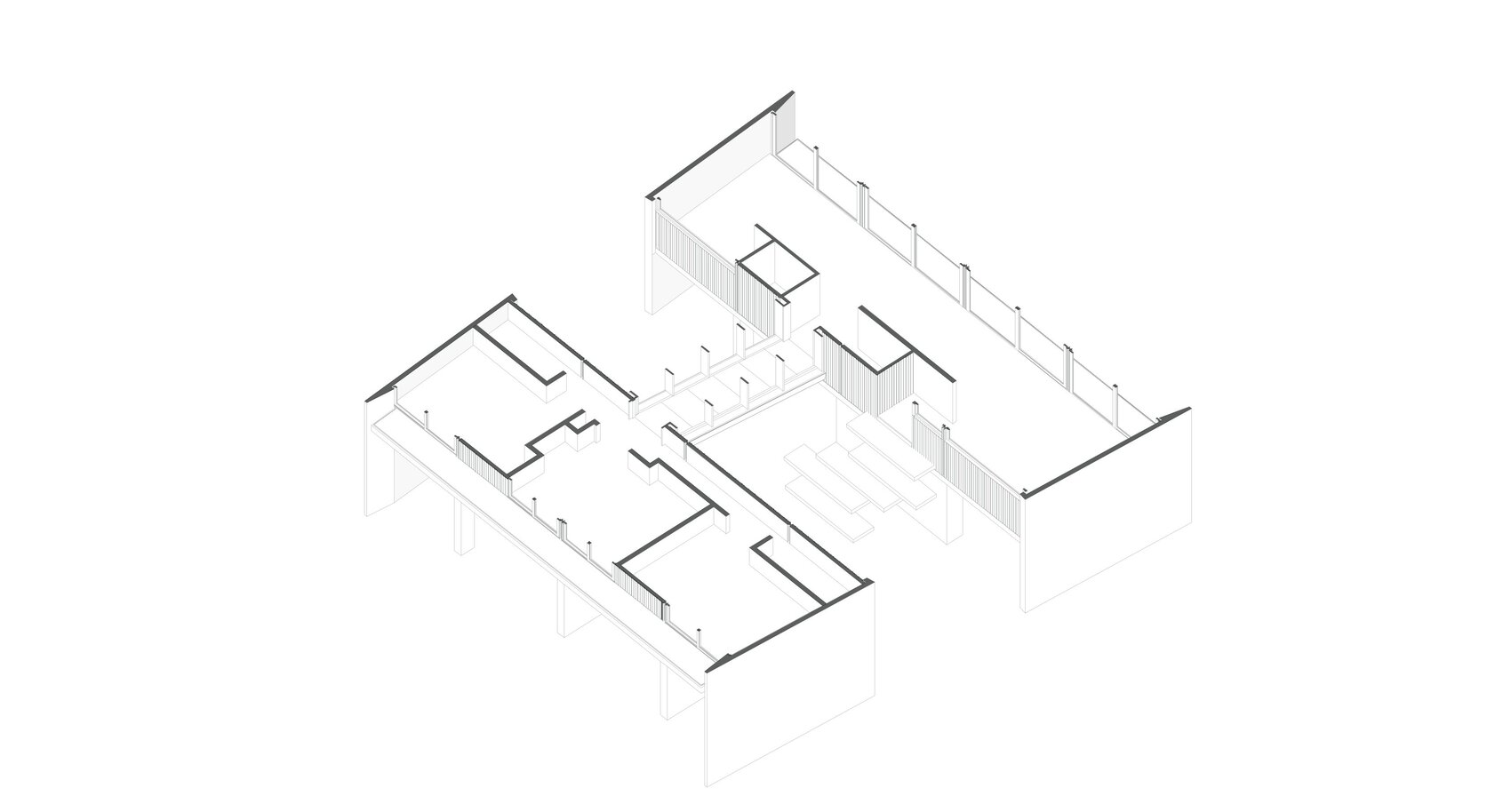
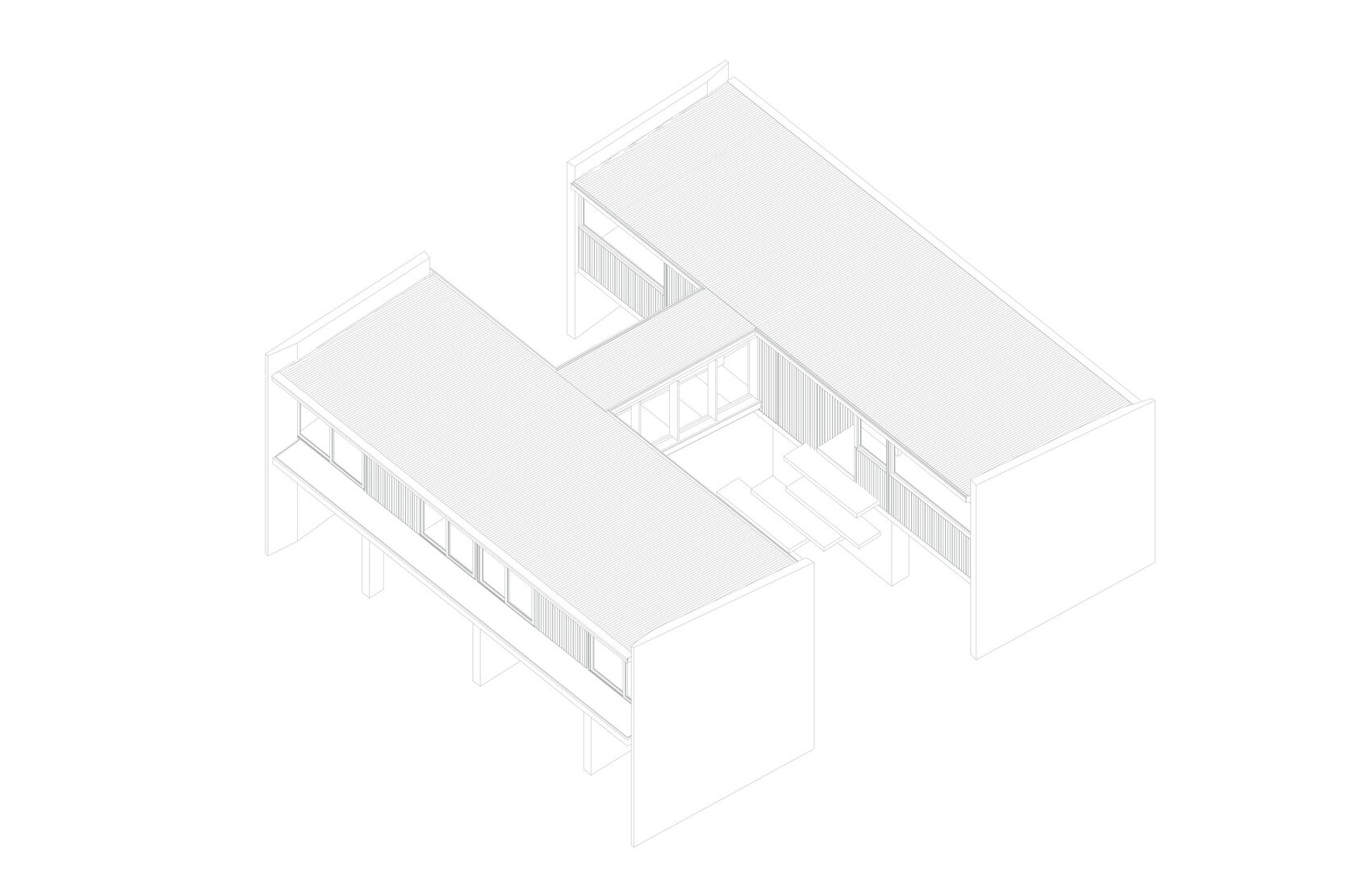
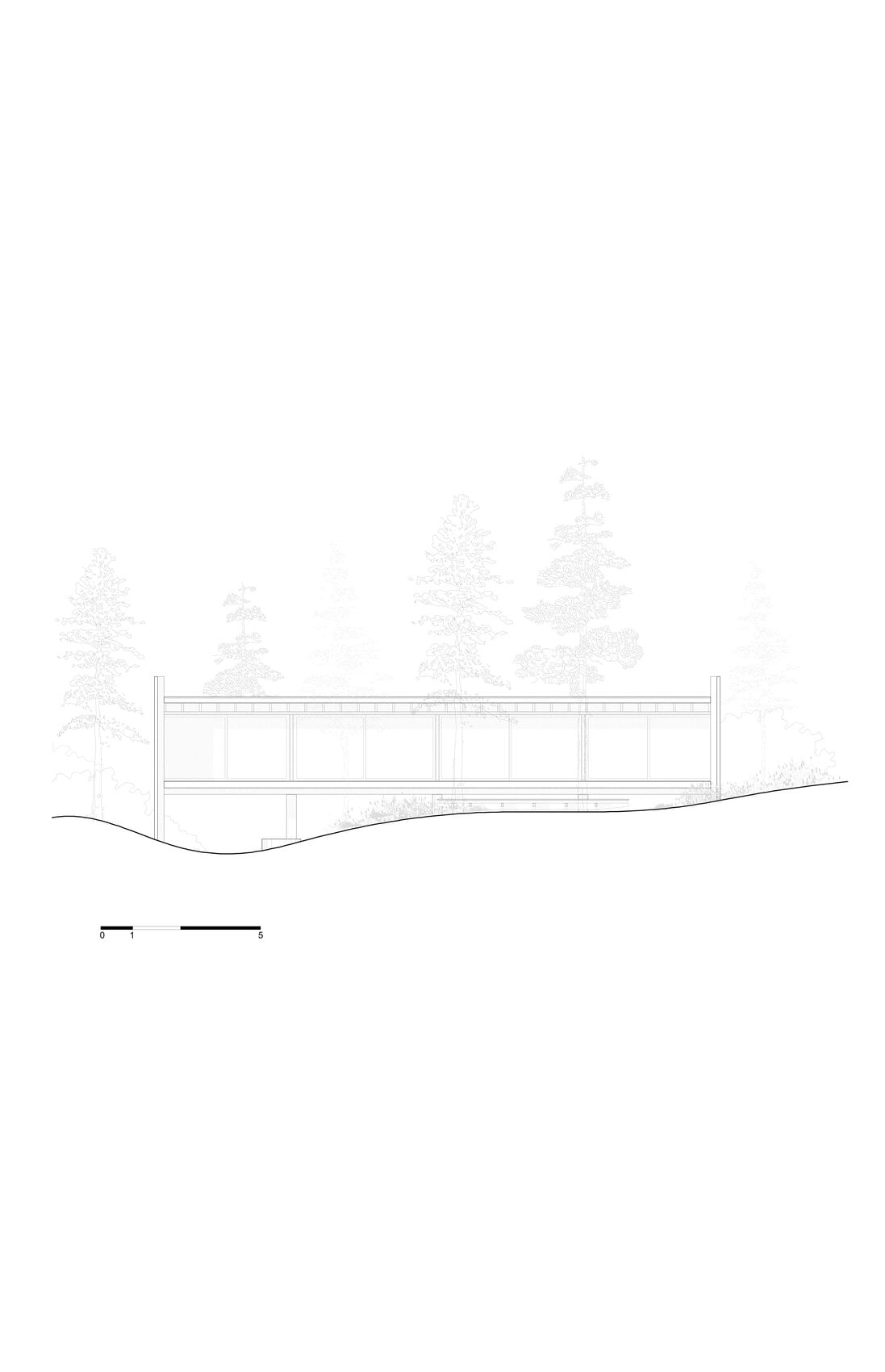
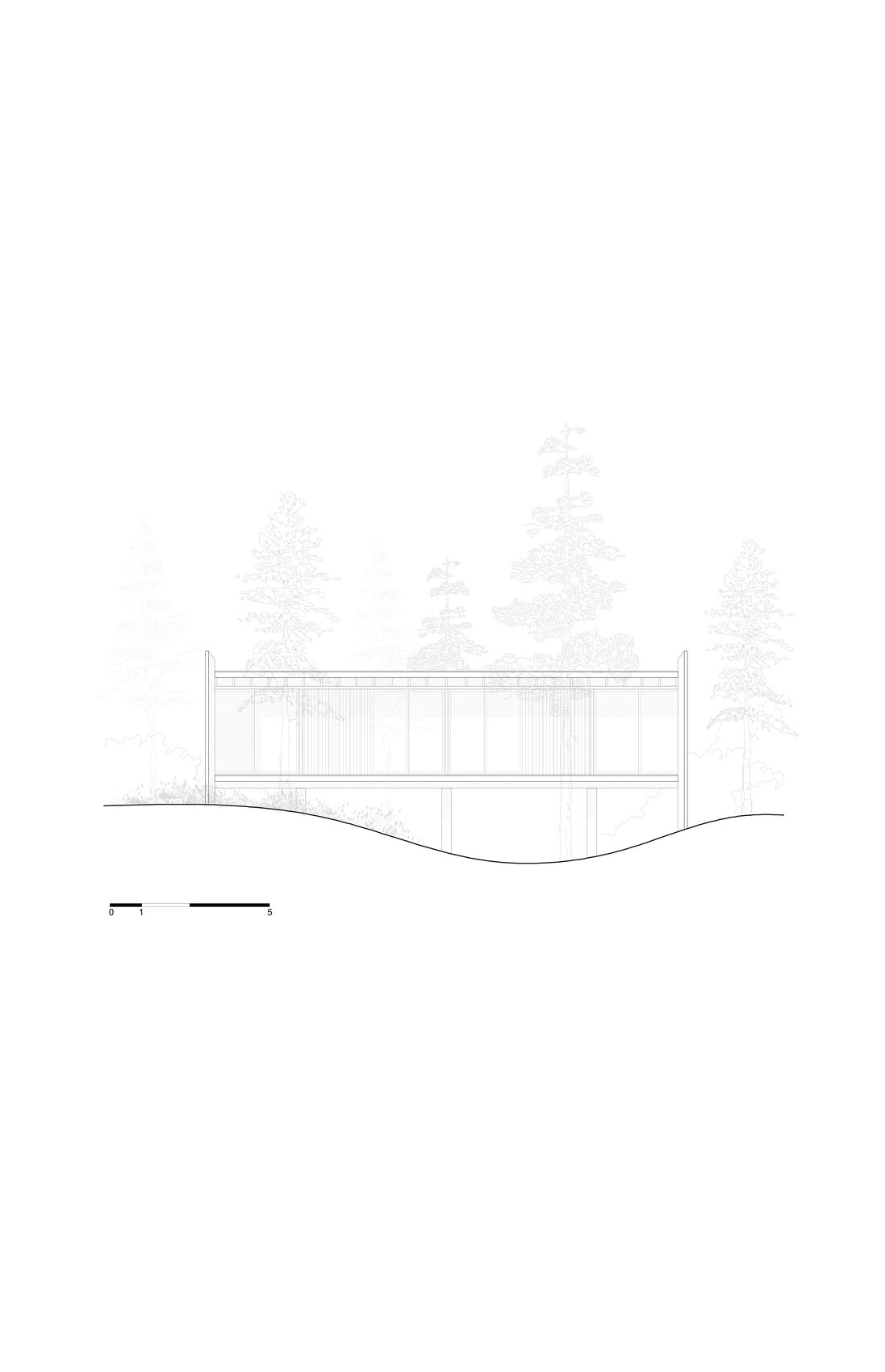
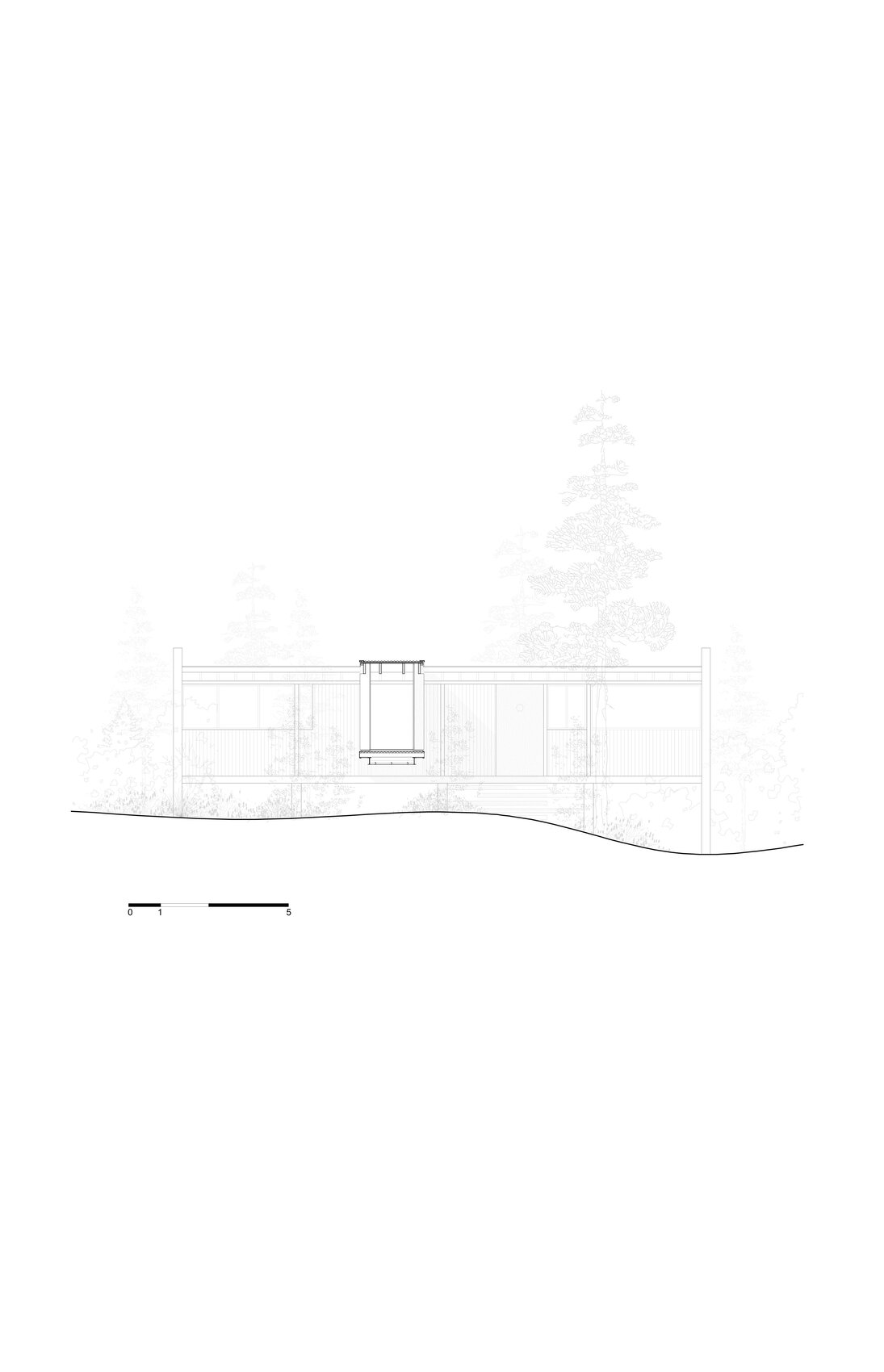
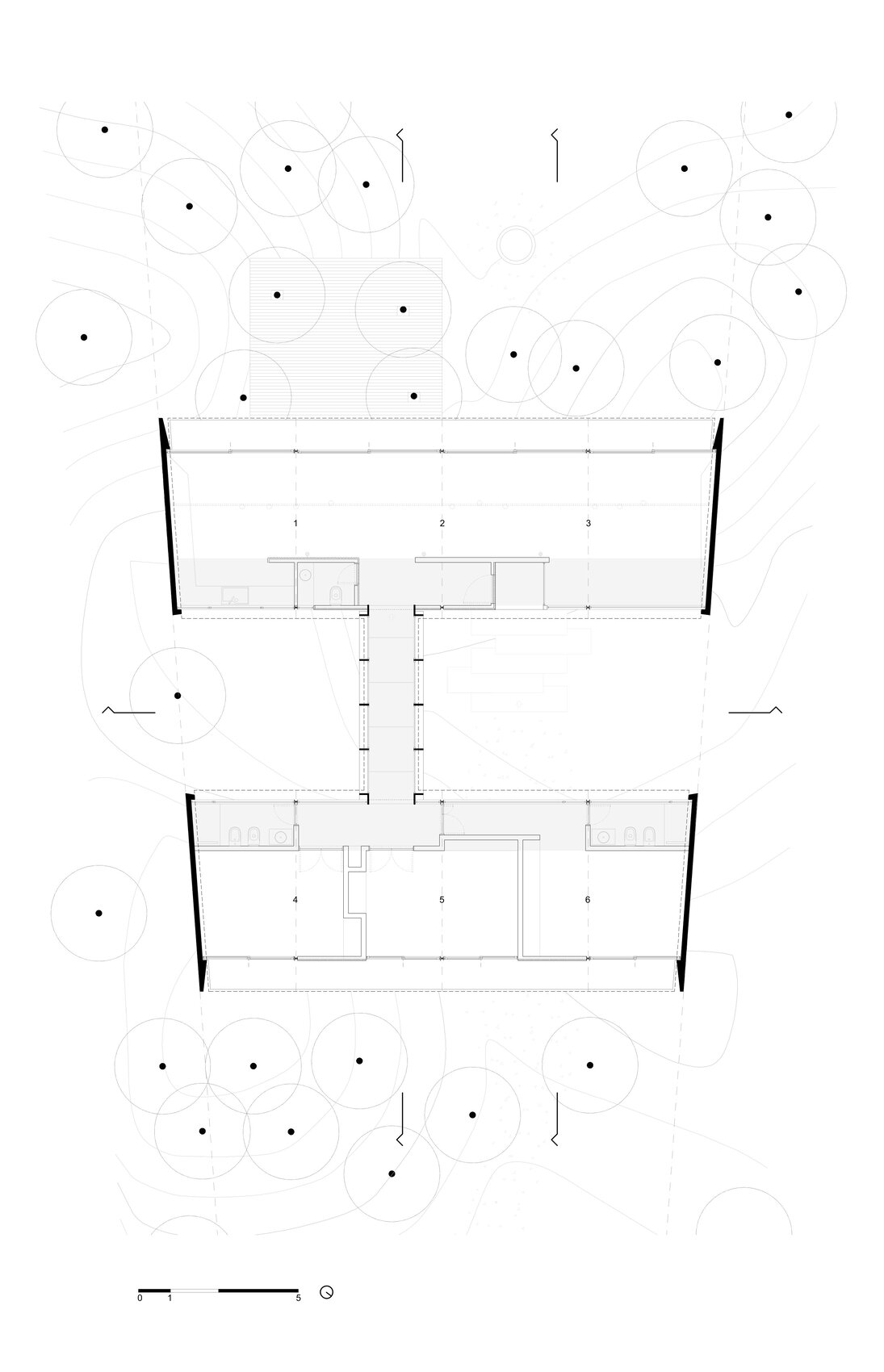
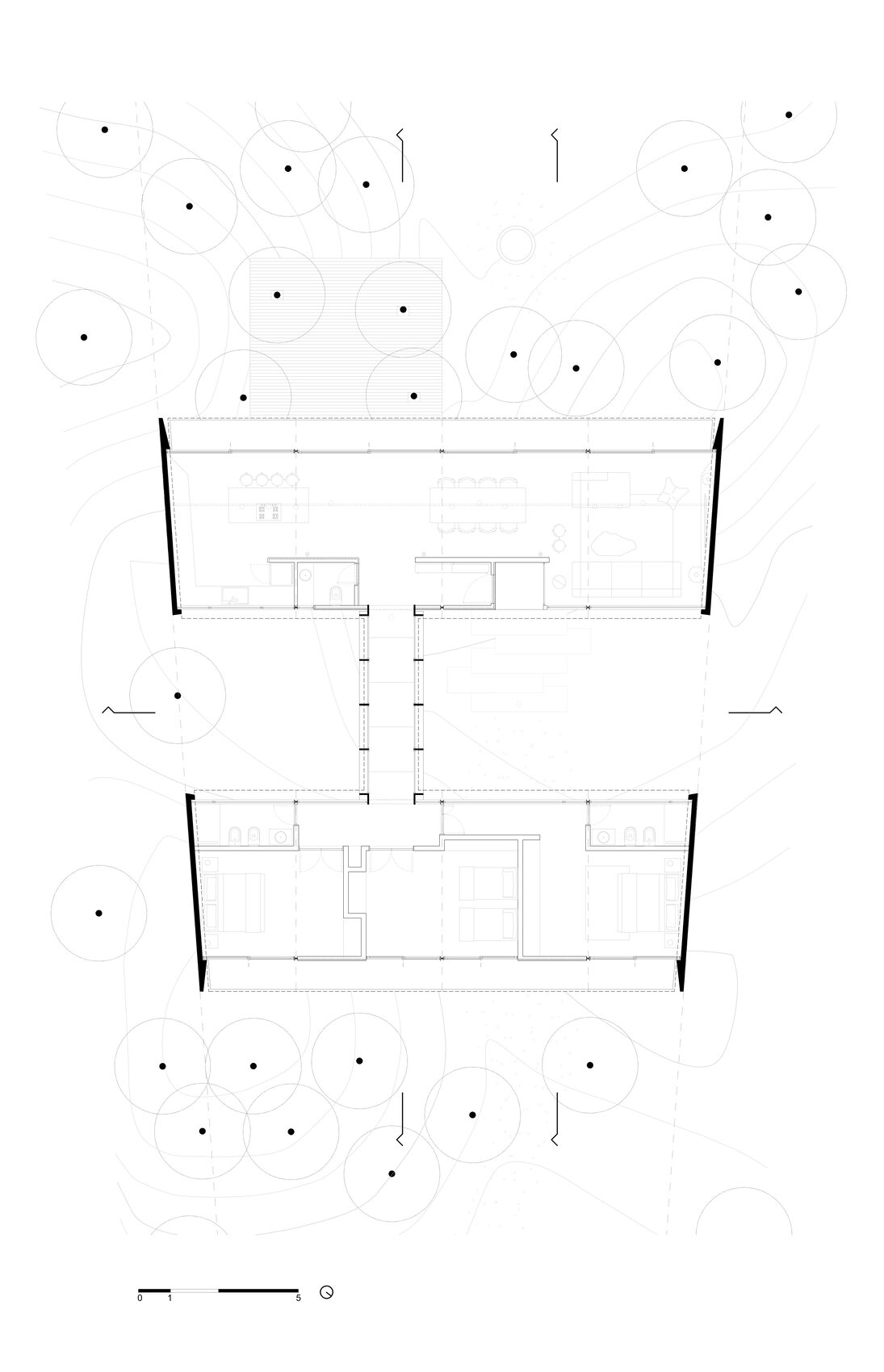
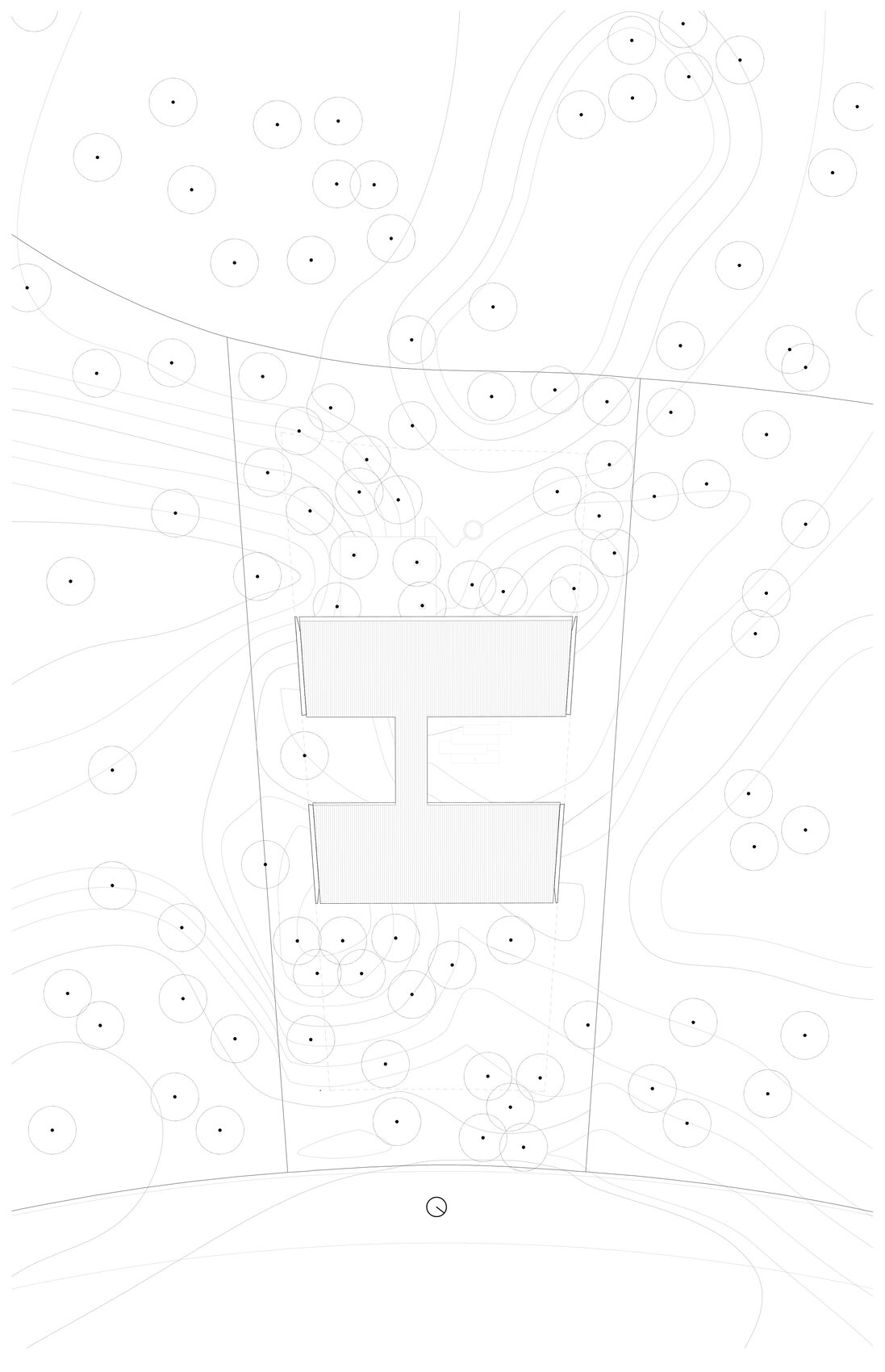
House H1 is located within the pine forests of Argentina’s Atlantic coast, a 180-square-meter temporary residence designed by Taranti Arq Studio and completed between 2022 and 2023. Conceived as an exploration of the studio’s architectural principles, the project combines distinct spatial typologies while responding directly to the environmental conditions and construction culture of the region. The residence is organized into two elevated volumes connected by a bridge, separating private and communal functions while preserving visual continuity across the site. A fully glazed communal wing extends toward the surrounding forest and adjacent nature reserve, reinforcing the relationship between architecture and landscape. Drawing on locally prevalent materials including concrete, steel, and timber, the house establishes a contemporary coastal identity rooted in construction logic rather than stylistic references. Through elevated foundations, efficient structural systems, and carefully designed transitional spaces, House H1 presents an architecture that balances environmental sensitivity, functional clarity, and material honesty.
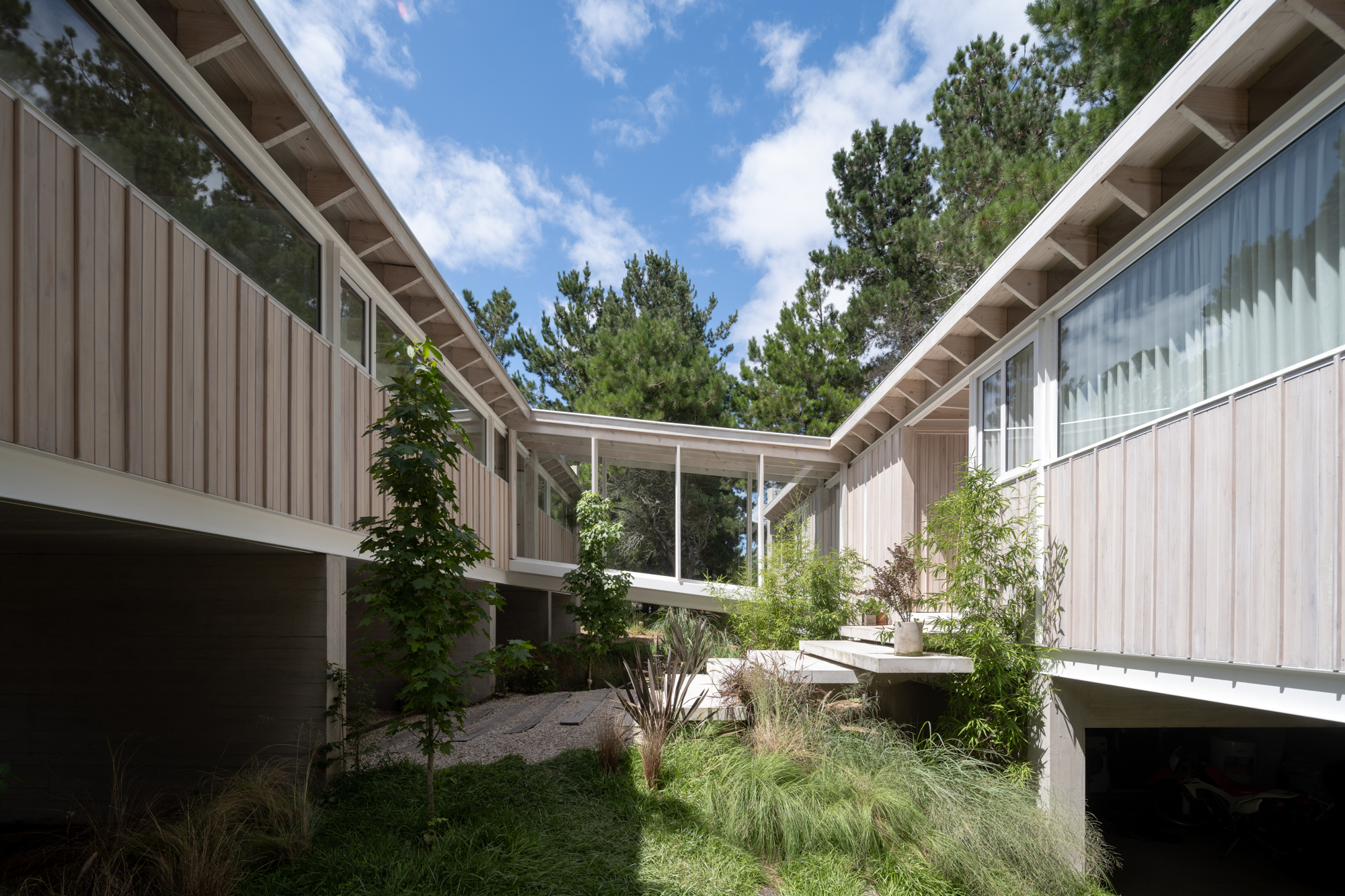
House H1 is informed by a search for an architectural expression that emerges from the realities of place rather than from established images of coastal living. Situated among dense pine forests in La Costa, Argentina, the project avoids nostalgic interpretations of the seaside house. Instead, it develops a language derived from the materials, techniques, and practical knowledge that have become characteristic of recent construction in the region. Concrete, steel, and timber are employed as primary architectural tools, generating a residence whose identity is inseparable from its method of construction.
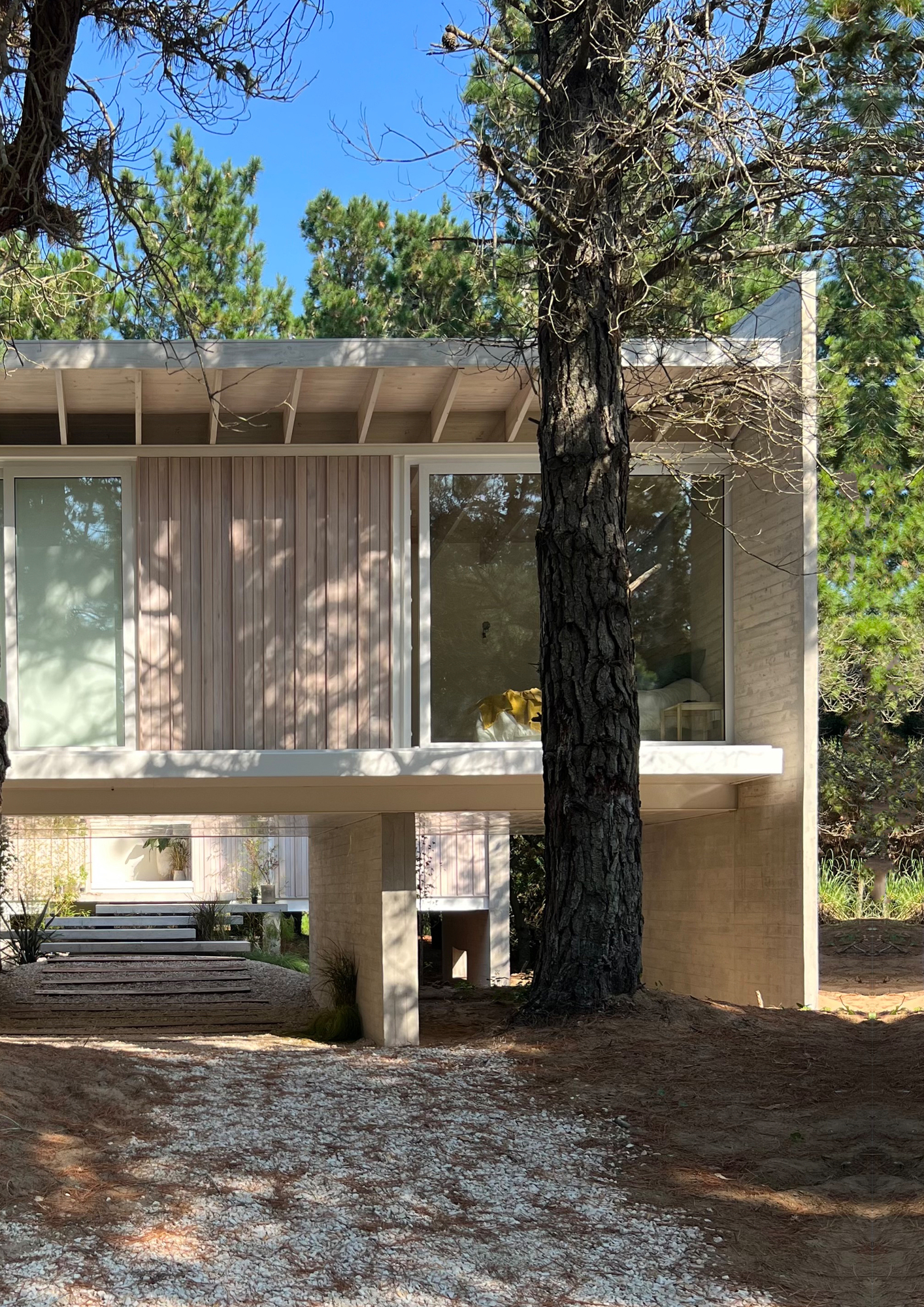
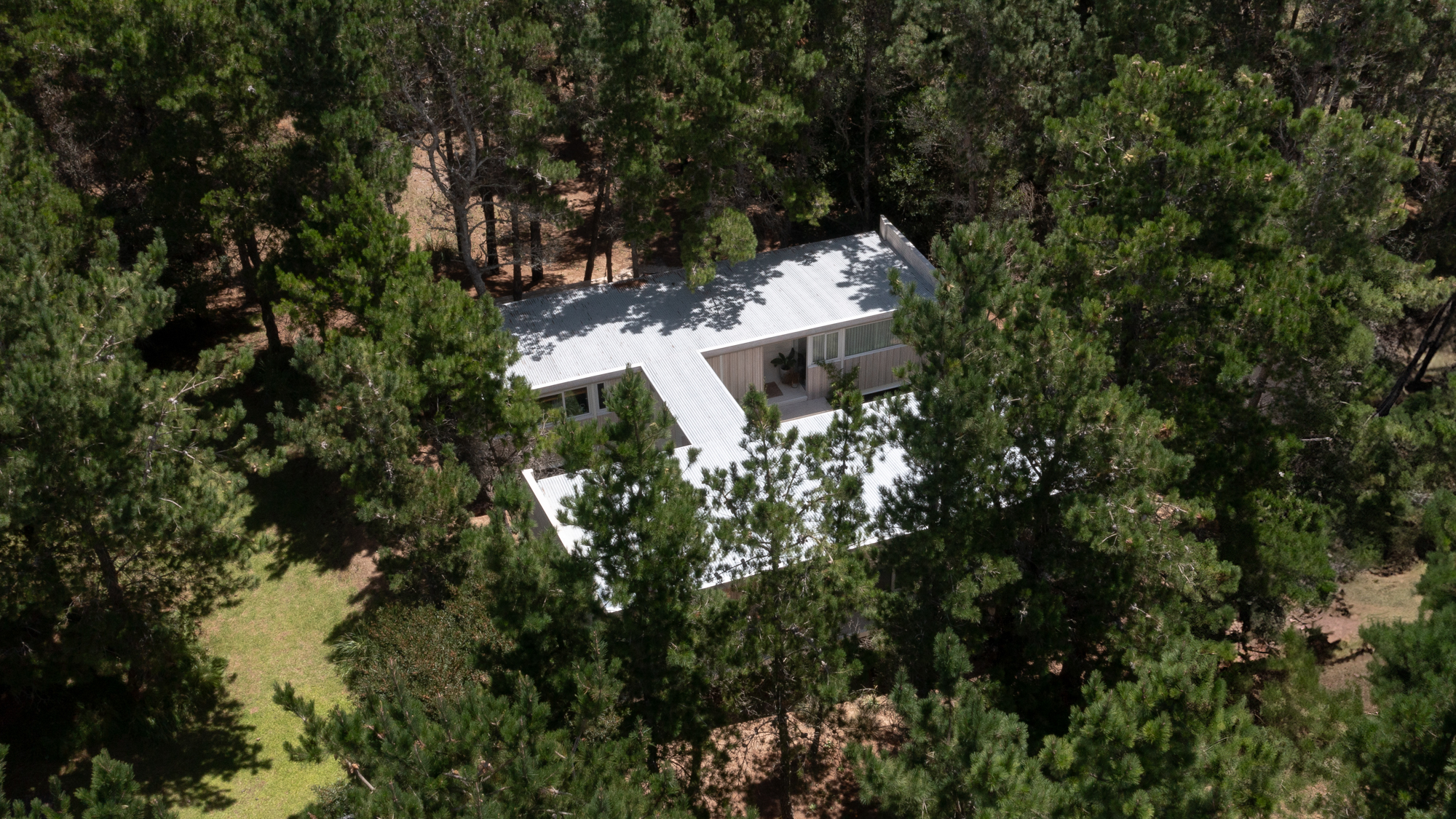
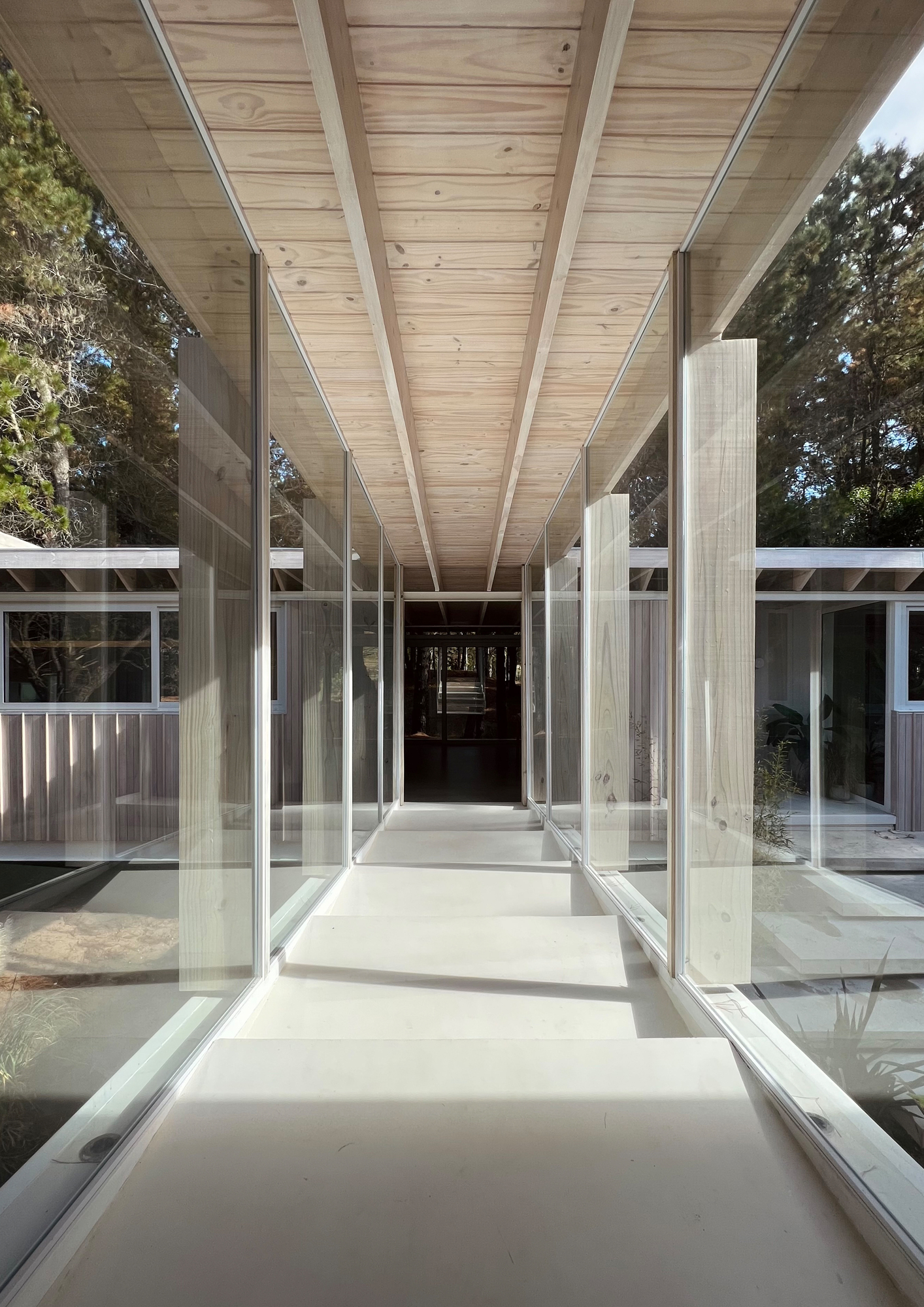
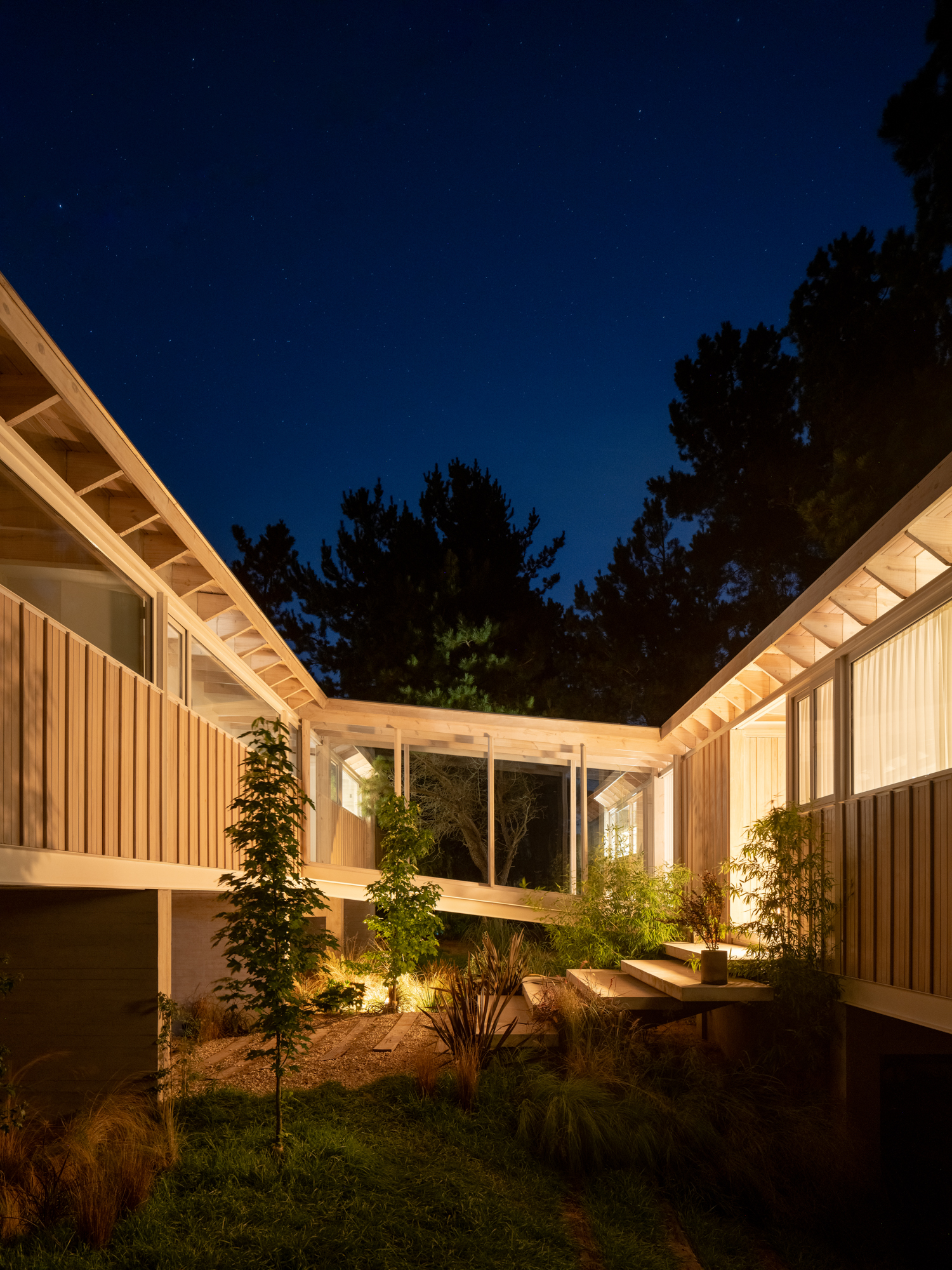
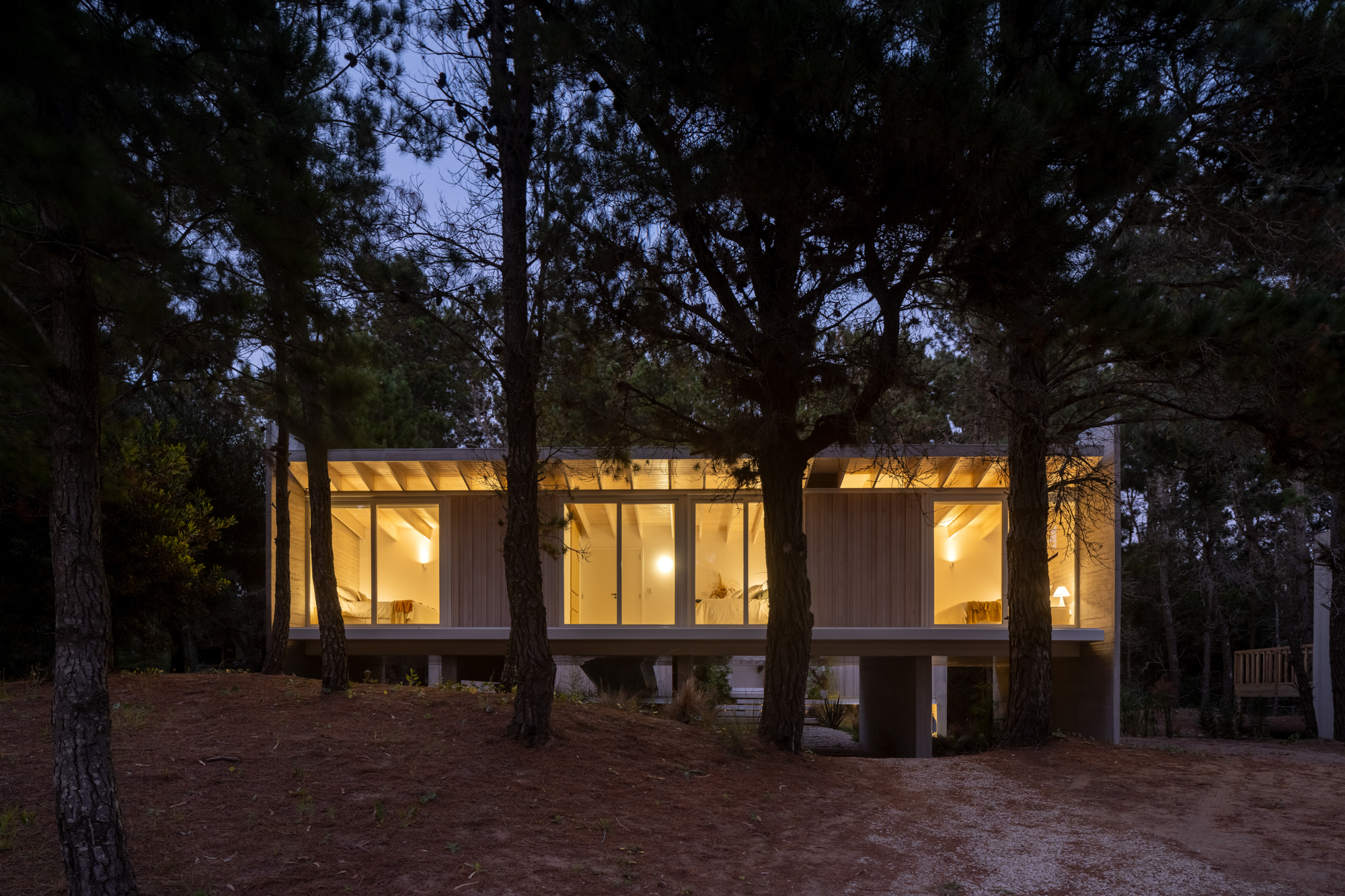
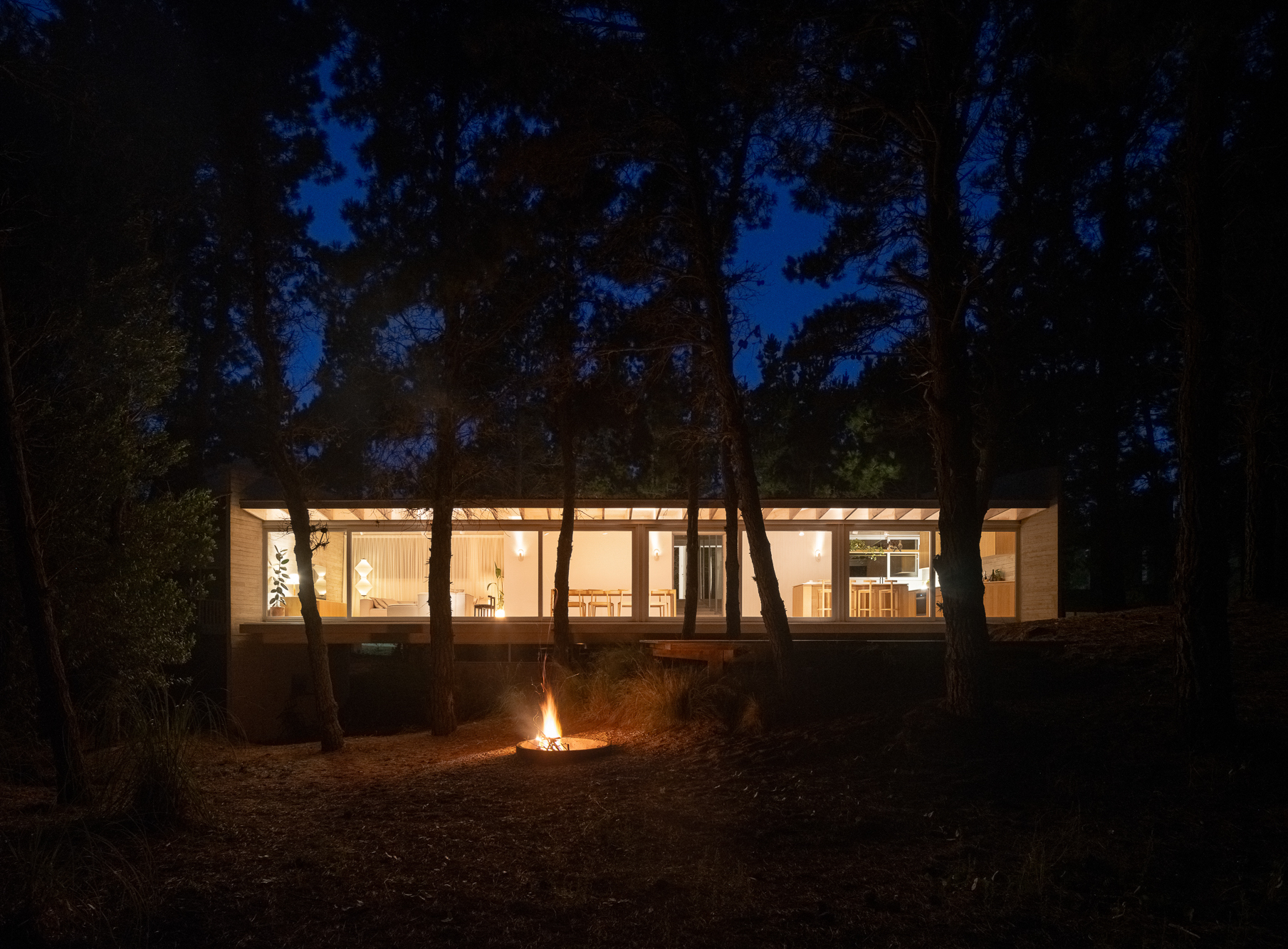
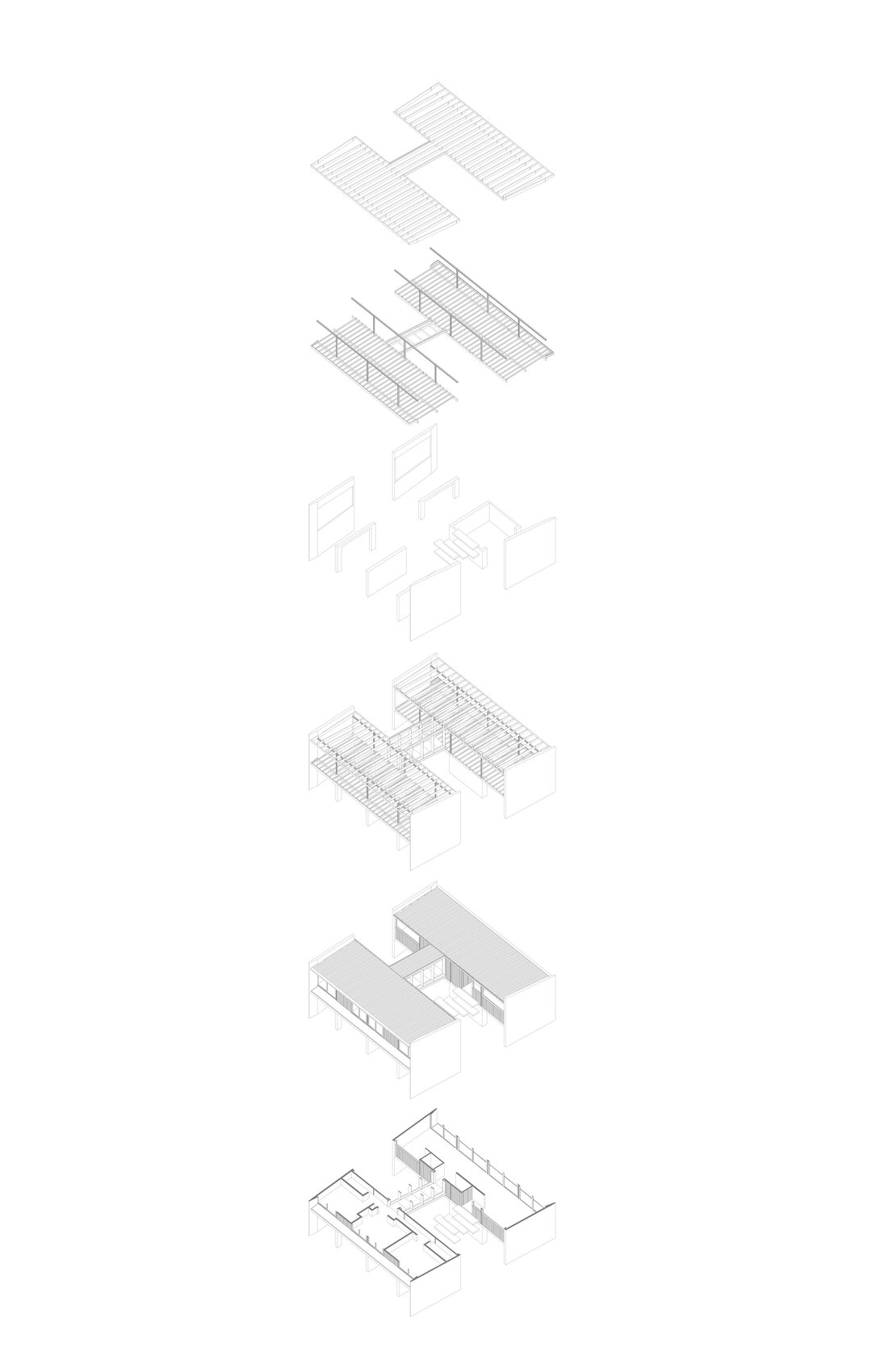
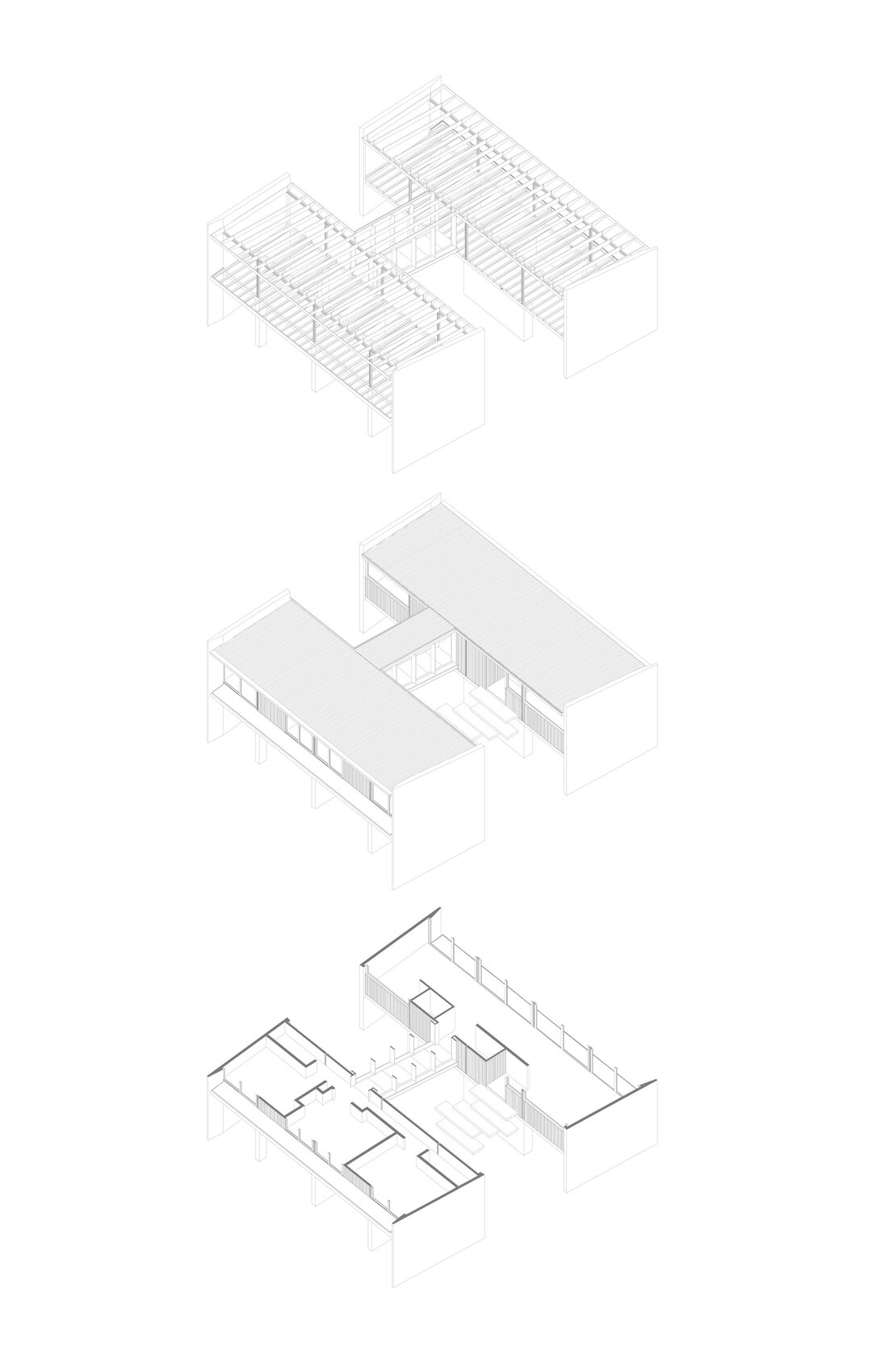
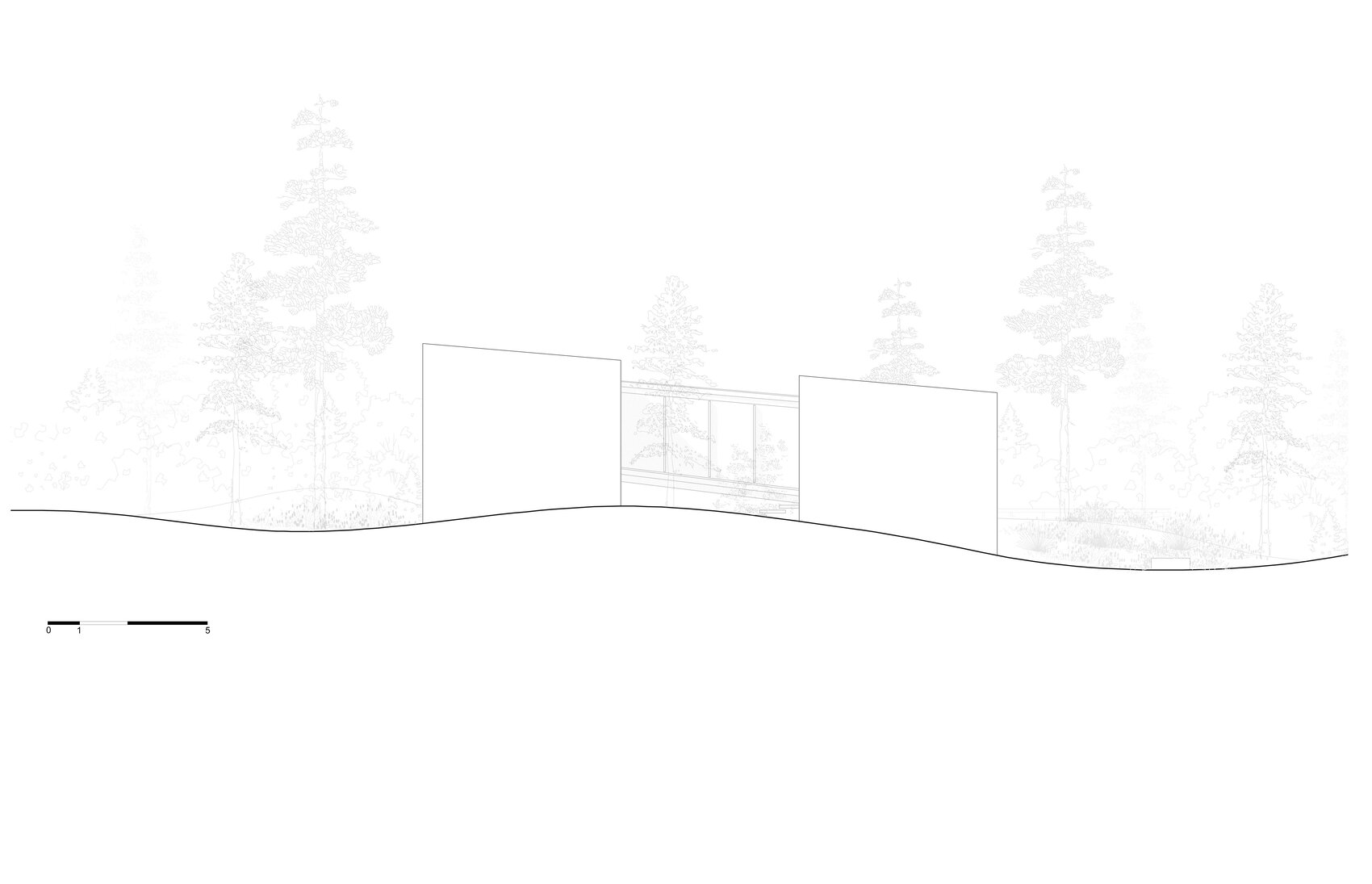
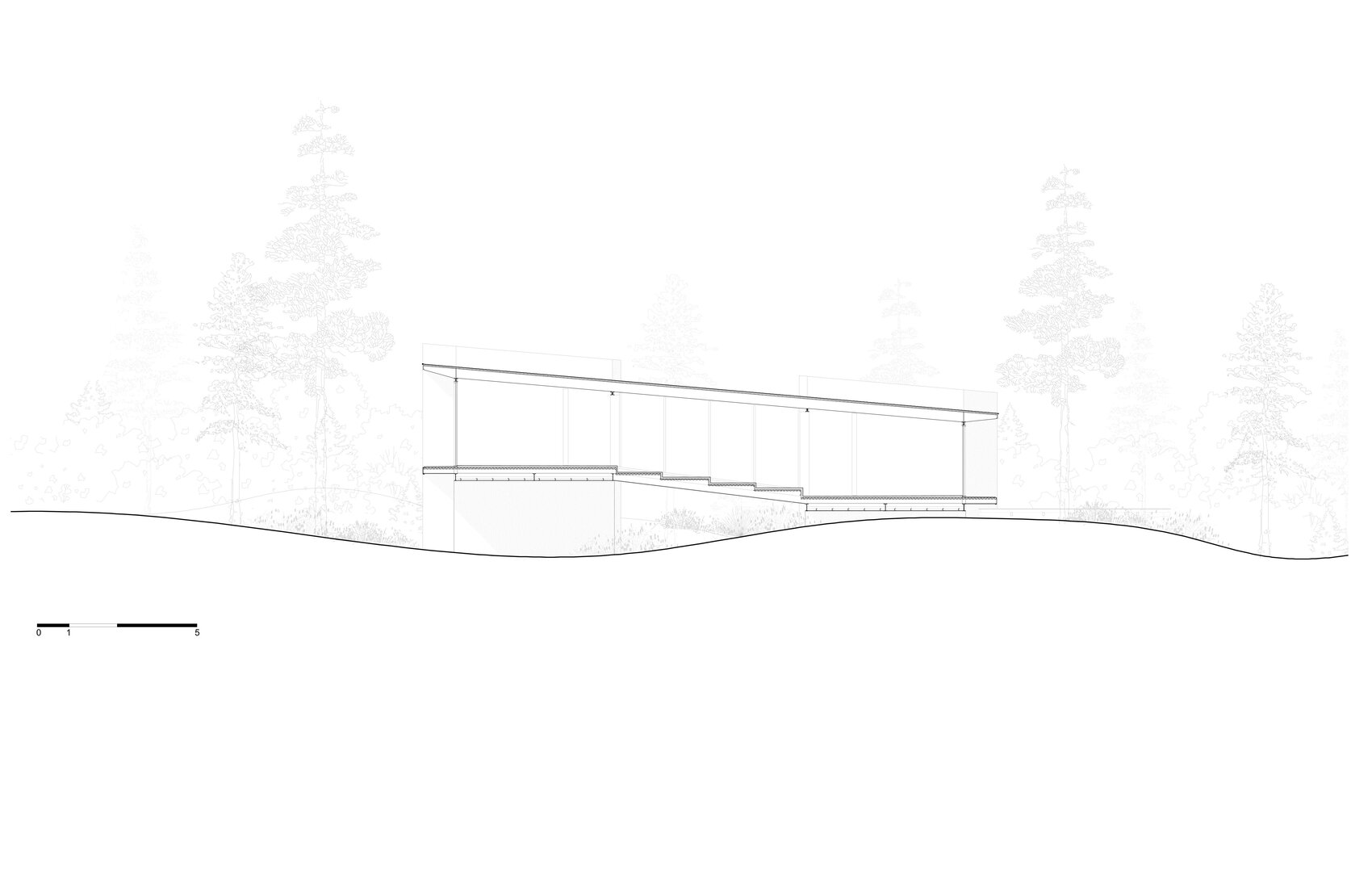
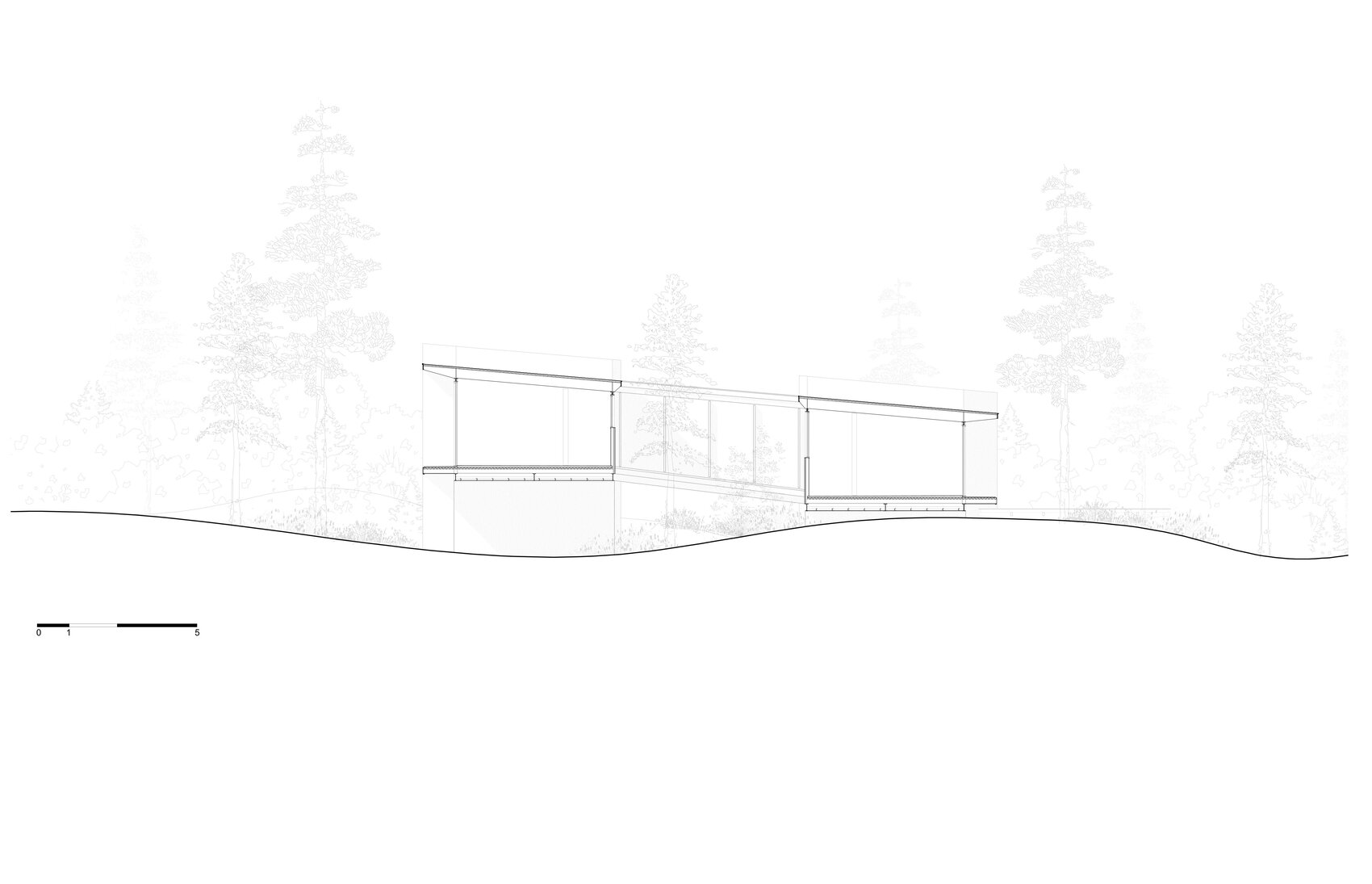
Embedded within the site’s natural topography, the house is organized as two independent volumes elevated above the sandy terrain and linked by a bridge. This arrangement creates a clear distinction between private and collective spaces while preserving a continuous relationship with the surrounding landscape. The composition allows the architecture to settle lightly among the existing pines, minimizing intervention on the site while capitalizing on the visual depth offered by the forest environment. The elevated configuration also responds to environmental considerations associated with dune preservation and natural drainage.
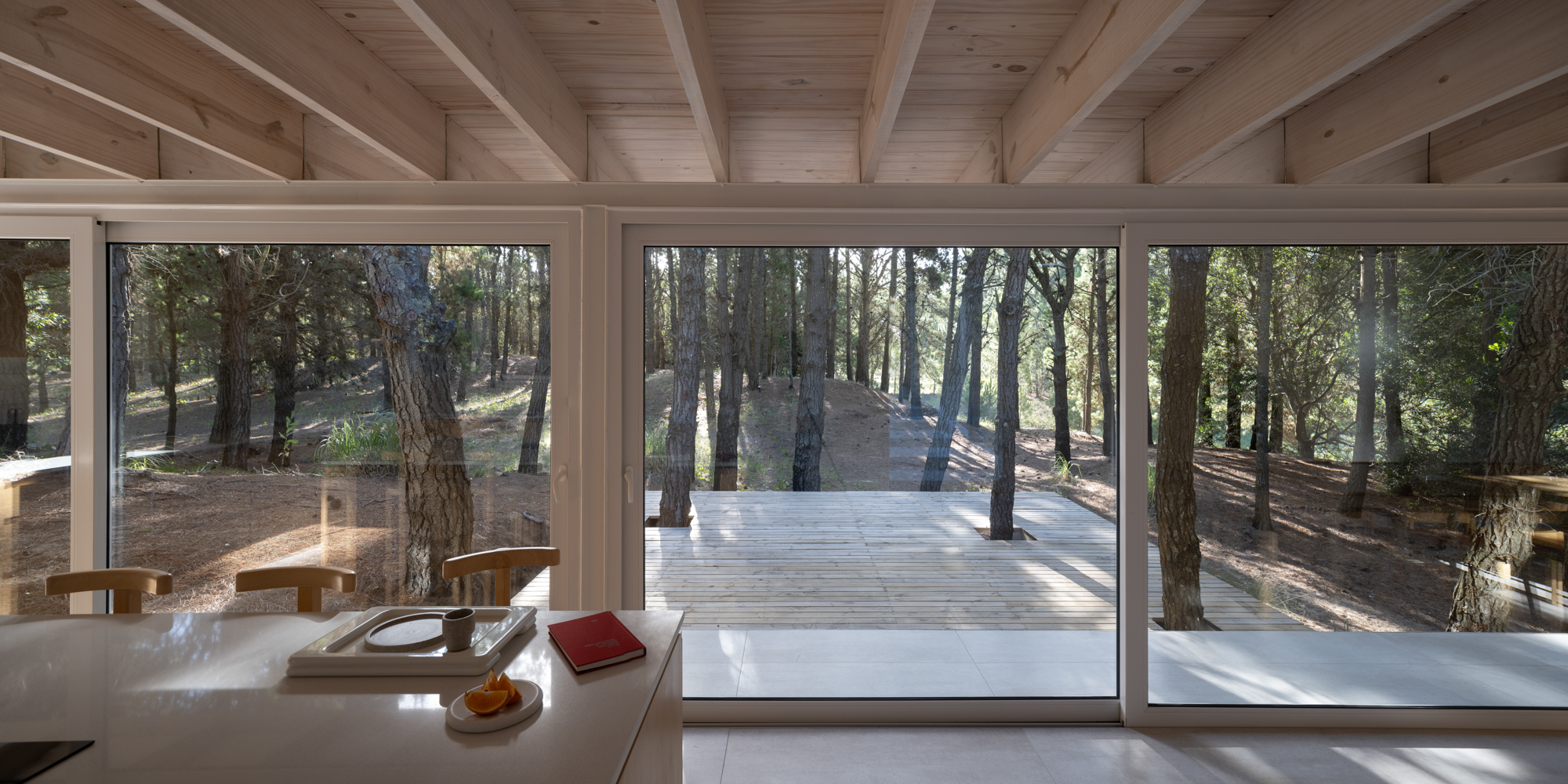
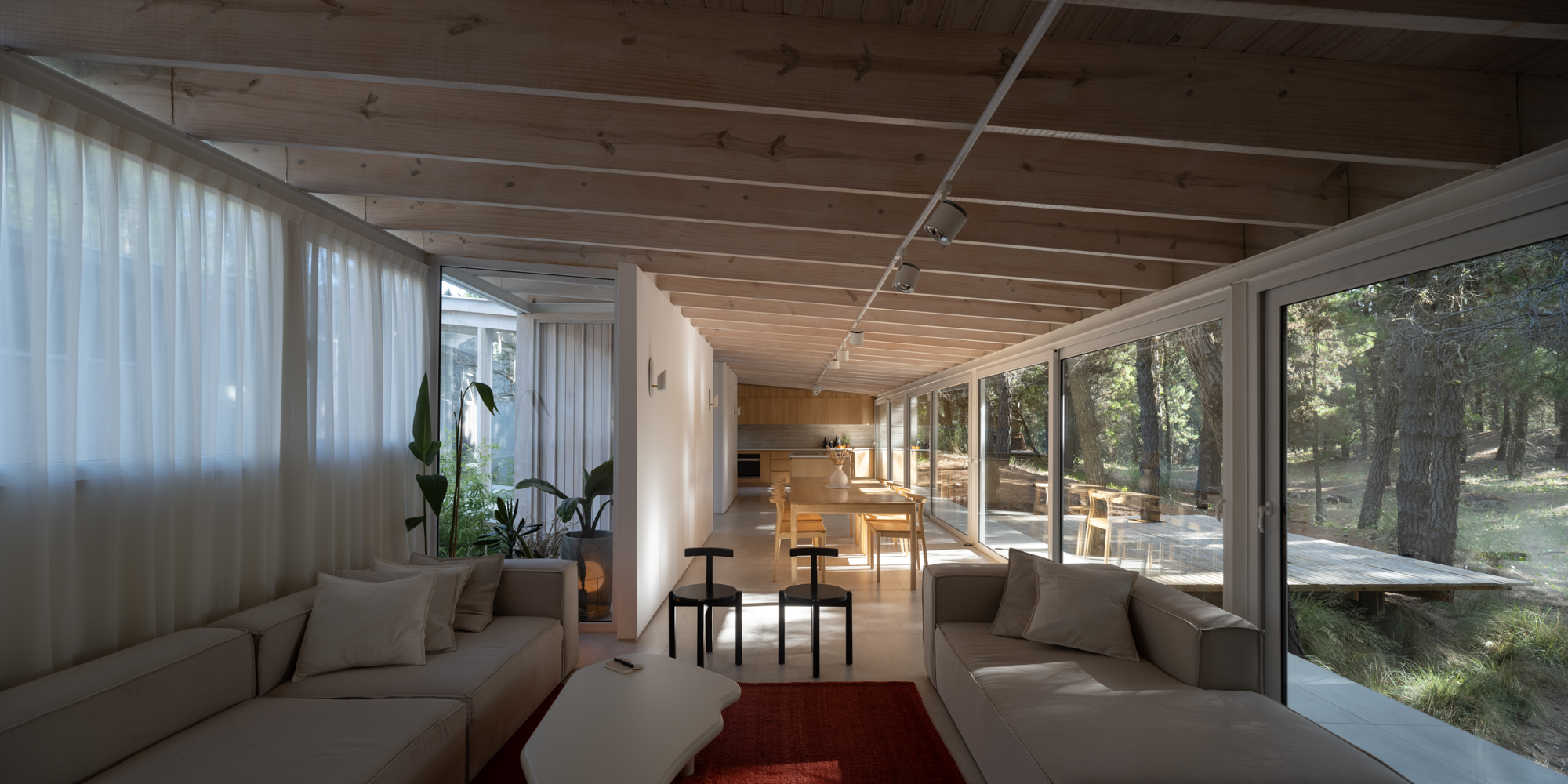
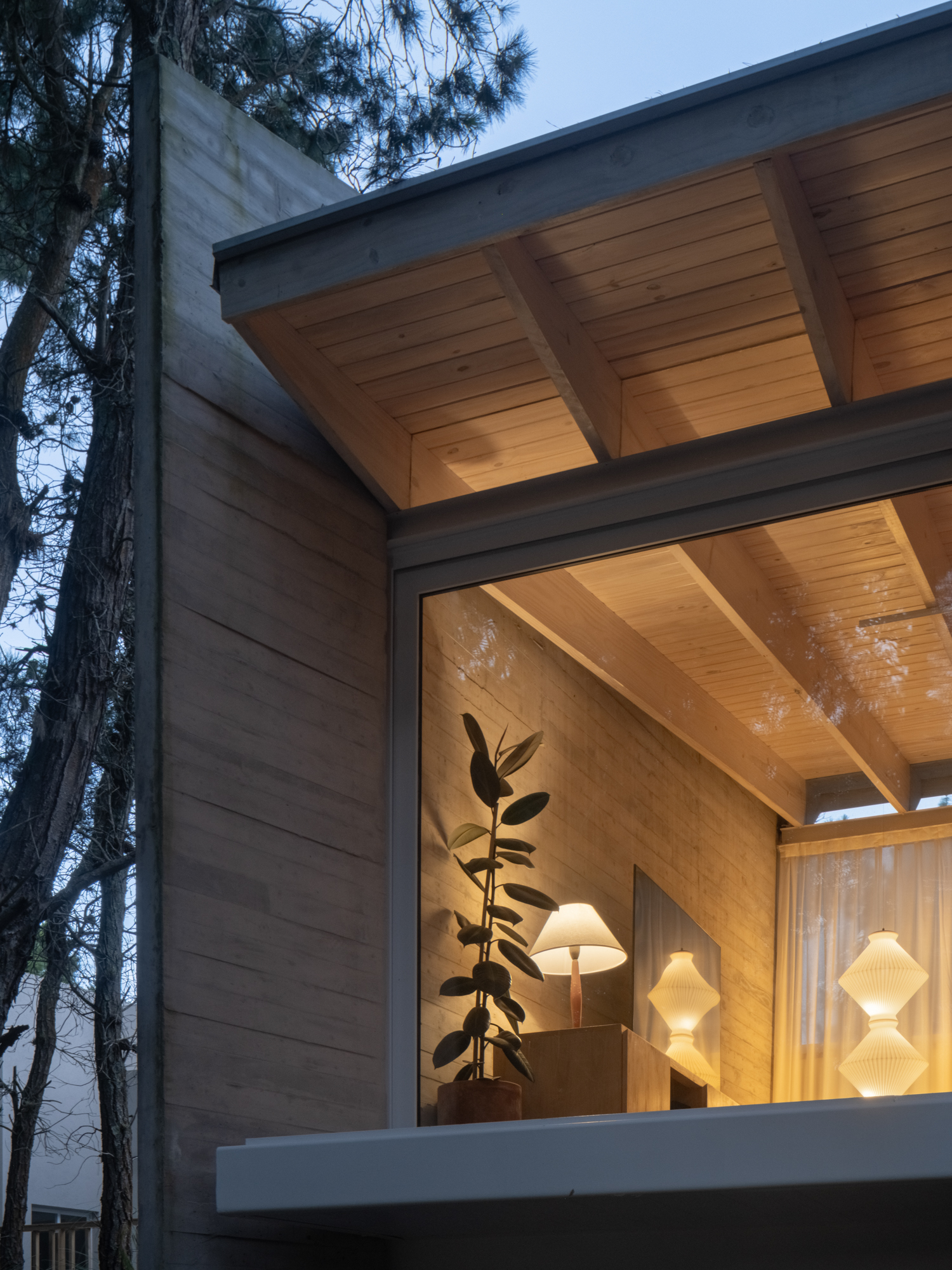
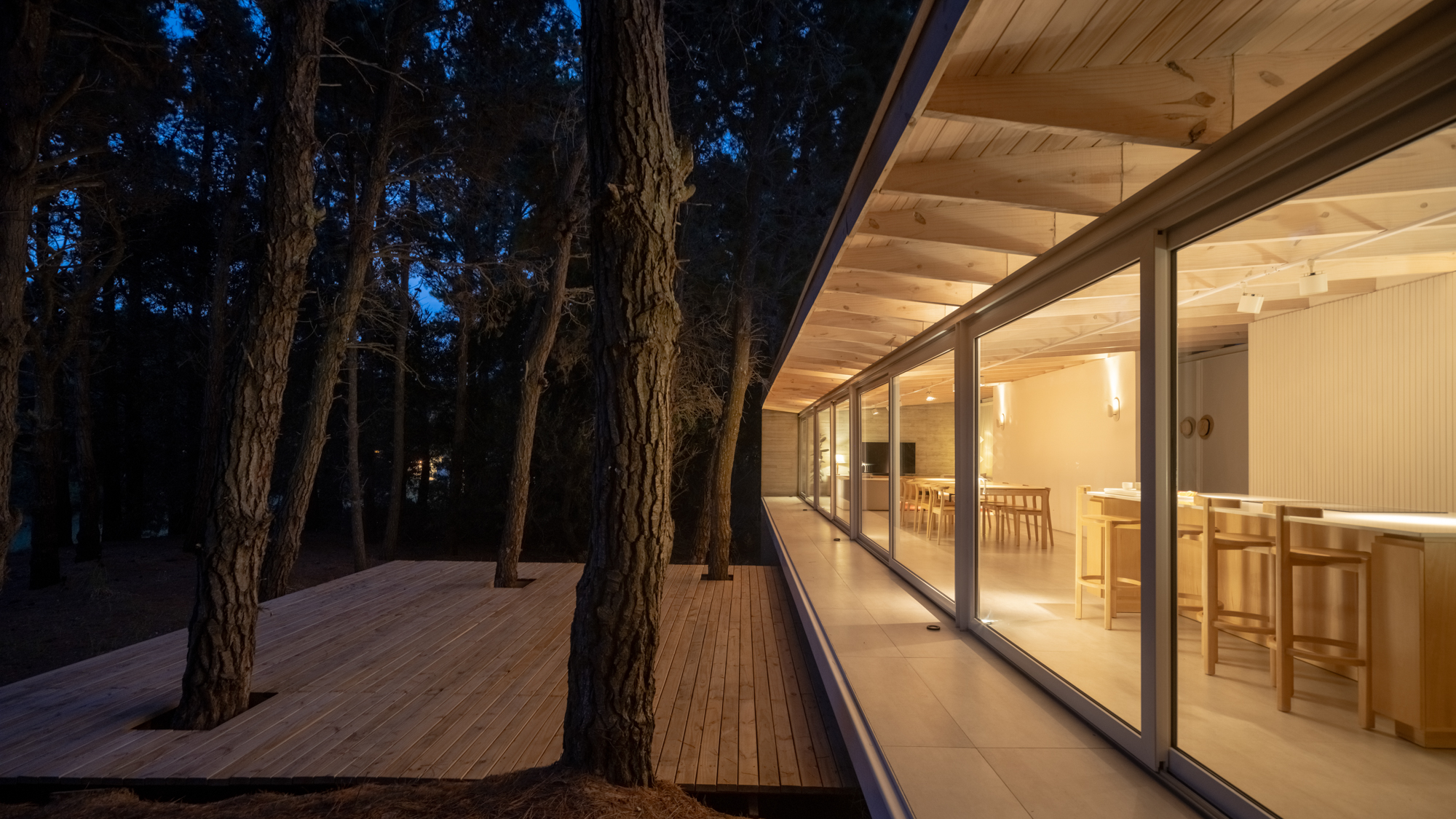
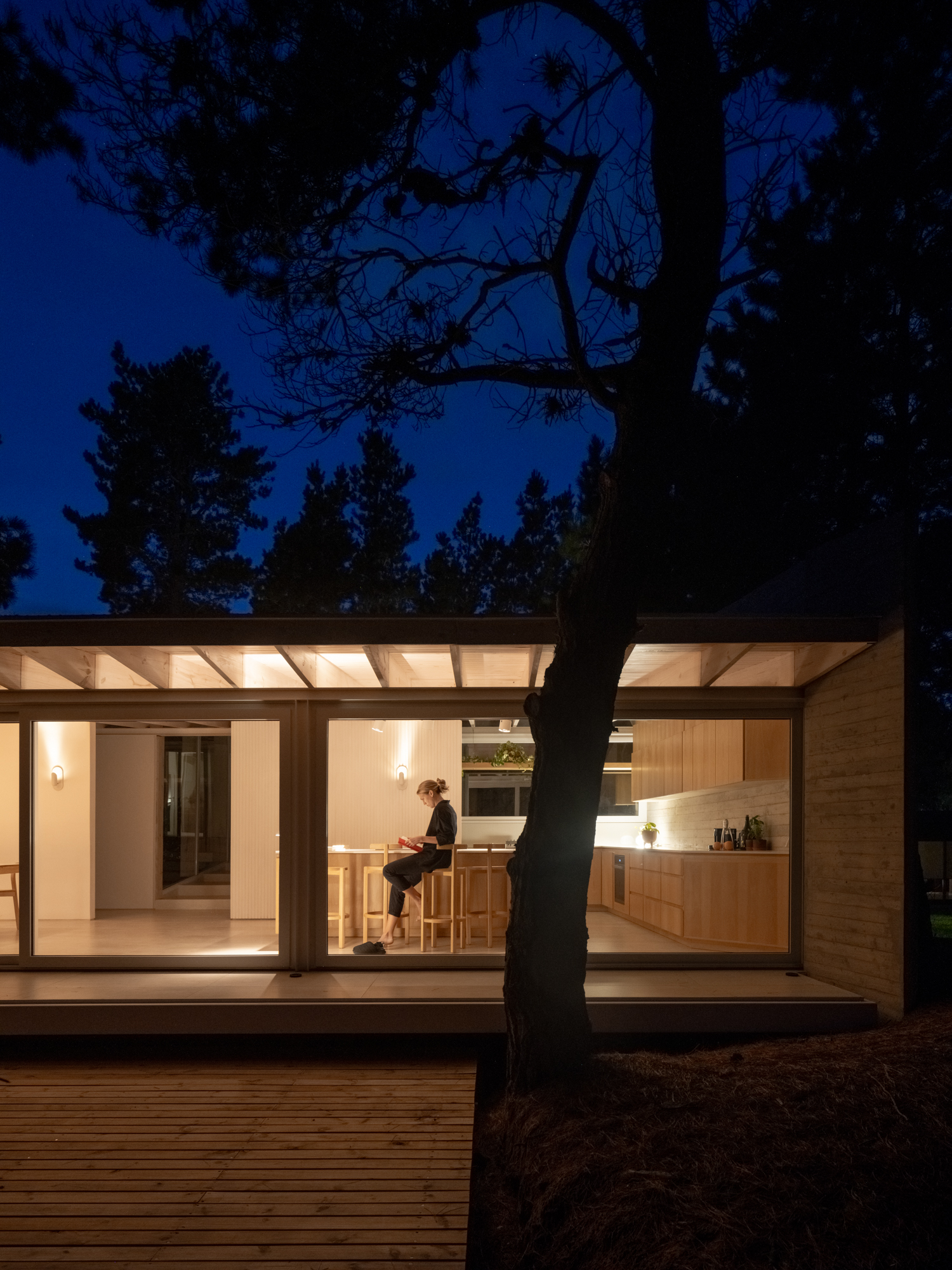
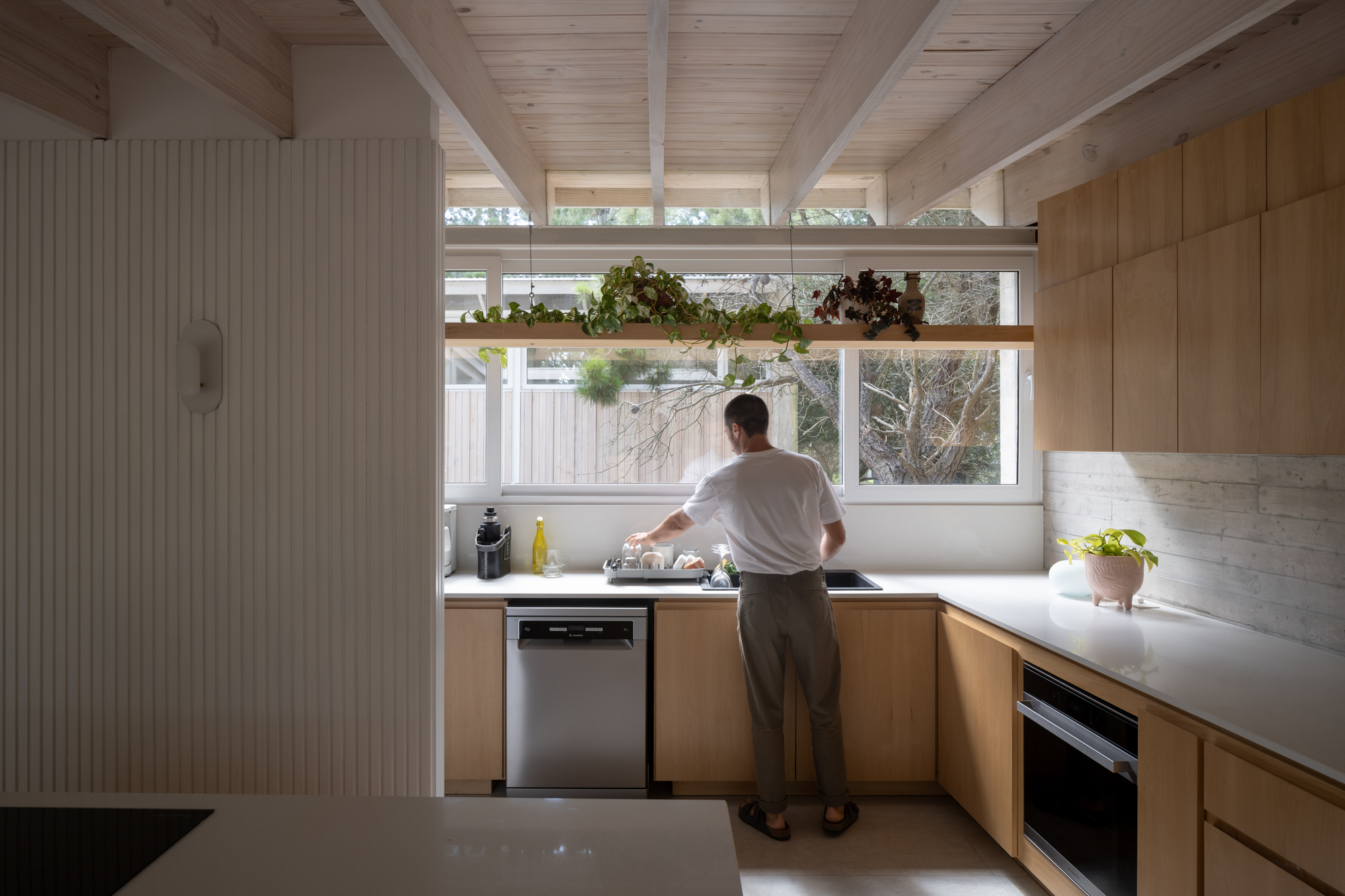
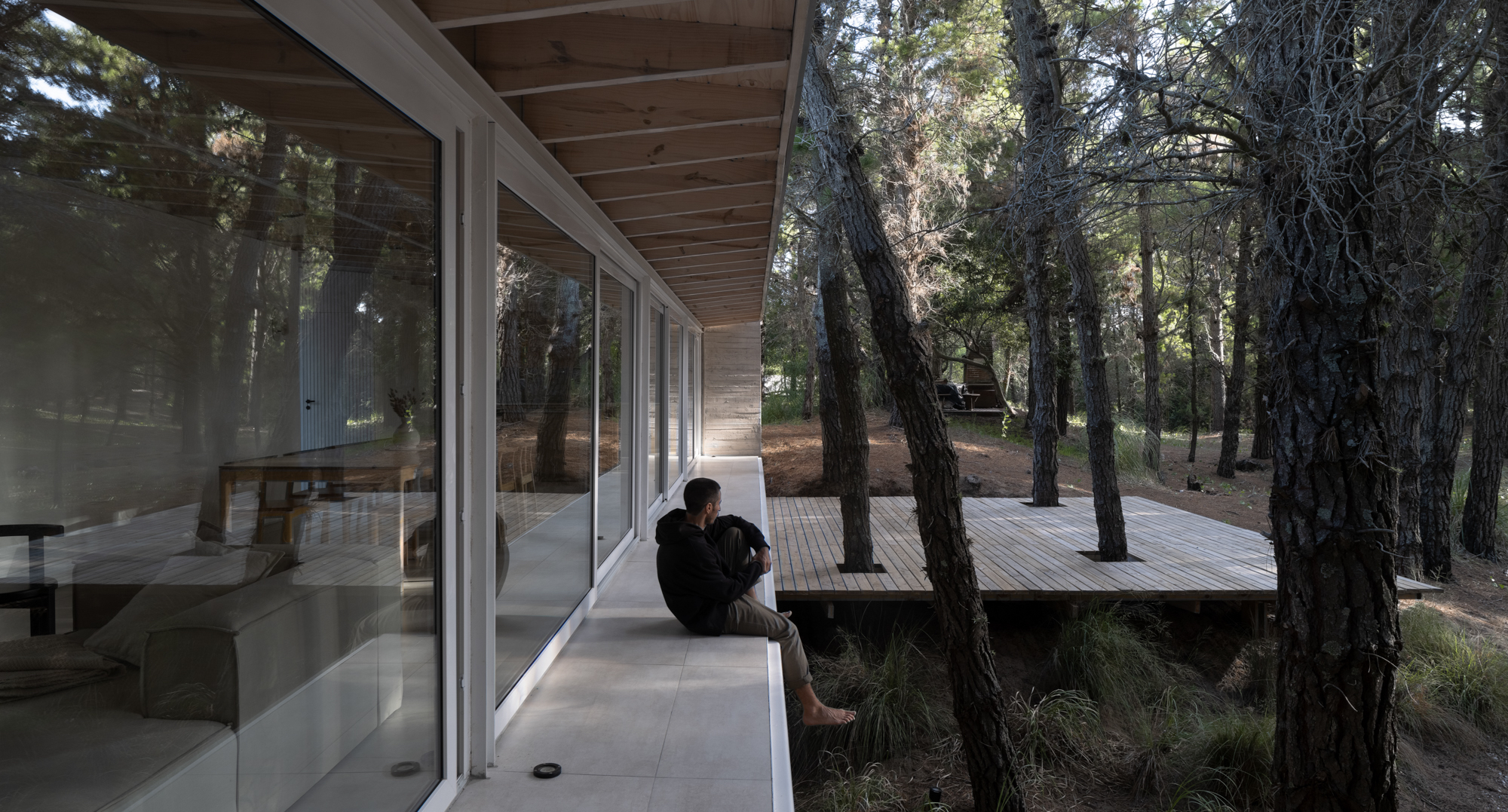
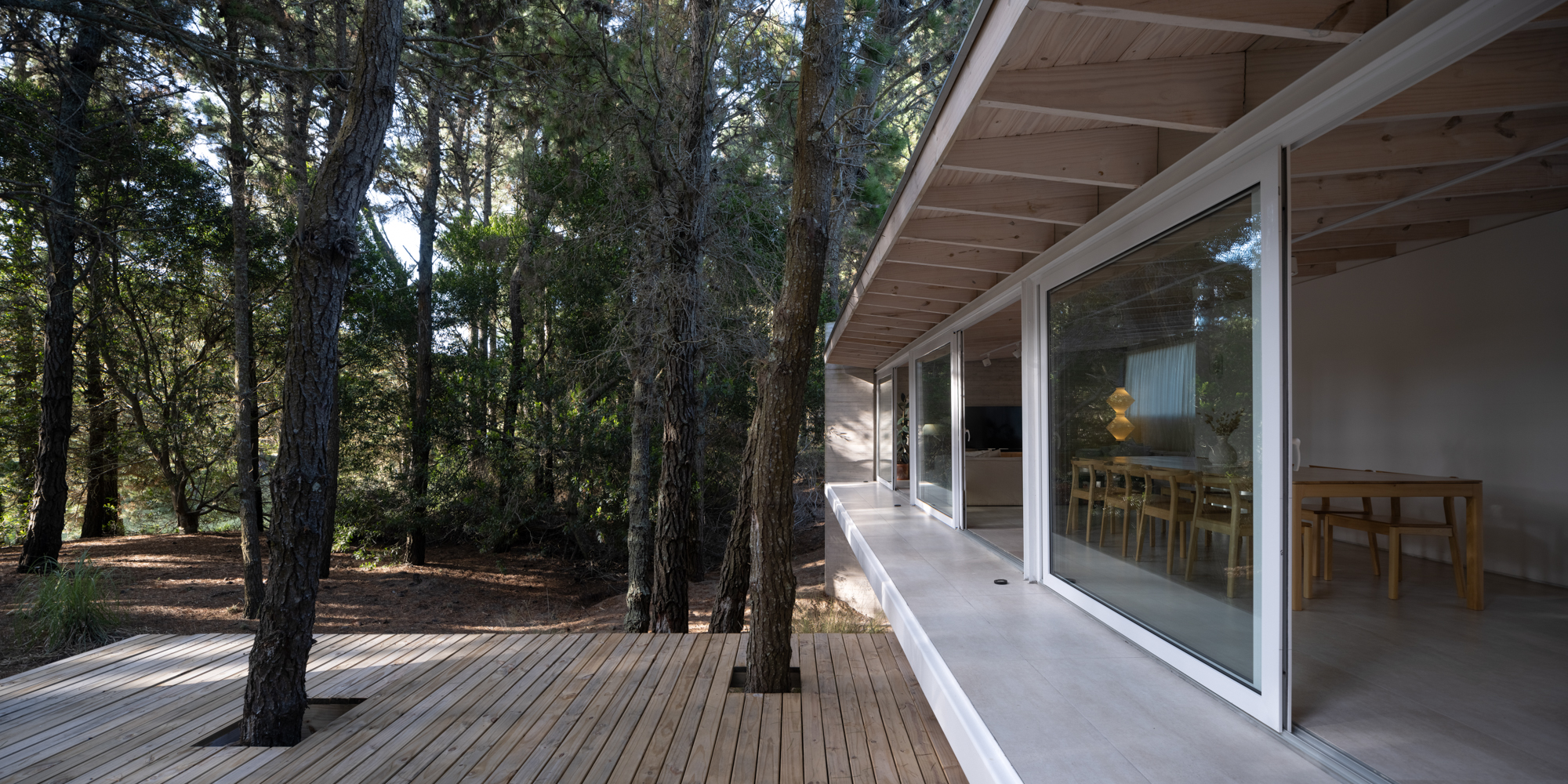
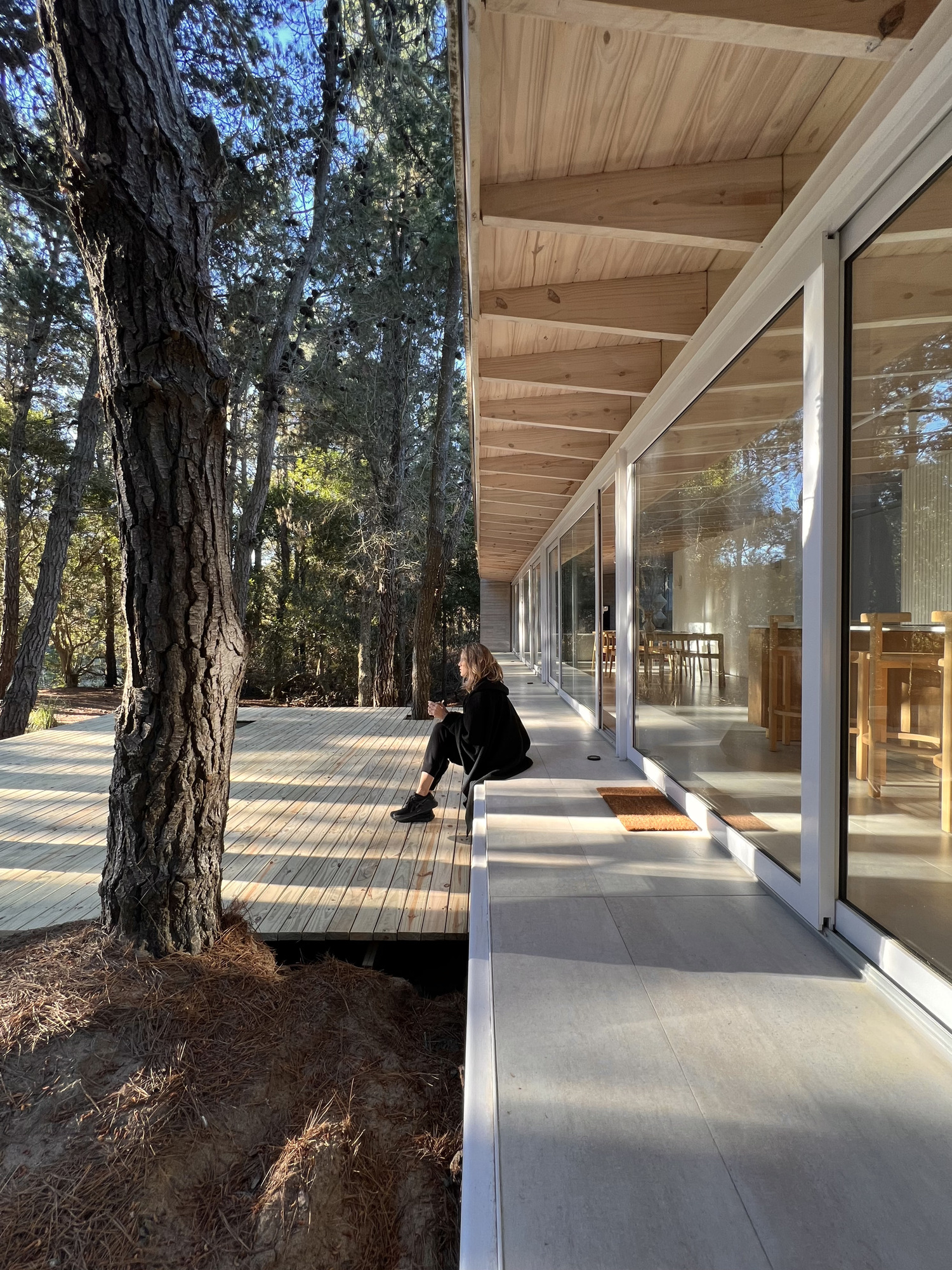
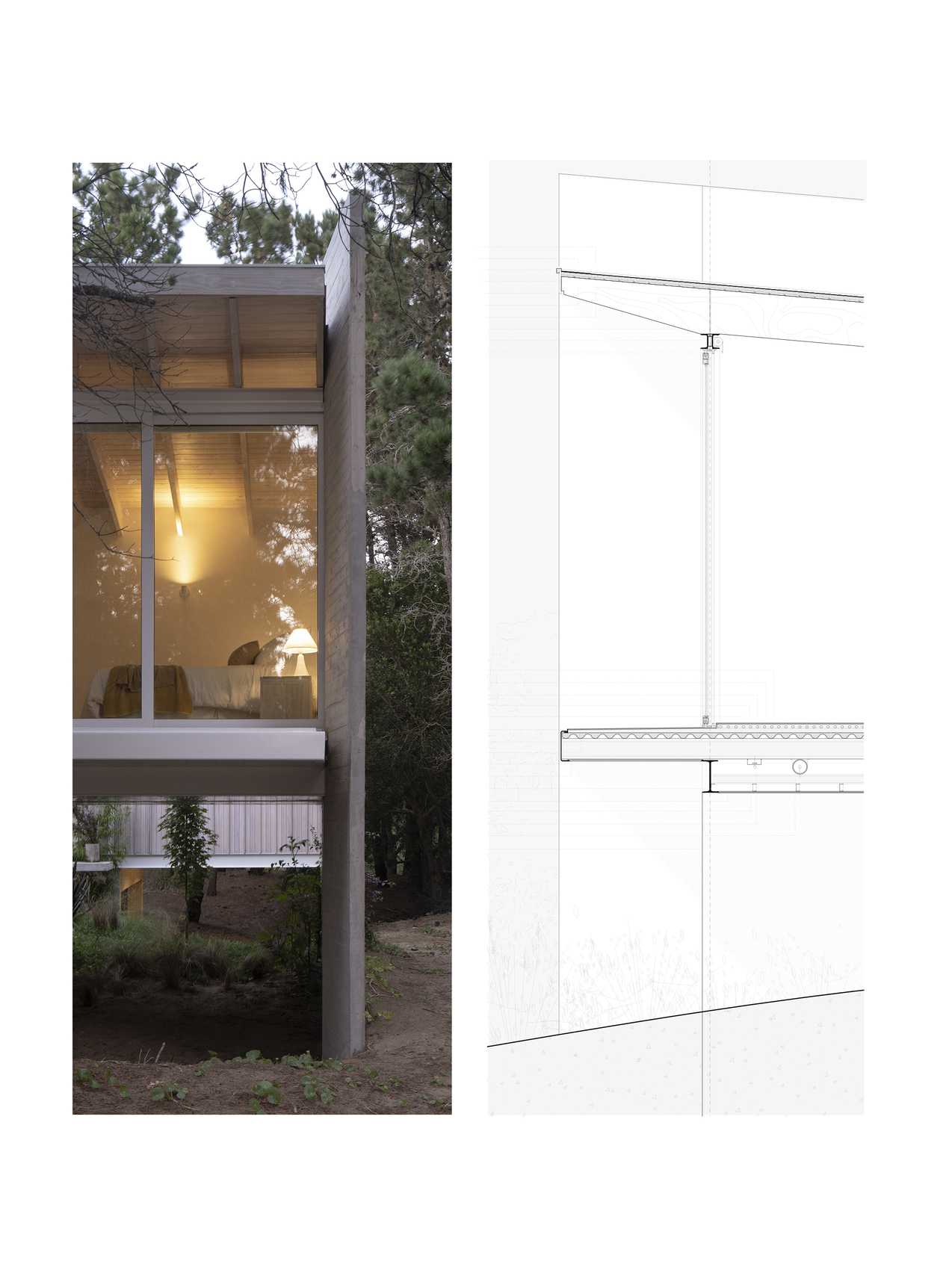
The communal wing serves as the social heart of the project and opens toward the forest through a seventeen-meter glazed façade. This extensive transparency dissolves the boundary between interior and exterior, transforming the surrounding vegetation into an active component of the living experience. Extending this relationship further, the architects introduced a transitional space inspired by the Japanese concept of the engawa. Formed by a continuous exterior platform beneath an extended roof overhang, the space functions as an intermediary zone that encourages occupation between shelter and landscape while enhancing climatic comfort and visual continuity.
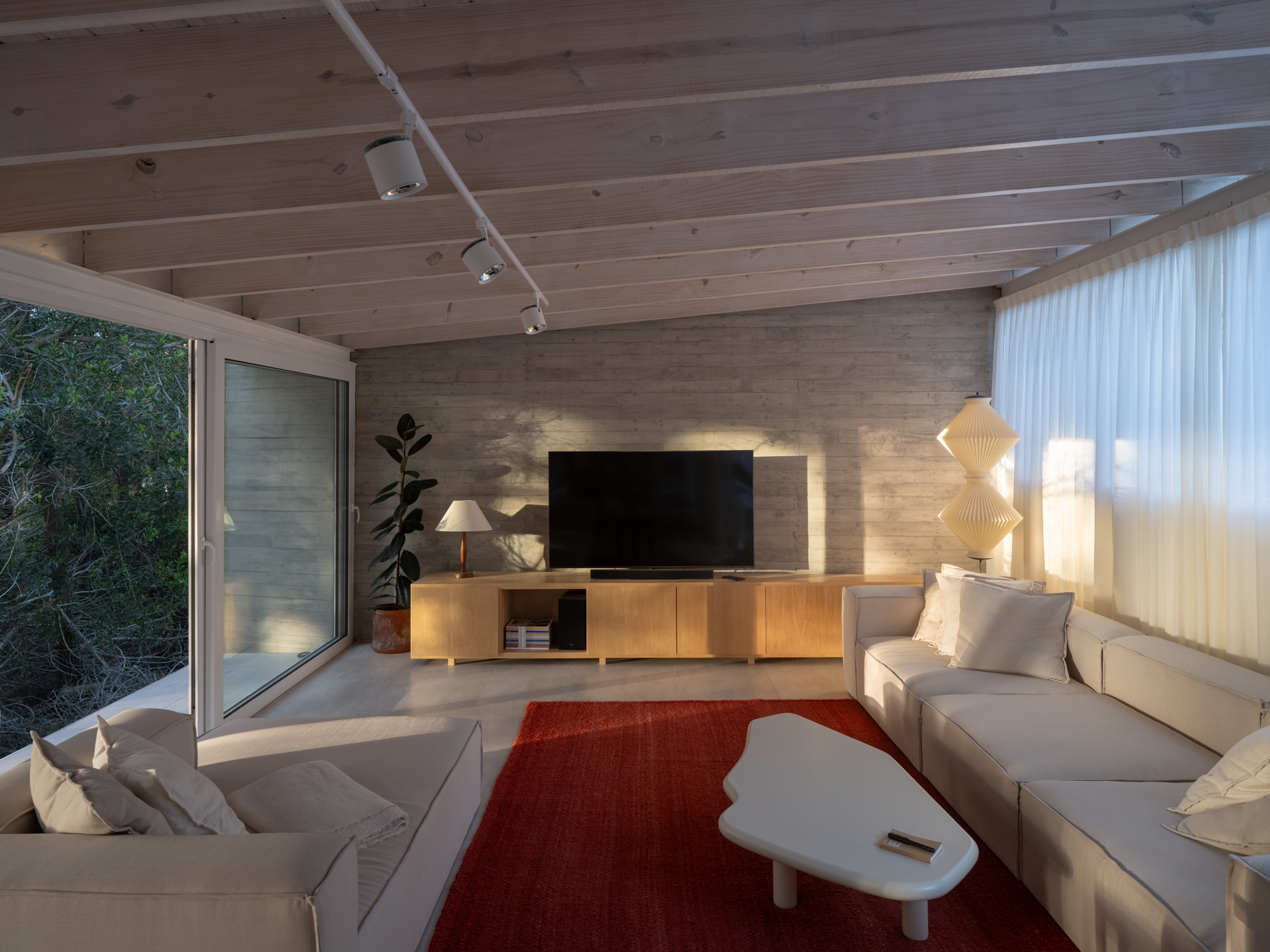
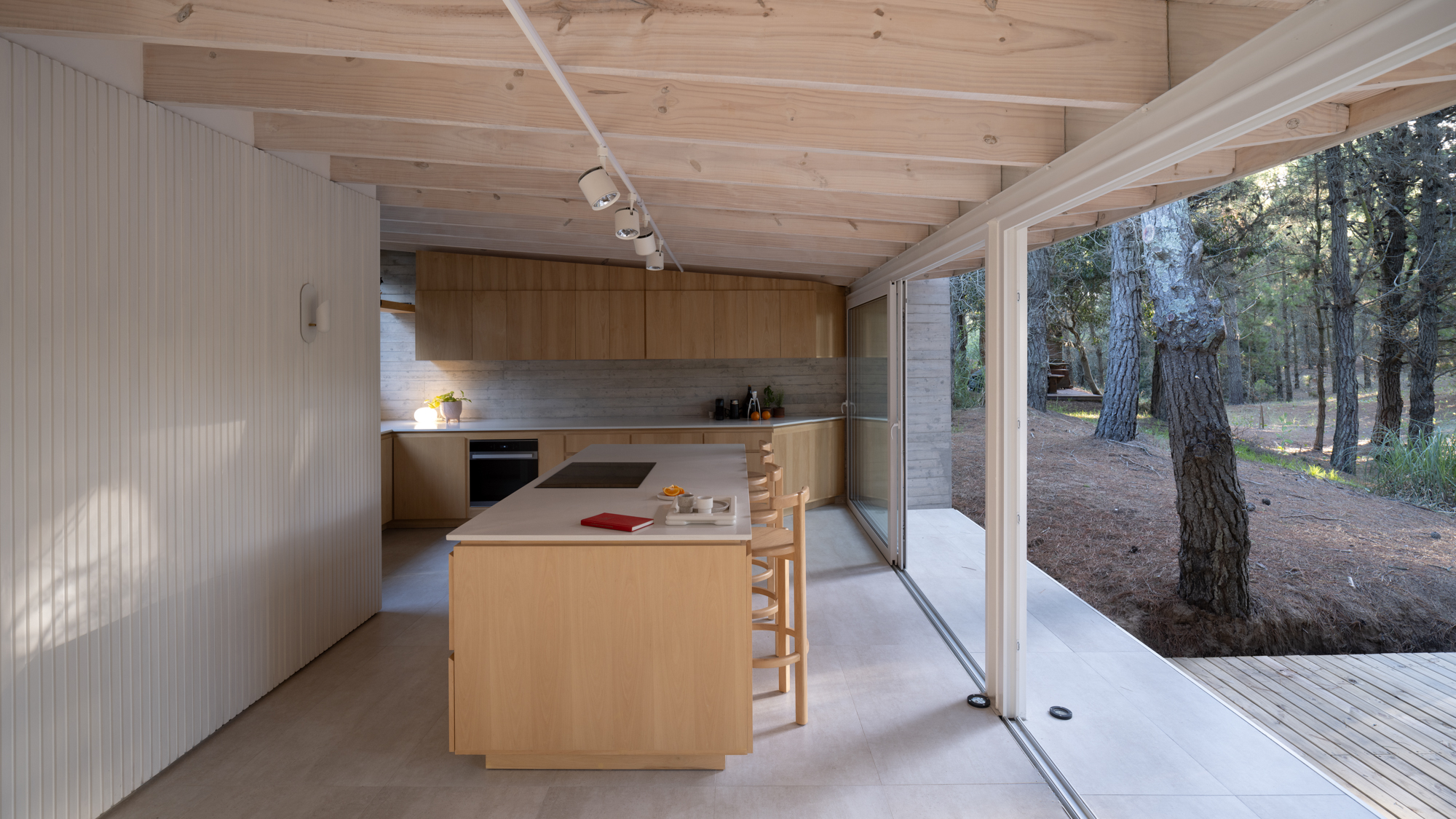
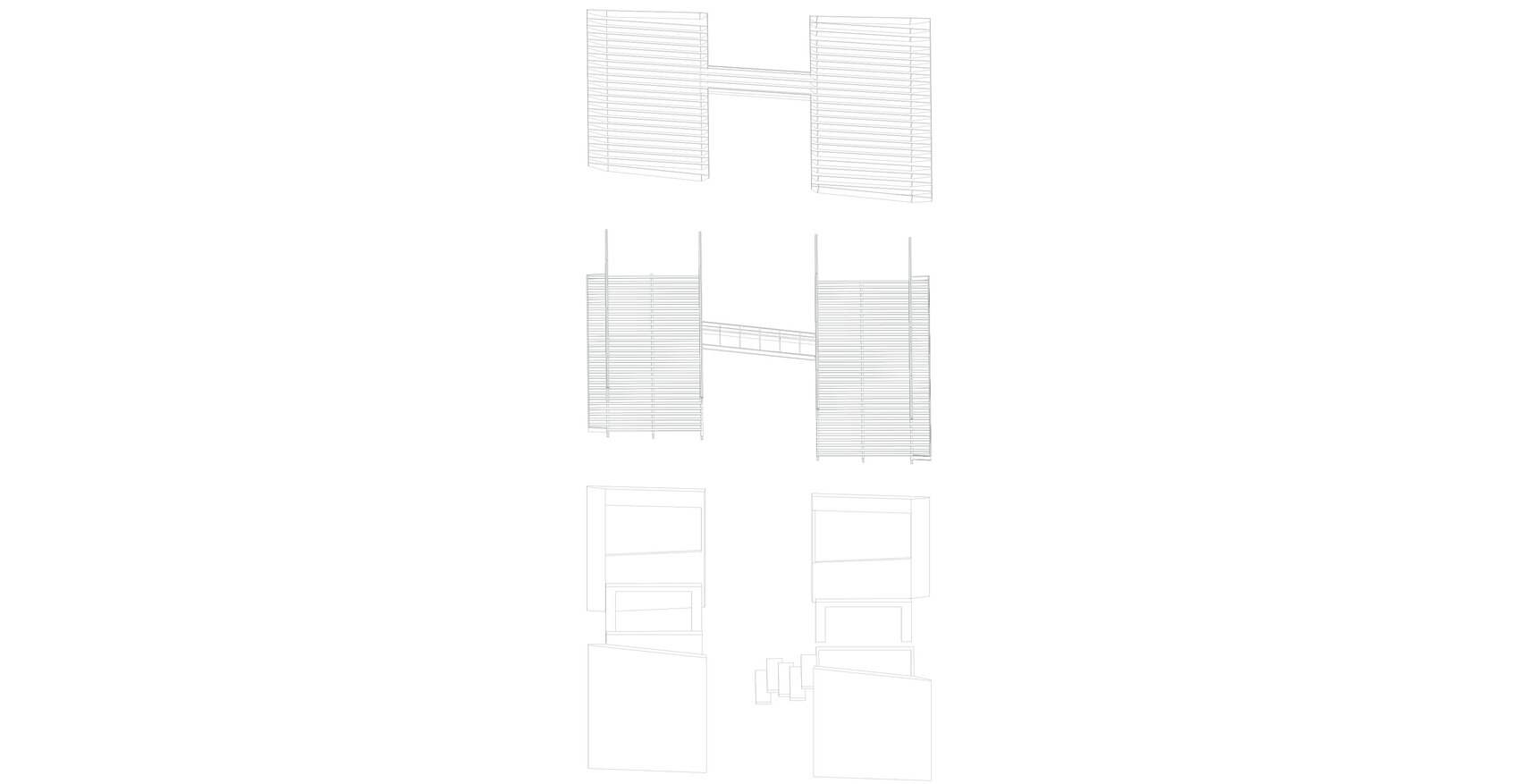
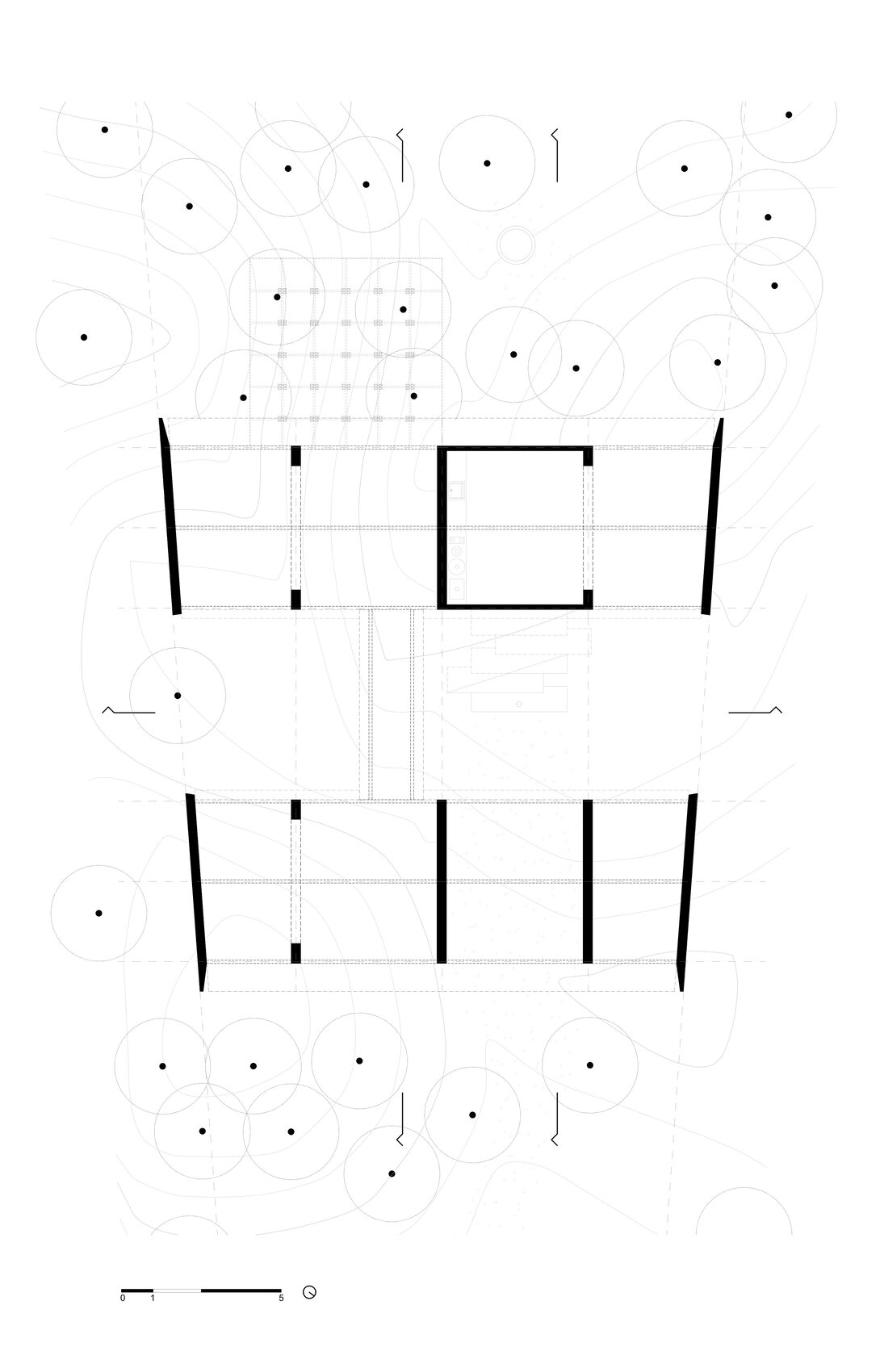
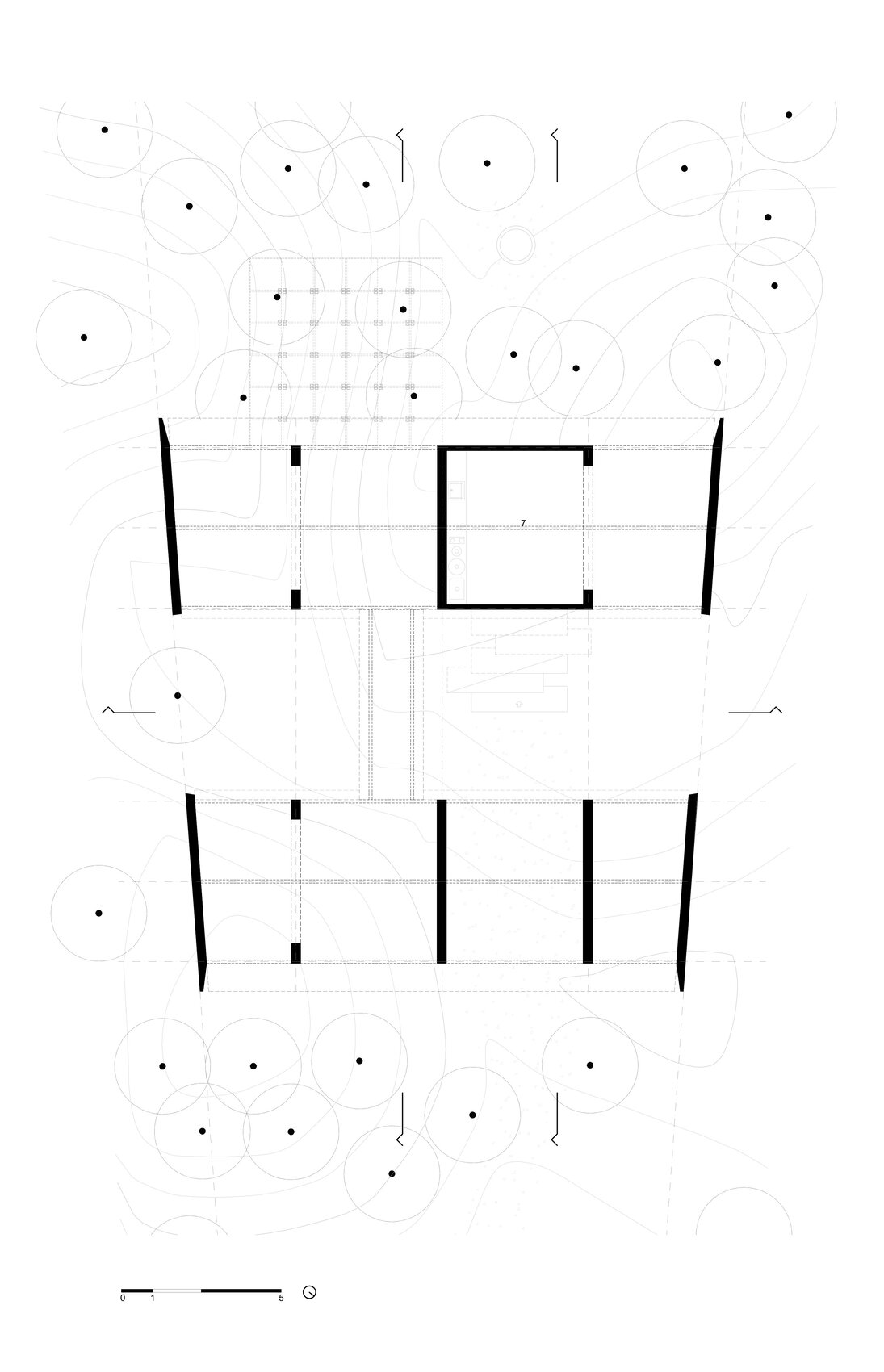
The functional organization of the residence is governed by a rigorous planning strategy. When read perpendicular to the longitudinal orientation of the volumes, the layout follows a sequence of occupied spaces, service areas, circulation zones, and supporting functions. This systematic arrangement establishes clarity and efficiency while ensuring that the principal living areas maintain direct engagement with the exterior environment. The disciplined spatial structure contributes to the project’s overall coherence and reinforces the relationship between use and form.
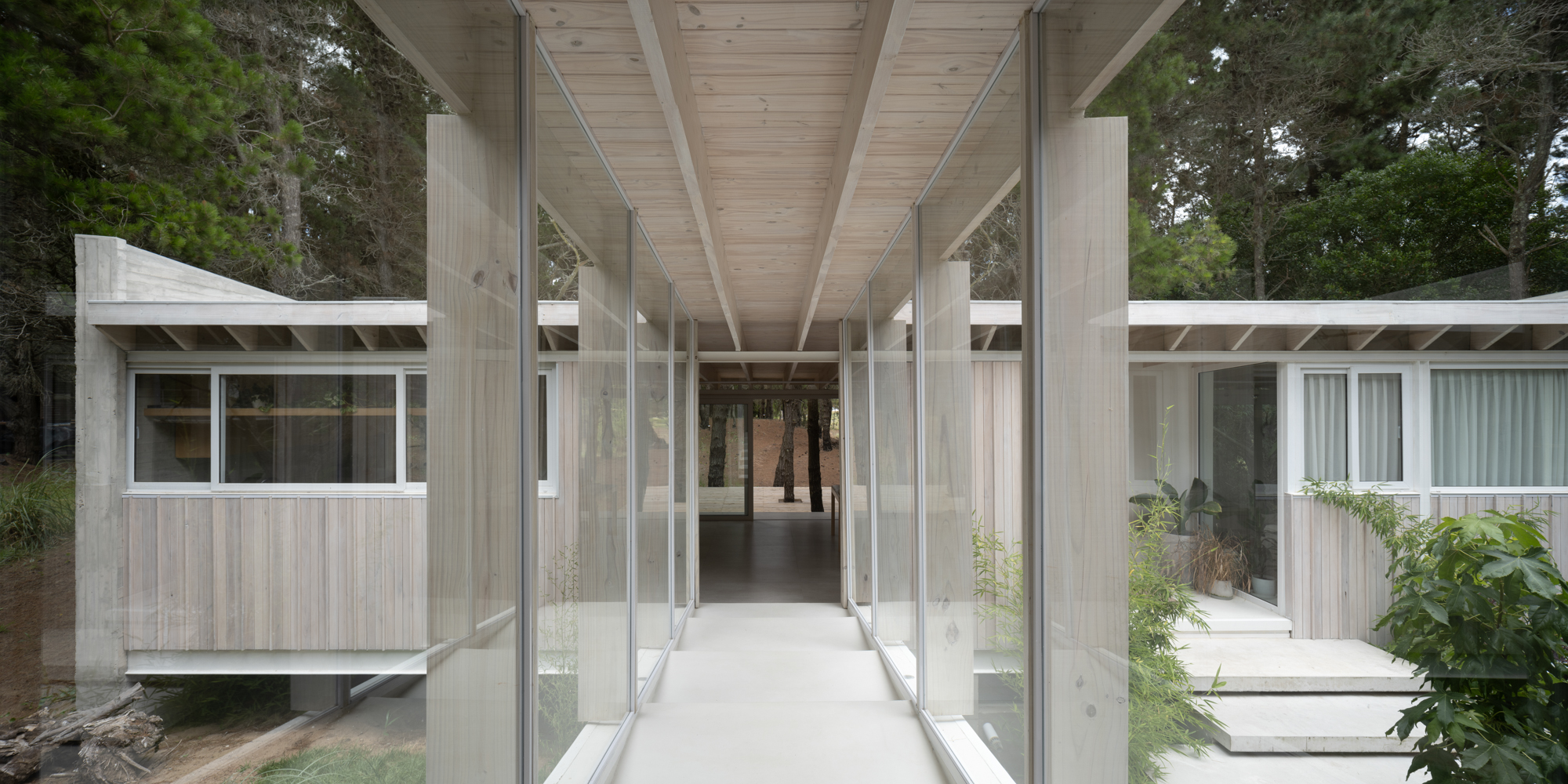
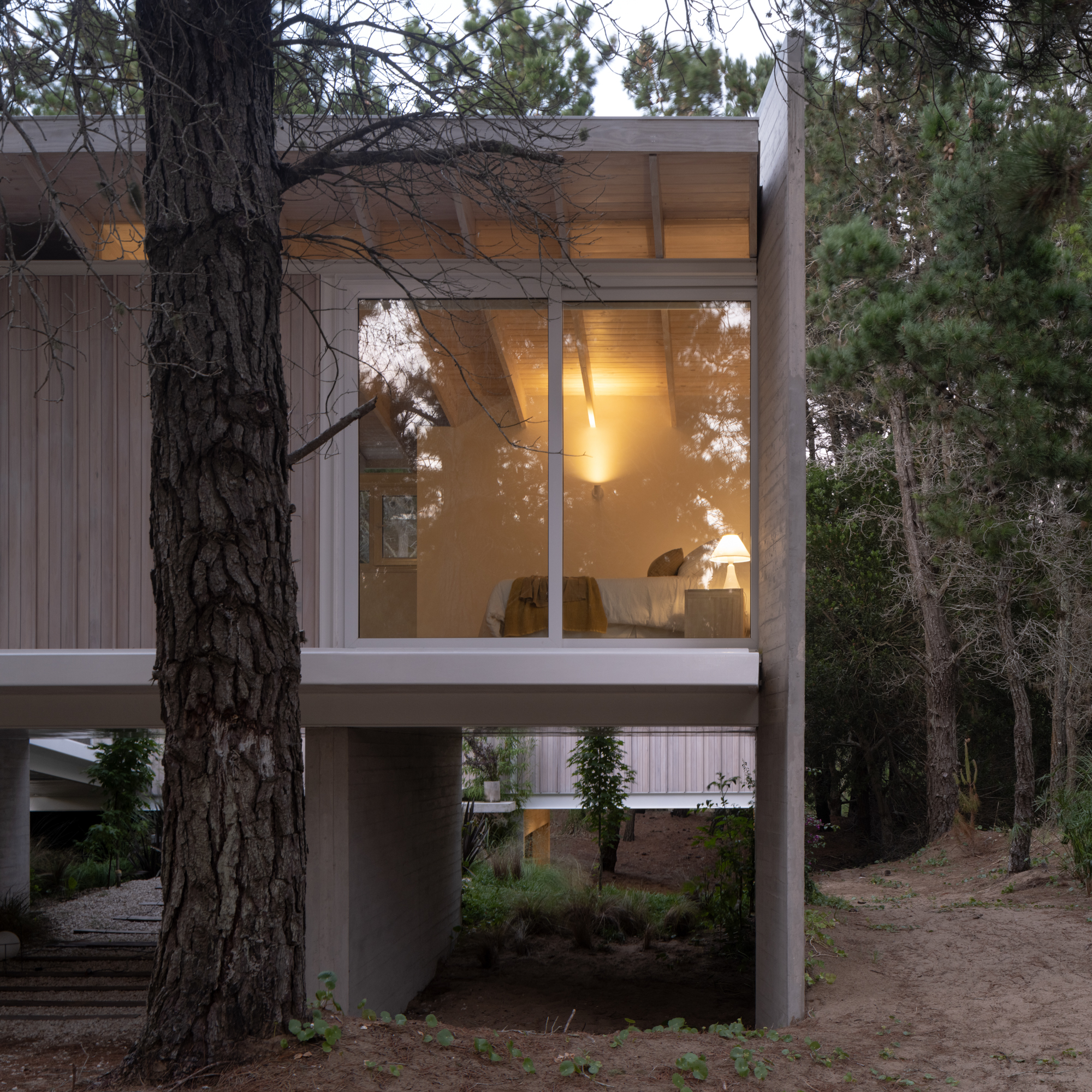
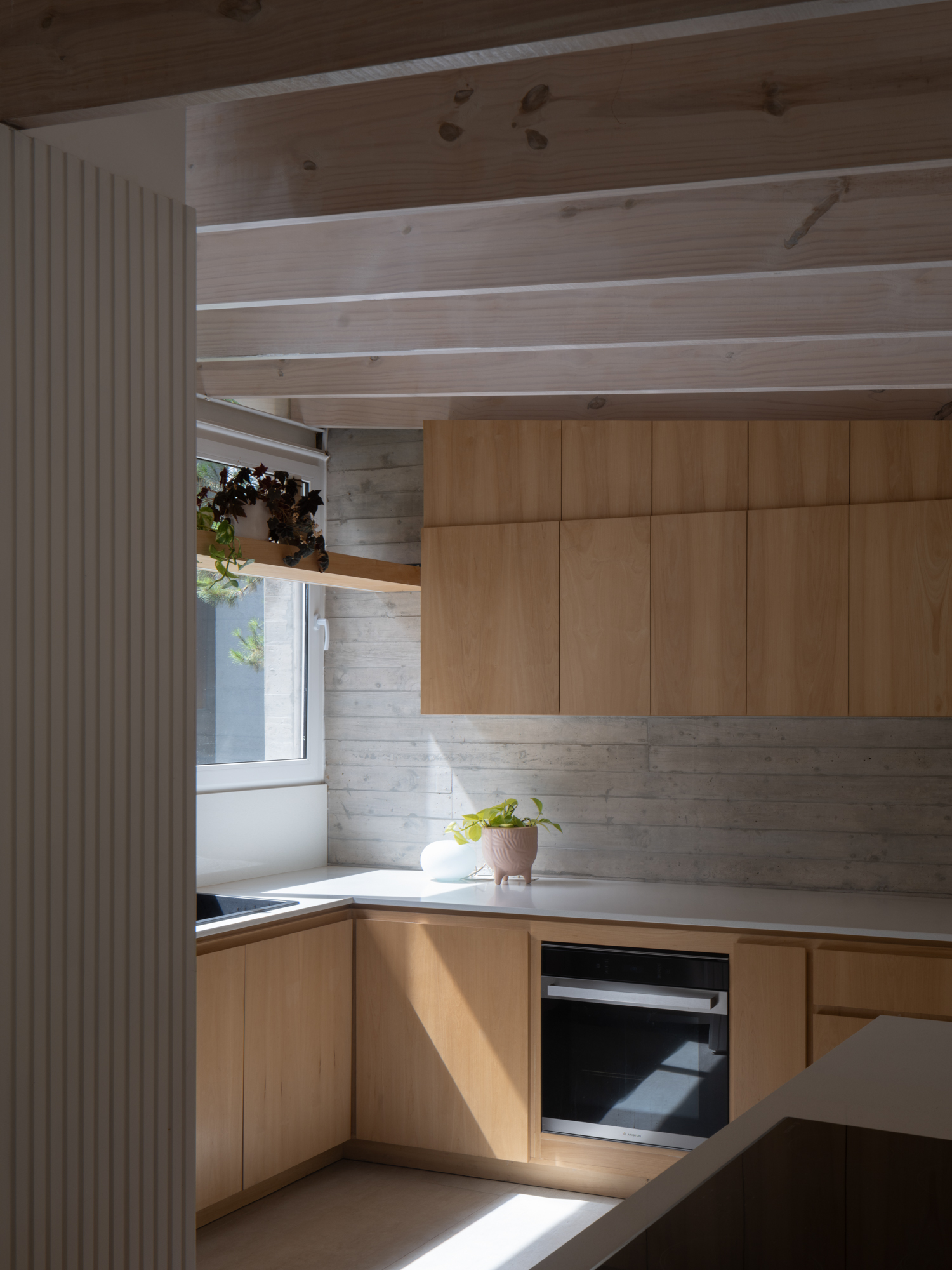
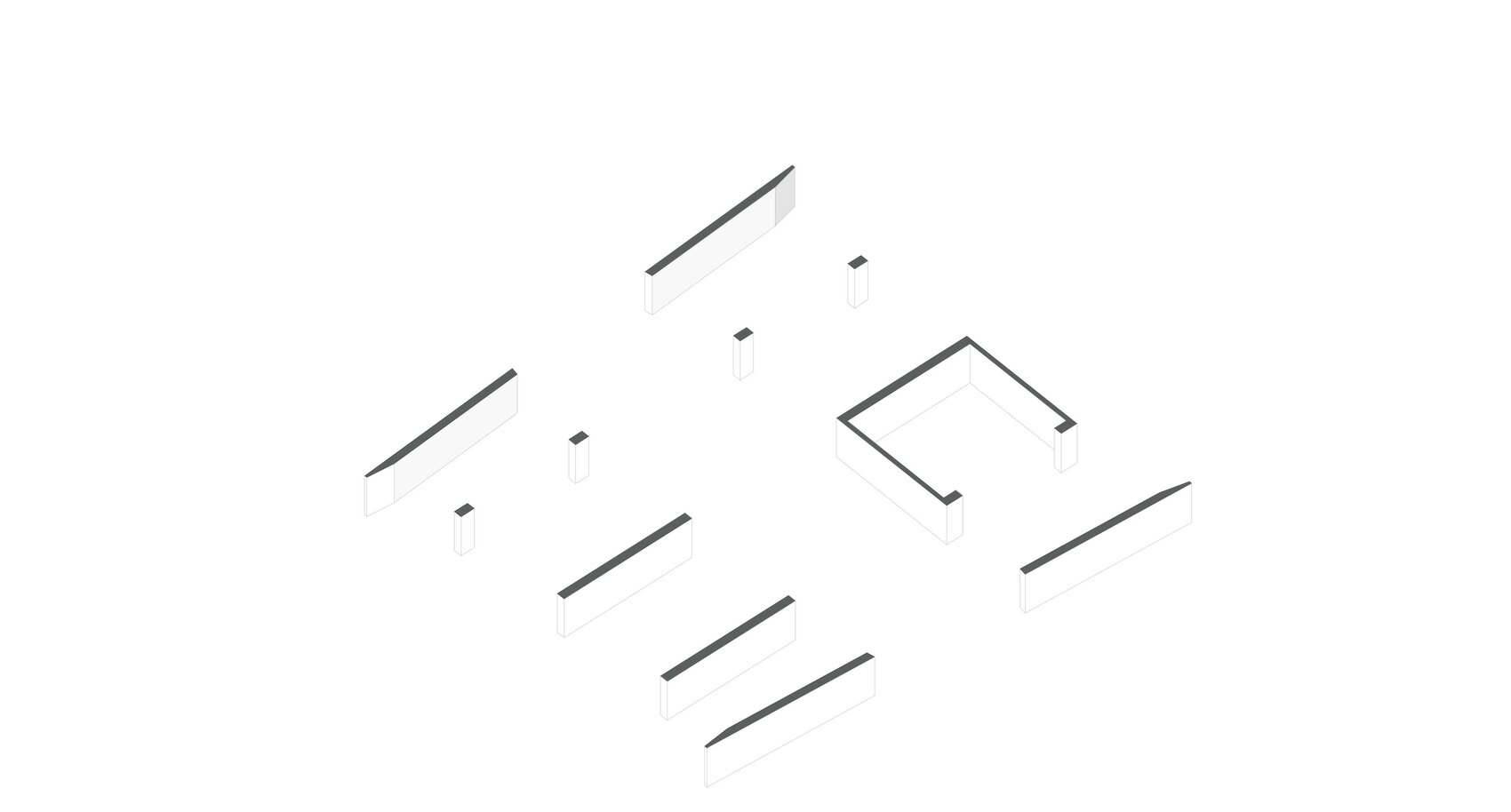
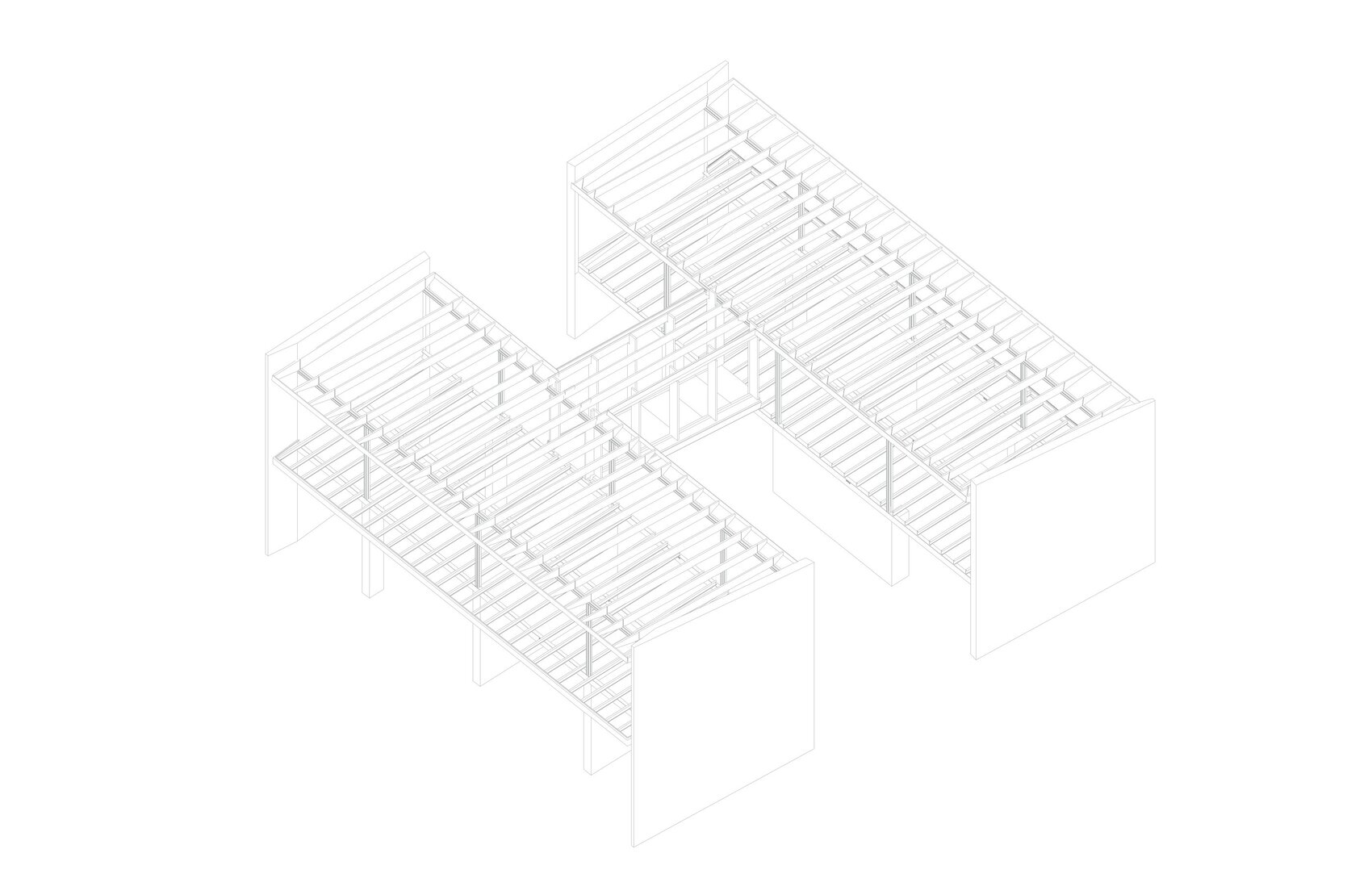
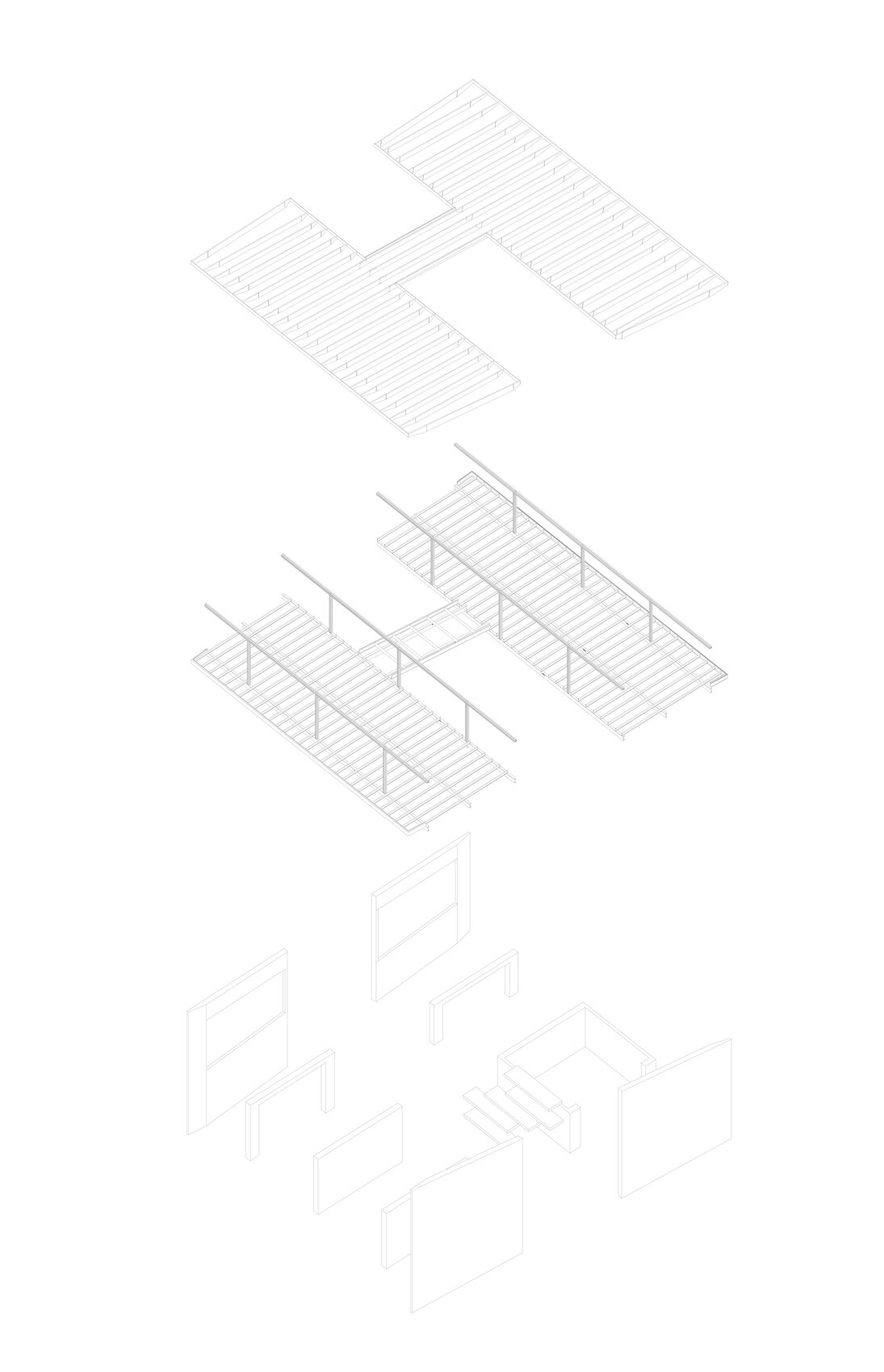
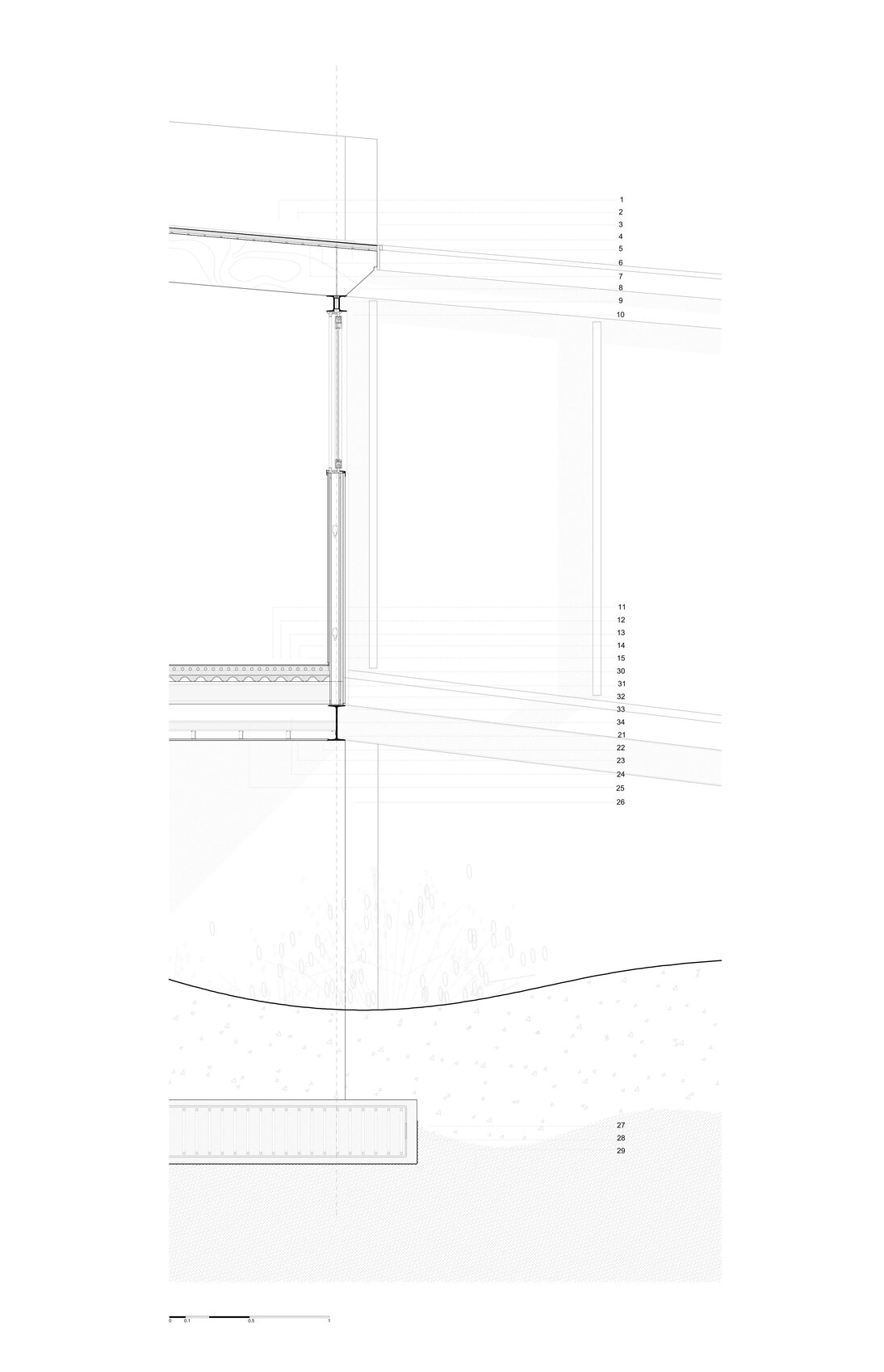
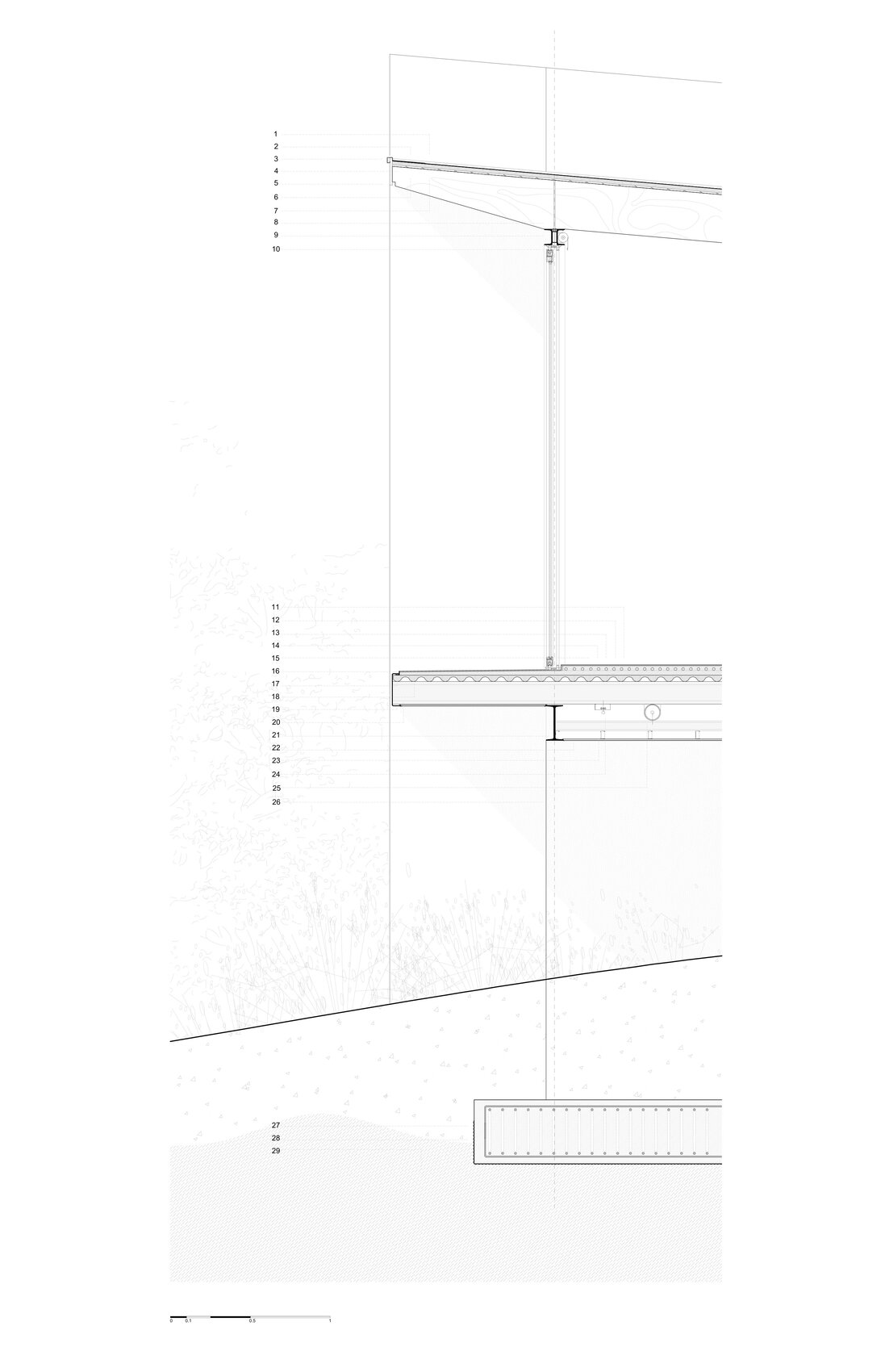
Structural and architectural decisions operate as a unified system throughout House H1. Concrete retaining walls emerge from the terrain to elevate the inhabited level above the sand, supporting a framework of steel beams and columns that carry the building’s single occupied floor and timber roof. The roof is designed with a single slope, a practical response to the accumulation of pine needles common to the site, ensuring efficient rainwater drainage and reducing maintenance requirements. Through this integration of structure, material, and environmental response, the project expresses a deliberate architectural sincerity in which every element contributes to both the performance and identity of the house.
Project Gallery
Project Location
Address: Buenos Aires, La Costa, Argentina
The location specified is intended for general reference and may denote a city or country, but it does not identify a precise address.

