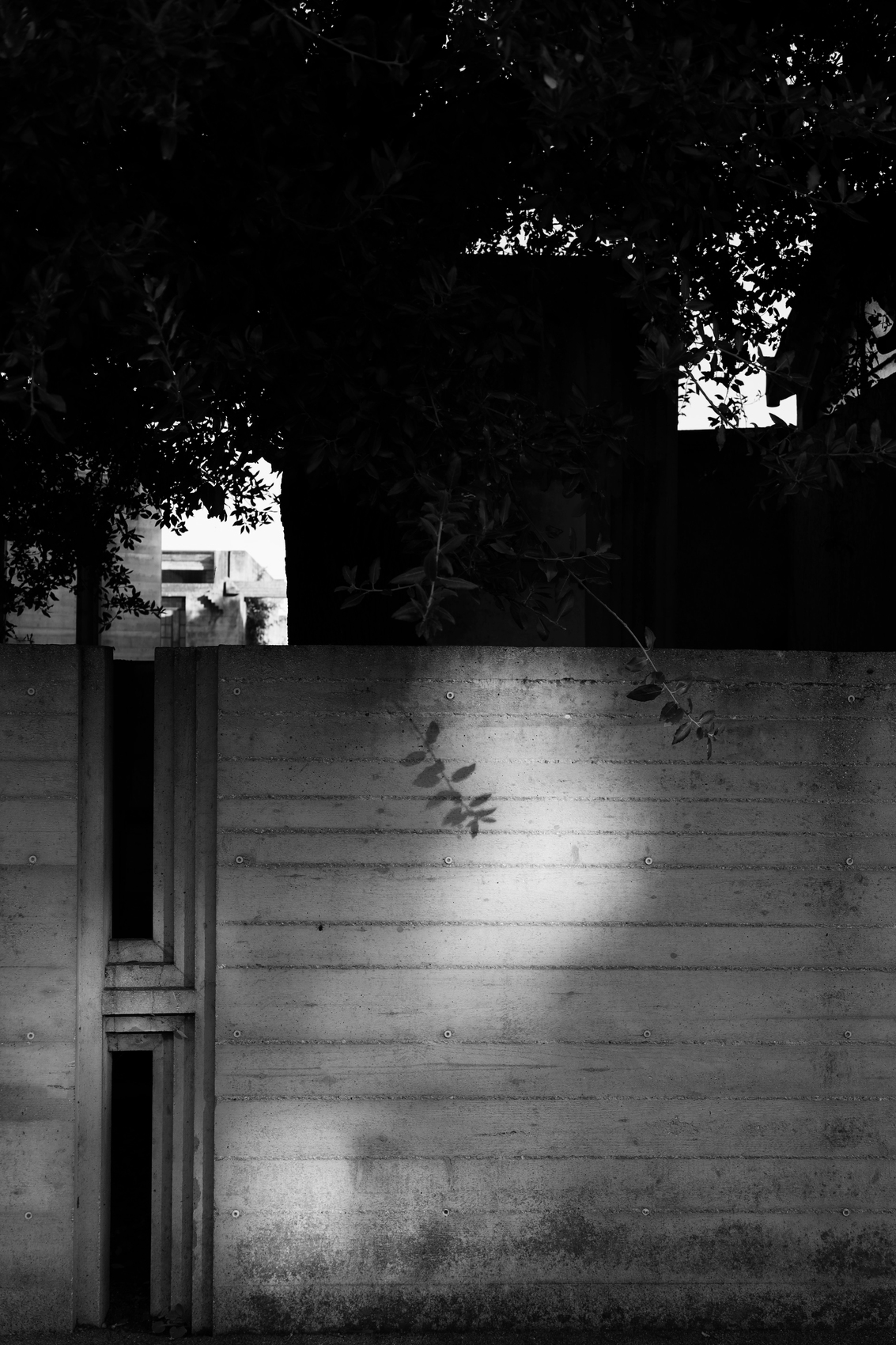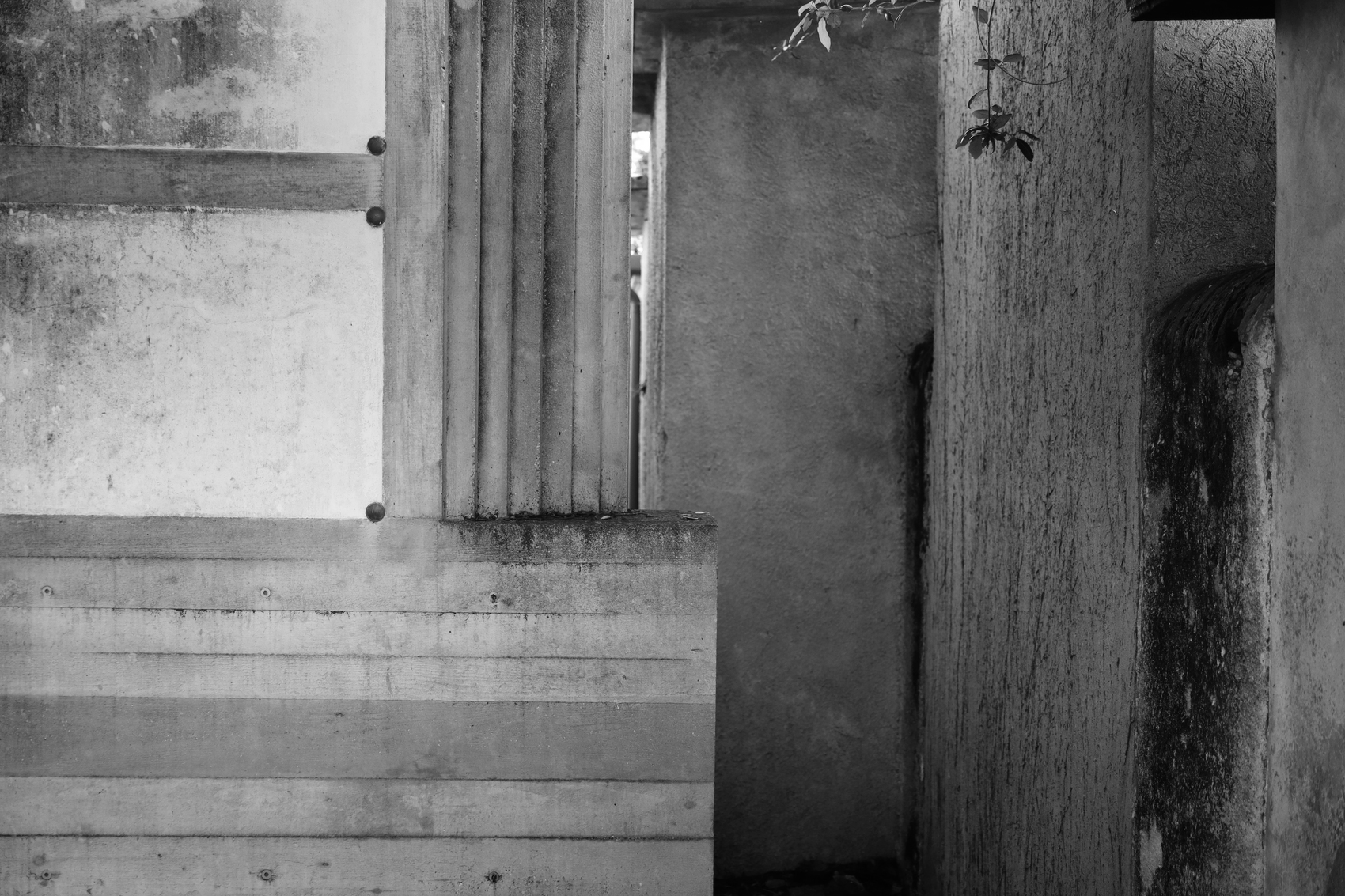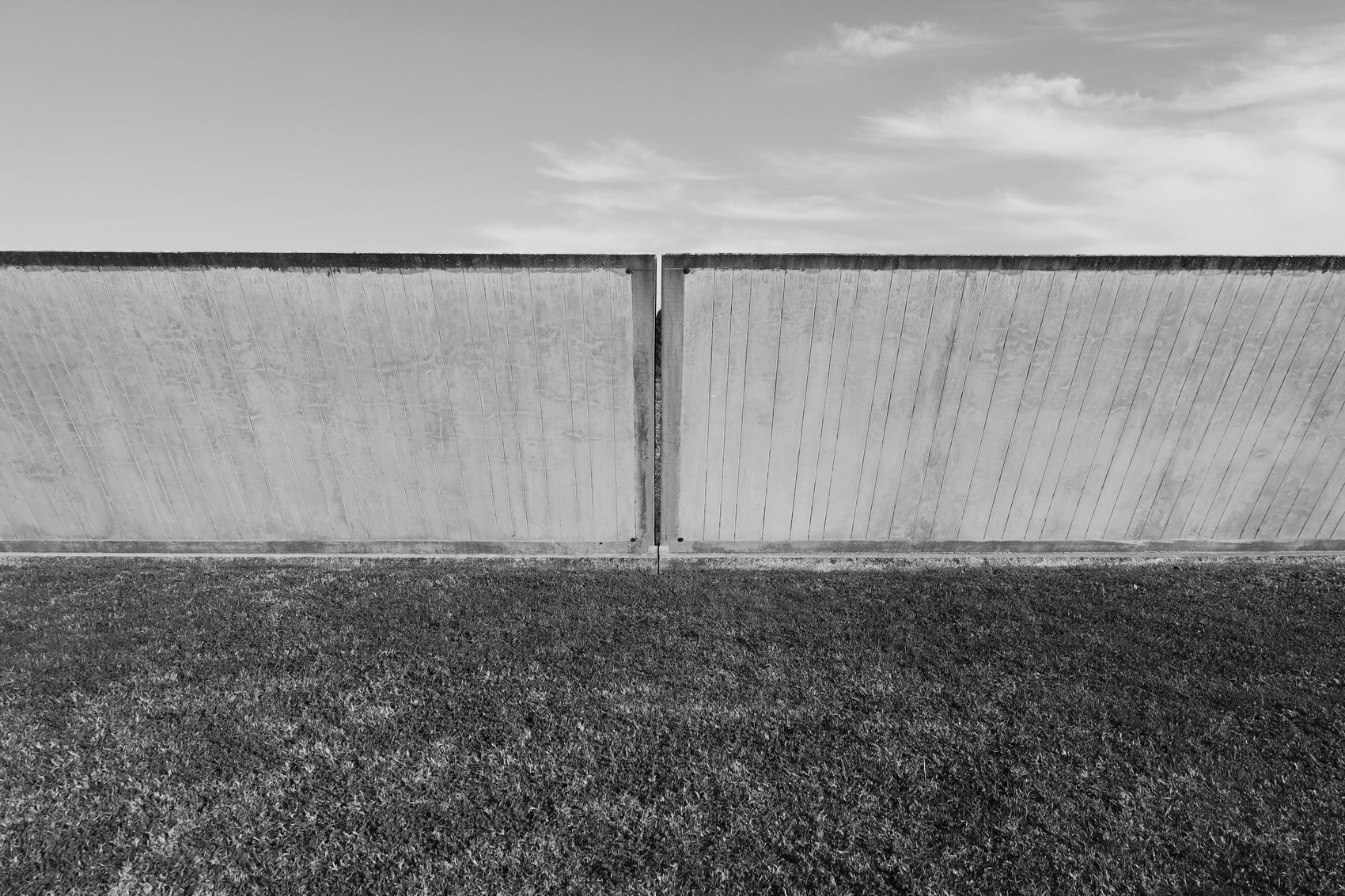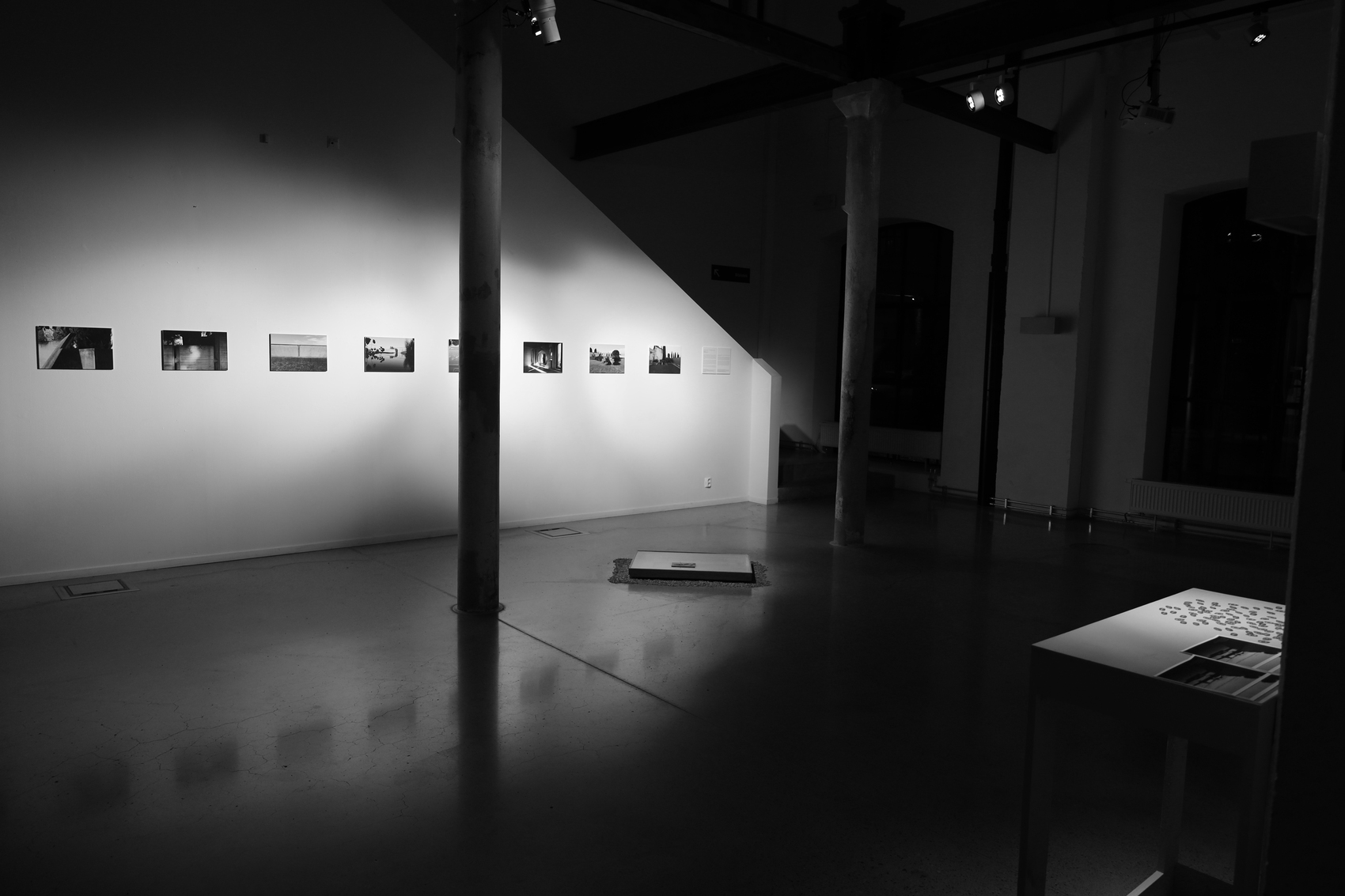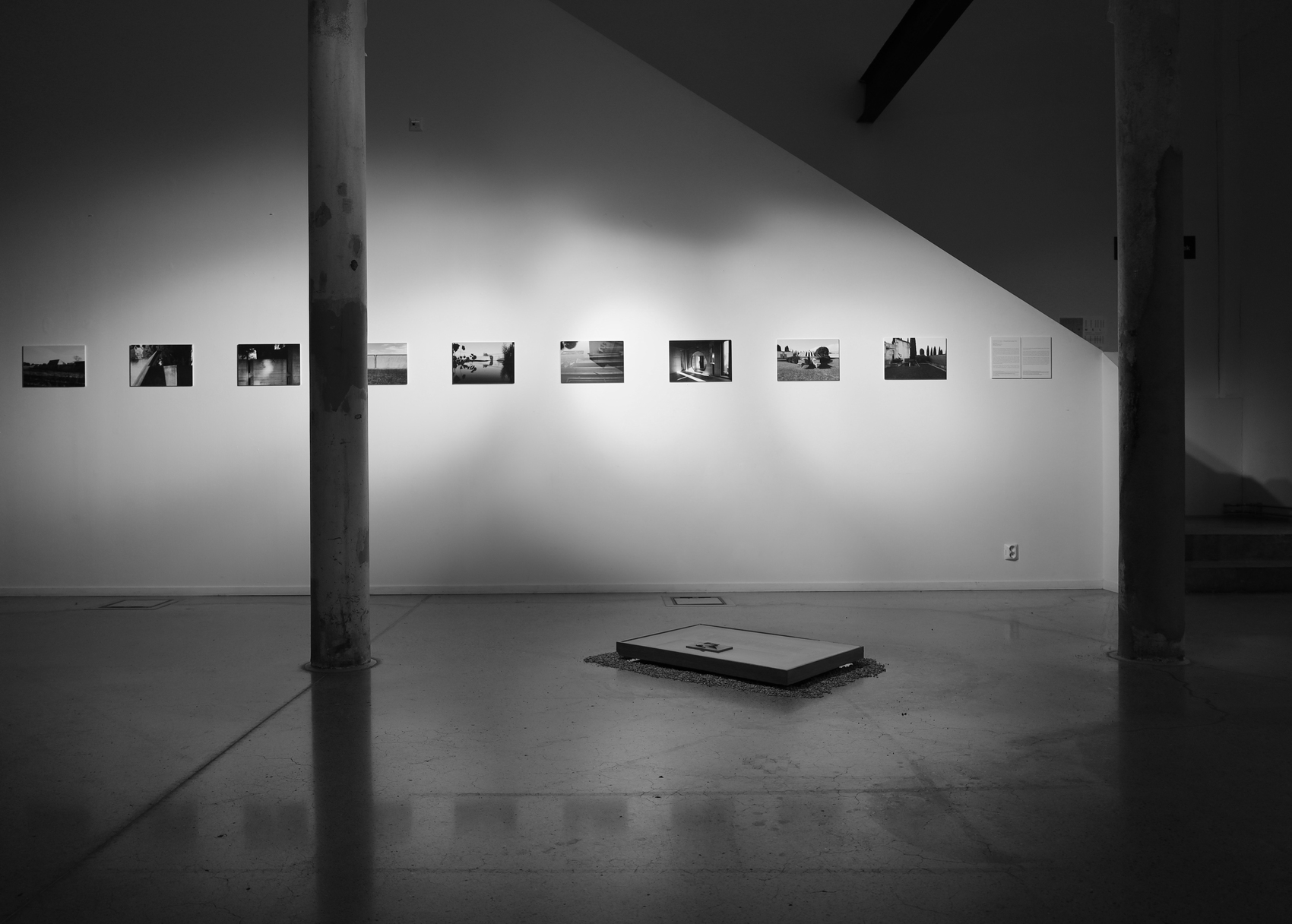
I Met Myself at Brion: A Love Letter to Architecture exhibition by Lucas Martins of Studio Copacabana presents a body of film and photographic work inspired by Carlo Scarpa’s Tomba Brion in San Vito d’Altivole, Italy, following a study trip to Venice in 2025. The exhibition examines architecture’s capacity to shape presence, reflection, and self-awareness through an exploration of one of Scarpa’s most significant works. Centered on a short film and a photographic report, the project documents the memorial’s changing atmosphere through autumn light, shadow, water, materiality, and landscape. The work investigates how exposed concrete, metal, ceramic craftsmanship, and carefully orchestrated spatial sequences contribute to the experience of place, while engaging broader architectural discussions on sensory perception, the sublime, memory, and continuity. Rather than serving as a straightforward record of a monument, the exhibition considers how architecture continues to influence contemporary observers decades after its completion, presenting Tomba Brion as a setting where geometry, light, material, and landscape converge to support reflection on life, death, and the enduring relevance of architectural experience.
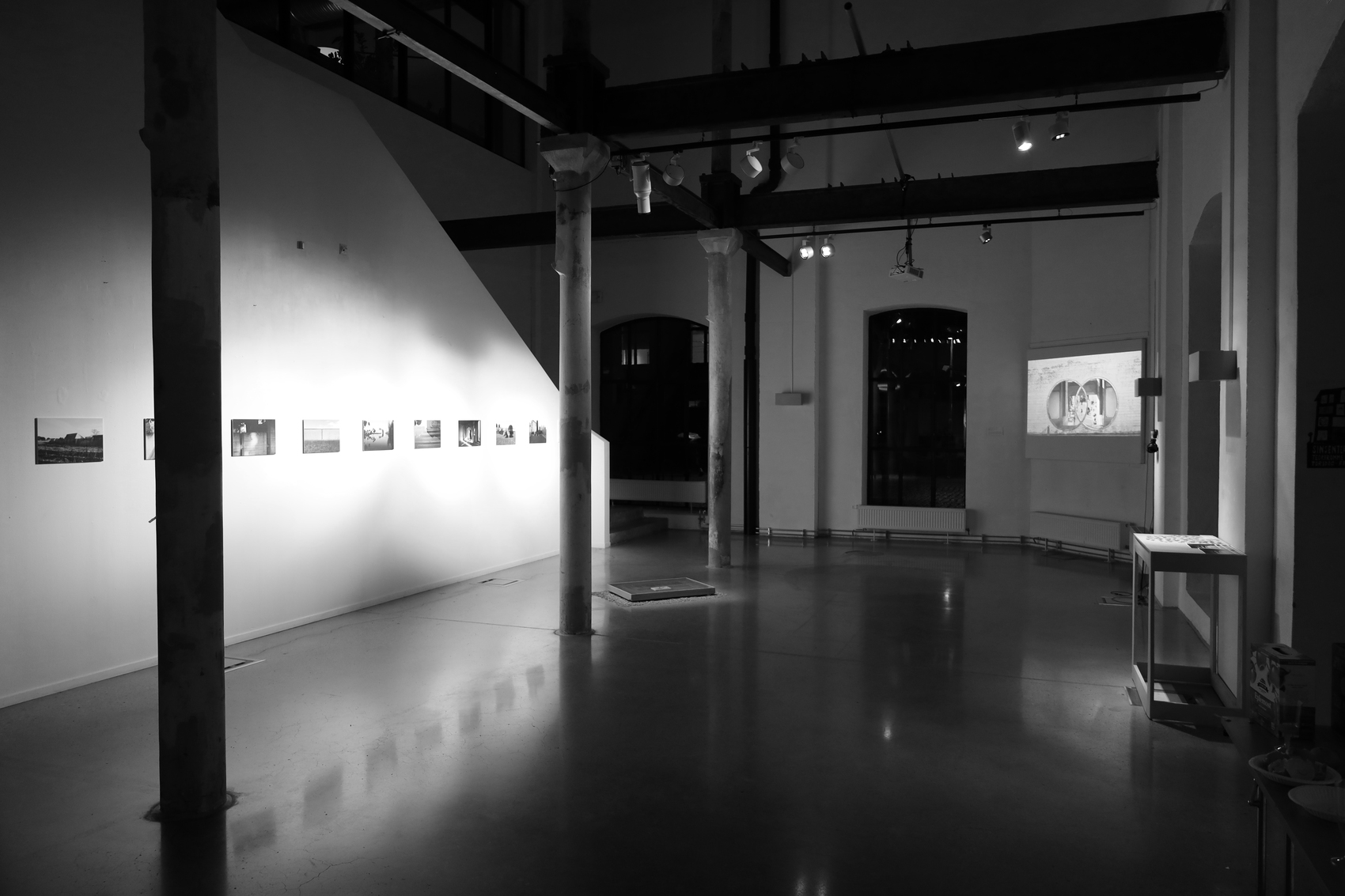
The works presented by Lucas Martins (Studio Copacabana) in this exhibition draw inspiration from an encounter with the work of Venetian architect Carlo Scarpa (1906–1978) during a study trip to Venice in 2025. The exhibition seeks to portray architecture’s capacity to evoke presence and self-awareness, a theme that the author and his studio remain deeply committed to exploring. A special thank you is extended to Pavlina Lucas, Lina Mariann Friis, Kjetil Haarr Smedal, Emil Kristoffer Gustafsson, Ståle Rue, Annika Isaksson Pirtti, Erik Wester, and Leo Martins. The exhibition features the short film “I Met Myself at Brion: A Love Letter to Architecture,” produced in 2025 in collaboration between San Vito d’Altivole, Italy, and Oslo, Norway, with Liv Nanna, Ninna Sue, and Fiona Devi Pariyar-Fjeldstad. The film has a runtime of 5 minutes and 56 seconds, with photography by Lucas Martins of Studio Copacabana.
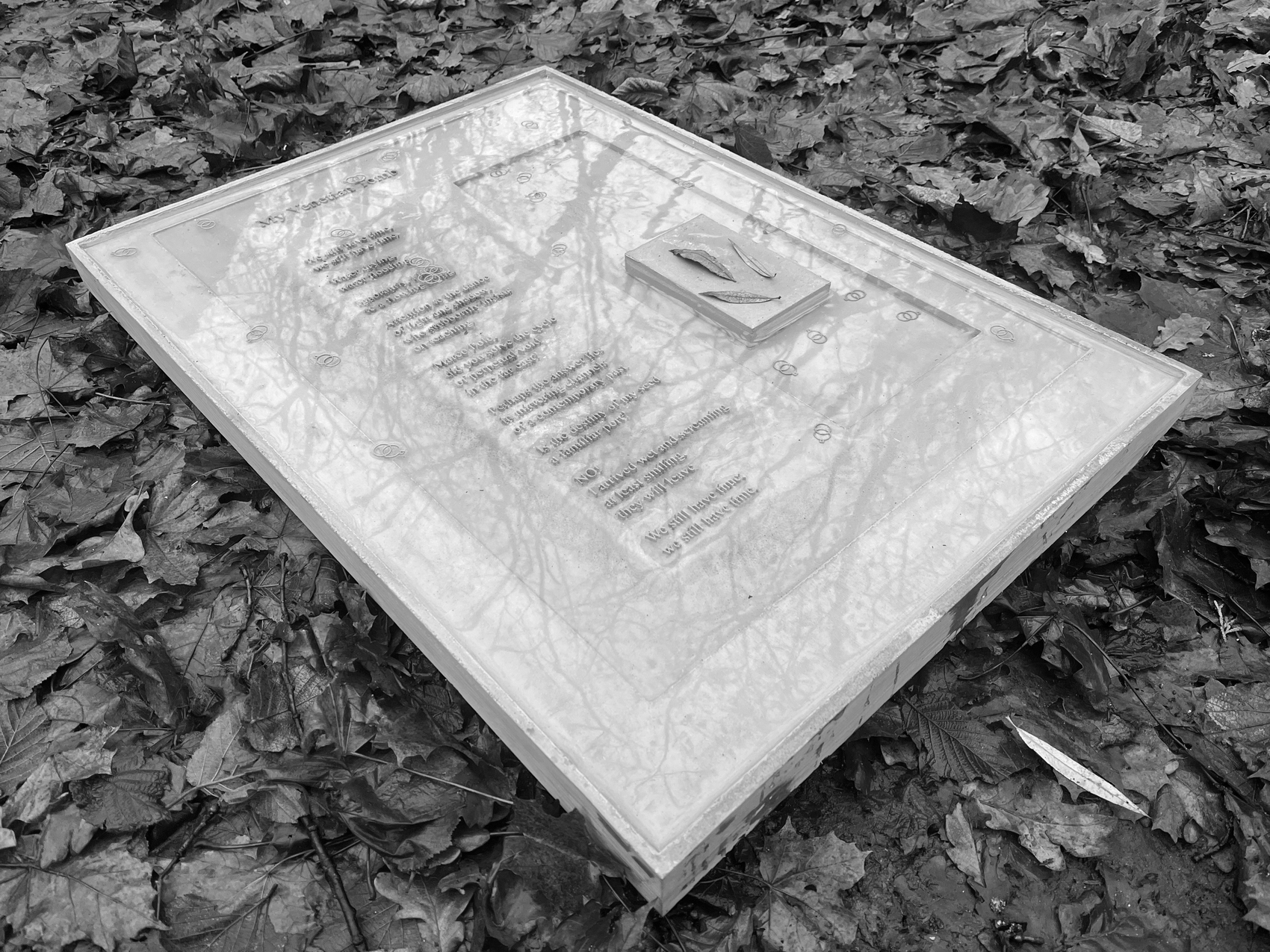
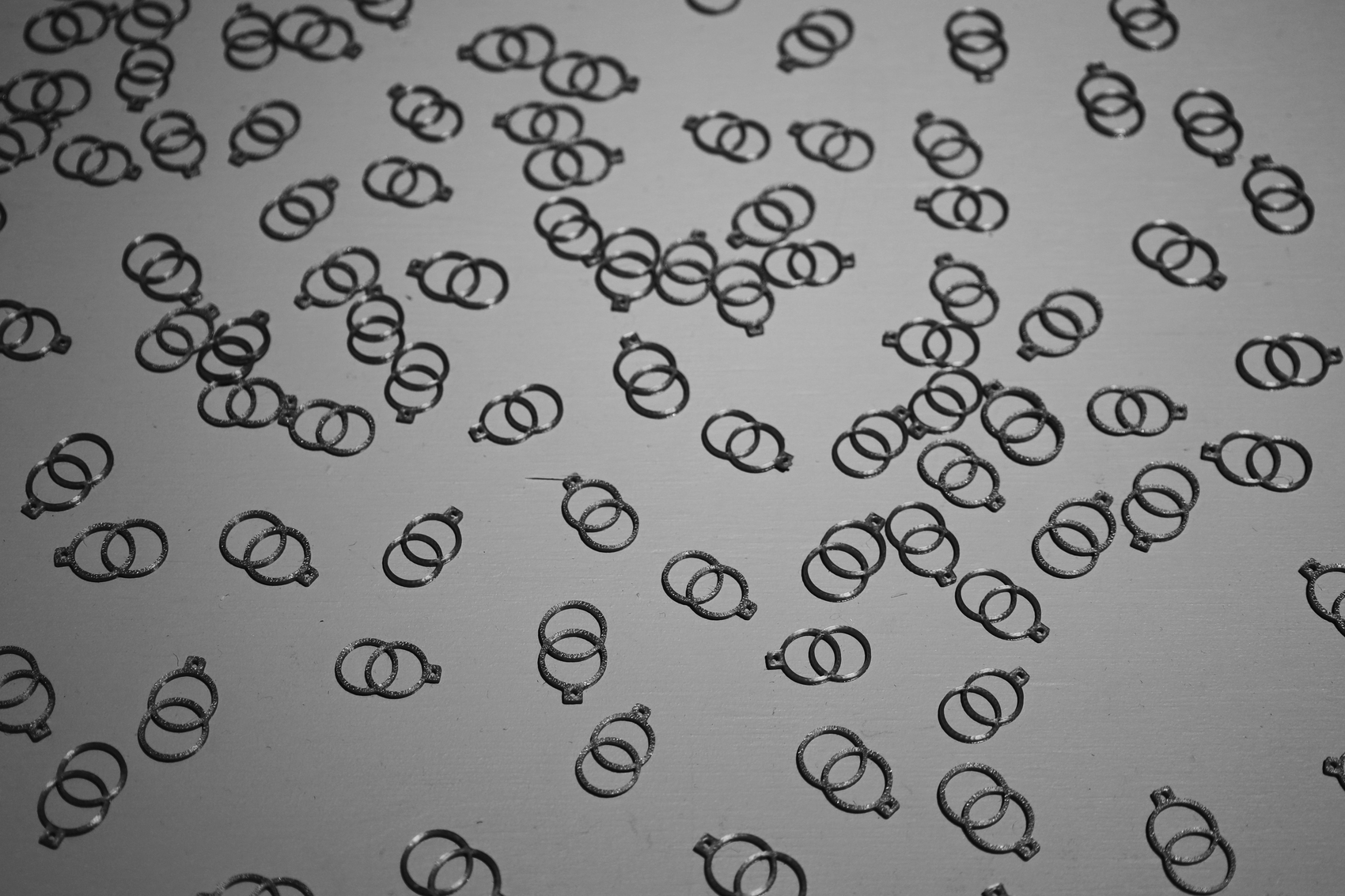
The short film takes place at Tomba Brion (1968–1978), designed by Carlo Scarpa for the Brion family in San Vito d’Altivole, near Treviso. Through the interplay of autumn light and shadow, the noise of life gives way to silence, creating a setting for reflection and self-discovery. Architecture emerges as a medium capable of fostering personal awareness and transformation across generations. During the production of the accompanying photographic report, Martins sought to document the atmosphere of the memorial through both moving and still images. After spending two full days at the site, he observed how natural light transforms space and allows visitors to understand architecture through shadow. Scarpa’s awareness of this phenomenon appeared both elevating and humbling, resembling what Immanuel Kant described as the sublime.
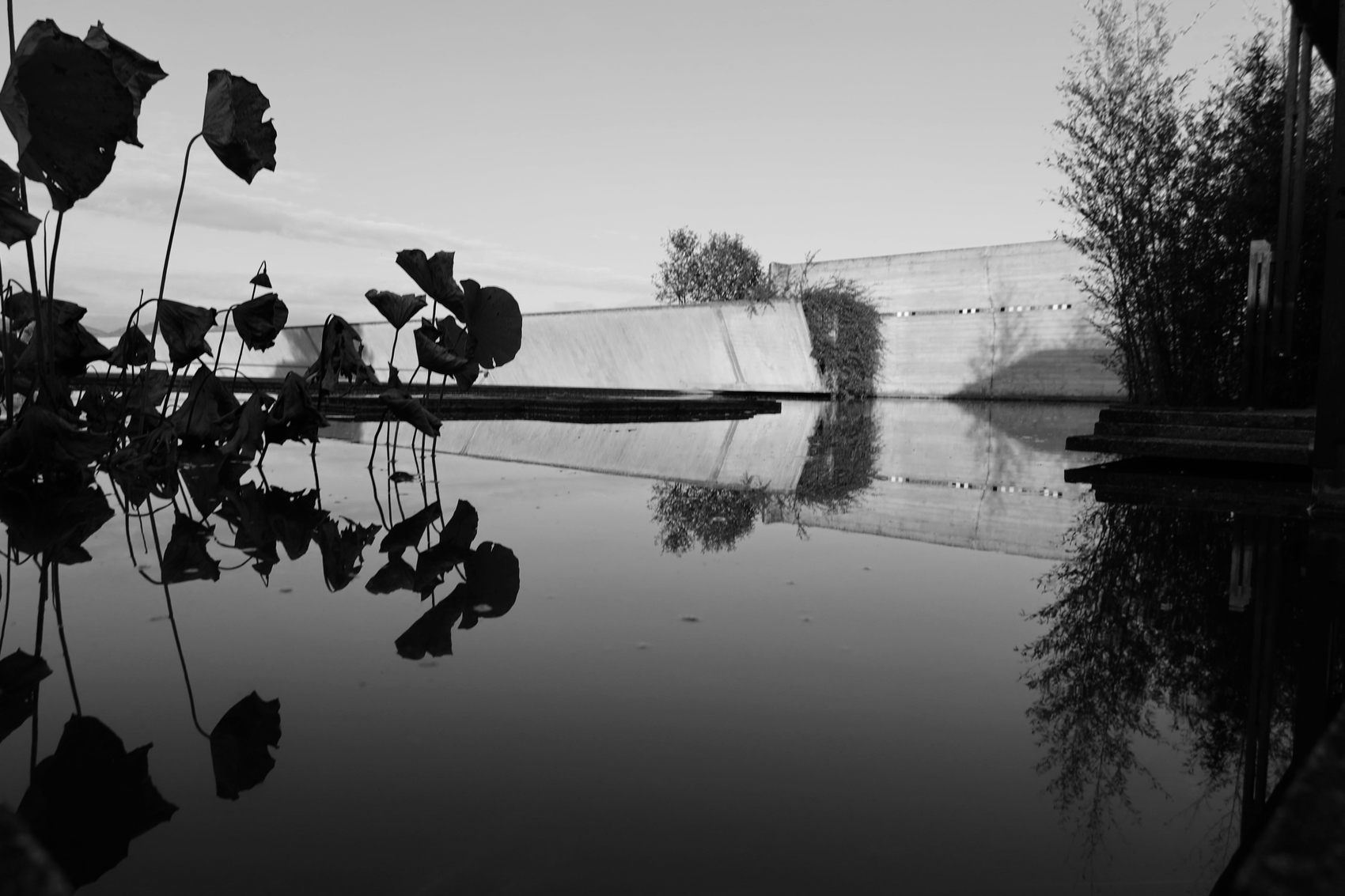
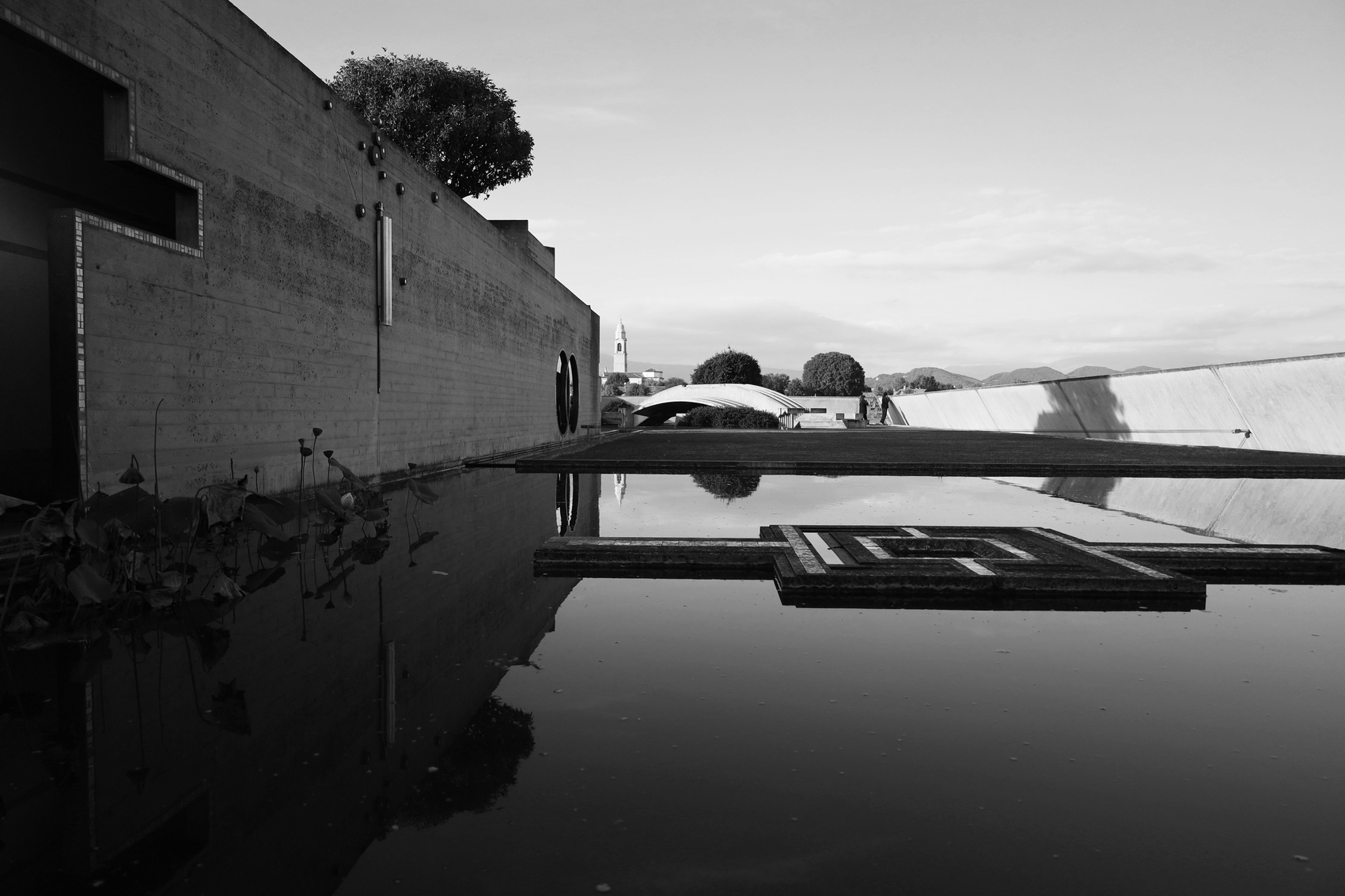
Tomba Brion celebrates the enduring bond between Giuseppe and Onorina Brion while affirming life itself through a poetic relationship between darkness and light. This idea is expressed through the vesica piscis geometrical motif positioned at the entrance to the memorial. Scarpa’s relationship with the metaphysical qualities of water is articulated throughout the garden, where water establishes a sense of interconnectedness across the complex and reinforces its role as a place for reflection on life and death. This composition echoes Scarpa’s conviction that “the place of the dead has the meaning of a garden.” The concrete walls that define the boundaries of this “microcosm of individual and historical forms of buildings” create an artificial horizon and a sense of infinity. Exposed concrete balances raw and smooth surfaces, while crafted elements of metal and ceramic introduce subtle reflections that recall the sun’s role in the continuity of life.
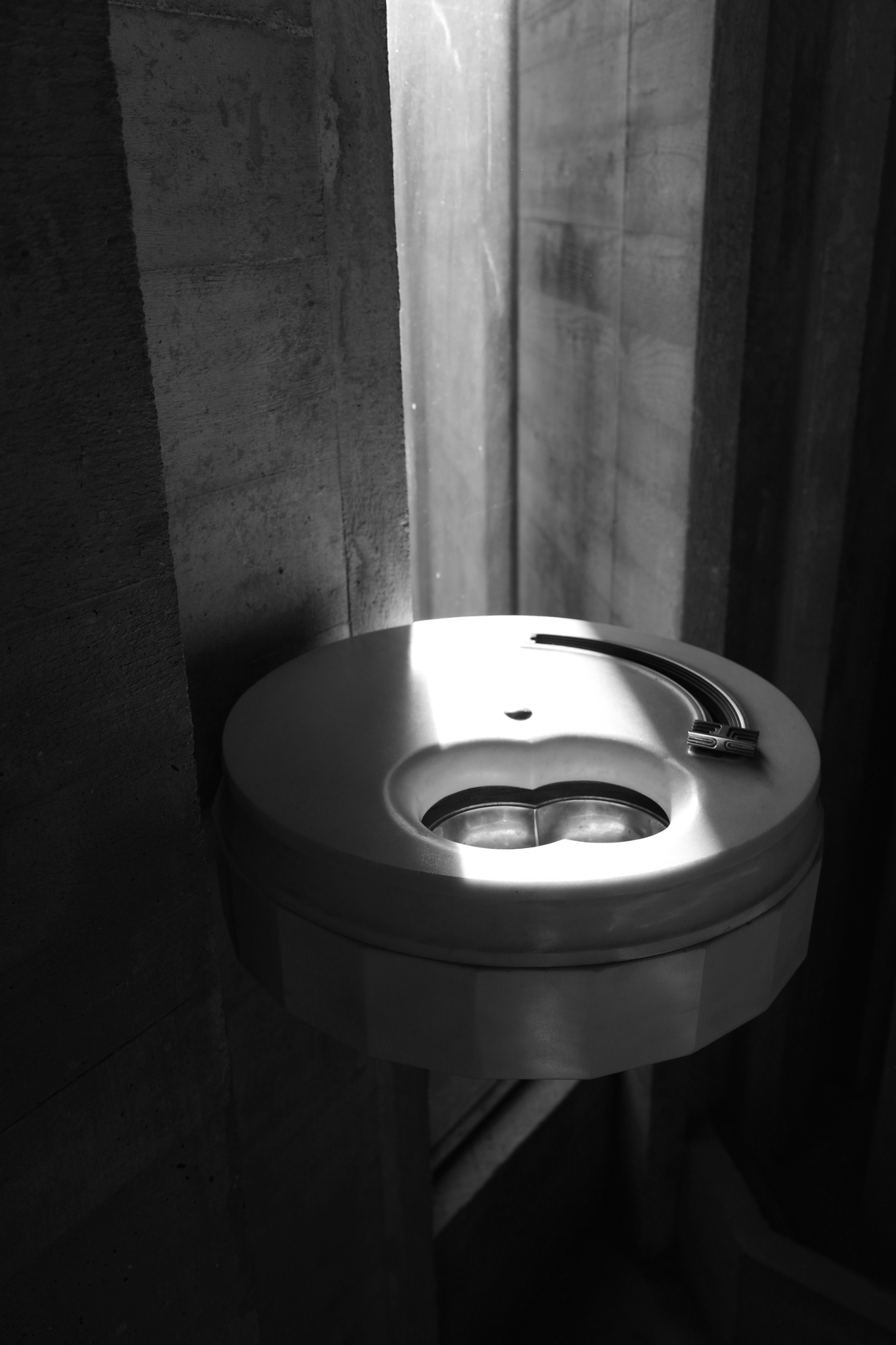
The dialogue between these materials reflects Anne-Catrin Schultz’s observation that “Scarpa was influenced by the Vienna School, Byzantine architecture, Japanese, and Islamic architecture, as well as by the American architect Frank Lloyd Wright.” Rather than reproducing historical precedents, Tomba Brion demonstrates an effort to express a primitive strength through contemporary means while rediscovering what endures across time. The memorial reinforces the idea that architecture must be experienced through all the senses, not solely through vision, a position articulated by Finnish architect Juhani Pallasmaa in The Eyes of the Skin. Architecture is heard in flowing water, felt in the texture of concrete, and smelled in the leaves lining the tree-covered approach to the memorial. Scarpa’s final memento mori remains an architectural reminder of continuity, expressed in the words of Brazilian architect Paulo Mendes da Rocha: “We all know that we are going to die, but we also know that we were not born to die. We were born to continue.”
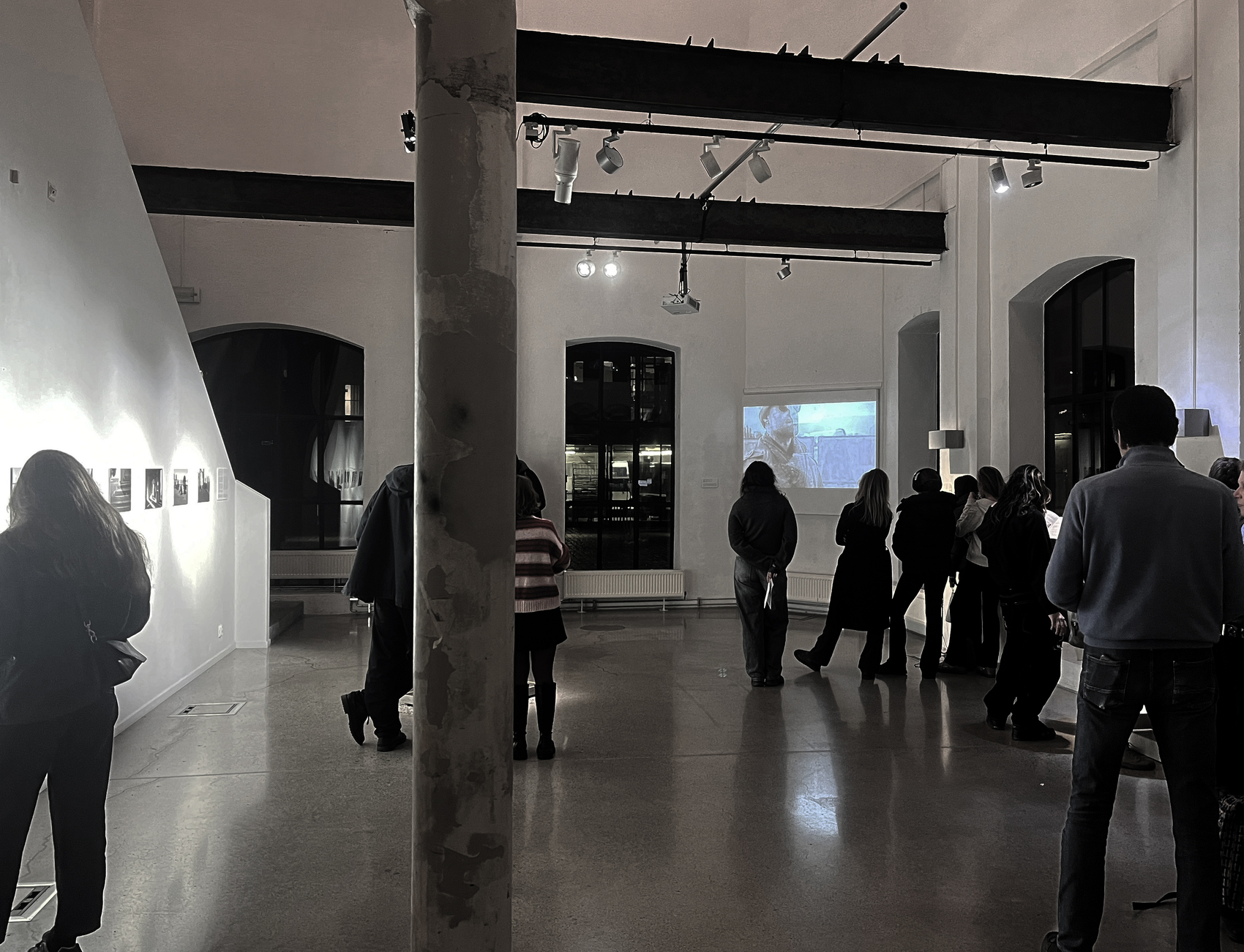
Gallery