

Jonathan Disbrow is an American architect and a founding partner of Disbrow Iannuzzi Architects, an award-winning design studio based in Detroit, Michigan, founded with David Iannuzzi. The practice works across architecture, interior design, and design-build, with a focus on residential architecture and commercial, cultural, and hospitality spaces. The studio’s work is defined by compositional rigor, technical dexterity, and strong organizing ideas, a methodology that structures each project through clear conceptual frameworks and material exploration. Disbrow Iannuzzi Architects was named to Forbes’ America’s Top 200 Residential Architects in 2025 and has received multiple AIA awards, the UNESCO Prix Versailles, and the Architizer A+ Award, with work featured on Architecture Lab and in publications including Azure, Aspire, Wallpaper, Concept, Grand Designs, Dezeen, and Robb Report.
What inspires you?
I’m inspired by environments, spaces, and images that challenge my preconceptions and force me to think differently or appreciate something in a new way.
What inspired you to become an architect?
As a child, I was always drawing. At some point in my pre-teen years, I decided that I wanted to be an architect. I did not know any architects personally and had only a naïve understanding of what it meant to be an architect. It was an early pragmatic impulse that I never swerved from.
How would you describe your design philosophy?
For me, every project must have a clear set of over-arching Organizing Ideas. That term is both inference and activity. My goal is always to weave together overlapping concepts into a refined piece of architecture where the original inspiration/ideas are celebrated.
What is your favorite project?
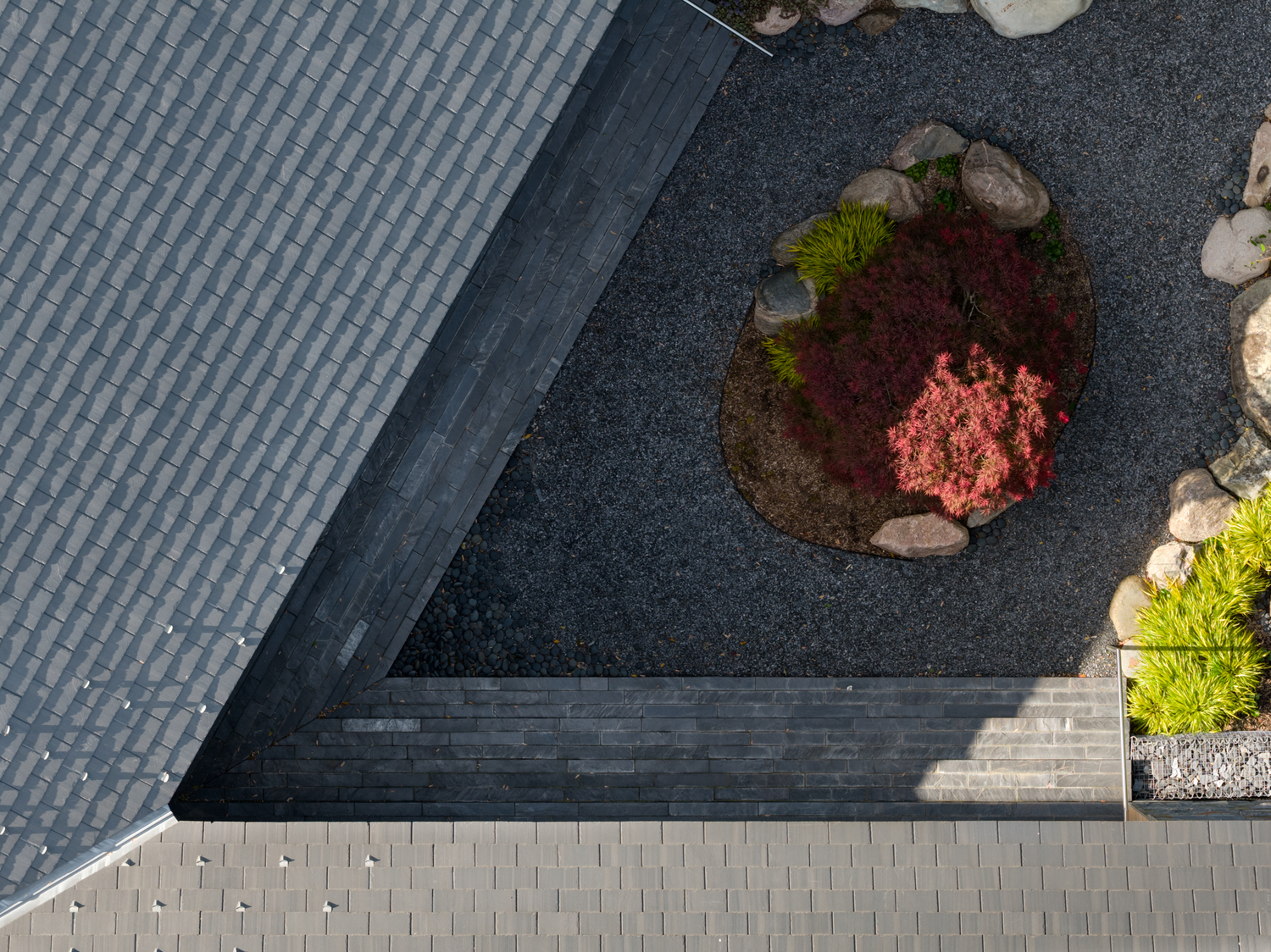
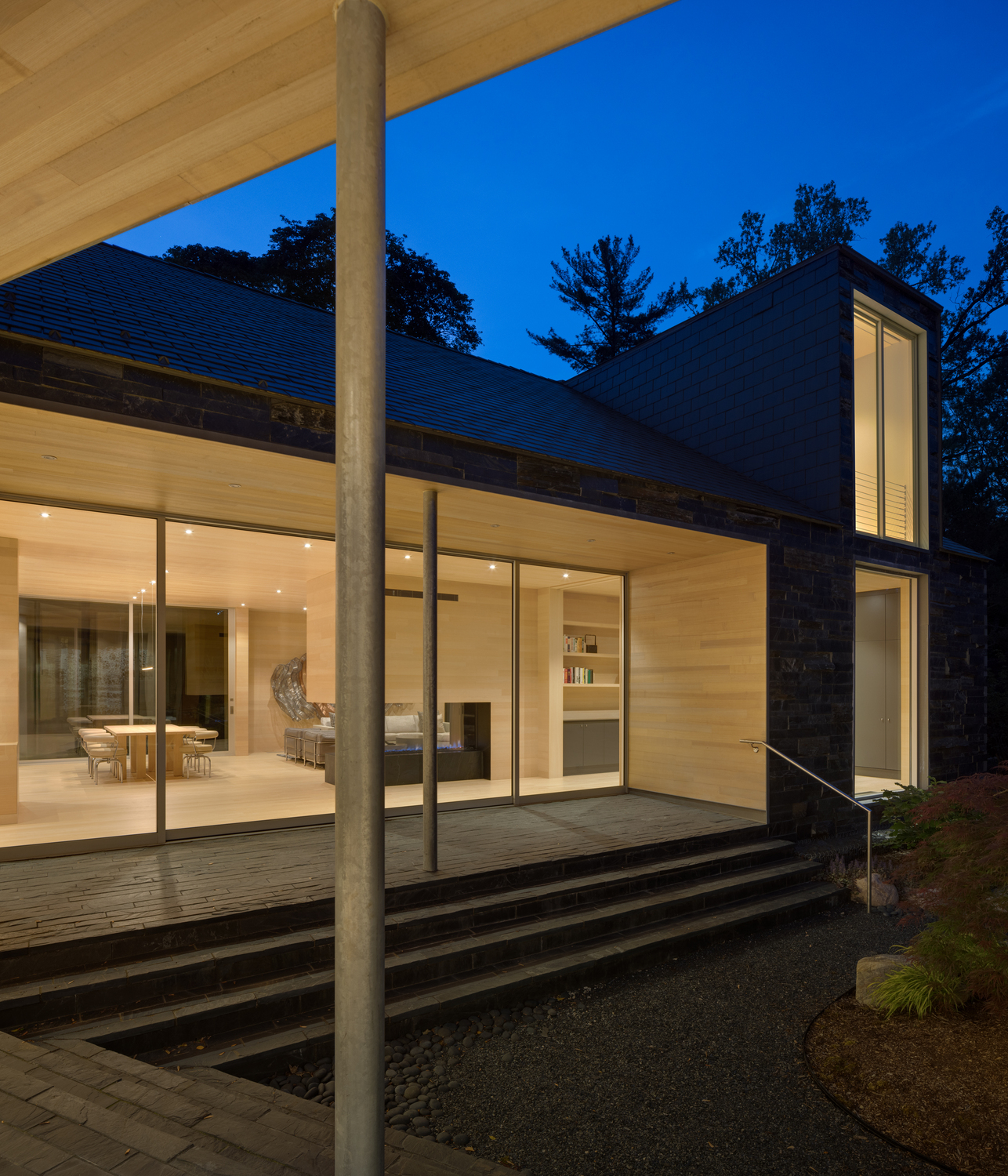
The Lakeside Residence is certainly a favorite project. On that home, we were able to explore the character of a single building material from a single quarry fully; how the slate changes visually depending on how it is being used, how sunlight and weather conditions affect our perception of it, and how to use the material in various ways to eliminate waste.
What is your favorite detail?
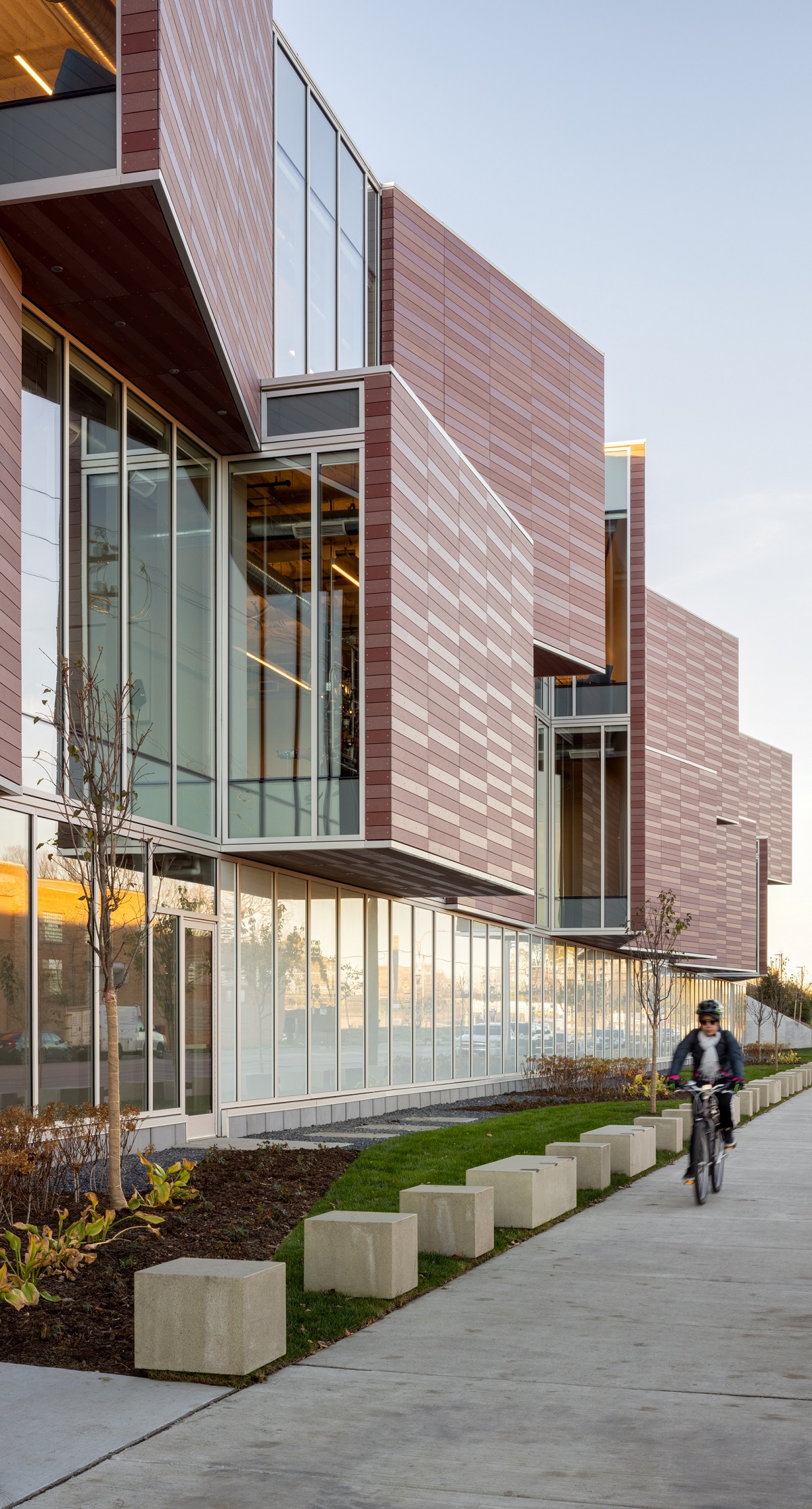
A favorite detail from one of my own projects is the front façade of the Chicago Police and Fire training facility. At that project, the upper two levels were conceived as an abstraction of the checkerboard hatband synonymous with the Chicago Police Department. The alternating sections of wall area flicker to create openings in the façade that allow views into the training spaces from the street. This was done to invite interaction and connection with the community.
Do you have a favorite material?
I tend to like honest, natural materials. Recently, I have used corten steel on a few projects. I enjoy watching the evolution of the surface as it ages.
What is your process for starting a new project?
Every project starts with a series of detailed conversations with clients to learn about their aspirations and interests, along with research on the project site, its history, its context, and its location. These conversations lead to the Organizing Ideas that give shape to the project.
How do you fuel your creativity?
For me, this could be the same answer I gave to the question of what inspires me. I also believe that creativity is a skill that needs to be nourished and exercised.
What inspired the Lakeside Residence?
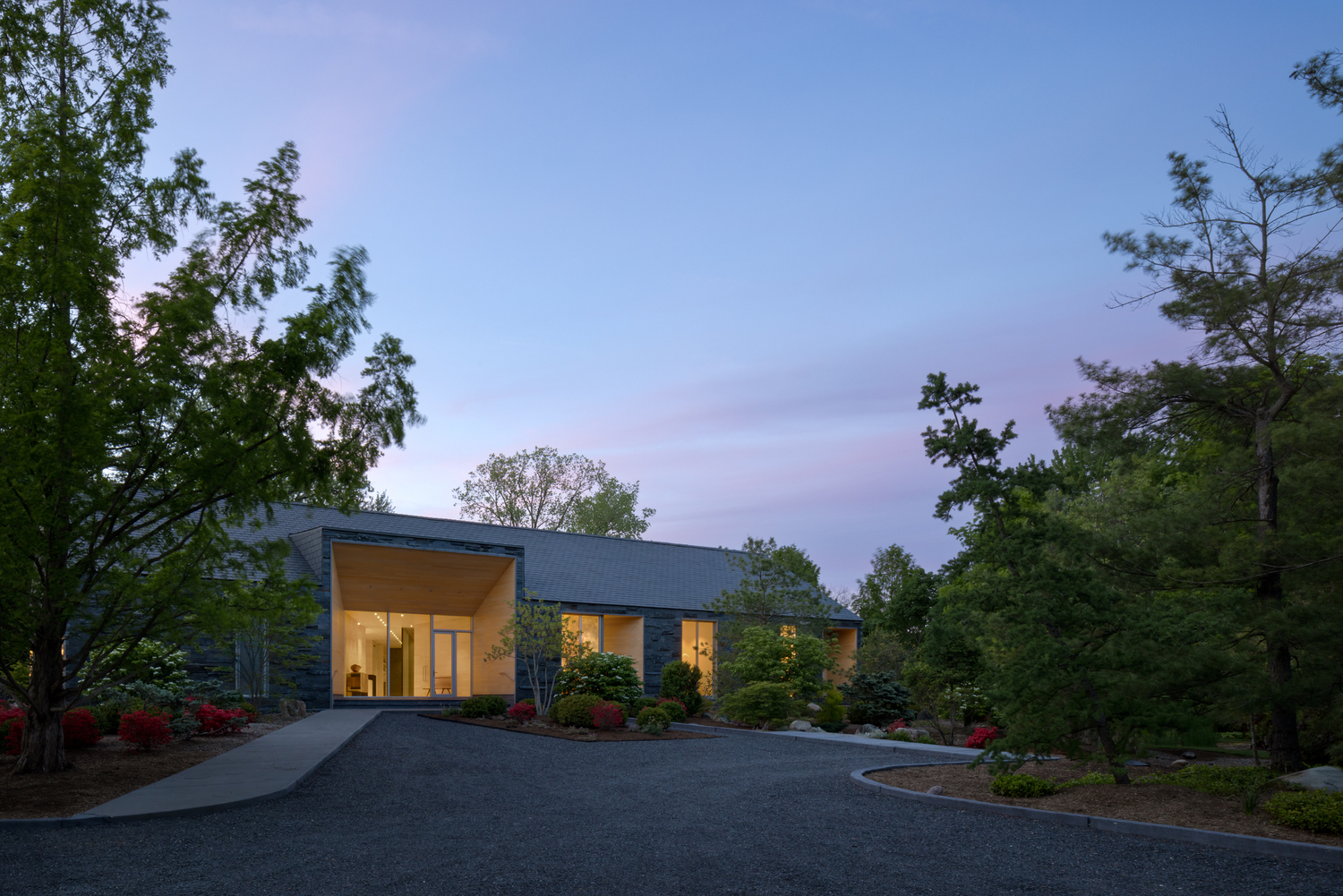
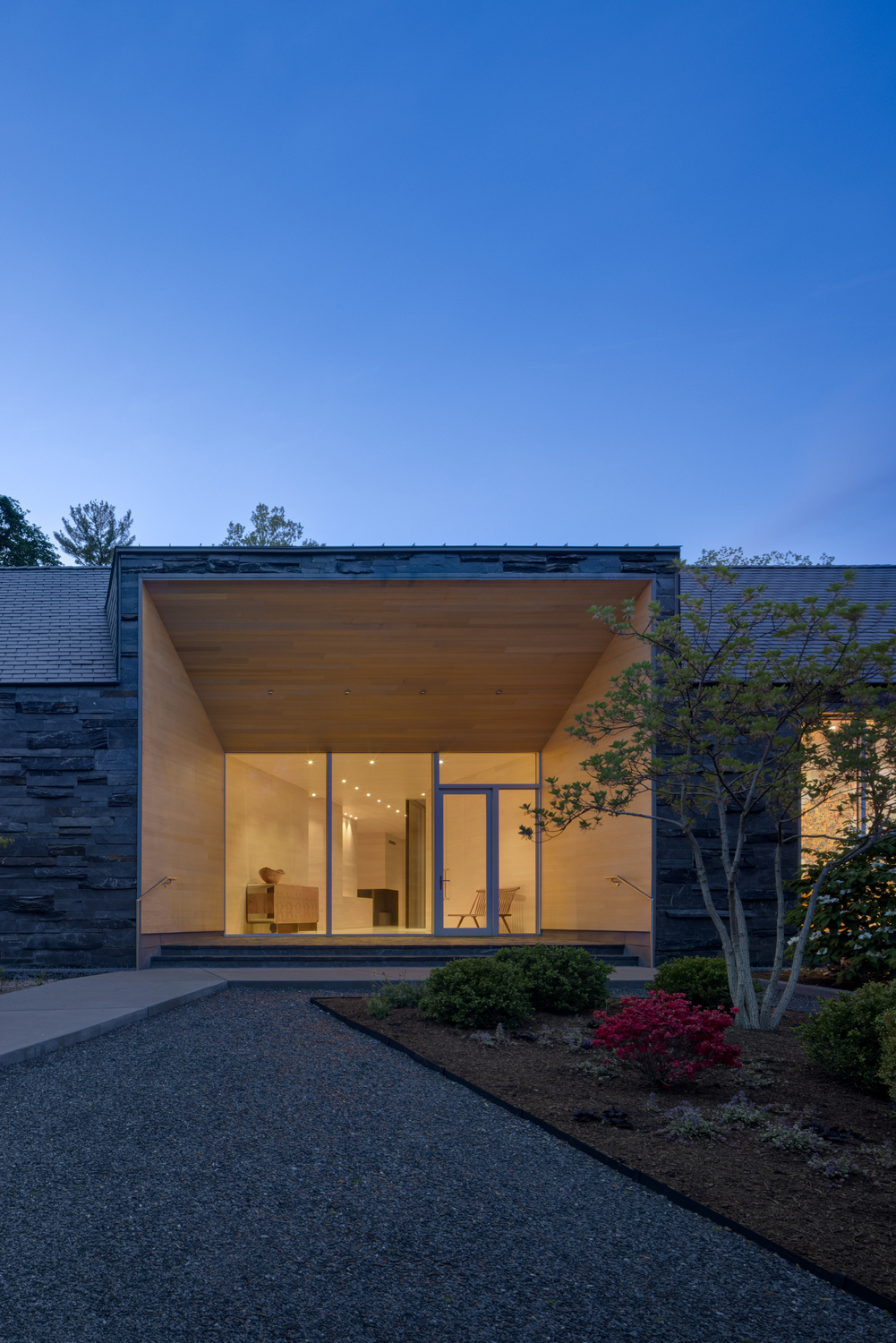
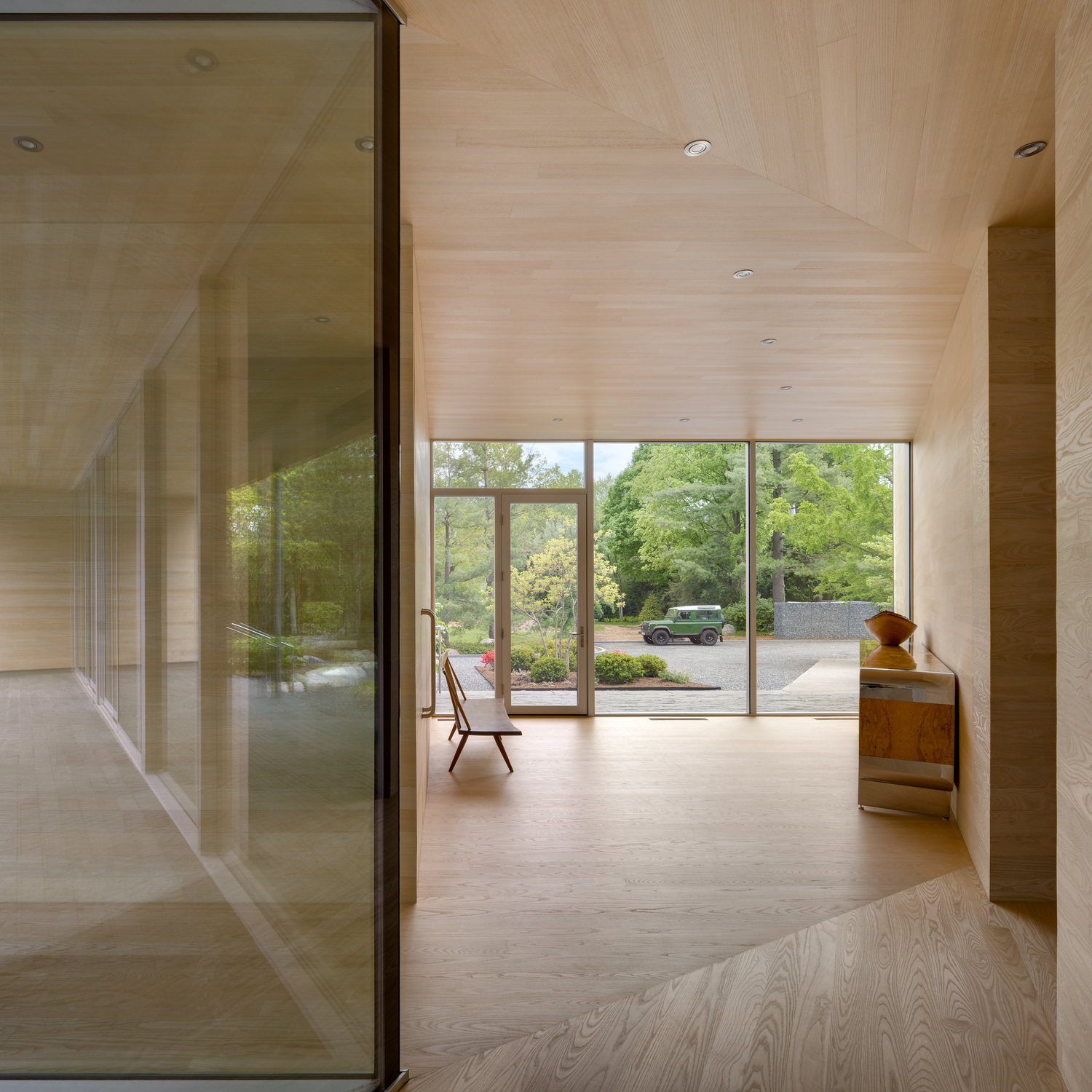
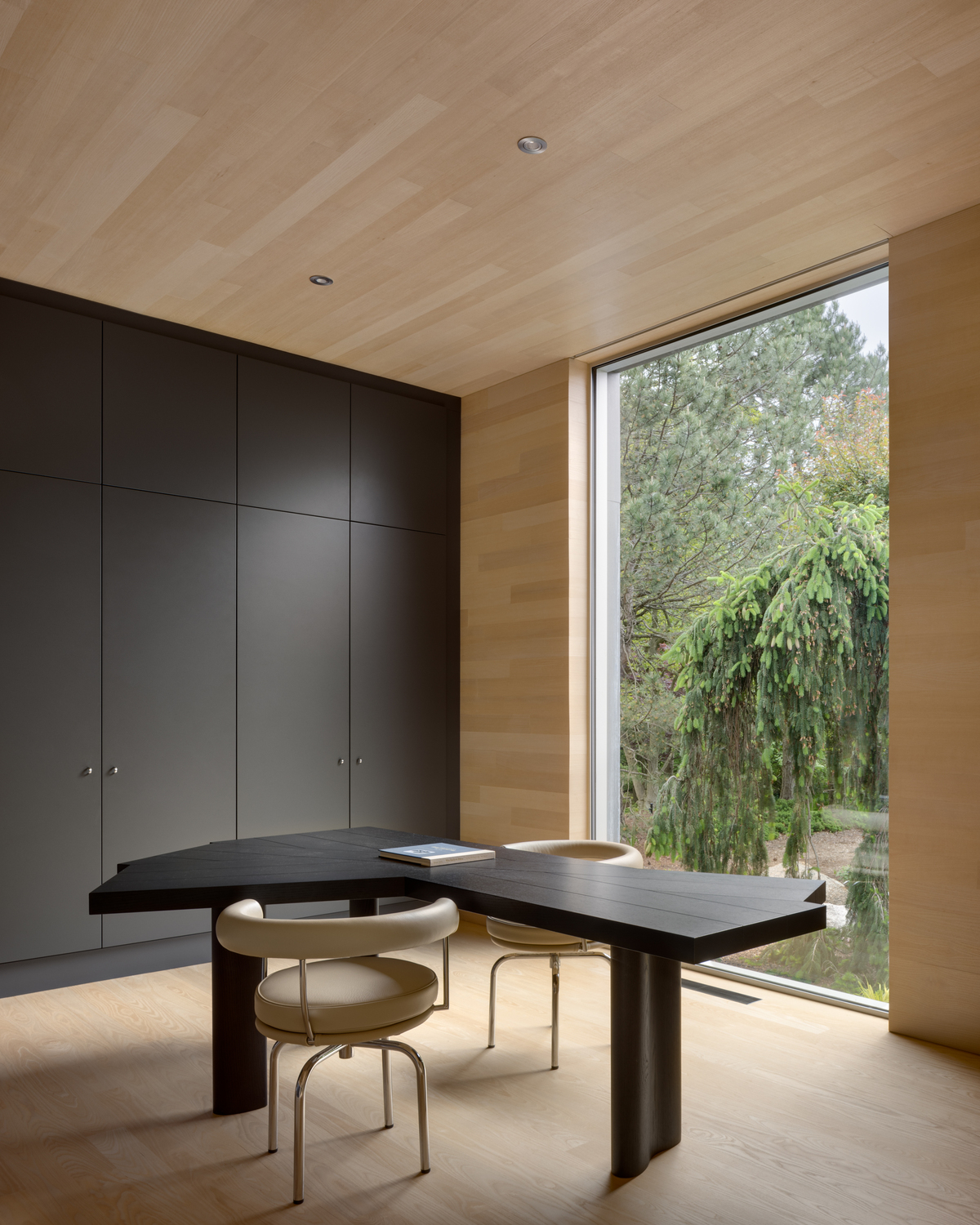
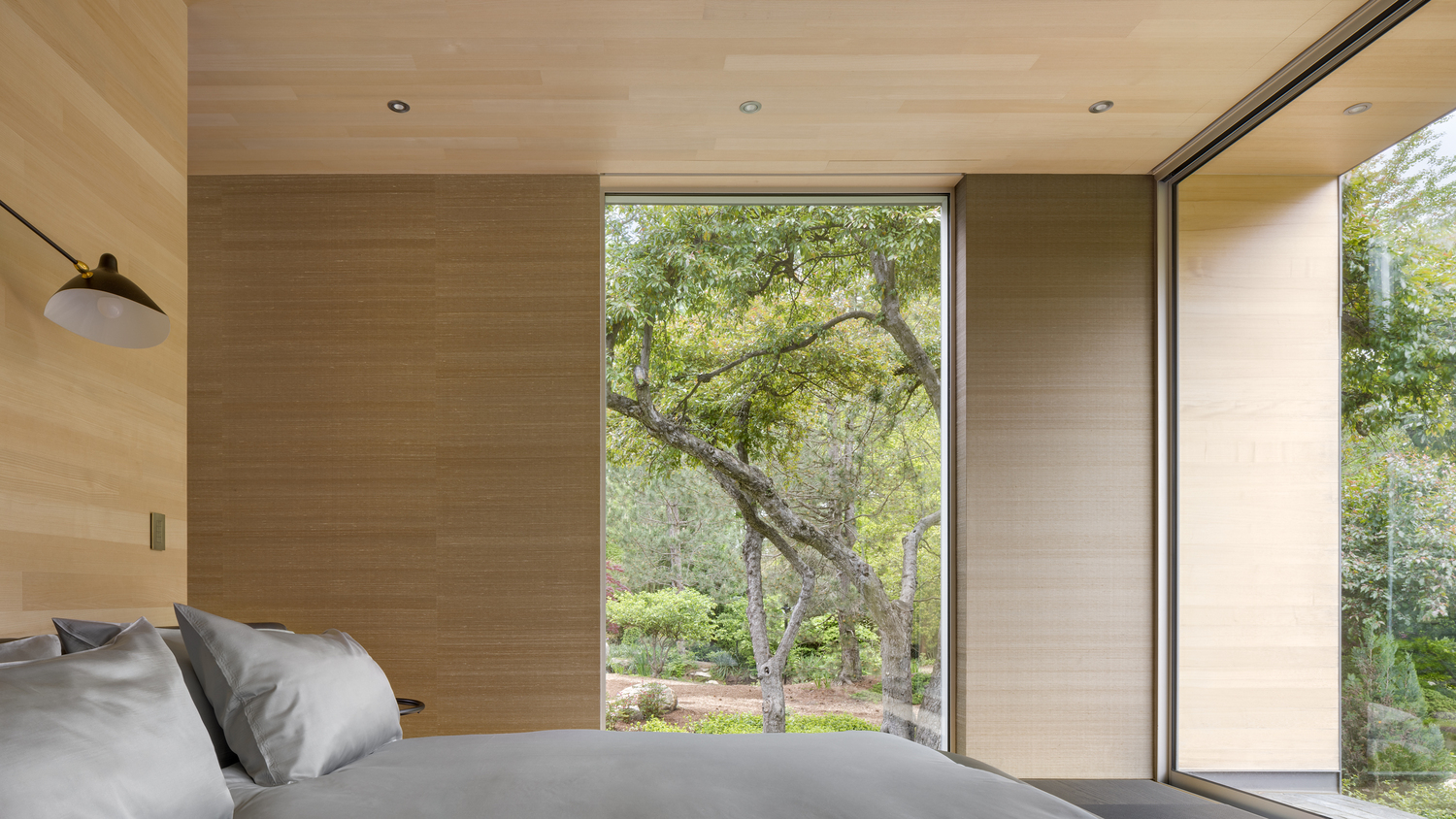
The Lakeside House was designed for a former curator of Asian art with a long family history in the lumber industry. That history led to decisions about building materials and the way views to the landscape were framed from within, and the warmth and simplicity of the interior space.
How did materiality shape Lakeside Residence?
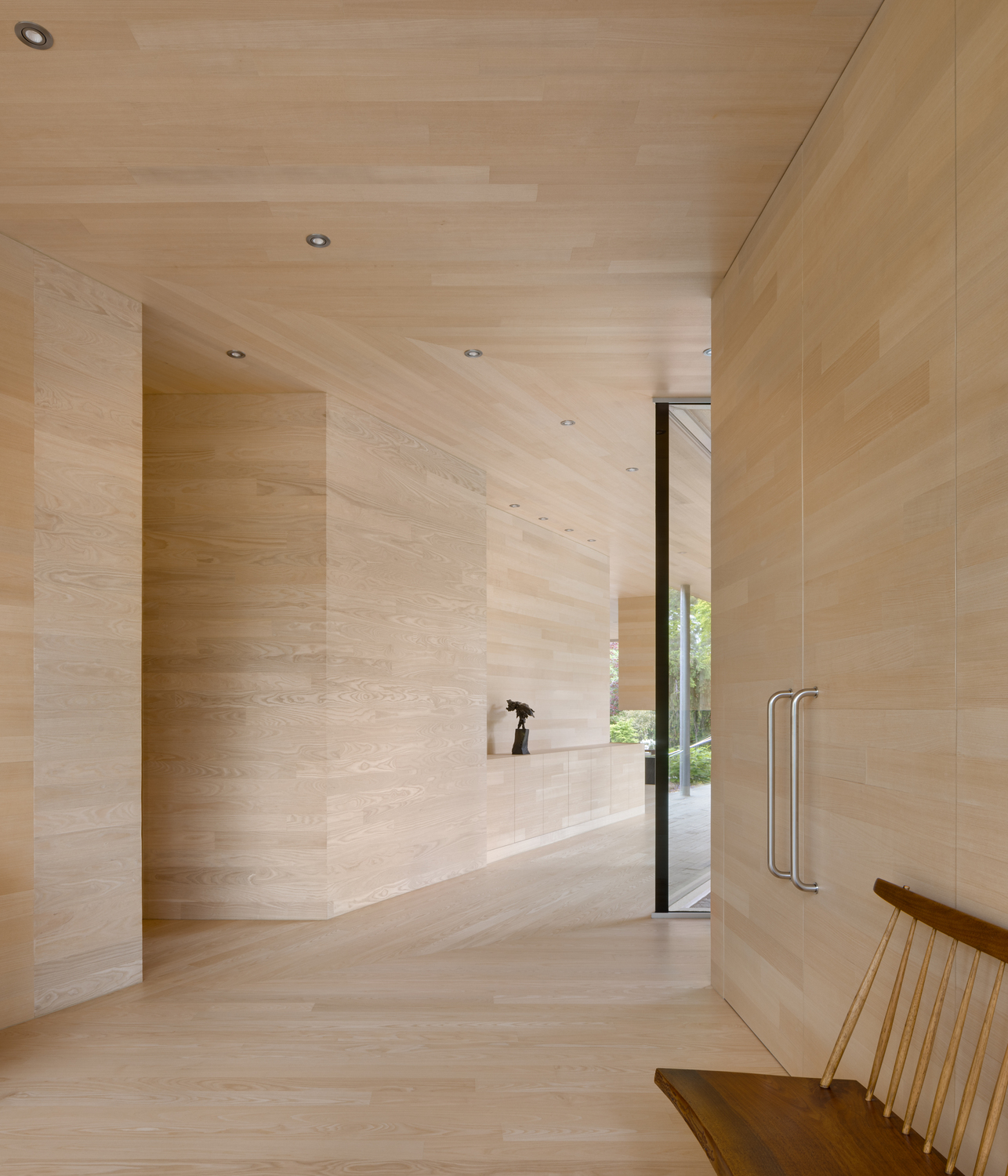
The Lakeside Residence is completely shaped by the material exploration of Black Slate and White Ash. All slate came from the same quarry. It was split into roof shingles, cleft for wall stone, cut for slabs, crushed for driveways, and all scraps were collected into gabions to create drainage and retaining structures. Throughout the day, the stone is transformed with the sun’s movement. Ash ceiling, wall, and floor surfaces have a consistent linear appearance. Shifts from quarter-sawn to plain-cut boards subtly acknowledge key points of transition.
What advice would you give to young architects?
Be passionate about what you do, be responsible, and steer away from commodity work and rote thinking.

