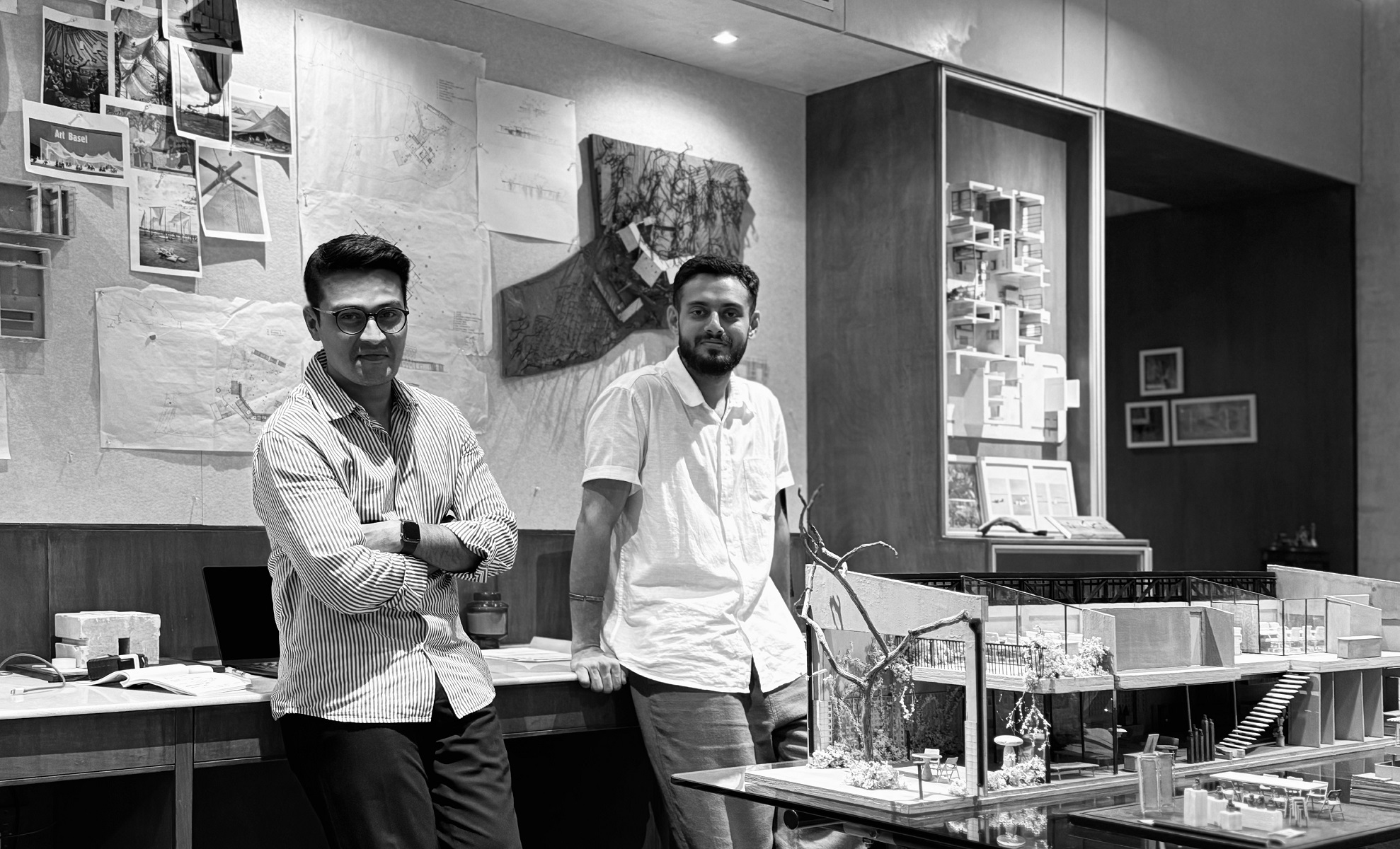
Kashyap Bhagat and Krish Shah are Indian architects and co-founders of OTLA, an architectural practice based in India focused on context-driven design and landscape-sensitive interventions. The studio’s work engages closely with land, ecosystems, and local cultural conditions, often developing architecture that emerges from observation of site systems rather than imposed form. Through research into material sourcing, ecological sensitivity, and collaborative dialogue with clients and communities, Bhagat and Shah pursue projects that respond directly to their environmental and social contexts. Works such as Kirubeli Cove Retreat demonstrate this approach, where locally sourced materials and restrained architectural gestures allow the built form to integrate with fragile coastal landscapes. Across OTLA’s projects, architecture is treated as a catalyst that reveals and celebrates existing natural and cultural systems rather than dominating them.
What inspires you?
I think it’s a lot of things. We are always trying to learn through our observations of daily life, the contexts we work with, the people we engage with, communities, cultures, land, and ecosystems. I think it’s very nuanced, as all of it comes with a very rich array of circumstances, backgrounds, ways of living, aspirations, set systems, etc., and the genuine joy of celebrating all of these layers is where our work emerges from.
What inspired you to become an architect?
As a child, it was just the idea of shapes and the love for drawing, but I think the inspiration matured once I actually started my journey towards becoming an architect, when I realized the ability the profession and the built environment have in influencing ways of living and society at large. I think that is a great and rewarding responsibility.

How would you describe your design philosophy?
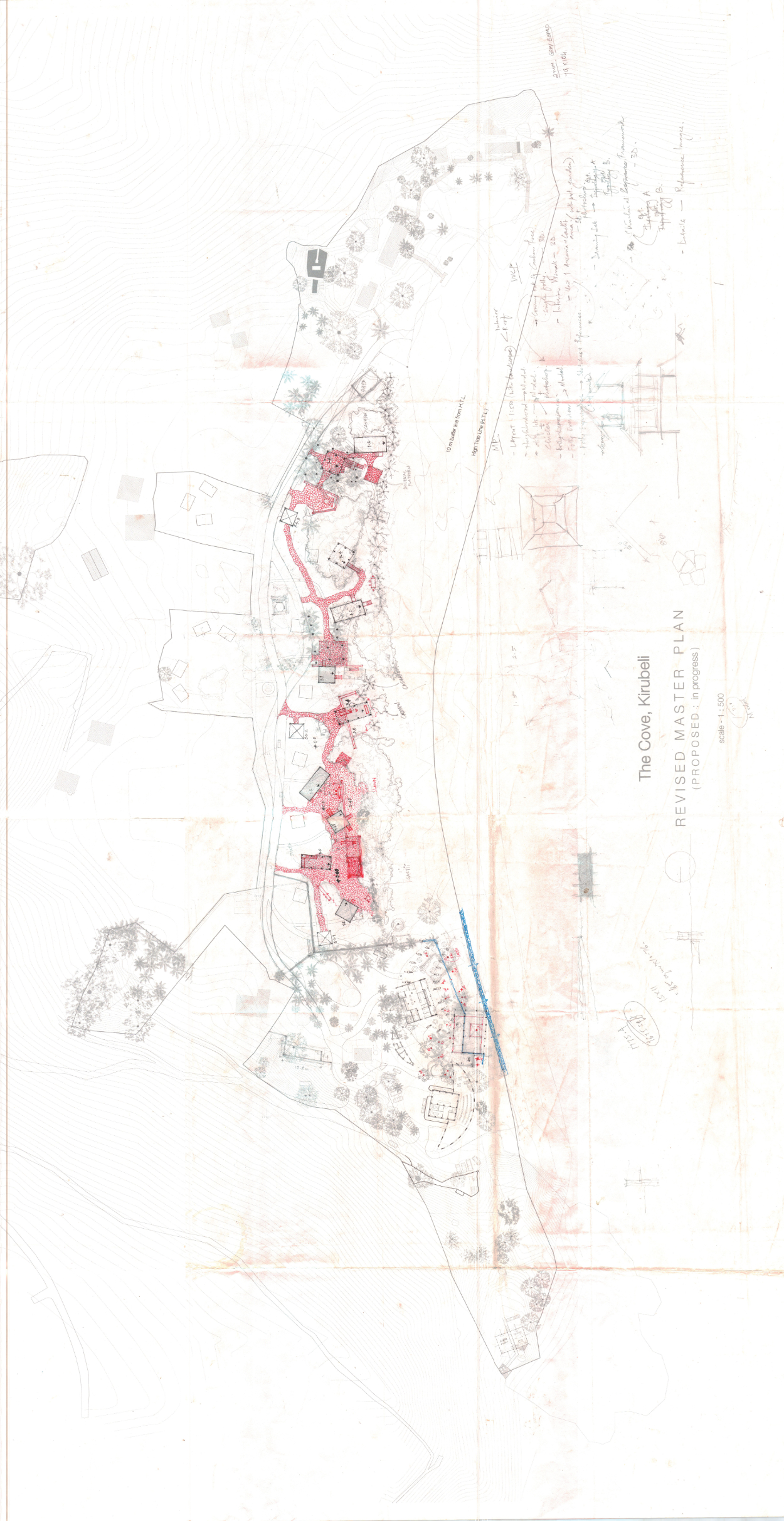
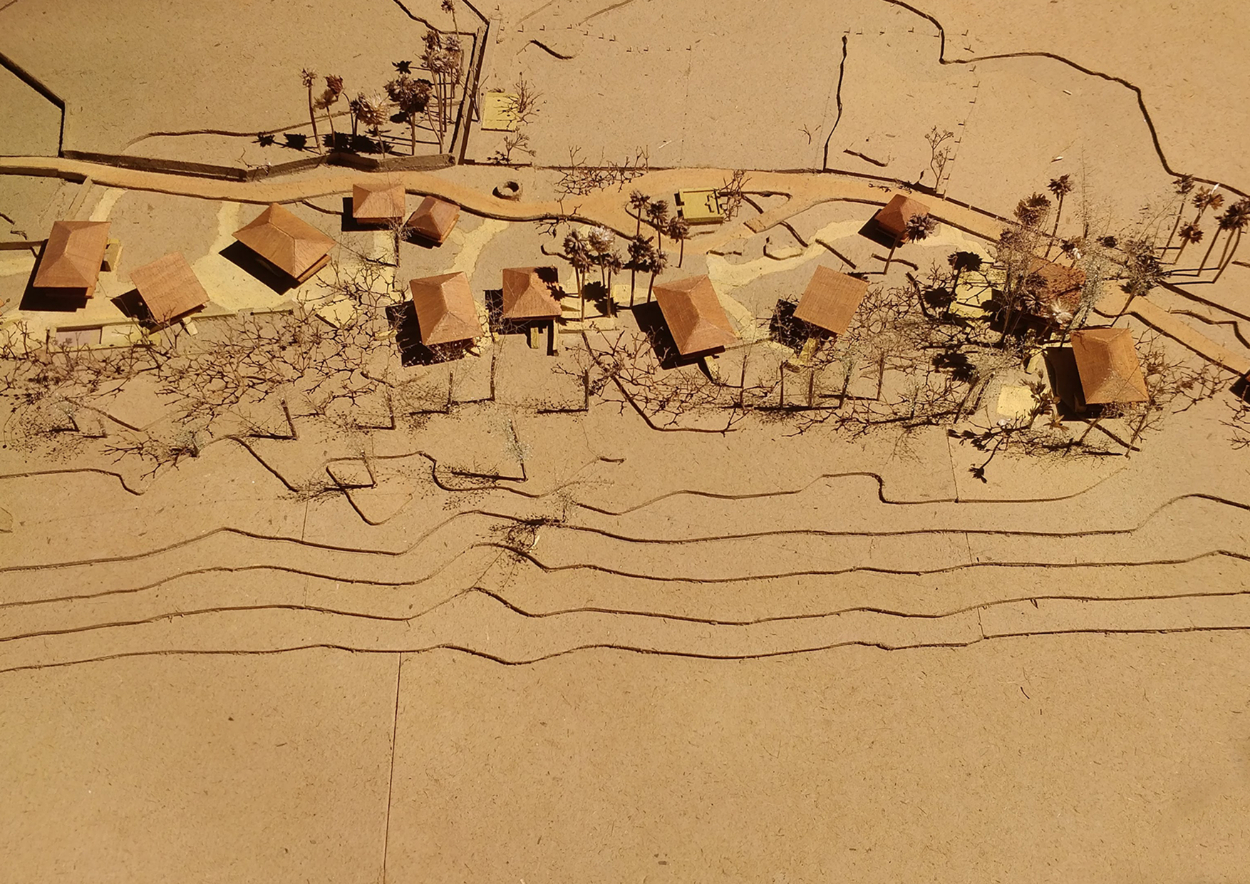
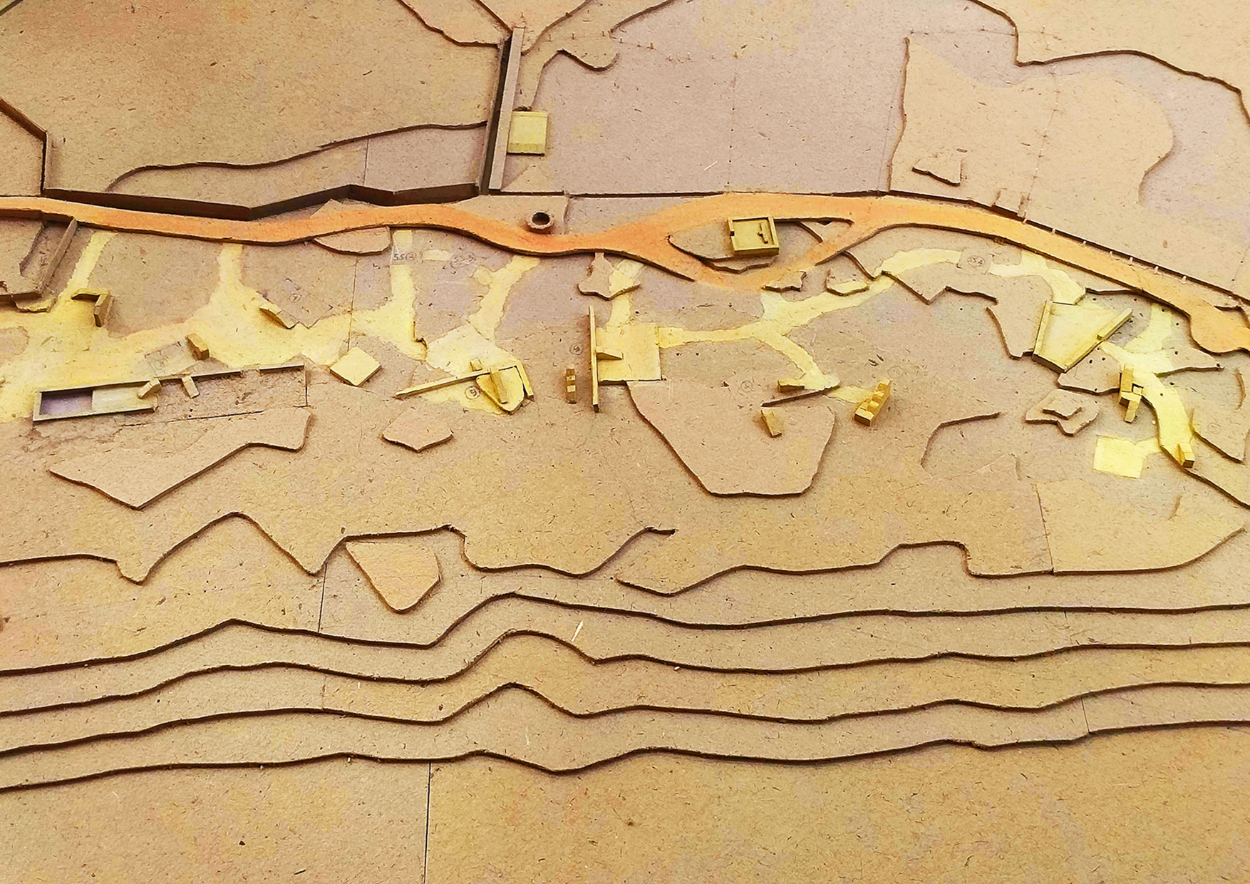
I can say it’s very nuanced. We tend to spend a lot of time learning about the land, its existing ecosystems, the people involved, the history, the clients’ aspirations, etc., and then just approach all of these layers sensitively. We try to look for a larger intent to intervene there. In the process, the design very naturally emerges out of these learnings – it informs our materials, proportions, scale, and forms. Maps, physical models (especially site models), sketches, and diagrams are then the tools for us to play with these parameters and frameworks, which every site uniquely creates for us. Most of the time, it’s more about becoming catalysts or a medium of celebrating and experiencing the existing systems of the land. I think it’s the path of least resistance.
What is your favorite project?
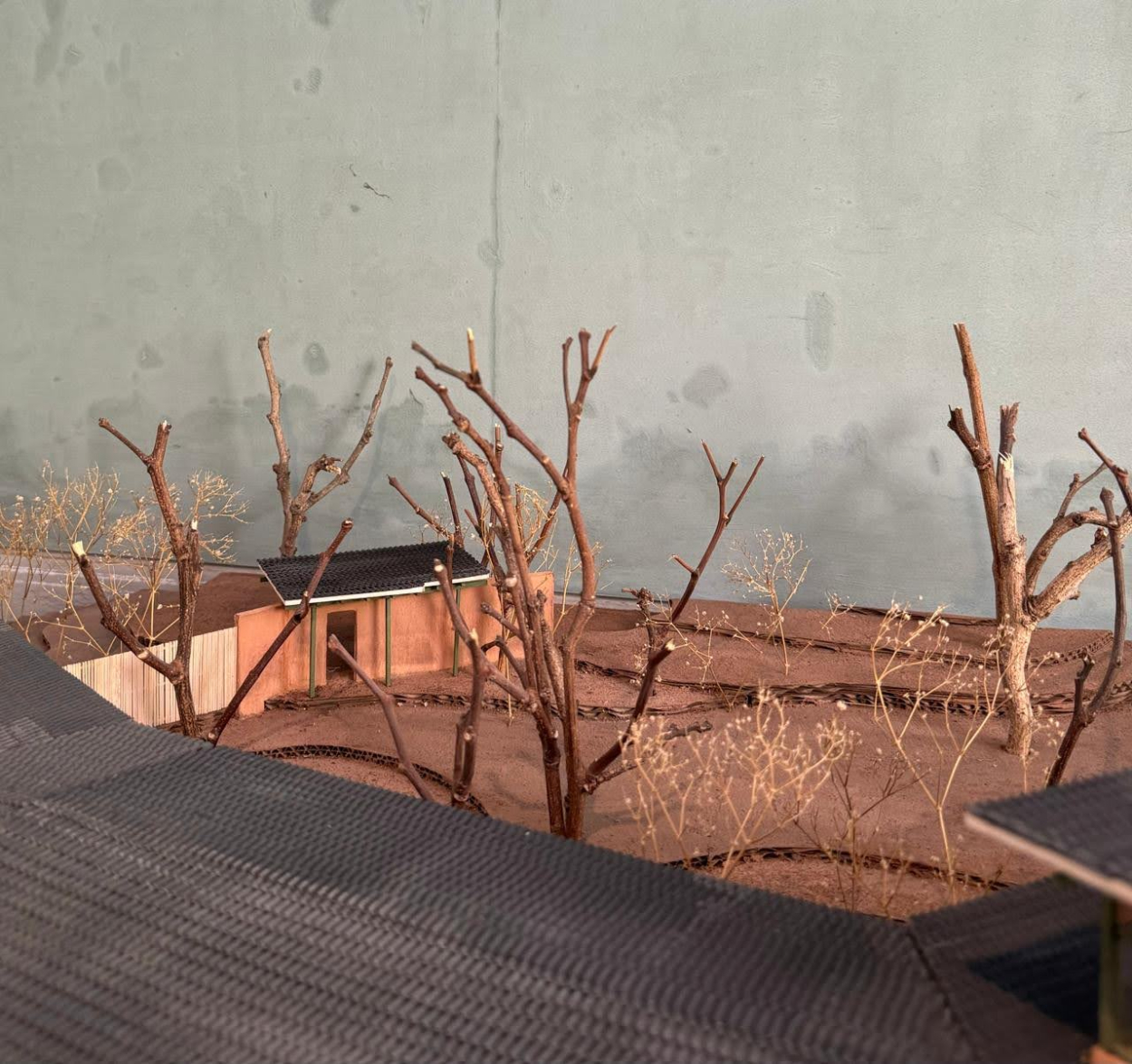
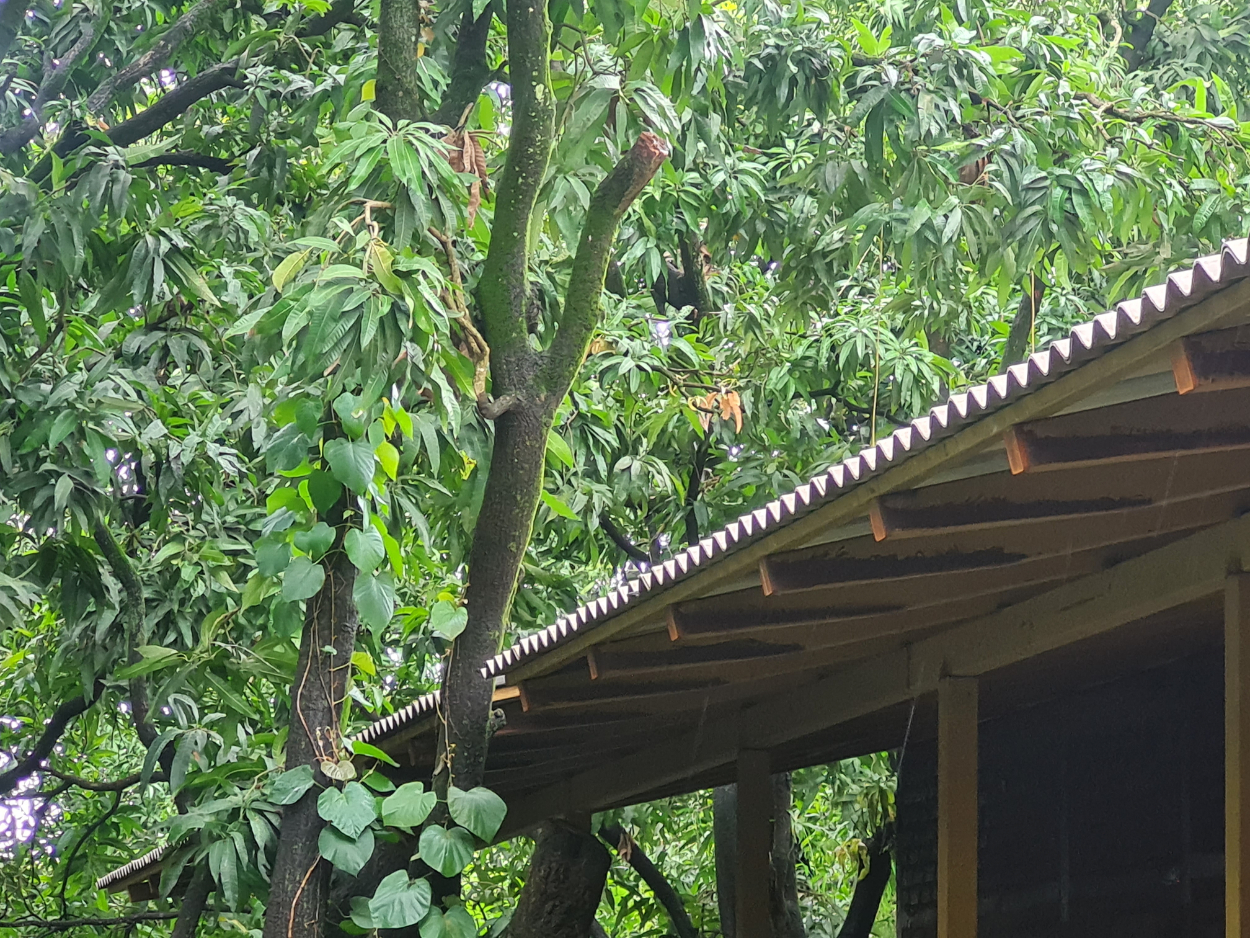
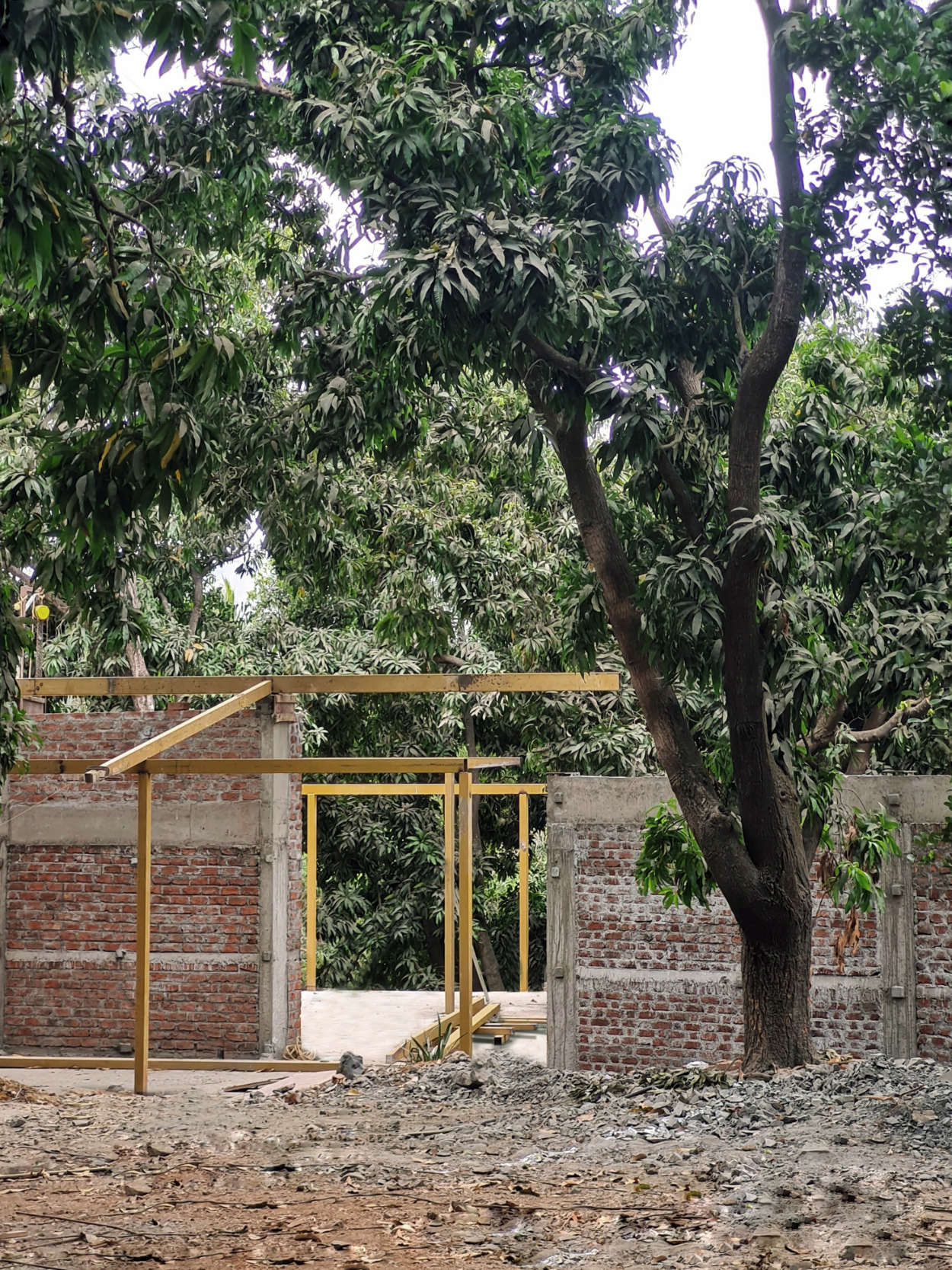
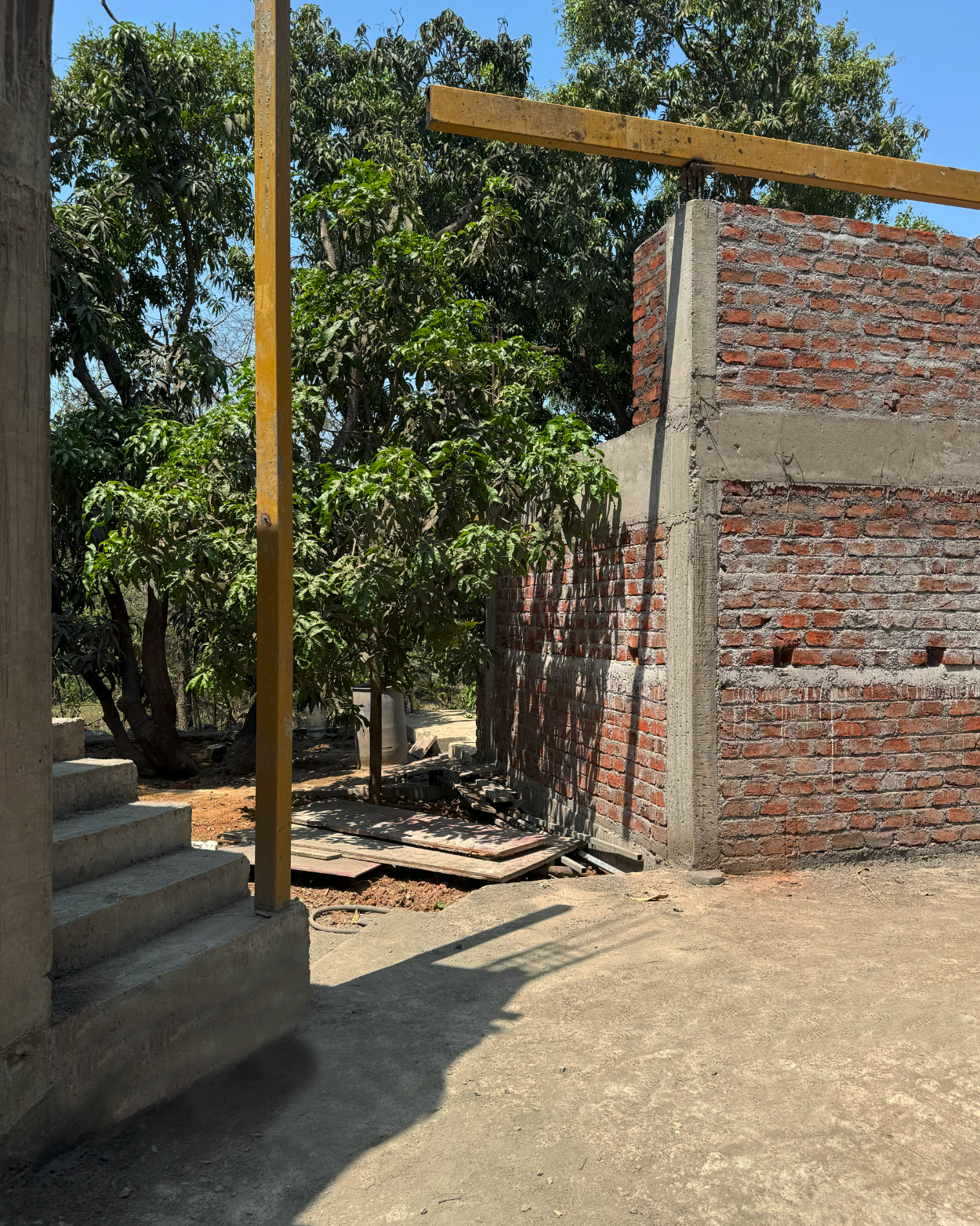
I don’t think I can choose. Every project has its own set of fascinations and innovations. However, from the very small set of projects ongoing, I would say the house we are doing in Alibaug, close to Mumbai, currently has my heart. I think the design has purely emerged out of the relationship we developed with the client over the course of the project. With a mutual sensitivity towards the land and the surroundings, but with an affinity for tasteful ornamental aesthetics, we were continuously pushed into our non-comfort zones, leading to debates on human behavior, beauty, light, touch, etc. A lot of our details have come out of these conversations – a very wholesome collaboration. The home has ended up becoming a very light, porous pavilion (verandah of sorts), discreetly nestled within the forest. The materials, finishes, and everything attempt to make the house disappear into the background. The ideal intervention, I think, the land itself has become home.
What is your favorite detail?
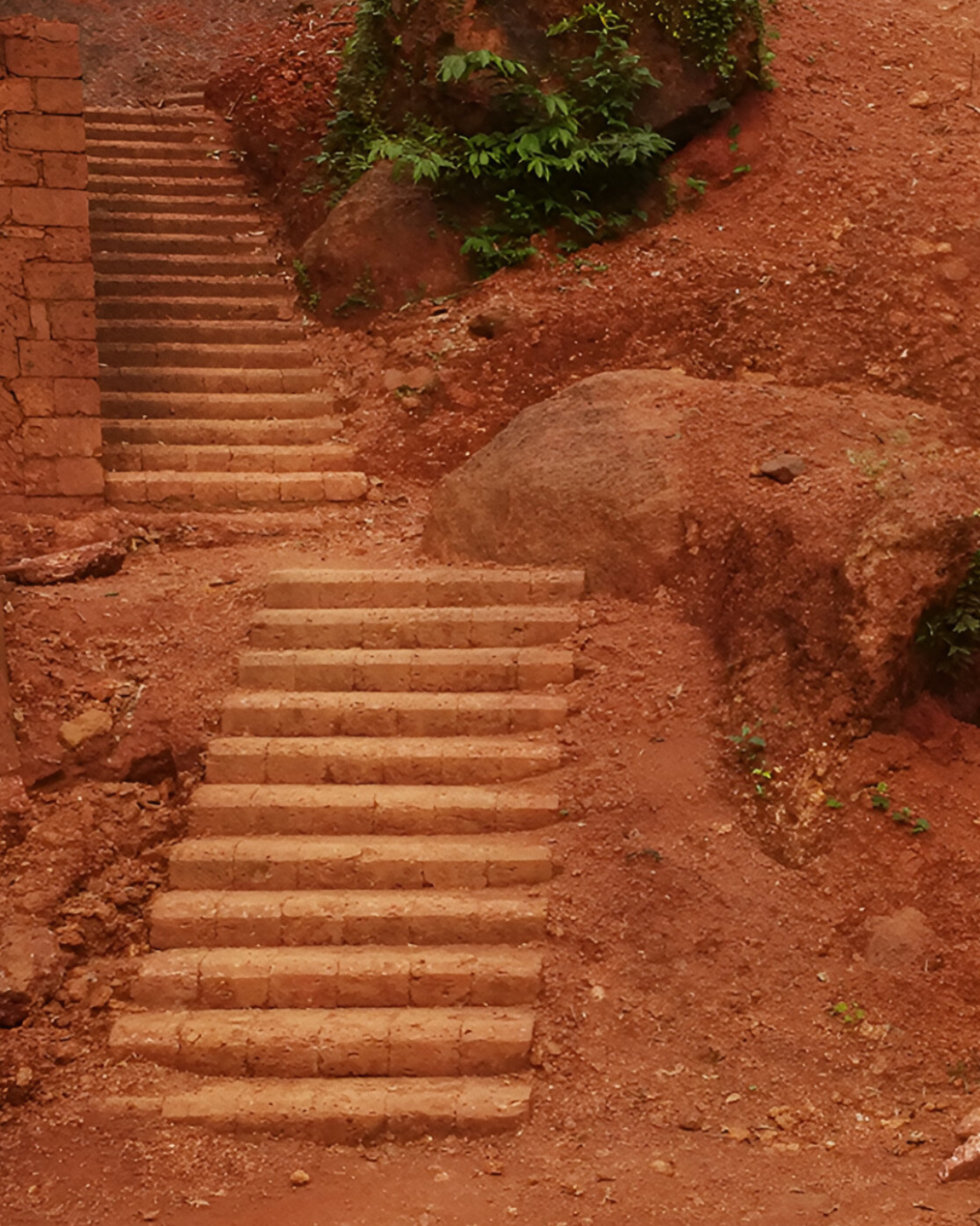
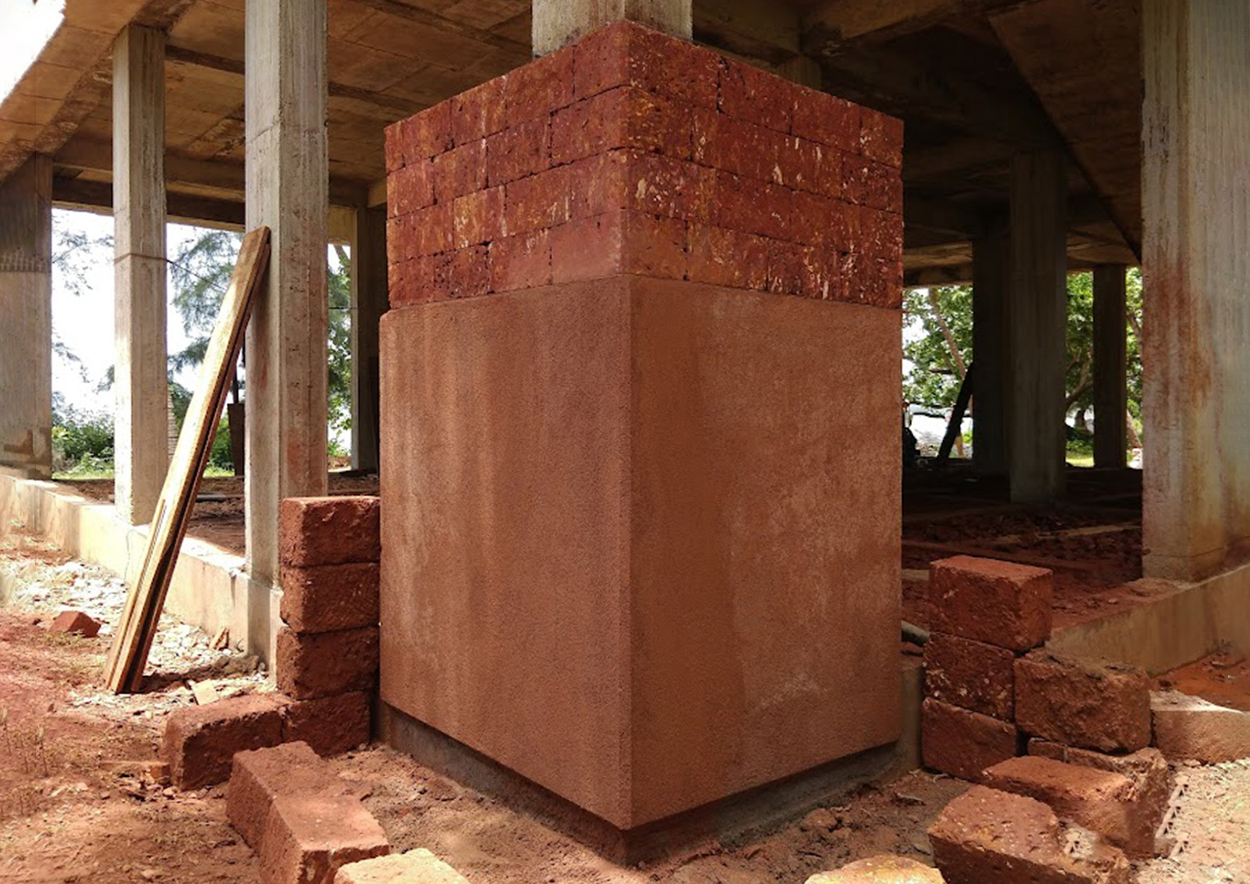
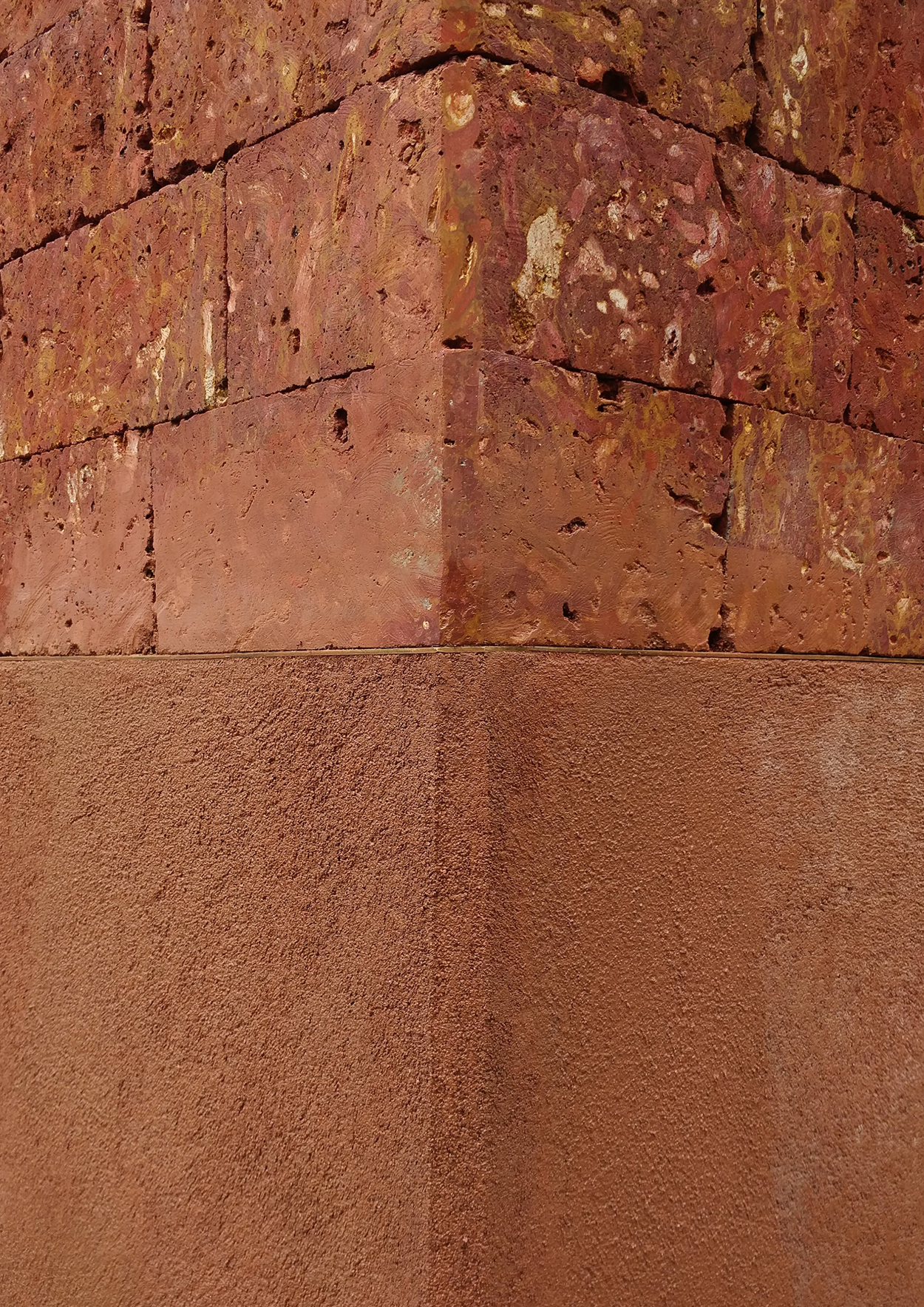
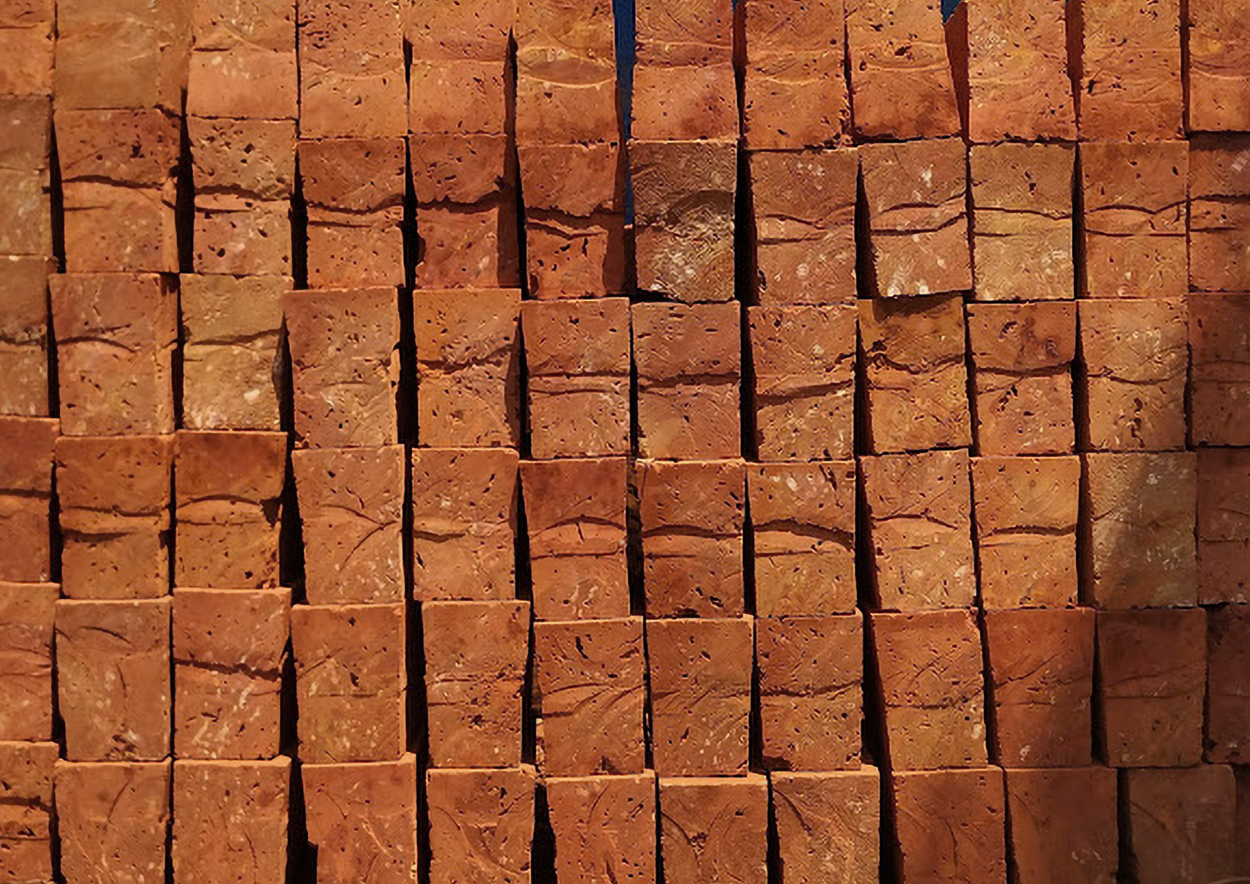
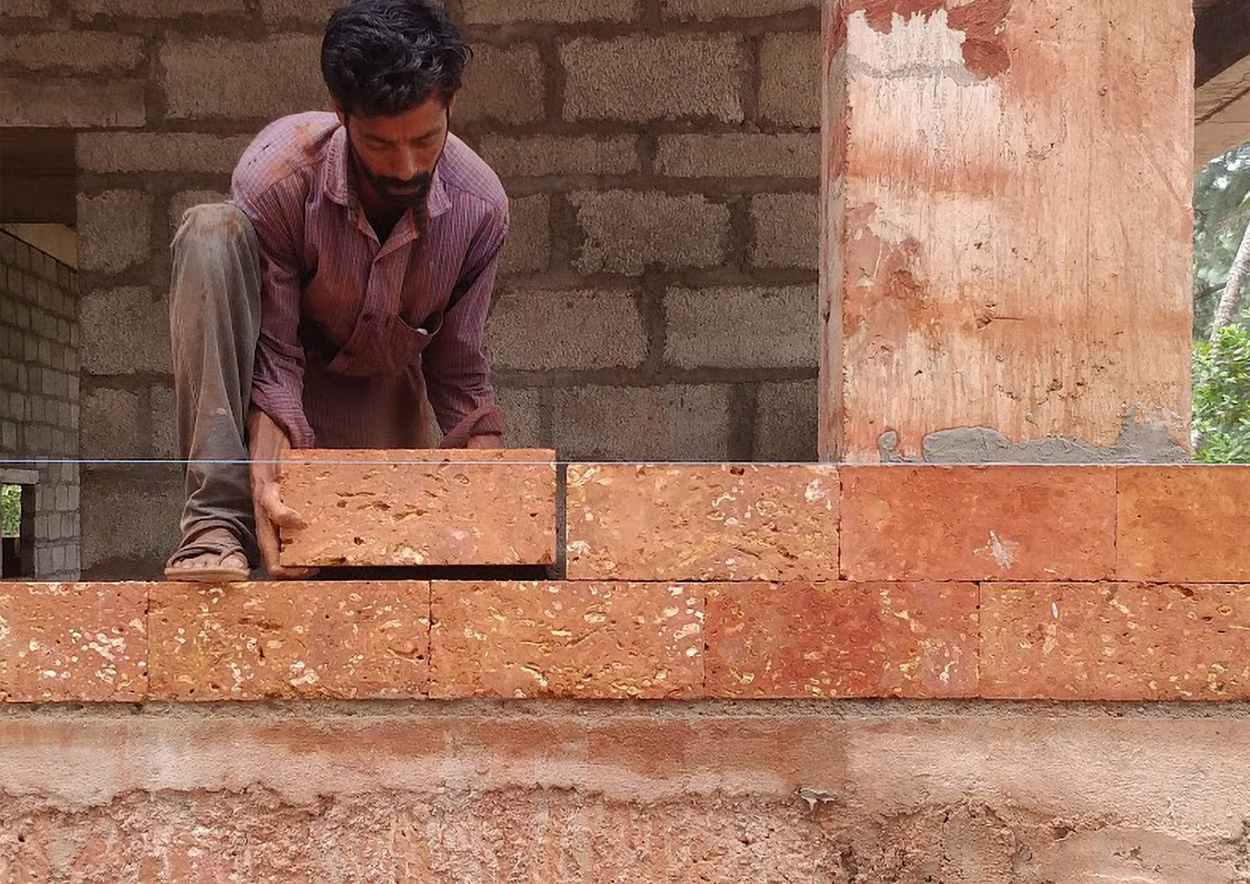
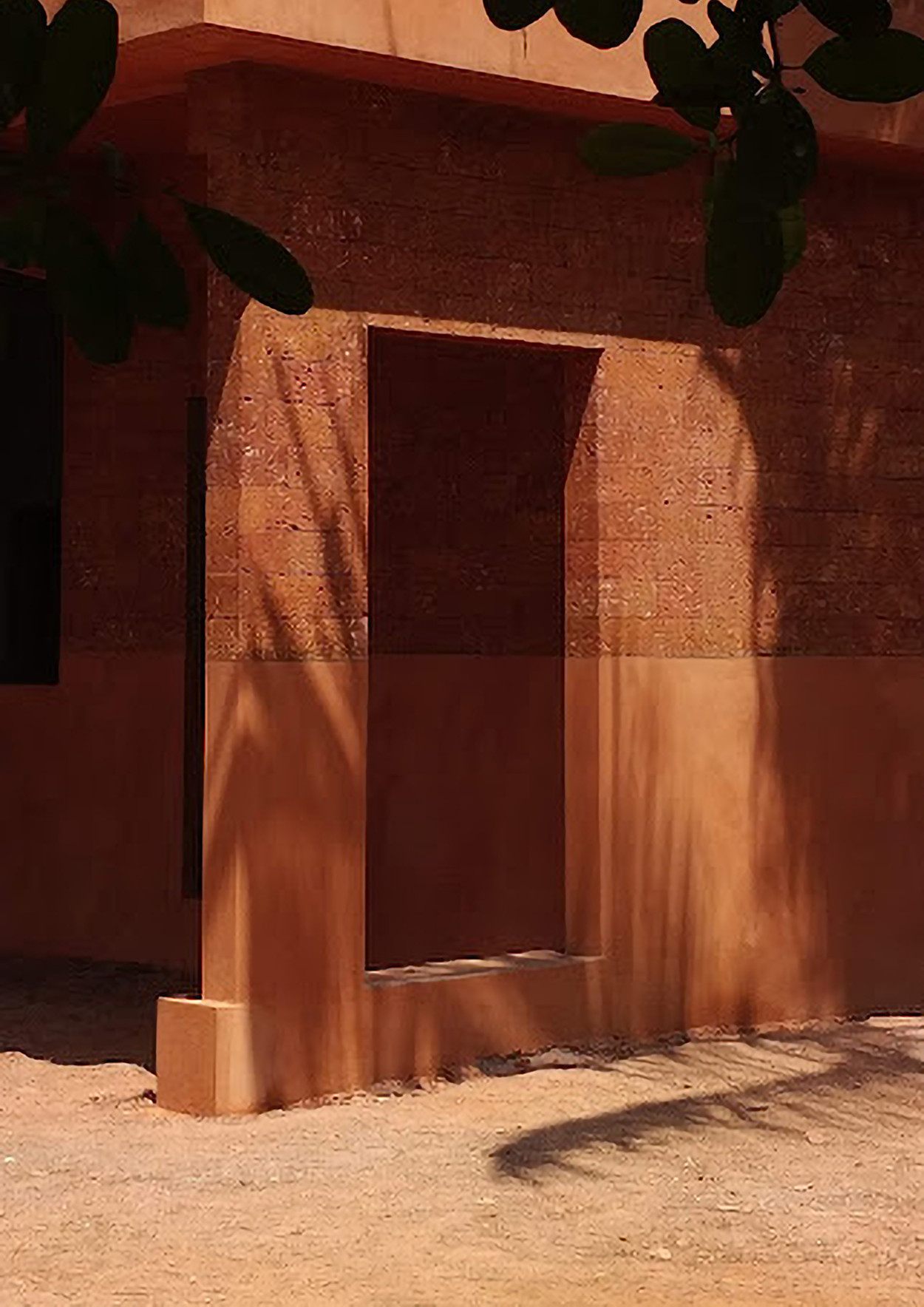
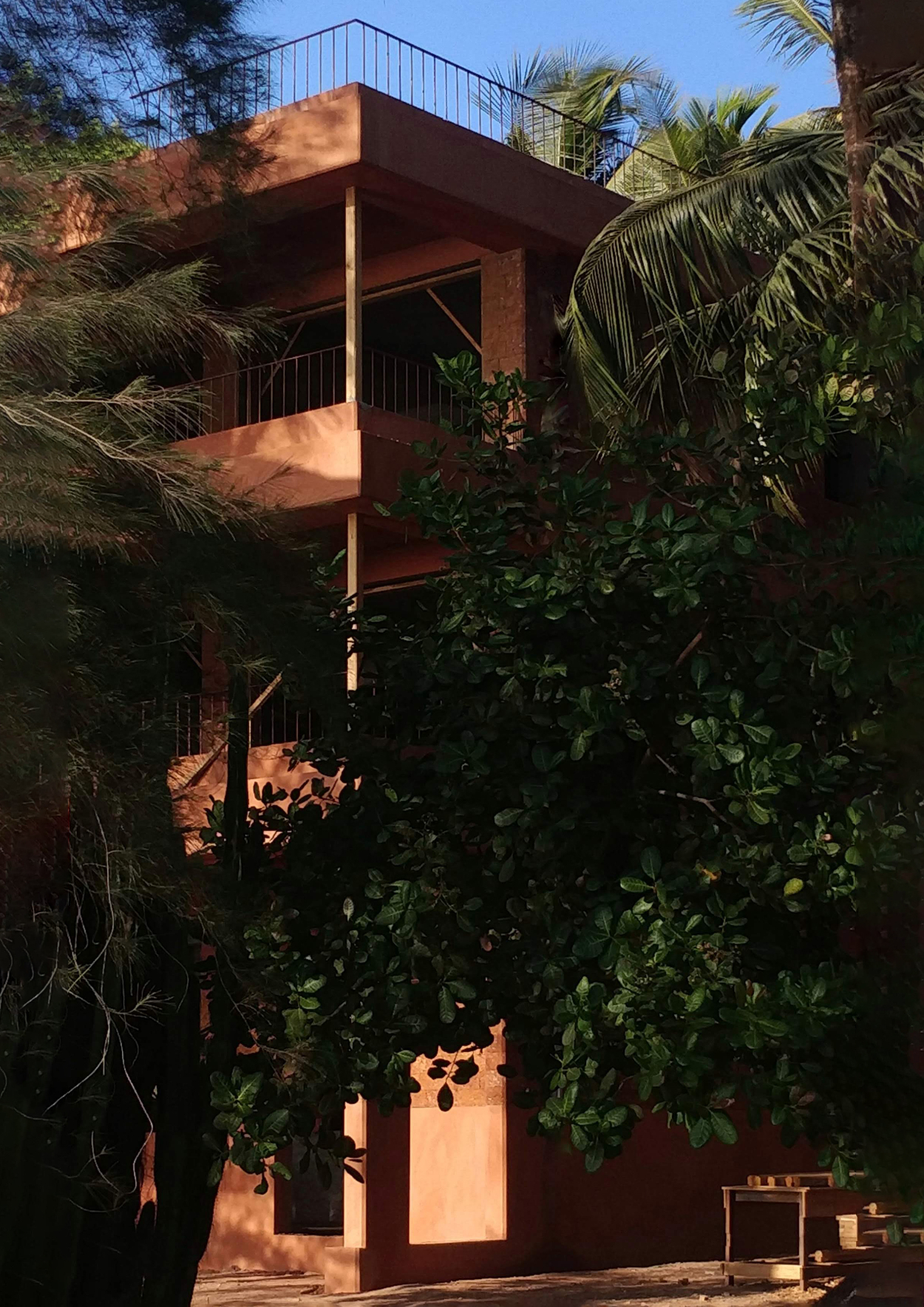
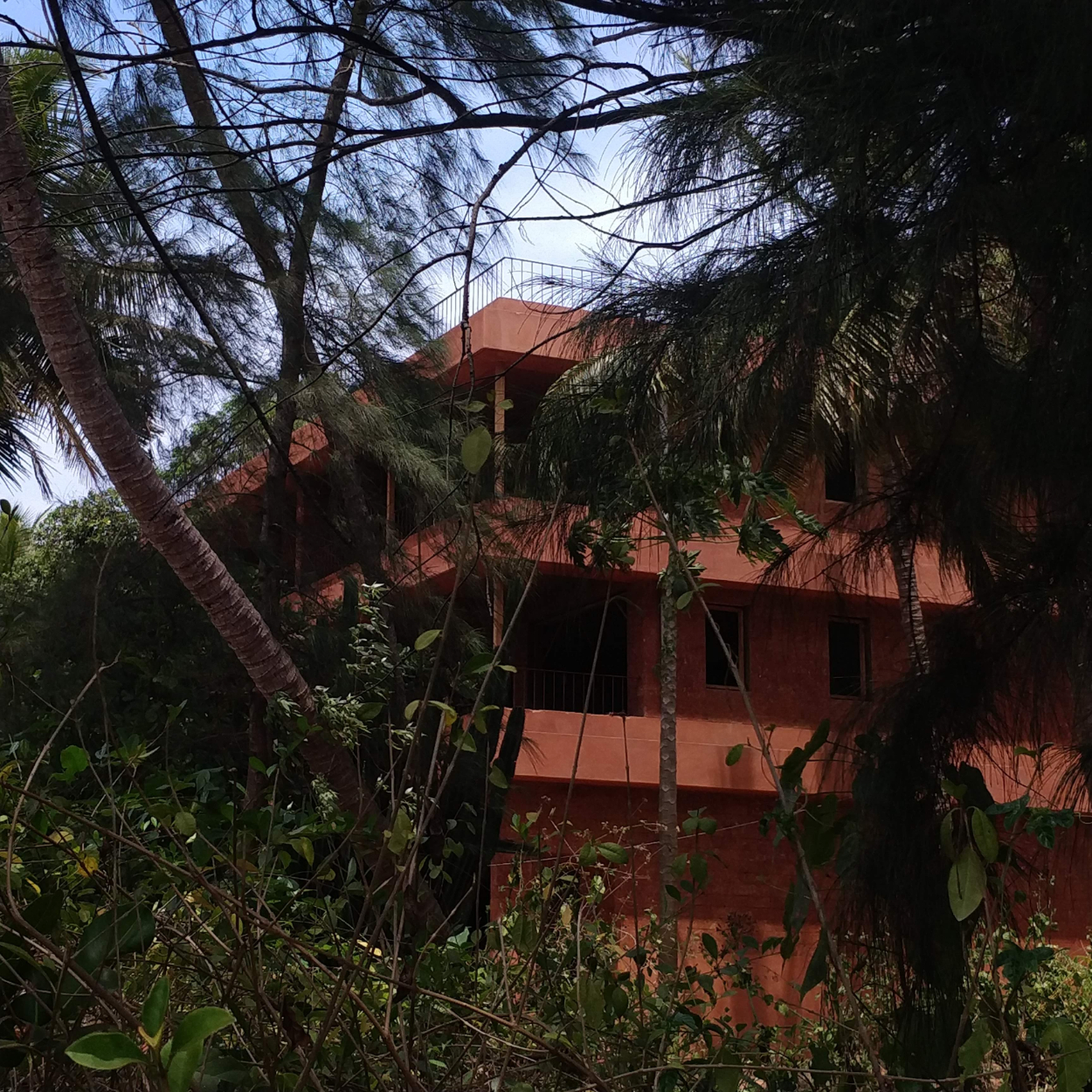
I think the way the laterite masonry and plastering have been done in the Guest Apartment building at the Kirubeli Cove Retreat serves a very strong purpose in the overall intent of the design. We were asked to refurbish an existing RCC framework present on site. The site, being a very sensitive, estuarine wetland region, rich in biodiversity, stone, soil, etc., an RCC intervention seemed a little harsh. We needed to soften the building, make it relatable to its surroundings. We imagined the building to emerge from the ground, literally take the ground vertical, which led us to wrap the framework in a blanket of paper-cut laterite. On doing intensive research on laterite – manganese content, the porosity, breaking point, the right local quarry cutting the desired layer of rock at the time, every laterite block was cut in a tapered fashion and placed with the larger face towards the exterior. The gaps created by the taper were filled with mortar from the interior. This led to a seamless, almost jointless surface of laterite on the exterior.
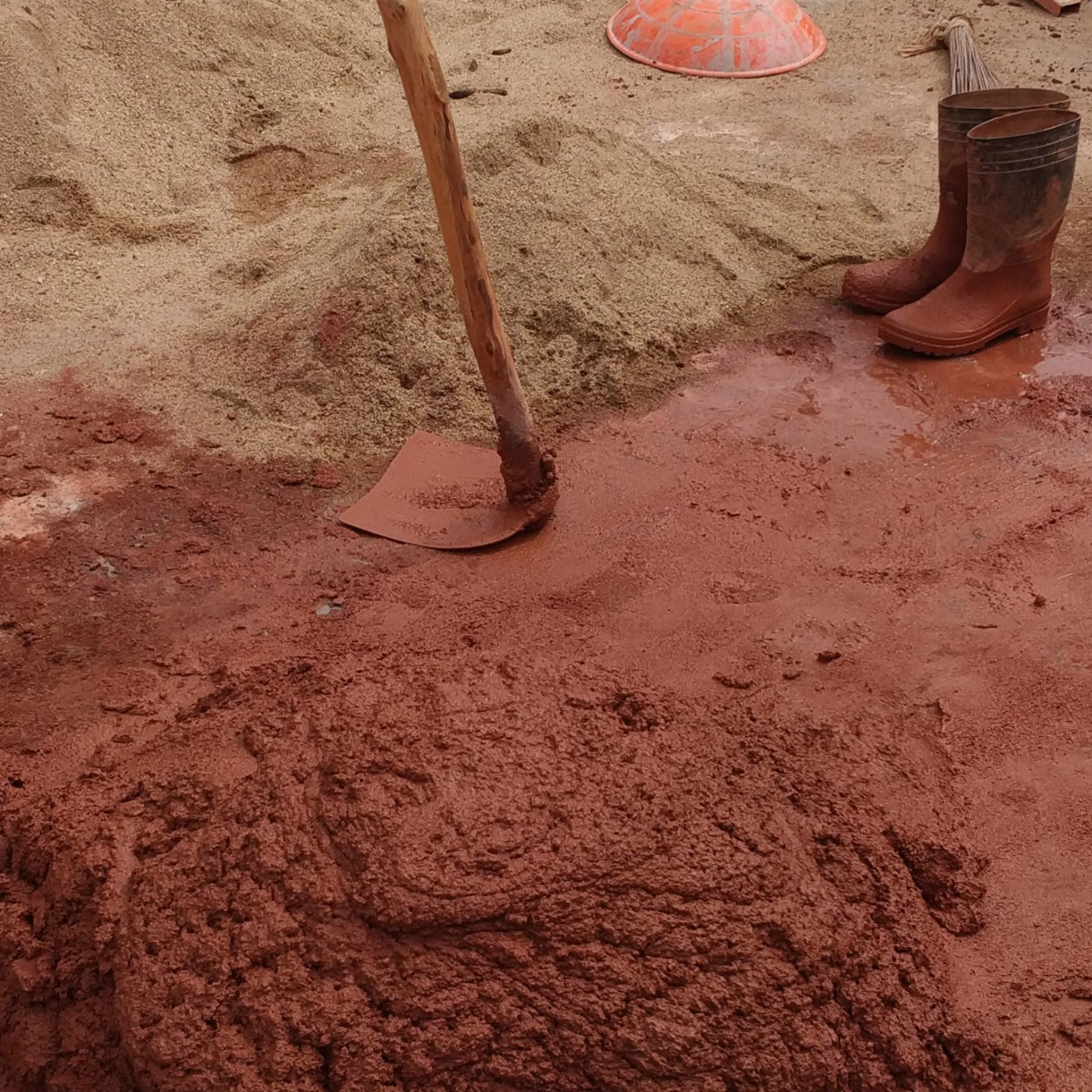
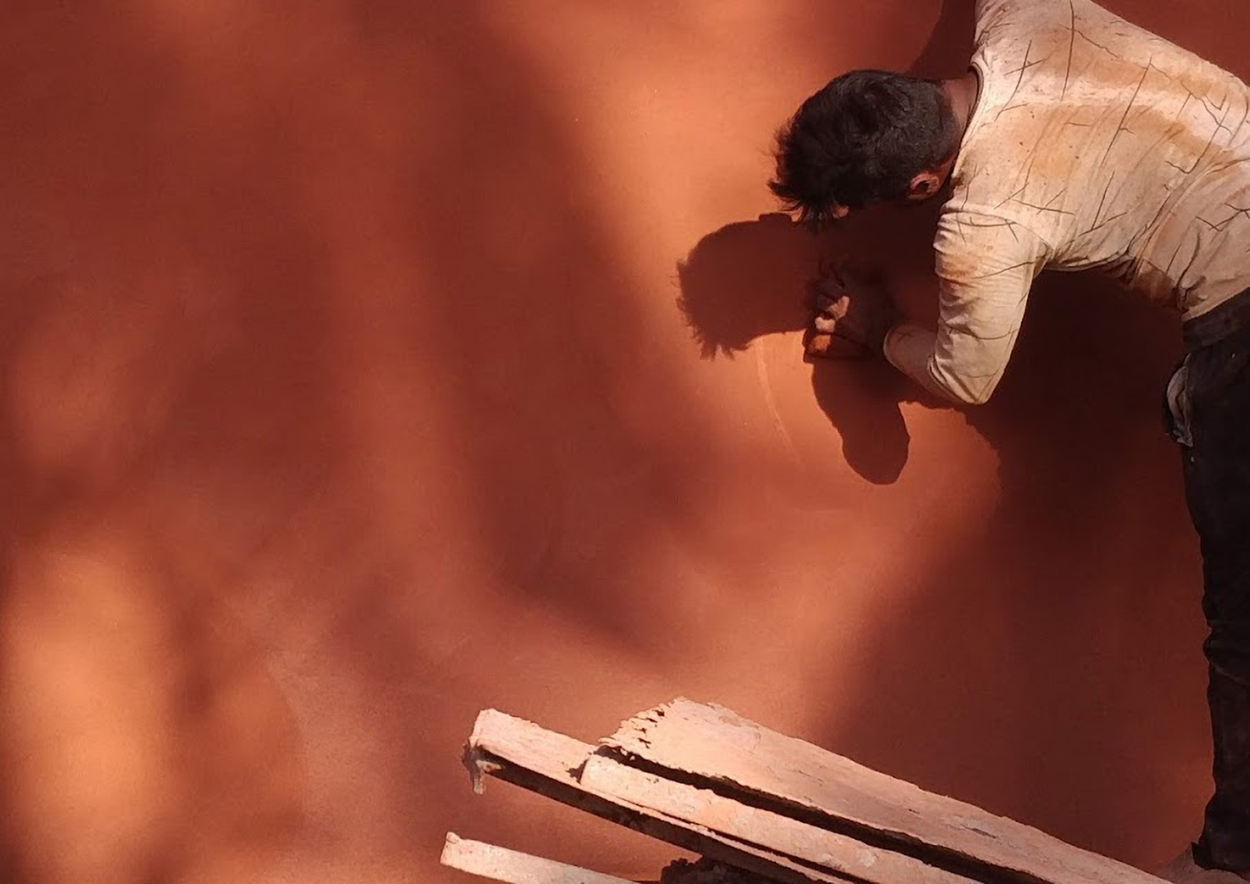
All the laterite dust produced during the dressing and cutting of these laterite blocks was collected and used as a pigment for the plaster of the building, ensuring the land became a part of every DNA of the design.
Do you have a favorite material?
No. But I do have a fascination with materials obtained directly from the land and nature, in their true and raw state. There is a very genuine quality it has, which very naturally evokes a sensitive and soft engagement with the material. With the optimum use of technology and know-how, these materials are a great way to inform our built environment.
How do you fuel your creativity?
Continuously observe.
Read – discuss, debate, question.
Visit museums, galleries, attend various events and performances about literature, art, theatre, food, and cinema.
Consume a decent amount of cinema and visual content.
Spend time / celebrate with my family and friends.
All with a constant need to imagine.
What inspired the Kirubeli Cove Retreat?
I think it was purely the setting of the site. The regulations themselves presented us with the fragility of the region. No permanent structures allowed. Even the legal framework behind the ownership of the land included the rights of the existing settlement of fishermen and their dependencies on the site. This very naturally evoked a very sensitive approach, setting the inclusive intent and aspiration of the design.
How did materiality shape the Kirubeli Cove Retreat?
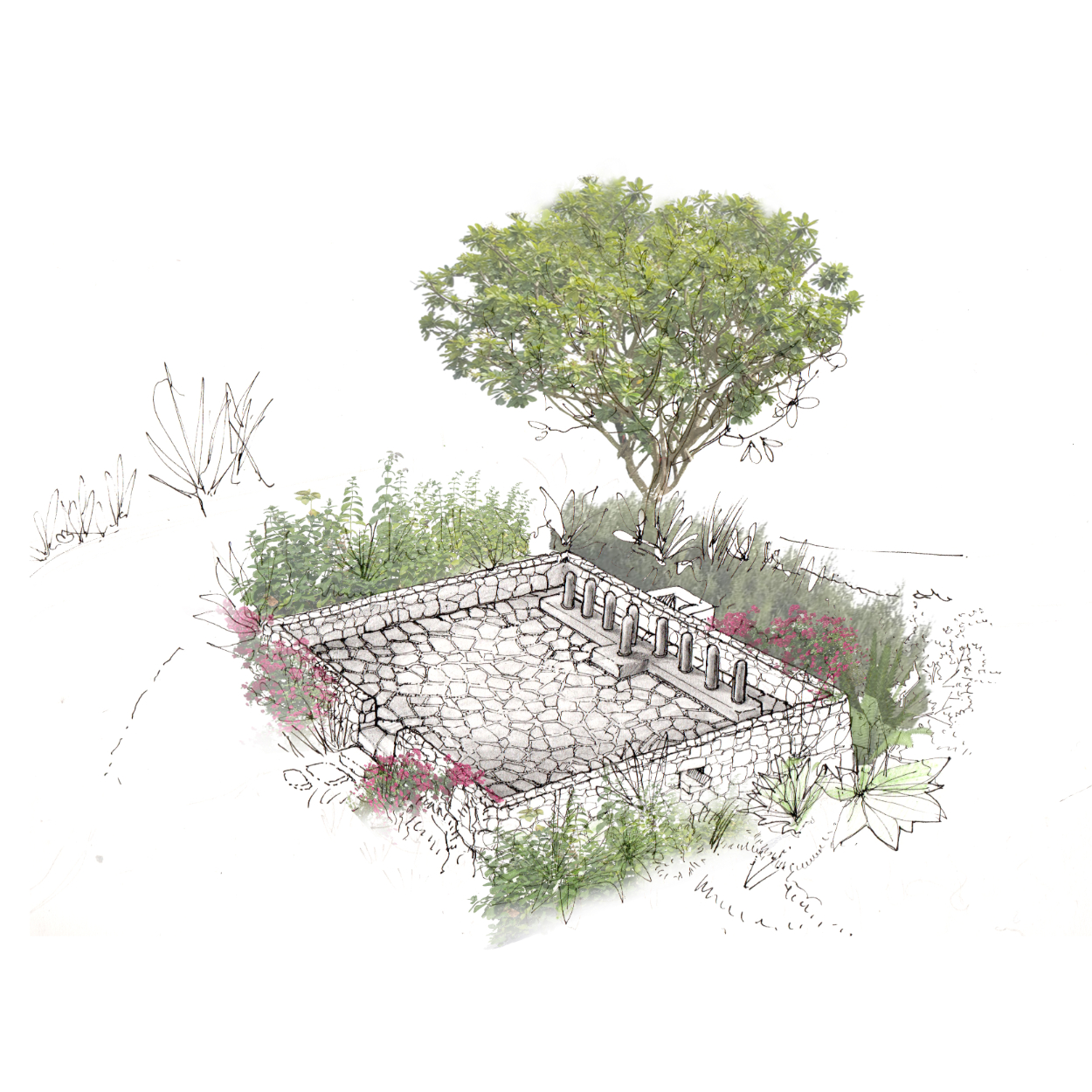
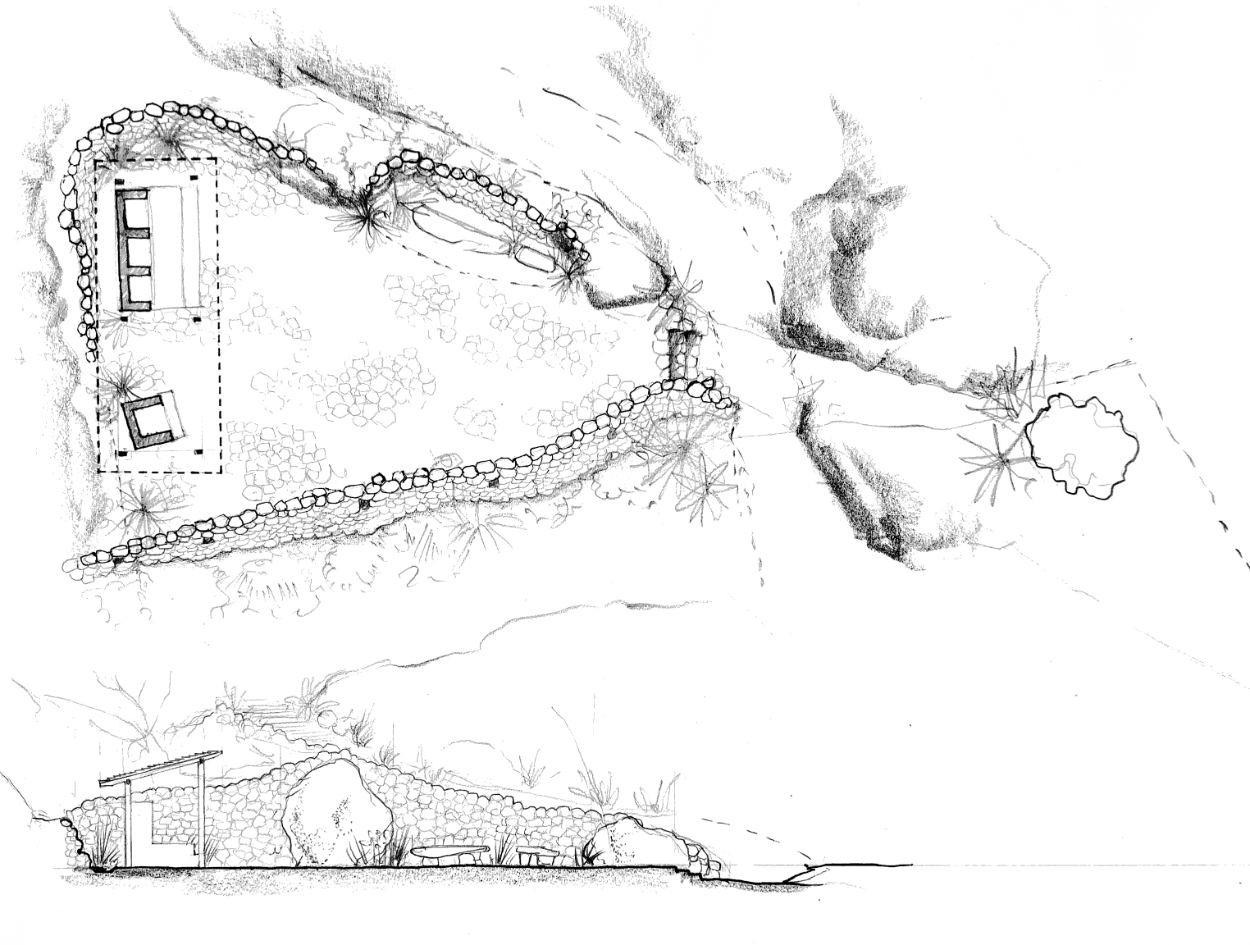
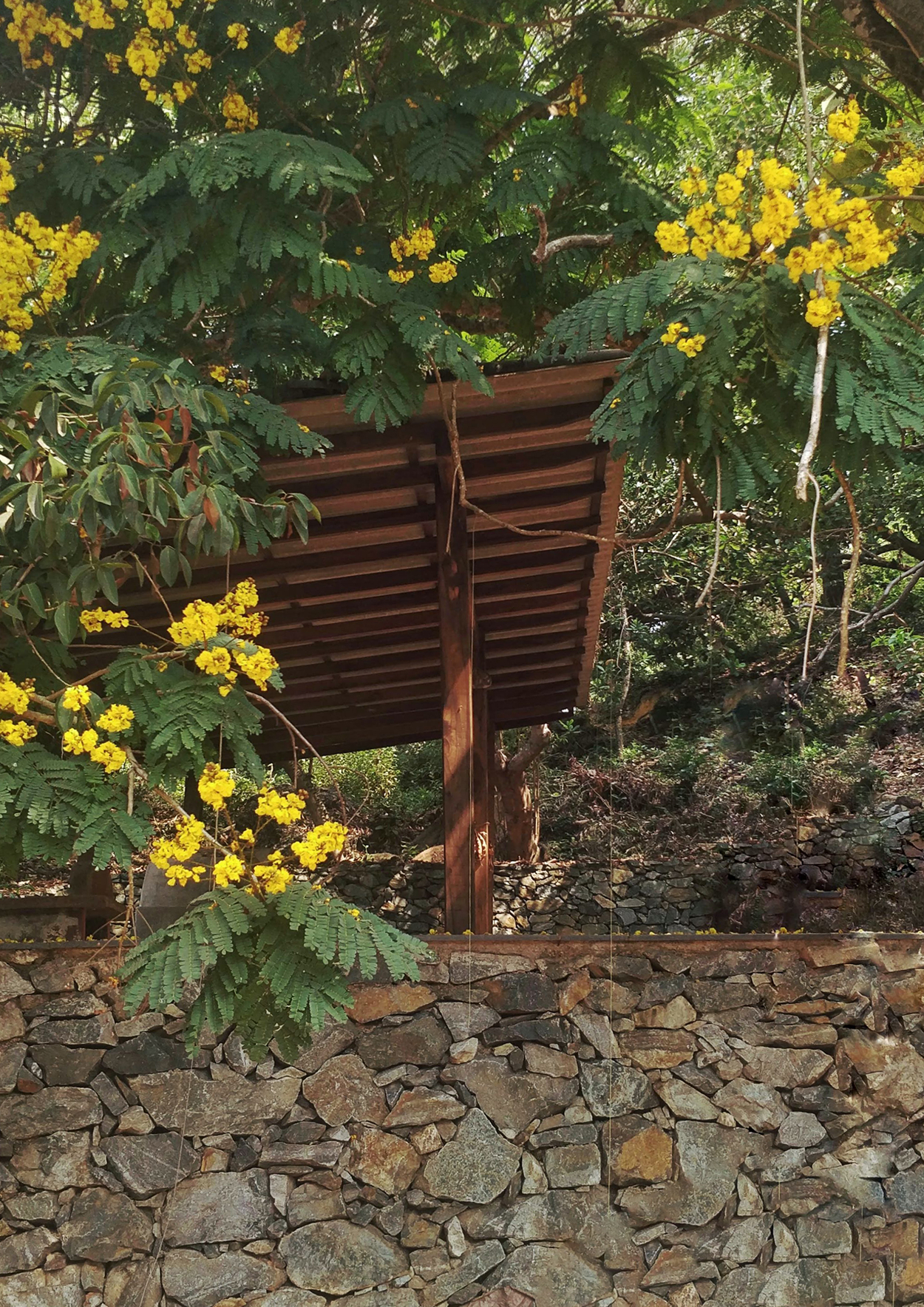
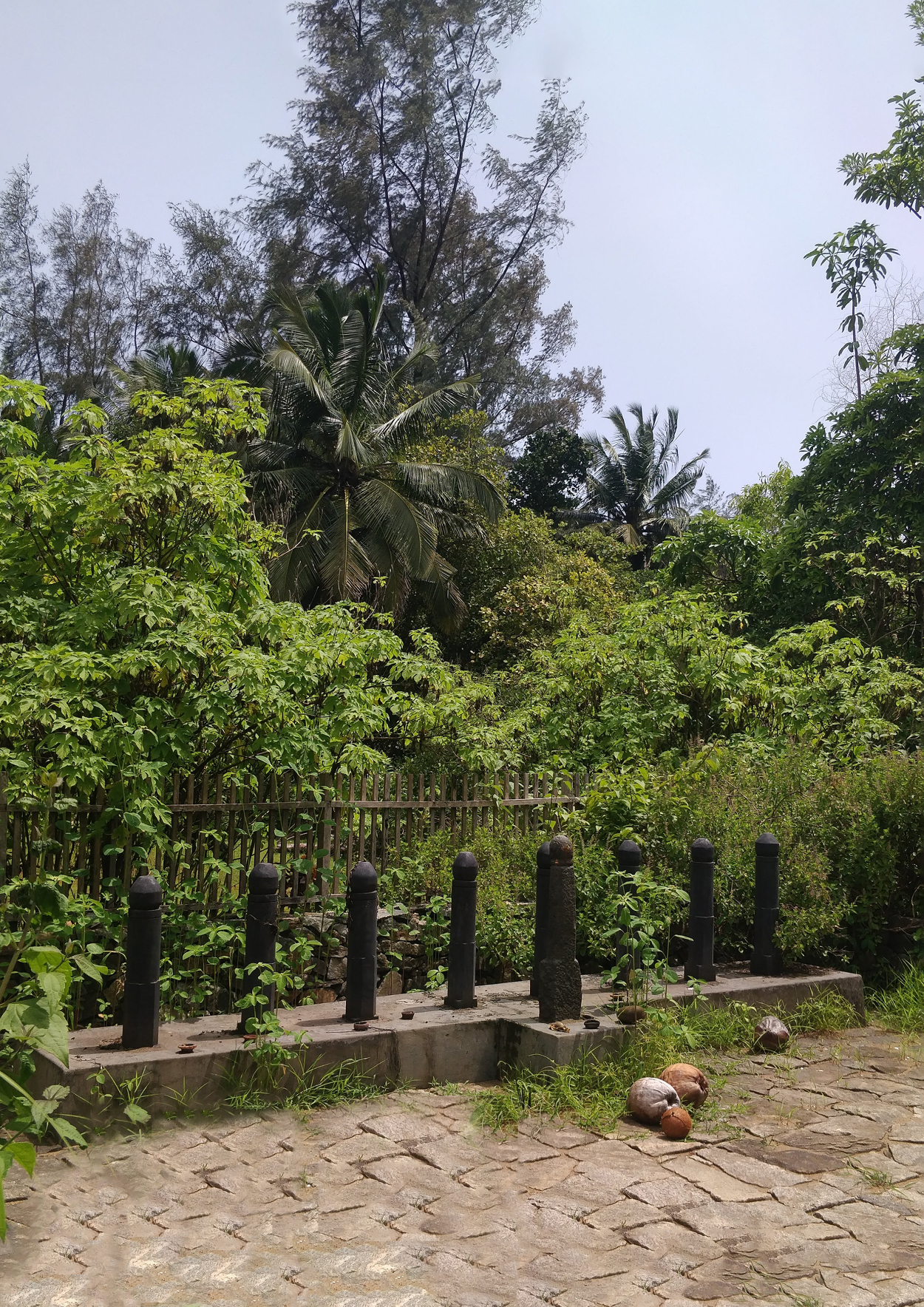
We began the design by formalizing and restoring a set of spaces of worship – sacred spots on site revered by the fishermen and their families. They already had a certain presence in the form of a singular stone in a thicket of vegetation, or a loosely inscribed stone platform, or a random rubble retaining wall holding a small shed to pray. This is where the project started from – random boulders of granite and laterite were sourced locally, quarried from the ground of the region. This itself anchored the design into its context, made for the land and from the land.
What advice would you give to young architects?
Be observant.
Learn from your surroundings – human behavior, the way light moves, etc.
Surround yourself with things and people that inspire you, question you, evoke emotions.