

Miaojie Ted Zhang is a Chinese architect and founder of Found Projects, an independent architecture practice focused on small-scale, construction-driven work. Trained in both structural engineering and architecture, Zhang established the studio as a platform to explore building as a precise and material act, where form emerges directly from structural logic, economy, and site constraints. His projects, including Blue Court and the Four-Roof Pavilion, are characterized by clarity of construction, restrained formal language, and the inventive use of ordinary materials to achieve strong spatial and typological presence. Operating without reliance on symbolic narratives or formal excess, Found Projects situates itself within a contemporary architectural discourse grounded in making, collaboration with engineers and contractors, and the careful resolution of how things are built.

What inspires you?
Anything tangible—food, buildings, art, cars, and of course, movies. I think it’s important to keep an intimate distance from the things you observe or experience. Tangible things allow you to validate them and form your own genuine response, to understand whether something is good or bad. That applies to architecture as well.
What inspired you to become an architect?
To be honest, growing up in a typical Chinese educational system, architecture was never a major that people seriously considered or even understood. I grew up reading Japanese manga and actually dreamed of becoming a manga artist, which was completely unrealistic in a small town. I was placed in the science and engineering track in high school, and architecture felt like the only field that truly combined engineering and art. More importantly, architecture allows me to create something real. I’ve always been drawn to that—figuring out how to assemble a toy car, making a chair out of bricks, laying out a room. I enjoy the careful thinking behind creating tangible things.
How would you describe your design philosophy?
Architecture is ultimately about building. I try to focus on the most essential aspects of a building, especially the structure. My undergraduate background is in structural engineering, and that strongly informs how I make design decisions. When architectural goals can align with structural logic, that means a lot to me. I don’t believe that adding layers of metaphors, theories, or political narratives necessarily makes a building better. Instead, I care about fundamental questions: Is it a good building? Is it visually strong? Is it user-friendly? Is it economical? Those questions matter to me.
What is your favorite project?
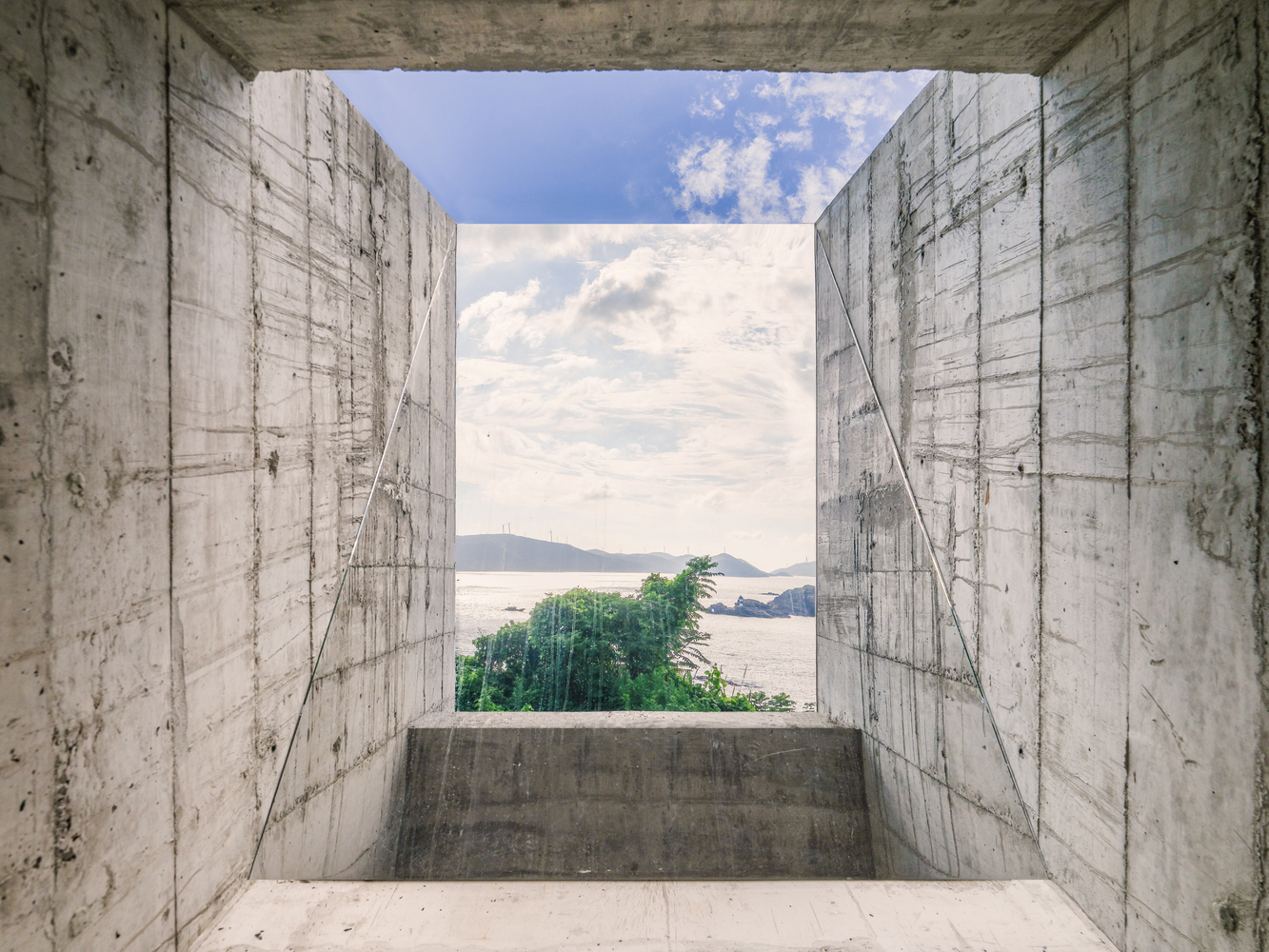
If we’re only talking about my own work, I would choose the Four-Roof Pavilion. Not only because of the final design, but also because the design process itself was incredibly smooth and efficient. Every design move felt natural and logically connected.
What is your favorite detail?
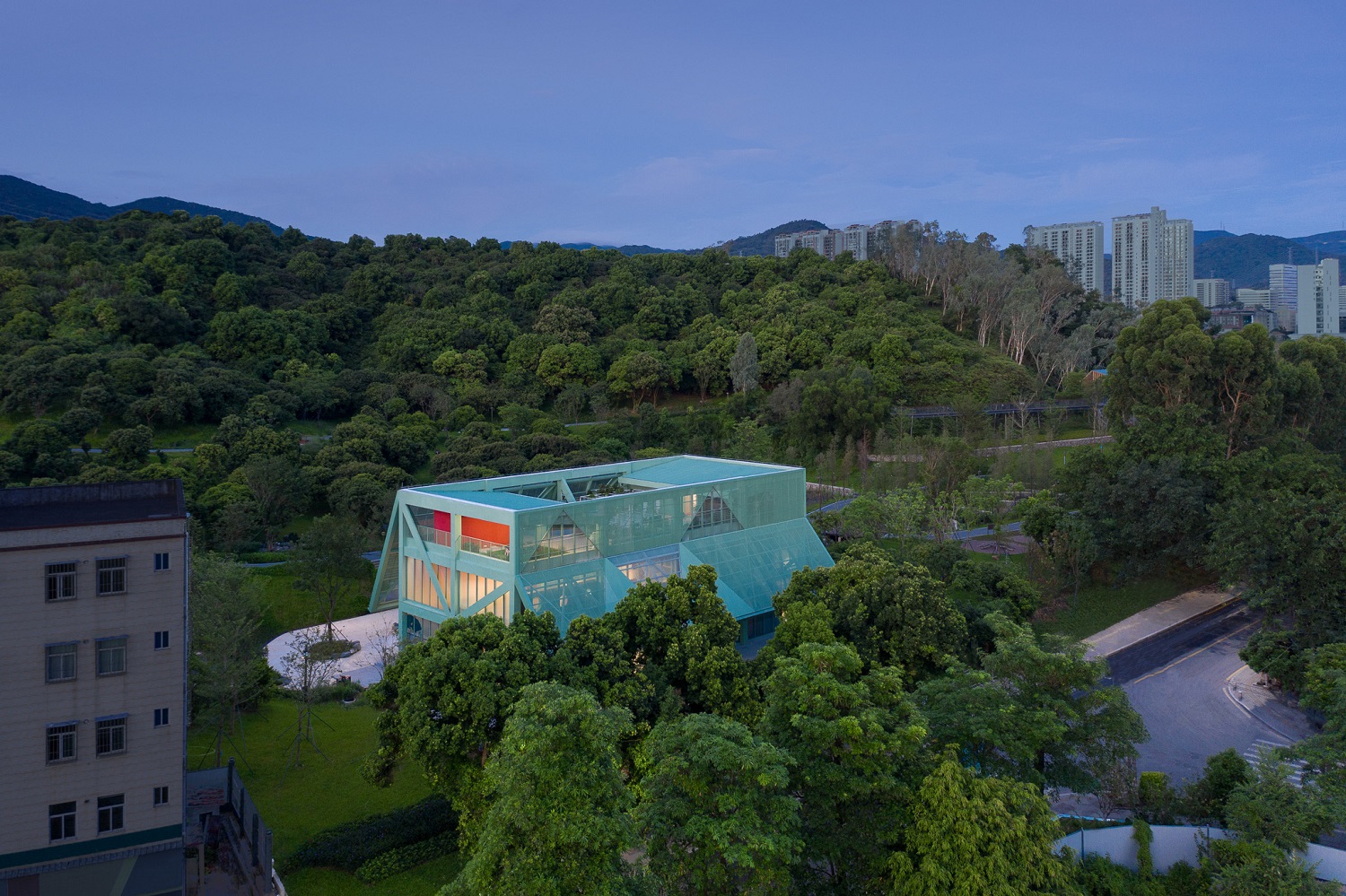
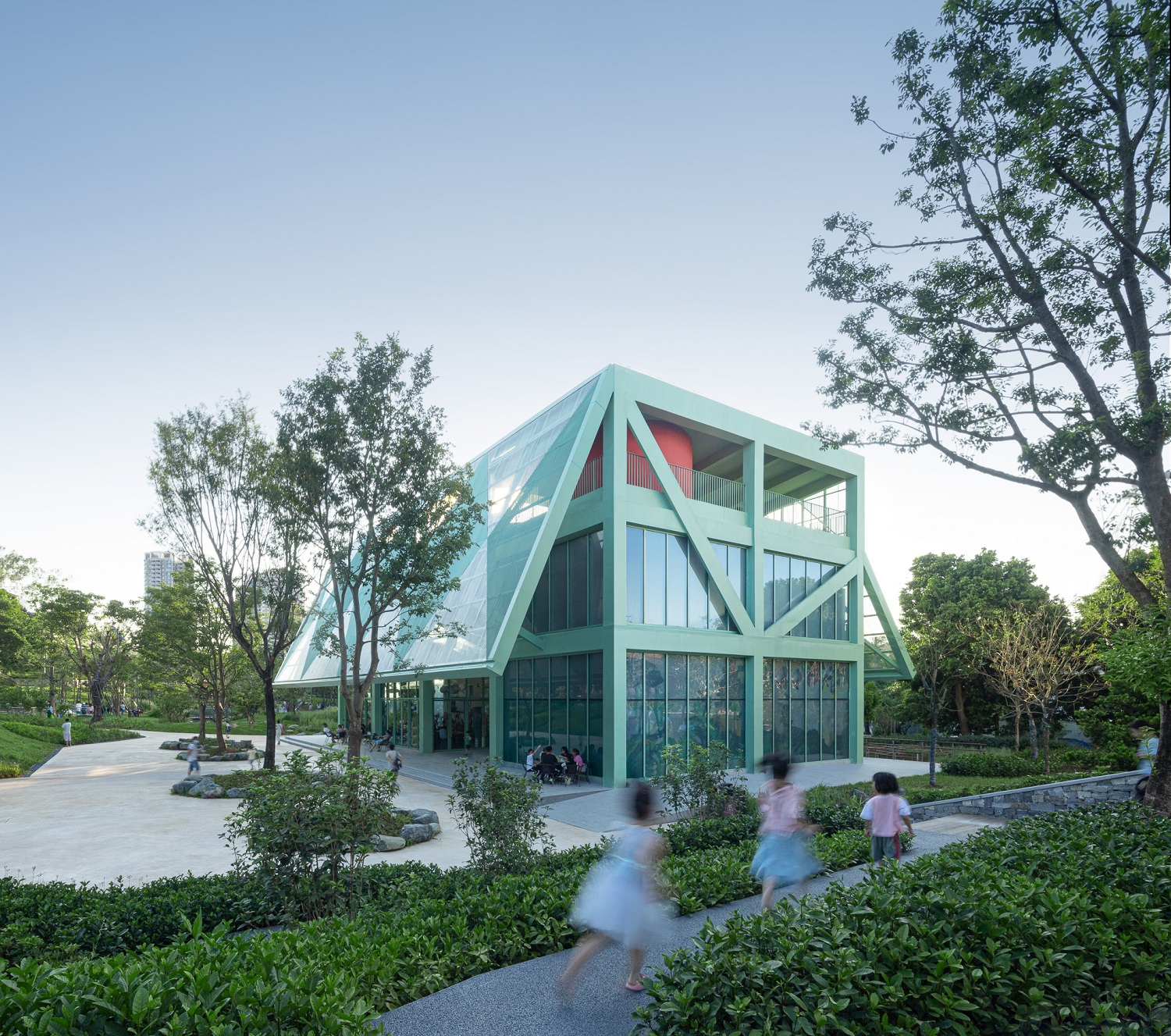
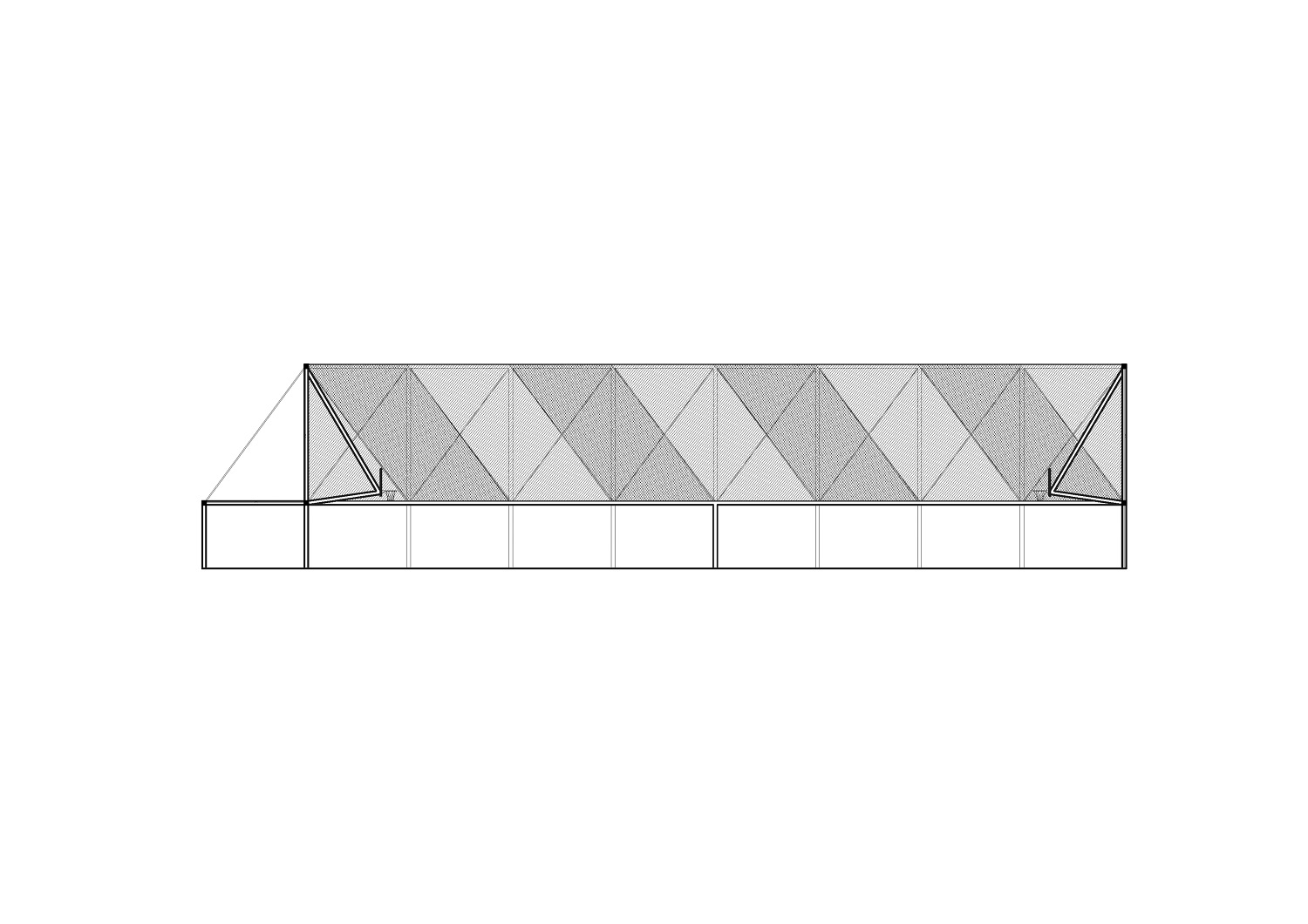
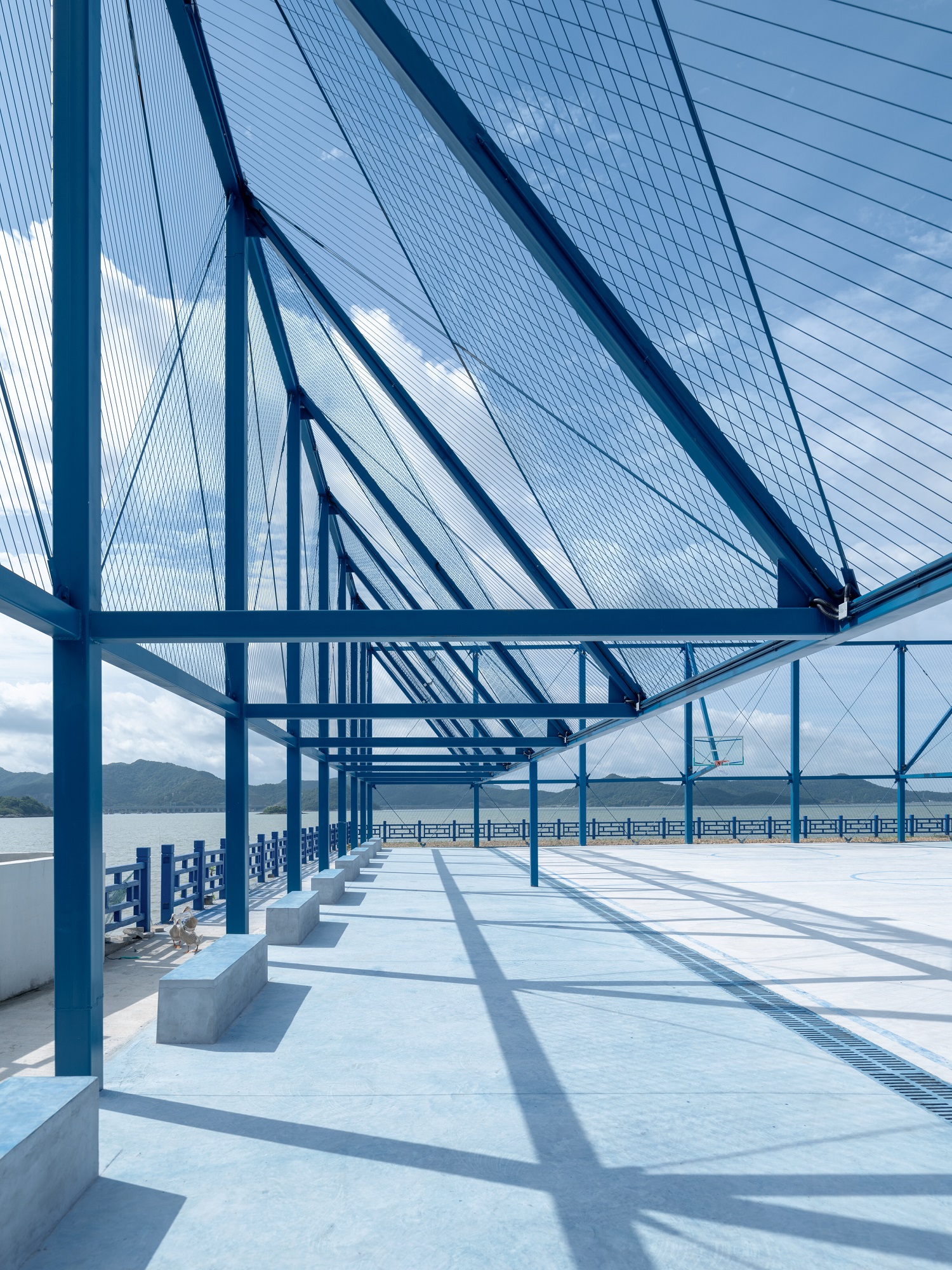
For the Blue Court, it’s a very simple project, but one detail I really like is the column placed at the center point of the three canopies. Can I call that a detail? I think so, because it’s not structurally necessary. The structural engineer and the AOR initially wanted to avoid adding those columns, but I was quite adamant about keeping them. That was a moment when architecture needed to do more than just respond to structure. The added aesthetic and typological value is something only architecture can bring.
Do you have a favorite material?
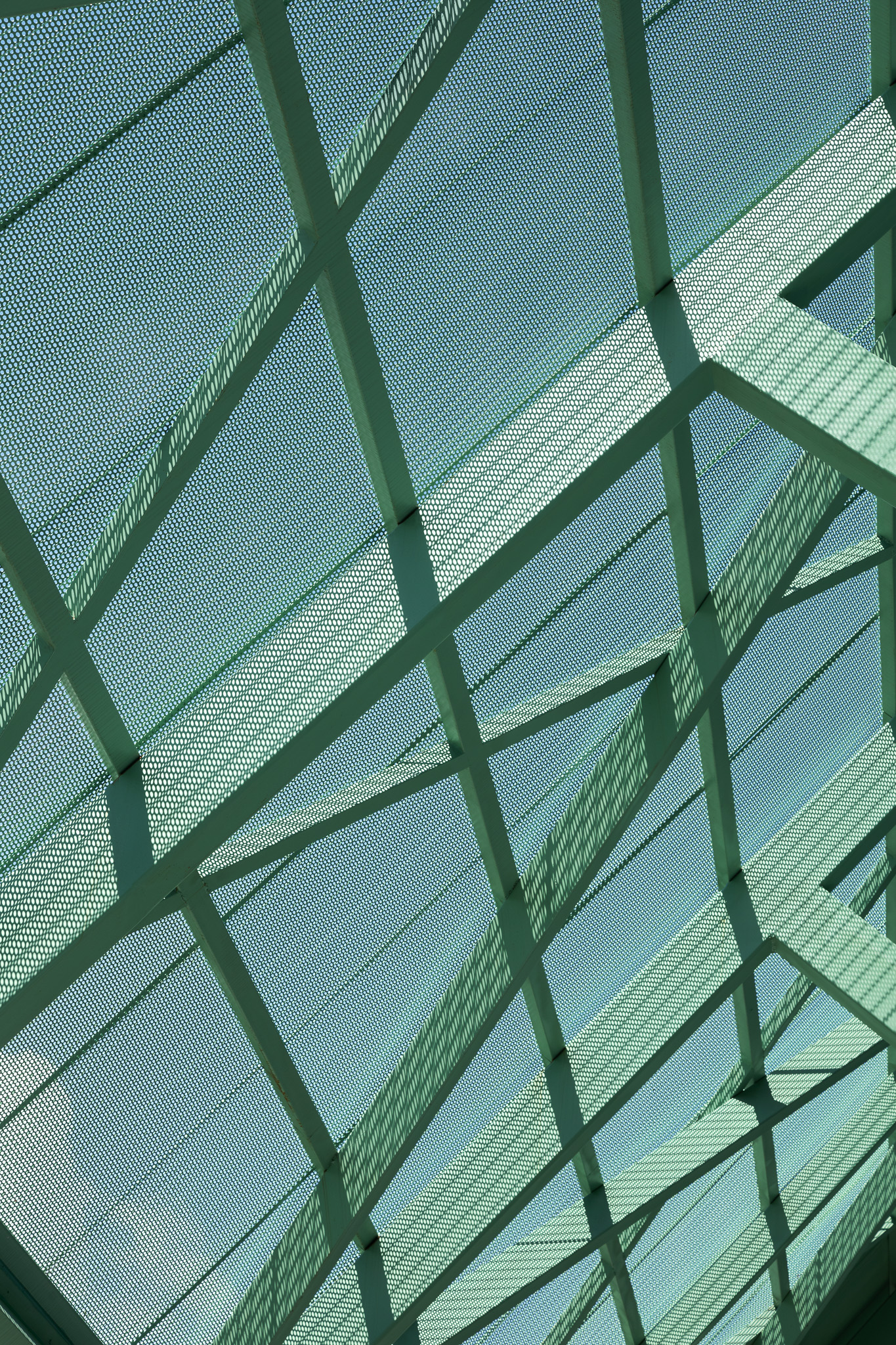
Not really. I think every material can work well under the right conditions. In general, I tend to avoid so-called “luxury” materials. I’m more interested in using ordinary materials in creative ways to set them apart from typical applications. For example, in the Blue Court, I used steel wires wrapped with blue-tinted plastic tubing to create the blue net. Standard blue plastic wires would have been too weak, while painted steel wire would fade and rust over time. By combining the two materials, we solved several problems at once and achieved the desired color effect.
What is your process for starting a new project?
It’s a very straightforward process: listening to the needs, understanding the context, and identifying the constraints. People often think architectural design is primarily a creative act, which it can be once you begin drawing. But at the beginning, it’s really more about problem-solving.
How do you fuel your creativity?
Daily life, social media, and online architectural publications. Visiting Afasia Archzine is usually the first thing I do in the morning. Seeing so many strong projects from around the world constantly reminds me of how many possibilities there are.
What inspired the Blue Court?
Blue Court was mainly driven by the site conditions. It’s located on a very compact waterfront lot. The village population is mostly elderly people and children, so the court was unlikely to function as a basketball court on a daily basis. Like many rural areas in China, it naturally becomes a communal plaza. Since the footprint was fixed by the standard basketball court dimensions, the design question became how to activate this plaza—how each façade relates to the site, how views are framed, and how architectural form creates shade. We explored many iterations, and I’m satisfied with the final direction.


How did materiality shape the Blue Court?
Once the design reached a solid stage, the steel frame became the clear choice for creating a lightweight structural skeleton. The bigger question was the cladding. Materiality became critical—not just for the architectural expression, but also for structural performance, durability, and cost. Being close to the ocean, the site experiences strong winds at certain times, so porous materials were essential. We explored perforated metal panels, but they added too much weight and required much larger steel members. I also considered fishing nets or construction barrier nets, but they lacked durability and wind resistance. After many discussions with the contractor, we decided to use steel cables. That required running cables along the frame one by one, but the construction team developed a very efficient method. We were fortunate to collaborate with them.


What advice would you give to young architects?
I still consider myself a young architect, so I’m not sure I’m in a position to give advice. But one thing I often remind myself is that architects can become overly focused on design itself. Maybe we should listen more closely to users—to people—and make architecture that is more humane.

