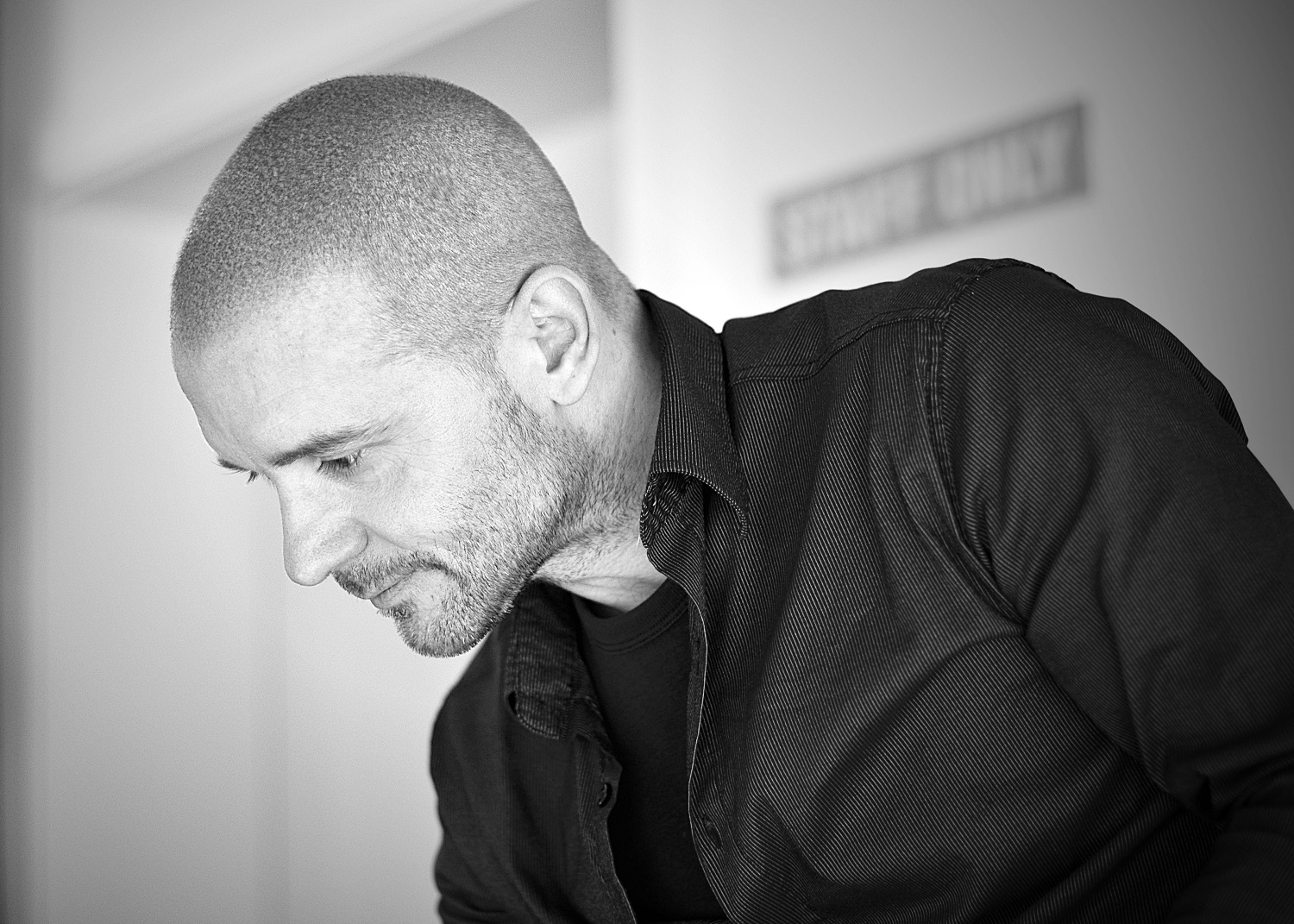
Robert Konieczny is a Polish architect and the founder of KWK Promes, an architectural studio based in Katowice, Poland, established in 1999. Educated at the Silesian University of Technology, Konieczny has developed a practice defined by rigorous conceptual thinking, spatial invention, and a persistent questioning of architectural conventions. His work spans cultural, residential, and public projects, often addressing complex sites through radical yet logically grounded solutions, where structure, technology, and spatial principles are inseparable. Projects such as Konieczny’s Ark, PLATO Contemporary Art Gallery, and the Przełomy Dialogue Center articulate an approach in which architecture is driven by ideas rather than form, and where buildings frequently generate transferable spatial or technological principles beyond their immediate context. Widely published and internationally awarded, Konieczny positions architecture as both a conceptual discipline and a social act—one that demands responsibility, precision, and the courage to challenge established models of how buildings are conceived and inhabited.
What inspires you?
I always tell new architects who join the studio to put away their phones, turn off their computers while designing, put the magazines back on the shelf, and focus on our topic — on what is here and now. In the immediate context, the history of the place, sometimes even on stories they’ve heard, on that materiality that no longer exists, which is often completely gone from the site today. That is precisely where we try to find a point of reference, because anything can really be a source of inspiration. This is how I work, and this is what I teach the architects who collaborate with me.
I also often repeat that if you truly have the ambition to create something new, something interesting, observing others will only distract you and won’t activate your creativity. It is precisely problems, context, and challenging situations that should trigger it — and you need to focus on them completely, without distractions and without looking for ready-made inspiration. Sometimes I even joke, saying: listen, if you dream of what you create, inspiring others, you have to do it yourself, in your own way — only then do you have a chance.
What inspired you to become an architect?
It was somewhat by chance that I became an architect, because there were no architectural traditions in my family. However, a colleague of my father had a daughter who was studying architecture, and he liked that idea enough to start gently nudging me in that direction. Interestingly, I myself was completely lost at the time — as a teenager, I didn’t believe in myself and didn’t really know what to do next.
It so happened that my aunt’s neighbour was a well-known architect. My parents took me to see him so that he could check whether I had any aptitude at all. I was supposed to bring my drawings, a sketchbook, and a pencil. I had no drawings whatsoever. I brought some broken little pencils and a crumpled sketchbook. The guy got a bit annoyed, sat me down on the stairwell, and told me to draw it, then walked off. At that point, I had no idea what perspective was or how to draw — I just sat there and drew it the way I saw it.
When he came back, he said, “Man, you’re an uncut diamond. You have to study architecture.” And that was the moment when I believed in myself for the first time. Only then did I really start to take an interest in it, and over time it became my passion.


How would you describe your design philosophy?
I‘m a conceptualist, and KWK Promes, the studio I run, operates in exactly this way: we search for an idea, a guiding thought, that provides an answer to all the challenges of a project—problems, needs, context, and so on. I believe this is perhaps the most difficult way to design, but at the same time, it is incredibly appealing to me, because when you design this way, you detach from your own preferences, from your personal taste, and often venture into the unknown, guided by the power of logic, by the strength of logical arguments. This, in turn, creates the opportunity to reach entirely new solutions, which surprise not only the audience but very often yourself—and that is exactly what I love about this approach to design.
I would also add that, in the context of the times we live in, and with the awareness that architecture must change—especially in response to climate threats—our way of designing, this need to seek new solutions, is increasingly focused on finding answers that can genuinely contribute to meaningful change in architecture, because that change simply must happen.
What is your favourite KWK Promes project?
I don’t have a single favourite project, but I most enjoy those in which it was possible to generate solutions with the potential to become universal — ones that, in a sense, detach themselves from the form of the building itself and become a spatial principle. A principle that can later be used in various ways, which can inspire others to develop it further. I could point to several such projects, although many of these principles aren’t visible at first glance. I mean both spatial and technological solutions.
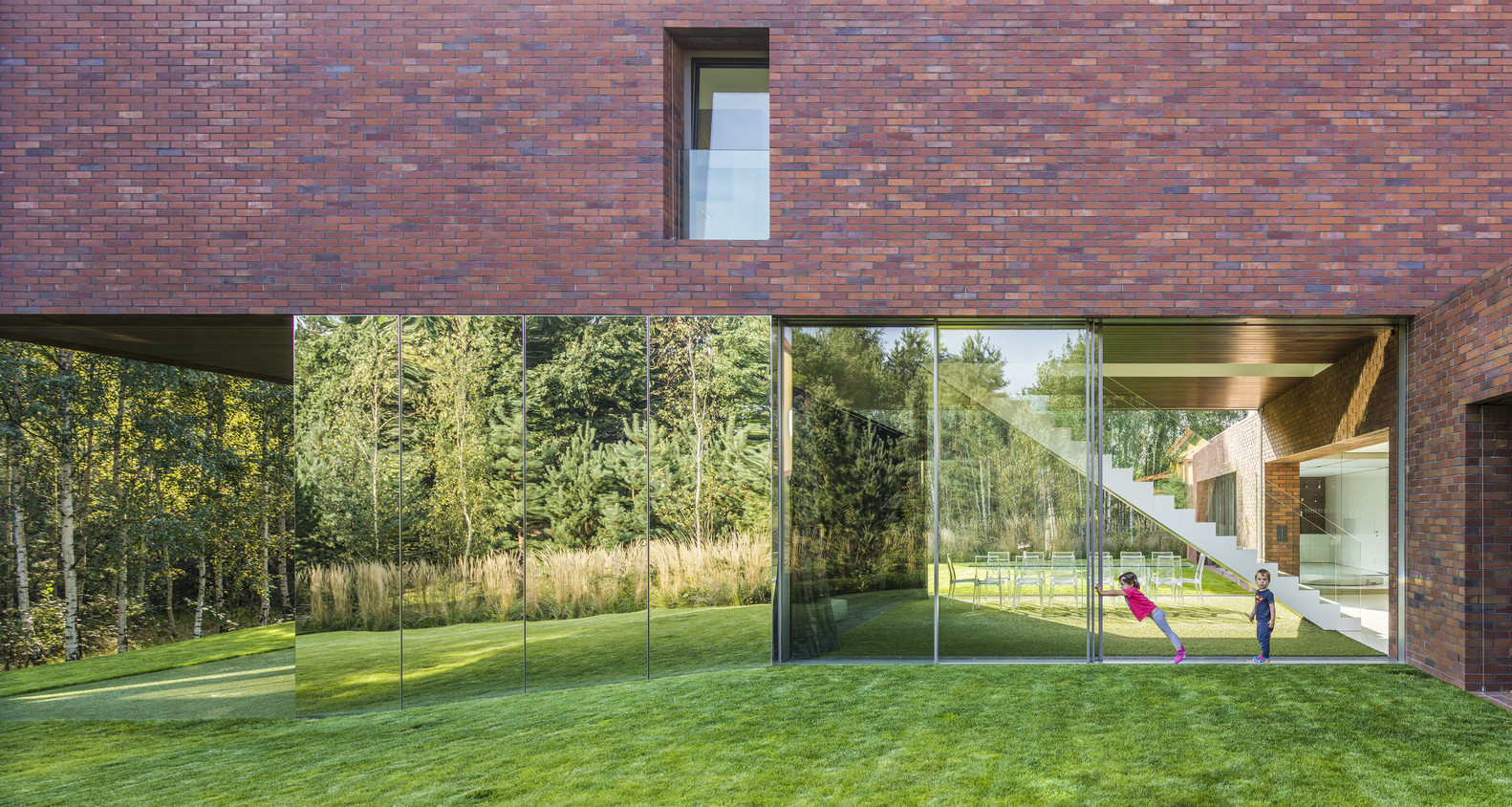
Speaking of technology—take my Ark, Konieczny’s Ark. It’s a project that works very strongly through its form, but for me, the most interesting aspect was developing an innovative solution where the structure itself becomes the façade, and the insulation is placed from the inside, creating a ventilated wall. This solution can now be replicated in different projects and at various scales.


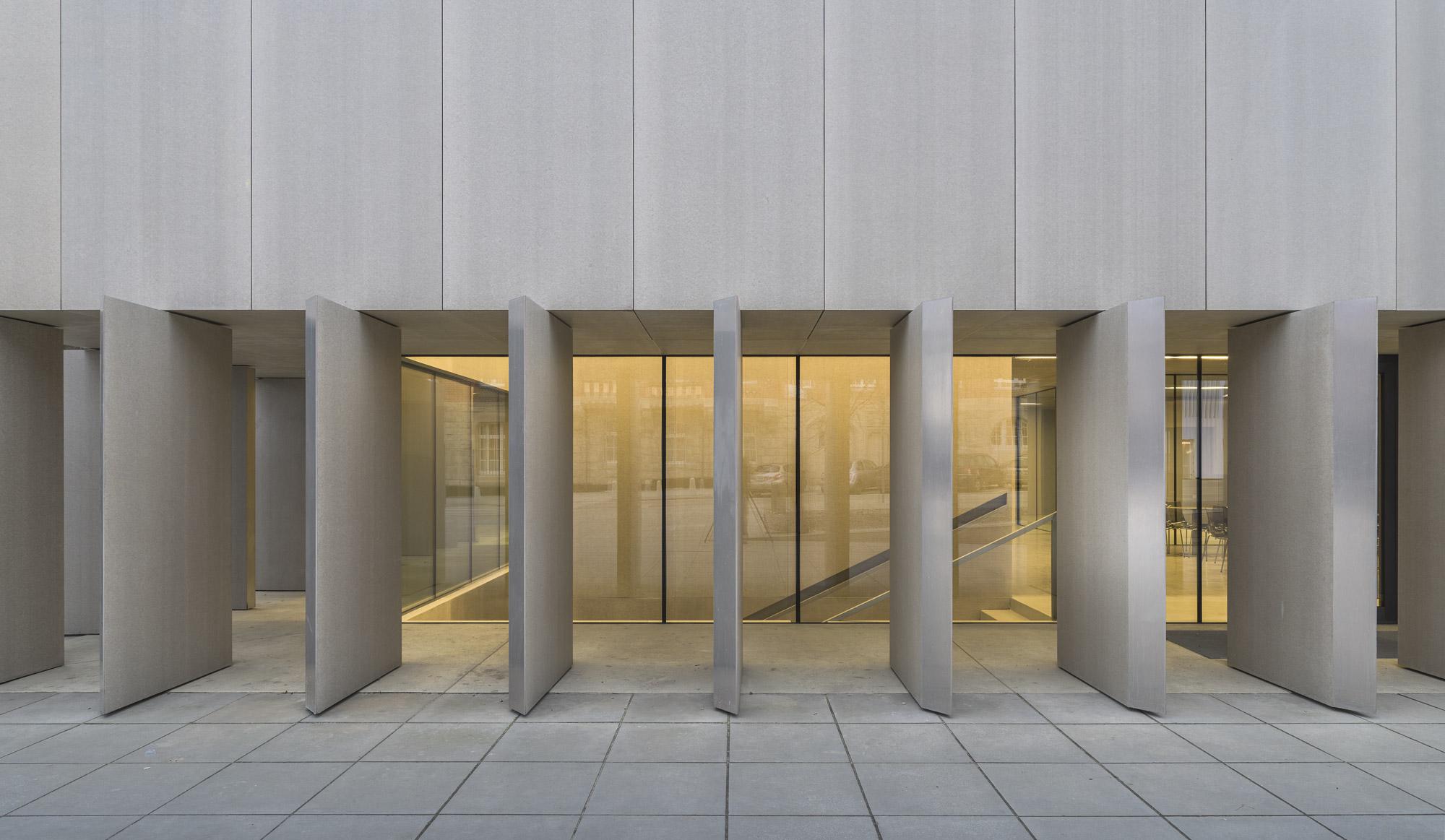
As for space, I would mention, for example, the Plato Contemporary Art Gallery, where mobility makes art more democratic and extends it beyond the building. I can imagine many entirely different projects that offer what is most valuable in this one—that art, broadly understood culture, and science become truly accessible to a wide audience.
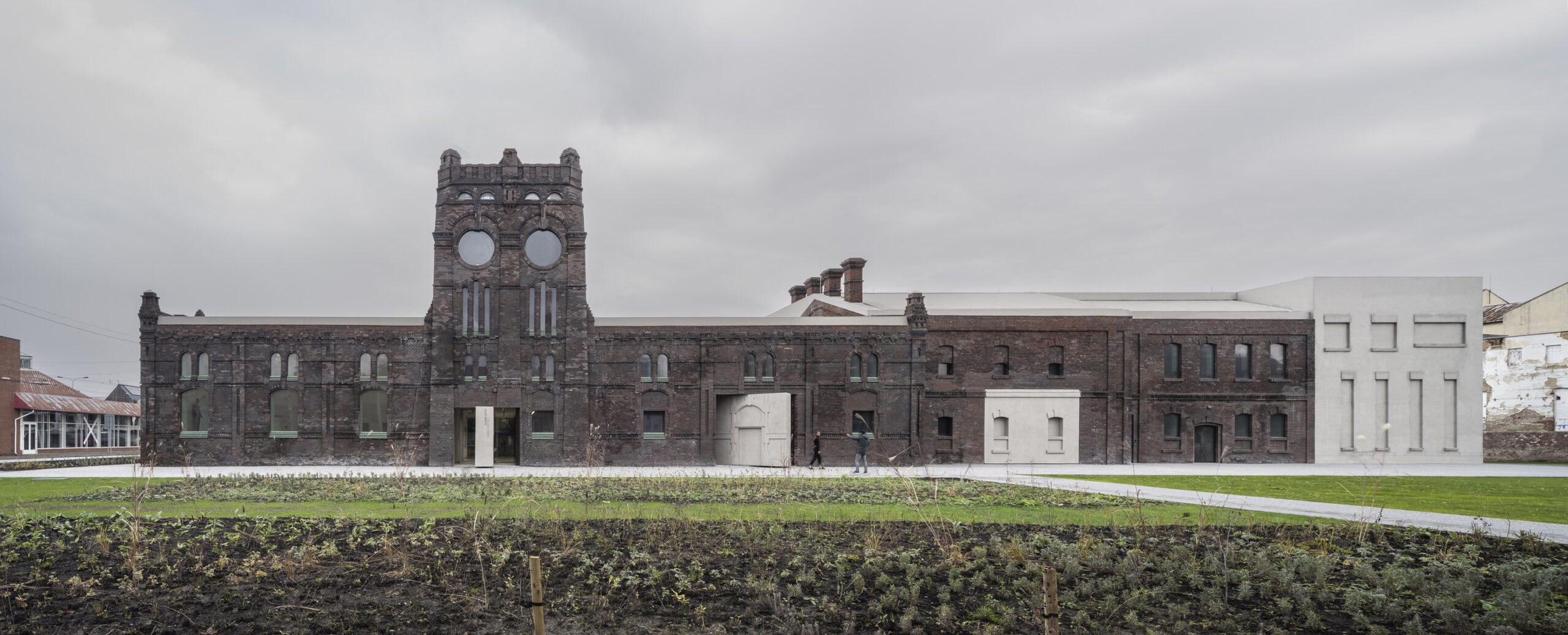
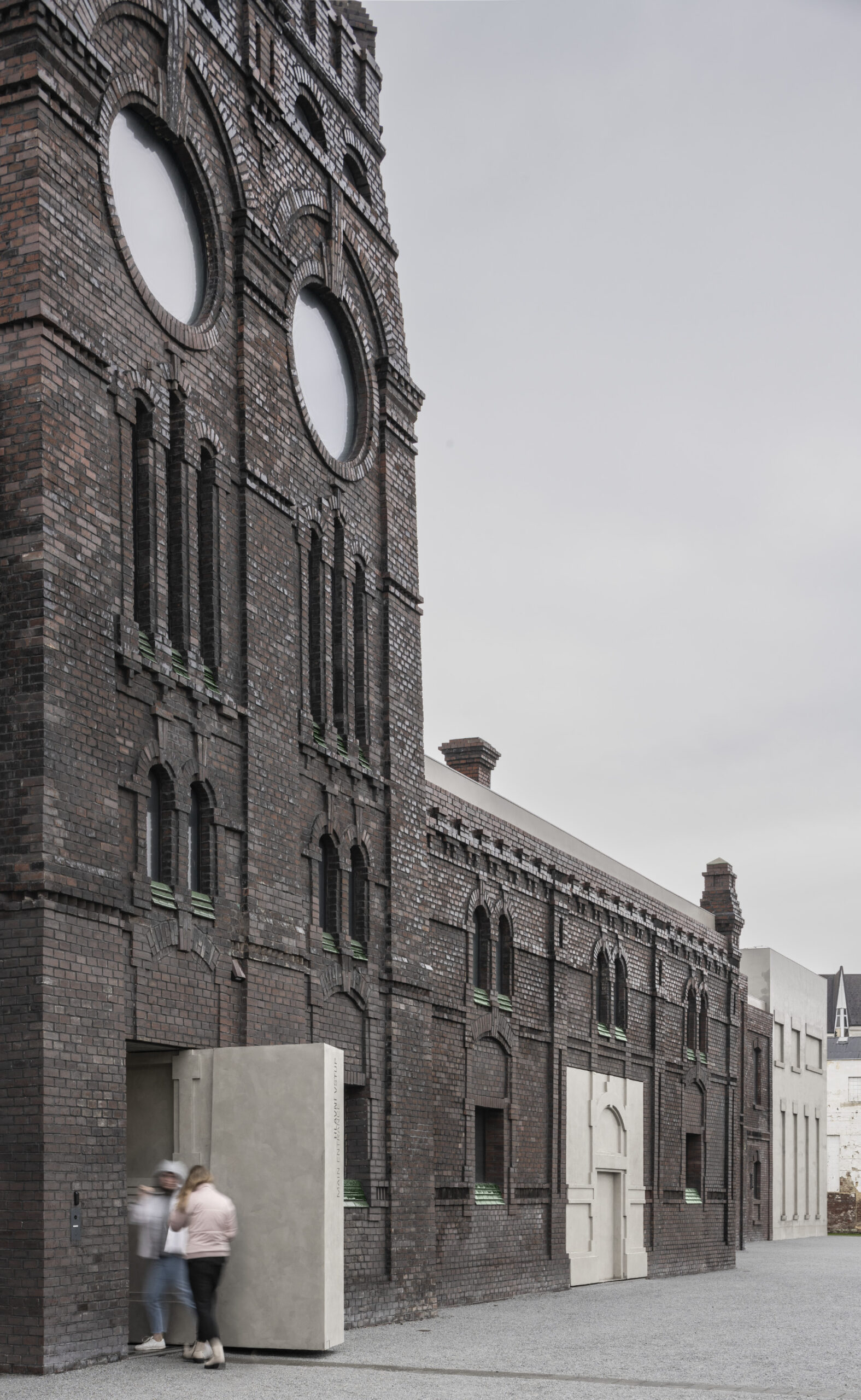
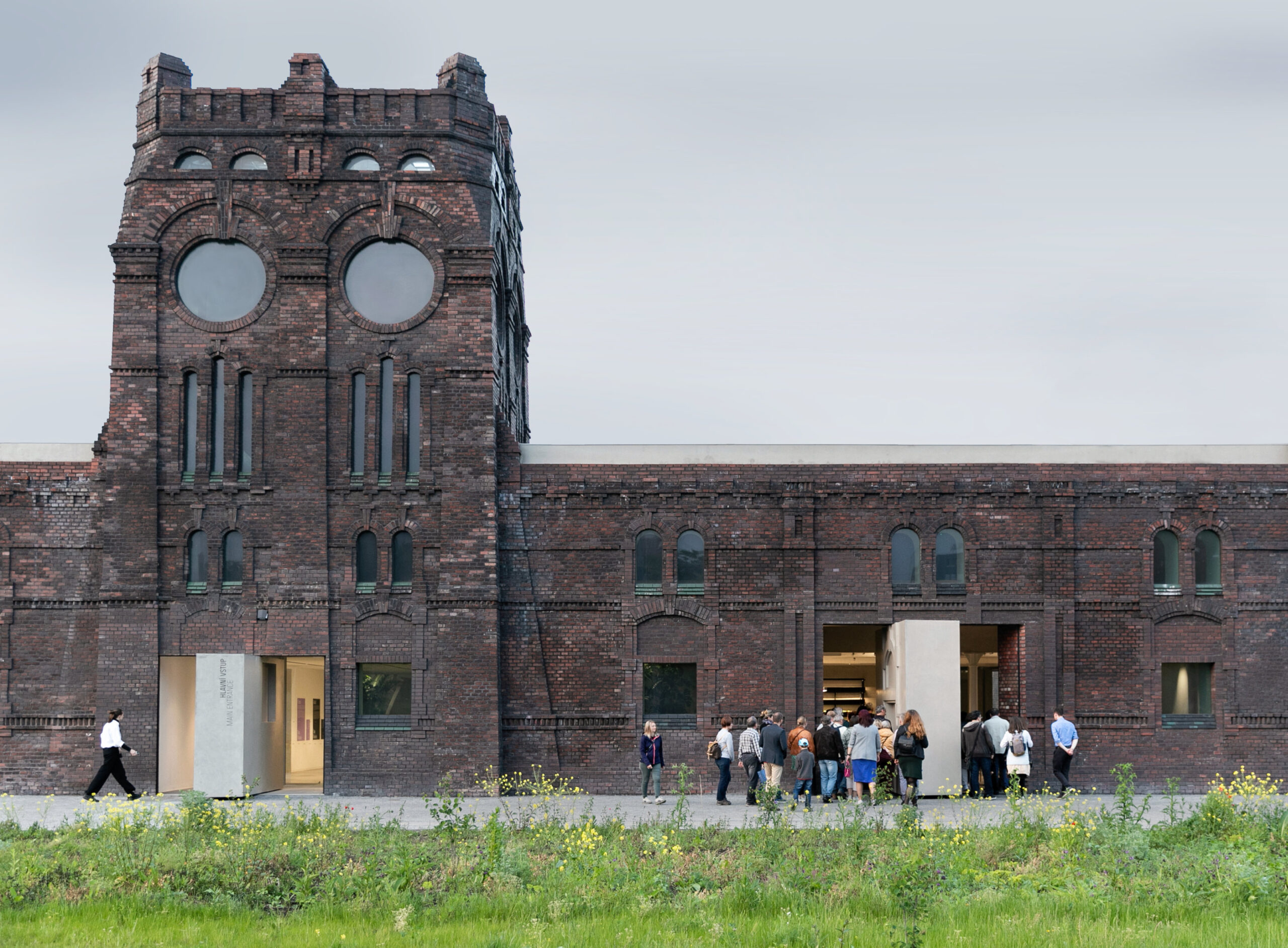
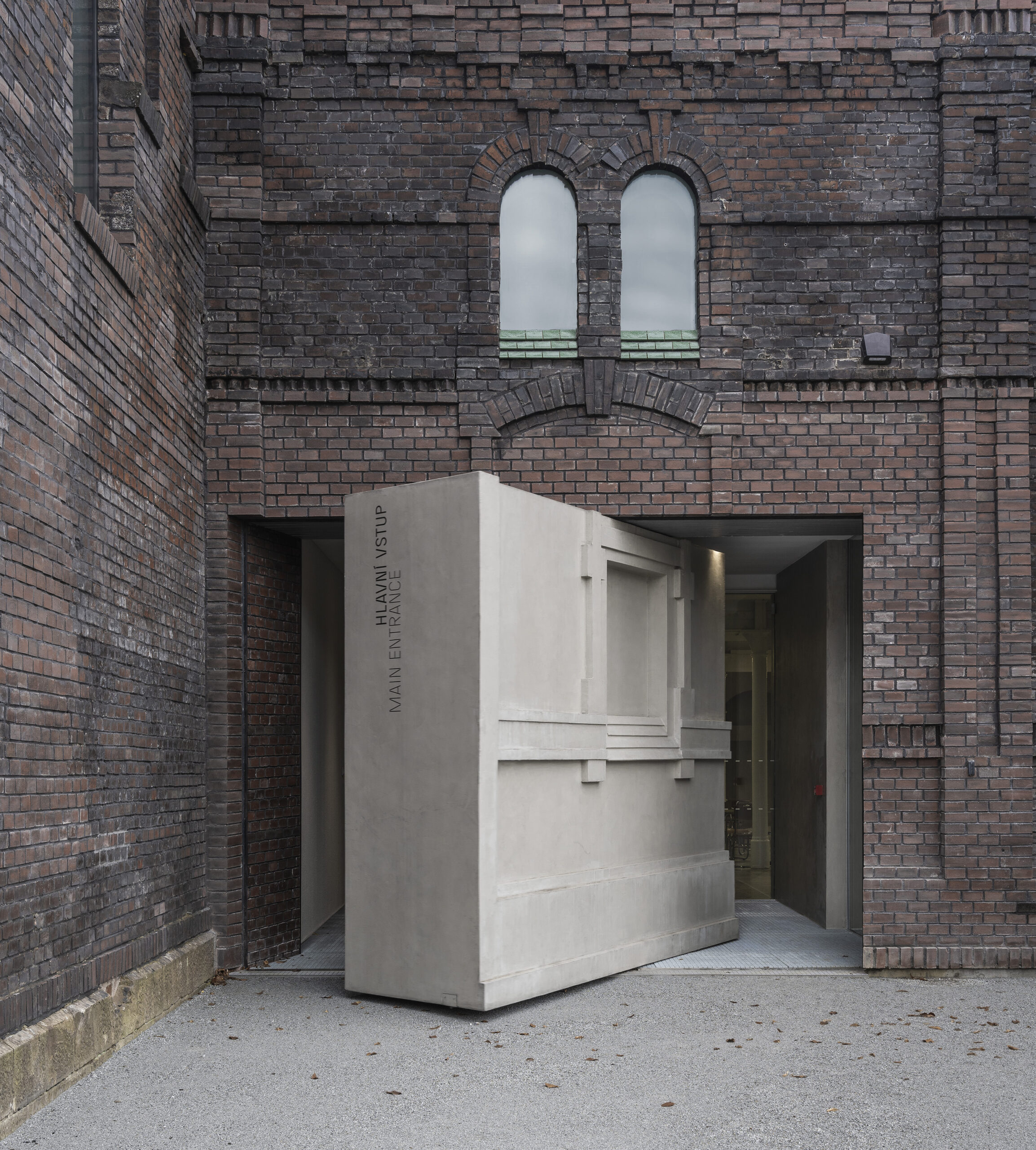
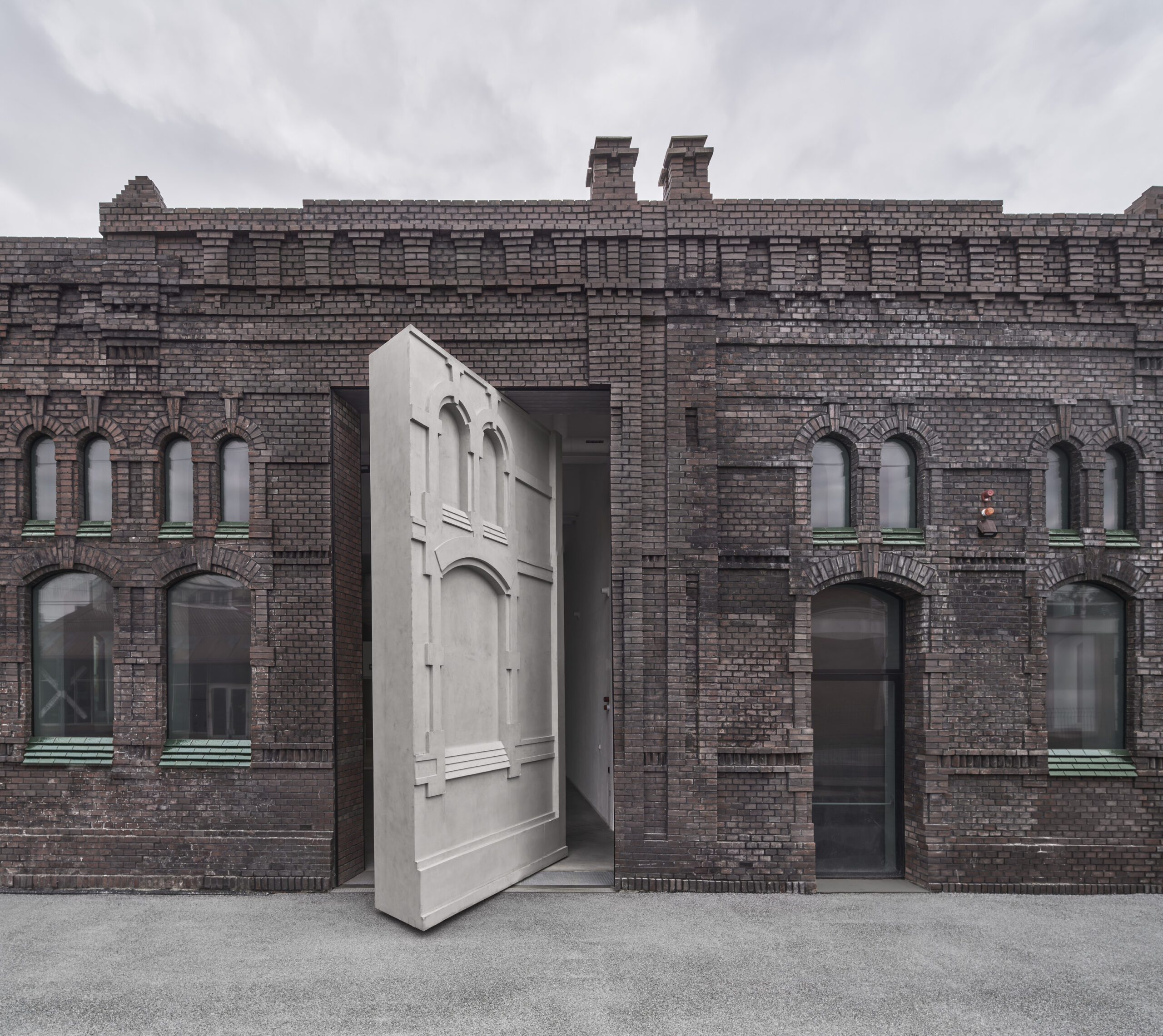
It’s worth adding that the Plato gallery is a very personal project for me. As I’ve said, I became an architect somewhat by chance, and I believe that in this particular case, the open walls of this building will change someone’s life in a way similar to how mine was once changed.
What is your favorite detail?
One that is, in fact, invisible. I remember that when we were still very young architects, in one of the competitions, our building received an honorable mention, with the critique from one of the jurors: “There is a lack of detail in this building.” For me, however, it was the highest compliment, because bringing a building to such minimalism is, in my view, the highest form of art. That is what I strive for myself—the building often looks almost like an enlarged model. All the elements that, of course, must be there are designed in such a way that the building functions perfectly, yet at the same time, you get the impression that they are simply not there.
Do you have a favorite material?
There are probably very few technologies or materials that we haven’t tested or used. Generally, a material only comes in at the very last stage of a project—it is the result of a conceptual assumption, which always stems from context, common sense, and real needs.
A “favorite” material, for me, is more associated with a certain tendency to use something against what I said earlier—“sneaking” a material in where it perhaps doesn’t entirely fit. To be honest, I don’t think I have a favorite material, since I’m able to apply different solutions in specific cases, guided primarily by the concept rather than personal preference—because that is exactly what, as I said before, I try to resist in my work.
What we always take care of, however, is that the material is as durable as possible, of good quality, and “honest”—so that it doesn’t pretend to be something it isn’t.
What is your process for starting a new project?
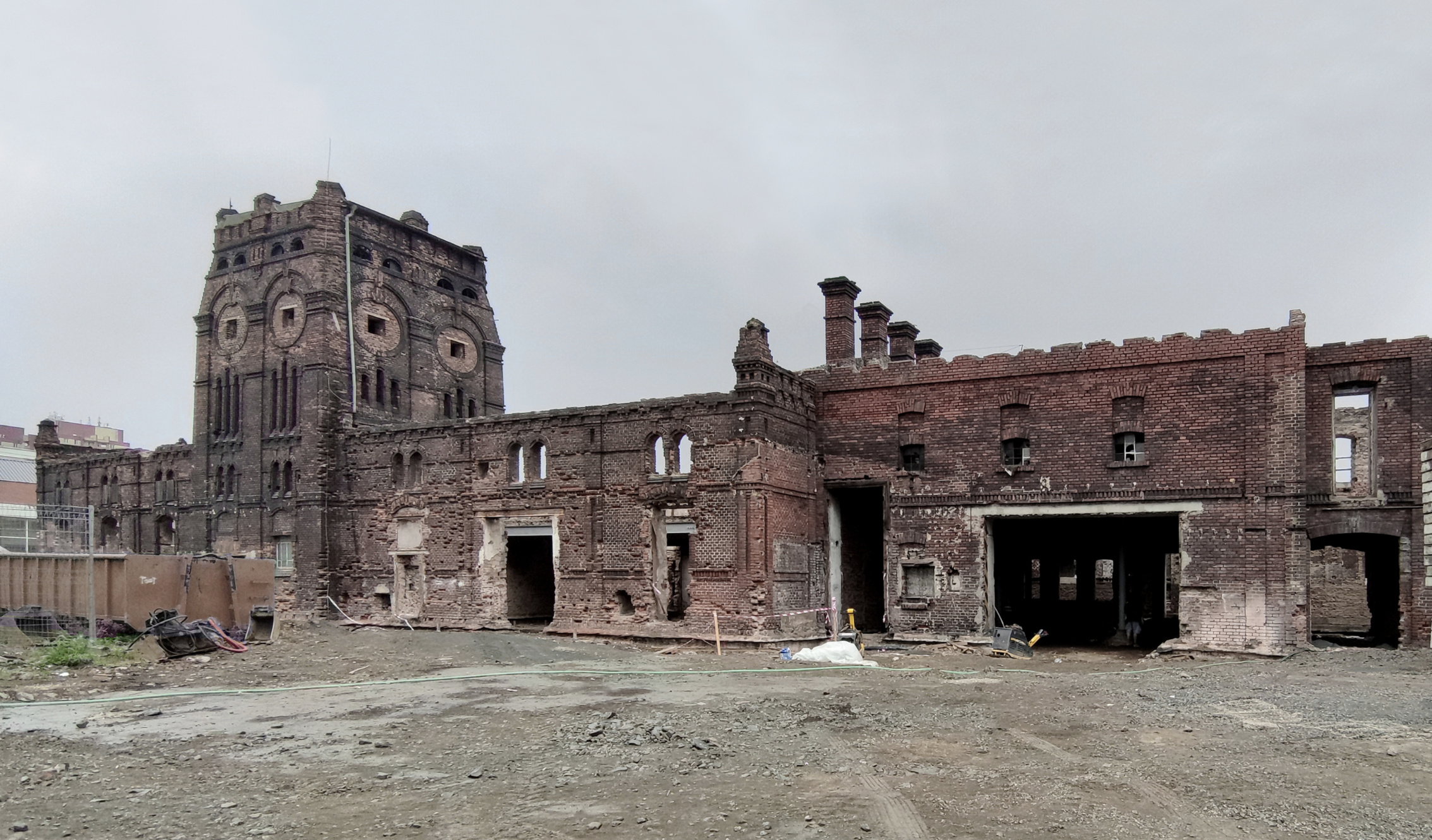
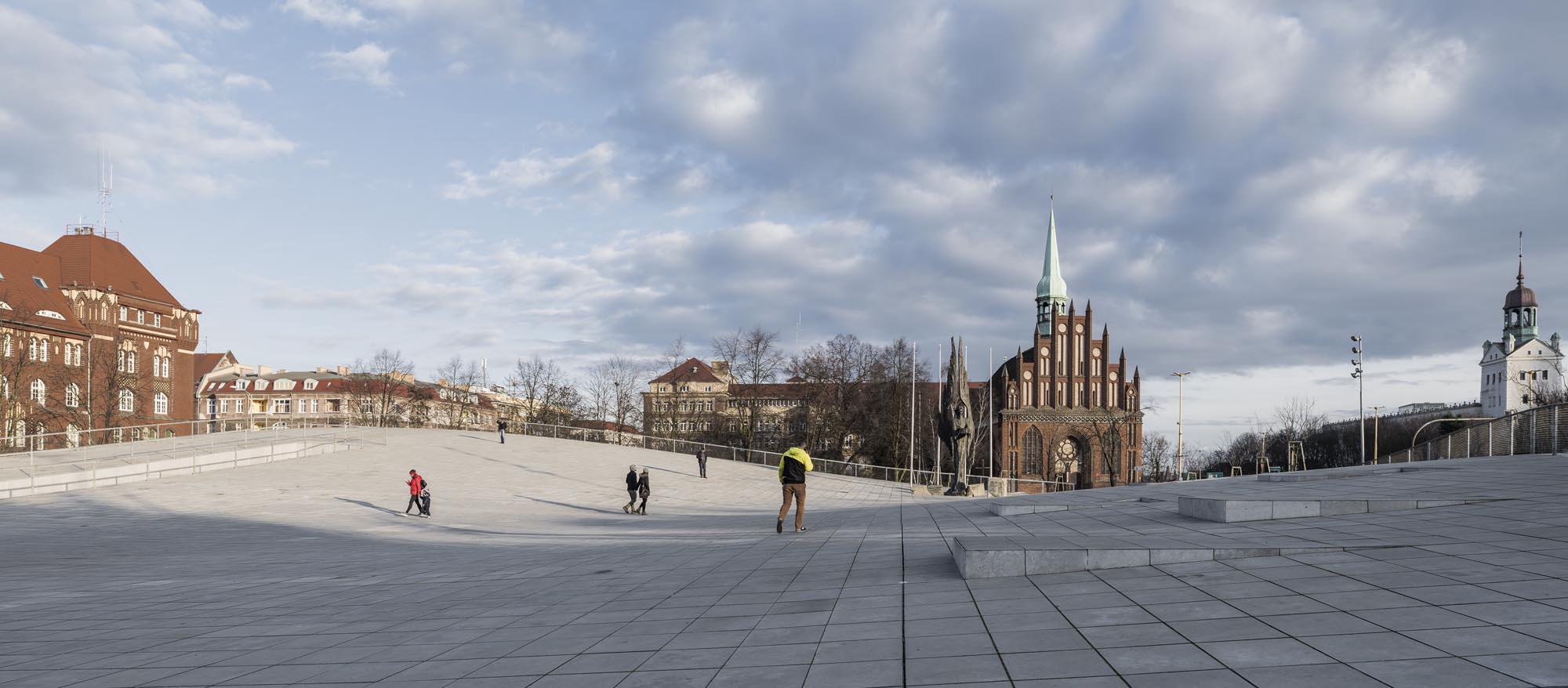
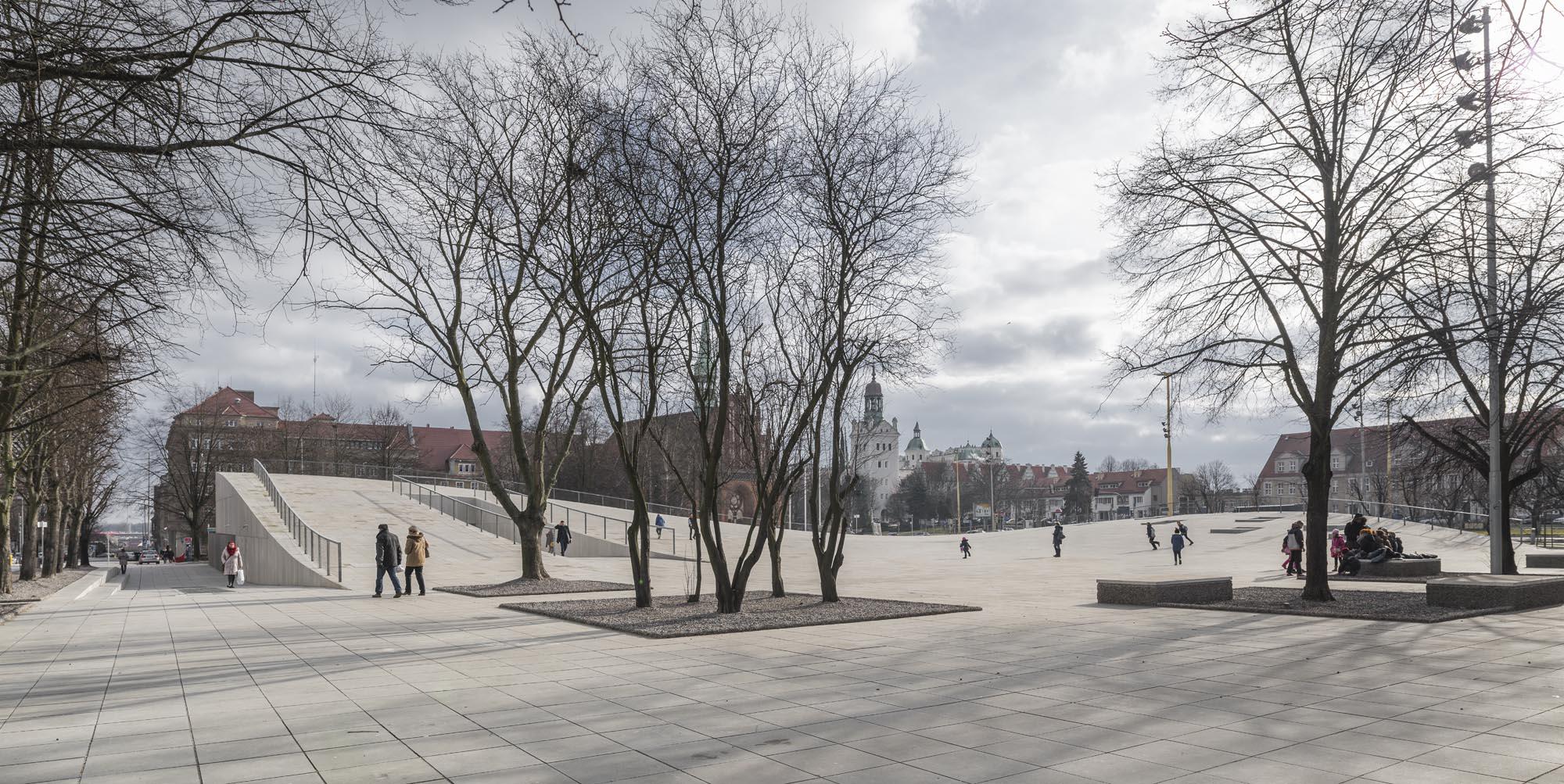
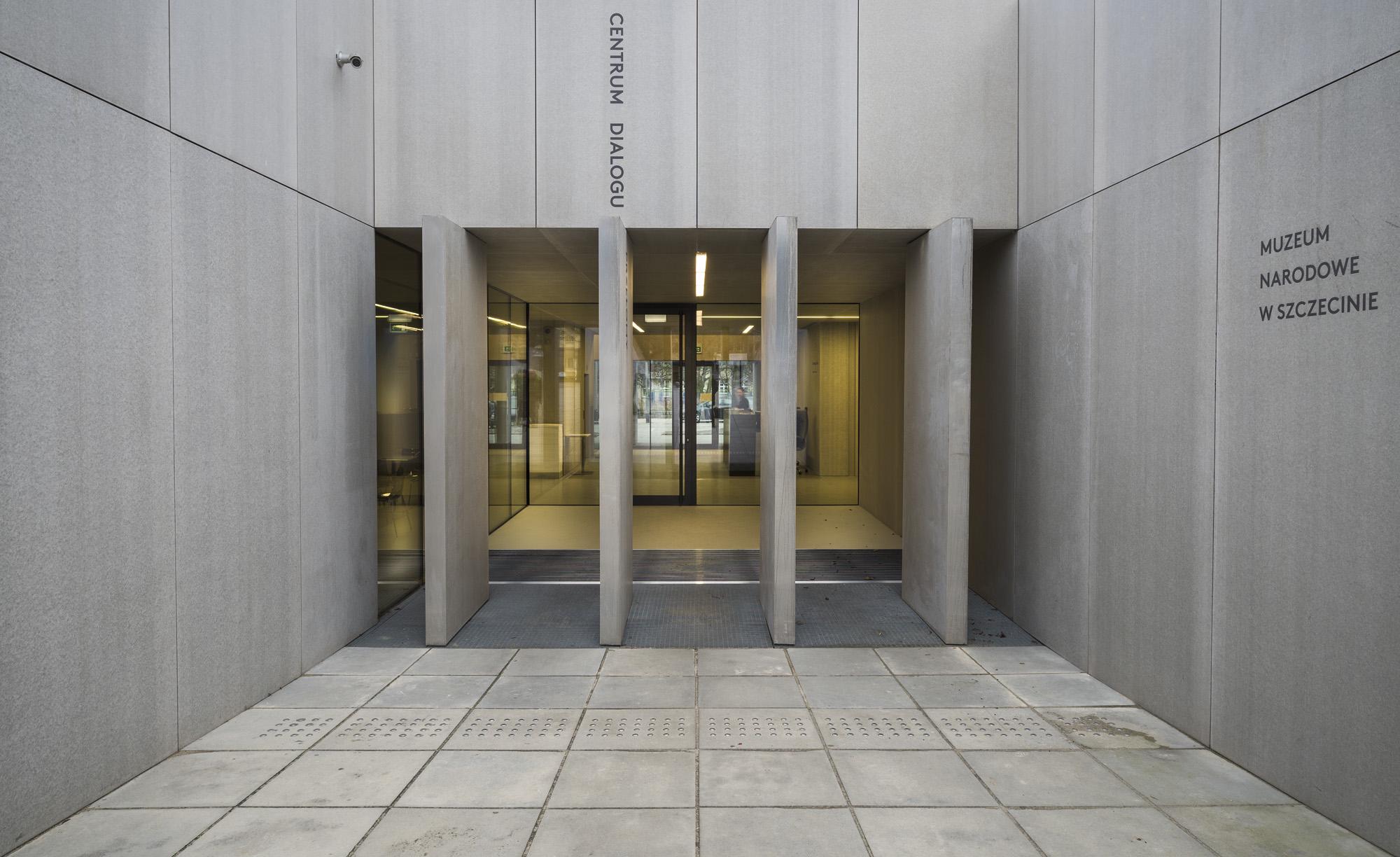
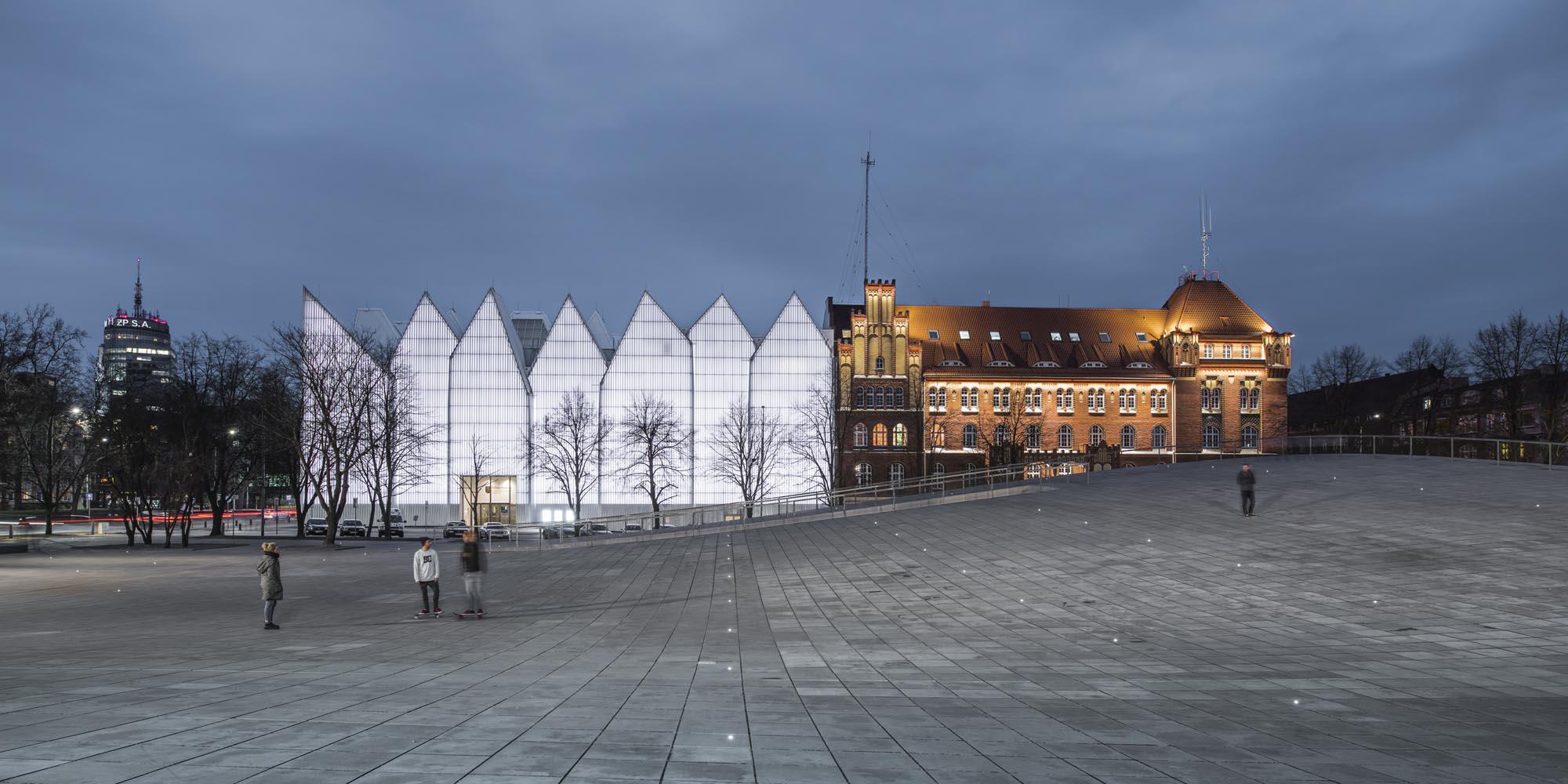
I love this moment in the design process—it’s the most fascinating stage. First and foremost, it’s about getting to know the place, its history, which I mentioned earlier, and the context, sometimes even one that no longer exists in the space, because such situations do happen. That was the case, for example, with our museum, the Przełomy Dialogue Center, where on the site of an empty square, a block of tenement houses once stood before the war, bombed by the Allies during World War II. This gave rise to a project that became a hybrid—combining a past that no longer exists with the present—resulting in a hybrid of the square and the block, which adds extra value: a public space on the museum’s roof.
This is always the starting point—along with a blank sheet of paper and time, which is extremely important to have the freedom and ease needed to refine a good idea. Sometimes the idea appears very quickly, but optimizing and polishing it is crucial for the project to truly be strong and mature.
How do you fuel your creativity?
When we already have, let’s say, a database—that is, when we know the context well, all the needs, and what we have to do—and when I get to work, we talk, but I also start drawing, very often what happens is that during the drawing process so many ideas appear that sometimes I can’t keep up with sketching. I make sketches, and the concept I started quickly sketching begins to evolve in my head, and while creating one drawing, I’m already thinking about the next one.
I want to point out one thing that I consider extremely important in an architect’s work: the ability to draw by hand, or rather, the importance of not sitting down at the computer too quickly. The computer, after all, slows down work at this initial stage, whereas hand drawing, conversation, and sketching unleash much greater creativity and don’t restrict you the way digital tools do. Perhaps that will change soon, but so far, no one has invented a faster way to communicate between the mind and the page than the hand.
The second important thing is that I am involved in the conversation, not only the office team—sometimes even interns, who are often surprised when the boss comes over and asks, “What do you think?” or “How do you see this?” I also sometimes involve outsiders in these discussions, not just to avoid talking only to myself, but laypeople or members of my family, people entirely unrelated to architecture. Sometimes, remarks or comments that may seem completely meaningless to someone can be incredibly inspiring. I love the saying that a good architect is someone who can connect everything with everything.
What inspired Konieczny’s Ark?
This project was developed a bit “on the fly,” because that’s how you design for yourself. It took almost two years, but it’s worth emphasizing that it was a completely different project. When construction began, landslides had just started appearing in Poland—a phenomenon practically unknown until then. Entire villages were sliding down slopes, and people were losing their belongings. I don’t know if that was the direct reason I stopped the construction after two days, or if something else acted that I can’t quite name today, but I felt very clearly that what I had designed was not what I wanted to build.
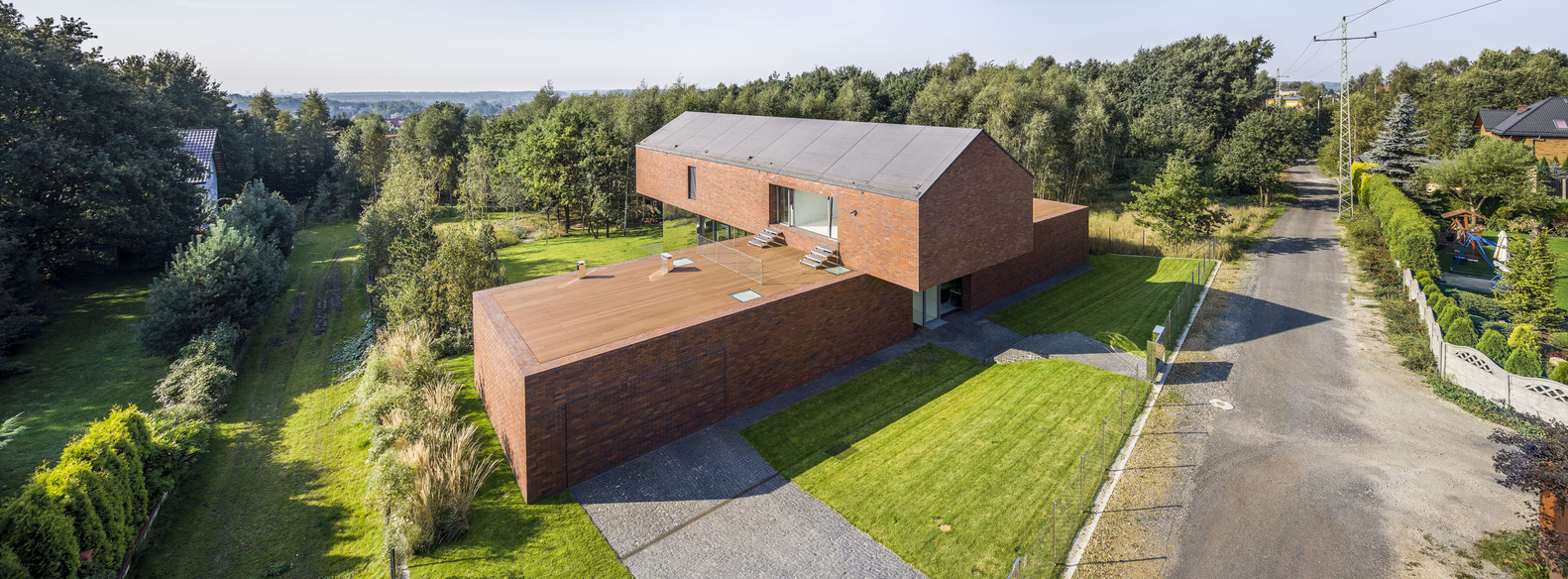
To my wife’s horror, I then said I would make a new design in three days so we wouldn’t lose the construction crew. And indeed, that concept was created in three days. To describe it briefly, I returned to the idea of a single-story house, mainly to reduce costs, because the previous project had been overly expanded by my wife. The problem was that she didn’t want a single-story house—she feared being isolated and didn’t want to sleep on the ground floor. That’s why I “pulled” the single-story house away from the slope in such a way that the bedrooms ended up hanging over the slope, effectively at a height as if they were on an upper floor.
Importantly, I supported the ground floor slab on three triangular walls, which turned the house into a bridge under which rainwater—the most common cause of landslides—could flow freely. The triangular shape of these supports came from the need for minimal contact with the ground while providing maximum support. The sloping roof was dictated by both common sense and the local zoning regulations. Meanwhile, the space resembling a boat hull came from the need to accommodate technical rooms, which is why I limited the area under the building to the planes corresponding to the shape of the supports. The whole structure started to resemble a barge or an ark. Hence, the working name “Konieczny’s Ark” quickly caught on.
Finally, I’ll add one thing that still seems extraordinary to me. When I decided I didn’t want to build any fences or design a “special” garden—that I simply wouldn’t interfere with the surrounding nature and would leave everything as it was—local animals appeared. Sheep and horses began grazing, sleeping under the Ark, and effectively living there. The symbolic name “Ark” gained a practical meaning.


How did materiality shape Konieczny’s Ark?
I knew I wanted to build this house from a durable material, one that would cause no problems. I had always dreamed of a single-layer wall, a kind of return to the roots of building, because once building was simple—only today’s requirements are no longer that simple. That’s where the idea I mentioned came from: to make the structure itself the façade, and the insulation essentially a finishing task. You don’t need scaffolding, you’re not dependent on weather conditions—you just go inside and do the insulation the way you finish interiors, because, in effect, it was interior finishing. In a sense, this single-layer wall really came to life here.
As for the material itself, I chose concrete because I believe it is the modern equivalent of stone. Besides, you can no longer build with stone the way you used to—back then, you would select it from the river, build stone foundations, and place warm, wooden houses on top. Today, that’s practically impossible. Here, concrete, additionally sourced from a local plant just three kilometers away, replaced the stone and offered far greater technical possibilities.
The Ark essentially became like a small stone thrown into a field. It refers to the old stone buildings—also in terms of color, since it is identical—but also to all the new concrete infrastructure elements that have appeared and started functioning there.
There is one more important thing. I was offered the chance to build this house with some “super” architectural concrete, but the people who proposed it quickly realized they couldn’t get onto the site. Only the locals could do it—and in any conditions. That only reinforced my conviction that it was the right choice, because in a sense, I relied on local material and the skills of local builders.
What advice would you give to young architects?
To young architects, I would say this: first and foremost, you have to remember that our profession is not merely a service profession, but one that carries a certain social mission. Our role is not only to listen, but also to educate clients and explain to them that certain things can be done better, smarter, more sensibly—especially today, in the context of climate change and the need to transform architecture. This is fundamental.
And now a few words to the most ambitious: as I have said before, if you truly want to create things that are your own, unique, and interesting, then at a certain stage you put aside all Pinterest and all the aids. Of course, you need to educate yourself, learn, and observe—but when you are working on a project, you focus exclusively on your task and forget about those tools; you simply switch them off.
I have always said, and I consistently adhere to this myself, that it is worth doing things you believe in, that are in line with your architectural conscience, and that you simply feel. At the same time, I am aware that this is not easy and may involve many sacrifices. That is why I am speaking to the most ambitious—because I am one myself, and I have been one. Such choices can affect your life, including your personal life, and it is not always easy. But everyone has to make their own decision about how they want to practice this profession and how they want to approach it.
Featured Image © Stepan Rudik