

Yi Ping is a Chinese designer and the founder of YID Studio, a practice working across architecture, interiors, and hospitality design with a strong emphasis on place, material, and lived experience. Based in China and operating primarily within natural and rural contexts, Yi Ping’s work is shaped by close observation of daily life, landscape, and traditional craftsmanship. The studio’s approach is grounded in the belief that design should emerge from life itself, allowing architecture to grow patiently from its site through the use of local materials, reclaimed elements, and collaboration with regional artisans. Across YID Studio’s projects, design is understood as a way of living—one that responds quietly to time, nature, and human presence, and seeks to create calm, restorative spaces rooted in authenticity rather than formal gesture.
What inspires you?
The design inspiration is rooted in a deep experience of life, nature, and humanity. Its approach lies in an utmost respect for the inherent qualities of the site and the traces of human living. When confronted with an exceptional natural setting, design must learn to “step back,” allowing minimalist forms and local materials to let the space itself become the true protagonist.
What inspired you to become a designer?
Becoming a designer was not the result of a deliberate career plan, but rather a natural process shaped by personal interests, life experiences, and moments of profound inspiration. As a child, I was fascinated by the architecture of the Egyptian pyramids and often encountered foreign interior design images that depicted different ways of living, which left a deep impression on me. Around the time of the pandemic in 2019, I went through personal and professional bottlenecks and felt uncertain about the future of my life. By chance, I traveled to Yunnan, where the region’s simple and comfortable way of life prompted deep reflection and gradually led me to realize that “design should grow out of life itself.”
How would you describe your design philosophy?
Grounded in life as its point of origin, the work seeks to create warm spaces that grow alongside time and nature, while genuinely serving the people who inhabit them. Equally important is a deep integration with place: using local materials, reusing old objects, and involving local craftsmen so that the design can truly “grow” from the land itself. Ultimately, this is an expression of a way of living: observing life with humility, responding to nature with authenticity, accompanying time with patience, and finally shaping a free, restorative state of dwelling that soothes the human spirit.
What is your favorite project?
Personally, I am particularly drawn to Barragán’s Cuadra San Cristóbal. With its strong sense of place, the project creates a spiritual realm where one can find inner calm and enter into dialogue with nature. This is the core quality that makes the stables so deeply moving. Within it, Barragán demonstrates an extraordinary ability to use the most elemental colors, light, walls, and water to create a poetry and tranquility that speak directly to the human heart. This sensibility offers a timeless source of inspiration for designers of any era and in any place.
What is your favorite detail or motif?
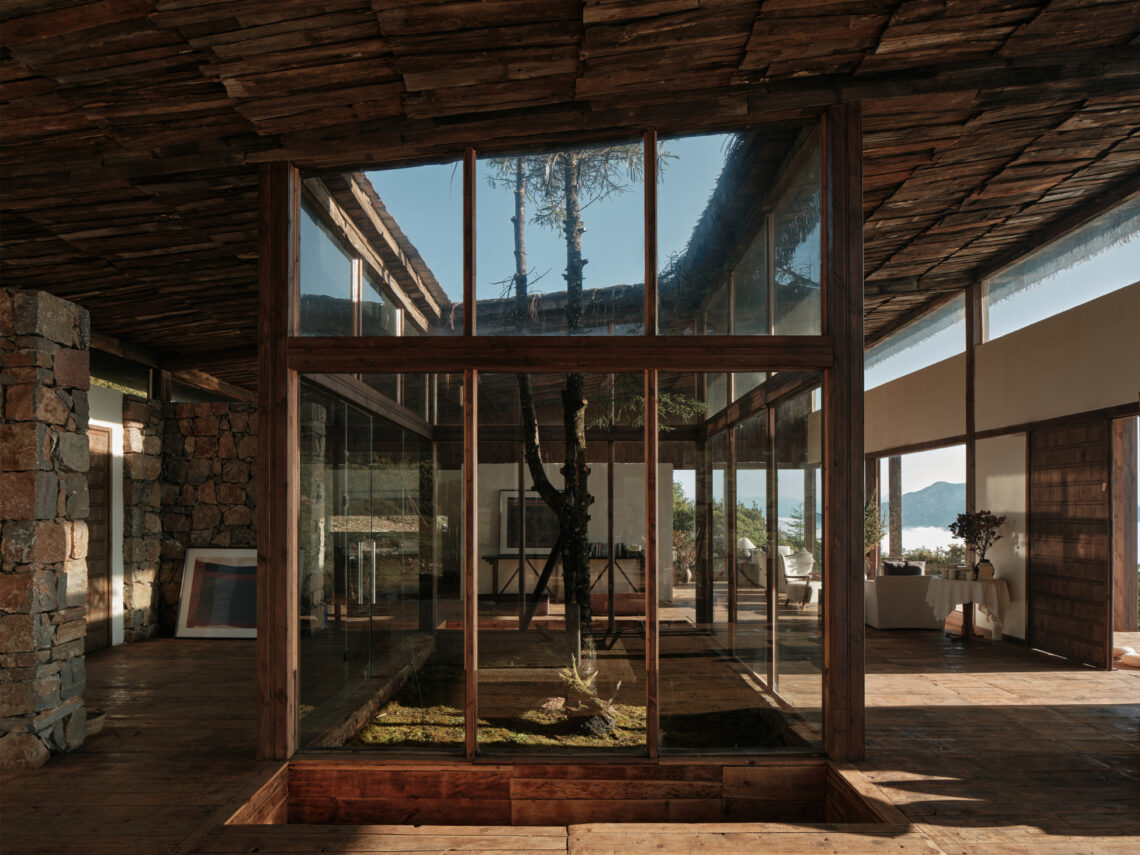
We consistently regard natural light and shadow as the primary narrative of space, employing expansive openings, courtyards, skylights, and screens to achieve a shifting interplay of light and views as one moves through the space. Equally important is the inward permeation of courtyards: regardless of scale, plants and natural scenery are introduced through inner gardens, atriums, or framed views. By dissolving the boundary between interior and exterior, nature becomes the “breathing apparatus” of the space, shaping a quiet, inward-looking sanctuary.

Do you have a favorite material or finish?
I have a strong preference for raw, unrefined natural materials that develop a warm patina through time and use, and I enjoy exploring their distinctive textures. I am especially drawn to natural materials such as linen, cotton, and solid wood, as they offer the most direct and comfortable tactile experience, allowing people to truly relax.
What is your process for starting a new project or commission?
Early stage: Extensive communication with the client to gain a deep understanding of their way of living and inner needs. We choose to work with clients who share similar values, ensuring that the project is grounded in mutual understanding from the very beginning.
Mid-design stage: Repeated site visits are essential. By experiencing the light, airflow, and scale of the space through the body, the design is allowed to “grow” from the site itself, rather than being driven solely by drawings.
Later stage: Close collaboration with team members and craftsmen to refine materials, techniques, and details, unlocking the team’s full potential. We value the authentic voices of younger team members, as these interactions often open up new possibilities. At the same time, we allow skilled craftsmen the freedom to exercise their creativity.
How do you fuel your creativity?
Creative inspiration primarily grows out of a deep engagement with everyday life, the natural environment, cultural arts, and traditional craftsmanship, ultimately forming a design language centered on “naturalism.” Inspiration is not a deliberate technique, but a way of living and thinking. Through immersing oneself in life, sensing nature, and absorbing humanistic and artistic influences, these experiences are transformed into a design approach that attends to inner human feelings, leaves room for interpretation, and is able to grow alongside time.
What inspired the SongMoon Homestay and Bookhouse?
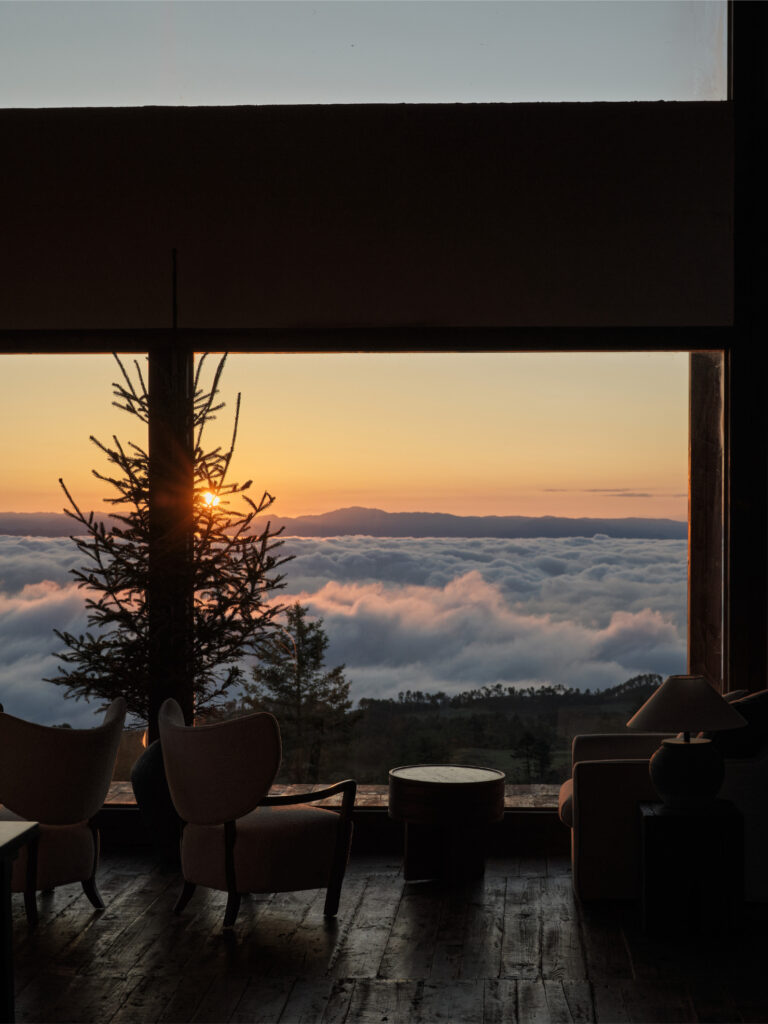
The birth of Songmoon began with a daughter’s deep care for her father. When I first stood on the mountaintop at an altitude of 3,300 meters and encountered the site, I was struck by its raw, monumental scale, and an instinctive thought emerged: this place called for a building that could enter into dialogue with heaven and earth. After its realization, it became more than a physical structure. It stands as a spiritual place that carries emotion, offers healing, and invites people into a profound dialogue with nature. In this sense, it beautifully embodies the idea that “the best design grows out of authentic life and genuine emotion.”

How did materiality shape the SongMoon Homestay and Bookhouse?
The essence lies in using highly “site-specific” materials to allow the architecture to “grow” from nature while carrying personal and land-based emotional memories—a quality that defines the unique character of the lodge at Lugu Lake. The building becomes both an extension of the mountain and a vessel for emotional stories, blending quietly into its surroundings while recording the shared narrative of the father and daughter and the memory of the land. Native materials are used extensively—road rubble, reclaimed wood—minimizing human processing to preserve their raw texture. The reclaimed wood carries family memories, and the entire construction process also serves as a testament to the father’s healing journey and the daughter’s filial devotion.

