

Architects: Rudolph M. Schindler
Area: 325 m² (3,500 ft²)
Year: 1922
Photography: Rudolf Schindler, John Zacherle, Joshua White, Luke Fiederer, MAK Center for Art and Architecture, collectmoments, Wikimedia Commons, Allan Ferguson, Julius Shulman, Gary Minnaert, Stanley A. Westfall, Jeffrey B. Lentz
City: West Hollywood
Country: United States
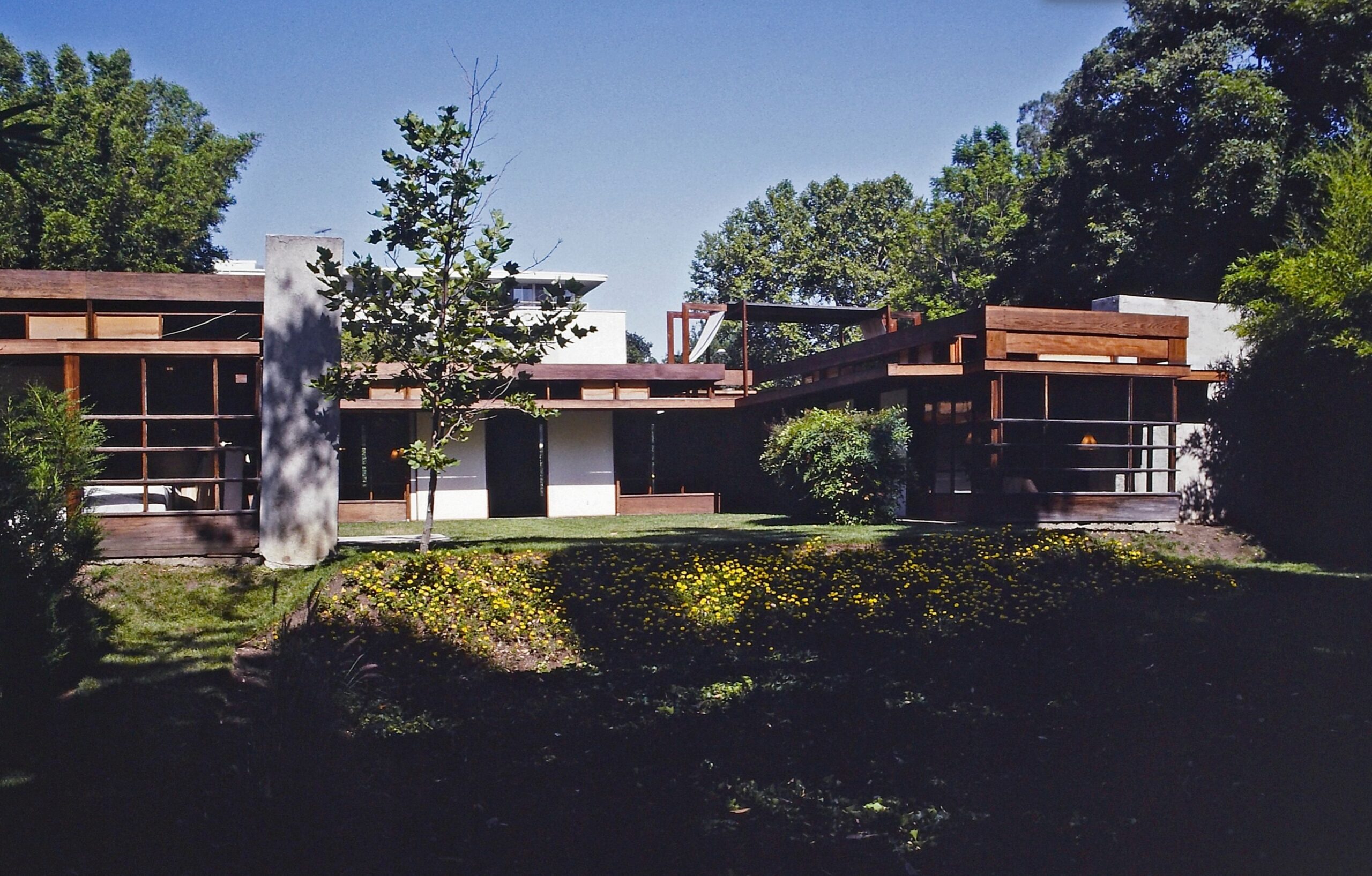
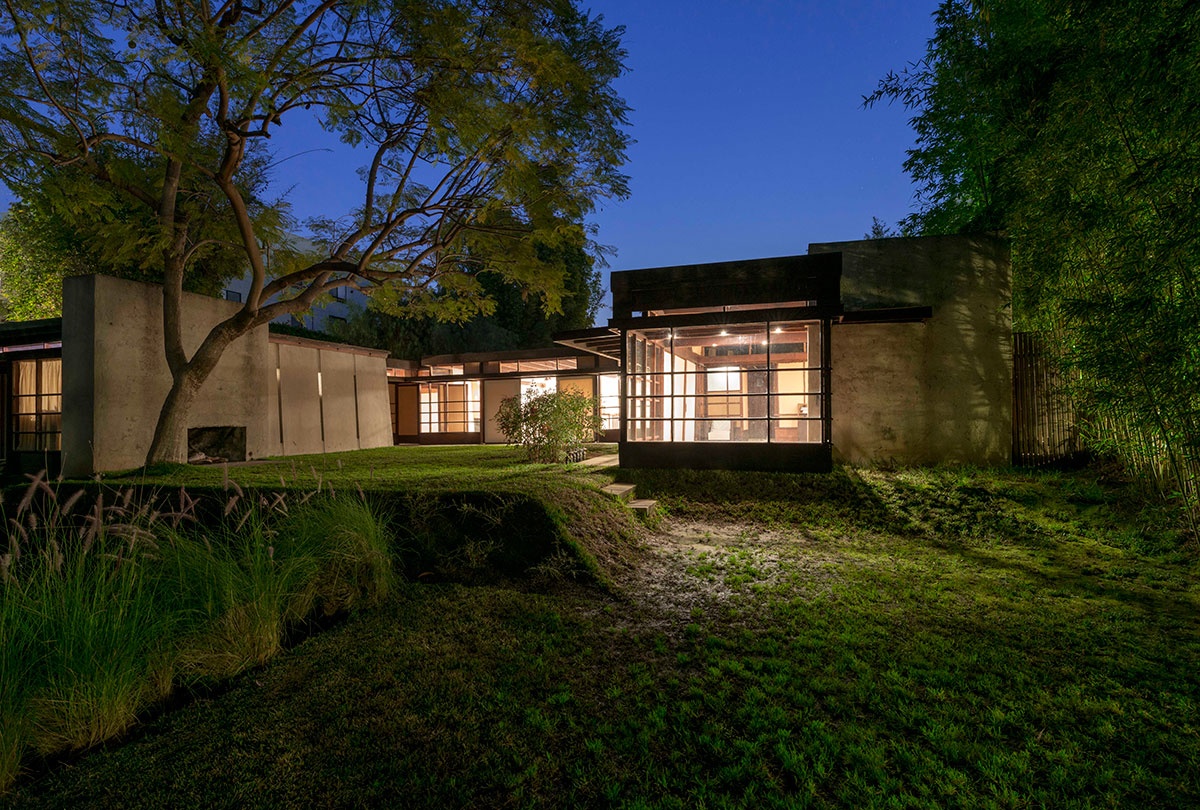
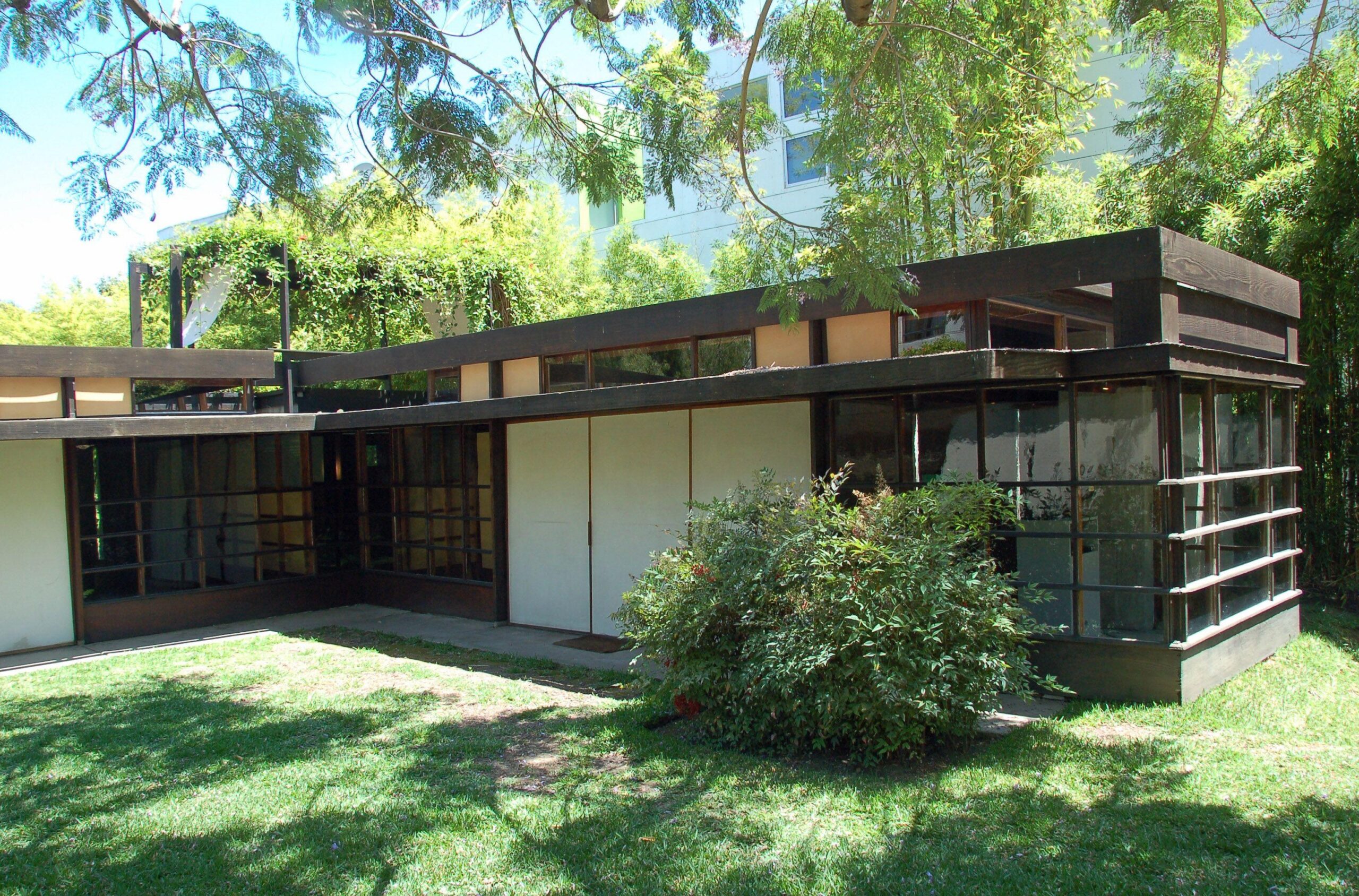
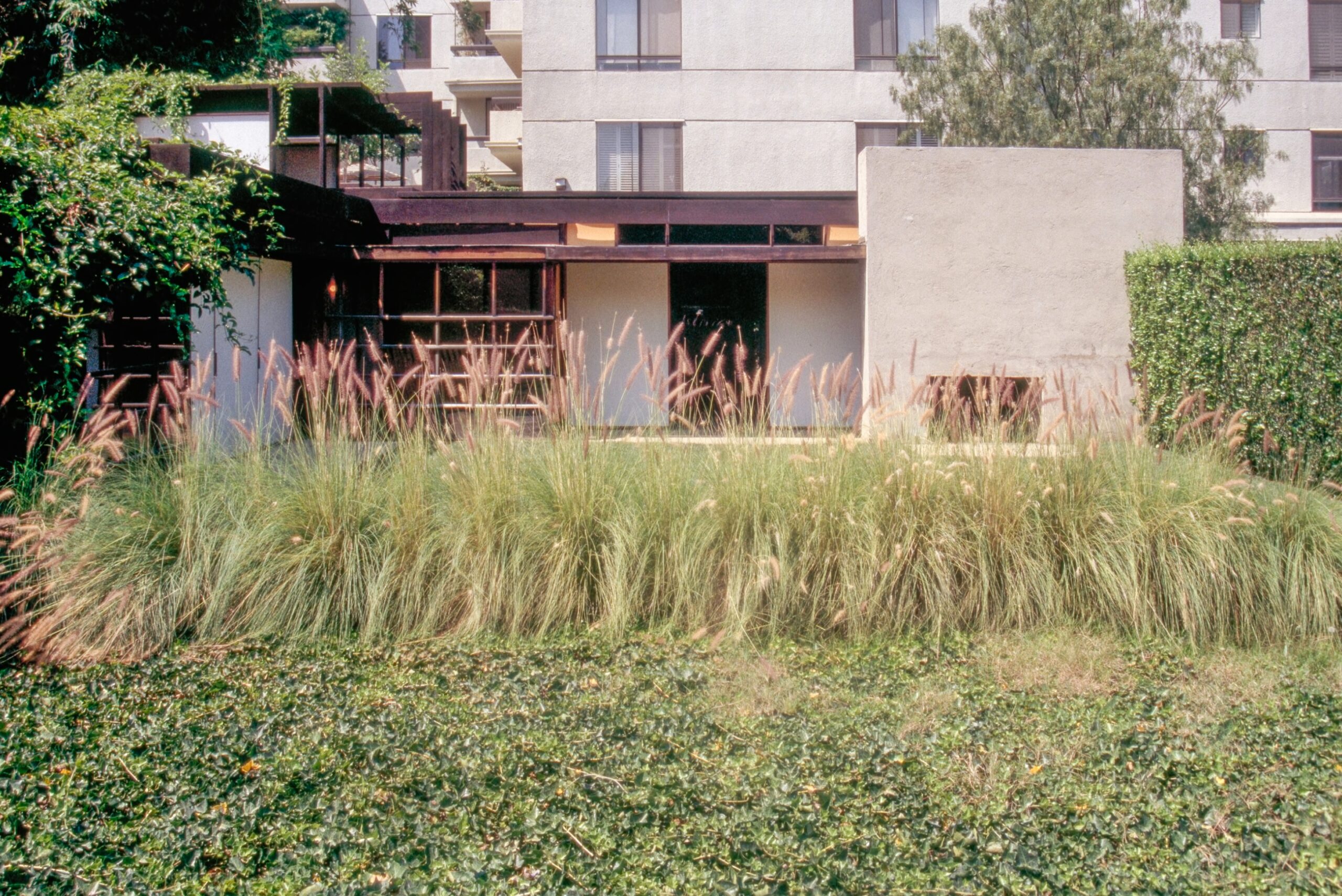
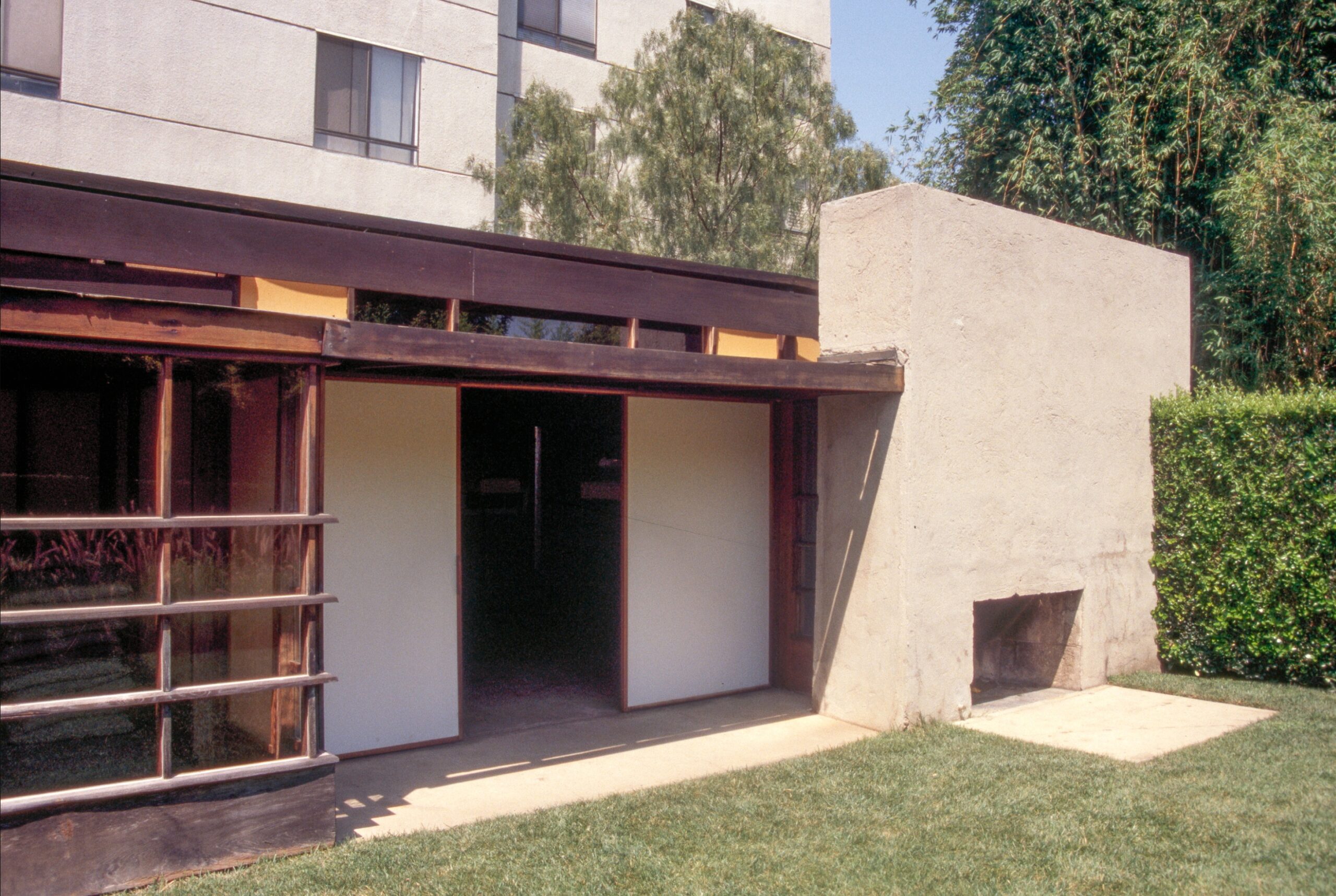
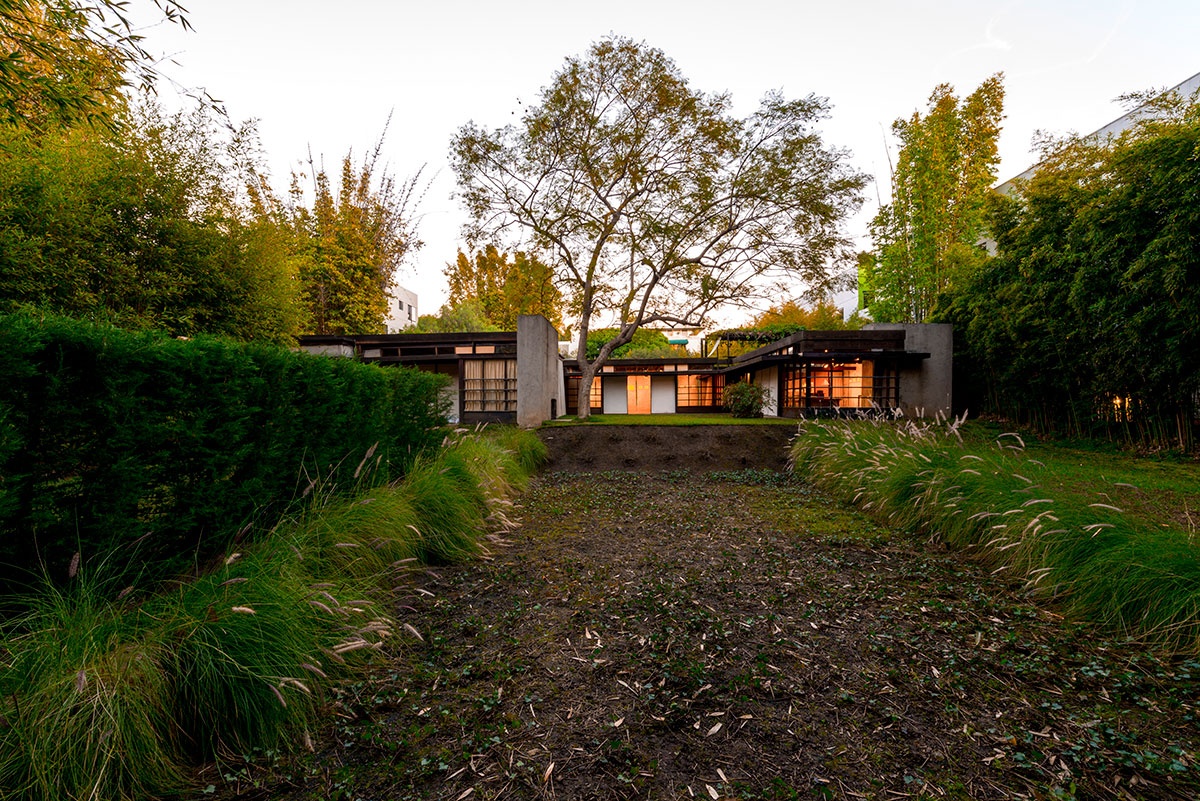
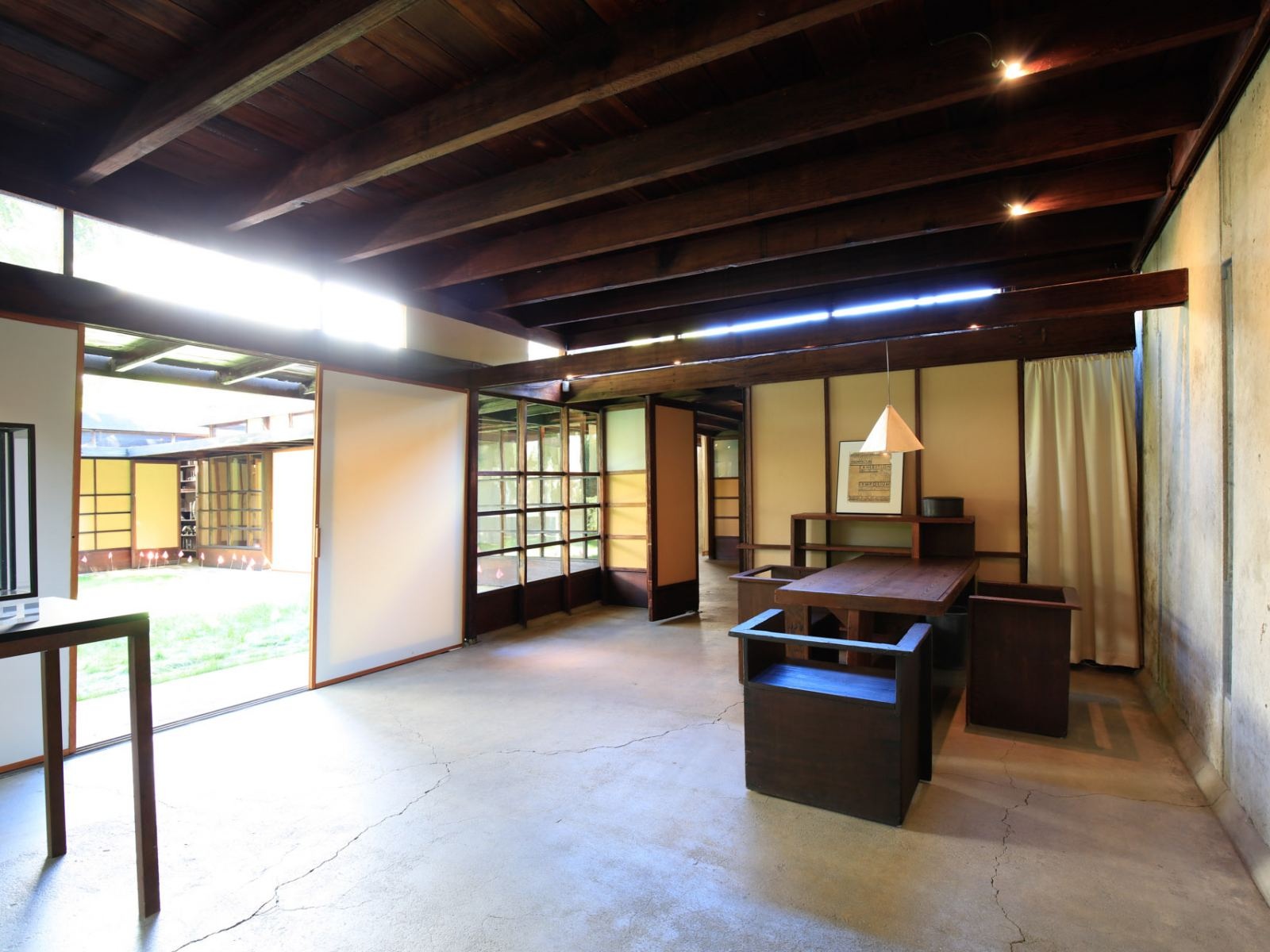
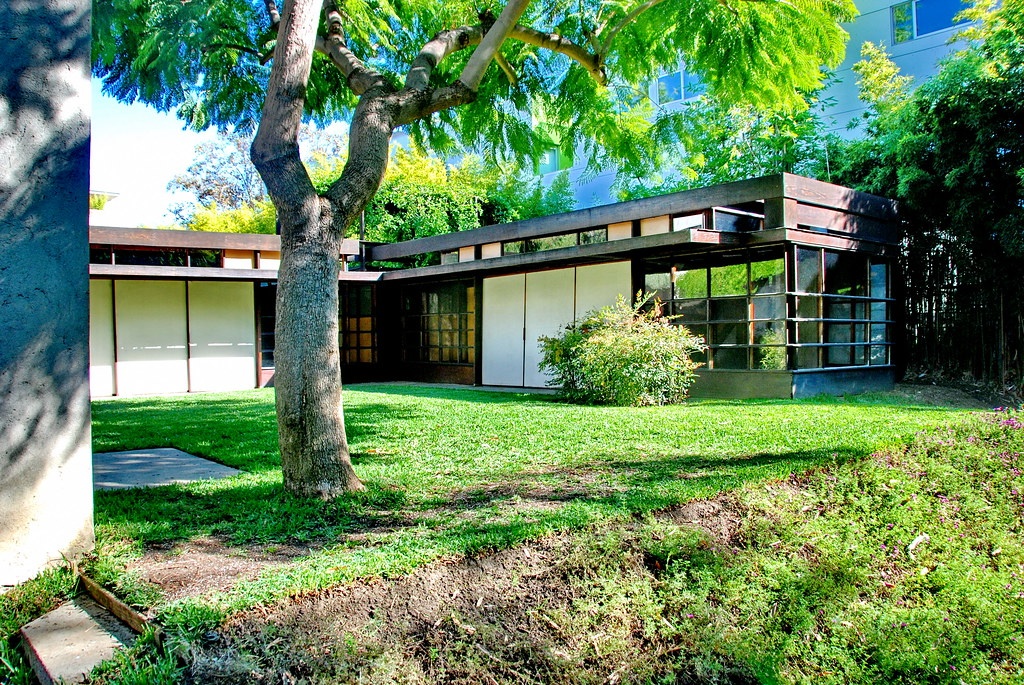
Kings Road House residential house designed by Rudolph M. Schindler in West Hollywood, California, redefined domestic living through communal spaces, experimental construction methods, and the integration of indoor and outdoor environments. Completed in 1922, the project introduced a new approach to residential architecture by replacing conventional rooms with flexible studios, shared facilities, gardens, and roof sleeping areas. The house challenged established domestic models and proposed a cooperative form of living that reflected changing social values and new patterns of habitation. Kings Road House developed from Schindler’s experiences with Frank Lloyd Wright and his interest in Irving Gill’s concrete construction methods. The project adapted tilt-slab concrete into a modular system that allowed walls to be cast on site and raised into position. Concrete panels, redwood framing, glass, canvas, and open courts established a balance between enclosure and openness while allowing vegetation, daylight, and climate to become active components of the domestic environment. Kings Road House was conceived as a cooperative residence for Rudolf and Pauline Schindler and Clyde and Marian Chace. Individual studios, shared utilities, outdoor courts, roof sleeping porches, and guest accommodations created a residential environment that departed from traditional family arrangements. The pinwheel plan generated multiple gardens that extended the living spaces beyond the building envelope. Kings Road House later became an important cultural and intellectual center in Los Angeles. Richard Neutra, Galka Scheyer, John Cage, Edward Weston, and numerous artists and writers were associated with the house. Since 1994, the building has operated as the MAK Center for Art and Architecture, preserving Schindler’s experimental approach to domestic space and its influence on modern residential design.
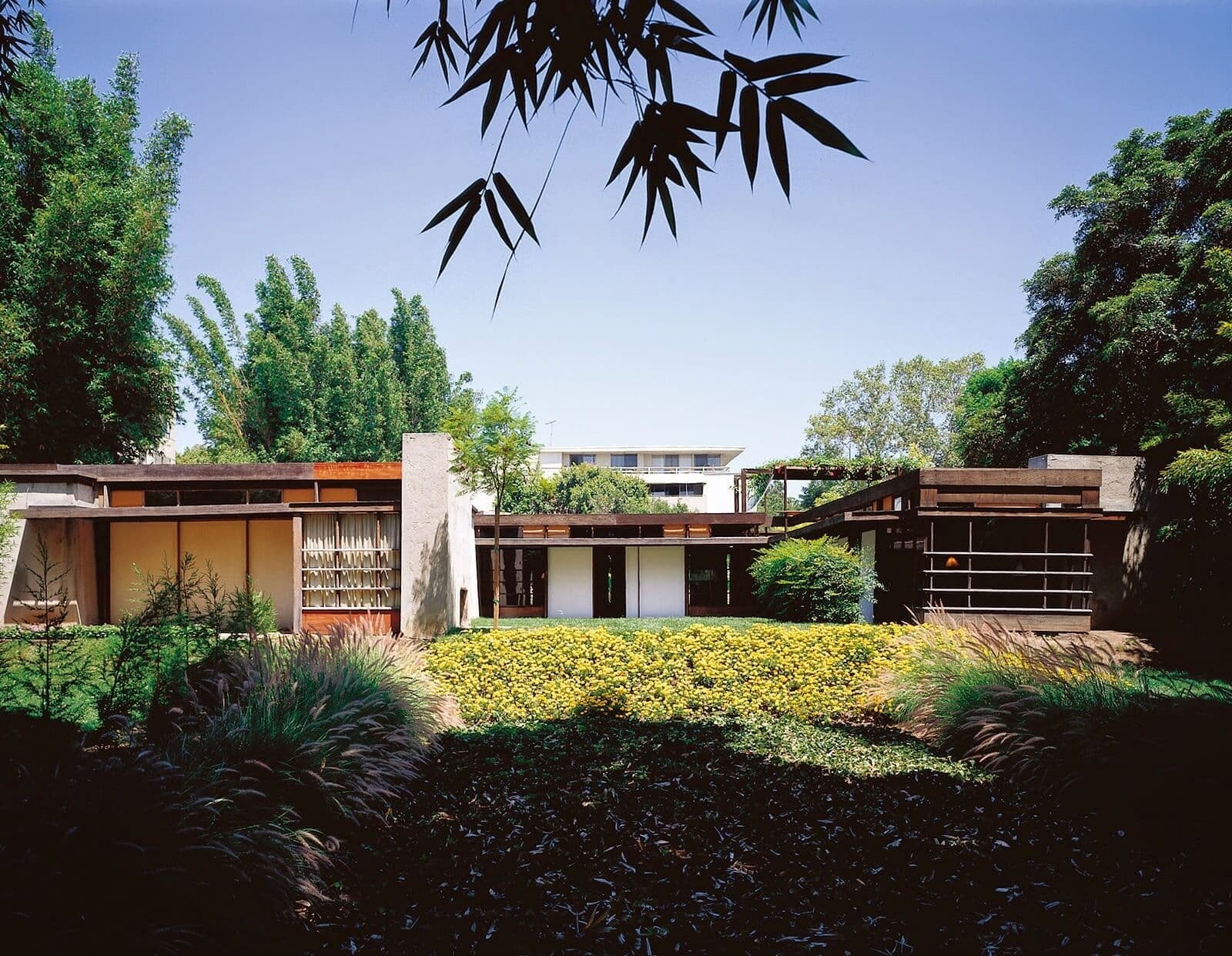
Kings Road House, later known as the Schindler House or Schindler Chace House, was designed by Rudolph M. Schindler in 1921 and completed in 1922 in West Hollywood, California. The project introduced new ideas about domestic living, construction methods, and the relationship between architecture and landscape.
During his studies in Vienna, Schindler developed an interest in the work of Frank Lloyd Wright and moved to the United States shortly before the First World War. By 1918, he had joined Wright’s office. In 1919, he married Pauline Gibling, a music teacher and political activist whose views on social organization and communal living influenced the development of their future home.
A visit to Taliesin in 1920 shaped the couple’s interest in architecture that could integrate dwelling and landscape. After relocating to Los Angeles, Schindler became familiar with the work of Irving Gill, particularly his experiments with tilt-slab concrete construction. Gill’s construction methods and Wright’s integration of architecture and nature informed the design that Schindler developed during late 1921.
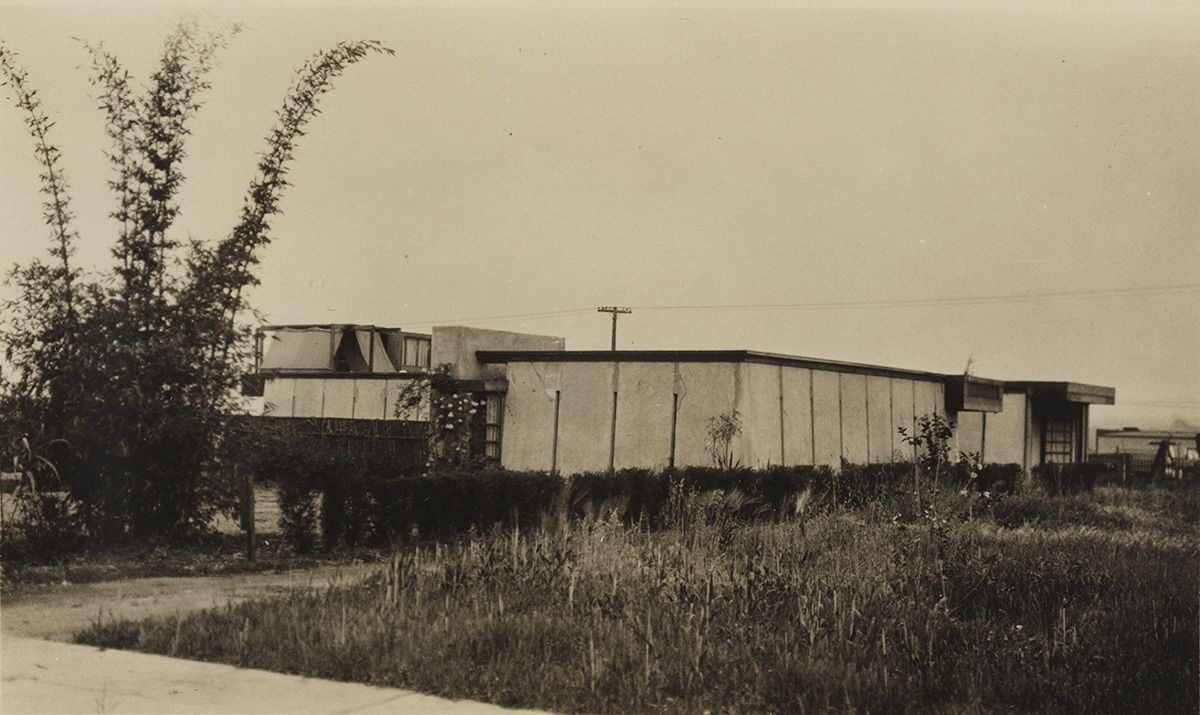
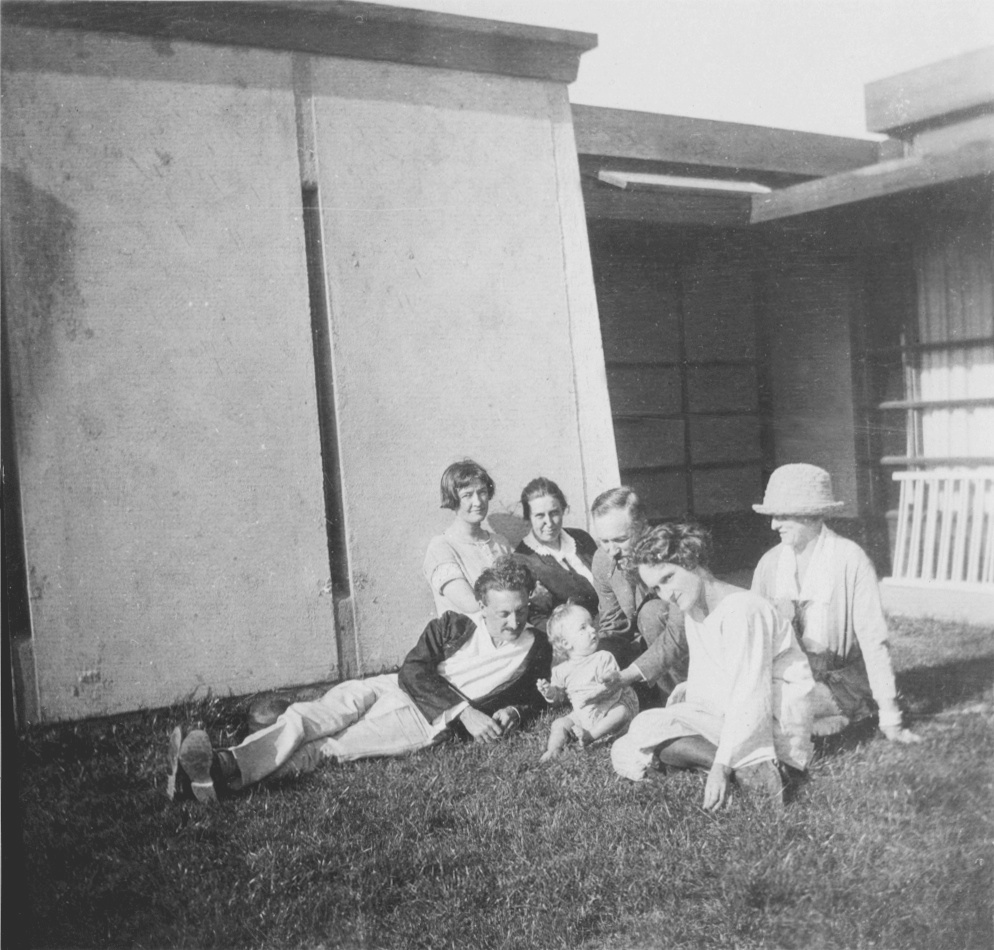
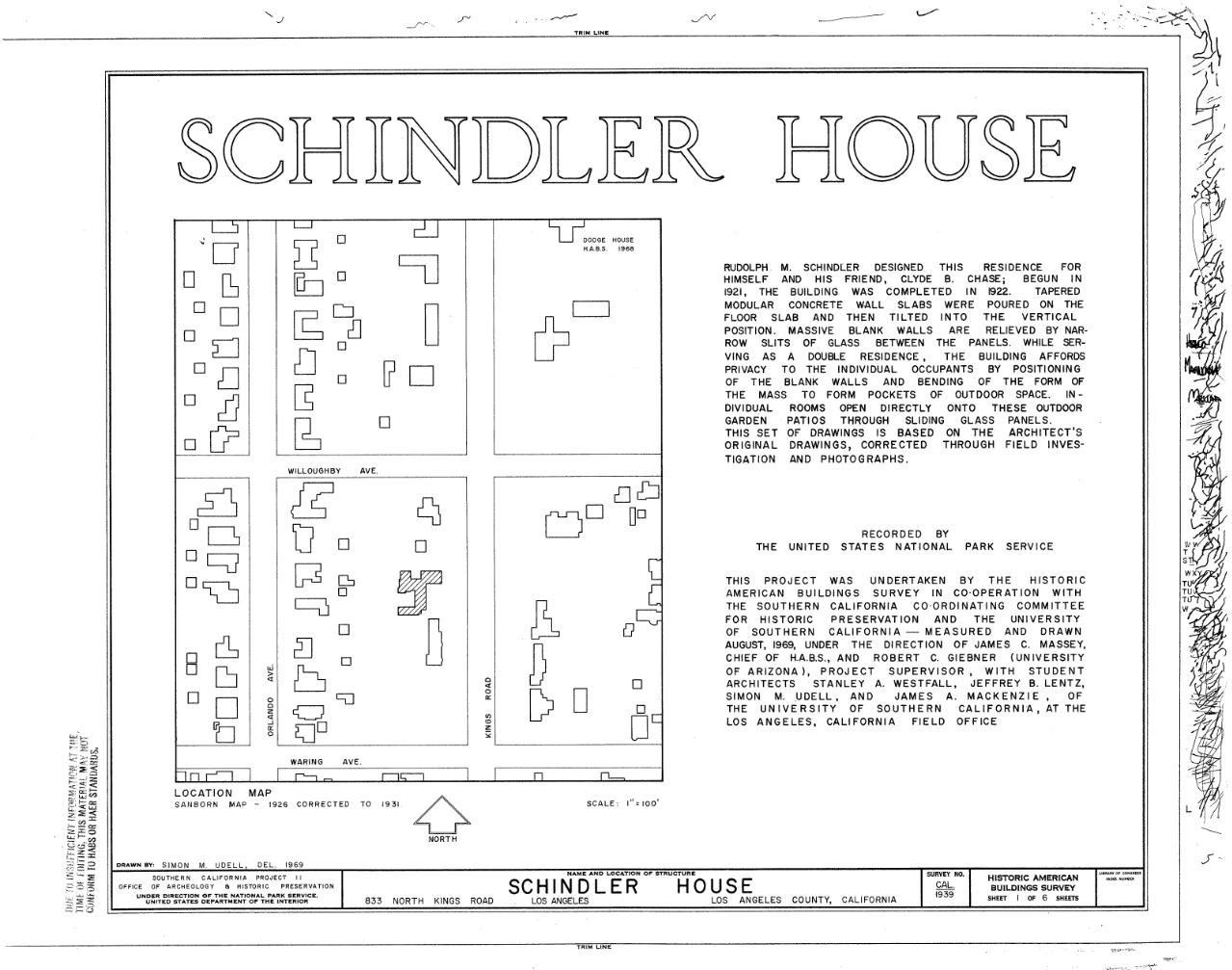
Kings Road House was conceived as a cooperative dwelling for two couples: Rudolf and Pauline Schindler and Clyde and Marian Chace. Schindler served as architect while Clyde Chace acted as builder, reducing construction costs. The site occupied approximately 1,858 m² (20,000 ft²) on largely undeveloped land between Hollywood and Beverly Hills.
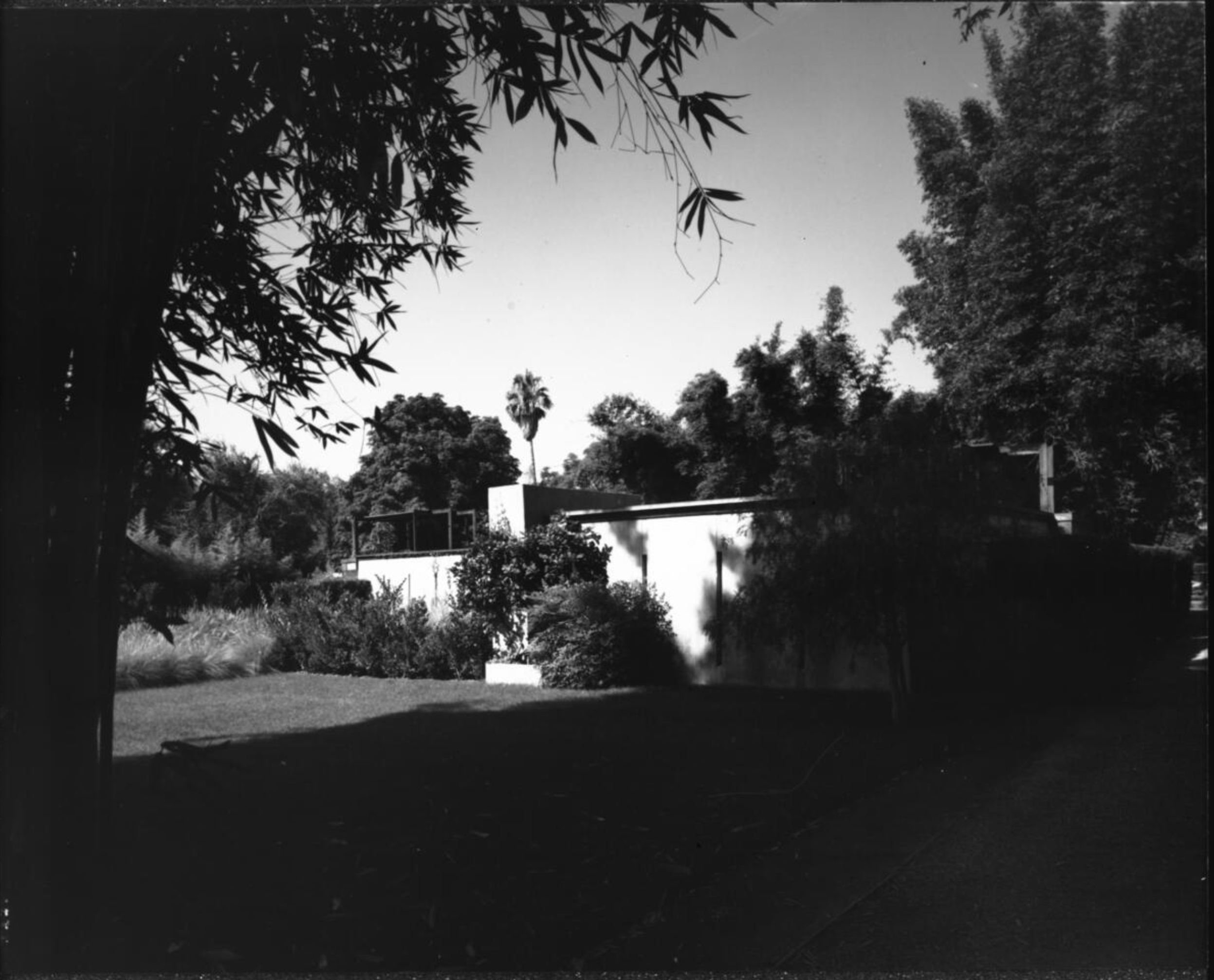
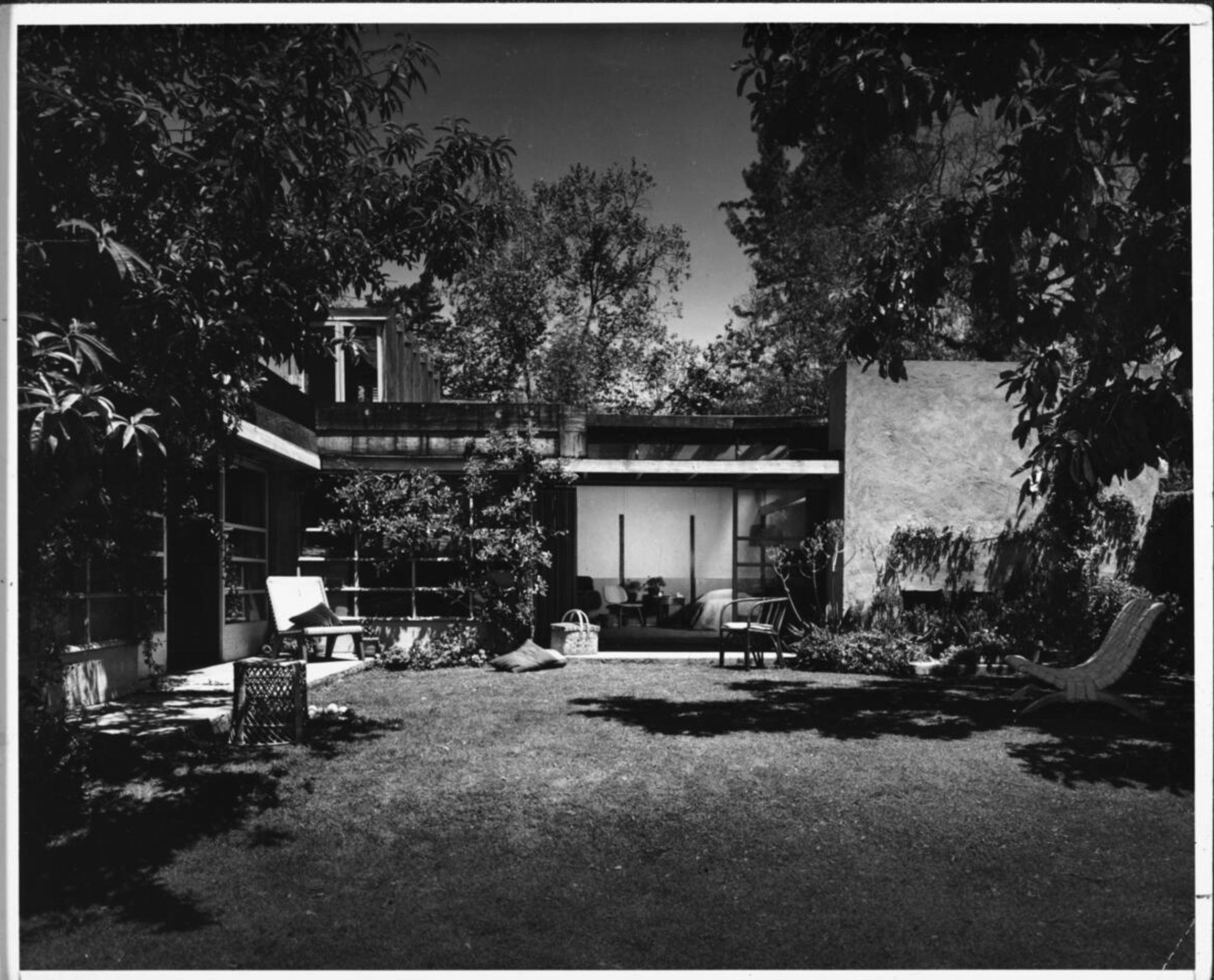
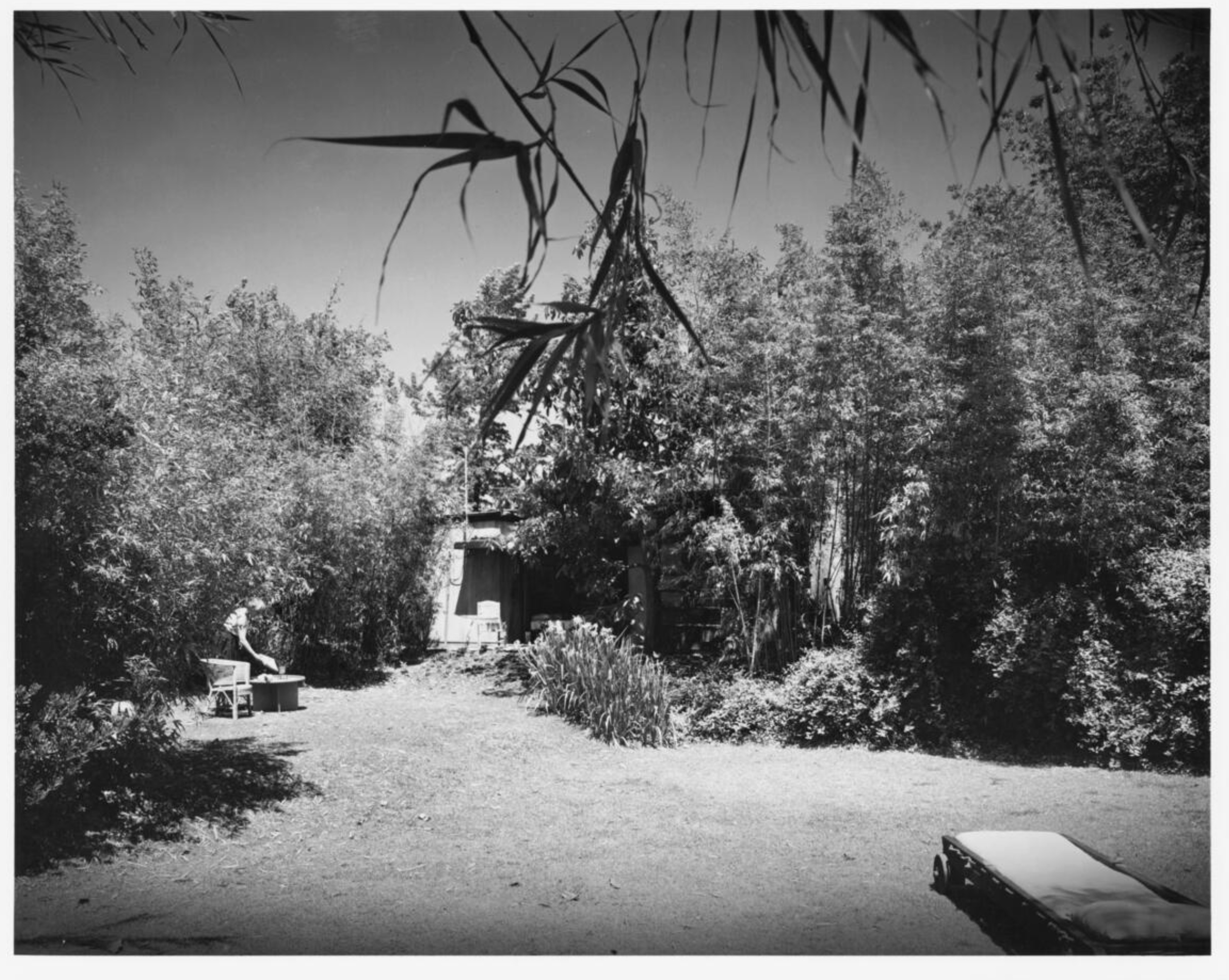
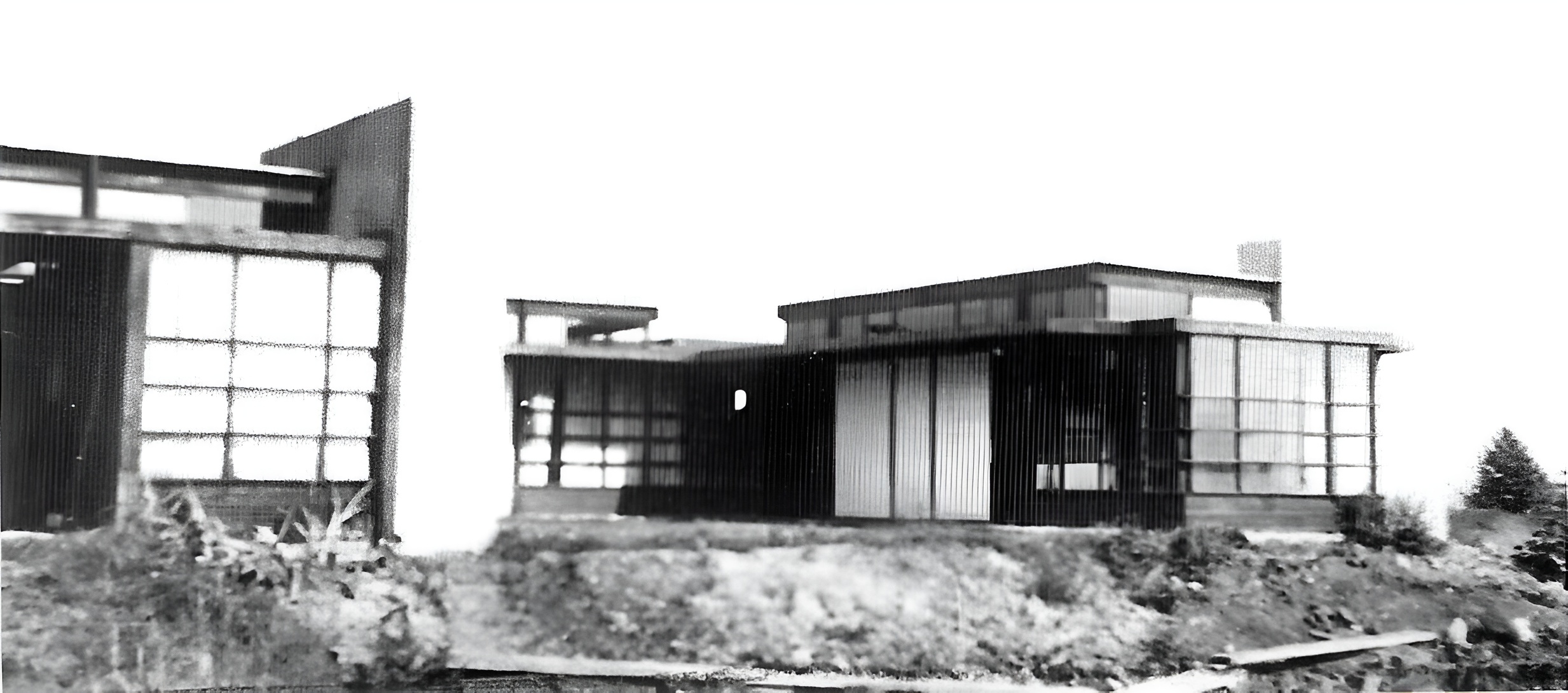
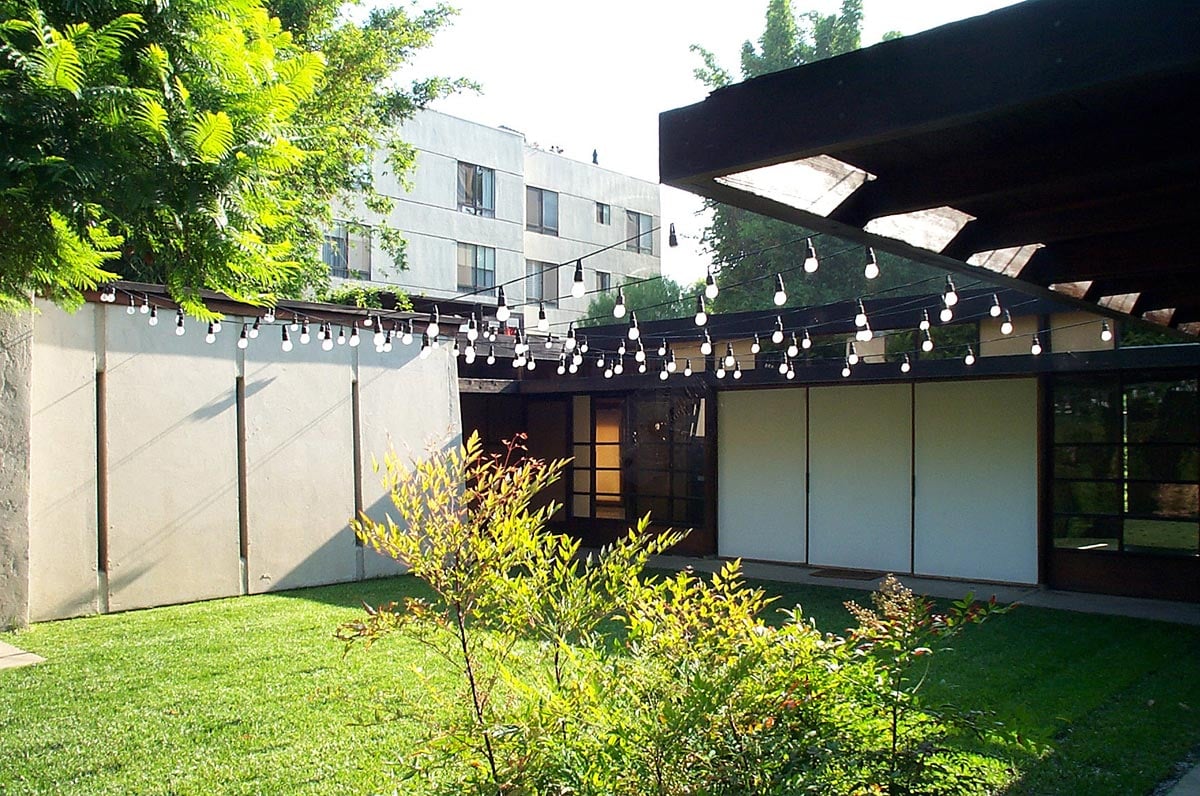
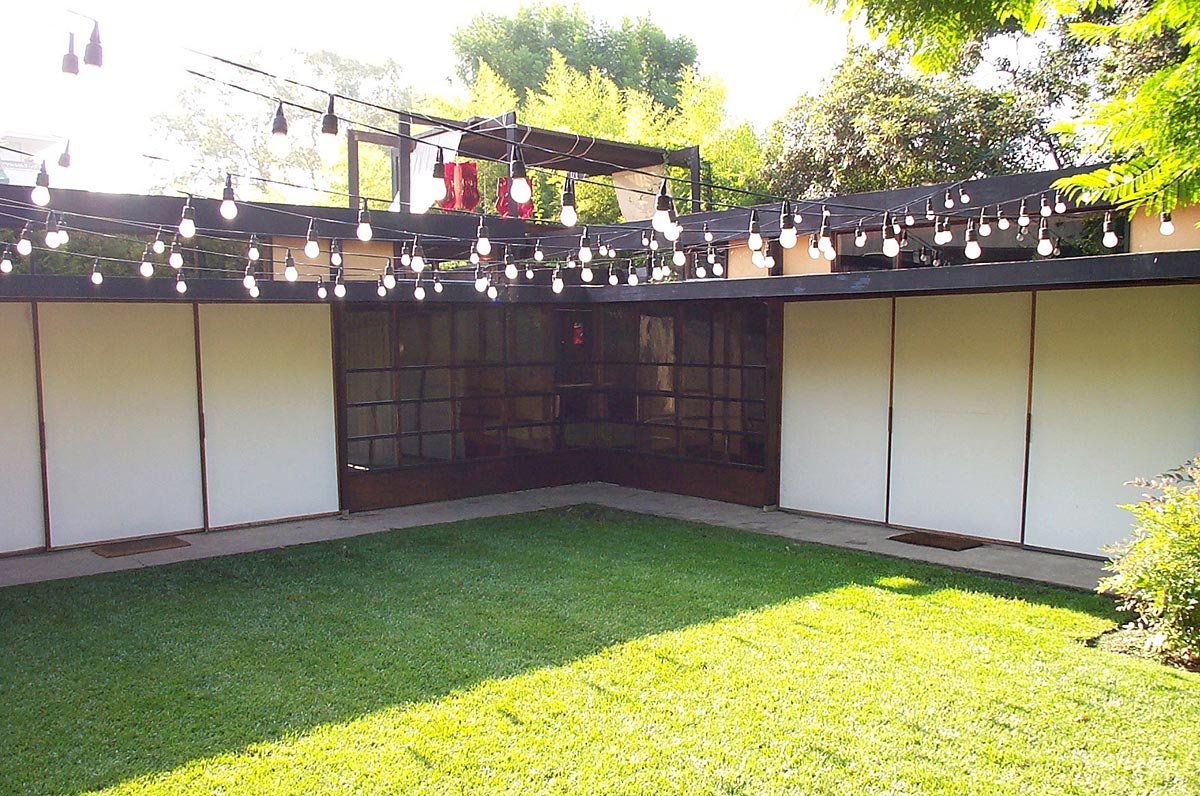
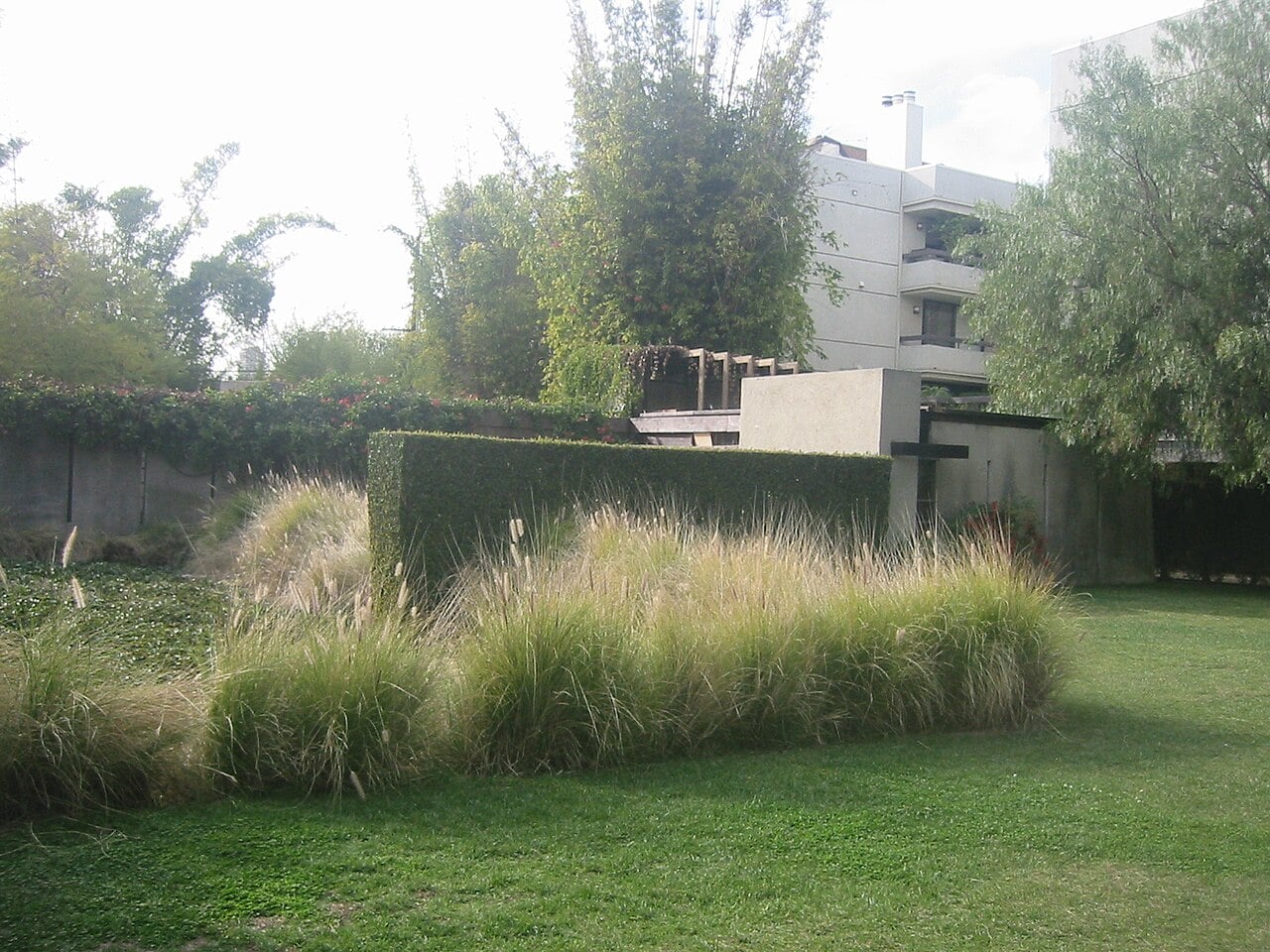
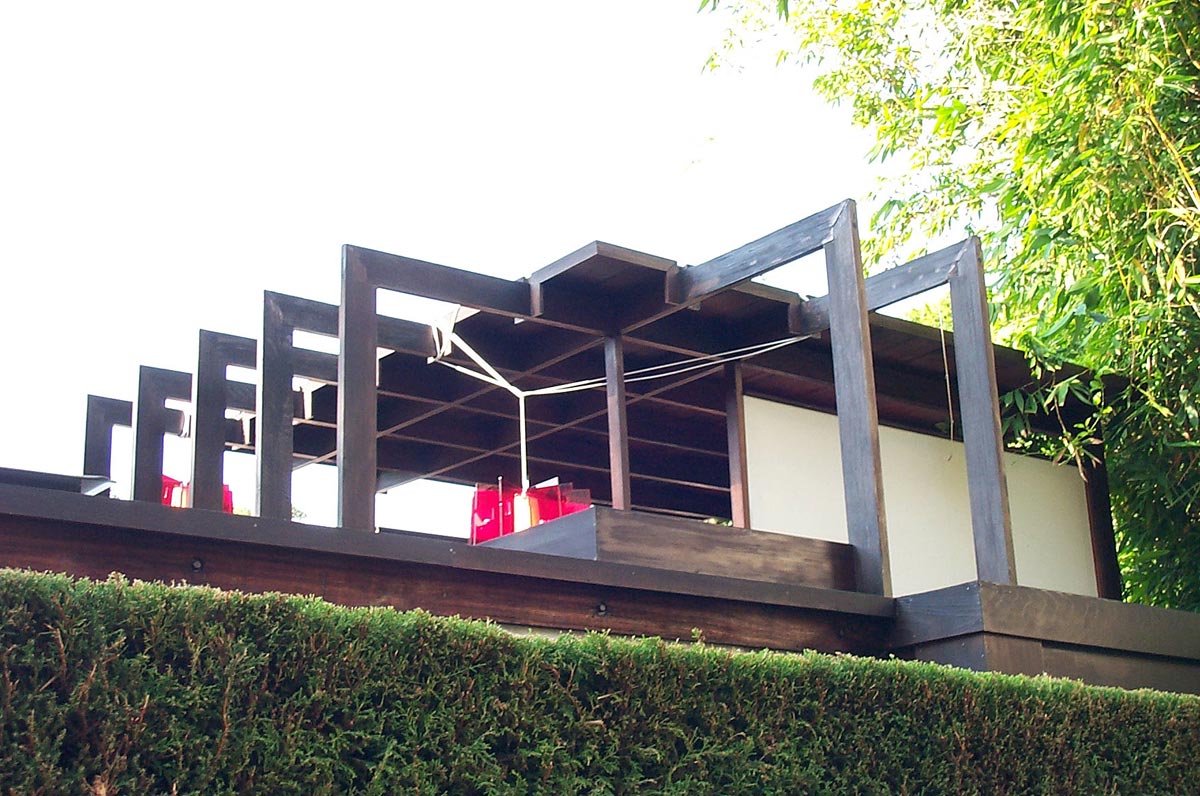
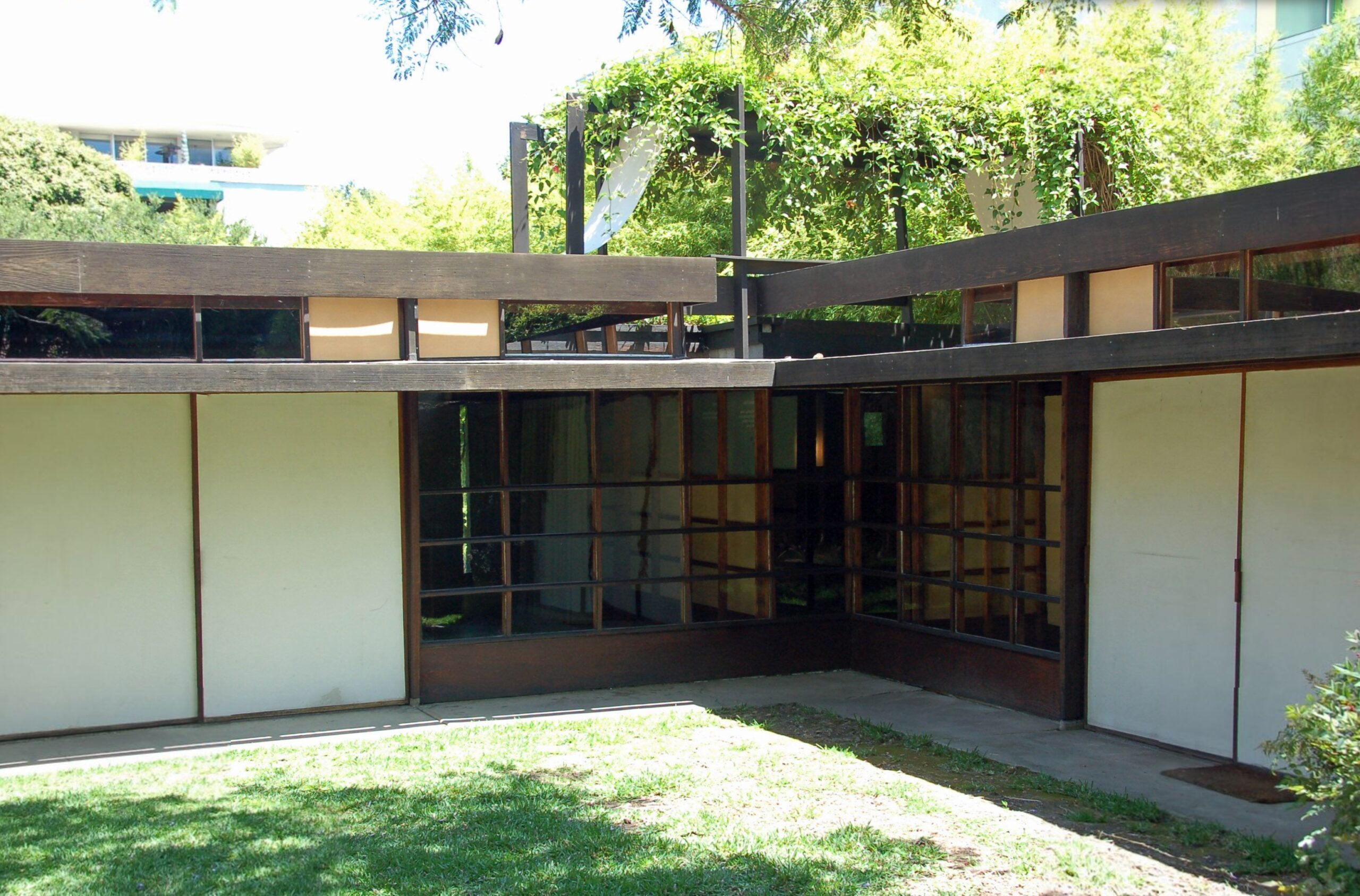
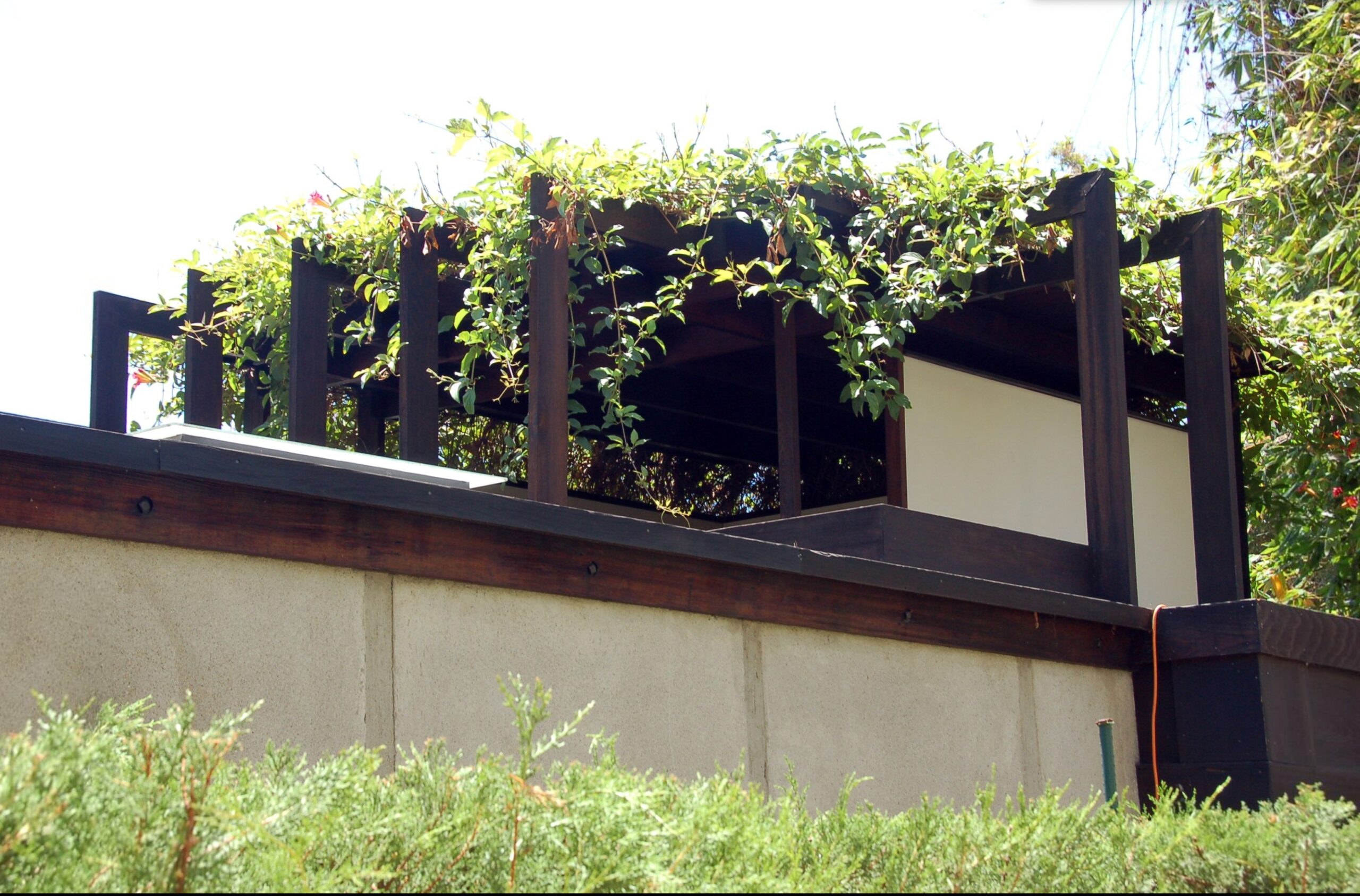
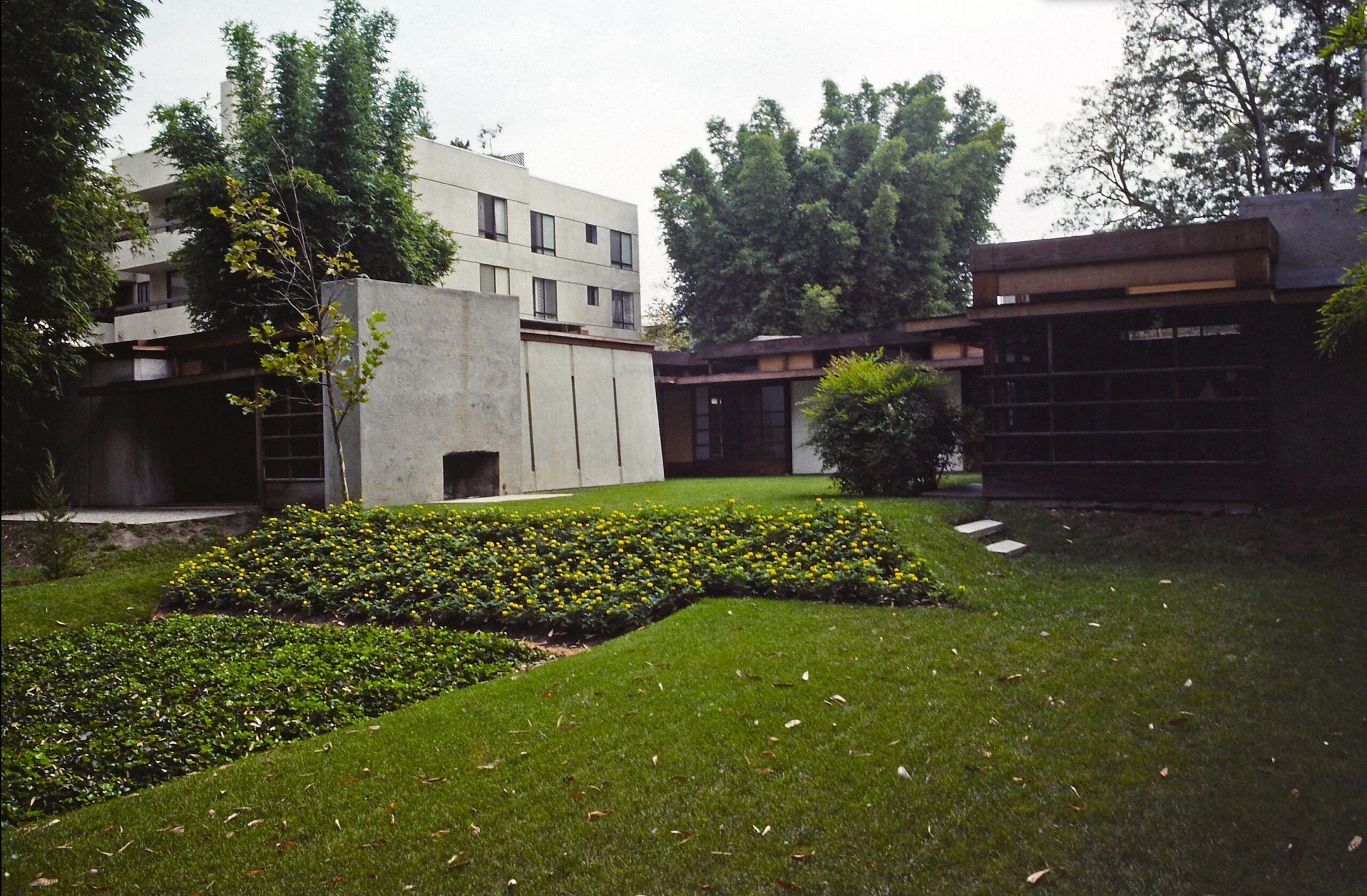
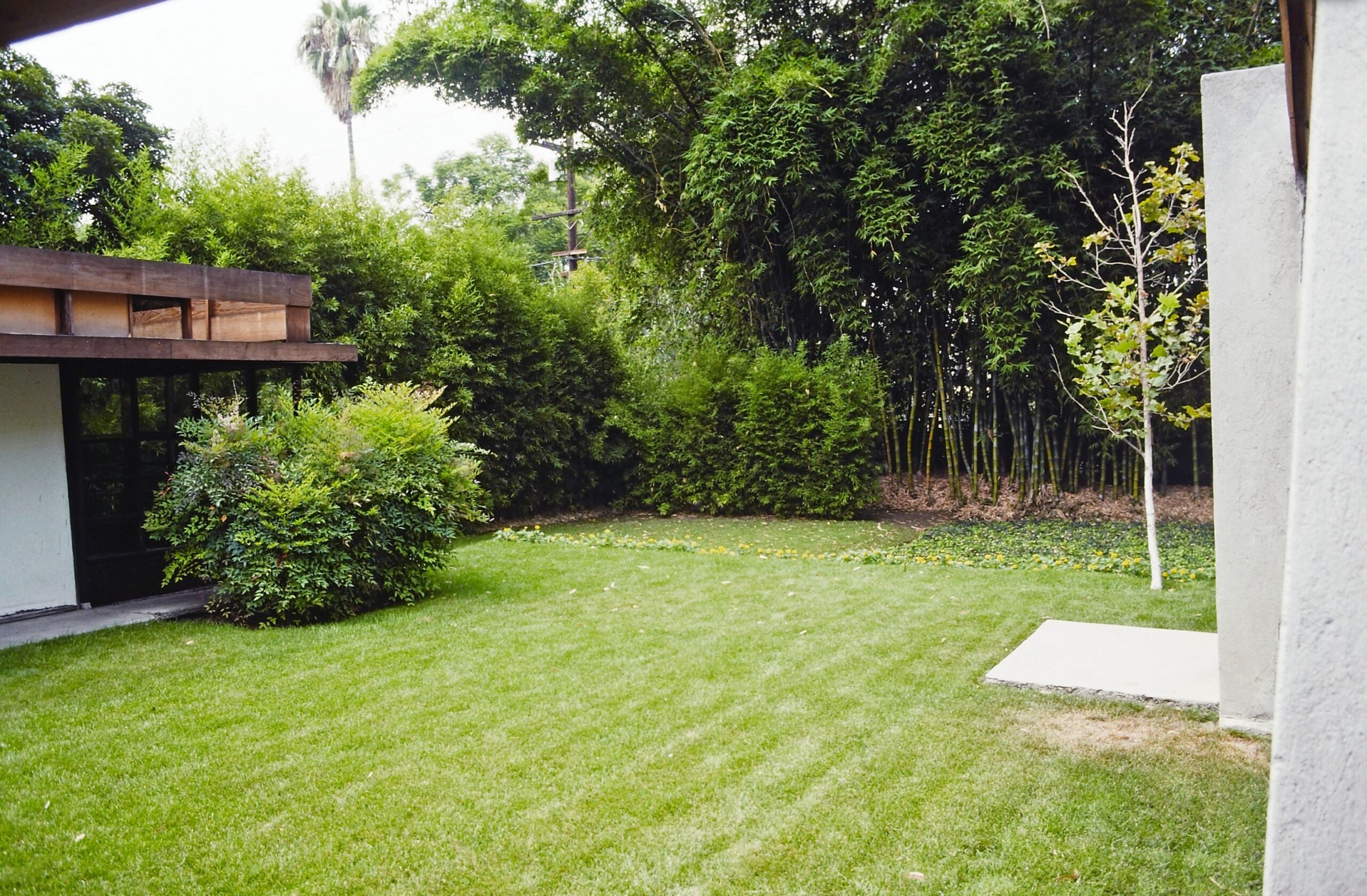
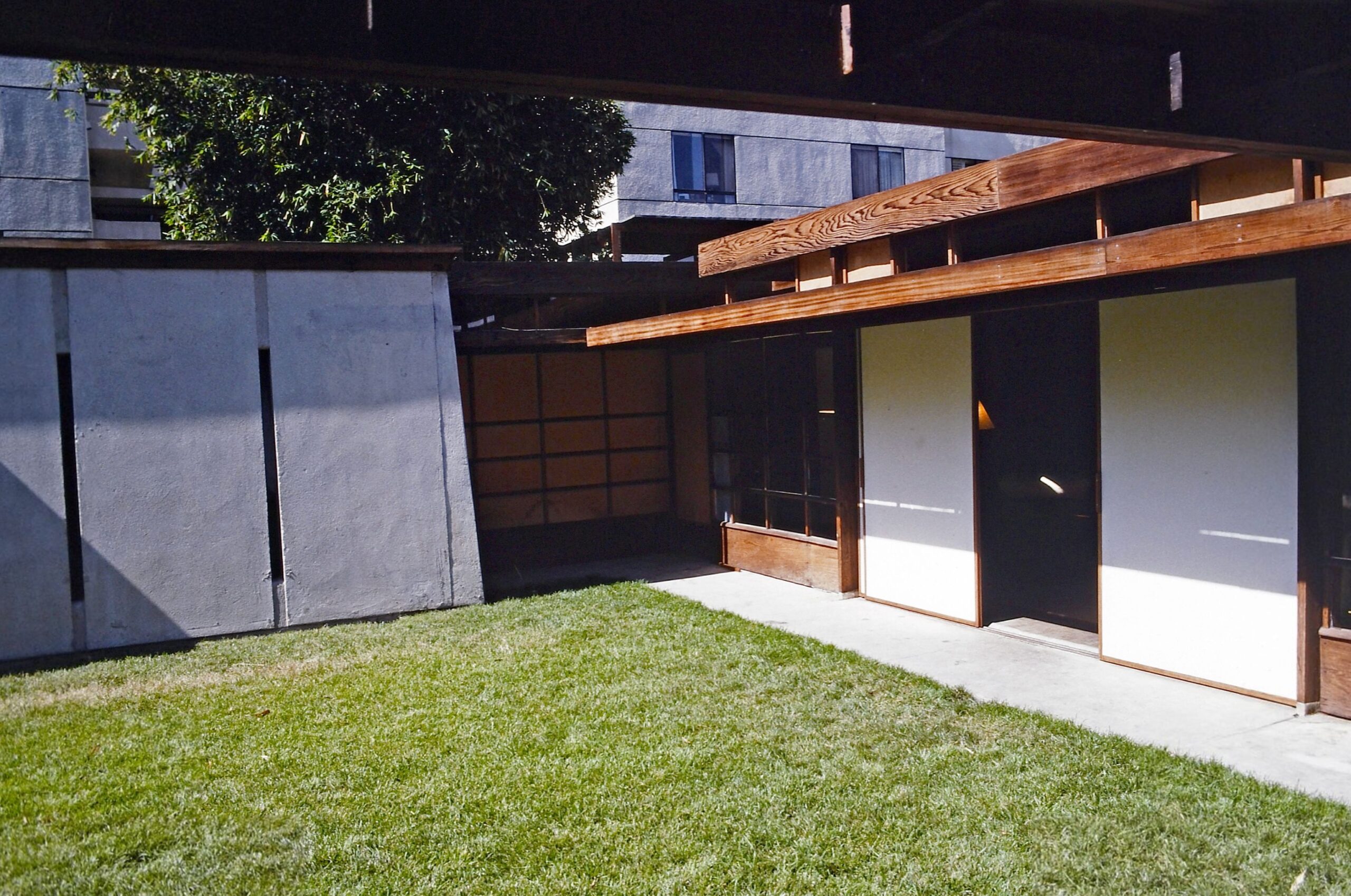
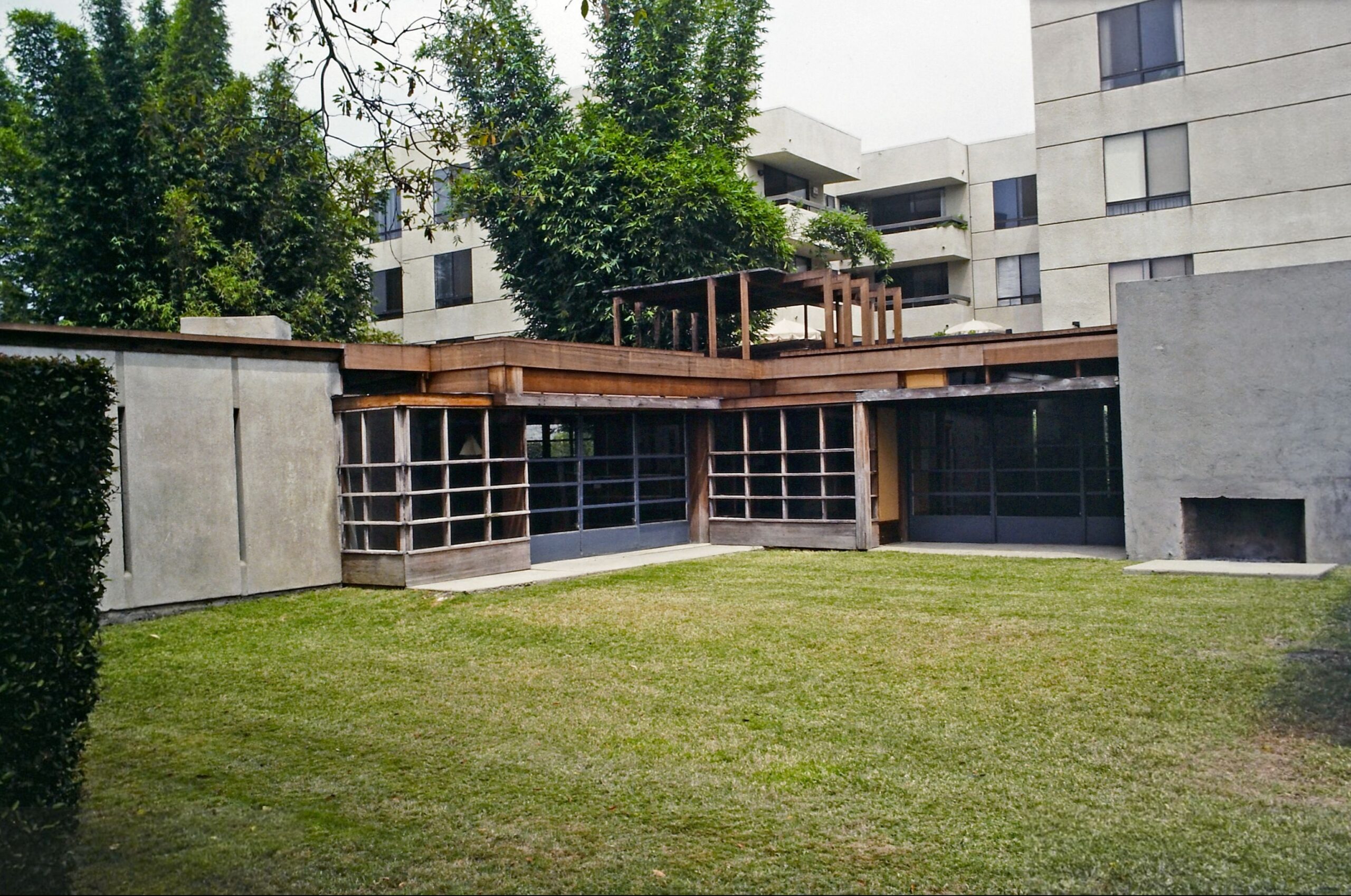
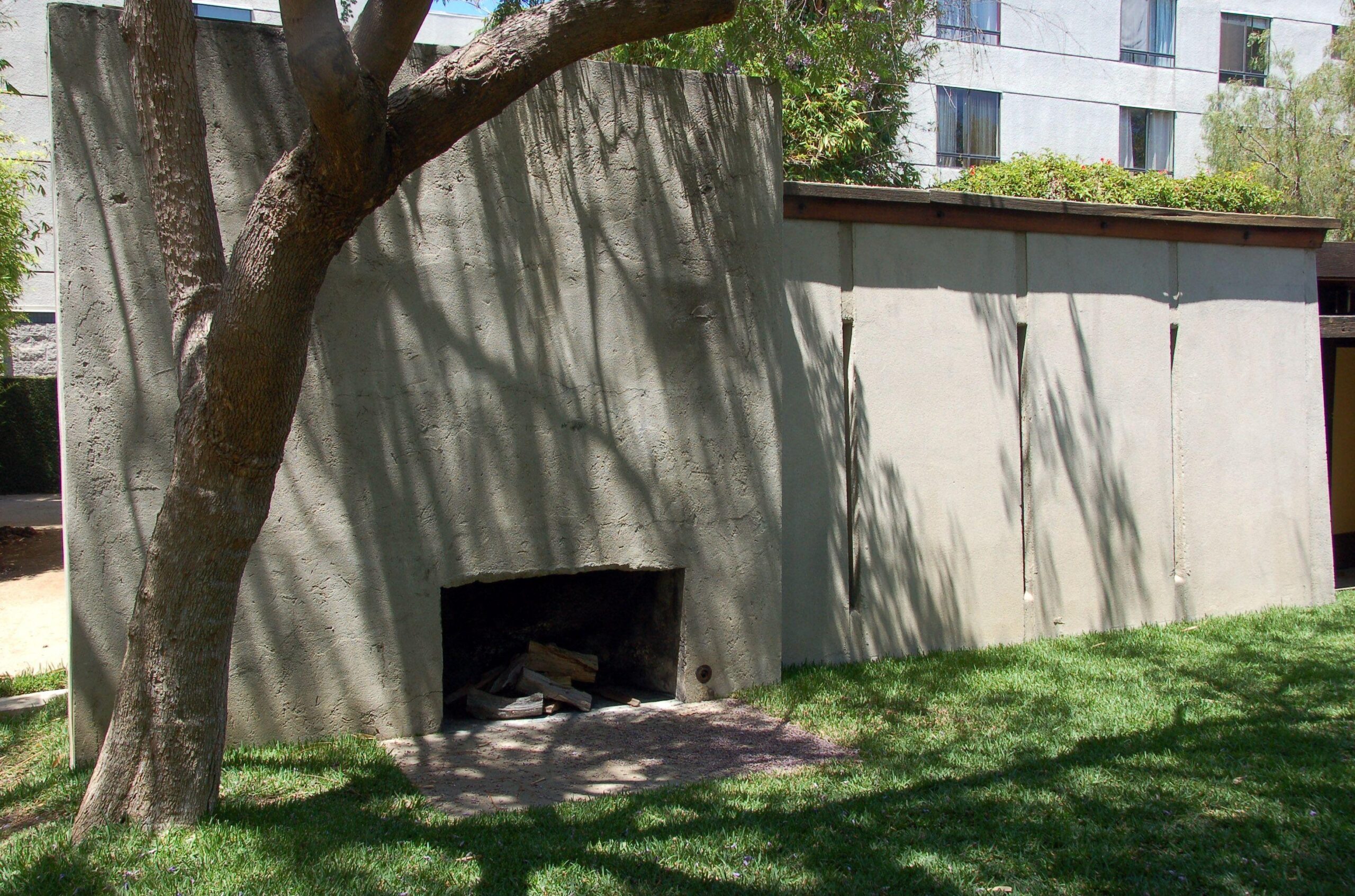
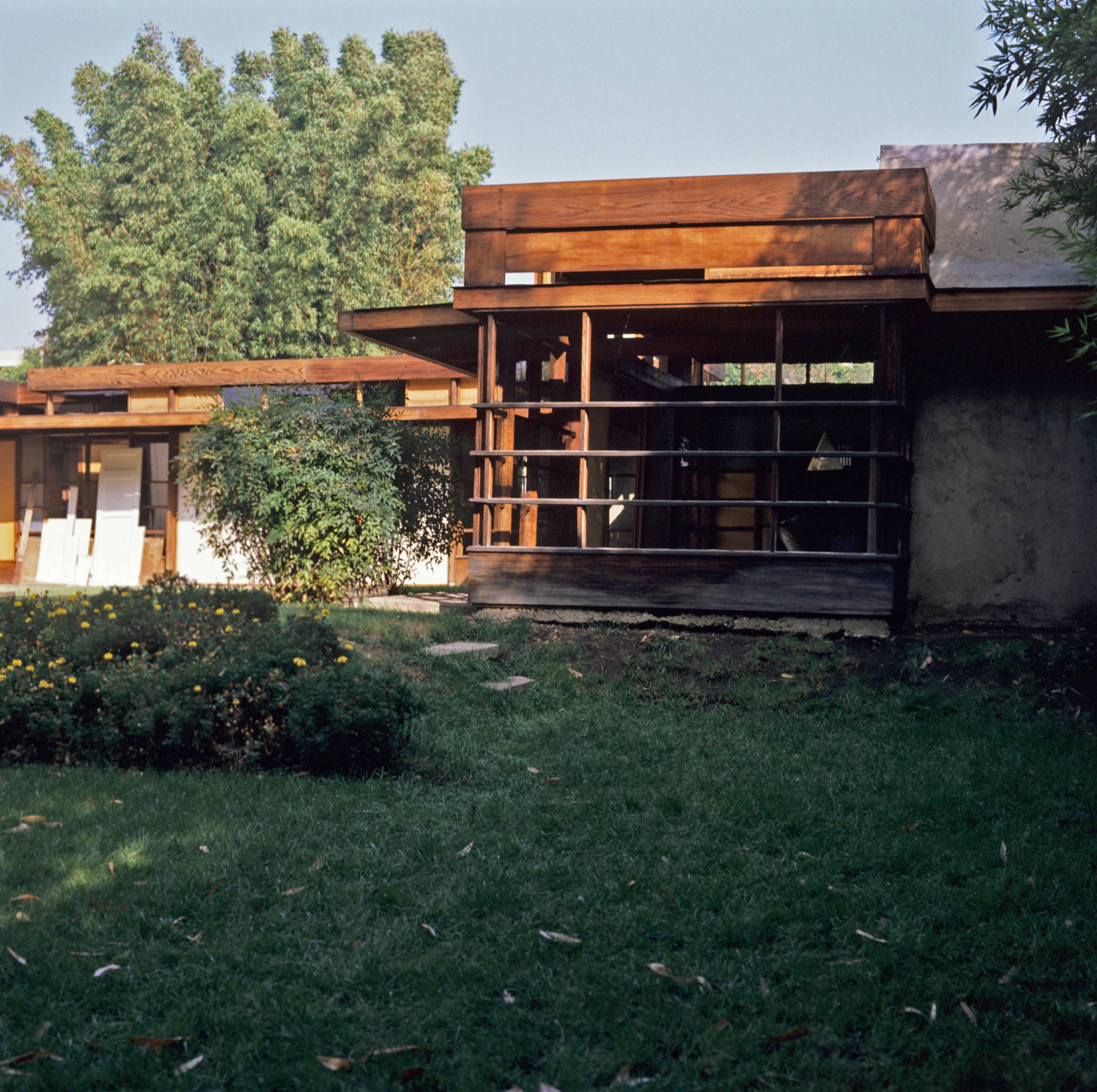
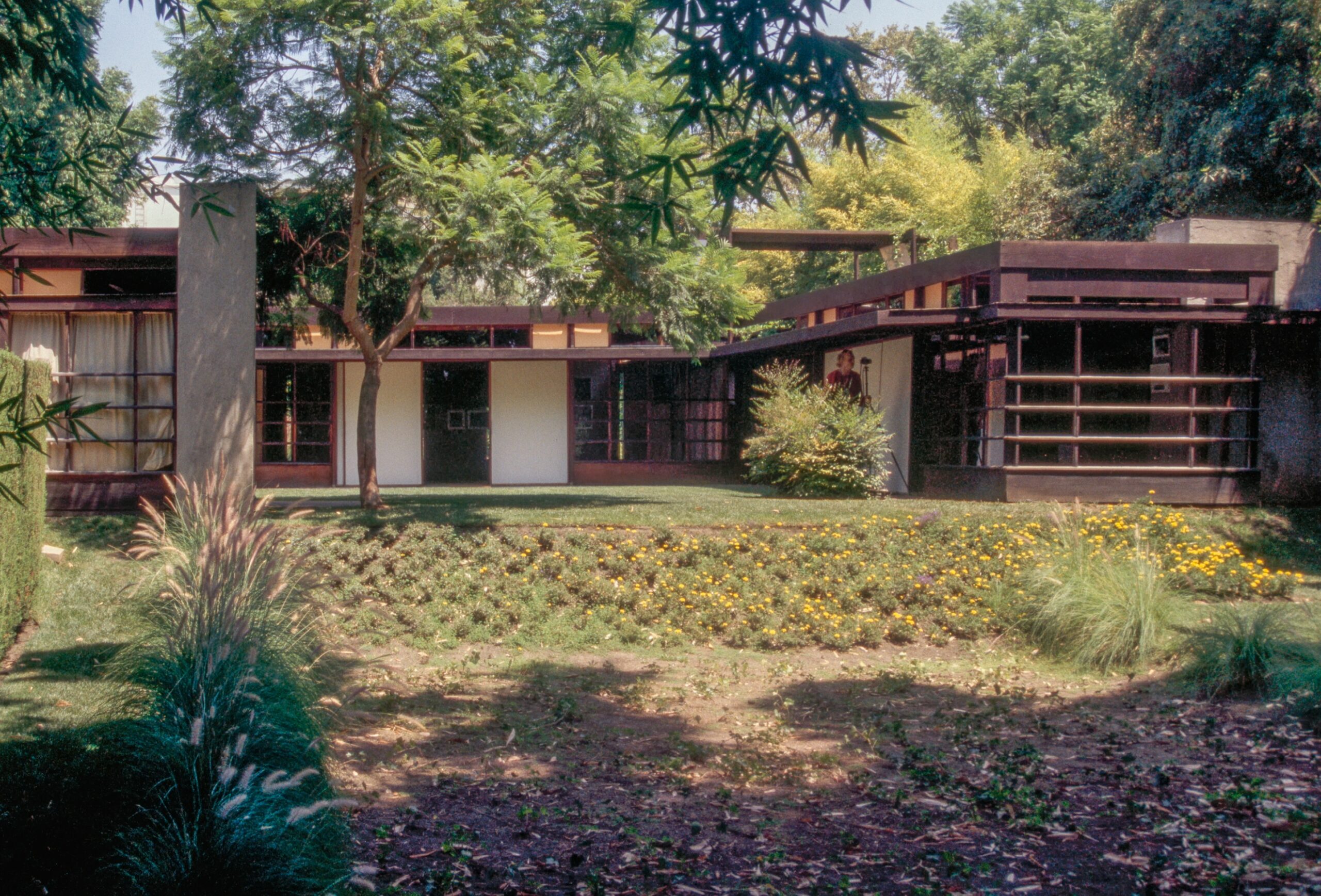
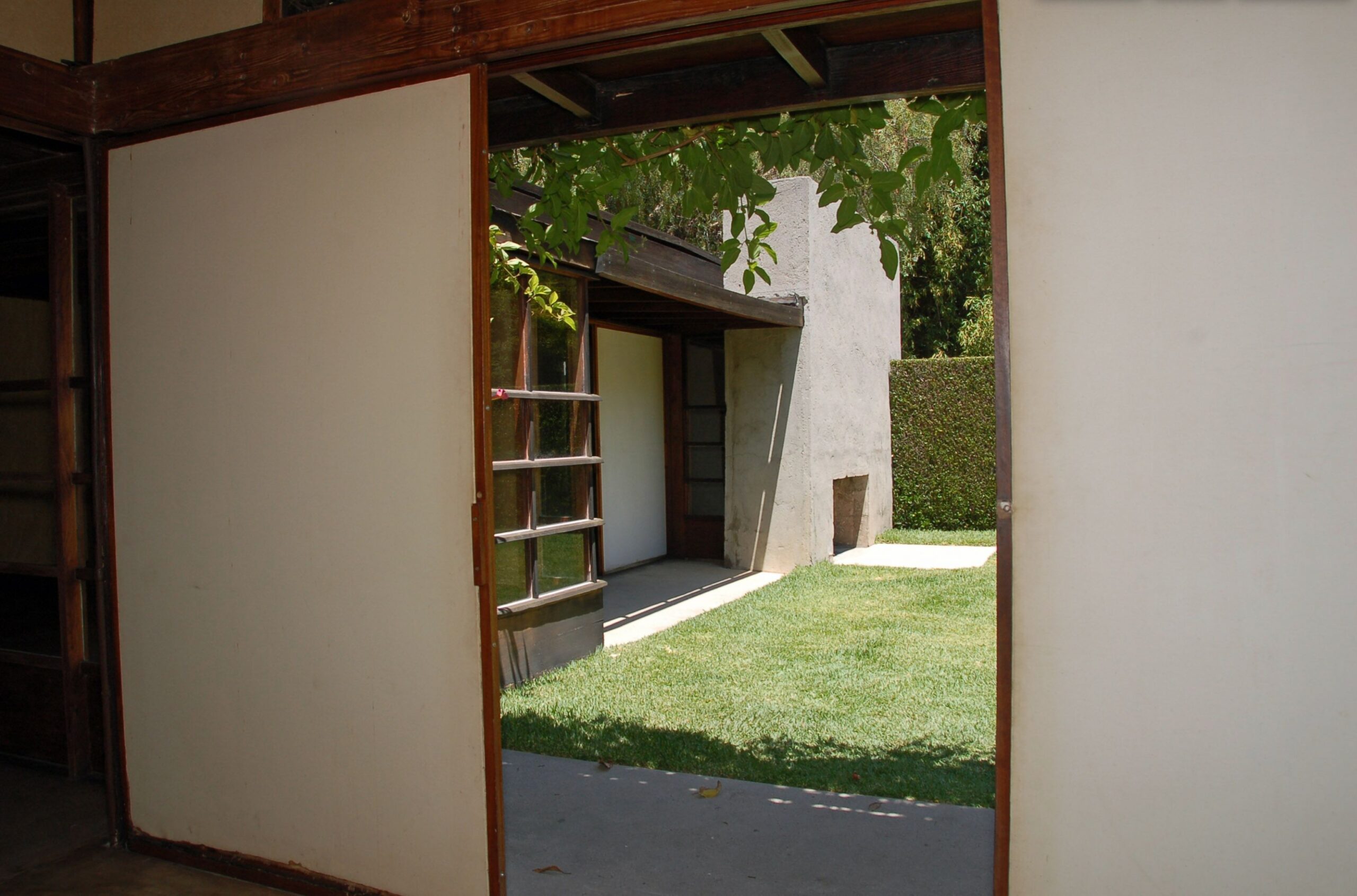
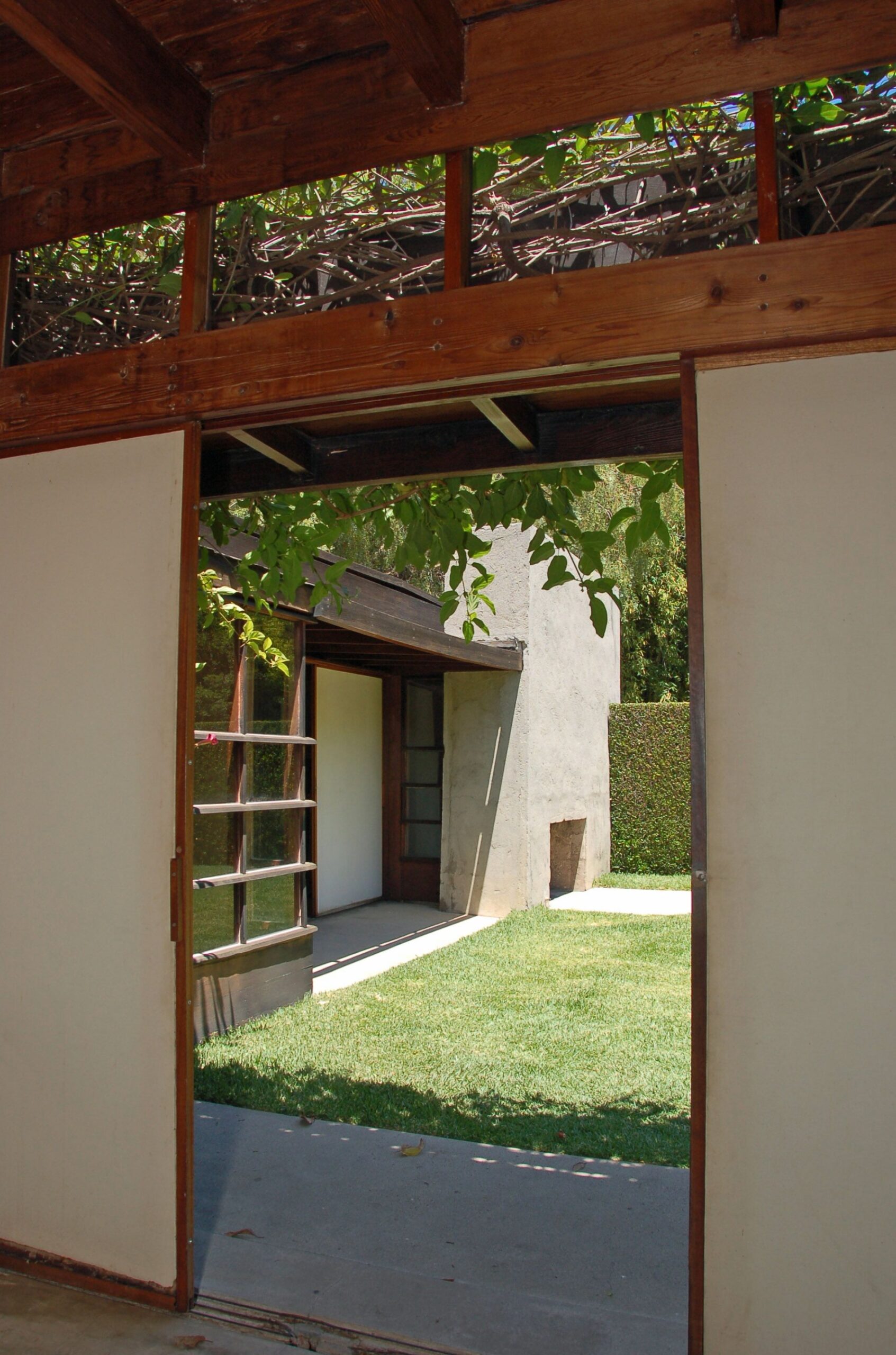
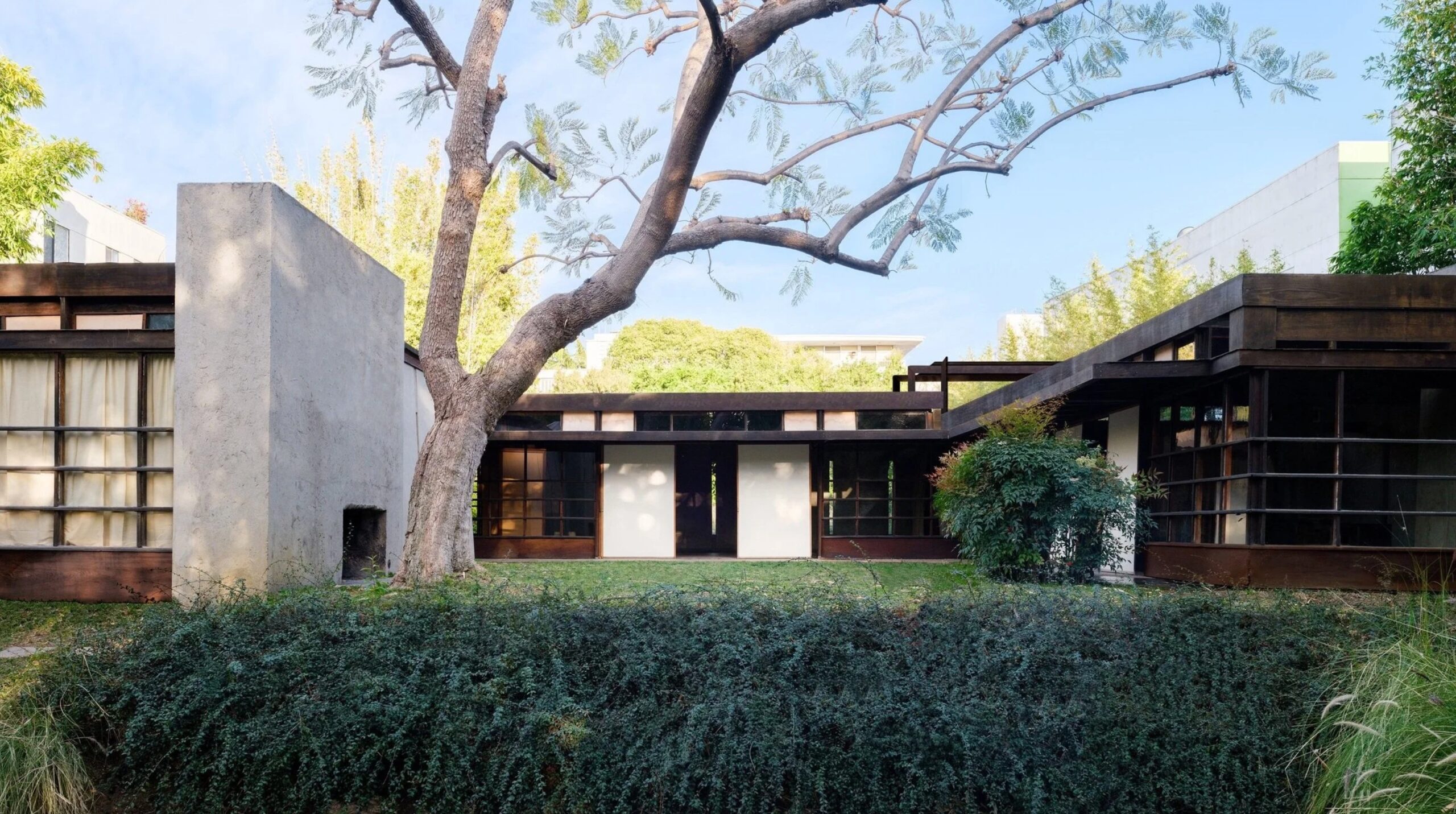
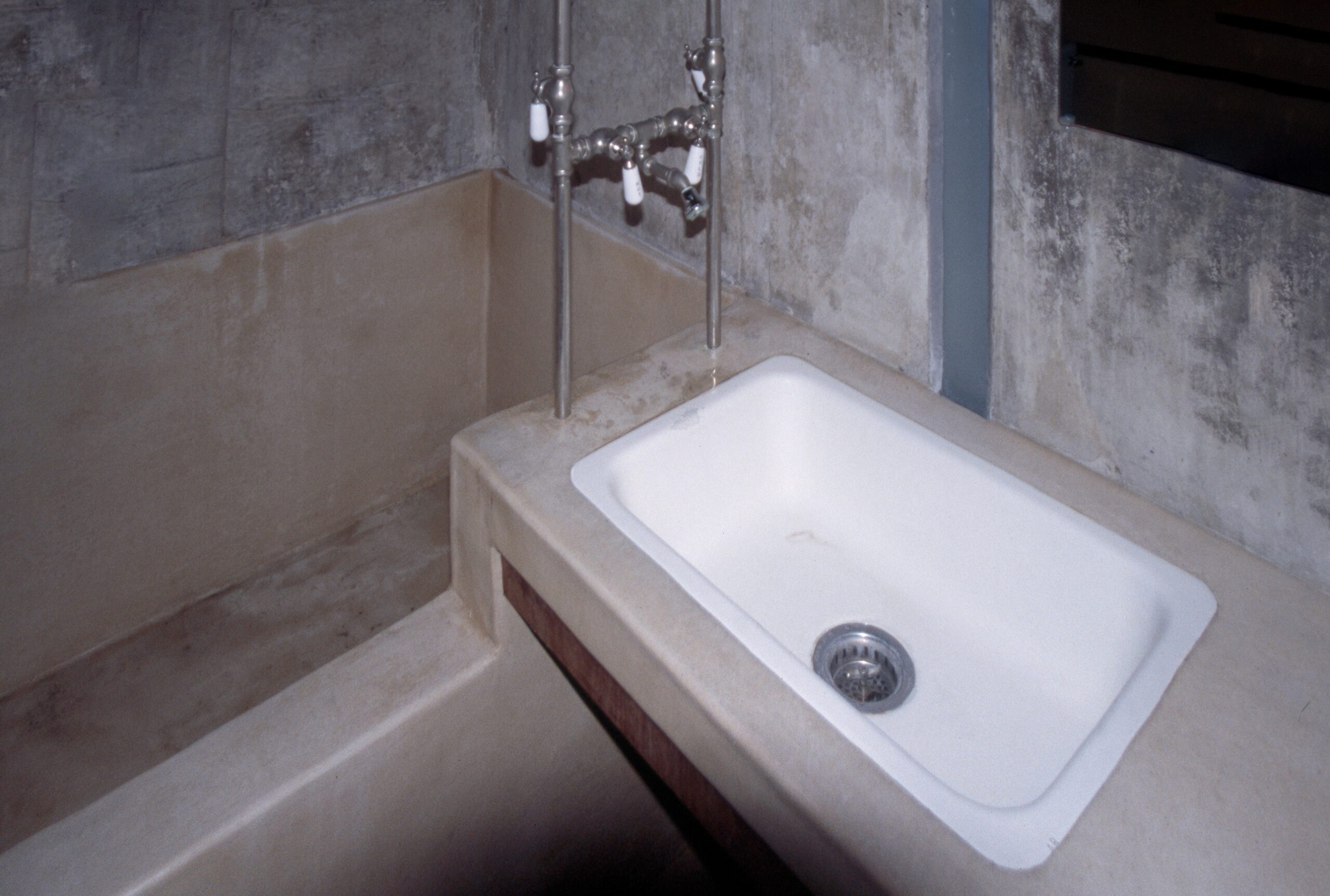
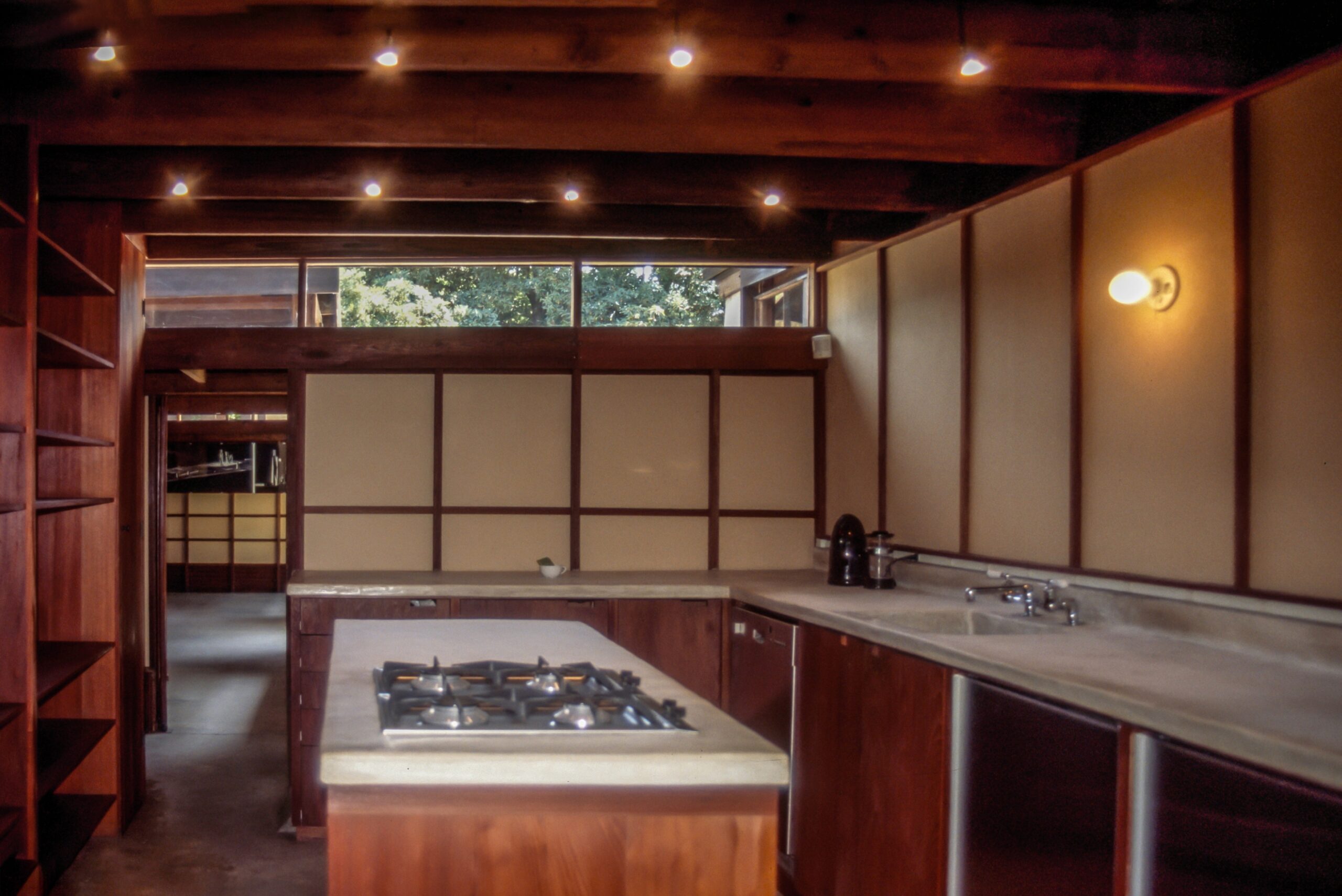
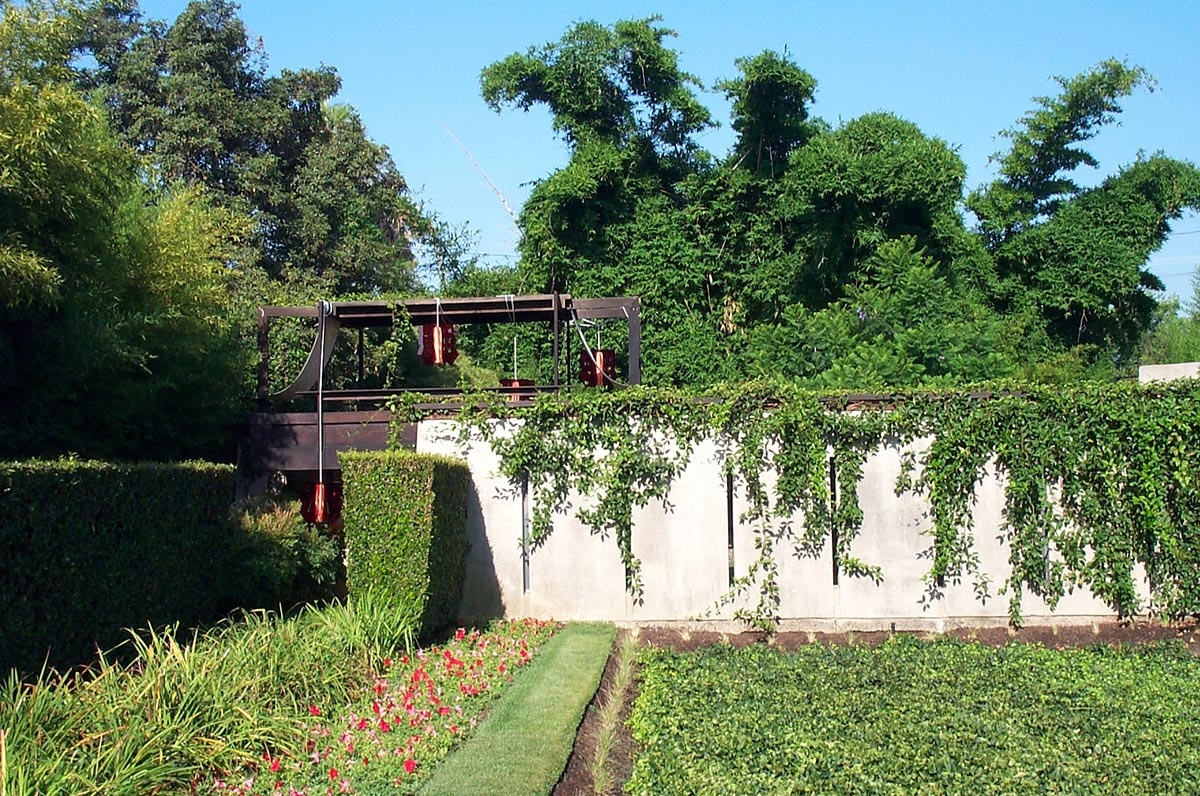
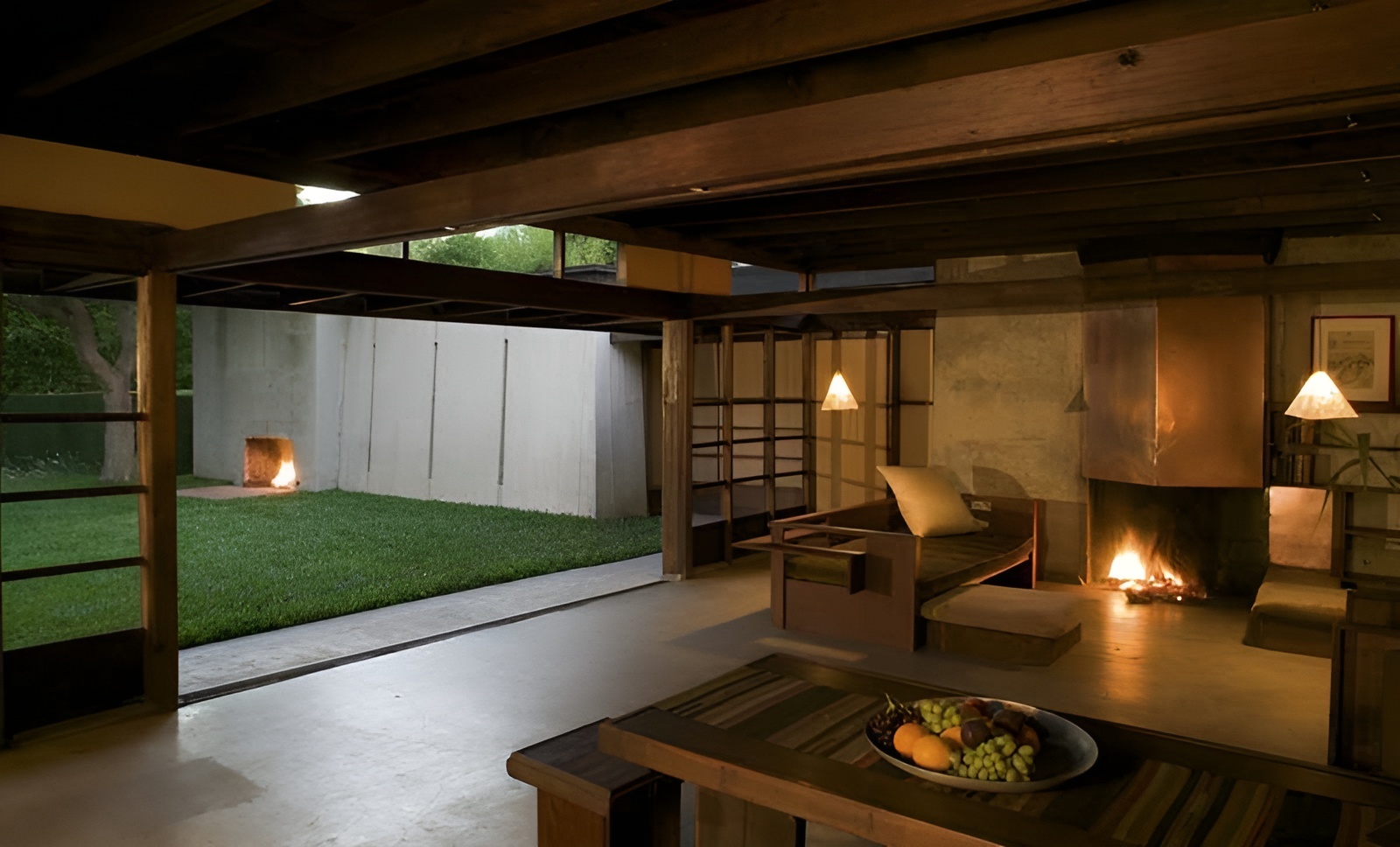
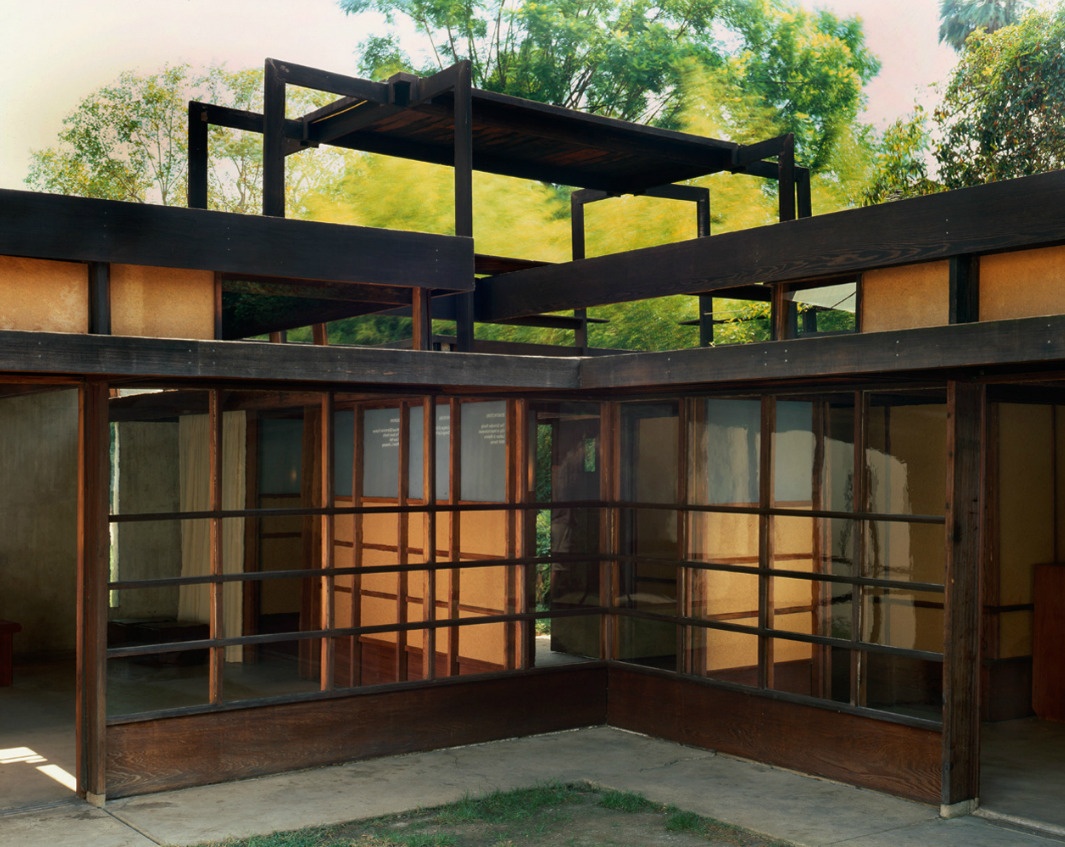
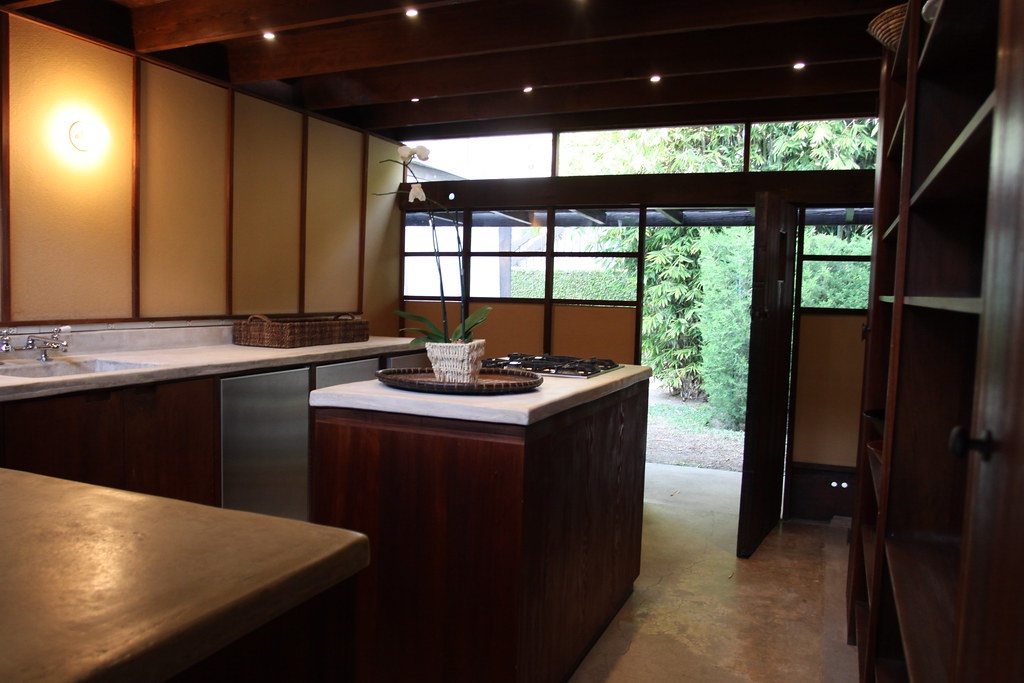
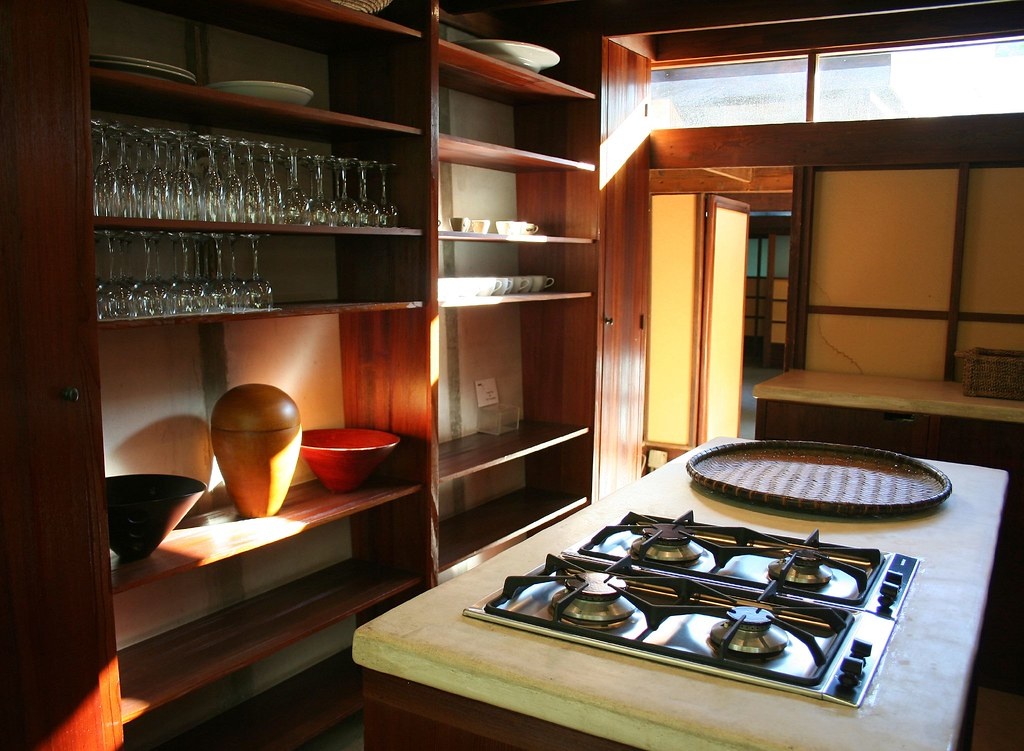
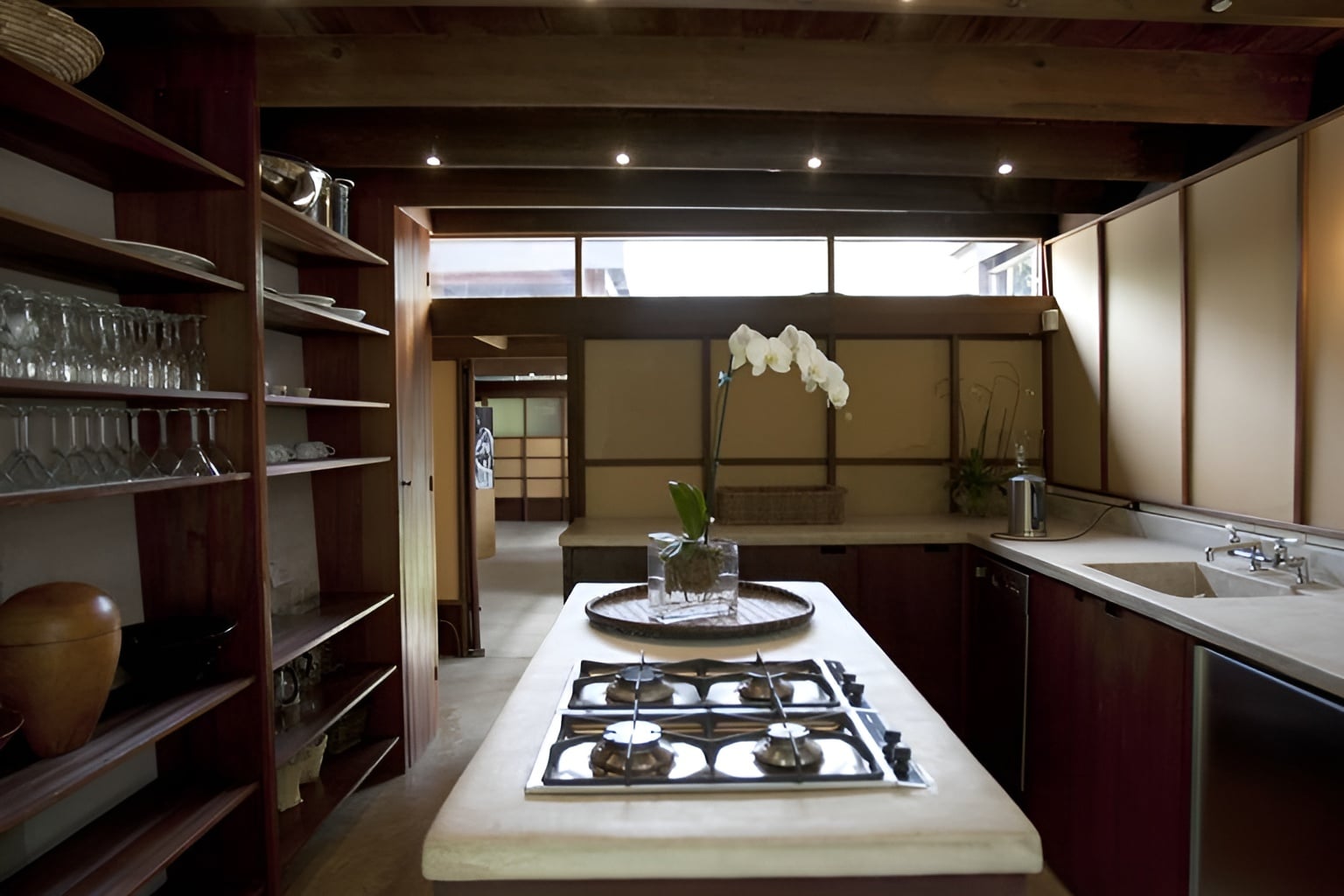
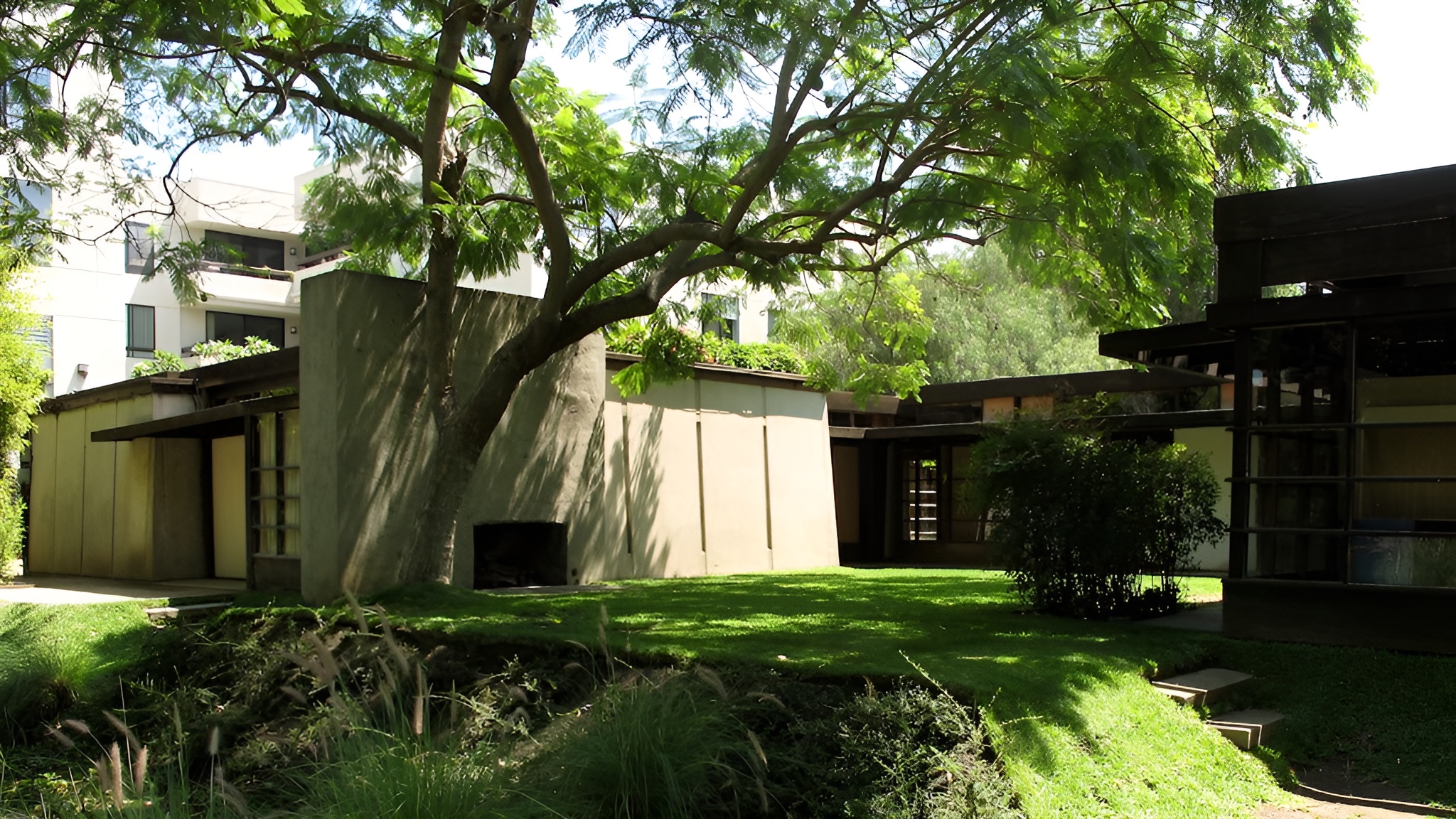
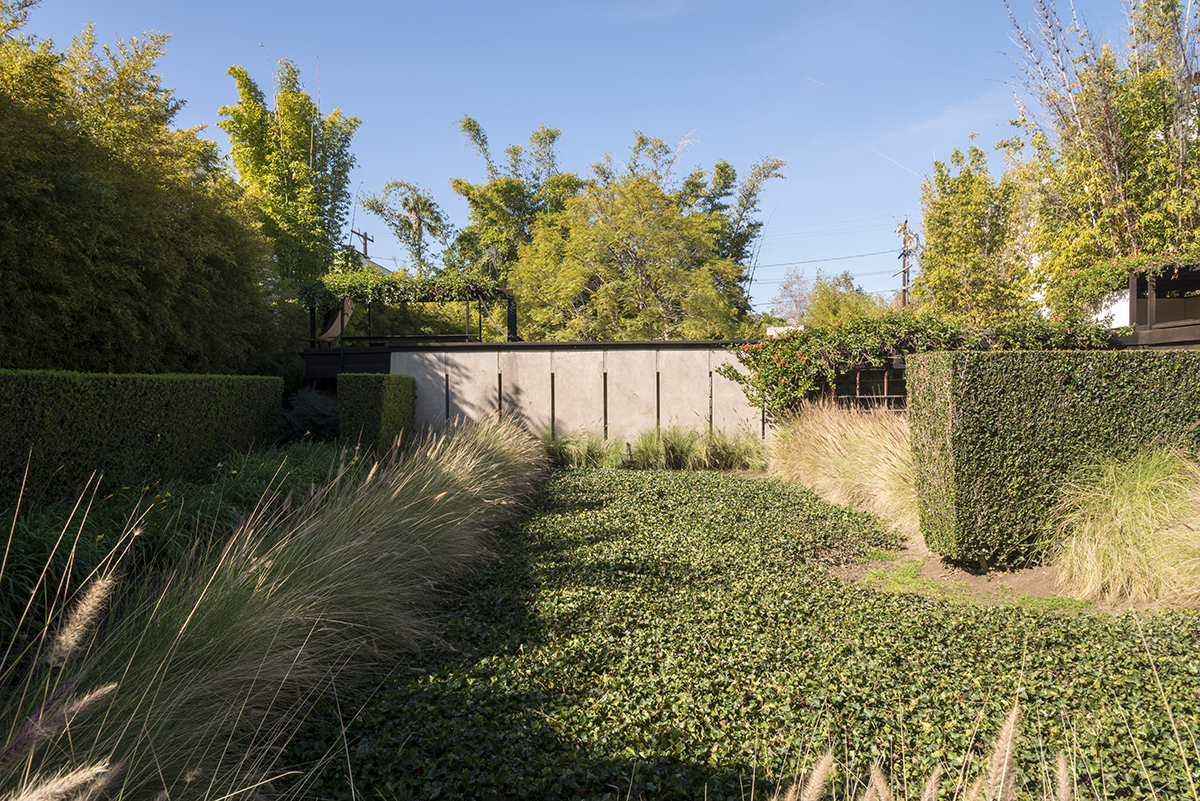
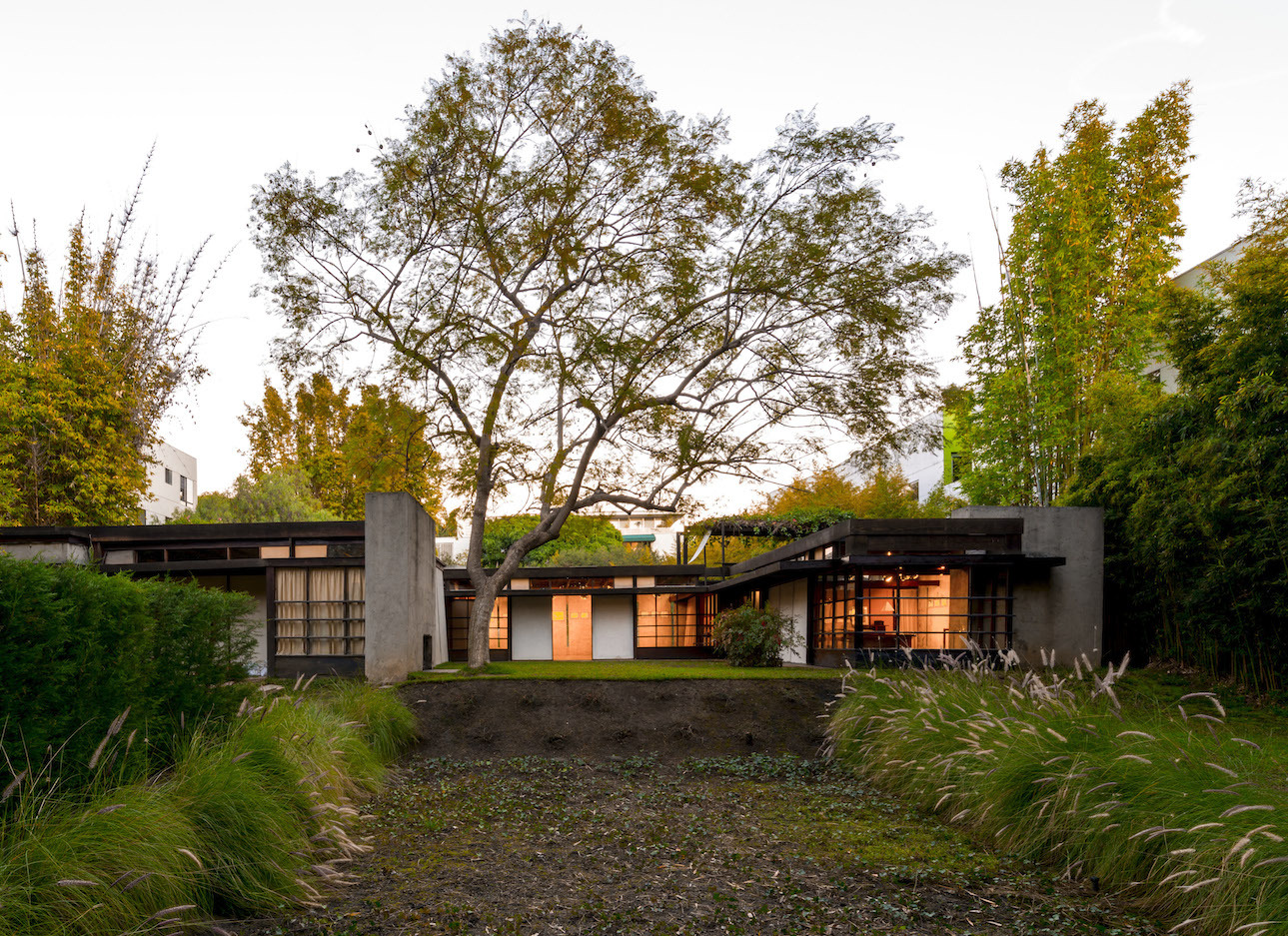
The final design emerged after four planning stages completed between November and December 1921. The project organized four private studios around shared spaces, including a communal kitchen, utility areas, patios, roof sleeping porches, and a guest apartment. The three-wing pinwheel plan generated several exterior courts and gardens, extending the domestic environment into the landscape.
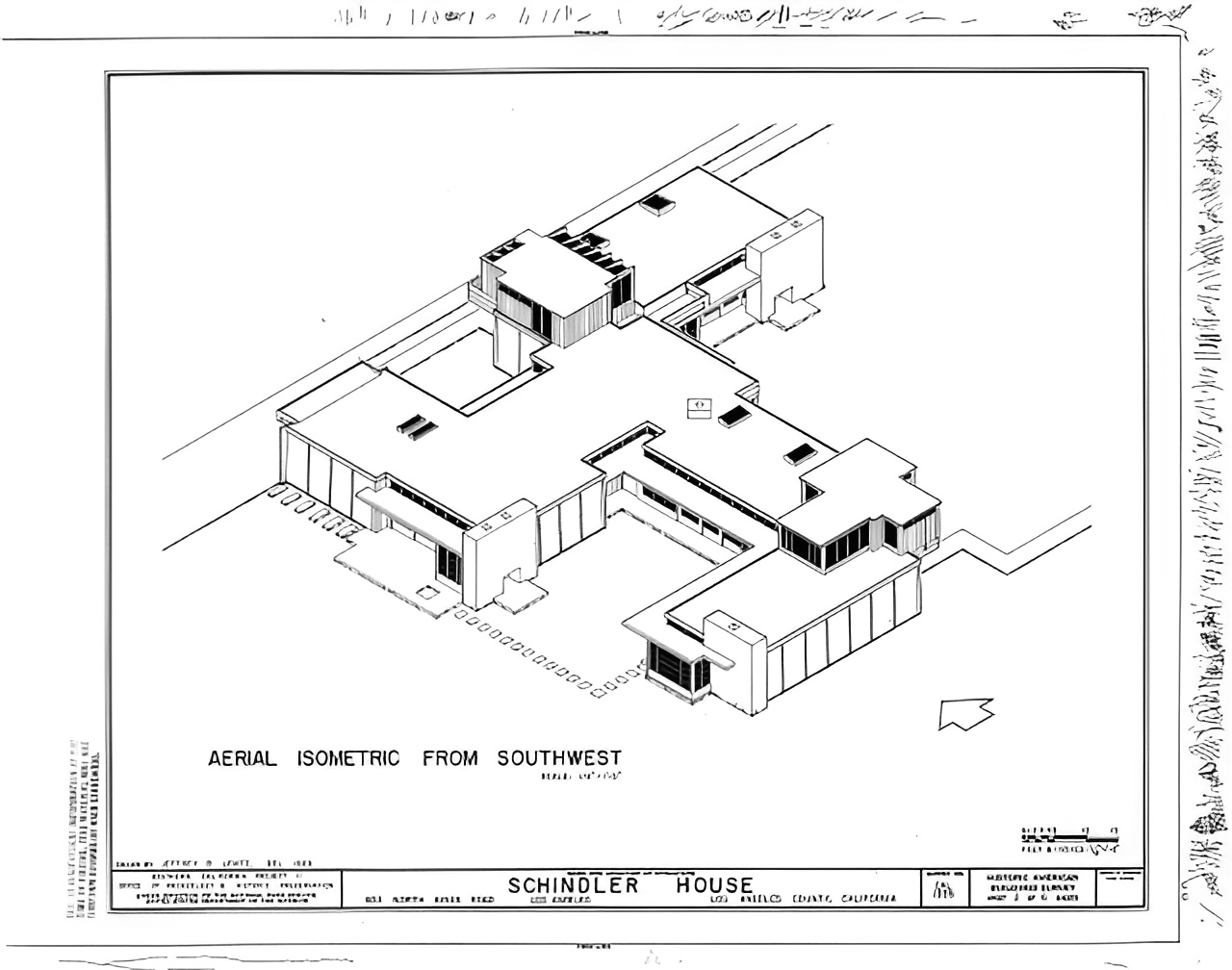
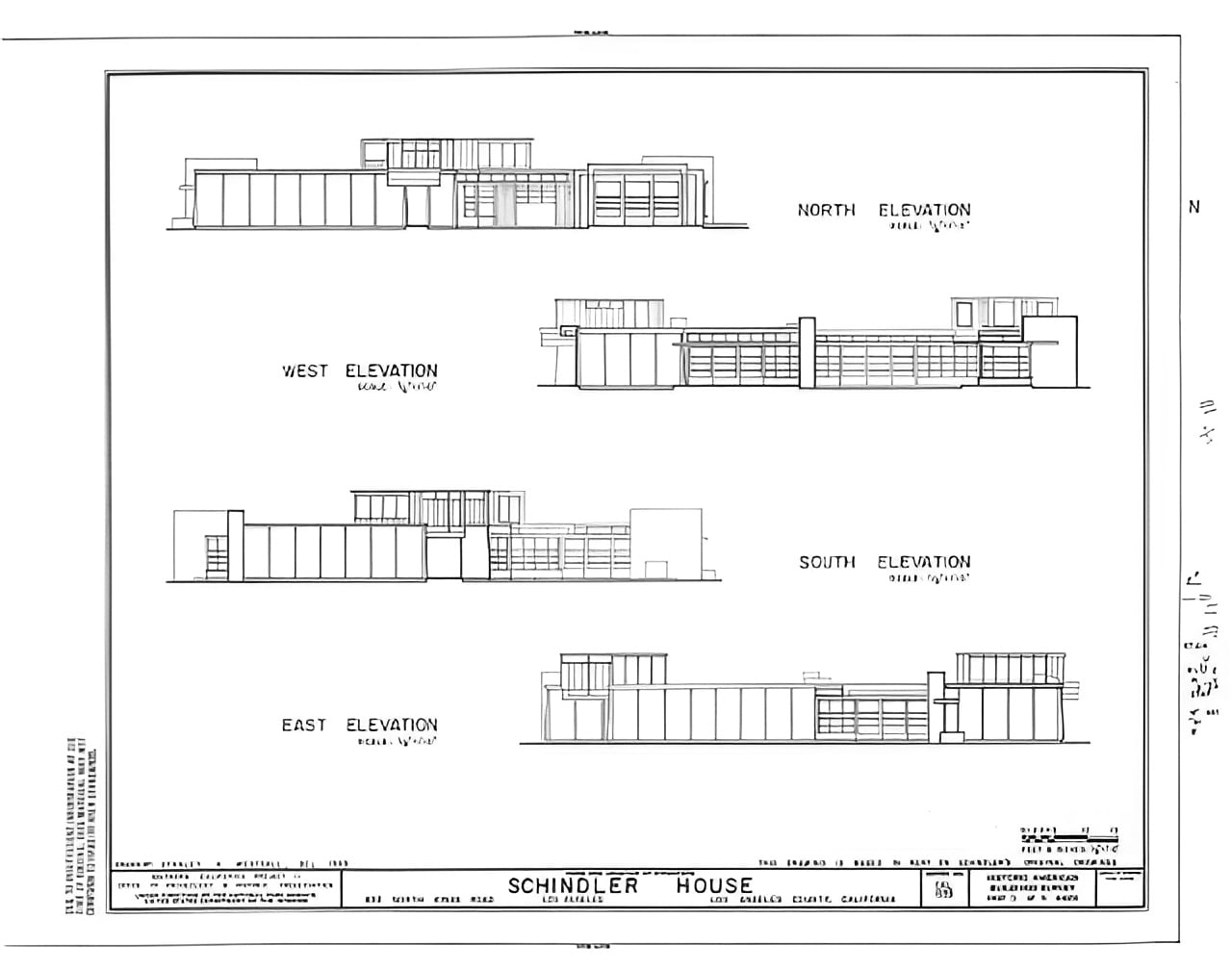
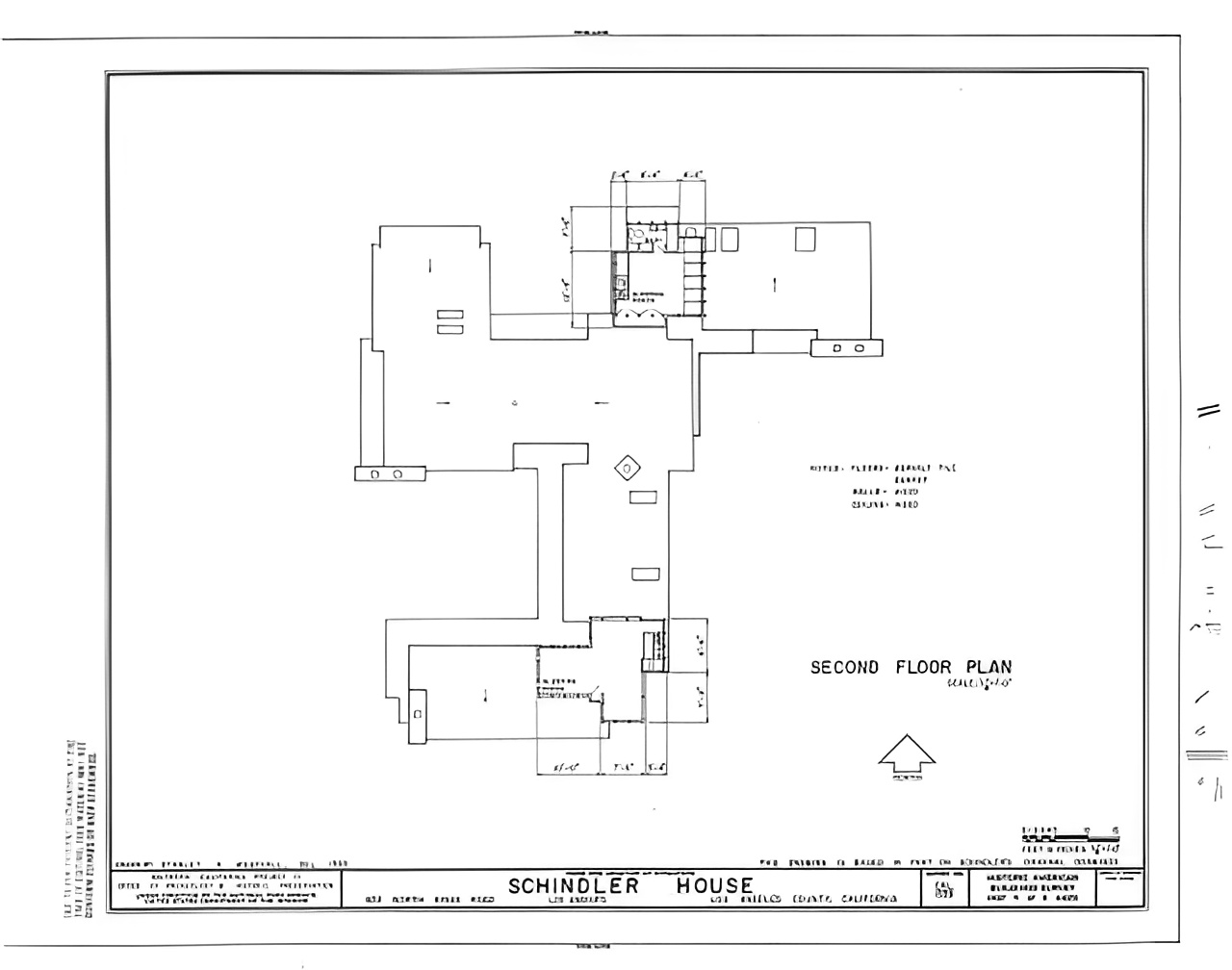
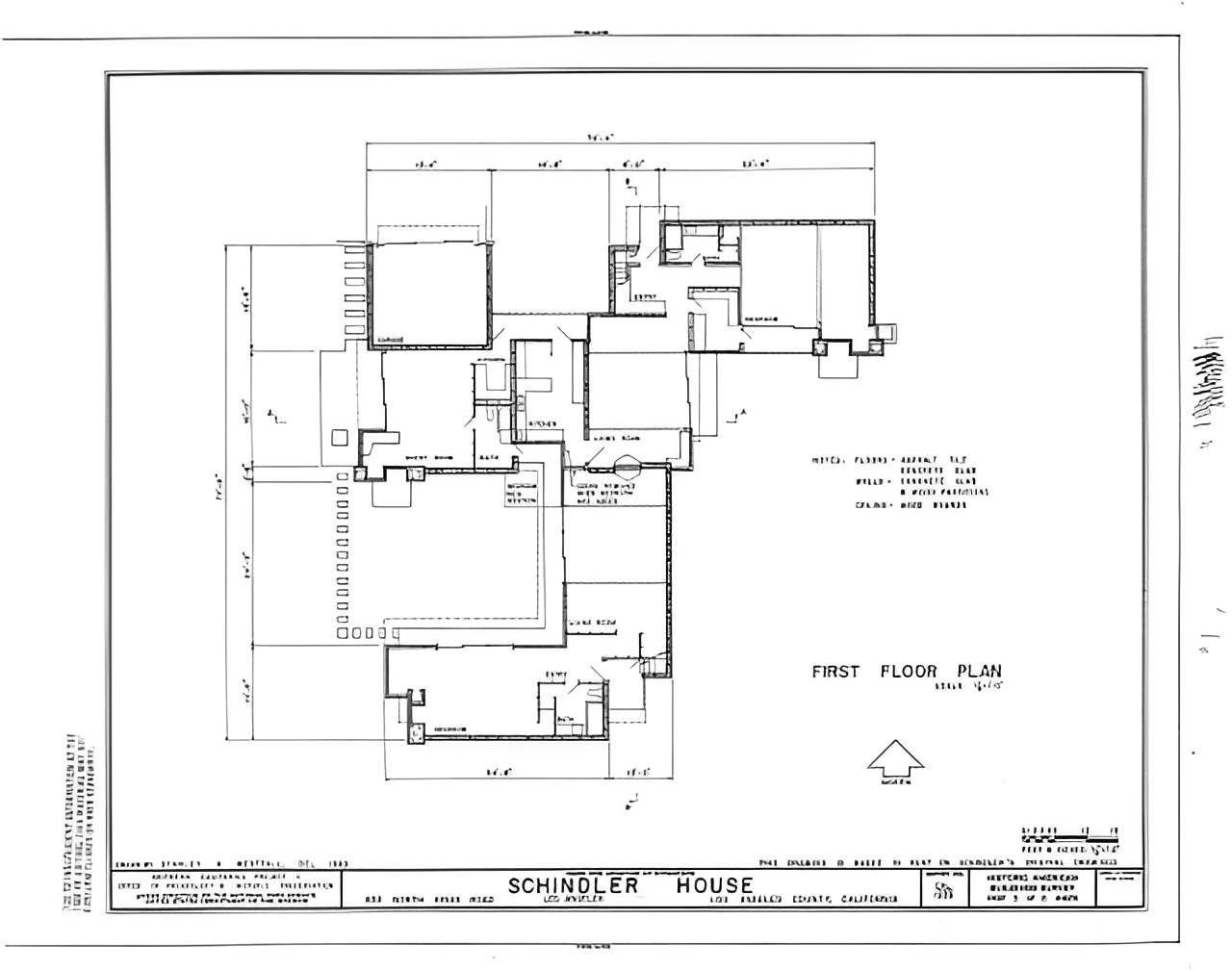
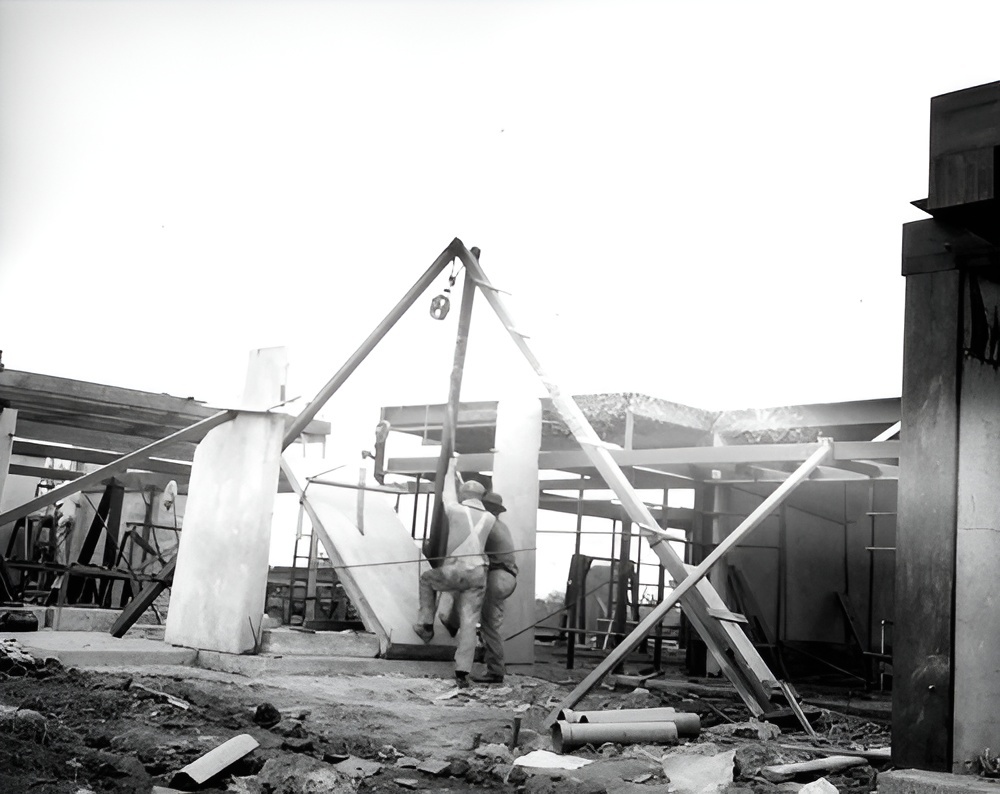
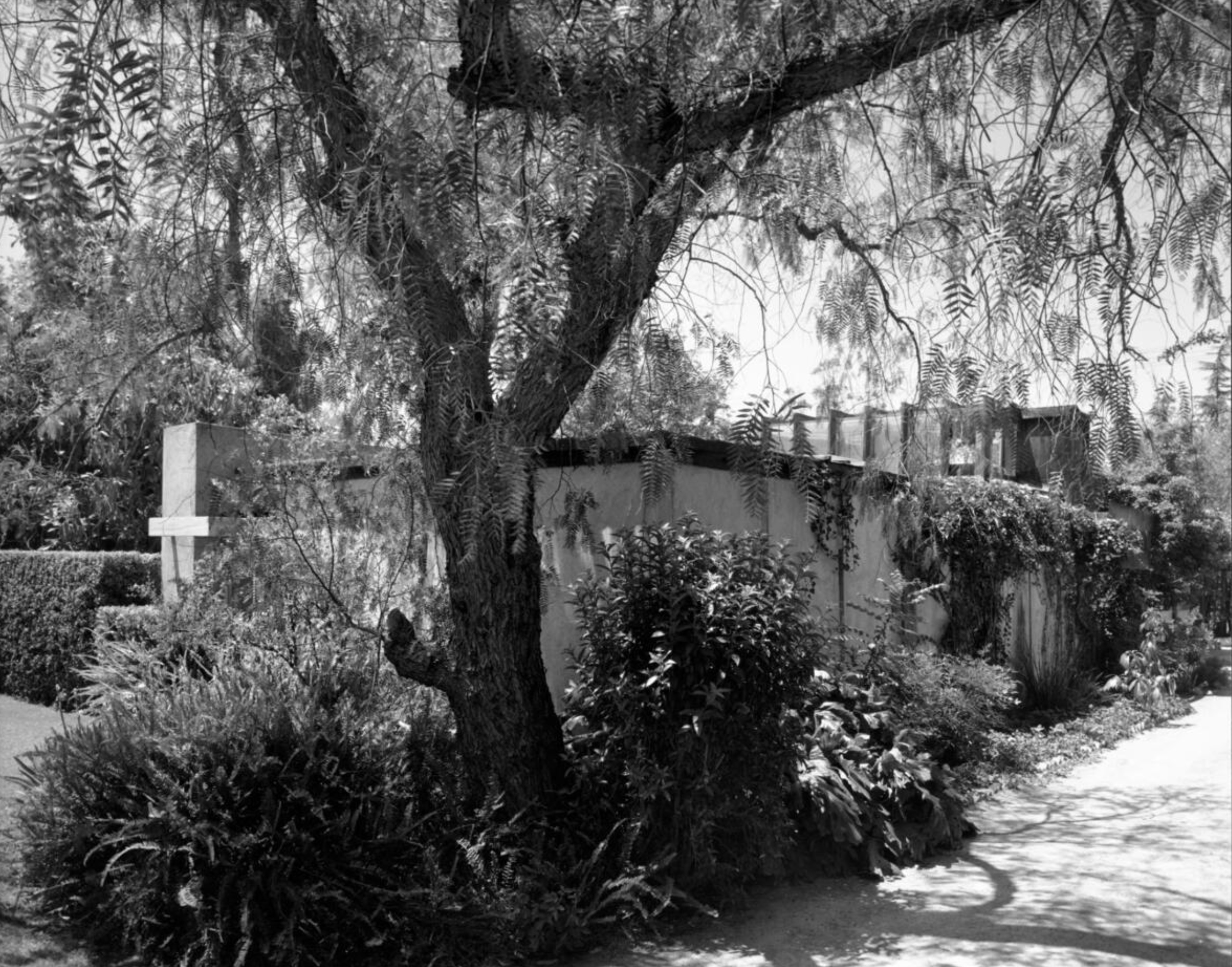
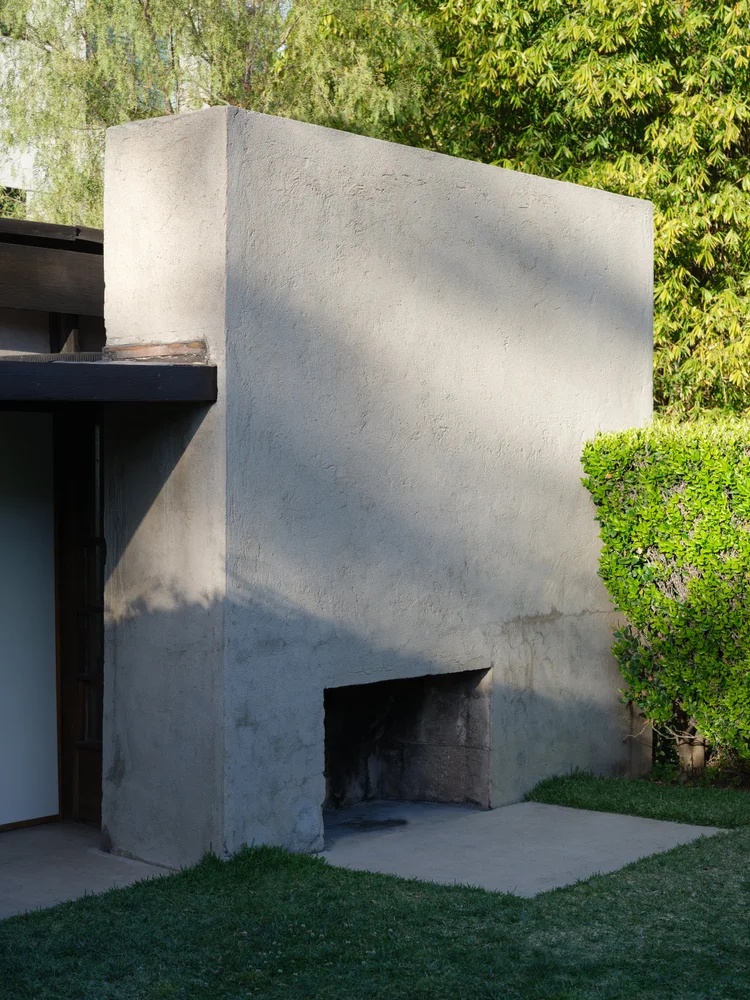
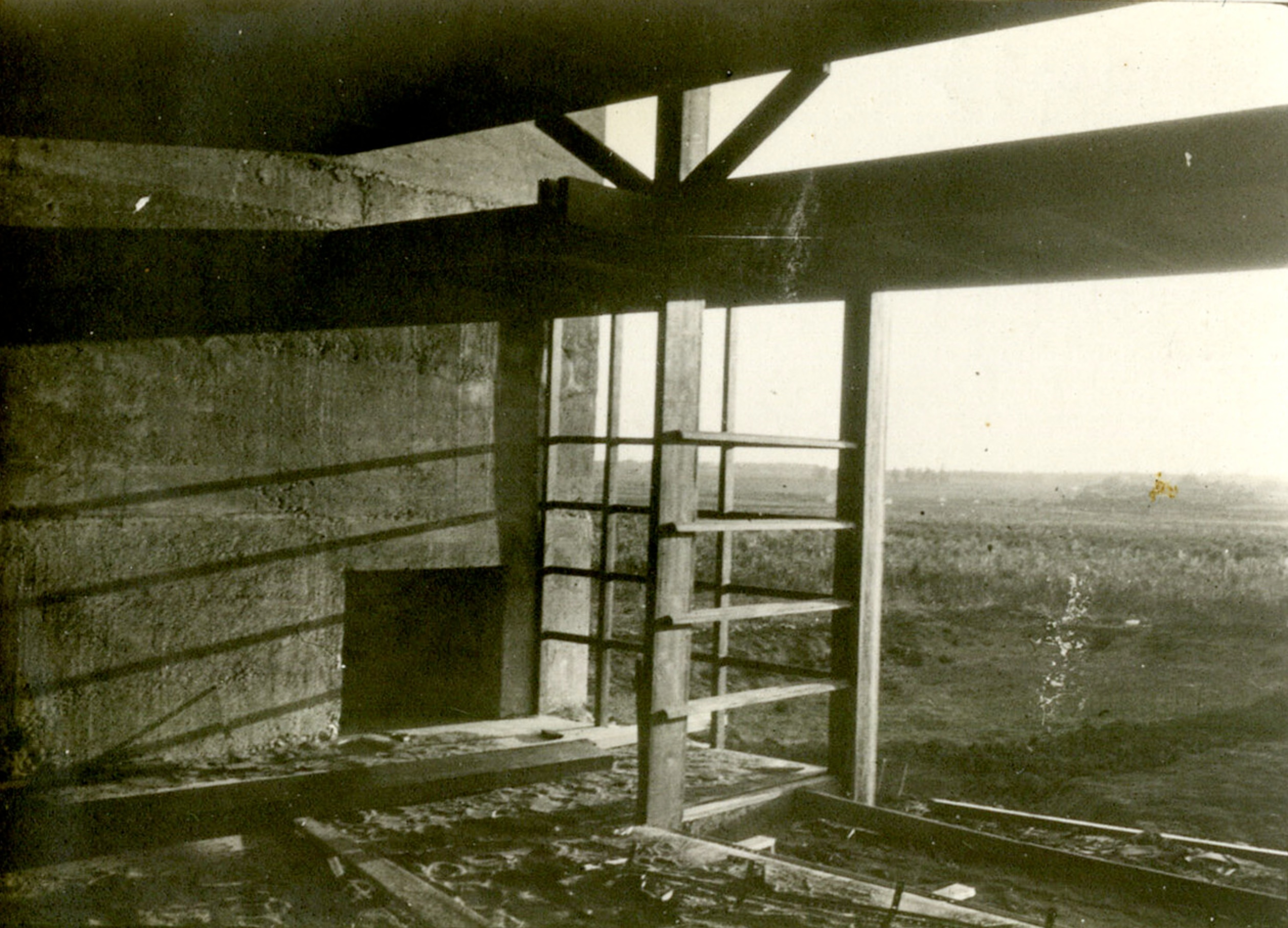
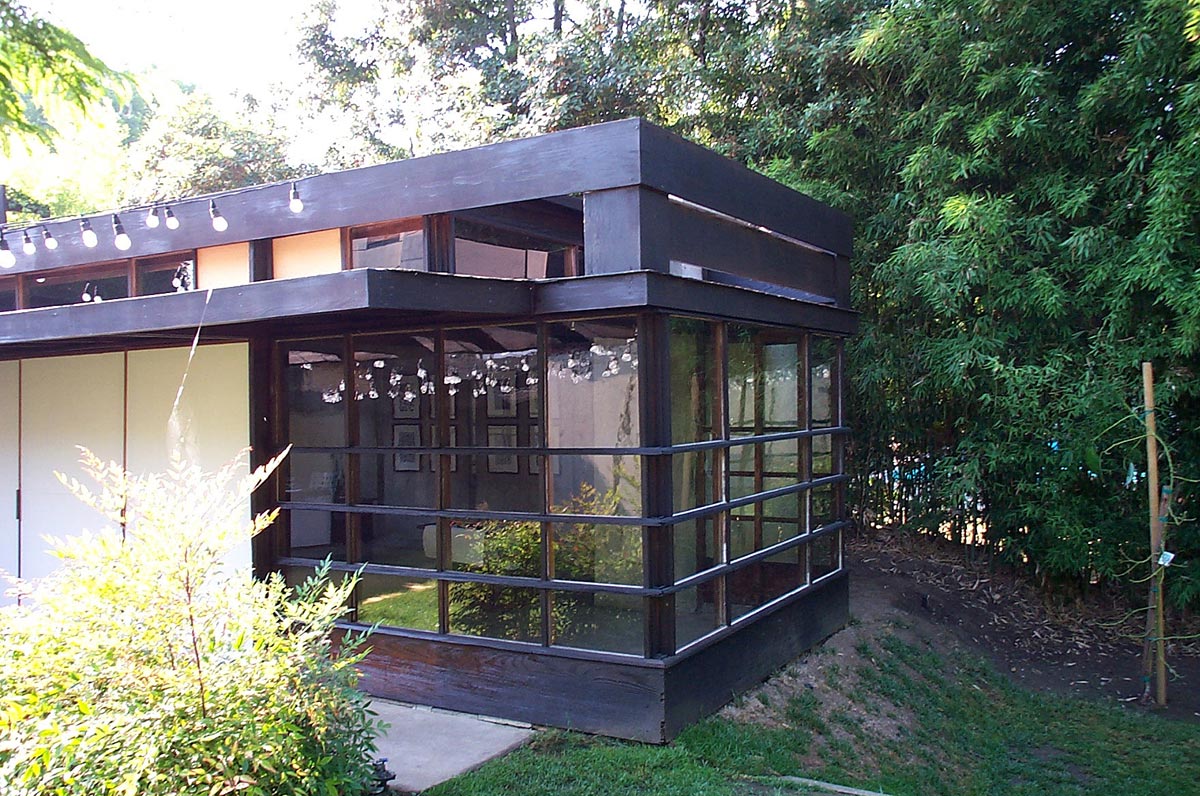
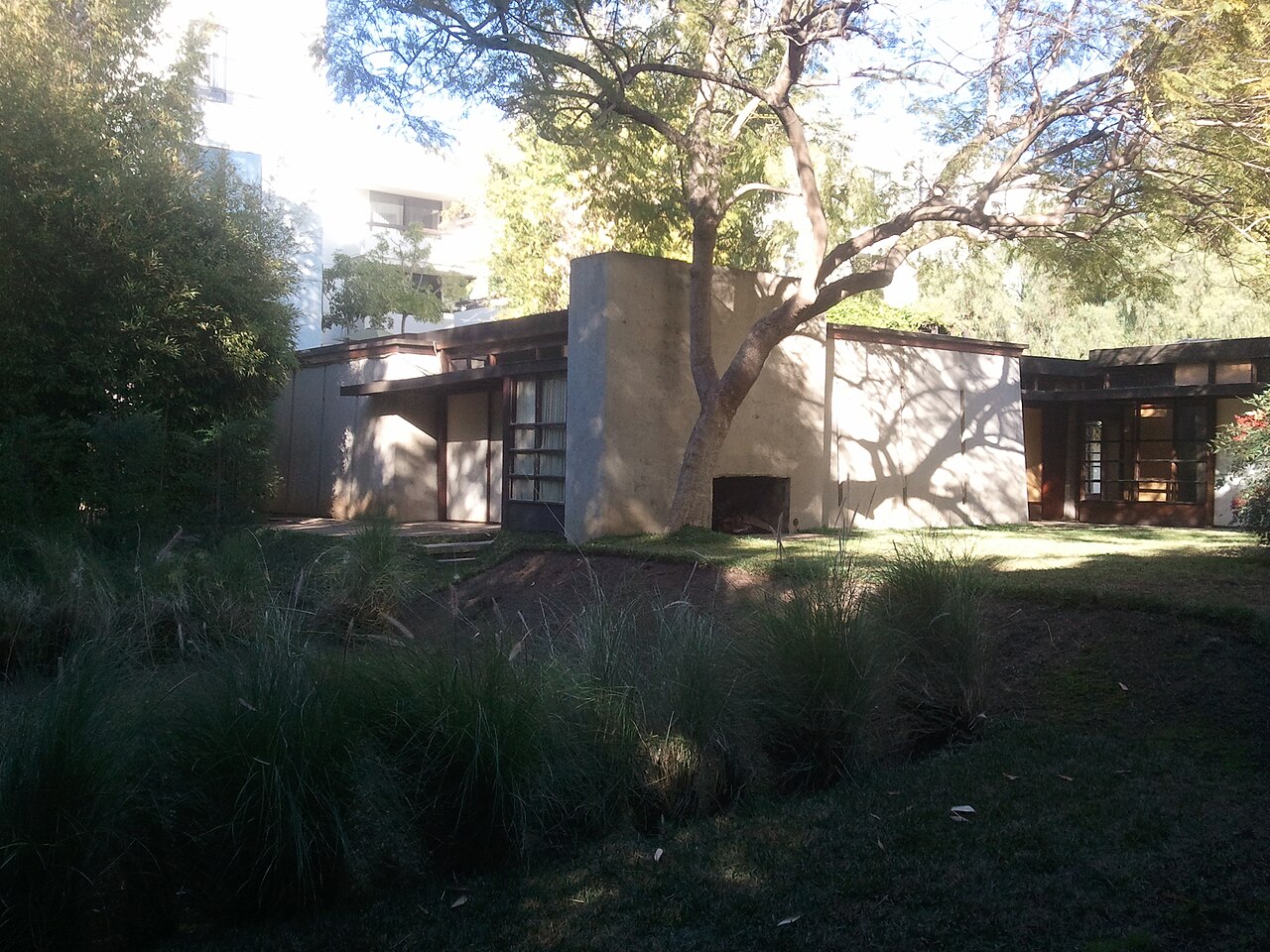
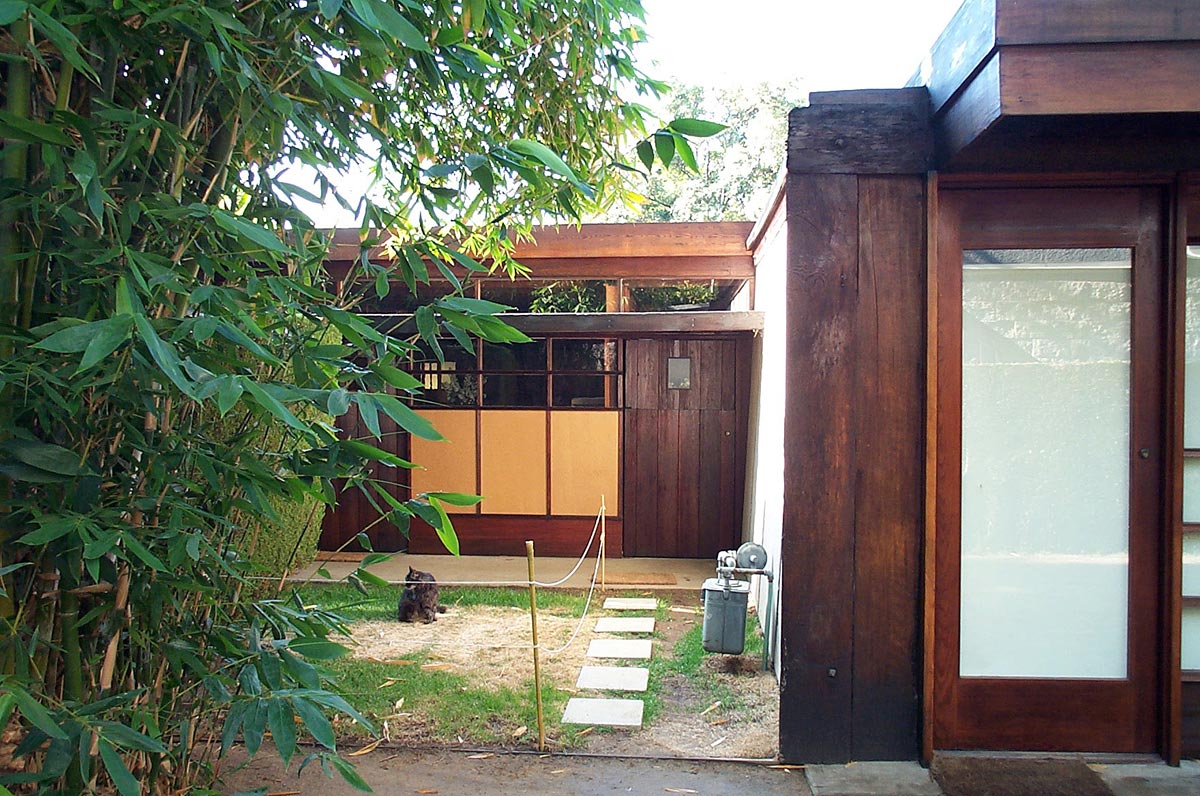
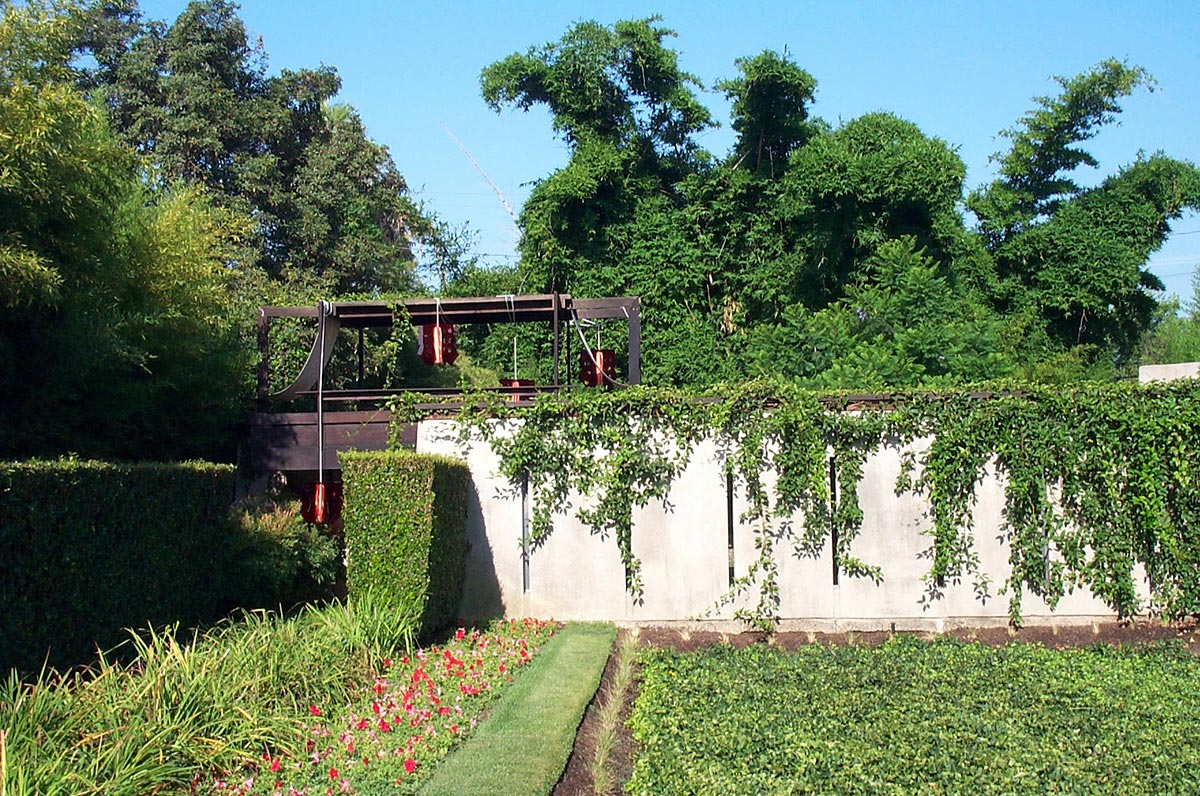
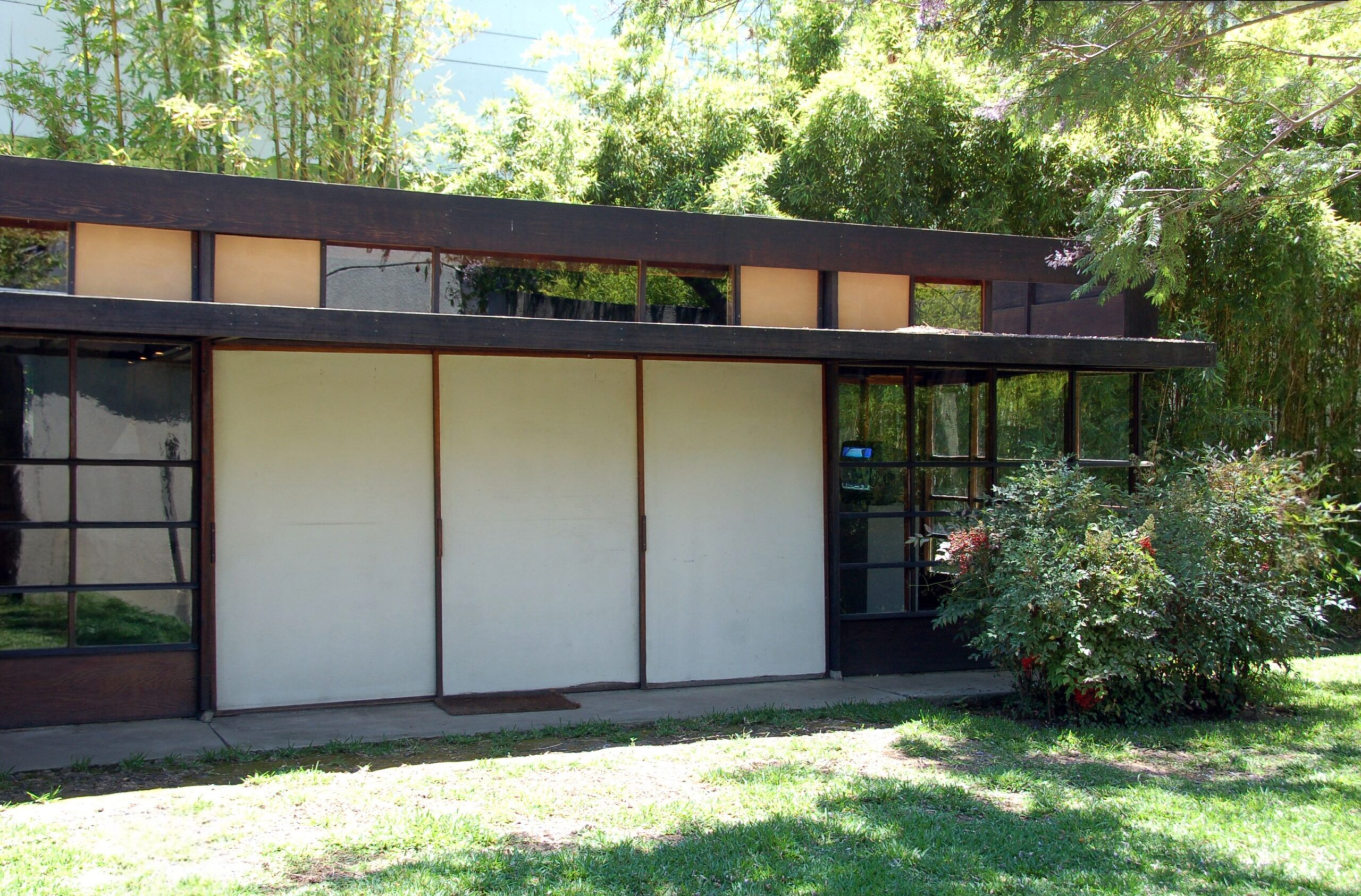
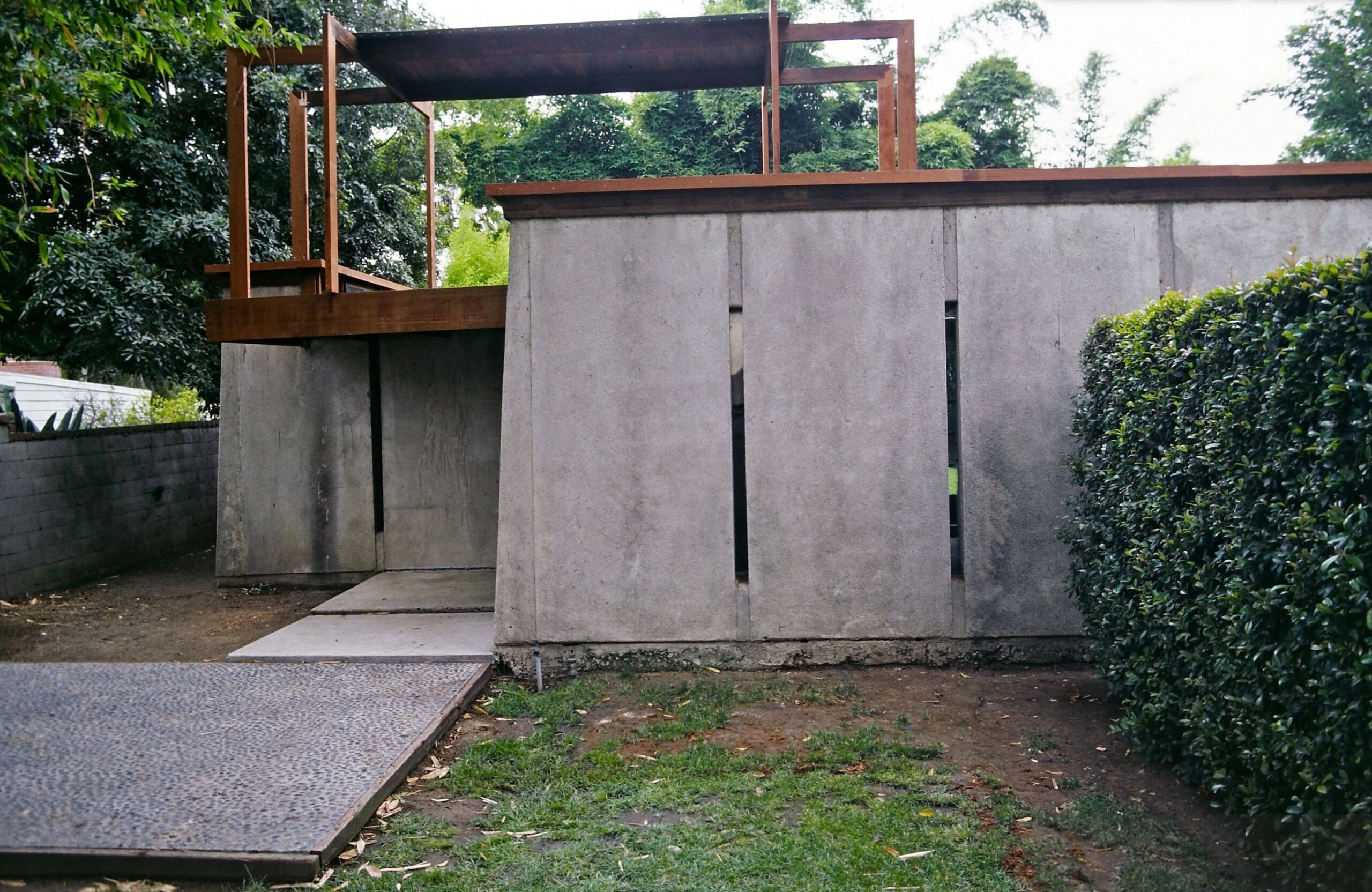
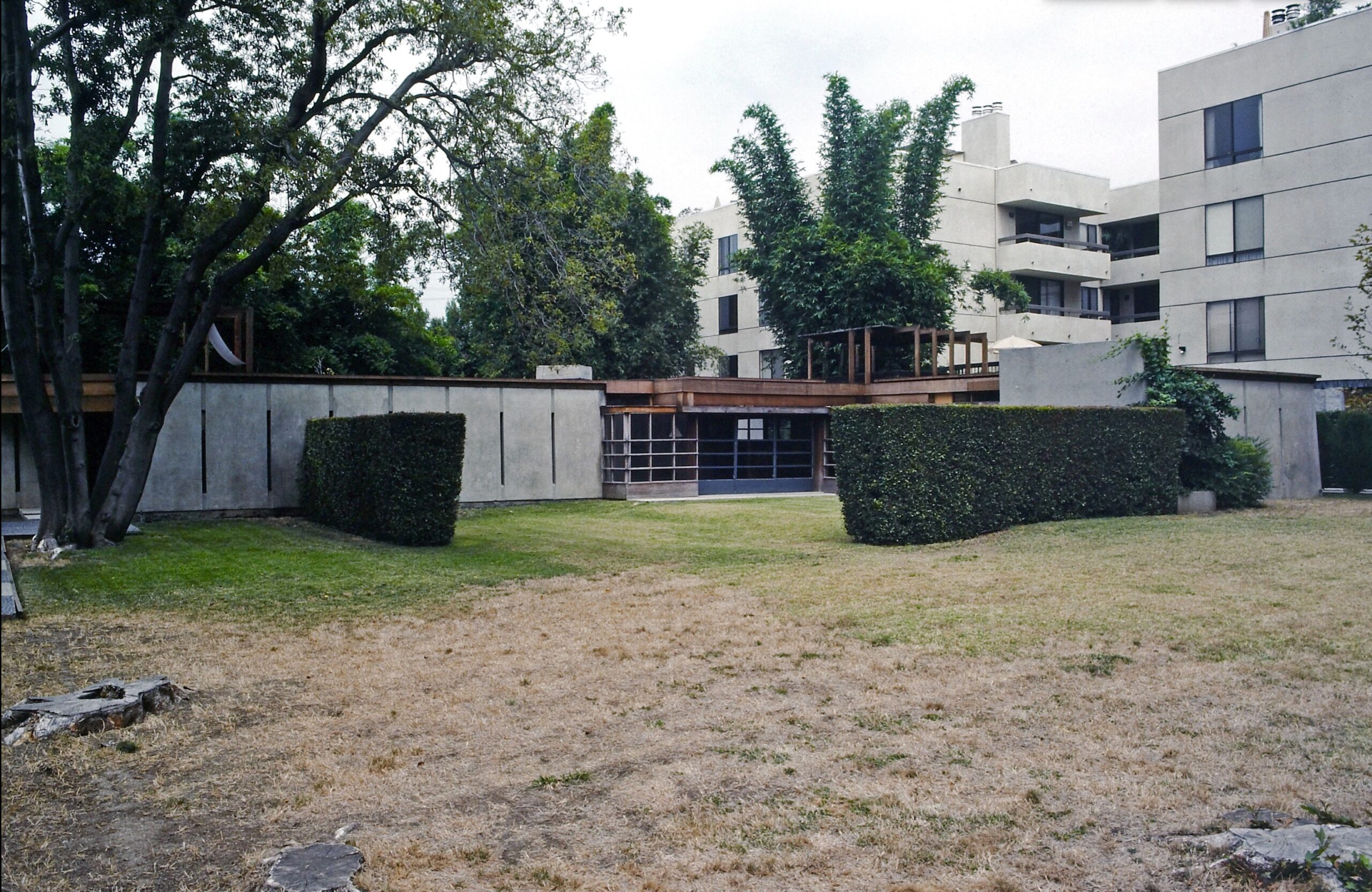
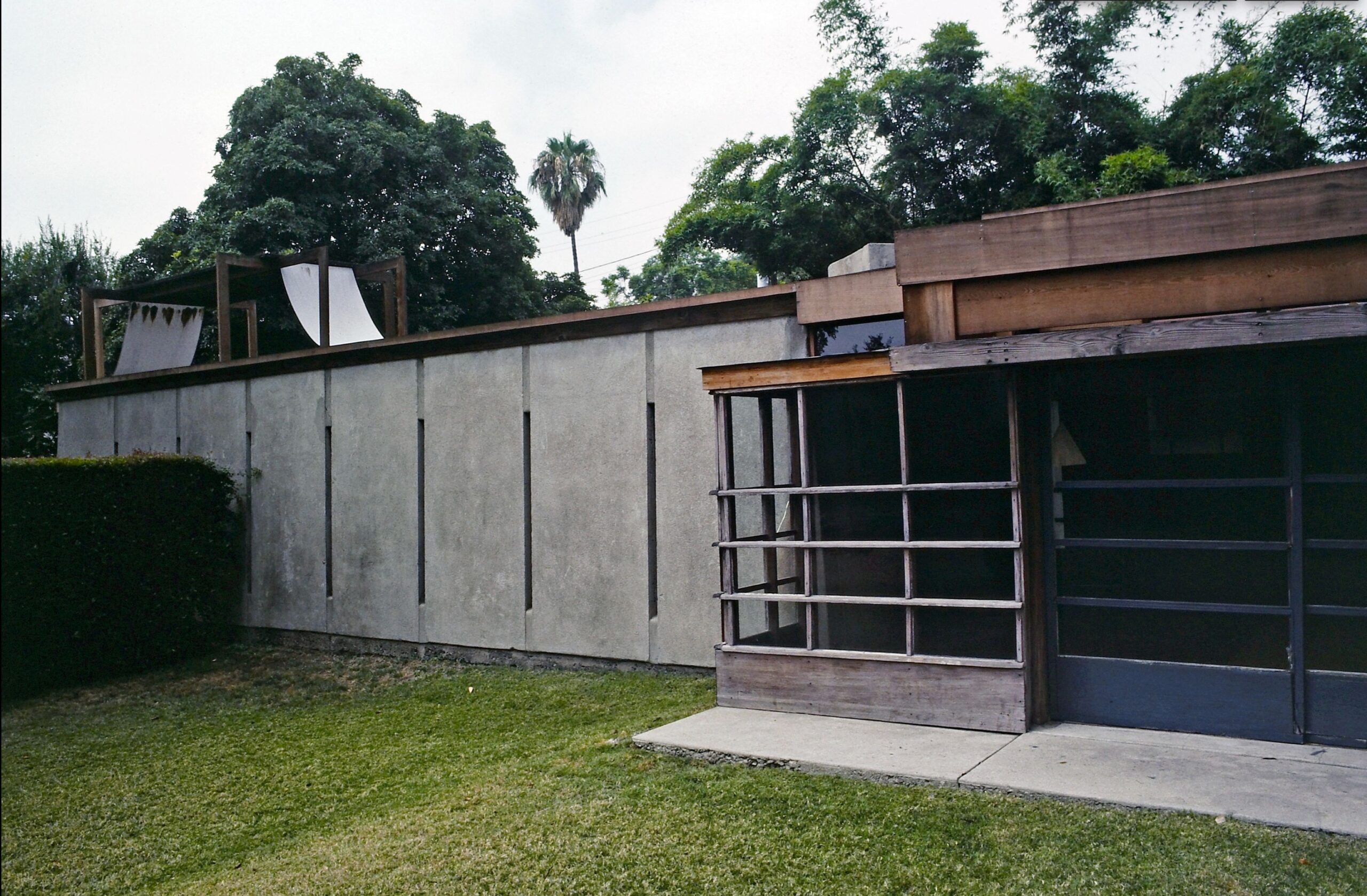
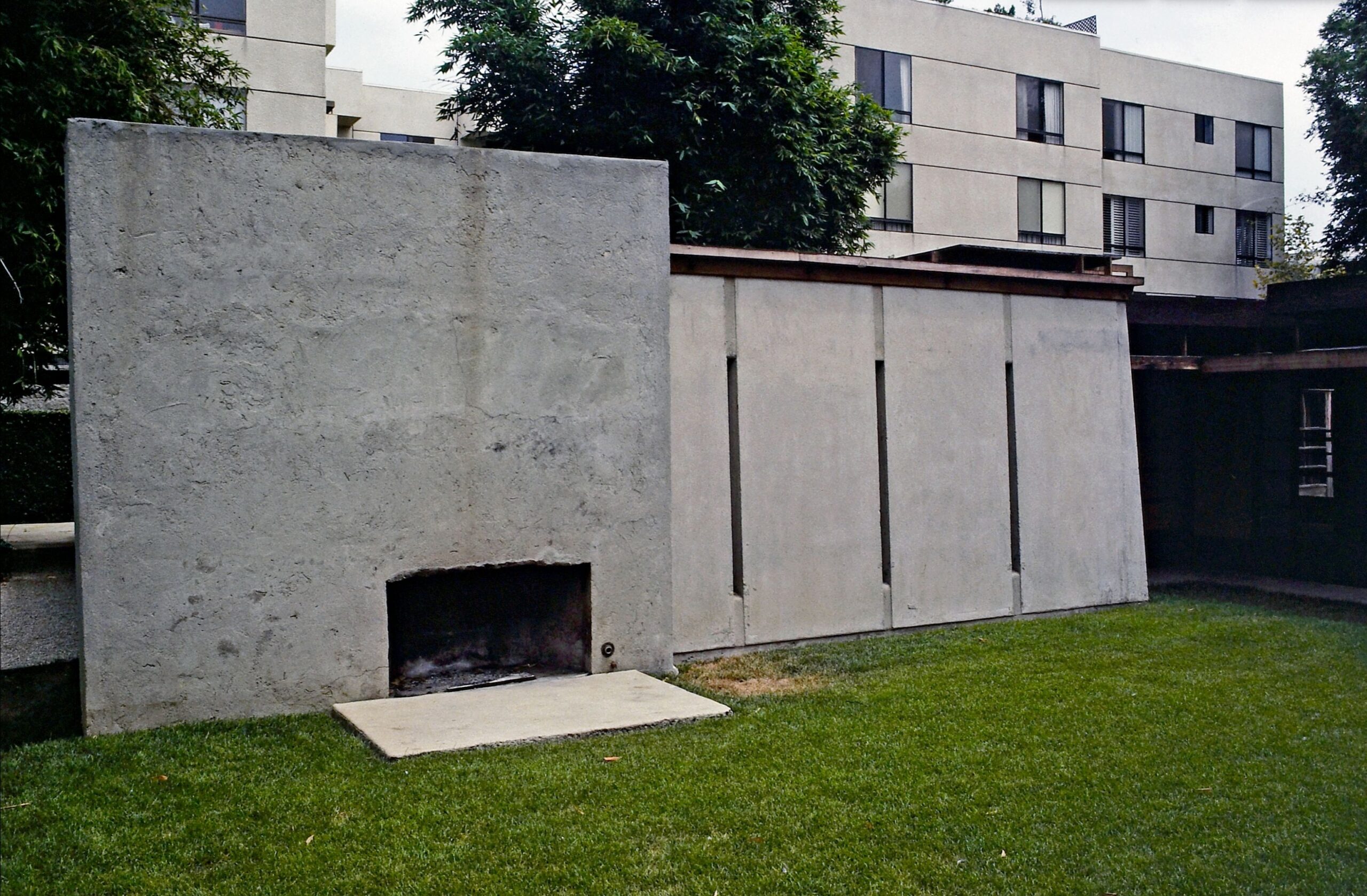
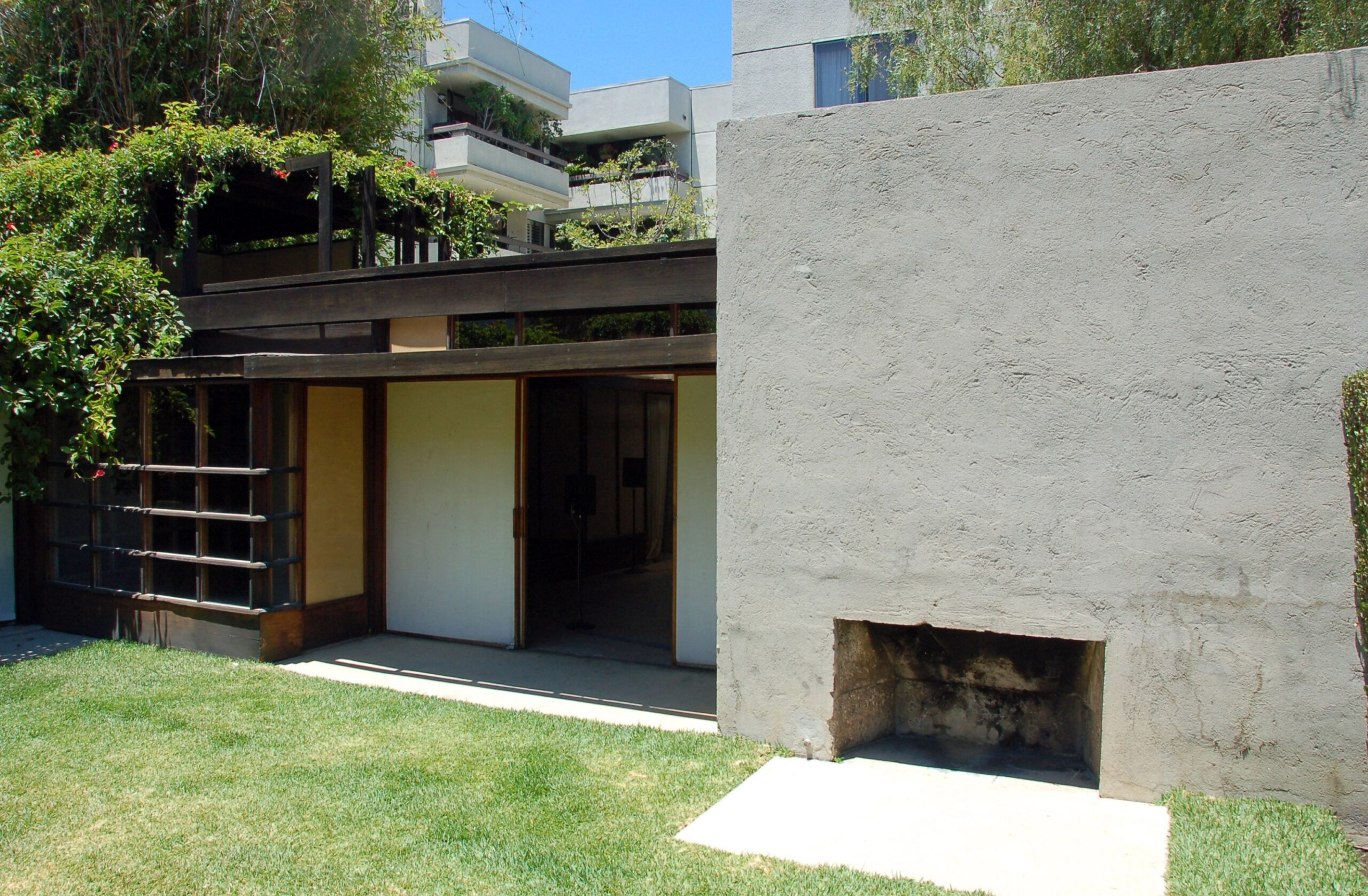
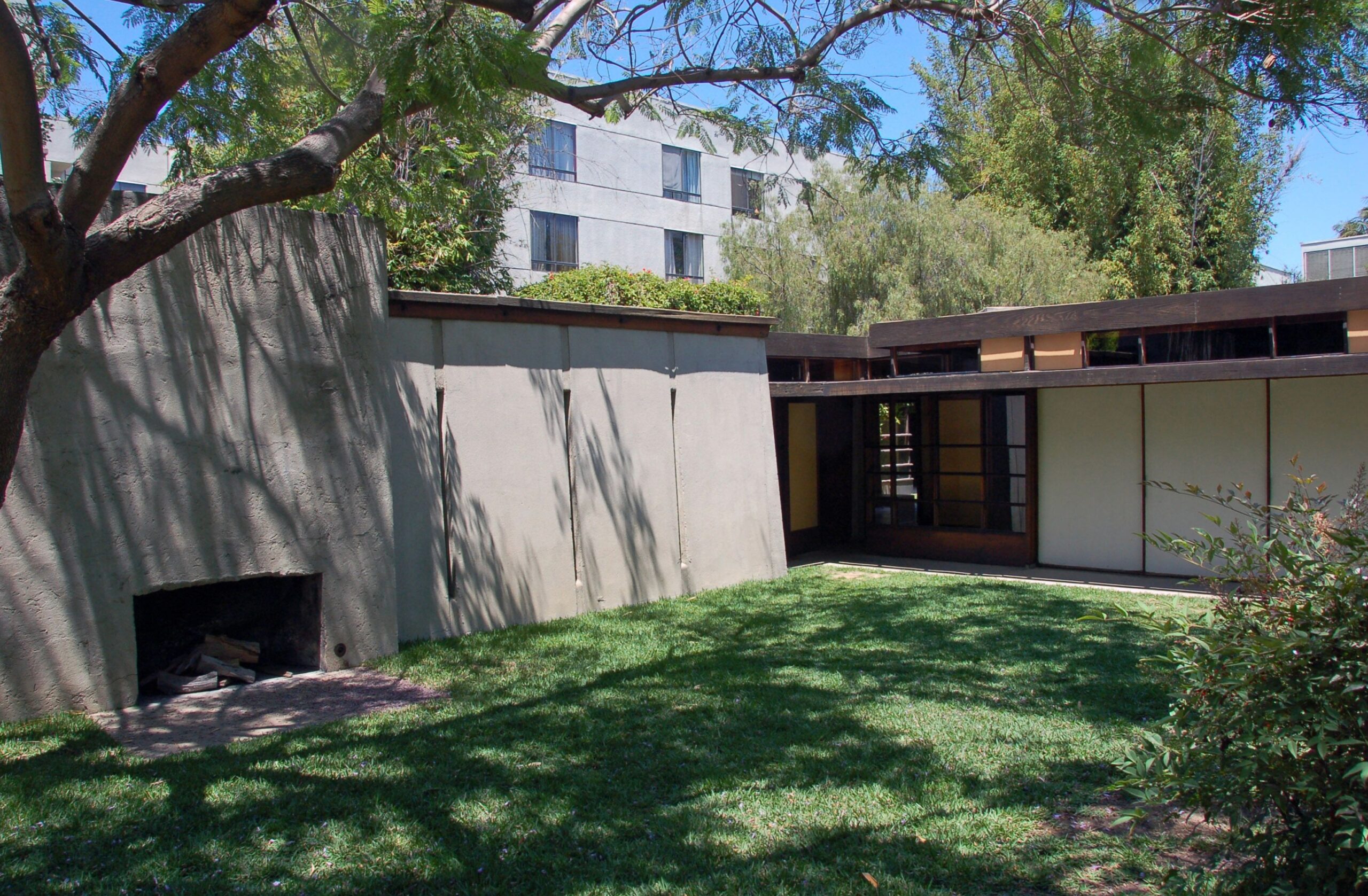
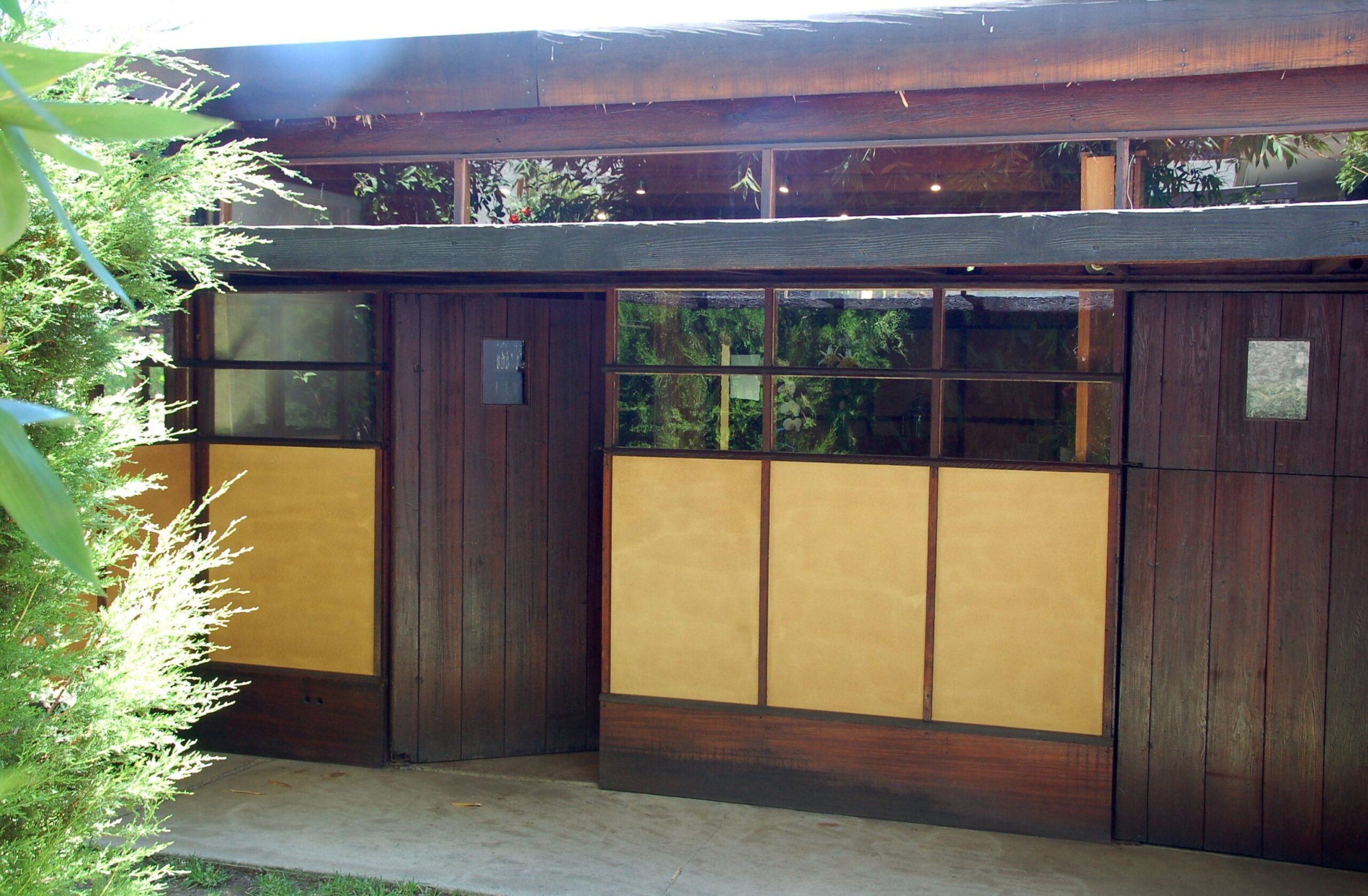
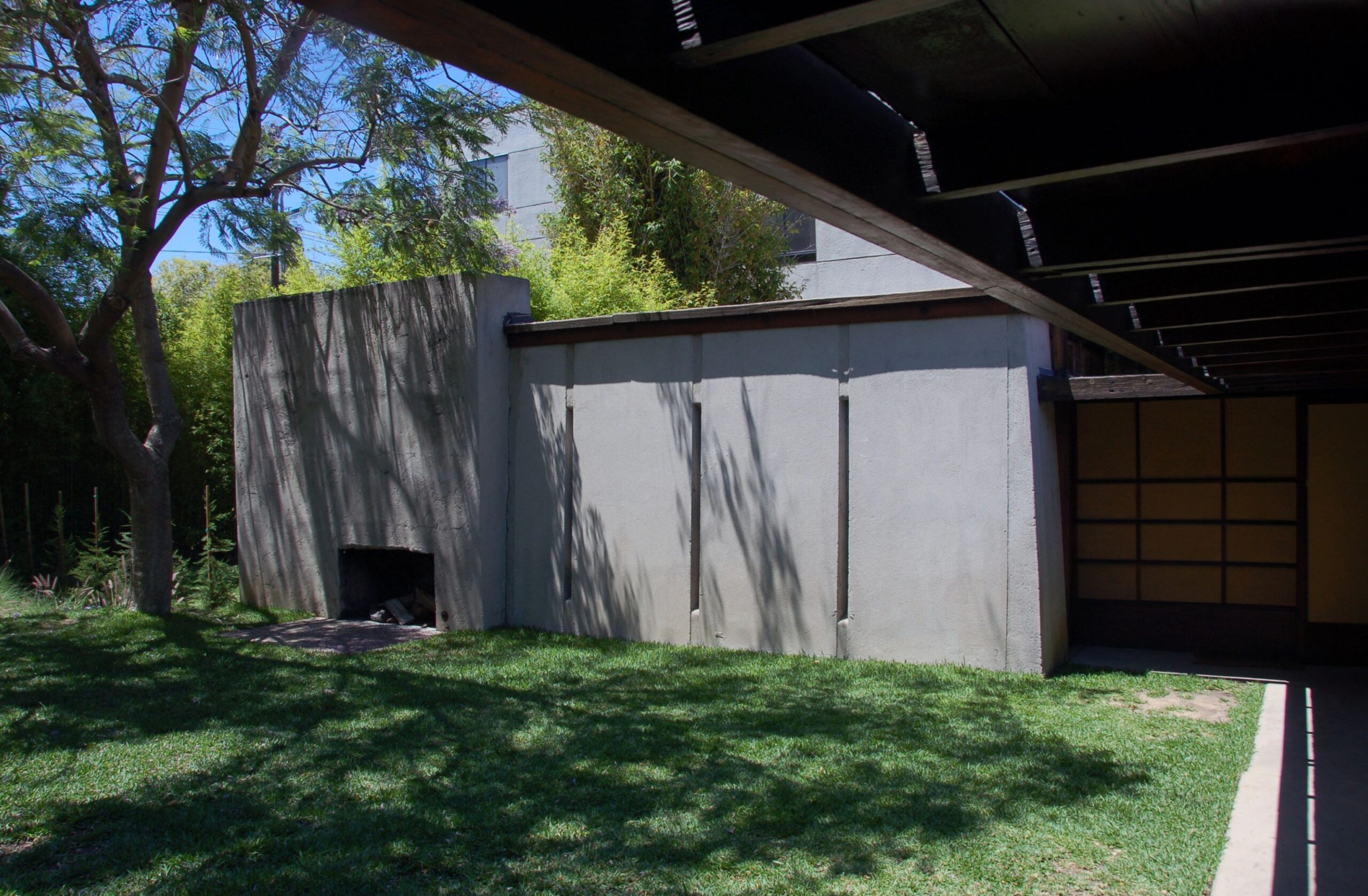
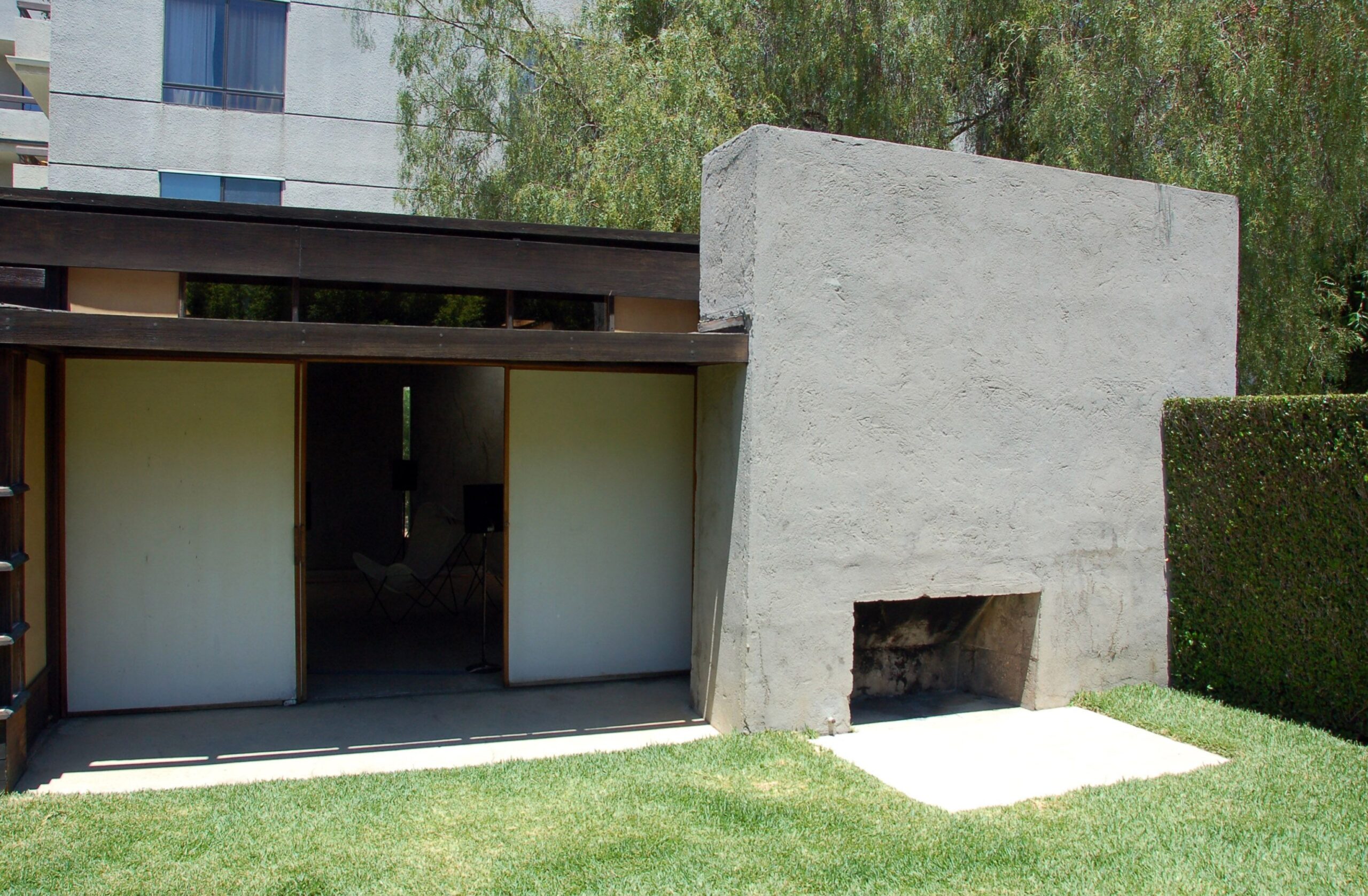
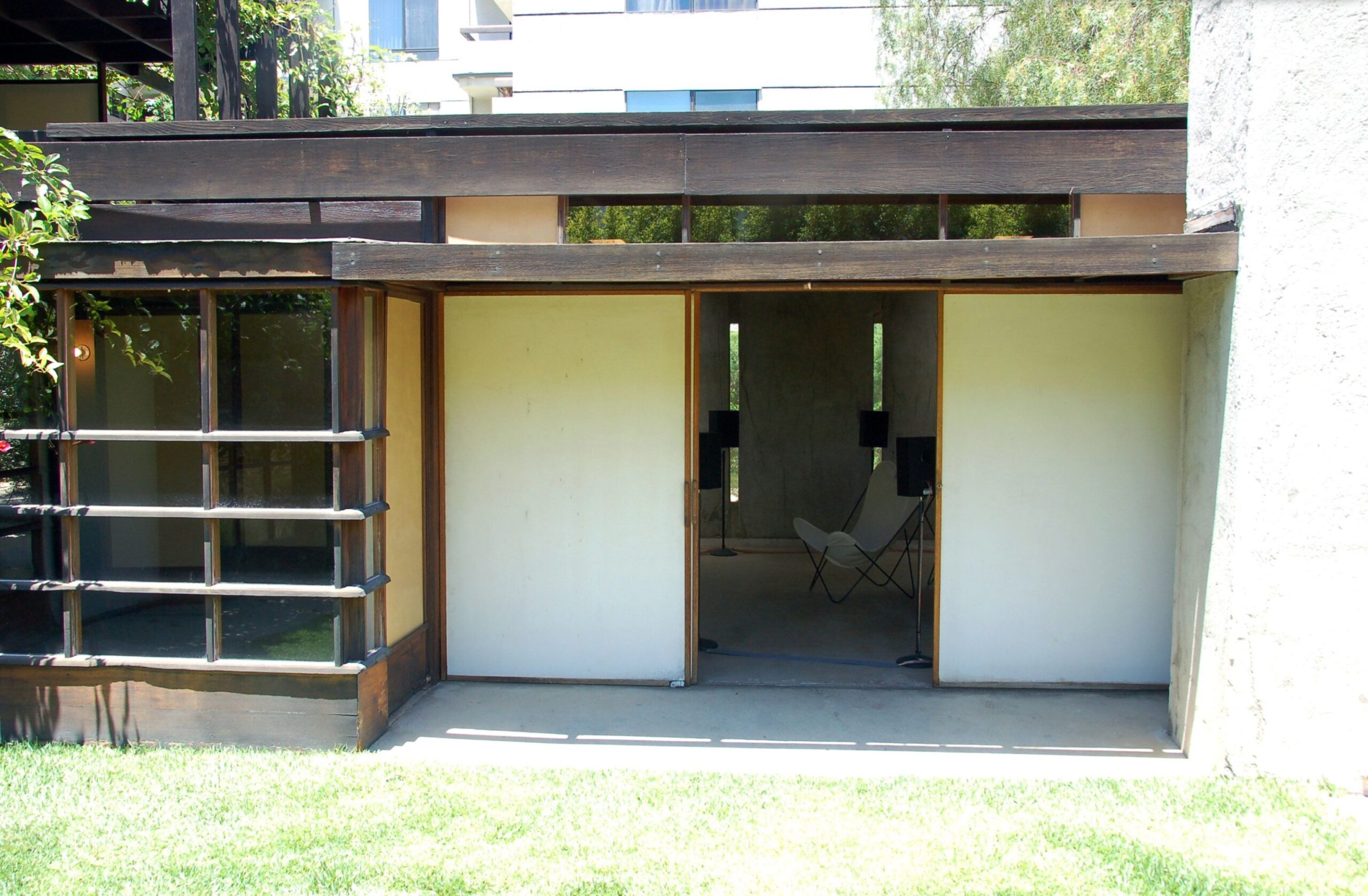
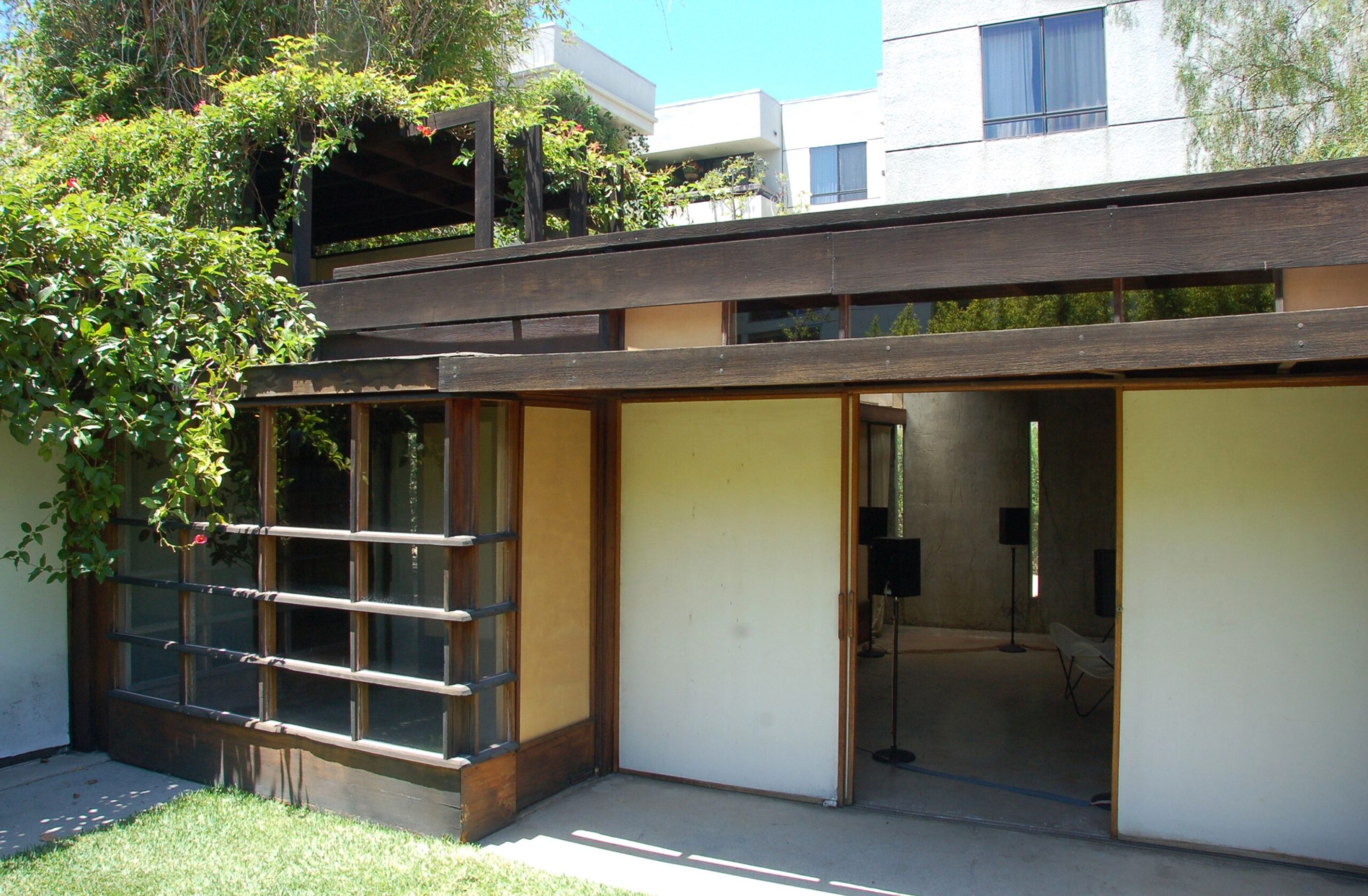
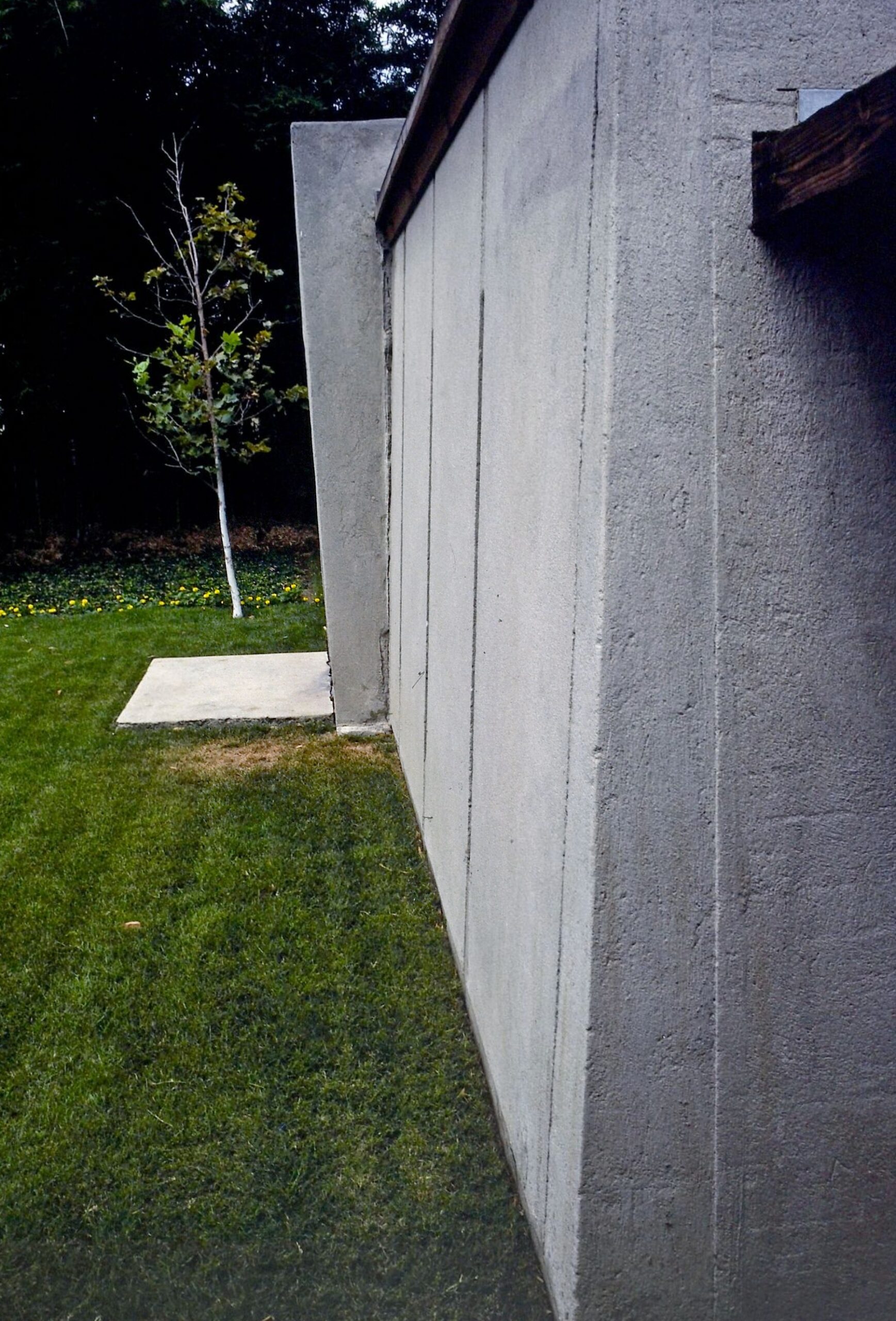
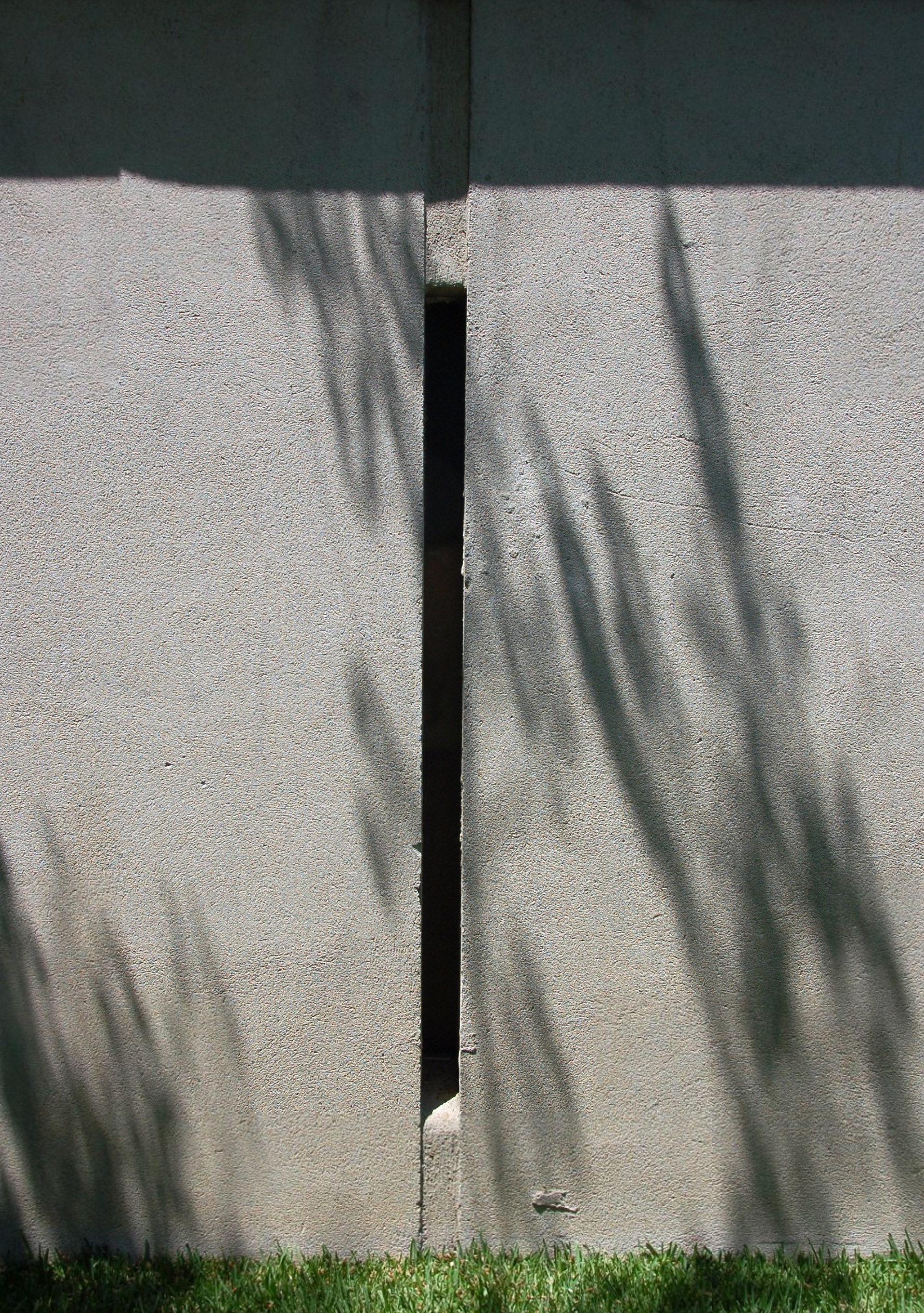
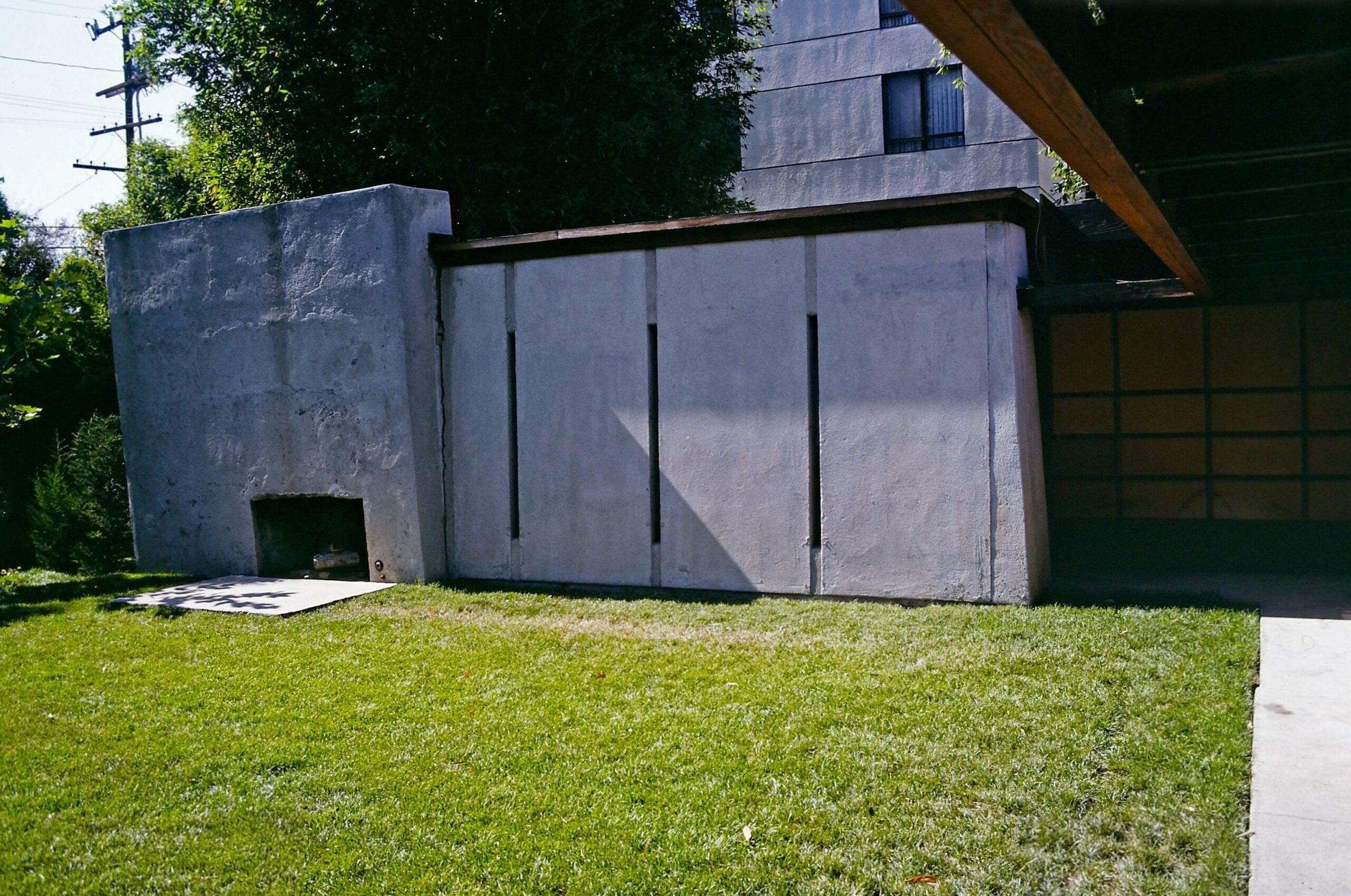
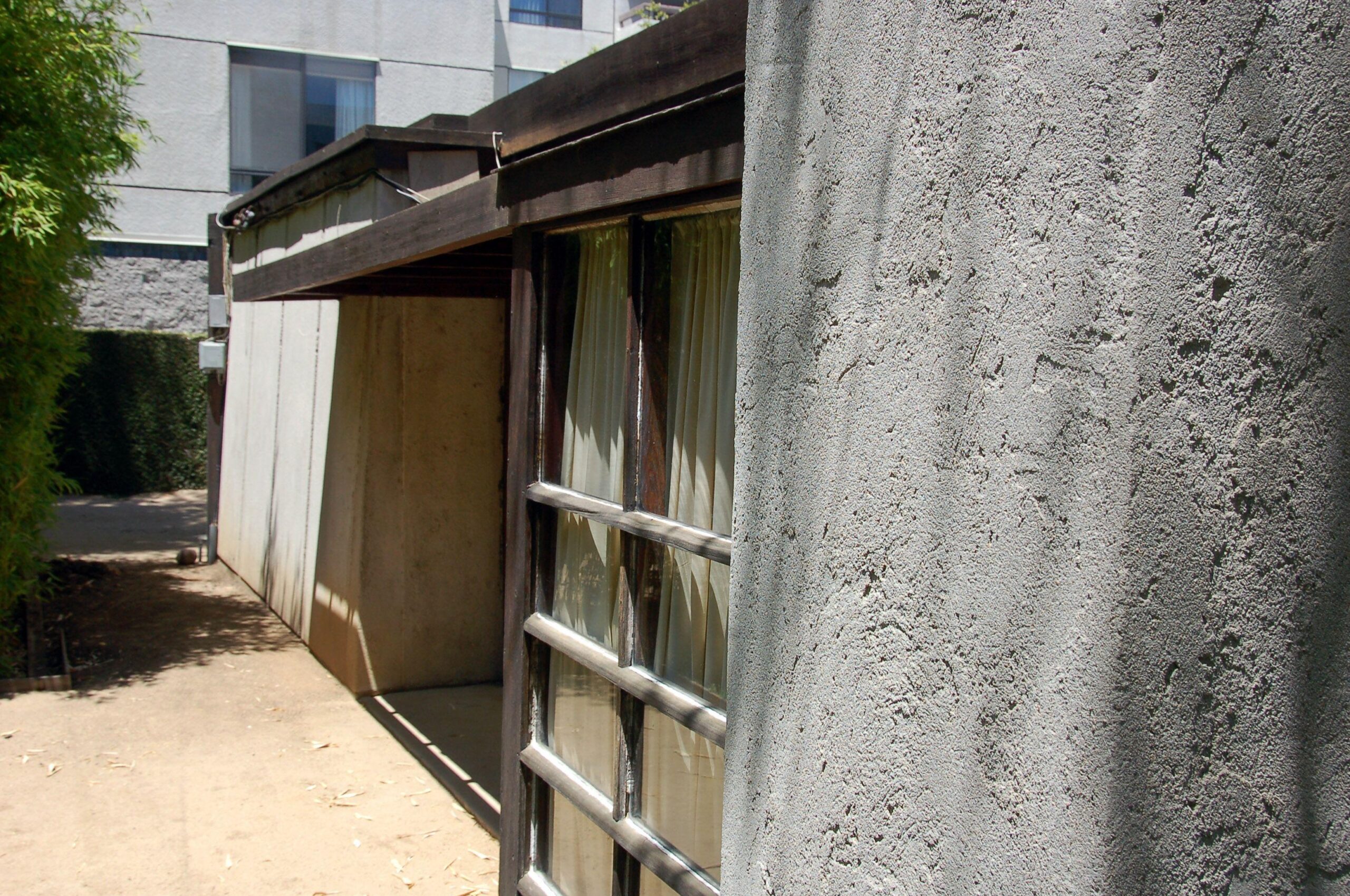
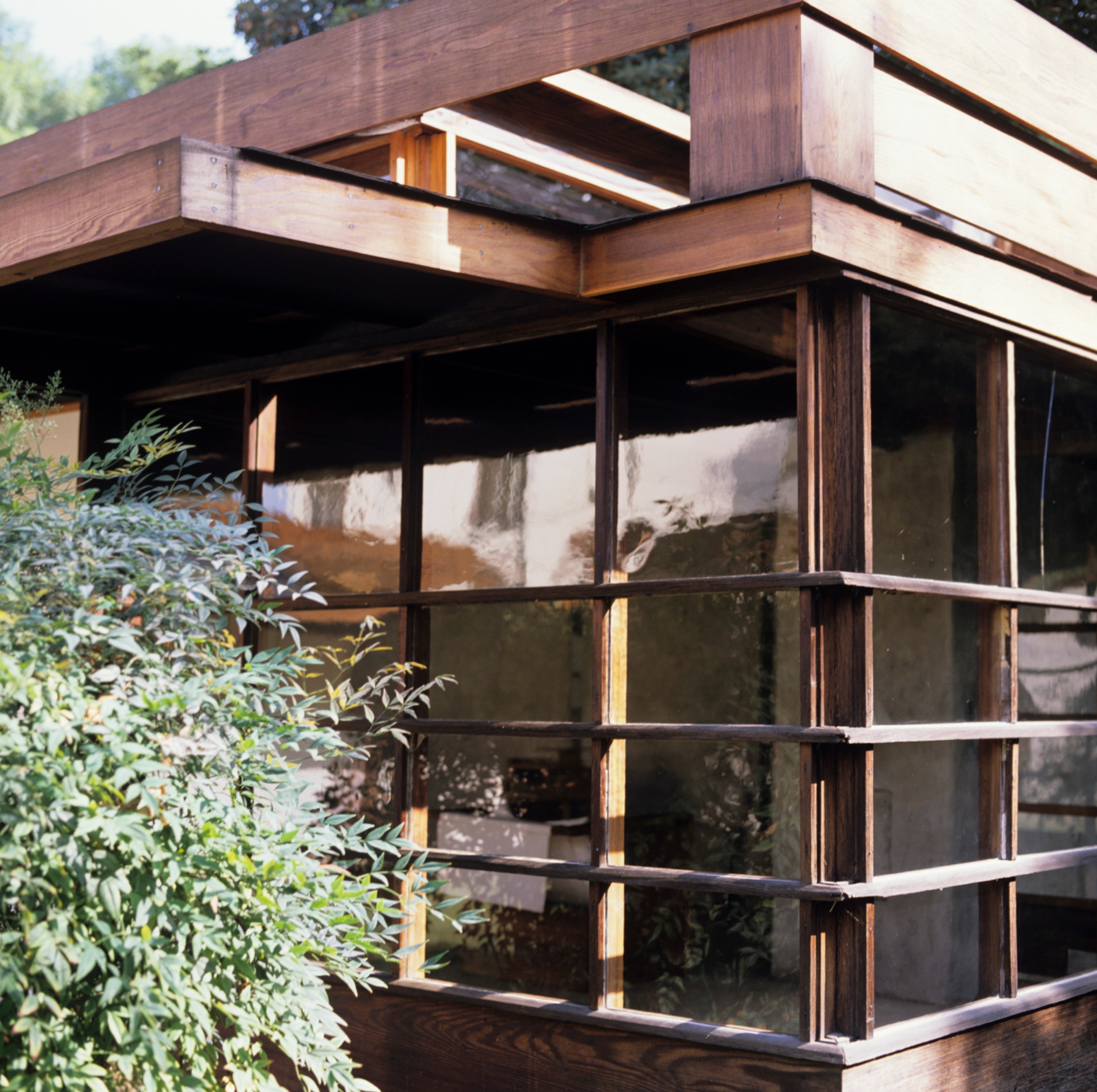
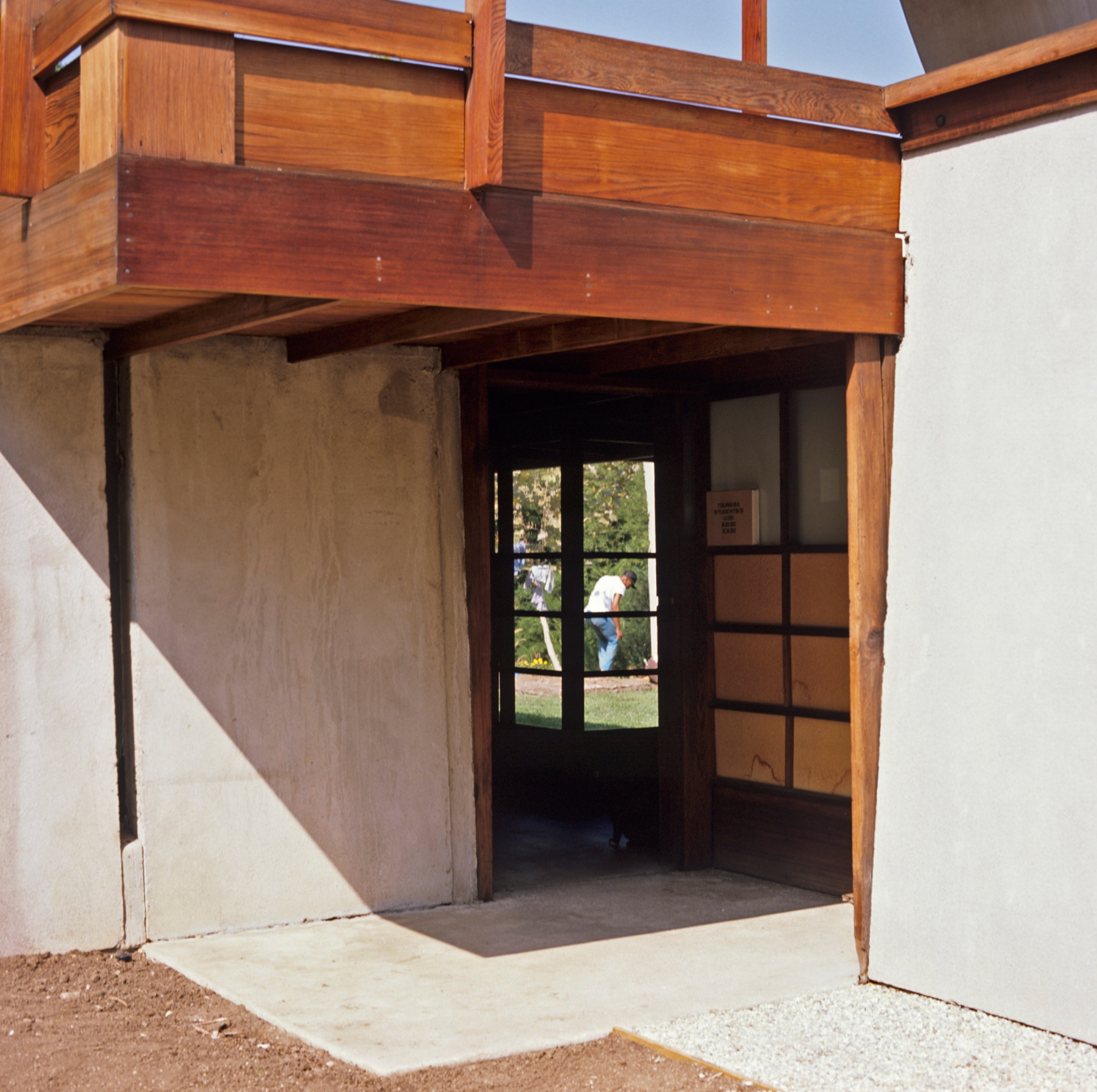
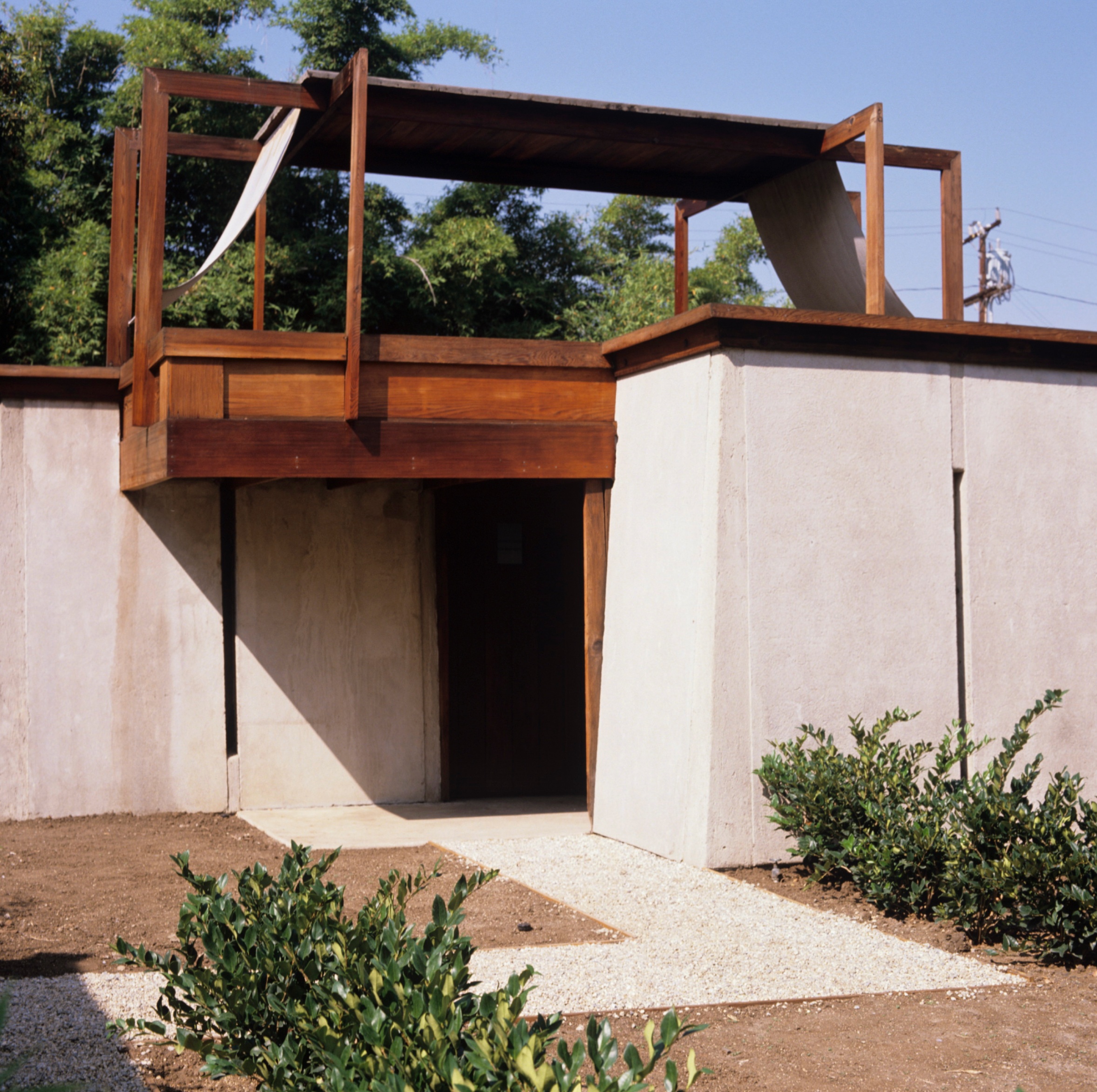
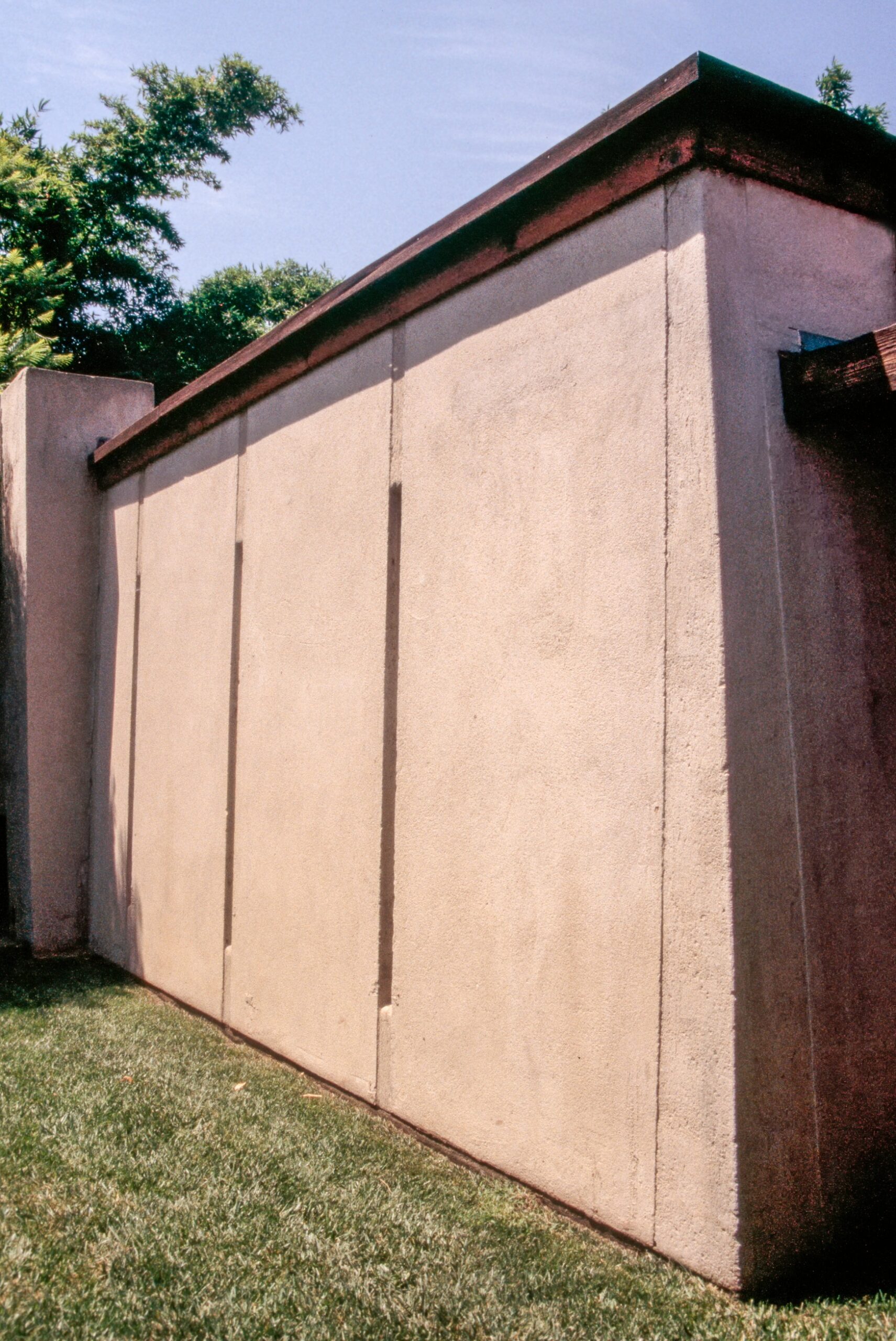
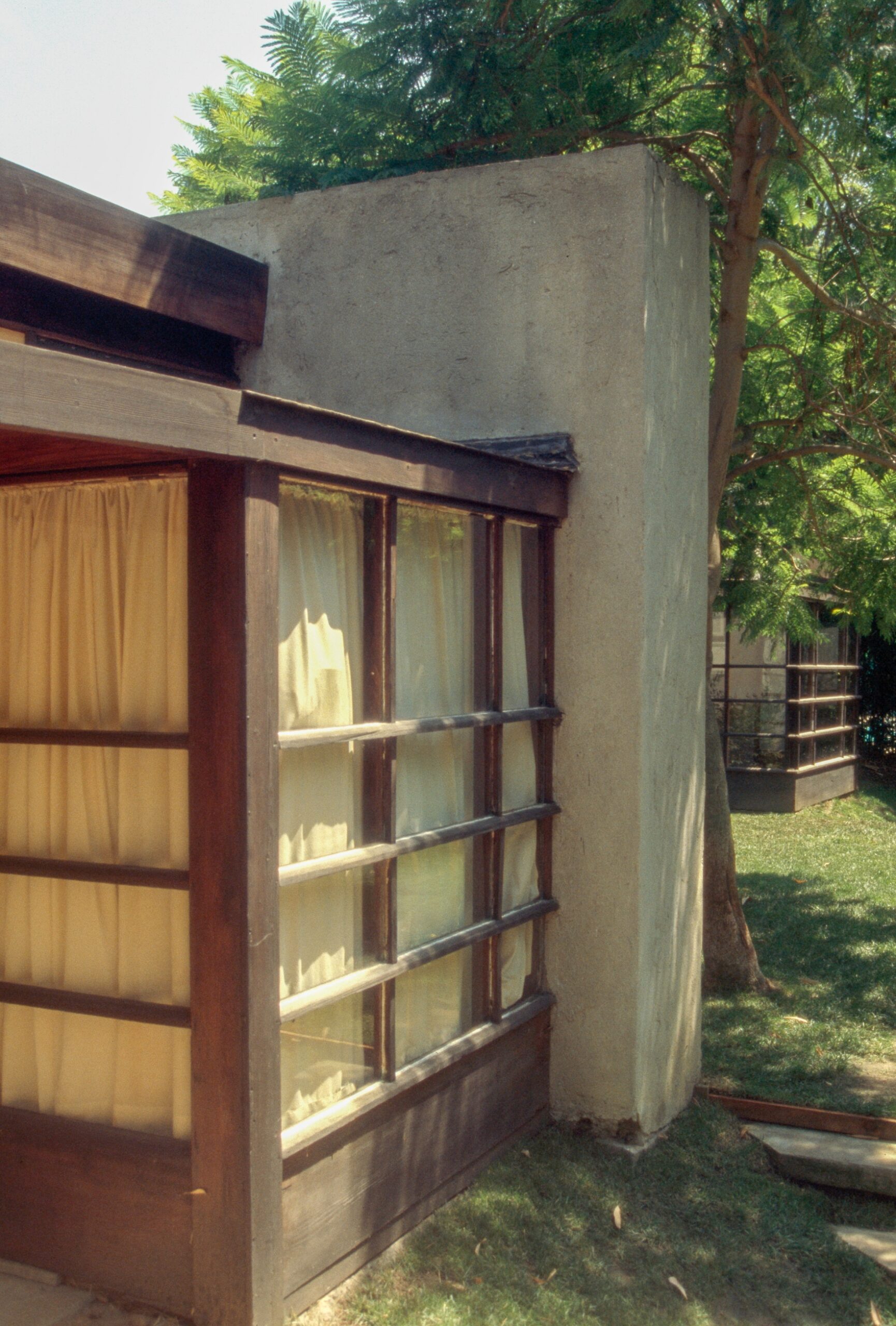
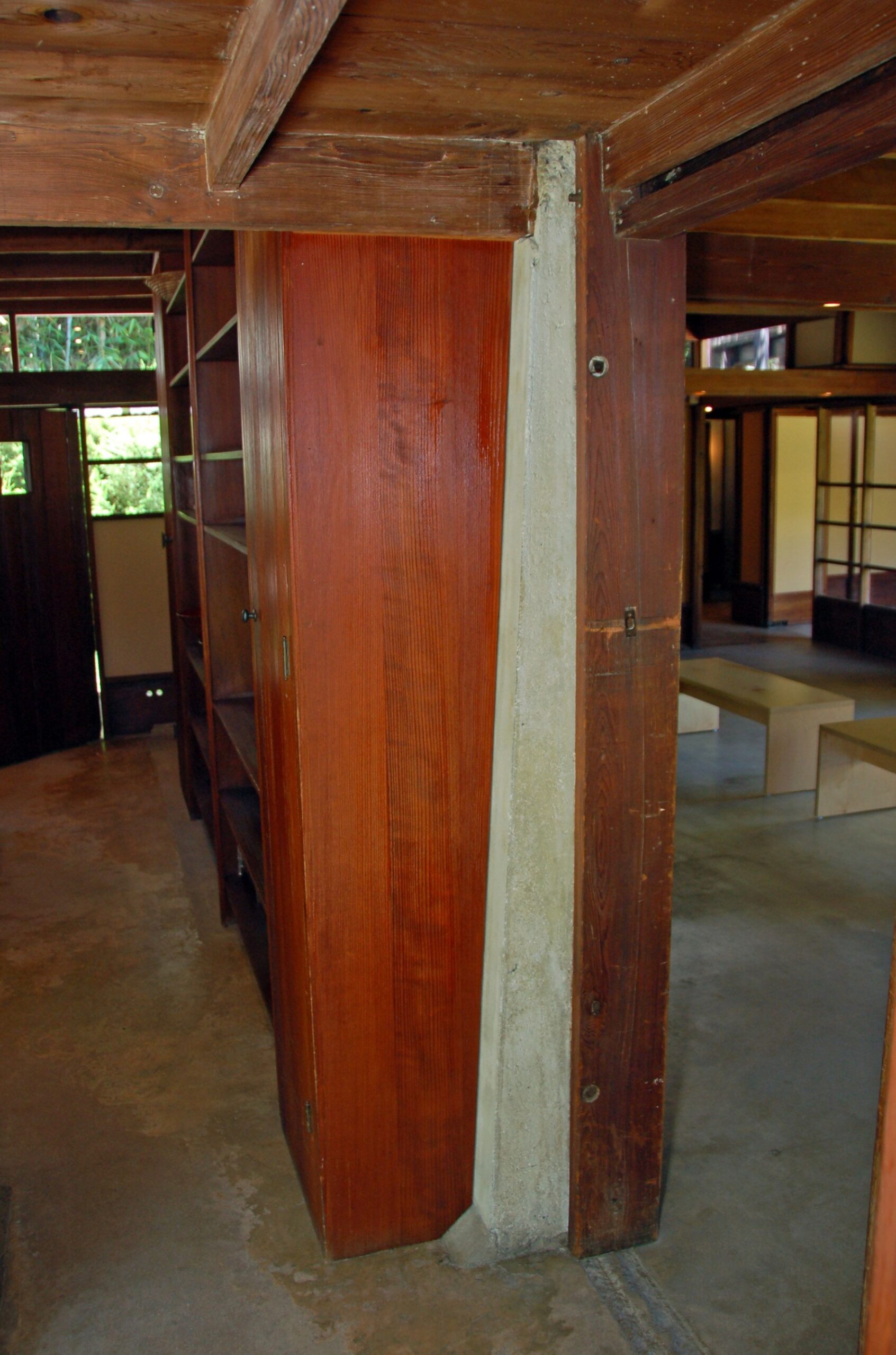
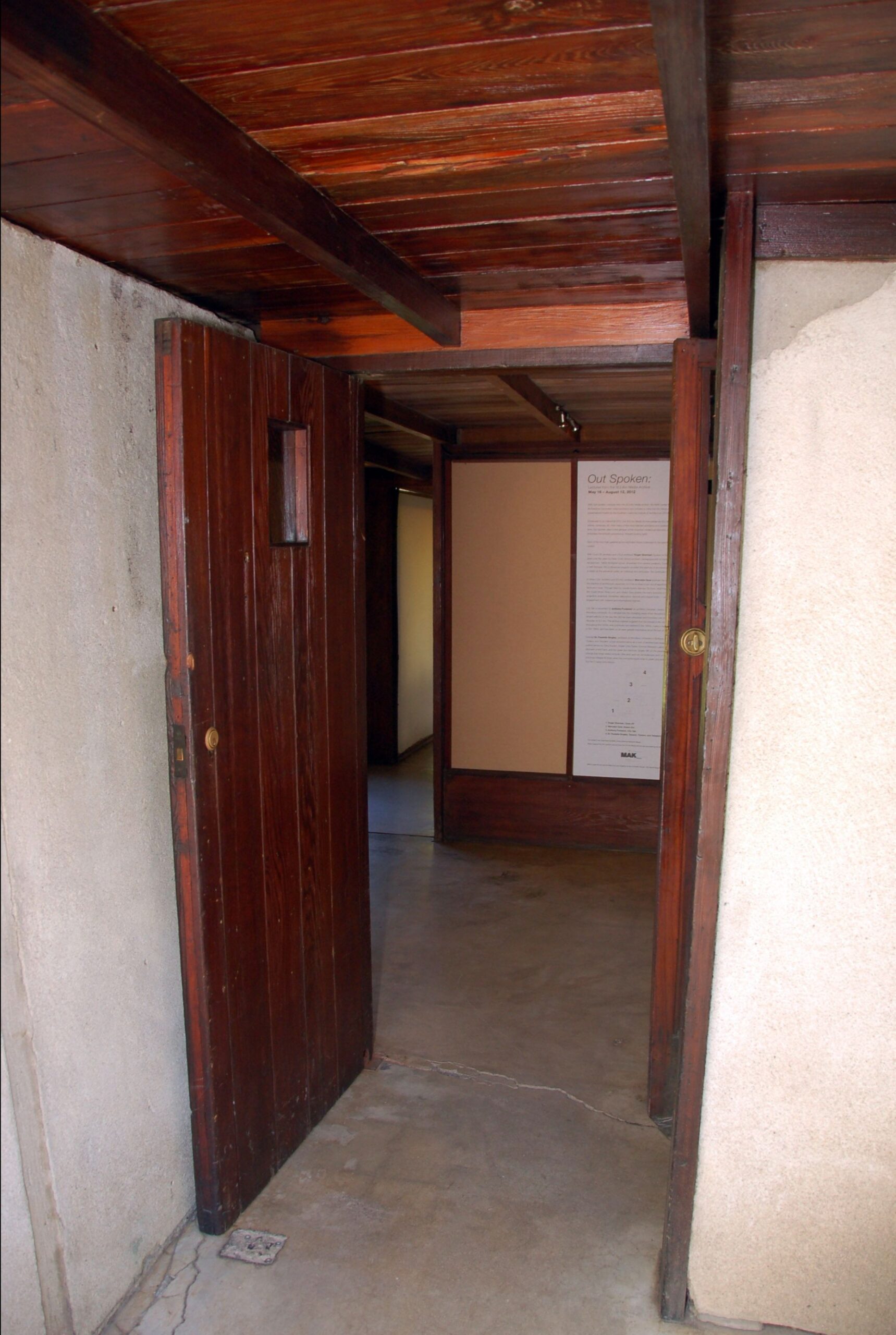
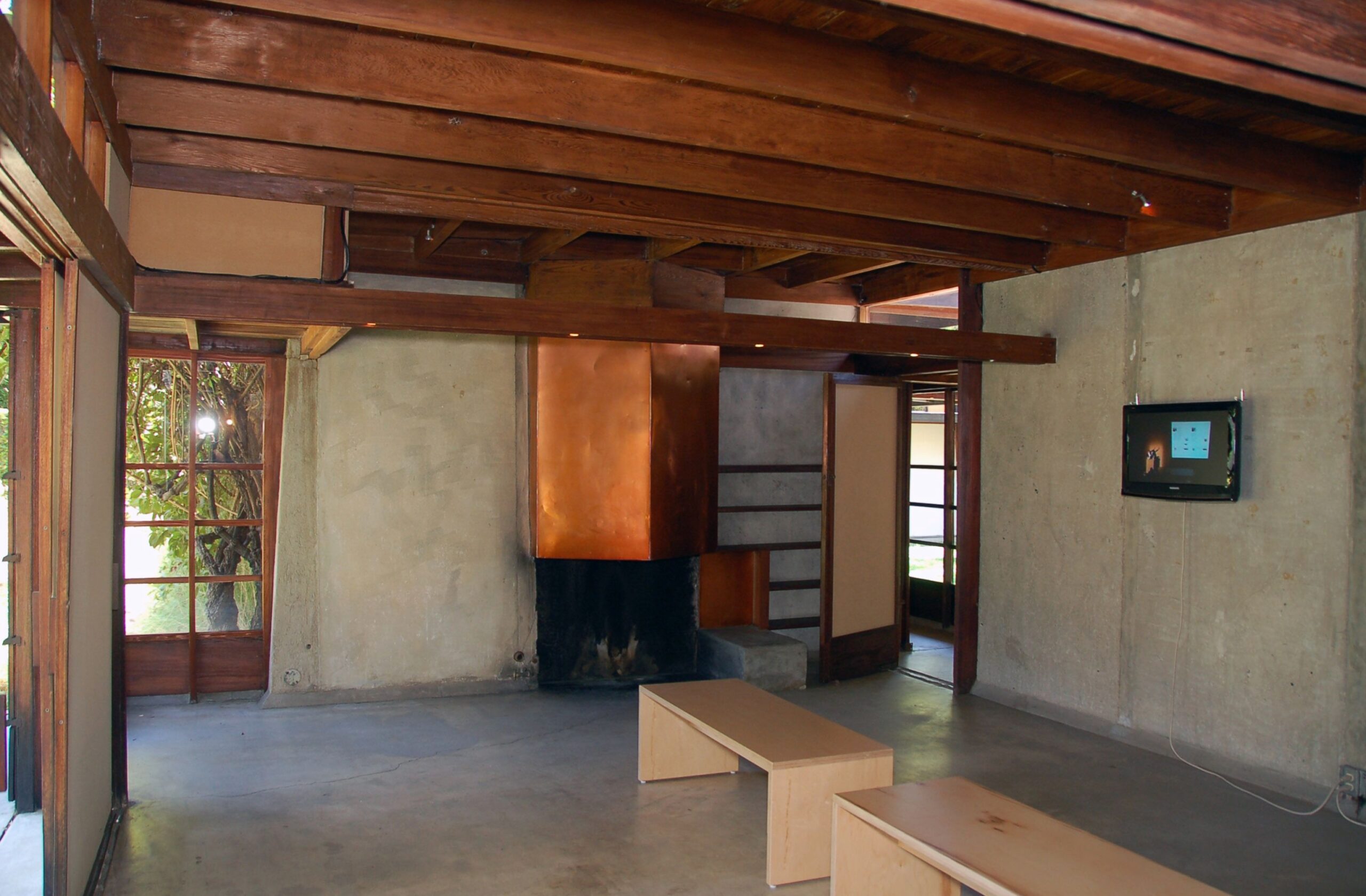
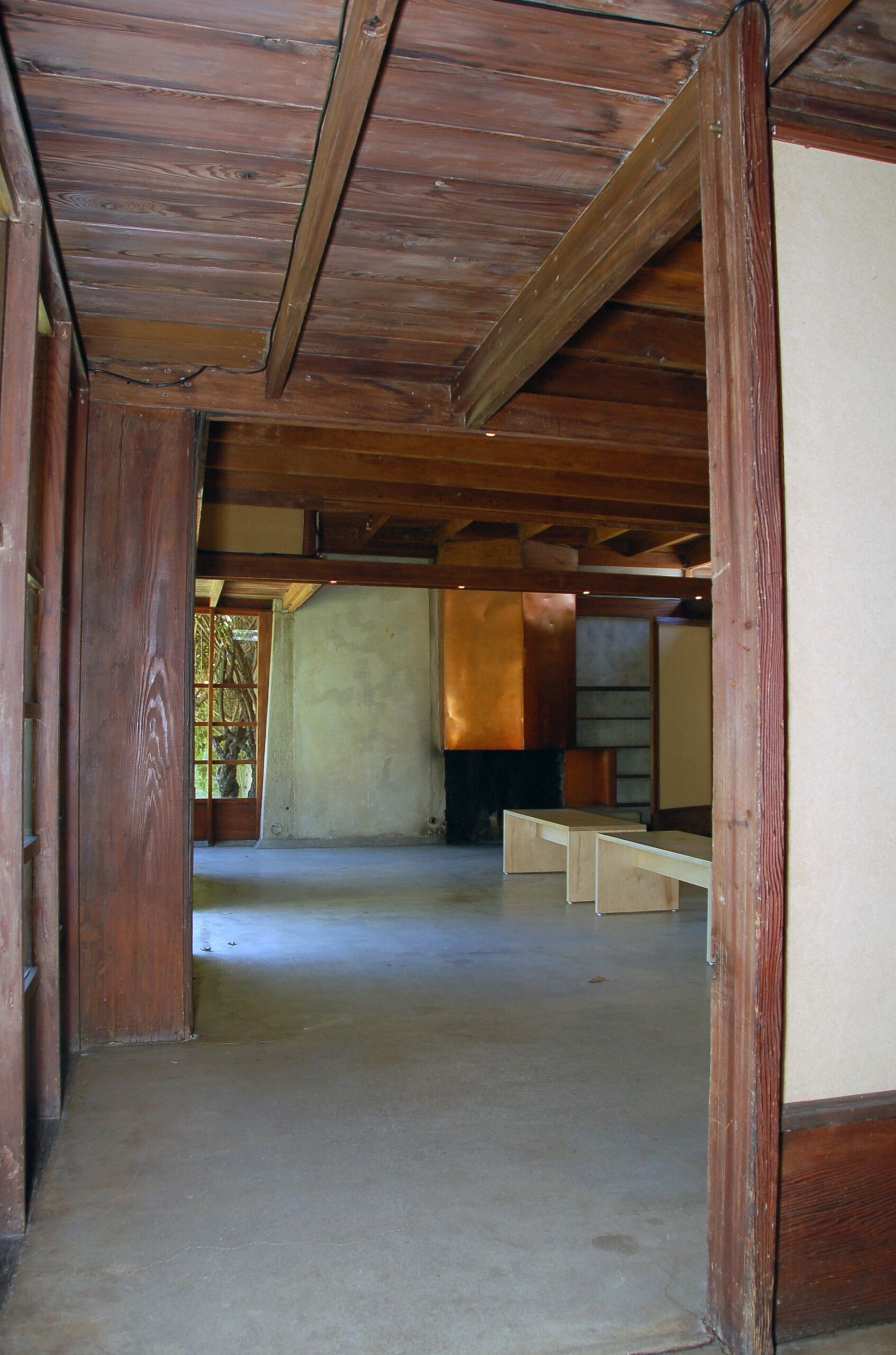
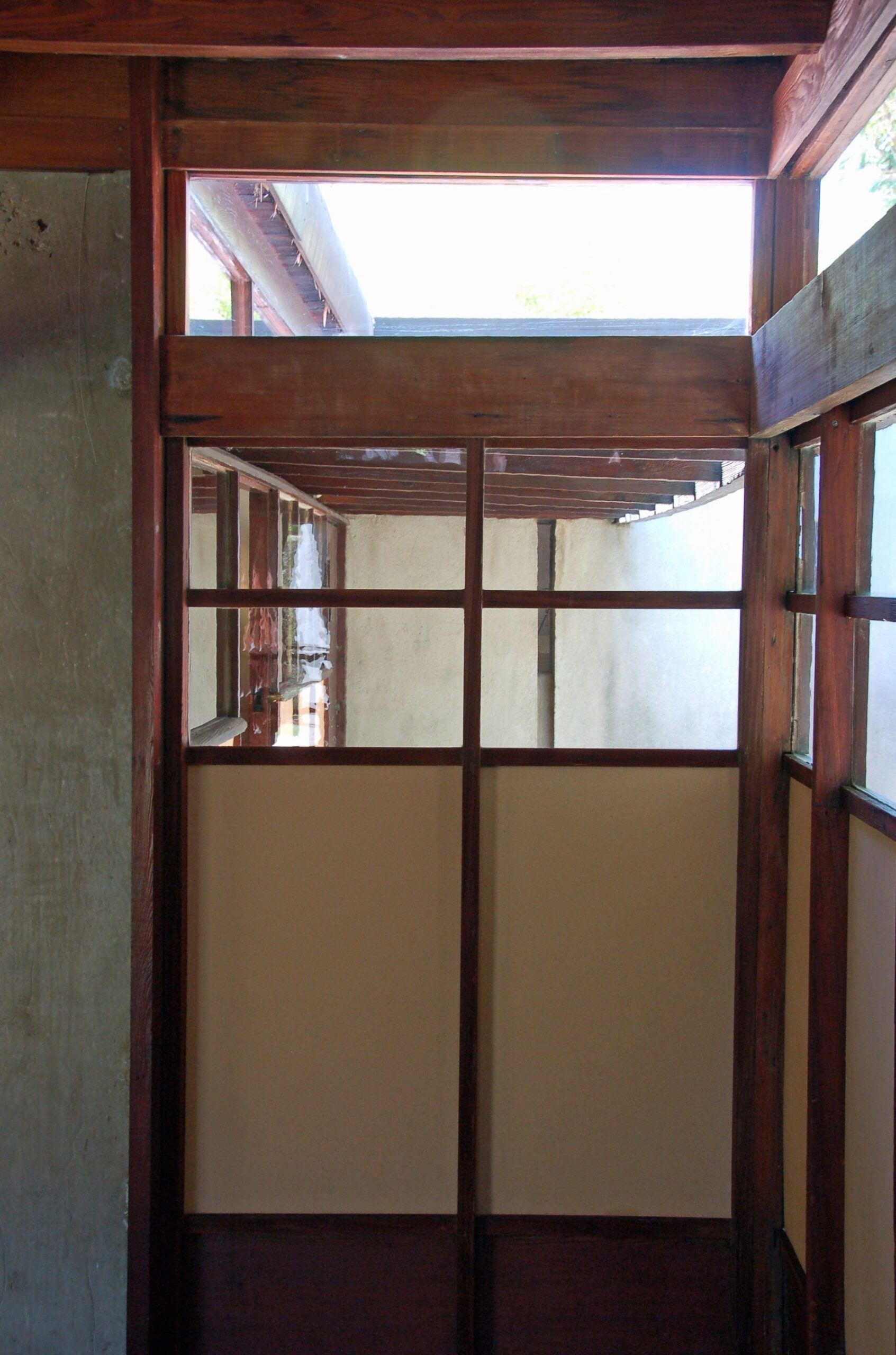
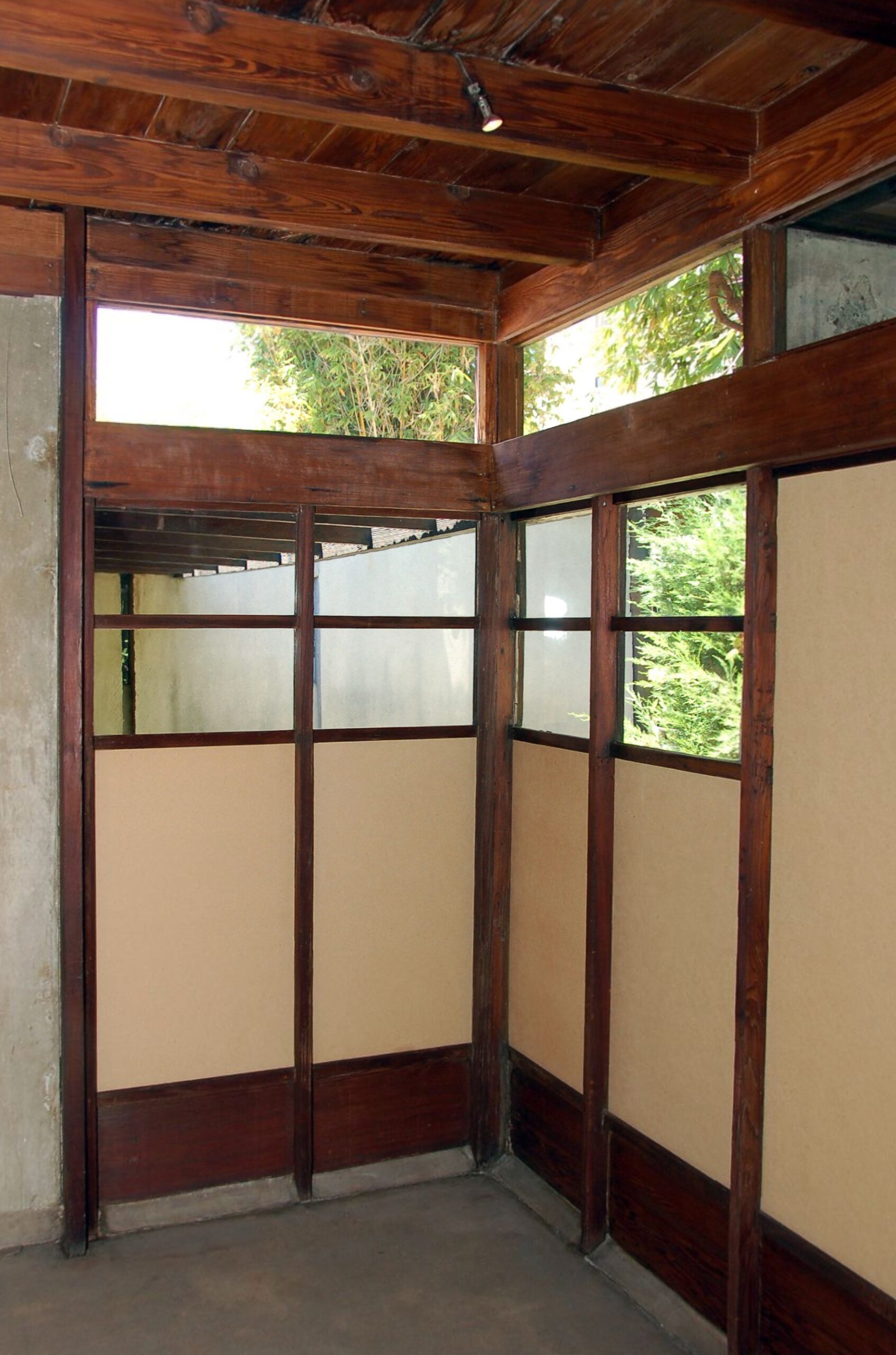
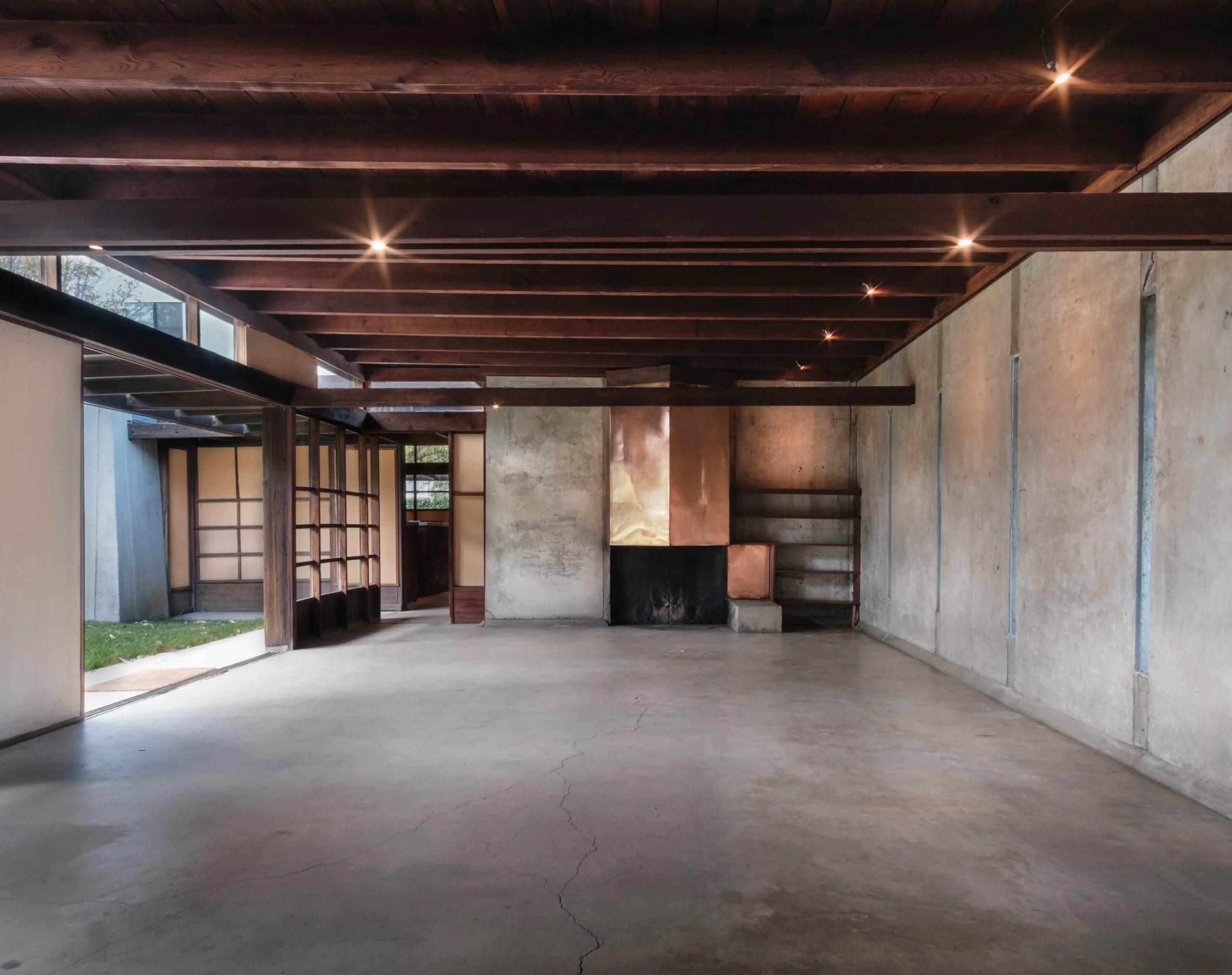
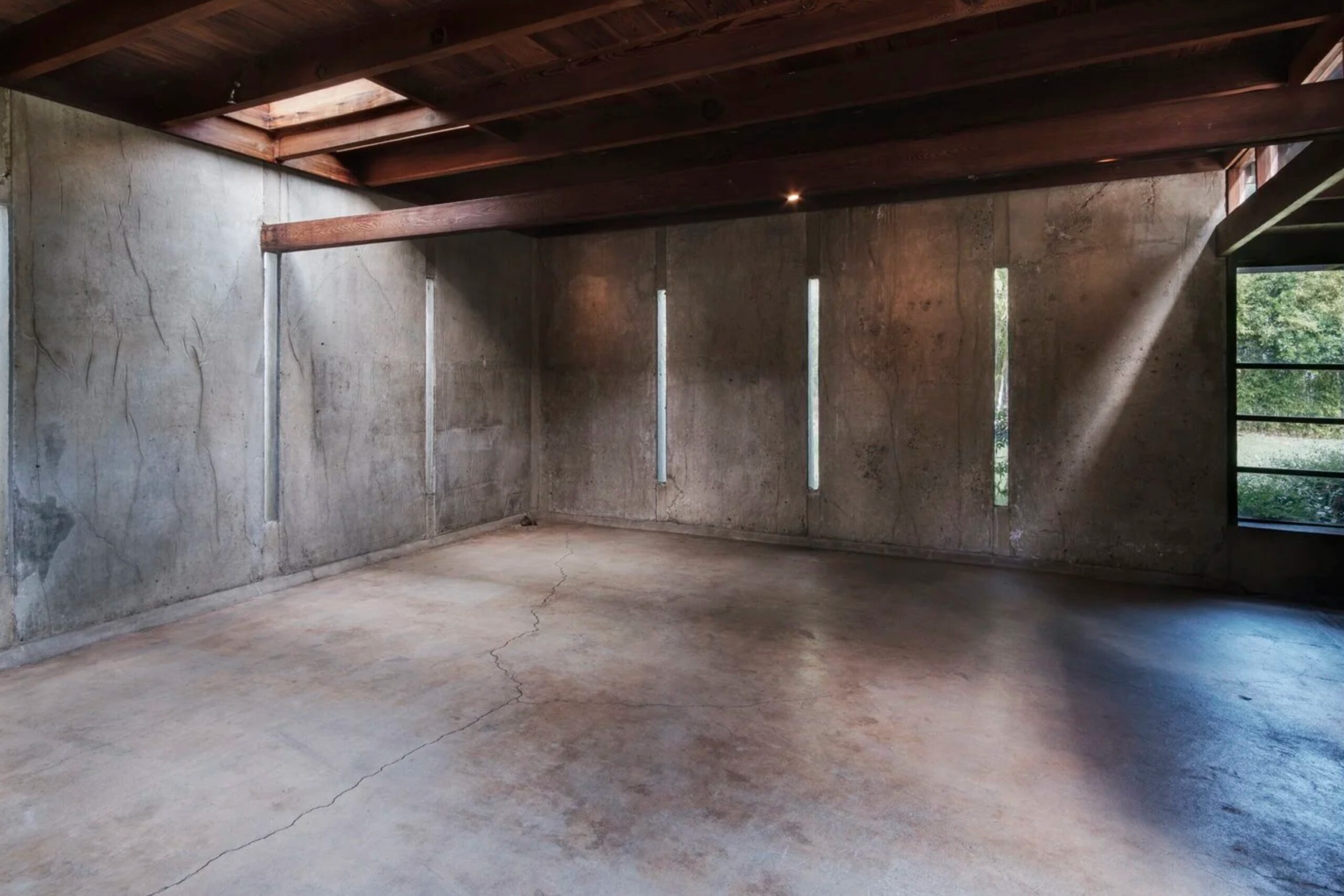
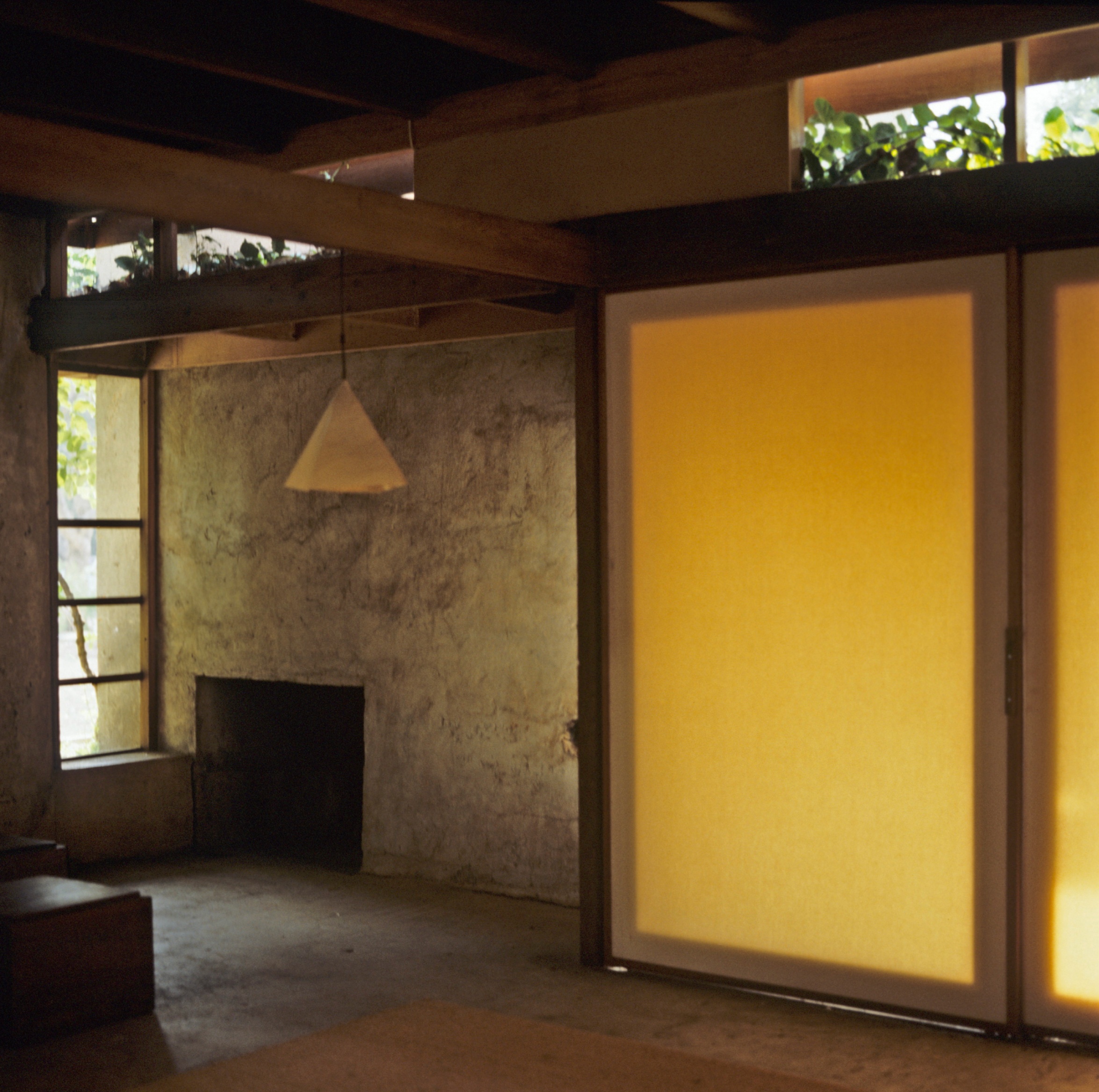
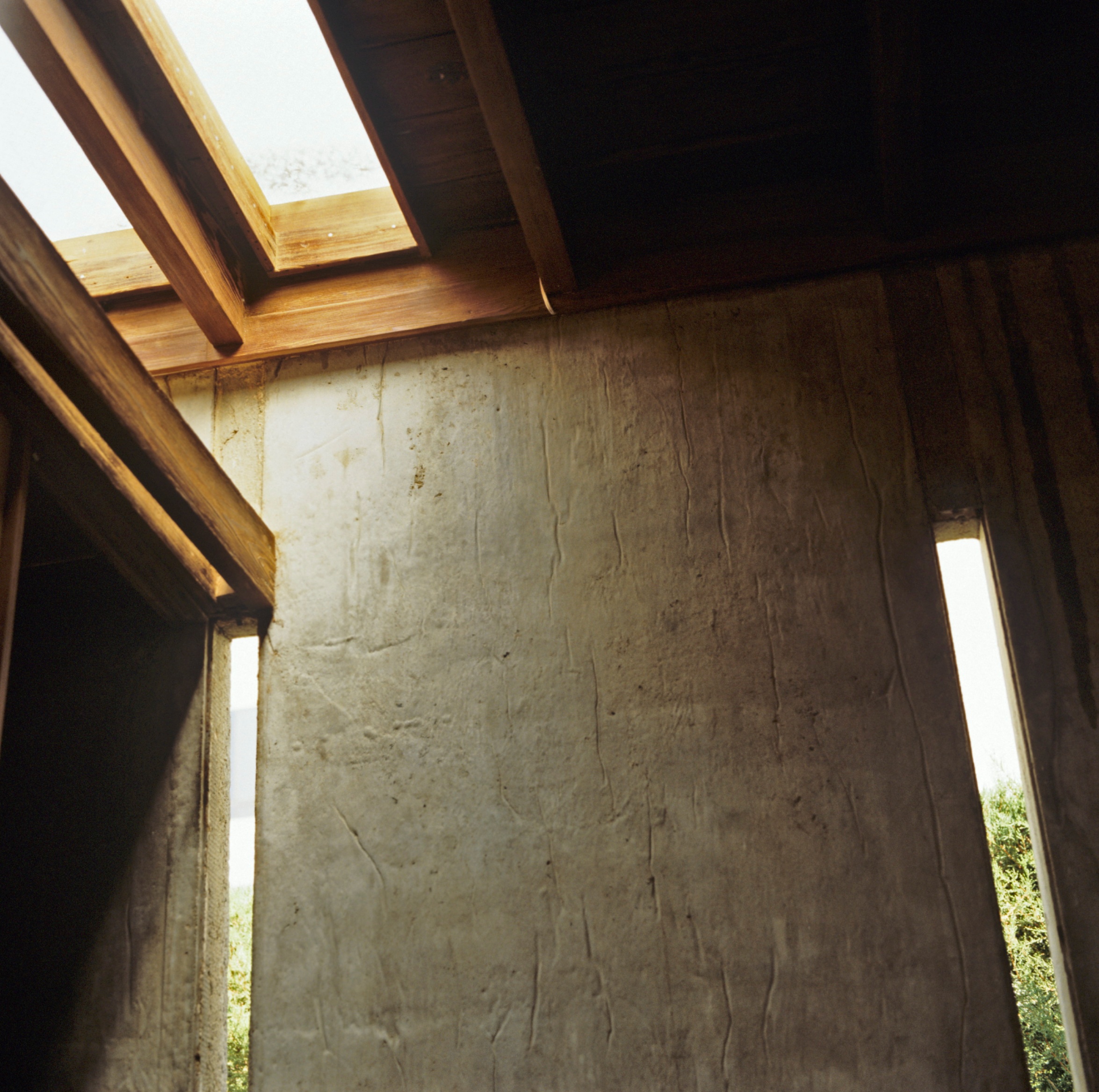
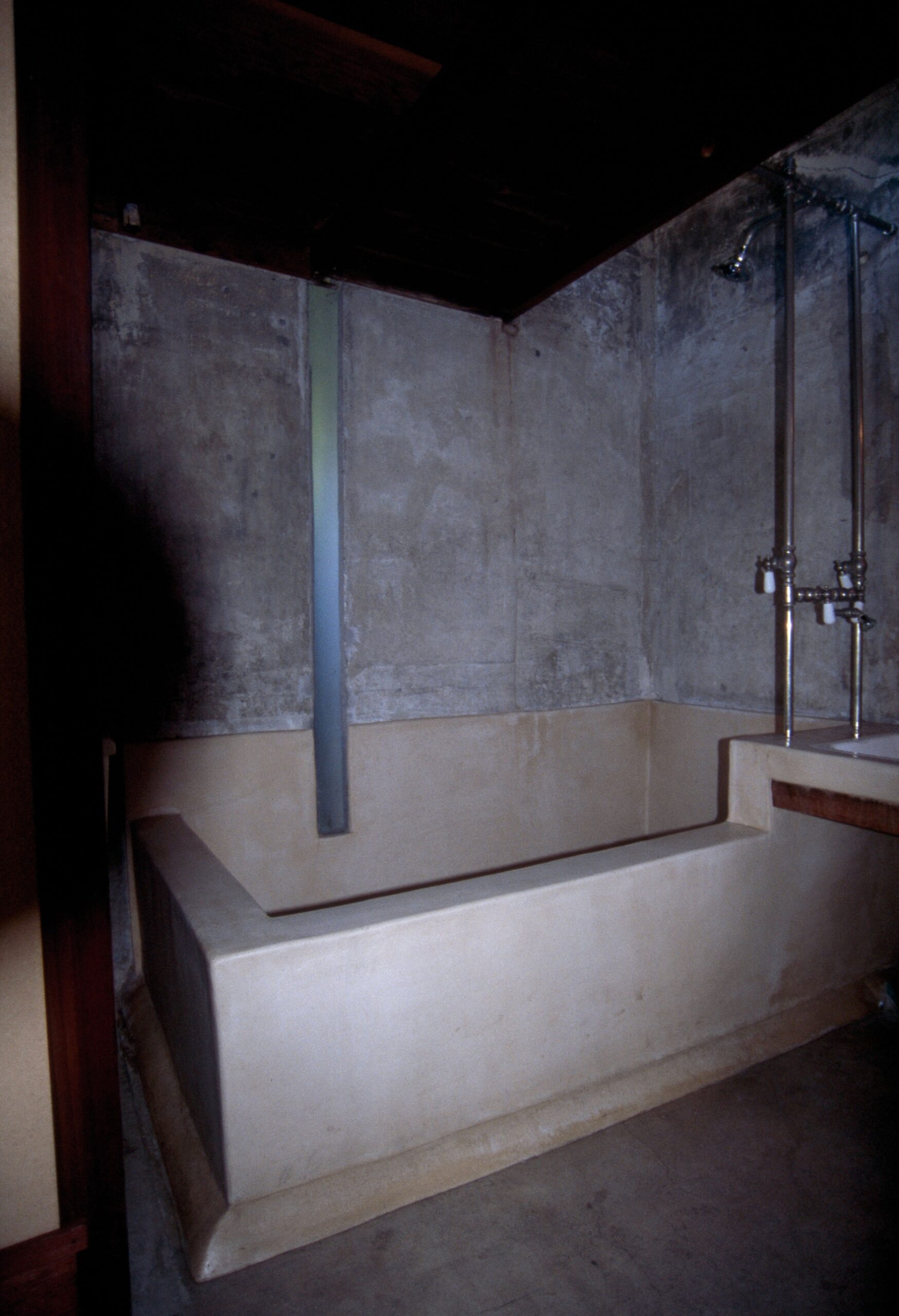
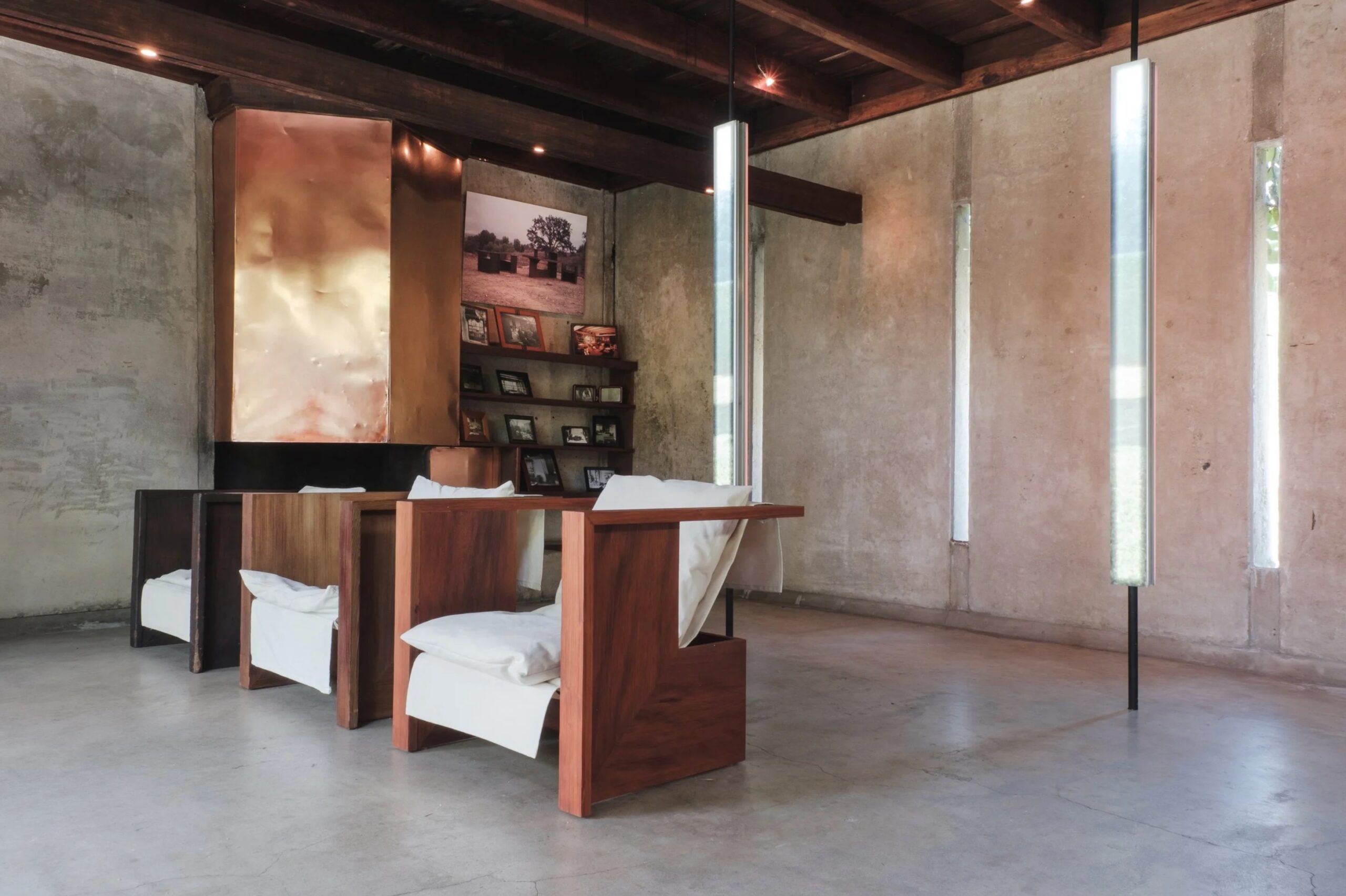
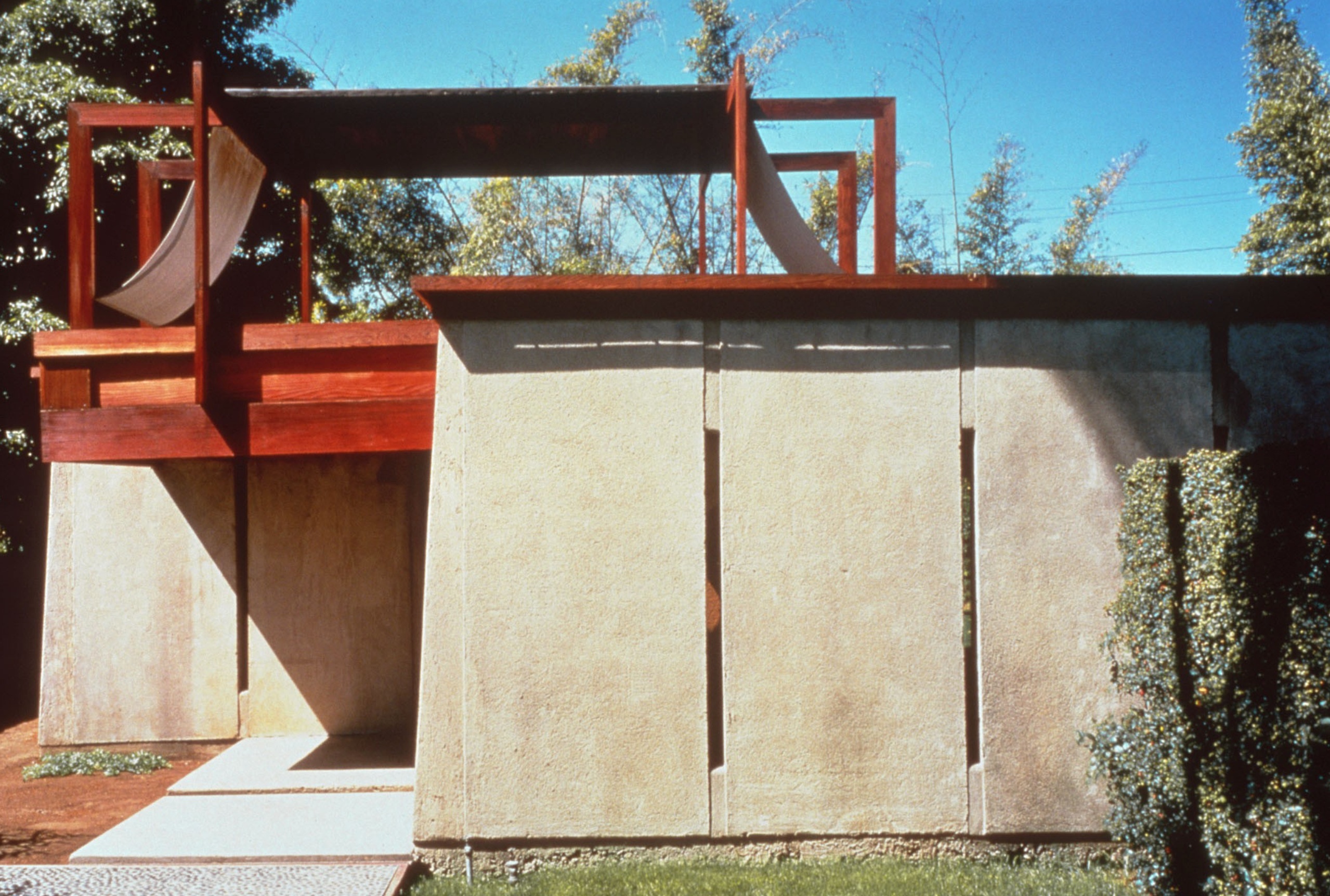
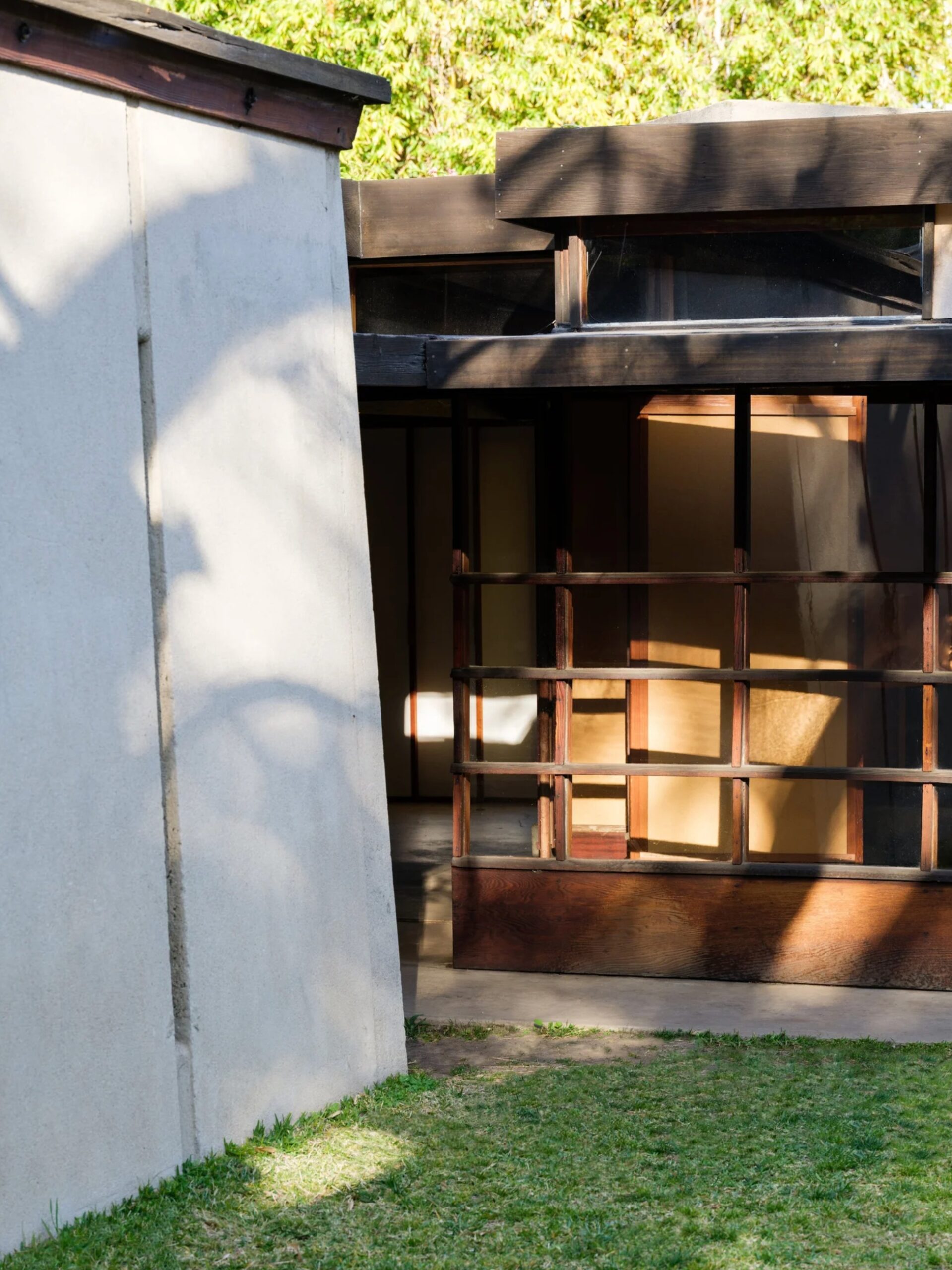
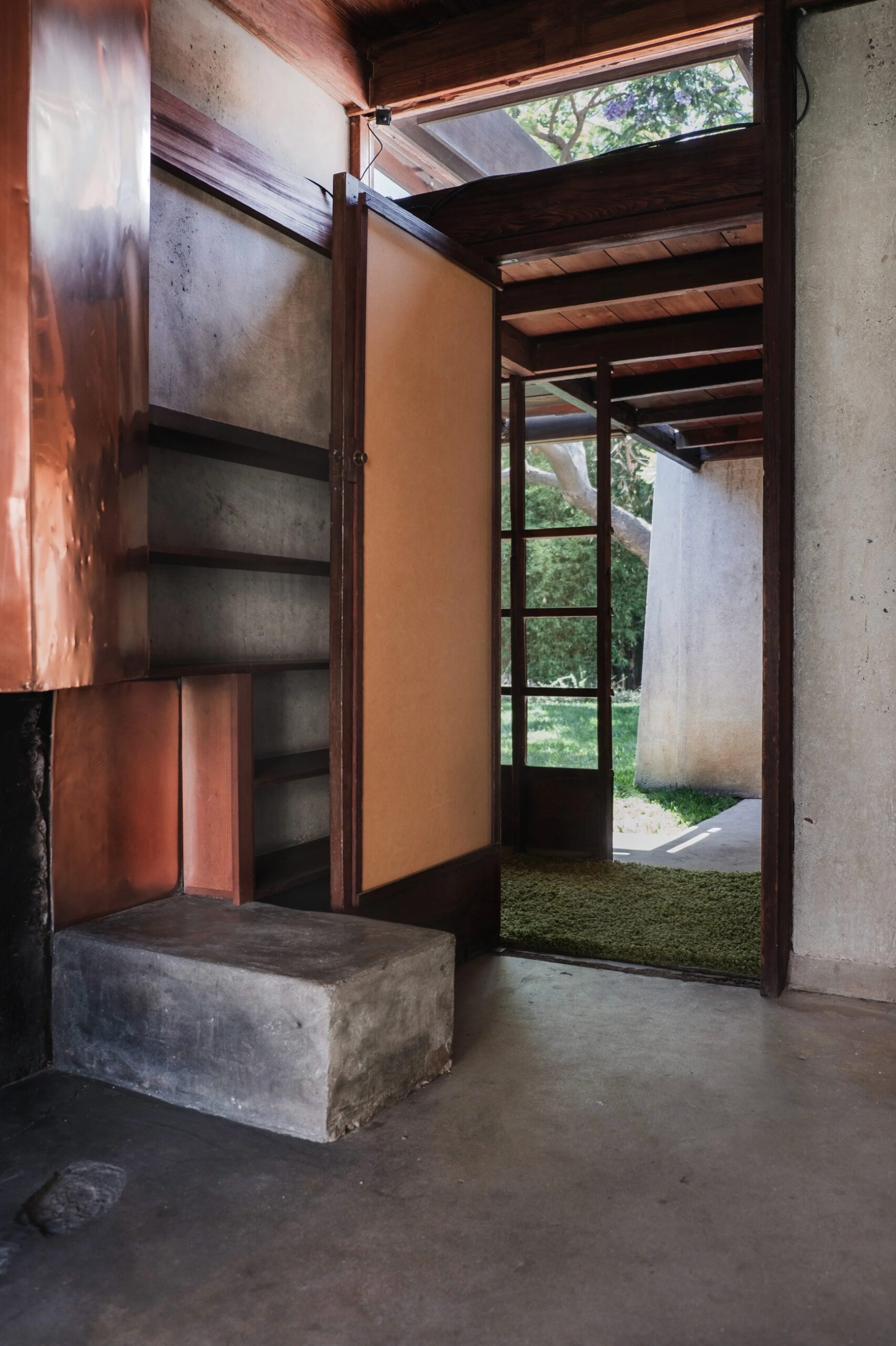
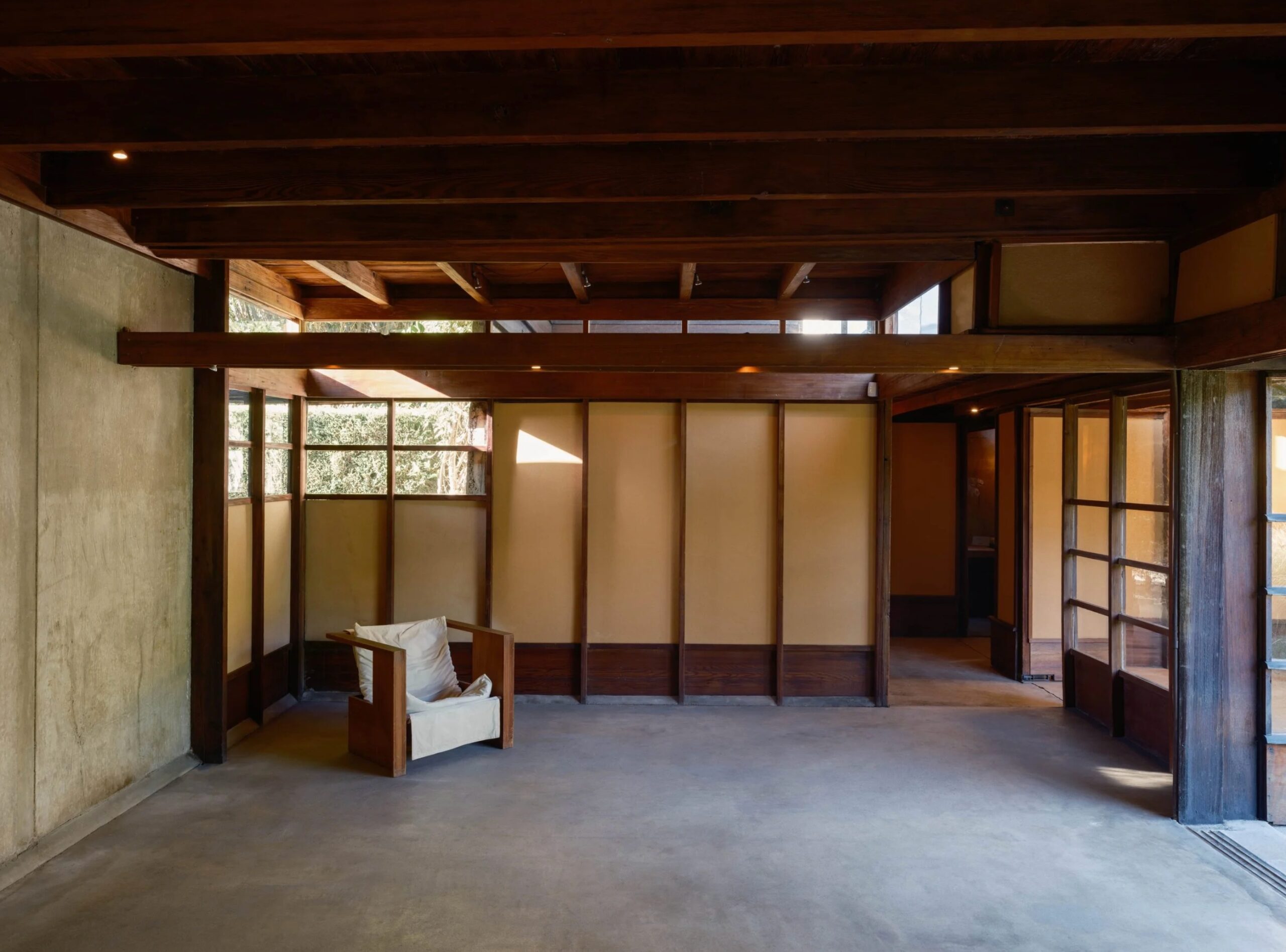
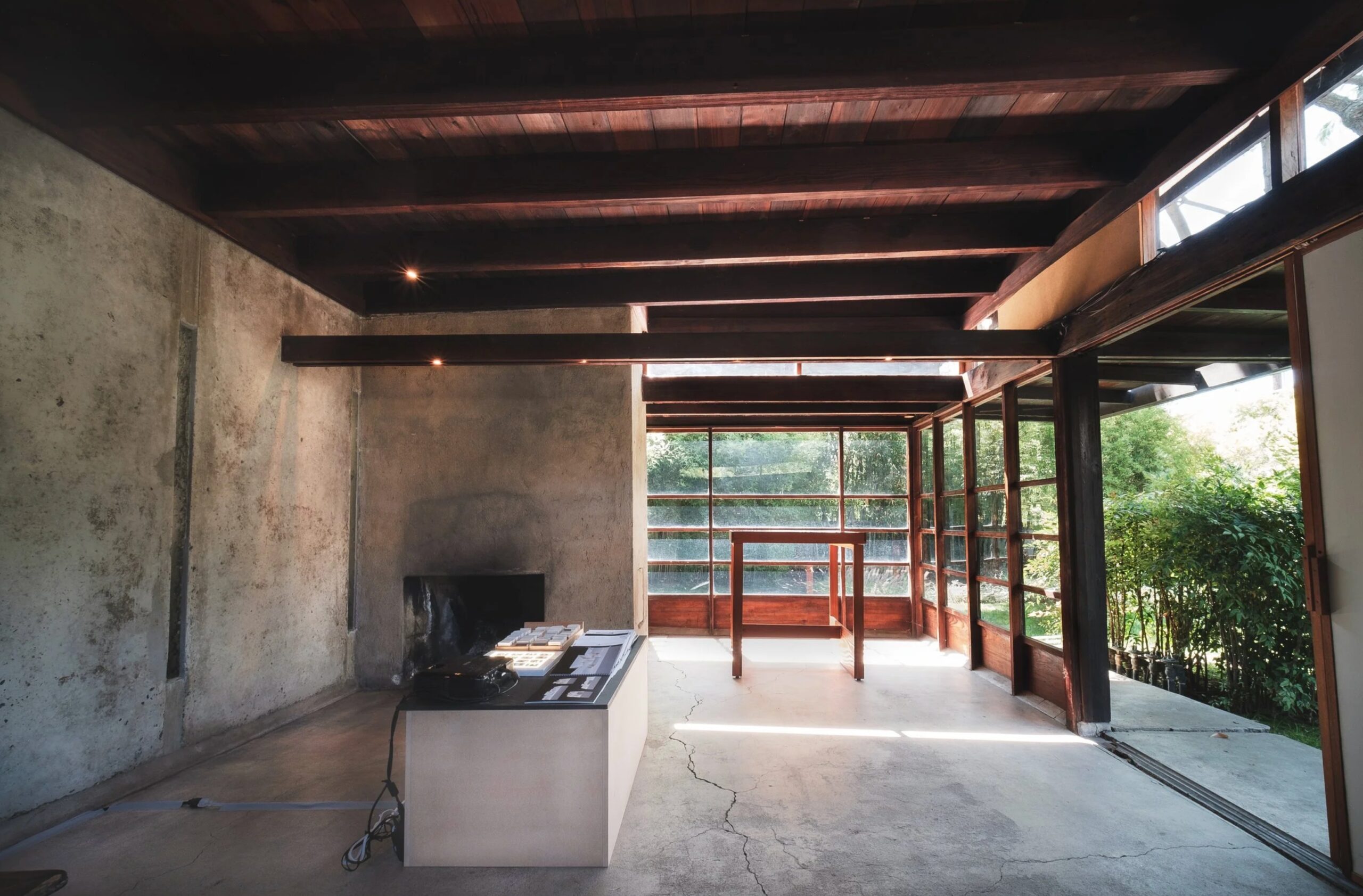
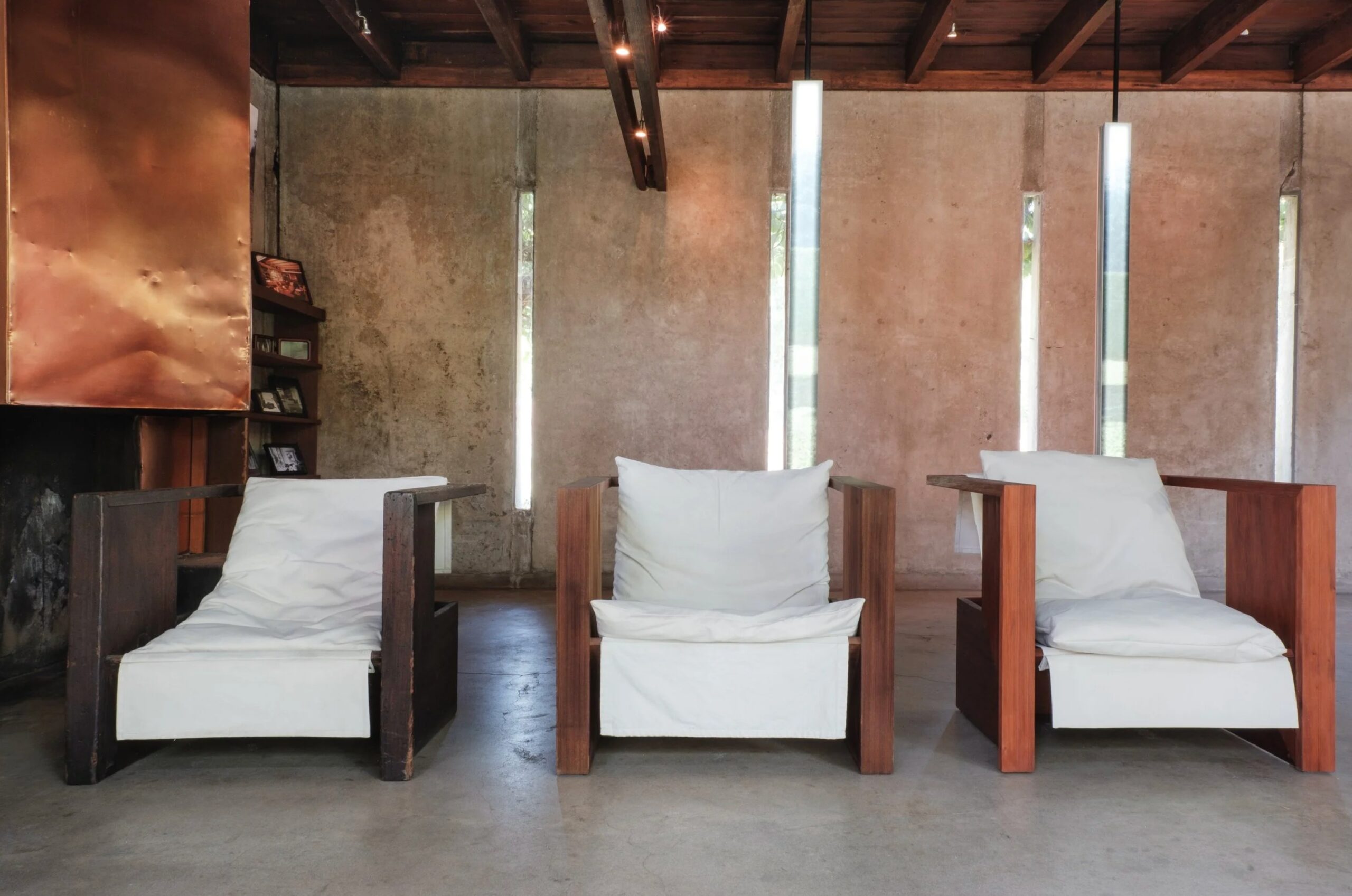
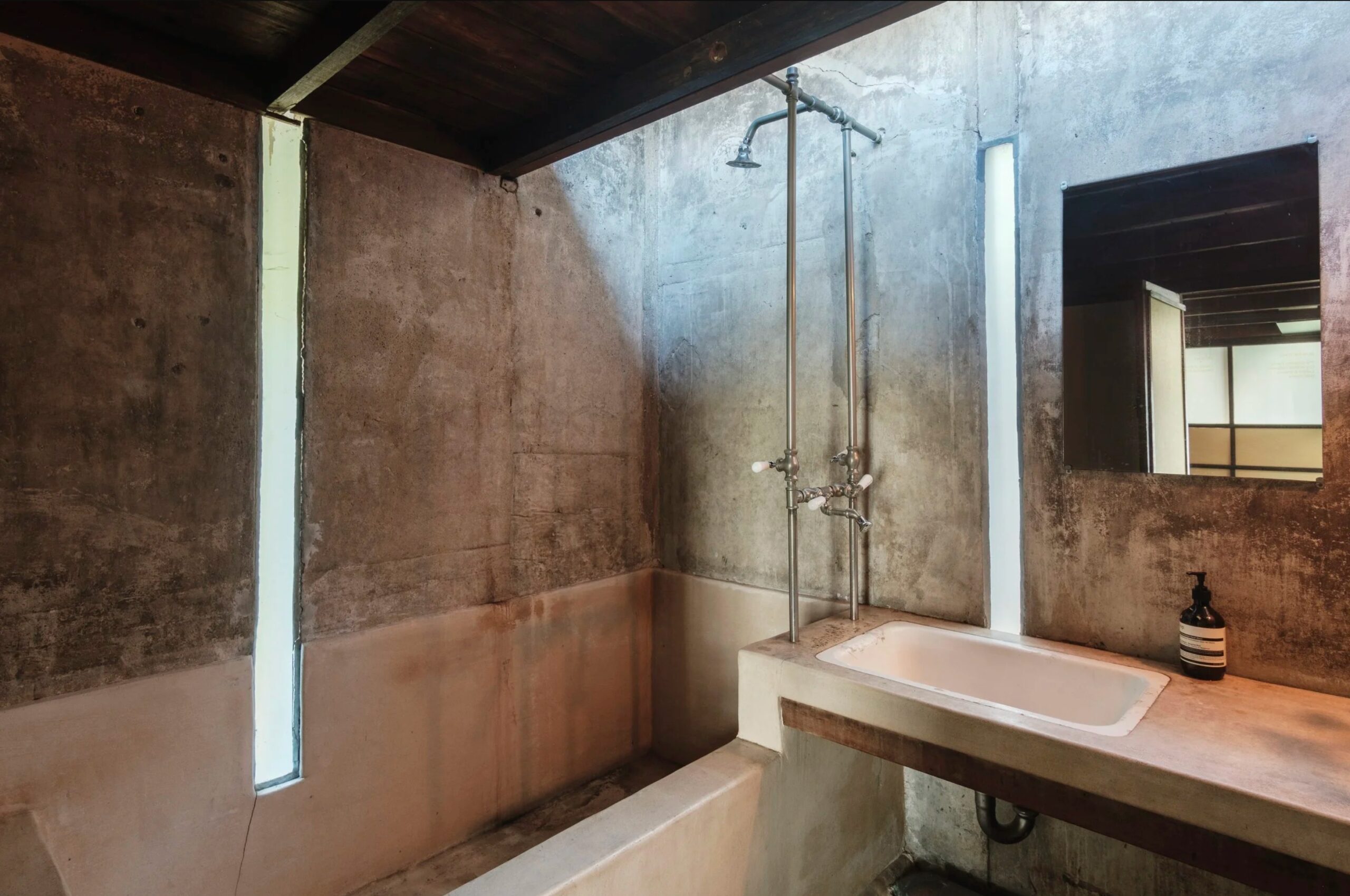
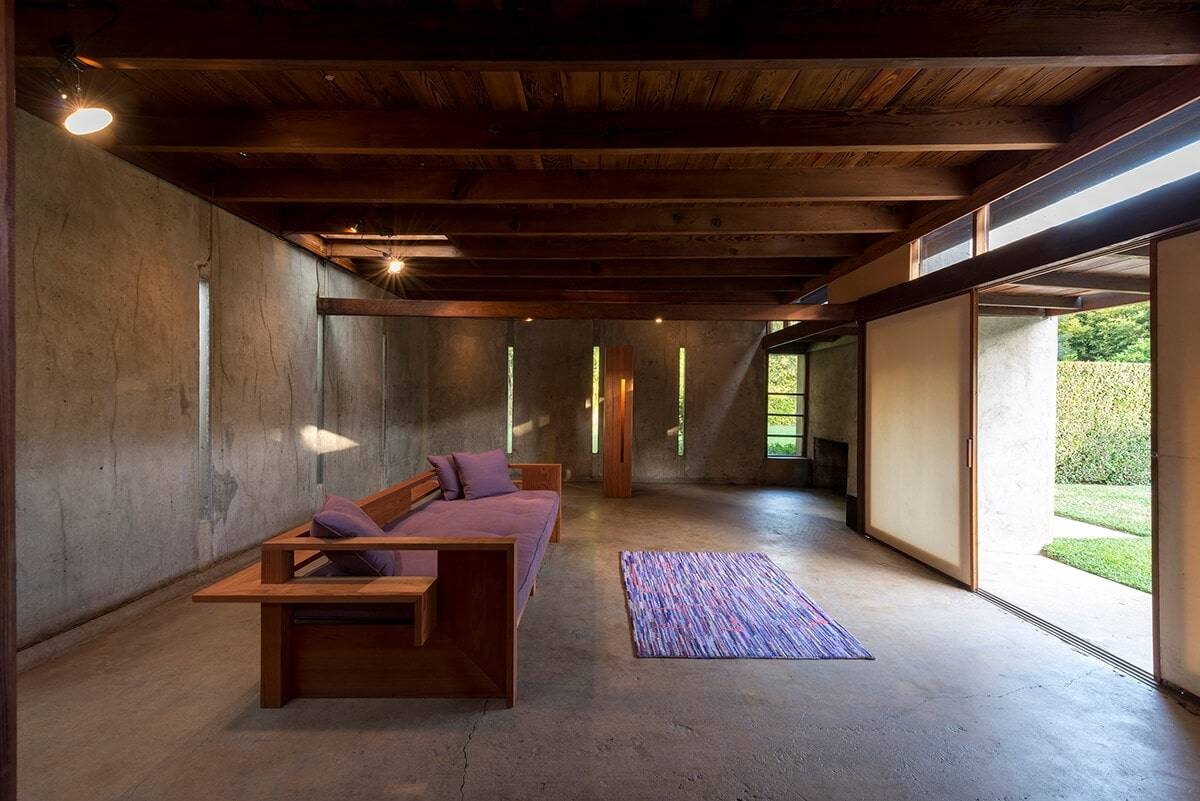
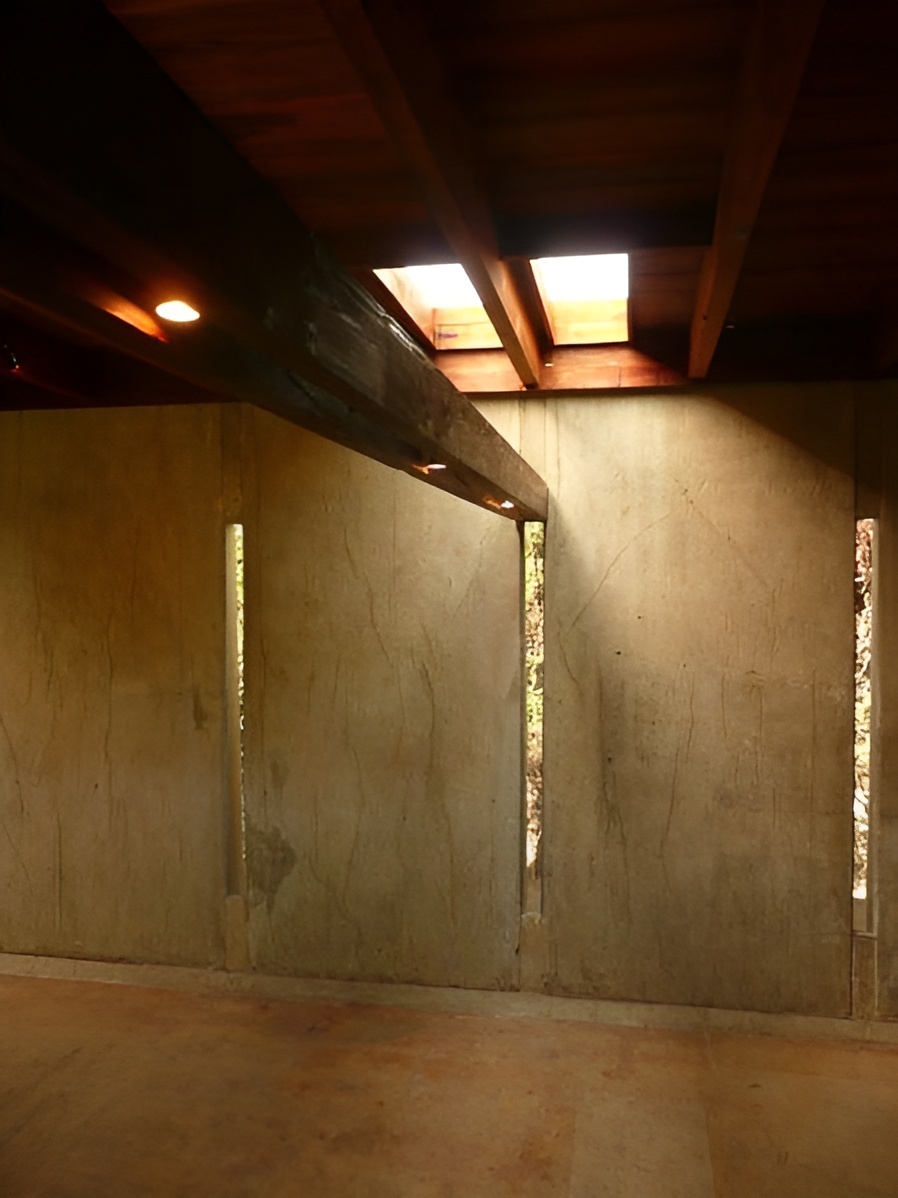
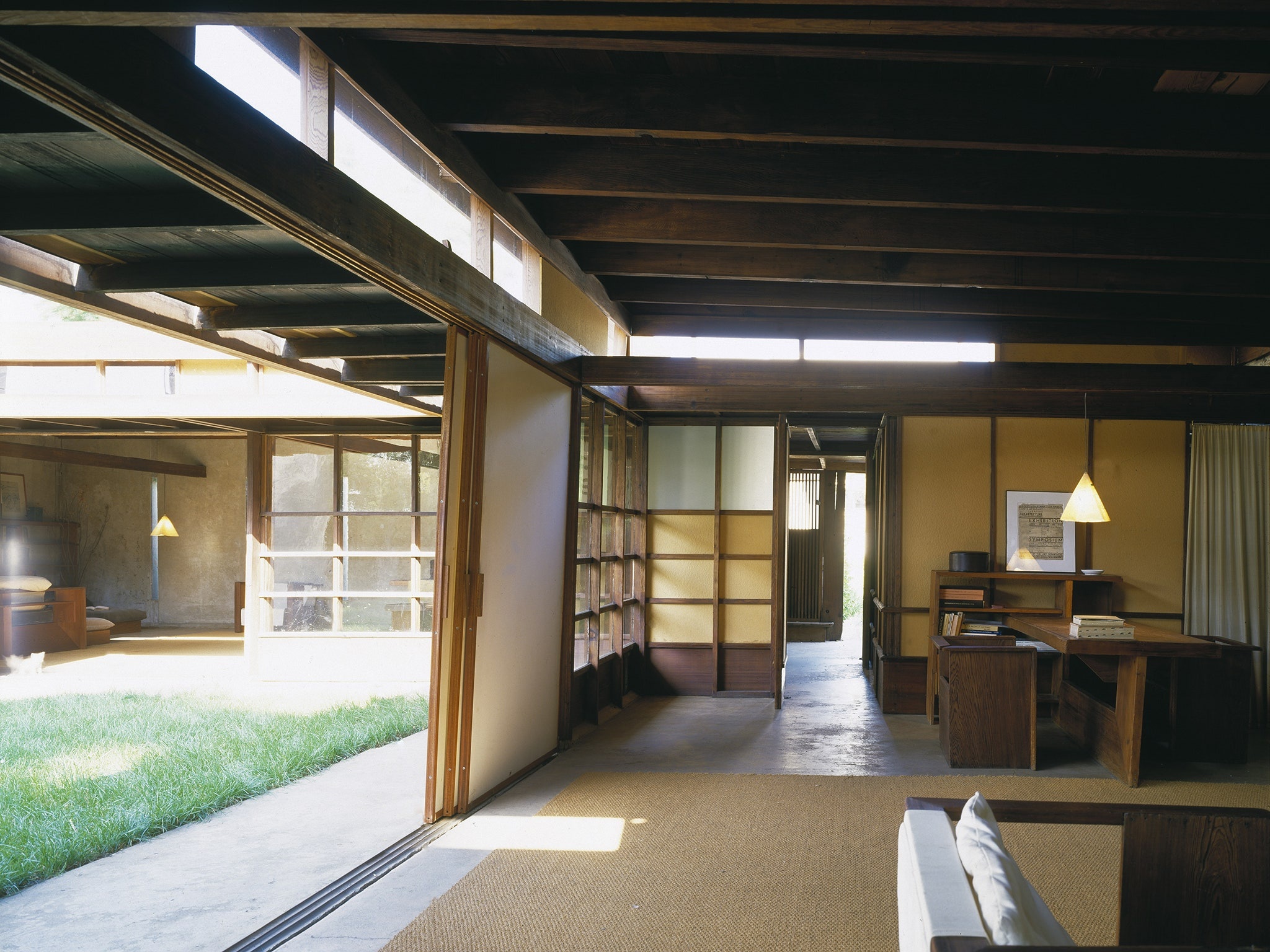
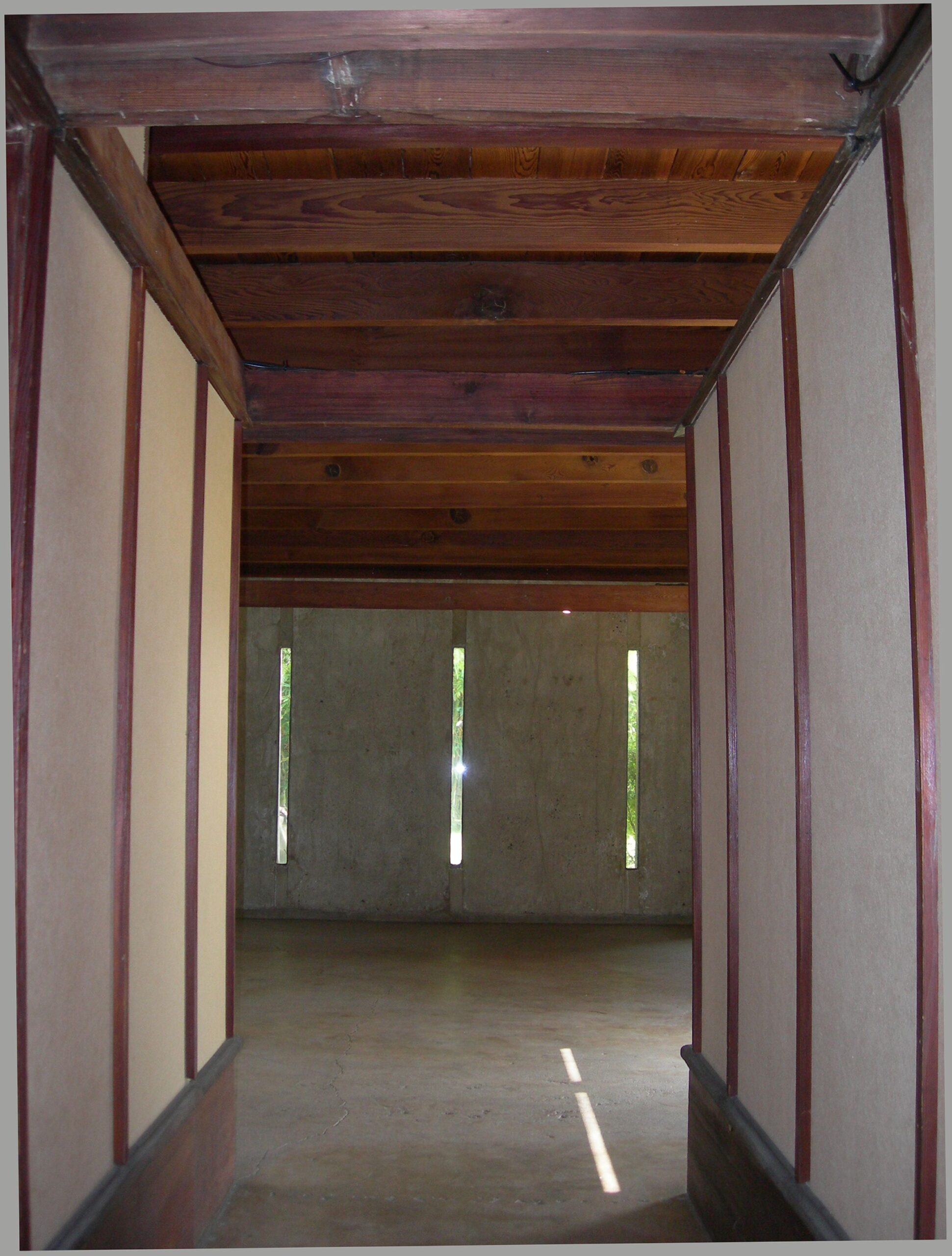
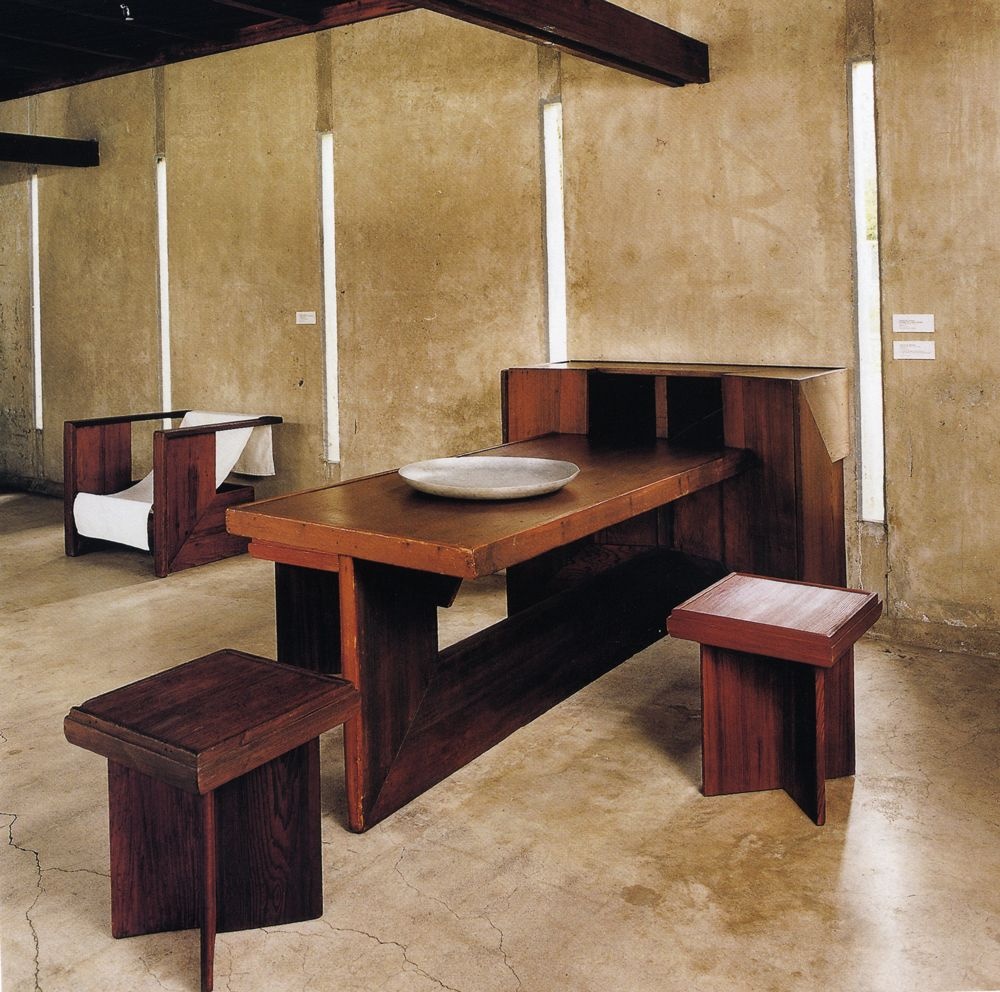
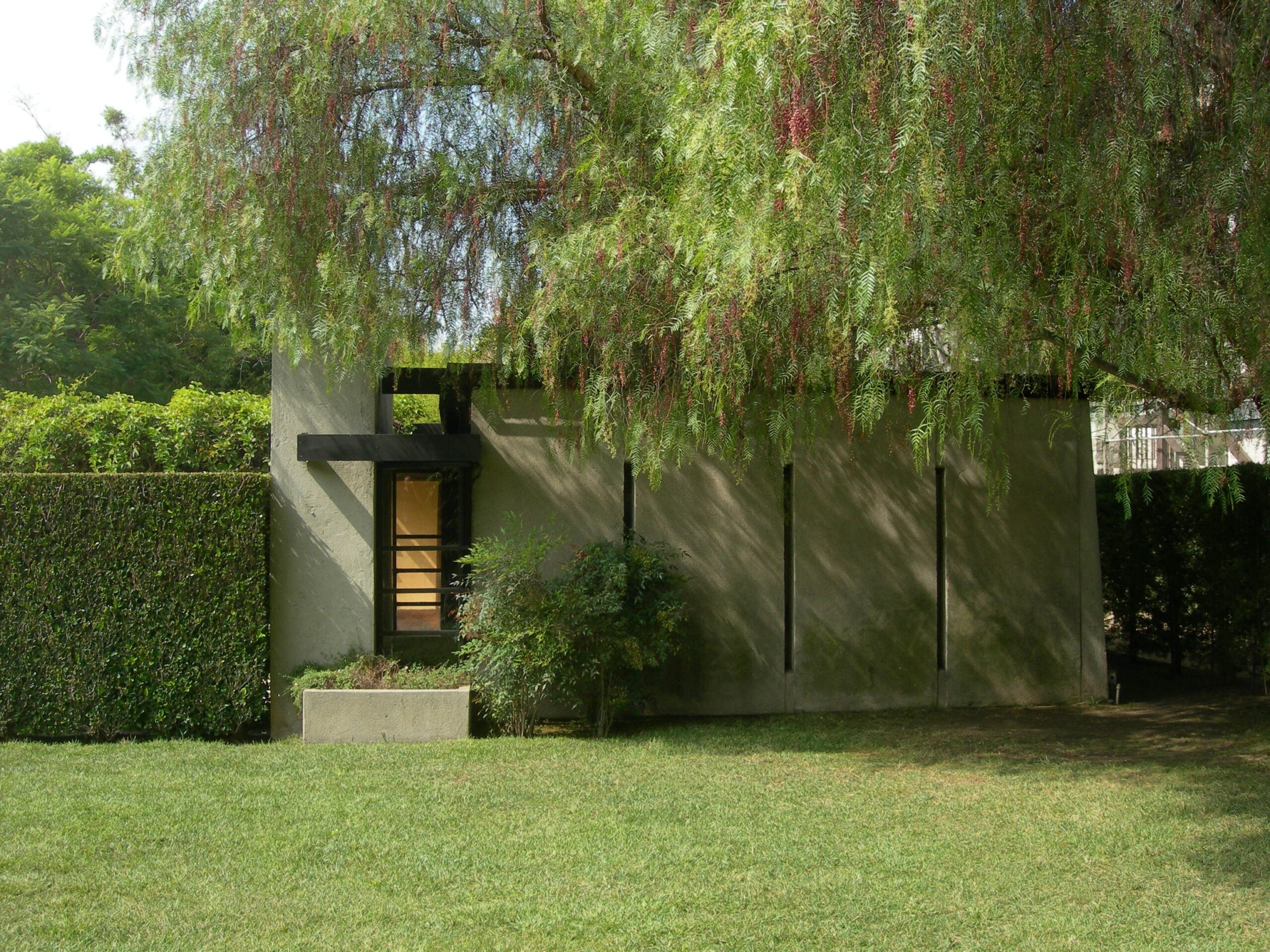
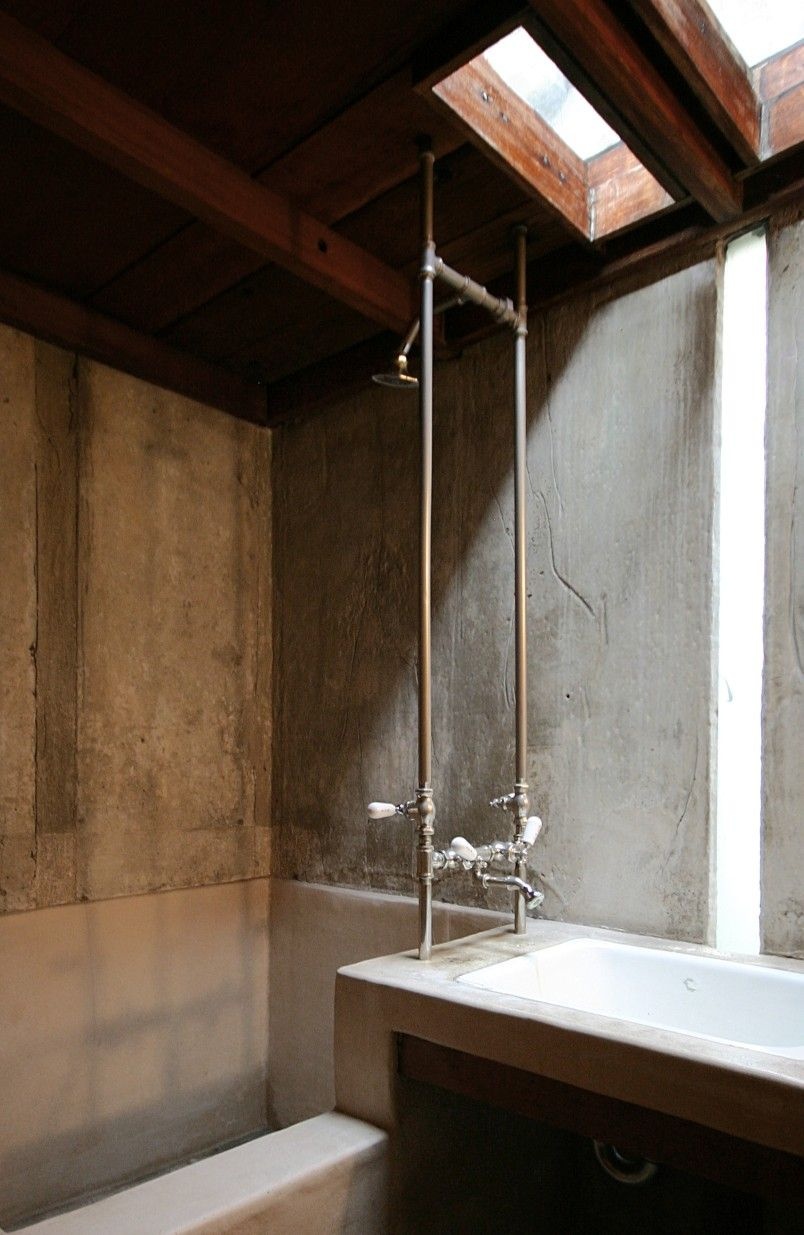
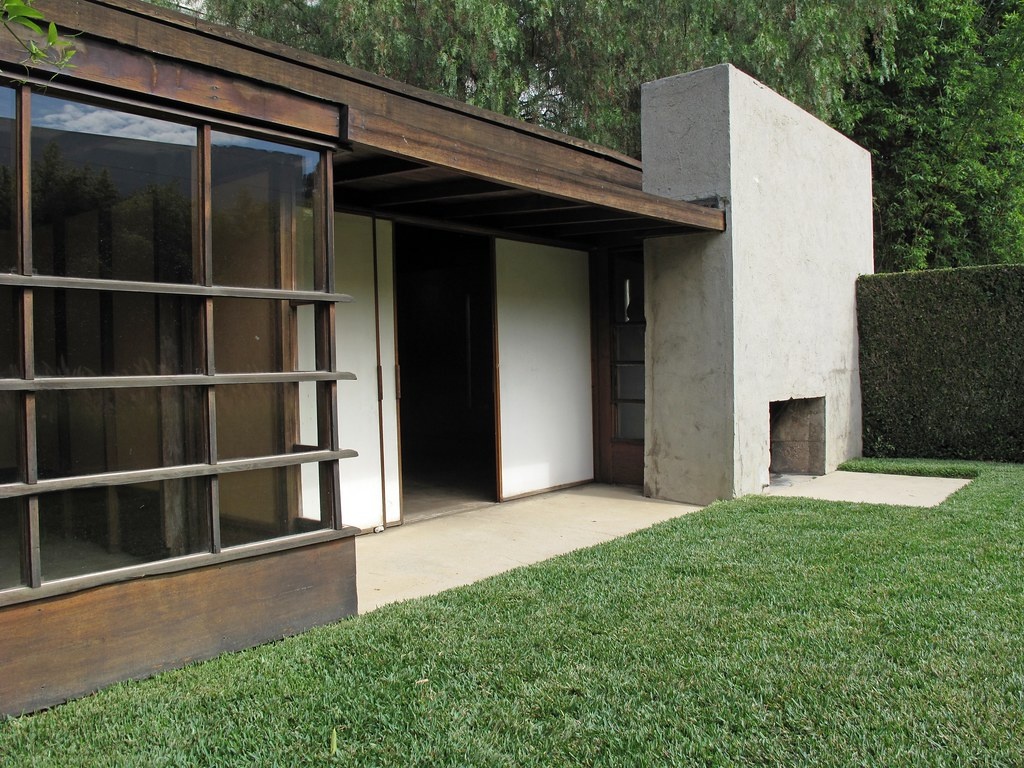
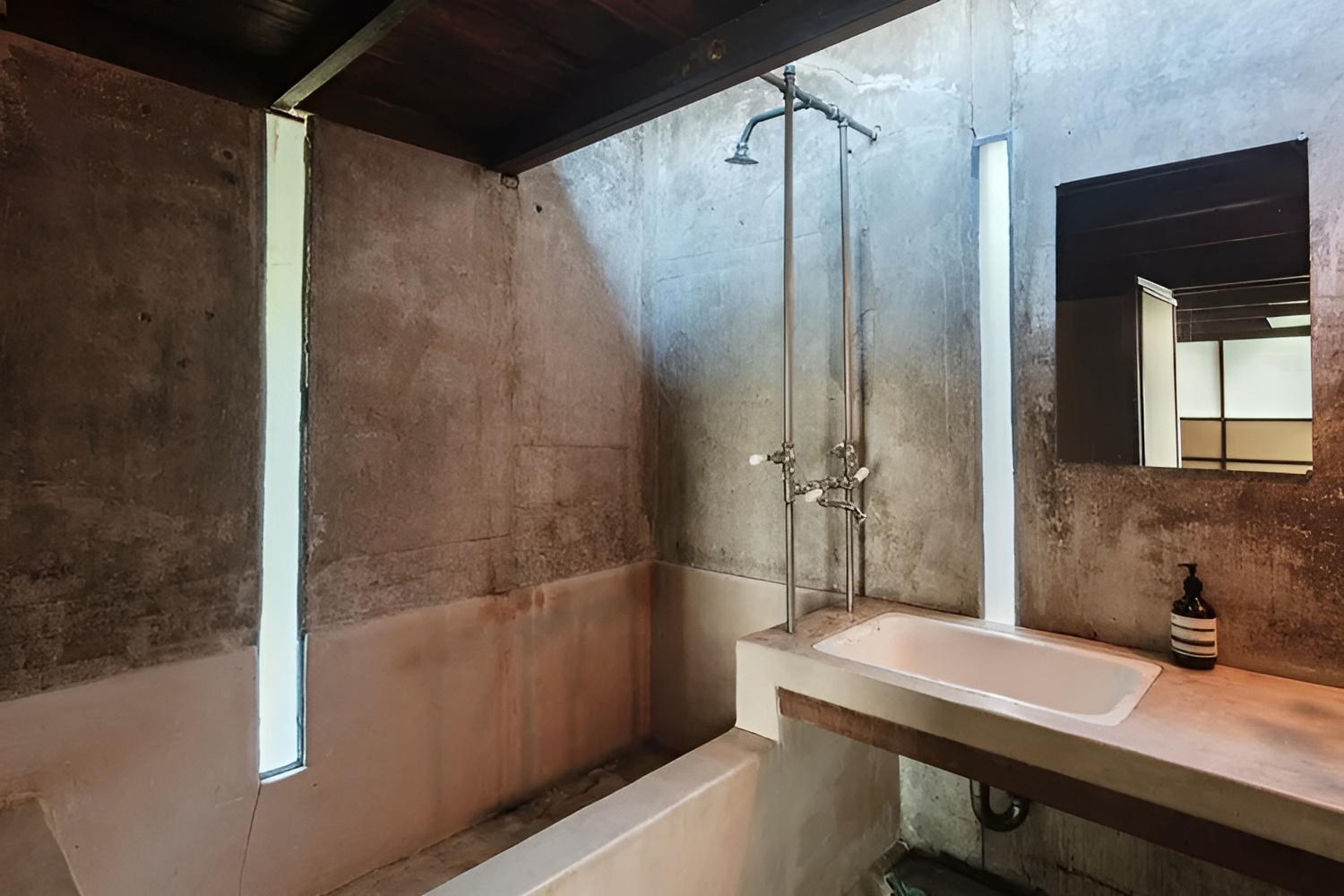
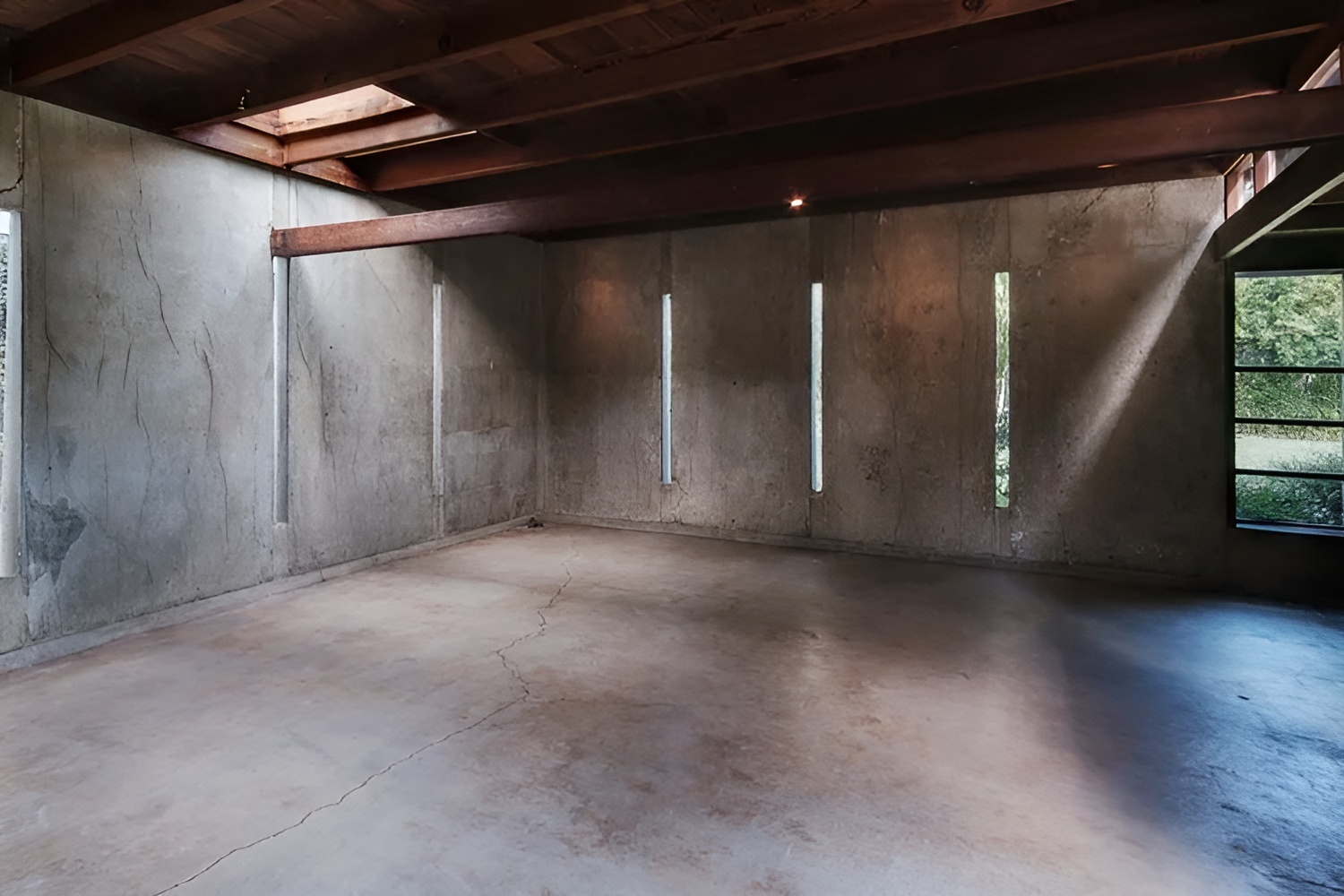
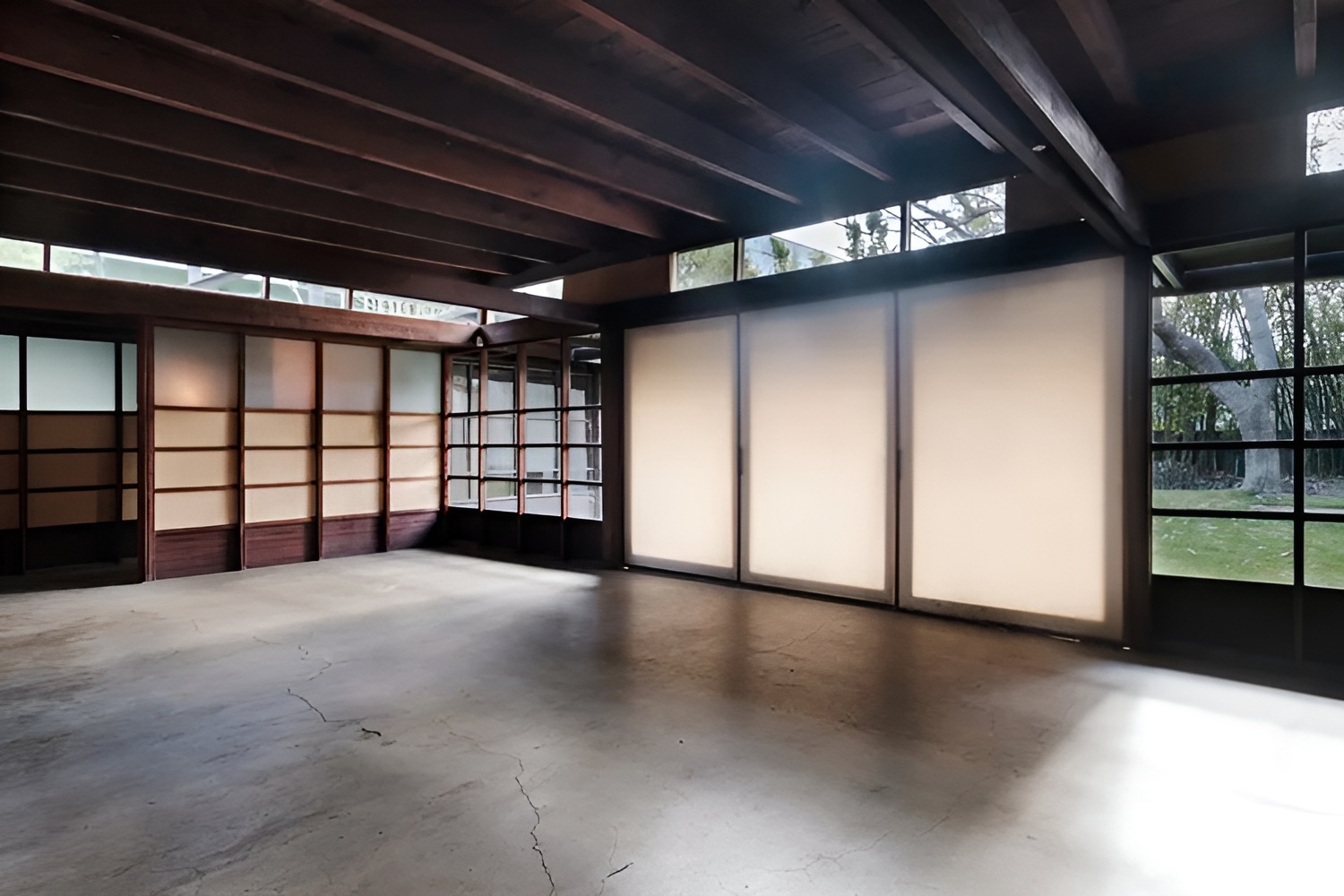
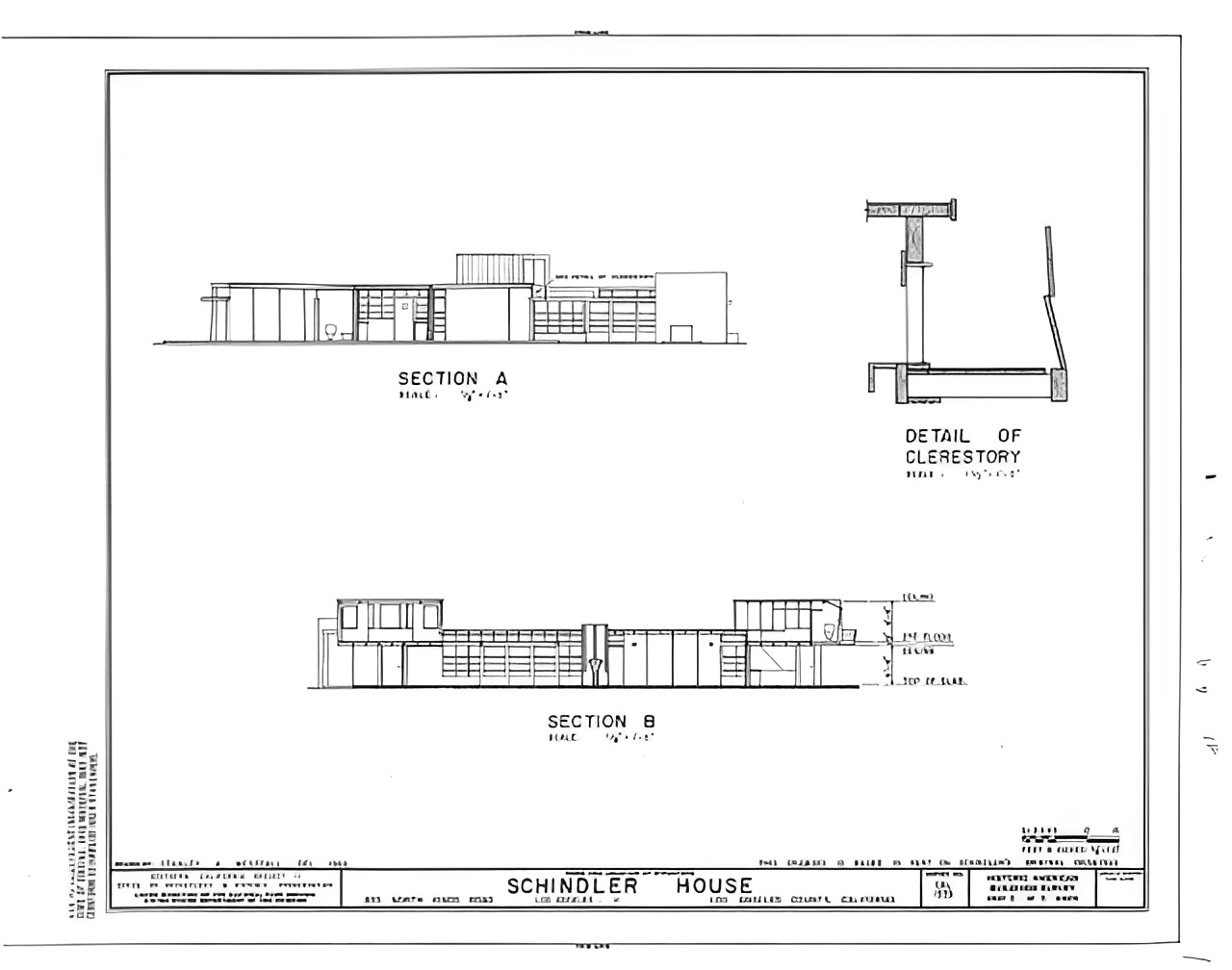
Construction began in early 1922. Schindler adapted Gill’s tilt-slab system by casting smaller concrete panels that could be raised manually without cranes. The concrete slabs were separated by narrow bands of glass, allowing daylight to enter the interiors while reducing the visual weight of the walls.
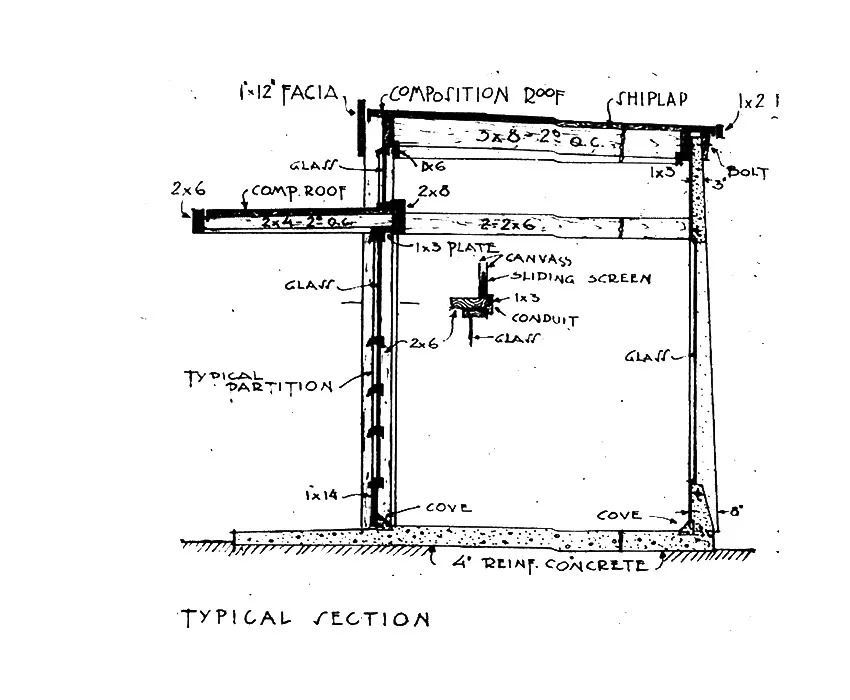
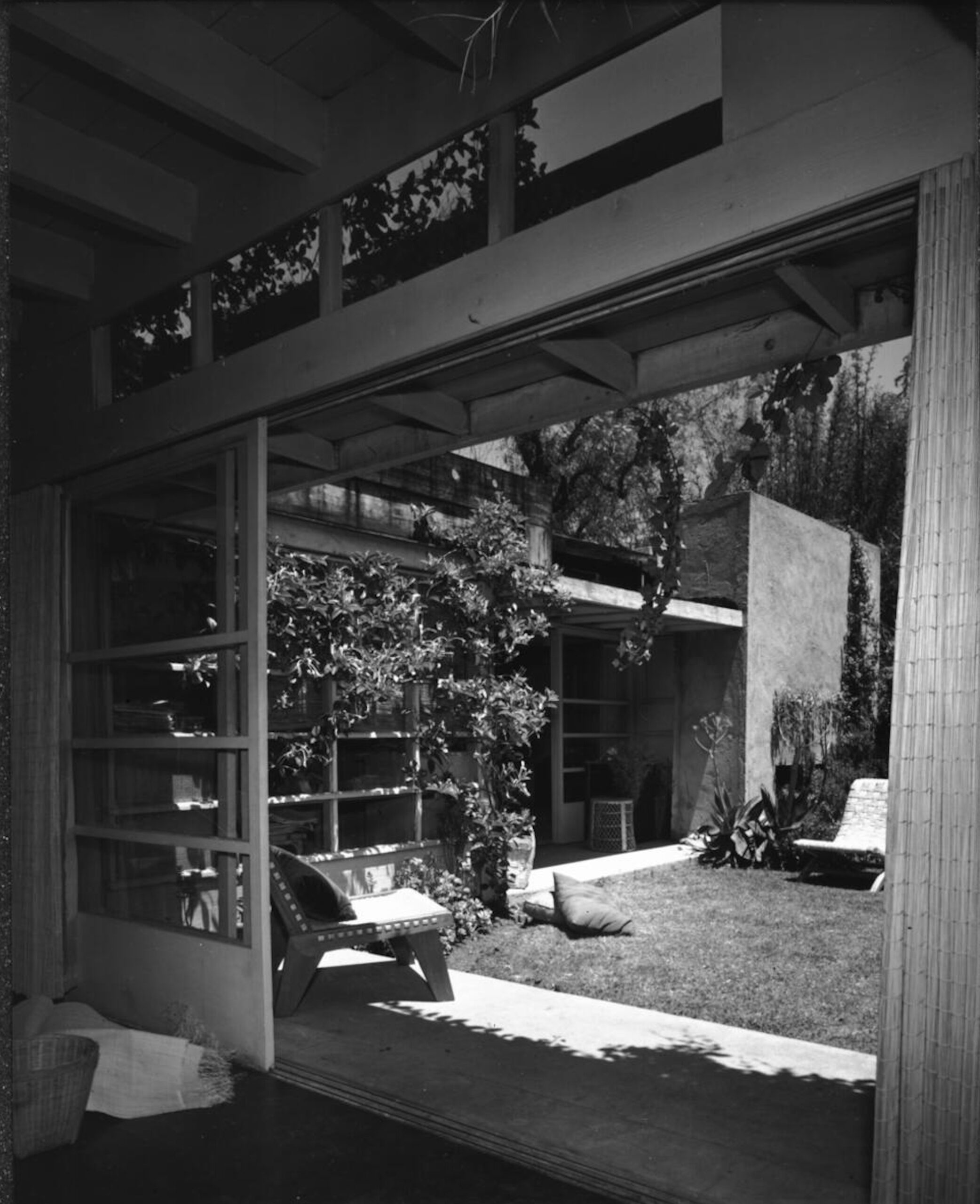
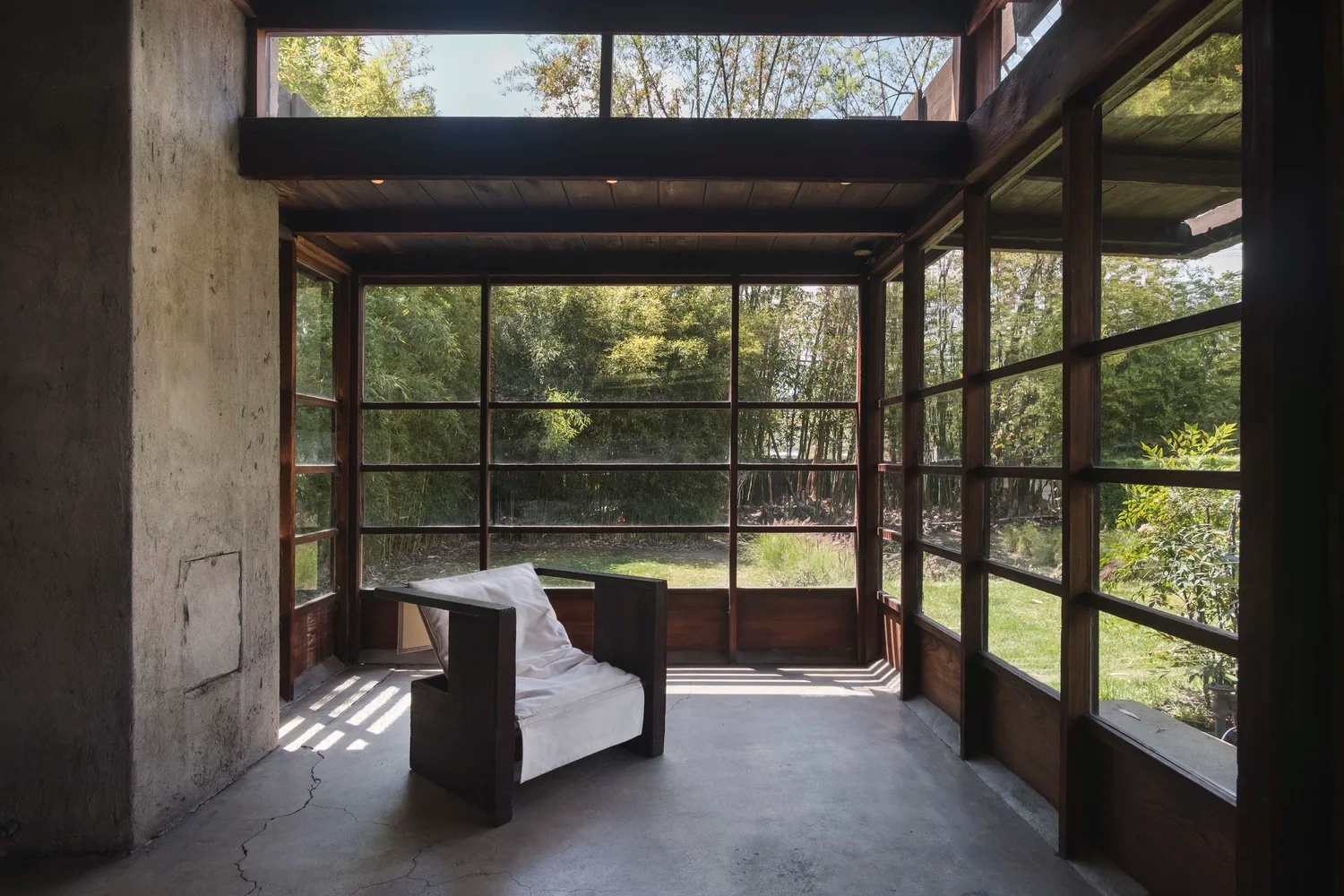
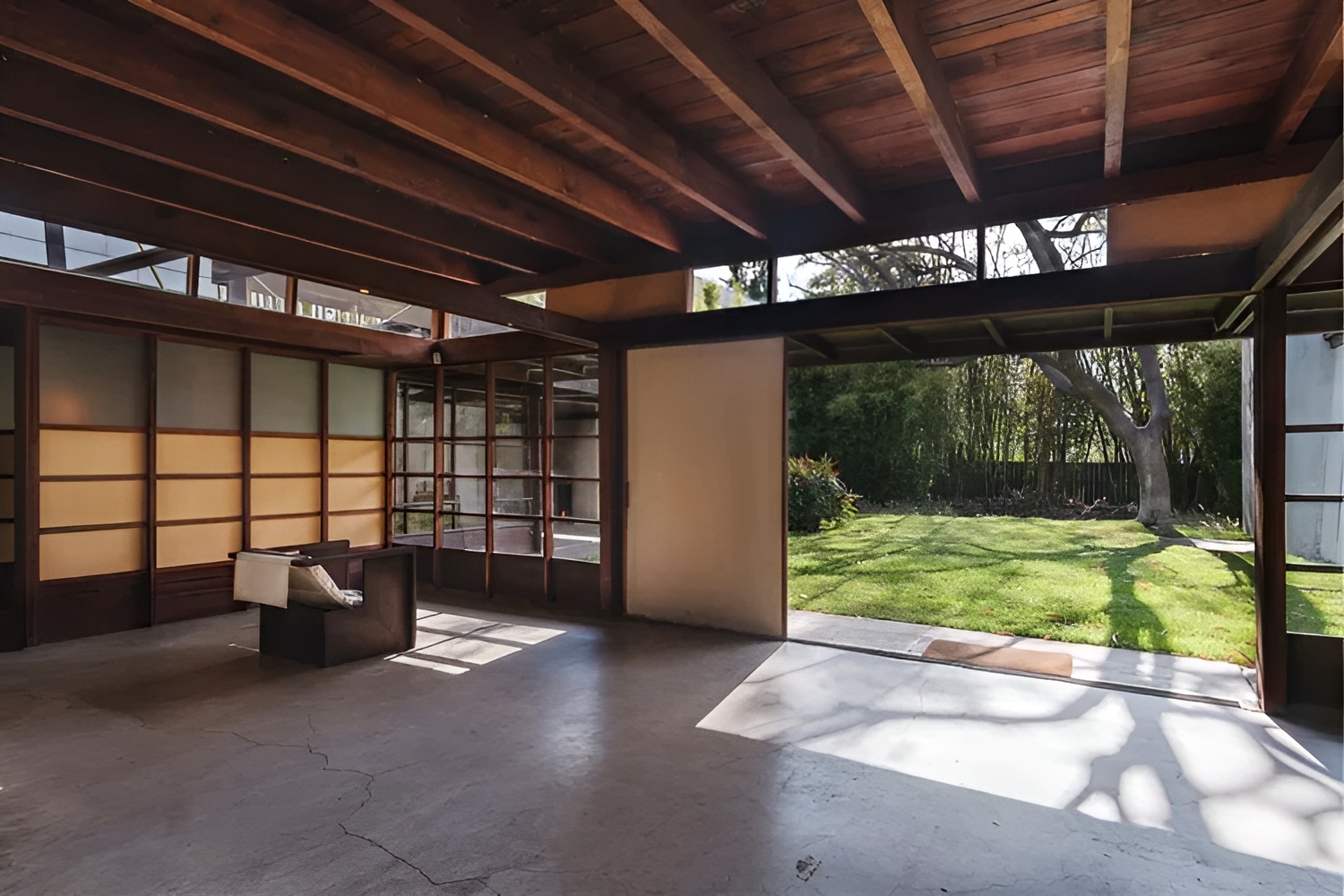
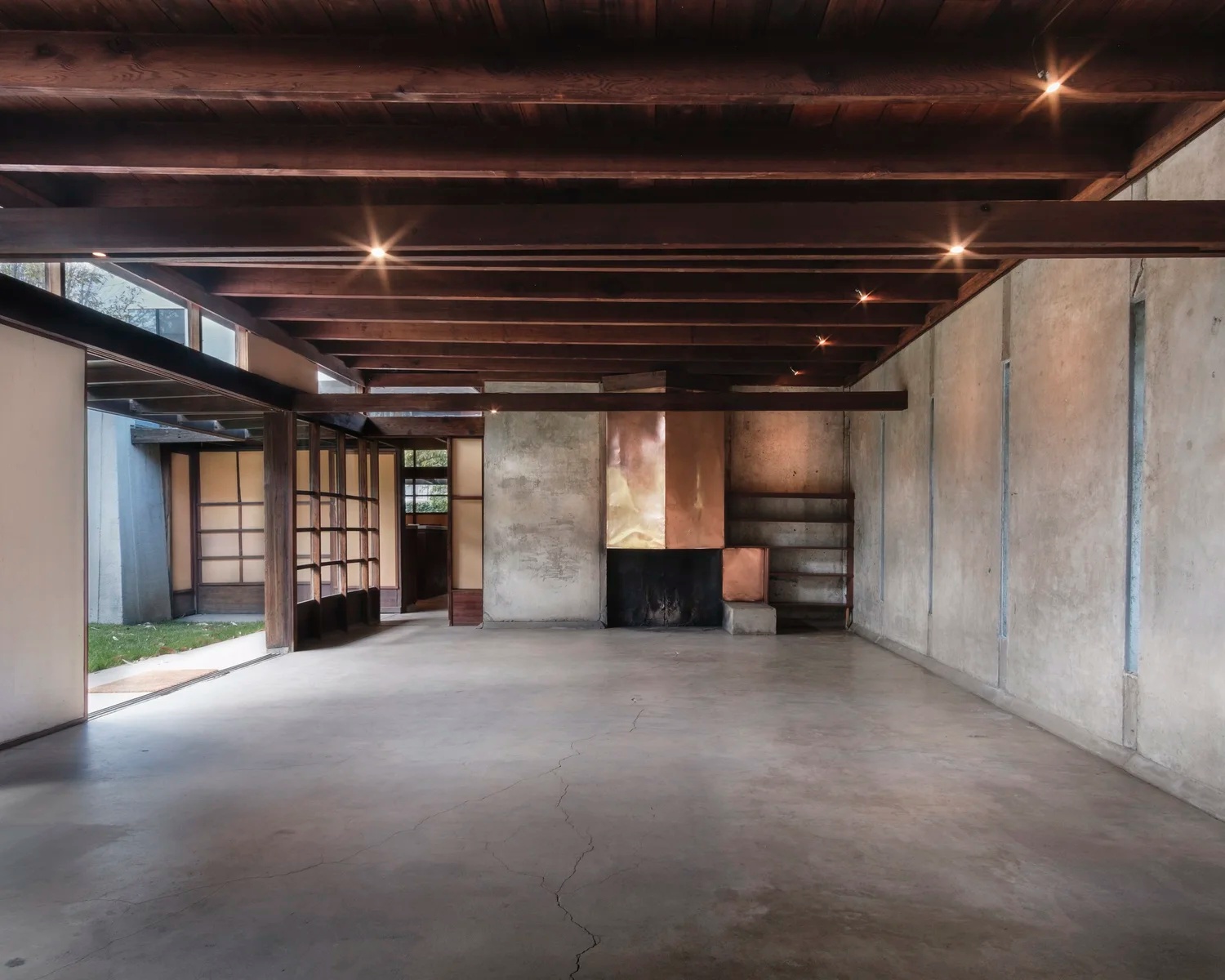
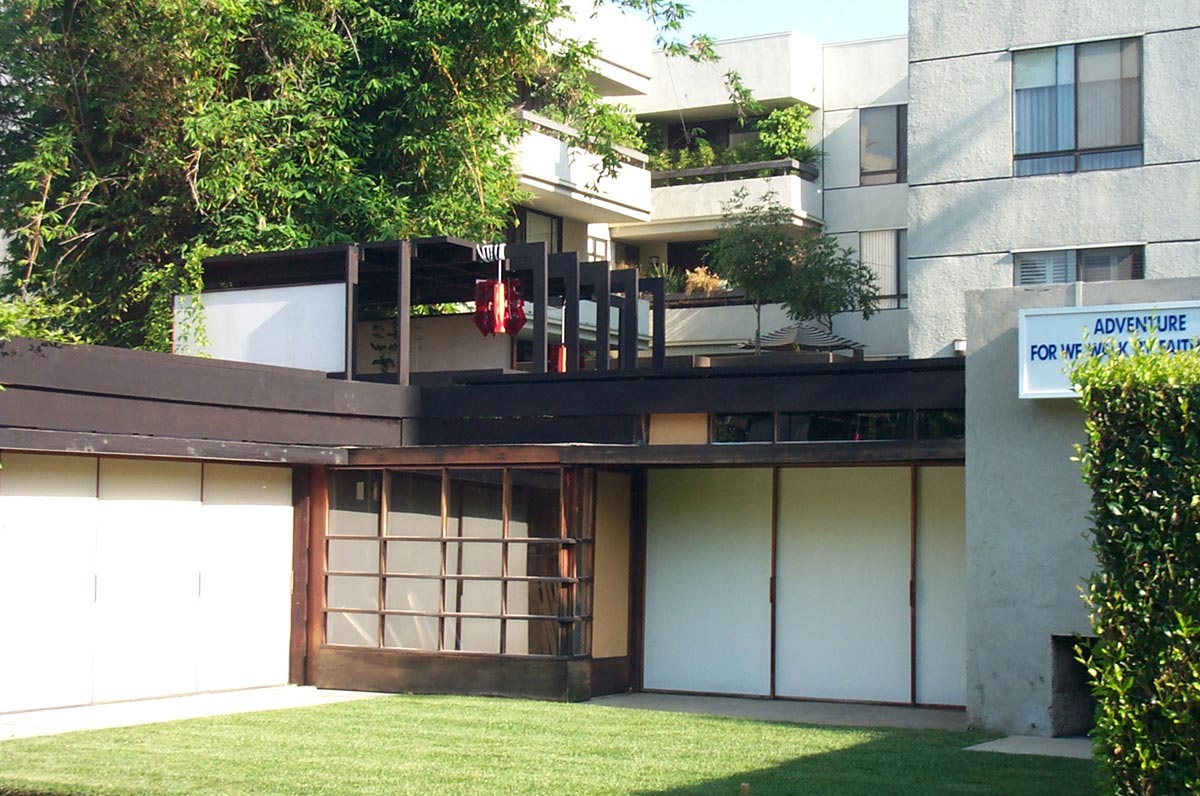
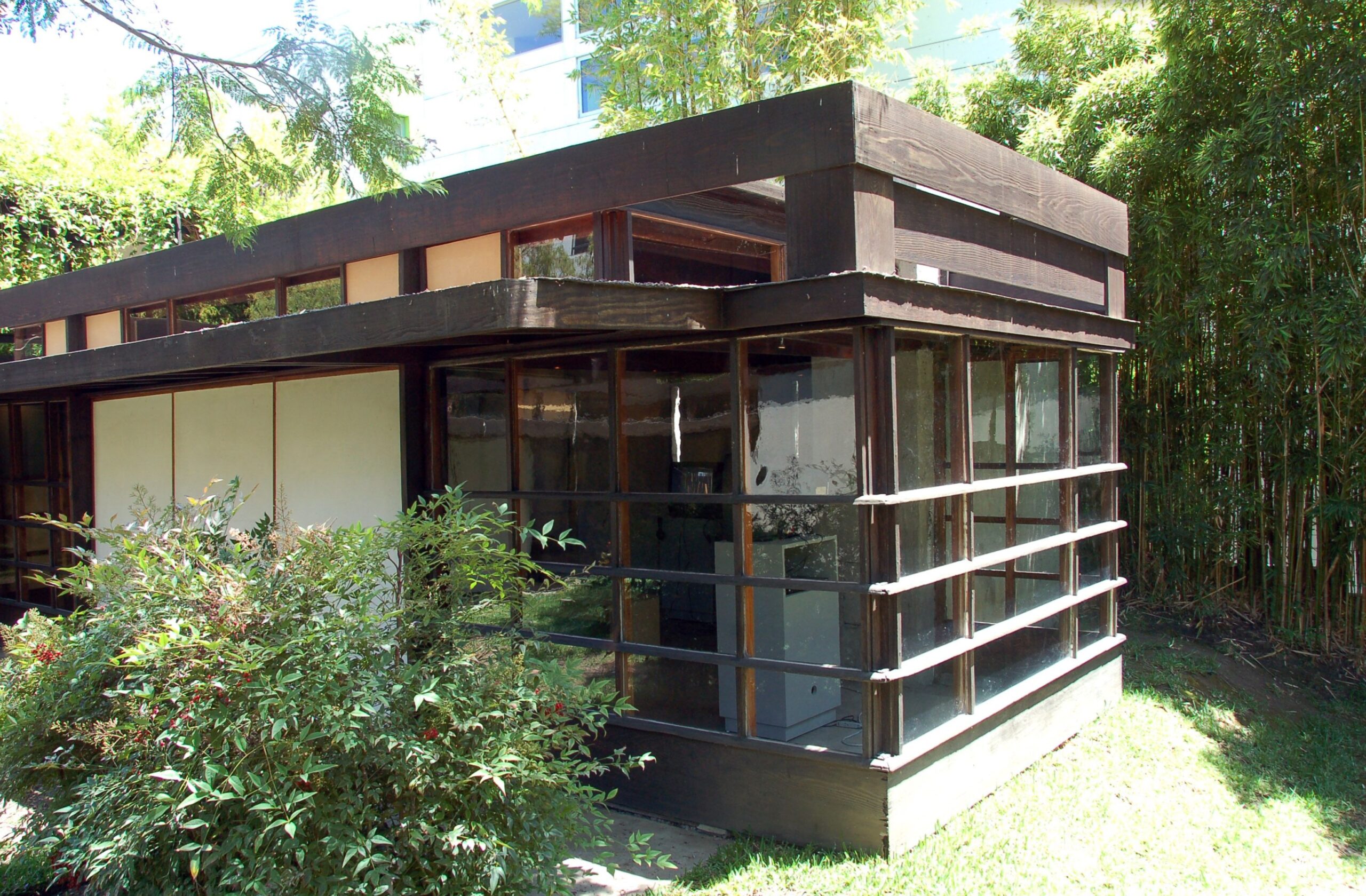
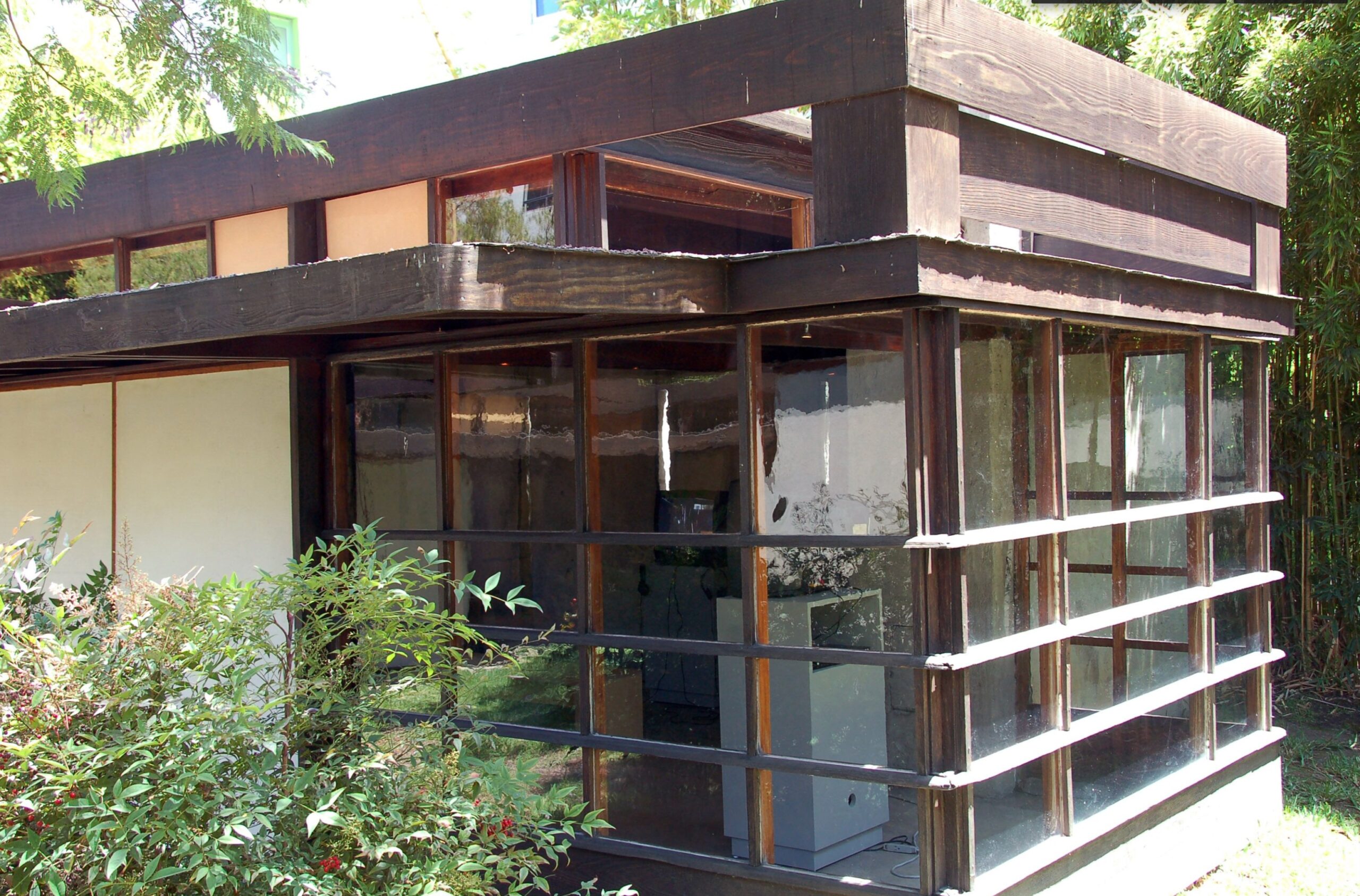
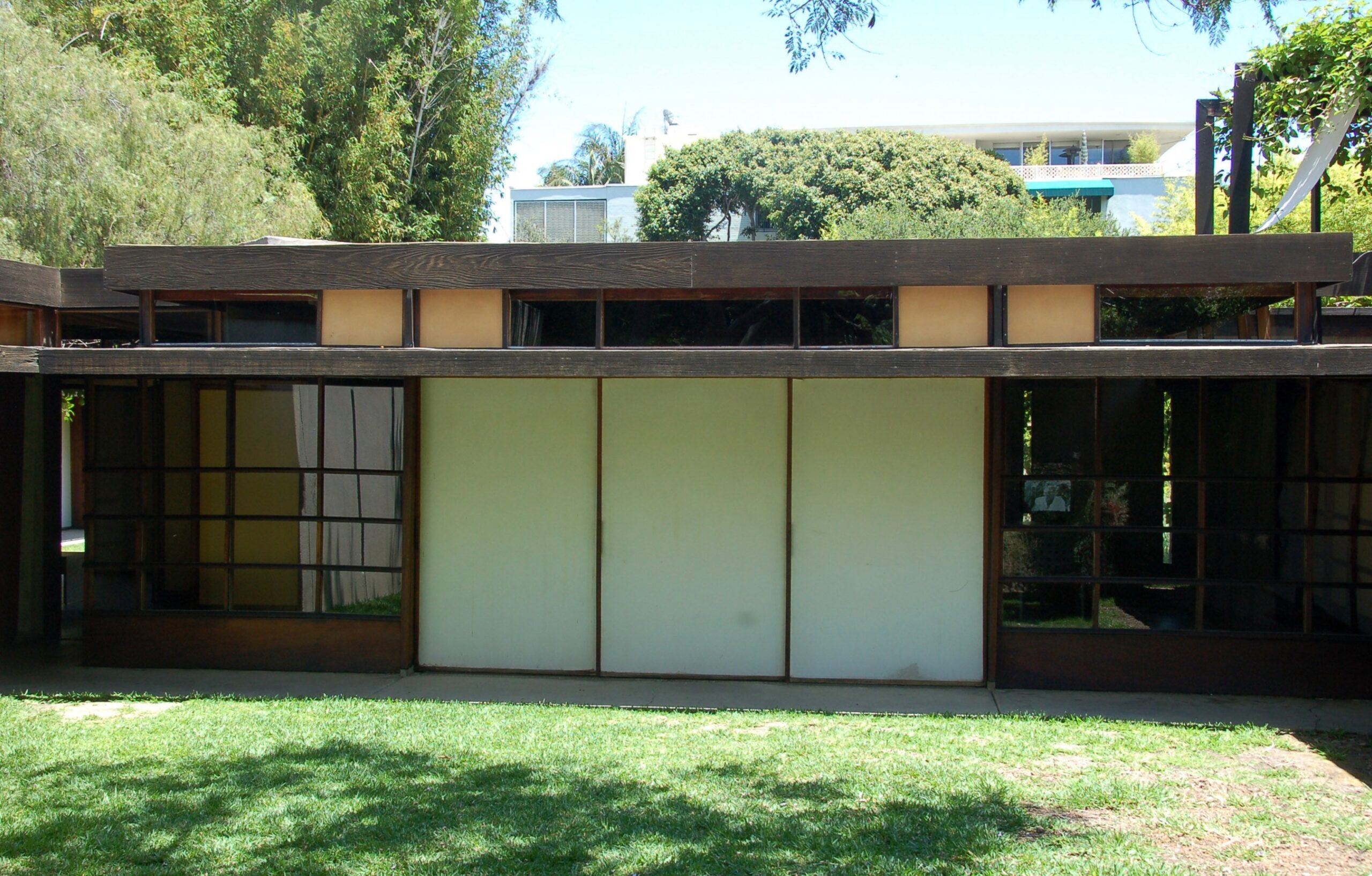
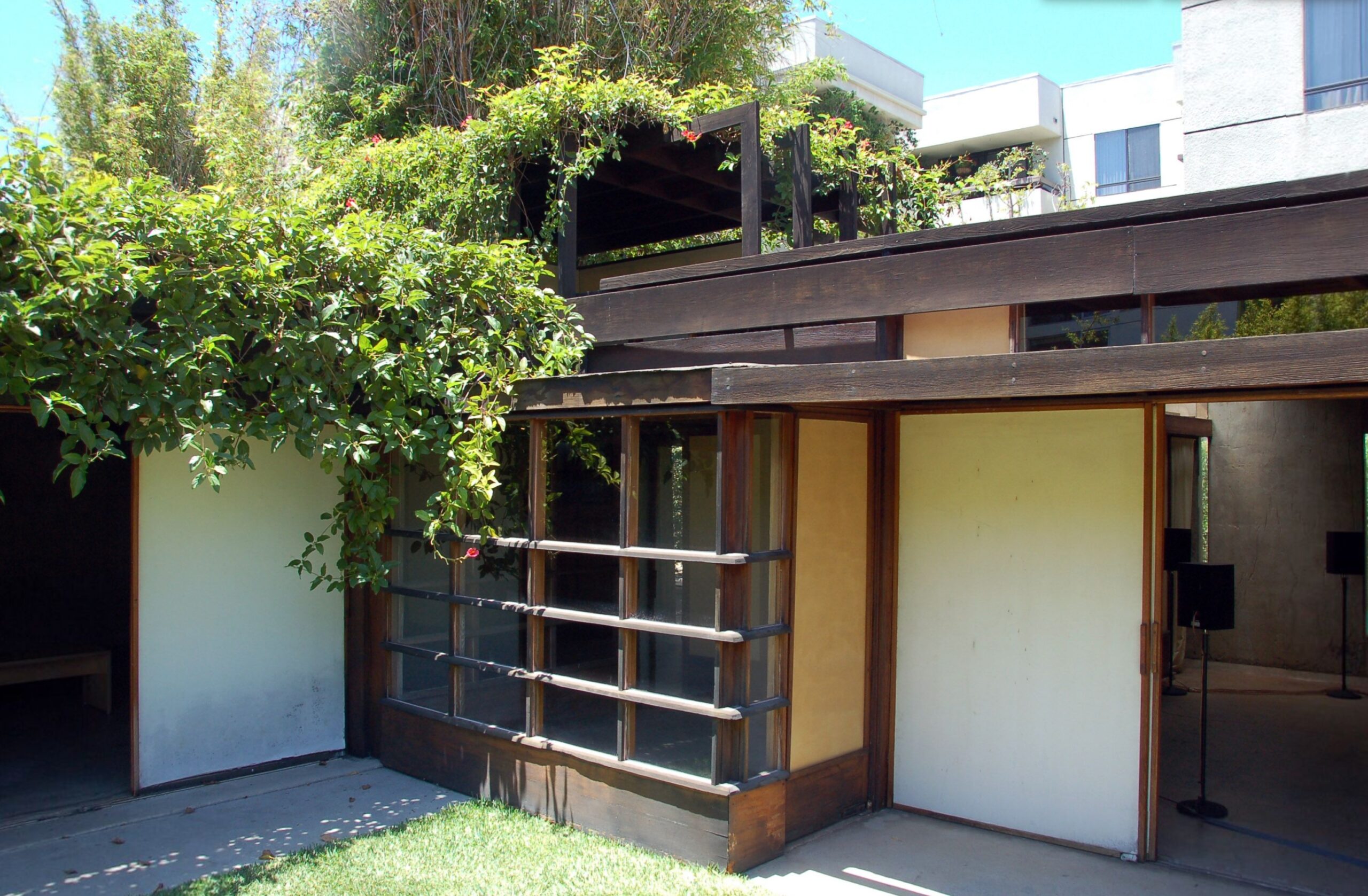
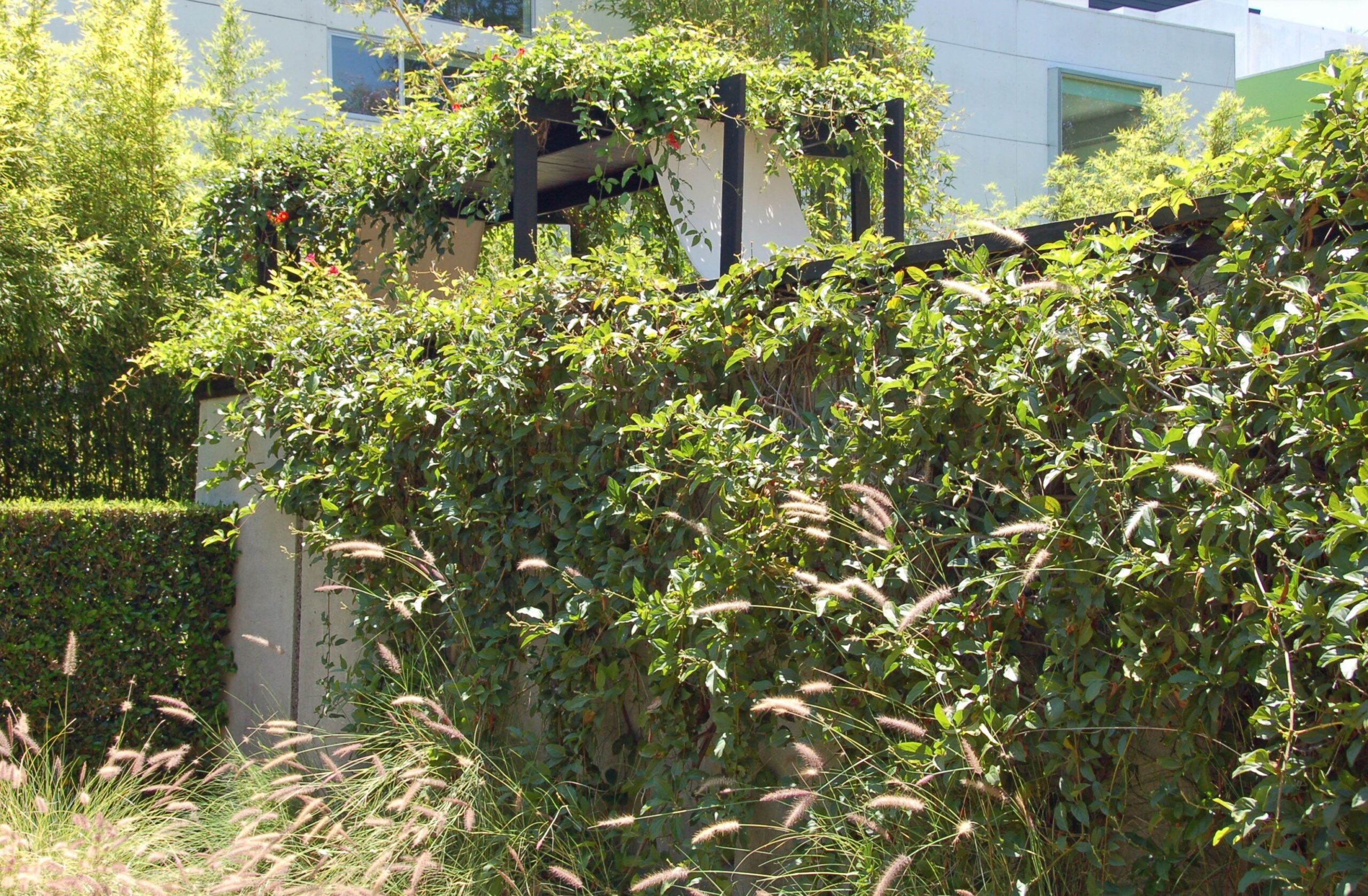
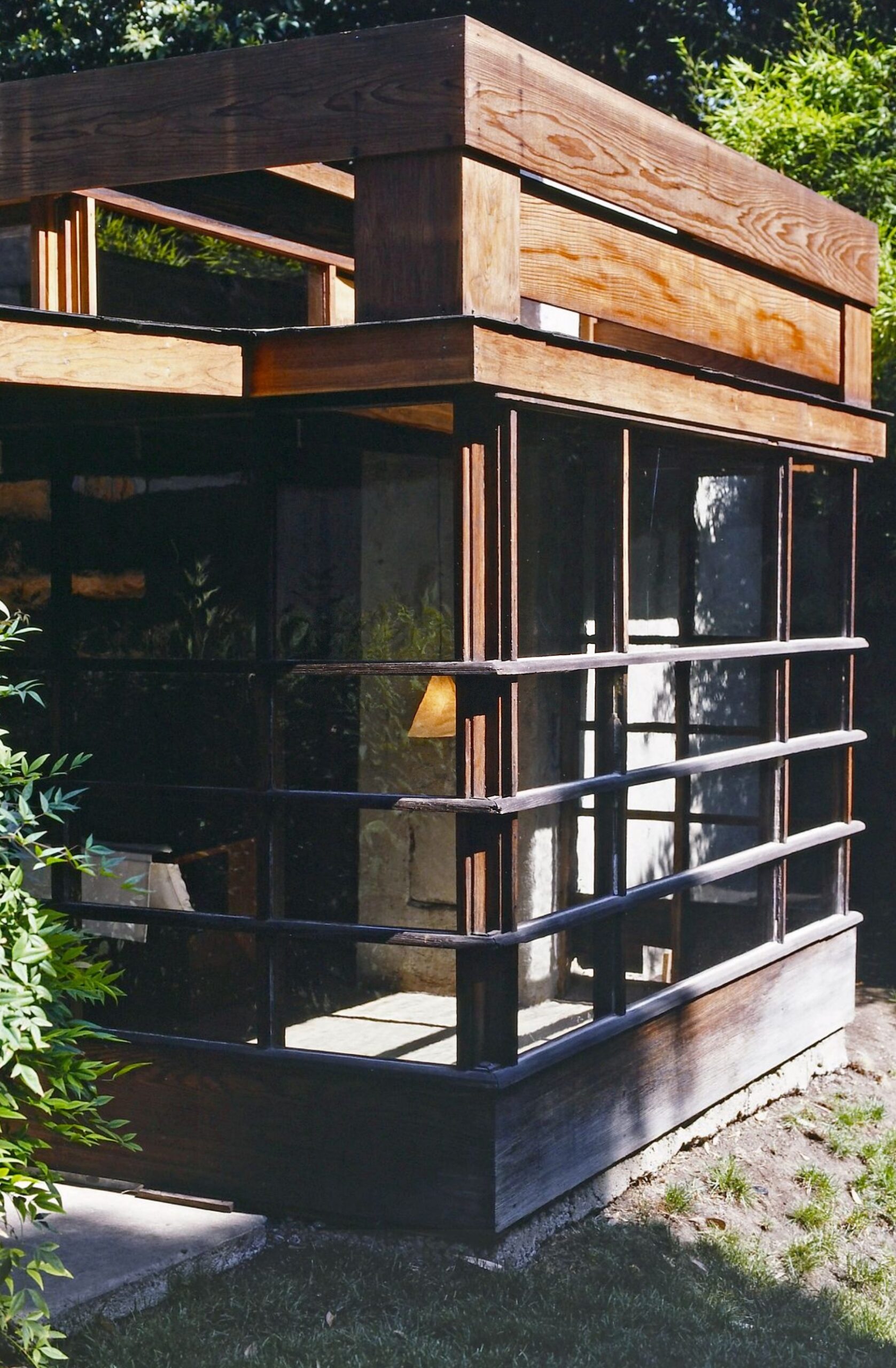
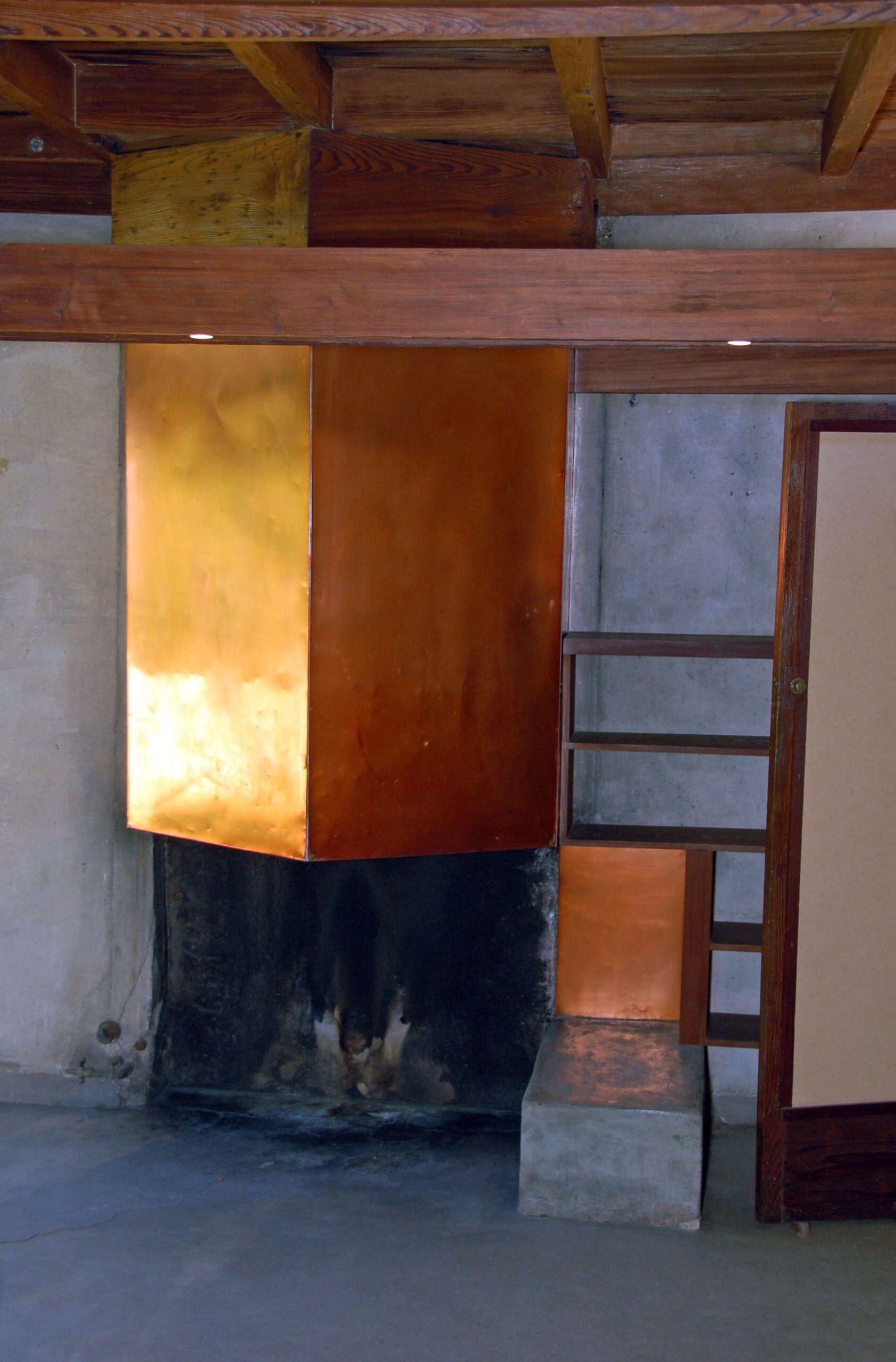
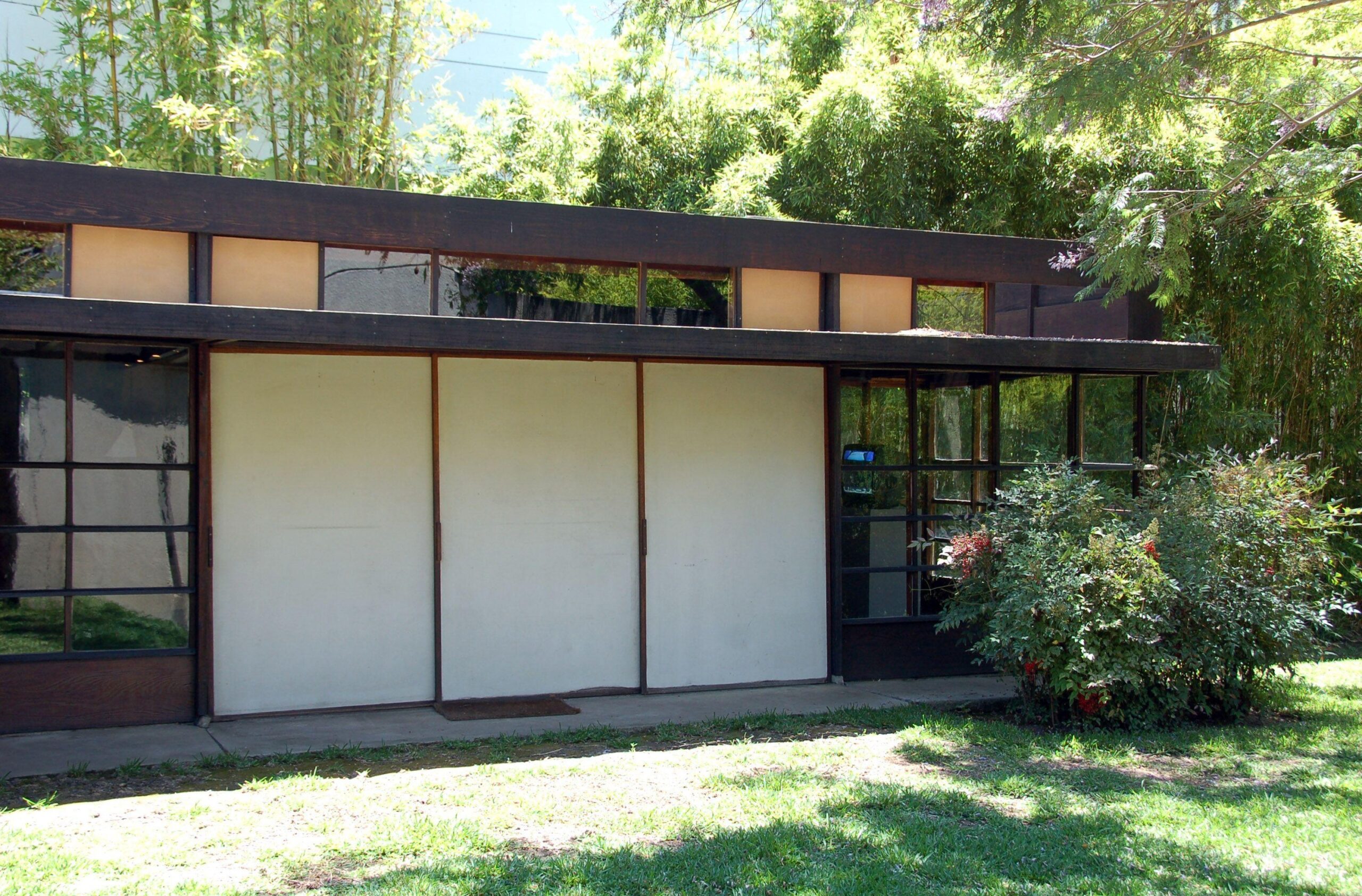
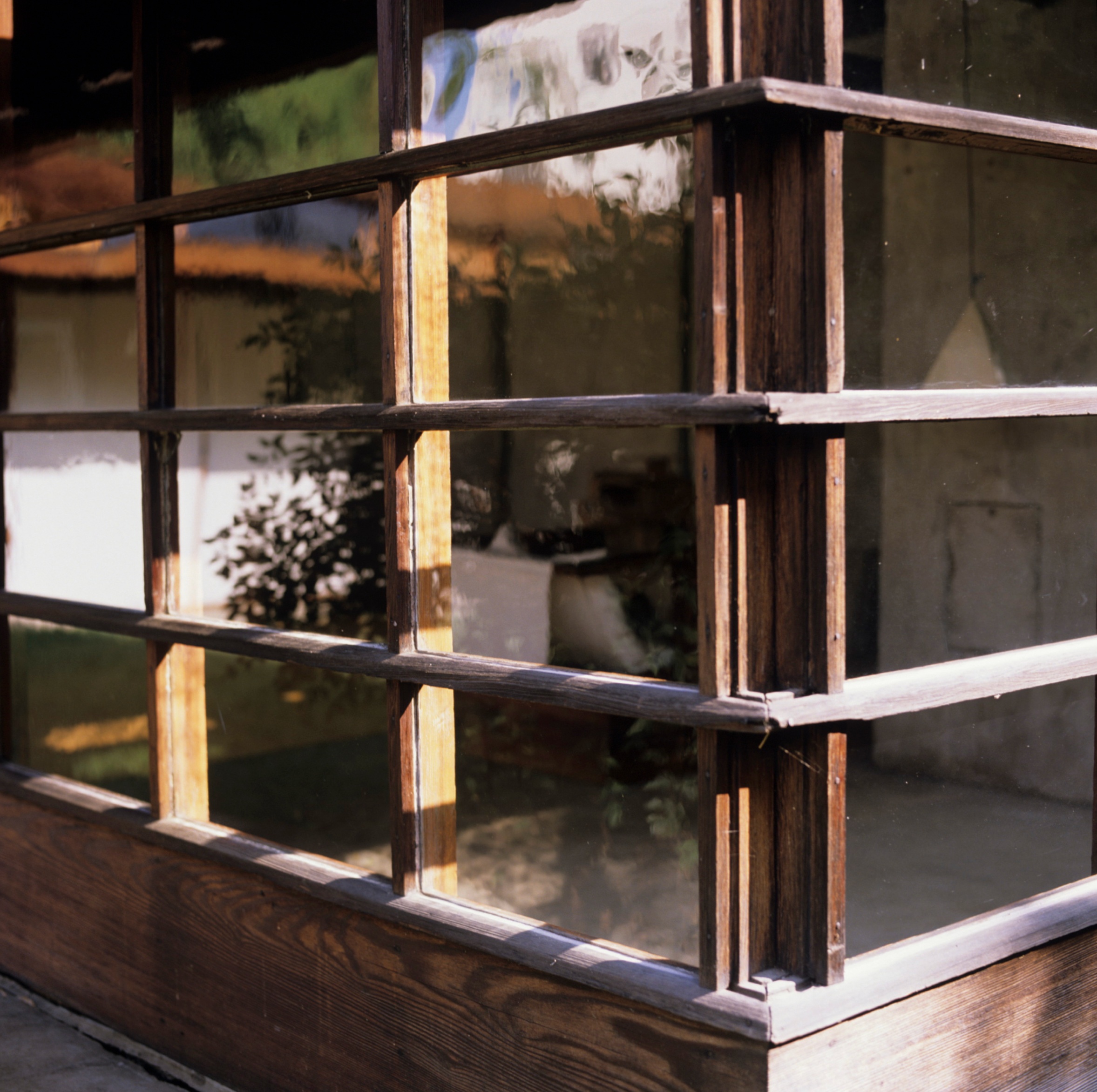
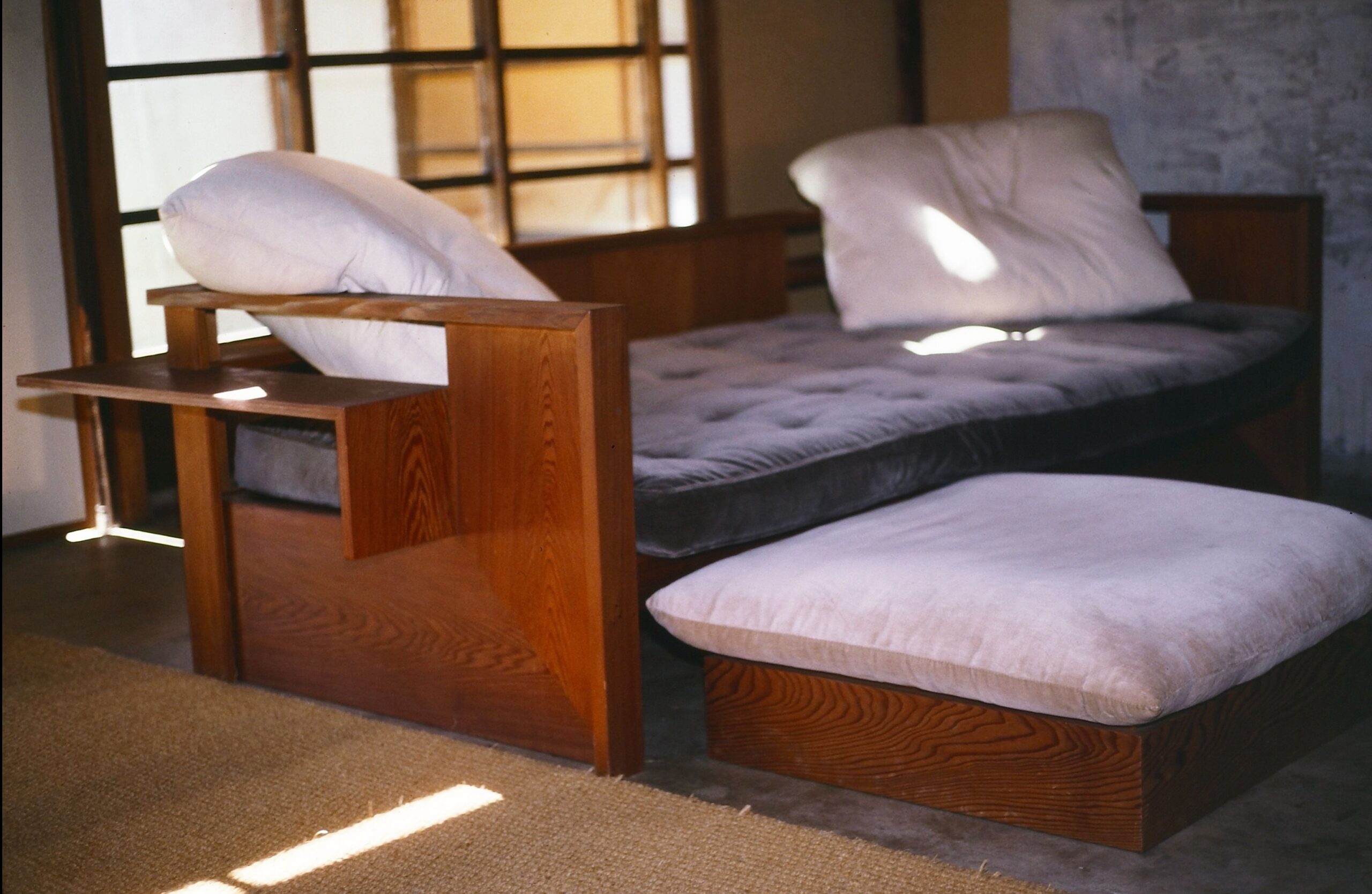
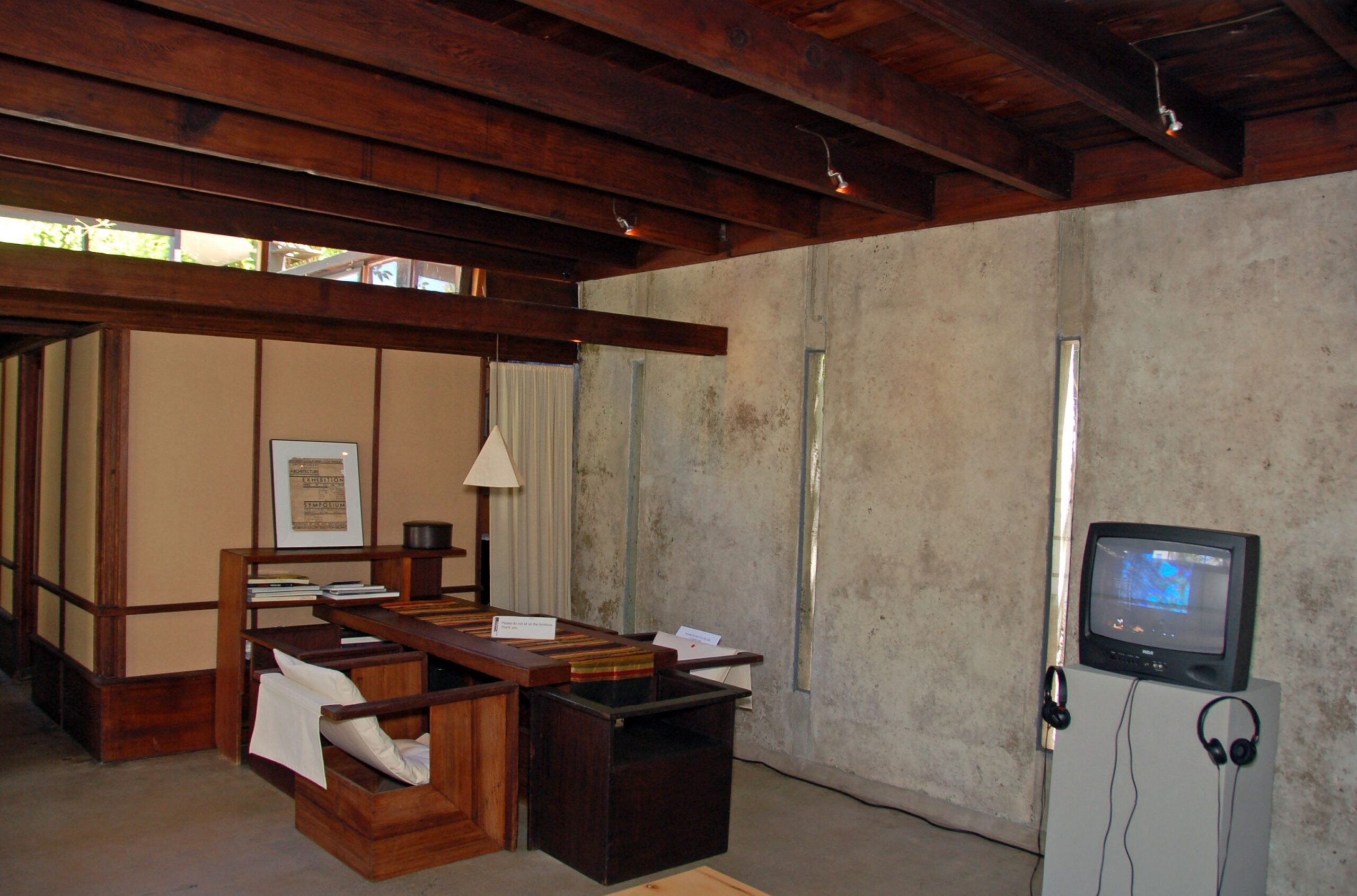
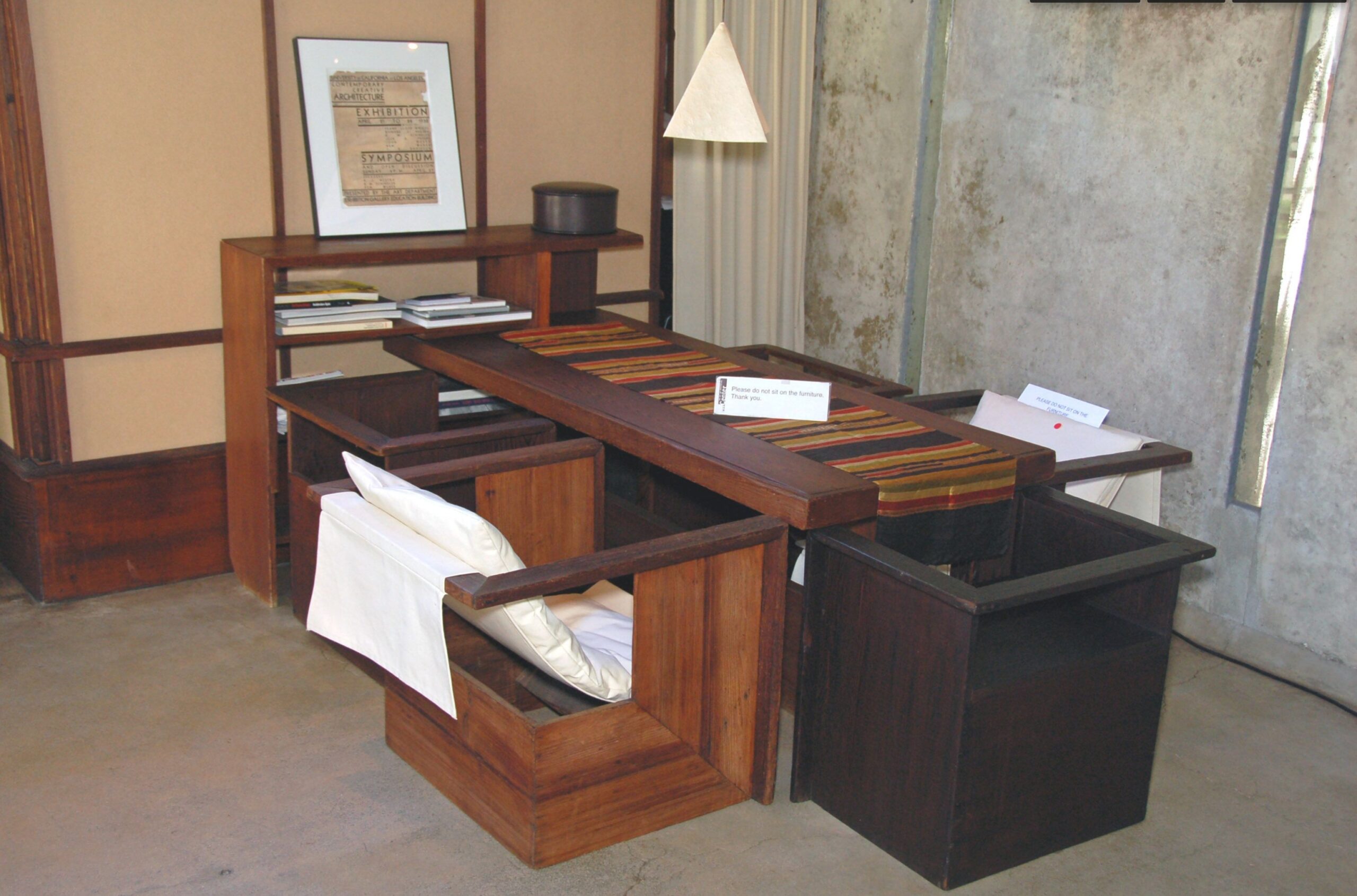
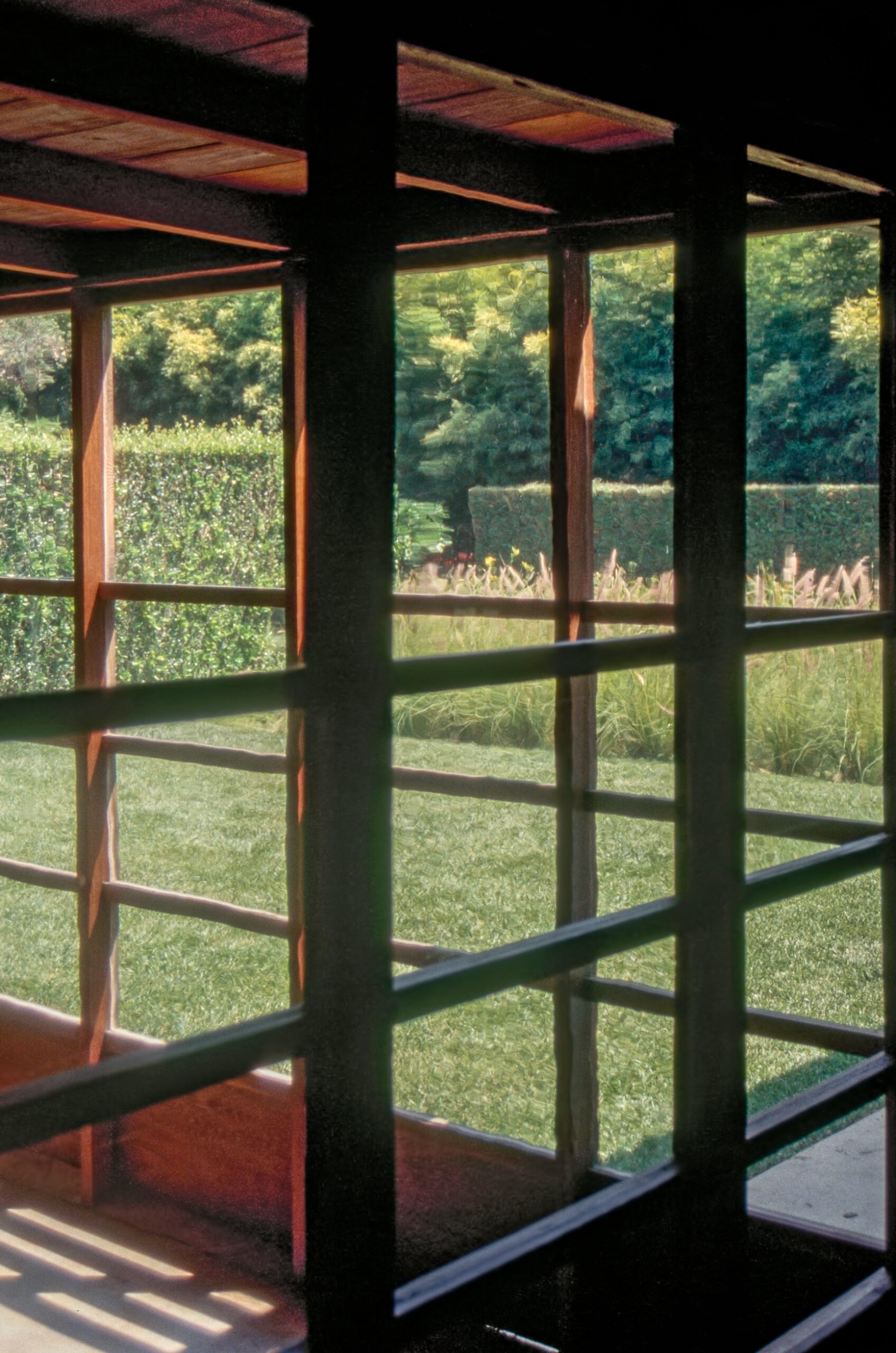
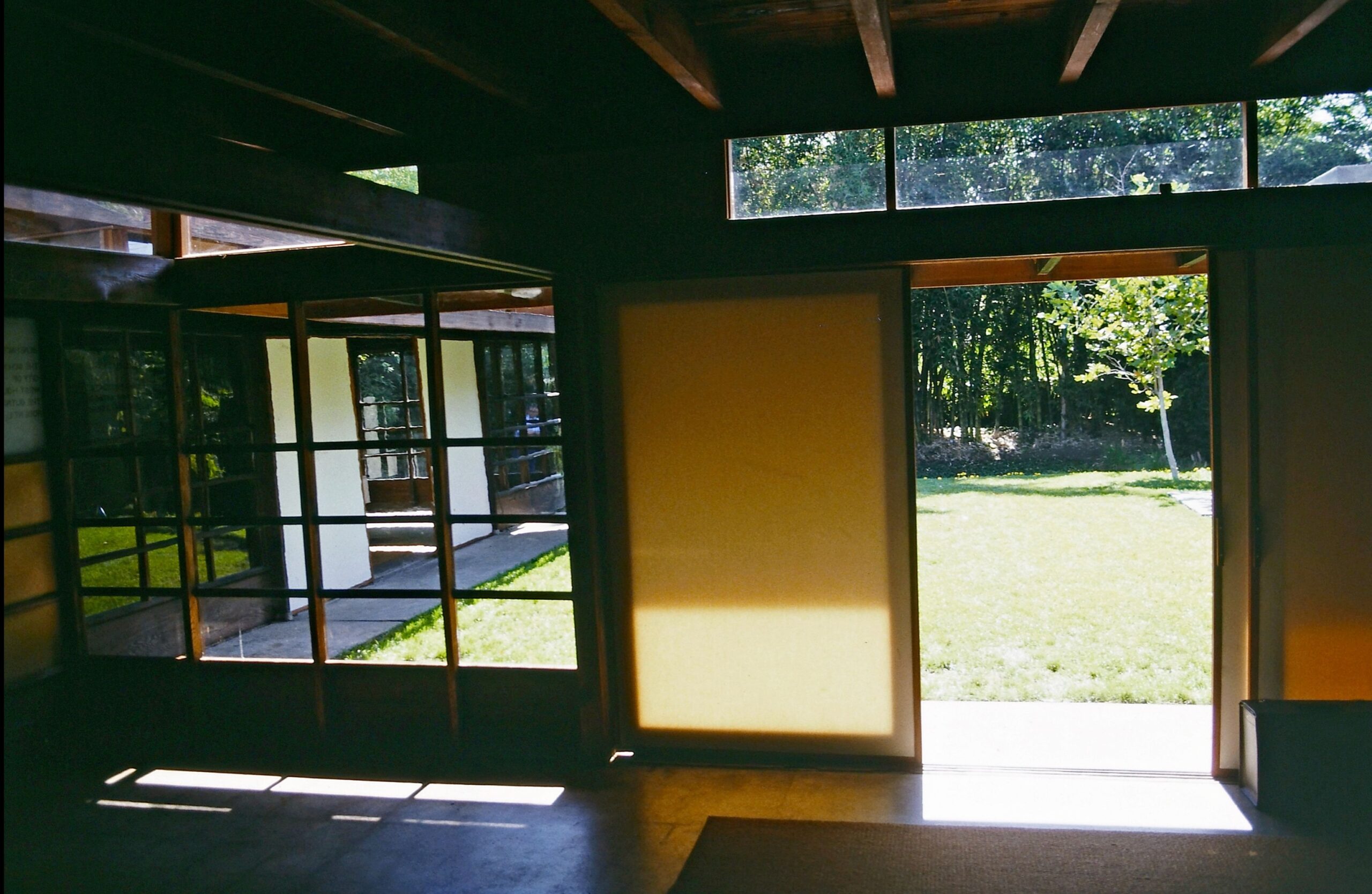
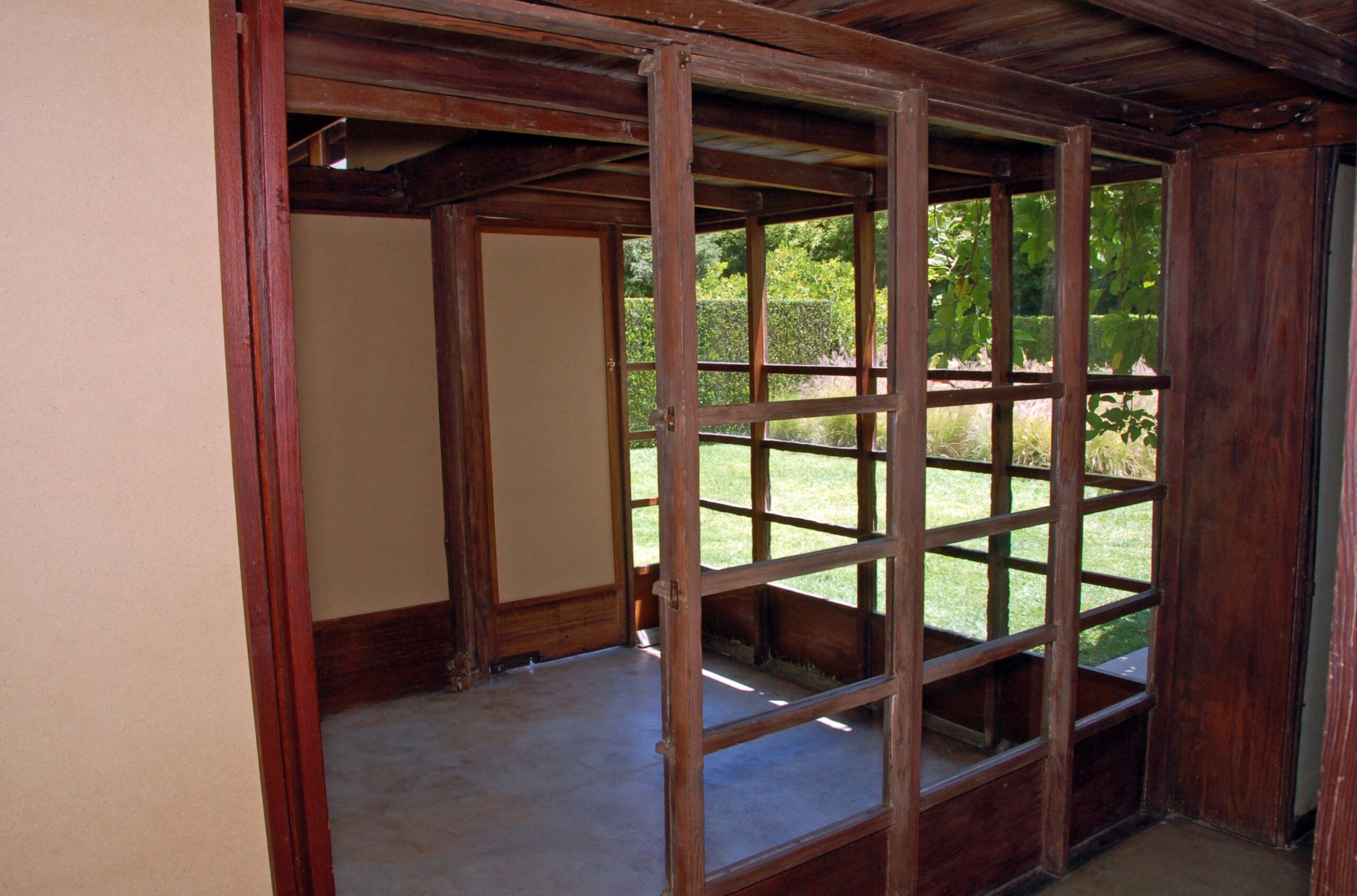
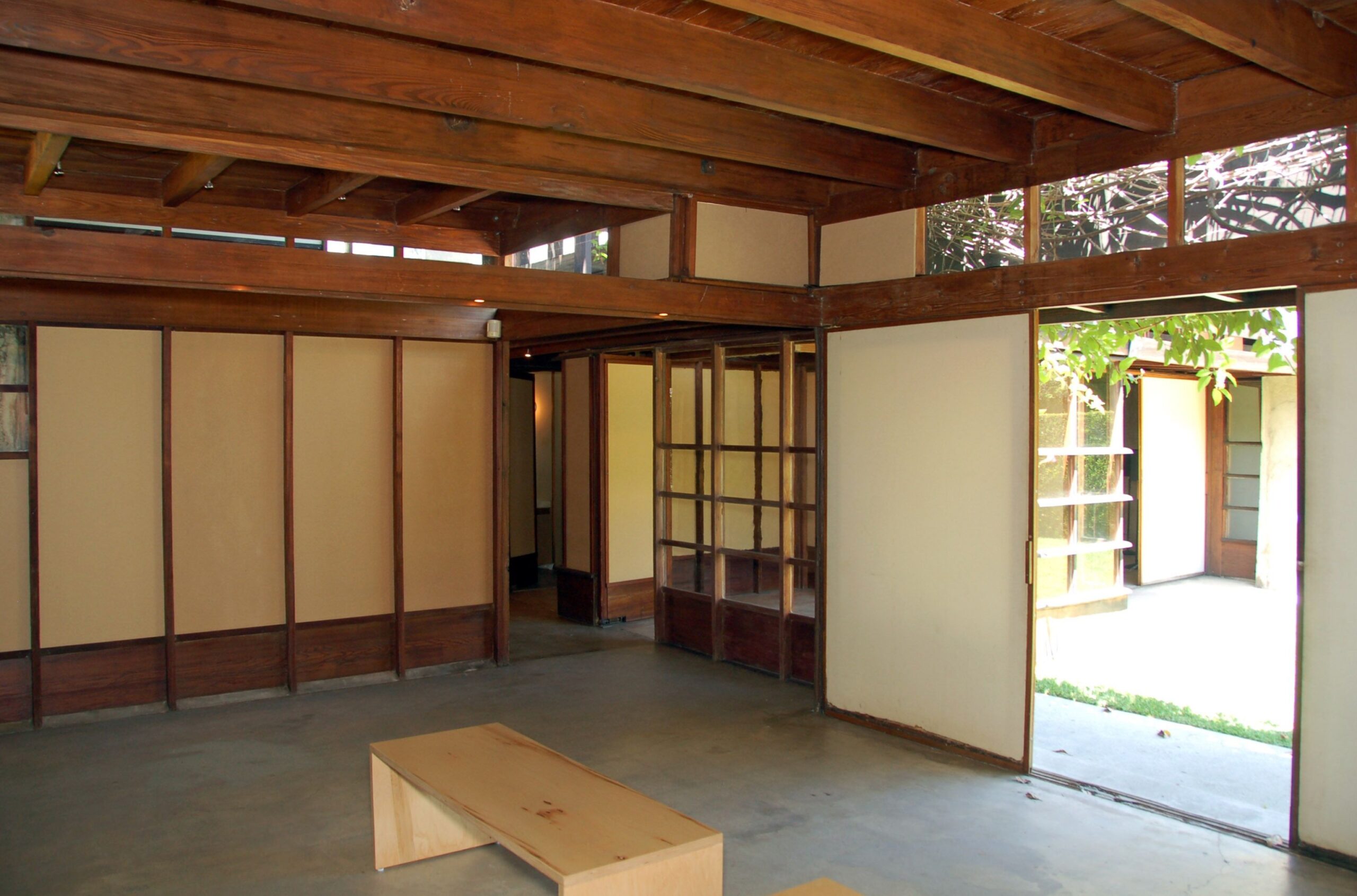
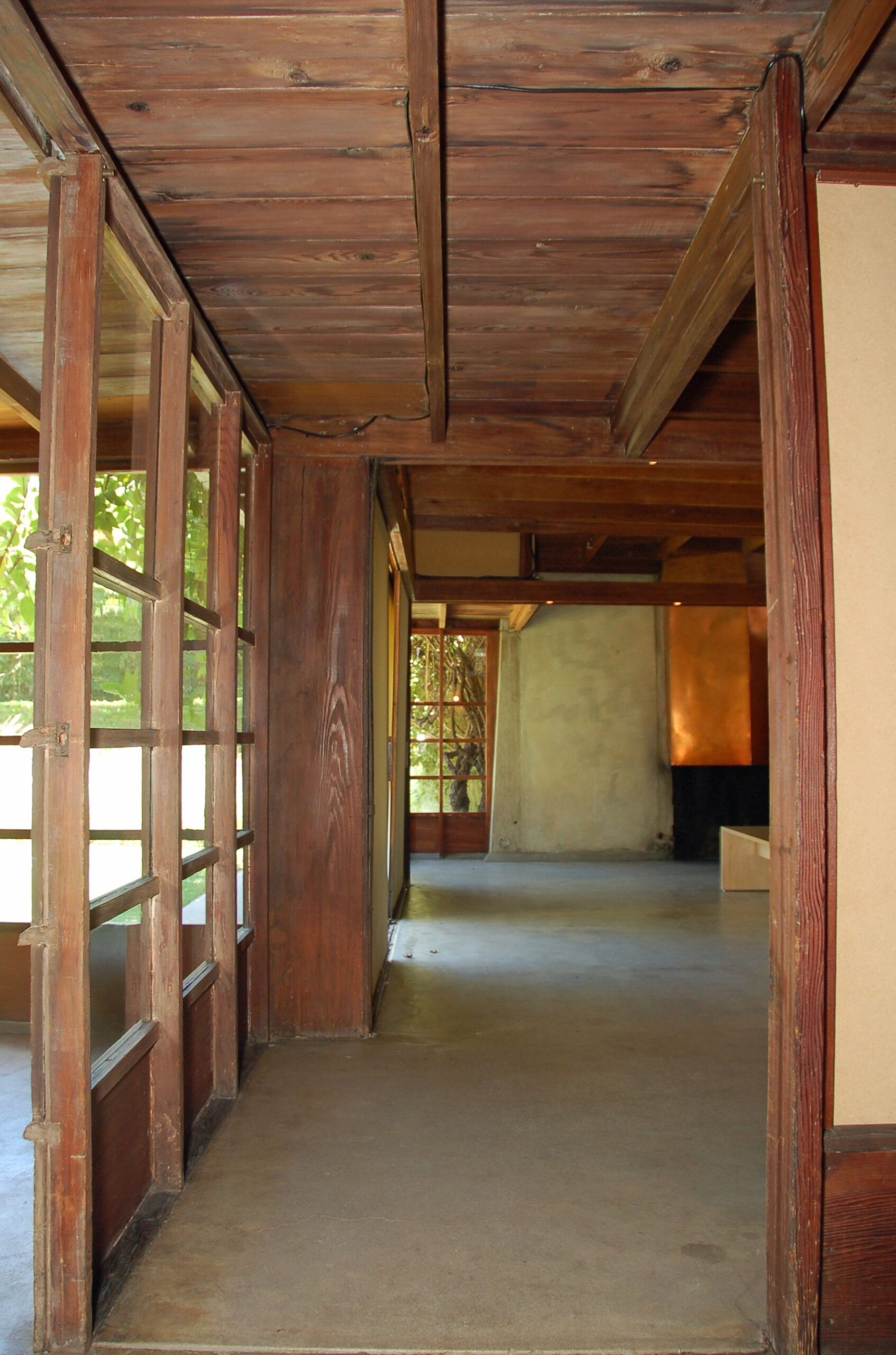
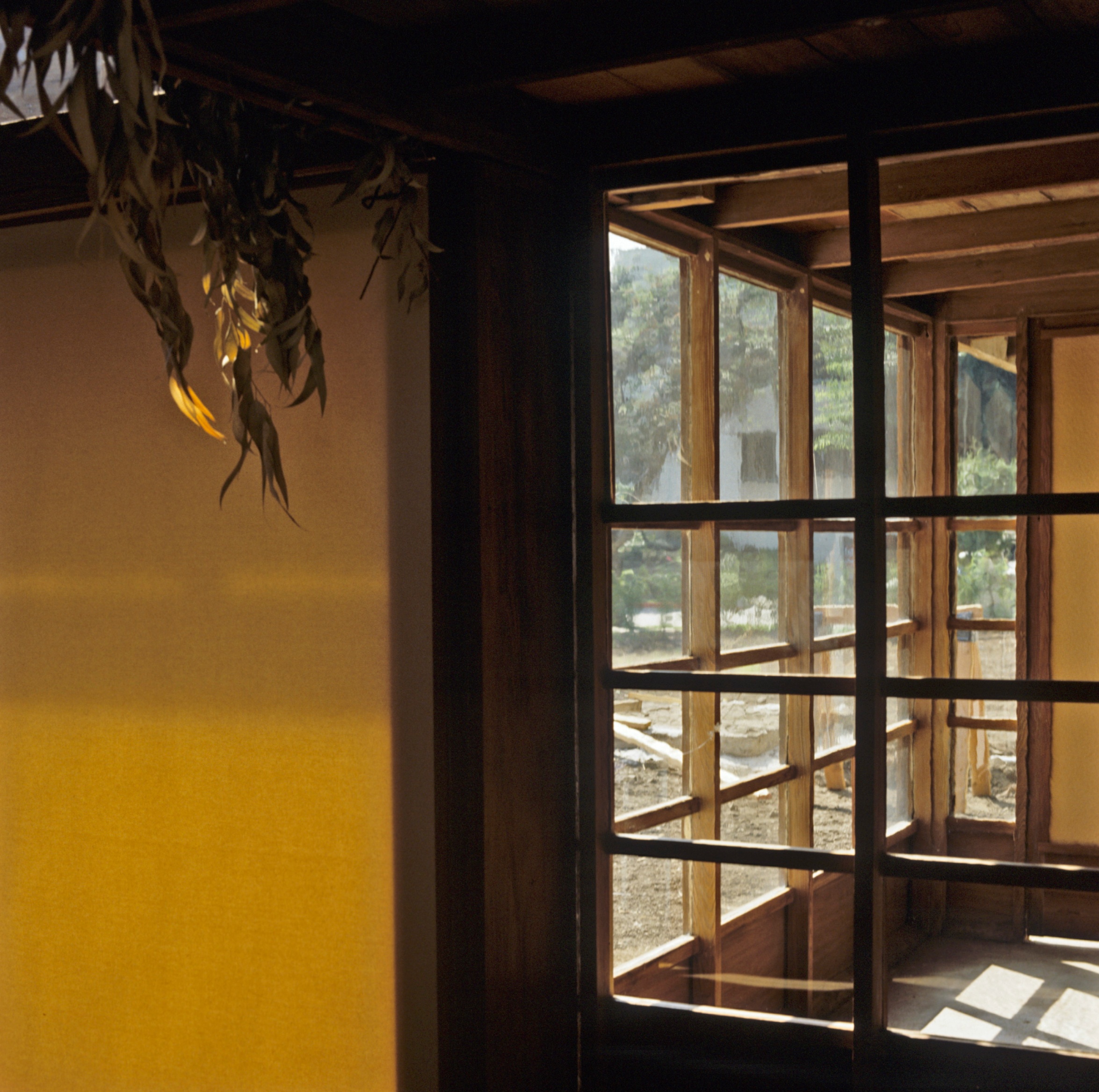
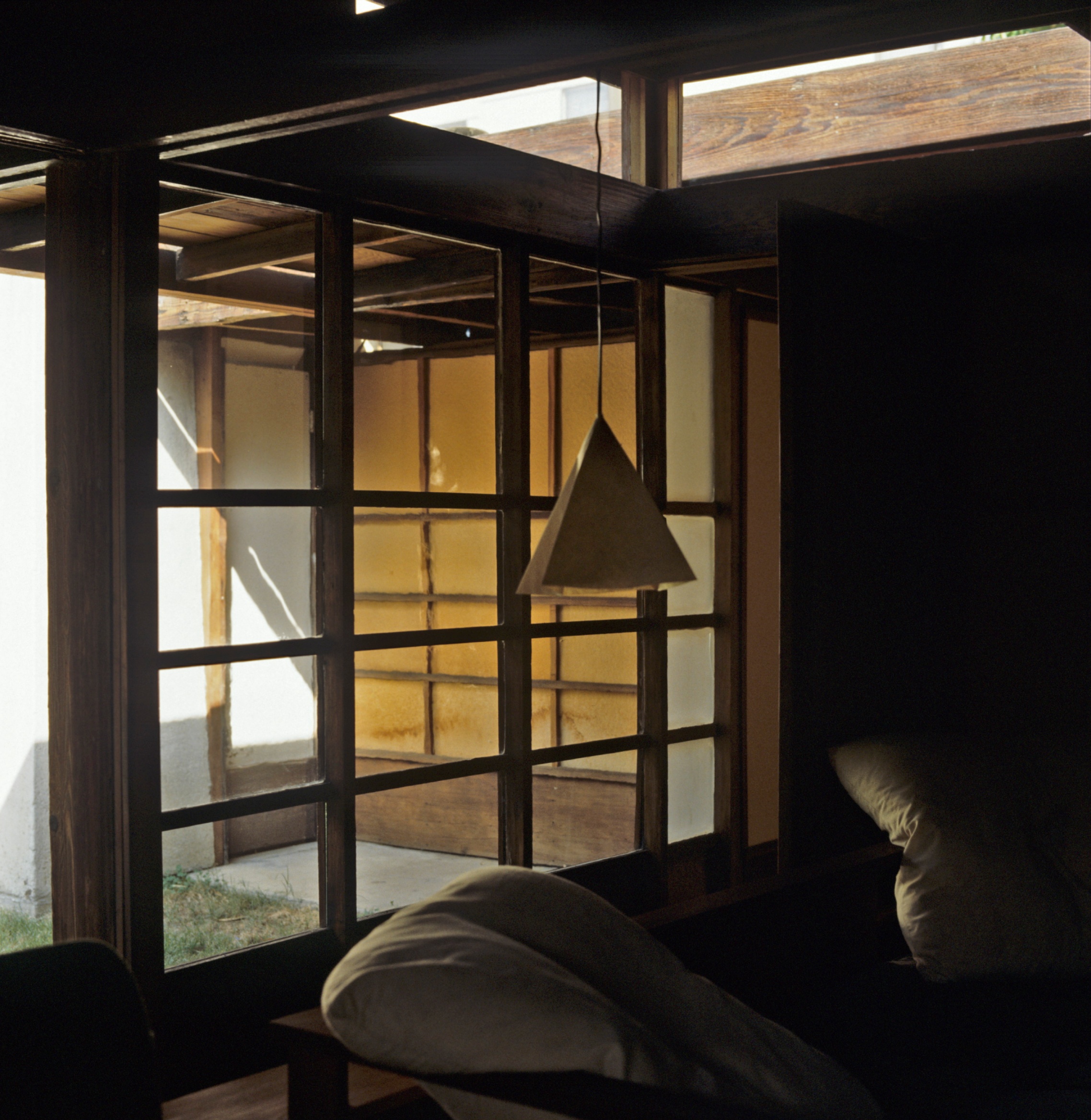
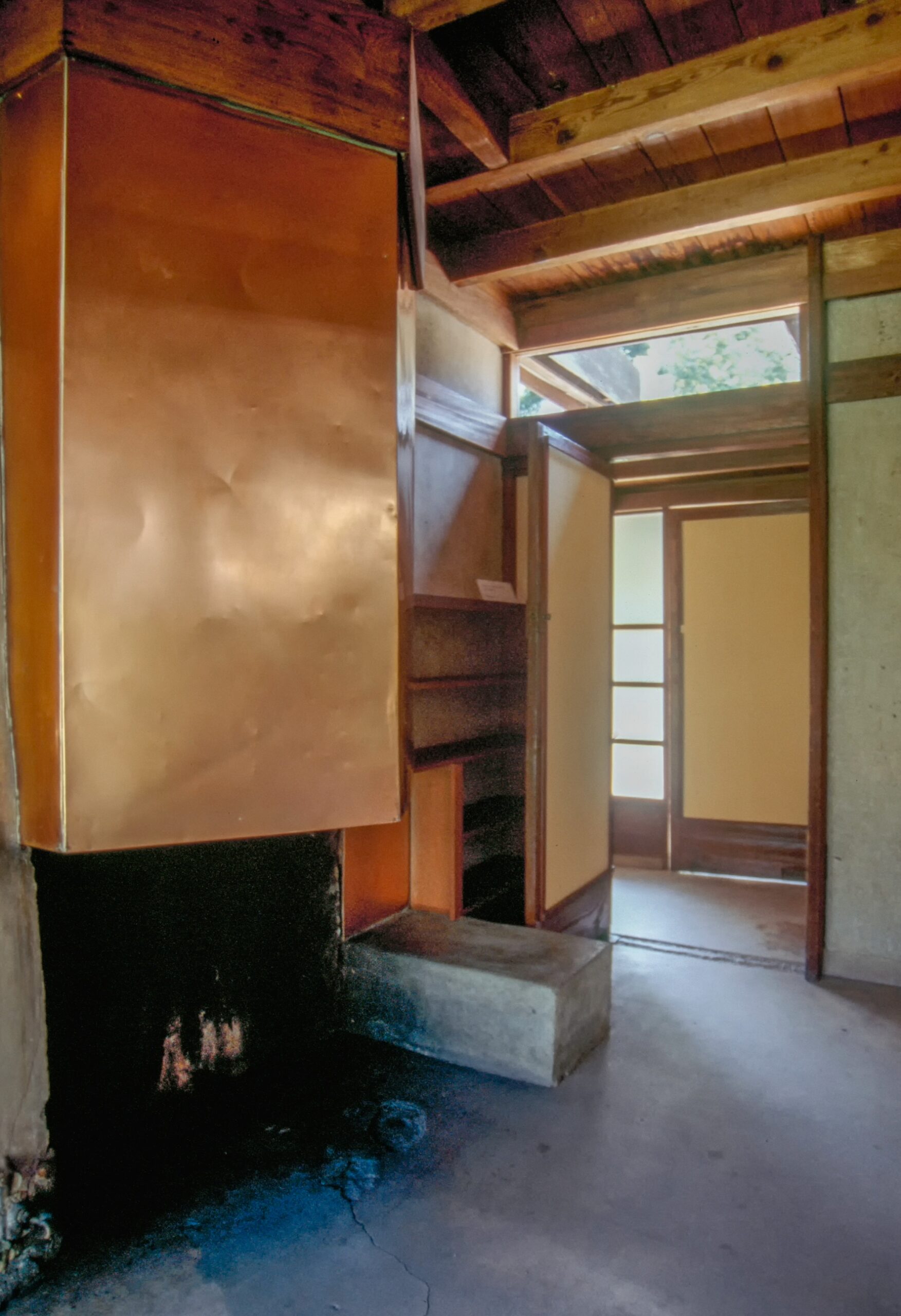
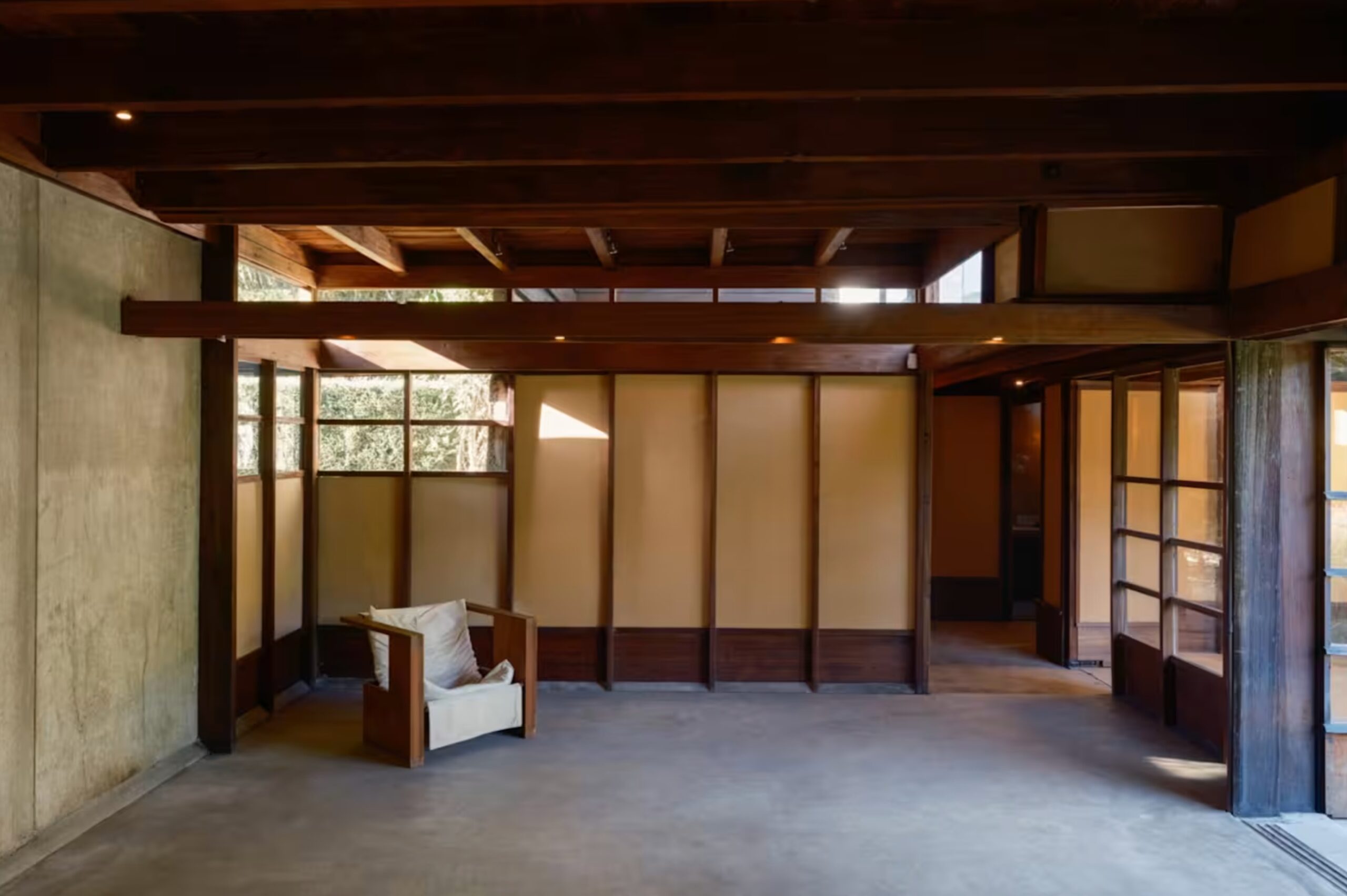
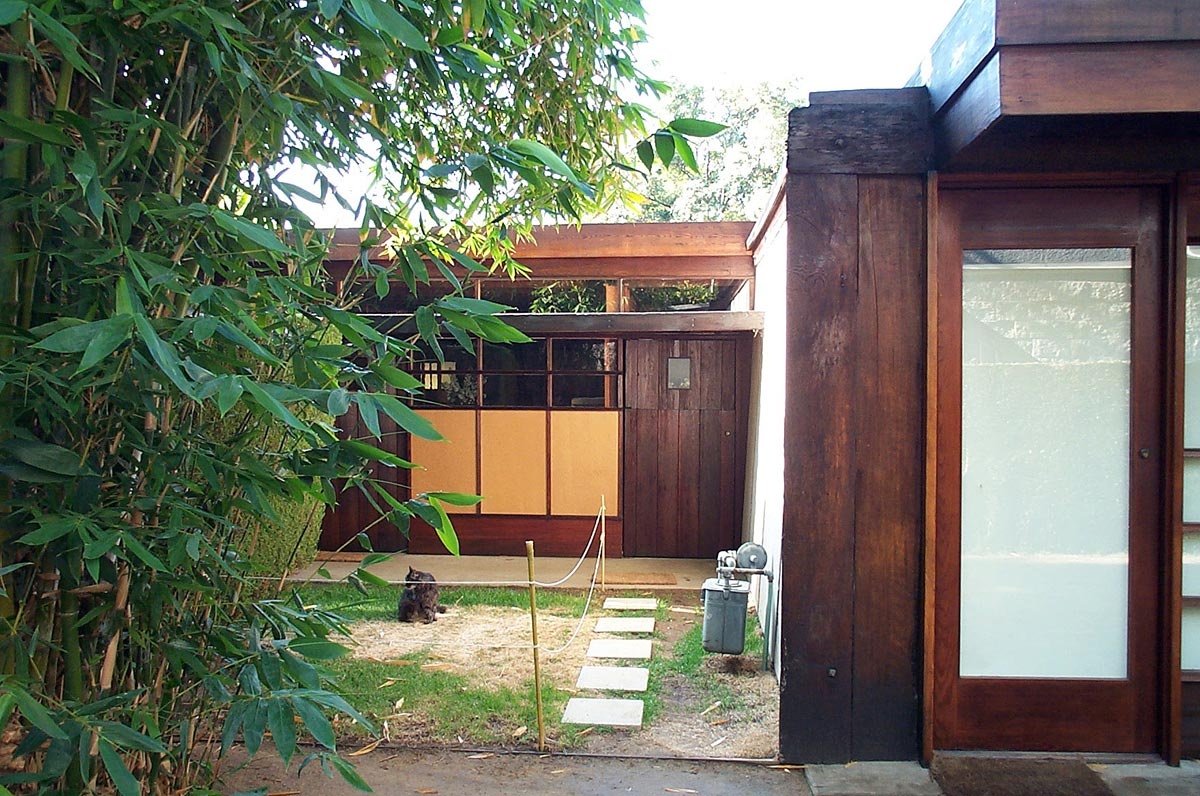
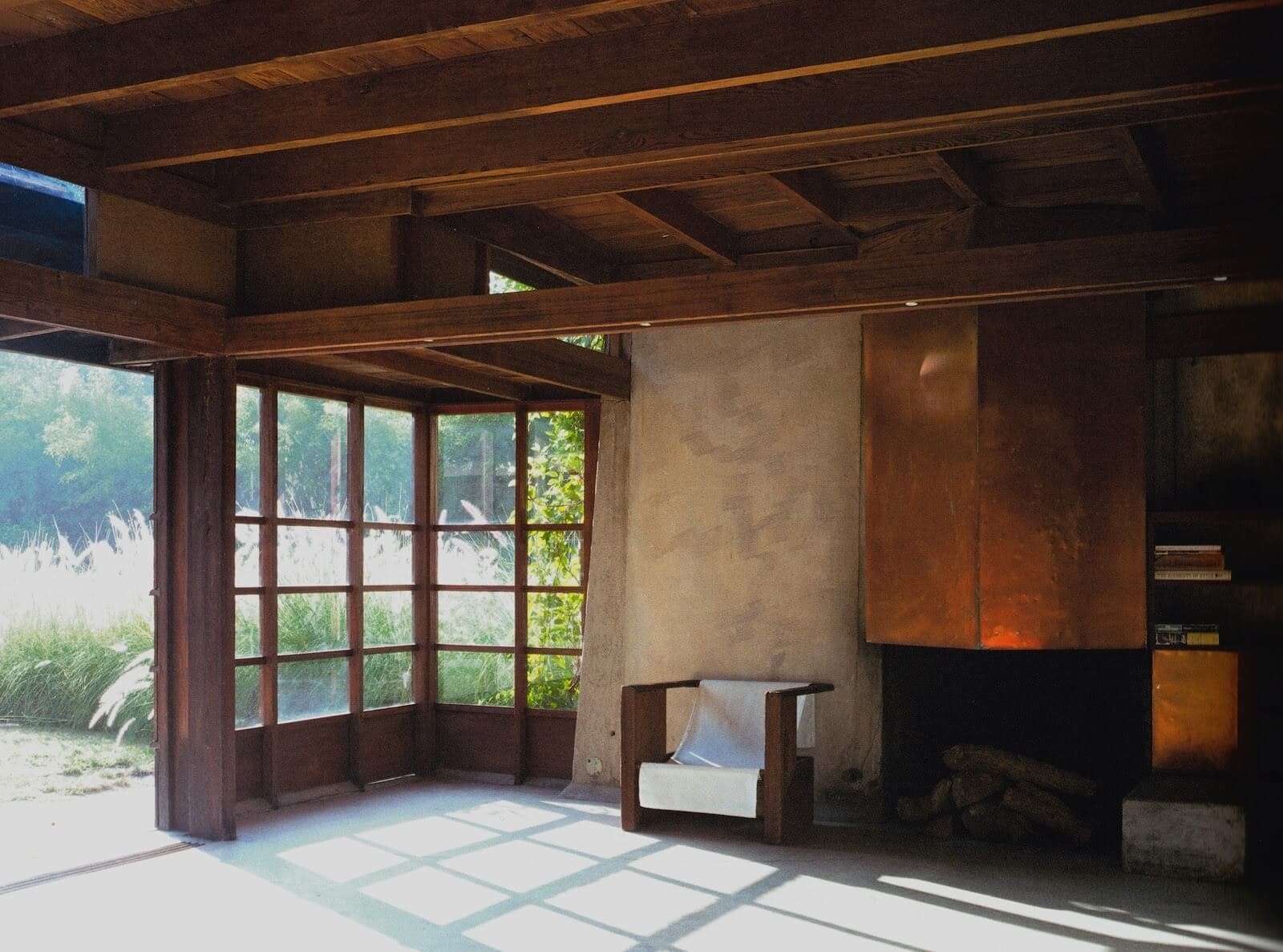
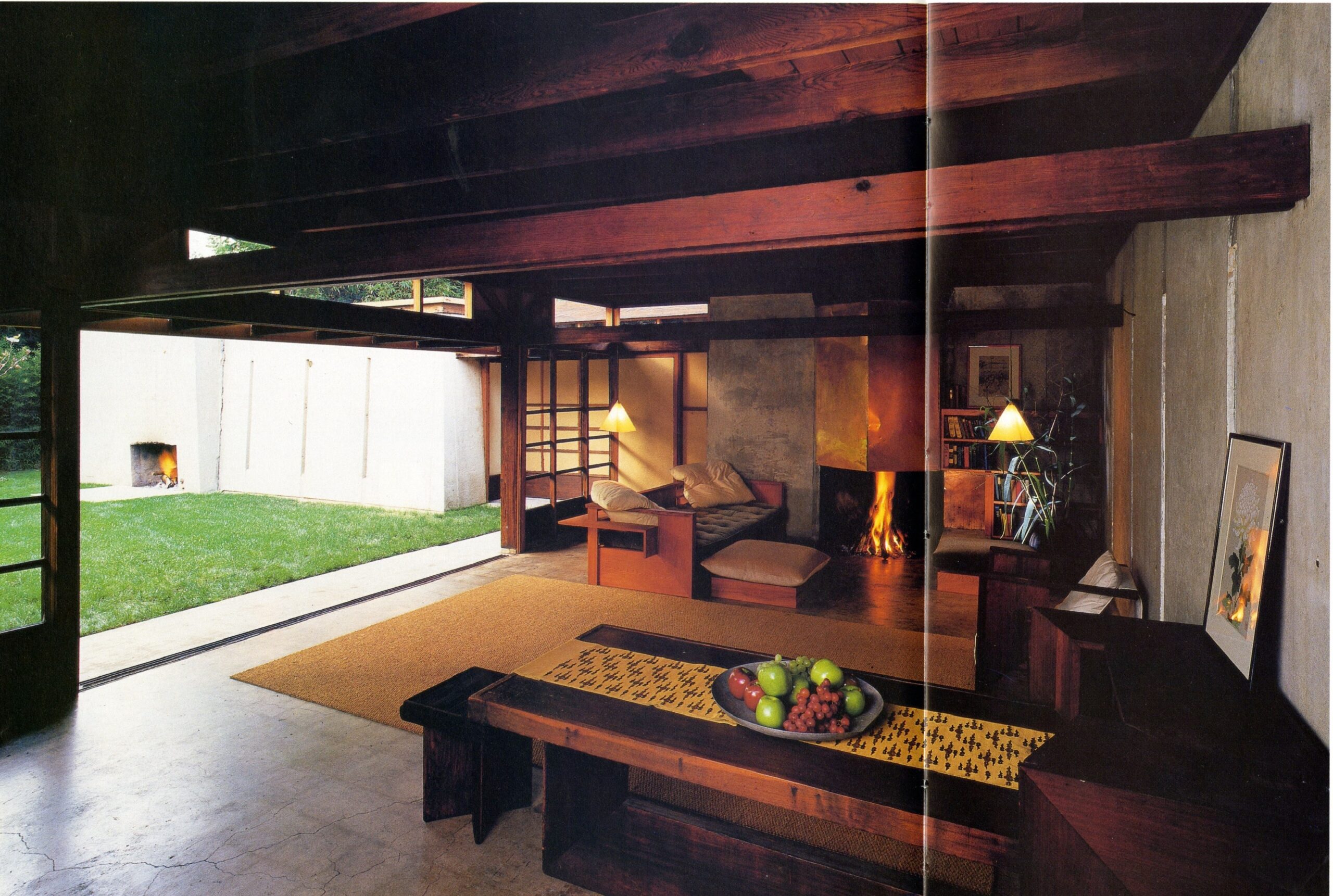
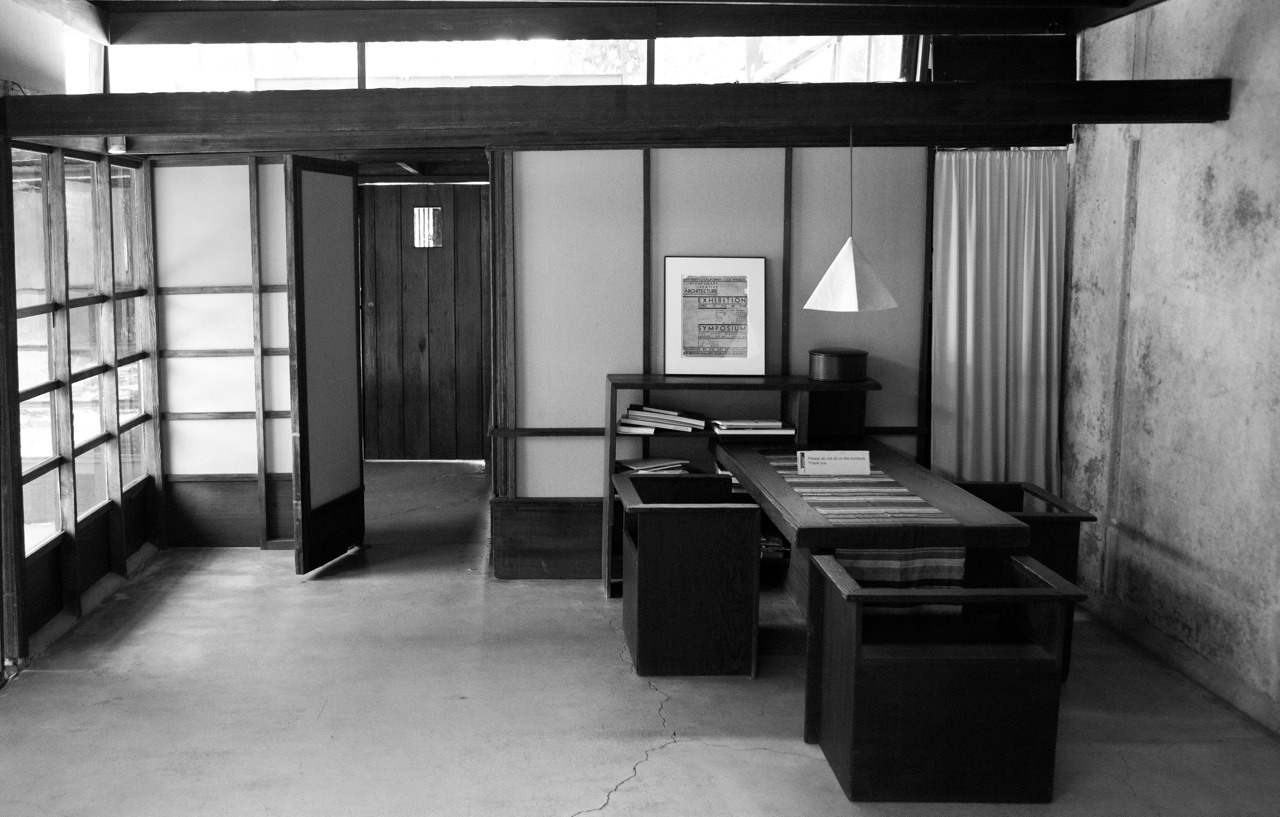
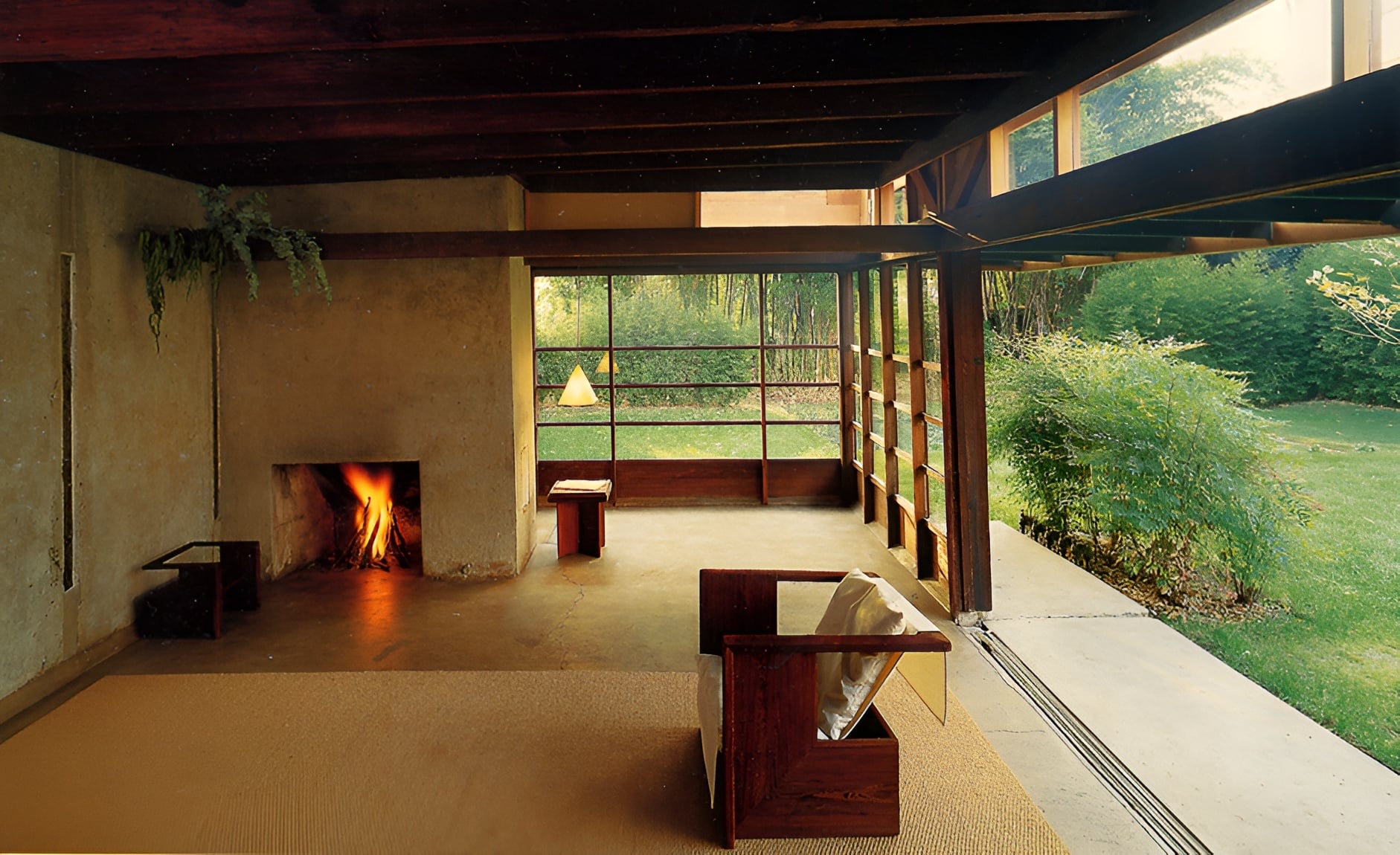
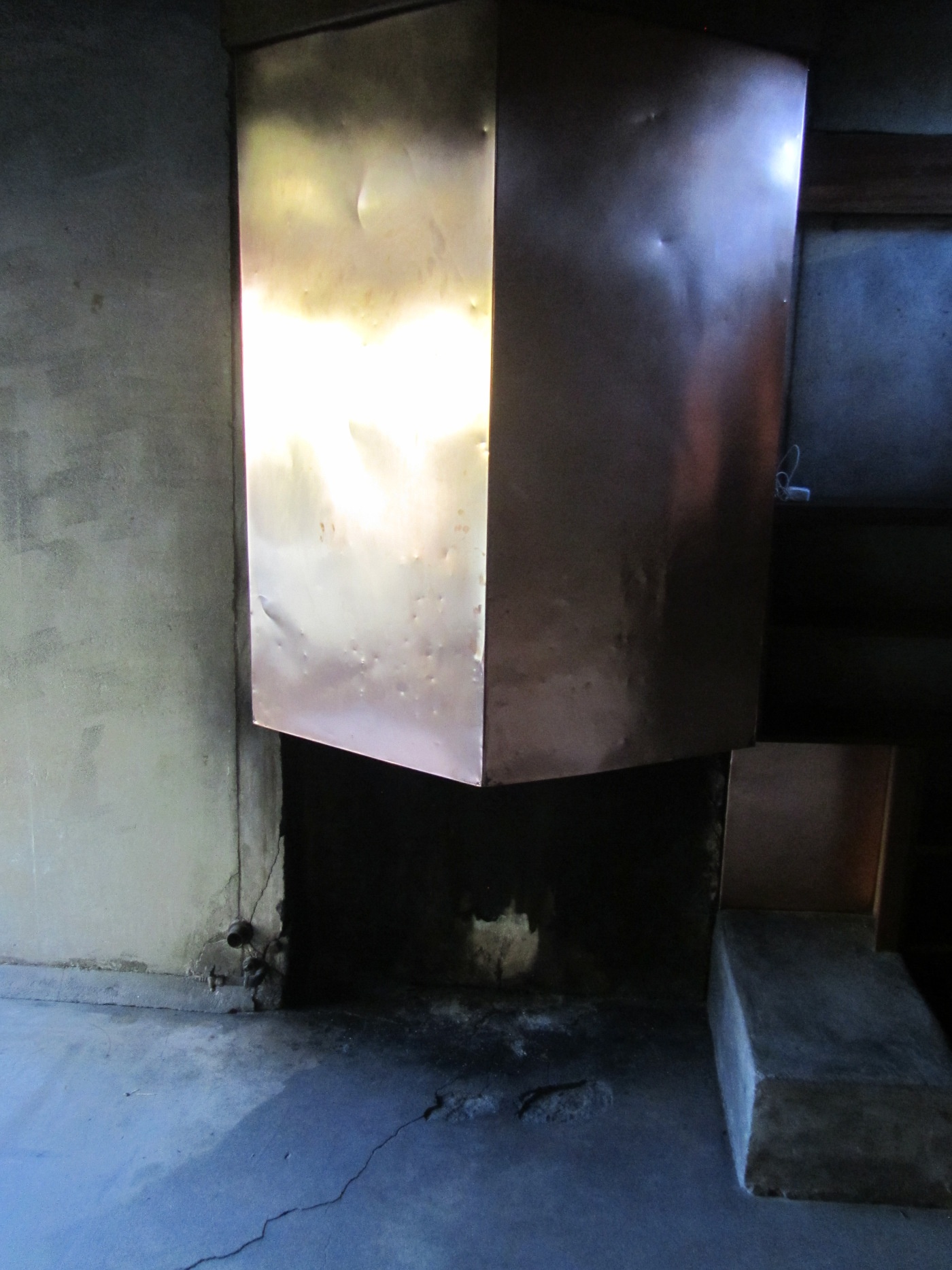
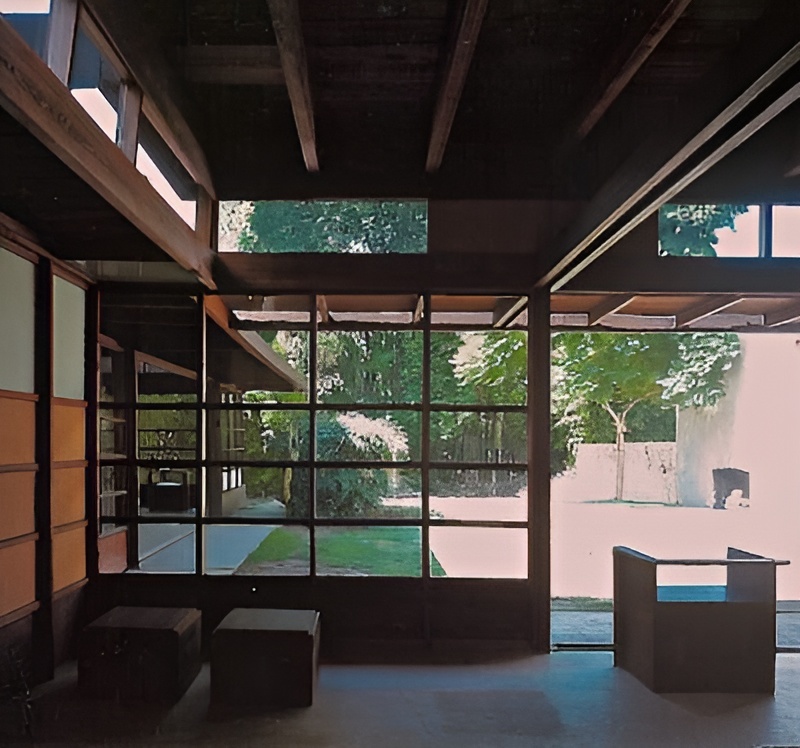
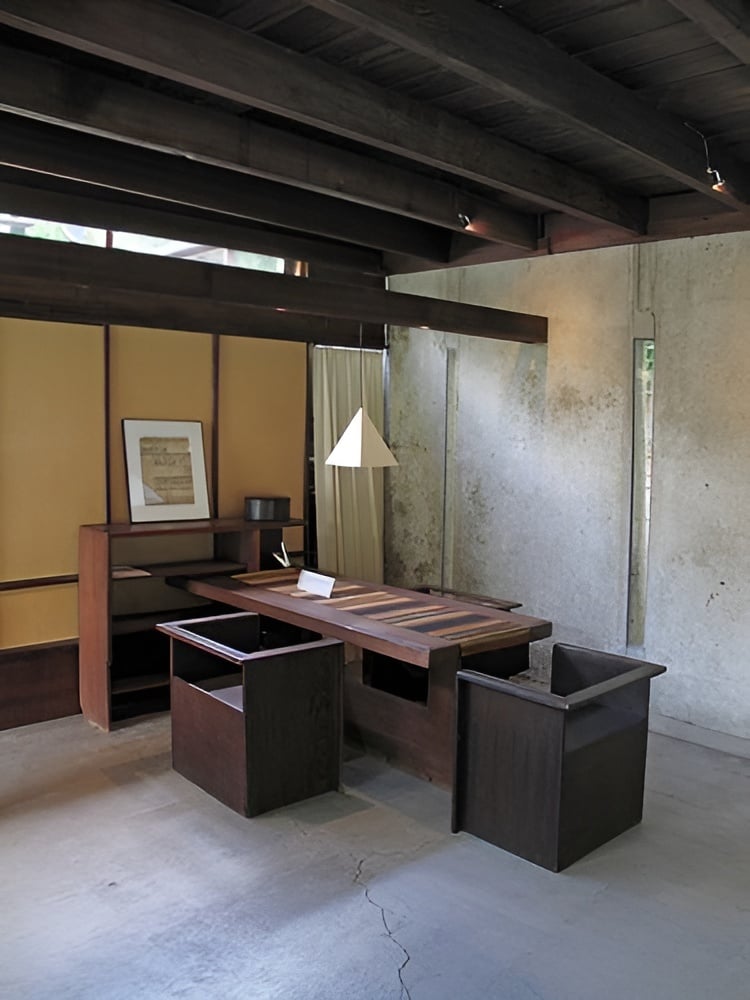
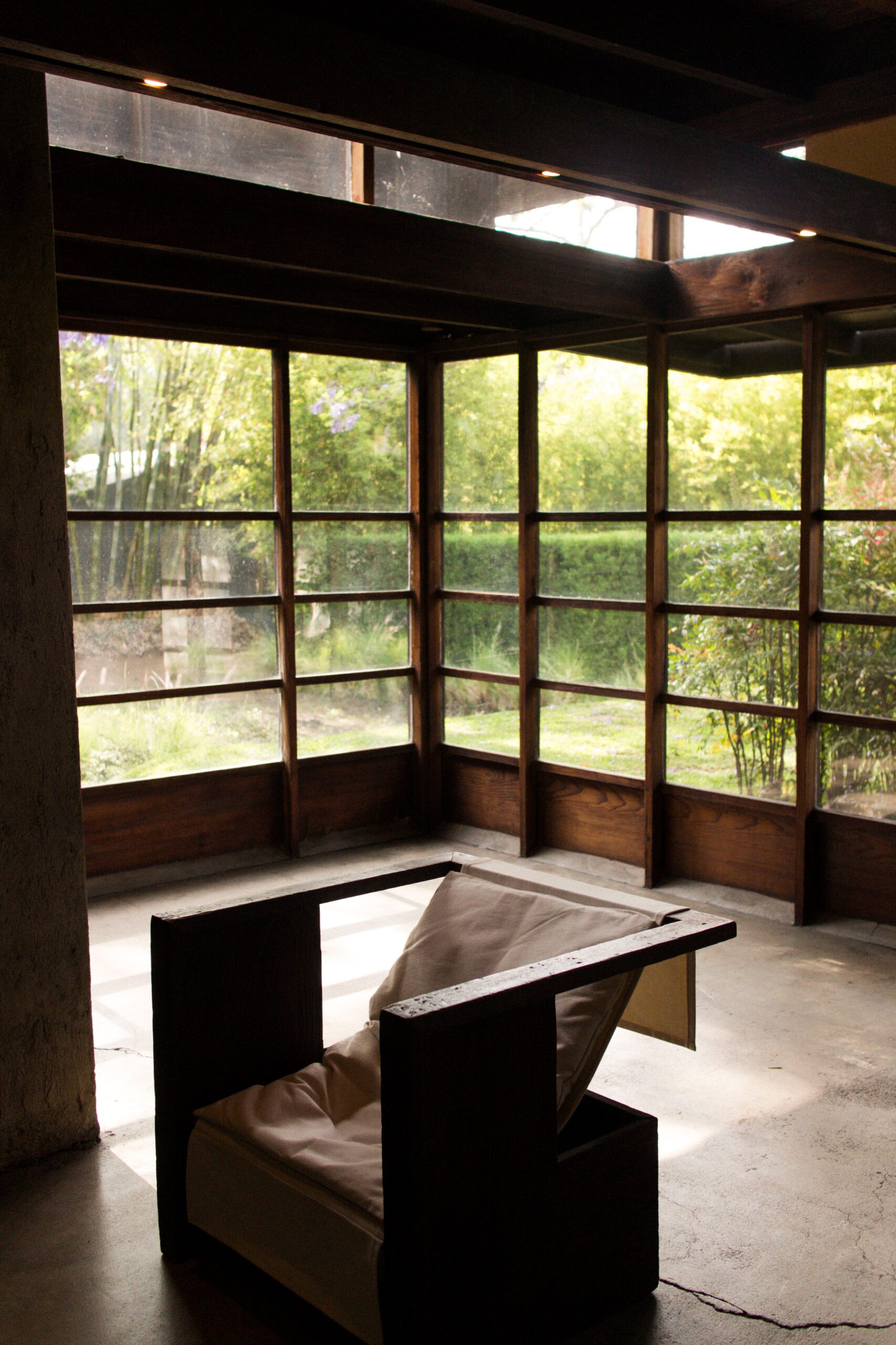
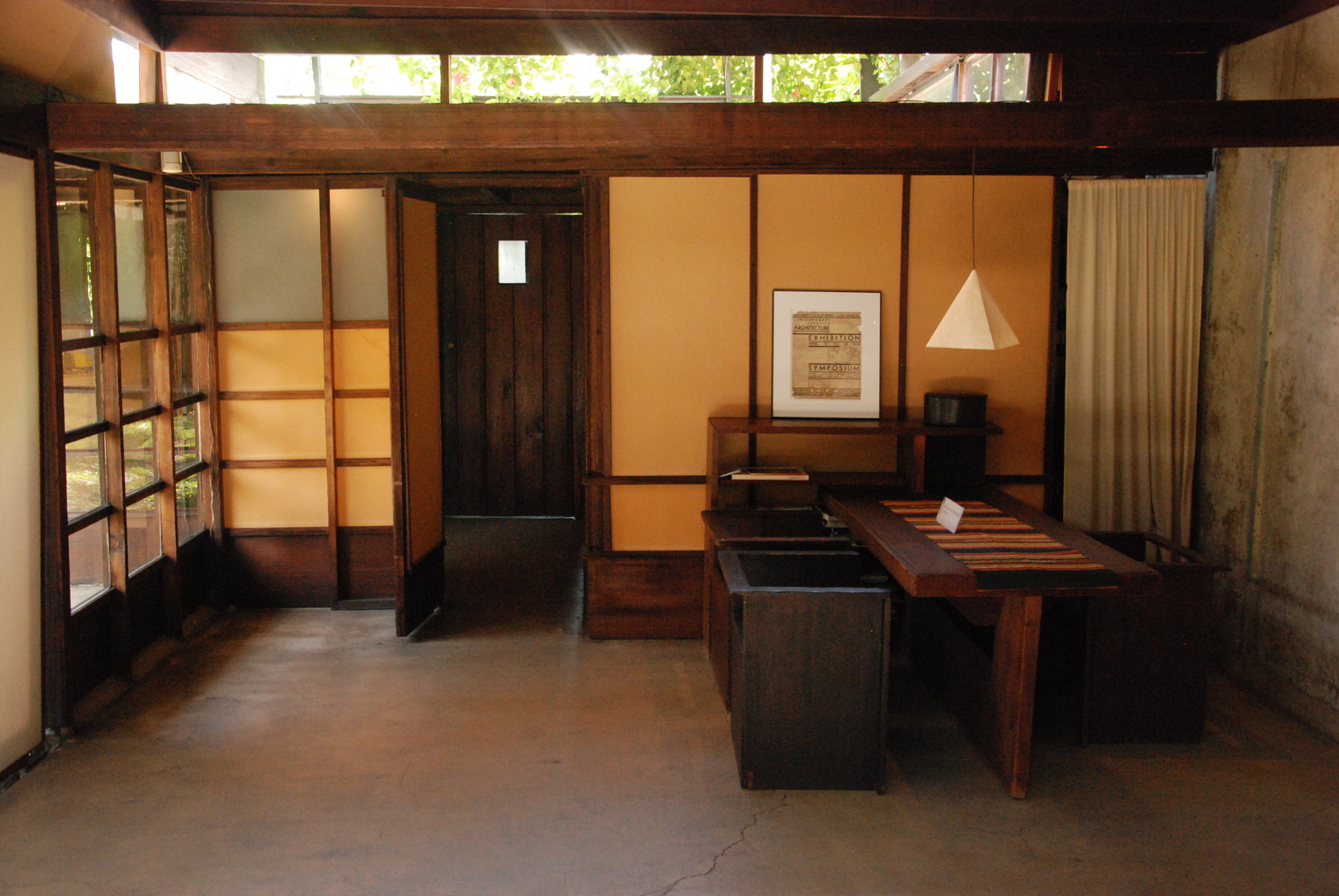
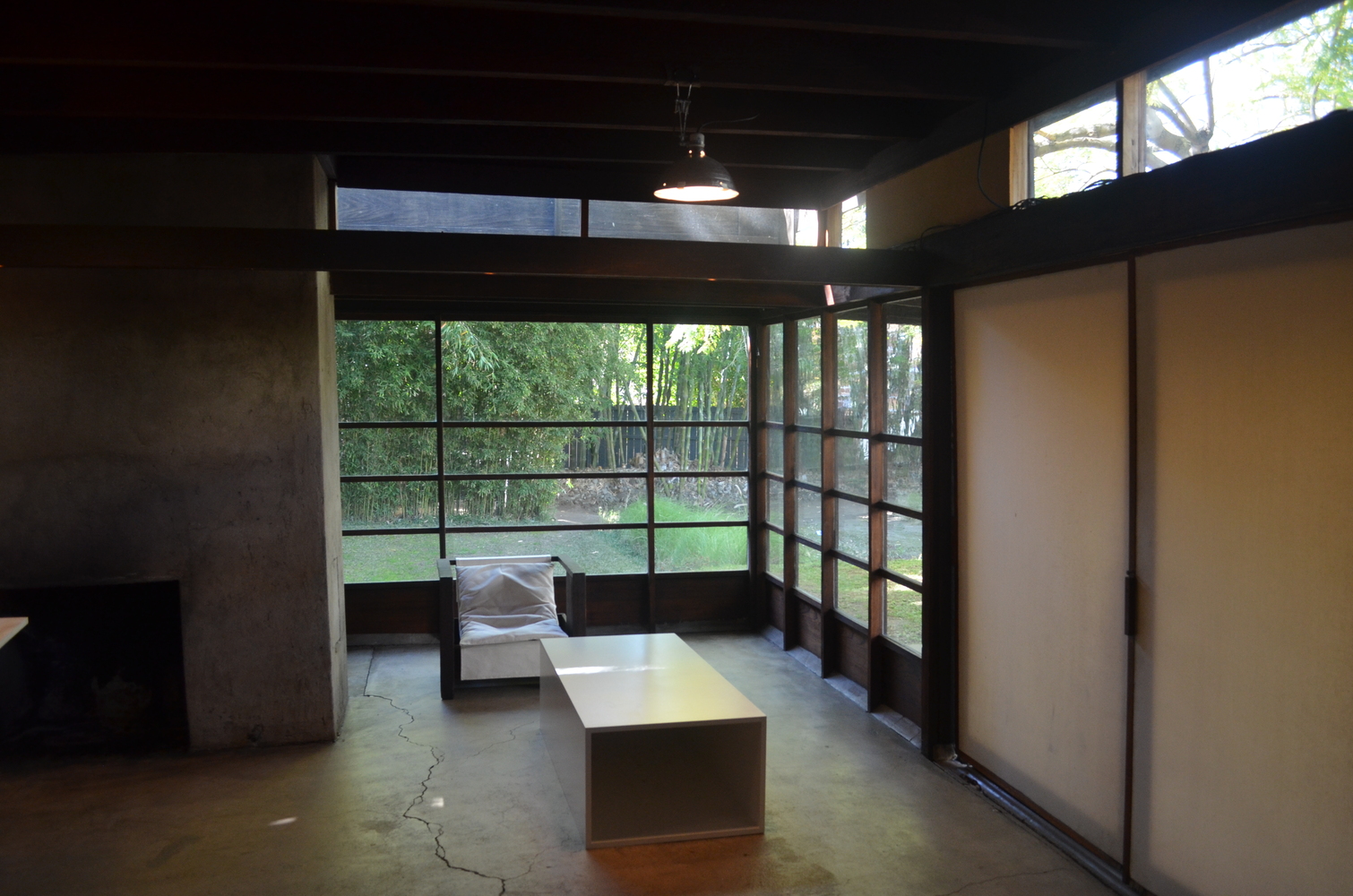
The roof structure employed redwood post-and-beam construction. Glass, canvas, and lightweight timber partitions defined the interior spaces and patio openings. The contrast between solid concrete walls and transparent garden-facing surfaces produced an environment that balanced privacy and openness. Vegetation remained visible from most interior spaces, reinforcing the relationship between architecture and landscape.
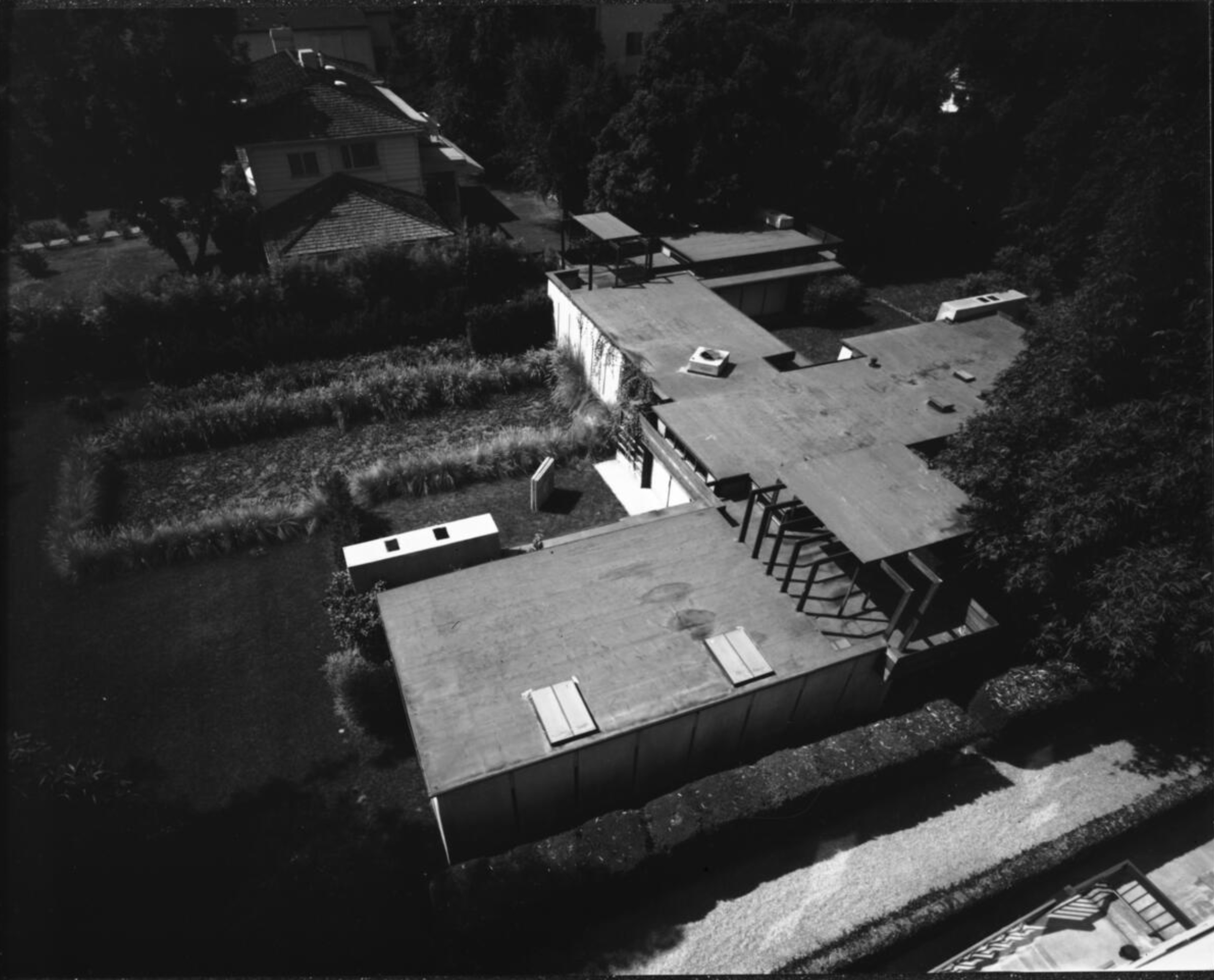
Construction was substantially completed by June 1922. Limited finances delayed furnishings and landscape improvements, which continued during the following years. The Chace family left the house in 1924, and Richard Neutra later occupied part of the residence with his family between 1925 and 1930.
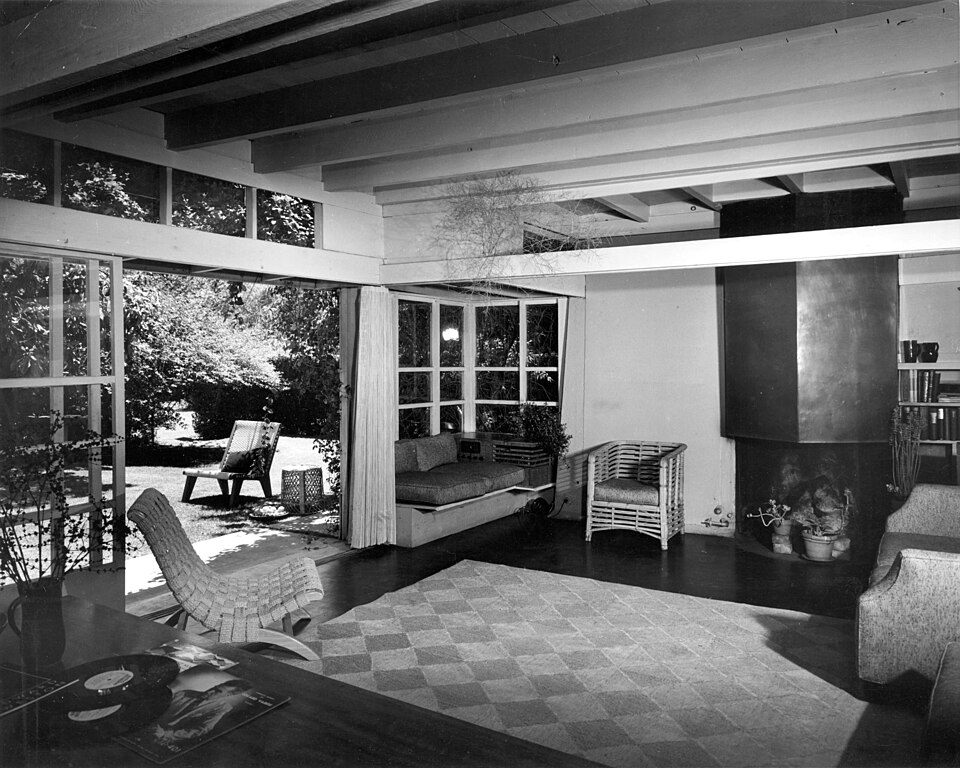
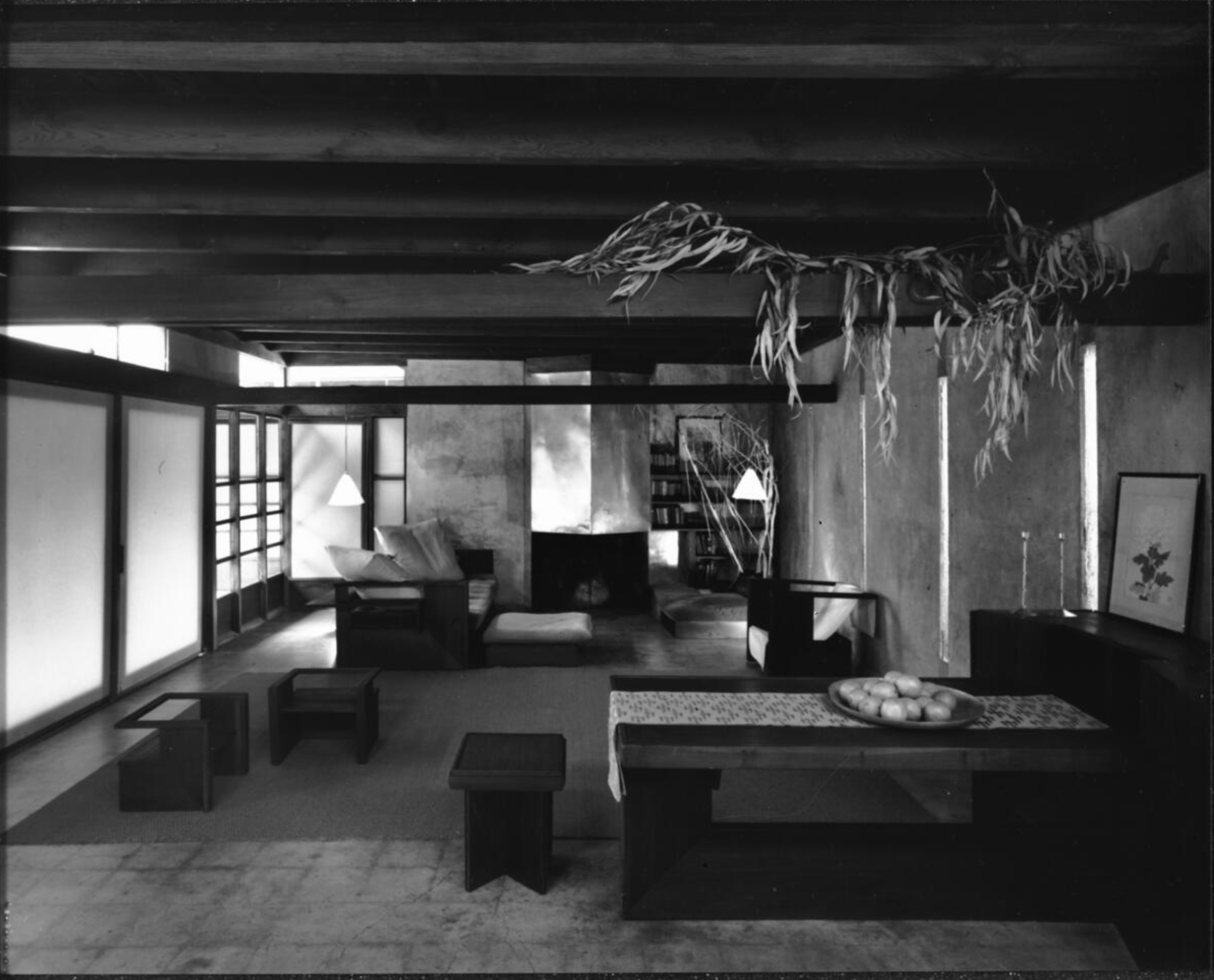
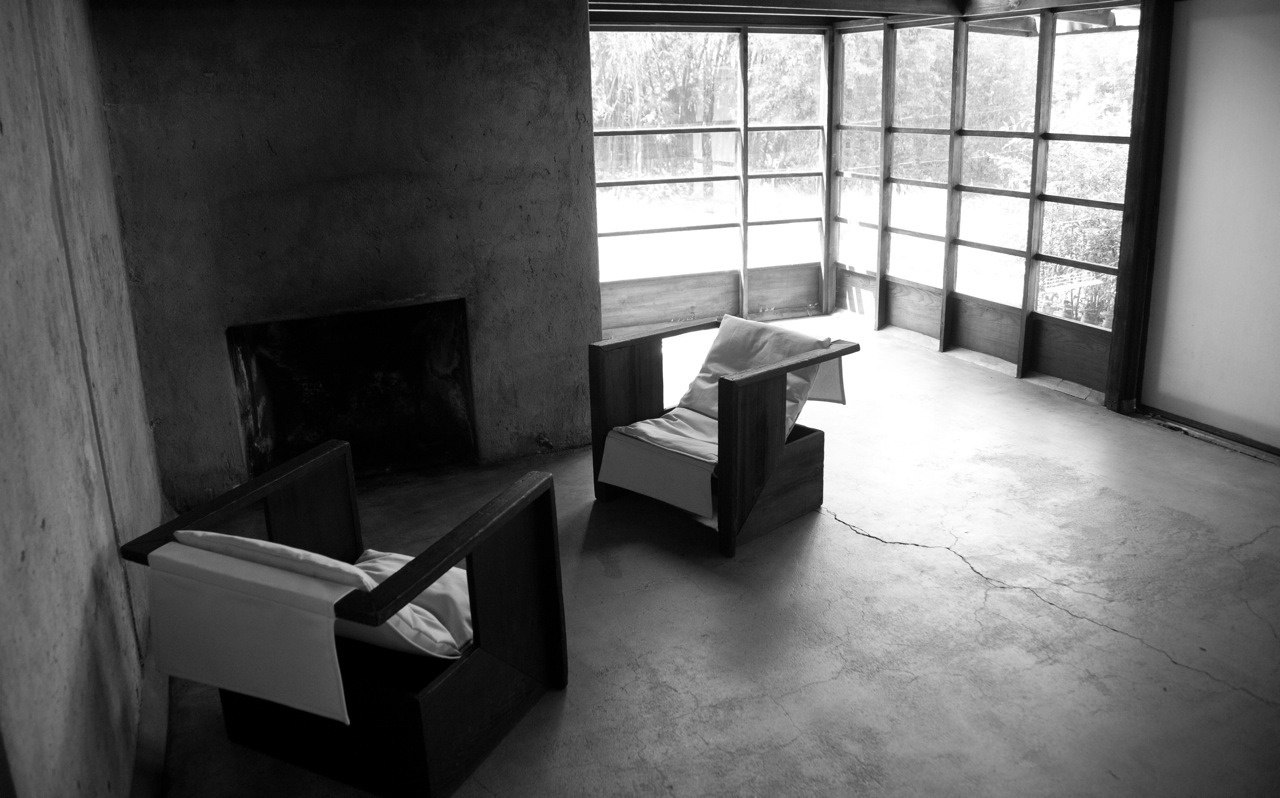
Kings Road House became an important center for cultural and intellectual activity in Los Angeles. Visitors and residents included Galka Scheyer, John Cage, Edward Weston, Theodore Dreiser, John Bovingdon, and other artists, writers, and musicians. Pauline Schindler contributed significantly to the house’s role as a gathering place for progressive social and cultural discussions.
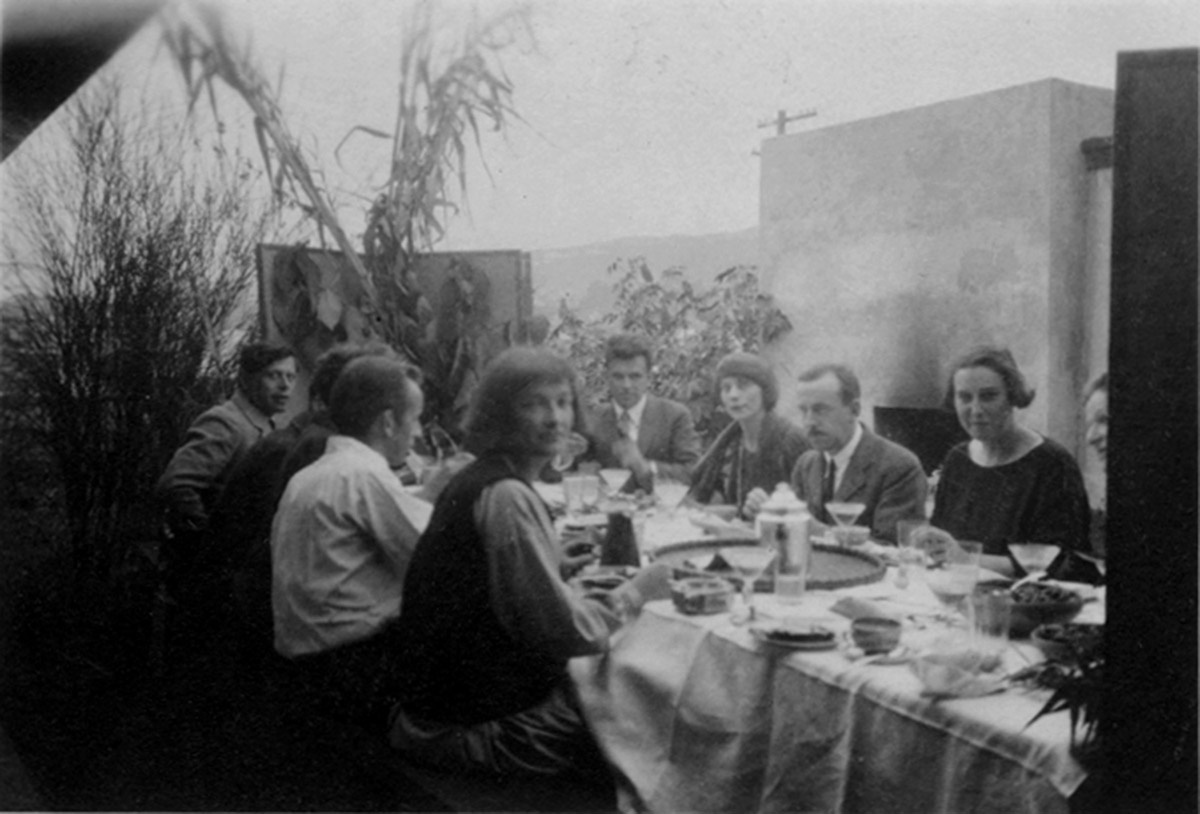
Rudolph and Pauline Schindler separated in 1927. Pauline returned to the house in the late 1930s, occupying the former Chace wing while Schindler remained in the original studio spaces. The two continued to share the property until Schindler’s death in 1953.
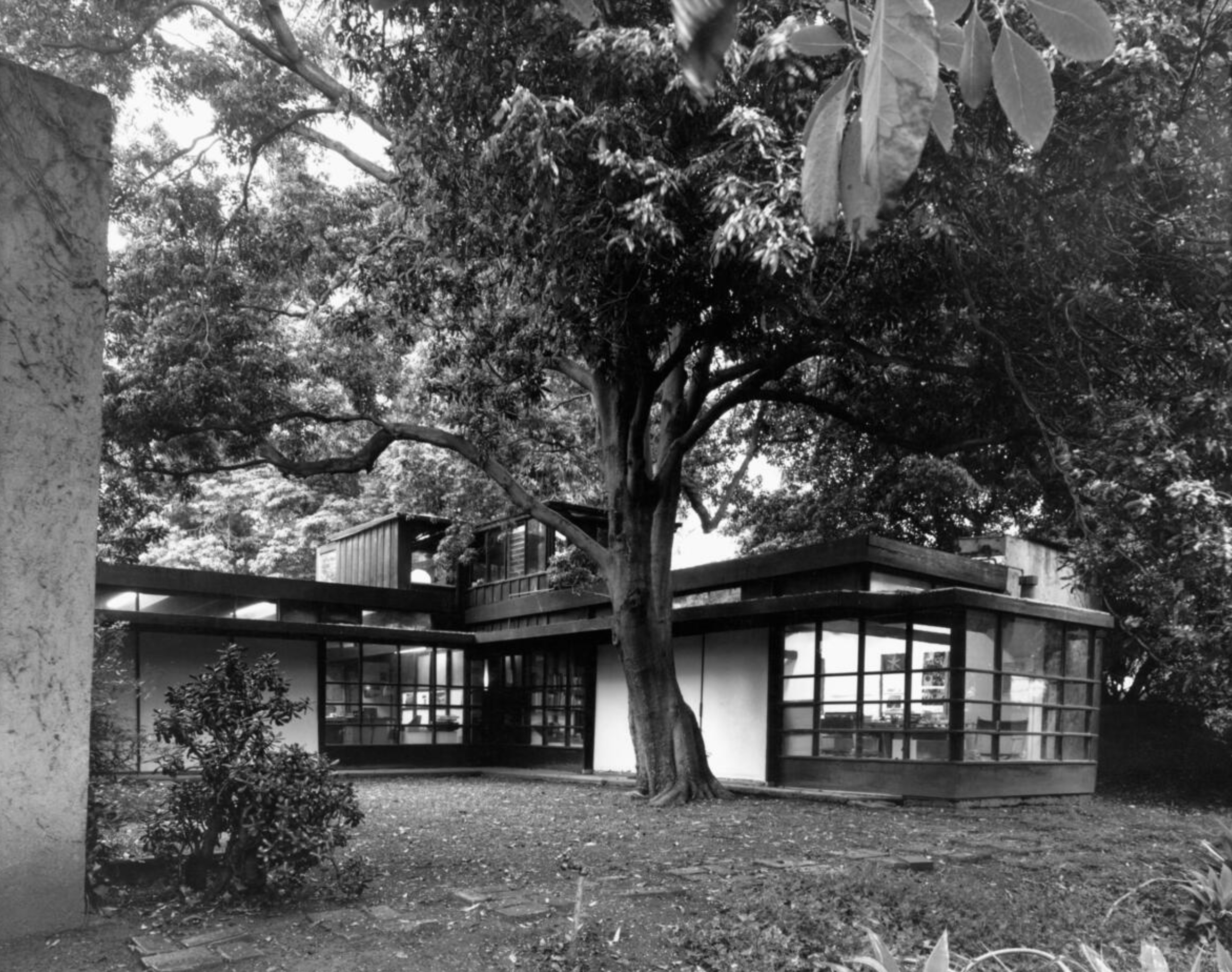
In 1974, Pauline Schindler began efforts to secure the preservation of the house. The Friends of the Schindler House acquired the property in 1980 and initiated restoration work based on the building’s 1922 condition. In 1994, the organization partnered with the MAK – Museum of Applied Arts, Vienna, establishing the MAK Center for Art and Architecture at the site.
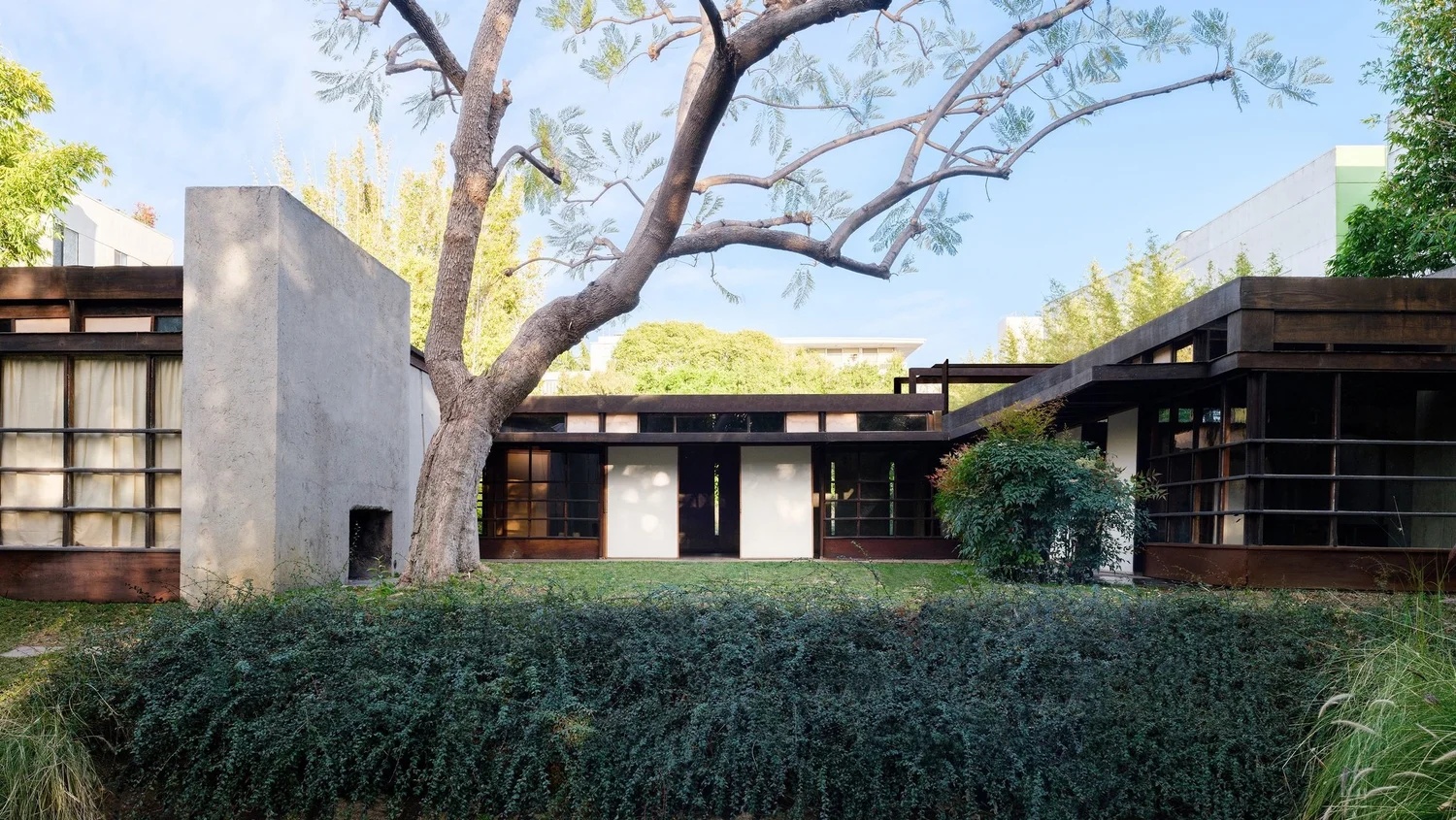
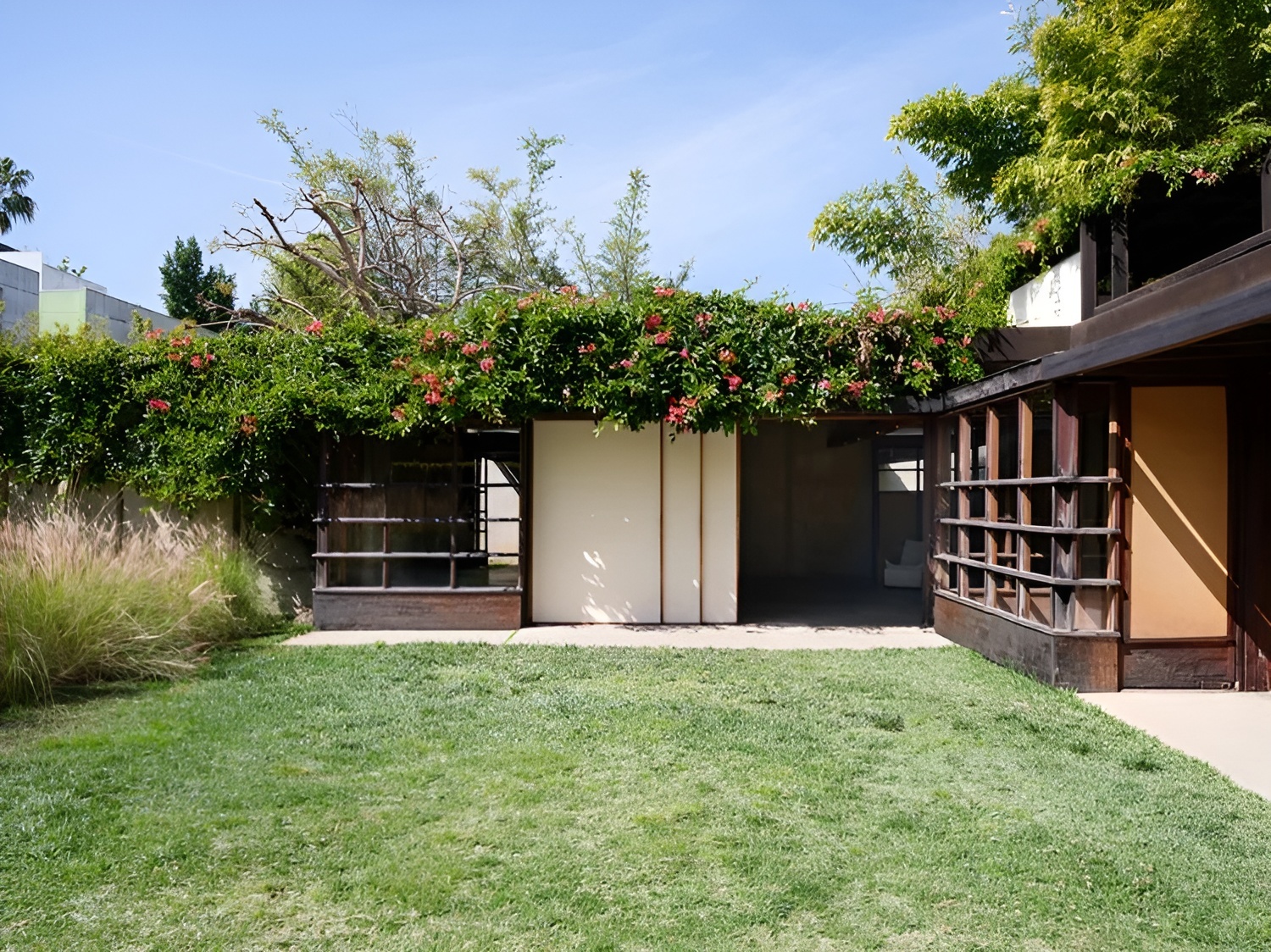
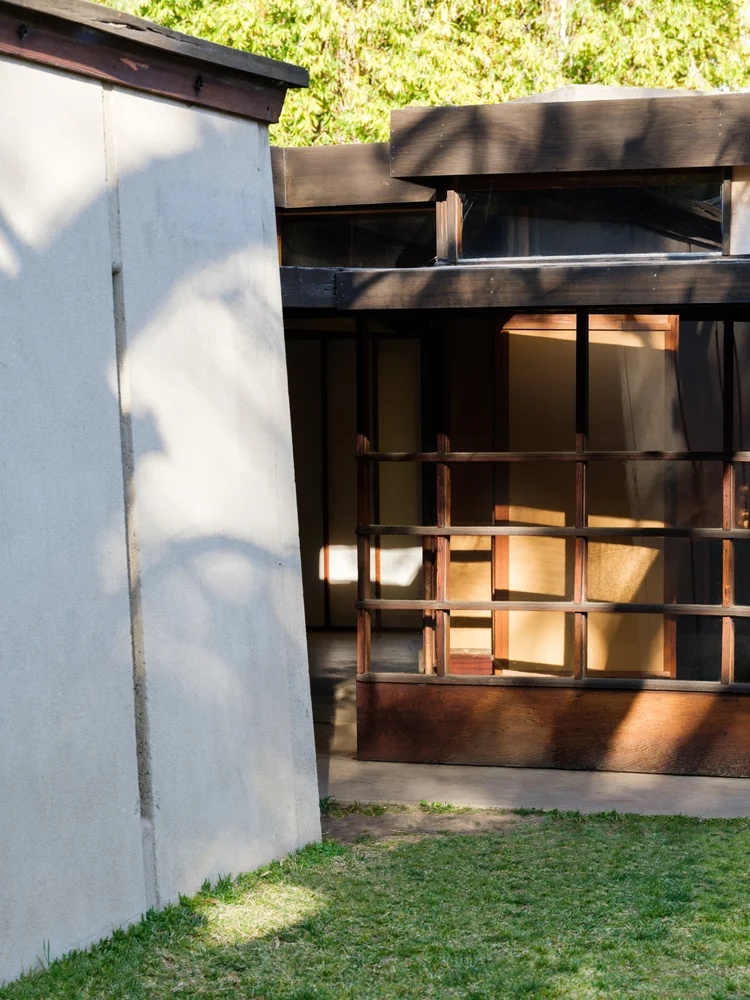
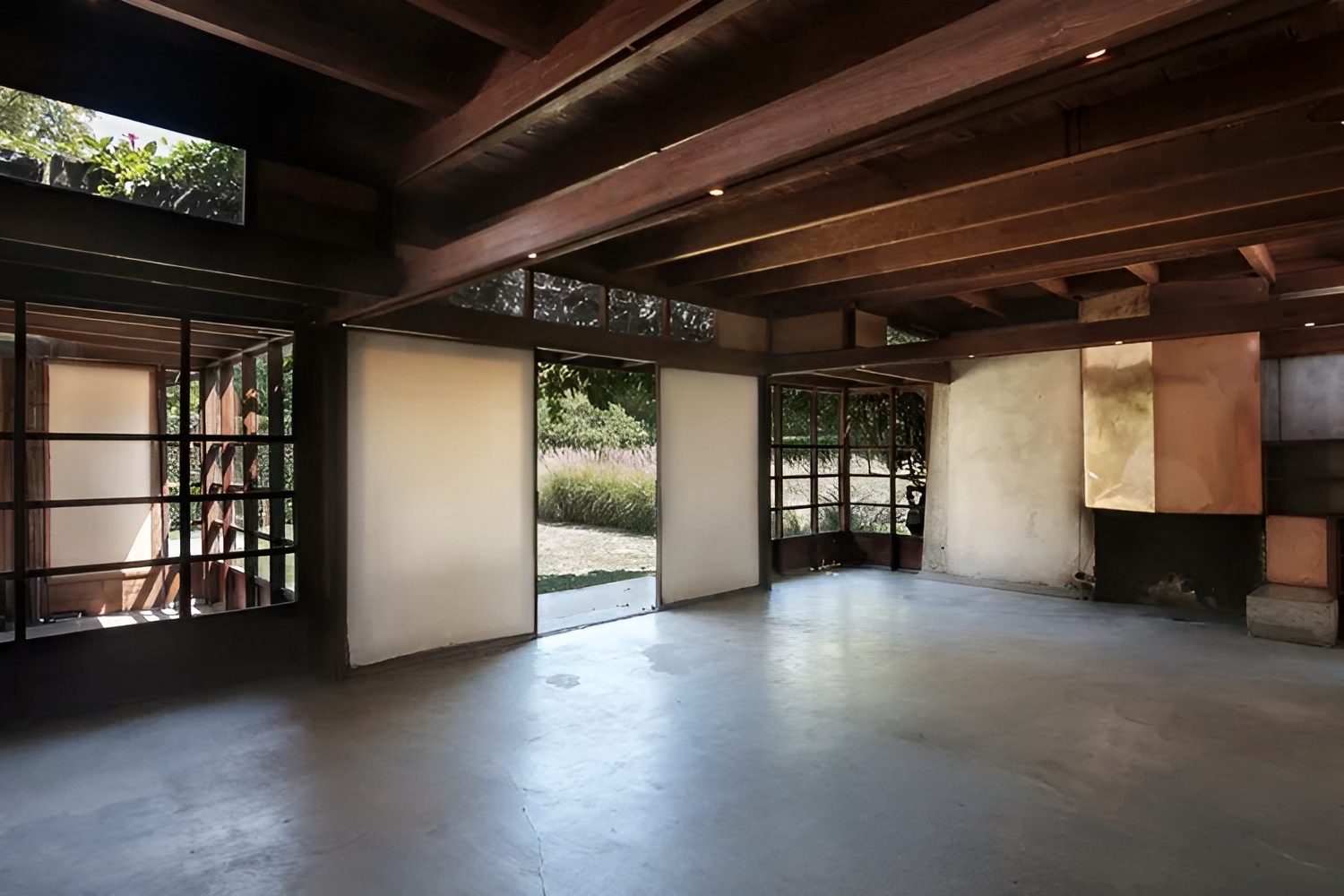
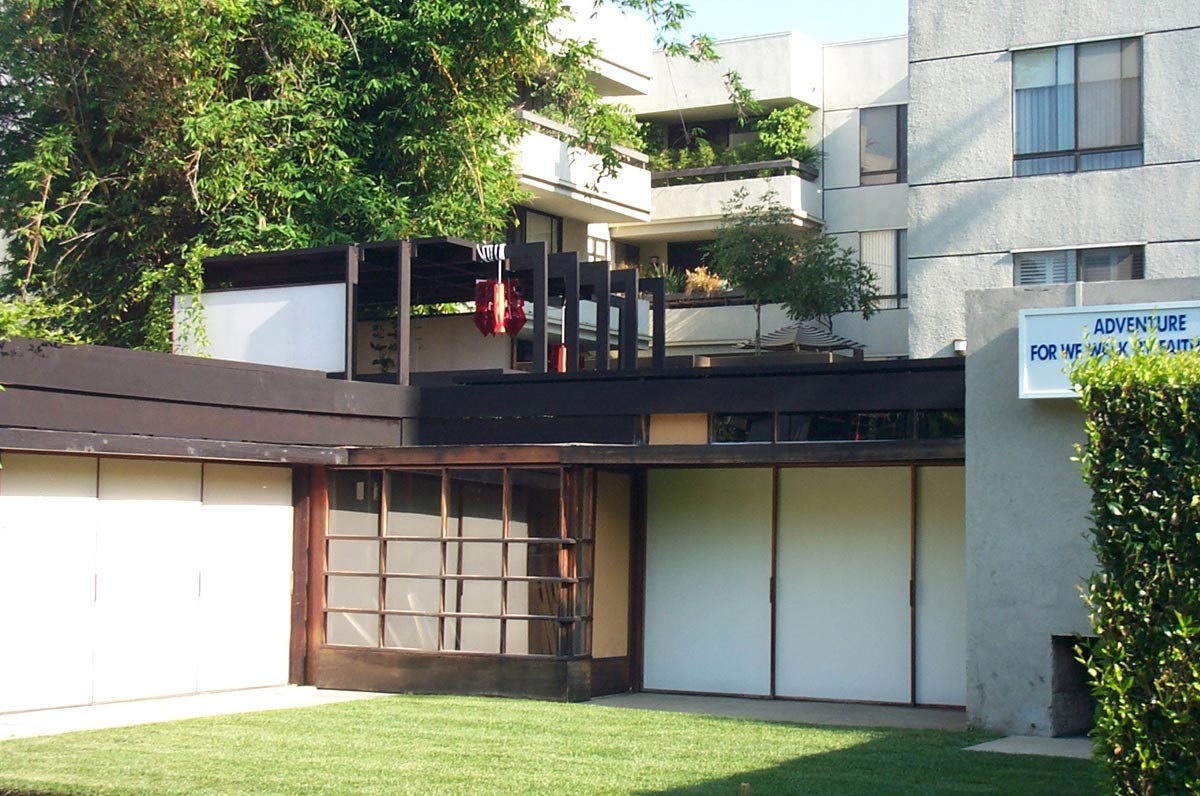
Kings Road House remains one of the most significant residential works of early modern architecture in Southern California. Although surrounded by later apartment buildings and increased urban density, the house continues to demonstrate Schindler’s exploration of communal living, experimental construction, and the integration of architecture, landscape, and daily life.
Project Gallery
Project Location
Address: 835 North Kings Road, West Hollywood, California 90069, United States
Location is for general reference and may represent a city or country, not necessarily a precise address.

