

Architects: Chatillon Architectes
Area: 72,000 m²
Year: 2025
Photography: Laurent Kronental, Charly Broyez, Antoine Mercusot
City: Paris
Country: France
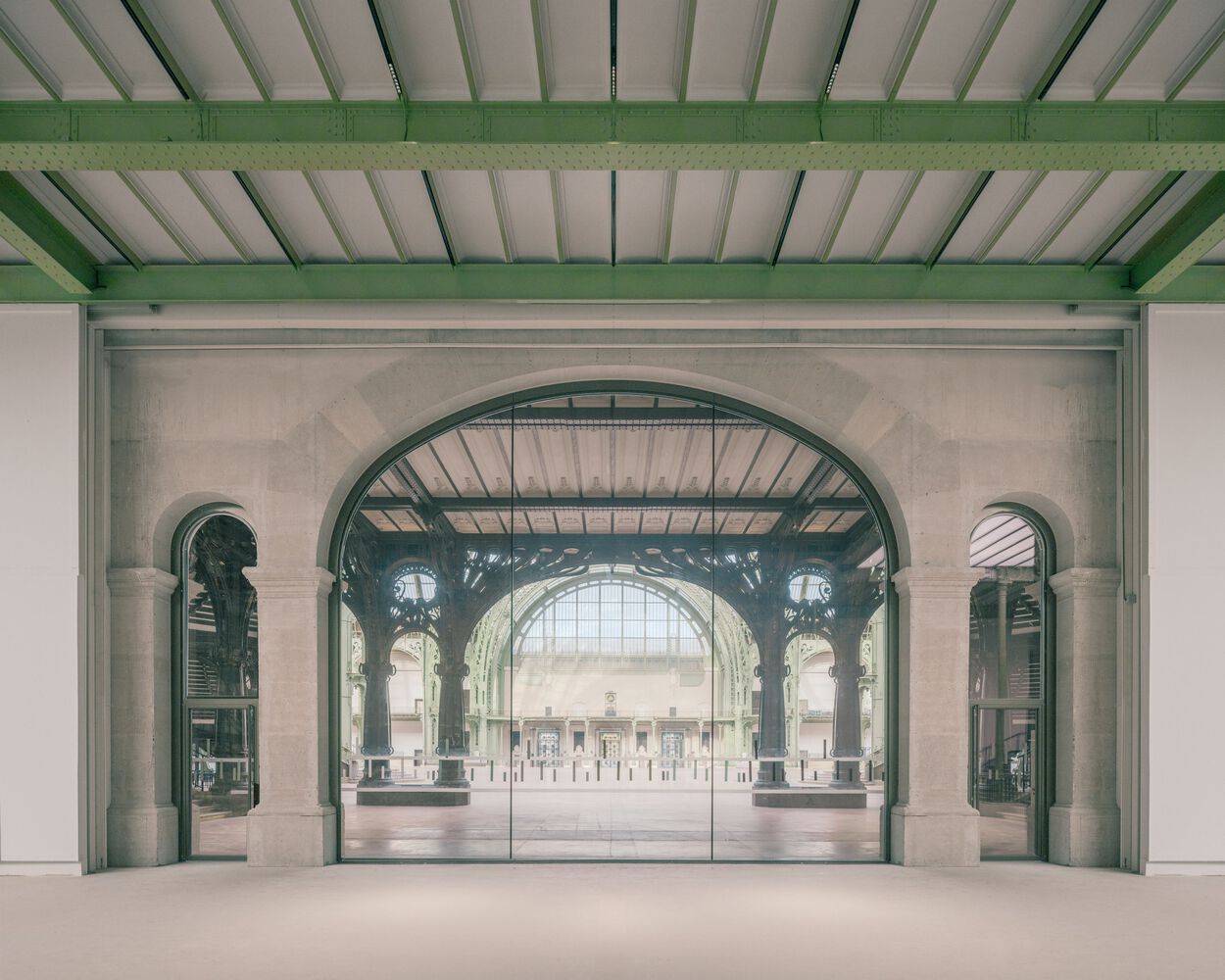
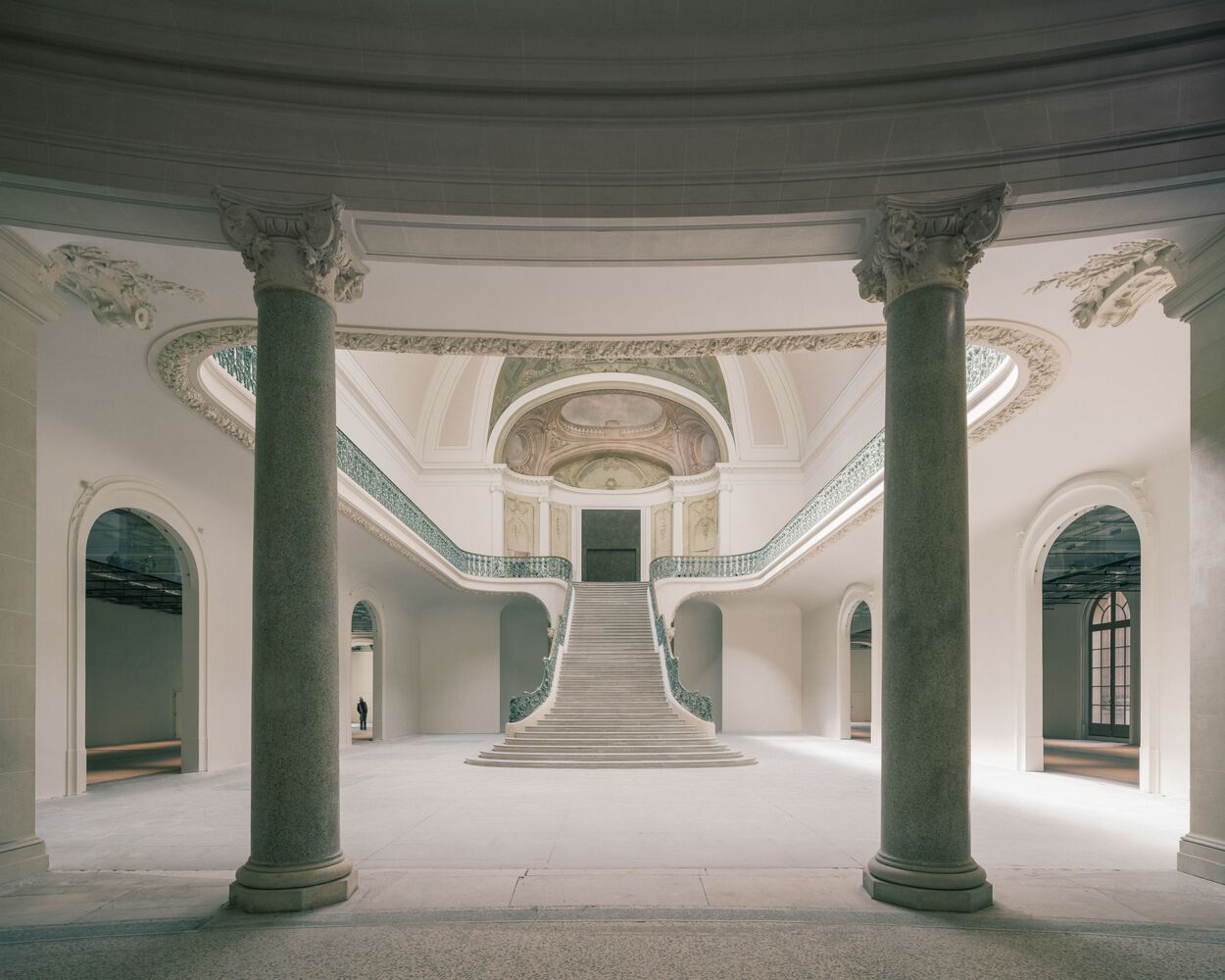
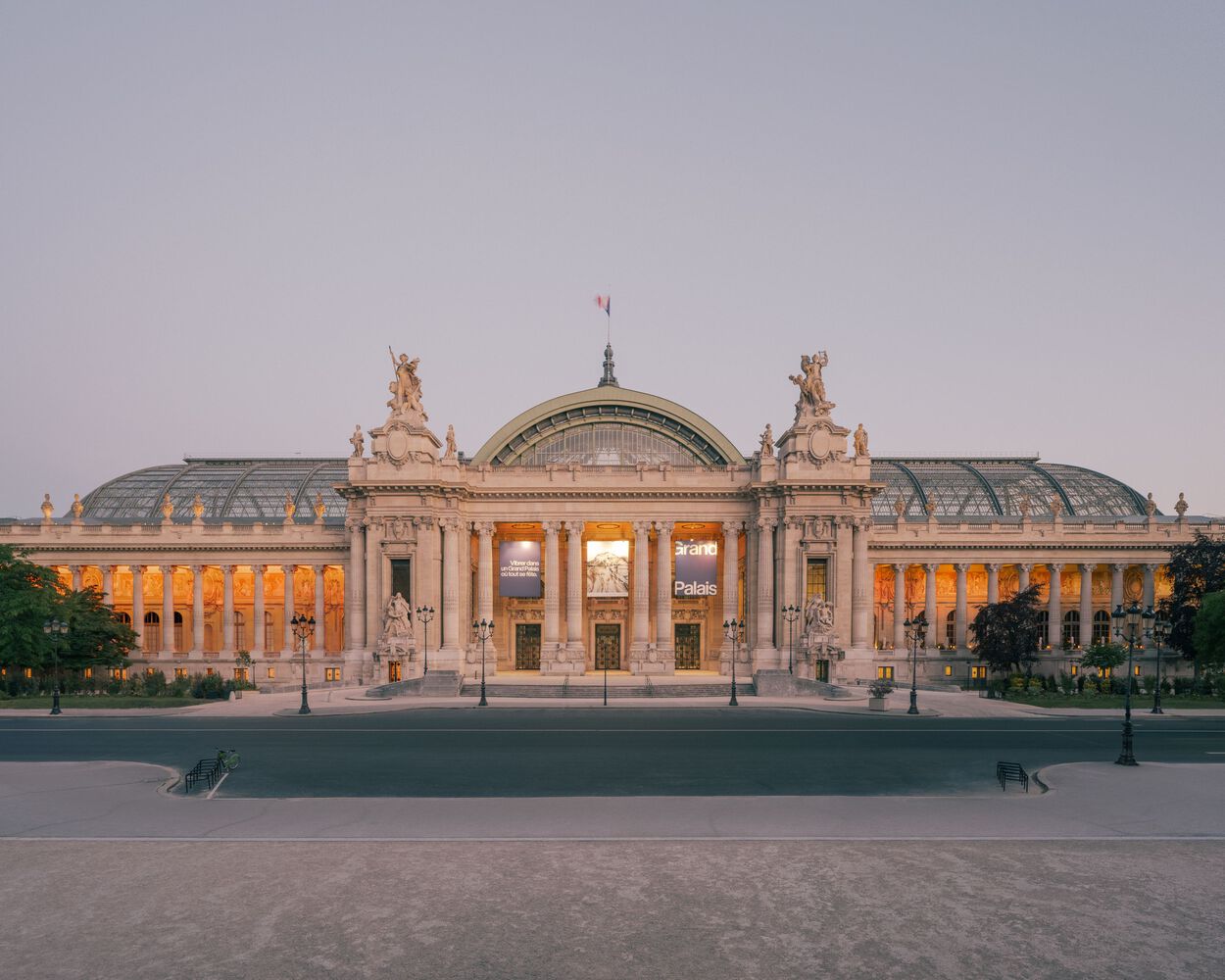
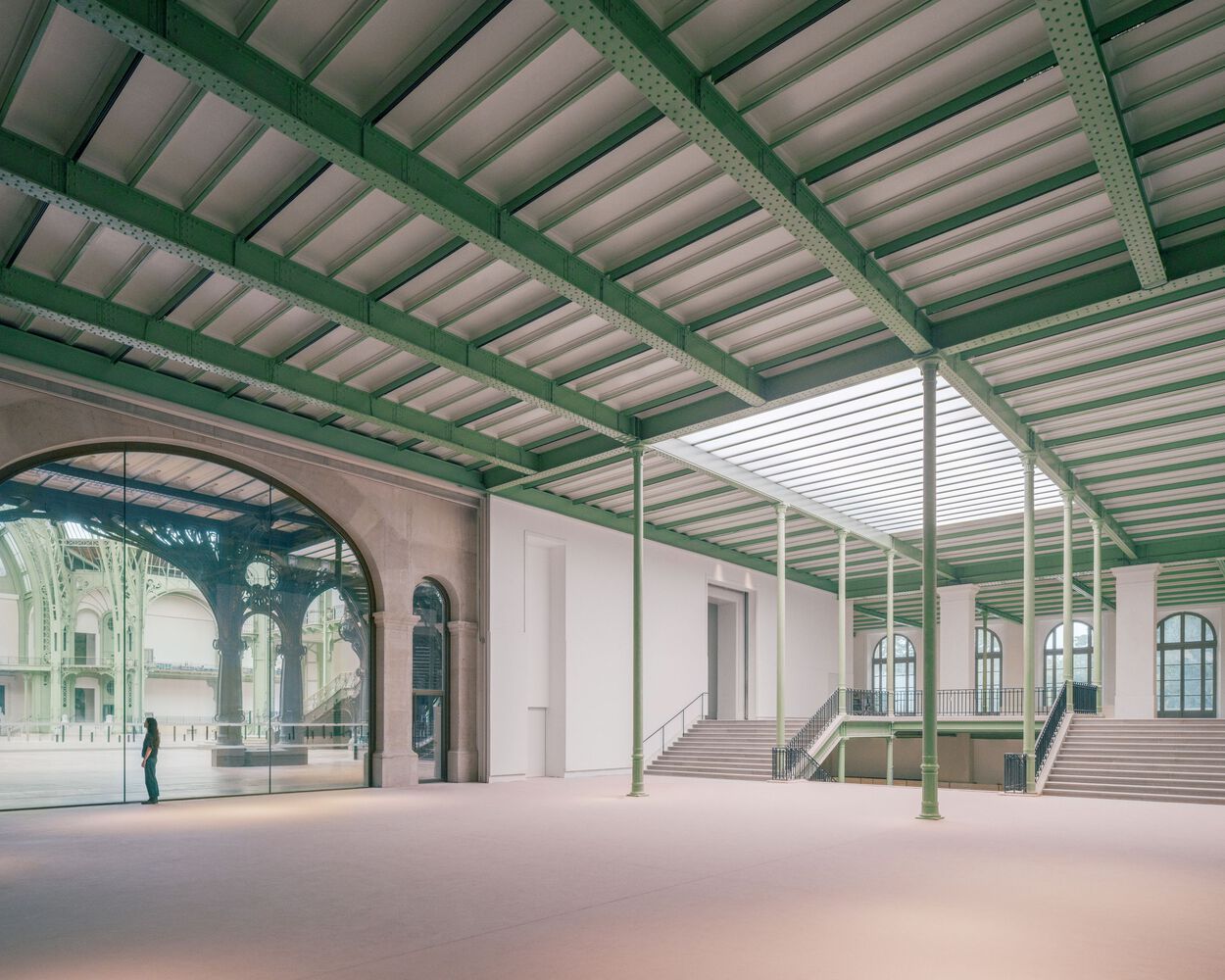
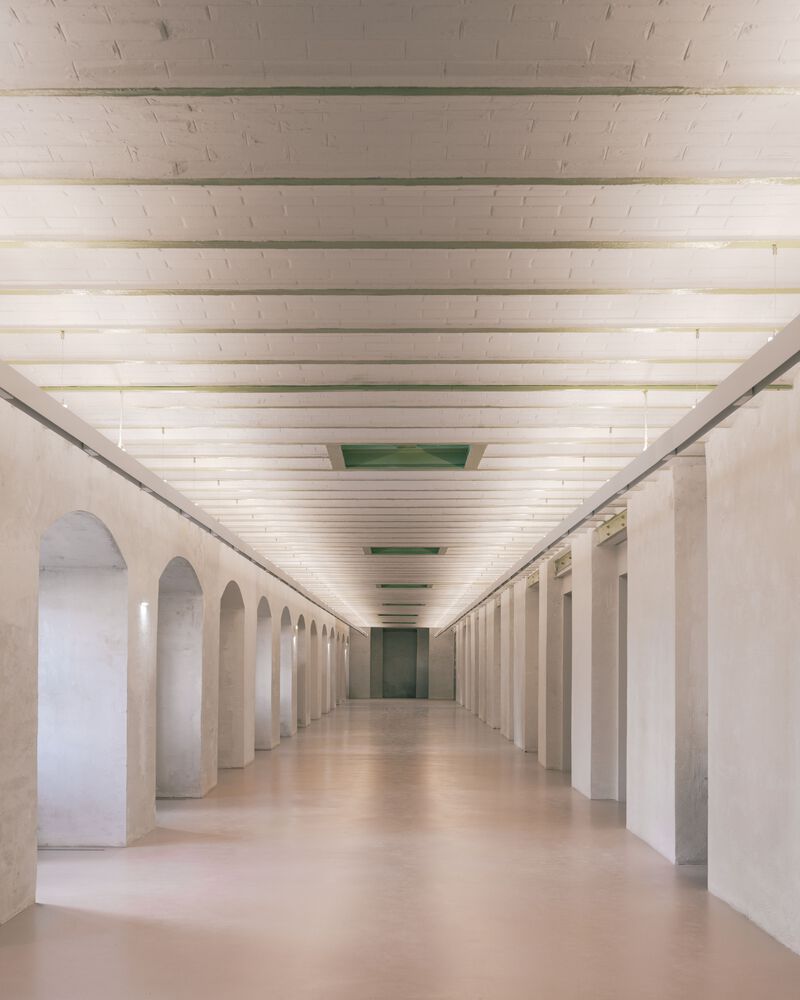
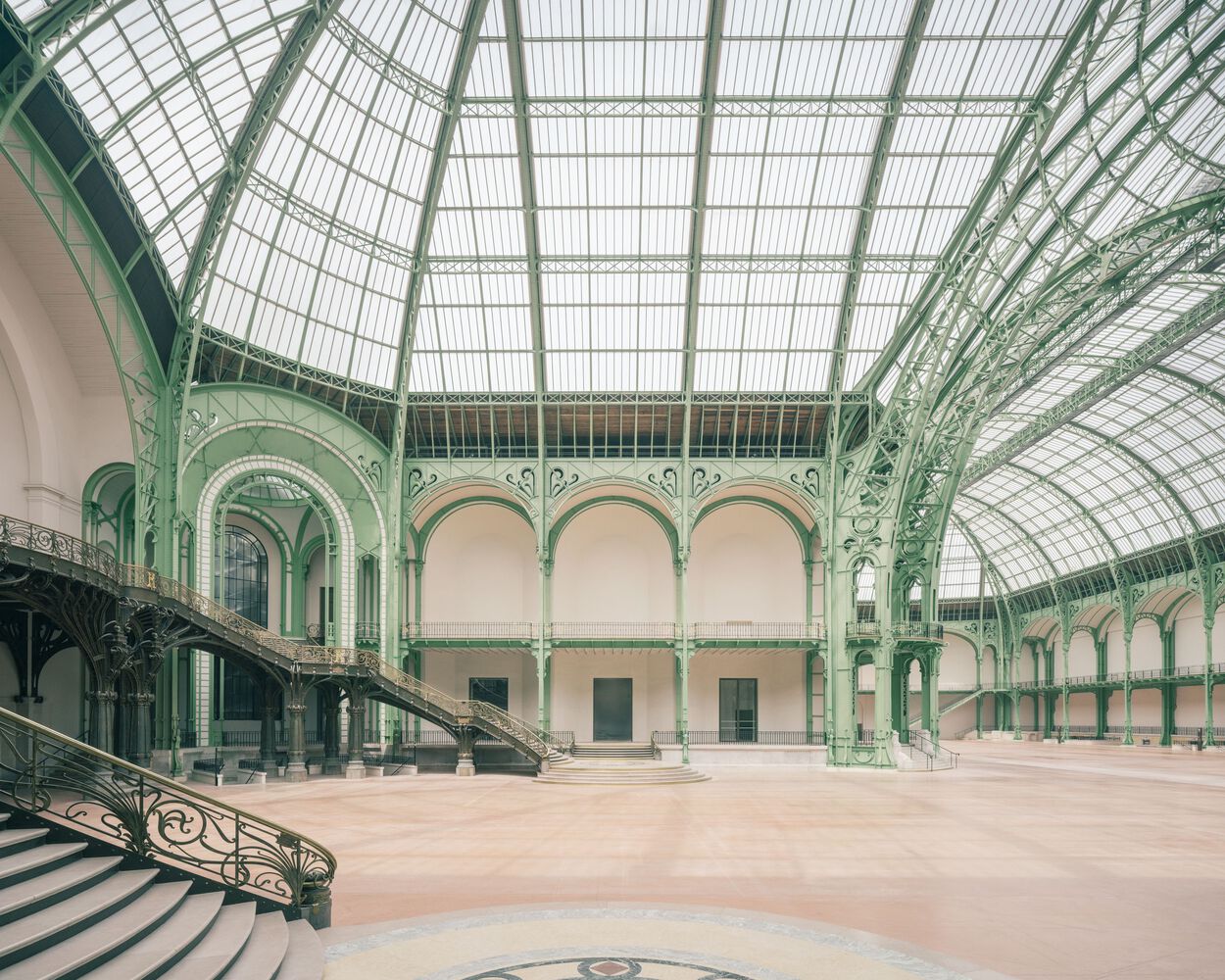
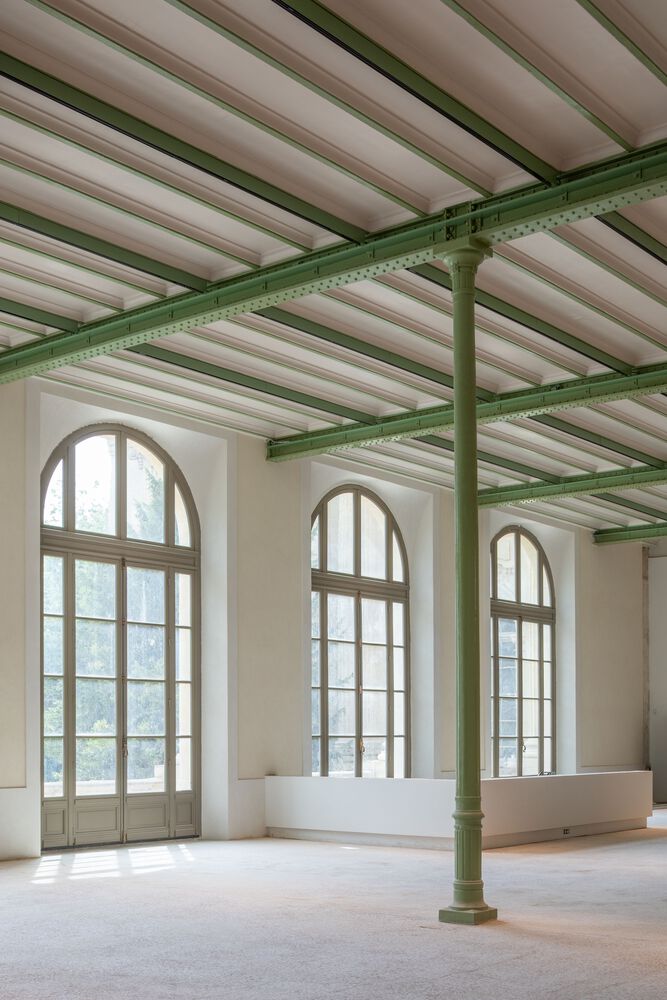
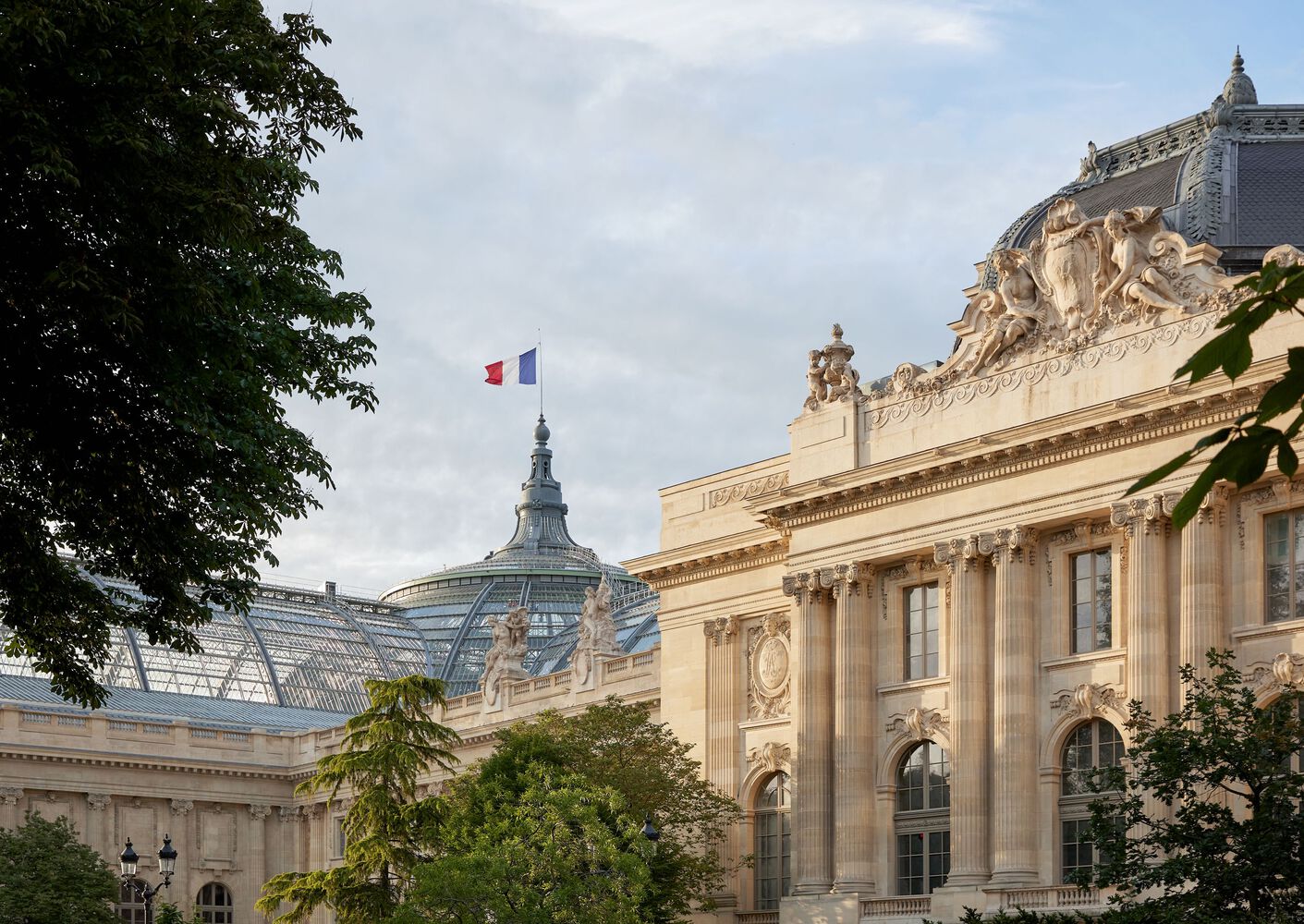
The renovation of the Grand Palais in Paris represents the most comprehensive transformation in the monument’s history. Led by Chatillon Architectes, the 72,000-square-meter intervention addresses long-standing issues of fragmentation, accessibility, and technical obsolescence while preserving the architectural integrity of the Beaux-Arts landmark originally constructed for the 1900 Universal Exhibition. The project reopens previously inaccessible areas, restores historic spatial relationships, and enhances visitor circulation through the introduction of new connections between the nave, the Palais d’Antin, and the Palais de la Découverte. The Nef’s capacity has been expanded by 60 percent, and reinforced balconies are now accessible to the public. Complemented by newly designed gardens featuring over 60,000 plants and a rainwater irrigation strategy, the renovation integrates sustainable systems that ensure the monument’s continued relevance as a major cultural and civic institution.
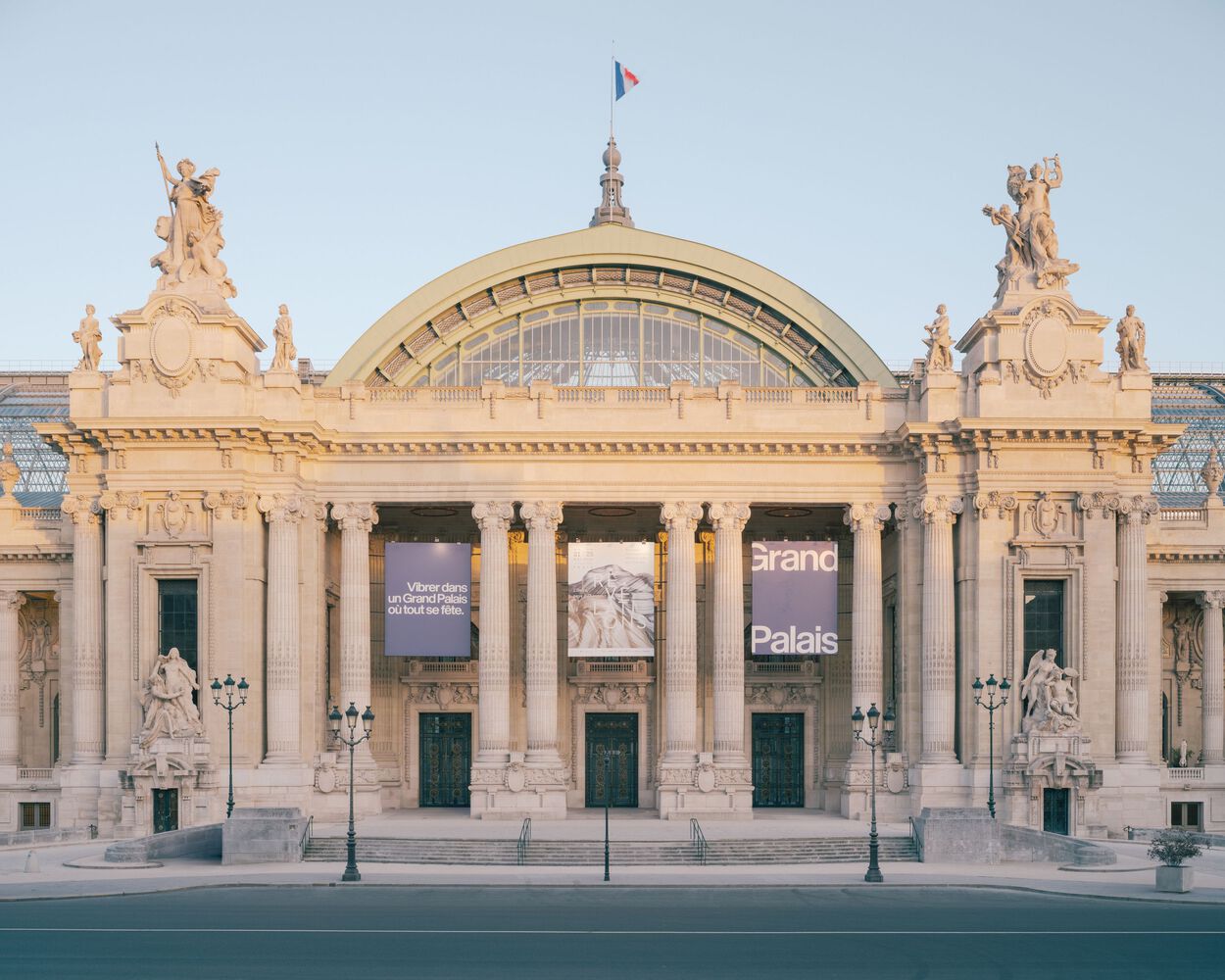
The renewed Grand Palais emerges not simply as a restored monument but as a recalibrated civic framework embedded within the urban fabric of Paris. Rather than approaching the building as an isolated heritage artifact, Chatillon Architectes conceived the intervention as an act of spatial clarification, seeking to reveal the coherence of a structure that had gradually become obscured by decades of incremental alterations.
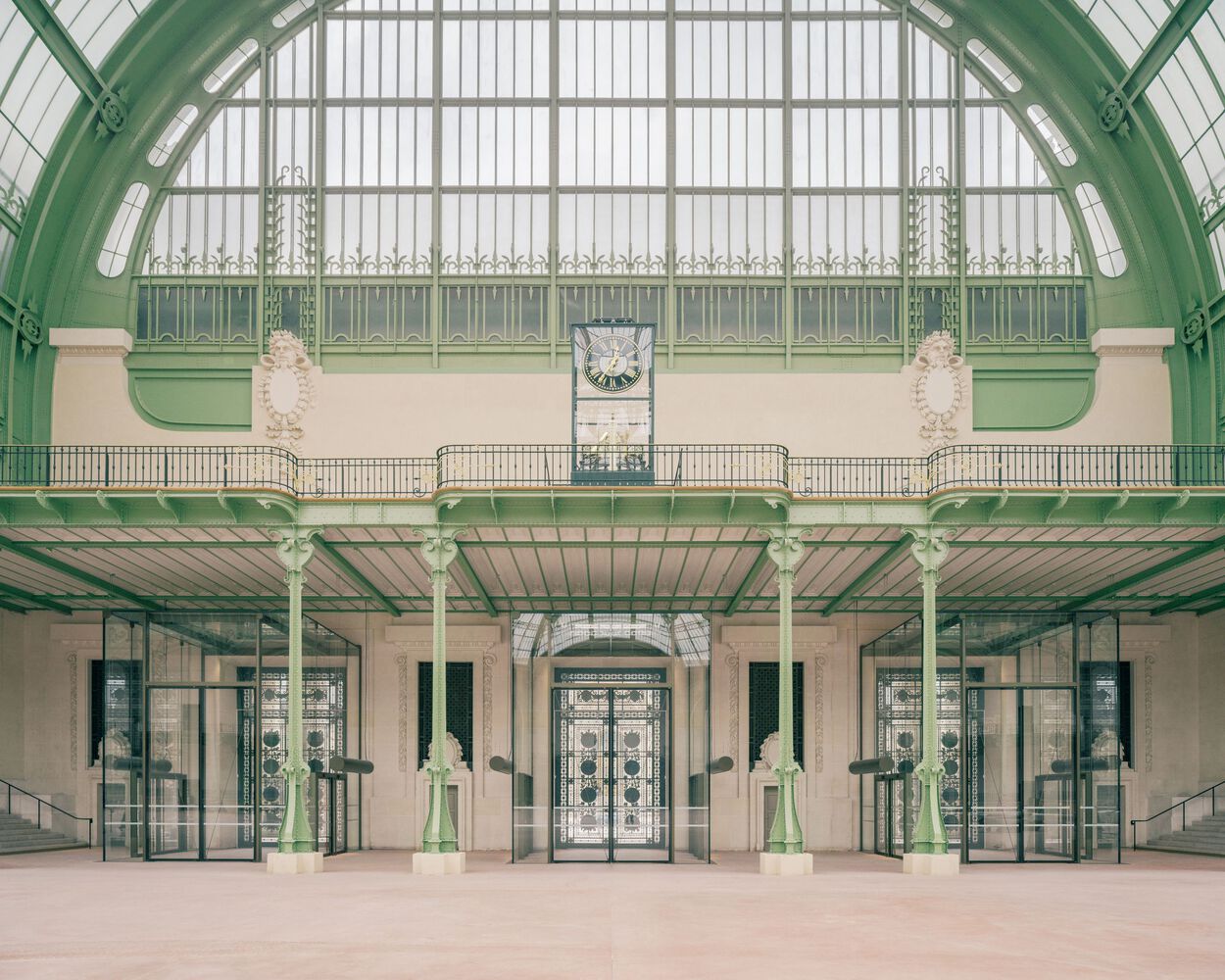

Constructed in 1900 for the Universal Exhibition, the Grand Palais was originally intended as a temporary Beaux-Arts palace. Over time, however, it became one of France’s principal cultural stages, hosting landmark exhibitions and international events. Yet successive modifications, technical retrofits, and partition walls fragmented the interior, diminishing legibility and restricting access to significant portions of the building.

The renovation addresses this condition through strategic removal rather than addition. Ad hoc separations have been dismantled to reinstate the building’s historic central axis, restoring a spatial continuity that had been interrupted since 1939. From the Rotunda, long-obstructed views toward the nave have been reopened, reestablishing visual relationships fundamental to the original composition.


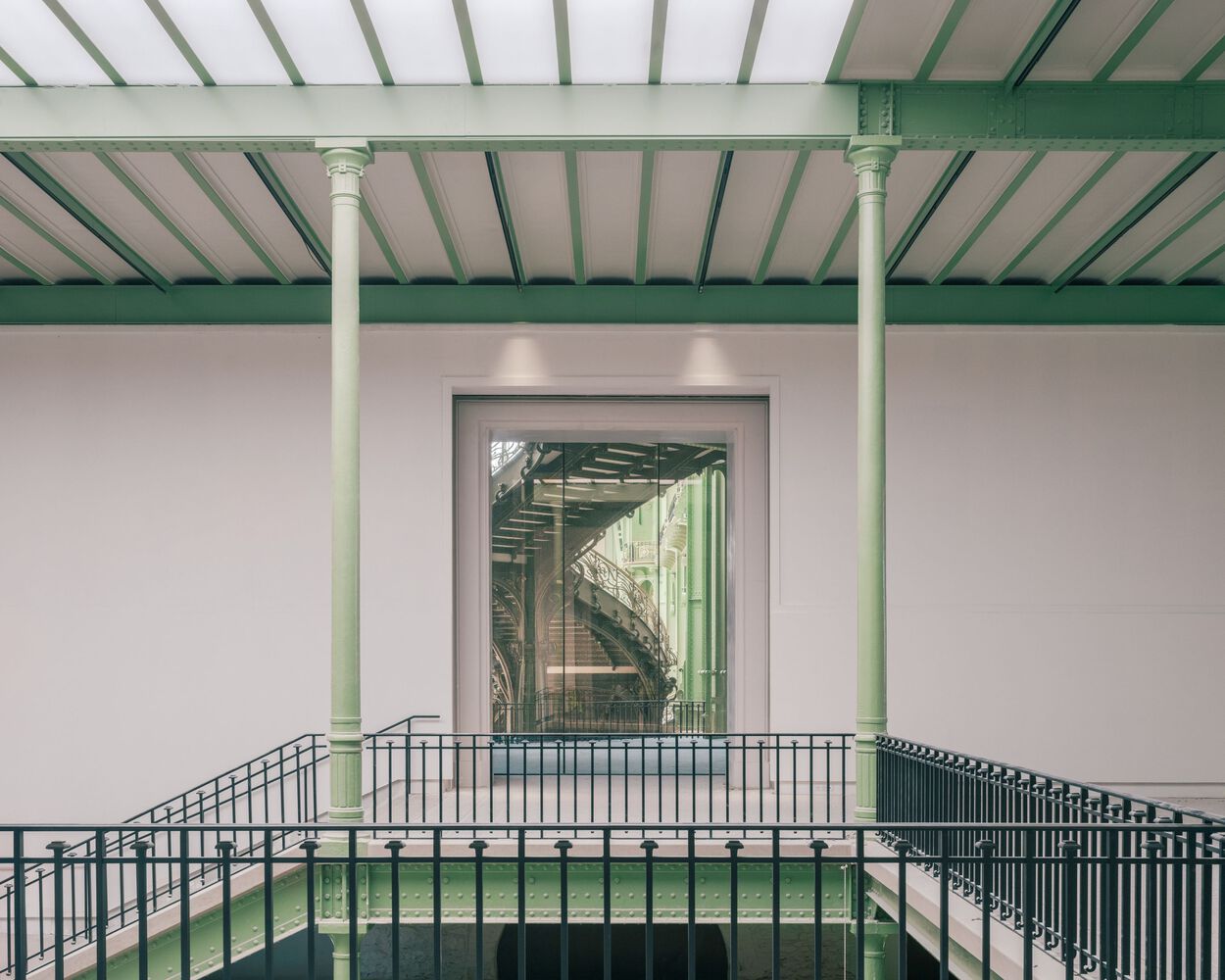
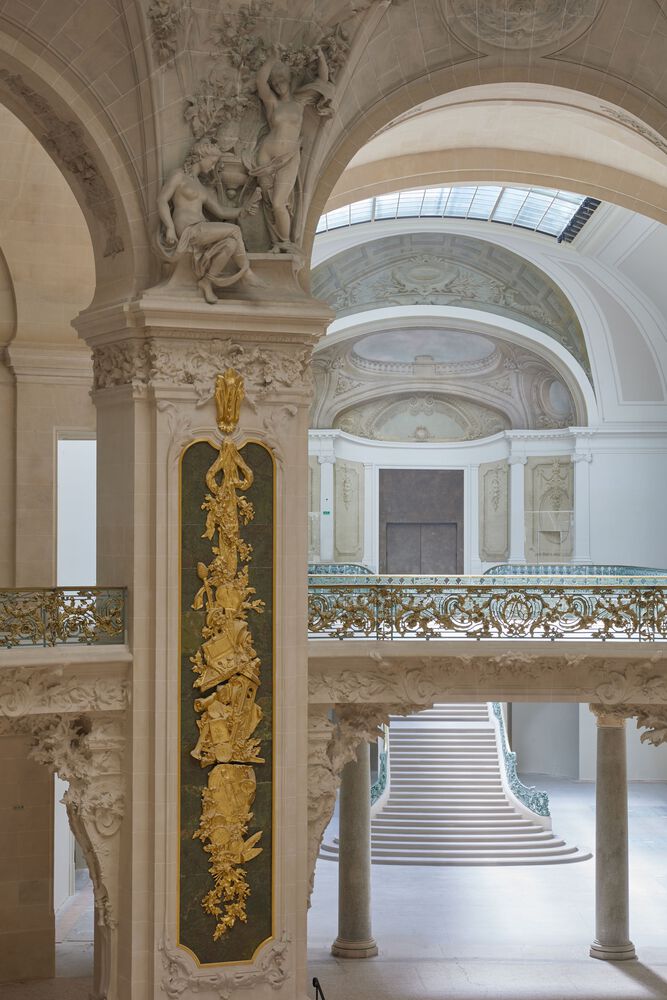
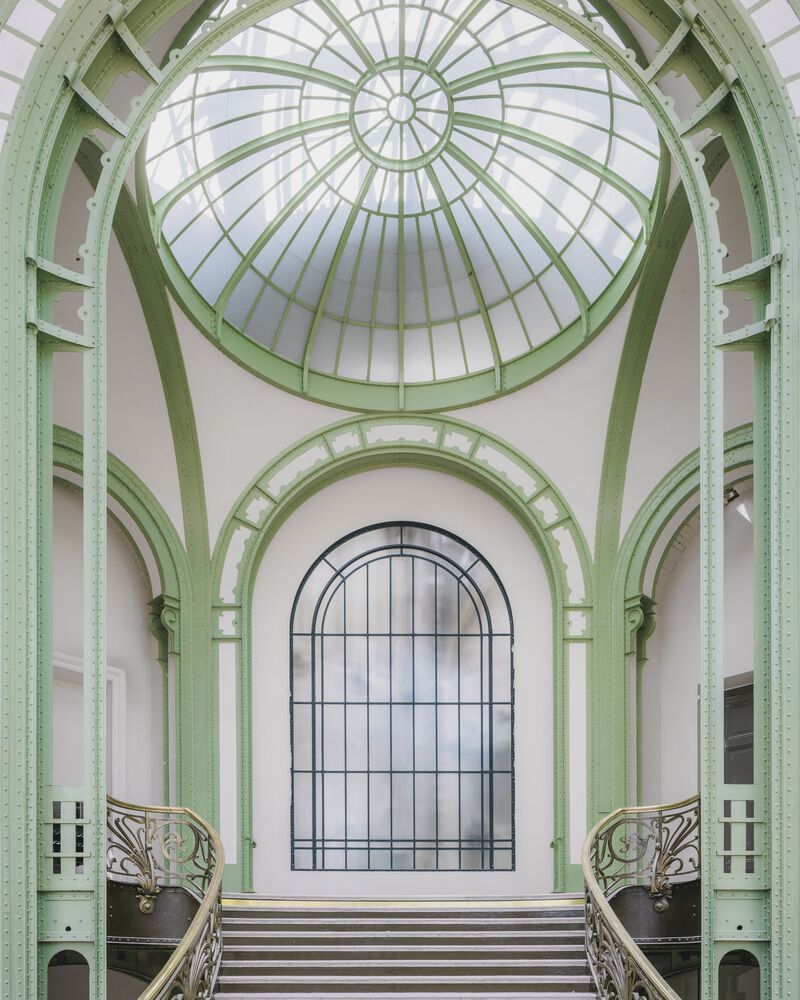
Archival research played a decisive role in guiding the intervention. Thousands of historical drawings and documents informed the careful restoration of structural and ornamental elements. Particular attention was given to the Nef’s pioneering cantilevered balconies, among the earliest of their kind, which have been reinforced and reintegrated into the public route, offering elevated vantage points across the monumental iron and glass canopy.
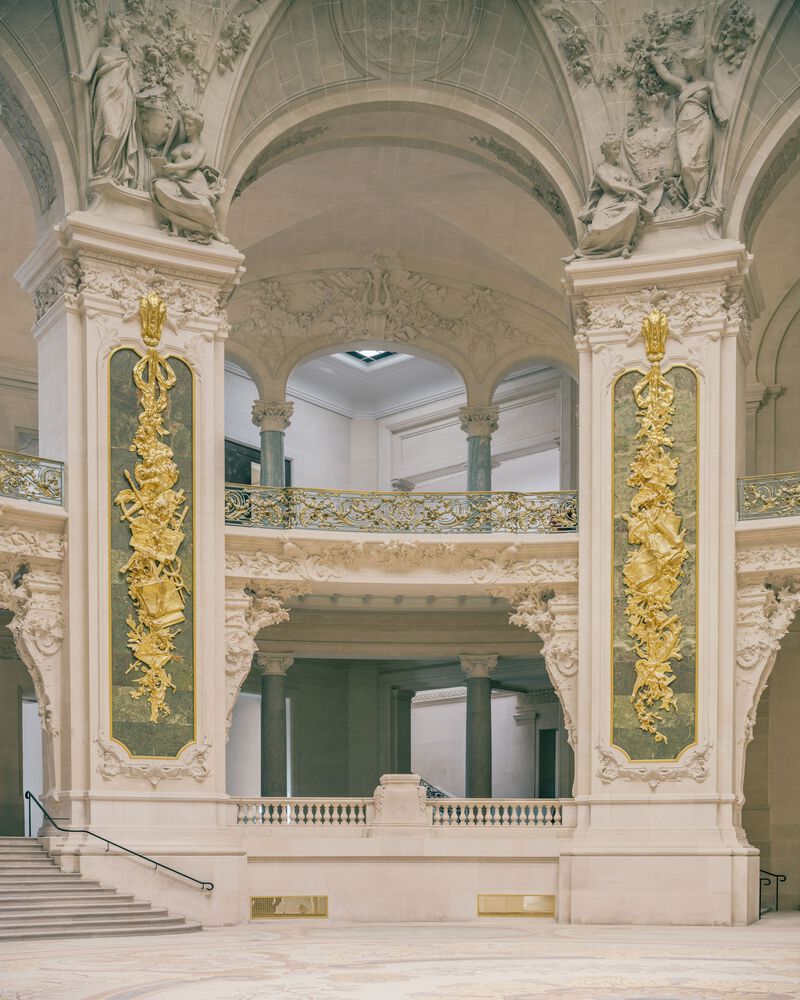
Circulation has been comprehensively reimagined to foster intuitive movement and greater accessibility. Newly established connections between the nave, the Palais d’Antin, and the Palais de la Découverte allow visitors to traverse the complex with clarity. A continuous interior promenade now links Square Jean Perrin to the Seine, passing through the central square and reinforcing the building’s permeability at multiple scales.
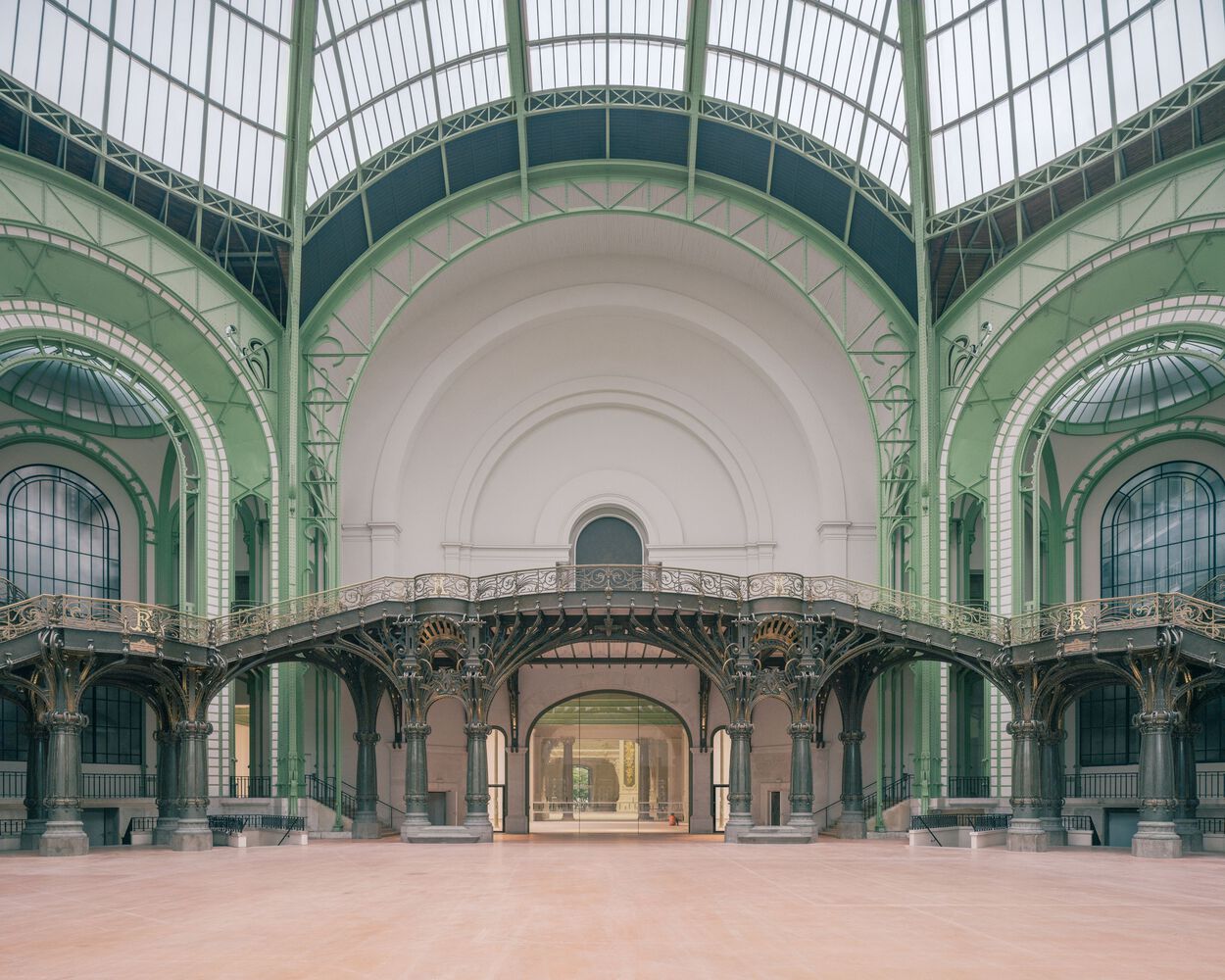
This renewed permeability extends beyond the envelope. The project strengthens the relationship between the Grand Palais and its surrounding landmarks, including the Champs-Élysées and the Petit Palais, reasserting its presence within the historic cityscape. Entrances have been clarified, thresholds redefined, and the monument’s dialogue with the public realm restored.

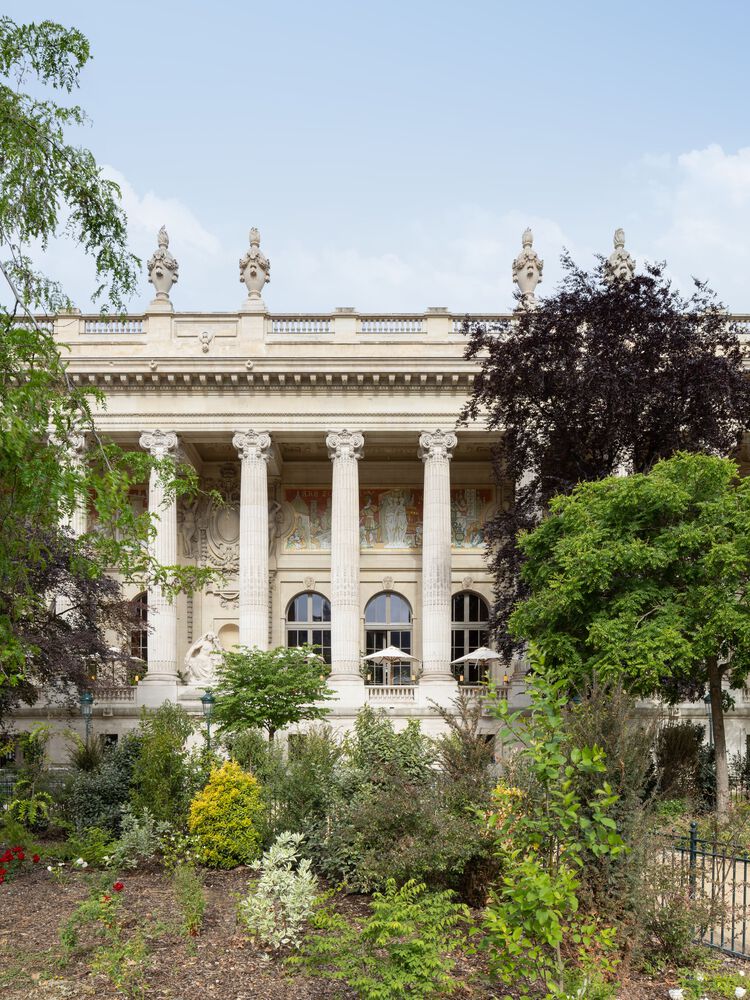
The redesigned gardens further anchor the building within its urban context. Drawing inspiration from the nearby Champs-Élysées gardens, the landscape introduces curved beds, generous lawns, and a diverse planting palette totaling more than 250 species. Over 60,000 plants contribute to biodiversity, while rainwater harvested from the roof irrigates newly planted lawns, embedding environmental responsibility within the historic setting.
Technical modernization accompanies these spatial and ecological interventions. Contemporary building systems and management strategies have been discreetly integrated to meet current performance standards while preserving architectural character. Through this comprehensive yet measured transformation, Chatillon Architectes have secured the Grand Palais’s capacity to serve future generations, ensuring that its monumental presence continues to support artistic innovation and collective experience.
Project Gallery


Project Location
Address: Paris, France
The location specified is intended for general reference and may denote a city or country, but it does not identify a precise address.

