

Architects: Moriyama Teshima Architects, Acton Ostry Architects Ltd.
Area: 18,889.9 m² (203,329 ft²)
Year: 2025
Photography: doublespace photography, Tom Arban
Lead Architects: Carol Phillips, Phil Silverstein, Russel Acton
Contractor: PCL
Structural Engineering: Fast + Epp
Client: George Brown College
Interior Design: Moriyama Teshima Architects
Mechanical/Electrical/LEED: Introba
Audio Visual: The Hidi Group
Landscape Design: Studio TLA
Mass Timber Supplier: Nordic Structures
Fire Engineer: CHM Fire Consultants
Code Consultant: GHL Consultants
Sustainability Consultant: Transsolar KlimaEngineering
Envelope Consultant: Stantec (Morrison Hershfield)
Materials: Mass timber, glulam, cross-laminated timber, concrete
City: Toronto
Country: Canada
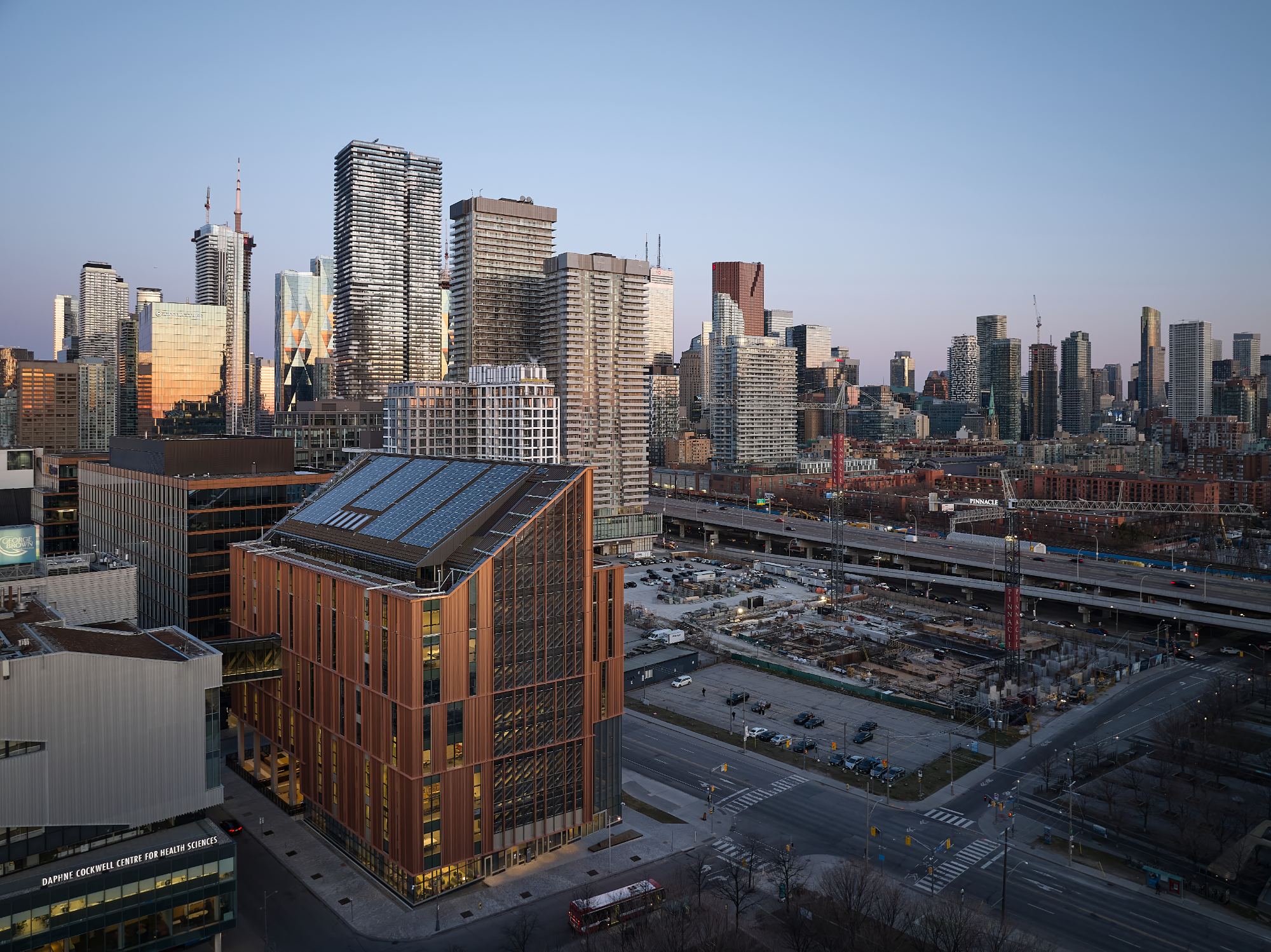
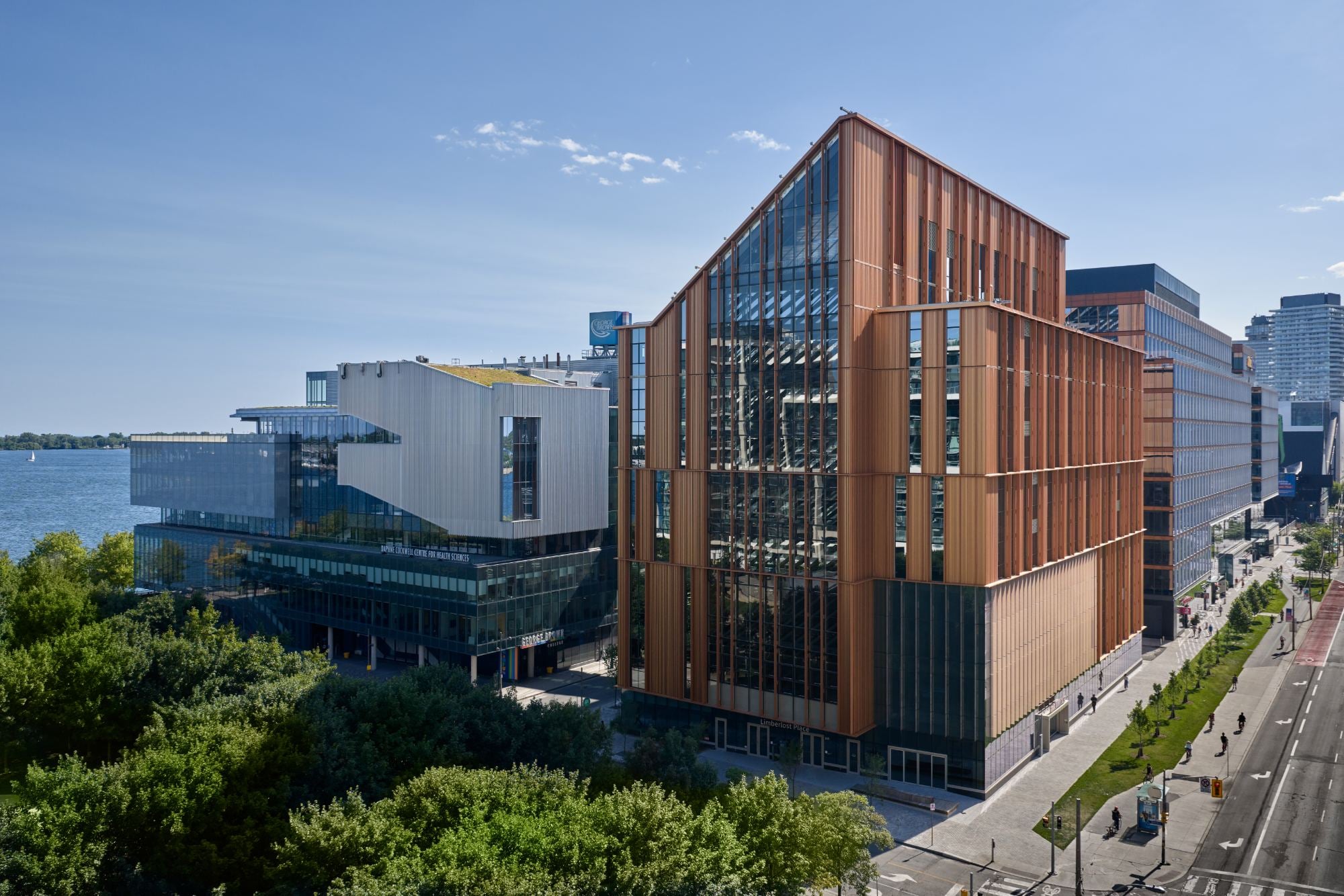
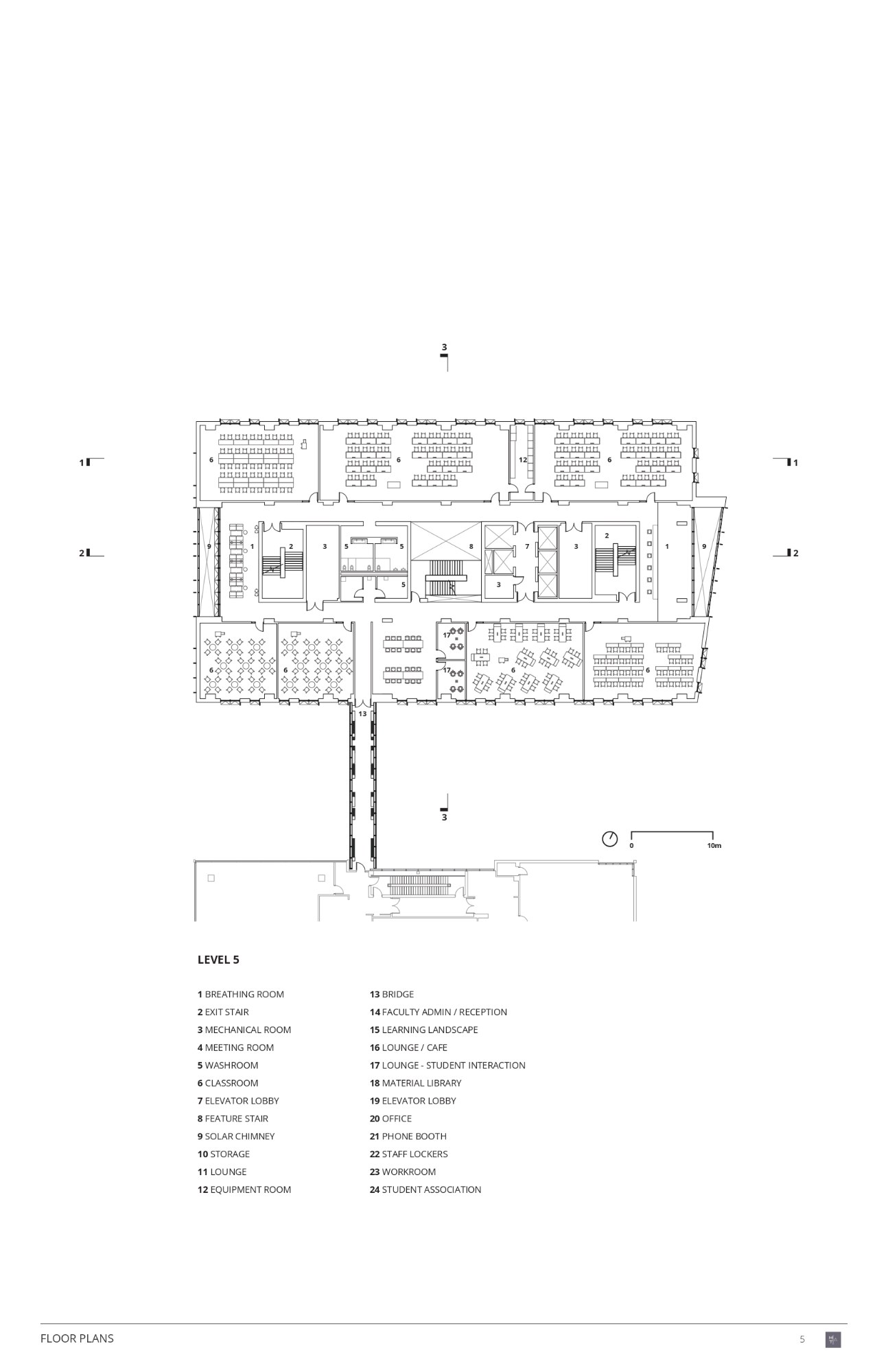
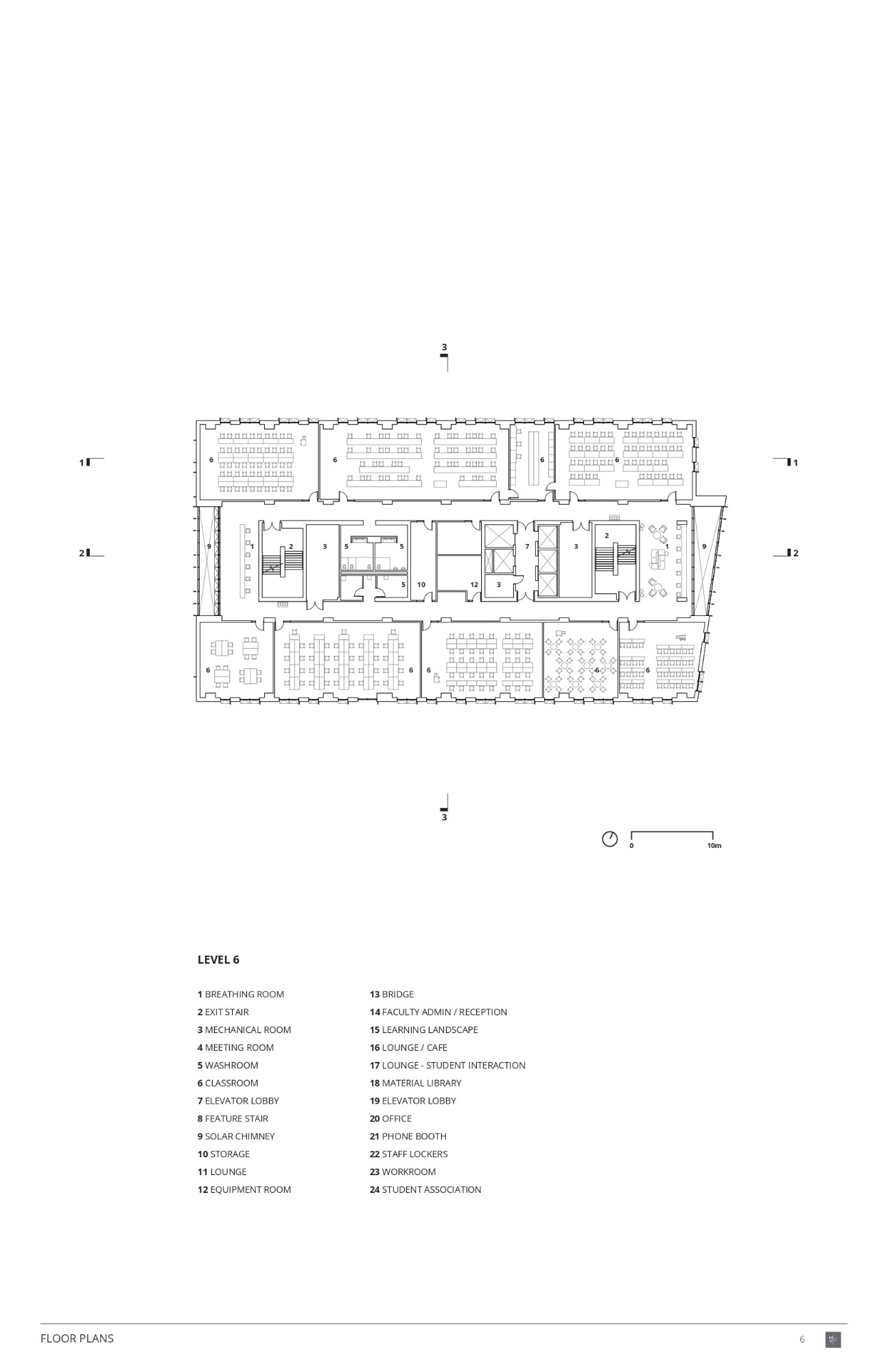
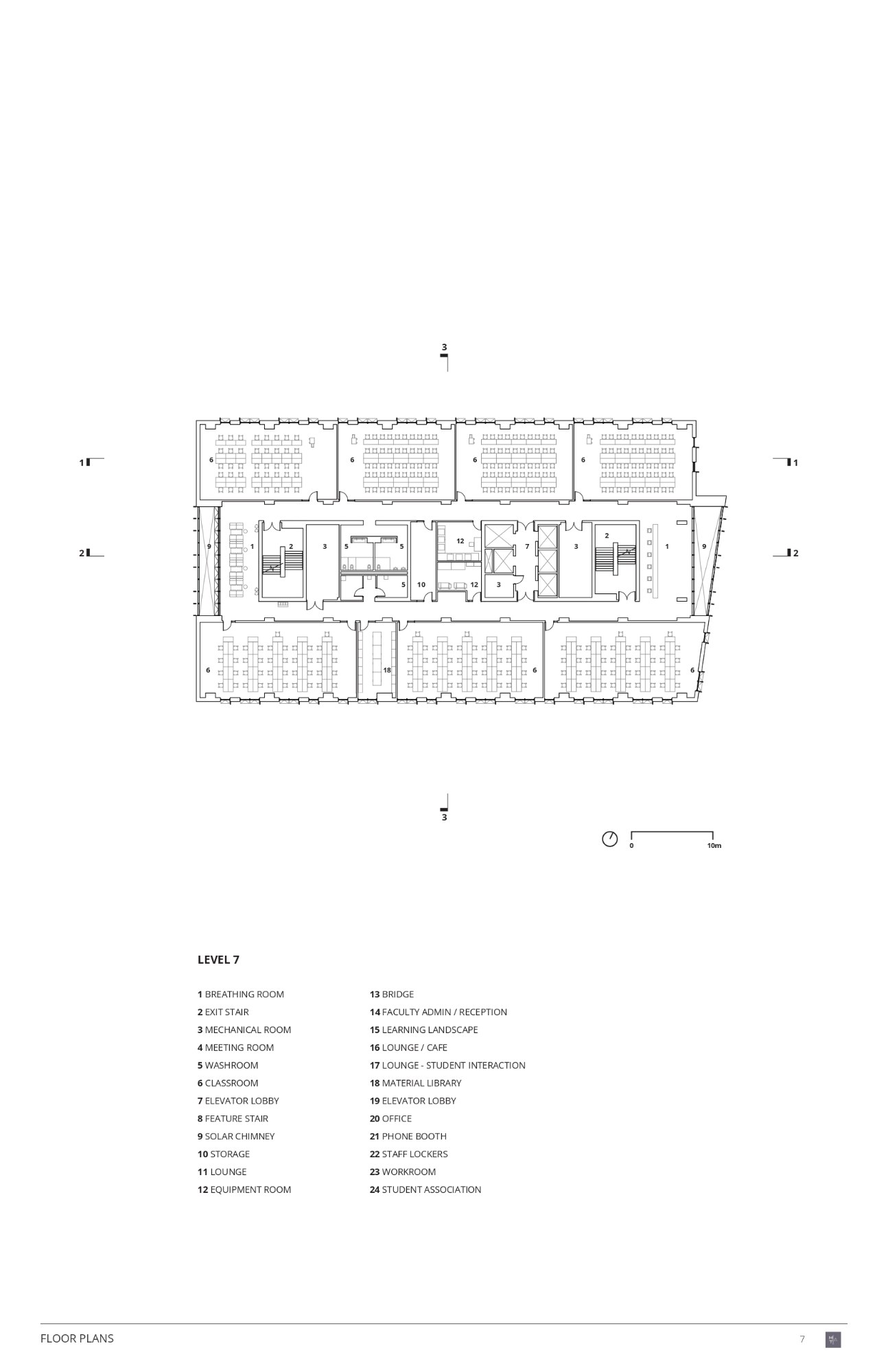
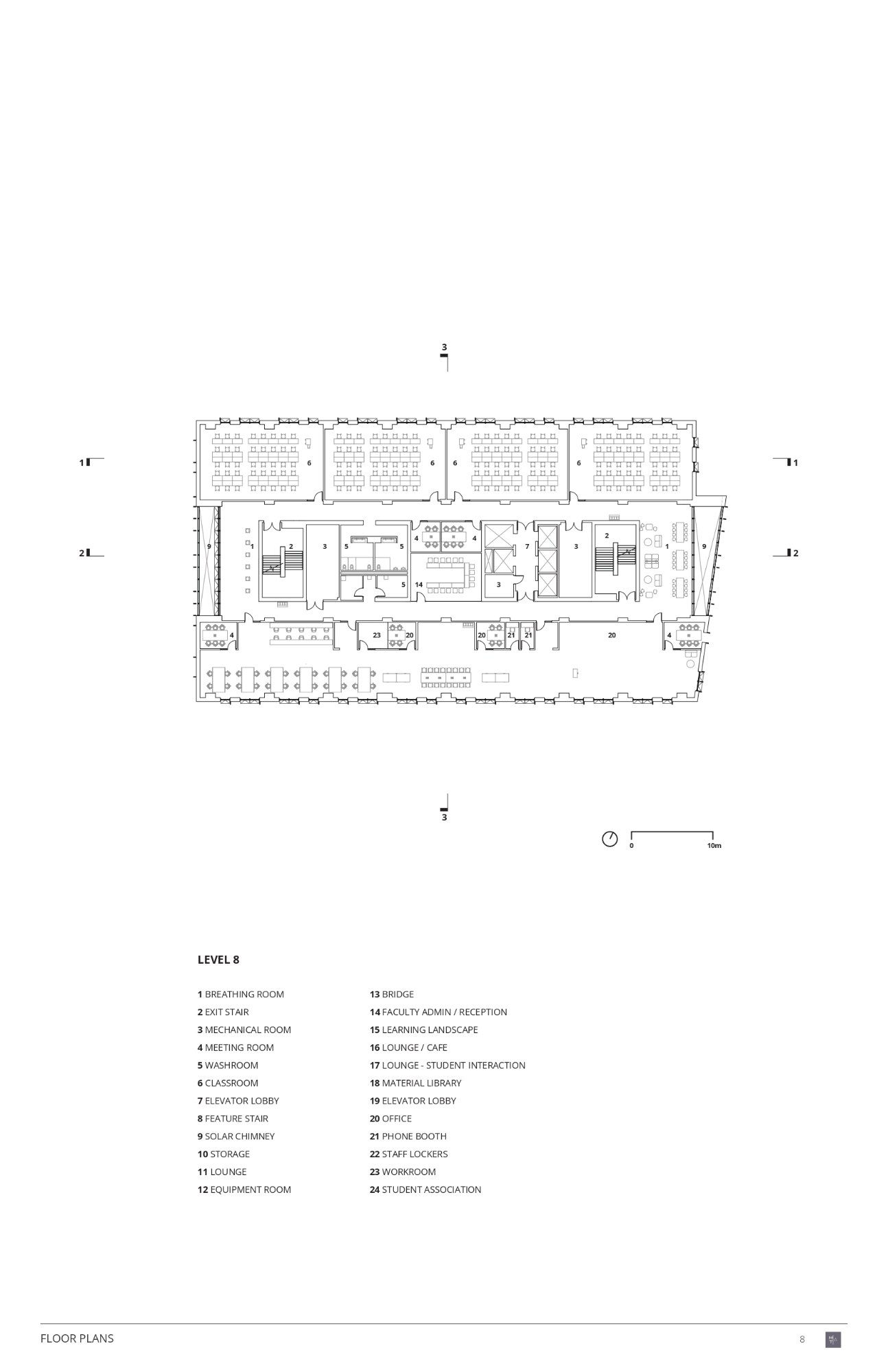
Limberlost Place is a 10-story academic building on George Brown College’s waterfront campus in Toronto, designed by Moriyama Teshima Architects in joint venture with Acton Ostry Architects as a major demonstration of mass timber construction and low-carbon institutional design. Conceived as both an educational facility and a living laboratory, the building houses the School of Architectural Studies, the Brookfield Sustainability Institute, executive offices, a fitness center, a daycare, and an event space. Its broader significance lies in the way it advances tall timber construction for public assembly use within a demanding regulatory context. Through a combination of long-span timber innovation, passive ventilation, operable windows, solar chimneys, and daylight-driven interiors, the project positions sustainability as a spatial and experiential condition rather than a technical overlay. Developed for a rapidly transforming waterfront district, the building contributes to ongoing conversations about climate-responsive architecture, code innovation, and the future of timber-based educational infrastructure in Canada.
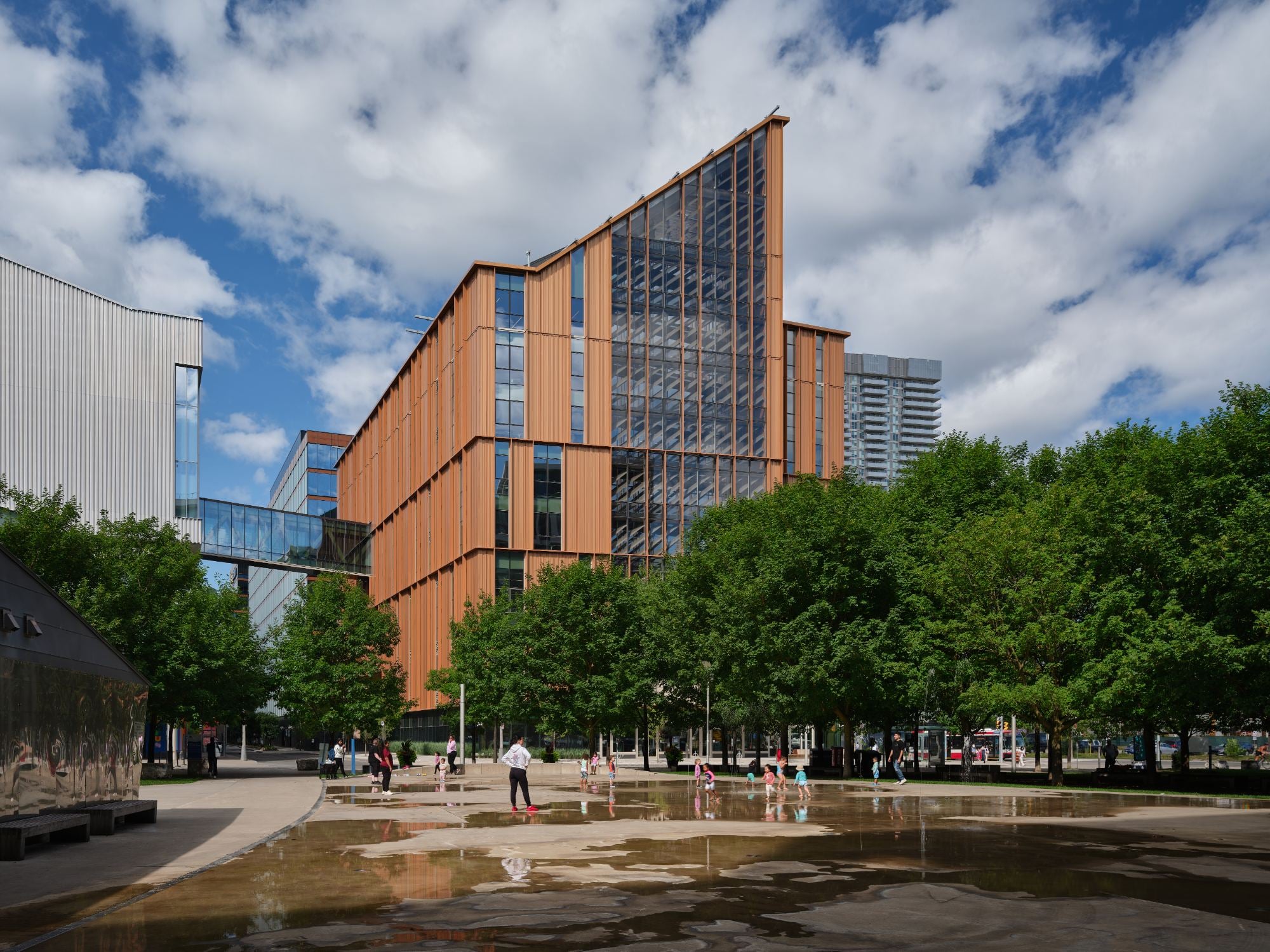
Limberlost Place brings together civic ambition, environmental responsibility, and academic life in a building that makes each of these agendas visible. On Toronto’s waterfront, the project presents higher education as a public and urban presence rather than a contained institutional object, offering a setting in which architectural education is inseparable from questions of material innovation, climate response, and collective experience.
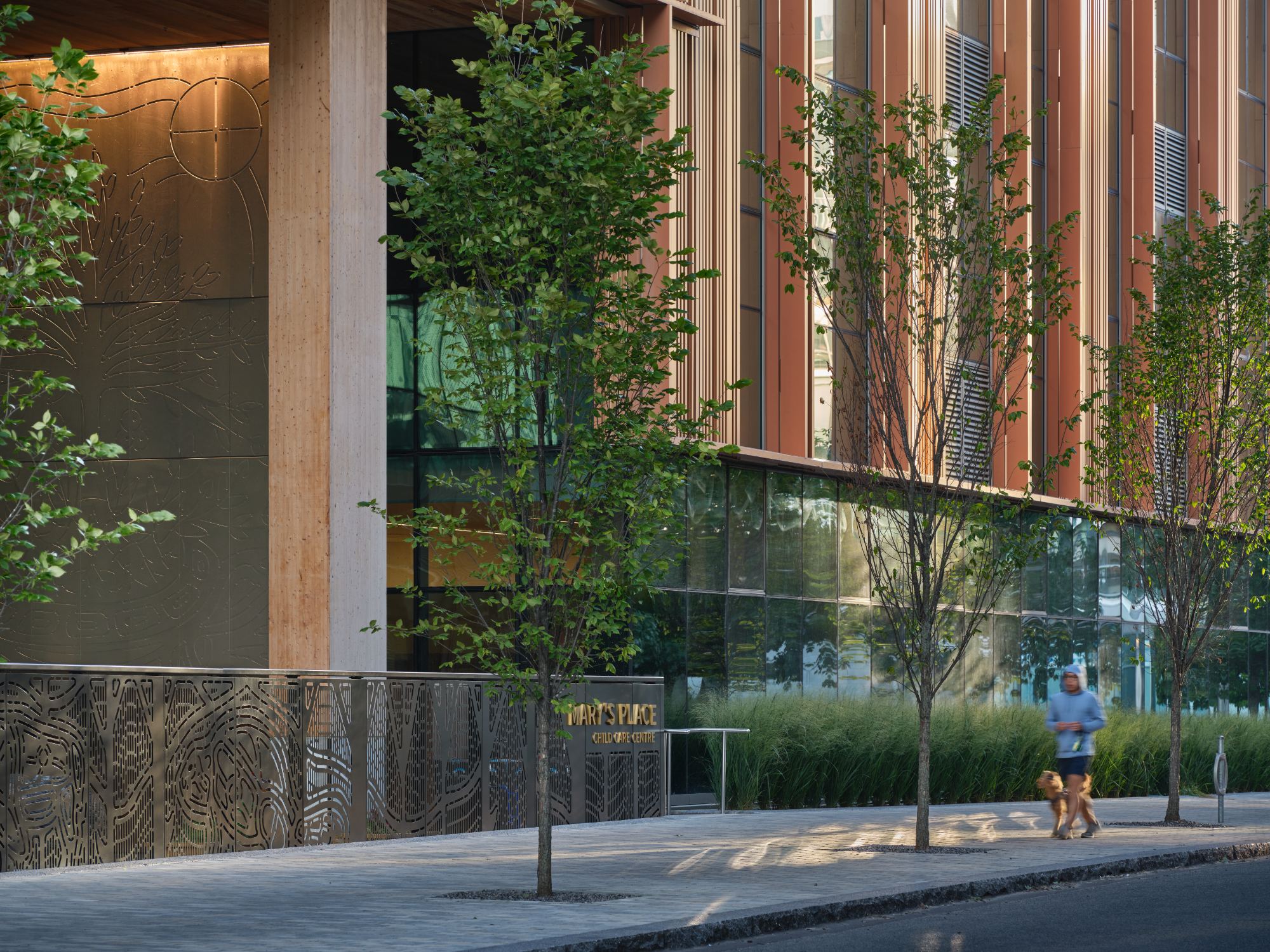
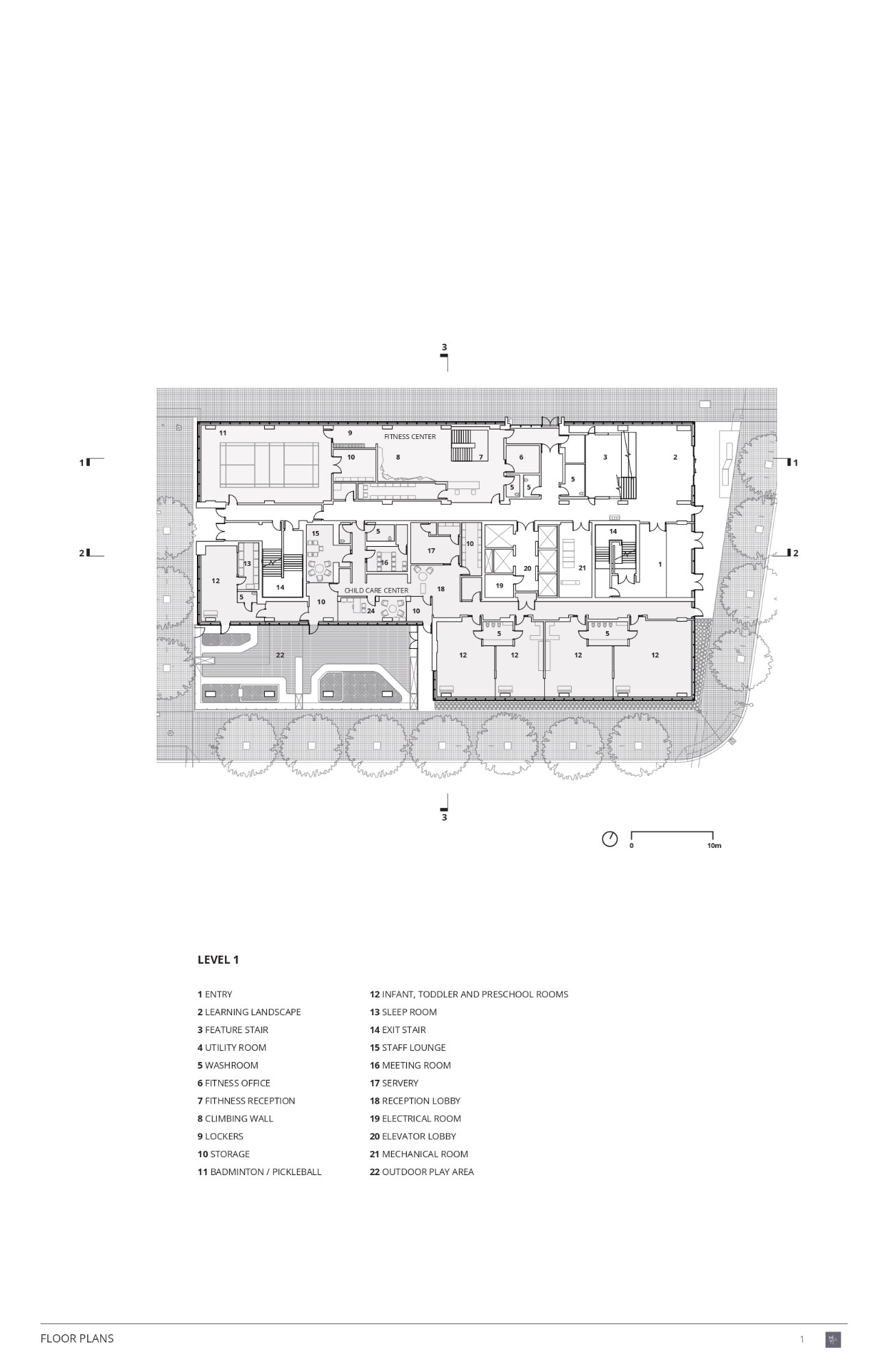
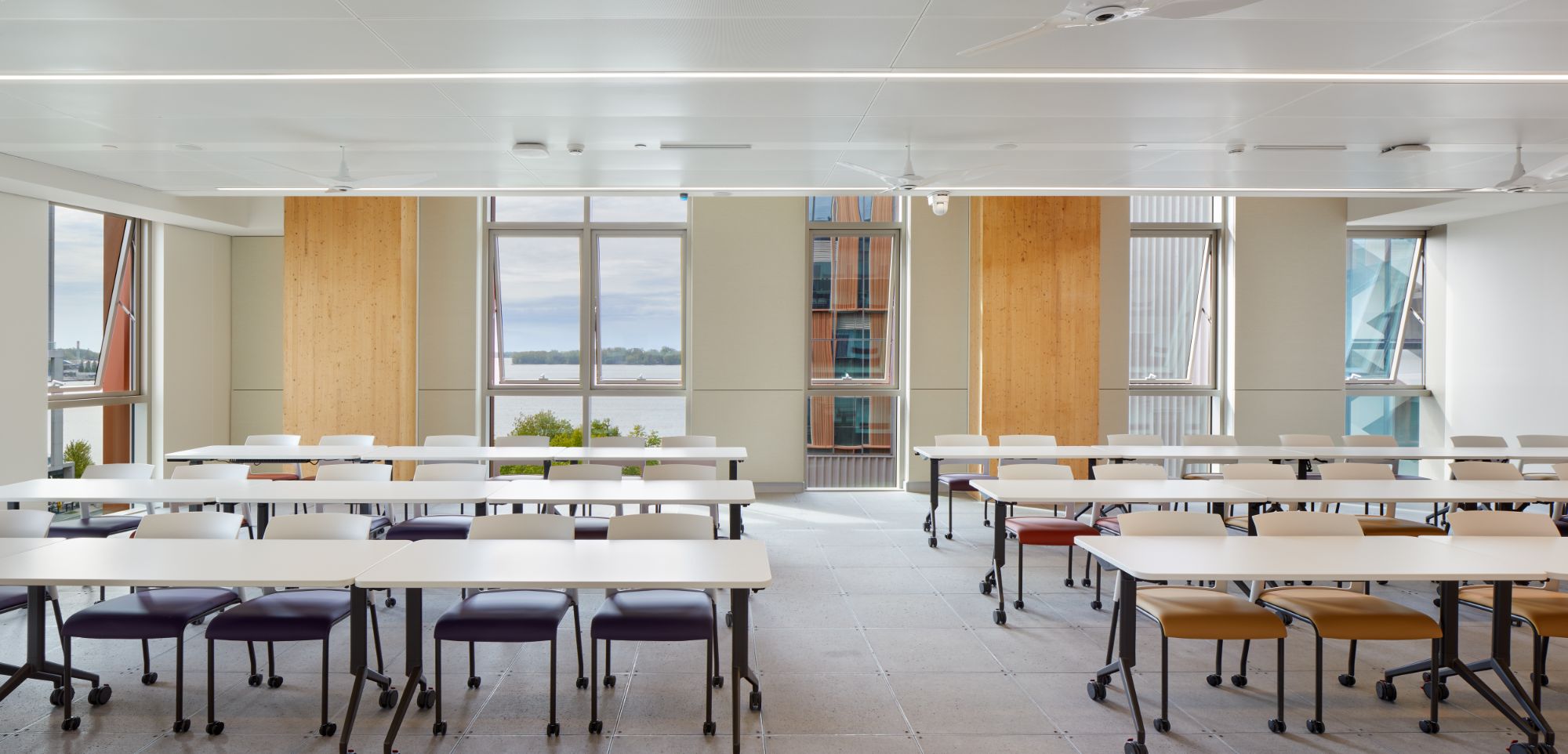
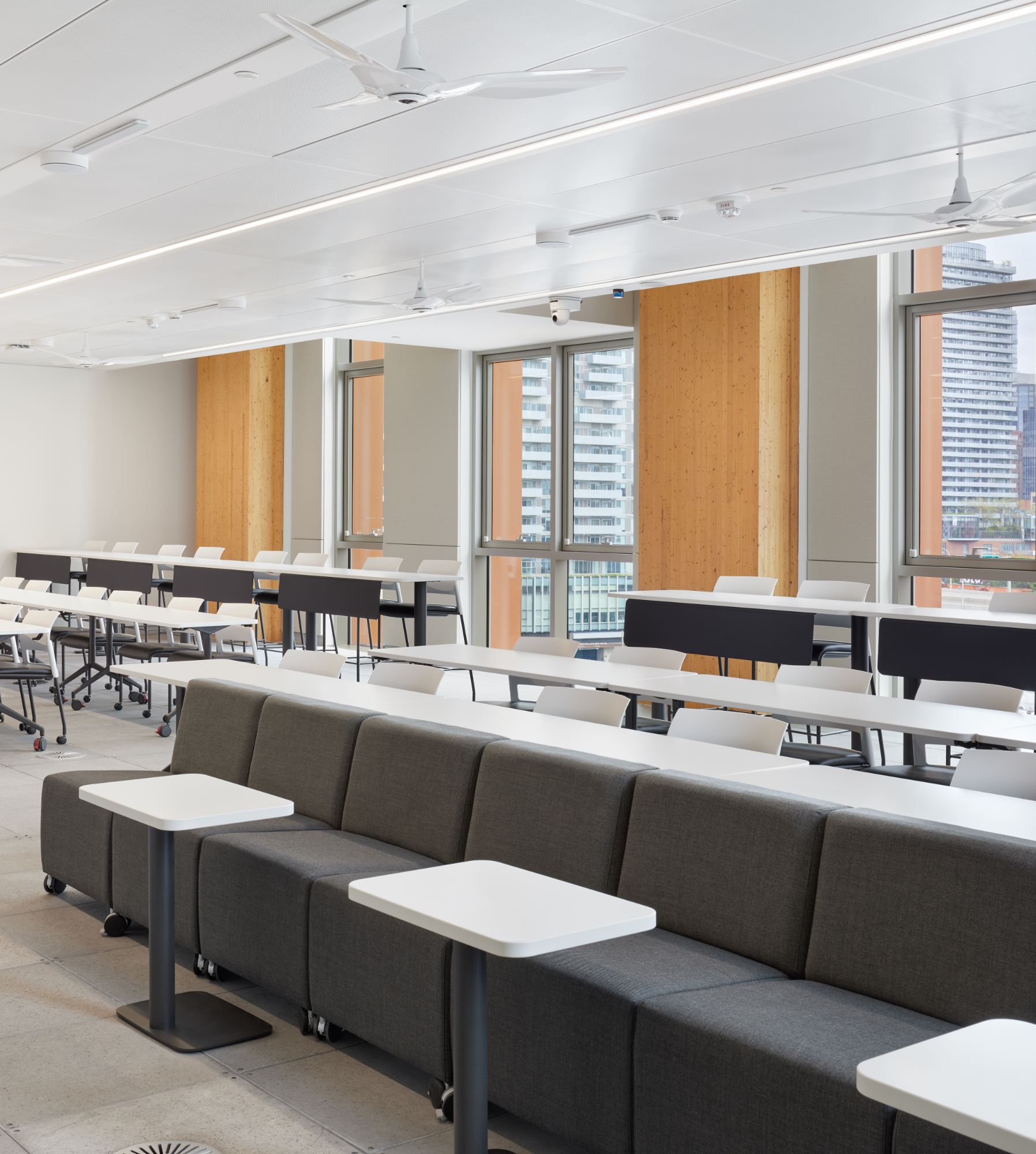
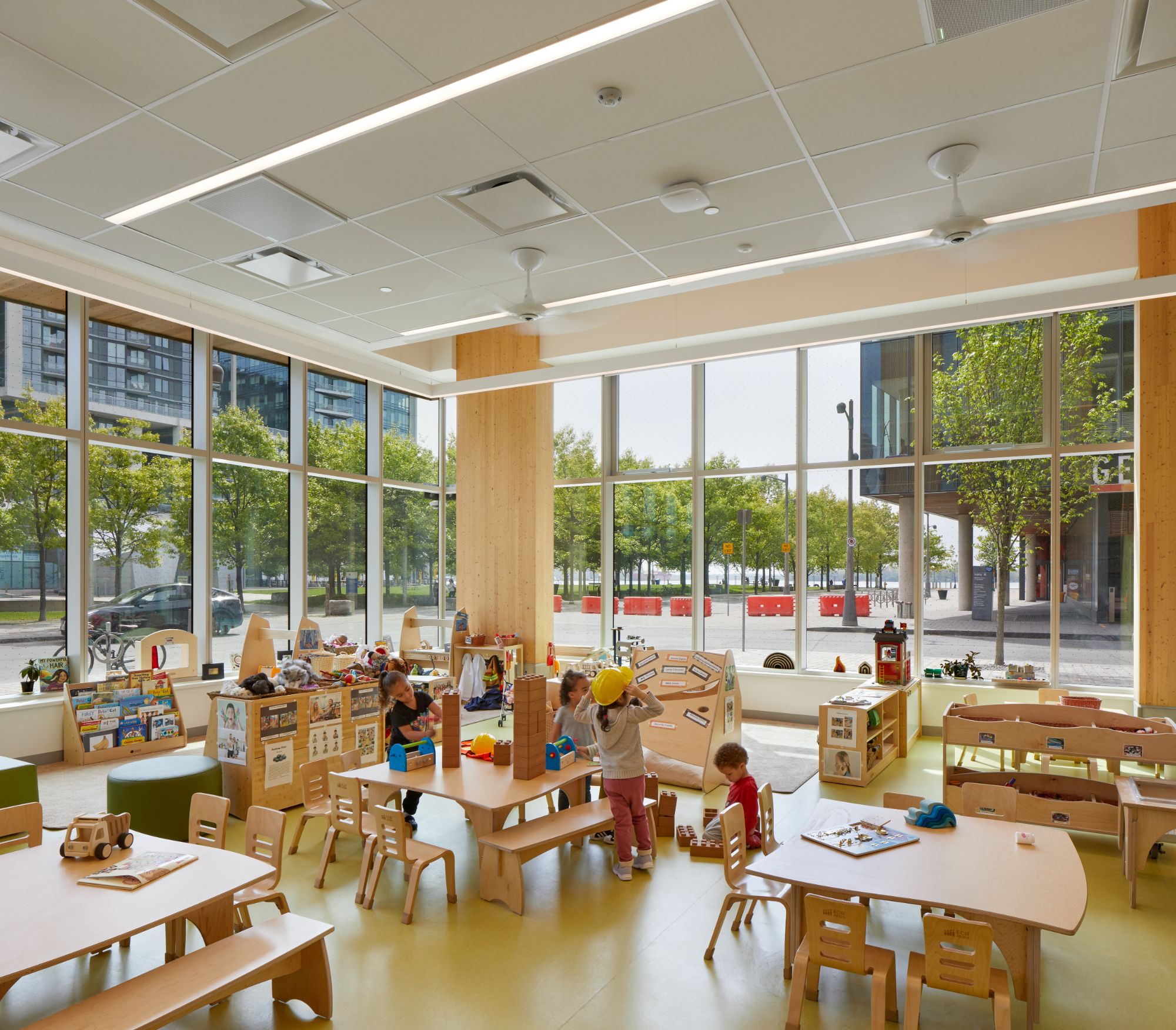
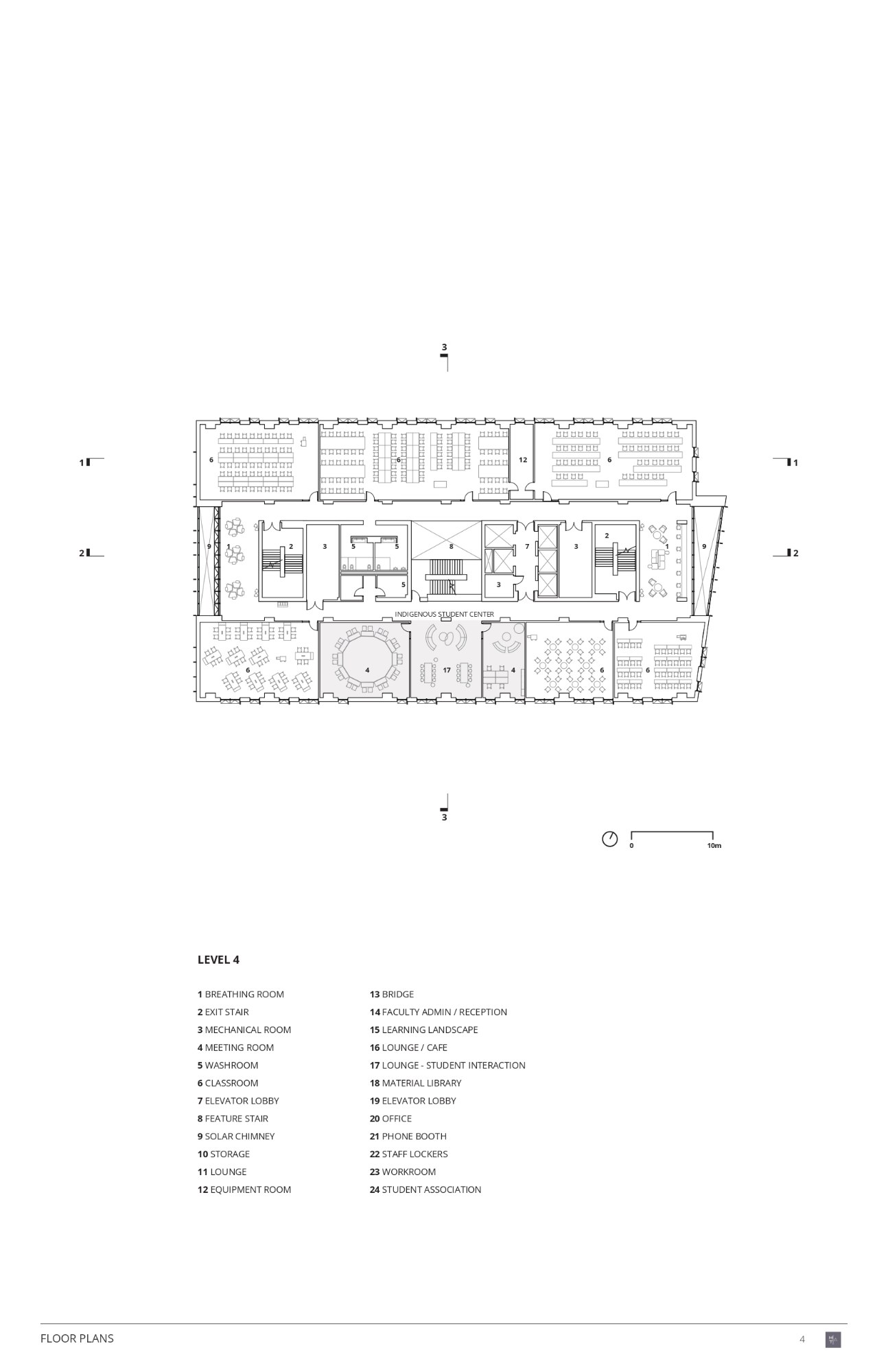
Selected through an international competition, the project was commissioned by George Brown College as a building capable of meeting high standards of design, sustainability, and technical performance. The program reflects this expansive brief. In addition to classrooms for the School of Architectural Studies and spaces for the Brookfield Sustainability Institute, the building contains executive offices, a fitness center, a daycare, and an event venue, creating a diverse institutional environment intended to support both academic activity and public engagement. With a capacity for 3,400 students, it is positioned as a significant contributor to the life of the eastern waterfront district.
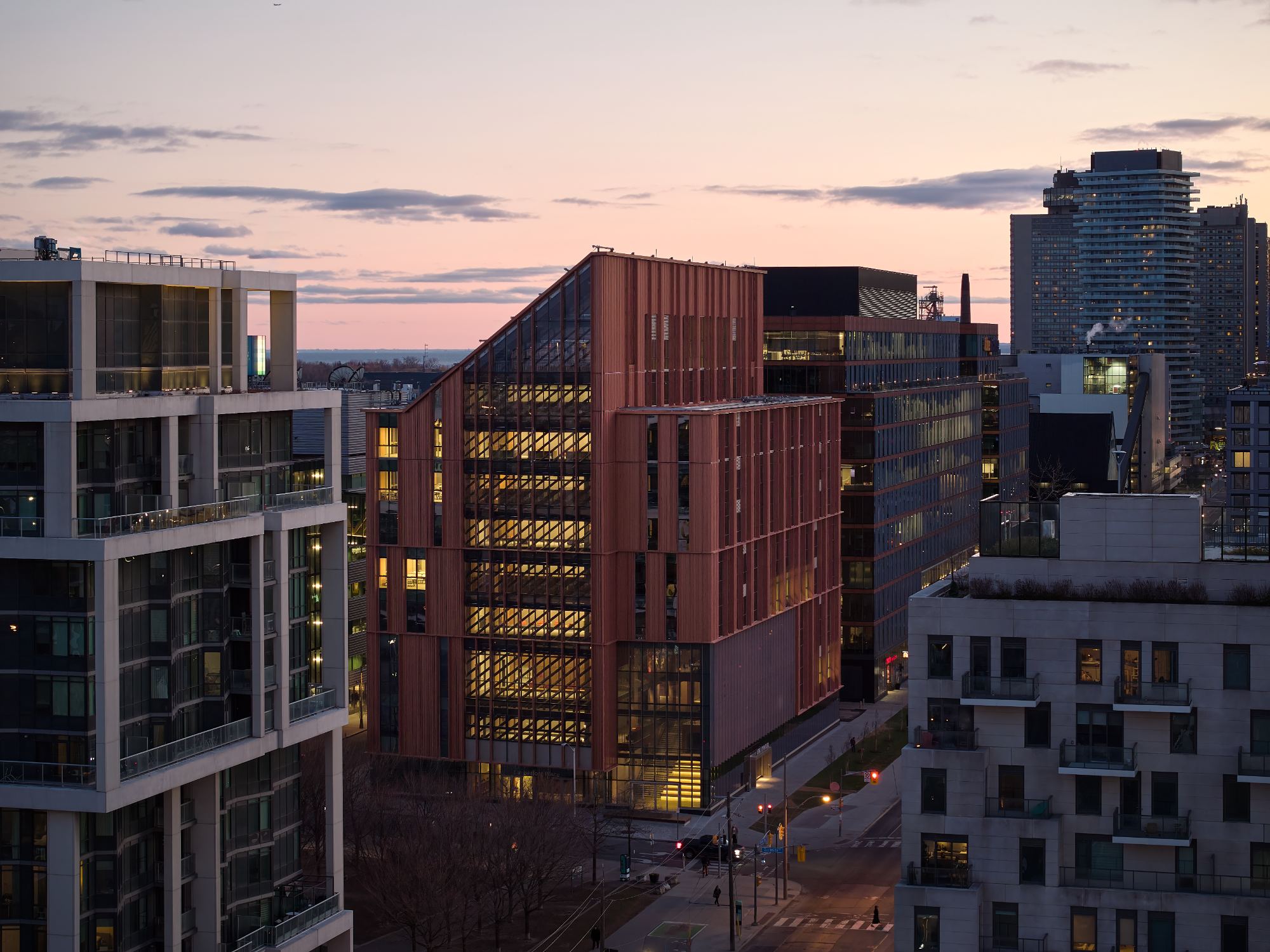
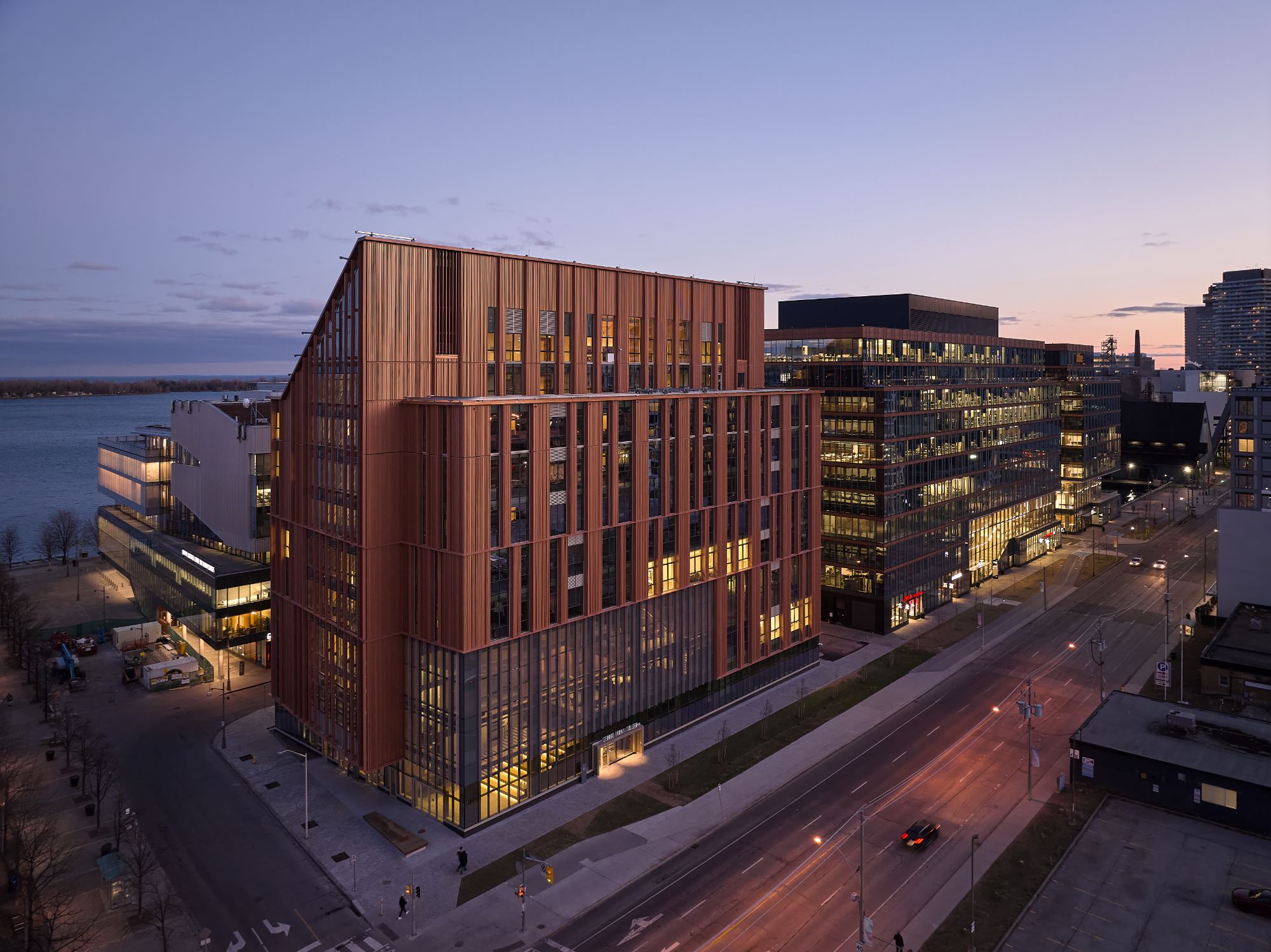
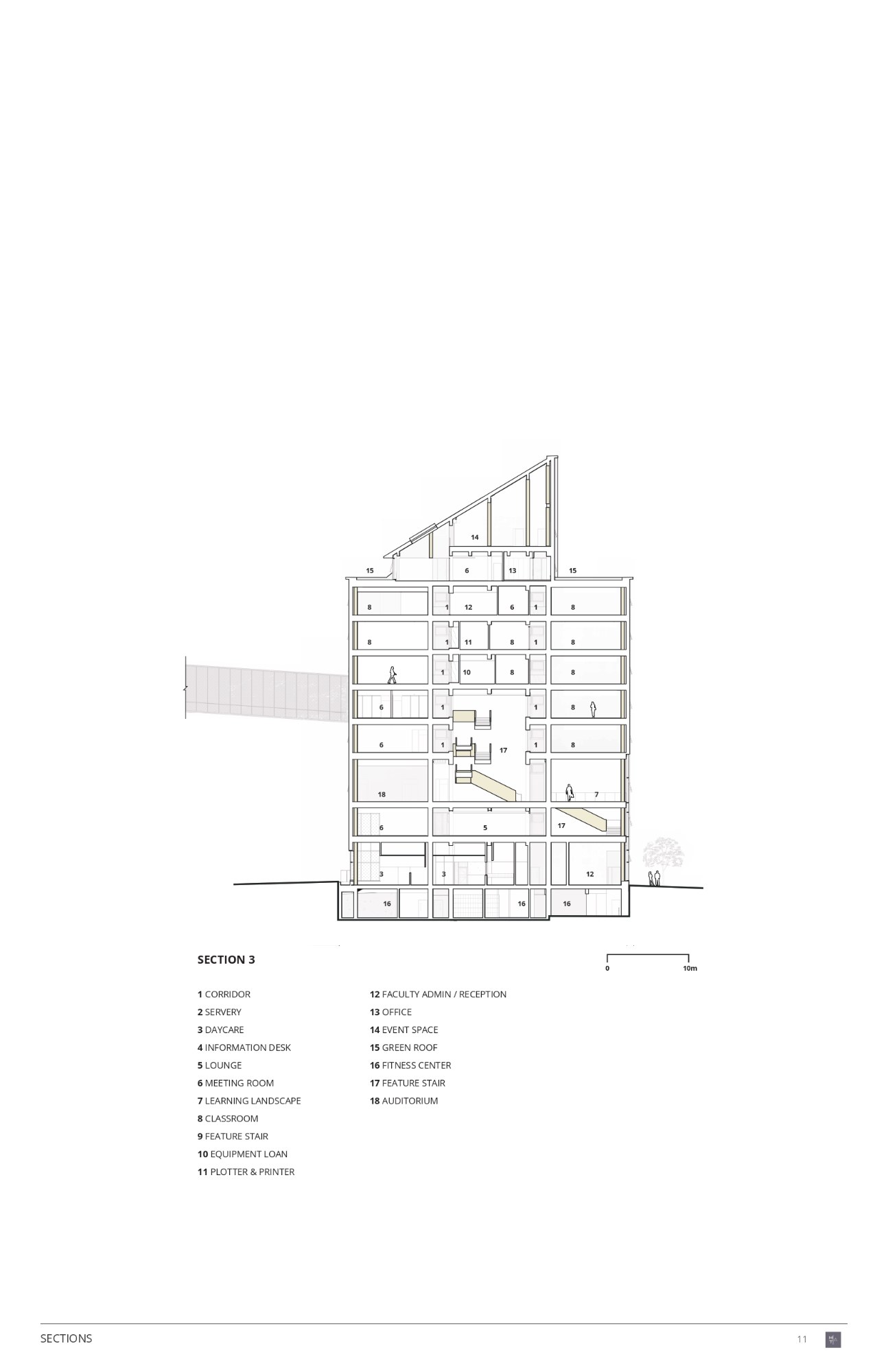
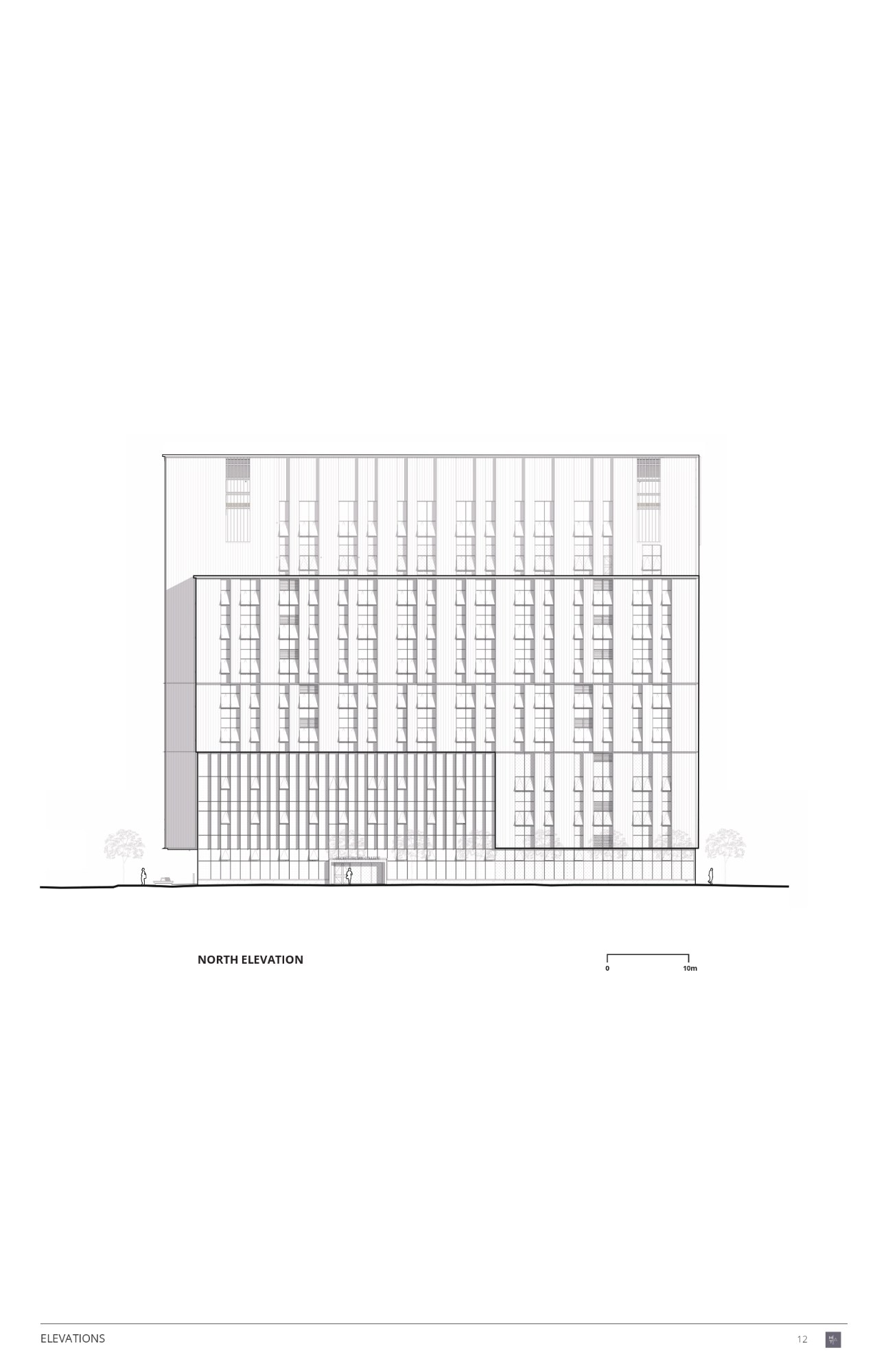
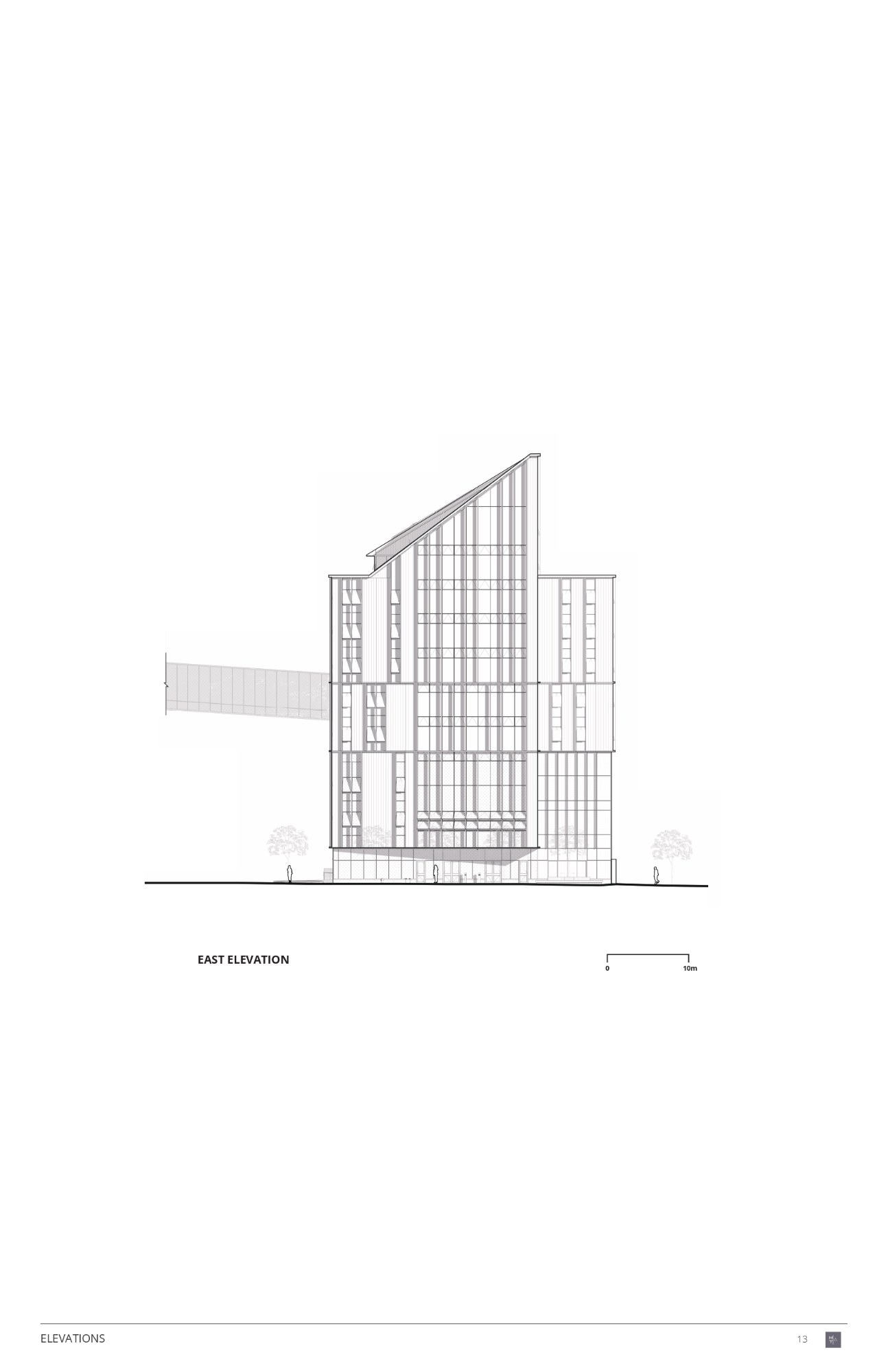
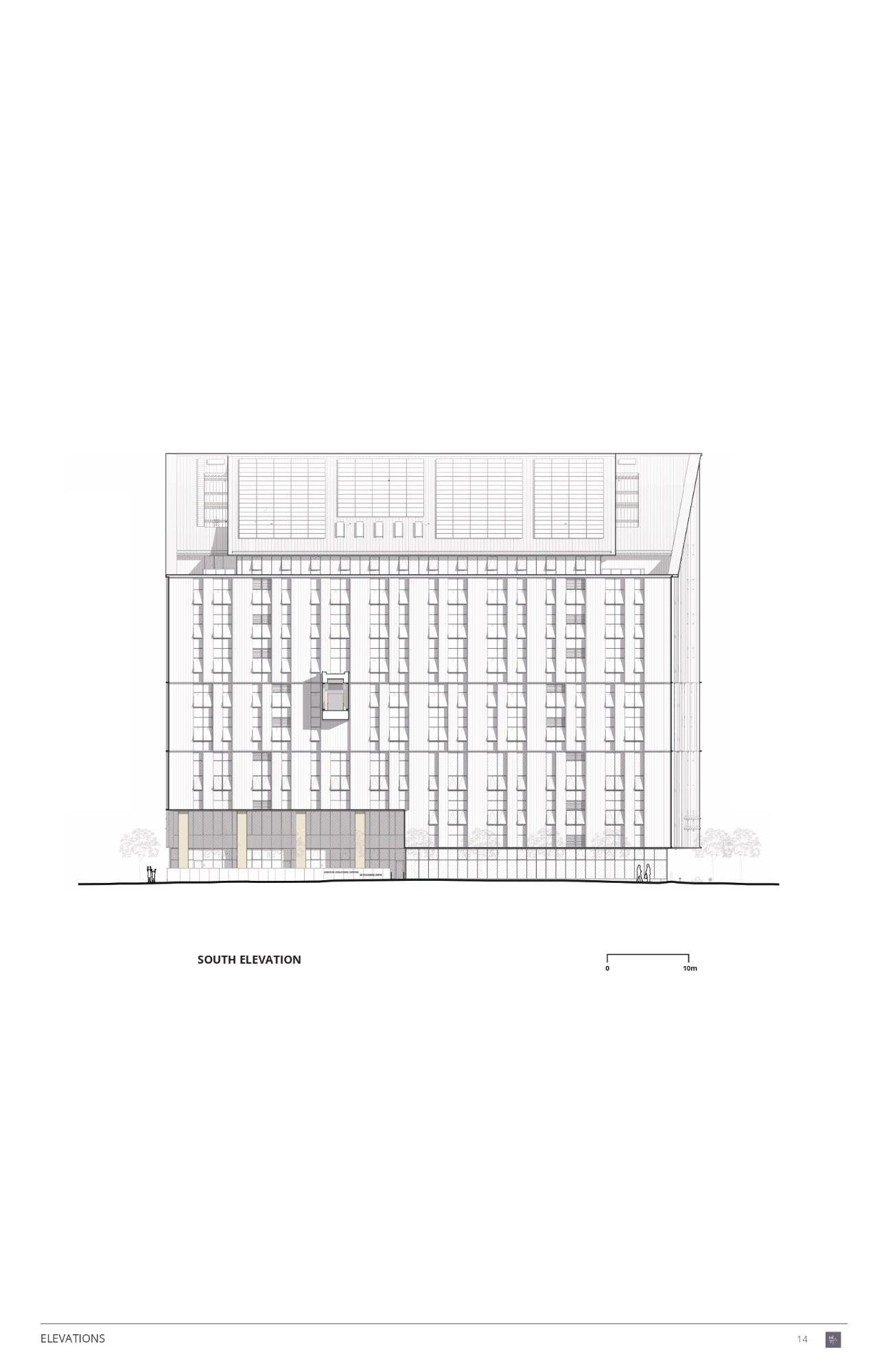
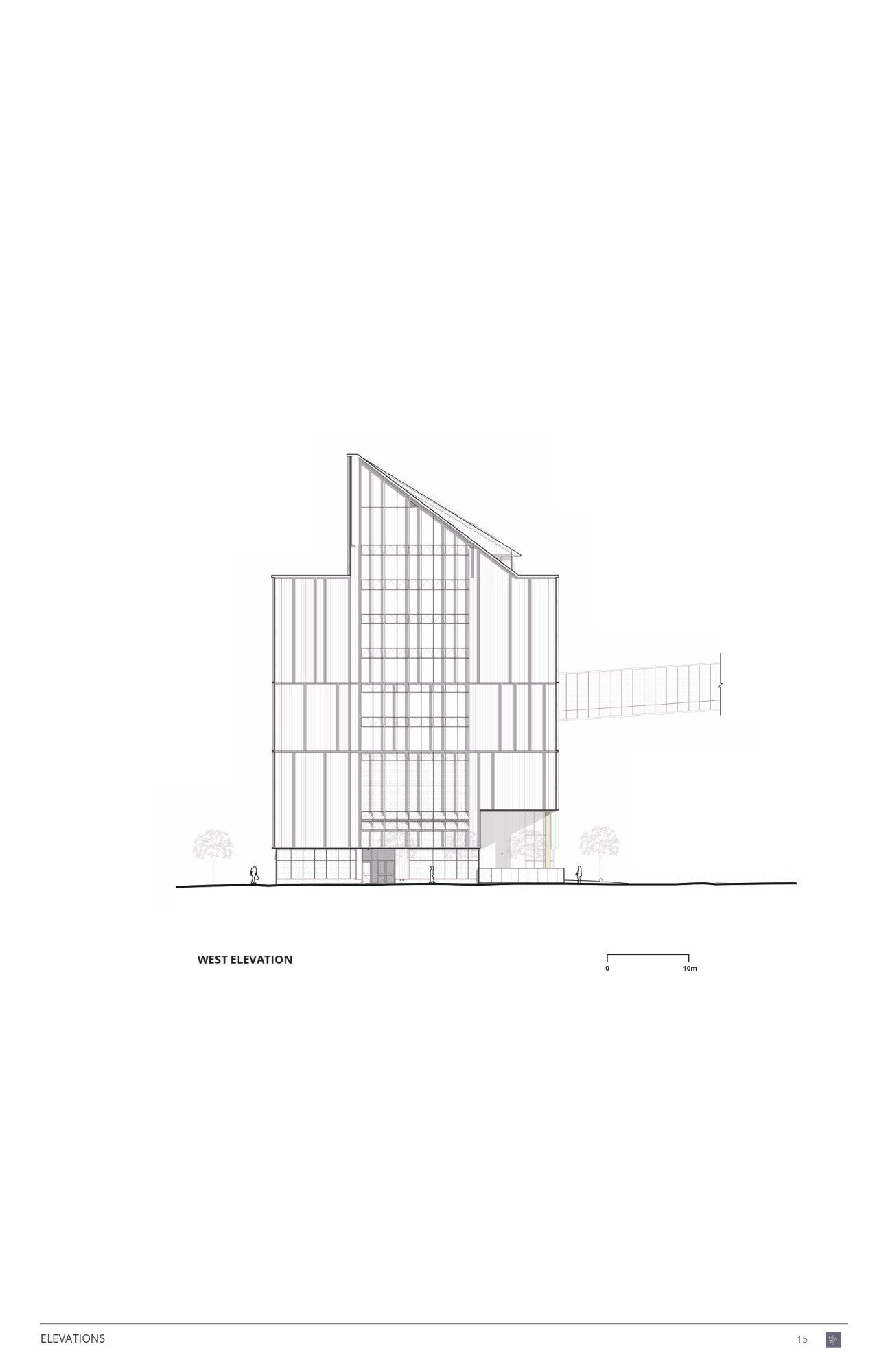
The design draws meaningfully on place. Referencing Tkaronto, the site’s Indigenous name, often understood as “where trees are standing in the water,” the building links its timber construction to a broader cultural and geographic reading of the site. Its copper-toned exterior and sculptural roofline establish a clear identity along the waterfront, while large city-facing openings reveal the warmth of the timber structure within. This outward expression gives the building a landmark presence without reducing it to a singular image, allowing it instead to communicate its material logic and environmental ethos through architectural form.
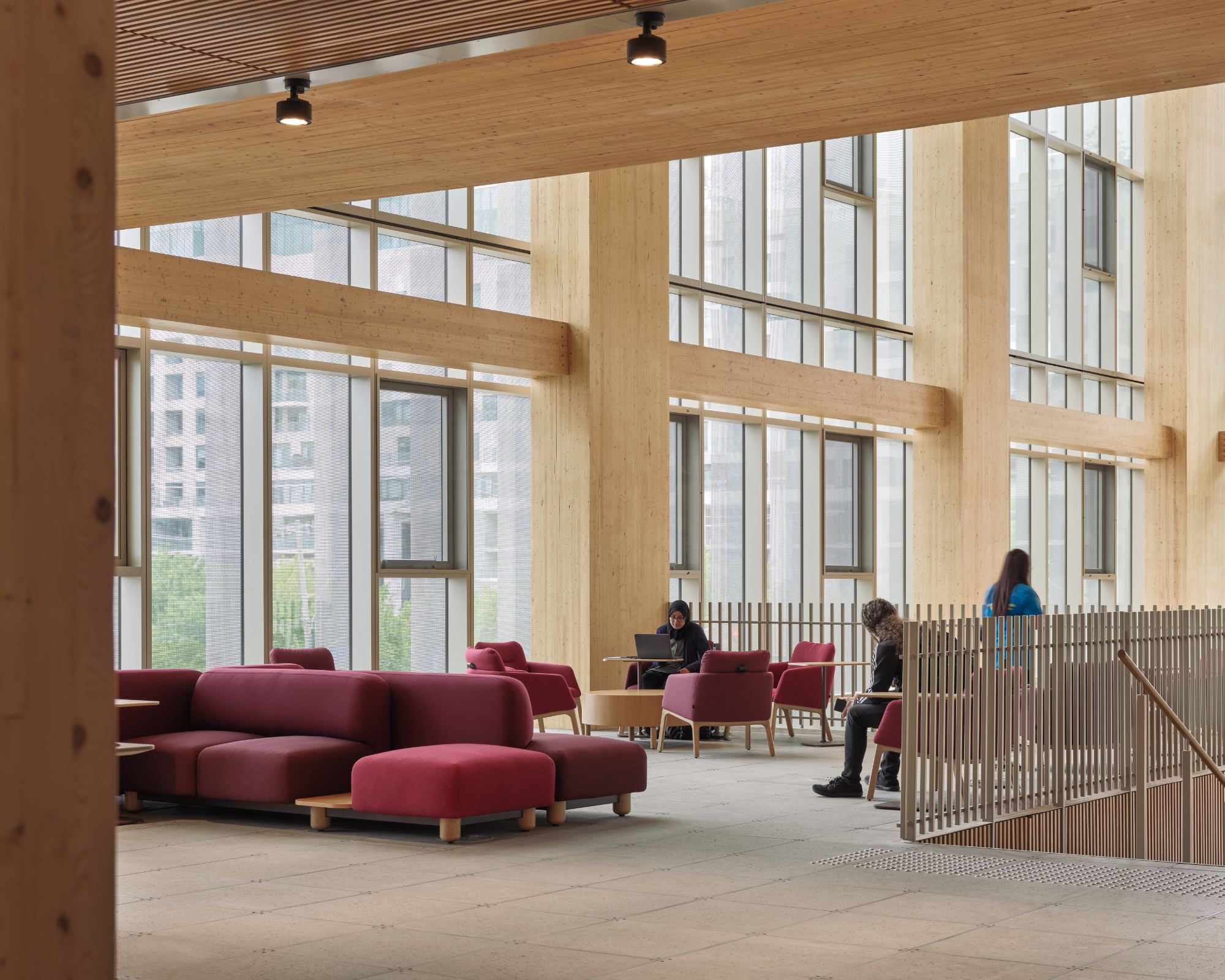
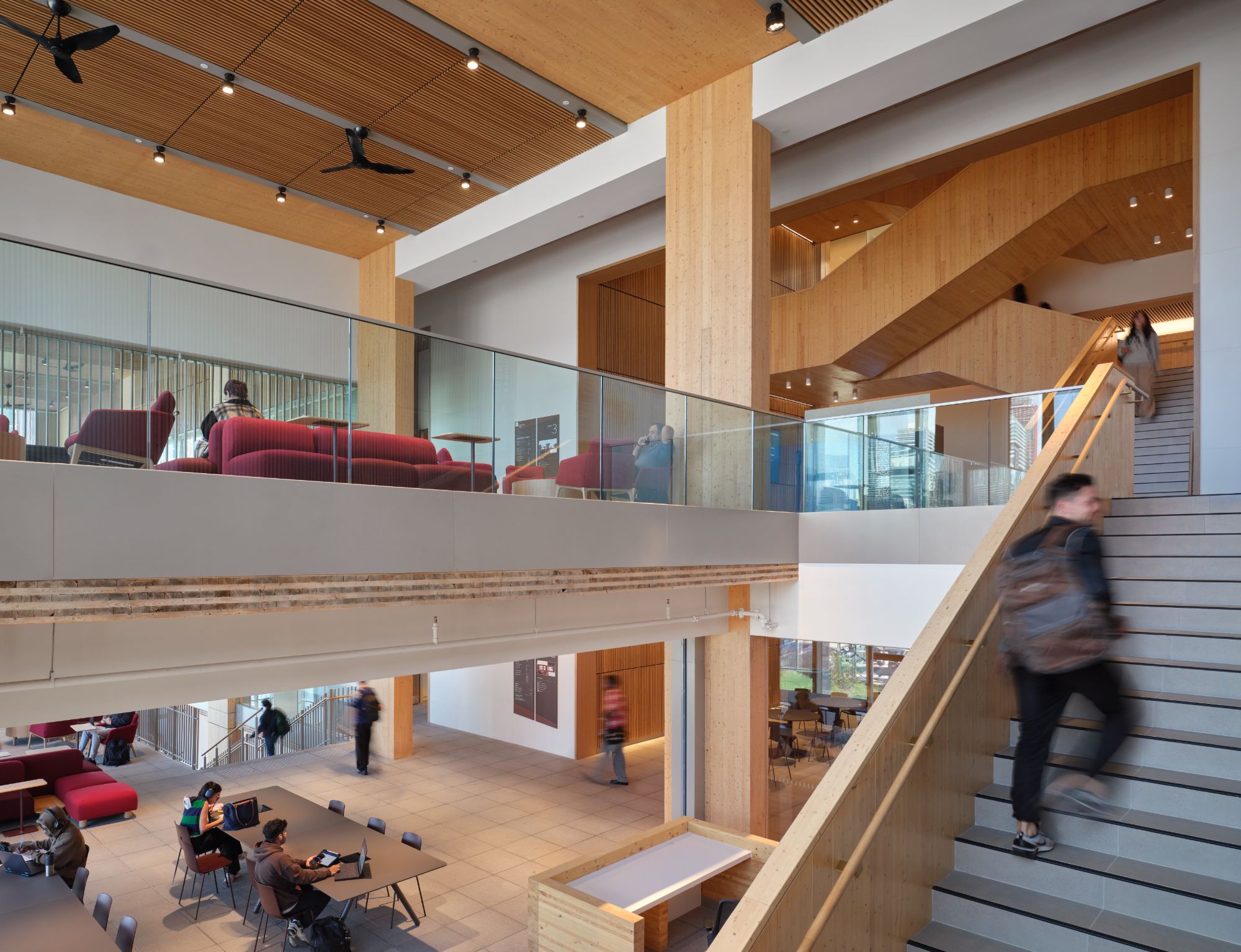
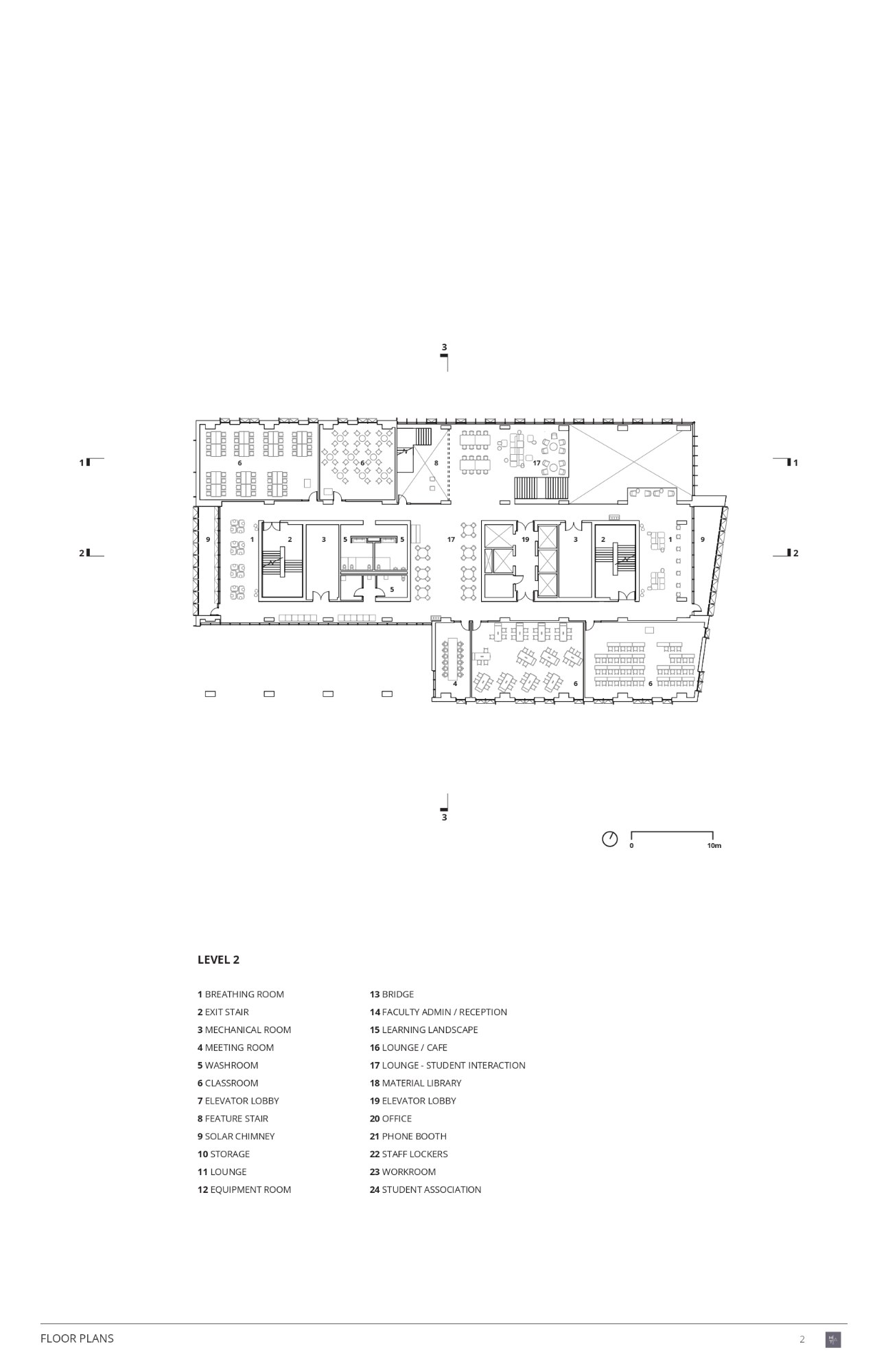
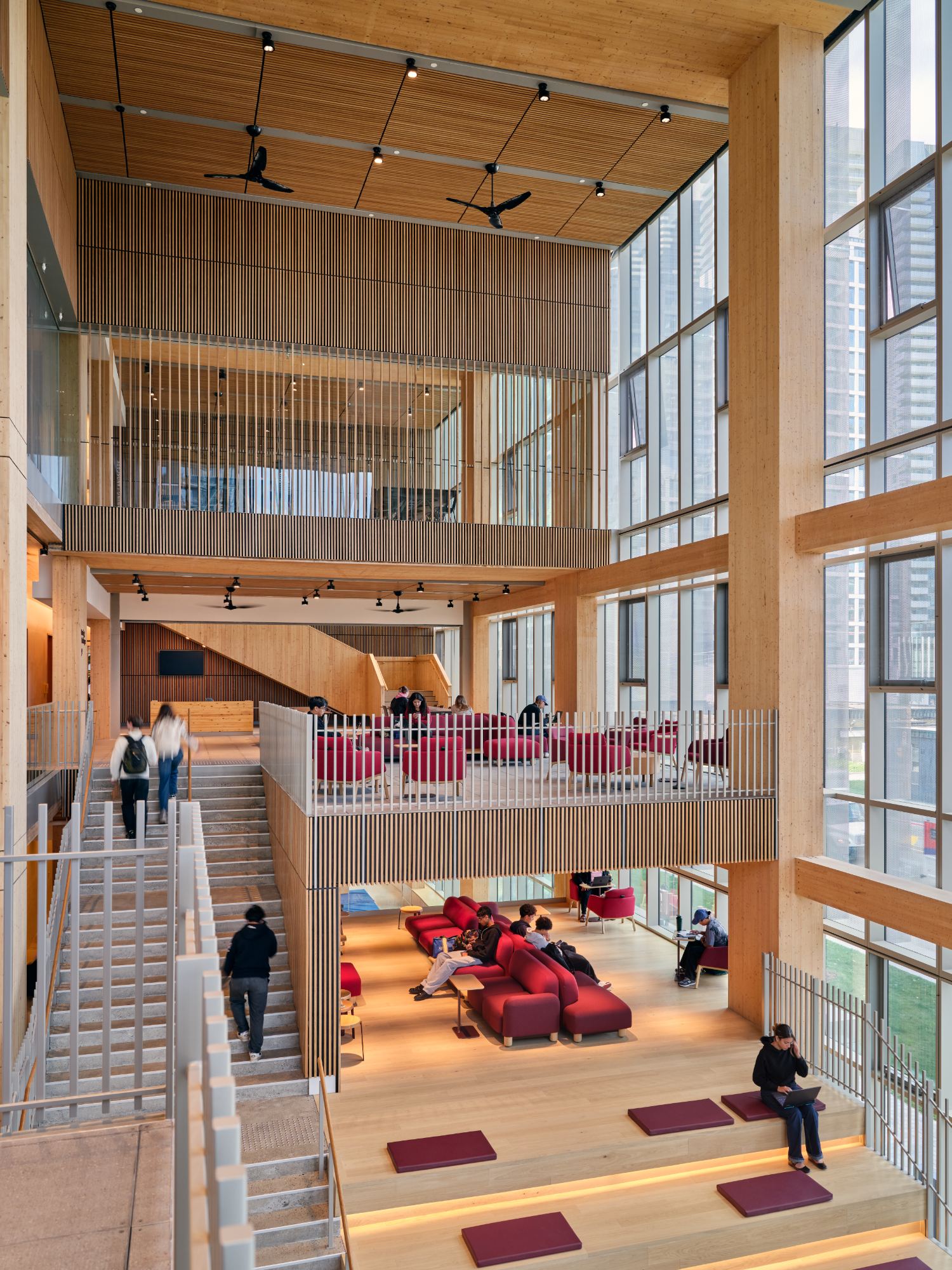
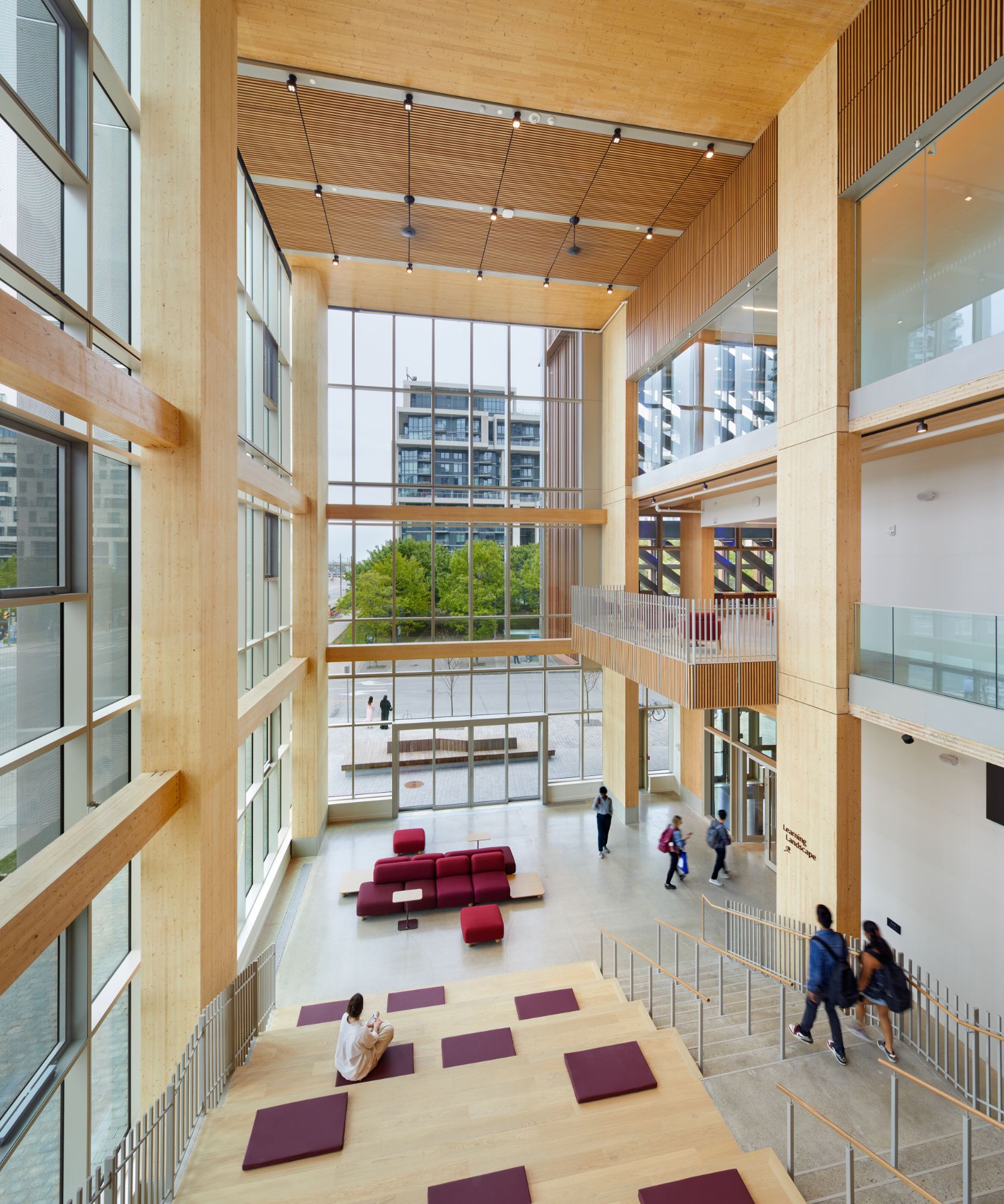
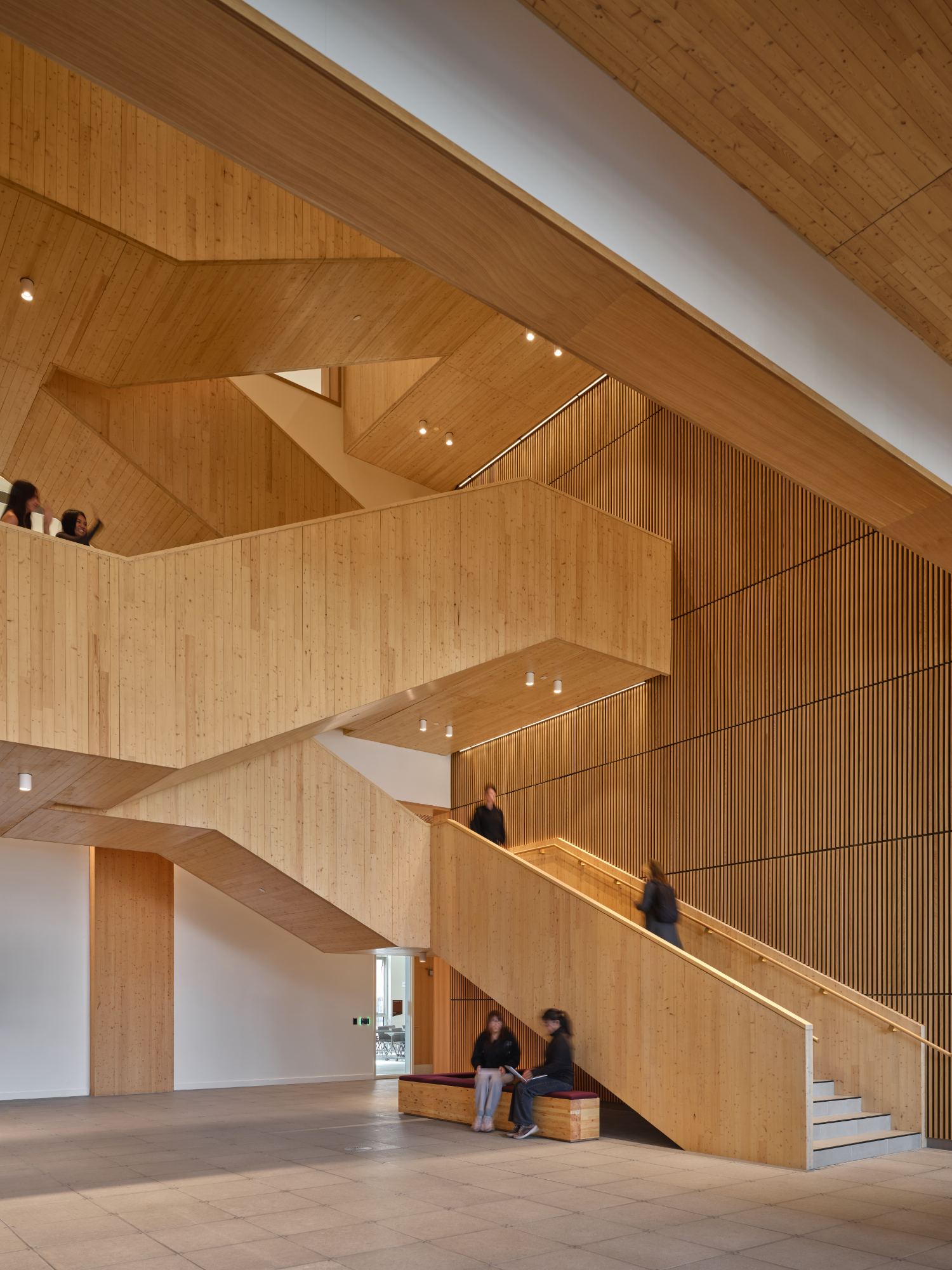
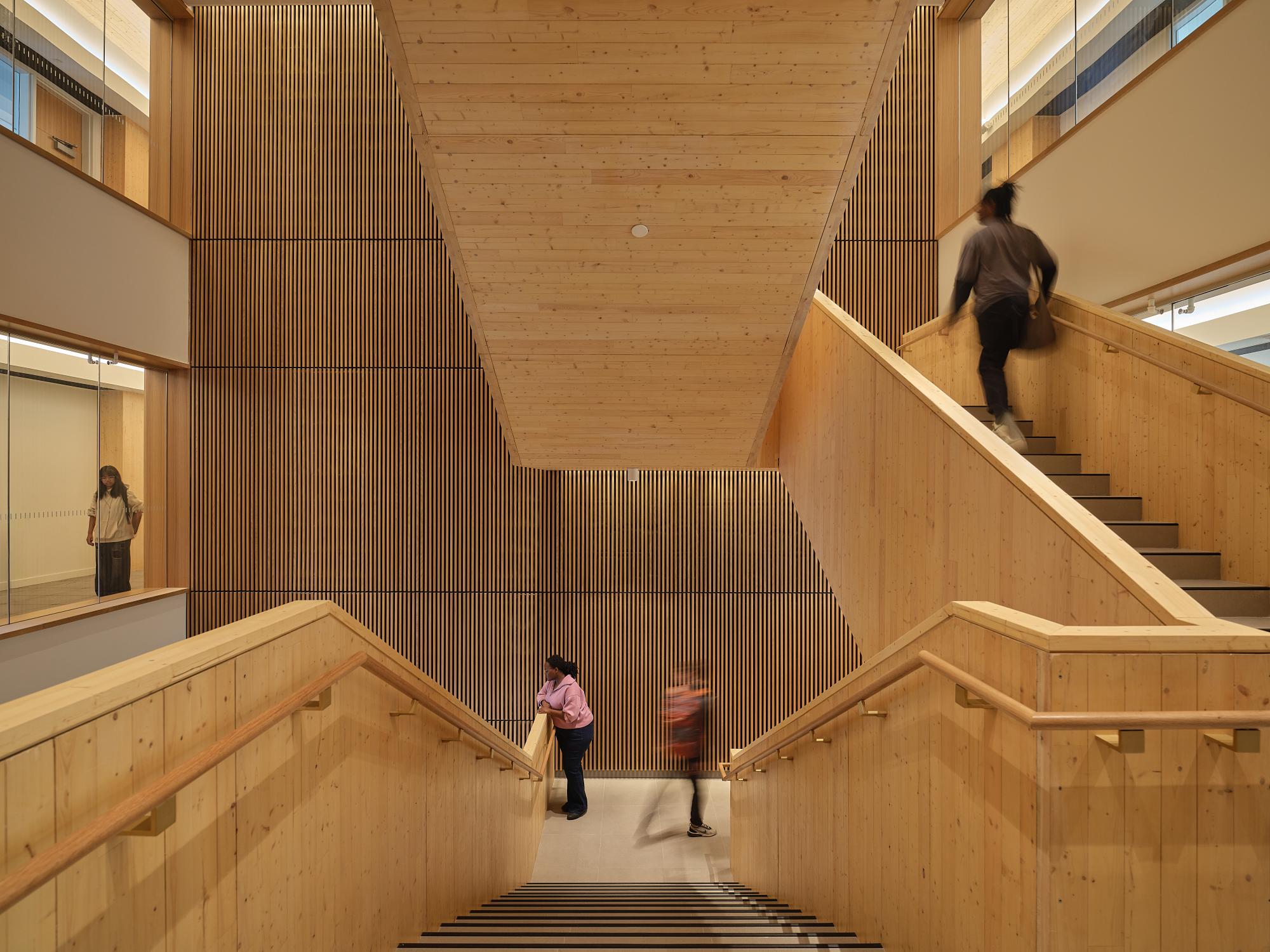
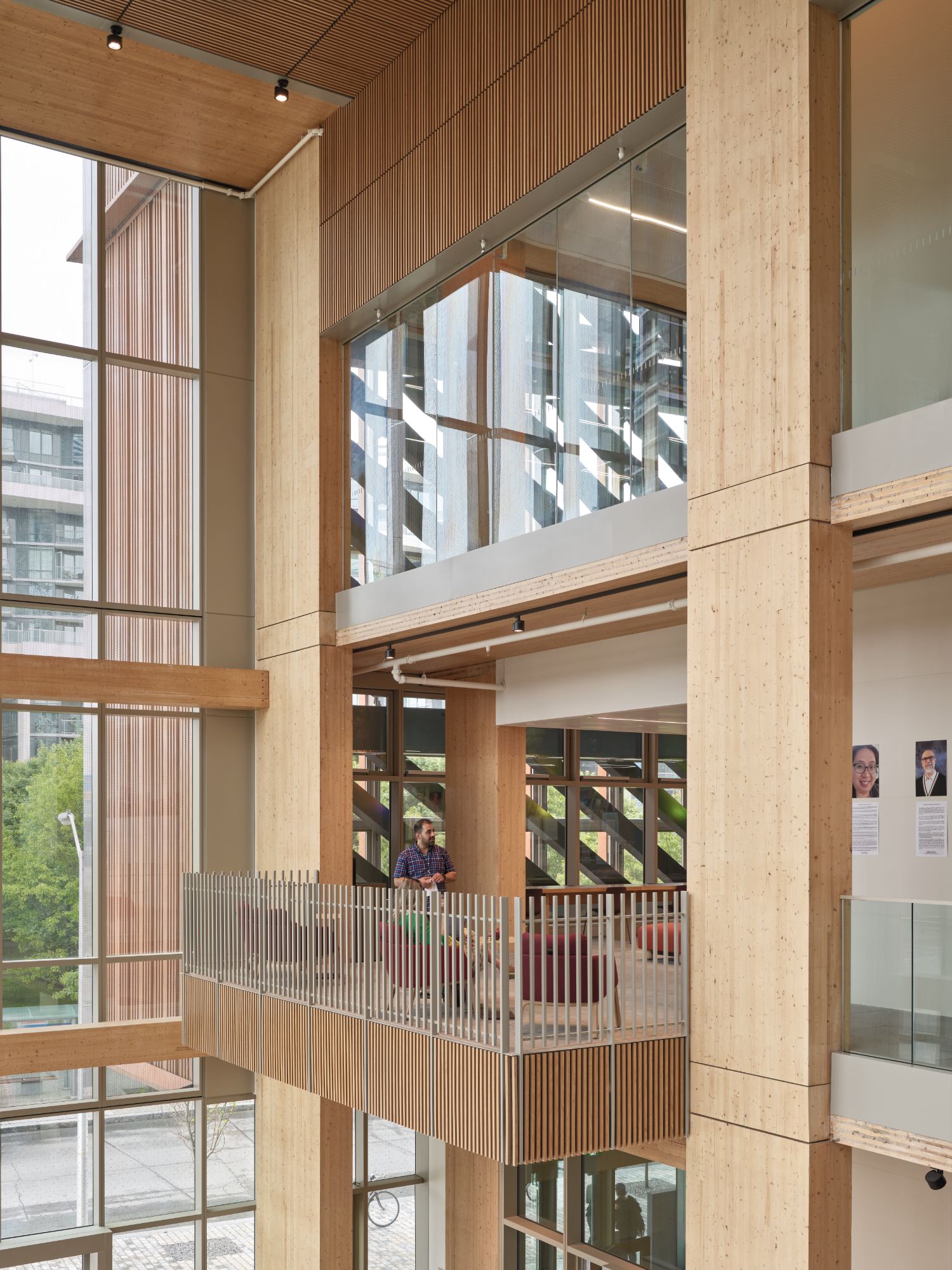
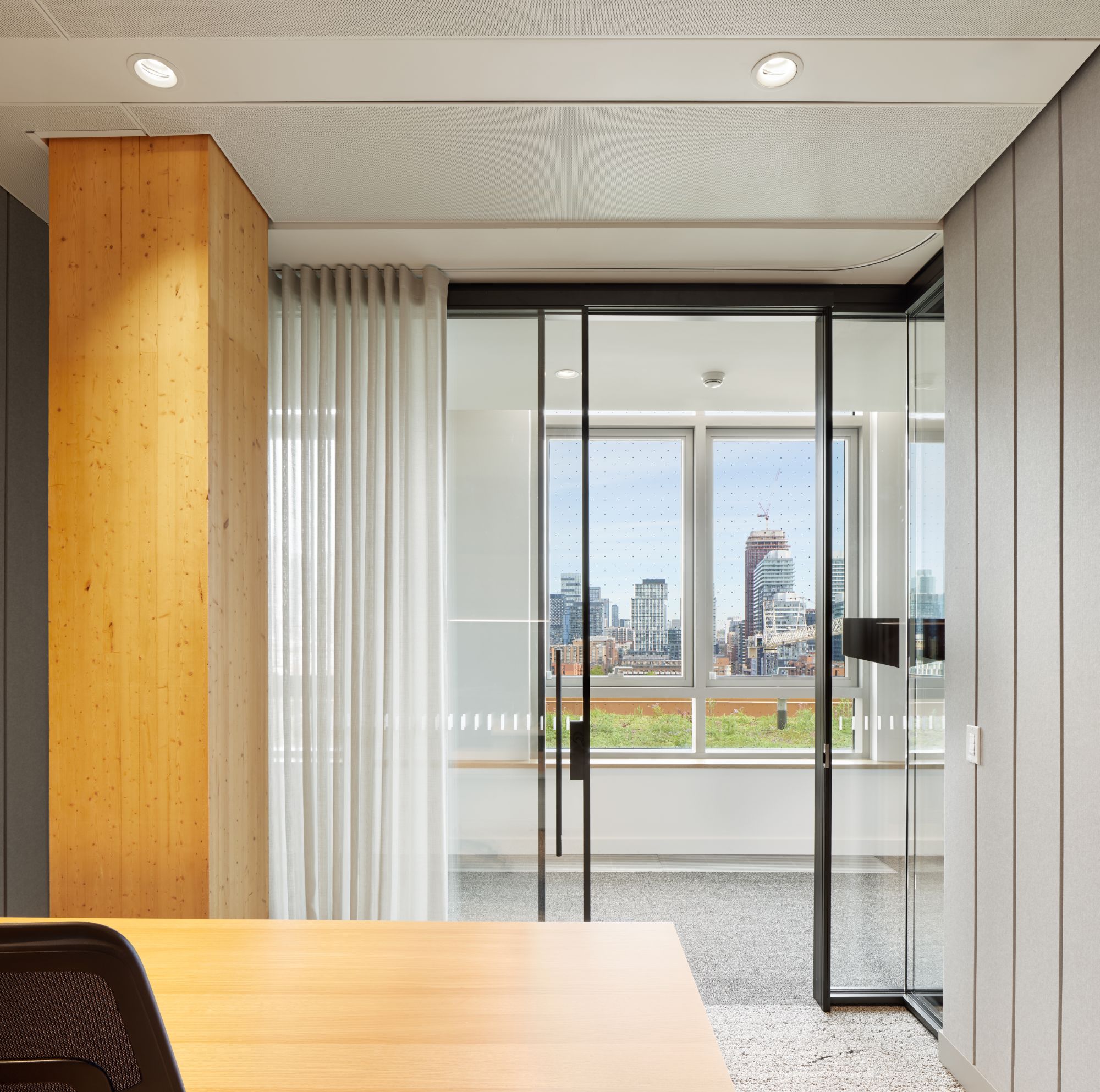
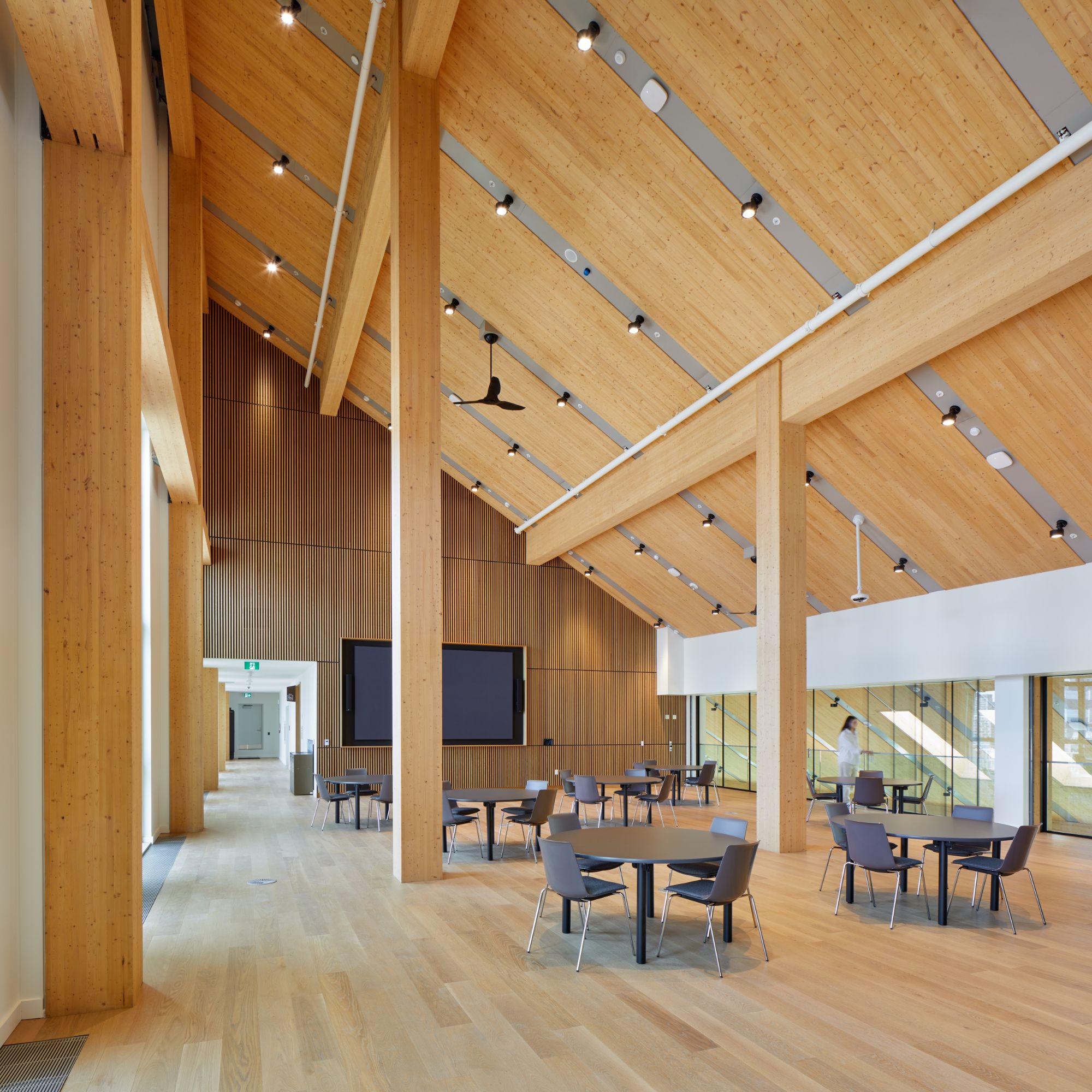
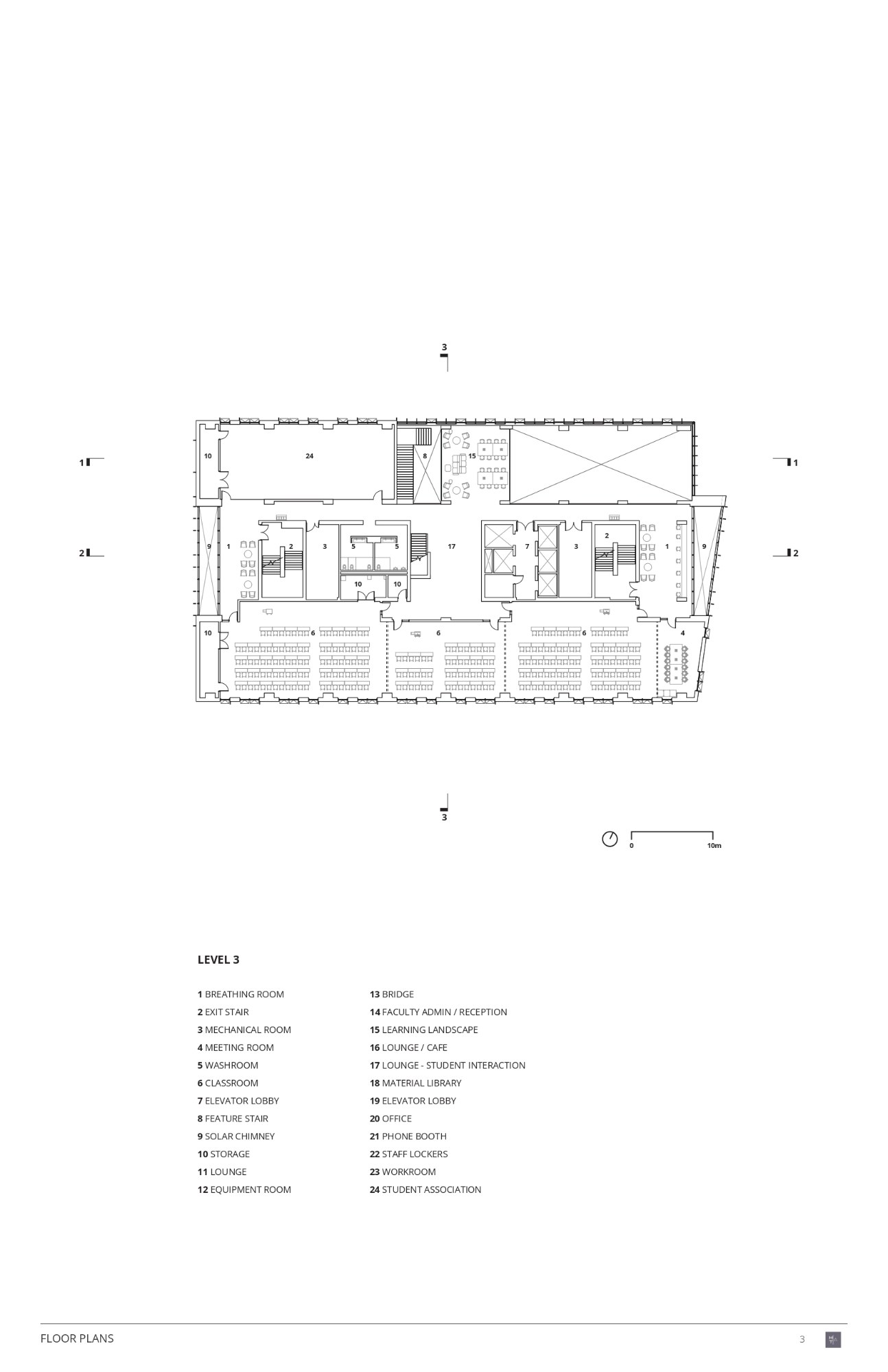
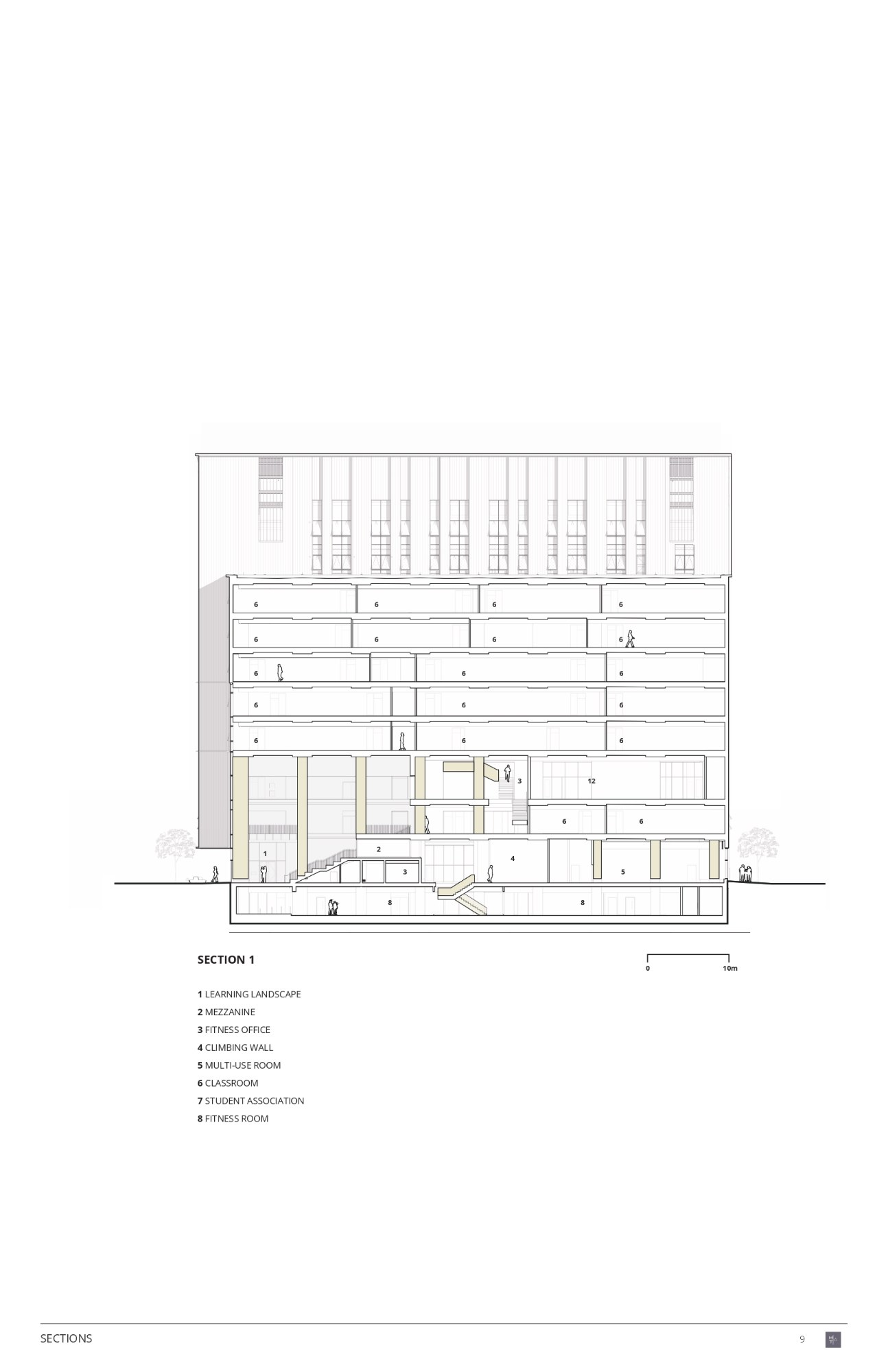
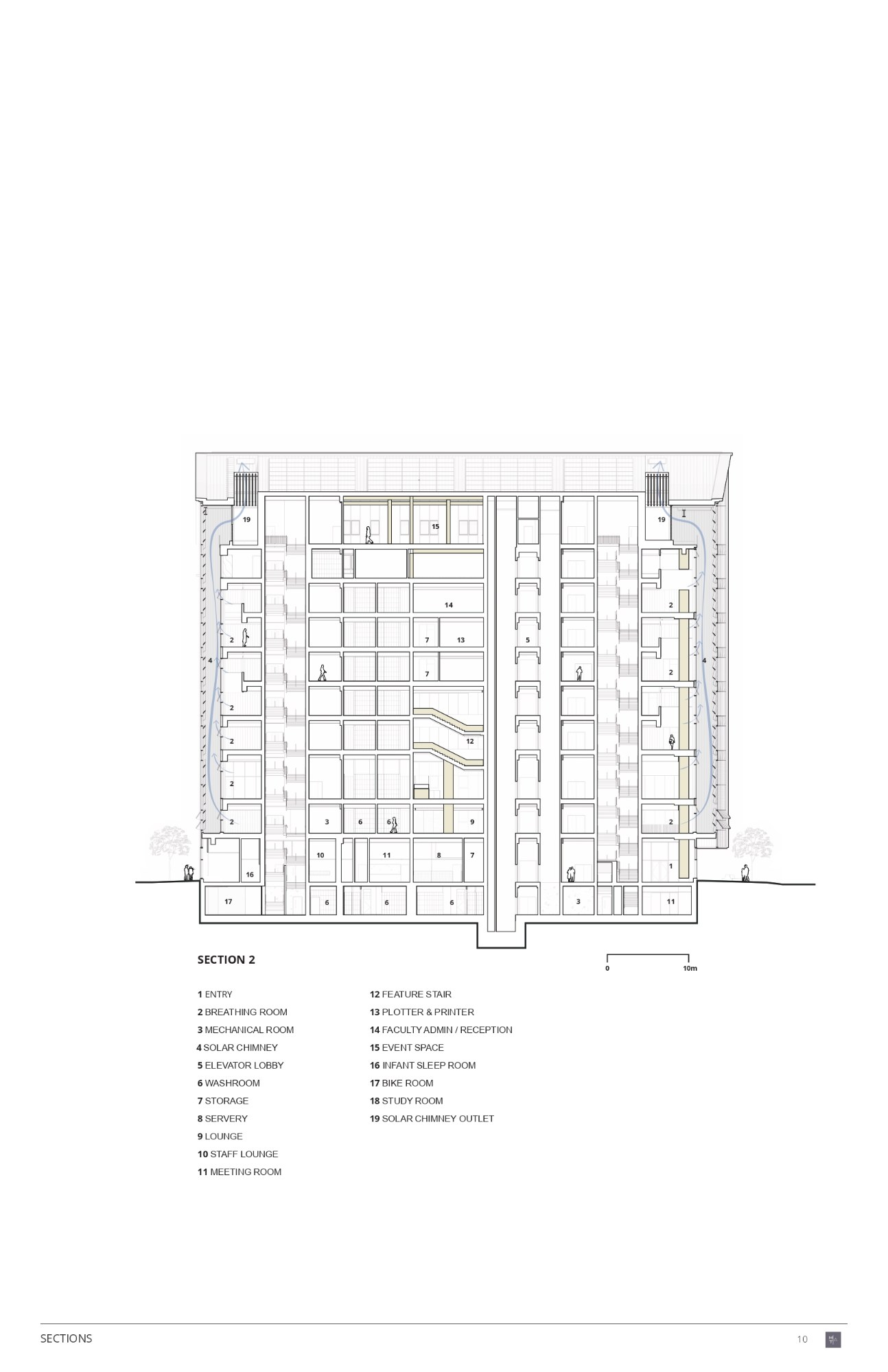
Inside, the architectural experience is organized around the all-wood Learning Landscape, where monumental black spruce columns rise through the entry space with remarkable presence. Slatted wood surfaces modulate daylight, while a sculptural stair encourages vertical movement through the building, transforming circulation into a key component of daily experience. The interior emphasizes sensory richness through the visual and tactile qualities of timber, but also through light, airflow, acoustics, and orientation. Quiet breathing rooms, furnished with oak desks and shaped by calming acoustic conditions, extend this emphasis by supporting concentration, wellness, and ease of use.
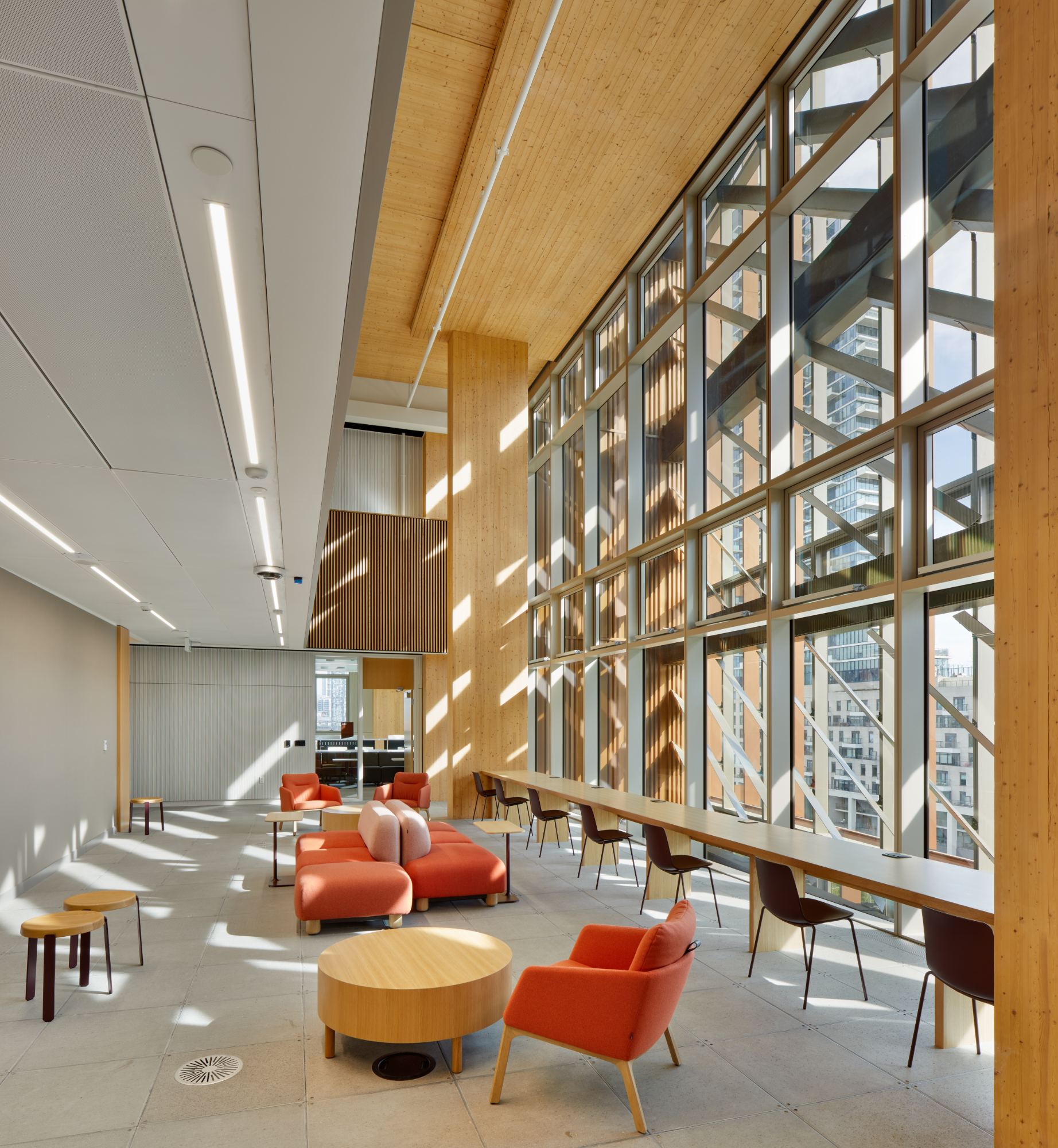
Environmental performance is embedded directly within these spatial decisions. Operable windows and abundant natural light reduce dependence on sealed, mechanically dominated interiors, while two nine-story solar chimneys support passive ventilation by drawing fresh air through the building. These strategies give sustainability an immediate presence in the life of the building, allowing users to experience climate responsiveness not as an abstract metric but as part of the atmosphere and comfort of everyday occupation. In this respect, the project suggests a broader understanding of sustainable design, one that includes human well-being alongside carbon reduction and energy efficiency.
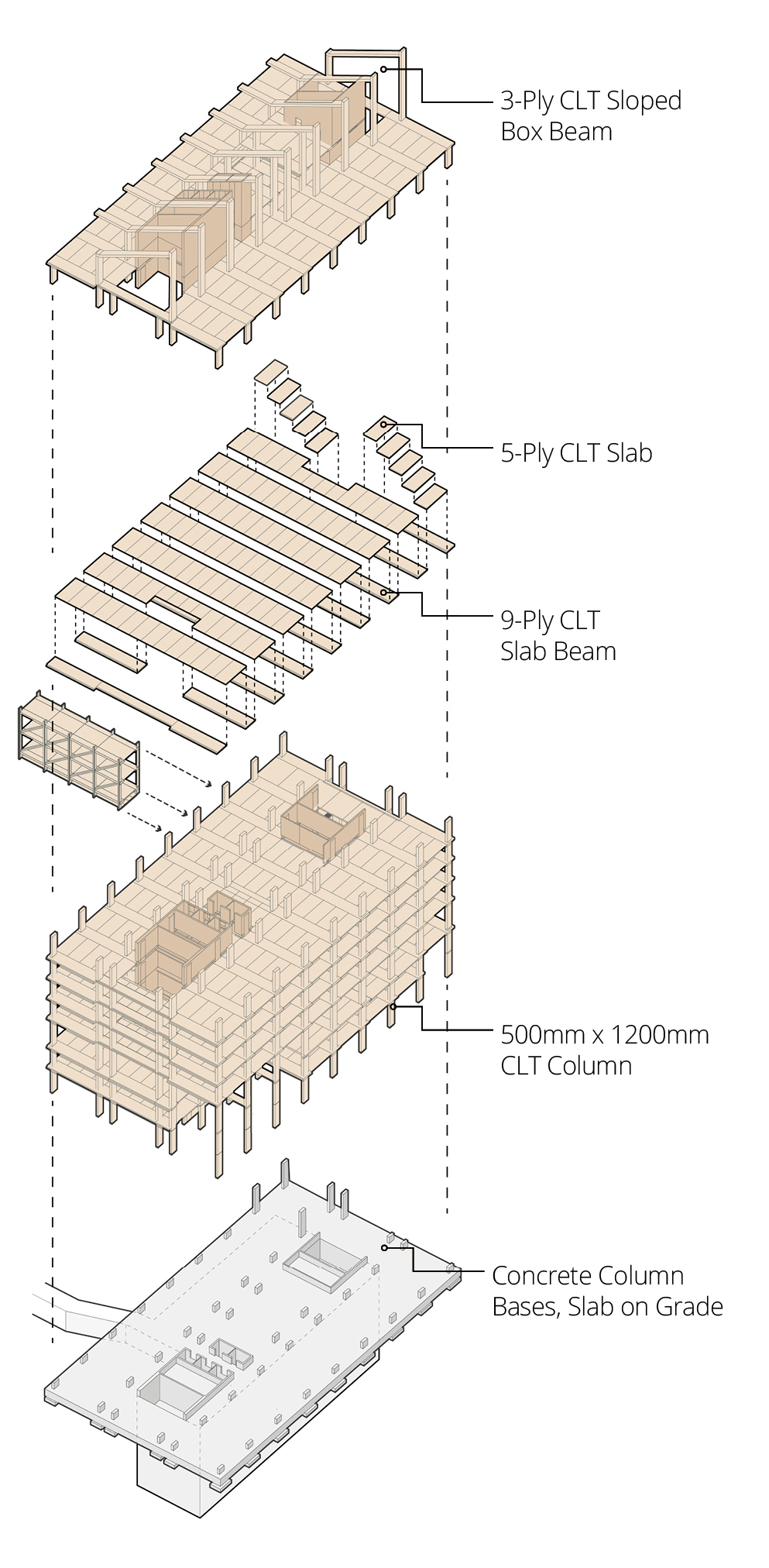
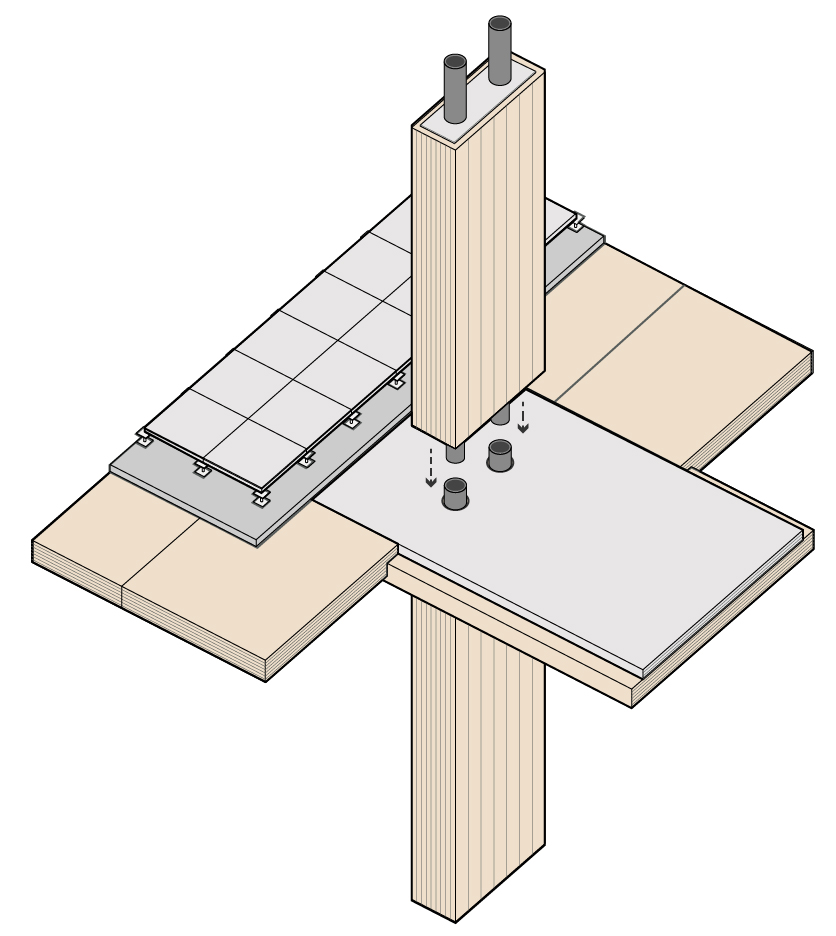
The building’s technical achievements are equally important. At the time the project was conceived, the relevant code frameworks in Canada limited timber assembly buildings for public use to six stories, making the realization of a 10-story academic building especially demanding. In collaboration with Fast + Epp, the design team developed a shallow structural system composed of glulam columns, cross-laminated timber and concrete slab bands, and CLT infill panels. This approach enabled nine-meter column-free spans across the building while remaining within strict height limitations. The result is notable not only for its ingenuity but also for its refinement, showing how mass timber can achieve slenderness and precision rather than visual heaviness.
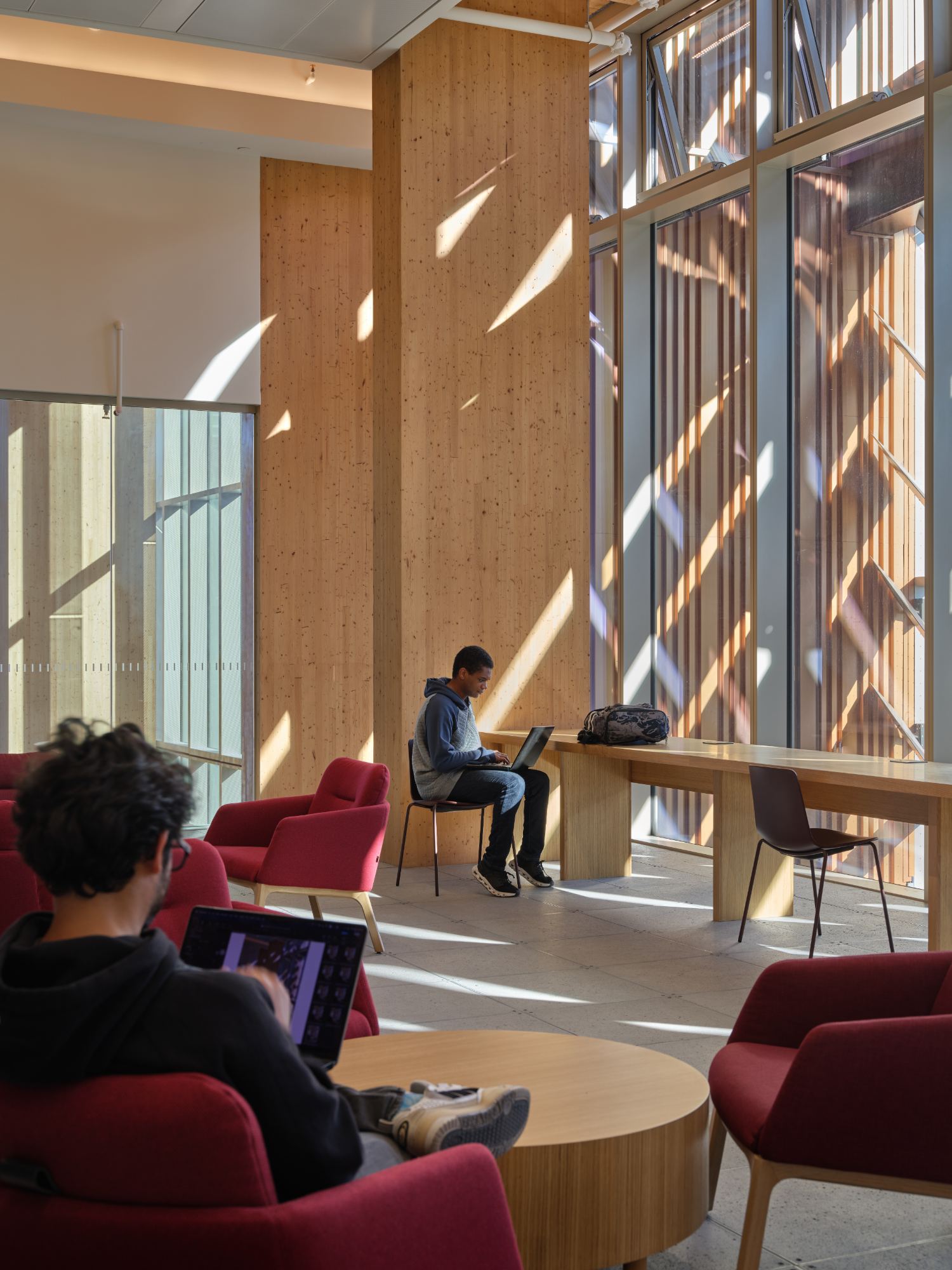
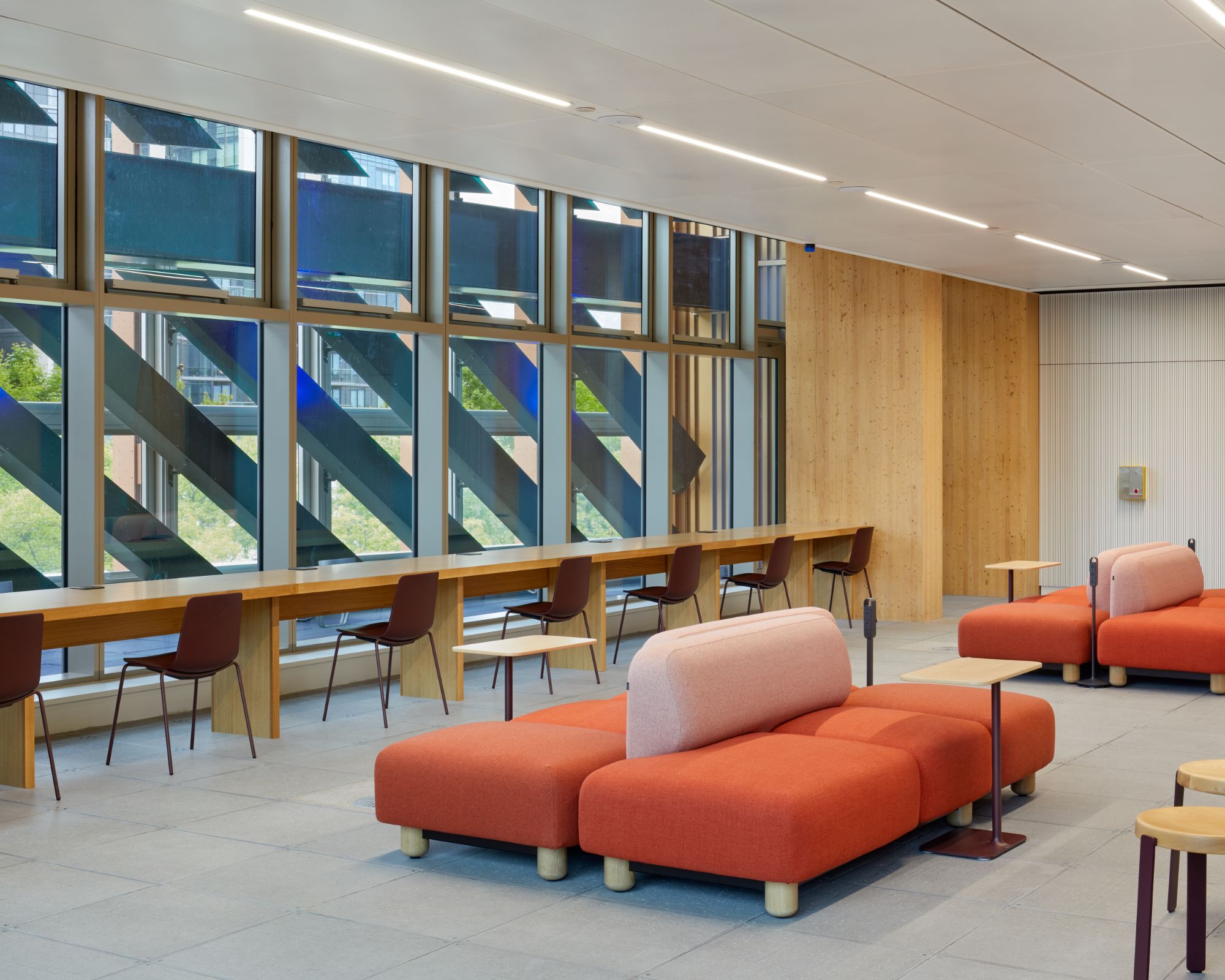
That innovation extends beyond the project itself. The structural solution has been open-sourced by the team, positioning Limberlost Place as a contribution to a broader body of architectural and engineering knowledge. Its influence had already begun to take shape before completion through professional recognition, public tours, and multiple international awards in architecture, sustainability, and engineering. The project therefore operates at several levels simultaneously: as a campus building, as a public demonstration of timber construction, and as a prototype with implications for future institutional work.
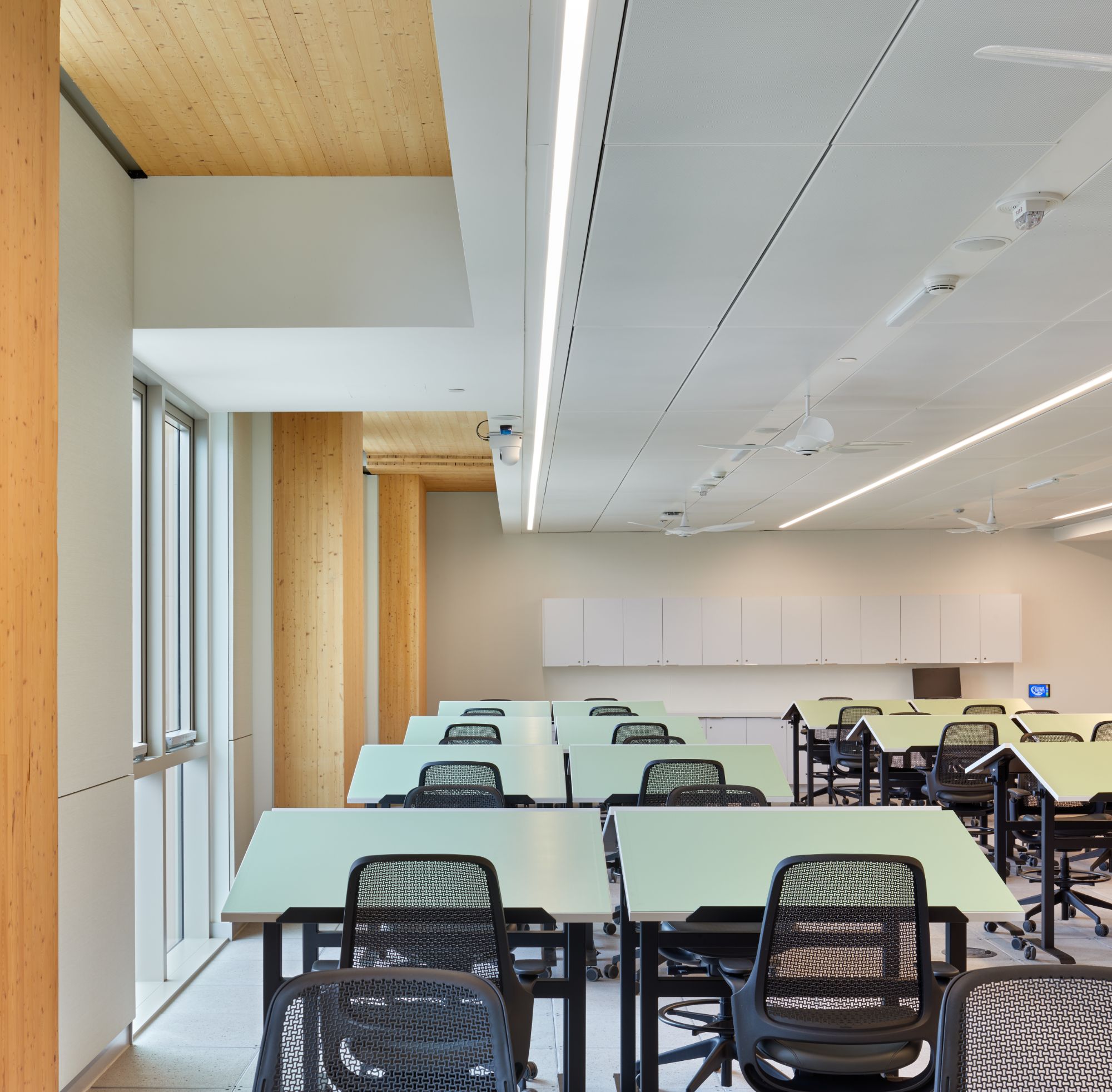
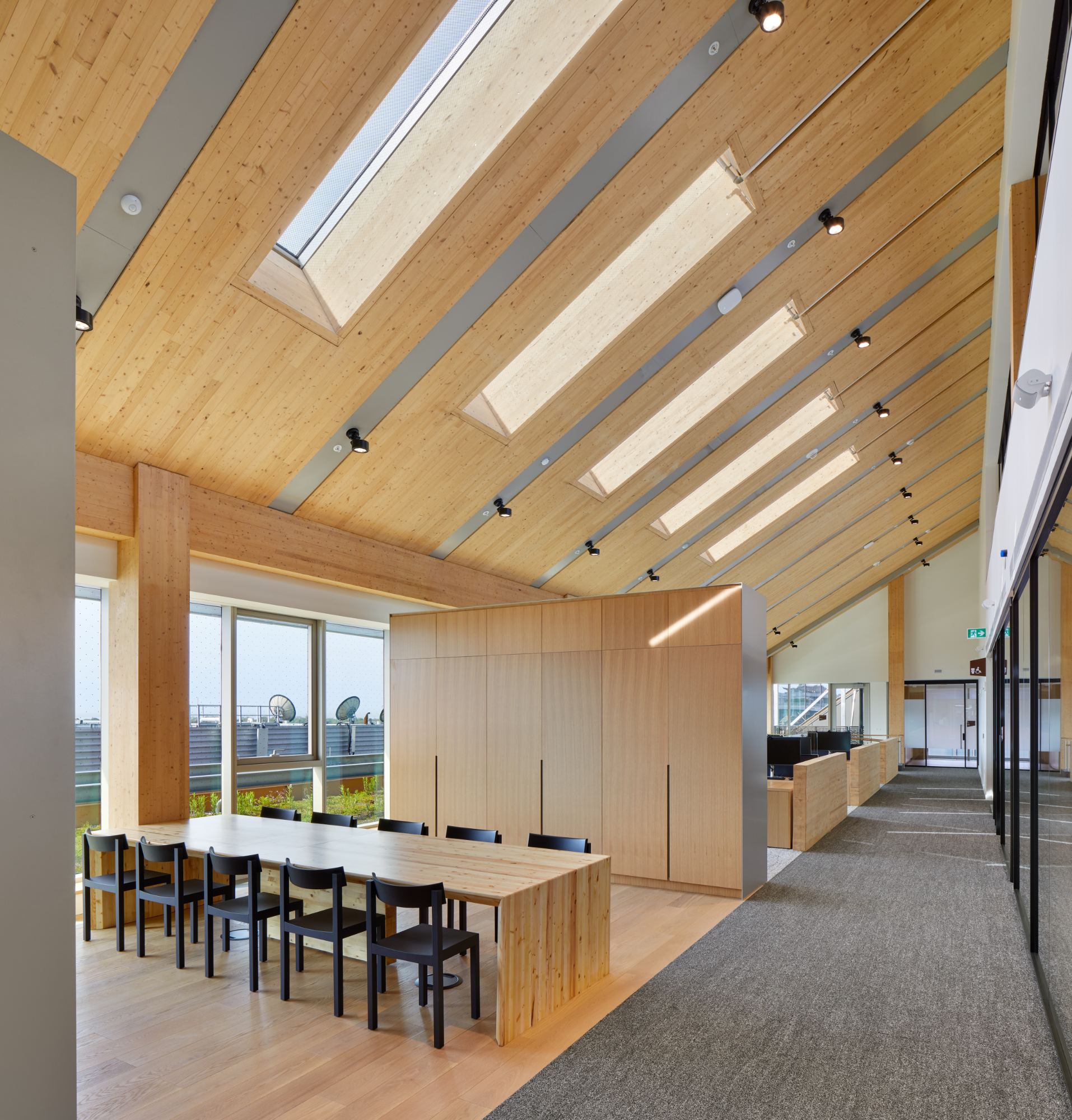
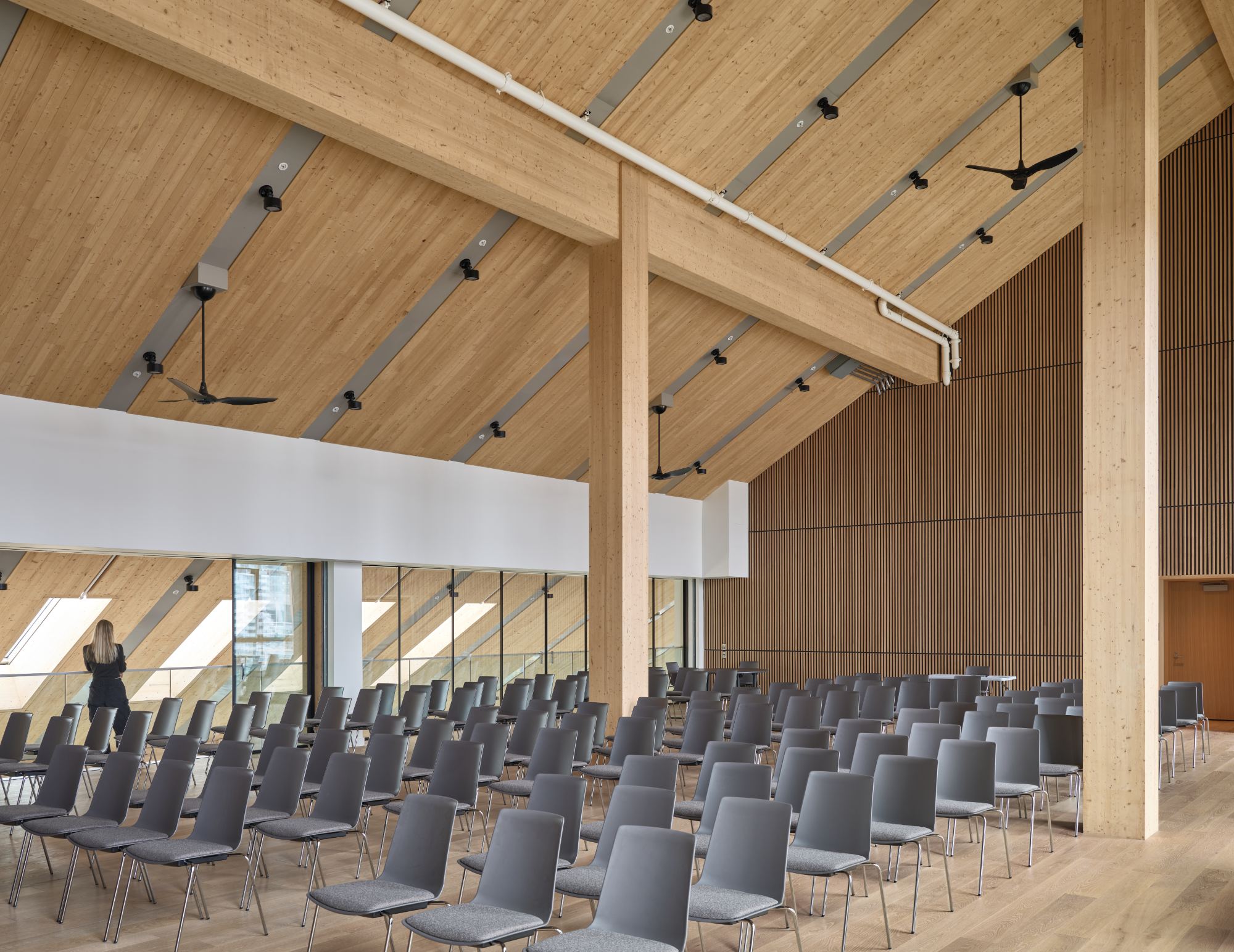
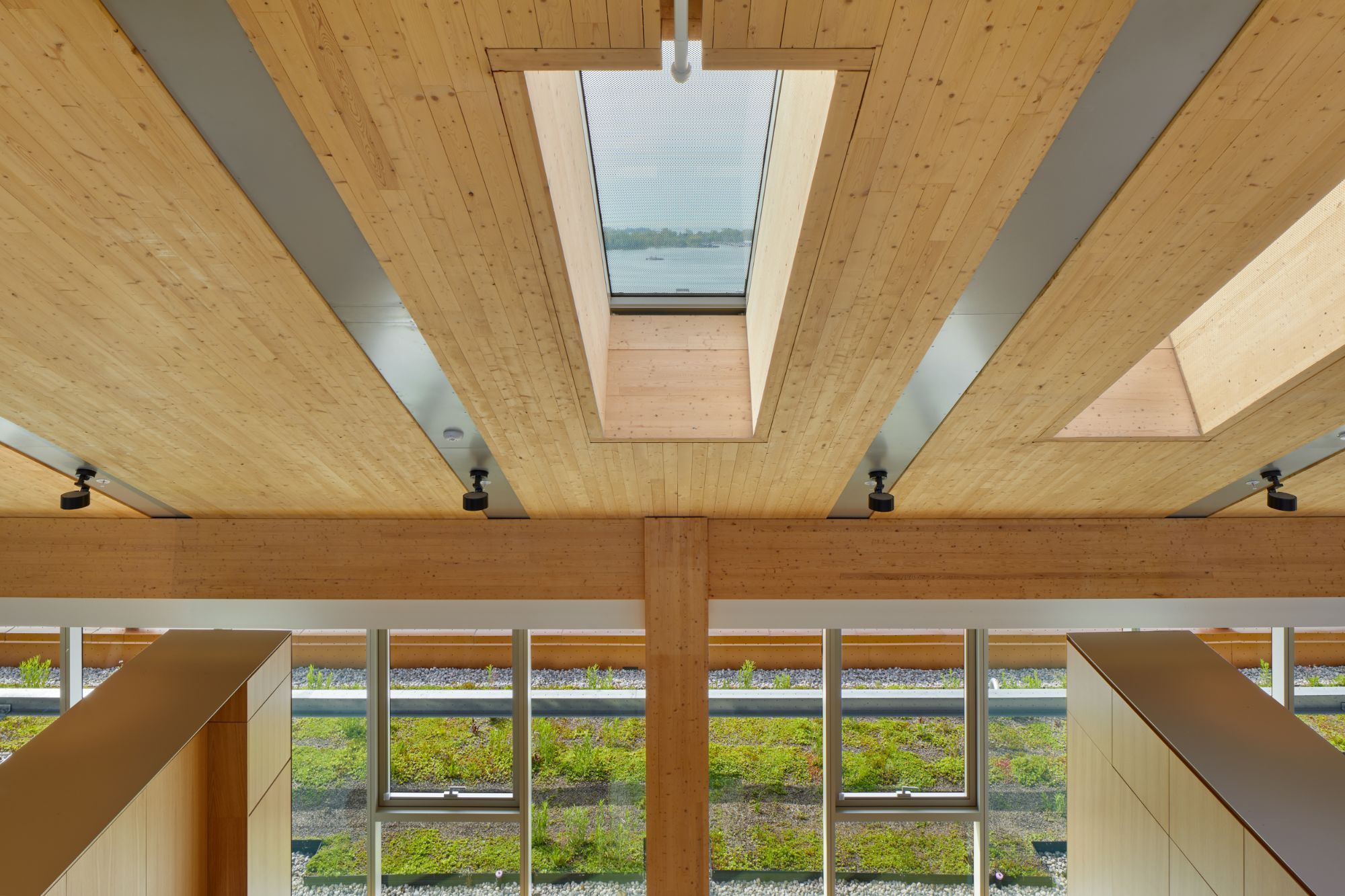
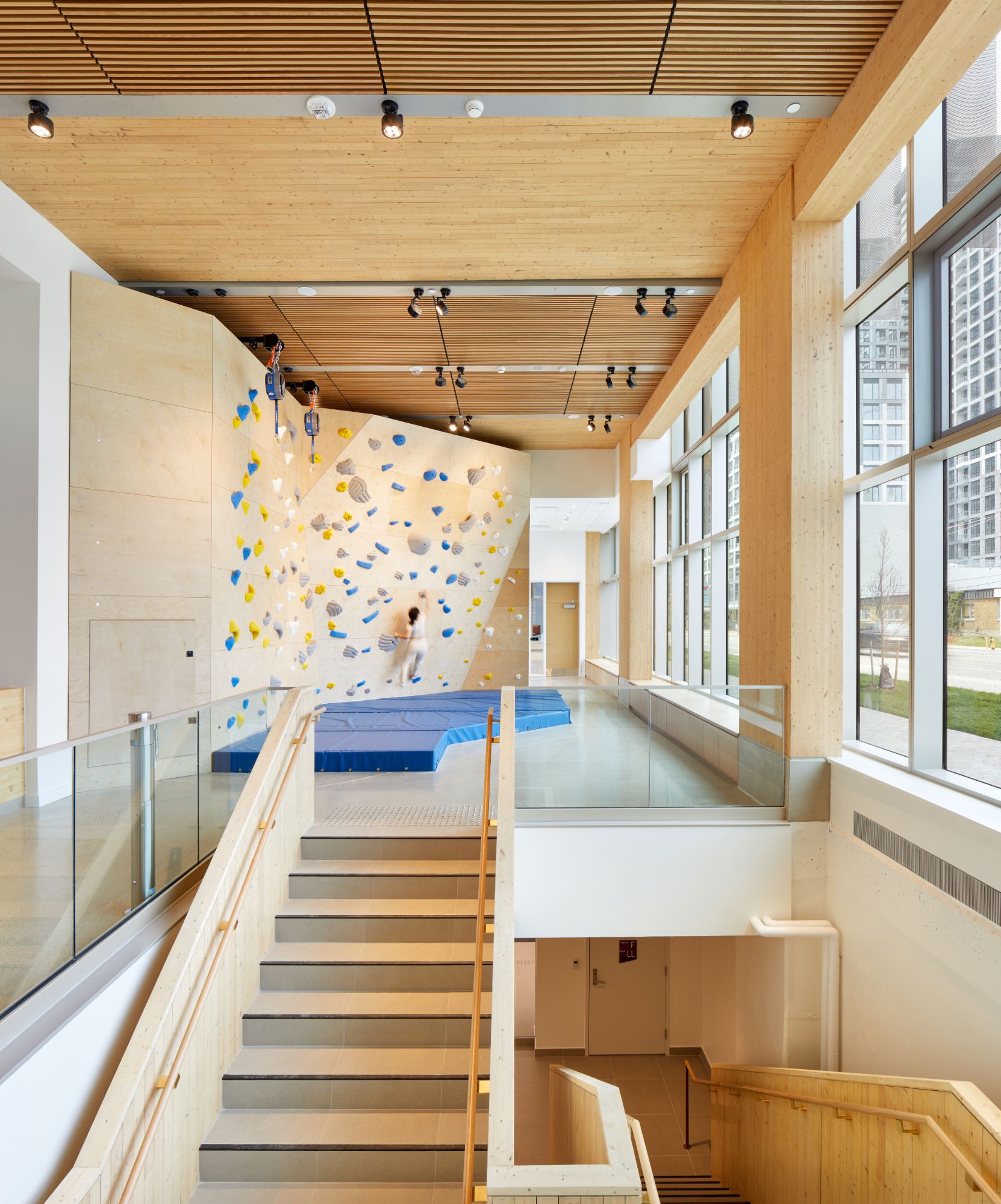
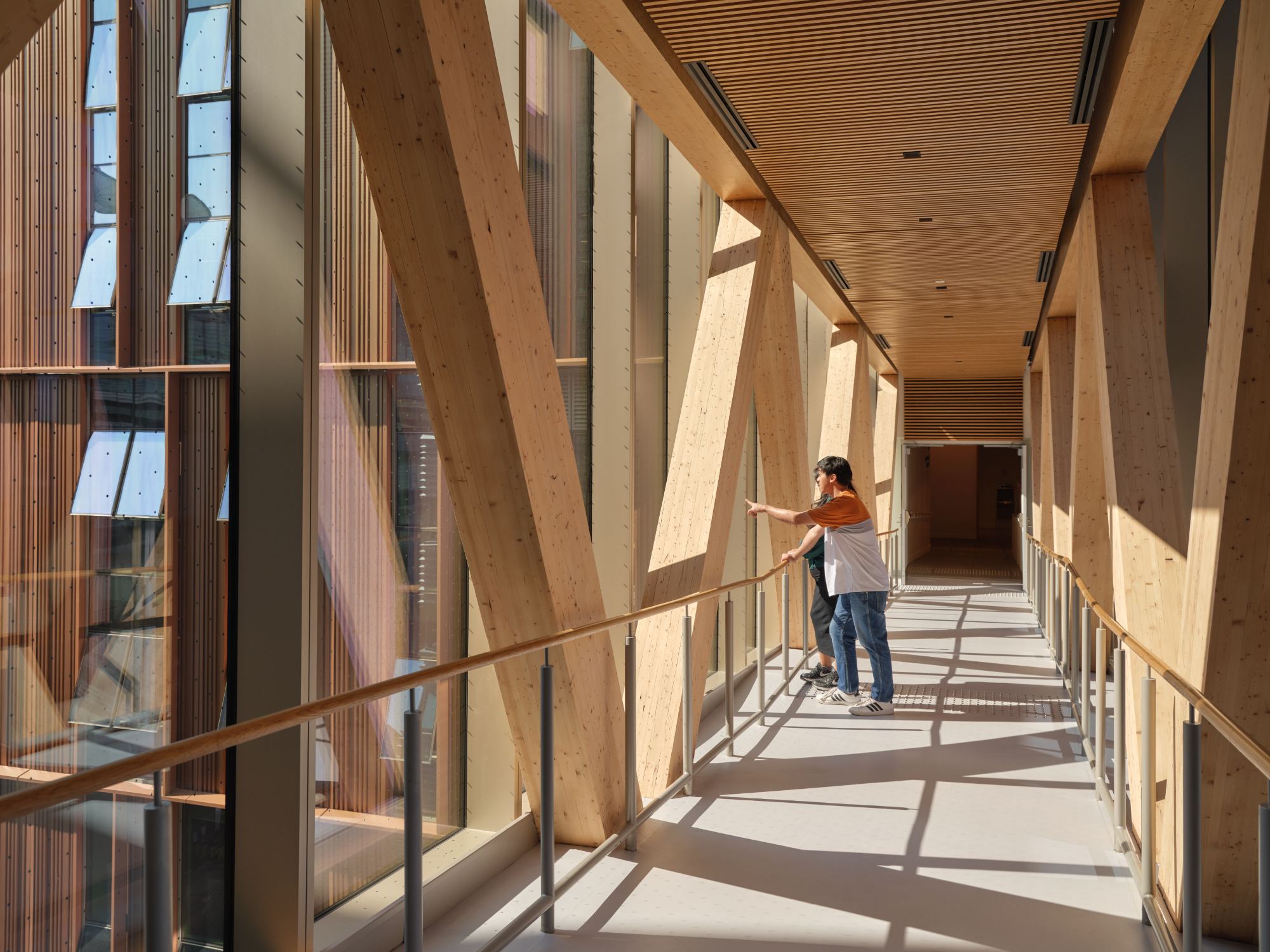
What distinguishes Limberlost Place most clearly is the consistency with which it unites these ambitions. The building does not separate architectural expression from environmental strategy or educational purpose from structural experimentation. Instead, it offers a persuasive model for how contemporary academic buildings can engage climate-conscious design while retaining civic presence, formal clarity, and material depth. On Toronto’s waterfront, it stands as both a new home for learning and a significant statement about the evolving possibilities of timber architecture.
Project Gallery
Project Location
Address: 185 Queens Quay East, Toronto, ON M5A 0A4, Canada
Location is for general reference and may represent a city or country, not necessarily a precise address.

