Architects: Richard Rogers & Partners Area: 55,000 m² (592,015 ft²) Year: 1986 Photography: Richard Rogers, Rogers Stirk Harbour + Partners, Songquan Deng, Shutterstock, Oleksandr Kushchenko, Mike Hindle, Michal Gadek, Max Whitehead, Gili Merin, David Vincent, David Klein, Boris Stefanik, Belinda Fewings, Richard Bryant, arcaidimages.com, Peter Cook, View, Janet Gill, RSHP, WikiArquitectura, Wikimedia Commons, Lloyd’s of London, Peter McDermott, Stephen Richards, David Anstiss, Colin, Diliff, Photostevo, Choinowski Structural Engineer: Arup (Peter Rice) Services Engineer: Arup Contractor: Bovis Client: Lloyd’s of London City: London Country: United Kingdom
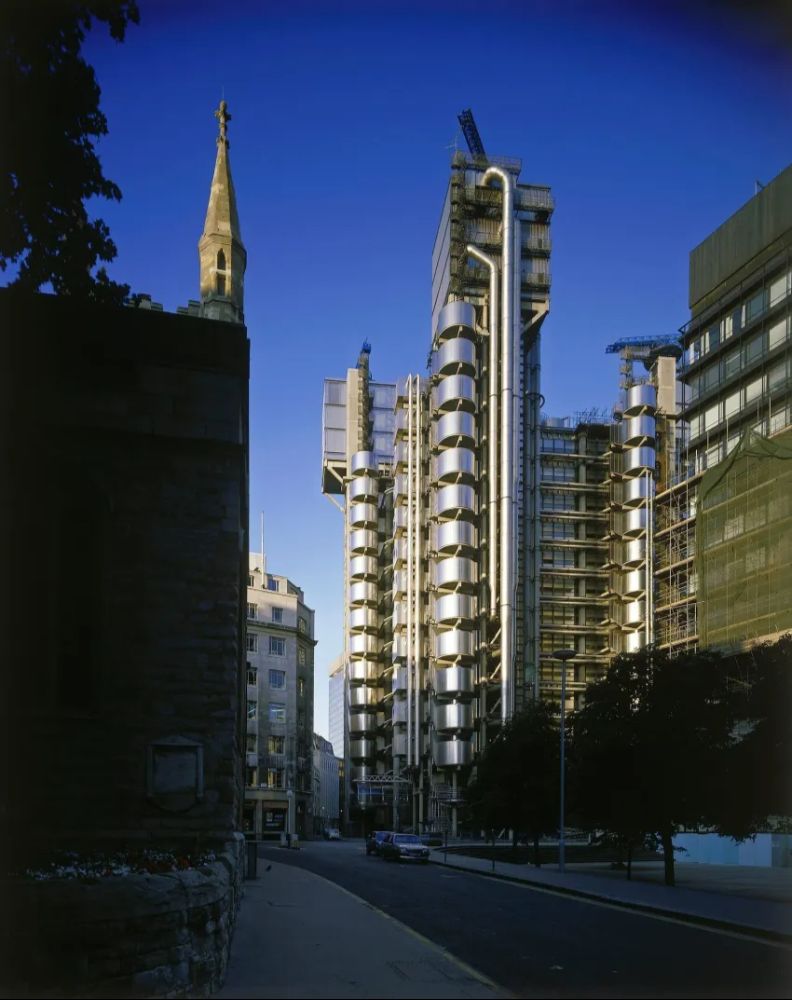
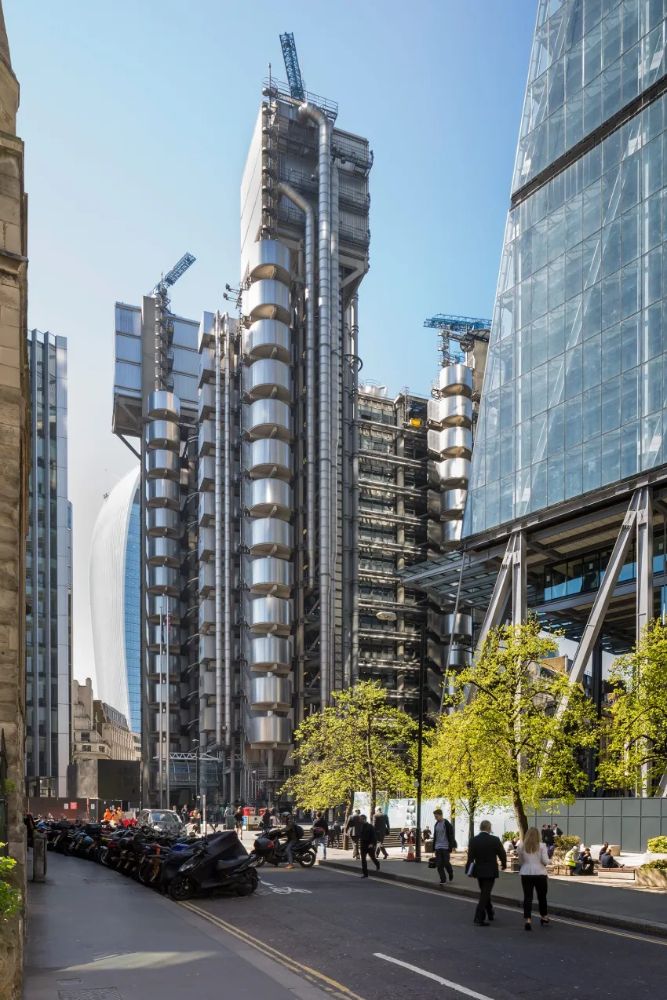
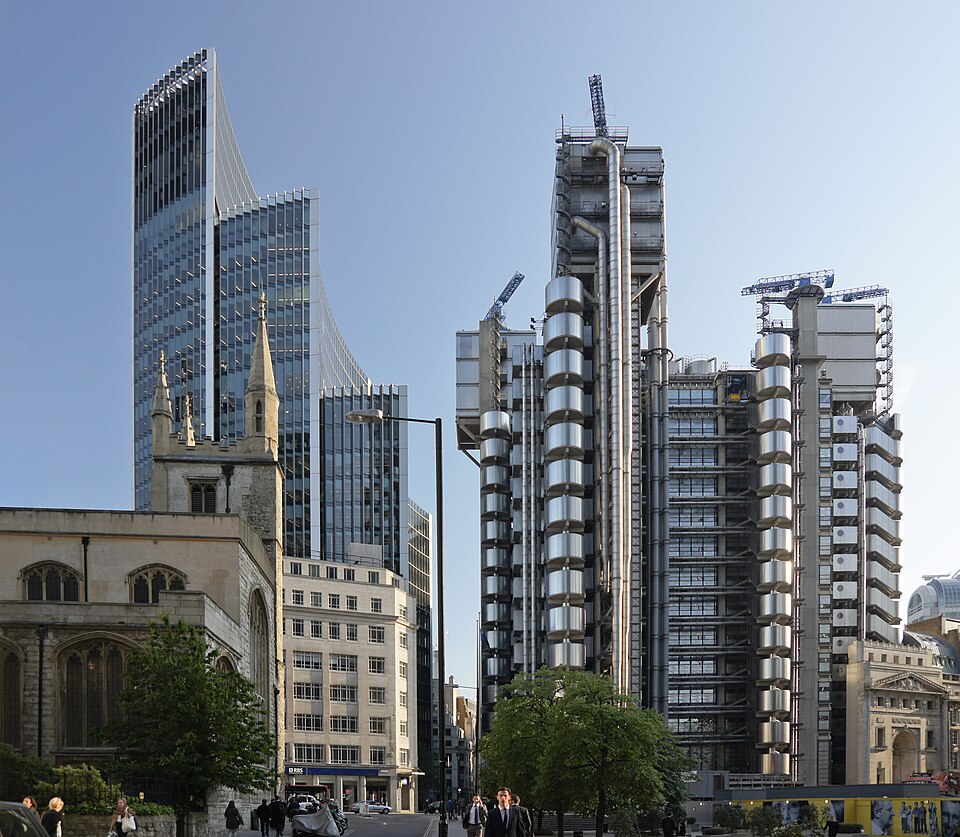
Lloyd’s of London Building, an office building designed by Richard Rogers & Partners in London, has redefined high-tech architecture through the externalization of services and the creation of flexible interior space, completed in 1986. The project reorganizes building systems by relocating circulation, mechanical, and service elements to the exterior, enabling uninterrupted internal floor plates. The building structures its program around a central underwriting hall, forming a vertical atrium that organizes spatial relationships and circulation. The design applies a modular system that allows continuous adaptation to changing operational needs. The project integrates structure, services, and circulation into a legible architectural expression that reflects its functional logic.
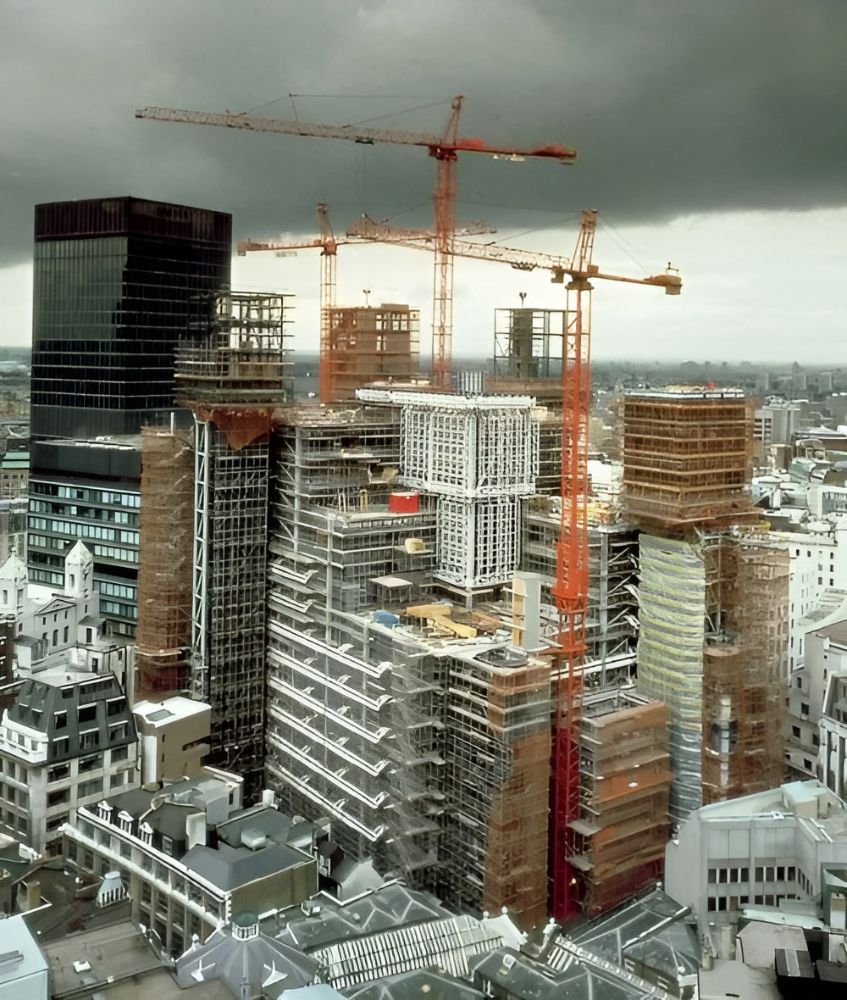
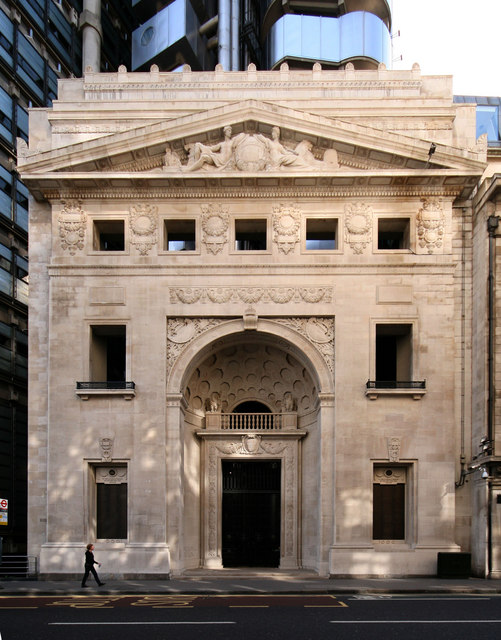
Lloyd’s of London Building was commissioned following an architectural competition in 1978 to replace the earlier headquarters that no longer accommodated the institution’s expansion. The project followed Richard Rogers’ work on the Centre Pompidou and extended similar principles into a dense financial context. The building replaced the 1928 structure while retaining its historic entrance as part of the new composition.
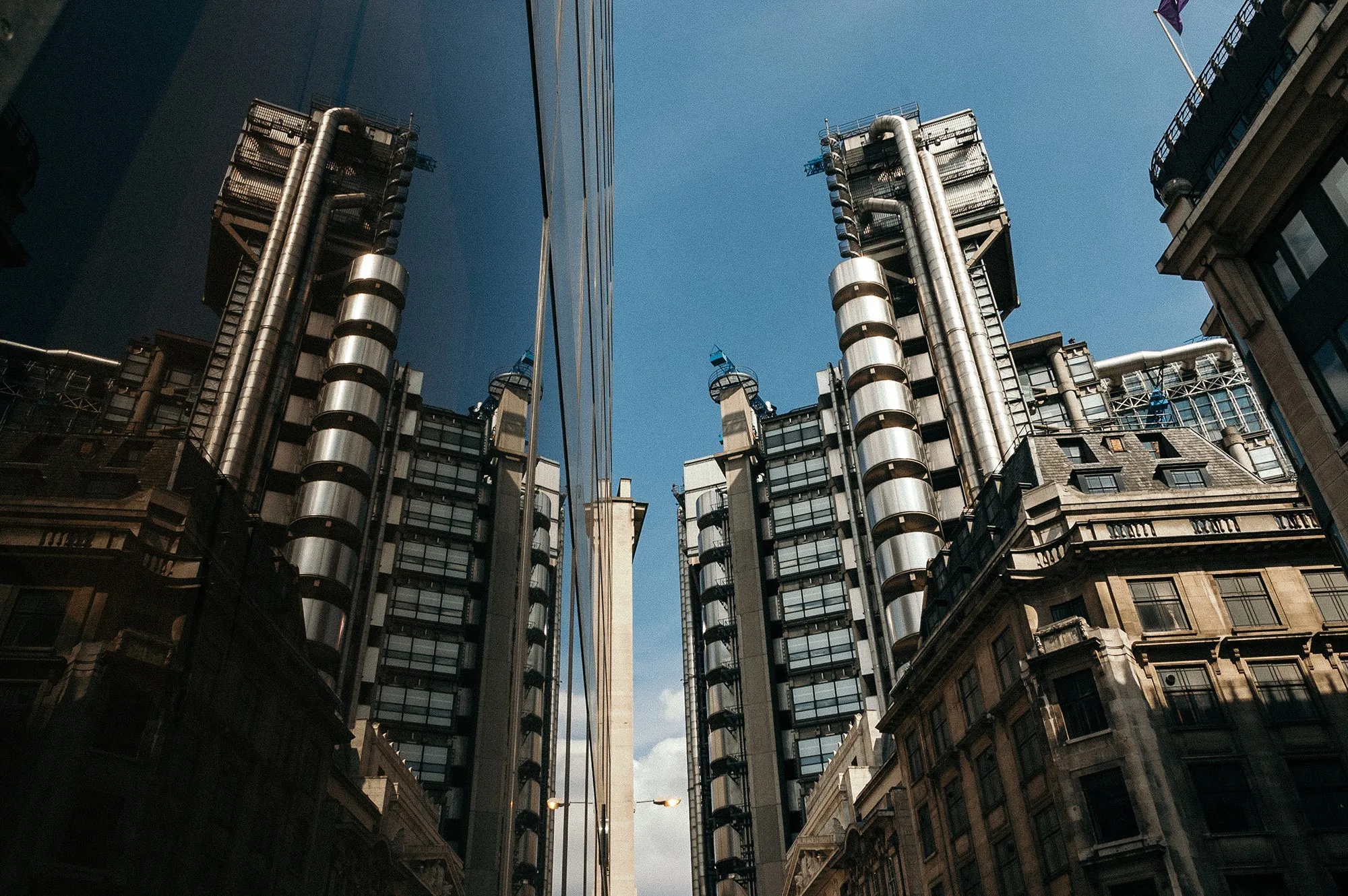
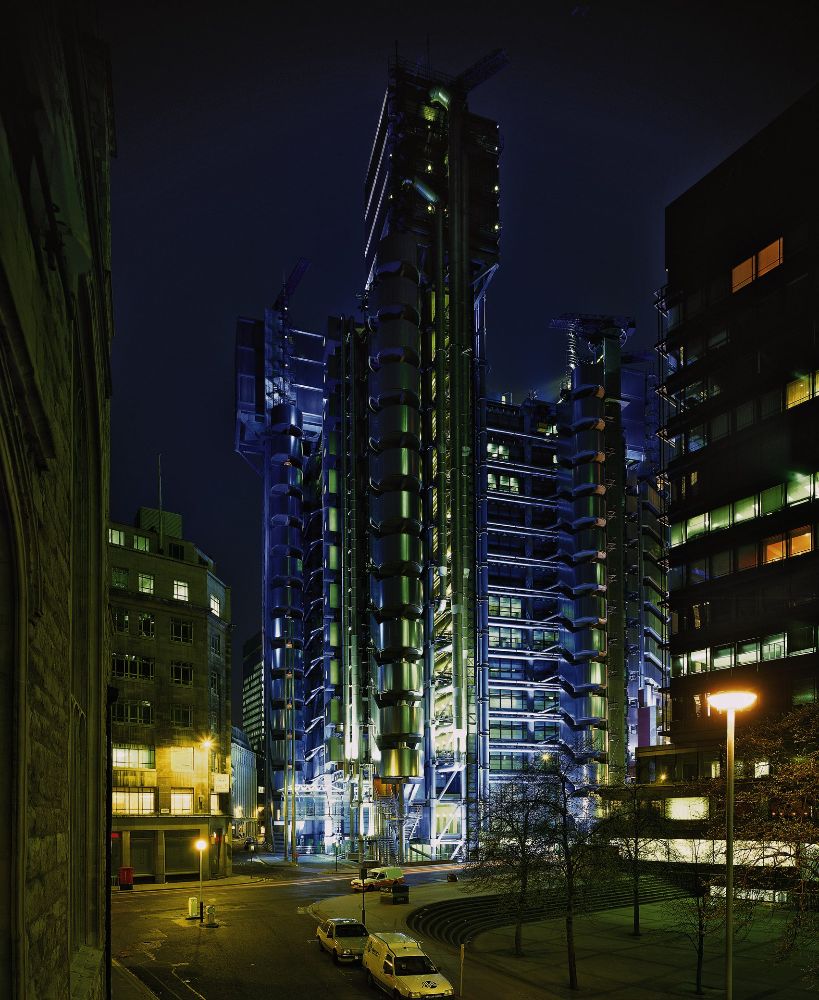
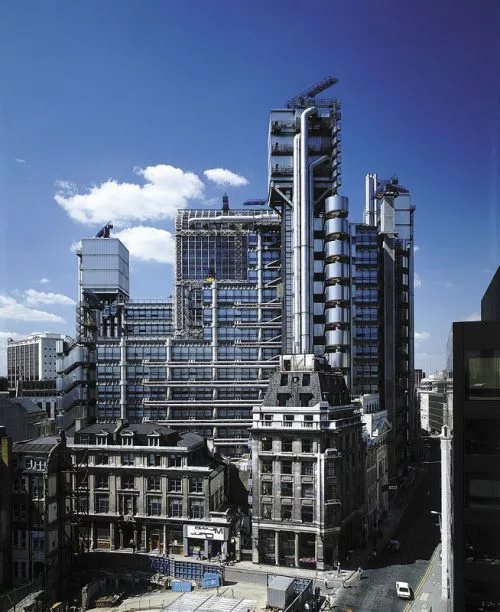
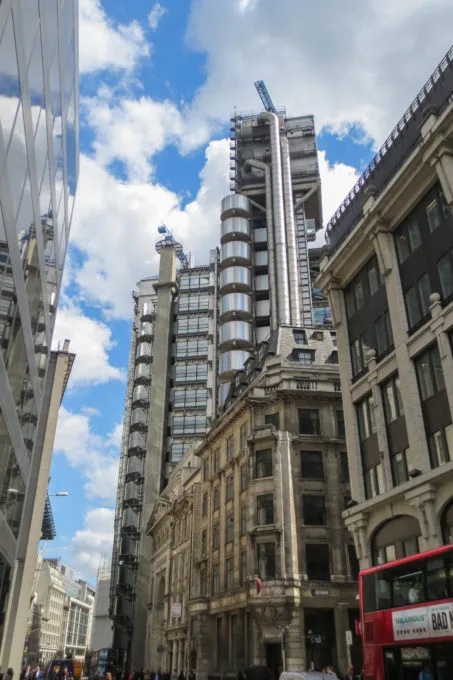
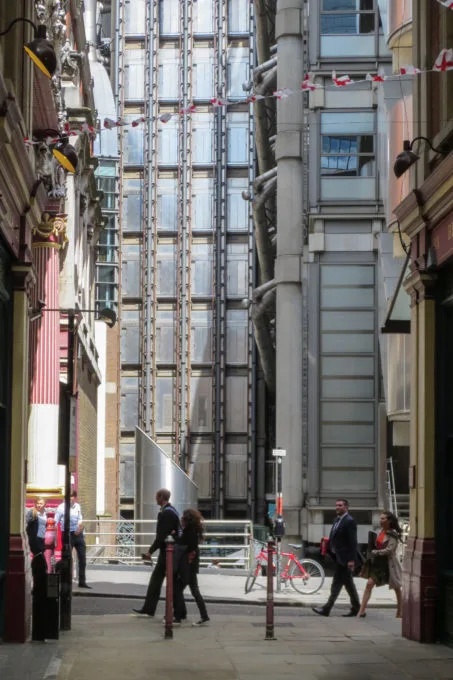
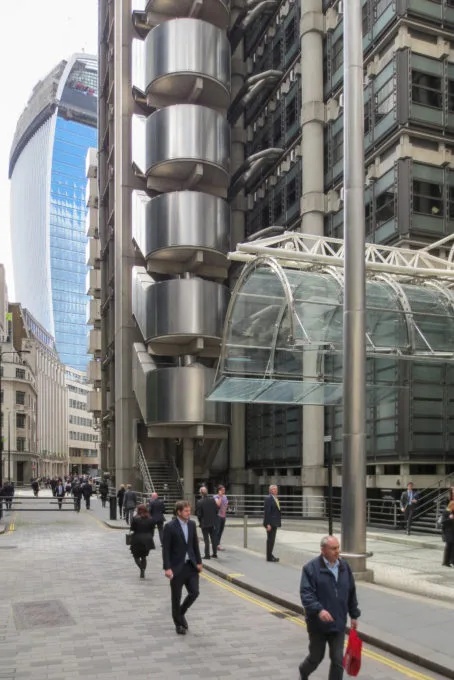
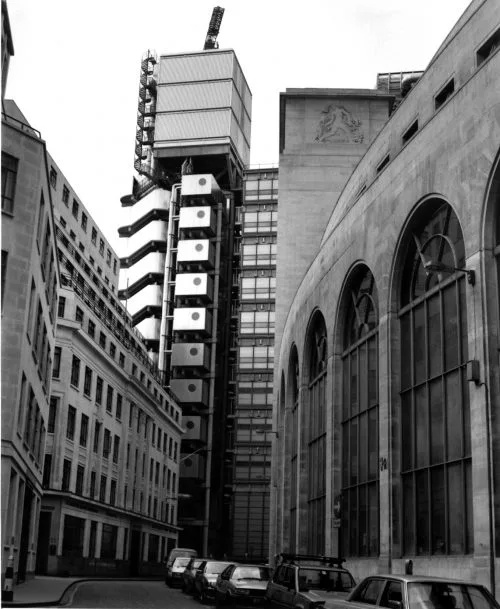
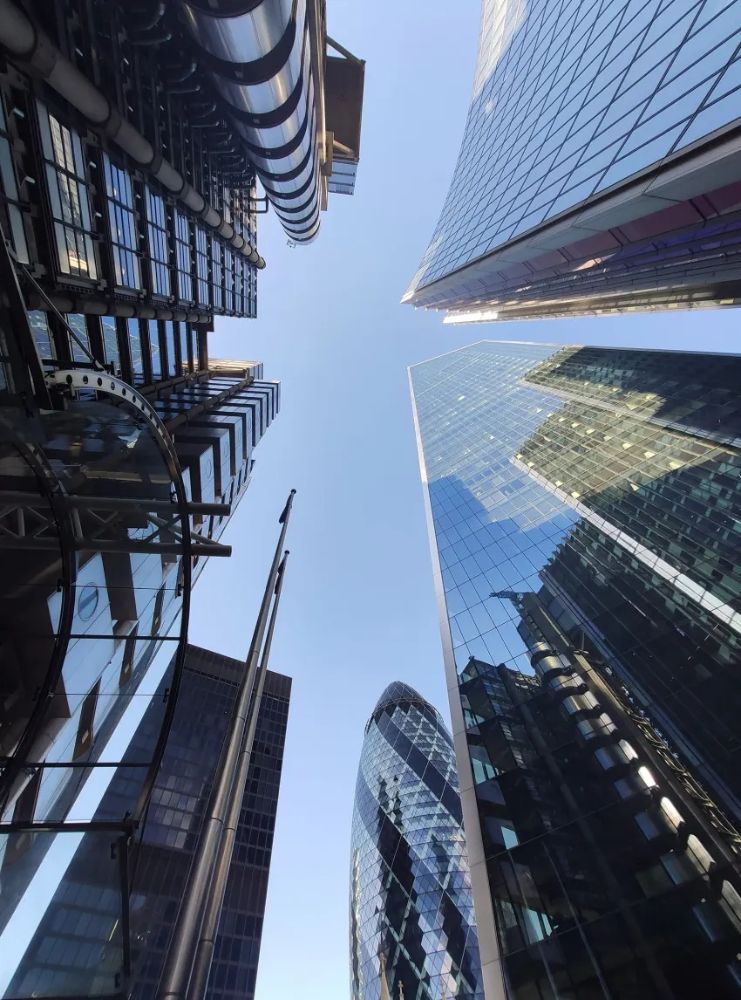
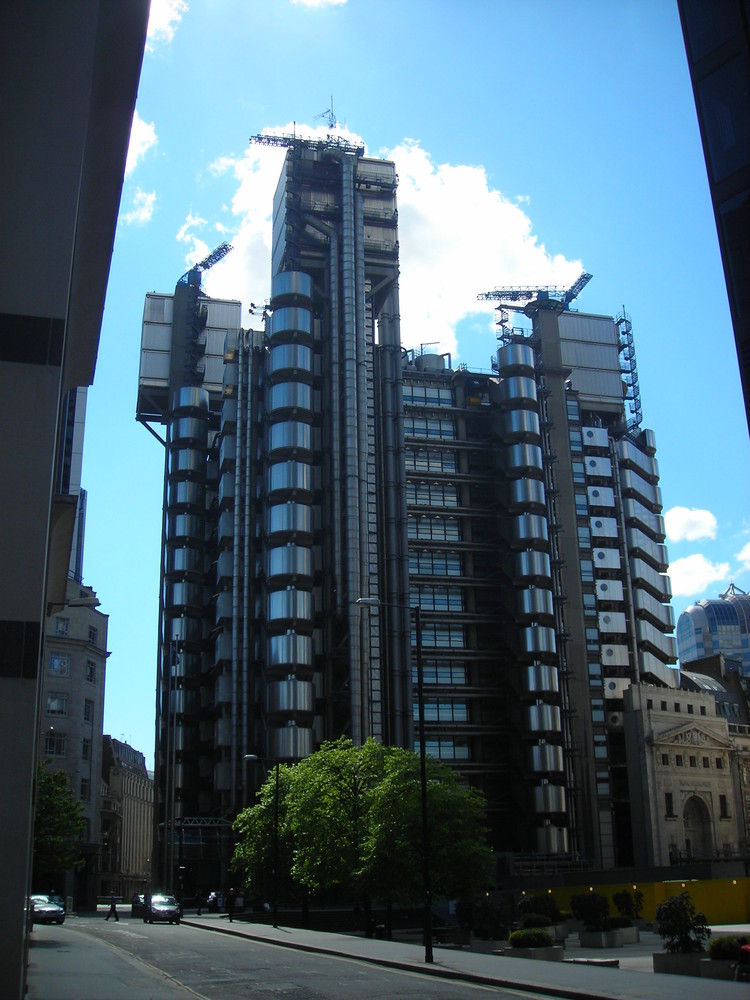
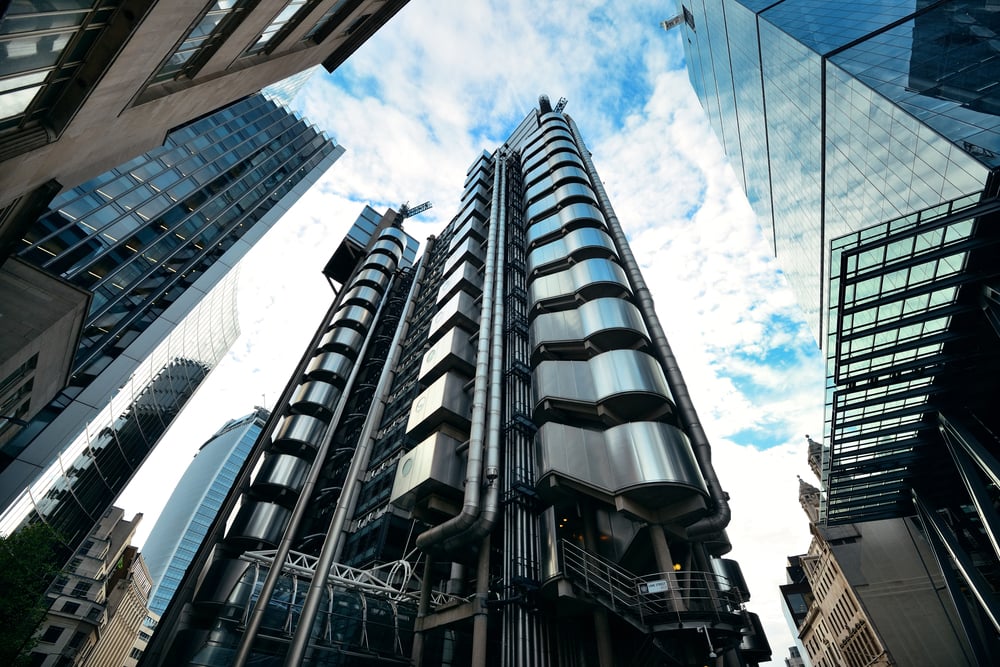
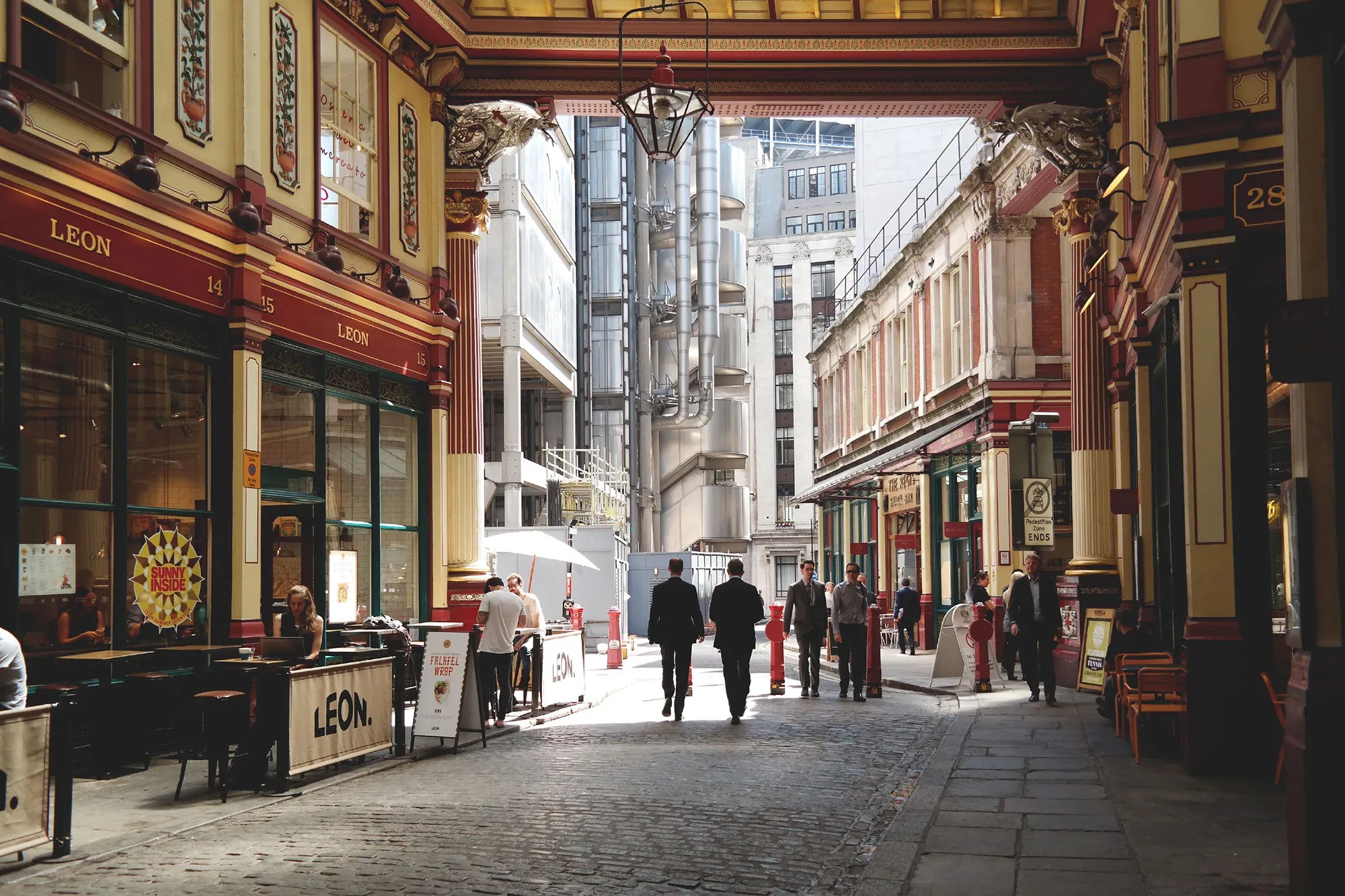
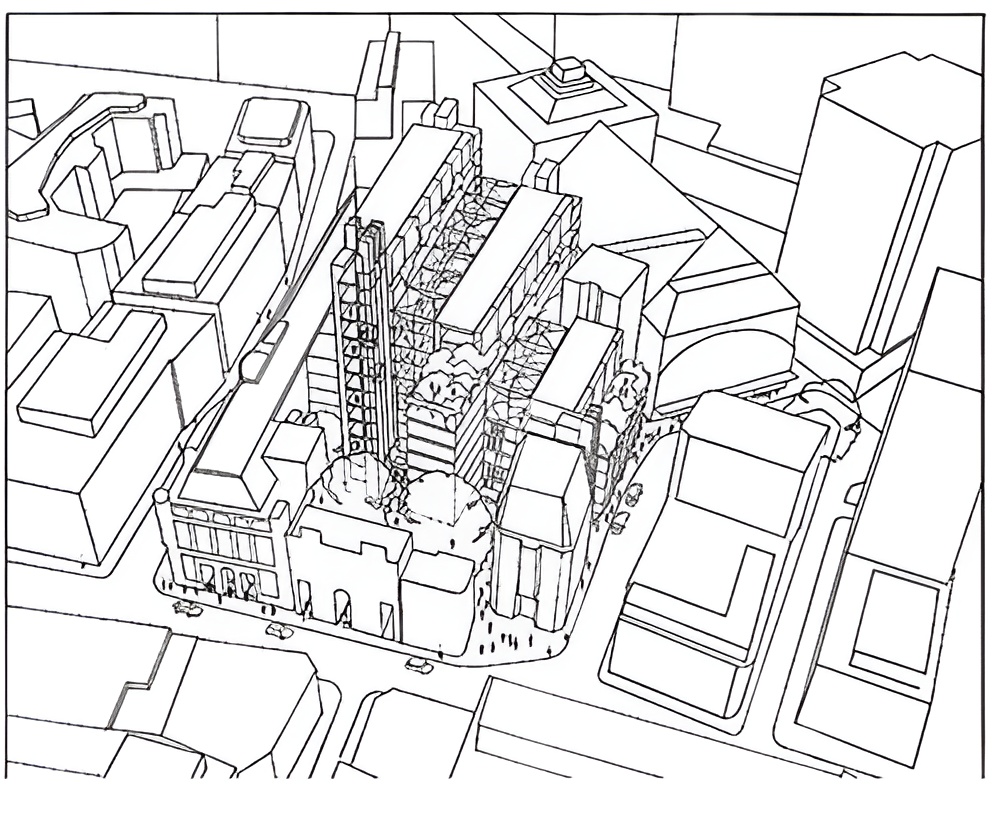
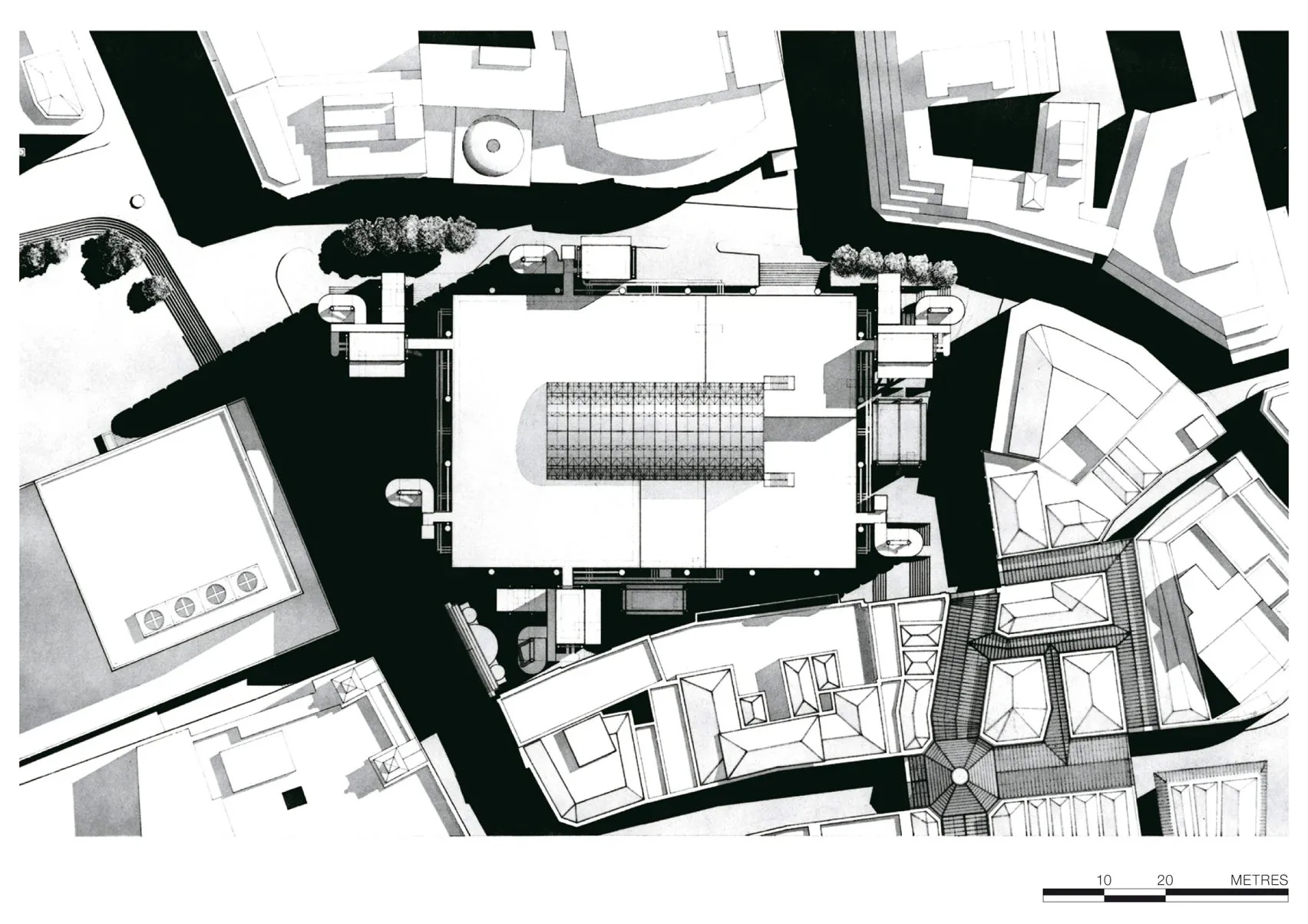
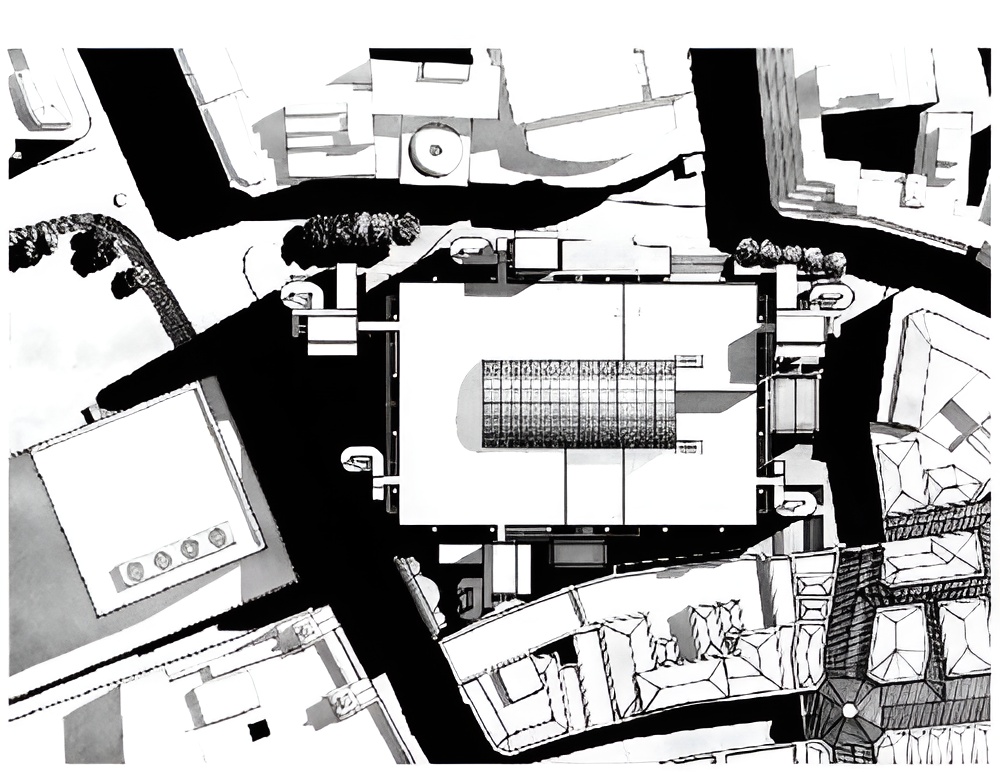
Lloyd’s of London Building is positioned within the City of London, where its high-tech expression contrasts with the surrounding historic fabric. The composition introduces a new architectural language into a medieval urban pattern while maintaining continuity through retained elements of the previous structure.
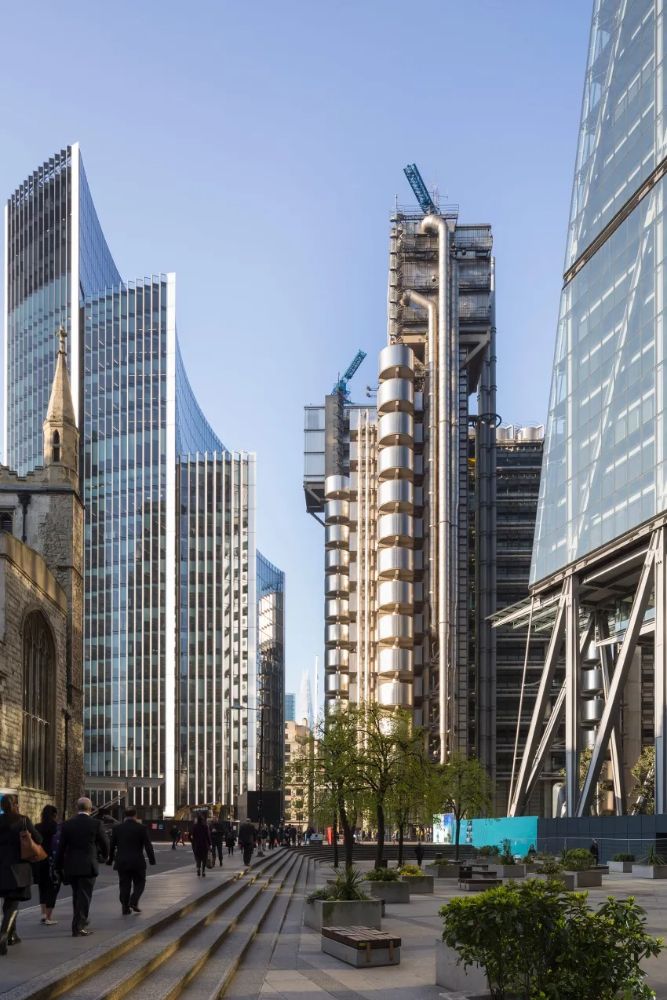
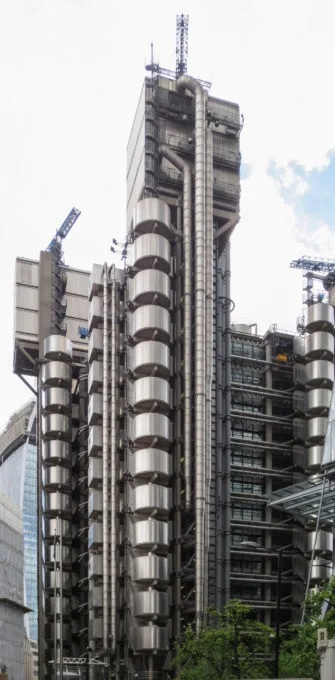
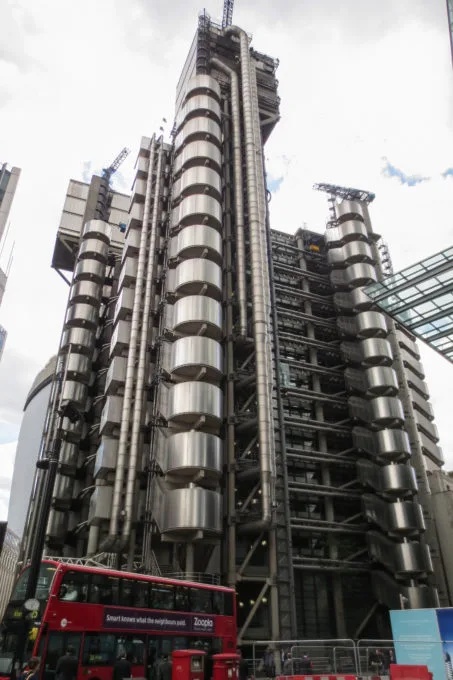
Lloyd's of London Building / Richard Rogers | Classics on Architecture Lab 142Lloyd's of London Building / Richard Rogers | Classics on Architecture Lab 143Lloyd's of London Building / Richard Rogers | Classics on Architecture Lab 144Lloyd's of London Building / Richard Rogers | Classics on Architecture Lab 145
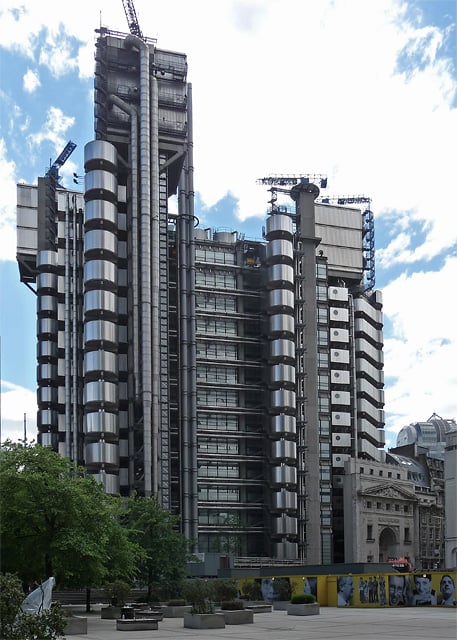
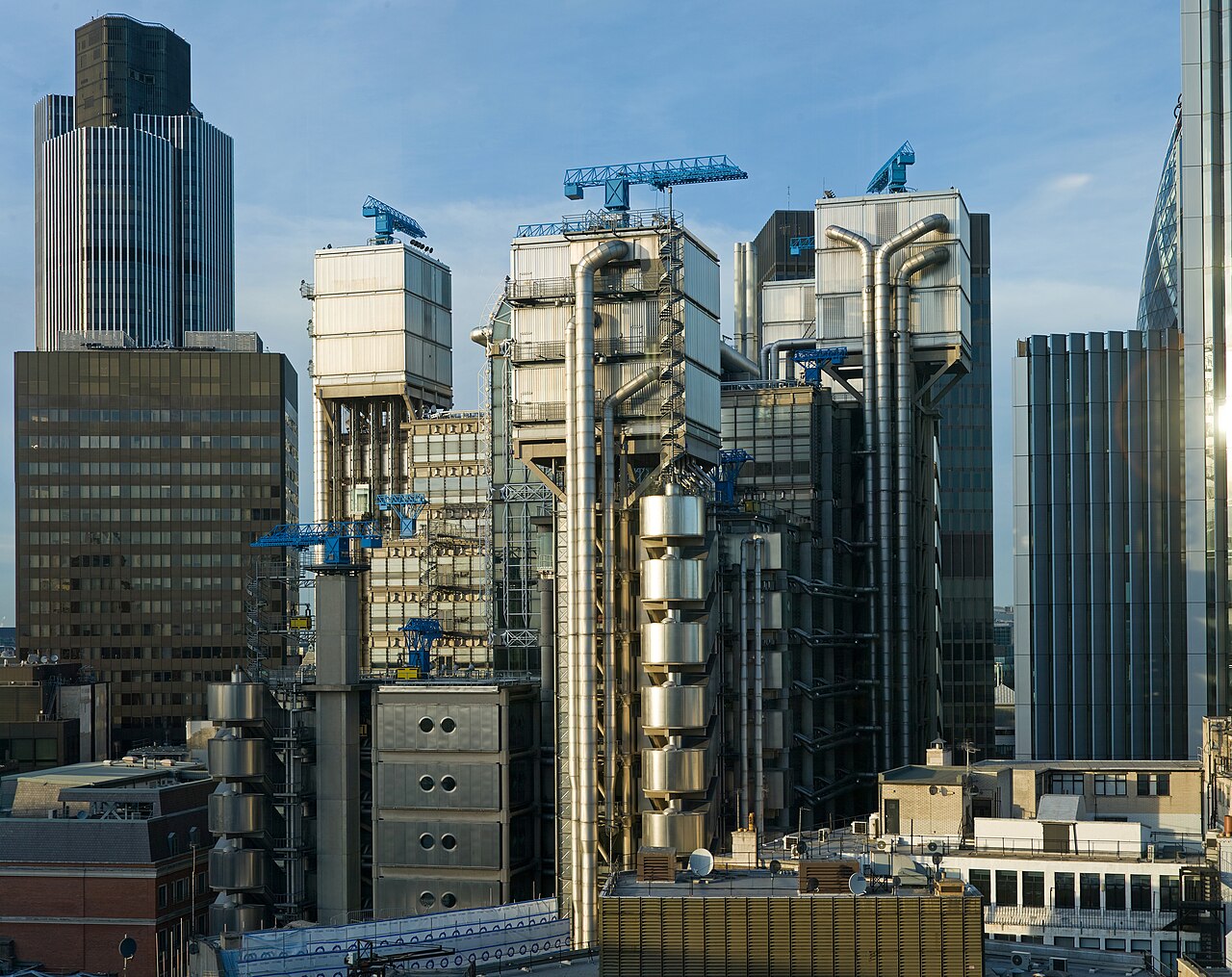
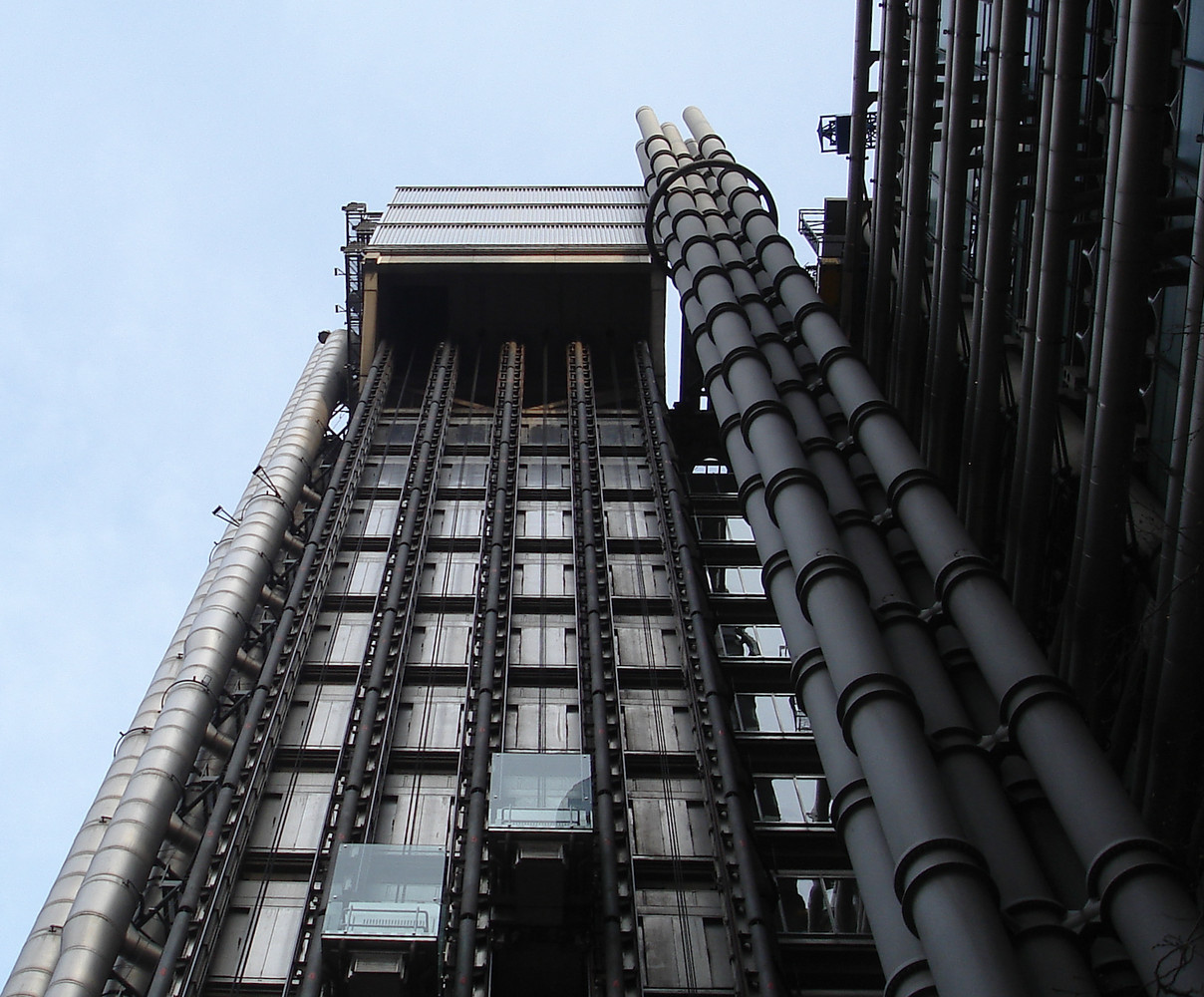
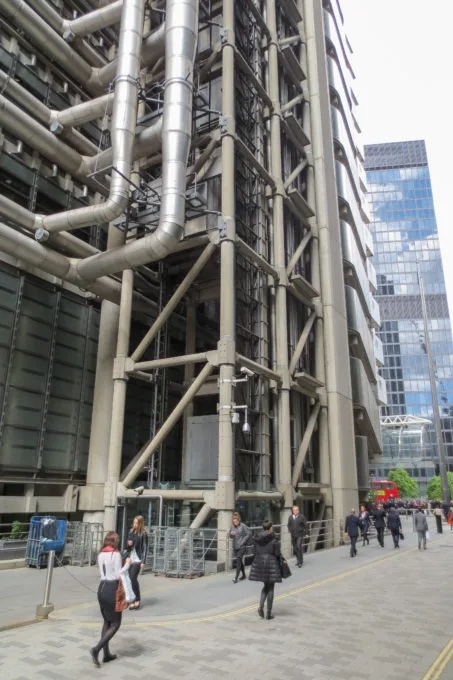
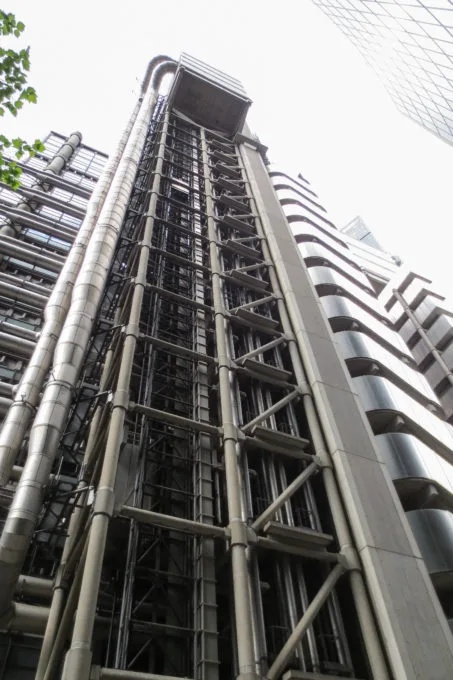
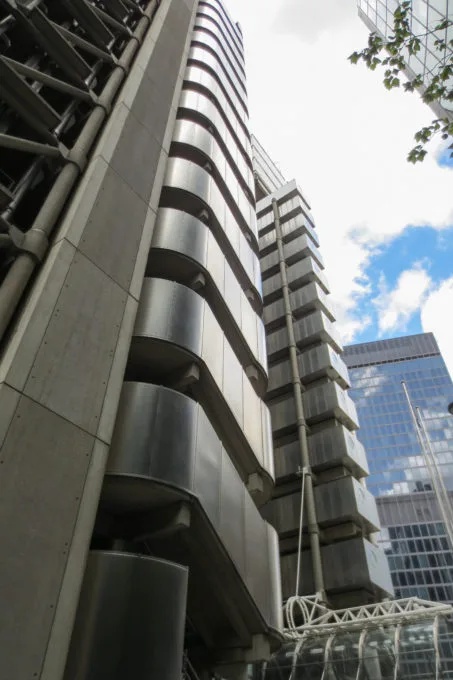
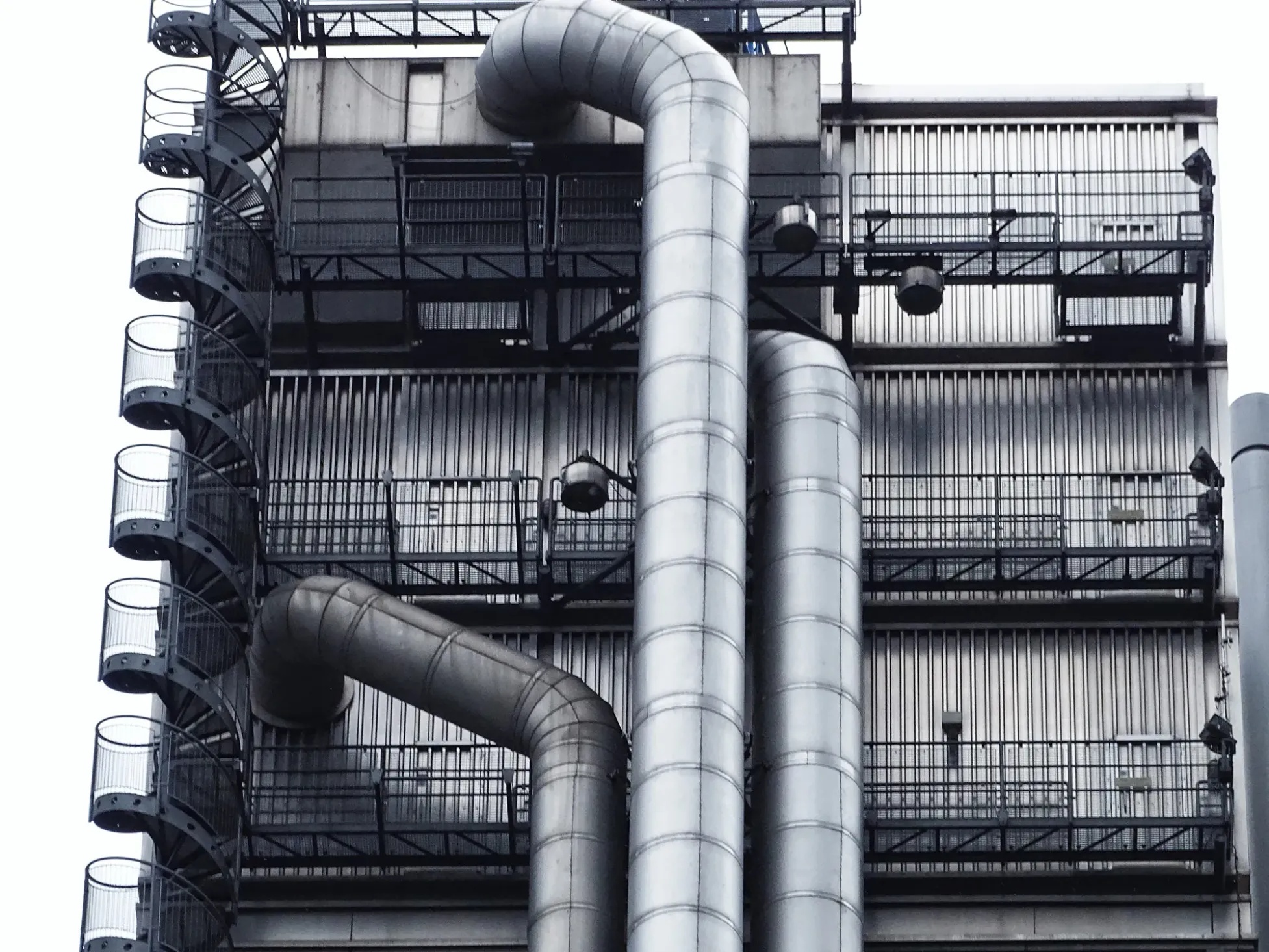
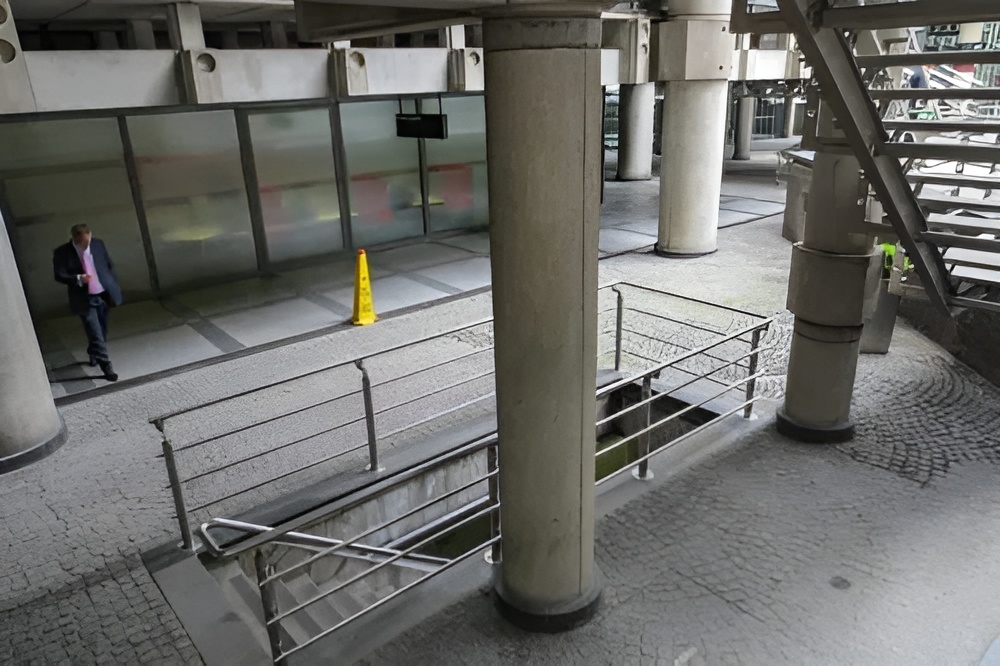
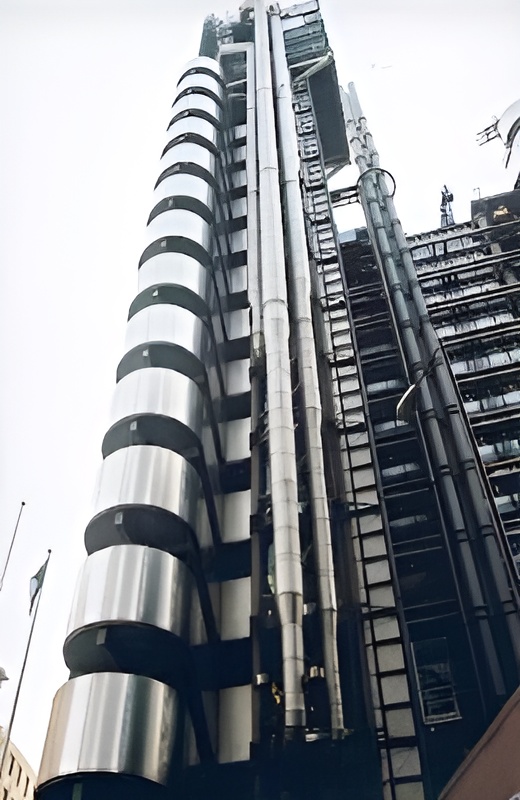
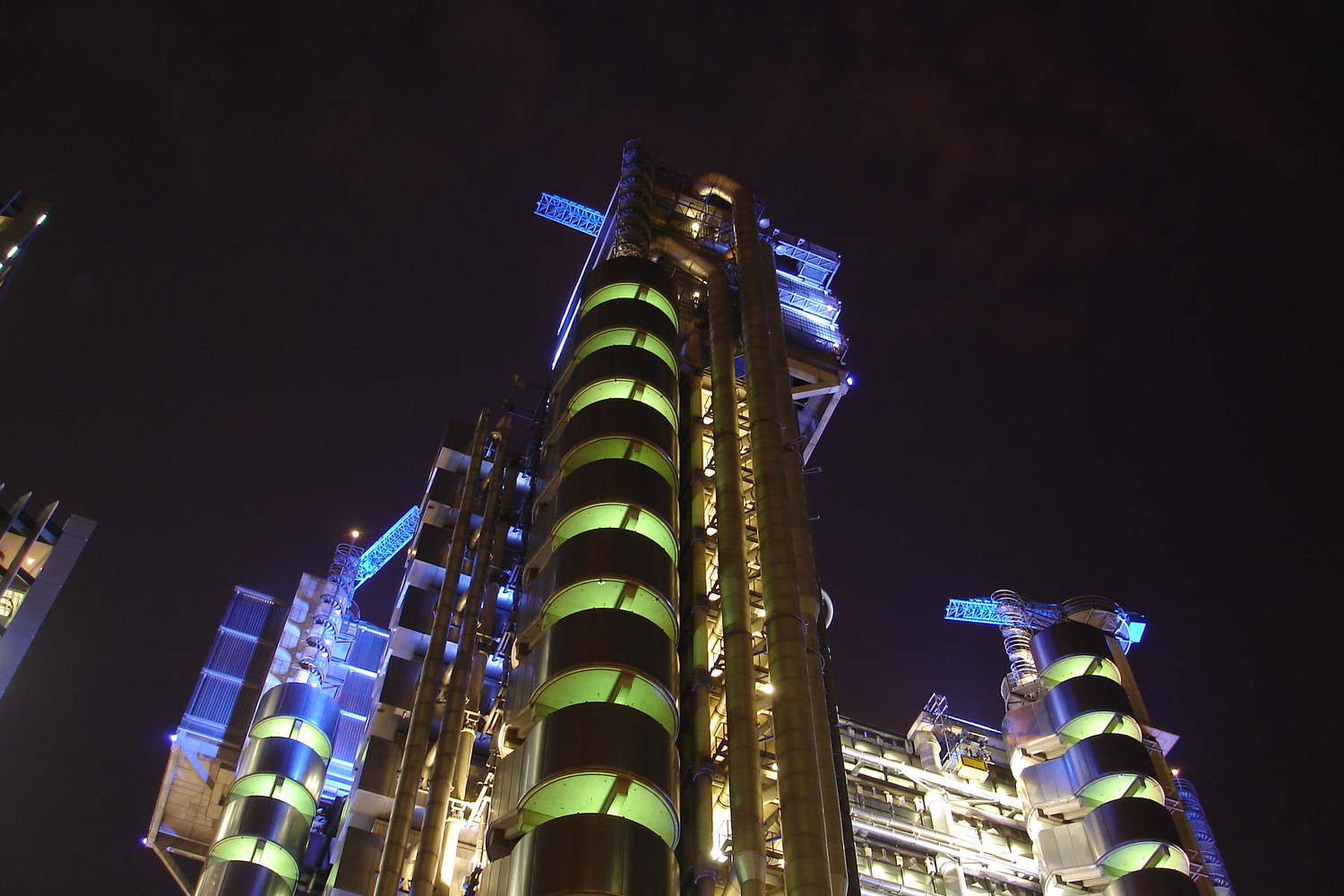
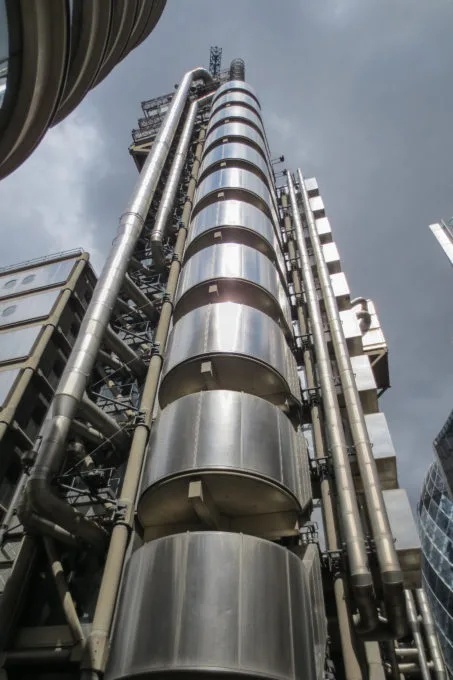
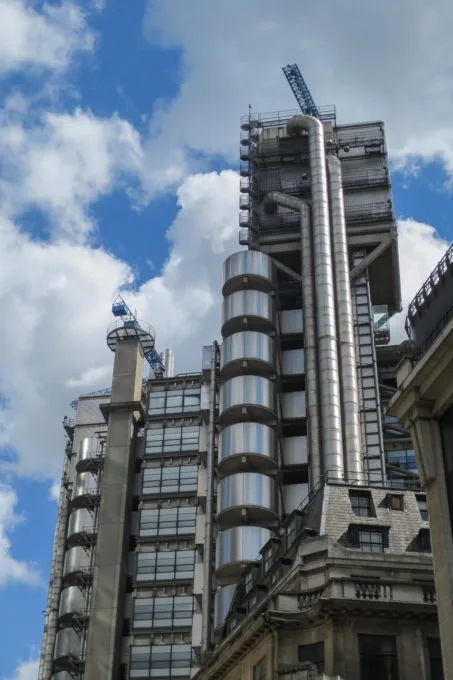
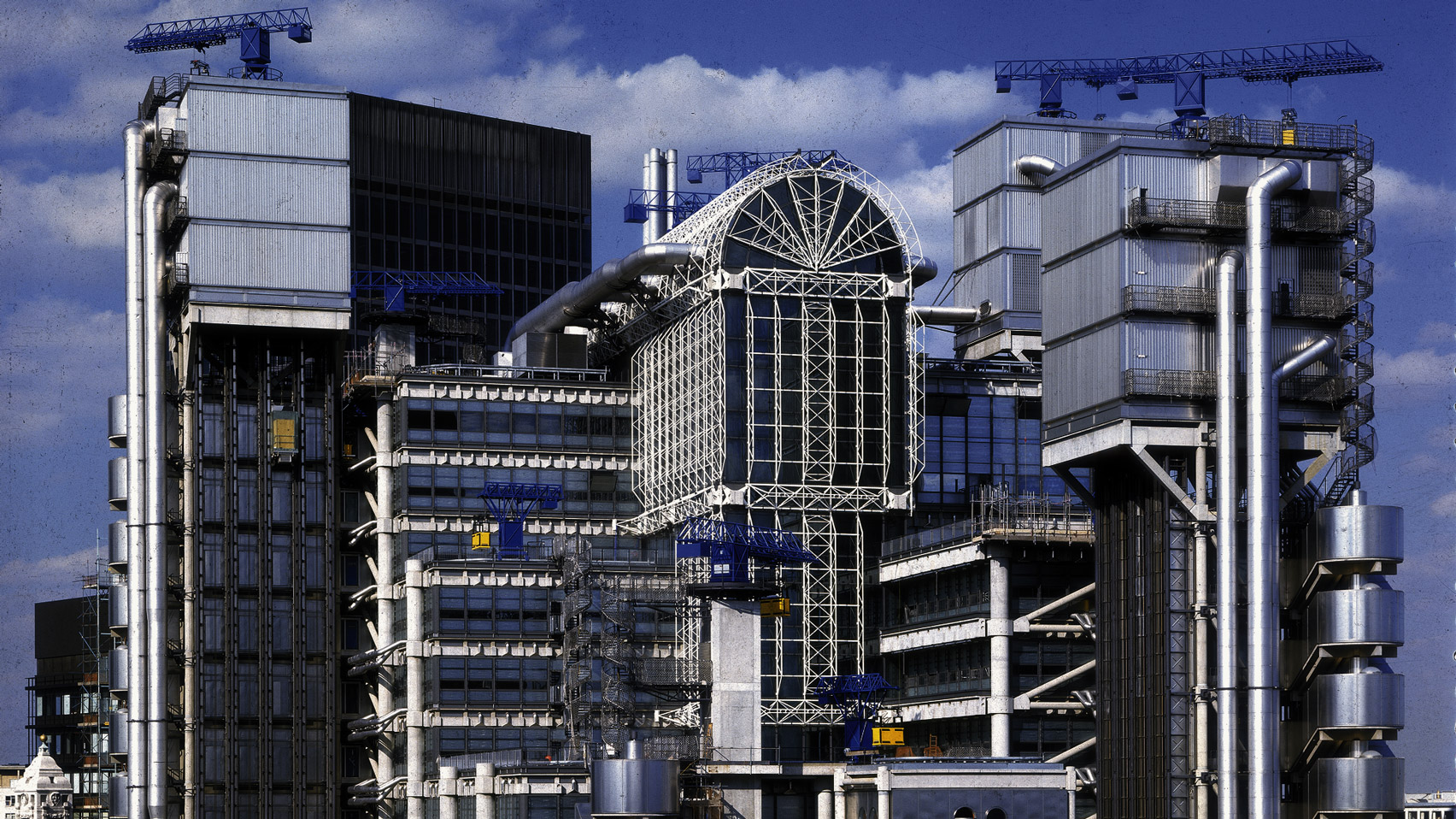
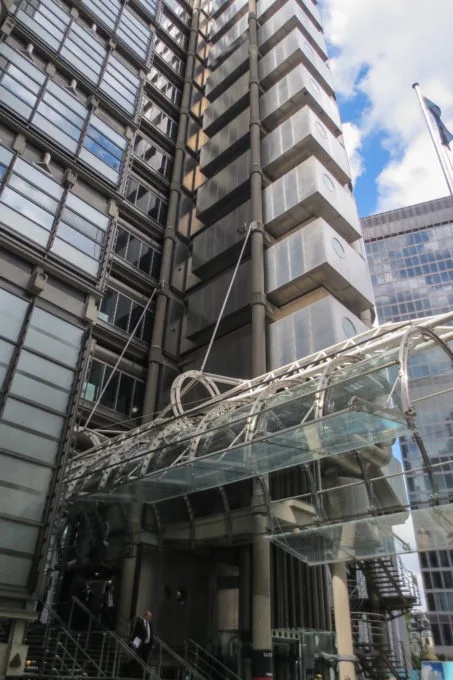
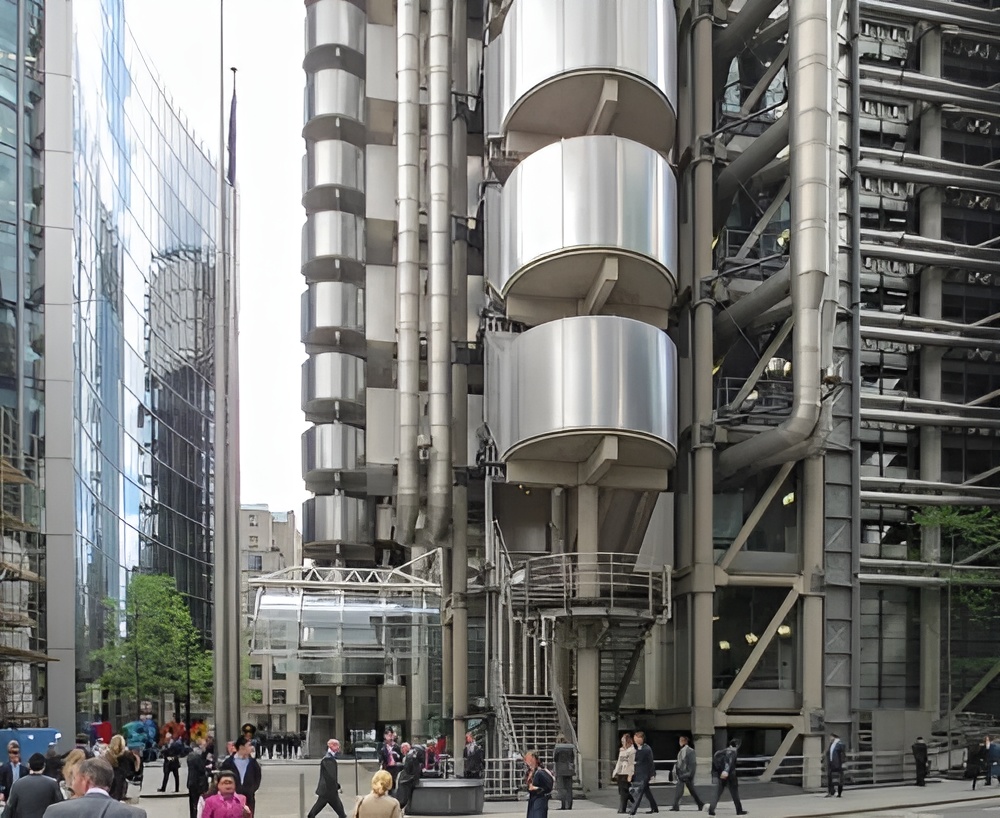
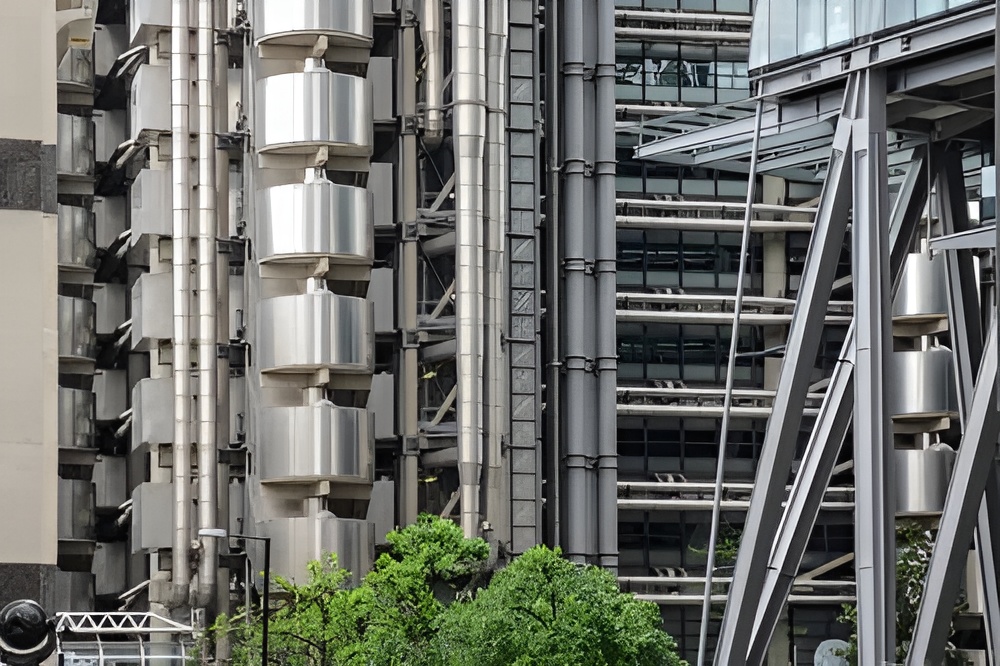
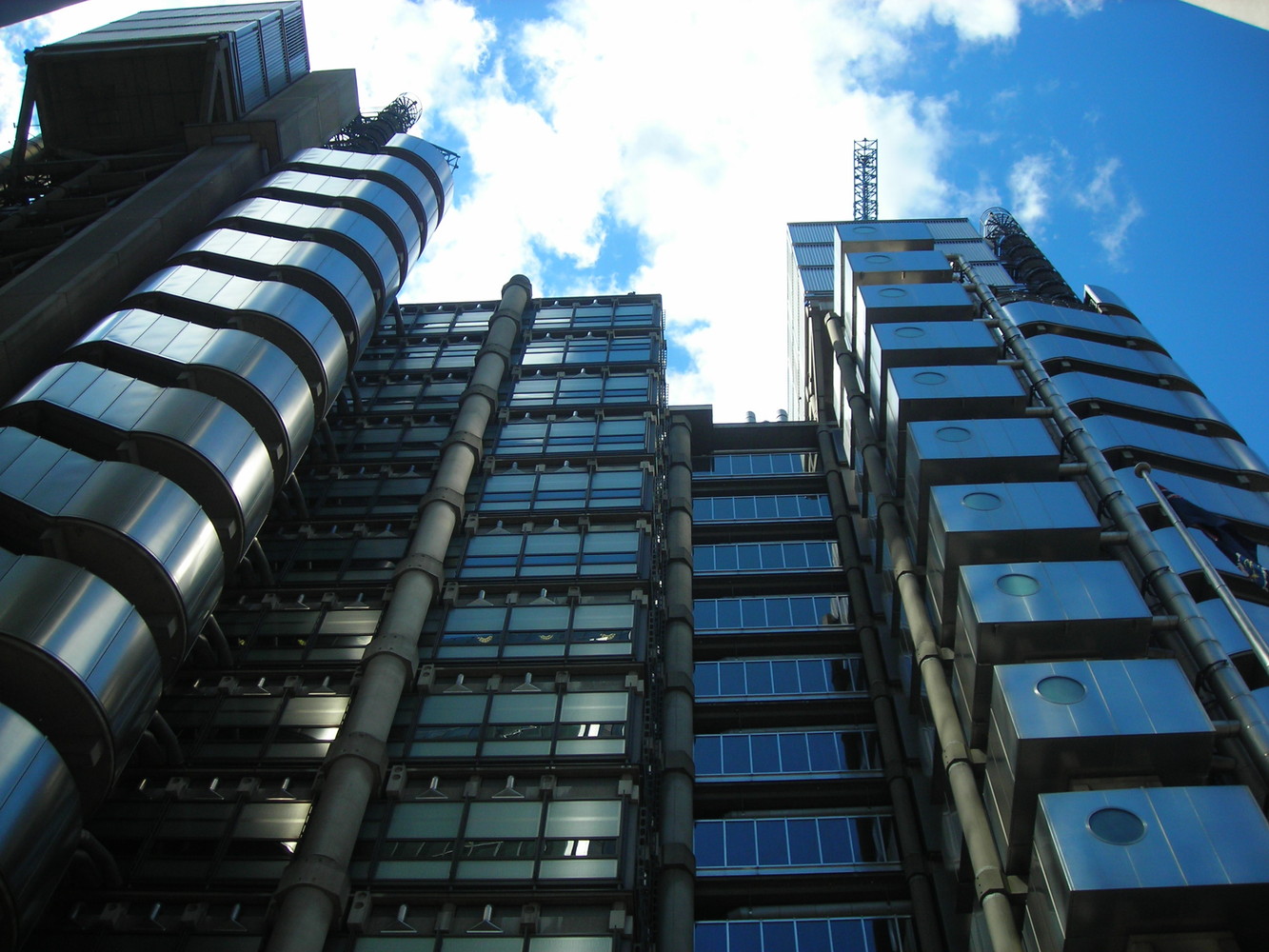
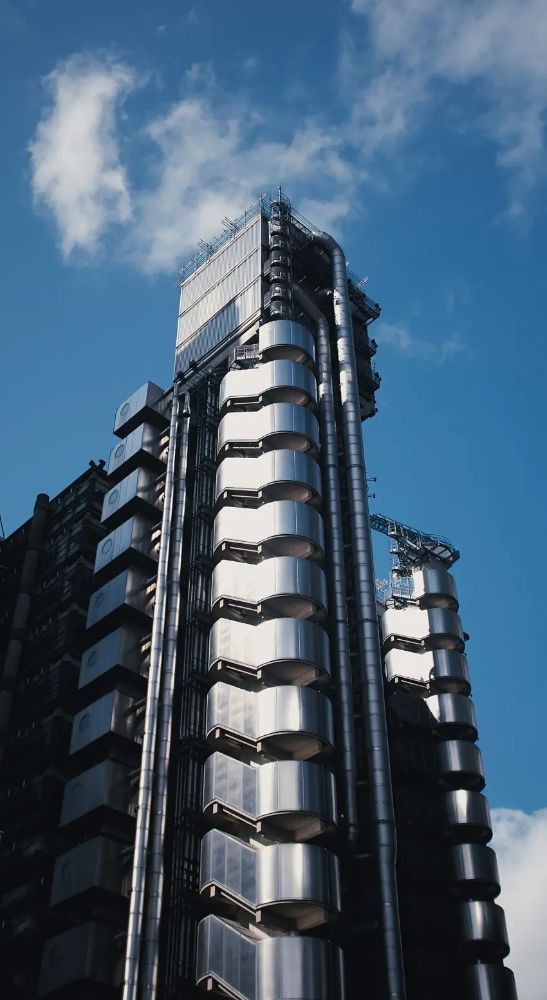
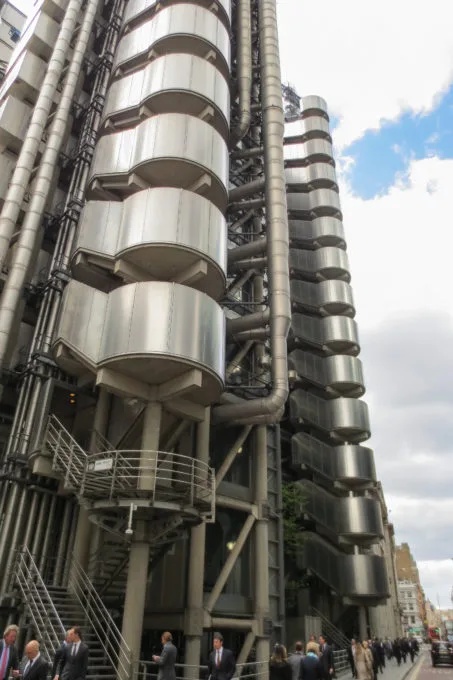
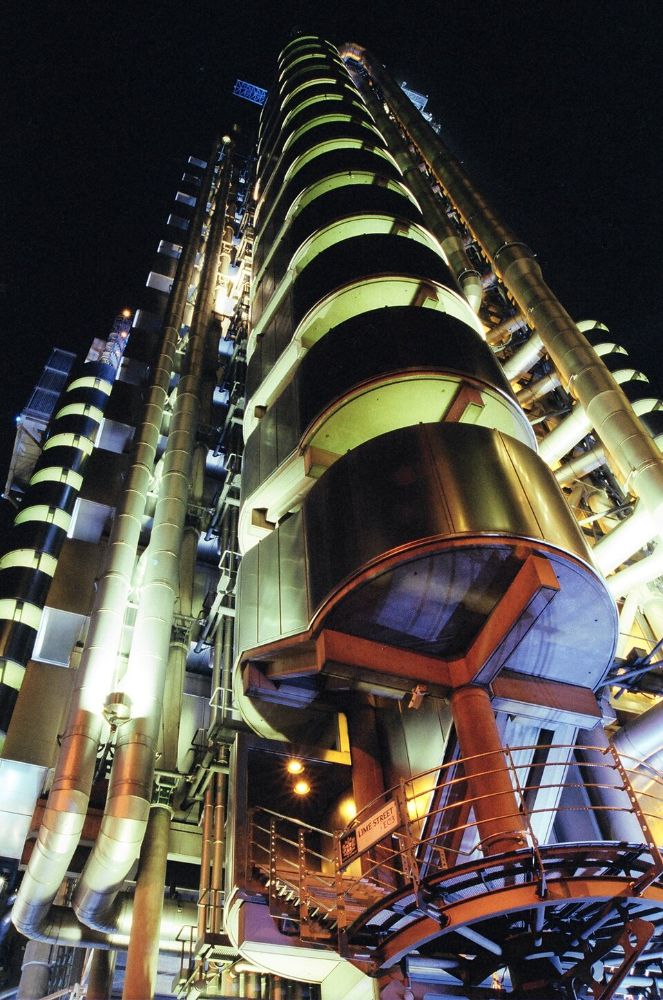
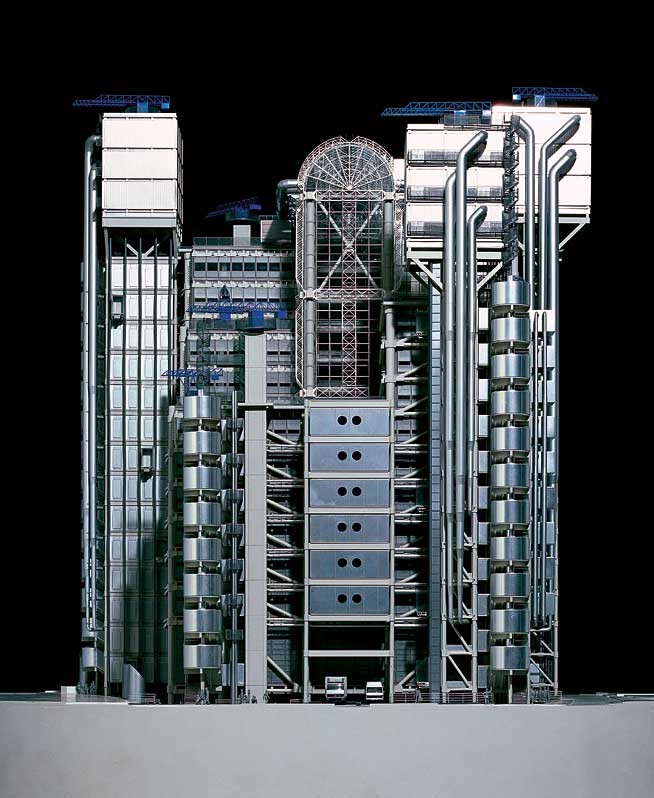
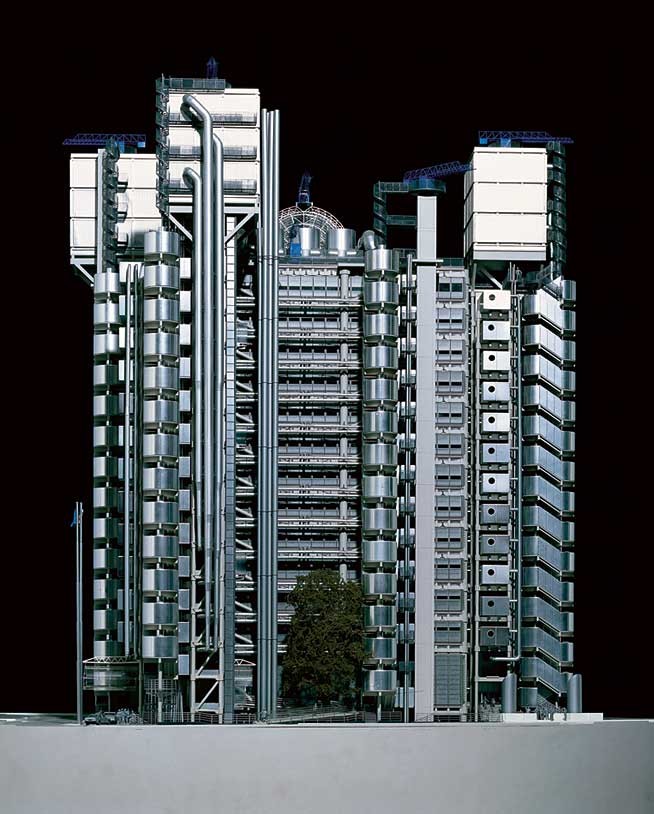
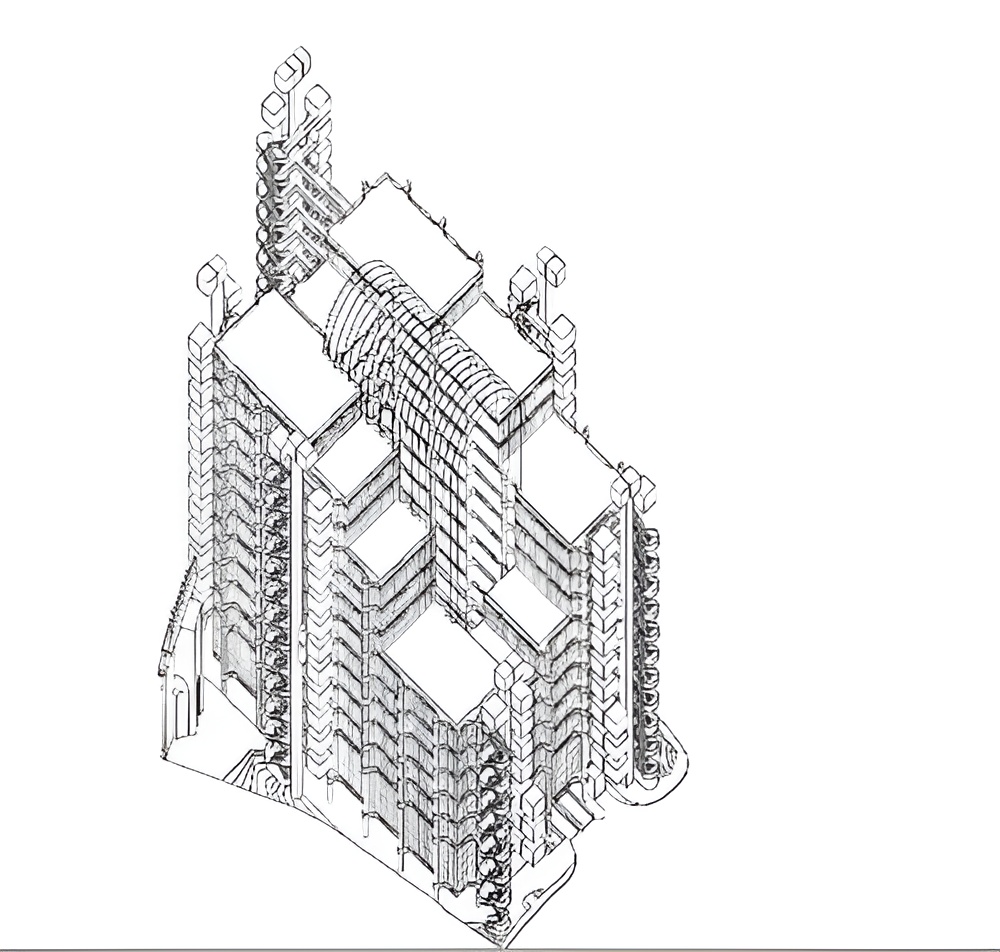
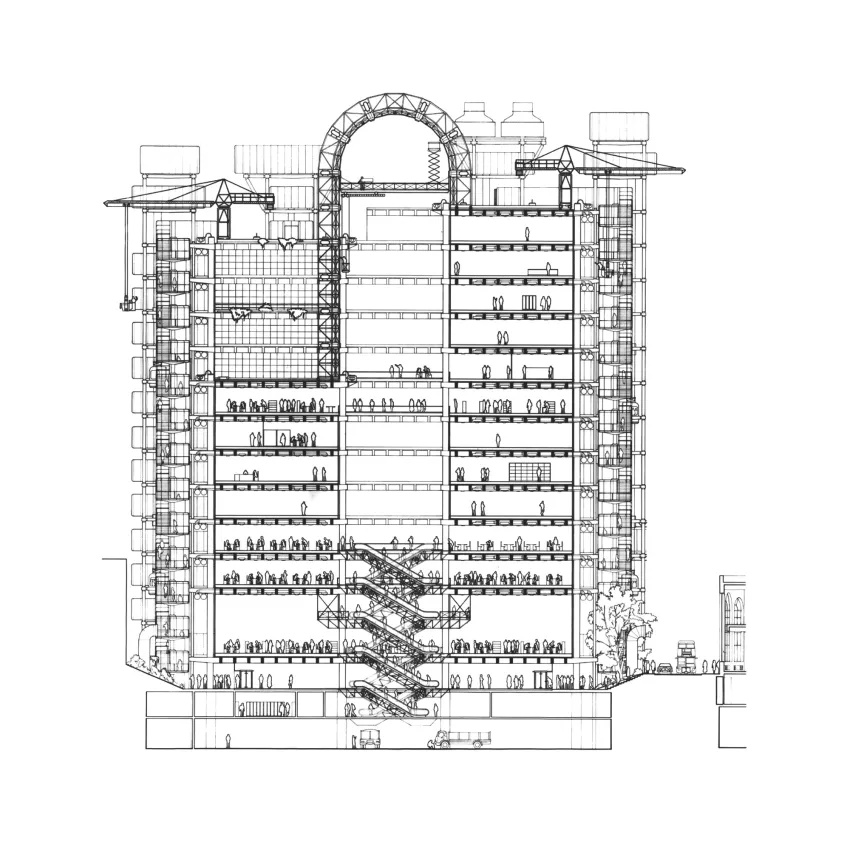
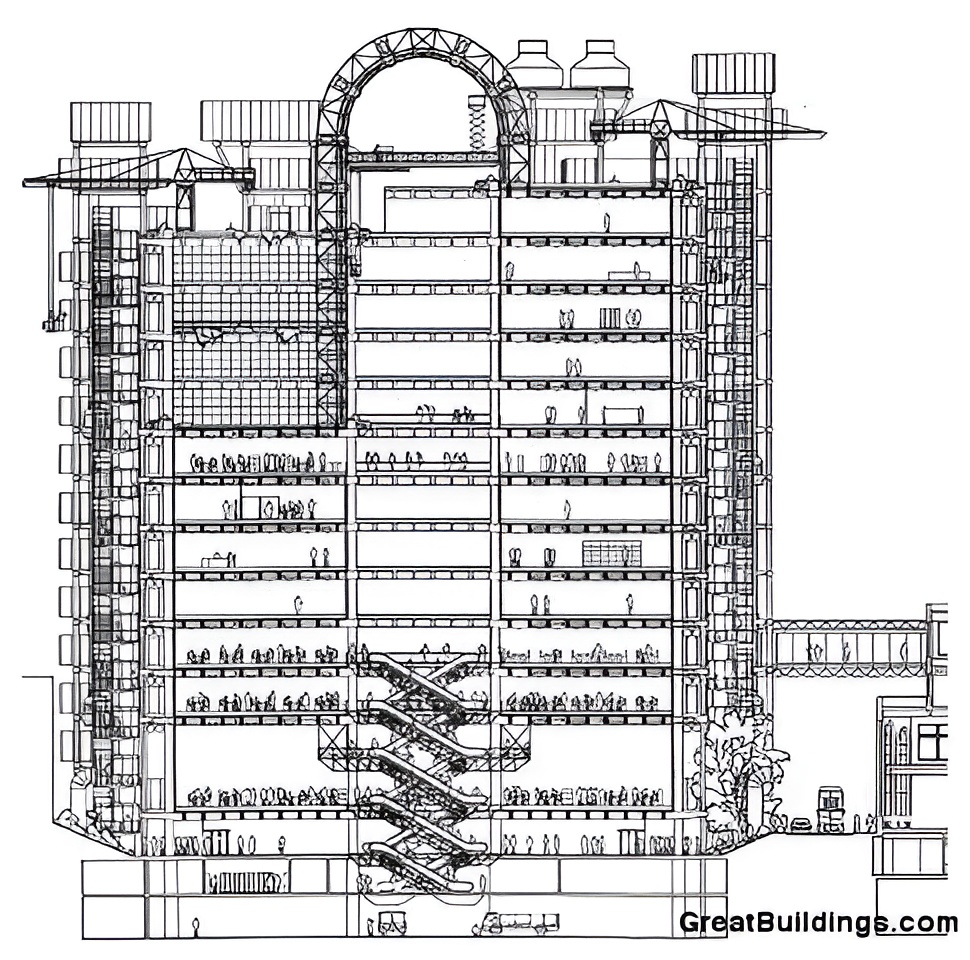
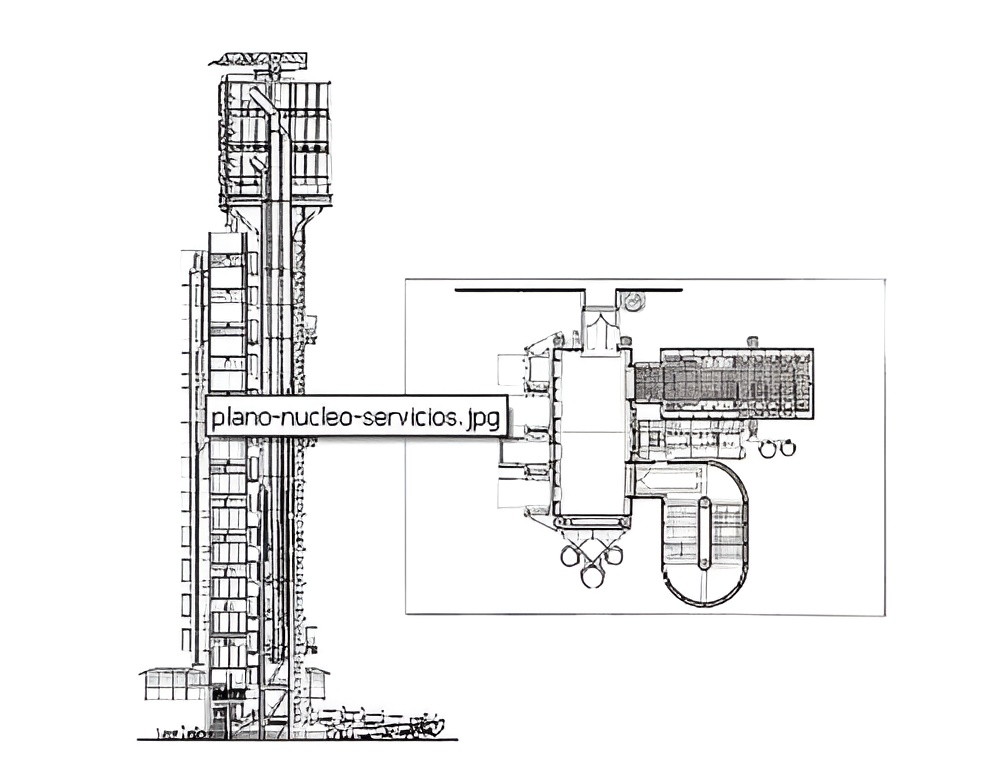
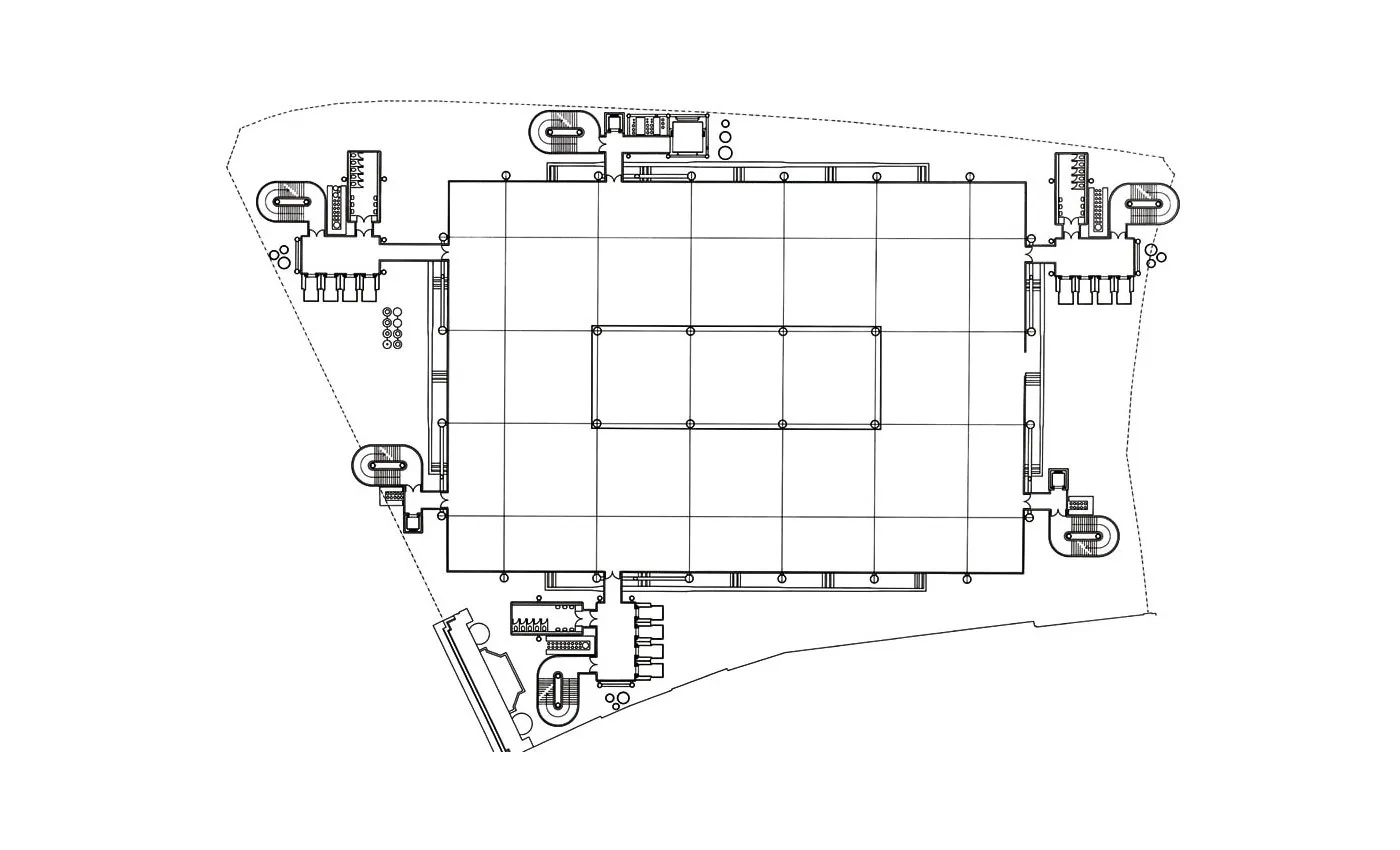
Lloyd’s of London Building organizes its massing as a central rectangular volume surrounded by six service towers. Three primary towers contain office functions, while the external towers accommodate circulation, mechanical systems, and utilities. This arrangement separates “served” and “servant” spaces, allowing the main interior to remain unobstructed.
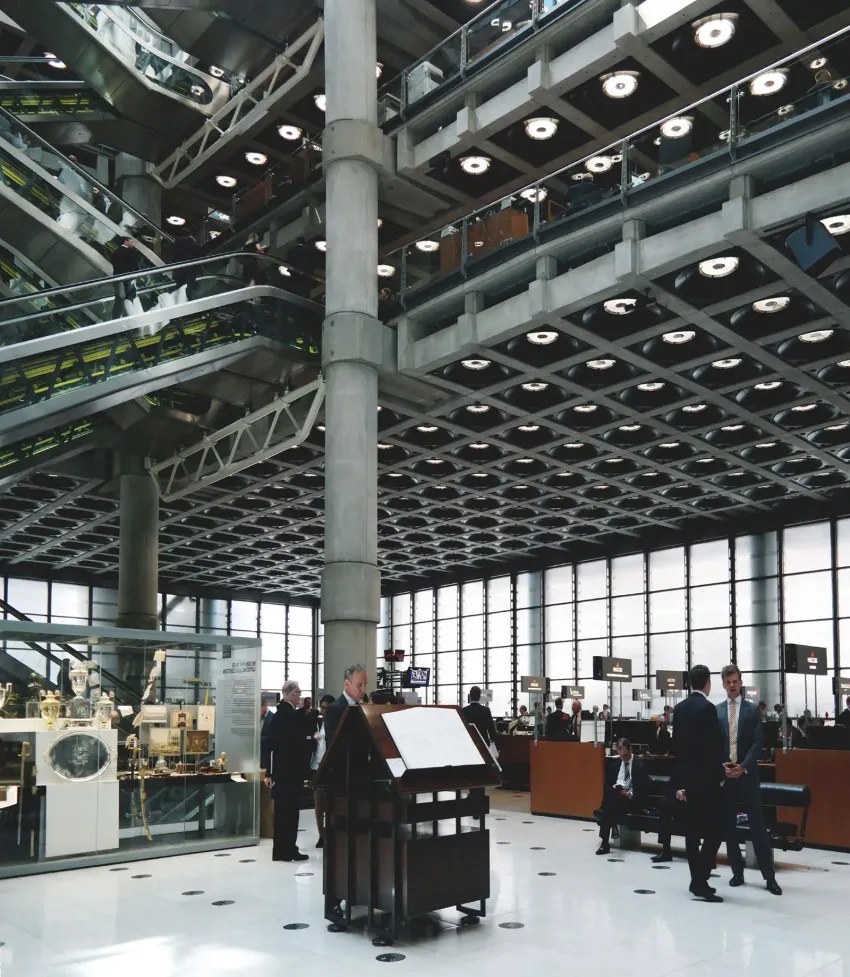
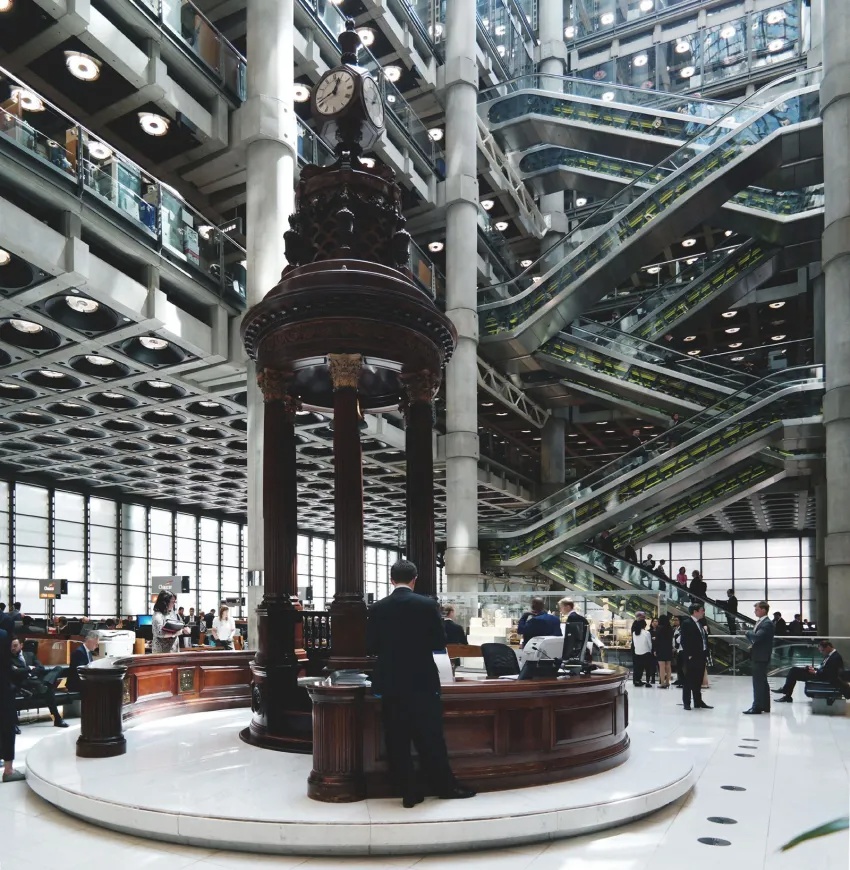
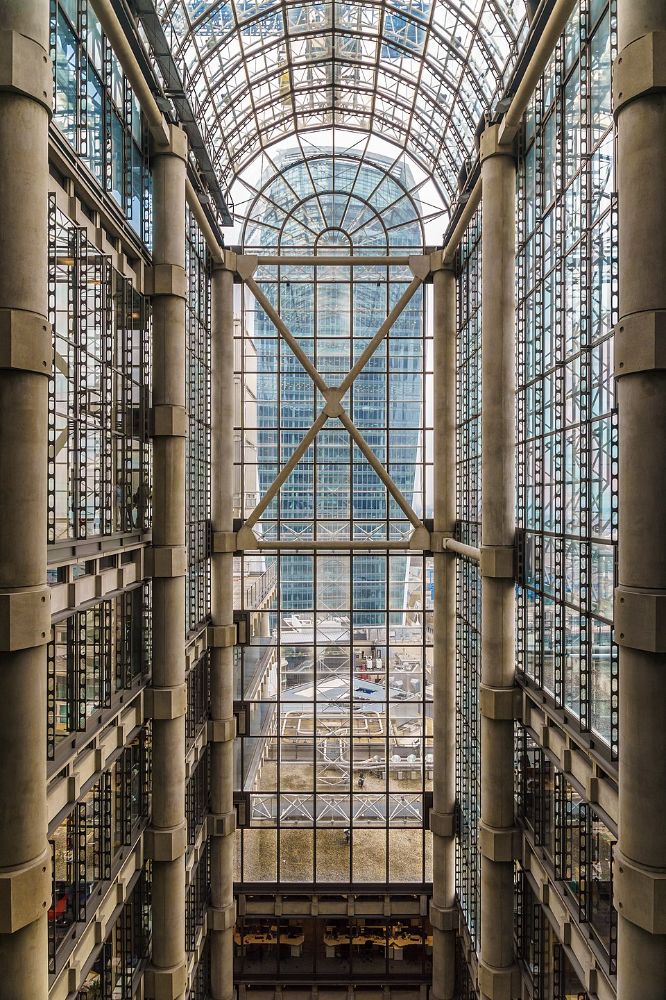
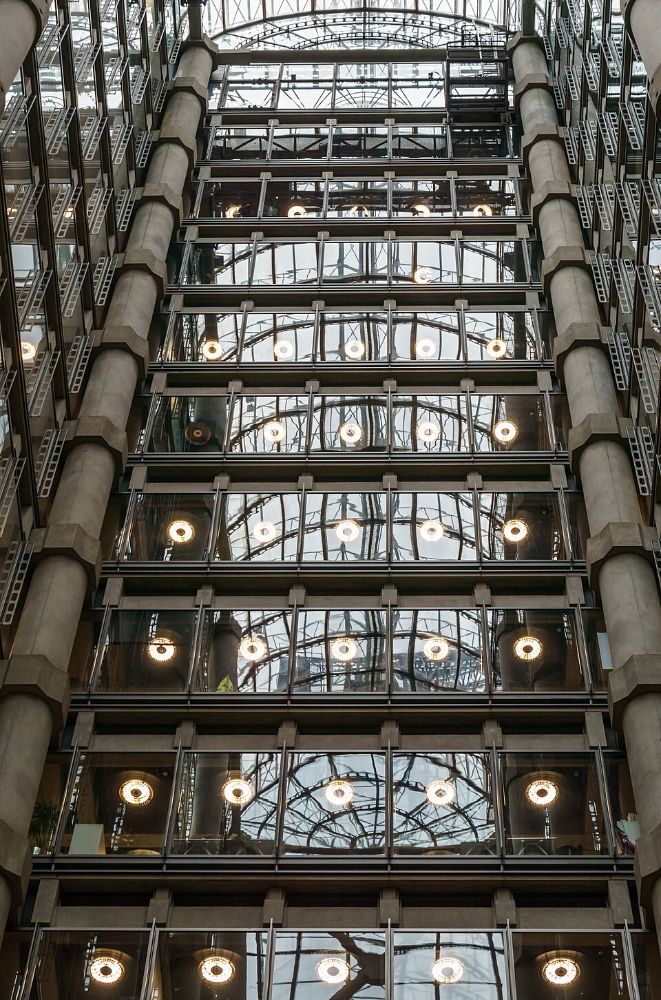
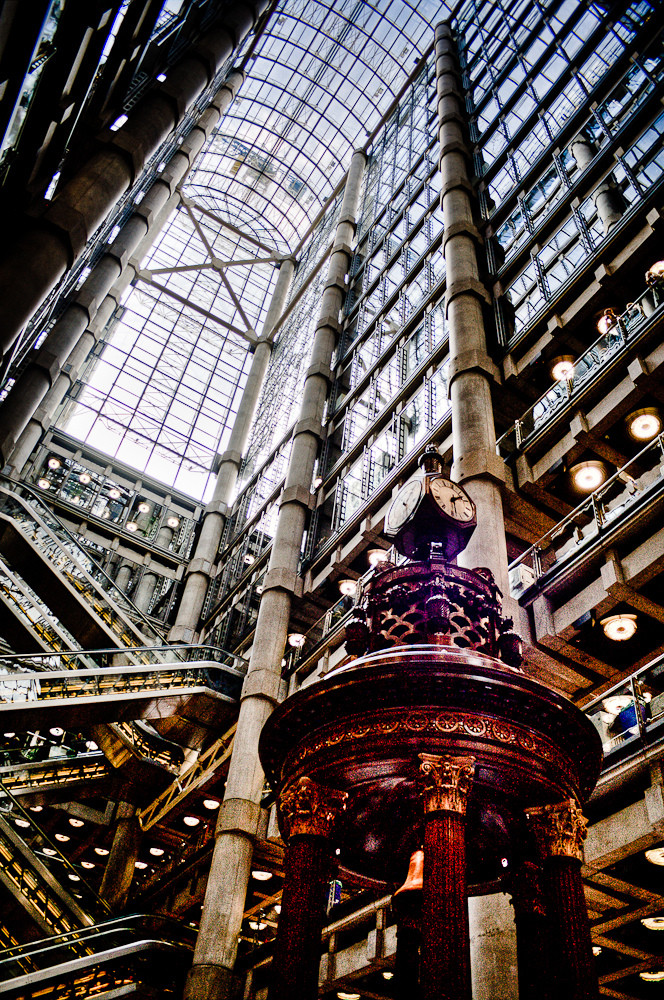
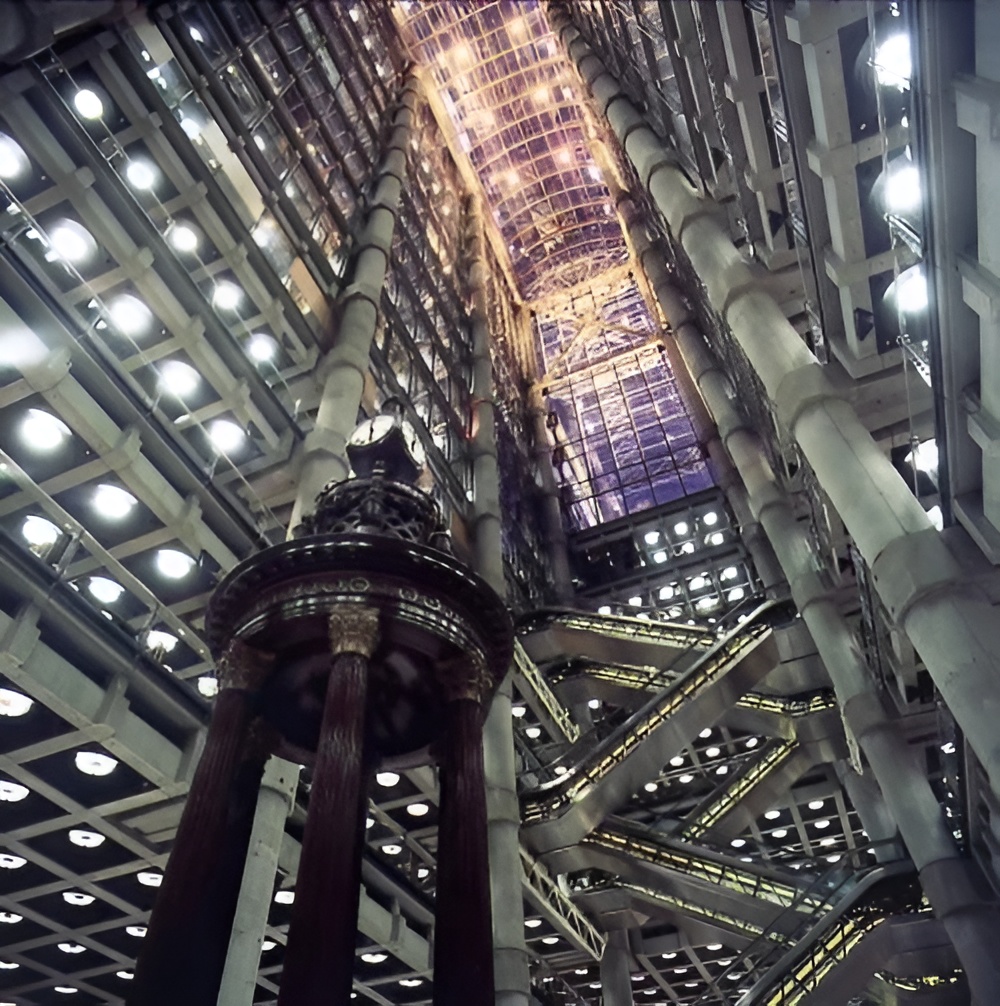
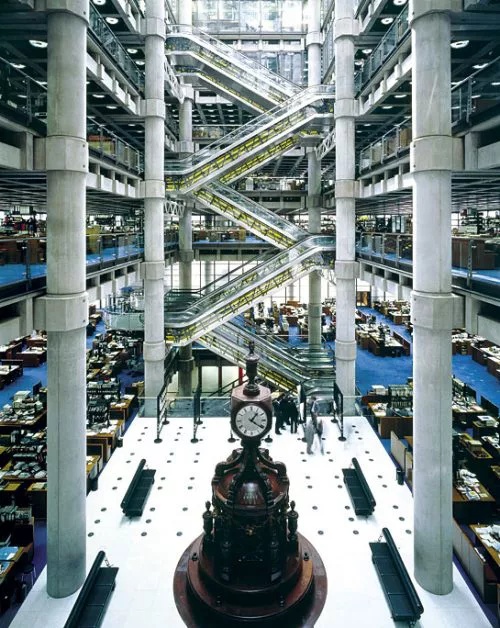
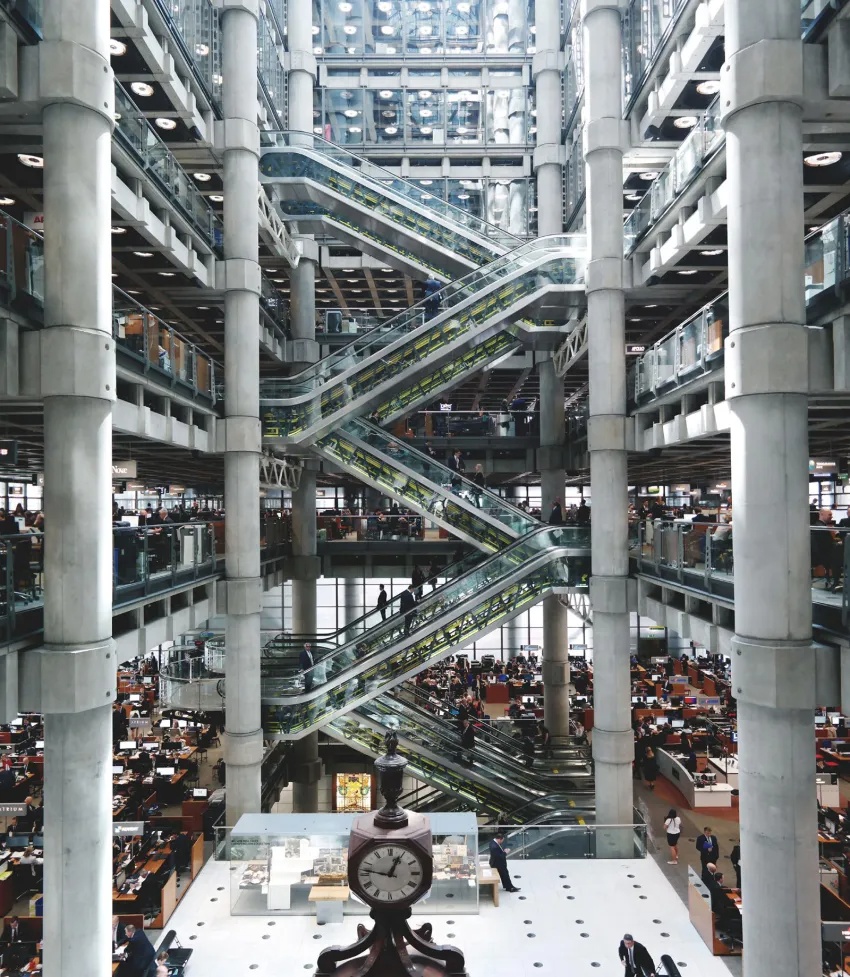
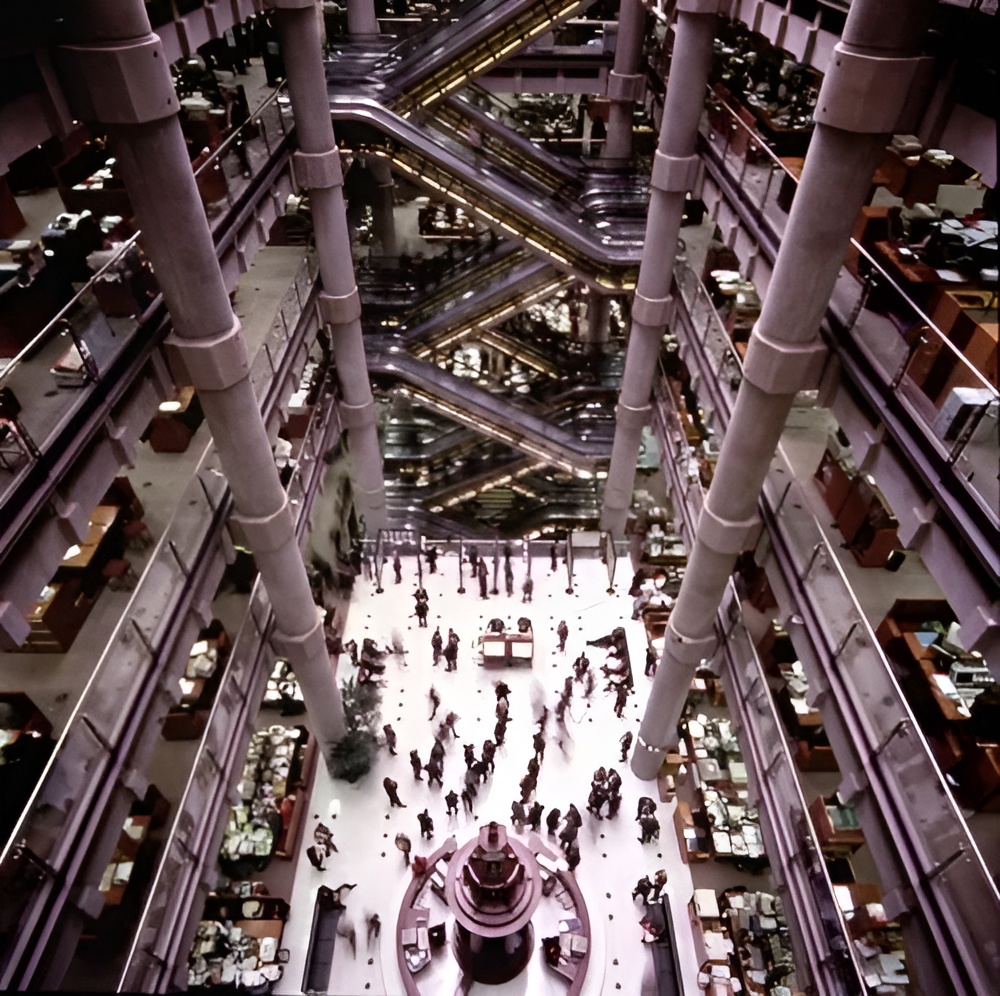
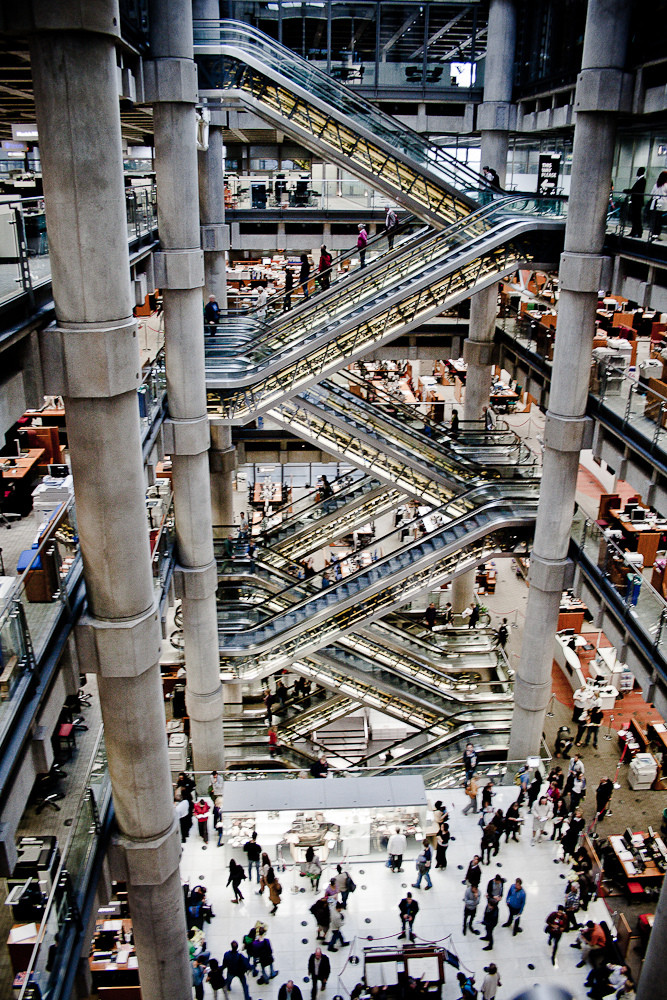
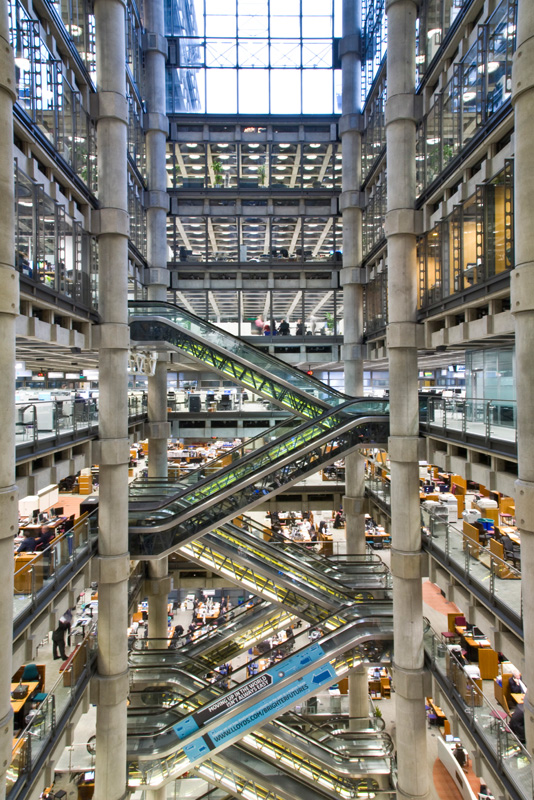
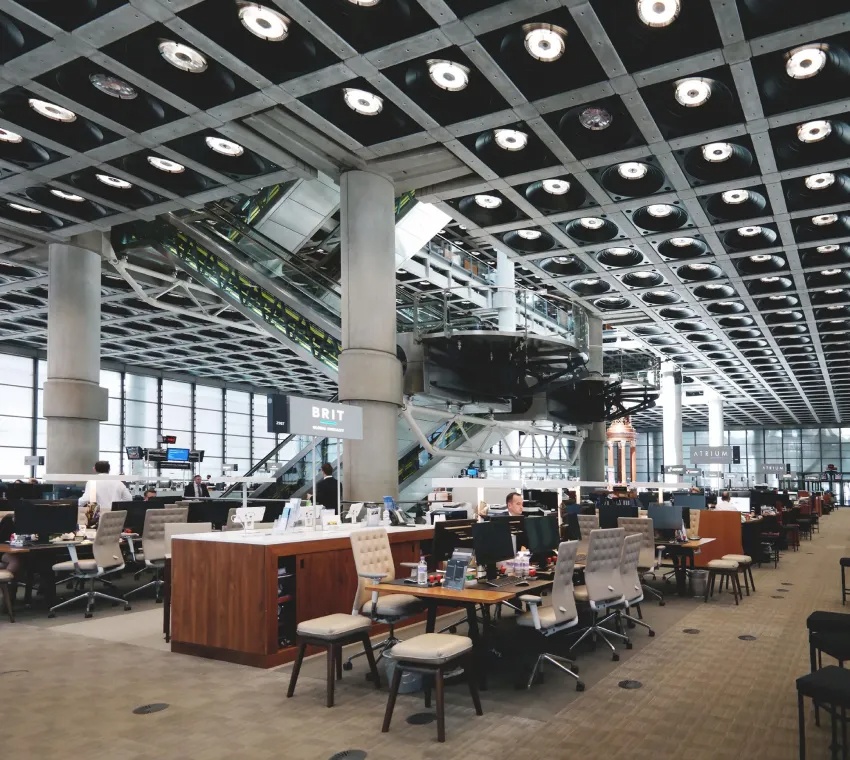
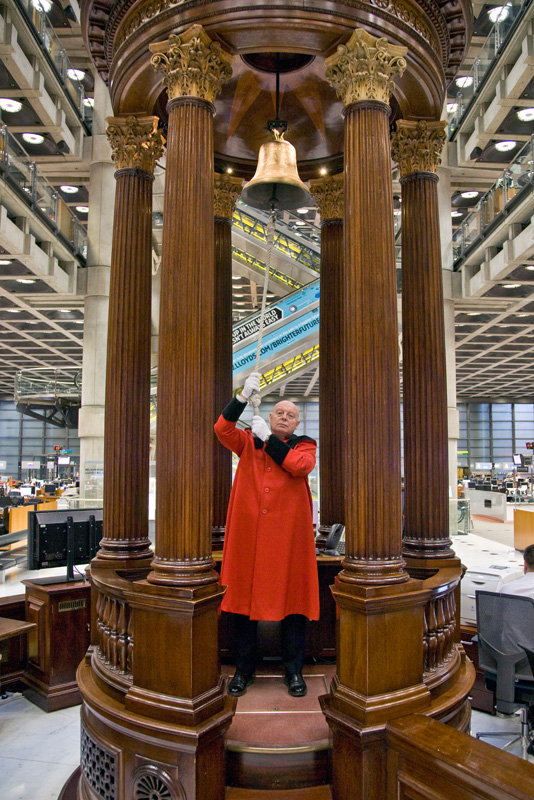
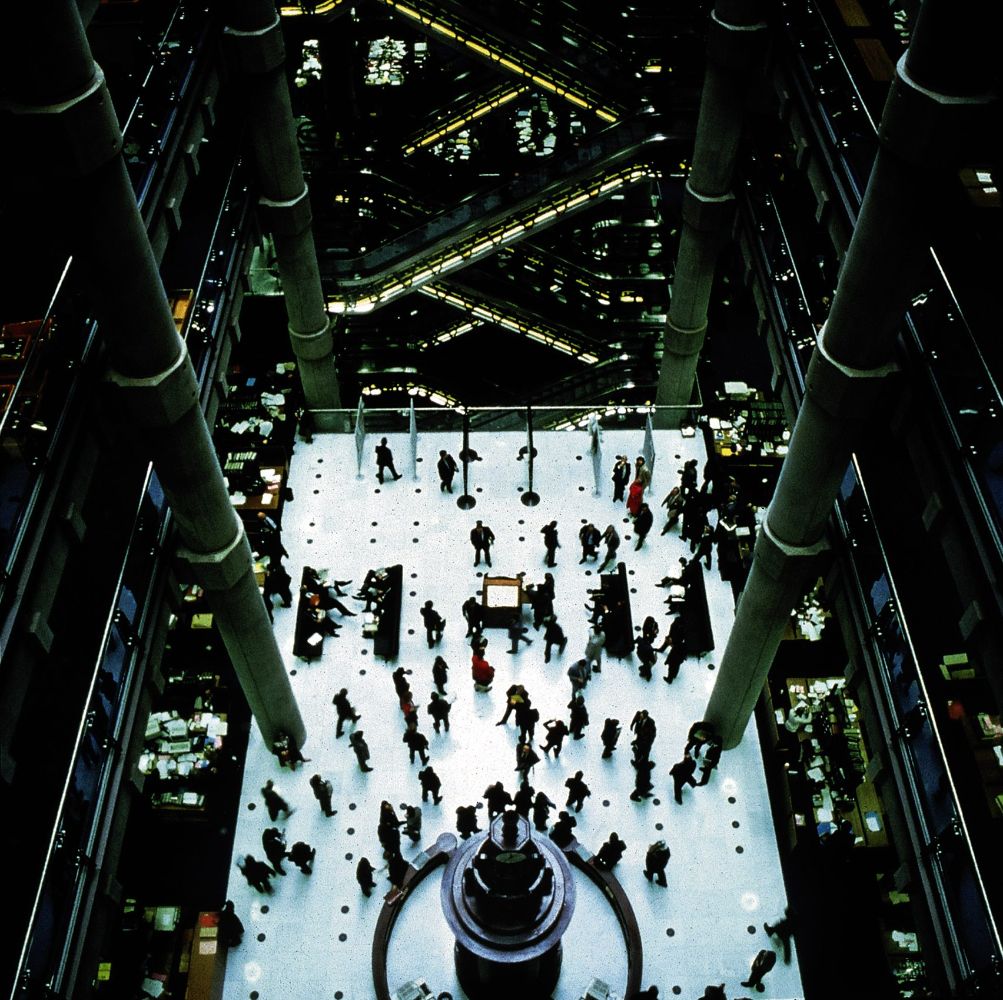
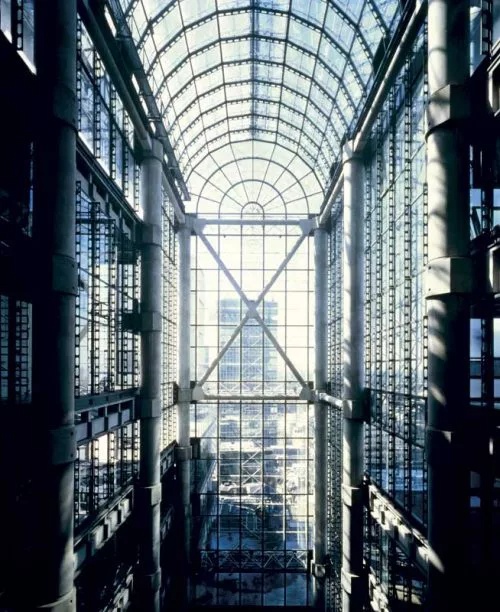
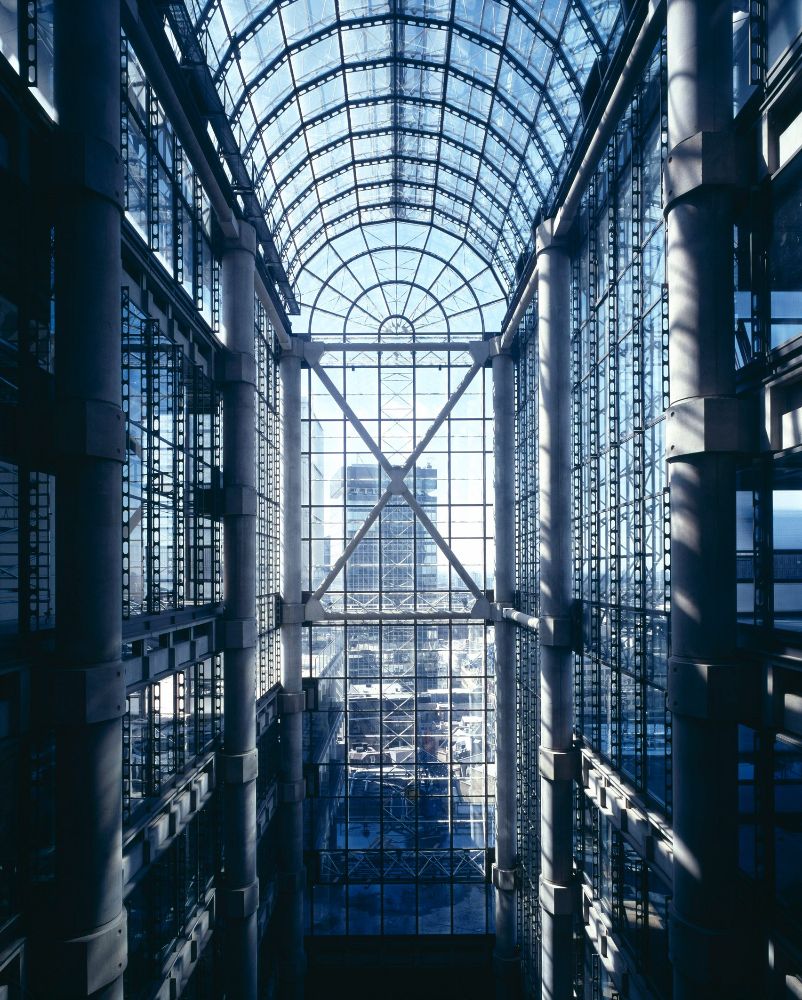
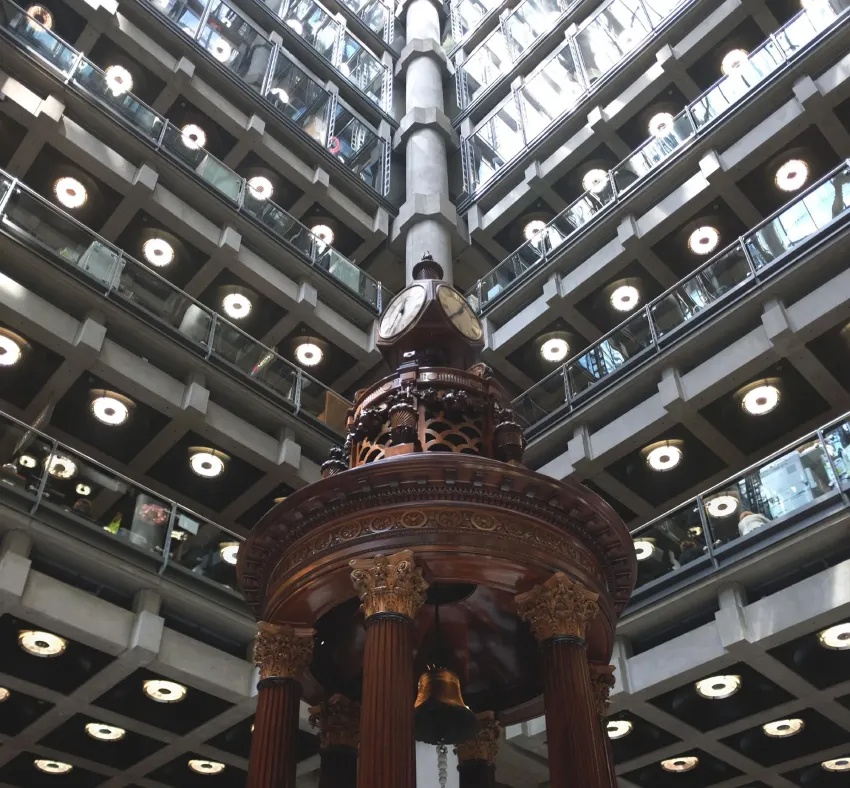
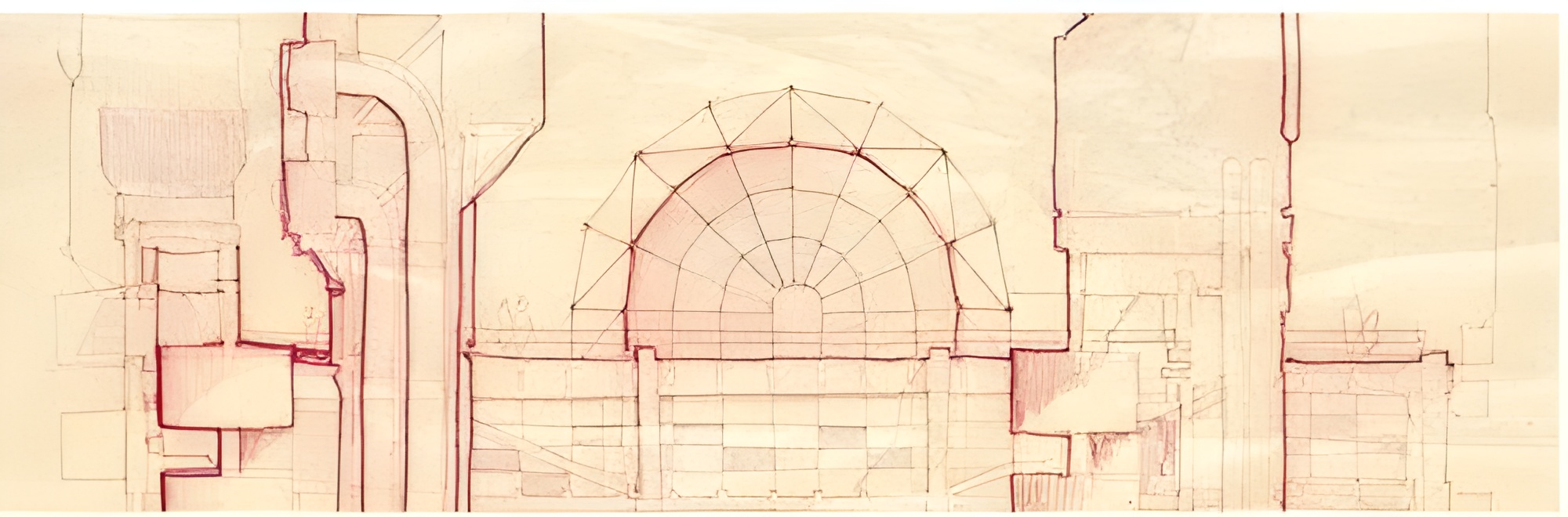
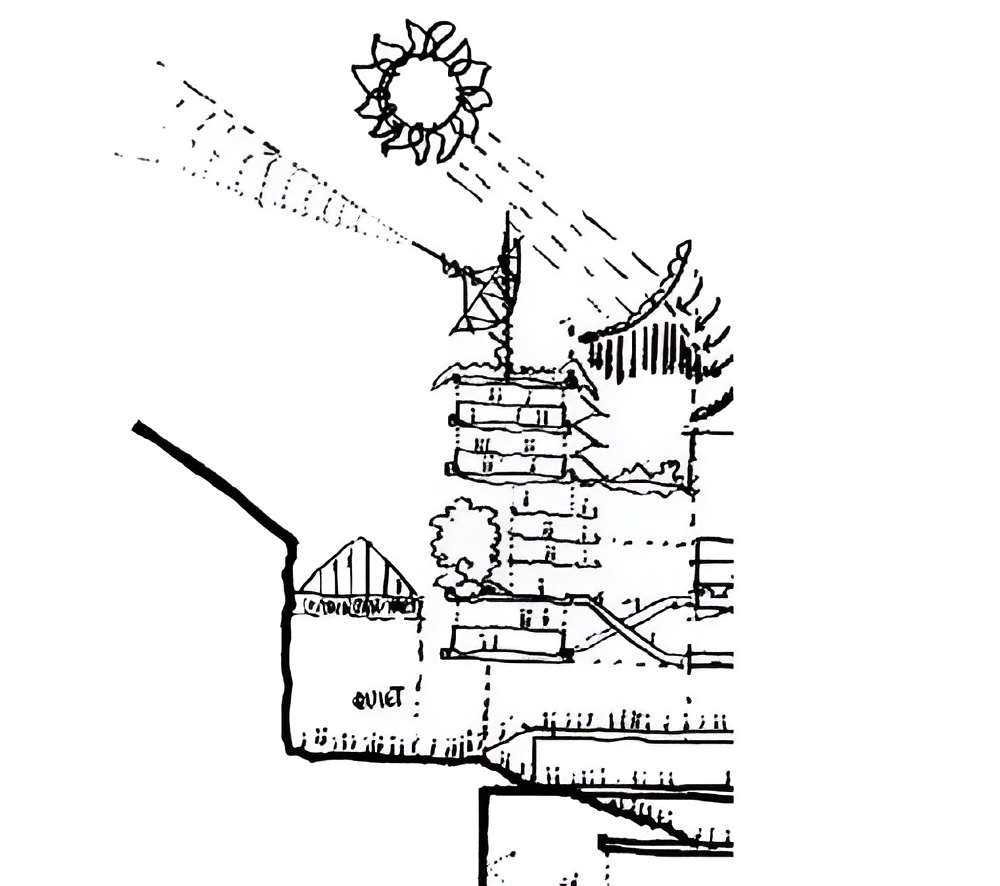
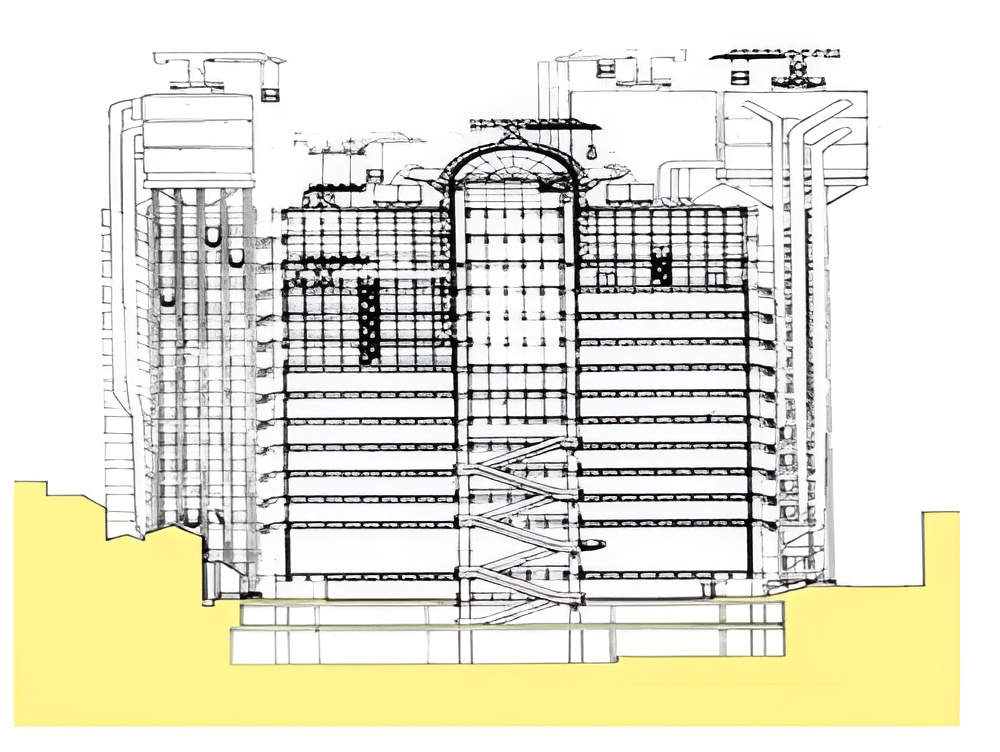
The central space forms a 60-meter-high atrium known as the underwriting room. This volume acts as the operational core of the building, where trading activities take place. Galleries rise around the atrium, with lower levels remaining open while upper levels are enclosed yet maintain visual continuity.
Lloyd's of London Building / Richard Rogers | Classics on Architecture Lab 146Lloyd's of London Building / Richard Rogers | Classics on Architecture Lab 147Lloyd's of London Building / Richard Rogers | Classics on Architecture Lab 148Lloyd's of London Building / Richard Rogers | Classics on Architecture Lab 149Lloyd's of London Building / Richard Rogers | Classics on Architecture Lab 150Lloyd's of London Building / Richard Rogers | Classics on Architecture Lab 151
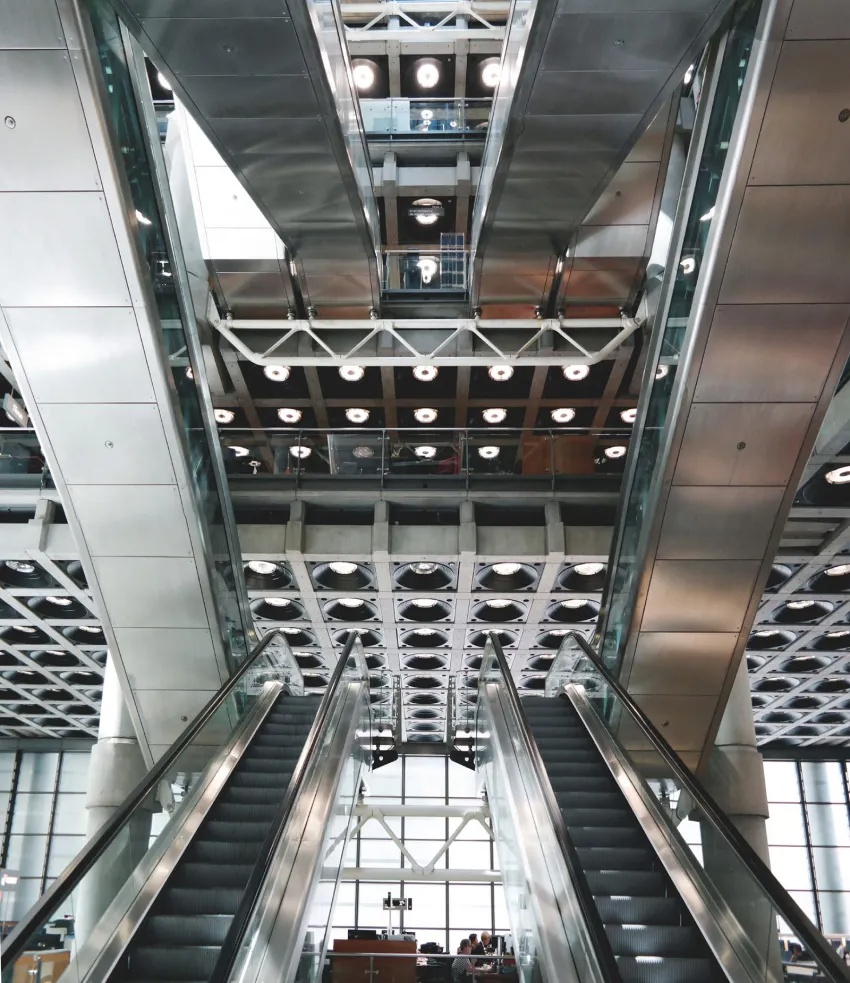
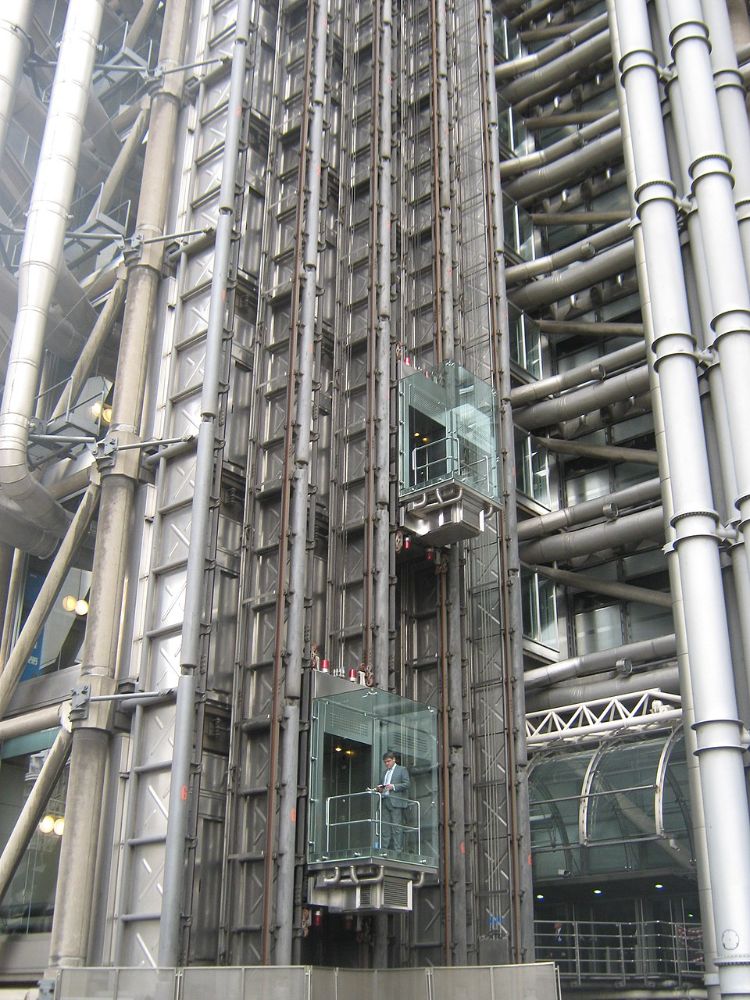
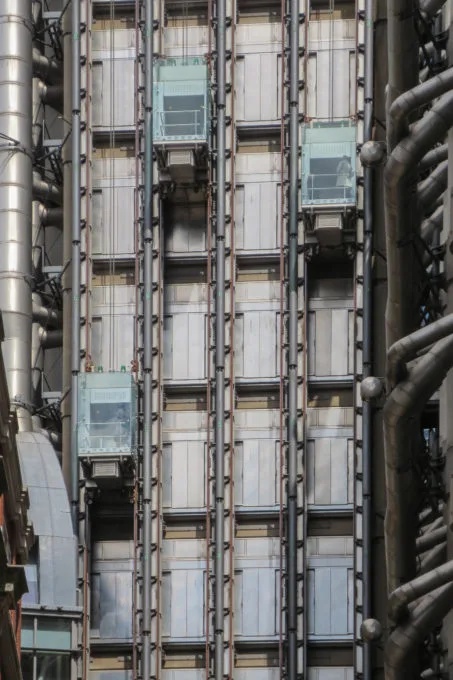
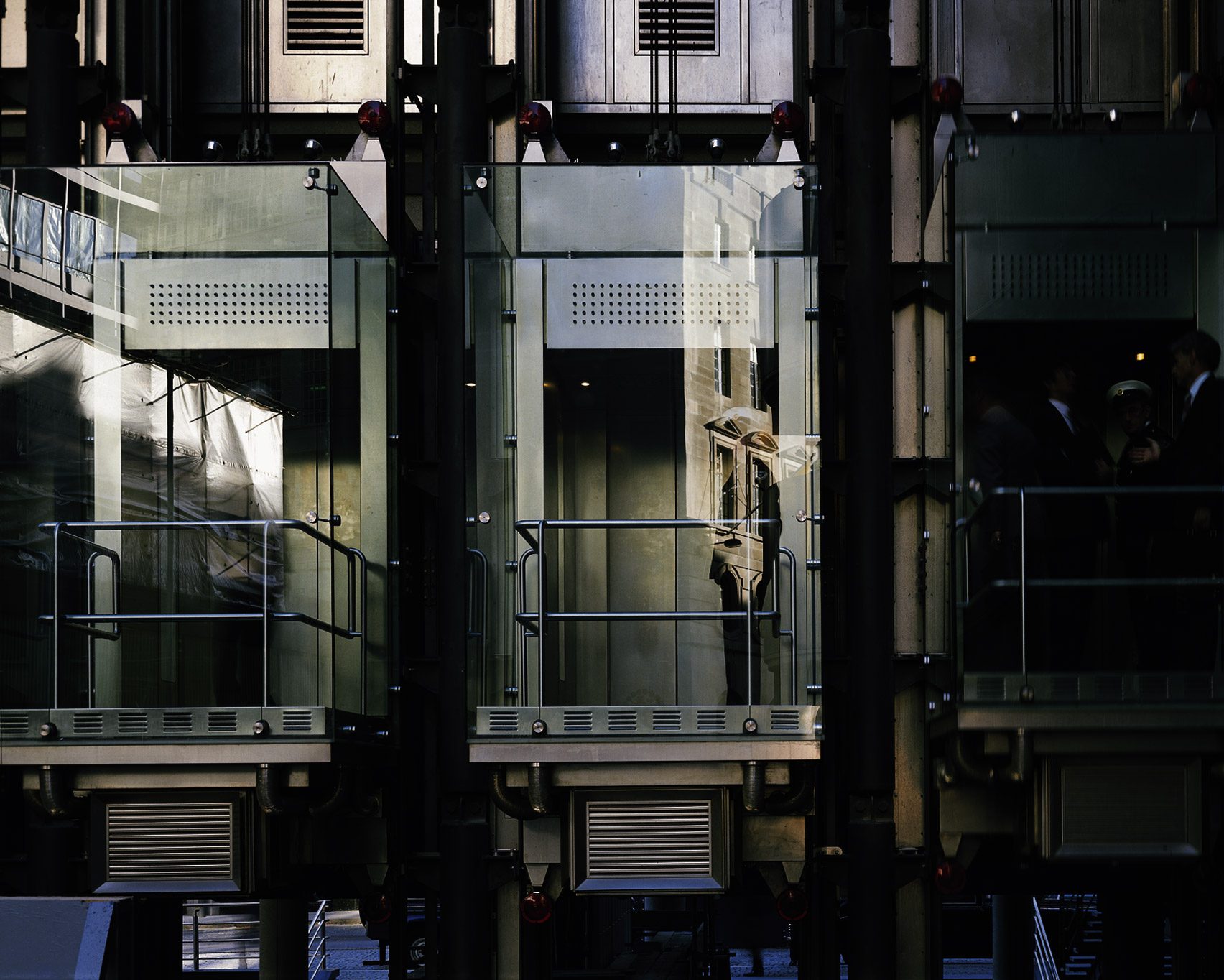
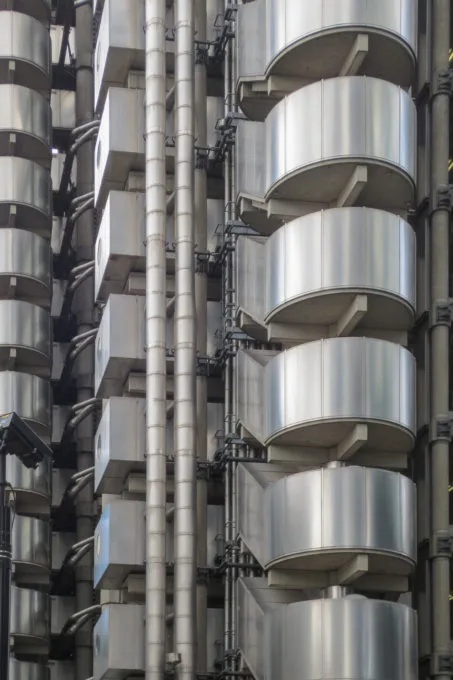
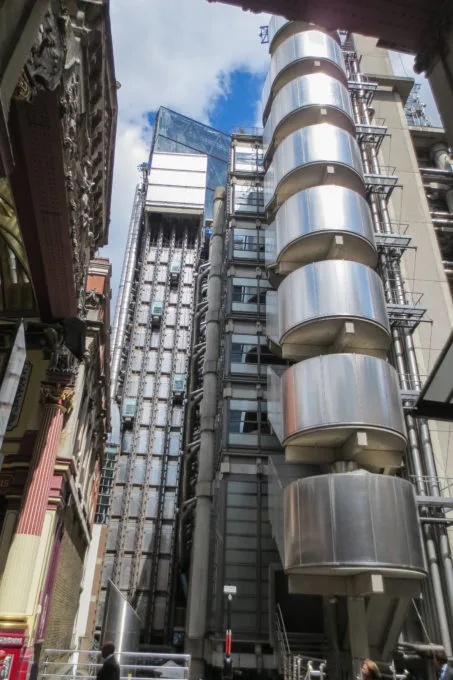
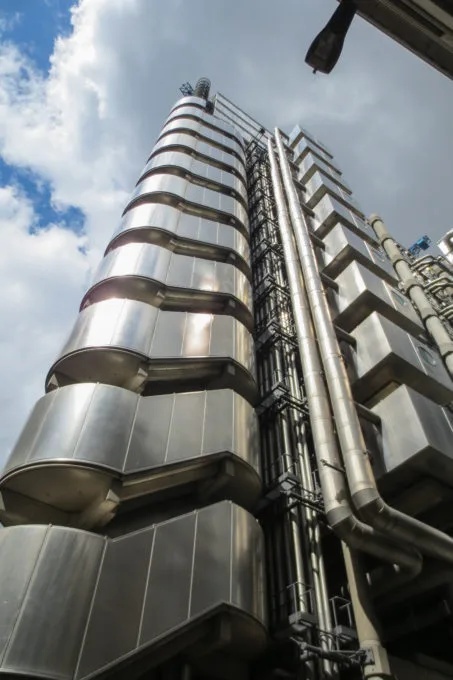
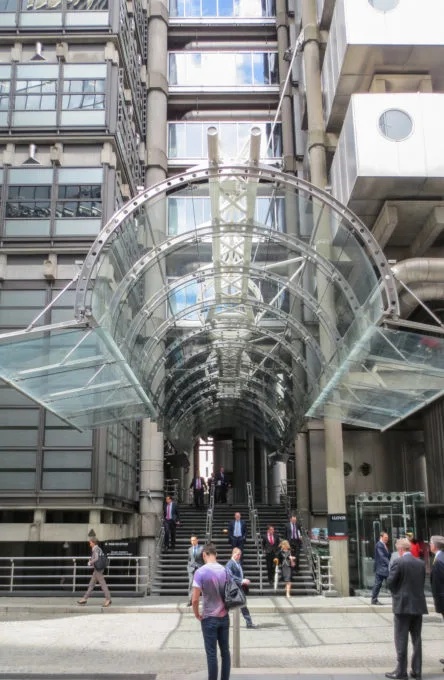
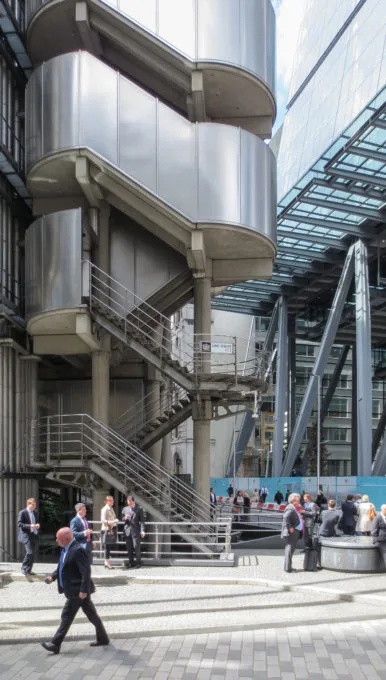
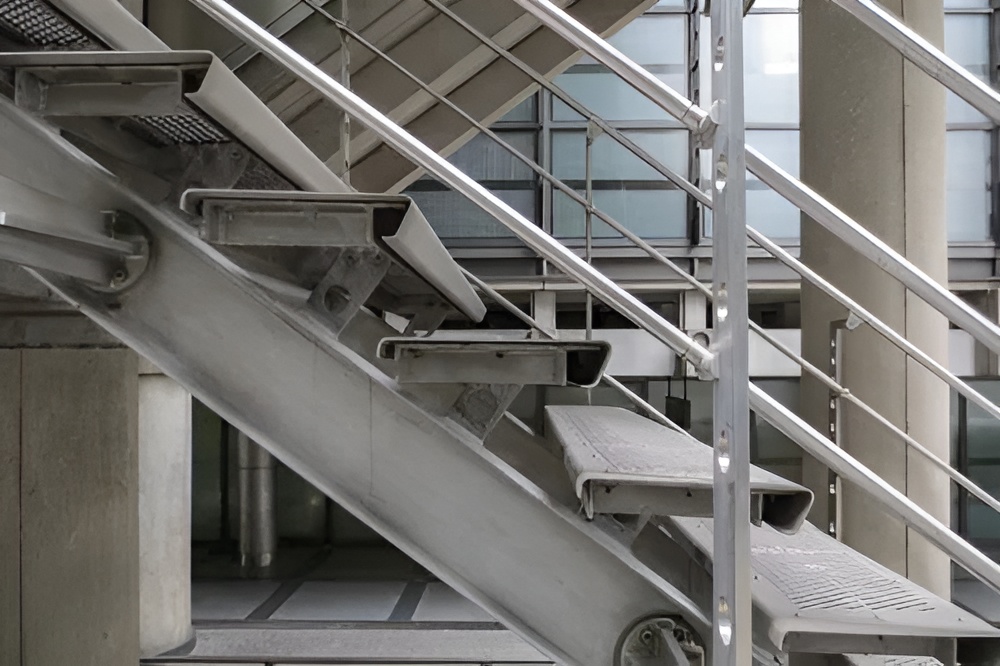
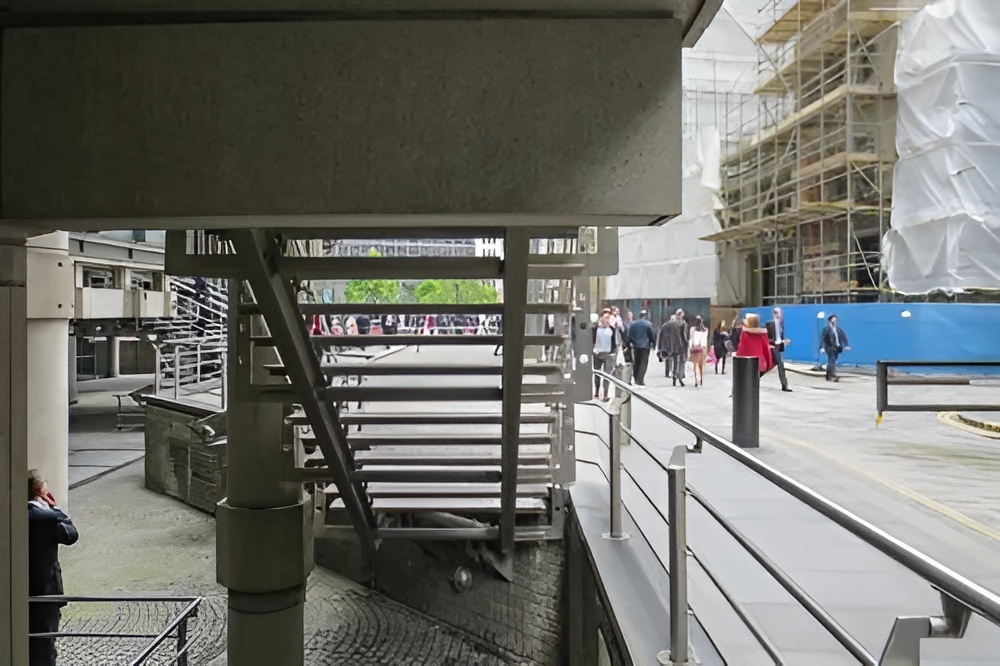
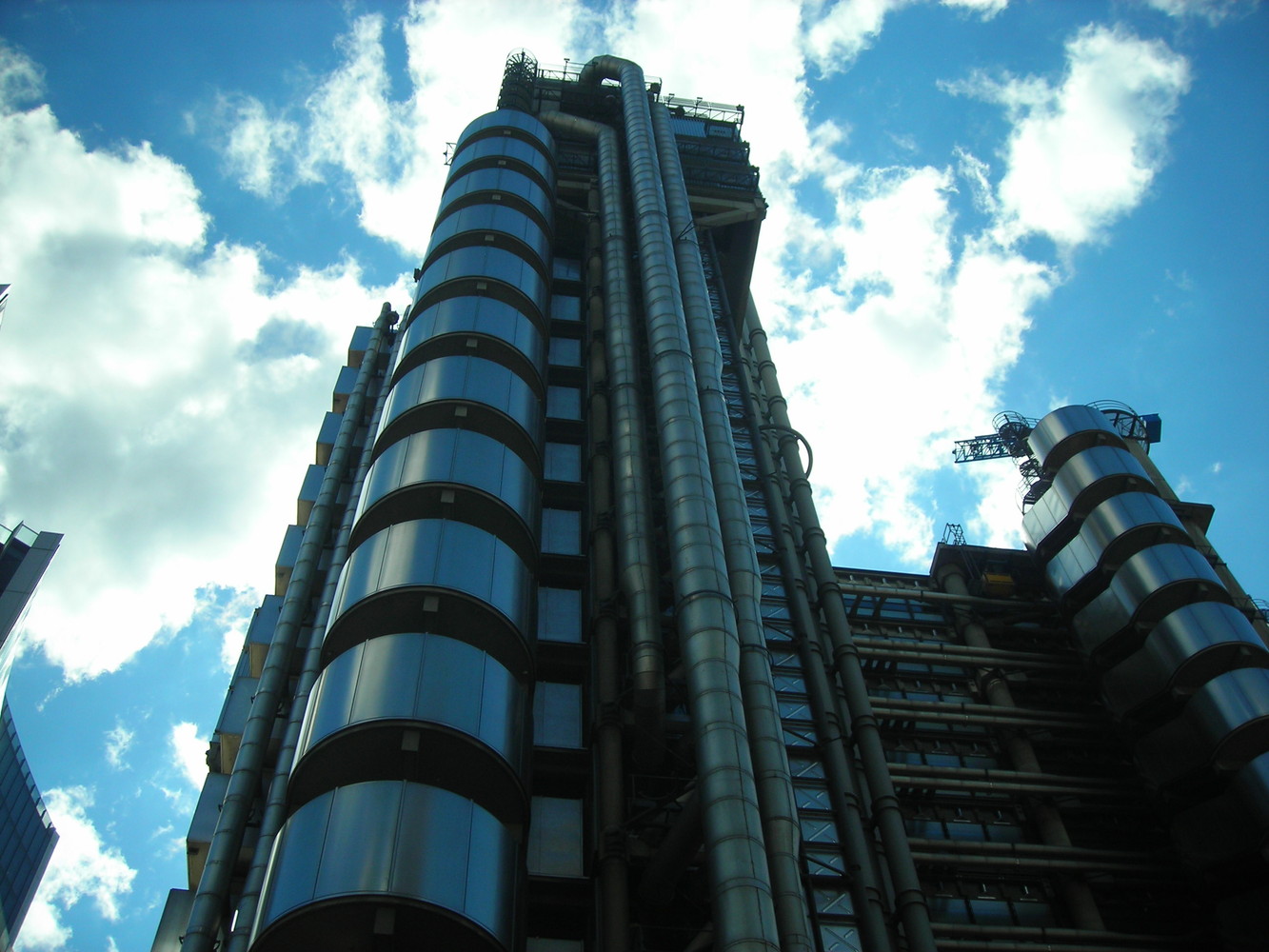
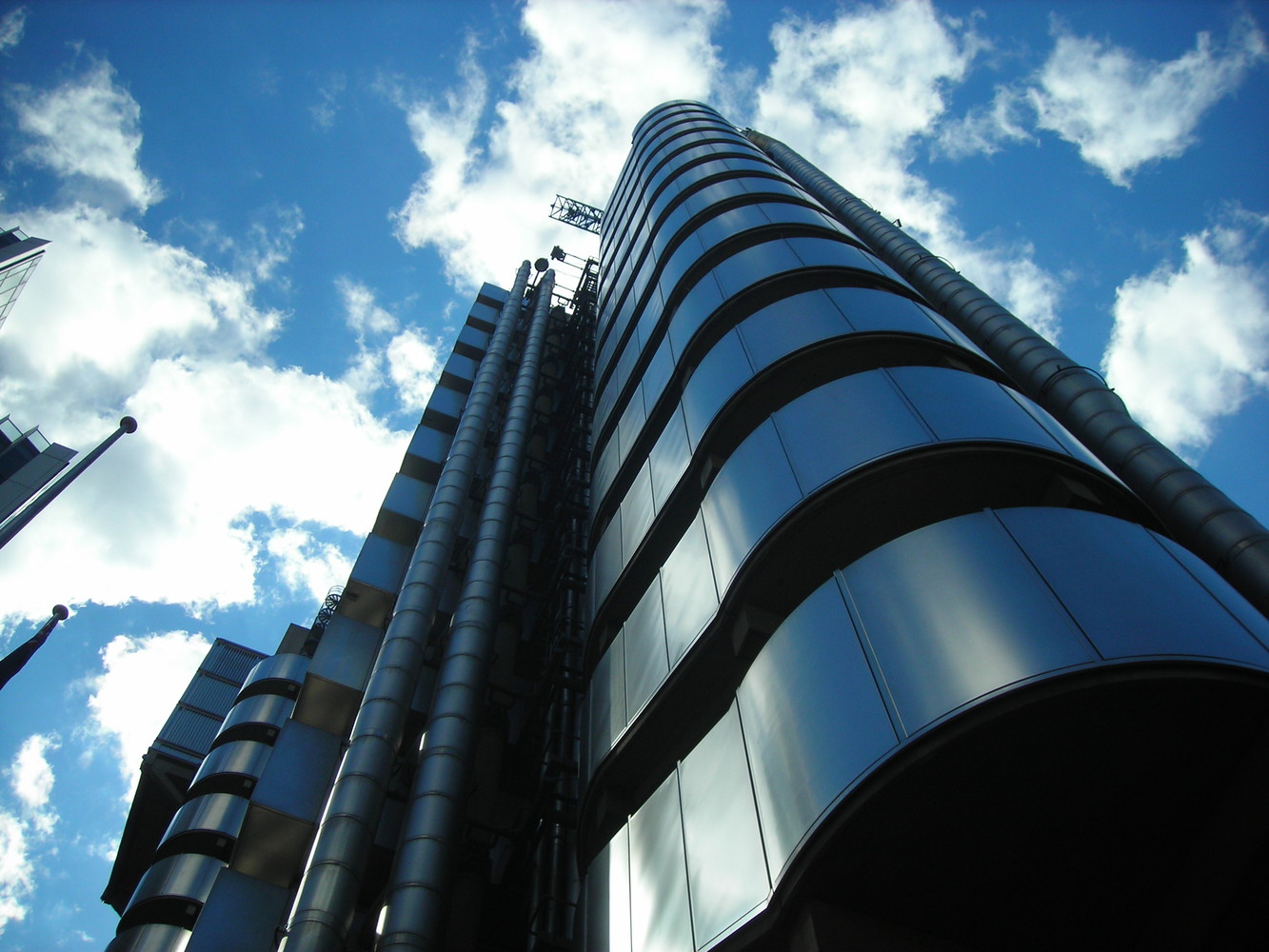
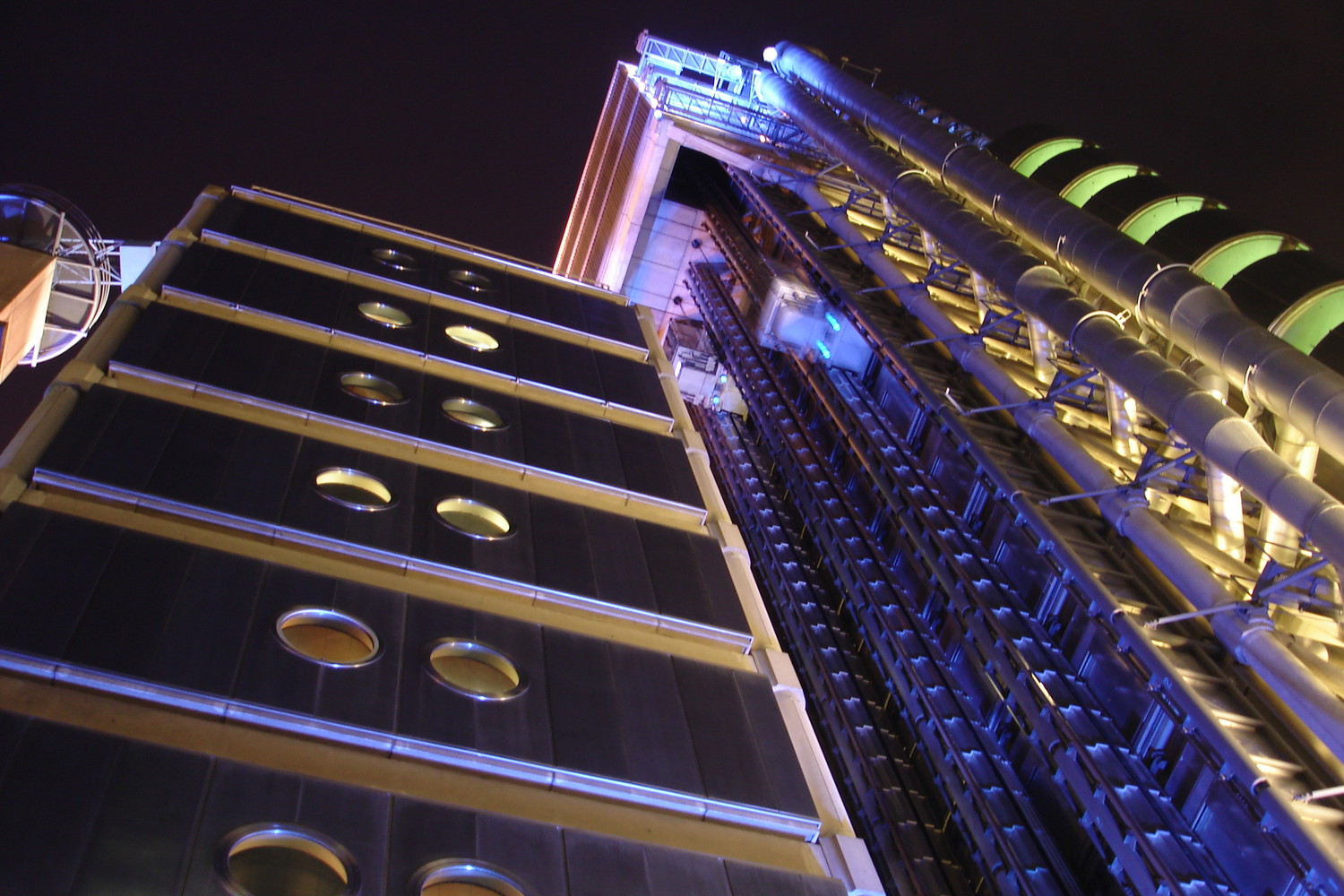
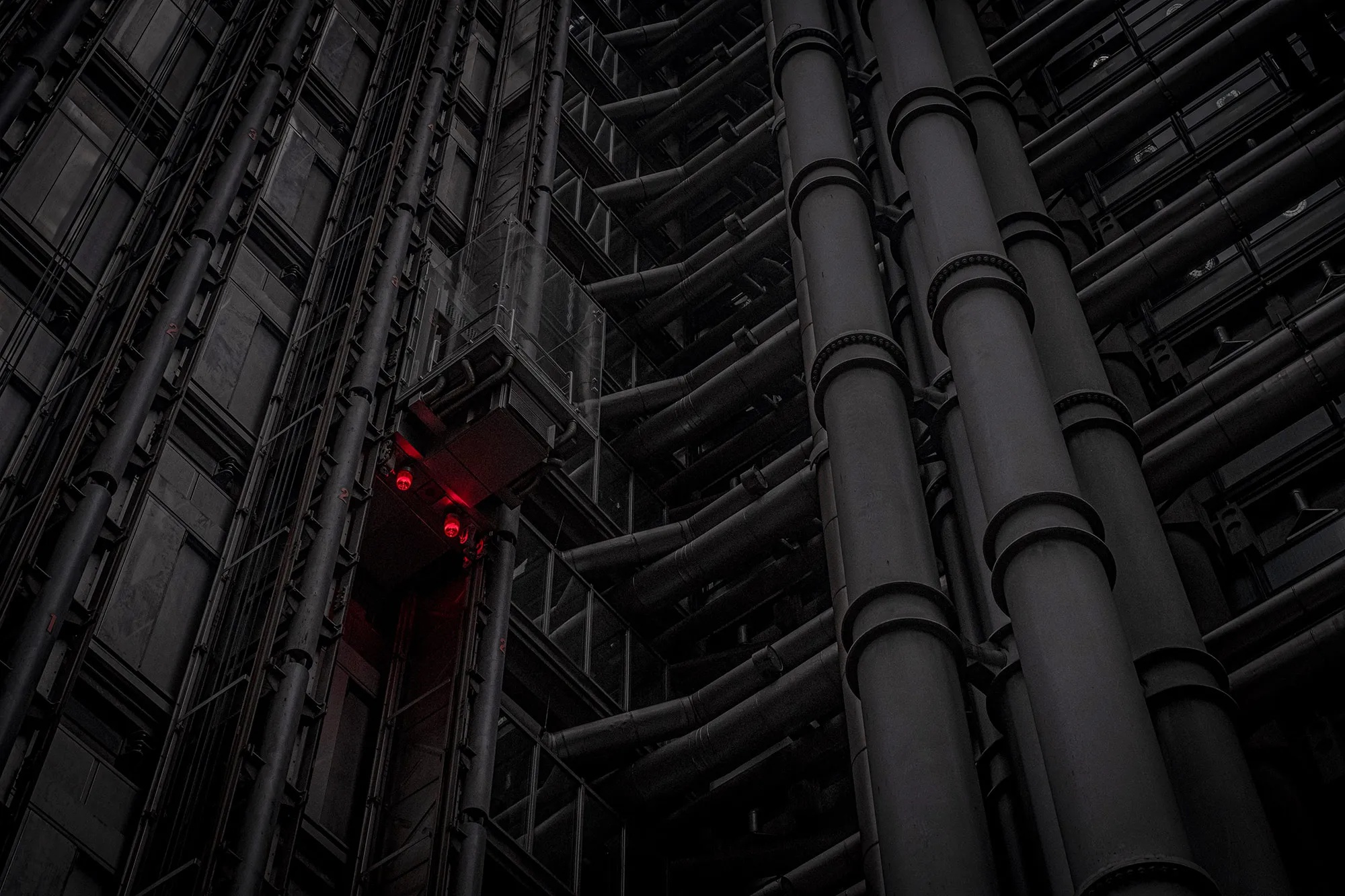
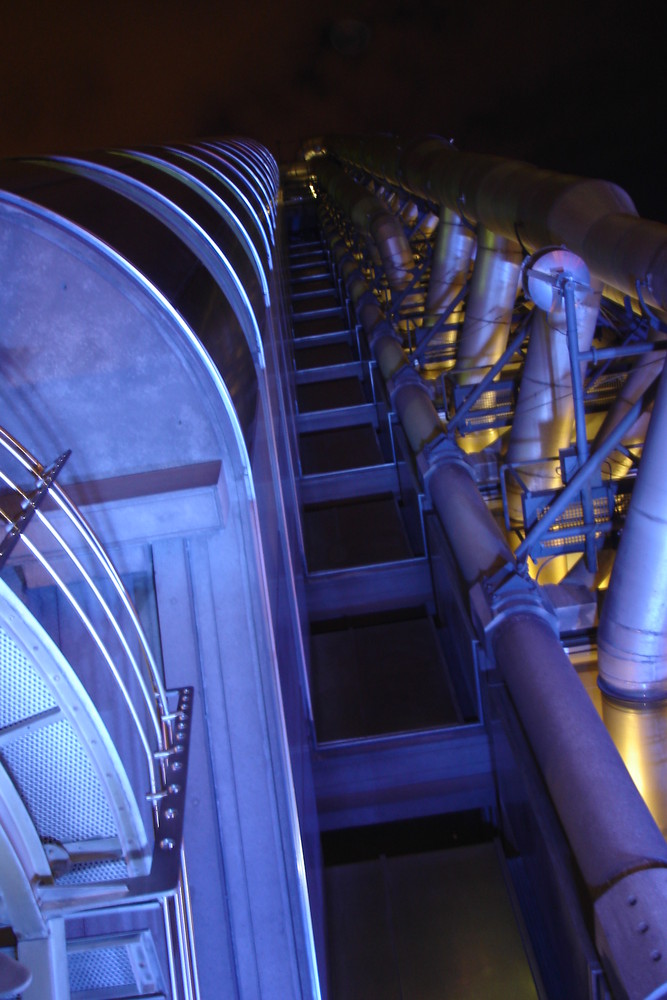
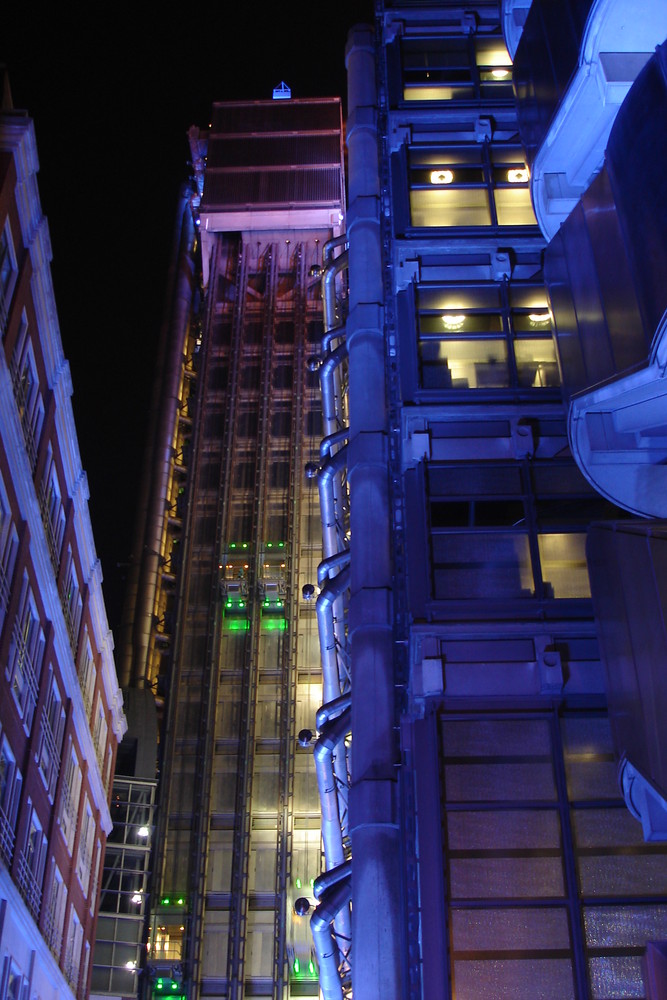
Circulation is organized through both internal and external systems. Escalators traverse the lower levels of the atrium, while glass elevators positioned on the exterior provide vertical access to upper floors. This configuration maintains clarity within the interior while expressing movement on the façade.
Lloyd's of London Building / Richard Rogers | Classics on Architecture Lab 152Lloyd's of London Building / Richard Rogers | Classics on Architecture Lab 153Lloyd's of London Building / Richard Rogers | Classics on Architecture Lab 154Lloyd's of London Building / Richard Rogers | Classics on Architecture Lab 155Lloyd's of London Building / Richard Rogers | Classics on Architecture Lab 156Lloyd's of London Building / Richard Rogers | Classics on Architecture Lab 157Lloyd's of London Building / Richard Rogers | Classics on Architecture Lab 158Lloyd's of London Building / Richard Rogers | Classics on Architecture Lab 159Lloyd's of London Building / Richard Rogers | Classics on Architecture Lab 160Lloyd's of London Building / Richard Rogers | Classics on Architecture Lab 161
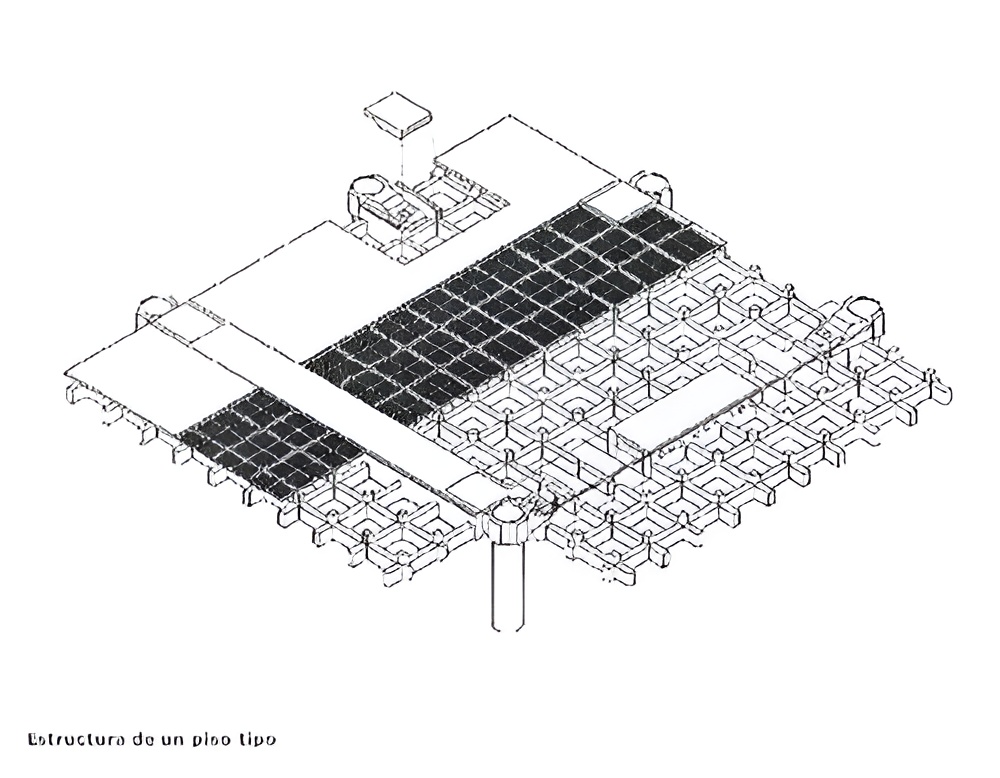
Flexibility governs the internal organization. Open floor plates allow partitions to be added or removed as required, supporting changes in use over time. This adaptability responds directly to the evolving needs of the insurance market.
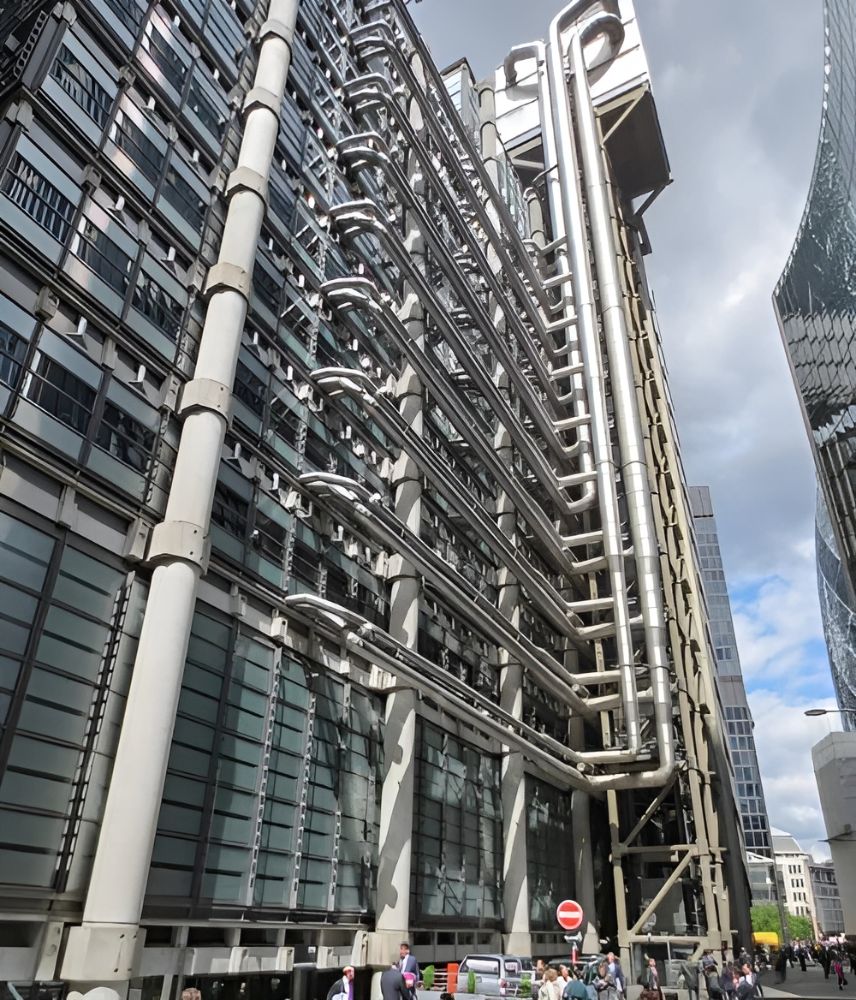
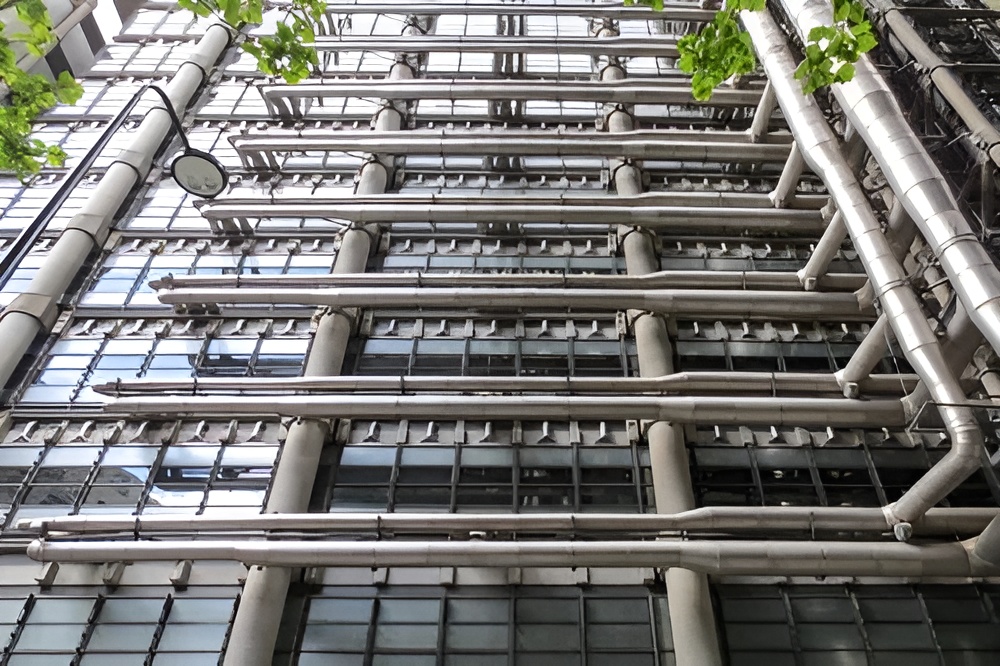
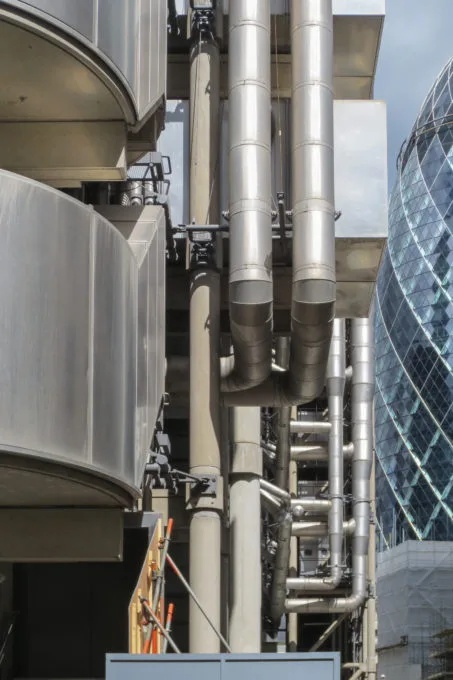
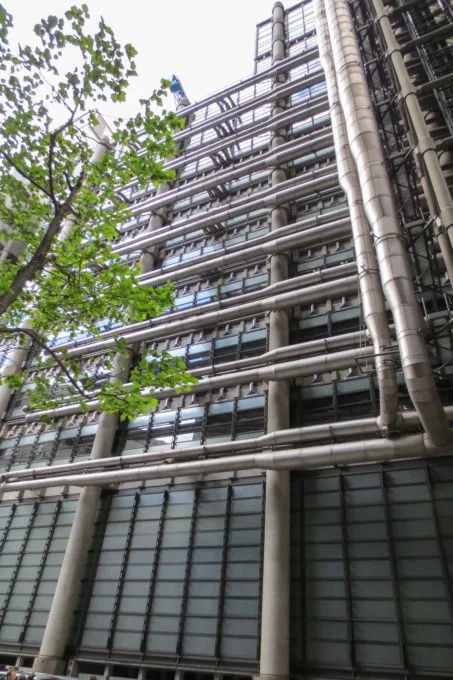
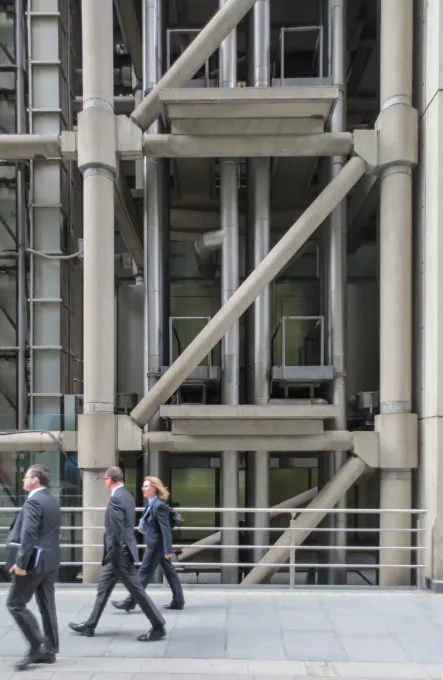
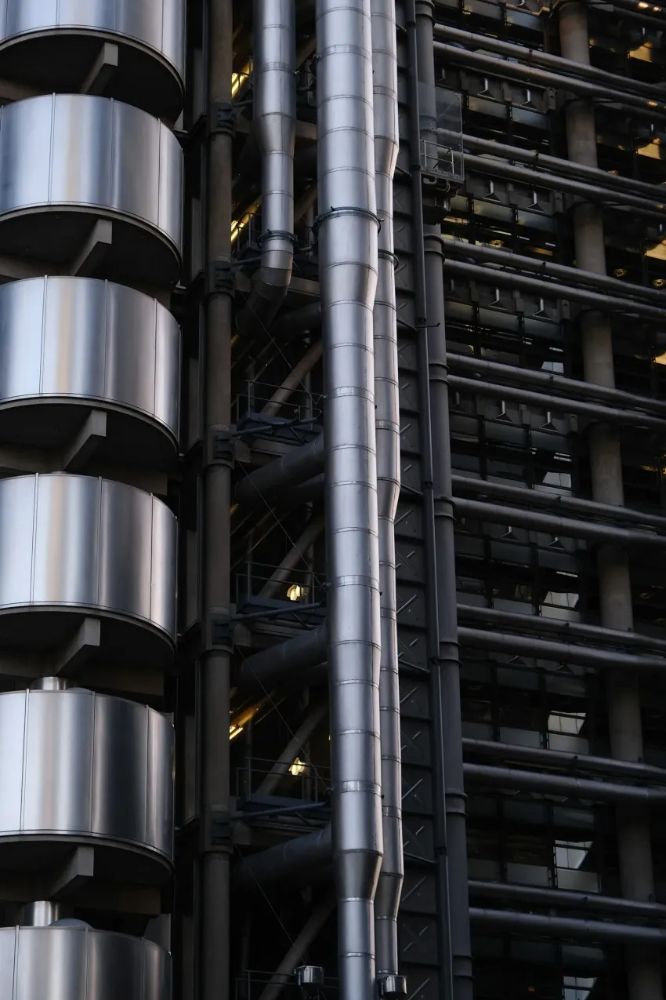
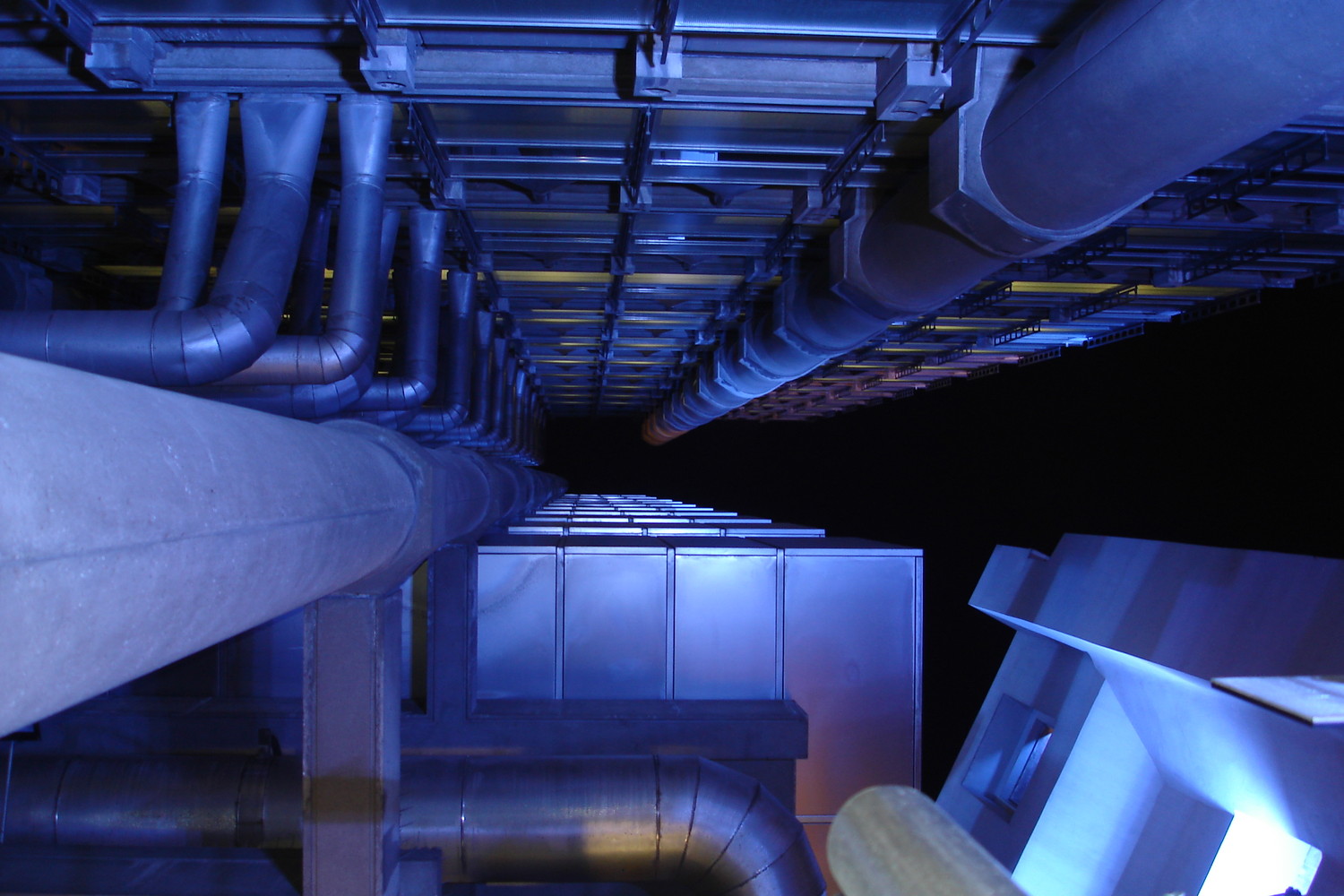
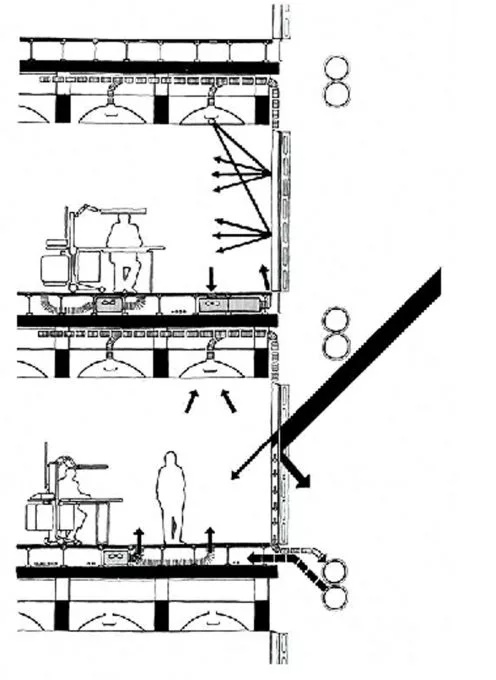
The façade expresses the building’s structural and functional logic. Stainless steel cladding, exposed ducts, pipes, and service elements create a layered composition that reads as a kit of parts. This externalization allows maintenance and replacement without disrupting interior operations.
Lloyd's of London Building / Richard Rogers | Classics on Architecture Lab 162Lloyd's of London Building / Richard Rogers | Classics on Architecture Lab 163Lloyd's of London Building / Richard Rogers | Classics on Architecture Lab 164Lloyd's of London Building / Richard Rogers | Classics on Architecture Lab 165Lloyd's of London Building / Richard Rogers | Classics on Architecture Lab 166Lloyd's of London Building / Richard Rogers | Classics on Architecture Lab 167Lloyd's of London Building / Richard Rogers | Classics on Architecture Lab 168Lloyd's of London Building / Richard Rogers | Classics on Architecture Lab 169
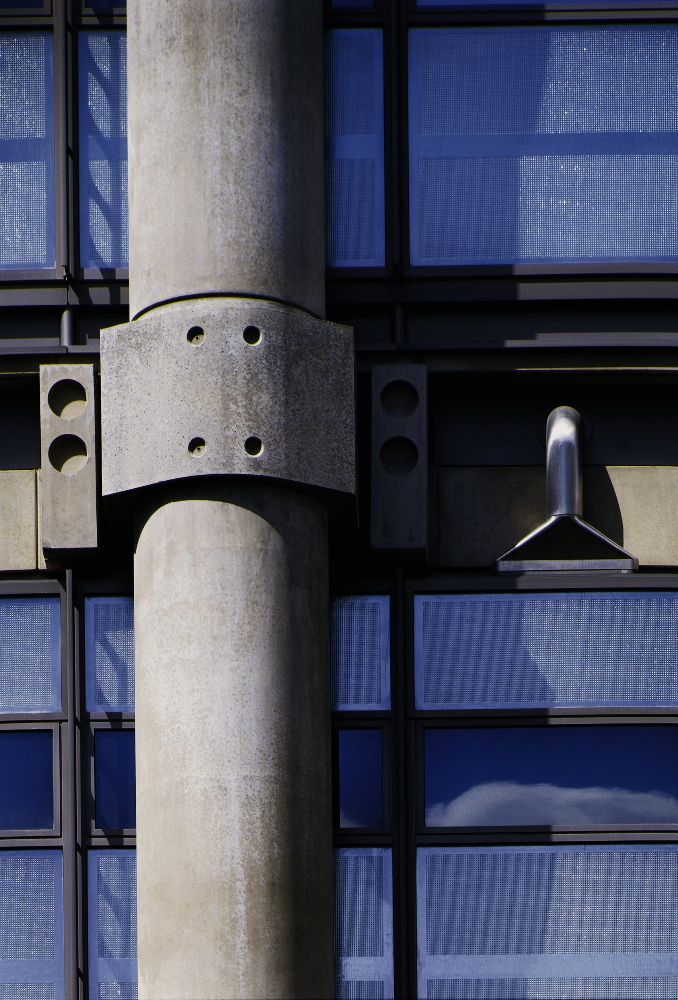
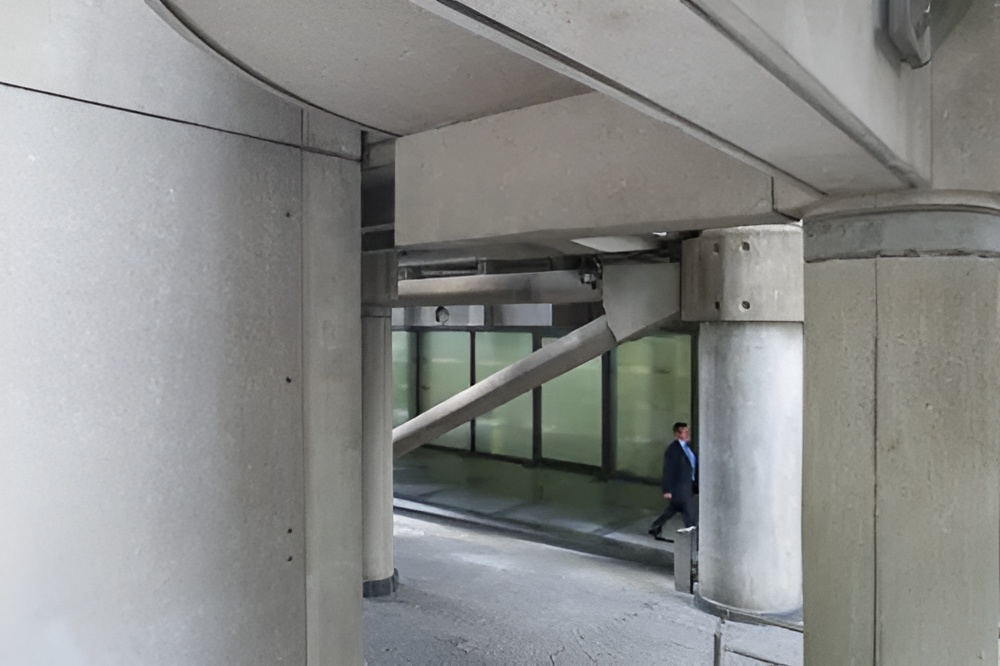
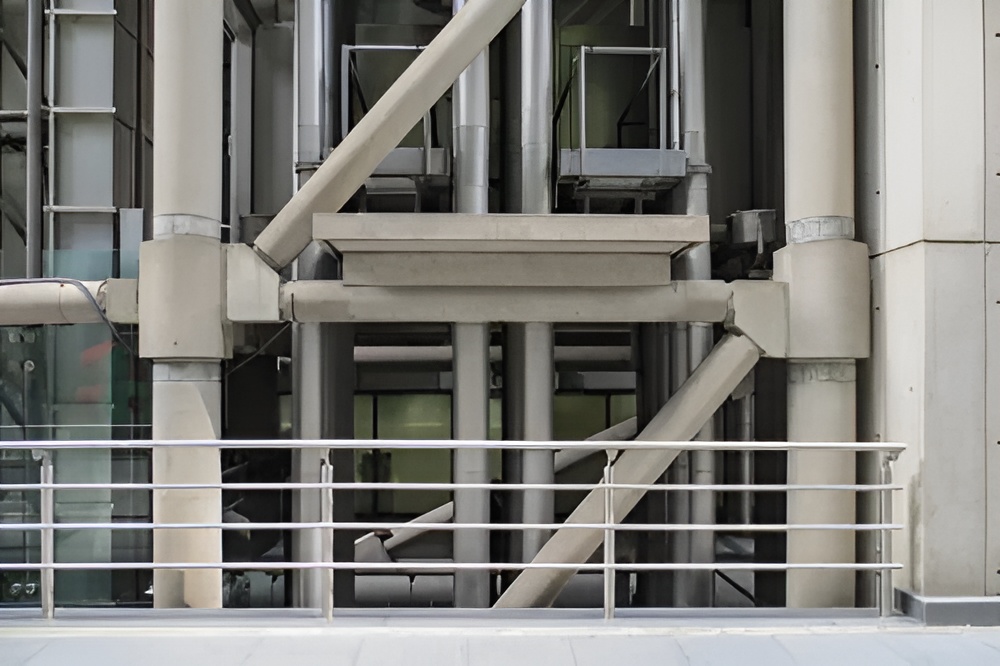
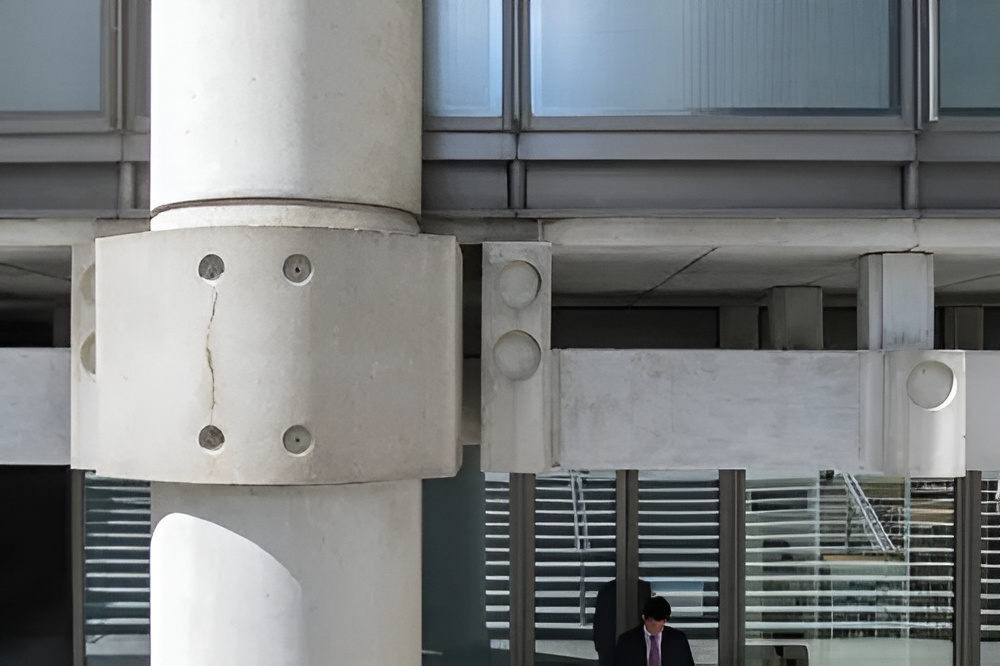
Material selection reinforces the high-tech approach. Concrete provides the primary structure, while steel and glass define the enclosure and service systems. The combination produces a clear distinction between structural mass and lightweight external components.
Lloyd's of London Building / Richard Rogers | Classics on Architecture Lab 170Lloyd's of London Building / Richard Rogers | Classics on Architecture Lab 171Lloyd's of London Building / Richard Rogers | Classics on Architecture Lab 172Lloyd's of London Building / Richard Rogers | Classics on Architecture Lab 173Lloyd's of London Building / Richard Rogers | Classics on Architecture Lab 174Lloyd's of London Building / Richard Rogers | Classics on Architecture Lab 175
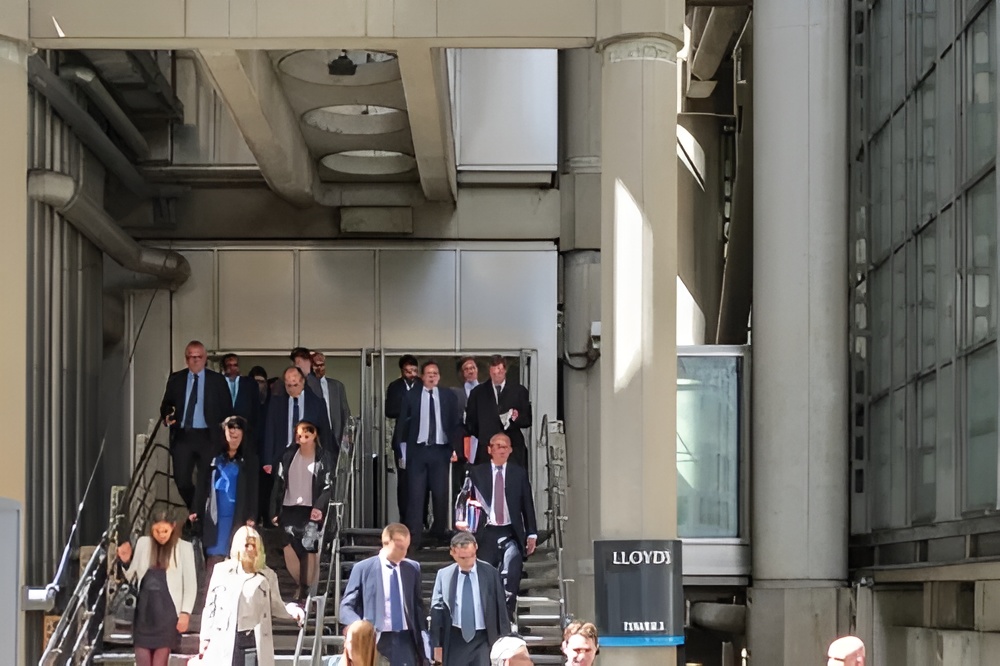
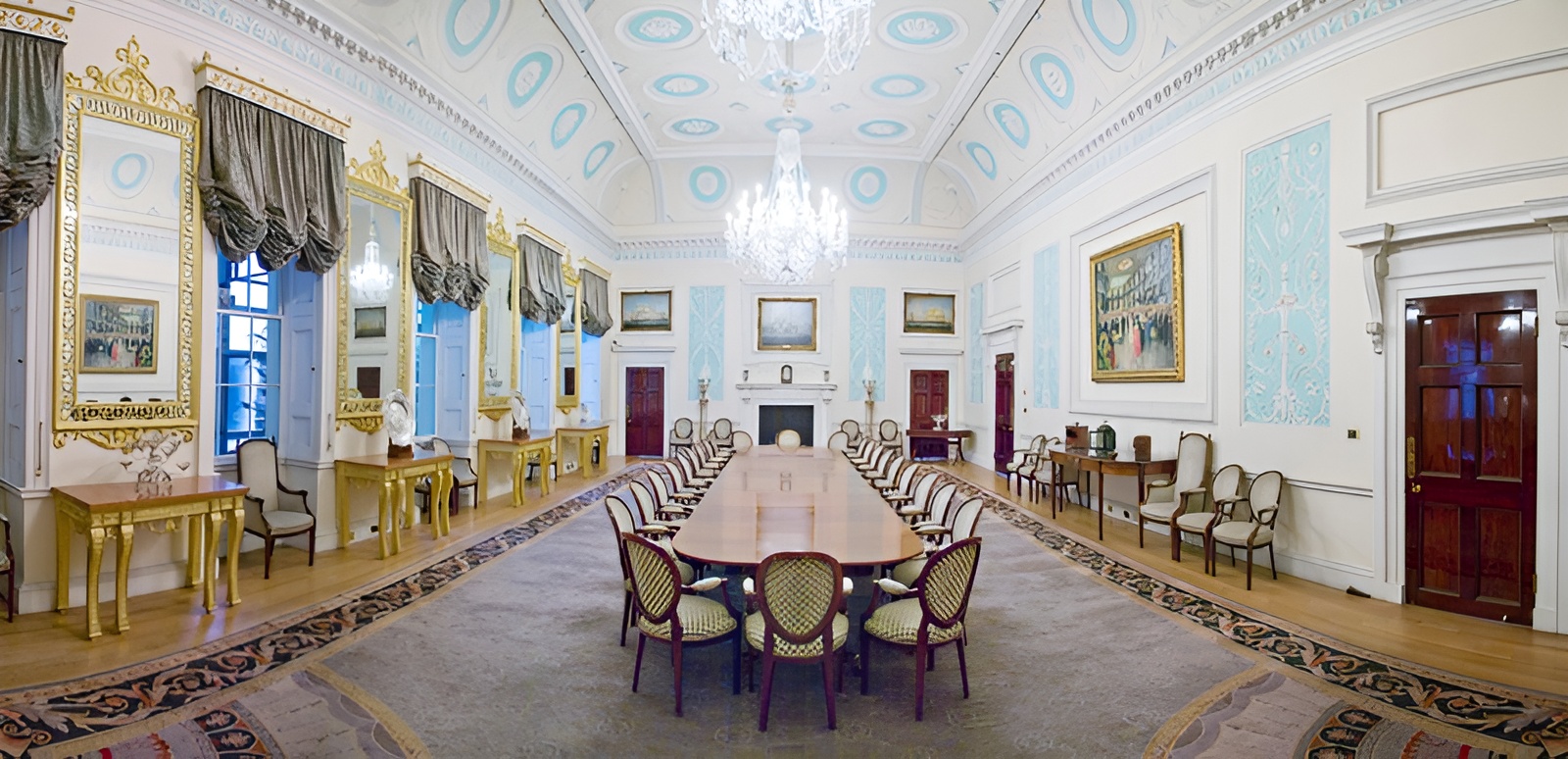
Lloyd’s of London Building integrates historical reference through the preserved 1928 entrance and the relocation of the eighteenth-century Adam Room within the new structure. These elements establish continuity between past and present within a technologically driven framework.
The building received Grade I listed status in 2011, recognizing its significance within modern architecture. Lloyd’s of London Building remains a key reference for high-tech design, demonstrating how flexibility, services, and structure can operate as a unified architectural system.
Address: 1 Lime Street / Leadenhall Street, London EC3M 7HA, England, United Kingdom
Location is for general reference and may represent a city or country, not necessarily a precise address.
Architect
Anton Giuroiu
Anton is a RIBA accredited architect, when he's offline, he spends his time with the sculpta.ba architecture practice or in the MKR.S crafting studio, laser engraving and laser cutting architecture models. In his free time he geeks over taking care of his pencil and mechanical pencil collection.
Expertises: Architecture, Interior design, Home improvement, Drawing, Laser machining