

Architects: Drew Shawver Architecture and Design
Area: 1,625 ft²
Photography: Kevin Scott
Construction: Treebird Construction
Landscape Architecture: Supernature
Materials: Port Orford cedar siding
City: Seattle
Country: United States
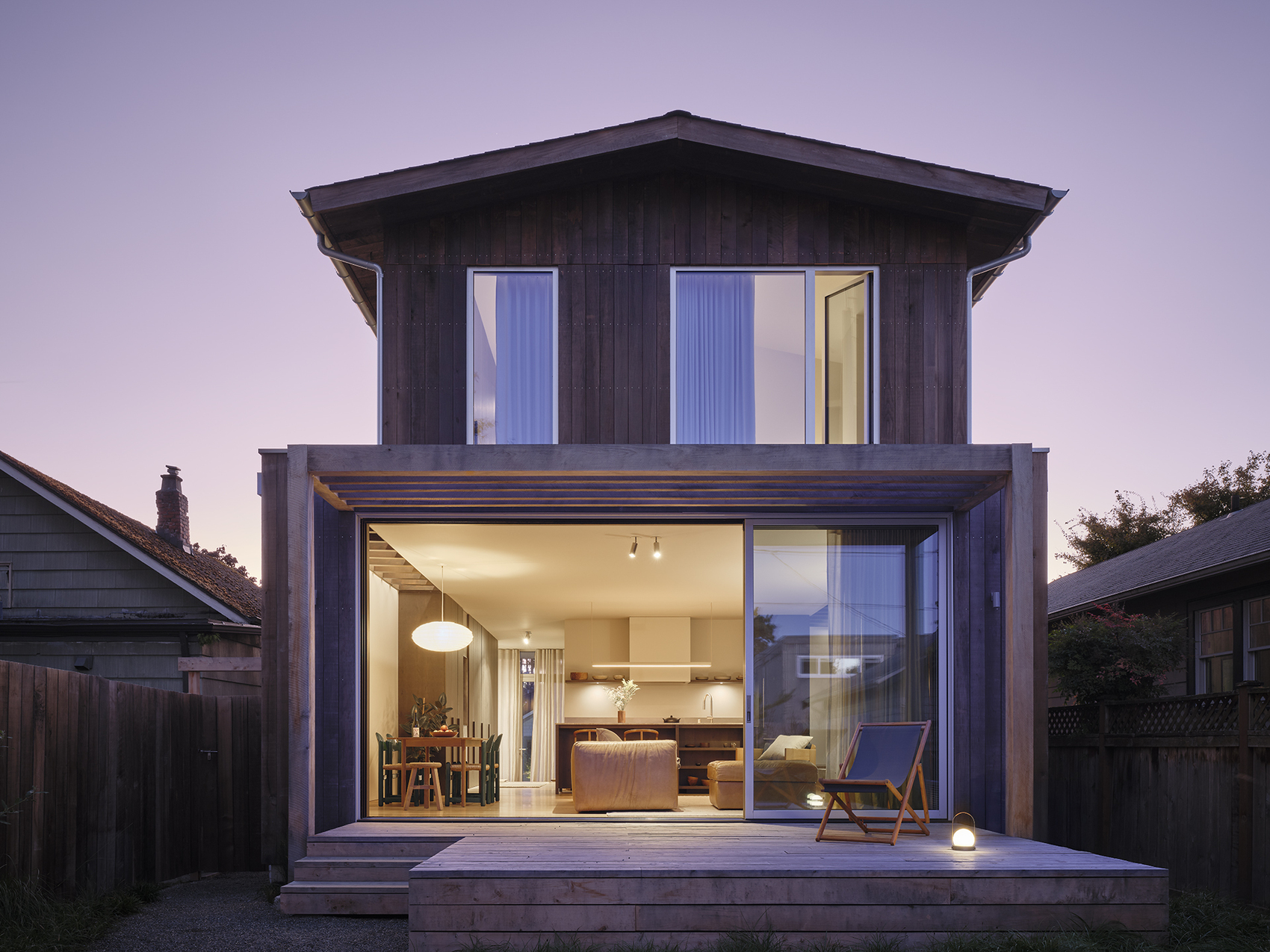
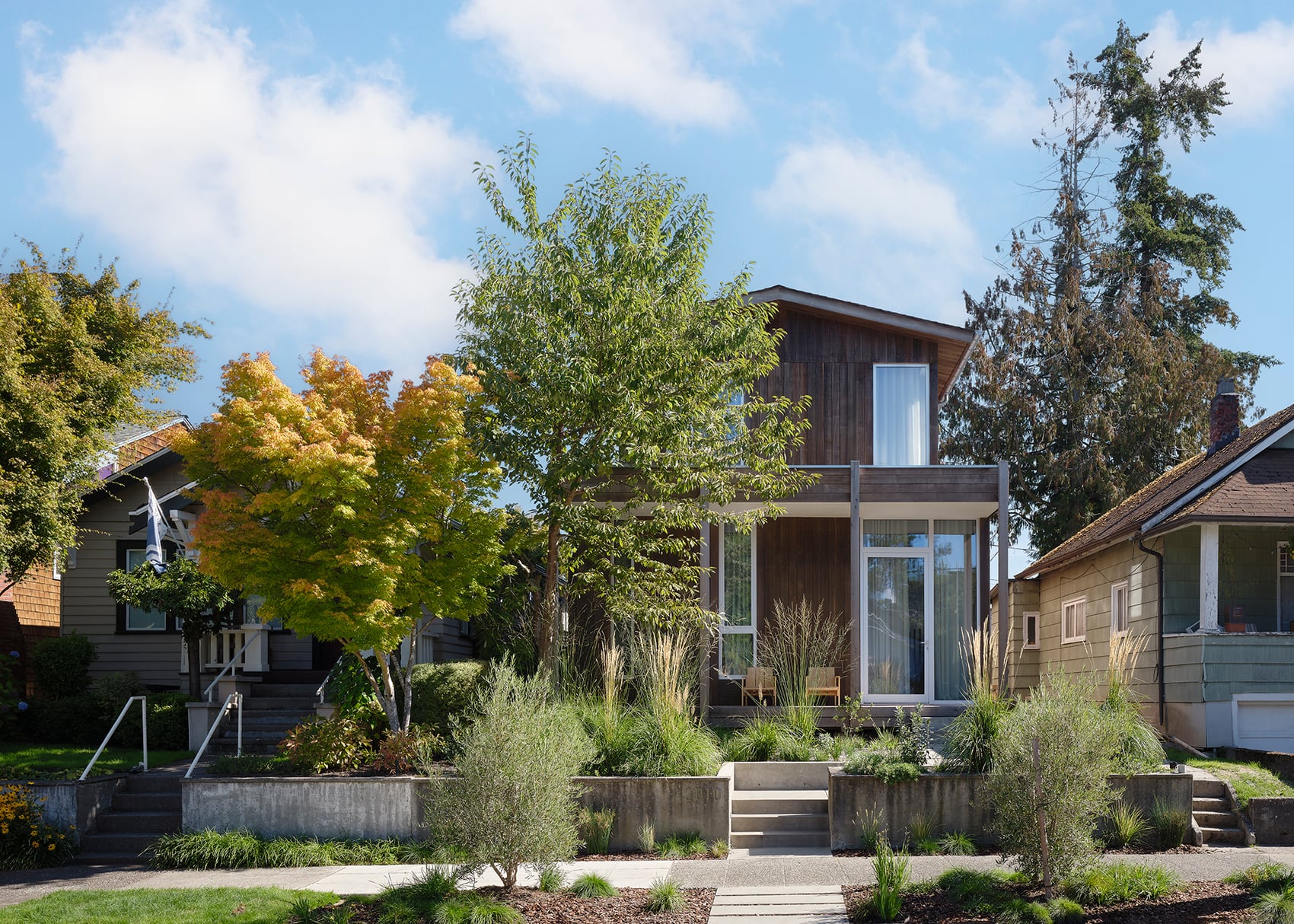
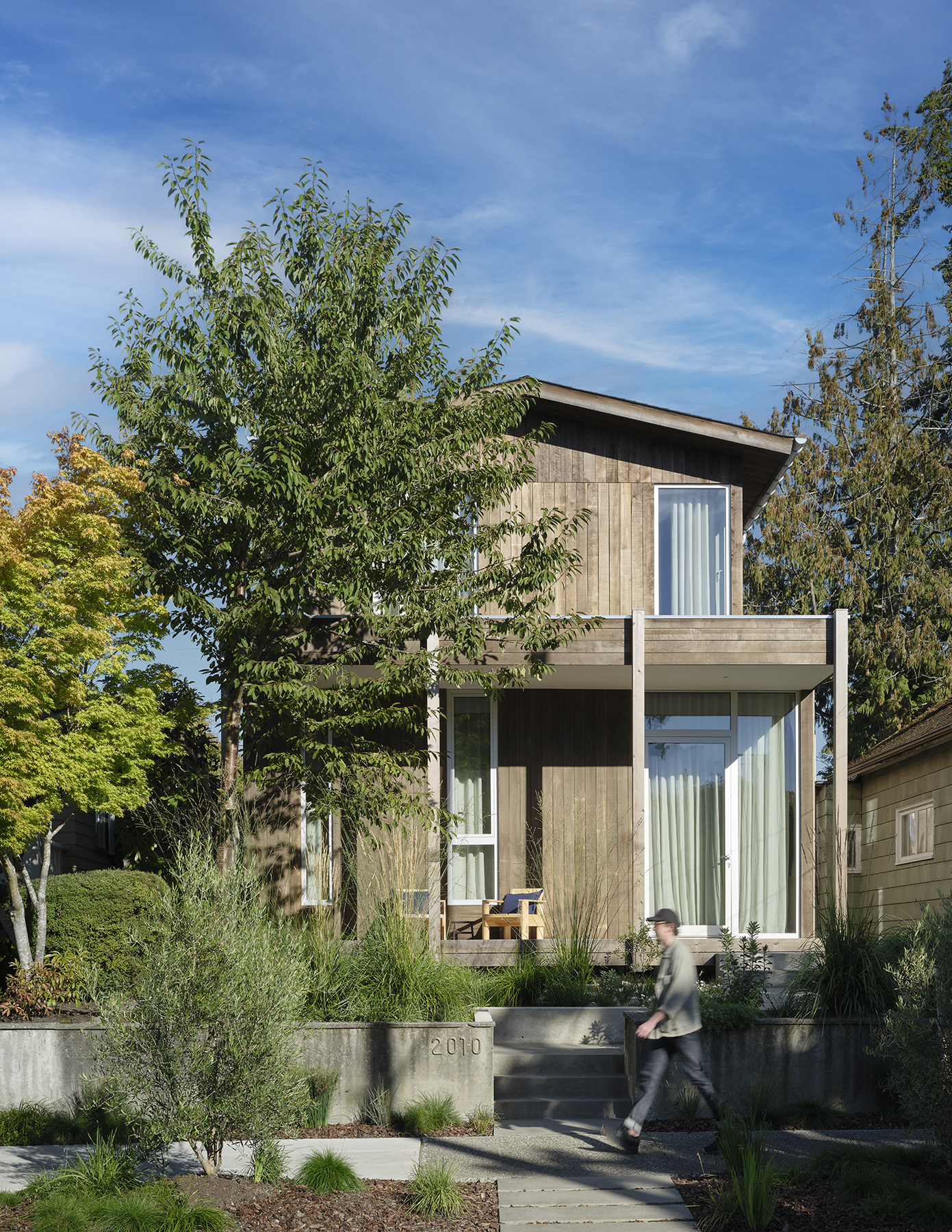
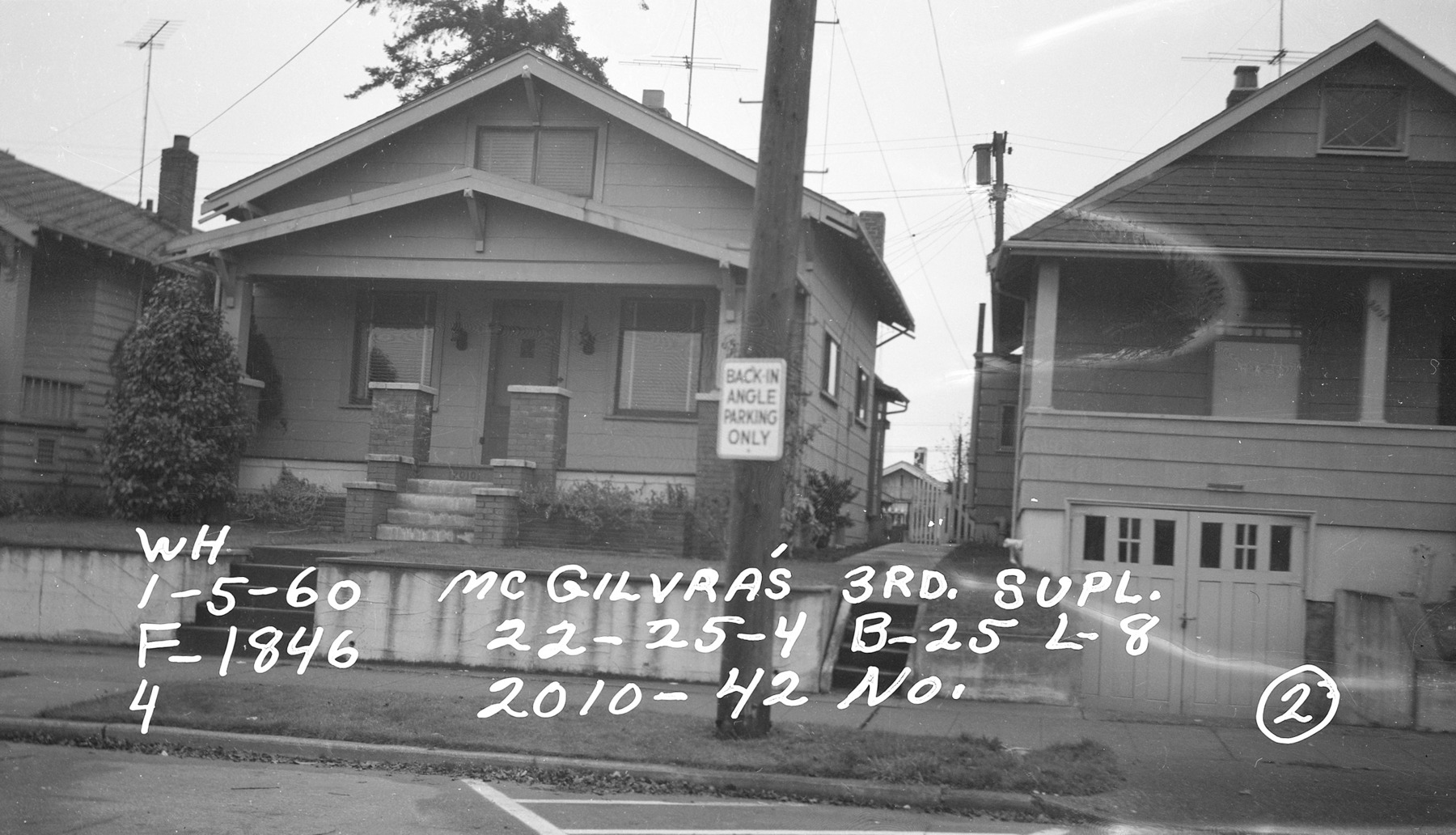
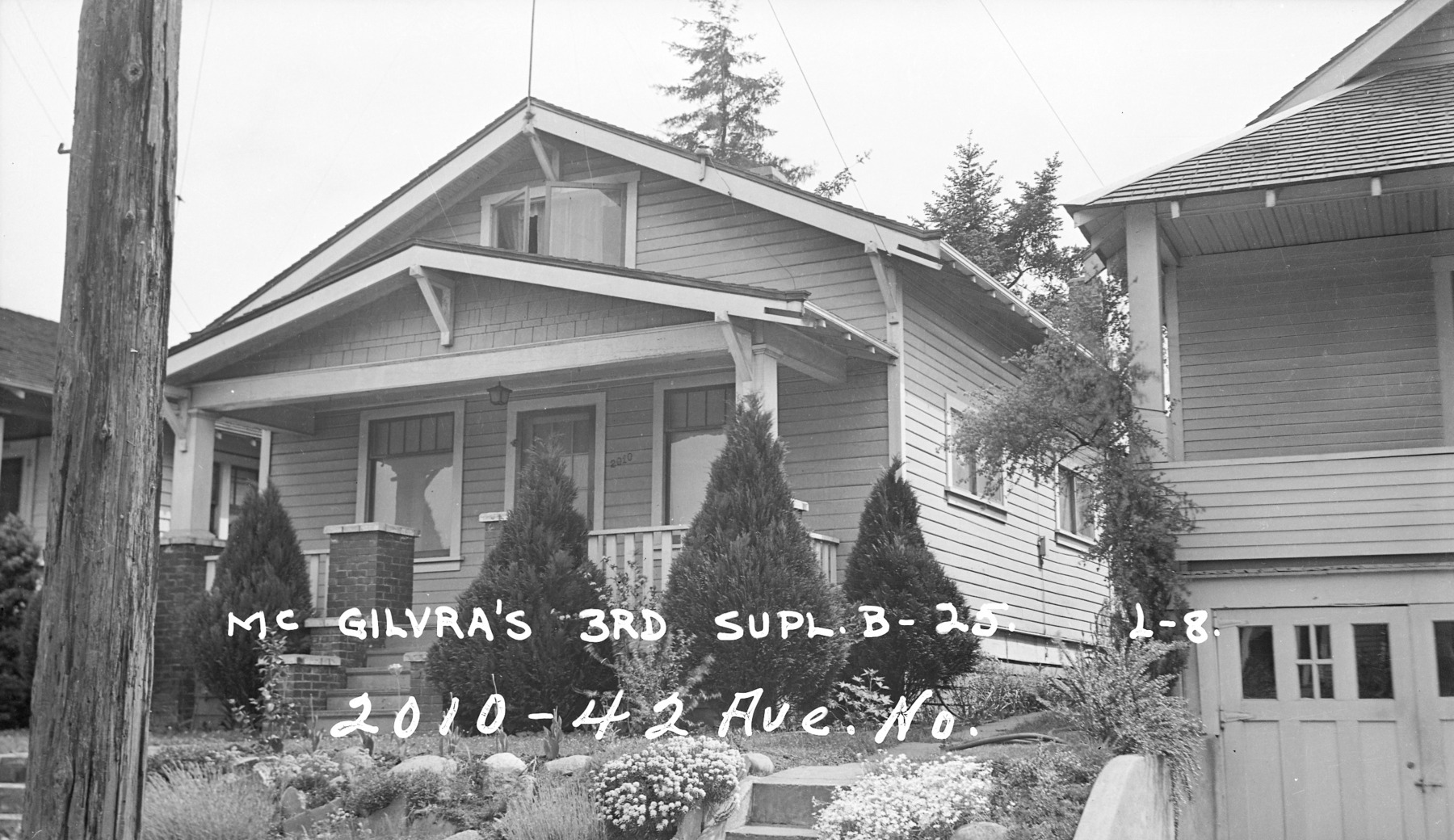
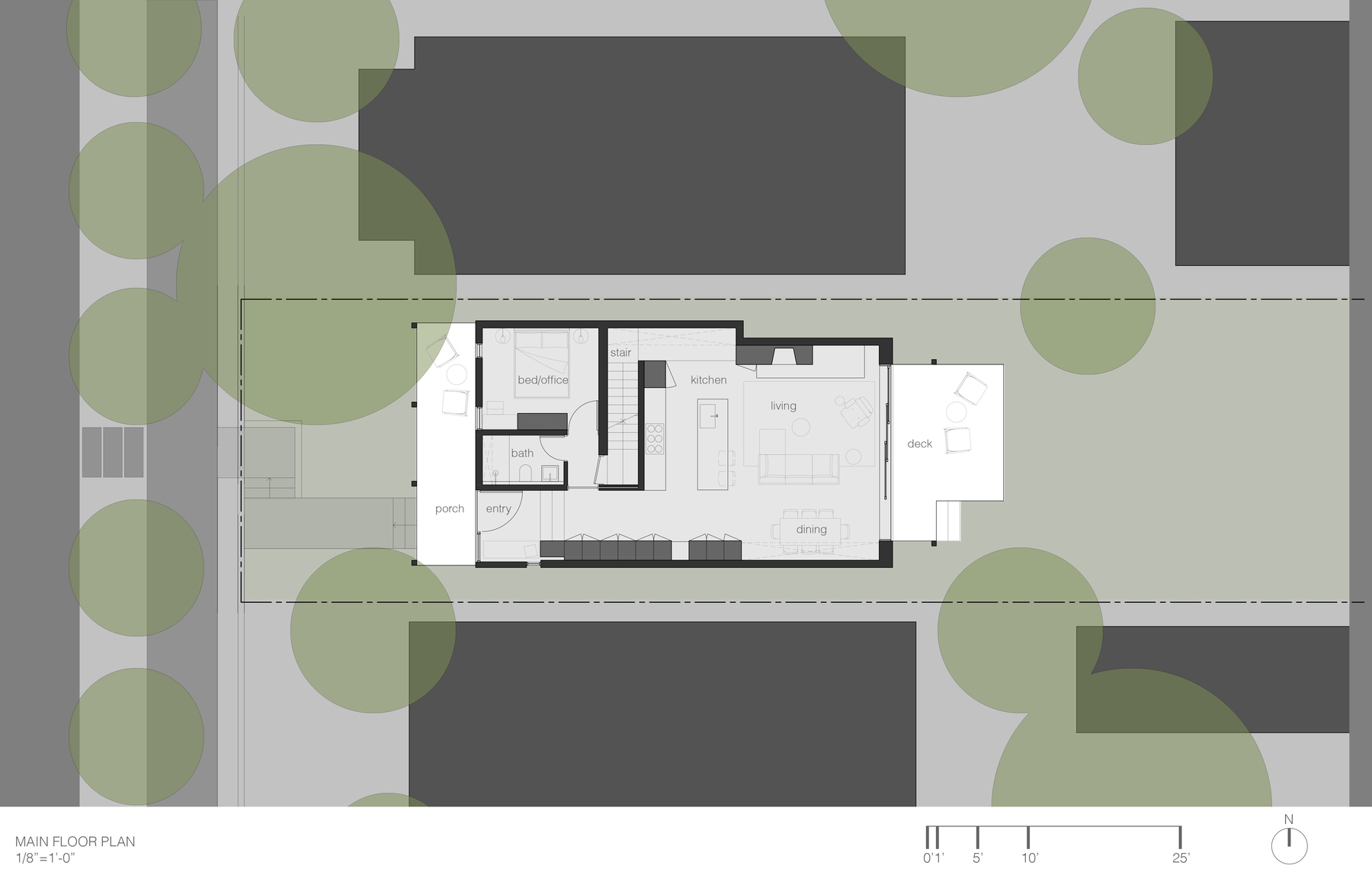
Madison Park Bungalow is a 1,625-square-foot residence in Seattle designed by Drew Shawver Architecture and Design as a contemporary reinterpretation of the traditional bungalow. Built on the foundation of the home it replaces, the project preserves a tangible connection to the site’s history while optimizing the allowable footprint within current zoning constraints. The design balances modern spatial openness with contextual sensitivity, using a restrained gabled form clad in locally harvested Port Orford cedar that will weather naturally over time. A contemporary front porch sustains the bungalow’s traditional relationship to the street, while native landscape planting reinforces its connection to the Pacific Northwest setting. Inside, narrow perimeter skylights introduce soft, shifting daylight while maintaining privacy from adjacent homes. Bright interior surfaces are paired with dark-stained wood cabinetry to create a carefully composed material contrast that reflects the project’s emphasis on craft and atmosphere. Through measured design decisions and a strong sense of place, the residence offers a refined model for urban infill housing that engages local architectural traditions while addressing contemporary patterns of domestic life.
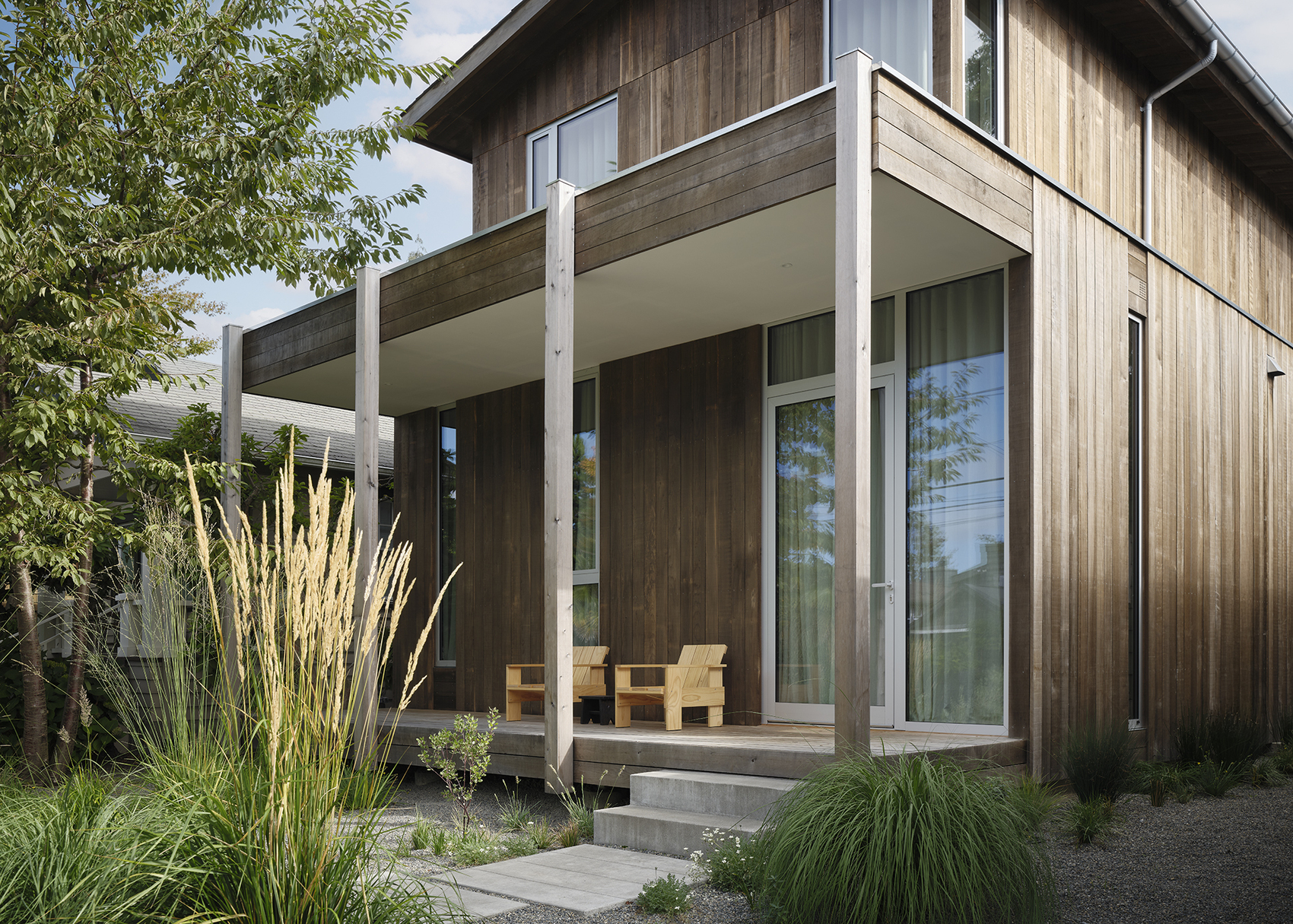
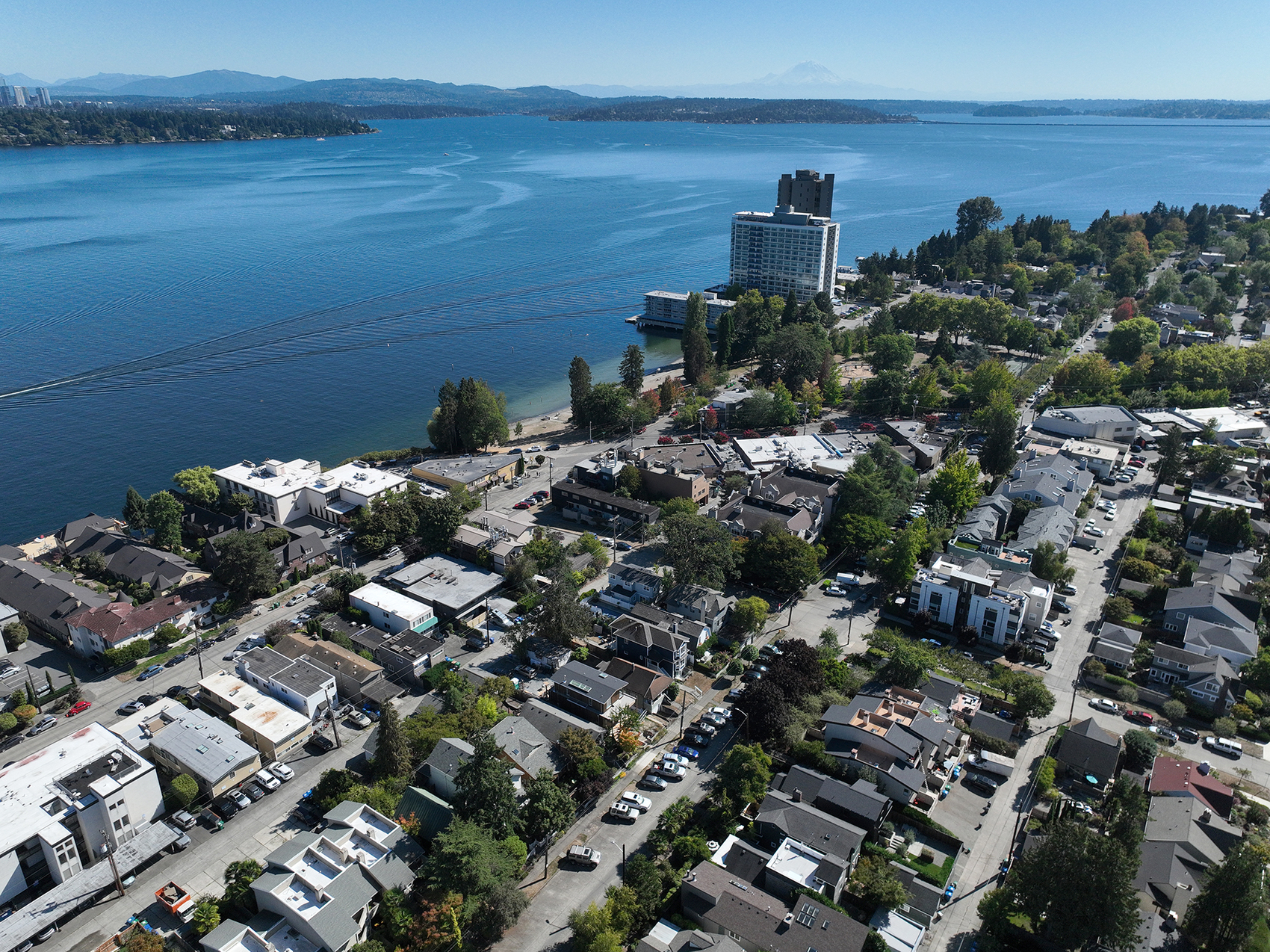
Madison Park Bungalow explores how contemporary residential architecture can inhabit a historic neighborhood without resorting to mimicry or deliberate contrast. Drew Shawver Architecture + Design approached the replacement residence as an opportunity to reinterpret the familiar language of the bungalow through a more restrained and considered architectural expression. The project reflects a sensitivity to the established character of Seattle’s Madison Park neighborhood while articulating a distinctly modern spatial sensibility shaped by light, proportion, and material authenticity.
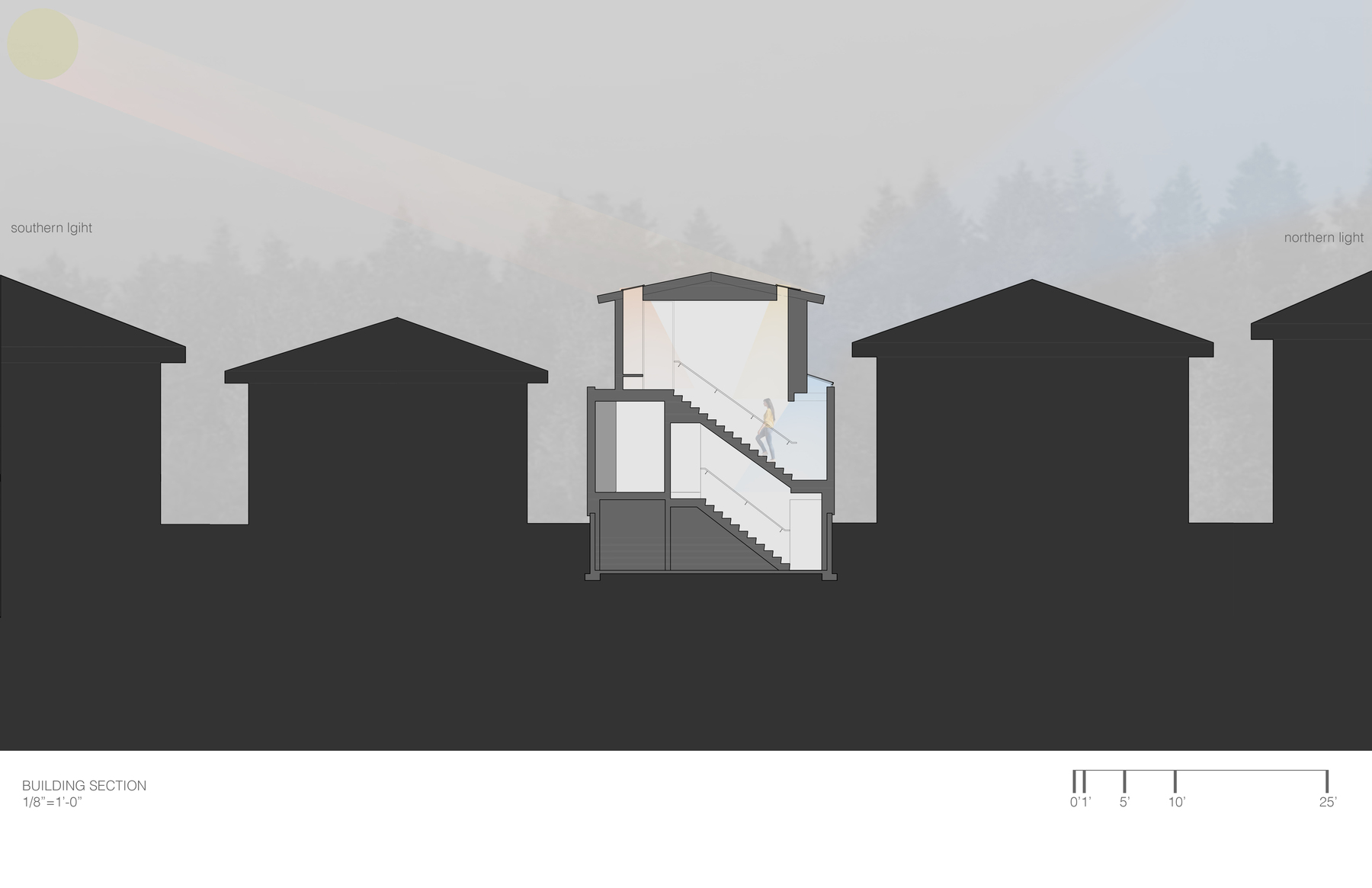
Central to the design is the reuse of the original foundation, a decision that anchors the new house to the physical memory of its predecessor. This strategy offered both practical and conceptual advantages, reducing demolition waste and construction costs while allowing the design team to achieve a broader footprint than current zoning would typically permit. Rather than erasing the site’s past, the intervention acknowledges continuity, allowing the new structure to emerge as an evolution rather than a replacement detached from context.
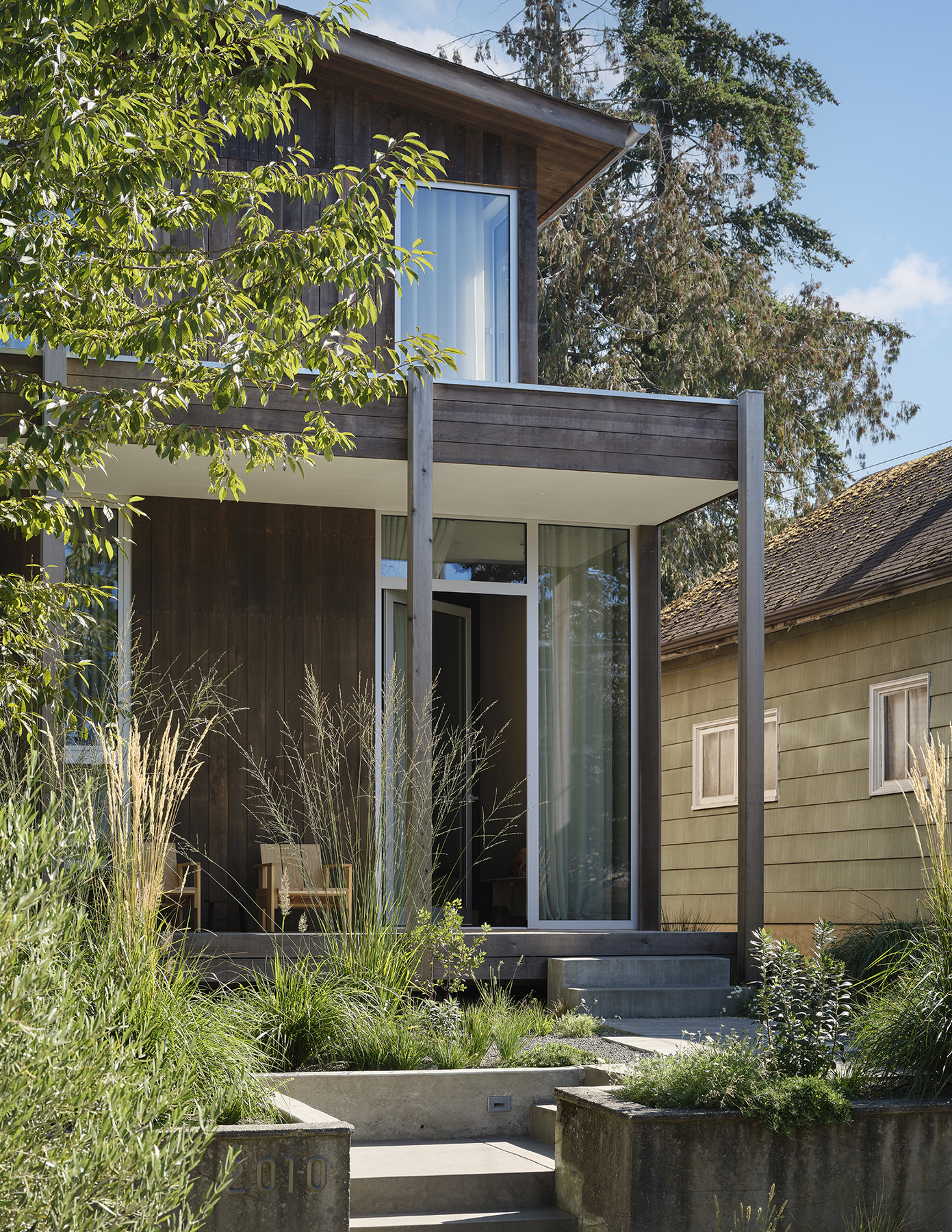
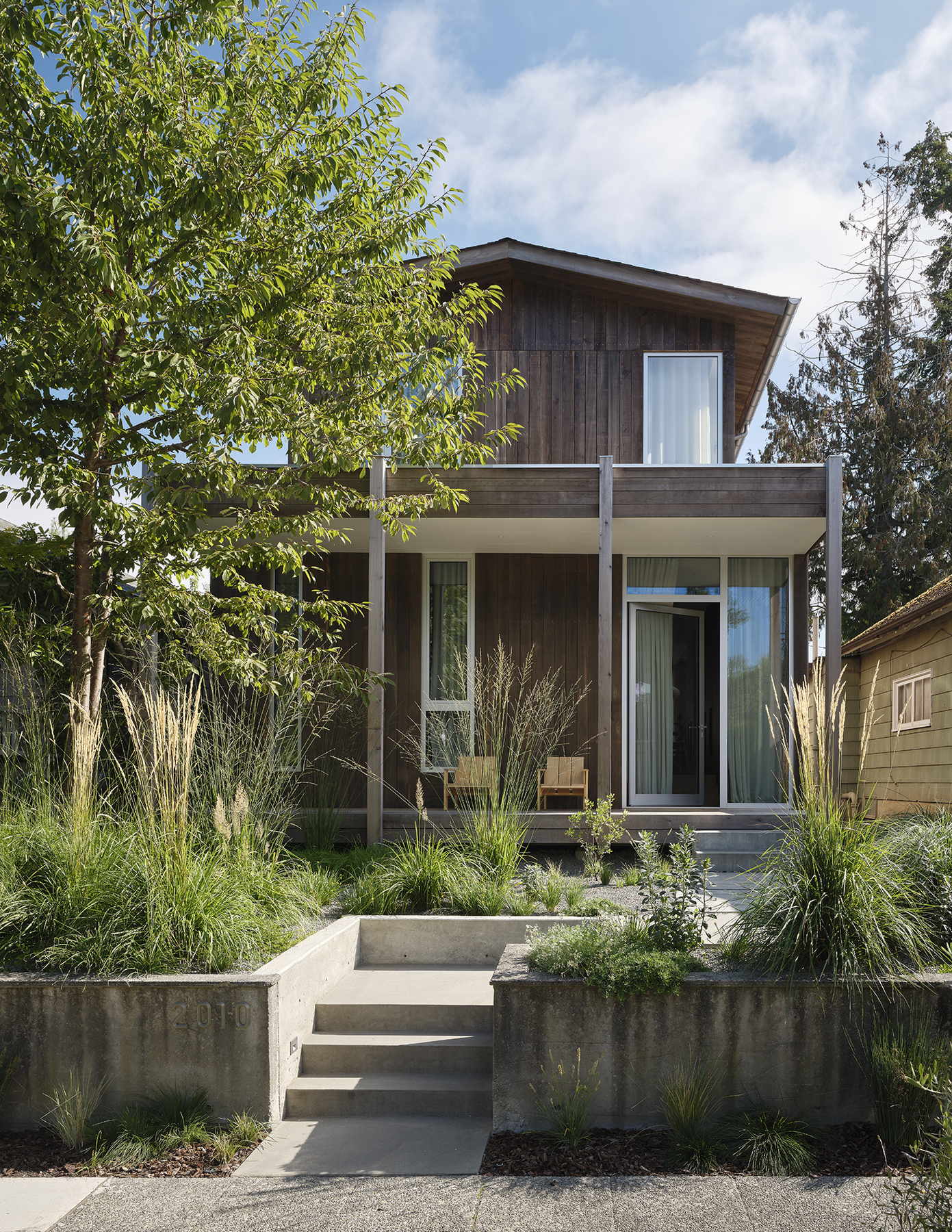
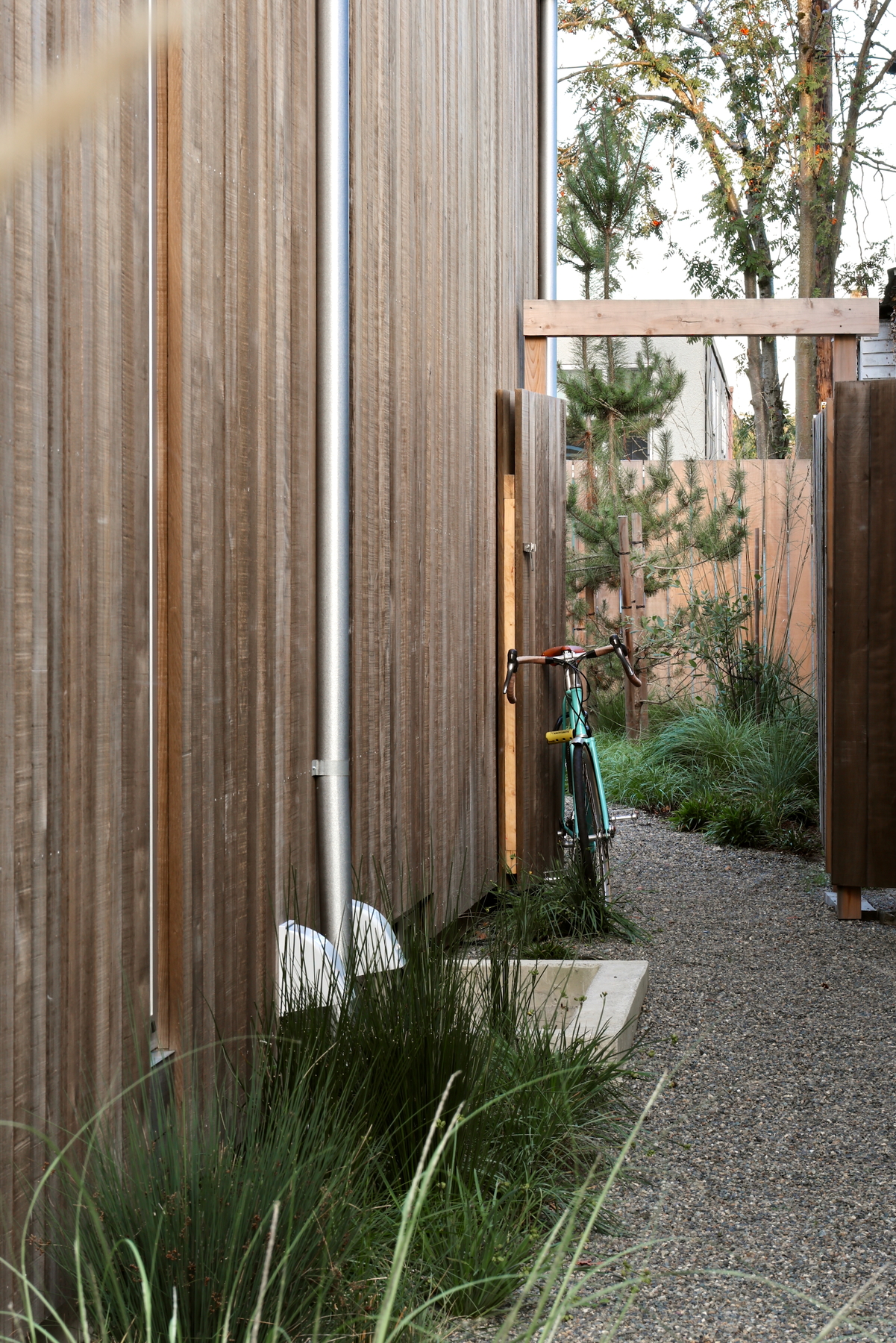
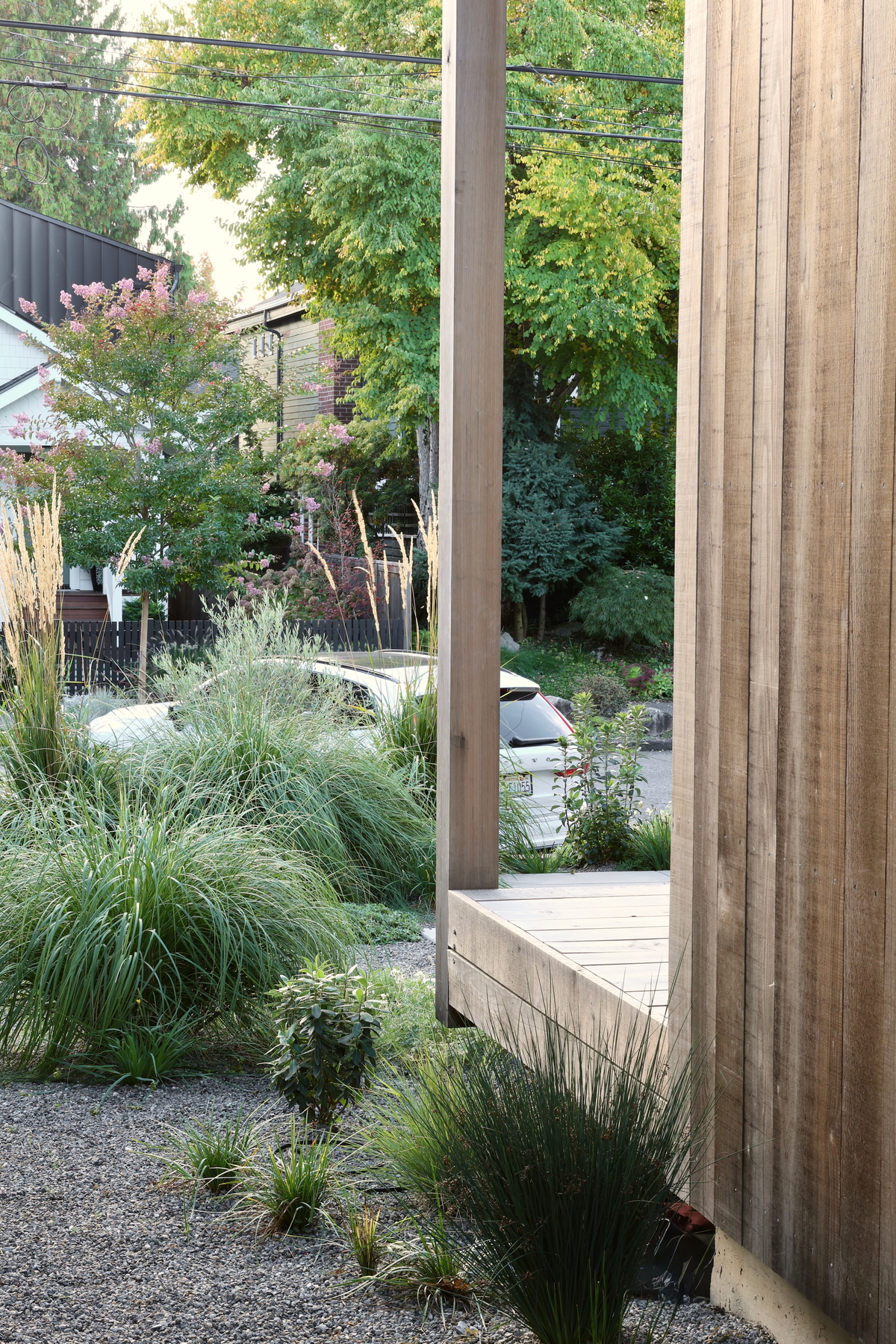
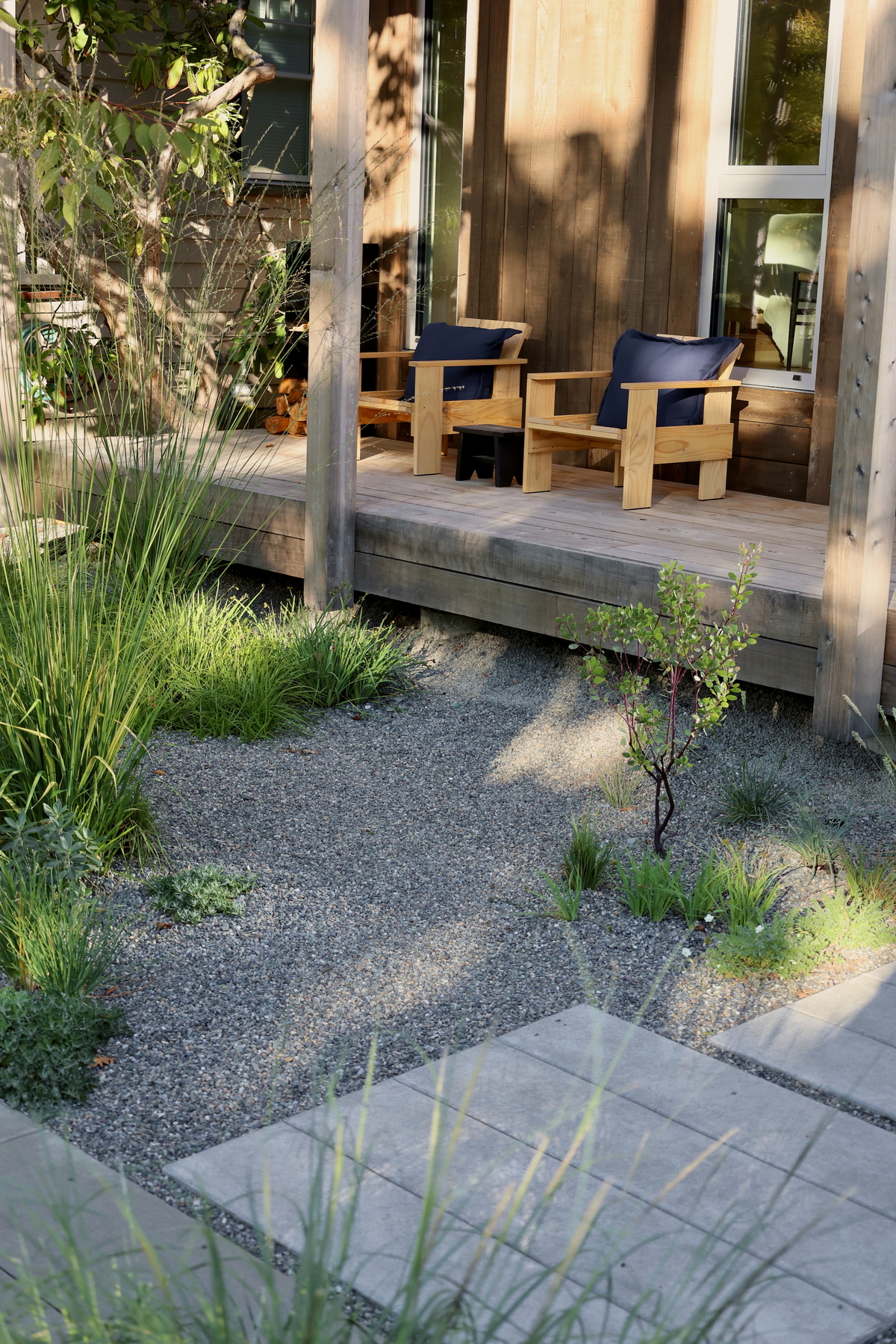
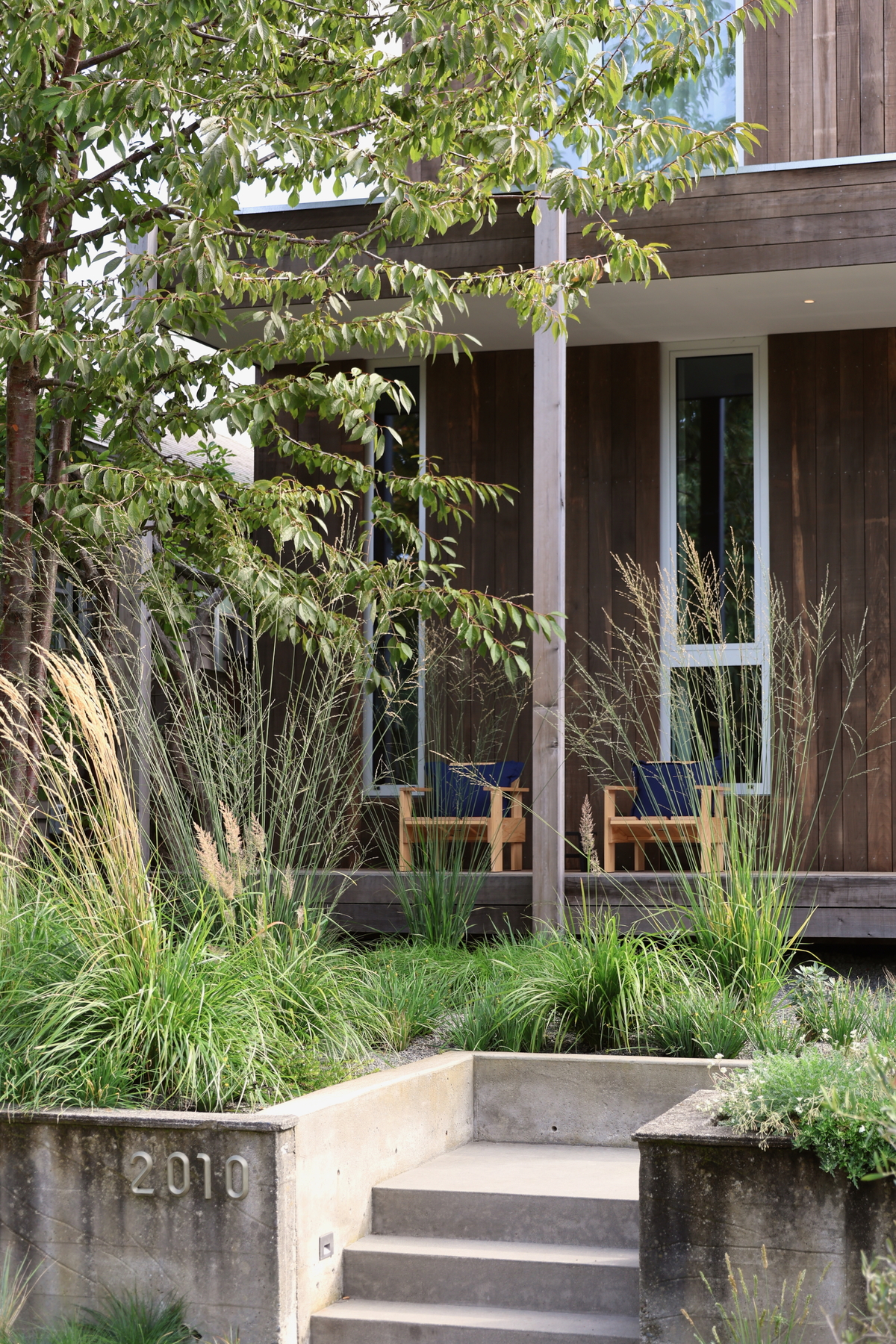
The exterior composition is defined by formal clarity and material restraint. A simple gabled volume establishes an immediate resonance with the surrounding residential fabric, while locally harvested Port Orford cedar siding lends warmth and regional specificity. Left to weather naturally, the cedar introduces a temporal dimension to the architecture, enabling the building to gradually deepen its relationship with climate and environment. The front porch extends this dialogue with context, reinterpreting a familiar neighborhood typology through contemporary detailing that maintains a visual and social connection to the pedestrian street.
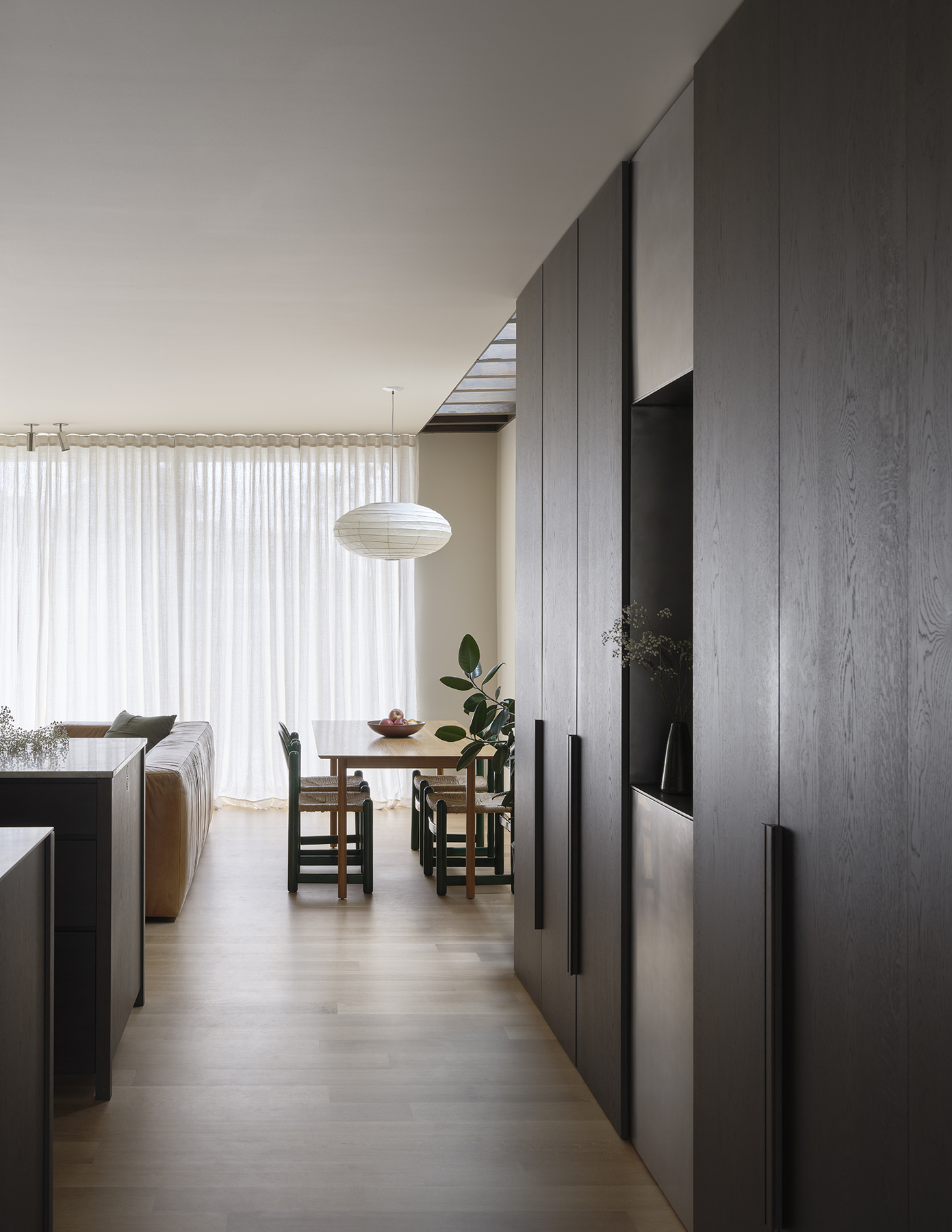
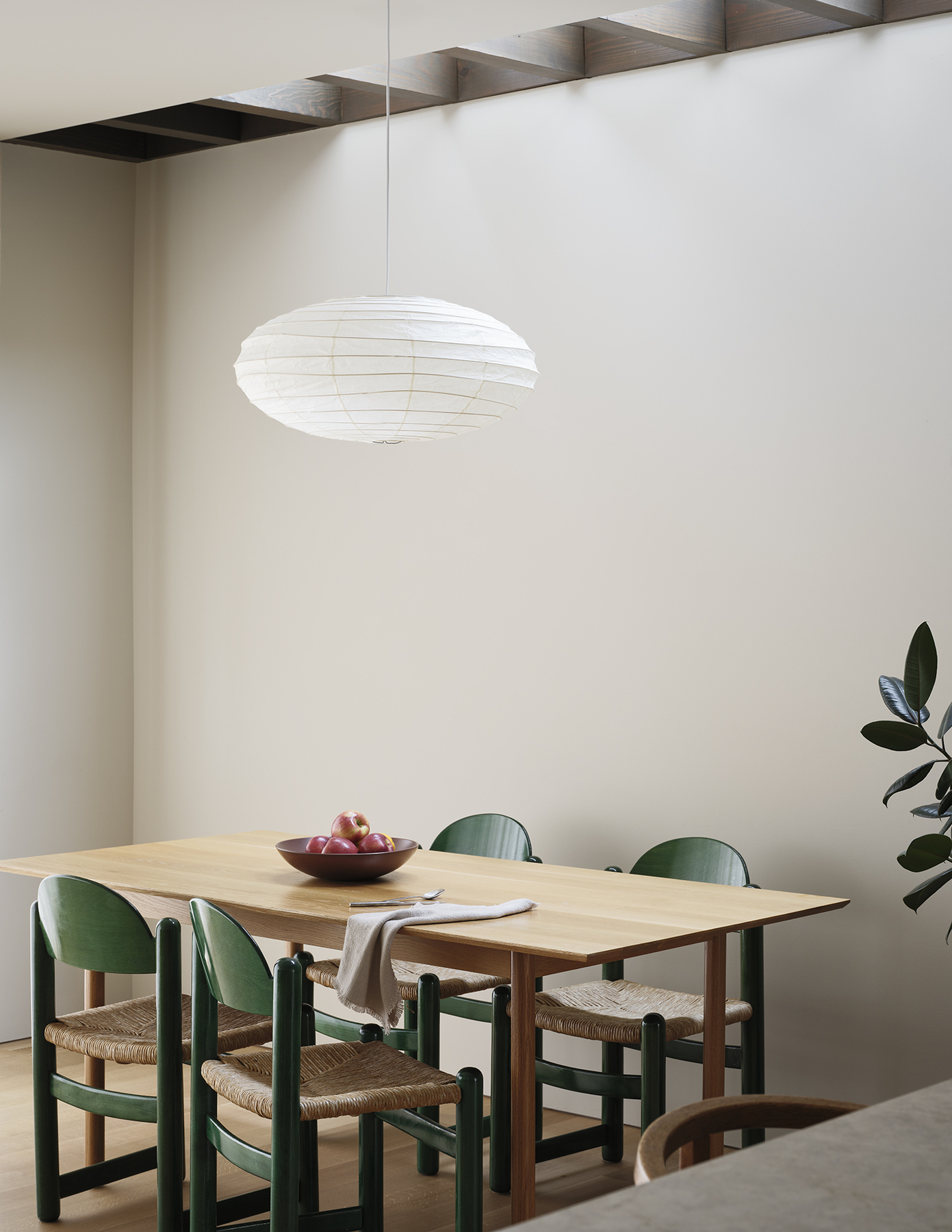
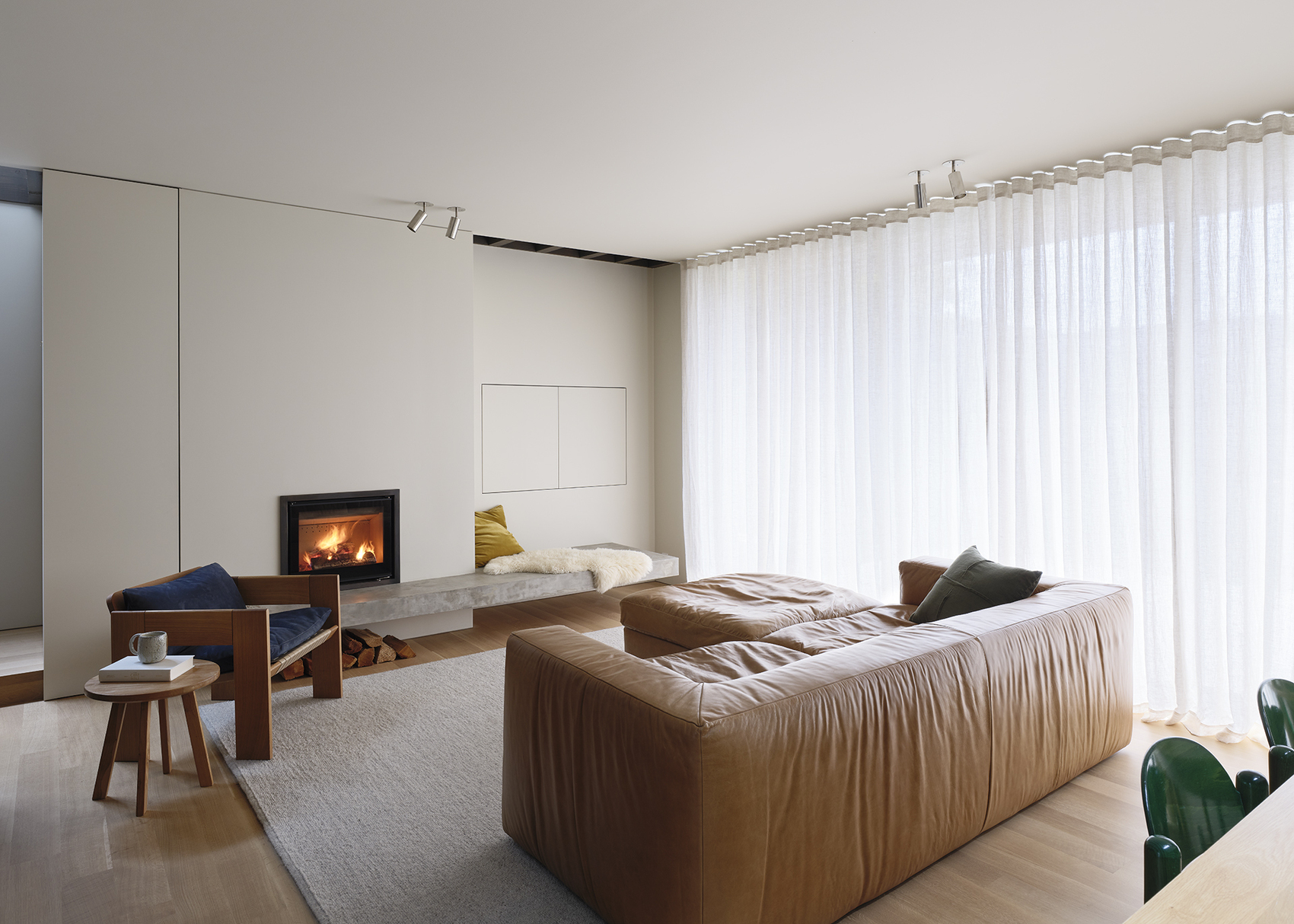
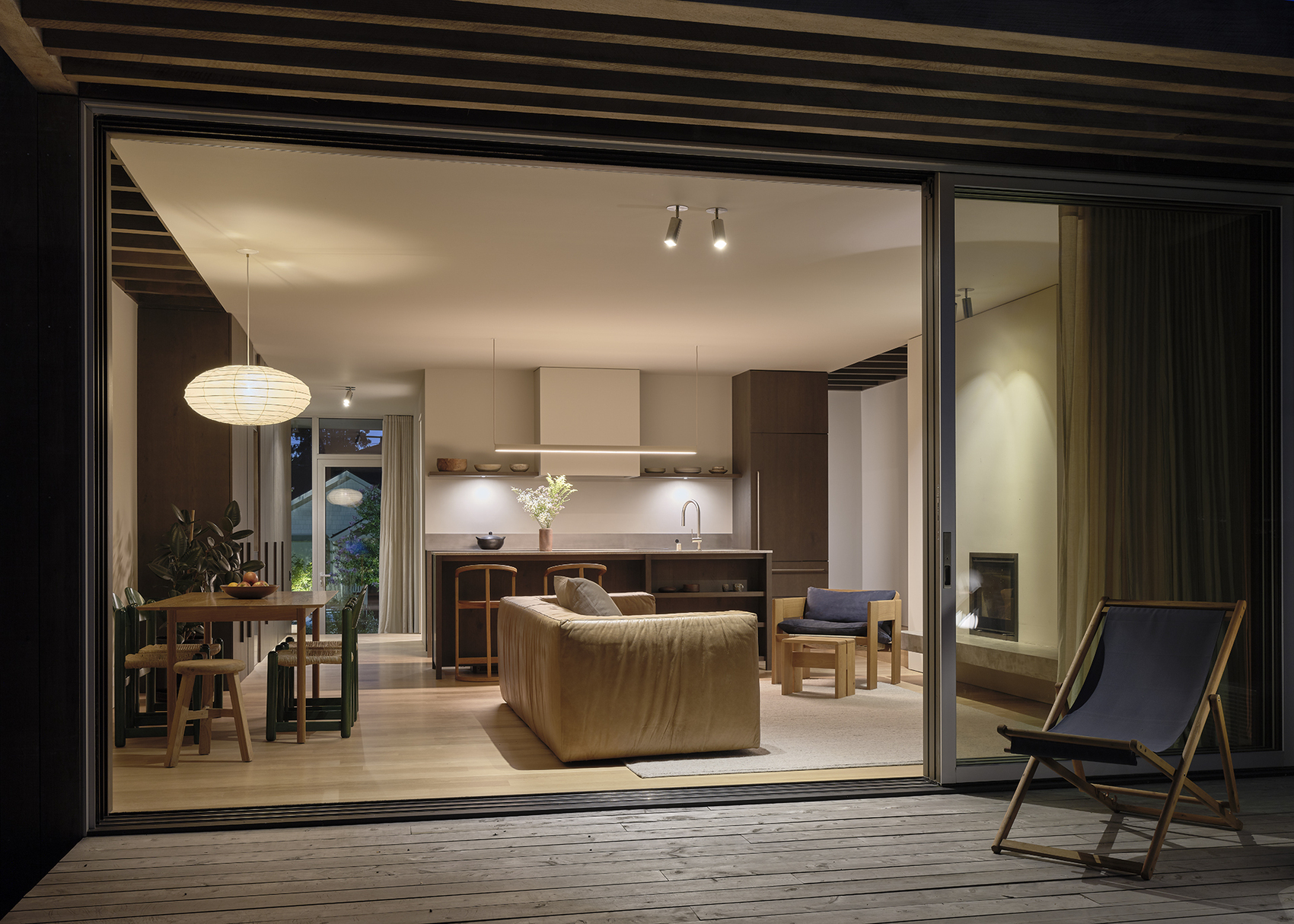
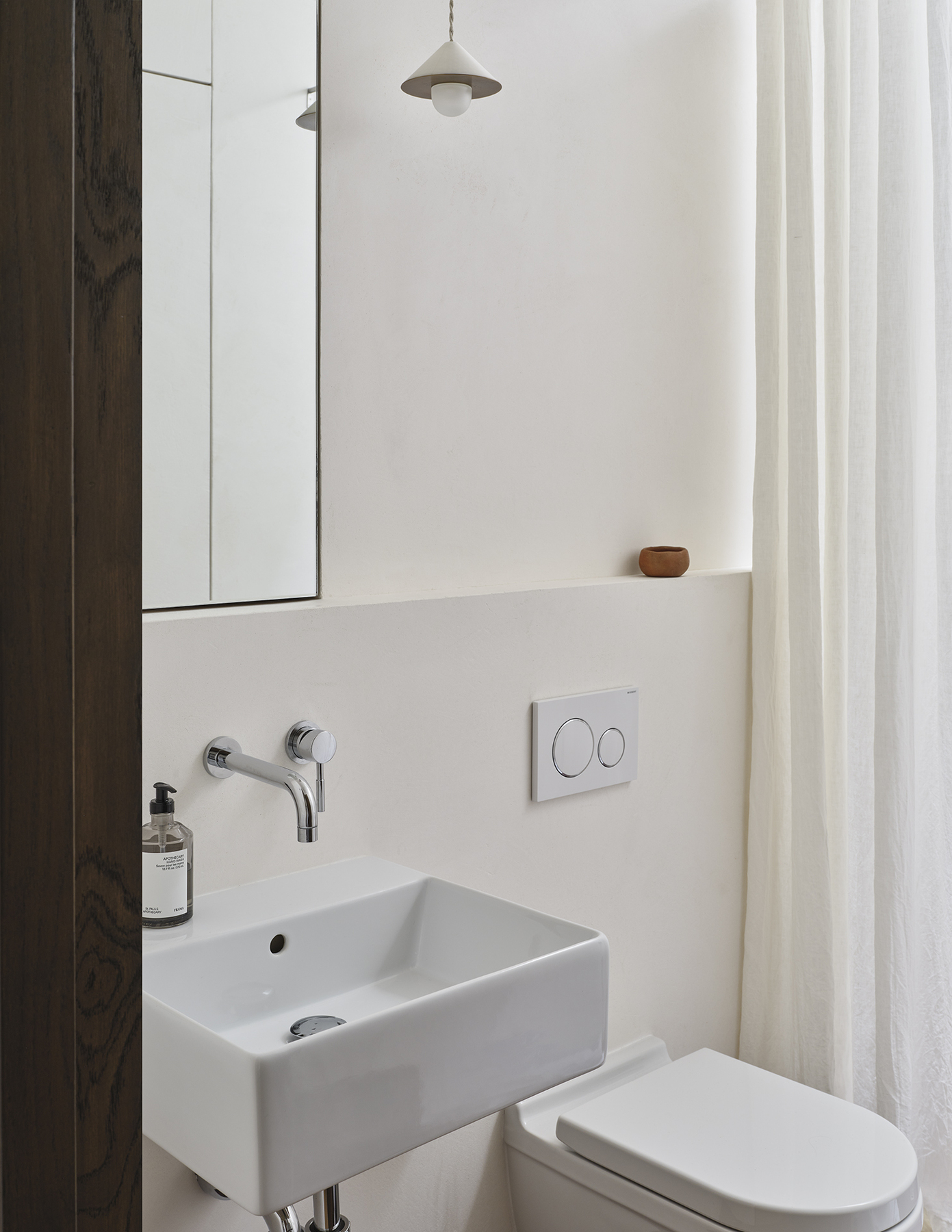
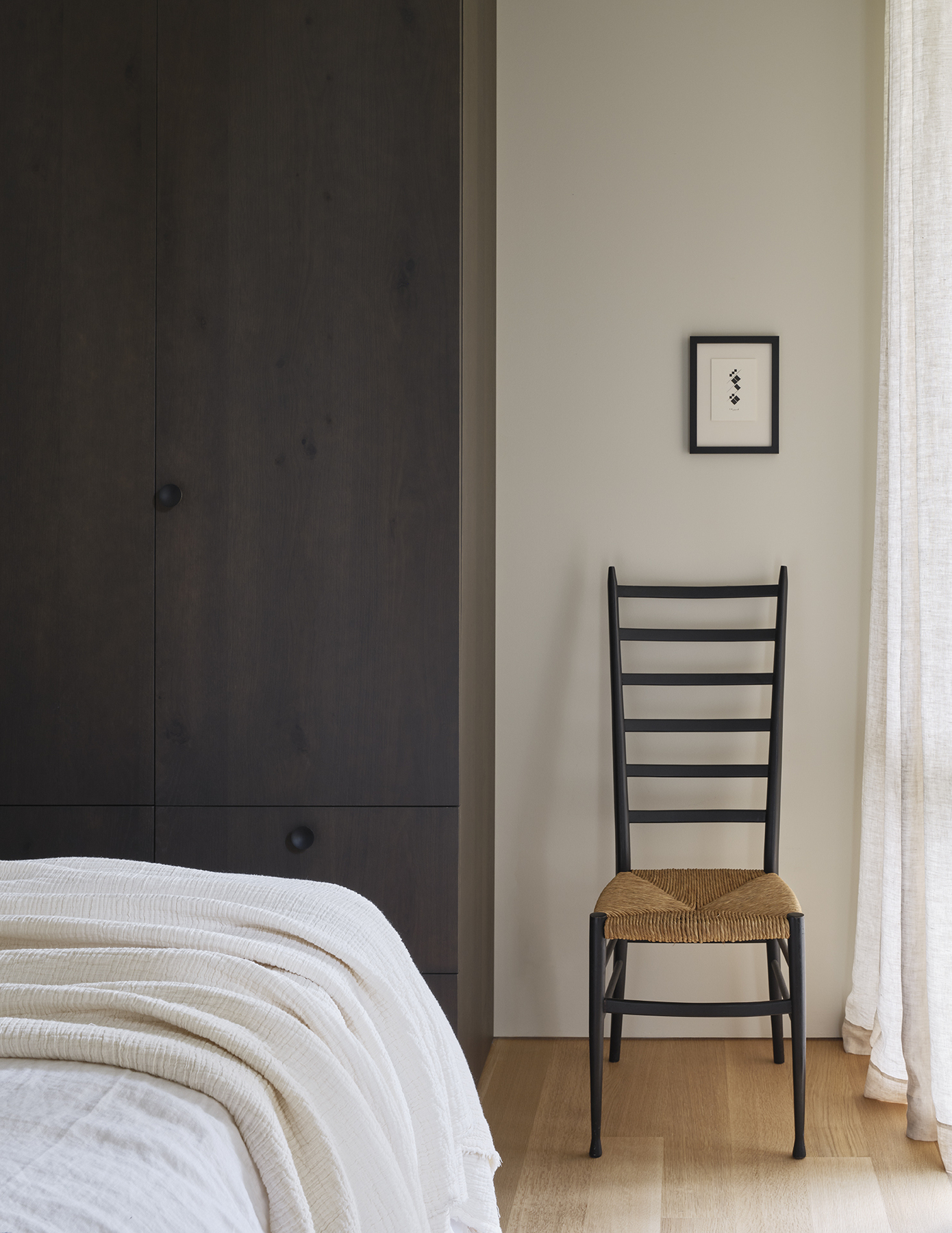
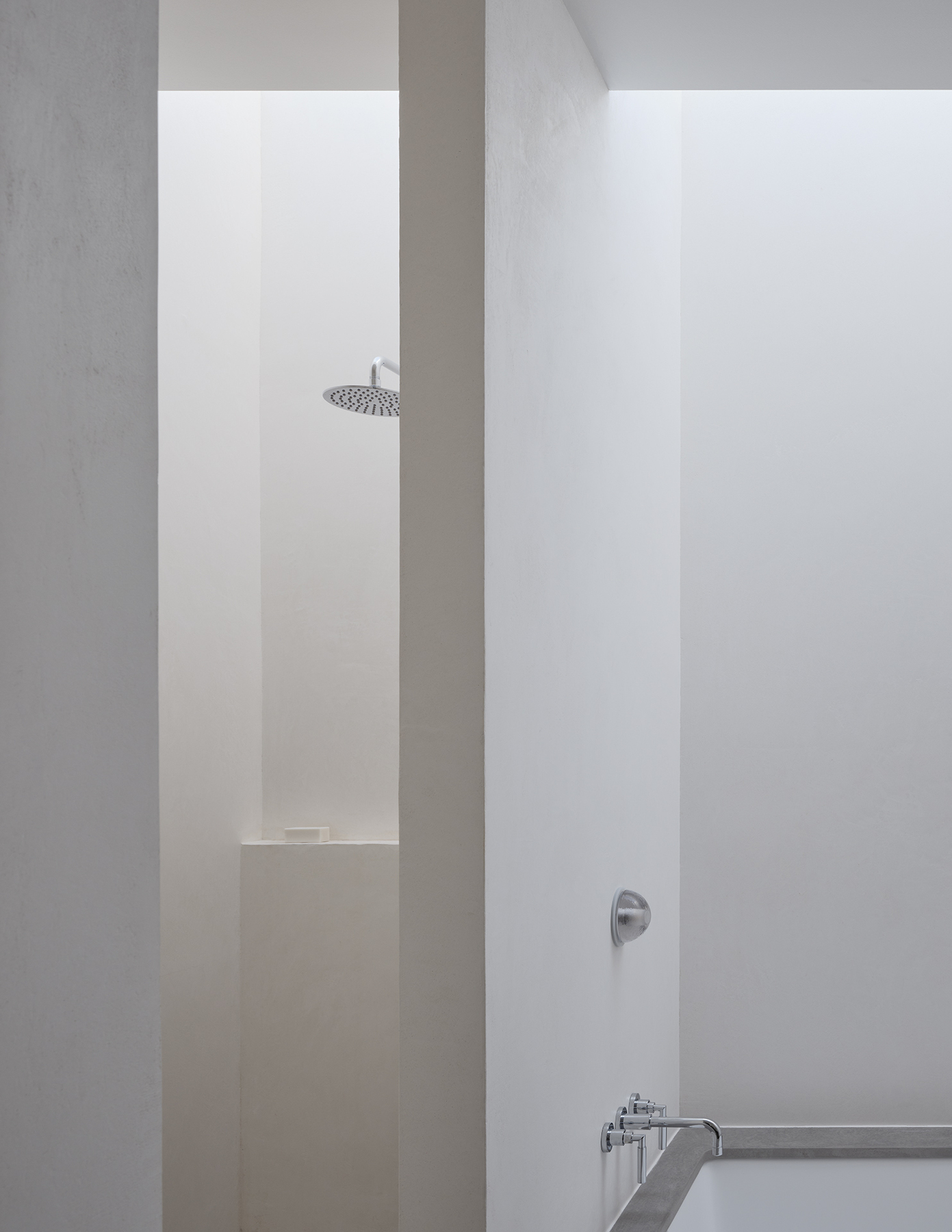
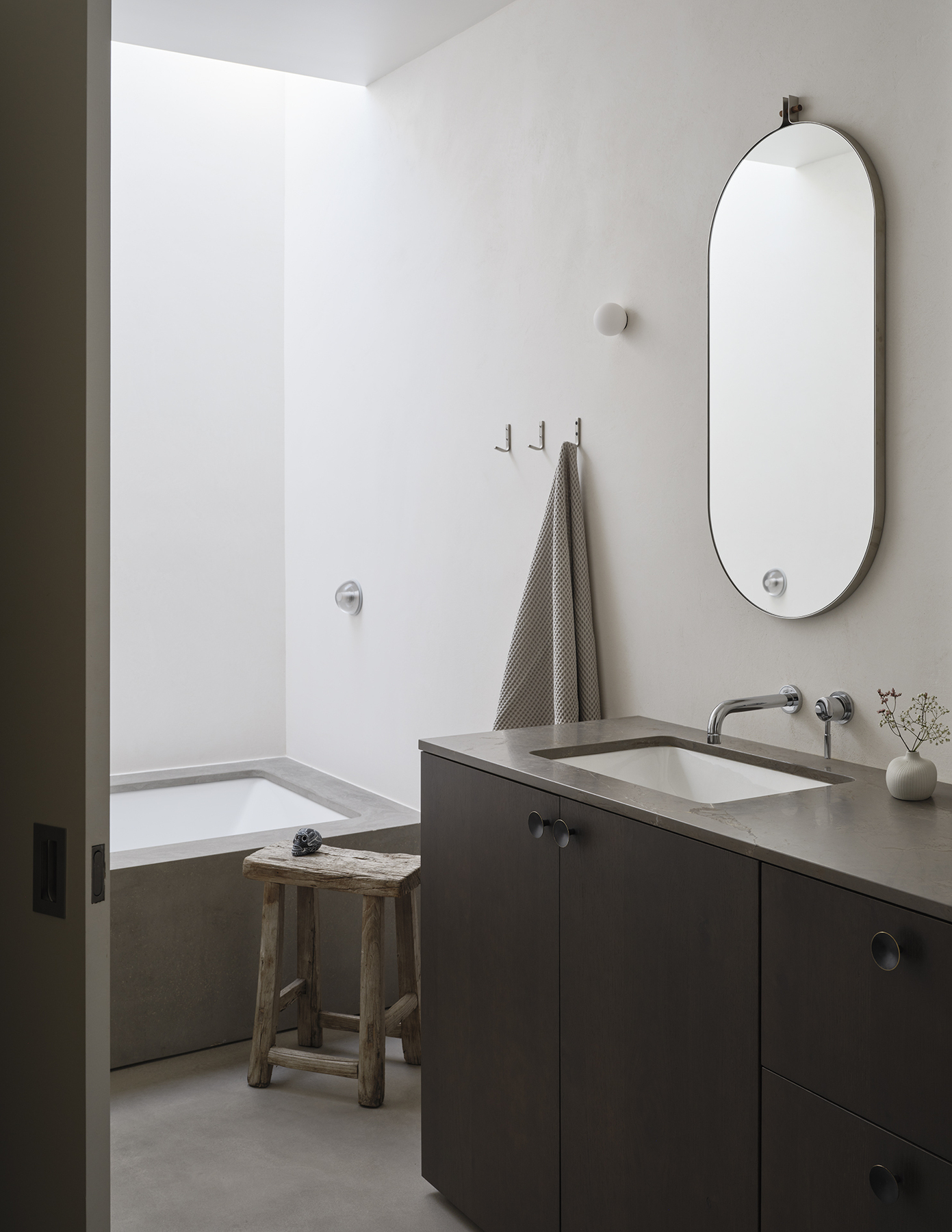
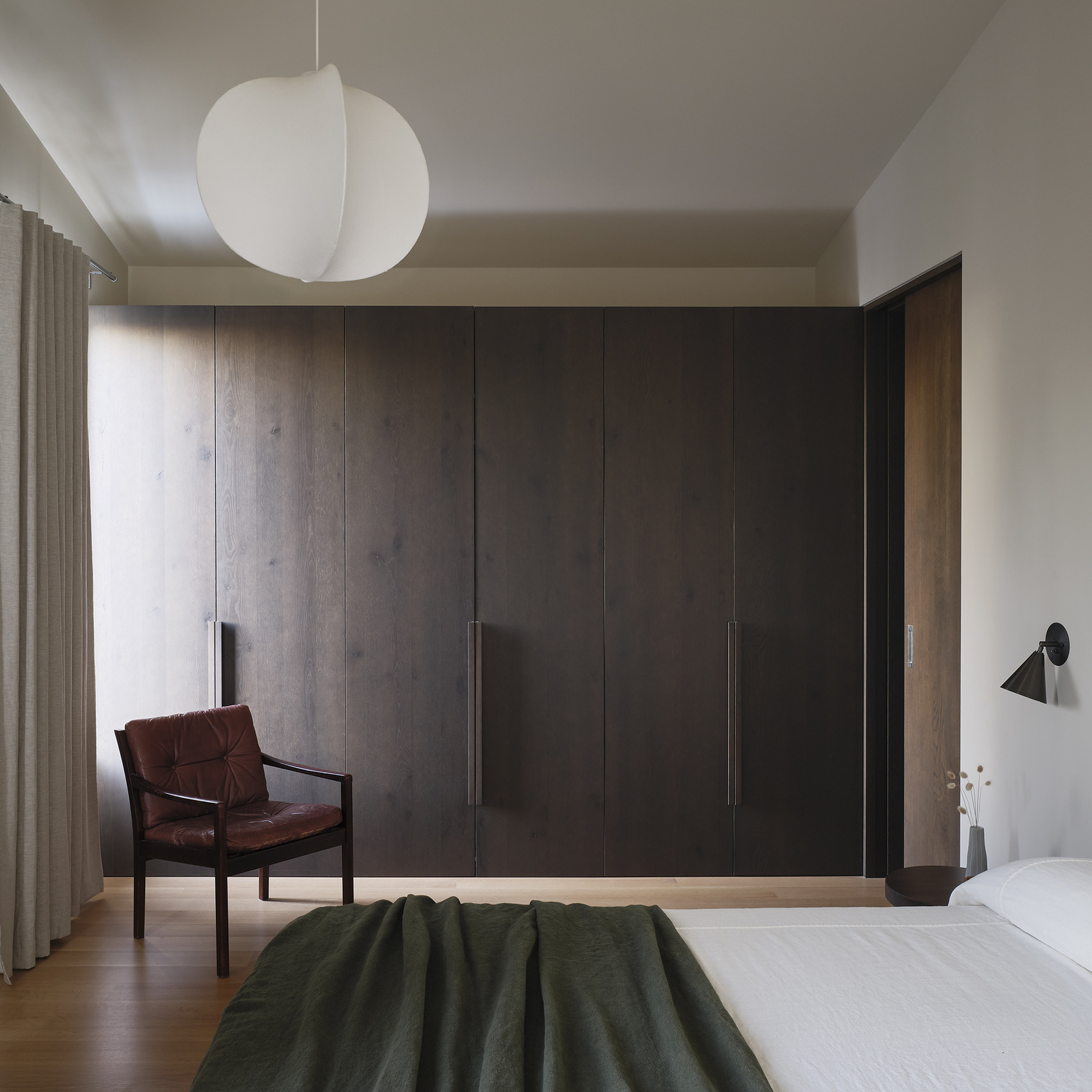
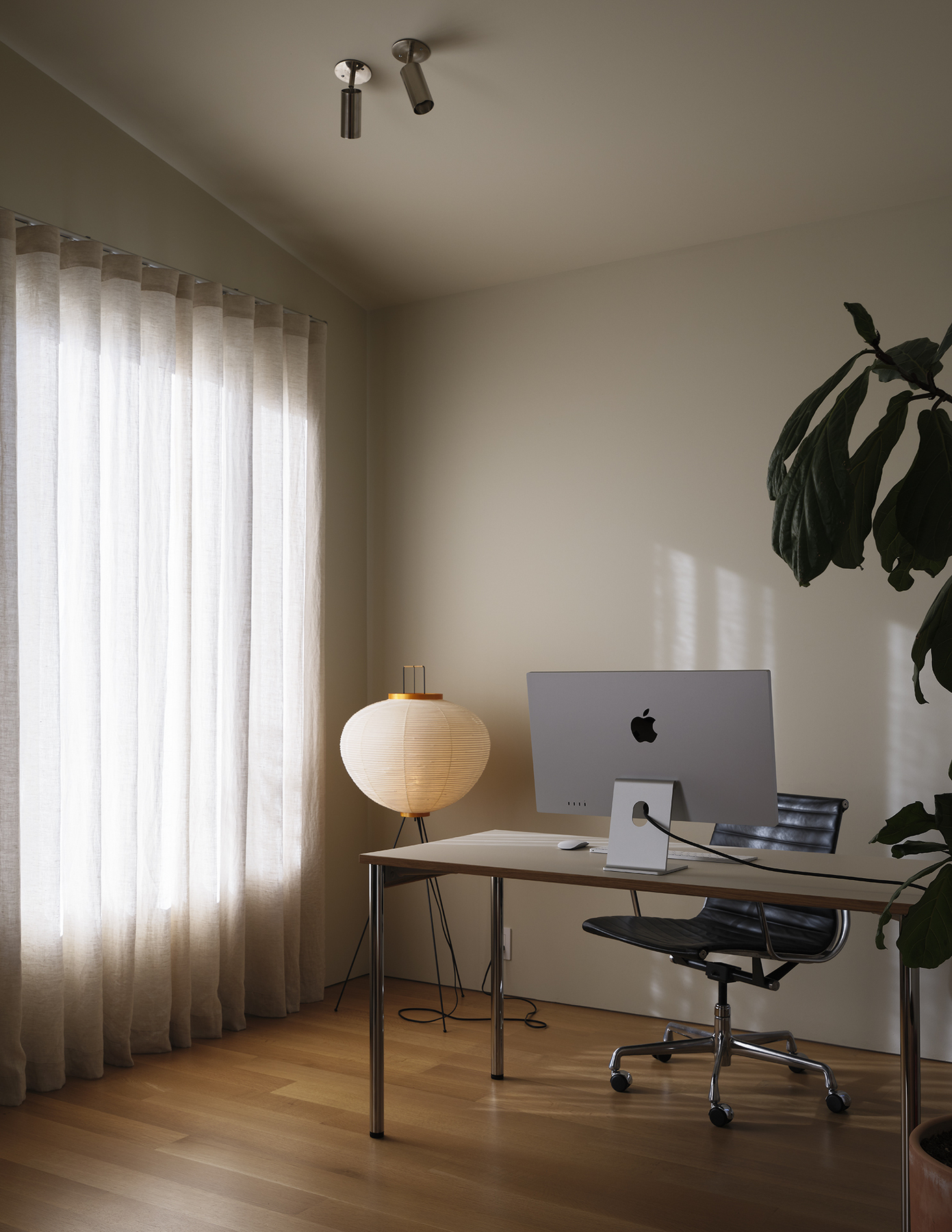
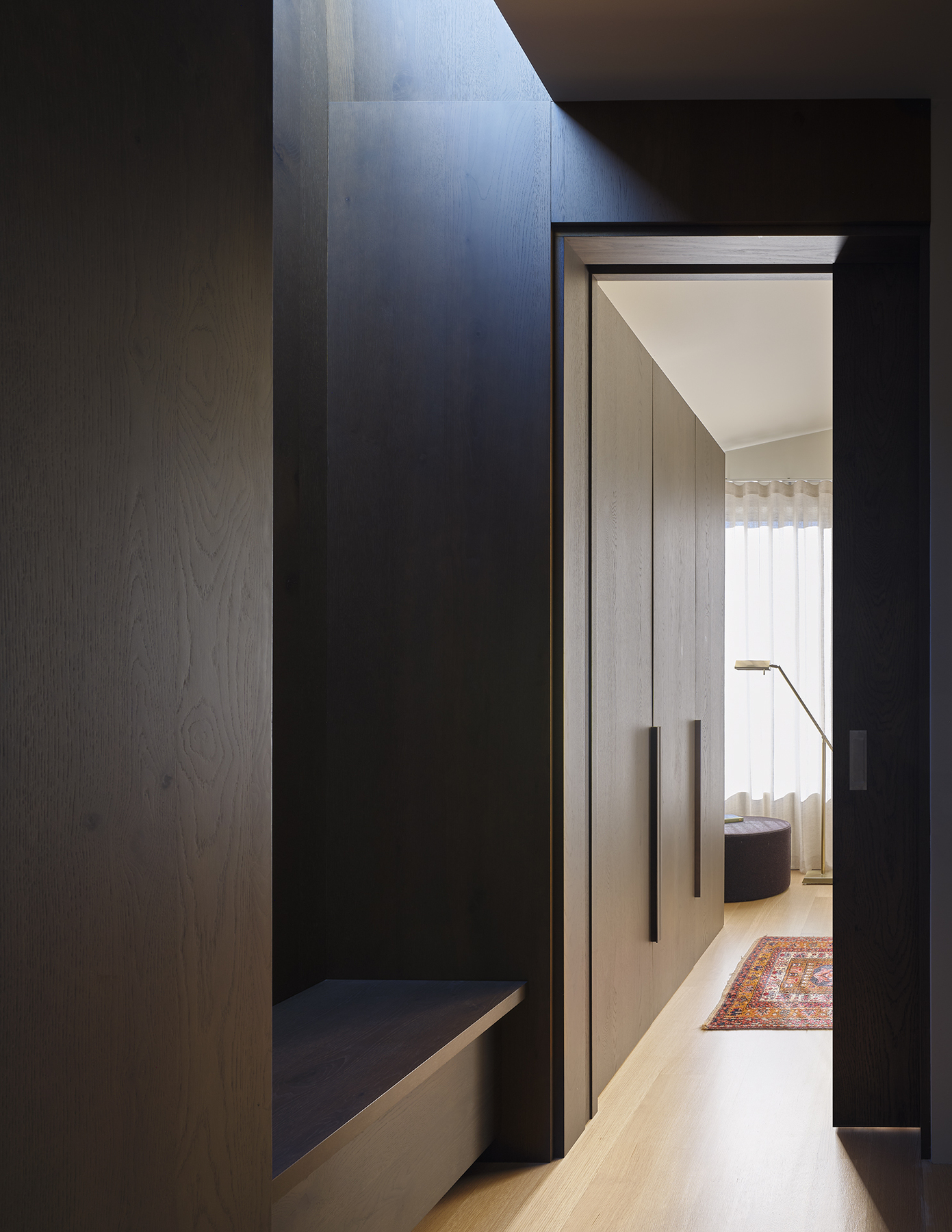
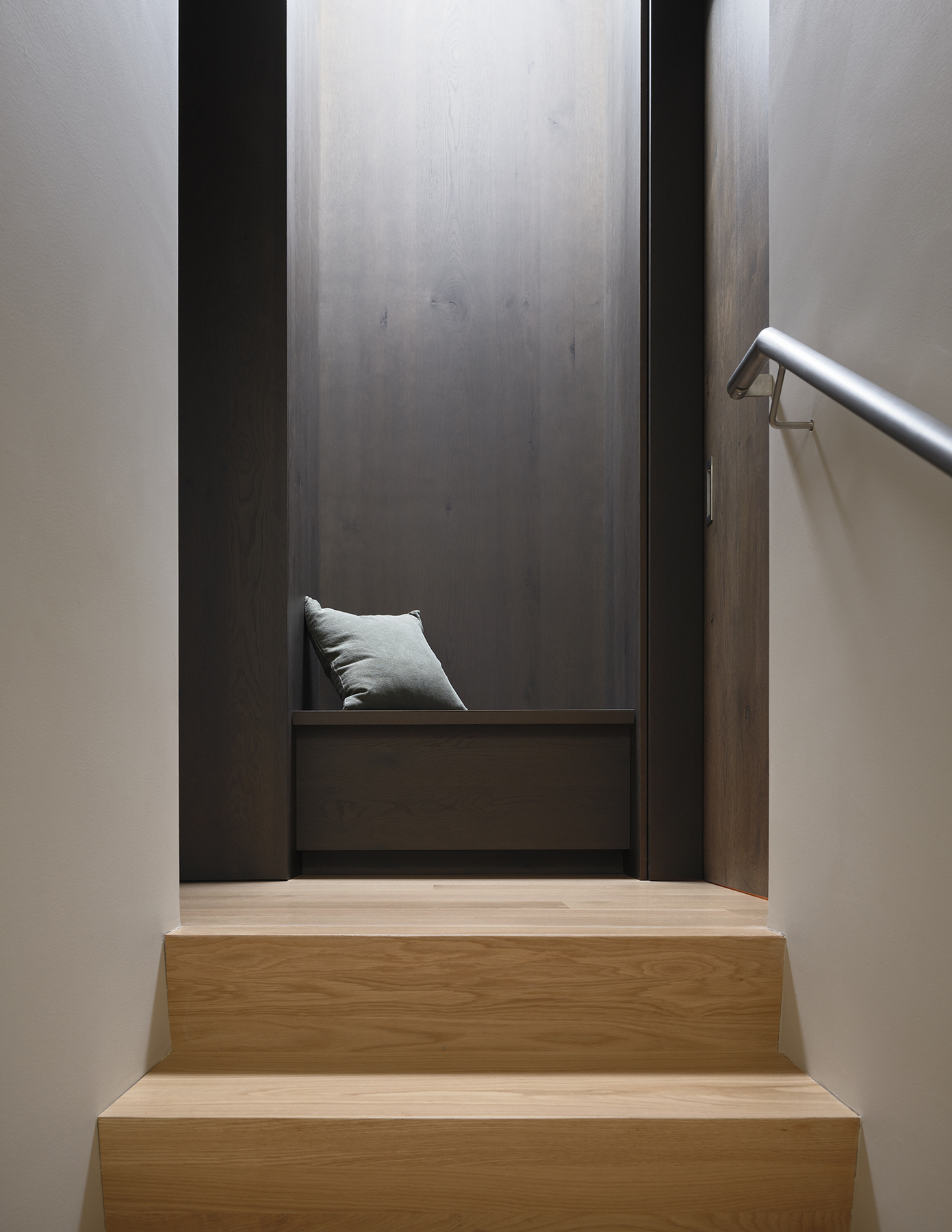
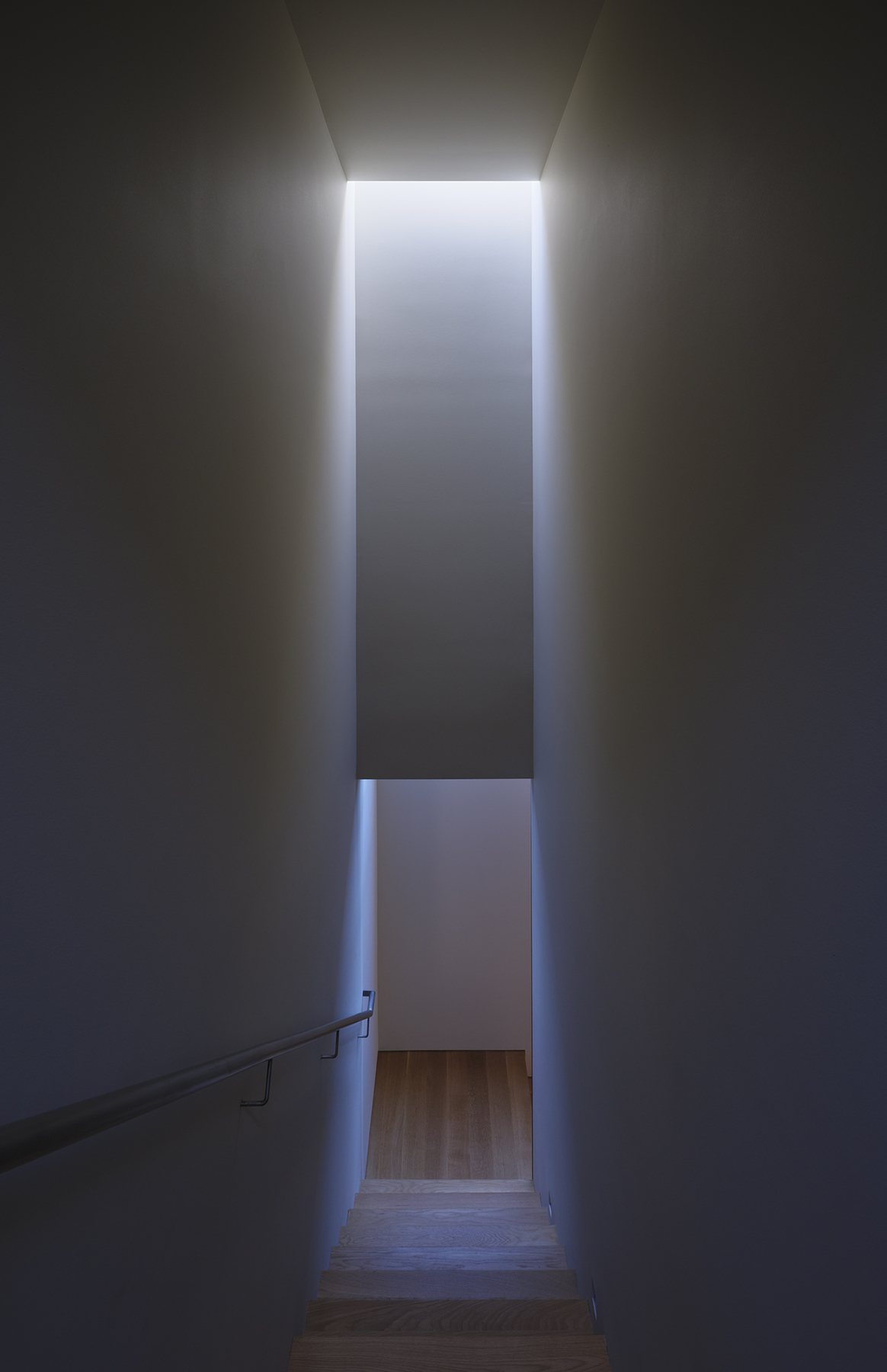
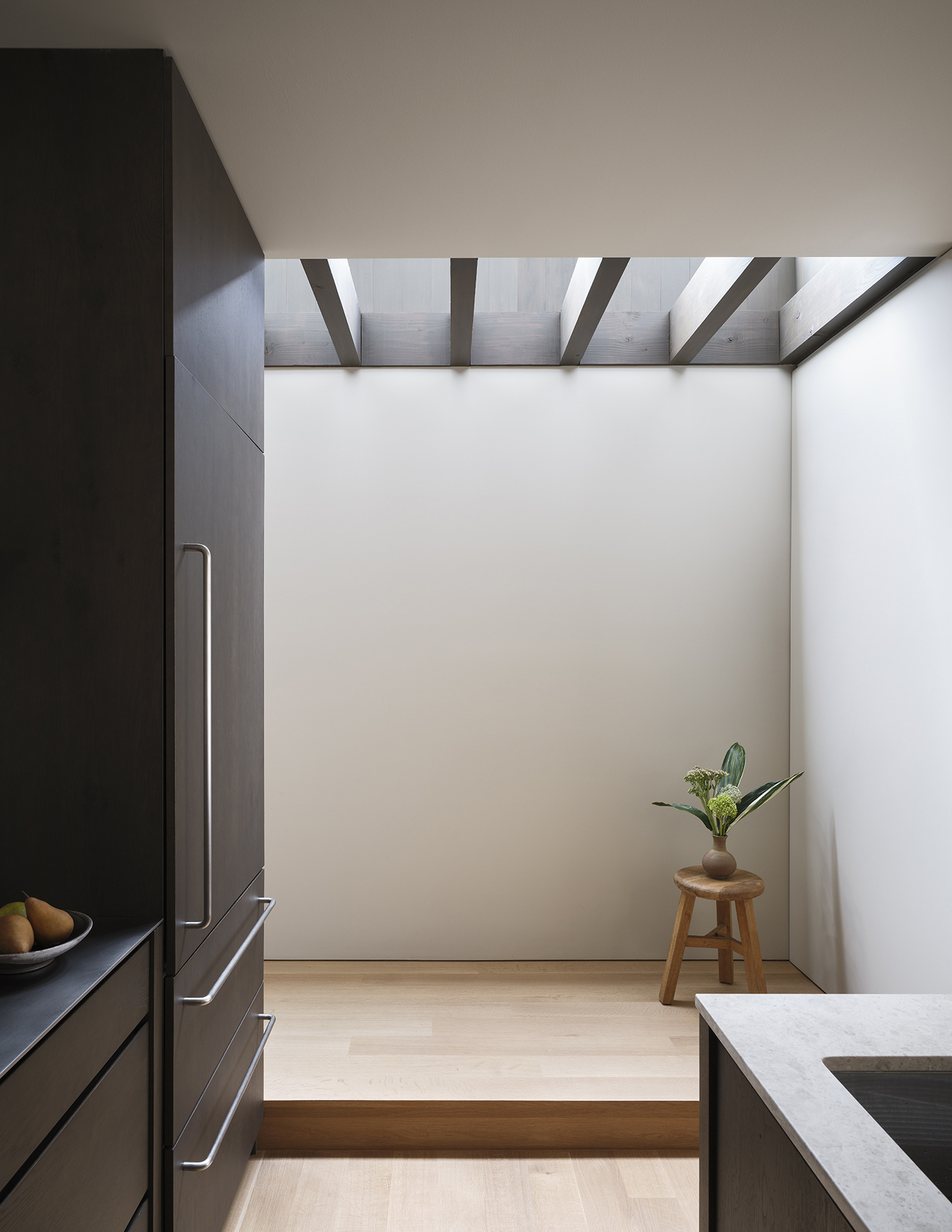
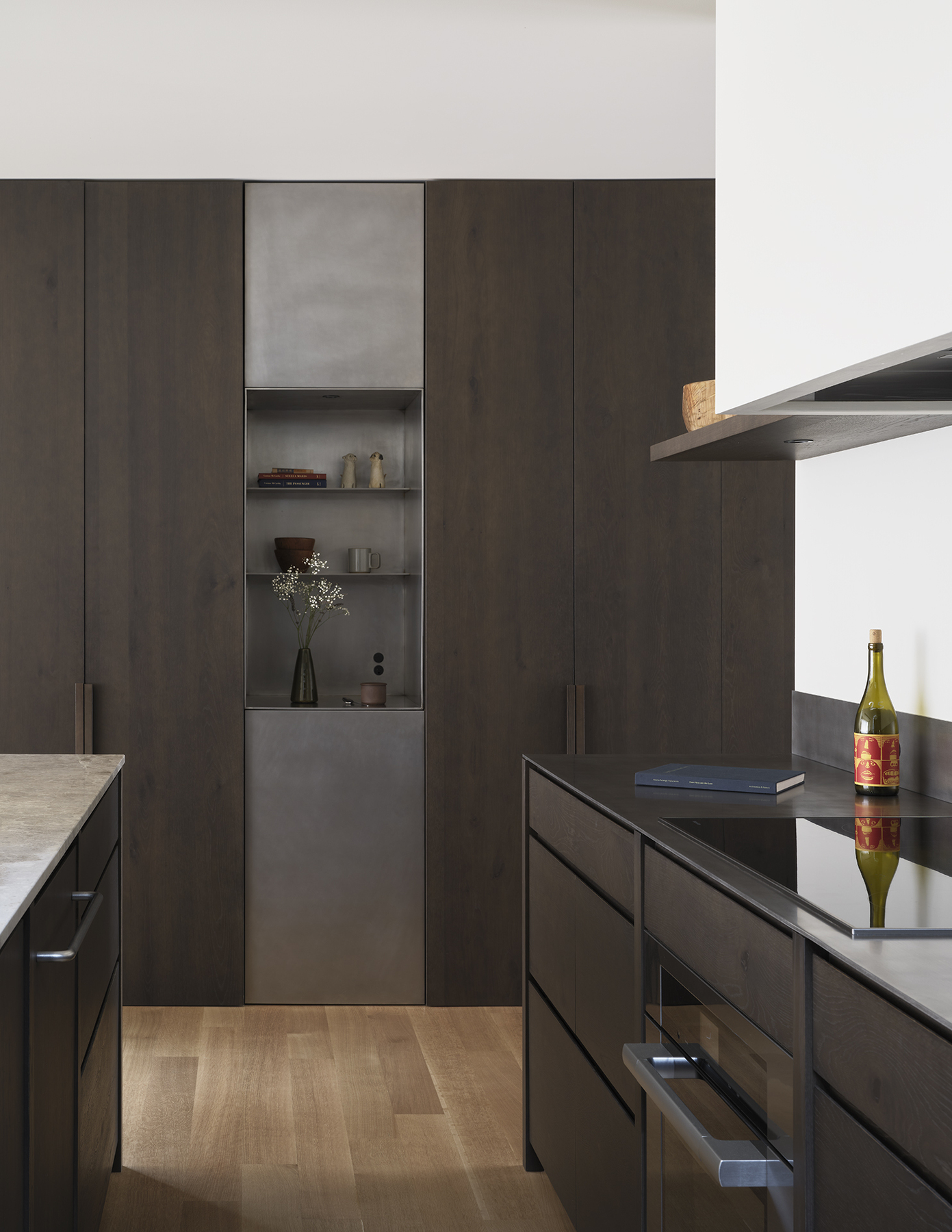
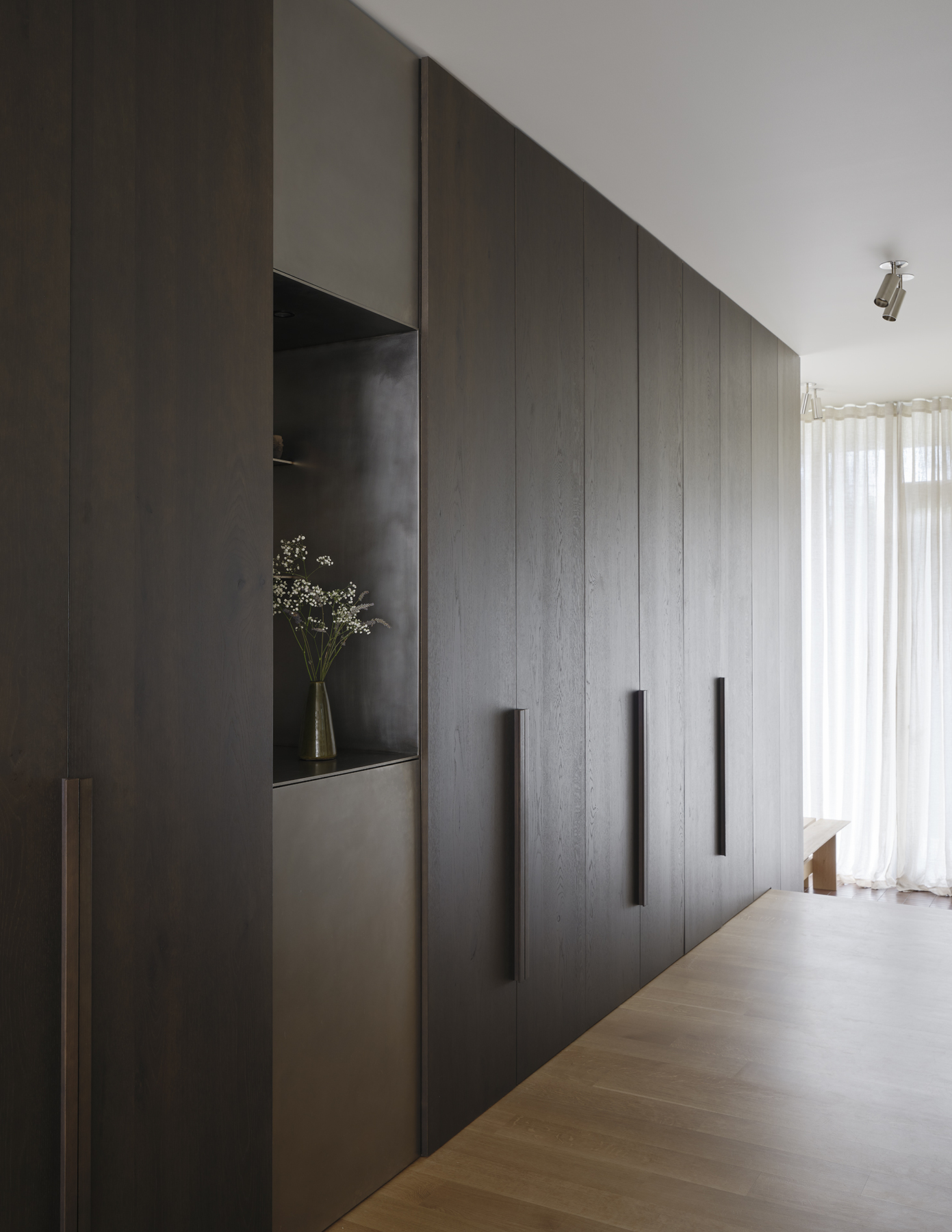
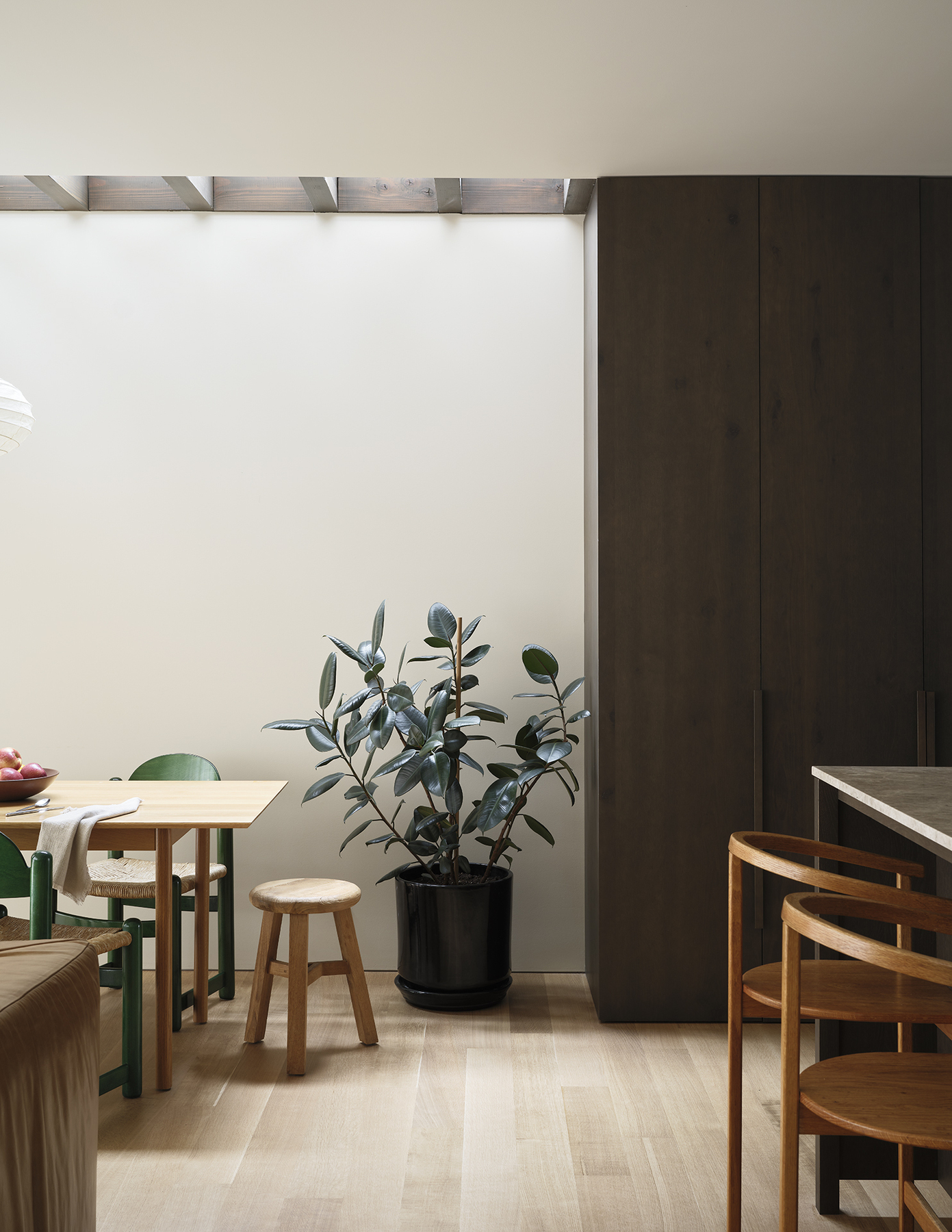
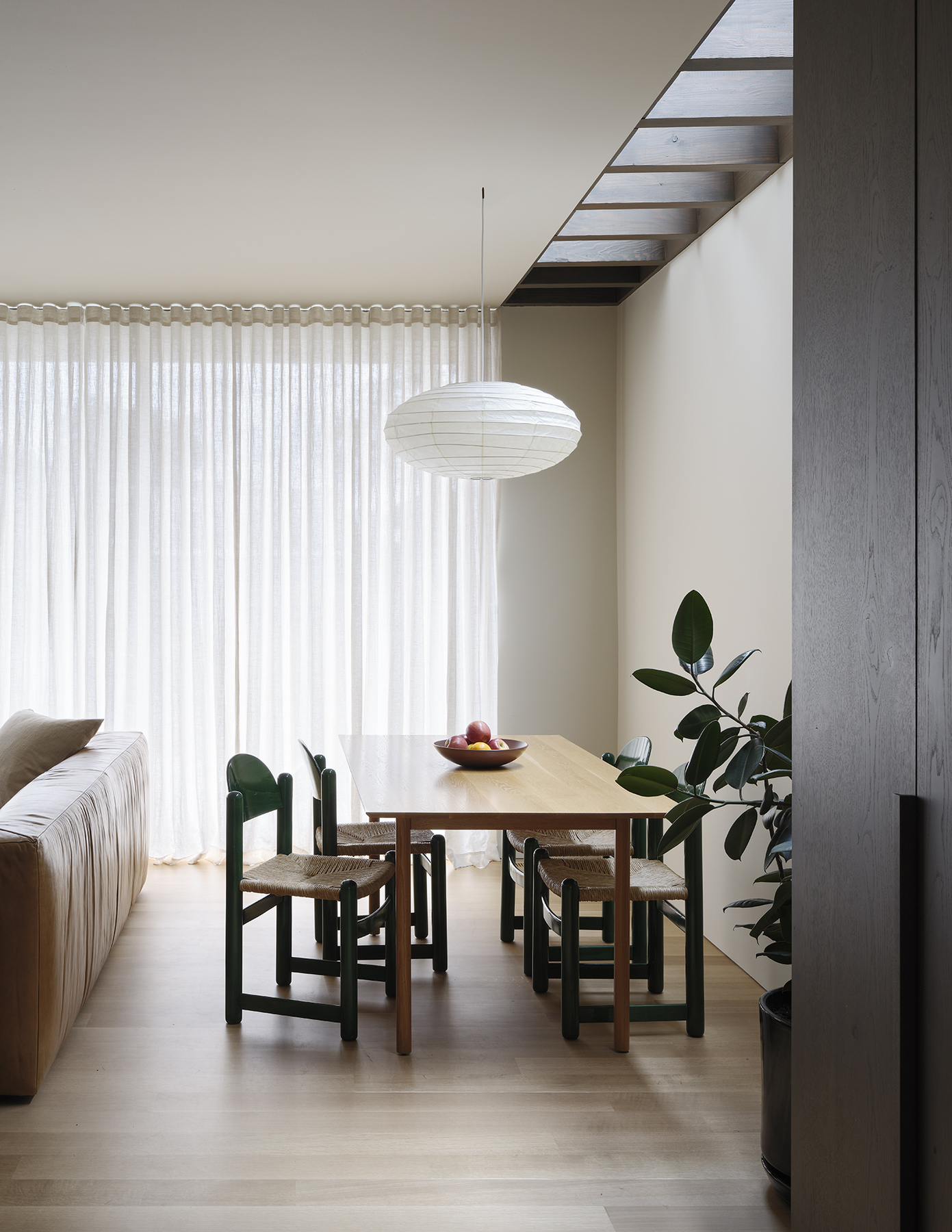
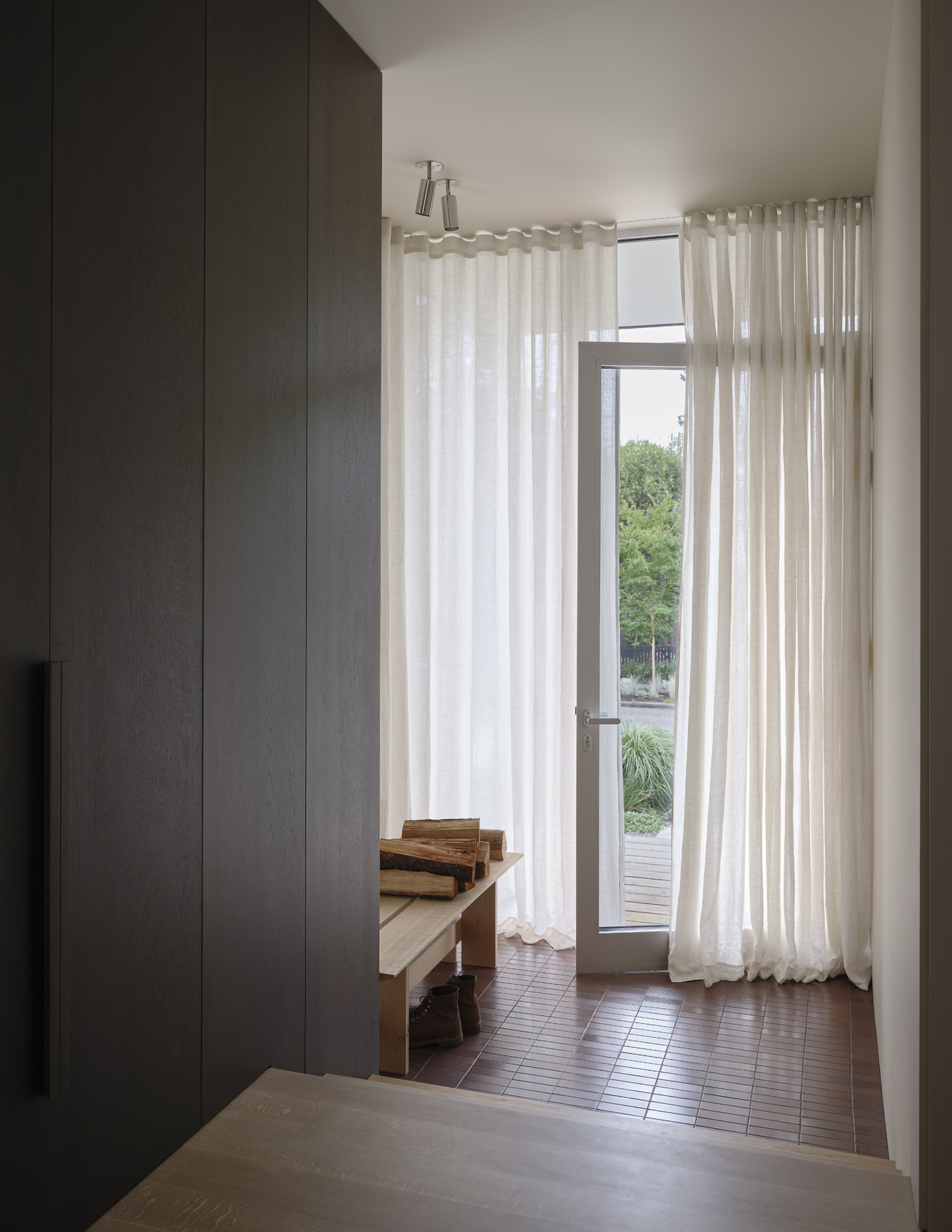
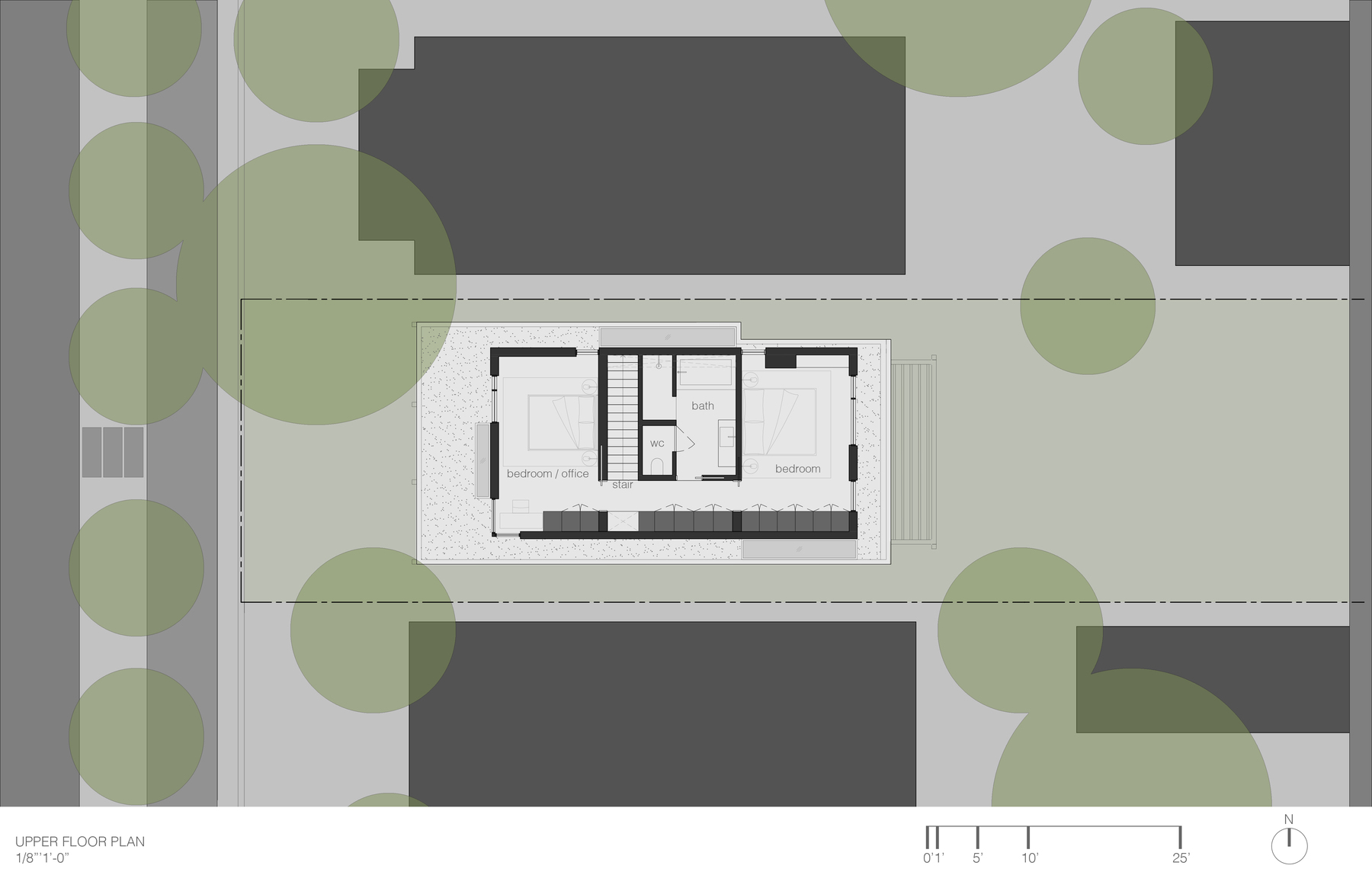
Inside, the design prioritizes light as a primary organizing element. Narrow perimeter skylights draw in Seattle’s diffuse natural illumination, creating subtle shifts in atmosphere throughout the day while shielding the interiors from direct views of neighboring properties. This careful orchestration of daylight enhances the sense of openness within the compact footprint. Bright wall surfaces amplify the available light, while dark-stained wooden cabinetry introduces depth and contrast, reinforcing a tactile material language rooted in craftsmanship.
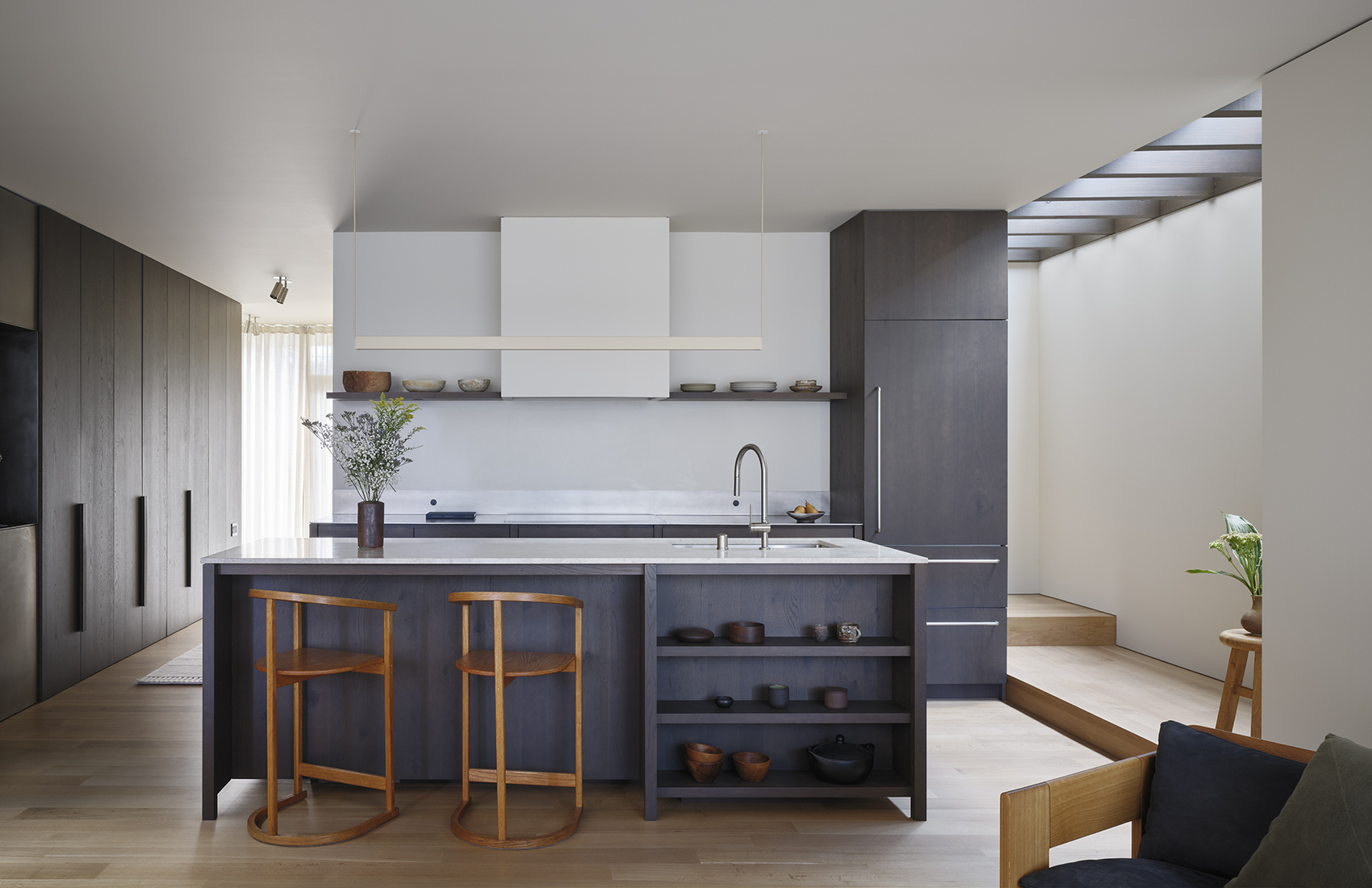
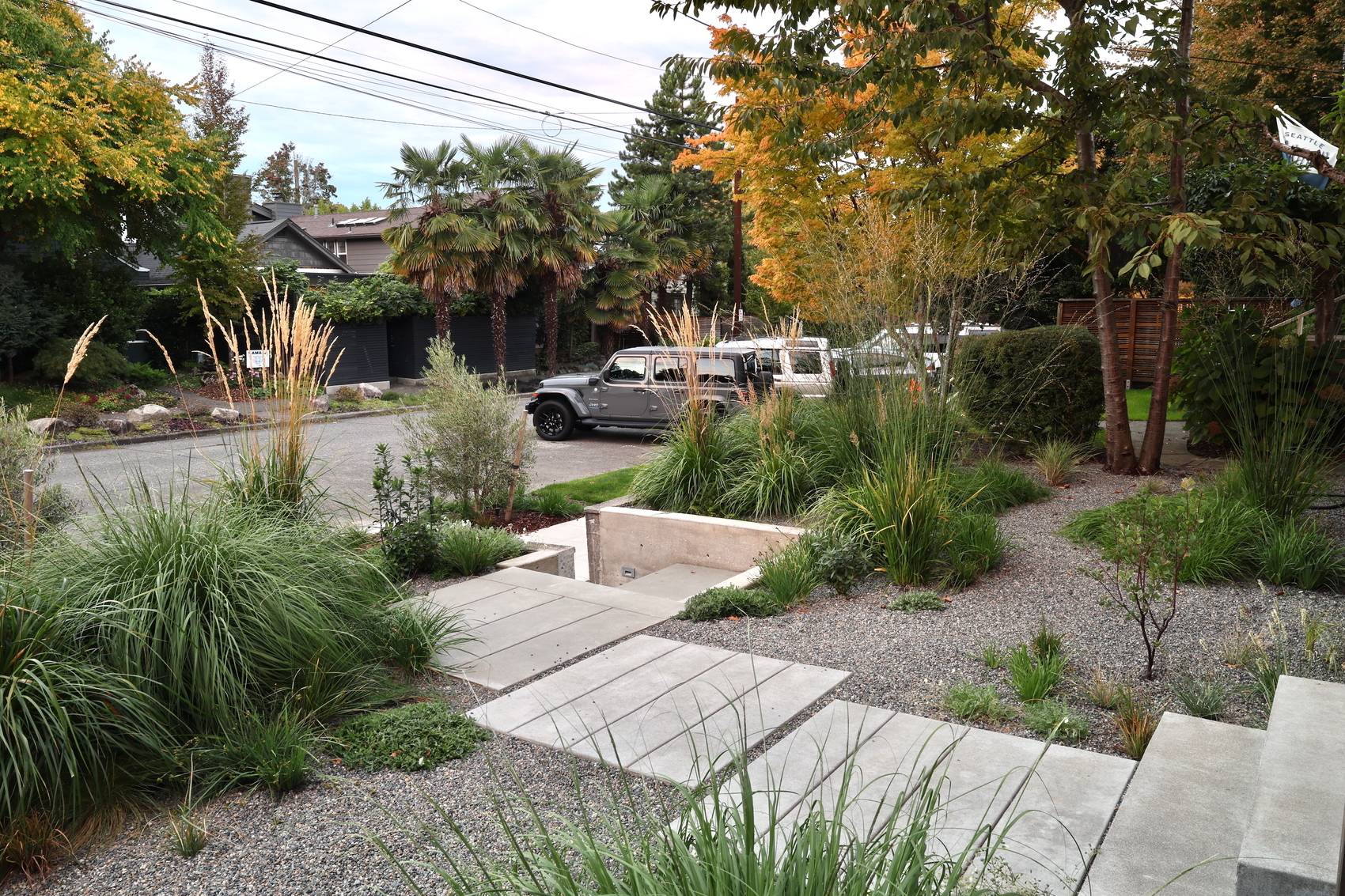
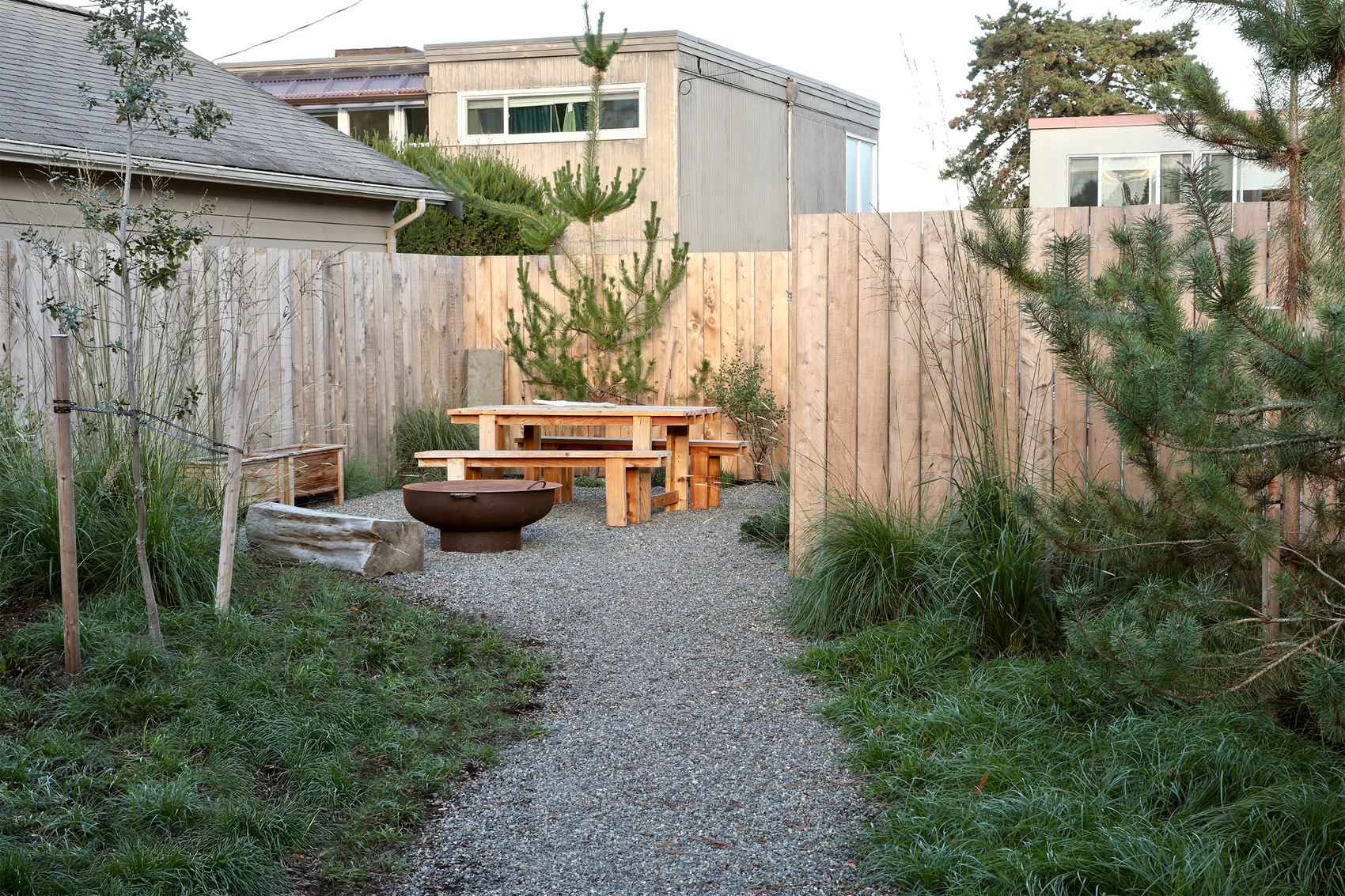
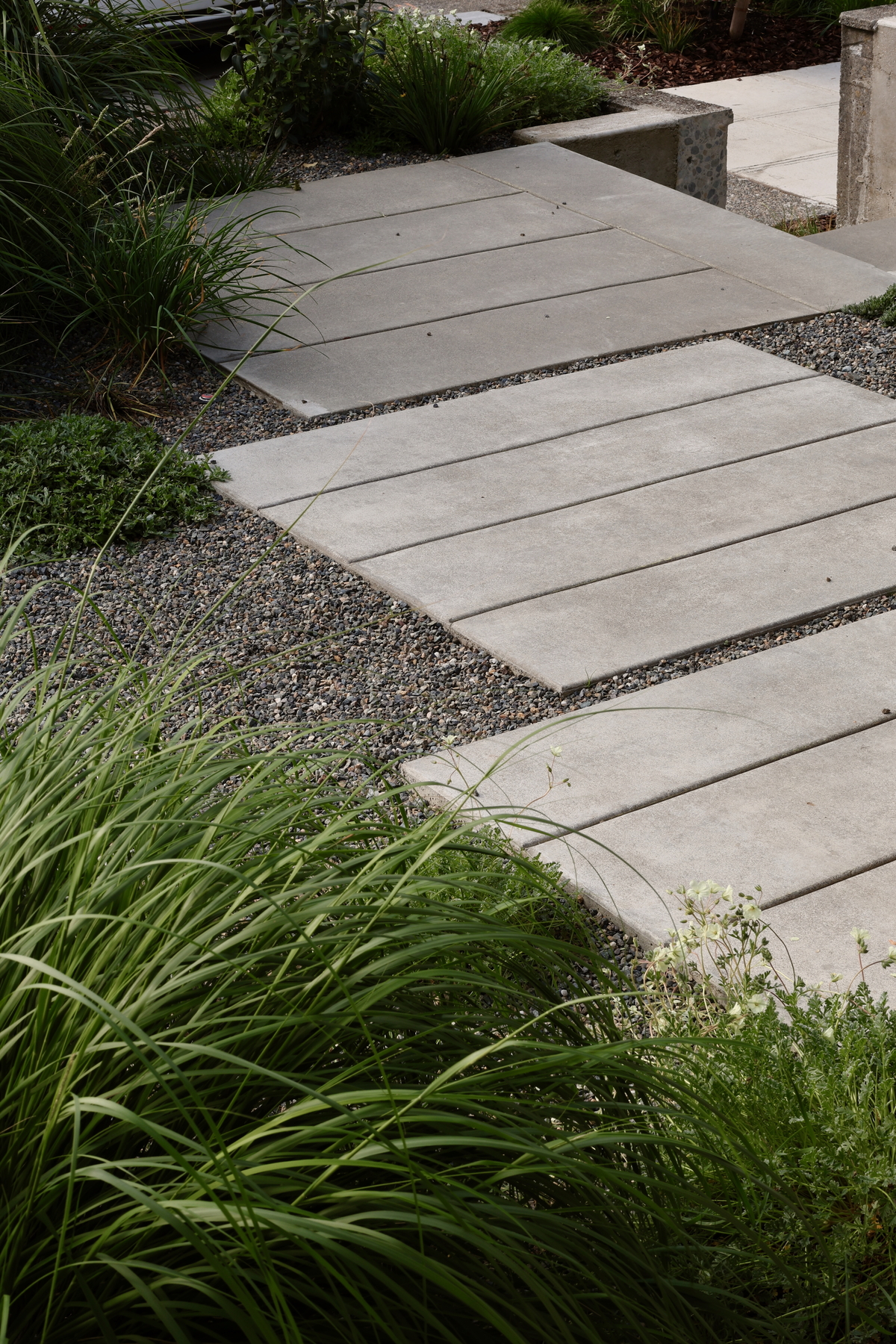
The surrounding landscape, designed by Supernature, further grounds the residence within its Pacific Northwest context through native and low-maintenance planting. These gardens soften the architectural edges and establish a quiet continuity between built form and site ecology. Together, the architectural and landscape strategies position Madison Park Bungalow as a thoughtful example of urban infill housing, demonstrating how contemporary domestic design can honor local tradition while responding intelligently to present-day environmental, spatial, and social conditions.
Project Gallery

Project Location
Address: Seattle, Washington, United States
The location specified is intended for general reference and may denote a city or country, but it does not identify a precise address.

