Architects: Pierre Chareau, Bernard Bijvoet Year: 1932 Photography: Pierre Chareau + Bernard Bijvoet, Architectural Press Archive from RIBA Collections, Mark Lyon, Wikimedia Commons, Valueyou, Subrealistsandu, WikiArquitectura, architecture-history.org Collaborator: Louis Dalbet Client: Dr. Jean Dalsace City: Paris Country: France
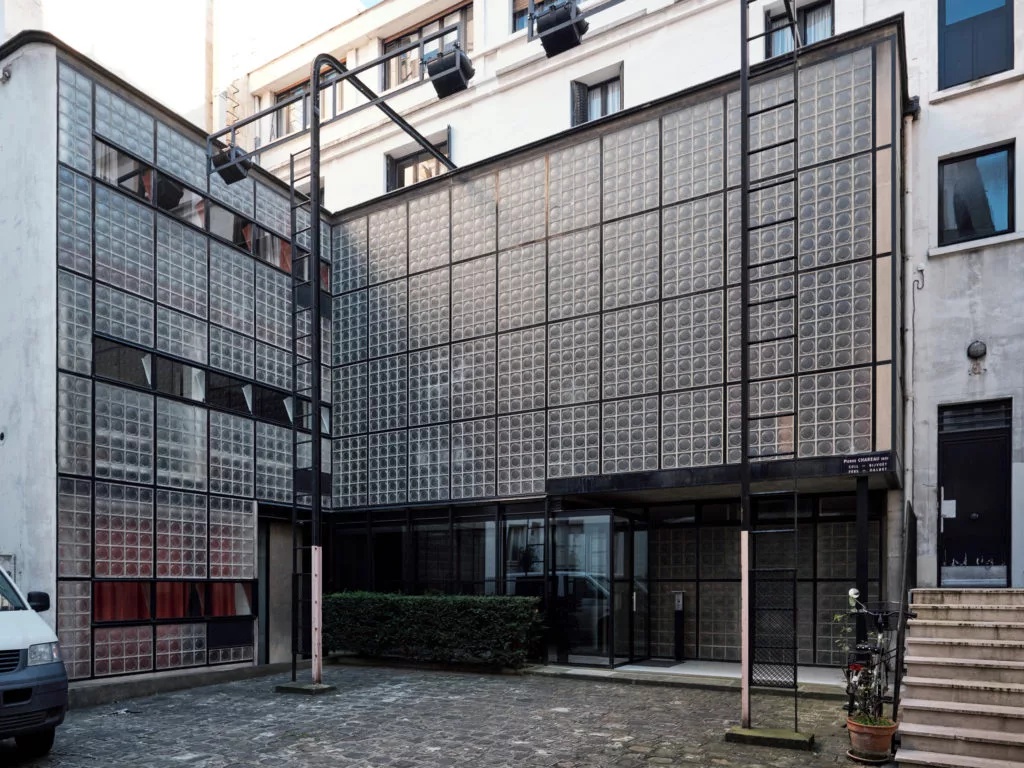
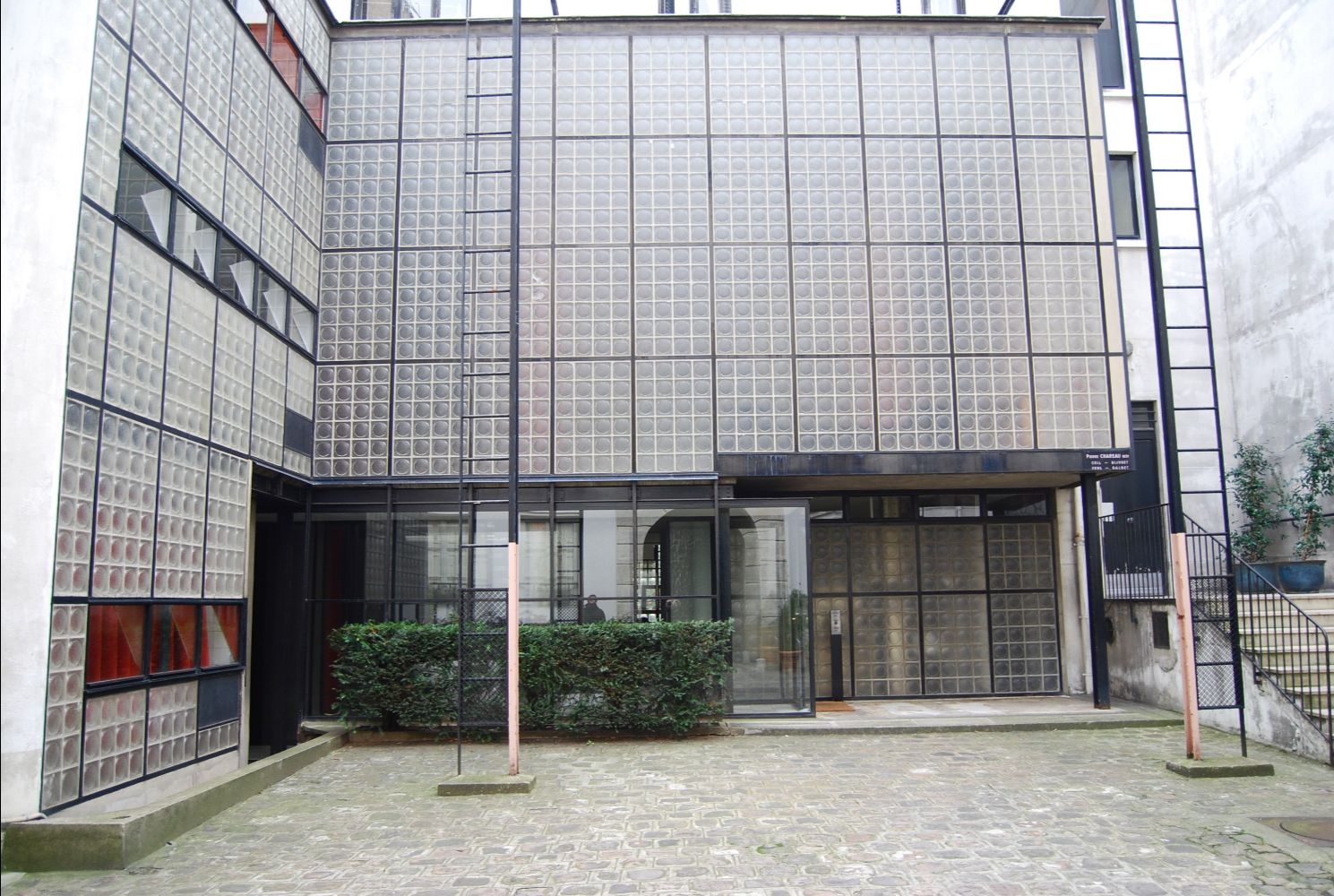
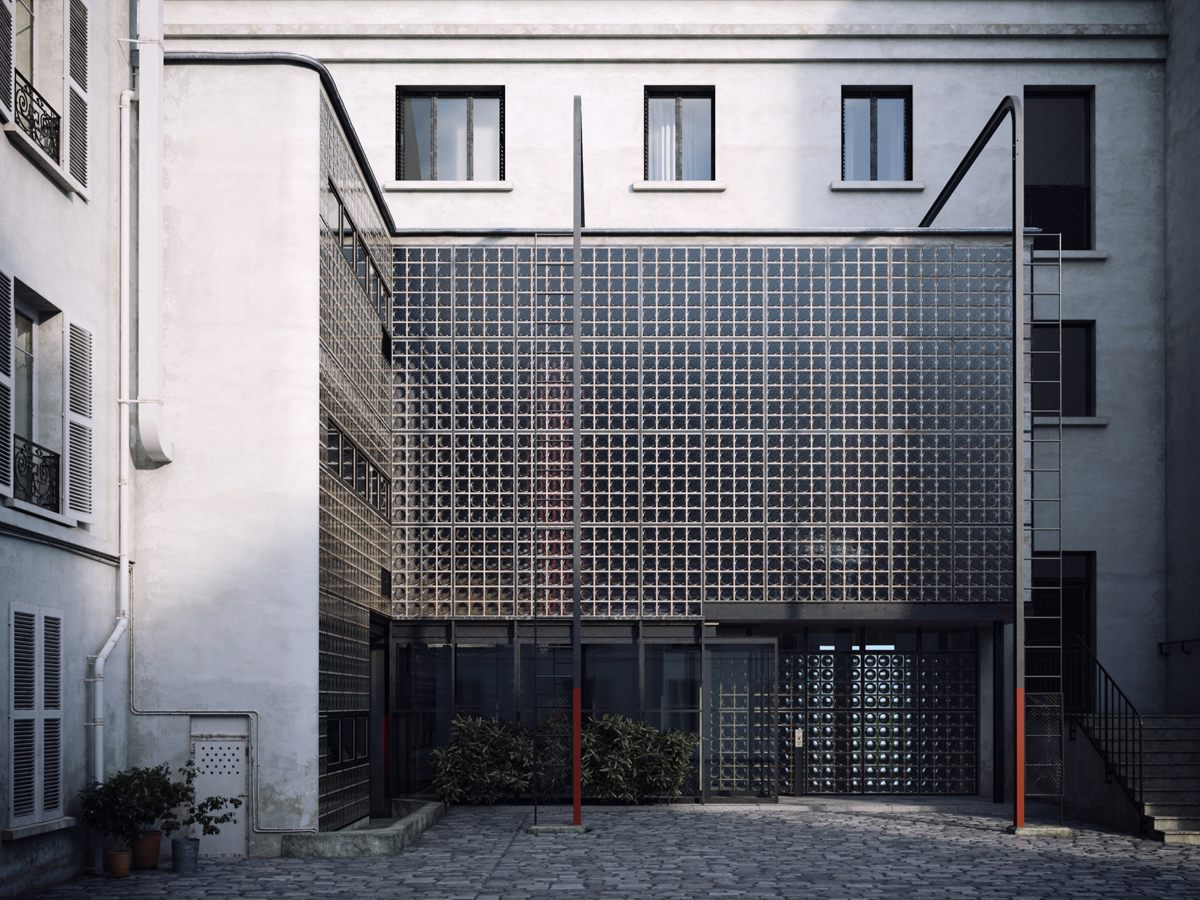
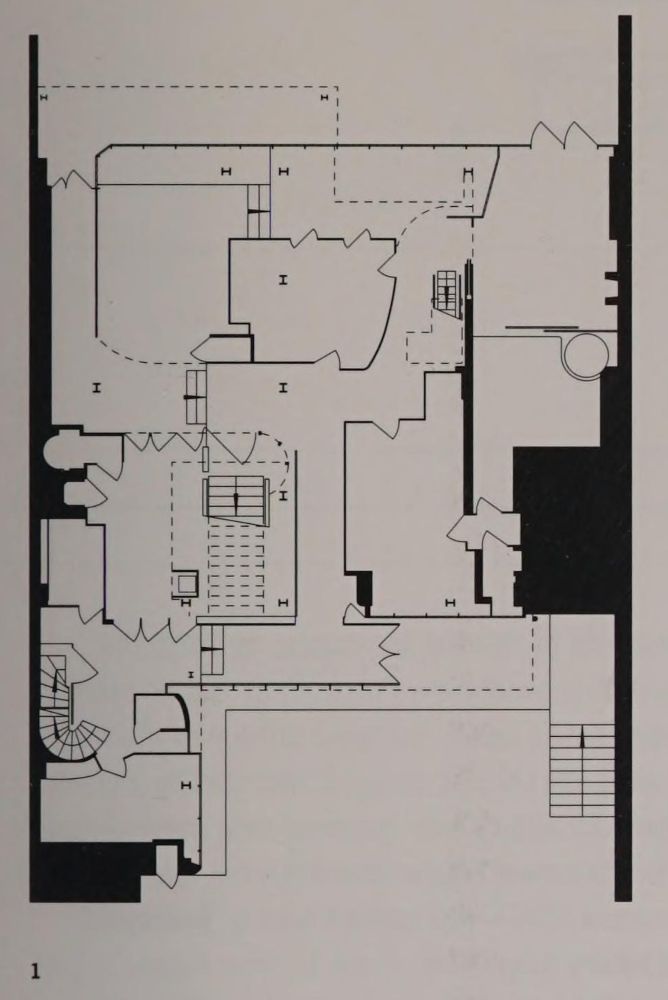
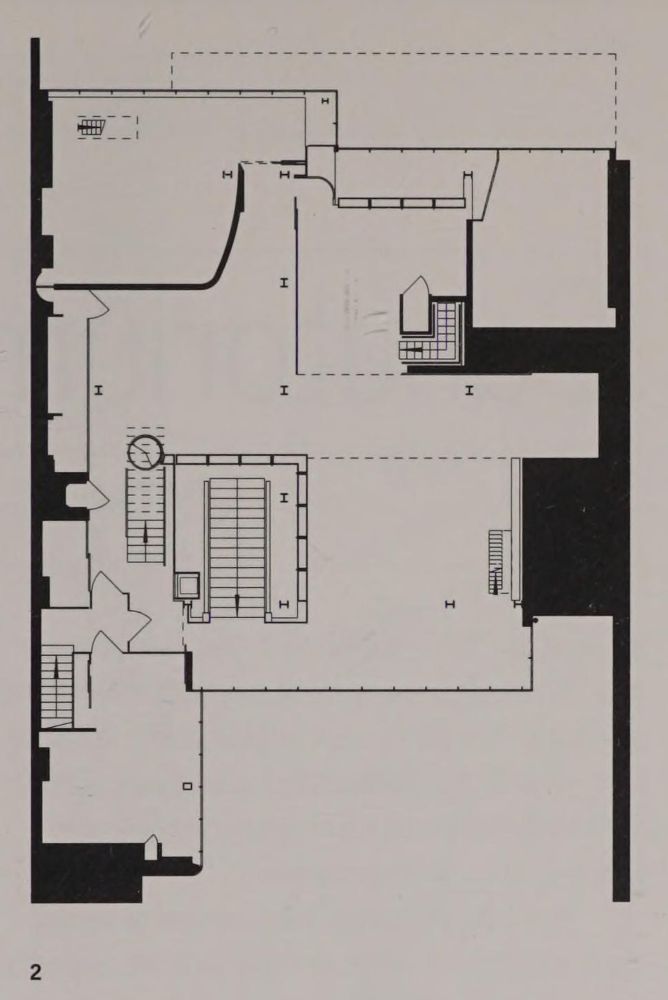
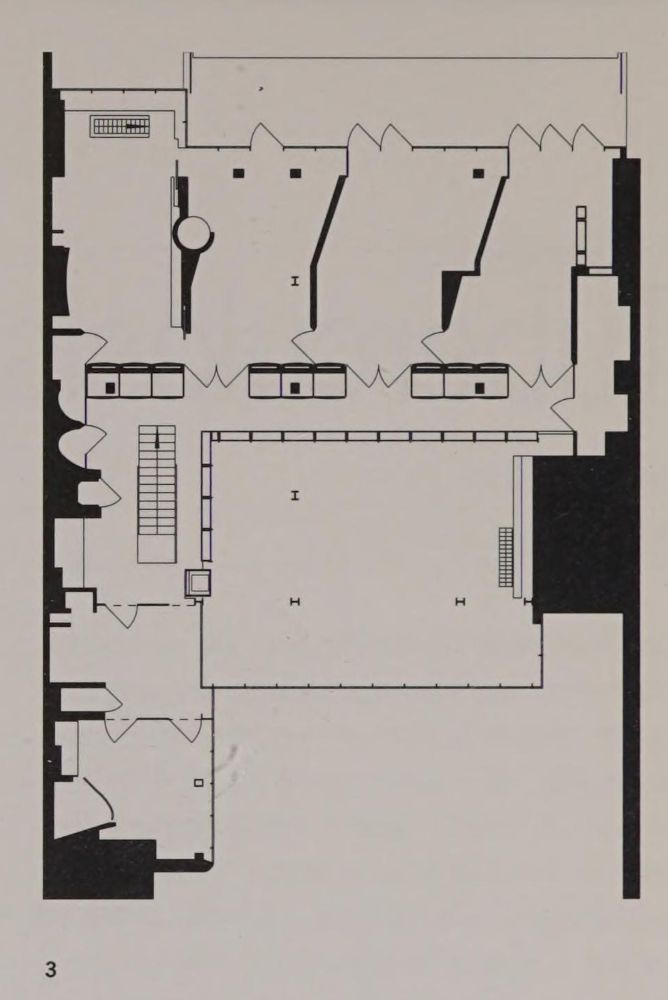
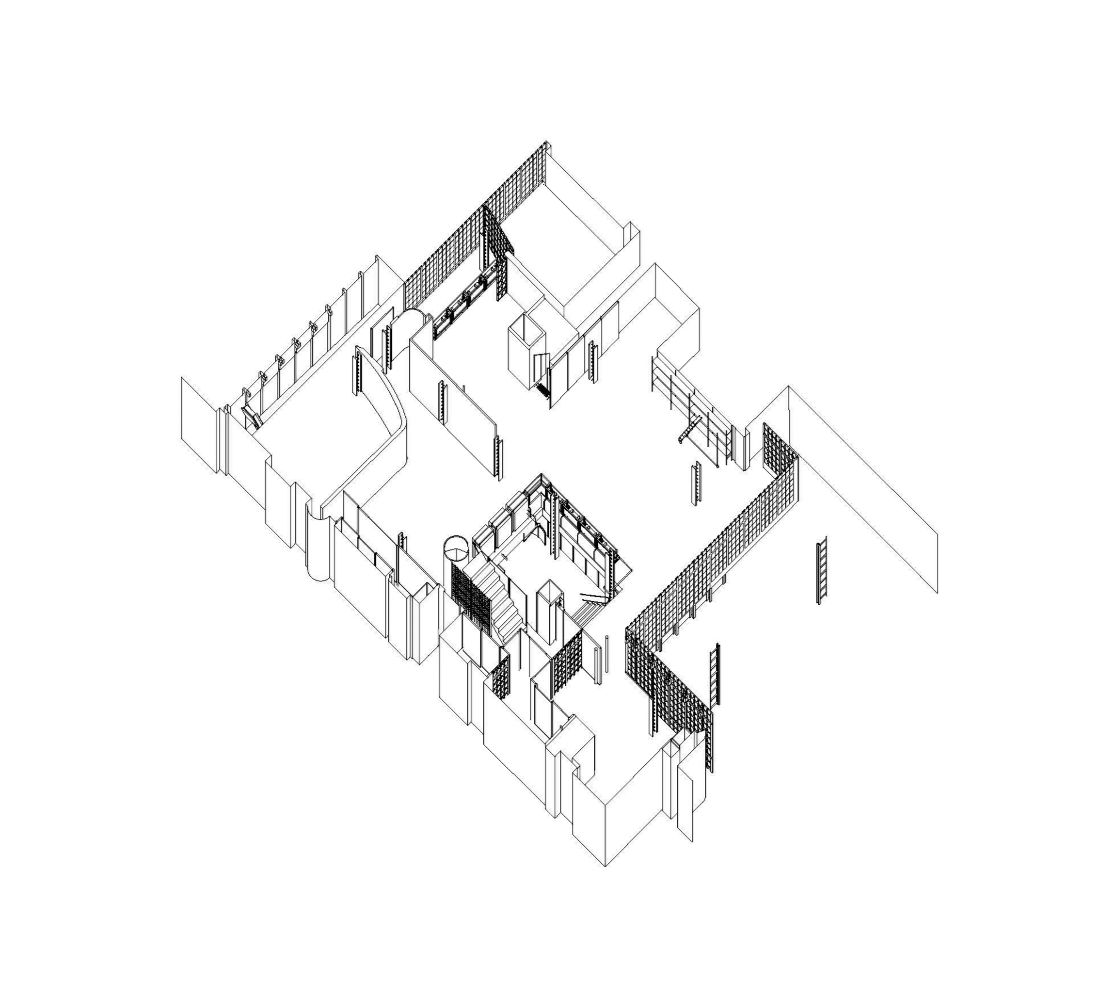
Maison de Verre residence and medical office designed by Pierre Chareau and Bernard Bijvoet in Paris, France, redefined domestic architecture through the integration of industrial materials, adaptable interior spaces, and innovative mechanical systems between 1928 and 1932. Conceived for Dr. Jean Dalsace as a combined family residence and medical practice, the project transformed the constraints of a dense urban site into an architectural experiment that remains influential within modern architecture. Built beneath an existing apartment whose tenant refused to relocate, the house employed a steel-frame structure that enabled open planning, flexible partitions, and extensive use of glass block. Maison de Verre explored transparency as both a spatial and environmental device, filtering daylight through translucent façades while maintaining privacy. Sliding, folding, and rotating screens allowed spaces to be reconfigured according to changing domestic and professional needs. Mechanical elements, including a rotating privacy screen, retractable stair, overhead service trolley, exposed ducts, and custom metal fittings, became integral components of the architectural language rather than concealed infrastructure. The project balanced industrial materials such as steel, glass block, perforated metal, rubber flooring, and exposed services with warm domestic furnishings and handcrafted details. Its layered spatial organization, adaptable interiors, and expressive material palette offered an alternative interpretation of modernism that differed from the more machine-like visions of the period. Maison de Verre remains one of the most studied residential works of the twentieth century, demonstrating how technological innovation, craftsmanship, and architectural experimentation can coexist within a highly personalized domestic environment.
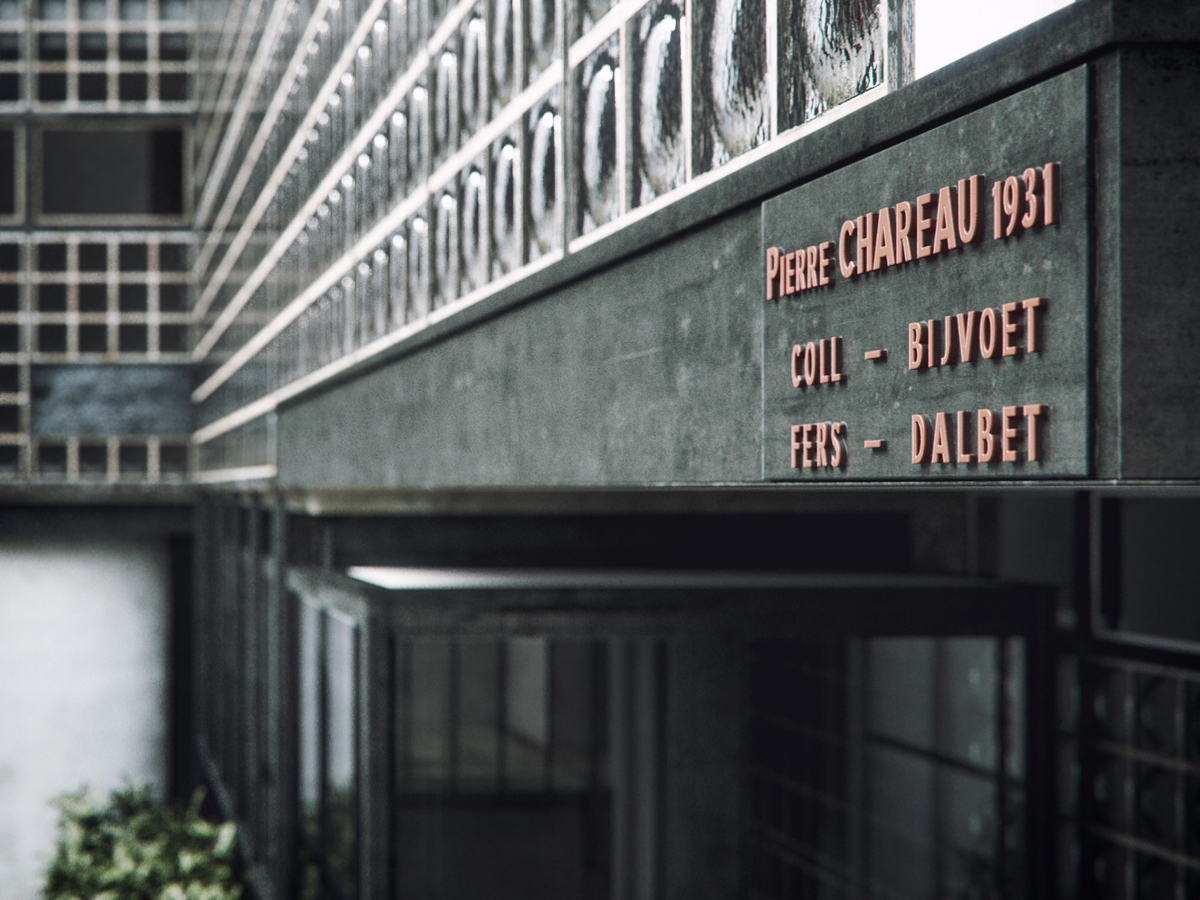
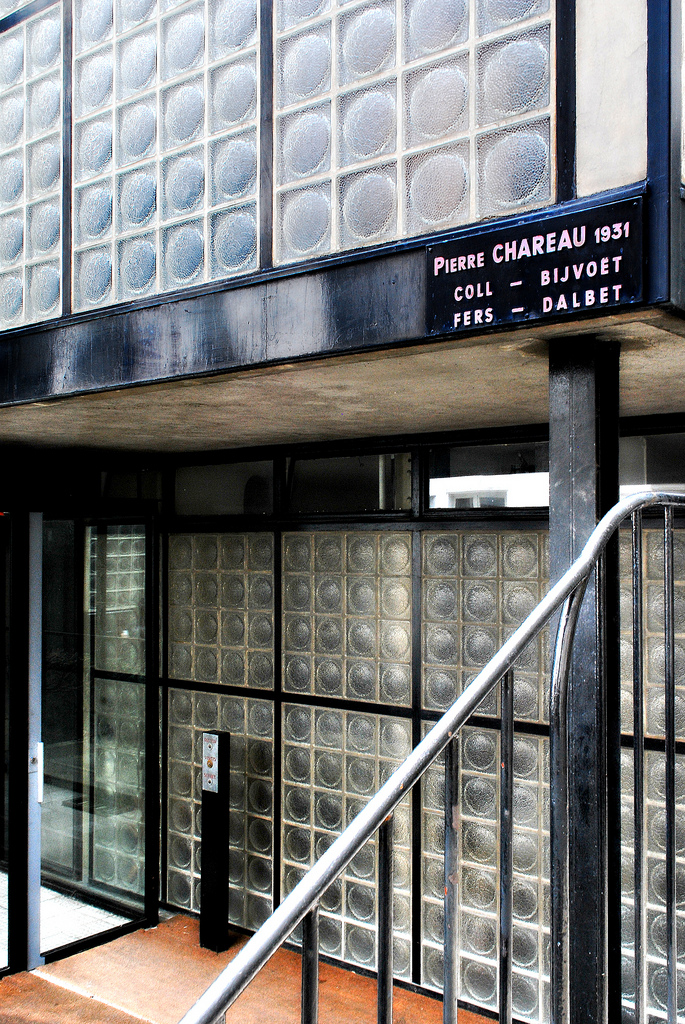
Designed by Pierre Chareau in collaboration with architect Bernard Bijvoet and metalworker Louis Dalbet, the Maison de Verre (House of Glass) is one of the defining works of early modern architecture. Constructed between 1928 and 1932 in Paris for Dr. Jean Dalsace and his family, the project combined a private residence with a medical clinic while developing an architectural language centered on transparency, adaptability, and mechanical innovation.
Maison de Verre / Pierre Chareau + Bernard Bijvoet | Classics on Architecture Lab 218Maison de Verre / Pierre Chareau + Bernard Bijvoet | Classics on Architecture Lab 219Maison de Verre / Pierre Chareau + Bernard Bijvoet | Classics on Architecture Lab 220Maison de Verre / Pierre Chareau + Bernard Bijvoet | Classics on Architecture Lab 221Maison de Verre / Pierre Chareau + Bernard Bijvoet | Classics on Architecture Lab 222Maison de Verre / Pierre Chareau + Bernard Bijvoet | Classics on Architecture Lab 223Maison de Verre / Pierre Chareau + Bernard Bijvoet | Classics on Architecture Lab 224Maison de Verre / Pierre Chareau + Bernard Bijvoet | Classics on Architecture Lab 225Maison de Verre / Pierre Chareau + Bernard Bijvoet | Classics on Architecture Lab 226Maison de Verre / Pierre Chareau + Bernard Bijvoet | Classics on Architecture Lab 227Maison de Verre / Pierre Chareau + Bernard Bijvoet | Classics on Architecture Lab 228Maison de Verre / Pierre Chareau + Bernard Bijvoet | Classics on Architecture Lab 229
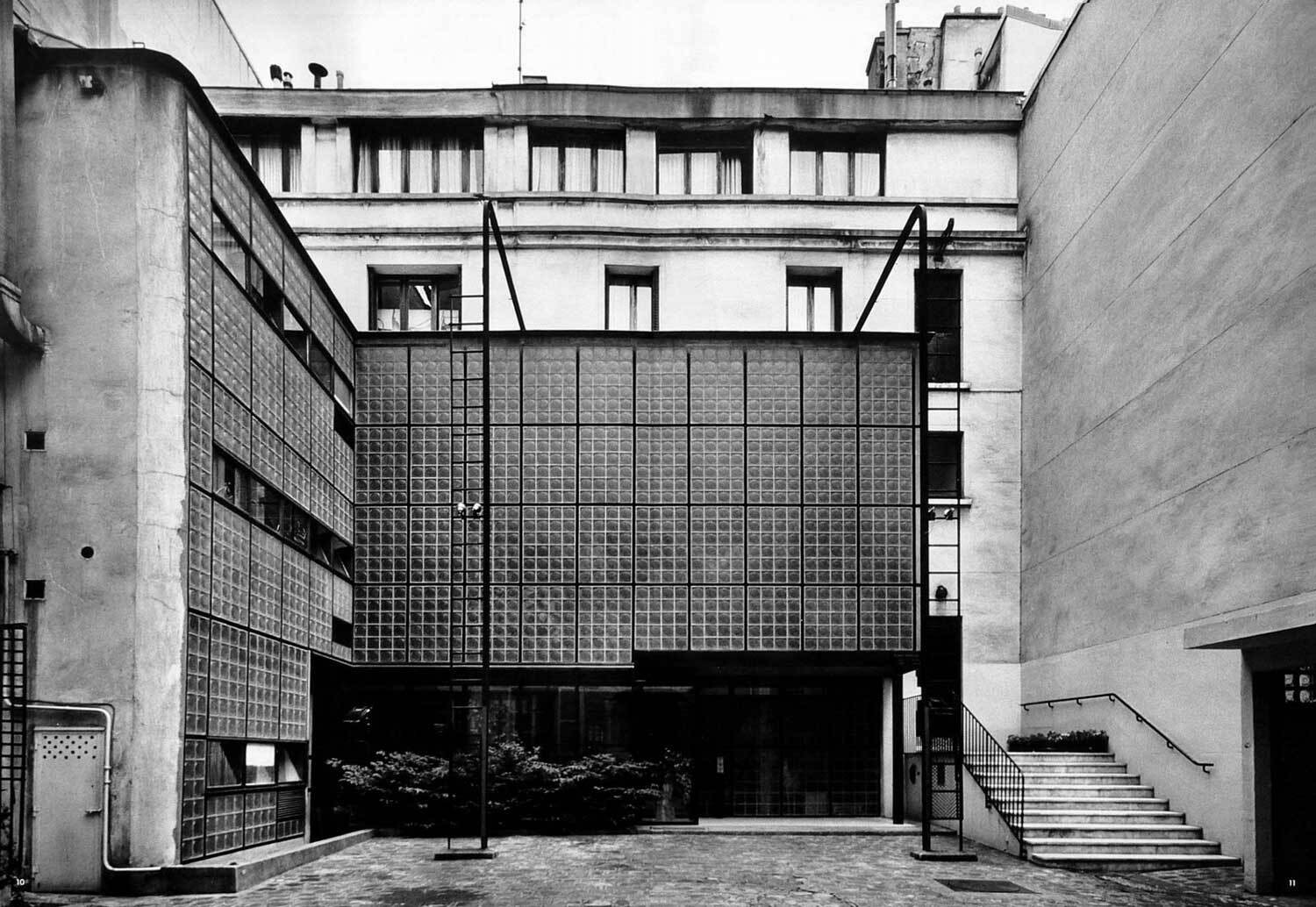
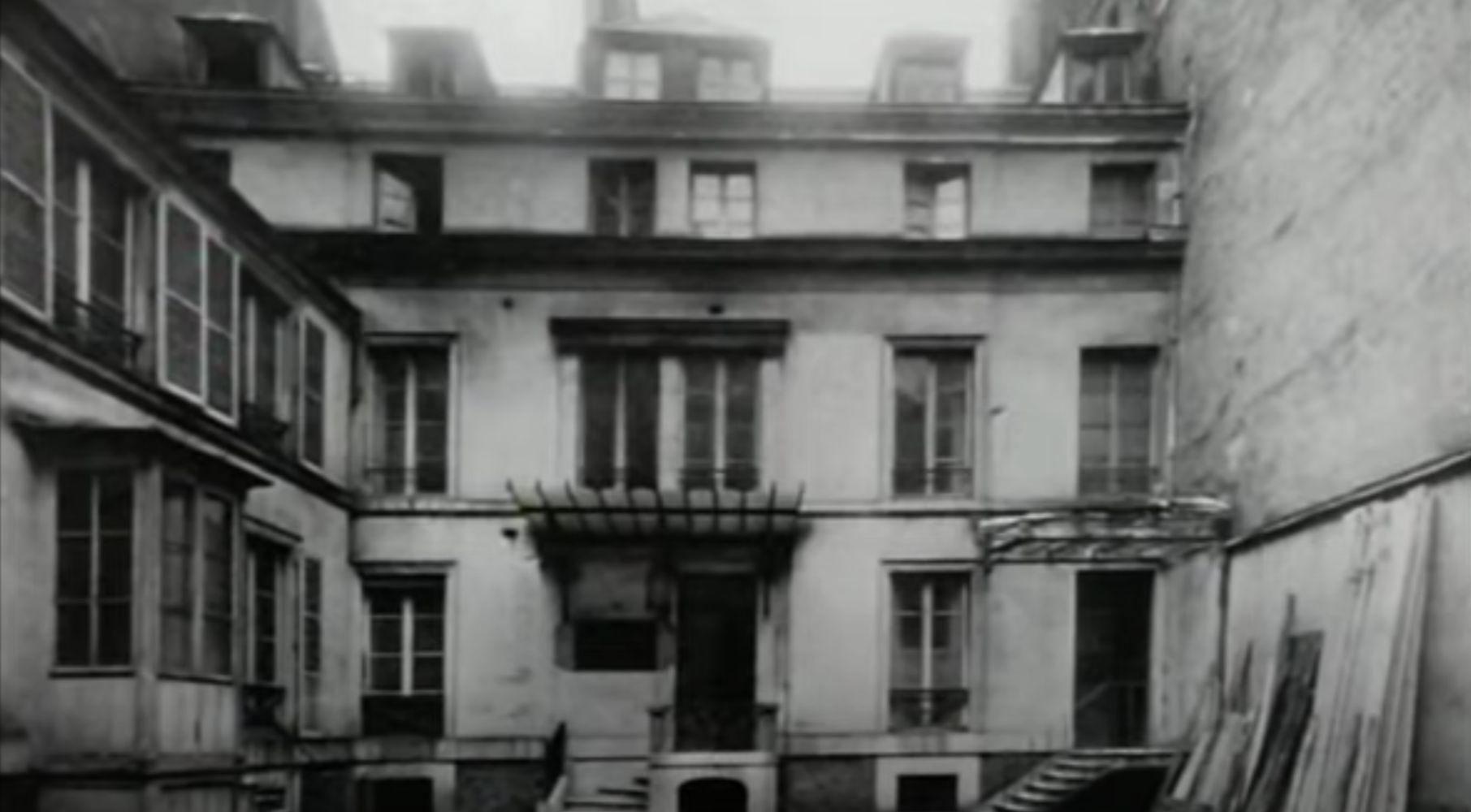
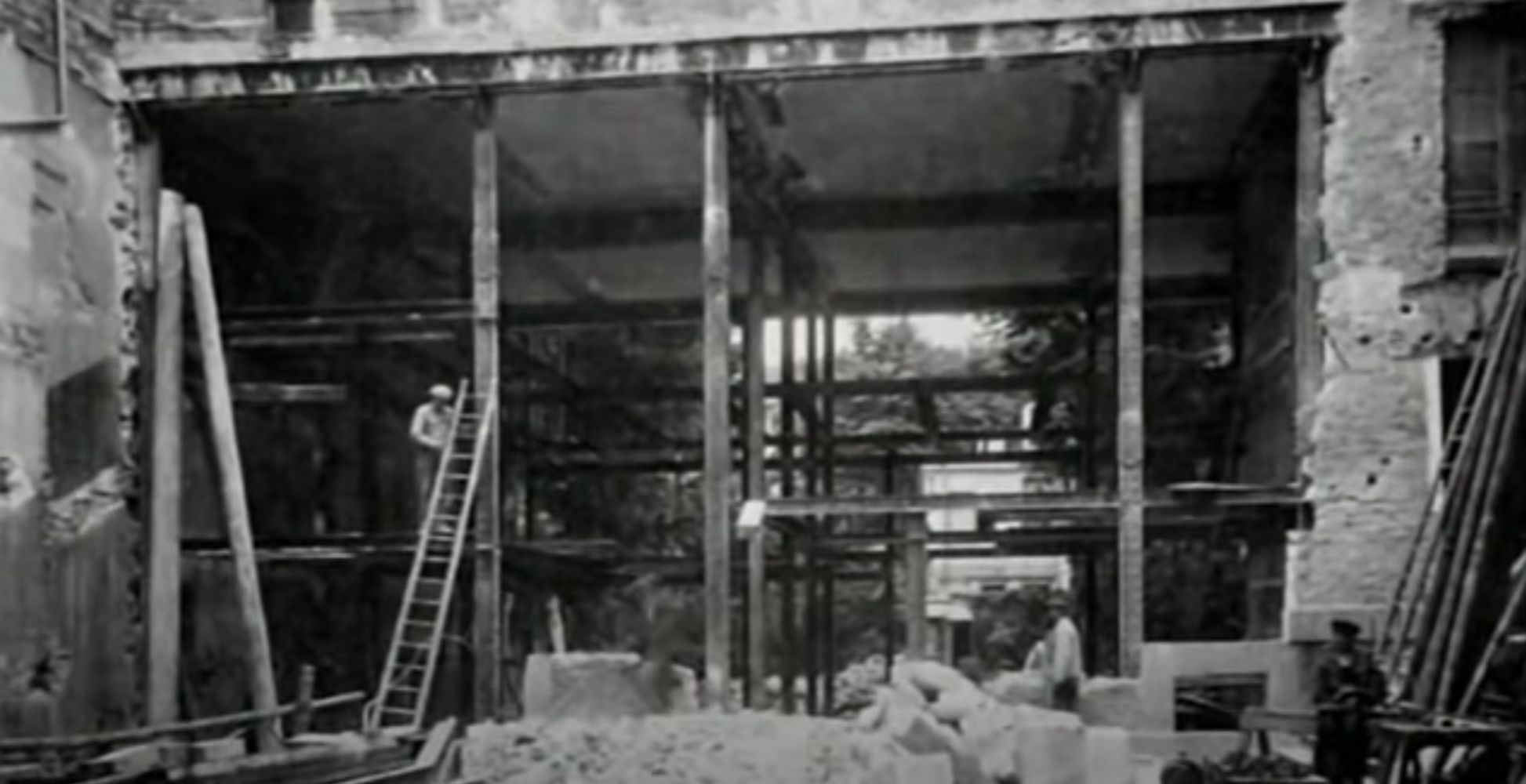
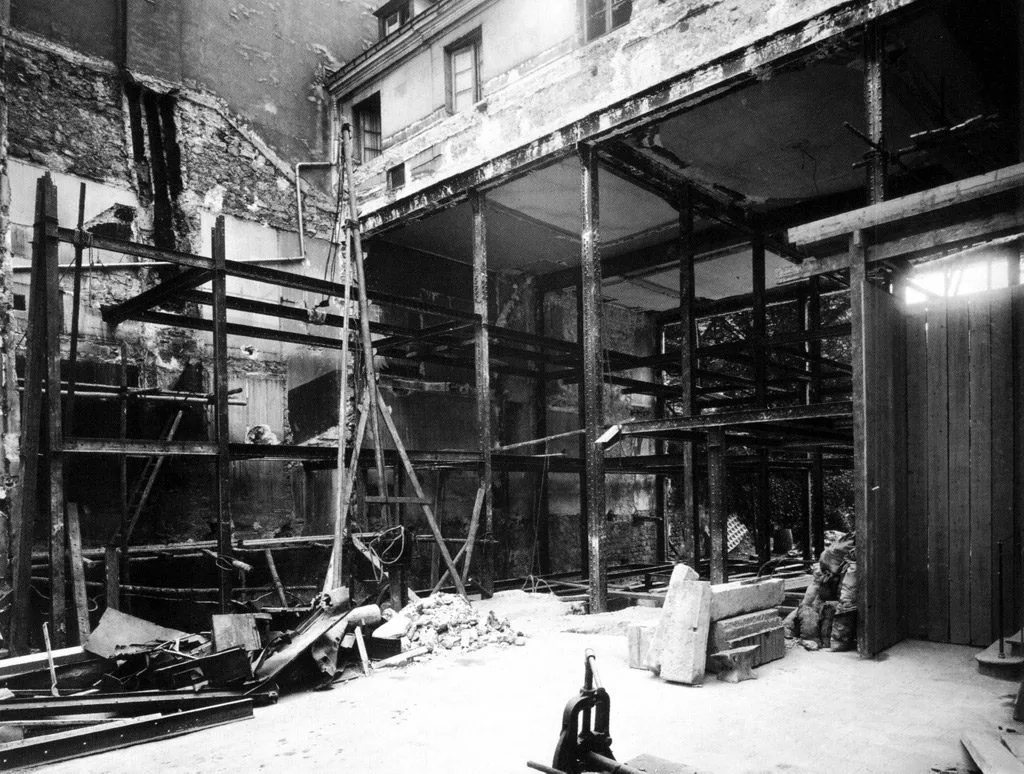
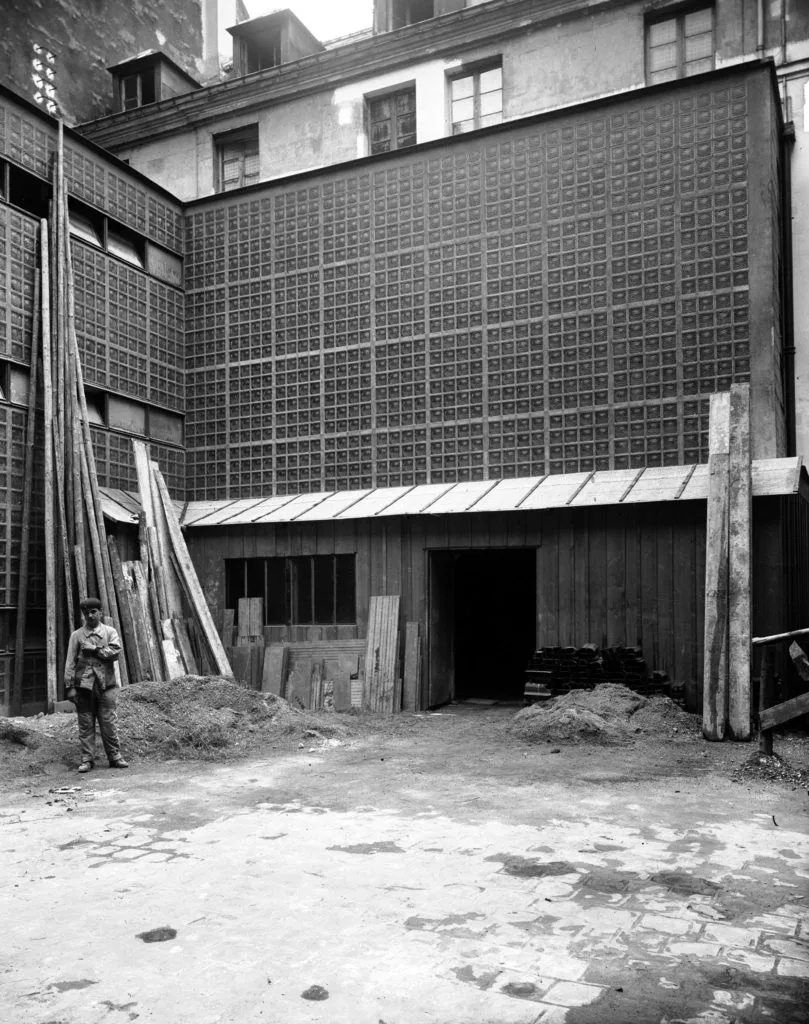
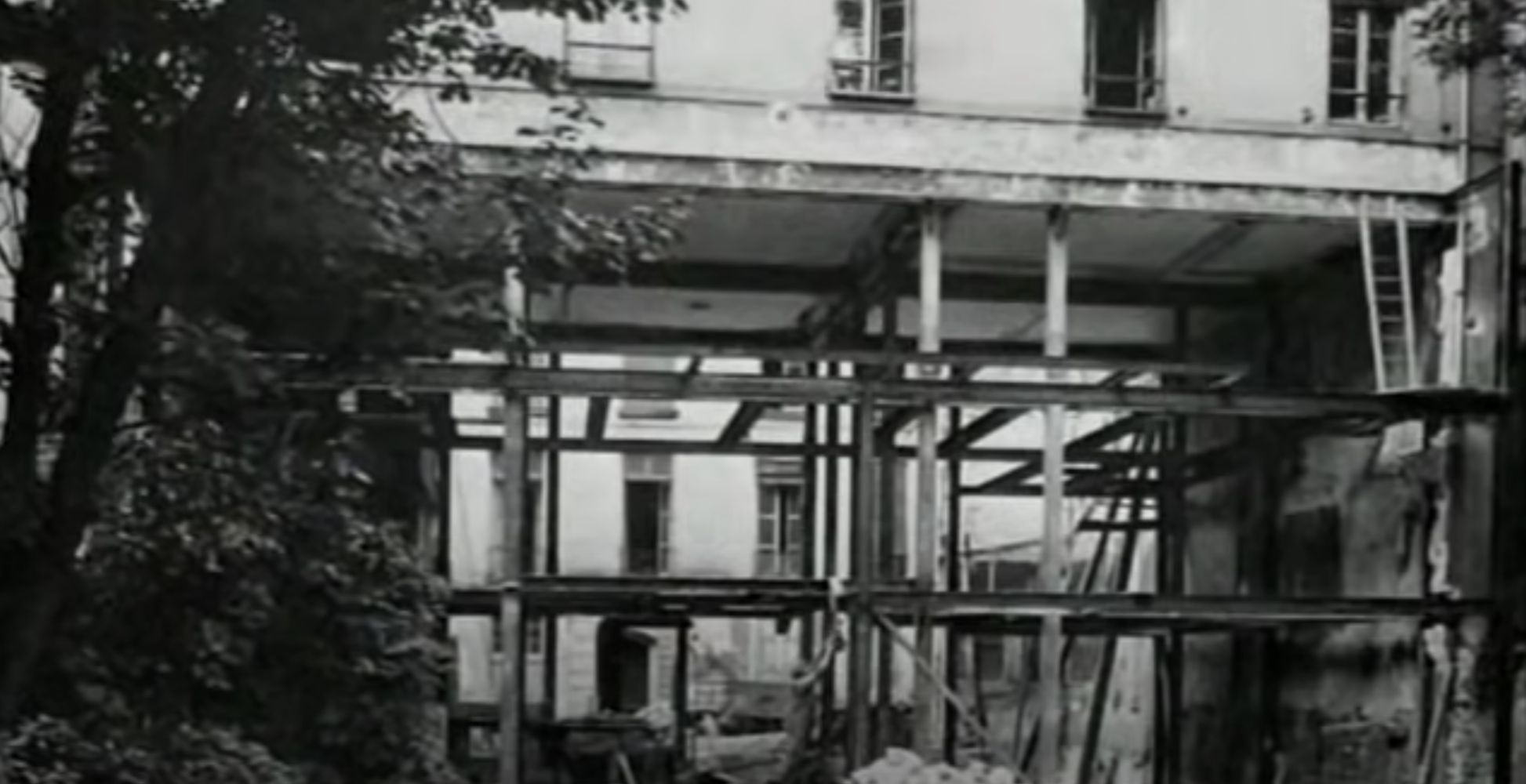
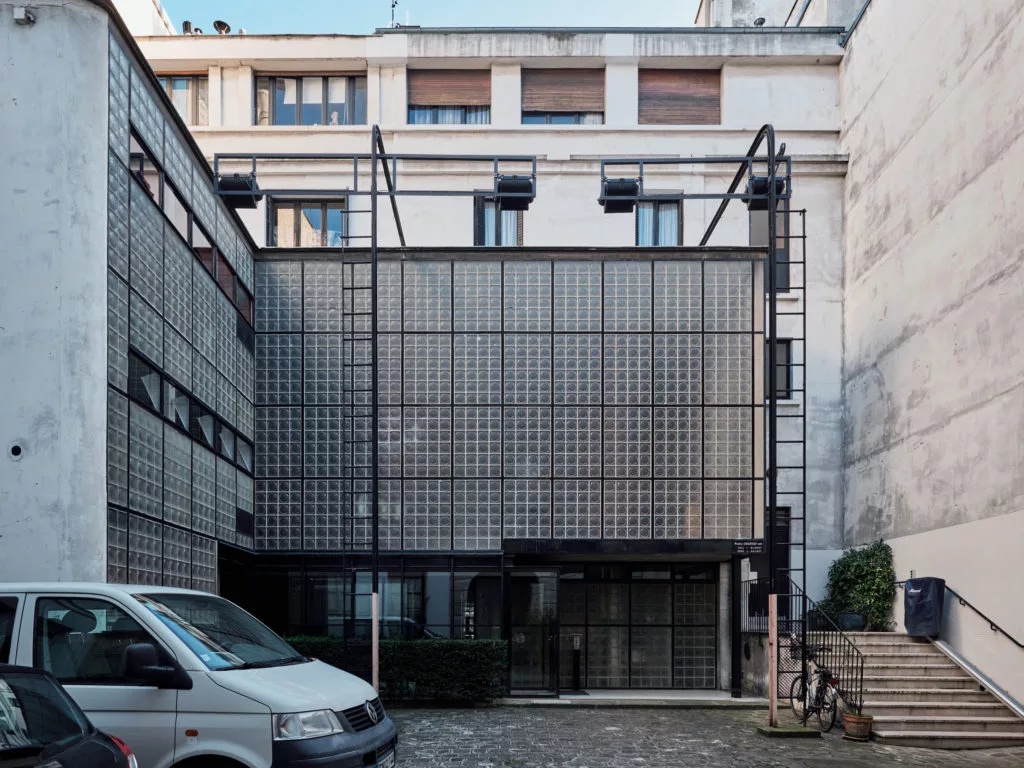
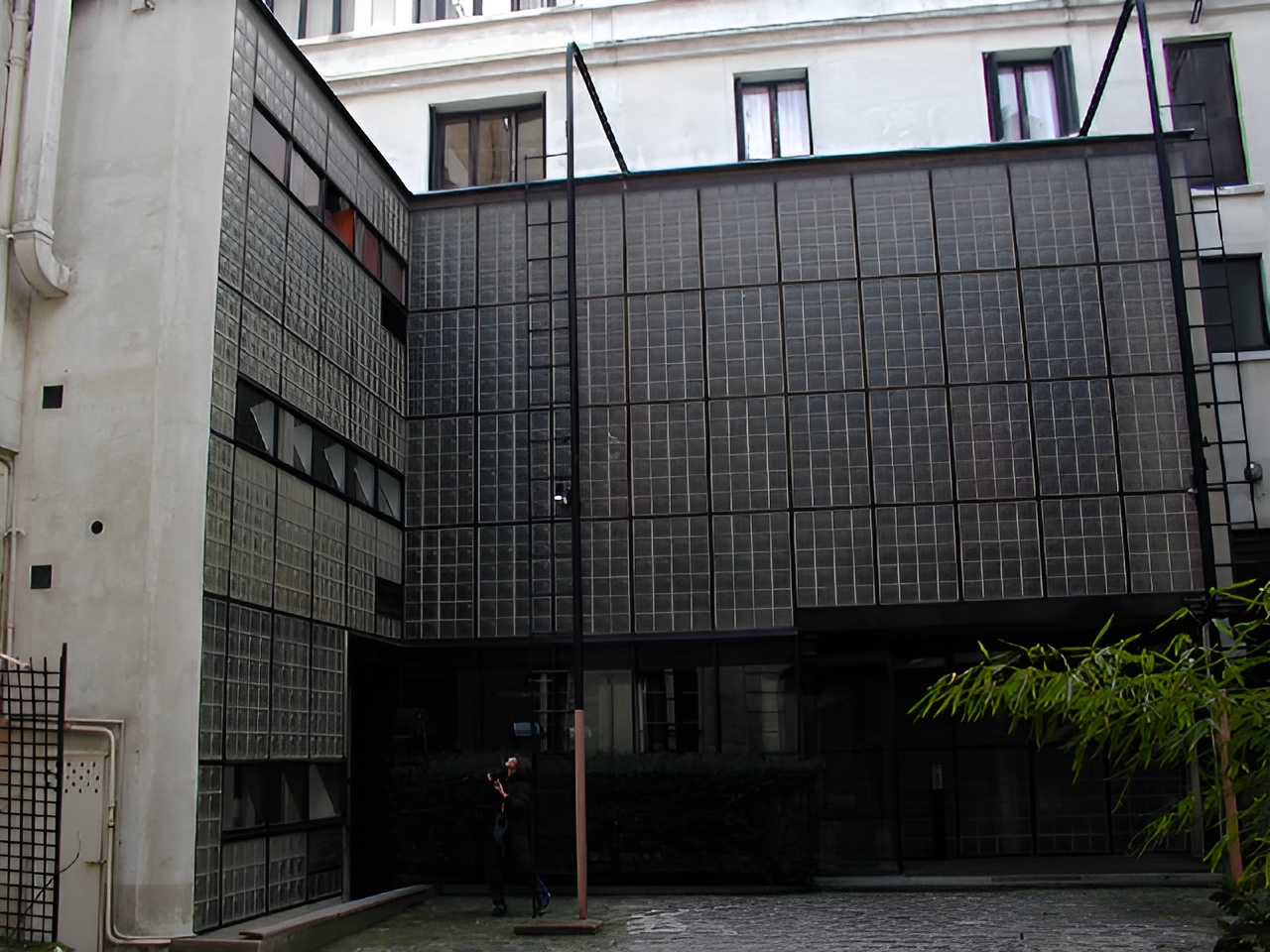
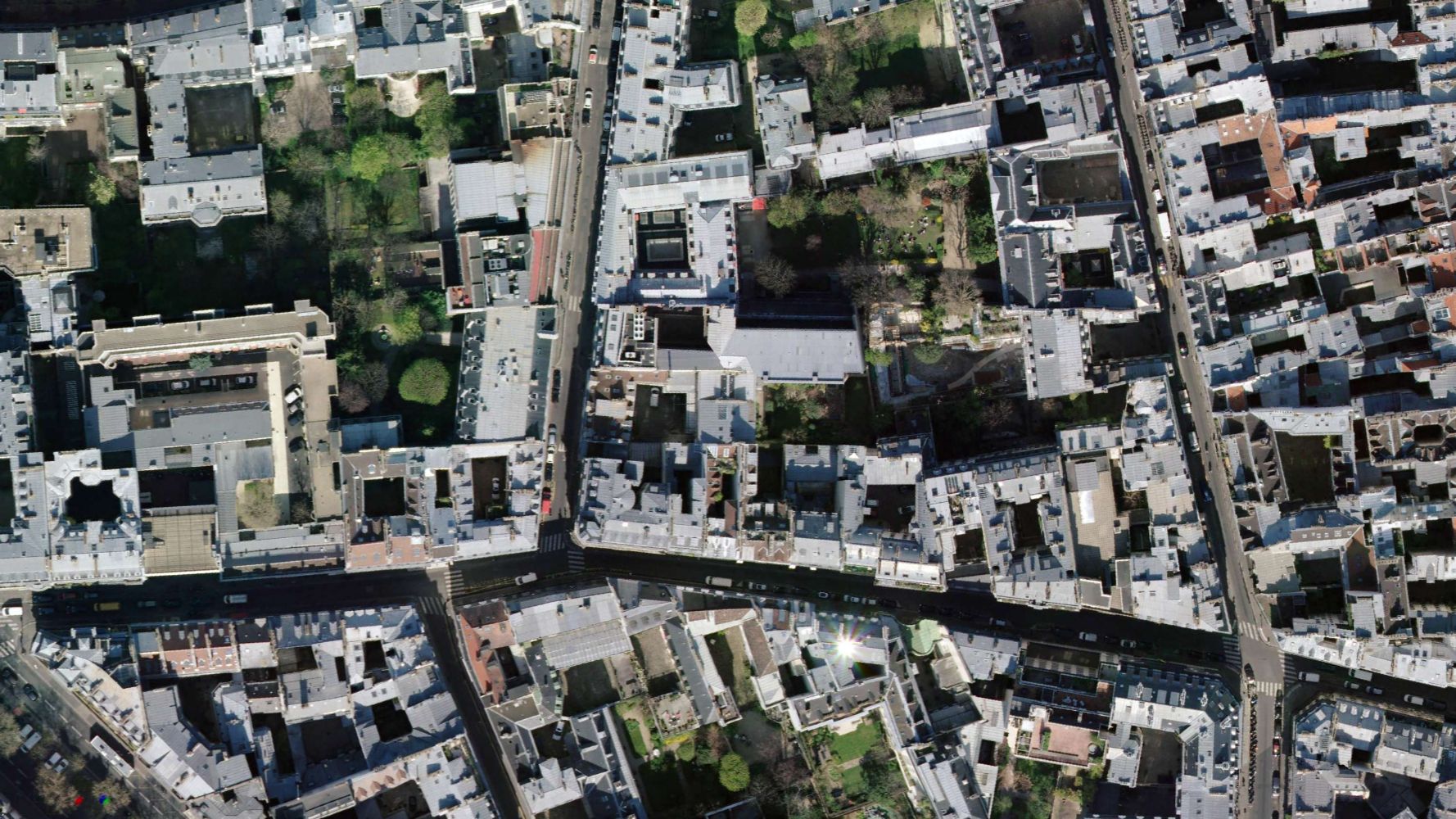
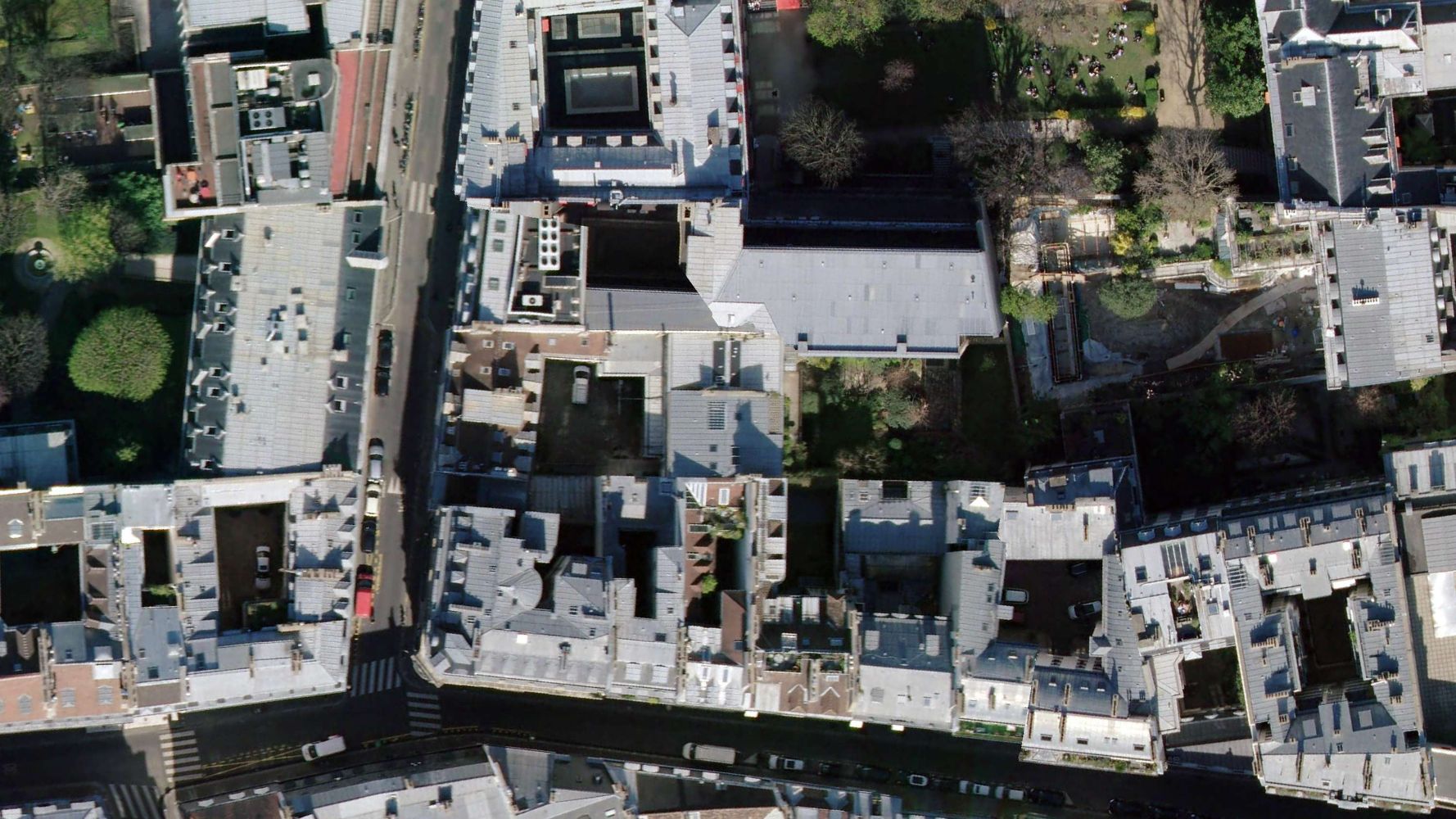
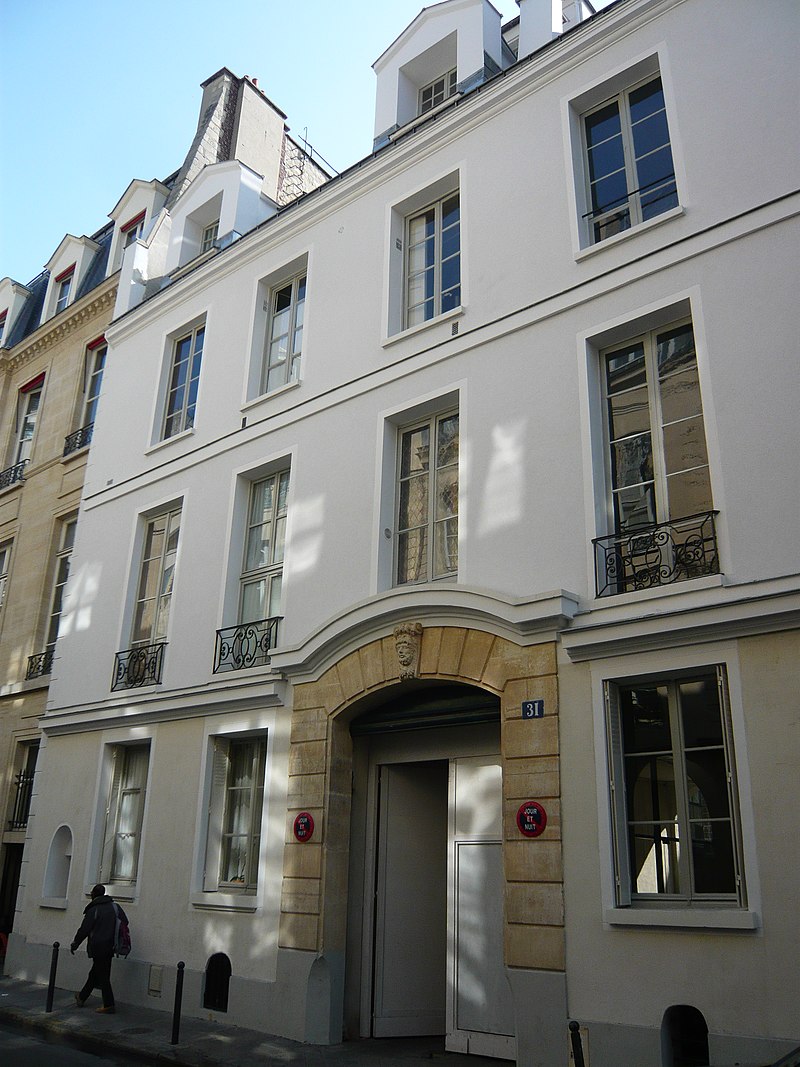
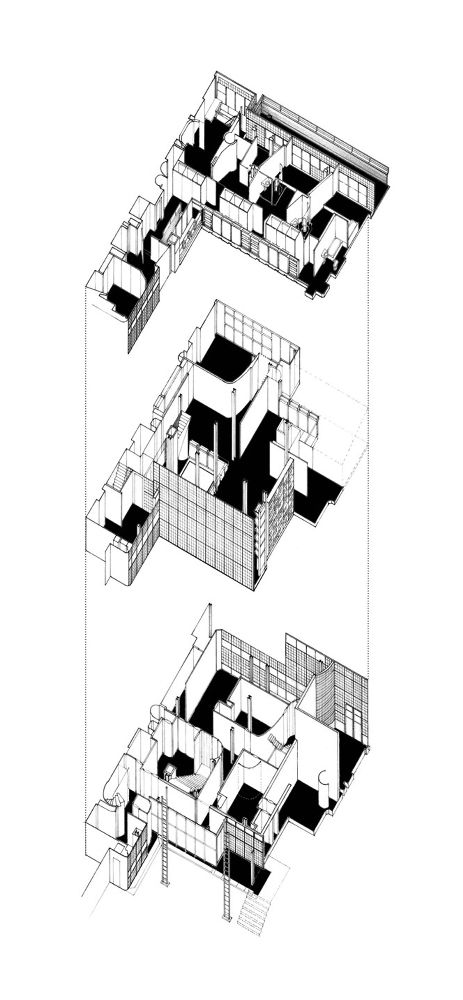
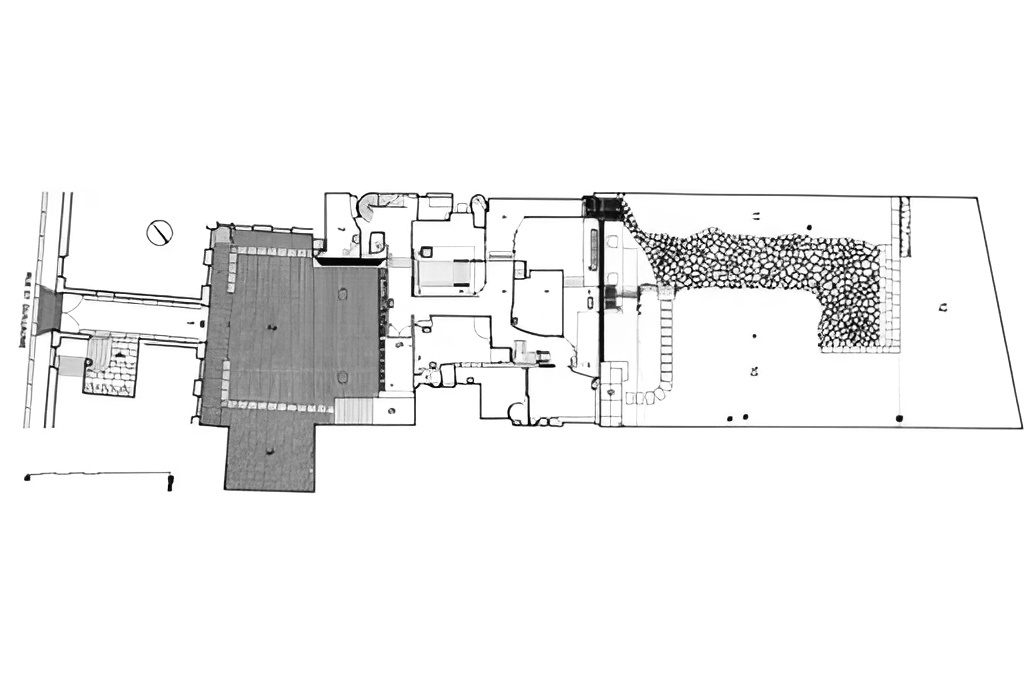
The project emerged from an unusual site condition. The Dalsace family purchased an existing eighteenth-century building intending to replace it with a new residence and clinic. Construction became significantly more complex when an elderly tenant occupying the upper floor refused to leave. Rather than abandon the commission, the design team retained the occupied upper apartment, demolished the lower floors, and constructed the new house beneath it. This constraint led to the adoption of a steel-frame structure that allowed greater flexibility in planning and construction.
Maison de Verre / Pierre Chareau + Bernard Bijvoet | Classics on Architecture Lab 230Maison de Verre / Pierre Chareau + Bernard Bijvoet | Classics on Architecture Lab 231Maison de Verre / Pierre Chareau + Bernard Bijvoet | Classics on Architecture Lab 232Maison de Verre / Pierre Chareau + Bernard Bijvoet | Classics on Architecture Lab 233
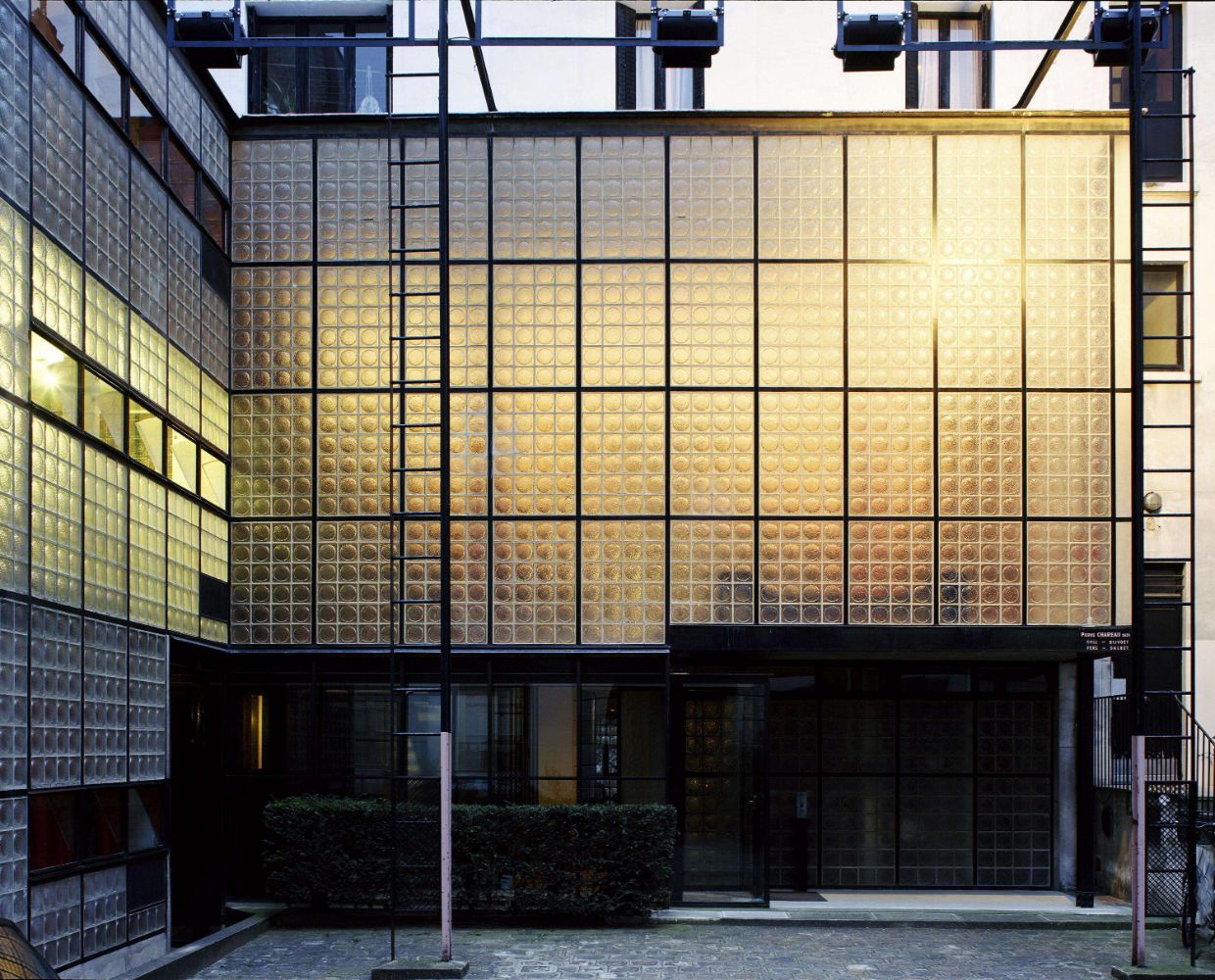
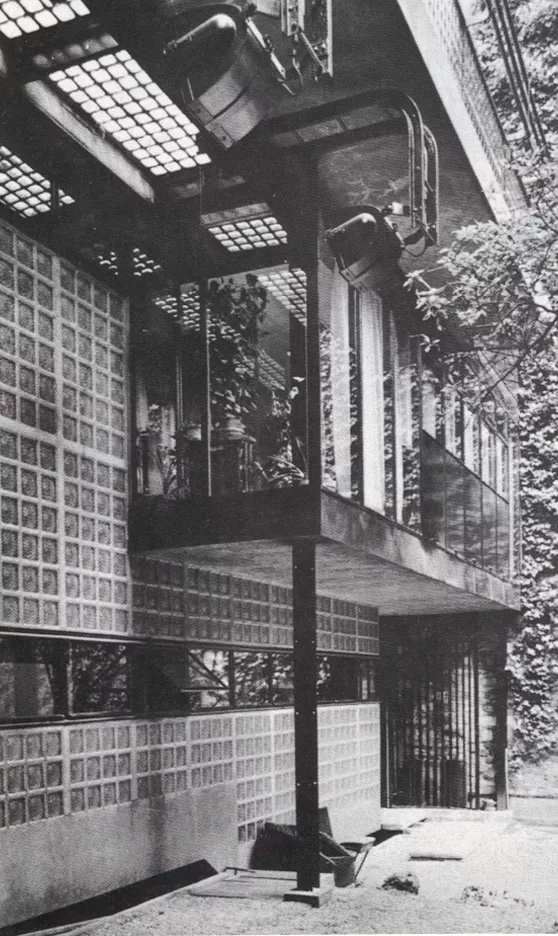
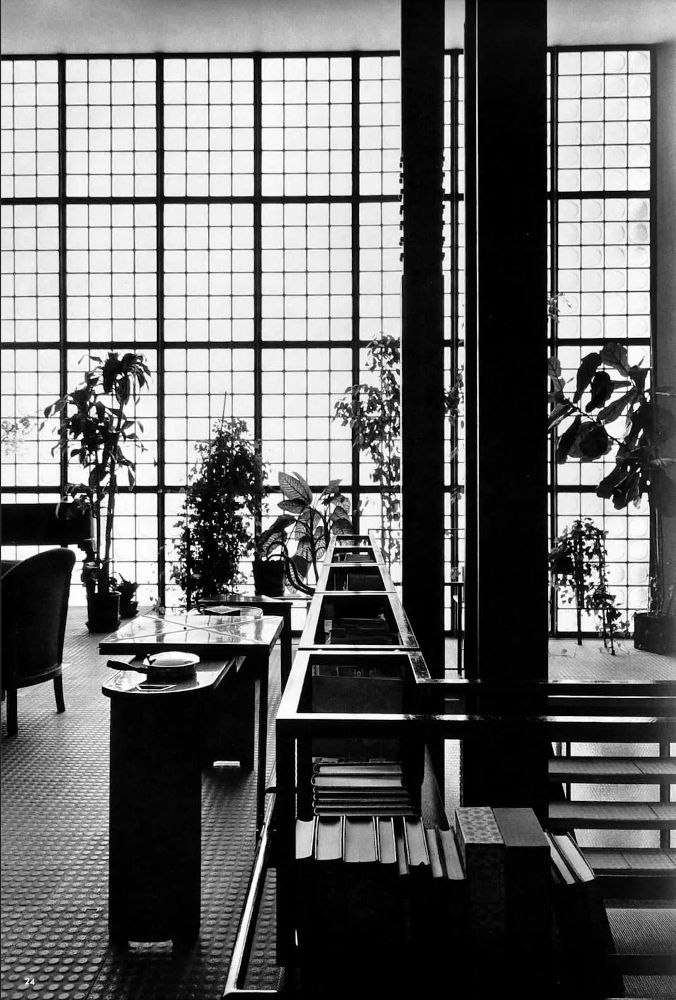
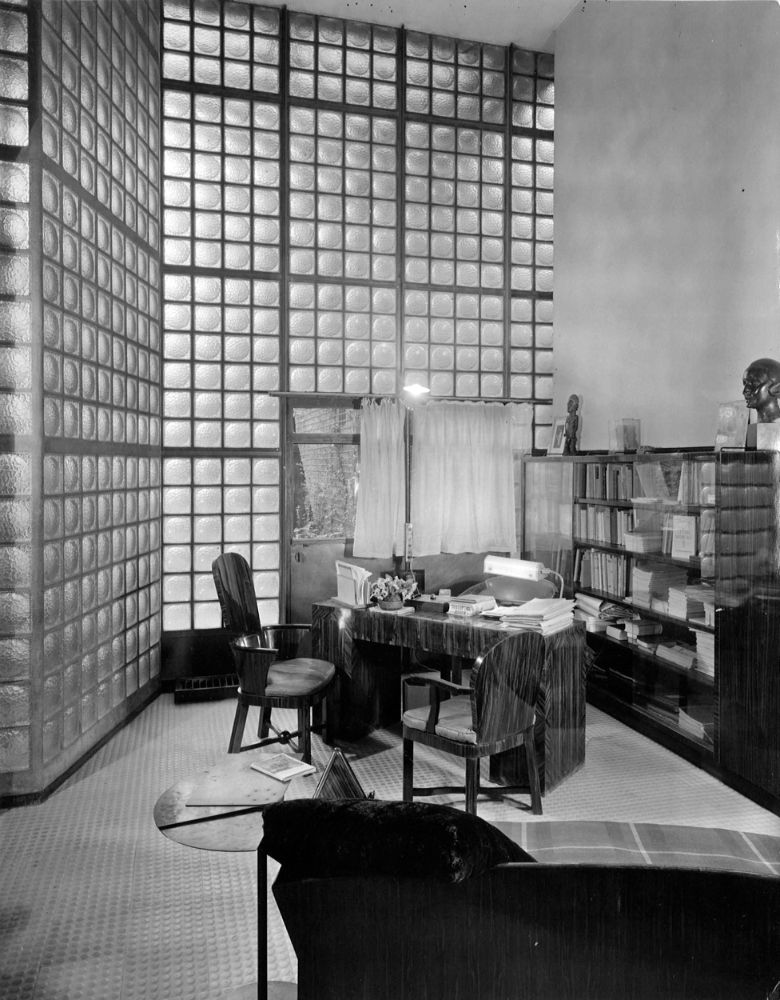
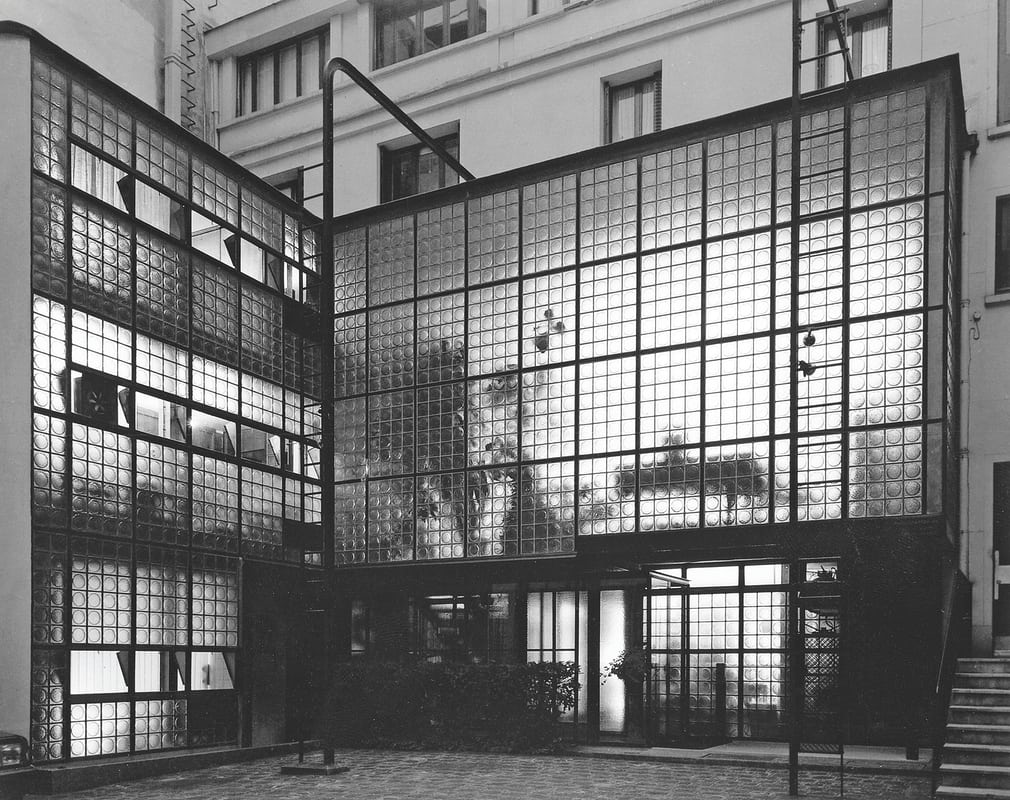
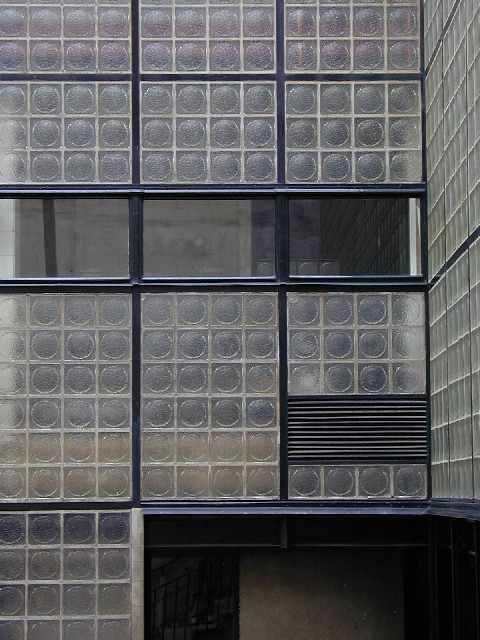
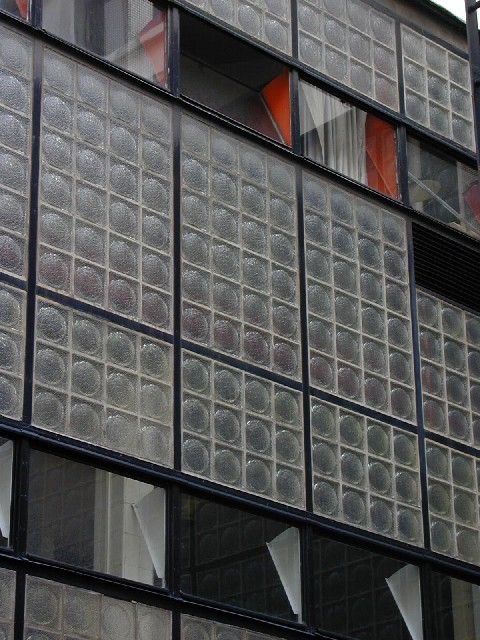
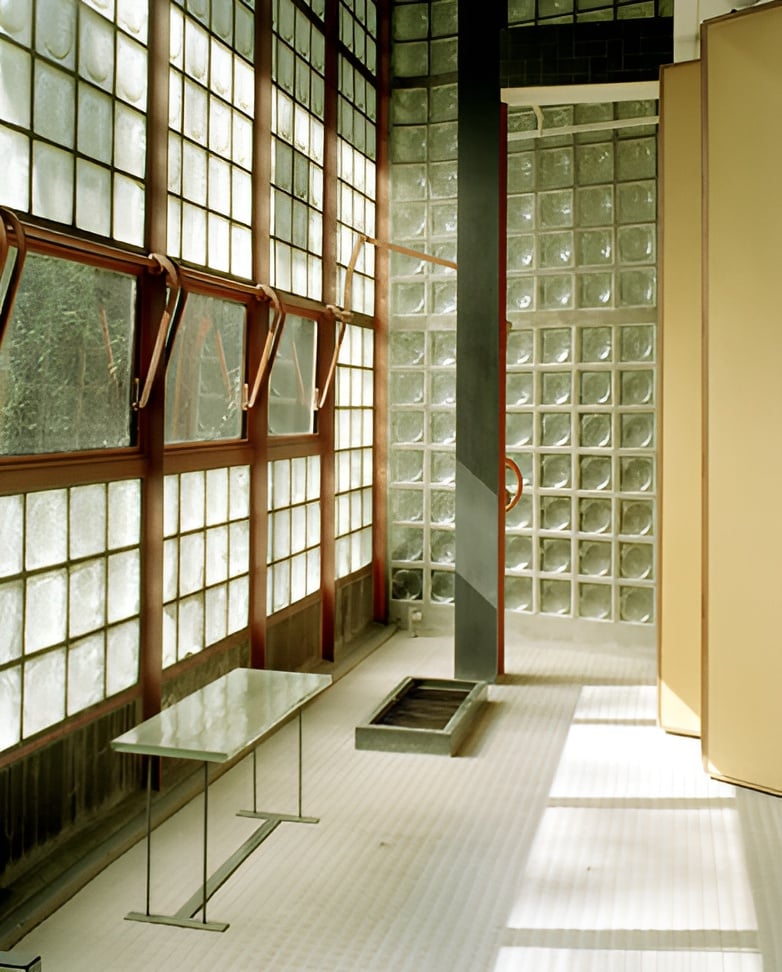
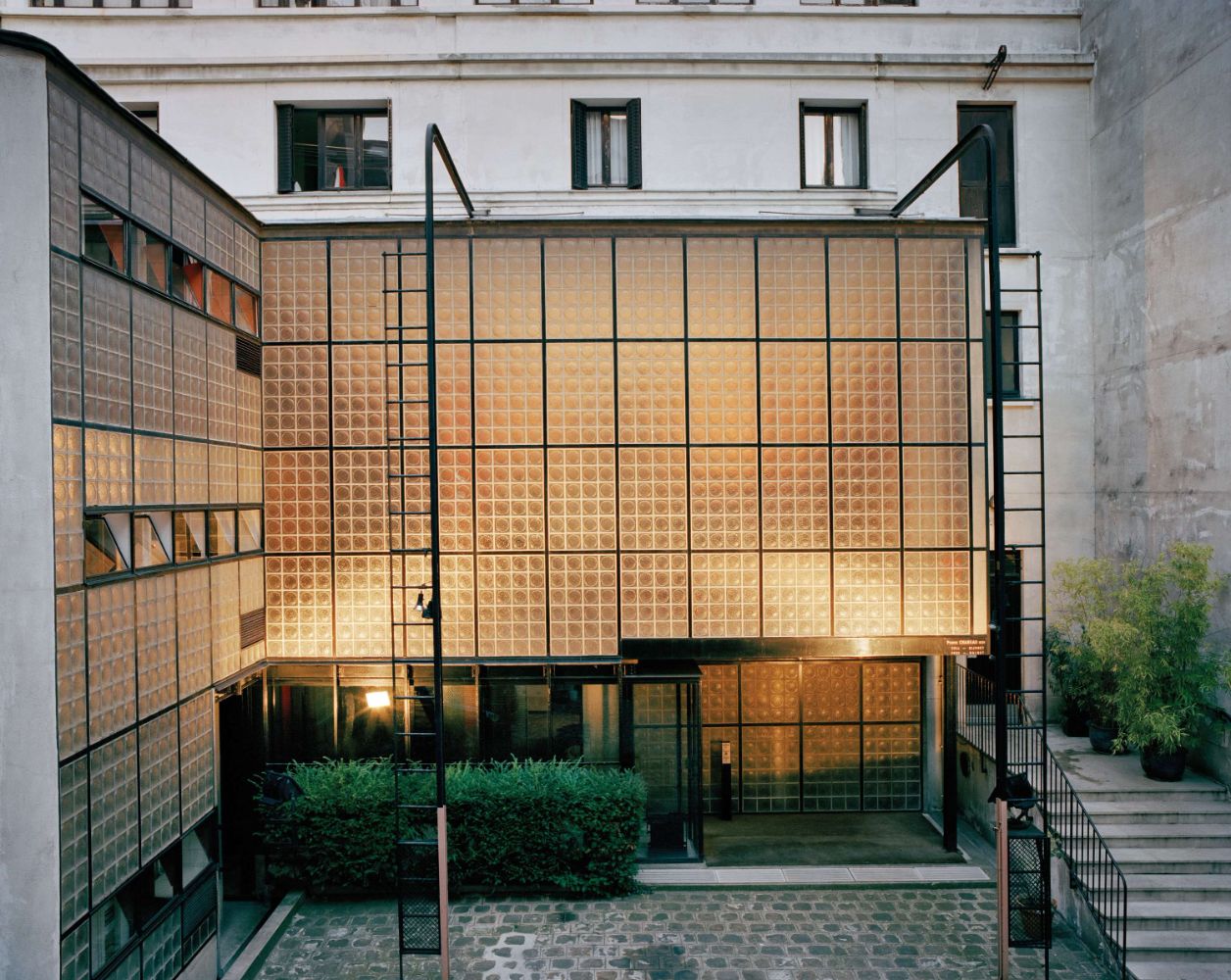
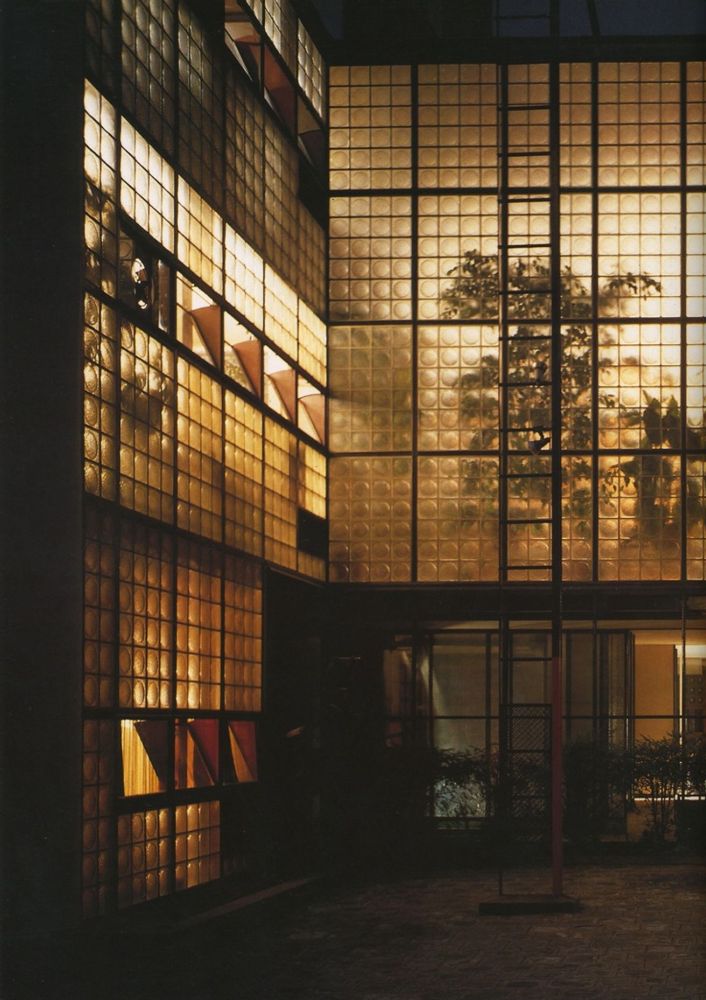
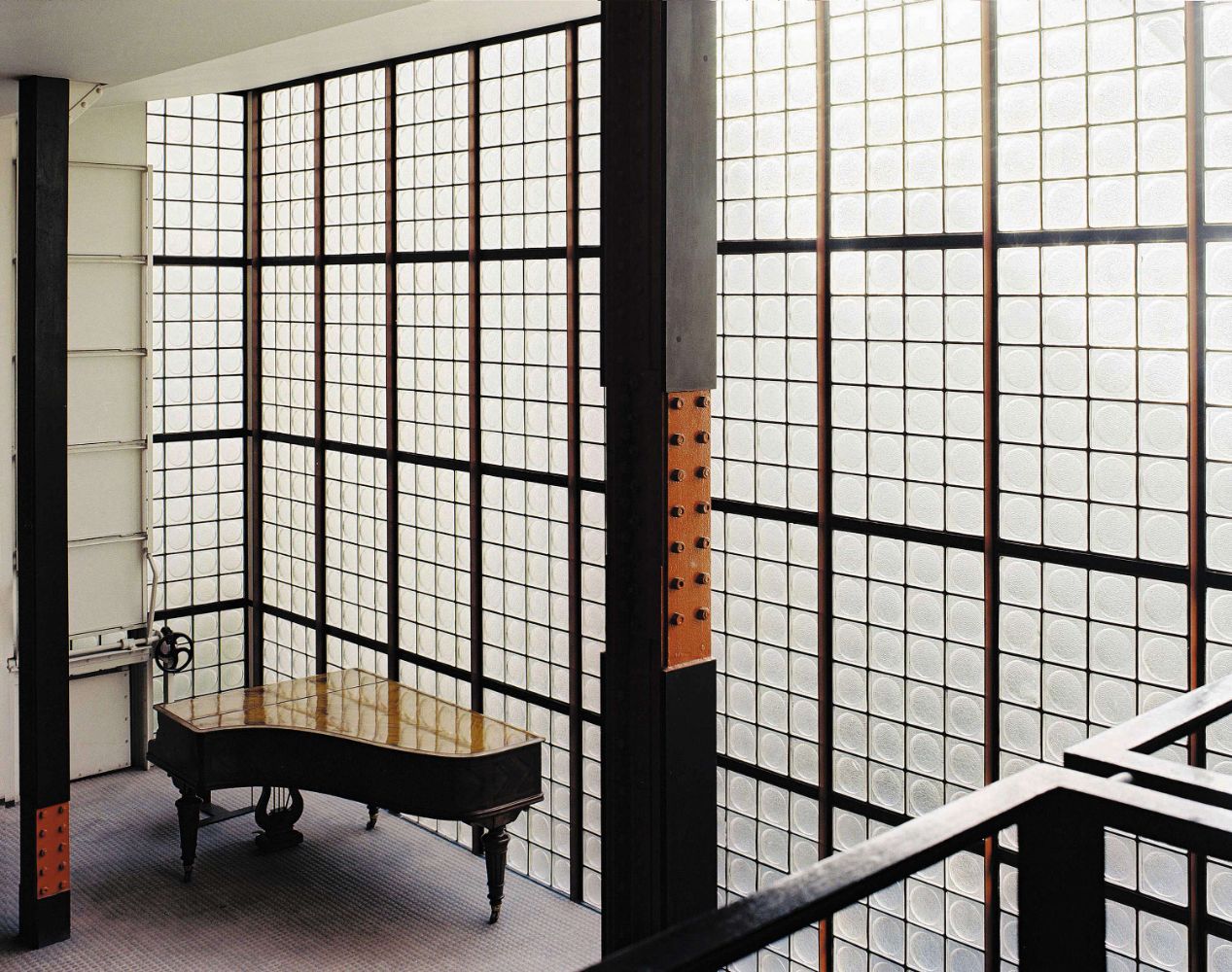
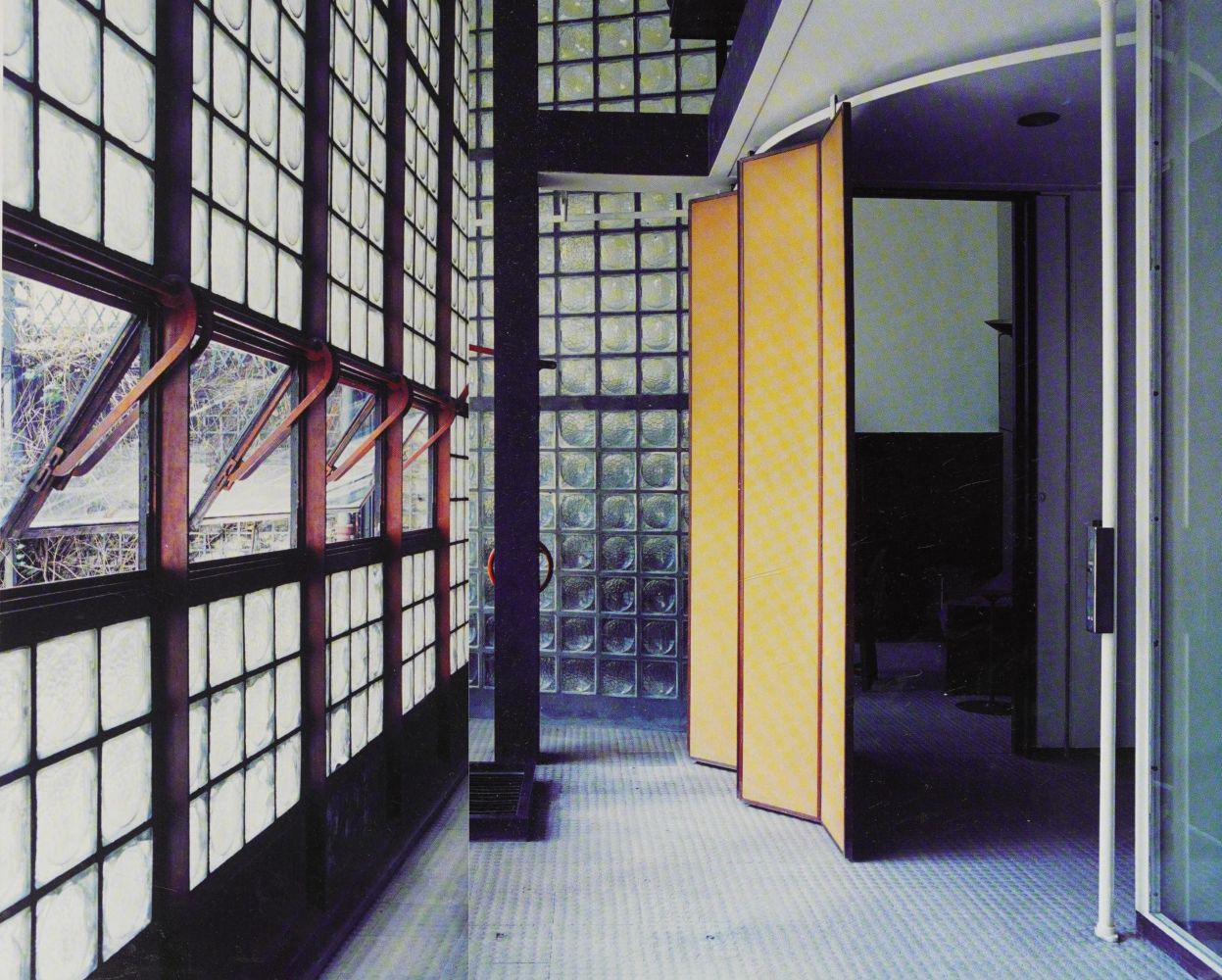
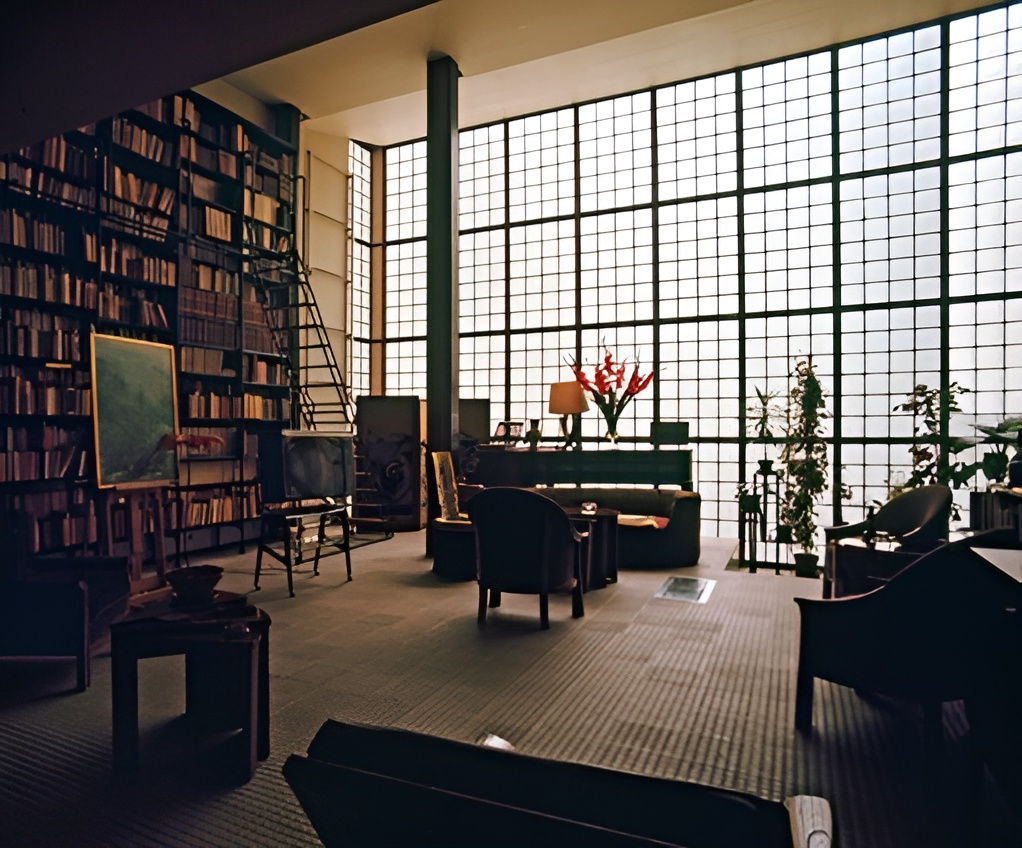
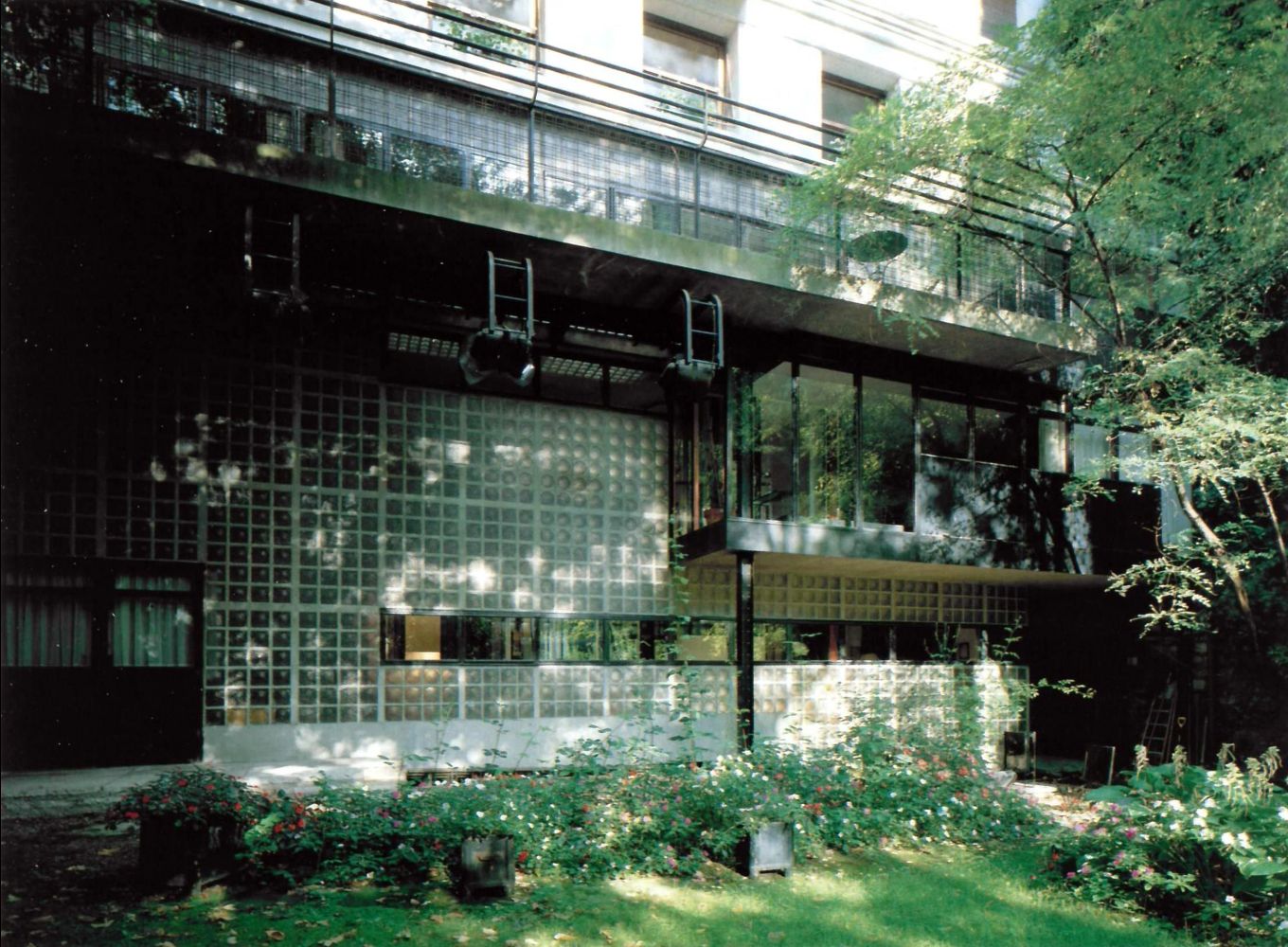
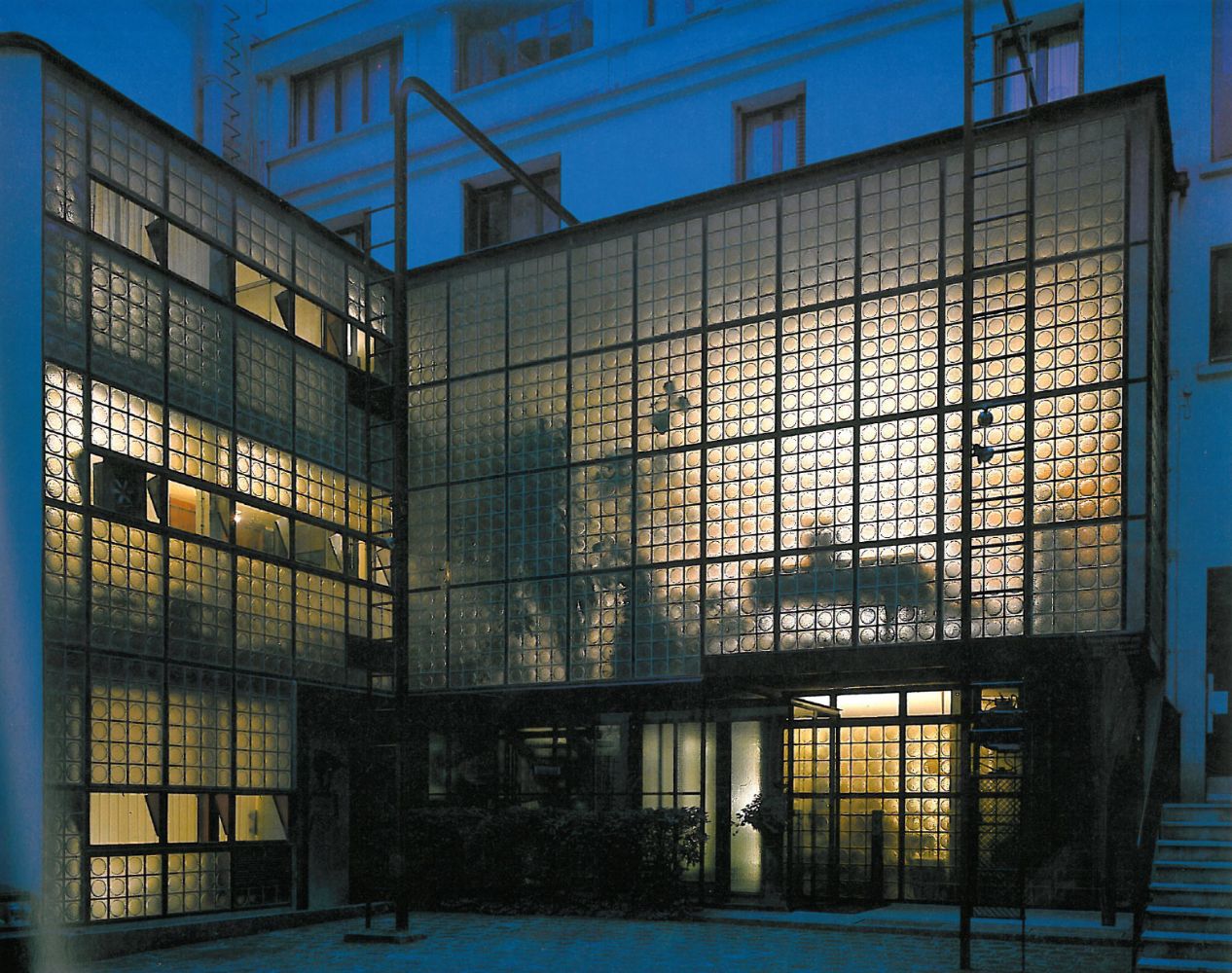
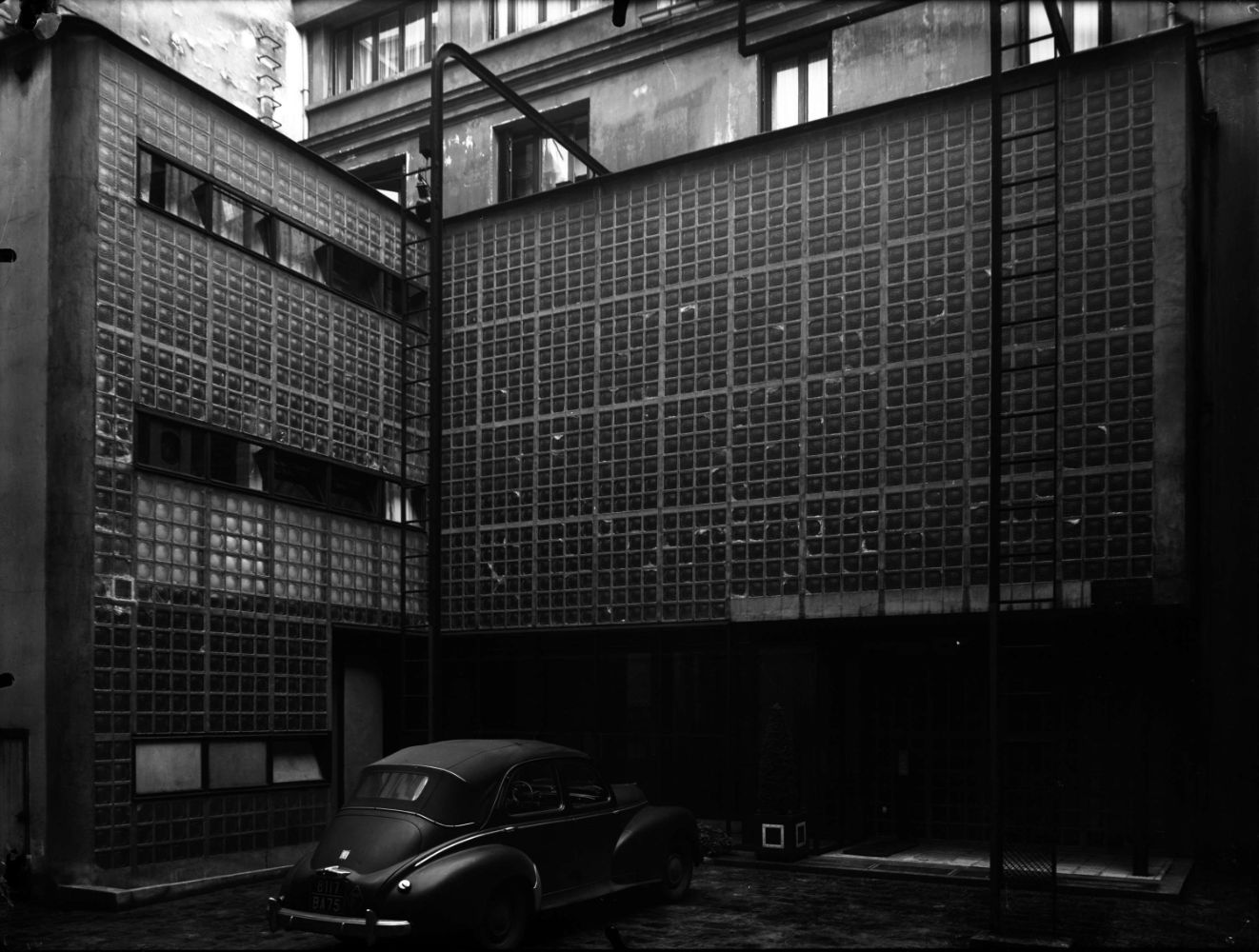
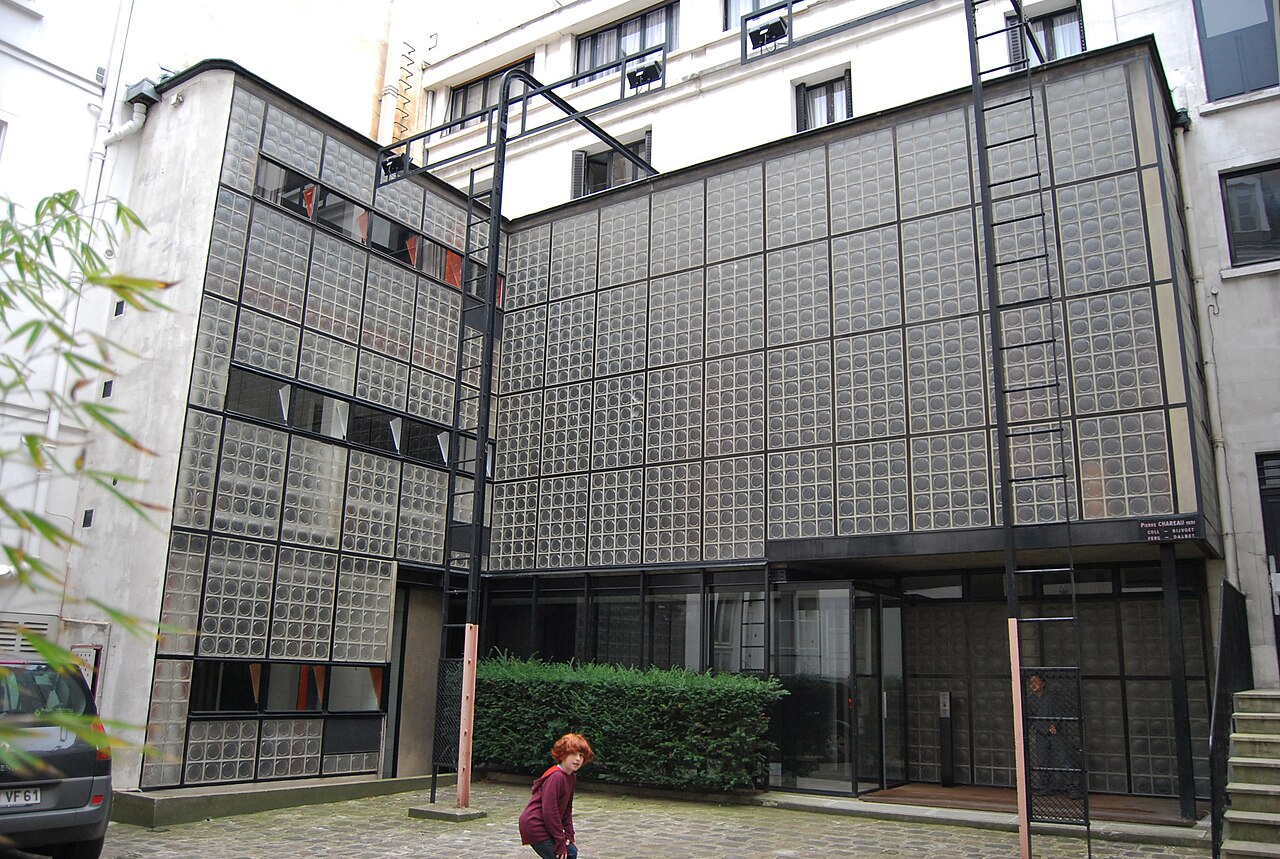
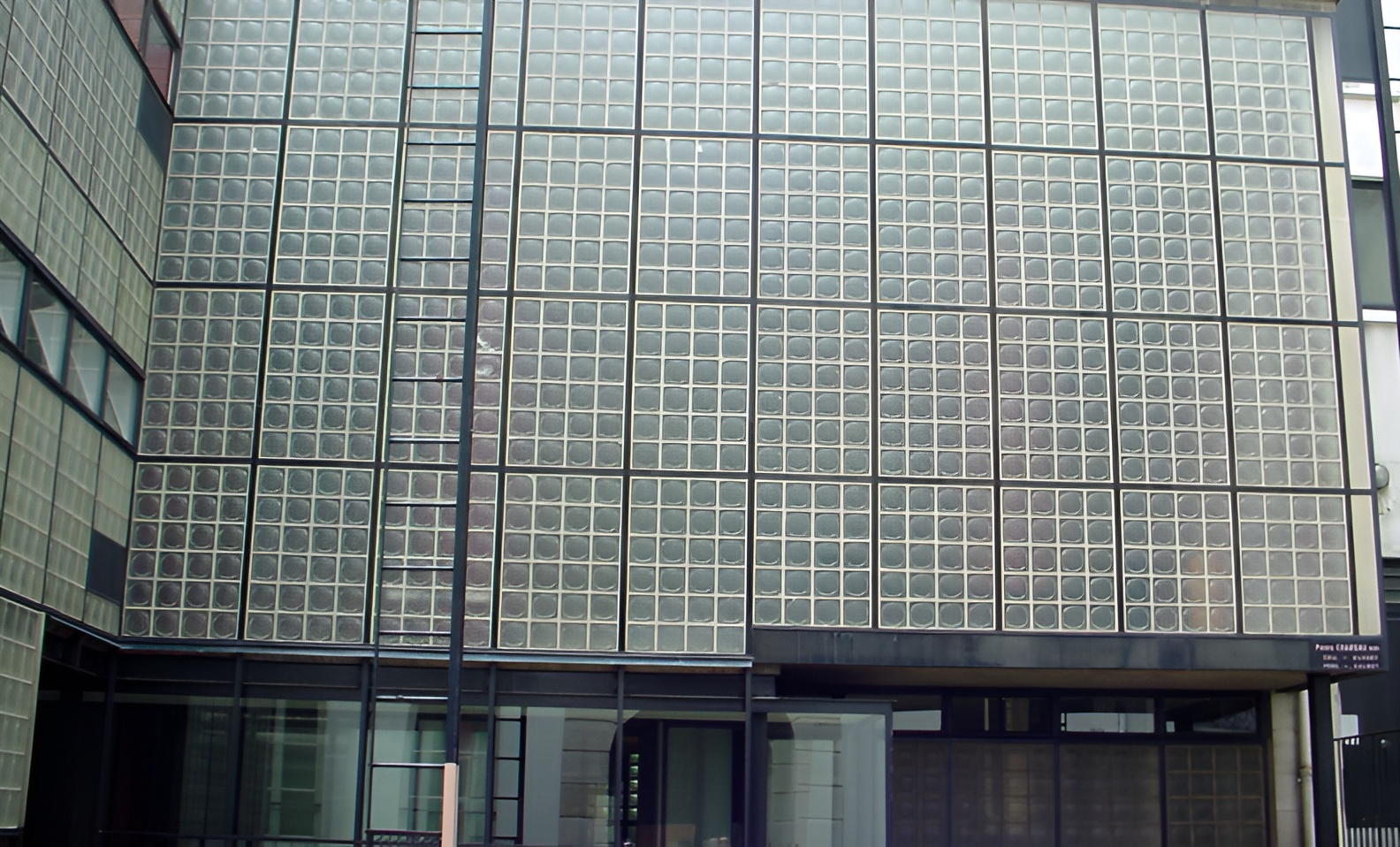
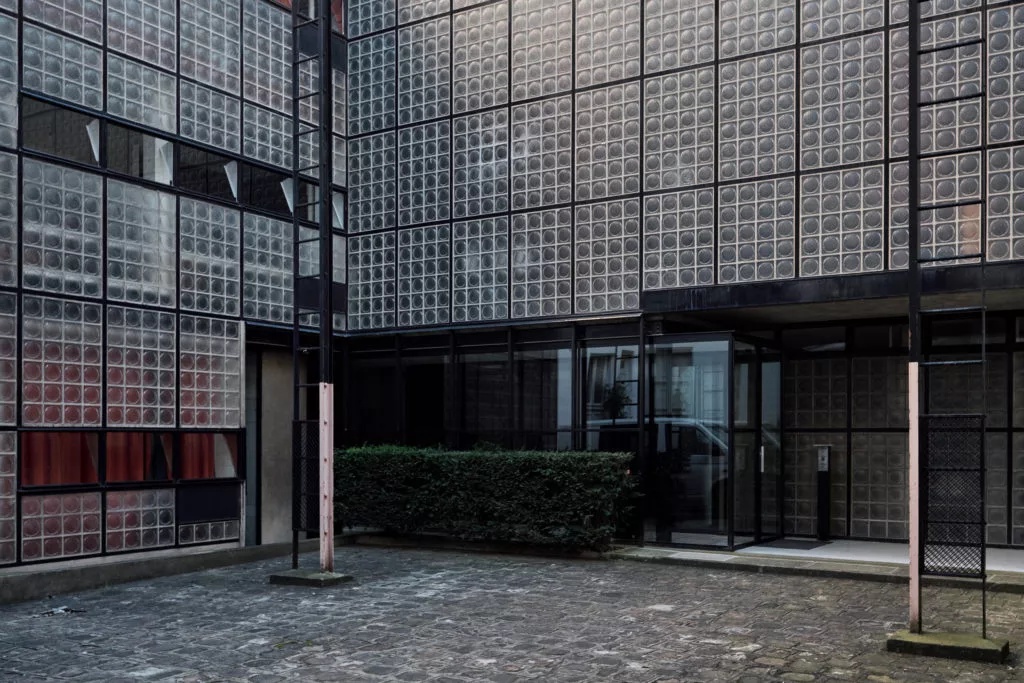
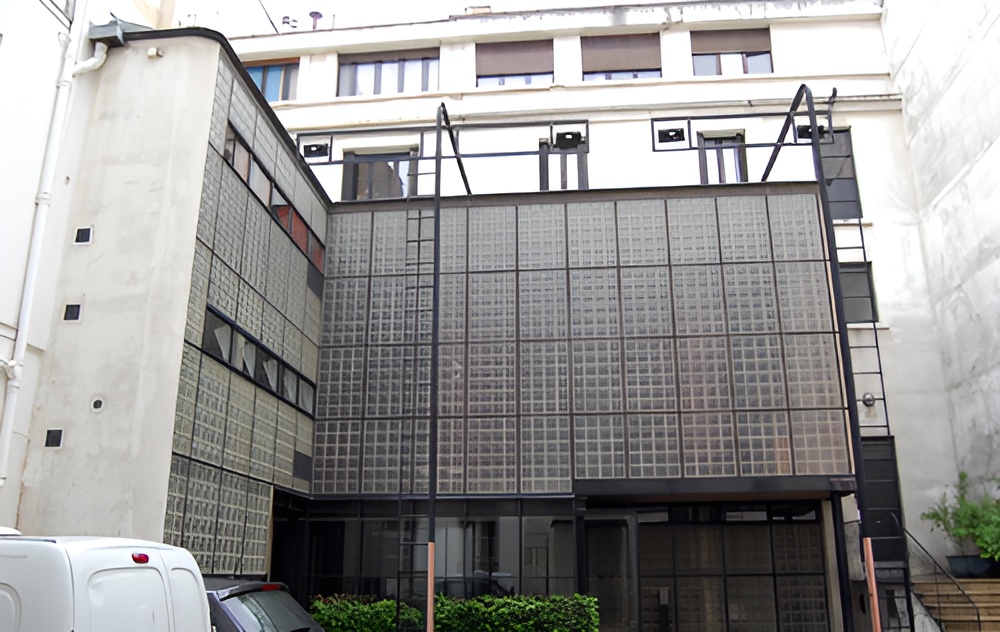
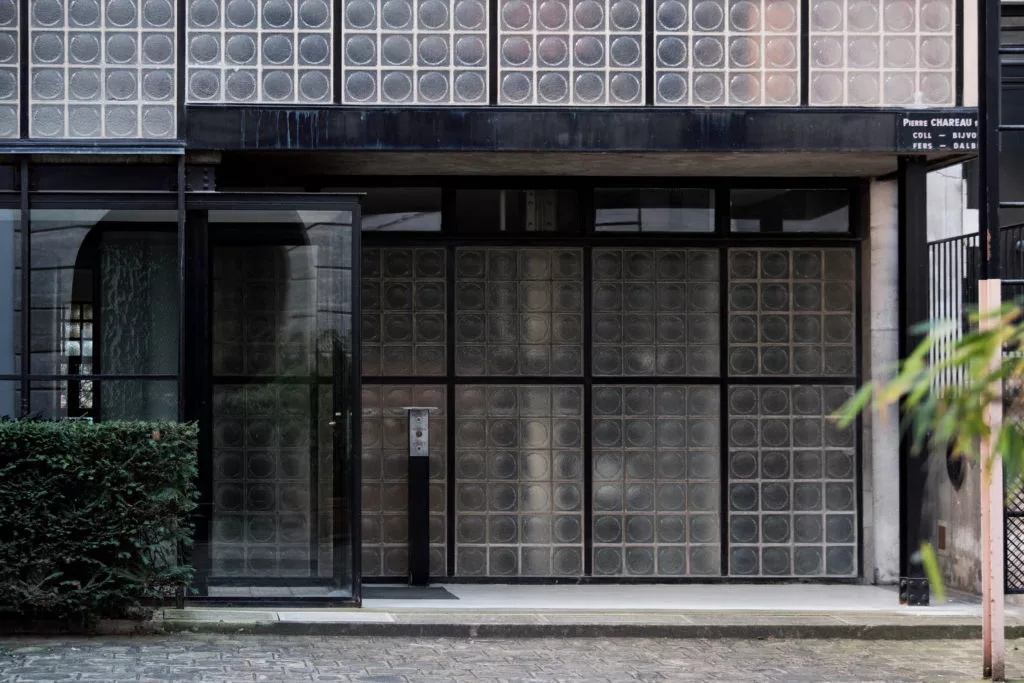
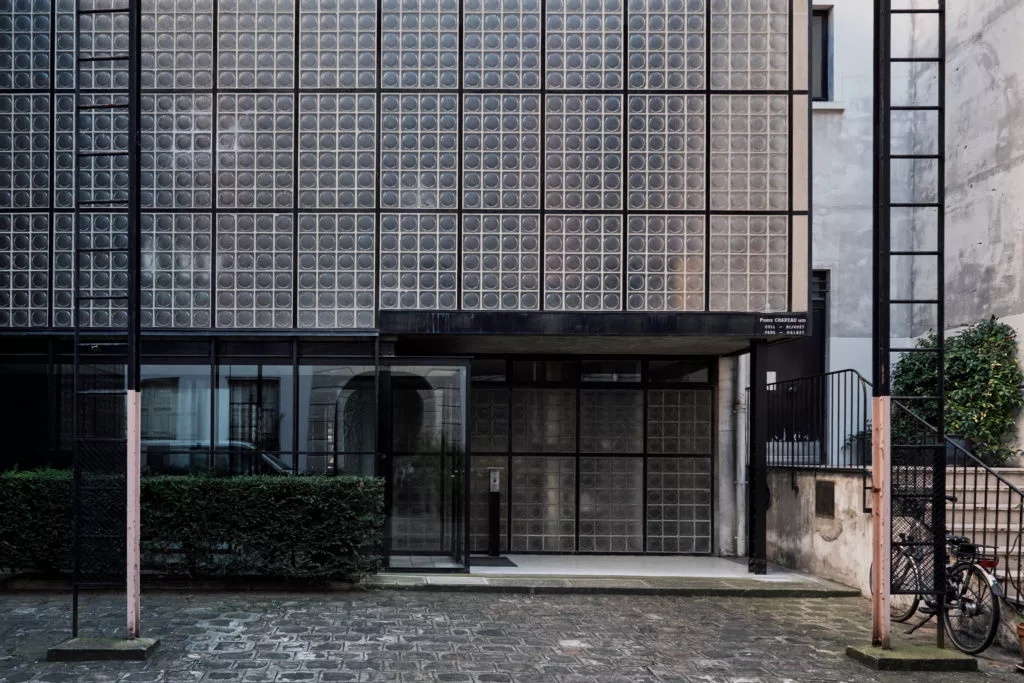
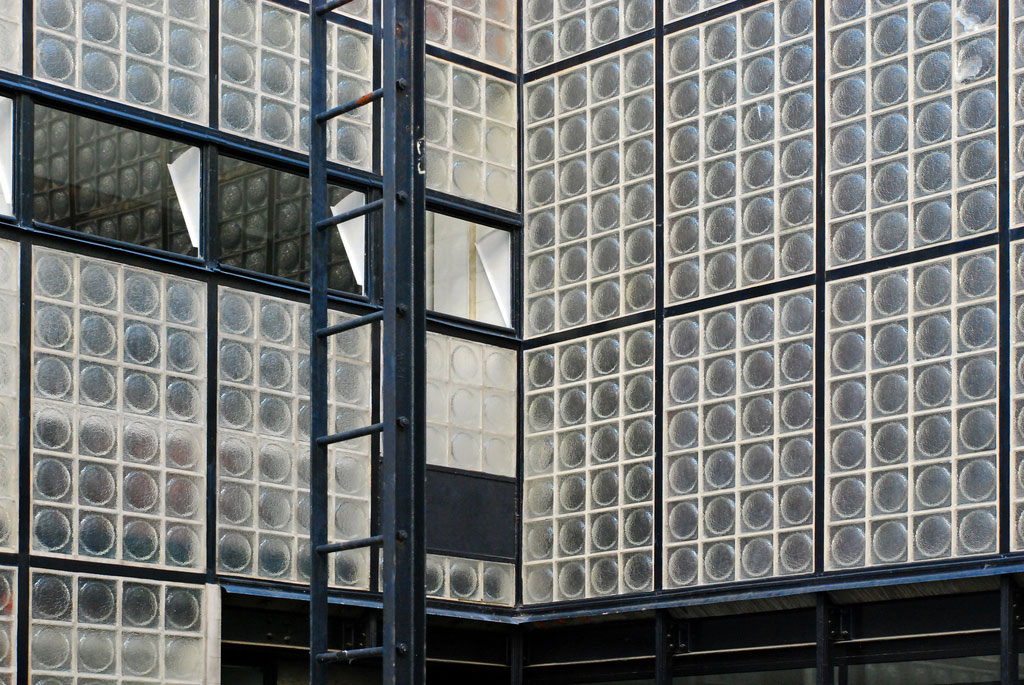
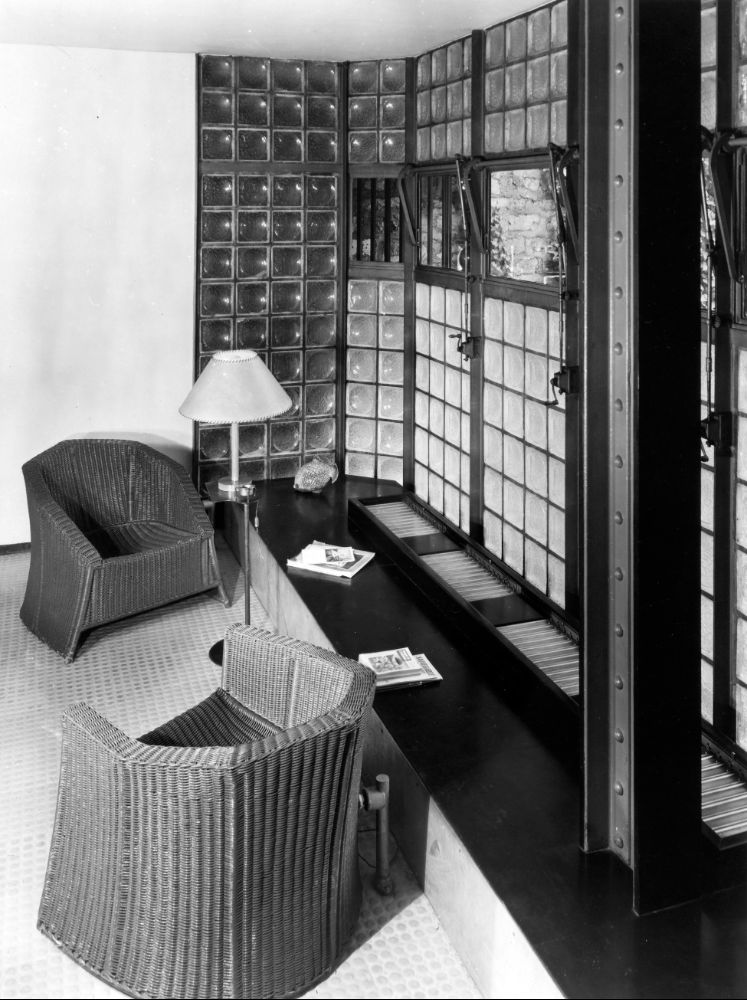
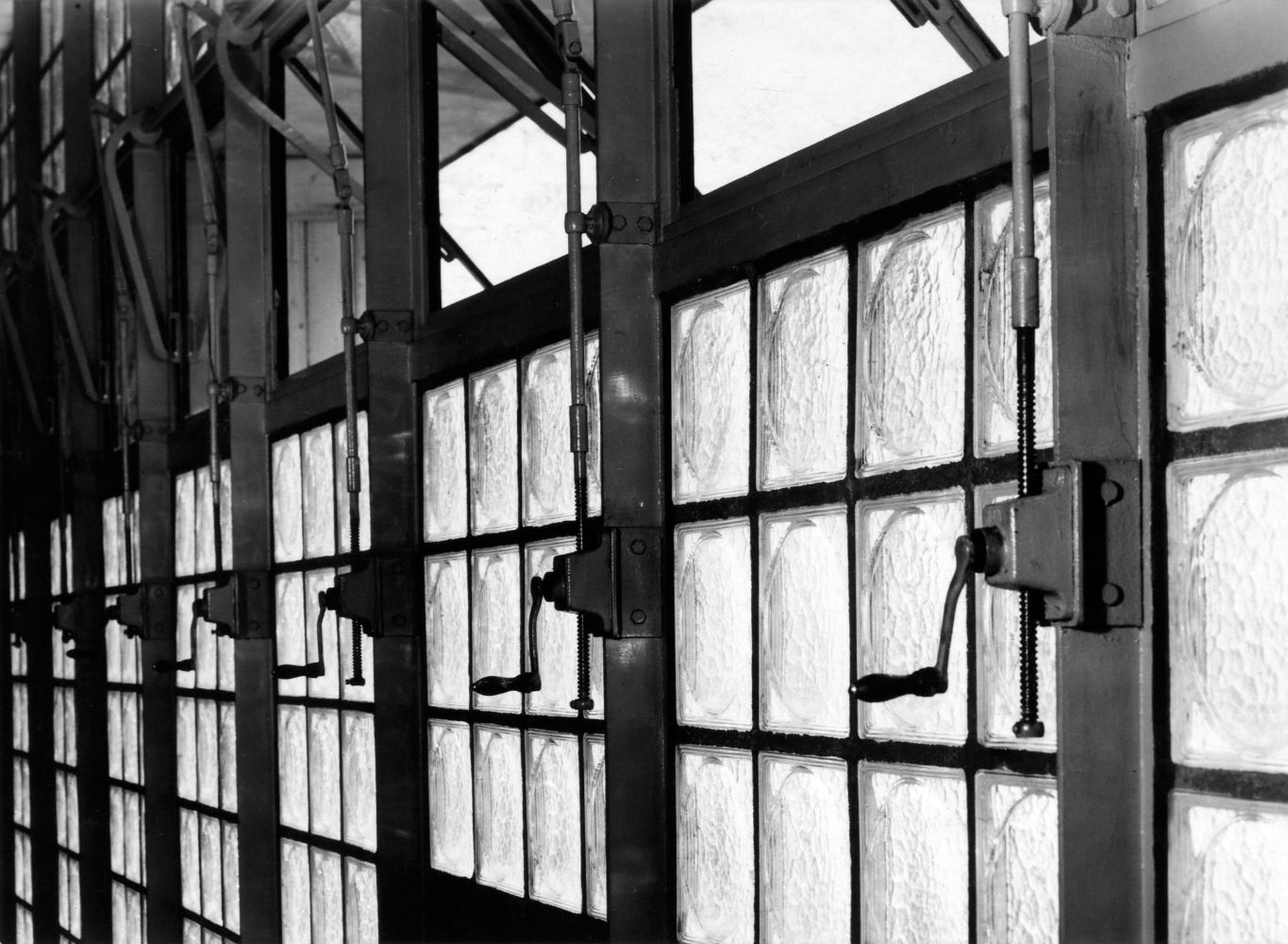
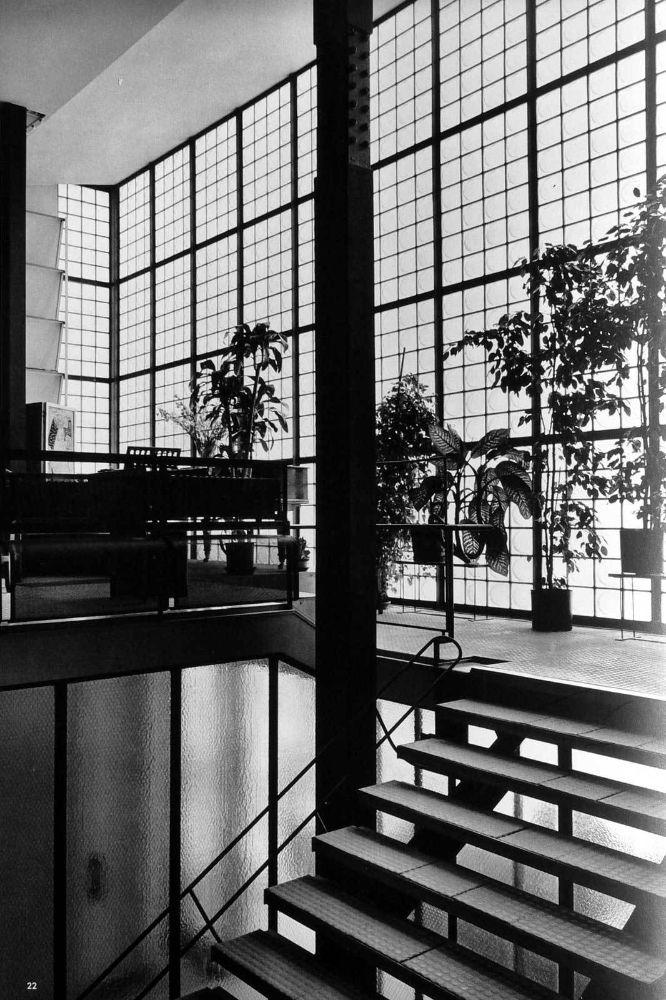
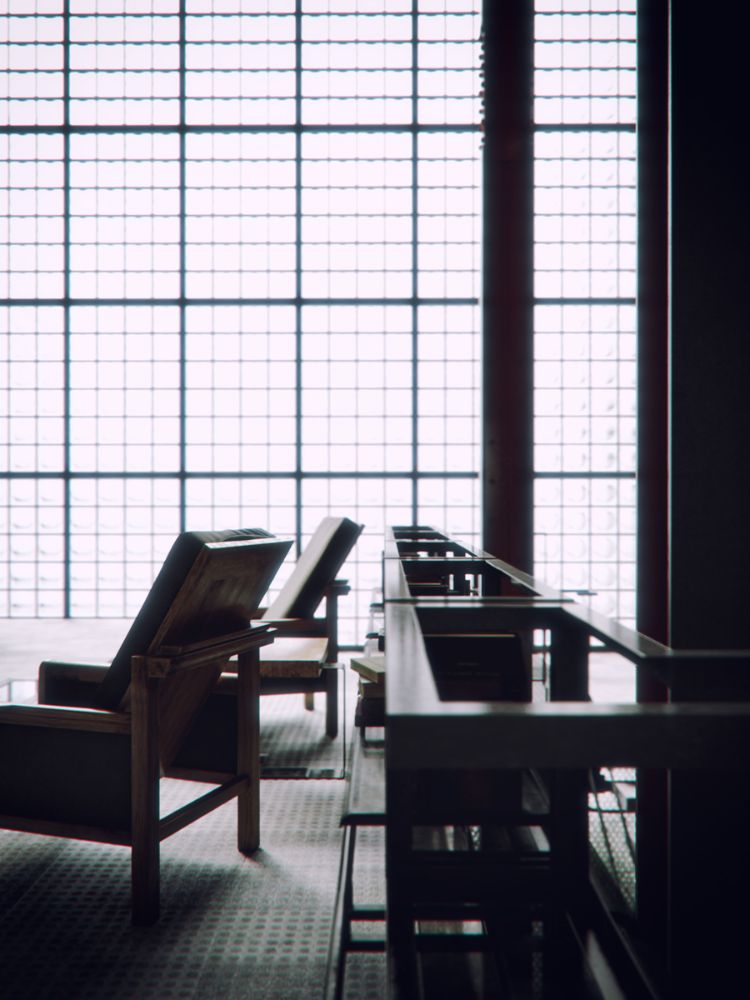
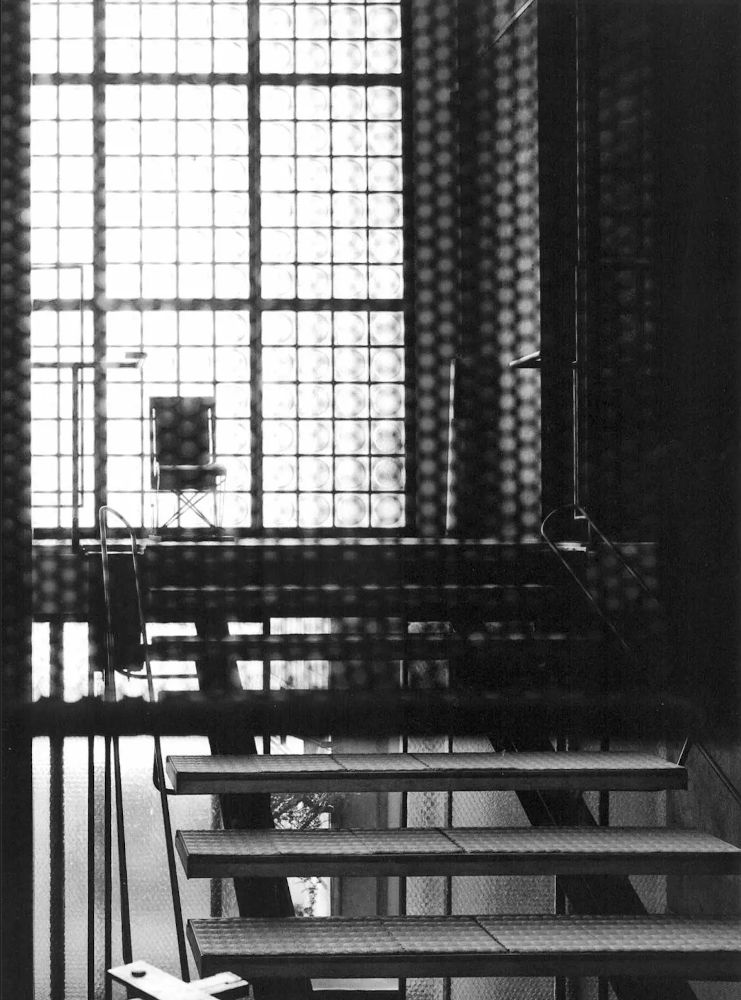
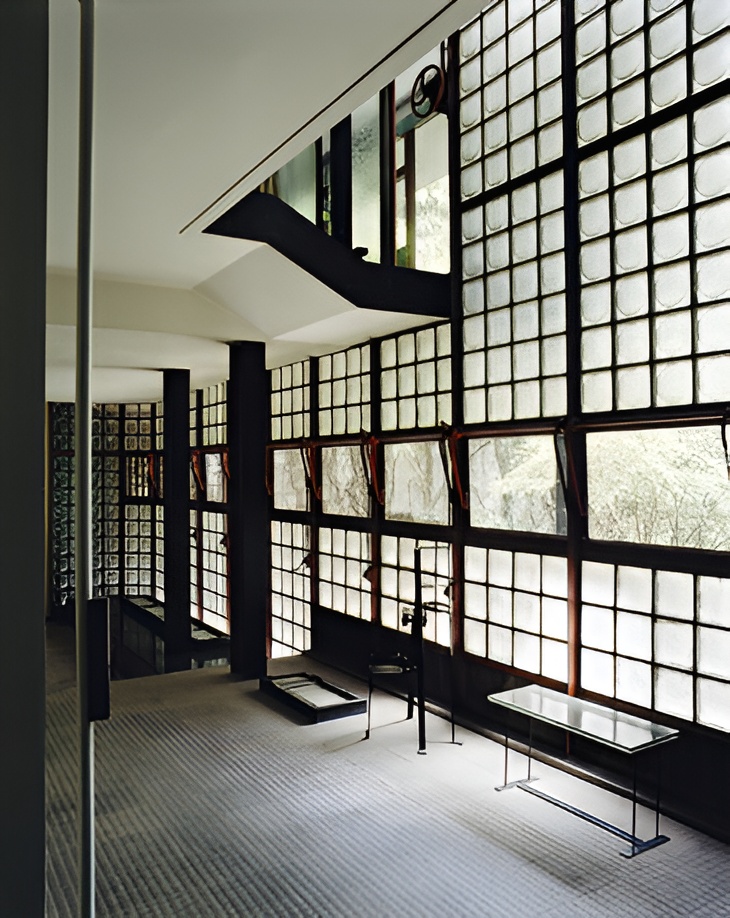
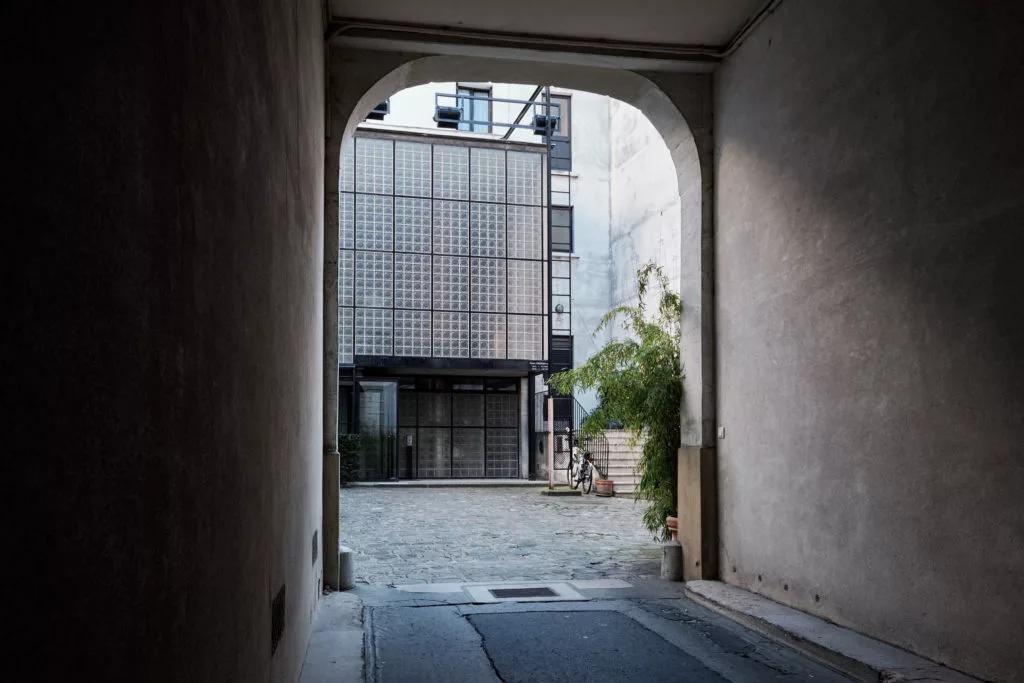
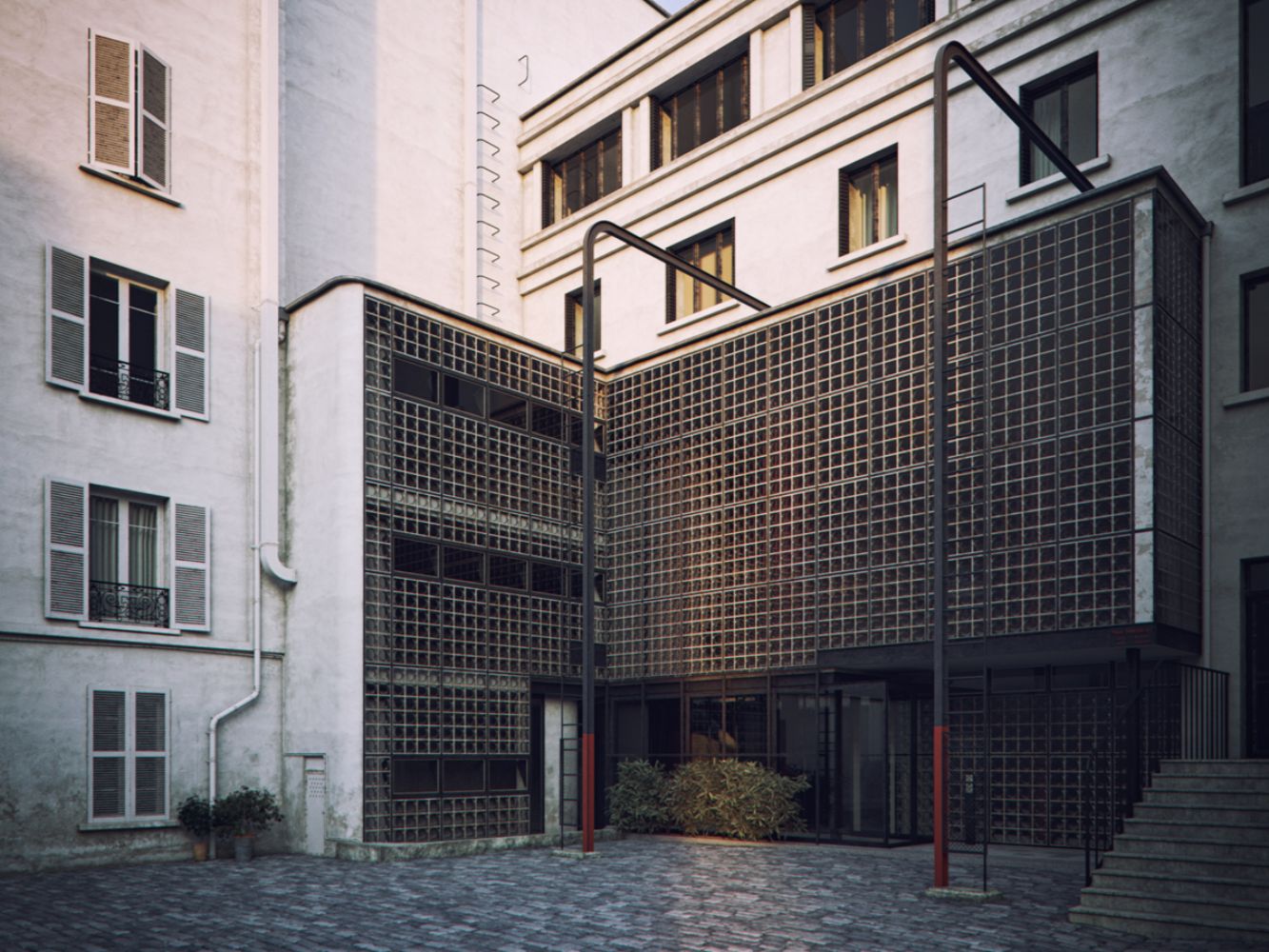
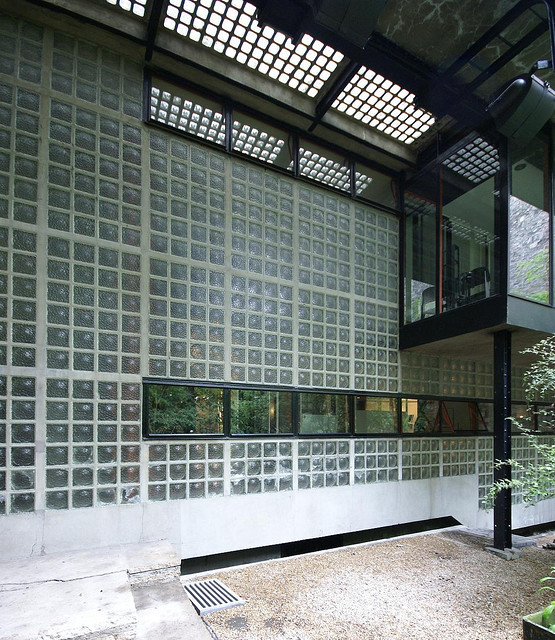
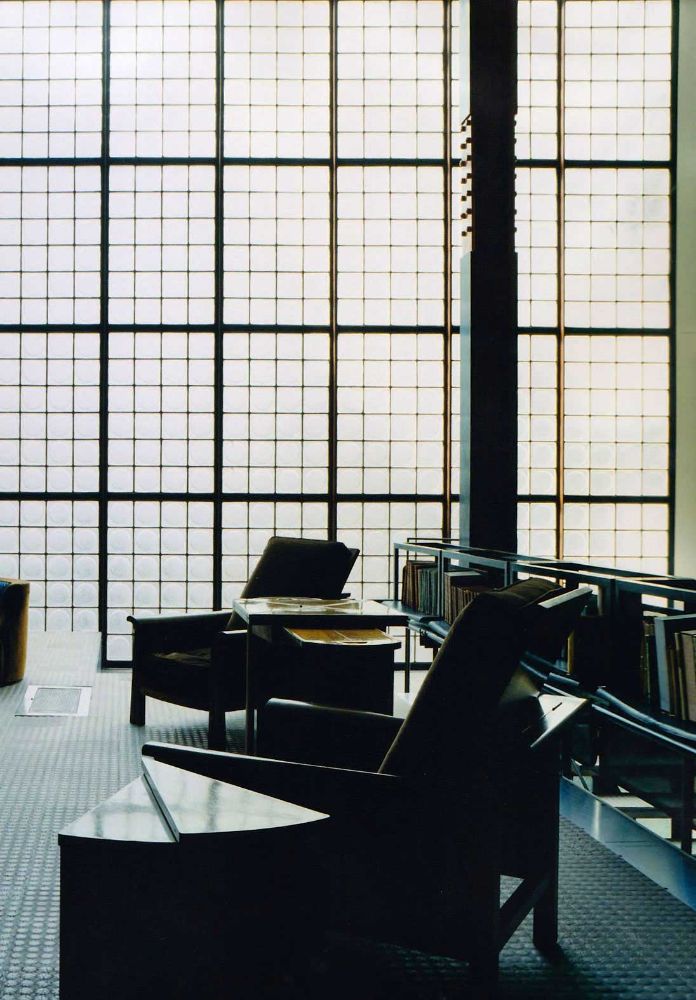
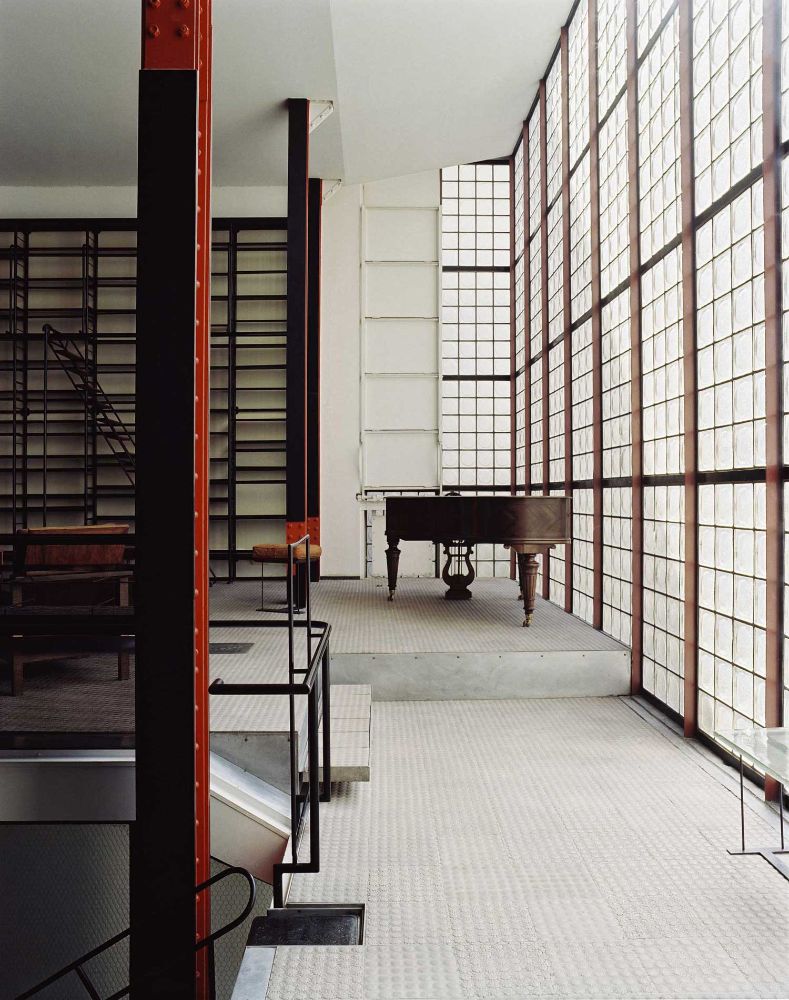
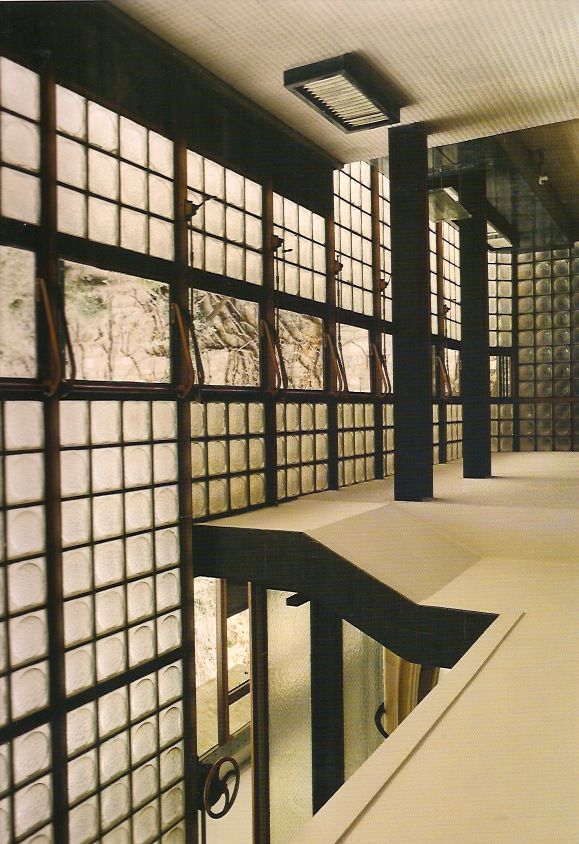
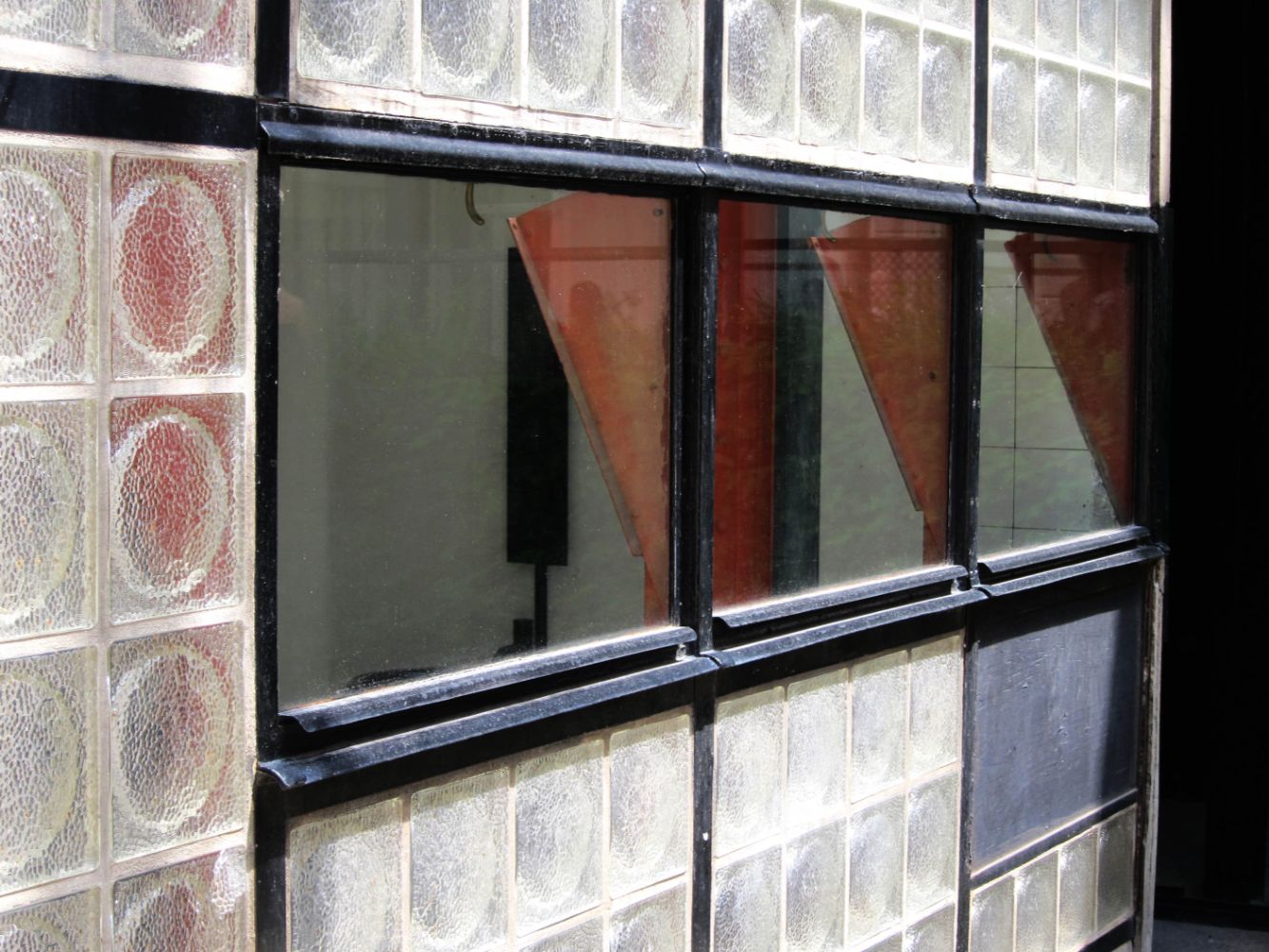
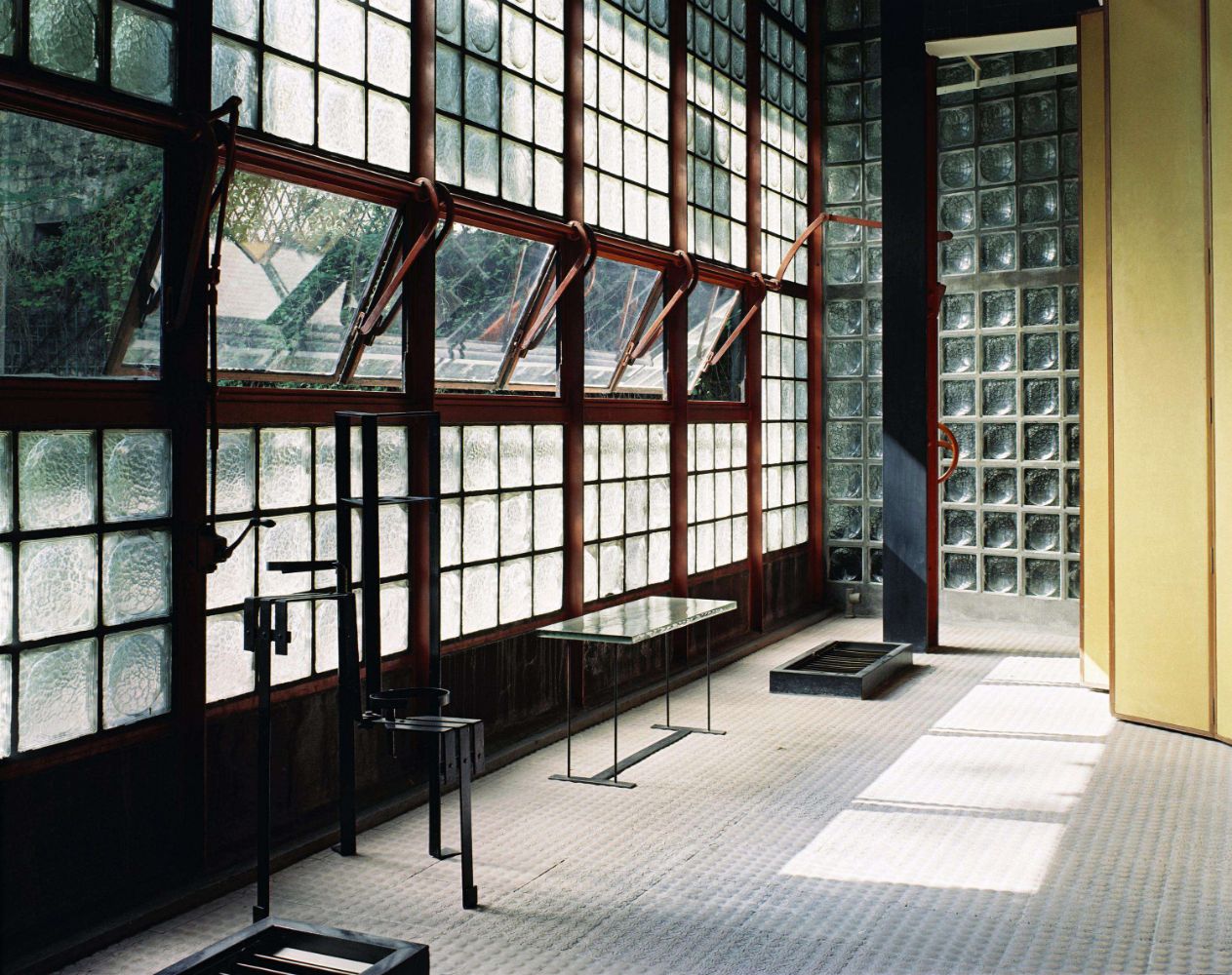
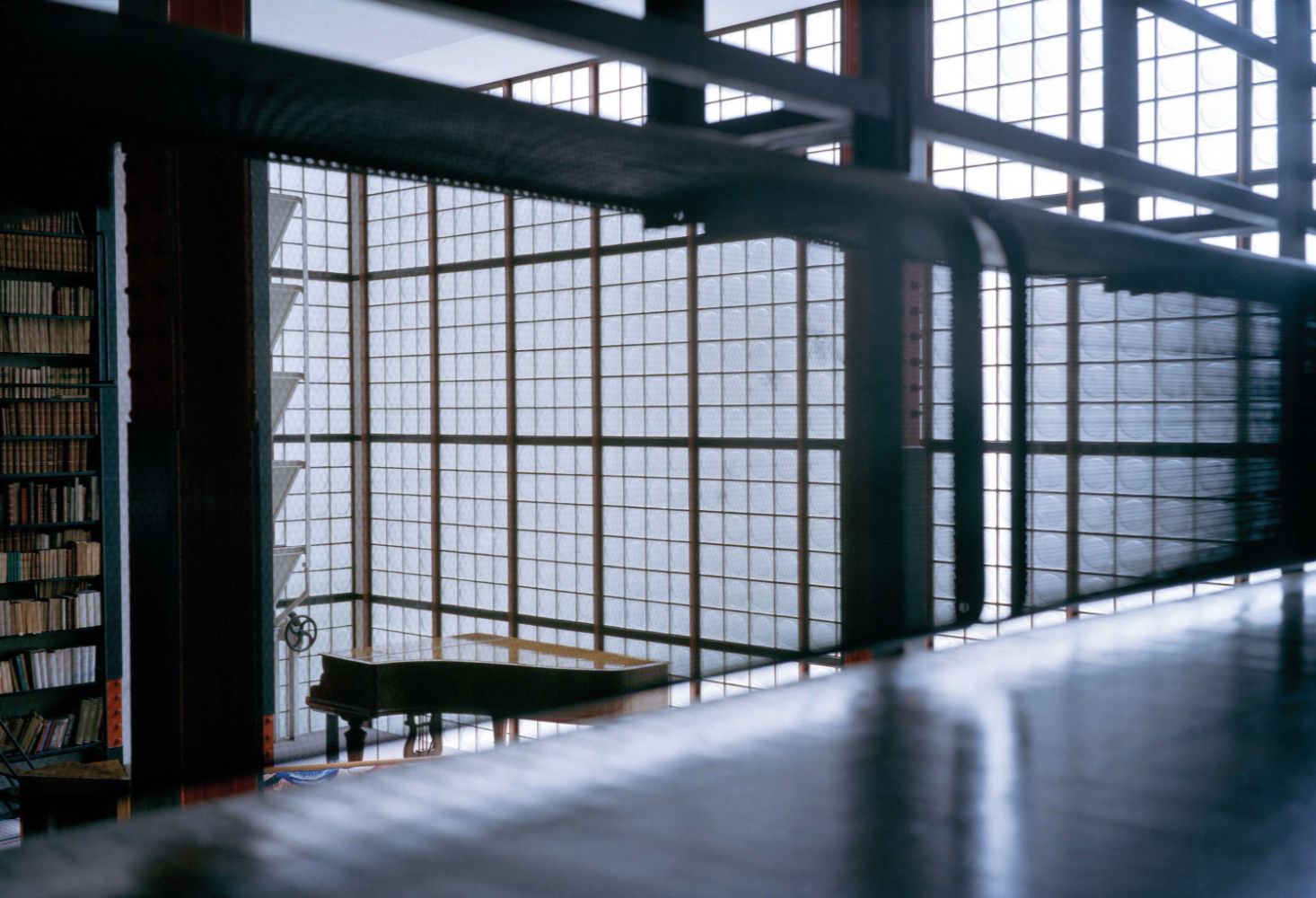
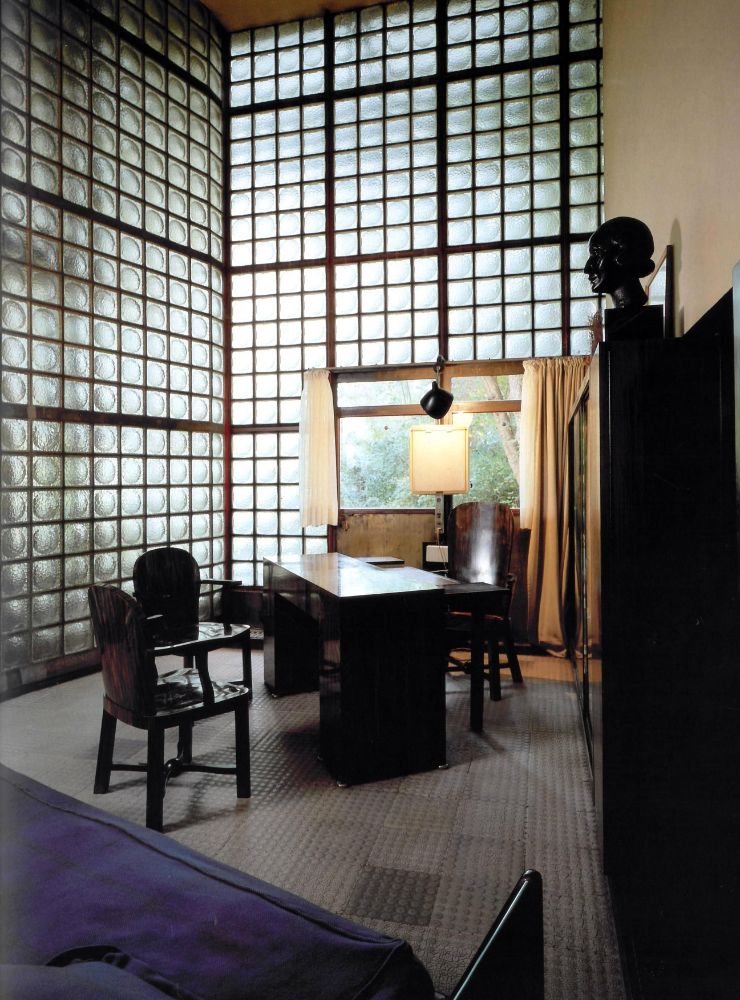
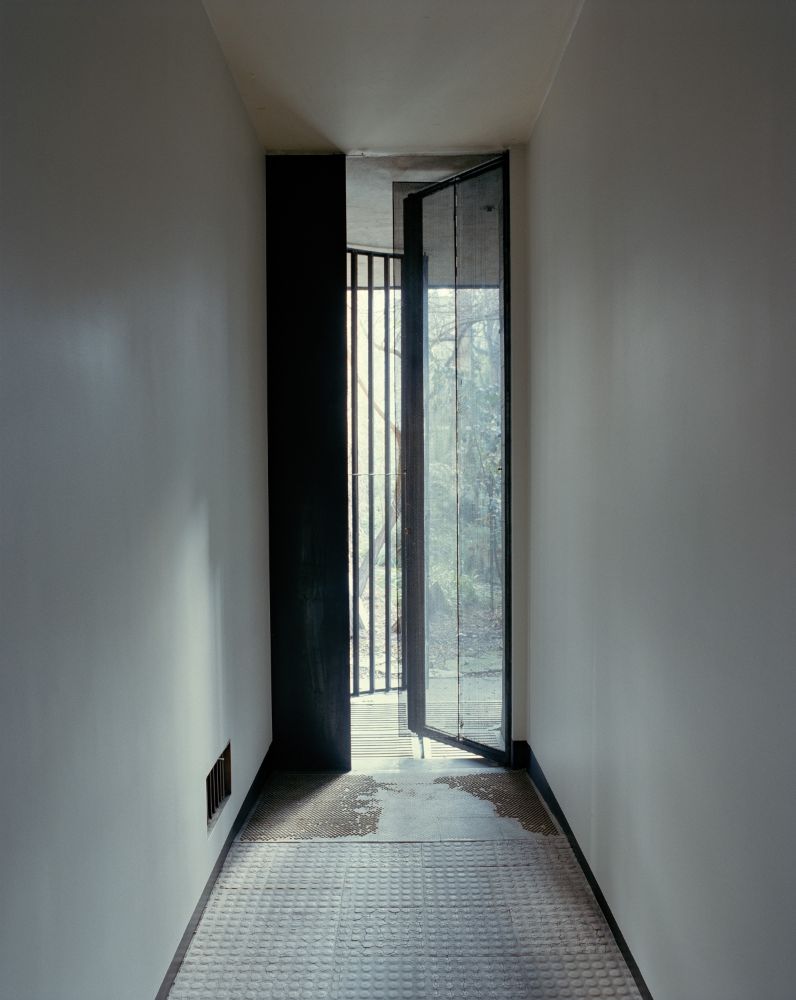
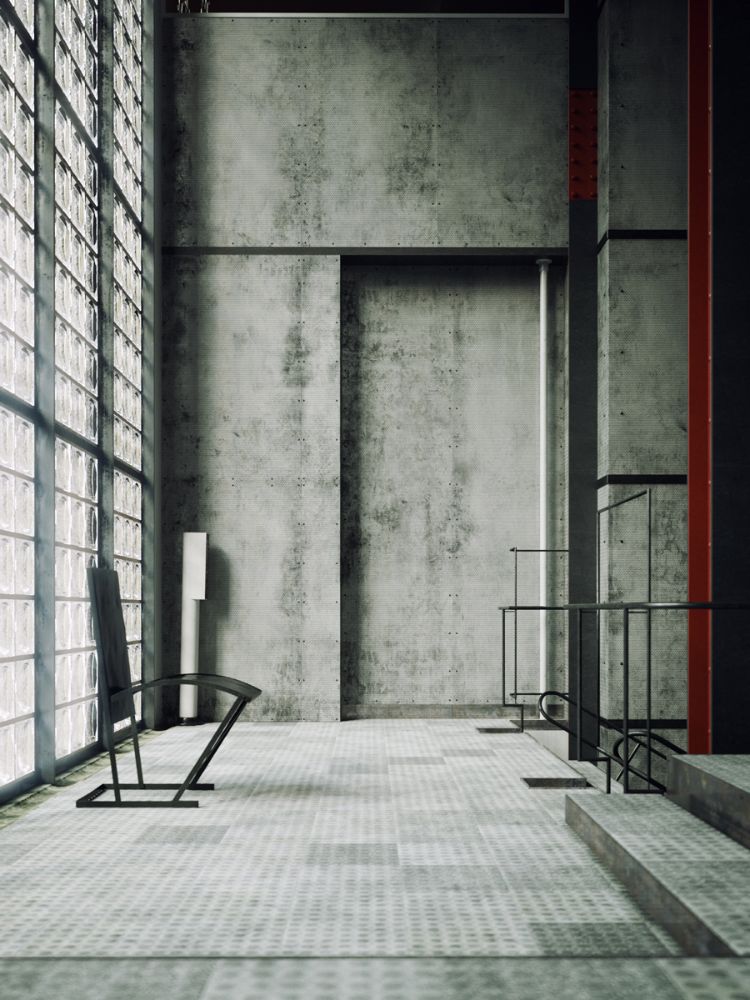
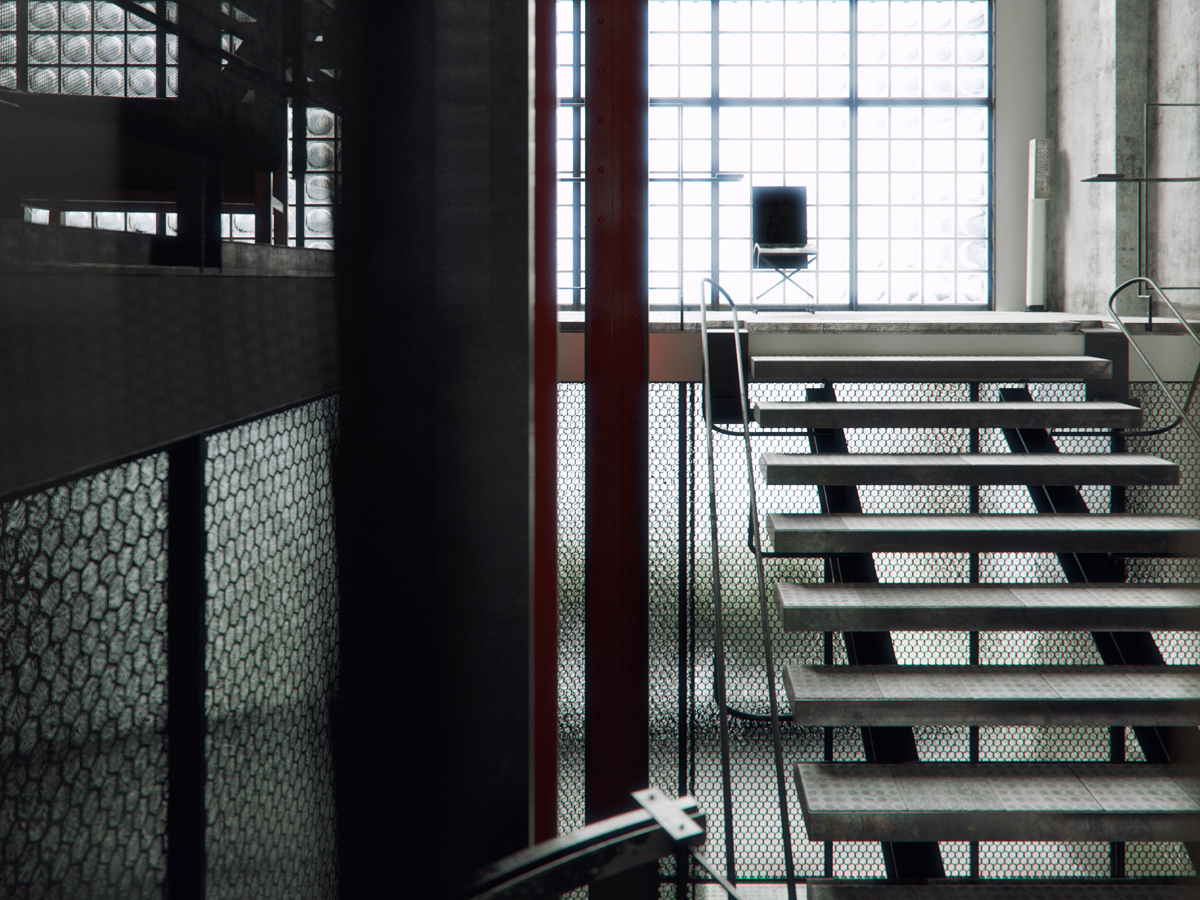
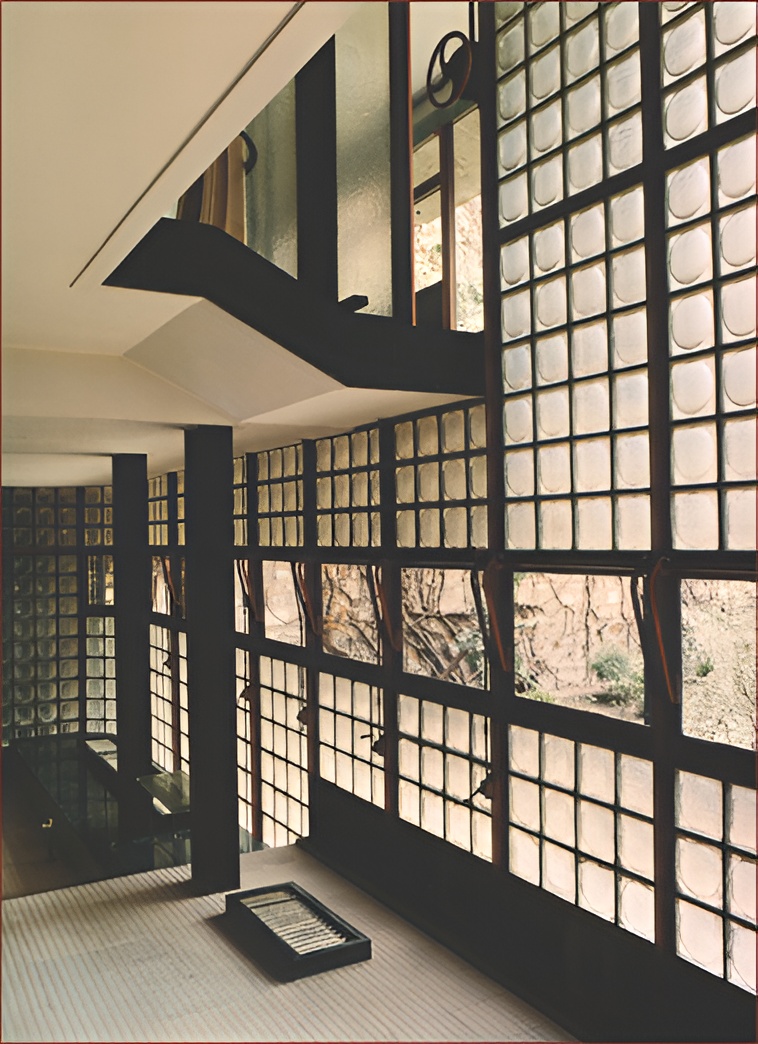
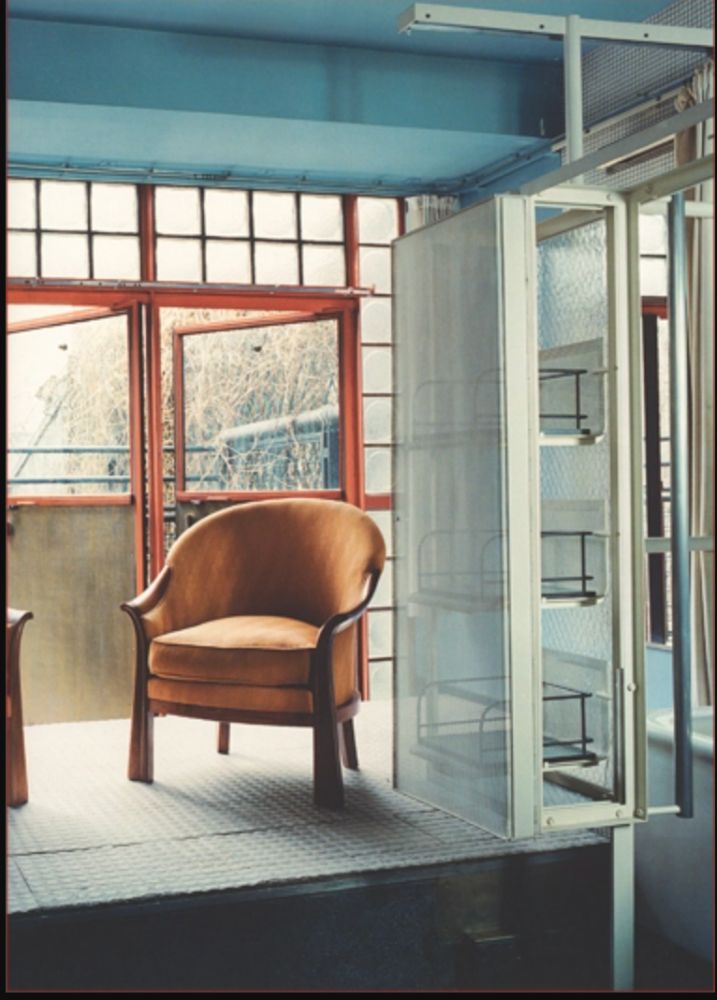
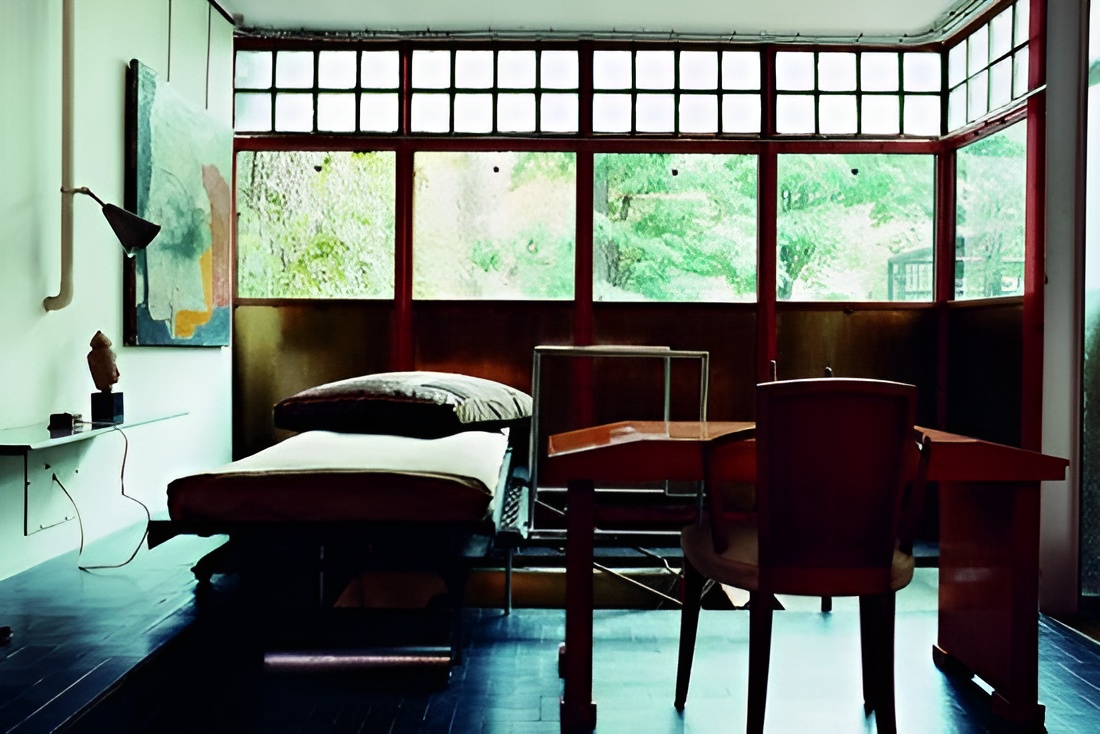
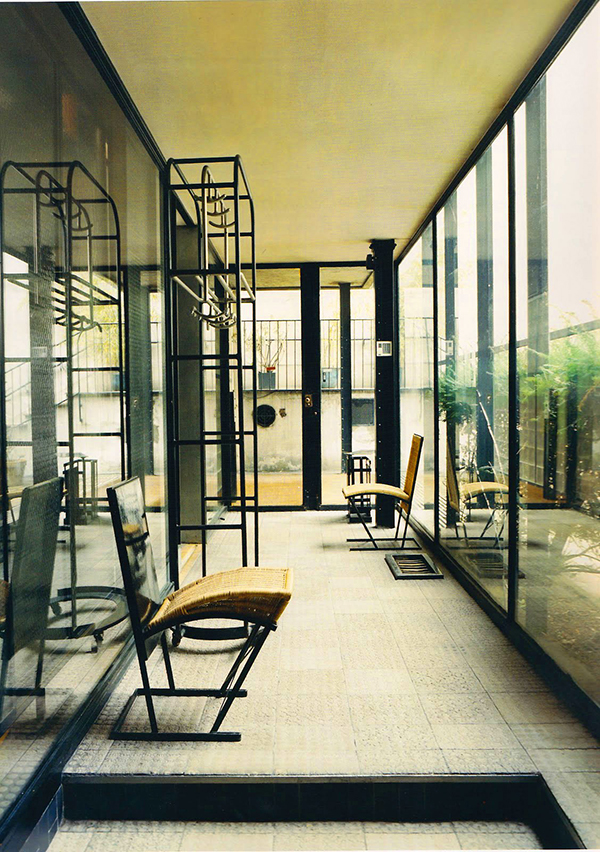
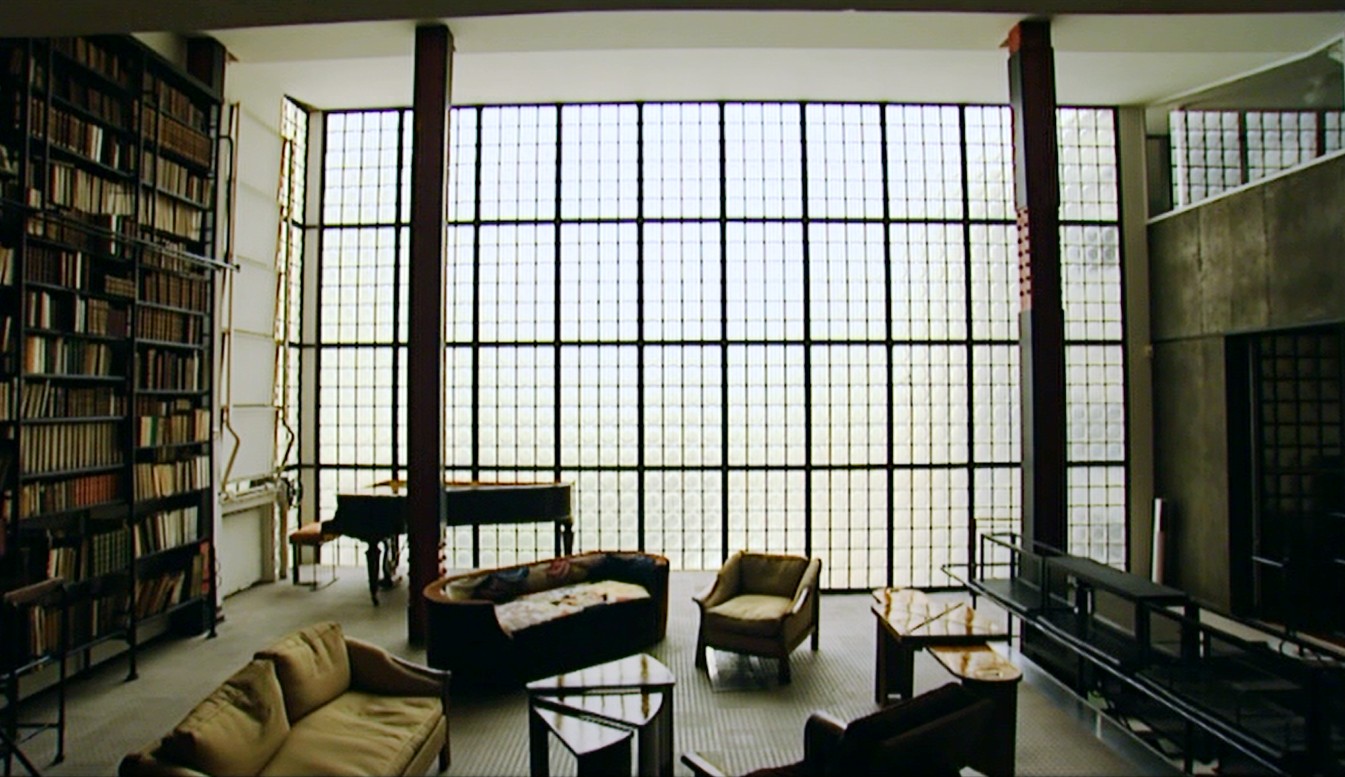
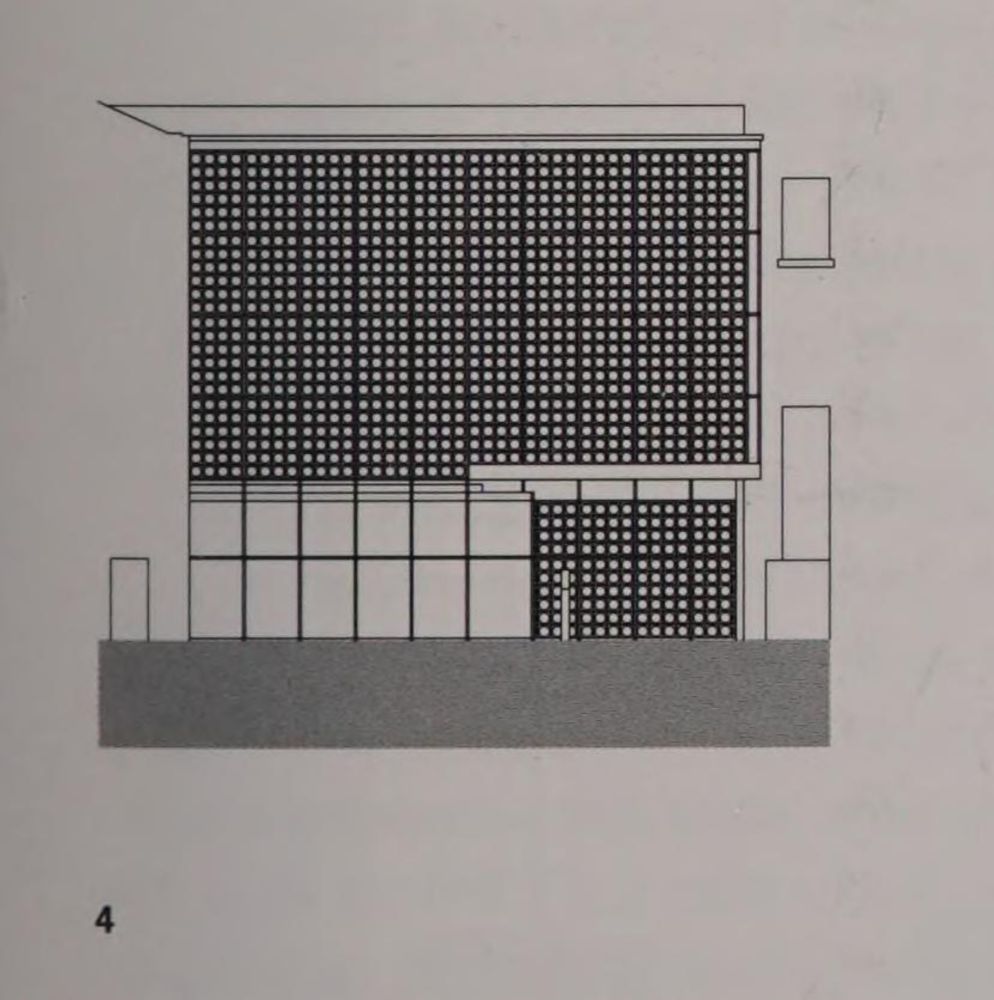
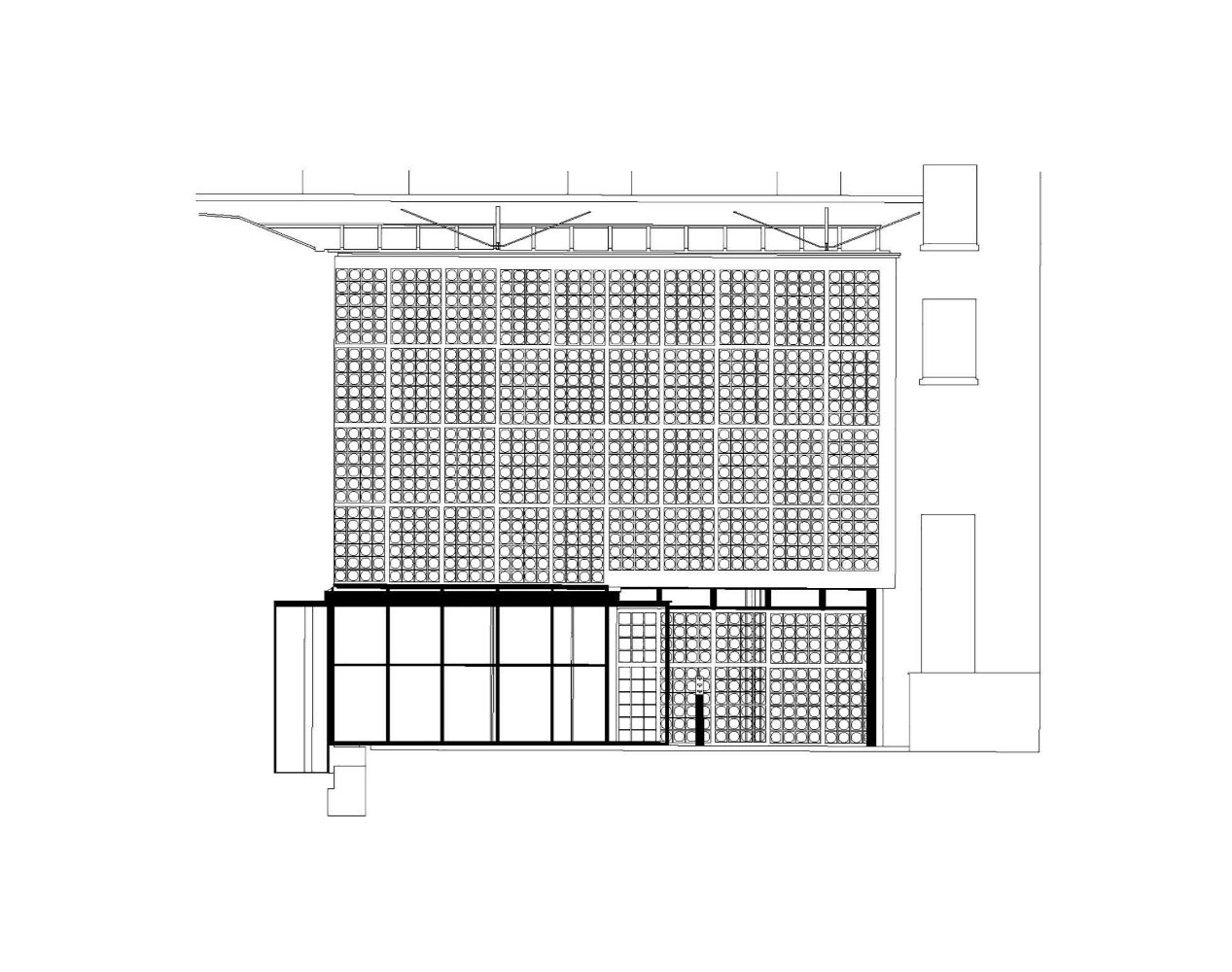
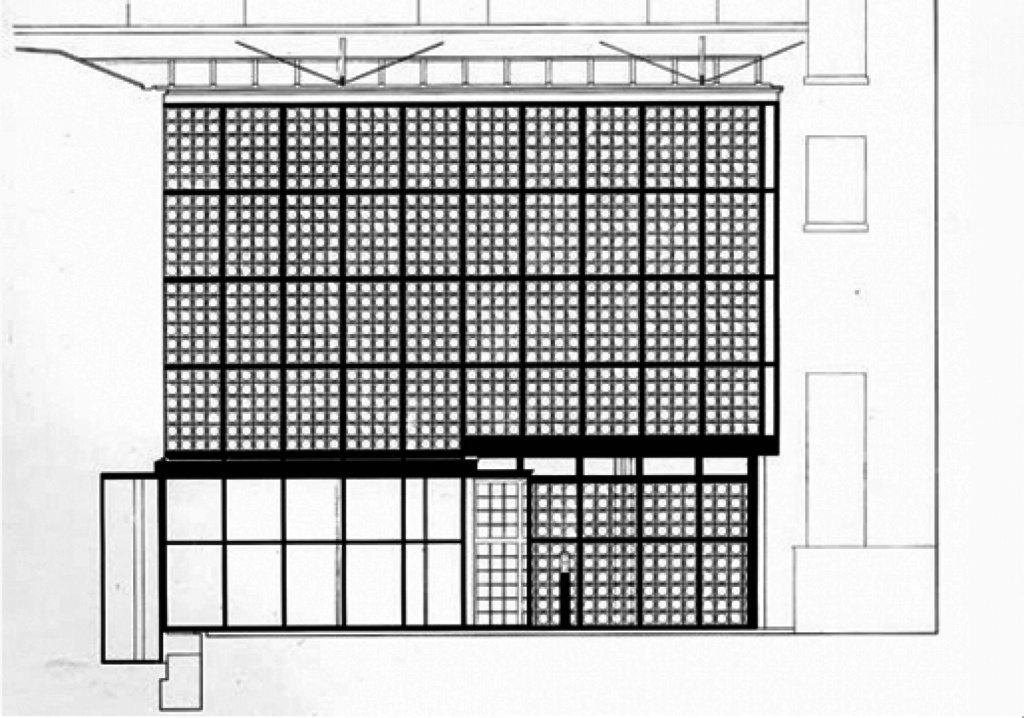
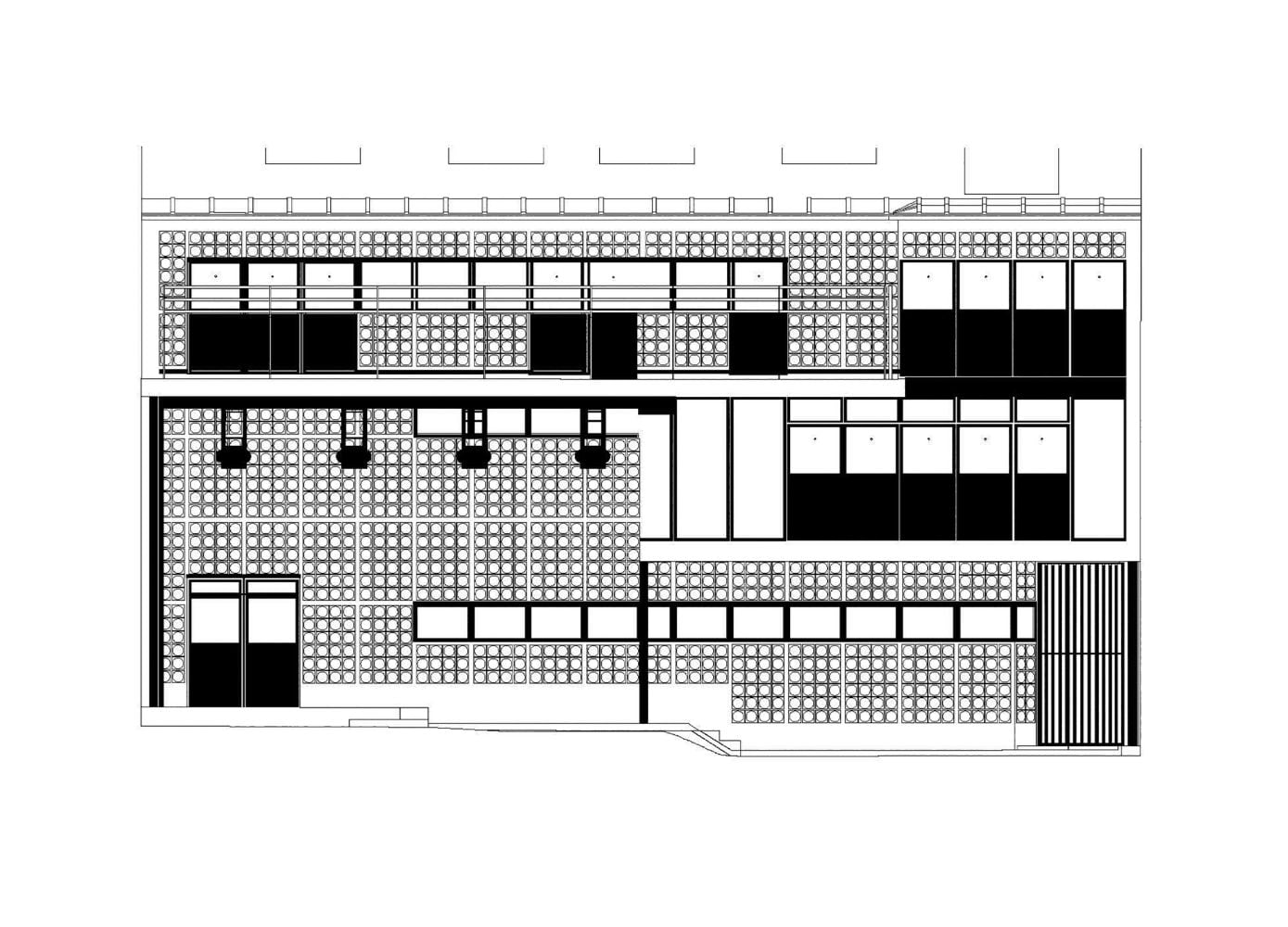
Maison de Verre derives its identity from its extensive use of translucent glass block façades. Arranged within a steel framework, the glass blocks filter daylight into the interior while preserving privacy from the surrounding courtyards. During the day, the façades diffuse natural light throughout the house; at night, the illuminated glass surfaces transform the building into a glowing lantern within the urban block. The glass-block elevations established a modular system that informed dimensions throughout the project.
Maison de Verre / Pierre Chareau + Bernard Bijvoet | Classics on Architecture Lab 234Maison de Verre / Pierre Chareau + Bernard Bijvoet | Classics on Architecture Lab 235Maison de Verre / Pierre Chareau + Bernard Bijvoet | Classics on Architecture Lab 236Maison de Verre / Pierre Chareau + Bernard Bijvoet | Classics on Architecture Lab 237Maison de Verre / Pierre Chareau + Bernard Bijvoet | Classics on Architecture Lab 238Maison de Verre / Pierre Chareau + Bernard Bijvoet | Classics on Architecture Lab 239
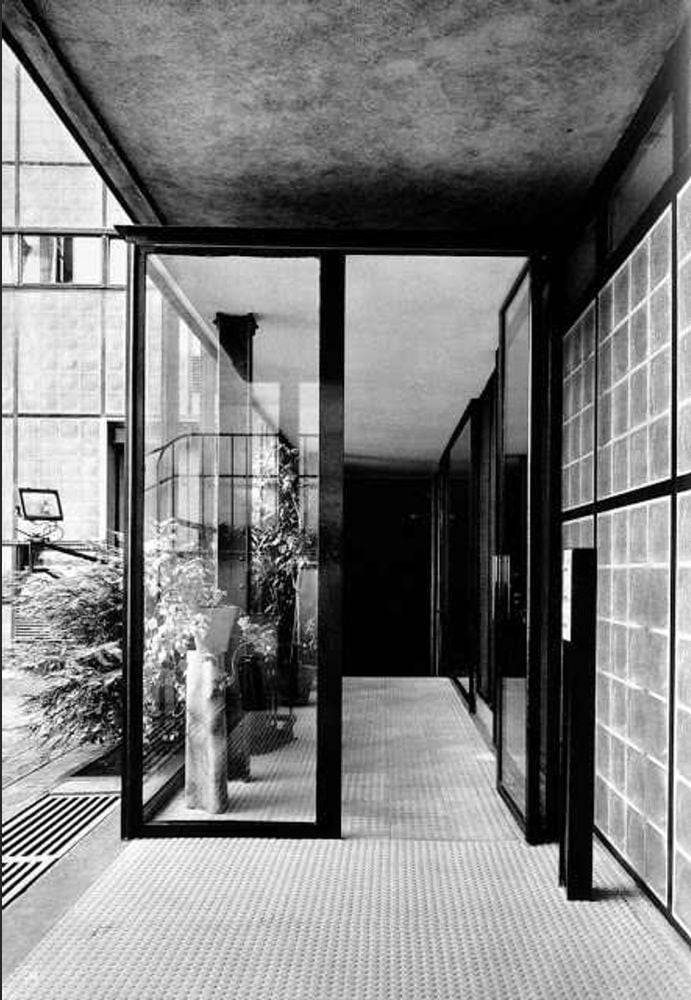
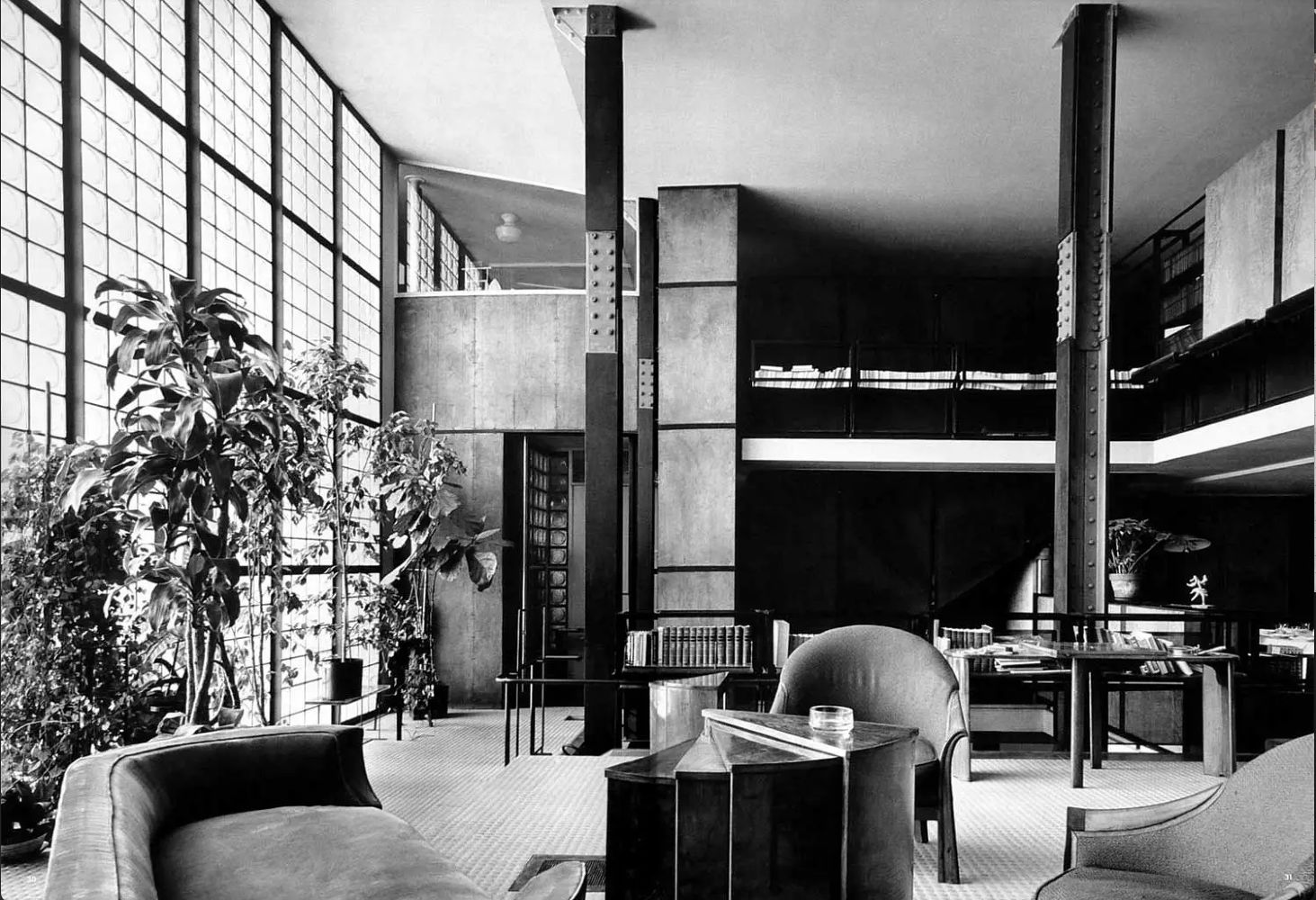
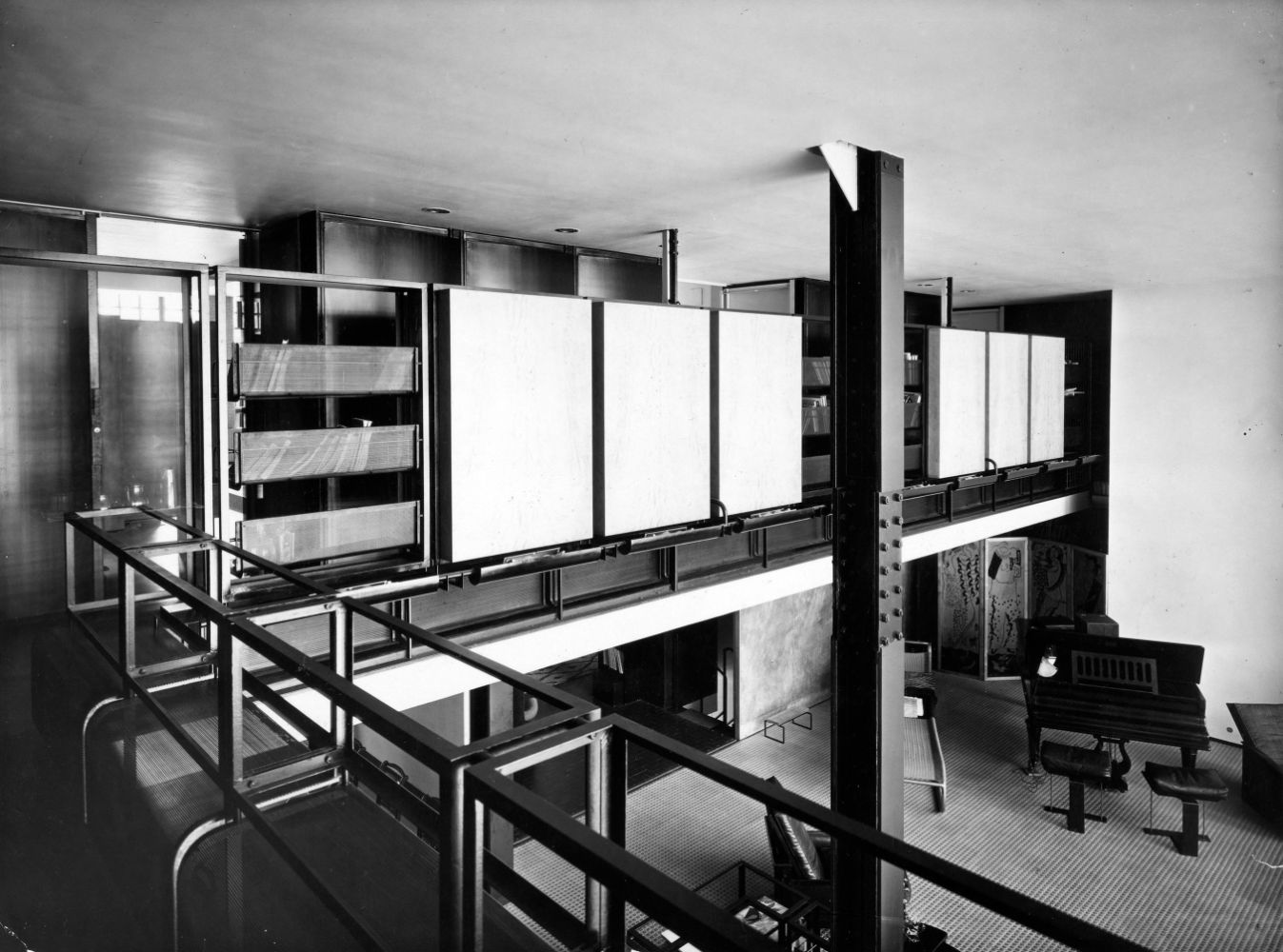
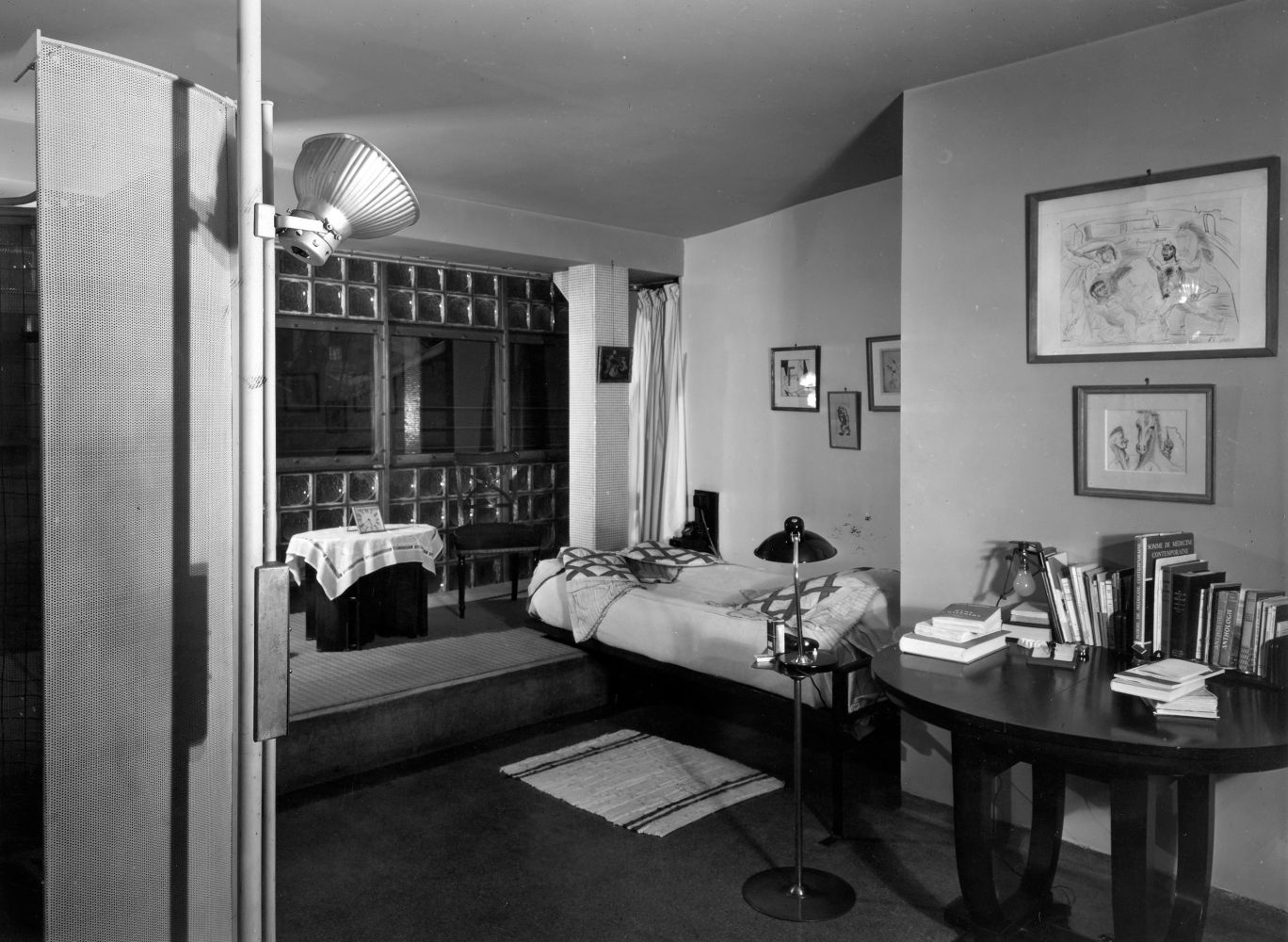
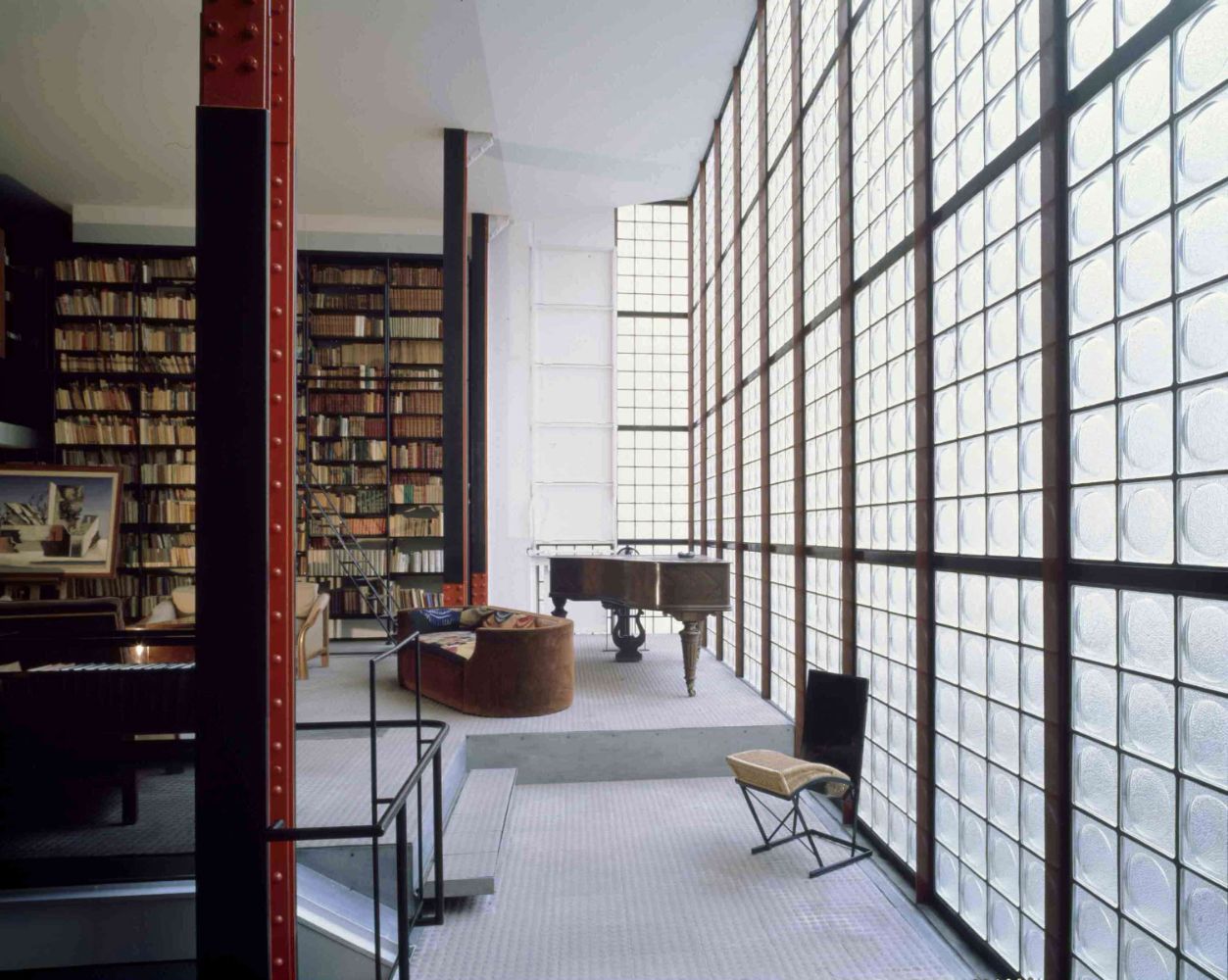
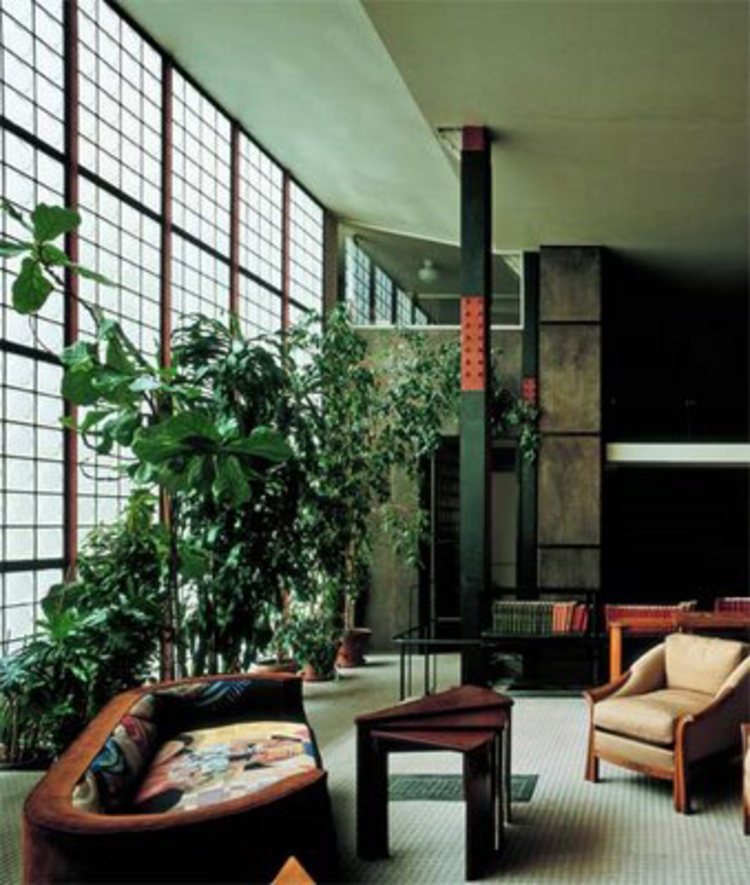
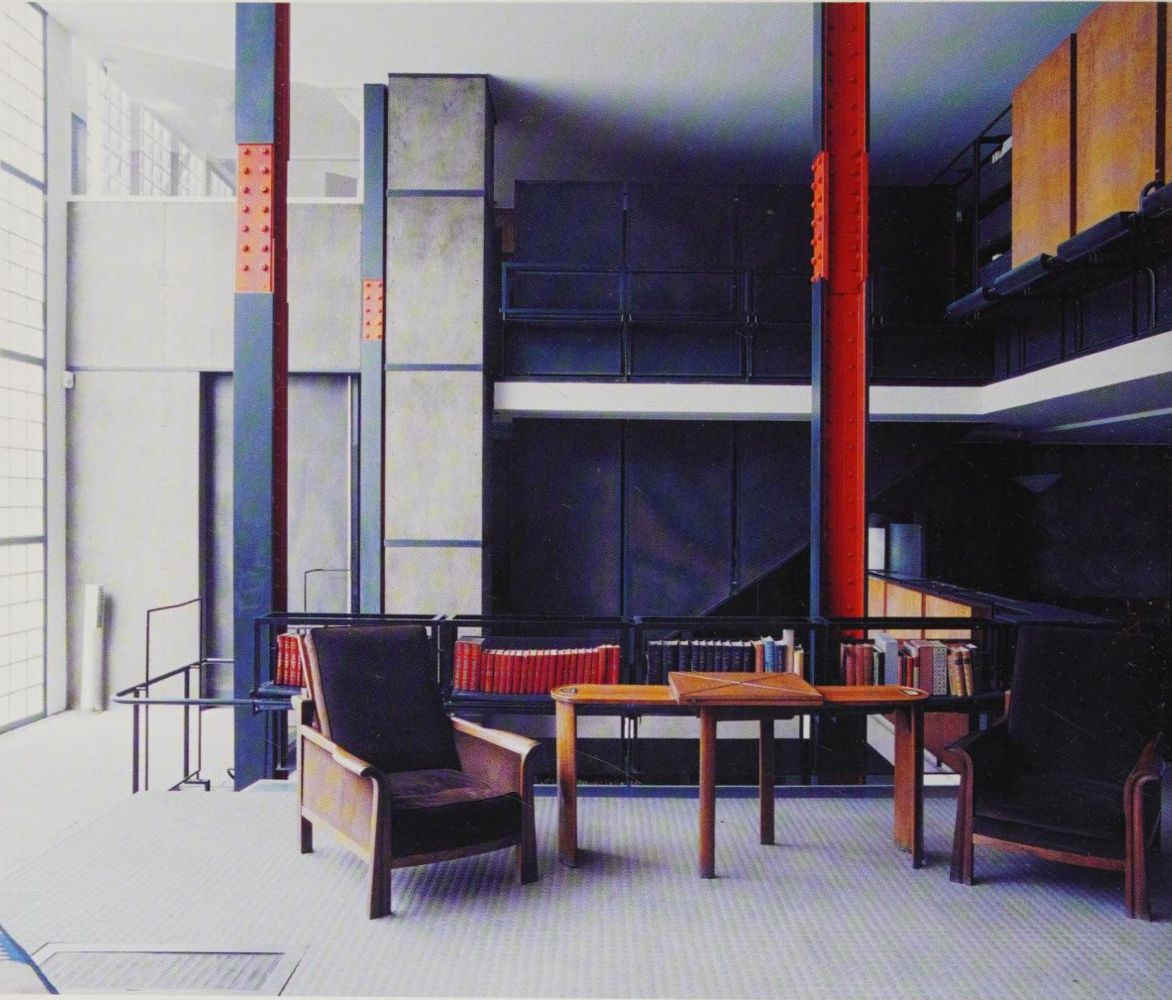
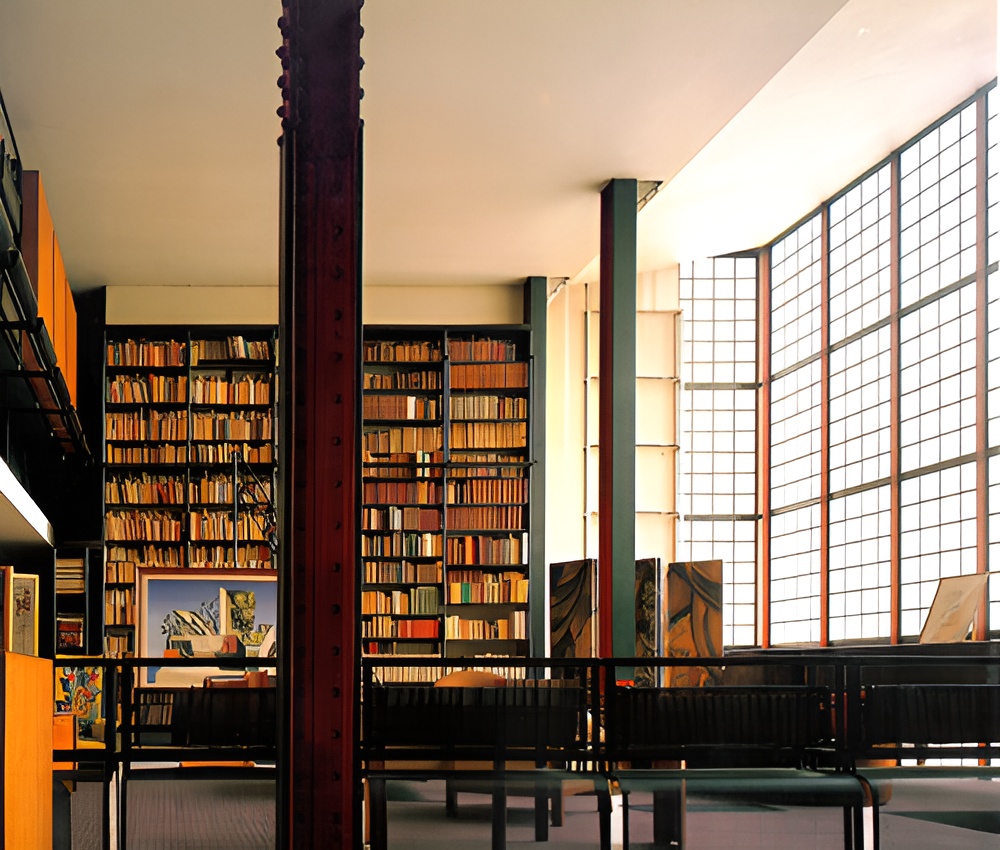
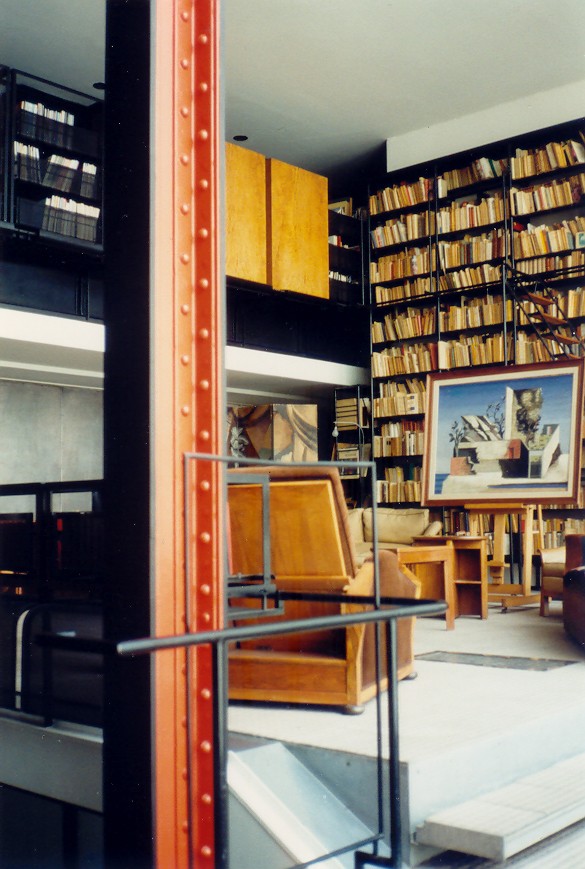
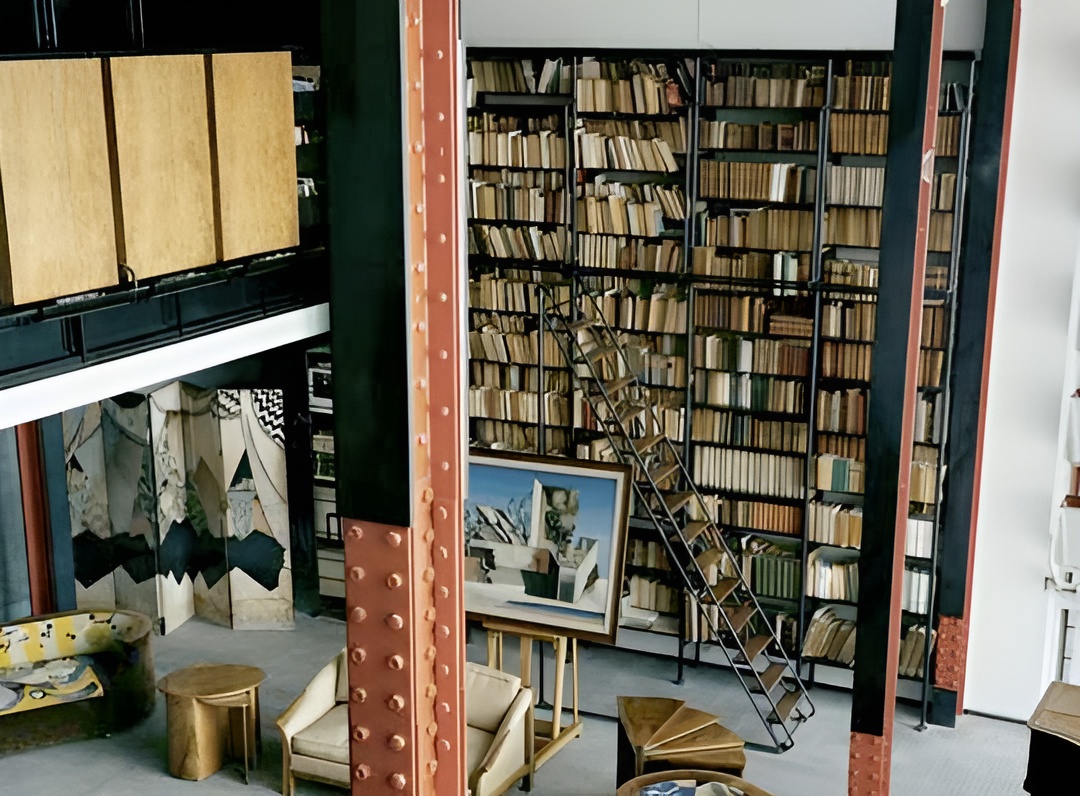
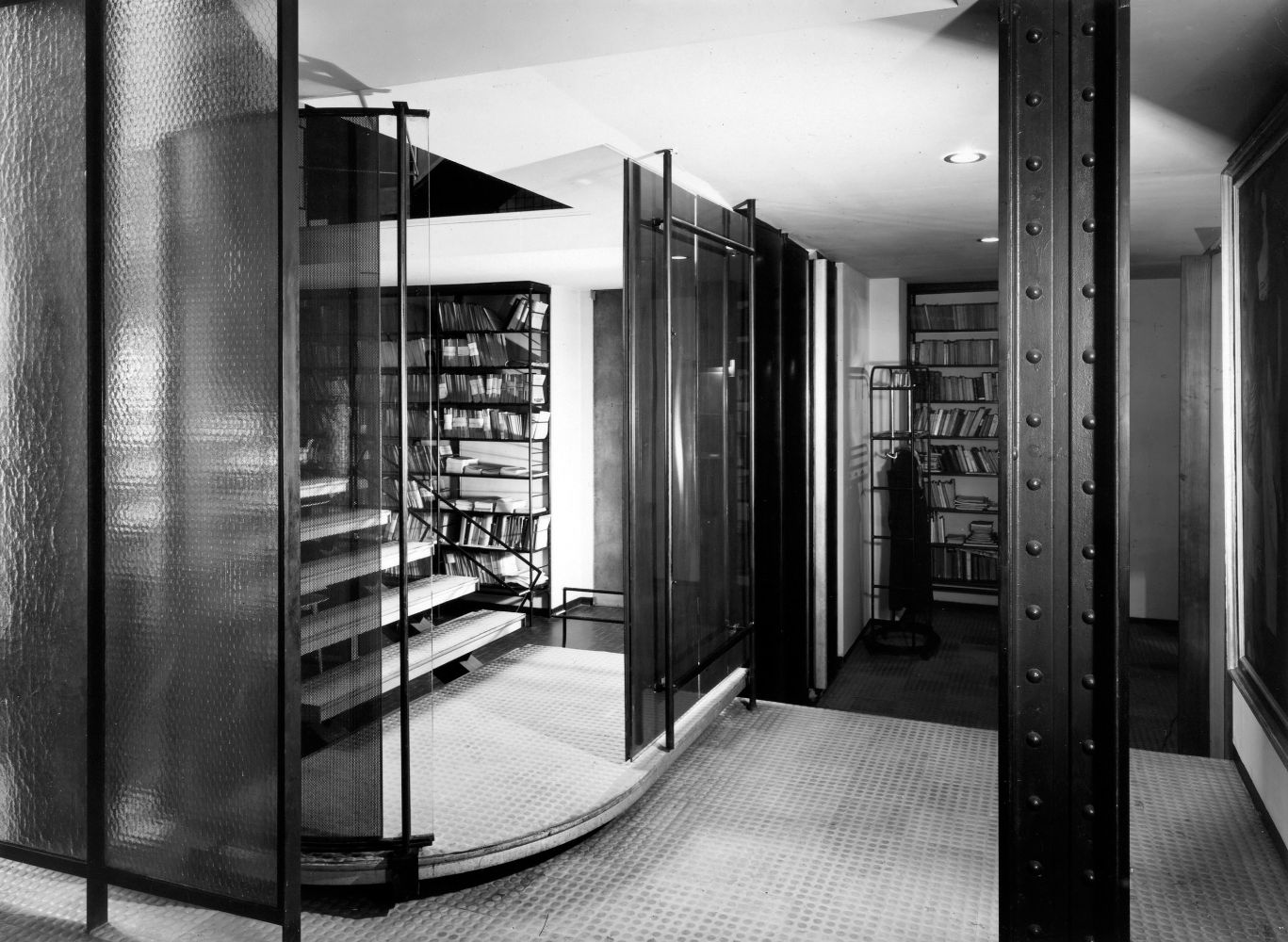
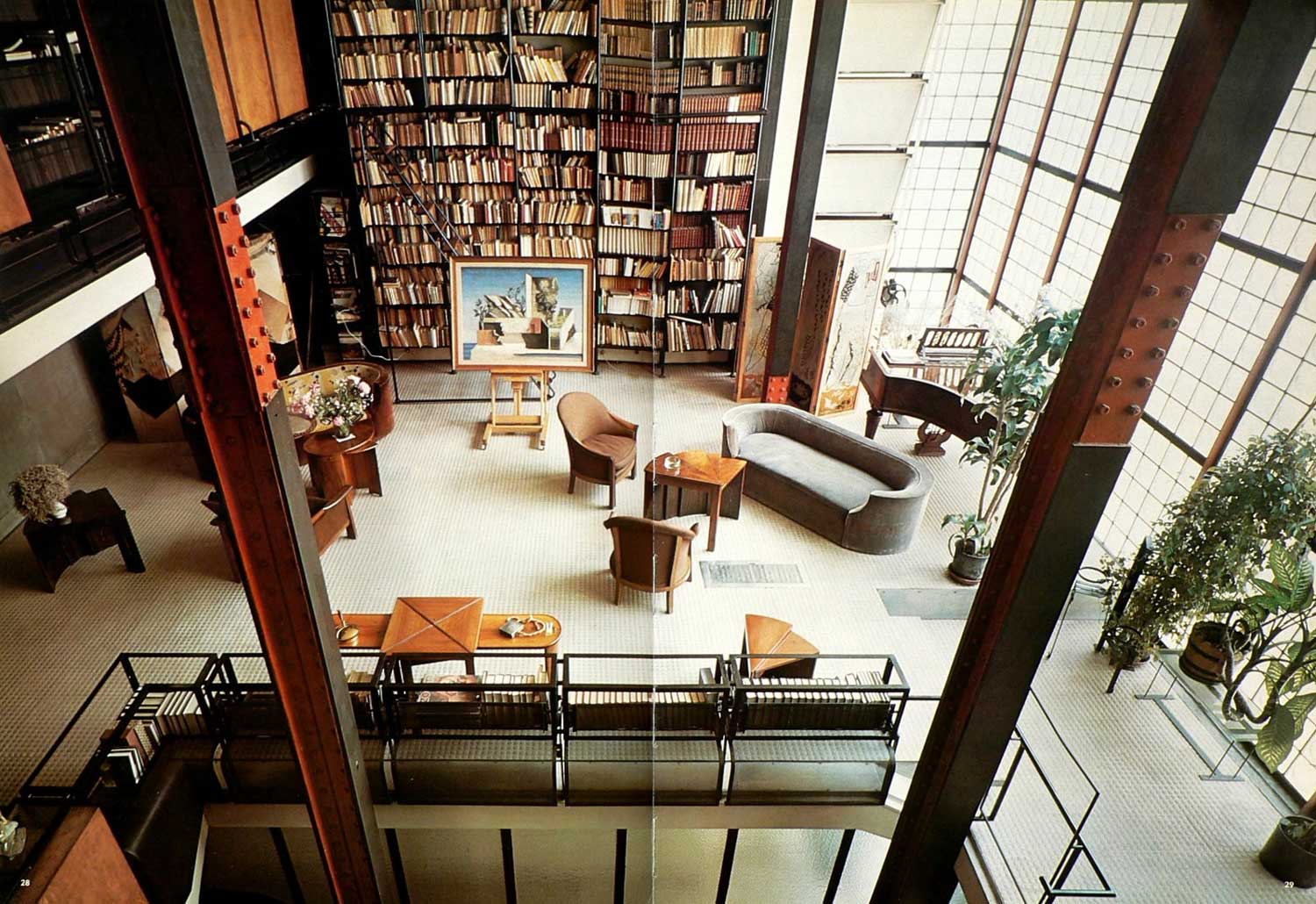
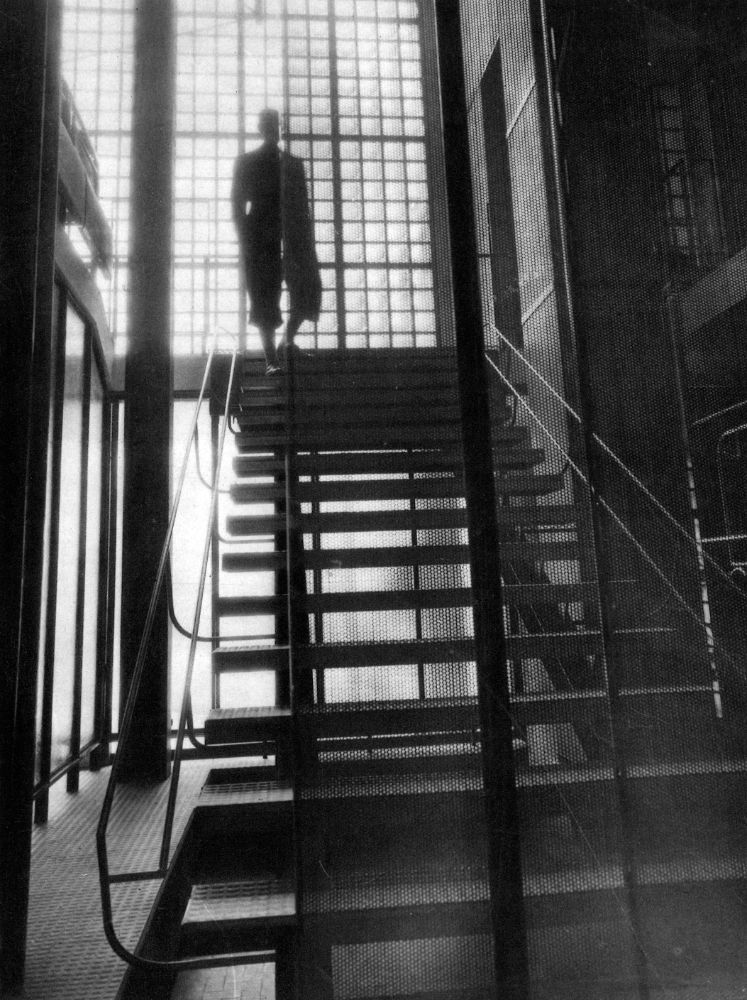
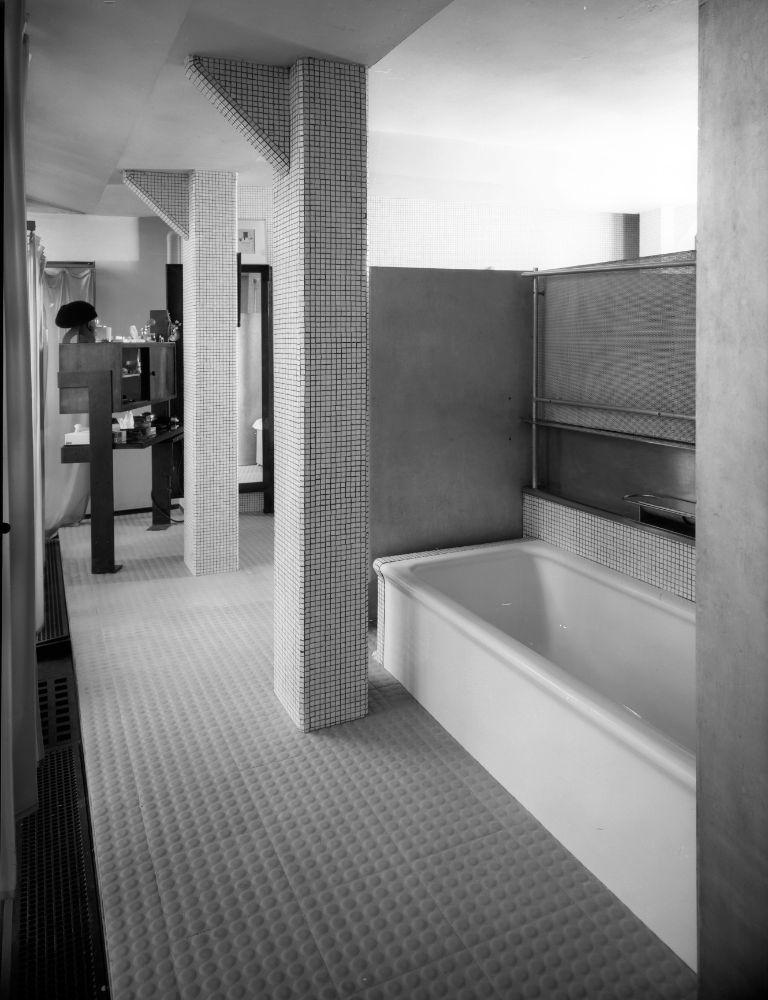
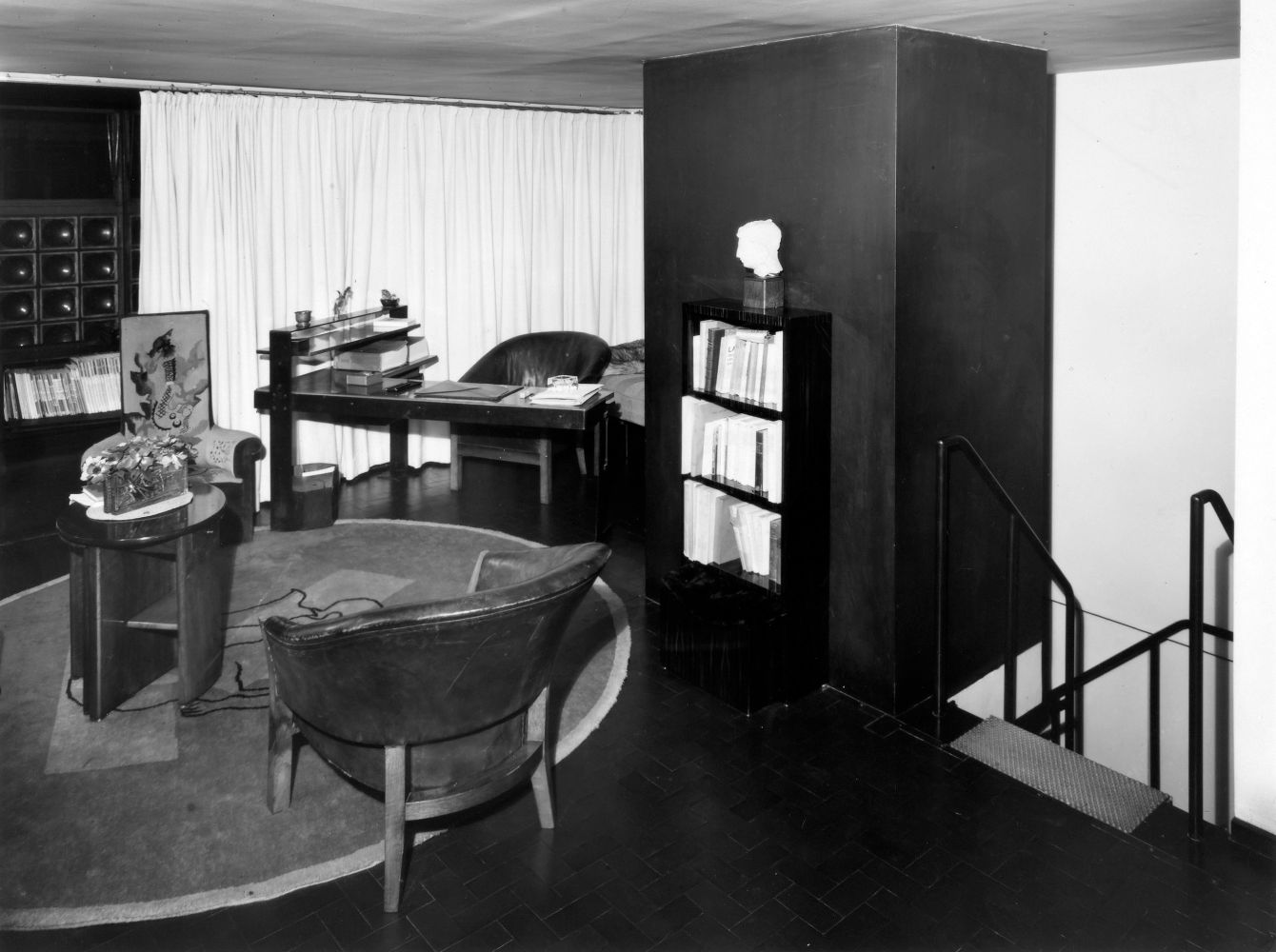
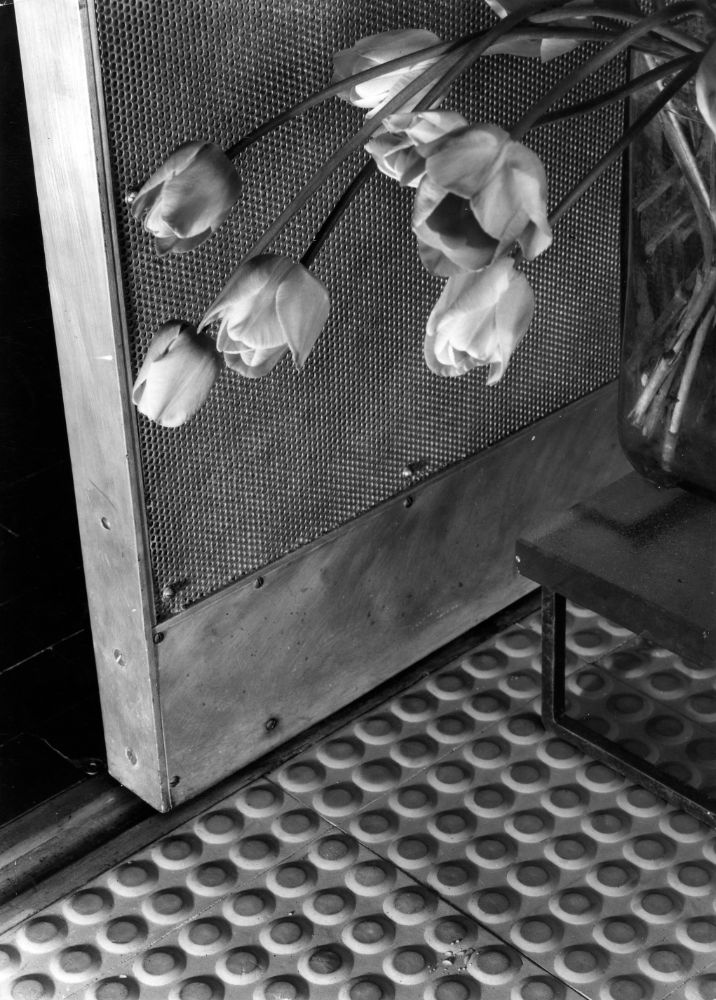
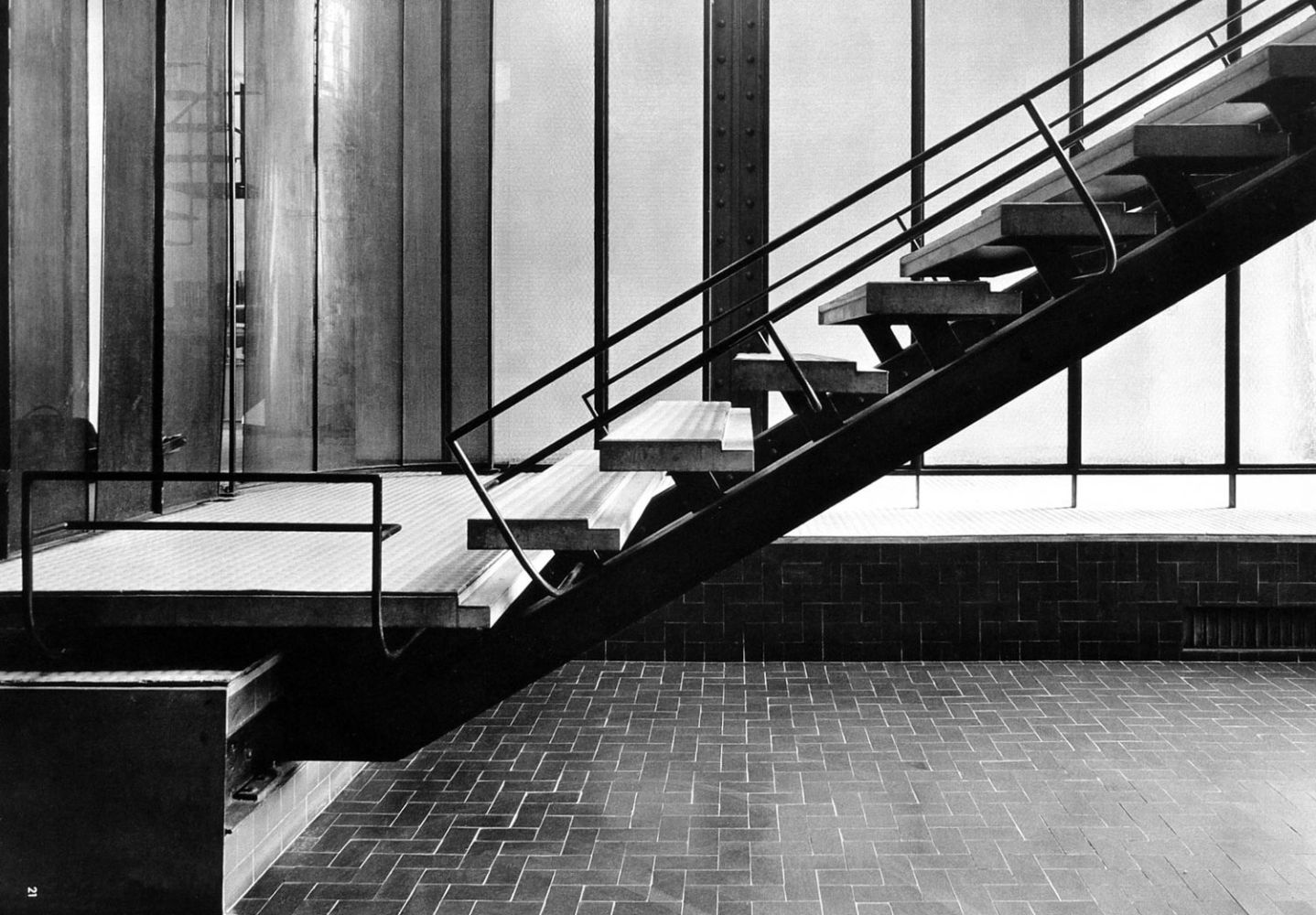
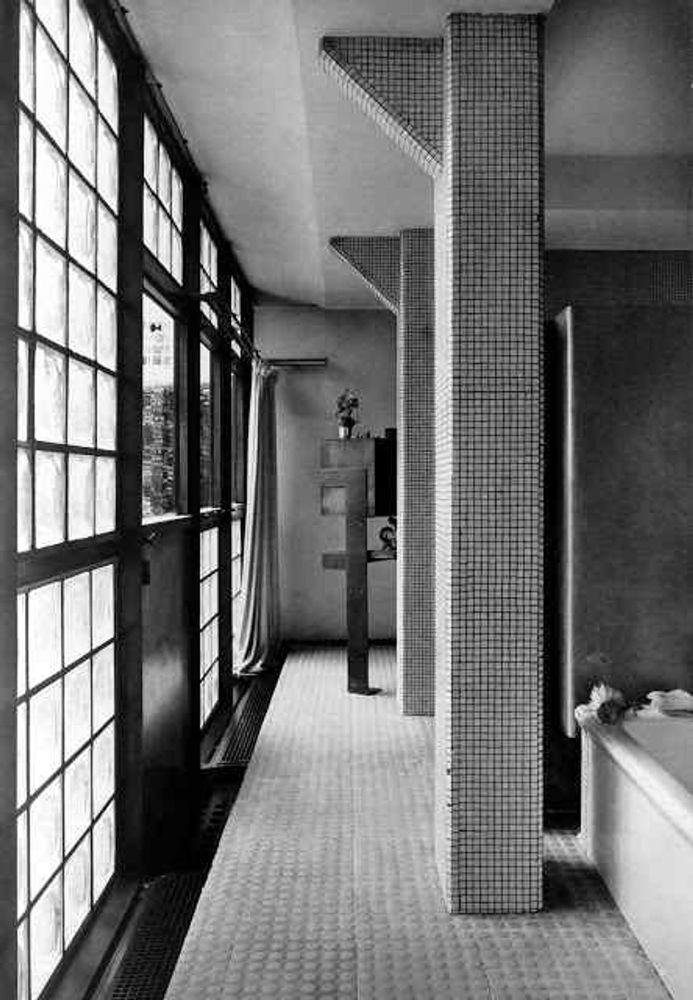
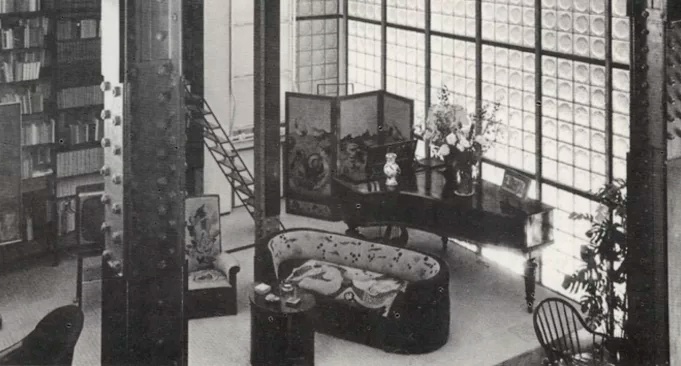
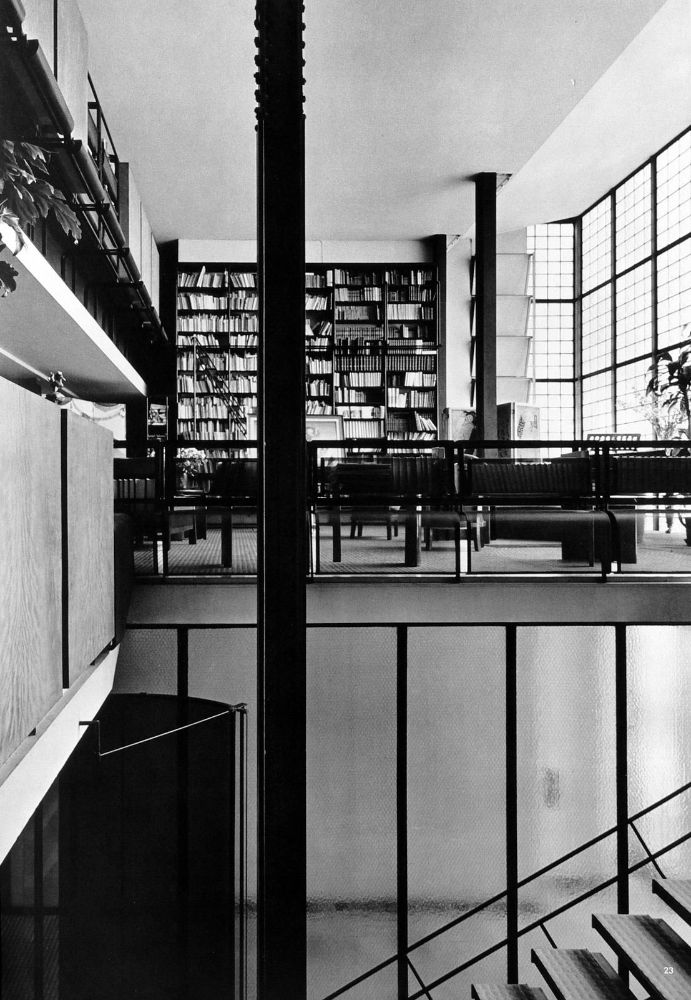
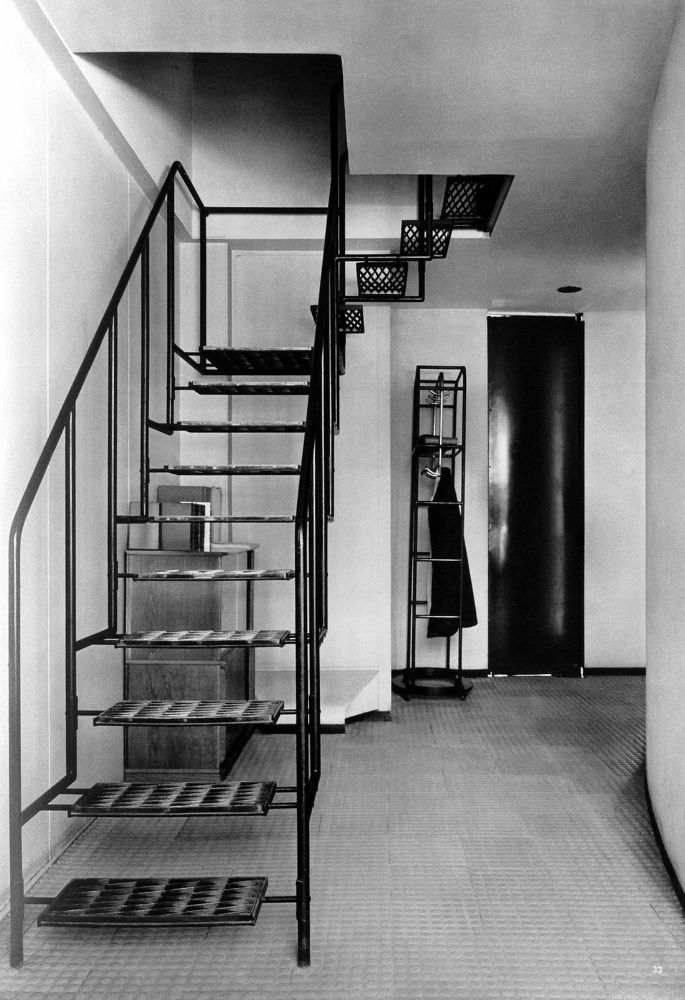
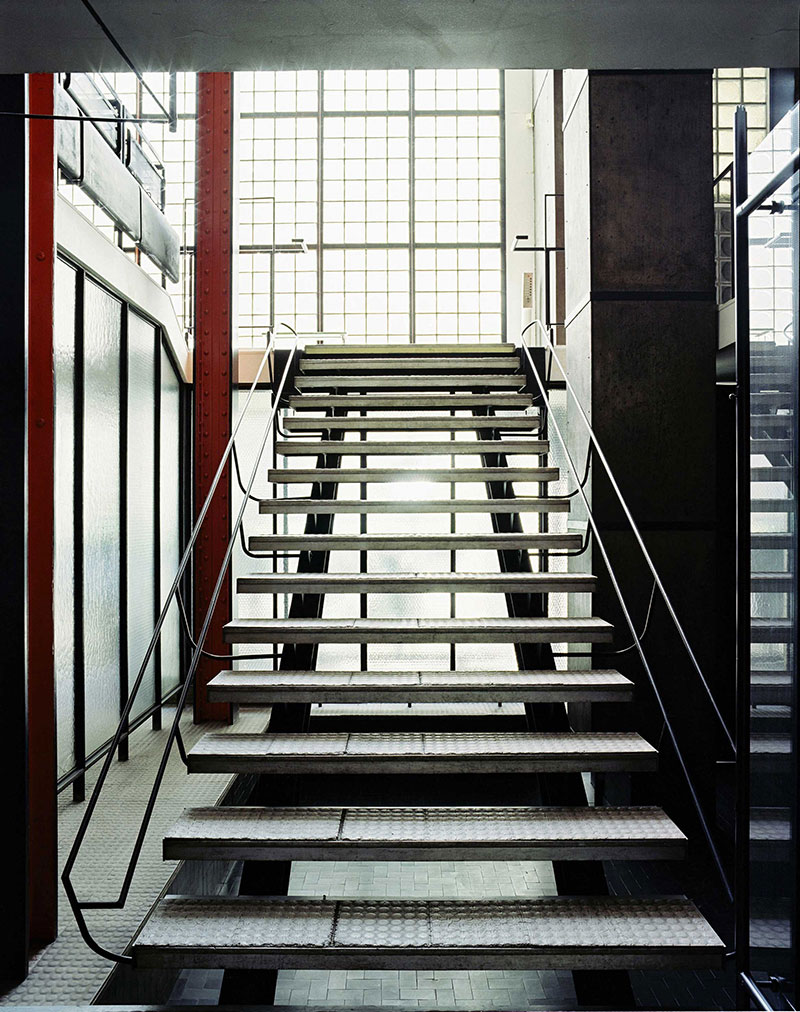
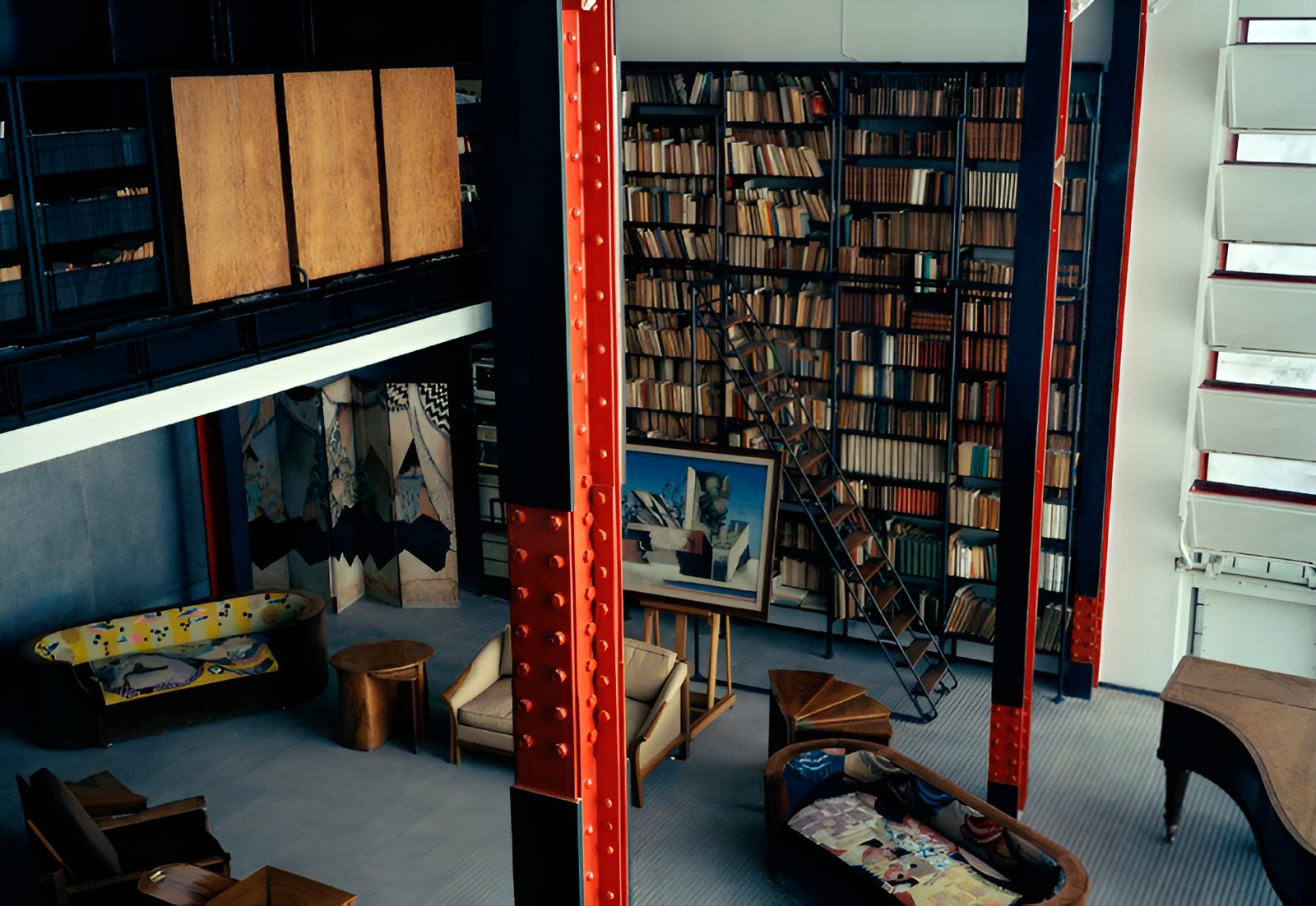
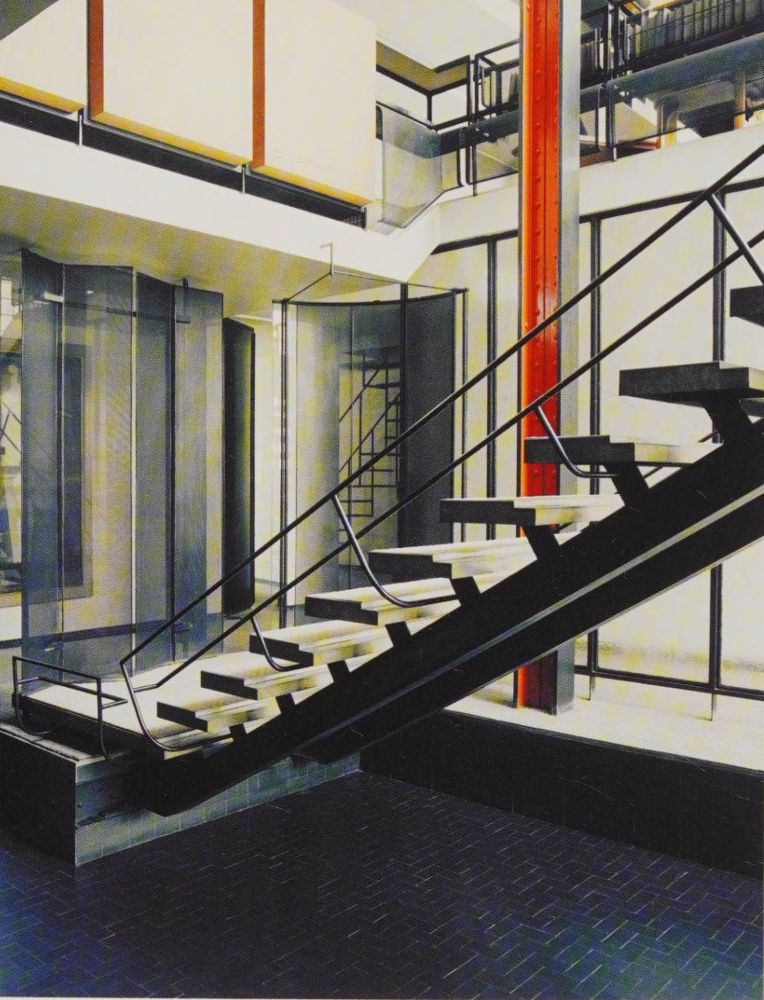
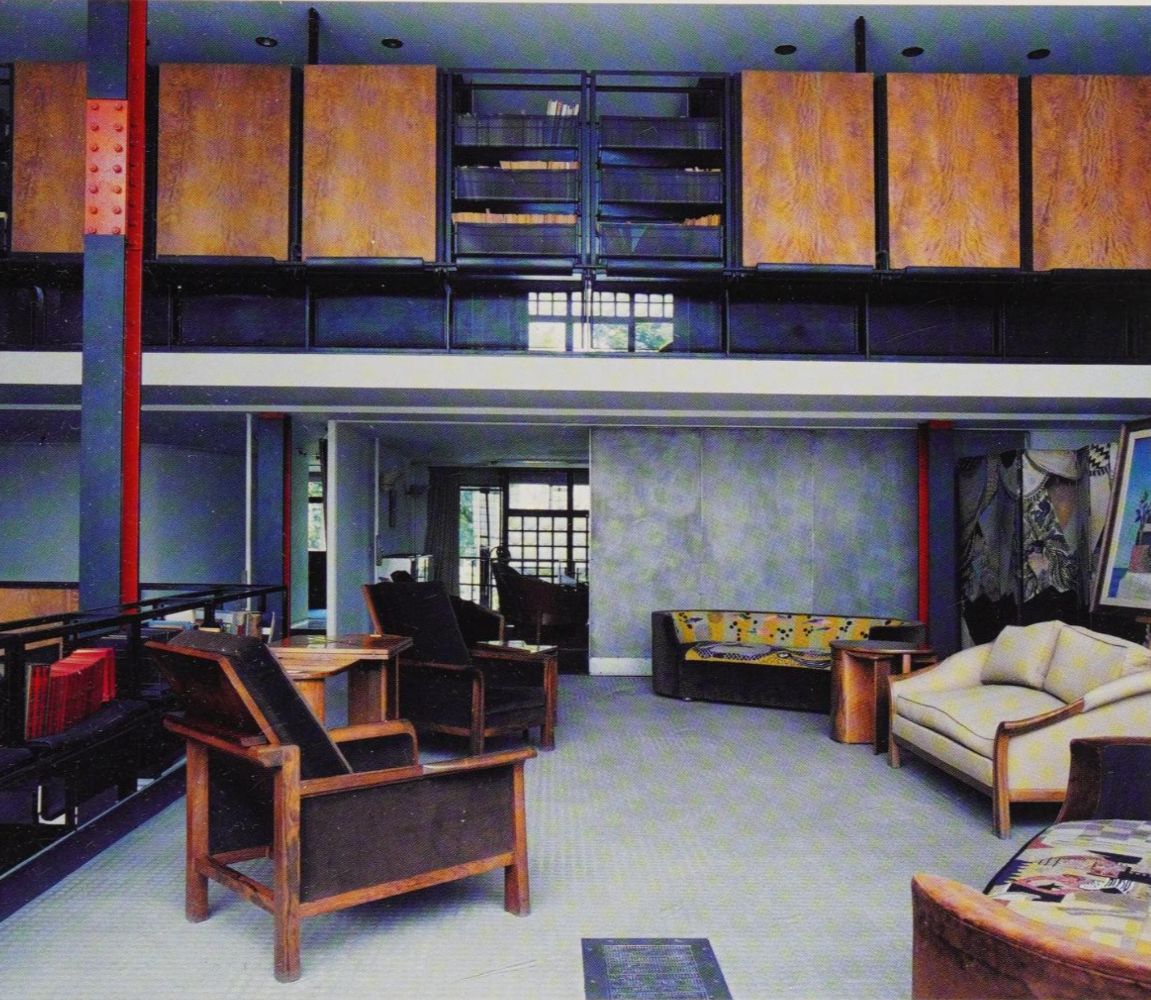
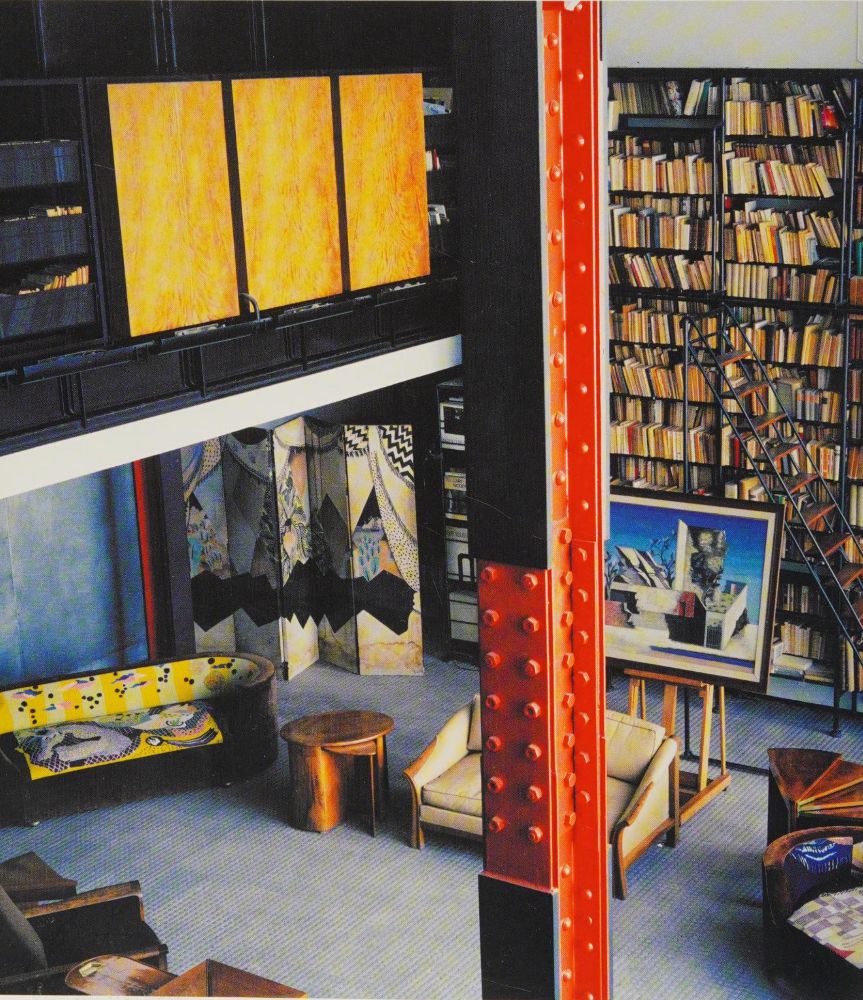
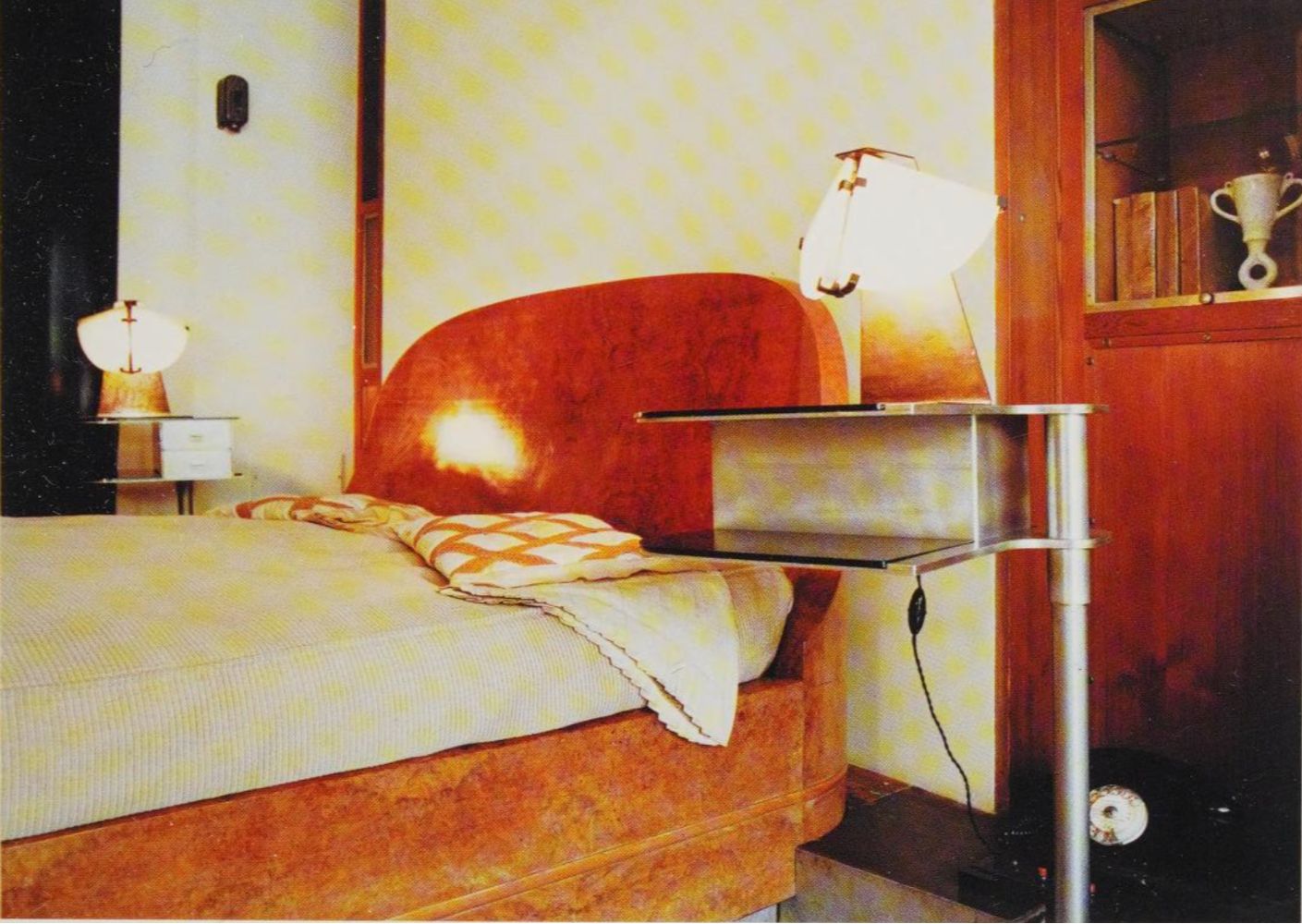
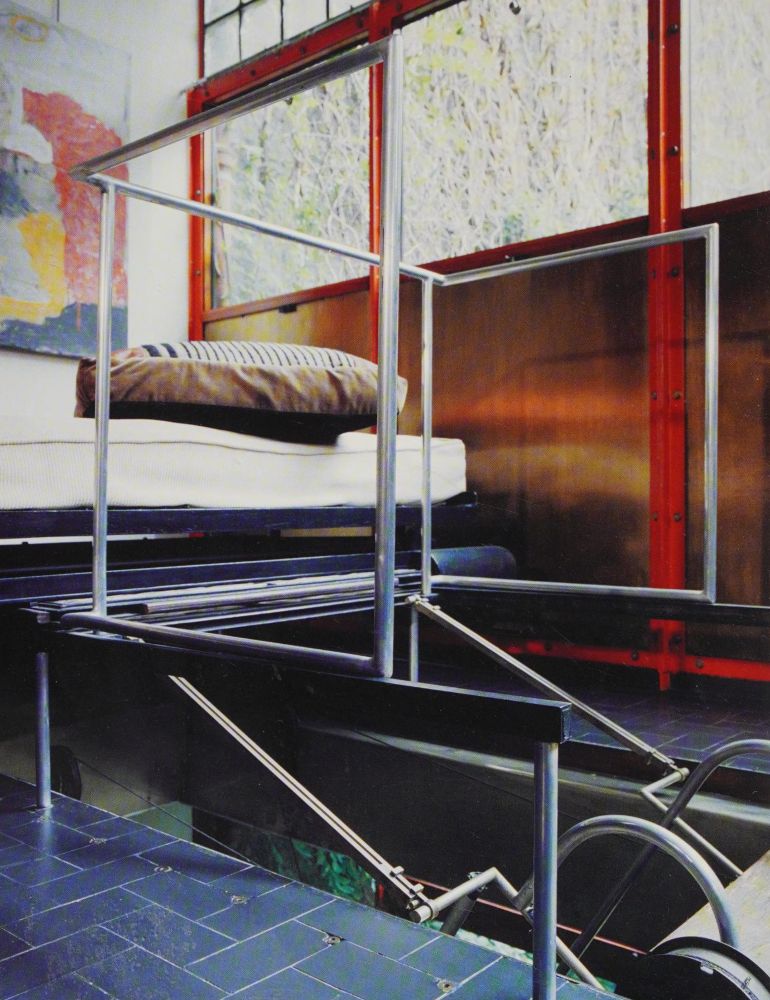
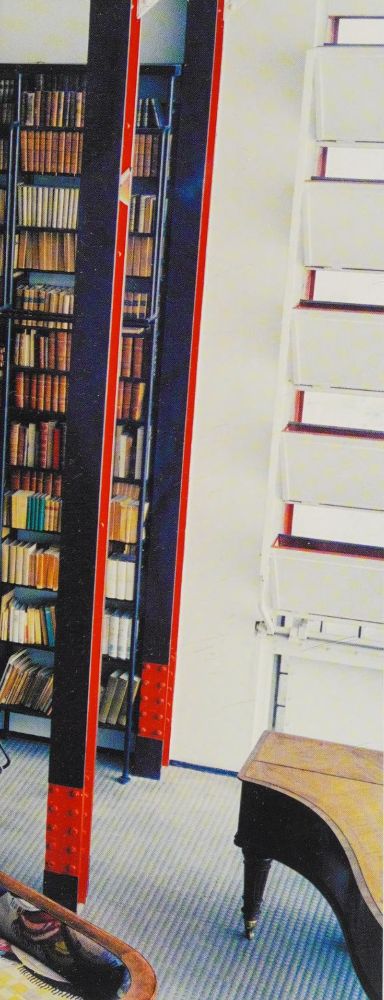
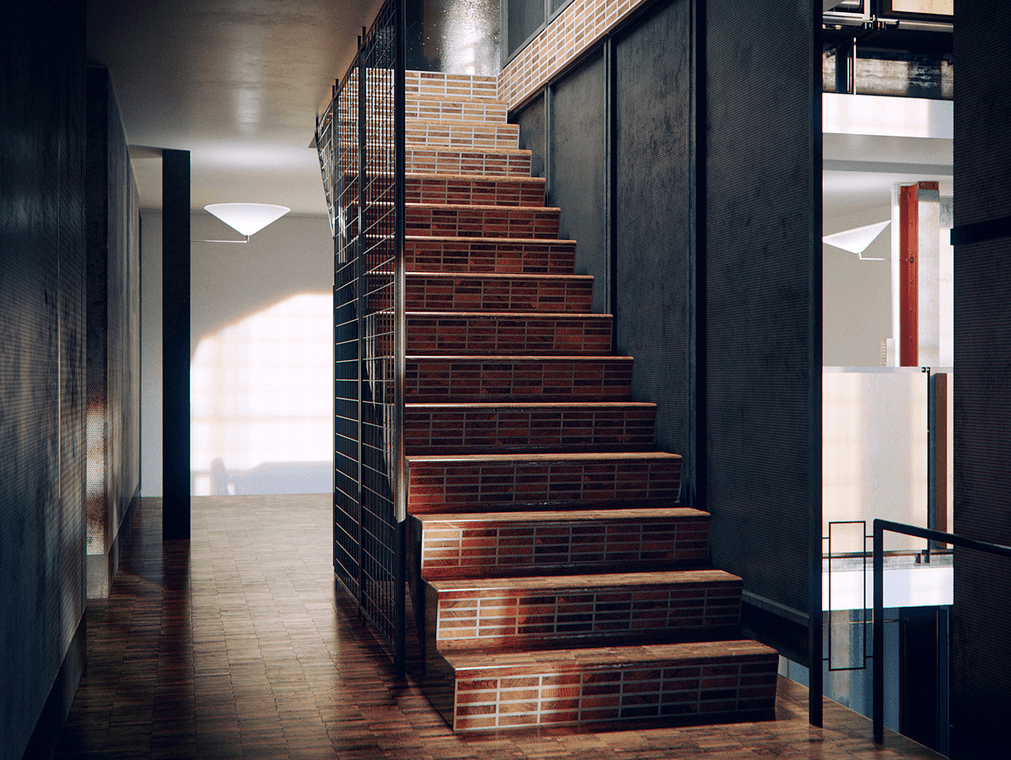
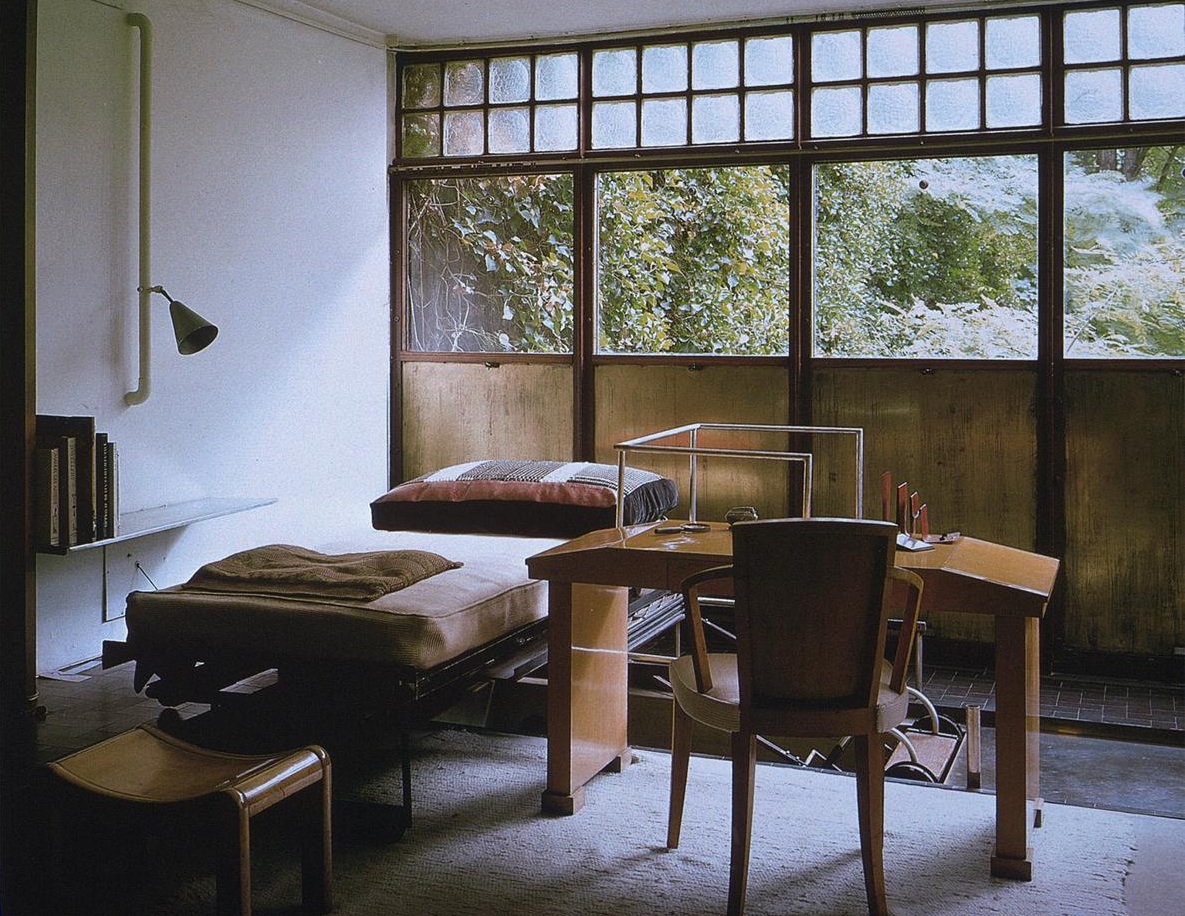
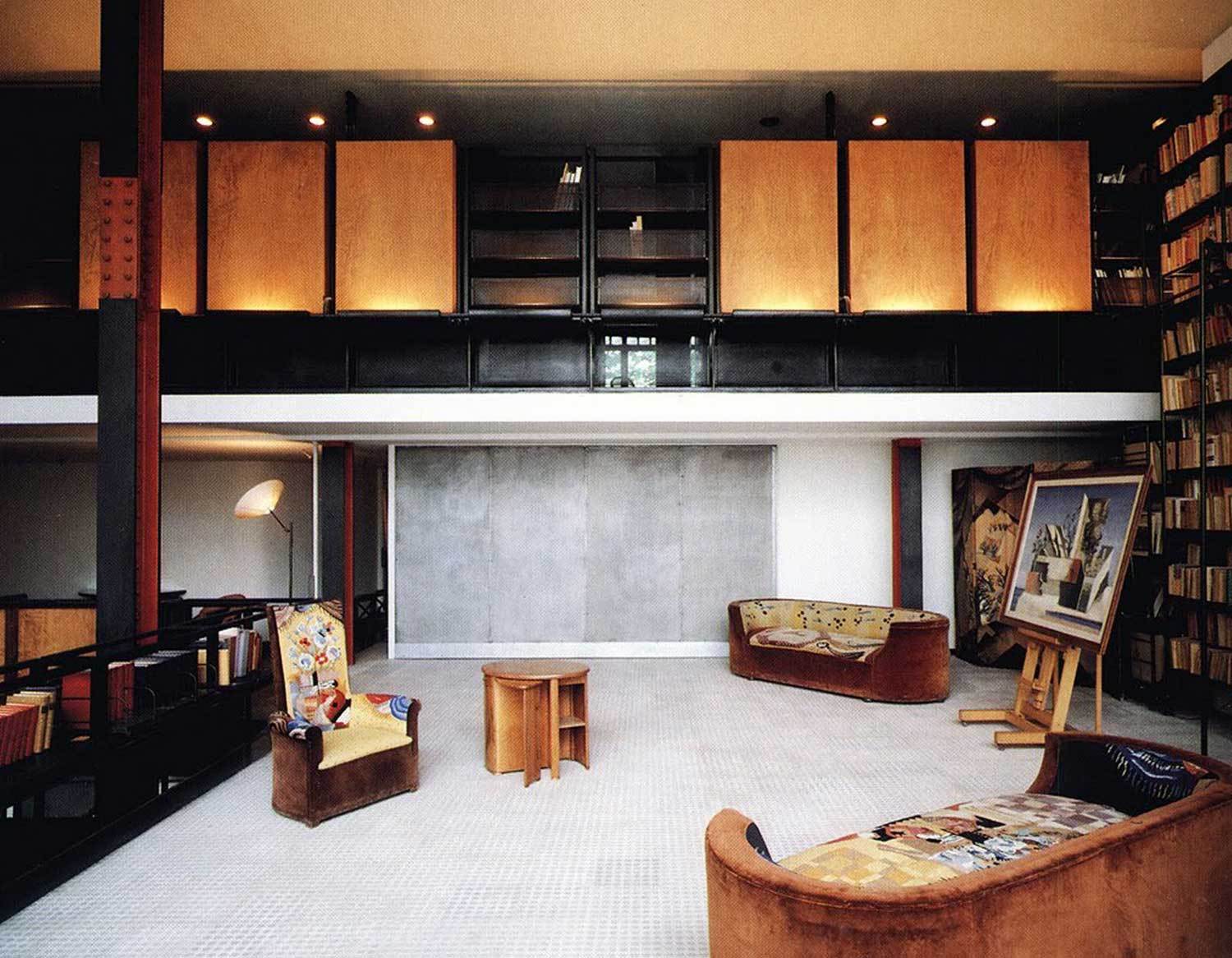
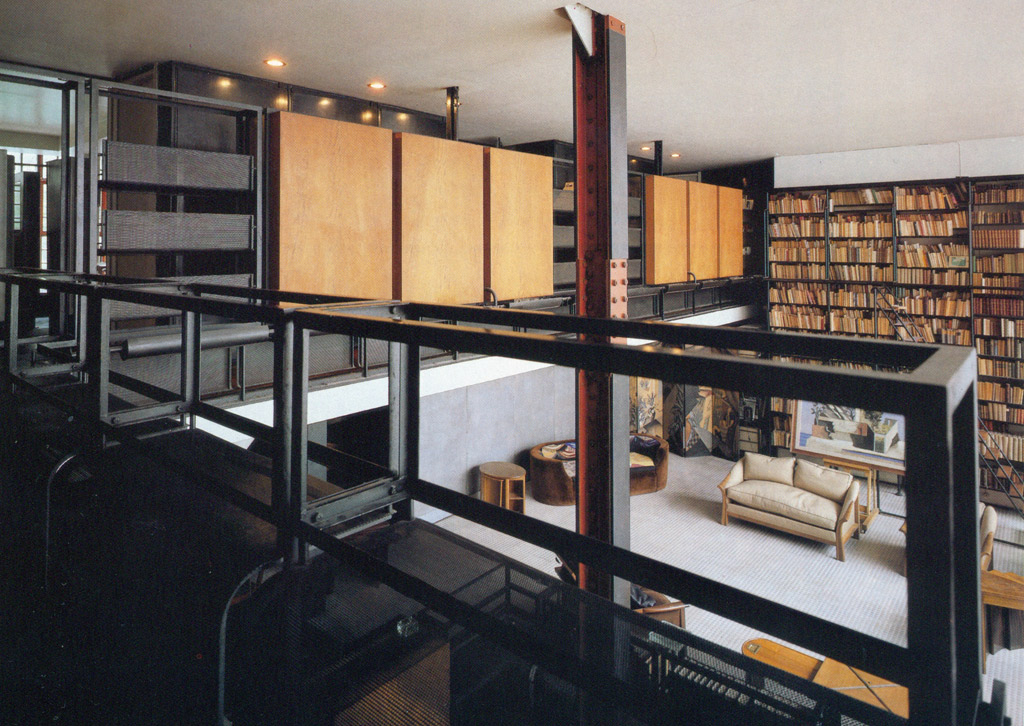
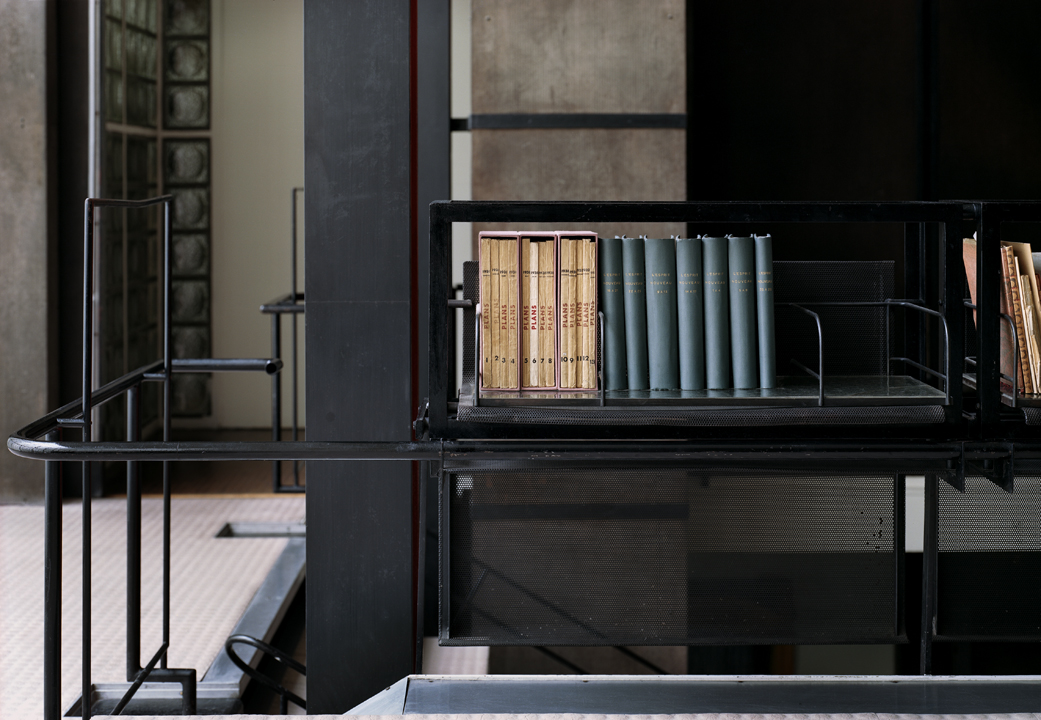
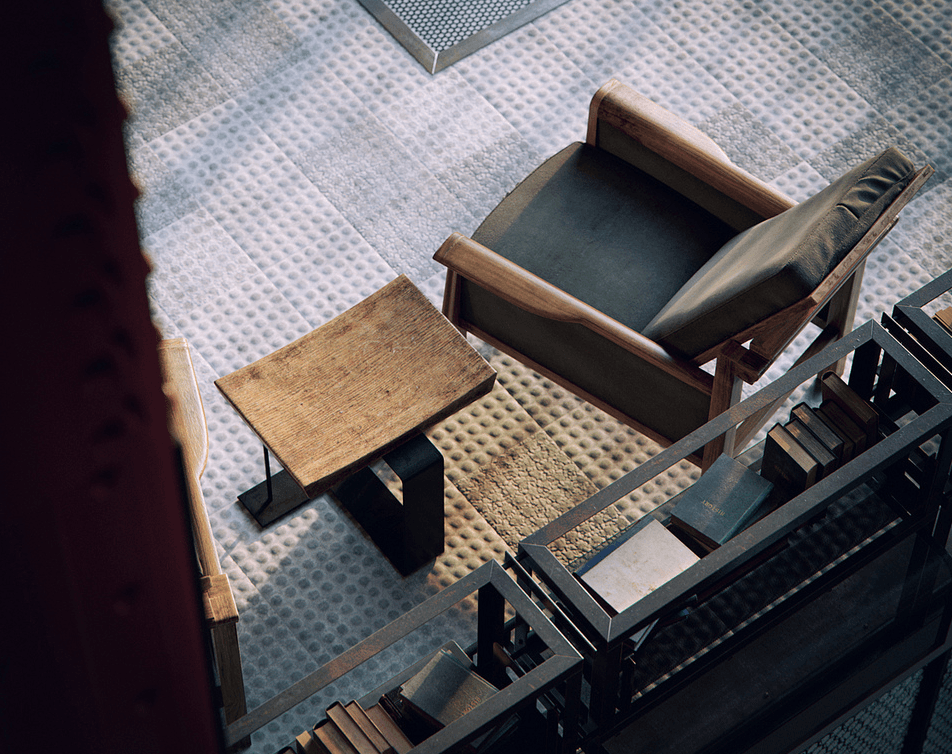
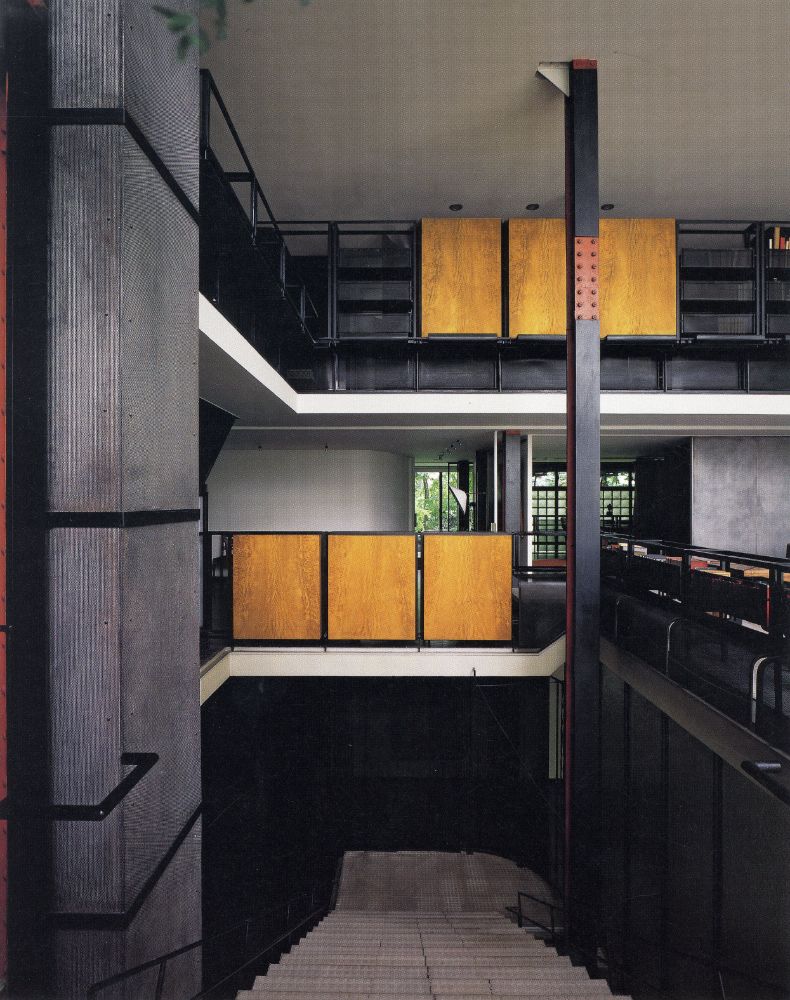
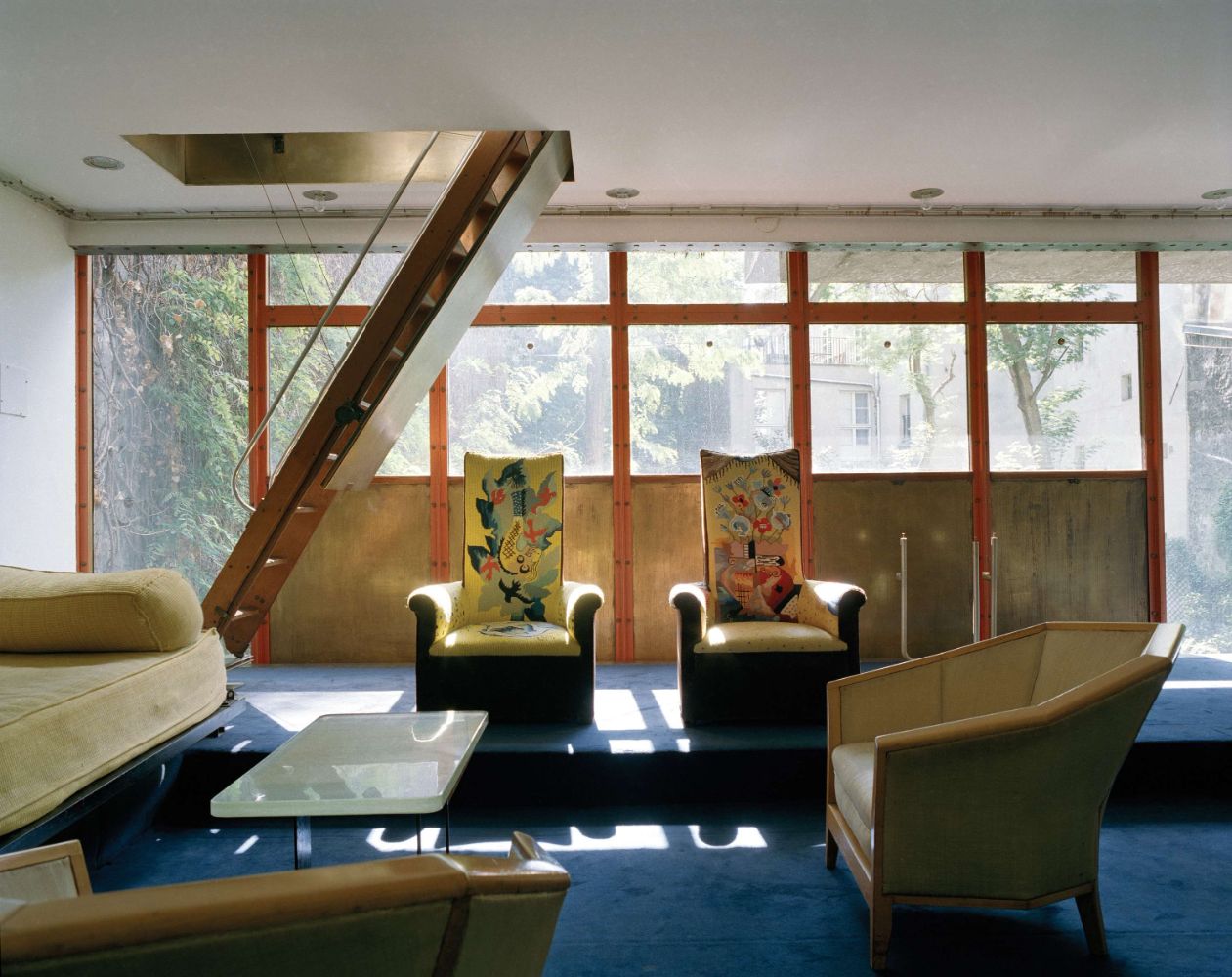
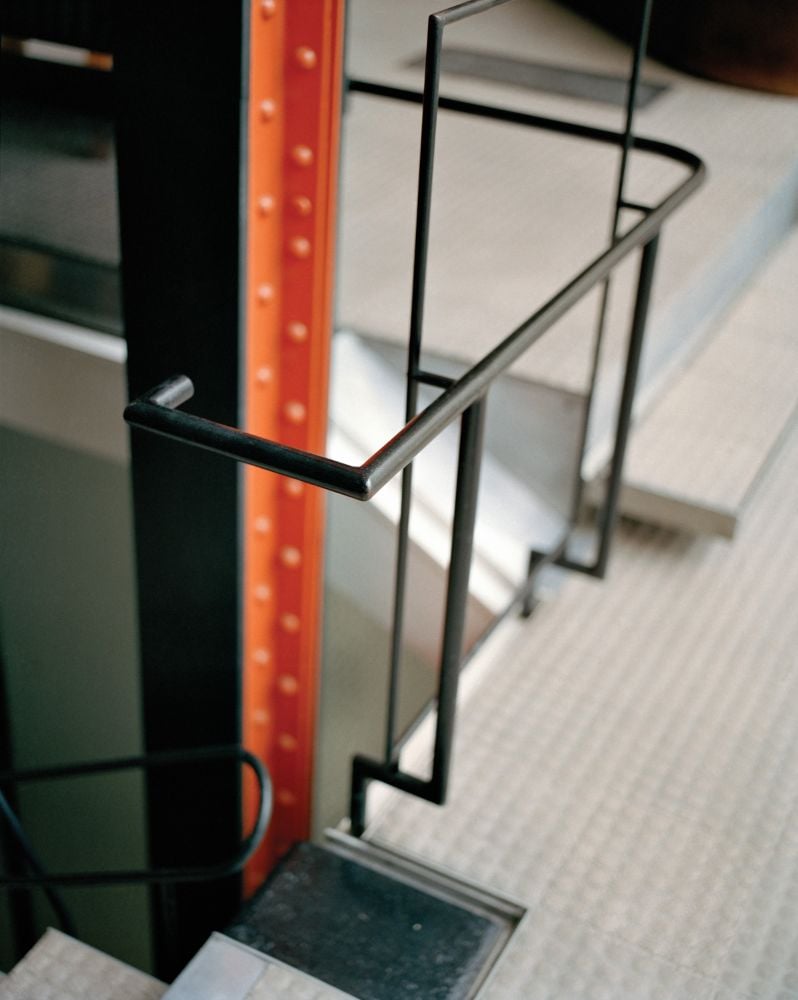
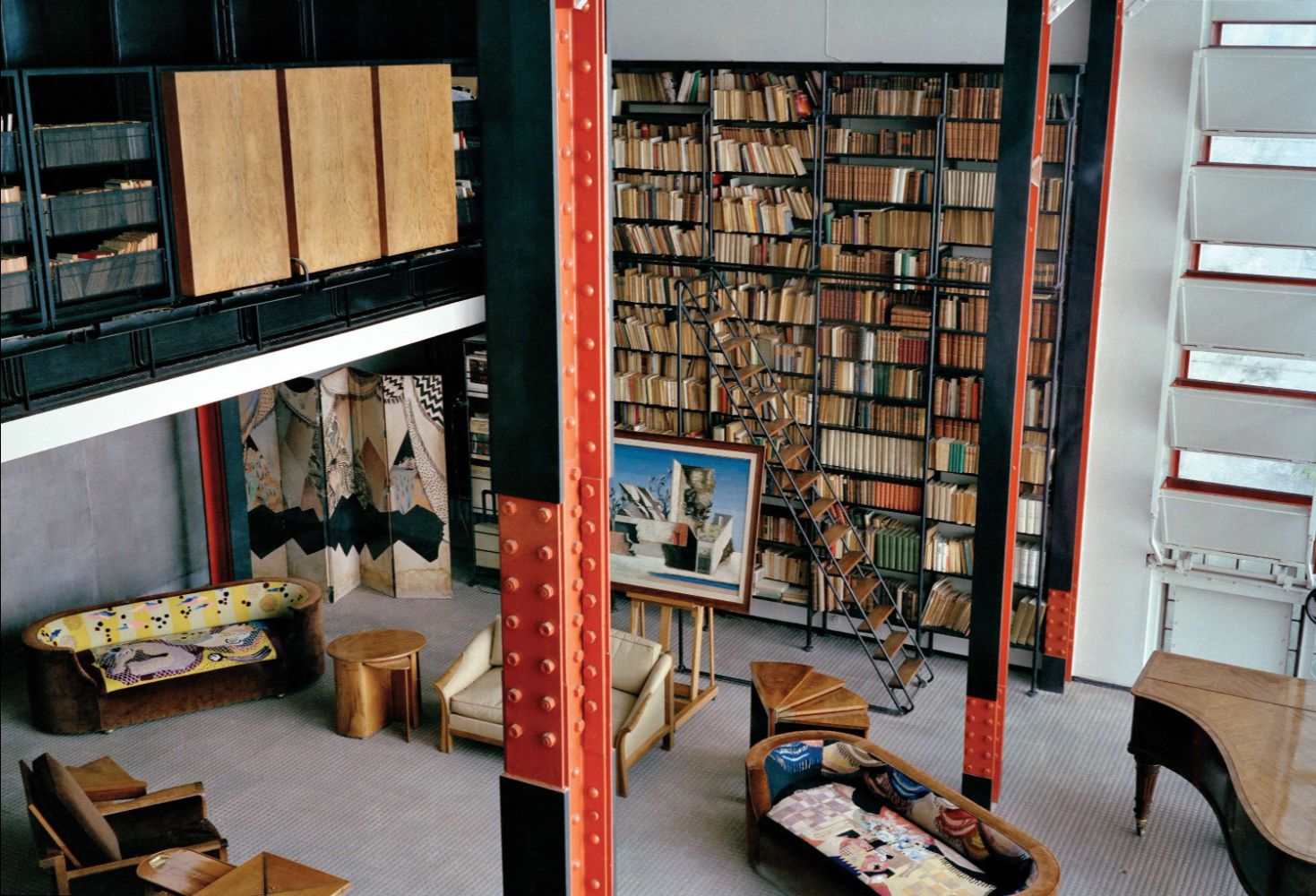
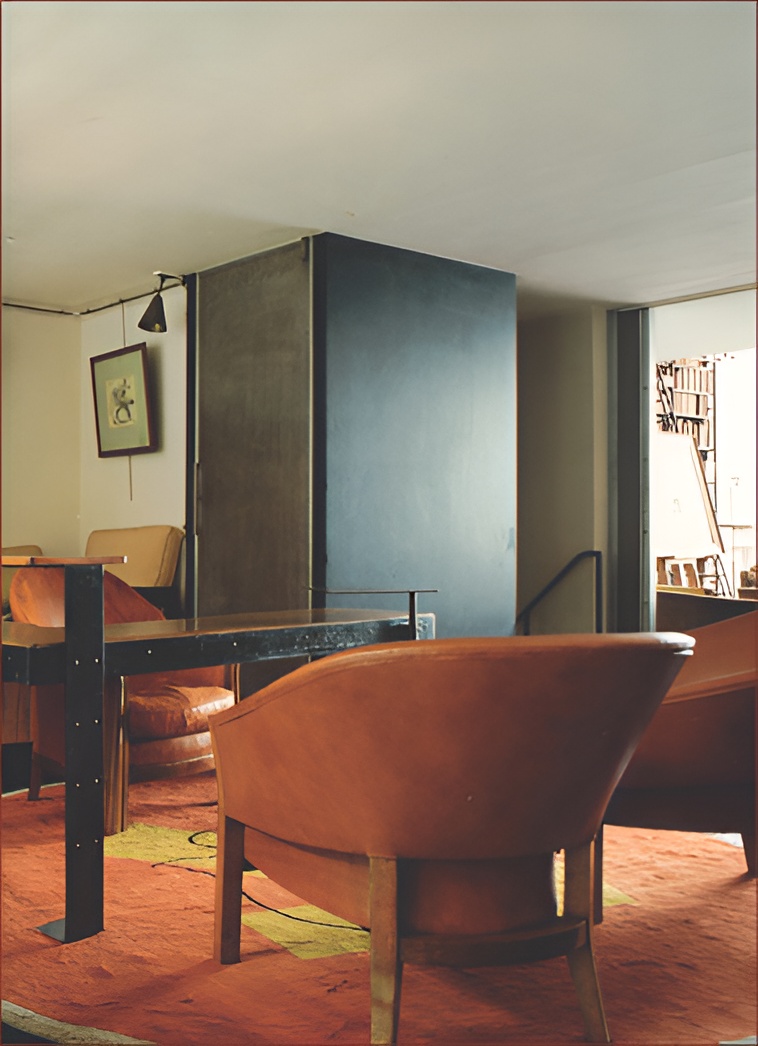
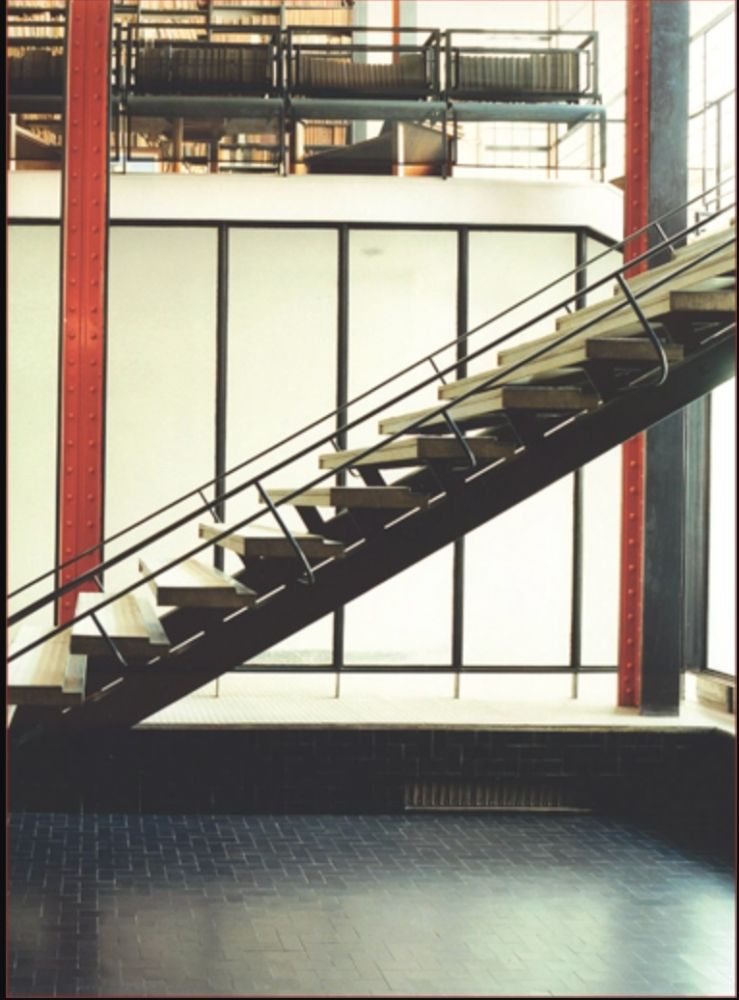
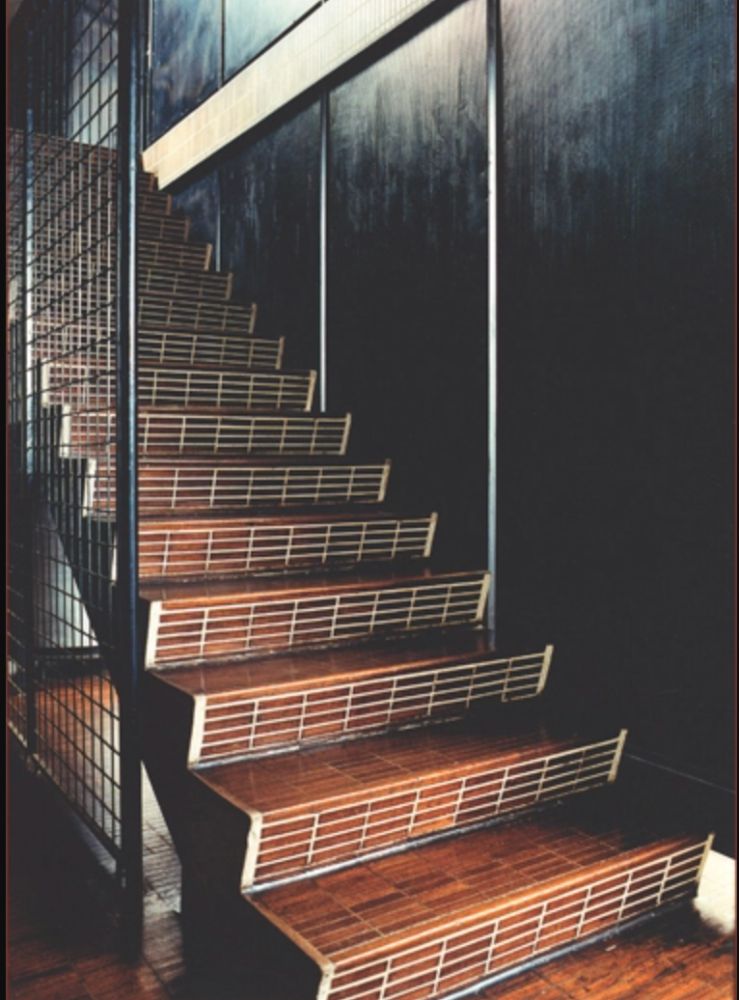
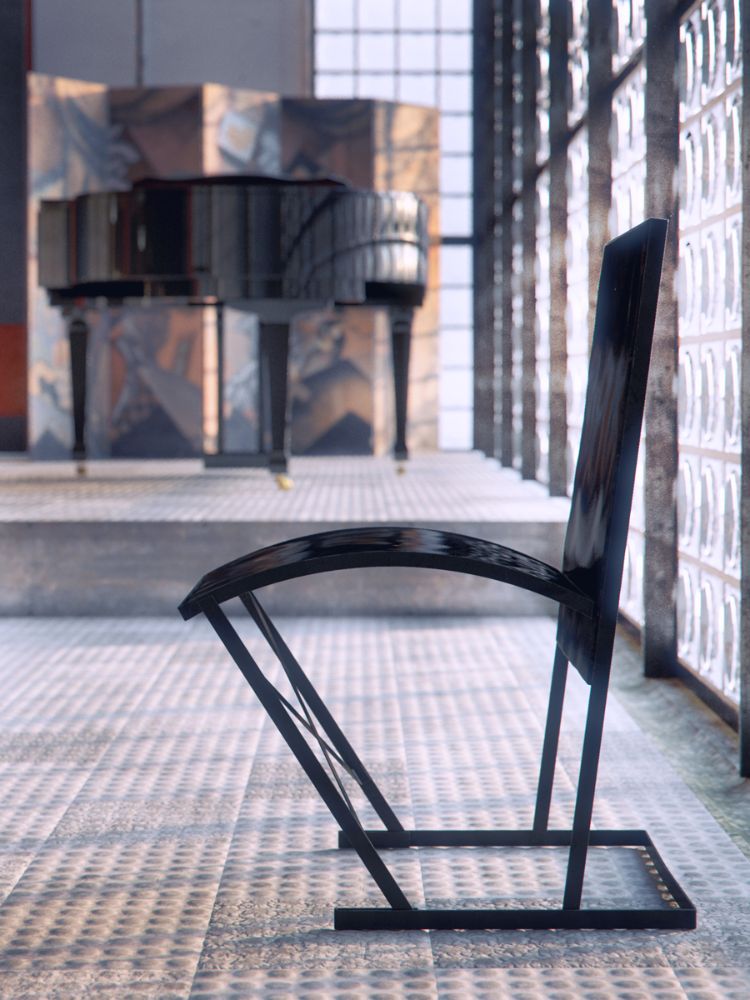
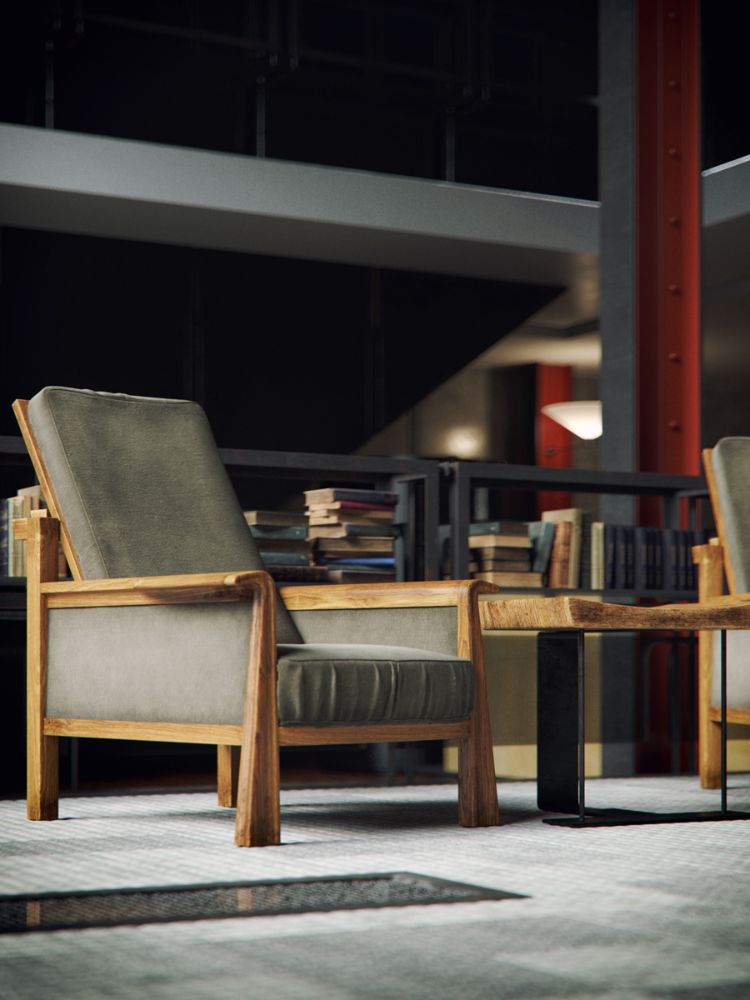
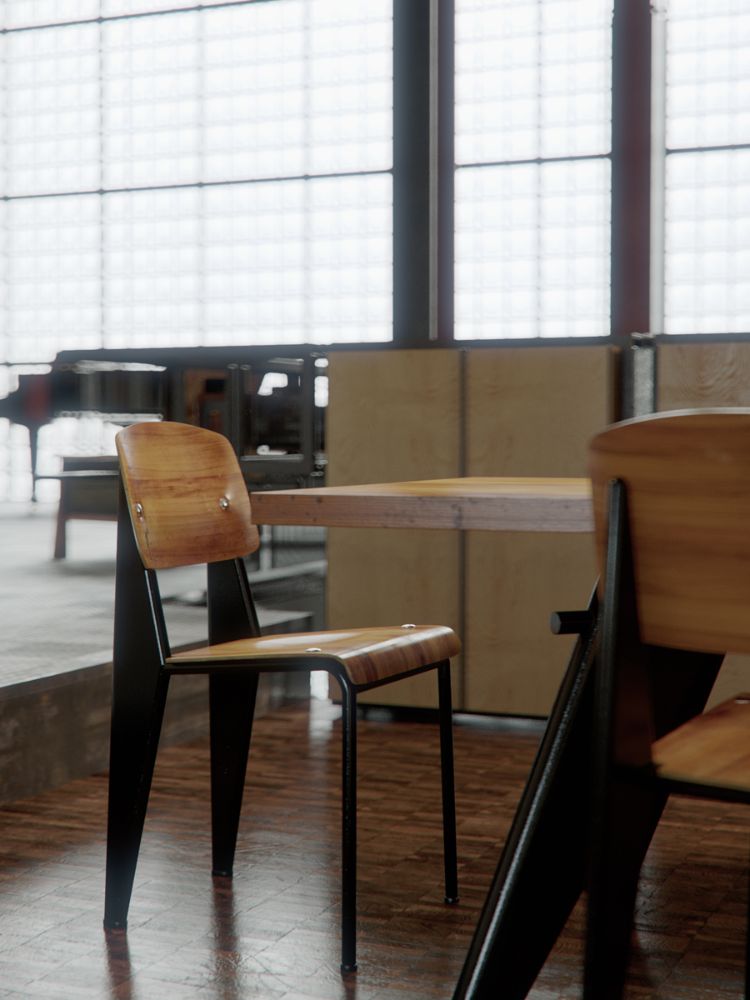
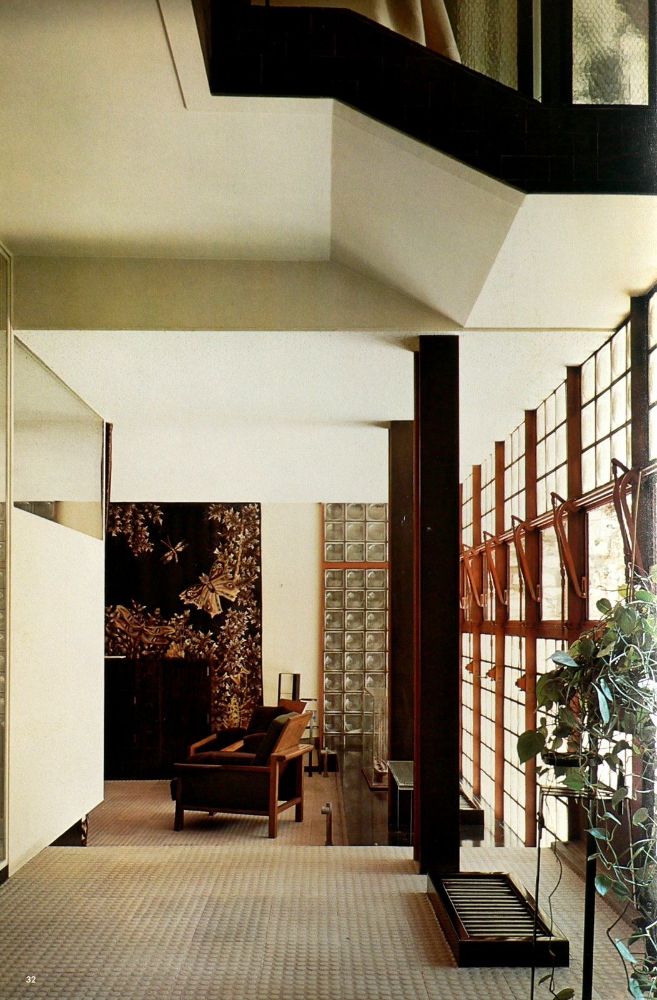
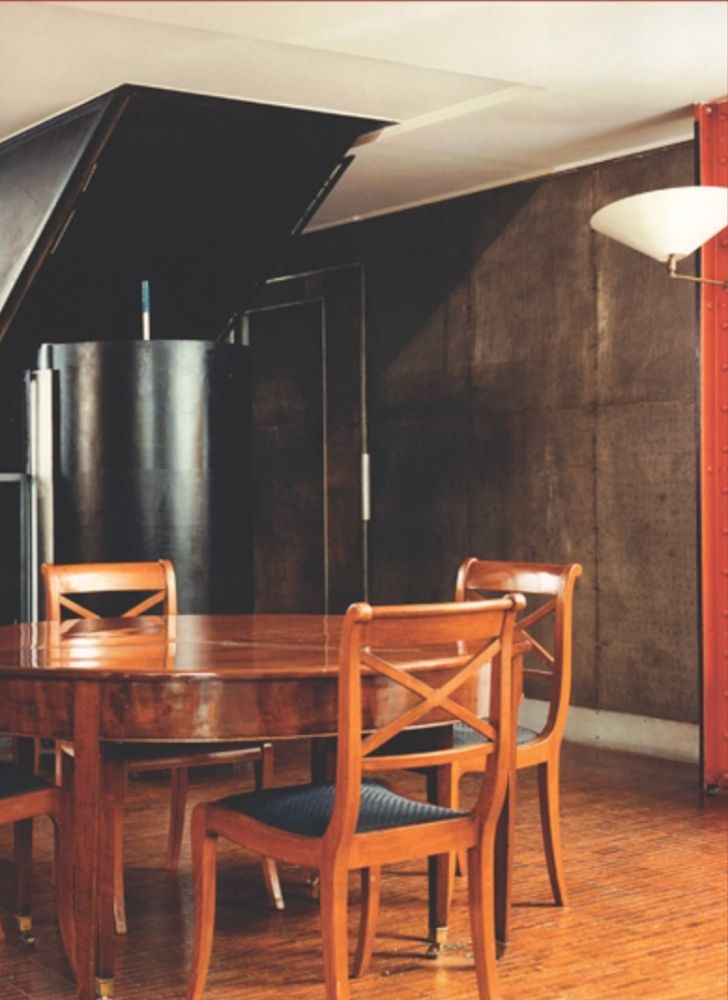
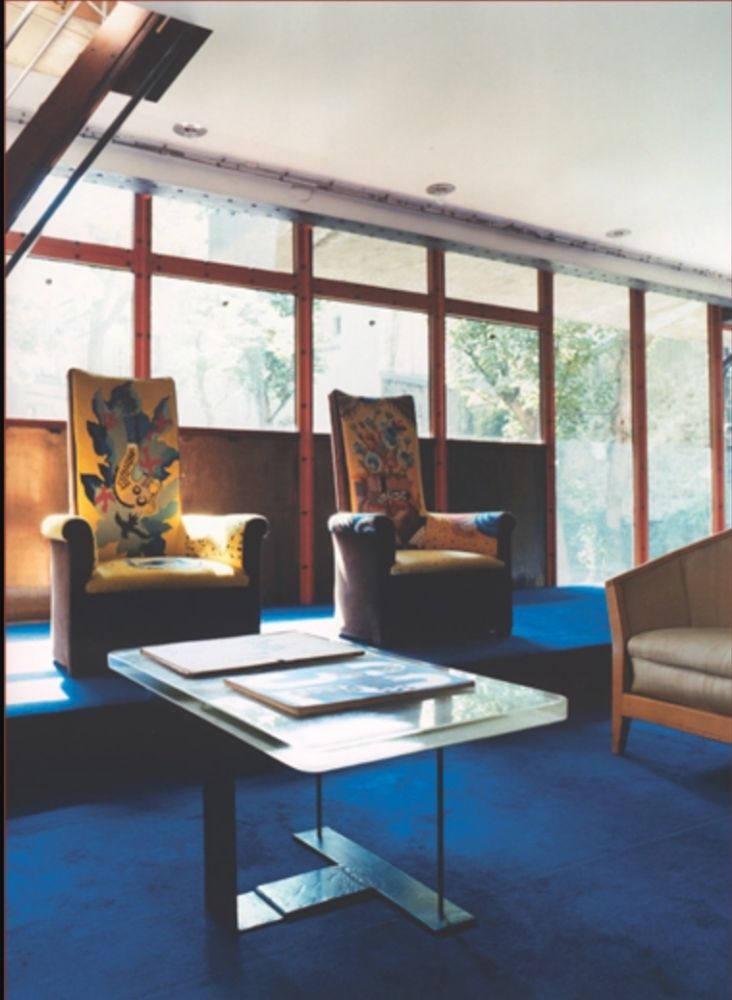
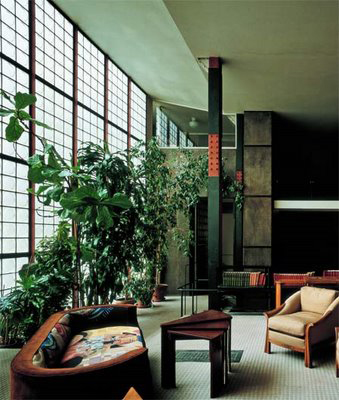
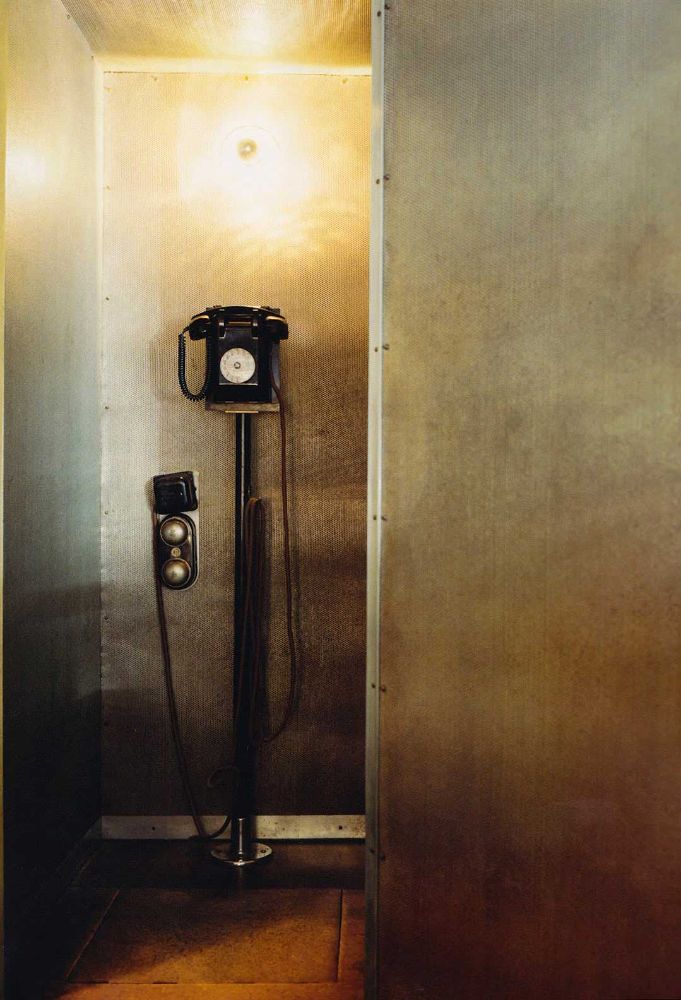
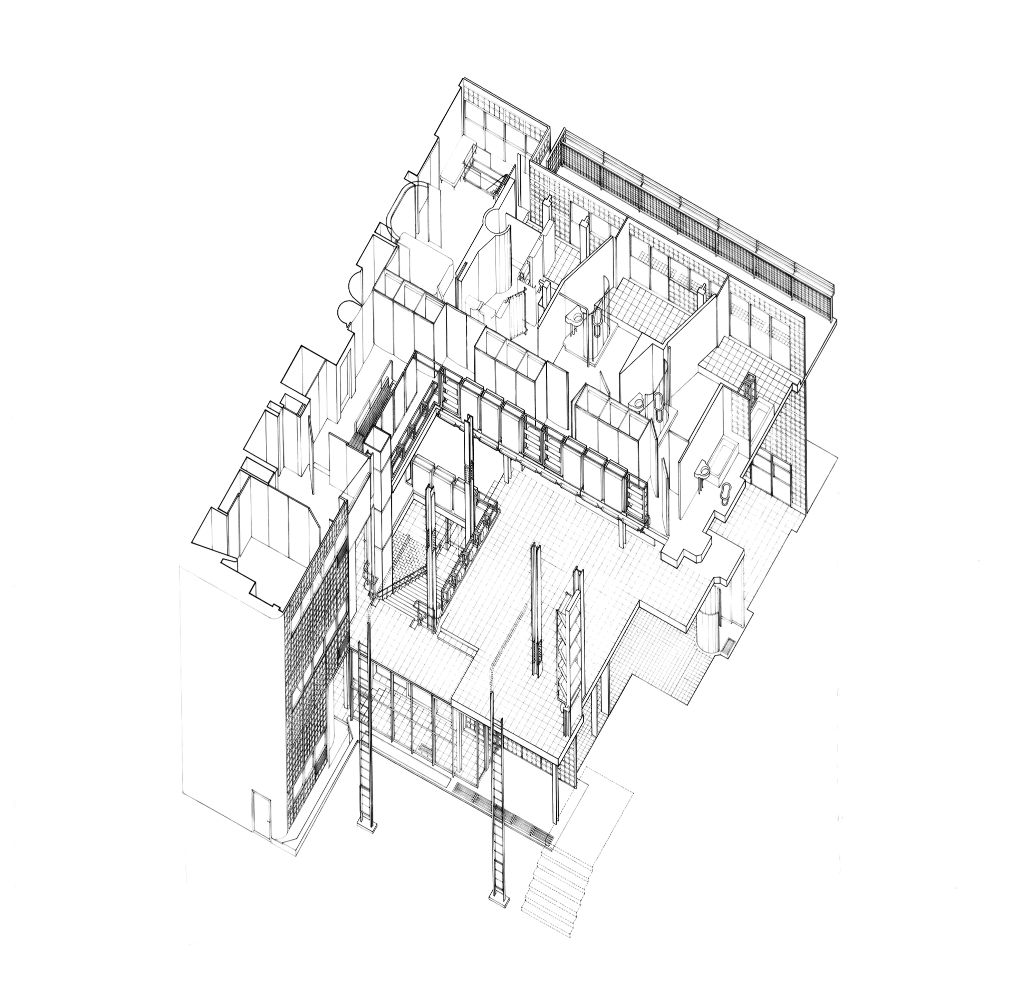
The structural frame remains visible throughout the interior. Steel columns, beams, exposed ducts, conduits, and mechanical systems form part of the architectural expression rather than being concealed behind finishes. Chareau balanced these industrial elements with slate, wood, lacquered surfaces, textiles, and custom furniture, creating a dialogue between machine-age materials and domestic comfort.
Maison de Verre / Pierre Chareau + Bernard Bijvoet | Classics on Architecture Lab 240Maison de Verre / Pierre Chareau + Bernard Bijvoet | Classics on Architecture Lab 241Maison de Verre / Pierre Chareau + Bernard Bijvoet | Classics on Architecture Lab 242Maison de Verre / Pierre Chareau + Bernard Bijvoet | Classics on Architecture Lab 243Maison de Verre / Pierre Chareau + Bernard Bijvoet | Classics on Architecture Lab 244Maison de Verre / Pierre Chareau + Bernard Bijvoet | Classics on Architecture Lab 245
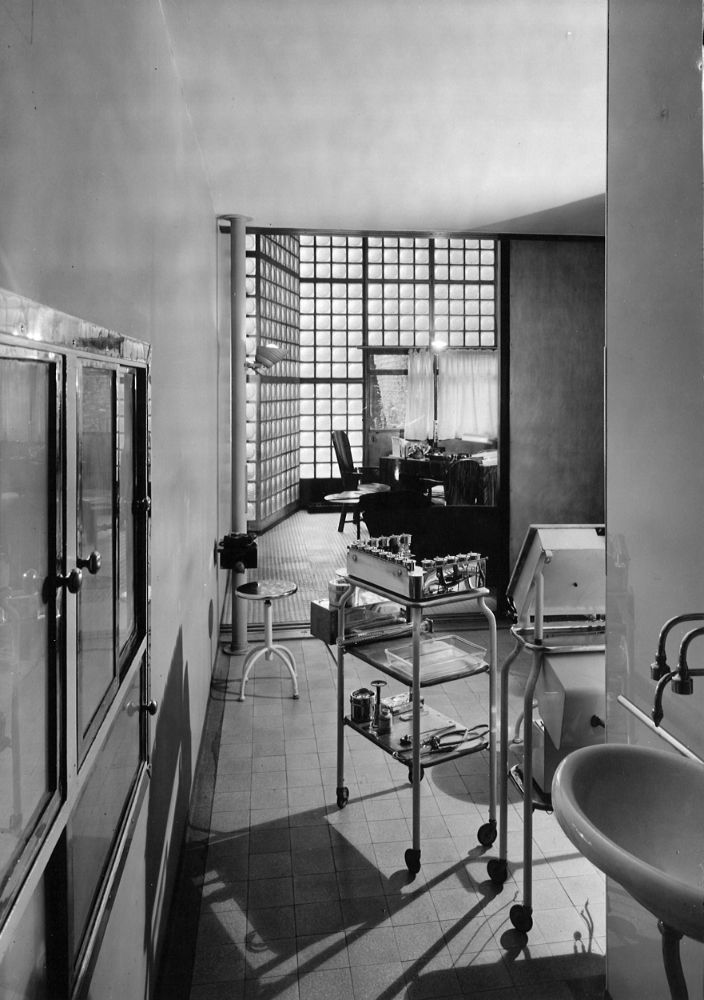
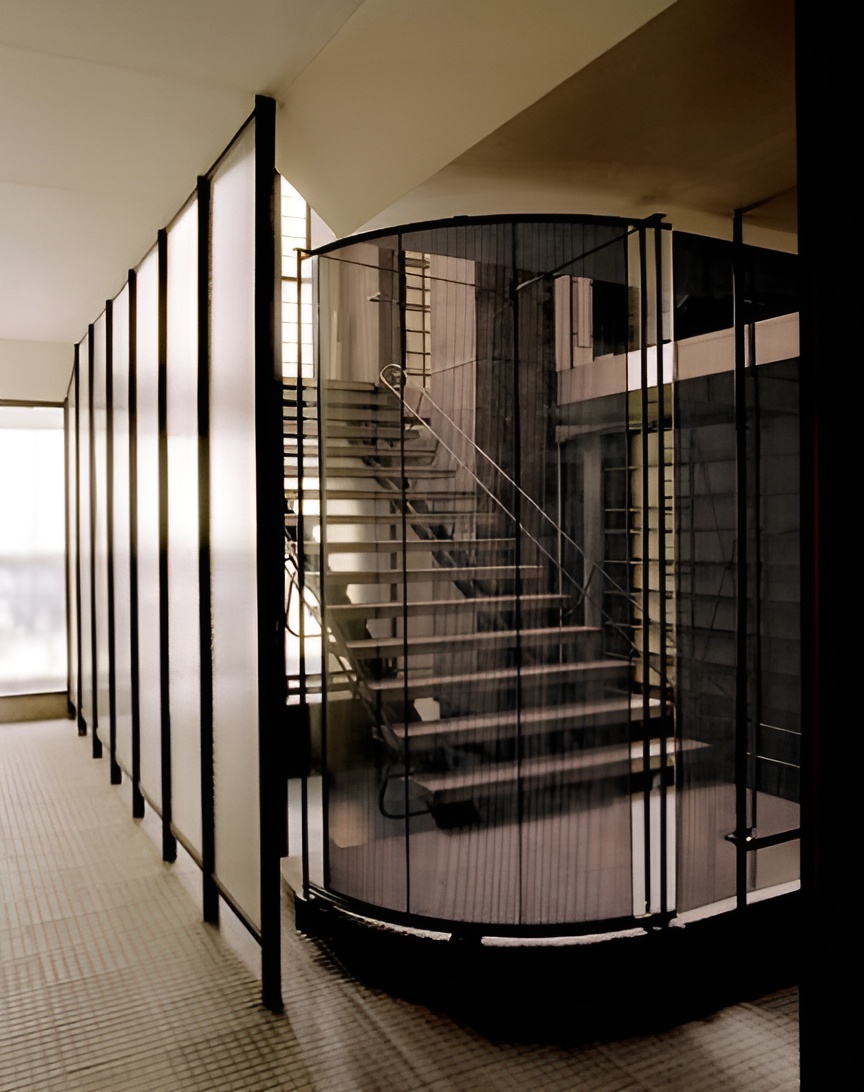
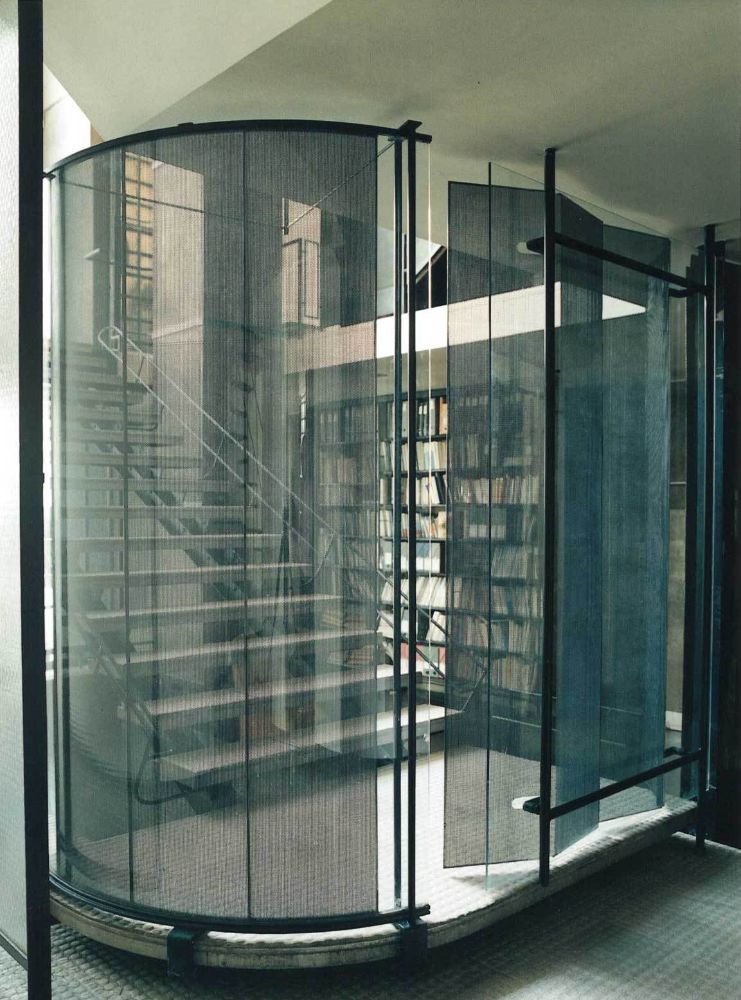
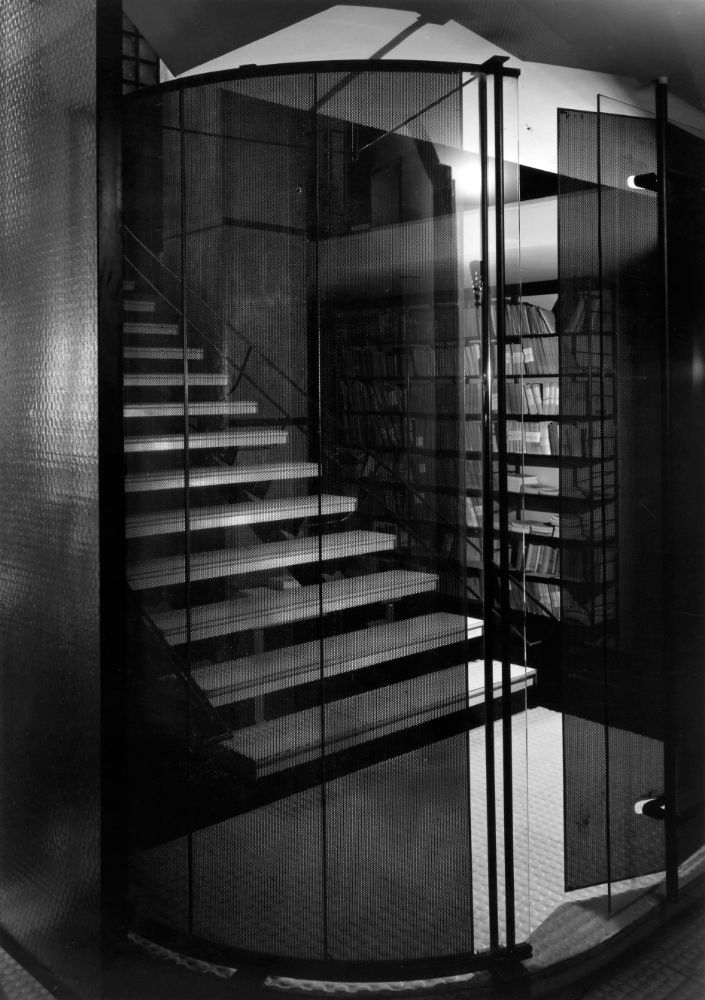
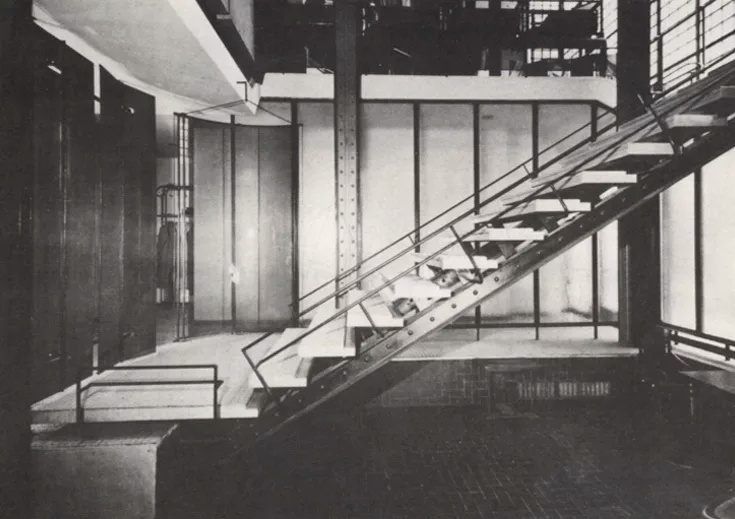
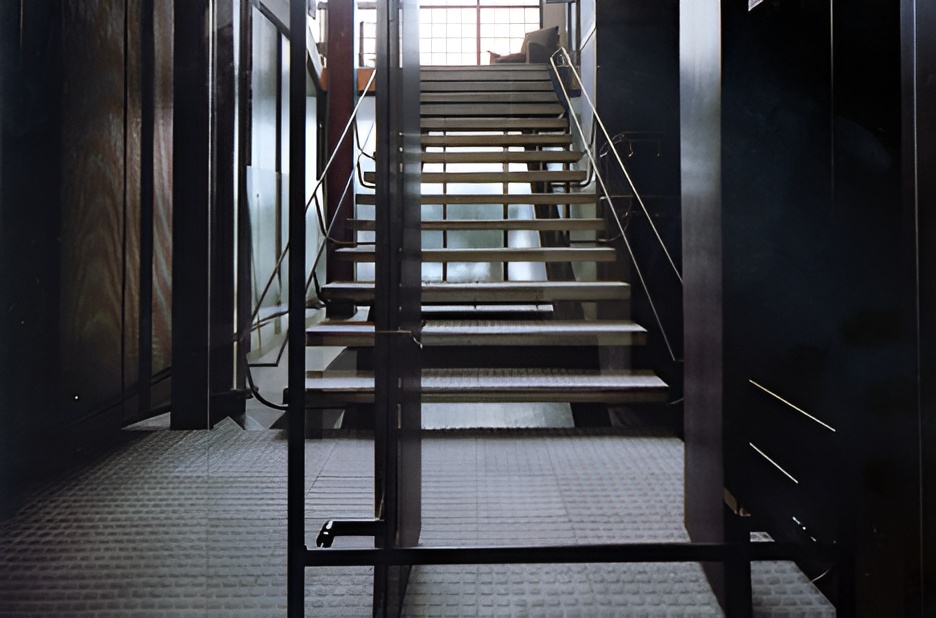
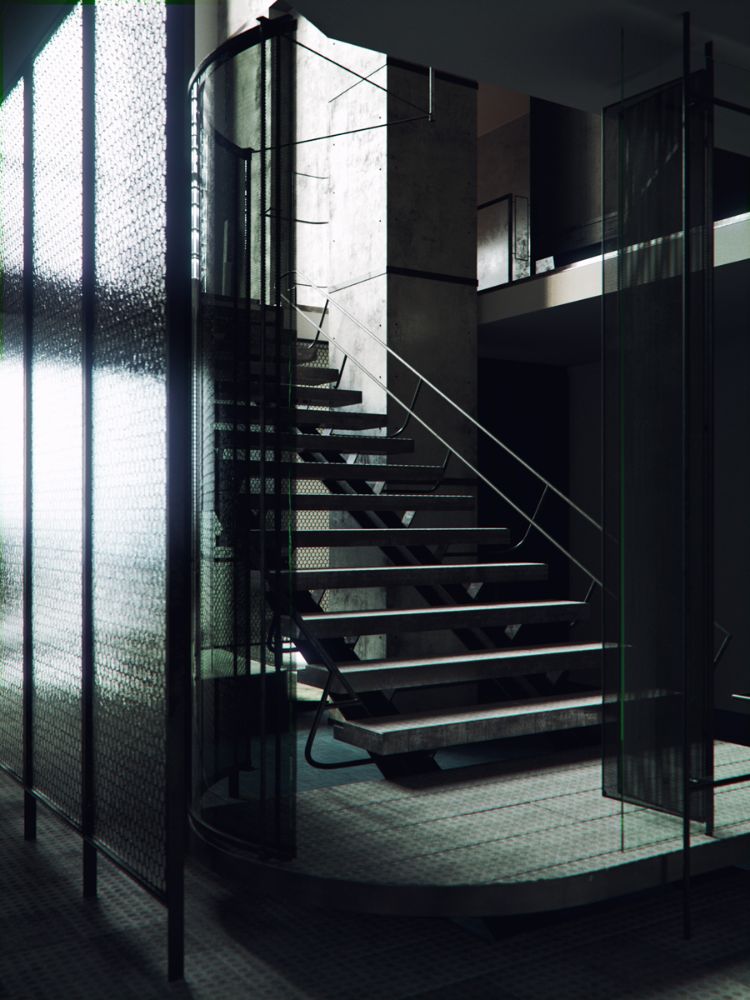
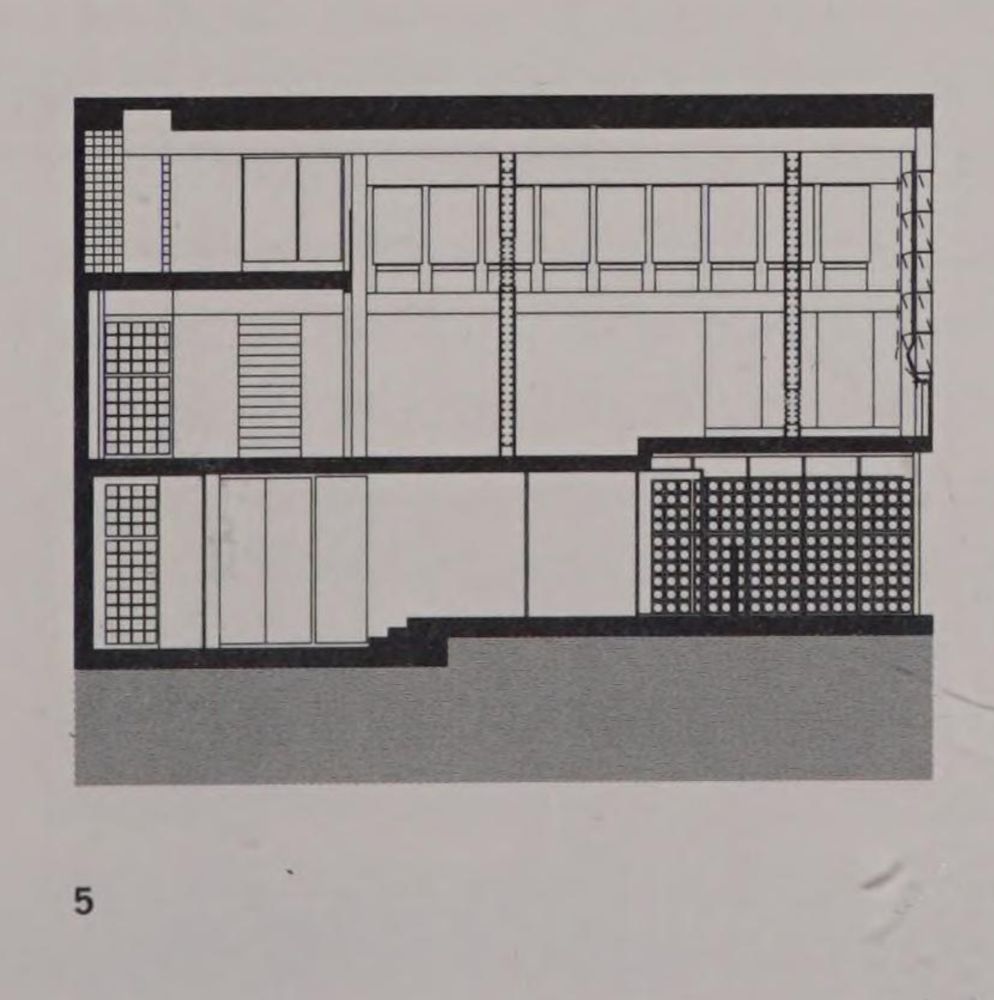
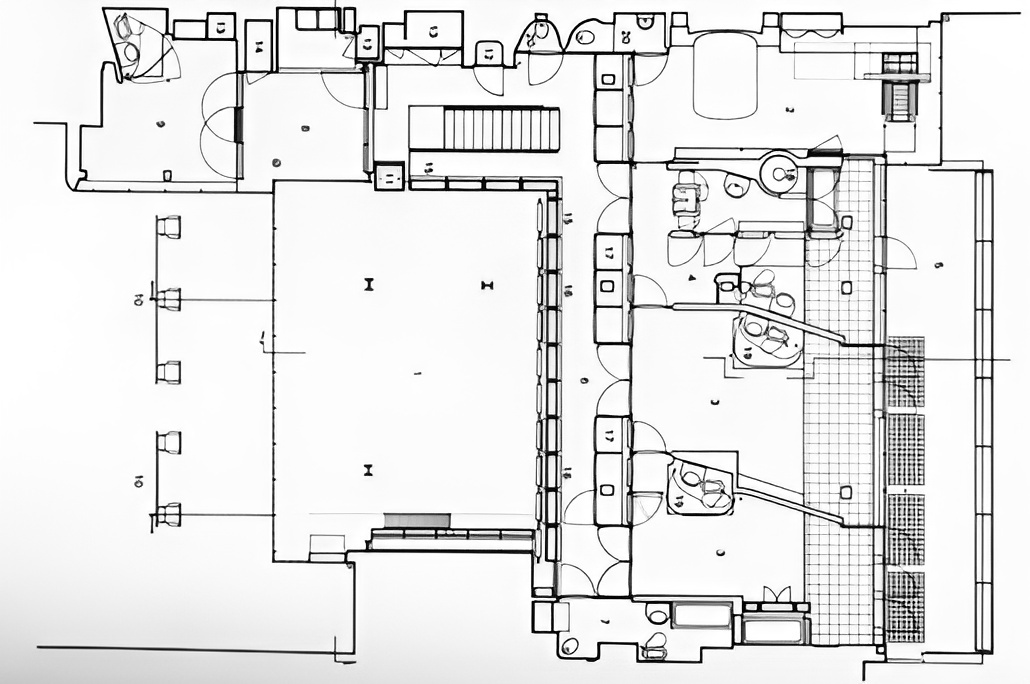
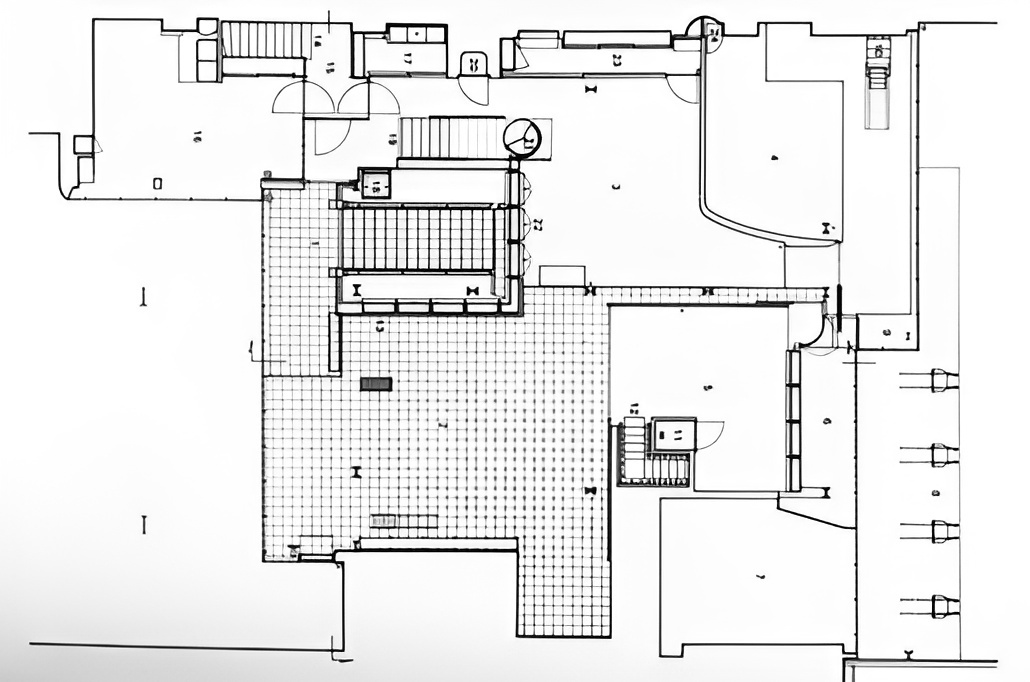
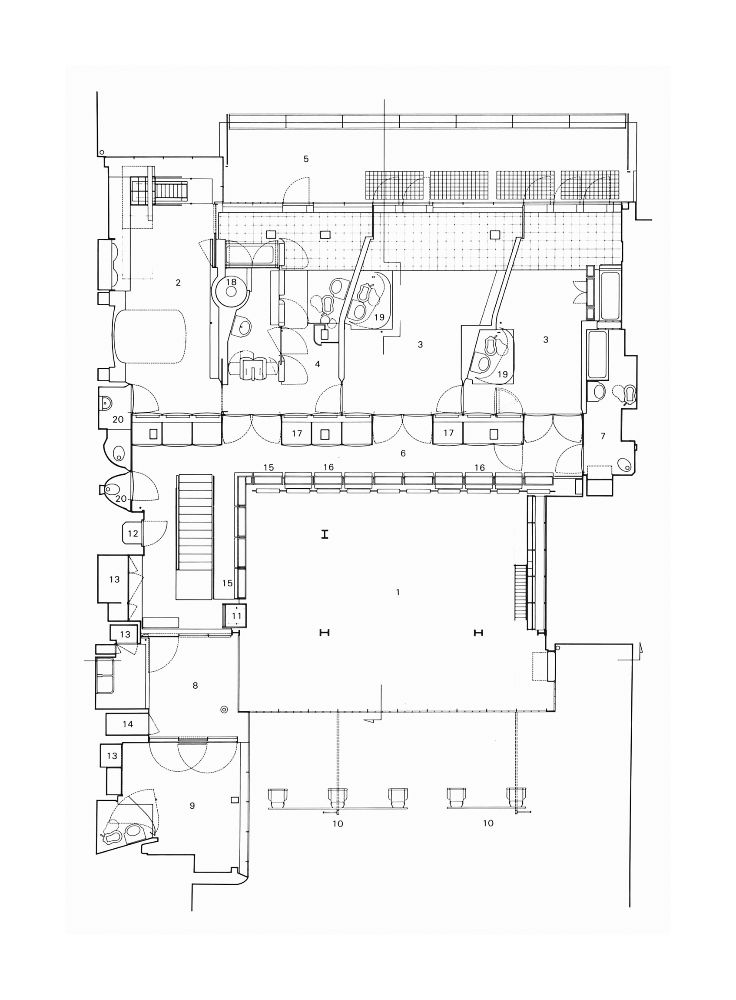
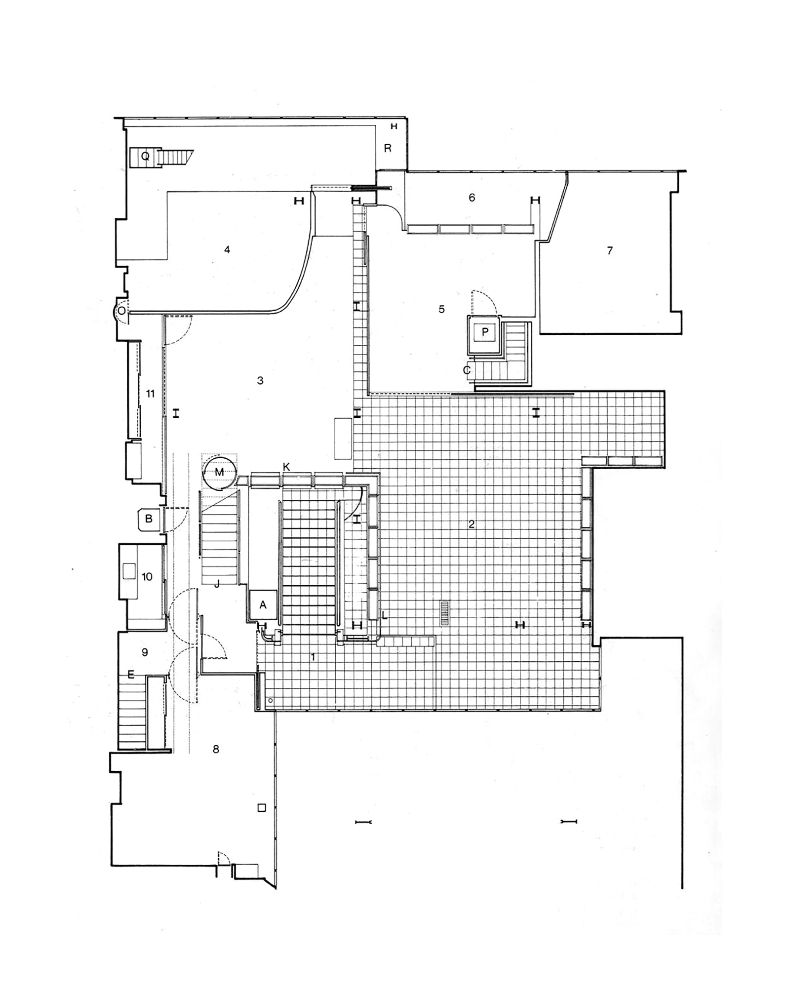
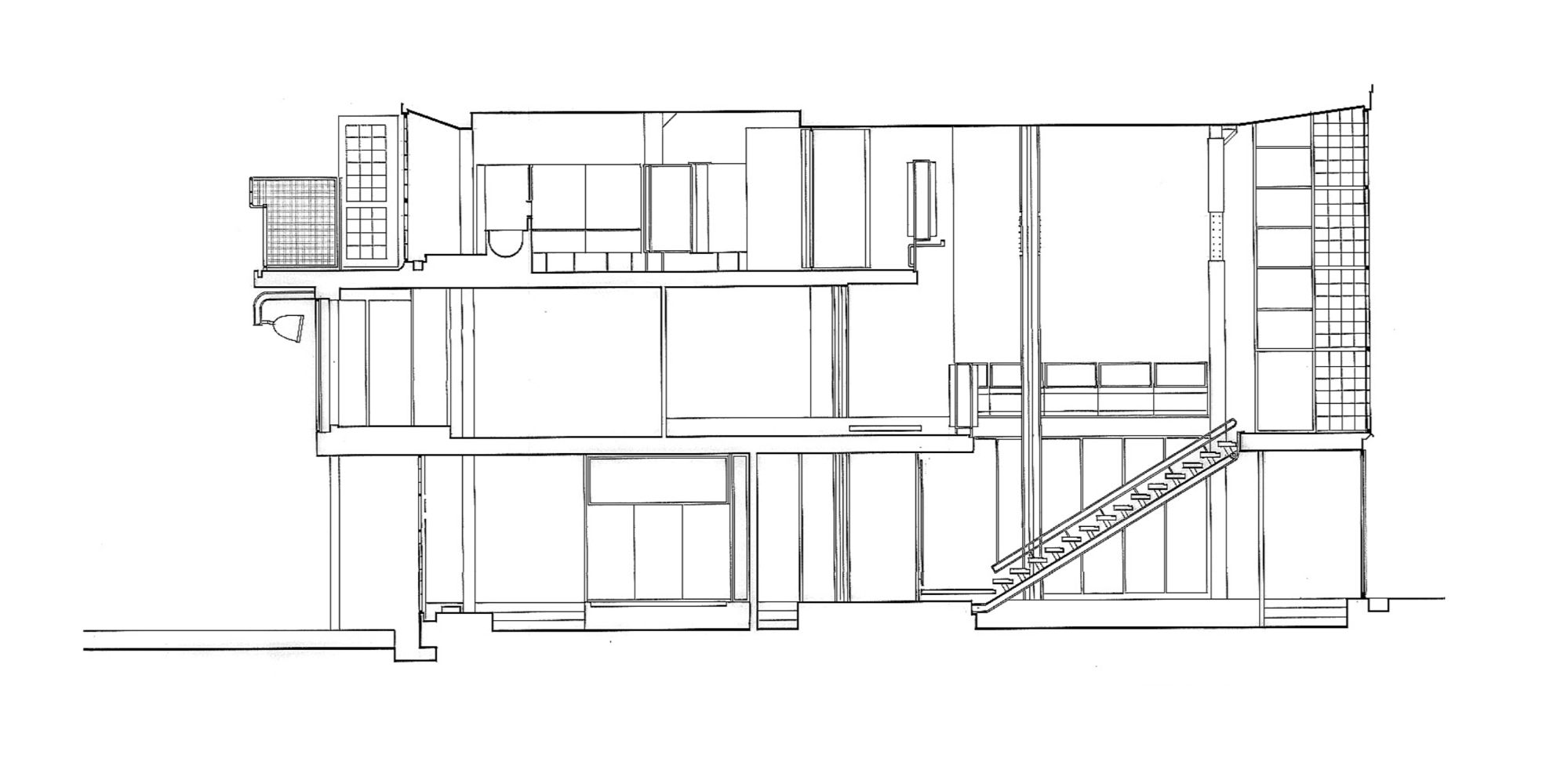
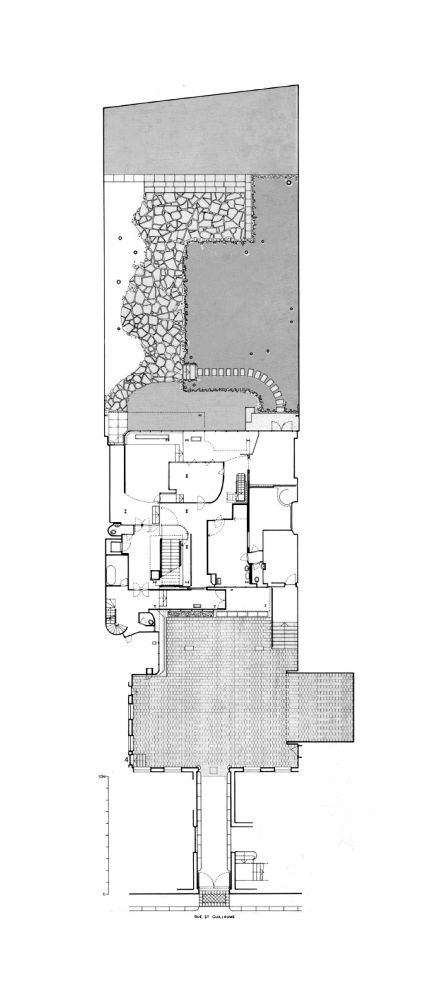
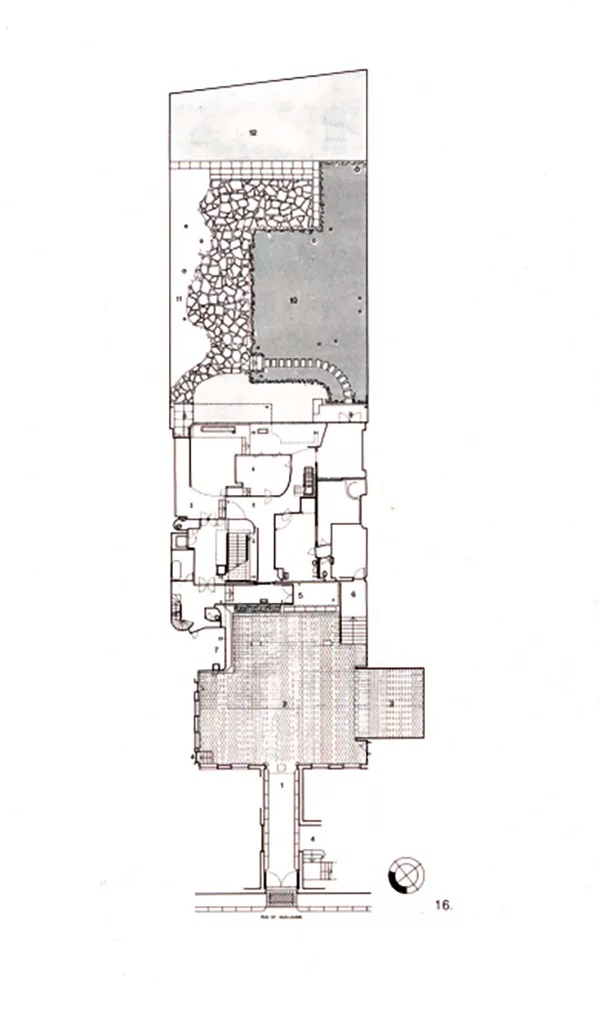
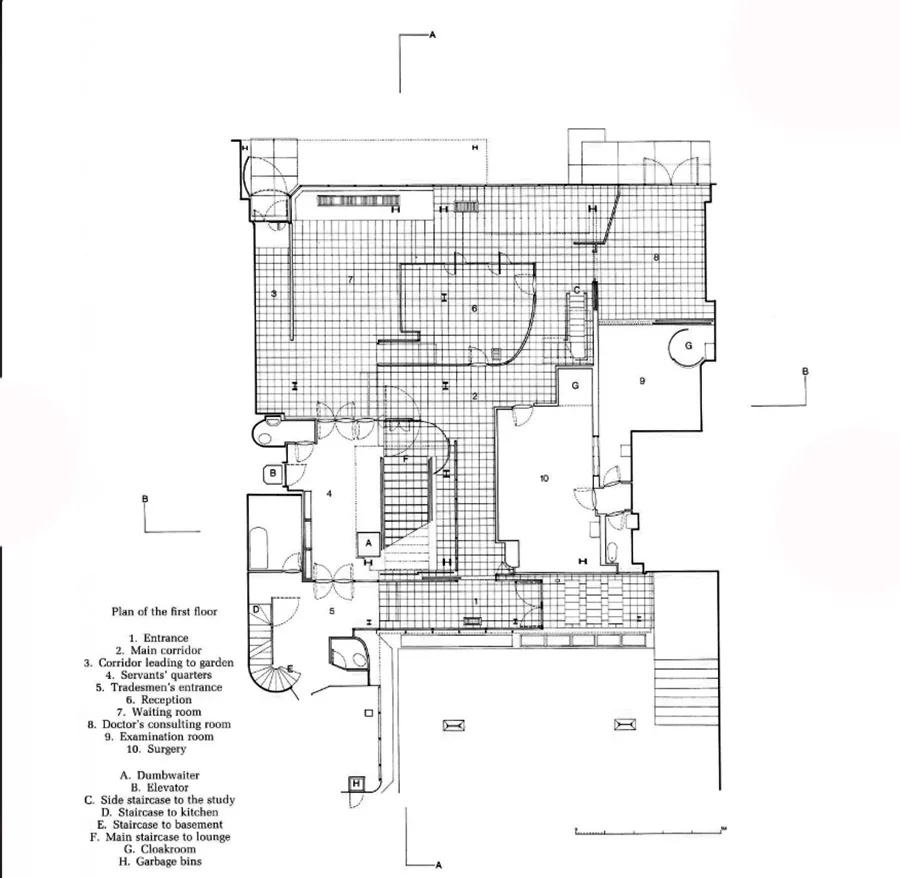
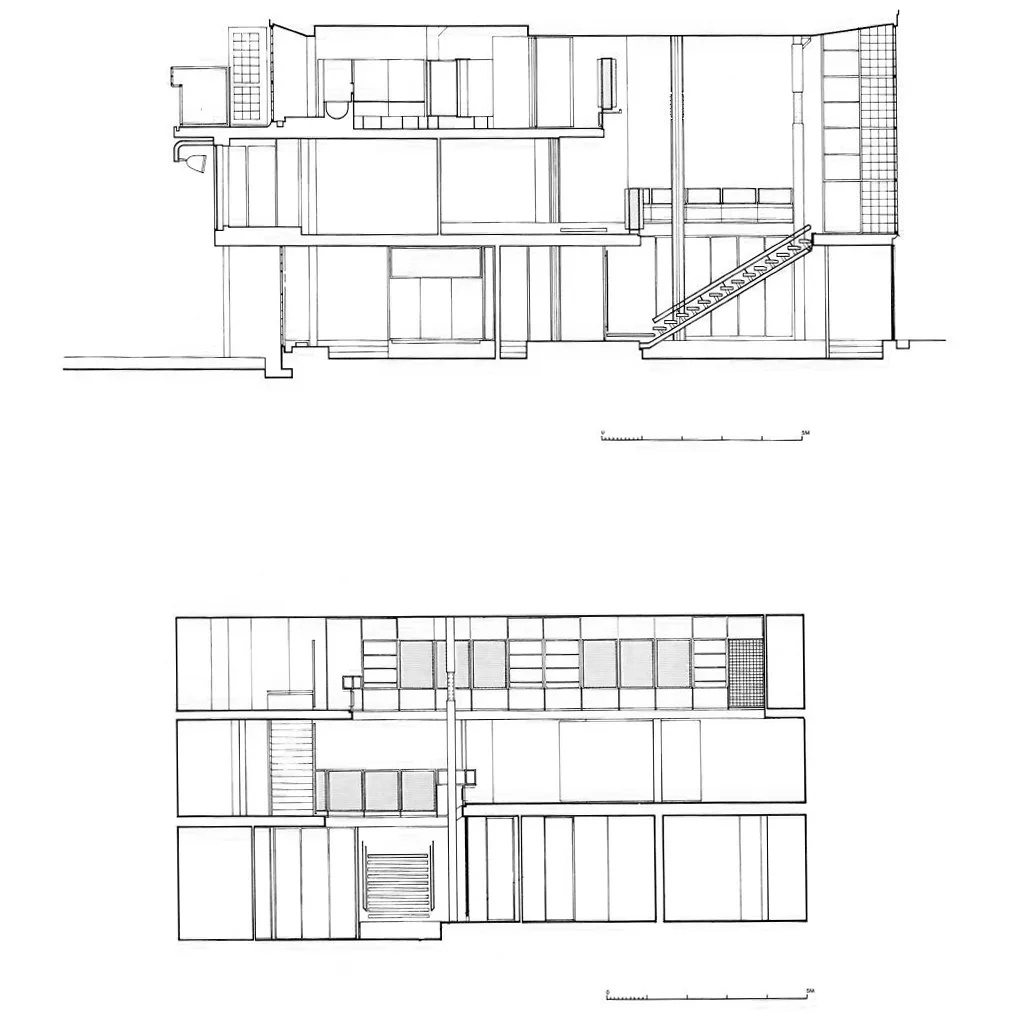
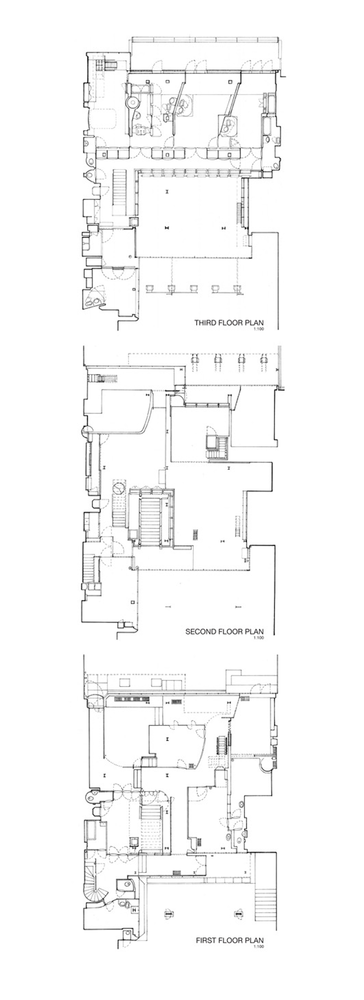
The building accommodated two distinct programs. The ground floor contained Dr. Dalsace’s medical practice, while the upper levels housed the family residence. A rotating screen controlled circulation by concealing the private stair from clinic visitors during the day and revealing it for residential use at night. This approach allowed professional and domestic functions to coexist within a compact footprint.
Maison de Verre / Pierre Chareau + Bernard Bijvoet | Classics on Architecture Lab 246Maison de Verre / Pierre Chareau + Bernard Bijvoet | Classics on Architecture Lab 247Maison de Verre / Pierre Chareau + Bernard Bijvoet | Classics on Architecture Lab 248Maison de Verre / Pierre Chareau + Bernard Bijvoet | Classics on Architecture Lab 249
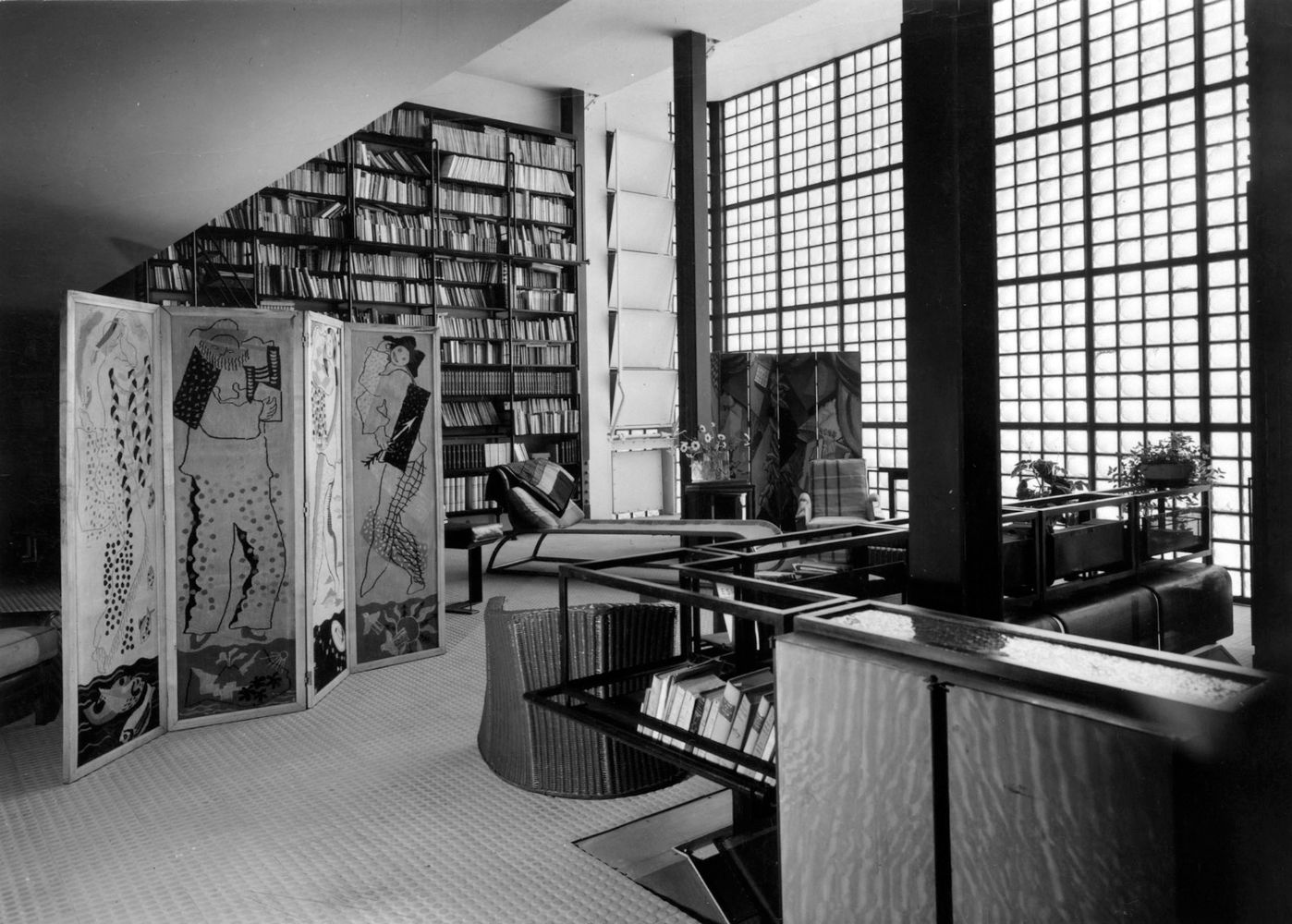
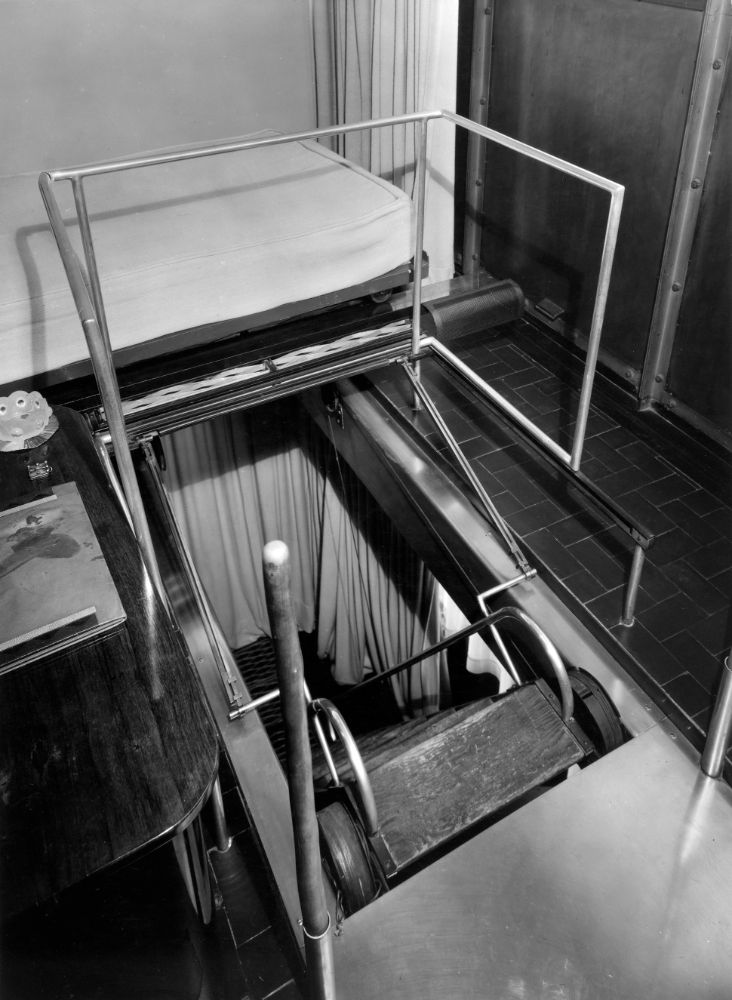
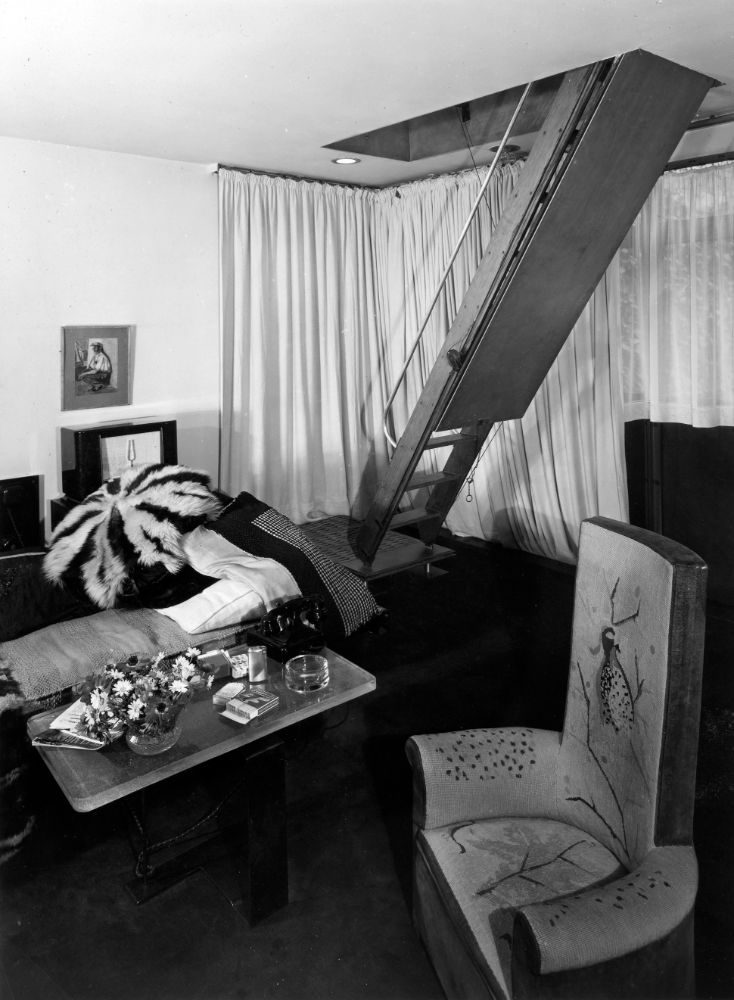
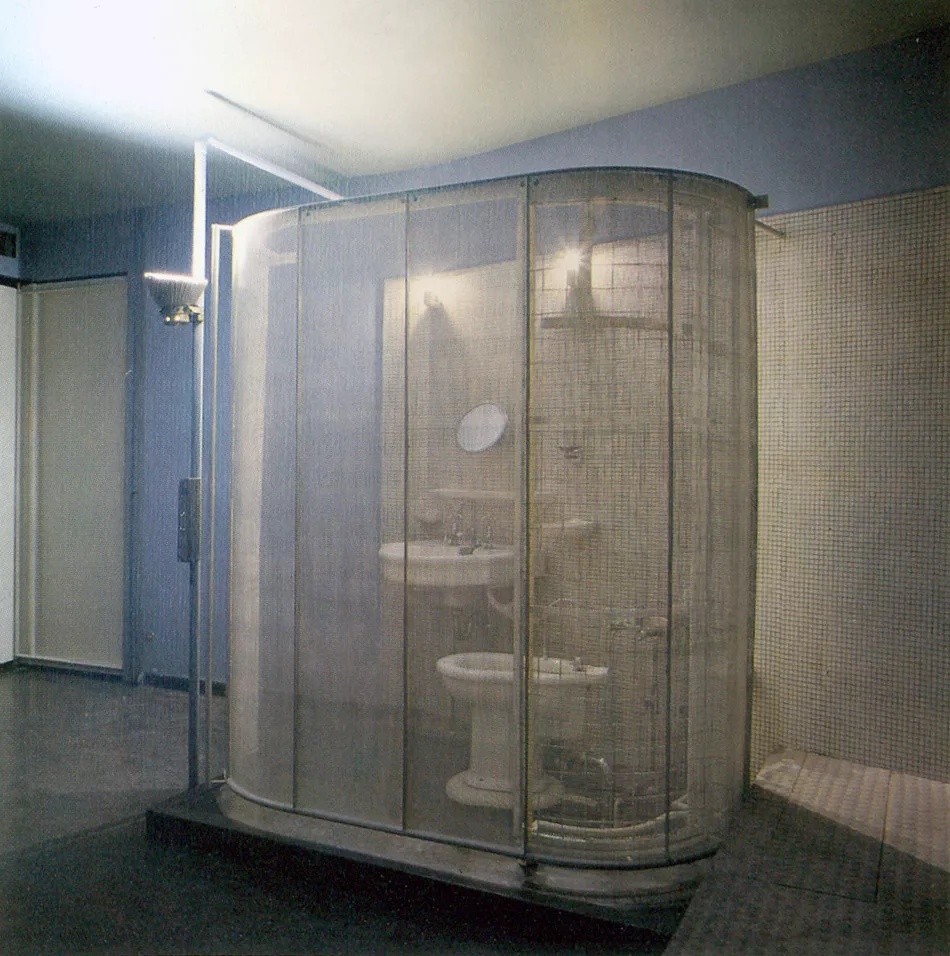
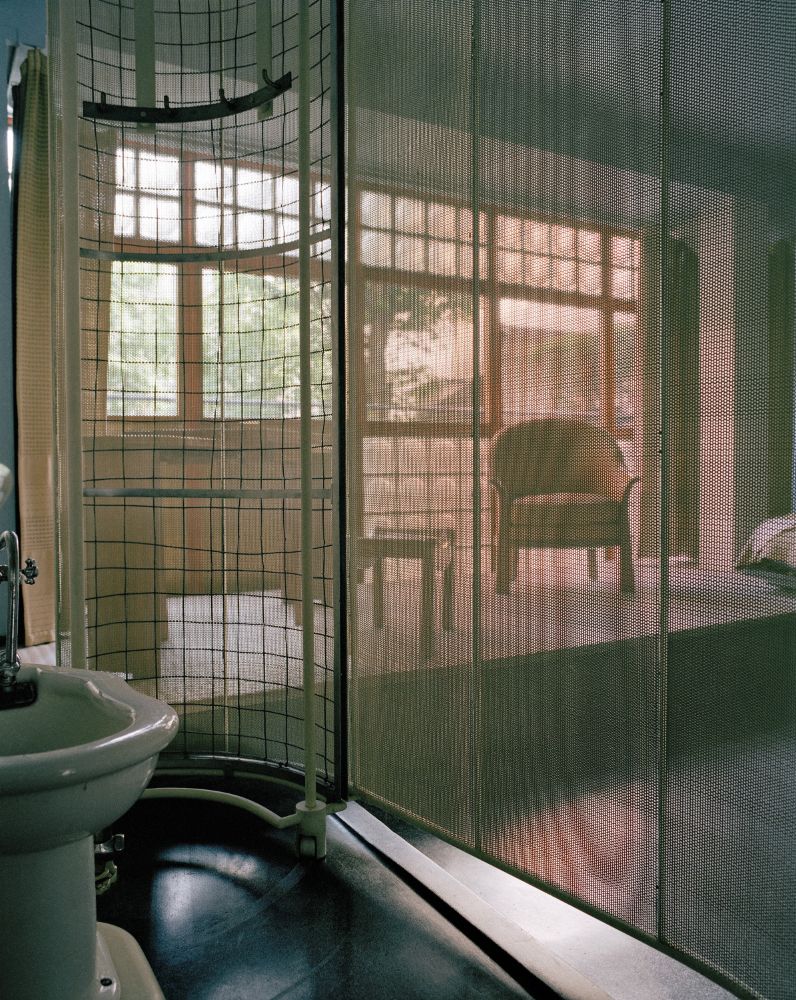
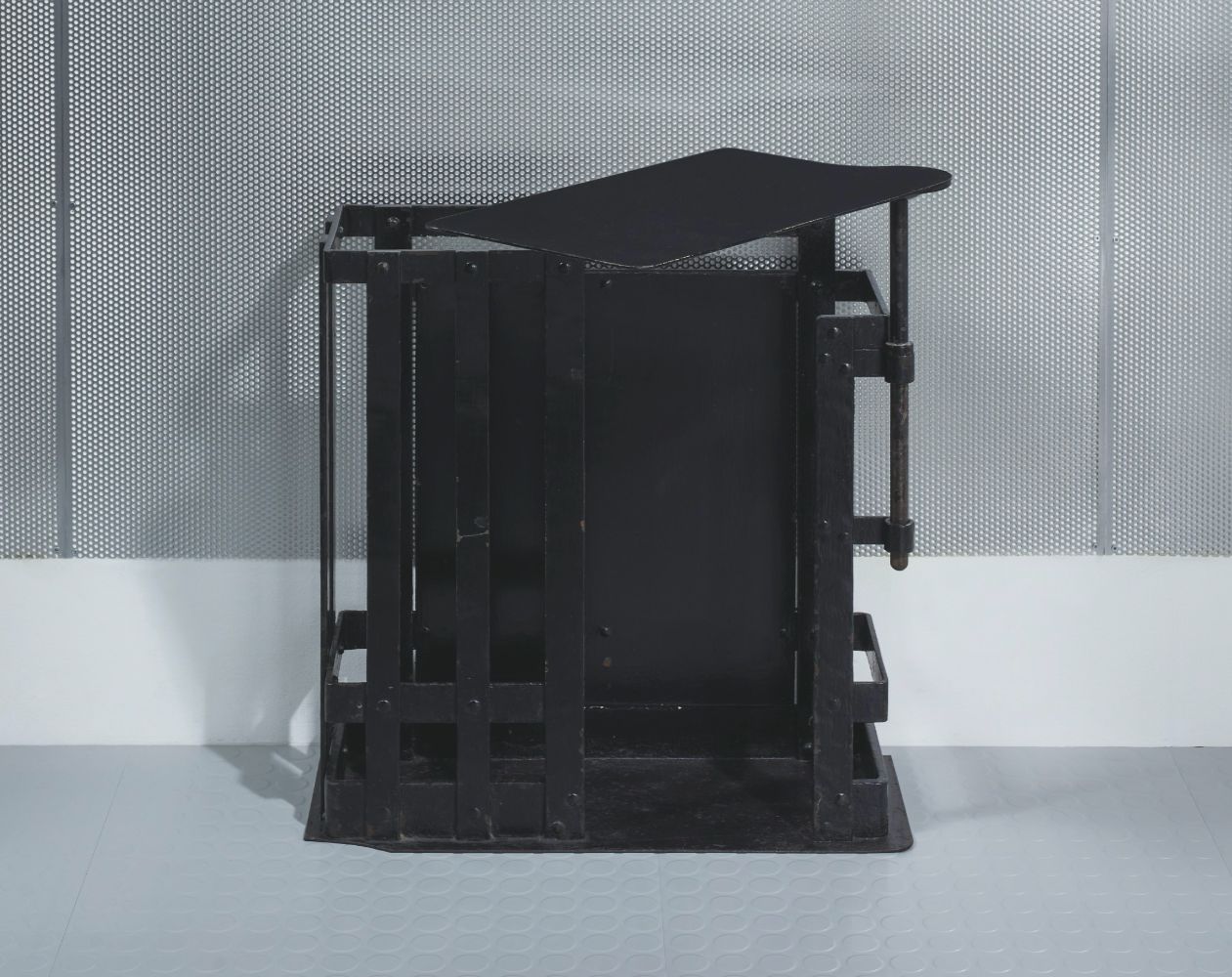
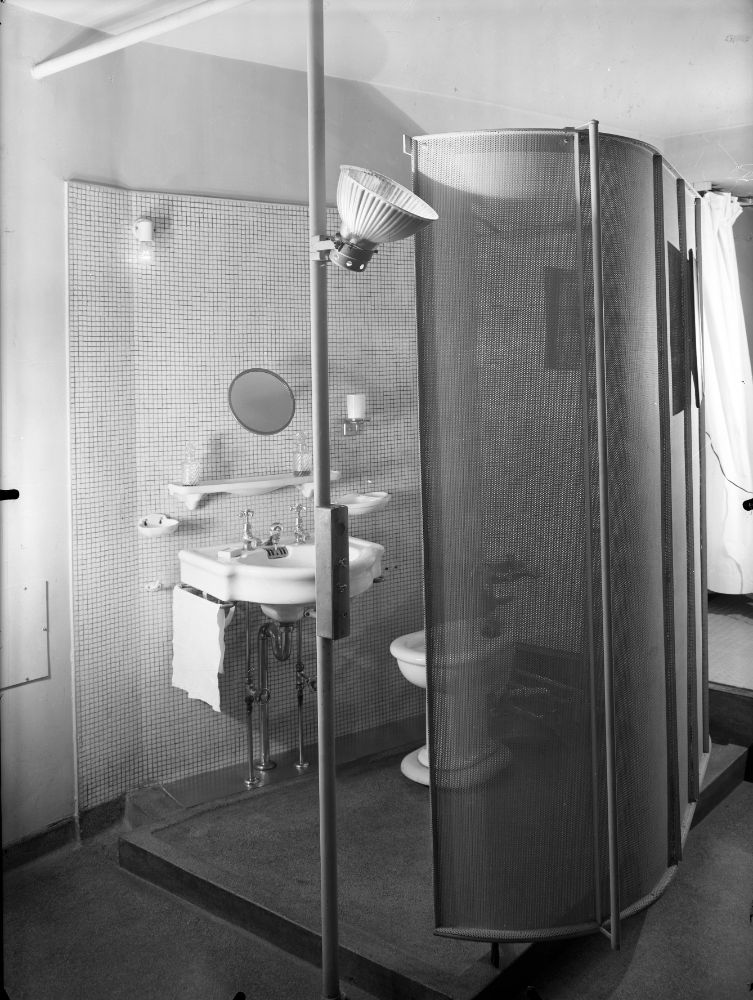
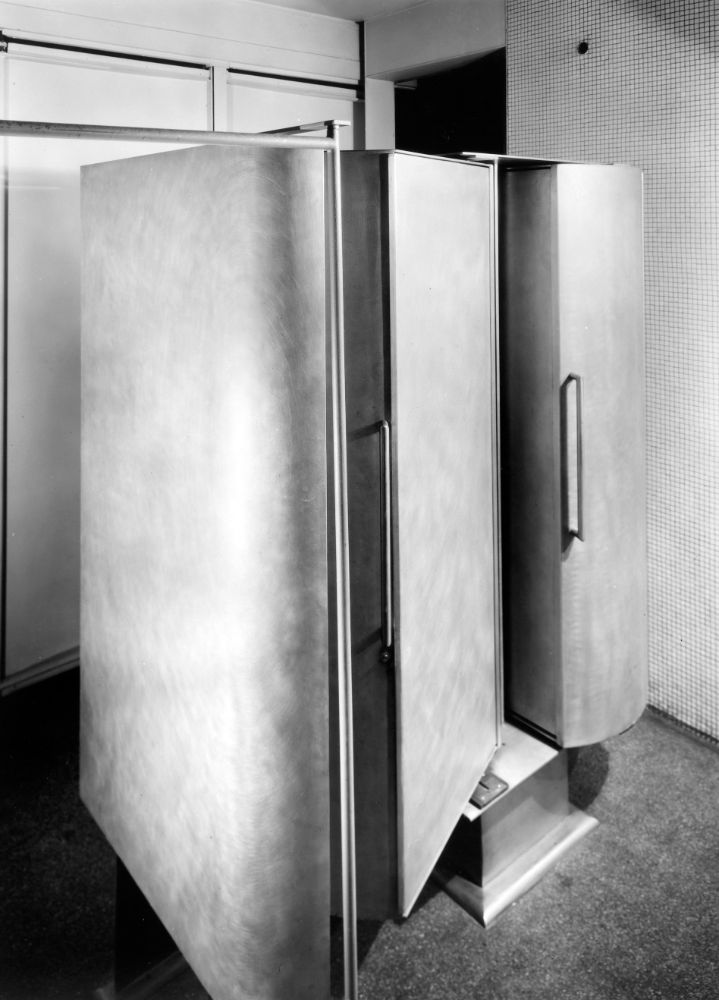
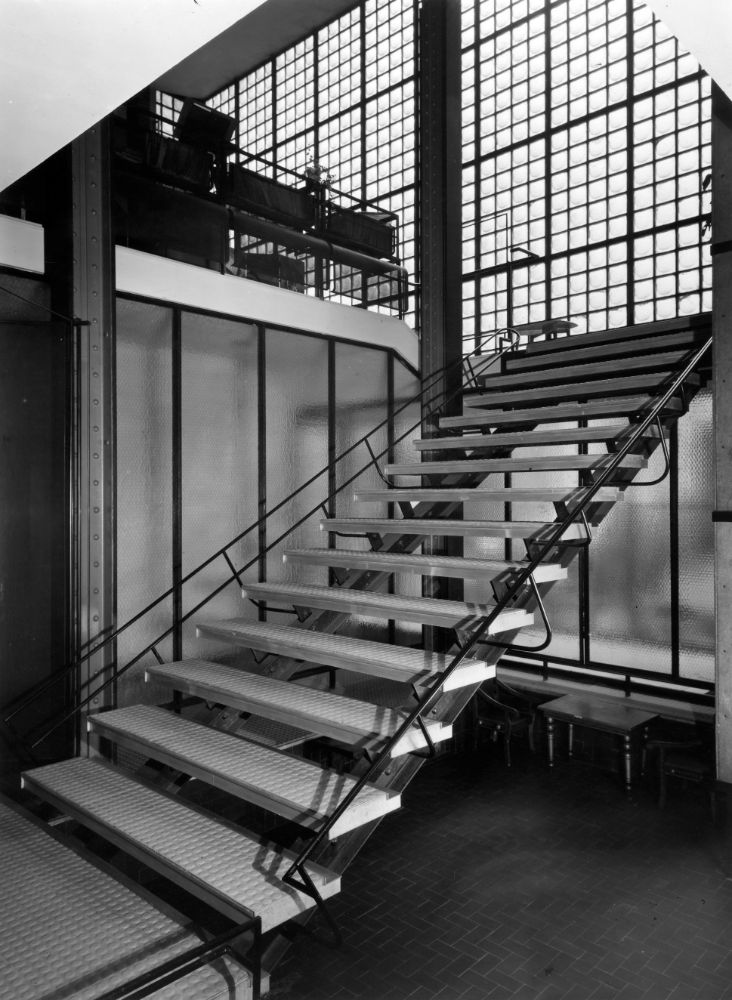
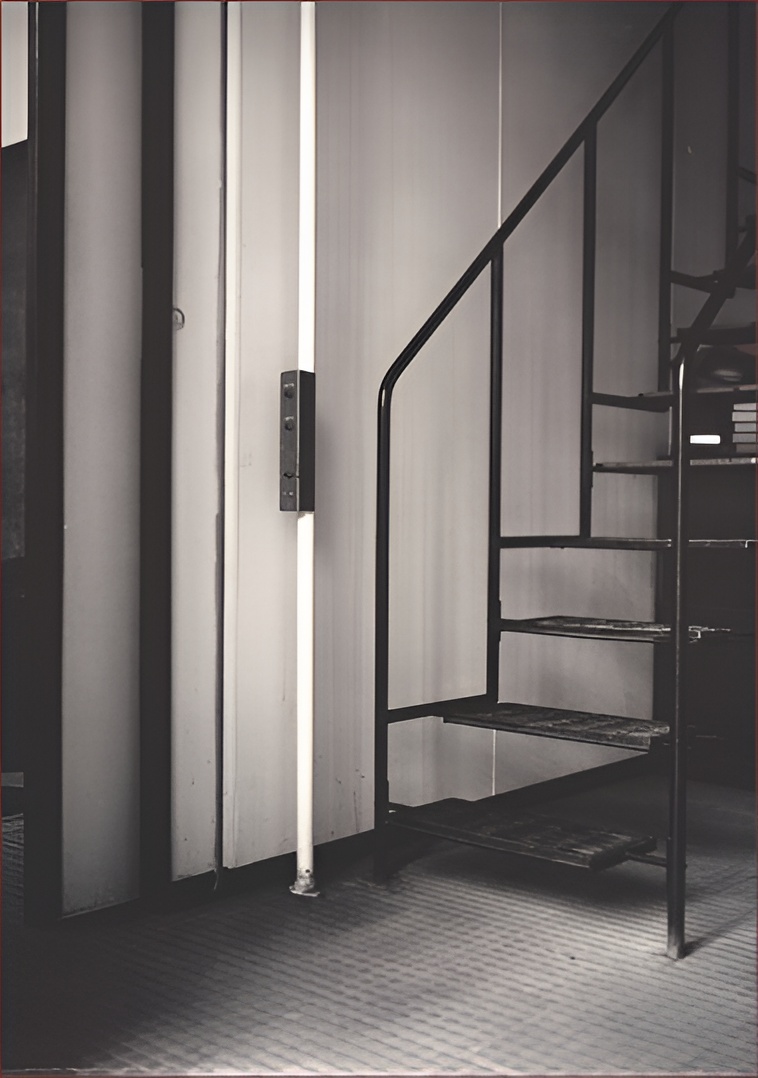
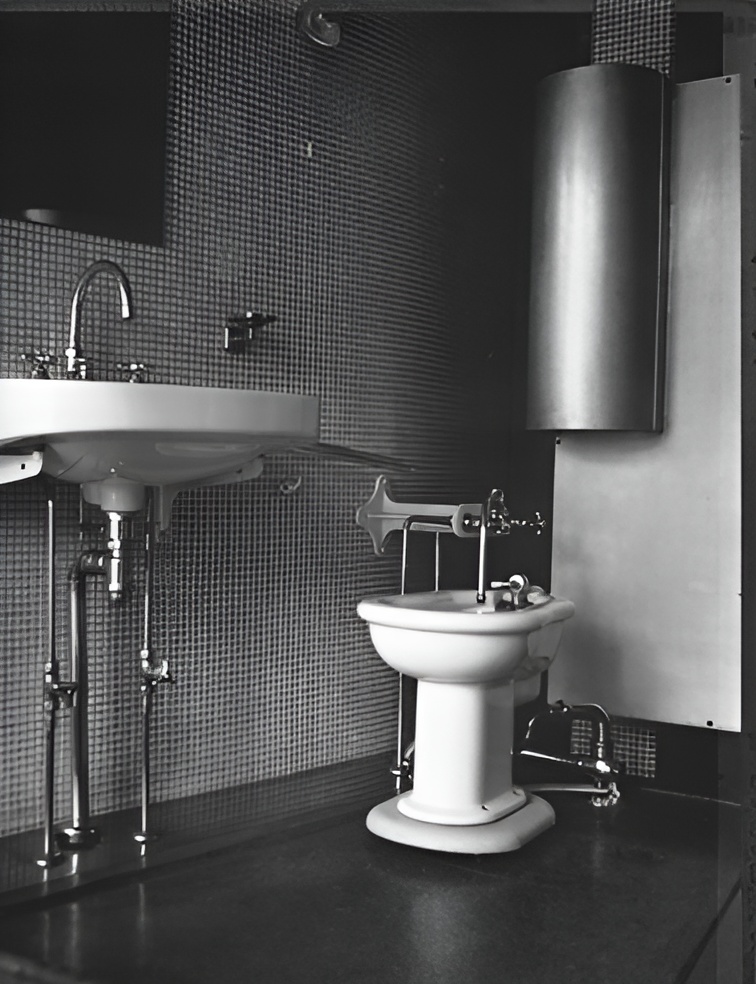
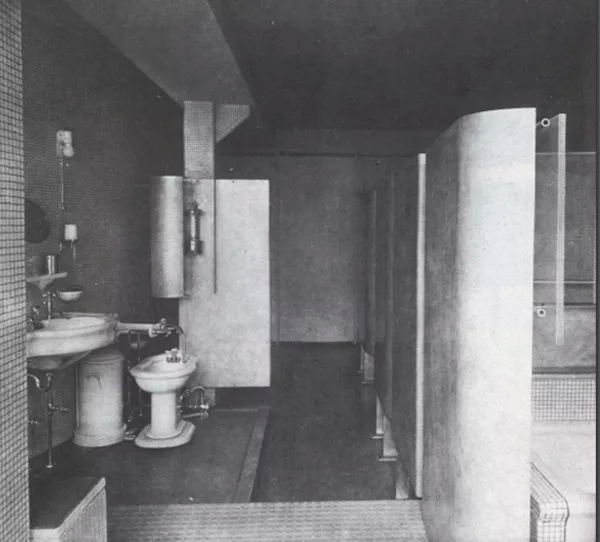
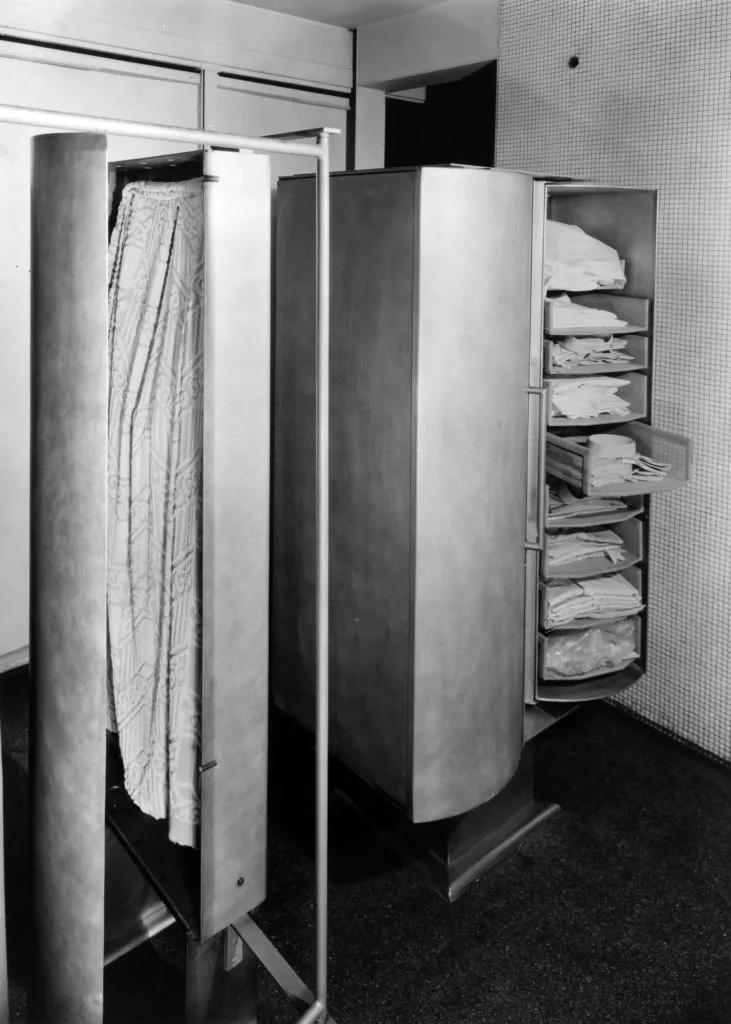
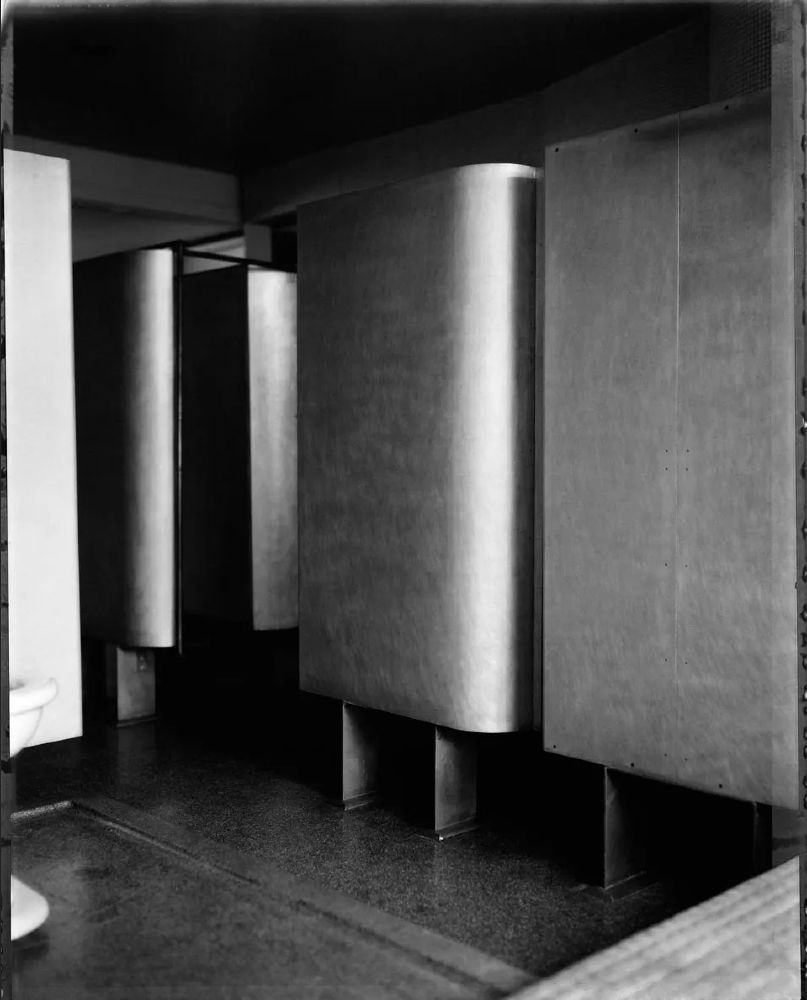
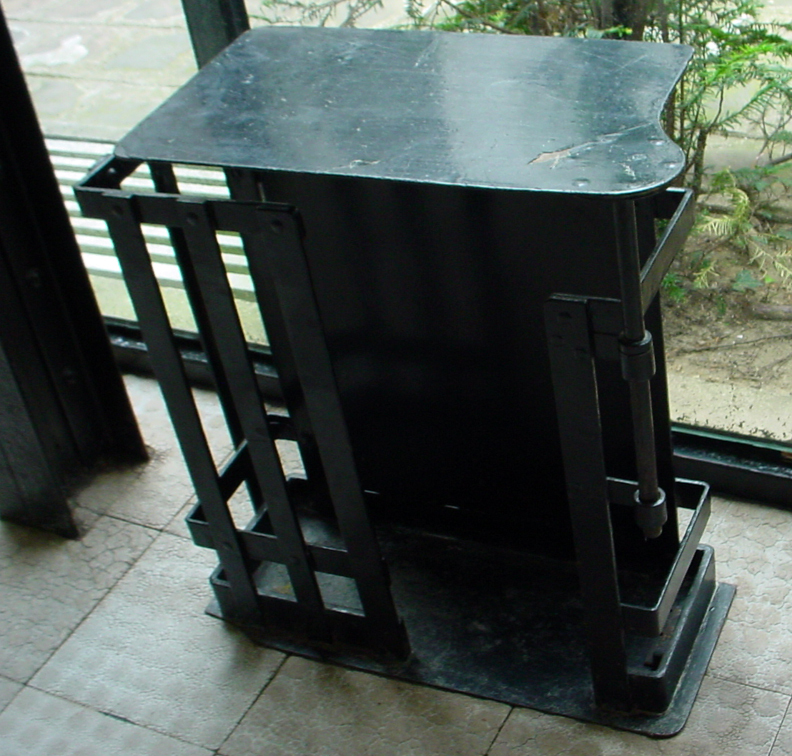
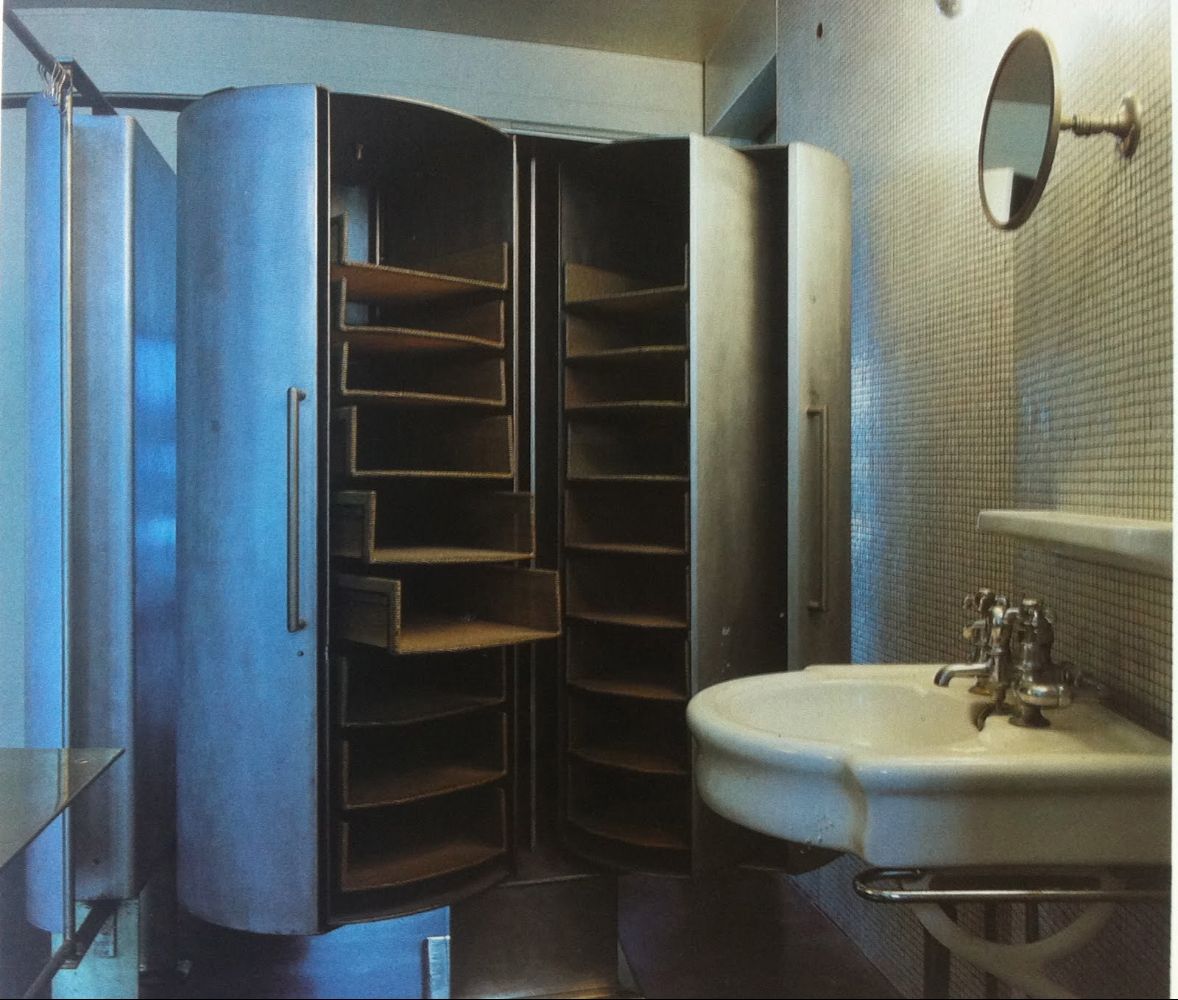
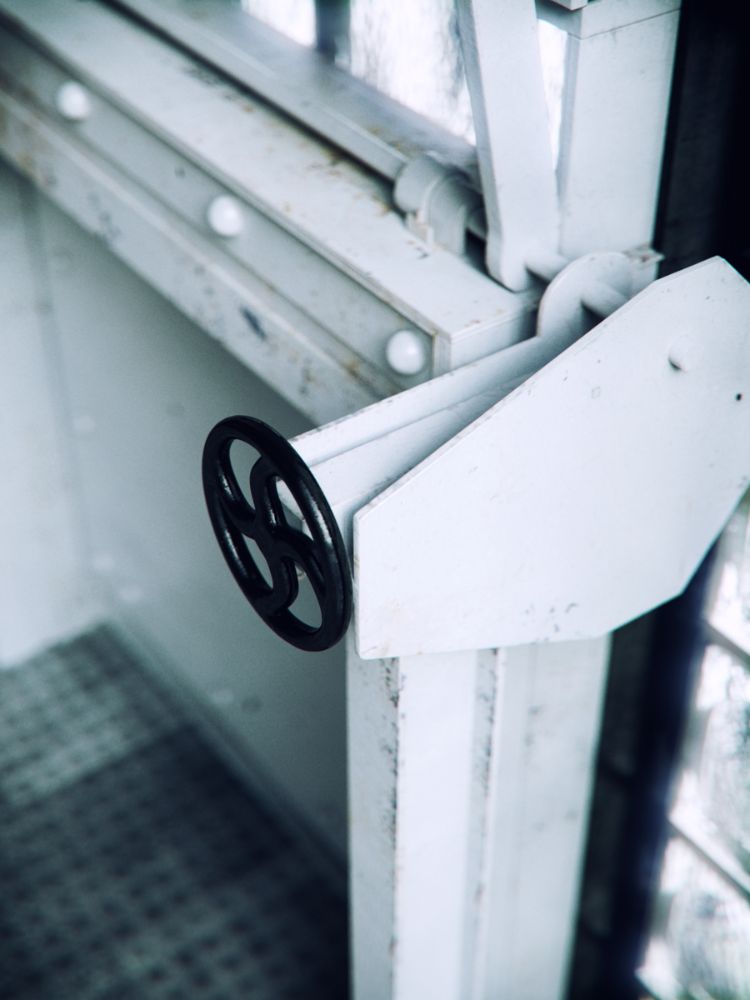
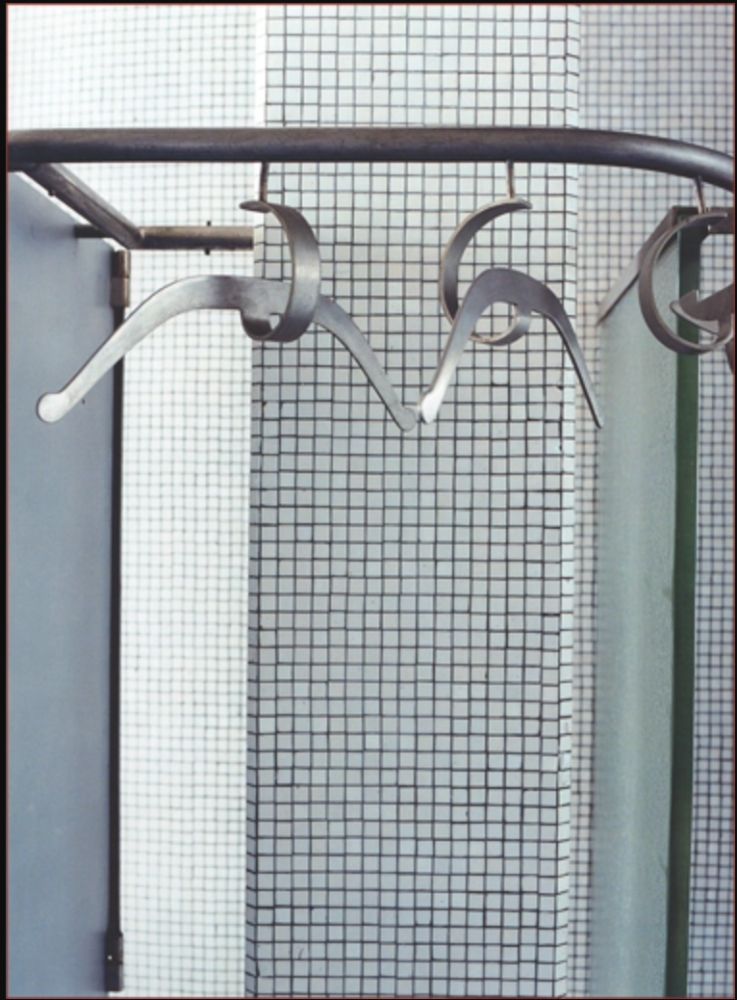
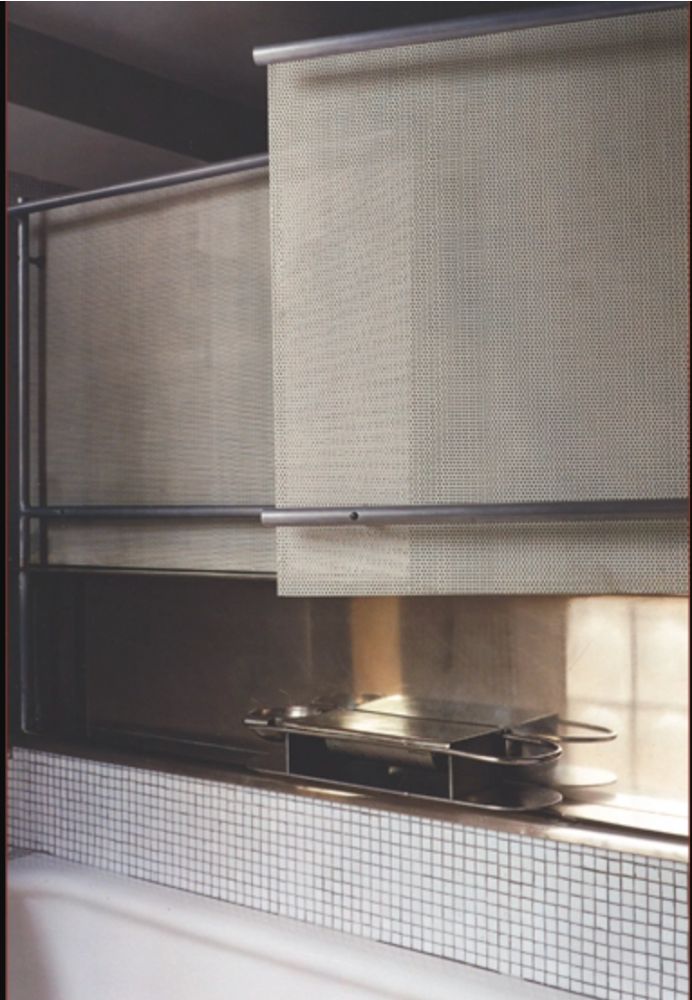
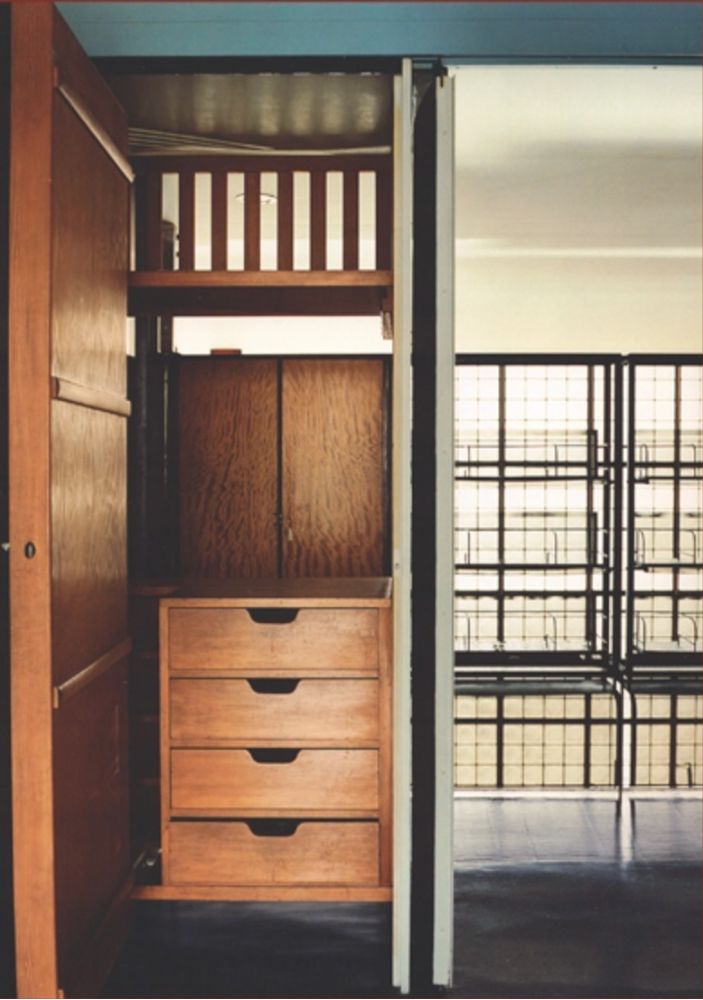
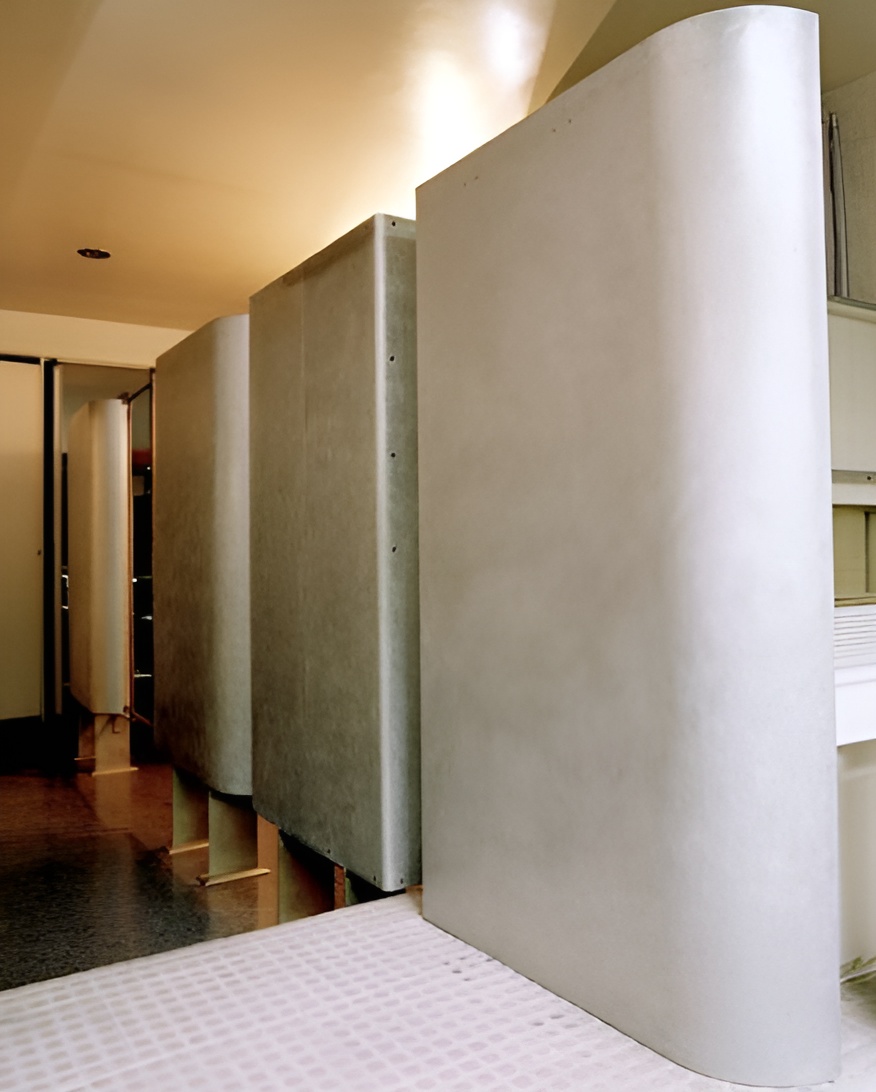
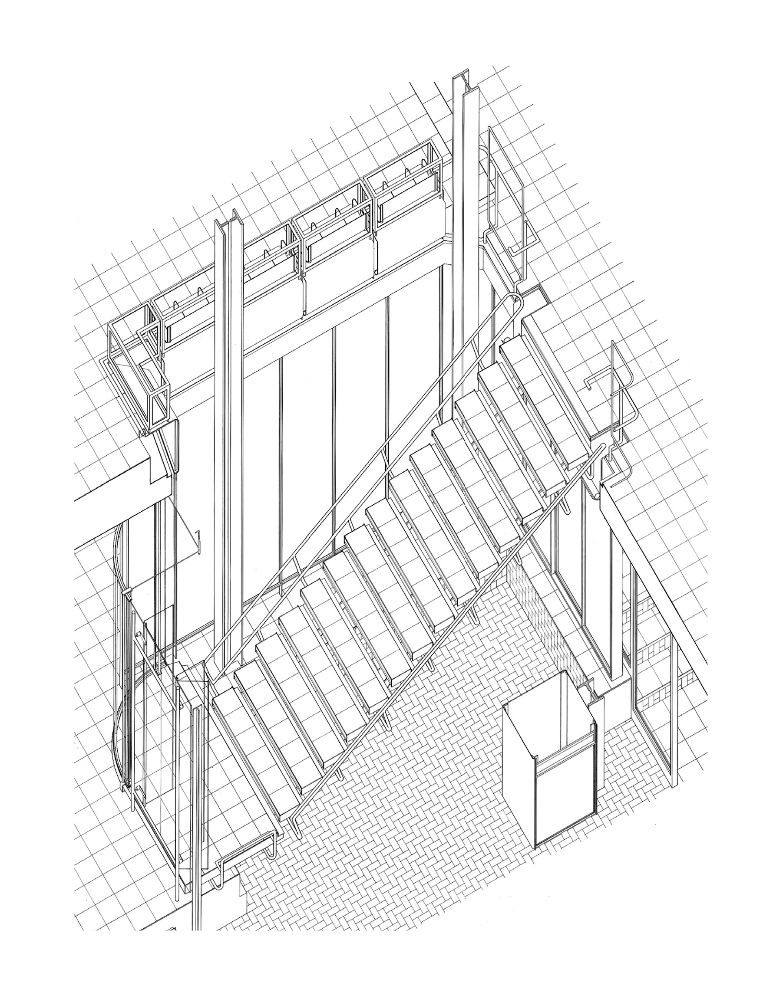
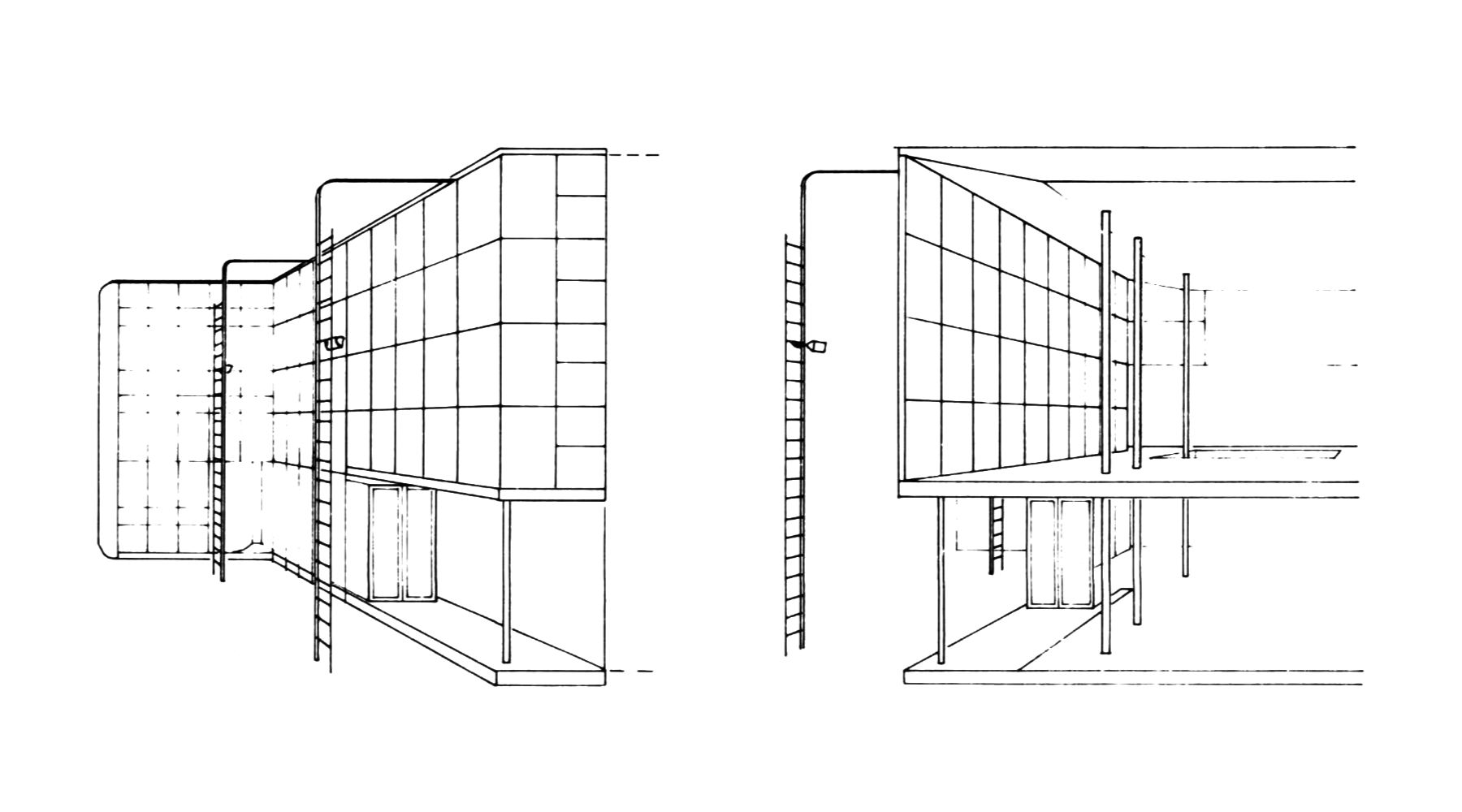
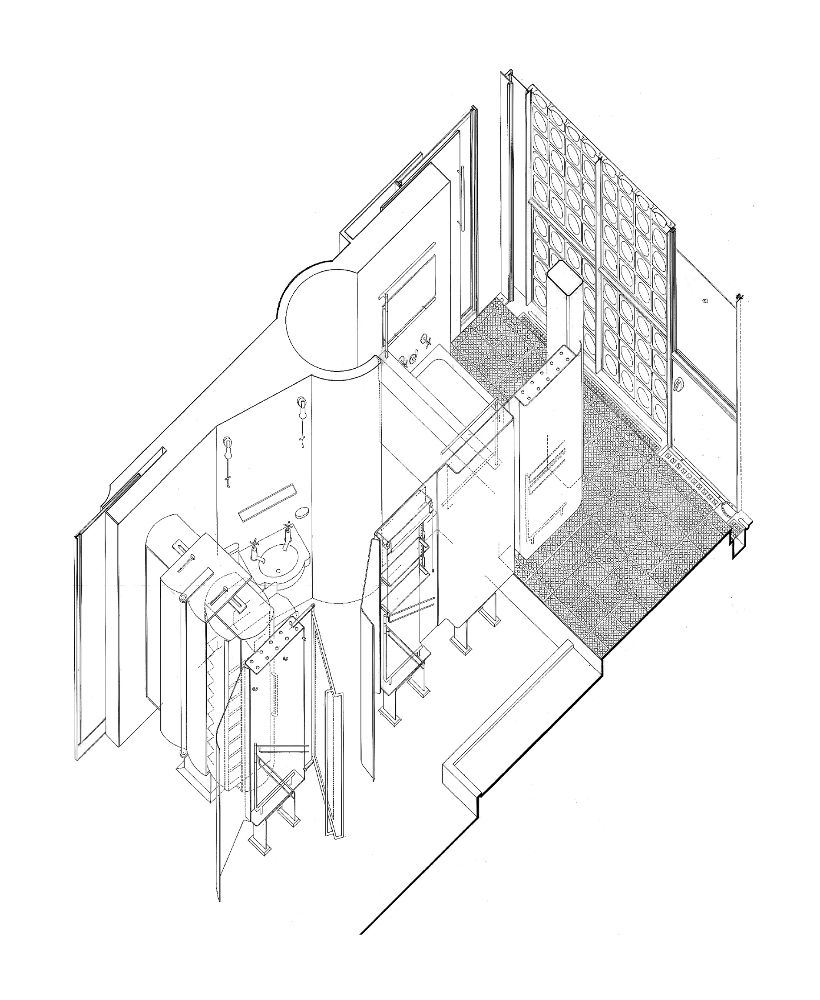
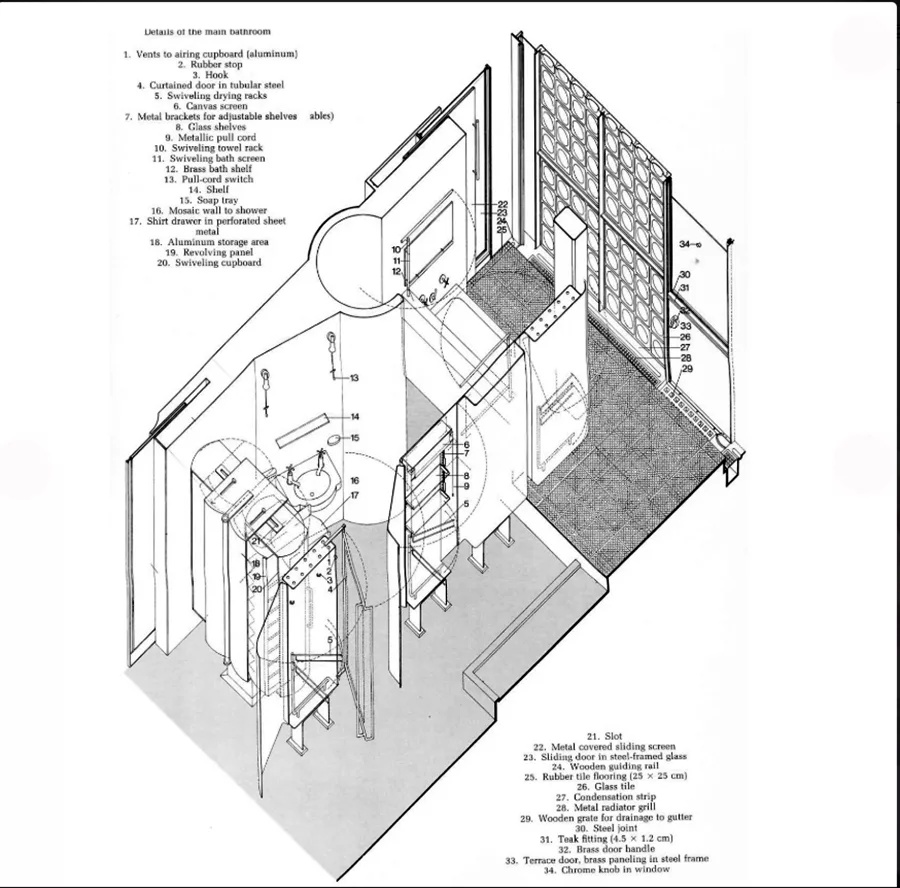
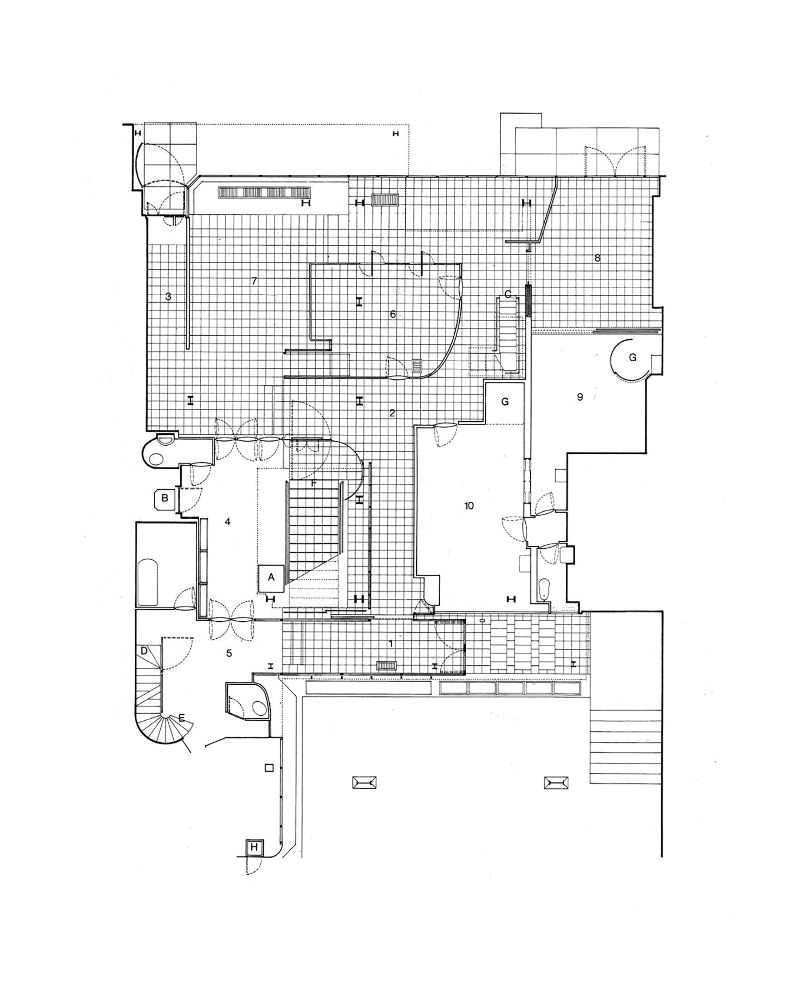
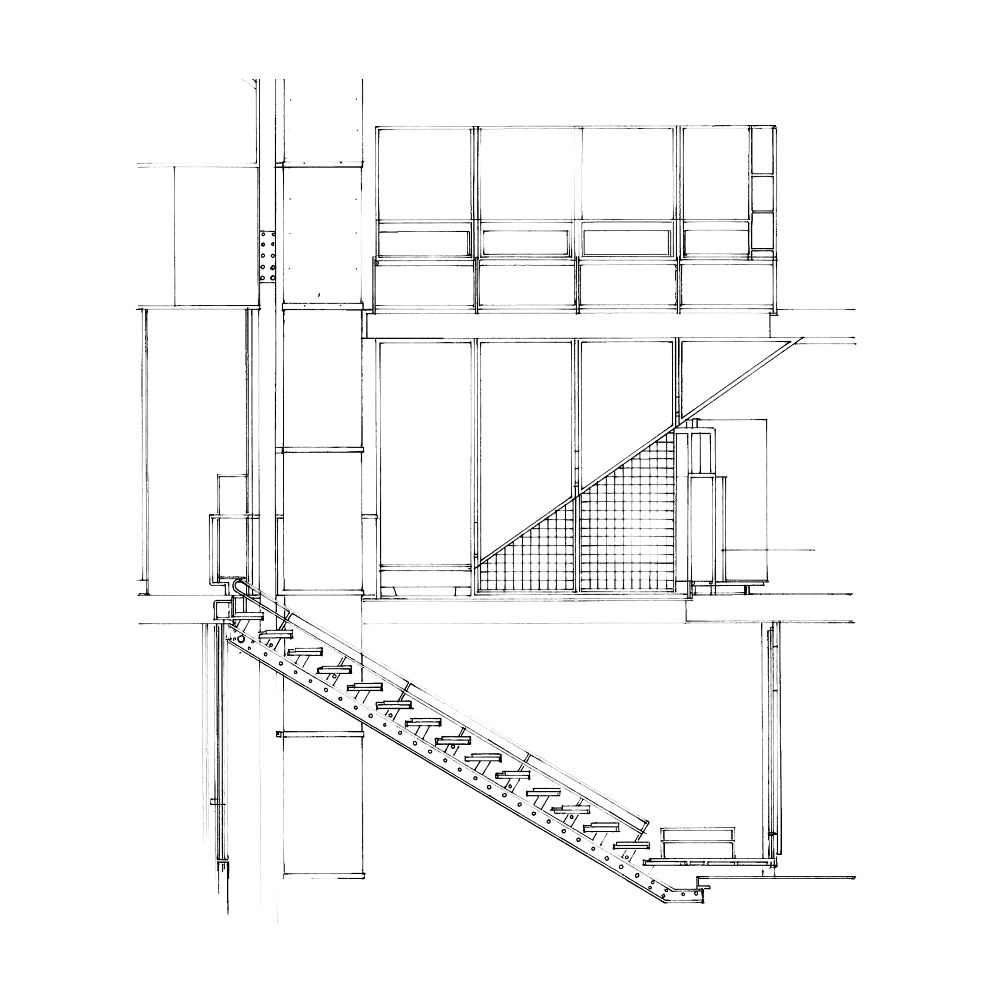
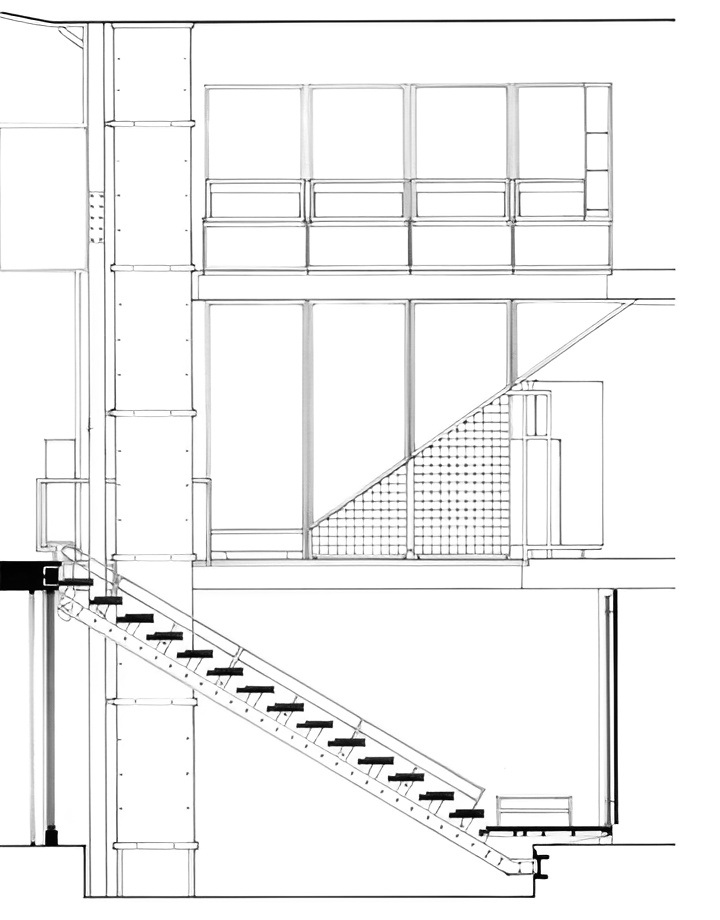
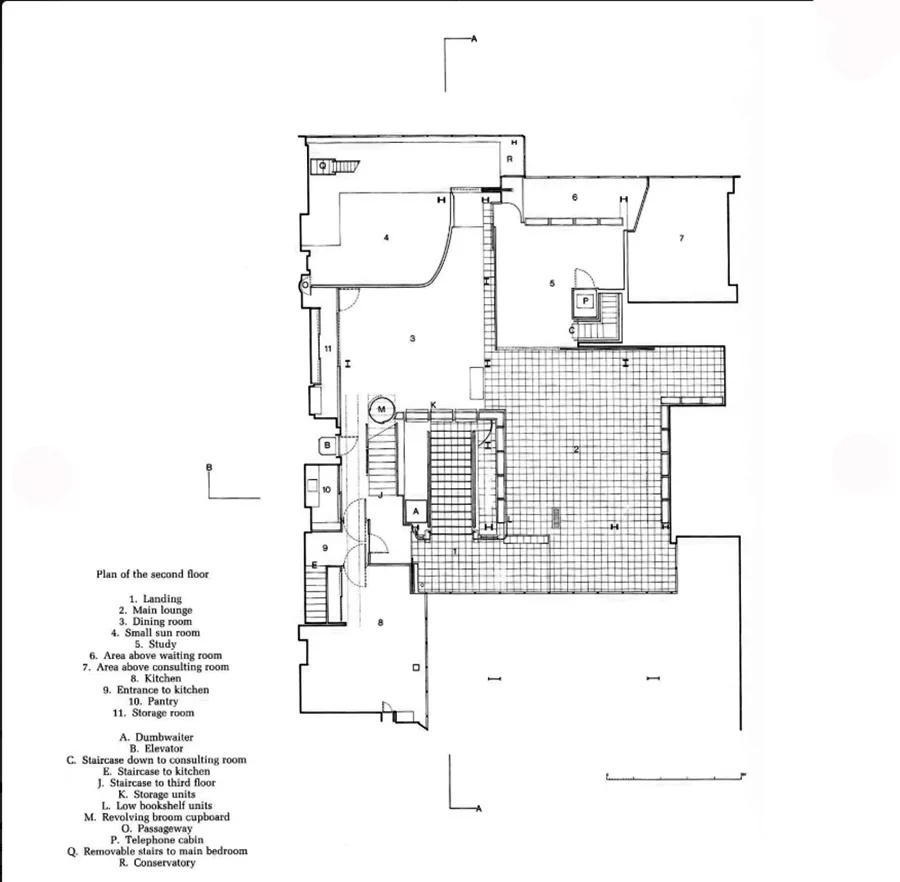
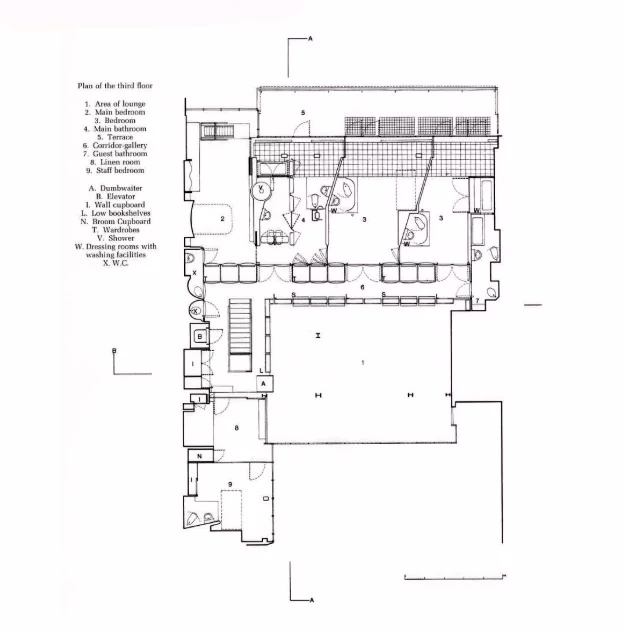
Flexibility became a central design principle. Sliding, folding, and rotating partitions made of glass, sheet metal, perforated metal, and wood allow rooms to expand, contract, or change function. Mechanical devices were integrated throughout the house, including an overhead trolley connecting the kitchen and dining room, a retractable stair linking a private sitting room to a bedroom, movable storage systems, and highly detailed bathroom fittings. These elements transformed everyday domestic activities into part of the architectural experience.
Maison de Verre / Pierre Chareau + Bernard Bijvoet | Classics on Architecture Lab 250Maison de Verre / Pierre Chareau + Bernard Bijvoet | Classics on Architecture Lab 251Maison de Verre / Pierre Chareau + Bernard Bijvoet | Classics on Architecture Lab 252
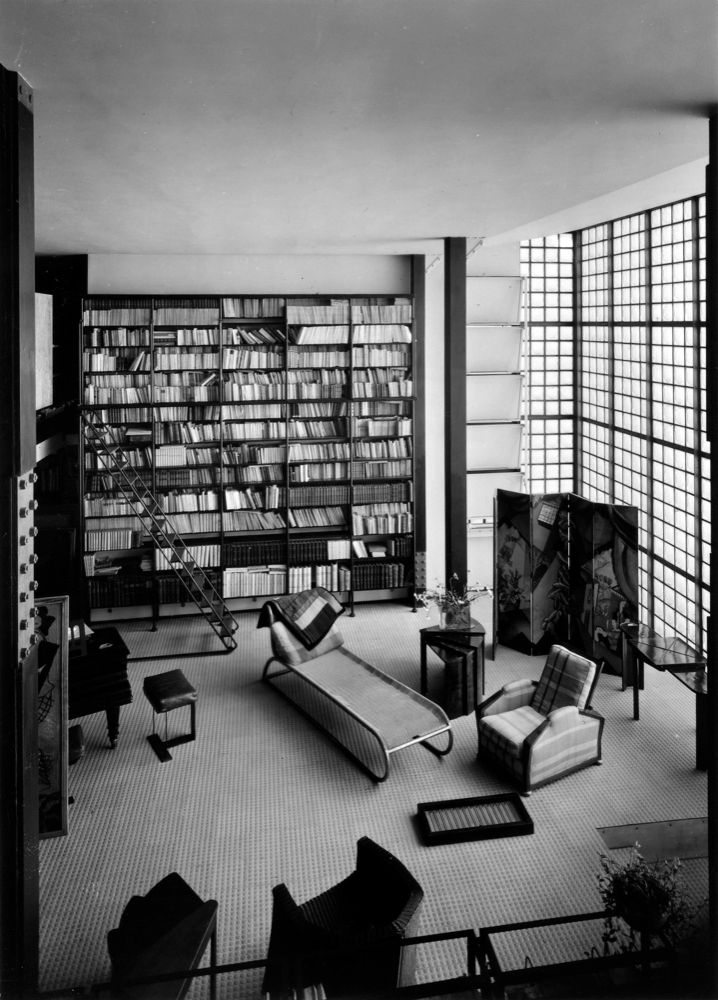
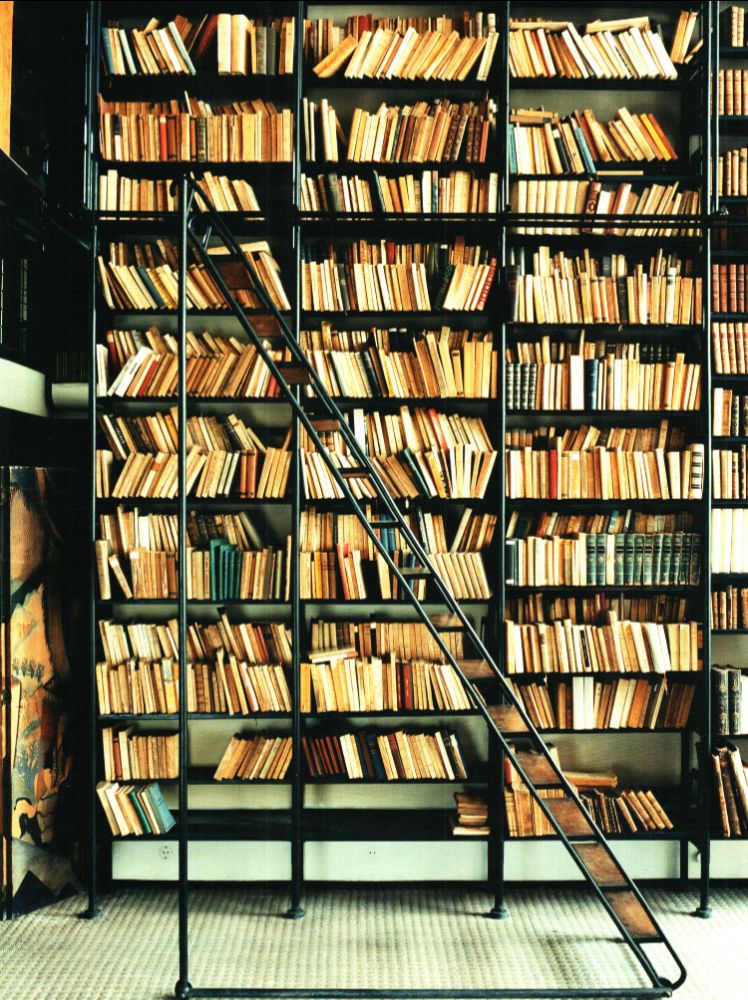
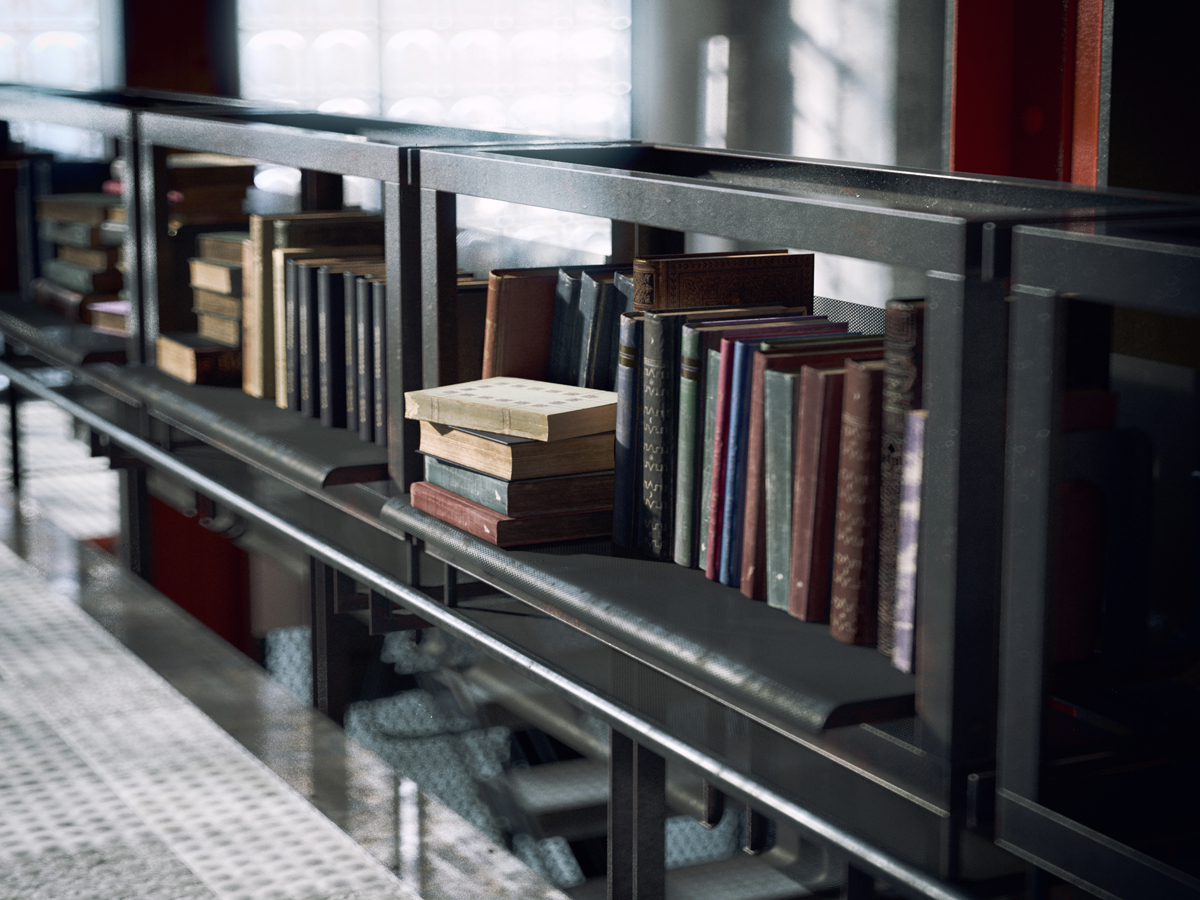
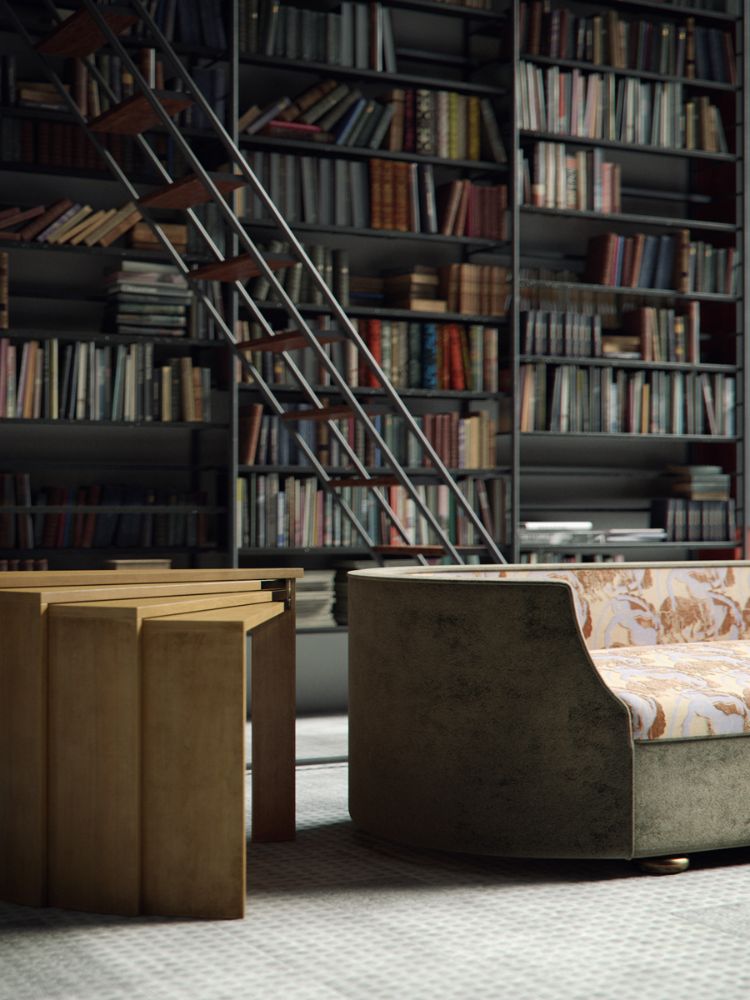
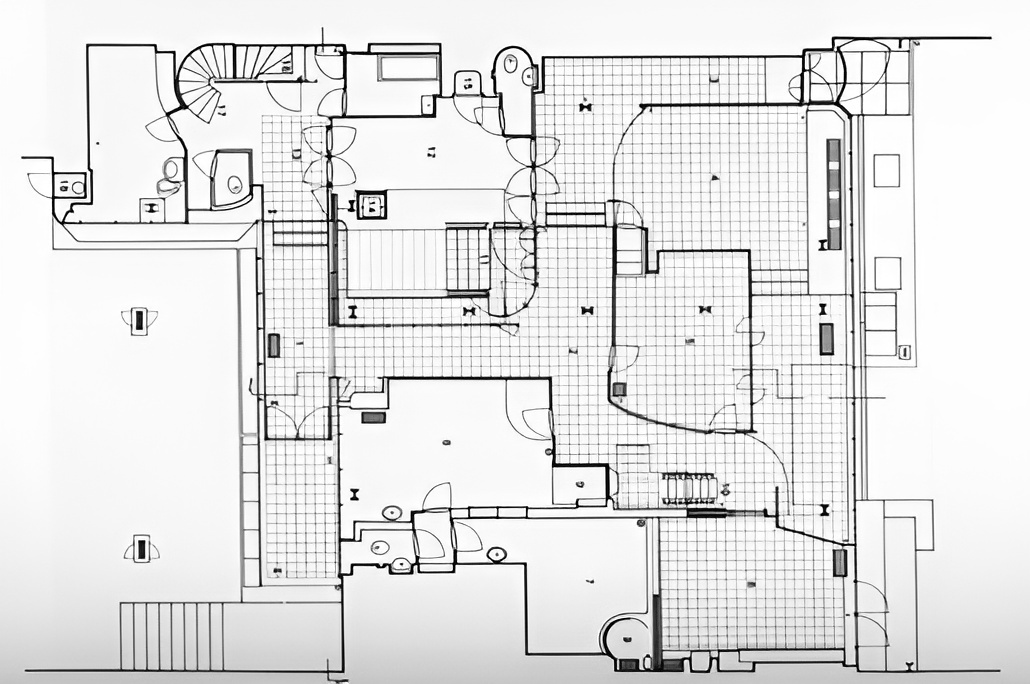
The principal living spaces occupy the upper levels and include a dramatic double-height living room and library illuminated through a large wall of glass blocks. Galleries, bridges, and custom railings organize circulation around this central volume. The interplay between transparency, reflected light, exposed structure, and movable partitions creates constantly changing spatial conditions.
Maison de Verre / Pierre Chareau + Bernard Bijvoet | Classics on Architecture Lab 253Maison de Verre / Pierre Chareau + Bernard Bijvoet | Classics on Architecture Lab 254Maison de Verre / Pierre Chareau + Bernard Bijvoet | Classics on Architecture Lab 255Maison de Verre / Pierre Chareau + Bernard Bijvoet | Classics on Architecture Lab 256
Although often associated with modernism, Maison de Verre differs from the more standardized visions promoted by many of its contemporaries. Chareau described the project as a prototype executed by craftsmen with aspirations toward industrial standardization. In practice, the building depended heavily on skilled fabrication and bespoke detailing. Nearly every component was carefully designed and assembled, resulting in a work that combines technological experimentation with exceptional craftsmanship.
The influence of Maison de Verre extends far beyond its modest scale. Its treatment of transparency, exposed services, adaptable interiors, and industrial materials informed later generations of architects interested in high-tech architecture, flexible planning, and expressive building systems. The house remains one of the most significant residential works of the twentieth century and a landmark in the development of modern architectural thought.
The house was designated a historic monument in France in 1992 and remains privately owned, with limited public access.
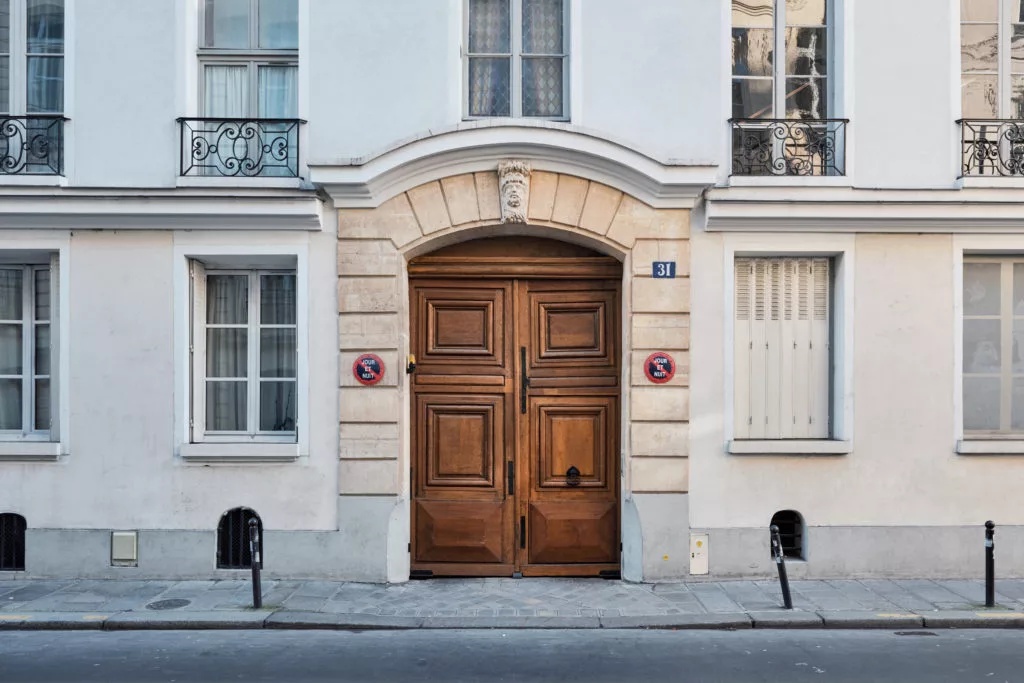
Address: 31 Rue Saint-Guillaume, 75007 Paris, Île-de-France, France
Location is for general reference and may represent a city or country, not necessarily a precise address.
Architect
Anton Giuroiu
Anton is a RIBA accredited architect, when he's offline, he spends his time with the sculpta.ba architecture practice or in the MKR.S crafting studio, laser engraving and laser cutting architecture models. In his free time he geeks over taking care of his pencil and mechanical pencil collection.
Expertises: Architecture, Interior design, Home improvement, Drawing, Laser machining