

Architects: Nizio Design International
Year: 2021
Photography: Marcin Czechowicz
City: Michniów
Country: Poland
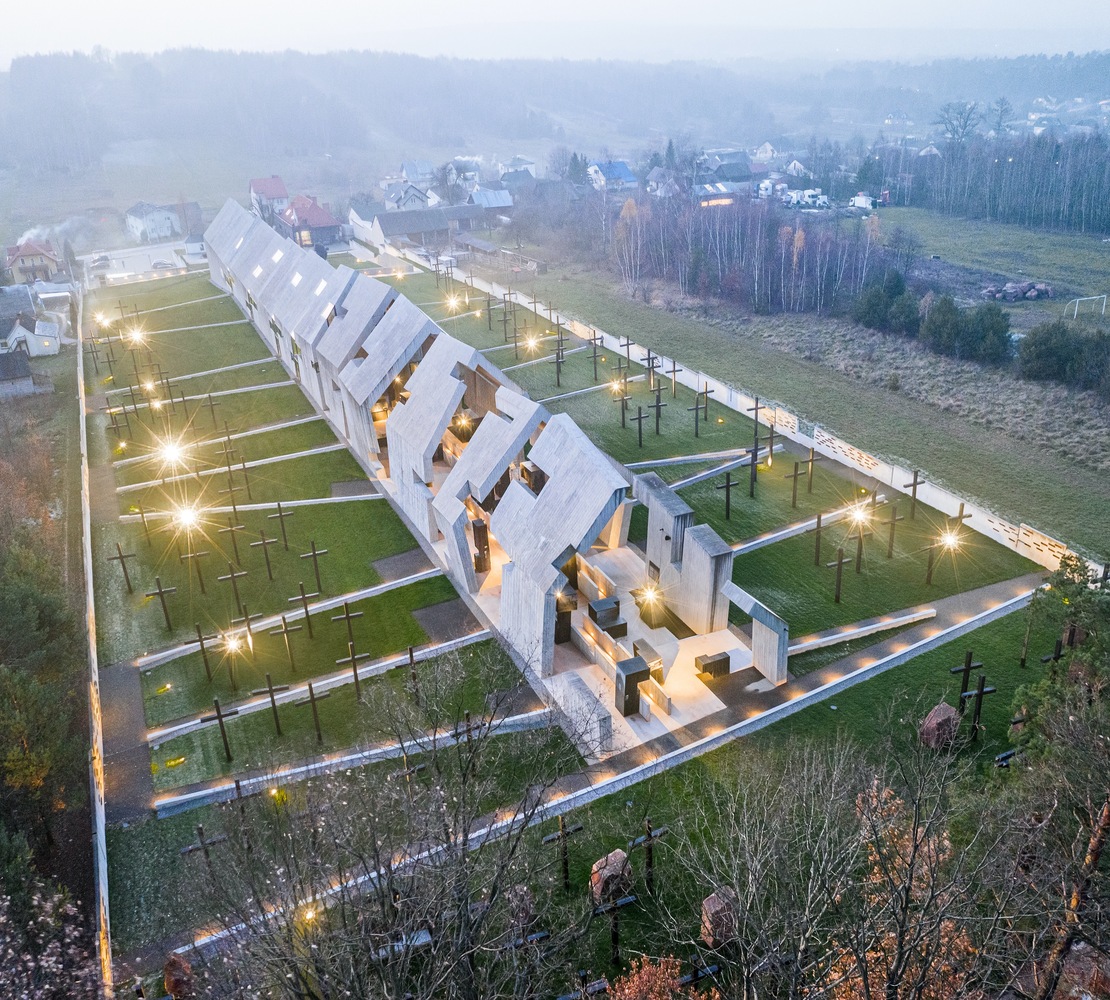
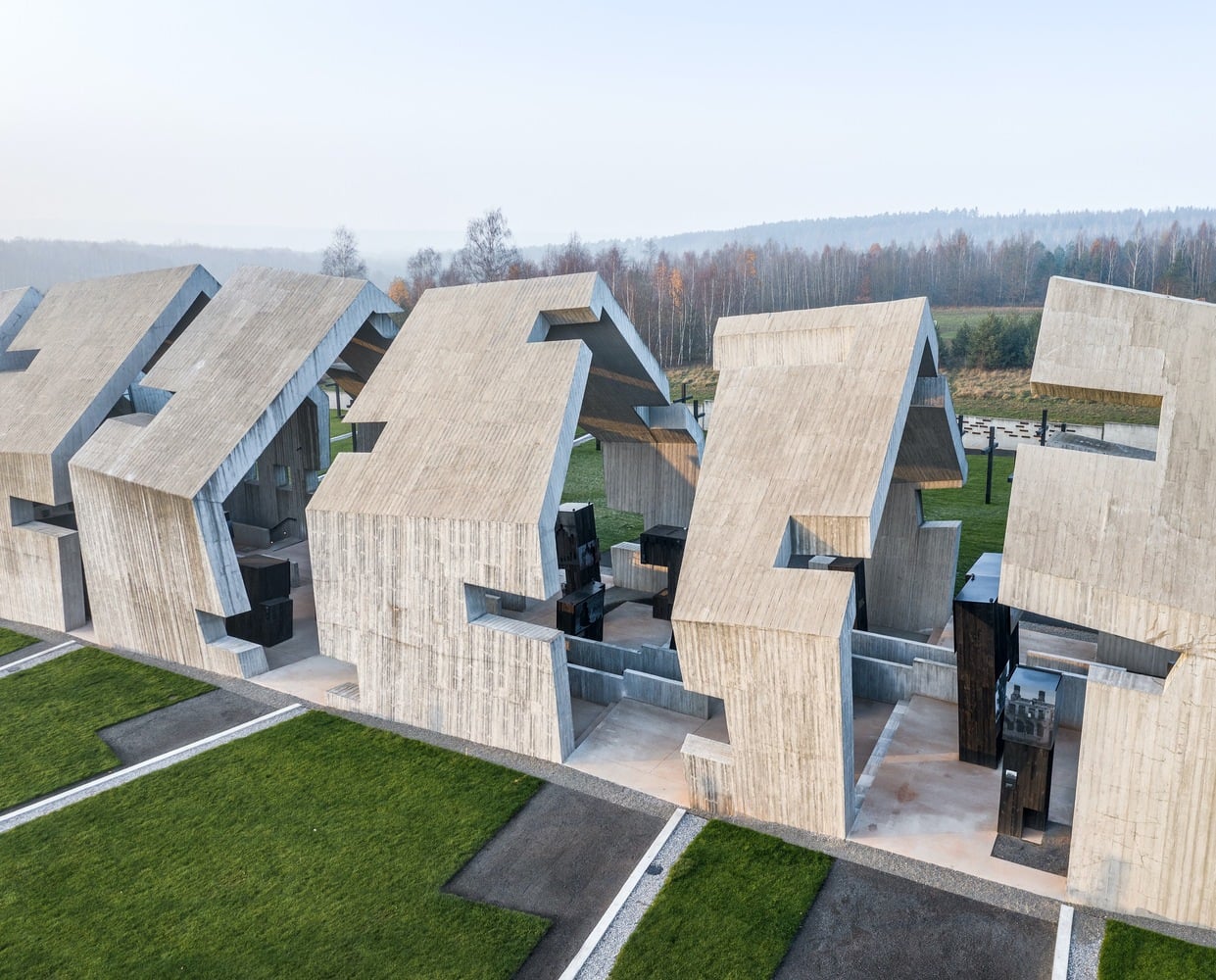
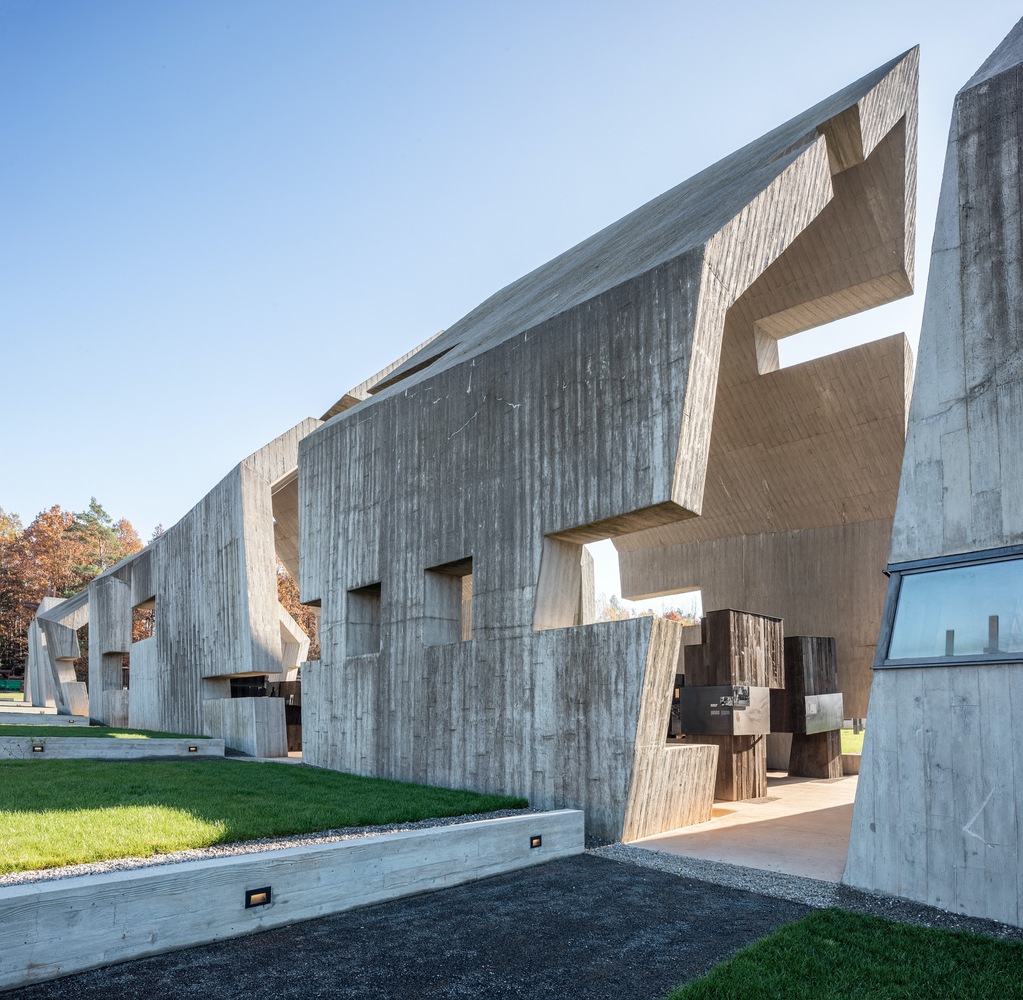
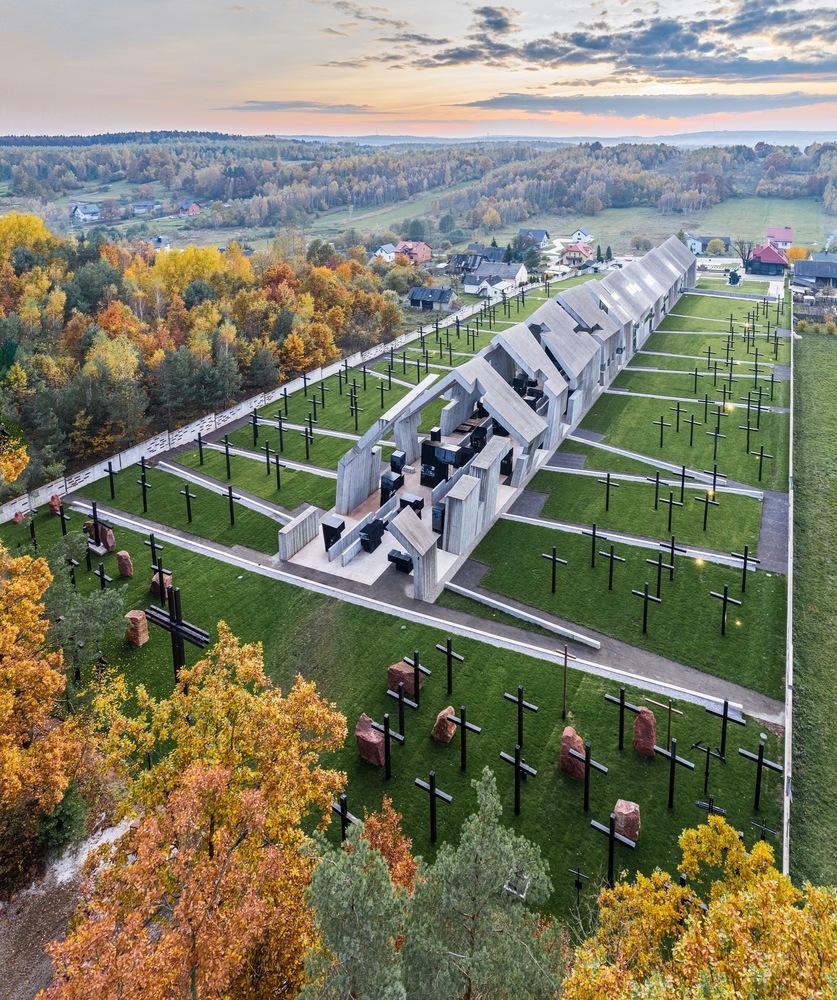
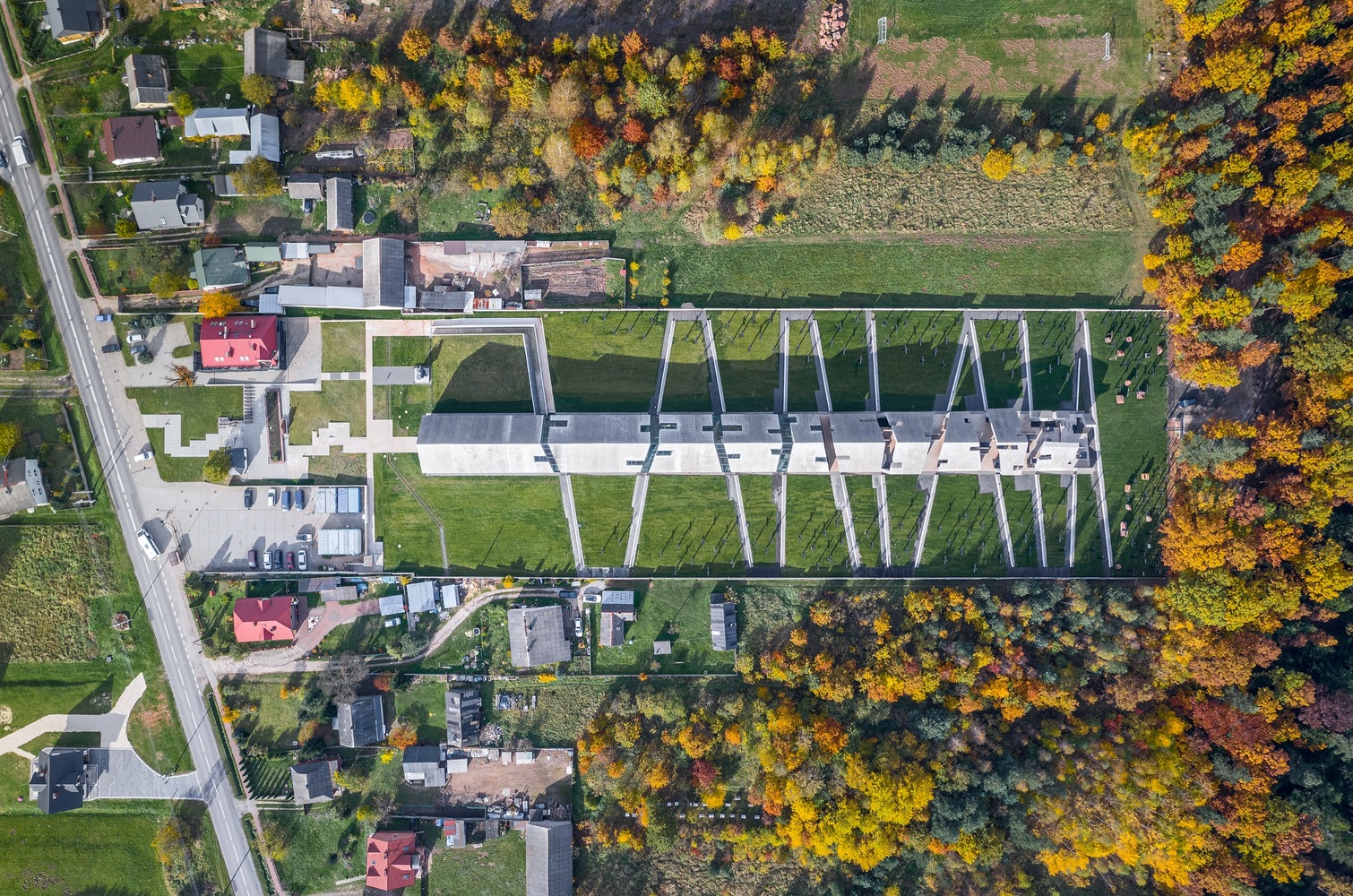
The Mausoleum of Martyrdom of Polish Villages in Michniów is a commemorative complex completed in 2021 and designed by Nizio Design International. Conceived as both a memorial and a museum, the project honors the memory of Polish rural communities pacified during World War II, with particular reference to the events that occurred in Michniów in 1943. The building’s composition evokes a sequence of rural houses that progressively fracture and destabilize, symbolizing destruction and loss. Executed primarily in concrete, the structure integrates architectural form and permanent exhibition into a unified narrative experience. Visitors move through a spatial sequence that interprets historical trauma through material, light, and form. Opened on July 12, 2021, on the anniversary of the pacification of Michniów, the mausoleum serves as a national site of remembrance and historical education.
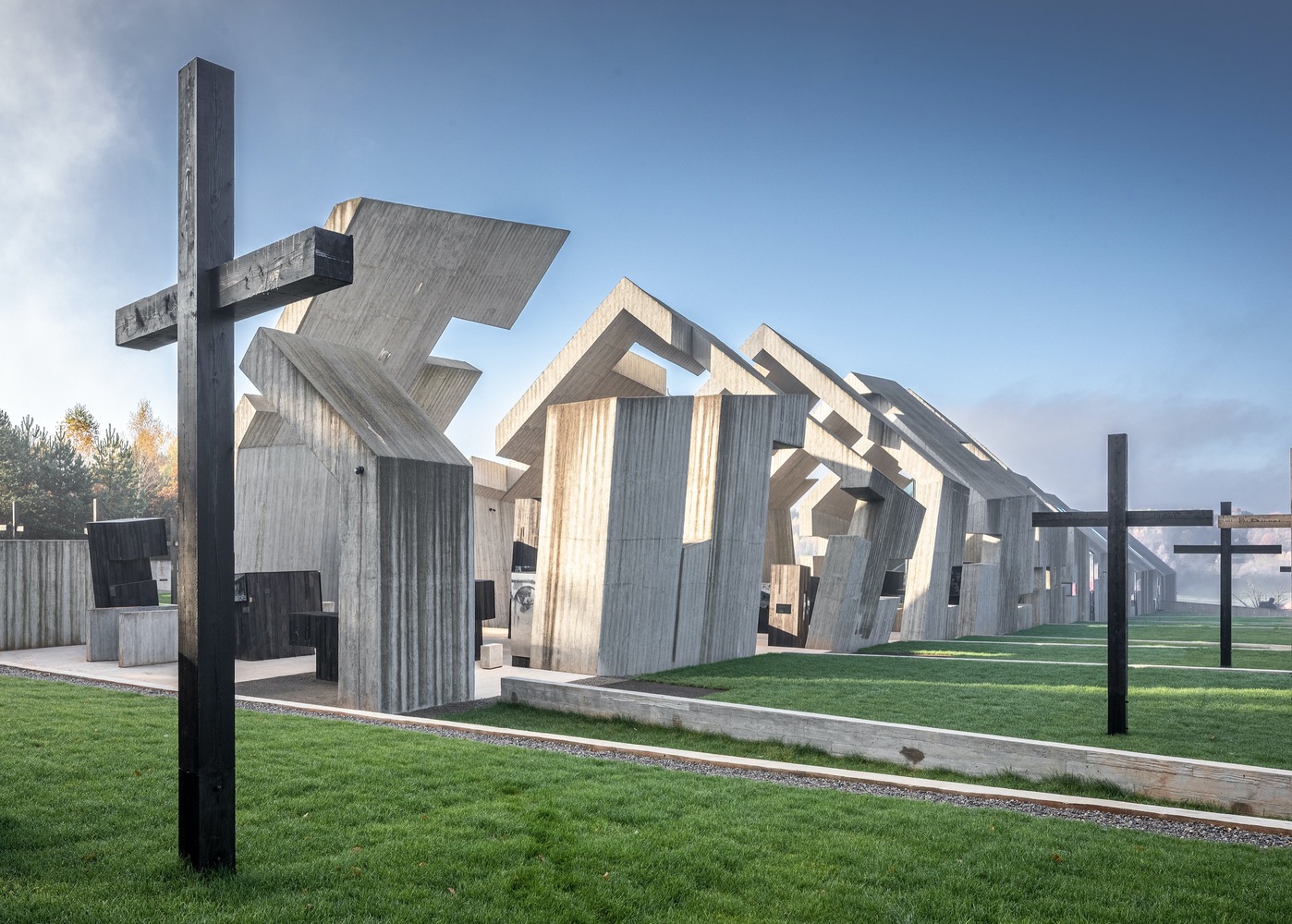
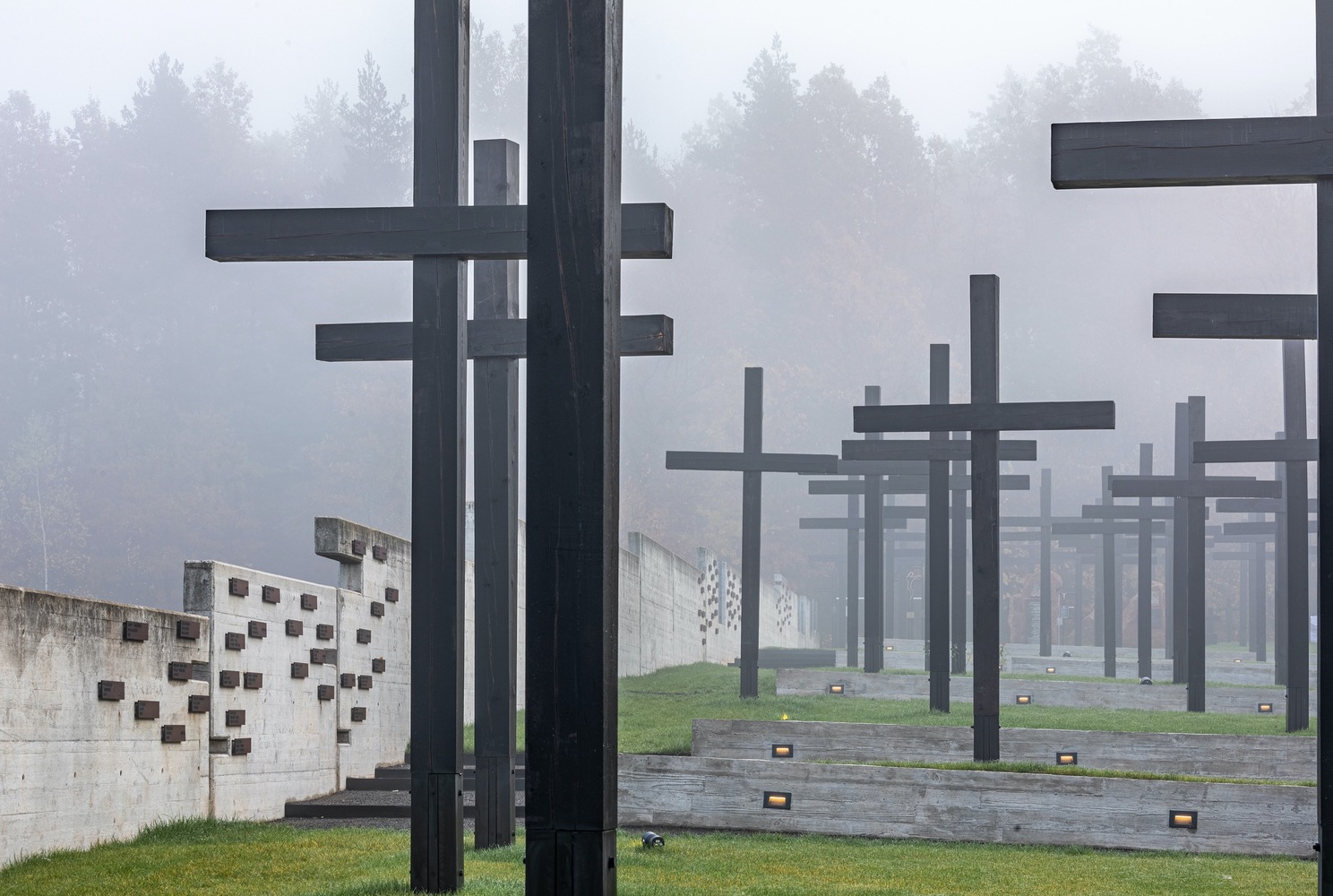
The Mausoleum of Martyrdom of Polish Villages approaches commemoration through architectural transformation rather than figurative monumentality. Instead of erecting a singular symbolic object, the design reinterprets the archetype of the rural cottage, embedding memory within a recognizable yet altered form. This strategy situates the project firmly within the cultural landscape of the Polish countryside, while simultaneously destabilizing its familiarity. Architecture becomes the primary narrative instrument, articulating collective trauma through spatial progression.
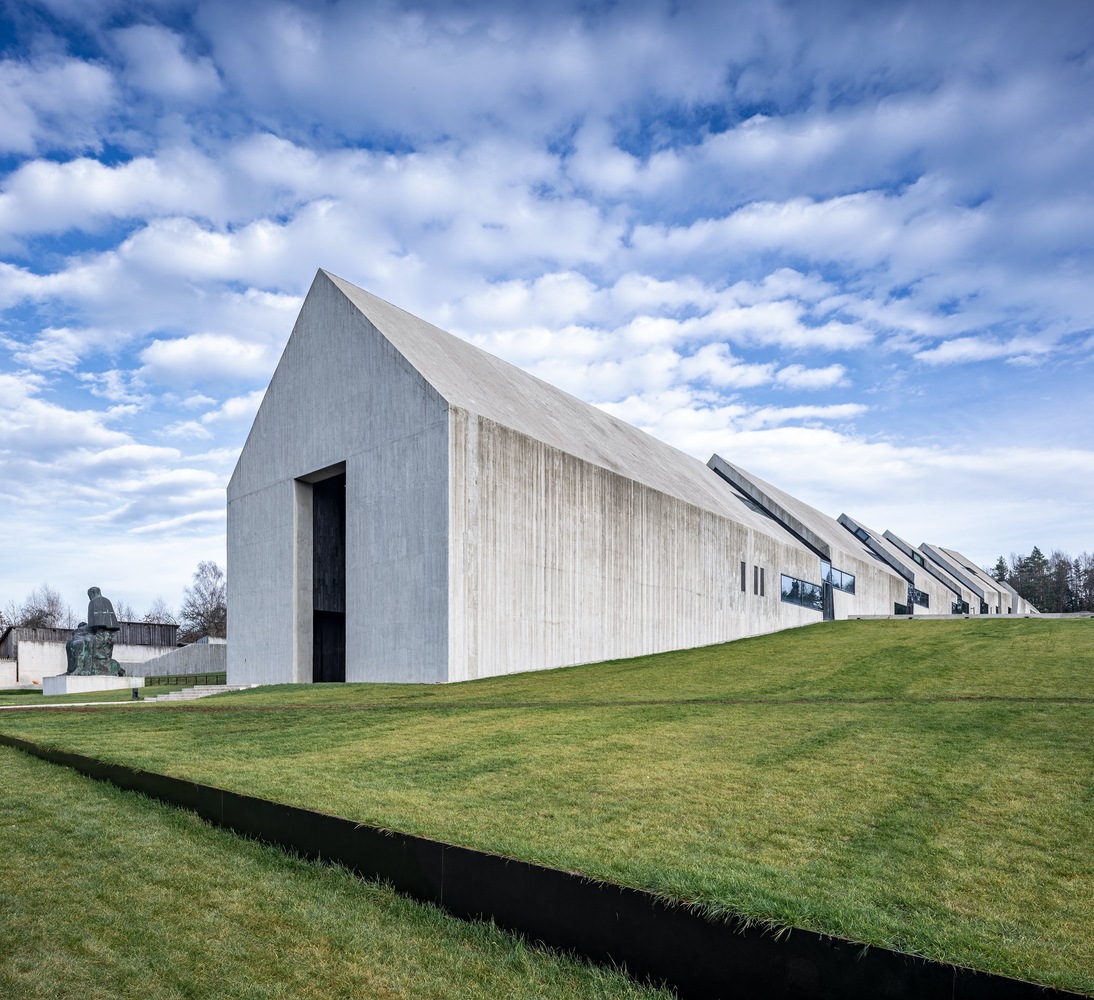
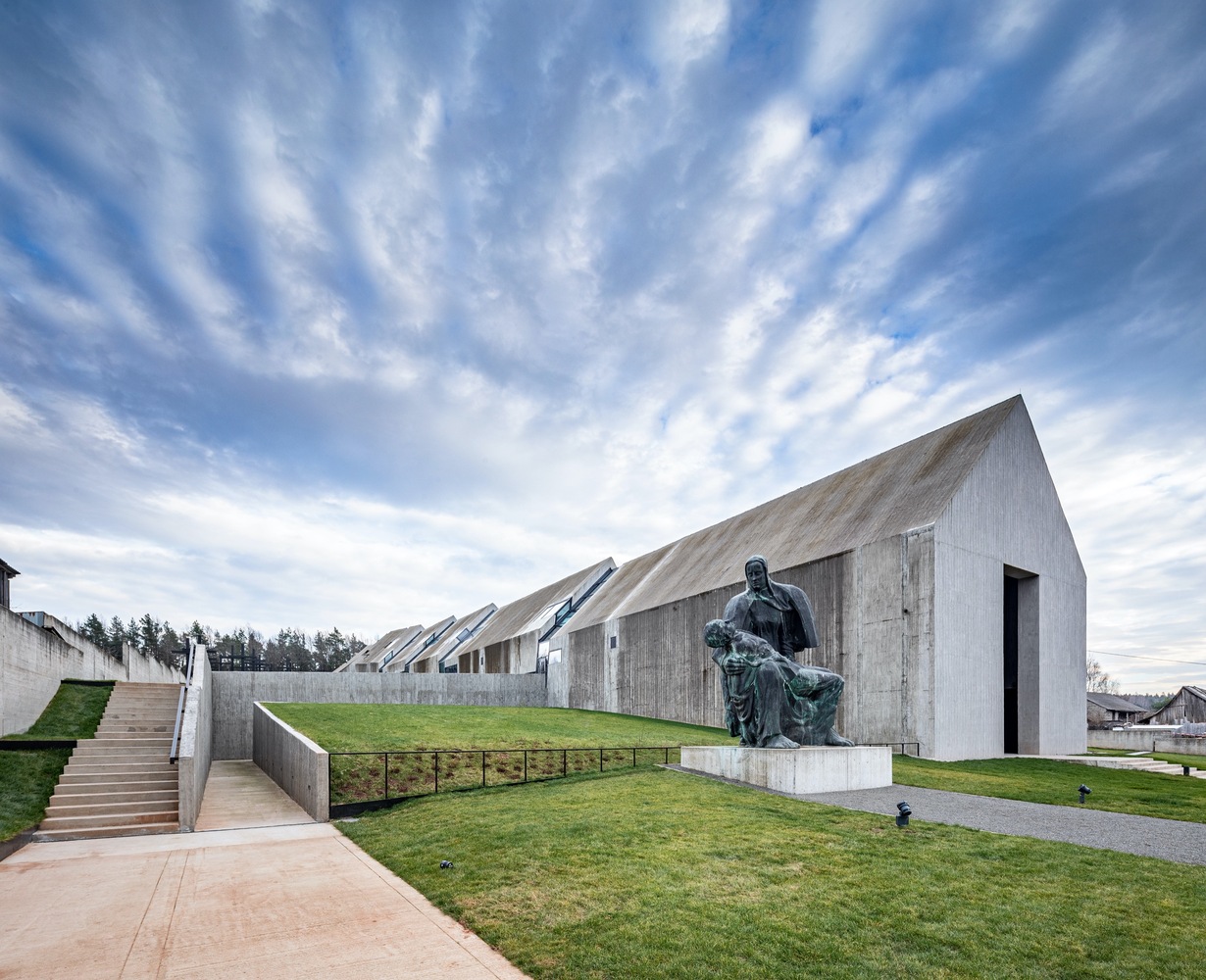
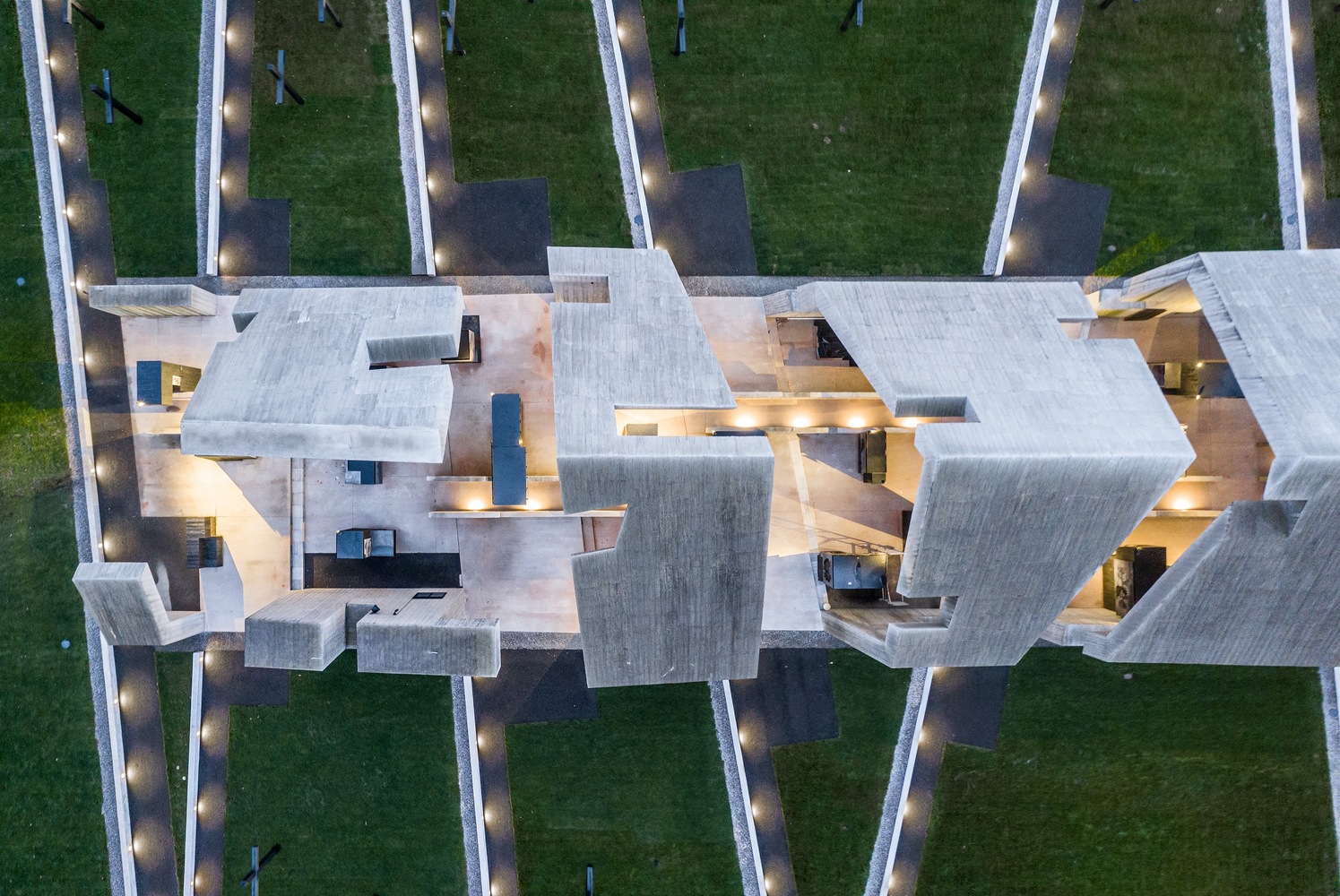
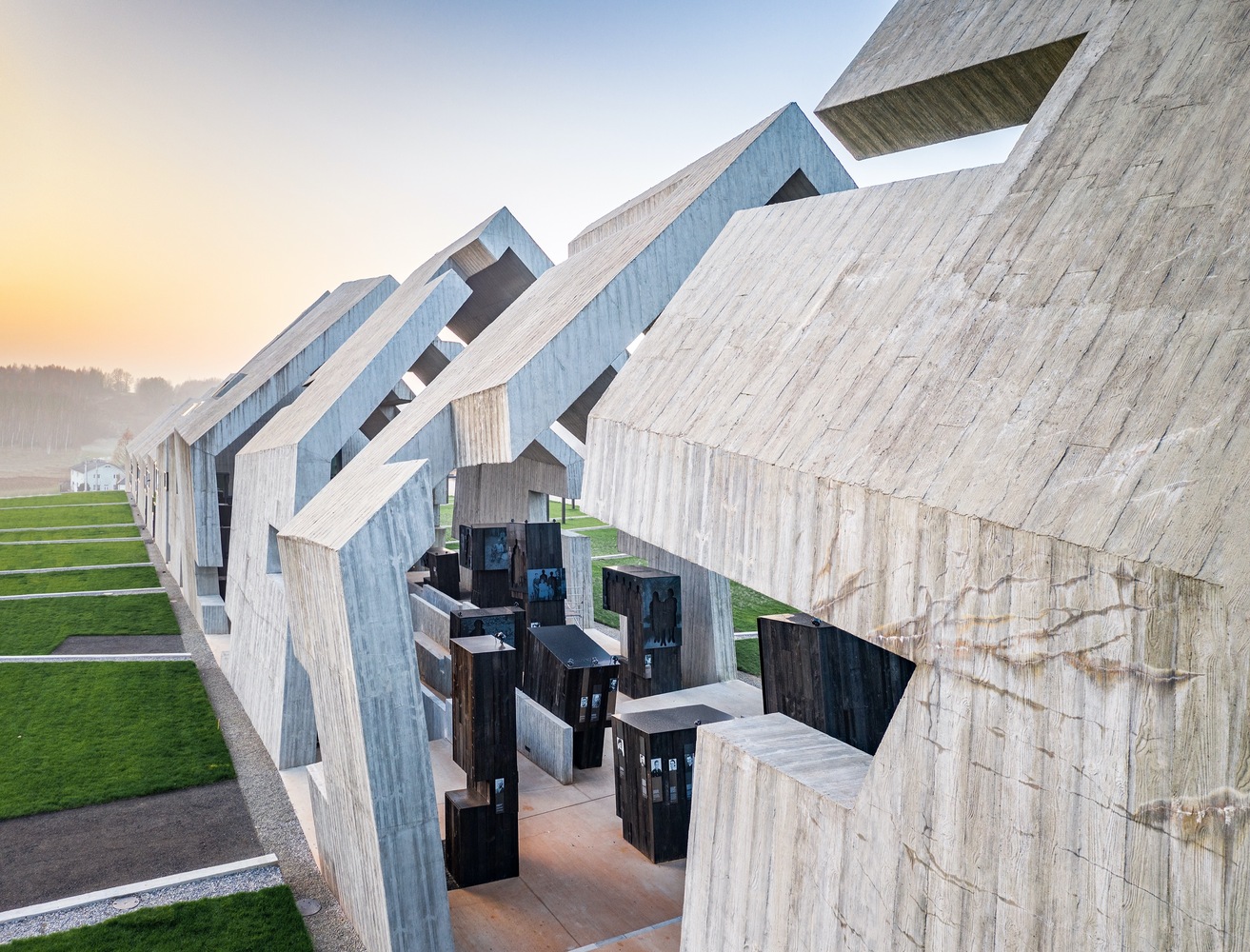
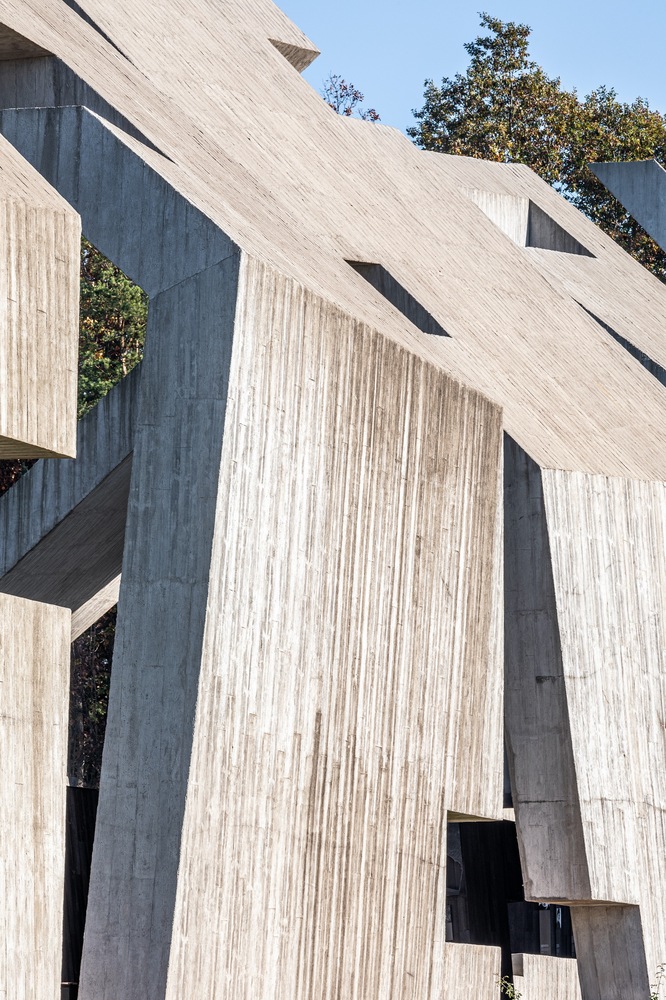
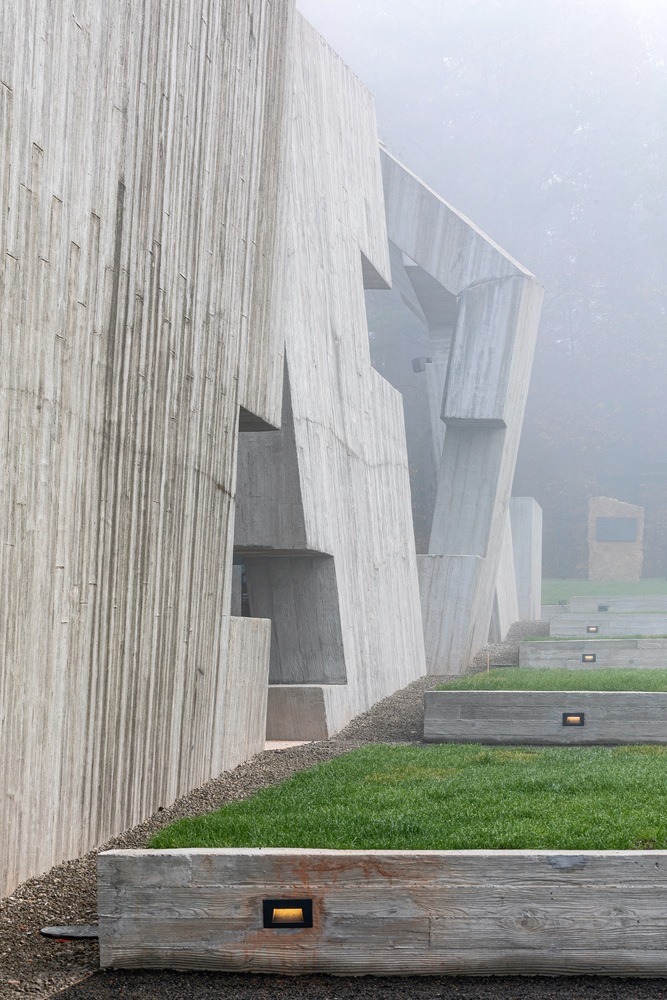
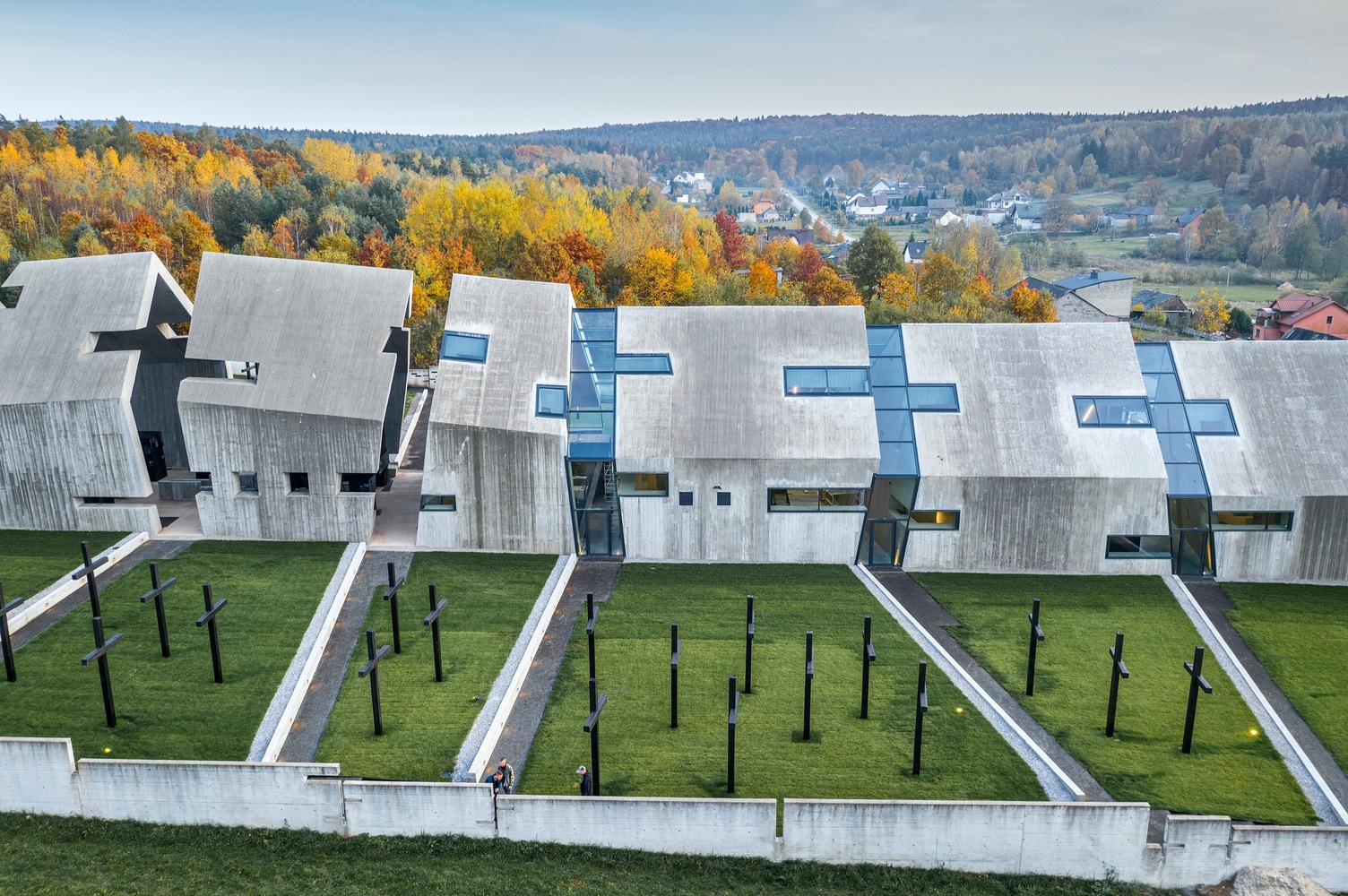
From the northern and southern elevations, the complex reads as a row of wooden country houses aligned sequentially. This repetition establishes a rhythm rooted in vernacular typology. However, the apparent order gradually dissolves. Each successive segment appears increasingly disrupted, as if subjected to violent external forces. Volumes compress, tilt, and fragment, evoking the aftermath of fire or catastrophic rupture. The transformation from intact dwelling to disintegrated mass reflects the historical annihilation of villages during the German and Soviet occupations, translating destruction into built form.
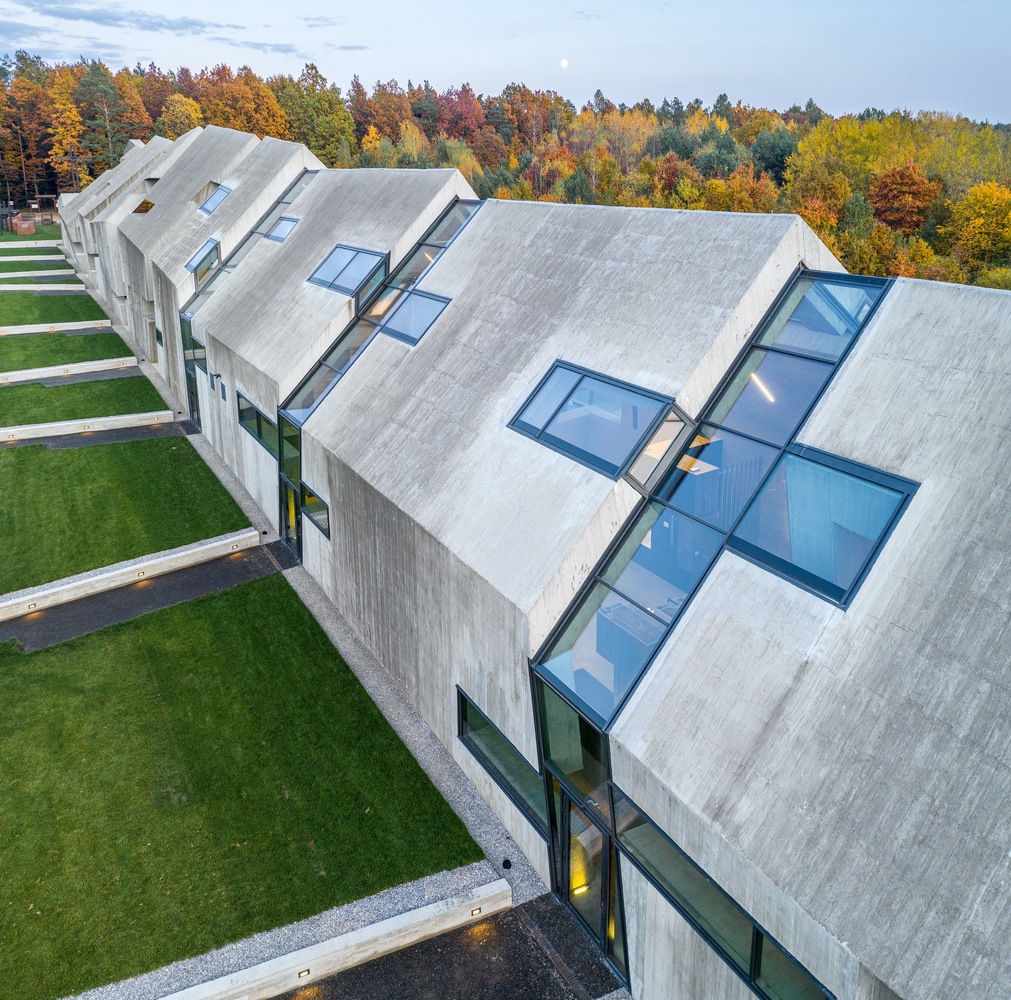
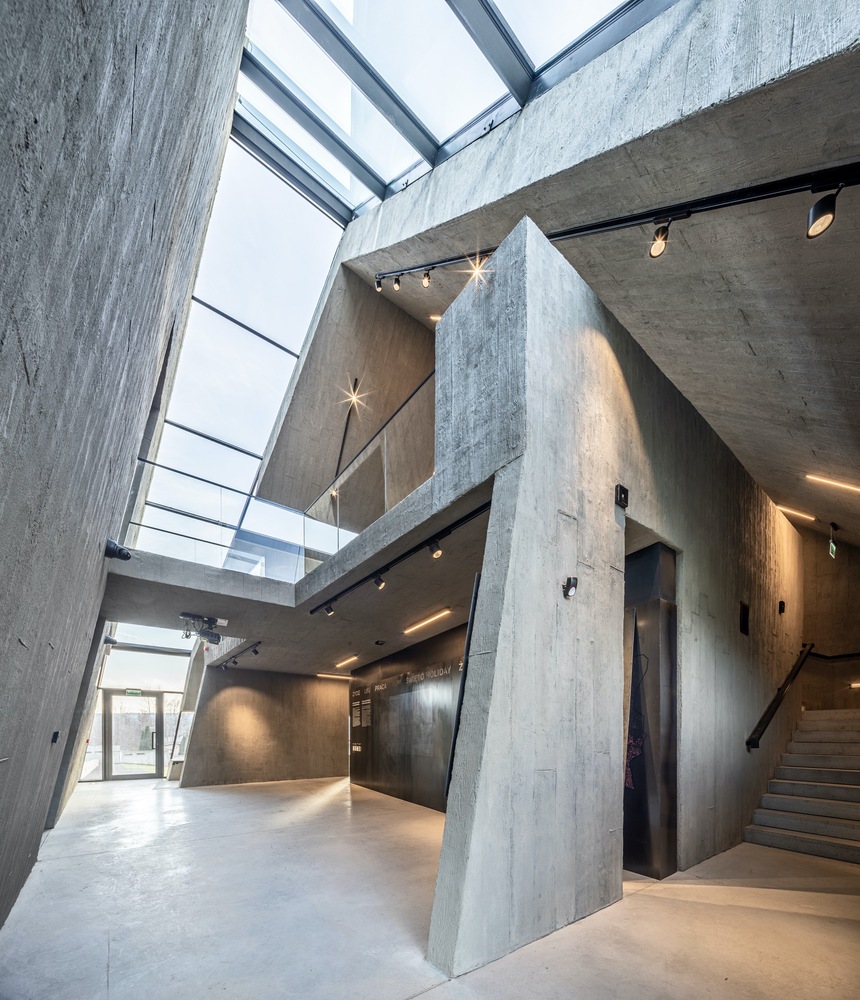
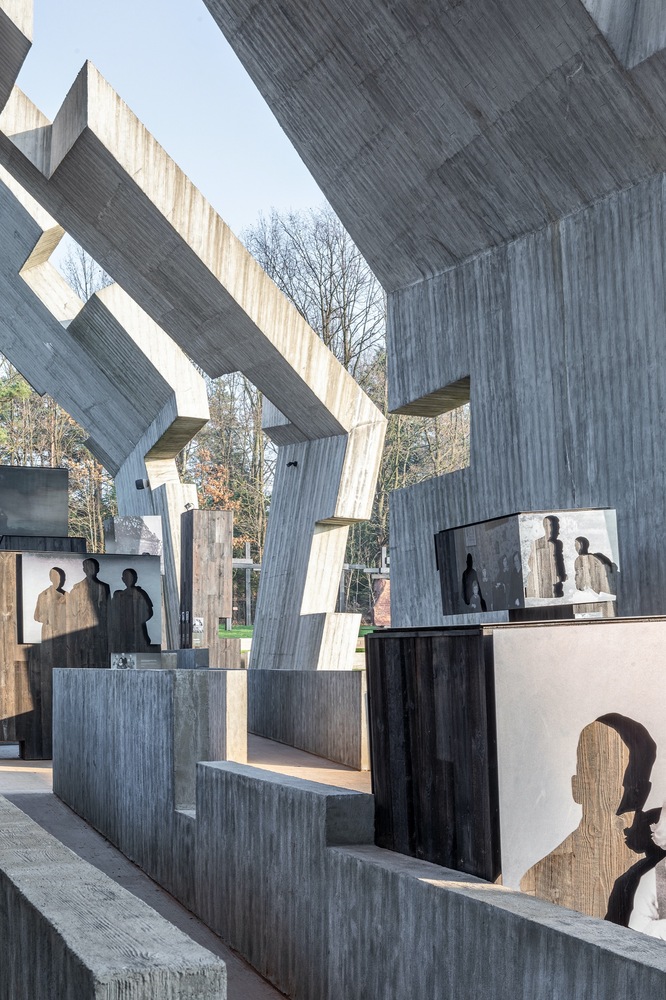
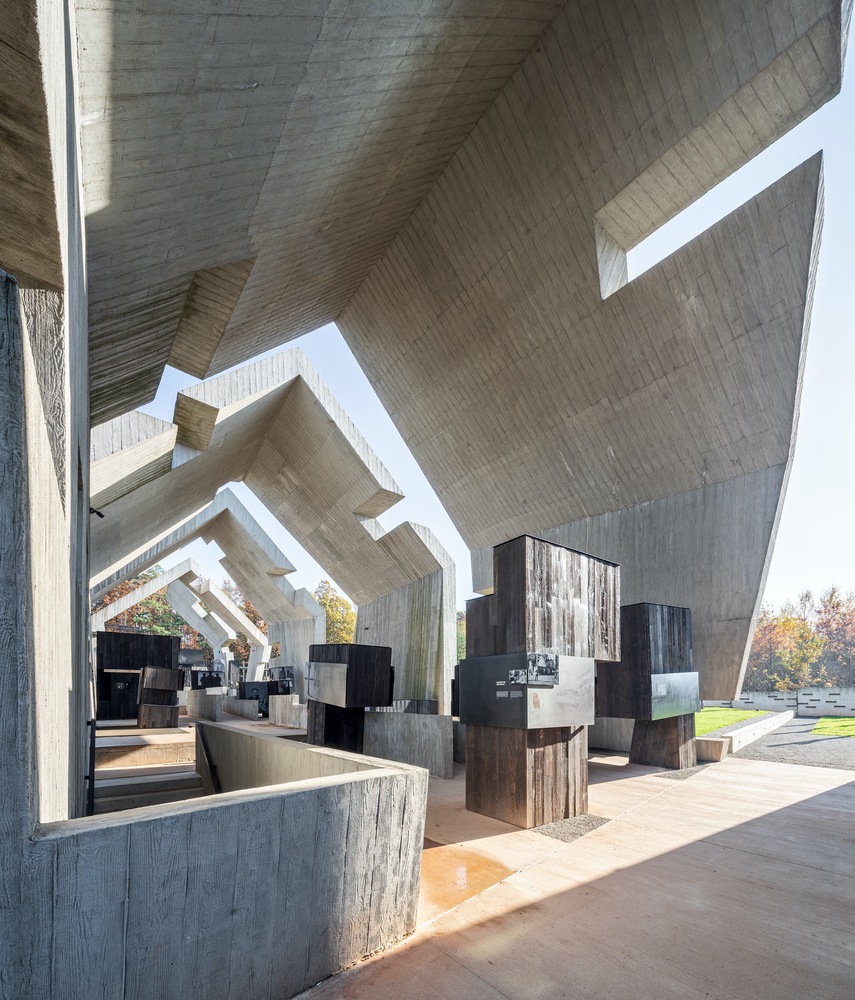
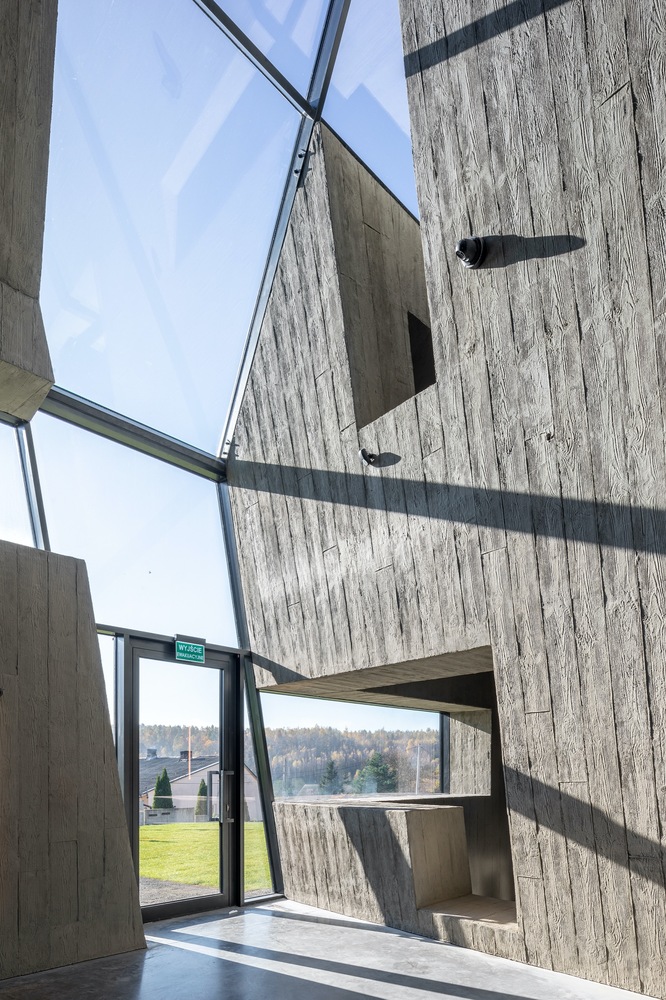
The first volume, referred to as the House of Tranquillity, maintains the recognizable geometry of a traditional home. It represents a condition of stability and everyday life before devastation. As visitors advance through the structure, the architecture becomes progressively fractured. Concrete walls are marked by incisions and fissures, and surfaces appear torn apart. The material’s raw presence intensifies the emotional register of the space. Light enters through irregular openings, heightening the atmosphere of tension and reinforcing the sense of rupture embedded in the building’s geometry.
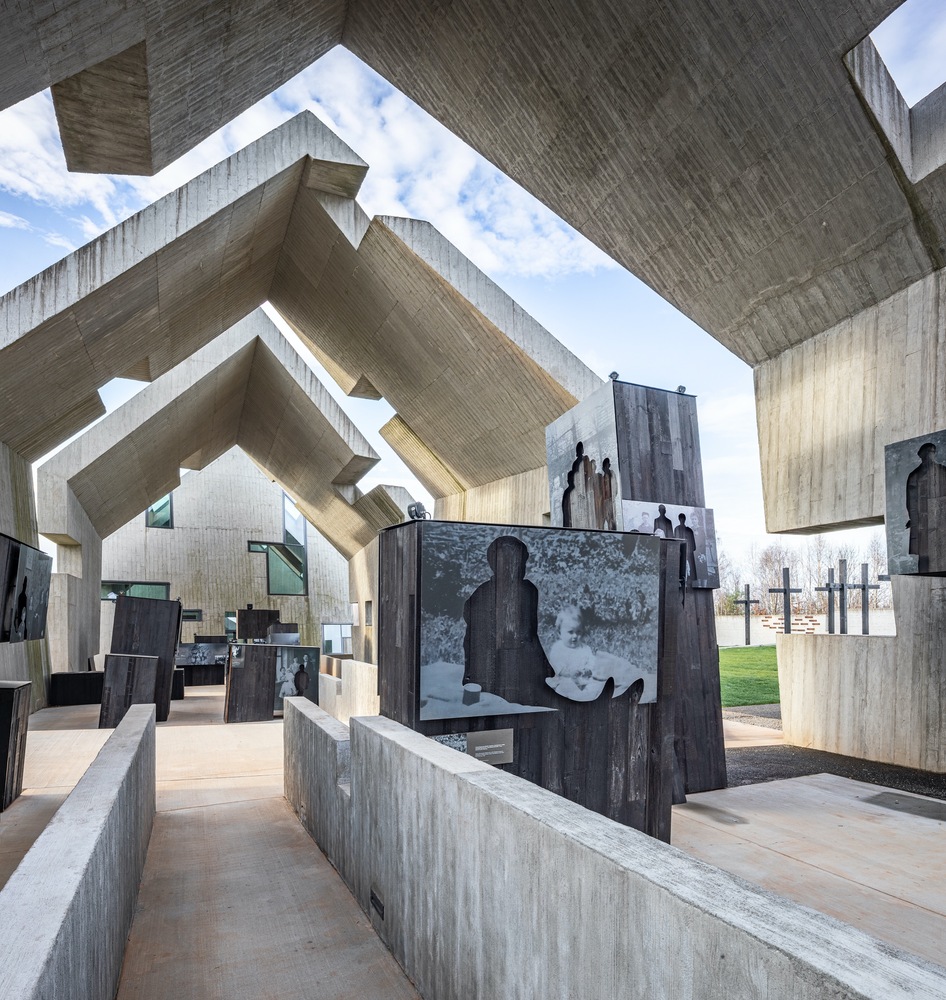
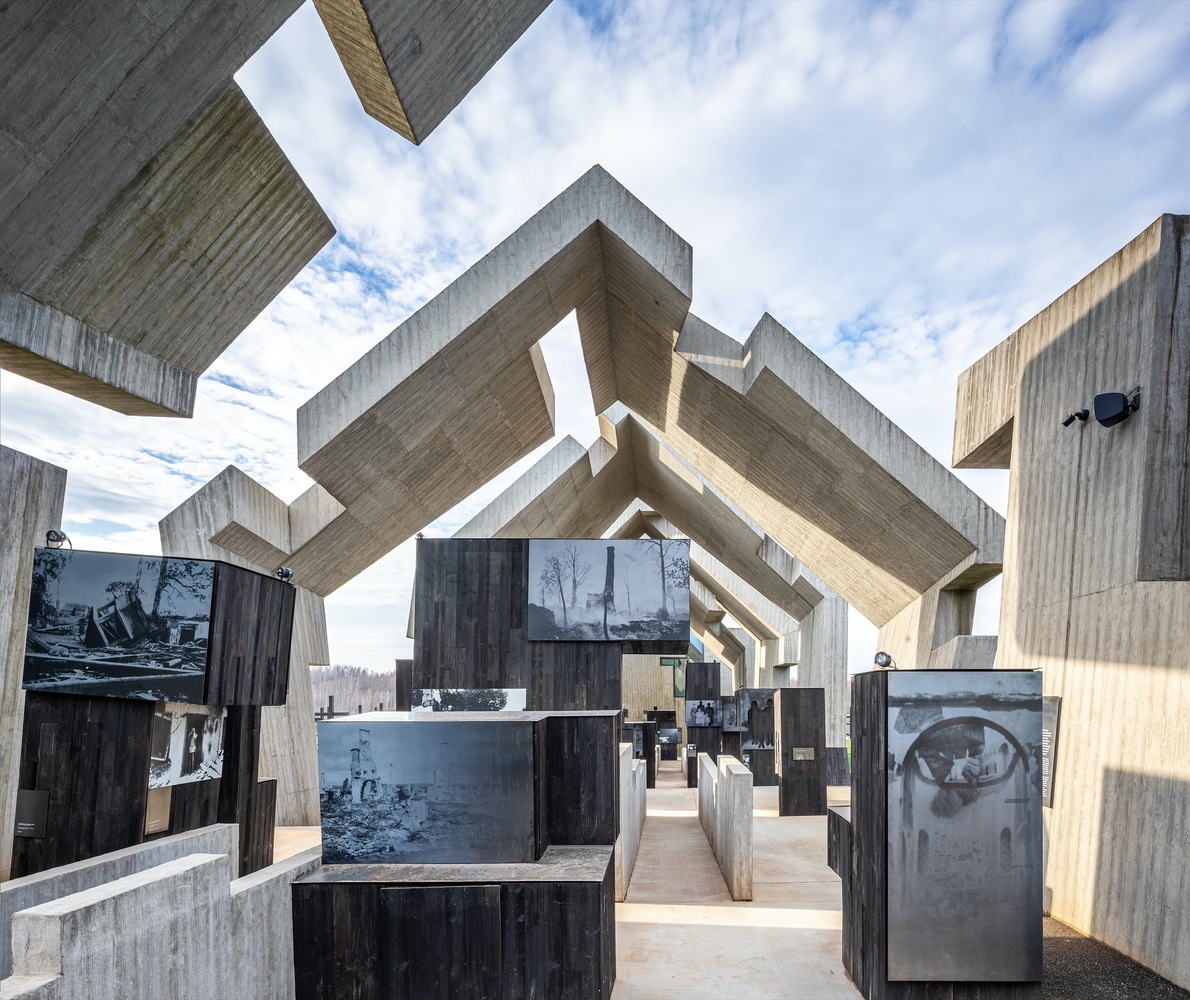
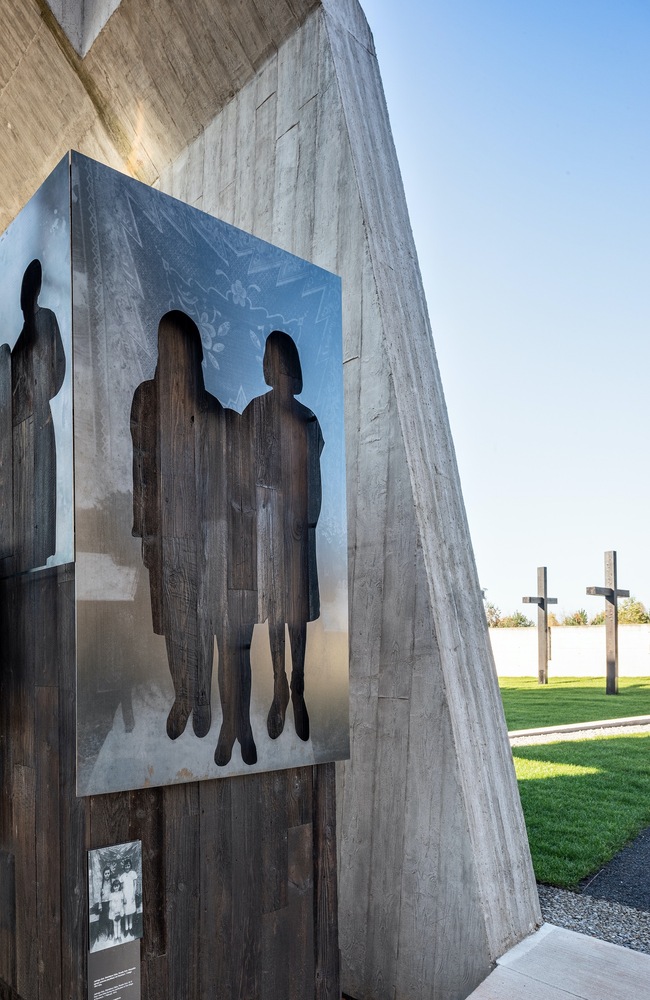
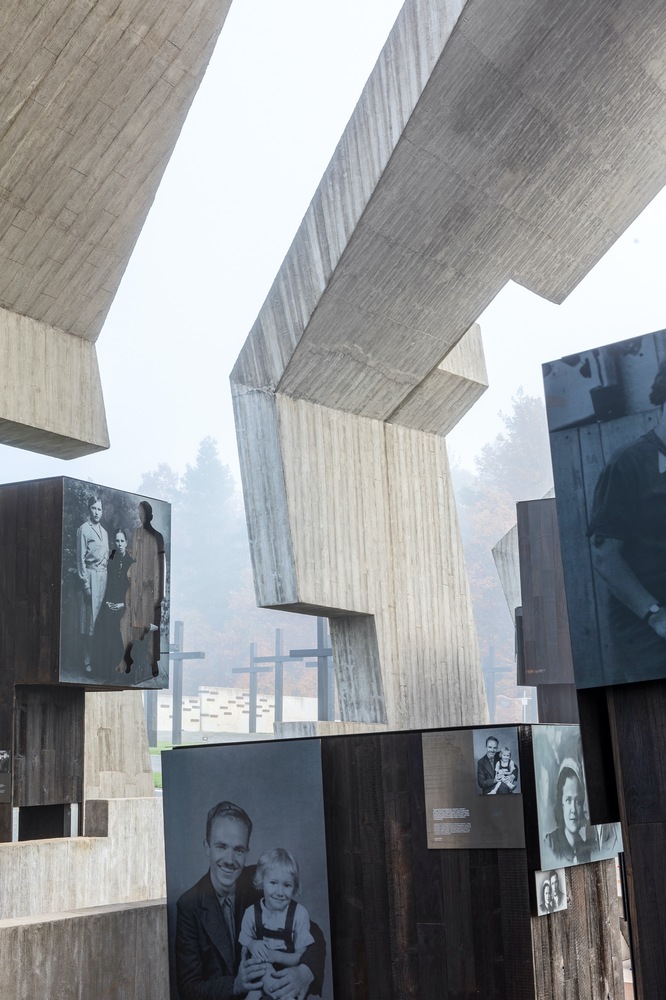
A defining strength of the project lies in the studio’s responsibility for both the architectural framework and the permanent exhibition. This dual authorship ensures coherence between spatial design and curatorial narrative. The exhibition unfolds in direct dialogue with the architecture, reinforcing themes of repression, suffering, and resistance experienced by Polish villages during World War II. Rather than functioning as a neutral container, the building actively shapes the interpretive experience, guiding visitors through a carefully calibrated emotional and historical journey.
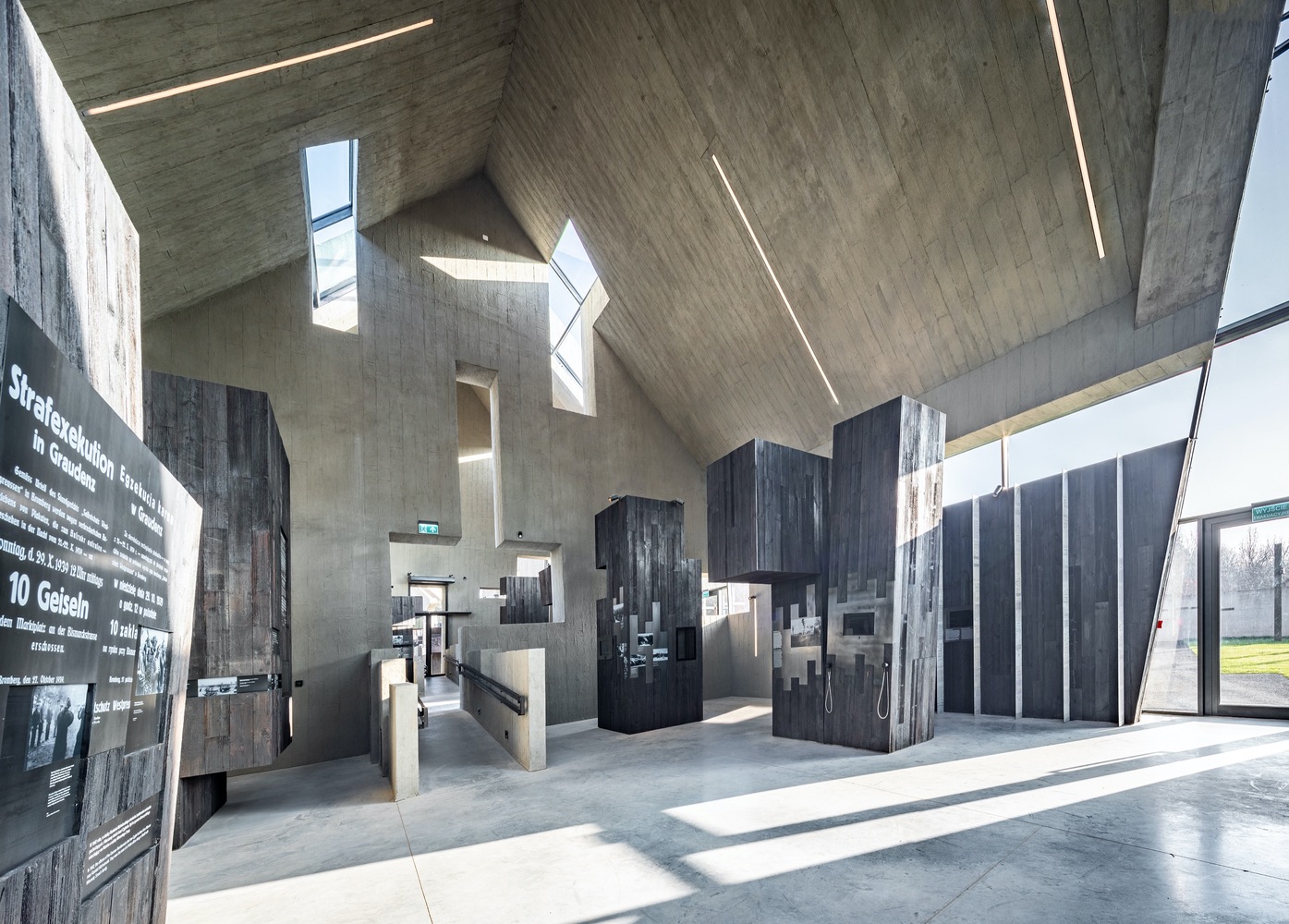
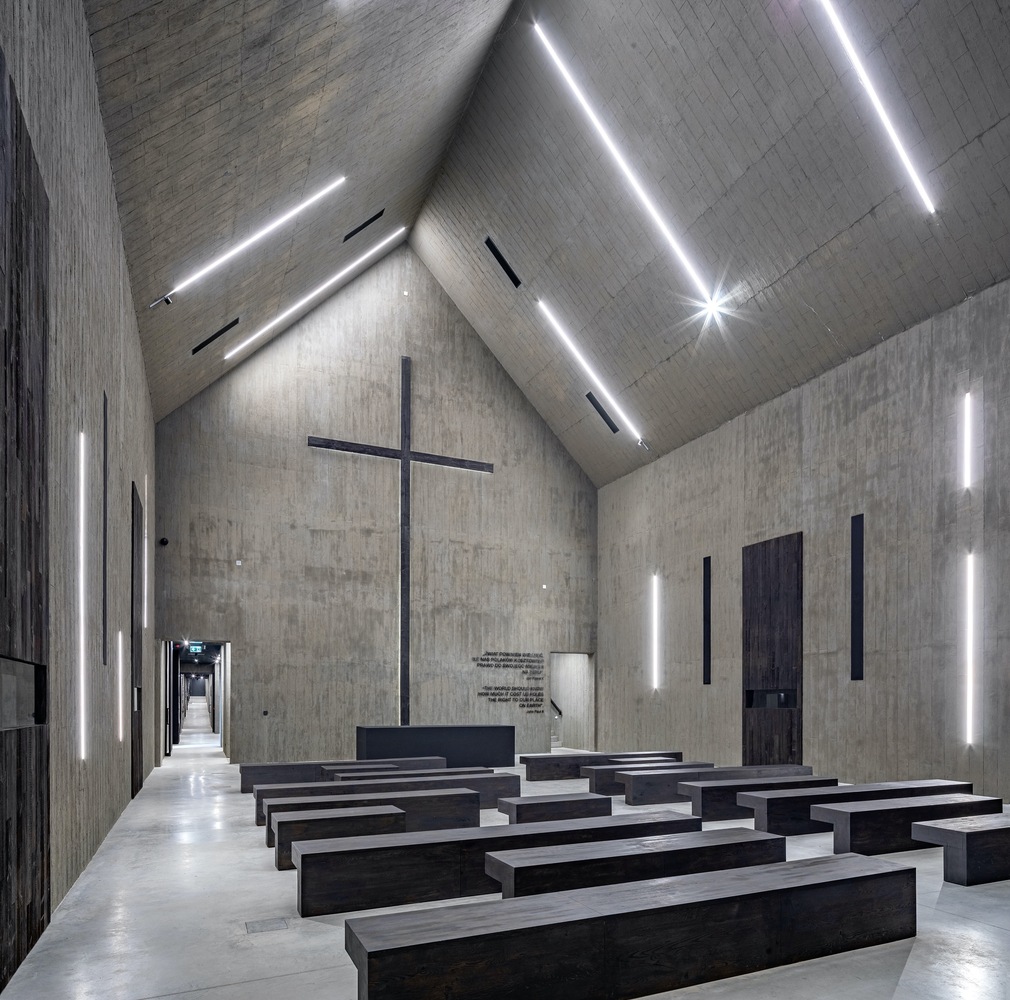
Inaugurated on July 12, 2021, marking the 78th anniversary of the pacification of Michniów, the mausoleum stands as a constructed testament to collective memory. Developed over nearly thirteen years, the project reflects a sustained commitment to translating national history into architectural expression. Through abstraction and controlled material expression, the Mausoleum of Martyrdom of Polish Villages transforms remembrance into spatial narrative, ensuring that the memory of destroyed communities endures within the contemporary landscape.
Project Gallery
Project Location
Address: Michniów, Poland
The location specified is intended for general reference and may denote a city or country, but it does not identify a precise address.

