

Zaha Hadid Architects’ trademark license dispute led by Patrik Schumacher in London has changed the practice’s control over the late Zaha Hadid’s name after a Court of Appeal decision overturned a 2014 High Court judgment tied to a 2013 licensing agreement. Zaha Hadid Architects faced contract terms that required the practice to retain Hadid’s name and pay the Zaha Hadid Foundation six per cent of annual revenue to use the marks. Justice Adam Johnson held that the agreement could be ended because the parties could not have intended a perpetual obligation, and the ruling treated “a power to terminate on reasonable notice” as part of the parties’ intended construction where duration is indefinite rather than permanent.
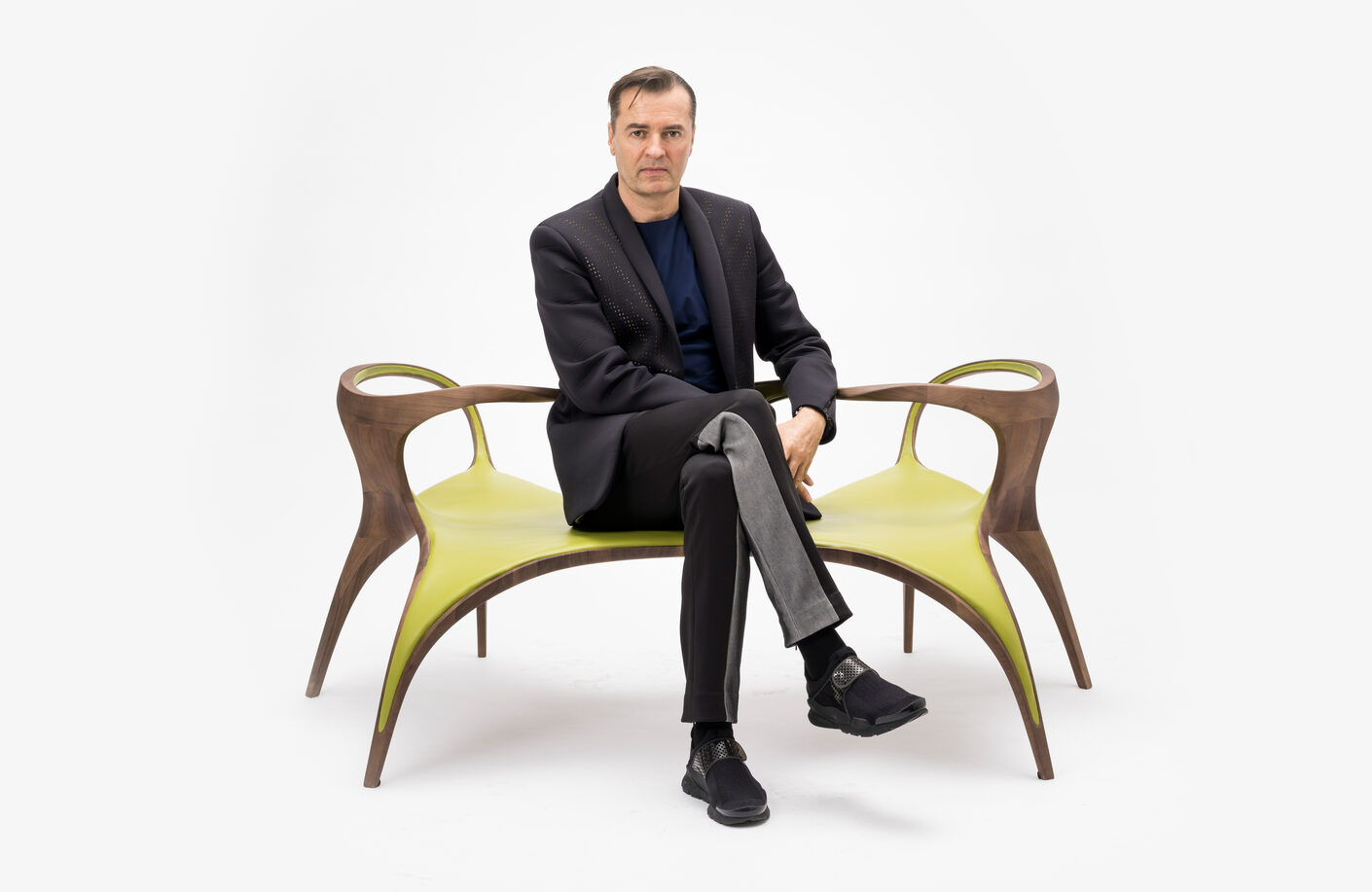
Patrik Schumacher, principal of Zaha Hadid Architects, has won a legal dispute with the Zaha Hadid Foundation over the use of the late Zaha Hadid’s name. The Court of Appeal last week overturned a 2014 High Court judgment on a licensing agreement that required the practice to keep Hadid’s name and pay to use it.
Justice Adam Johnson ruled that the licensing agreement could be ended because the arrangement could not have been intended to remain in place indefinitely. The agreement requires Zaha Hadid Architects to pay the foundation six per cent of its revenue each year.
The ruling stated, “As a matter of principle and logic, and absent any other factors, it necessarily follows from a conclusion that the true construction of the parties’ intentions is that an agreement is to be of indefinite duration as opposed to perpetual, that a power to terminate on reasonable notice forms part of those intentions.”
Zaha Hadid Architects had been bound by the agreement until the appeal decision. The Court of Appeal ruling creates a path for Schumacher to change the practice name or renegotiate the contract.

Justice Adam Johnson said the contract could not sensibly have been intended to last forever because later developments could make continued promotion of the marks damaging. Justice Adam Johnson pointed to the risk that future problems tied to a Hadid-designed building could turn the brand into a liability.
Justice Adam Johnson said, “Many things might happen or emerge over the decades or centuries following the date of the agreement which might be so detrimental to the brand as to make it seriously disadvantageous to the company to be obliged to continue to promote the marks, for example if an iconic Zaha Hadid building was beset with structural problems.”
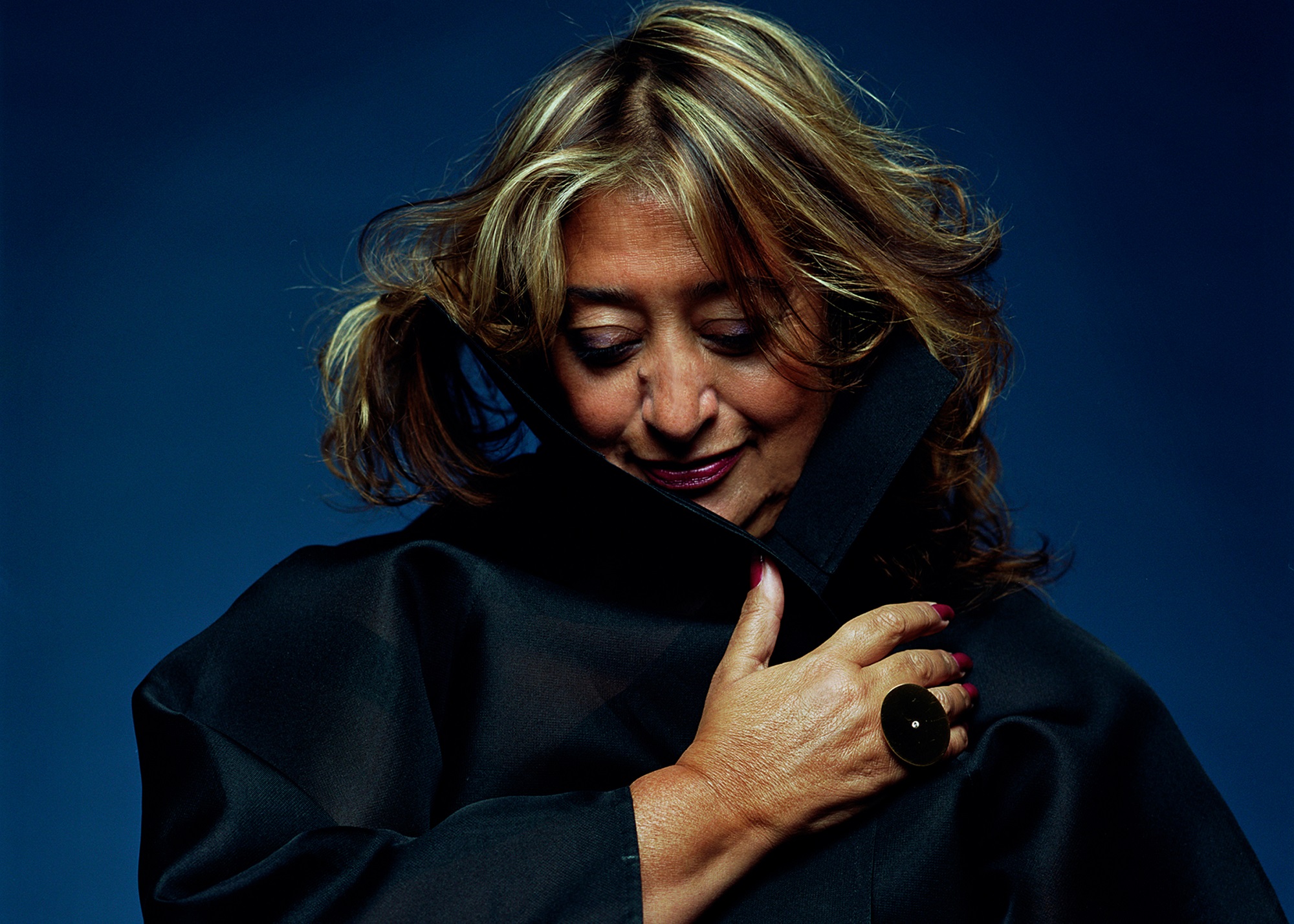
Justice Adam Johnson added, “Further, architectural styles change with changes in technology and taste,” and continued, “Can it sensibly be said that the parties intended the company to be bound to associate itself with and to promote Dame Zaha’s architectural identity in 100 years time?”
Zaha Hadid signed the agreement in 2013. Zaha Hadid’s death in 2016 directed the licensing revenue to the Zaha Hadid Foundation. The judgment said the license produced £21.4 million in fees between 2018 and 2024.
Zaha Hadid Architects said the practice will begin discussions with the Zaha Hadid Foundation to revise the terms of the licensing agreement. A spokesperson said, “Following a long-standing review of the trademark licence with the Zaha Hadid Foundation, the Court of Appeal has confirmed Zaha Hadid Architects’ position that the outdated 2013 licence agreement could be ended on reasonable notice.” The spokesperson added, “The practice will now engage in constructive discussions with the foundation about an updated licence.”
The Court of Appeal decision reverses the earlier High Court outcome, which held that Zaha Hadid Architects could not be released from the licensing agreement. Judge Adam Johnson wrote, “The company’s economic activity has not been sterilised,” and added, “In fact, it has achieved considerable financial success in the period since the licence agreement was entered into.” The dispute sits within a longer series of legal conflicts involving the practice and the foundation. A separate dispute over Hadid’s estate lasted four years and was settled in a court hearing in 2020.

