

Architects: Gio Ponti, Pier Luigi Nervi
Area: 24,000 m²
Year: 1958
Photography: Gio Ponti, Pier Luigi Nervi, Alessia Sarno, Mariano de Angelis, IK’s World Trip, Michele M.F., mava, Università Iuav di Venezia – SBD, Archivio Progetti, Giorgio Casali’s archive, Galli Luca, Wikipedia Commons, LapoLuchini, Daniel Case, architecture-history.org
Structural Engineers: Pier Luigi Nervi, Arturo Danusso
Client: Pirelli & C. S.p.A.
City: Milan
Country: Italy
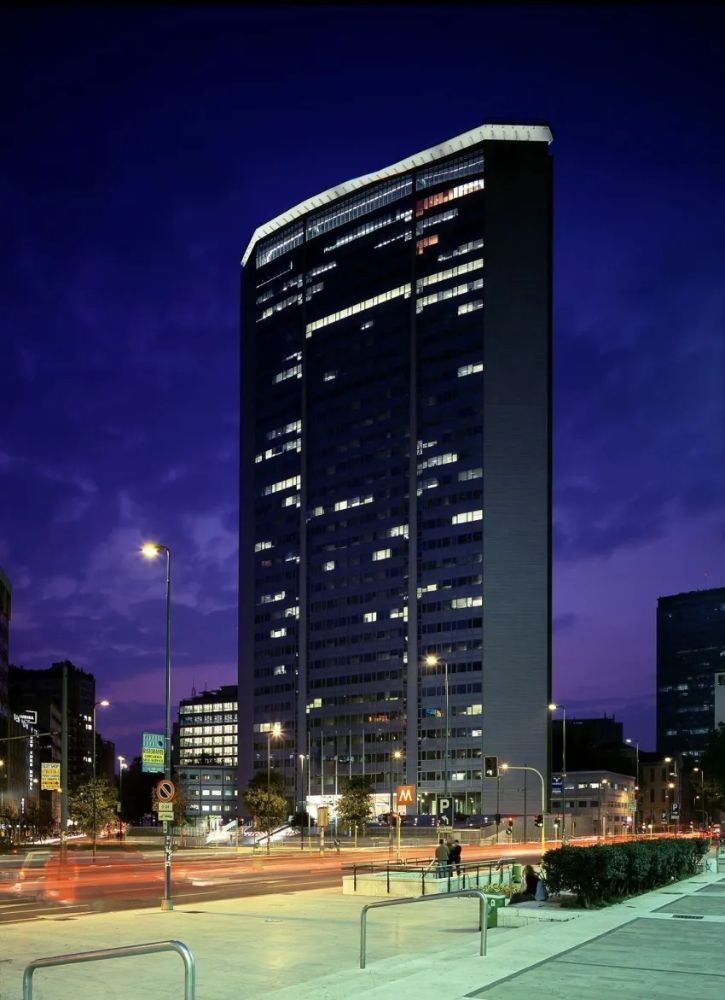
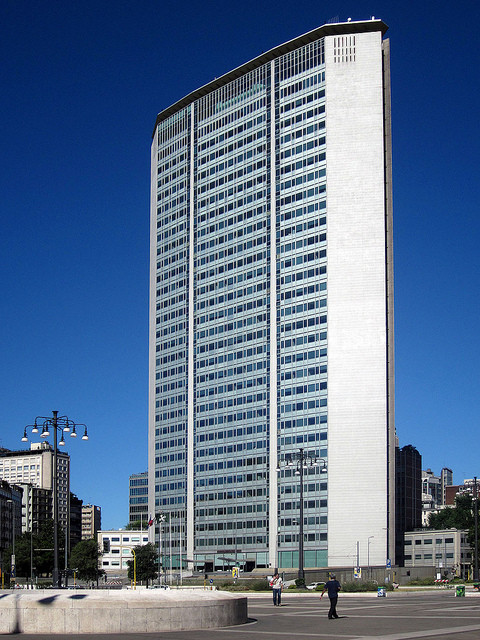
Pirelli Tower office building designed by Gio Ponti in Milan, Italy, redefined postwar skyscraper design through its tapered form, structural innovation, and integration of architectural and engineering principles, completed in 1958. Developed with structural engineers Pier Luigi Nervi and Arturo Danusso, the project became a symbol of Italy’s industrial recovery and modernization. Commissioned by Pirelli during a period of economic rebuilding, the tower introduced a new interpretation of the modern skyscraper, departing from the rectilinear forms that characterized many contemporary high-rise buildings. Positioned near Milan Central Station, the building combines a slender profile, curtain wall façades, and an efficient structural system that maximizes usable office space while expressing lightness and precision. Reinforced concrete technology developed by Nervi and Danusso enabled the tower’s narrow proportions and long-span structural framework. The building organizes circulation and services around a central core, allowing flexible office layouts and adaptable workspaces. Its pointed ends, tapered plan, and glazed façades contributed to a distinct architectural identity that influenced later high-rise developments internationally. The tower remained among Italy’s most significant modern landmarks and played a major role in the transformation of the area surrounding Milan Central Station into a business district. Pirelli Tower continues to be regarded as a landmark of modern architecture and engineering, representing the collaboration between architectural expression, structural efficiency, and urban ambition during a pivotal moment in Italy’s postwar development.
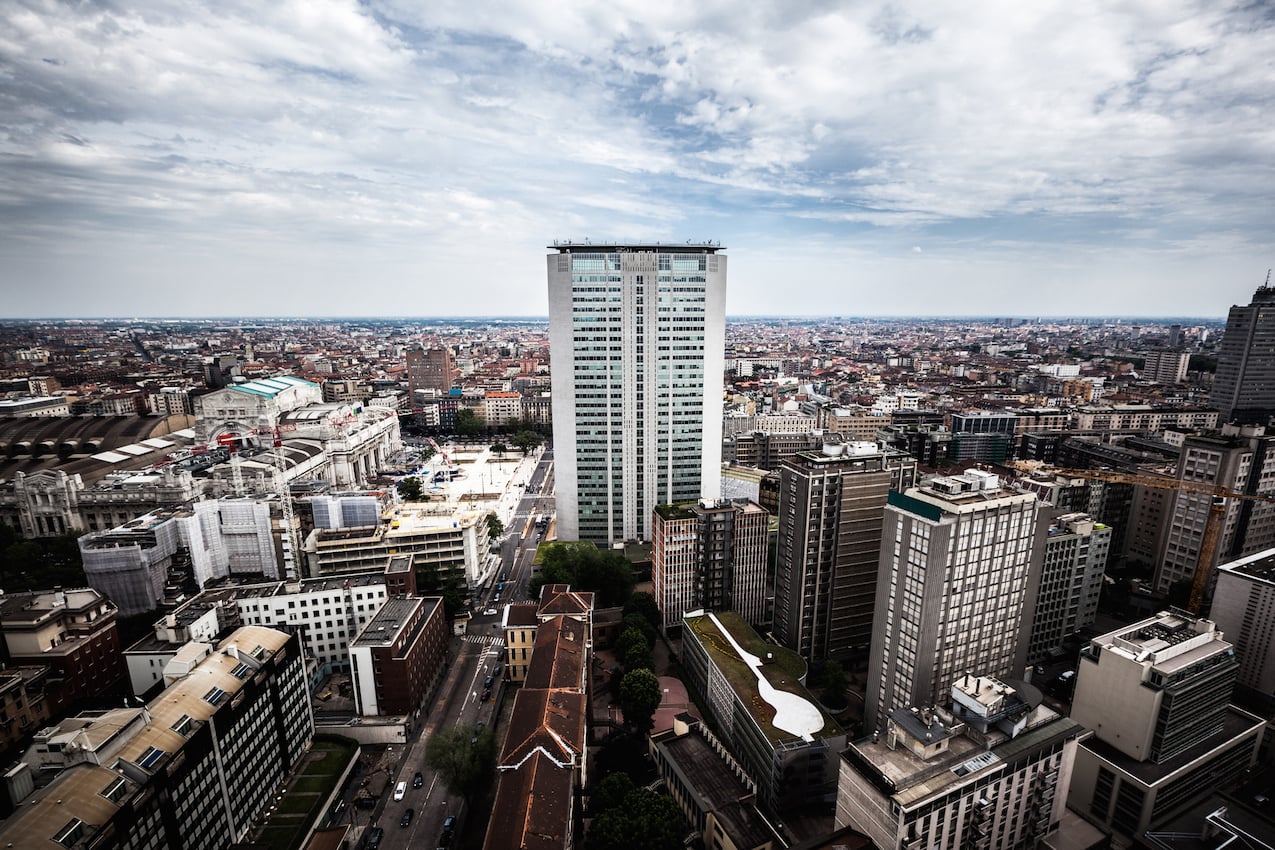
The Pirelli Tower (Grattacielo Pirelli), commonly known as Il Pirellone, was designed by Gio Ponti with structural engineers Pier Luigi Nervi and Arturo Danusso. Completed in 1958 in Milan, the tower became one of the most important symbols of Italy’s postwar modernization and among the earliest modern skyscrapers constructed in the country.
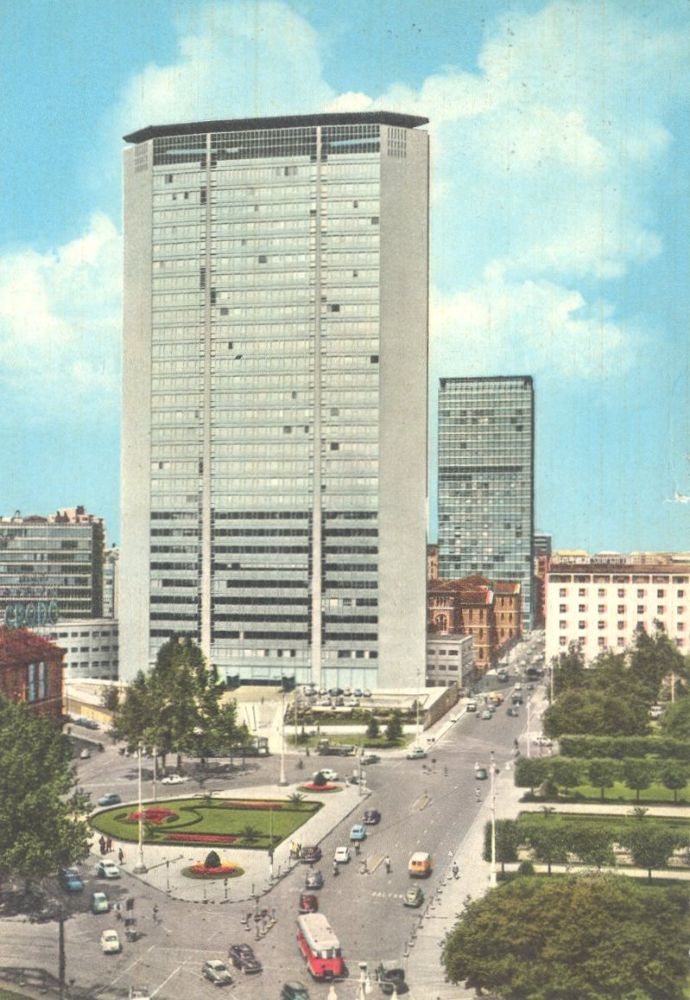
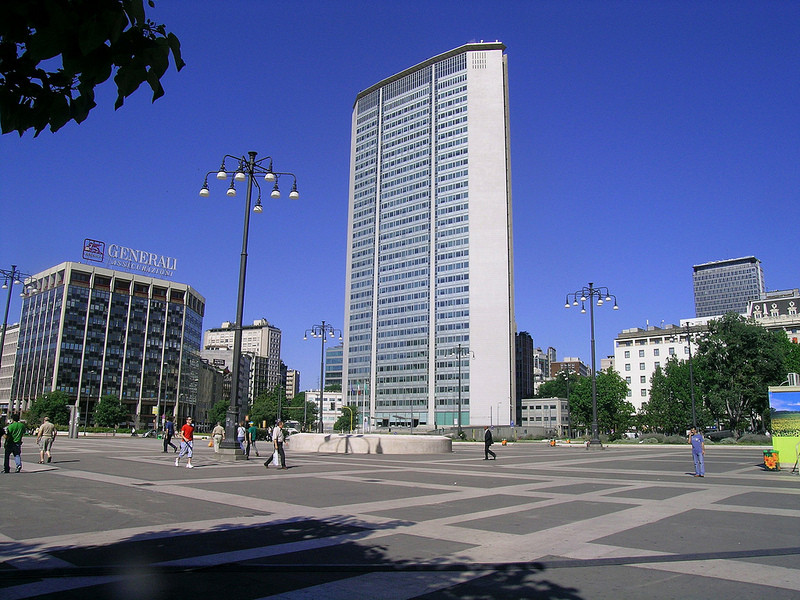
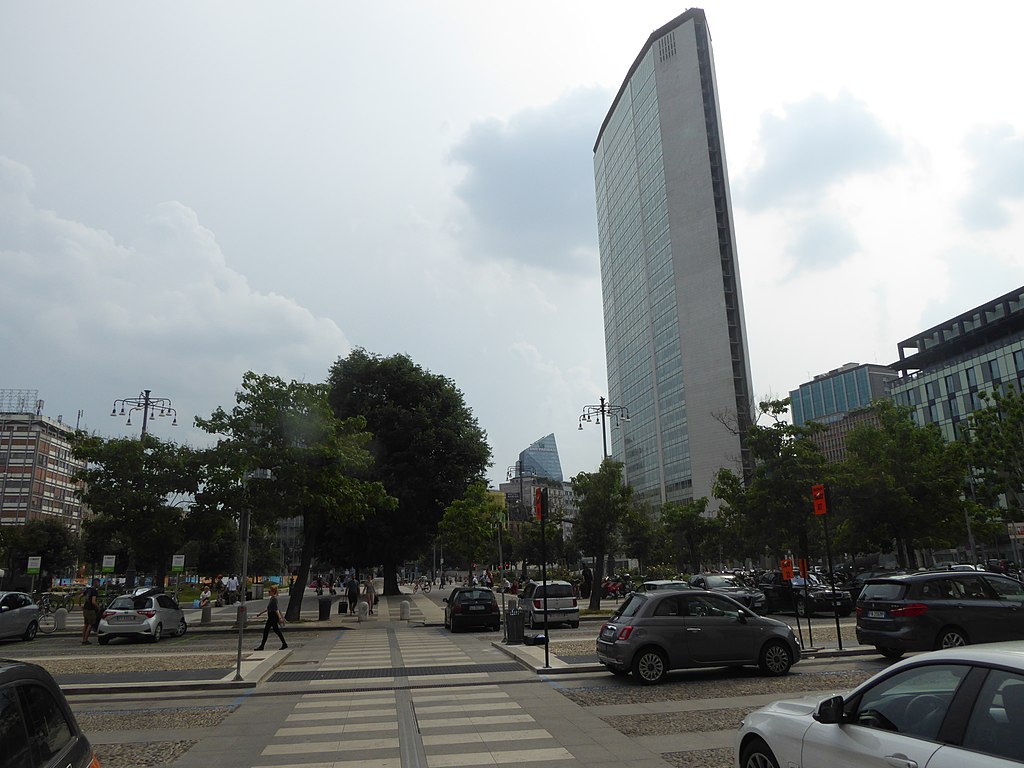
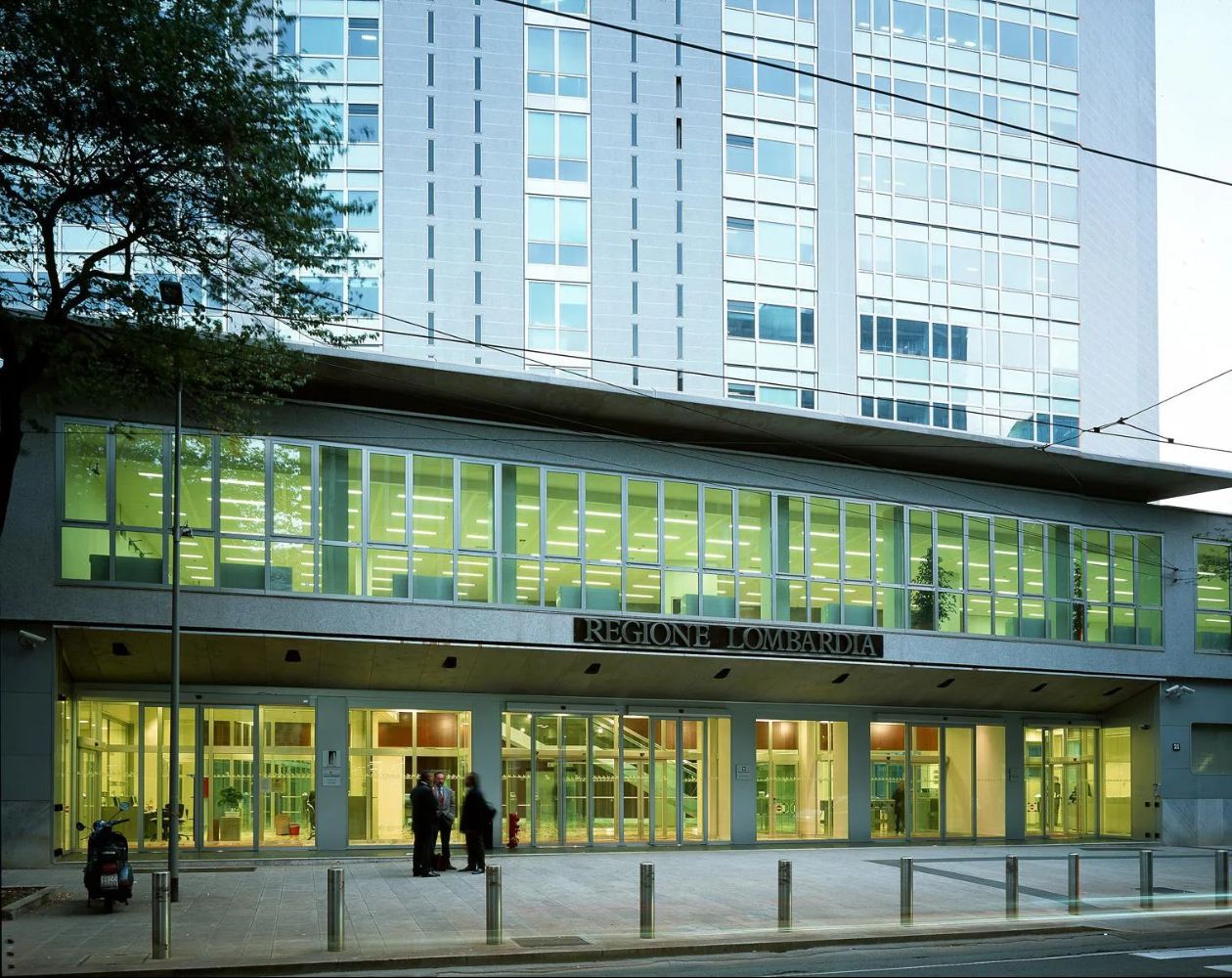
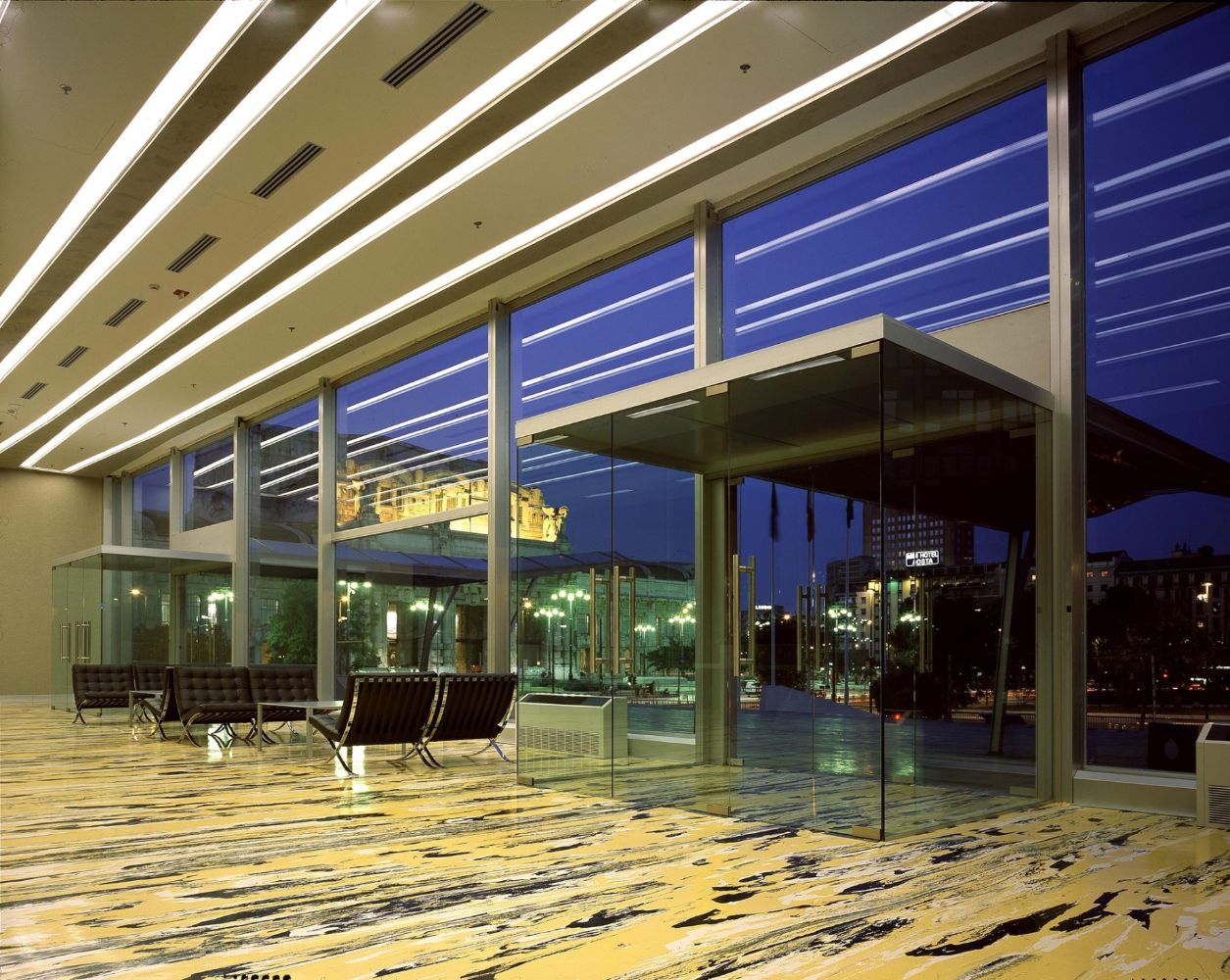
The project was commissioned by Alberto Pirelli, who sought a new corporate headquarters for the company on the site of a former Pirelli factory destroyed during the bombing of Milan in 1943. As Italy emerged from the economic and physical consequences of World War II, the tower became a visible expression of industrial growth and national optimism. Its location adjacent to Milan Central Station contributed to the transformation of the surrounding area into a major commercial and business district.
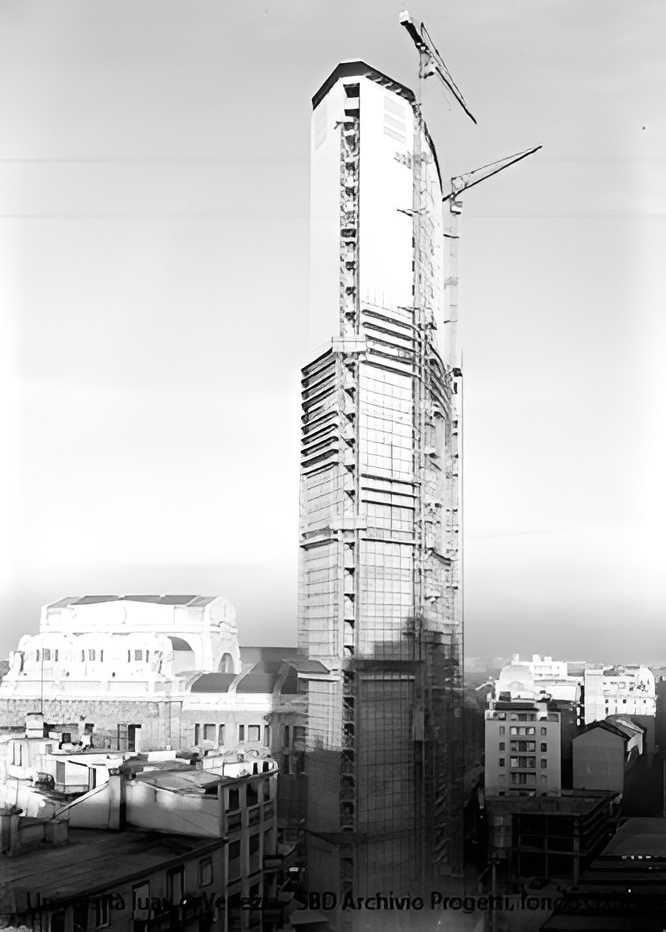
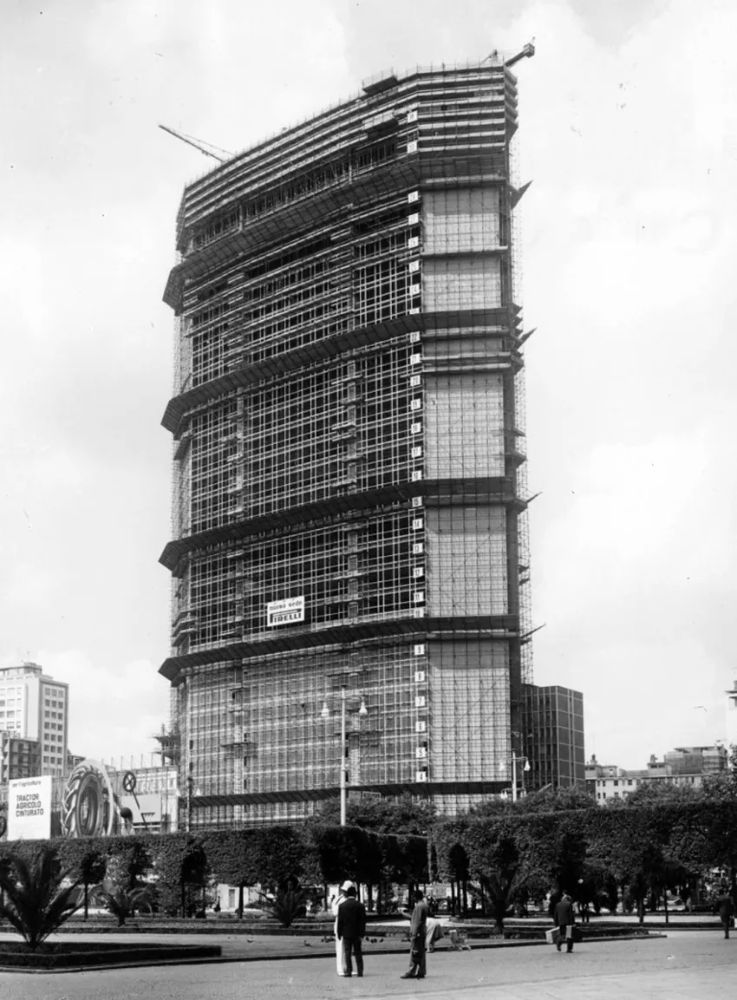
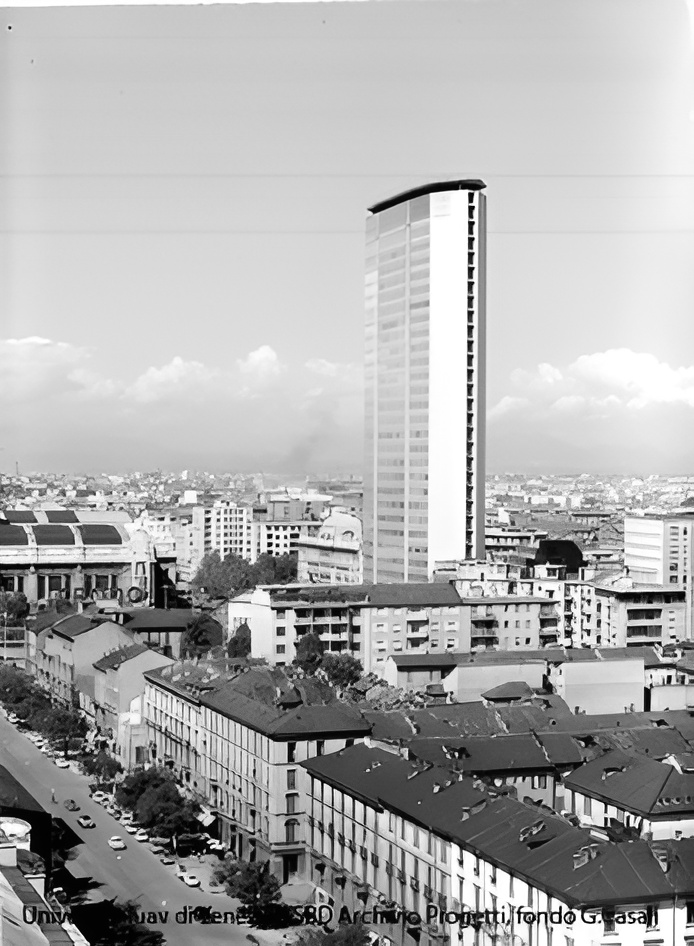
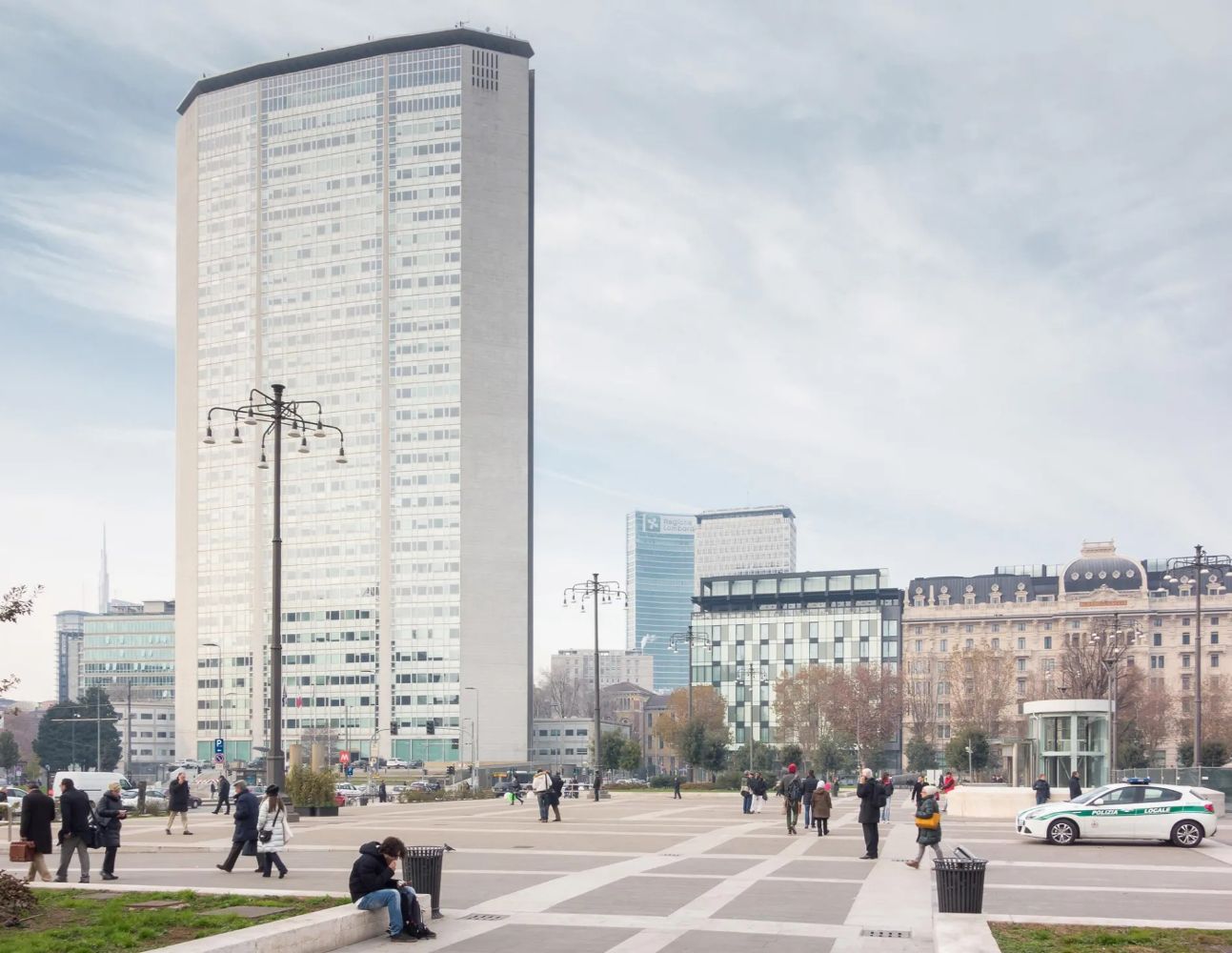
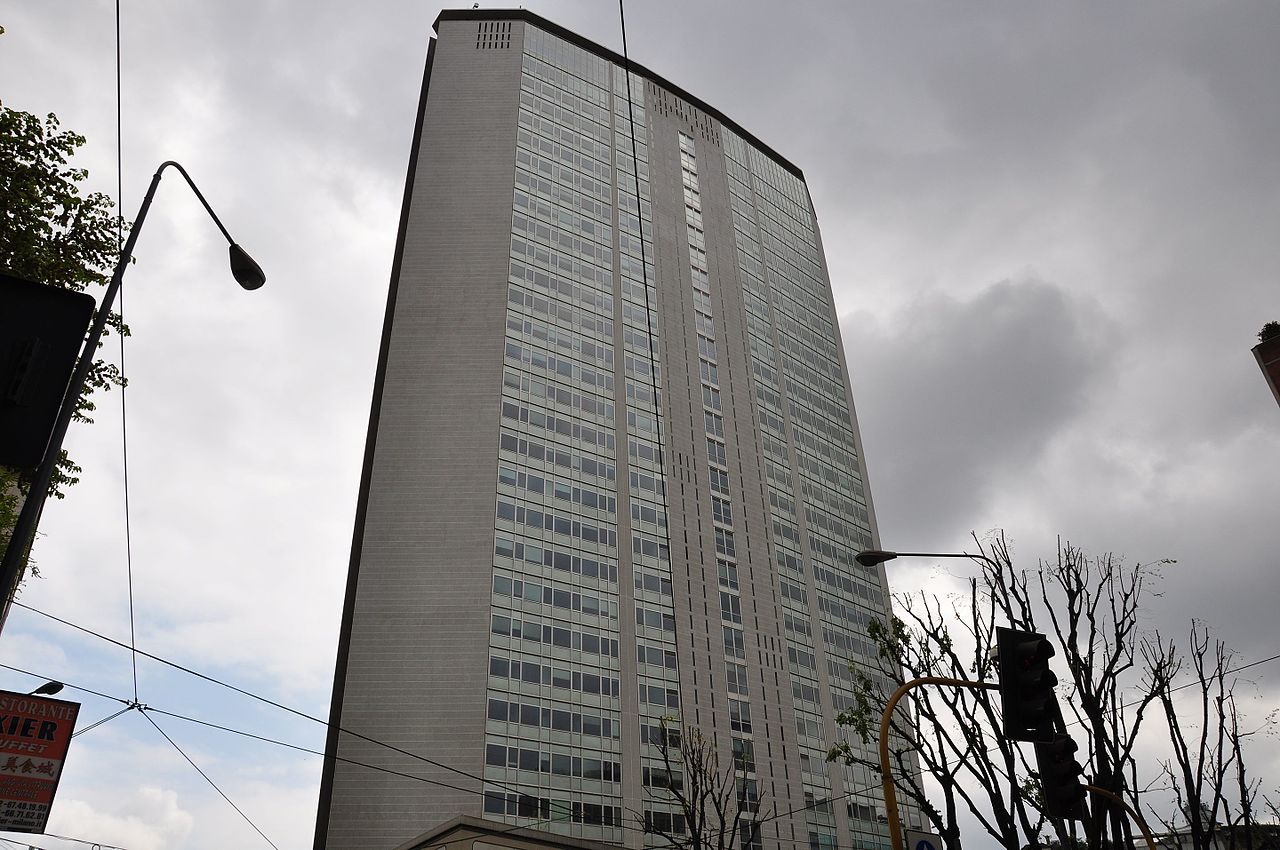
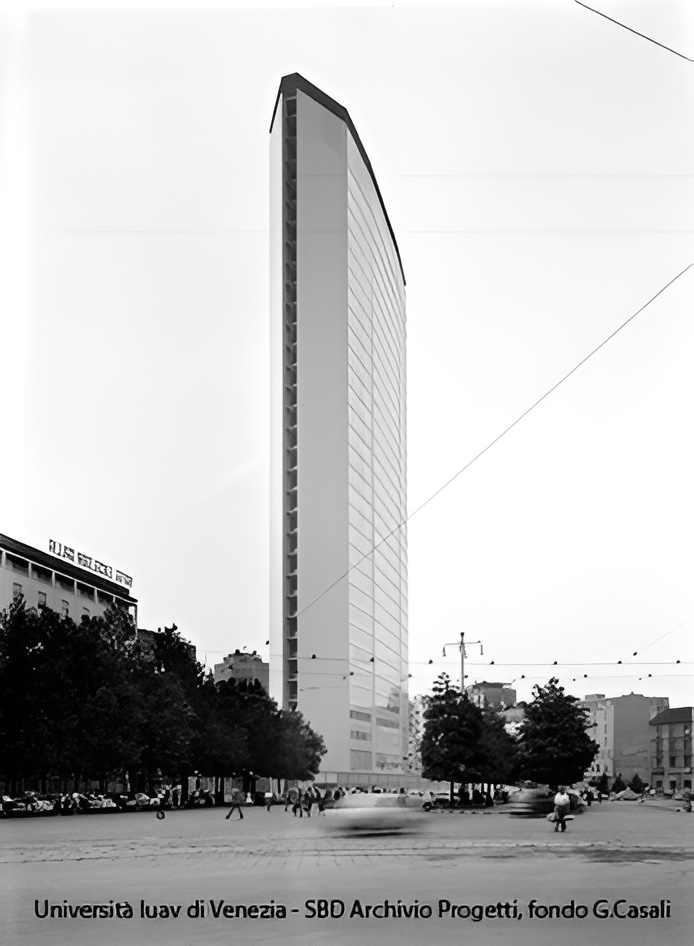
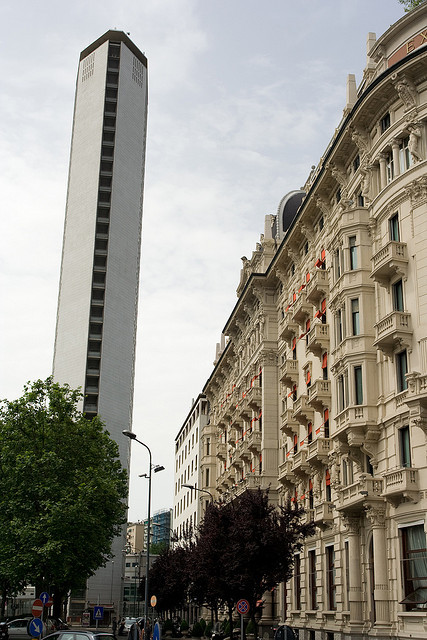
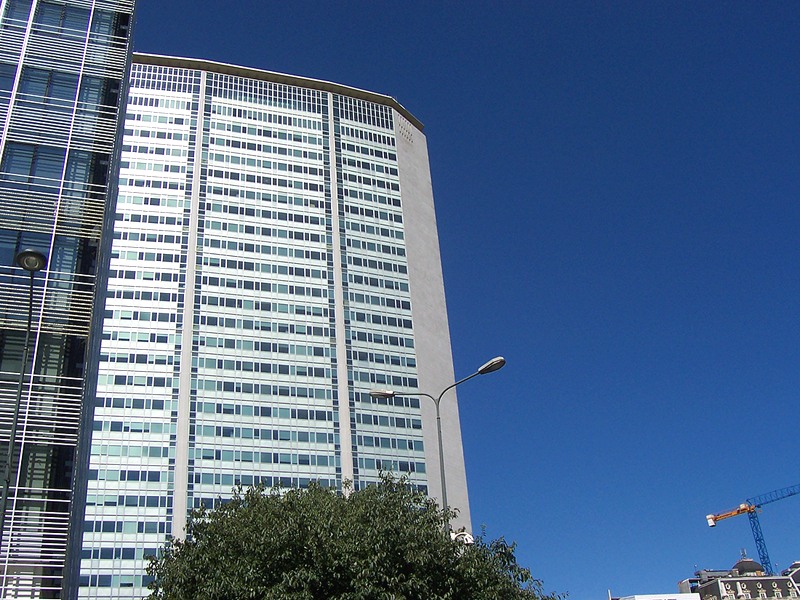
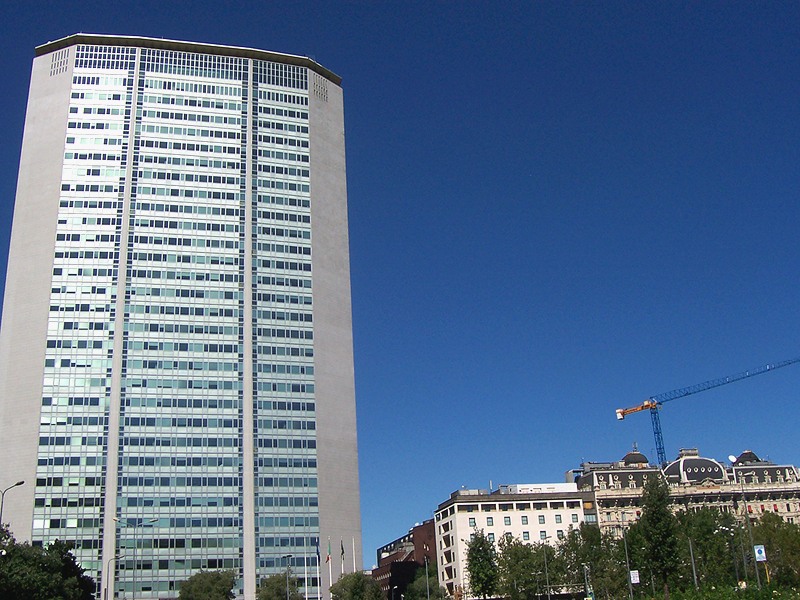
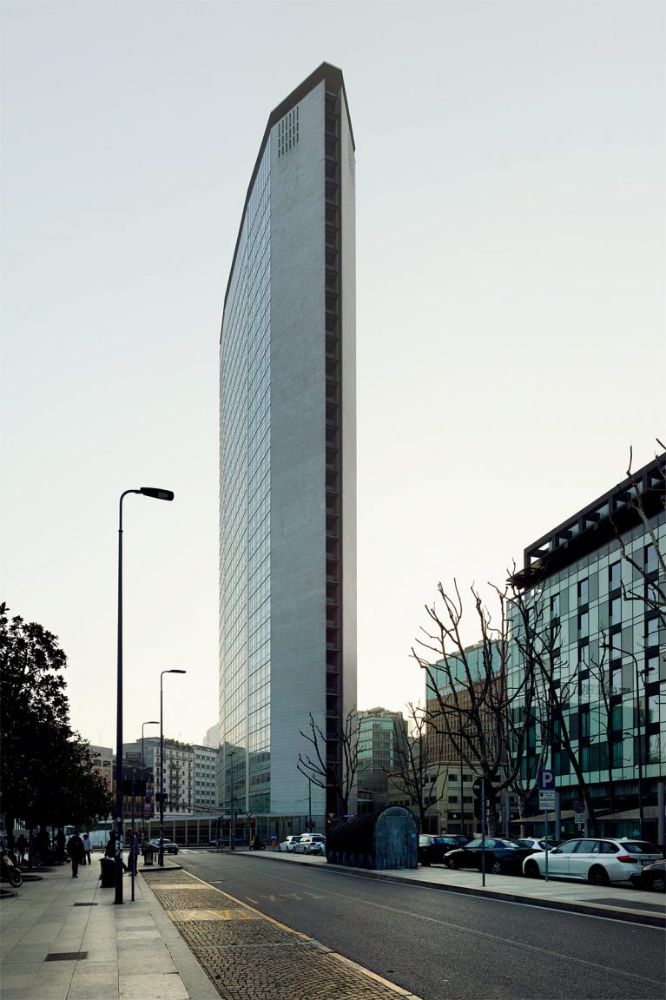
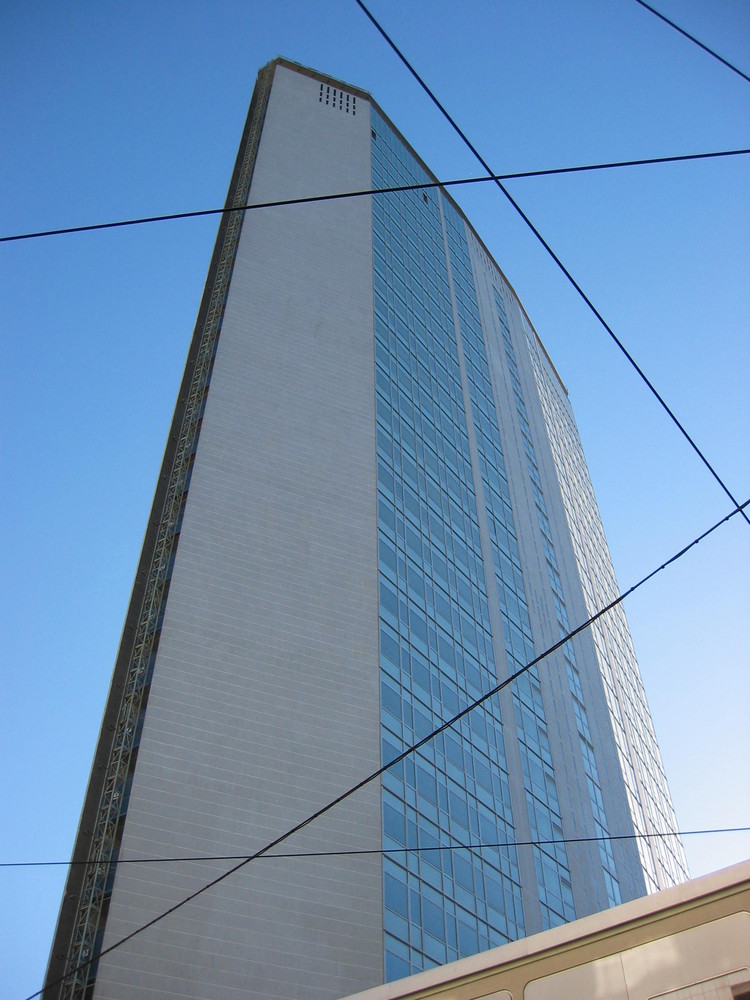
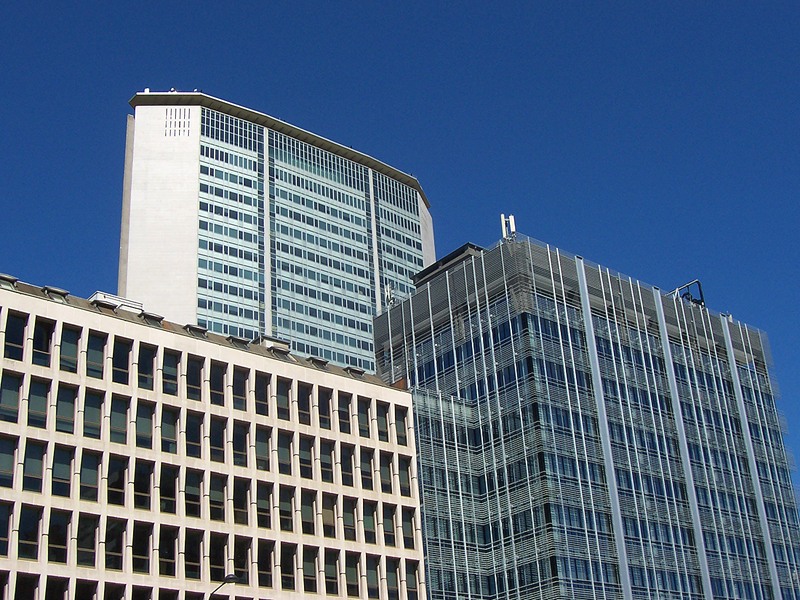
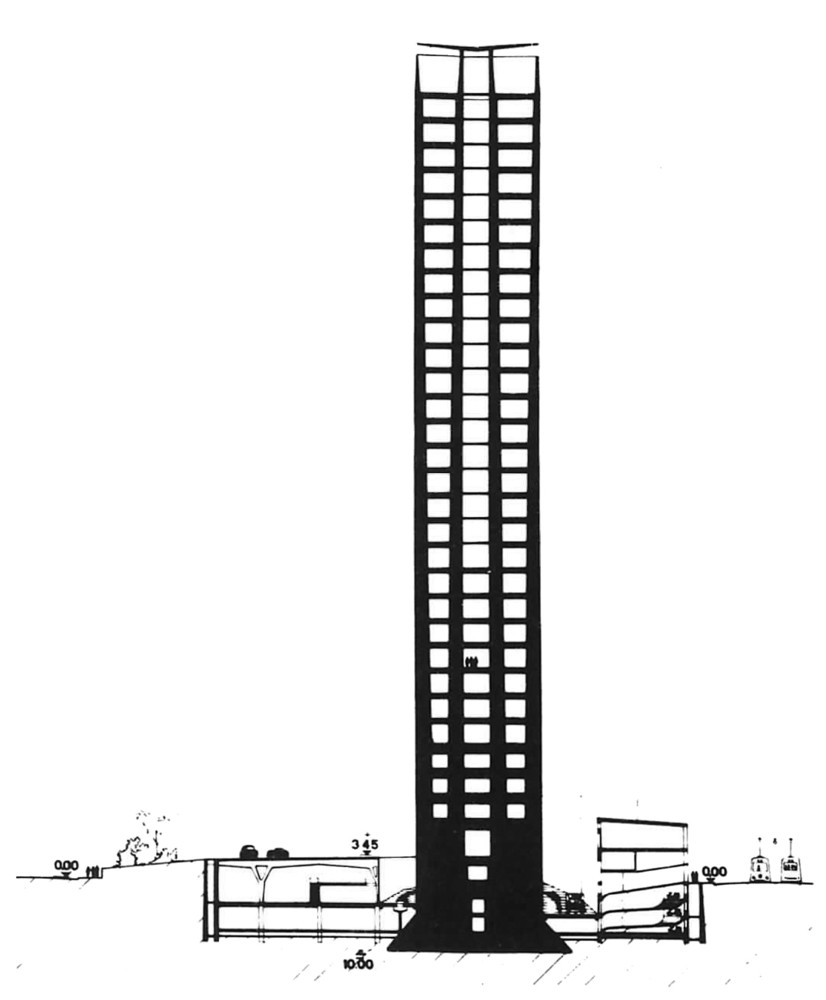
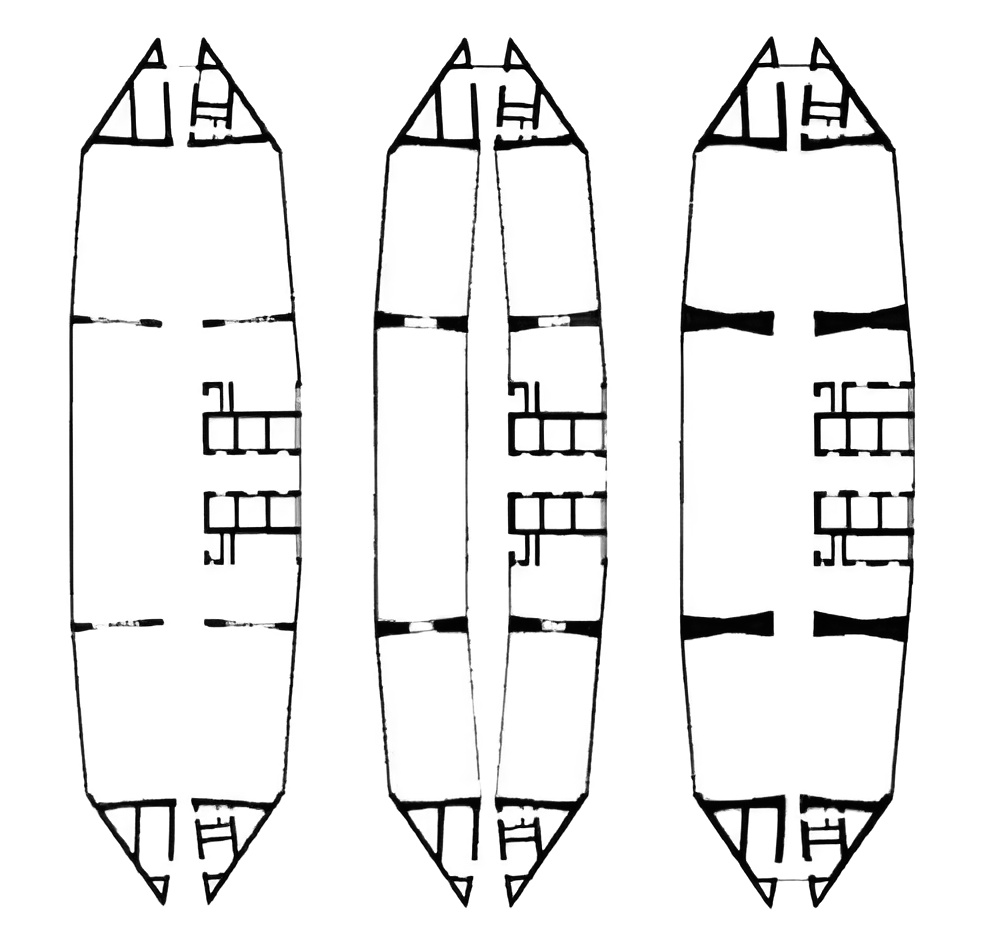
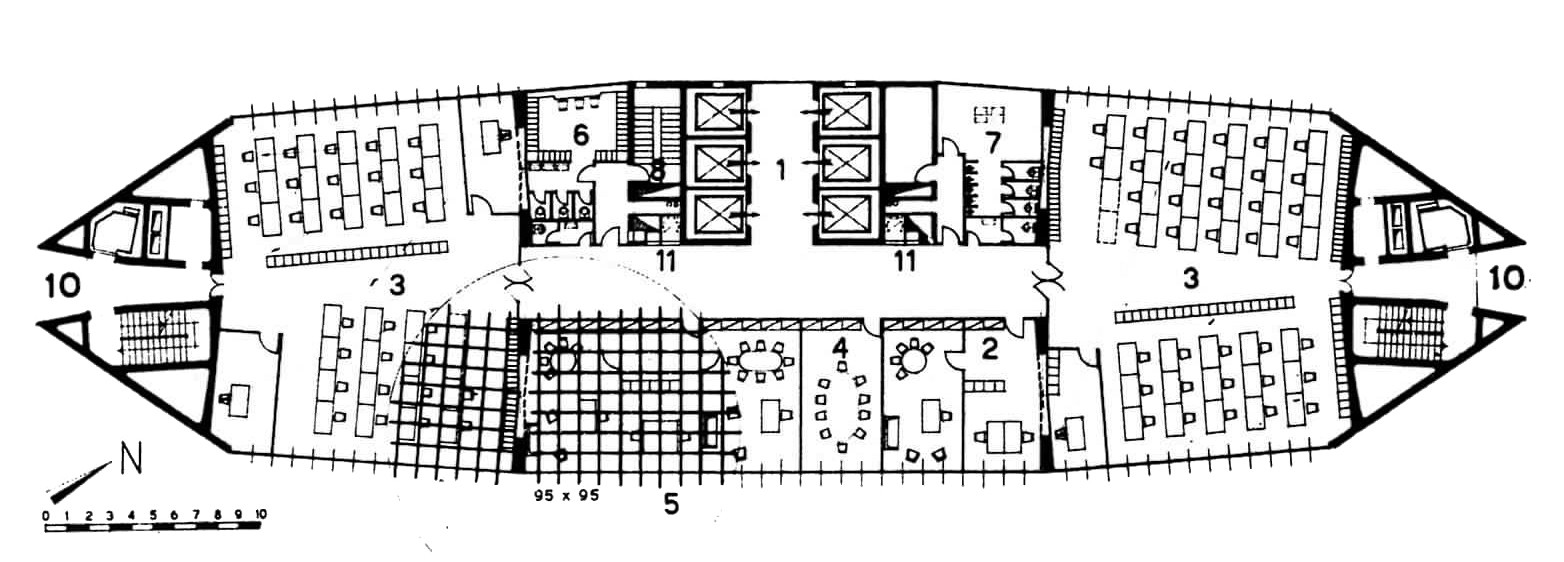
Rising 127 meters above the city, the tower introduced a distinct alternative to the rectilinear skyscrapers that dominated high-rise construction during the period. Rather than adopting a conventional box-like form, Ponti developed a slender volume defined by a tapered plan and pointed ends. This geometry reduces the visual mass of the building while emphasizing its vertical character and structural clarity.
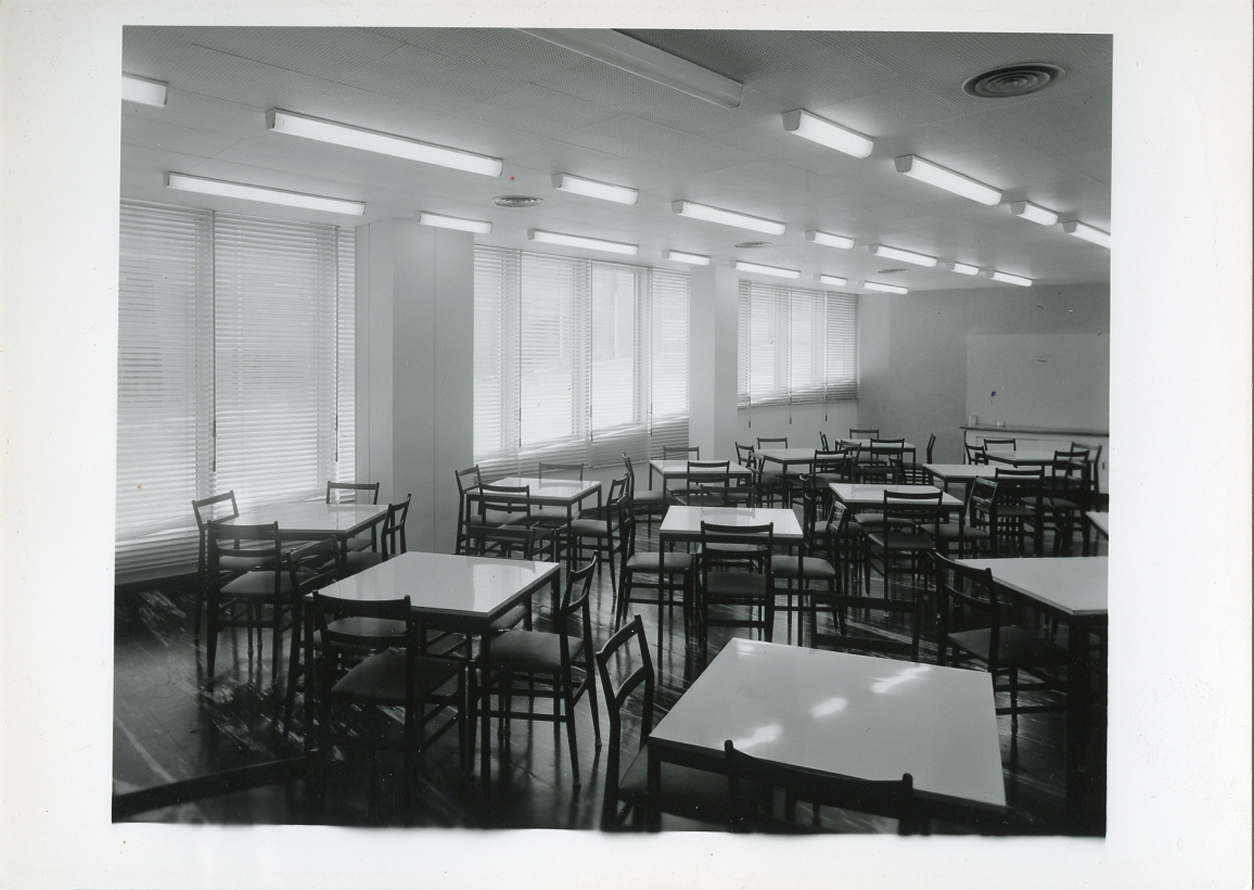
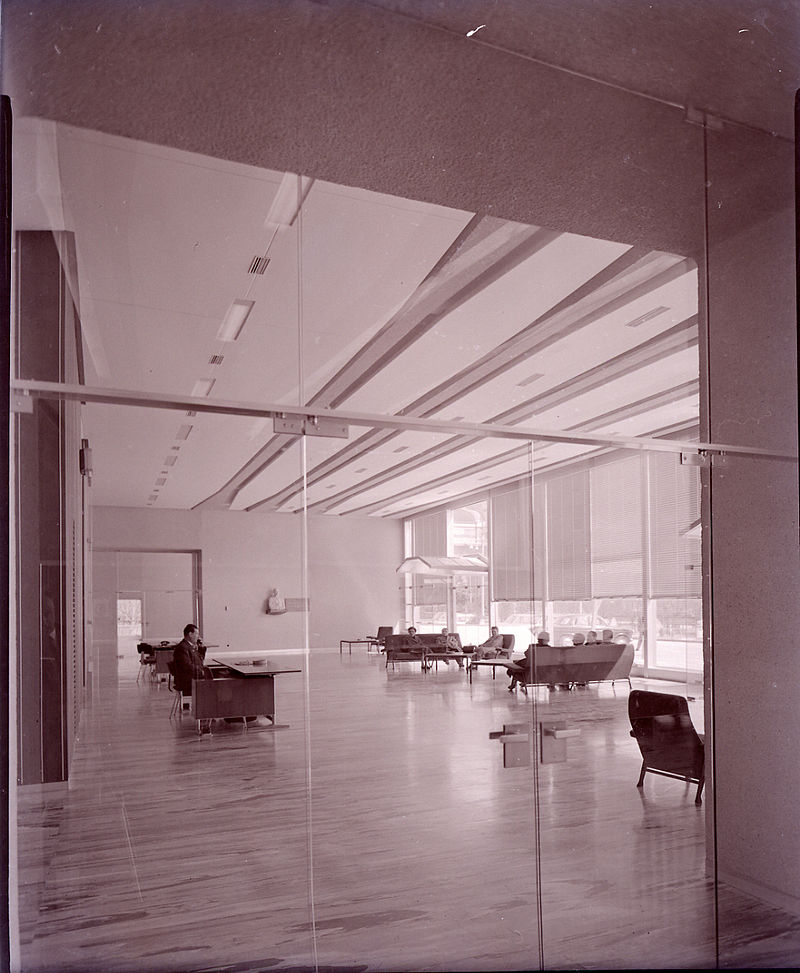
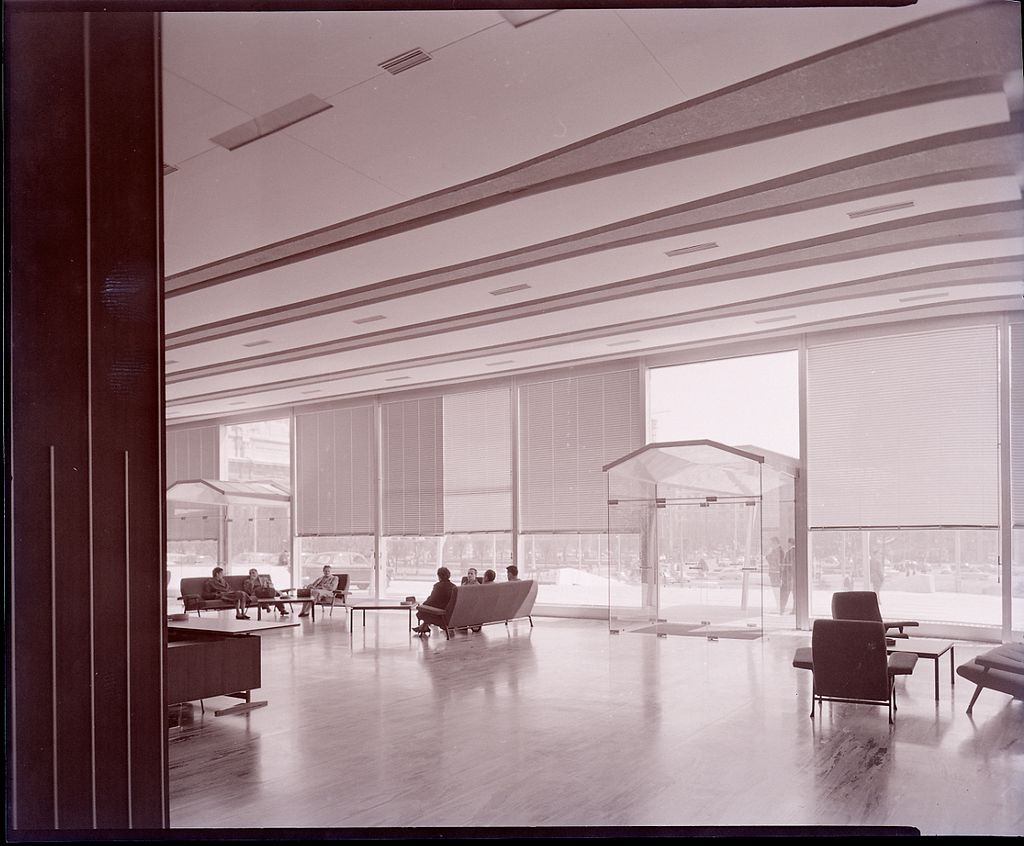
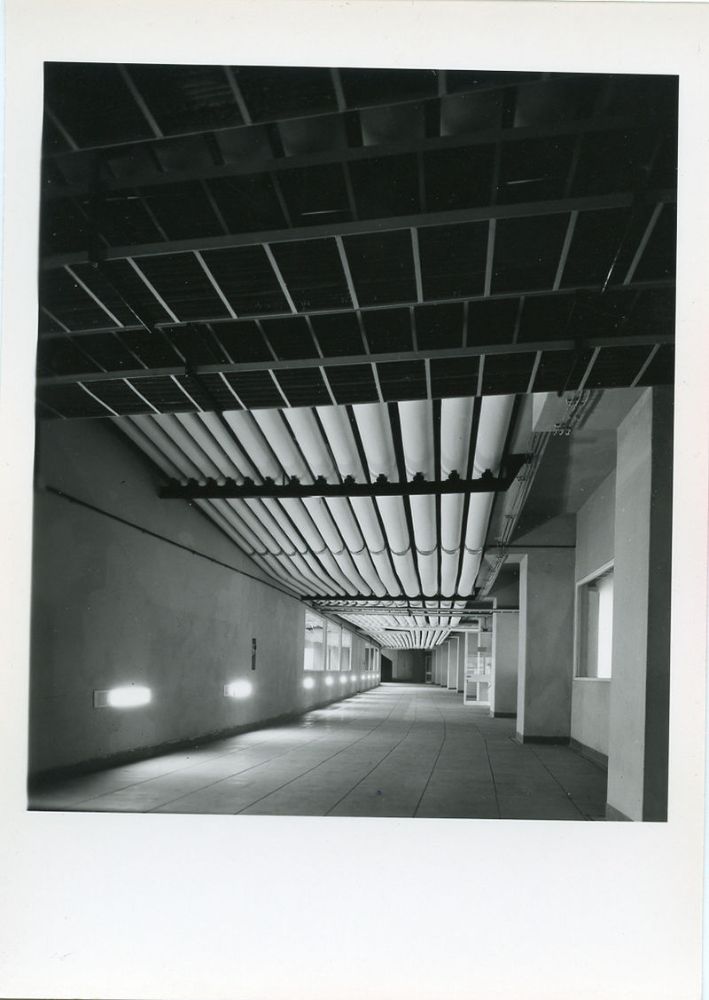
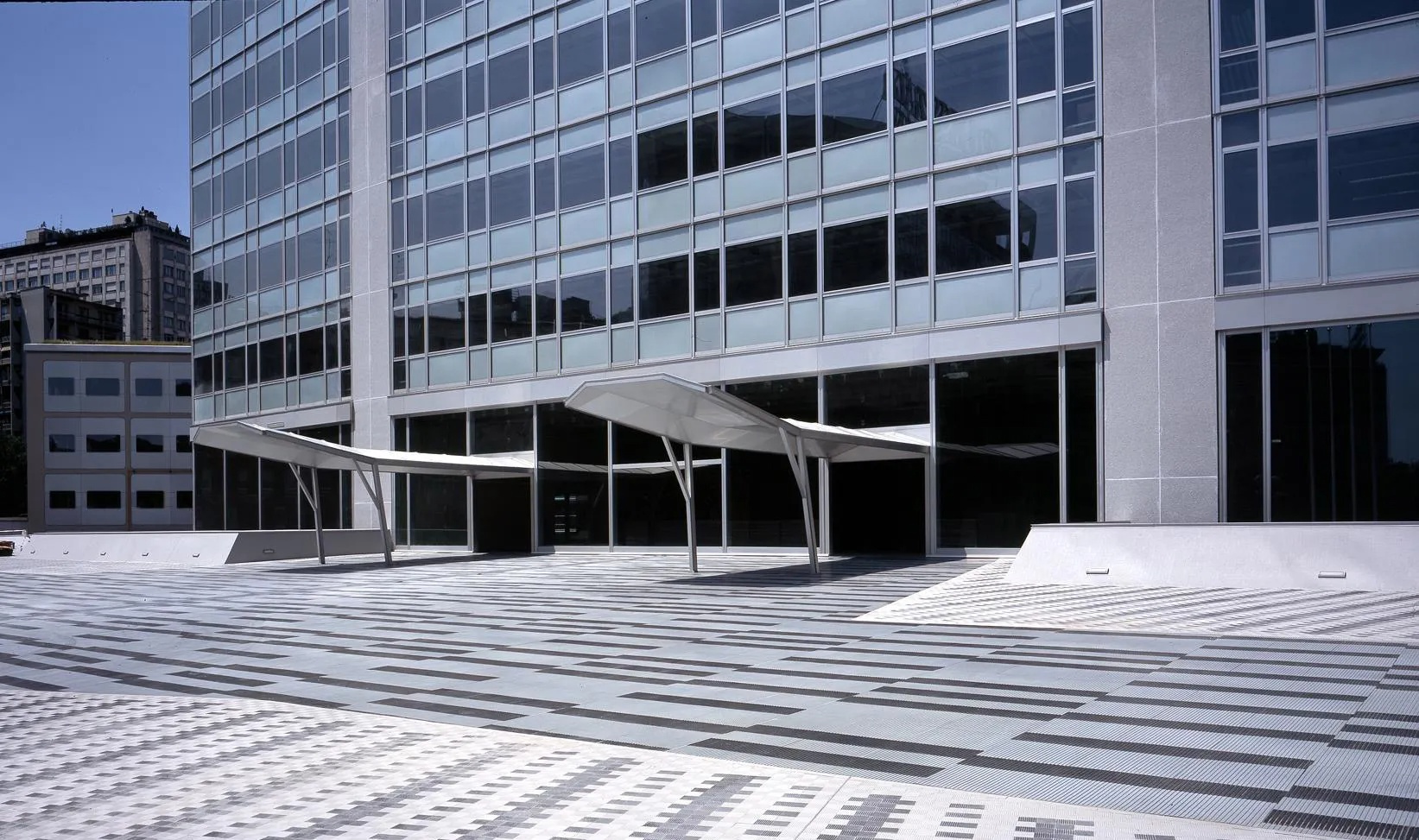
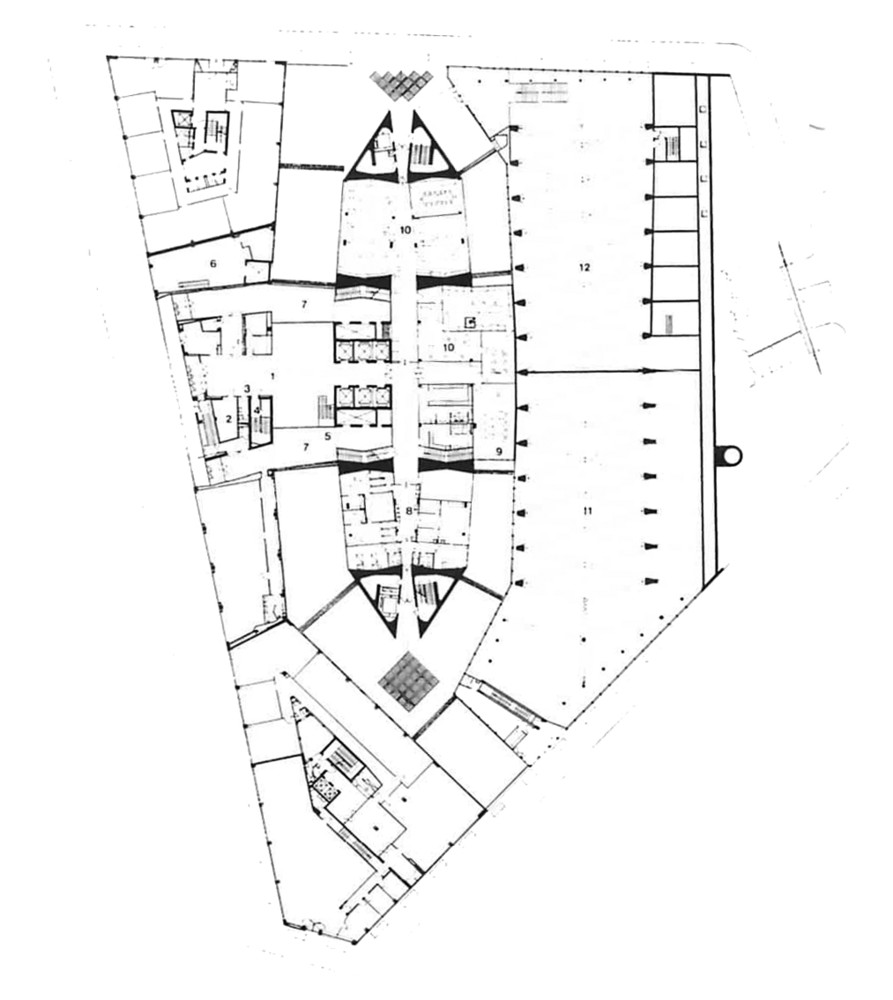
The tower occupies a relatively compact footprint within a larger site, creating open space around the building and improving access, daylight, and ventilation. Ponti regarded this approach as beneficial from an urban planning perspective, demonstrating how density could be achieved while preserving space at ground level. Two underground floors originally accommodated parking, conference facilities, a staff cafeteria, and a 600-seat auditorium.
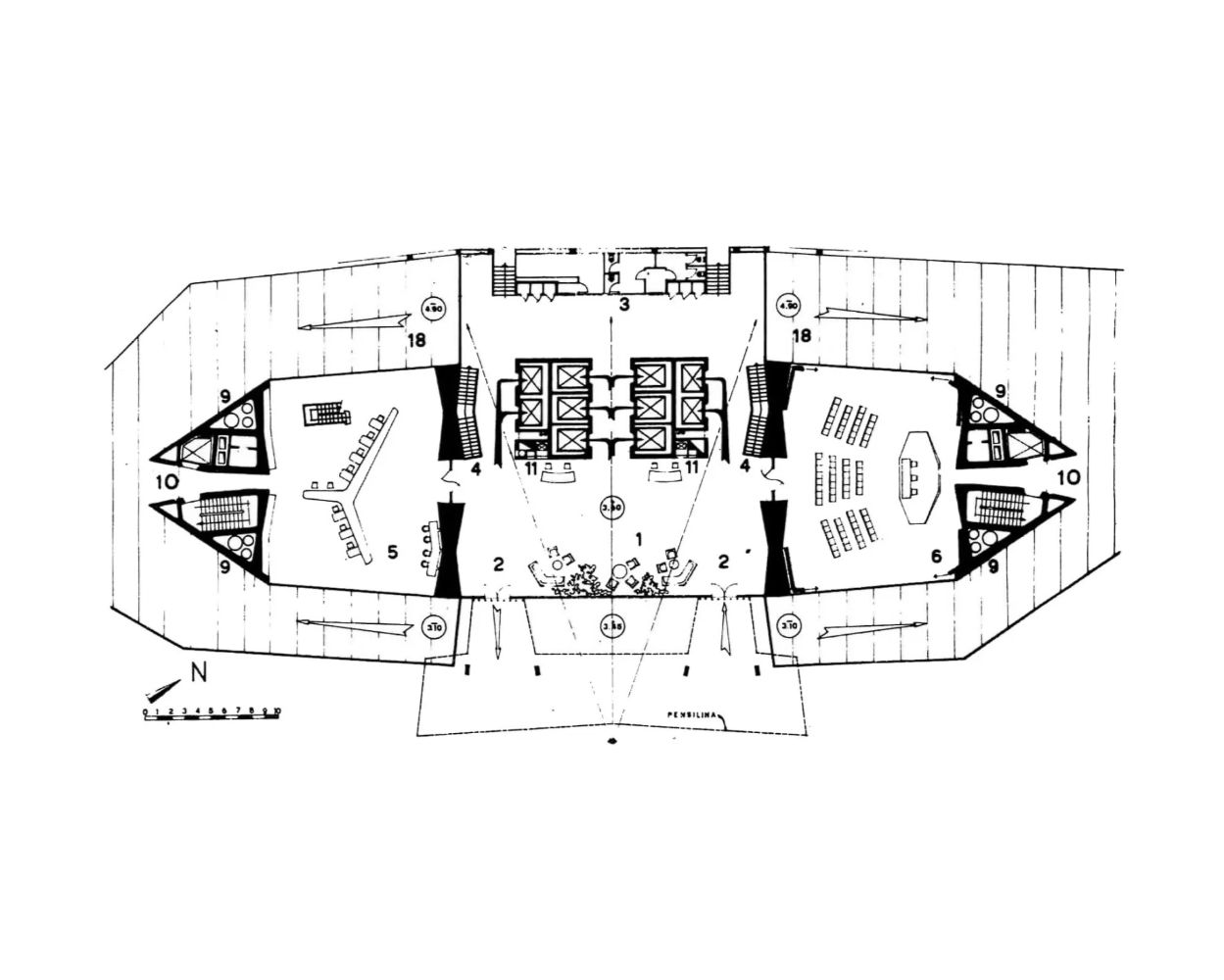
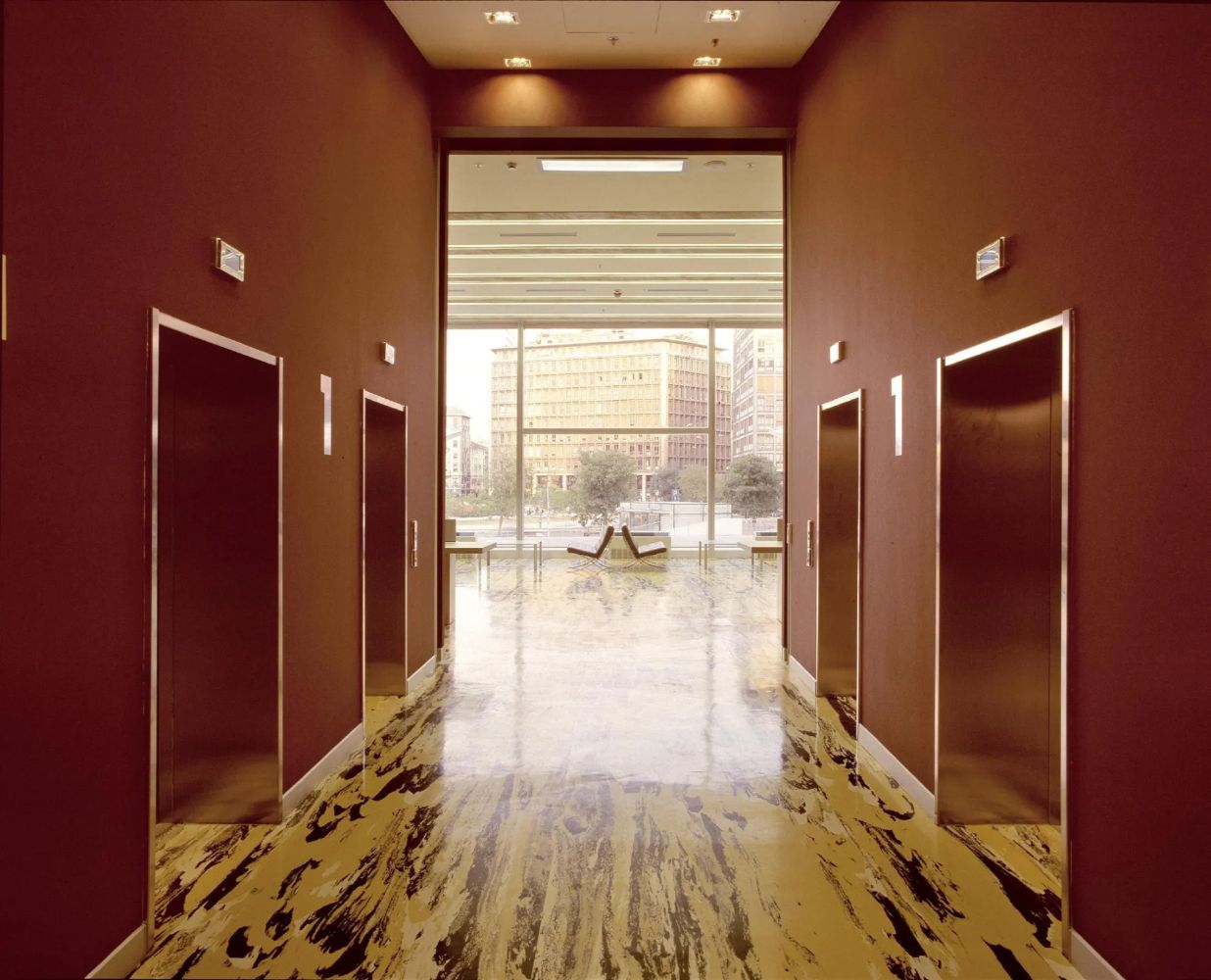
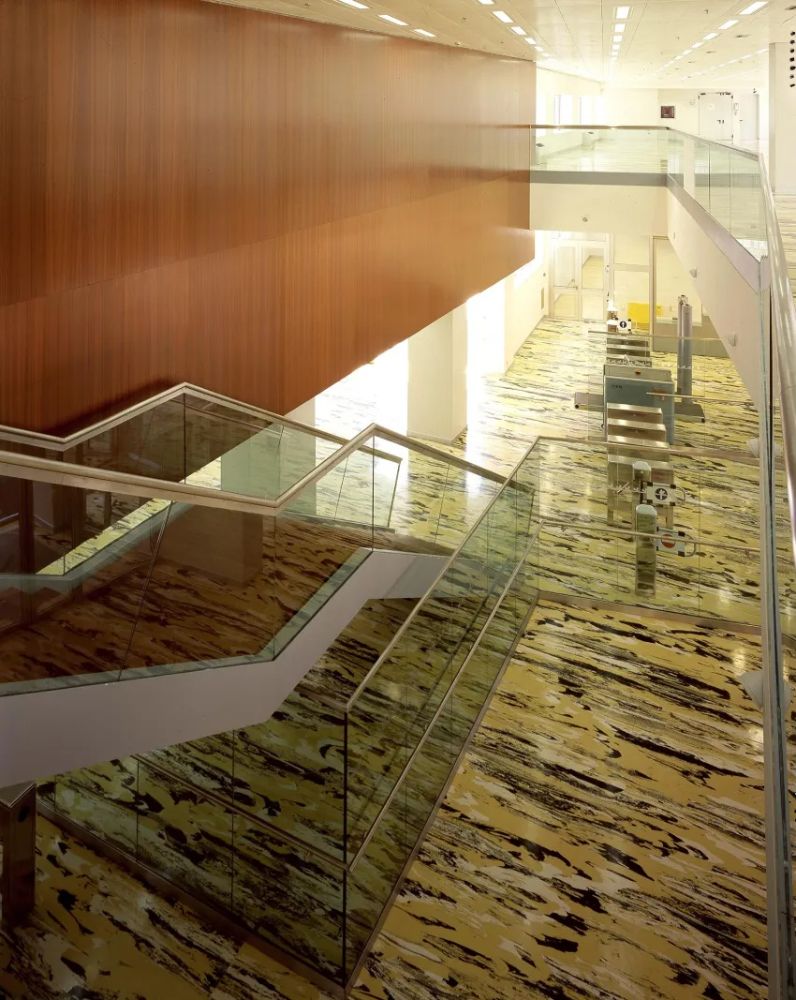
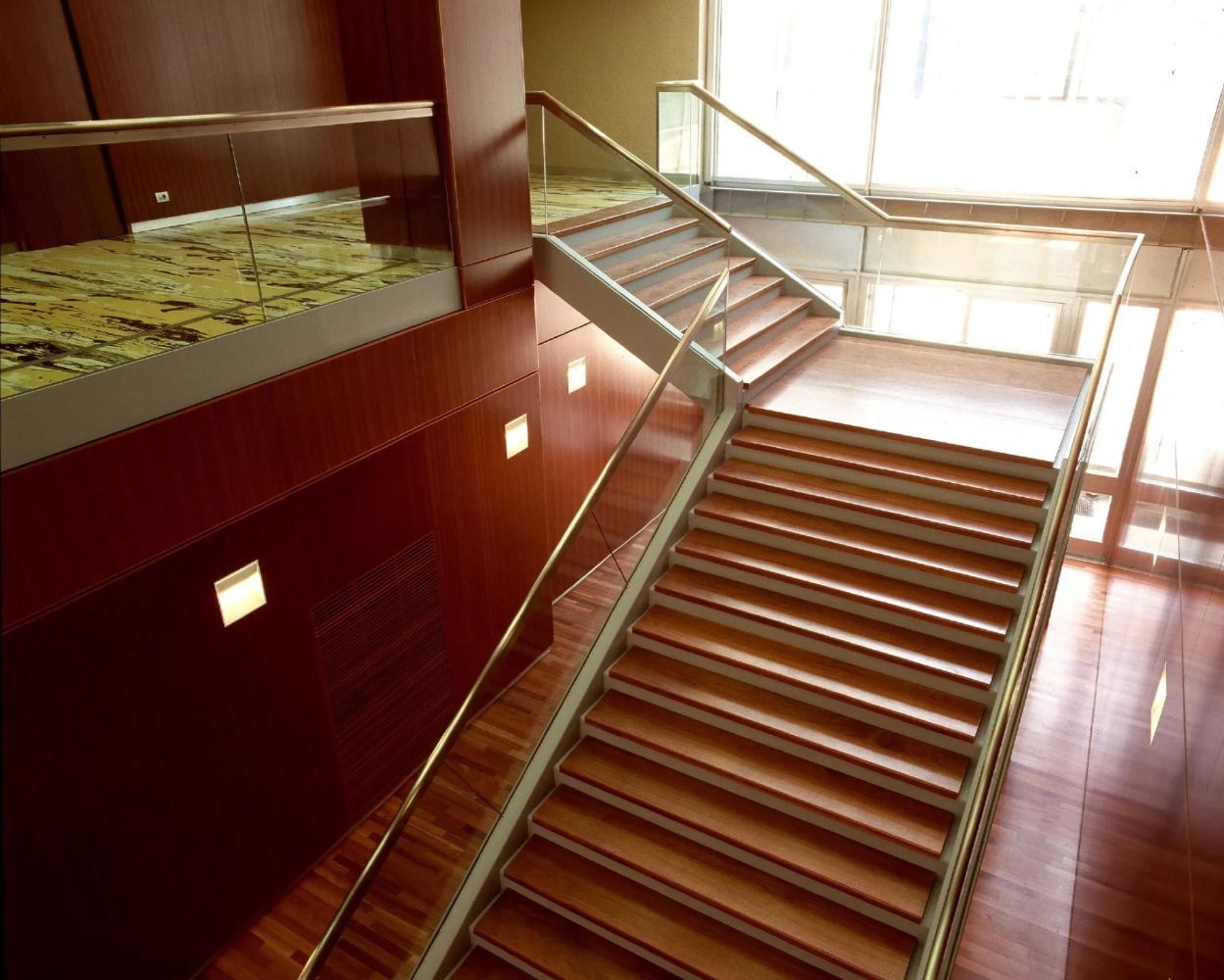
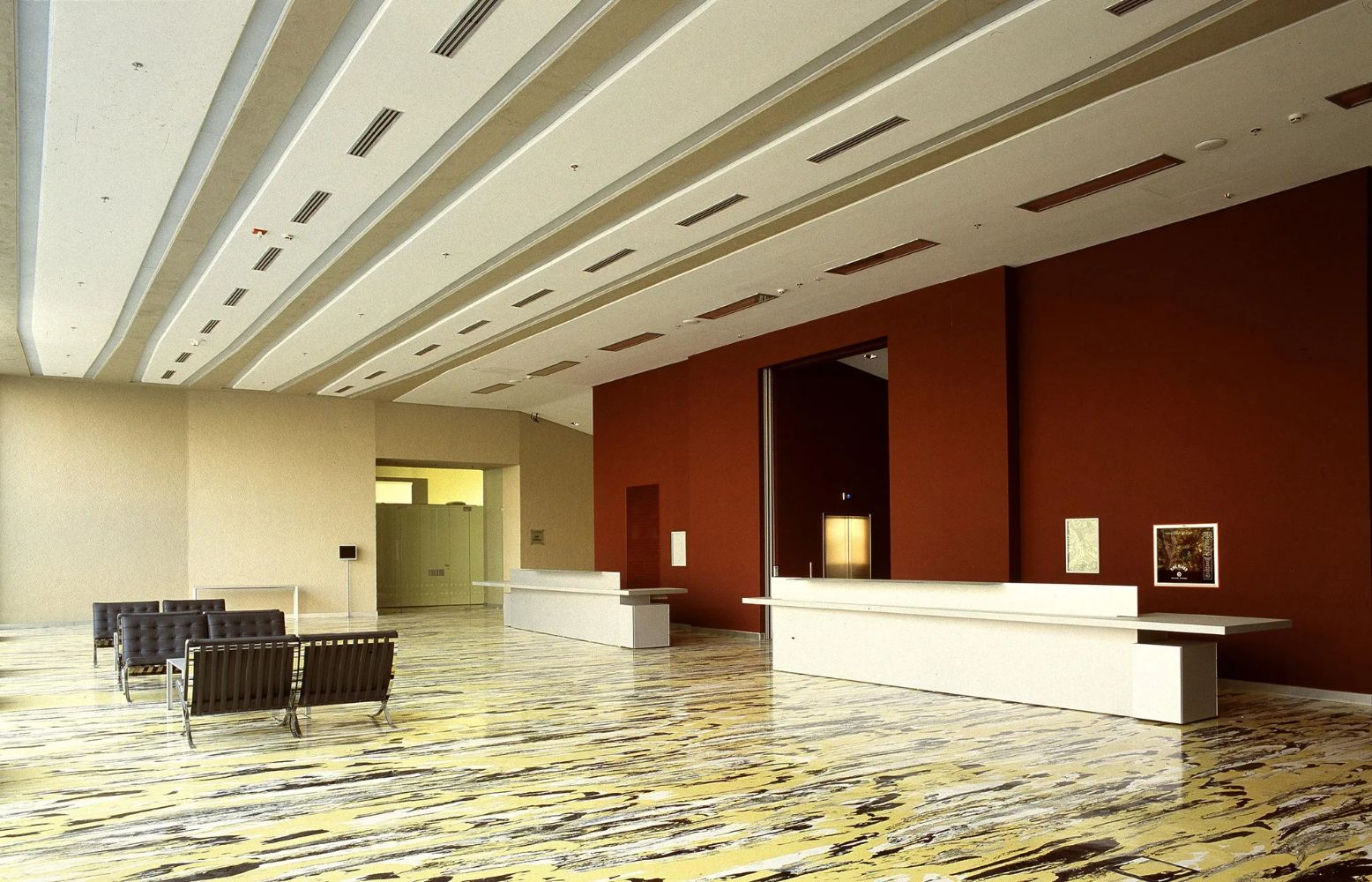
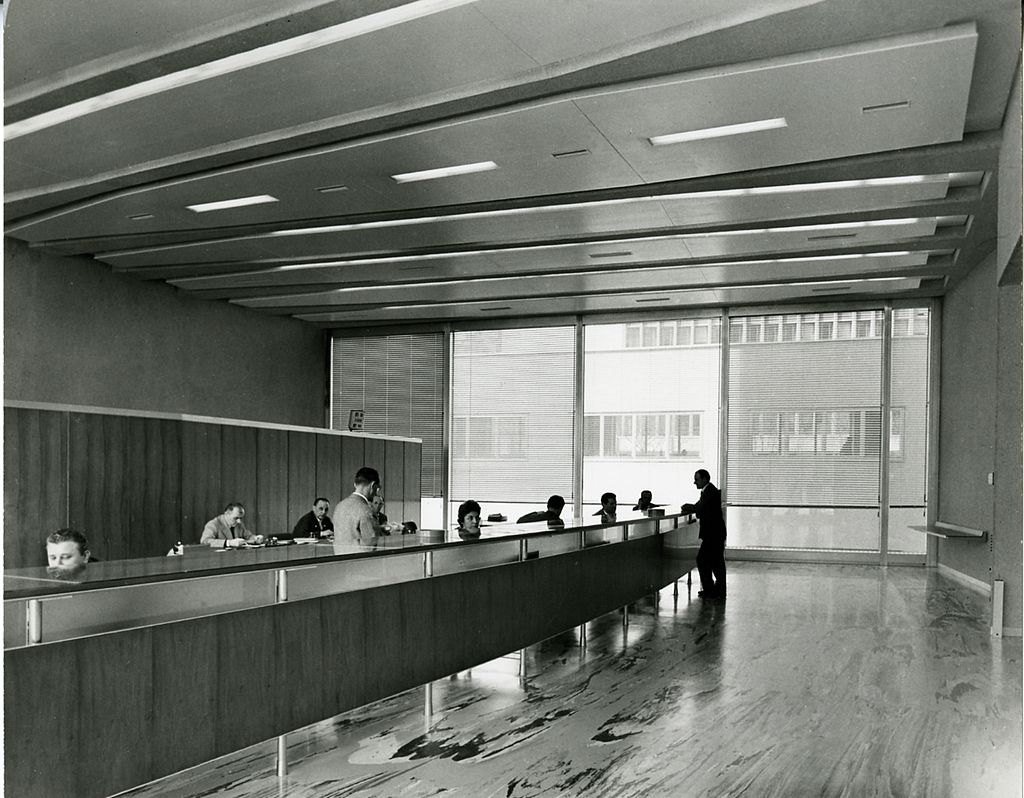
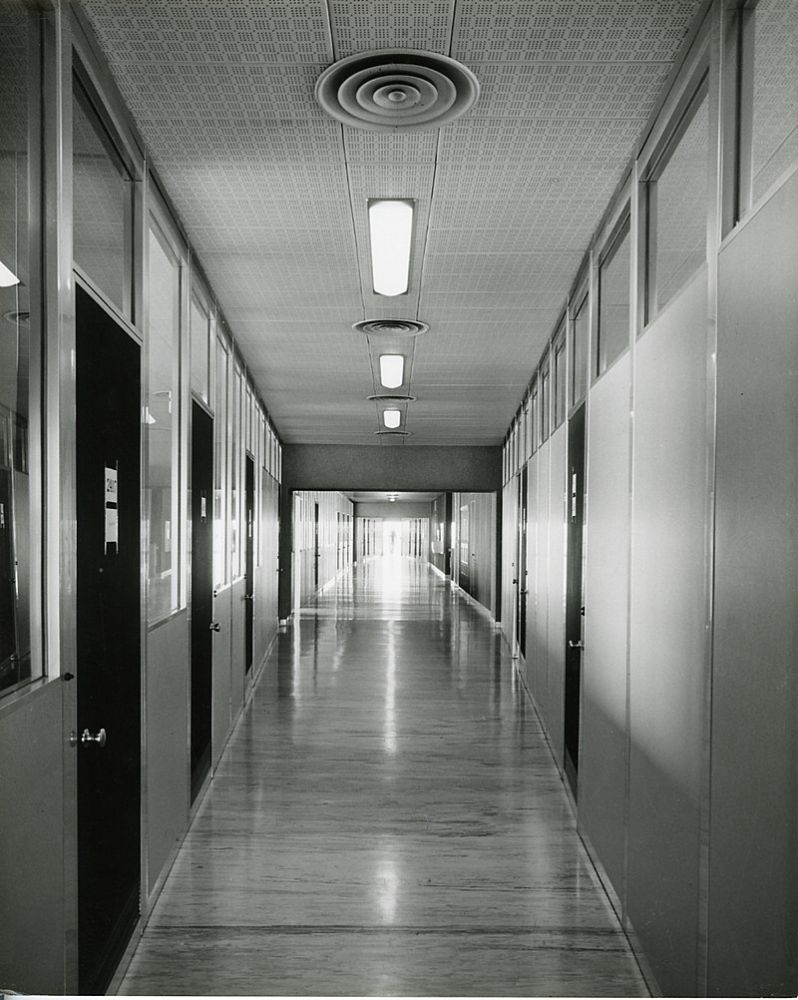
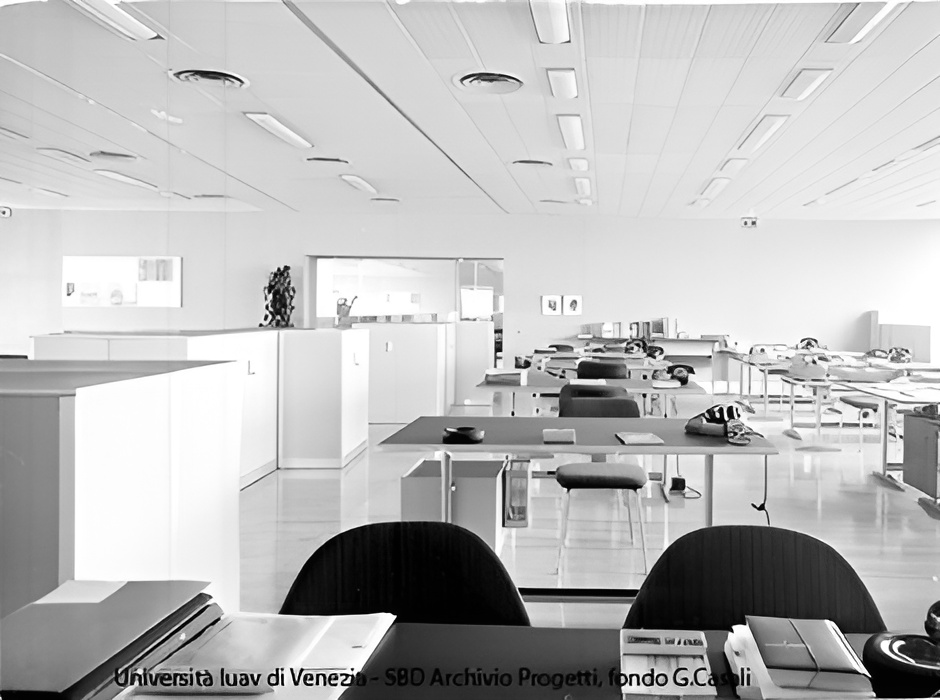
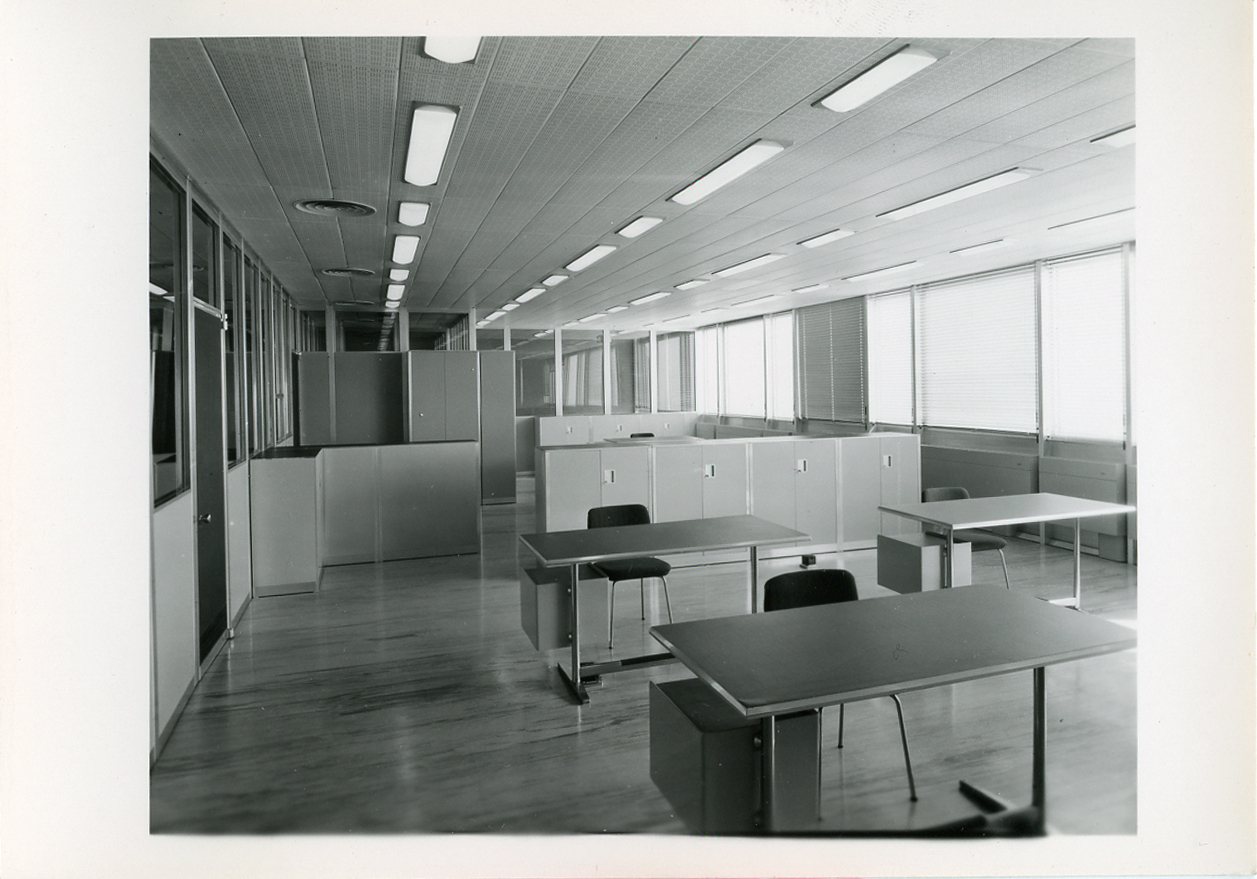
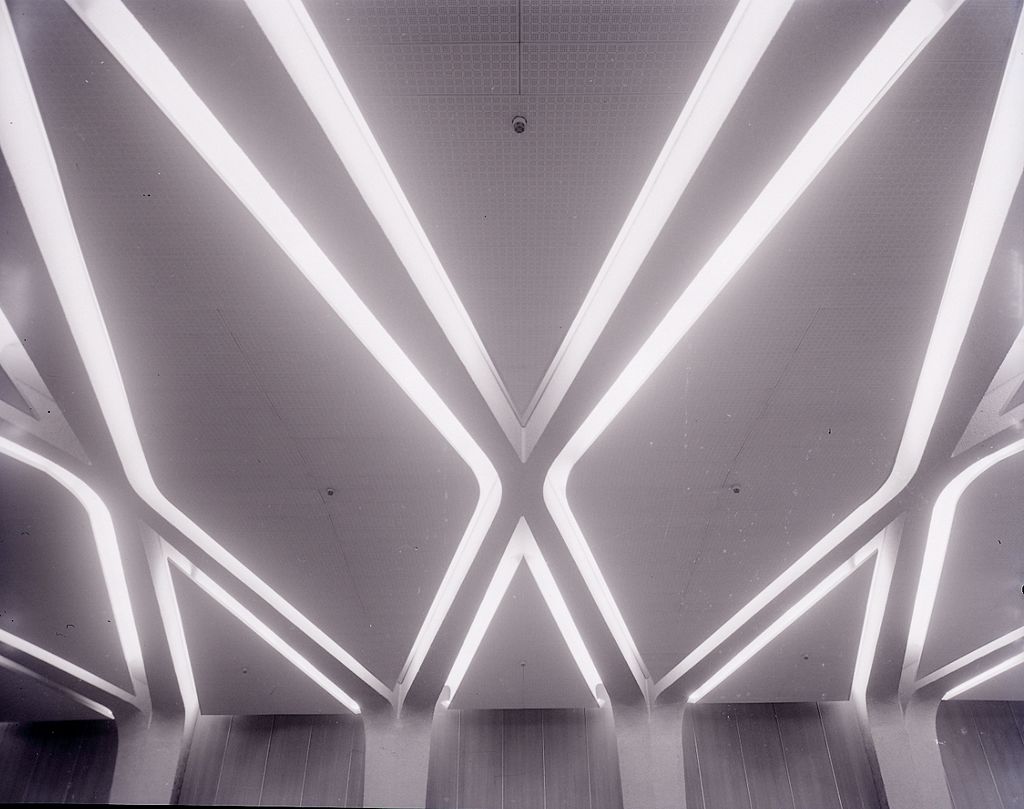
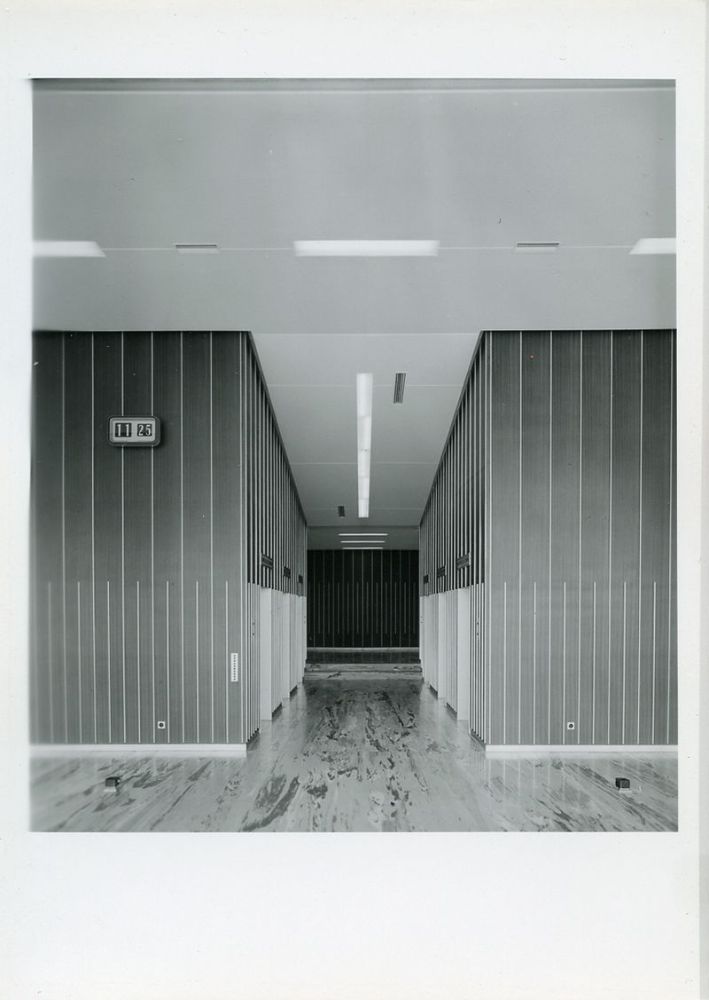
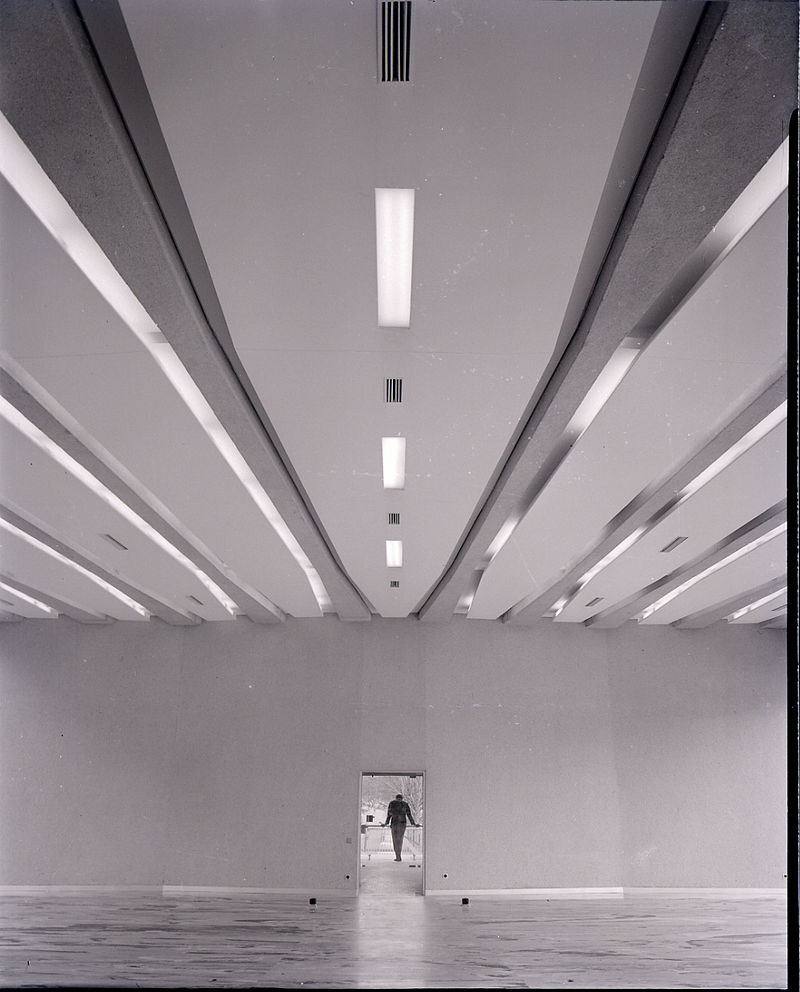
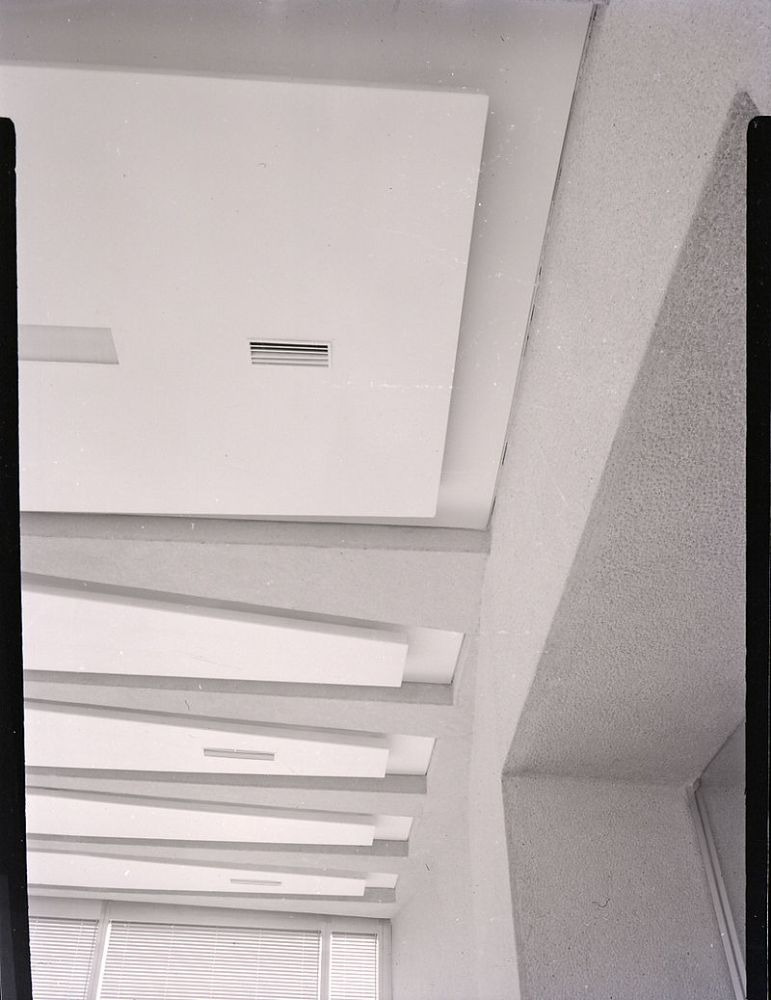
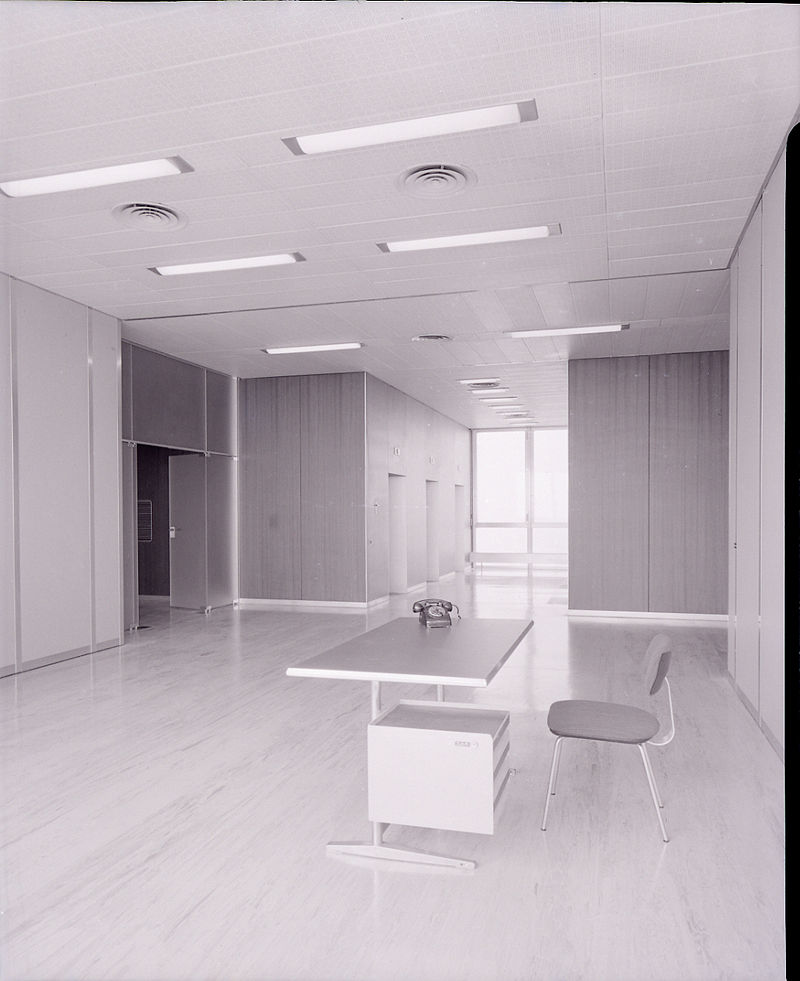
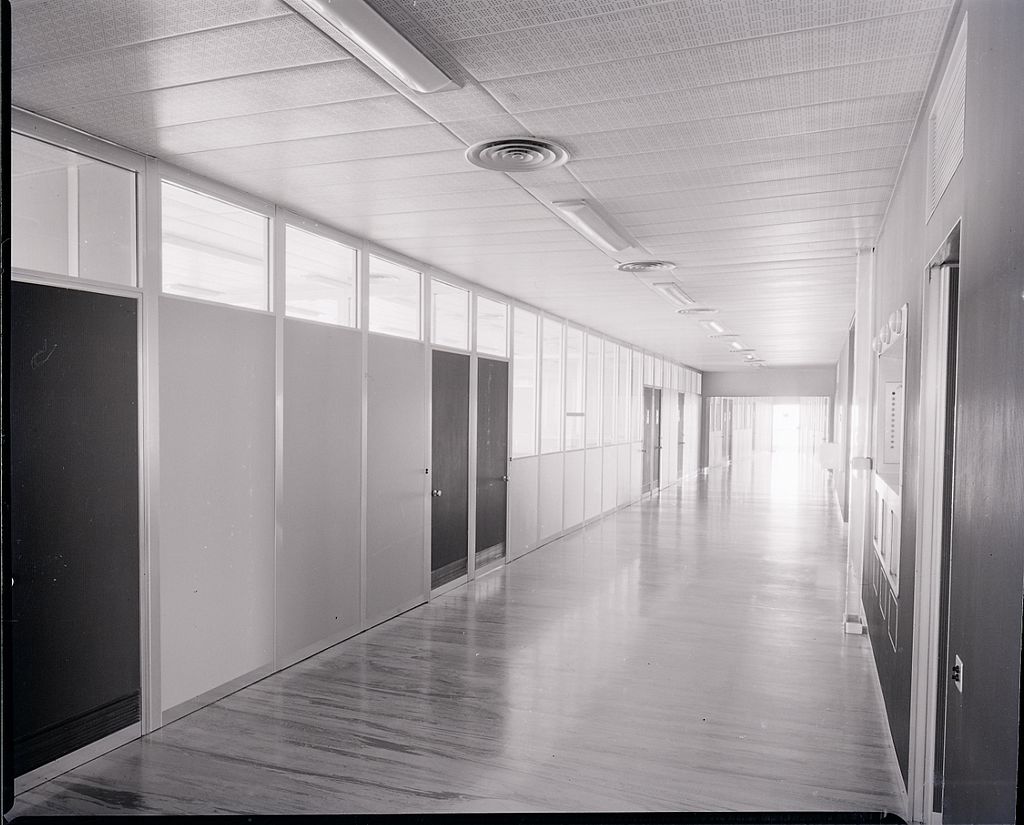
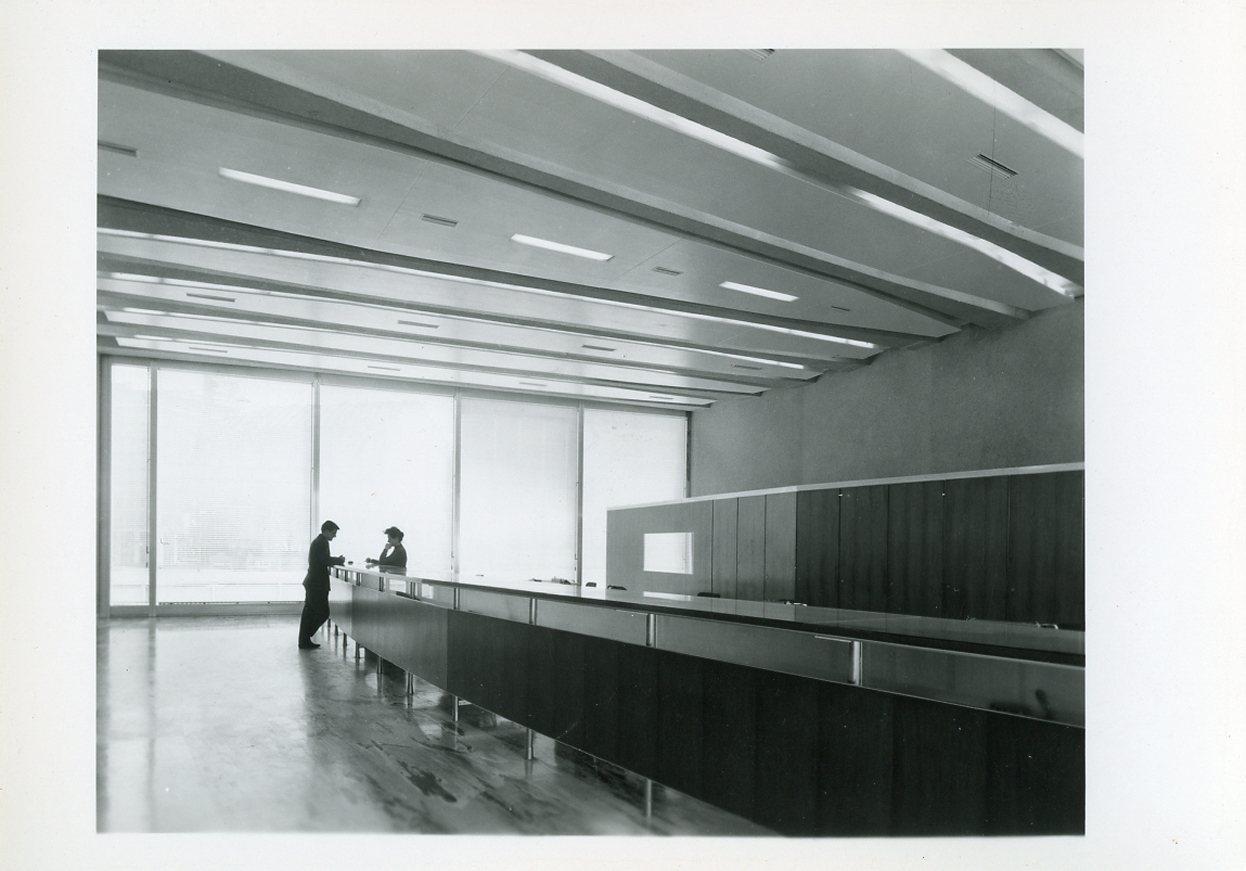
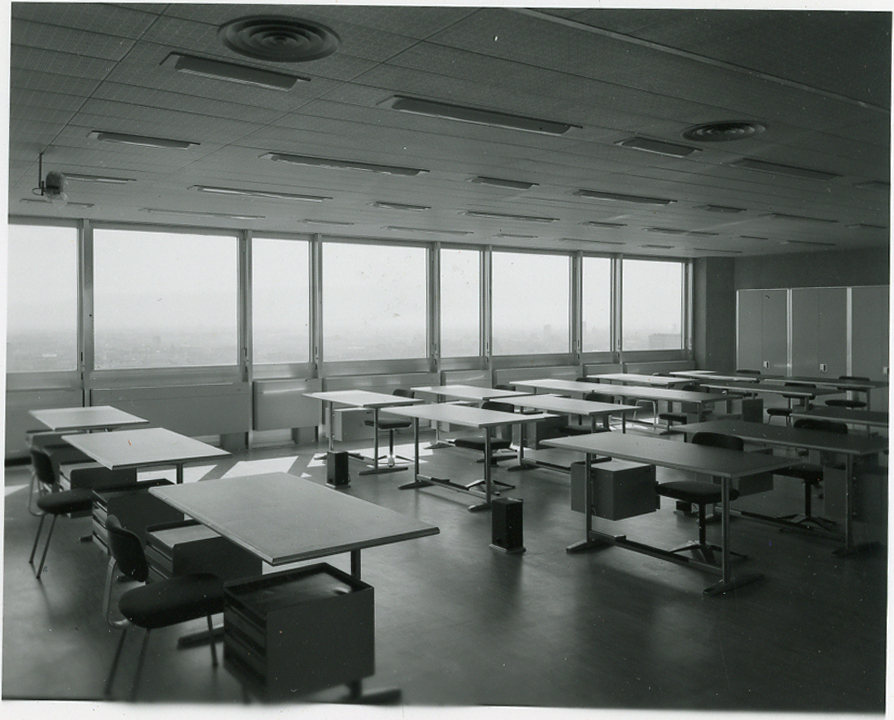
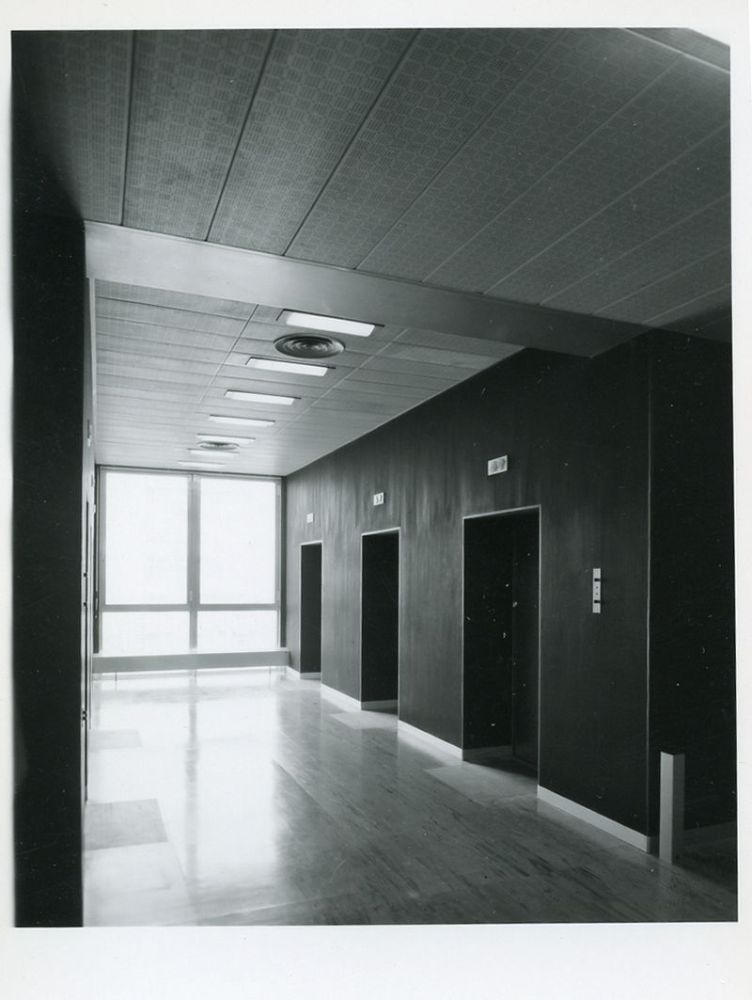
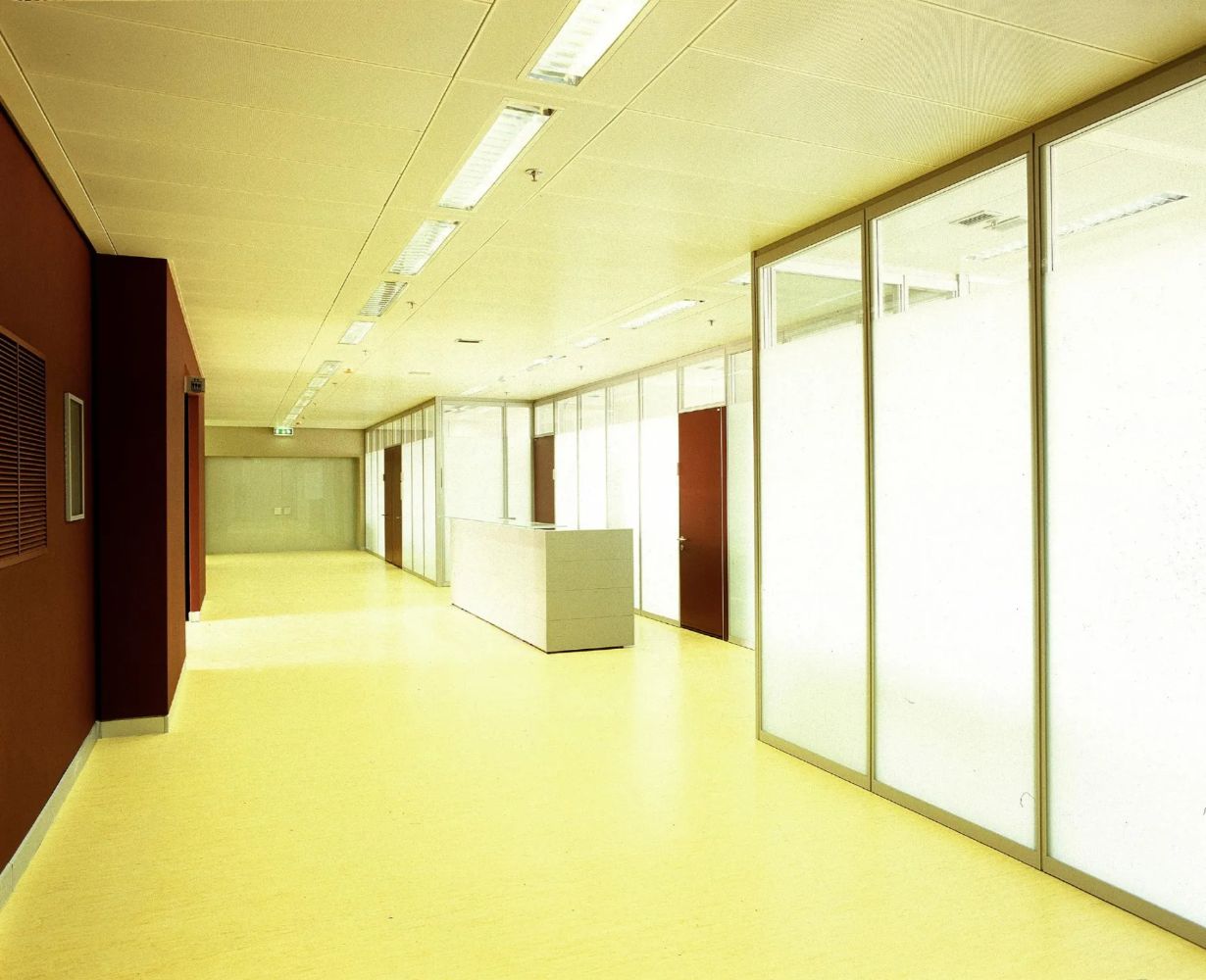
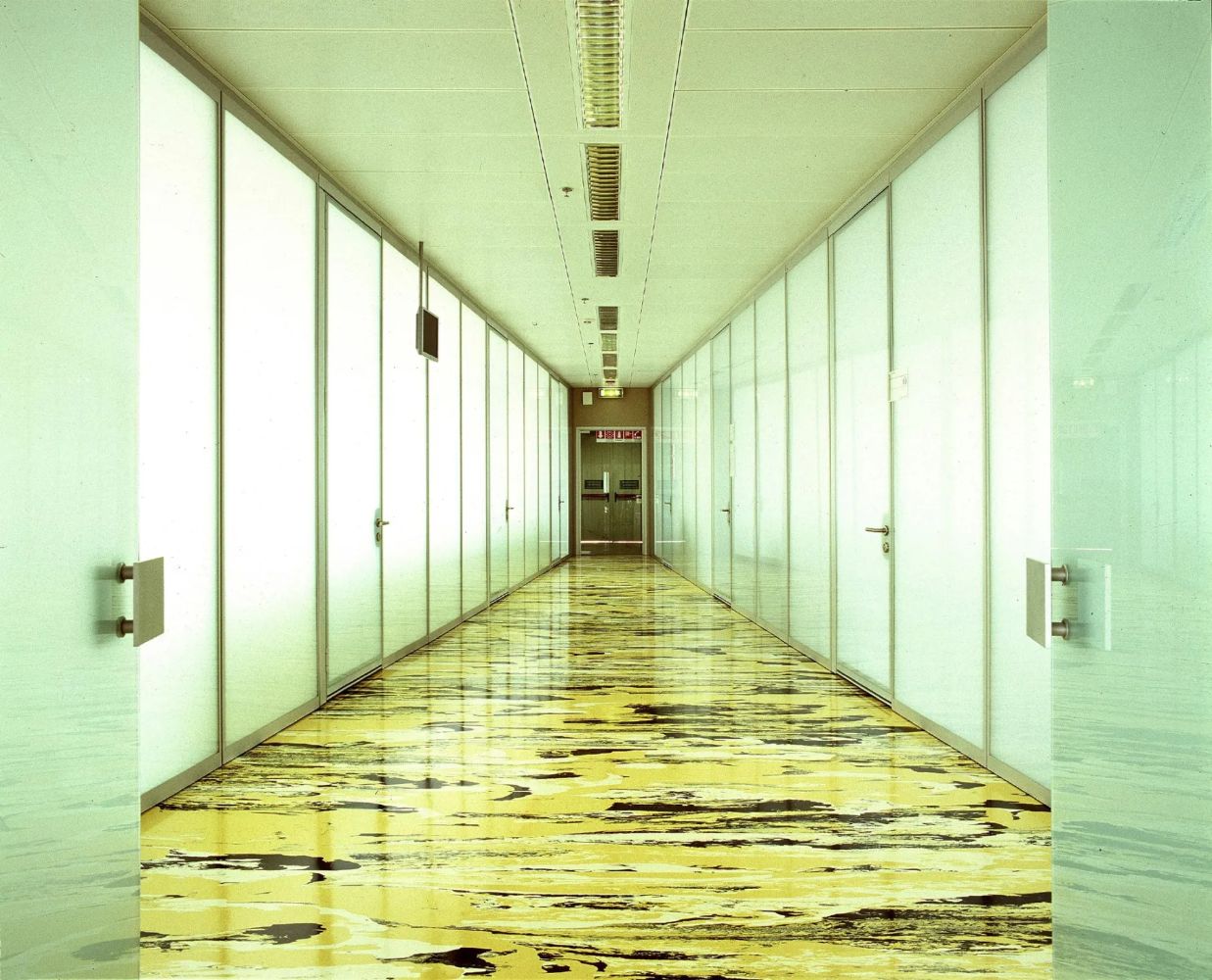
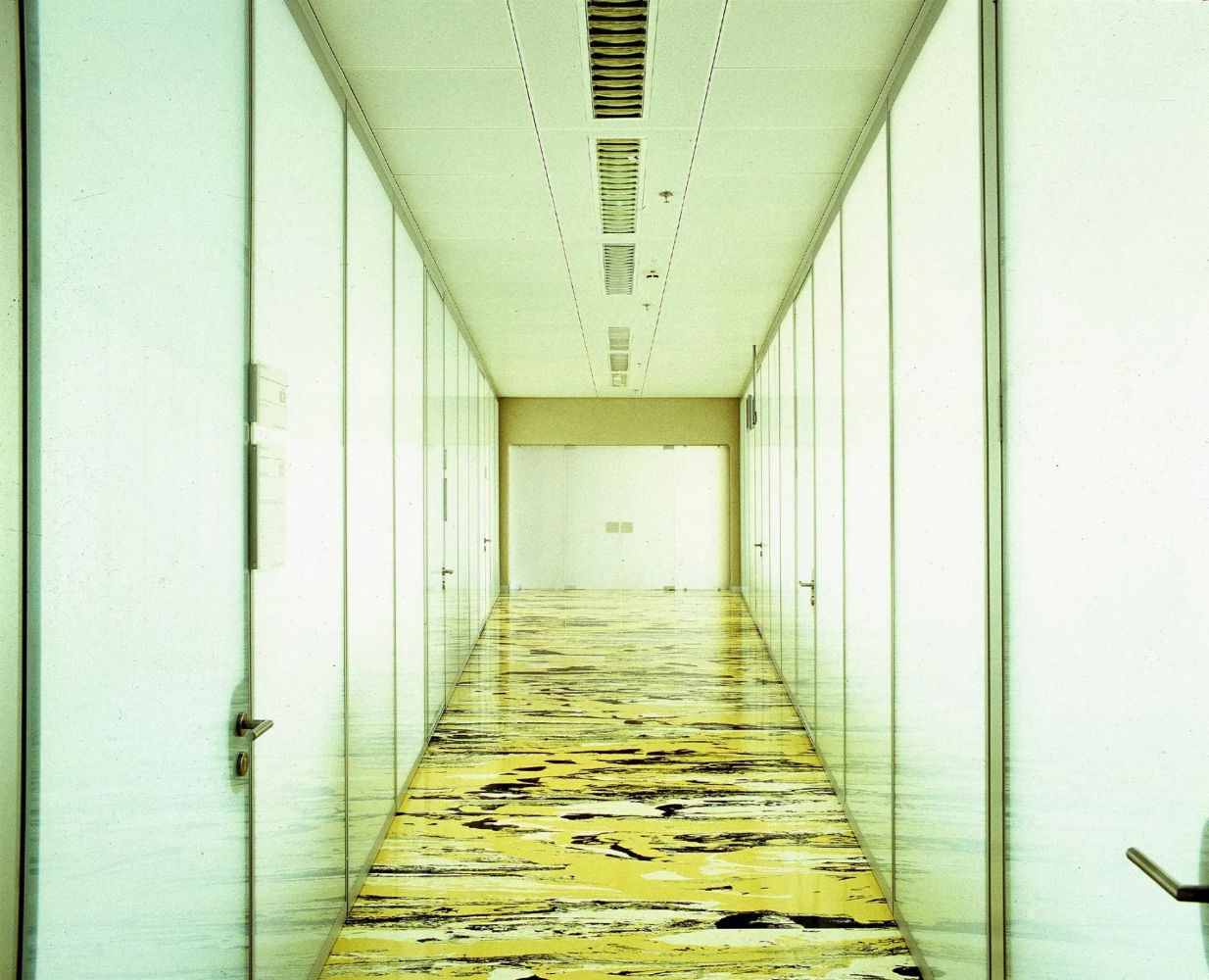
The office floors are organized around a central service and circulation core. Elevators, stairs, mechanical systems, and utilities are concentrated in the center, allowing flexible open-plan workspaces around the perimeter. Movable partitions enabled office layouts to be modified according to changing requirements, an innovative approach for commercial buildings of the 1950s.

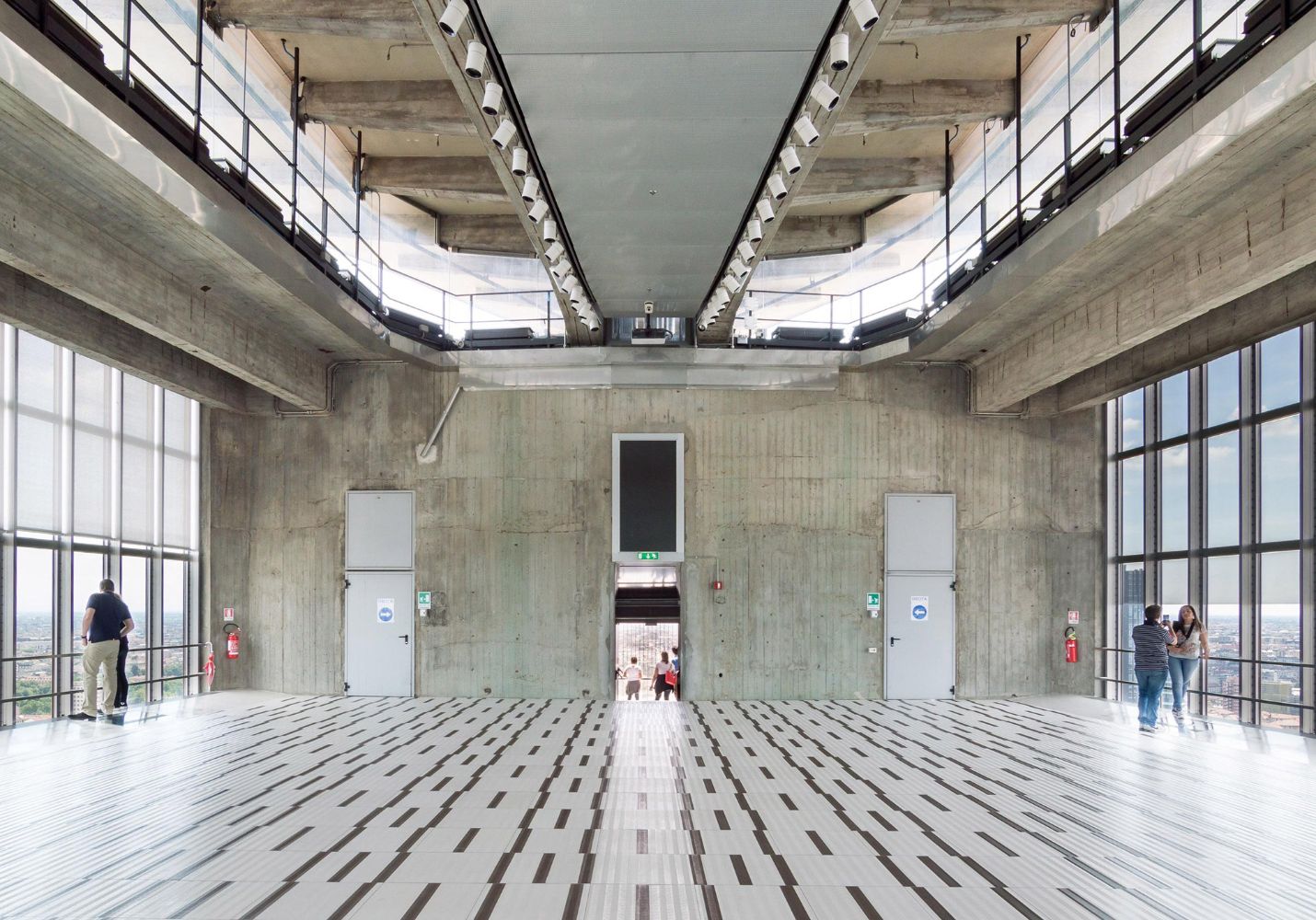
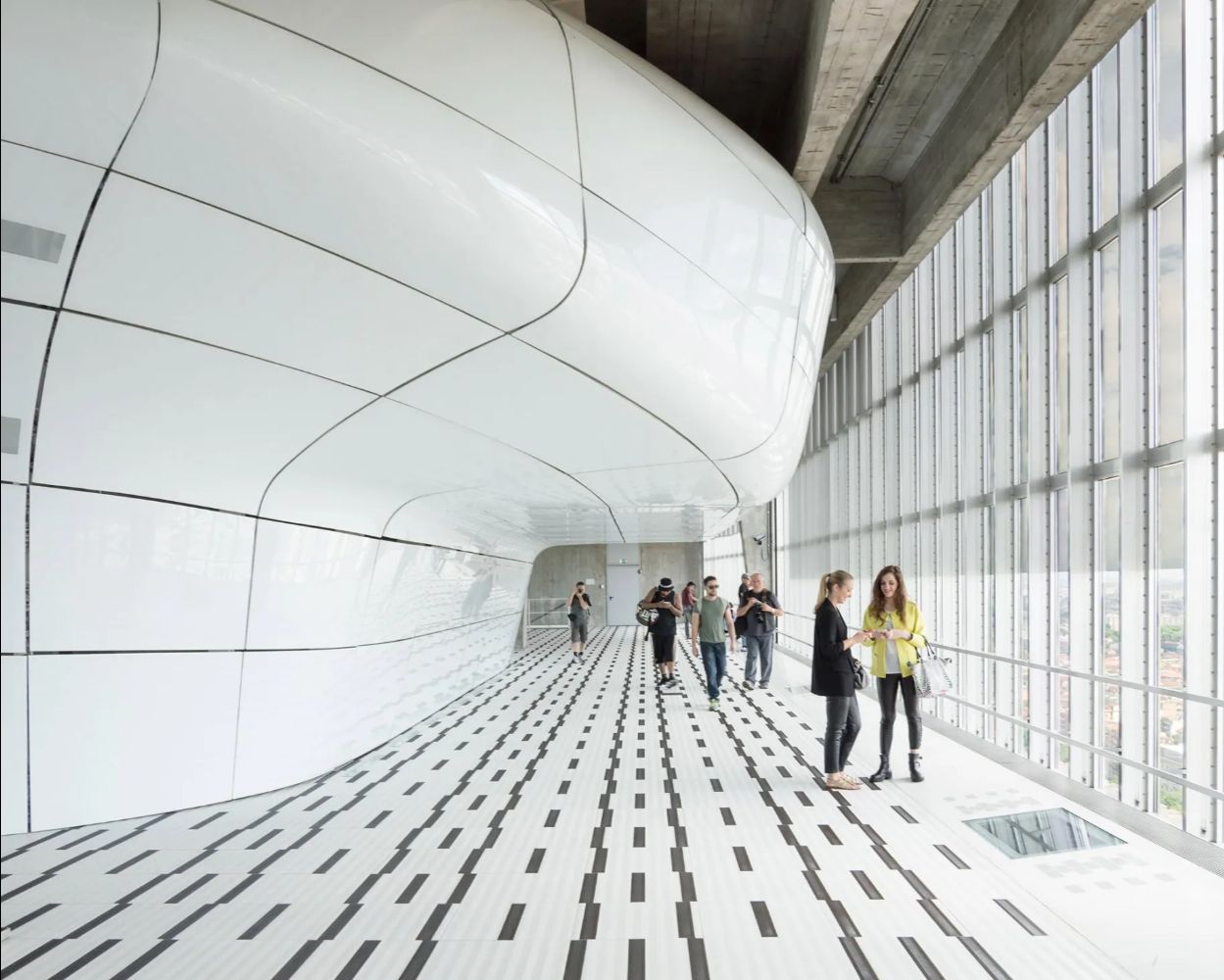
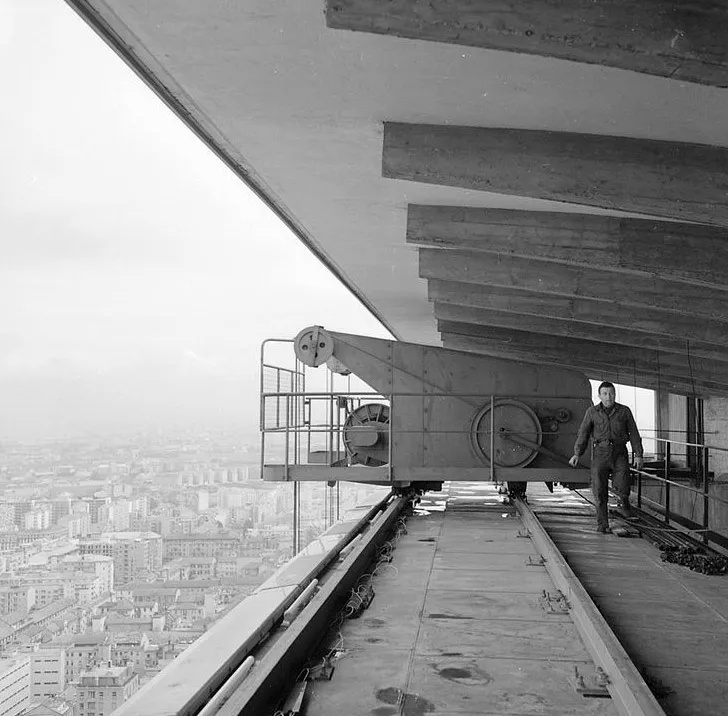
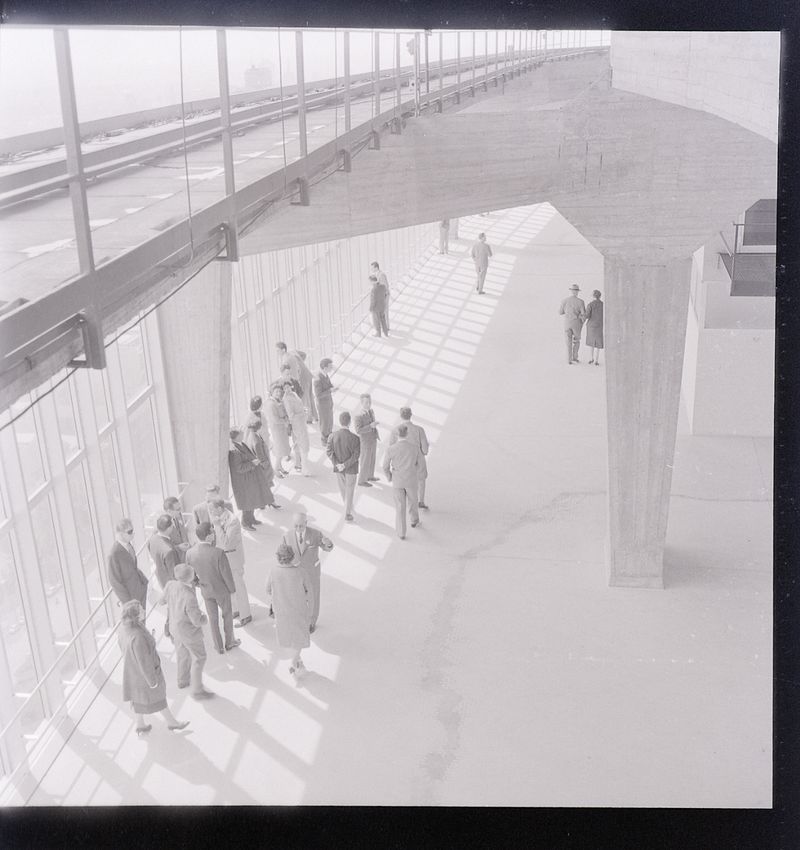
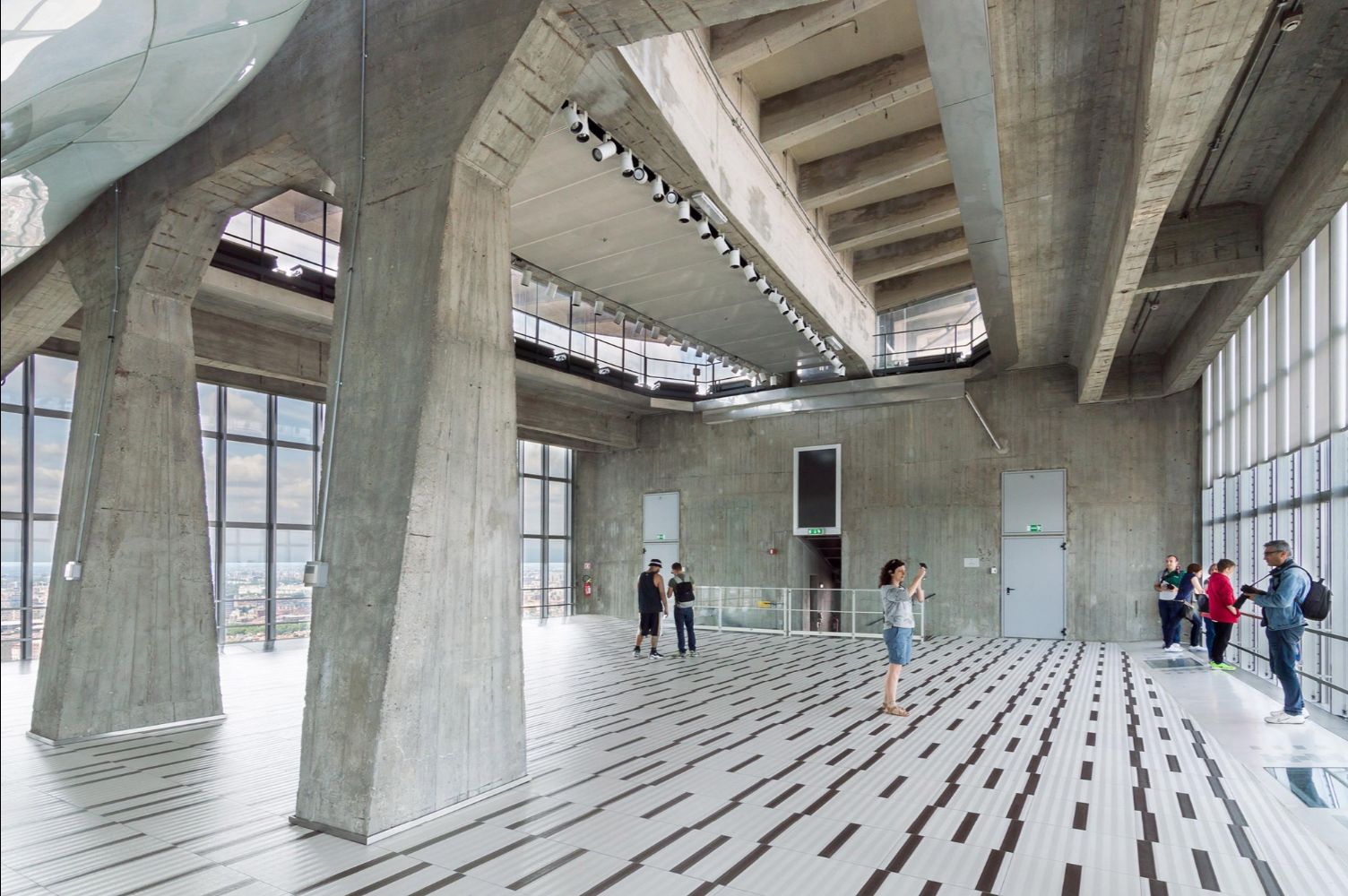
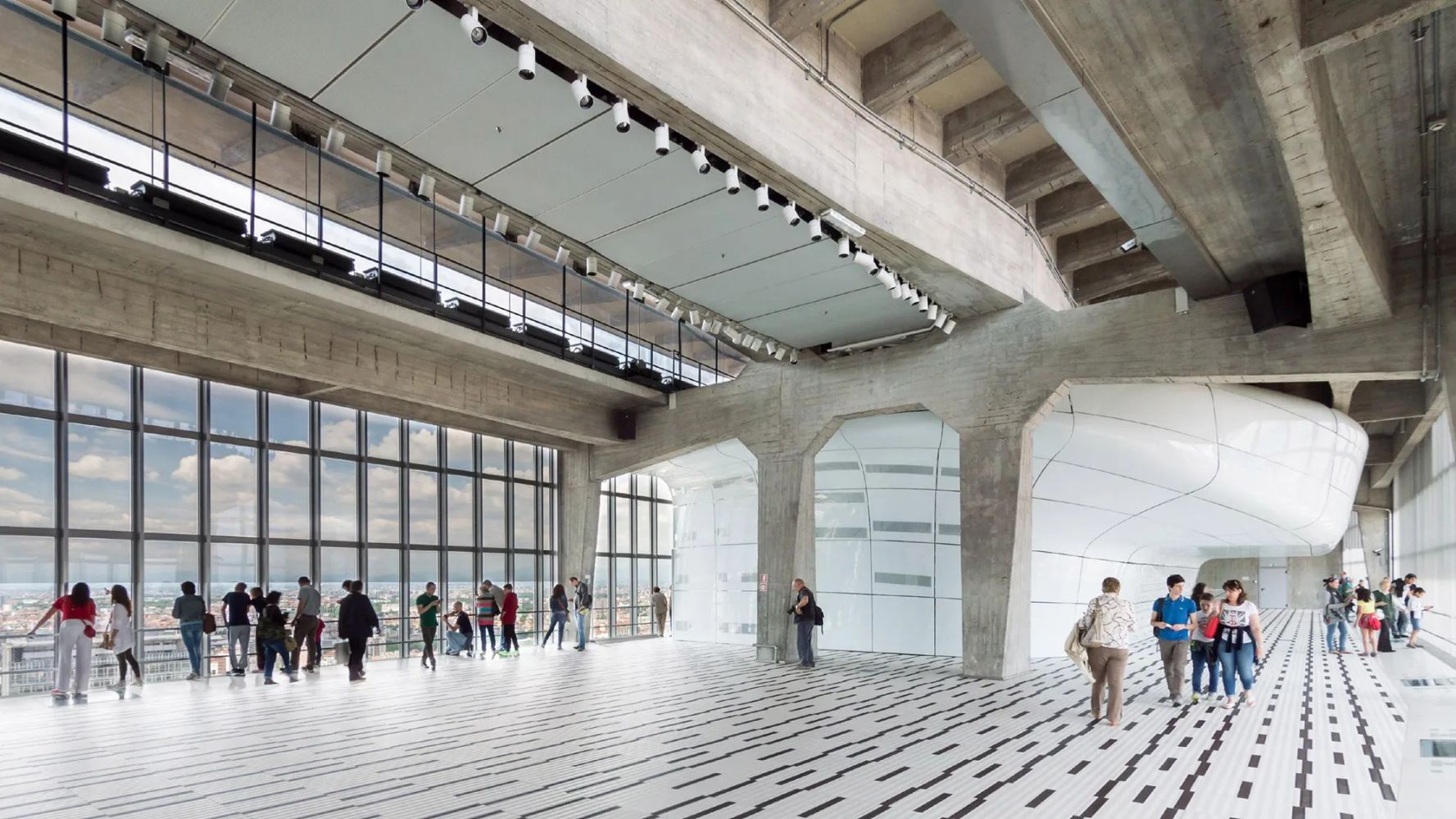
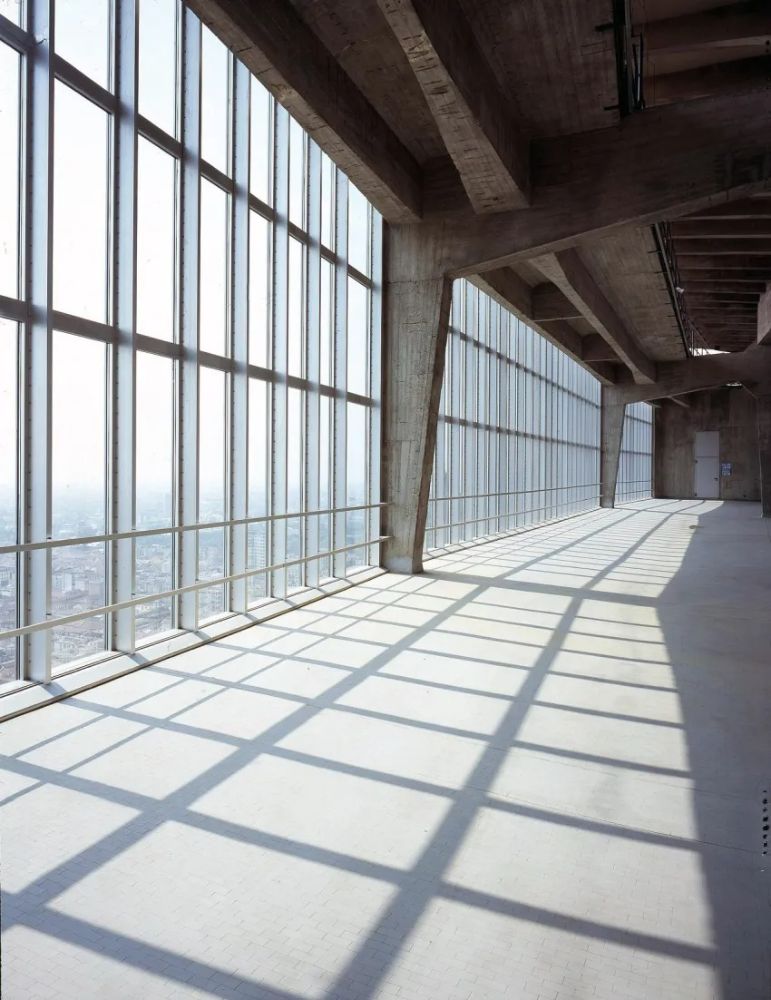
The structural system was developed through the engineering expertise of Pier Luigi Nervi and Arturo Danusso. Reinforced concrete piers gradually decrease in thickness toward the top of the building, responding directly to changing structural loads while maximizing usable floor area. The tower became the first building to employ a structural frame spanning approximately 25 meters, contributing to the efficiency and openness of its interior spaces.
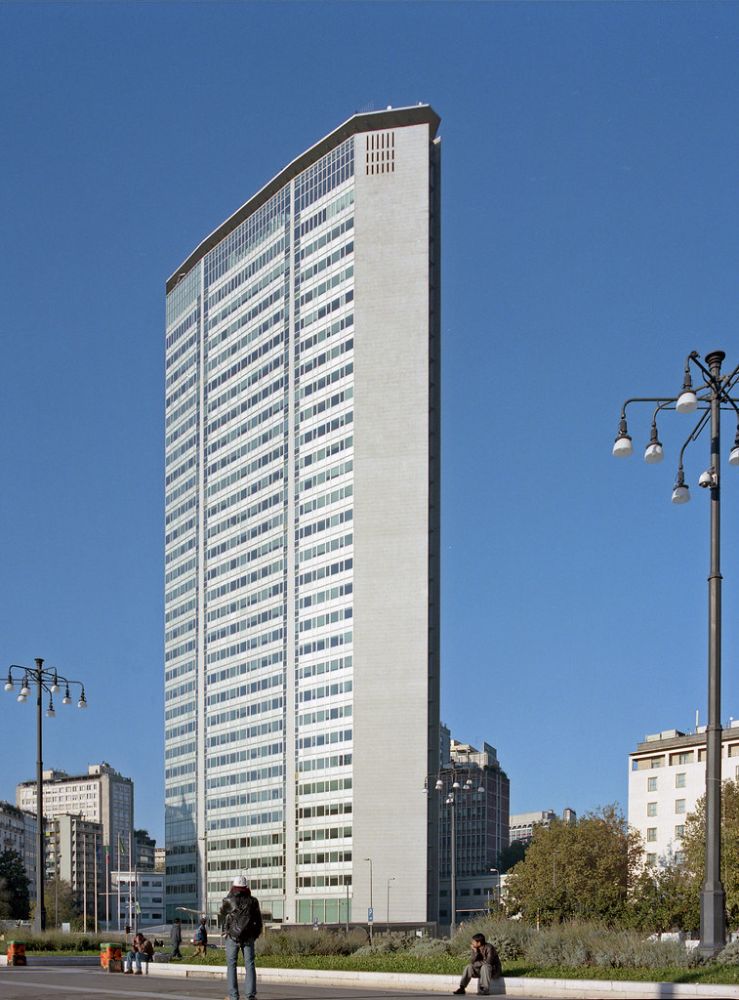
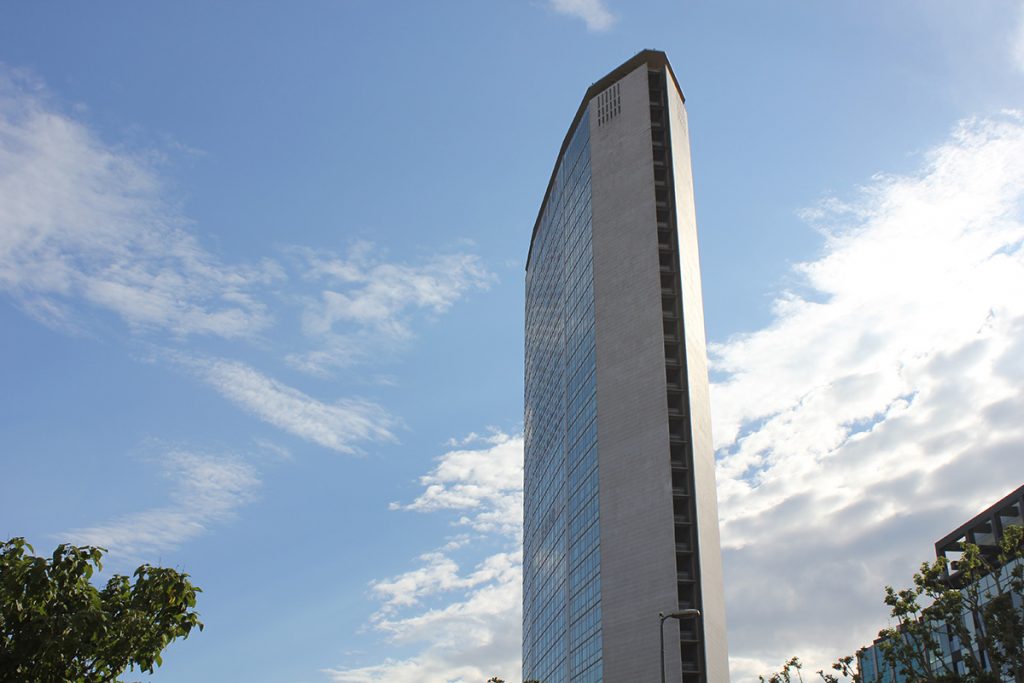
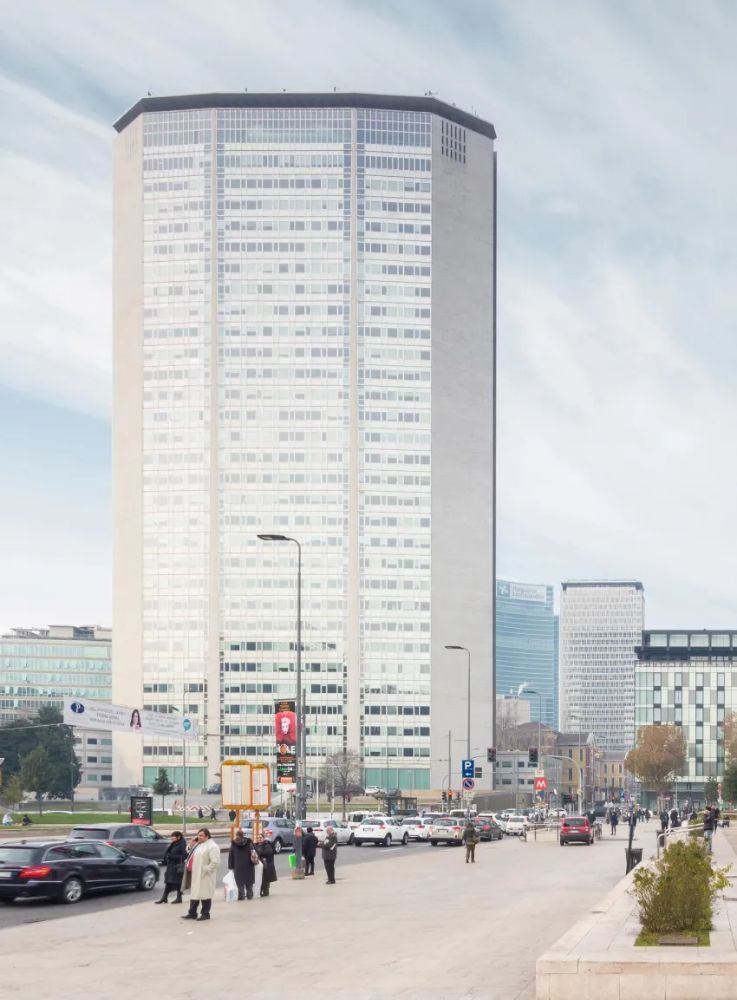
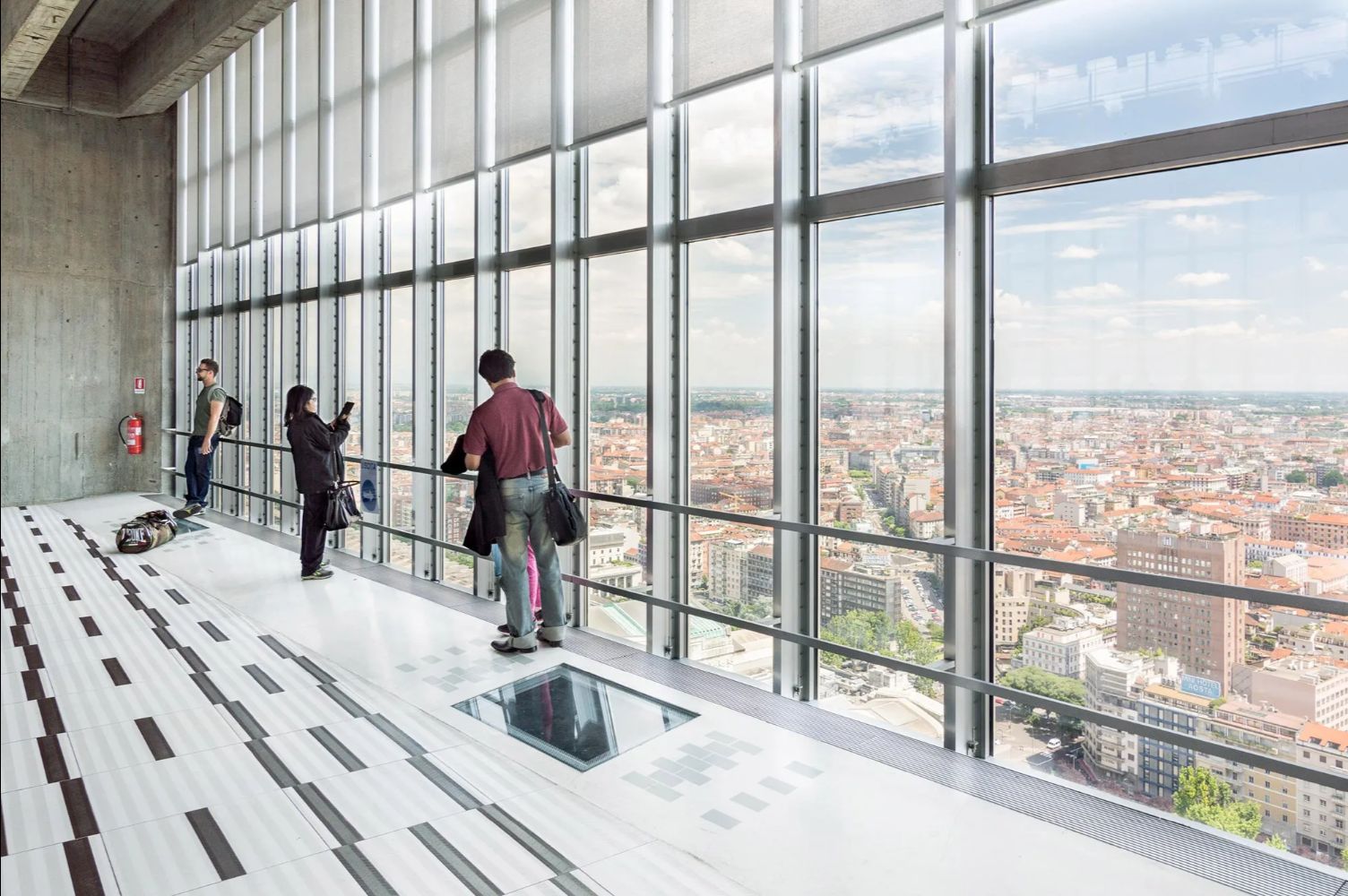
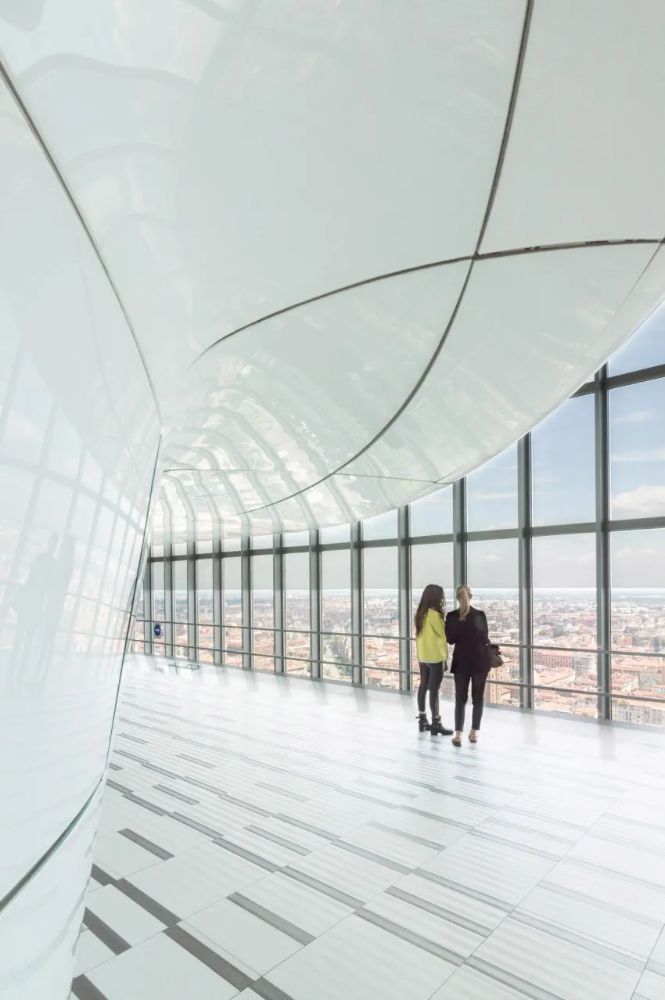
The façade combines thermopane glazing with anodized aluminum mullions positioned outside the floor slabs. This arrangement creates a continuous curtain wall that reinforces the tower’s light appearance. At the top of the building, a thin roof slab appears suspended above the façade, emphasizing the precision of the structure and contributing to its distinctive silhouette.
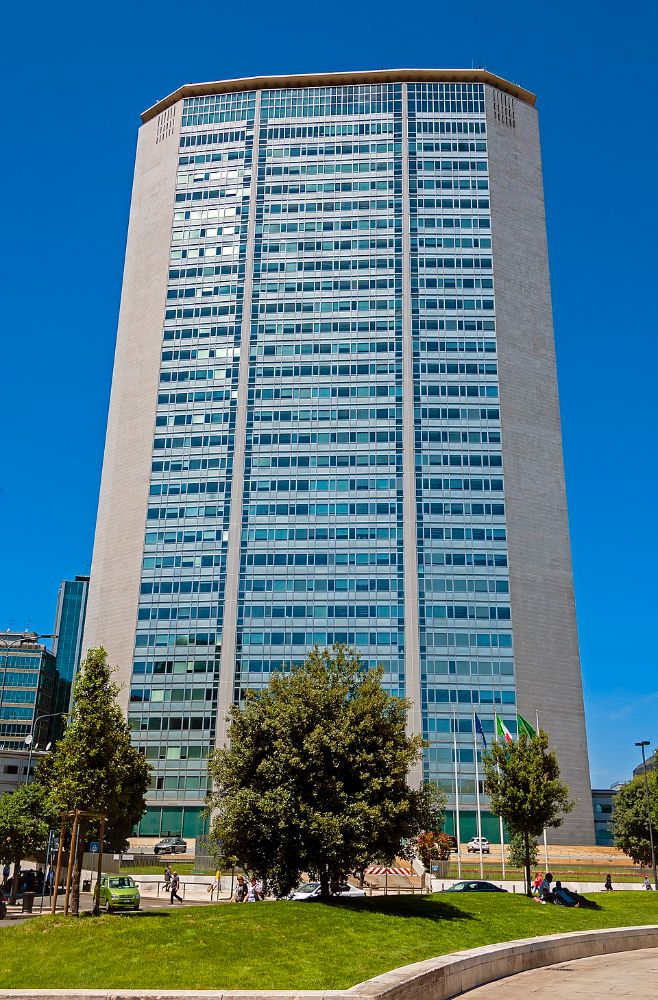
Upon completion, the tower was widely praised for its architectural and engineering achievements. Critics noted its ability to combine structural efficiency with formal refinement, while its proportions distinguished it from many contemporary office towers. The project demonstrated how technological innovation could support architectural expression without compromising functionality.
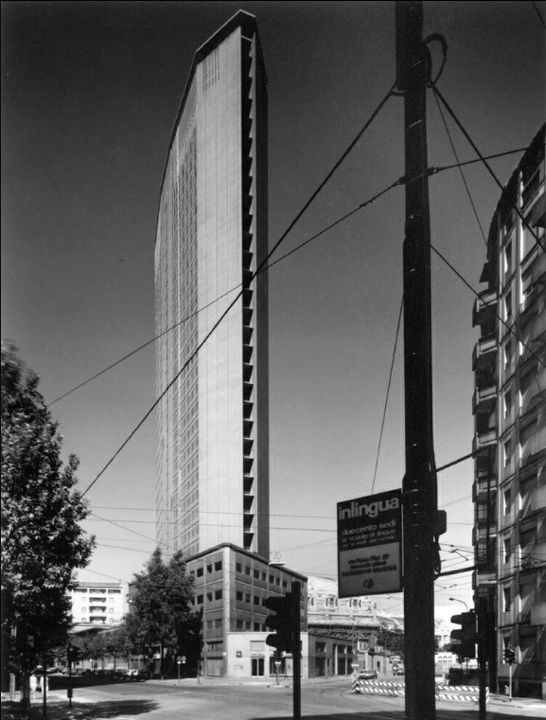
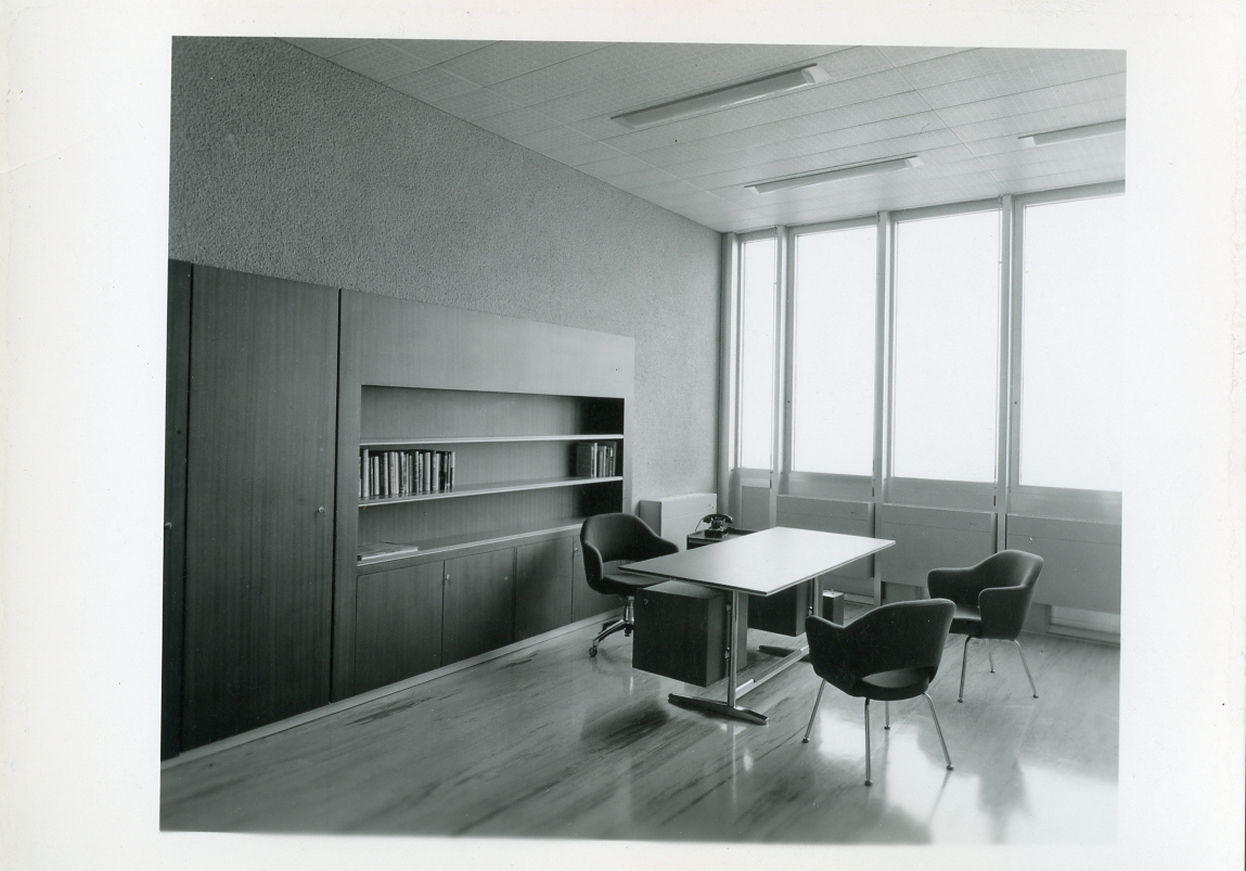
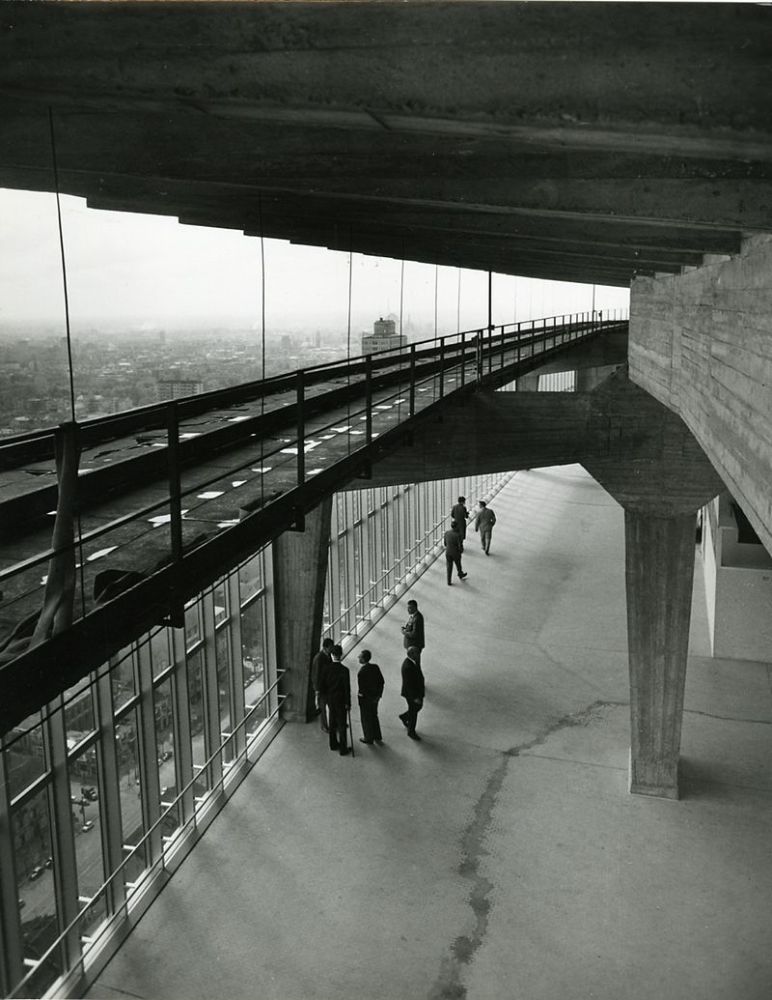
The influence of the Pirelli Tower extended beyond Italy. Its tapered profile and integrated structural approach informed the design of several later skyscrapers, including New York’s Pan Am Building, now known as the MetLife Building. The tower became a reference point for architects and engineers exploring alternatives to conventional high-rise forms.
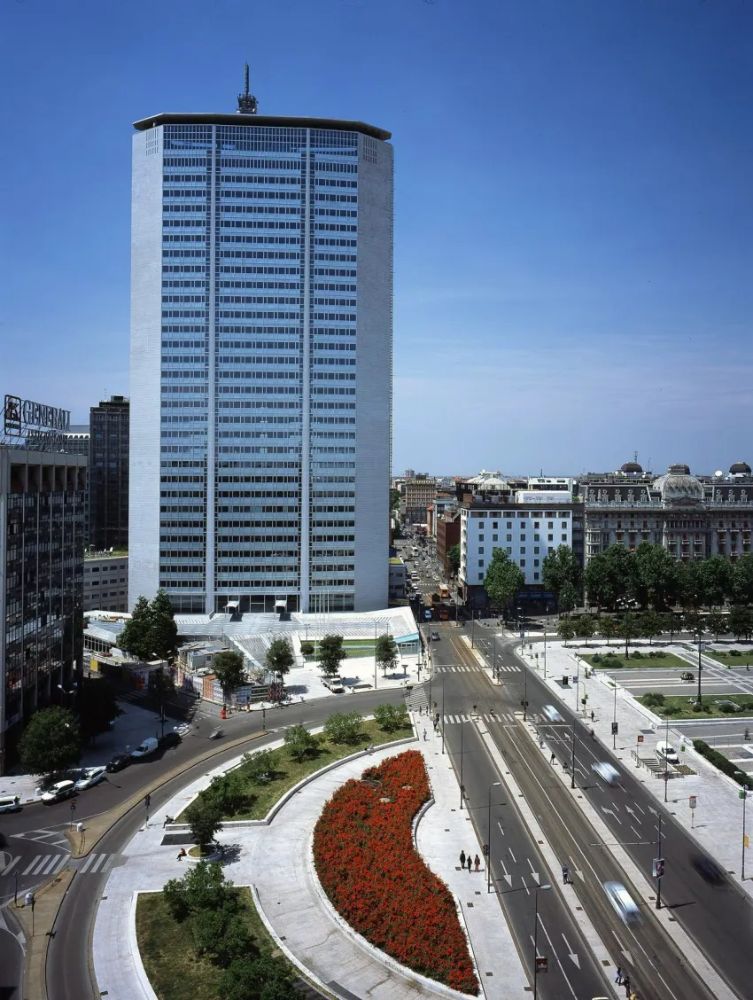
In 1978, ownership of the building transferred to the Regional Government of Lombardy. The tower returned to public attention in April 2002 when a small aircraft struck the 24th and 25th floors, resulting in the deaths of the pilot and two occupants. Subsequent restoration work repaired the damaged areas, upgraded building systems, and preserved the architectural character of the structure.
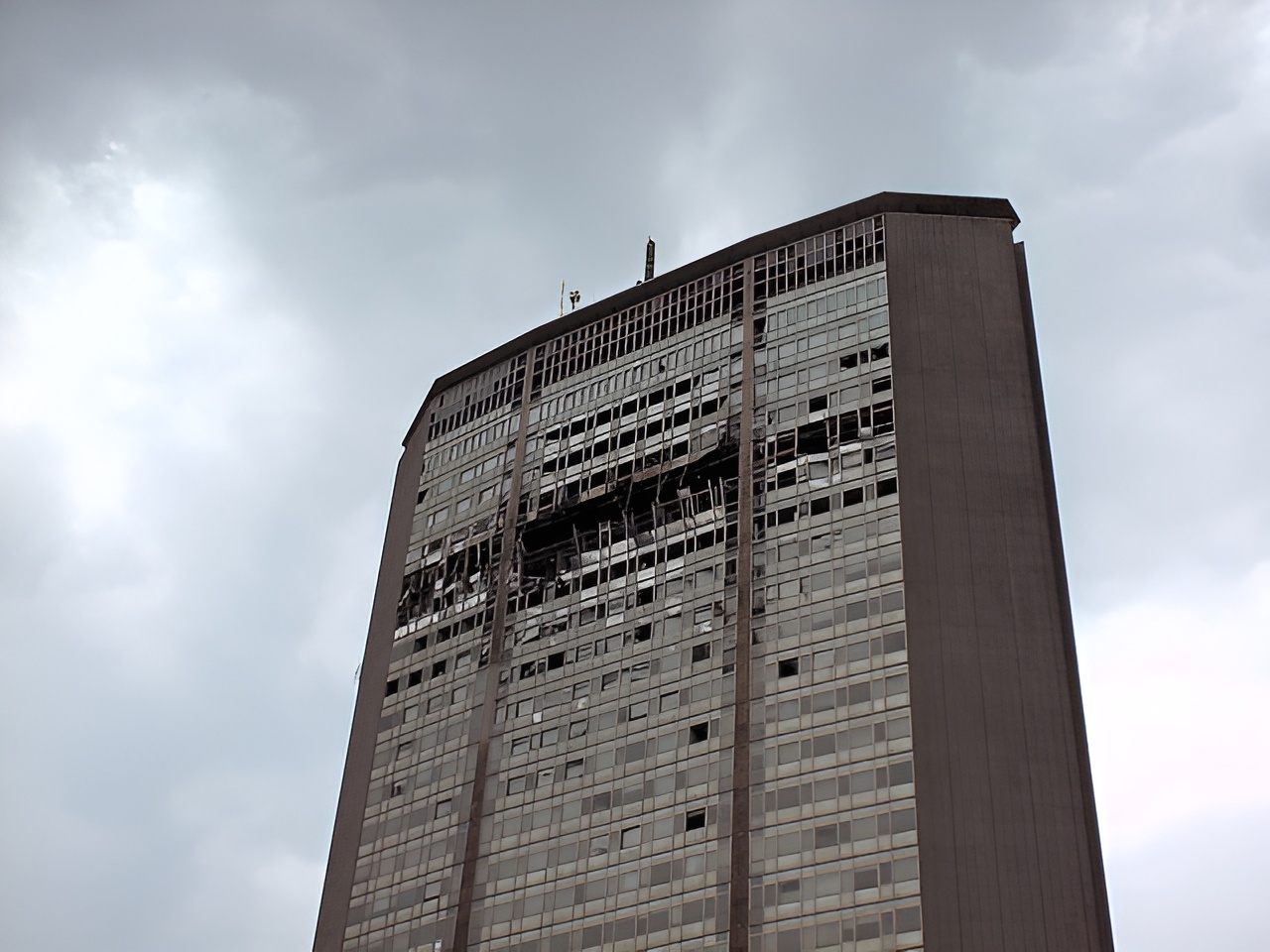
Today, the Pirelli Tower remains one of the defining works of Gio Ponti’s career and a landmark of twentieth-century architecture. Its synthesis of architectural elegance, structural innovation, and urban ambition established a model for modern skyscraper design and continues to influence discussions of high-rise architecture internationally.
Project Gallery
Project Location
Address: Via Fabio Filzi 22, 20124 Milan, Lombardy, Italy
Location is for general reference and may represent a city or country, not necessarily a precise address.

