

Architects: Best Practice Architecture
Area: Lot Size 3,000 ft²; House 1,315 ft² plus 175 ft² loft
Year: 2024
Photography: Rafael Soldi
Contractor: Summit Development
Structural Engineering: Harriott Valentine Engineers
Landscape Design: Stillpoint Studio
Cabinetry: Spencer Cabinets, LLC
Kitchen Island: Cooper Woodworks
City: Madison Park, Seattle, Washington
Country: United States
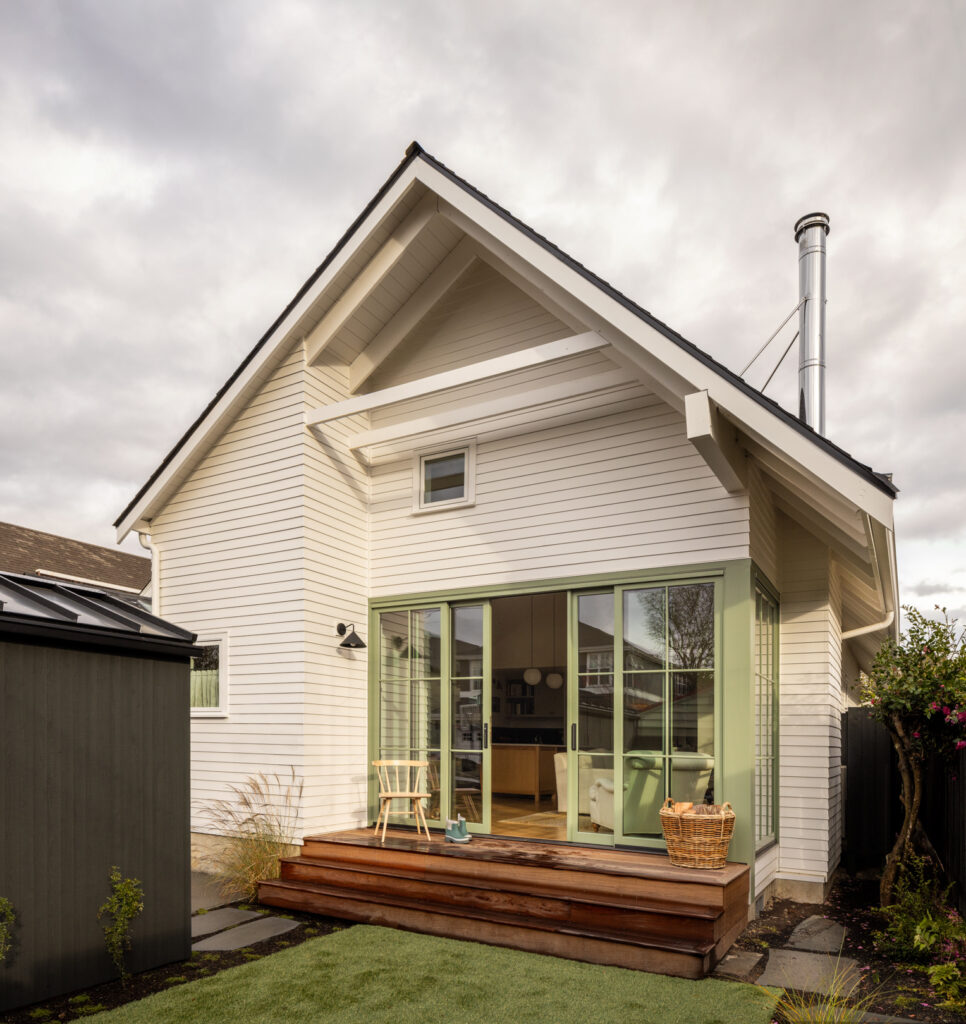
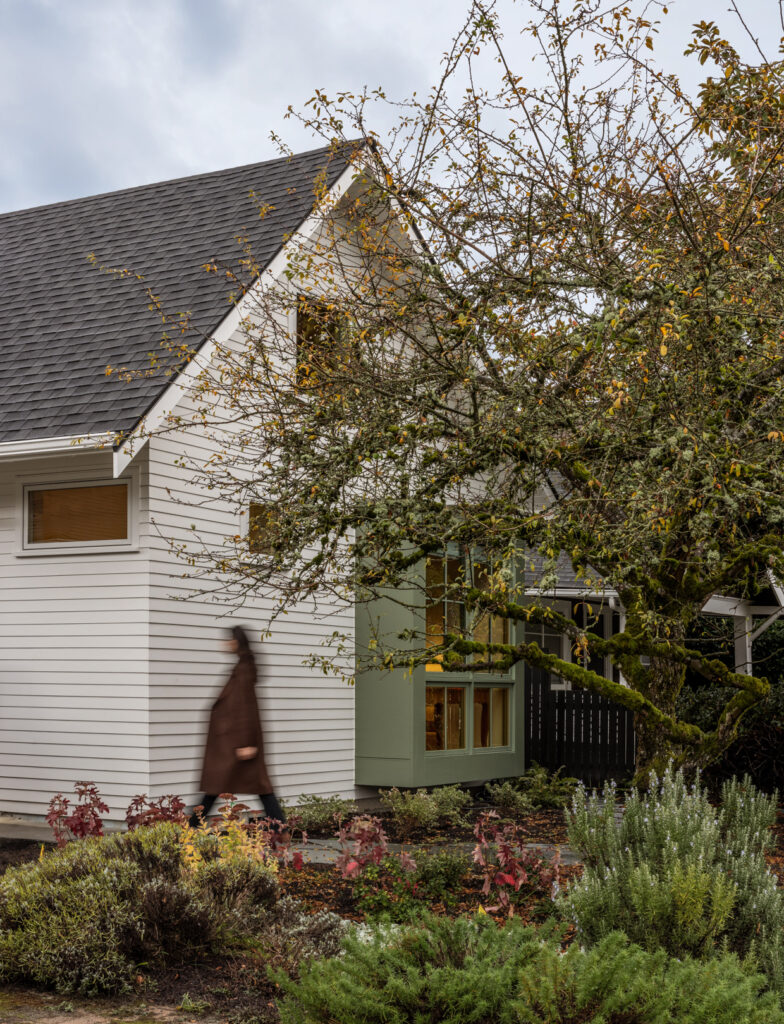
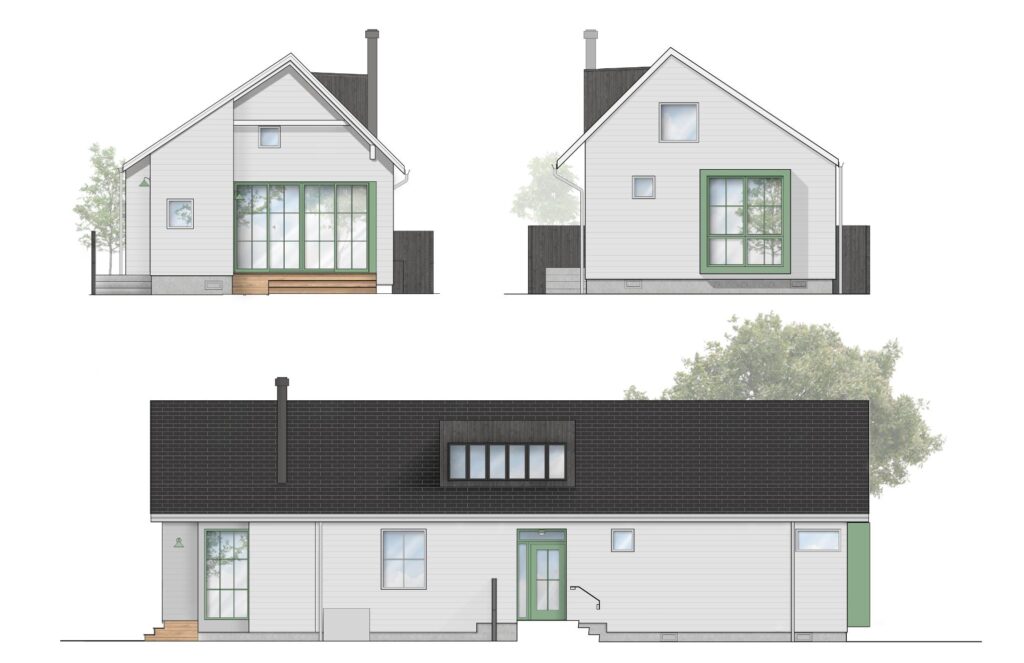
Rad Trad House is a compact residential project in Seattle’s Madison Park neighborhood that explores how contemporary spatial strategies can coexist with traditional architectural character. Designed for homeowners seeking to maintain an urban foothold while spending extended time on their working farm in the San Juan Islands, the house responds to a desire for efficiency without compromise. The design prioritizes vertical volume over square footage, allowing the modest footprint to feel generous and adaptable. Material choices and detailing reference familiar domestic forms, while modern planning supports informal family life and multigenerational use. A partial loft replaces a conventional second floor, reducing construction costs and creating opportunities for additional storage and flexible program areas. Throughout the home, connections to light, landscape, and outdoor space enhance daily living, reinforcing the project’s balance between restraint and comfort. Rad Trad House ultimately demonstrates how thoughtful design can reconcile downsizing with livability, producing a residence that feels both timeless and distinctly contemporary.
Design and construction is inherently collaborative and the best details are often the result of owners, architects, contractors, and trades working in concert with a shared vision. Something monumental happens when a key detail lands and all parties have a common sense of ownership and pride.
Interview with Ian Butcher, Kailin Gregga, Kip Katich of Best Practice Architecture
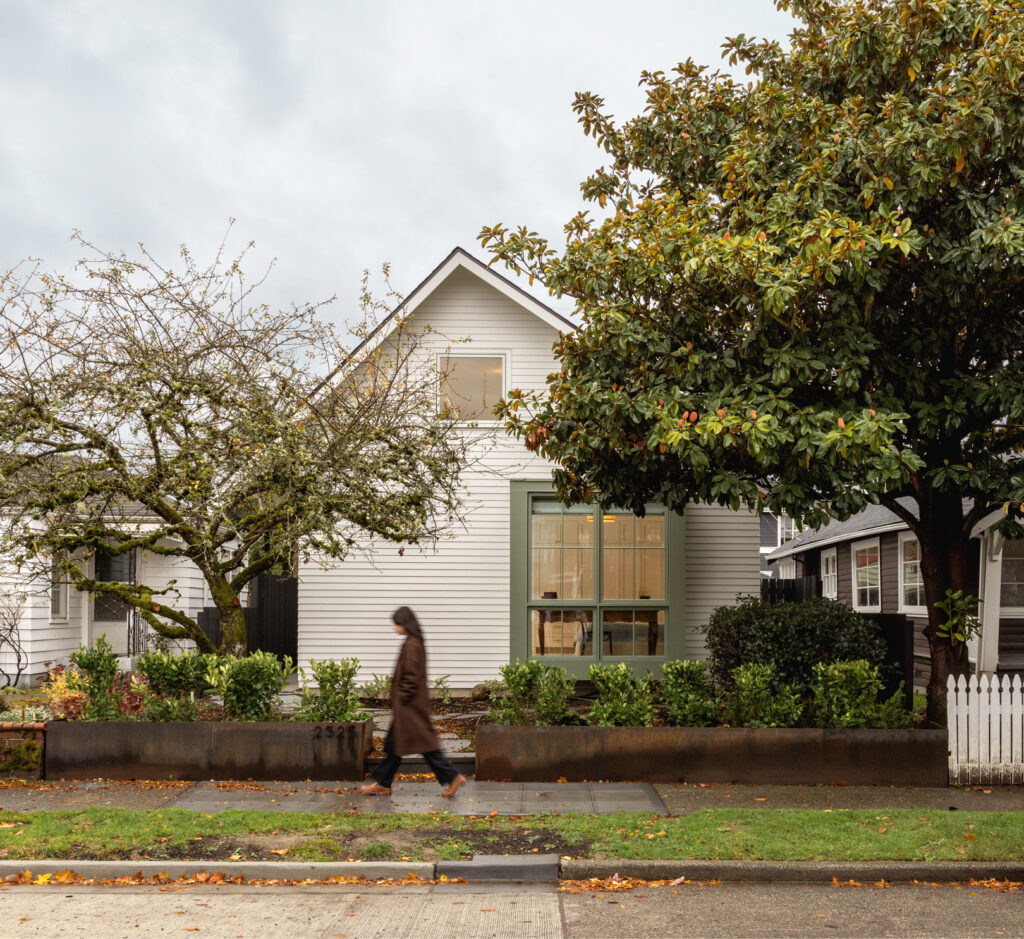
Rad Trad House approaches downsizing not as a limitation, but as an opportunity to refine how space is experienced within a constrained urban context. Shaped by the owners’ dual lifestyle between city living and agricultural work in the San Juan Islands, the project prioritizes comfort, flexibility, and craftsmanship over sheer square footage. The architecture resists excess while remaining expressive, using proportion, materiality, and detail to establish a sense of permanence uncommon in houses of its scale.
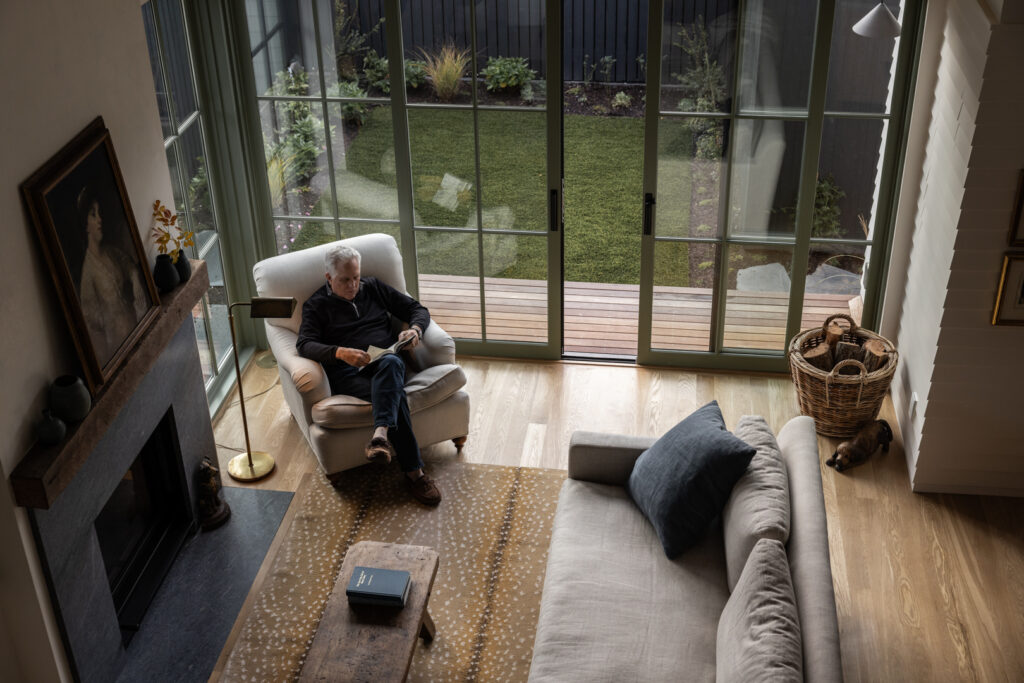
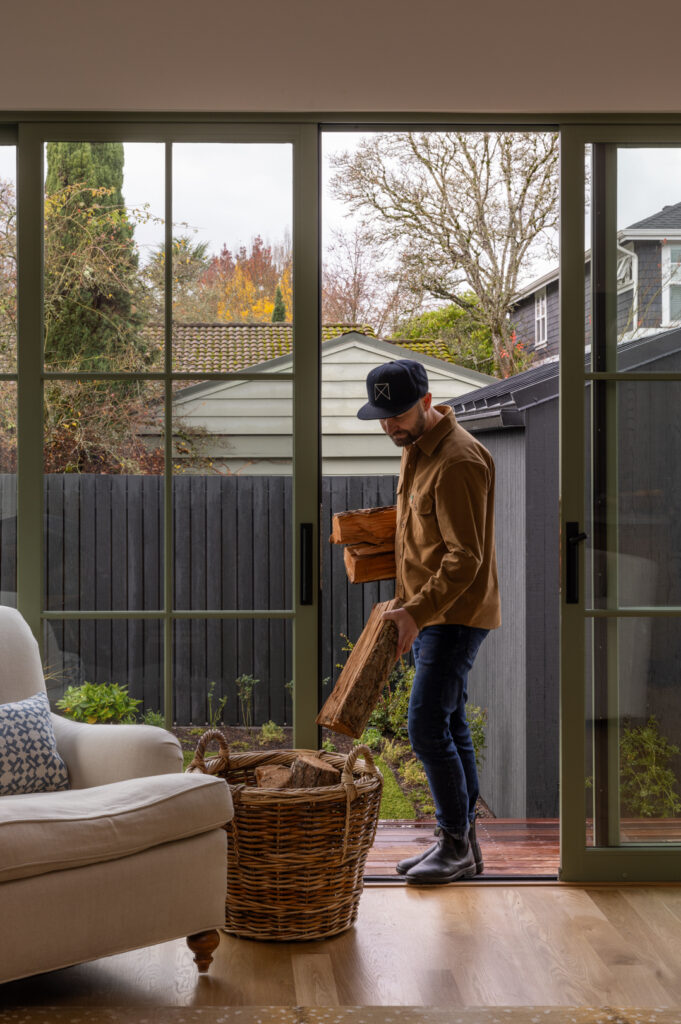
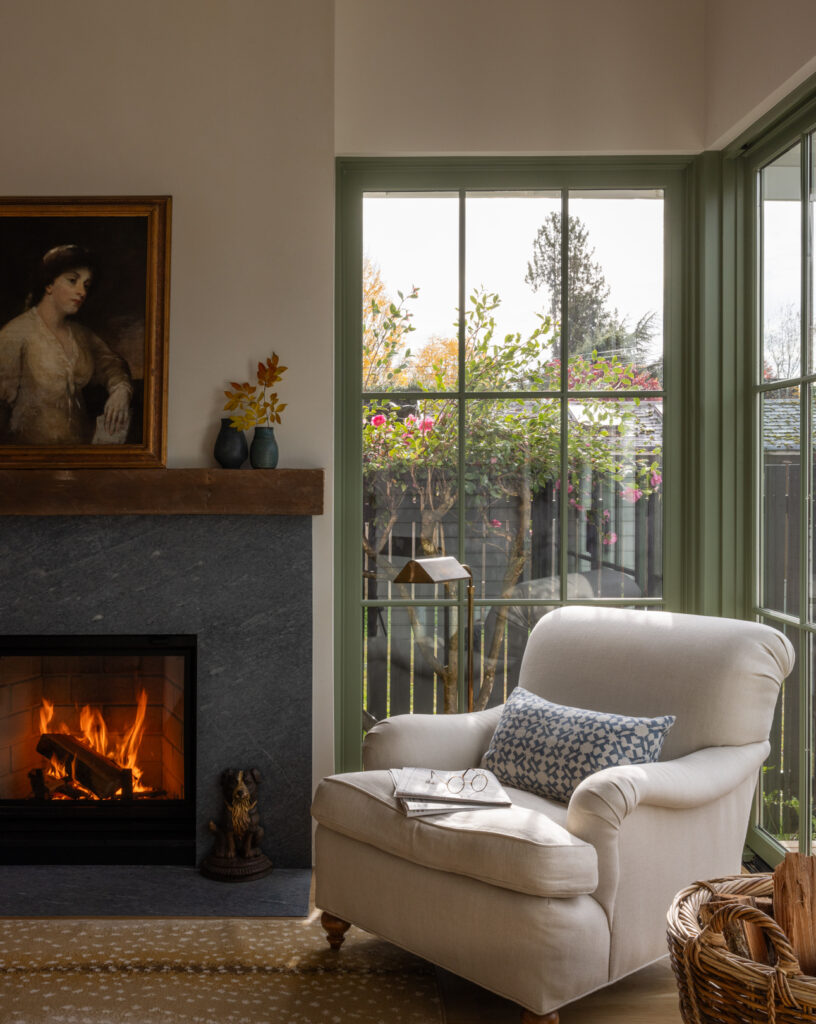
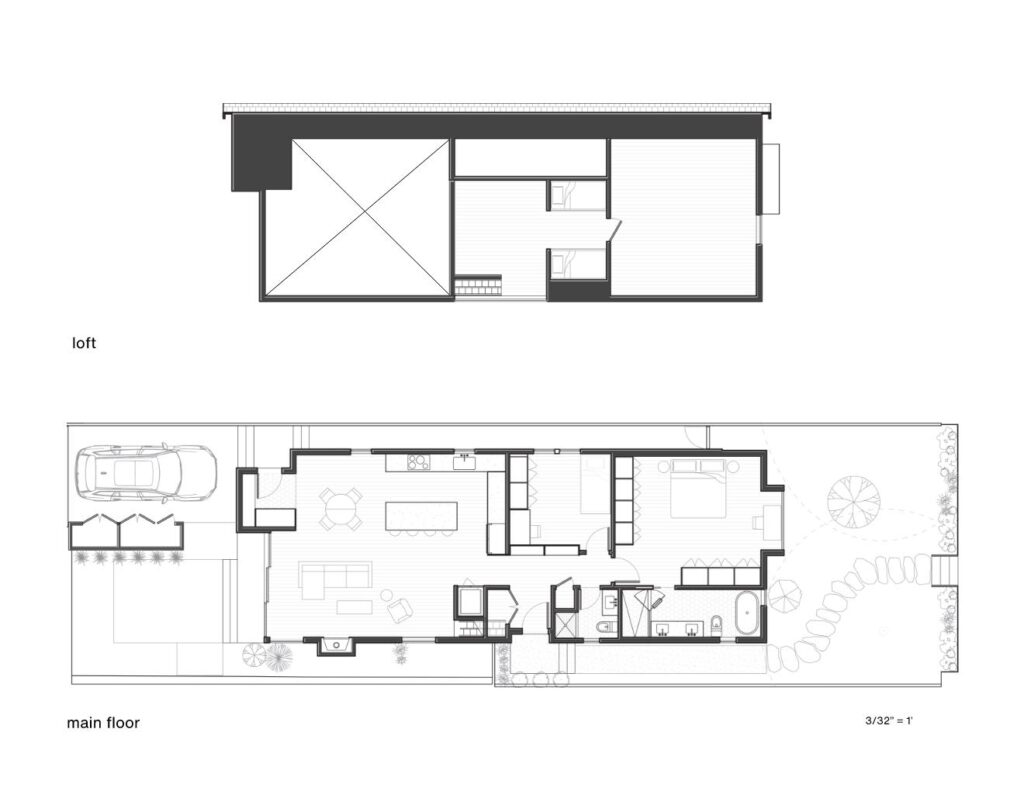
Inside, a double-height living area forms the social heart of the home. Exposed wood collar ties and a substantial fireplace introduce warmth and visual structure, while reinforcing the vertical emphasis that allows the interior to feel expansive. Large sliding glass doors draw daylight deep into the plan and extend daily activities outward, softening the boundary between interior and garden. The living, dining, and kitchen areas are deliberately blurred, supporting informal gatherings and adaptable use over rigid room definitions.
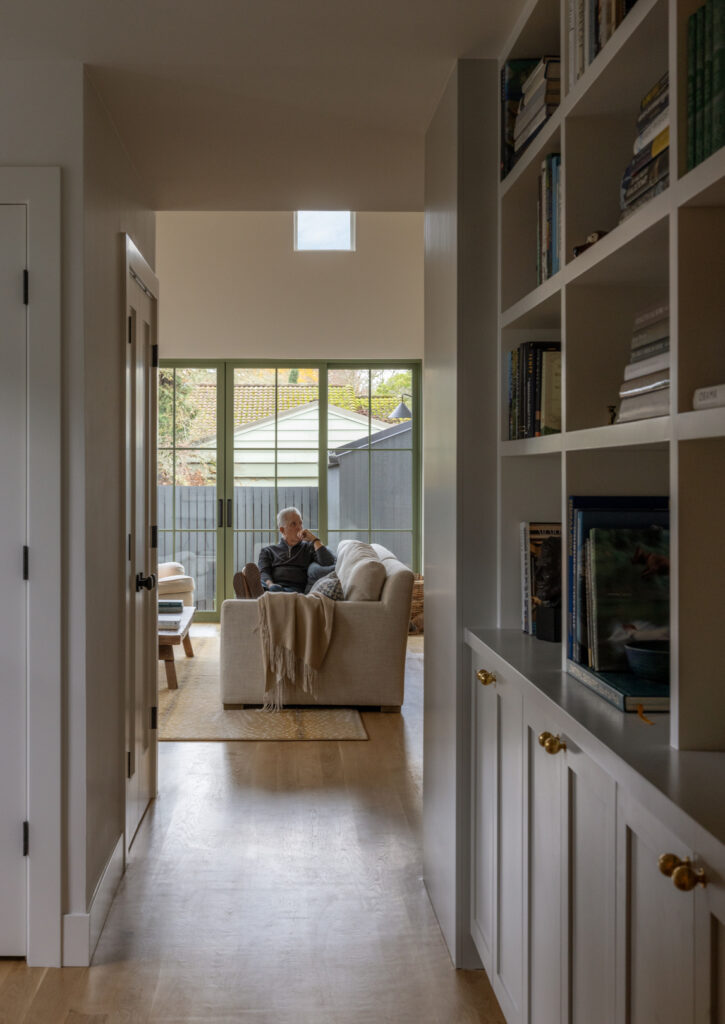
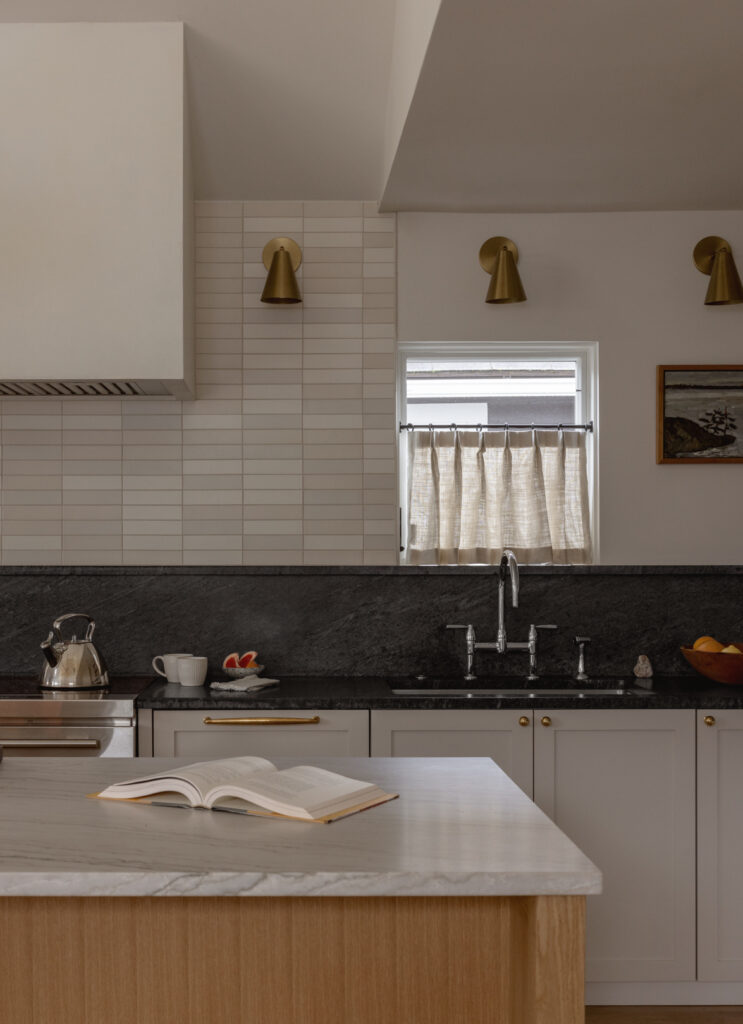
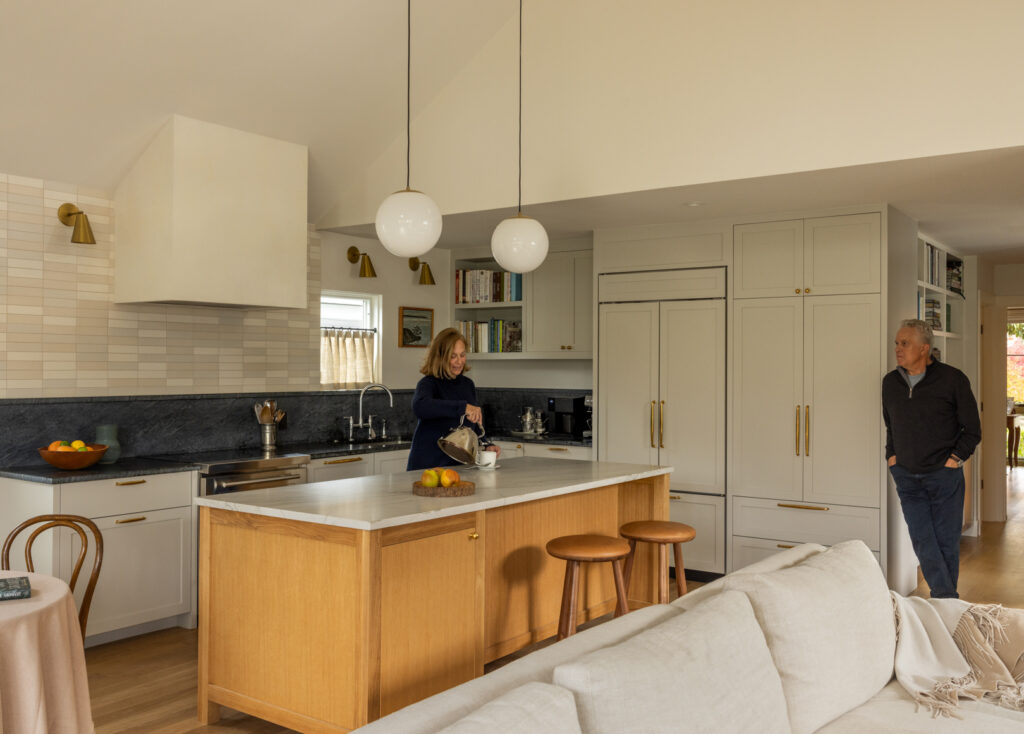
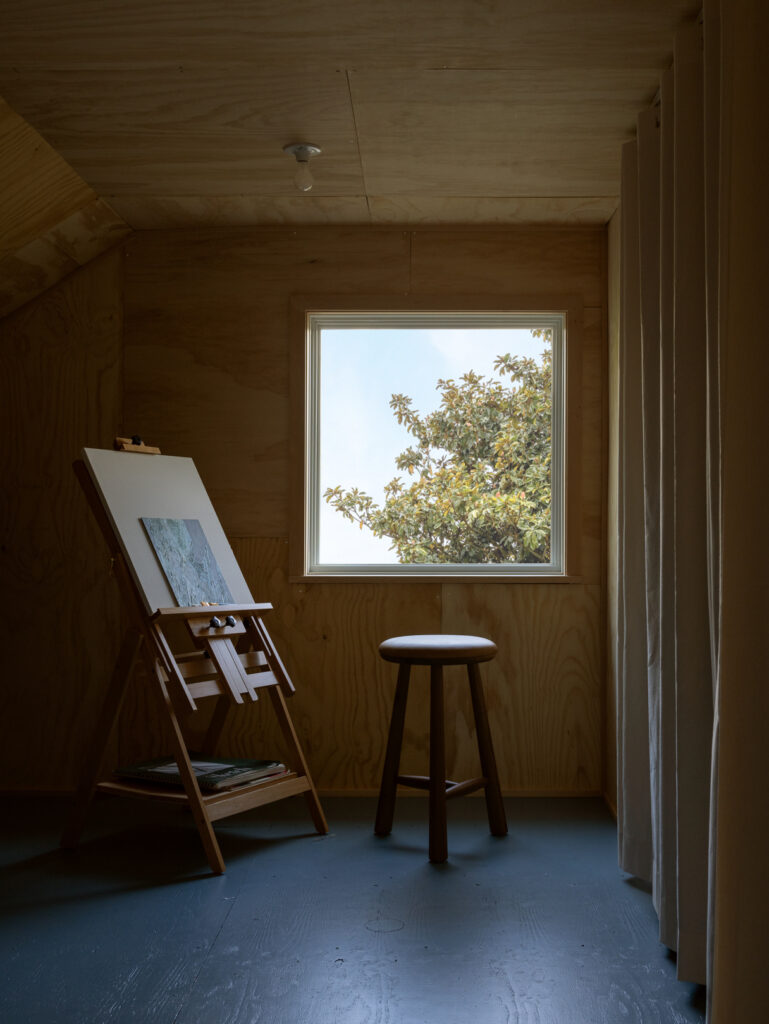
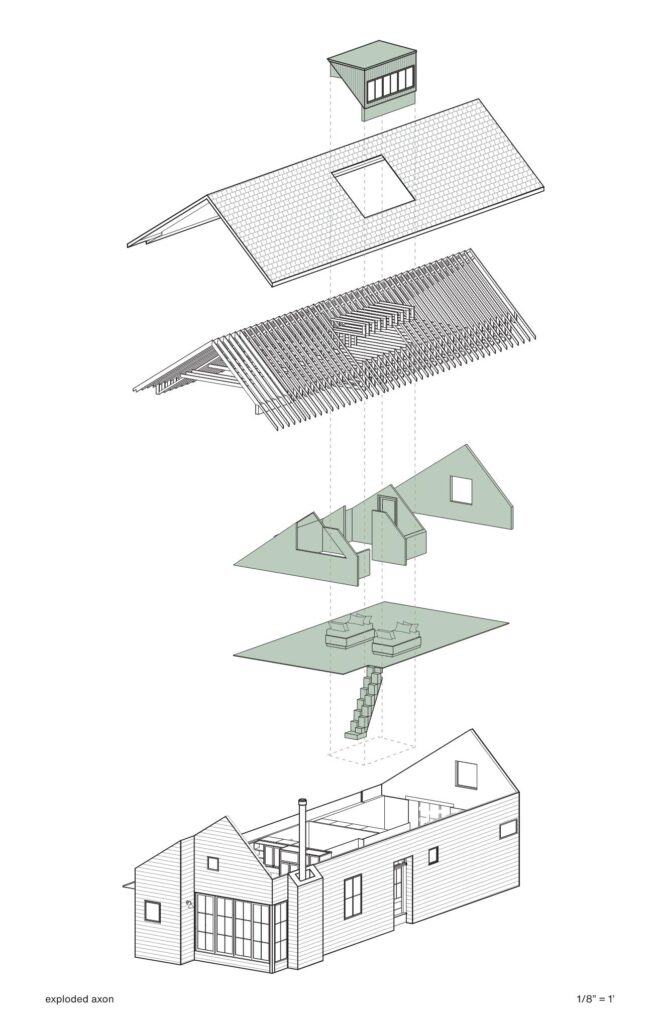
The decision to forgo a full second story in favor of a loft reflects both economic and spatial efficiency. An alternating tread stair, permitted under residential code for loft access, minimizes circulation space and frees up valuable square footage on the main level. This strategy accommodates practical needs such as a laundry closet and entry storage, while the loft itself serves as a multifunctional zone, offering sleeping space for grandchildren, recreation, and a painting studio with integrated storage.
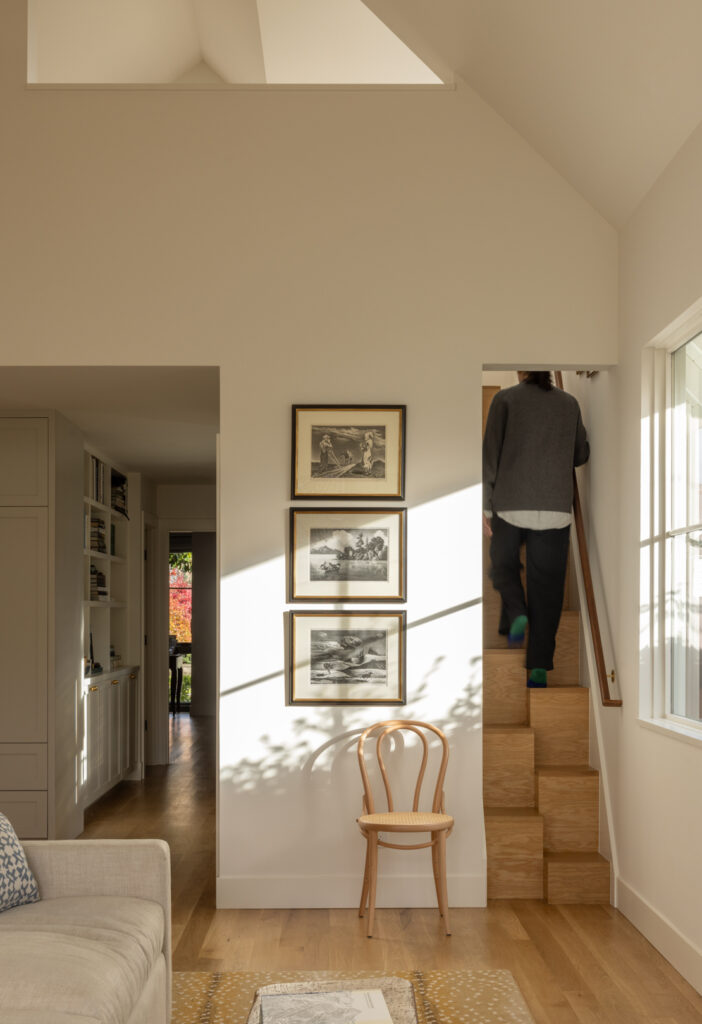
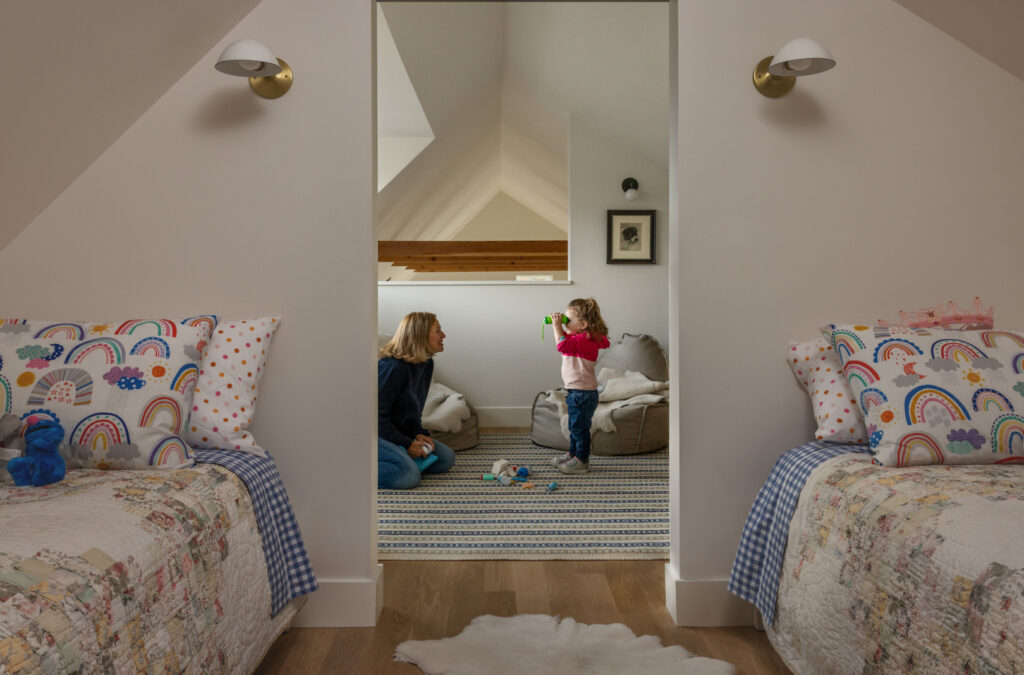
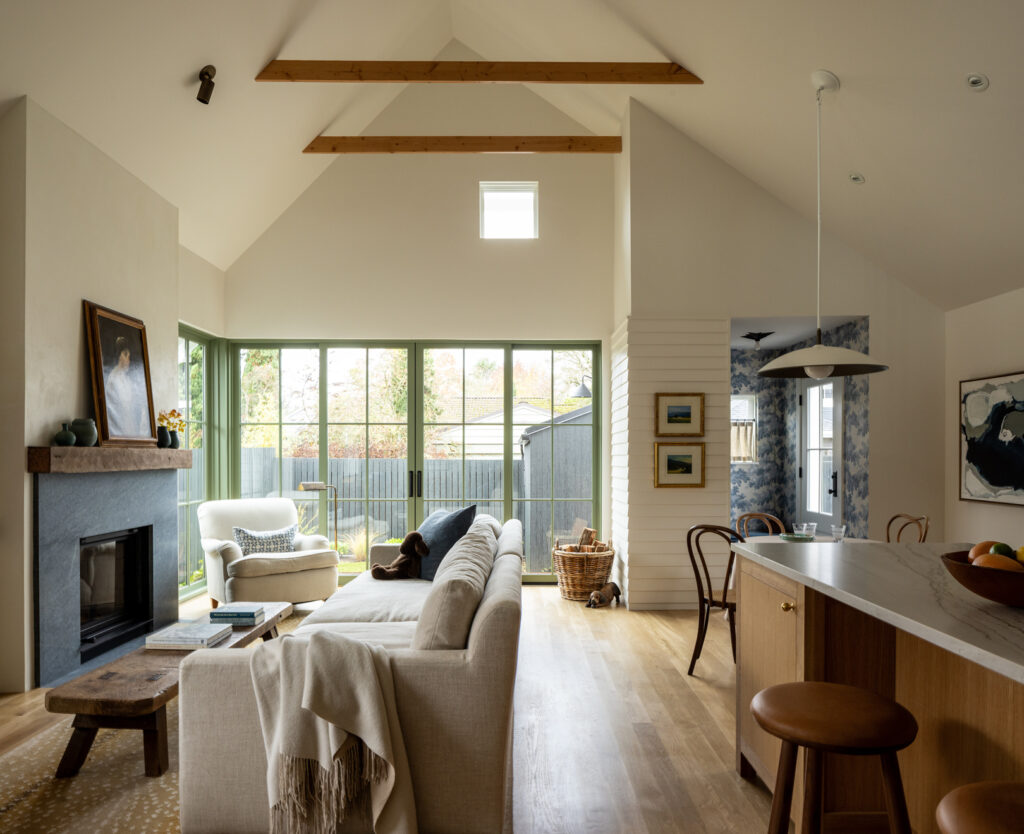
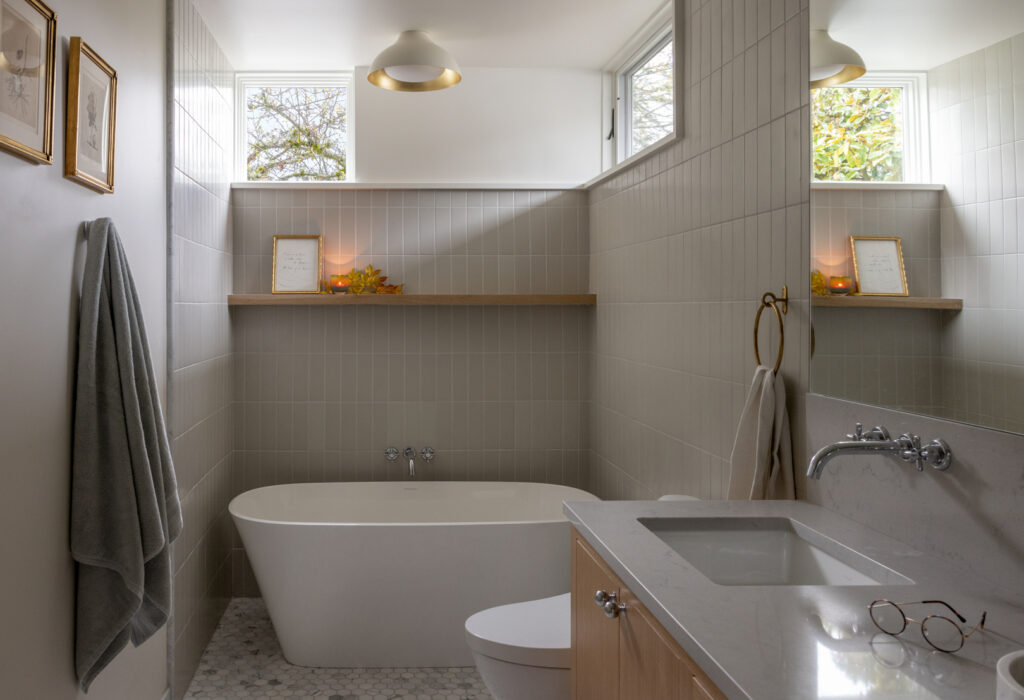
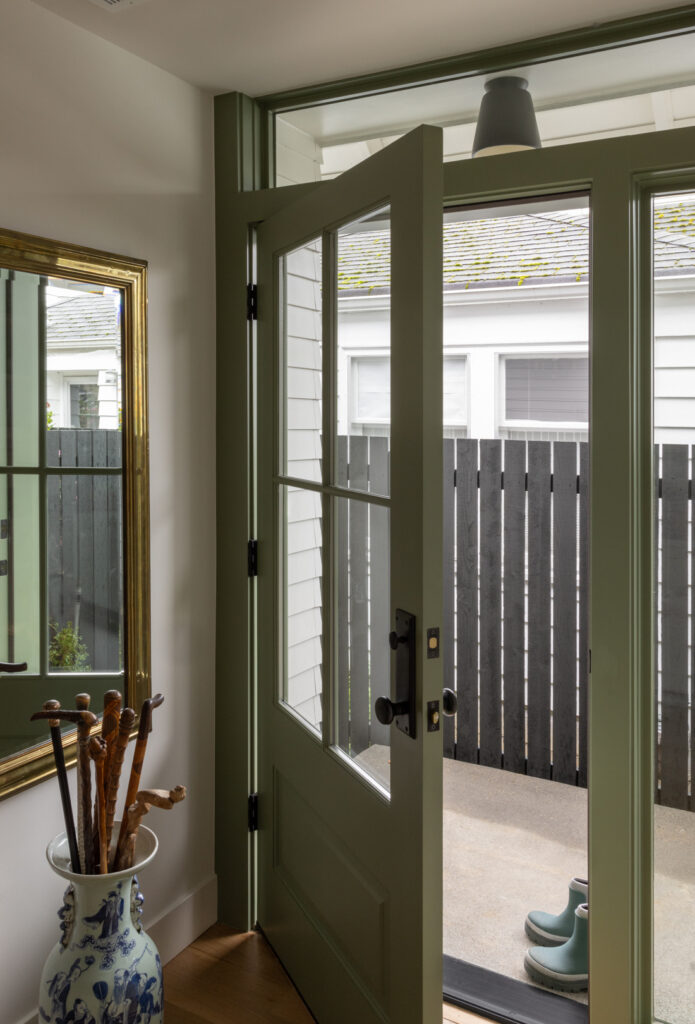
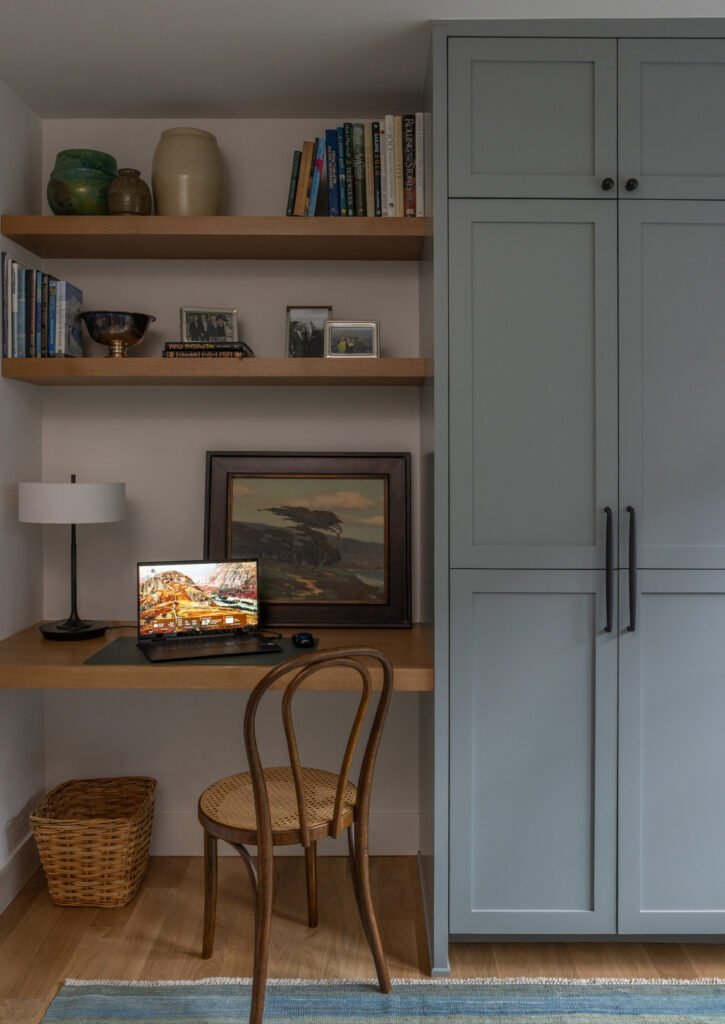
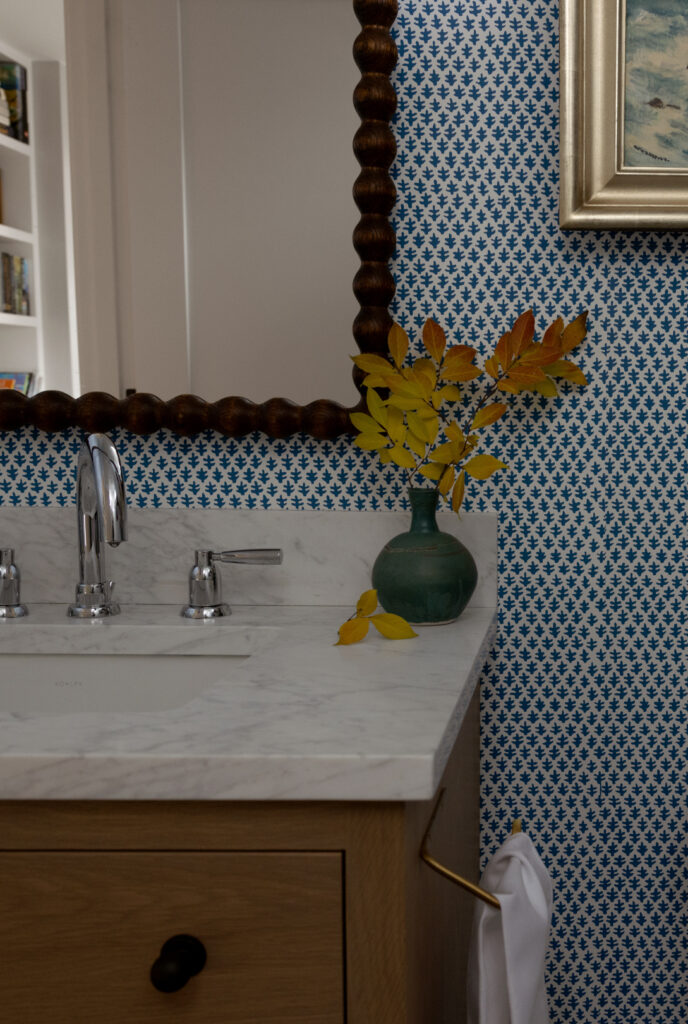
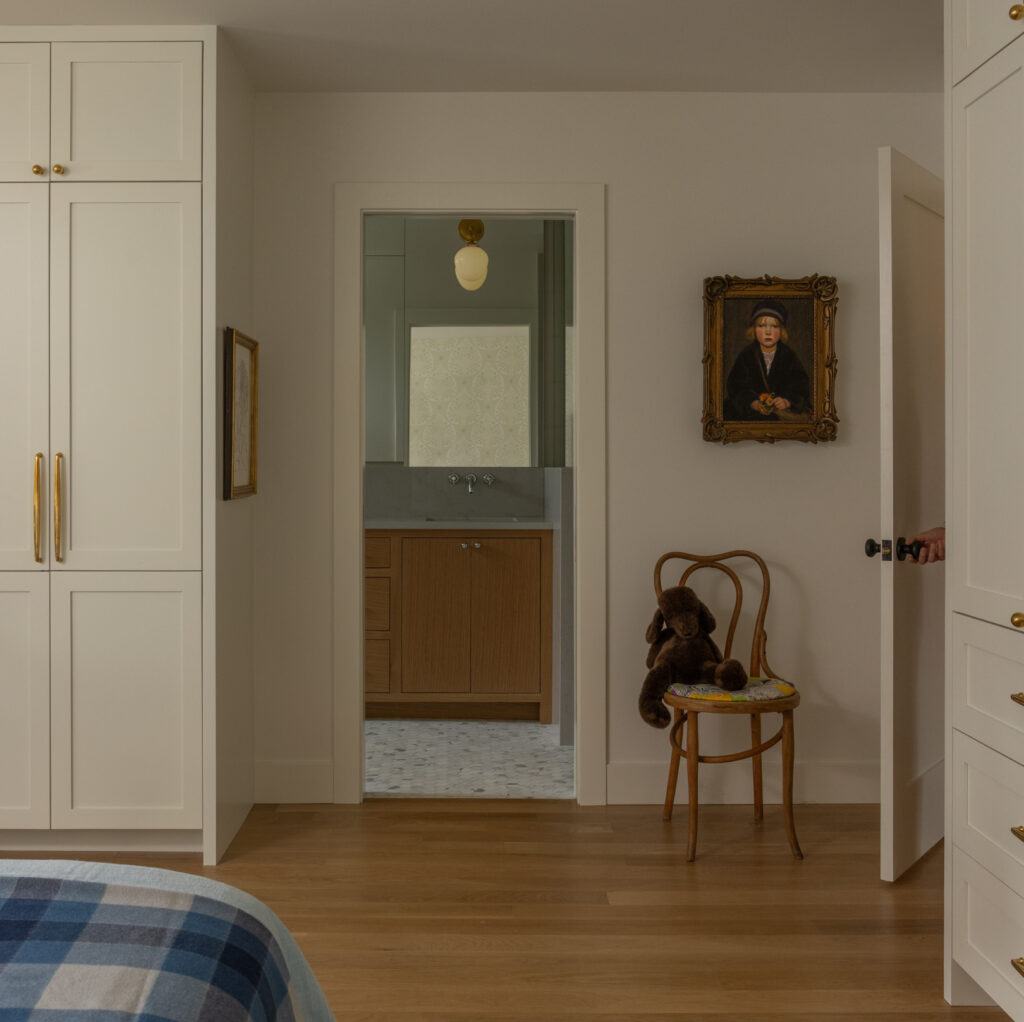
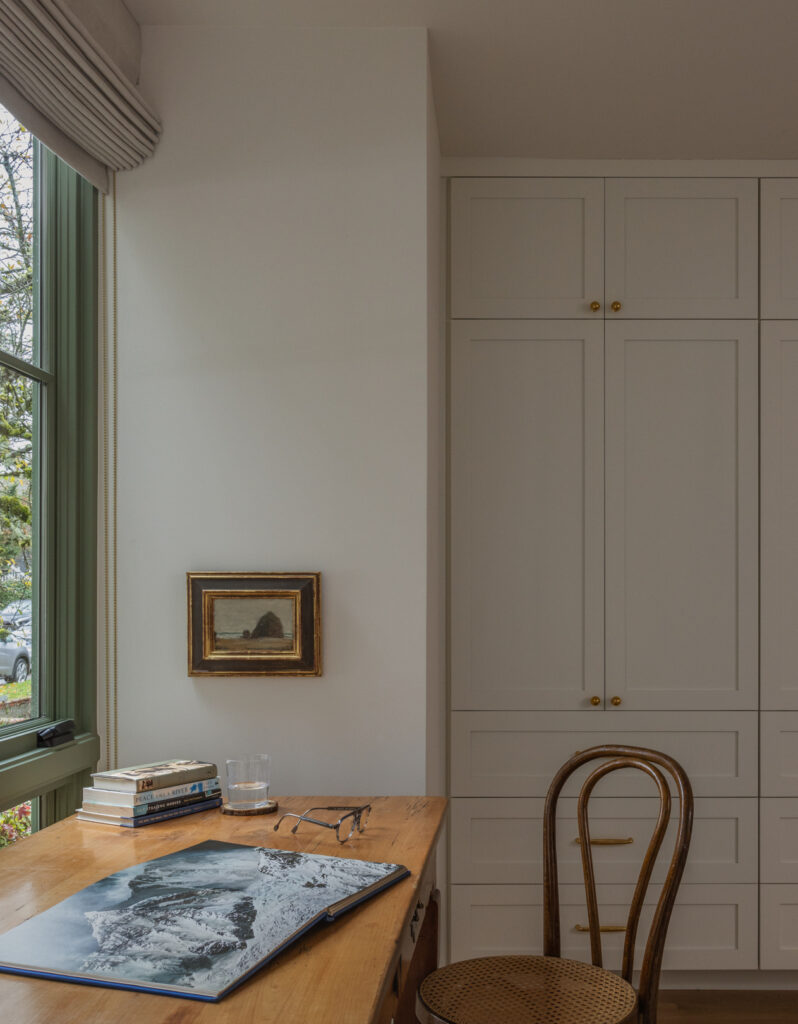
Material selections and custom cabinetry further reinforce the project’s hybrid identity. Traditional references are subtly embedded within a modern framework, allowing the house to feel familiar yet forward-looking. Rad Trad House stands as a measured response to contemporary urban living, demonstrating how restraint, clarity, and craftsmanship can yield a home that is both efficient and richly inhabited.
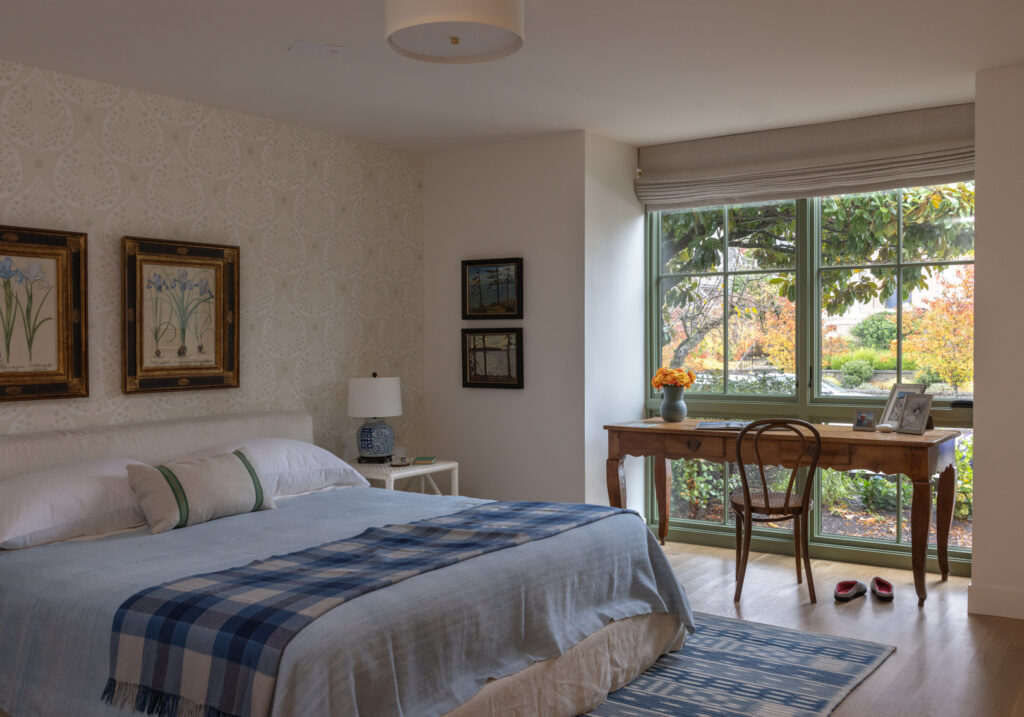
Project Gallery
Project Address:
Address: Madison Park, Seattle, Washington, United States
The location specified is intended for general reference and may denote a city or country, but it does not identify a precise address.

