

Architect: Gerrit Rietveld
Year: 1925
Photography: schroderhouse.com, worldheritagesite.org, Els Slots, Maria Gonzalez, Wikimedia Commons, Wasily, Sailko, Basvb, User:Husky, Dohduhdah, Stijn Poelstra, Ross Wolfe, David Szabo
Client: Truus Schröder-Schräder
City: Utrecht
Country: The Netherlands
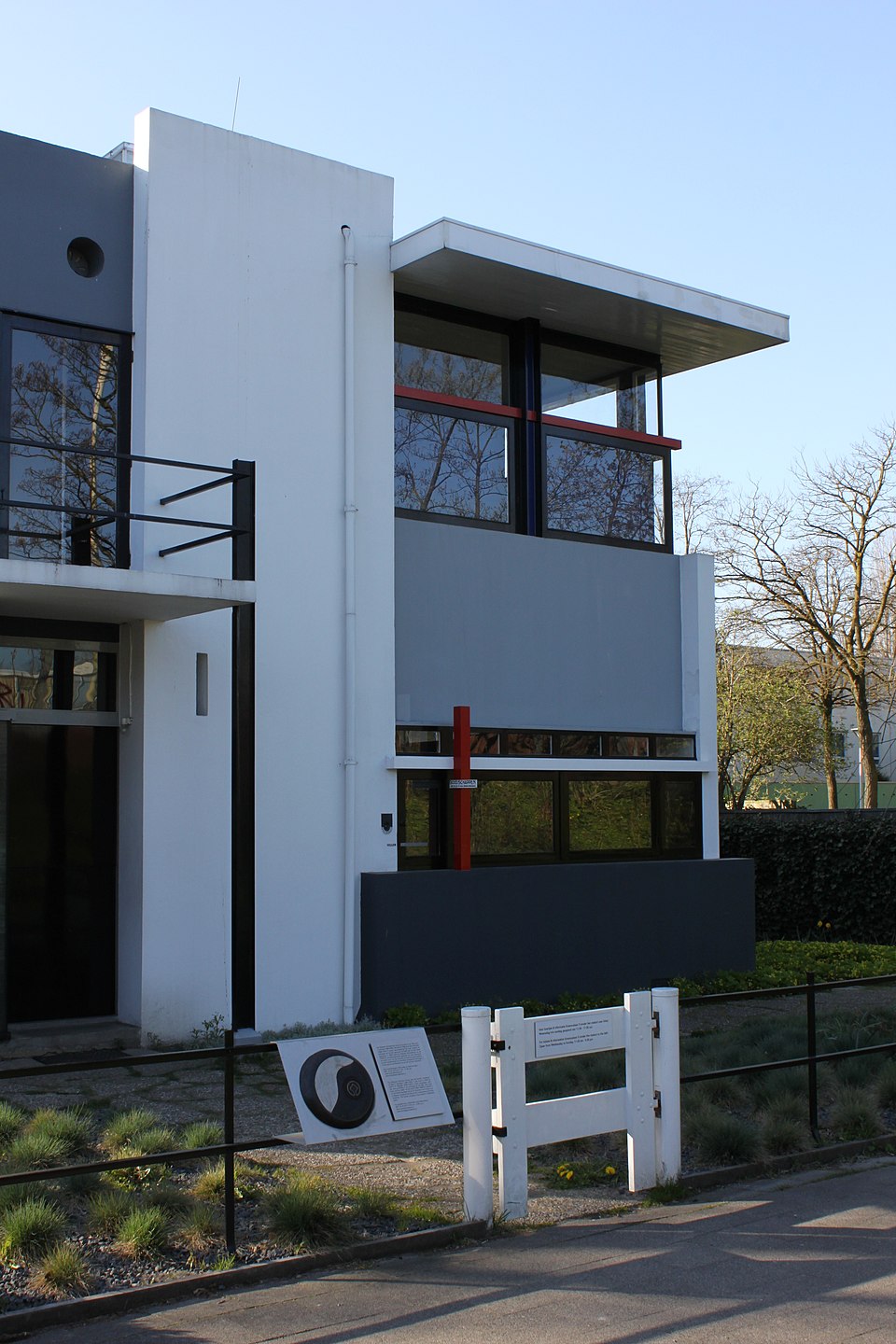
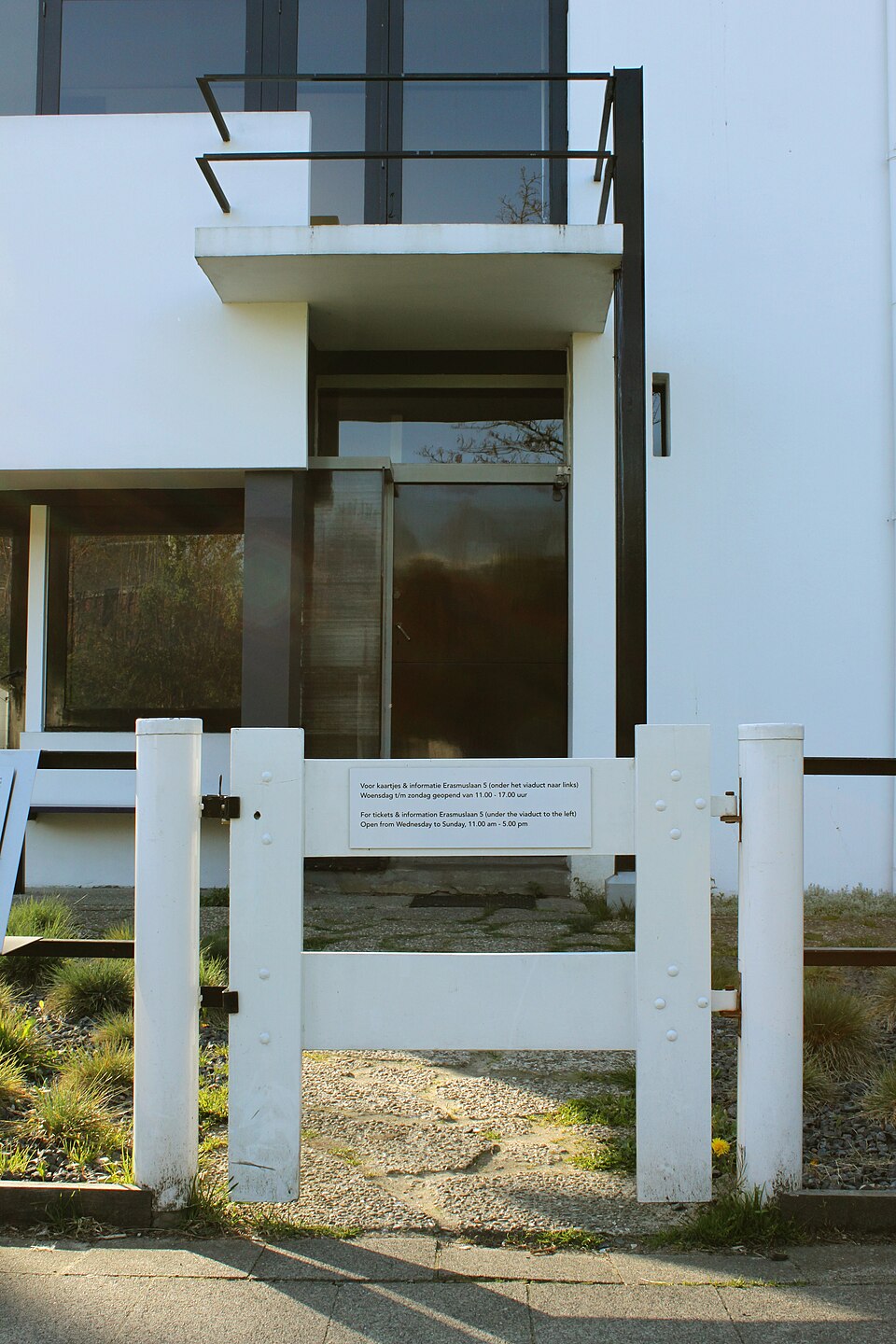
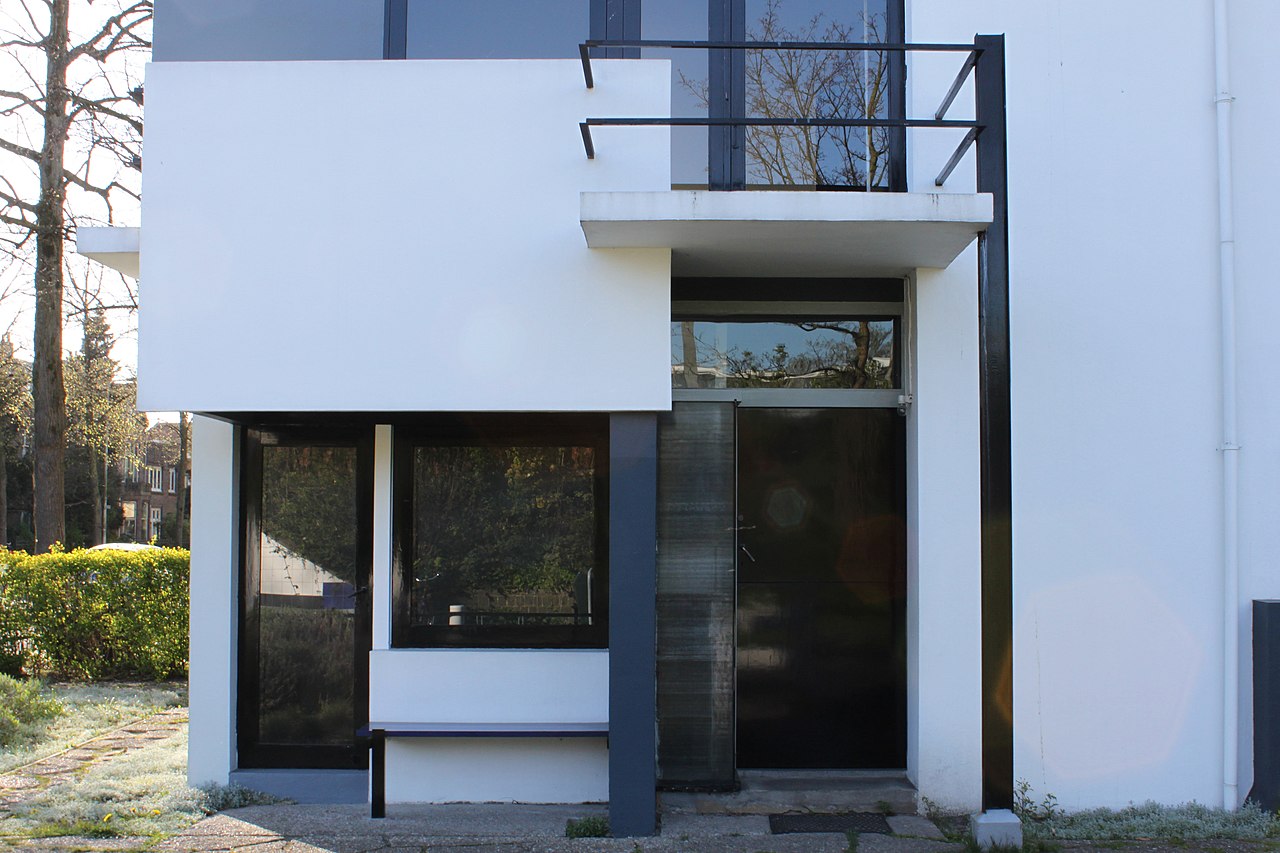
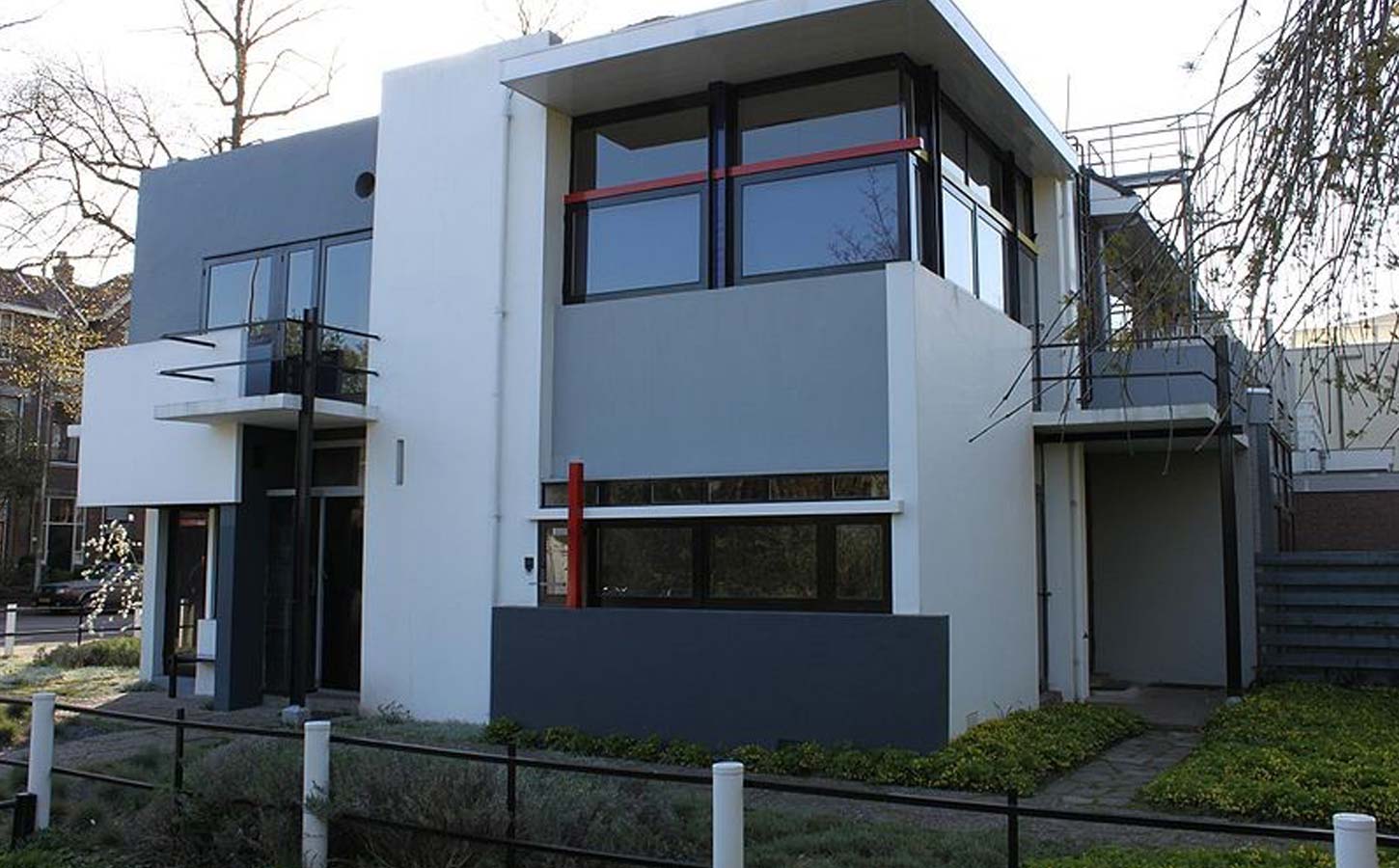
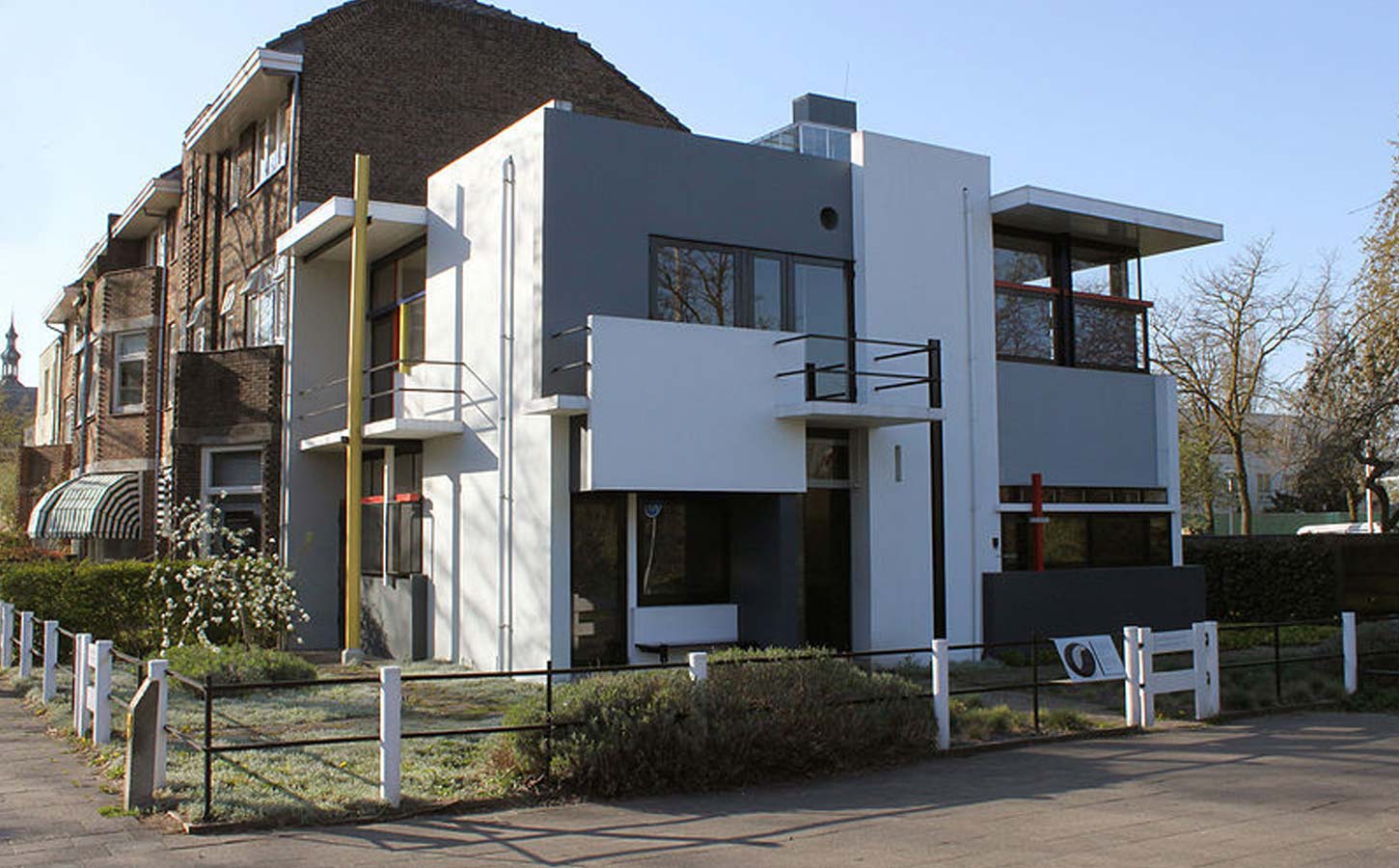
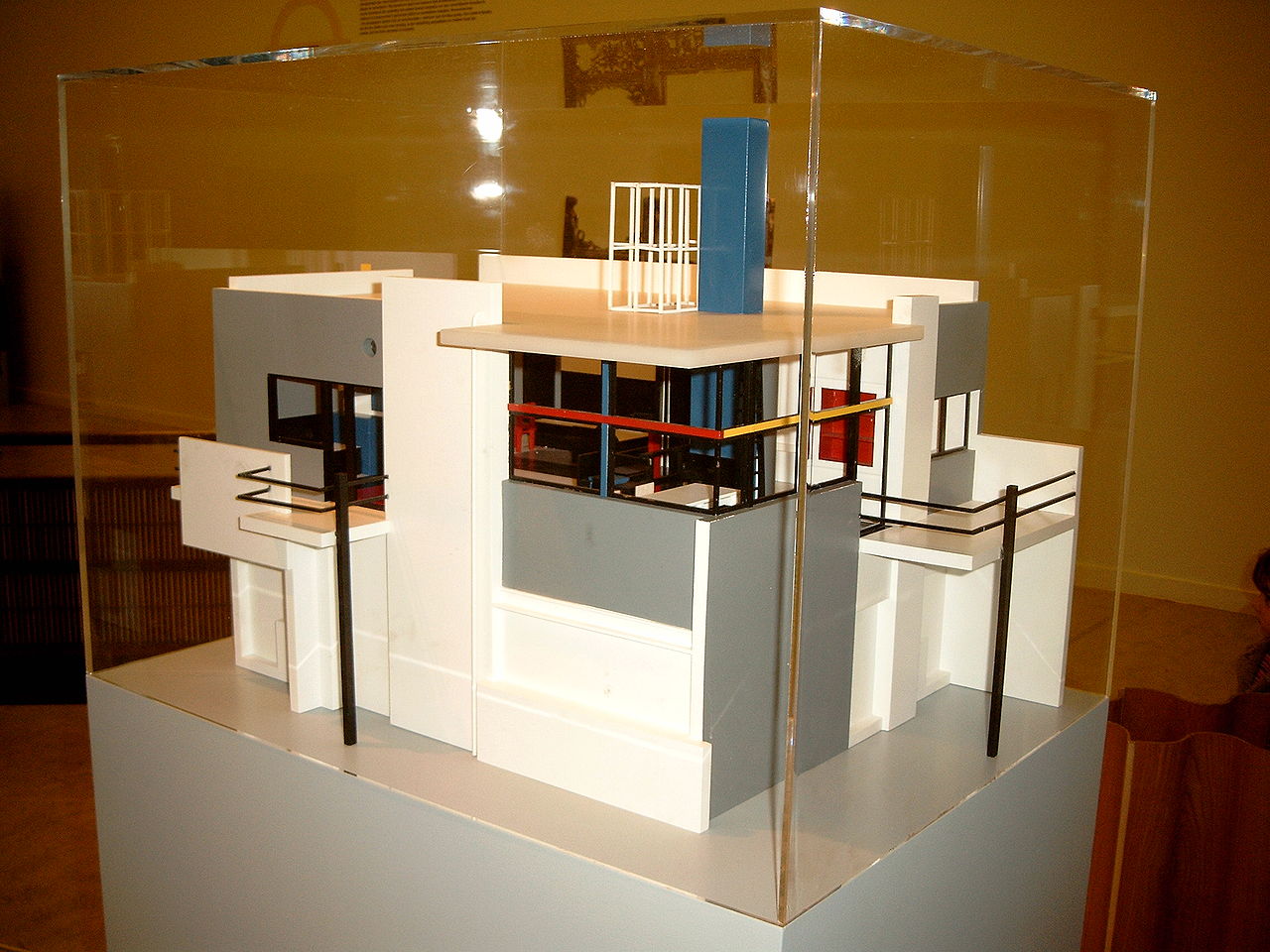
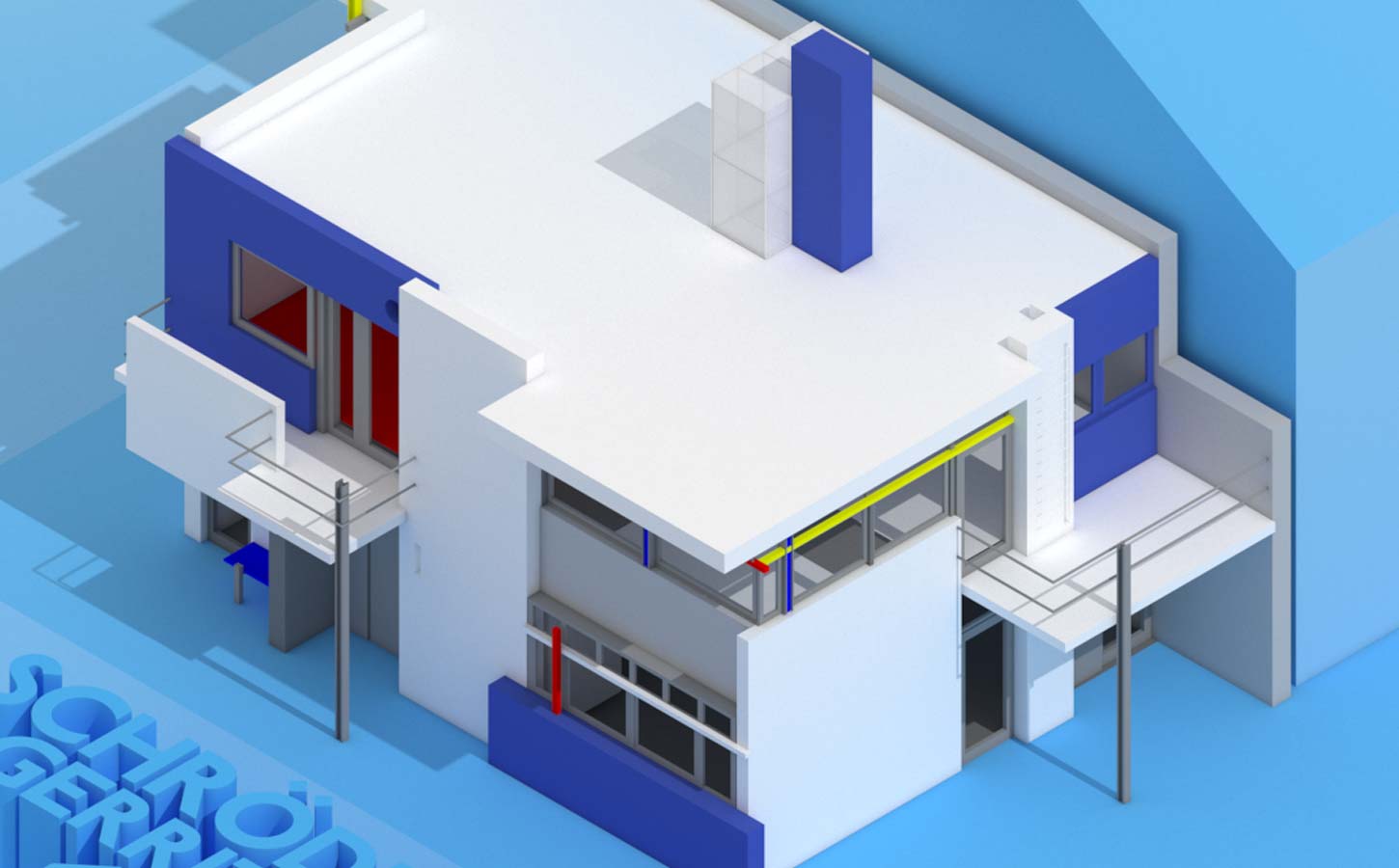
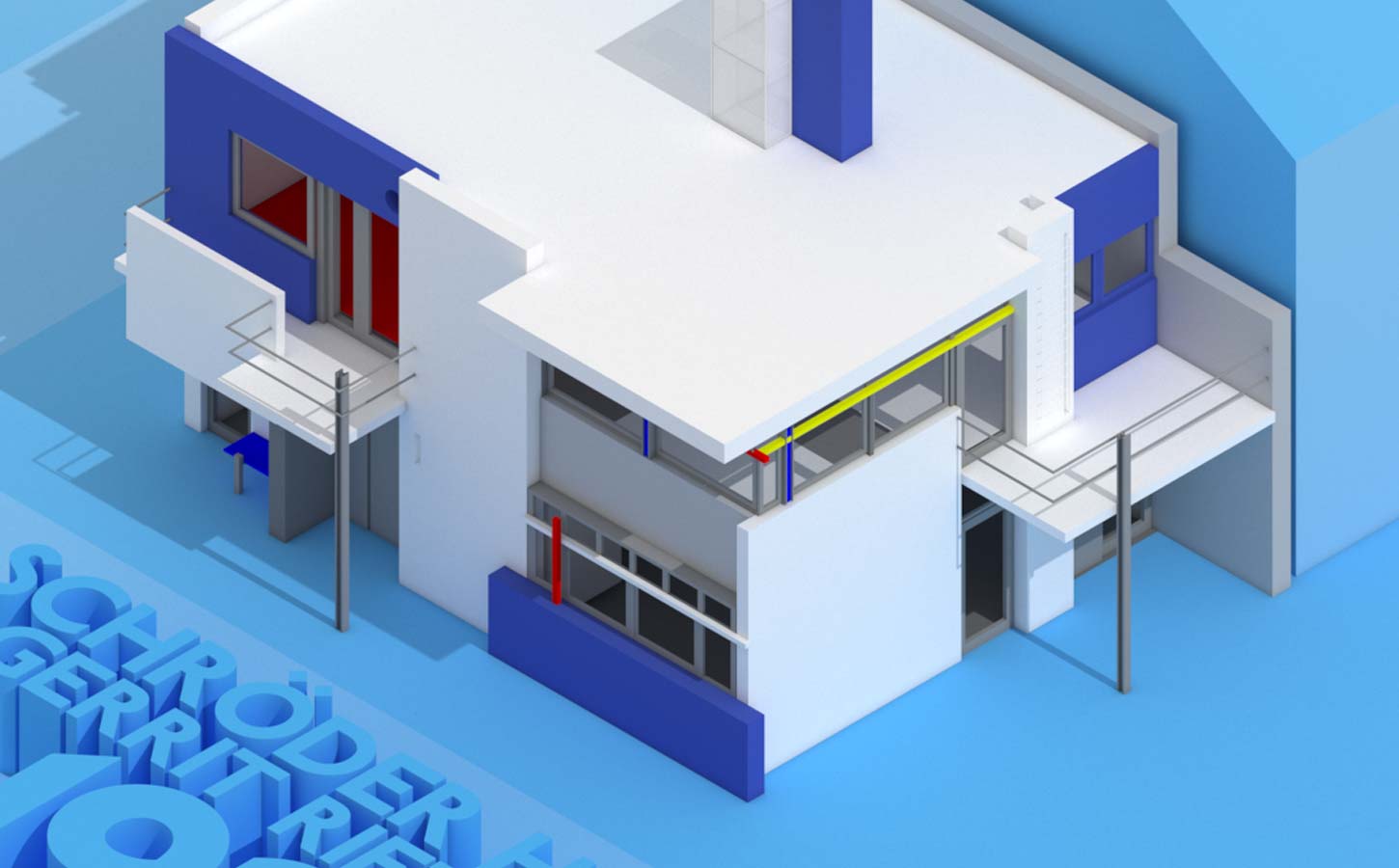
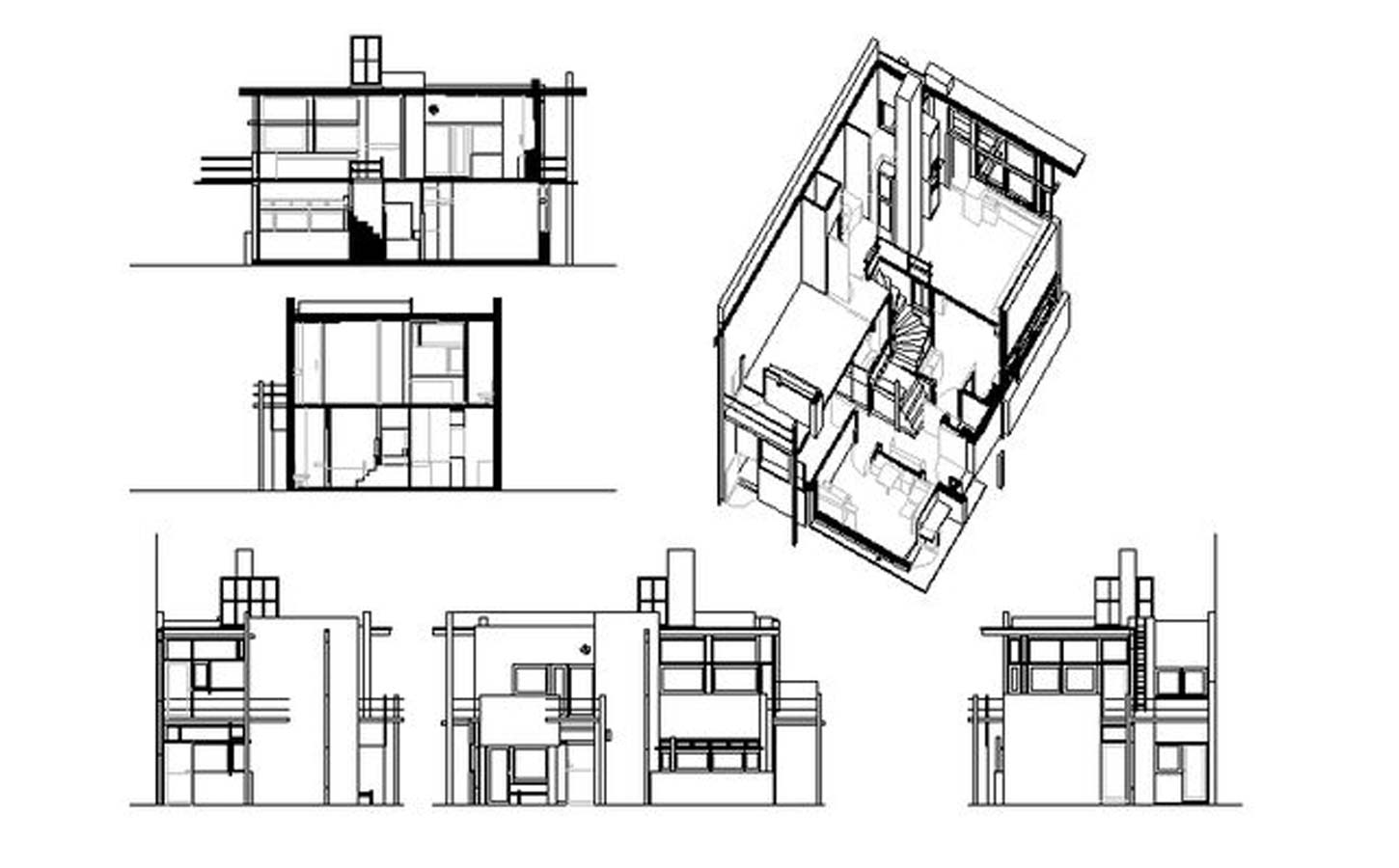
The Rietveld Schröder House in Utrecht, designed by Gerrit Rietveld in collaboration with Truus Schröder and completed in 1924, is a seminal work of the De Stijl movement that redefines domestic space through flexibility and abstraction. Its upper floor features a transformable open plan with sliding partitions, eliminating fixed spatial hierarchy and enabling adaptable living arrangements. Composed of independent horizontal and vertical planes, the house rejects traditional enclosed form in favor of an open, anti-cubic composition that blurs the boundary between interior and exterior. Color is used as an integral architectural element, emphasizing spatial relationships through a palette of primary and neutral tones. Integrating architecture, furniture, and interior design into a unified system, the house reflects Rietveld’s background in furniture making while advancing modernist ideas of space and function. Designated a UNESCO World Heritage Site in 2000, it remains a key reference in the evolution of modern architecture.

Completed in 1924 in Utrecht, the Rietveld Schröder House stands as one of the clearest built manifestations of the De Stijl movement and a pivotal work in the development of modern architecture. Designed by Gerrit Rietveld in close collaboration with Truus Schröder-Schräder, the house reflects a shared ambition to redefine domestic space through flexibility, abstraction, and a new relationship between interior and exterior.

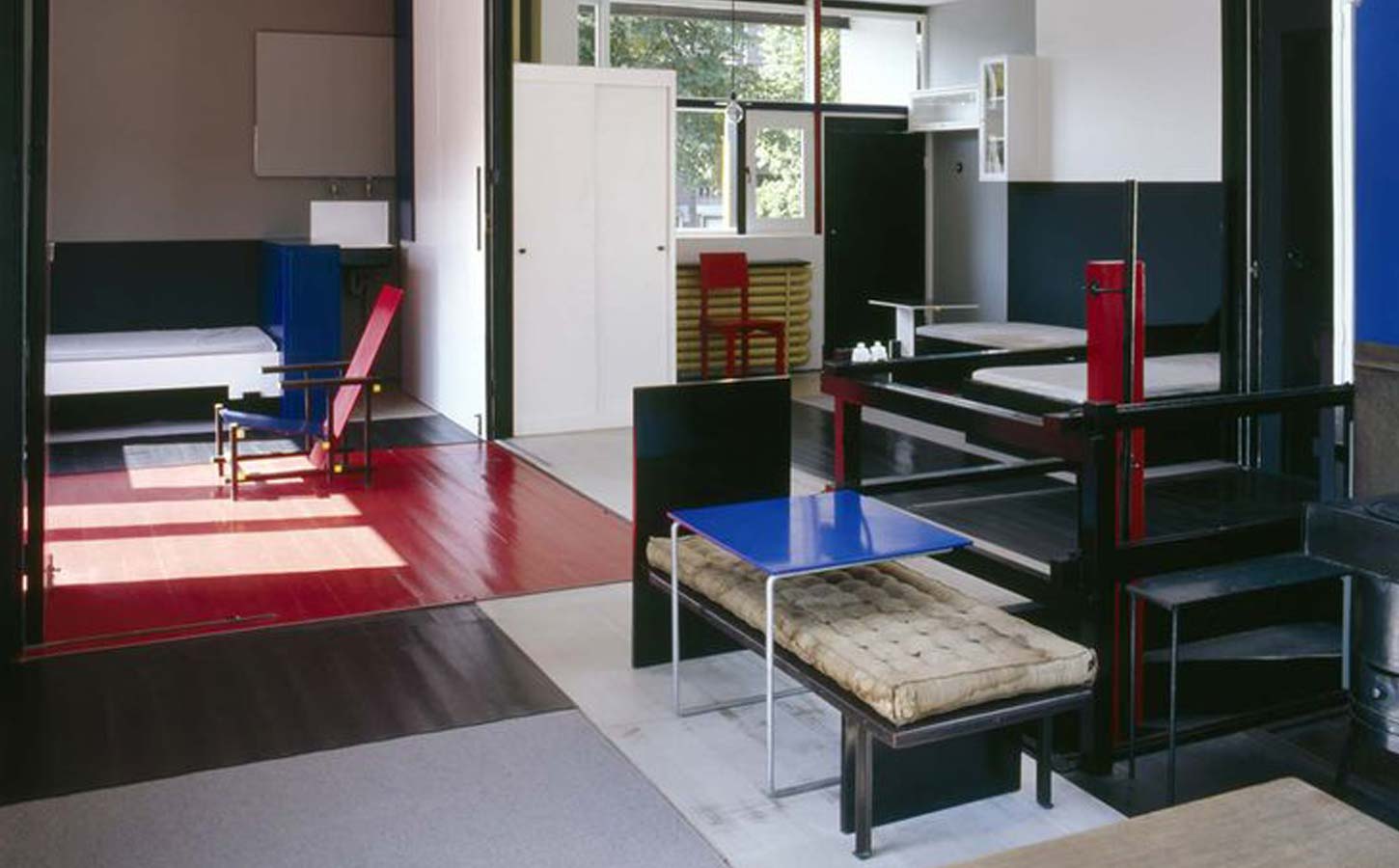
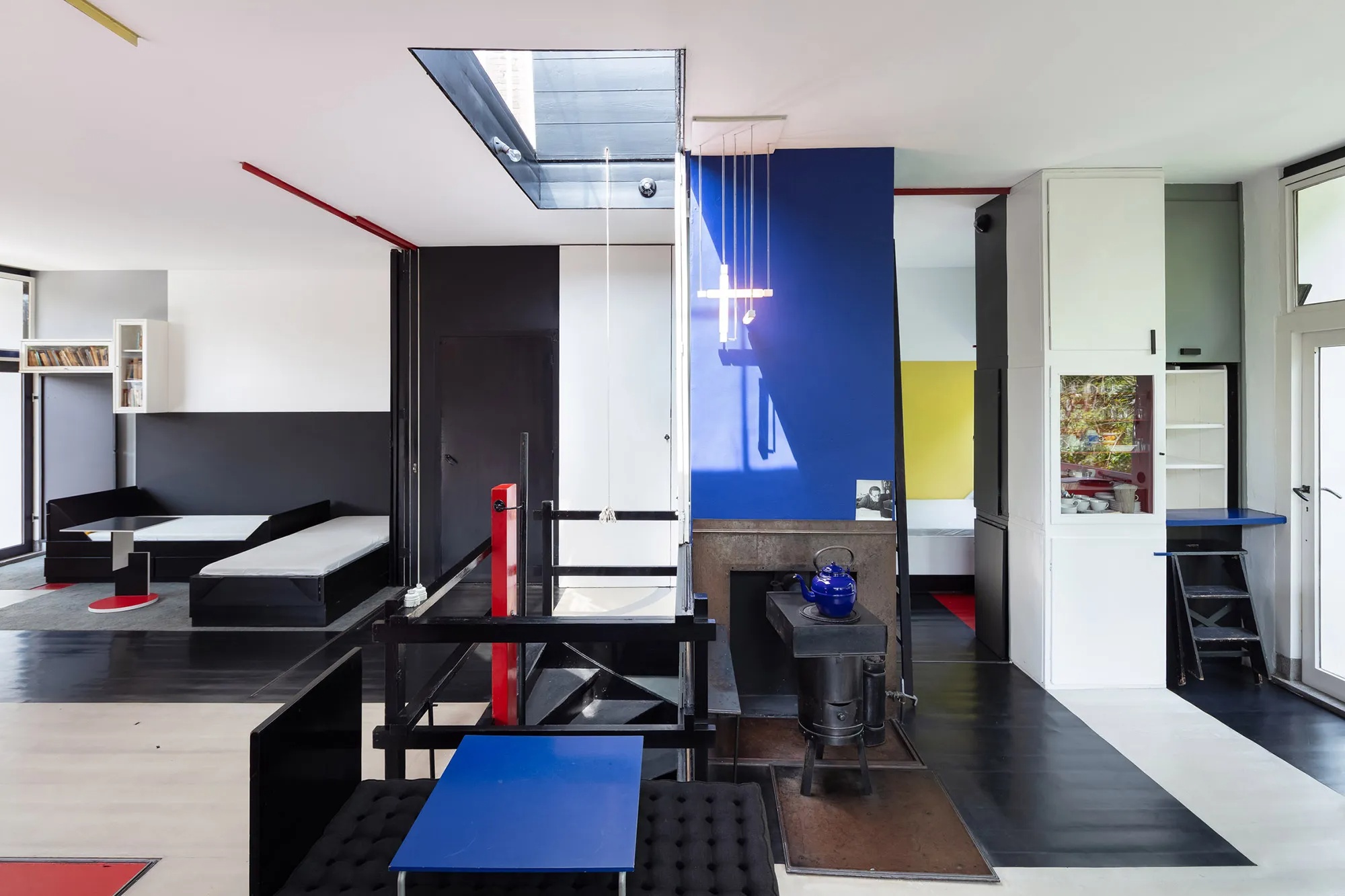
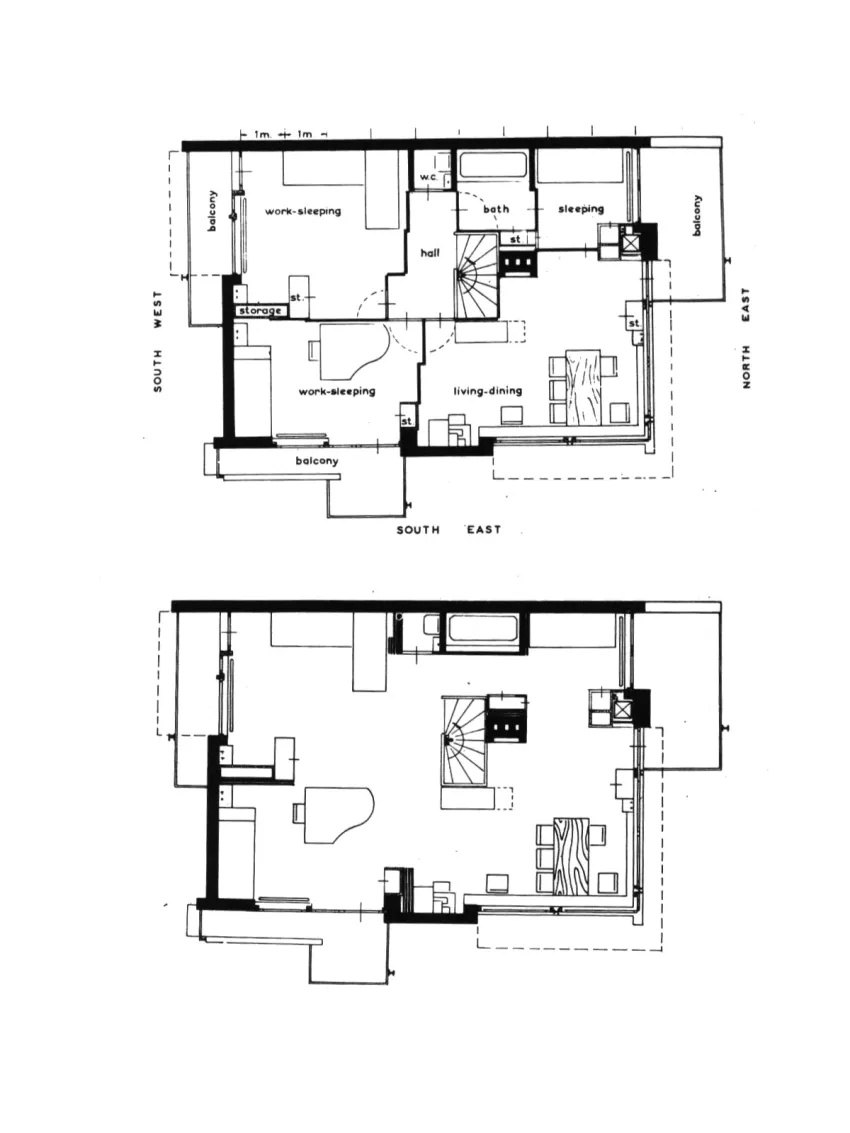
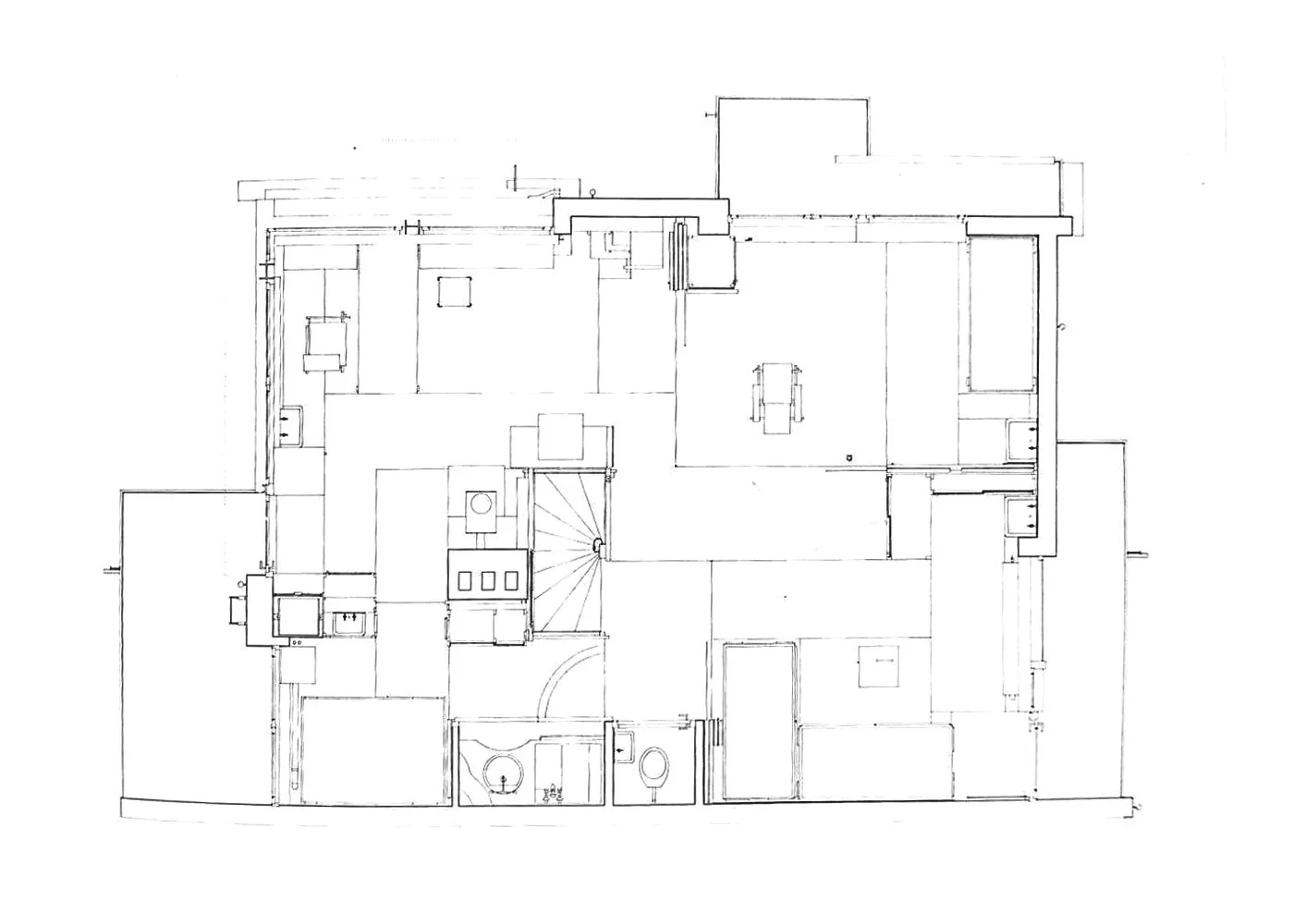
Rather than conforming to traditional residential layouts, the house proposes a radical rethinking of spatial organization. The ground floor is arranged more conventionally, but the upper level—conceived as the primary living space—functions as a transformable open plan. Sliding and rotating partitions allow the space to shift between a single continuous room and a series of enclosed bedrooms, accommodating changing patterns of use throughout the day. This absence of fixed hierarchy reflects Schröder’s desire for a more fluid and adaptable way of living.

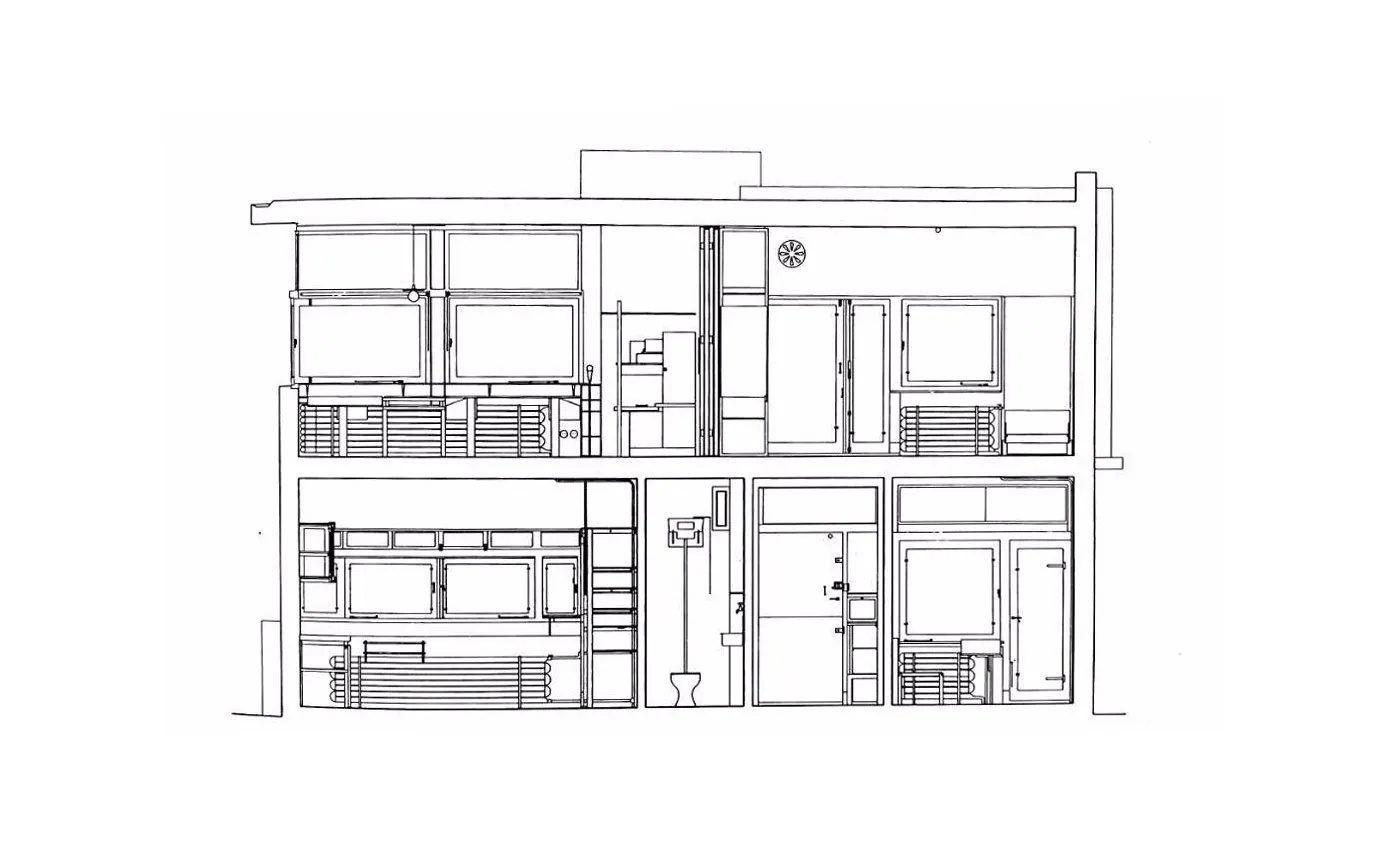
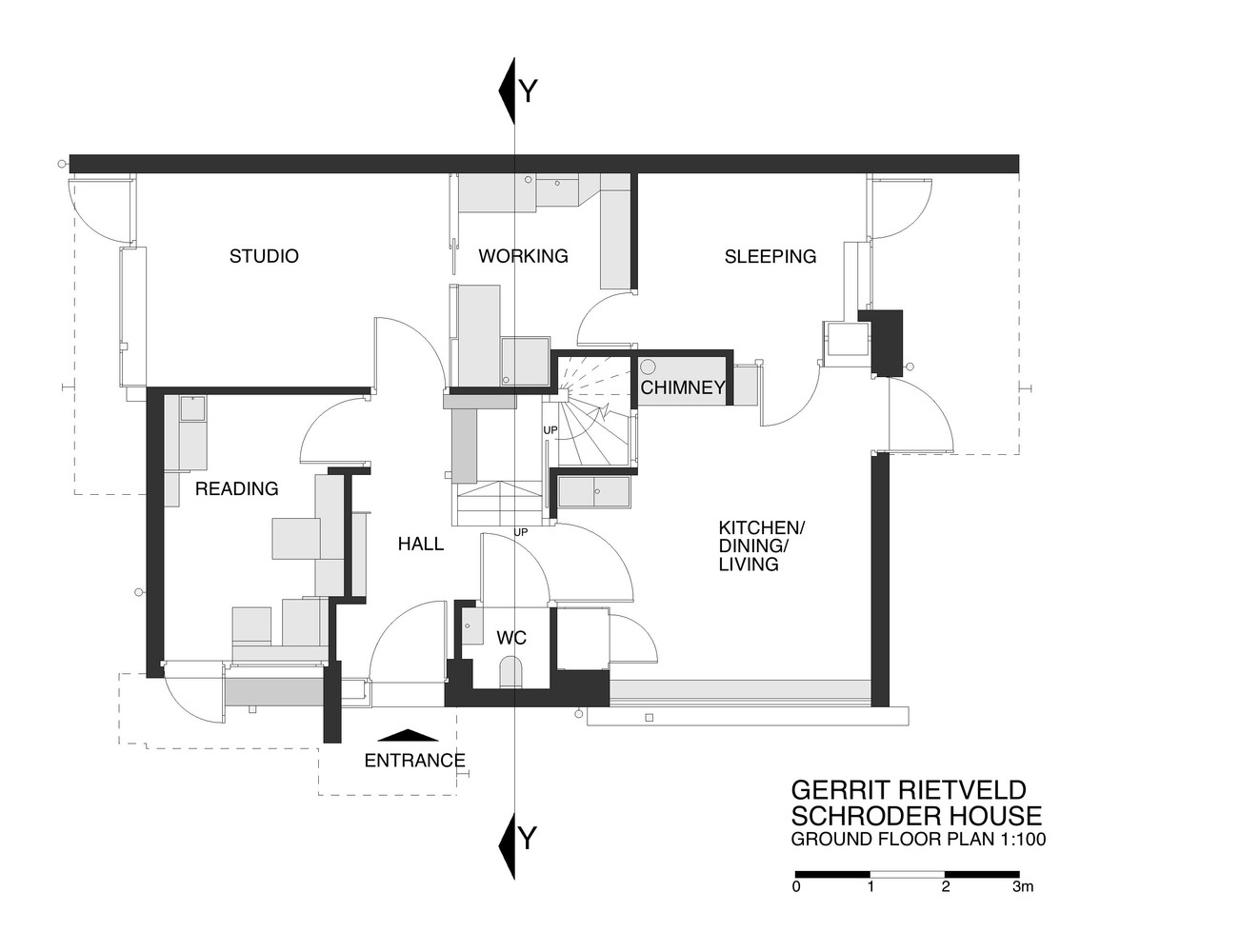
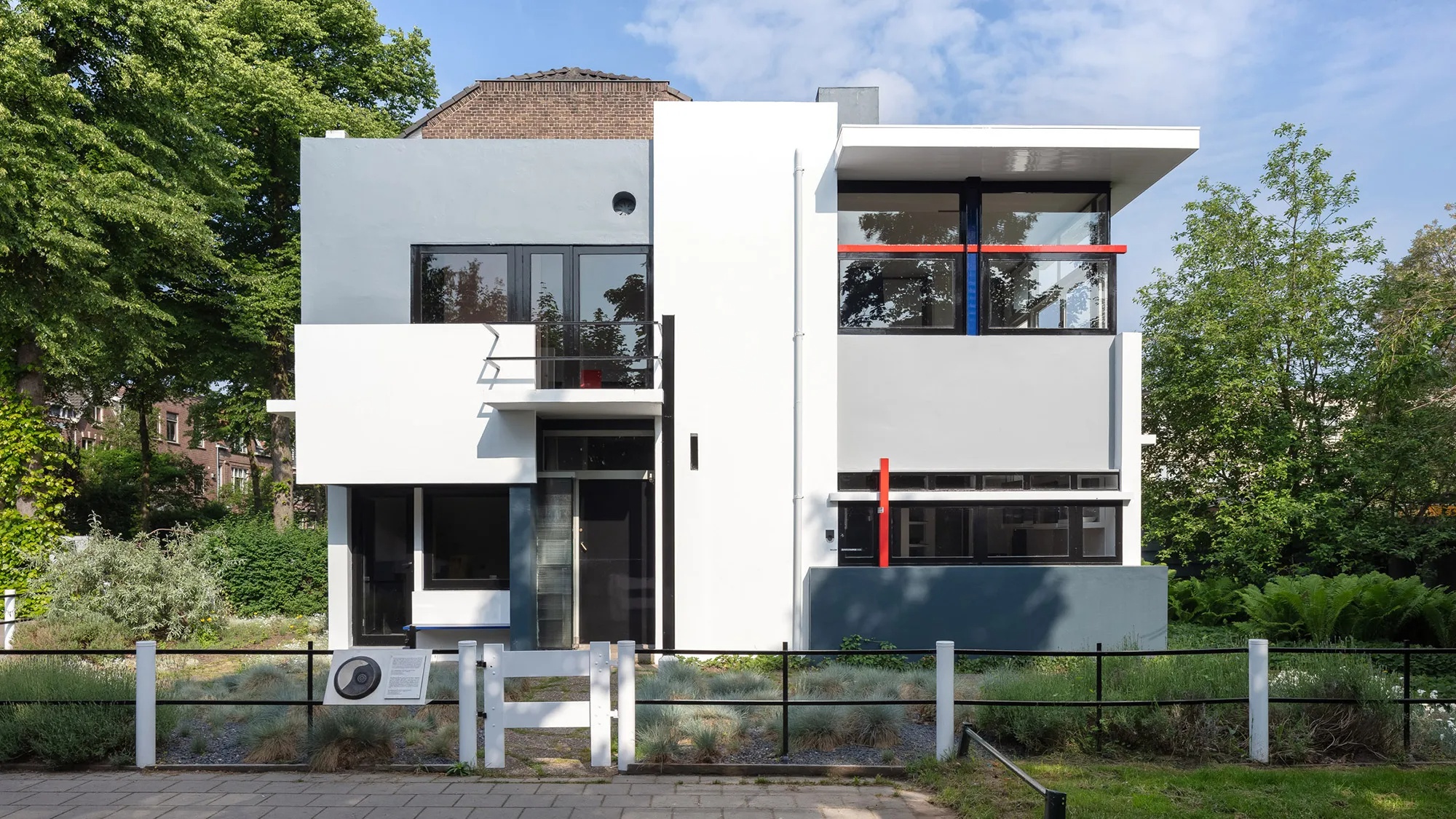
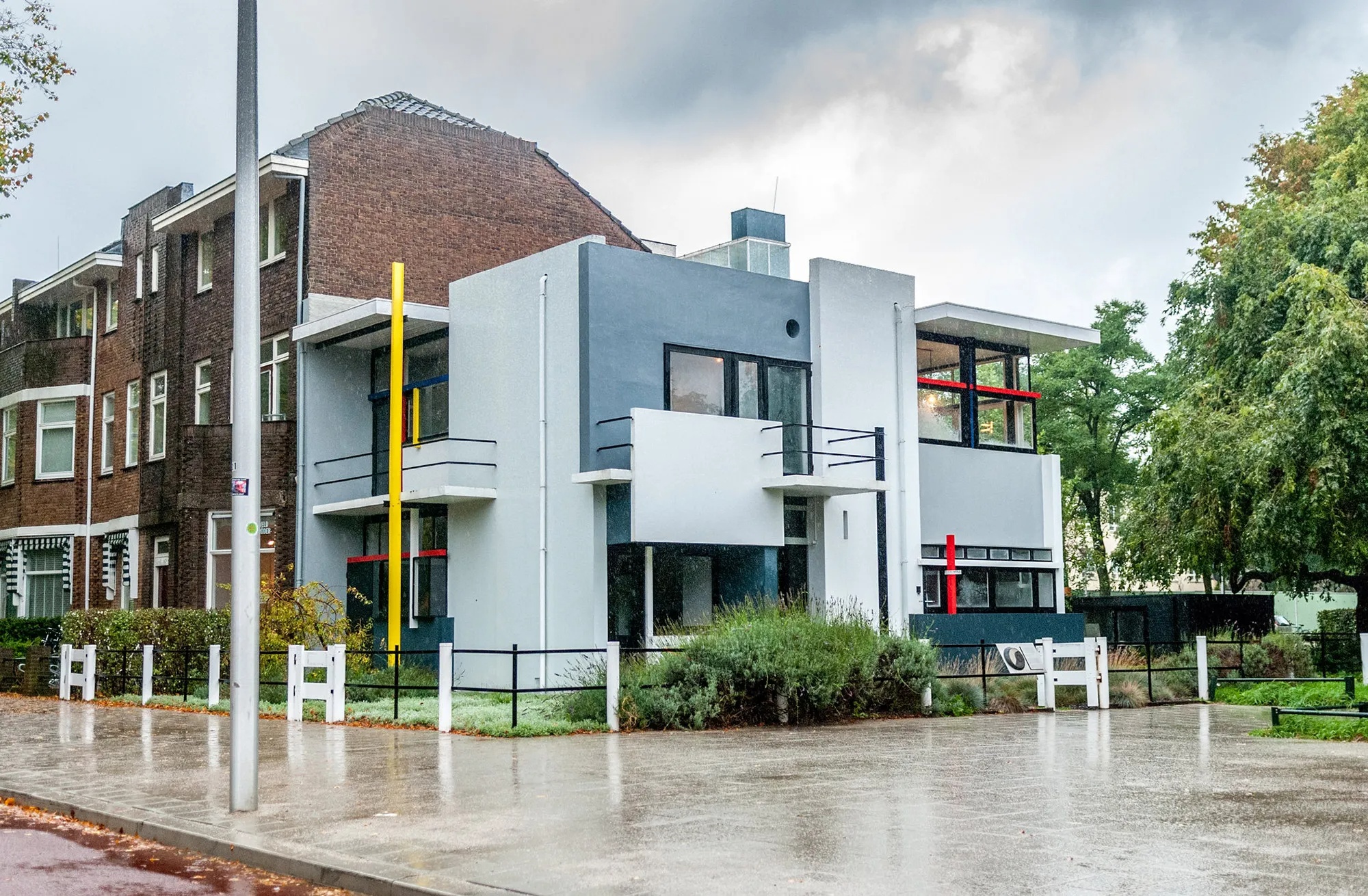
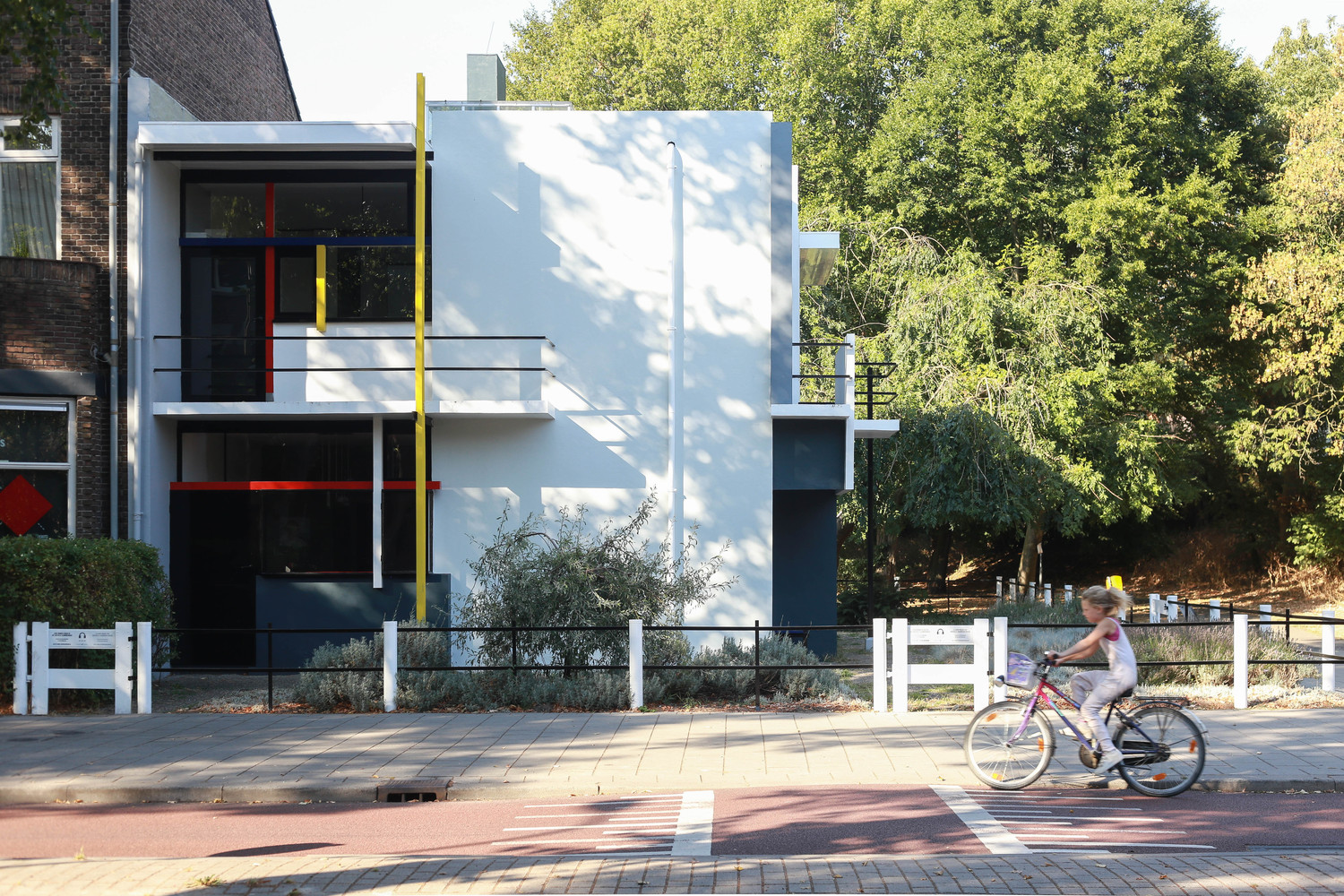
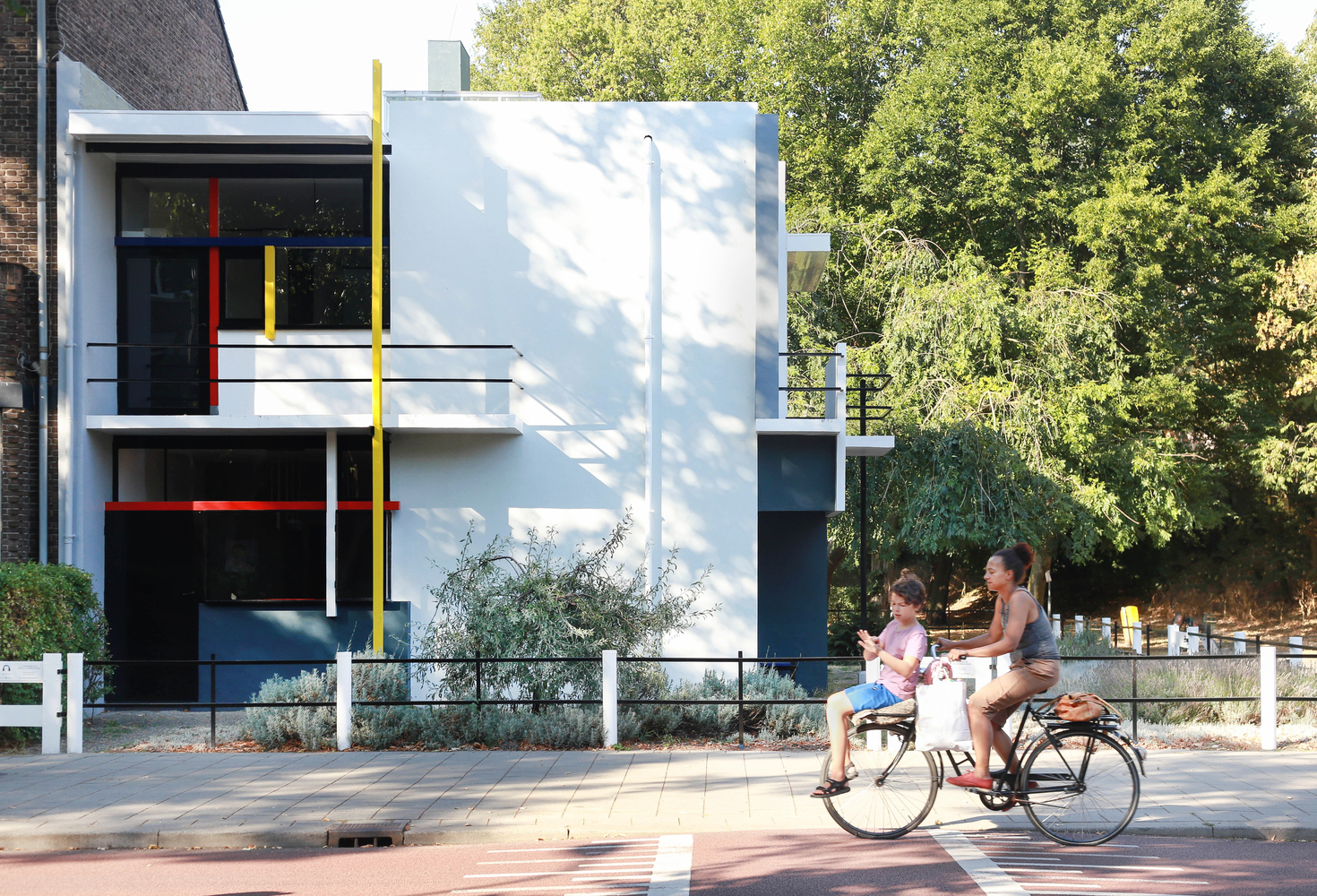
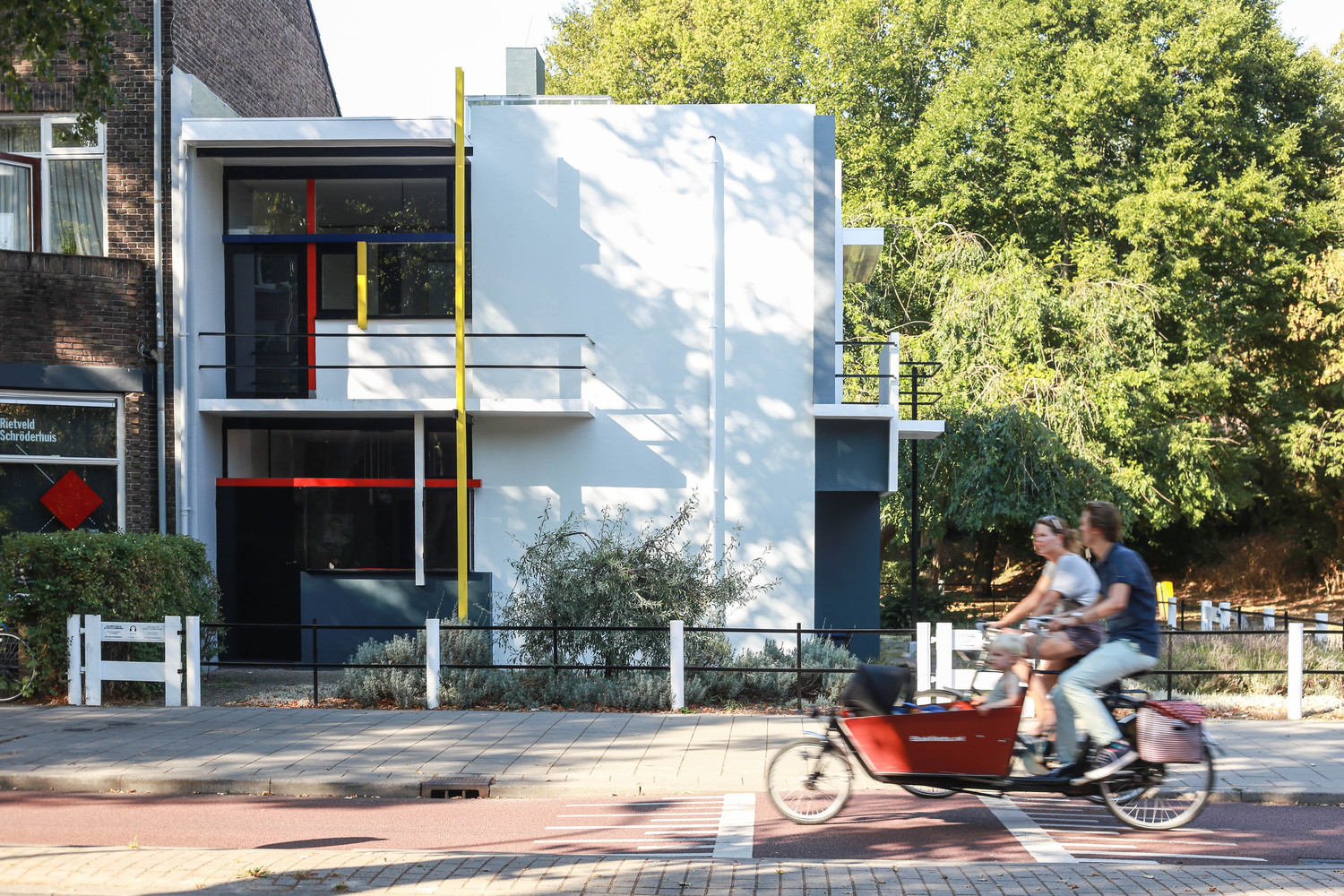
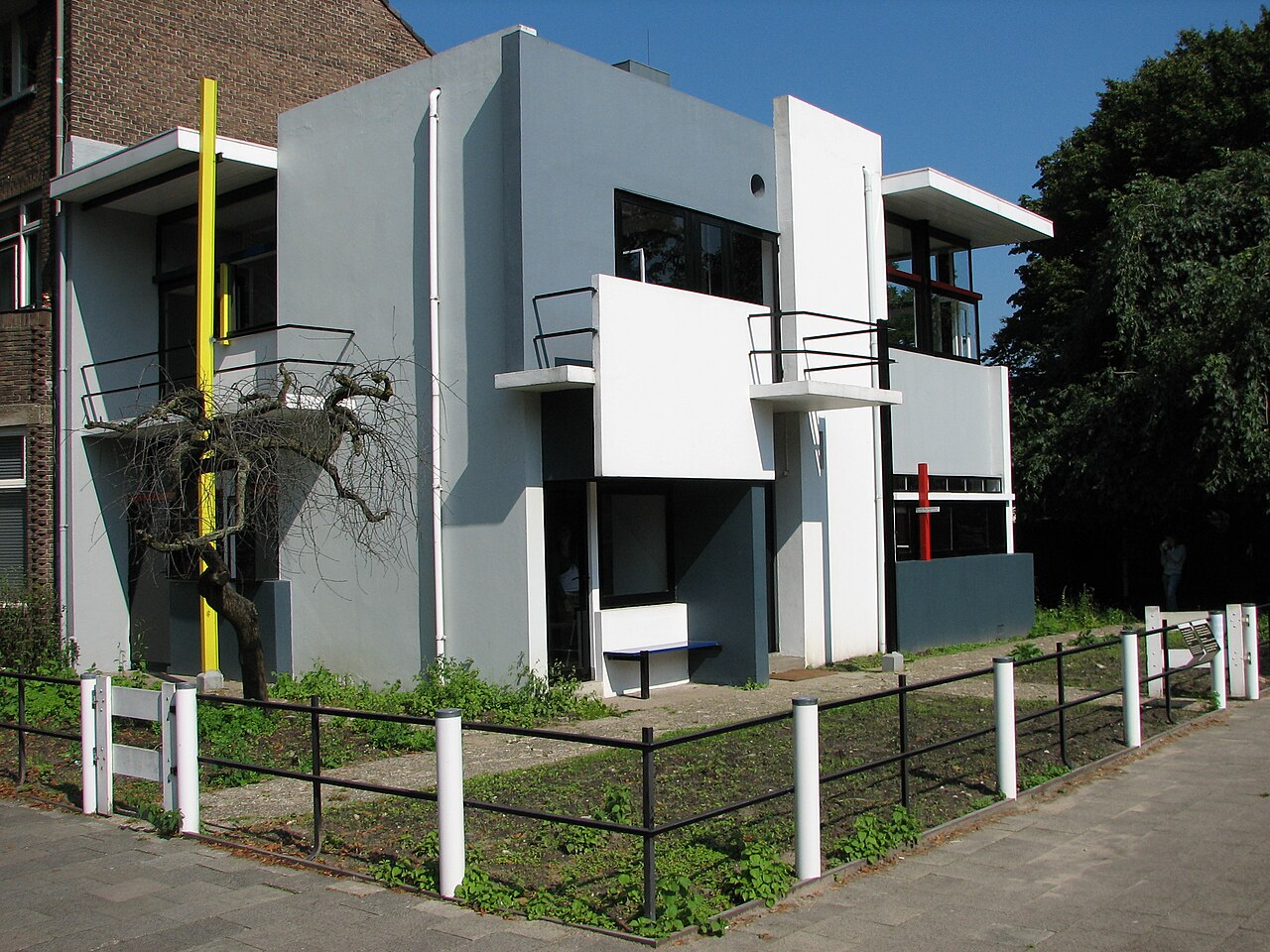
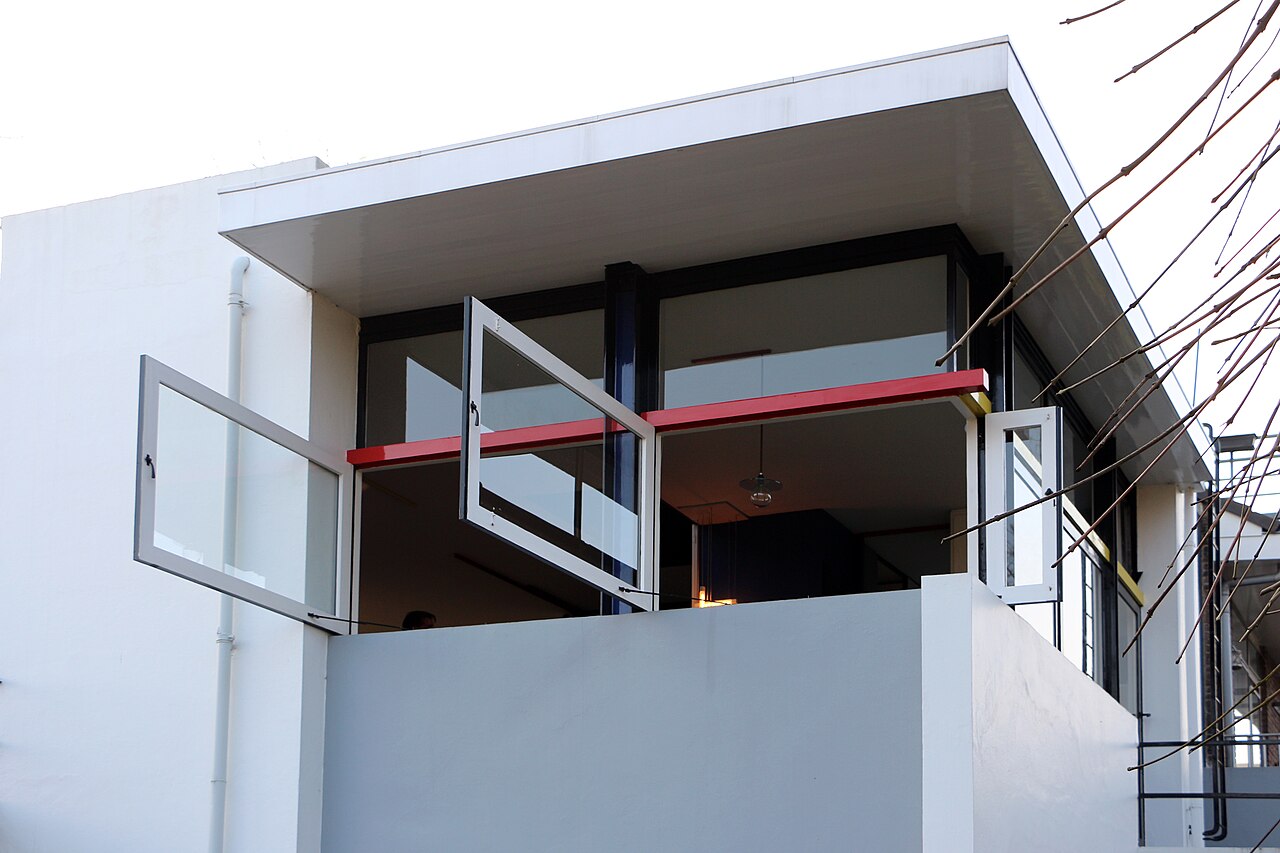
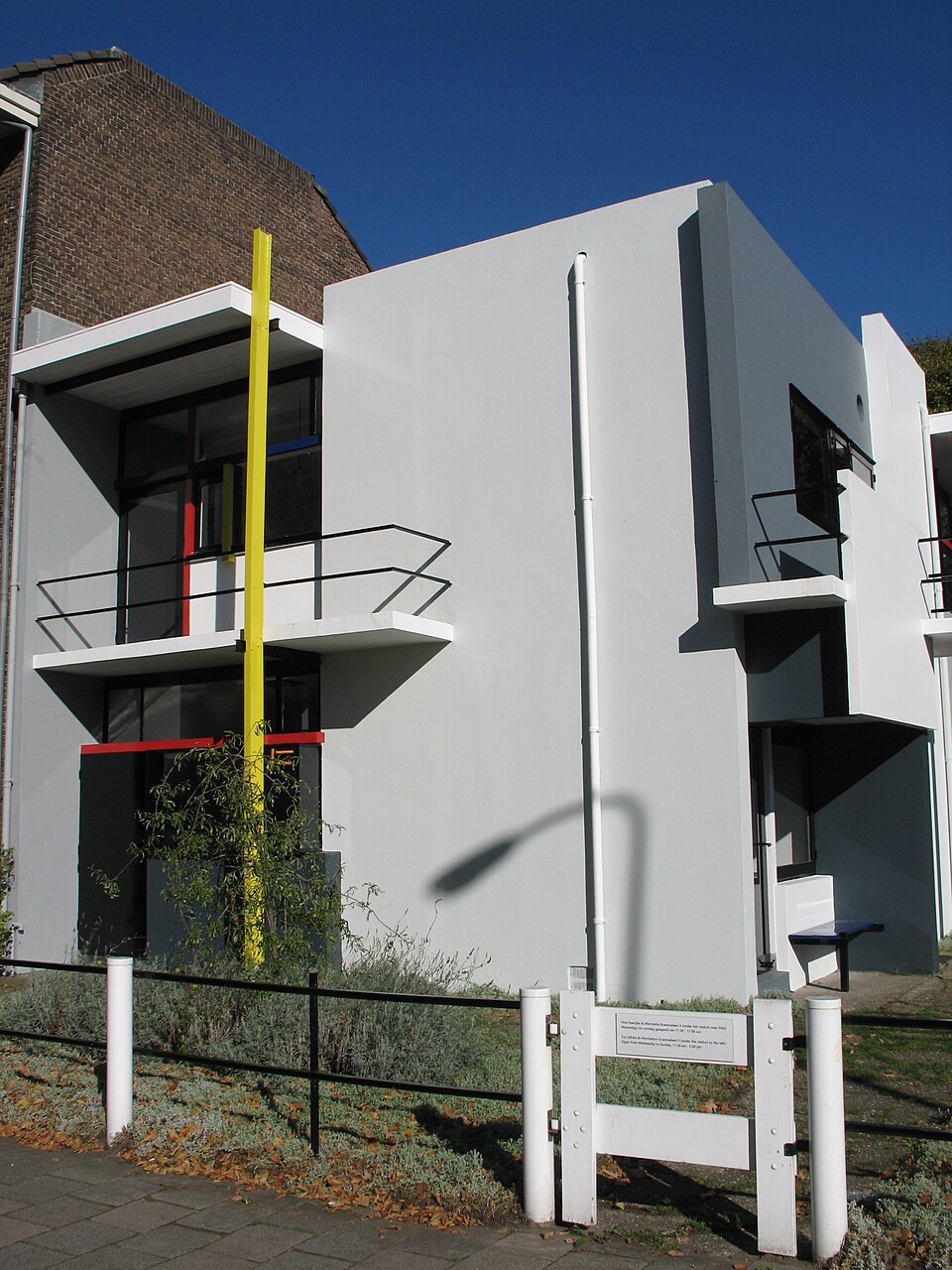
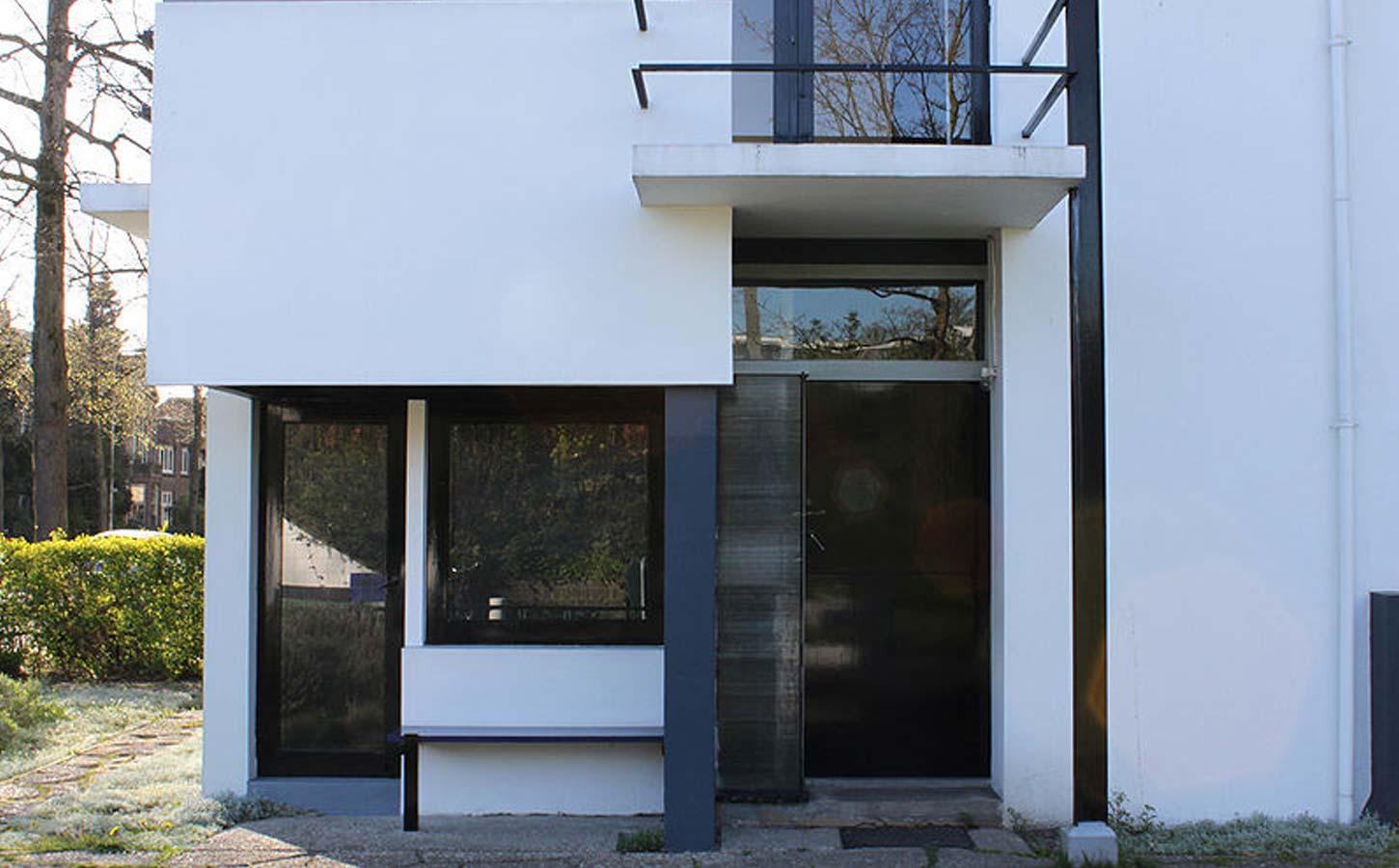
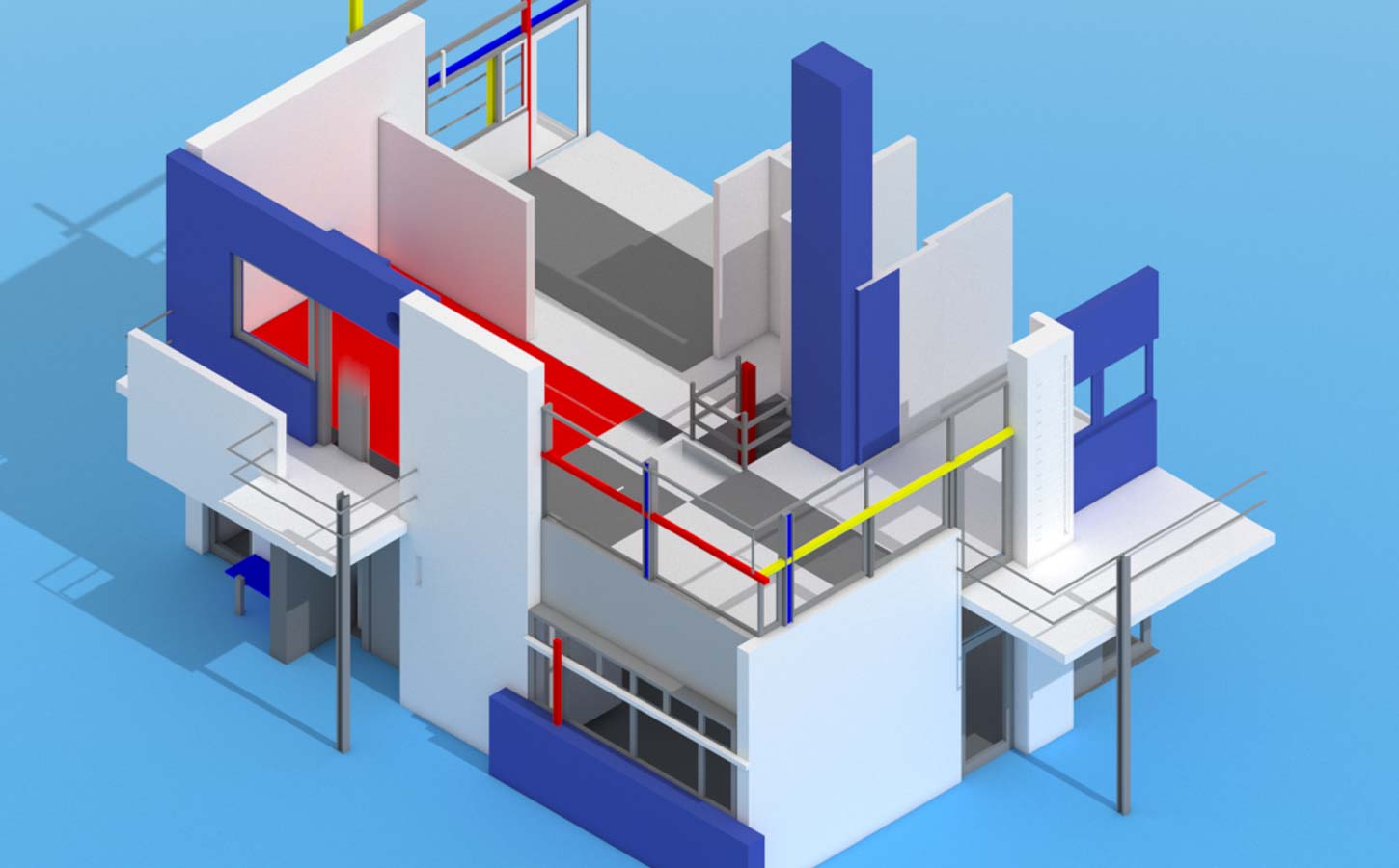
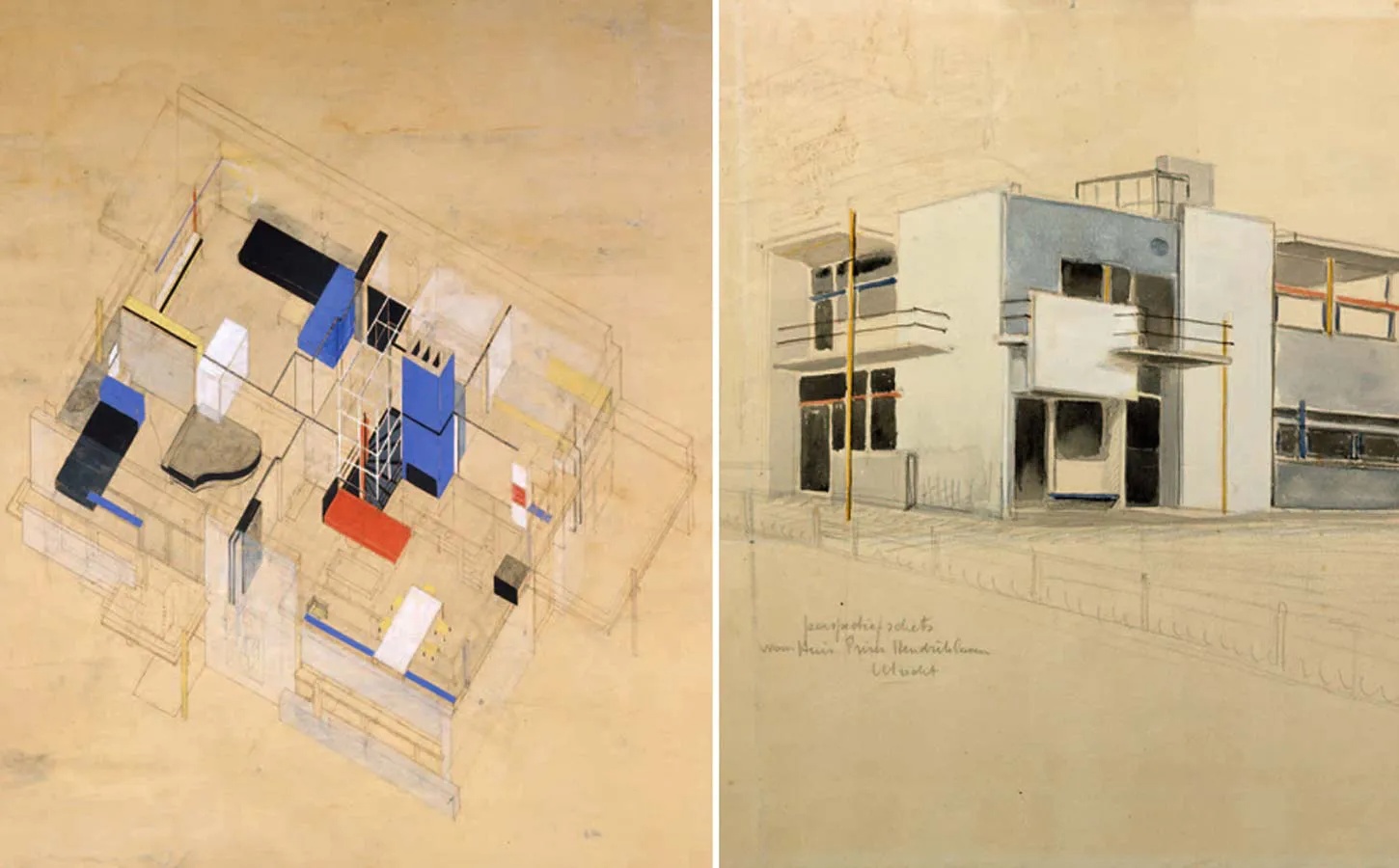
The architectural language is defined by an assemblage of independent horizontal and vertical planes, extending outward rather than forming a closed volume. Walls are treated as non-load-bearing elements, reduced to surfaces that articulate space rather than enclose it. This anti-cubic composition, rooted in De Stijl theory, produces a dynamic interplay of solids and voids in which interior and exterior begin to interpenetrate. Elements such as the corner windows, which open without interruption, further dissolve the boundary between inside and outside.
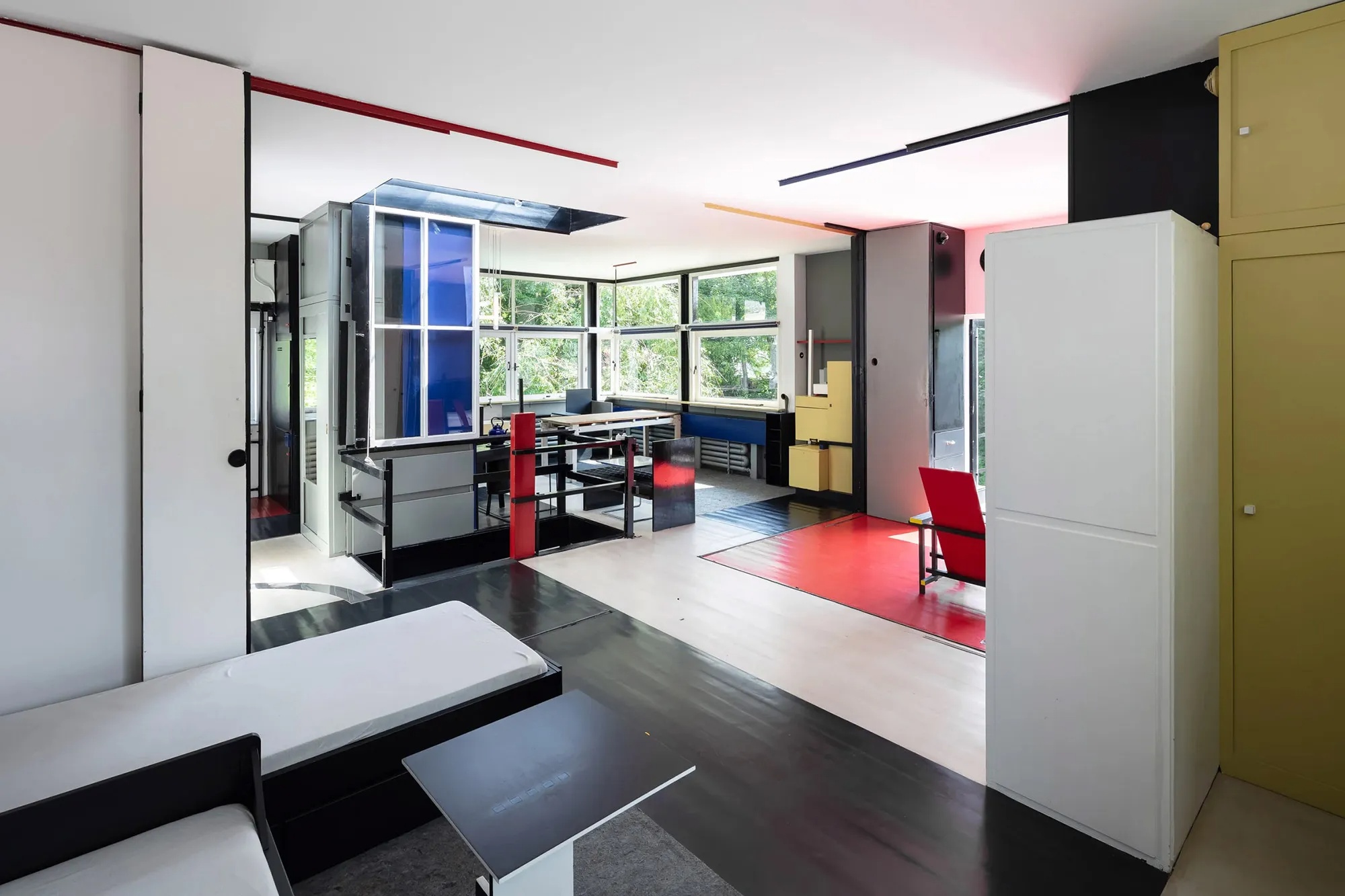


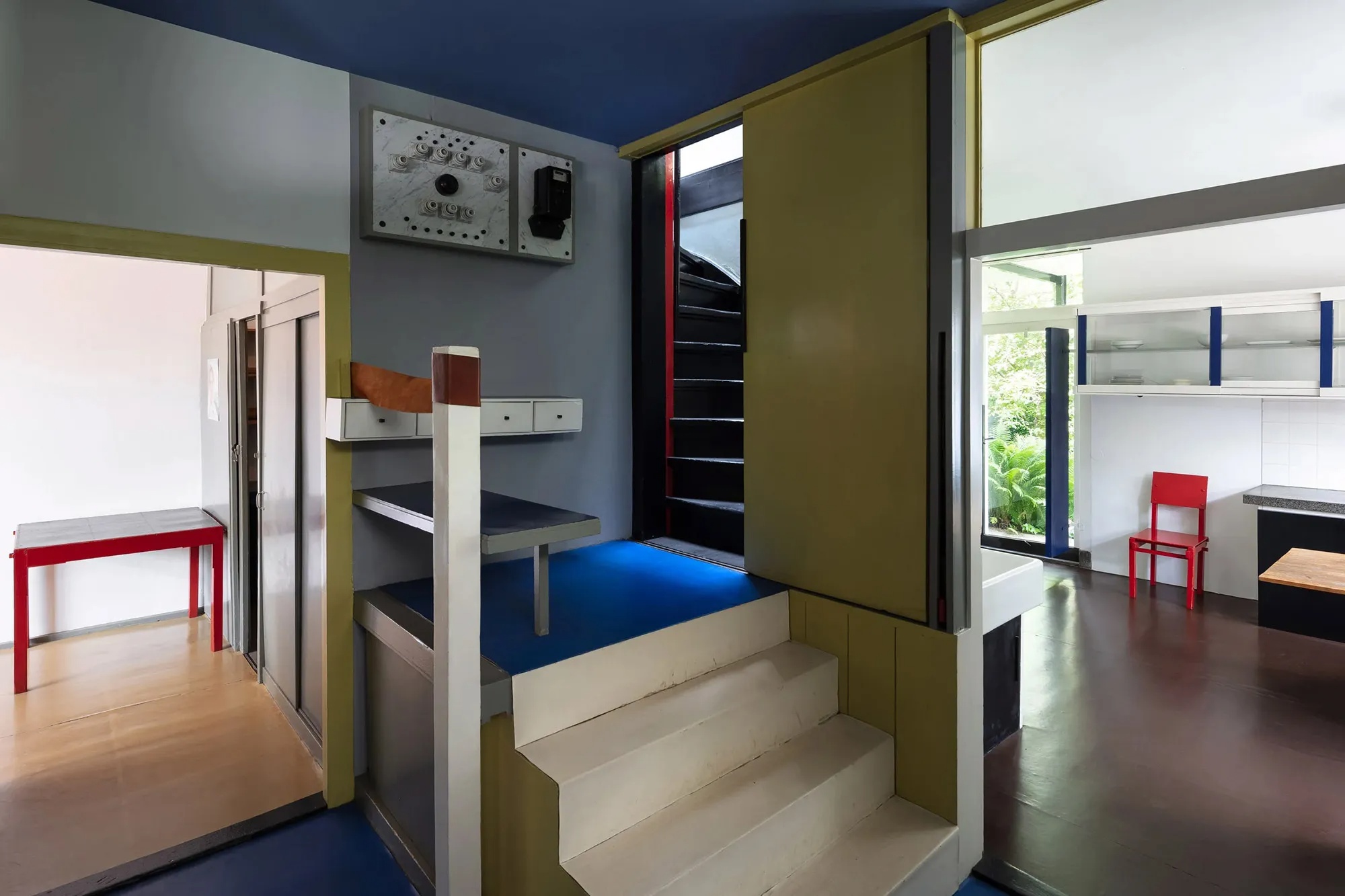
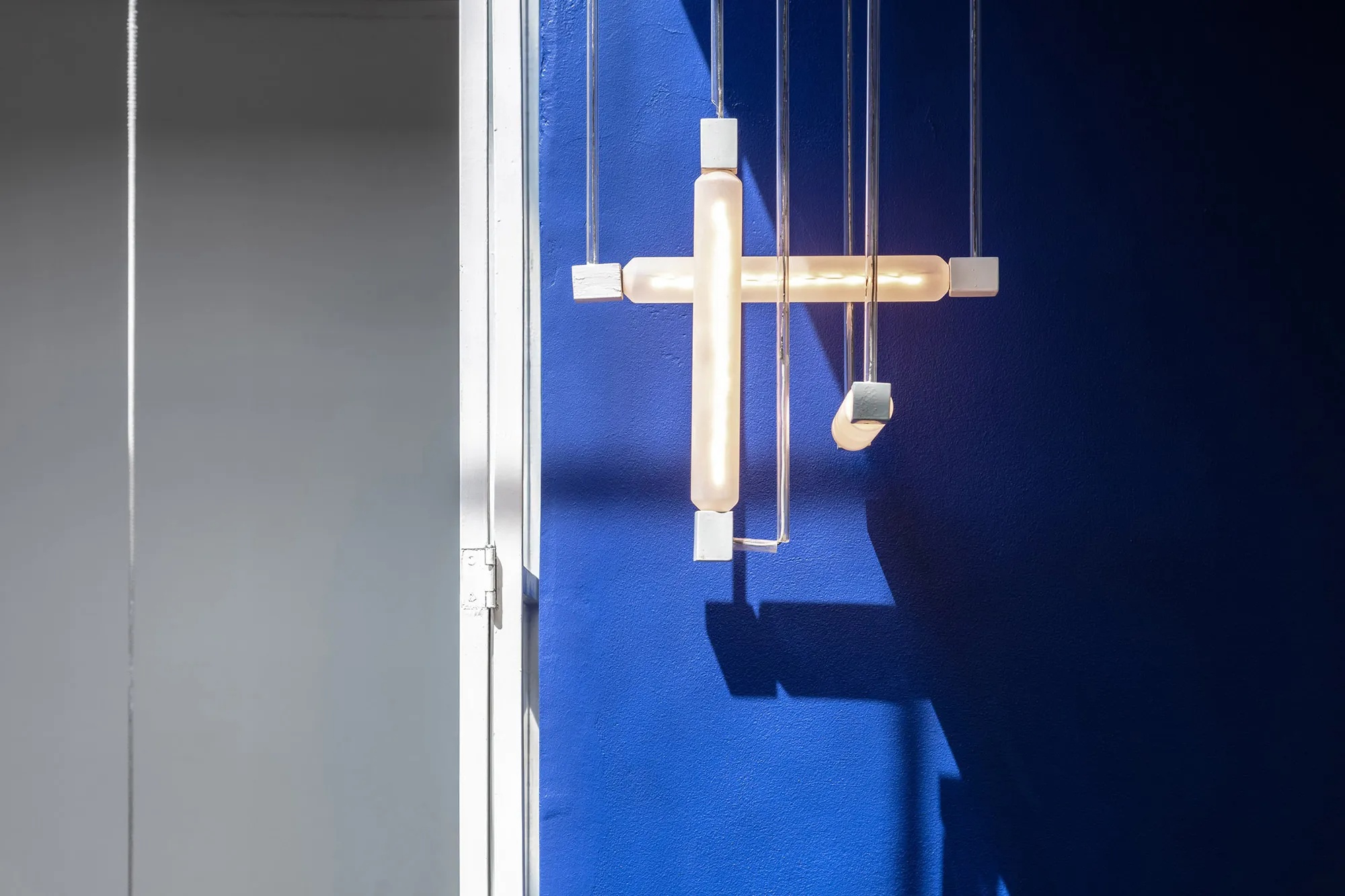
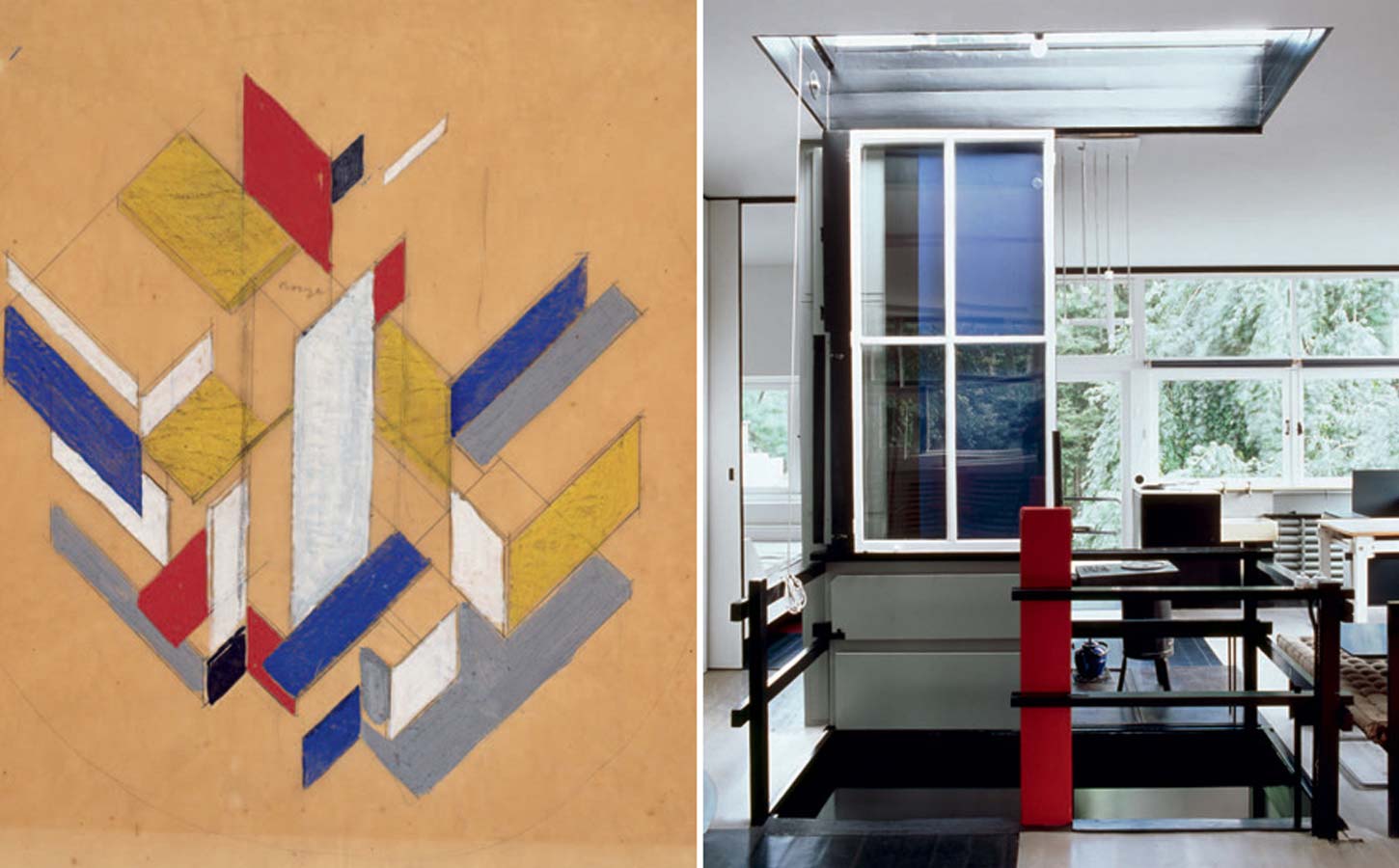
Color plays a structural role rather than a decorative one. A restrained palette of white, gray, black, and primary colors is used to distinguish planes, emphasize spatial relationships, and clarify the autonomy of individual elements. This approach aligns with the broader De Stijl pursuit of abstraction through reduction to essential forms and colors.
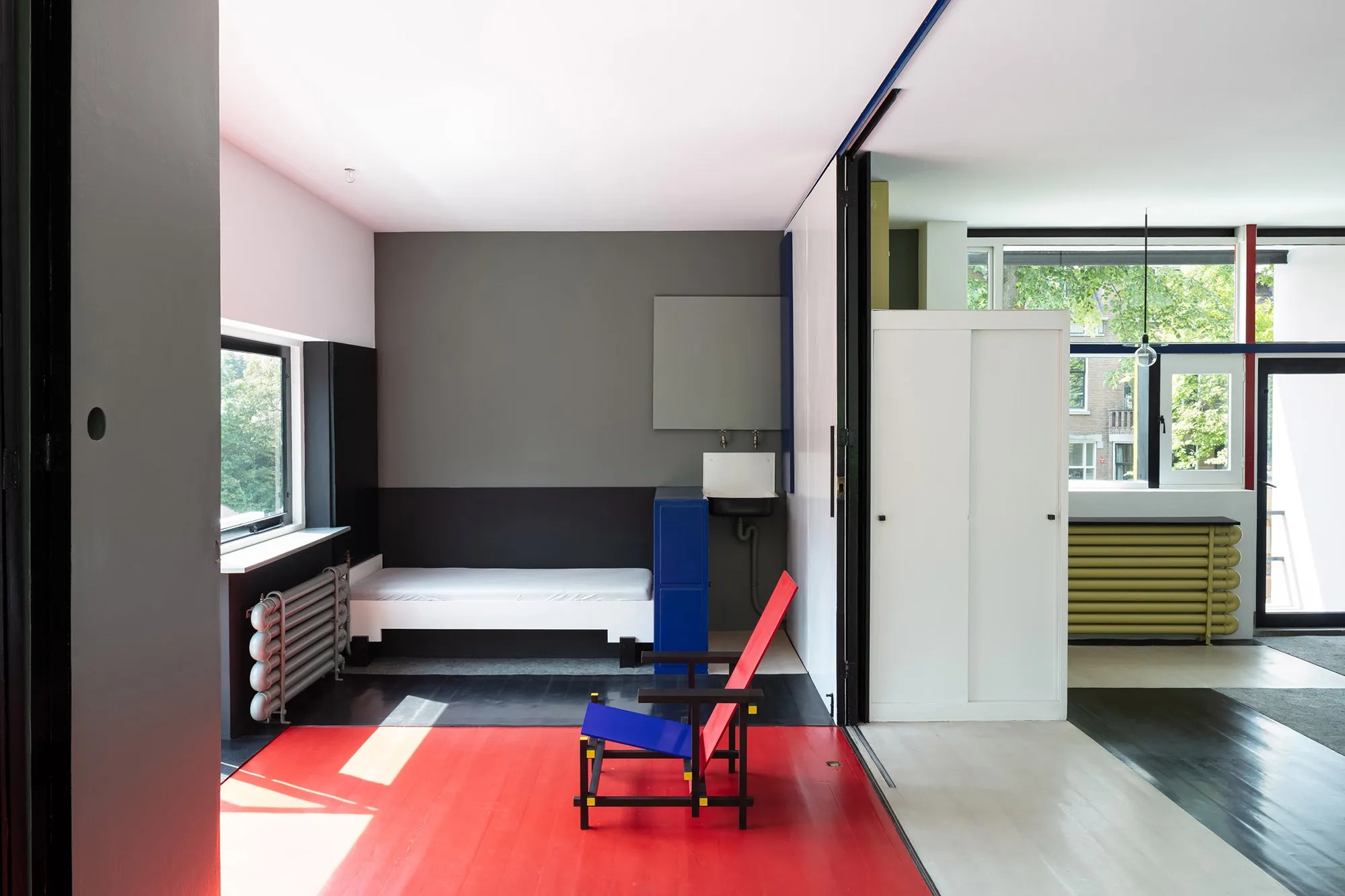
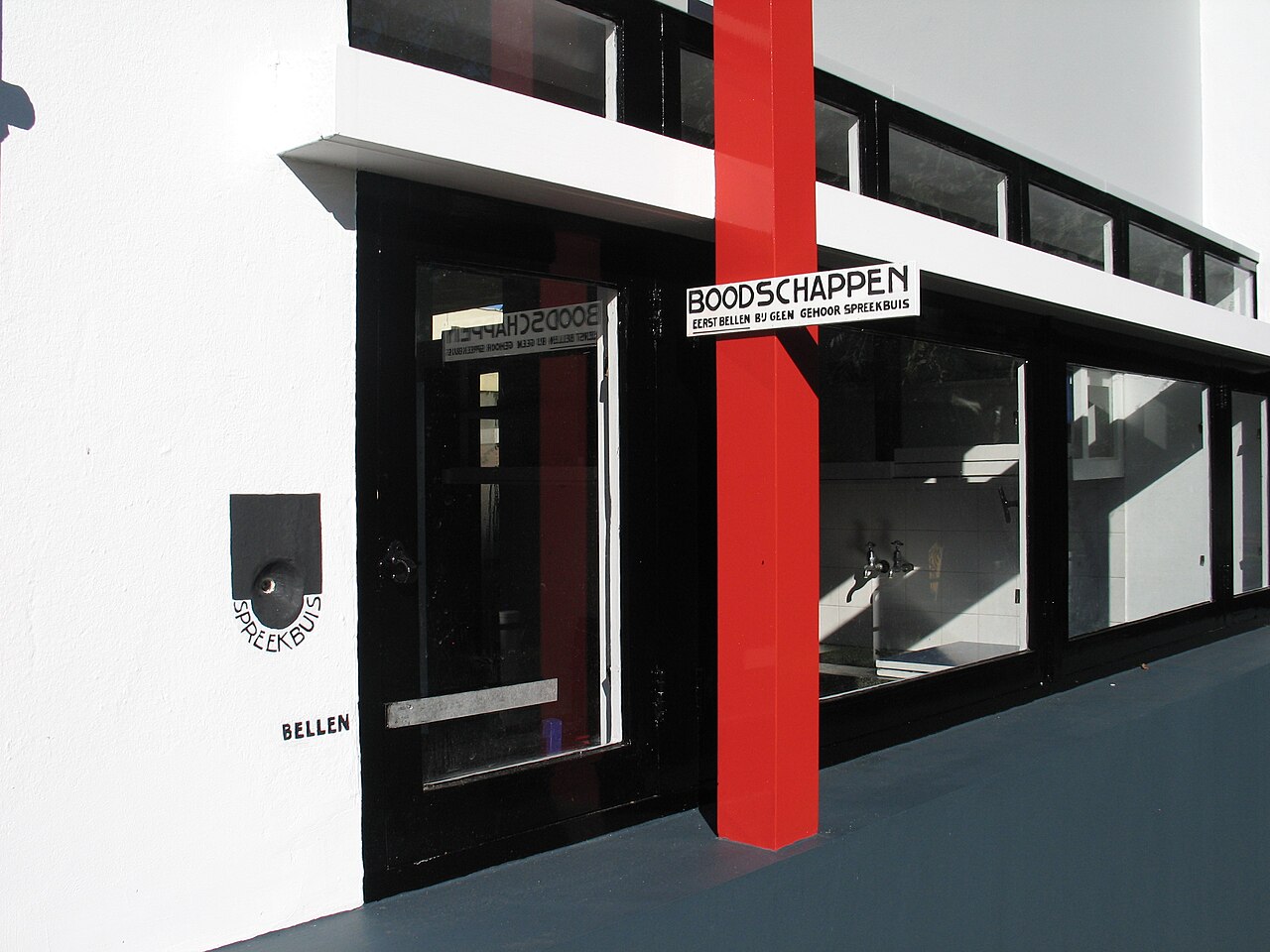
Rietveld’s background in furniture design is evident throughout the house, where architecture and interior are conceived as a unified system. Built-in furniture, movable partitions, and precisely detailed joinery contribute to a highly controlled yet adaptable environment. The house operates at multiple scales simultaneously, from the overall composition of planes to the design of individual elements.
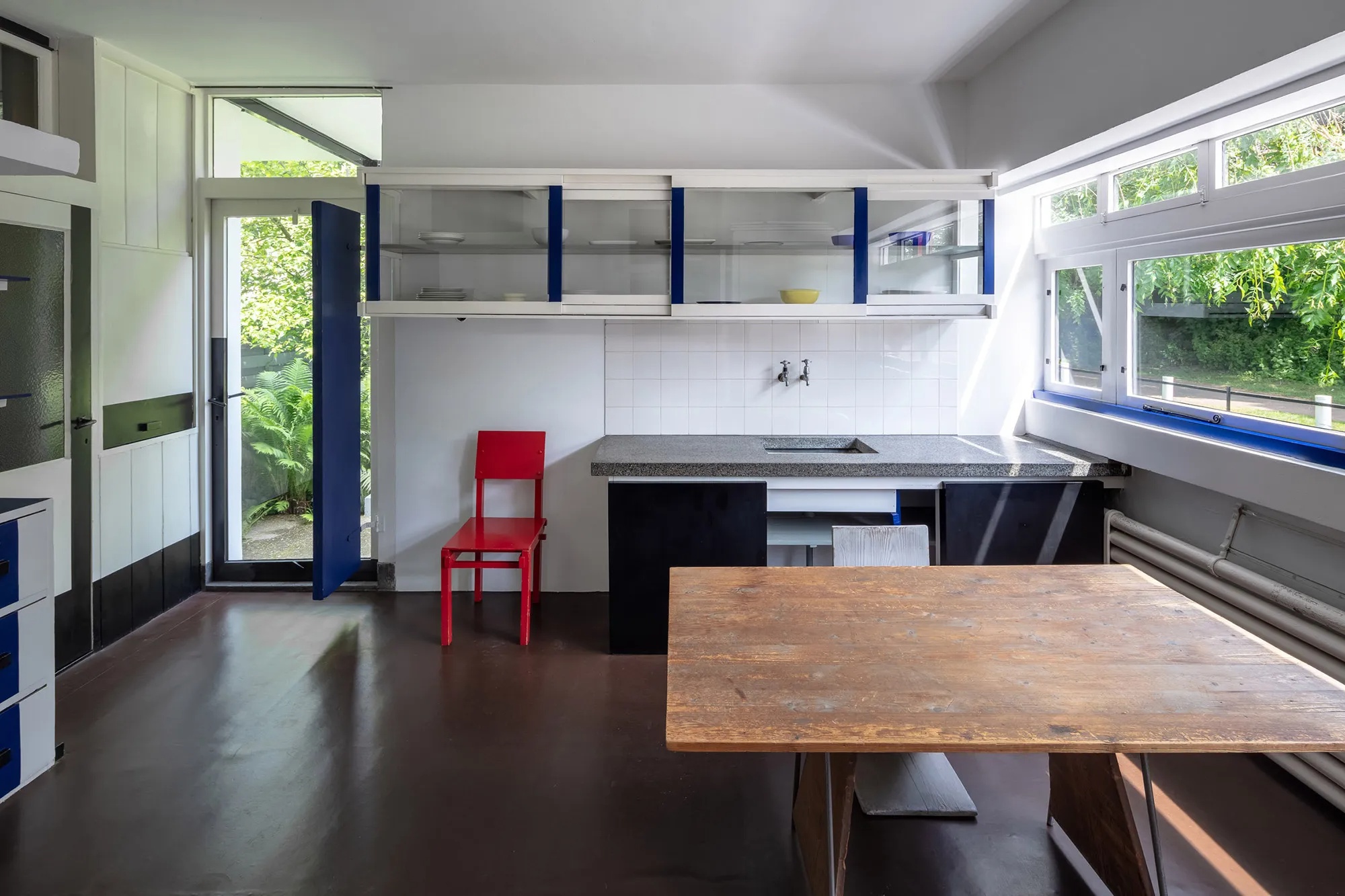
Structurally, the building combines masonry walls with reinforced concrete elements and steel supports, particularly on the upper floor where the absence of load-bearing partitions necessitates additional framing. Despite its apparent lightness and openness, the house is carefully engineered to maintain structural clarity while enabling spatial flexibility.

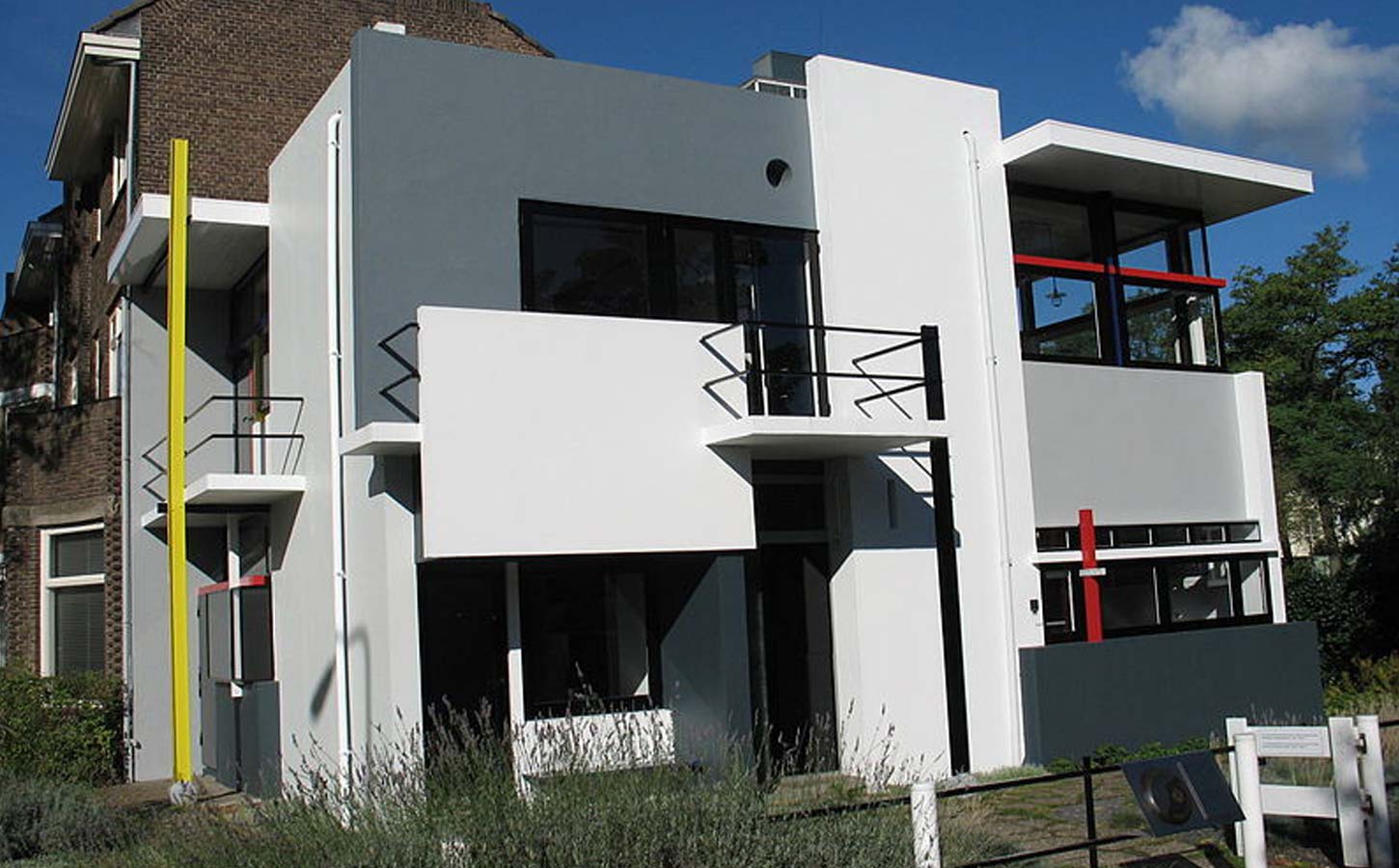

Originally located at the edge of Utrecht with views over open polder landscape, the house has since been absorbed into a more densely developed urban context. Nevertheless, its spatial conception continues to assert a sense of openness and independence from its surroundings.

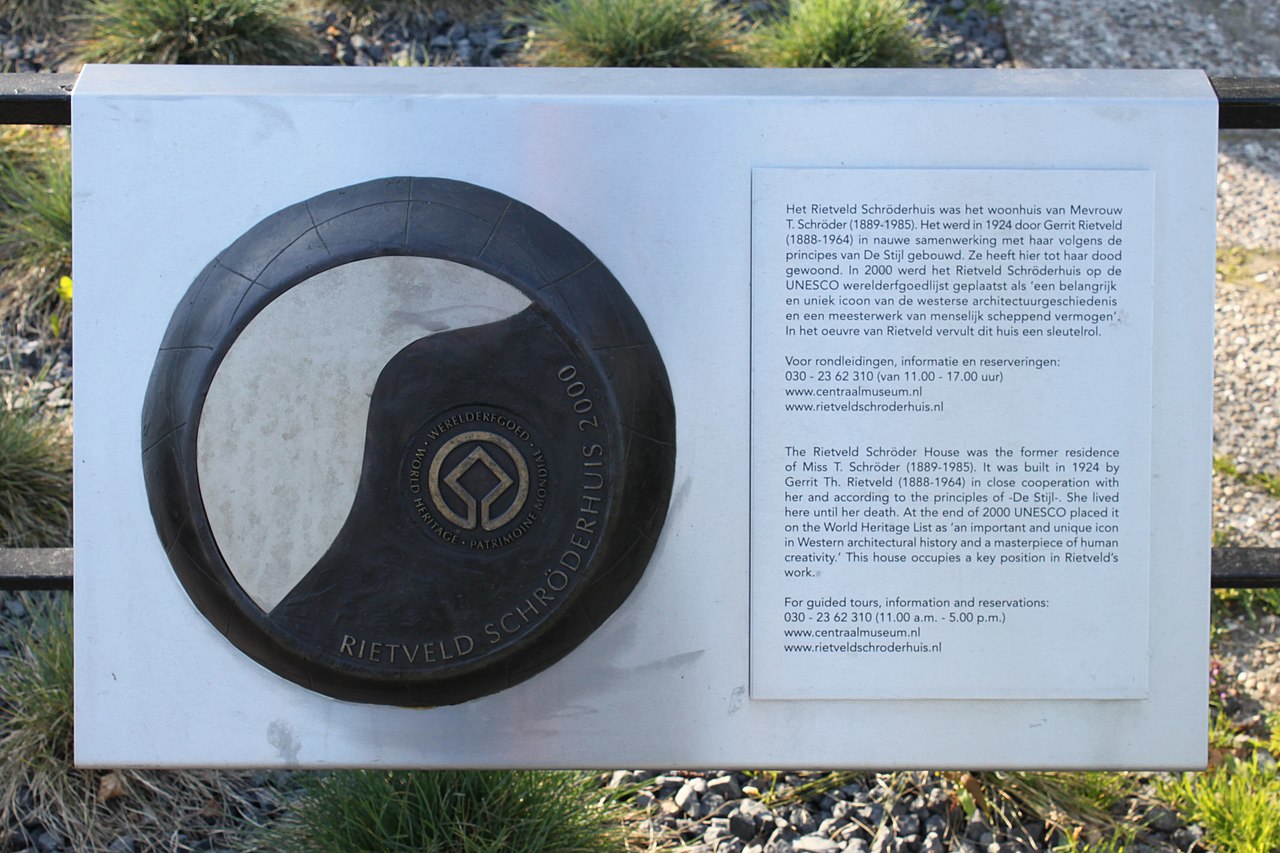
Following Truus Schröder’s residence in the house until 1985, the building was restored and later designated a UNESCO World Heritage Site in 2000. Today, it is preserved as a museum, recognized not only as Rietveld’s first complete architectural work but also as a seminal exploration of space, form, and living in the early twentieth century.
Project Gallery



















Project Location
Address: Prins Hendriklaan 50, 3583 EP Utrecht, Utrecht, The Netherlands
Location is for general reference and may represent a city or country, not necessarily a precise address.

