

Architects: Mestizo Estudio Arquitectura
Area: 95 m²
Year: 2025
Photography: JAG Studio, Mestizo Estudio Arquitectura
Lead Architects: Frank Espinoza Barrera
Architects Team: Jorge Ardila, Maricela Guamán, David Álvarez, Marcelo Mayancha
Artisans: Raúl Ramos, Carlos Soledispa
Materials: Killi timber, local stone, steel
Location: Mera, Pastaza Province
Country: Ecuador
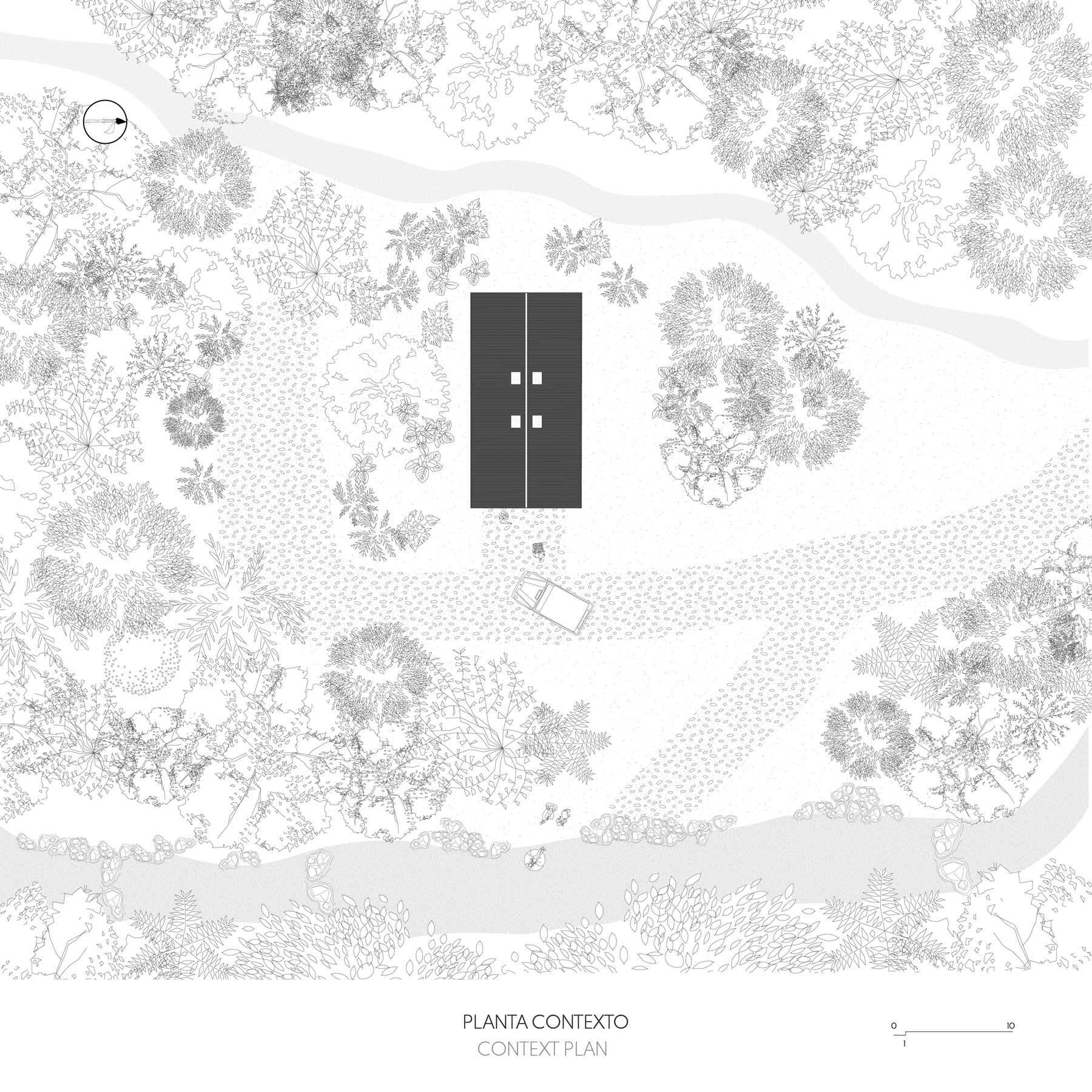
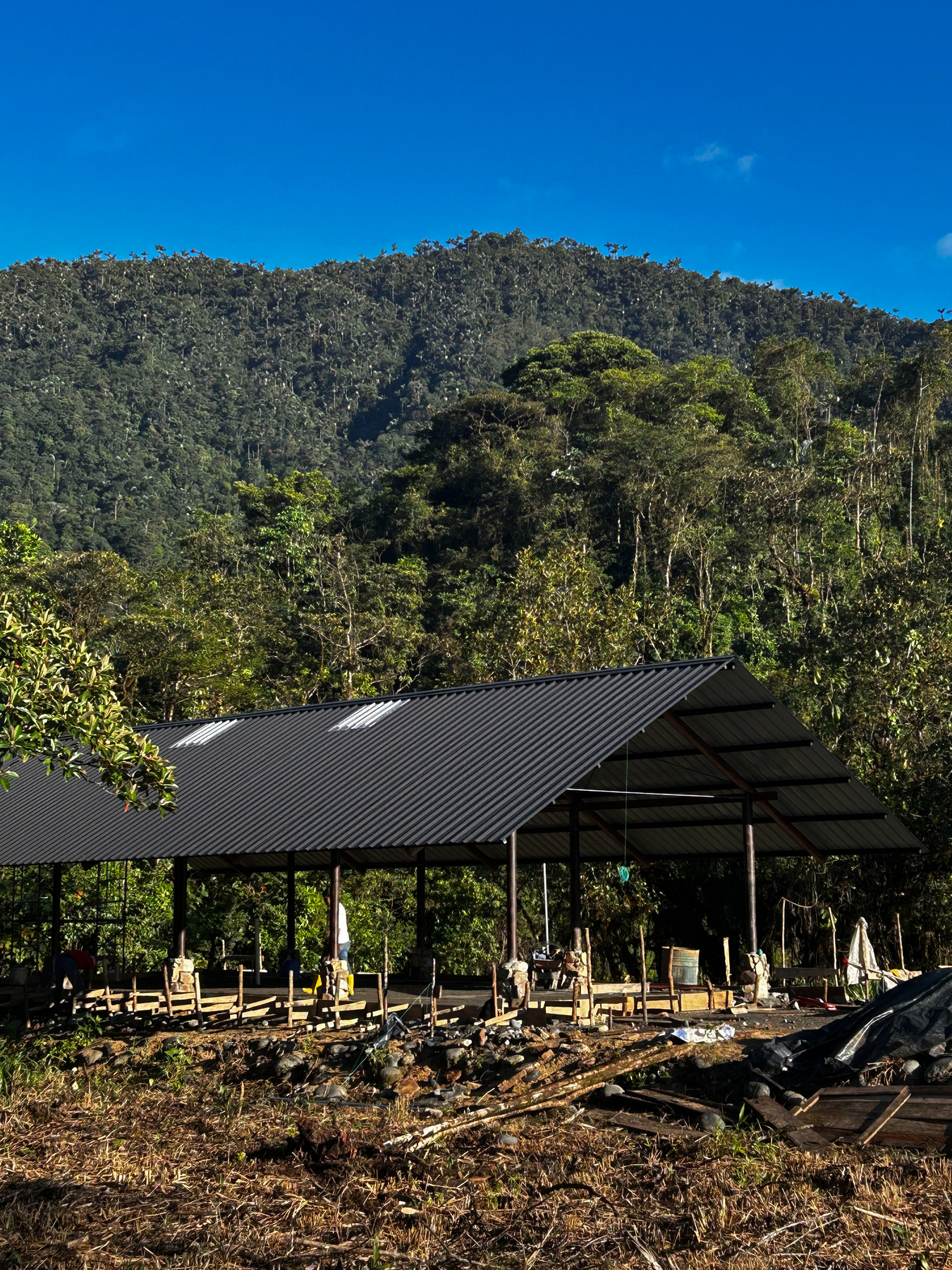
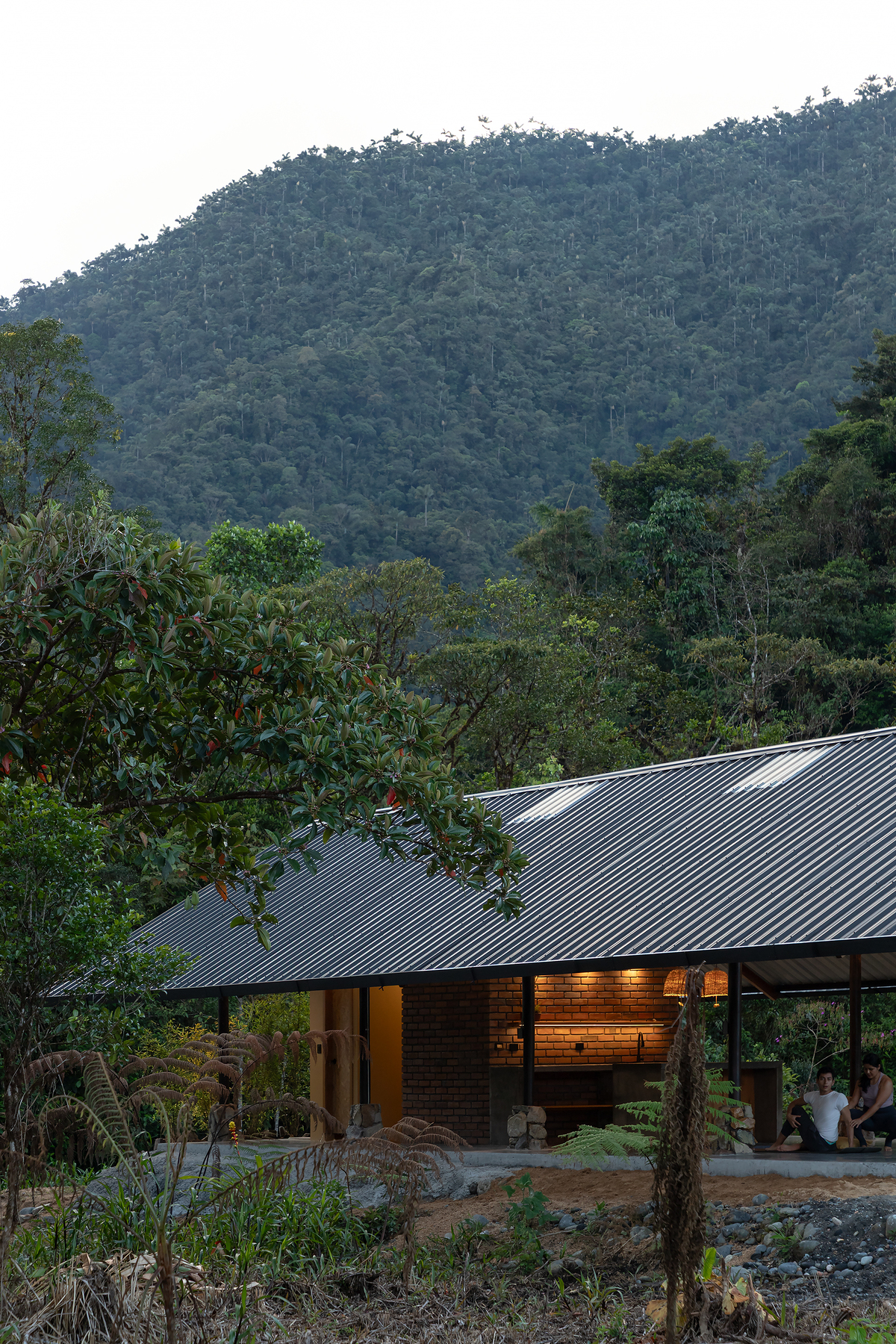
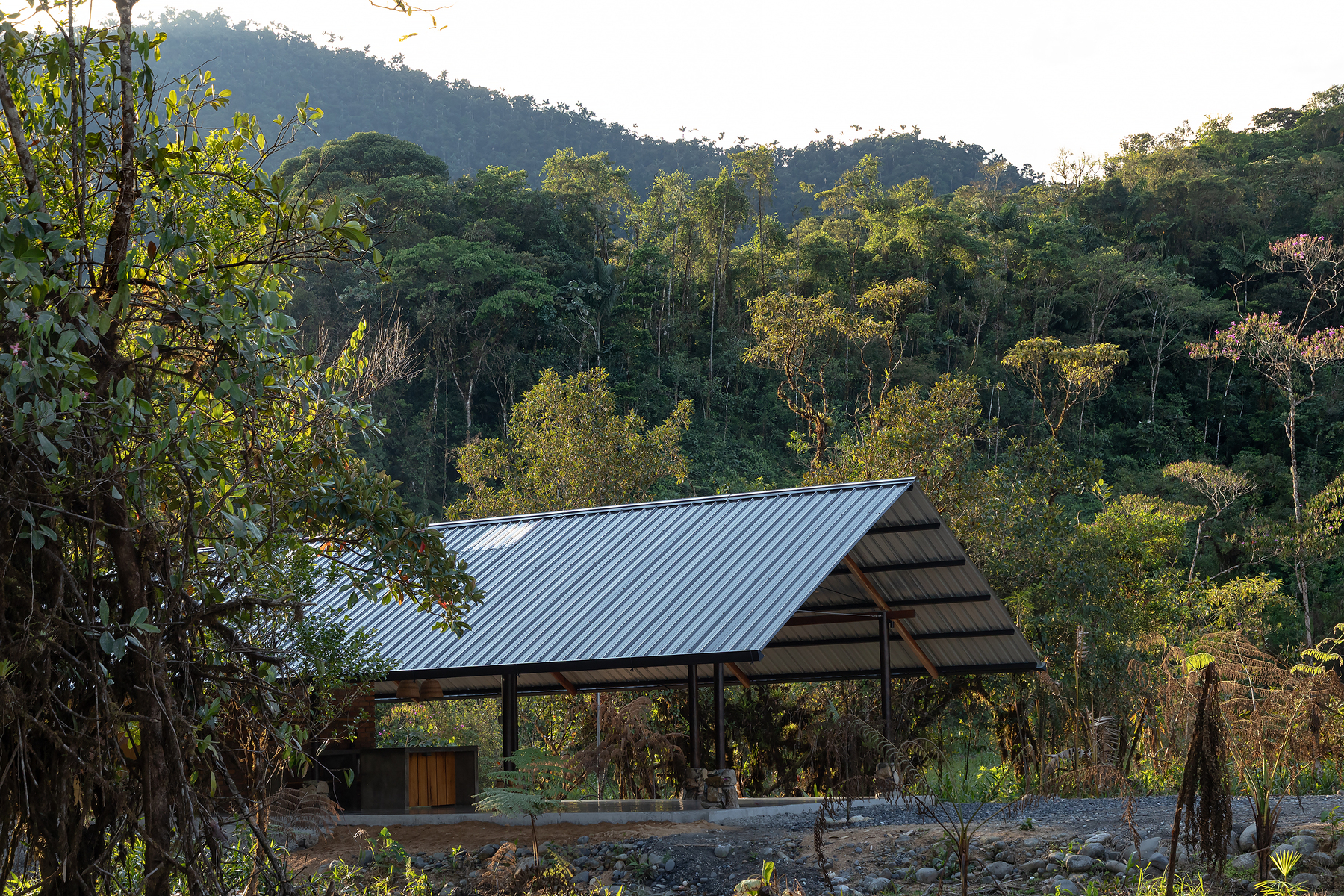
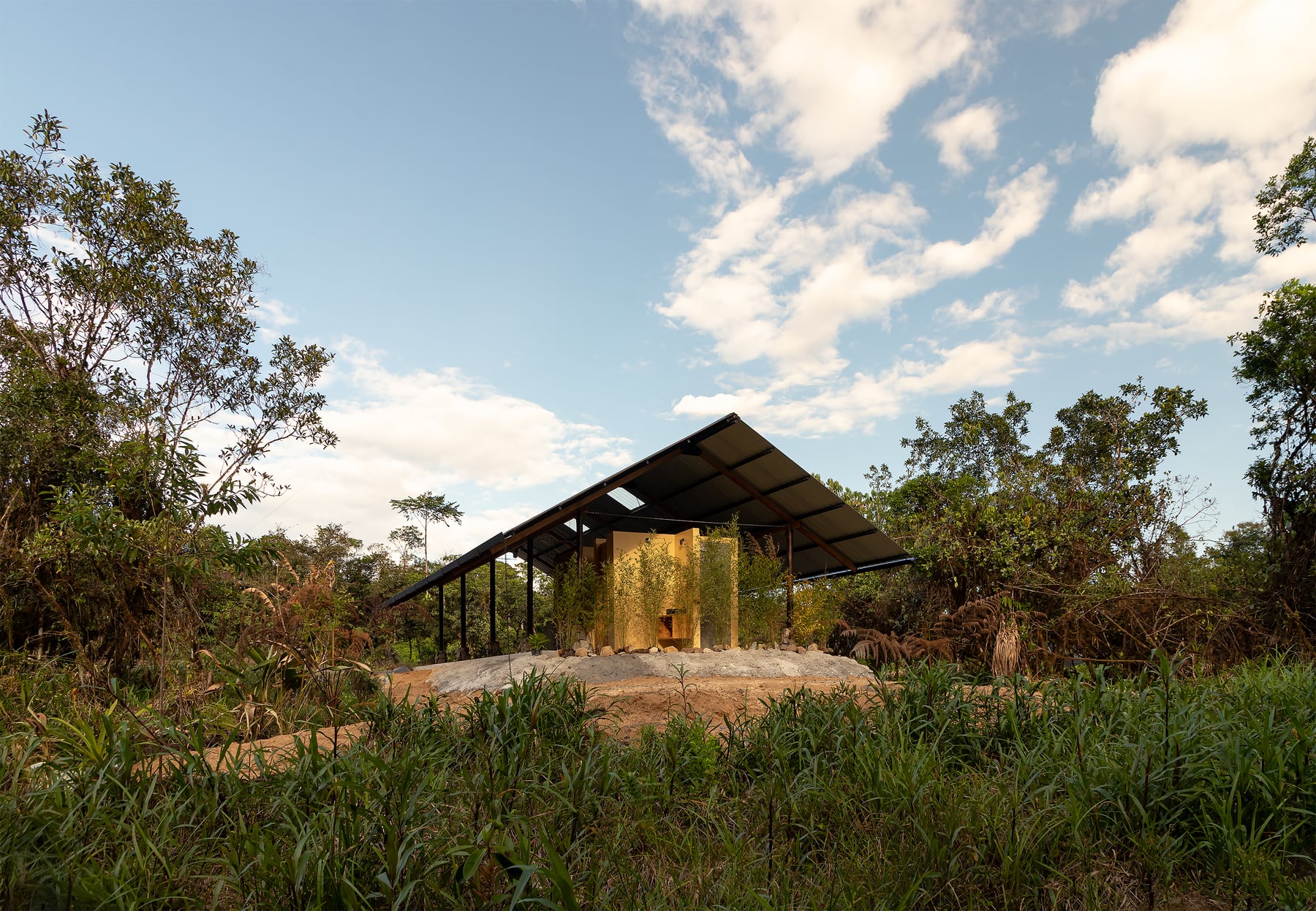
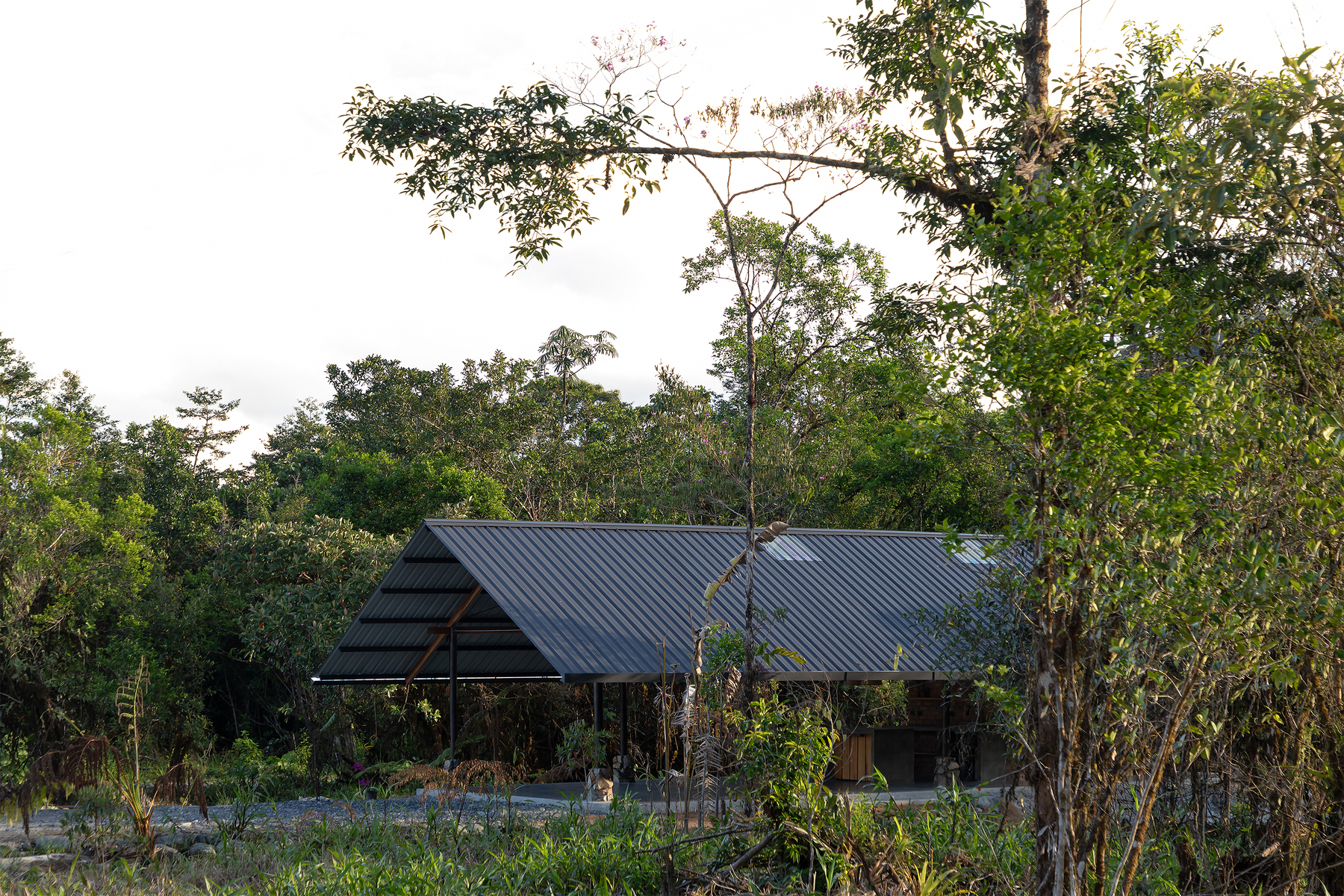
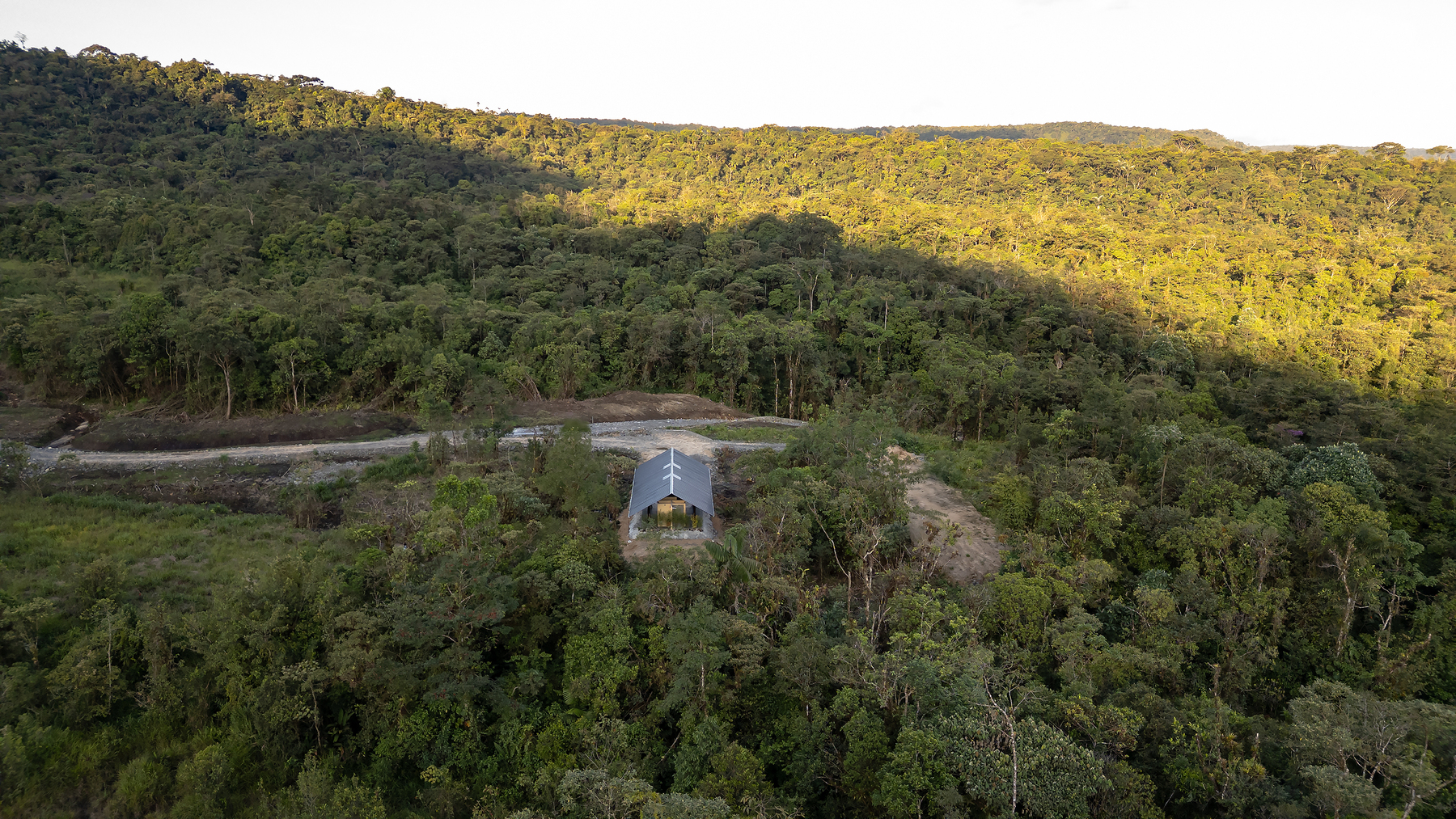
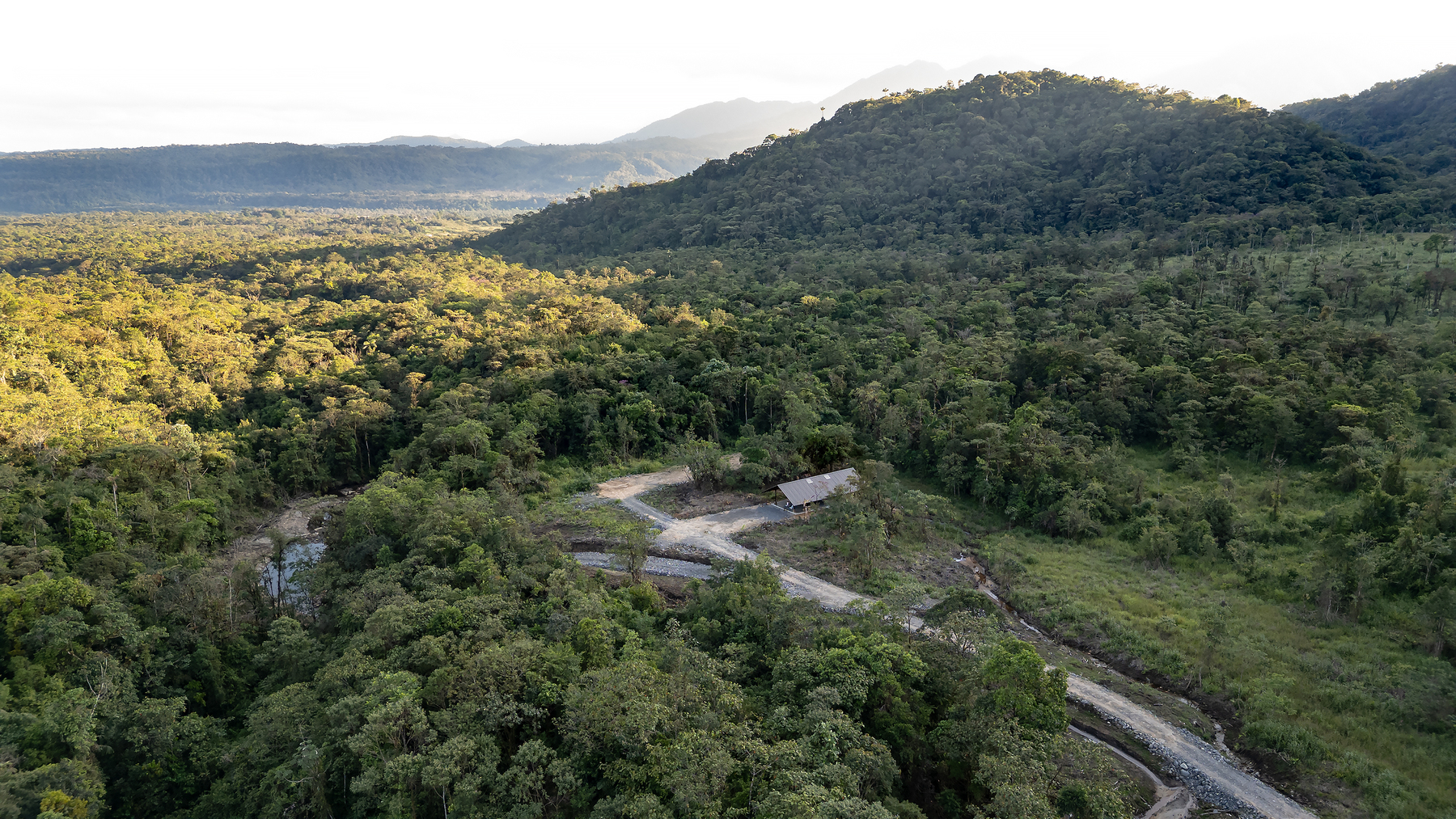
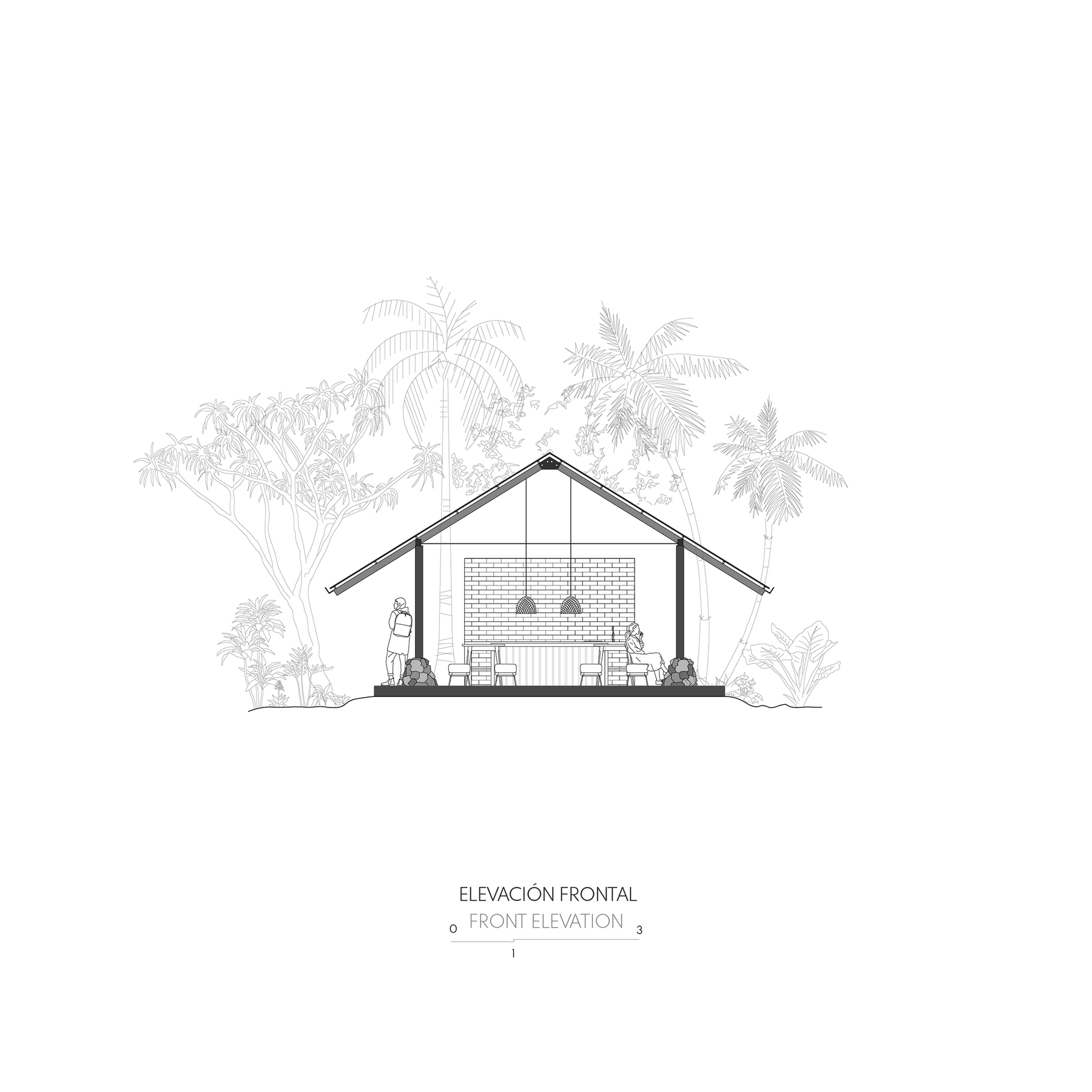
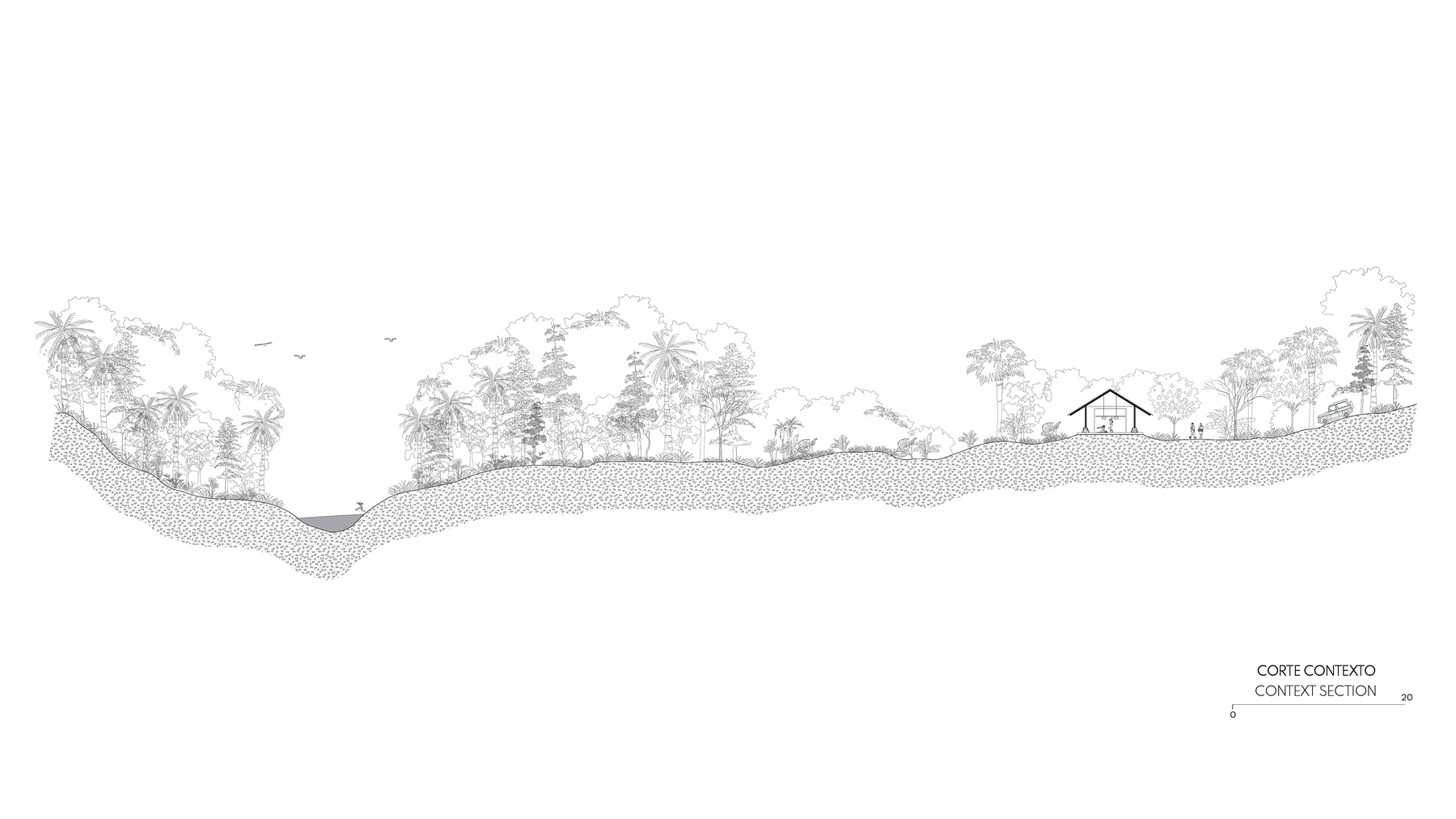
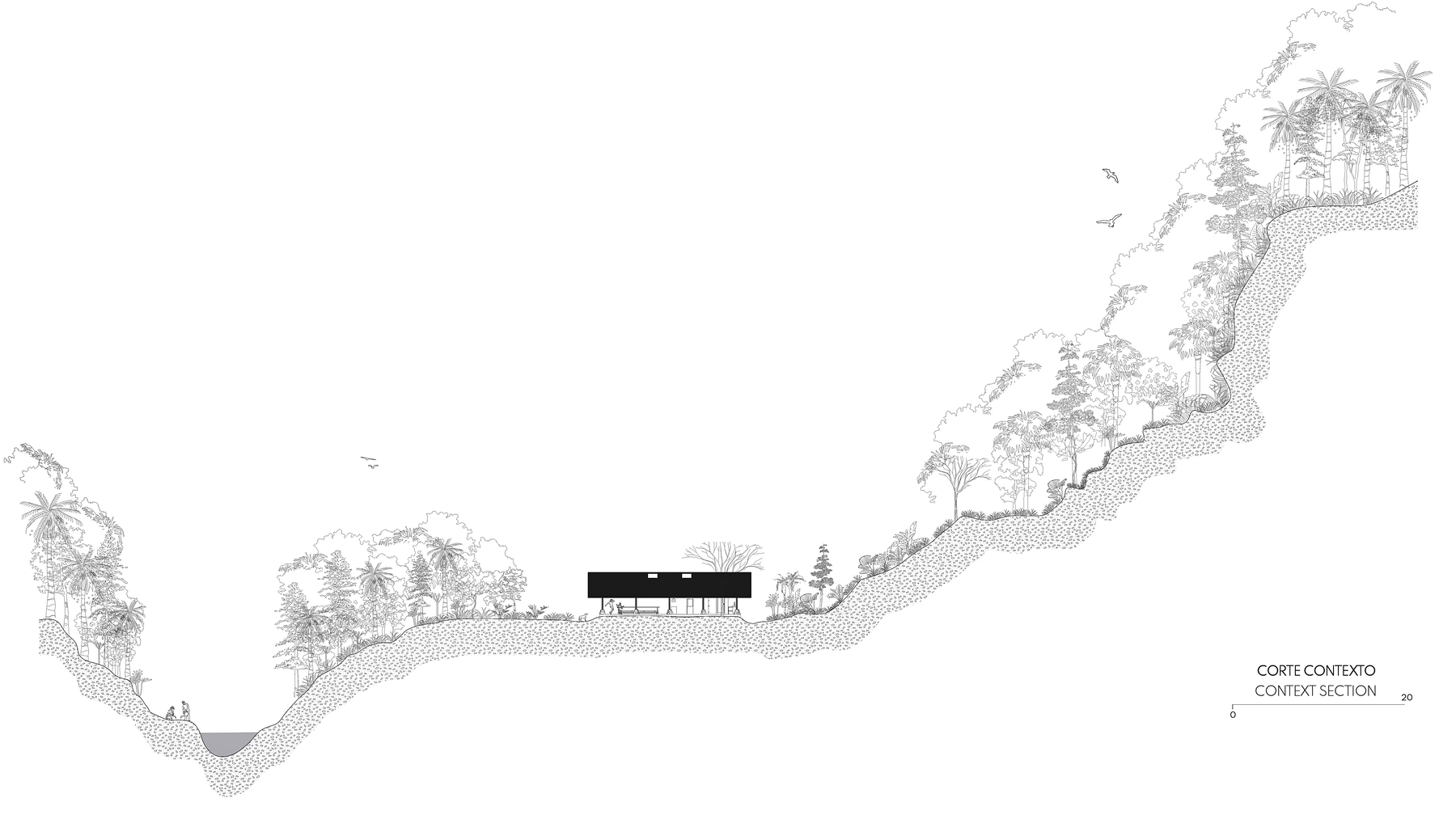
River Terrace is a small-scale architectural intervention located in Mera, within Ecuador’s Pastaza province, conceived by Mestizo Estudio Arquitectura as the first phase of a larger sustainable tourism initiative. Positioned on a 4.5-hectare site near Llanganates National Park, the 95-square-meter structure functions as a flexible communal platform designed to support multiple uses, including gathering, dining, temporary shelter, and retreat activities. The project is embedded within a lower montane forest ecosystem and responds directly to the environmental conditions of constant rainfall, mist, and uneven topography. Drawing from vernacular Amazonian building traditions, the design incorporates locally sourced killi trunks and stones collected from the adjacent stream, assembled through a mixed construction system involving local artisans. Its east-facing pitched roof captures early solar warmth while facilitating rainwater collection for service use. Through its material choices, passive environmental strategies, and spatial openness, the project reinterprets ancestral construction logics within a contemporary framework, establishing a careful balance between ecological sensitivity, communal functionality, and architectural expression rooted in place.
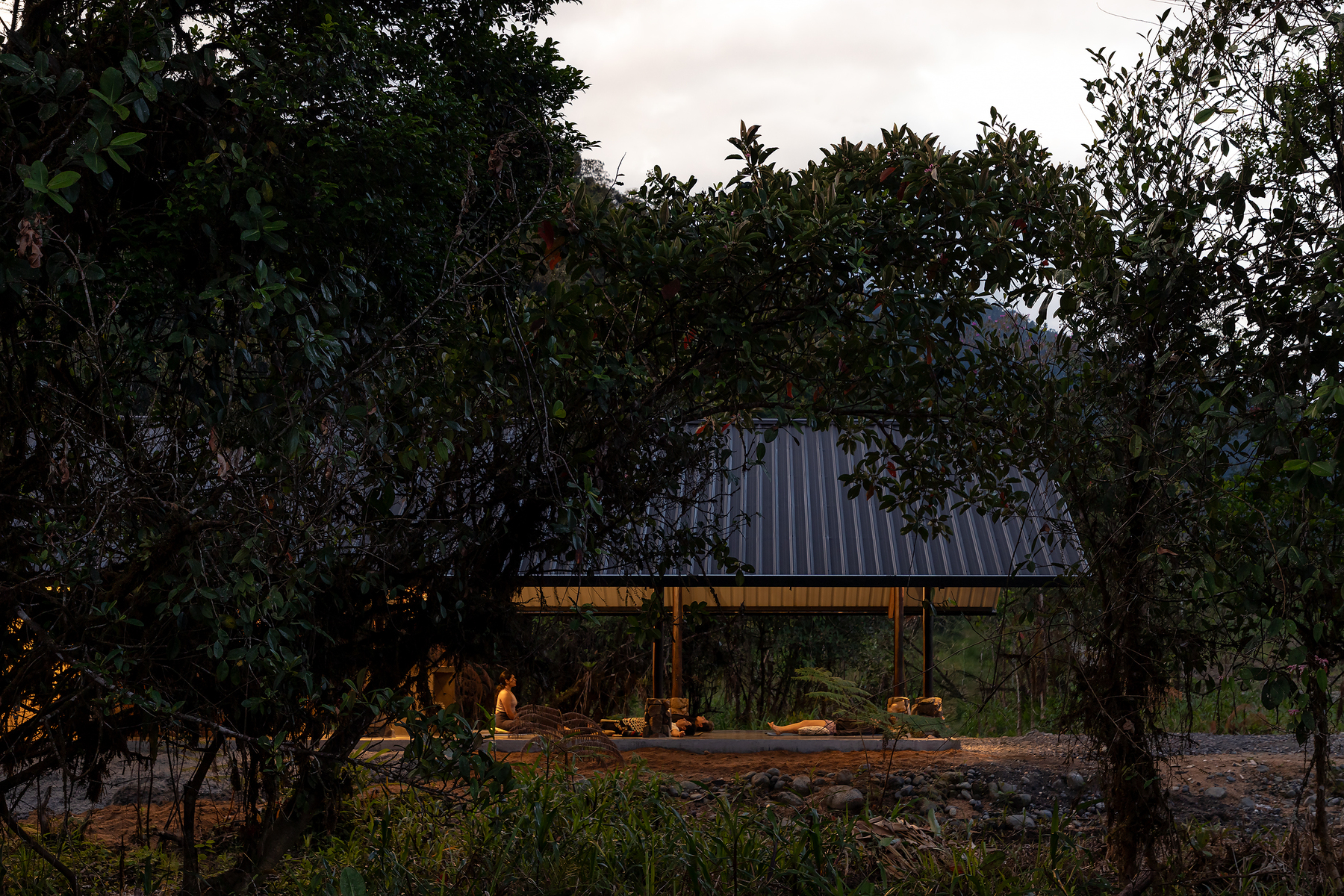
At the threshold between protected wilderness and human occupation, River Terrace proposes architecture as an instrument of mediation. Rather than asserting itself as a destination object, the project establishes a pause within the landscape, a point of encounter designed to support the gradual evolution of a sustainable tourism initiative led by a young family. Its modest footprint belies a broader ambition: to articulate a new way of inhabiting ecologically sensitive territories through restraint, adaptability, and direct engagement with local knowledge.
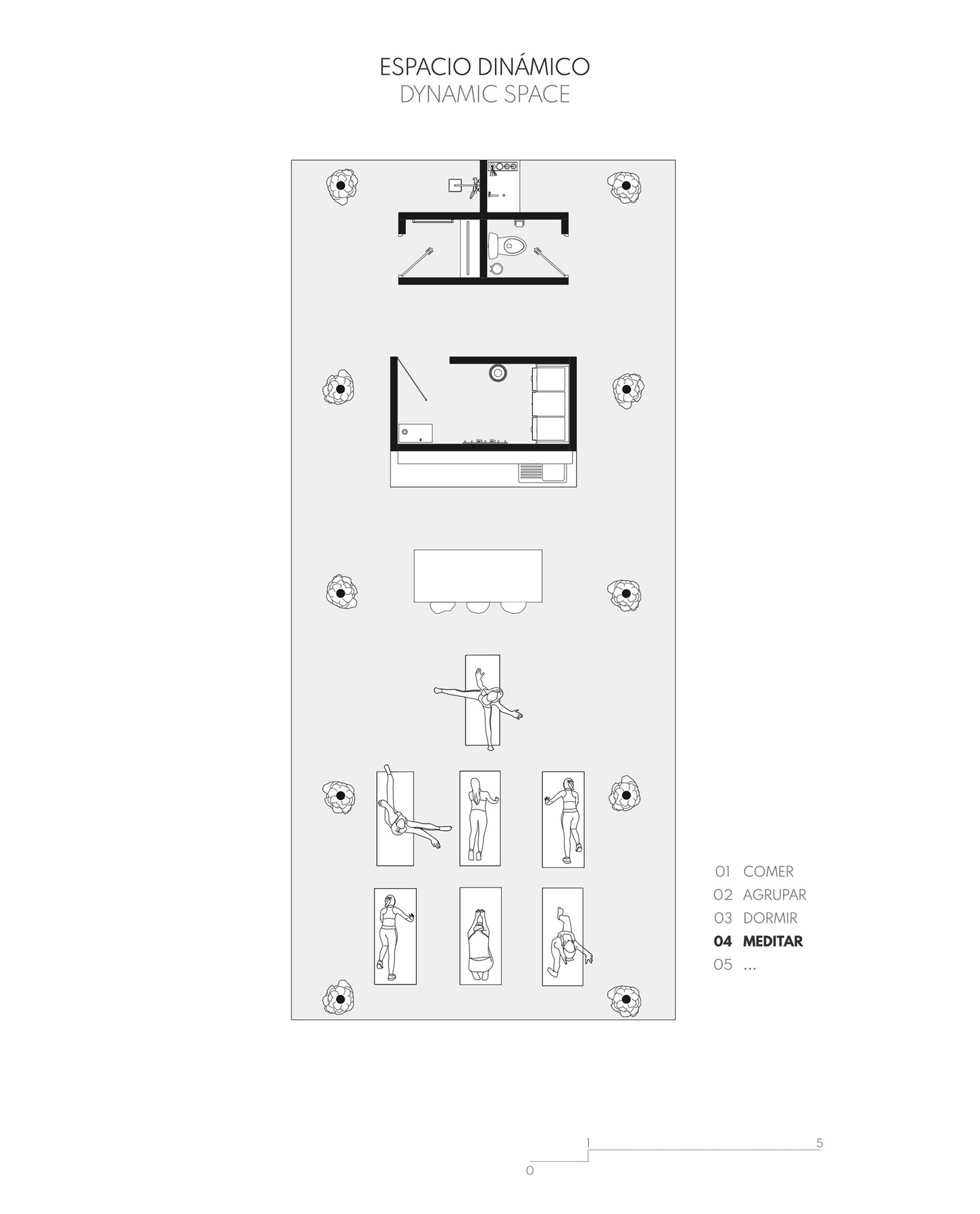
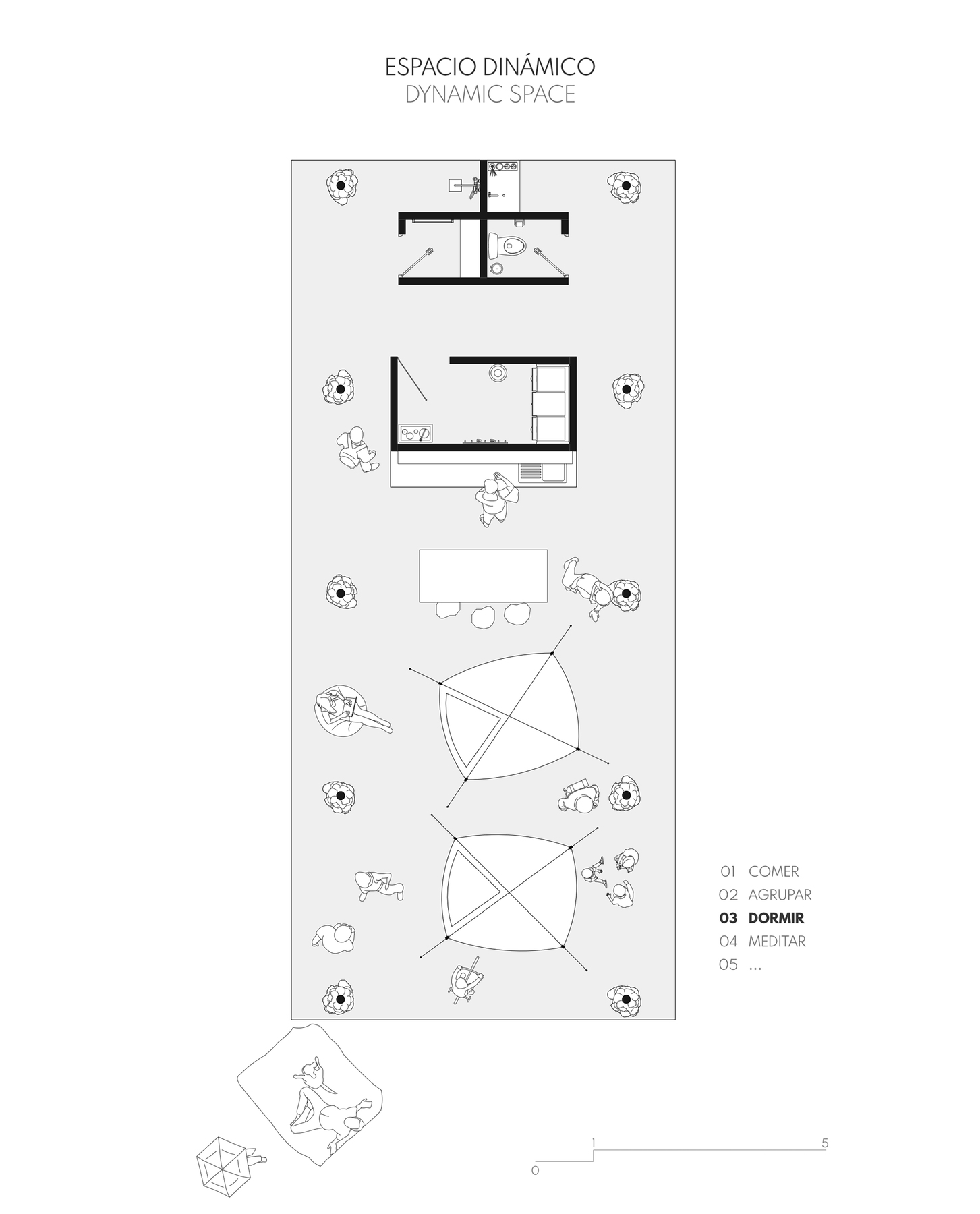
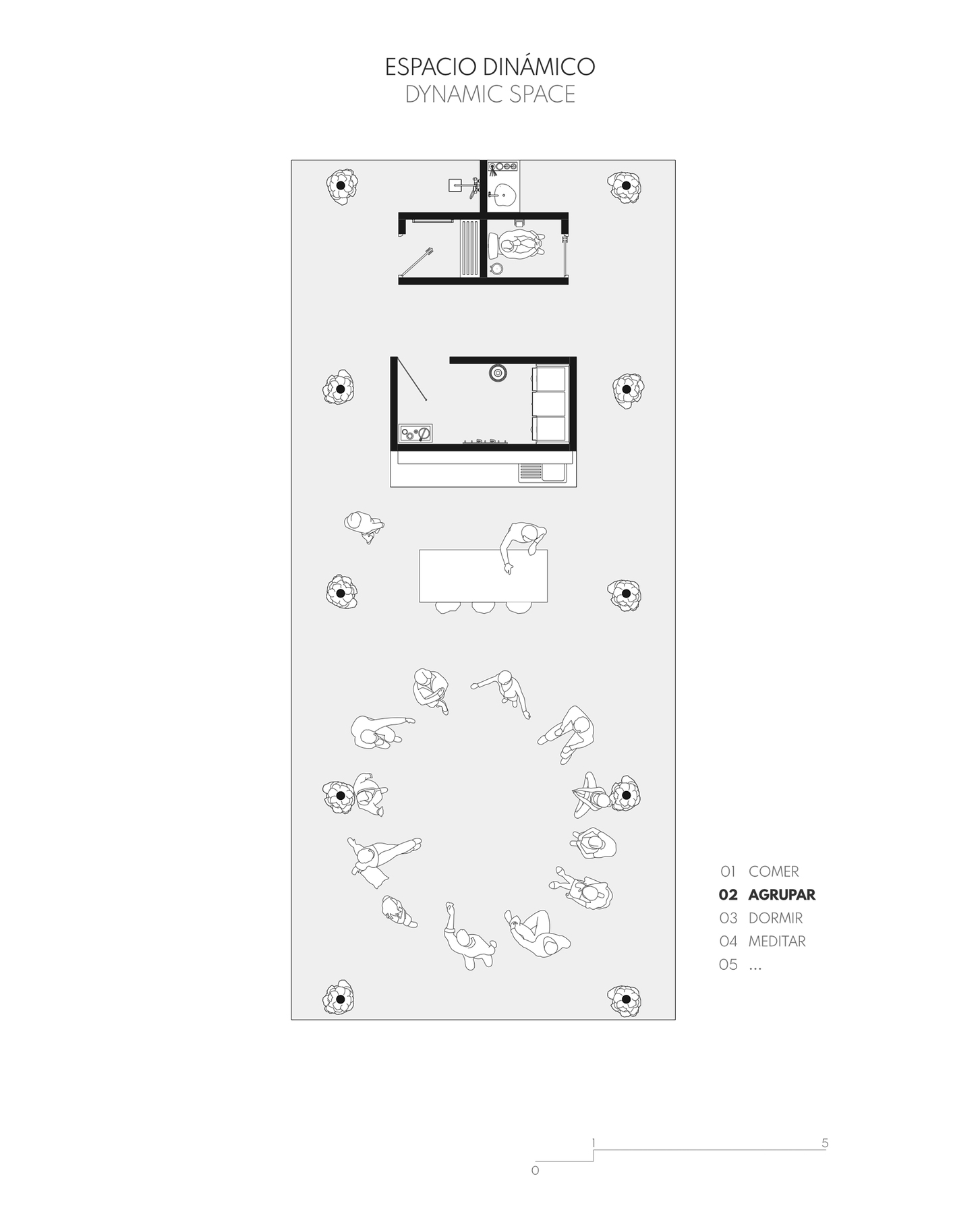
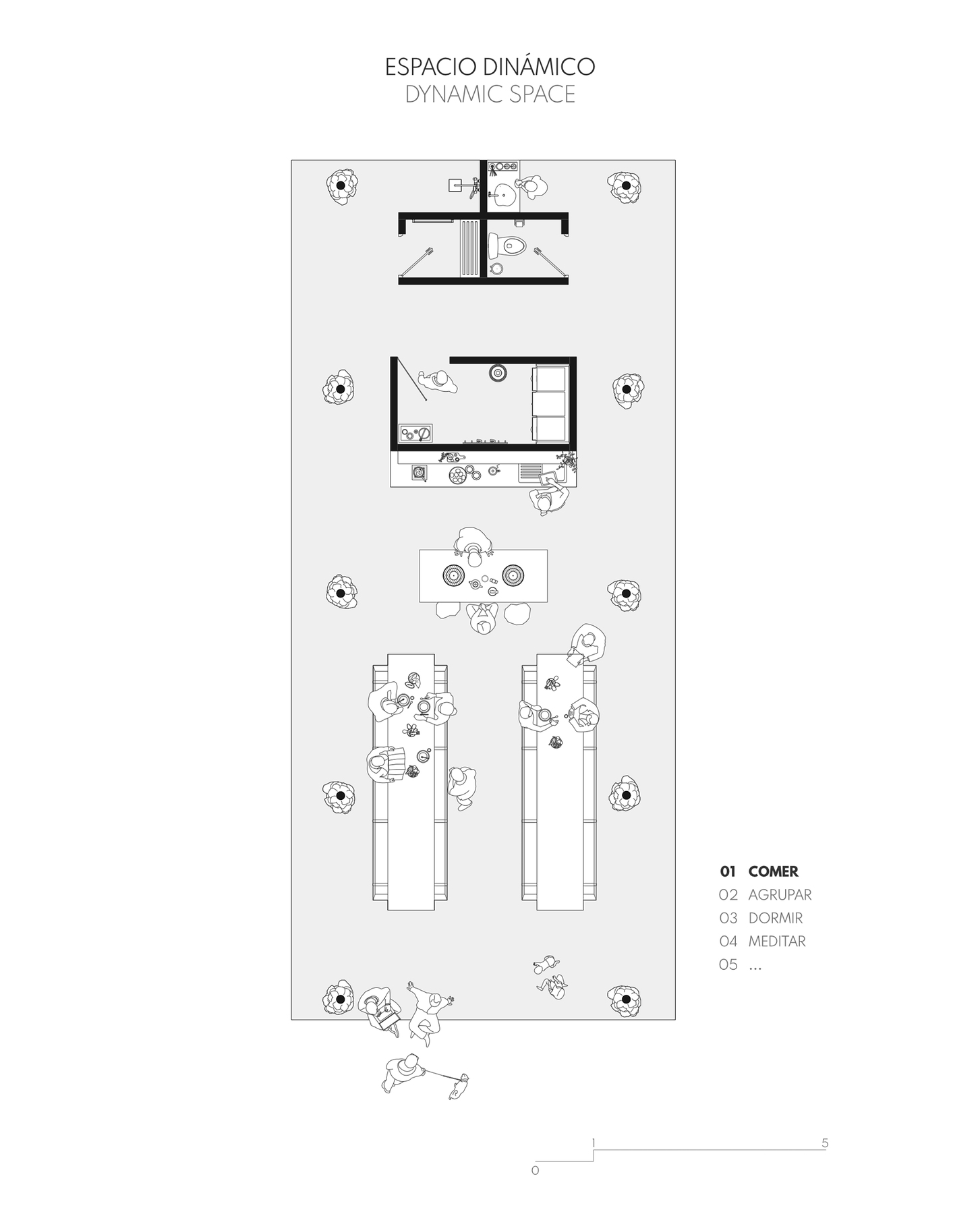
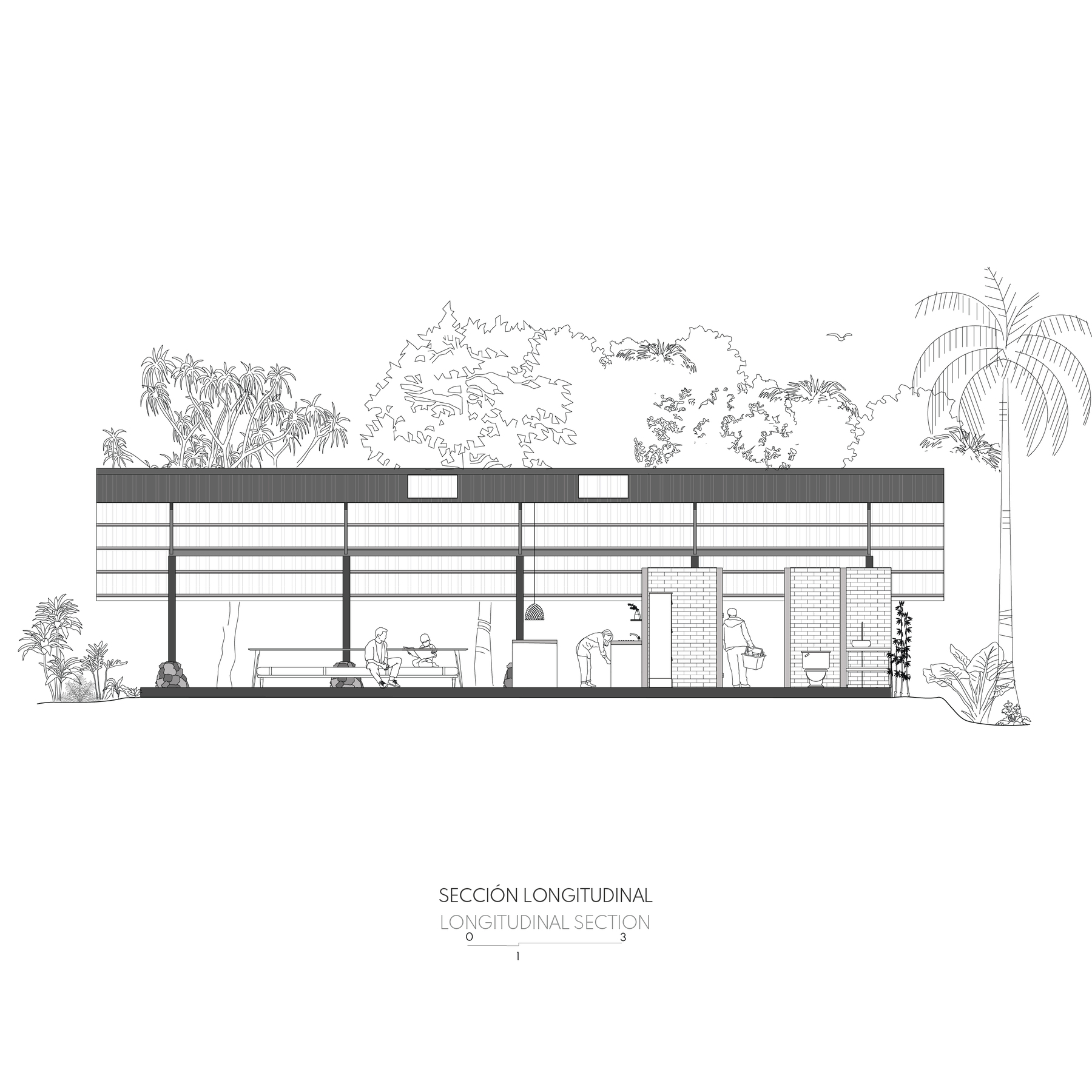
The project occupies an irregular site above a stream in the eastern foothills of Llanganates National Park, an area defined by remarkable biodiversity and persistent atmospheric humidity. Within this context, the design responds to the site’s climatic and topographic demands through an architecture of precision and simplicity. Organized as a covered open platform paired with a semi-enclosed service core, the intervention accommodates storage, sanitary facilities, and changing areas while leaving the primary communal space deliberately open to interpretation and transformation.
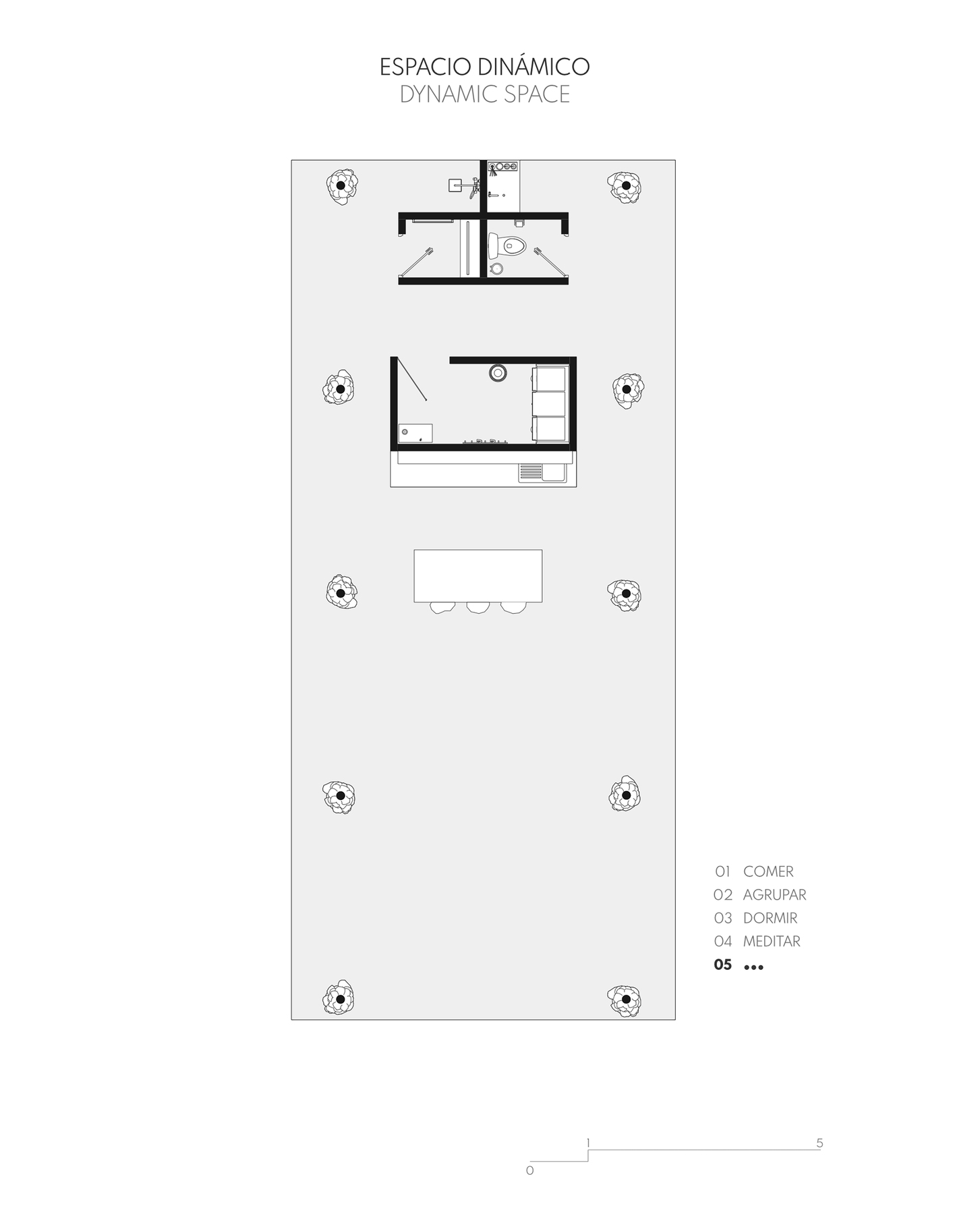
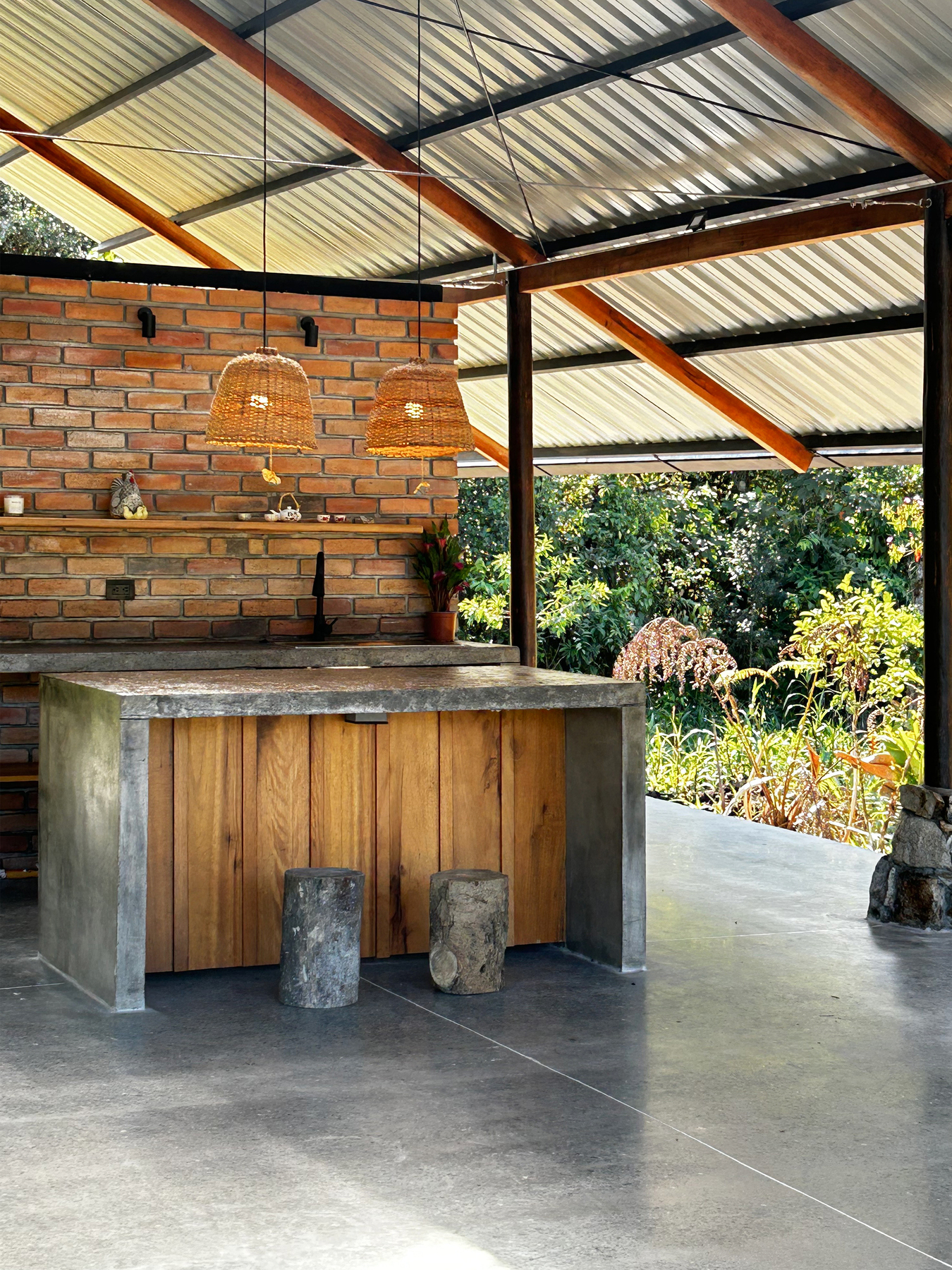
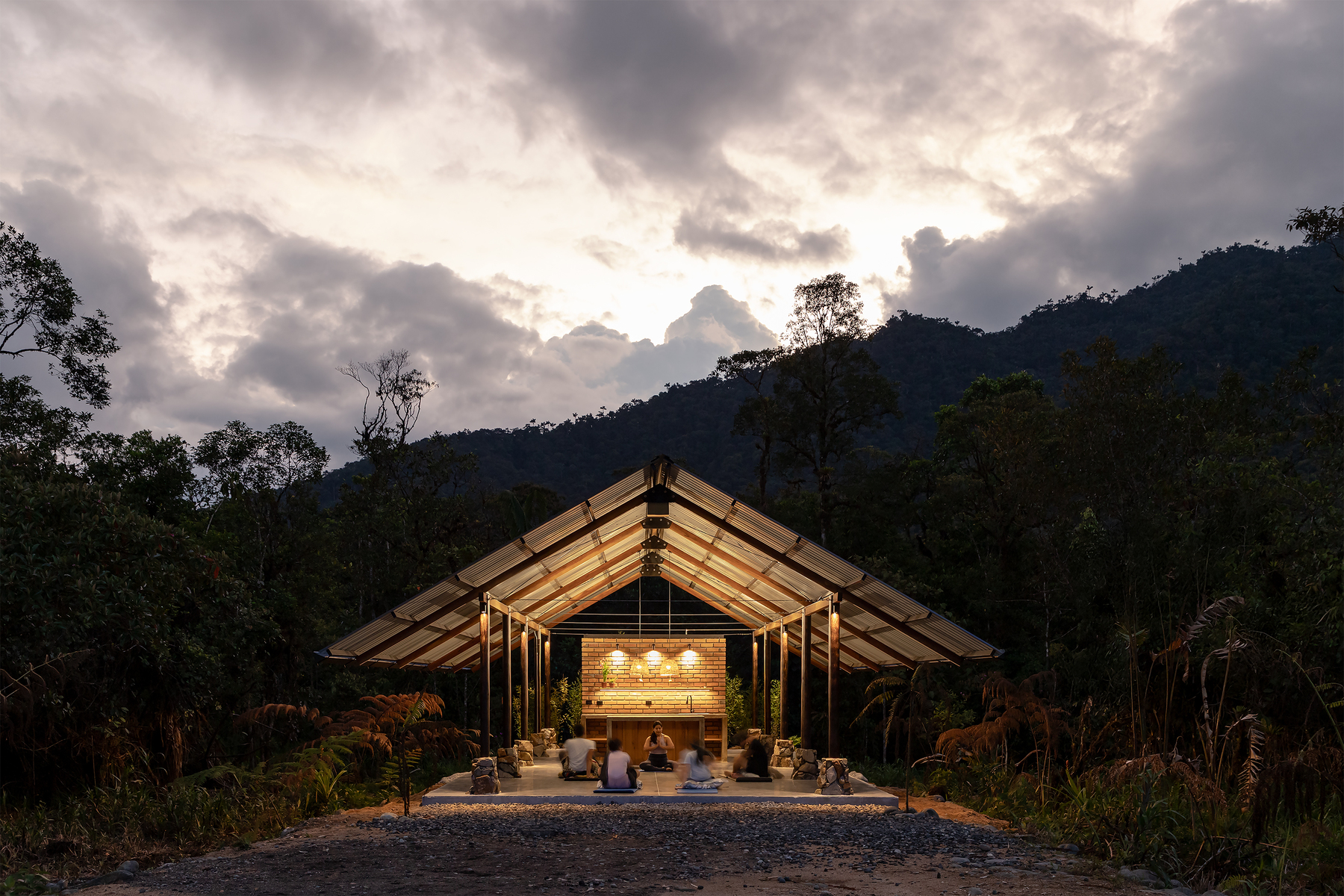
This flexibility is central to the project’s architectural logic. The open platform can host communal meals, meetings, camping activities, or spiritual retreats, allowing occupation to shift according to seasonal needs and patterns of use. Such indeterminacy reflects an understanding of architecture not as a fixed prescription but as an enabling framework. By privileging openness, the project fosters collective appropriation while maintaining a strong physical and visual connection to the surrounding forest.
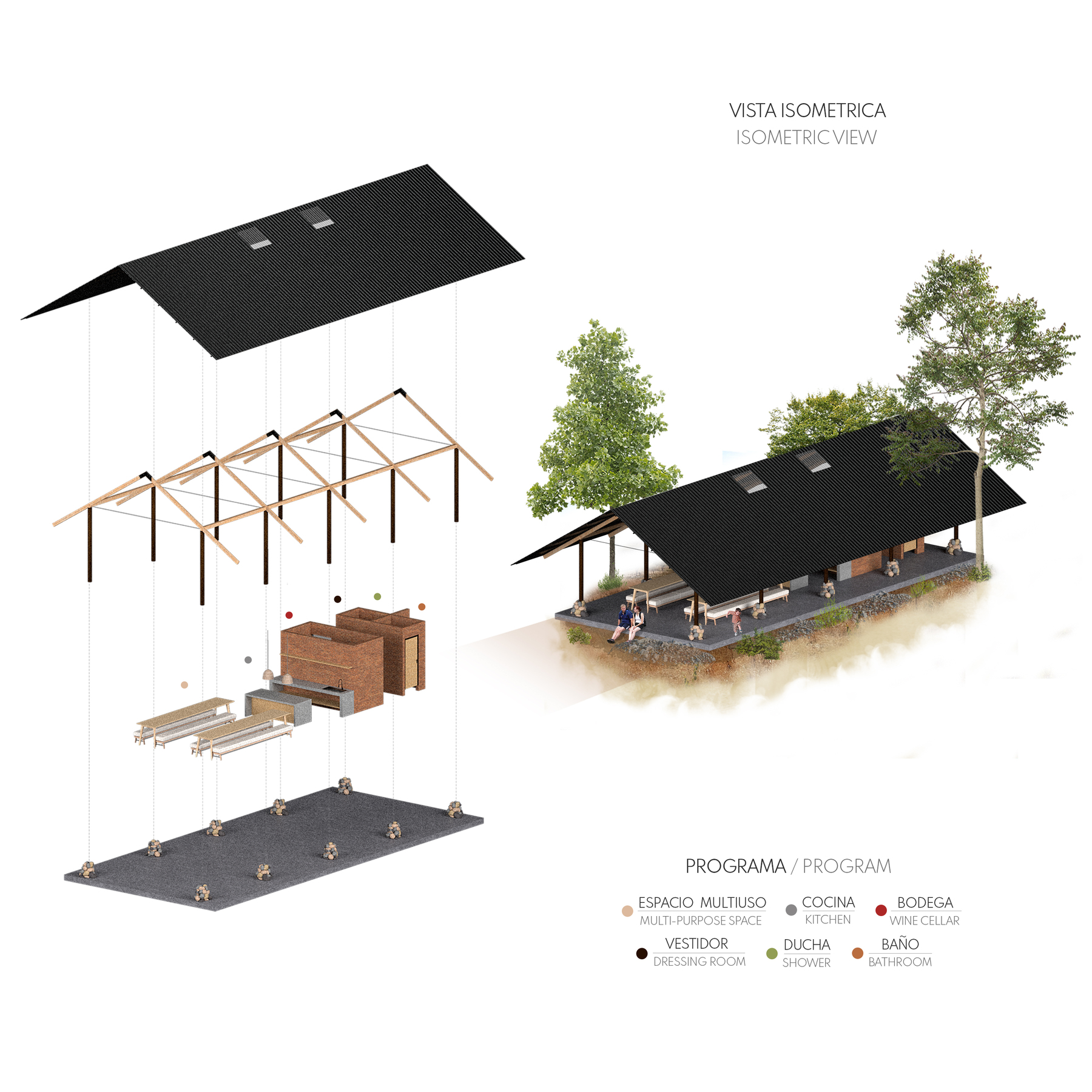
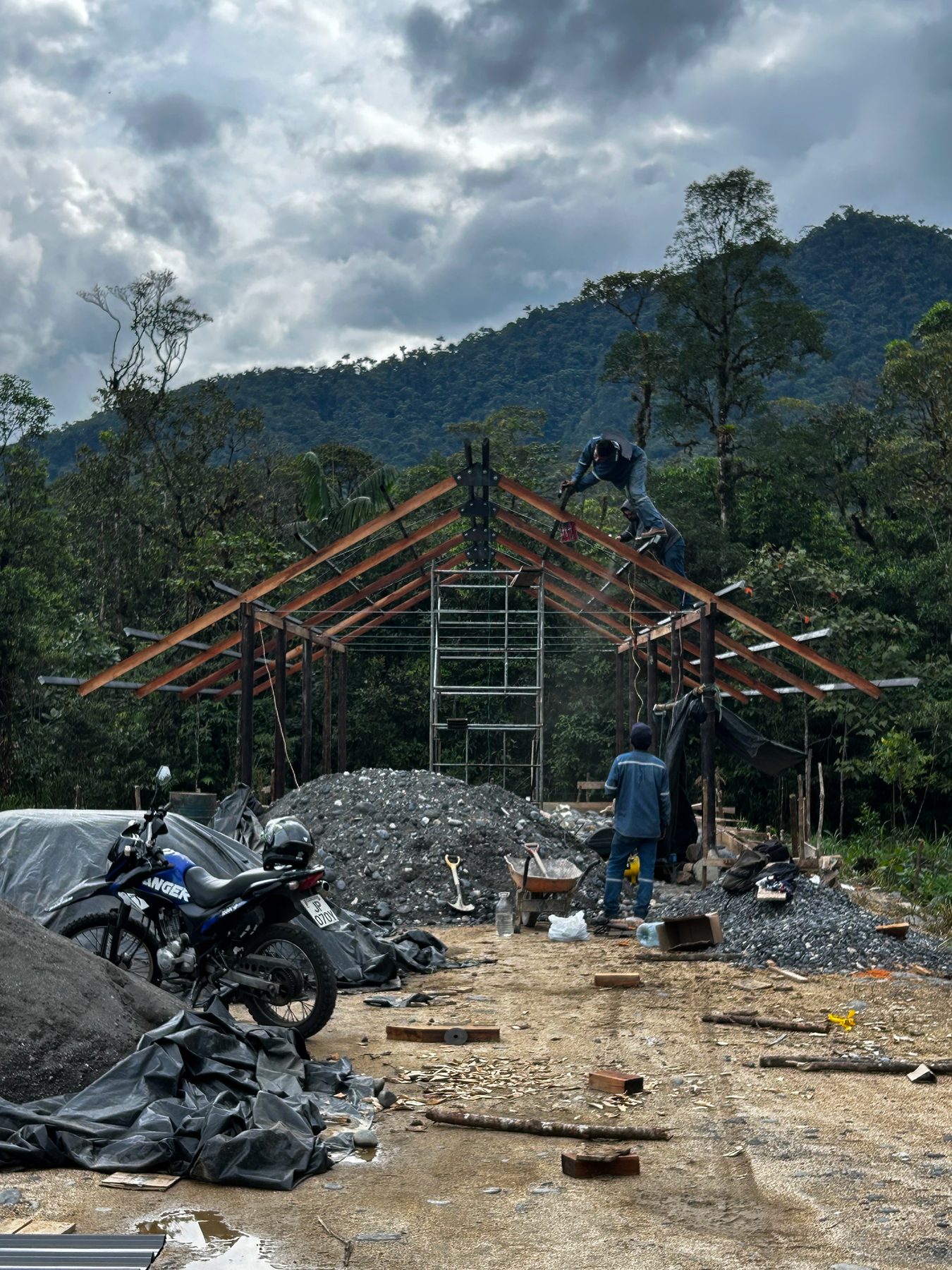
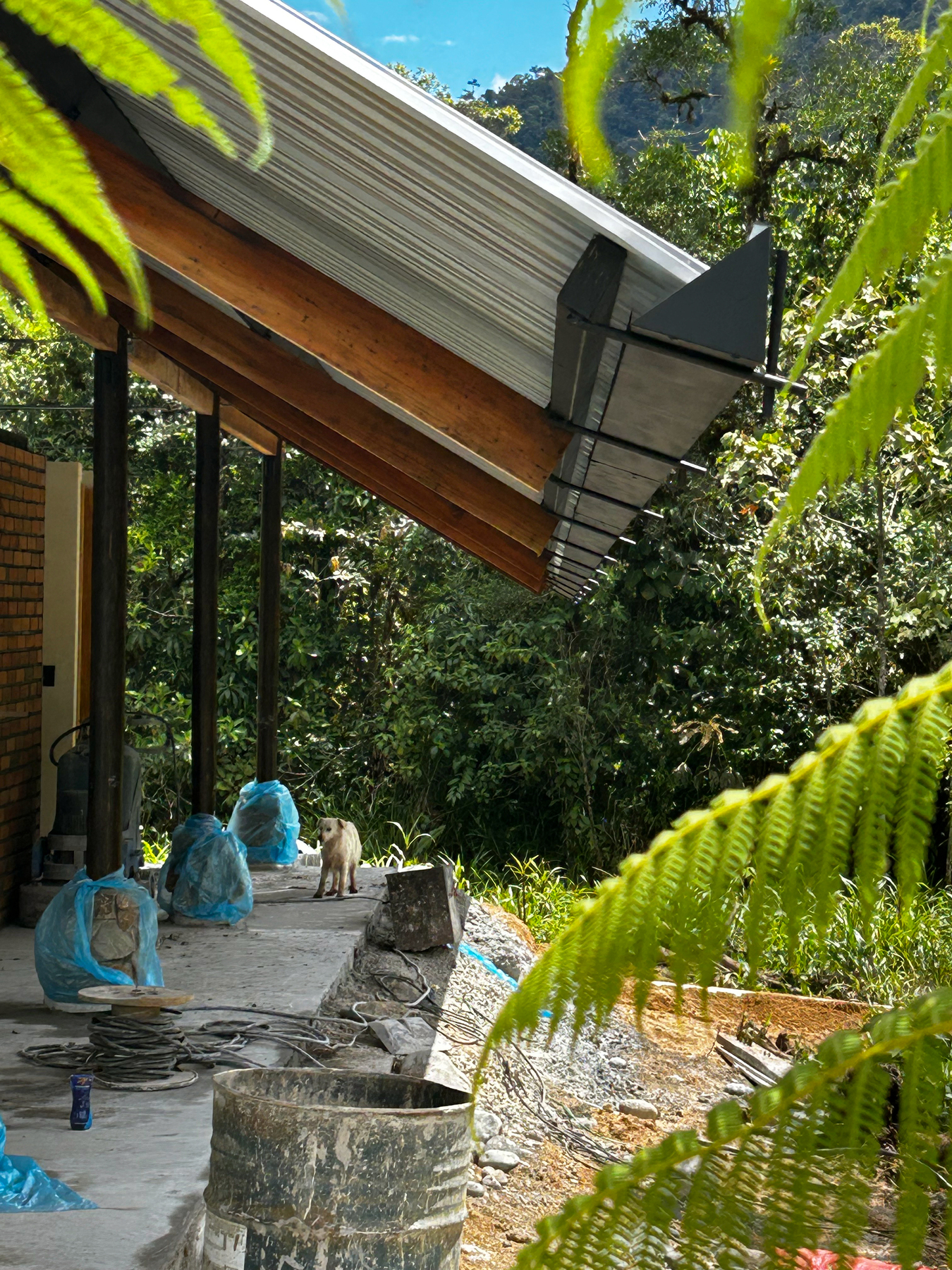
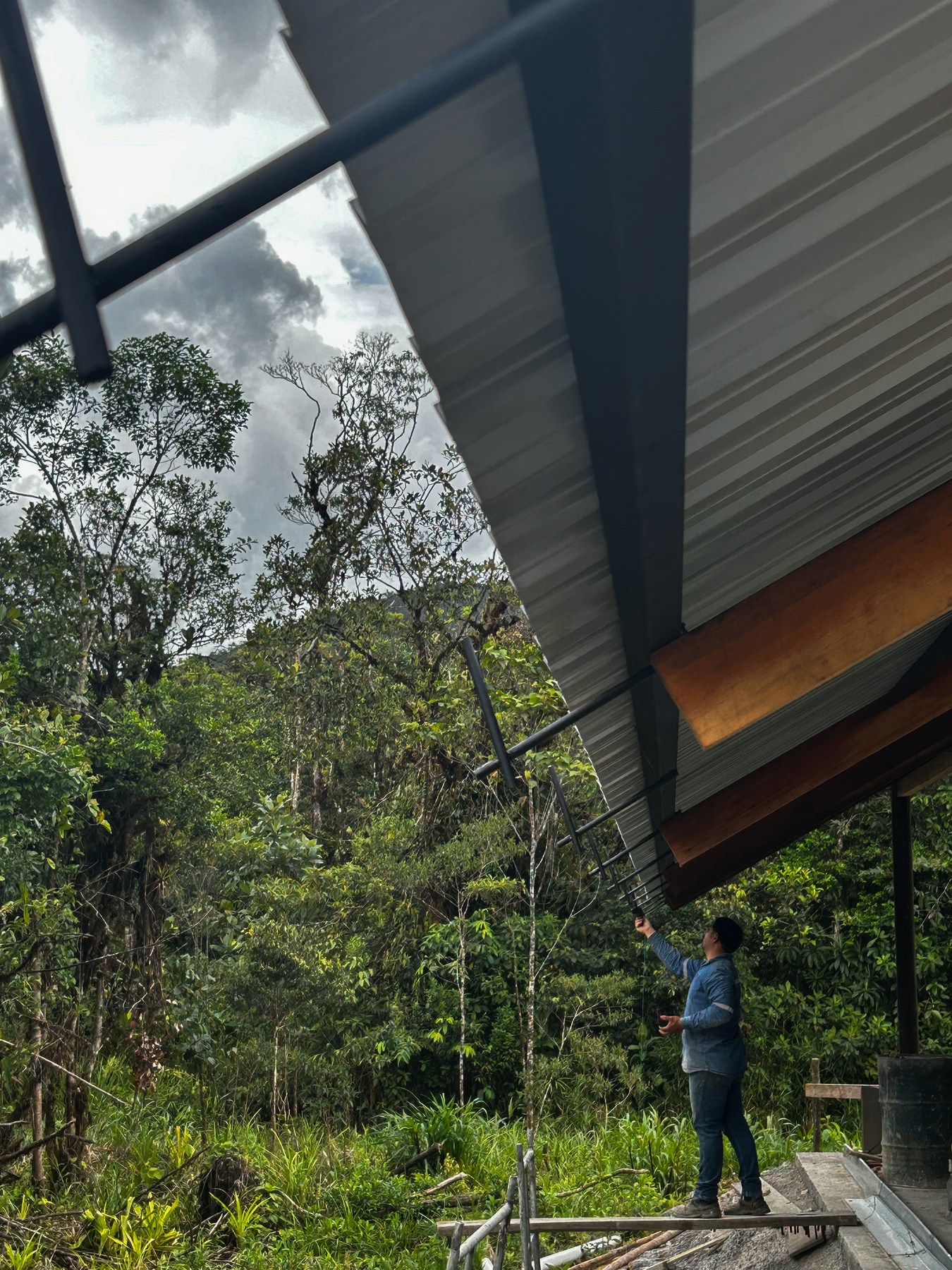
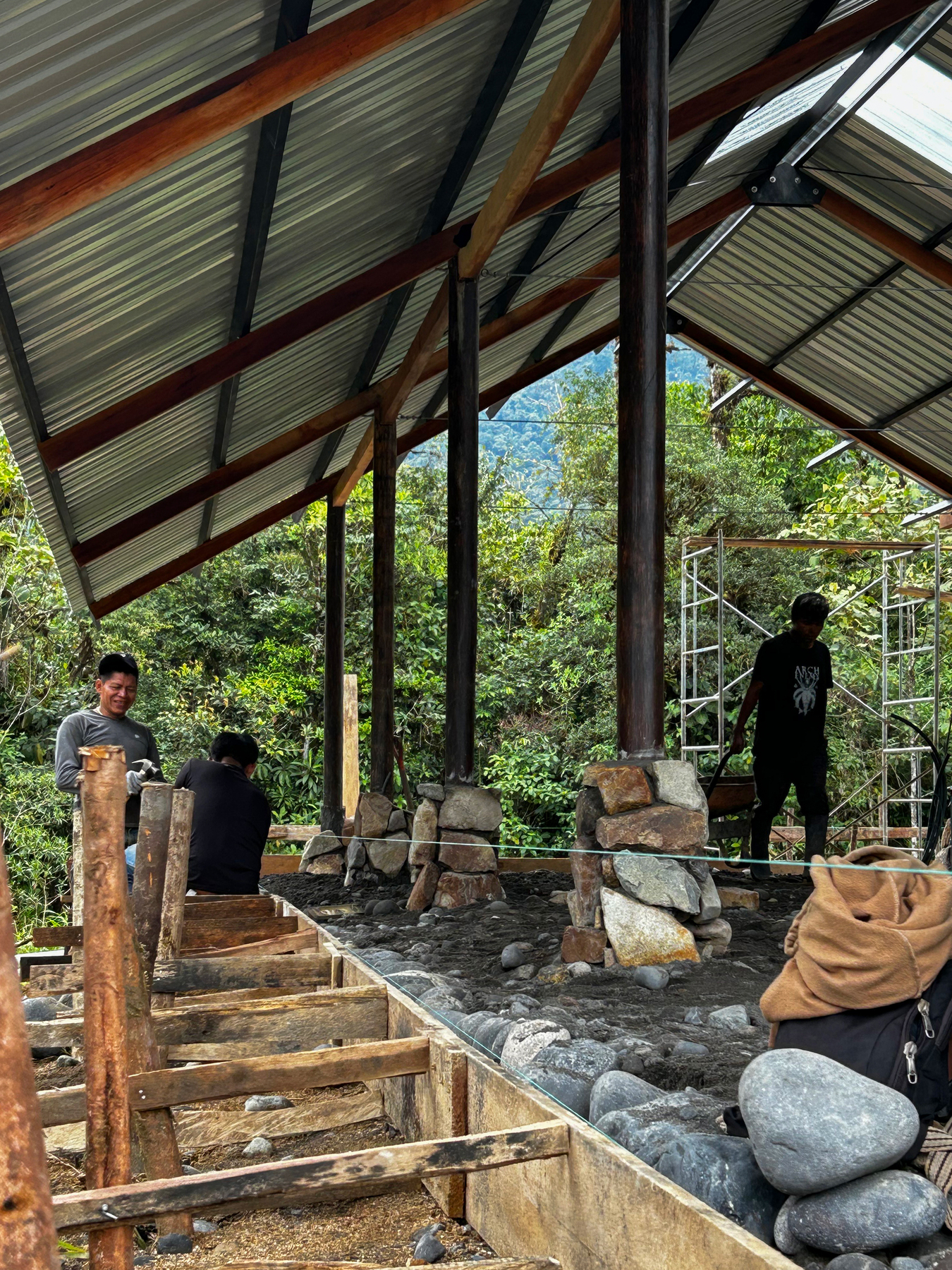
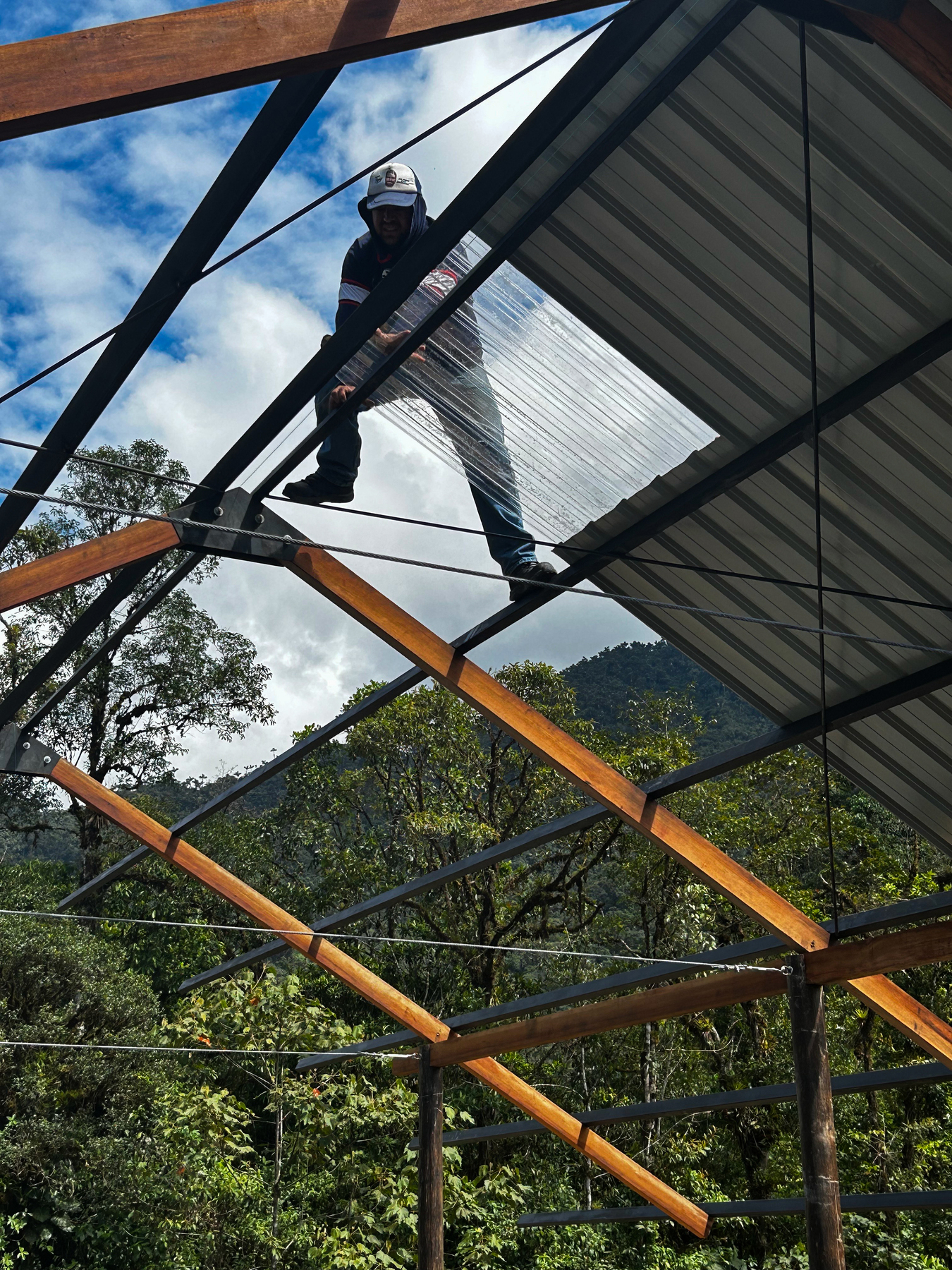
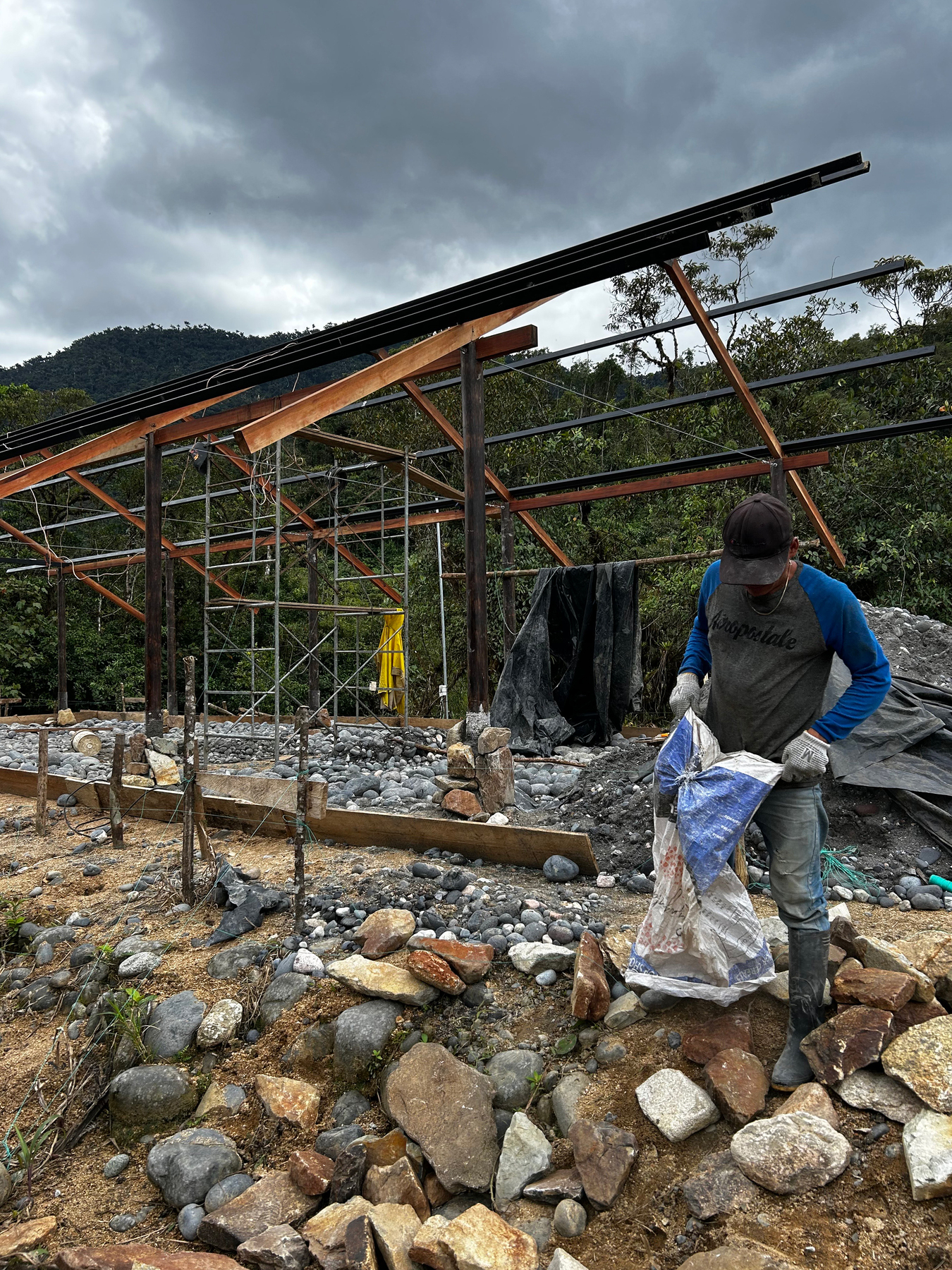
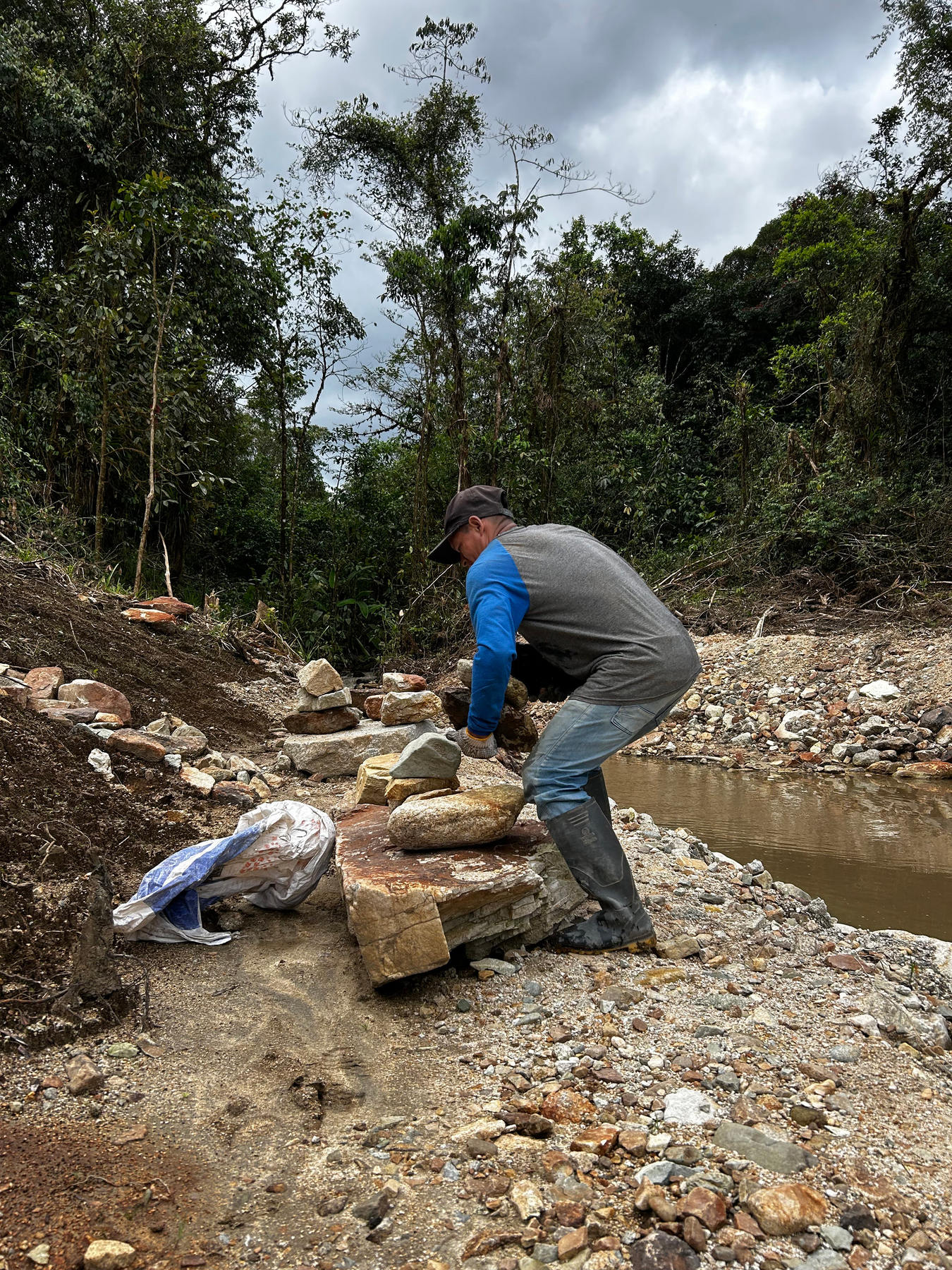
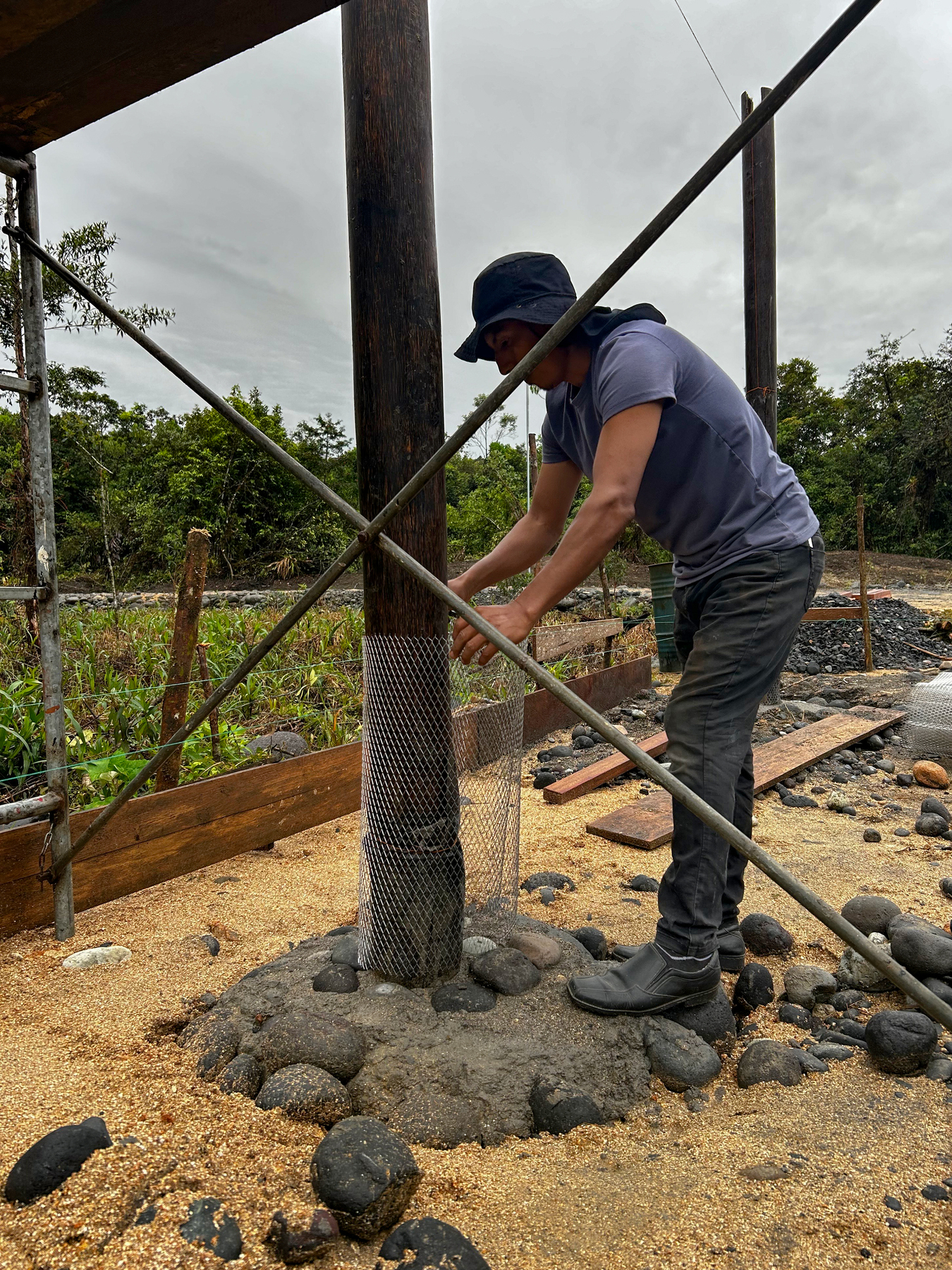
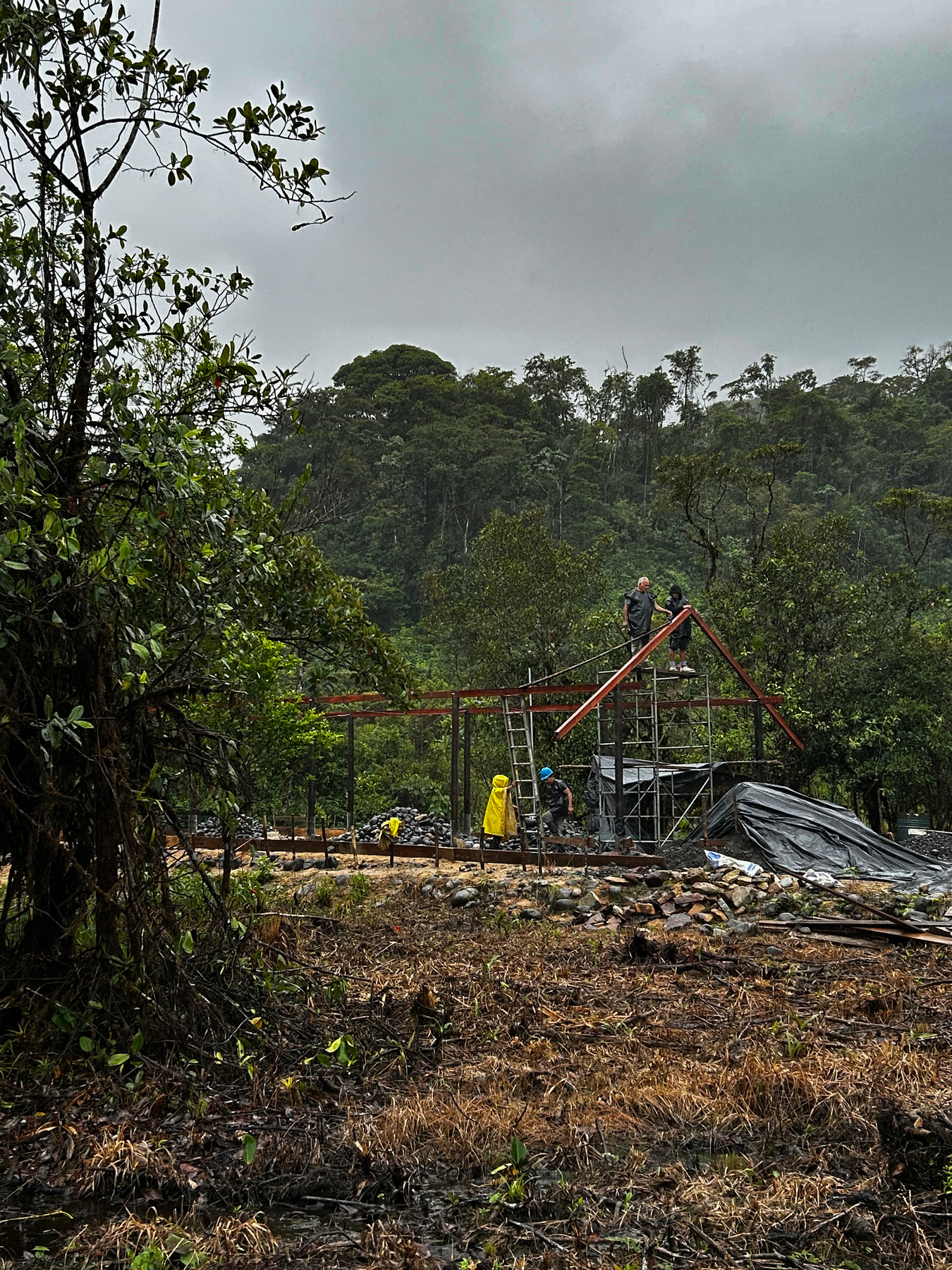
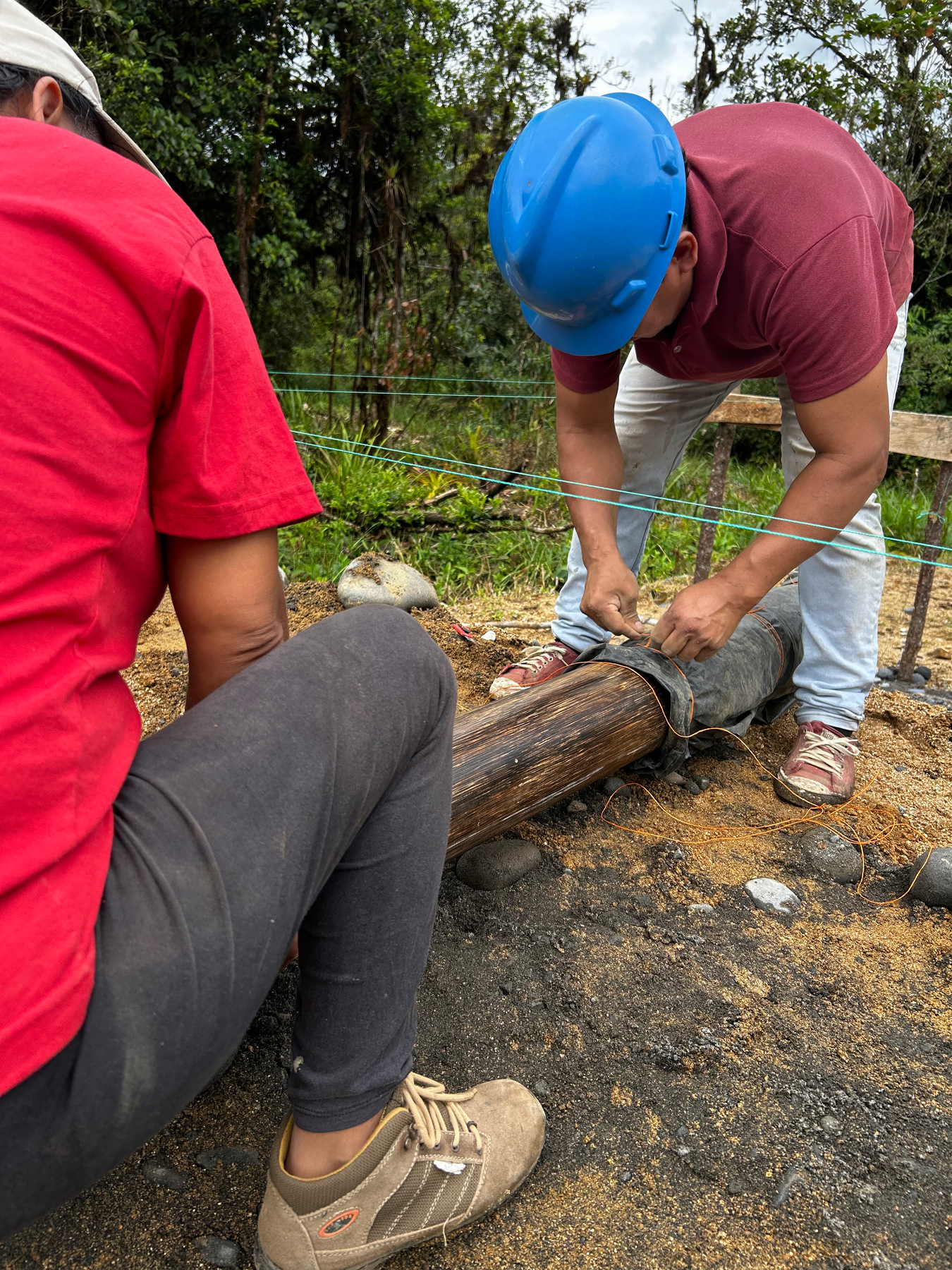
Its formal language draws directly from vernacular precedents common to Amazonian construction. The sharply pitched roof, oriented toward the east, captures morning sunlight to temper the cool humidity characteristic of the site while facilitating rapid rainwater runoff for storage and reuse. This climatic responsiveness is reinforced through material selection. Killi trunks harvested from the property itself and stones extracted from the stream become integral structural components, assembled alongside steel elements in a hybrid system that reconciles traditional resourcefulness with contemporary construction methods.
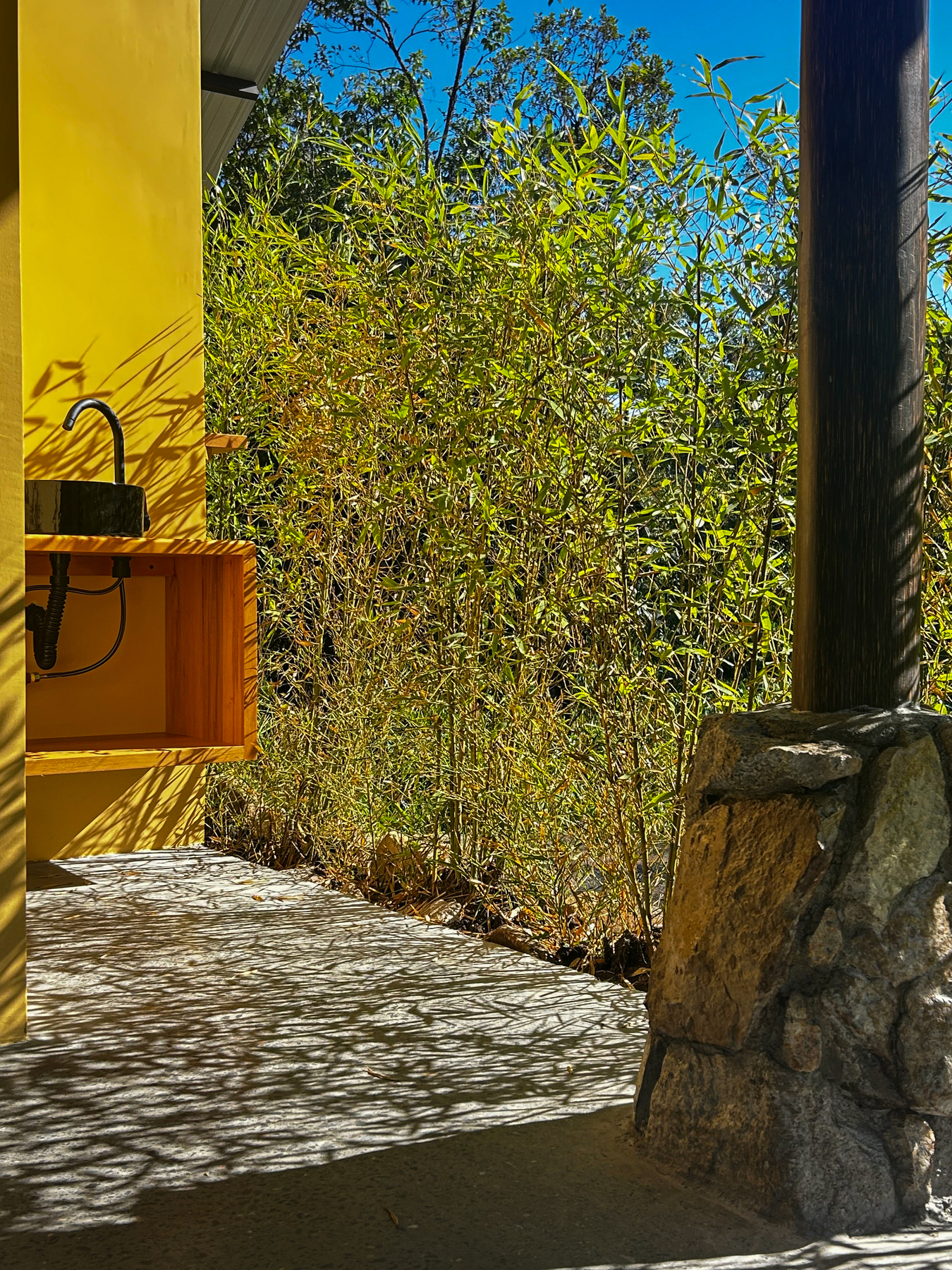
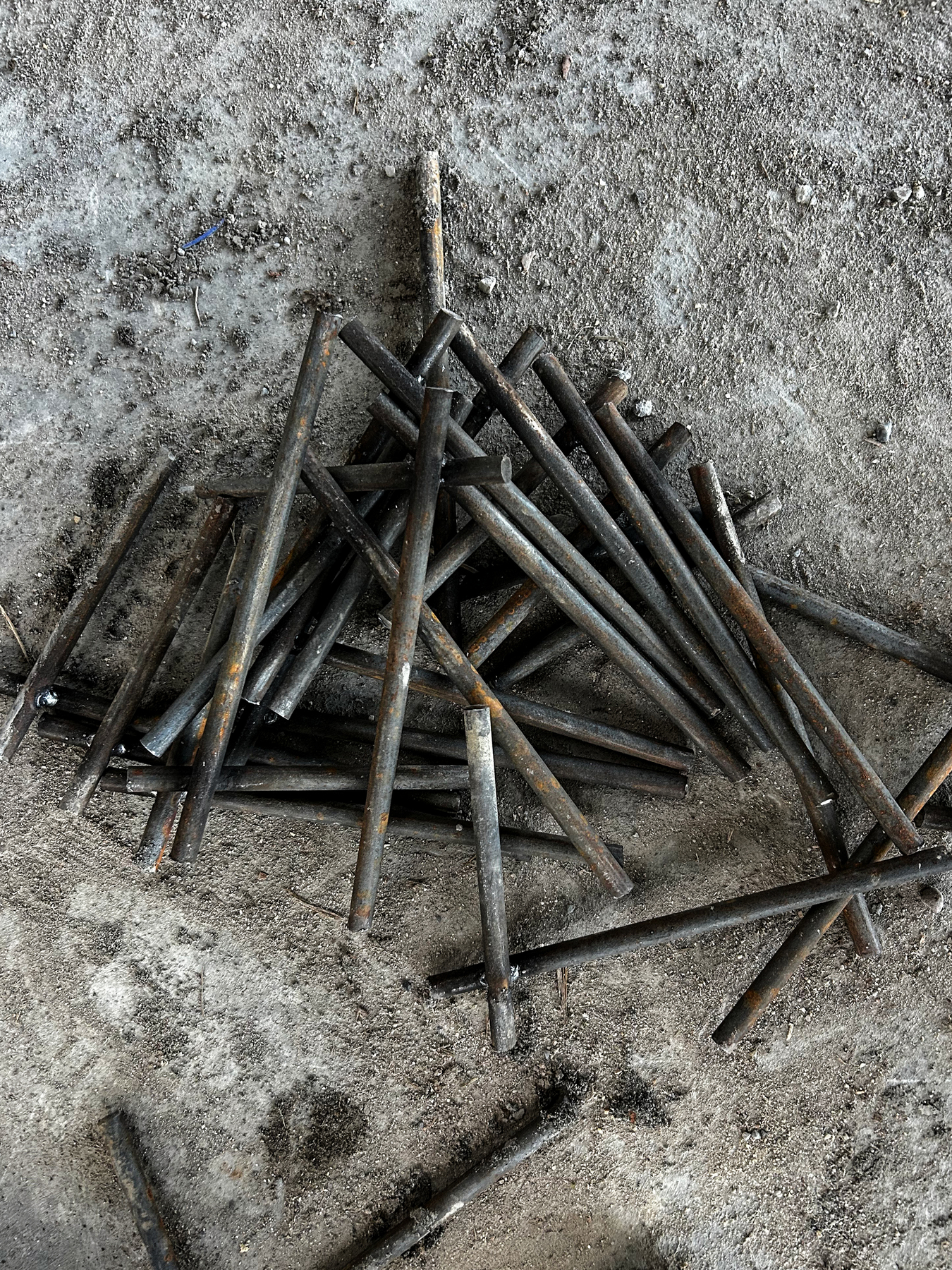
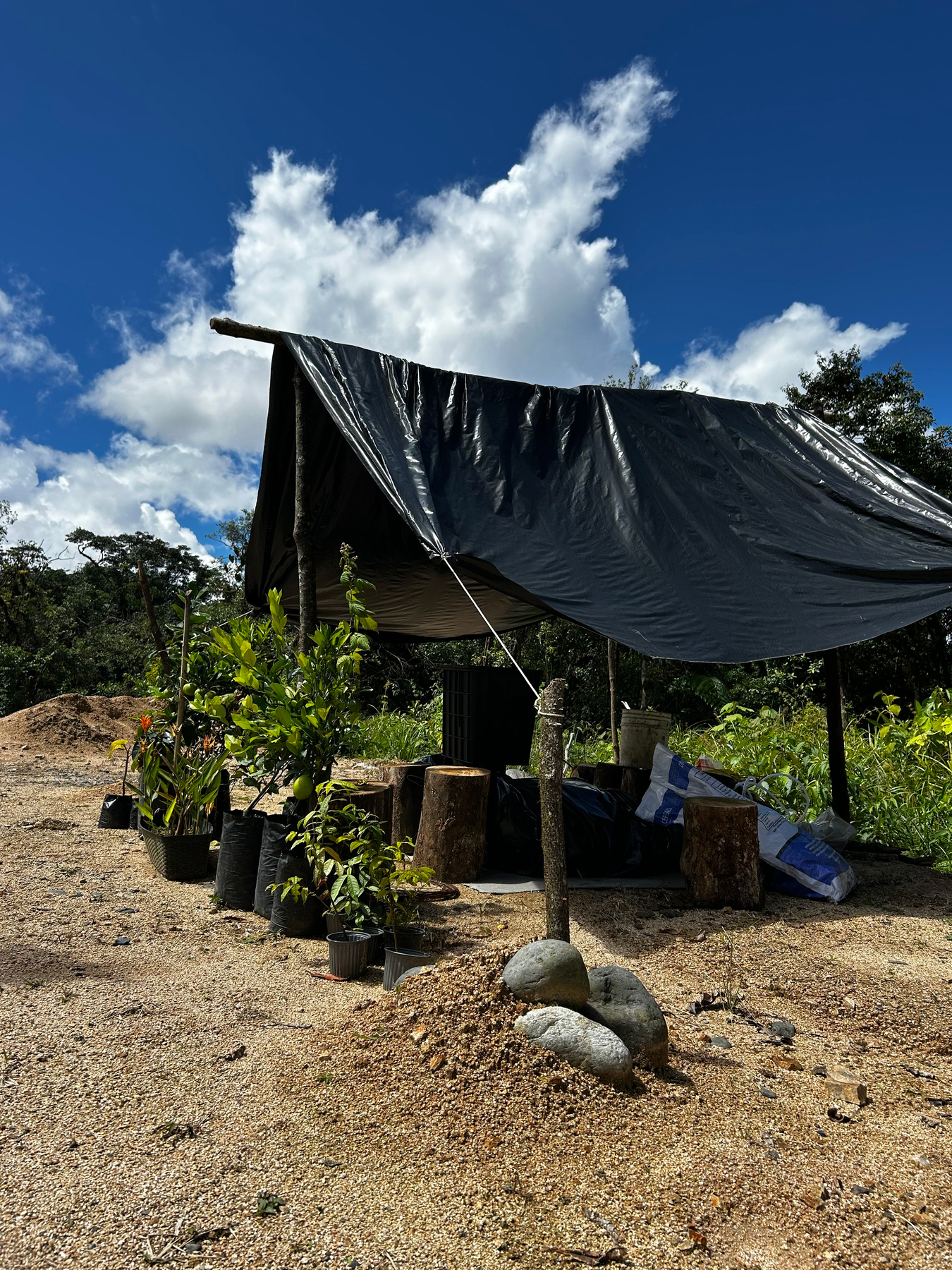
Equally significant is the collaborative process through which the structure was realized. Carpenters, stonemasons, and welders contributed specialized craft knowledge, embedding the project within a collective construction culture increasingly threatened by standardized building practices. In this sense, River Terrace extends beyond functional infrastructure to become a reflection on architectural continuity. It demonstrates how contemporary practice can recover vernacular intelligence not through imitation, but through reinterpretation, producing a form of building that is both contextually grounded and open to future transformation.
Project Gallery
Project Location
Address: Mera, Pastaza, Ecuador
The location specified is intended for general reference and may denote a city or country, but it does not identify a precise address.

