

Architects: Zaha Hadid Architects
Area: 7,642 m² (82,265 ft²)
Year: 2003
Photography: Contemporary Arts Center, Tony Walsh, Roland Halbe, Paul Warchol, Hélène Binet, Wikimedia Commons, Lanskeith17, WikiArquitectura
Design Architect: Zaha Hadid
Associate Architect: KZF Design
Client: Contemporary Arts Center
City: Cincinnati
Country: United States
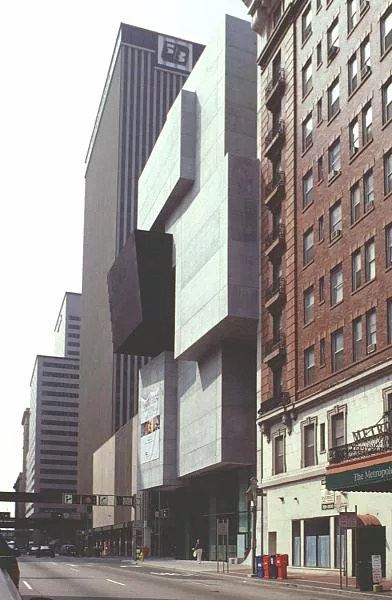
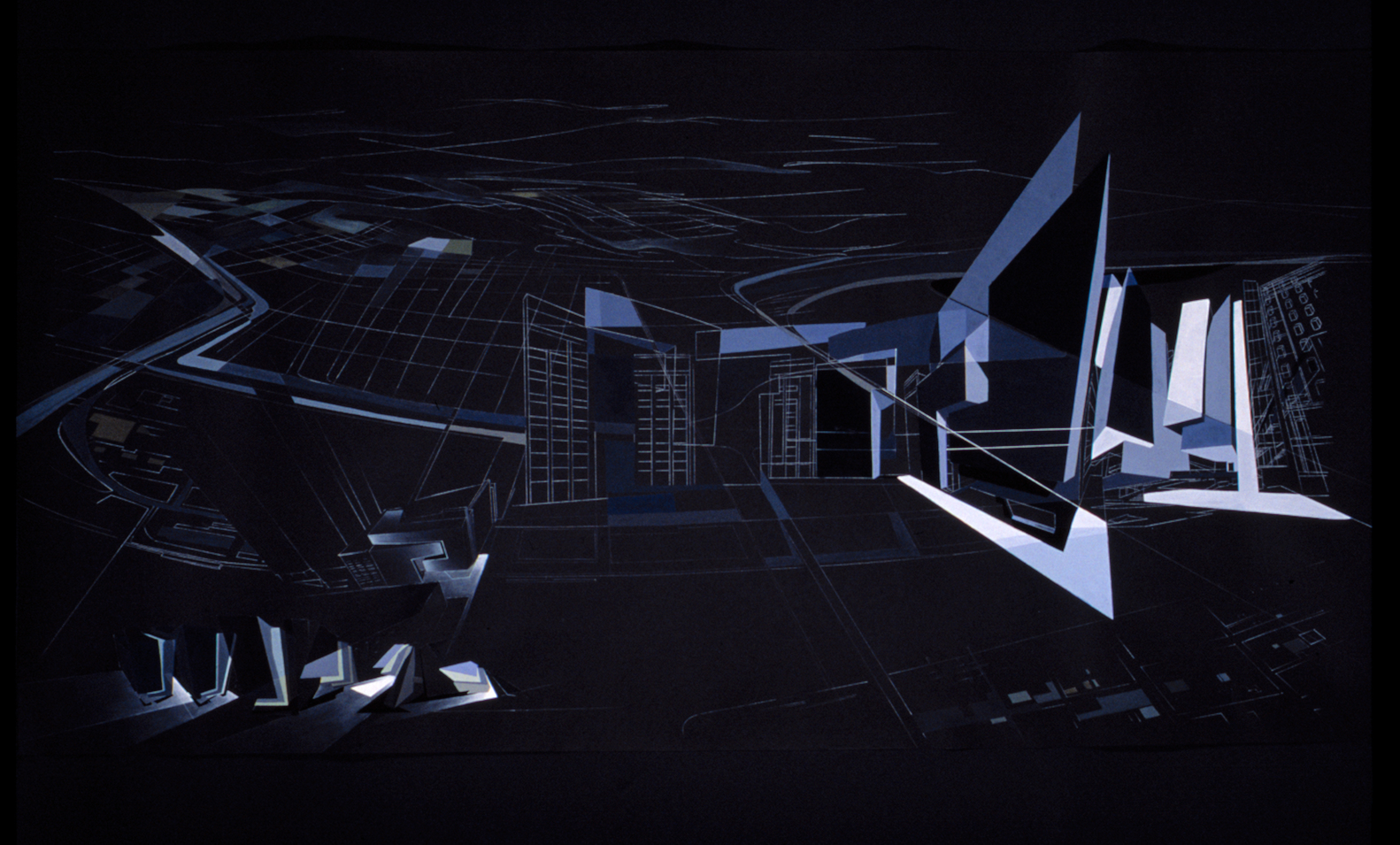
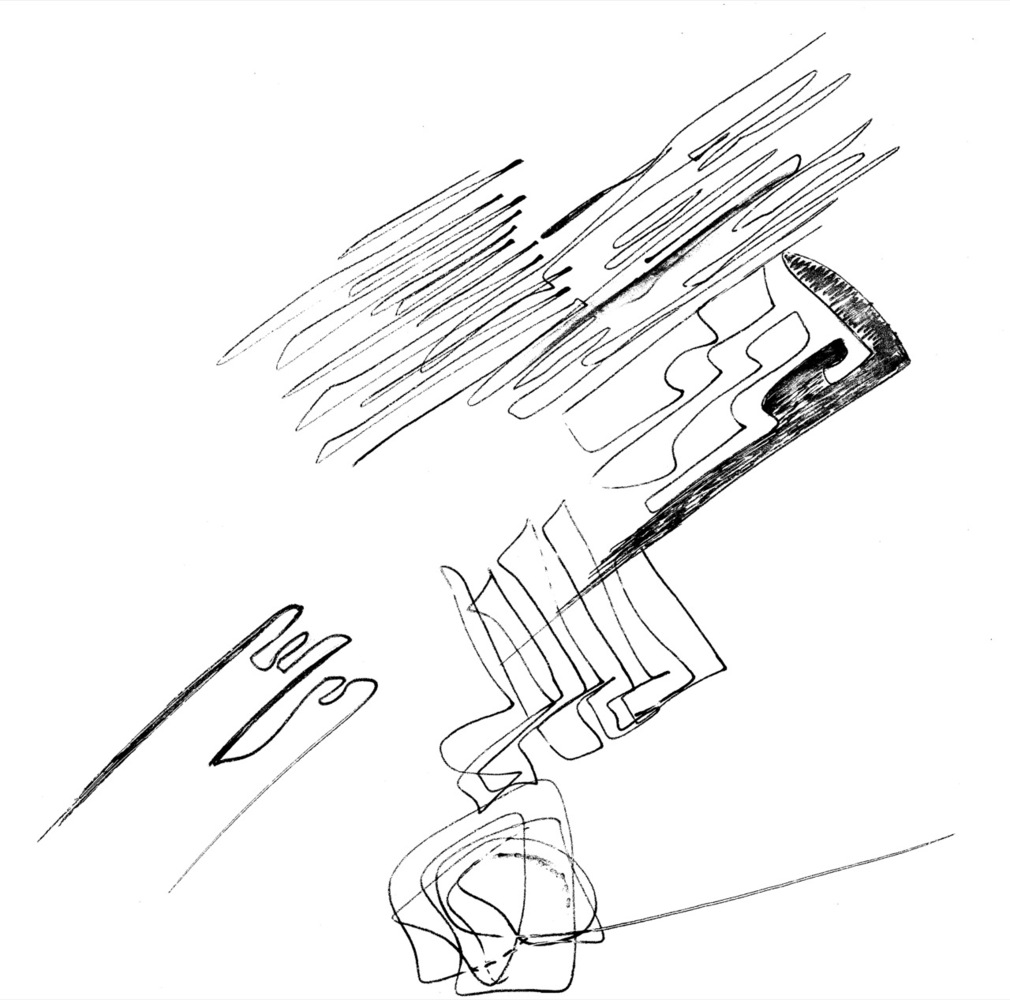
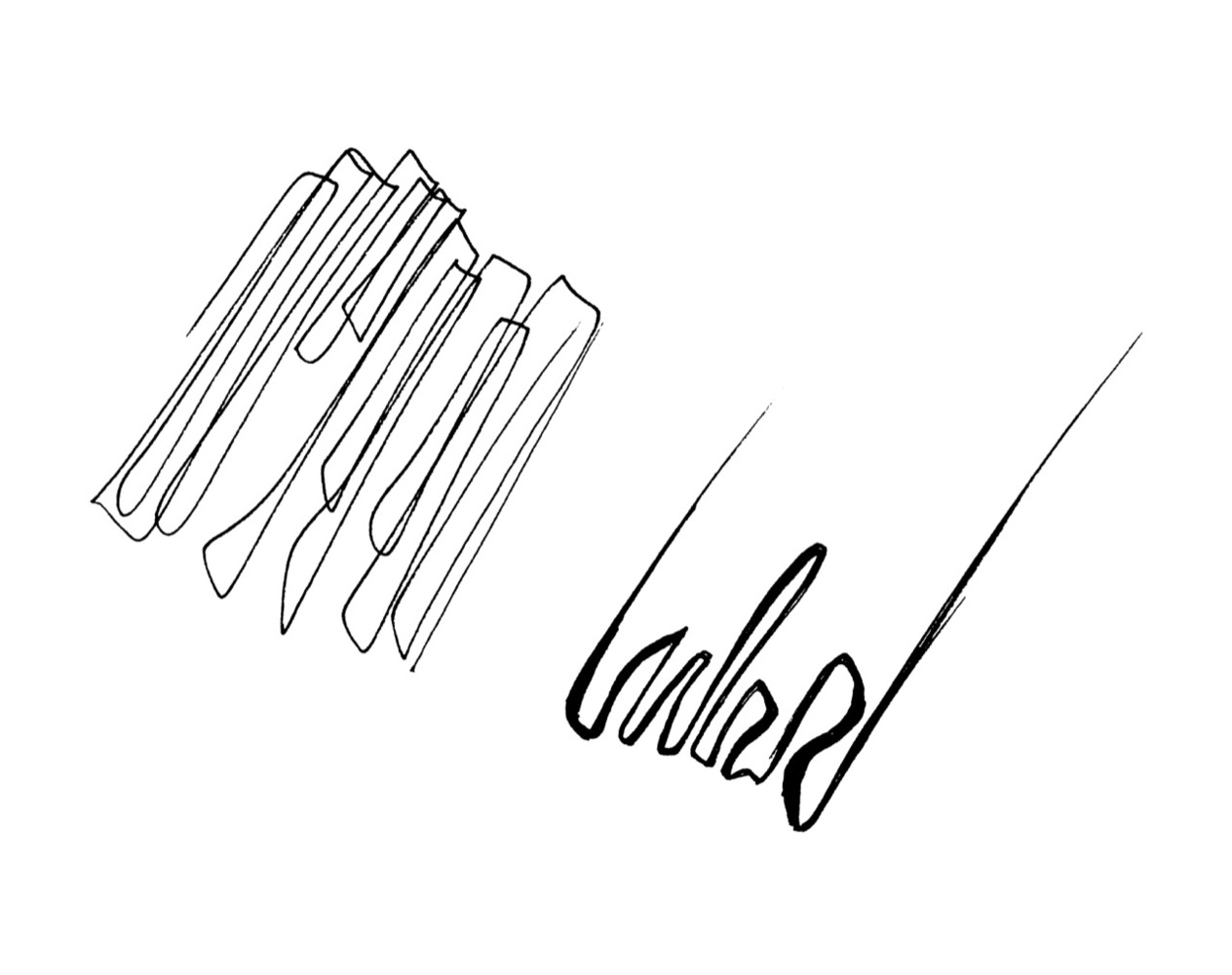
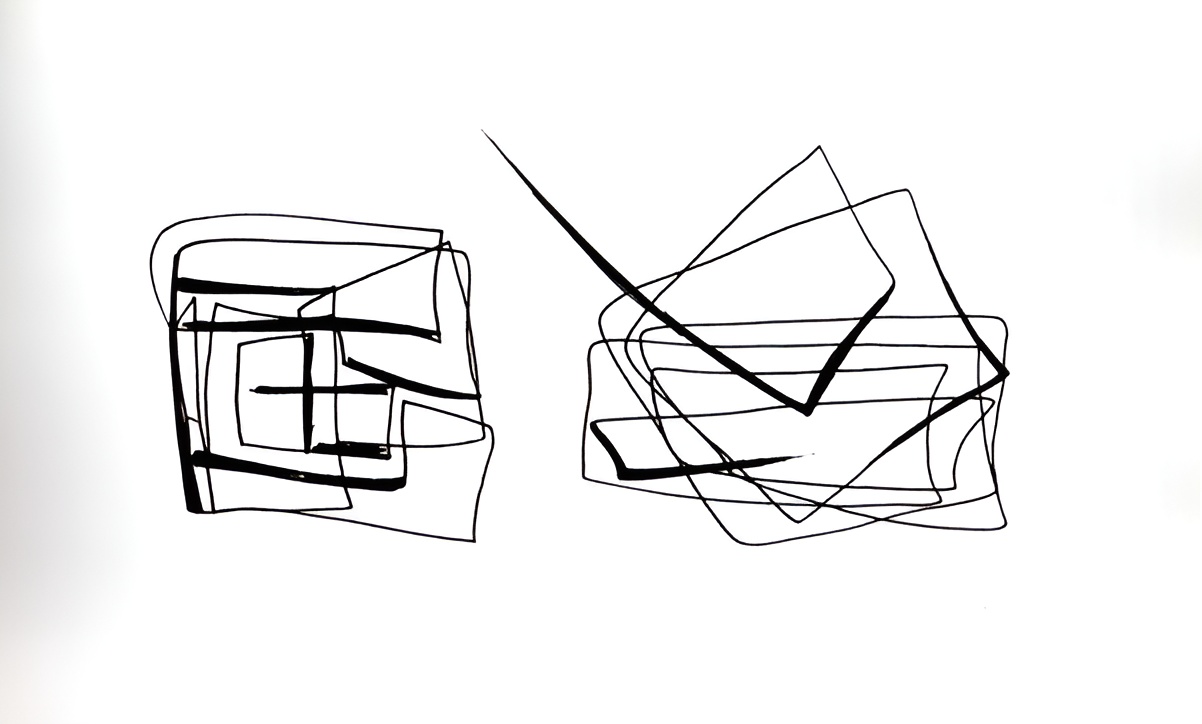
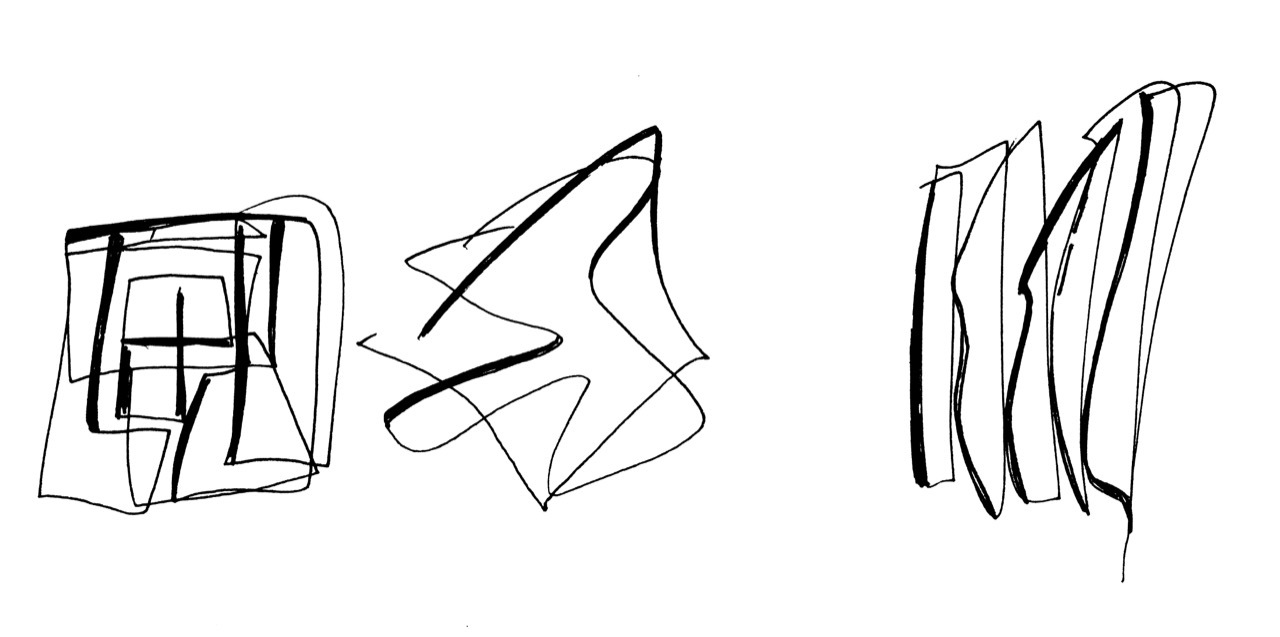
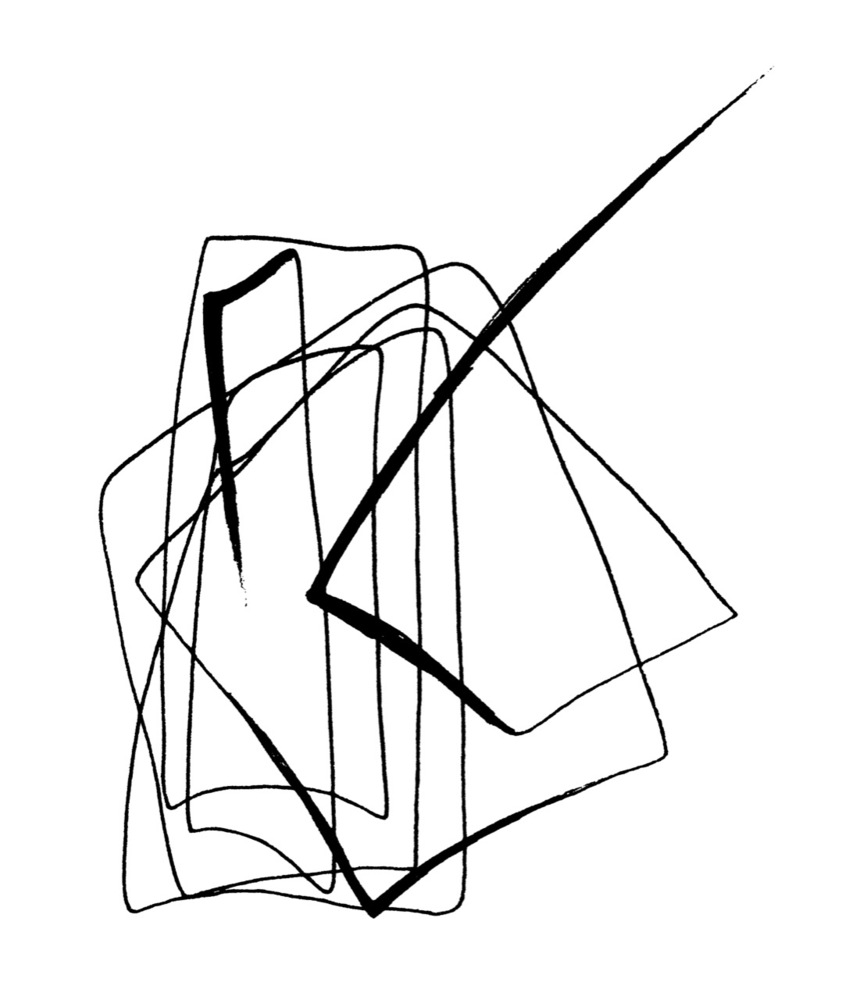
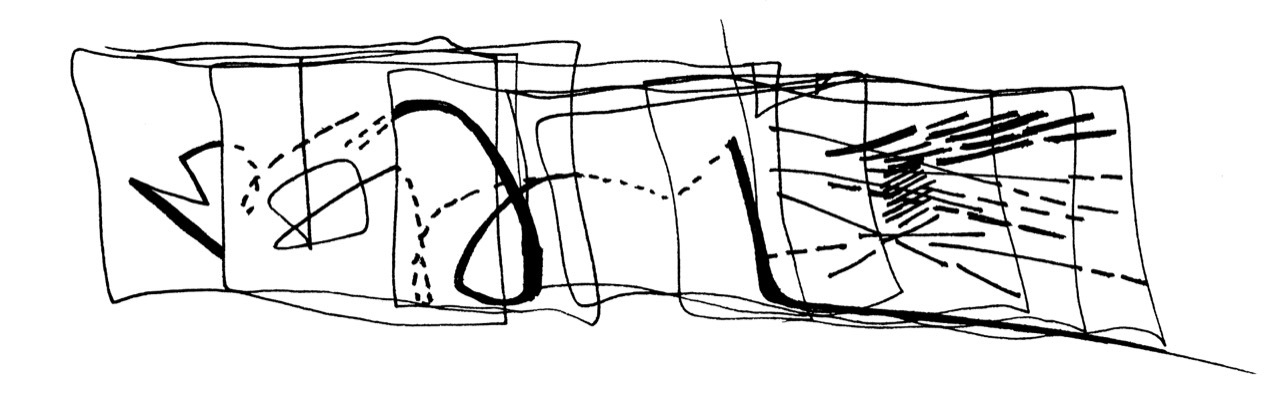
Rosenthal Center for Contemporary Art cultural building designed by Zaha Hadid Architects in Cincinnati, Ohio expanded the presence of the Contemporary Arts Center within the downtown fabric and established a new model for contemporary museum design. Completed in 2003, the building became Zaha Hadid’s first project in the United States and the first American art museum designed by a woman. The project occupies a prominent corner site along the pedestrian route connecting Fountain Square and the Aronoff Center for the Arts. Hadid developed the museum through three related concepts: the Urban Carpet, the Jigsaw Puzzle, and Skin/Sculpture. These ideas organize circulation, gallery spaces, and the exterior expression of the building. The museum accommodates temporary exhibitions, installations, performances, education programs, and public activities rather than a permanent collection. Gallery volumes of varying sizes respond to the changing requirements of contemporary art, while the open ground floor establishes a direct relationship between the building and the city. The Rosenthal Center remains one of the most significant early works of Zaha Hadid and a major contribution to contemporary museum architecture in the United States.
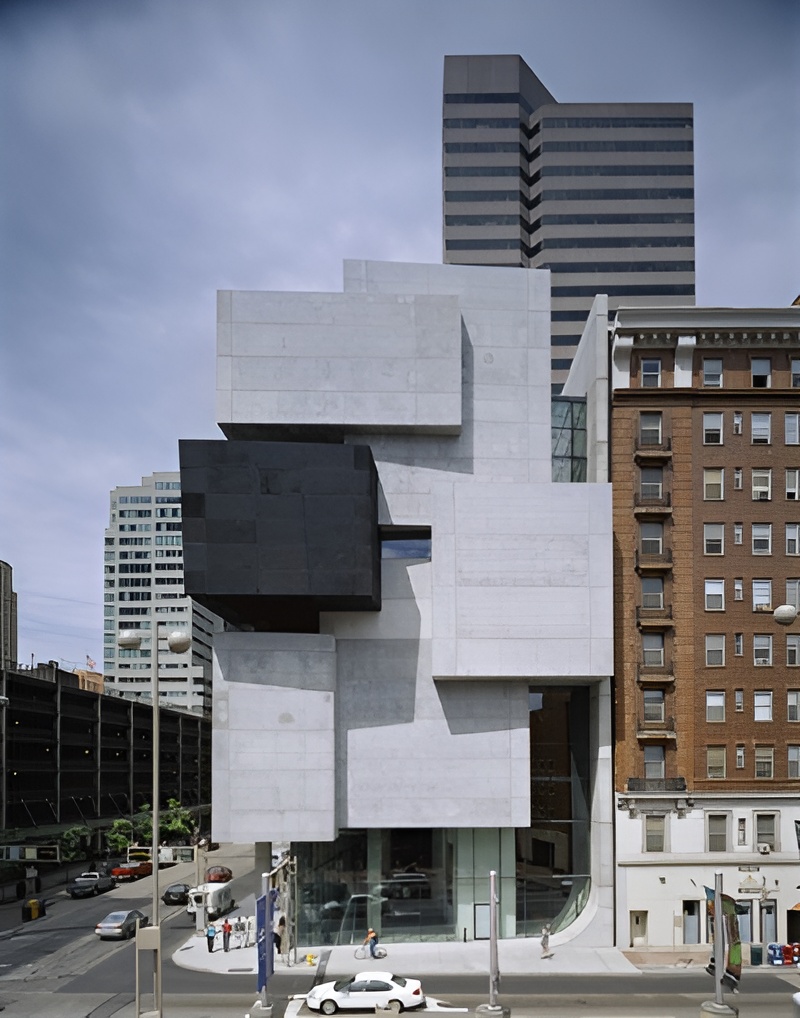
The Contemporary Arts Center was founded in Cincinnati in 1939 as one of the earliest institutions in the United States dedicated to contemporary visual art. For decades the institution occupied leased spaces in downtown buildings, including the Mercantile Center, where its galleries remained largely invisible from the street. The search for a permanent home led to an international architectural competition in 1997 that received ninety-seven submissions and was later reduced to a shortlist that included Daniel Libeskind, Bernard Tschumi, and Zaha Hadid. Rather than presenting a conventional building proposal, Hadid developed a conceptual approach that organized the museum through independent gallery volumes suspended above a public ground floor. The Contemporary Arts Center selected Hadid in 1998.
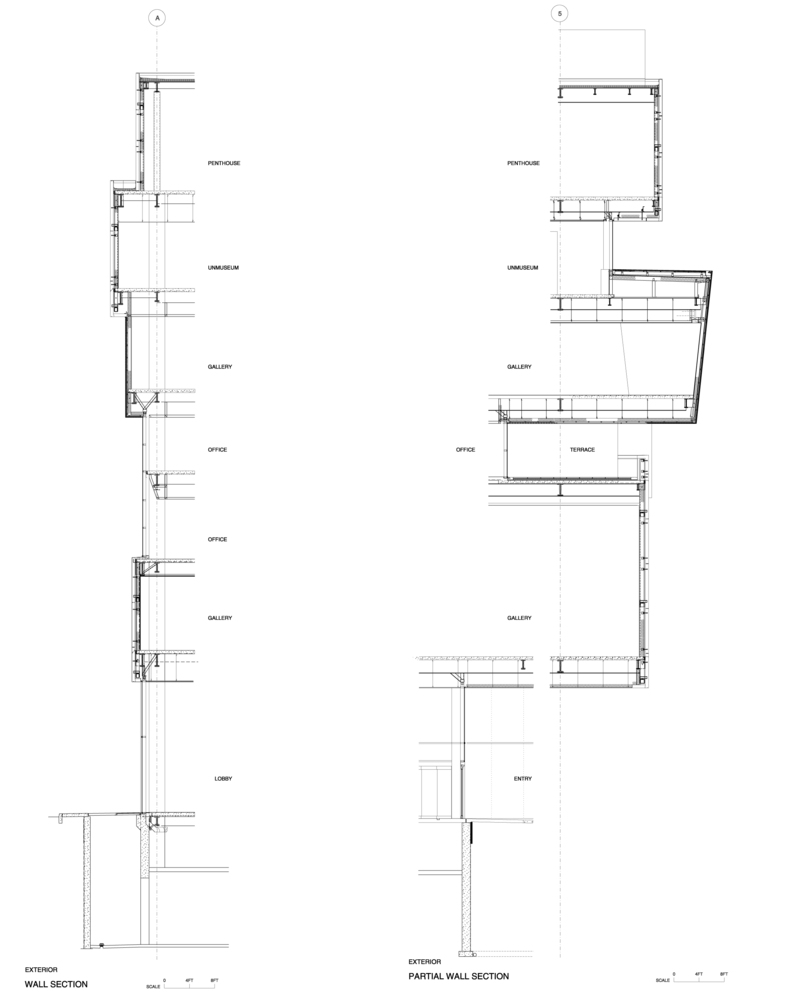
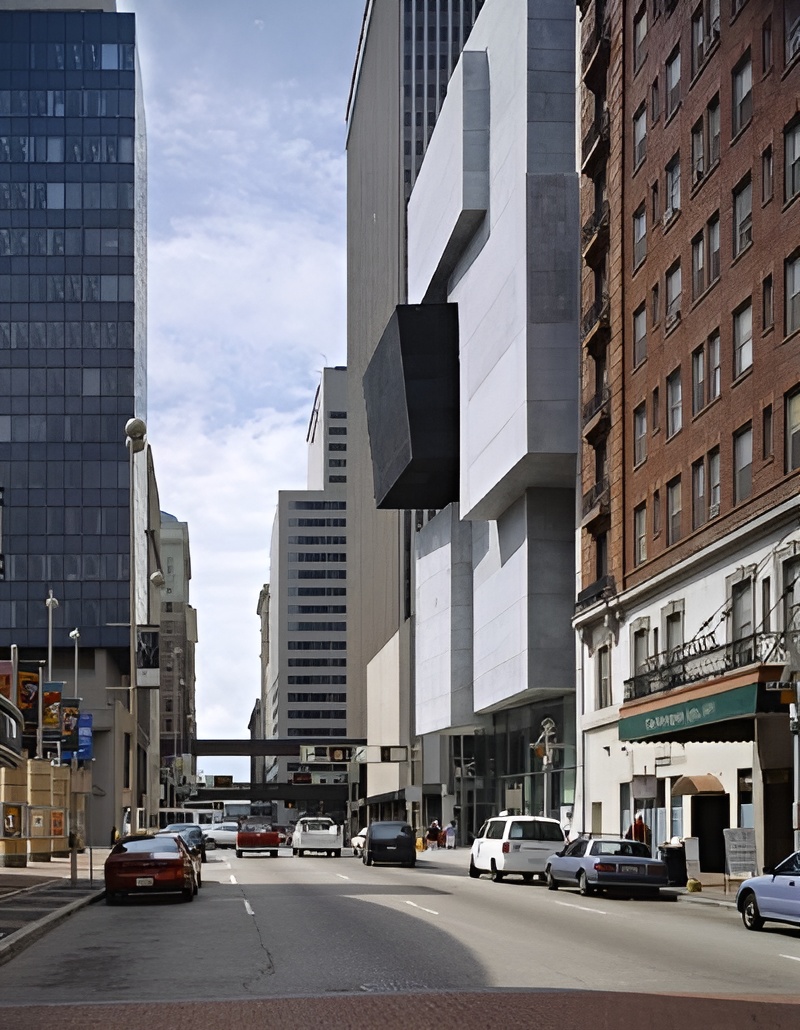
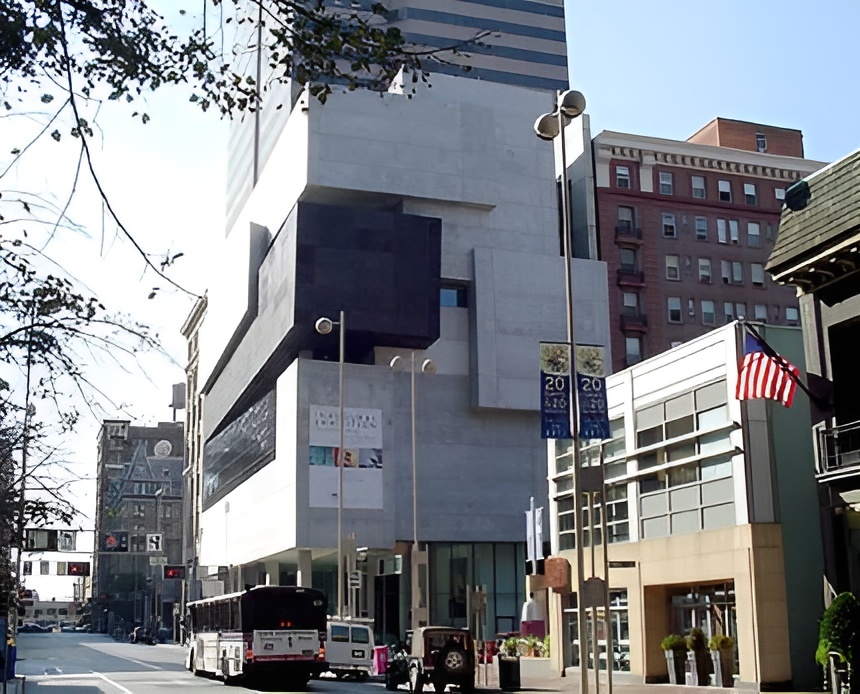
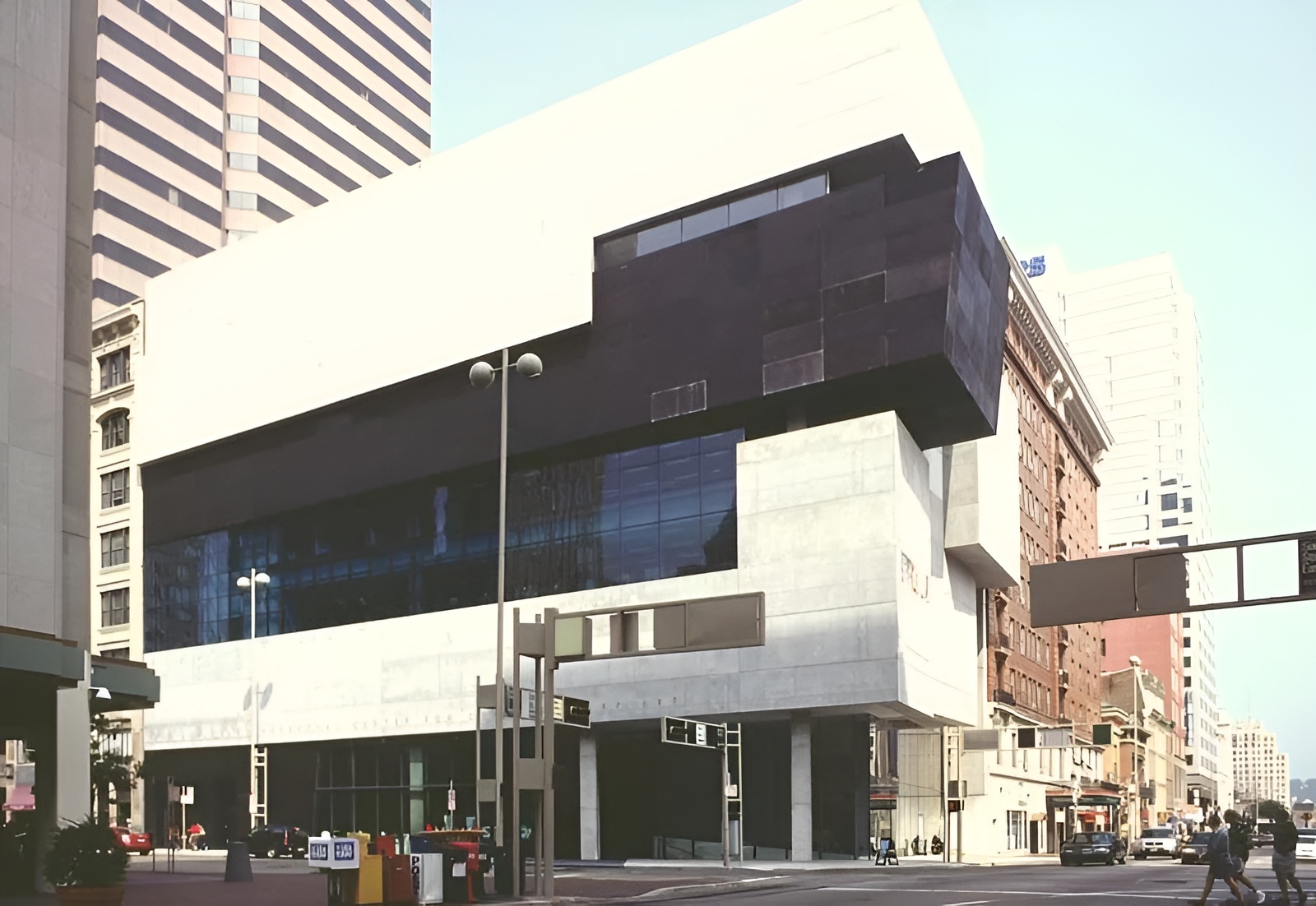
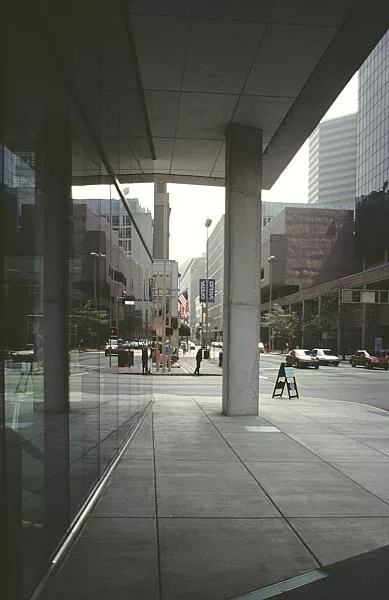
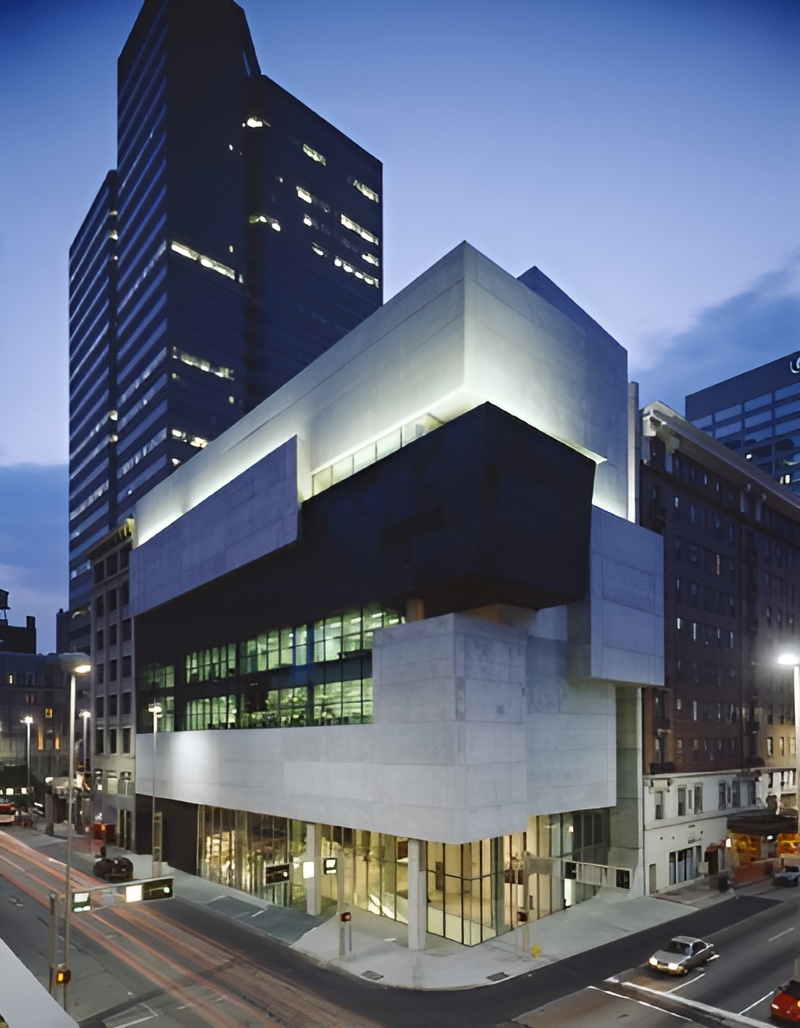
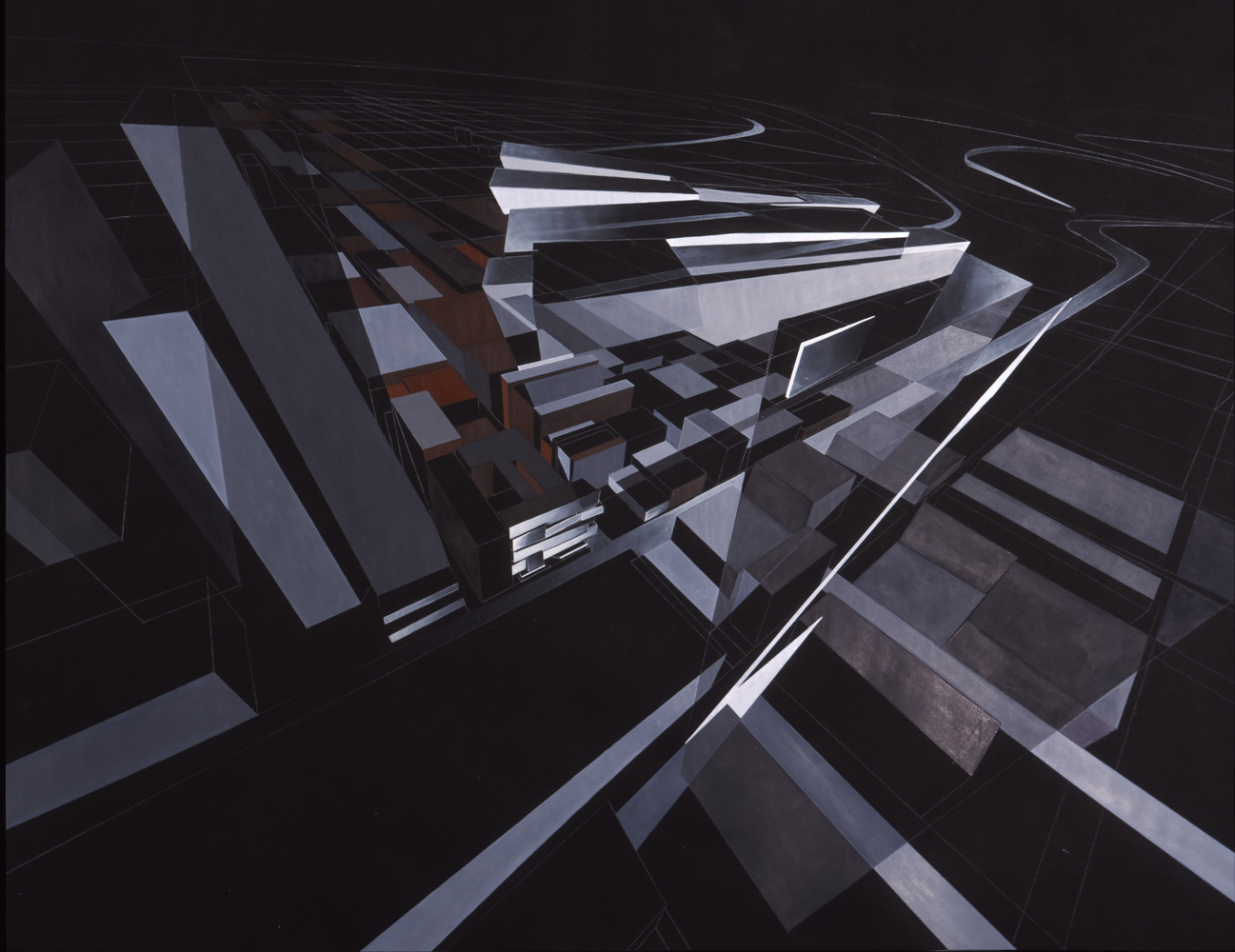
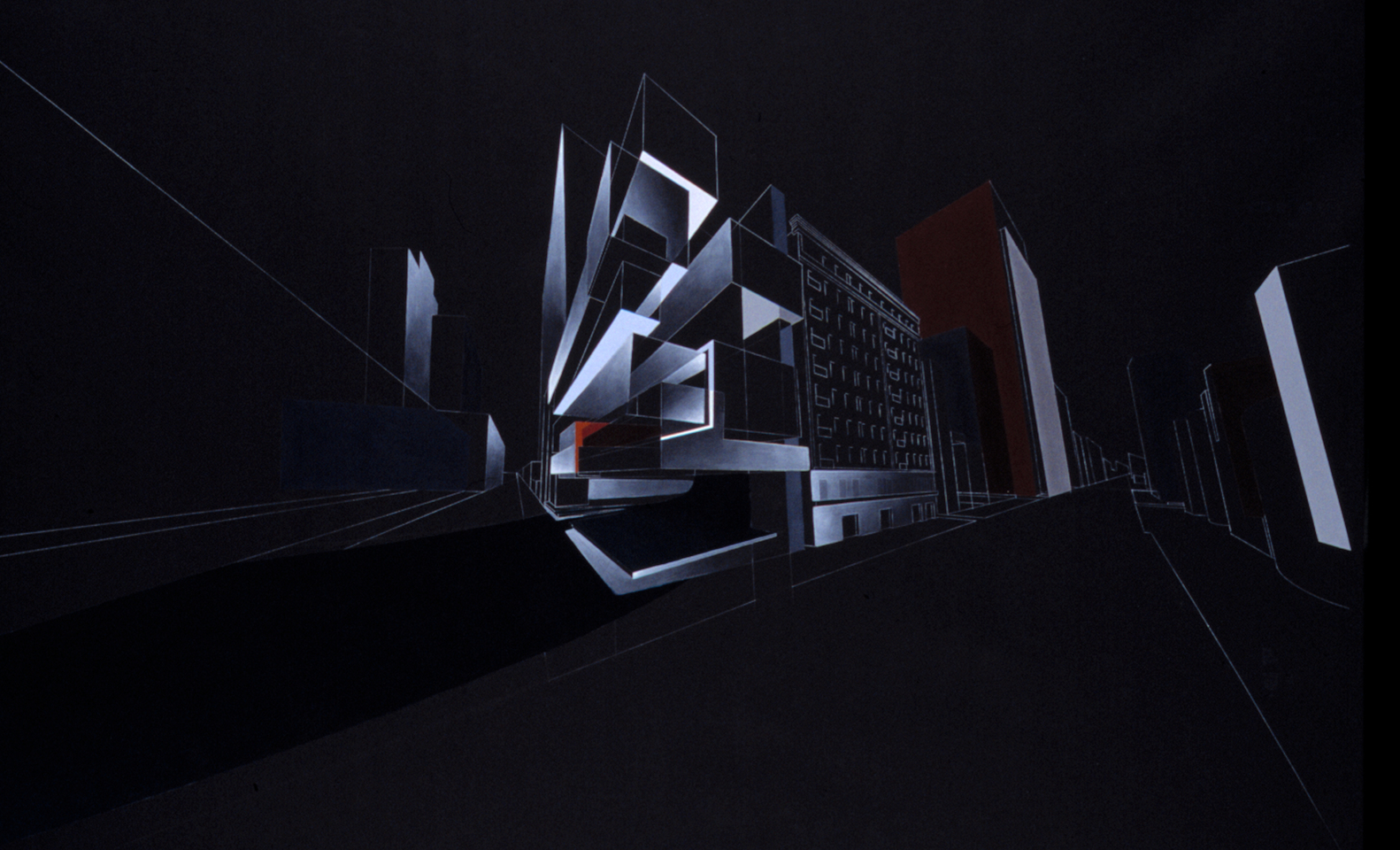
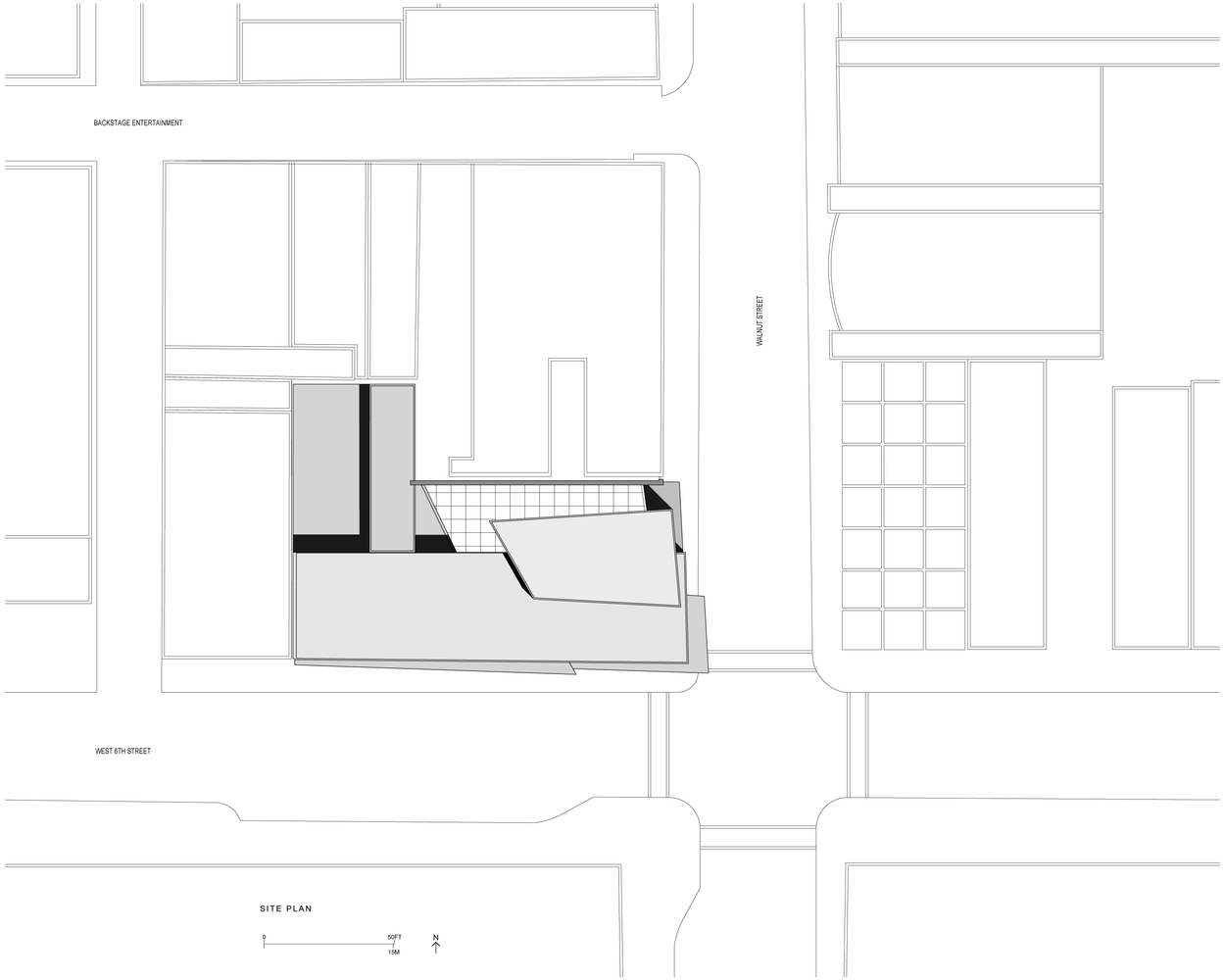
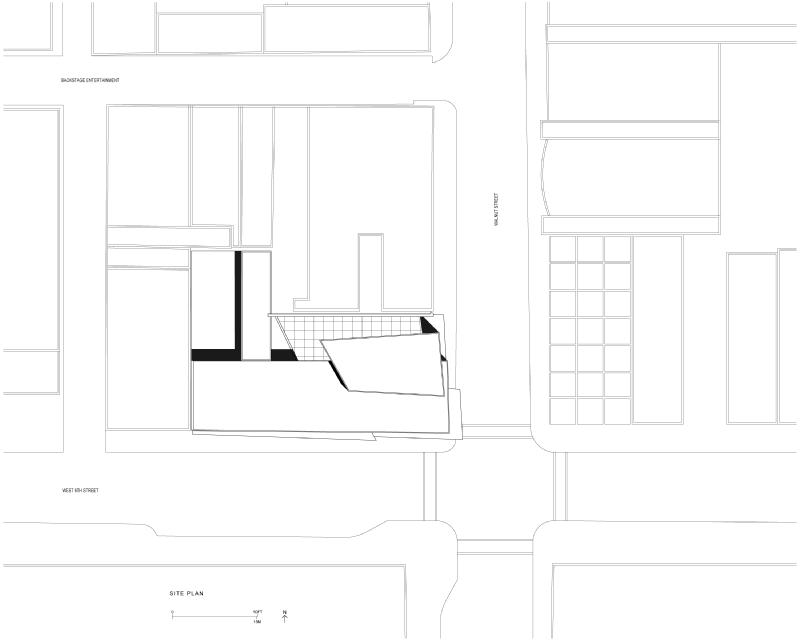
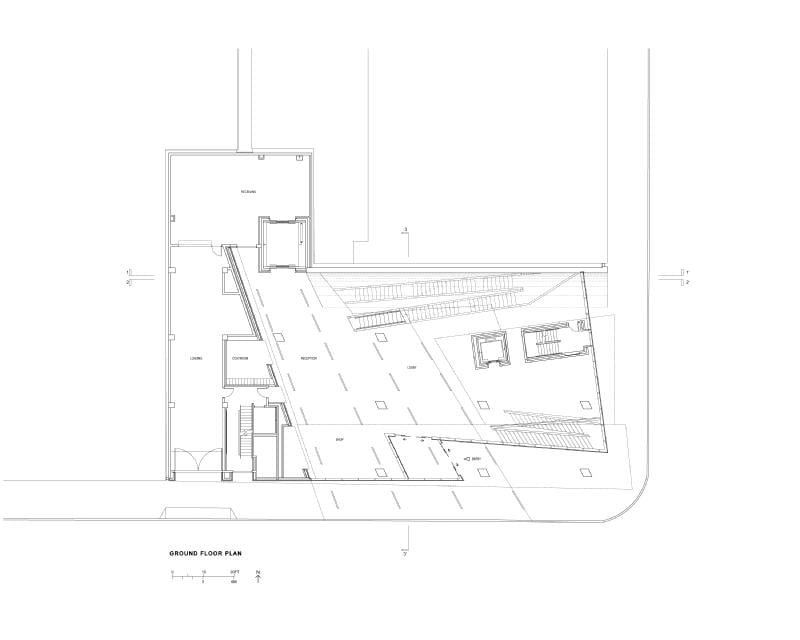
The building occupies a corner site at the intersection of Sixth Street and Walnut Street in downtown Cincinnati. The location lies along an active pedestrian corridor connecting several cultural institutions and public spaces. This urban condition informed the development of the Urban Carpet, one of the project’s principal architectural ideas.
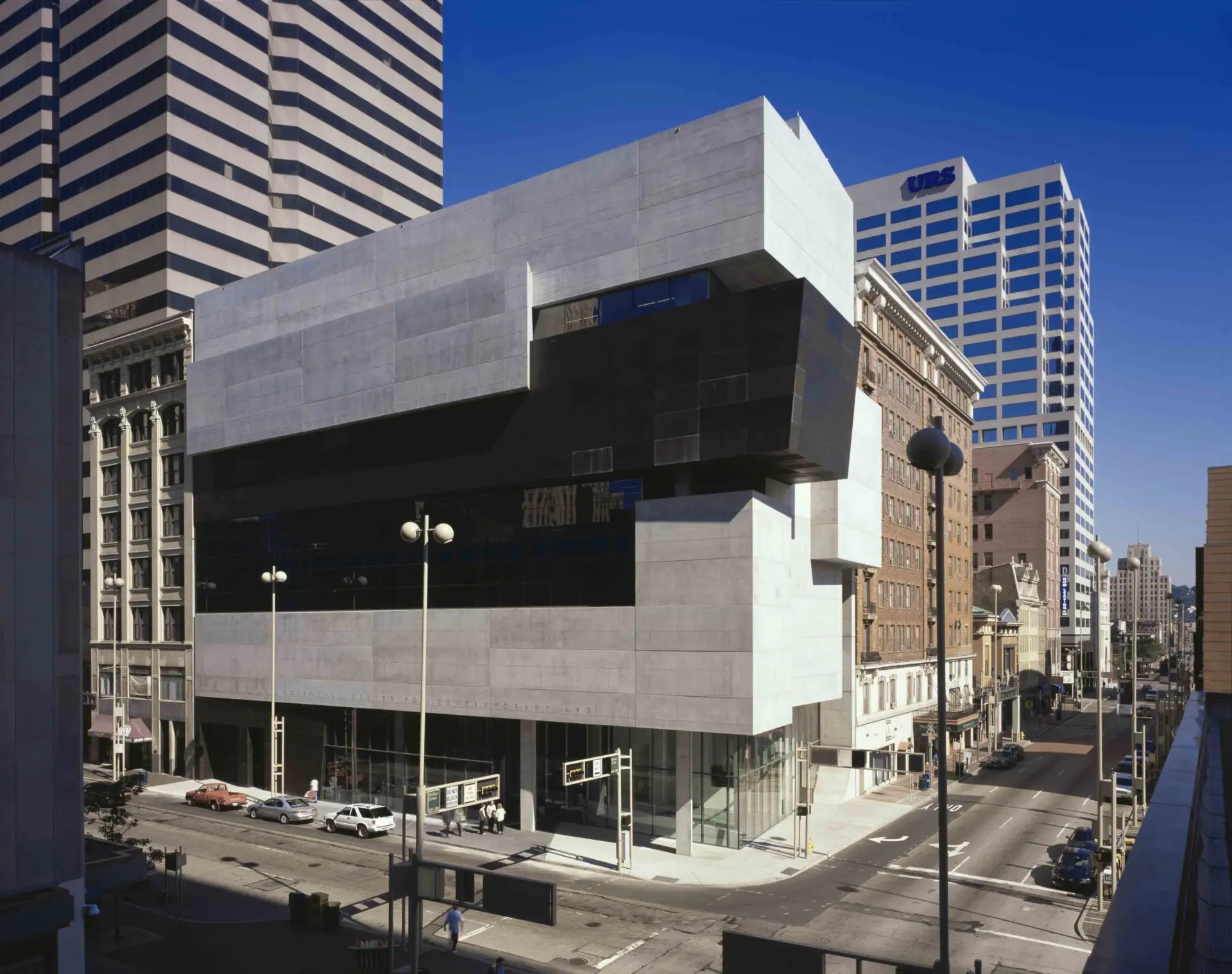
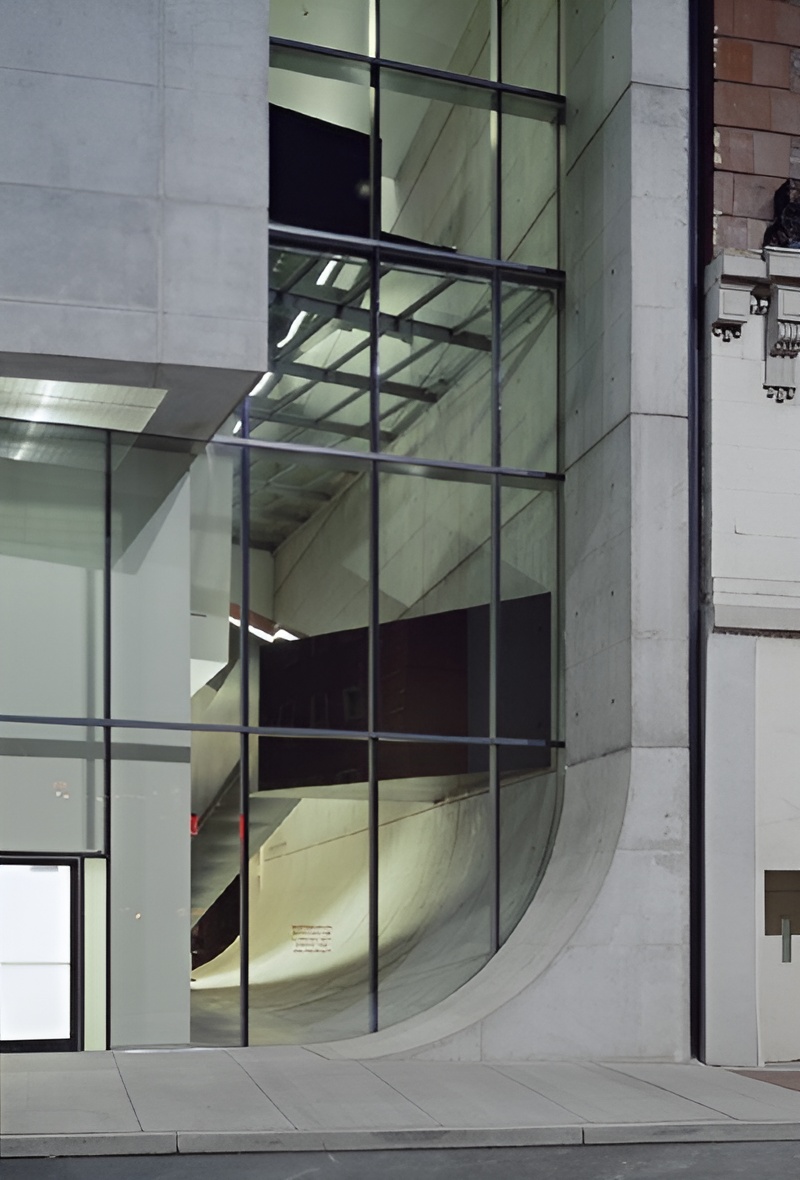
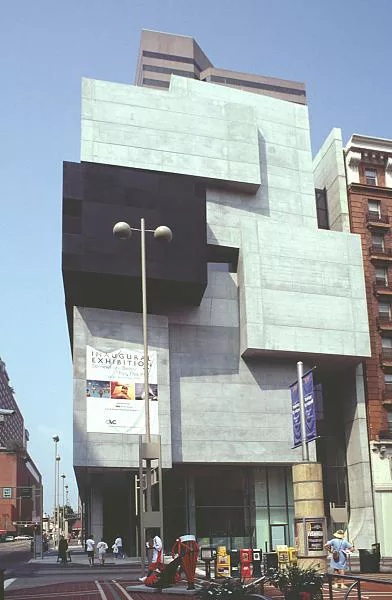
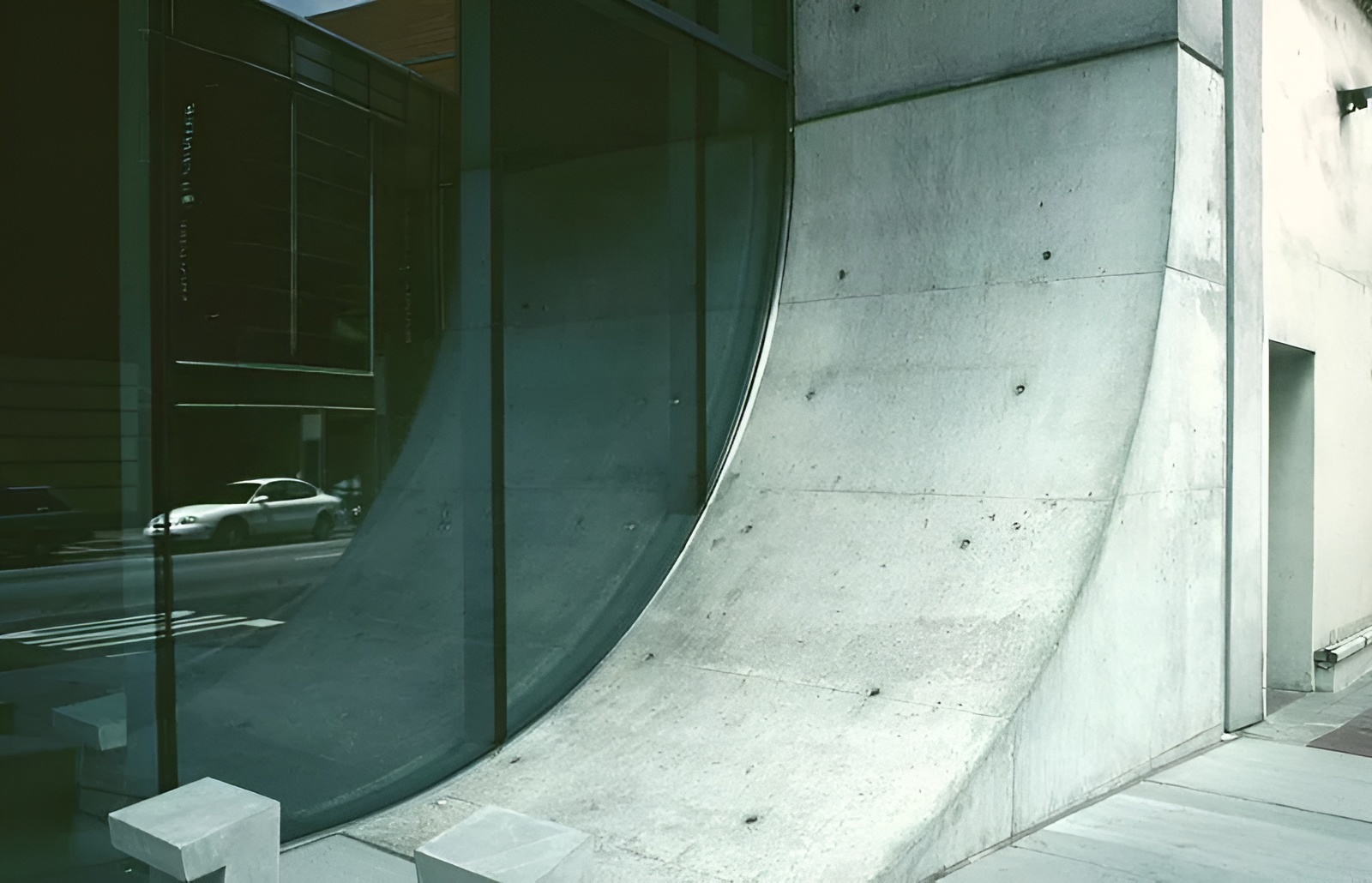
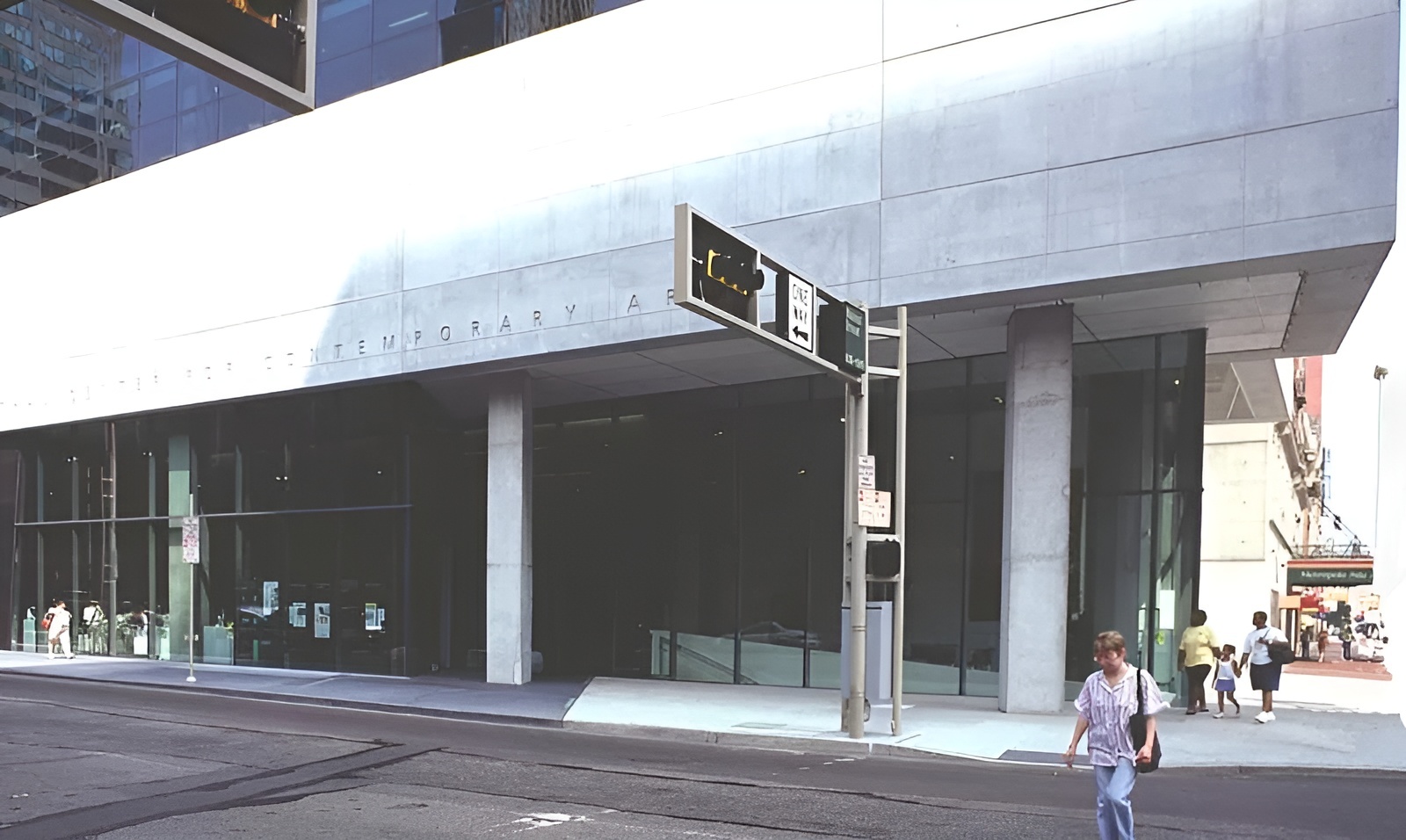
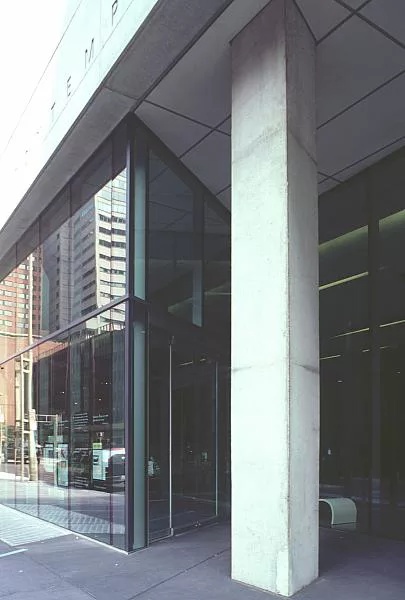
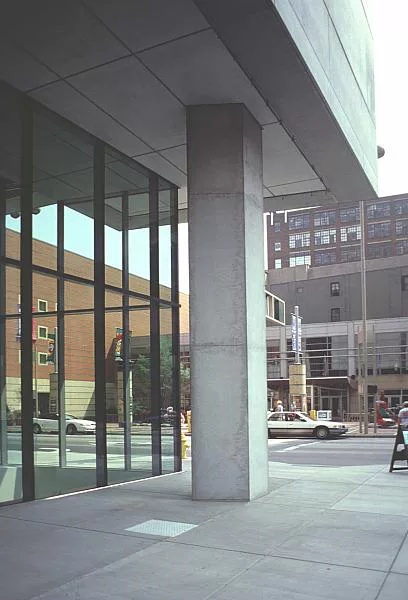
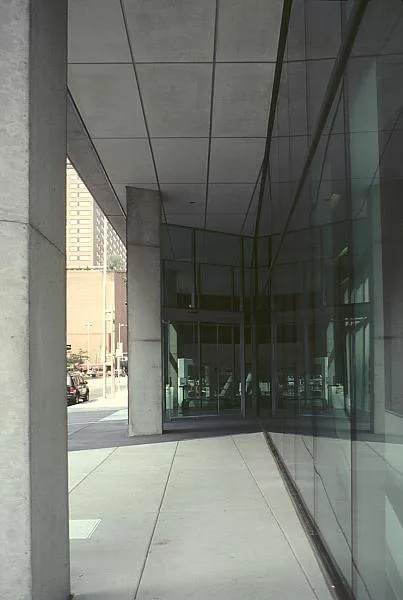
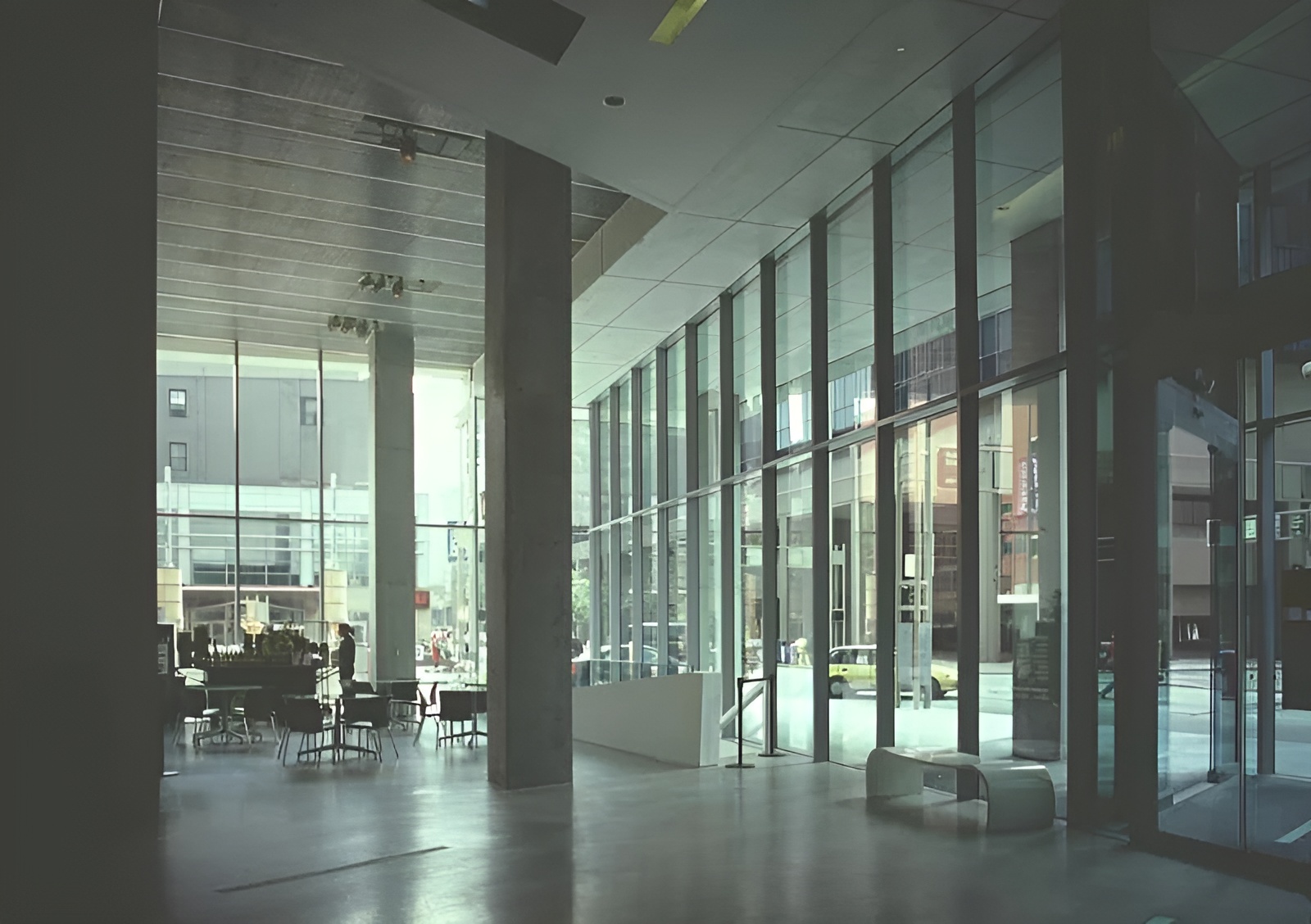
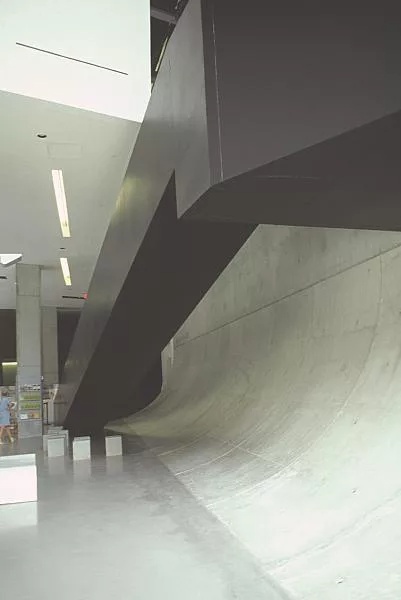
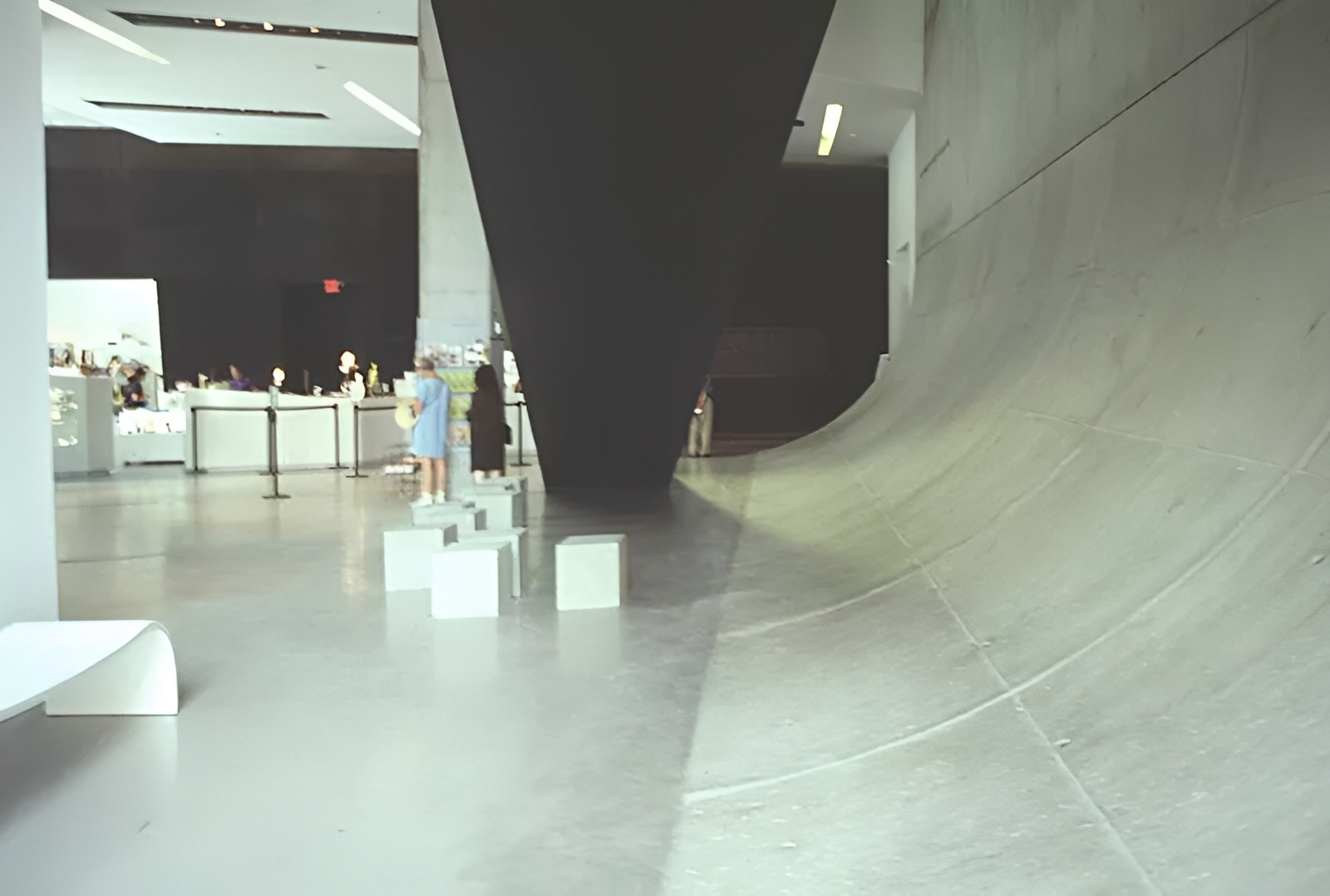
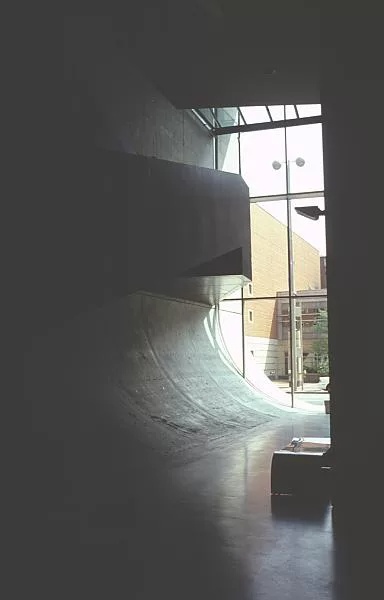
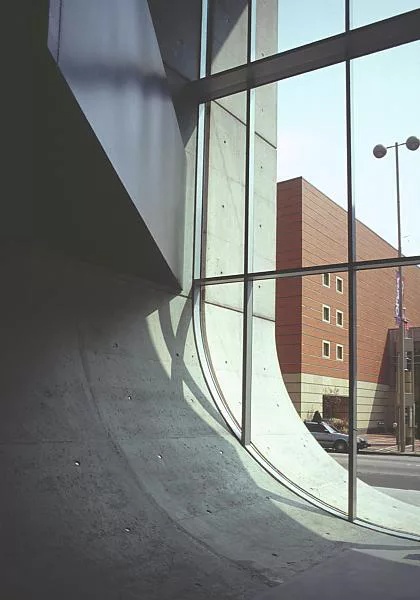
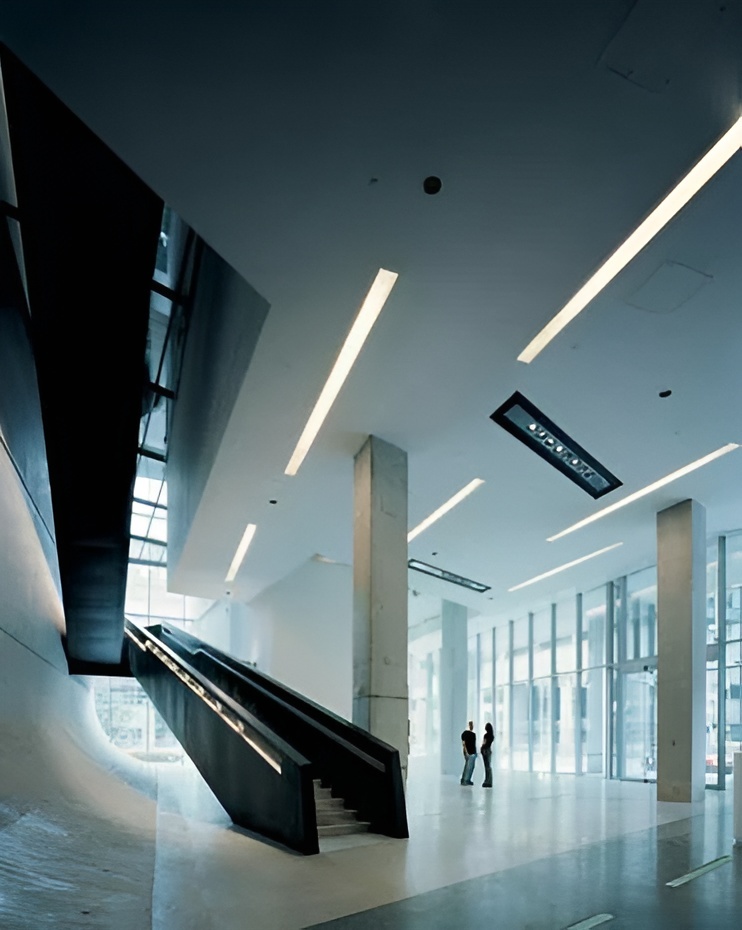
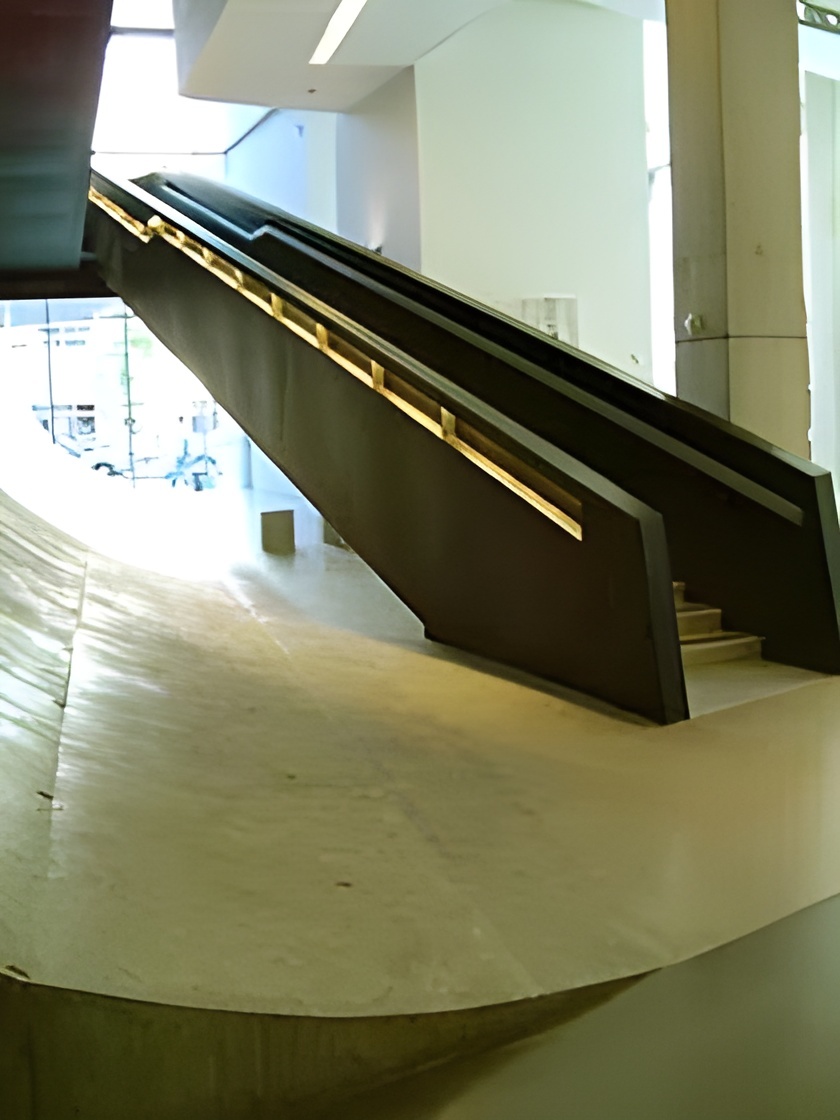
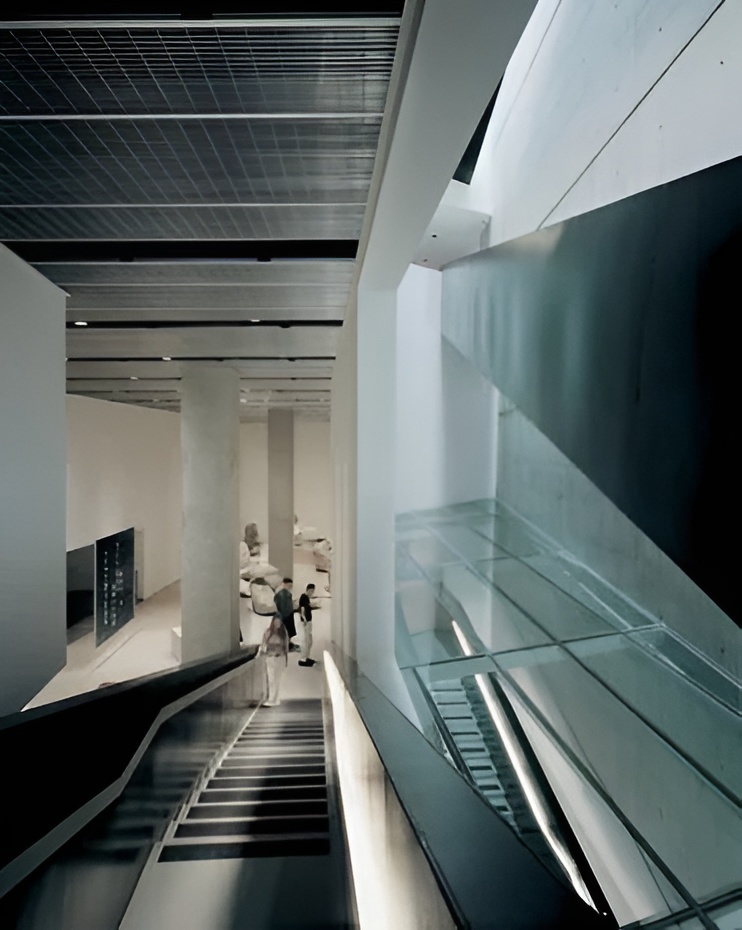
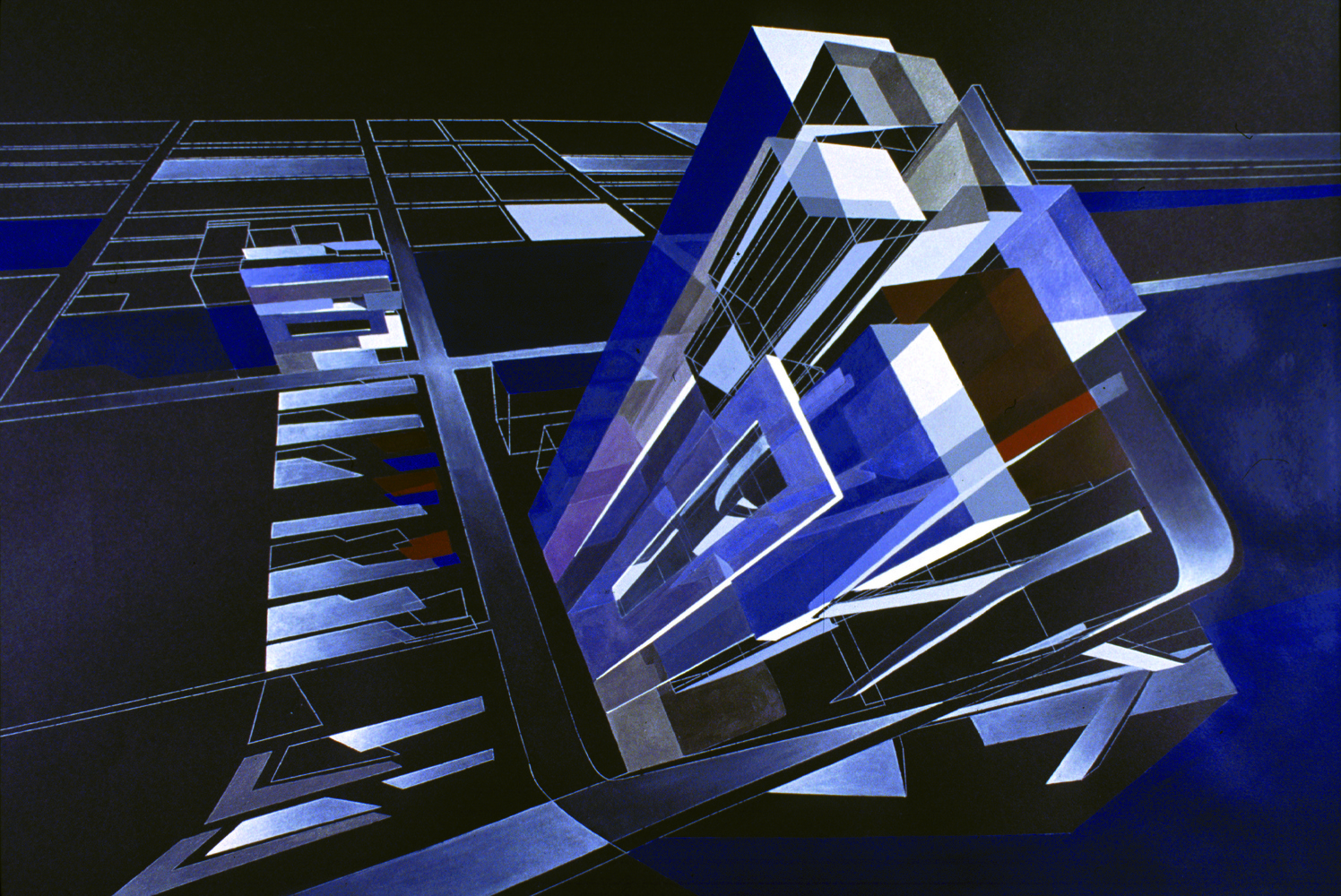
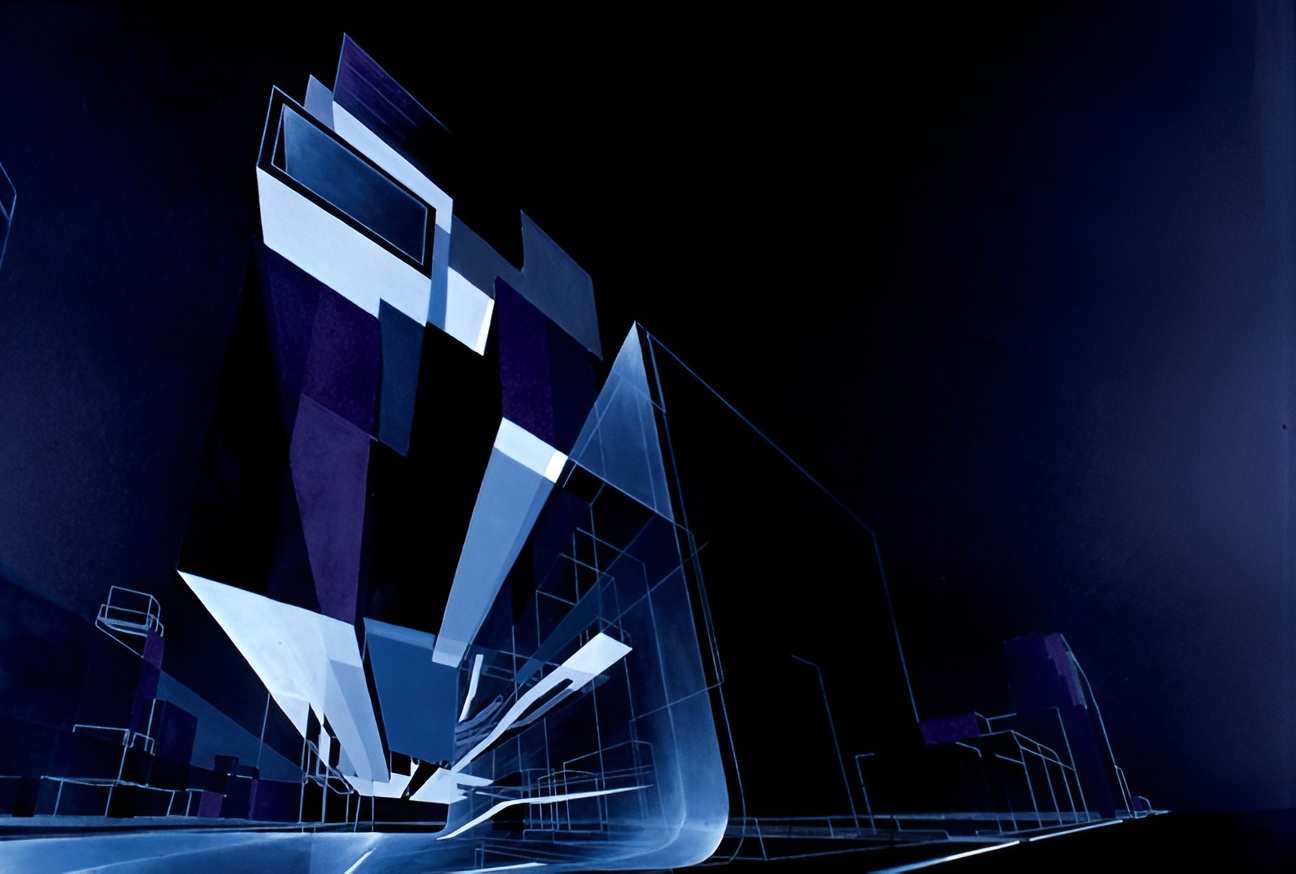
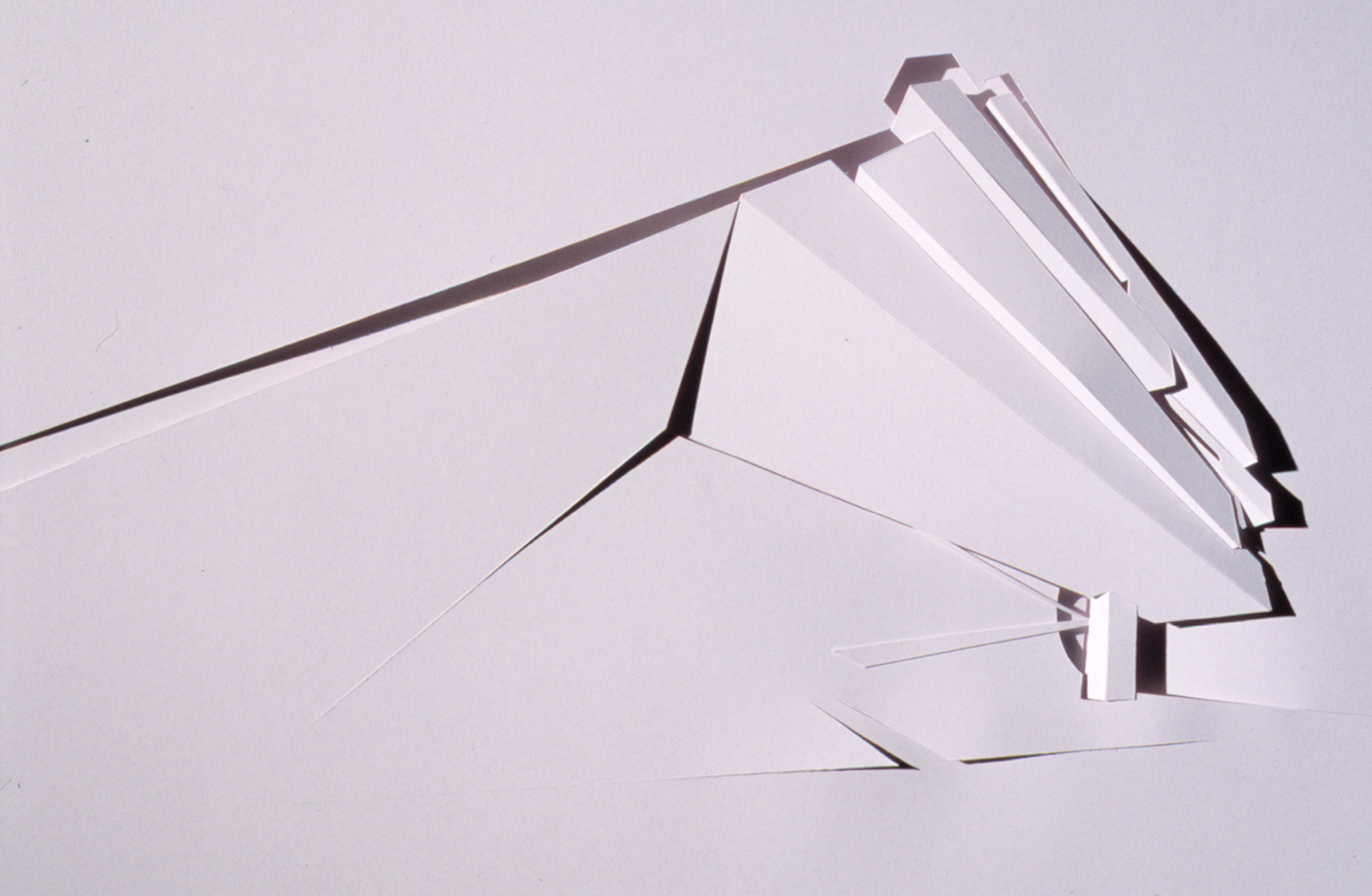
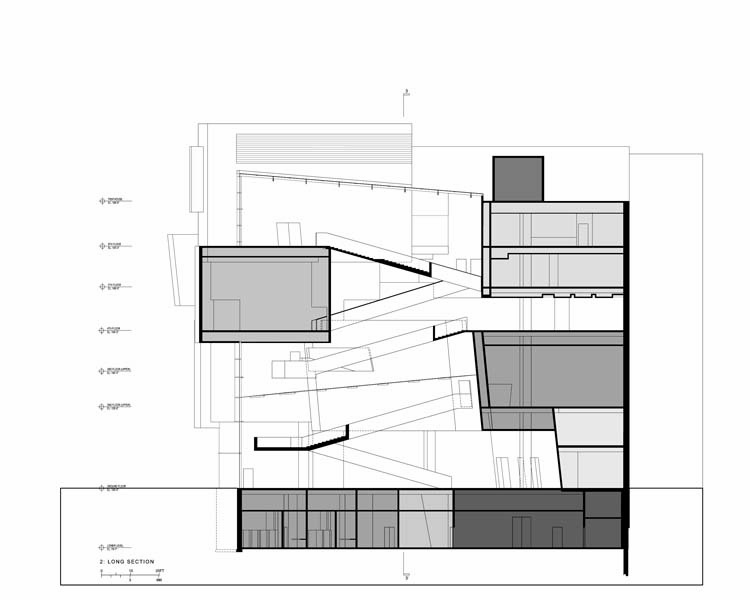
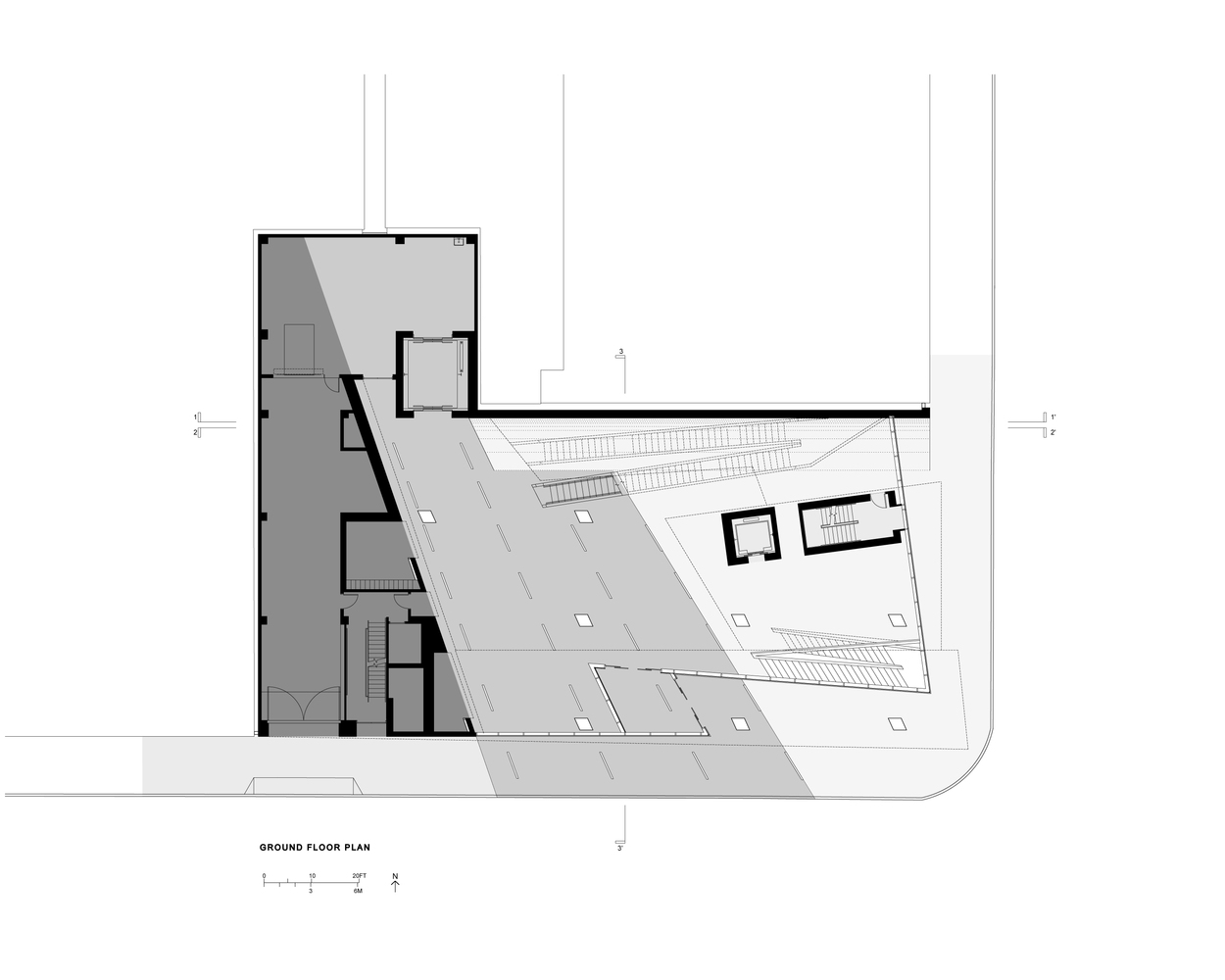
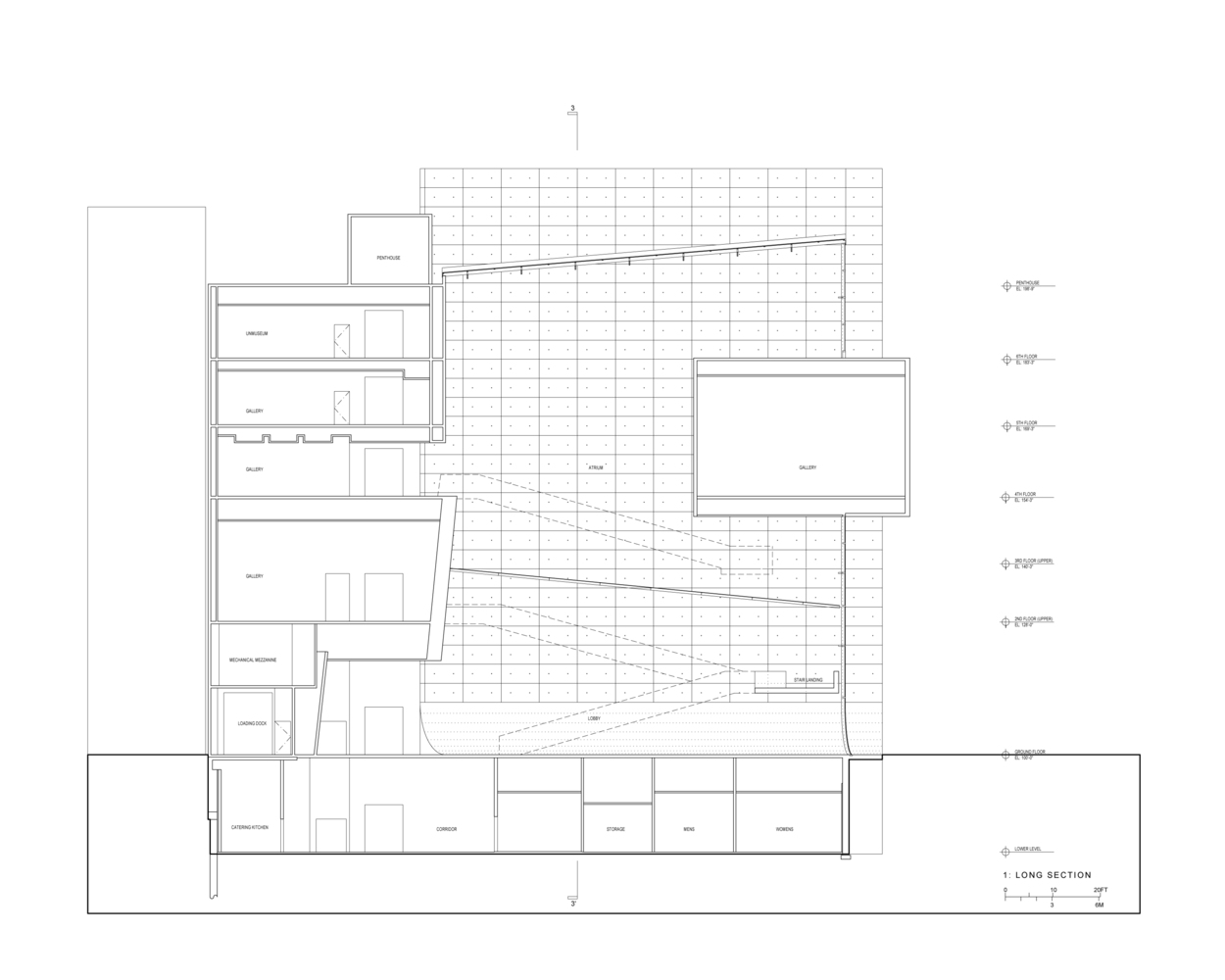
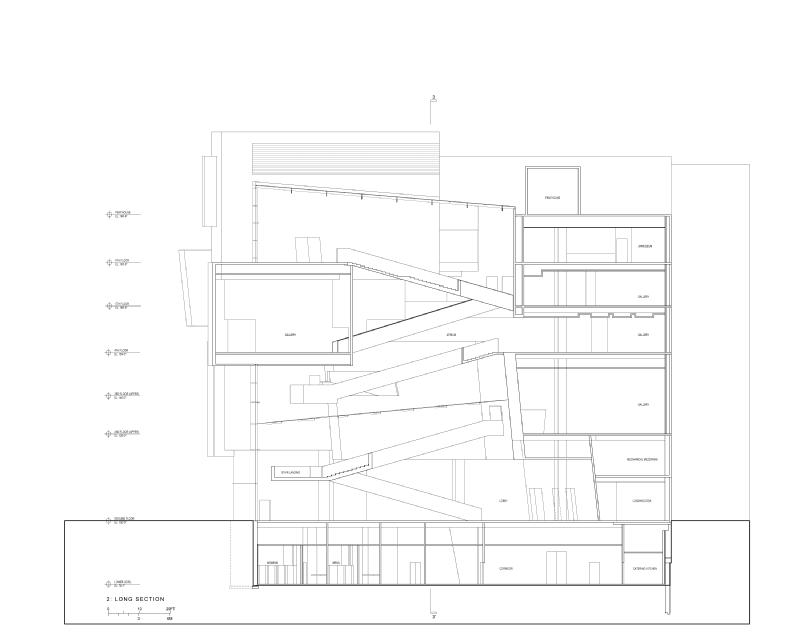
The Urban Carpet extends the public realm into the building. The glazed ground floor functions as an open lobby that allows movement through the site and encourages public use beyond museum visitors. The concrete floor rises gradually along the rear wall, transforming the horizontal surface into a vertical plane and establishing continuity between the street and the galleries above.
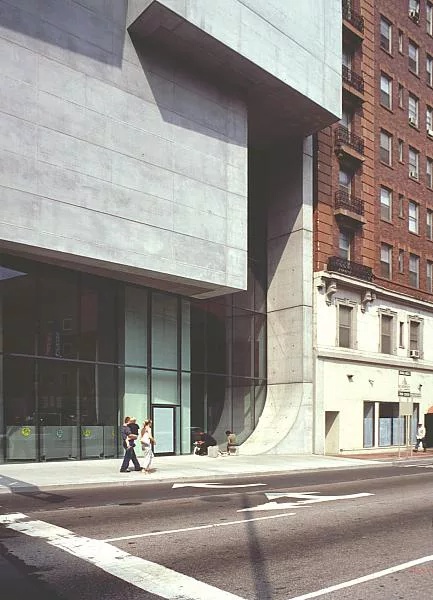
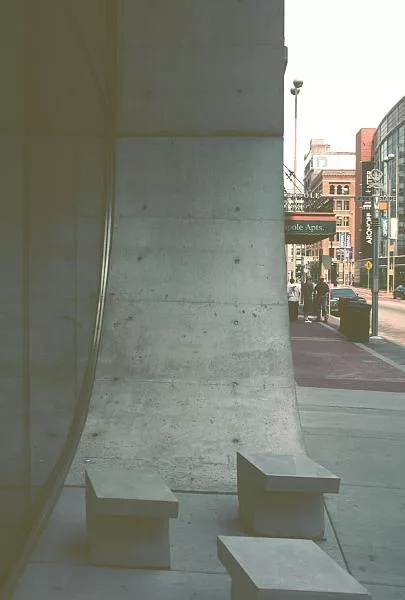
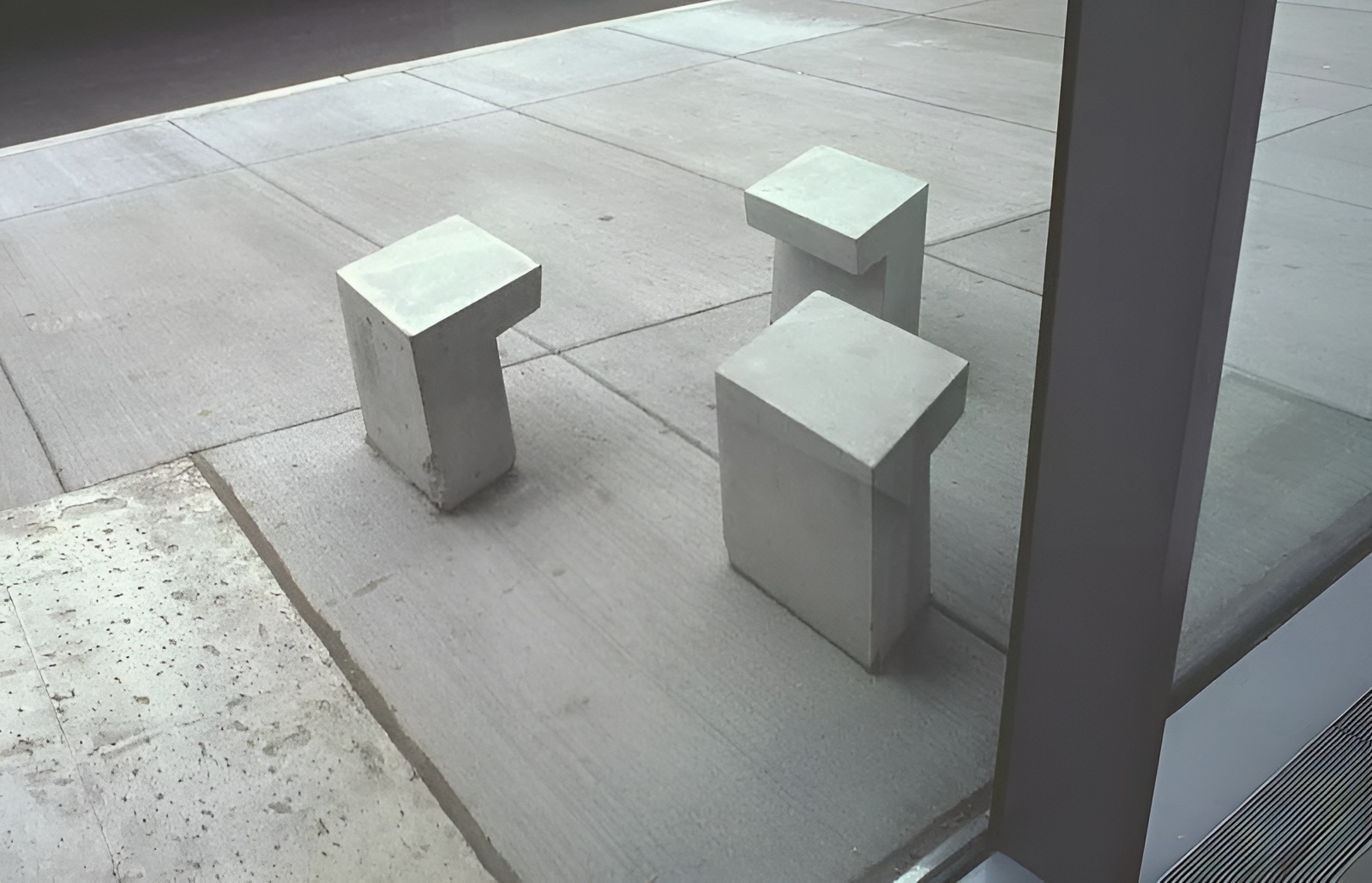
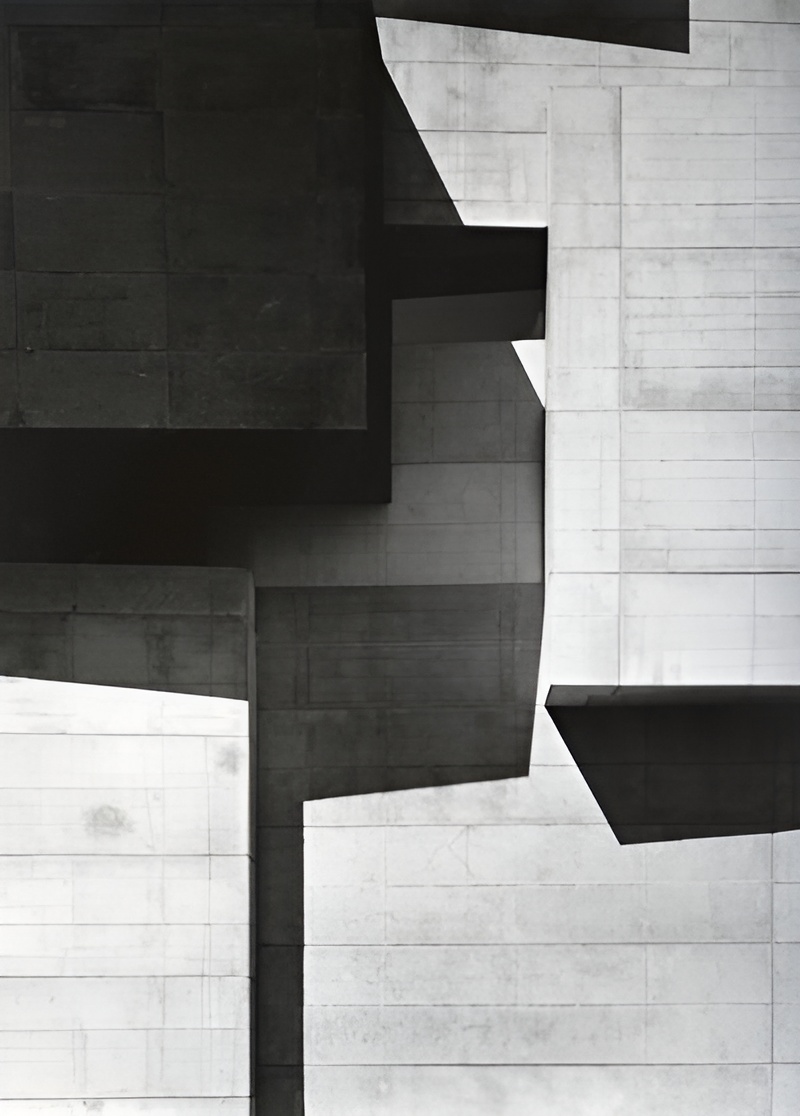
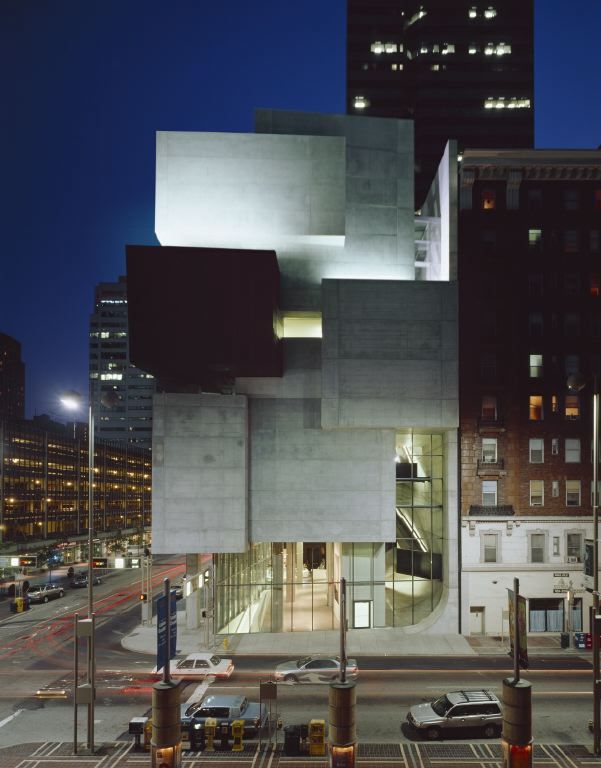
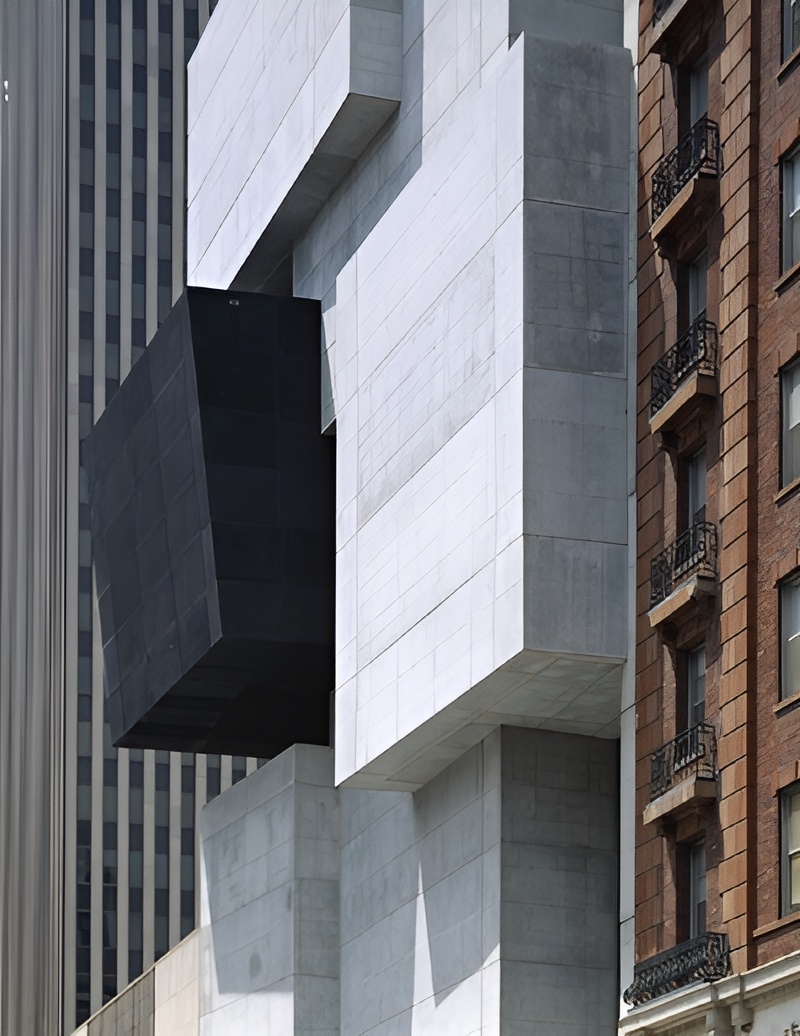
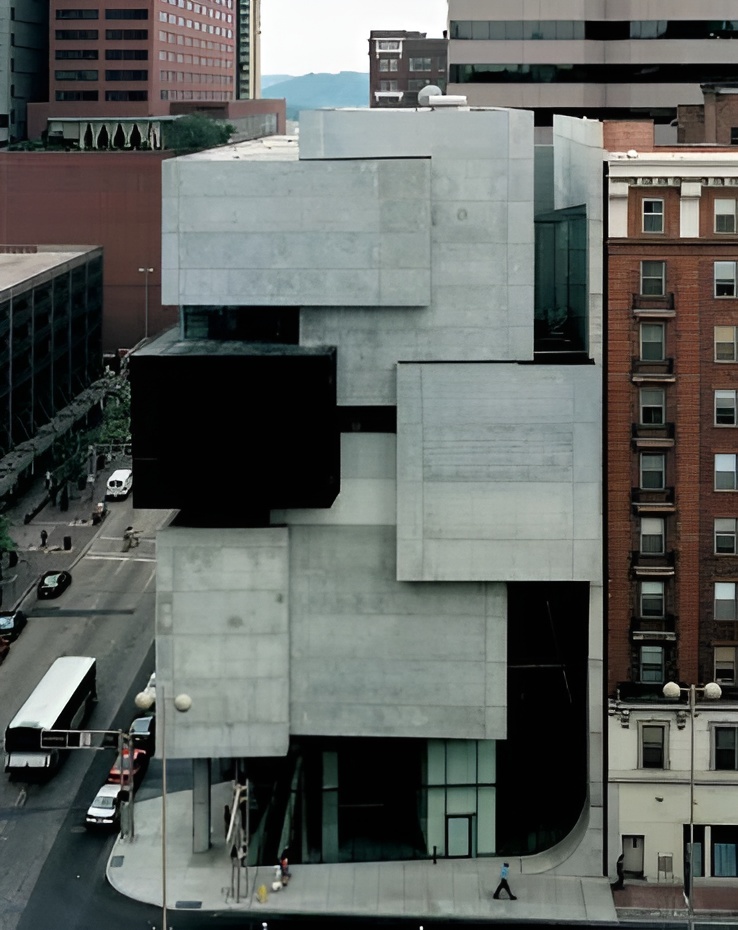
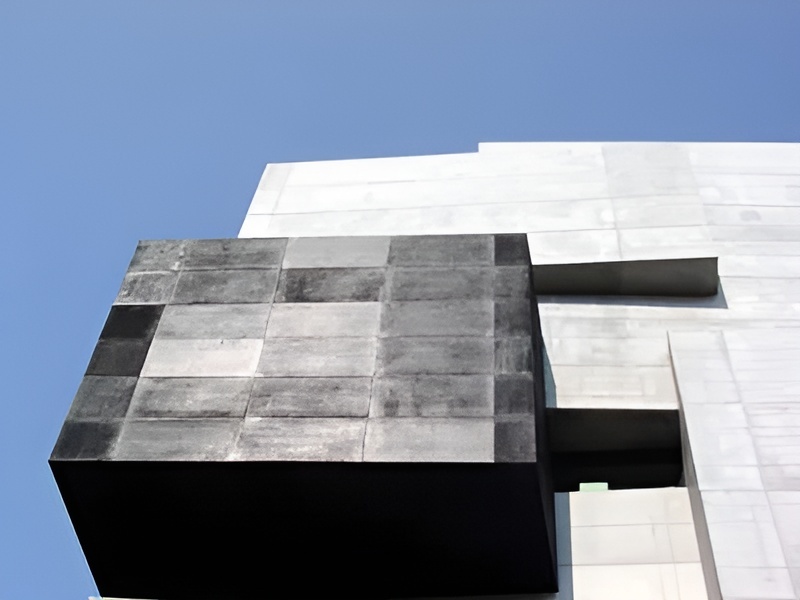
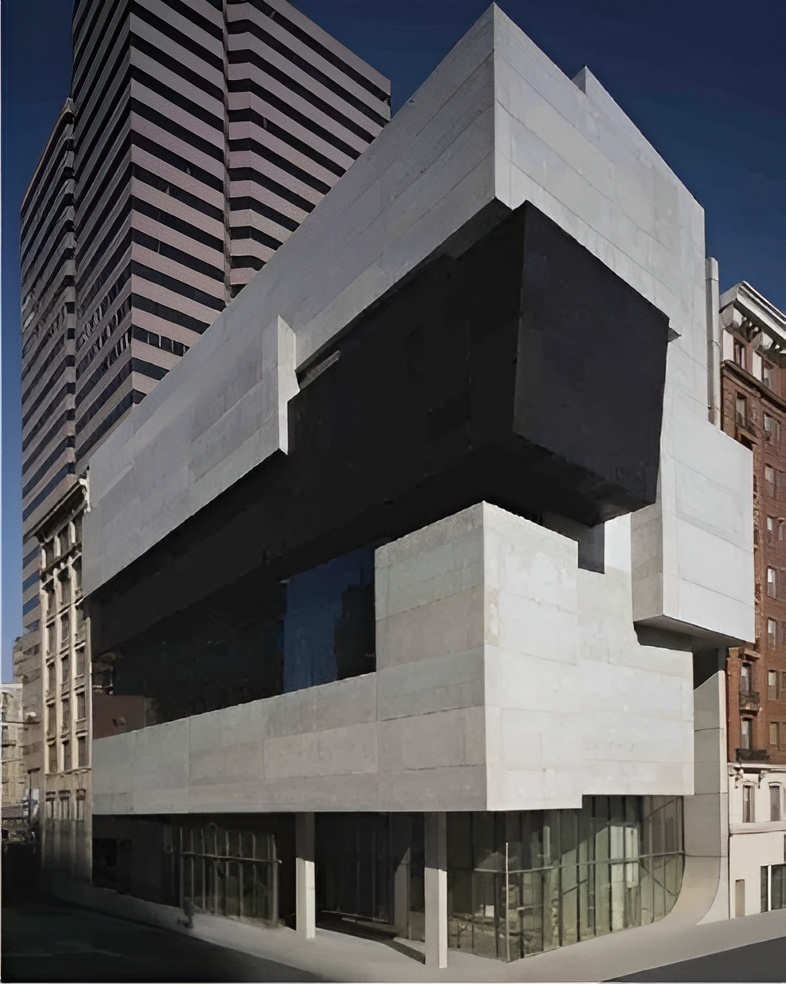
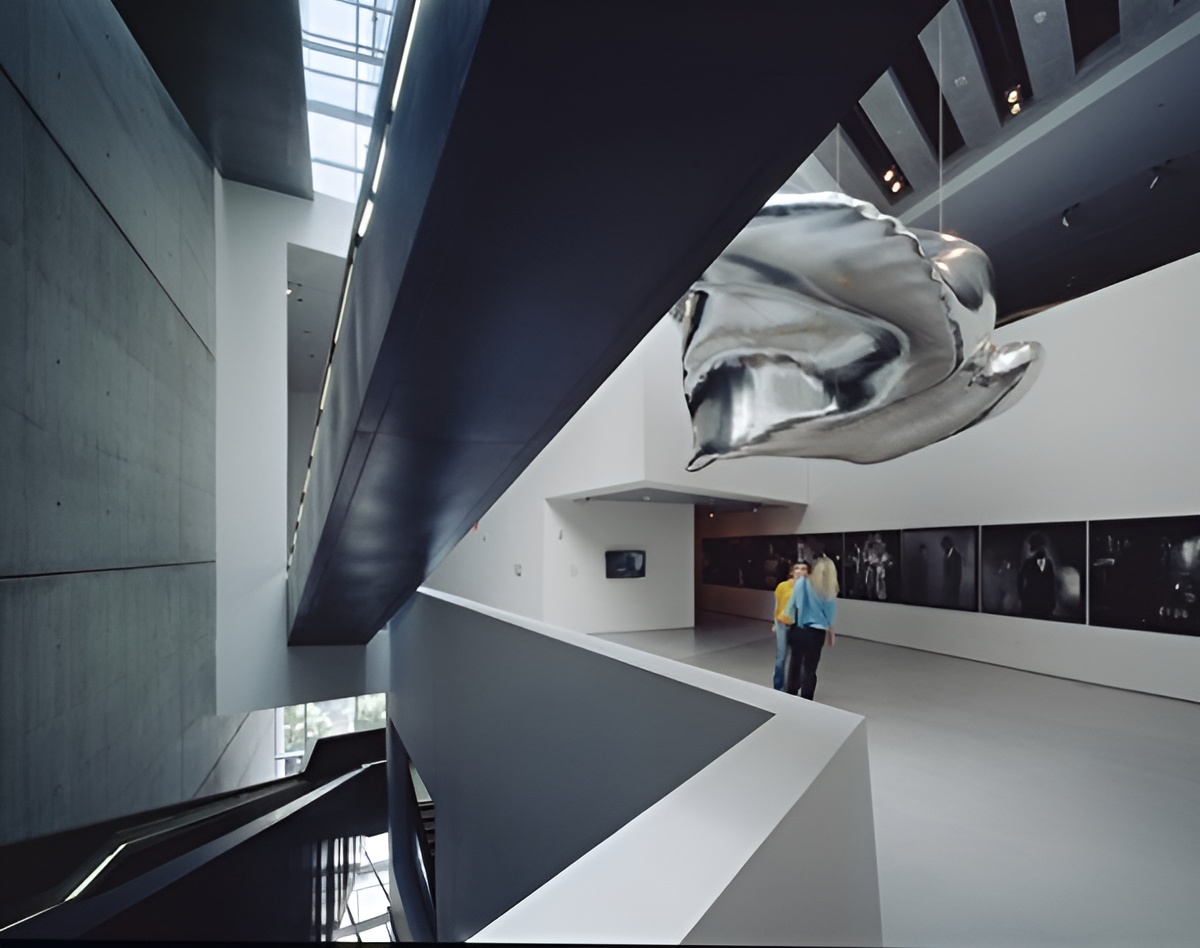
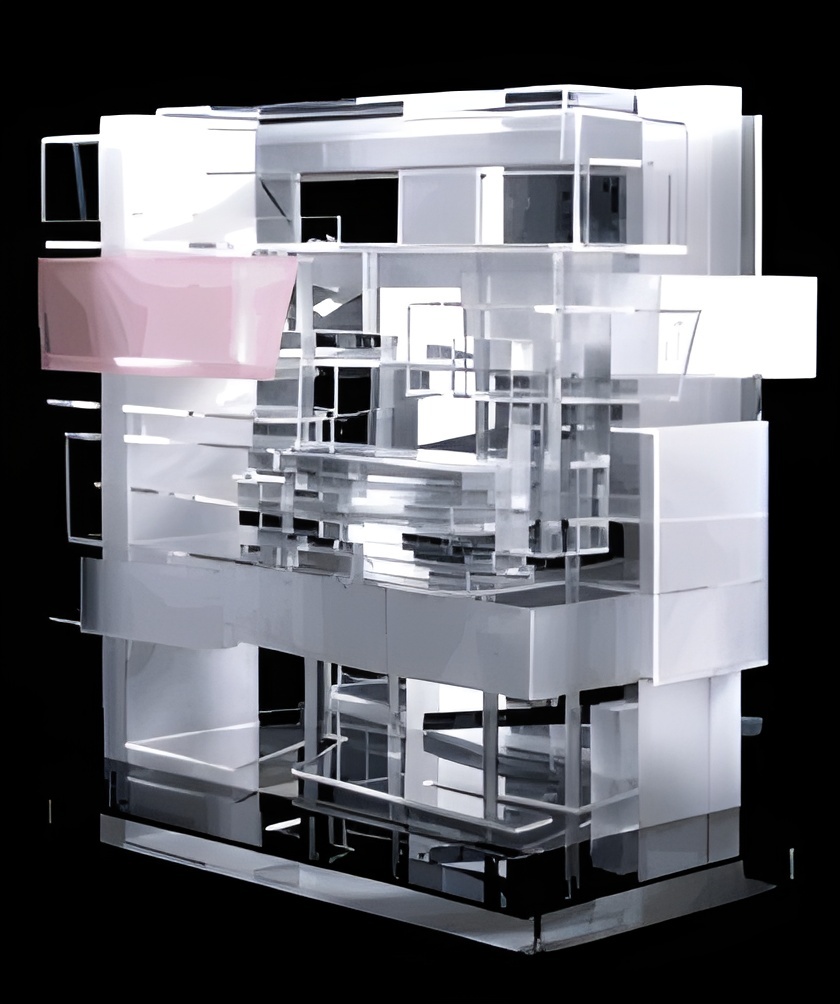
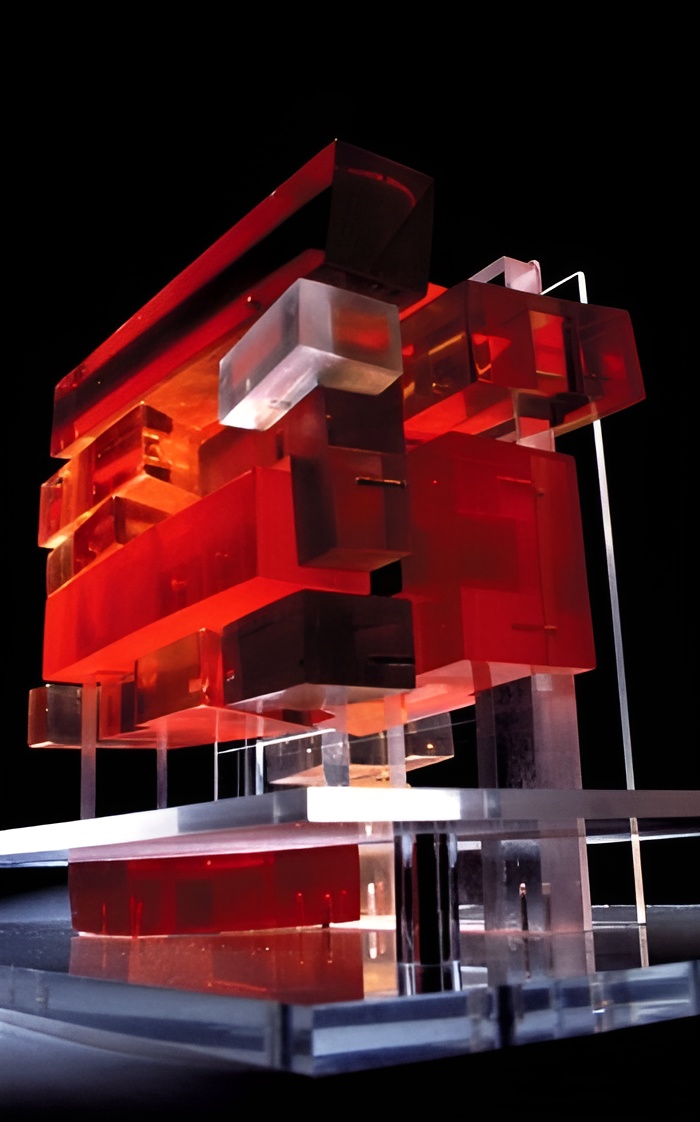
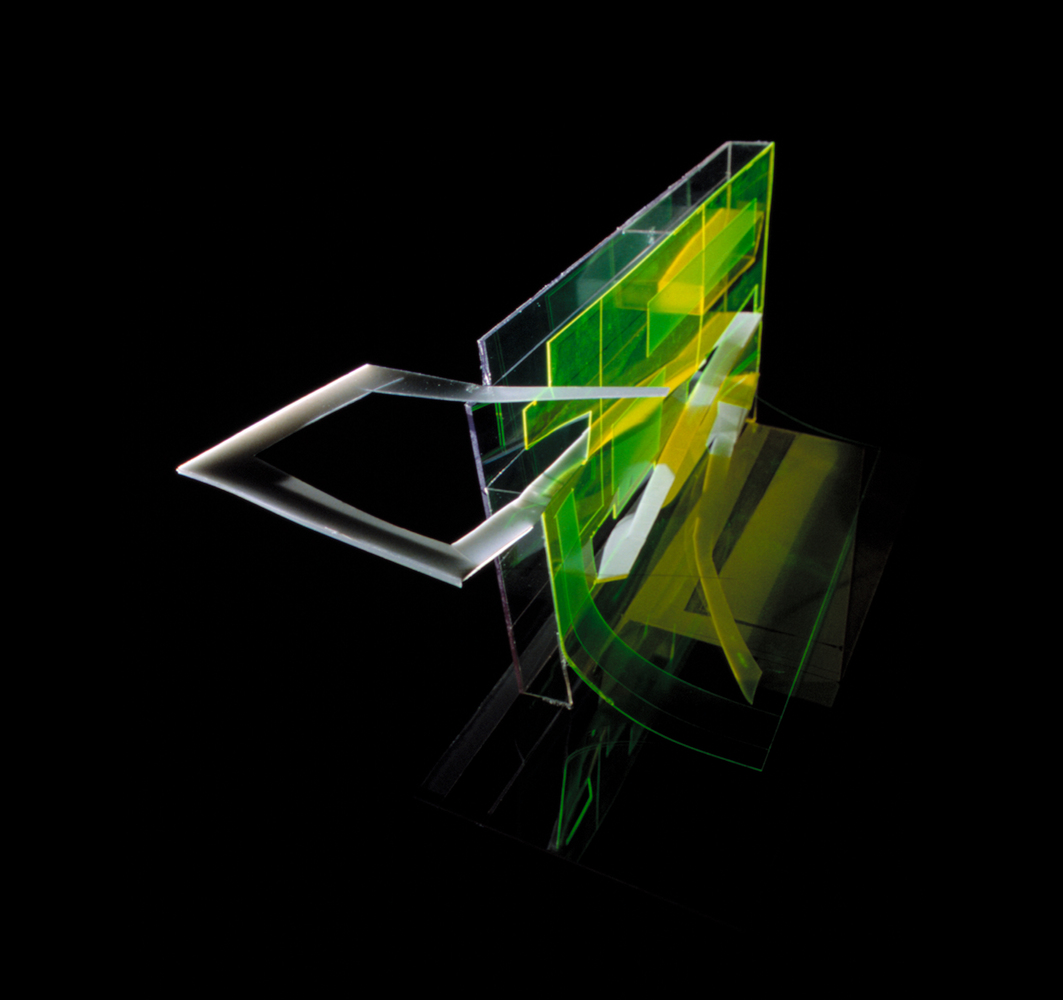
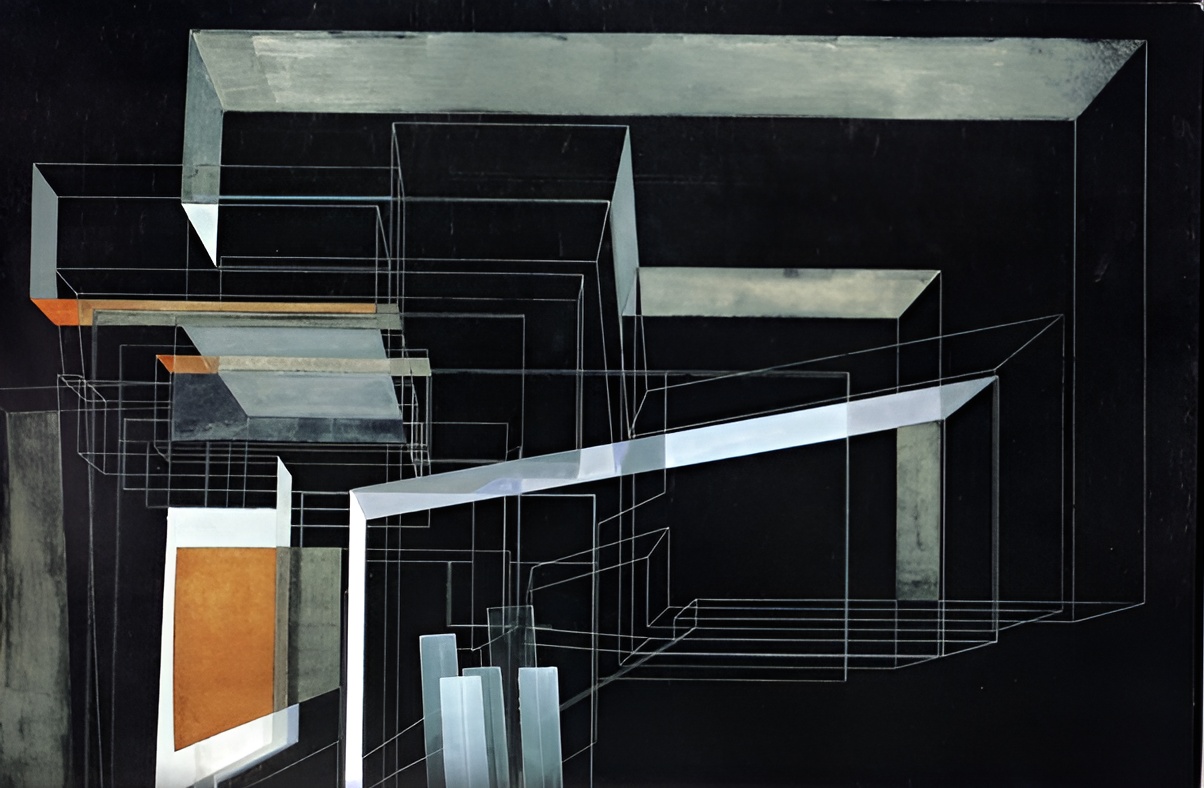
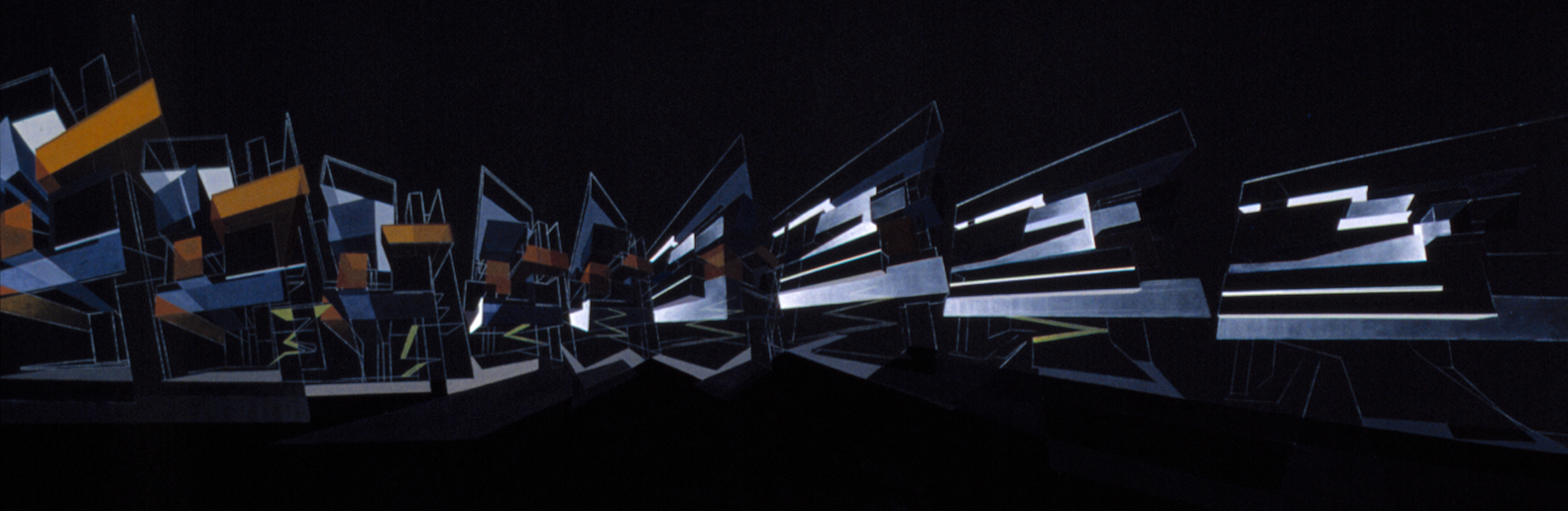
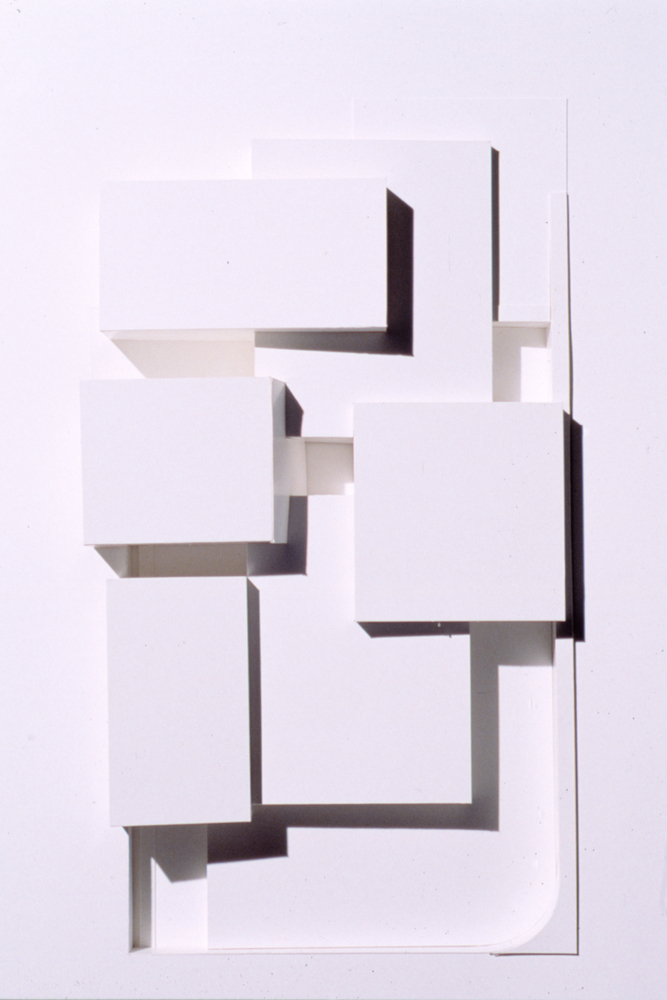
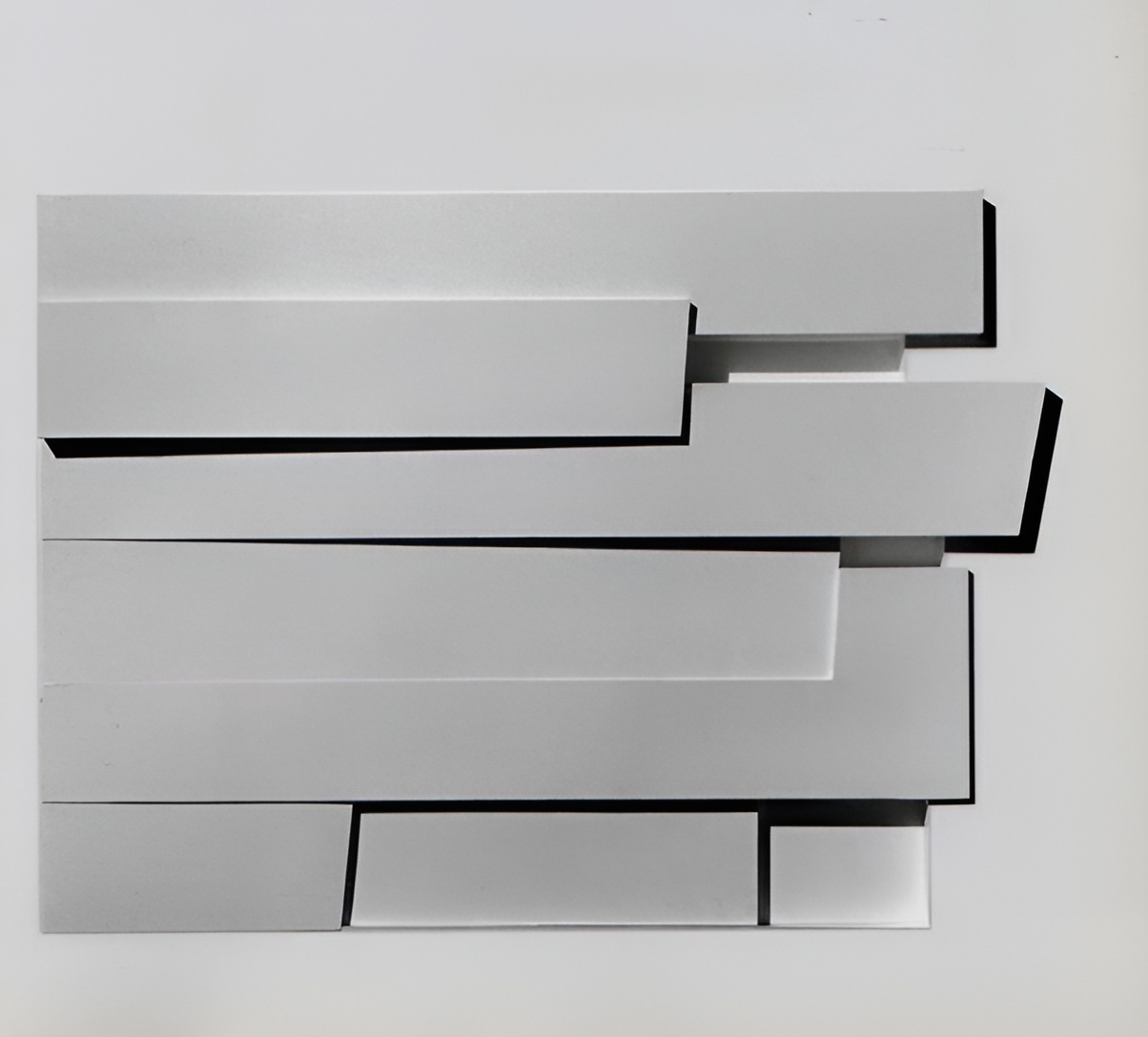
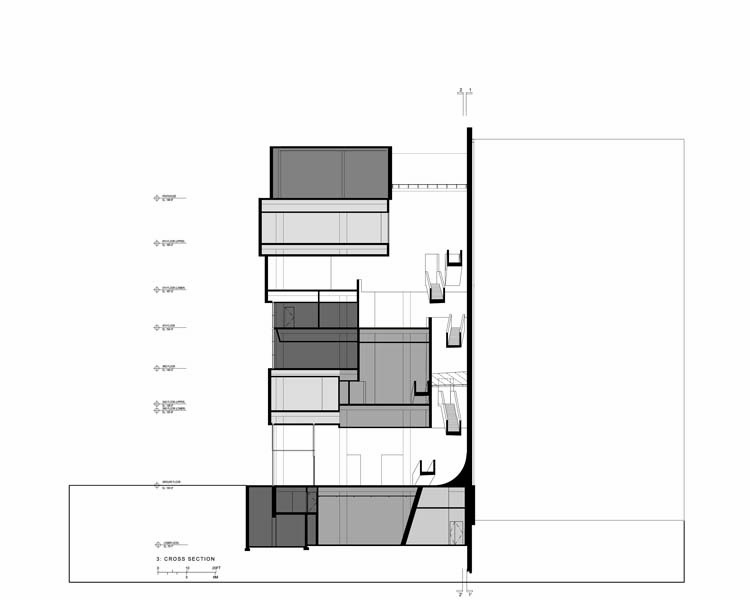
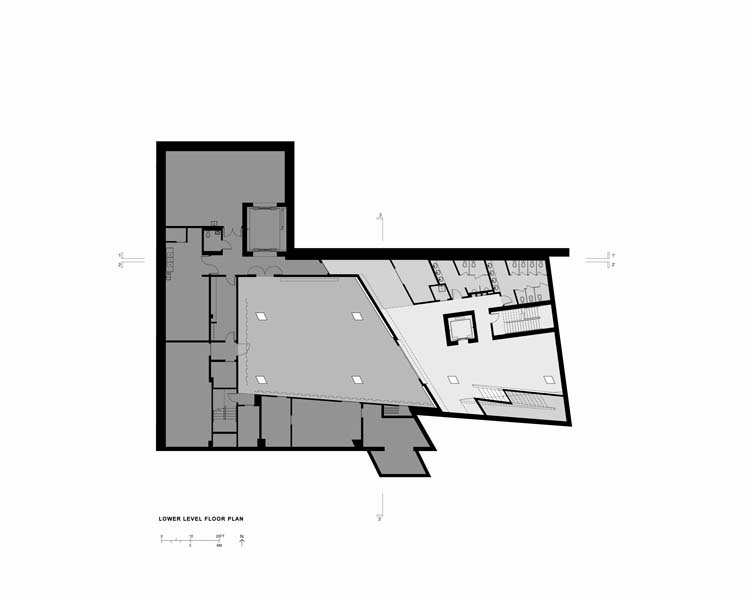
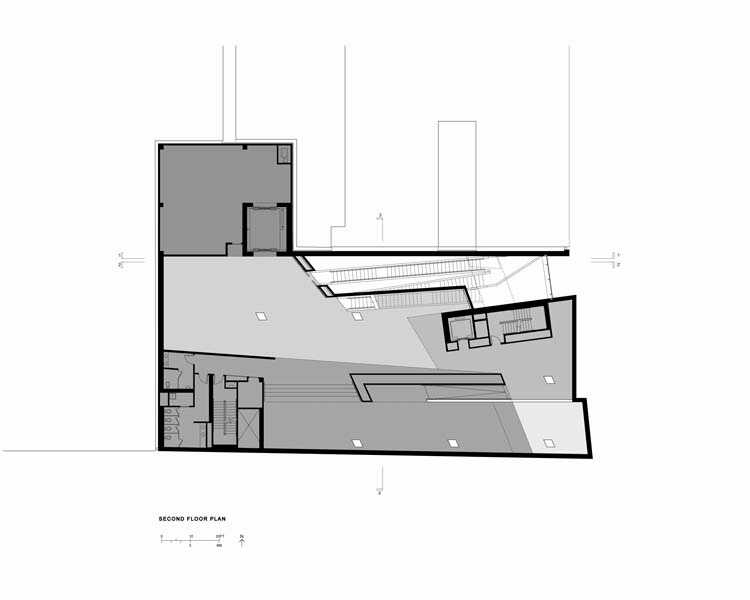
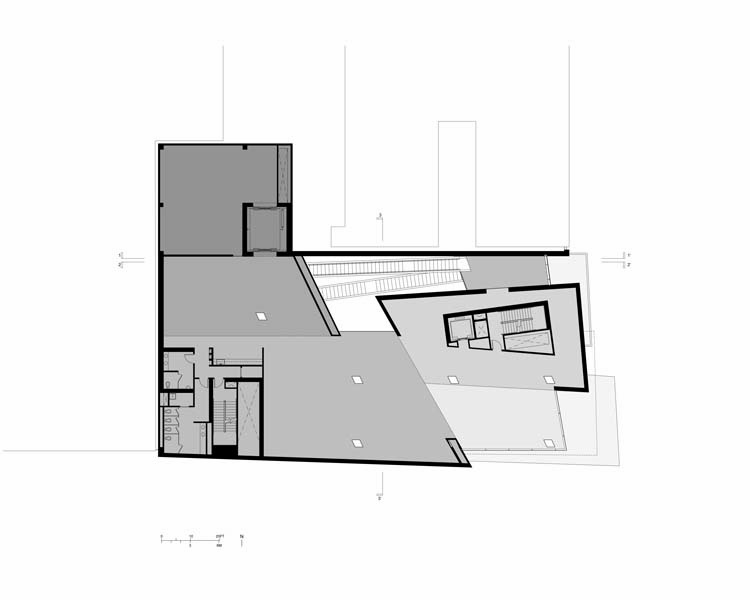
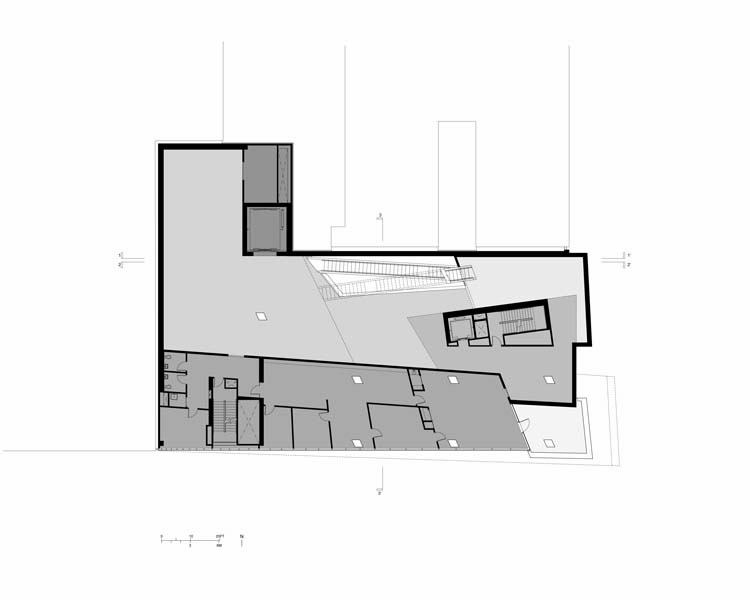
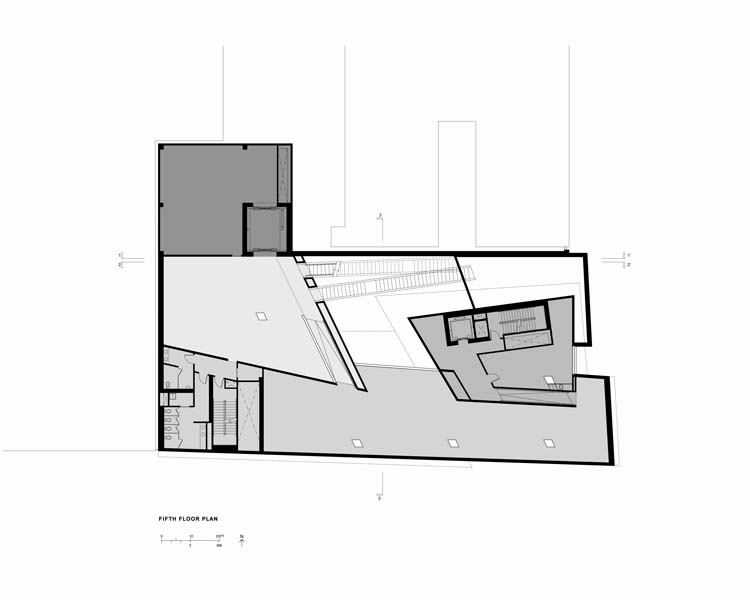
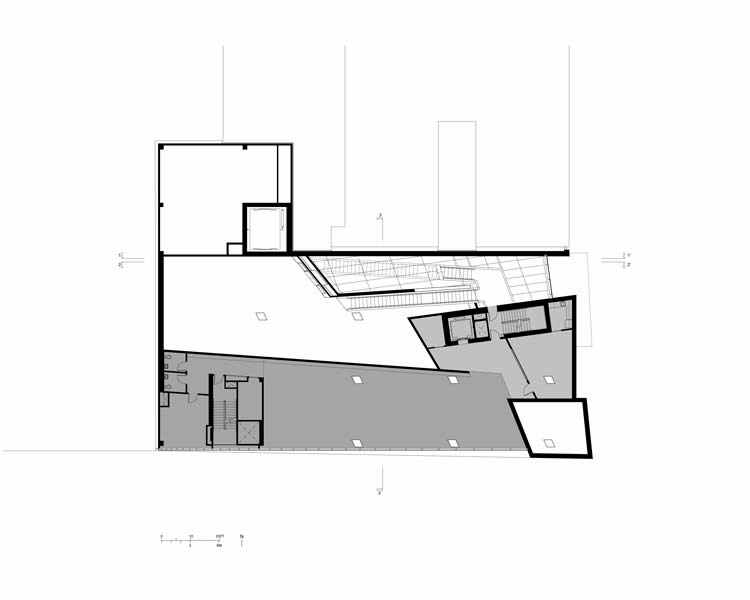
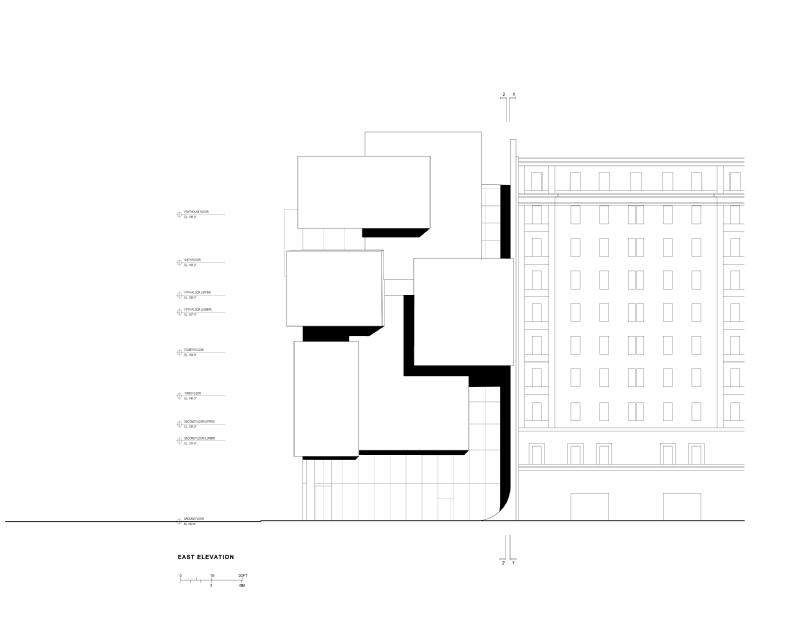
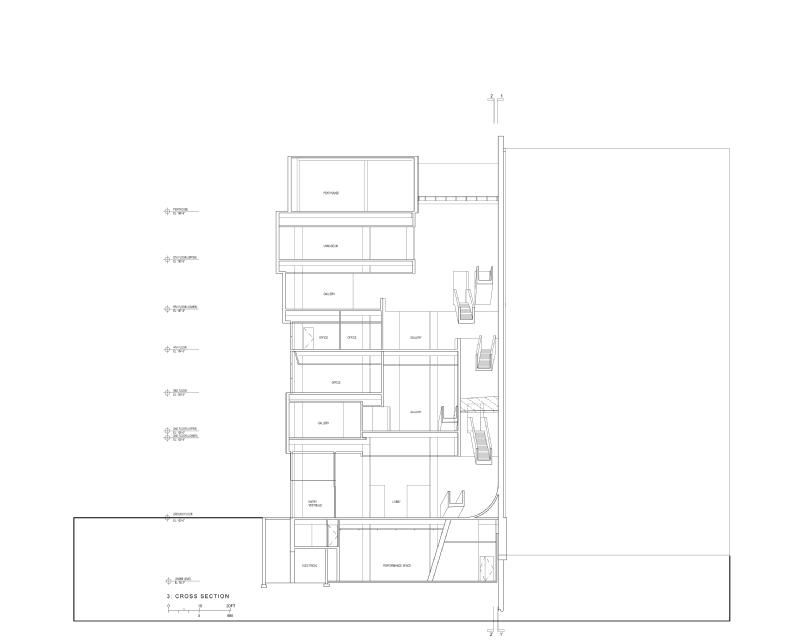
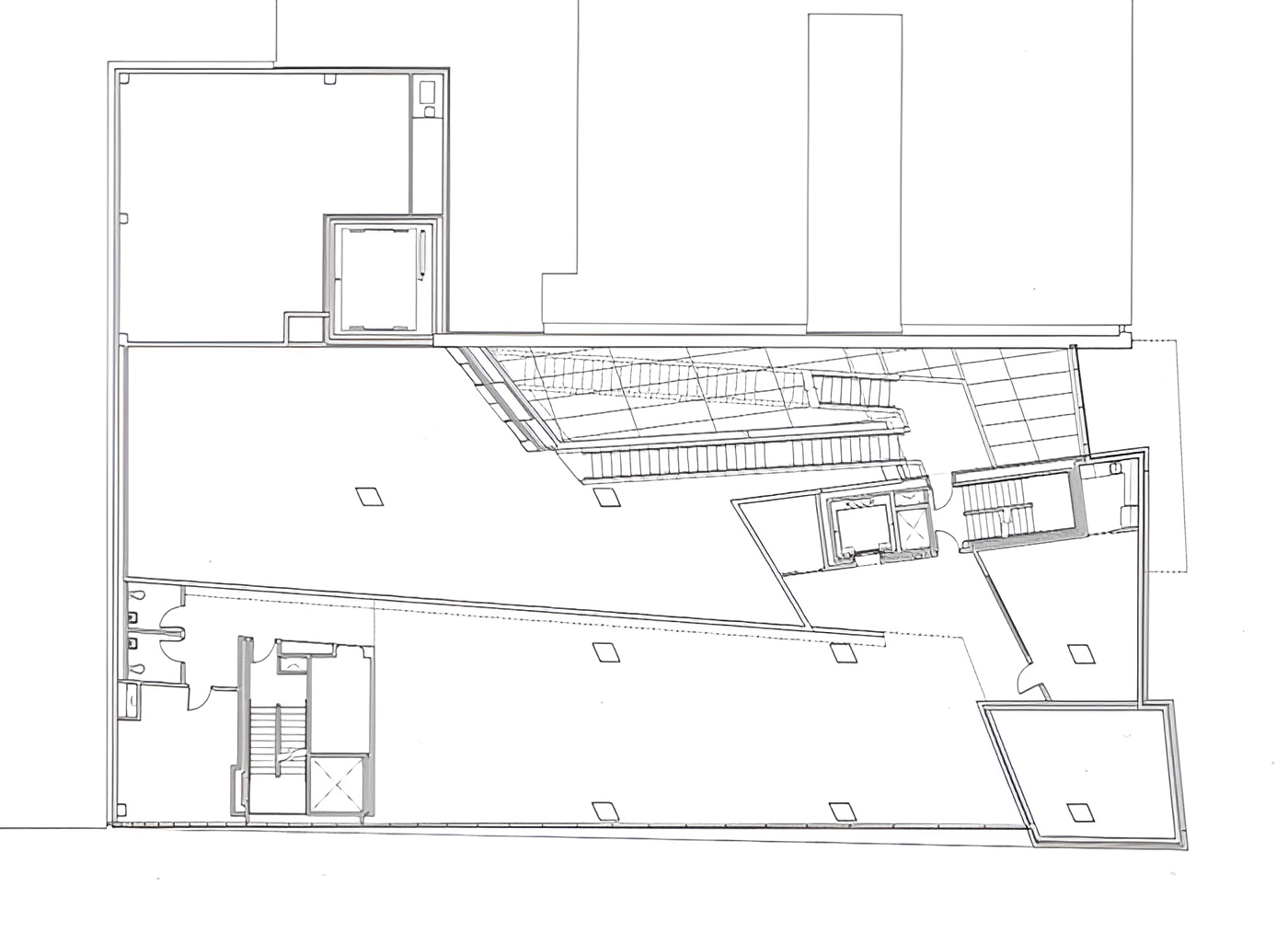
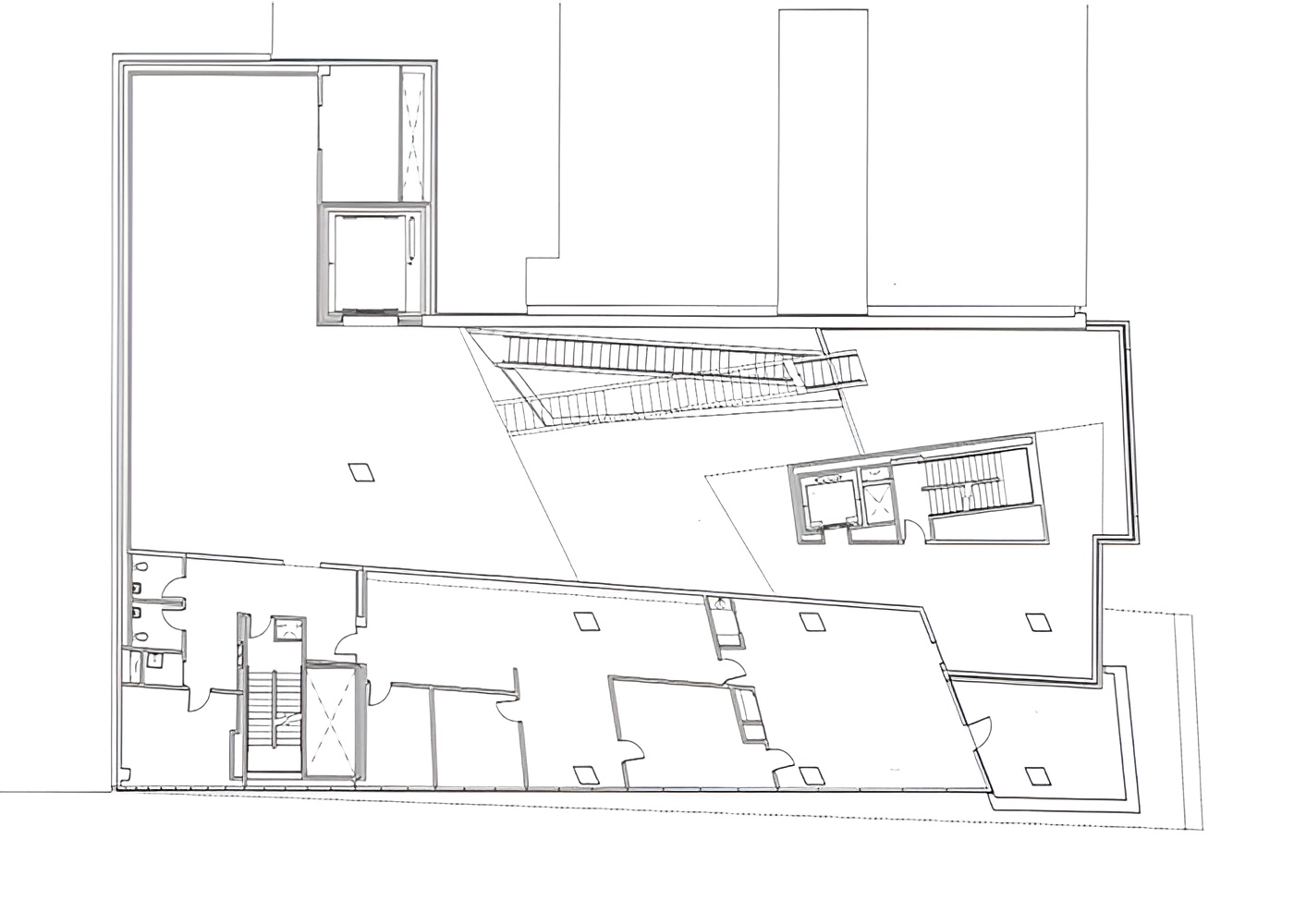
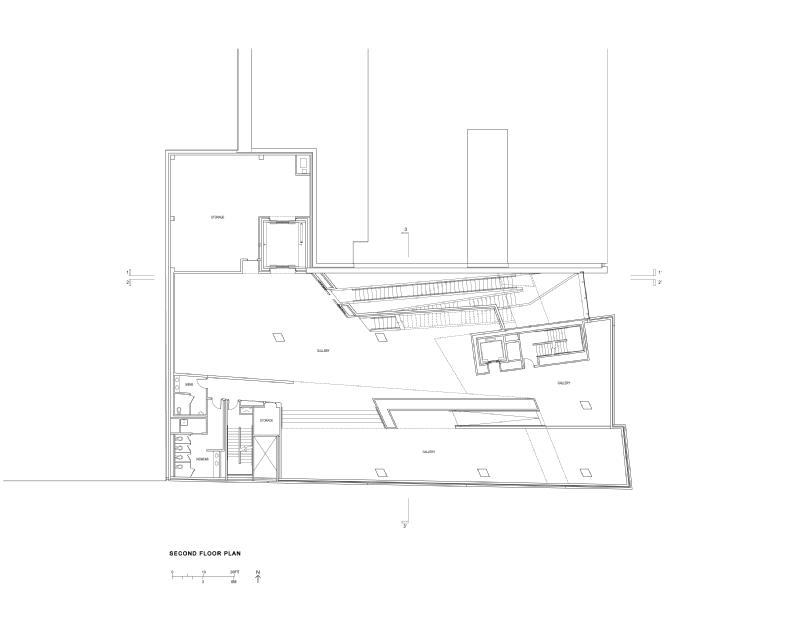
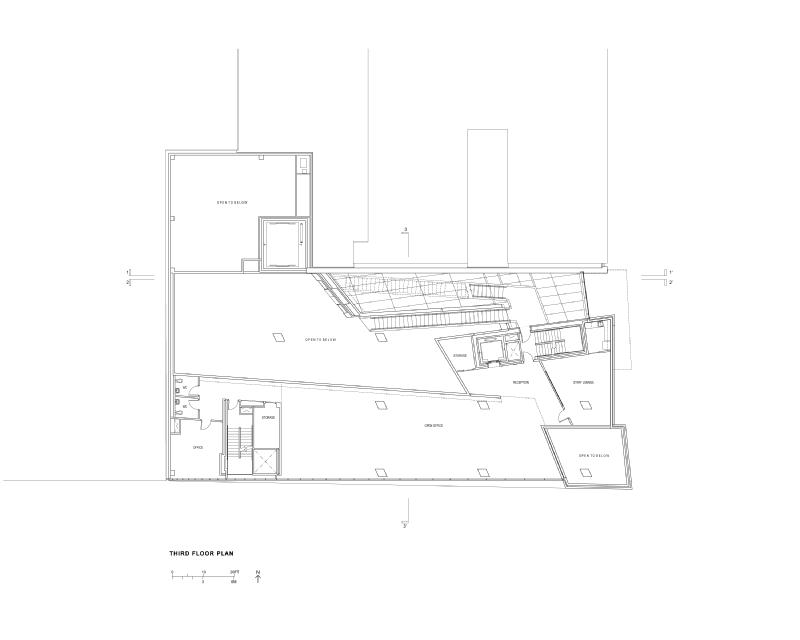
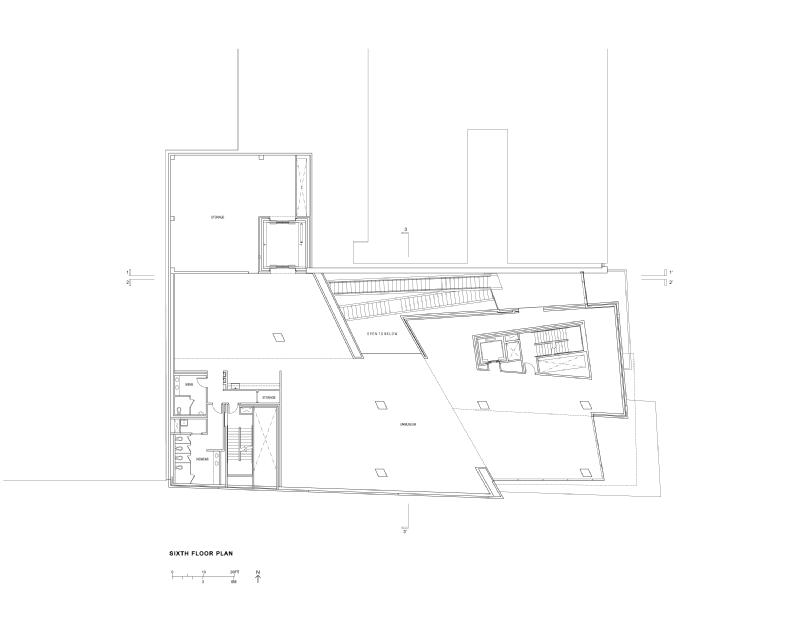
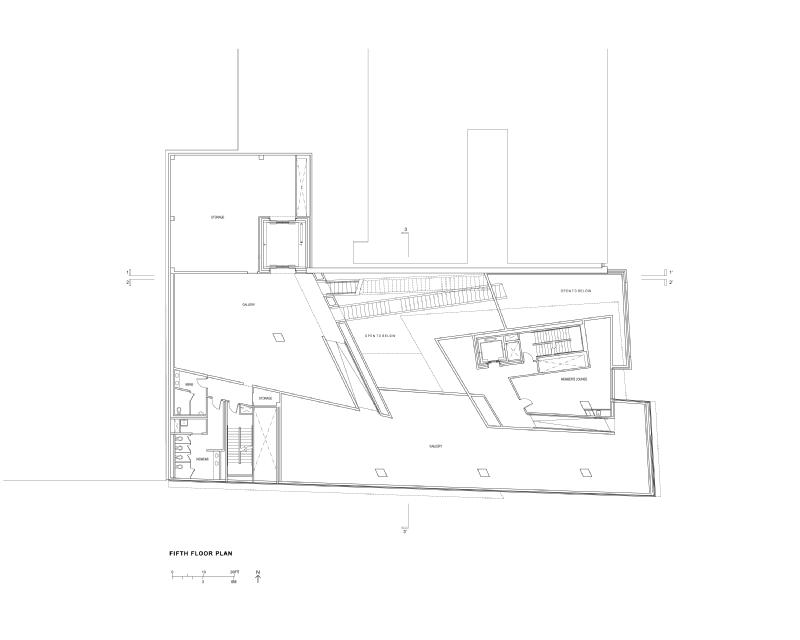
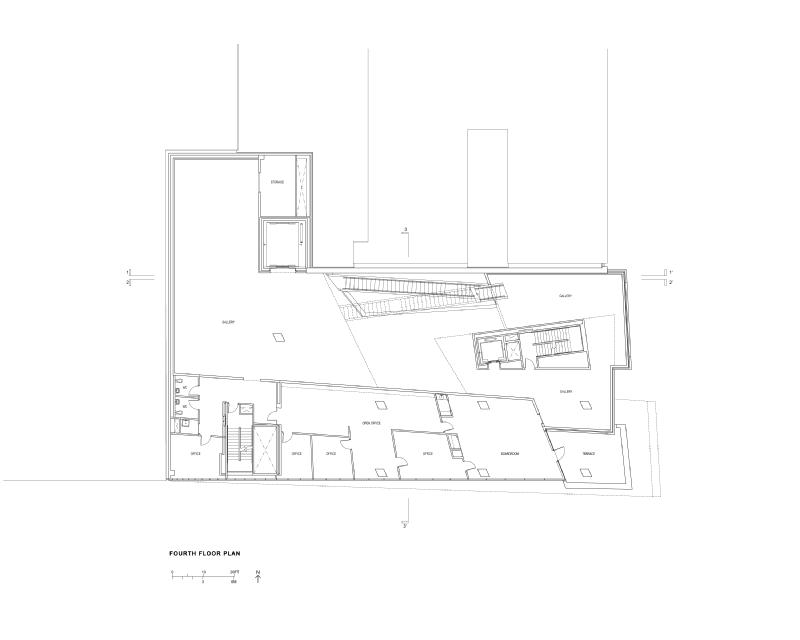
The second organizing concept is the Jigsaw Puzzle. Hadid arranged the galleries as a series of independent concrete volumes that vary in size, proportion, height, and lighting conditions. These spaces interlock as solids and voids, creating a three-dimensional composition capable of accommodating a broad range of contemporary artworks, installations, and media.
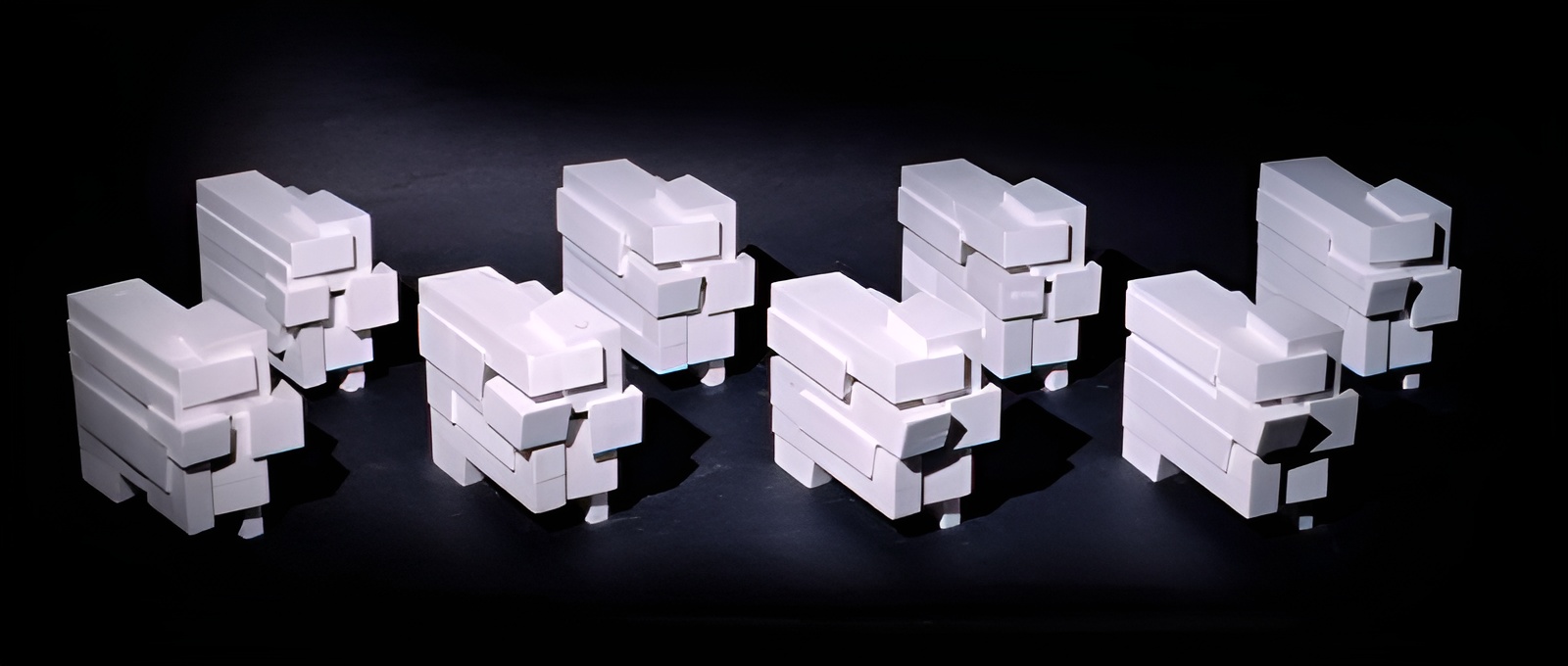
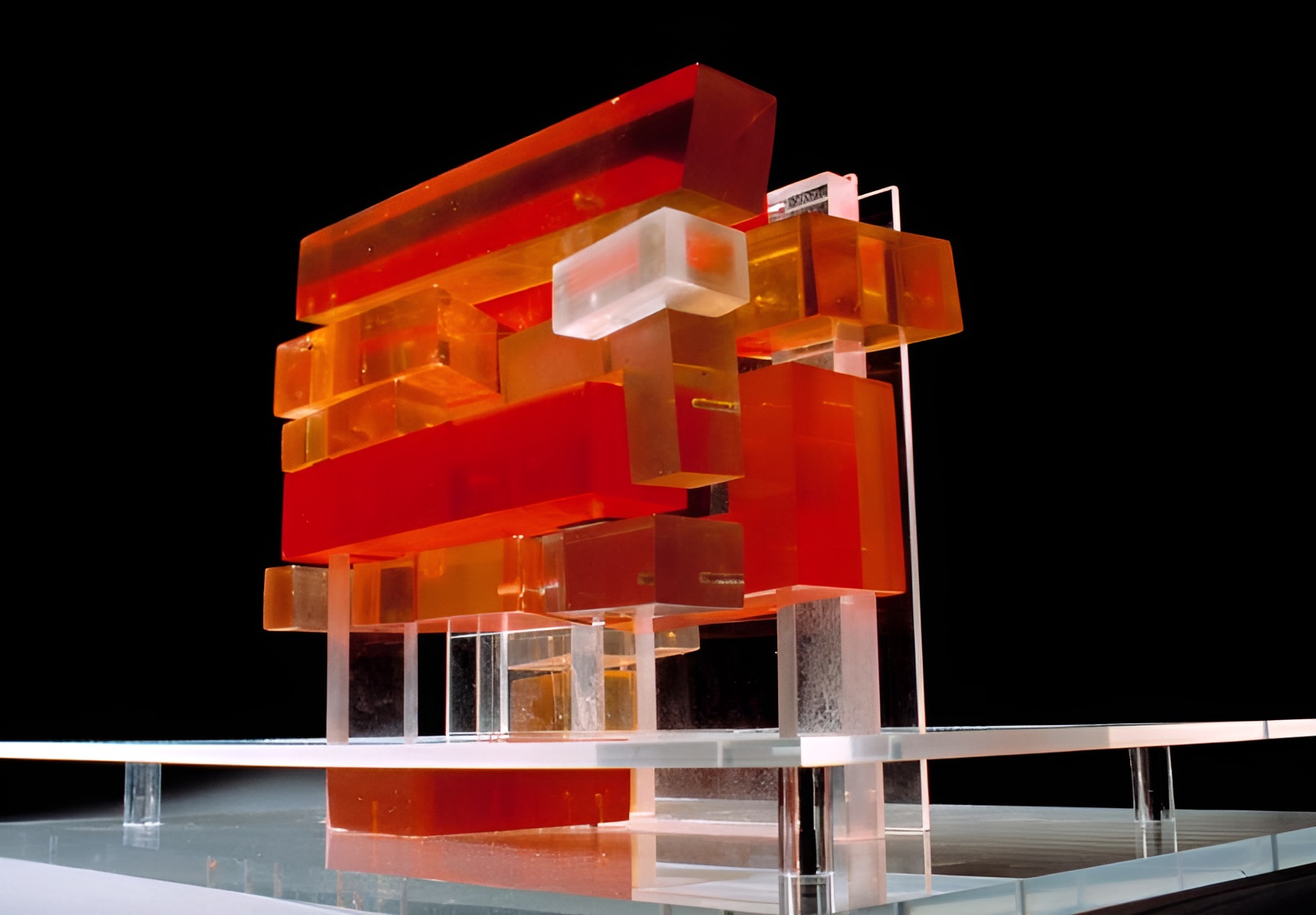
The galleries occupy the upper levels of the building and remain largely enclosed from the exterior. Their varying dimensions provide flexibility for exhibitions and support the institution’s changing program, allowing the architecture to respond to evolving curatorial requirements rather than fixed display conditions associated with a permanent collection.
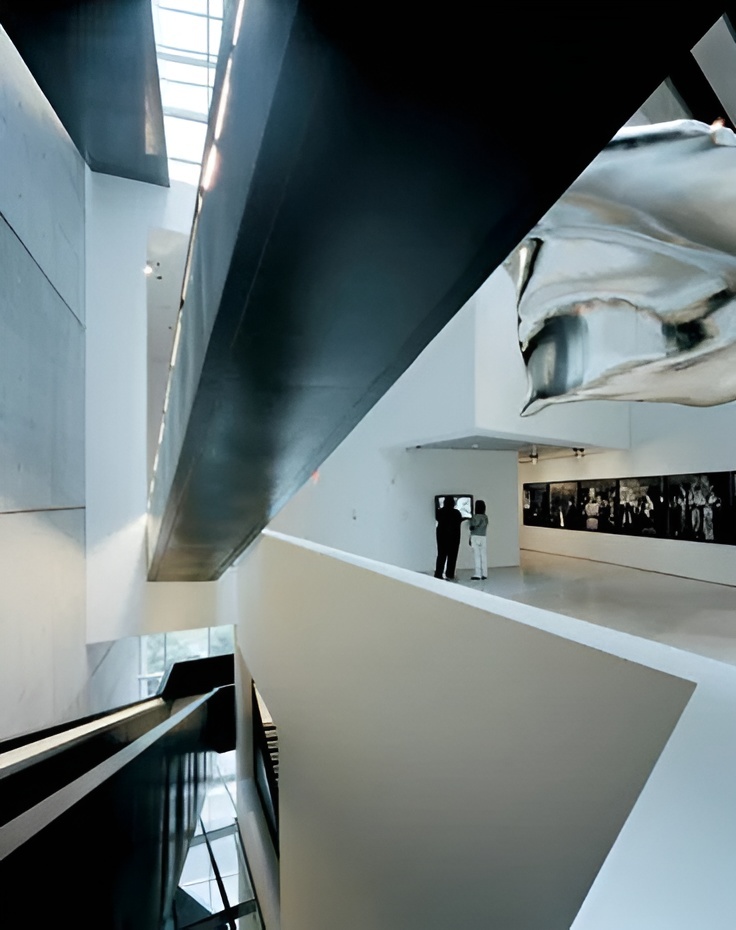
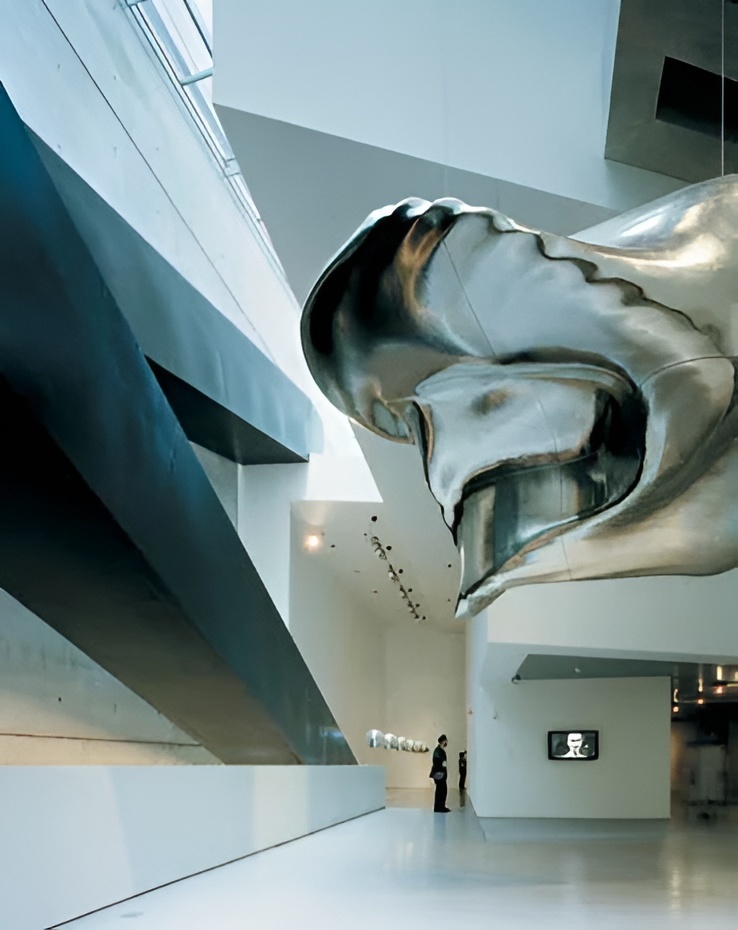
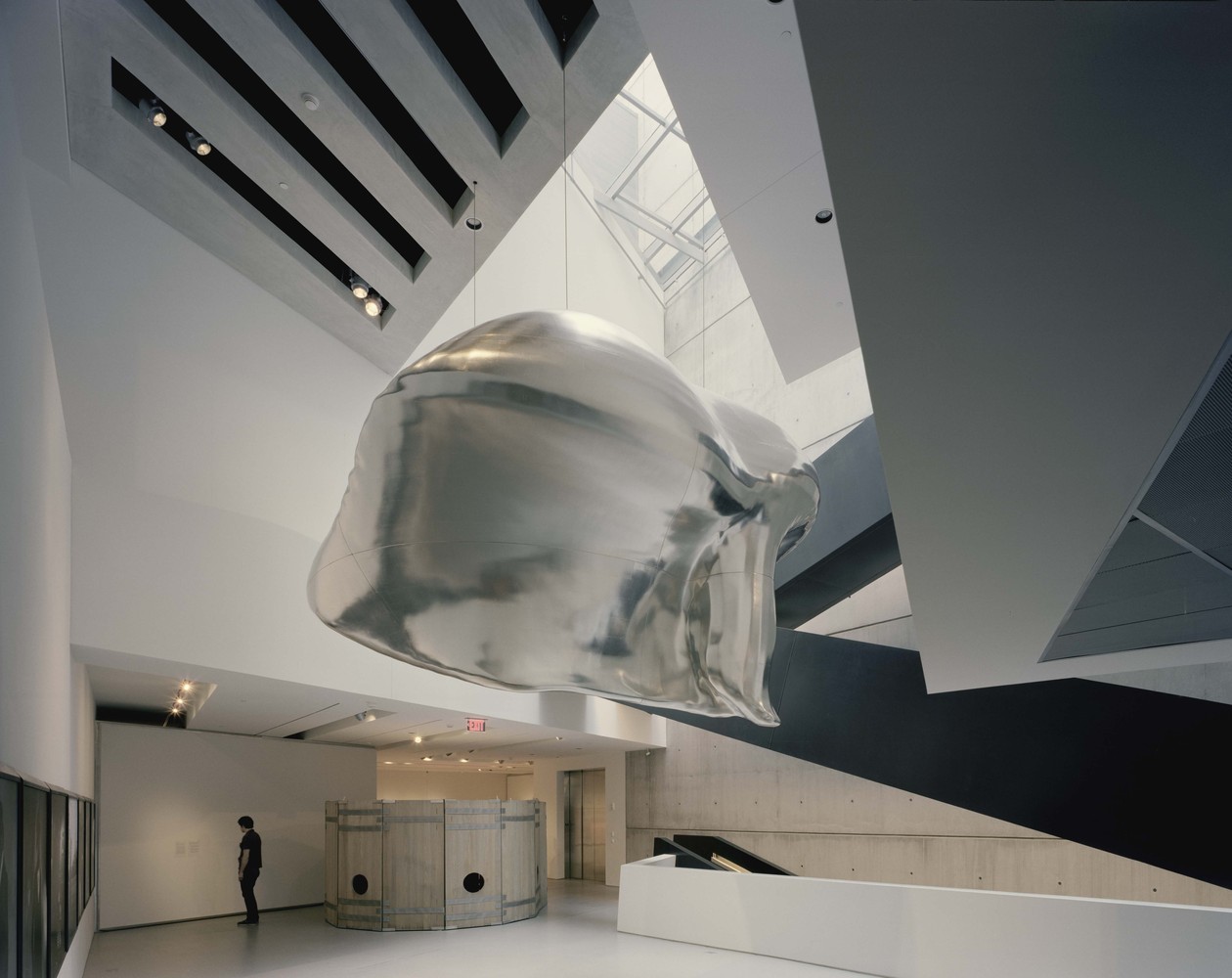
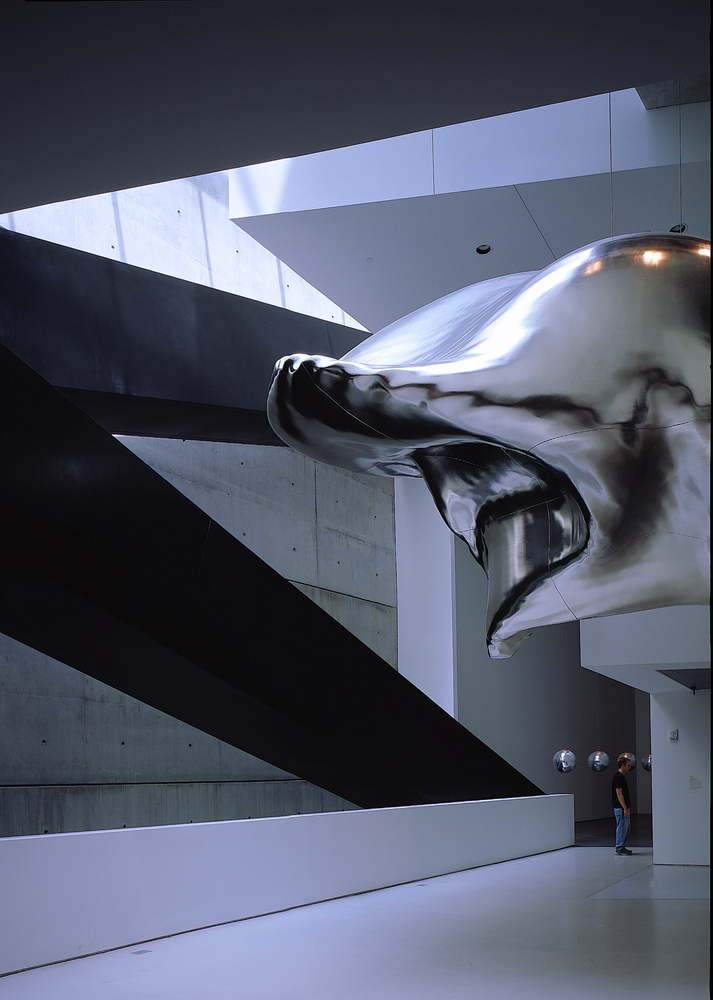
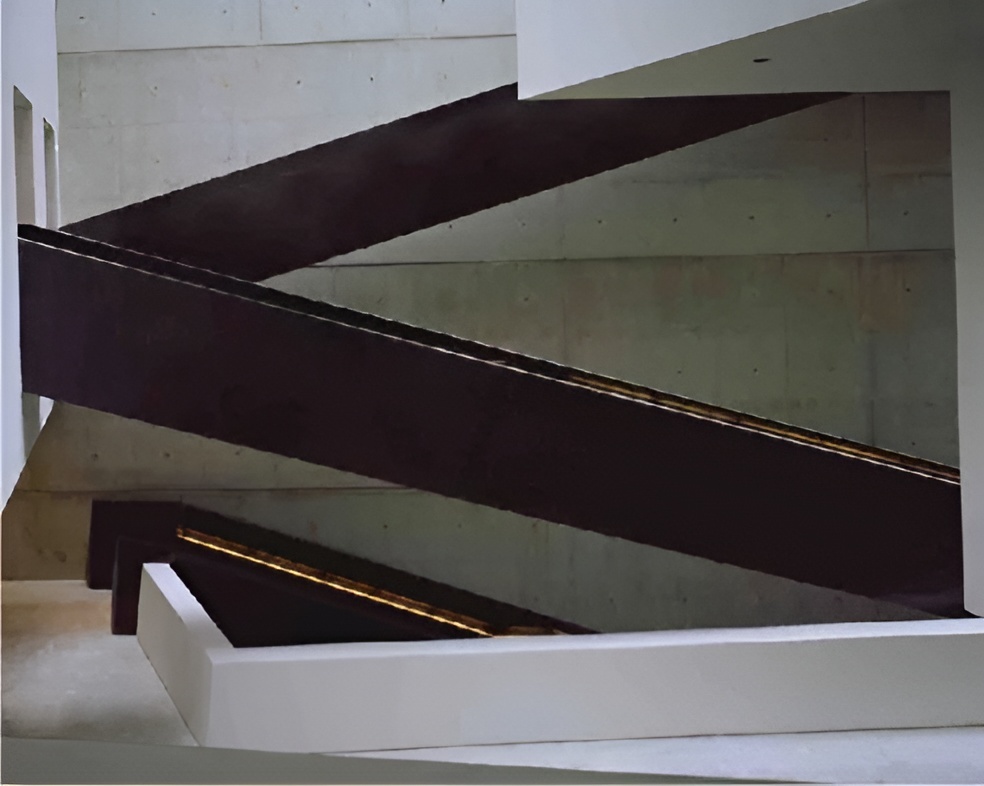
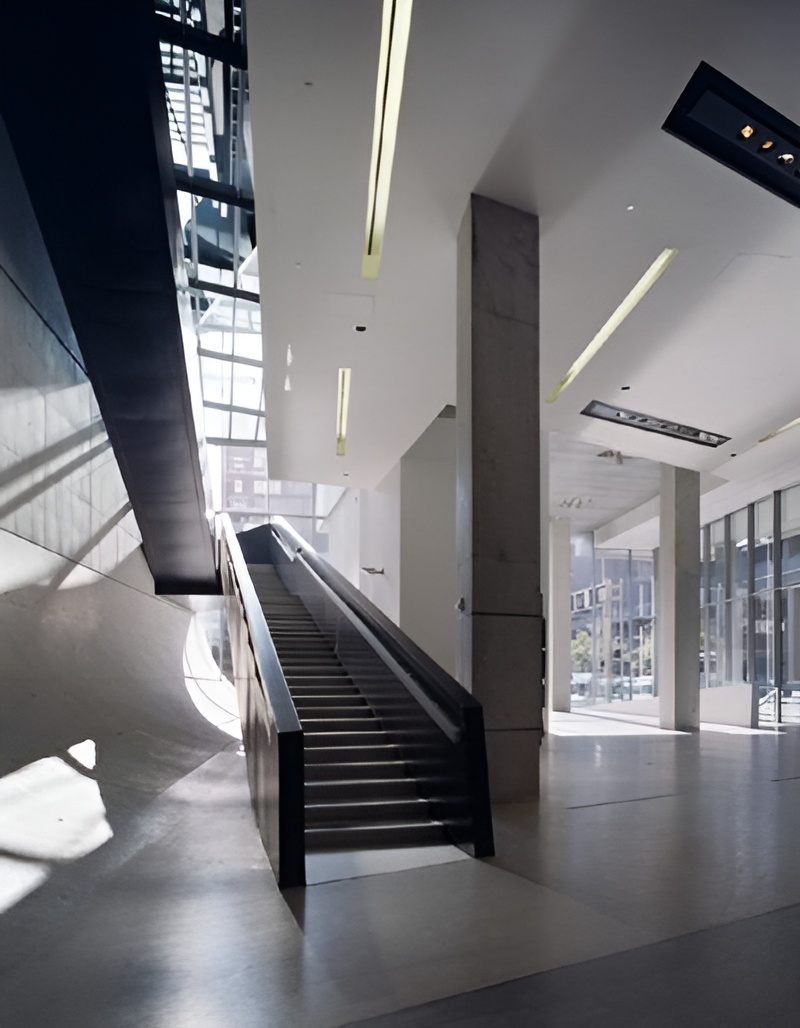
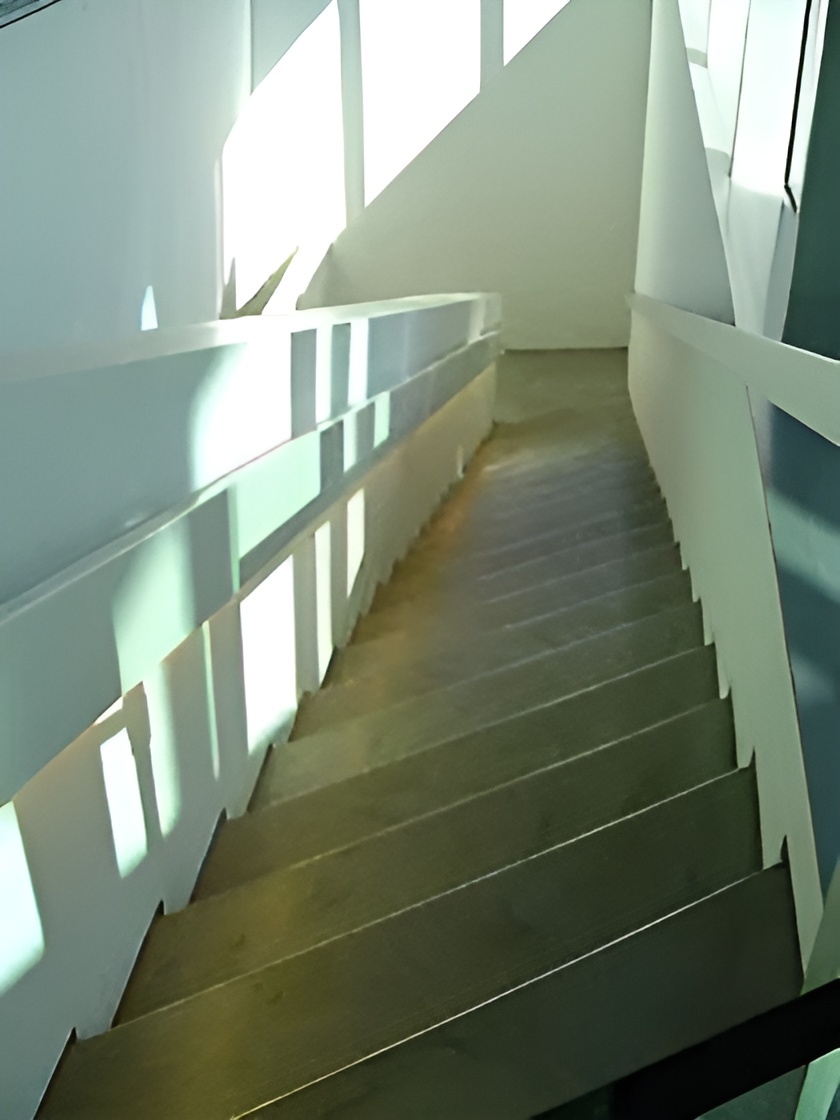
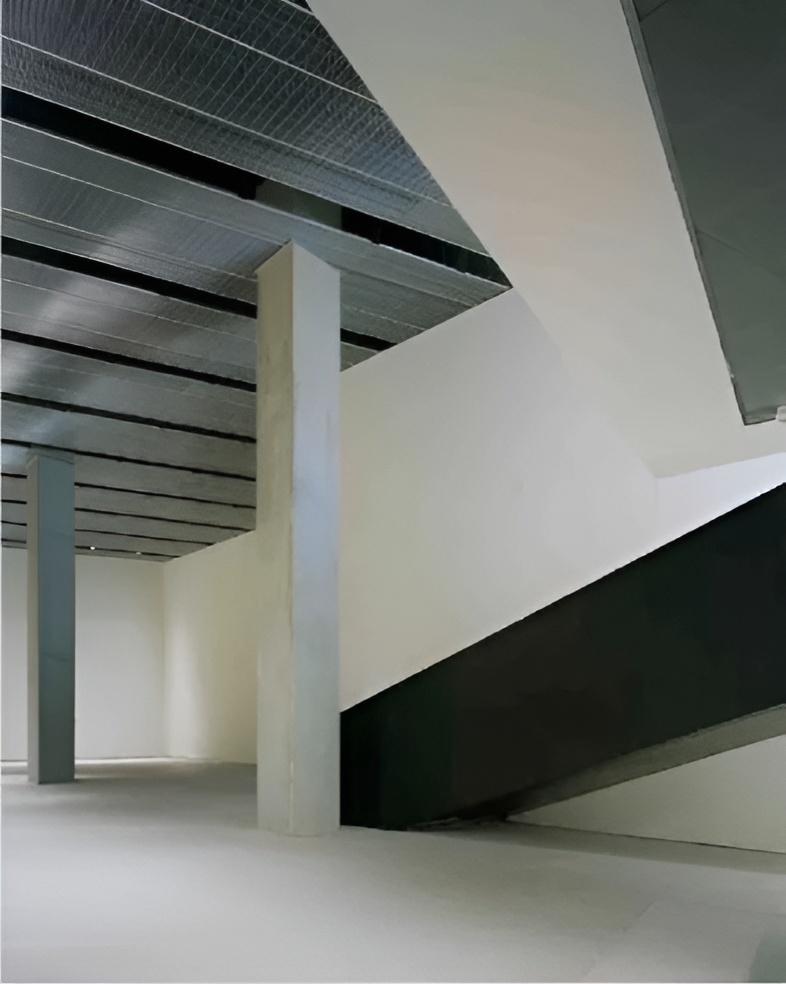
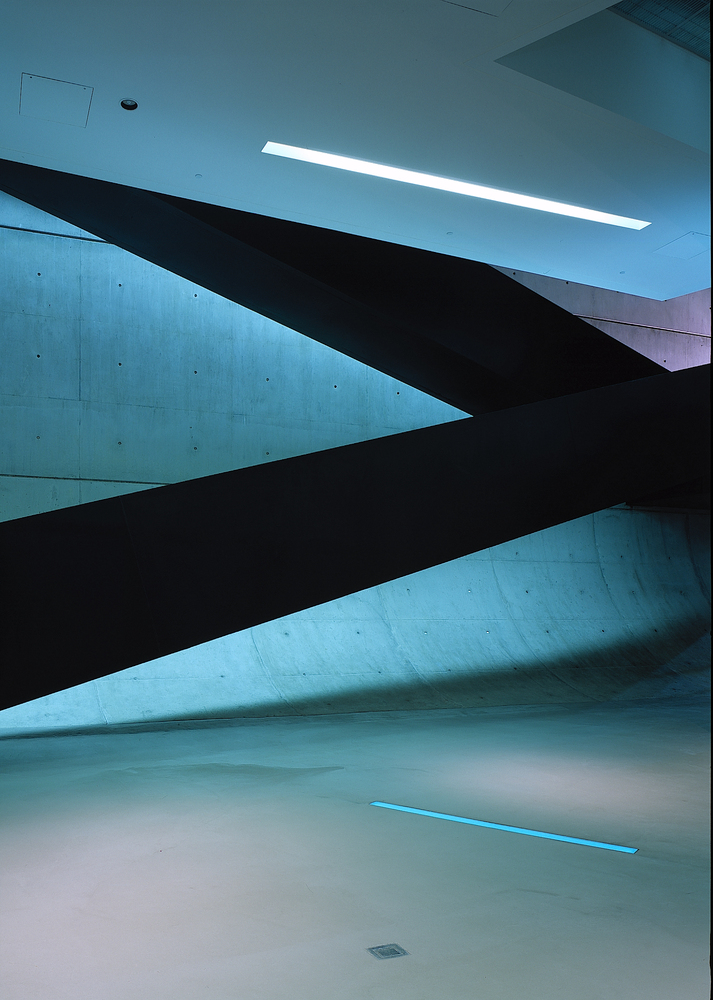
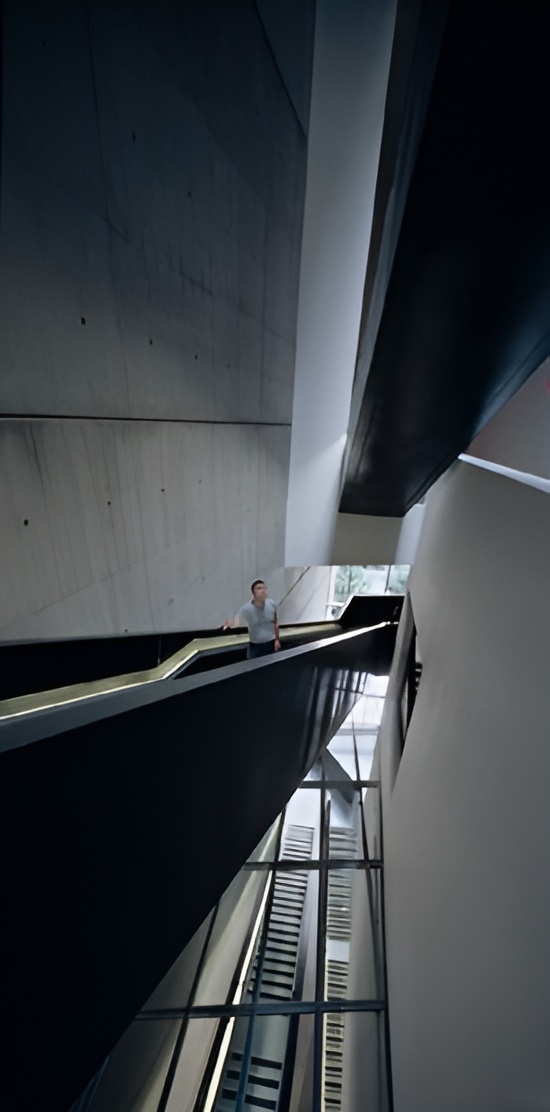
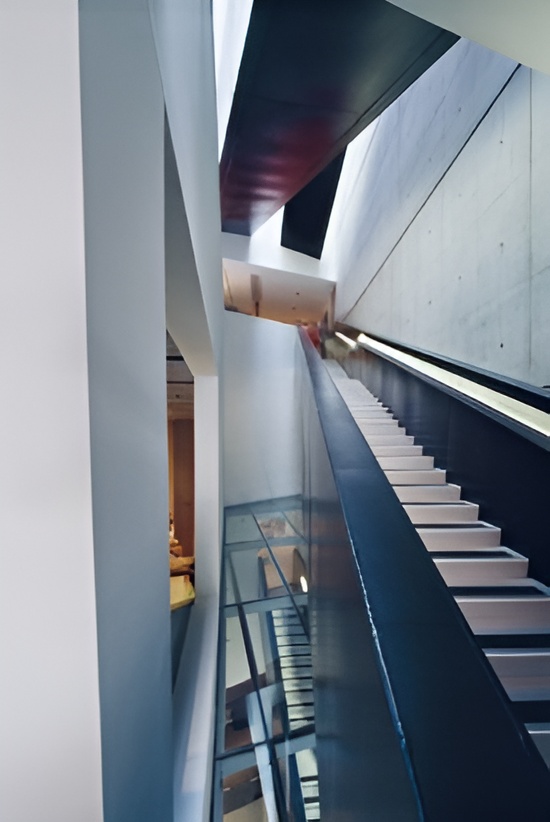
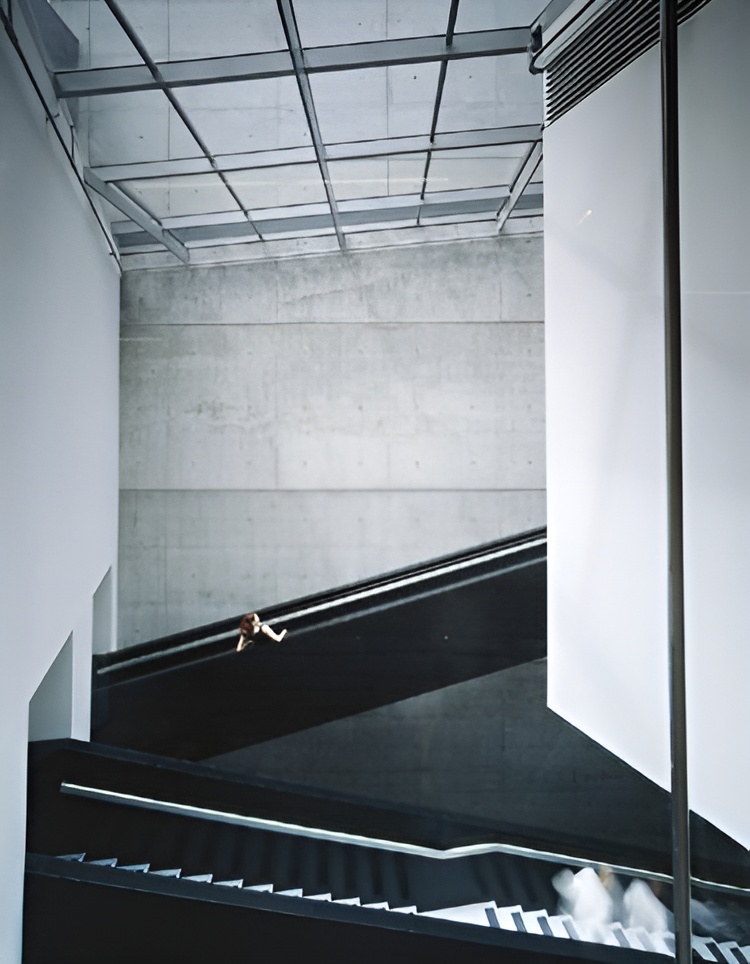
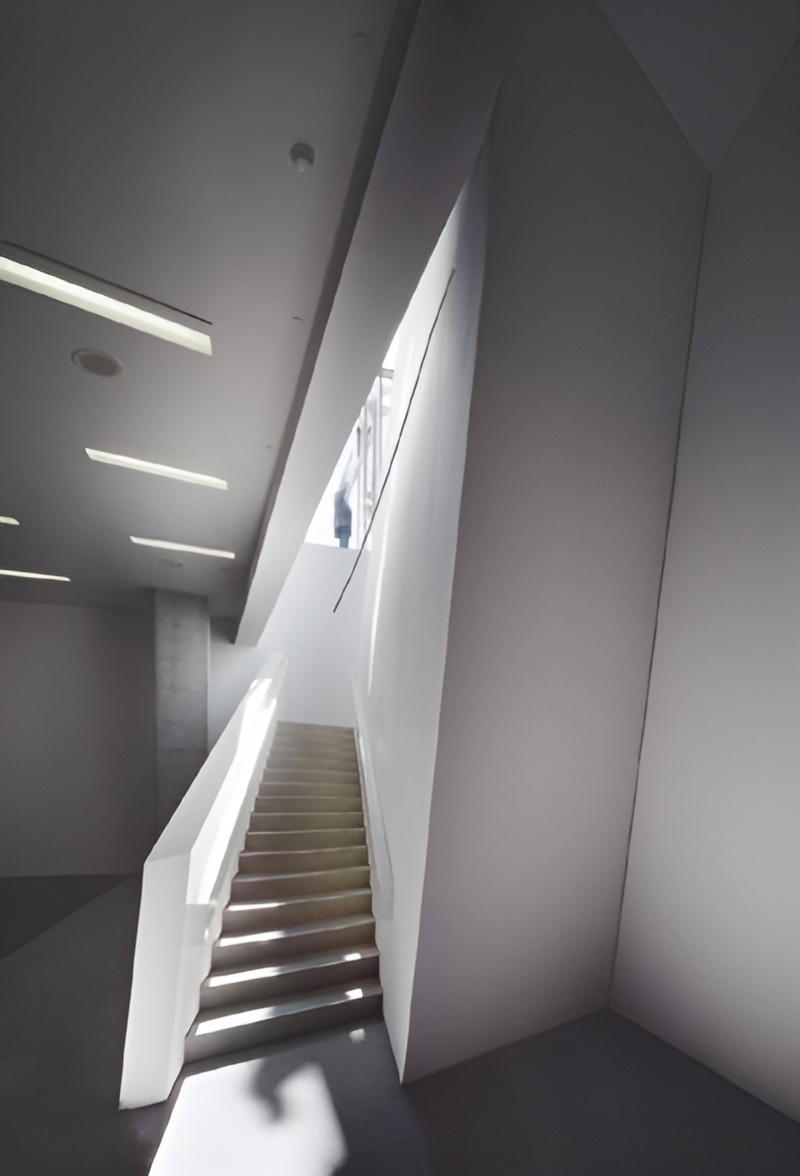
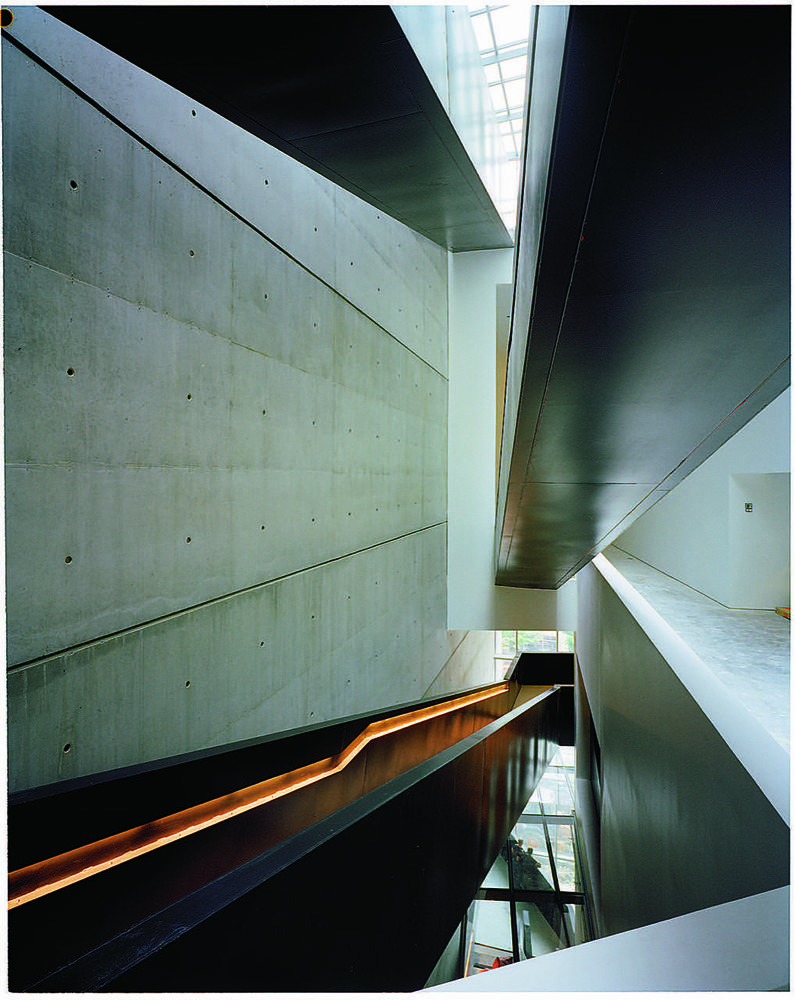
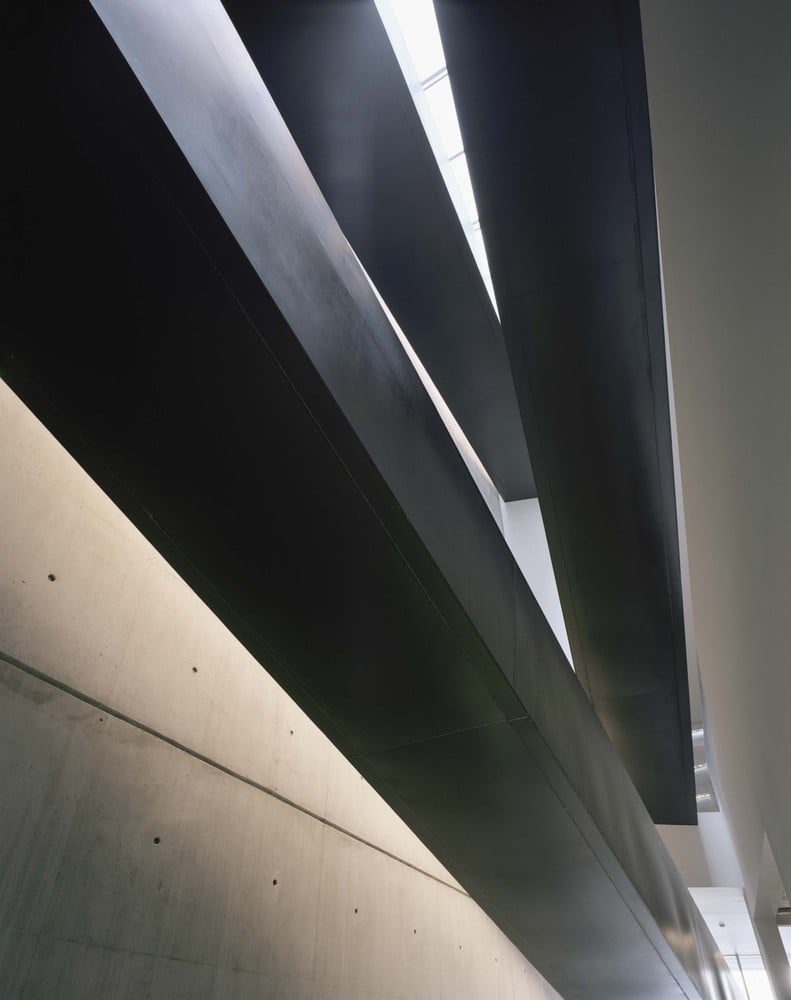
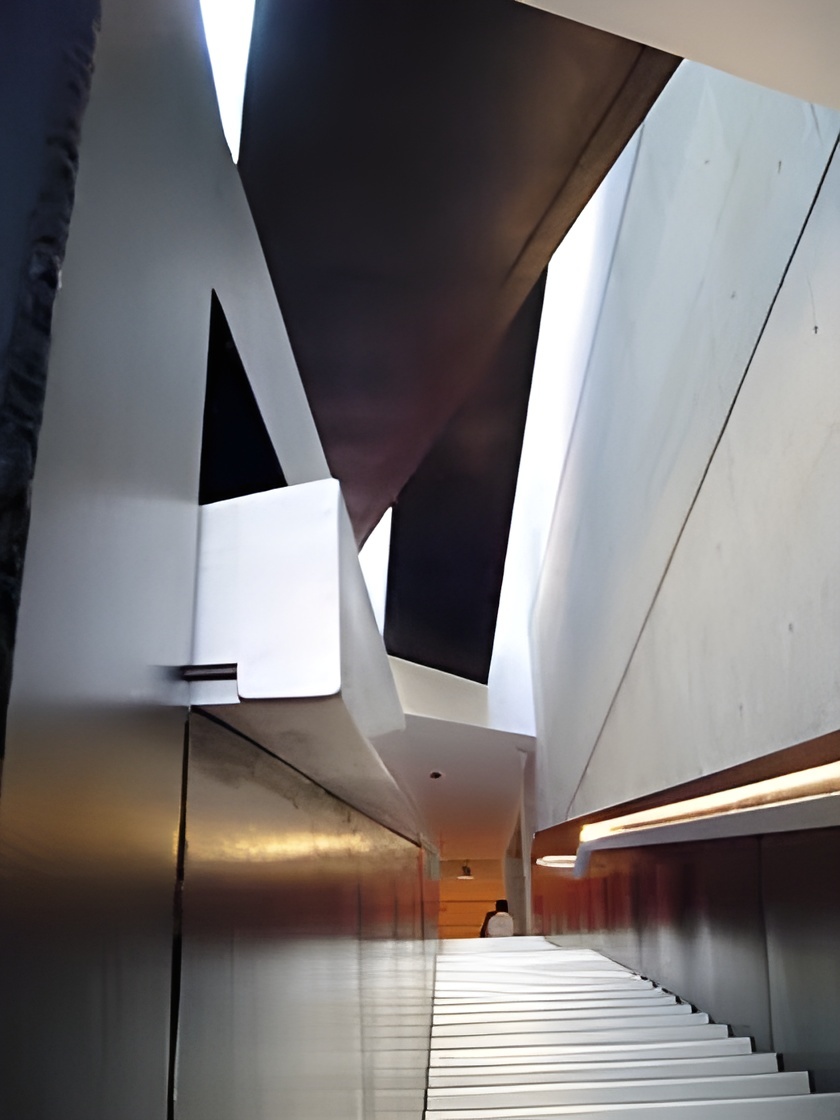
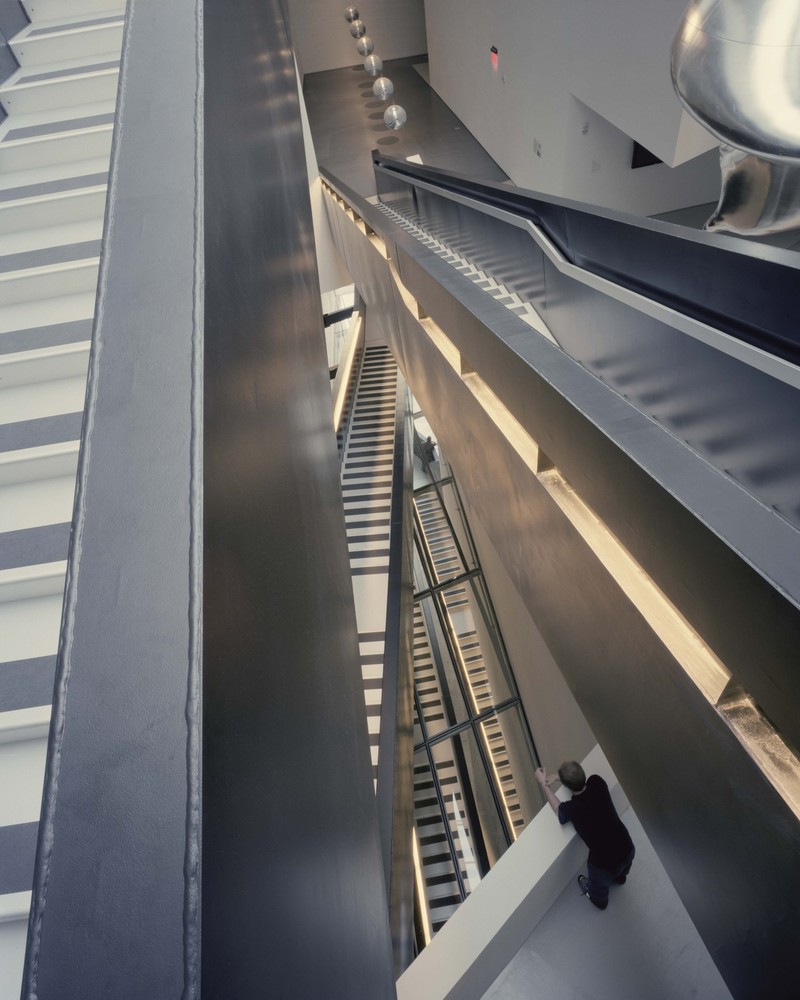
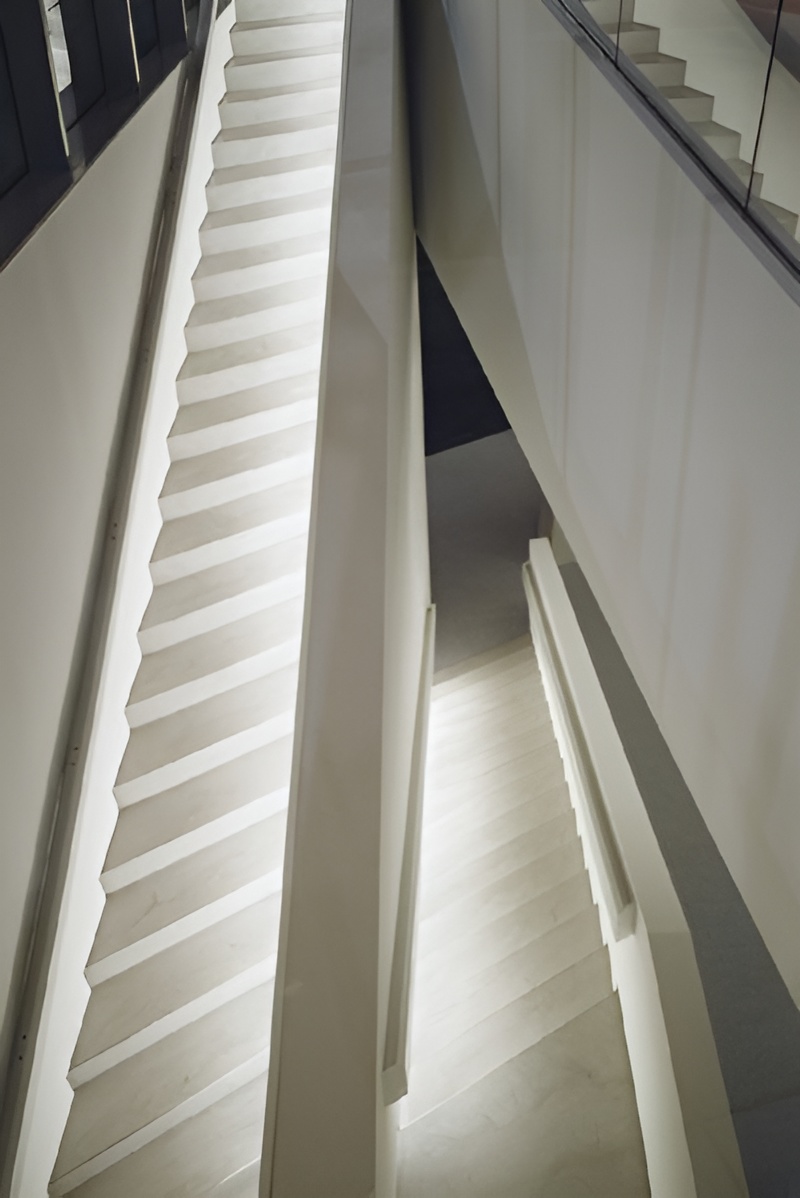
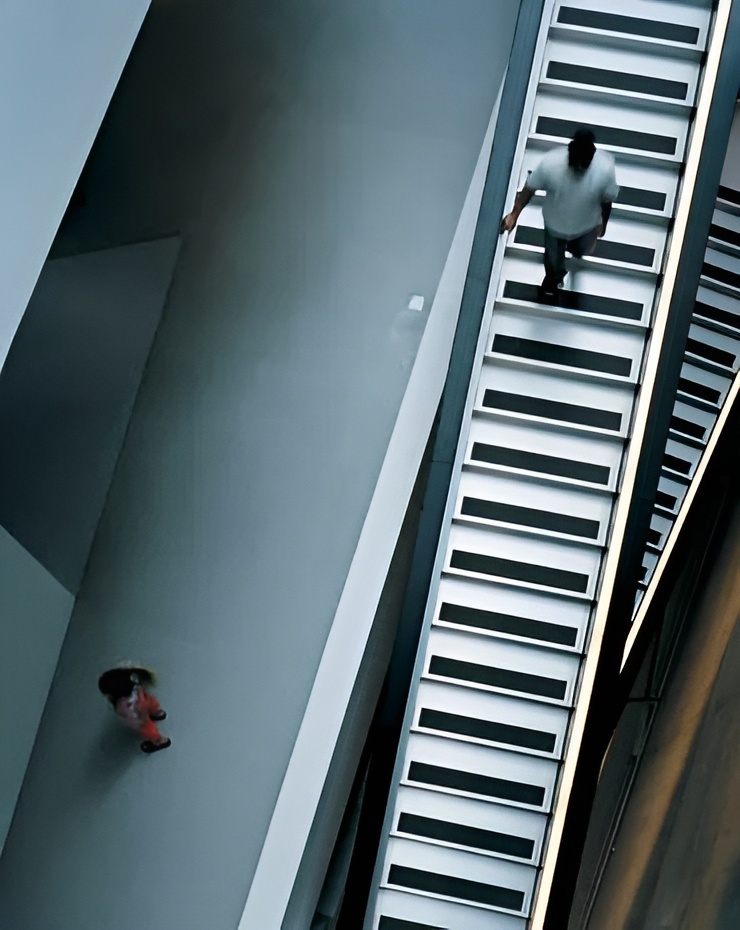
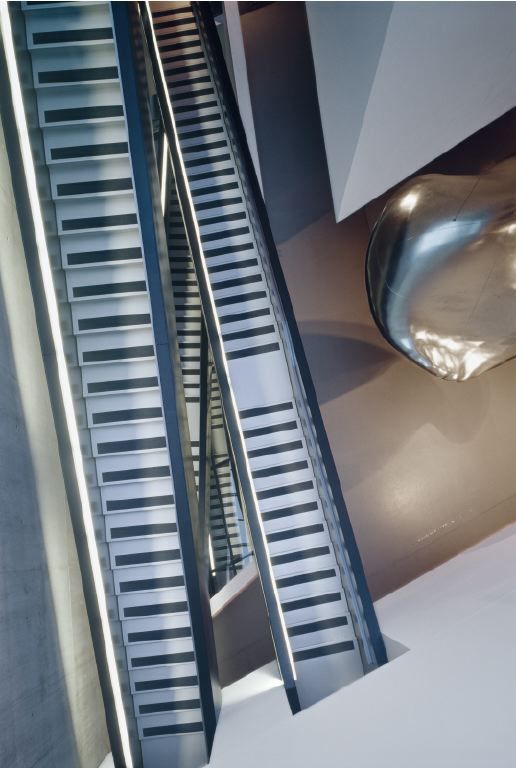
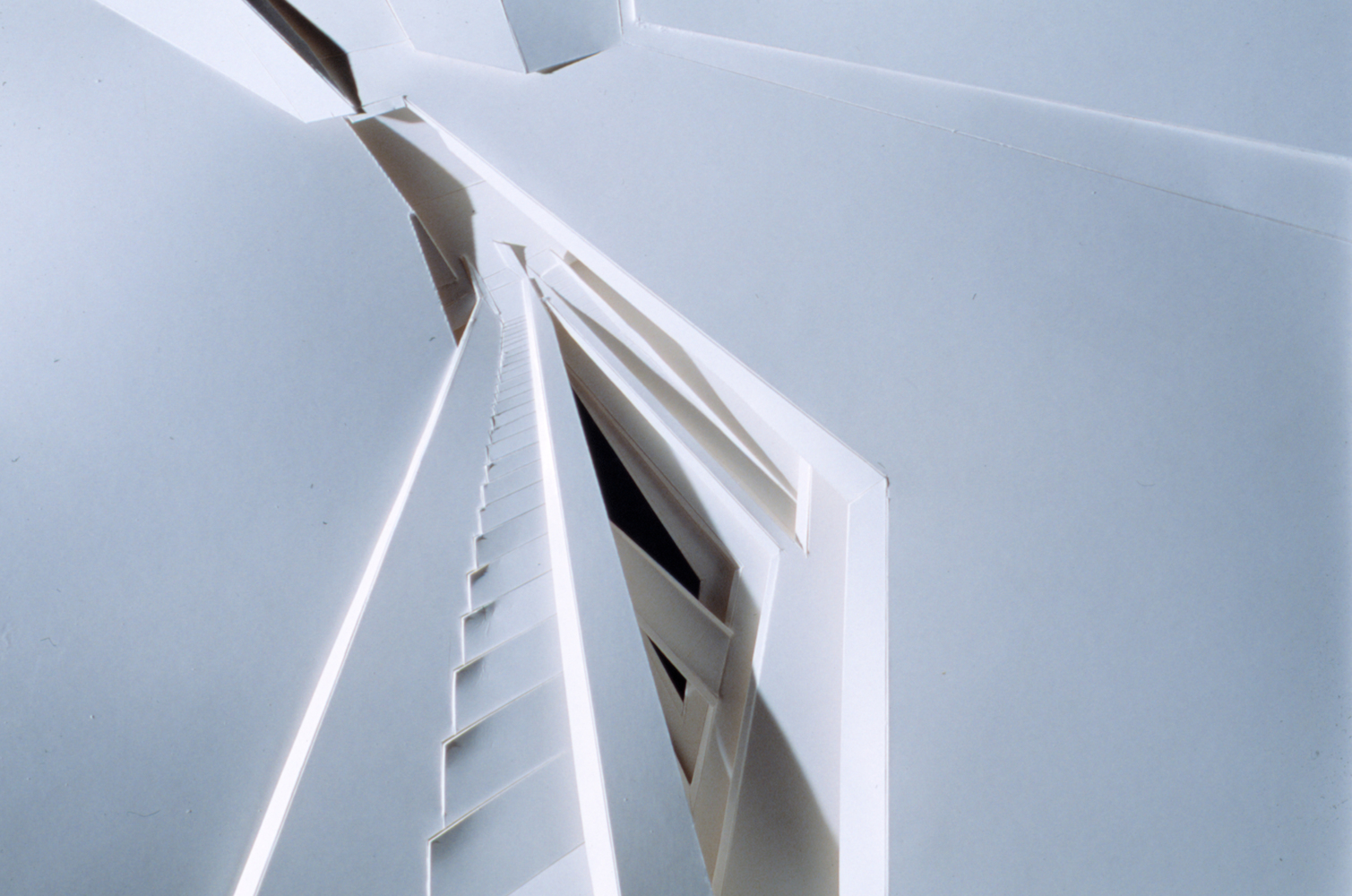
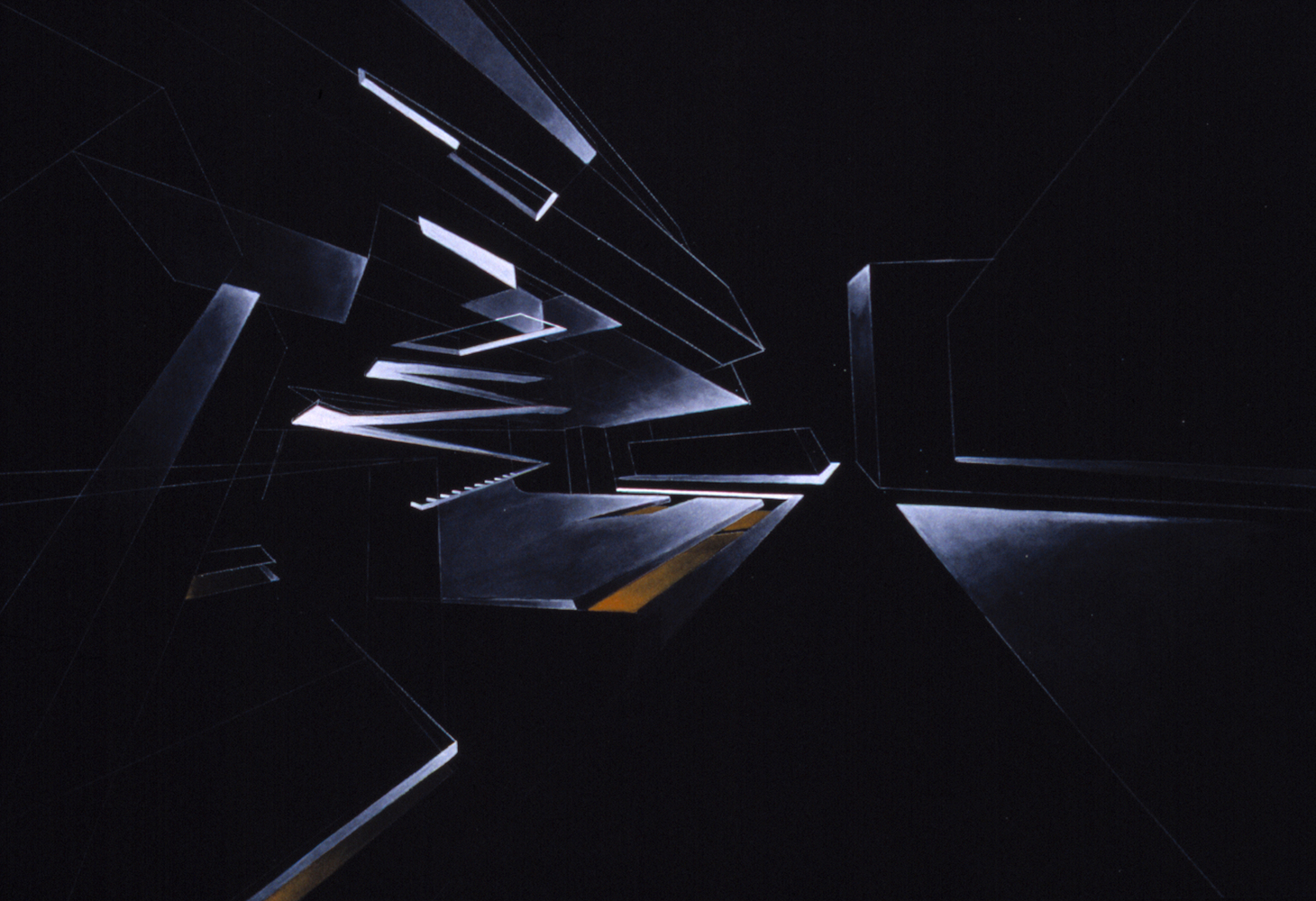
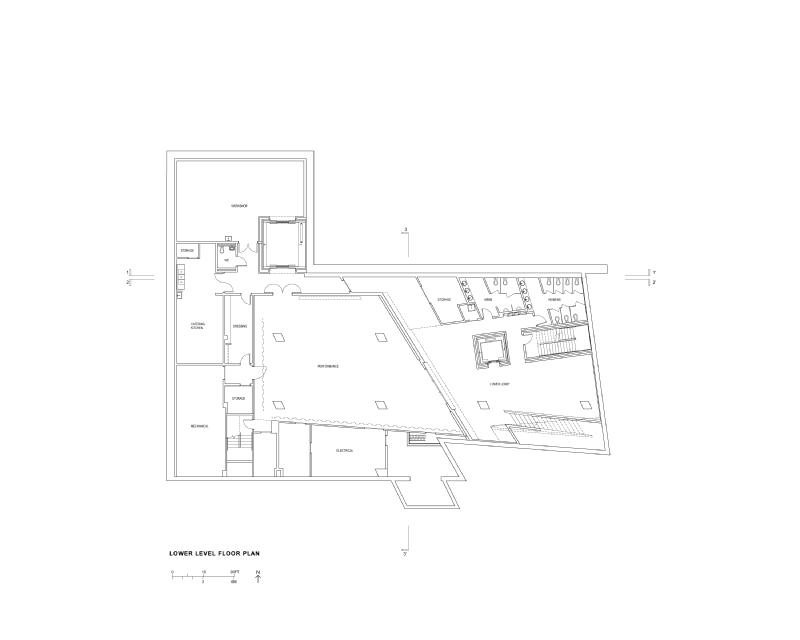
Vertical circulation forms a major architectural element. A sequence of black steel stair-ramps rises through the rear of the building in a zigzag arrangement. The circulation path connects the public lobby with the galleries while producing changing views into exhibition spaces and toward the city. Skylights above the stair volume introduce daylight that extends through the full height of the building.
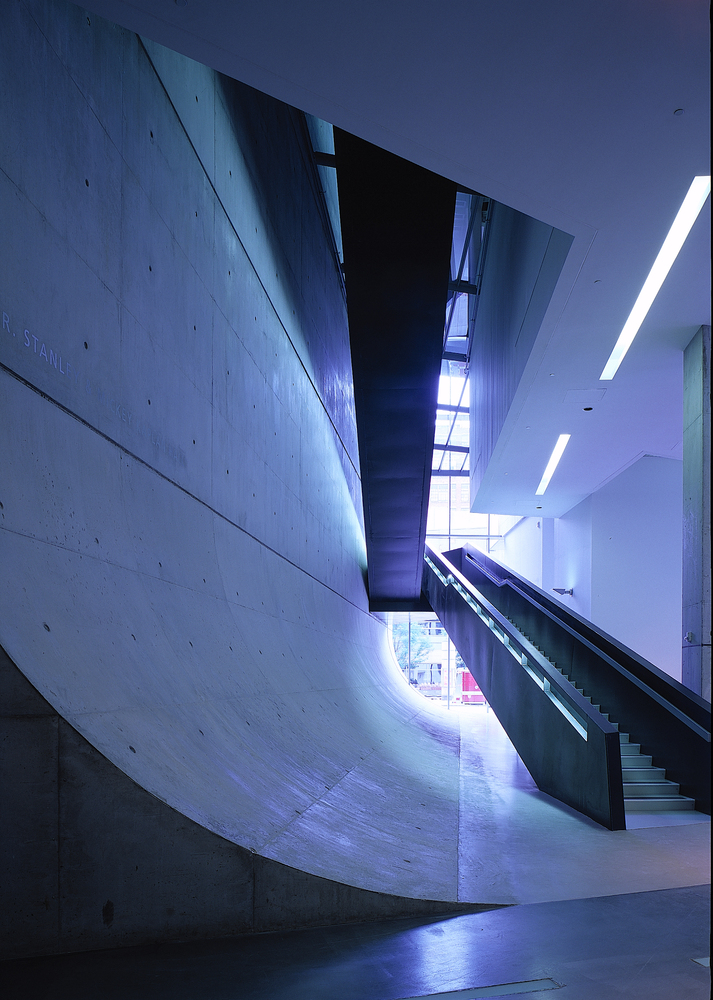
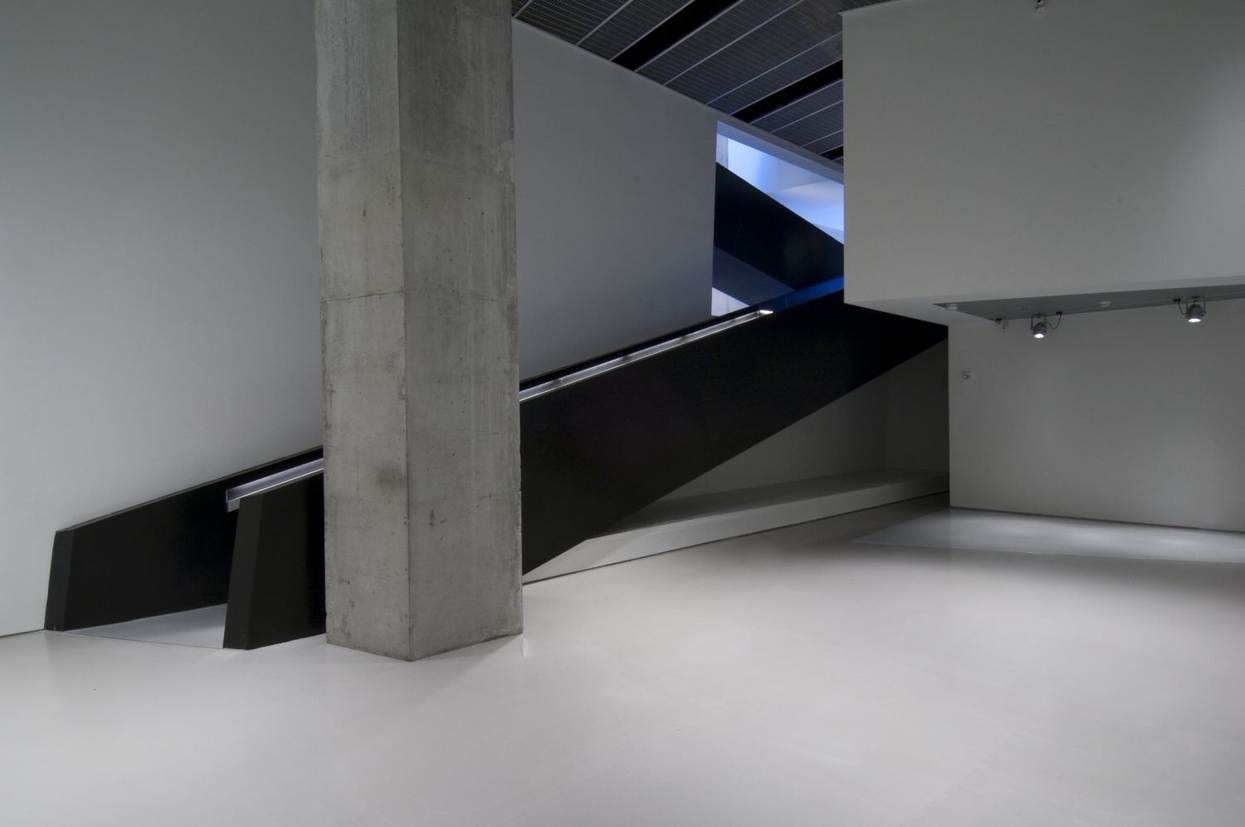
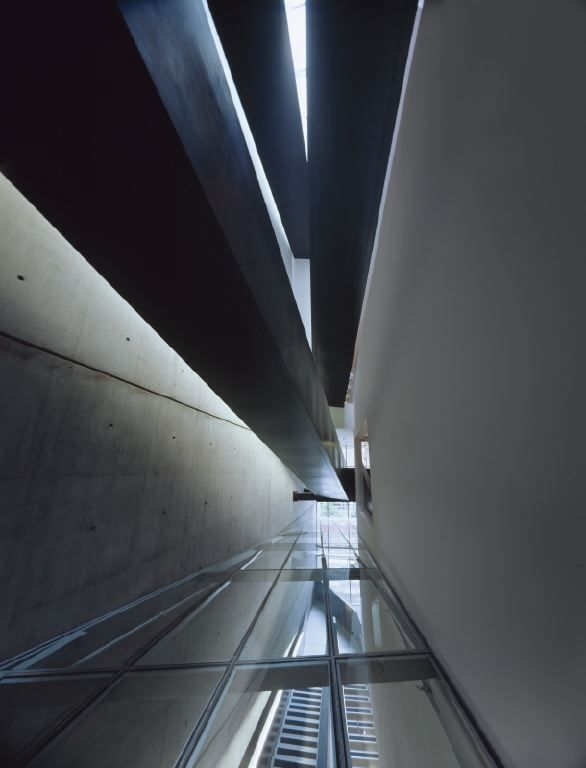
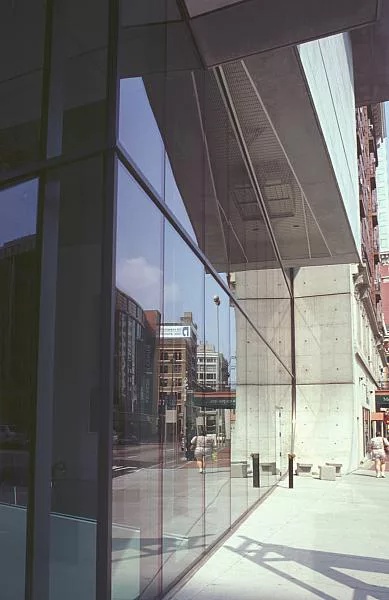
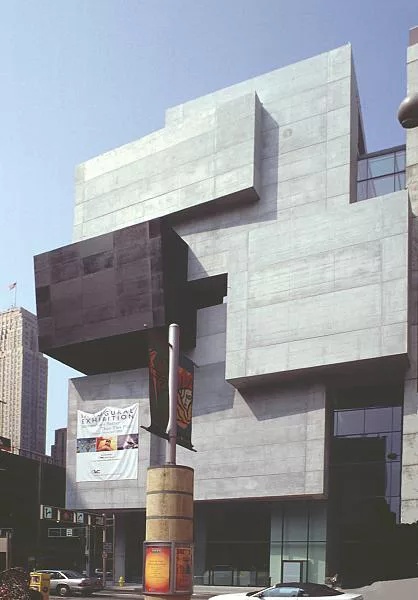
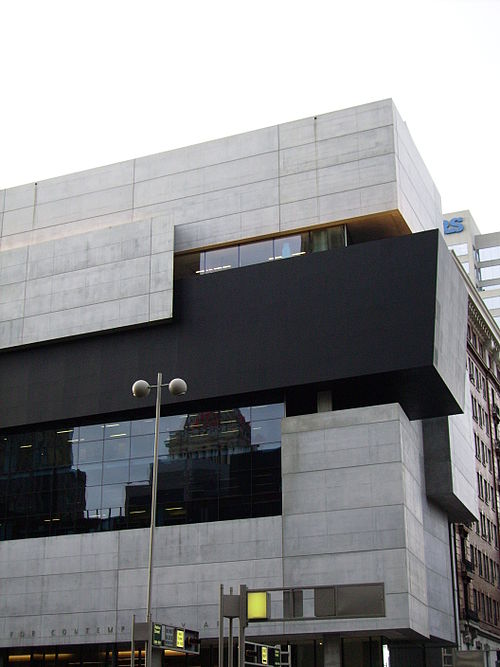
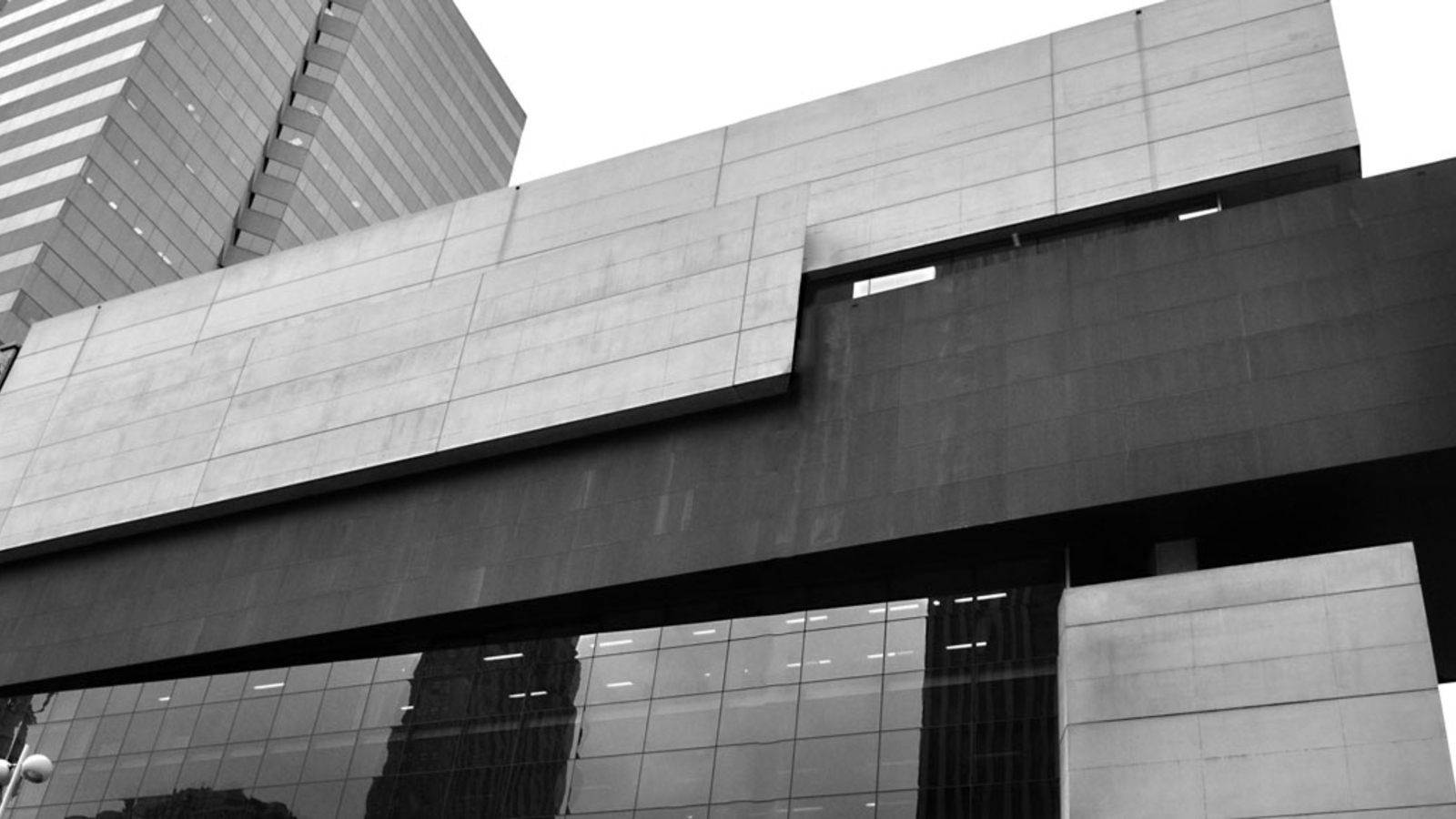
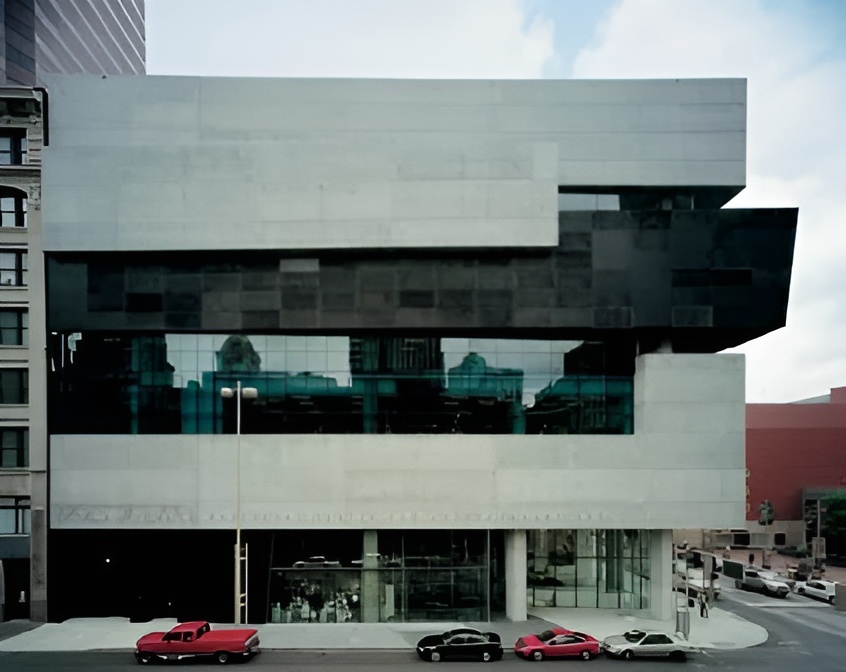
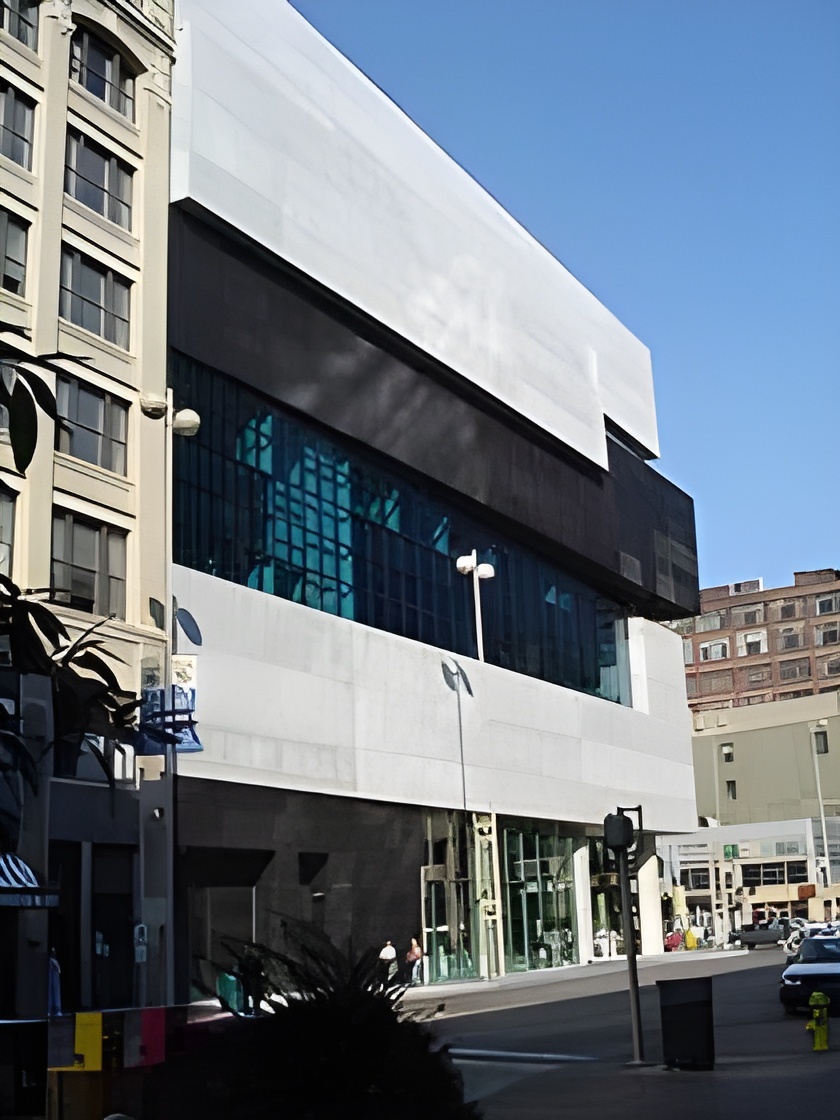
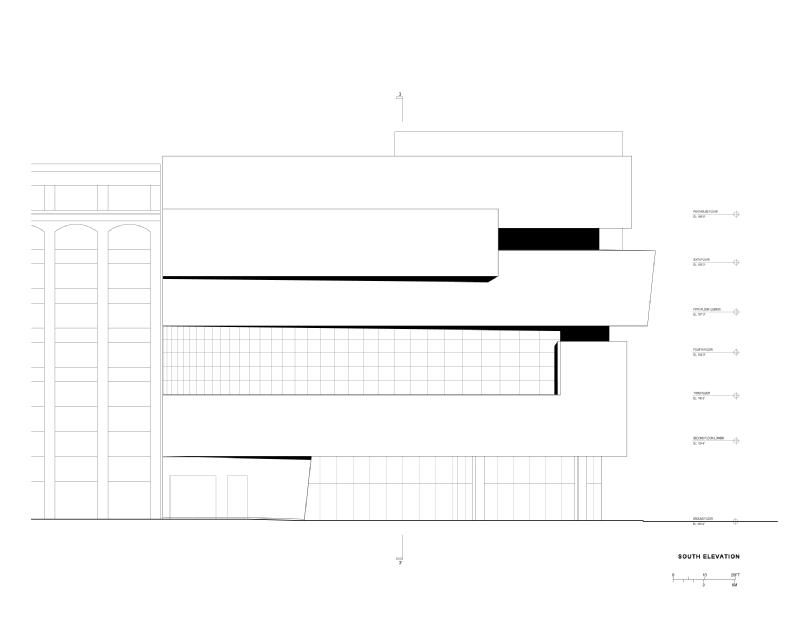
The building expresses its internal organization through two distinct façades. The south elevation along Sixth Street combines glazing, concrete, and dark metal panels to reveal the life of the institution and the movement of visitors. The east façade along Walnut Street appears as a sculptural relief that reflects the forms of the gallery volumes behind it. The exterior surfaces reveal the different spatial systems that shape the museum.
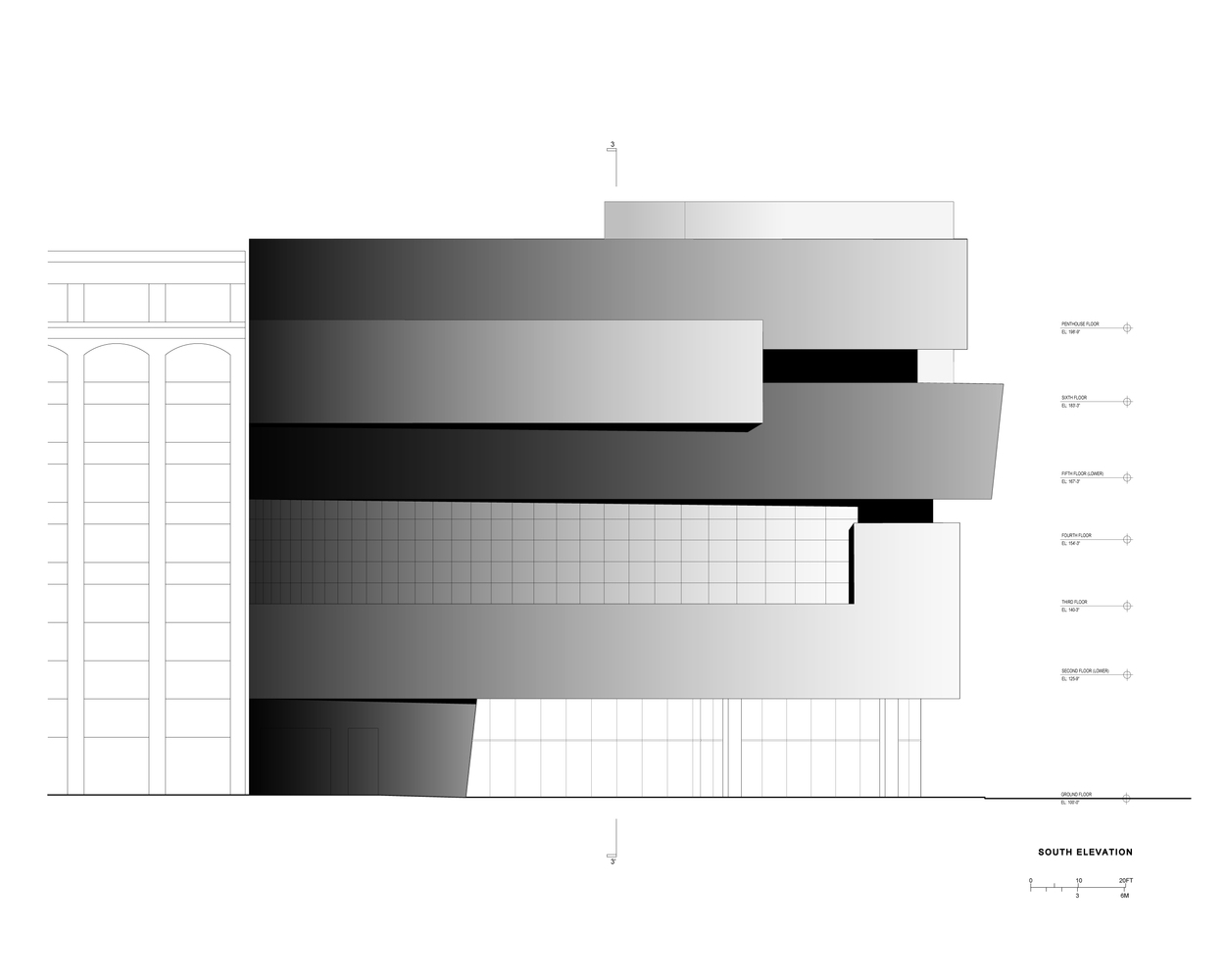
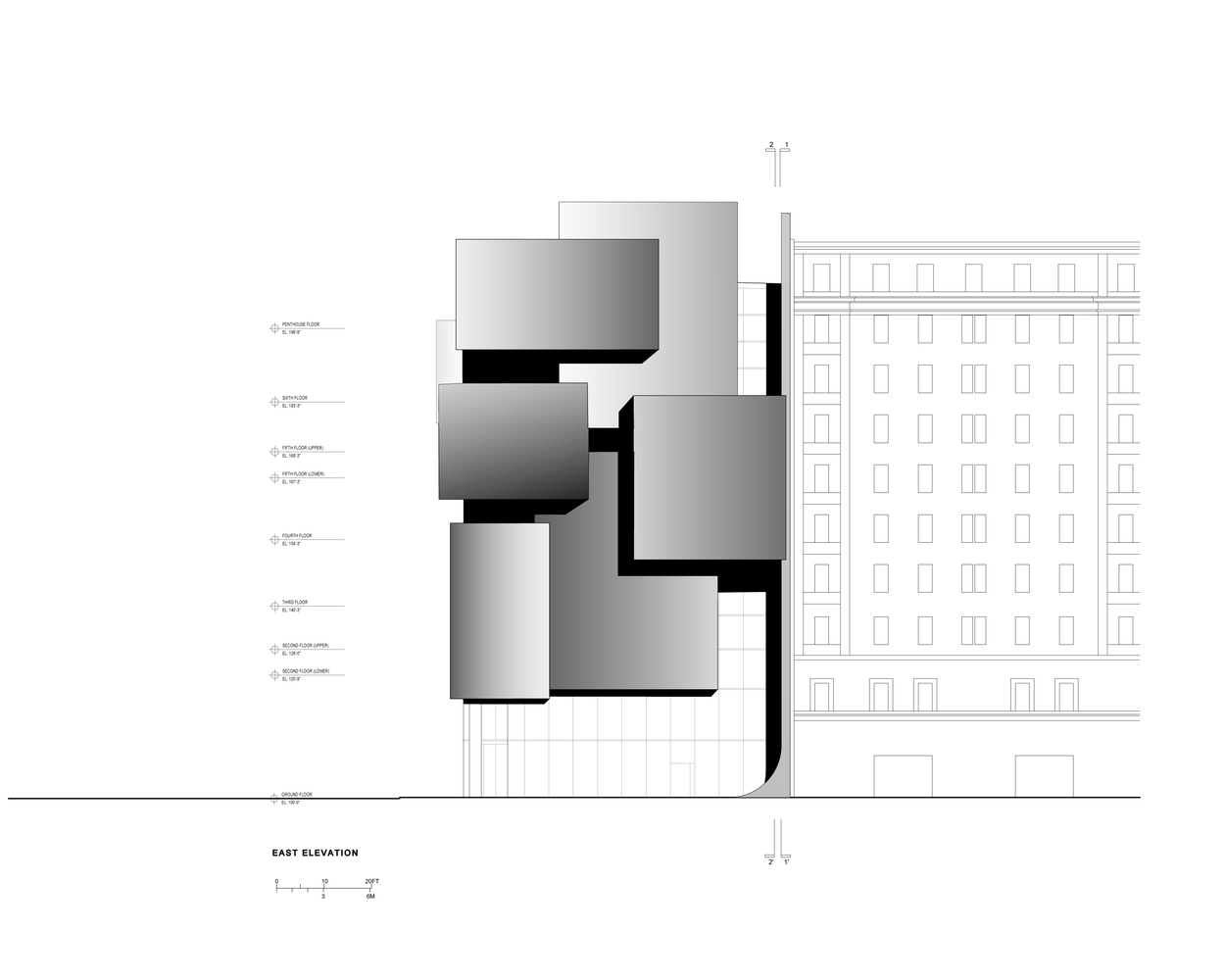
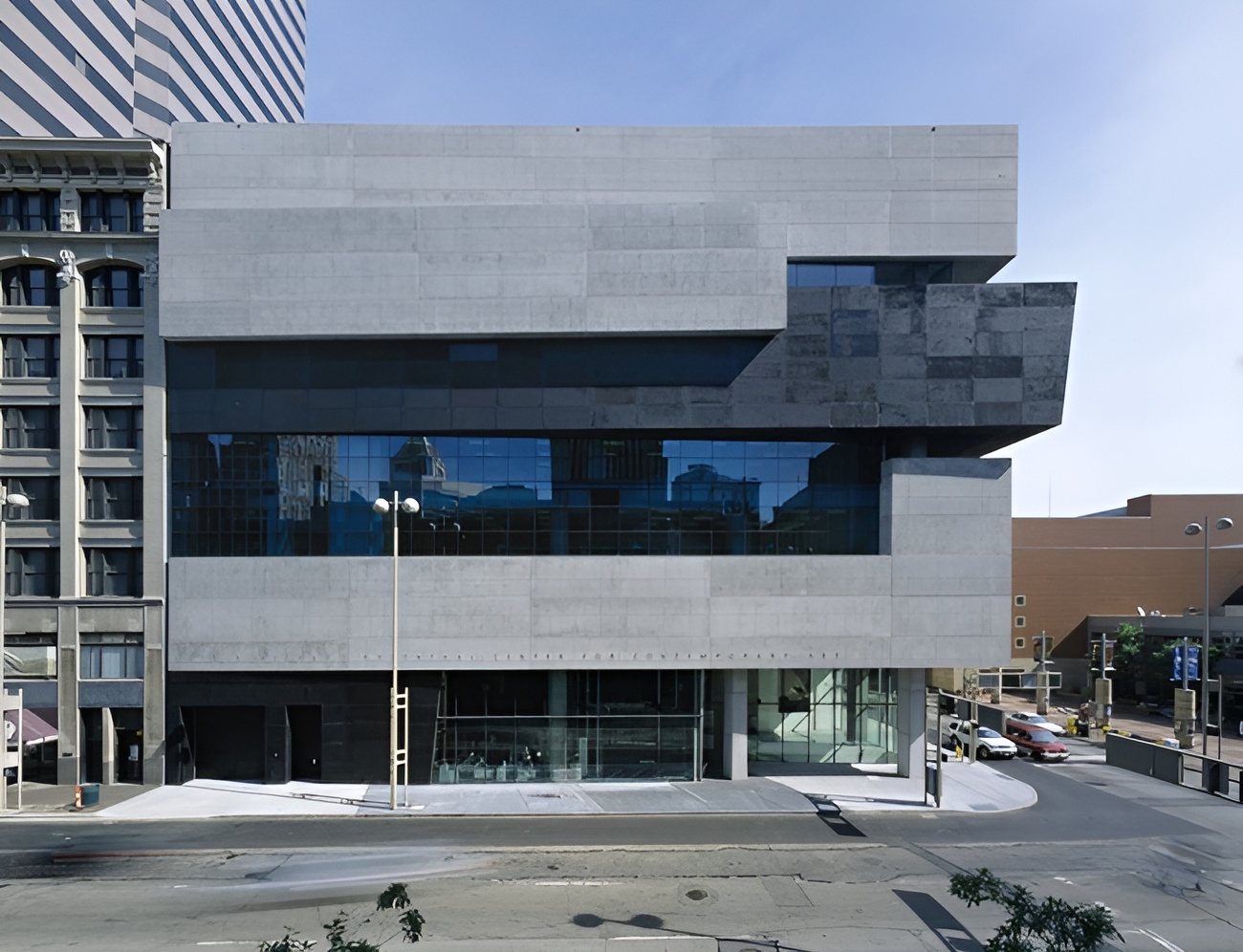
Materially, the building employs exposed concrete, steel, and glass. The gallery volumes appear as solid concrete masses, while the lobby remains transparent and open. The contrast between these conditions reinforces the relationship between the public ground floor and the enclosed exhibition spaces above.
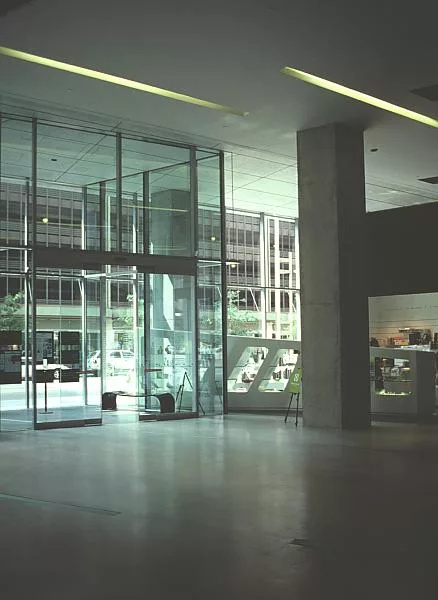
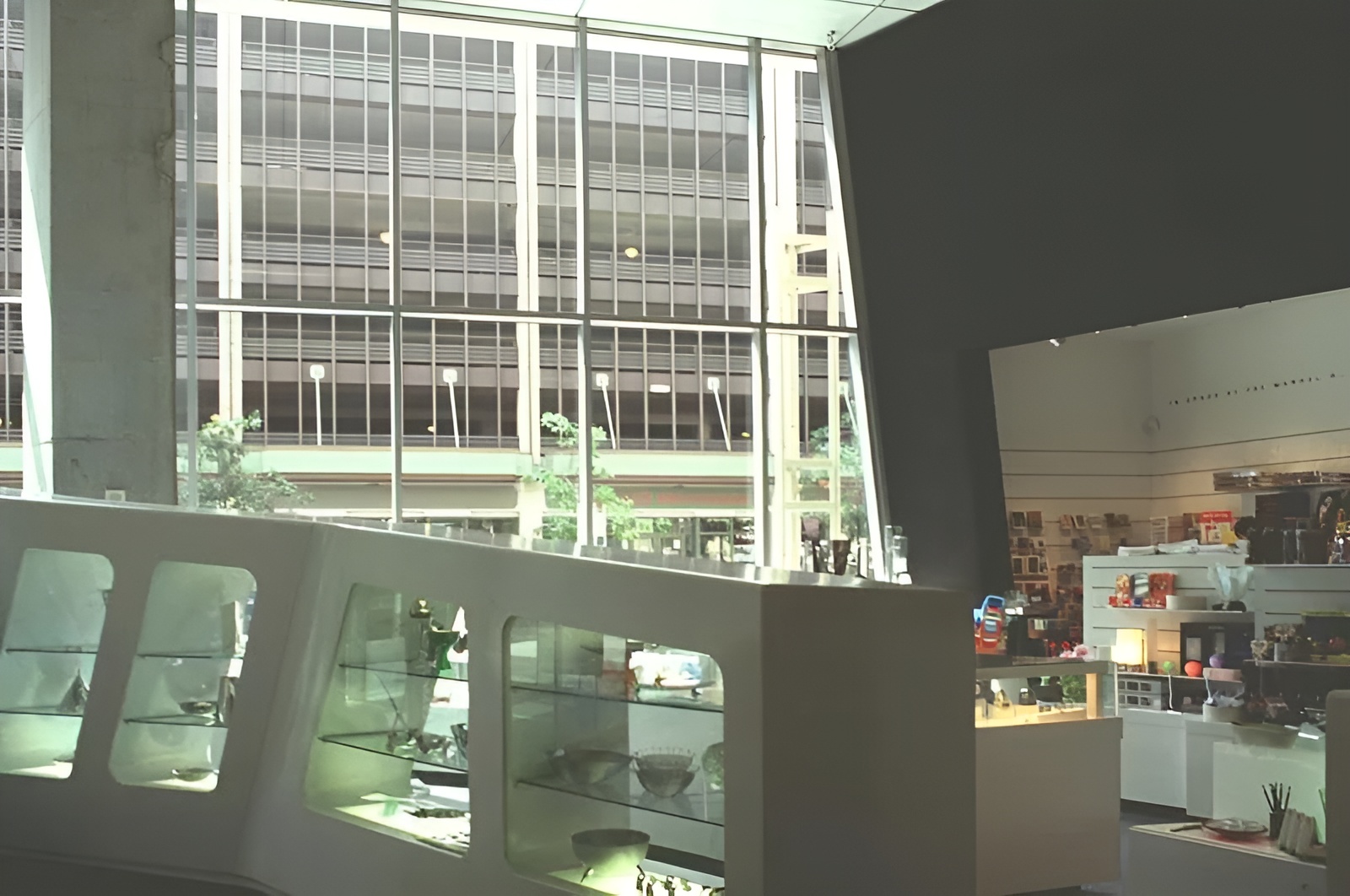
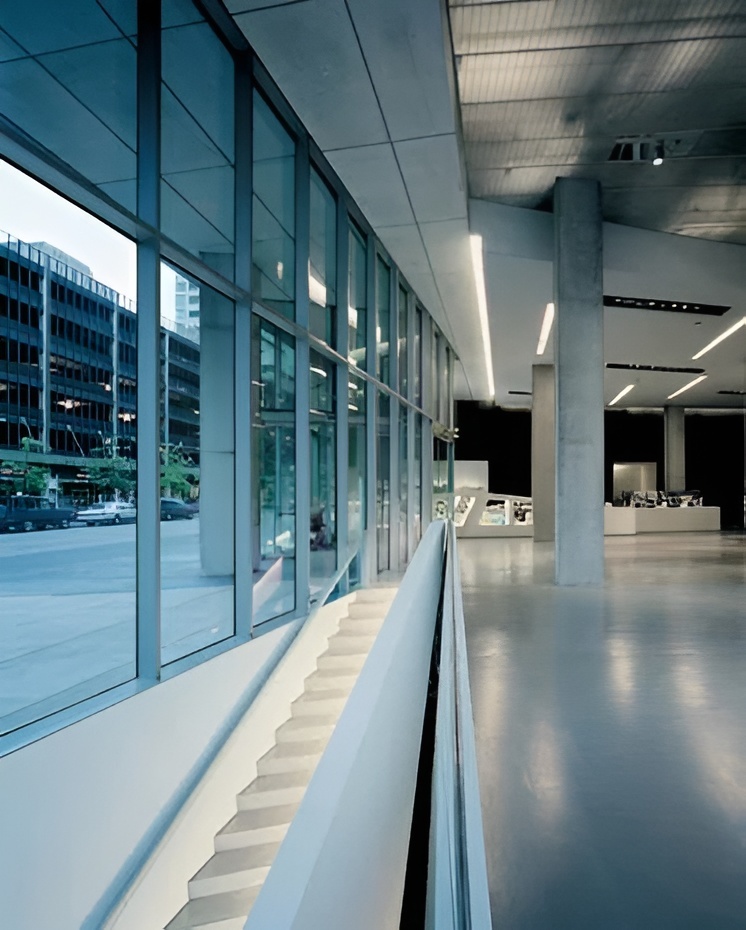
The program extends beyond galleries and includes educational facilities, offices, art preparation spaces, a museum store, a café, and public areas. These functions support the institution’s role as a contemporary art center dedicated to exhibitions, installations, performances, architecture, photography, sculpture, and new media.
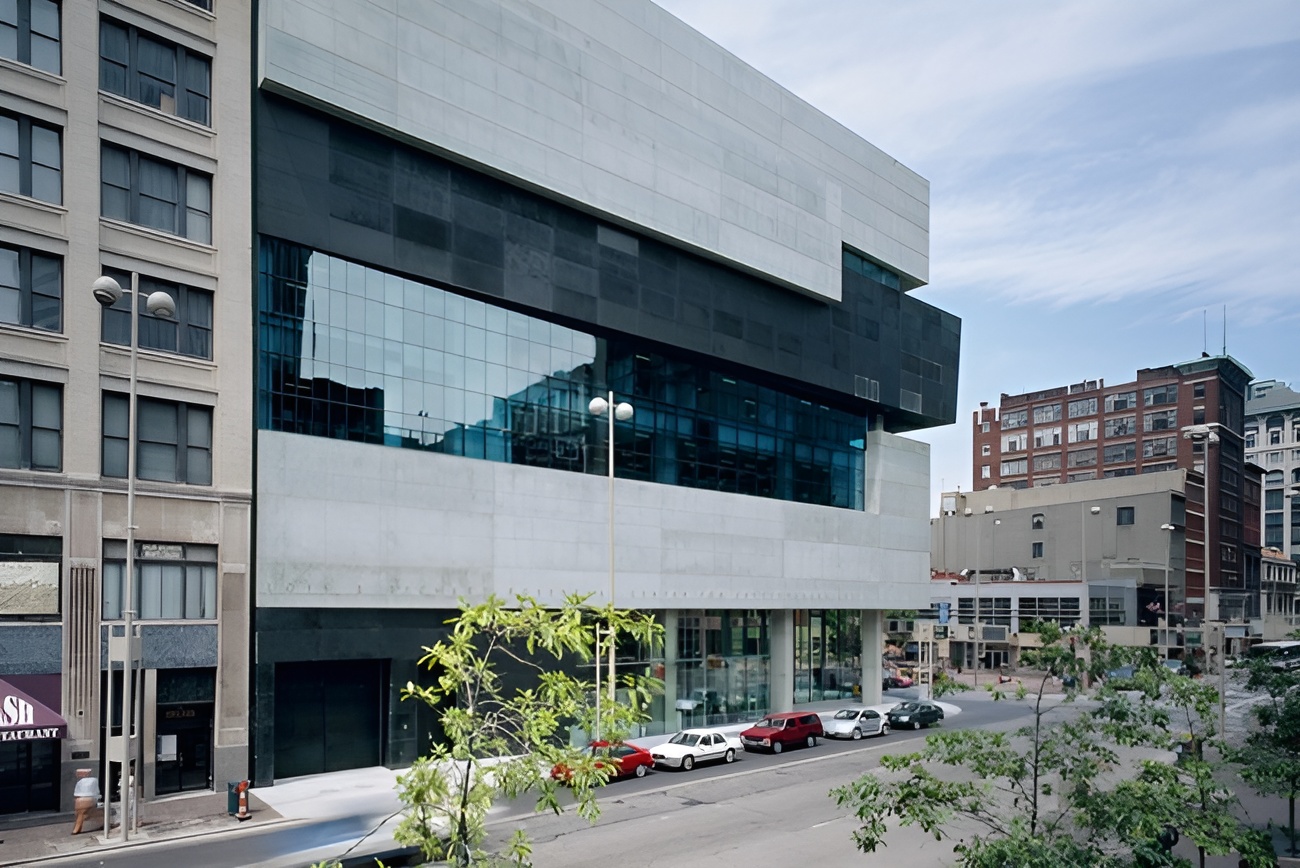
The Rosenthal Center established a permanent home for the Contemporary Arts Center and introduced a museum typology that combines public space, flexible galleries, and urban circulation. The project remains one of Zaha Hadid’s most influential early buildings and a significant work of contemporary museum architecture in the United States.
Project Gallery
Project Location
Address: 44 East 6th Street, Cincinnati, Ohio 45202, United States
Location is for general reference and may represent a city or country, not necessarily a precise address.

