

Architects: Lina Bo Bardi
Year: 1968
Photography: Iñigo Bujedo Aguirre, Pedro Kok, Juliana Magro, Rodrigo_Soldon, Carol^-^, Wikimedia Commons, Benjamin Thompson, Mike Peel, Mauro Cateb, andresumida, architecture-history.org
City: São Paulo
Country: Brazil
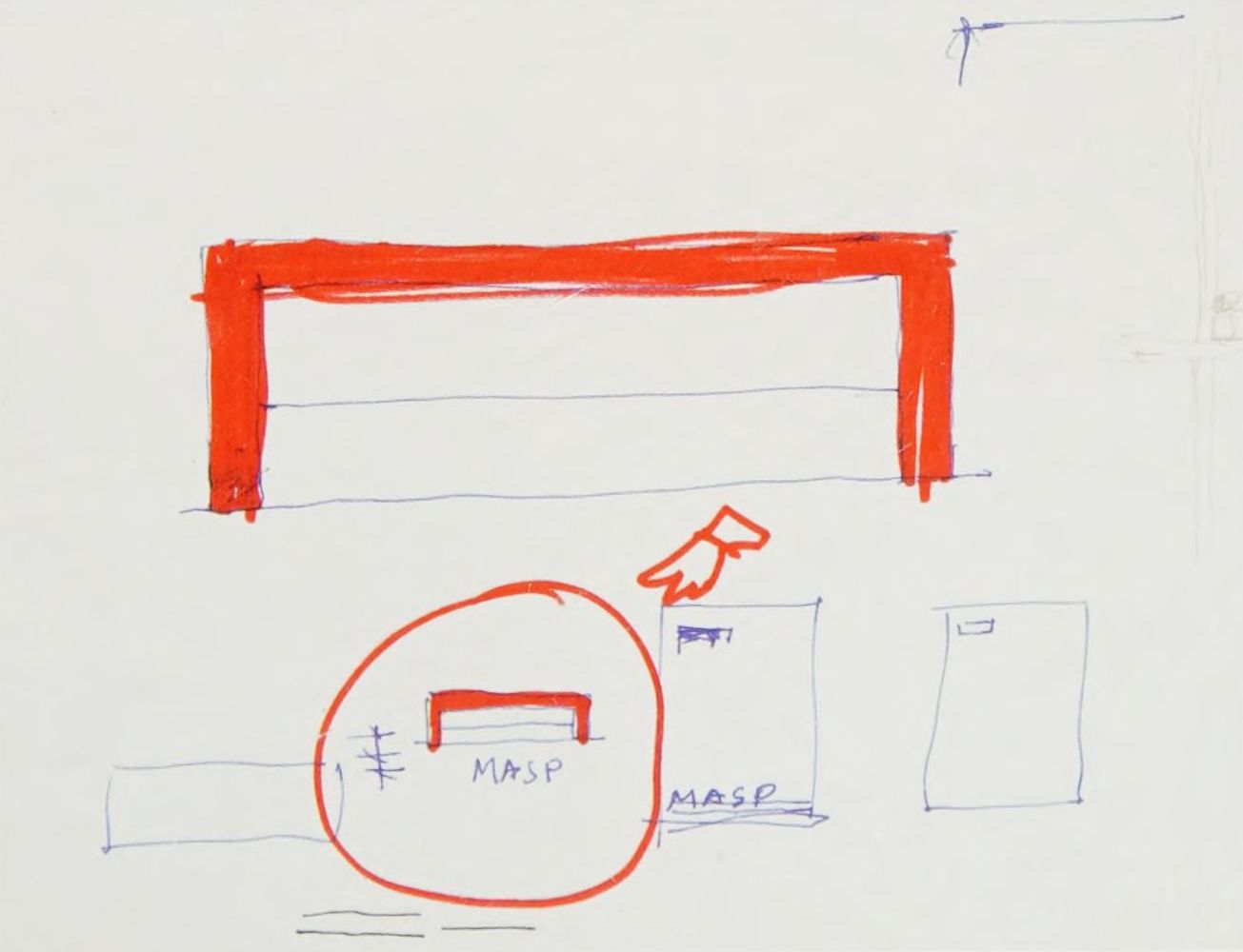
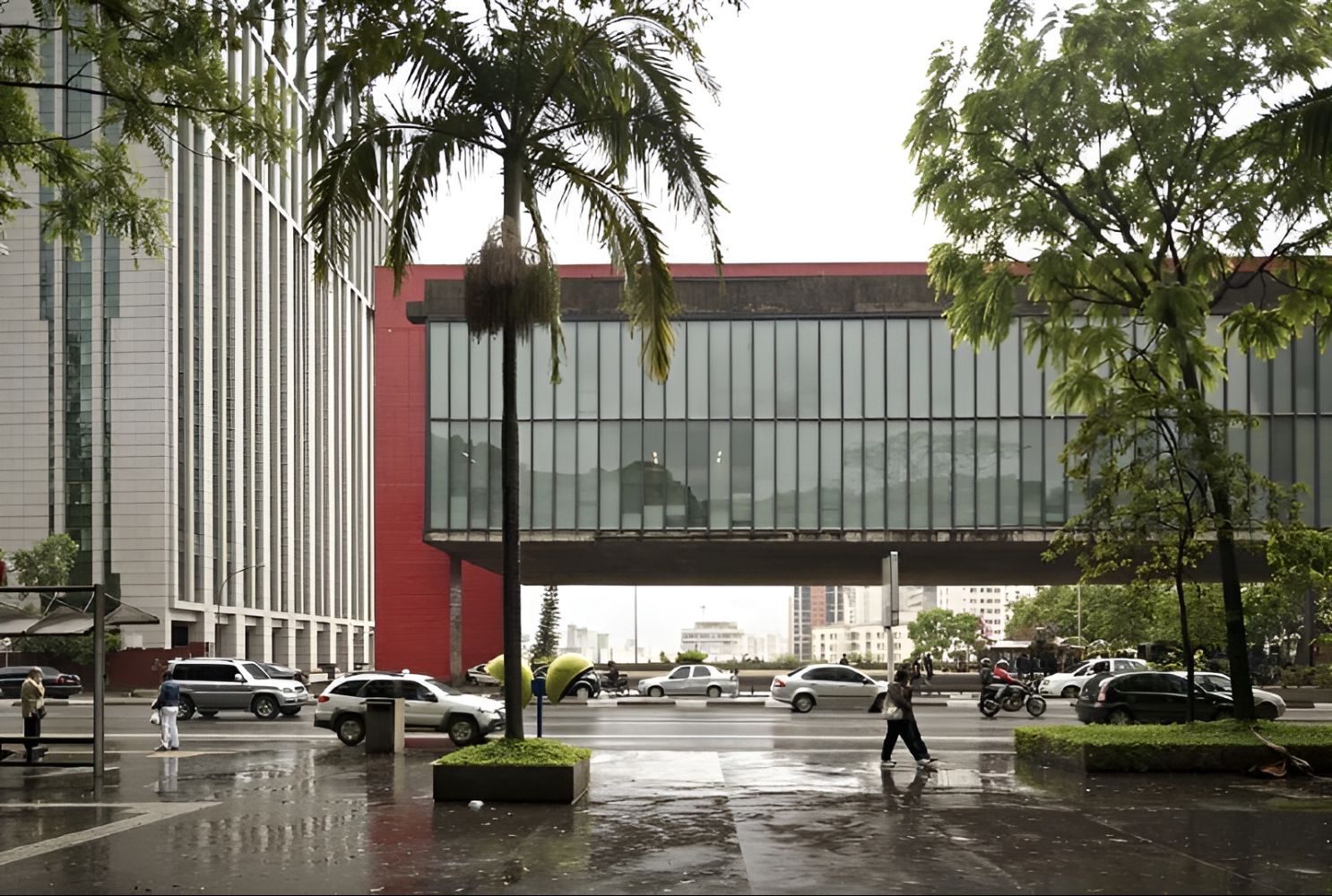
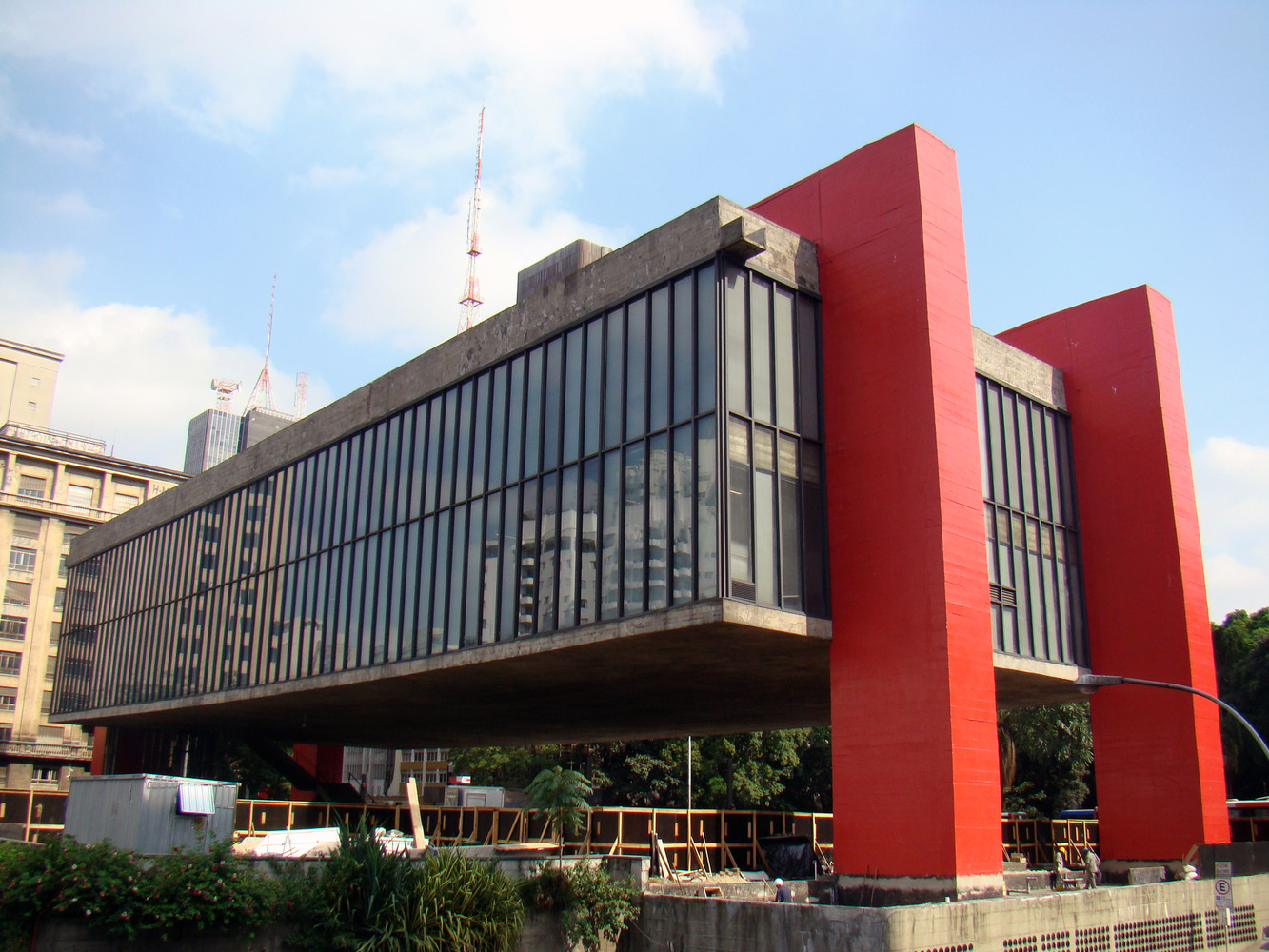
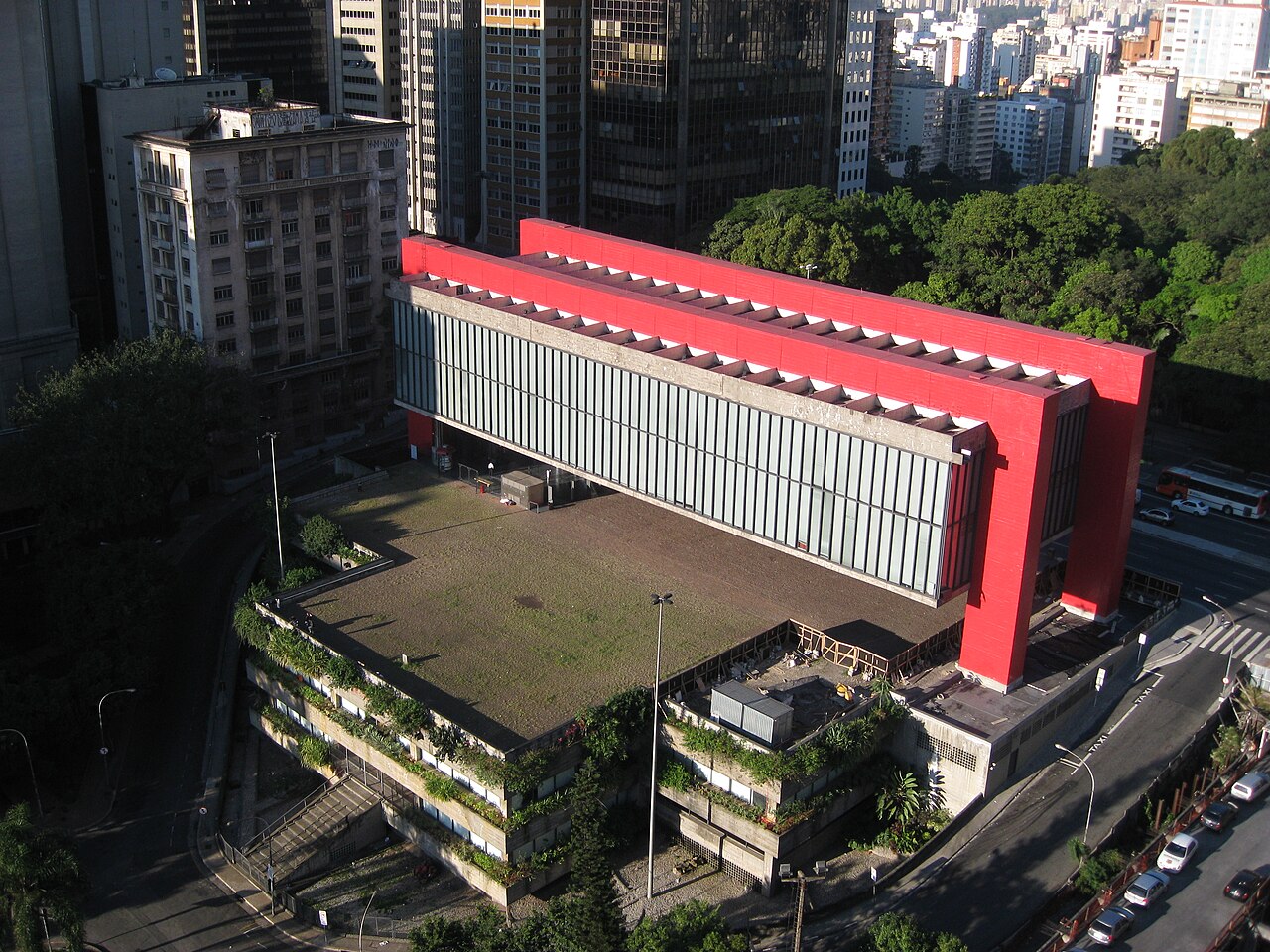
São Paulo Museum of Art, a cultural building designed by Lina Bo Bardi in São Paulo, has redefined the relationship between museum space, public ground, and urban visibility through a suspended concrete structure completed in 1968. The museum preserves the panoramic view from the former Belvedere Trianon by elevating the main exhibition volume above an open civic plaza along Avenida Paulista. The project organizes its program across elevated and below-grade volumes, integrating galleries, administrative areas, library, auditoriums, and support spaces within a compact sectional system. São Paulo Museum of Art advances structural design through two prestressed concrete beams and four supporting piers that create a 74-meter span, maintaining an unobstructed ground plane for public use. The building defines circulation through vertical connections that link the plaza, subterranean levels, and elevated galleries, reinforcing continuity between city and institution. The museum reconfigures exhibition strategy through an open-plan gallery and glass easel system that removes fixed walls and alters relationships between artwork, viewer, and space. Material expression combines exposed concrete mass and transparent glazing, establishing a direct relationship between structure and enclosure. The project extends its role beyond exhibition by operating as a public platform for gathering and cultural activity. The São Paulo Museum of Art has influenced museum design and urban integration by demonstrating how structure, program, and public space operate as a unified system.
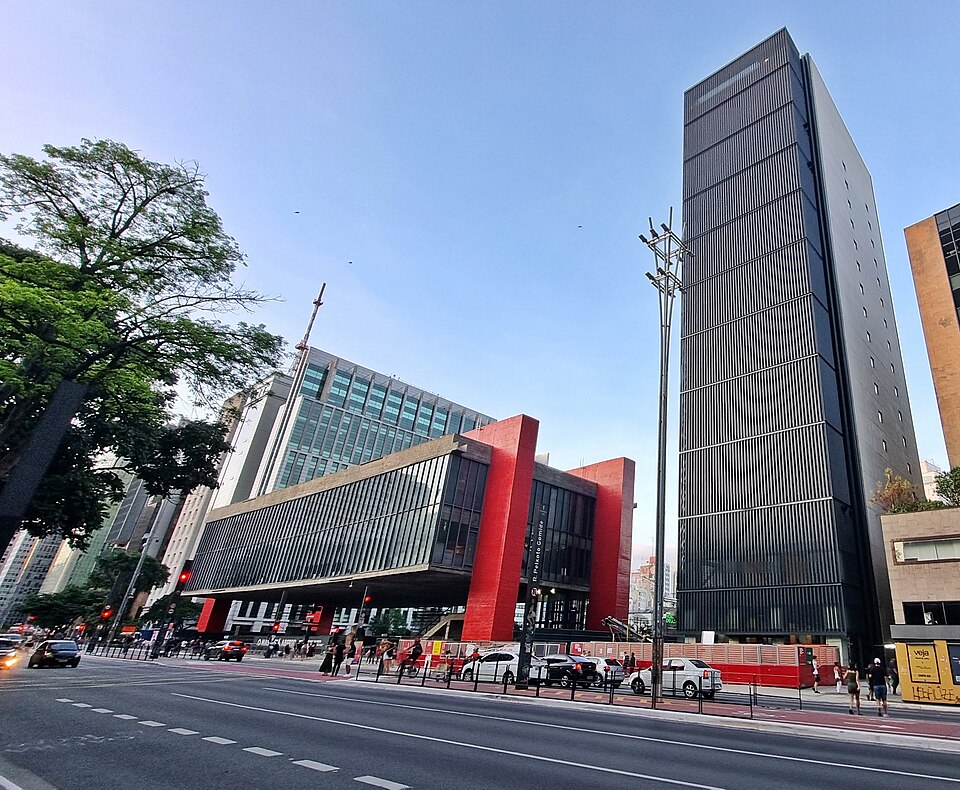
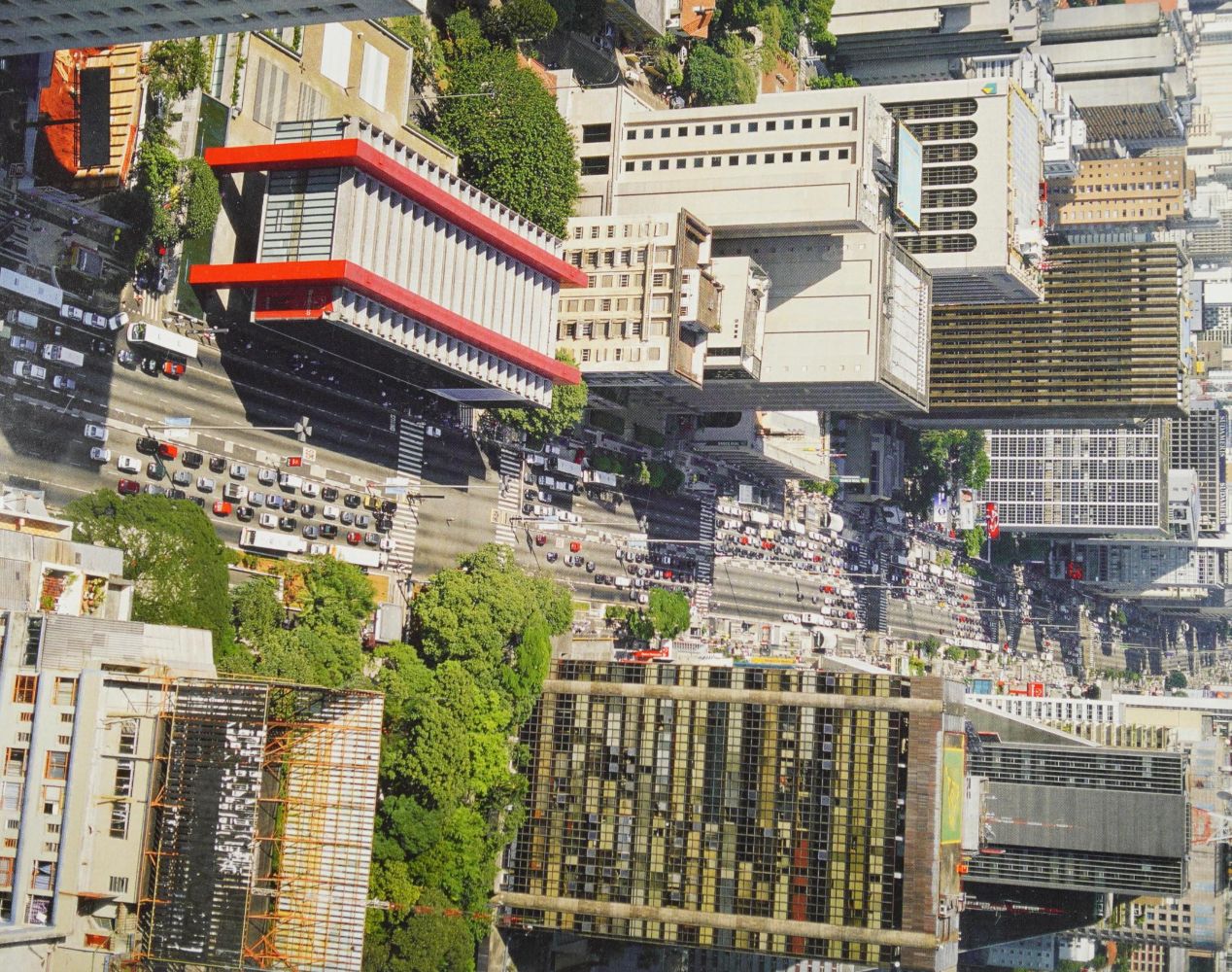
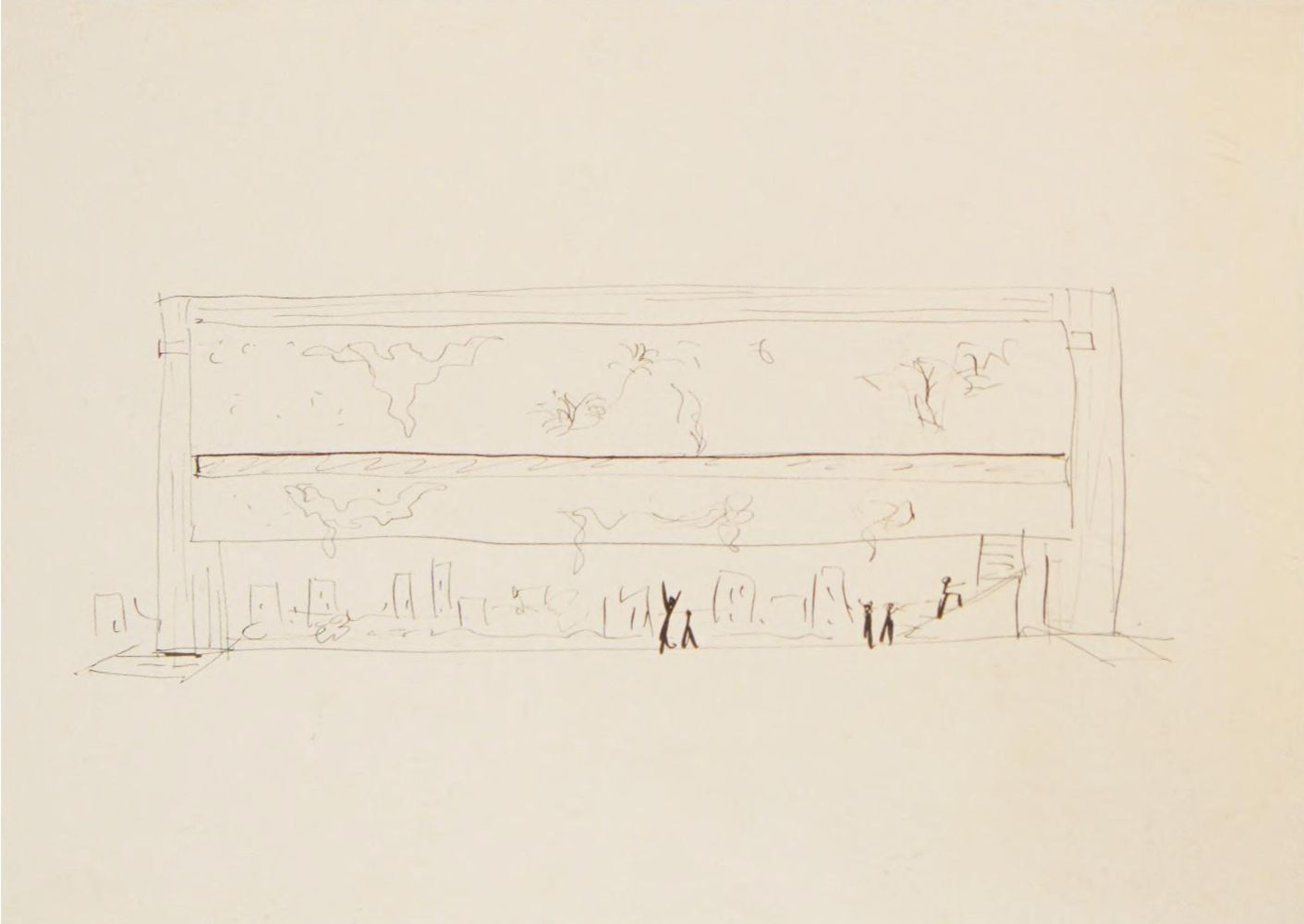
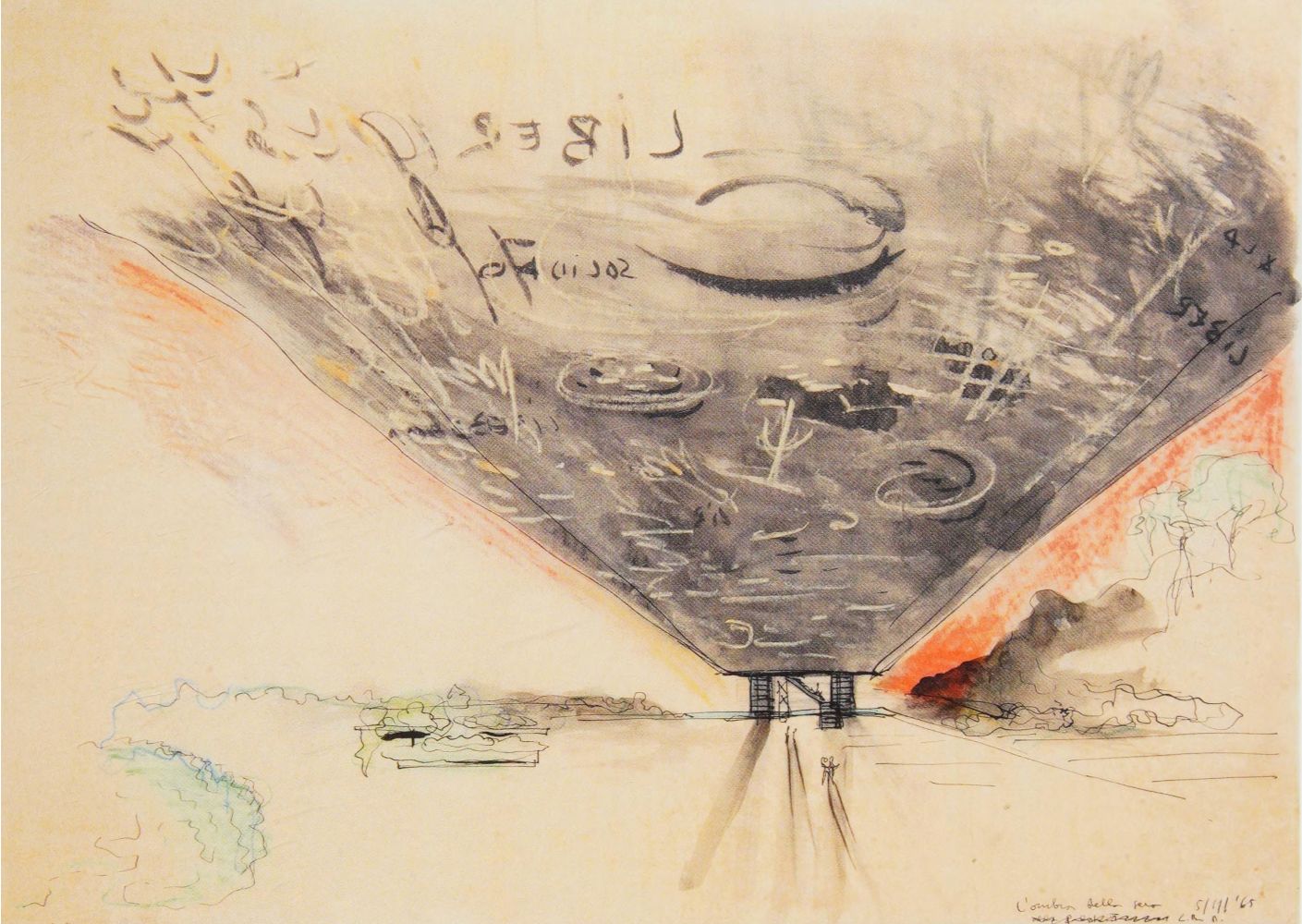
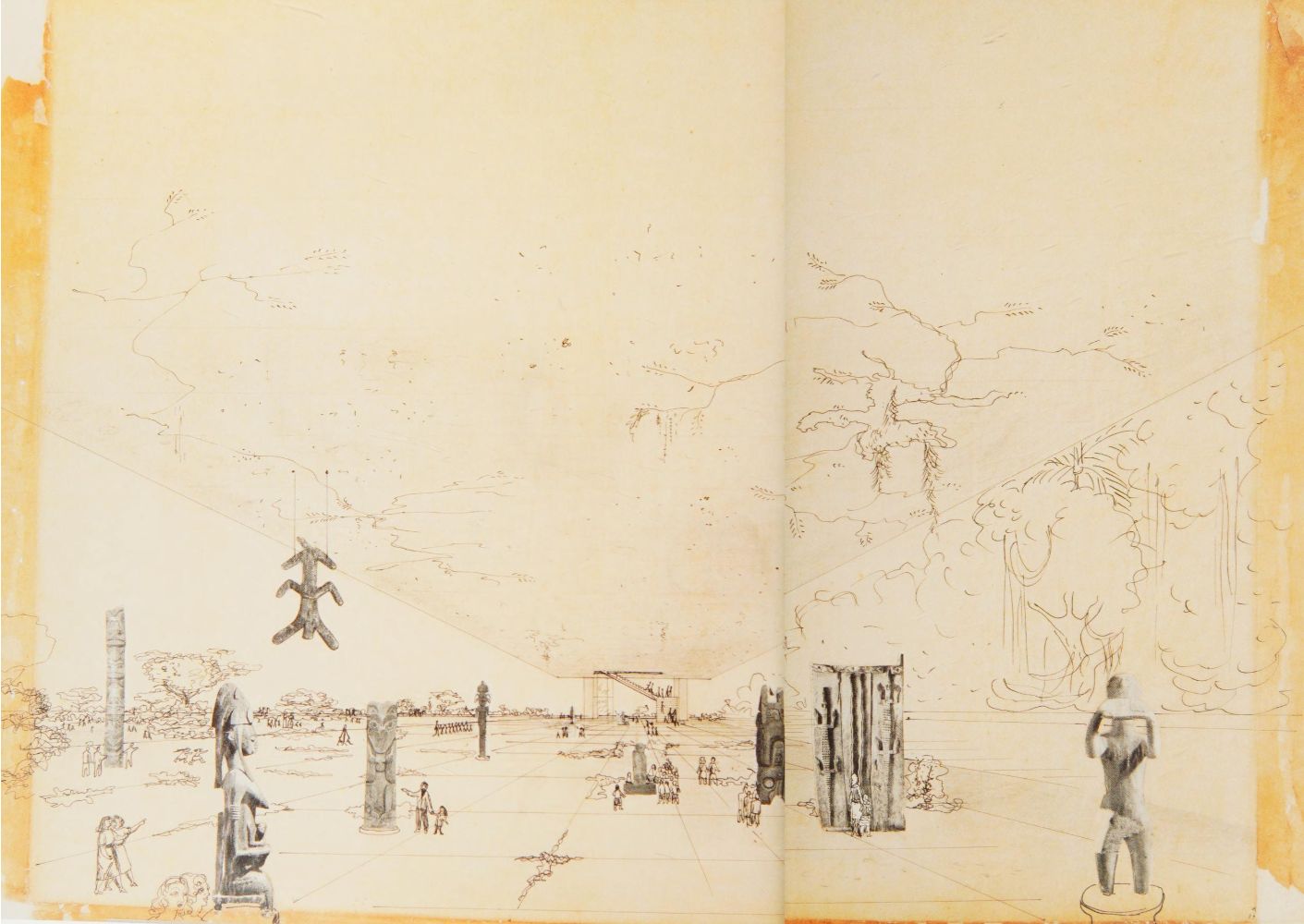
São Paulo Museum of Art stands on Avenida Paulista on the former Belvedere Trianon site, where a legal requirement preserved views toward the city. The project responds by lifting the main volume and maintaining visual continuity across the urban landscape.
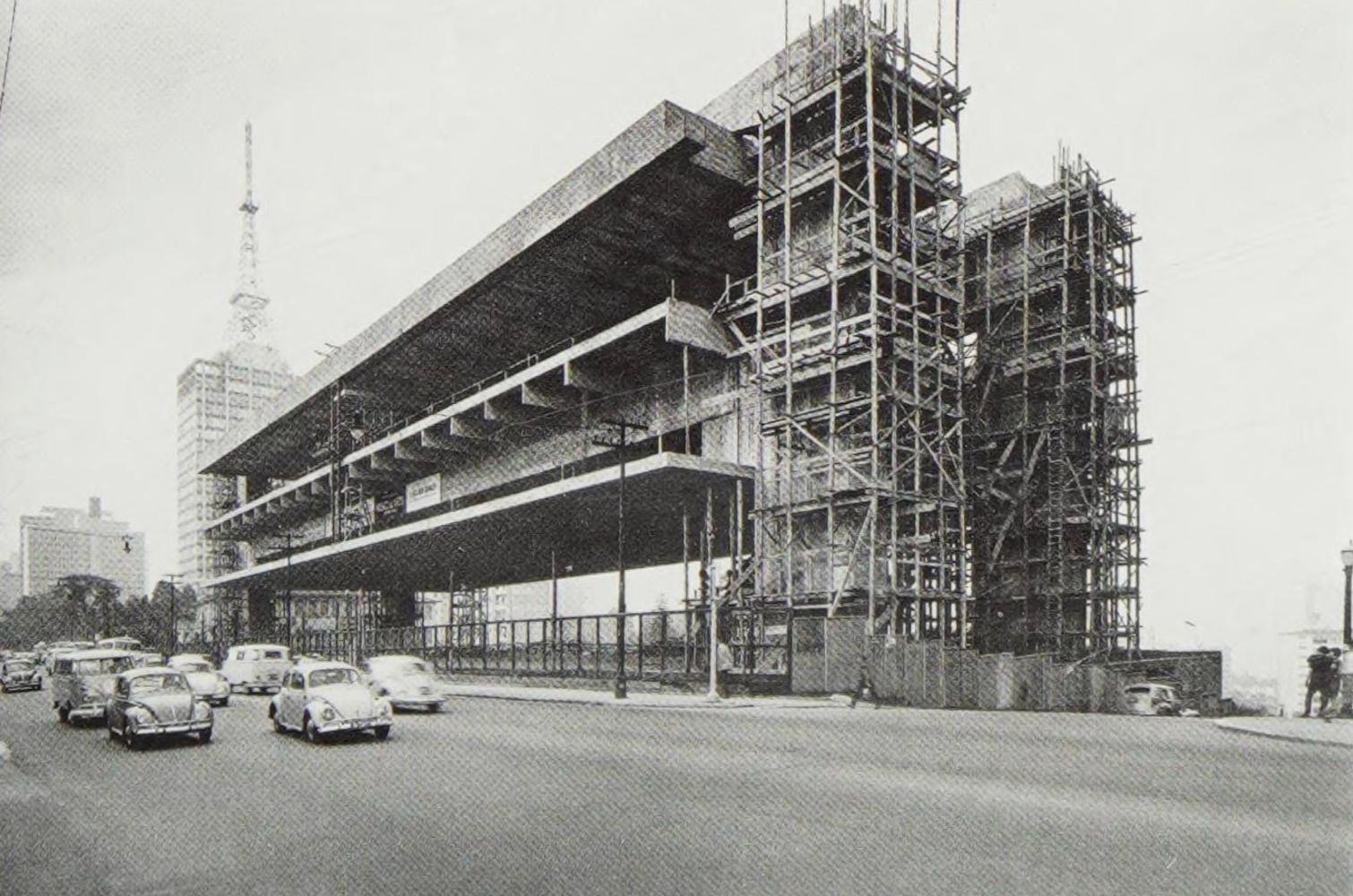
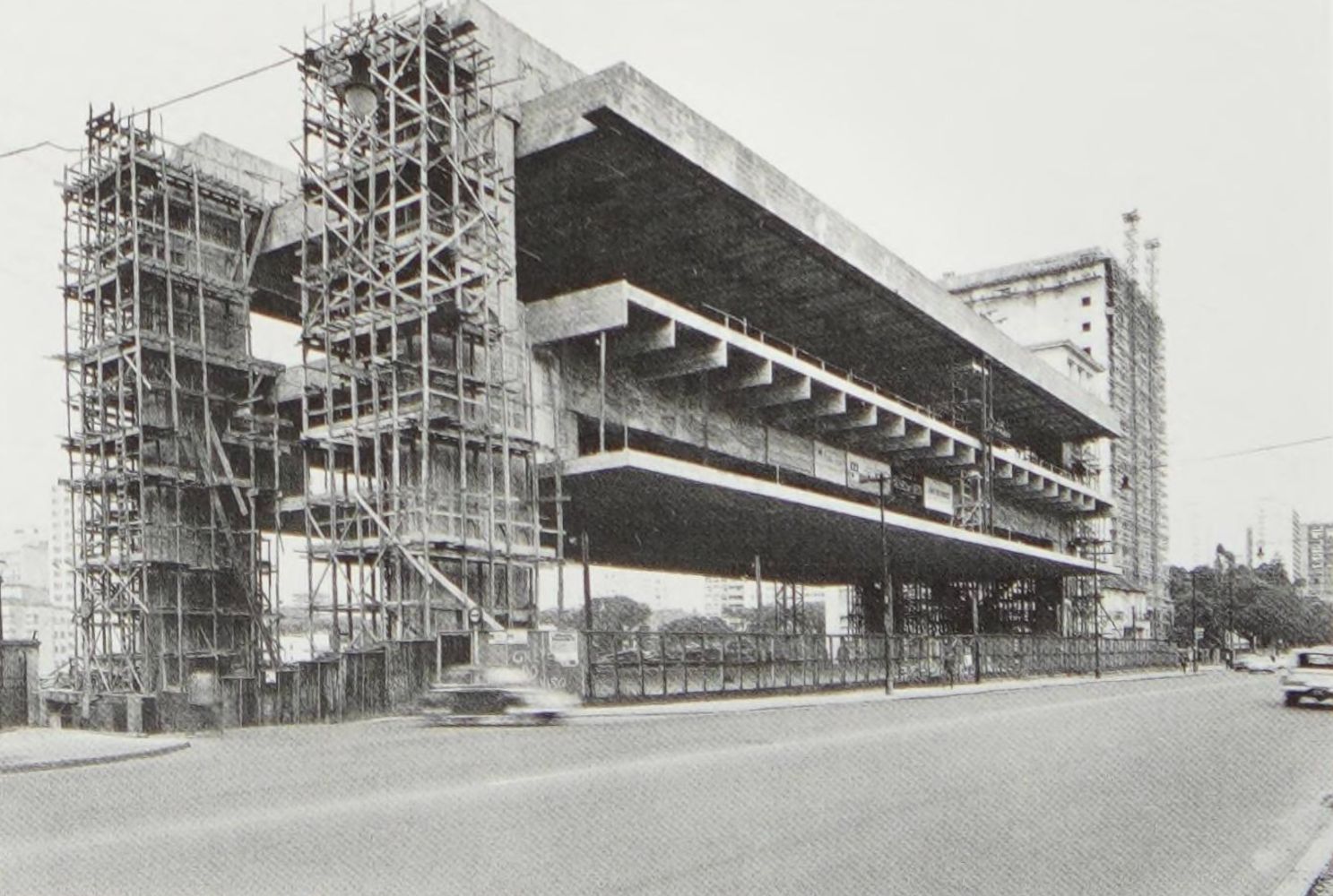
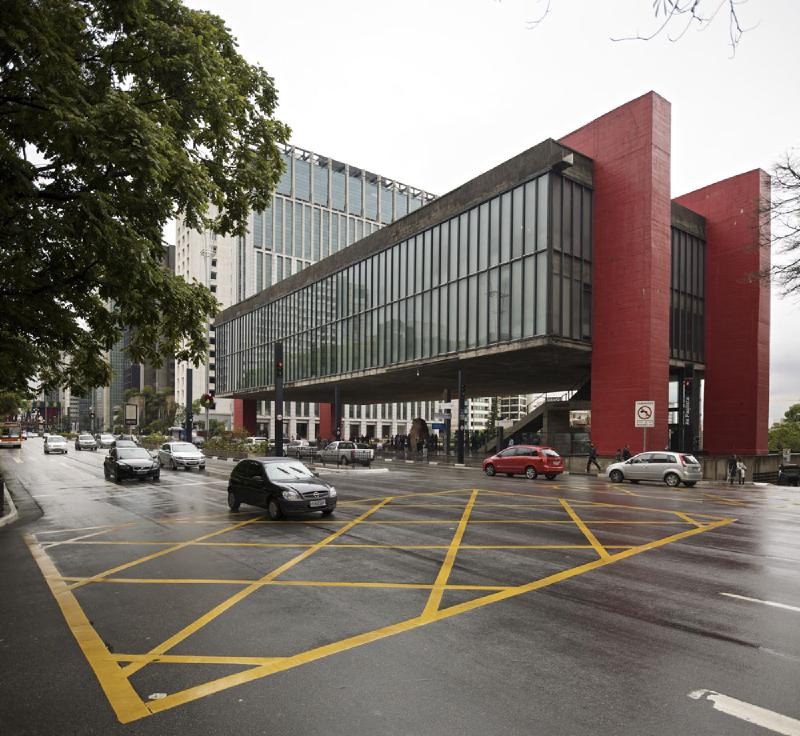
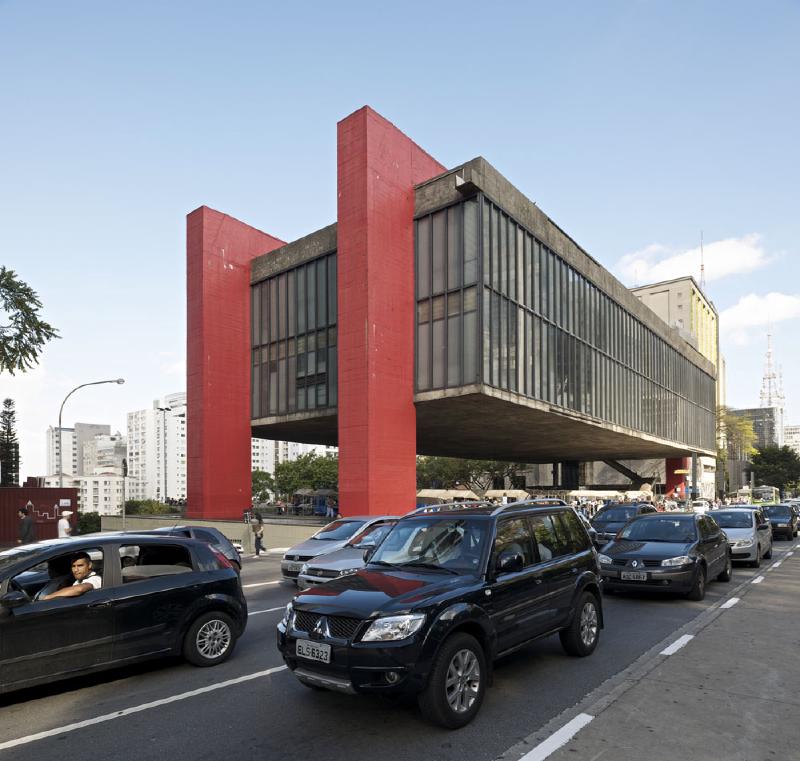
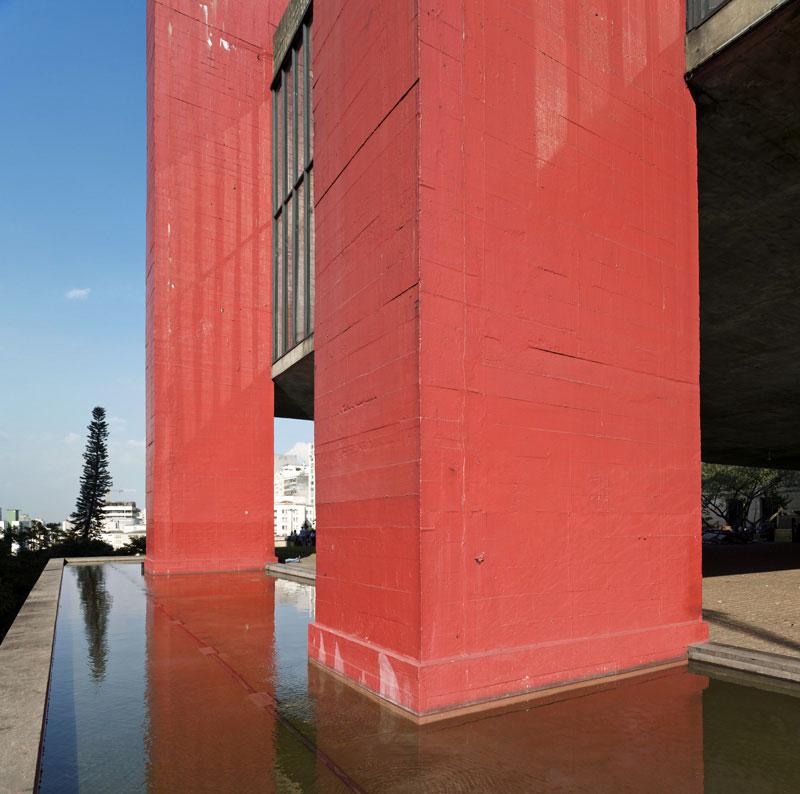
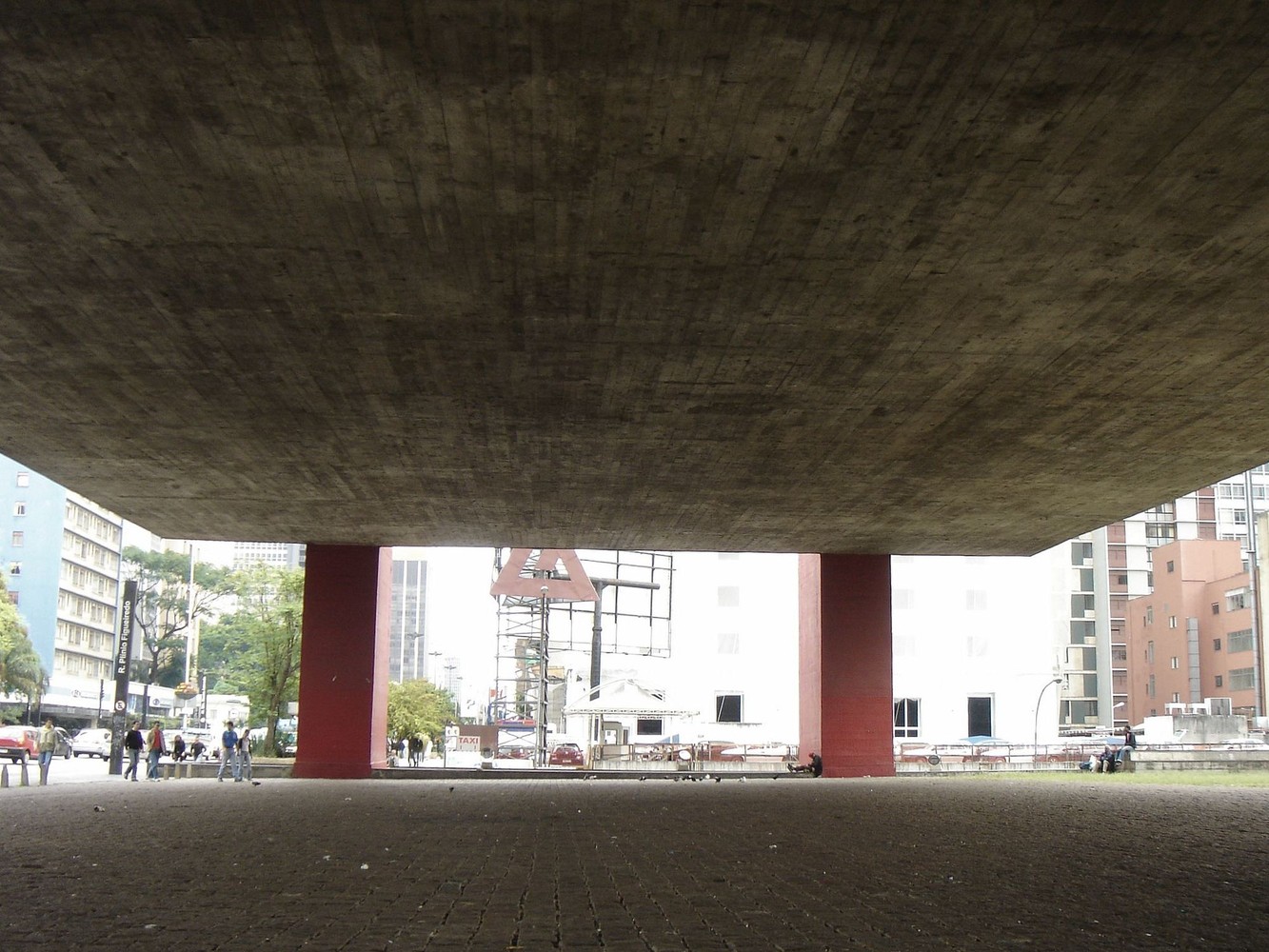
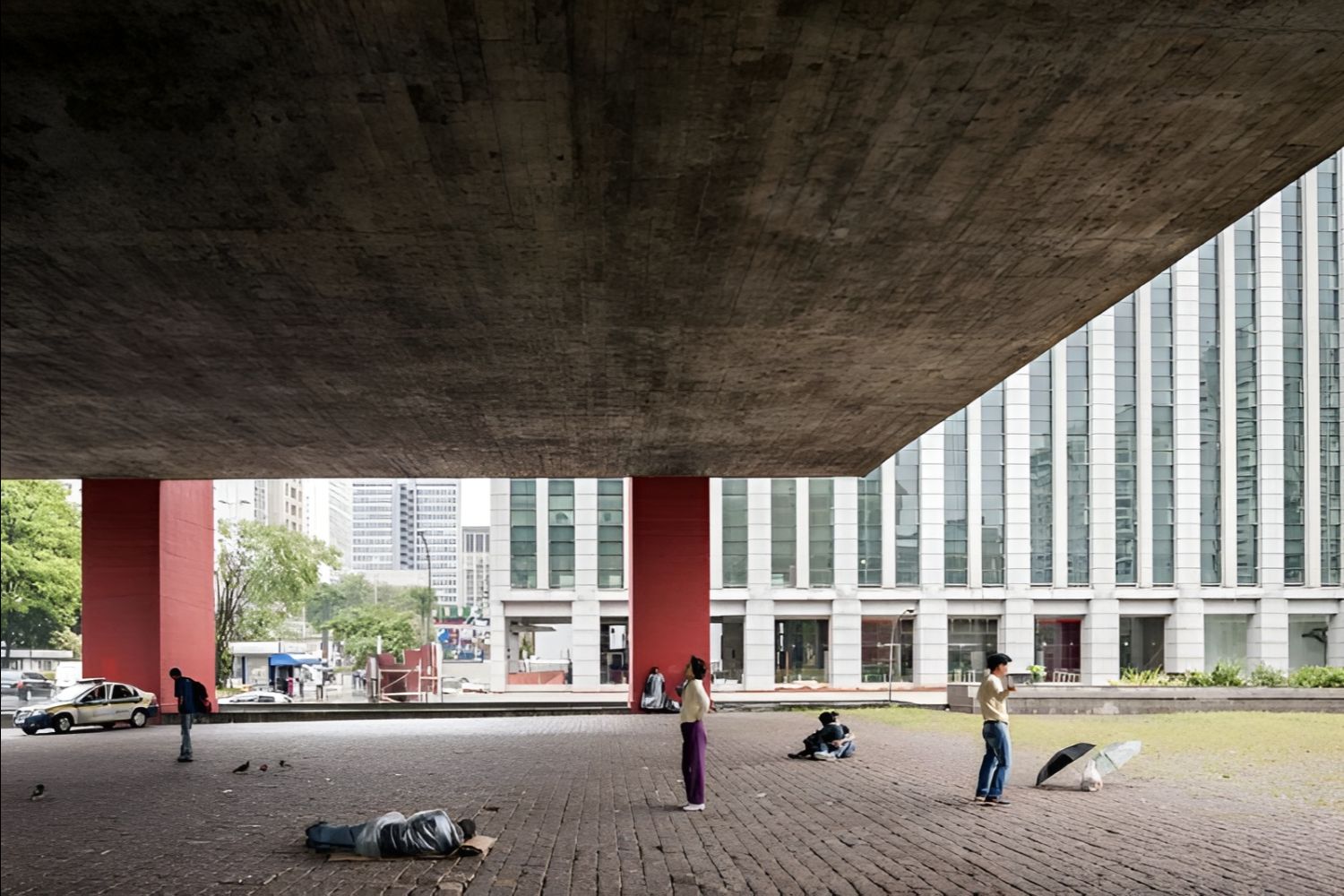
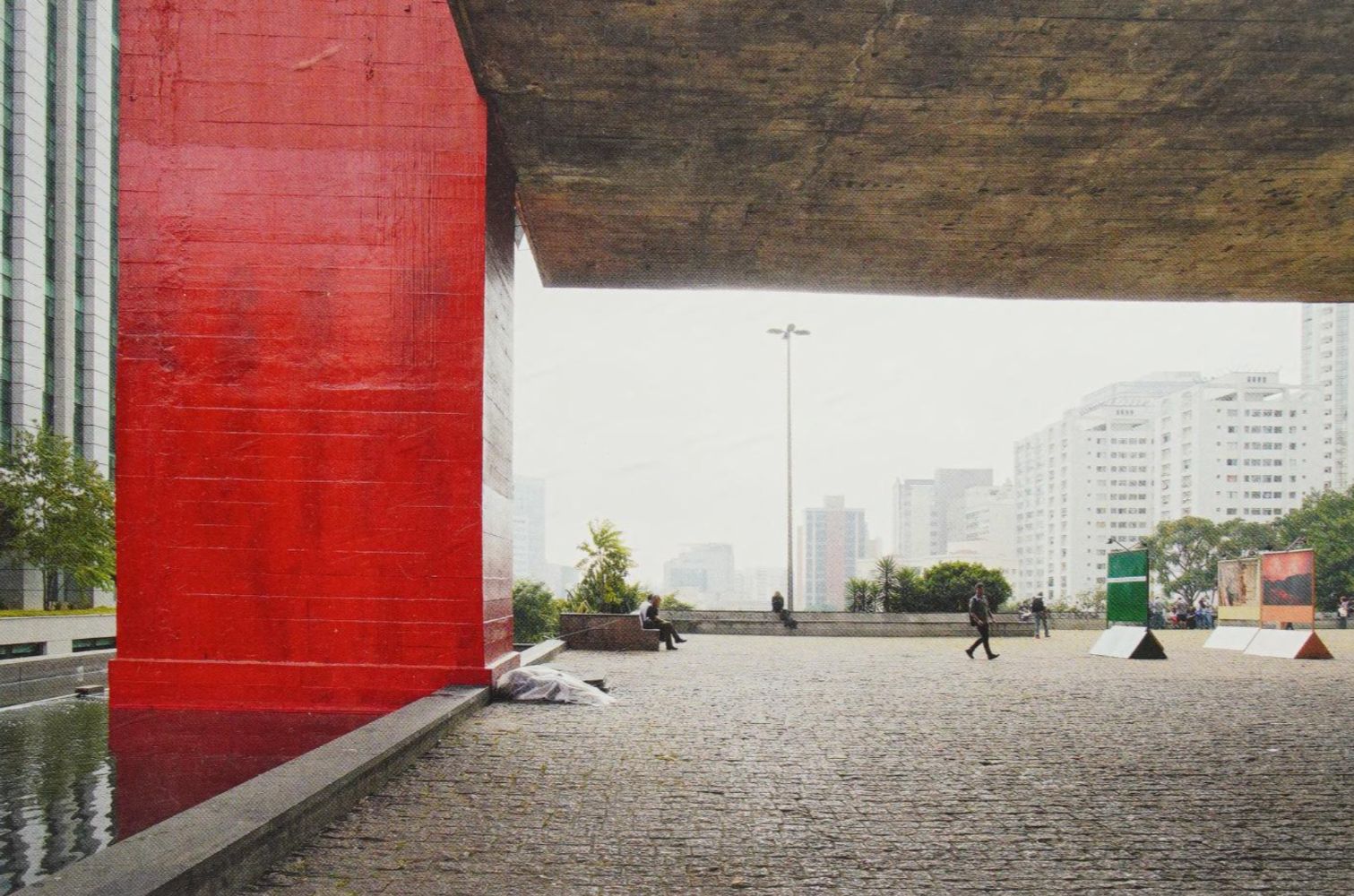
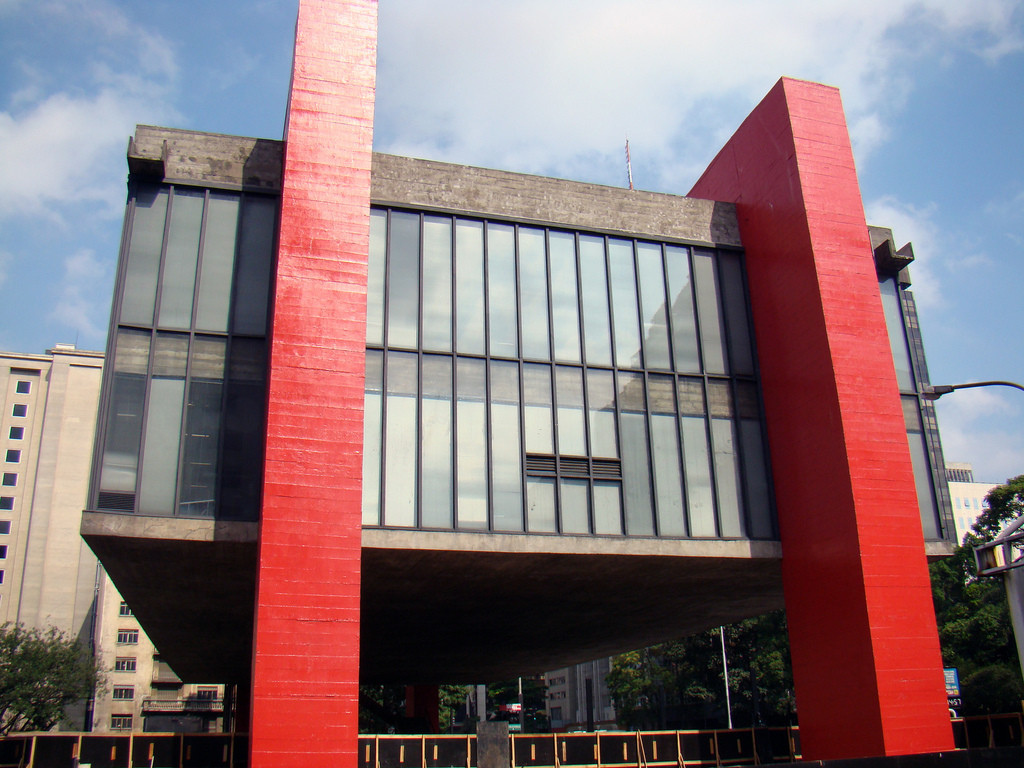
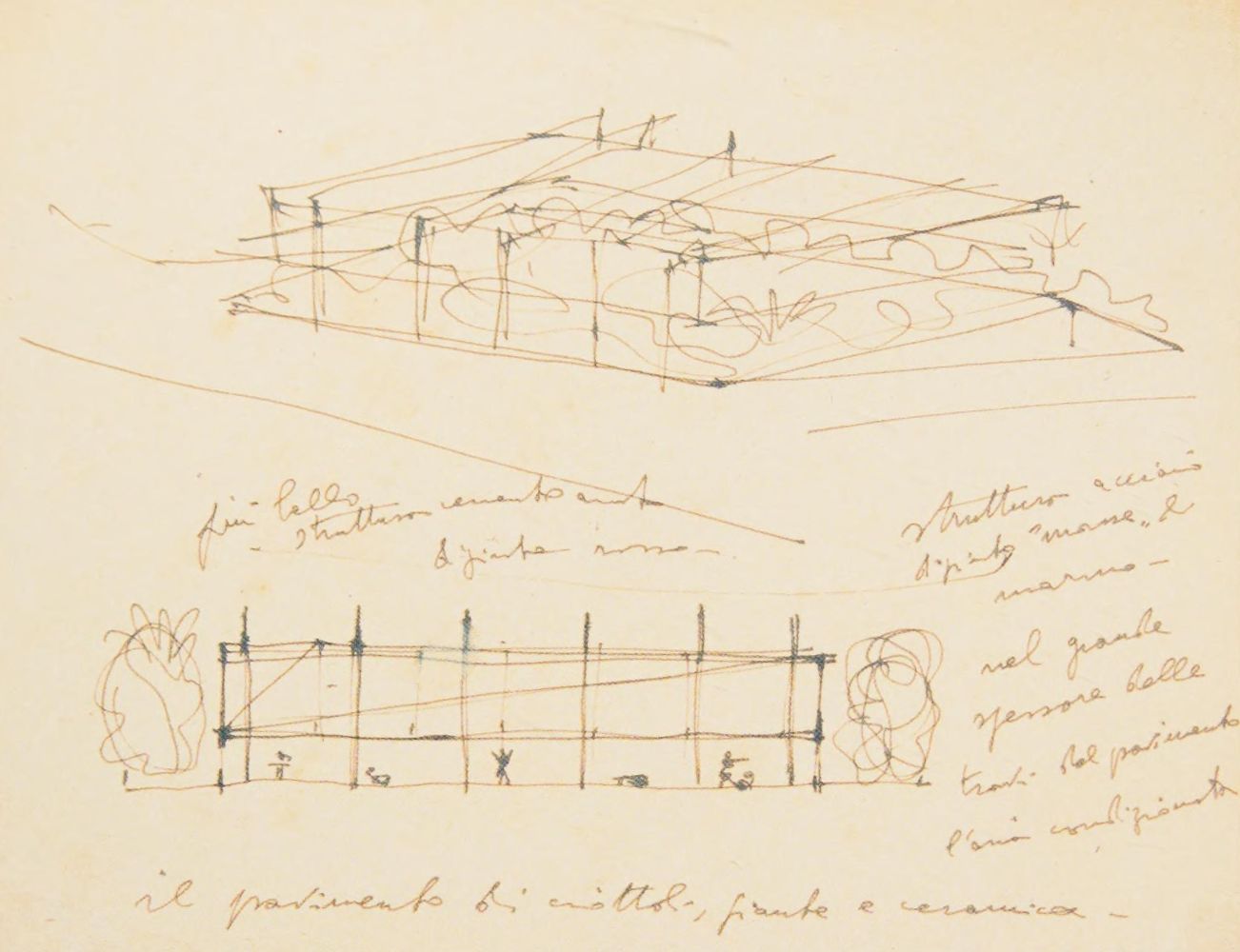
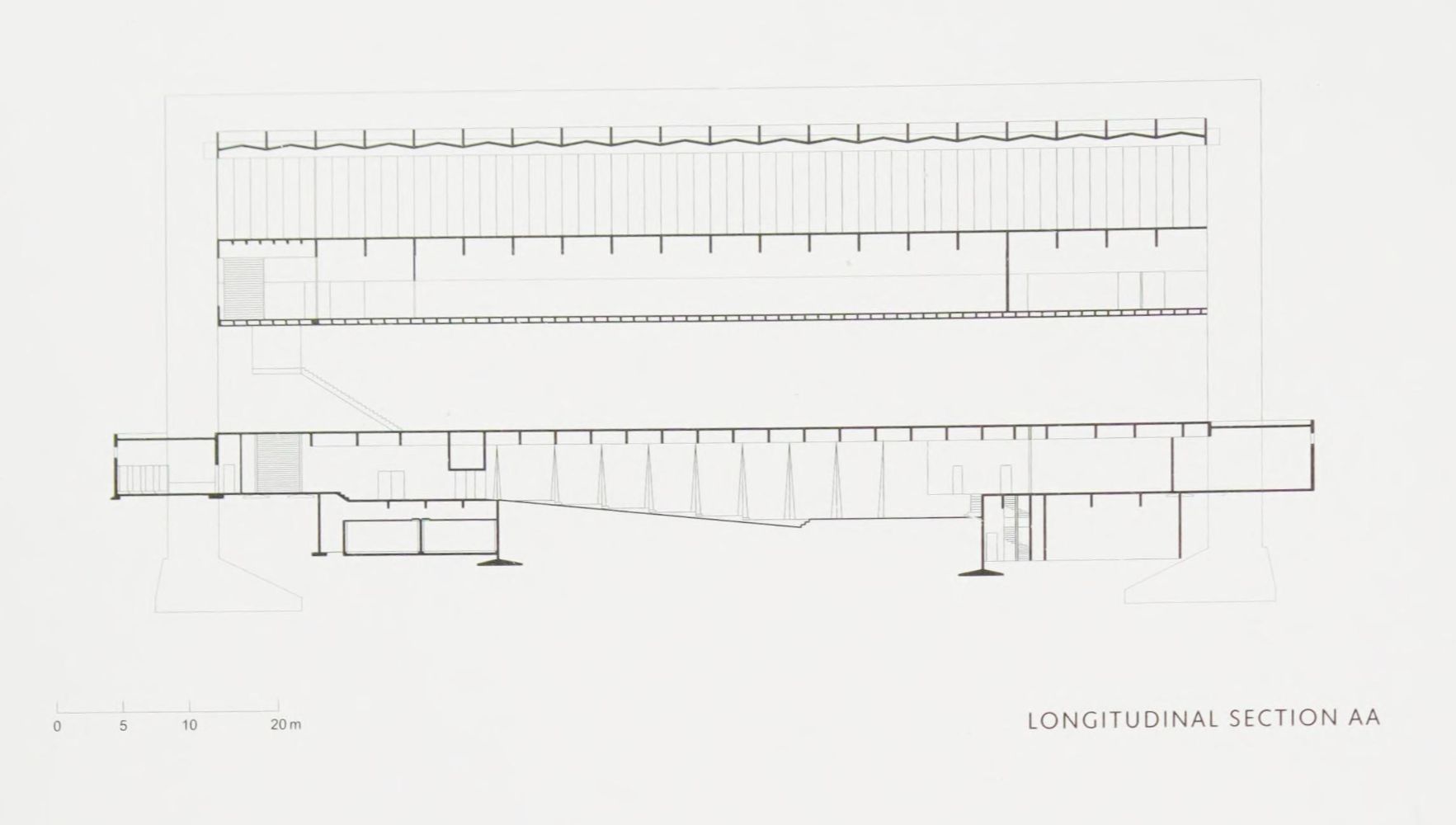
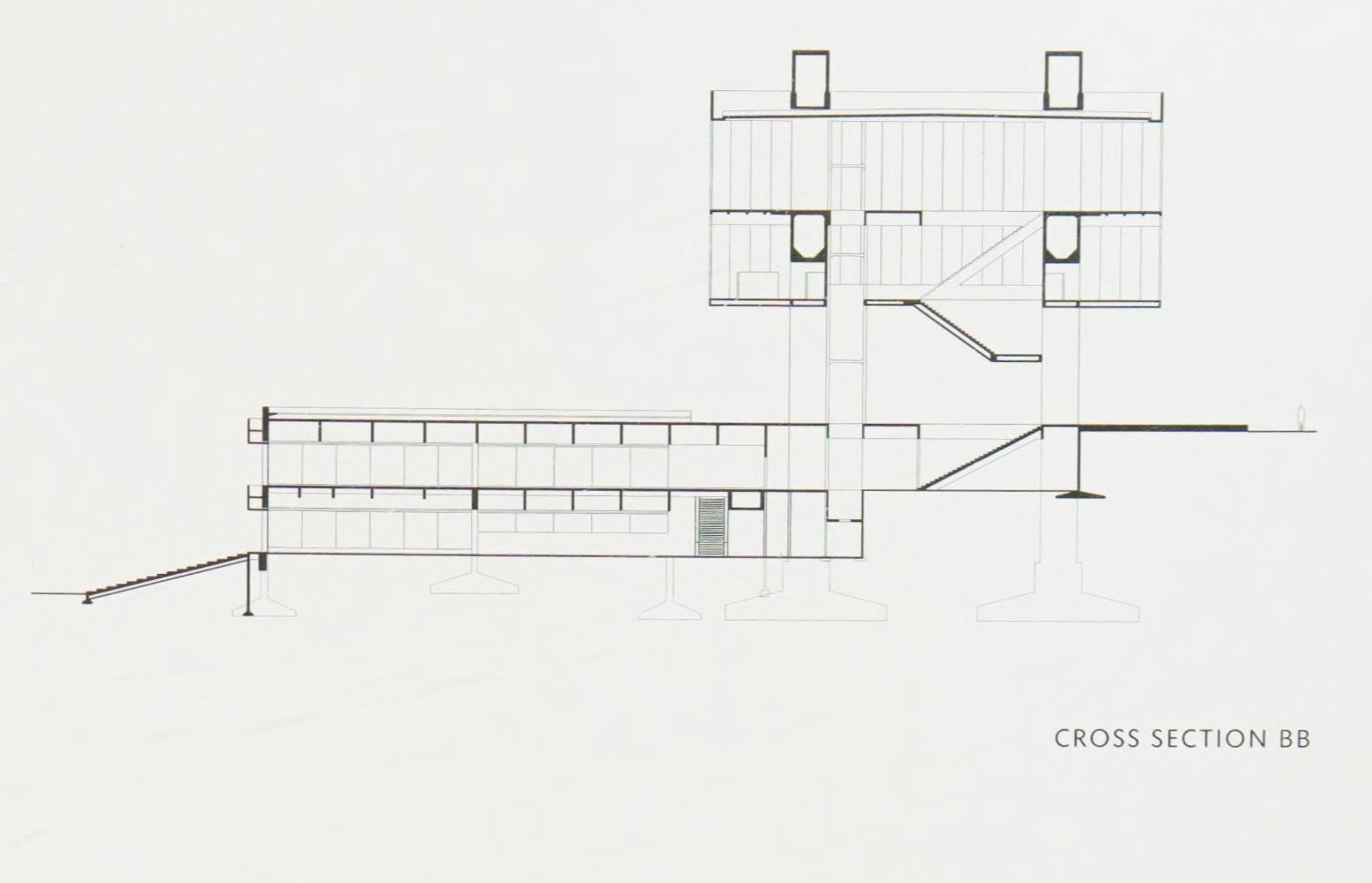
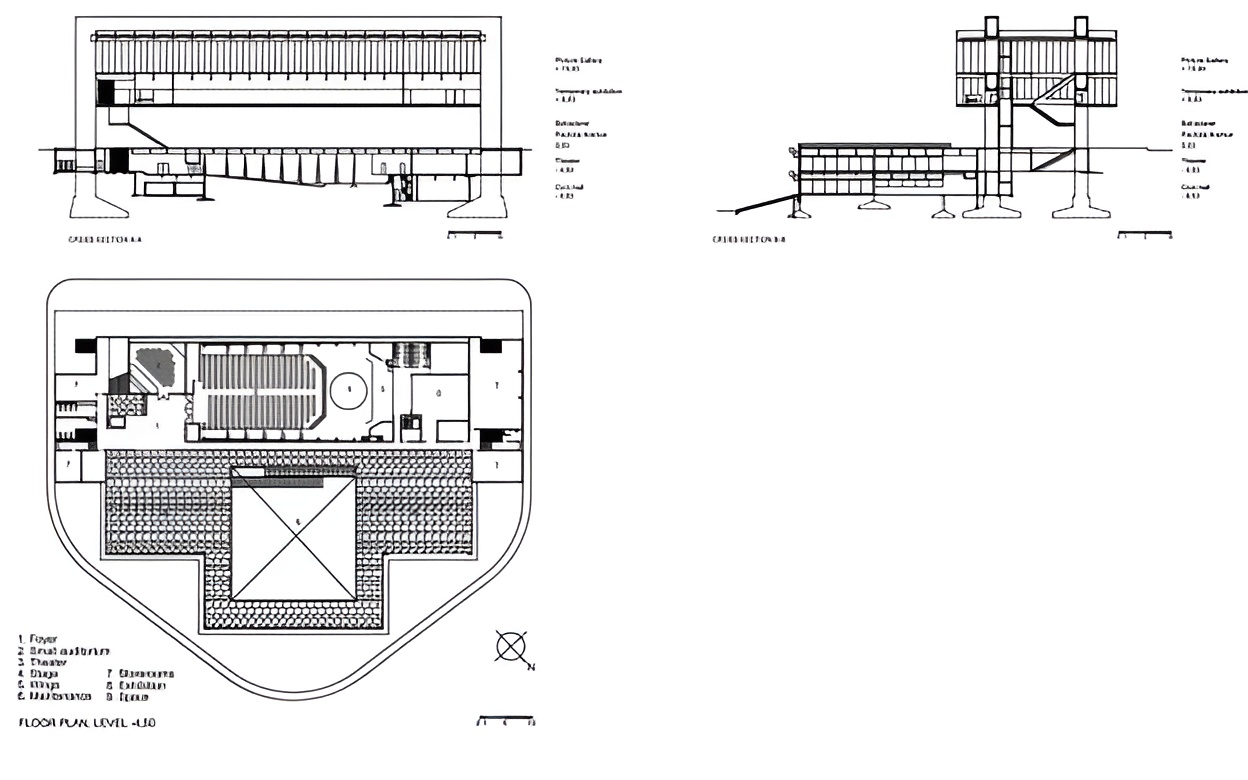
The structural system defines the architecture. Two prestressed concrete beams span the length of the building and are supported by four massive piers. This configuration creates a 74-meter clear span beneath the elevated volume, allowing the ground plane to remain open and accessible.
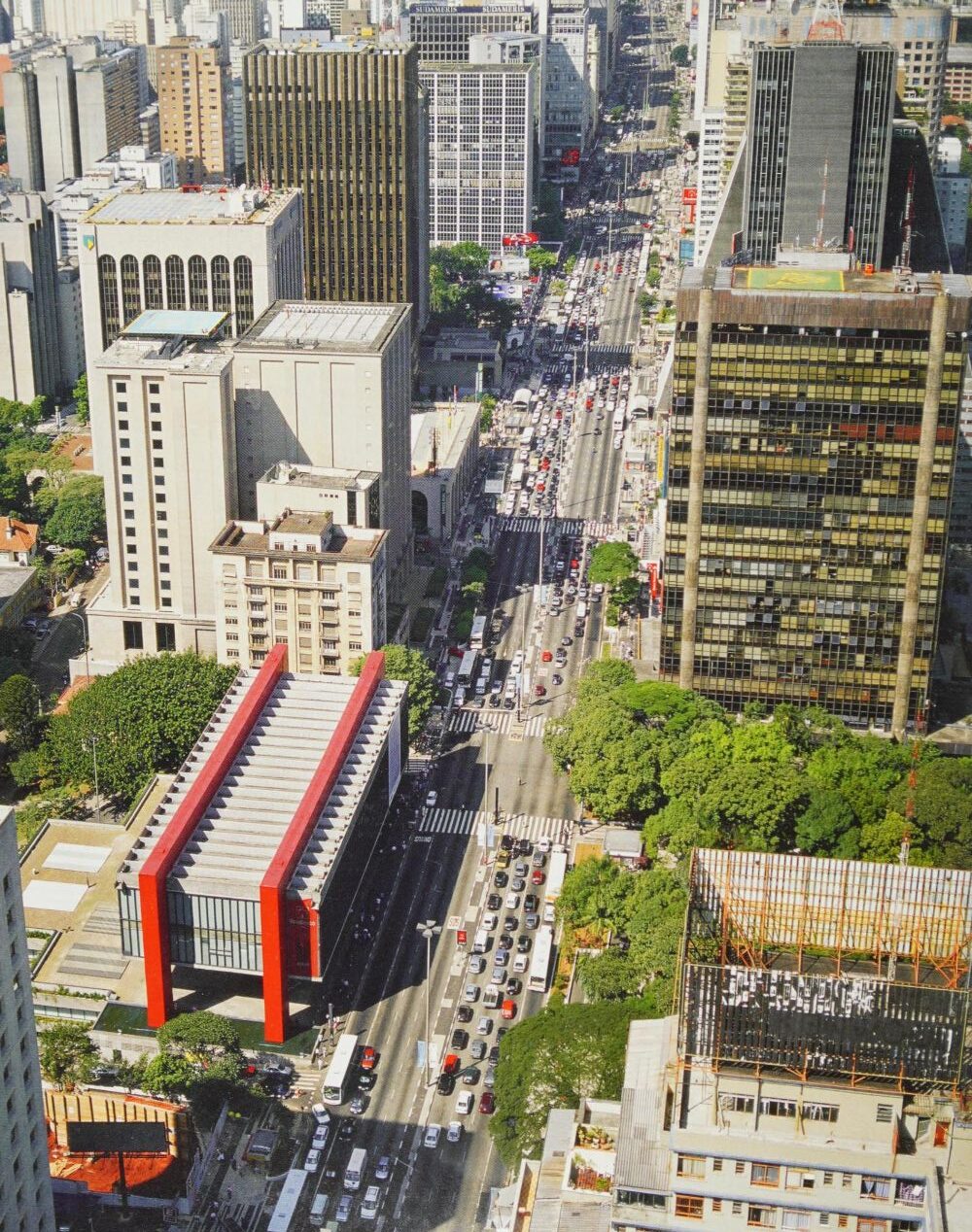
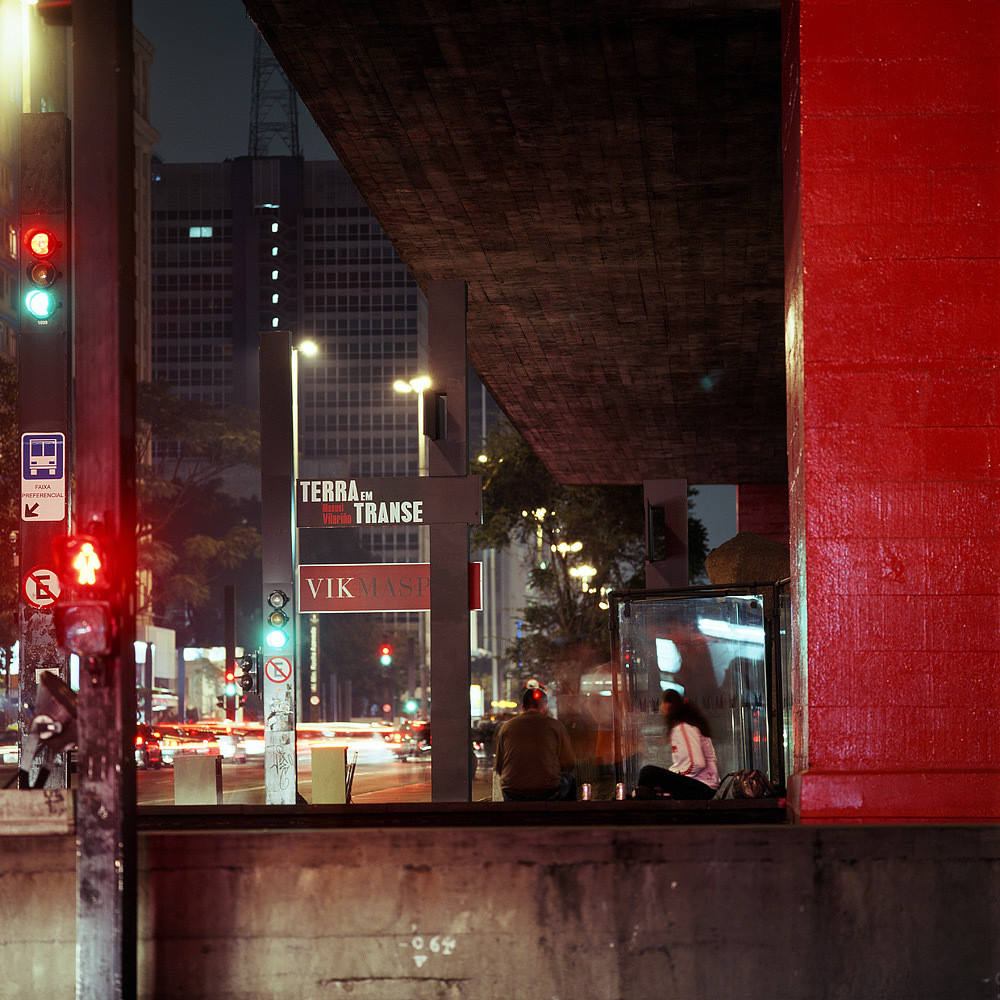
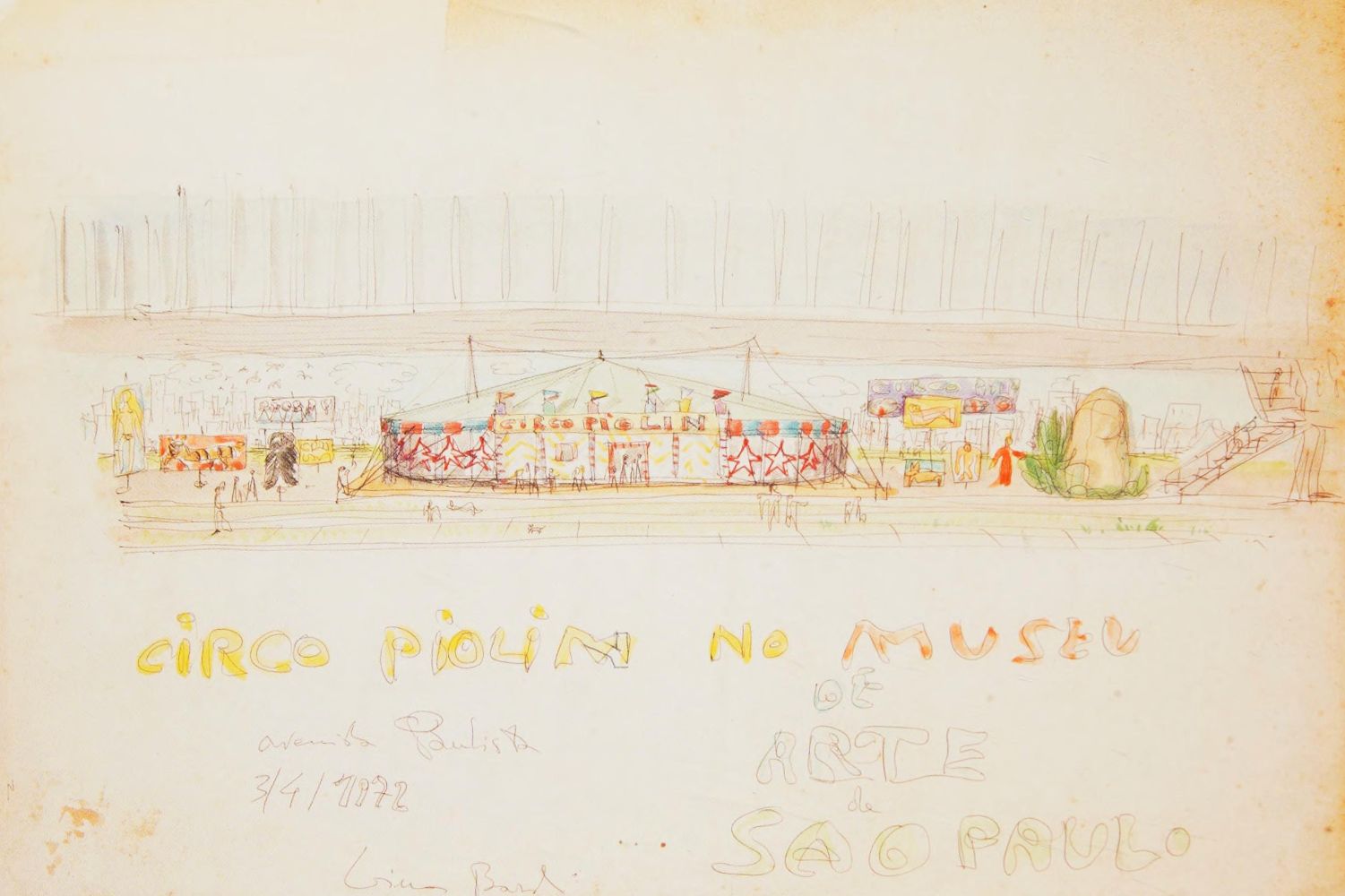
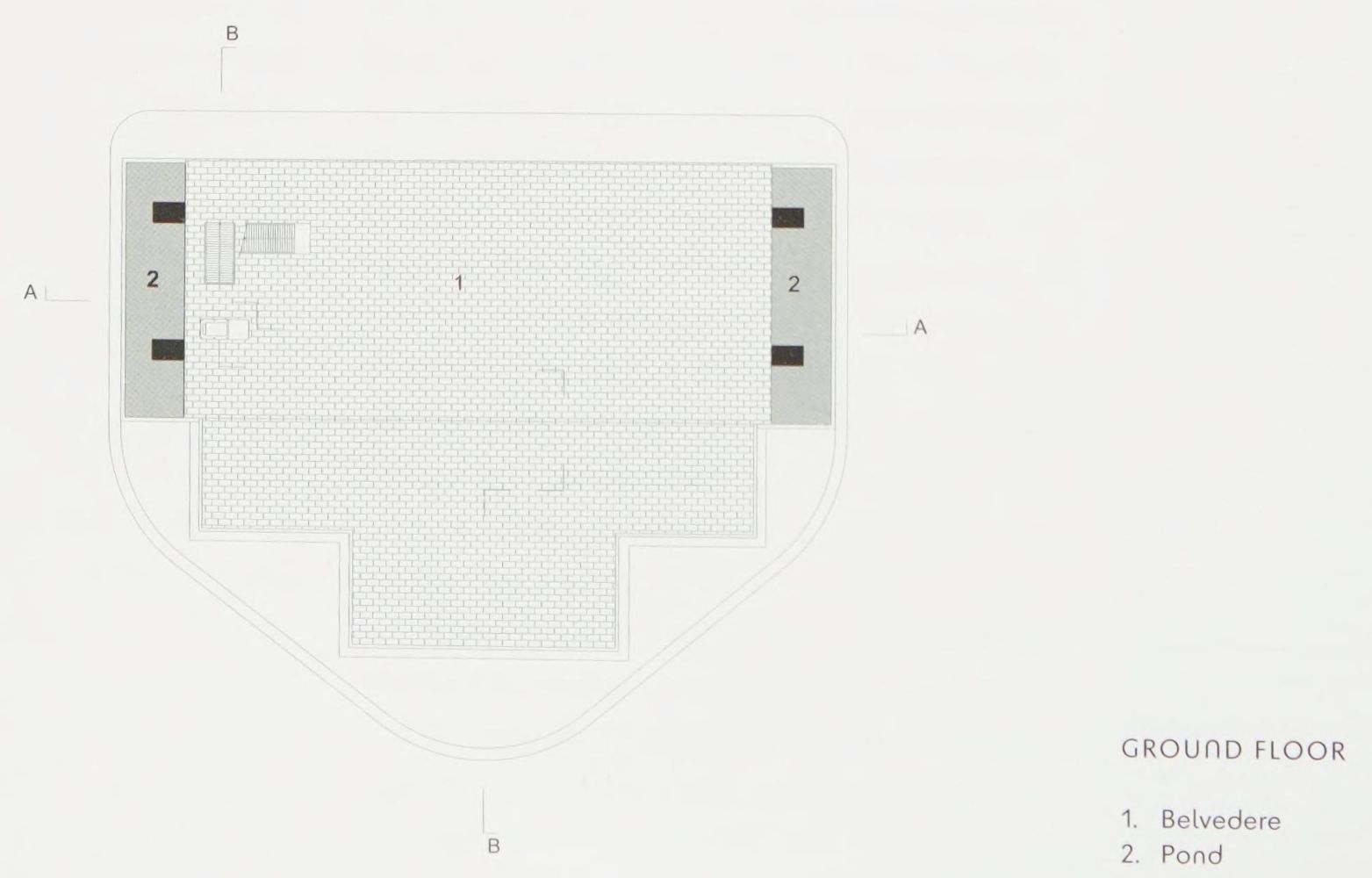
The ground level operates as a civic platform. The open plaza supports gathering, events, and everyday movement, reinforcing the building’s integration with the city.
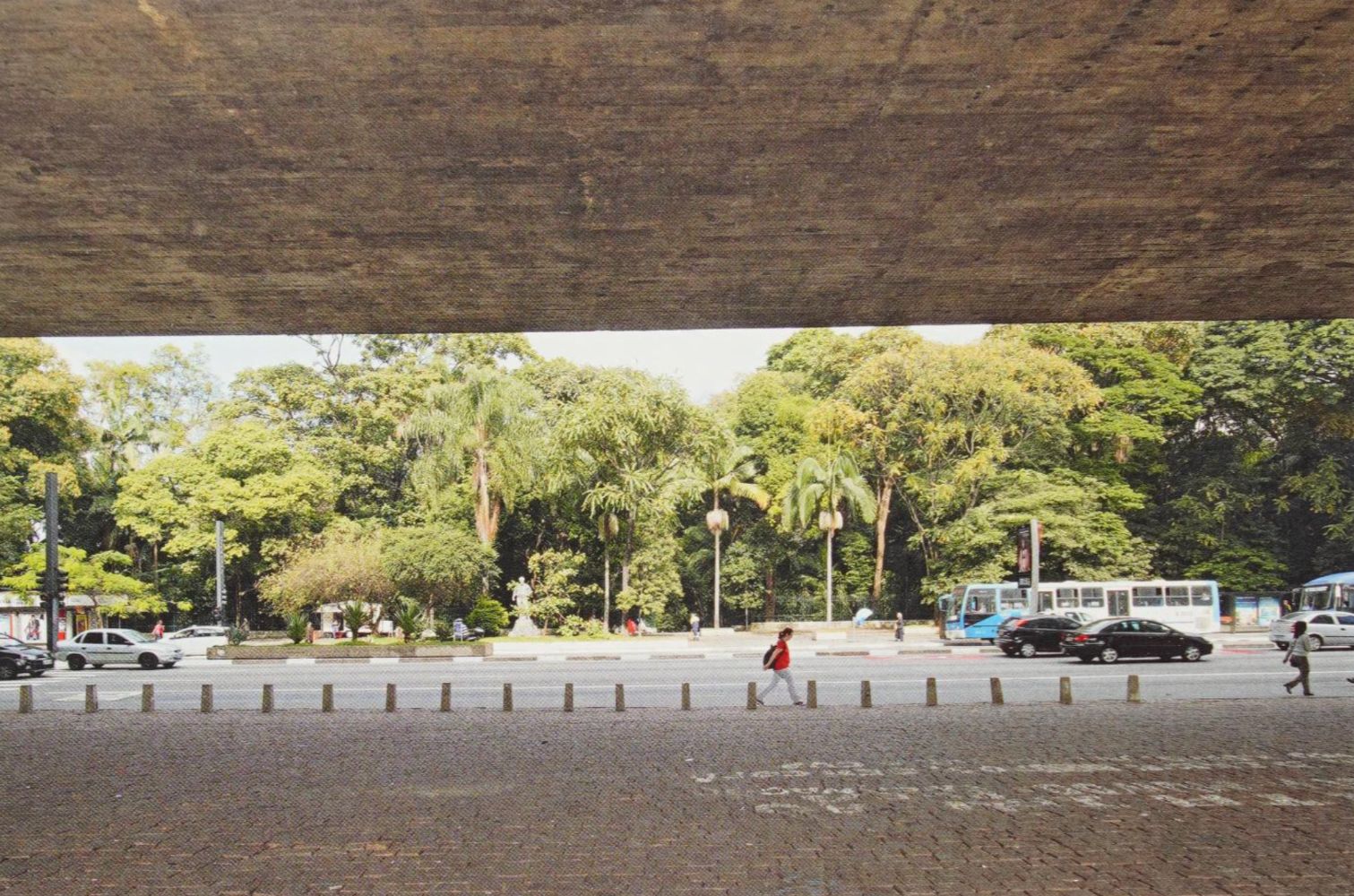
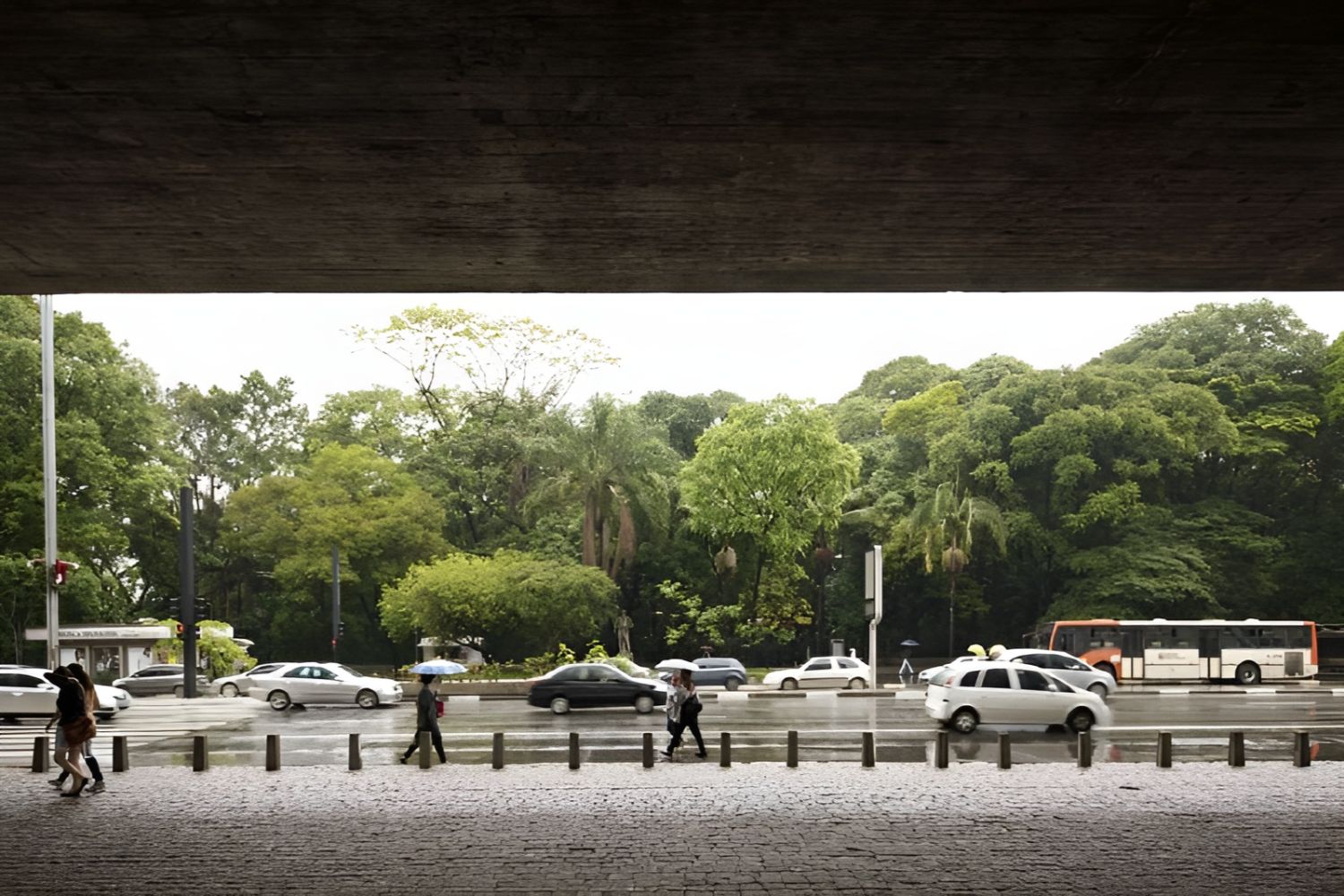
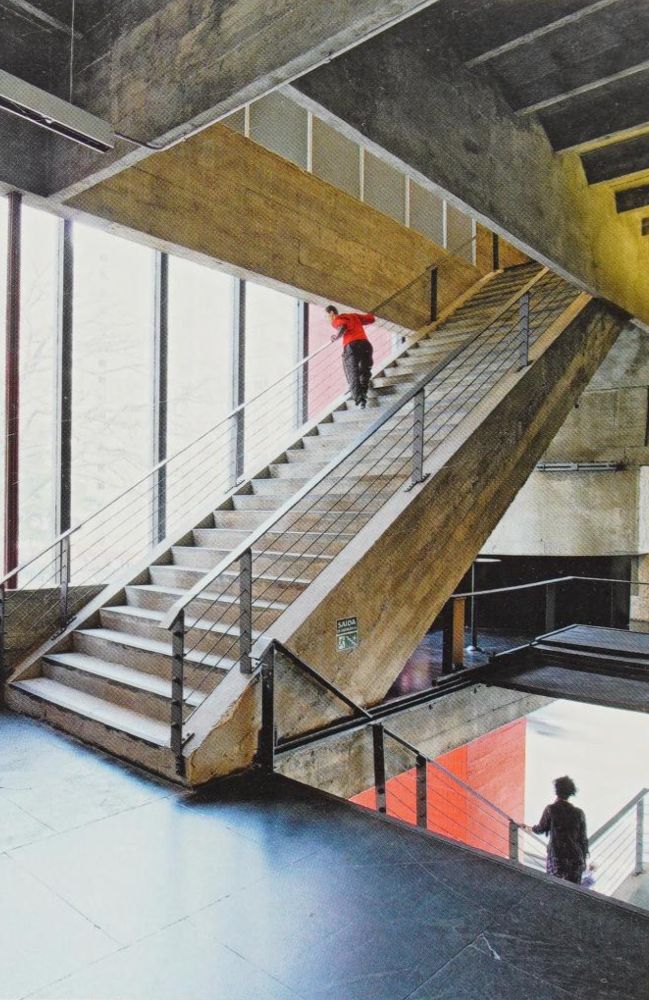
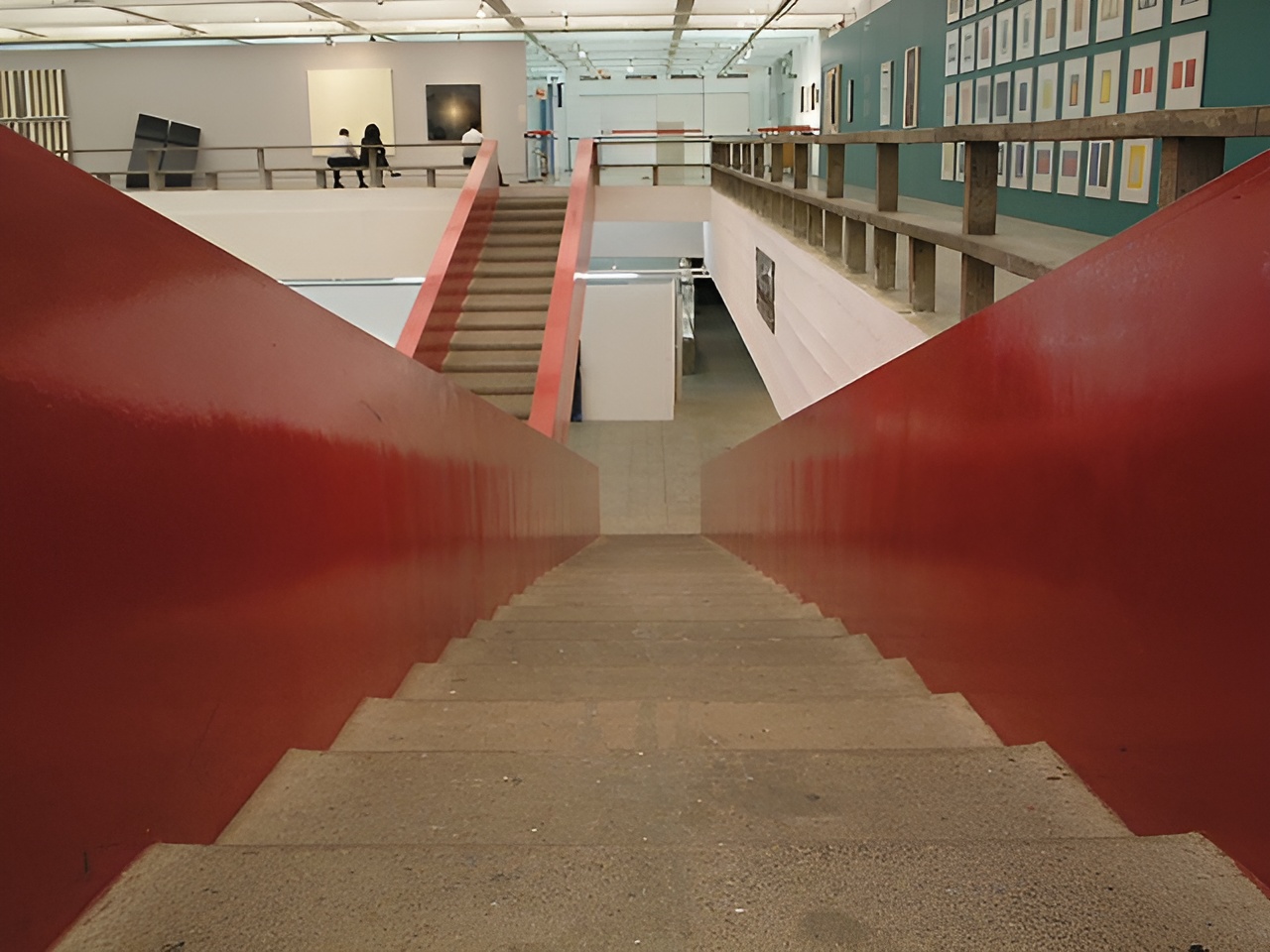
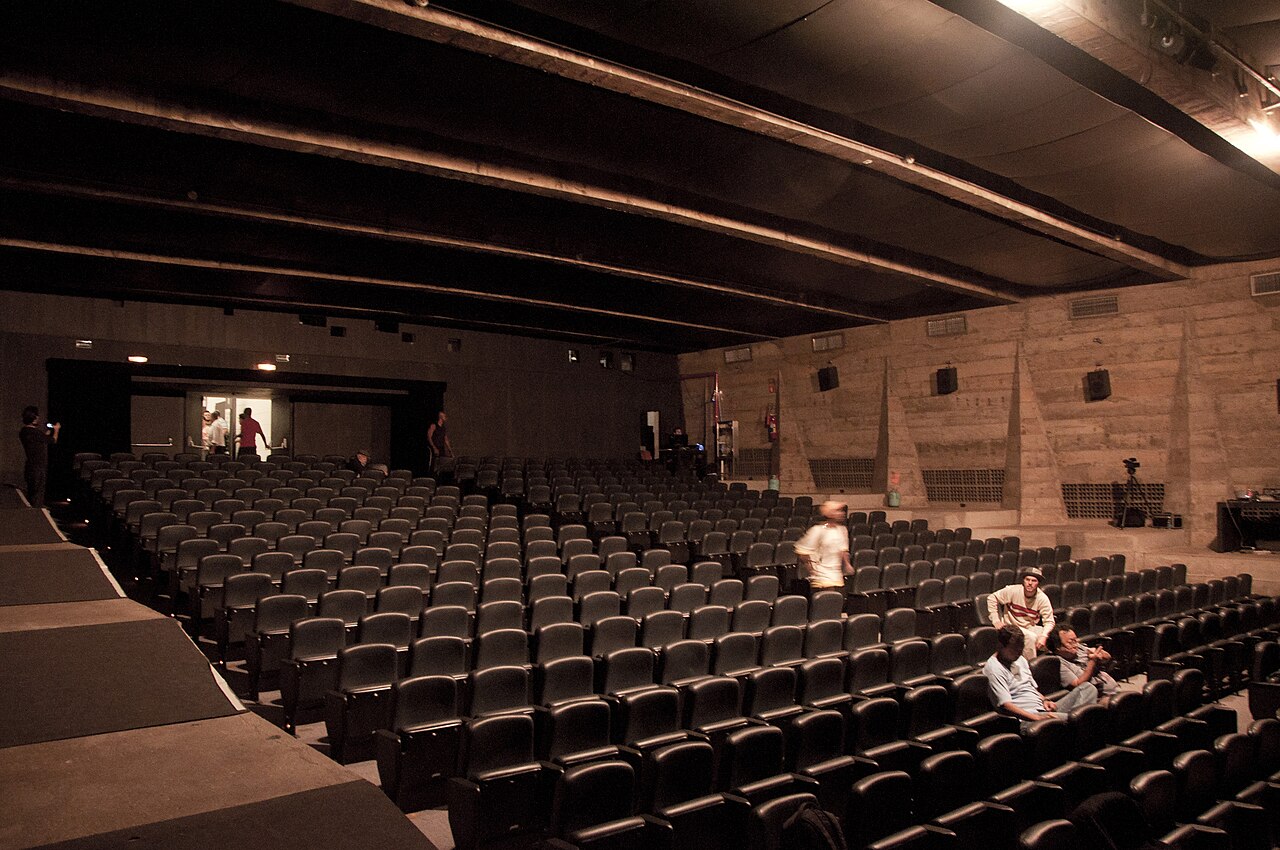
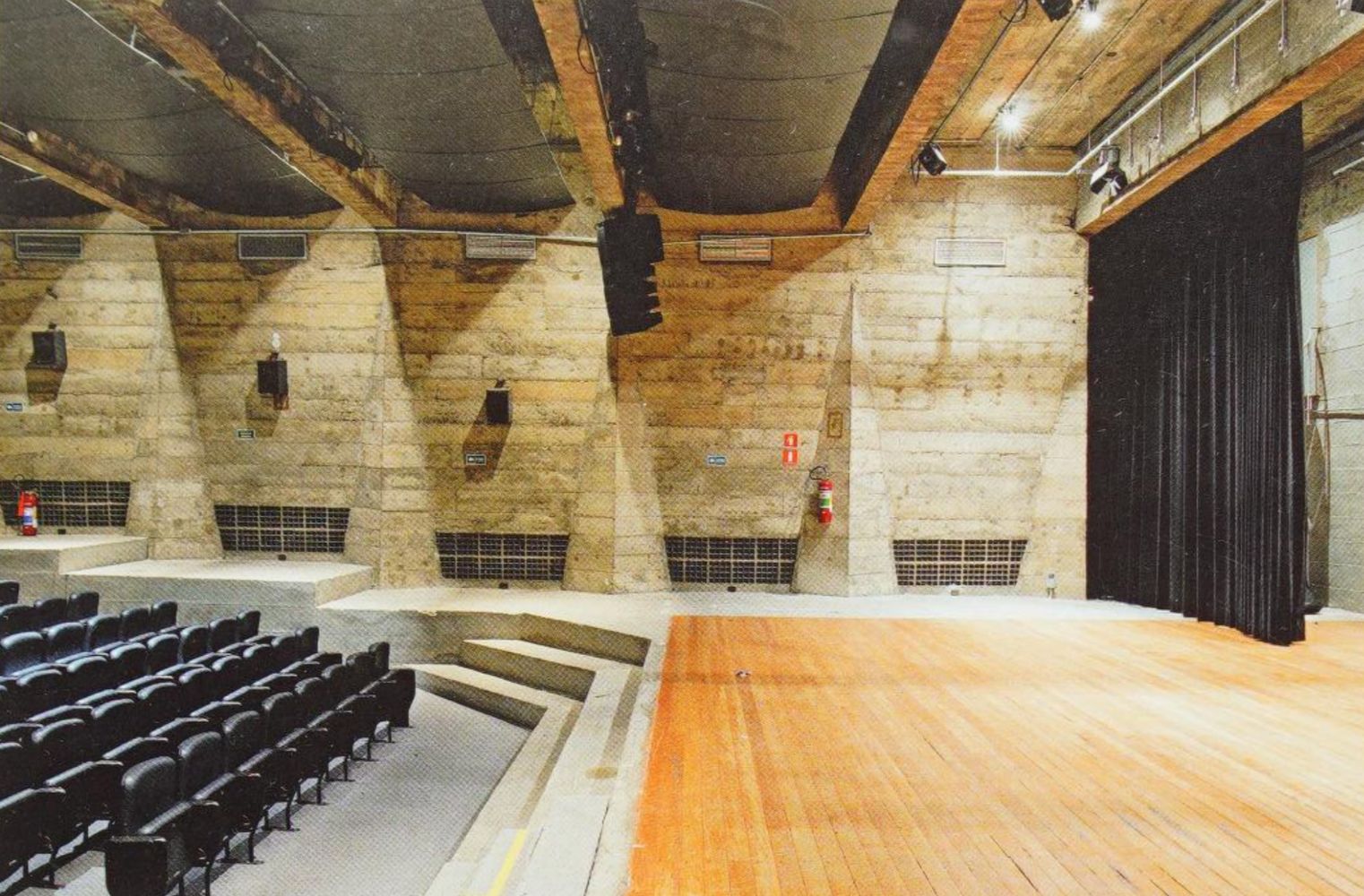
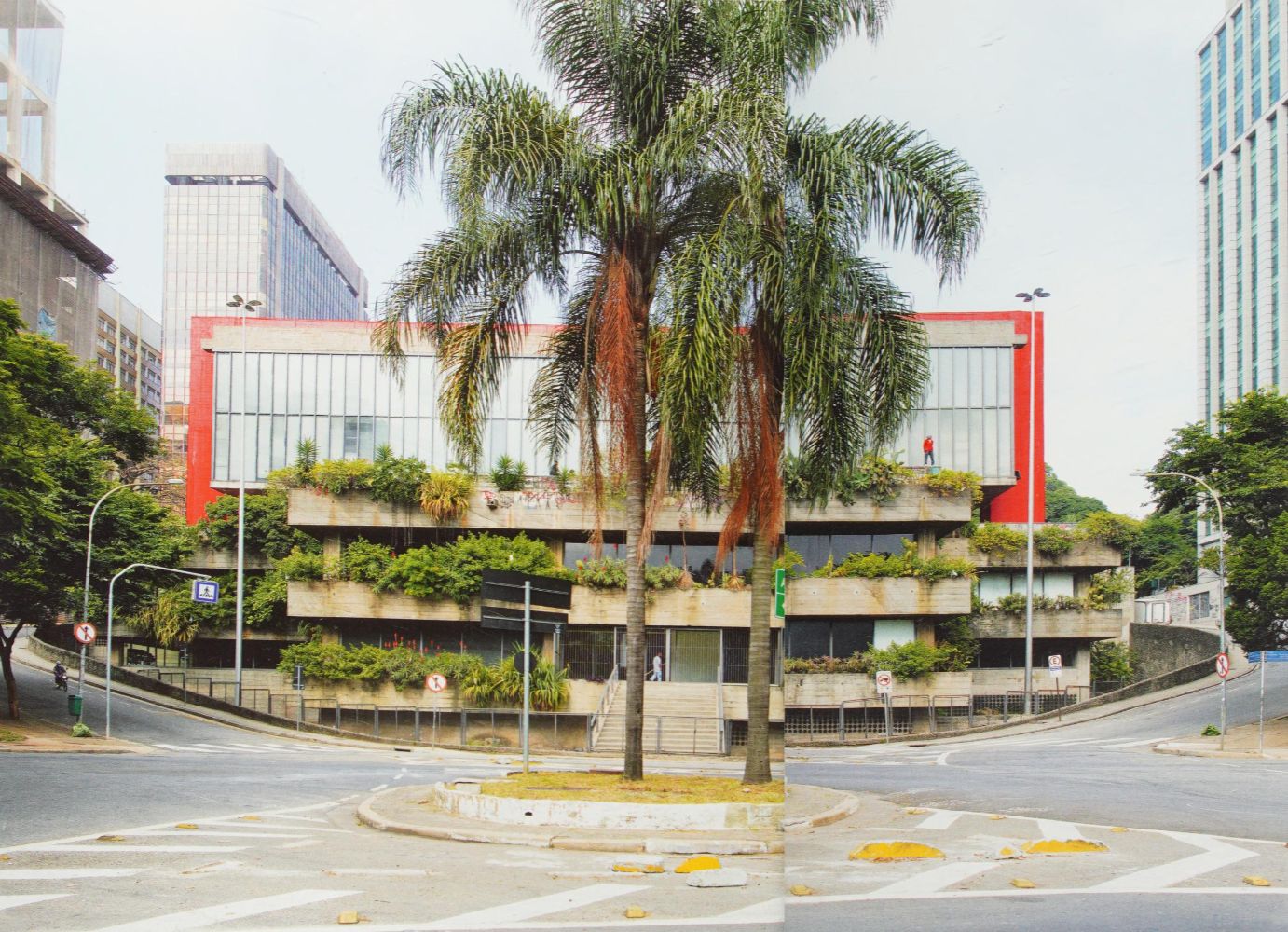
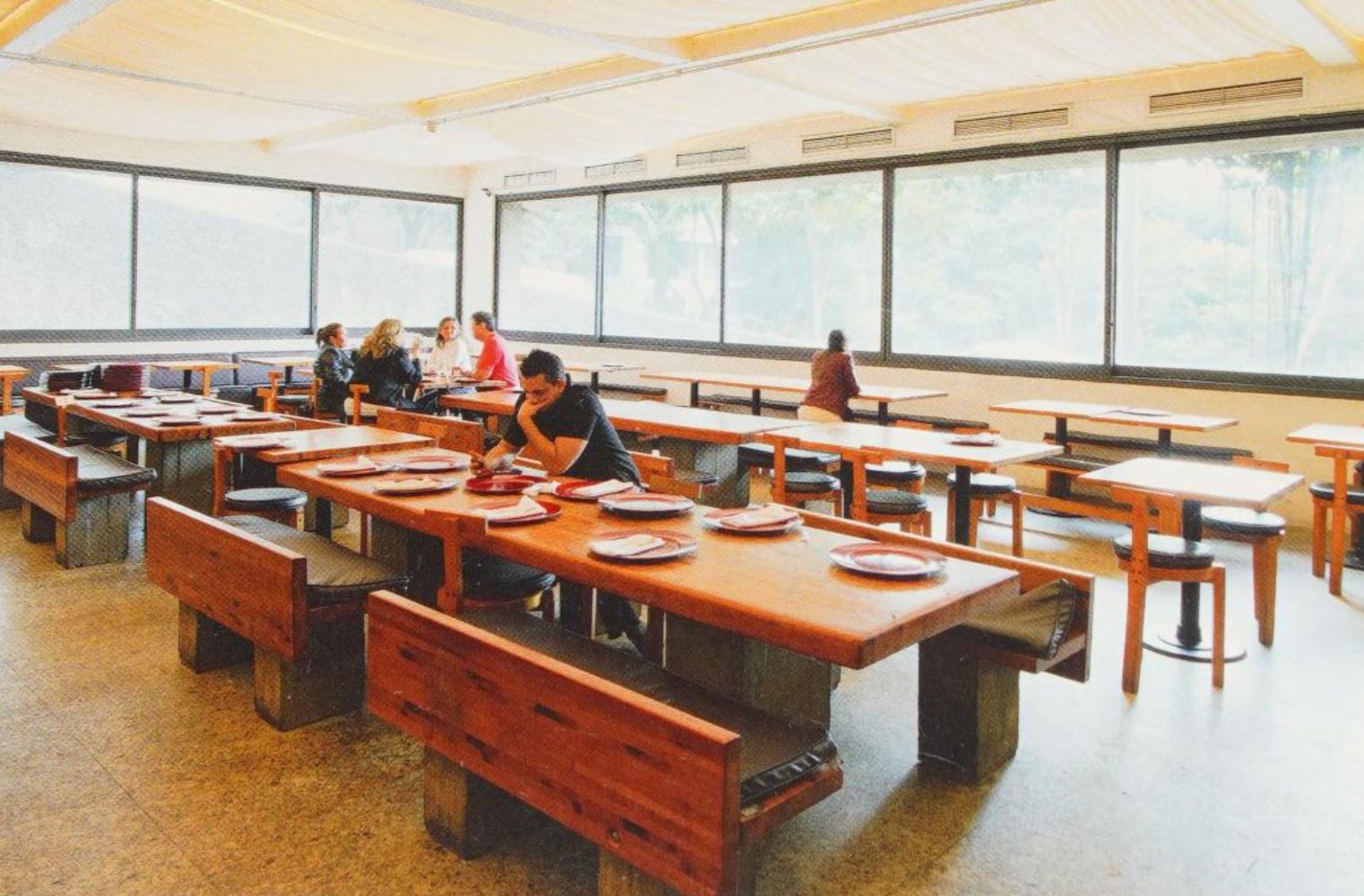
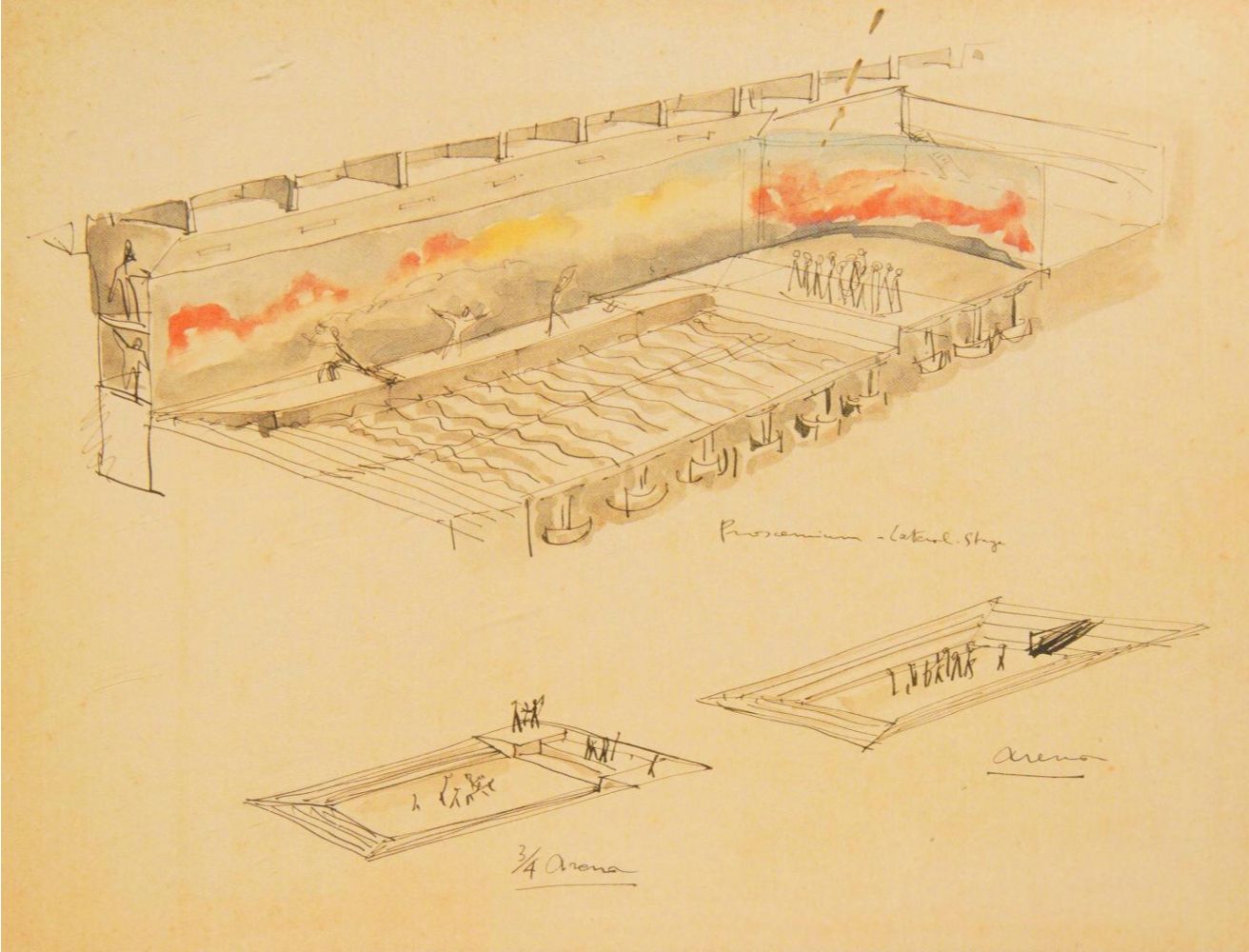
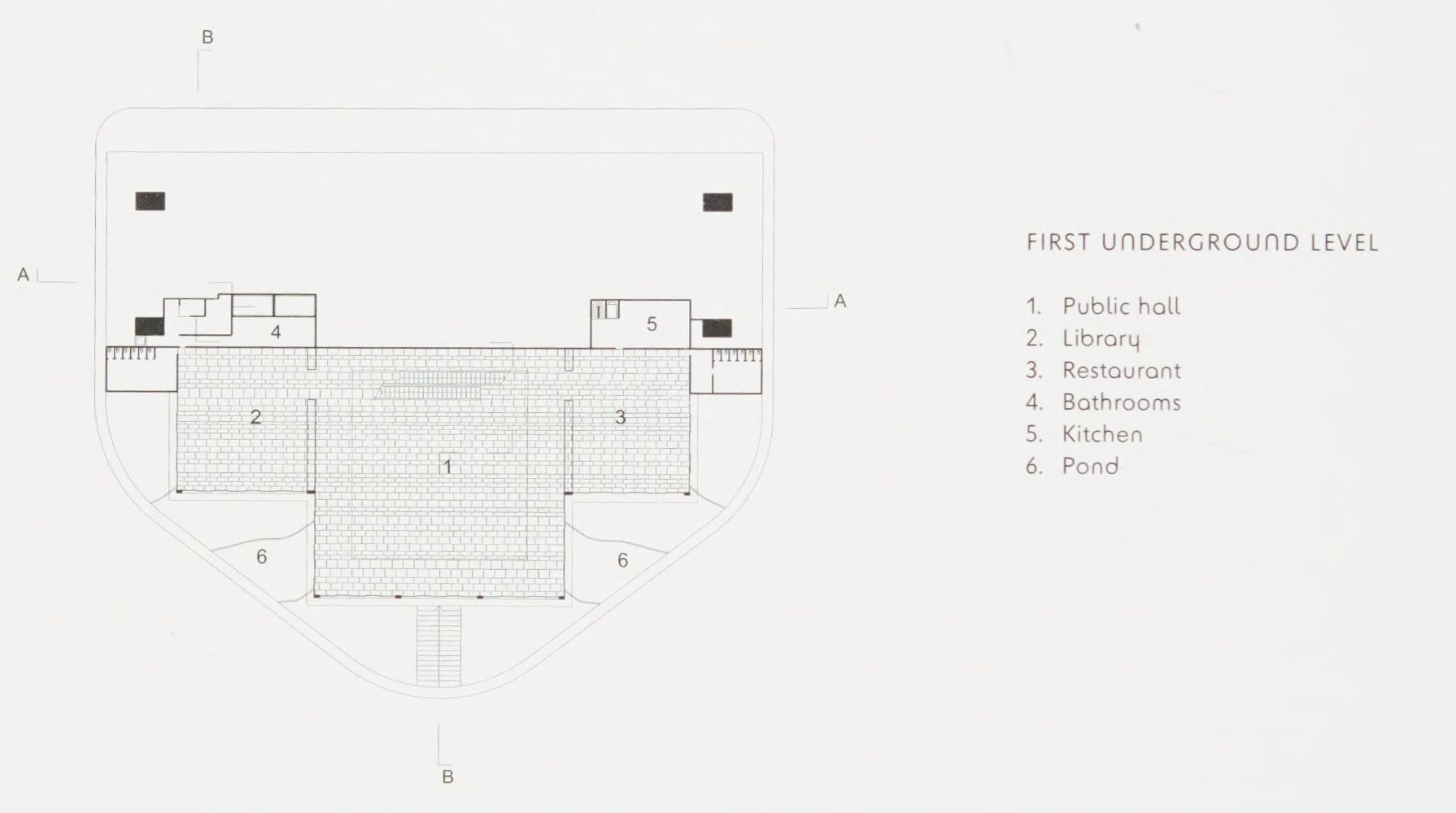
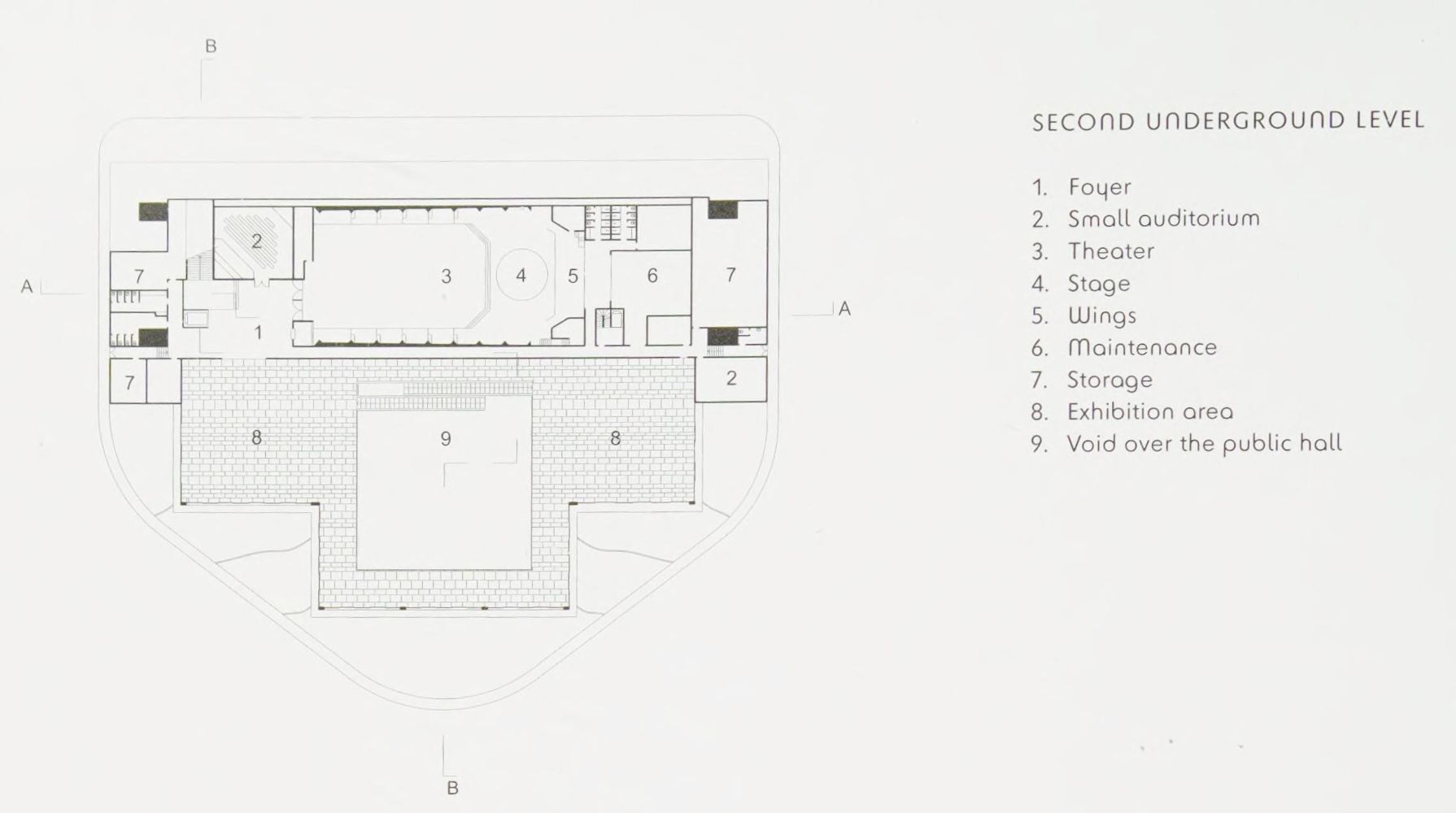
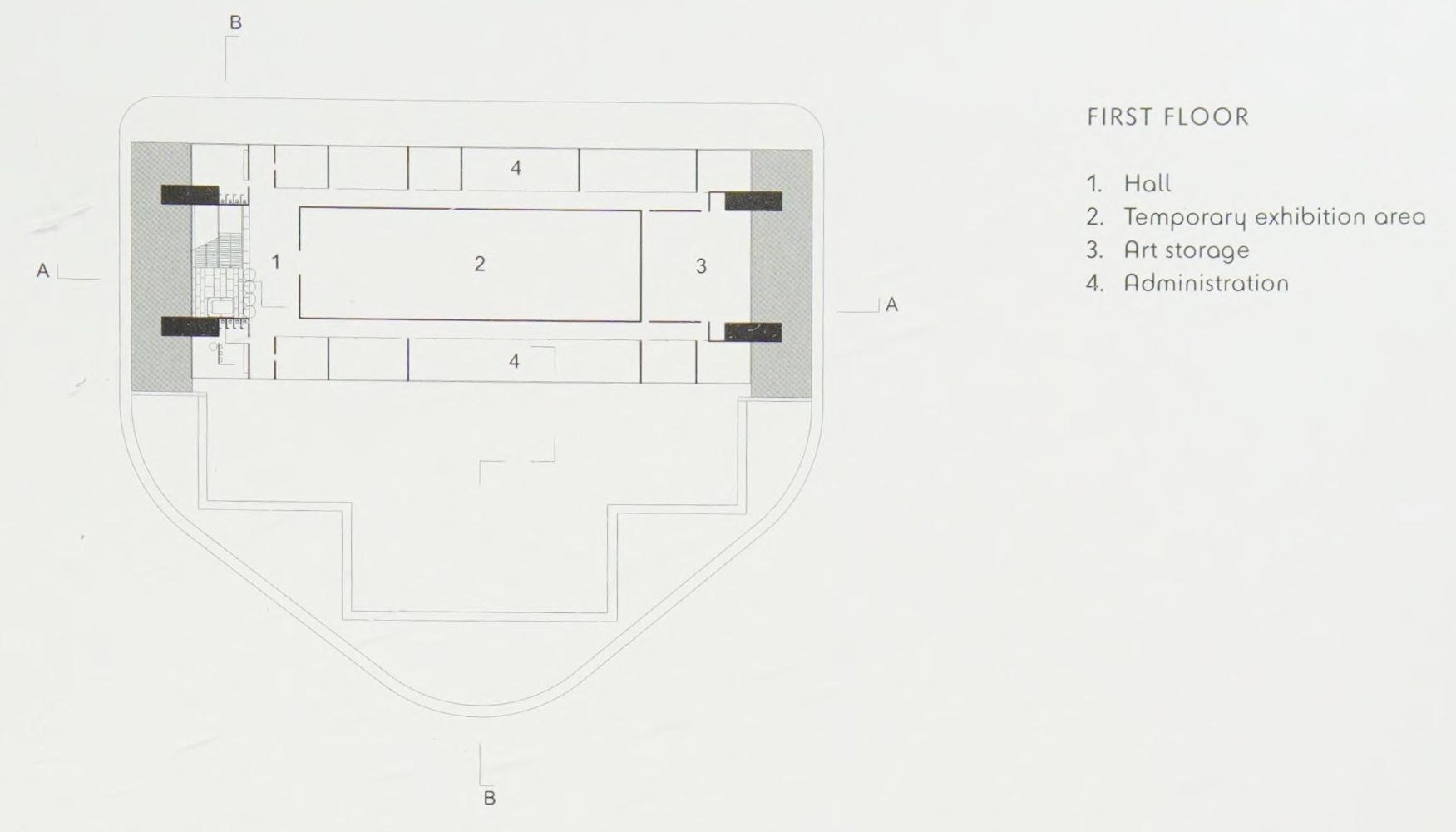
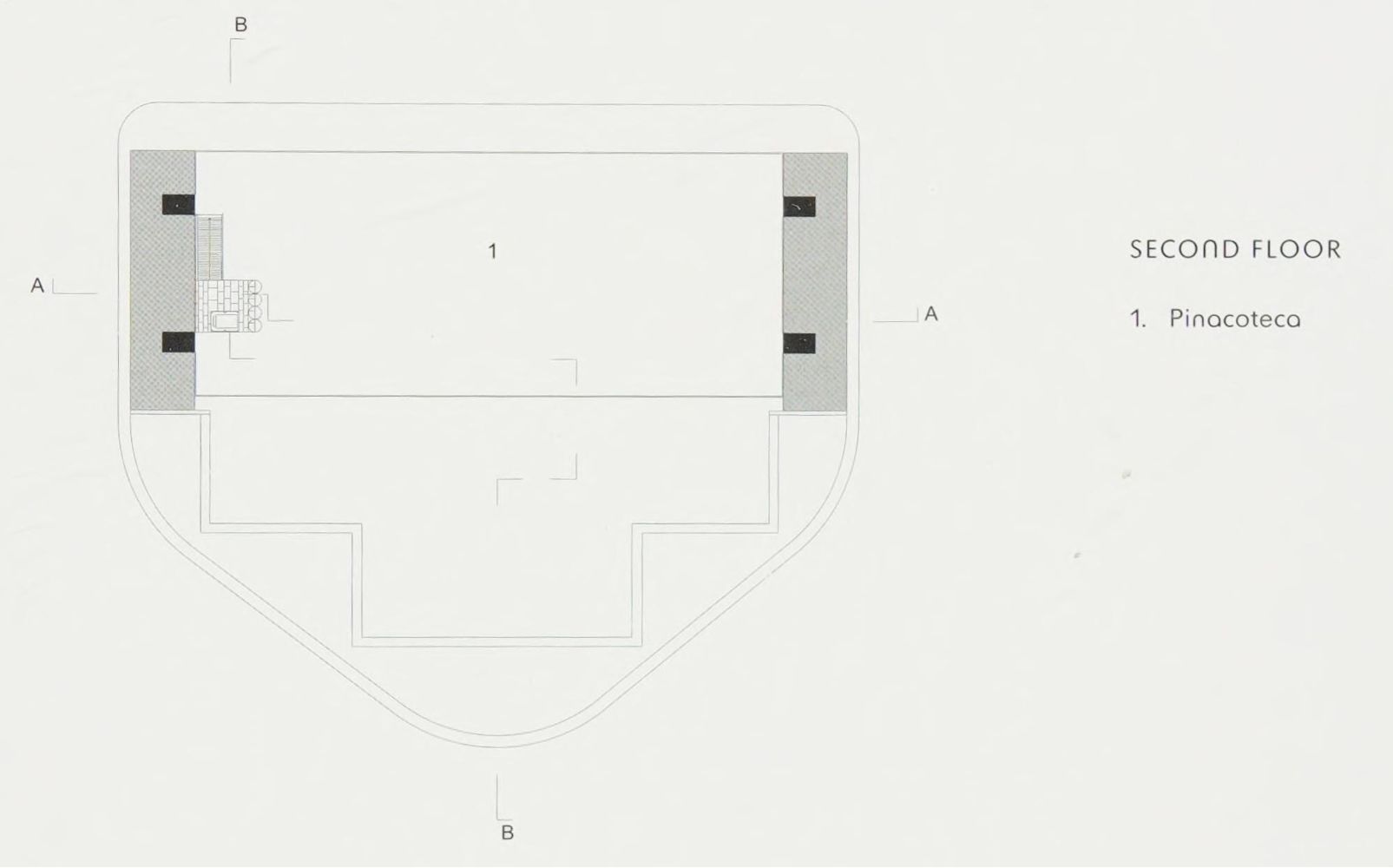
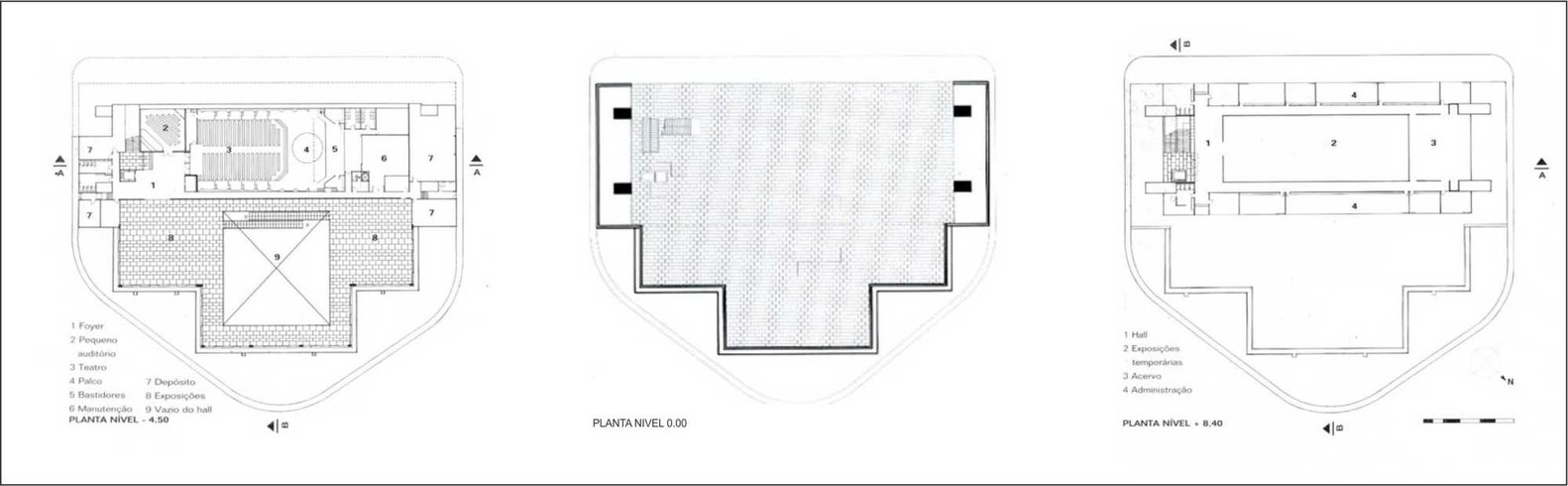
The interior distributes functions between suspended and below-grade volumes. Exhibition galleries occupy the elevated box, while auditoriums, library, and service areas are placed underground. Vertical circulation connects these layers and links the institution with the public realm.
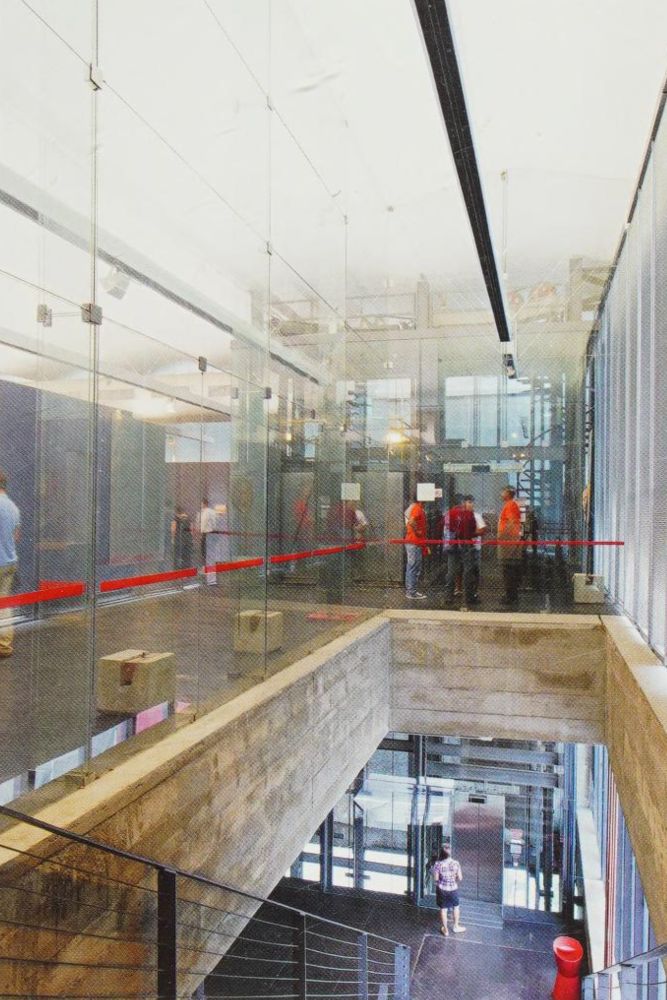
The exhibition strategy introduced a non-linear display system. Paintings were mounted on glass panels supported by concrete bases, removing traditional walls and allowing free movement through the gallery.
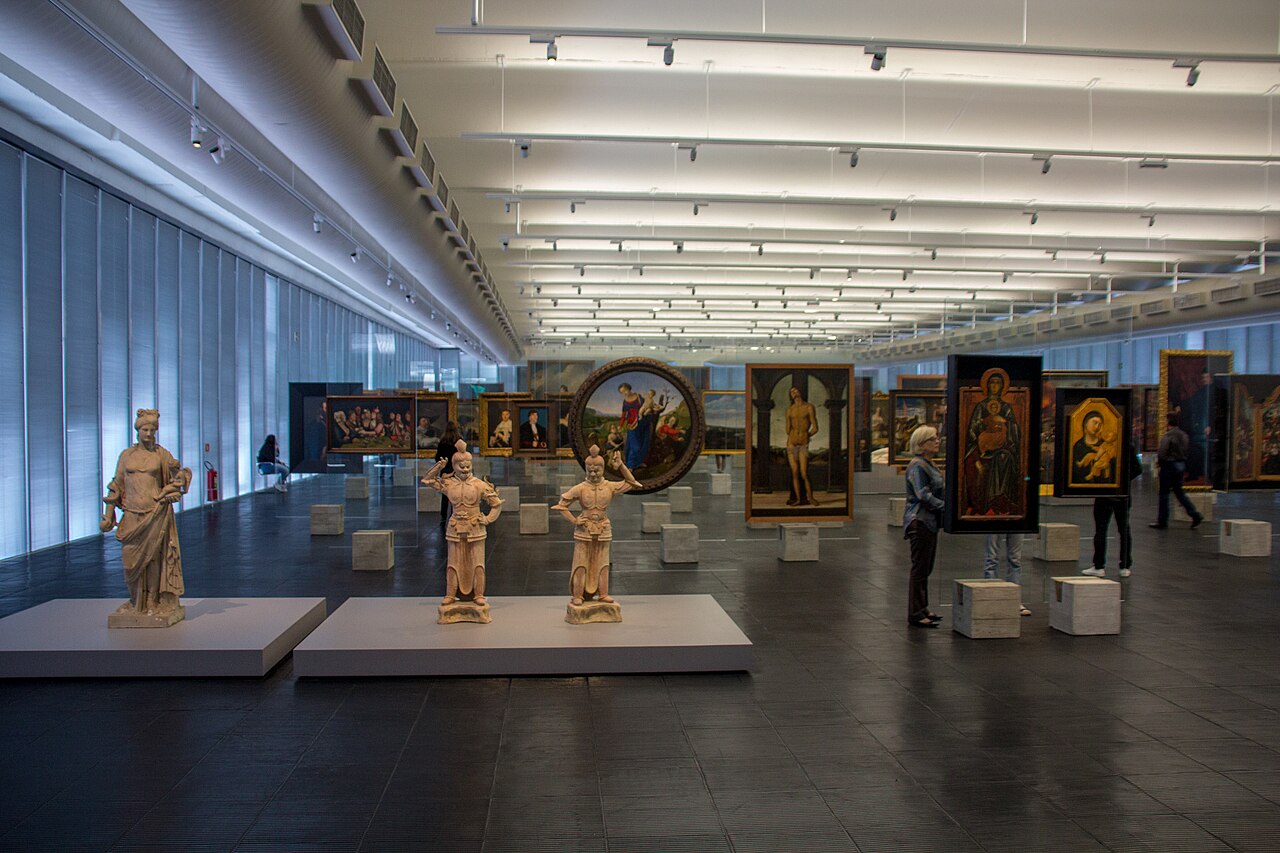
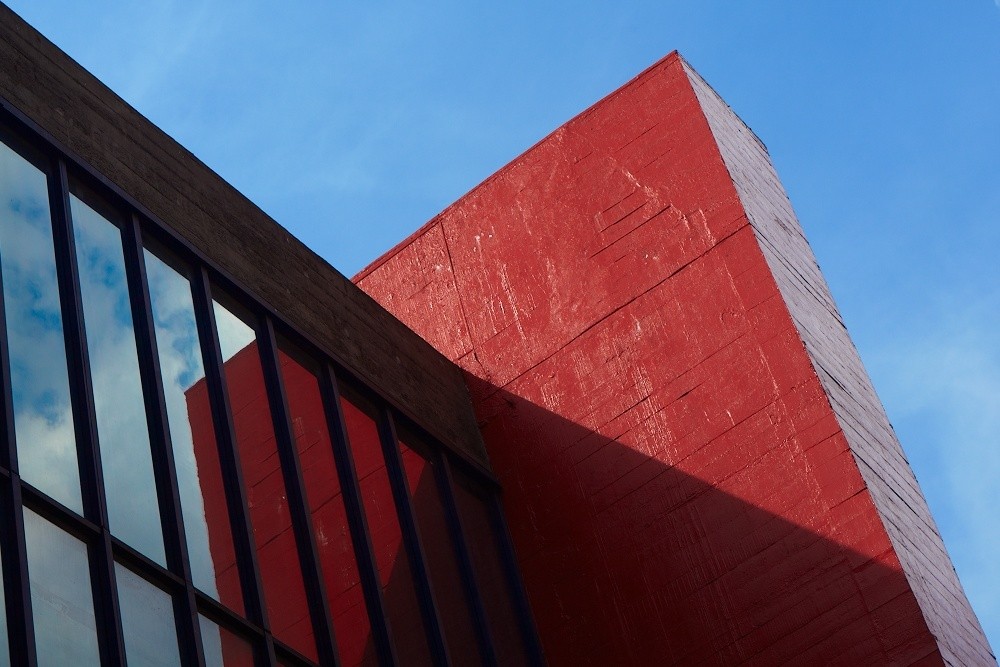
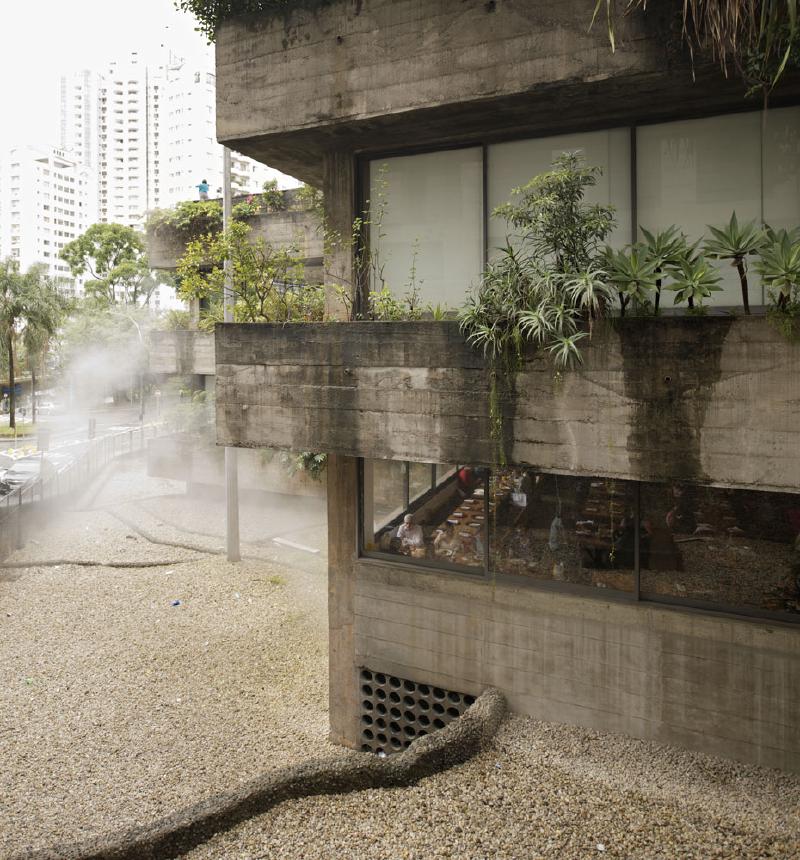
Material expression relies on exposed concrete and glass. The structural frame remains visible, while the glazed enclosure reduces the perceived weight of the suspended volume.
The museum operates as both cultural institution and public infrastructure. The integration of structure, program, and open space positions the project as a reference in Brazilian modern architecture and museum design.
Project Gallery

Project Location
Address: Avenida Paulista, 1578, Bela Vista, São Paulo, State of São Paulo (SP), 01310-200, Brazil
Location is for general reference and may represent a city or country, not necessarily a precise address.

